

Running News Daily
Running News Daily is edited by Bob Anderson and team. Send your news items to bob@mybestruns.com Advertising opportunities available.
Index to Daily Posts · Sign Up For Updates · Run The World Feed
Articles tagged #The TEN
Today's Running News
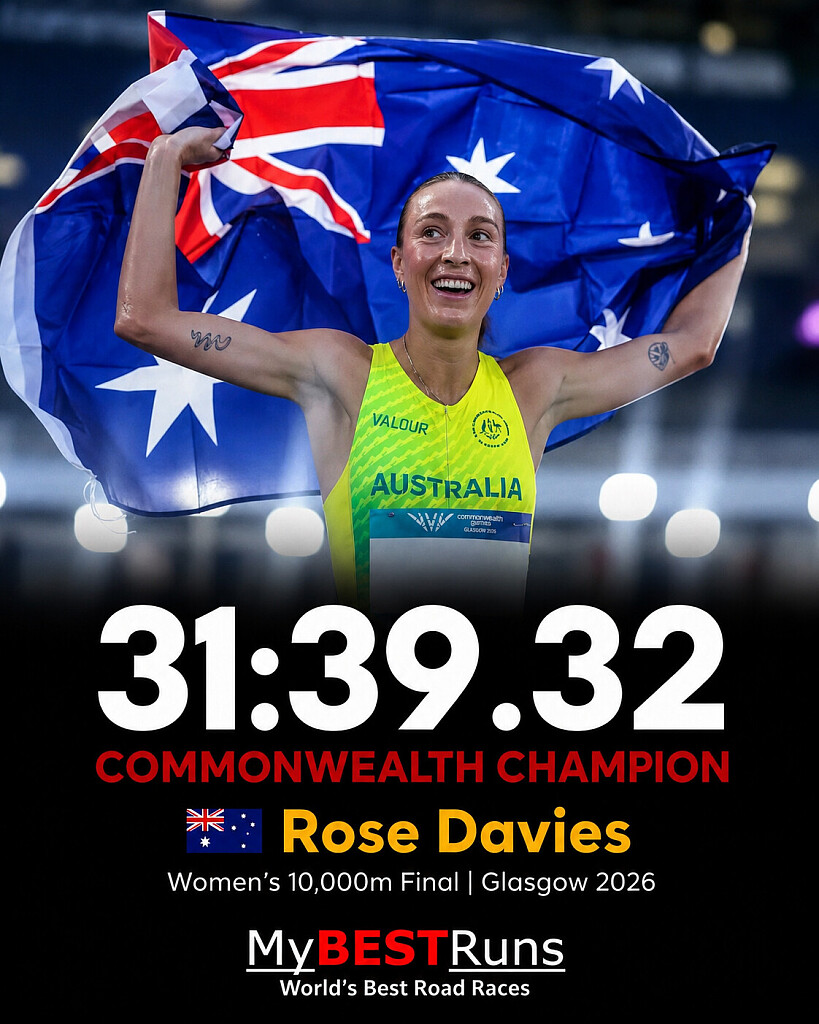


Rose Davies Makes History, Diana Wanza Claims Silver, and Florence Niyonkuru Shines with Bronze in Memorable Commonwealth Games 10,000m Final
Australia celebrated a landmark moment in distance running as Rose Davies produced a brilliant performance to win the women's 10,000m title at the 2026 Commonwealth Games in Glasgow, becoming the first Australian athlete ever to capture Commonwealth gold in the event. Clocking 31:39.32, Davies also recorded a season's best (SB) to crown a remarkable evening and write her name into Australian athletics history.
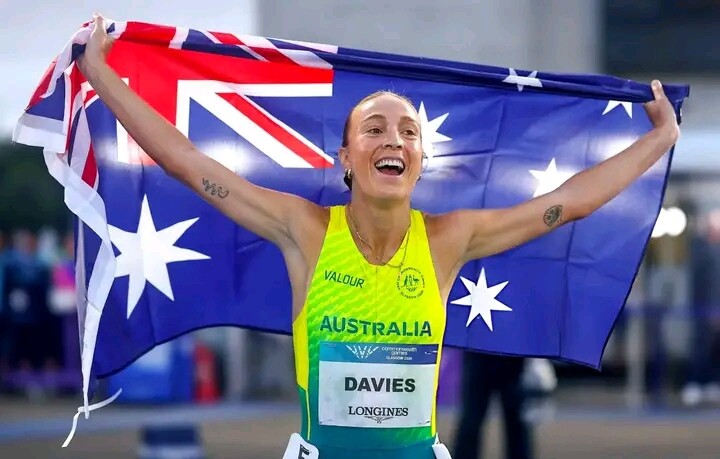
Davies delivered a composed and confident race from start to finish, demonstrating exceptional patience before unleashing a decisive surge in the closing stages to secure a historic victory. Her remarkable triumph not only earned Australia a long-awaited gold medal but also etched her name into the Commonwealth Games record books, adding one of the finest achievements in Australian distance-running history.
Kenya's Diana Wanza produced a courageous and determined performance to secure the silver medal in 31:50.13, further strengthening the nation's proud legacy in long-distance running. Remaining among the front-runners throughout the race, Wanza matched every challenge with grit and composure before crossing the finish line with a well-deserved runner-up finish against an outstanding field.
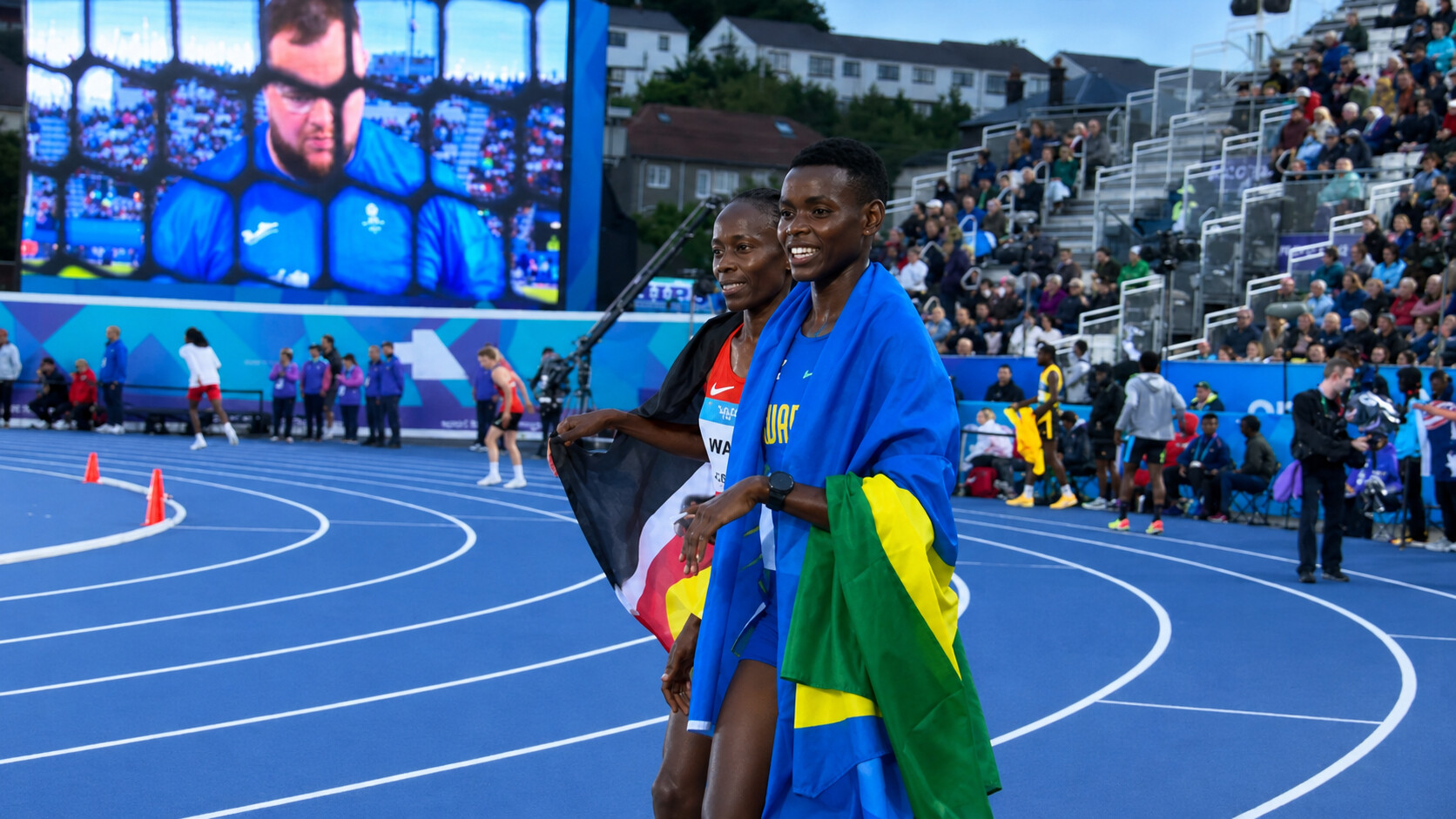
Rwanda's Florence Niyonkuru completed the podium with a superb run to capture the bronze medal in 31:55.47. Her impressive display underlined Rwanda's continued rise in international distance running and rewarded months of hard work with one of the biggest achievements of her career.
The race was fiercely contested from the opening laps, with the leading pack refusing to give an inch as the pace intensified. As the tension built inside the stadium, every lap brought fresh excitement and anticipation from the Glasgow crowd. Davies found another gear when it mattered most, Wanza responded with tremendous determination in pursuit of gold, while Niyonkuru held her composure to secure bronze in a thrilling finish. Behind the medalists, Uganda's Esther Chebet narrowly missed the podium by just 0.23 seconds, finishing fourth in a personal best of 31:55.70, highlighting just how competitive the championship final proved to be.
The depth of the field was reflected throughout the results, with several athletes producing season's bests and personal bests in one of the highest-quality women's 10,000m finals of the Games. Australia's Lauren Ryan finished fifth with a season's best, Uganda's Joy Cheptoyek placed sixth with another season's best, while Scotland's Megan Keith delighted the home crowd with a season's best ninth-place finish. The race showcased the exceptional standard of women's distance running across the Commonwealth.
Women's 10,000m Final – Commonwealth Games Glasgow 2026
1. Rose Davies (Australia) – 31:39.32 (SB)
2. Diana Wanza (Kenya) – 31:50.13
3. Florence Niyonkuru (Rwanda) – 31:55.47
4. Esther Chebet (Uganda) – 31:55.70 (PB)
5. Lauren Ryan (Australia) – 31:59.41 (SB)
6. Joy Cheptoyek (Uganda) – 32:01.92 (SB)
7. Miriam Chebet (Kenya) – 32:12.97
8. Rebecca Chelangat (Uganda) – 32:16.28 (SB)
9. Megan Keith (Scotland) – 32:22.11 (SB)
10. Rebecca Mwangi (Kenya) – 32:36.12
11. Izzy Fry (England) – 32:50.81
12. Poppy Tank (England) – 32:50.83
13. Florence Caron (Canada) – 32:59.51
14. Nthabiseng Letokoto (Lesotho) — 34:52.00 (SB)
The women's 10,000m final perfectly illustrated the depth of talent across the Commonwealth, with three exceptional athletes delivering performances worthy of the podium. While Rose Davies celebrated a groundbreaking victory for Australia, Diana Wanza once again demonstrated Kenya's enduring excellence in distance running, and Florence Niyonkuru's bronze medal highlighted Rwanda's growing presence among the world's elite. Together, they produced a championship race that will be remembered for its quality, intensity, and historic significance.
by Erick Cheruiyot for My Best Runs.
Login to leave a comment

The Commonwealth Games
The Commonwealth Games are coming to Victoria - bringing an action packed sports program to our regional cities and delivering a long-term legacy for our future. From 17 to 29 March 2026, Geelong, Bendigo, Ballarat, Gippsland and Shepparton will be on the world stage, attracting millions of viewers and creating thousands of jobs. The multi-city model will...
more...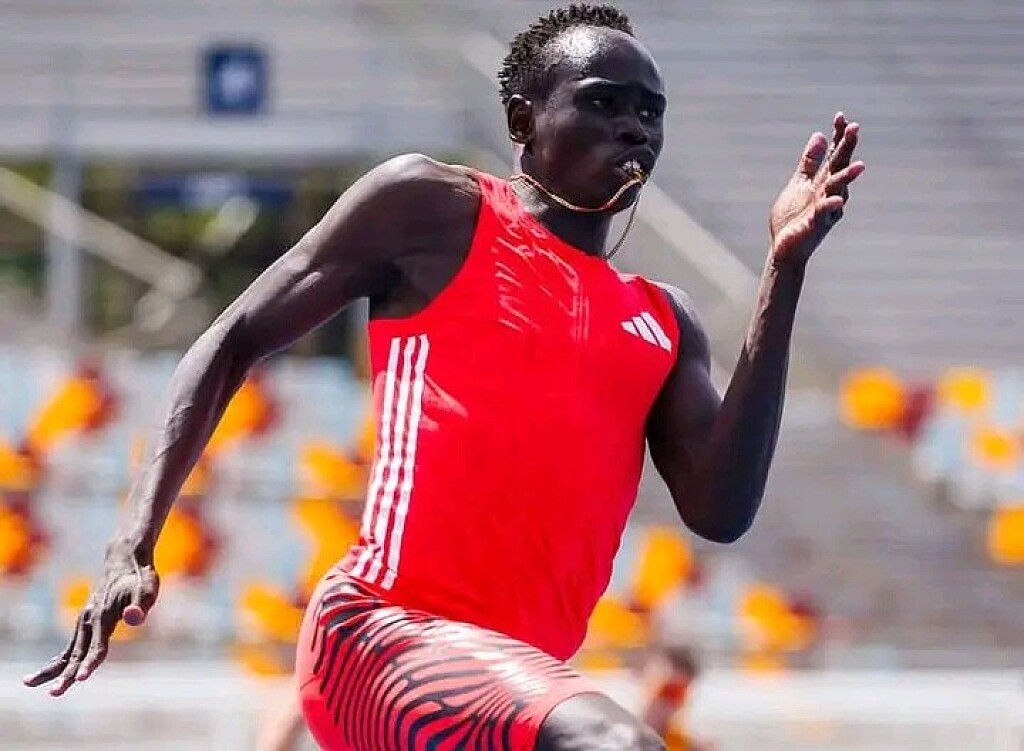
Heartbreak for Gout Gout: Australian Sprint Sensation Ruled Out of World U20 Championships With Serious Hamstring Injury
Australian teenage sprint sensation Gout Gout has suffered a devastating setback after being ruled out of next month's World Athletics U20 Championships in Eugene following a serious hamstring injury sustained during training in Brisbane.
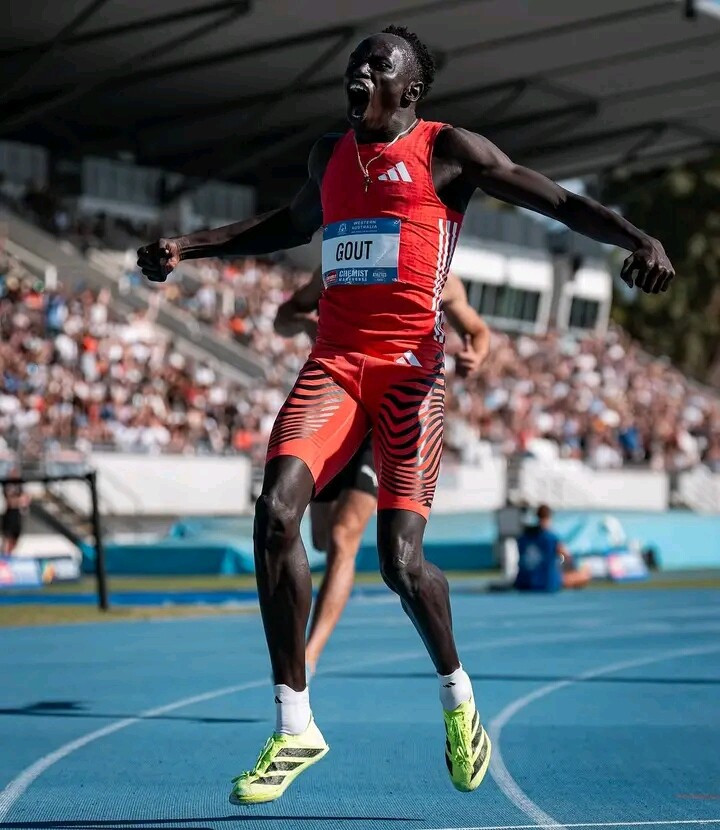
The highly rated sprinter injured his left hamstring during a training session on Wednesday night. An MRI scan conducted the following morning confirmed a Grade 3C partial tear of the proximal biceps femoris tendon. While the tear affects less than 10 percent of the tendon's cross-sectional area, it extends over an eight-centimetre length, making it a significant injury that requires a lengthy rehabilitation period.
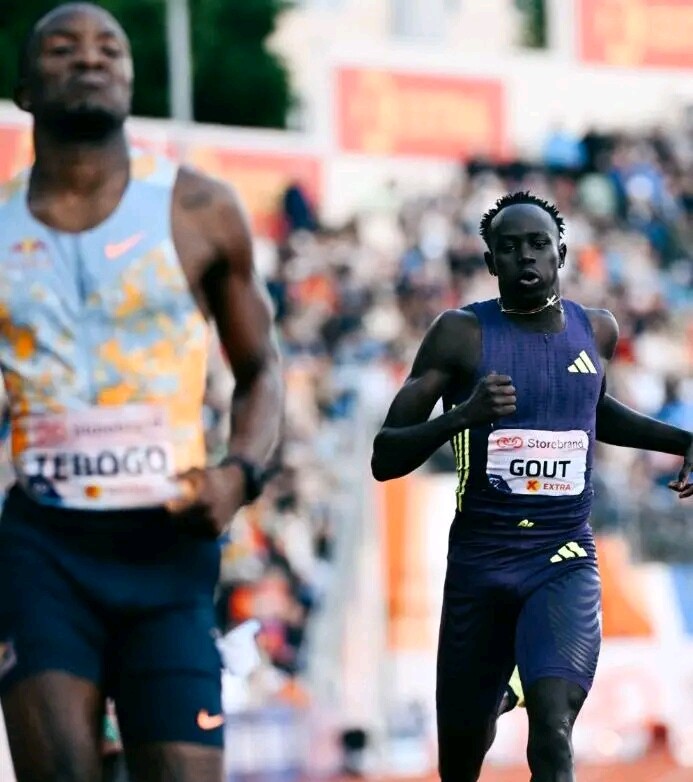
The diagnosis immediately ended Gout's hopes of competing in Eugene, where he had been expected to challenge for gold. The disappointment is even greater considering he had deliberately prioritized the World U20 Championships over the upcoming Commonwealth Games in Glasgow, choosing to focus his entire season on the global junior championships.
In a heartfelt statement following the diagnosis, Gout shared his disappointment while remaining determined to return stronger.
"I'm very disappointed but I have no other possibility but to accept the situation. I understand this is part of athletics. My focus now will be on my rehab in the coming weeks and months and ensuring I come back in 2027 better and stronger and faster."
The withdrawal is a major blow not only for Australian athletics but also for fans around the world who had eagerly anticipated watching one of the sport's brightest young stars compete on the international stage. Gout has emerged as one of the most exciting sprint prospects of his generation, earning global attention with his remarkable speed and maturity at such a young age.
Although missing the World U20 Championships is a painful setback, the teenager and his support team are now focused entirely on recovery. Rather than rushing back to competition, the priority will be a complete rehabilitation to ensure he returns in peak condition.
With youth firmly on his side and enormous potential still ahead of him, there is every reason to believe this injury will become just another chapter in what promises to be an outstanding career. Athletics fans everywhere will now be hoping to see Gout Gout back on the track in 2027—fully recovered, stronger than ever, and ready to continue his rise among the world's elite sprinters.
by Erick Cheruiyot for My Best Runs.
Login to leave a comment
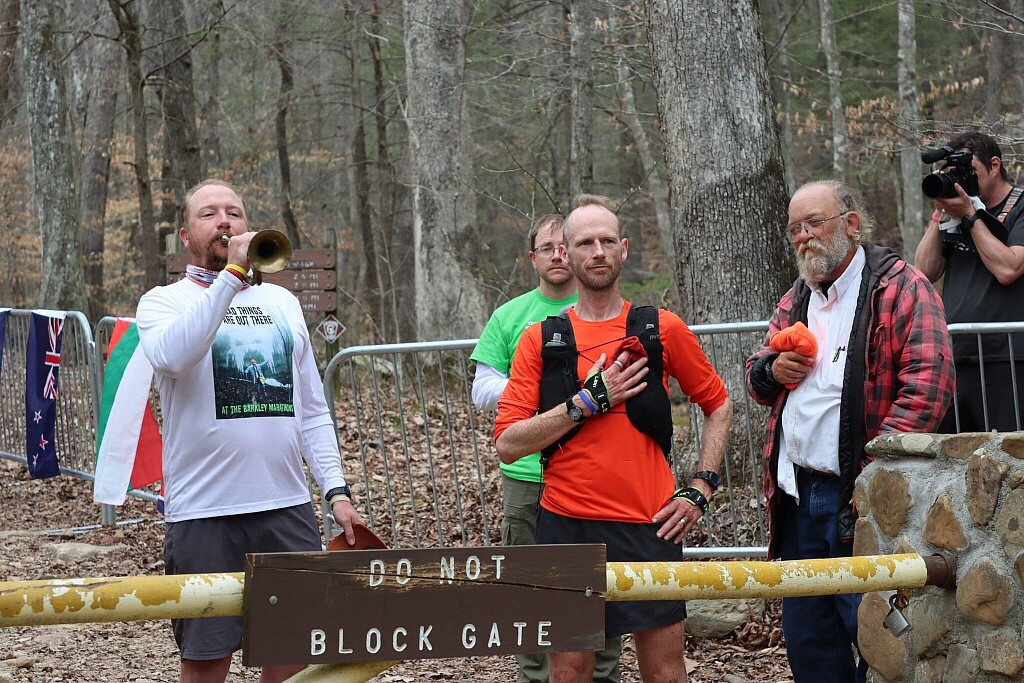
The Barkley Marathons: Where the World's Toughest Race Reveals Its Kindest Heart
The Barkley Marathons has long been shrouded in legend. It is the race that humbles elite athletes, breaks spirits, and sends even the most accomplished ultrarunners staggering out of the Tennessee wilderness defeated. With only 20 finishers in its 39-year history, it has earned a reputation as perhaps the most unforgiving endurance event on Earth.
Yet beneath the race's brutal exterior lies a story that few people hear.

In a column published by Runner's World UK on June 6, British ultrarunner Damian Hall offered a perspective that challenges many assumptions about the infamous event. Having experienced the Barkley Marathons three times at Frozen Head State Park, Hall argues that while the race itself may be merciless, the people surrounding it are remarkably compassionate.
The contradiction is striking.
Every runner who stands on the starting line is effectively told the same thing: once they disappear into the dense forests and steep ridgelines, they are on their own. There are no aid stations scattered throughout the course, no cheering crowds, and no guarantees of rescue. The Barkley demands self-reliance to a degree rarely seen in modern sport.

Yet Hall discovered that the community built around the race tells a very different story.
He recalls meeting rugged Barkley veterans whose tough appearances suggested they would be indifferent to the struggles of others. Instead, he found people deeply invested in the welfare of runners still battling through the darkness. Conversations around camp were not about personal achievements or race strategies, but about competitors who had yet to return.
Did they have enough food?
Were their headlamp batteries still working?
Had they packed sufficient warm clothing for the cold mountain night?
These were the questions being asked.
According to Hall, the atmosphere at the Barkley campground is defined not by competition, but by concern. In a race designed to push individuals to their absolute limits, participants and spectators alike seem united by a shared understanding of human vulnerability. The harsher the challenge becomes, the stronger the sense of community appears to grow.
Perhaps that is what makes the Barkley Marathons so unique.
Its reputation is built on suffering, failure, and impossibly difficult terrain. But behind the stories of exhaustion and heartbreak lies something far more inspiring: a gathering of people who genuinely care about one another. The race may demand that runners face the wilderness alone, yet they are surrounded by a community that never stops hoping for their safe return.
The Barkley Marathons remains one of the world's toughest sporting tests. But as Damian Hall's reflections suggest, it may also be one of the greatest reminders that endurance is not only about resilience and grit—it is also about humanity, generosity, and the bonds forged when people confront extraordinary challenges together.
by Erick Cheruiyot for My Best Runs.
Login to leave a comment
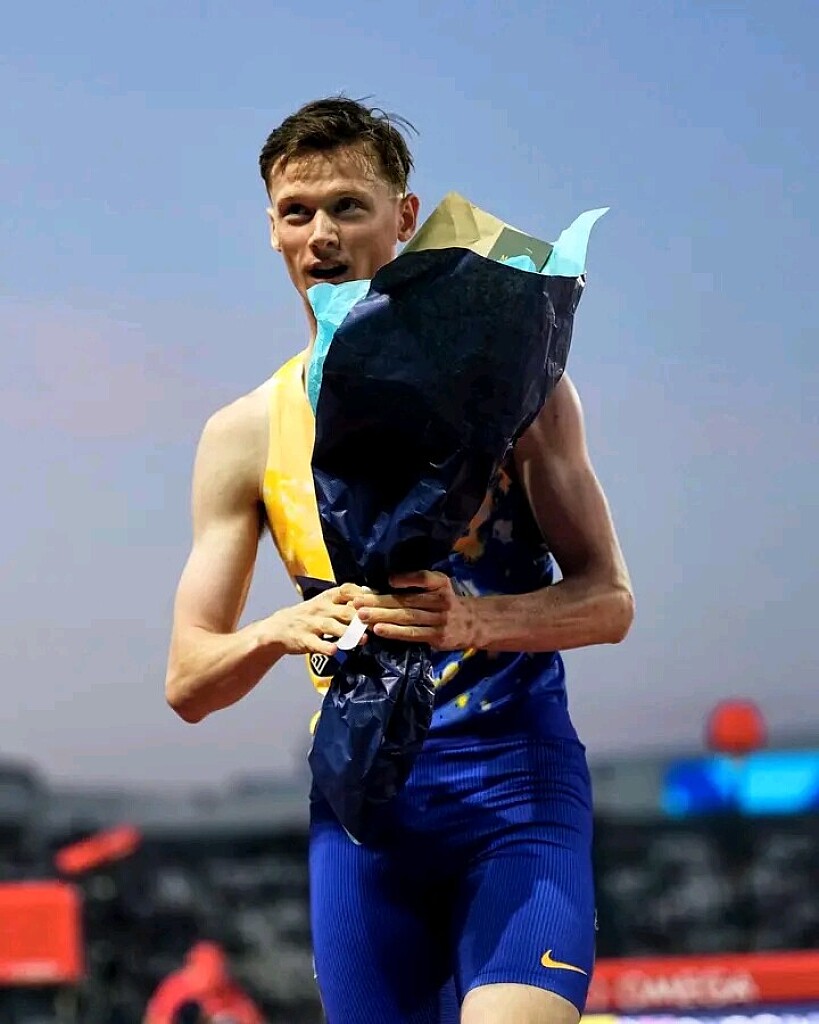
Max Burgin’s Golden Era Continues as British 800m Star Tightens Grip on History
Max Burgin is no longer just one of Britain’s brightest middle-distance talents — he is rapidly becoming one of the finest 800m runners the nation has ever produced.
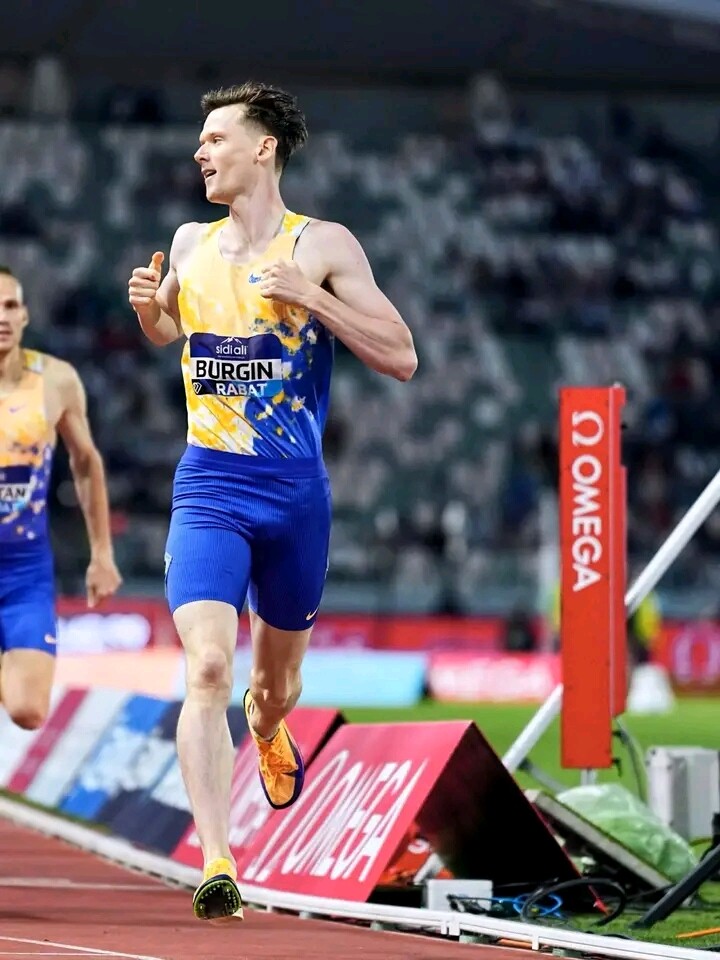
The 24-year-old strengthened his place among the greats of British athletics with another world-class performance at the Rabat Diamond League, storming to victory in the men's 800m in 1:42.98. The result added yet another elite mark to a growing collection that is rewriting the British all-time rankings.
Burgin now owns four of the ten fastest 800m performances ever recorded by a British athlete, an extraordinary achievement made even more impressive by the fact that every one of those performances has been run in under 1:43. Such consistency at a level few athletes in history have reached highlights both his talent and his growing maturity on the international stage.
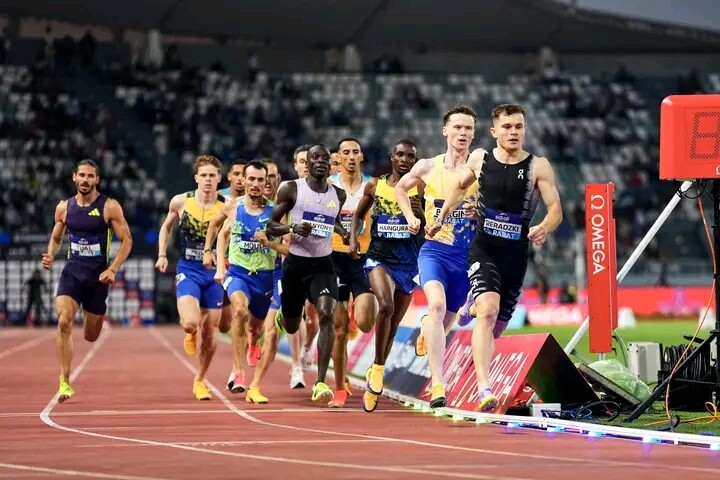
His personal best of 1:42.29, set in Tokyo, remains one of the standout performances in British middle-distance running and underlines his status as a genuine contender whenever he steps onto the track. In Rabat, Burgin once again demonstrated his ability to combine tactical awareness with devastating finishing speed, controlling the race before delivering another sub-1:43 performance against a high-quality field.
The achievement inevitably invites comparisons with British athletics legends. The national record of 1:41.73, set by Seb Coe in 1981, has stood for more than four decades and remains one of the sport's most iconic marks. Remarkably, the 45th anniversary of Coe's record falls on June 10, adding extra significance to Burgin's latest success as discussions grow about whether he could eventually challenge one of the longest-standing records in British athletics.
What makes Burgin's rise particularly compelling is not just the speed he has displayed, but the consistency with which he is now producing world-class performances. In an event where fractions of a second separate greatness from history, he continues to deliver times that place him among the very best athletes Britain has ever produced.
With the championship season approaching and his form trending upward, Burgin appears to be entering the prime years of his career. If his recent performances are any indication, British athletics may be witnessing the emergence of a runner capable of leaving a lasting legacy on the 800m — and perhaps even taking aim at a record that has endured for nearly half a century.
For now, another Diamond League victory and another place in the history books serve as powerful reminders that Max Burgin's remarkable journey is gathering momentum, one breathtaking lap at a time.
by Erick Cheruiyot for My Best Runs.
Login to leave a comment
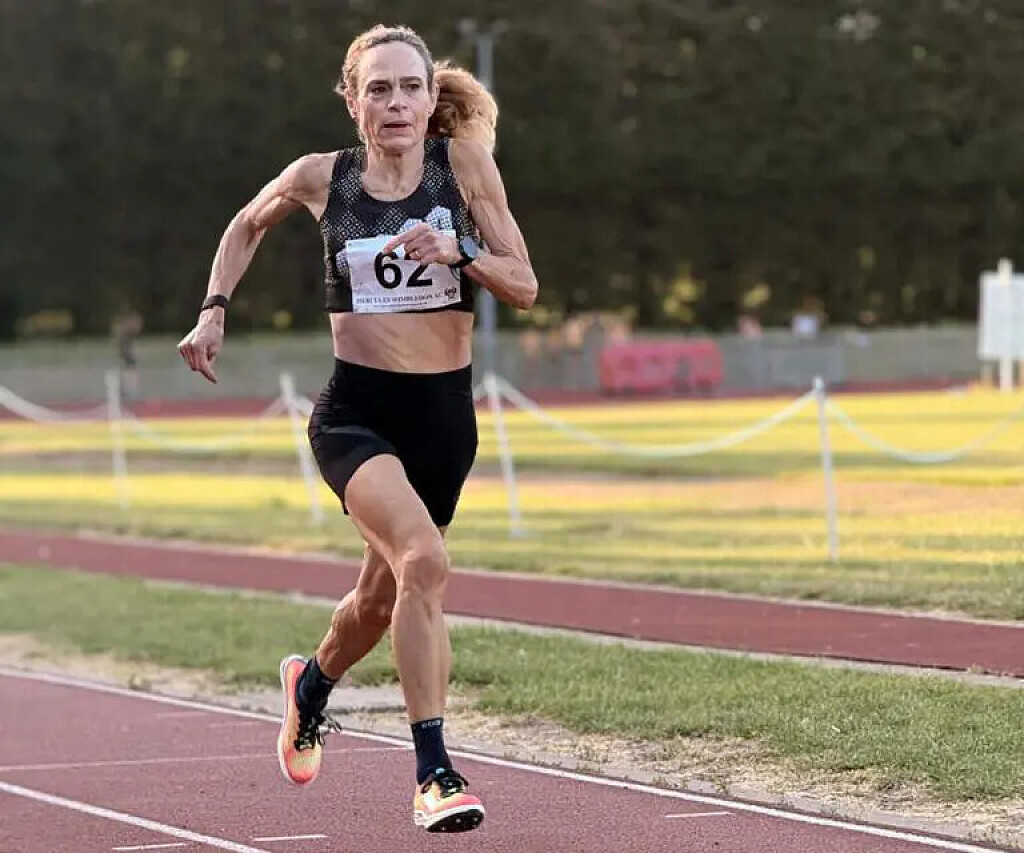
Clare Elms Rewrites the Limits of Age with Historic Sub-Five-Minute 1500m
Age is often described as the greatest opponent in athletics. For most runners, the battle is not against rivals on the track but against the relentless passage of time. Yet this spring, one remarkable athlete delivered a performance that challenged everything we think we know about aging and endurance.
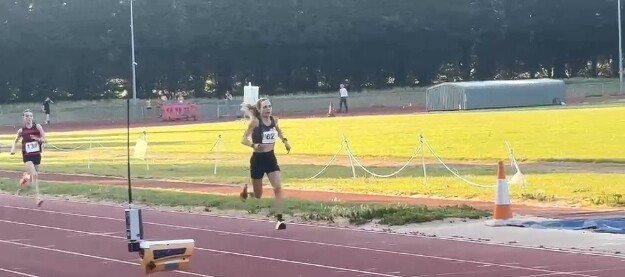
At a track meeting in Wimbledon, 62-year-old Clare Elms produced a run for the history books, clocking 4:56.77 for 1500 metres despite battling a stiff easterly wind. The performance not only lowered her own W60 world record but also made her the oldest woman ever to break the five-minute barrier for the distance.
The achievement becomes even more extraordinary when viewed in context. In her race, eight of the ten competitors were young enough to be her grandchildren. While many athletes spend their careers chasing youthful promise, Elms lined up wearing bib number 62—a simple reflection of her age, yet a powerful reminder of how far beyond conventional expectations she continues to compete.
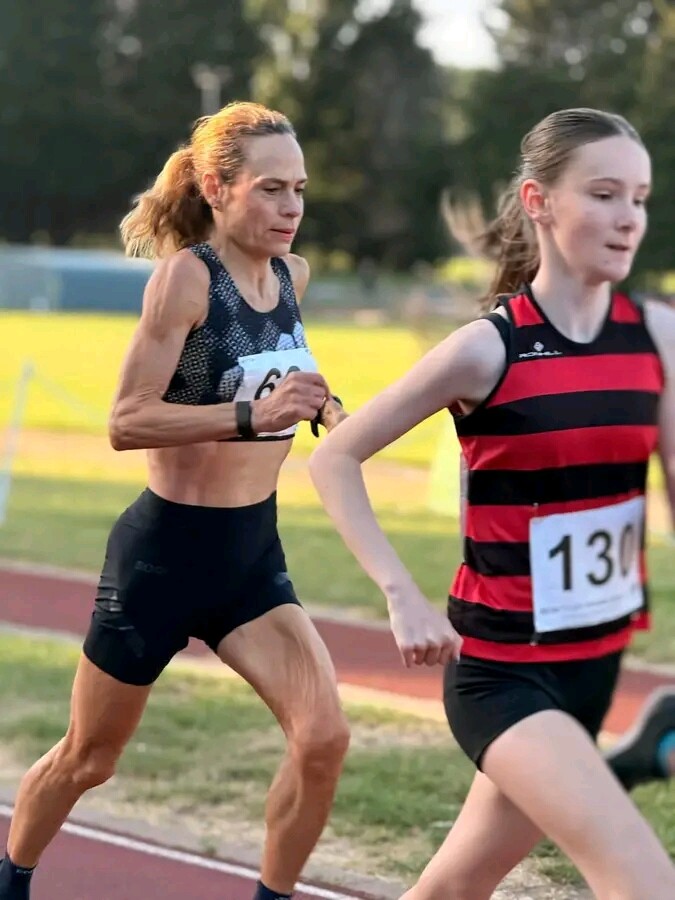
What separates Elms from many masters athletes is that her journey to elite running success began relatively late. She did not commit seriously to training until her early forties, following the birth of her triplets. At an age when many athletes are retiring from competitive sport, she was only beginning to discover her potential.
Over the next two decades, she steadily transformed herself into one of the most accomplished age-group runners in history. Rather than slowing down, she continued to redefine what was possible, collecting world records and national marks across multiple age categories.
Her latest milestone adds another chapter to an already extraordinary résumé. Elms currently holds sixteen British records across the 1500 metres and mile events, spanning categories from W45 through W60. Earlier this year, she also set world-best performances over both 5 kilometres and 5 miles, further cementing her status as one of the most dominant masters runners of her generation.
The significance of her sub-five-minute run extends beyond statistics and record books. It serves as a powerful statement that athletic excellence is not confined to youth. While conventional wisdom suggests that peak performance has an expiration date, Elms continues to challenge those assumptions with every race she enters.
In a sport obsessed with the pursuit of personal bests, Clare Elms has accomplished something even rarer—she has shifted the boundaries of what is believed to be possible. Most athletes spend their careers trying to hold on to their prime years. Clare Elms has spent hers proving that a prime can be redefined.
At 62, she is not merely setting records. She is reshaping the narrative of aging in sport, one remarkable lap at a time.
by Erick Cheruiyot for My Best Runs.
Login to leave a comment
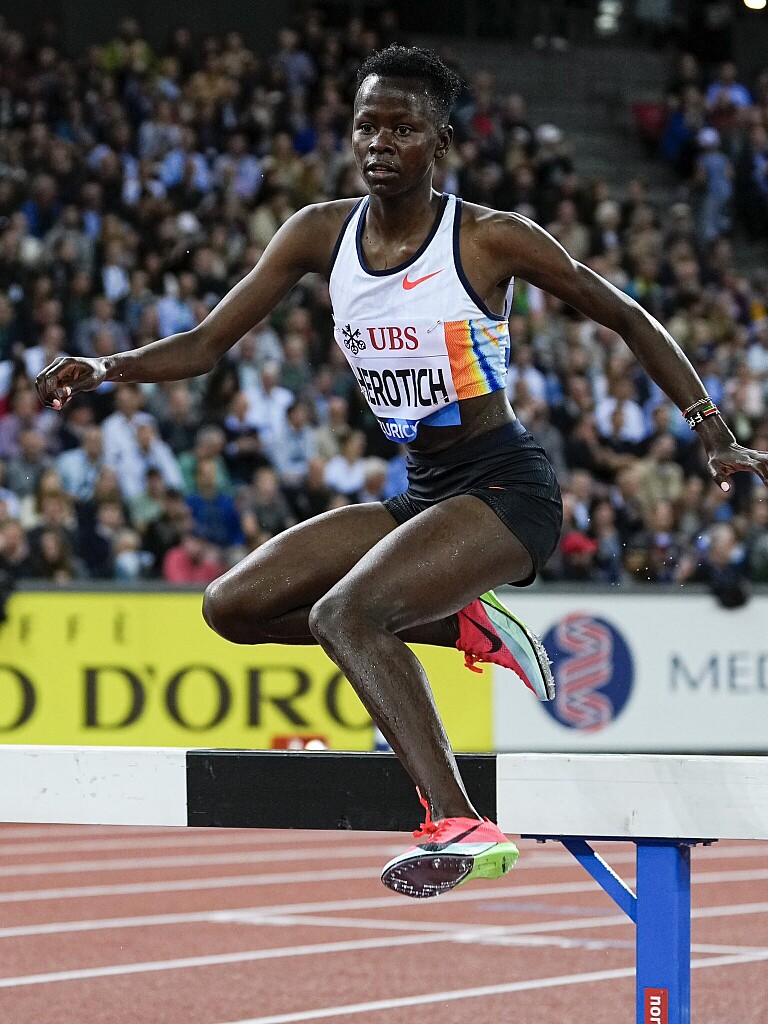
Battle of Champions: Cherotich, Yavi, Chemutai and Jeruto Headline Xiamen Showdown
On May 23, 2026, the spotlight of the Diamond League shifts to Xiamen, where the women’s 3000m steeplechase promises not just a race—but a confrontation of extraordinary talent, nerve, and precision.
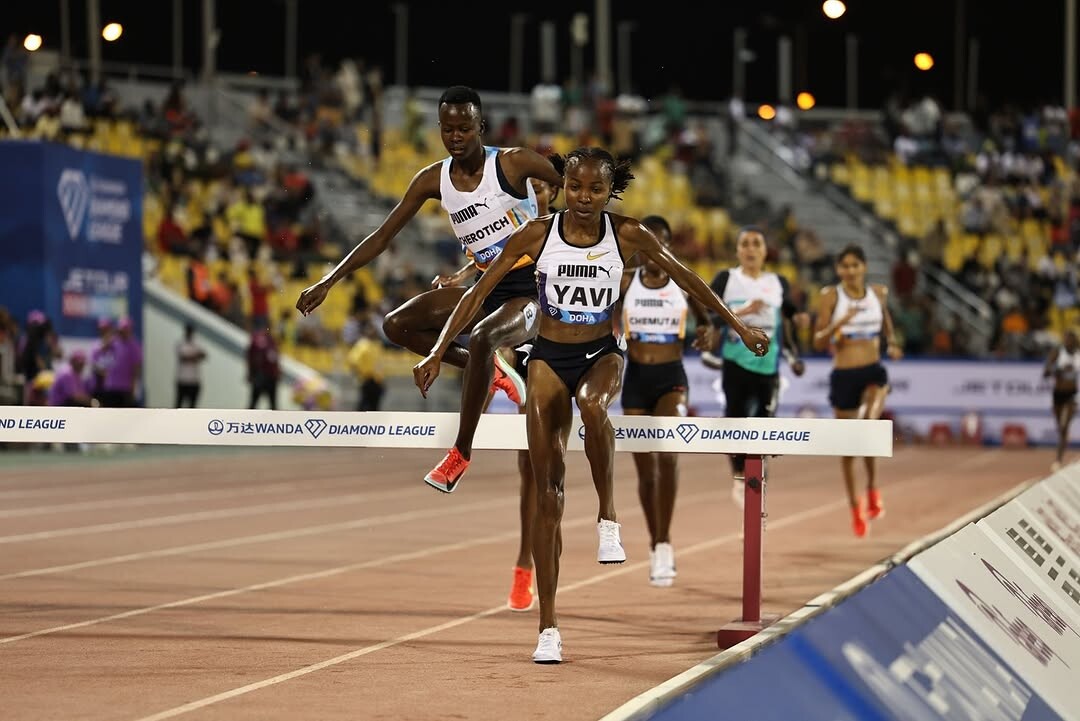
This is no ordinary field. It is a collision of champions from across the globe.
Leading the charge is Faith Cherotich of Kenya, the rising force whose fearless front-running and smooth hurdling have marked her as the next big name in the event. She faces a fierce challenge from Winfred Yavi, representing Bahrain, a tactically sharp competitor with a devastating finishing kick.
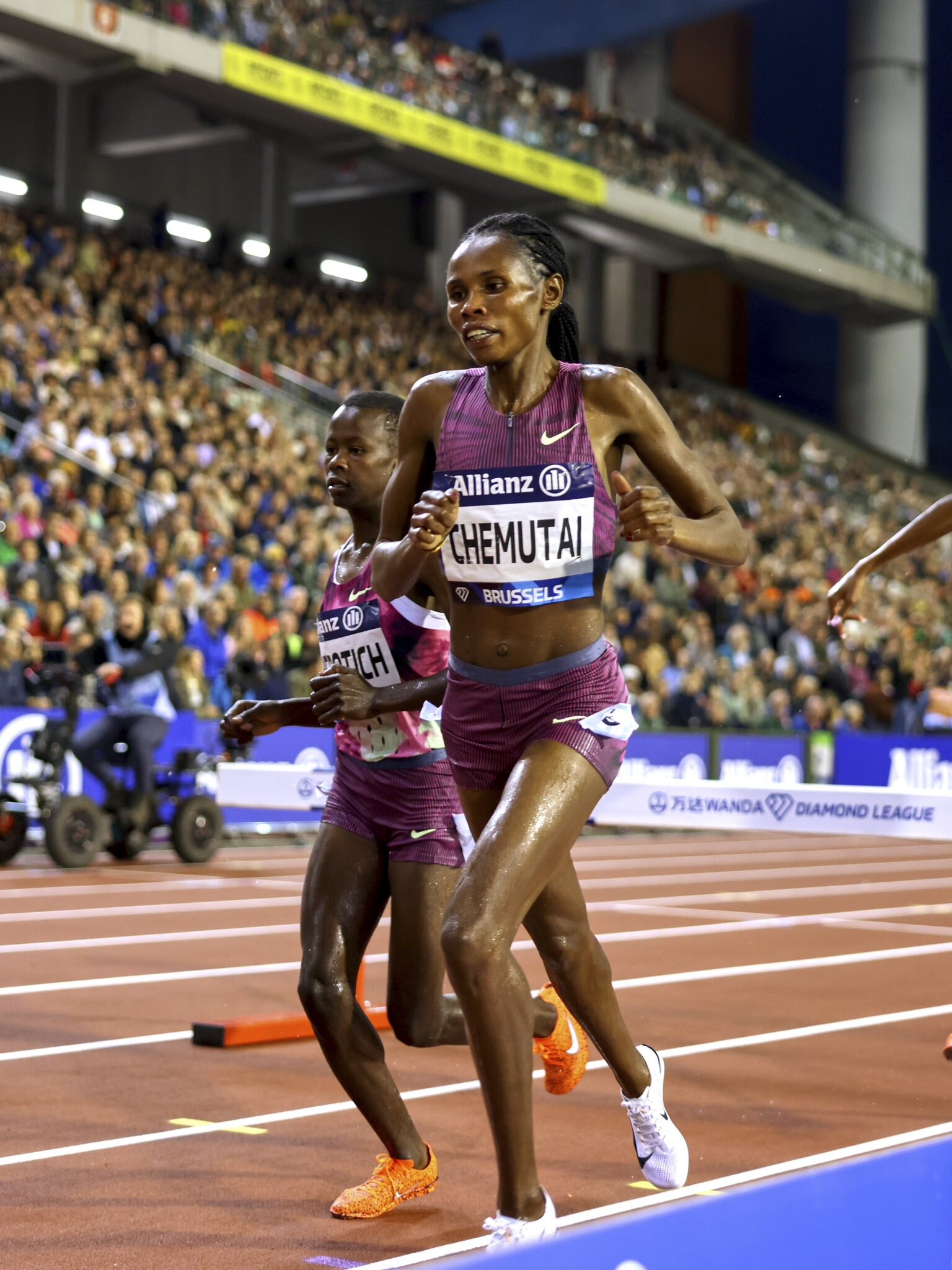
From Uganda comes Peruth Chemutai, the Olympic champion renowned for her composure, timing, and ability to rise in decisive moments. Meanwhile, Norah Jeruto carries the flag of Kazakhstan, bringing championship pedigree and a proven ability to dismantle elite competition on the biggest stages.
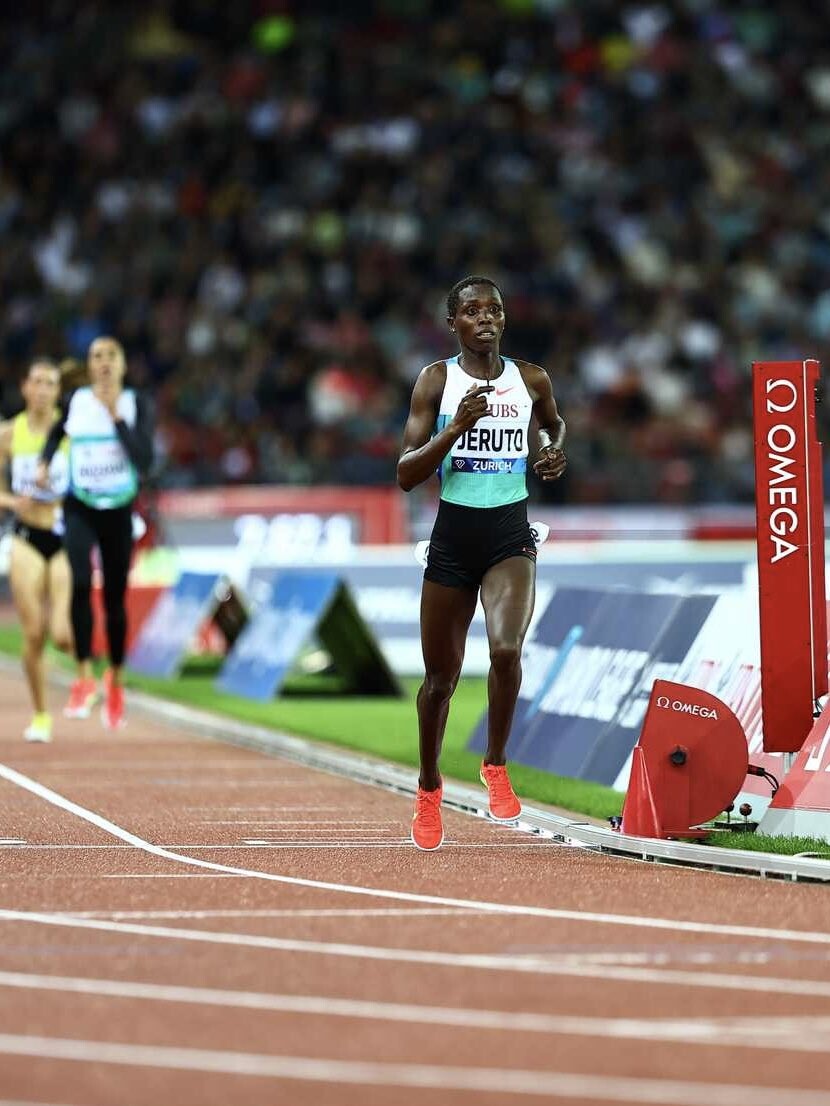
Four athletes. Four nations. One unforgiving event.
The steeplechase is where rhythm meets chaos—where a single mistimed barrier or misjudged water jump can undo even the strongest contenders. At this level, the margins are razor-thin, and the outcome could hinge on the final lap, or even the final leap into the water.
Xiamen’s track will not merely host a race; it will stage a tactical battle. Expect aggressive positioning early on, calculated surges in the middle laps, and a dramatic crescendo as the bell rings. Each contender brings a distinct strength—Cherotich’s boldness, Yavi’s finishing speed, Chemutai’s championship calm, and Jeruto’s relentless consistency.
Calling a winner in such a field is no easy task. If the race turns into a brutal test of endurance, Yavi’s closing strength could prove decisive. Yet Cherotich’s fearless racing style, Chemutai’s experience, and Jeruto’s big-stage mentality ensure that nothing is guaranteed.
One thing is certain: this will be more than a race. It will be a battle for supremacy over barriers, water, and willpower.
The stage is set. The tension is rising. And in Xiamen, only one nation—and one athlete—will stand tallest.
by Erick Cheruiyot for My Best Runs.
Login to leave a comment
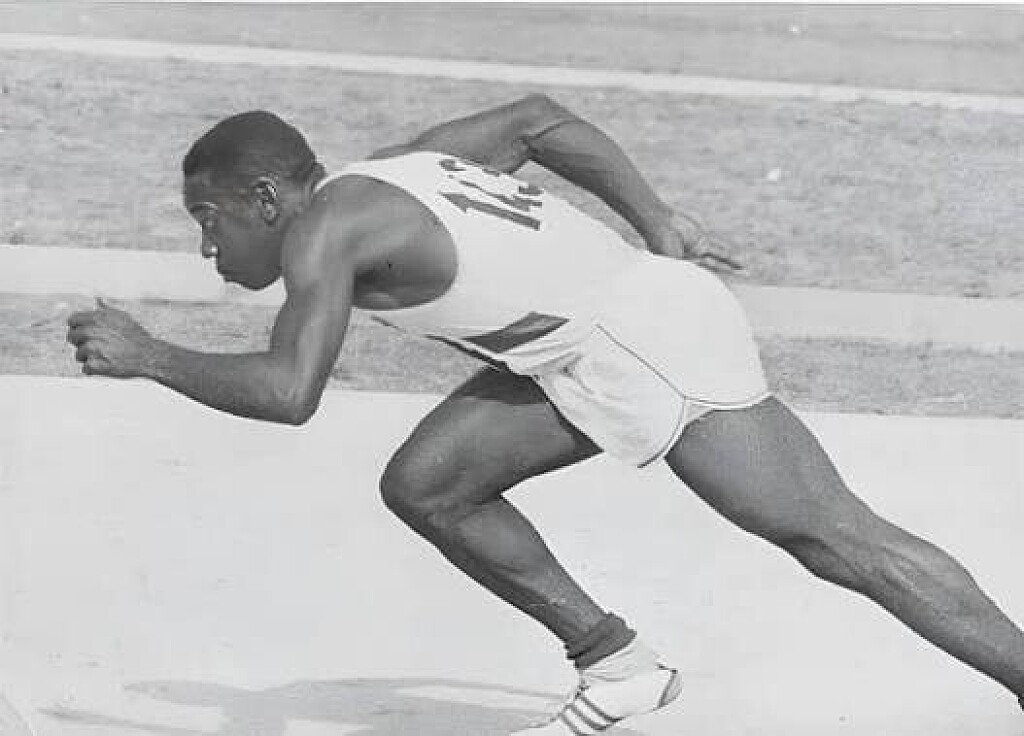
Enrique Figuerola: Cuba’s Sprint Pioneer Who Turned Speed Into Legacy
Some athletes drift quietly through history. Others arrive with force, leaving marks too deep to erase. Enrique Figuerola belonged to the latter.
Born on July 15, 1938, in Santiago de Cuba, Figuerola rose from humble beginnings under the Caribbean sun to become one of the greatest sprinters Cuba has ever produced. Long before modern sprinting became a global spectacle, he was already proving that talent, discipline, and fearless ambition could carry a man from local tracks to the Olympic stage.

His first major global statement came at the 1960 Olympic Games in Rome. Against a field packed with established stars, the relatively unknown Cuban reached the 100 metres final and finished fourth. To many, it was a near podium finish. To Figuerola, it was confirmation that he belonged among the fastest men in the world.
Two years later, he arrived in London for the prestigious AAA Championships at White City Stadium. There, the quiet sprinter from Cuba stunned spectators by capturing the 100-yard title with authority. It was more than a victory—it was a warning that Figuerola was becoming a serious force in world sprinting.
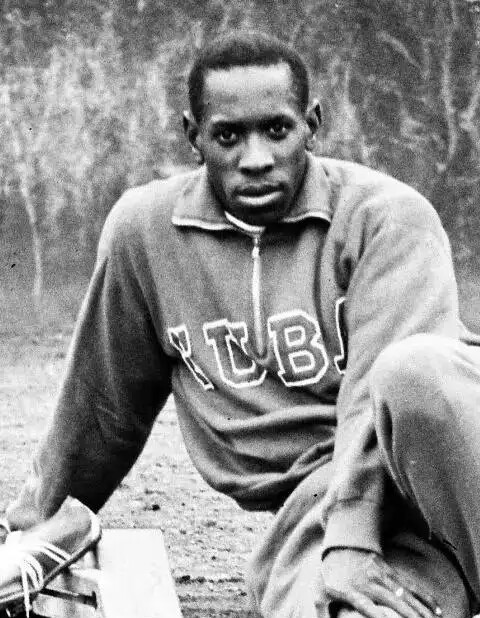
Then came the defining moment of his individual career: the 1964 Olympic Games in Tokyo.
As the tension built inside the stadium, Figuerola settled into the blocks for the men’s 100 metres final. When the gun fired, he burst forward with explosive precision, matching strides with the world’s best. Only the legendary American Robert Hayes finished ahead of him, while Canada’s Harry Jerome took bronze. Figuerola claimed the silver medal, becoming one of Cuba’s greatest Olympic sprint heroes.
He returned to London in 1965 and once again conquered the AAA Championships 100-yard race, proving his earlier triumph had been no accident. Same city, same straight, same blazing Cuban speed.
By the 1968 Olympic Games in Mexico City, Figuerola was no longer simply an individual contender—he was now a veteran leader. Teaming up with Hermes Ramírez, Juan Morales, and Pablo Montes in the 4x100 metres relay, Cuba delivered a brilliant performance to secure silver behind the dominant United States squad. It was Figuerola’s second Olympic silver medal and another proud milestone for Cuban athletics.
His career was decorated with medals, titles, and elite performances, including a remarkable 10.23 seconds in the 100 metres during the Mexico City era—an exceptional mark for his generation.
Yet numbers alone cannot explain his legacy.
What endures most is the image of Enrique Figuerola in the starting blocks: focused, composed, carrying the hopes of a nation on his shoulders. He represented an era when sprinting was raw, fierce, and deeply personal—when every race felt like a statement.
Enrique Figuerola was more than a medalist. He was a pioneer, a symbol of Cuban excellence, and a man whose speed forced history to notice.
Some athletes are remembered for victories. Others are remembered for changing what people believed was possible. Figuerola did both.
by Erick Cheruiyot for My Best Runs.
Login to leave a comment
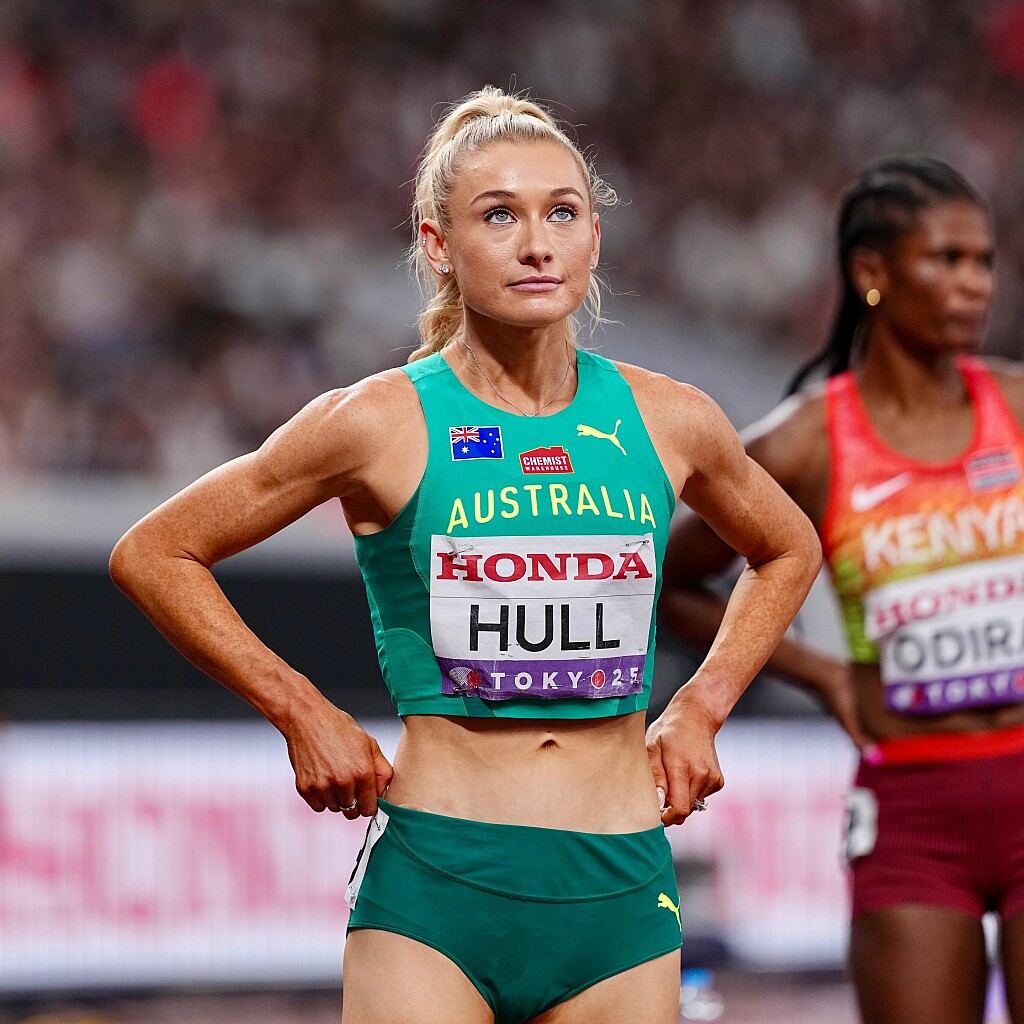
Emotion, Controversy and Redemption: Jessica Hull’s Championship Drama Ends in Triumph
Australian middle-distance star Jessica Hull found herself at the center of one of the most talked-about moments of the national athletics championships after a dramatic fall in the women’s 1500 metres sparked heartbreak, controversy, and an emotional response from her father and coach, Simon Hull.

In the aftermath of the incident, Simon Hull publicly apologised for the way he reacted, admitting that emotions got the better of him during the tense moments that followed the race. He later reached out to athletics officials to express his regret, acknowledging that he should have handled the situation with greater composure.
Yet despite the apology, he maintained his belief that his daughter was denied a genuine chance at victory after being clipped on the home straight while chasing the title. For a coach and father who had watched months of preparation lead to that decisive moment, the disappointment was impossible to hide.
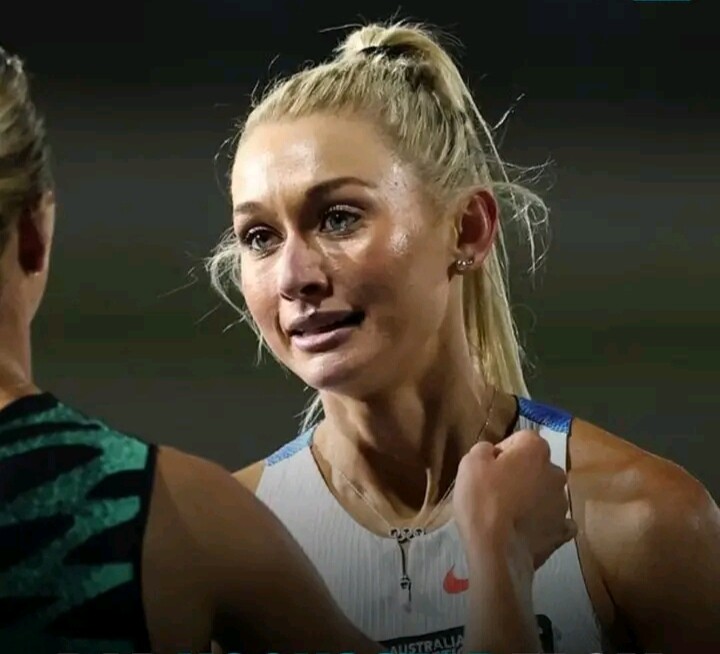
Jessica Hull had arrived at the championships with history in her sights. The Olympic silver medallist was attempting a rare and ambitious treble—winning the 800m, 1500m and 5000m at a single national championships. It was a challenge that demanded both speed and endurance, and one that underlined her remarkable range as an athlete.
Although the 1500m ended in frustration, Hull’s response was the clearest statement of her class. Rather than dwell on the controversy, she returned to the track two days later and delivered a commanding performance in the 5000m, surging to victory in style.
That performance not only showcased her physical strength, but also her mental resilience. Champions are often defined not by how they celebrate success, but by how they respond to adversity—and Hull did exactly that.
With the championships now behind her, attention turns to the upcoming Commonwealth Games, where Hull remains one of Australia’s brightest medal hopes. If this turbulent week proved anything, it is that setbacks may slow her path, but they are unlikely to stop her rise.
by Erick Cheruiyot for My Best Runs.
Login to leave a comment
When the Pacemaker Becomes the Contender: Rethinking Roles in Elite Road Racing
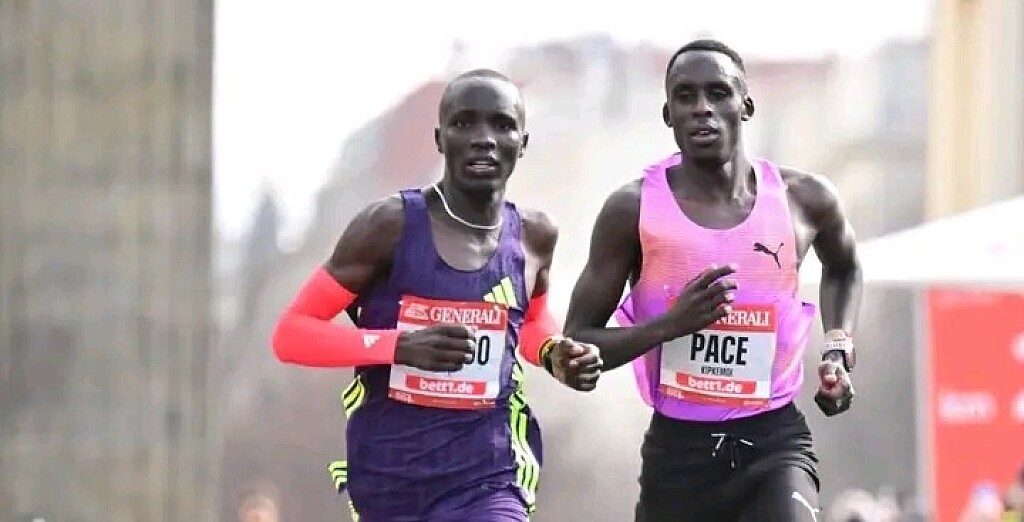
In the finely tuned world of elite distance running, pacemakers are often cast as invisible architects—tasked with dictating rhythm, shielding athletes from the wind, and guiding races toward fast times before quietly stepping aside. But every so often, the script is rewritten. At the recent Berlin Half Marathon, Kenyan pacer Dennis Kipkemoi ignited fresh debate after surging beyond his assigned role to finish second, raising a familiar yet fascinating question: are pacers truly allowed to compete?
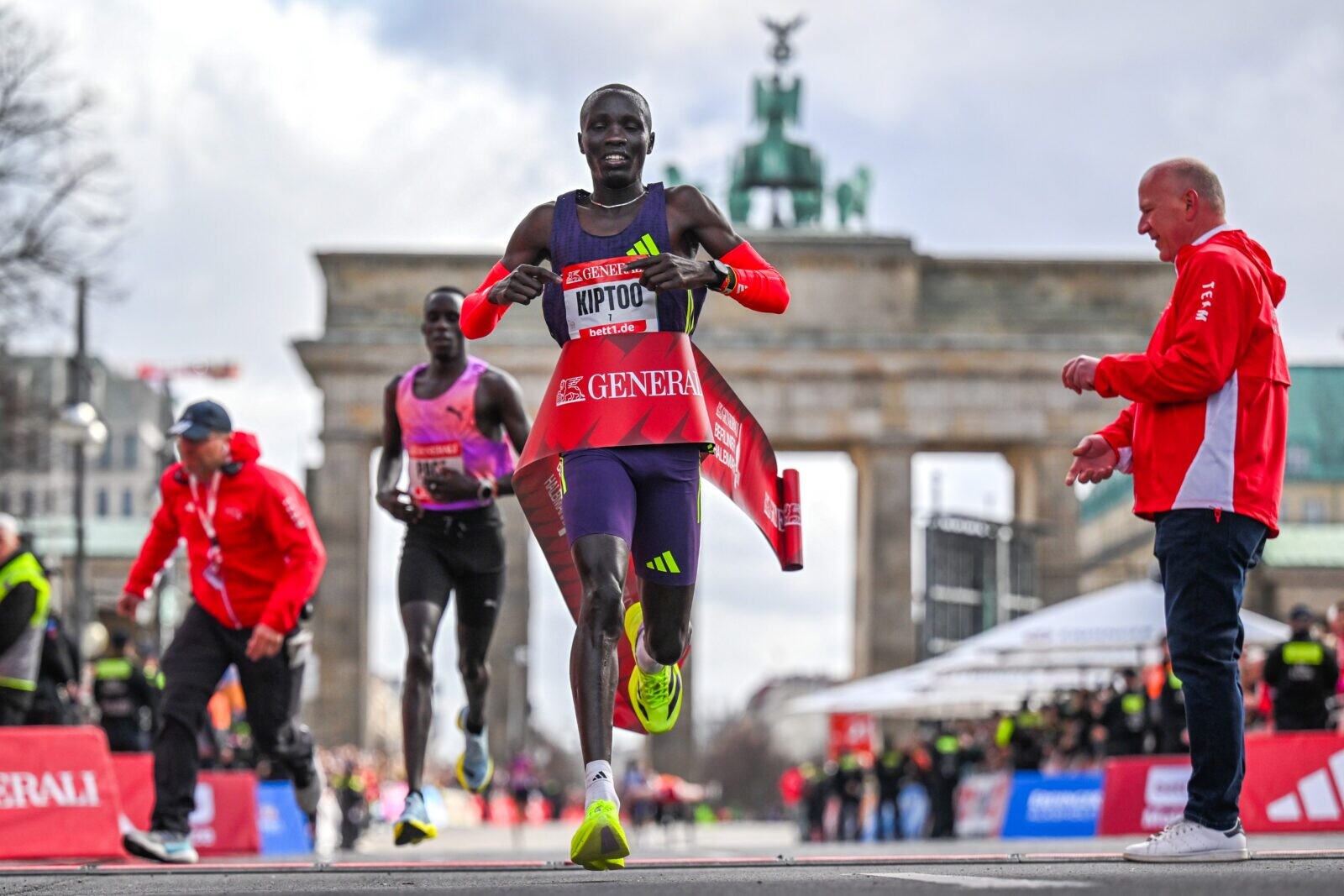
The answer, grounded in the regulations of World Athletics, is unequivocal. Pacemakers are not outsiders; they are registered athletes, official participants in the race with every right to continue beyond their pacing duties. If they possess the strength, strategy, and ambition to push past the finish line ahead of the field, the rulebook does not stand in their way.
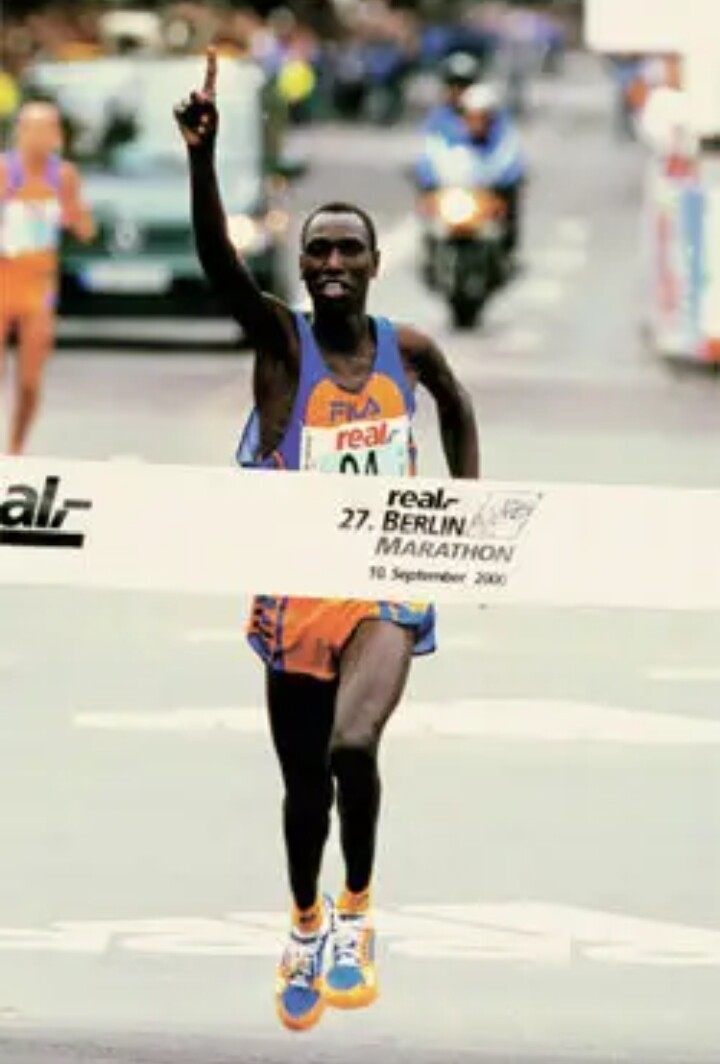
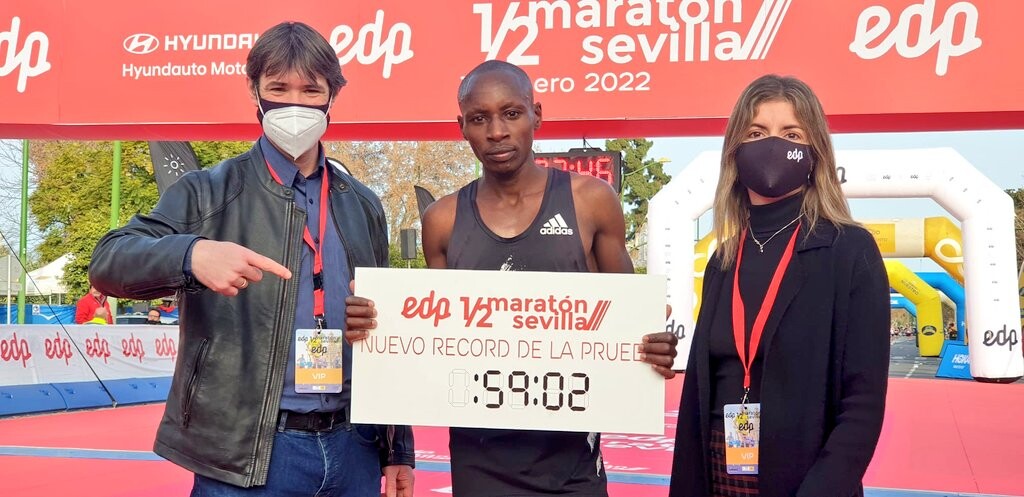
Kipkemoi’s performance may have stirred conversation, but it is far from unprecedented. History offers compelling precedents where pacemakers have stepped out of the shadows and into the spotlight. At the 2000 Berlin Marathon, Simon Biwott famously transitioned from hired pacer to race winner, crafting one of the most remarkable narratives in marathon lore. More recently, Sebastian Sawe delivered a similar twist at the 2022 Seville Half Marathon, proving that the line between support act and star performer is often thinner than it appears.
What makes these moments so compelling is the tension they introduce into the race dynamic. Pacemakers are typically expected to sacrifice their own ambitions for the benefit of others, operating with precision and discipline. Yet when one chooses to continue, it challenges traditional expectations and injects an element of unpredictability that enriches the sport. It is not a breach of ethics, but rather a demonstration of competitive instinct—an athlete recognizing opportunity and seizing it.
Critics argue that pacers stepping into contention may disrupt the competitive balance, particularly for athletes who rely on them purely as facilitators. But this perspective overlooks a fundamental truth: every athlete on the start line shares the same course, the same conditions, and ultimately, the same right to compete. Once the race unfolds, it belongs to those strong enough to endure it.
Dennis Kipkemoi’s bold finish in Berlin is a reminder that roles in athletics are not always fixed. The pacemaker, often unseen and underappreciated, can become a protagonist in their own right. And as long as the rules remain as they are, such moments will continue to surface—blurring boundaries, sparking debate, and adding yet another layer of intrigue to the ever-evolving theatre of distance running.
by Erick Cheruiyot for My Best Runs.
Login to leave a comment
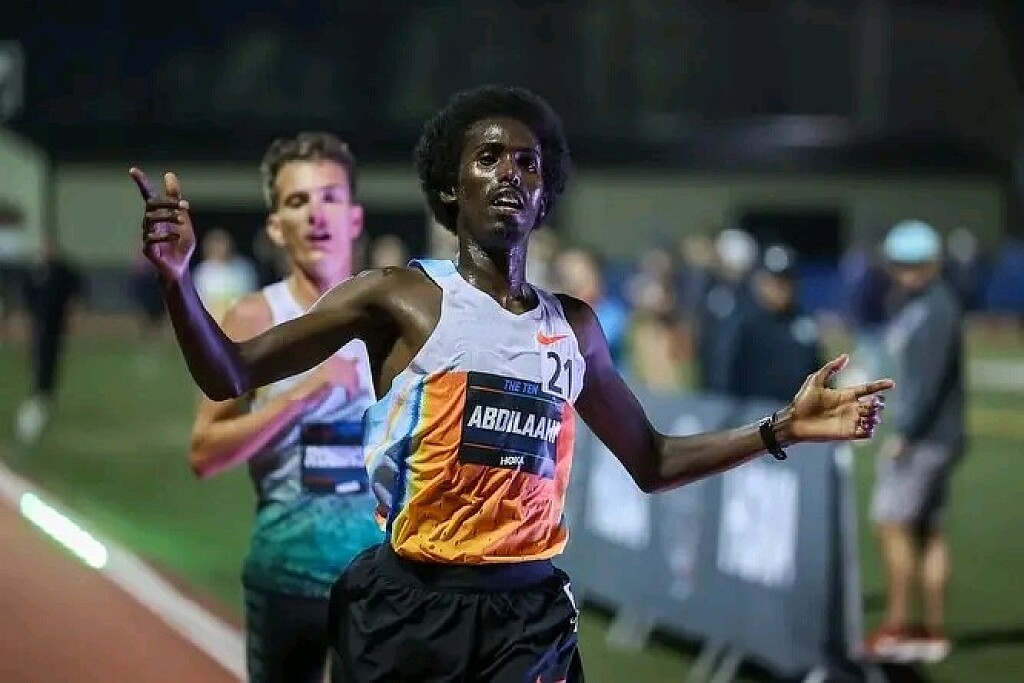
Three Nations, One Historic Race: The TEN Redefines 10,000m Running
Under the bright California lights, The TEN once again delivered a night of pure distance-running brilliance, as the elite men’s HOKA 10,000m unfolded into a historic spectacle defined by fearless pacing, relentless surges, and national pride rewritten in record books.
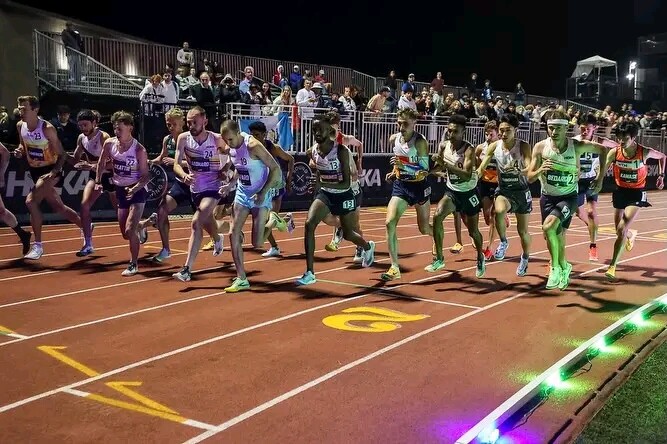
From the gun, the tempo was unapologetically aggressive—set with precision and ambition—and the leading pack responded in kind, locking into a rhythm that hinted at something extraordinary. What followed was not just a race, but a statement: a new global standard for championship-caliber 10,000m racing.
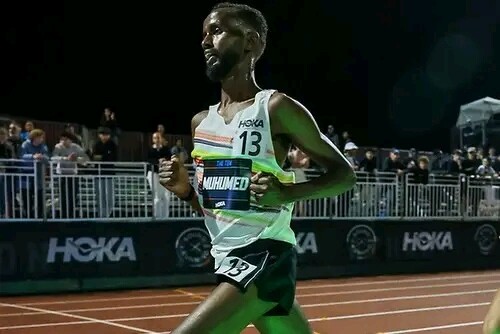
At the heart of it all was Germany’s Mohamed Abdilaahi, who produced a performance of remarkable composure and strength to storm to victory in a stunning 26:56.58, slicing through the line to claim not only the win but also a new German National Record and the world-leading time. His run was a masterclass in controlled aggression—patient early, yet devastating when it mattered most.
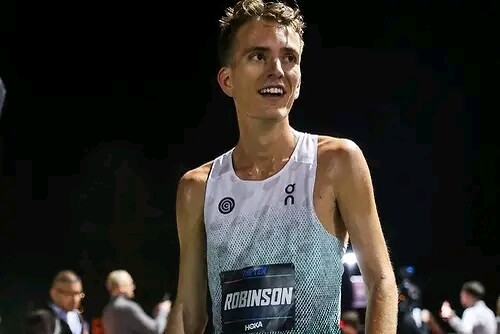
Hot on his heels was Australia’s rising star Ky Robinson, who etched his own piece of history. Clocking 26:57.07, Robinson shattered the Australian National Record, becoming the first man from his nation to dip under the elusive 27-minute barrier. His performance confirmed his arrival on the global stage as a serious force in long-distance running.
Completing the podium was the Netherlands’ Mike Foppen, who delivered another standout run, securing third place in 27:20.52—a time that not only earned him a spot among the elite but also a new Dutch National Record. His effort capped off a remarkable night where the top three finishers all walked away with national milestones.
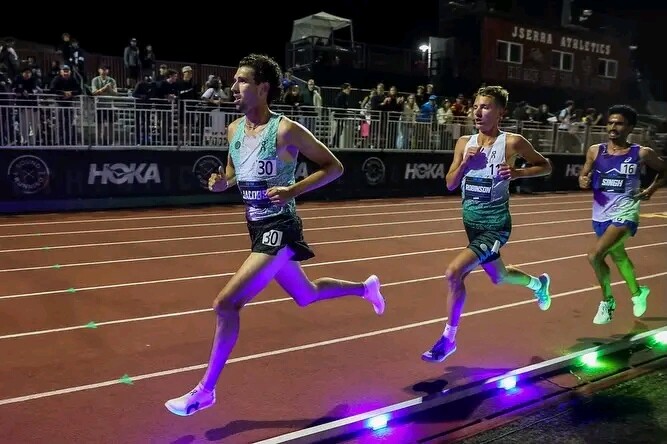
Just fractions behind, American Woody Kincaid showcased his consistency and grit, finishing fourth in a strong 27:20.84, underlining the depth and intensity of the field.
This was more than a race—it was a convergence of peak fitness, meticulous pacing, and fearless competition. With three national records and a world-leading mark produced in a single night, The TEN reaffirmed its status as one of the premier stages for distance running excellence.
As the dust settles, one thing is certain: the bar has been raised, and the road to global championships just became significantly more thrilling.
by Erick Cheruiyot for My Best Runs.
Login to leave a comment

The Ten
The world's fastest 10,000m races each year have taken place in a sleepy little coastal town in southern California. More national records were broken in 2022 than any other race on the planet as the best in the western hemisphere launched into rarified zones of time and space. The best return to San Juan Capistrano this year to cap off...
more...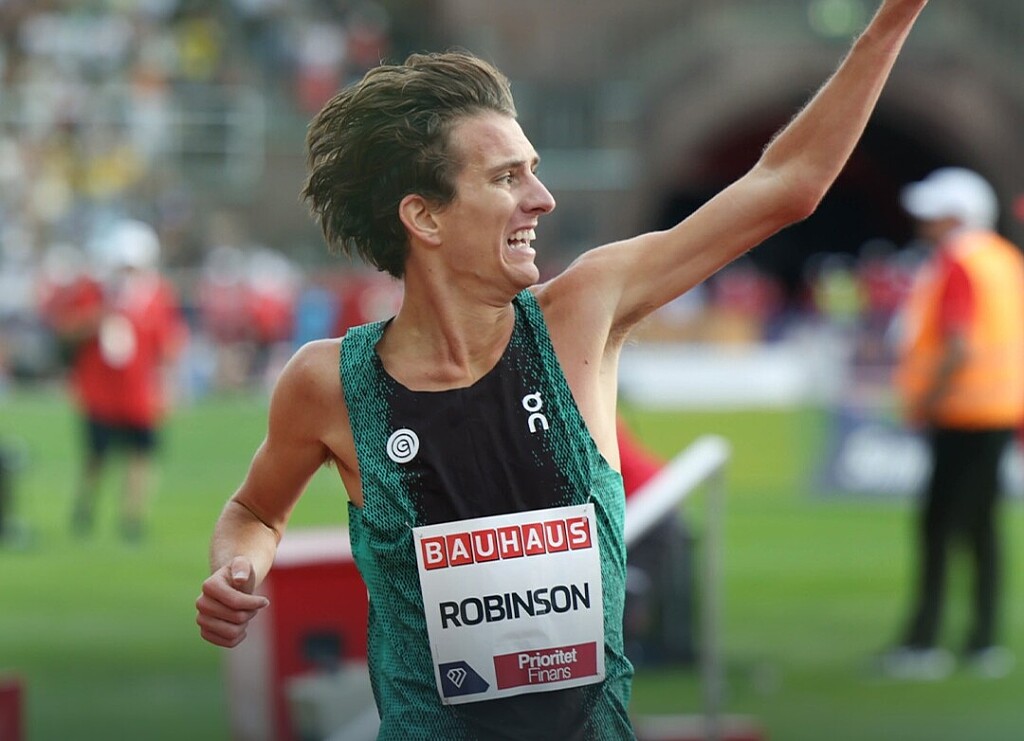
Ky Robinson Rewrites History with Groundbreaking Sub-27 Run at The TEN
Under the bright California lights at The TEN, Ky Robinson delivered a performance that will be remembered as a defining moment in Australian distance running. In a race stacked with elite talent and driven by relentless pace-making, Robinson rose to the occasion with extraordinary composure and precision, storming to a remarkable 26:57.07 over 10,000 metres.
With that run, the 22-year-old etched his name into history as the first Australian man ever to break the 27-minute barrier for the distance—an achievement long pursued but never realized until now. It was not just a personal triumph, but a landmark breakthrough for an entire nation’s distance running legacy.
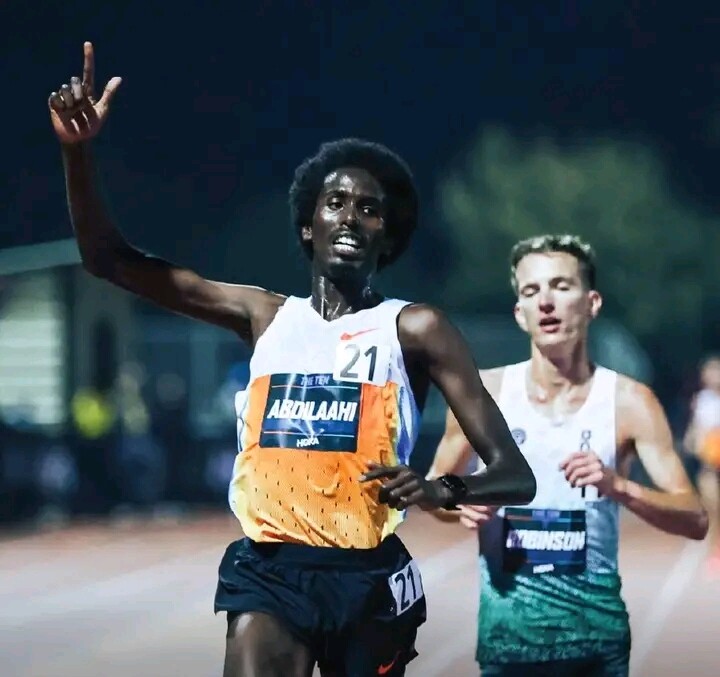
From the gun, the race unfolded at an unforgiving tempo, with the lead pack locked into a rhythm that demanded both courage and control. Robinson positioned himself wisely, refusing to be drawn into early surges while maintaining contact with the front group. As the laps ticked down and the intensity deepened, he showcased remarkable strength and tactical awareness, holding firm as others began to fade.
In the closing stages, Robinson’s resilience came to the fore. Driving through fatigue with unwavering determination, he surged across the finish line in second place, his time of 26:57.07 not only smashing the long-standing Australian record of 27:09.57 set by Jack Rayner, but also comfortably dipping under the 27:10.00 qualifying standard for the 2026 Commonwealth Games.
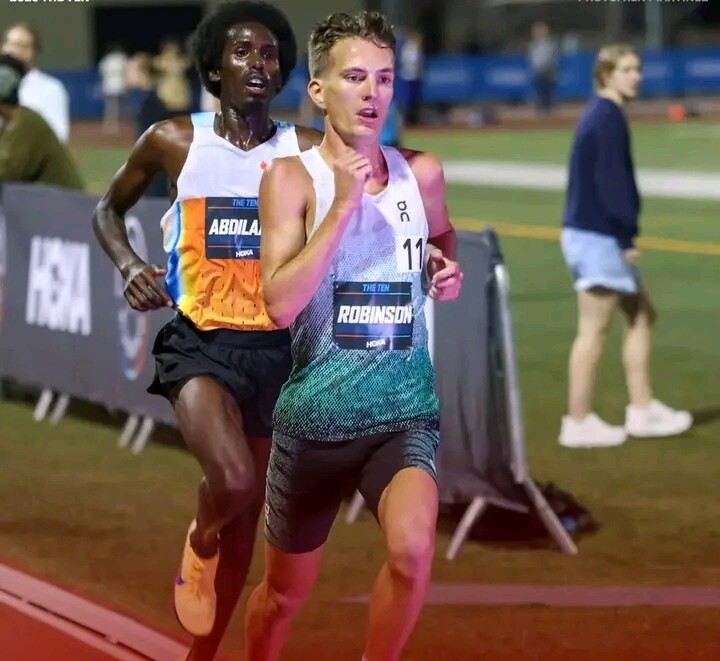
Beyond the numbers, this was a run that signaled intent. Robinson did not merely break a record—he redefined the possibilities for Australian distance running on the global stage. His performance reflects a new generation unafraid to challenge historical limits, blending fearless ambition with world-class execution.
As the dust settles in California, one thing is clear: Ky Robinson is no longer a rising talent—he is a force. And with the Commonwealth Games on the horizon, his historic breakthrough may well be just the beginning of something even greater.
by Erick Cheruiyot for My Best Runs.
Login to leave a comment
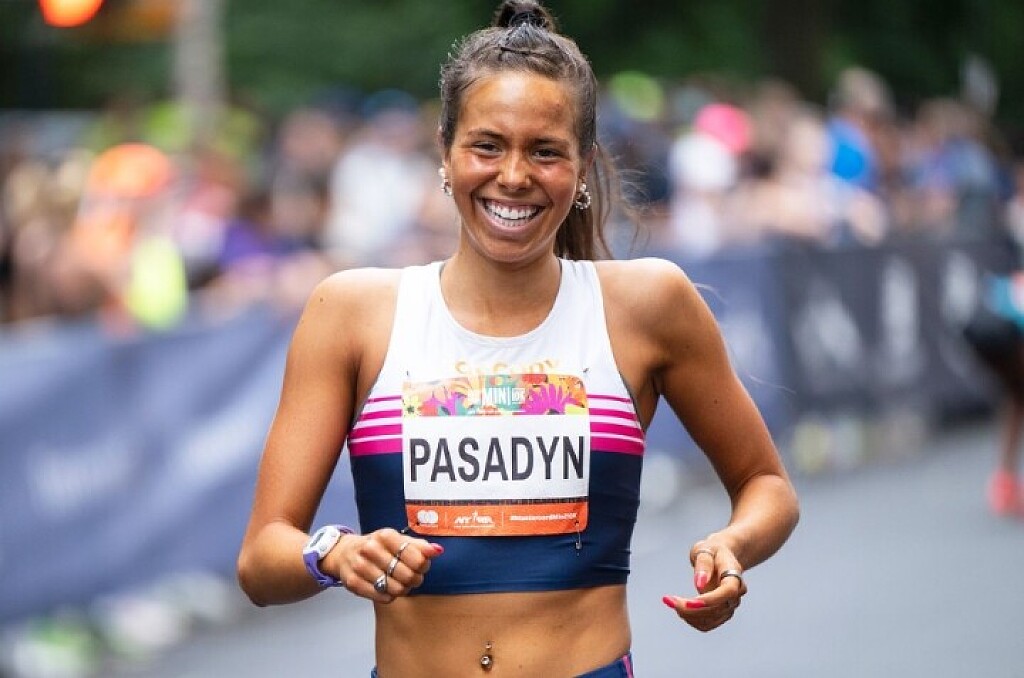
Pasadyn Triumphs Under the Lights as Aroche Rewrites History at The TEN
On a captivating night of elite distance running in San Juan Capistrano, Southern California, the women’s 10,000 metres at The TEN delivered a spectacle defined by precision pacing, resilience, and breakthrough performances. Under ideal racing conditions, a competitive field rose to the occasion, producing fast times and a historic milestone that will echo far beyond the track.
At the front of the race, Felicia Pasadyn executed a composed and authoritative performance to claim victory in 32:04.17. Representing Saucony, Pasadyn demonstrated remarkable control throughout, positioning herself perfectly before unleashing a decisive surge in the closing stages. Her winning time not only secured the top spot but reaffirmed her growing stature in the American distance running scene.
Close behind, Callie Hughes of Team USA Minnesota, competing in Puma, delivered a determined effort to finish second in 32:27.39. Hughes showcased both strength and tactical awareness, holding firm under pressure to secure a well-earned podium finish.
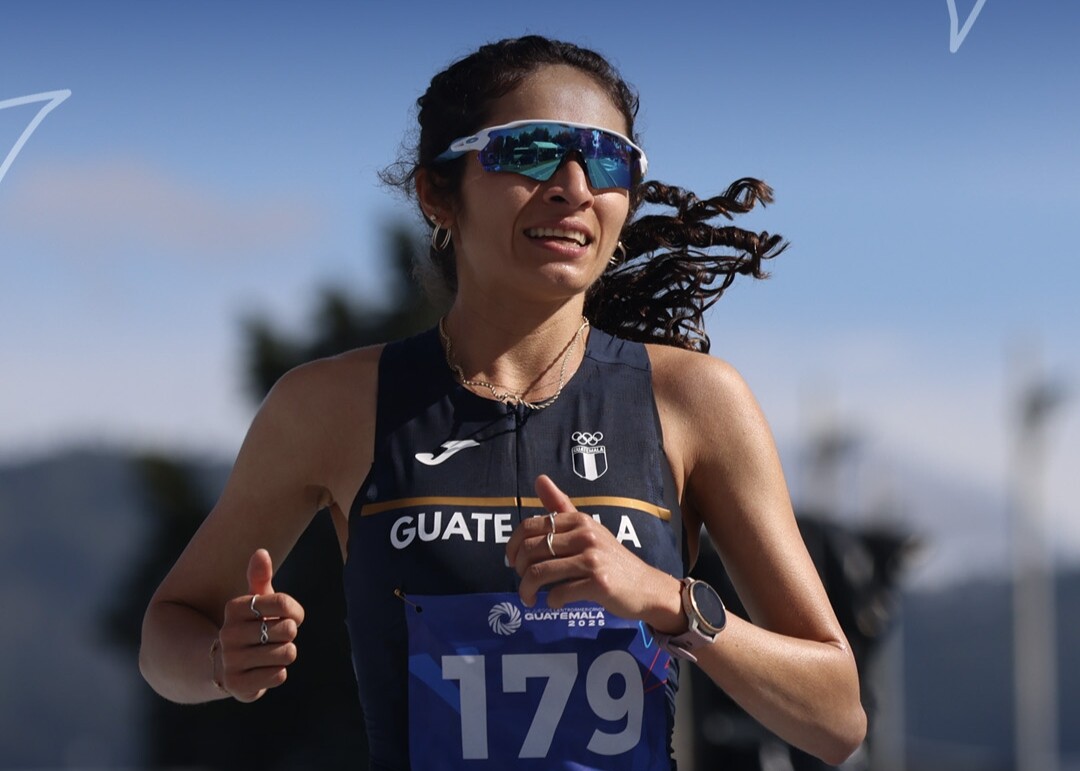
However, one of the most defining moments of the night came from Guatemala’s Viviana Aroche, who produced a performance of historic significance. Finishing third in 32:35.19, Aroche shattered her own national record and set a new Central American benchmark, improving on her previous mark of 32:45.91. Her run was a testament to progression, courage, and the expanding global depth of women’s distance running.
Further down the field, several athletes delivered strong and consistent performances, contributing to the race’s overall depth and quality. The tightly contested competition highlighted the continued rise of emerging talent alongside established names.
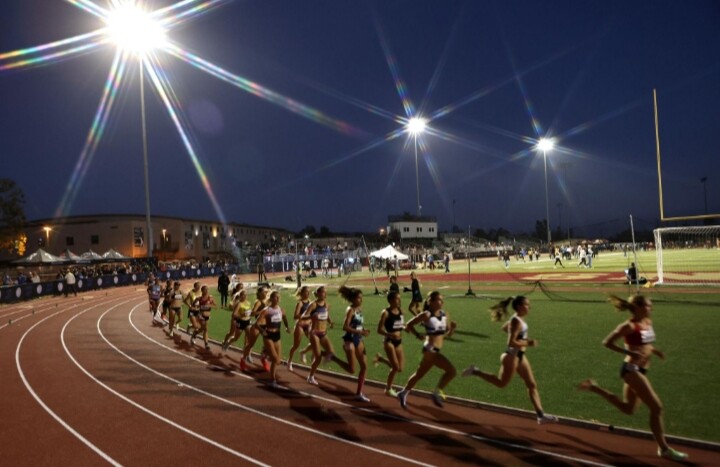
Top 10 Finishers – Women’s 10,000m
1. Felicia Pasadyn – 32:04.17
2. Callie Hughes – 32:27.39
3. Viviana Aroche – 32:35.19
4. Claire Green – 32:57.88
5. Allie Kieffer – 33:20.11
6. Olivia Borowiak – 33:20.62
7. Mariel Salazar Tapia – 33:38.08
8. Erika Priego – 34:15.19
9. Dana Feyen – 34:18.86
10. Lisa Goodin – 34:36.96
As the lights dimmed on another memorable edition of The TEN, the women’s 10,000 metres stood out as a celebration of endurance, ambition, and breakthrough achievement. From Pasadyn’s commanding victory to Aroche’s record-shattering run, the race captured the essence of modern distance running—global, fiercely competitive, and relentlessly evolving. It was a night that not only rewarded excellence but also inspired the next wave of athletes to chase faster times and greater dreams.
by Erick Cheruiyot for My Best Runs.
Login to leave a comment
The Ten
The world's fastest 10,000m races each year have taken place in a sleepy little coastal town in southern California. More national records were broken in 2022 than any other race on the planet as the best in the western hemisphere launched into rarified zones of time and space. The best return to San Juan Capistrano this year to cap off...
more...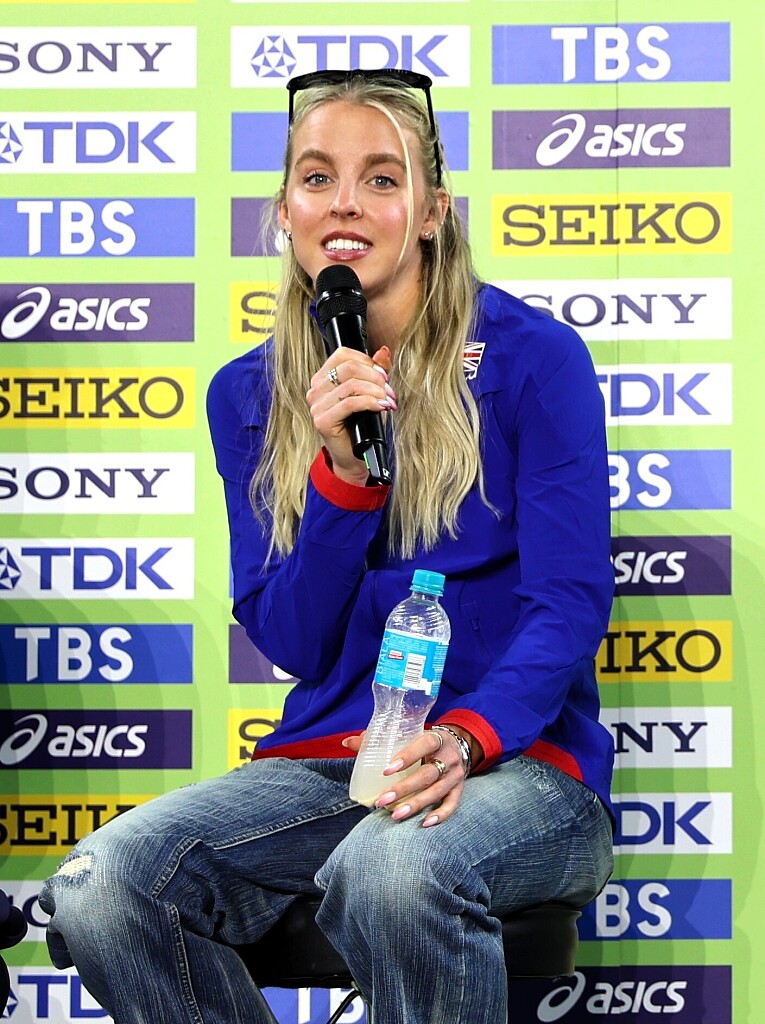
Hodgkinson Rolls Into the Final: A Champion in Complete Control
In championship racing, there is a fine line between competing and commanding—and Keely Hodgkinson is operating firmly on the latter side.
March 21, at the World Indoor Championship 2026 in Poland, the Olympic champion and world indoor record holder delivered a performance of pure authority in the 800m semifinals, winning her heat in a composed 1:58.53. From the gun, she imposed her rhythm on the race, dictating the tempo with a confidence that left no room for doubt. There was no visible strain, no moment of pressure—just a seamless display of control from start to finish.
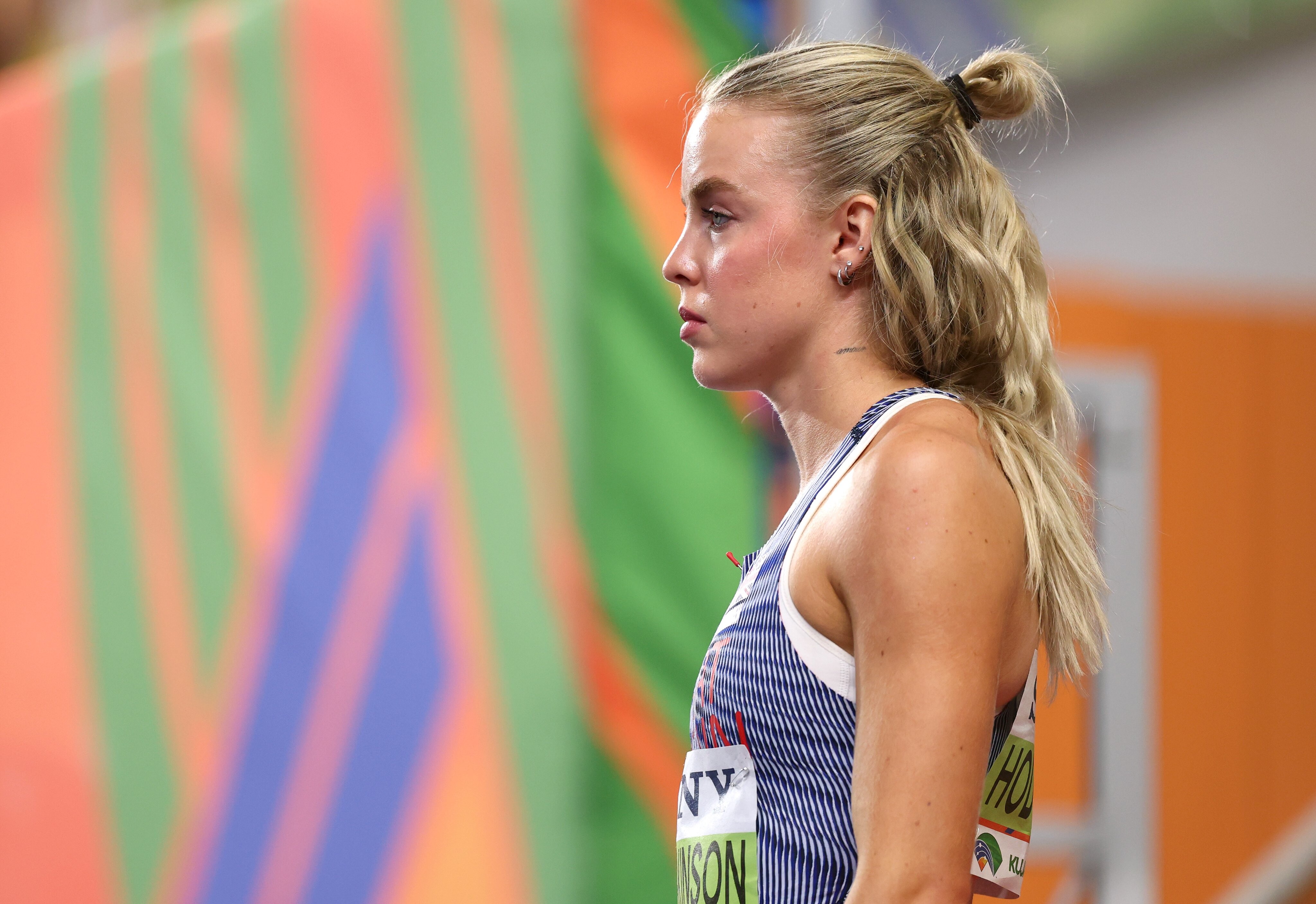
What makes the performance even more striking is its context. Just weeks ago in Liévin, Hodgkinson rewrote history with a stunning 1:54.87 to set a new indoor world record—an achievement that continues to cast a long shadow over this championship.
Behind her, the race for qualification brought its own intensity. Addison Wiley (USA) surged to a personal best of 1:58.75, securing second place with authority. Switzerland’s Audrey Werro followed impressively in 1:59.27, comfortably booking her place in the final, while Ethiopia’s Nigist Getachew clocked 1:59.46 to continue her strong run.
Australia’s Hayley Kitching maintained her excellent indoor form, winning her heat in 2:00.06 to advance, and France’s Clara Liberman rounded out the finalists with a composed 2:00.28.
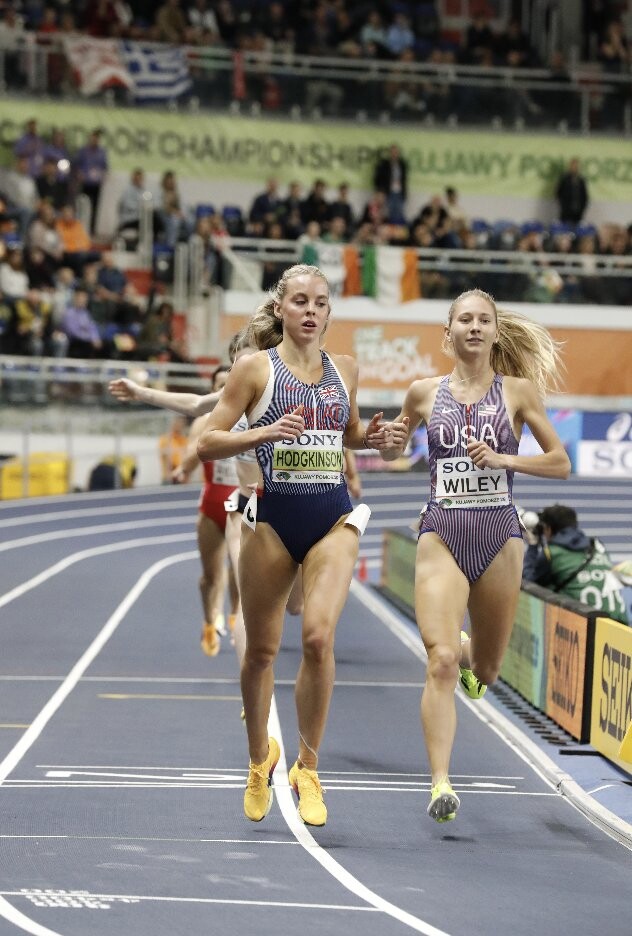
Finalists at a Glance:
1. Keely Hodgkinson (Great Britain) – 1:58.53
2. Addison Wiley (USA) – 1:58.75
3. Audrey Werro (Switzerland) – 1:59.27
4. Nigist Getachew (Ethiopia) – 1:59.46
5. Hayley Kitching (Australia) – 2:00.06
6. Clara Liberman (France) – 2:00.28
Yet as the championship builds toward its climax, the narrative remains clear. Hodgkinson is not merely advancing—she is dictating the tone of the competition. Her semifinal run was a statement of control, precision, and quiet dominance.
The 800m final now promises to be something truly special. The field is deep, the margins are fine, and the tension is rising. The times suggest a fiercely competitive showdown, but momentum—and perhaps inevitability—currently belong to one athlete.
And right now, it truly feels like Keely Hodgkinson’s world.
by Erick Cheruiyot for My Best Runs.
Login to leave a comment
Emile Cairess and the Rise of British Marathon Belief: Chasing History in London
British marathon running is rediscovering its confidence — and Emile Cairess believes that belief may be the most powerful performance enhancer of all.
At 28, Cairess has quietly positioned himself at the forefront of a new generation of British male distance runners who are no longer content with national relevance alone. Their ambitions are global, their standards higher, and their performances increasingly competitive against the East African dominance that has long defined the marathon.
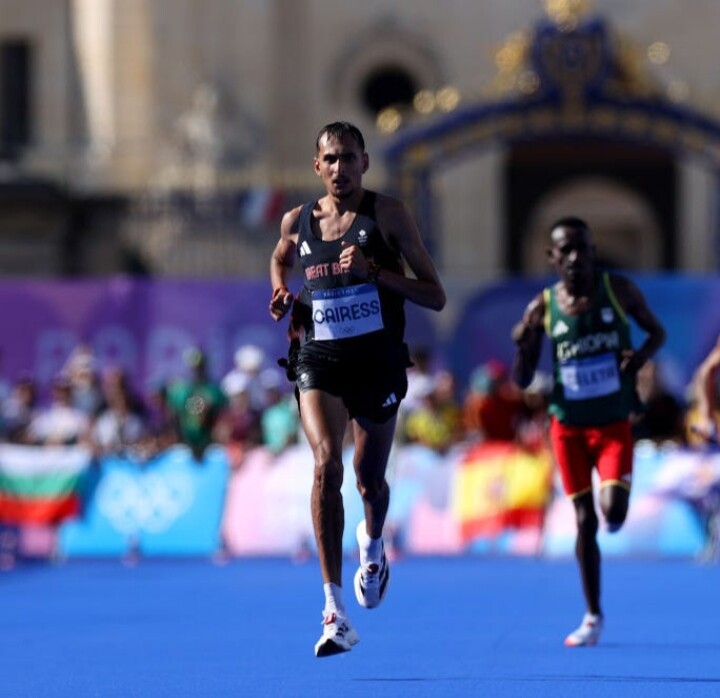
Cairess’ trajectory over the past two seasons explains why expectations are growing. His third-place finish at the 2024 London Marathon announced him as a serious contender, but it was his fourth-place performance at the Paris 2024 Olympics marathon that truly confirmed his class — the joint-best Olympic result by a British man in 40 years.
Now his focus turns toward a historic target: the long-standing British marathon record of 2:05:11 set by four-time Olympic champion Mo Farah in 2018. The mark has endured for years, but Cairess senses the psychological barrier around it beginning to weaken.
According to him, progress in elite sport often begins with proof. Once one or two athletes demonstrate what is possible, perceptions shift — and limits move.
That shift is already visible across Britain’s marathon scene.
Olympic triathlon champion Alex Yee produced a remarkable 2:06:38 in Valencia in December 2024 to become the second-fastest British marathon runner in history, briefly moving ahead of Cairess. In a detail that reflects the supportive spirit within this emerging generation, Cairess himself played a pacing role during that race.
Behind them, Mahamed Mahamed and Philip Sesemann have both recorded performances within two minutes of Farah’s national record in recent seasons, while Patrick Dever added fresh excitement with an outstanding fourth-place finish on his marathon debut in New York.
For Cairess, this collective progress is not coincidence — it is momentum.
When athletes see their peers succeeding, belief grows. Training standards rise. Confidence deepens. What once felt exceptional begins to feel attainable. He describes it as a snowball effect: success multiplying through shared inspiration.
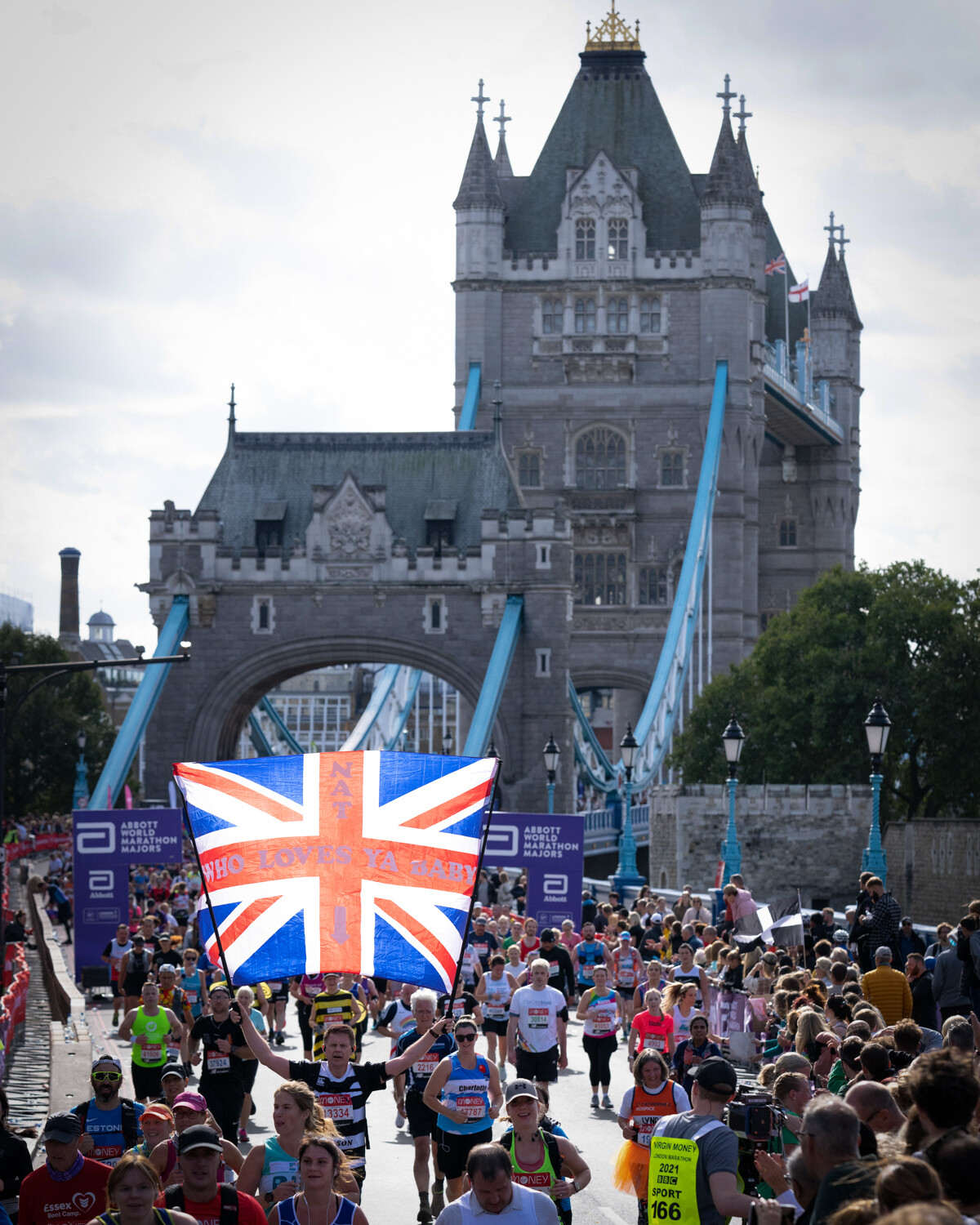
That momentum will converge on Sunday, 27 April 2025, at the TCS London Marathon, where Cairess will line up alongside Mahamed, Sesemann, and Dever. With Yee returning his primary focus to triathlon, Cairess carries the responsibility of leading the British charge — not only against the clock, but against the world’s best Kenyan and Ethiopian athletes.
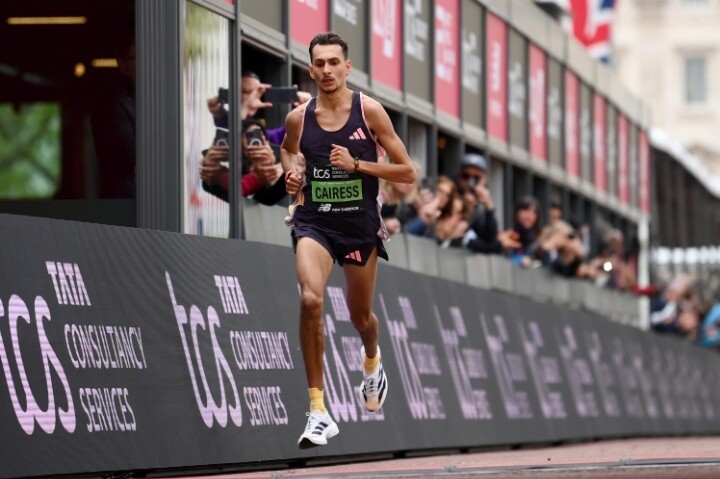
Yet his mindset remains outward-looking. National records matter, but global competitiveness matters more. His ambition is not simply to become Britain’s fastest — it is to compete fearlessly at the very highest level of marathon running.
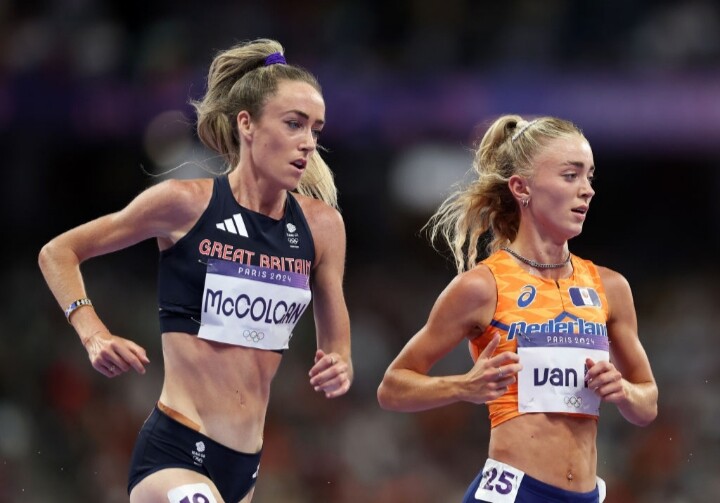
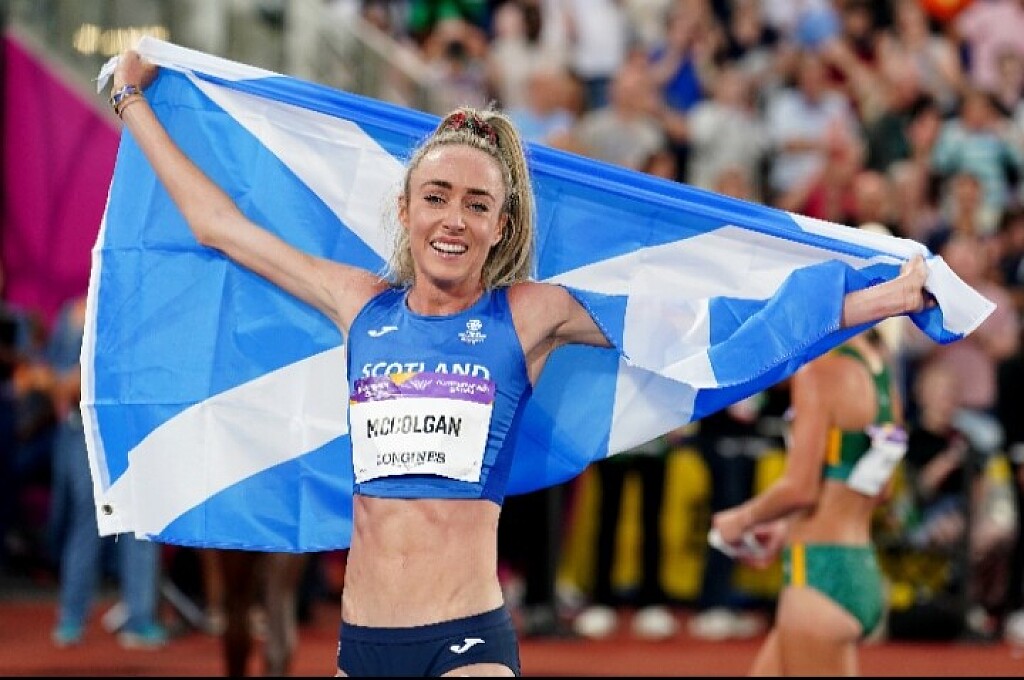
The sense of renewal extends to the women’s field as well. Eilish McColgan returns to London after an impressive marathon debut last year, where she set a Scottish record and demonstrated her potential over the distance. She joins a race featuring five of the ten fastest British women in history, highlighting the depth currently developing across British endurance running.
by Erick Cheruiyot for My Best Runs.
Login to leave a comment
TCS London Marathon
Since its inaugural edition on March 29, 1981, the TCS London Marathon has grown into one of the world's most prestigious road races, blending elite competition with an extraordinary charitable legacy. Founded by former Olympic champion and journalist Chris Brasher alongside Welsh athlete John Disley, the event has been staged every year and has been held in the spring annually...
more...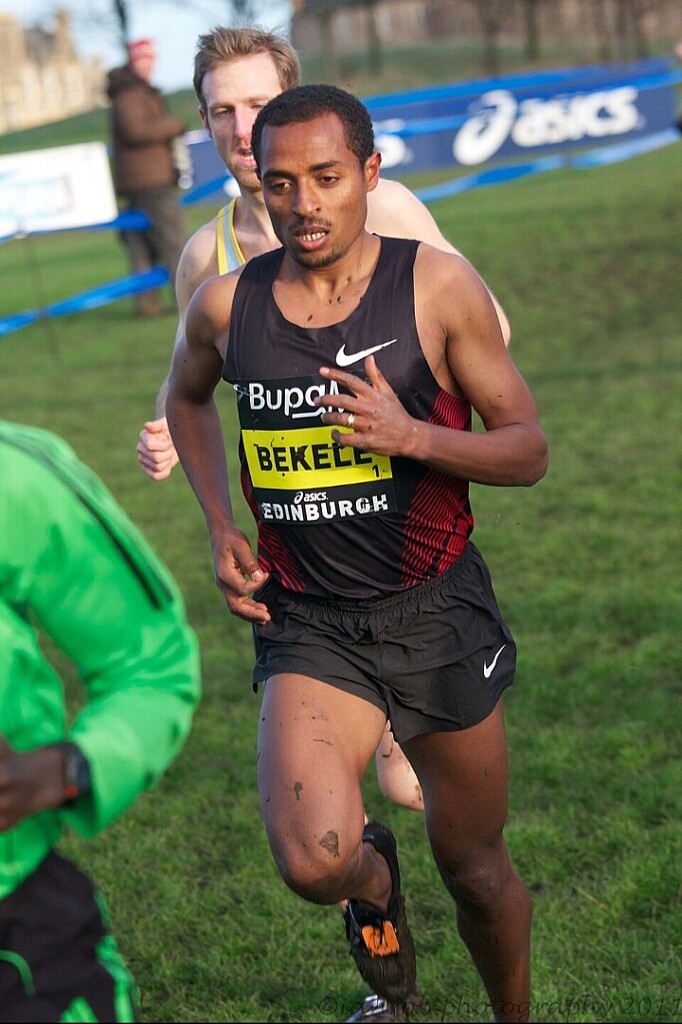
The Relentless Flame: Kenenisa Bekele and the Art of Running Beyond Limits
There are athletes who win races, and then there are rare souls whose movement feels almost like poetry — effortless yet powerful, gentle yet unstoppable. On a warm August evening in Brussels in 2001, under the honey-gold glow of stadium lights, a slender Ethiopian teenager floated across the track with a quiet certainty that something extraordinary was unfolding.
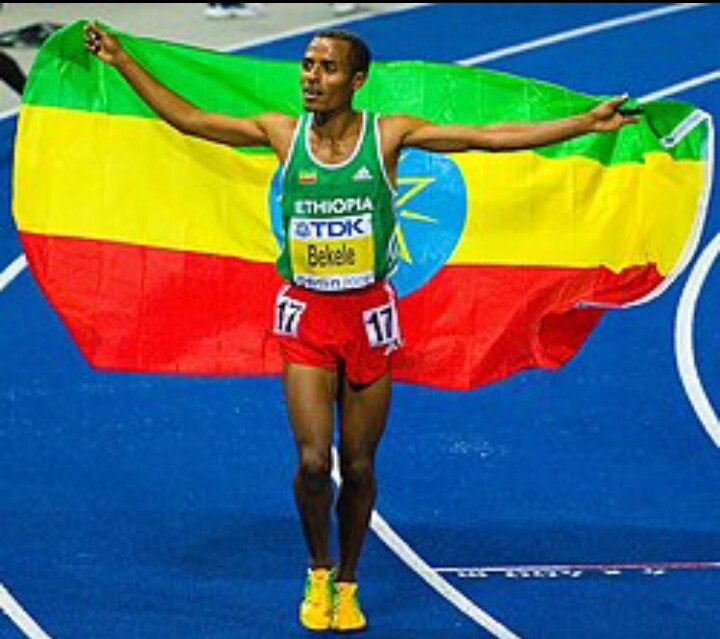
The crowd watched, curious at first, then captivated. When the clock stopped at 7:30.67 for 3000 metres at the Memorial Van Damme, applause filled the air. It was announced as a world junior record, but what lingered was not just the number — it was the feeling. The feeling of witnessing hunger wrapped in grace, ambition wrapped in innocence.
The teenager was Kenenisa Bekele, and even then, you could sense he was not chasing applause. He was chasing possibility.
For three and a half years, that junior record stood as a quiet monument to ambition before Augustine Choge eventually lowered it. Records, after all, are built to fall. Yet the resonance of Bekele’s performance lingered — the unmistakable arrival of a force that would soon redefine distance running.
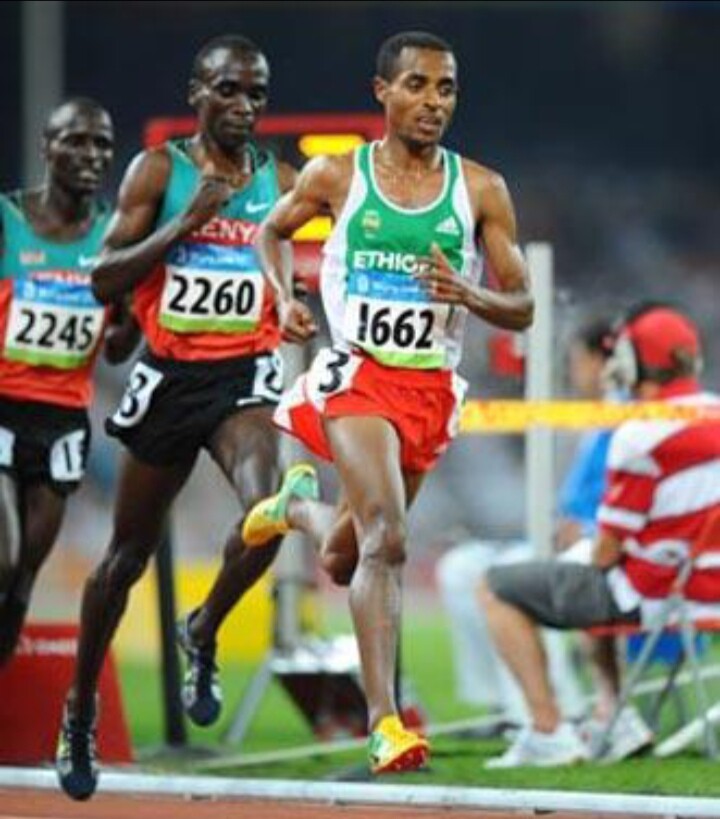
Even before Brussels, his ascent had begun to take shape in unexpected corners of Europe. In the small Dutch town that hosts the Montferland Run, he collected victories in 2000 and 2001 with an almost casual authority. Fifteen kilometres through winter air and narrow streets looked less like competition and more like controlled expression. But nothing about Bekele was ever routine. Beneath the calm exterior was a furnace of ambition.
Then came the terrain where legends are forged — mud, grass, cold wind, and pain — the IAAF World Cross Country Championships. Between 2002 and 2006, Bekele achieved something so extraordinary it borders on myth: he won both the short course and long course titles every single year for five consecutive seasons. No athlete before or since has replicated such dominance. The physiological toll alone should have made it impossible — the explosive intensity of the short race followed by the grinding endurance of the long. Yet he returned each year stronger, hungrier, untouchable.
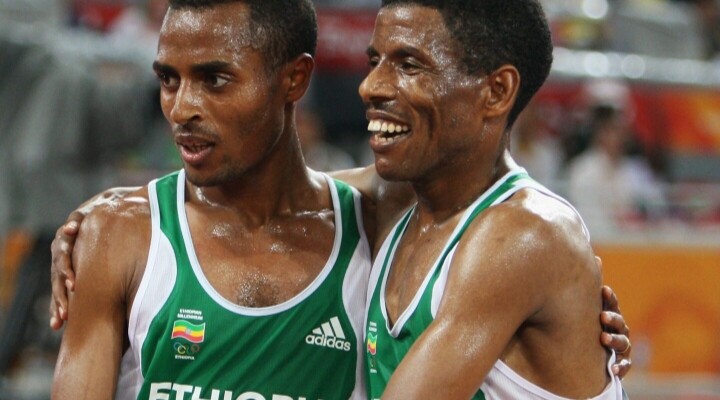
When the short course was discontinued after 2006, he stepped away briefly, then returned in 2008 to claim the long-course crown once more, almost ceremonially, as though closing a chapter he himself had authored. By then his cross-country medal collection had reached staggering proportions — nineteen in total, including eleven senior individual golds. Statistics struggled to contain the scale of his supremacy.
But numbers alone never explained the aura.
On the track, Bekele possessed an almost predatory intelligence. He would sit quietly in the pack, conserving energy with deceptive ease. Then, with laps remaining, something would ignite. At the 2003 Bislett Games in Oslo, he tracked down the Kenyan leader with chilling precision before unleashing a decisive kick to win in 12:52.26. It was not merely speed — it was timing, instinct, and psychological dominance. Rivals knew the surge was coming. They simply could not stop it.
And hovering over his rise was a rivalry that felt almost epic in scale: Bekele against Haile Gebrselassie. The reigning emperor of distance running and the fearless successor. Early encounters favored the veteran, who reminded the young challenger of the existing hierarchy. But by 2003, the balance began to shift. Bekele edged Gebrselassie over 10,000 metres in Hengelo, then continued to outperform him across major championships.
At the 2004 Athens Olympics, Bekele captured 10,000-metre gold while Gebrselassie faded to fifth. Four years later, at the 2008 Beijing Olympics, history repeated itself. The apprentice had become the standard. Even on the roads, including the Great North Run, Bekele would later finish ahead. Their rivalry was not merely competitive — it symbolised the passing of an era.
The year 2004 crystallised his dominance. Within nine astonishing days, Bekele broke the indoor 5000-metre world record, then the outdoor 5000, and finally the 10,000-metre world record — as if impatience with history itself drove him. He swept cross-country titles again, led Ethiopia to team victories, and left Athens with Olympic gold and silver. Distance running had a new gravitational centre, and it was him.
Yet life does not always move in harmony with triumph.
On January 4, 2005, a deeply personal loss entered his world during what should have been an ordinary training morning. Alem Techale — the 1500-metre World Youth Champion of 2003 — was running alongside Bekele in Ararat, a forested, hilly area on the outskirts of Addis Ababa. The two were sharing the familiar rhythm of training when she suddenly collapsed. Bekele immediately carried her to his car and rushed toward the hospital, hoping urgency might change the outcome. But on the way, she passed away. What remained was a silence that no explanation could fully fill — only memories of shared miles, shared dreams, and a companionship that had once felt limitless.
For a time, the noise of competition softened around him. But step by step, he continued — not because pain disappears, but because the human heart has a quiet way of learning to carry both love and loss together.
Because in the end, Kenenisa Bekele’s story is not simply about speed, medals, or records etched into history books. It is about the tenderness hidden inside strength. It is about a young boy who ran with wonder in his spirit, a champion who experienced both luminous joy and quiet sorrow, and a man who kept moving forward with grace. His journey reminds us that greatness is not only measured by how fast someone runs, but by how gently someone keeps going — through seasons of celebration, through moments of silence, through life itself — one faithful stride at a time.
by Erick Cheruiyot for My Best Runs.
Login to leave a comment

I Was There in 1984. Here’s How to Be There in 2028. Your Guide to Getting Athletics Tickets for the Los Angeles Olympics
By Bob Anderson publisher My Best Runs: I was sitting in the stands at the Los Angeles Memorial Coliseum during the 1984 Olympic Games when one of the most dramatic moments in track & field history unfolded right in front of me.
Mary Decker and Zola Budd — two of the most talked-about athletes in the world — collided in the 3000 meters. Budd running barefoot. Decker surging shoulder-to-shoulder beside her. The tension was electric long before the contact. And when the incident happened, the stadium gasped in unison.
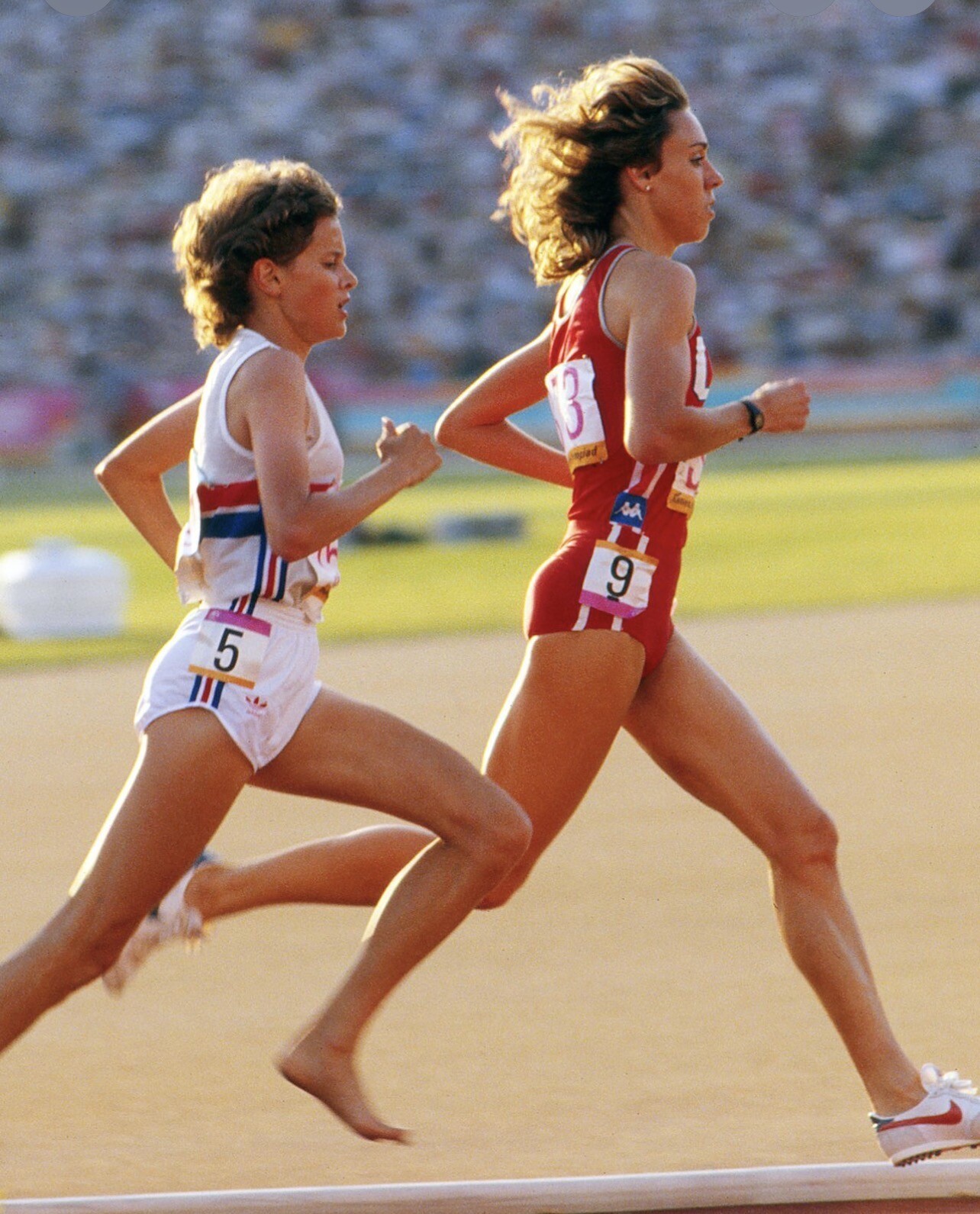
Watching it live was beyond words.
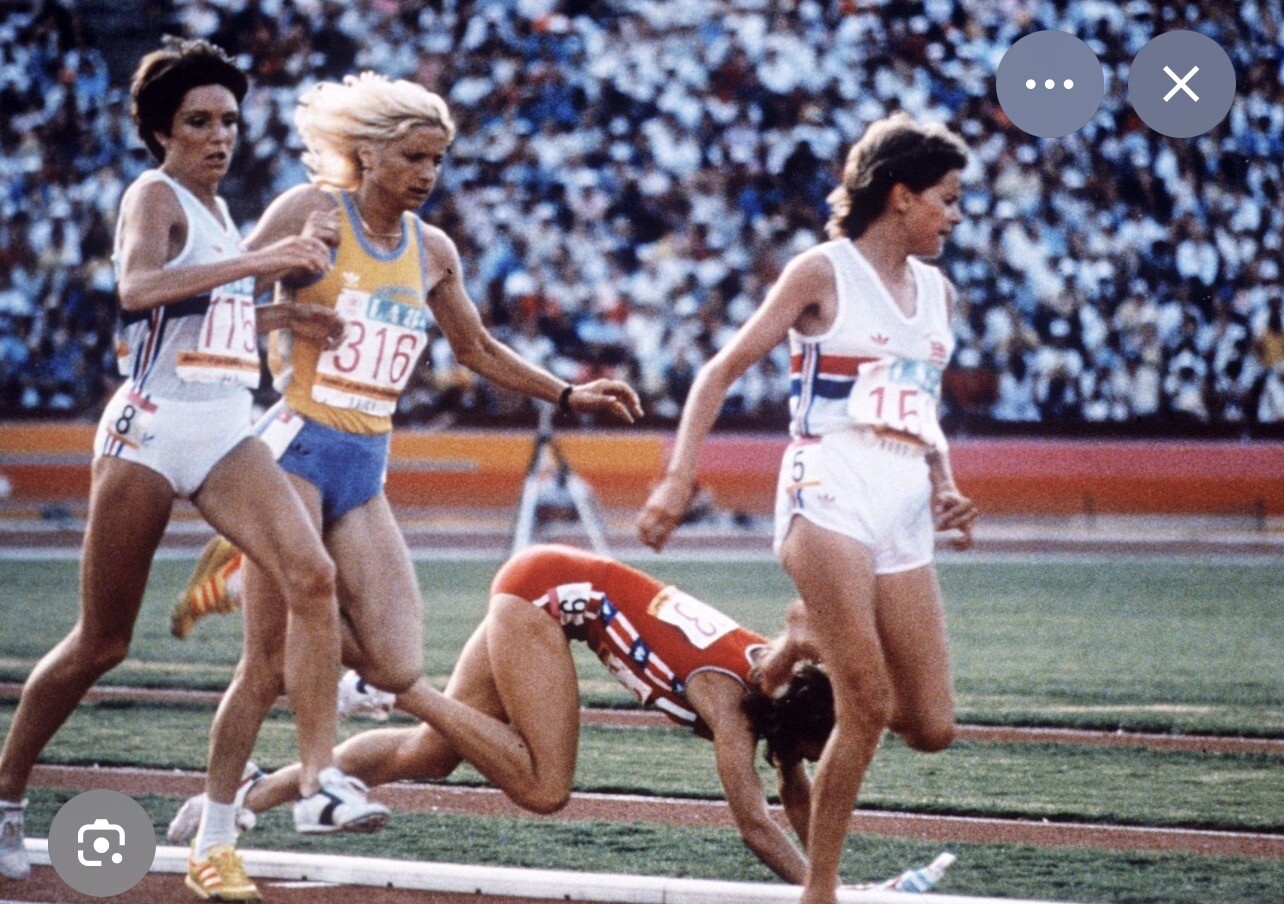
Television could never fully capture the atmosphere — the anticipation, the silence before the gun, the surge of 90,000 people reacting at once. It was raw, emotional, unforgettable.
That is what Olympic athletics feels like in person.
And in 2028, it returns to Los Angeles.
The Olympic Games will take place July 14–30, 2028, with the Paralympic Games following August 15–27. If you are a runner, a fan of track & field, or someone who understands what it means when the world’s best line up together, here is how you position yourself to be there.
Step One: Register for the LA28 Ticket Draw

The only way to access the first wave of tickets is to register for the official LA28 Ticket Draw at tickets.la28.org.
Registration is free. You create a profile, provide your billing ZIP/postal code and contact information, and enter the system. Registration closes March 18, 2026.
After registration closes, selected participants will receive a designated time slot to purchase tickets during the first “ticket drop,” beginning in April 2026.
This is not first-come, first-served. It’s a randomized process. If selected, you receive a specific purchase window. If not, you remain eligible for future ticket drops.
Athletics sessions are historically among the most in-demand Olympic events — especially finals in the sprints, relays, and distance races.
The Venue: A Historic Return
Track & field will once again take place inside the iconic Los Angeles Memorial Coliseum — the same stadium where I watched Decker and Budd in 1984.
The Coliseum hosted the Games in 1932 and 1984. In 2028, it will crown Olympic champions again in the sprints, middle distance, long distance, hurdles, jumps, throws, and relays.
There is something powerful about seeing Olympic track return to that same stage.
What Will It Cost?
Now the practical question: how much should you budget?
While final prices vary by session and seating tier, LA28 ticketing follows the traditional Olympic structure with multiple price bands.
Here is a realistic expectation for athletics sessions:
• Early-round heats and qualifying sessions: often starting below $100
• Daytime semifinal sessions: typically in the $100–$200 range
• Evening finals sessions (100m, relays, 1500m, 5000m, etc.): commonly $150–$350
• Premium seating near the finish line or high-demand nights: $400–$500 or more
Each session includes multiple events. A single evening ticket might include a sprint final, a field final, and a distance medal race — making it one of the most compelling Olympic experiences available.
Each person may purchase up to 12 Olympic tickets total across all events.
Strategy for Track & Field Fans
If athletics is your priority, treat this like preparing for a goal race.
Register early.
Do not wait until the final days.
Decide your must-see events.
Is it the 100 meters? The 1500? The relays? The marathon? Know what matters most.
Budget wisely.
Plan $300–$500 for premium finals sessions.
If you’re flexible, heats and early rounds at $75–$150 can still deliver world-class competition and atmosphere.
Many experienced Olympic attendees blend sessions:
• One premium finals night
• One championship distance session
• One or two value-priced heats
That approach delivers the full Olympic running experience without overspending.
Why Early Ticket Drops Matter
The first ticket drop in April 2026 will offer the broadest inventory, including more seats in lower price tiers.
Later drops often have fewer value options remaining.
Think of it like positioning yourself at the start line. You want to be ready when the gun goes off.
Watching Mary Decker and Zola Budd battle in 1984 — feeling the stadium react in real time — remains one of the most powerful sporting moments I have ever experienced.
You feel the silence before the start.
You hear the spikes biting the track.
You sense the collective breath of thousands before a final kick.
Television shows you the race.
Being there lets you feel it.
In 2028, the world’s best runners will once again line up in Los Angeles.
The only question is — will you be in the stands when history happens?
by Bob Anderson for My Best Runs
Login to leave a comment
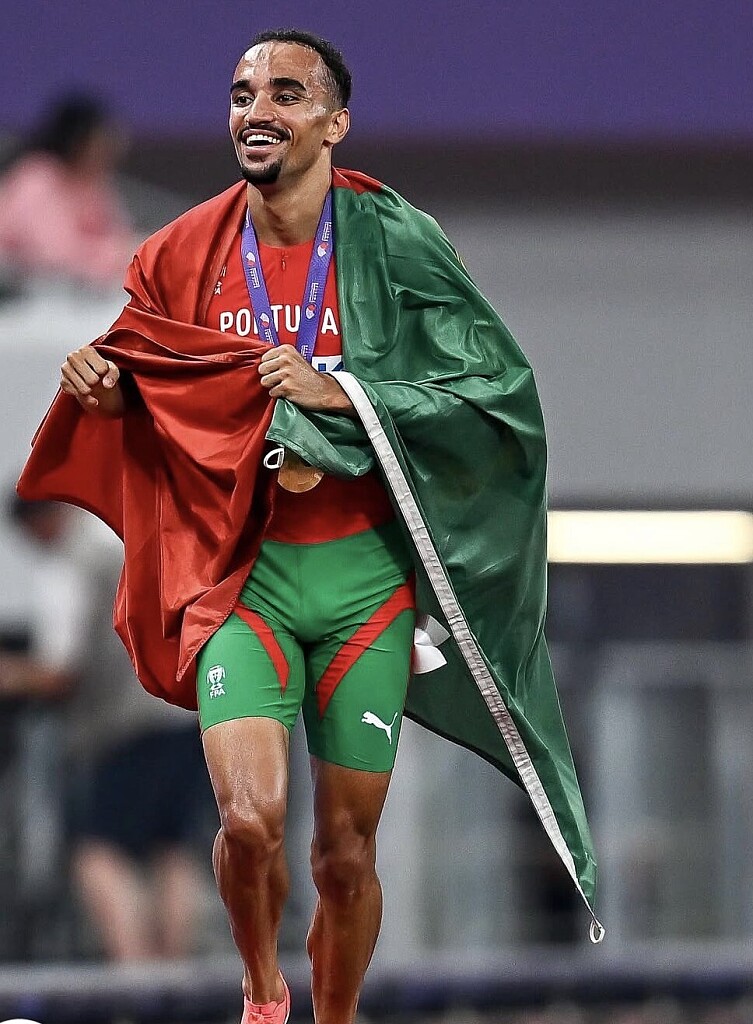
Isaac Nader’s Liévin Precision Sets Up Toruń Showdown
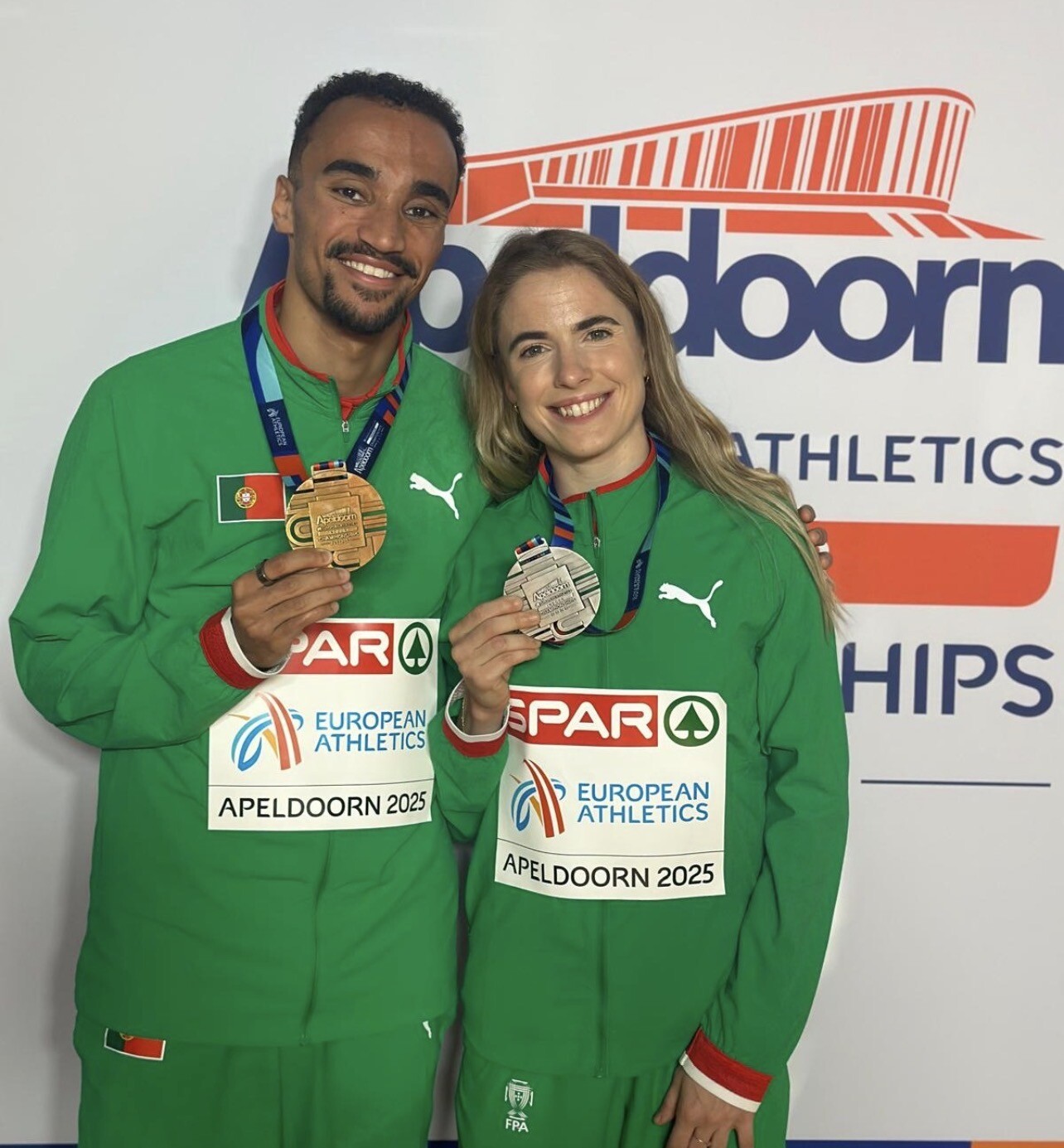
If the men’s 1500 meters at the World Athletics Indoor Championships in Toruń, Poland (March 20–22, 2026) comes down to the final 150 meters — as indoor championship races so often do — Portugal’s Isaac Nader may already hold the tactical edge.
On February 19, 2026, at the Meeting Hauts-de-France Pas-de-Calais in Liévin, France, Nader focused on a single objective: the 1500m. He did not attempt a double. He did not divide his attention across events. He executed with discipline and left with a composed victory in 3:32.44.
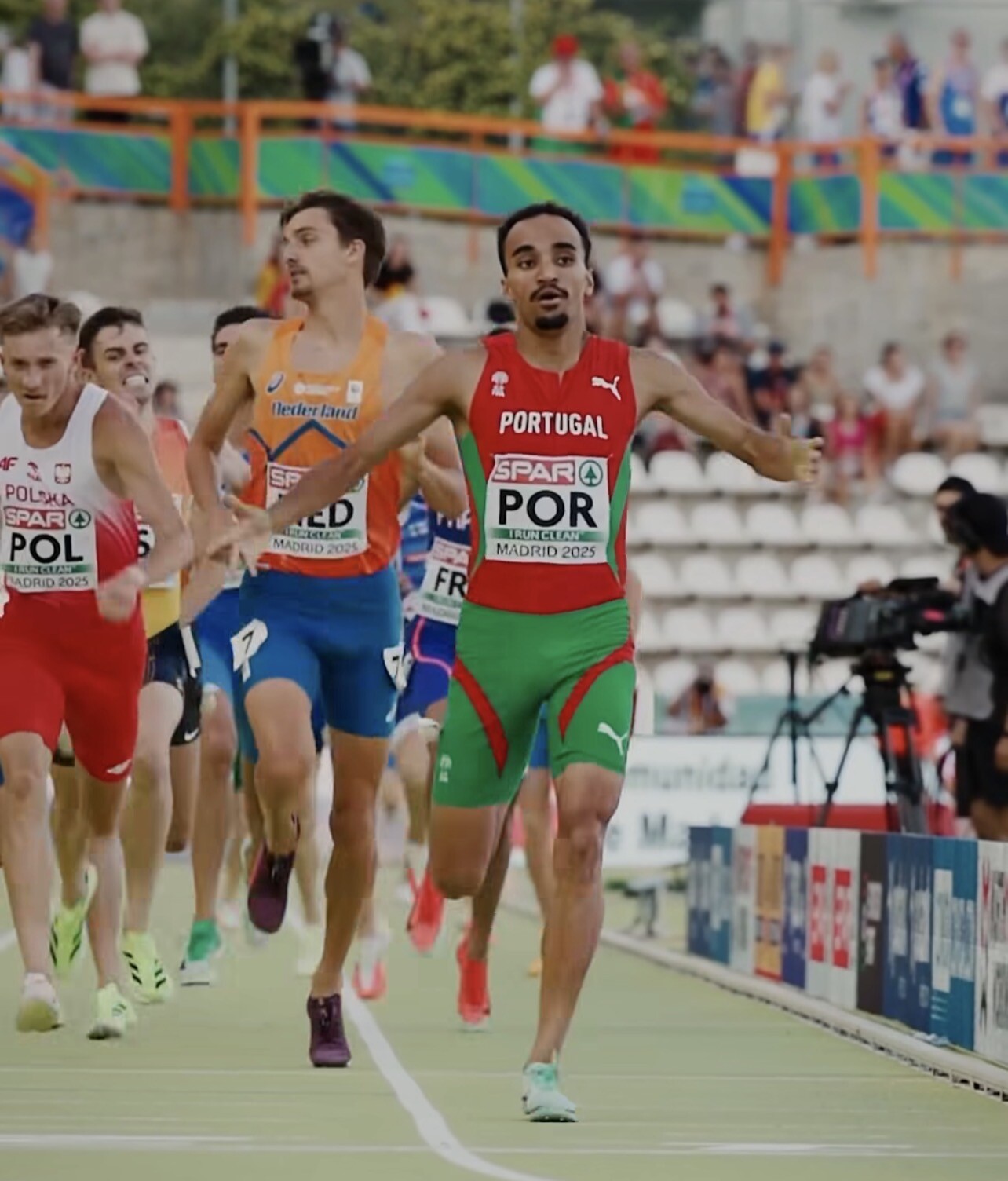
The time was strong. The execution was even stronger.
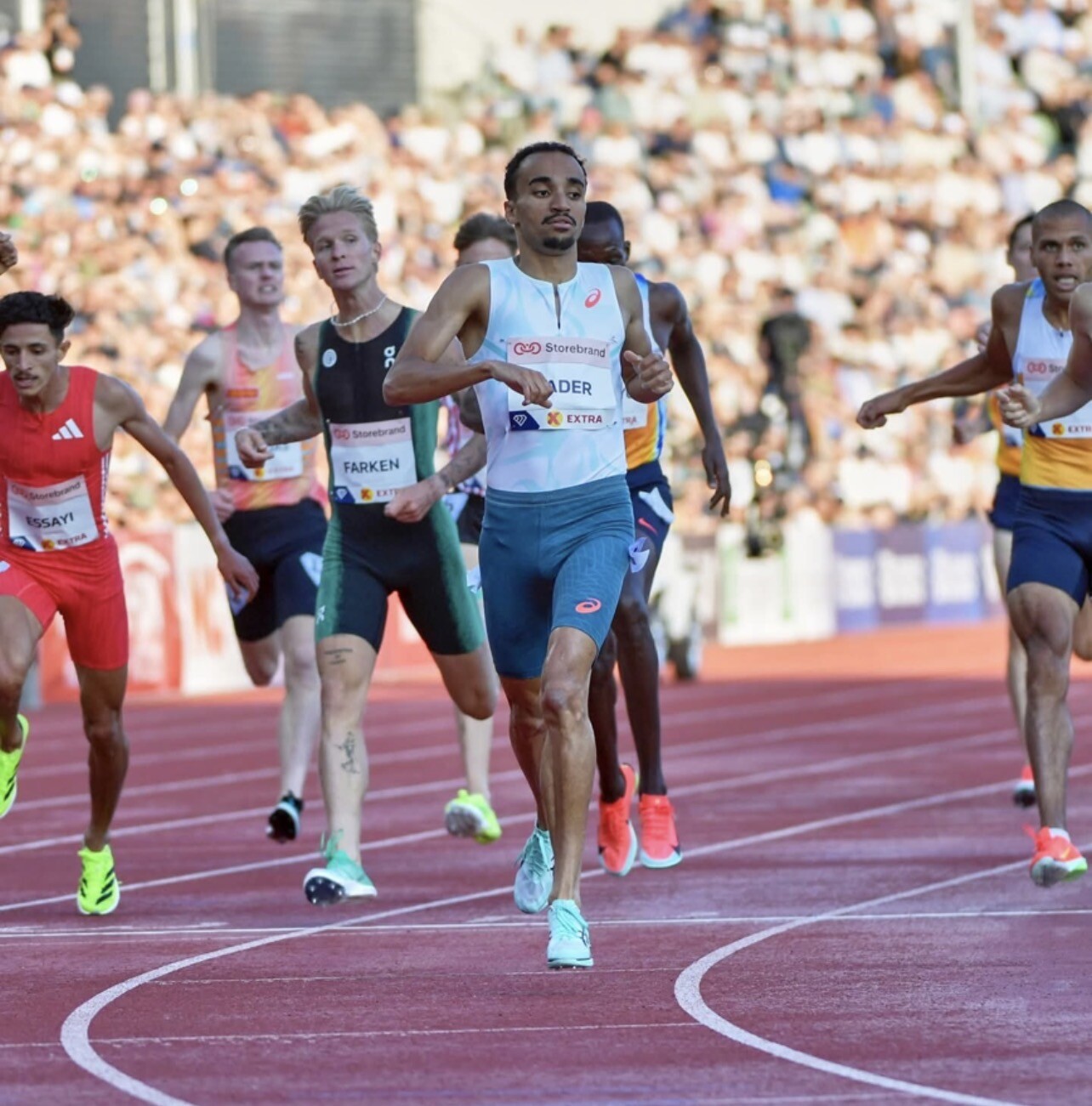
Indoor medals are rarely won through reckless aggression. They are earned through positioning, patience, and precise decision-making under pressure. In Liévin, Nader displayed all three.
A Race Built on Control
From the opening laps, Nader resisted the temptation to dictate pace. On a 200-meter oval where every bend compresses space and every surge risks being trapped on the rail, spatial awareness is everything. He remained close enough to stay dangerous, yet far enough to avoid unnecessary contact.
As the field tightened entering the decisive stages, the tension that defines elite indoor 1500-meter racing became visible. No one wanted to commit too early. No one wanted to be exposed before the bell.
Nader waited.
With roughly 200 meters remaining, he shifted gears — controlled, decisive, without panic. By the time his rivals reacted, the separation had formed. Indoors, that margin is often enough.
He did not win through chaos. He won through timing.
Why the Focus Matters
The World Indoor Championships will demand a heat and a final in compressed succession. Energy management becomes strategic. Athletes who stretch themselves thin across the indoor season often arrive sharp but fatigued.
By concentrating solely on the 1500m in Liévin, Nader signaled clarity of purpose. He sharpened one blade rather than swinging several.
That focus aligns with championship success.
The Tactical Landscape in Toruń
The field in Poland is expected to include athletes willing to test the pace early. Yet indoor finals frequently stall on the penultimate lap as runners hesitate, calculating risk versus reward.
That hesitation is where races are decided.
Nader’s Liévin performance suggests he thrives in contained tension. He absorbs surges rather than initiating them. He maintains structural positioning — avoiding being boxed, preserving outside options, and striking only when the window fully opens.
In tight indoor racing, composure can outweigh raw speed.
The Question Ahead
The issue is not whether Nader has the closing speed. Liévin confirmed that. The question is whether his rivals in Toruń can neutralize his patience.
Championship 1500-meter racing is rarely won by the athlete who leads longest. It is won by the athlete who controls the decisive movement.
If the race in Poland evolves into a tactical contest rather than an all-out tempo effort, Isaac Nader will not simply be in the final.
He will be the athlete everyone must account for.
by Robert Kibet for My Best Runs
Login to leave a comment
Spencer Claims Victory as Soca Rewrites South American History in a Blazing 1500m in Liévin
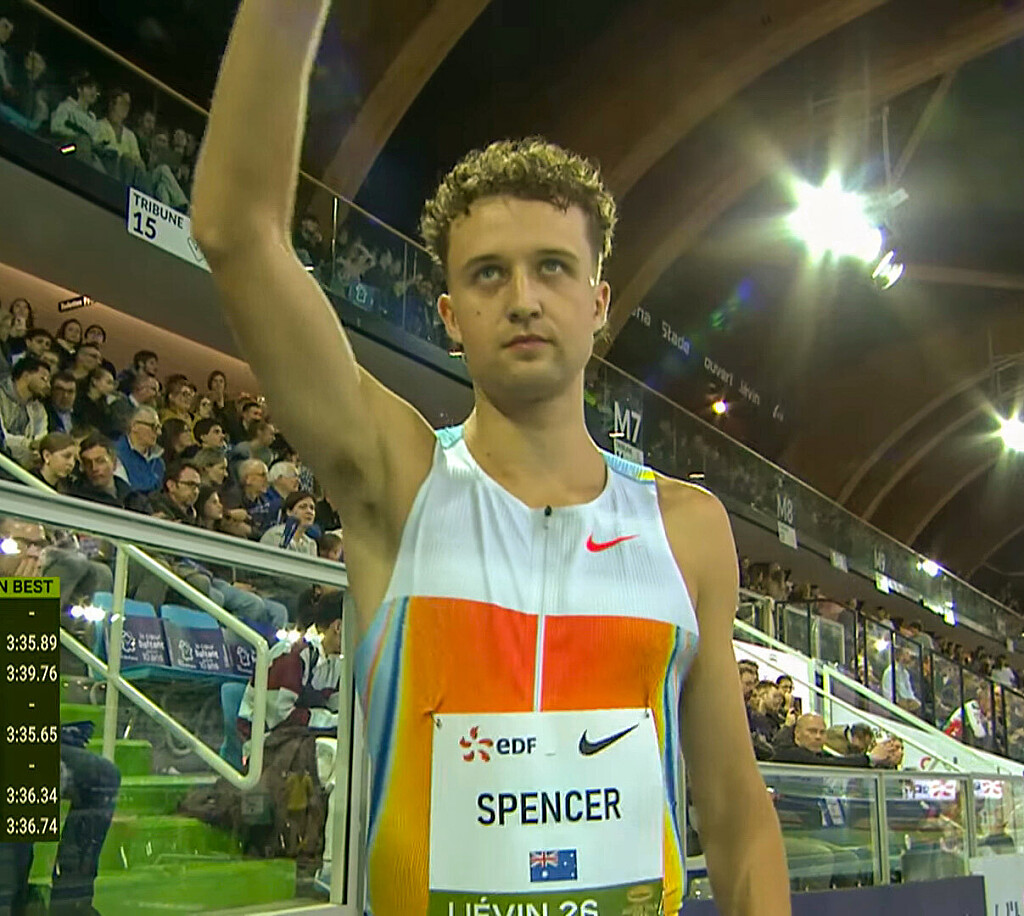
The 2026 Liévin Meeting in the northern French city of Liévin produced a race that far exceeded the expectations of a so-called “Final B.” What unfolded over 1500 meters was a fiercely competitive contest marked by tactical precision, fearless racing, and a record that reshaped South American middle-distance history.
From the opening stride, the tempo was purposeful. The field refused to allow the pace to drift, stringing out early and maintaining a rhythm that demanded both patience and courage. Every lap tightened the tension, every move tested resolve. By the bell, it was clear that something special was developing.
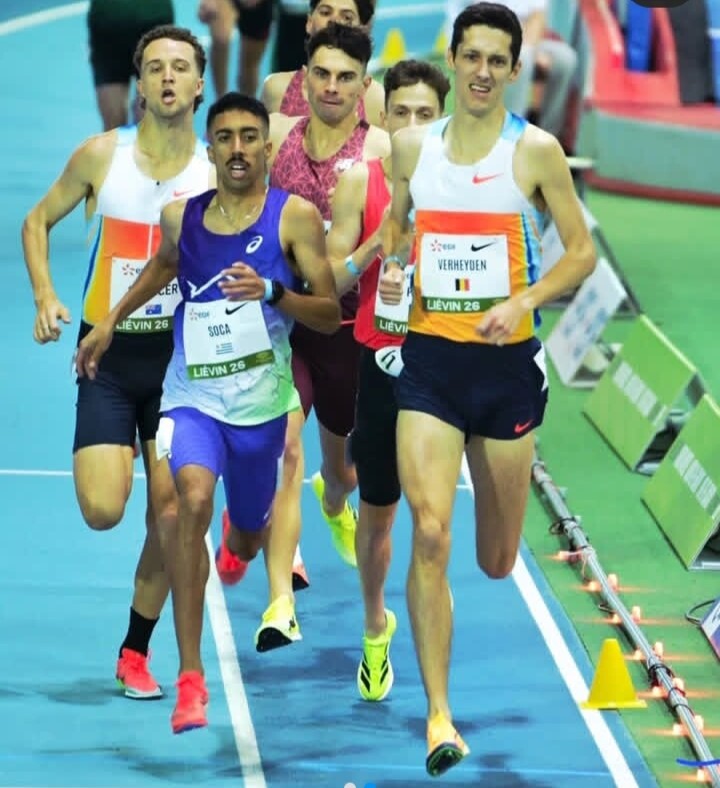
Adam Spencer of Australia delivered the decisive blow. Calm under pressure and perfectly positioned, he launched his finishing drive with controlled aggression, separating himself when it mattered most. He powered through the line in 3:35.23, a performance that reflected maturity, strength, and confidence on the indoor stage.
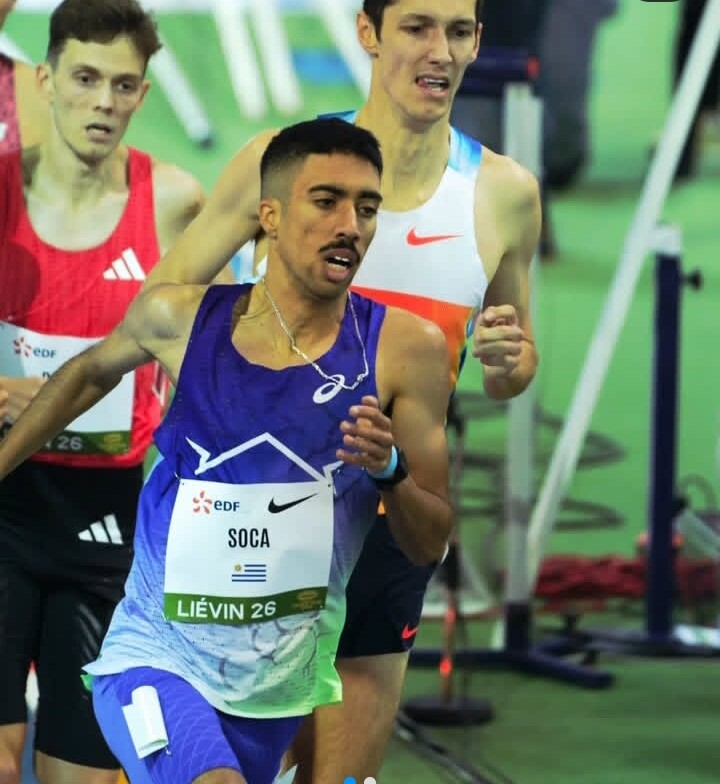
Close behind, Valentín Soca of Uruguay was writing a chapter of his own. Stopping the clock at 3:35.50, Soca shattered the South American Indoor Record in the 1500 meters. The performance marked a significant leap forward from his previous indoor best of 3:36.34, set in January in Antequera, Spain. The improvement was not marginal — it was emphatic. Soca did not merely lower a record; he elevated the standard for an entire continent.
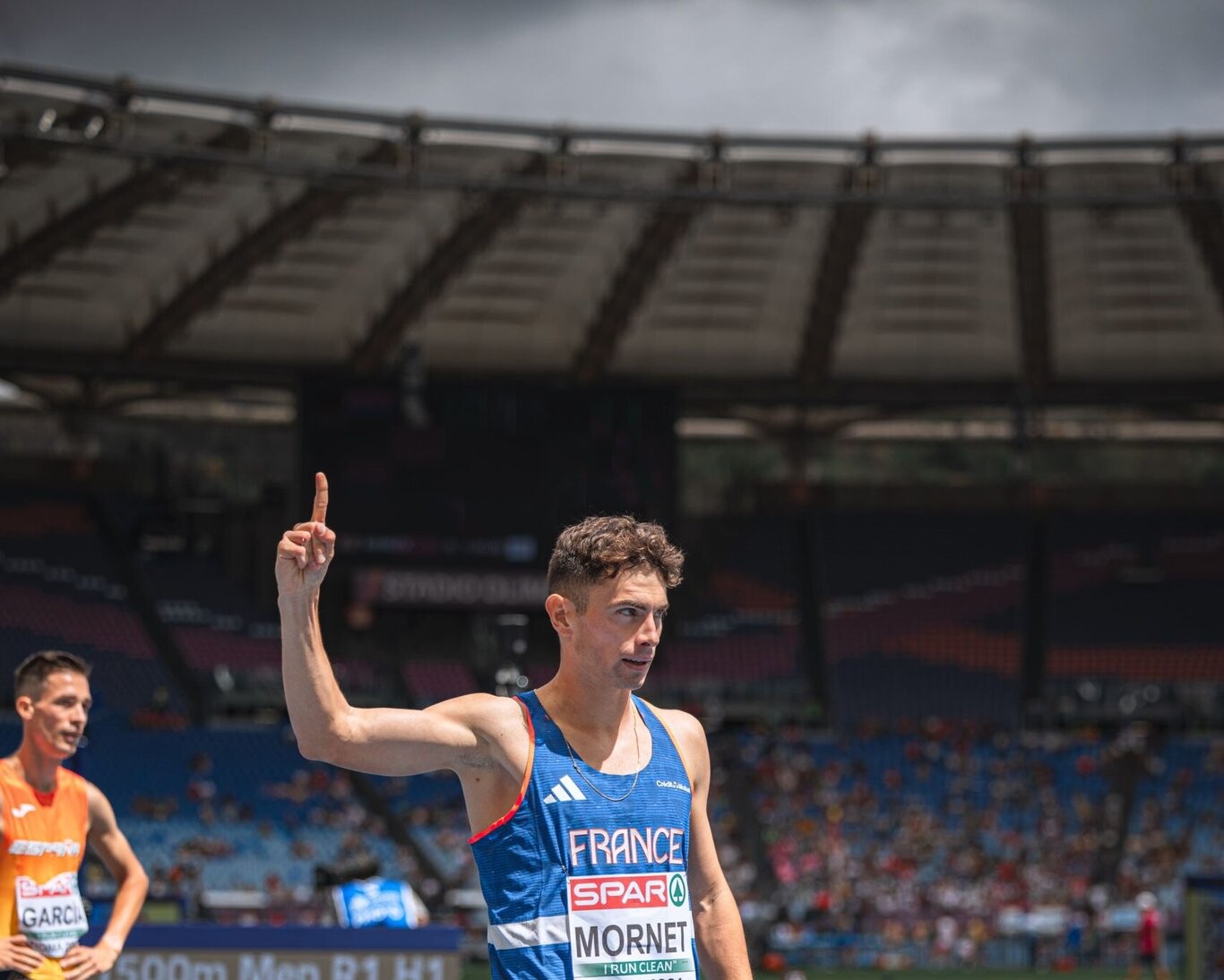
France found reason to celebrate as well. Romain Mornet rose to the occasion in front of the home crowd, finishing third in 3:35.89 after holding his composure throughout a relentless pace. His podium finish added a local highlight to an already exceptional race.
The depth behind the podium underscored the quality of the field. Pinto Marques of Portugal secured fourth place in 3:36.13, narrowly ahead of France’s Titouan Le Grix, who clocked 3:36.16 for fifth. Luke McCann of the Netherlands finished sixth in 3:39.89, followed by Belgium’s Rubén Verheyden in 3:40.07. Mohamed Attaoui of Spain crossed in 3:41.31 for eighth, while Heithem Chenitef of Algeria completed the lineup in 3:41.56.
Official Results – Men’s 1500m Final B
1. Adam Spencer (Australia) – 3:35.23
2. Valentín Soca (Uruguay) – 3:35.50 – South American Indoor Record
3. Romain Mornet (France) – 3:35.89
4. Pinto Marques (Portugal) – 3:36.13
5. Titouan Le Grix (France) – 3:36.16
6. Luke McCann (Netherlands) – 3:39.89
7. Rubén Verheyden (Belgium) – 3:40.07
8. Mohamed Attaoui (Spain) – 3:41.31
9. Heithem Chenitef (Algeria) – 3:41.56
What transpired in Liévin was more than a race result — it was a reminder that elite competition knows no hierarchy of labels. In one electrifying contest, victory was seized with authority, history was rewritten with conviction, and the 1500 meters once again proved that when preparation meets daring ambition, the outcome resonates far beyond the finish line.
by Erick Cheruiyot for My Best Runs.
Login to leave a comment
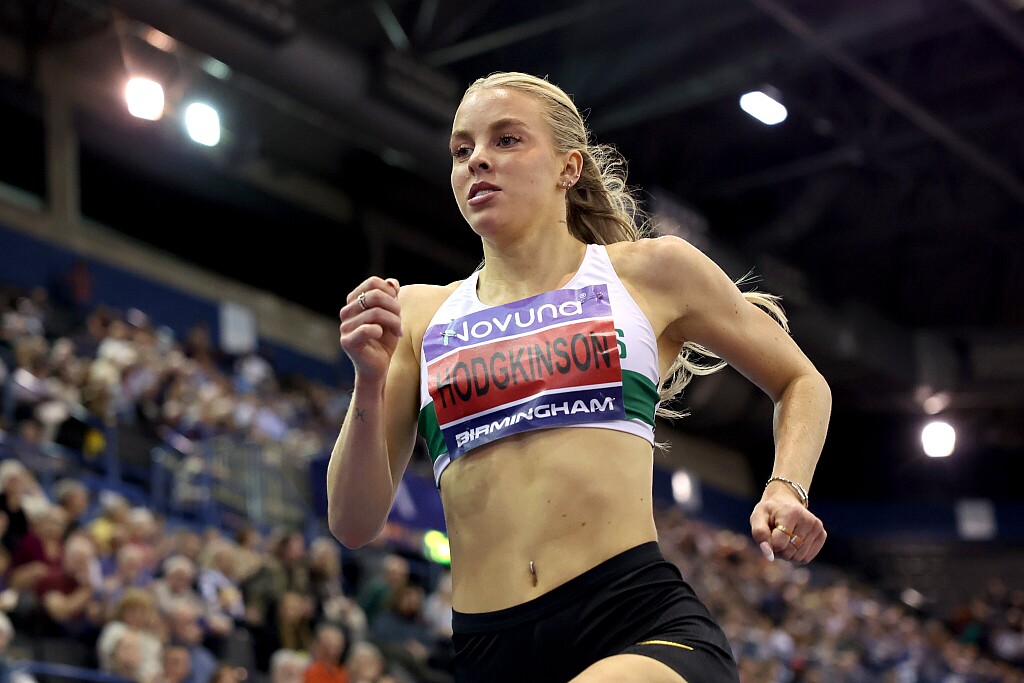
History on the Line: Keely Hodgkinson Targets 800m Indoor World Record in Liévin
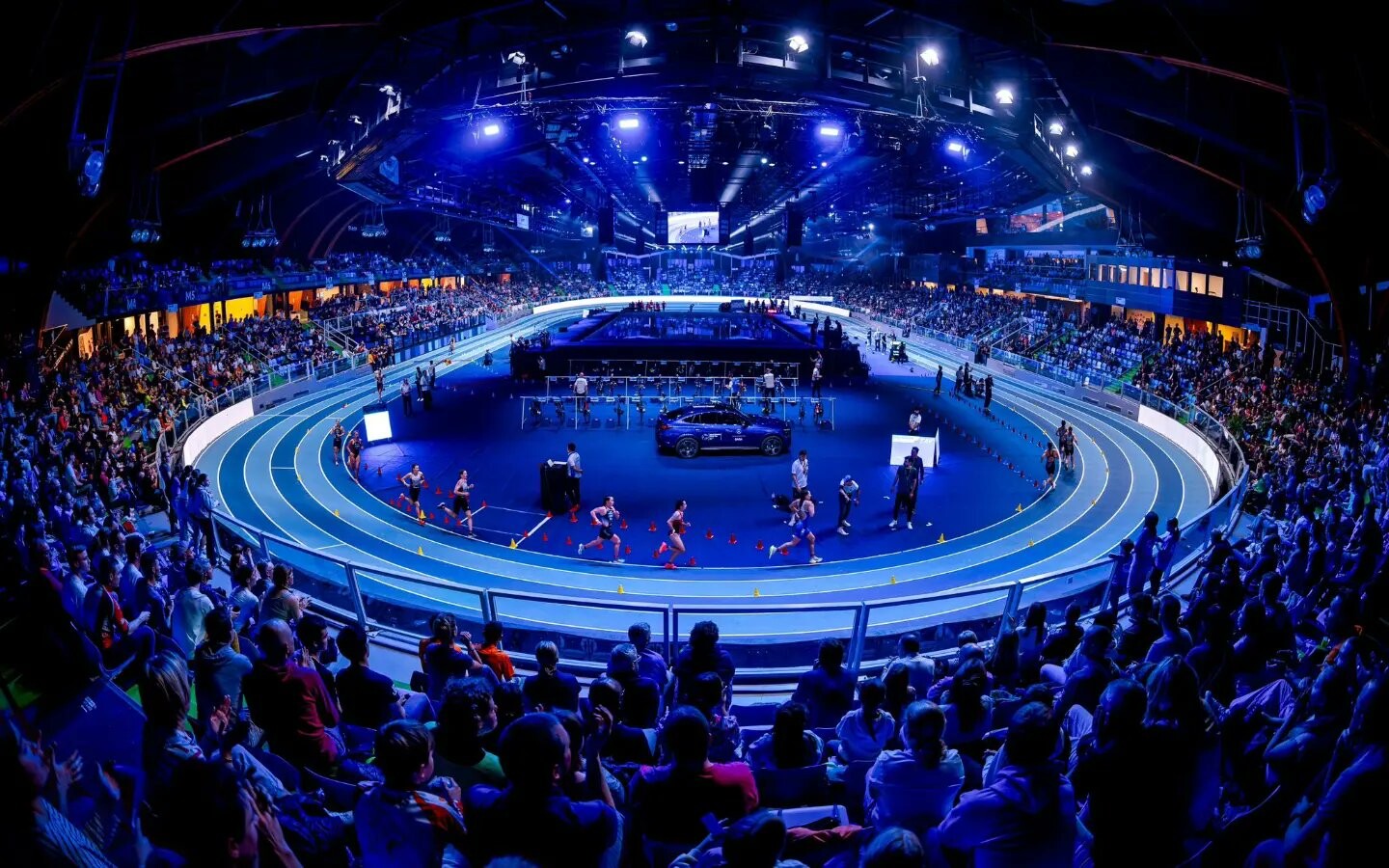
On February 19, 2026, all eyes will turn to Liévin, France, where Britain’s middle-distance star Keely Hodgkinson is set to chase history at the prestigious Meeting Liévin Hauts-de-France. The venue — the fast and intimate Arena Stade Couvert — has long been known for producing electric performances. This time, it could witness something truly historic in the women’s 800 meters.
The mark standing in Hodgkinson’s way is one of the longest-surviving records in middle-distance running. The official women’s 800m indoor world record of 1:55.82 was set in 2002 by Slovenia’s Jolanda Ceplak. For more than two decades, it has resisted generations of challengers.
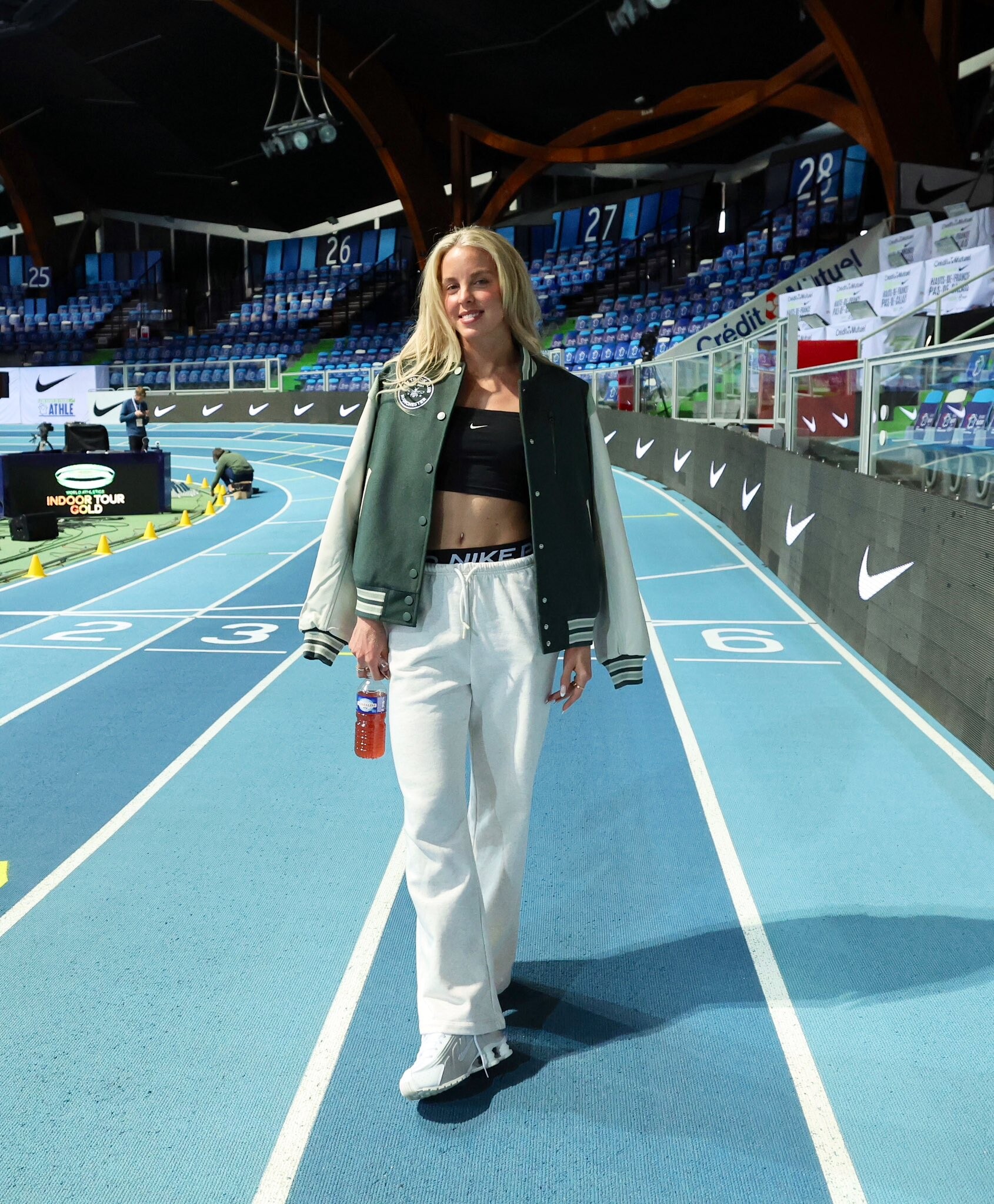
Now, Hodgkinson arrives closer than almost anyone in history.
The British star currently sits third on the all-time indoor list with a blistering 1:56.33 — just 0.51 seconds shy of the global standard. In the 800 meters, half a second is a heartbeat, a single stride at full stretch. It is the difference between brilliance and immortality.
Still only in her prime competitive years, Hodgkinson has consistently demonstrated the tactical intelligence and finishing speed required for a record assault. Indoors, where positioning is crucial and margins are razor-thin, her controlled aggression and smooth stride make her particularly dangerous.
Liévin is no ordinary stop on the indoor circuit. The meet has built a reputation for fast times, ideal pacing, and an atmosphere that compresses sound and energy into every lap. If conditions align — strong pacemaking, a committed first lap, and Hodgkinson’s trademark surge over the final 200 meters — the clock could be under serious threat.
What makes this attempt even more compelling is the era in which it unfolds. Women’s middle-distance running is experiencing a golden wave of depth and speed. Yet Ceplak’s indoor mark has remained untouched, almost mythical. Hodgkinson is not just racing competitors; she is racing history itself.
On February 19 in Liévin, the margins will be microscopic, the tension immense. One perfectly judged race could rewrite the record books. And if Hodgkinson finds that extra fraction of a second, the 800m indoor world record may finally have a new owner.
by Erick Cheruiyot for My Best Runs.
Login to leave a comment
British Stars Ignite Birmingham Showdown as World Indoor Dreams Hang in the Balance
National pride, global ambition, and coveted places on the British team for Toruń will converge this weekend as Britain’s finest athletes gather at the Utilita Arena Birmingham for the Novuna UK Indoor Championships, set for February 14–15, 2026. With national titles on the line and performances carrying significant weight ahead of next month’s World Indoor Championships in Poland, the arena will become a stage where pressure, precision, and opportunity intersect.
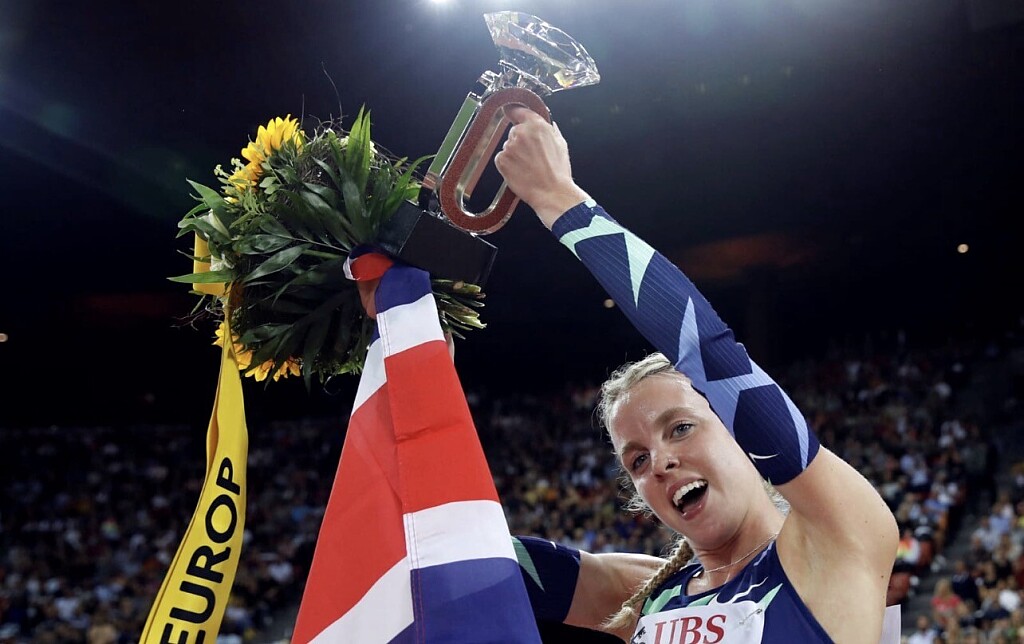
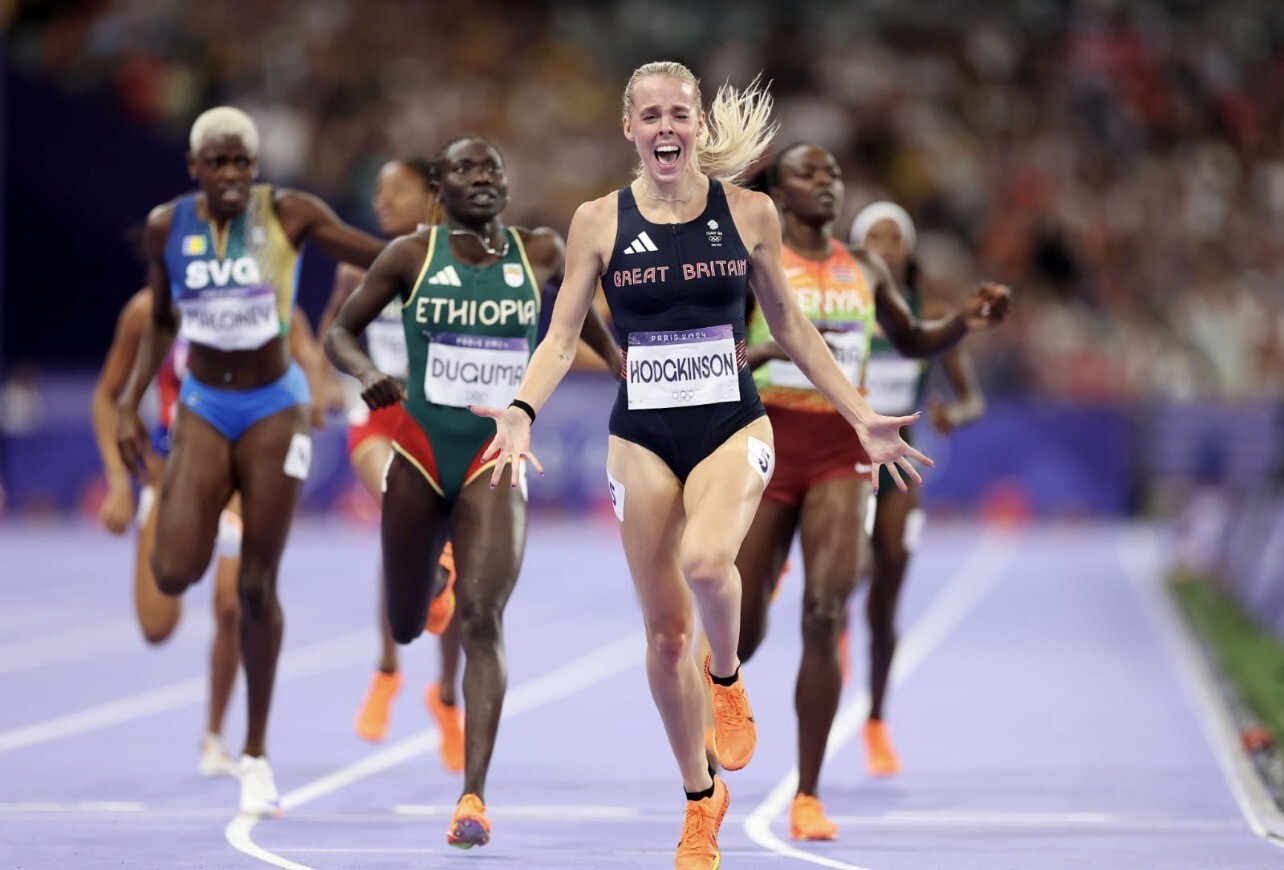
Among the headline attractions is Olympic 800m champion Keely Hodgkinson, whose return to the national indoor stage carries both symbolic and competitive importance. Injury disrupted her progress at this point last season, but her presence in Birmingham immediately reshapes the women’s 800m landscape. Hodgkinson has indicated she intends to contest only the heats as she carefully manages her preparation for upcoming international targets. Still, her reputation as one of the most composed and tactically brilliant athletes in the sport ensures every stride will be closely watched. Even a controlled appearance offers valuable insight into her readiness as she builds toward another major global campaign.
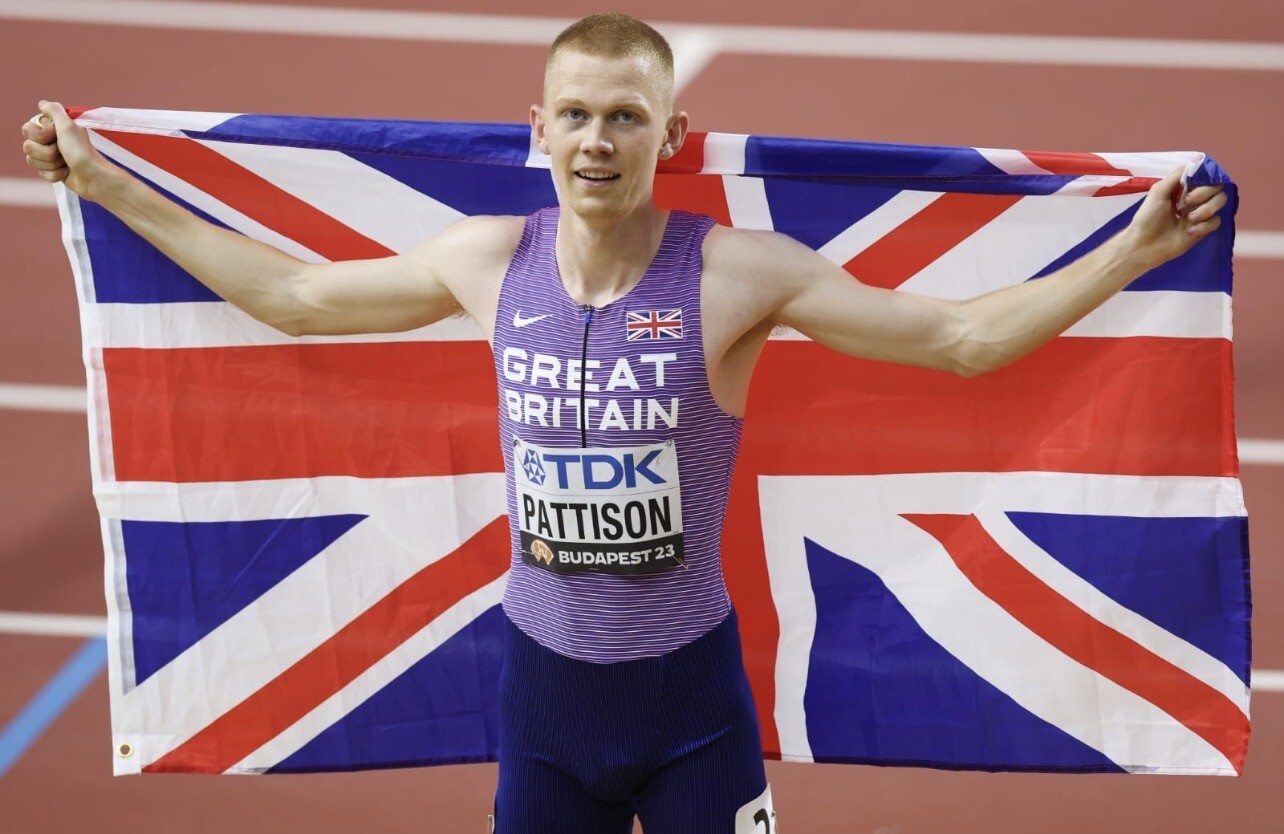
The men’s 800m brings its own compelling narrative with Ben Pattison at a pivotal moment in his career. His electrifying 1:42.27 performance in Monaco in 2024 elevated him to second on the UK all-time list behind the legendary Sebastian Coe, confirming his place among Britain’s finest two-lap runners. Injury interruptions have since challenged his momentum, but a healthy and uninterrupted indoor season now provides the opportunity to reestablish his authority. Birmingham represents more than a national championship—it is a chance for Pattison to reaffirm his position among the world’s elite and demonstrate that his trajectory remains firmly upward.
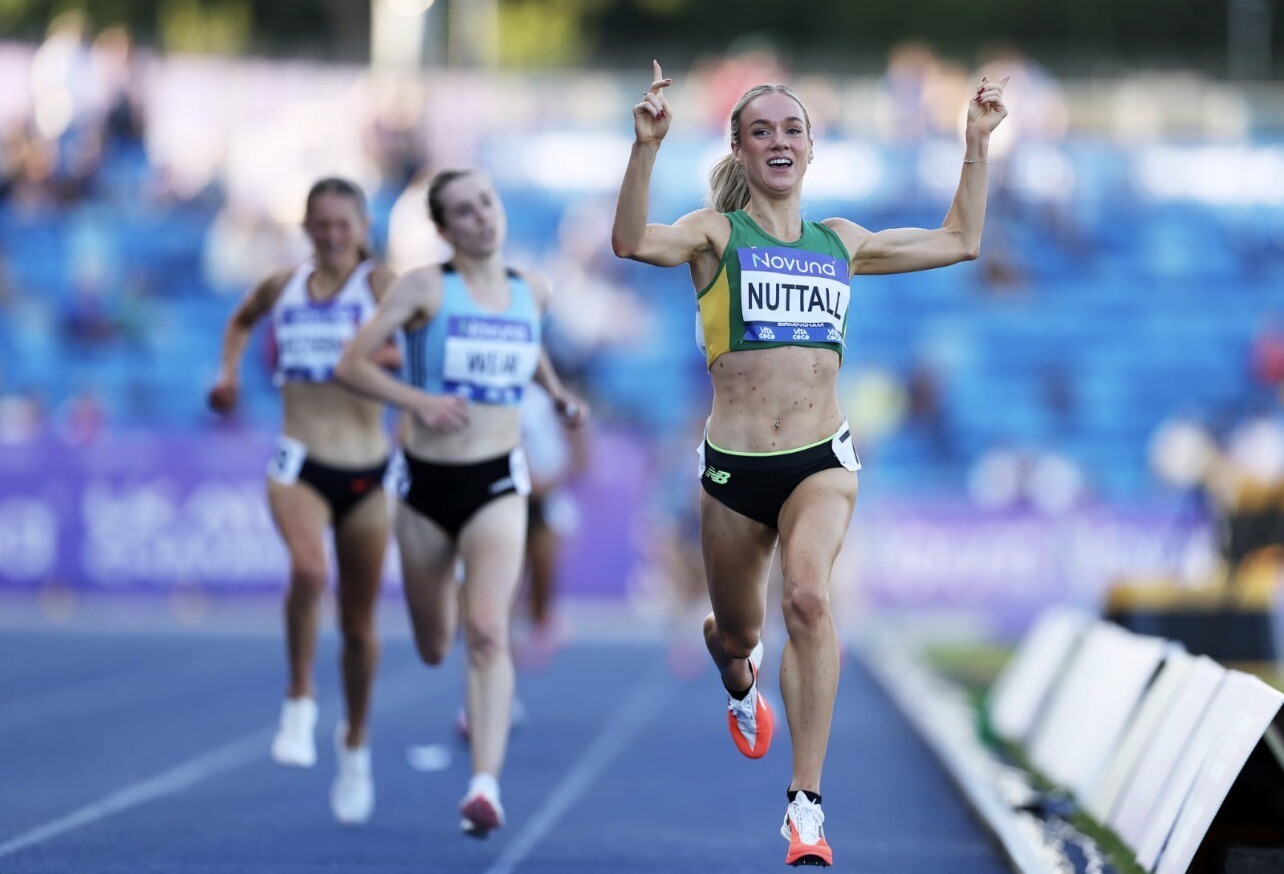
Attention in the distance events will focus on reigning UK 5000m and indoor 3000m champion Hannah Nuttall, whose consistency at the highest levels has steadily elevated her profile. A finalist at consecutive European Indoor Championships and a top-eight finisher over 5000m at the World Championships in Tokyo, Nuttall combines endurance, tactical discipline, and championship experience. Indoor racing, however, leaves no margin for error. Success depends on precise positioning, measured patience, and decisive timing. In Birmingham, she will be expected not only to defend her title but to deliver a performance that reinforces her standing as a major contender internationally.
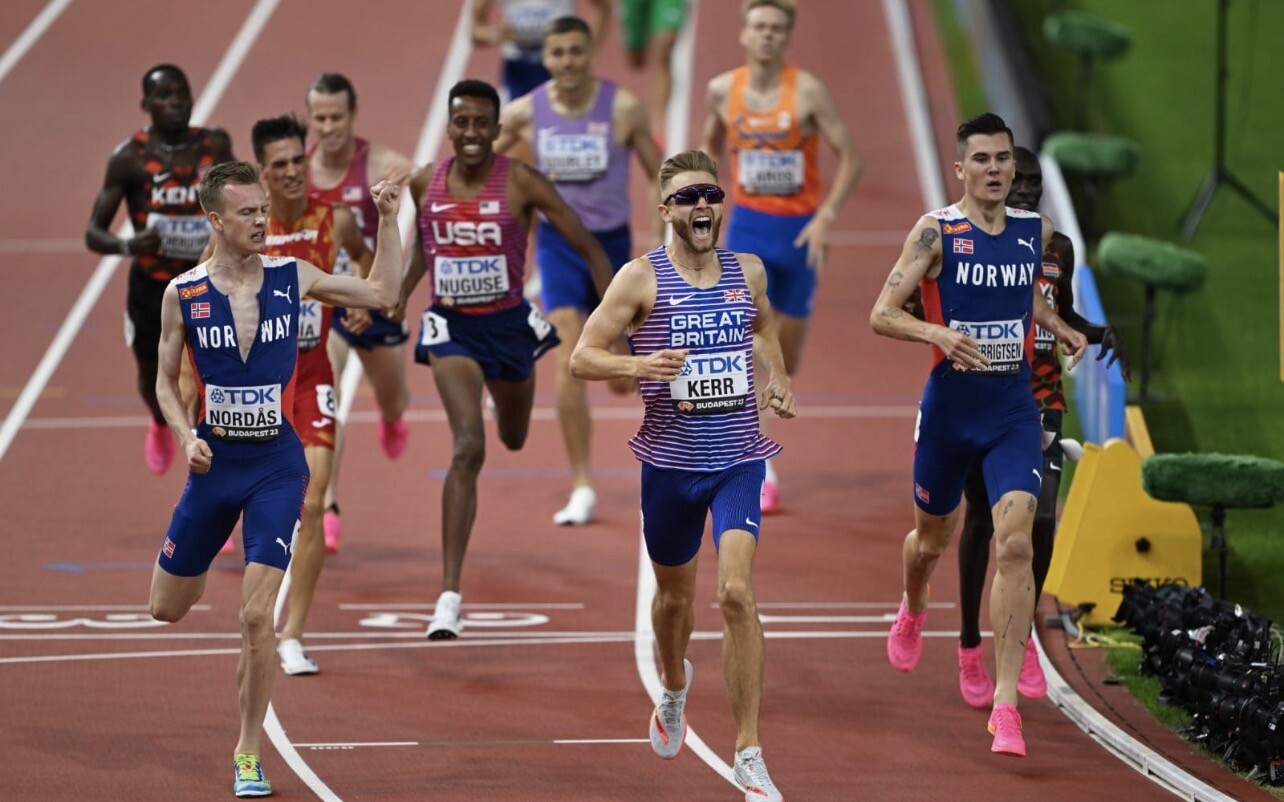
Adding further prestige to the championships is world champion Josh Kerr, an athlete who has built his career on delivering when the stakes are highest. The reigning world indoor 3000m gold medalist and 2023 world 1500m champion continues to expand his range and influence. His recent duel with Olympic champion Cole Hocker over two miles at the Millrose Games highlighted both his competitive sharpness and his appetite for world-class competition. Kerr enters Birmingham not merely to compete, but to assert control and set the tone for the season ahead.
As the lights illuminate the arena and the tension builds, Birmingham will serve as a proving ground for Britain’s top athletes. For Hodgkinson, Pattison, Nuttall, and Kerr, the Novuna UK Indoor Championships represent more than national titles. They are an essential step toward global competition, where performances this weekend will help determine who carries Britain’s ambitions onto the world stage. The path to Toruń narrows here, and only those who deliver with conviction will move forward with momentum.
by Erick Cheruiyot for My Best Runs
Login to leave a comment
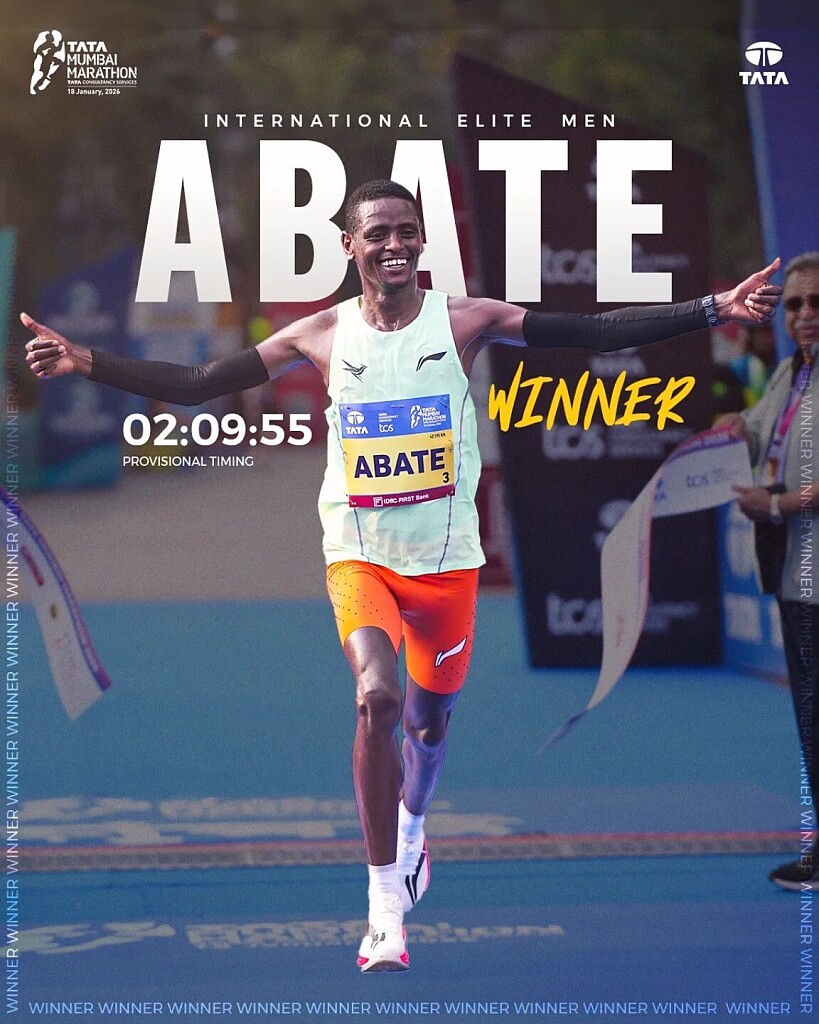
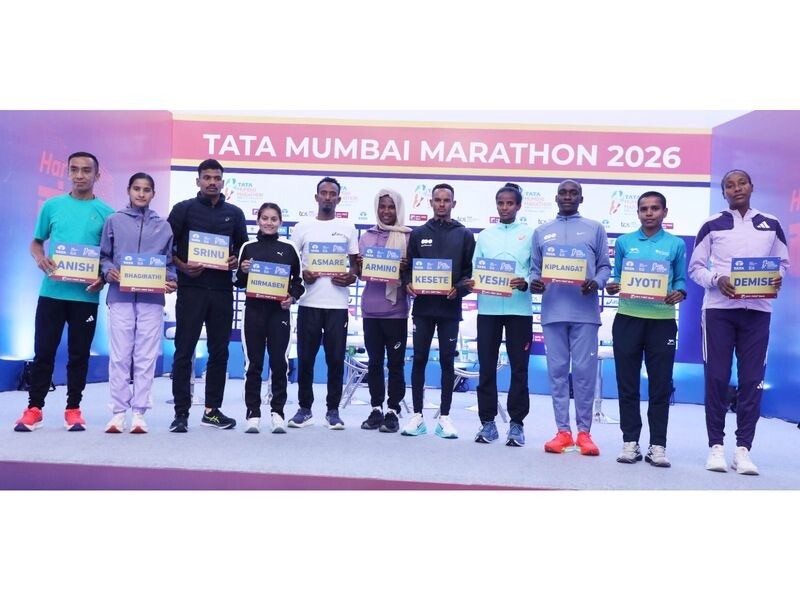
21st Tata Mumbai Marathon: Abate Deme Surges to Victory in Tactical Men’s Thriller
The 21st edition of the Tata Mumbai Marathon, staged under the title sponsorship of the Tata Group, produced a compelling men’s race shaped by strategy, endurance, and mental resilience. Run over Mumbai’s iconic 42.195 km course — featuring long exposed stretches along Marine Drive and a demanding spiral climb in the closing kilometres — the race unfolded under rising January temperatures and increasing humidity, turning it into as much a test of judgment as raw strength.
A High-Stakes Duel in the Final Kilometres
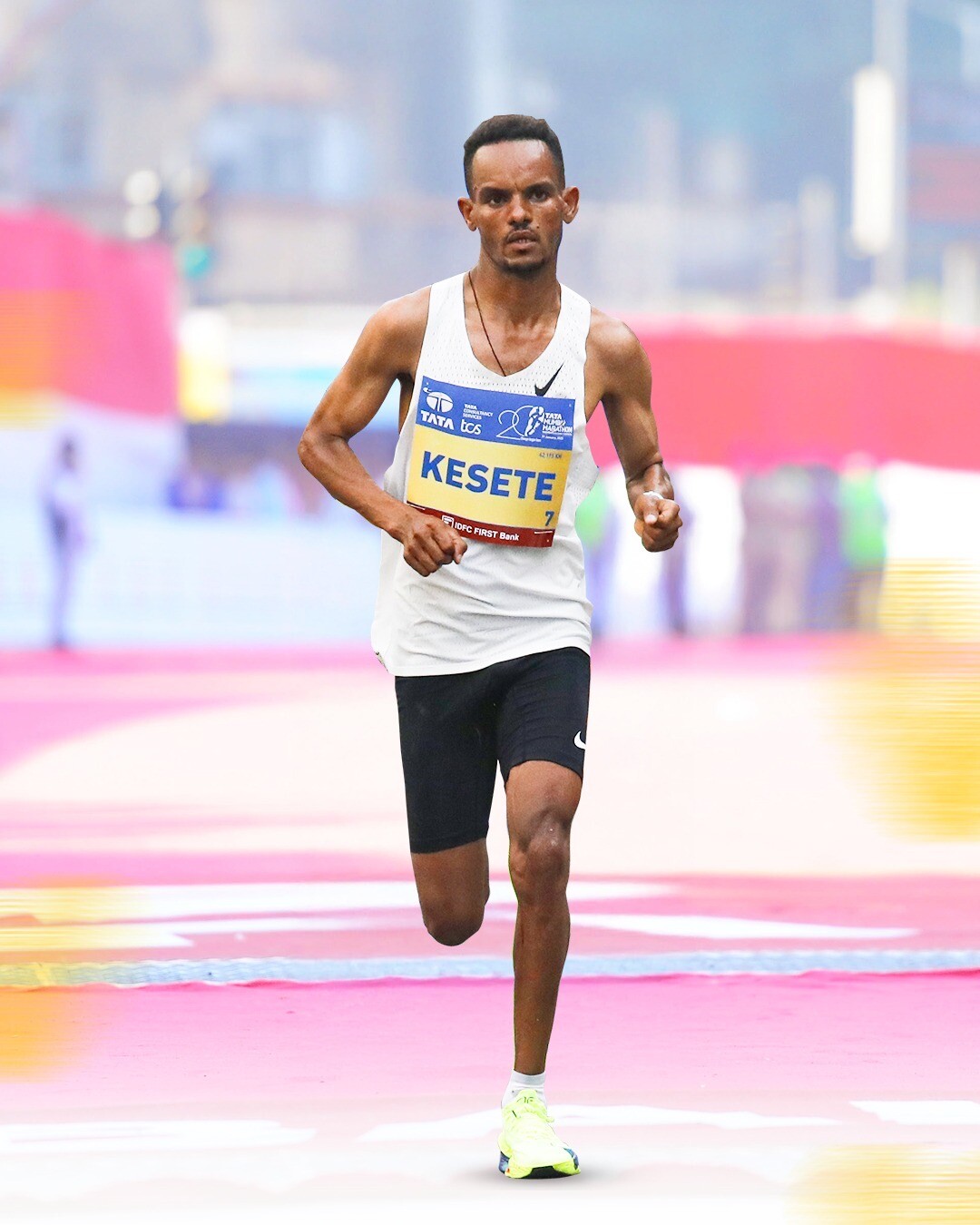
The men’s contest ultimately narrowed to a gripping duel between Ethiopia’s Tadu Abate Deme and Kenya’s Leonard Lang’at, with Eritrea’s Merhawi Kesete Weldemaryam remaining in contention deep into the race. As the decisive kilometres approached, the tension was unmistakable. “Neither of them giving any quarter. They’re both absolutely exhausted here,” commentators observed, capturing the mental and physical toll exacted by the Mumbai course.
Abate, 28, arrived with an impressive résumé. His personal best of 2:05:55, set three years earlier in Tokyo, highlights his ability to combine speed with endurance. A frequent and consistent racer, Abate completed three marathons in 2025 alone — including one just six weeks before Mumbai — demonstrating exceptional recovery and conditioning. Inspired by Kenenisa Bekele, he blends track-like efficiency with road-racing instincts, conserving energy and striking precisely when it matters most.
Lang’at brought his own credentials to the battle. A seasoned marathoner known for strong finishes and tactical awareness, the Kenyan owns personal bests in the 2:08–2:09 range and has built a reputation as a relentless competitor in tightly contested races. As the leaders broke clear late, commentators noted, “It’s a mental battle between these two now, as much as a physical battle… Abate is moving smoothly. He can relax a little now; he’s got the race won.”
Weldemaryam, representing Eritrea, showcased steady progression on the international stage. Though unable to match Abate’s final acceleration, his endurance kept him among the leaders until the closing kilometres. “He’s been a good runner… getting better and better like a good wine,” the commentary reflected, underscoring his continued development.
Tactical Racing Takes Center Stage
By 40 km, the leaders had passed through 2:03:08, a clear signal that the race had shifted from time-chasing to a tactical contest of patience and resolve. Abate’s decisive move came after the final left-hand turn away from Marine Drive, where he surged with authority and opened a gap Lang’at could not close despite a determined pursuit.
The Mumbai course’s exposed roads, coastal winds, and late-race climb demanded precise energy management. Abate executed his race plan flawlessly — staying controlled through the middle stages, reading his rivals, and accelerating only when fatigue began to show in the field.
Lang’at, while ultimately second, demonstrated grit and composure throughout, while Weldemaryam and the chasing pack added depth to a men’s race in which every kilometre required concentration and discipline.
A Race Defined by Intelligence and Strength
The men’s race at the 21st Tata Mumbai Marathon will be remembered as a high-calibre strategic battle — one where Ethiopian excellence once again prevailed, but Kenyan and Eritrean challengers ensured a gripping international contest. Abate Deme’s well-timed surge earned him victory in 2:09:55, with Lang’at close behind and Weldemaryam rounding out the podium.
Once again, Mumbai proved that it rewards tactical intelligence, mental fortitude, and resilience as much as speed, reinforcing its reputation as one of Asia’s most demanding and strategically complex marathons.
Men’s International Elite Top 6 – 2026 Tata Mumbai Marathon
1. Tadu Abate Deme (ETH) – 2:09:55
2. Leonard Lang’at (KEN) – 2:10:10
3. Merhawi Kesete Weldemaryam (ERI) – 2:10:22
4. Gada Gemsisa Gudeta (ETH) – 2:10:49
5. Victor Kiplangat (UGA) – 2:11:02
6. Benjamin Kigen (KEN) – 2:15:28
by Robert Kibet for My Best Runs
Login to leave a comment

Tata Mumbai Marathon
Distance running epitomizes the power of one’s dreams and the awareness of one’s abilities to realize those dreams. Unlike other competitive sports, it is an intensely personal experience. The Tata Mumbai Marathon is One of the World's Leading Marathons. The event boasts of fundraising platform which is managed by United Way Mumbai, the official philanthropy partner of the event. Over...
more...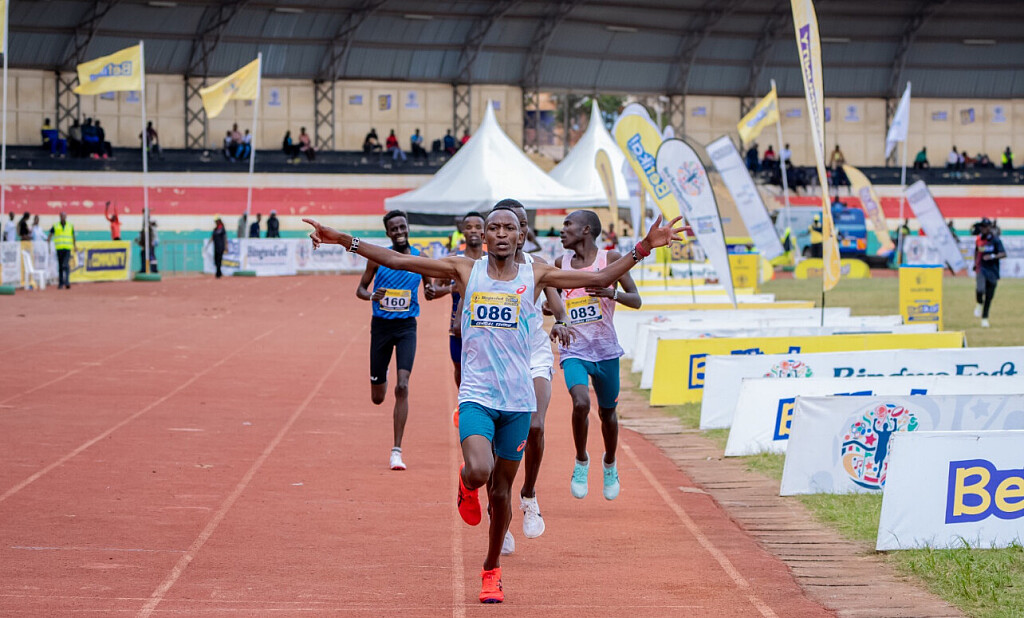
Two Weeks, Two Terrains: Kipkoech Masters Cross Country and Bingwafest Track
Barely days after asserting his authority on the rugged highland trails of Chepsaita in Turbo, 20-year-old Mathew Kipkoech arrived at Kinoru Stadium in Meru with momentum firmly on his side and clarity in his purpose. Chepsaita, deep in Kenya’s Rift Valley, is a high-altitude proving ground where thin air, rolling terrain, and unforgiving dirt paths reward strength and resilience. There, Kipkoech powered to victory at the Great Chepsaita Cross Country Run 10km in 31:49, a World Athletics Gold Label race that underscored the quality of competition he overcame.
On Saturday at the Bingwafest 2025 Central Edition, he translated that cross-country form into a composed and intelligent victory in the men’s 10,000m, confirming his ability to dominate across terrains.
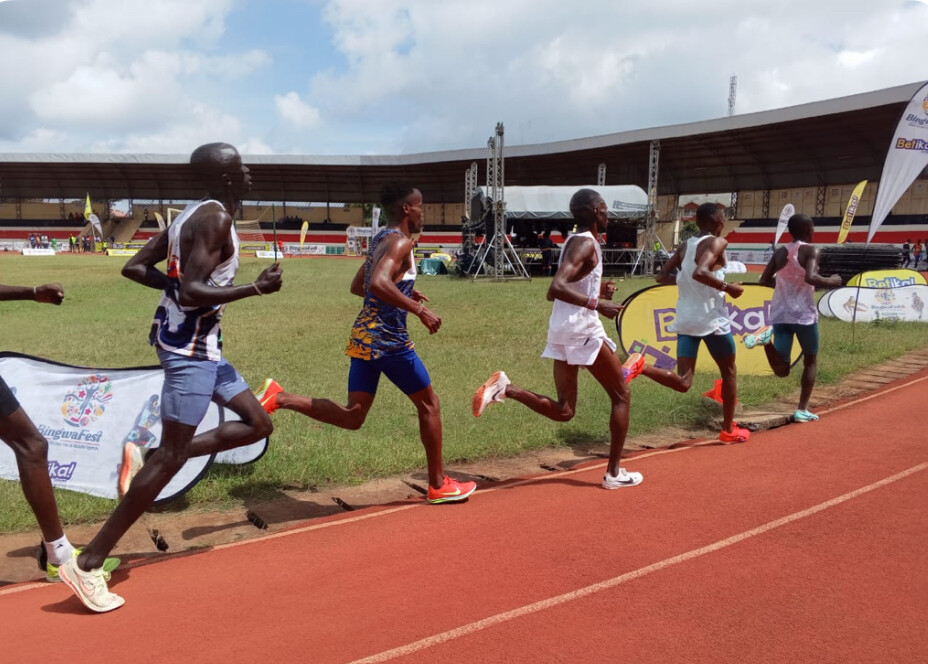
Powered by Betika, Bingwafest again showed its growing importance as a competitive platform for Kenyan athletics, bringing together established performers and emerging talent in a disciplined, high-quality racing environment.
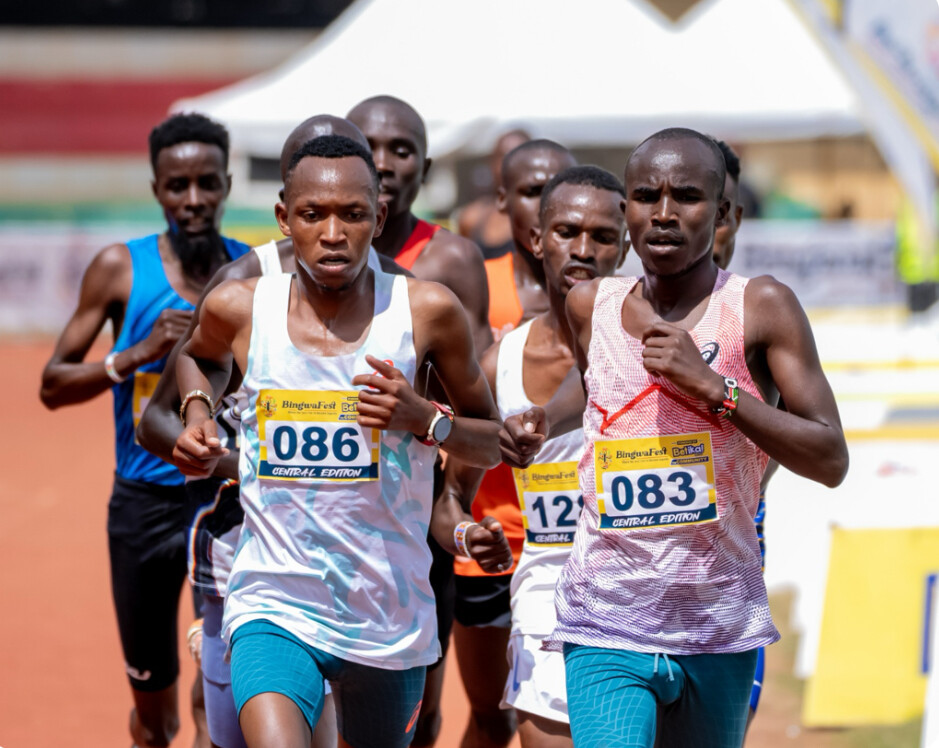
Forged at Altitude, Focused on the Track
Before the gun fired at Kinoru Stadium, the tension was unmistakable. A deep, evenly matched field crowded the start line, spikes aligned, bodies angled forward in quiet concentration. Kipkoech stood among them calm and deliberate. While Chepsaita had tested his endurance over uneven ground, the track demanded patience and precision.
When the race began, he resisted the urge to dictate early, settling smoothly into the lead group as the pace found a controlled rhythm.
A Tactical Test of Patience
From the opening laps, it was clear this would be a race of restraint rather than bravado. The tempo remained competitive but measured, forming a compact lead pack that refused to break. Kipkoech stayed ever-present and unhurried, tracked closely by Justus Lelinton, Amos Langat, Rasini Lemeteri, and Victor Kimosop.
Through halfway, the leaders were separated by seconds rather than meters, with splits hovering in the low 2:50 range. The race had evolved into a tactical contest—a chess match run at speed.
Control Without Drama
What set Kipkoech apart was not flamboyance, but authority. As fatigue crept in, he subtly tightened the pace—no sudden surge, just a steady escalation. Lelinton stayed attached, while Langat and Lemeteri began to feel the strain.
Behind them, Julius Kipkwam and Benson Mashon fought to maintain contact as the quality of the field ensured every position had to be earned.
The Decisive Finish
When the bell rang, the outcome finally revealed itself. Kipkoech applied one final, sustained increase in pressure. Lelinton fought bravely but could not respond. Down the home straight, Kipkoech ran tall and composed, crossing the line in 28:44.22.
Lelinton followed in 28:44.73, with Langat third in 28:45.24. Lemeteri (28:45.85), Kimosop (28:46.56), and Kipkwam (28:47.07) completed a tightly packed top six—an emphatic illustration of the race’s depth.
“You Must Think on the Track”
“It was not an easy race, especially coming so soon after Chepsaita,” Kipkoech said afterward. “The field was very strong, so I had to use tactics and stay patient.”
He emphasized the contrast between disciplines. “At Chepsaita, you rely on strength because the terrain is tough. On the track, you must think. You cannot rush—you wait for the right moment.”
Built for the Global Stage
That composure has been shaped beyond Kenya’s domestic circuit. In January 2023, Kipkoech ran a personal best 13:18 at the Valencia 10km. Later that year, he competed at the Valencia Half Marathon, where four athletes dipped under 58 minutes, led by former world record-holder Kibiwott Kandie. Those experiences sharpened his pace judgment—qualities clearly evident in Meru.
This was Kipkoech’s first appearance at Bingwafest, and it delivered more than a win—it set a benchmark. Enjoying a season free from injury, he now looks ahead with confidence, with interval training anchoring his preparation.
Managed under ASICs alongside women’s standout Lucy Chemnung, Kipkoech’s performance highlighted the strength of structured athlete development on display at Kinoru Stadium.
From the high-altitude trails of Chepsaita to the precision lanes of Meru, Mathew Kipkoech did not simply win.
He controlled the race—and reaffirmed his readiness for the global stage.
by Robert Kibet for My Best Runs
Login to leave a comment
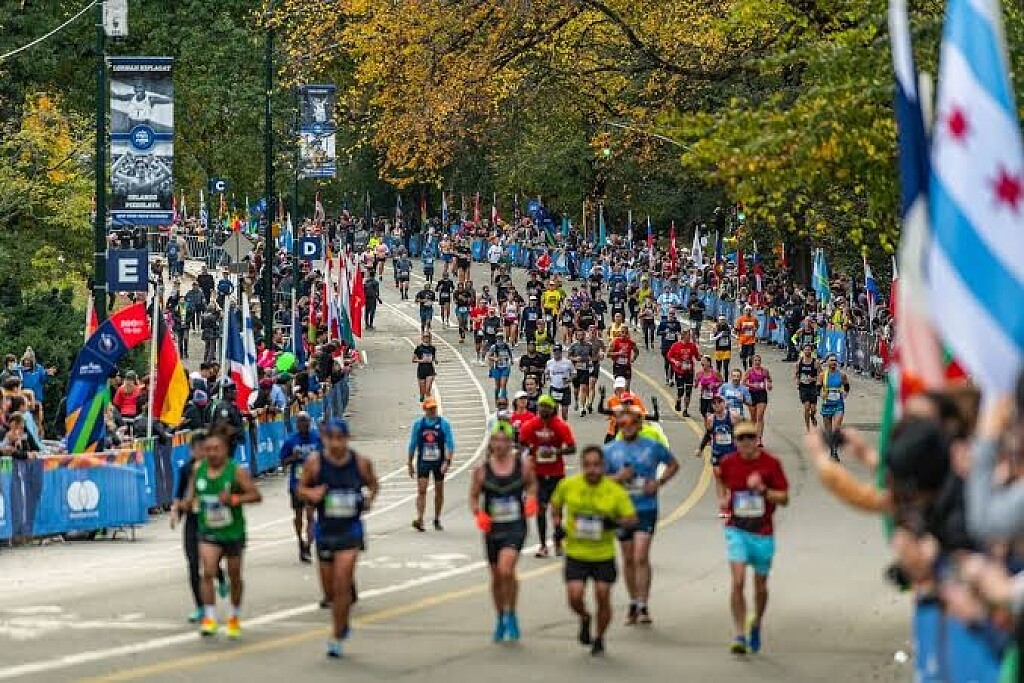
Running Through The City Of Dreams New York Marathon 2025
On Sunday, November 2, 2025, the five-borough spectacle of the New York City Marathon will unfold once again, offering more than 50,000 runners the chance to push 26.2 miles through the heart of New York. From the cannon blast on Staten Island to the triumphant finish in Central Park, this is a race that marries endurance, emotion and urban drama.
Kipchoge and Hassan Headline an Extraordinary Field
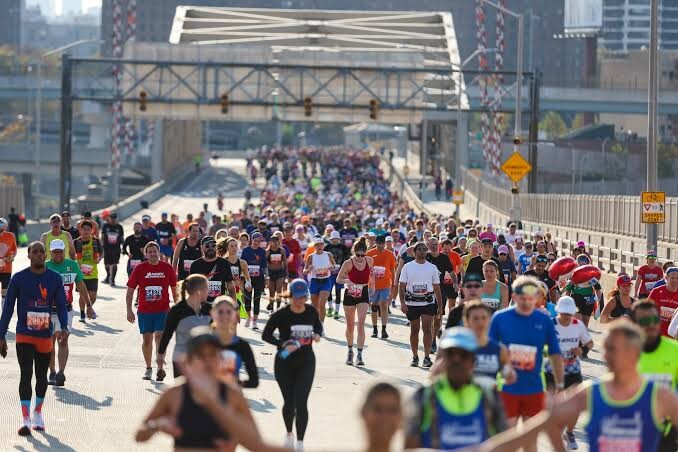
The biggest storyline heading into this year’s race is the presence of Eliud Kipchoge, the greatest marathoner in history, and Sifan Hassan, the double Olympic champion who stunned the world with marathon victories in both London and Chicago. For Kipchoge, New York completes his journey through all six Abbott World Marathon Majors — a crown that has eluded him until now.
Hassan, meanwhile, returns to the marathon distance after a string of world-class performances on both track and road, her fearless racing style perfectly suited to the unpredictable rhythm of New York’s streets.
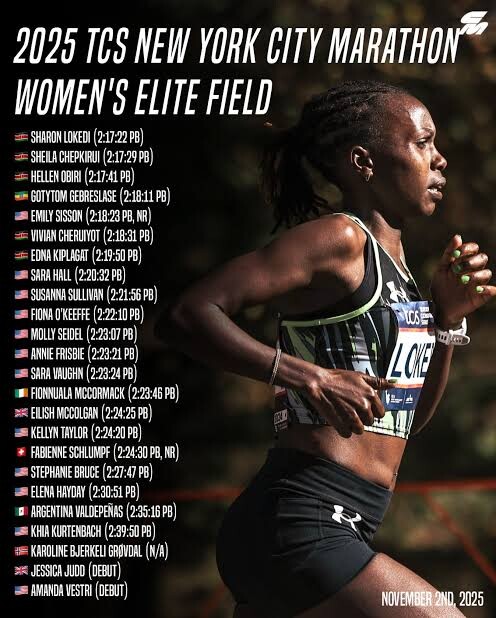
They’ll face an elite field stacked with world-class names, including Benson Kipruto of Kenya (2:02:16 PB), Evans Chebet (two-time Boston champion, 2:03:00 PB), and defending champion Tamirat Tolaof Ethiopia (course record holder at 2:04:58). The women’s field is equally star-studded, featuring 2022 champion Sharon Lokedi, Tokyo winner Rosemary Wanjiru, and a host of East African contenders ready to test Hassan on one of the sport’s toughest stages.
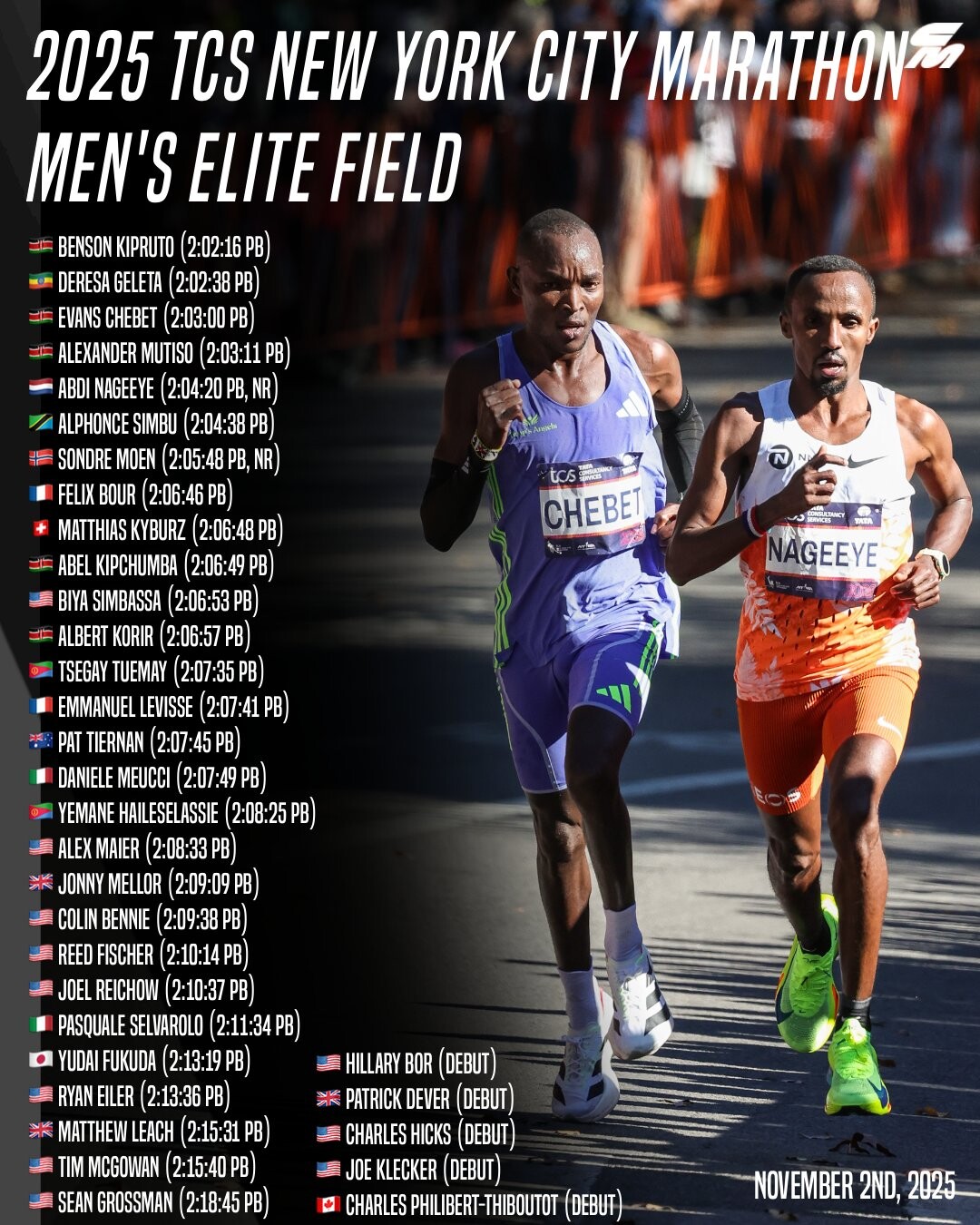
Among the American hopefuls, Emily Sisson, the U.S. record holder in the marathon, headlines the women’s field and will make her New York debut. On the men’s side, Biya Simbassa leads the U.S. charge, joined by a deep domestic field racing for top-American honors and prize bonuses.
Course Records
• Men: 2:04:58 — Tamirat Tola (ETH), 2023
• Women: 2:22:31 — Margaret Okayo (KEN), 2003
These records reflect both top-tier performance and the challenging character of the course — rather than flat, pacer-assisted routes that routinely see world-record times.
Prize Purse
The stakes are high. Open-division winners stand to earn $100,000, with descending prizes through 10th place. The event also offers a $50,000 bonus for a winner who breaks the standing course record, plus separate prize pools for top U.S. finishers and wheelchair divisions. With total payouts approaching nearly a million dollars, the financial motivation is real — even if the course isn’t built for world-record thrills.
Why a World Record Isn’t Realistic
Make no mistake: the New York course is legendary for its toughness rather than its speed. Runners face five major bridge crossings, a long ascent up the Queensboro Bridge around mile 15–16, variable terrain, sharp turns and a final push up Fifth Avenue into Central Park. Unlike flat, pacemaker-led courses such as Berlin or Chicago, NYC emphasises tactical racing, rivalries and finish-line theatre. The organising body eliminated dedicated elite pacemakers years ago in favour of pure head-to-head competition.
While pace groups may support recreational waves, elite winners will race without the type of structured pacemaking that enables constant sub-2:03 splits. In short: this is a championship-style contest, not a time-trial.
What Makes NYC Unique
• Cityscape & crowd noise: From Staten Island’s Verrazzano Narrows Bridge to Brooklyn’s vibrant neighborhoods, the Queensboro Bridge, Manhattan’s First Avenue and the final loop in Central Park, the scenery is unmatched.
• Massive scale but elite depth: The global field, the tens of thousands of recreational runners, the international media — the race’s atmosphere is unmatched in road-racing.
• Legacy of racing over timing: Past editions have celebrated bold attacks and dramatic finishes more than normally smooth pacing. That makes this one of the world’s most storied and unpredictable marathons.
What to Watch on November 2
• How Kipchoge adapts his disciplined, flat-course style to a course that demands rhythm changes, hills and surges.
• Whether Hassan will leverage her track speed and tenacity to counter a course that rewards strength and race-tactics.
• Whether Sisson (and other U.S. entrants) can navigate the final tougher miles to claim top-American status or even an open podium spot.
• The weather and pacing strategy: any wind across the bridges or mis-timed surge could decide the race more than early splits.
• Whether someone dares to go after Tola’s 2:04 : 58 mark — unlikely but possible under perfect conditions.
The 2025 New York City Marathon is more than a race. It is a testament to endurance, to the city that hosts it and to runners who thrive in challenge rather than comfort. Kipchoge and Hassan bring star power. The U.S. challengers bring ambition. And the 50,000+ starters bring stories.
Whether you’re chasing a personal best, seeking a finish-line moment or just watching from the sidelines, November 2 will be unforgettable. The bridges, the boroughs, the final climb into Central Park — the city will judge your resolve. And with no pacemakers to pull you through, this year’s finishers will know they earned every step with heart.
by Boris Baron
Login to leave a comment

TCS New York City Marathon
The first New York City Marathon, organized in 1970 by Fred Lebow and Vince Chiappetta, was held entirely in Central Park. Of 127 entrants, only 55 men finished; the sole female entrant dropped out due to illness. Winners were given inexpensive wristwatches and recycled baseball and bowling trophies. The entry fee was $1 and the total event budget...
more...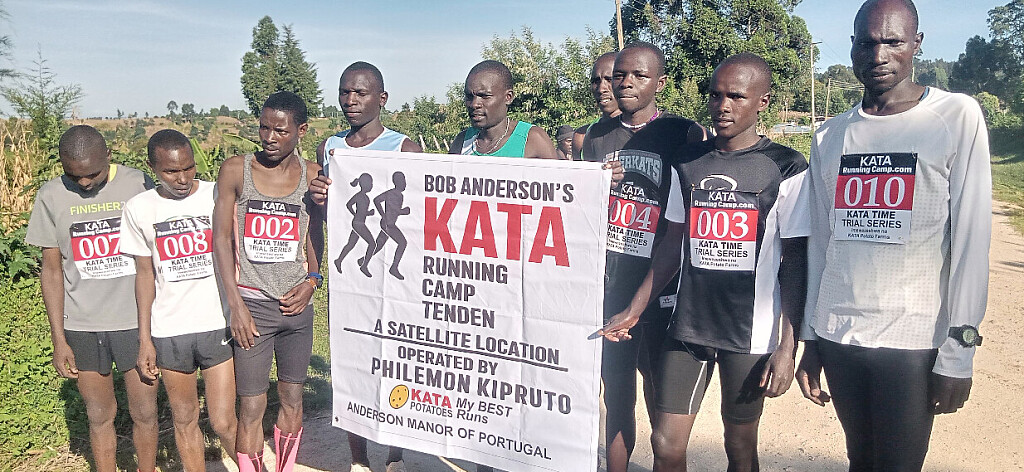
KATA Time Trial #2 — Tenden KATA Running Camp (K09)
The Tenden KATA Running Camp (K09) held its second official KATA Time Trial on October 15, 2025. Despite challenging high-altitude conditions at 2,200 meters, athletes produced a series of solid performances that reflect the steady progress within the KATA system.
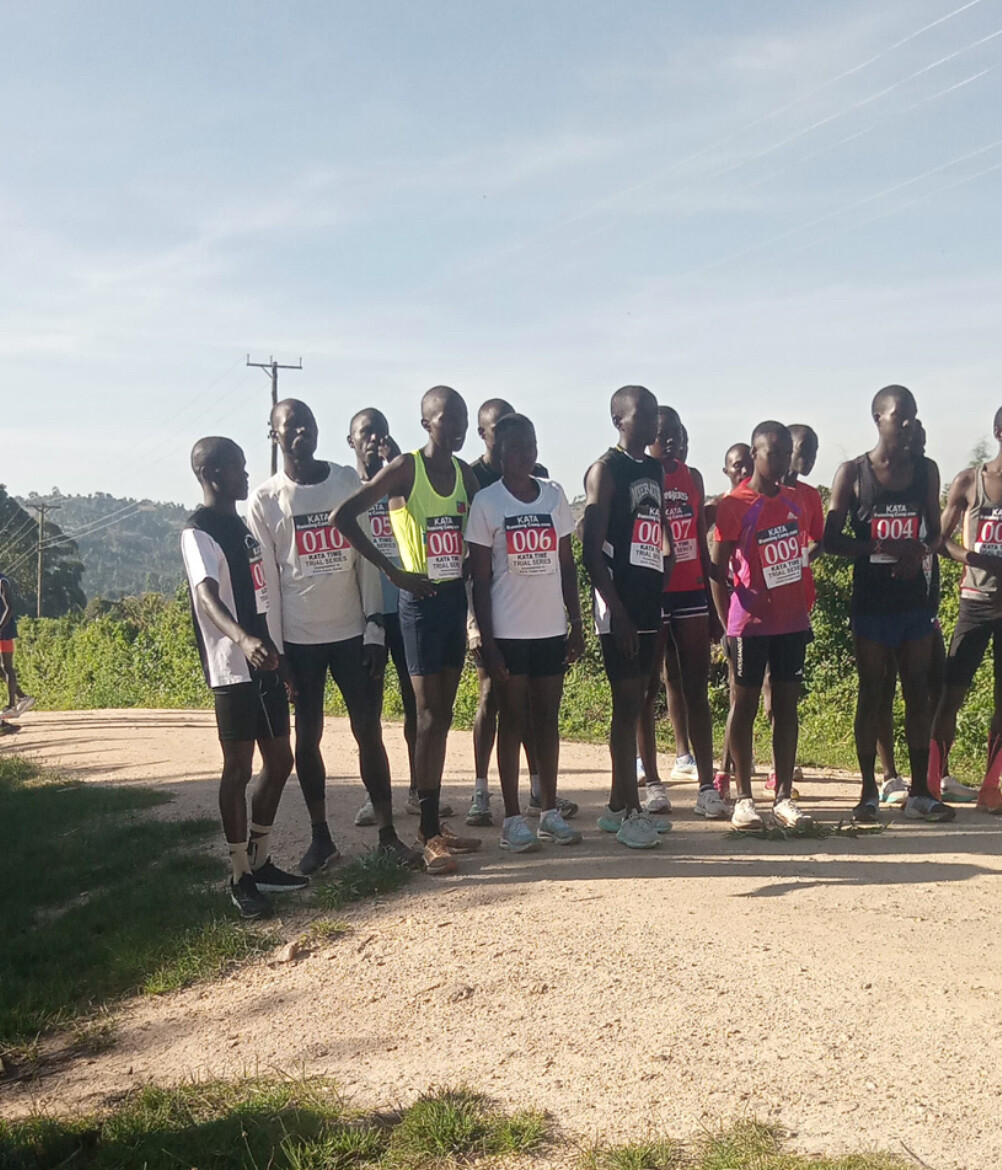
5 KM Men
1. Sammy Kwemoi — 16:20
2. Abraham Kibet — 17:01
3. Nickson Rana — 17:40
4. Emmanuel Kemboi — 18:17
5. Chrispine Korir — 18:33
10 KM Men
1. Duncan Kemei — 31:49
2. Ian Kimutai — 34:05
3. Ezekiel Kipksgei — 34:05
4. Clement Kipkoech — 36:59
Coach Philemon Kipruto, who oversees both the Kapcherop (K01) and Tenden (K09) KATA Camps, commended the group for their dedication and discipline, emphasizing how consistent time trials like this one serve as key benchmarks for future competition readiness.
Date: October 15, 2025
Altitude: 2,200 m
Location: Tenden, Kenya
Coach & Camp Operator: Philemon Kipruto
“Every KATA time trial gives us a clear picture of our athletes’ growth,” said Bob Anderson, Founder and Director of KATA. “Our goal is continuous improvement — pushing for better pacing, endurance, and execution. The Tenden camp is proving that focus and teamwork deliver results.”
The Tenden camp continues to develop a promising roster of young talent, supported by KATA’s integrated training-and-farming model, designed to empower athletes both on the track and in life.
by Boris Baron
Login to leave a comment
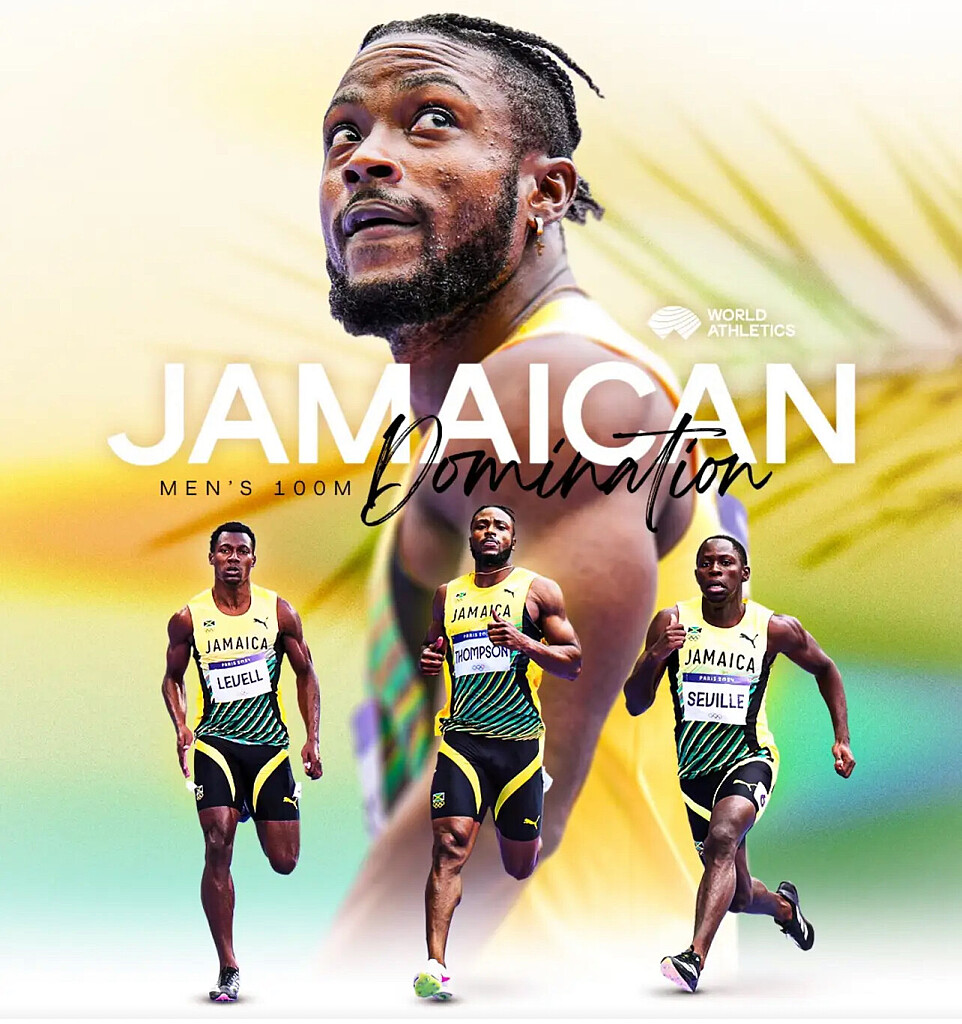
Jamaica Takes Over the 100m in 2025 — But Don’t Count Team USA Out Just Yet
Jamaica is back—and in a big way. With just weeks until the World Athletics Championships Tokyo 2025, the top three times in the men’s 100 meters all belong to Jamaican sprinters:
Kishane Thompson – 9.75
Bryan Levell – 9.82
Oblique Seville – 9.83
It’s a stunning sweep that echoes the glory days of Usain Bolt, Asafa Powell, and Yohan Blake. Once again, Jamaica is asserting sprinting dominance on the global stage.
But the Americans aren’t backing down.
The U.S. Response
Christian Coleman, the 2019 World Champion and indoor world record holder, remains a serious contender. While he hasn’t cracked the 9.80 mark this season, his raw speed and big-meet experience can’t be ignored.
Then there’s Noah Lyles, the reigning 100m world champion from 2023. Lyles opened 2025 focused more on the 200m and Olympic buildup, but he’s expected to peak at the right time. He holds a personal best of 9.83, and if he gets the start right, he can be deadly in the final 30 meters.
Fred Kerley and Trayvon Bromell are also in the mix, both capable of sub-9.90 performances when healthy and locked in. Their challenge now is to stay consistent as the season progresses.
The Rivalry is Back
Tokyo 2025 could deliver one of the most thrilling 100-meter finals in recent memory:
• Three Jamaicans in peak form.
• Four Americans with world-class credentials.
• African stars like Omanyala and Tebogo chasing their first world title.
It’s a global showdown that brings back the tension and electricity of the Bolt-Gatlin era—only this time, the Jamaicans aren’t chasing; they’re being chased.
As World Athletics put it: “JAMAICA TO THE WORLD” — but America might have something to say about that.
by Boris Baron
Login to leave a comment
Super Shoes or Super Runners? How Carbon-Plated Racing Shoes Are Reshaping the Distance Running World
A Bold Step Forward—or Too Much?
The eye-catching shoes in the images, with their bright yellow color and radical stack height, exemplify the cutting-edge engineering behind today’s carbon-plated distance racing shoes. These models, possibly from Puma’s Nitro range, showcase an exaggerated rocker design, thick midsoles, and strategically placed carbon plates, all intended to maximize energy return. However, this aggressive design pushes the limits of World Athletics regulations, which restrict stack heights to a maximum of 40mm for road races. If these shoes exceed that, they would be deemed illegal in sanctioned competitions—a fine line that highlights the tension between innovation and fairness in modern distance running.
Over the past few years, the distance running community has witnessed a revolution, not just in athletic performance but in technology. At the heart of this transformation are the carbon-plated “super shoes,” with models like the Nike Alphafly 3, Adidas Adizero Pro Evo 1, and Saucony Endorphin Elite capturing headlines—and finish lines.
These shoes are more than just a flashy innovation. They represent a fusion of engineering, biomechanics, and material science aimed at optimizing energy return and minimizing fatigue. The secret lies in their construction: a lightweight, resilient foam midsole paired with a rigid carbon-fiber plate that creates a propulsive effect. Research has shown these super shoes can improve running economy by up to 4%, translating into crucial seconds—or even minutes—shaved off race times for elite athletes.
Marathon world records and personal bests are being rewritten at a blistering pace. From Eliud Kipchoge’s sub-two-hour marathon in a prototype Nike shoe to Tigst Assefa’s stunning women’s world record at the Berlin Marathon, the combination of human talent and advanced footwear is undeniable.
However, this technological leap hasn’t come without controversy. Critics argue that super shoes are blurring the line between natural ability and mechanical advantage, creating an uneven playing field. Access is also a concern: with many of these models retailing at $250 or more, elite athletes and well-funded programs often have a leg up on competitors who can’t afford the gear. Some purists feel this shift detracts from the simplicity and rawness of the sport, which historically prized grit and determination over gear.
Yet others argue that innovation is inevitable. After all, every era of distance running has had its technological advances, from cinder to synthetic tracks, from wool to moisture-wicking gear. Super shoes are merely the latest chapter in this ongoing evolution. They offer athletes a tool—how they use it is still up to them.
For amateur runners, these shoes are not just for the elites. Weekend warriors chasing personal records have embraced carbon-plated models, with many reporting improvements in comfort and reduced post-race soreness. But it’s essential to note that no shoe can replace proper training, nutrition, and race strategy.
Looking ahead, the super shoe debate will likely continue, especially as brands develop even more advanced models. World Athletics, the sport’s governing body, has already implemented regulations on shoe design and stack height to maintain some level of fairness.
In the end, the question remains: are we witnessing the rise of super runners, or is this the dawn of a new era where gear becomes as crucial as training? Either way, carbon-plated racing shoes have changed distance running forever—and there’s no turning back.
"As a master runner I like a shoe that does not have such a thick sole," says 77 year old lifetime runner Bob Anderson. "I have taken a few falls and these new super shoes could be a problem."
by Boris Baron
Login to leave a comment

Molly Huddle Is Redefining What It Means to Be a Mother and an Athlete
Molly Huddle, a two-time Olympian and former American record holder, has never been one to back down from a challenge. At 40, she is expecting her second child in May 2025—and using her platform to change how the sports world supports female athletes through pregnancy and motherhood.
This year, Huddle signed on as a Saucony ambassador, reaffirming her presence in the elite running community. But as her competitive calendar takes a backseat, her advocacy is moving to the front of the pack.
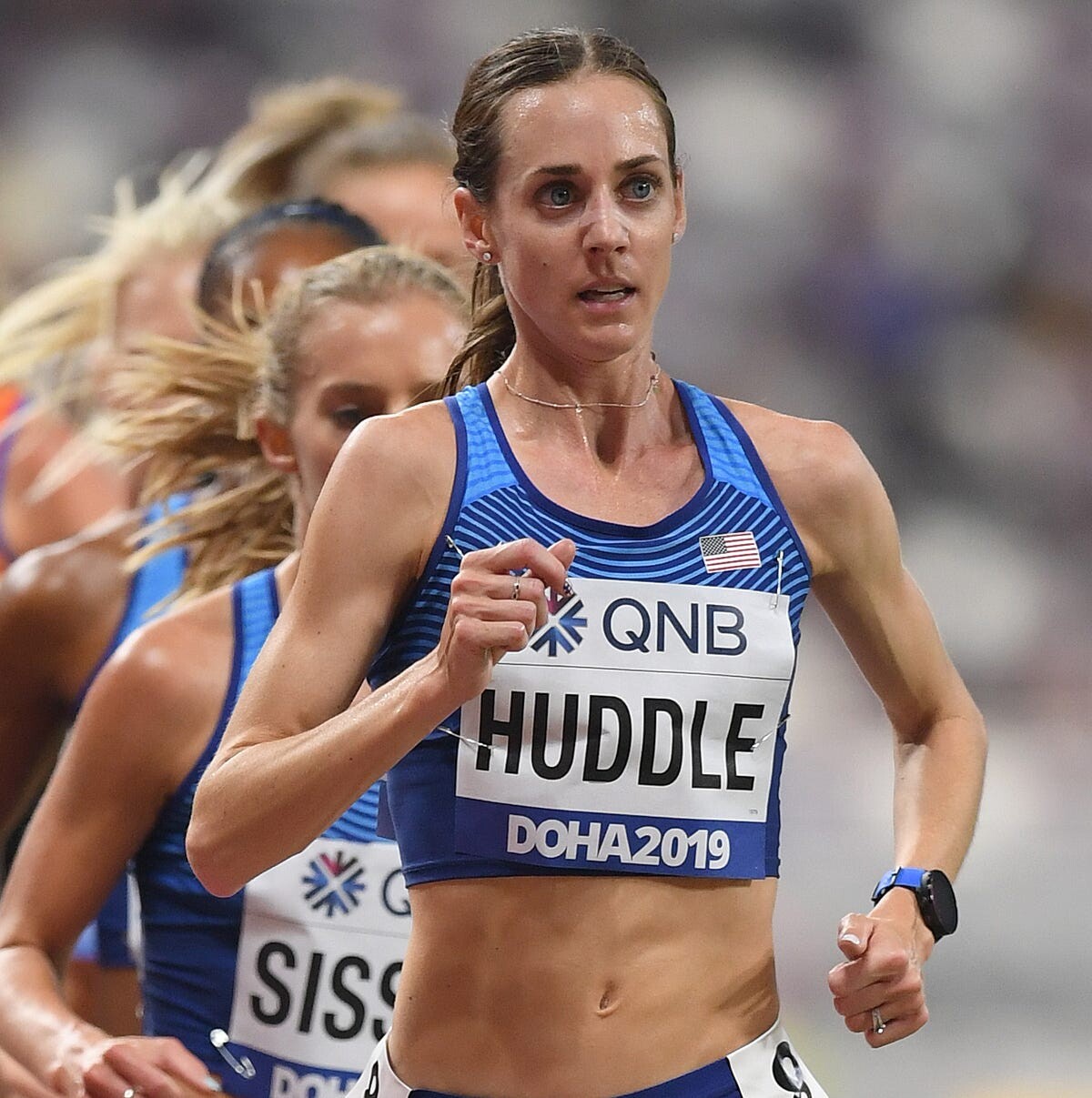
In a powerful Instagram post for National Girls and Women in Sports Day, Huddle opened up about the tension she felt throughout her career between maintaining her “sports body” and planning a family:
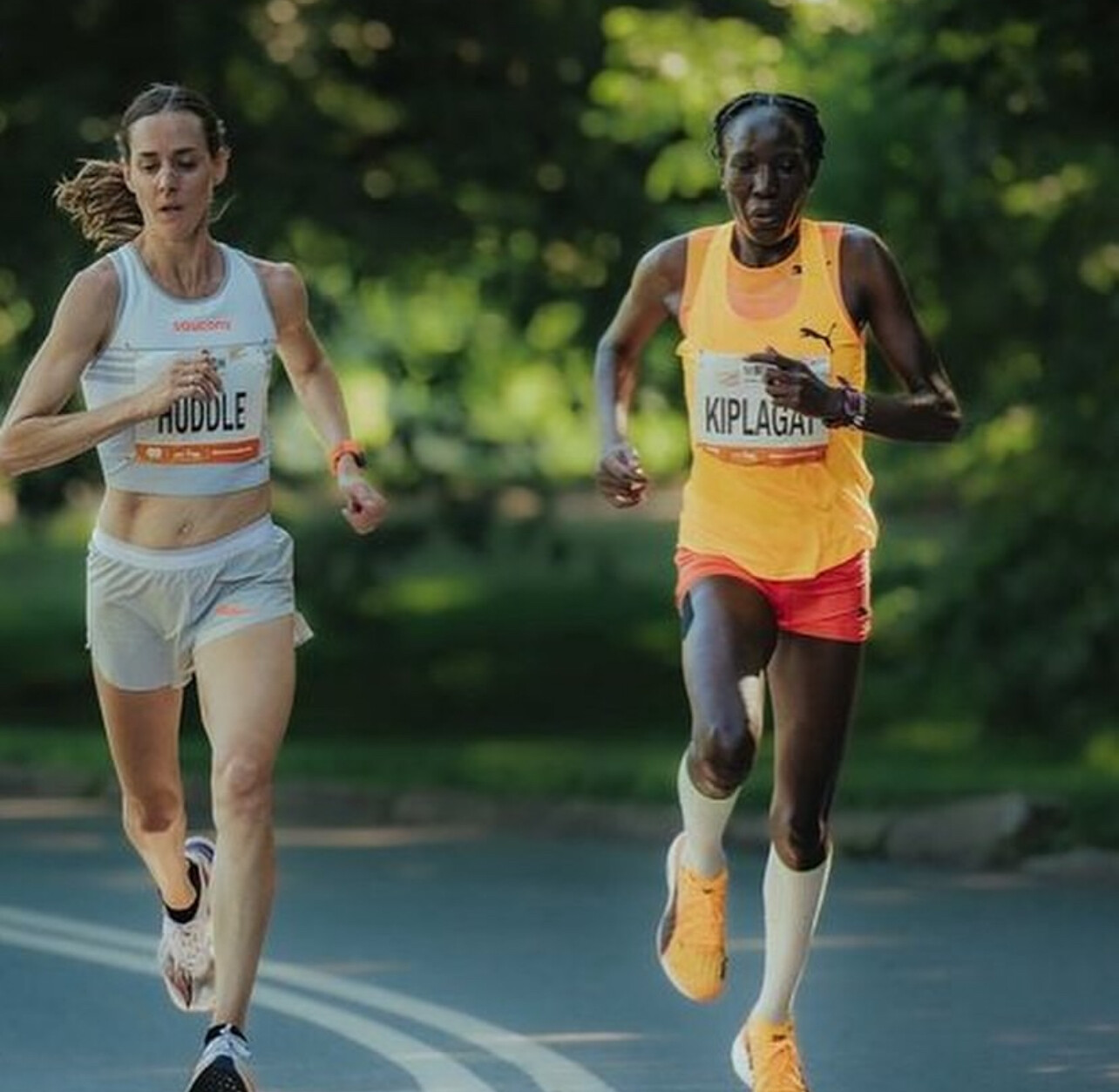
“The thing is, they’re the same amazing body, but it felt like the expectation was to be one, then retire and be the other. It would have made me feel less stressed to have more information, resources, support, and visible role models around all the ways you can thrive in both an athletic career and motherhood someday.”
Now, she’s working to ensure that future generations of women don’t face the same conflict.
Huddle advocates for:
• Fertility freedom and open discussions about pregnancy planning in sports
• Better access to information and medical guidance during postpartum recovery
• Childcare support for elite athletes and funding structures that don’t penalize pregnancy
• More inclusive research and data around female-specific training and injury prevention
She continues to amplify these messages on her “Keeping Track” podcast, which she co-hosts with fellow Olympians Alysia Montaño and Roisin McGettigan. The show has become a vital platform for highlighting issues at the intersection of sports, gender, and family life.
“I’d love the future of women’s sports to allow you to feel supported as your whole self the whole time,” Huddle added in her post. “More options and resources around fertility freedom is a way to start.”
Through her writing for Runner’s World, guest essays on ParentData, and her podcast work, Huddle is creating a new blueprint—one where a successful running career and motherhood don’t exist in opposition, but in harmony.
As she prepares to welcome her second daughter, Molly Huddle is racing toward a bigger goal: a sports world that finally supports women through all stages of life.
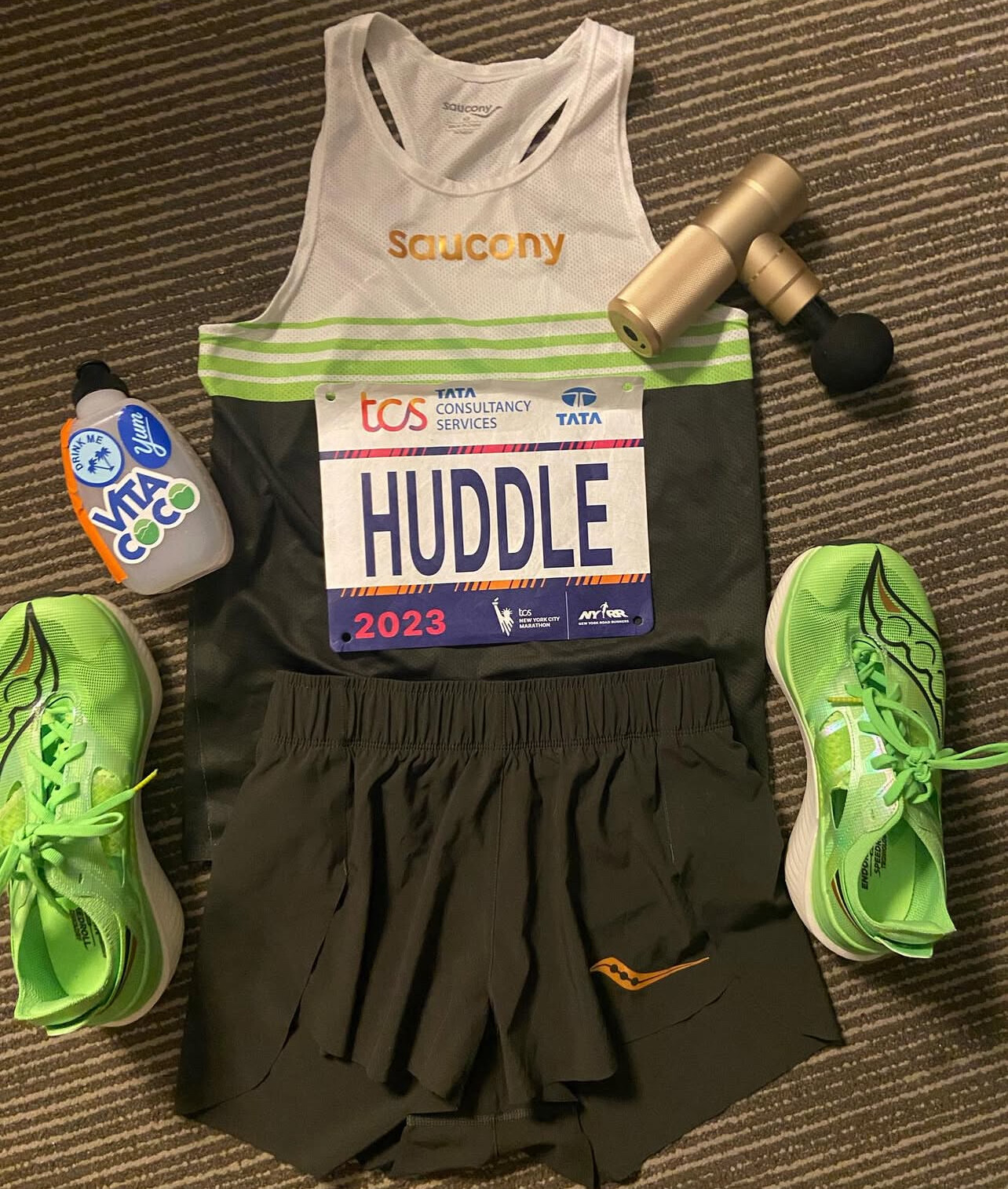
by Boris Baron
Login to leave a comment
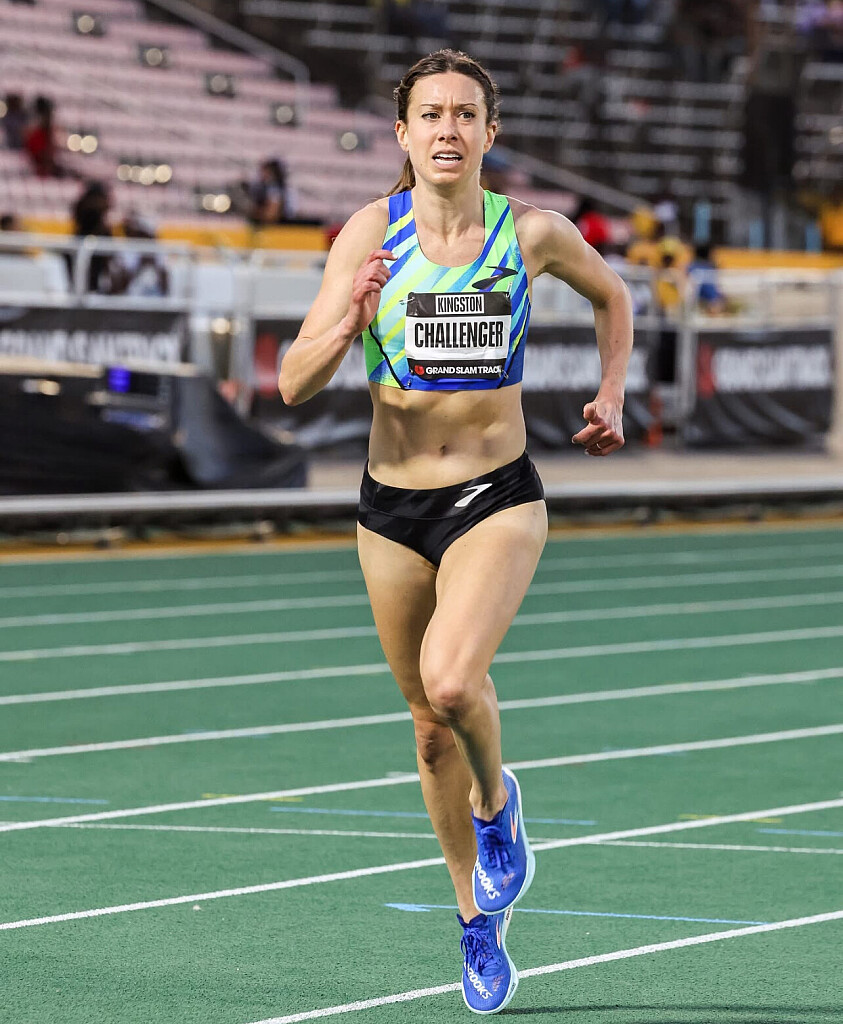
Emily Infeld’s Remarkable Journey in 2025: New Beginnings and Strong Performances
American long-distance runner Emily Infeld has embarked on a transformative phase in her career in 2025, marked by a significant sponsorship change and impressive performances on the track.
Transition to Brooks Running
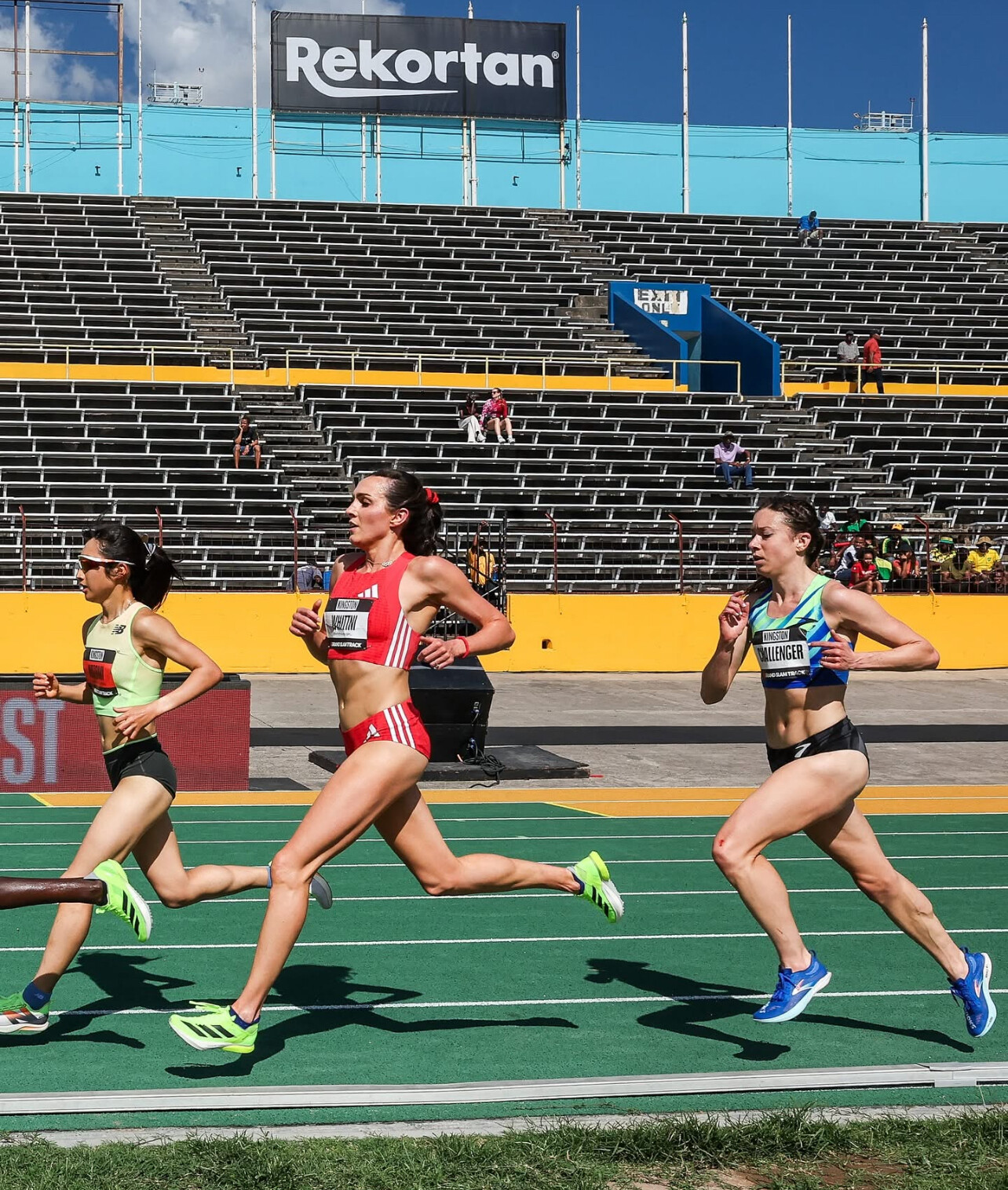
In January 2025, after a 12-year association with Nike, Infeld signed a sponsorship deal with Brooks Running. Reflecting on this new partnership, she shared her enthusiasm:
“My first pair of running shoes was the Brooks Adrenaline. And back in them again, it feels like coming full circle.”
This collaboration signifies a fresh start for Infeld, aligning with her aspirations to explore new challenges in her running career.
Notable Performances in Early 2025
Infeld’s recent race results underscore her resilience and competitiveness:
• The TEN, San Juan Capistrano, CA (March 29, 2025): Competing in the elite women’s 10,000 meters, Infeld secured a sixth-place finish with a time of 30:59.38. This race was particularly competitive, with multiple athletes breaking the 31-minute barrier.
• Grand Slam Track, Kingston, Jamaica:
• 3000 Meters (April 4, 2025): Infeld placed eighth, recording a time of 8:56.66 in a field that featured top international competitors.
• 5000 Meters (April 6, 2025): She achieved a fourth-place finish with a time of 15:26.87, demonstrating her versatility across distances.
Looking Ahead
These performances highlight Infeld’s determination and adaptability as she continues to navigate the evolving landscape of her athletic career. With the support of Brooks Running and a series of strong showings in early 2025, Infeld is poised for continued success in the upcoming track and field season.
by Boris Baron
Login to leave a comment
Sydney McLaughlin-Levrone’s Unmatched Dominance in the 400m Hurdles
Sydney McLaughlin-Levrone has firmly established herself as a formidable force in track and field, particularly in the 400-meter hurdles. Her performances have not only shattered records but have also set new benchmarks for the sport.
Record-Breaking Performances
At the 2024 Paris Olympics, McLaughlin-Levrone clinched gold in the 400m hurdles, setting a new world record with a time of 50.37 seconds. This remarkable feat surpassed her previous record of 50.65 seconds, set just months earlier at the U.S. Olympic Trials.
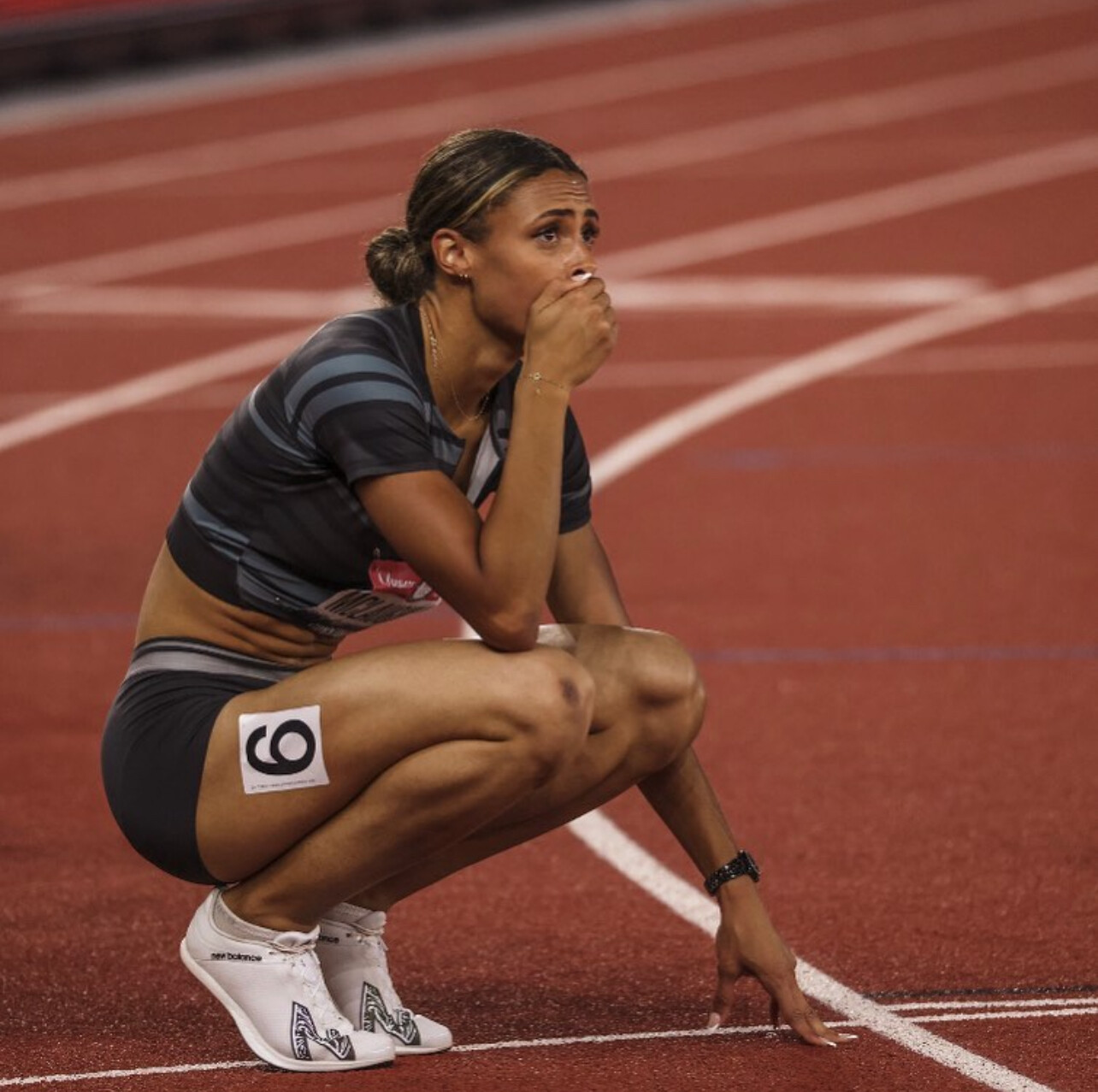
Unprecedented Winning Margins
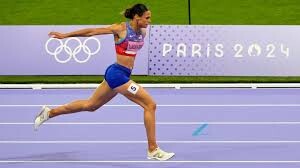
McLaughlin-Levrone’s dominance is further highlighted by her significant winning margins. In the Paris final, she finished 1.5 seconds ahead of the silver medalist, Anna Cockrell, who clocked 51.87 seconds. This margin is unprecedented in the history of the event at the Olympic level.
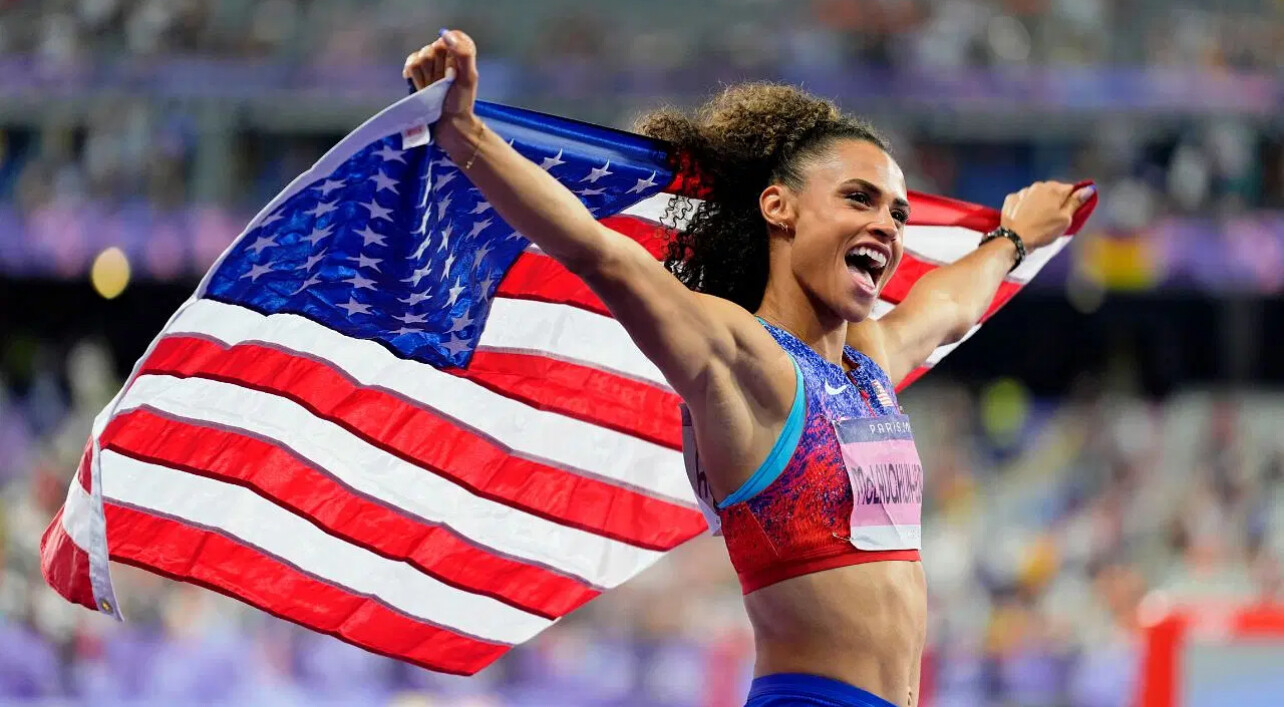
Consistency at the Pinnacle
Demonstrating unparalleled consistency, McLaughlin-Levrone has set the world record in the 400m hurdles six times, more than any other athlete in the event’s history. Her ability to continually push the boundaries of performance underscores her exceptional talent and dedication.
Technical Mastery and Training Regimen
Her success can be attributed to a meticulous training regimen and technical proficiency. McLaughlin-Levrone maintains an aggressive pace from the starting block, clearing each of the ten 30-inch hurdles with precision. Her ability to sustain speed between hurdles and execute flawless technique has set her apart from her peers.
Inspiration and Legacy
Beyond her athletic achievements, McLaughlin-Levrone serves as an inspiration, emphasizing the importance of discipline and dedication. Her journey reflects a commitment to excellence and a relentless pursuit of greatness.
by Boris Baron
Login to leave a comment
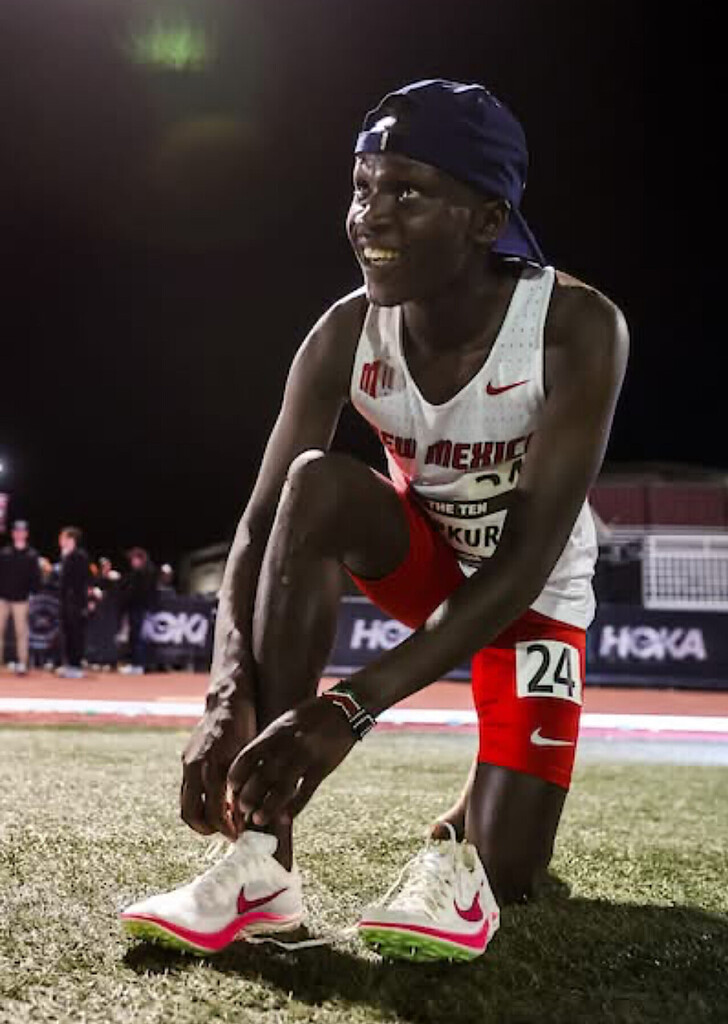
Ishmael Kipkurui: From Kenyan Highlands to NCAA Record-Breaker
Ishmael Rokitto Kipkurui, born on February 10, 2005, in Baringo County, Kenya, has rapidly ascended in the world of long-distance running, culminating in his recent NCAA 10,000-meter record-breaking performance.
Early Life and Passion for Running
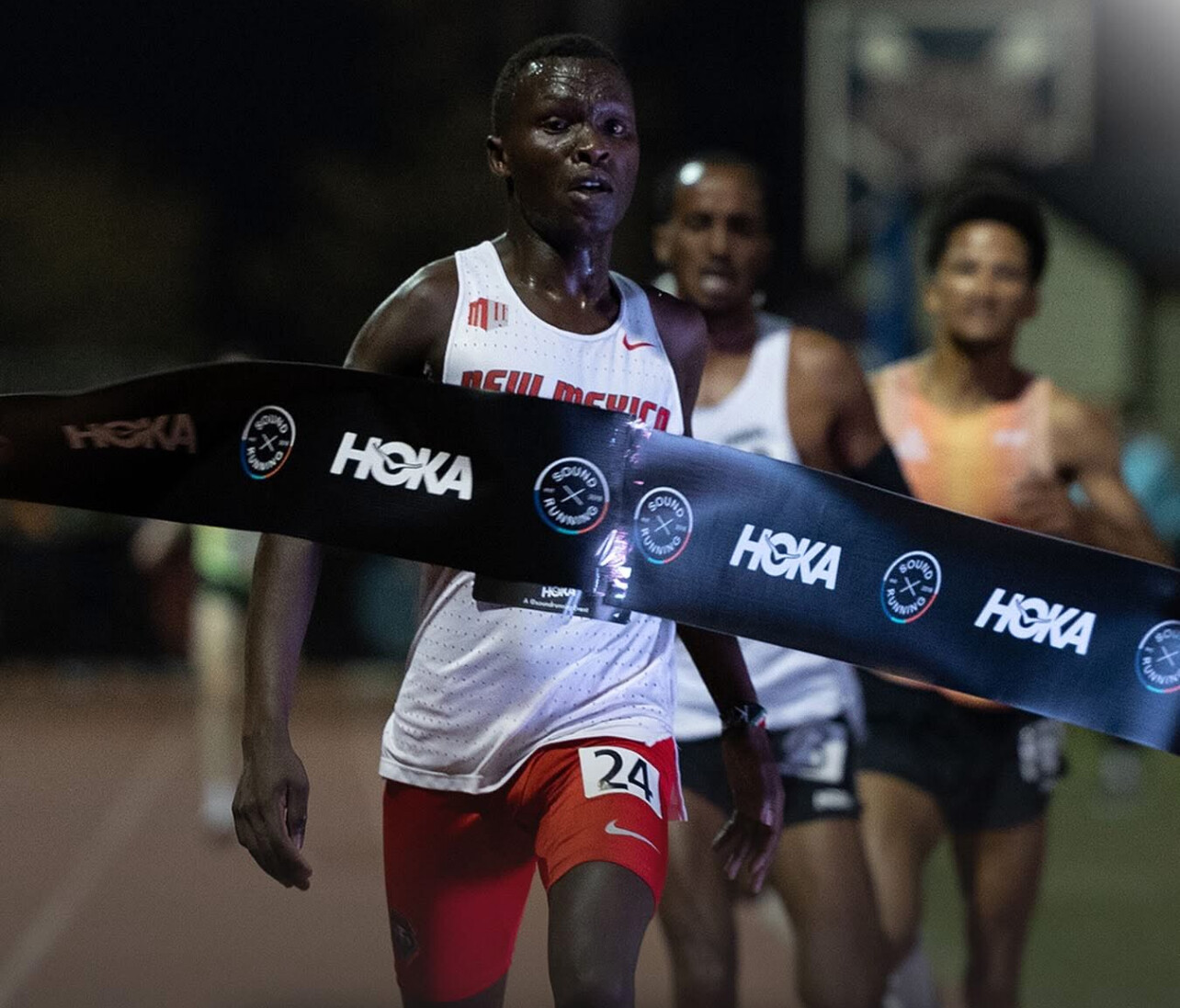
Growing up in Mochongoi near Marigat, Kipkurui was the third of five children. His passion for athletics was evident early on, often training at 4 a.m., illuminating his path with a torch before attending classes at Sinonin Secondary School by 6 a.m. This unwavering dedication allowed him to balance academic responsibilities with rigorous training sessions. Even during training camps, he carried school textbooks to ensure he remained on top of his studies.
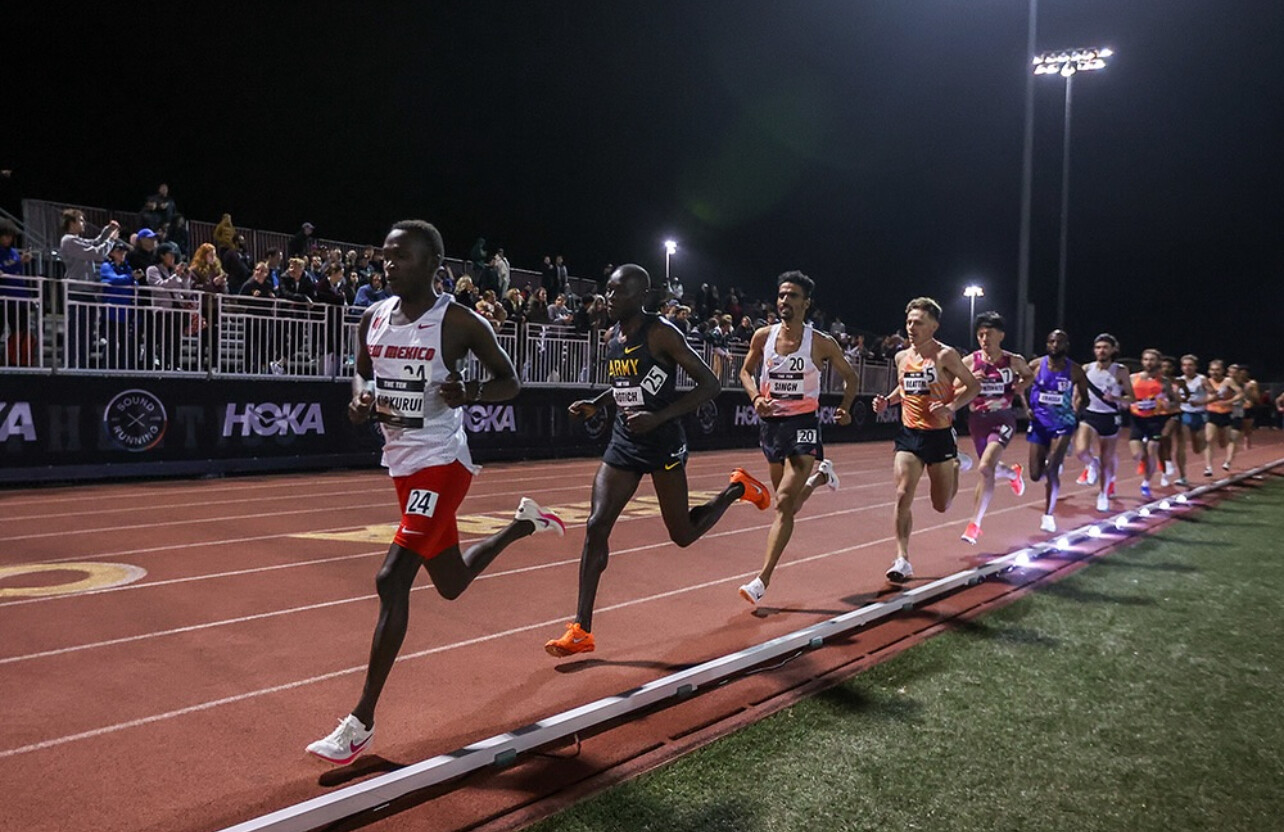
Athletic Development and Training
Under the guidance of coaches Julius Kirwa and Barnaba Kitilit, Kipkurui’s talent flourished. His training regimen, characterized by early morning runs and consistent discipline, laid the foundation for his future successes. In 2023, he clinched the U20 title at the World Cross Country Championships in Bathurst, Australia, finishing the 8-kilometer race in 24:29.
Transition to the United States
Kipkurui’s exceptional performances caught the attention of international scouts, leading to his recruitment by the University of New Mexico (UNM). In December 2024, shortly after graduating from Sinonin Secondary School, he committed to joining the UNM Lobos track and field team. This decision was influenced by UNM’s strong track program and its history of nurturing international talent.
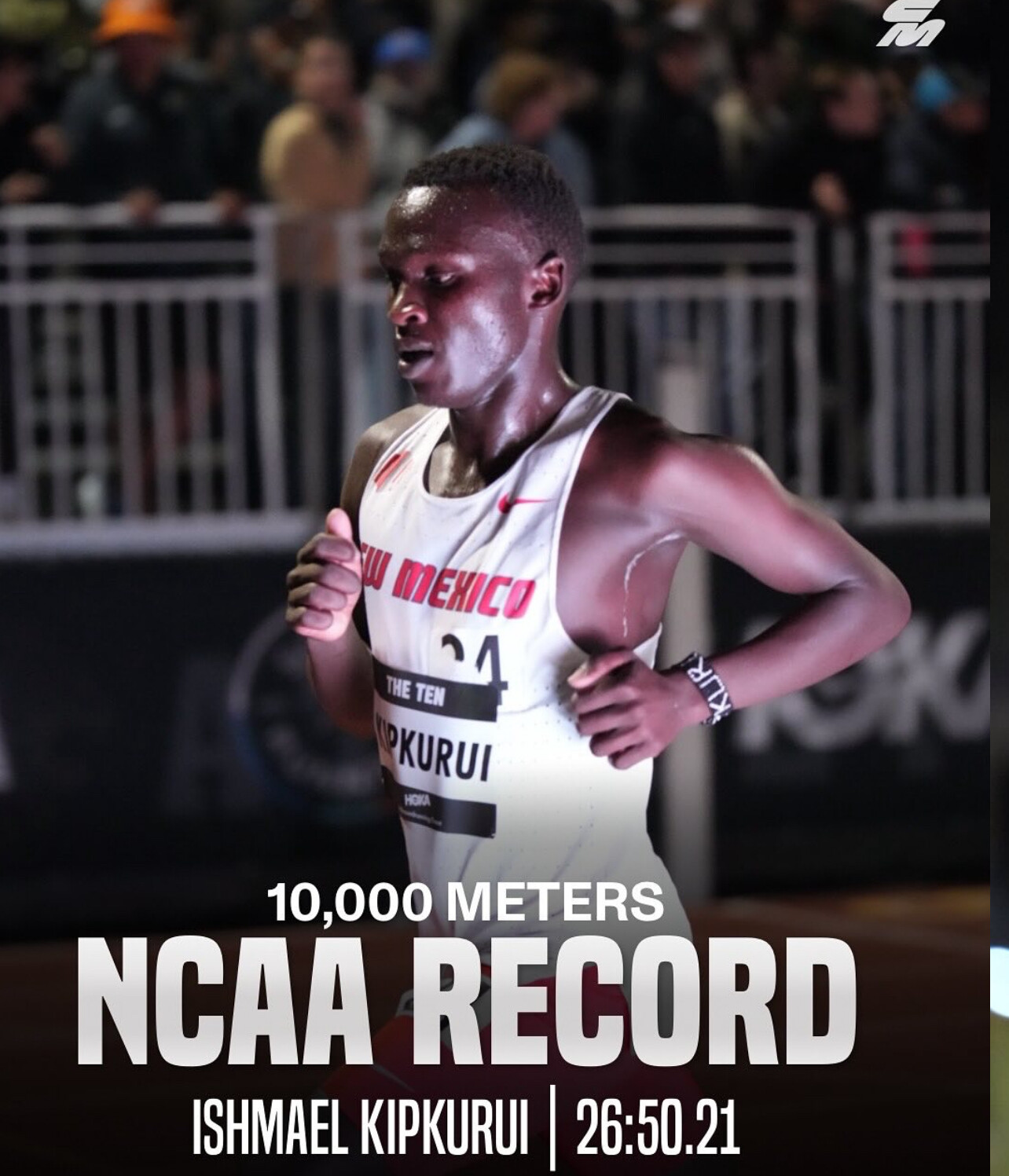
Collegiate Career and Record-Breaking Performance
Since enrolling at UNM, Kipkurui has continued to excel. On March 29, 2025, at Sound Running’s The TEN in San Juan Capistrano, California, he set a new NCAA 10,000-meter record with a time of 26:50.21, surpassing the previous record of 26:52.72 set by Nico Young in 2024. His teammate, Habtom Samuel, finished closely behind with a time of 26:51.06.
Personal Bests and Achievements
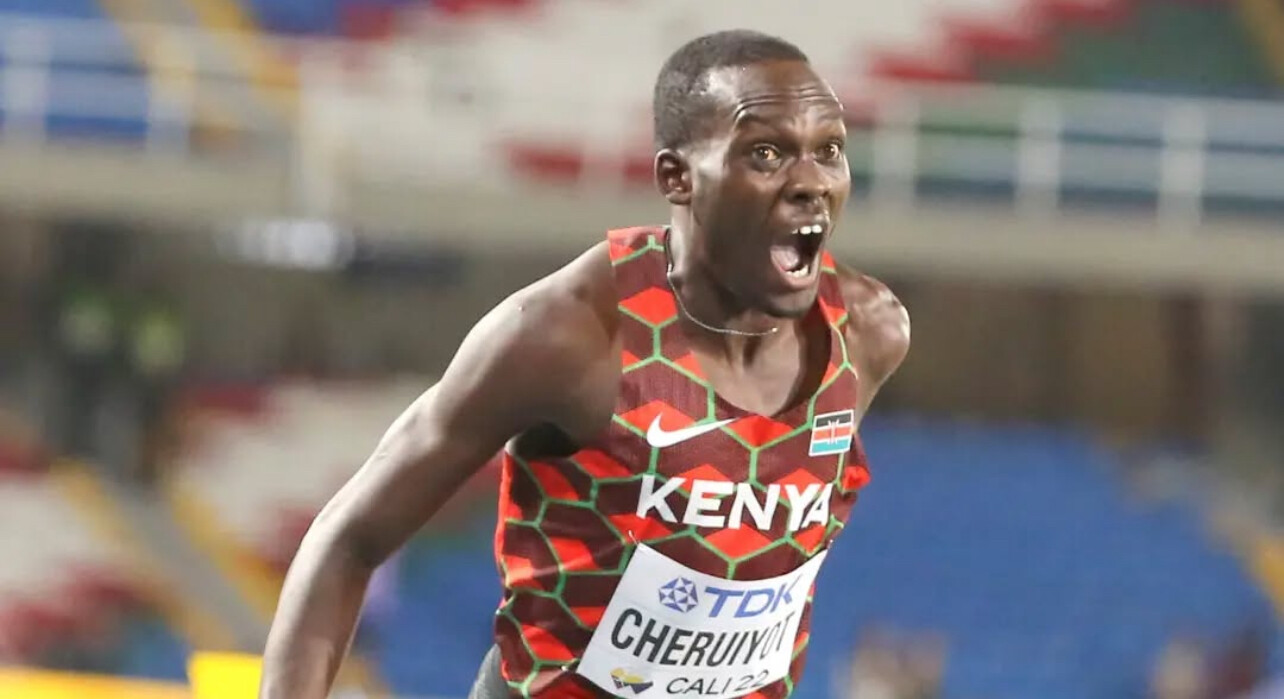
• 3000 meters: 7:38.06 (June 9, 2023, Paris)
• Two miles: 8:09.23 (June 9, 2023, Paris)
• 5000 meters: 13:05.47 (June 15, 2023, Oslo)
• 10,000 meters: 26:50.21 (March 29, 2025, San Juan Capistrano)
On June 9, 2023, at the Meeting de Paris held at Stade Charléty in Paris, France, Ishmael Kipkuruiset personal bests in both the 3000 meters (split) and the two-mile. He clocked 7:38.06 in the 3000 meters and 8:09.23 in the two-mile race. Notably, his two-mile time established a new Kenyan U20 record.
Kipkurui’s journey from the highlands of Kenya to breaking collegiate records in the U.S. exemplifies his dedication and potential in long-distance running. As he continues to develop, the athletics community eagerly anticipates his future accomplishments on the global stage.
by Boris Baron
Login to leave a comment
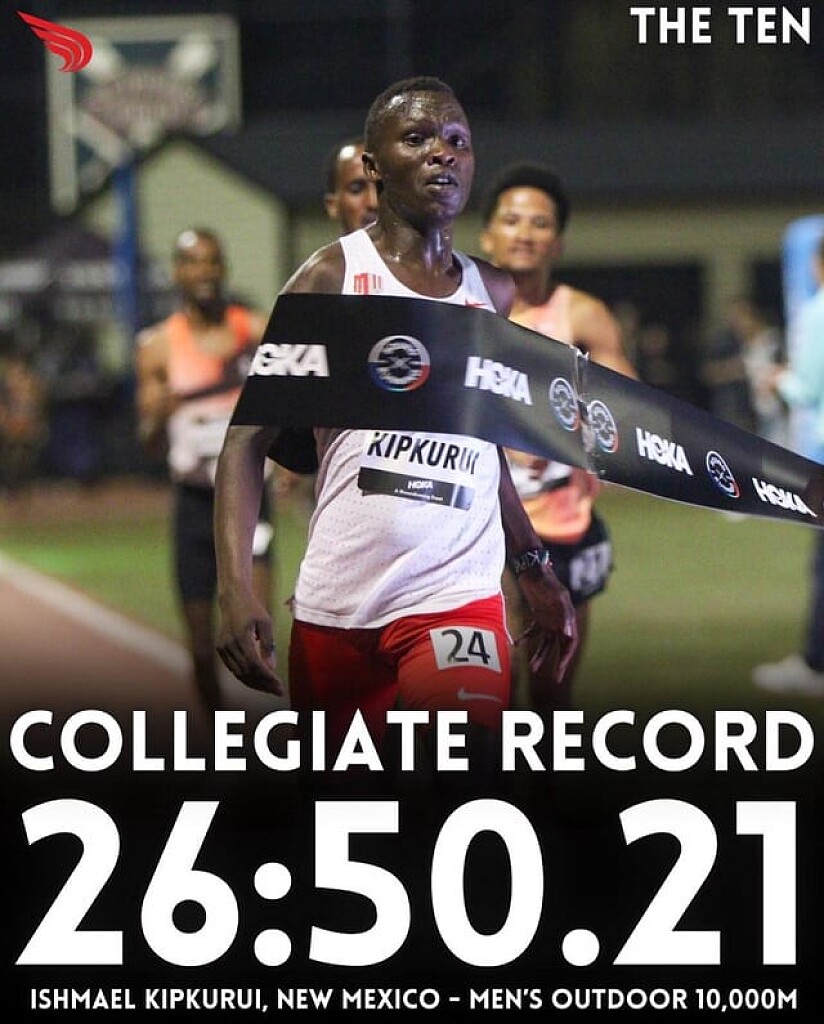
Ishmael Kipkurui Sets New NCAA 10,000m Record at The TEN 2025
In a remarkable performance at The TEN 2025 meet on March 29 in San Juan Capistrano, California, University of New Mexico freshman Ishmael Kipkurui set a new NCAA 10,000-meter record with a time of 26:50.21 which is 4:19 per mile pace. This achievement surpasses the previous record of 26:52.72, set by Northern Arizona’s Nico Young at the same event in 2024.
Kipkurui’s teammate, Habtom Samuel, also delivered an impressive performance, finishing second with a time of 26:51.06, placing both runners under the former collegiate record. South African athlete Adrian Wildschutt of HOKA NAZ Elite secured third place, clocking 26:51.27.
Ethiopian runner Telahun Haile Bekele faced an unusual challenge, missing the official start and beginning approximately 90 meters behind the field. Despite this setback, he finished fourth with a time of 26:52.79. American athlete Graham Blanks, representing New Balance, rounded out the top five, finishing in 26:57.30 and achieving the World Championships qualifying standard.
The race conditions were ideal, with temperatures around 55°F and minimal wind, contributing to the evening’s exceptional performances.
Kipkurui’s achievement adds to his growing list of accolades. Prior to this record-breaking run, he secured the individual title at the 2024 World U20 Cross Country Championships, leading the Kenyan team to a gold medal finish.
The TEN meet continues to solidify its reputation as a premier event for distance runners aiming for exceptional performances and records on U.S. soil.
by Boris Baron
Login to leave a comment
The Ten
The world's fastest 10,000m races each year have taken place in a sleepy little coastal town in southern California. More national records were broken in 2022 than any other race on the planet as the best in the western hemisphere launched into rarified zones of time and space. The best return to San Juan Capistrano this year to cap off...
more...
'I wouldn't say we are friends' - Olympic champion Noah Lyles opens up on heated rivalry with Christian Coleman
Olympic champion Noah Lyles has shed new light onto his relationship with fierce rival Christian Coleman in new Netflix docuseries SPRINT.
Olympic champion Noah Lyles has opened up about his relationship with fierce sprinting rival, Christian Coleman revealing a complex dynamic between the two competitors in the recent Netflix docuseries Sprint.
The reigning 100m champion spoke candidly about his relationship with Christian Coleman, his sprinting counterpart, explaining that they have a mutual respect but little friendship.
"I came more to his playground than he came into mine. His main event was the 100m, and mine was the 200m," Lyles said, underscoring their different specialties within track.
The two sprinters have crossed paths frequently in recent seasons, but, as Lyles clarified, "I wouldn't say we are friends."
This rivalry between Lyles and Coleman has become one of the most exciting storylines in track and field over the past year.
Their head-to-head battles in the shorter 60m indoor races have been especially thrilling, with each trading wins and losses.
The two faced off at marquee events like the USATF Indoor Championships and the World Indoor Championships, both showcasing their world-class talent and fueling their rivalry.
However, Lyles’s performance at the 2024 Paris Olympics has shifted the dynamic.
Lyles clocked an impressive 9.79 seconds in the 100m final, securing the title of the world's fastest man.
Coleman had to watch from home as one of his fiercest rival got his crowning moment in an event that he missed out on altogether.
This achievement not only marked a career-defining moment for Lyles but also established him as the man to beat heading into the 2025 season.
With Lyles’s recent success and Coleman’s absence from the Olympic stage, the coming season may mark a new chapter in their rivalry with fans eager to see whether Coleman will reclaim his place among sprinting’s elite or if Lyles will continue his reign unchallenged.
For now, Lyles holds the upper hand, and the tension between the two sprinting titans shows no sign of slowing down.
by Stephen Awino
Login to leave a comment
Joe Klecker Plans His Half Marathon Debut
In a live recording of The CITIUS MAG Podcast in New York City, U.S. Olympian Joe Klecker confirmed that he is training for his half marathon debut in early 2025. He did not specify which race but signs point toward the Houston Half Marathon on Jan. 19th.
“We’re kind of on this journey to the marathon,” Klecker said on the Citizens Bank Stage at the 2024 TCS New York City Marathon Expo. “The next logical step is a half marathon. That will be in the new year. We don’t know exactly where yet but we want to go attack a half marathon. That’s what all the training is focused on and that’s why it’s been so fun. Not that the training is easy but it’s the training that comes the most naturally to me.”
Klecker owns personal bests of 12:54.99 for 5000m and 27:07.57 for 10,000m. In his lone outdoor track race of 2024, he ran 27:09.29 at Sound Running’s The Ten in March and missed the Olympic qualifying standard of 27:00.00.
His training style and genes (his mother Janis competed at the 1992 Summer Olympics in the marathon and won two U.S. marathon national championships in her career; and his father Barney previously held the U.S. 50-mile ultramarathon record) have always linked Klecker to great marathoning potential. For this year’s TCS New York City Marathon, the New York Road Runners had Klecker riding in the men’s lead truck so he could get a front-row glimpse at the race and the course, if he chooses to make his debut there or race in the near future.
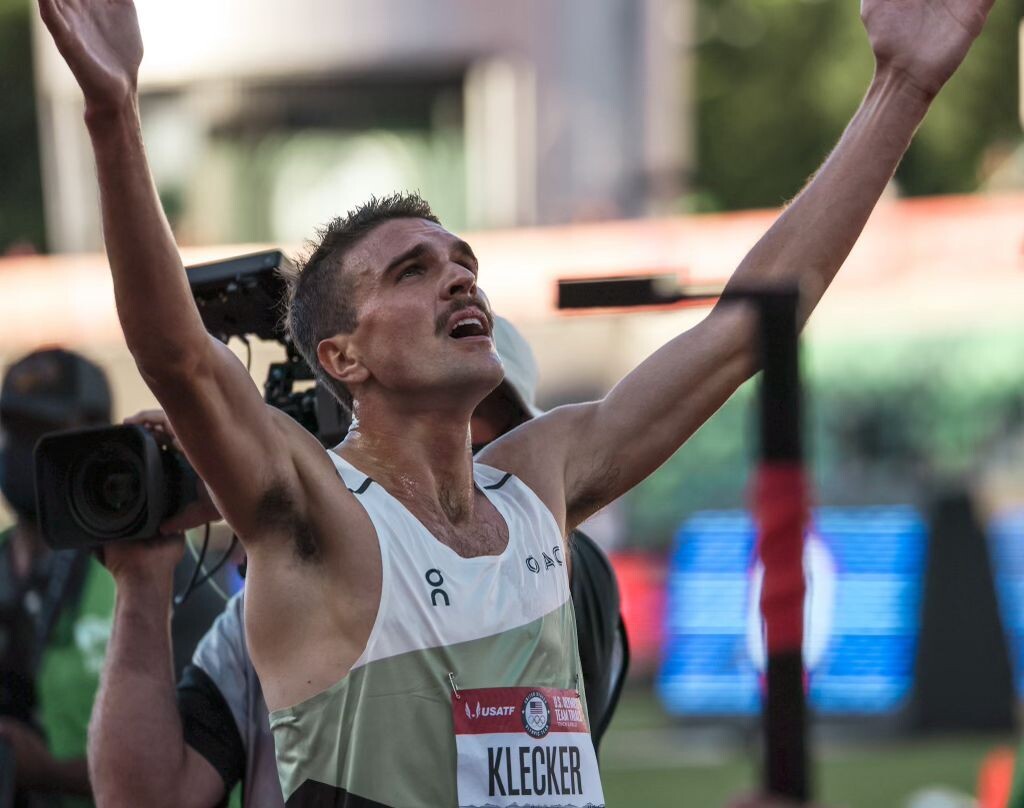
The Comeback From Injury
In late May, Klecker announced he would not be able to run at the U.S. Olympic Track and Field Trials in June due to his recovery from a torn adductor earlier in the season, which ended his hopes of qualifying for a second U.S. Olympic team. He spent much of April cross training and running on the Boost microgravity treadmill at a lower percentage of his body weight.
“The process of coming back has been so smooth,” Klecker says. “A lot of that is just because it’s been all at the pace of my health. I haven’t been thinking like, ‘Oh I need to be at this level of fitness in two weeks to be on track for my goals.’ If my body is ready to go, we’re going to keep progressing. If it’s not ready to go, we’re going to pull back a little bit. That approach is what helped me get through this injury.”
One More Track Season
Klecker is not fully prepared to bid adieu to the track. He plans to chase the qualifying standard for the 10,000 meters and attempt to qualify for the 2025 World Championships in Tokyo. In 2022, after World Athletics announced Tokyo as the 2025 host city, he told coach Dathan Ritzenhein that he wanted the opportunity to race at Japan National Stadium with full crowds.
“I’m so happy with what I’ve done on the track that if I can make one more team, I’ll be so happy,” Klecker says. “Doing four more years of this training, I don’t know if I can stay healthy to be at the level I want to be. One more team on the track would just be like a dream.”
Klecker is also considering doubling up with global championships and could look to qualify for the 2025 World Road Running Championships, which will be held Sept. 26th to 28th in San Diego. To make the team, Klecker would have to race at the Atlanta Half Marathon on Sunday, March 2nd, which also serves as the U.S. Half Marathon Championships. The top three men and women will qualify for Worlds. One spot on Team USA will be offered via World Ranking.
Sound Running’s The Ten, one of the few fast opportunities to chase the 10,000m qualifying standard on the track, will be held on March 29th in San Juan Capistrano.
Thoughts on Ryan Hall’s American Record
The American record in the half marathon remains Ryan Hall’s 59:43 set in Houston on Jan. 14th, 2007. Two-time Olympic medalist Galen Rupp (59:47 at the 2018 Prague Half) and two-time U.S. Olympian Leonard Korir (59:52 at the 2017 New Dehli Half) are the only other Americans to break 60 minutes.
In the last three years, only Biya Simbassa (60:37 at the 2022 Valencia Half), Kirubel Erassa (60:44 at the 2022 Houston Half), Diego Estrada (60:49 at the 2024 Houston Half) and Conner Mantz (60:55 at the 2021 USATF Half Marathon Championships) have even dipped under 61 minutes.
On a global scale, Nineteen of the top 20 times half marathon performances in history have come since the pandemic. They have all been run by athletes from Kenyan, Uganda, and Ethiopia, who have gone to races in Valencia (Spain), Lisbon (Portugal), Ras Al Khaimah (UAE), or Copenhagen (Denmark), and the top Americans tend to pass on those races due to a lack of appearance fees or a stronger focus on domestic fall marathons.
Houston in January may be the fastest opportunity for a half marathon outside of the track season, which can run from March to September for 10,000m specialists.
“I think the record has stood for so long because it is such a fast record but we’re seeing these times drop like crazy,” Klecker says. “I think it’s a matter of time before it goes. Dathan (Ritzenhein) has run 60:00 so he has a pretty good barometer of what it takes to be in that fitness. Listening to him has been really good to let me know if that’s a realistic possibility and I think it is. That’s a goal of mine. I’m not there right now but I’m not racing a half marathon until the new year. I think we can get there to attempt it. A lot has to go right to get a record like that but just the idea of going for it is so motivating in training.”
His teammate, training partner, and Olympic marathon bronze medalist Hellen Obiri has full confidence in Klecker’s potential.
“He has been so amazing for training,” Obiri said in the days leading up to her runner-up finish at the New York City Marathon. “I think he can do the American record.”
by Chris Chavez
Login to leave a comment

Aramco Houston Half Marathon
The Chevron Houston Marathon provides runners with a one-of-a-kind experience in the vibrant and dynamic setting of America's fourth-largest city. Renowned for its fast, flat, and scenic single-loop course, the race has earned accolades as the "fastest winter marathon" and the "second fastest marathon overall," according to the Ultimate Guide to Marathons. It’s a perfect opportunity for both elite athletes...
more...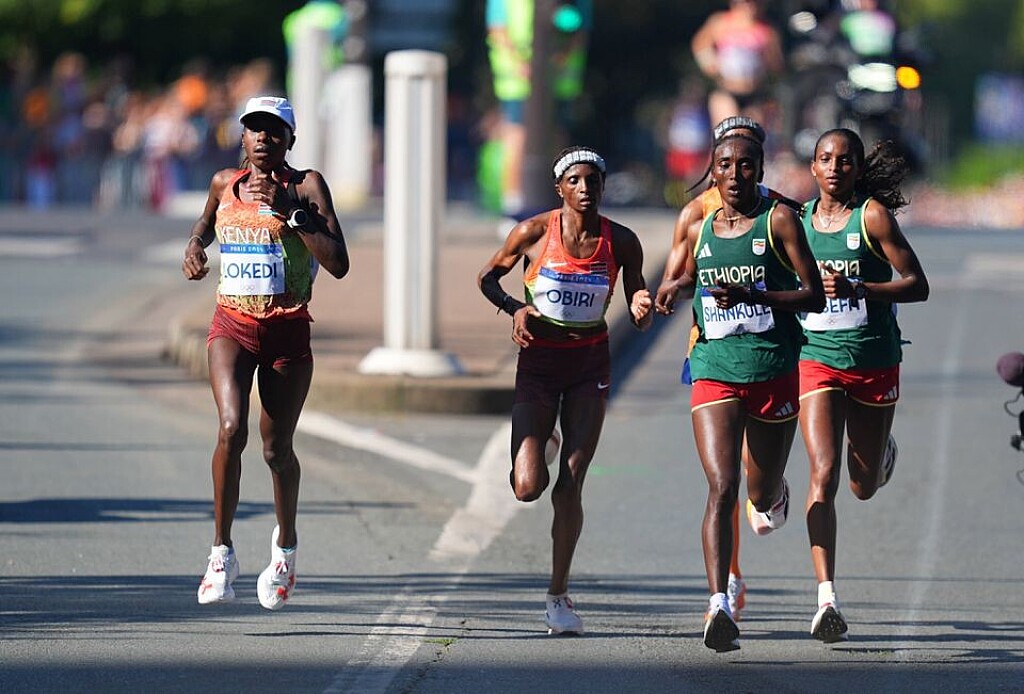
Sharon Lokedi relishing competition from Helen Obiri ahead of New York Marathon showdown
Former New York City Marathon champion Sharon Lokedi is looking to get one over fellow Kenyan Hellen Obiri at the 53rd edition of the New York City Marathon on Sunday November 3.
The 2022 New York City Marathon champion, Sharon Lokedi, is preparing for an intense rematch with fellow Kenyan star Hellen Obiri at the 53rd edition of the marathon, scheduled for Sunday, November 3.
Lokedi, who has grown accustomed to facing off with Obiri on the world stage, embraces the competition that brings out the best in her, particularly as she aims to reclaim the title.
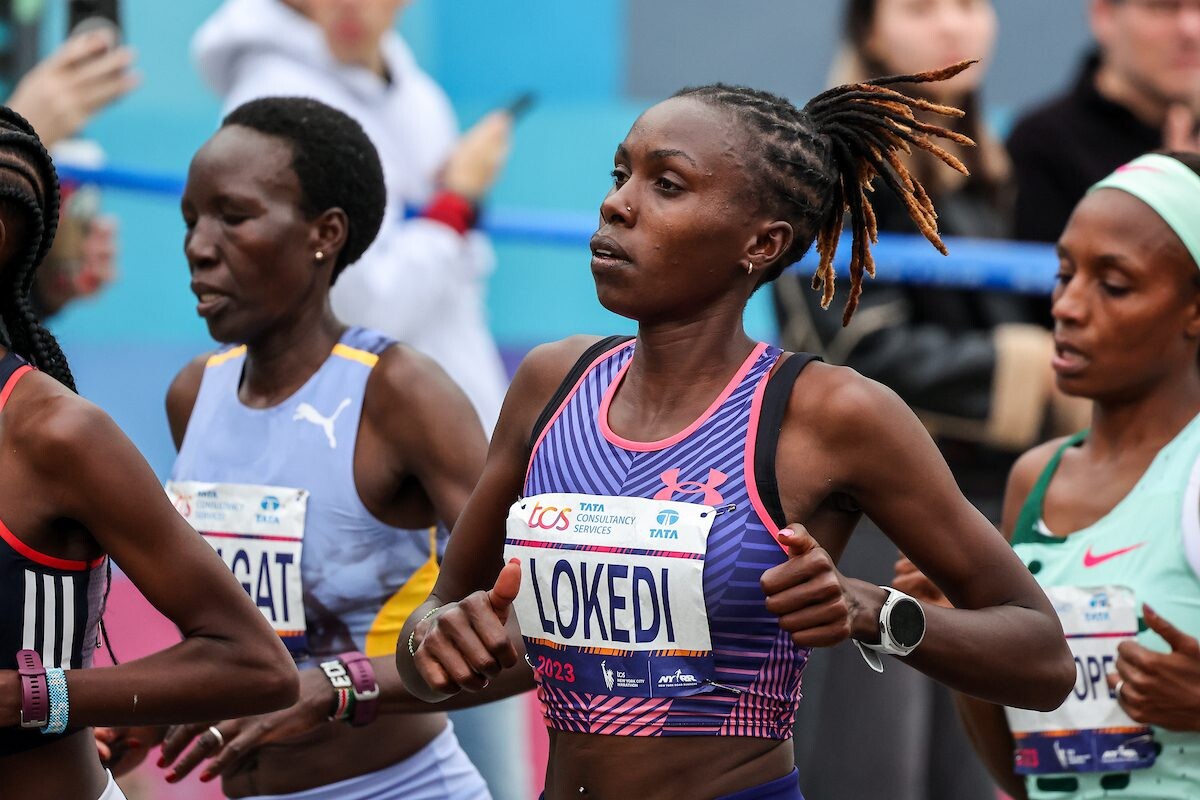
"Honestly, you see her, and it’s like one of those things where we’re competitors, and you can sense the tension,” Lokedi admitted via Citius Mag.
“But we’re all just talking, trying to avoid it, which is pretty funny," she added.
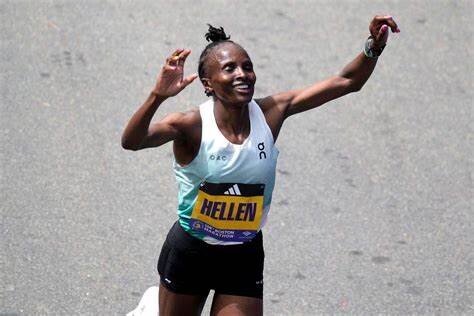
This friendly rivalry between Lokedi and Obiri has become a defining aspect of their careers.
Their last head-to-head battle came at the Paris Olympics, where Lokedi finished fourth with a time of 2:23:14, just four seconds behind Obiri, who claimed bronze in 2:23:10.
That close finish has fuels Lokedi’s determination to turn the tables in New York.
“But I love being with her. She’s a really good competitor, and you know, she wins all the time, but I hope this time it’s going to be different,” Lokedi shared.
“The competition is still very tough, so it’s not going to be easy. It might be something different from what we’ve seen, so we’ll see.”
As Lokedi and Obiri prepare to take on New York’s challenging course, all eyes will be on the rivalry that has become a thrilling storyline in the world of marathon running.
The Kenyan pair’s battle for dominance on Sunday promises to be a spectacle as both athletes push to etch their names into the city’s marathon history.
by Stephen Awino
Login to leave a comment
TCS New York City Marathon
The first New York City Marathon, organized in 1970 by Fred Lebow and Vince Chiappetta, was held entirely in Central Park. Of 127 entrants, only 55 men finished; the sole female entrant dropped out due to illness. Winners were given inexpensive wristwatches and recycled baseball and bowling trophies. The entry fee was $1 and the total event budget...
more...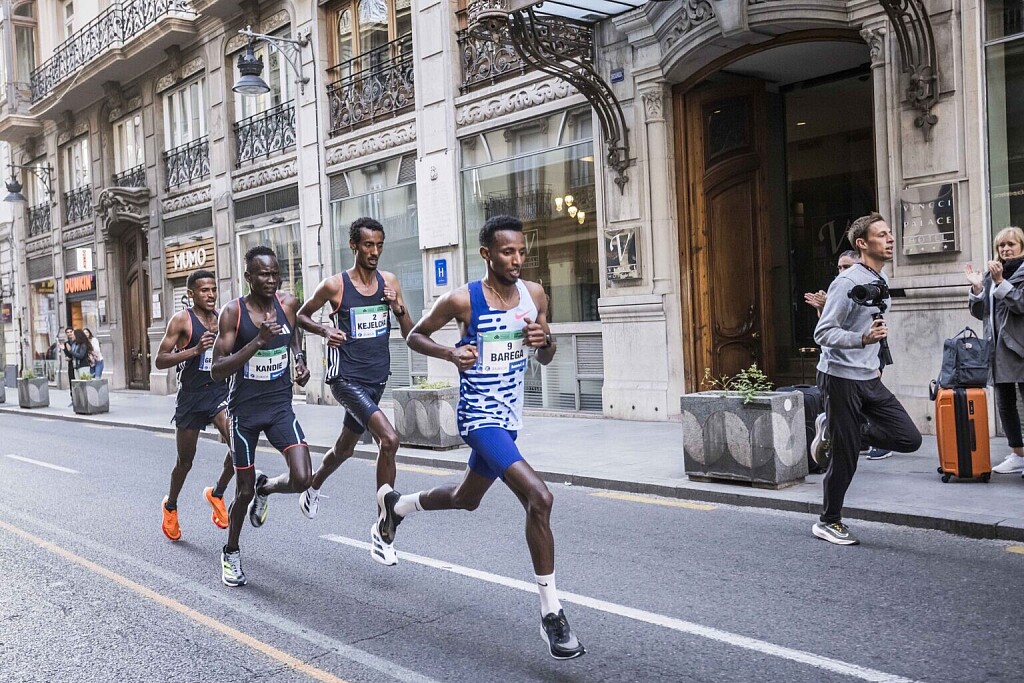
The Valencia Half Marathon, as star-studded as always
Once upon a time there was an athlete who didn’t know what it was like to take over an hour to run a half marathon, his legs were simply faster than that; he has tried five times, but his worst time, if that’s what you can call it, is 59:25. Three of those occasions have been in Valencia, where he won in 2019 and where he took second place in both 2022 and last year, when he clocked a personal best of 57:41, just 10 seconds off the world record and the third fastest time in history. Yomif Kejelcha arrives in Valencia hungry for glory, after an Olympic year in which he has performed at the highest level, with spectacular times and personal bests over 5000m (12:38.95) and 10,000m (26:31.01), but without the cherry on the cake of Olympic glory, having to settle for sixth place in the 25 laps of the track in Paris, an impressive achievement for 99% of athletes, a disappointment for him, who has hardly amassed any major medals.
It is doubtful that the Ethiopian team will be unable to secure victory considering that Selemon Barega, Olympic 10,000m champion in Tokyo, will also be in action, as he has had a similar season to Kejelcha in 2024, coming in just after him in Paris. Less experienced than his compatriot, Barega faces his third adventure over 21,097 m with the confidence of having run 57:50 here just a year ago in last year’s race, a performance that puts him sixth fastest of all time. It will surely depend on the collaboration between these two Ethiopian stars, once the pacers finish their work, as to how close to Kiplimo’s 57:31 they can fly through the crowded Valencian streets. The athletes in charge of pushing the tempo from the start will be the young Ethiopian Kekeba Bejiga, who will have to set a pace of 2:44/km and the Kenyan Mathew Kiplimo Langat, who will try to stay with the pace until the tenth kilometre to reach it ideally between 27:15 and 27:20. From then on, the stars will vie with each other for victory and the big question is whether they will form an alliance to beat the clock or whether each will keep an eye on the other in pursuit of victory.
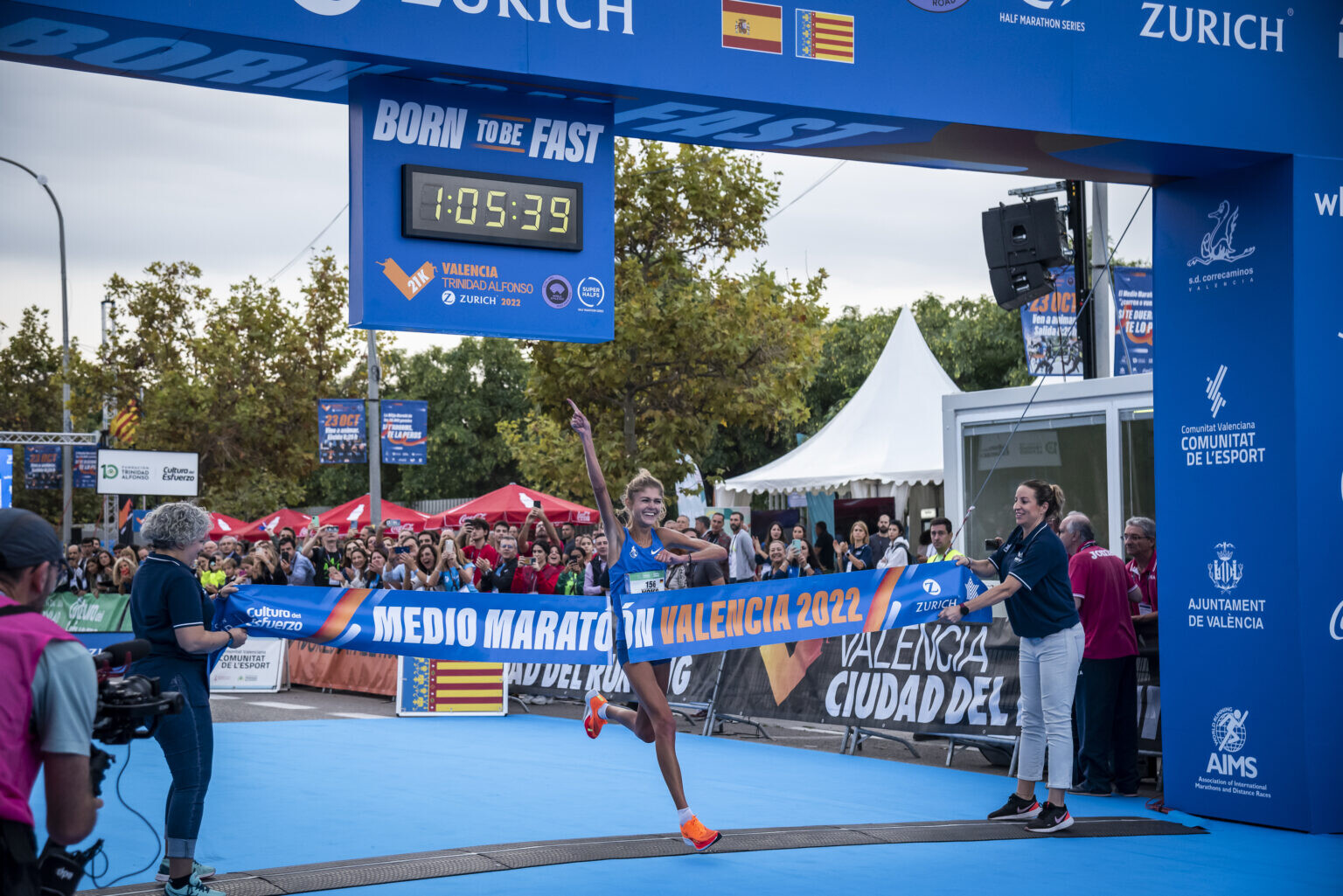
The Kenyan squad will do everything they can to ensure that last year’s victory by Kibiwott Kandie, the man who broke the world record here, running 57.32 in 2020, will continue this year. Their two best assets should be Daniel Mateiko and Isaia Kipkoech Lasoi; the former has already run nine half marathons and knows the Valencian avenues like the back of his hand, coming third in both 2021 and 2022, with 58:26 as his personal best, which he will have to improve on if he wants to stand up to the Ethiopian duo. Mateiko improved his 10,000m time at the Paris Olympics, although his 26:50.81 was only good enough to place him in eleventh position. Lasoi, who is in great form after finishing third in Copenhagen six weeks ago, with a personal best of 58:10 in his fourth (!!) half of 2024, is sure to be in great shape.
Theory tells us that this quartet should be the ones to take the podium places on 27 October, but the magic of the half marathon, which is never as tight as the 42,195m, often brings wonderful surprises. One of them could well be Thierry Ndikumwenayo, who amazed in the Olympic 10,000m by smashing the Spanish record at this distance with a time of 26:49.49. After the rest required following the Games, Thierry may not have had enough time to realise his unlimited potential at this distance, but his performances over shorter distances give him sufficient room for manoeuvre to break the Spanish record, set just a year ago by Carlos Mayo with 59:39 after the previous record had remained unbroken for 22 years. Thierry will have the 59:13 held by Switzerland’s Julien Wanders as the European record in his sights and perhaps the biggest danger for him will be if he remains caught in no man’s land, as joining the leading group, who will be aiming for a sub-58 finish as always, does not seem the most sensible strategy in this his first foray over the distance. This hypothetical record would serve as a well-deserved tribute to Pepe Ortuño, who will retire as his trainer when Thierry crosses the finish line. Tadese Worku, Gemechu Dida, Edward Cheserek and Bravin Kiprop are all well under the one-hour mark and will be looking for their day of glory in Valencia. Among the Europeans, the Portuguese Samuel Barata (national record last year with 59:40), the Italian runner-up at the Europeans Pietro Riva (59:41) and the British runner Emile Cairess (60:01), fourth at the Paris Olympics in the marathon, will be competing with Ndikumwenayo.

Ngetich wants to make her debut in style
The possibility of a women’s world record will also glimmer over the Valencian asphalt on Sunday, courtesy of Agnes Ngetich, who smashed the 10K world record in Valencia on 13 January with a stratospheric time of 28.46. After that explosion, the Kenyan lost some steam, if we can refer to her 5th place in the World Cross Country Championships in Belgrade as such. During the track season she suffered from physical problems that made her give up the chance to compete in the Kenyan trials in Eugene at the last minute, thus saying goodbye to her Olympic dreams. Since then, her plan has been to make her début in Valencia over 21,097 m and, despite her status as a newcomer, it is not out of the question that she could make a serious attempt at the world record currently held by Ethiopia’s Letesenbet Gidey, who clocked an impressive 1:02:52 in Valencia in 2021. The pacemaking duties will fall to Japhet Kosgei and Vincent Nyageo, who will travel at a tempo of just under 3:00/km, to ensure a challenge to the WR if Ngetich still has some strength in her legs in the final stretch.
Following them will be a large group comprising Tsige Gebreselama, Llilian Rengeruk and Ejgayehu Taye. Gebreselama returns to the scene of her debut two years ago (1:05:46), a time she improved on this February by winning the prestigious Ras Al Khaimah Half in 1:05:14. Although, Ngetich’s biggest threat could be fellow debutant and compatriot Lilian Rengeruk, 5th in the Olympic 10,000m and with a 10K time of 29:32 set in Valencia in January, she is projected to be a strong performer over double the distance. While Taye, also making her debut at this distance, is an accomplished 5K specialist, although she also dipped below 30 minutes (29:50.53) in the 10,000 at the Ethiopian trials in Nerja. The main European hopefuls should be Great Britain’s Samantha Harrison, who improved to 1:07:10 in Valencia last year, and Germany’s Konstanze Klosterhalfen, a brilliant winner on her début two years ago with 1:05:41, although she does not seem to be in her best form at present.
Spain’s record is looking wobbly
If there is a record that has every chance of crumbling on Sunday, it is the Spanish women’s record, not because it is outdated, as Laura Luengo became the record holder just a year ago with her 1:09:41, but because her own form heralds a not inconsiderable improvement on that mark. The On Athletics team athlete will set off at a devilish pace of 3:16/3:17 per kilometre under the guidance of duathlon world champion Javier Martin to seriously threaten the 1:09 barrier. It could well be that she manages to beat that and yet not hold the record as both Irene Sanchez-Escribano and Boulaid Kaoutar are planning to run at the same pace, which could make for an exciting three-way duel. The Toledo athlete shone at the Olympic Games in Paris over her favourite 3,000m steeplechase and is facing a very exciting duel over the distance with confidence; she already ran at a Spanish record pace in the 10K in Laredo (31:35) in March and her good adaptation to asphalt is more than promising. On the other hand, the new Spanish champion Kaoutar (1:10:44 on 6 October in Albacete) already knows what it means to run under the 1:09 mark, as she clocked 1:08:57 in Gijón a year and a half ago when she was still competing under the Moroccan flag. Place your bets.
by Emeterio Valiente
Login to leave a comment

Valencia Half Marathon
The Trinidad Alfonso Valencia Half Marathon has become one of the top running events in the world. Valencia is one of the fastest half marathon in the world. The race, organized by SD Correcaminos Athletics Club, celebrated its silver anniversary in style with record participation, record crowd numbers, Silver label IAAF accreditation and an atmosphere that you will not find...
more...
How to train for a marathon no matter how fit you are
If you’re planning a marathon, you’re on the road to becoming part of a select proportion of the global population – 0.01 per cent, to be exact. But that doesn’t mean running one is exclusive to the lycra-clad minority. With the right planning, training and dogged determination anyone can have a go. Here’s what you need to know if you’re gearing up to train for the race of your life.
Which marathon should I choose to run?

The London Marathon is special, with incredible atmospheric and historic appeal, but it’s notoriously tricky to get a place and is far from the only one to consider. All marathons are 26.2 miles, so if you’re a beginner, you might want to choose what seasoned runners call an “easy” marathon – one with a flat and paved course. While the Brighton Marathon is one of the most popular (and mostly flat) UK spring races, the Greater Manchester Marathon is known as the flattest and fastest UK option. The under-the-radar Abingdon Marathon is one of the oldest in the UK and also has a flat route – great for new runners and for those who are keen to beat their personal bests.
Around Europe, try the Berlin and Frankfurt marathons in Germany, or the Amsterdam Marathon in the Netherlands. More recently, the Valencia and Seville marathons in Spain have grown in appeal. For a great beginner list, visit coopah.com. It’s worth doing your research to ensure it’s a route you’ll enjoy (atmospheric, well populated, flat, historic… whatever piques your interest), as this will pay dividends when things get tough.
Training
How long does it take to train for a marathon?
“You need 16-to-18 weeks of training,” says Richard Pickering, a UK Athletics qualified endurance coach. “And if you’re starting from nothing, I think you need closer to six months.” This may sound like a long time to dedicate to one event but a structured plan will help you develop the strength, endurance and aerobic capacity to run longer distances. Not to mention work wonders for your overall health.
“Anyone can run a marathon if they are willing to put in the hard work,’ says Cory Wharton-Malcolm, Apple Fitness+ Trainer and author of All You Need Is Rhythm & Grit . “As long as you give yourself enough time and enough grace, you can accomplish anything.’
Ready to get running? Read on.
Five steps to preparing for a marathon
1. Follow a training plan and increase mileage gradually
“Even if it’s a simple plan, and that plan is to run X times per week or run X miles per week, it’s beneficial to have something guiding you,’ says Wharton-Malcolm. ‘It’s happened to me, without that guidance, you may overtrain causing yourself an injury that could have been avoided. And if you’re injured, you’re far less likely to fall in love with running.”
For authoritative plans online, see marathon event websites (try the Adidas Manchester Marathon or the TCS London Marathon websites) or from a chosen charity such as the British Heart Foundation. Most will consist of the key training sessions: speed work (spurts of fast running with stationary or active rest periods), tempo runs (running at a sustained “comfortably uncomfortable” pace), and long-distance slogs.
Most marathon plans will abide by the 10 per cent rule, in that they won’t increase the total run time or distance by more than 10 per cent each week – something that will reduce your risk of injury.
2. Practise long runs slowly
Long runs are your bread-and-butter sessions. They prepare your body to tolerate the distance by boosting endurance, and give you the strength to stay upright for hours. Intimidating as this sounds, the best pace for these runs is a joyously slow, conversational speed.
“People may think they need to do their marathon pace in long runs,” says Pickering, “but it’s good to run slowly because it educates the body to burn fat as fuel. This teaches it to use a bit of fat as well as glycogen when it goes faster on race day, and that extends your energy window so that you’re less likely to hit the ‘wall’.”
The caveat: running slowly means you’re going to be out for a while. With the average training plan peaking at 20 miles, you could be running for many hours. “When I did lots of long runs, I had a number of tools: listening to music, audio-guided runs, apps or audio books,” says Wharton-Malcom. “I used to run lots of routes, explore cities… You can also do long runs with friends or colleagues, or get a train somewhere and run back so it’s not the same boring route.”
3. Do regular speed work
Speed work may sound like the reserve of marathon aficionados, but it’s good for new long-distance runners too. “I think people misunderstand speed work,” says Wharton-Malcom. “The presumption is that the moment you add ‘speed’ to training, you have to run like Usain Bolt, but all ‘speed’ means is faster than the speed you’d normally be running. So if you go out for a 20-minute run, at the end of the first nine minutes, run a little faster for a minute, then at the end of the second nine minutes, run a little faster for a minute.”
Small injections of pace are a great way for novices to reap the benefits. “The idea is to find the sweet spot between ‘Ah, I can only hold on to this for 10 seconds’ and ‘I can hold on to this for 30-to-60 seconds’,” he adds.
Hill sprints are great for increasing speed. Try finding a loop with an incline that takes 30 seconds to ascend, then run it continuously for two to three lots of 10 minutes with a 90-second standing rest.
Interval work is also a speed-booster. Try three lots of three minutes at tempo pace with a 90-second standing rest. “The recovery [between intervals] is when you get your breath back and your body recirculates lactate [a by-product of intense exercise, which ultimately slows bodies down],” explains Pickering, “and this means you’re able to do more than you otherwise would.”
4. Run at marathon-pace sometimes
Every now and then, throw in some running at your chosen race pace. “You need to get used to a bit of marathon pace,” says Pickering, “but I wouldn’t put it into your programme religiously.”
Some runners like to practise marathon pace in a “build-up” race, typically a half-marathon. “It can give people confidence,” says Pickering. “Your half-marathon should be six-to-seven weeks prior to the main event, and have a strategy to ensure you’re not racing it because you need to treat it as a training run.”
5. Schedule in rest and recovery
Of course, no training plan is complete without some R&R. Rest days give your body a chance to adapt to the stresses you’ve put it through and can provide a mental break. “Active recovery” is a swanky term for taking lighter exercise such as an easy run, long walk, gentle swim, some yoga – crucial because you don’t want to do two hard sessions back-to-back. “A long run would count as a hard day, so if your long run is on Sunday, you could do an easy run such as 30-40 minutes at a conversational pace on a Monday, but don’t do anything fast until Tuesday,” says Pickering.
What about recovery tools?
Foam rollers, massage guns, ice baths – the list is long. Pickering says to keep it simple: “I would encourage foam rolling [relieving muscle tension by rolling over a foam tube] or sports massage, and they’re kind of the same thing.”
And Wharton-Malcom swears by the restorative power of a good rest: “From personal experience, sleep is our secret weapon and it’s so underrated. Getting your eight-hours-plus per night, taking power naps during the day… you can do so well with just sleeping a bit more.”
Race day
How to perform your best on race day – what to eat
“The marathon is going to be relying on carbohydrate loading [such as spaghetti, mashed potato, rice pudding], which should take place one-to-three days before an event,” explains performance nutritionist Matt Lovell. Other choices might include: root vegetables (carrots, beetroot), breads or low-fat yoghurts.
“On the day, the main goal is to keep your blood glucose as stable as possible by filling up any liver glycogen.” Which means eating a breakfast rich in slow-release carbohydrates, such as porridge, then taking on board isotonic drinks, like Lucozade Sport or coconut water, and energy gels roughly every 30-45 minutes.
How to stay focused
Even with the right fuel in your body, the going will get tough. But when you feel like you can’t do any more, there is surprisingly more in the tank than you realise.
“Sports scientists used to think we eat food, it turns into fuel within our body and, when we use it up, we stop and fall over with exhaustion,” says performance psychologist Dr Josephine Perry. “Then they did muscle biopsies to understand that, when we feel totally exhausted, we actually still have about 30 per cent energy left in the muscles.”
How do you tap into that magic 30 per cent? By staying motivated – and this ultimately comes down to finding a motivational mantra that reminds you of your goal and reason for running.
“Motivational mantras are incredibly personal – you can’t steal somebody else’s because it sounds good; it has to talk to you,’ explains Dr Perry, author of The Ten Pillars of Success. “Adults will often have their children as part of their motivational mantra – they want to make them proud, to be a good role model. If you’re doing it for a charity, it might be that.” Write your motivational mantra on your energy gel, drinks bottle or hand. “It doesn’t just need to come from you,” adds Dr Perry. “I love getting athletes’ friends and family to write messages to stick on their nutrition, so every time they take a gel out of their pocket, they’ve got a message from someone who loves them.” Perry is supporting the Threshold Sports’ Ultra 50:50 campaign, encouraging female participation in endurance running events.
Smile every mile, concludes Dr Perry: “Research shows that when you smile it reduces your perception of effort, so you’re basically tricking your brain into thinking that what you’re doing isn’t as difficult as it is.”
One thing is for sure, you’re going to be on a high for a while. “What happens for most people is they run the race and, for most of the race, they say ‘I’m never doing this again,’ says Wharton-Malcom. “Then the following morning, they think, ‘OK, what’s next?’”
What clothes should you wear for a marathon?
What you wear can also make a difference. Look for clothing made with moisture-wicking fabrics that will move sweat away from the skin, keeping you dry and comfortable. An anti-chafe stick such as Body Glide Anti-Chafe Balm is a worthy investment, or simply try some Vaseline, as it will stop any areas of the skin that might rub (under the arms, between the thighs) from getting irritated. Seamless running socks, like those from Smartwool, can also help to reduce rubbing and the risk of blisters.
Post-race recovery
What to eat and drink
Before you revel in your achievement, eat and drink something. Lovell says recovery fuel is vital: “Getting carbohydrates back into the body after a marathon is crucial. It’s a forgiving time for having lots of calories from carbohydrates and proteins, maybe as a recovery shake or a light meal such as a banana and a protein yoghurt.”
Have a drink of water with a hydration tablet or electrolyte powder to replenish fluid and electrolyte salts (magnesium, potassium, sodium) lost through sweat.
“You can have a glass of red later if you want, but your priority is to rehydrate with salts first, then focus on carbohydrate replenishment, then have some protein, and then other specialist items such as anti-inflammatories.” Choose anti-inflammatory compounds such as omega 3 and curcumin from turmeric, which you can get as a supplement, to help reduce excessive inflammation and allow for better muscle rebuilding.
Tart cherry juice – rich in antioxidants, anti-inflammatories and naturally occurring melatonin – could also be useful, with the latest research reporting that it can reduce muscle pain after a long-distance race and improve both sleep quantity and quality by five-to-six per cent. “And anything that improves blood flow such as beetroot juice, which is a good vasodilator, will help with endurance and recovery,” adds Lovell. Precision Hydration tablets are very good for heavy sweaters.
Any other other good products to help with recovery?
The post-run recovery market is a saturated one, but there are a few products worth trying. Magnesium – from lotions and bath flakes to oil sprays drinks and supplements – relaxes muscles and can prevent muscle cramps, as well as aiding recovery-boosting sleep.
Compression socks boost blood flow and therefore the removal of waste products from hardworking muscles, and have been shown to improve recovery when worn in the 48 hours after a marathon. Arnica has anti-inflammatory properties that can help speed up the healing process after a long run, and can be used as an arnica balm or soak.
by The Telegraph
Login to leave a comment
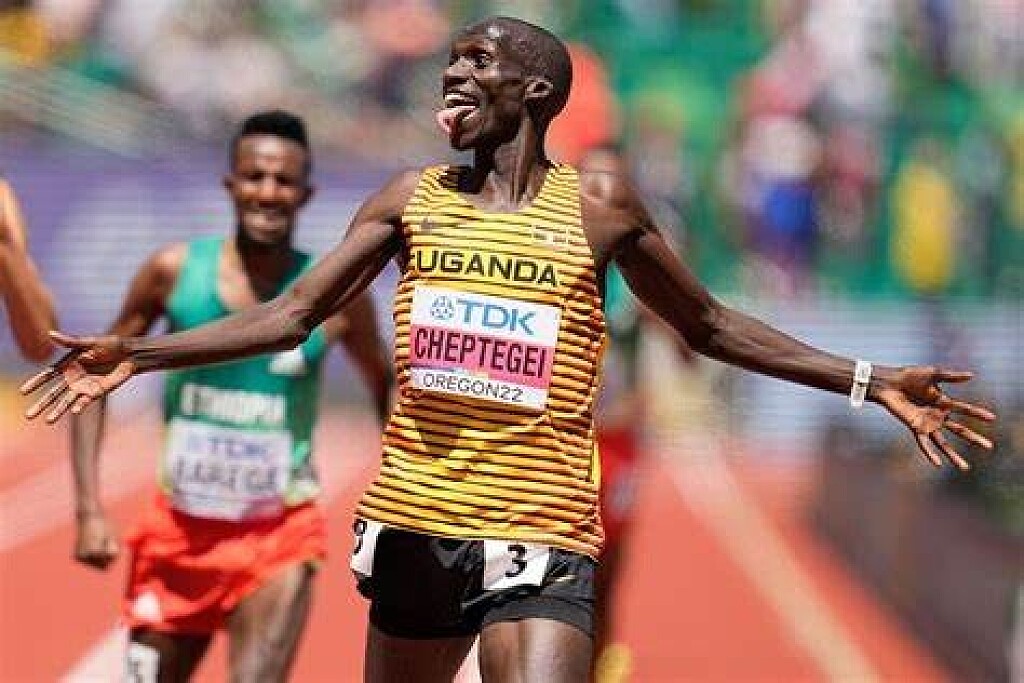
Delhi Half Marathon: Joshua Cheptegei to headline elite field
The Vedanta Delhi Half Marathon, which is part of the World Athletics Gold Label Road Races, will be flagged off from Jawaharlal Nehru Stadium on Sunday, October 20.
Ugandan sensation Joshua Cheptegei and Kenya’s former Half-Marathon World record holder Peres Jepchirchir are all set to light up the streets of Delhi!
Joshua is the current world record holder for both the 5000 meters and 10,000 meters and holds the world’s best time over the 15-kilometer distance. He is the reigning Olympic champion in the 10,000 meters and won the gold with a new Olympic record of 26:43.14.
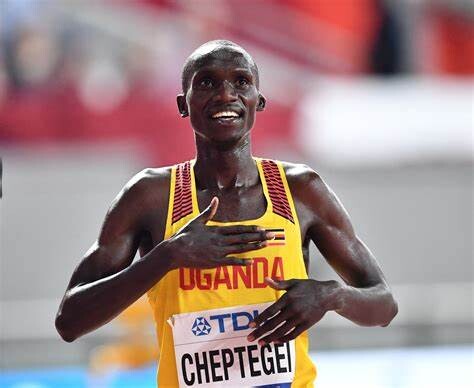
Joshua is also a three-time World champion in the 10,000 meters and claimed gold in both the 5000 meters and 10,000 meters at the 2018 Commonwealth Games and the 2019 IAAF World Cross Country Championships. Notably, Cheptegei is only the tenth man in history to simultaneously hold the 5000-meter and 10,000-meter world records, both of which he set in 2020.
Interestingly, Cheptegei made his international debut in India at the TCS World 10K Bengaluru 2014, finishing second. His return to India for the Vedanta Delhi Half Marathon promises to be a highlight of this year’s race.
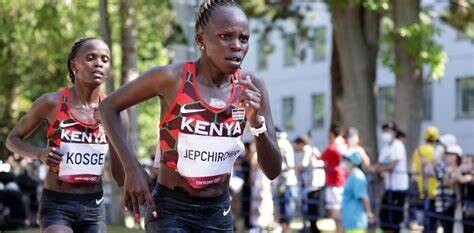
Speaking about his return to India Joshua said, “This country holds a special place in my heart, as it’s where I made my international debut in 2014. It’s been a good season for me, and I am certainly looking at a course-record timing at the Vedanta Delhi Half Marathon. The energy and passion of the Indian running community are truly inspiring, and I’m excited to be part of this prestigious event.”
Kenya’s former Half-Marathon World record holder and three-time world half-marathon winner Peres Jepchirchir will lead the women’s contingent. Peres won the London Marathon 2024 with a time of 2:16:16 secs, breaking the women’s only Marathon world record. She also won the 2021 New York City and 2022 Boston Marathons.
Among the other notable participants, Asian Championship Bronze Medalist Sanjivani Jadhav stands out in the women’s category. Sanjivani, who won the 10,000-meter Portland Track Festival in the USA with a personal best of 32:22:77, recently claimed a silver medal at the 5000-meter event at the National Open Athletics Championships in Bangalore.
She has previously won gold at the Vedanta Delhi Half Marathon in 2018 and 2022 and took silver in 2016 and 2020. Defending champion Kavita Yadav will provide Sanjivani with tough competition in pursuing the title.
“This will be my third Vedanta Delhi Half Marathon, and my aim will be to win this race once again. I have been training hard and I will try my best to break and create as many records as I can,” said Sanjivani Jadhav.
In the men’s category, Defending Champion and talented youngster Abhishek Pal, who recently won the 10,000-meter title in the National Open Athletics Championships 2024 in Bangalore, will take the lead. He will face tough competition from another youngster, Asian Games 2023 silver medalist in the 10,000 meters, Kartik Kumar.
He recently triumphed at the 10,000-meter USA Championship Track Fest 2024 with a remarkable time of 28:07:66. Kartik is also the VDHM 2022 and 2023 editions silver medalist.
“I am aiming to break the national record in what will be my fifth Vedanta Delhi Half Marathon. I have won the competition, but while I am once again, my mind is set on breaking the national record and going under 60 minutes,” said the defending champion Abhishek Pal.
Login to leave a comment

Vedanta Delhi Half Marathon
The Airtel Delhi Half Marathon is a haven for runners, creating an experience, that our citizens had never envisaged. The streets of Delhi converted to a world-class running track. Clean, sanitized road for 21.09 kms, exhaustive medical support system on the route, timing chip for runners, qualified personnel to ensure smooth conduct of the event across departments. The race...
more...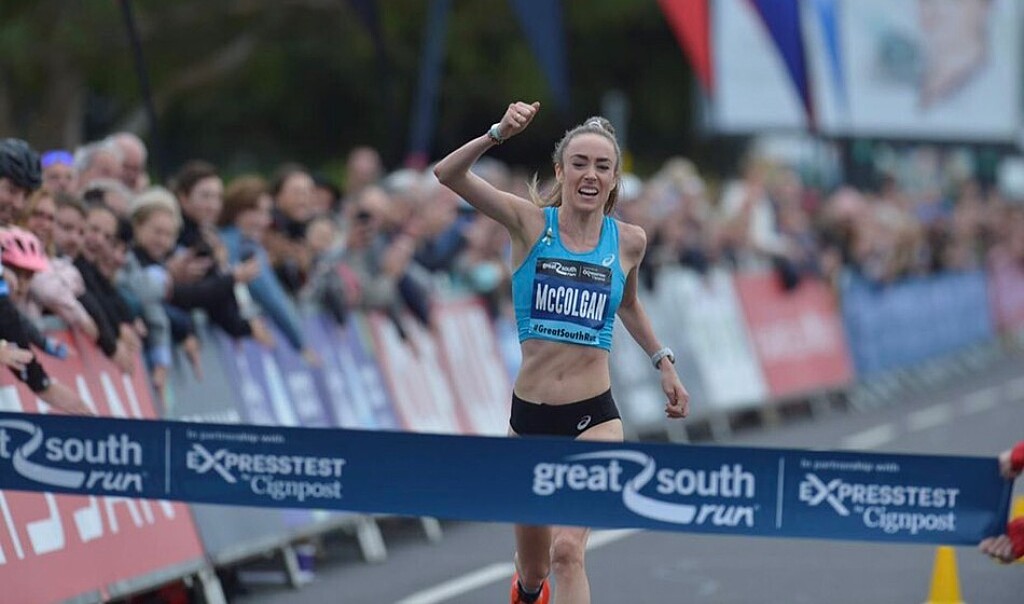
McColgan is set for Great North Run victory
Eilish McColgan bids to win the Great North Run half-marathon for the first time when she lines up alongside 60,000 other runners on Sunday.
The Scot returned from injury to compete for Great Britain at the Paris Olympics, finishing 15th in the 10,000m.
She enters this weekend's race in much better condition having won the Big Half marathon in London last weekend in 69 minutes and 14 seconds.
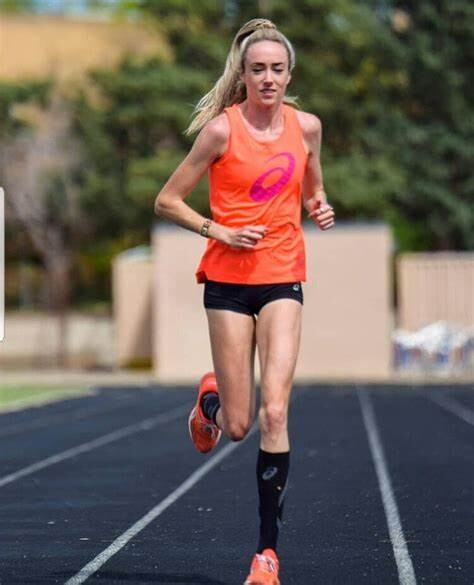
The 33-year-old British record holder will come up against two-time champion Vivian Cheruiyot, of Kenya, and Ethiopia's Senbere Teferi.
While McColgan's mum Liz won the Great North Run three times, Eilish's best result is second place in 2021.
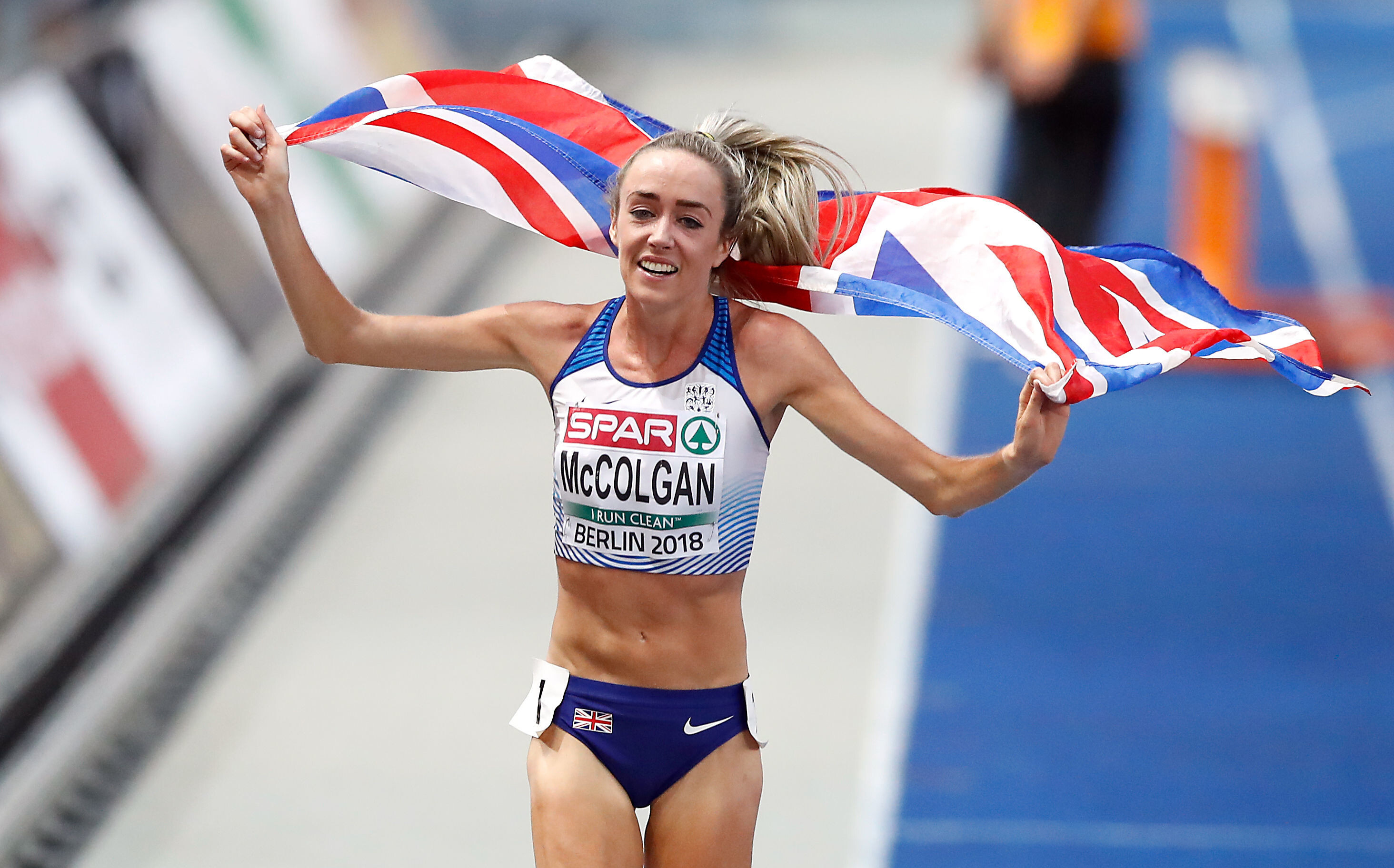
"Returning from this year's Paris Olympics and on the road back from injury, I'm especially looking forward to the tens of thousands of spectators and supporters lining the streets, as well as the 60,000 runners taking part alongside me," said McColgan.
Britain's Marc Scott, the 2021 Great North Run champion, competes in the men's race against the likes of Olympic 10,000m silver medallist Berihu Aregawi and 2021 London Marathon winner Sisay Lemma, both from Ethiopia.
Leading the field in the men's wheelchair race is 2022 Commonwealth Games champion JohnBoy Smith, while fellow Briton Jade Hall will bid to add the 2024 Great North title to her triumph in 2021.
What is the Great North Run course?
The annual 13.1-mile race starts in Newcastle city centre, crosses the River Tyne and goes through Gateshead before finishing by the sea in South Shields.
Runners raise millions of pounds for charity and you can watch comprehensive coverage on BBC One from 10:00 BST on Sunday.
by AJ Bell
Login to leave a comment

Great North Run
Great North Run founder Brendan Foster believes Britain is ready to welcome the world with open arms after the launch of the event's most ambitious plan to date. The Great World Run campaign seeks to recruit one runner from every country in the United Nations – 193 in total – to take part in the iconic half marathon in...
more...
'What has he done to deserve it?' - Why Noah Lyles will not put up his Olympic gold medal in prospective challenge against Tyreek Hill
Lyles has dismissed the idea of betting on his gold medals as well as Hill's NFL rings, citing he is "not interested" as the war of words between the two over who is faster continue.
American sprint sensation Noah Lyles has firmly declined the idea of using his Olympic gold medal as a wager in a potential race against NFL star Tyreek Hill.
Lyles, who recently clinched the gold in the 100 meters at the Paris Olympics, is open to racing Hill, but only on his terms—over the 100-meter distance, widely recognized as the definitive race for determining the fastest man on the planet.
The public feud between Lyles and Hill began after the Miami Dolphins wide receiver took aim at Lyles over comments he made in 2023, criticizing American sports leagues for referring to their champions as "world champions."
Hill, in an interview with Kay Adams, was quick to dismiss Lyles’ opinion, especially after the sprinter’s bronze medal finish in the 200 meters, where he tested positive for COVID-19 after the race.

“Noah Lyles can’t say nothing after what just happened to him,” Hill said during the podcast. “Pretend like he’s sick, I feel like that’s horseradish. So for him to do that and say that we’re not world champions of our sport, come on, bruh. Just speak on what you know about, and that’s track.”
Hill later escalated the tension by challenging Lyles to a 50-yard dash, boldly claiming he would come out on top. “I would beat Noah Lyles,” Hill asserted. “I wouldn’t beat him by a lot, but I would beat Noah Lyles.”
Lyles, however, was unimpressed by Hill’s challenge and made it clear during a Wednesday interview on the Dan Patrick Show that his Olympic gold medal is off the table.
“What has he earned to deserve that status?” Lyles asked rhetorically. “He plays football and is a great football player, but you do not get to jump the line because you think you are fast. There are tons of those people out there.”
When asked if he would be interested in one of Hill’s NFL rings as a wager, Lyles was dismissive. “I do not want a Super Bowl ring. I am very content with my Olympic medals,” he stated.
Lyles also doubled down on the conditions for any potential race, stating that it would have to be in the 100 meters or not at all. “Again, I’m not here to do gimmicks,” Lyles told NBC News. “You want to challenge me, ‘the world’s fastest man,’ if you want to challenge that, you have to challenge that in his event.”
Lyles further referenced NFL wide receiver DK Metcalf’s attempt to compete in the 100 meters, noting that Metcalf had the courage to face sprinters on the track in a legitimate event.
In May 2021, Metcalf ran the 100 meters in 10.36 seconds at the USATF Golden Games and Distance Open, finishing ninth in his heat. While he didn’t qualify for the Olympic Trials, Metcalf’s effort was praised by Lyles as a serious attempt to prove his speed.
“Any time someone fast comes up, he would try to race them. If he really wanted to race people, he would’ve showed up like DK Metcalf,” Lyles said in a separate interview on Night Cap.
“The man [Hill] dodges smoke. I don’t got time for that. He’s challenging me. We’re racing in the 100, we can race. If he’s truly serious about it. If he’s truly serious about it, and I’m not talking about you’re just talking on the internet … you’ll see me on the track.”
by Mark Kinyanjui
Login to leave a comment
How Emmanuel Wanyonyi’s rival faced an anti-doping raid before Olympic 800m final
A track athlete was raided by anti-doping officials at the Olympic village days before securing a bronze medal in the 800m event.
Olympic 800m bronze medalist Djamel Sedjati is believed to be still under scrutiny by the Athletics Integrity Unit (AIU) following a dramatic raid in the Olympic village just days before the final event.
The incident, which unfolded a week ago but garnered minimal media attention at the time, involved French anti-doping officers executing a search linked to an ongoing investigation into alleged doping practices.
The raid, led by the French Anti-Doping Agency (AFLD), targeted Sedjati’s accommodations and was part of a broader probe that also implicated Algerian athletics coach Amar Benida.
According to the French sports daily L'Equipe, sources close to the investigation have indicated that Benida was the primary focus of the inquiry.
This revelation puts a different light on the events, suggesting that Sedjati may have been collateral in the broader investigation rather than the direct target.
In the wake of the raid, Sedjati displayed remarkable composure, securing a third-place finish in a fiercely competitive 800m final at the Stade de France.
The race itself was historic, with four of the seven top times on the all-time performance list being recorded, highlighting the extraordinary level of competition.
Emmanuel Wanyonyi of Kenya clinched gold with a time of 1:41.19, becoming the third-fastest performer in history.
Following his performance, Sedjati addressed the incident at a press conference.
"Nothing (important) happened. These are things that athletes can face. Thank God it was only a small inconvenience. I was quickly able to get back to normal," Sedjati told reporters.
The Paris prosecutor's office and the AFLD have remained silent on the matter offering no comments or insights into the ongoing investigation.
This lack of official information has fueled speculation and concern within the athletics community.
In response to the controversy, the Algerian Olympic Committee issued a strong statement via Al24News, condemning what they described as "malicious attempts aimed at tarnishing the image of the Algerian runner Djamel Sedjati, victim of unjustified attacks by certain sports media."
This statement reflects the tension and the high stakes involved, particularly in light of Sedjati’s recent performances and his stated ambition to break David Rudisha’s 800m world record.
Sedjati’s resilience was on full display just weeks prior at the Monaco Diamond League, where he won the race in an impressive 1:41.46, just shy of his personal best set in Paris.
His capabilities and recent form make him a significant figure on the track, and the timing of the raid raises questions about the implications for his career and reputation.
by Festus Chuma
Login to leave a comment

Paris 2024 Olympic Games
For this historic event, the City of Light is thinking big! Visitors will be able to watch events at top sporting venues in Paris and the Paris region, as well as at emblematic monuments in the capital visited by several millions of tourists each year. The promise of exceptional moments to experience in an exceptional setting! A great way to...
more...
Tergat hopes Kenyans athletes will surpass Tokyo performance
The National Olympic Committee of Kenya (NOCK) president Paul Tergat has tipped Kenyan athletes to deliver when the 2024 Paris Olympic Games' track and field starts on Thursday.
Walk racer Samuel Gathimba will be first in line when he competes in the 20km walk at Trocadero Gardens, located at the foot of the Eiffel Tower.
It will be his second Olympics after debuting at Rio 2016, where he registered a 'Did Not Finish'.
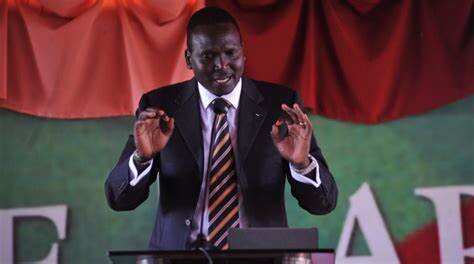
"That (athletics) is where we always eat (sic)," said Tergat, a five-time world cross-country champion.
"We are looking forward to an exceptional performance. We have told them 'no pressure'. Just go out there and give your best."
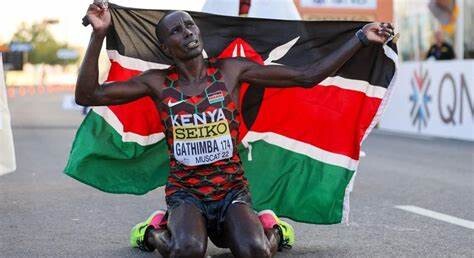
Nock supported the athletes in training, giving Tergat the belief they have what it takes to surpass the ten medals Kenya won at Tokyo 2020 (four gold, four silver and two bronze).
"They (athletes) know they have been supported adequately, which is key," said the two-time Olympic 10,000m silver medalist— Atalanta 1996 and Sydney 2000.
"They want to make history for themselves, their families and the country in general."
Meanwhile, Tergat has called on Kenyans to rally behind the team.
"Wherever you are — Europe, Africa or elsewhere—let's all support our sportspersons. They are our ambassadors and best role models," he said.
Meanwhile, Nock are keen on extending the diversification programme after fielding two women athletes in judo and fencing for the first time.
German-born Kenyan Alexandra Ndolo competed in the Epee Individual Table competition, where she bowed out in the preliminary rounds after losing 13-12 to Ukranian Kryvytska Olena at the Grand Palais-Blue Piste.
Judoka Zeddy Cherotich will make her debut against Portugal's Patricia Sampao in a - 78kg Round of 32 match at the Champ-de-Mars Arena.
by Muigai Kirugum
Login to leave a comment
Paris 2024 Olympic Games
For this historic event, the City of Light is thinking big! Visitors will be able to watch events at top sporting venues in Paris and the Paris region, as well as at emblematic monuments in the capital visited by several millions of tourists each year. The promise of exceptional moments to experience in an exceptional setting! A great way to...
more...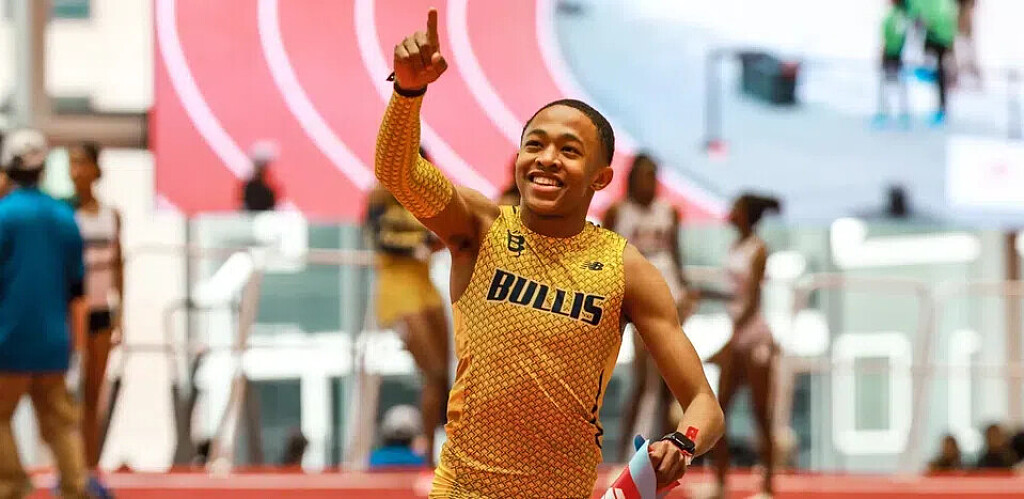
Quincy Wilson: 5 things you need to know about America's youngest track Olympian
Five things you need to know about Quincy Wilson, a 16-year-old protege set to represent Team USA in the 4 by 400m of the Paris 2024 Olympics.
America's teenage sprint sensation Quincy Wilson has taken the track world by storm, setting records and captivating audiences with his speed and determination.
At just 16 years old, he has already secured his place in history as the youngest U.S.-born male to compete in track and field at the Olympics.

As he gears up for his debut on the Olympic stage, here are five crucial things you need to know about this extraordinary athlete as per NBC.
1. A prodigy from a young age
Quincy Wilson began his track and field journey at the tender age of eight. Growing up in Chesapeake, Virginia, Quincy quickly outpaced his peers, prompting his family to move to Potomac, Maryland, where he could benefit from a superior athletic program at Bullis School.
Despite his youth, Quincy has already shown a prowess that rivals seasoned athletes.
At just 16, he broke records that many would not dream of approaching until well into their careers.
He clinched his first national title at the 2023 New Balance Indoor Nationals in the 400m competing as the only freshman in the field.
2. A family of athletes
Quincy's athletic prowess is no coincidence; it runs in the family as parents, Monique and Roy Wilson, were both collegiate athletes.
Monique excelled in soccer and basketball, while Roy played football for the Naval Academy.
The influence of his family extends beyond just genetics. The Wilsons have been integral in providing support and guidance throughout Quincy's career, attending his meetings and ensuring he has the resources needed to succeed.
Quincy also draws inspiration from his older sister, Kadence, who runs track at James Madison University.
Watching her compete and train has fueled his desire to push his limits and strive for excellence, creating a healthy sibling rivalry that spurs both to greater heights in their respective athletic careers.
3. Breaking barriers and setting records
Quincy Wilson is not just competing; he is redefining what young athletes are capable of achieving.
His rapid ascent in track and field culminated in him becoming the youngest American male to secure an Olympic track and field bid, a testament to his extraordinary capabilities and the potential to shape the future of the sport.
His inclusion in the U.S. Olympic team, particularly in the 4x400m relay, is a significant achievement, positioning him as a key player on the international stage.
Quincy's record-breaking journey has been filled with notable highlights, including multiple AAU Junior Olympic Games titles and national titles.
These accolades have not only earned him recognition from his peers but also attracted attention from major sports brands, leading to an NIL deal with New Balance, making him one of the youngest athletes to sign such a contract.
4. Life beyond the track
Despite his rigorous training schedule, Quincy leads a balanced life. He is a typical teenager who enjoys video games, spending much of his free time playing popular titles like Fortnite and Call of Duty.
After his successful stint at the Olympic Trials in June, Quincy's first choice to unwind was to grab his headset and join his friends for a game of Call of Duty: Warzone.
This blend of normal teenage activities with his professional commitments provides Quincy with a much-needed outlet for relaxation and social interaction.
It helps him maintain a sense of normalcy amidst the high pressures of competitive sports, ensuring he remains grounded and focused.
Quincy’s interests also include a deep appreciation for his education. Attending Bullis School, he excels in his studies, understanding the importance of having a well-rounded life that balances sports with academics.
5. Looking toward the future
Quincy Wilson's debut on the Olympic stage captures global attention, with audiences anticipating standout performances from this remarkable young athlete.
His ambitions stretch beyond mere medal victories; Quincy is driven to motivate a new generation of athletes to passionately chase their dreams.
The path he has taken showcases a formula for success rooted in perseverance, familial support, and natural skill.
Quincy Wilson is more than just an emerging talent to keep an eye on; he stands as a dynamic force poised to reshape the limits of track and field for the foreseeable future.
by Festus Chuma
Login to leave a comment
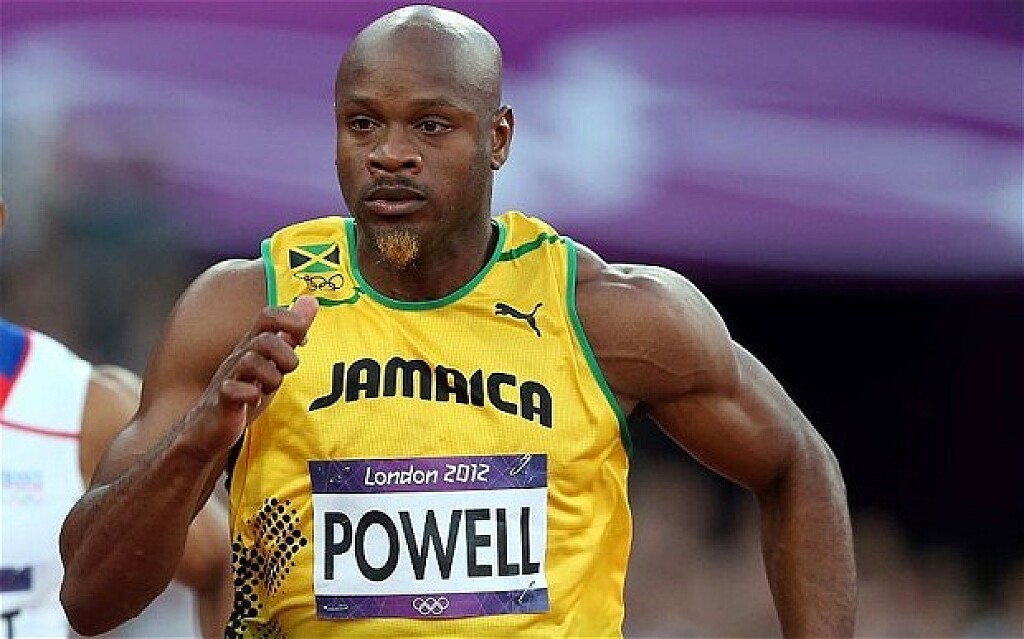
Asafa Powell opens up on the darkest moments of his career and how he managed to overcome them
The Jamaican sprint great has opened up on two dark moments in his career and how he managed to overcome those setbacks.
Jamaican sprint great Asafa Powell has opened up on how he dealt with the lowest moments of his career as an athlete.
Powell, a specialist in the 100 meters, set the world record twice with times of 9.77 and 9.74 seconds and has broken the 10-second barrier more than anyone else, doing so 97 times.
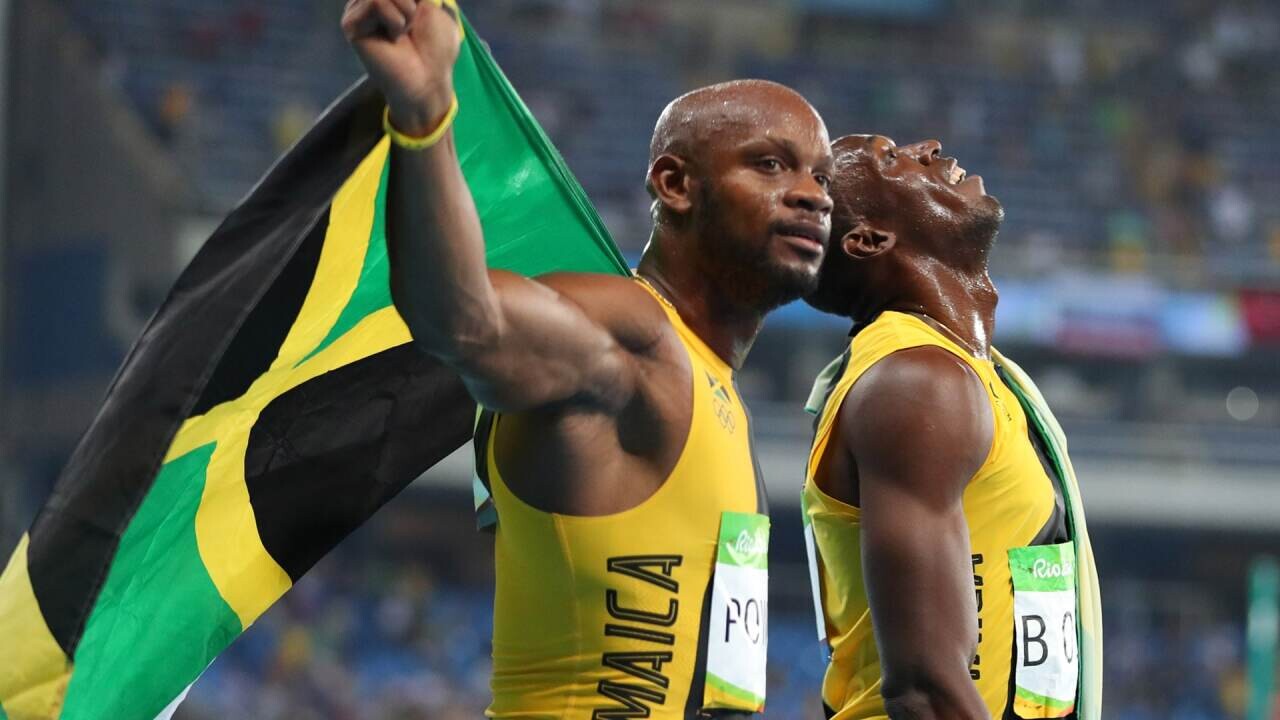
He also holds the world record for the 100-yard dash at 9.09 seconds and became an Olympic champion in the 4 x 100 meters relay in 2016.
Powell has consistently broken the 10-second barrier in competition, with his personal best of 9.72 s ranking fourth on the all-time list of men's 100-metre athletes.
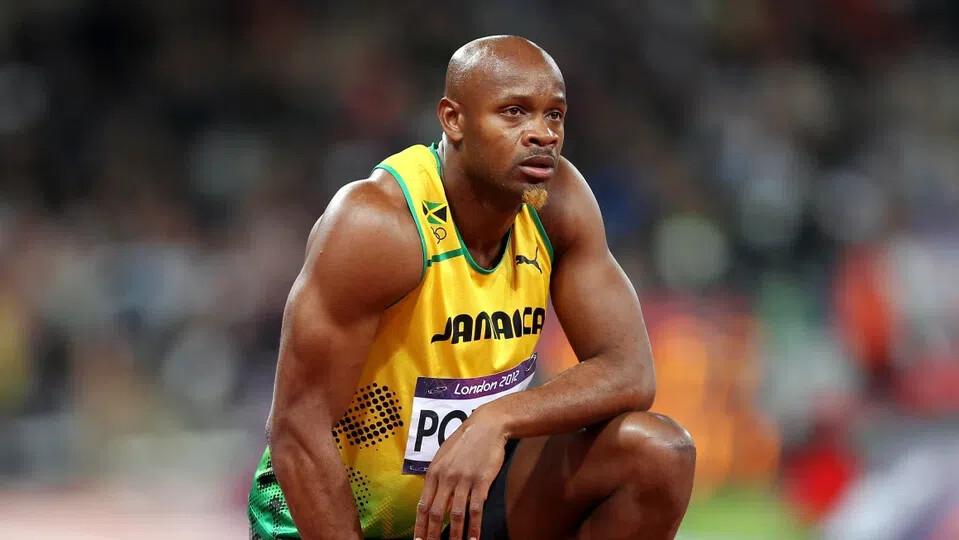
By 2016, Powell had broken the ten-second barrier more times than anyone else—97 times.
However, he never managed to win a major individual title, with his two bronze medals in 2007 and 2009 his best finishes. He did however manage to win two gold medals at the World Championships and another at the 2016 Olympic games, but all were in the 4 by 100 m relays.
Now, he has opened up on the two darkest times of his career, which he has revealed were the World championships in 2007 in Osaka and the Olympic games in Beijing.
“I have had a few of those and they felt pretty much the same. I remember at the 2007 World Championships, there was no way I was supposed to lose the race, but things happened before and all that stuff and it caused me to lose the race,” Powell told The Mitchells YouTube channel.
“I tell myself some stuff and I have to really and then in 2008 at the Olympic games, I did not run like I was supposed to and I was really tough on myself. Those were my darkest moments.”
Powell has thanked his family for helping him get through those tough moments in his career.
“I had to pull myself out of the dark. They had to fly my father and brother to the games because I was in a (devastated) state.”
Powell has sent a message of encouragement to his fans, advising them to always do their best and not worry too much about situations that may be beyond their abilities to change.
“You cannot control what other people are doing. On the track, eight or nine people are on the track so you cannot control what they are doing. You have to focus on what you are doing.
“If everybody else breaks a world record and you also do one as well, you cannot be upset because you did your best at that time.”
by Mark Kinyanjui
Login to leave a comment
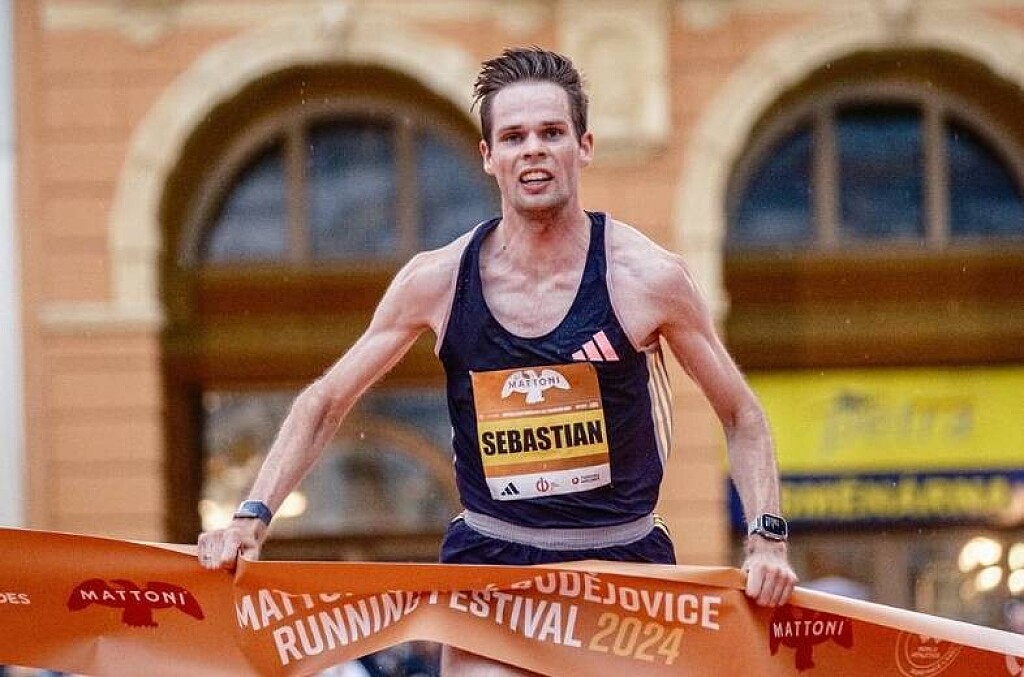
German Hendel dominated the Mattoni Ceske Budejovice Half Marathon
This year’s half marathon in České Budějovice was newly held under the brand Mattoni Running Festival. The winner was German Sebastian Hendel. Among the women, Ukraine’s Maryna Nemchenko triumphed, improving the European record. Patrik Vebr and Hana Homolkova were the best Czech runners, which carries the World Athletic Road Race Label.
The race
The winner in the České Budějovice Half Marathon was Sebastian Hendel from Germany. From the start he was in a large lead pack, but before the halfway point he was running alone. Hendel ran the South Bohemia half marathon well and on pace to break the European record. However, he missed it by half a minute, finishing in the time of 1:03:38.
“I’m really happy that my winning streak in RunCzech races continues. I tried to break the time under one hour and three minutes. It was good at the tenth kilometre, but as time went on it got worse and my legs were hurting. It was a great experience, I enjoyed my first start in České Budějovice,” said Hendel. “When I was running back to the square, many people were cheering my name. It was a really great atmosphere,” added Hendel.
The second place went to Italian Daniele D’Onofrio, and third was Ukrainian Mykola Mevsha, who improved his personal best significantly. The best Czech runner was Patrik Vebr (1:08:38), bettered Petr Pechek and Tomáš Křivohlávek.
“Although I don’t really like to run races in training pace, I chose this strategy for today. My coach and I decided to do it mainly for health reasons and also because of the upcoming track races. But the overall assessment is positive and I am glad that especially my health is holding up,” Vebr summed up.
The fastest woman was Maryna Nemchenko from Ukraine, who ran a significant part of the race alone trying to catch some men to help her pace. “If I had run with another female competitor, it would have been easier, running alone is hard. I always tried to catch up with whoever was ahead of me, I’m satisfied,” Nemchenko assessed after the race.
The Ukrainian surpassed the best European race time of Tereza Hrochova from 2022 by half a minute. Her compatriot Nataliya Semenovych finished second, while Moldova’s Lilia Fisikovici finished third. Hana Homolkova succeeded in a close battle between the Czech competitors, beating Aneta Císařová. Tereza Jagošová finished third.
by Christopher Kelsall
Login to leave a comment

Mattoni Ceske Budejovice Half Marathon
Held in the stunning city with over 750 years of history, the Mattoni Ceske Budajovice Half Marathon is one of the most exciting races of the RunCzech Running League. With both speed and beauty, it offers a flat and fast course that led to a great result of the race premiere in 2012. Start the race in the colorful heart...
more...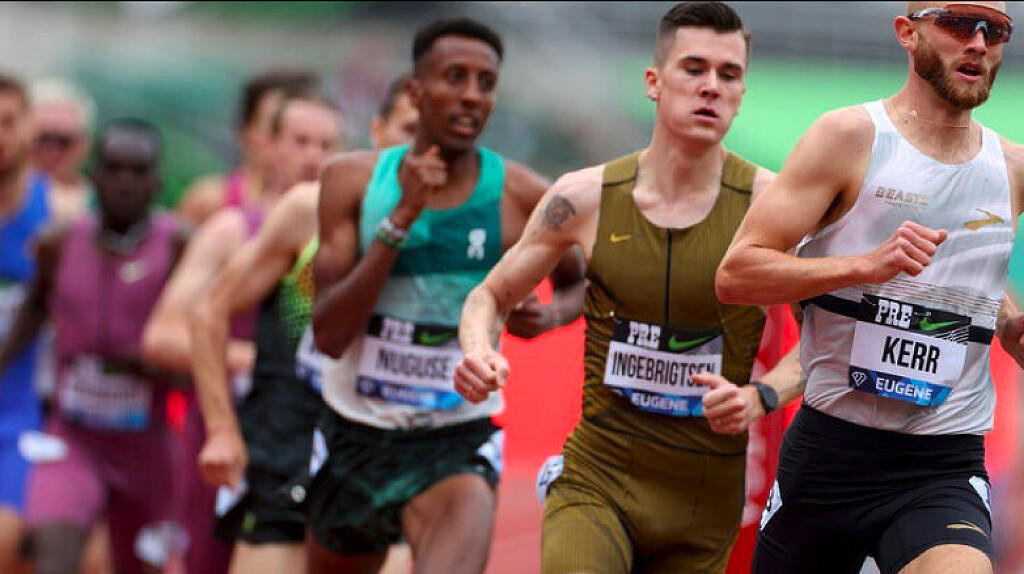
Why the "Norwegian Method" Training Craze Is Here to Stay
In a highly anticipated race at the 2024 Prefontaine Classic, Jakob Ingebrigsten pitted his revolutionary "Norwegian method" of training against some of the best milers in the world.
The “Mile of the Century”—of the twentieth century, that is—was a duel between John Landy and Roger Bannister at the 1954 Empire Games in Victoria. The two men were, at the time, the only two sub-four-minute milers in the world: Bannister had beaten Landy to the punch by 46 days, but Landy was the reigning world record holder. Their end-of-season clash was as heavily anticipated as any heavyweight boxing duel. Landy led until the final bend, at which point he famously glanced over his left shoulder at precisely the moment that Bannister surged past on his right.
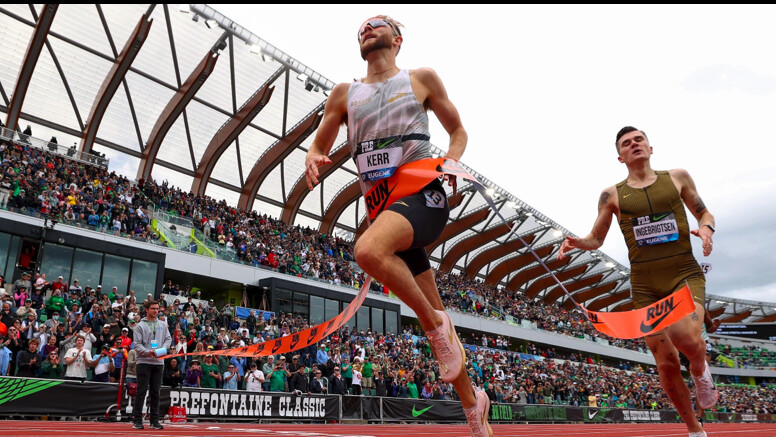
The mile of the current century, at least in terms of pre-race hype and intriguing storylines, took place on Saturday at the Prefontaine Classic track meet in Eugene. It was a gigantic multidimensional grudge match between Jakob Ingebrigsten, the blunt-speaking Norwegian wunderkind who won the 2021 Olympics at the tender age of 20 and whose training methods have sparked wholesale upheaval in the endurance world, and almost every runner who has beaten him or come close to it in recent years—most notably Josh Kerr, the Scotsman who upset him at last summer’s World Championships and has been engaged in an increasingly testy war of words with him ever since.
What gave the race an extra layer of significance, beyond the usual battle for personal supremacy, was that clash of training ideas. Ingebrigtsen is the foremost exponent of what has come to be known as the “Norwegian method” of endurance training. Its hallmark is carefully controlled workout intensities, pushing just hard enough to stimulate adaptation without incurring fatigue that would compromise the next workout. In Ingebrigtsen’s hands, that involves twice-a-week double threshold sessions: workouts like ten times a kilometer with one minute recovery in the morning and evening, with regular ear pricks to check lactate levels and keep the intensity in the right zone, on Tuesdays and Thursdays.
A similar approach has also taken Norwegians to the top of the podium in other sports like triathlon and cross-country skiing, and athletes from other countries have begun emulating it. Norwegian-style training is “the big, sexy thing,” as U.S. miler Hobbs Kessler put it. It might even be “the next step in the evolution of distance running training,” as a group of sports scientists suggested in an academic paper last year (which I wrote about here). It’s very hard to do controlled studies of entire training philosophies, as opposed to specific workouts. So the best litmus test, I suggested, would be clashes on the track leading up to the Paris Olympics. Saturday in Eugene was the first such test.
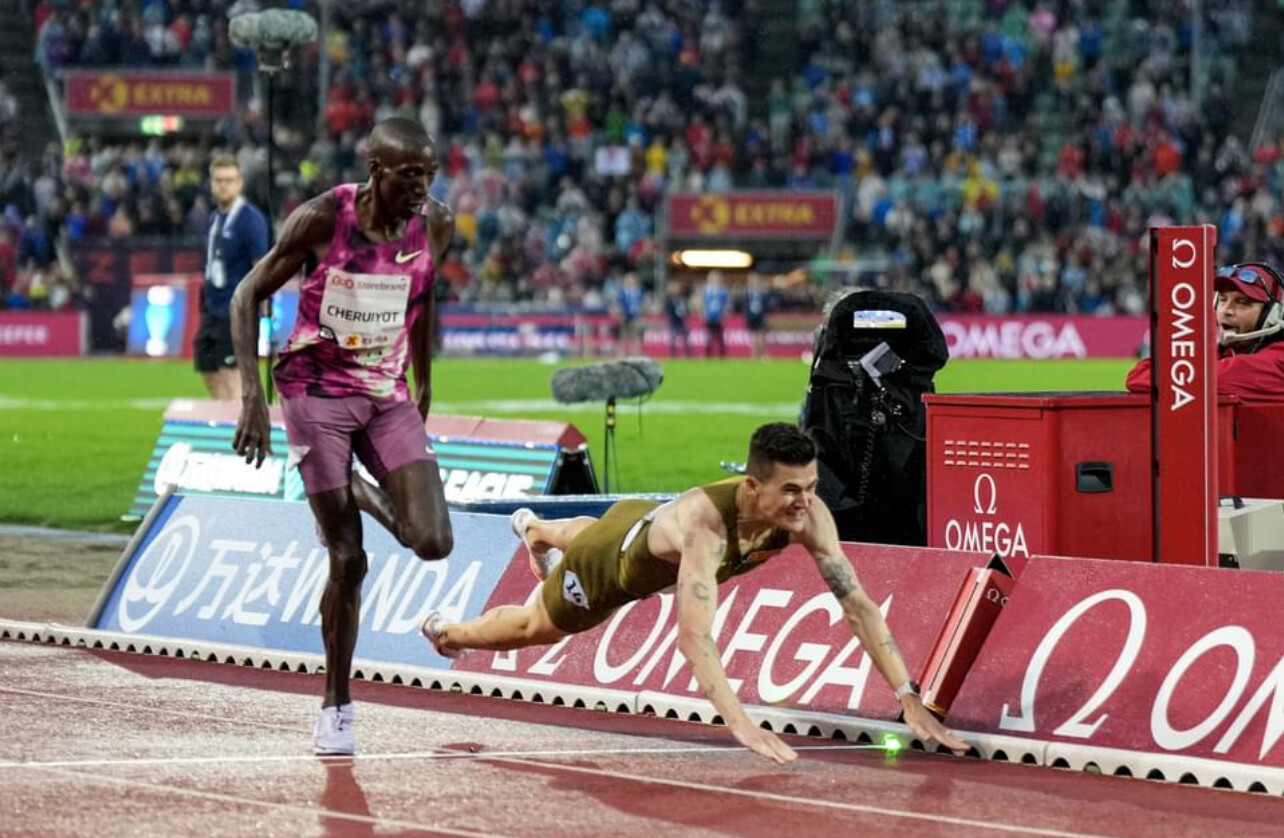
Sexy new things don’t stay sexy and new forever, and it’s fair to say that some of the shine of Norwegian training has worn off since last year. The most notable reputational hit was Kerr’s 1,500-meter win at last summer’s World Championships, kicking past Ingebrigtsen in the final lap after the Norwegian had led most of the race. One loss could be blamed on bad luck, but that made three times in a row: another Scottish runner, Jake Wightman, had outkicked Ingebrigtsen in strikingly similar fashion at the 2022 World Championships, and Ethiopian star Samuel Tefera did the same at the 2022 World Indoor Championships. That starts to look like a systemic flaw in the training approach. While Ingebrigtsen was carefully monitoring his moderate-intensity threshold intervals, Kerr and Wightman and Tefera were presumably ripping off all-out sprints—and they had a racing gear that he seemed to lack.
In Eugene, a rabbit led the field through a quick first half-mile. When he stepped off, it was Kenyan runner Abel Kipsang who pushed onward, with Ingebrigtsen following patiently behind. This was already a surprise: Ingebrigtsen is usually the one pushing the pace. Then, with a lap and a half still remaining, it was the fast finisher Kerr who surged into the lead and made an early bid for victory. Each man, it seemed, was playing the other’s game. The last lap ticked by in slow motion, Kerr unable to pull away and Ingebrigtsen unable to close the gap. That’s how it finished: Kerr in 3:45.34, Ingebrigtsen in 3:45.60, and then seven more men under the once-impregnable 3:50 barrier. In 11th place was Cam Myers, a 17-year-old from Australia, with a time of 3:50.15—two seconds faster than Ingebrigtsen himself ran at Pre as a 17-year-old in 2018.
It would be as foolish to give up on Norwegian training based on a few individual losses as it would be to anoint it the “next step” on the basis of a few individual wins. But if Ingebrigtsen keeps losing, that’s going to reinforce doubts about whether his approach is as effective for head-to-head racing as it is for time trials. There are plenty of caveats: for example, an Achilles injury disrupted Ingebrigtsen’s training for several months over the winter. But there are also other questions. What has happened to his older brothers Henrik and Filip? Both were world-class milers in their own right, but both have been struggling in recent years, as have other prominent Norwegian athletes like Olympic triathlon champion Kristian Blummenfeld, raising questions about the sustainability of the Norwegian approach.
And then there’s the fact that, despite all the hype about the mile, the real marquee event at Pre turned out to be the women’s 10,000 meters, where Kenya’s Beatrice Chebet became the first woman to dip under 29 minutes with a world-record clocking of 28:54.14. Kenyan runners (and their Ethiopian rivals) have been at the top for so long that it’s easy to take their dominance for granted. When I was in college in the 1990s, we were all fascinated by “the Kenyan Way.” That was the subtitle of Toby Tanser’s 1997 book, Train Hard, Win Easy. The secret, of course, was that there was no secret. There was a famous (and almost certainly apocryphal) anecdote about a Kenyan coach who was asked what separated his top runners from the merely good ones. All of them had grown up running to and from school each day, he explained; the champions also went home for lunch.
Part of the current fascination with the Norwegian training method is the suggestion that there is, in fact, a secret—a quantifiable formula, expressed in milimoles per liter of lactate in your blood, to optimize your training, rather than simply an admonition to work hard. But that’s a reductive view of what Ingebrigtsen and his Nordic peers are aiming for. The underlying philosophy of Norwegian training is that a harder workout isn’t always a better one, because it will take too long to recover from. This is hardly a new insight, but in the great merry-go-round of training fads, it was perhaps overdue for a resurgence.
In fact, the original Mile of the Century had a similar subtext. Bannister was the light-training amateur who ran on his lunch hour; Landy was a workout hero with “an insatiable appetite for interval running,” as Bannister wrote. “The great contrast in our training methods was not lost of the Press.” Bannister won the race, but it’s Landy’s training approach that proved to be more influential on subsequent generations. As Ingebrigtsen’s final showdown with his rivals in Paris looms, that’s worth remembering: even if he loses, and even if we decide that lactate meters are unnecessarily complicated, we might still have something to learn from his unorthodox training.
by Outside Online
Login to leave a comment
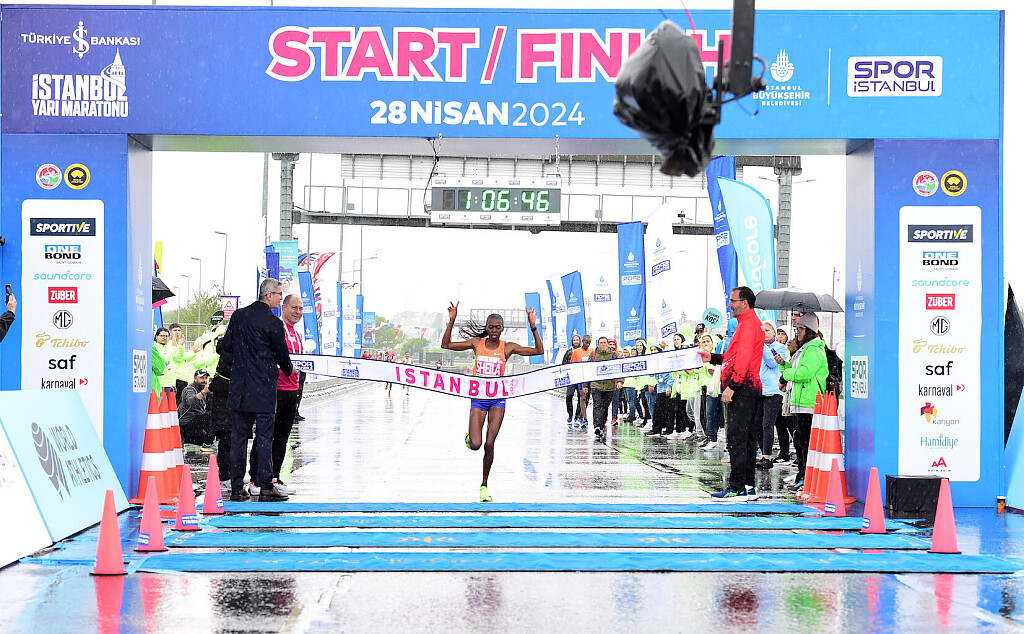
Sheila Chelangat surprises and Hicham Amghar wins in Istanbul
Sheila Chelangat was the surprise winner of the Türkiye Is Bankasi Istanbul Half Marathon. The Kenyan smashed her personal best and clocked a fine 66:47 despite rainy weather conditions and slippery roads. Fellow-Kenyan and debutant Miriam Chebet took second with 67:14 while Ethiopia’s Zewditu Aderaw was third in 68:17. The women’s race had a very good depth with eight runners finishing inside 69:00. Hicham Amghar of Marocco, who was runner-up a year ago, won the men’s race with a personal best of 59:47. Dinkalem Ayele was second in 59:55 while fellow-Ethiopian Gemechu Bute took third with 60:03.
A record number of 14,200 runners entered the 19th edition of the Türkiye Is Bankasi Istanbul Half Marathon, a World Athletics Gold Label Road Race. This includes athletes who competed in a 10k race staged parallel.
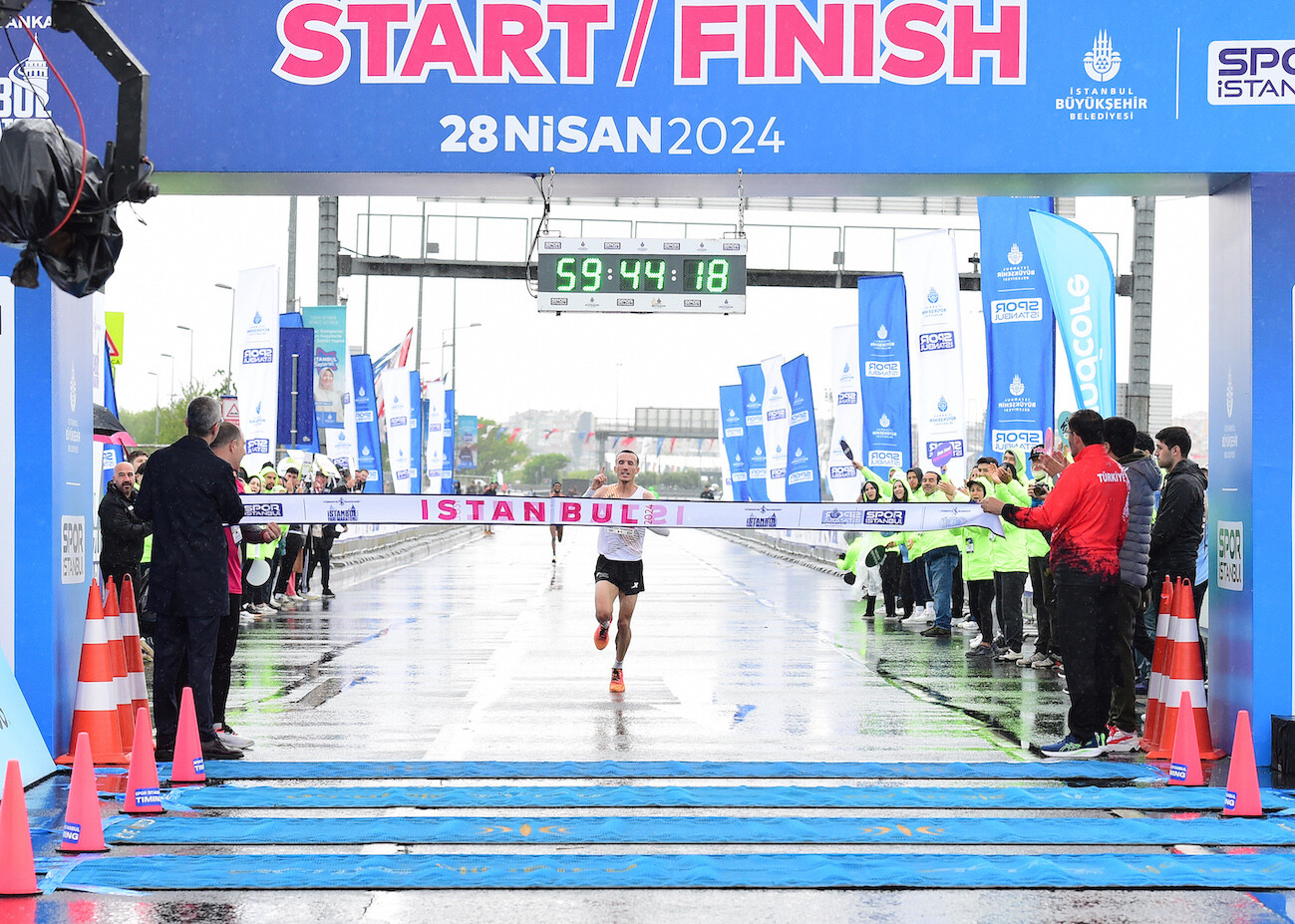
Sheila Chelangat, who was the tenth fastest woman on the start list with a personal best of 69:38, took the lead relatively early in the race. The 26 year-old Kenyan ran behind a pacemaker when she moved clear between 7 and 10 k. Despite the poor weather conditions she was able to keep the pace high and was so strong that she was never challenged. “I am really happy with my performance and the victory. However the weather was poor and the roads were slippery,“ said Sheila Chelangat, who achieved her biggest career victory so far in Istanbul. “I am not yet planning a marathon debut,“ said the Kenyan, who only ran her half marathon debut last month in Lille, where she was second.
Competing for second place Miriam Chebet and Zewditu Aderaw were battling between 10 and 13k. Then Kenya’s debutant Chebet was able to move away from the Ethiopian. Running her debut half marathon in Istanbul the former European 5,000 m Meraf Bahta finished in 16th position with 72:51. The Swede was the best European in the race, but missed the qualifying standard for the continental championships in Rome in June by over a minute.
In the men’s race a bigger leading group passed the 10k mark in 28:39. In-form Dinkalem Ayele was among the leaders, along with Hicham Amghar and Gemechu Bute. Ayele was the winner of the Lisbon Half Marathon this spring, but in the final stages the Ethiopian could not get passed Amghar. The runner from Marocco was in the lead after 17k with Ayele and Bute close behind. Finishing runner-up and beaten by just six seconds a year ago this time Amghar made sure he is the number one. With 59:47 he was eight seconds ahead and improved his PB from 2023 by six seconds.
“Despite the weather I was able to run a personal best, so I am very happy. It was better to have rain instead of wind,“ said the 29 year-old winner, who celebrated one of his best career performances. “I may well return to Istanbul in November for my marathon debut. I really like the way the organisers take care of the elite runners here,“ said Hicham Amghar.
While Ethiopia’s pre-race favorite Solomon Berihu did not finish, Canada’s Cameron Levins was the fastest non-African runner in eighth place. He clocked a fine 60:38, missing his national record by just 20 seconds. Further down the results list there was a national record for the Virgin Islands: Eduardo Garcia ran 63:53 for 29th place.
The reigning European half marathon champion Tadesse Abraham of Switzerland finished in 24th position with 63:18. “It was a good race, but mentally I am not well,“ said Tadesse Abraham, who still has to come to terms with with loss of his fellow-Swiss marathon runner Adrian Lehmann, who died after a heart attack just eight days ago. “I came to Istanbul to run and get this a bit out of my head. Taking this into account I am satisfied with my performance today.“
RESULTS, MEN:
1. Hicham Amghar MAR 59:47
2. Dinkalem Ayele ETH 59:55
3. Gemechu Bute ETH 60:03
4. Antony Kimtai KEN 60:16
5. Benard Bitwott KEN 60:18
6. Solomon Kipchoge KEN 60:19
7. Mathew Samperu KEN 60:27
8. Cameron Levins CAN 60:38
9. James Kipkoech KEN 60:43
10. Edward Pingua KEN 61:08
WOMEN:
1. Sheila Chelangat KEN 66:47
2. Miriam Chebet KEN 67:14
3. Zewditu Aderaw ETH 68:17
4. Betelihem Afenigus ETH 68:33
5. Ftaw Zeray ETH 68:39
6. Betty Kibet KEN 68:39
7. Gladys Chepkurui KEN 68:50
8. Aberash Shilima ETH 68:52
9. Ruth Jebet BRN 69:10
10. Meseret Dinke ETH 69:53
Login to leave a comment
Istanbul Half Marathon
The Türkiye İş Bankası Istanbul Half Marathon is one of the fastest and most scenic races in the world, taking runners along the historic Golden Horn in Istanbul—once the heart of three great empires. Held annually in April, it attracts a world-class field and thousands of amateur runners. The flat, fast course makes it ideal for personal bests. The current...
more...
Can you bet on Marathons? The answer is “Maybe”
Do you remember the excitement you felt watching elite athletes stomping their feet against the ground in rhythmic paces, the memories of the victories, the failures, the tense moments that kept you in suspense, wondering if an athlete would make the finish line?
What if I told you that experience could be heightened tenfold with the opportunity to place bets on those outcomes? Can I bet on marathons? That's precisely what we'll explore in this article.
It's natural to question if sports betting extends to marathons. While sportsbooks traditionally cover a wide range of track and field events to cater to diverse sports enthusiasts, betting on marathons has been a rare feature. However, all that changed with a significant development in 2023.
The Boston Marathon Breakthrough
In 2023, the track community buzzed excitedly as Bovada, one of the leading online sportsbooks, made a groundbreaking decision. It was the first time a sports betting site would venture into marathon betting. This decision surprised everyone, raising eyebrows and sparking discussions among sports enthusiasts and bettors alike. The backstory of how Bovada ventured into marathon betting is intriguing and unexpected. It all began with a tweet from LetsRun.com, a popular website dedicated to race news and analysis. The tweet mentioned the lack of betting options for the Boston Marathon. Bovada saw this as an opportunity to enter and establish a presence in the market.
Recognizing the potential for a new and untapped market, Bovada leveraged the power of social media in a bold statement responding to LetsRun's tweet. They would indeed offer betting odds for the upcoming Boston Marathon. The unexpected move shocked the sports betting industry as news spread rapidly. The inclusion of marathon betting on Bovada's platform marked a significant milestone for the sports site. Marathon fans and bettors suddenly had a new way to engage and benefit from their favorite races. The possibilities were endless, from predicting the winner to wagering on finishing times.
The Impact of Bovada's Decision
Bovada covered the Boston Marathon in 2023 for the first time after a tweet from LetsRun.com initiated the conversation about marathon betting possibilities. This decision opened up new avenues for bettors and instigated discussions to move marathon betting mainstream. As other sportsbooks note, the opportunities in marathon betting are lucrative for expansion. It would indeed be a promising future for bettors and running enthusiasts alike.
The Future of Marathon Betting
So, what exactly does the future hold for marathon betting? While it's impossible to predict with certainty, we are sure that the industry will keep evolving to embrace new possibilities. As more sportsbooks recognize the potential of marathon betting, we can expect a broader range of betting options. Imagine being able to bet on significant marathons like Boston and New York, as well as local races worldwide.
The sports betting industry has always been known for its innovation and adaptability. The inclusion of marathon betting only follows a natural progression of the trend. New markets and diverse interests allow sportsbooks to expand their offerings while providing opportunities for bettors. Whether you're a seasoned bettor or a casual fan, marathon betting offers a unique opportunity to engage with the sport in a new way.
The Importance of Responsible Betting
Despite the excitement surrounding marathon betting, it's important to remember the importance of responsible gambling. While betting can add a new layer of excitement to watching sporting events, it should never be taken irresponsibly. Regulations and guidelines must be set to ensure responsible gambling practices. If you ever find yourself overly addicted to any form of gambling, you should seek professional help. Marathon betting can be safe, exciting, and rewarding with the right approach.
Frequently Asked Questions (FAQs)
The legality of marathon betting varies depending on your location. For many state jurisdictions, sports betting is completely regulated and legal. Always check the laws in your area before betting.
Specific bet types may vary depending on the sportsbook you patronize. Standard options include betting on the overall winner, predicting finishing times and wagering head-to-head matchups between runners.
Marathon betting markets are still relatively rare. However, with increasing interest in the sport, more sportsbooks may begin to allow users to place bets. Keep your eye out for major online sportsbooks and news outlets for updates on available markets in your region.
Elite races like the Boston Marathon may attract more attention from sportsbooks since it launched marathon betting on the global scene. There's still potential for expanding betting markets to include local and regional races.
Like other forms of sports betting, research, understand the sport, and bet responsibly. Stay informed about the latest news and developments; these can give you an edge when placing bets.
Thanks to Bovada's groundbreaking decision to cover the Boston Marathon, whether you can bet on marathons is now in the right place. Marathon betting is fast becoming a viable option for sports bettors globally.
As the years progress, the potential for marathon betting will improve. So, why add extra excitement with a well-placed bet the next time you tune in to watch a marathon? Just remember to gamble responsibly and enjoy the beauty of the race.
Login to leave a comment
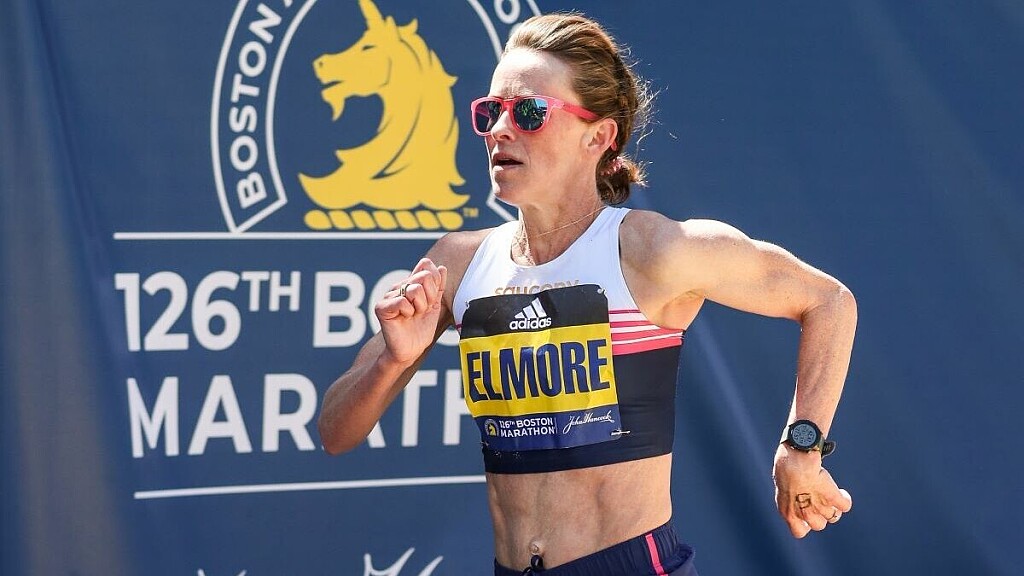
Canadian Olympic marathoner Malindi Elmore pulls out of Boston Marathon due to hamstring injury
Canadian Olympic marathoner Malindi Elmore will not be racing at the Boston Marathon on April 15, she announced on Instagram on Tuesday. Elmore, of Kelowna, B.C., has been dealing with hamstring tendinopathy, a condition in which the tendon that connects the hamstring muscles to the pelvis becomes irritated, resulting in pain and limited function.
While Elmore had hoped to feature in a strong field (including reigning champion Hellen Obiri and 2022 New York Marathon champion Sharon Lokedi), she is focused on the Paris 2024 Olympics. “Boston on hold for another year, all eyes towards being FIT and HEALTHY for Paris on August 11,” she wrote.
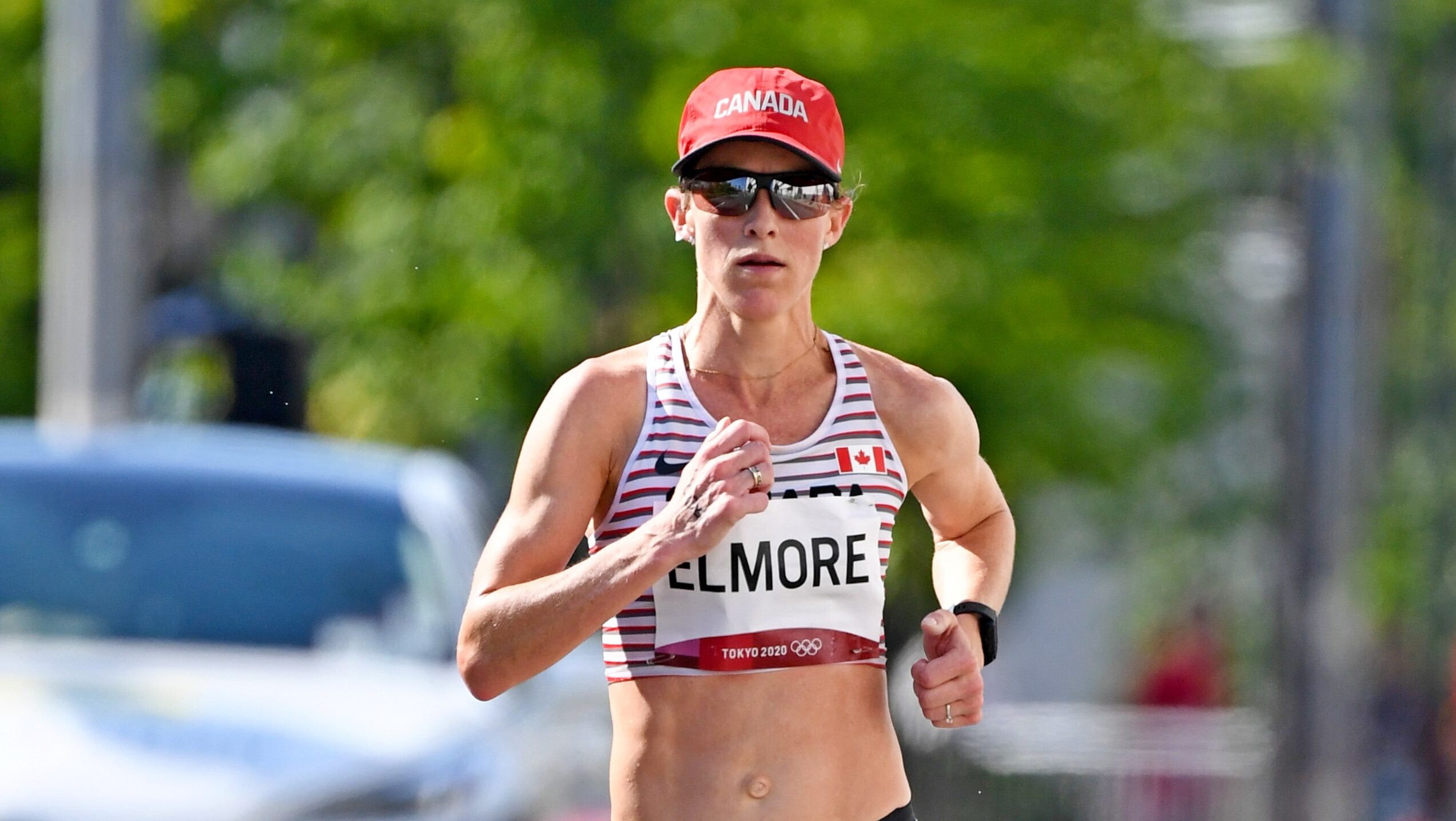
This would have been Elmore’s second time lining up in Boston; in 2022, she ran to an impressive 11th-place finish, posting a time of 2:27:58—the fastest-ever time in Boston by a Canadian woman. She left Boston wanting to return, saying, “It’s a blast to run the crowd-lined streets, where there is always someone cheering you on and shouting your name.”
In February, Elmore (along with national marathon record holder Cam Levins) received a nomination from Athletics Canada and the Canadian Olympic Committee to represent Team Canada in the marathon at the 2024 Paris Olympics. This will be both athletes’ third Olympic appearance for Team Canada.
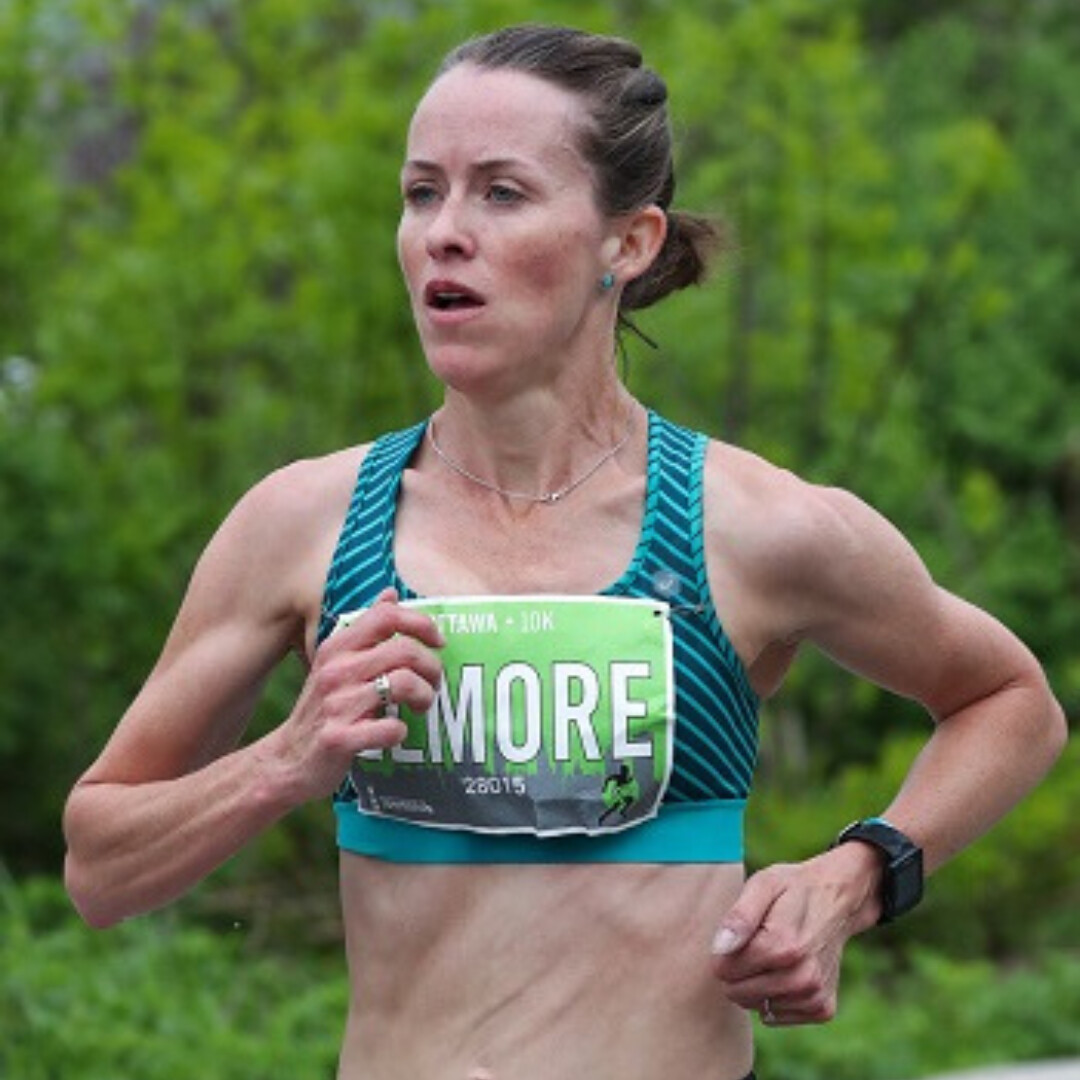
Elmore made her Olympic debut at Athens 2004 in the women’s 1,500 meters. Though she initially retired in 2012, she returned to the sport in 2019 to compete at the Houston Marathon. She ran the Houston Marathon again in 2020 and qualified for the Tokyo Olympics with her Canadian record-setting performance of 2:24:50. In her Olympic return, Elmore placed ninth overall–the second-best finish by a Canadian in the women’s marathon.
While Elmore isn’t able to race this month, she is still training.”After experimenting with more miles, hills and weights this winter to prepare for a hilly and challenging Paris course, my hamstring tendinopathy reared its ugly head again and told me to back off,” she explained on Instagram.”I listened, so here we are, running my favorite easy long runs but holding off intensity and hills until it returns to 100 per cent again. Thankfully (due to my easy paces shuffle) easy running is no problem as I basically have no hamstring extension at this pace so I can still hit my favorite long runs.”
by Claire Haines
Login to leave a comment

Boston Marathon
Among the nation’s oldest athletic clubs, the B.A.A. was established in 1887, and, in 1896, more than half of the U.S. Olympic Team at the first modern games was composed of B.A.A. club members. The Olympic Games provided the inspiration for the first Boston Marathon, which culminated the B.A.A. Games on April 19, 1897. John J. McDermott emerged from a...
more...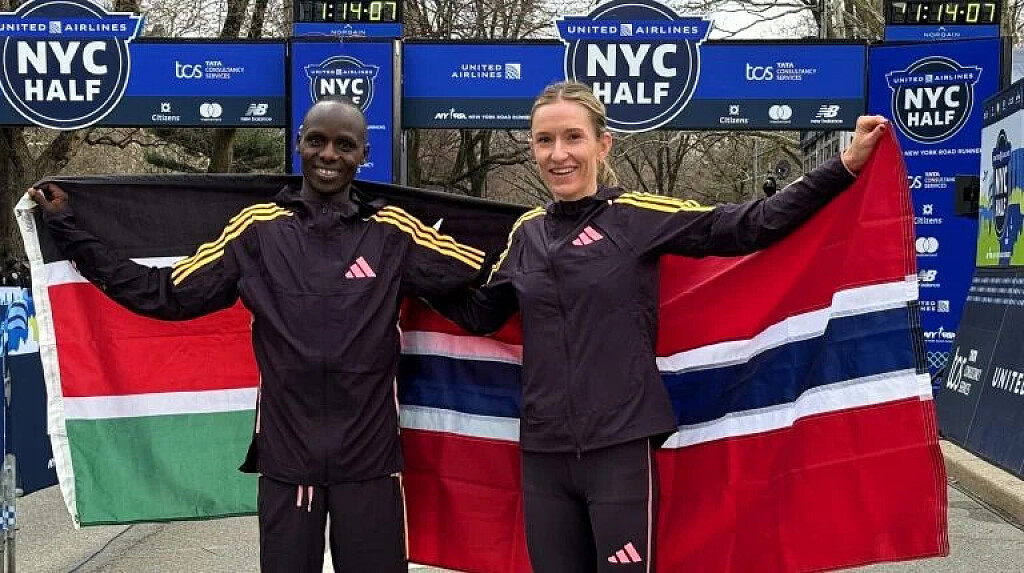
Grovdal, Kipchumba Take Victories At United Airlines NYC Half
Norway’s Karoline Bjerkeli Grøvdal and Kenya’s Abel Kipchumba won this morning’s hilly and chilly United Airlines NYC Half in 1:09:09 and 1:00:25, respectively. Grøvdal, 33, a three-time European Athletics cross country champion, became the first European woman to win the race since Britain’s Mara Yamauchi in 2010.
Kipchumba, 30, last November’s B.A.A. Half-Marathon champion in Boston, was the race’s ninth Kenyan male champion over its 17-year history. Both athletes won $20,000 in prize money.
The two dozen women in the elite field were in no hurry to establish a fast pace when the race set off from Prospect Park in Brooklyn just after sunrise. Calli Thackery of Great Britain, recently named to her country’s Olympic Marathon team, was the early leader and a pack of seven went through the 5-K checkpoint in a gentle 17:07. Grøvdal was in that pack along with Kenya’s Gladys Chepkurui, Edna Kiplagat and Cynthia Limo; the Netherlands’ Diane Van Es; and Switzerland’s Fabienne Schlumpf. The two top Americans, Des Linden and Jenny Simpson, were five seconds back.
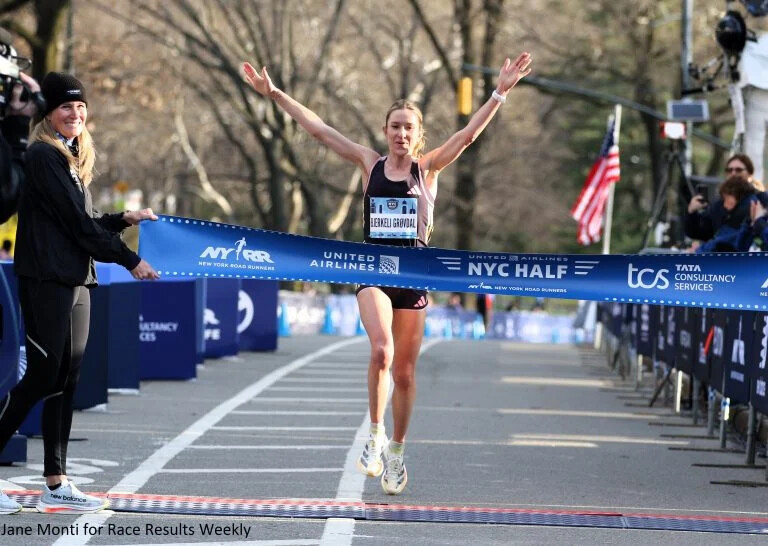
The next five kilometers would be critical. As the leaders ascended the Manhattan Bridge to cross the East River, the pace became too difficult for Thackery, Van Es and Schlumpf who all slid back. At the 10-K mark on the Manhattan side (33:26) the race was down to four: Grøvdal, Chepkurui, Kiplagat, and Limo.
Limo, the reigning Honolulu Marathon champion, was next to lose contact after Chepkurui pushed the pace up the FDR Drive along the East River. By 15-K, Limo was nearly 20 seconds behind and would finish a distant fourth in 1:11:54.
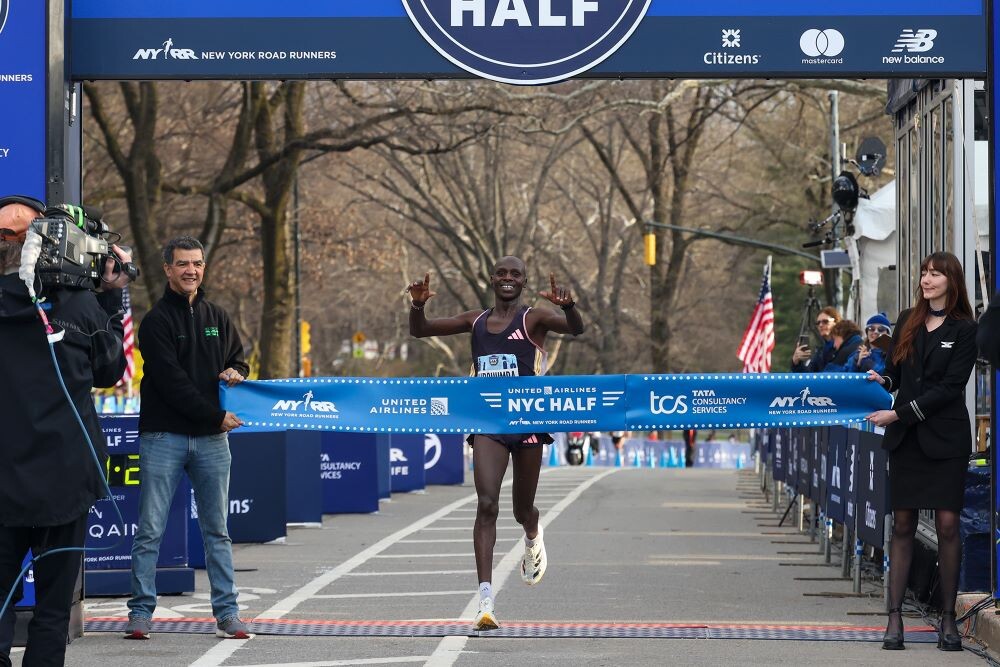
Grøvdal Comes Back
But Grøvdal was also hurting. In the tenth mile (17th kilometer) as the race went up Seventh Avenue past Times Square, Grøvdal began to lose contact with Chepkurui and Kiplagat. It looked like she would finish third for the third year in a row.
“I was so tired then,” Grøvdal told reporters. “Just thinking, it’s third this year also. But then, I don’t know. I just tried to don’t get the gap too big. Suddenly, I was just behind them again.”
The final seven kilometers of this race are particularly tough. The race climbs about 30 meters from 15-K to the finish, and the finish straight itself is uphill. Grøvdal knew the course well and was ready.
“Then something in me just, OK, now it’s the finish,” Grøvdal explained. “It’s 3-K left, so I was planning to have a strong finish the last 2-K and I did that.” She added: “I just went for it.”
The men’s race began much more aggressively than the women’s. By the 5-K mark (14:23) Kipchumba and Morocco’s Zouhair Talbi had already reduced the lead pack to four. Along for the ride were two Olympic steeplechasers, American Hillary Bor and Eritrean Yemane Haileselassie. The four stayed together through 10-K (28:38), but then Kipchumba and Talbi began to trade surges. That kind of racing was too punishing for Haileselassie, who drifted off the pace. Bor, running in just his first half-marathon, hung on.
“I wanted a fast race and I think the same for him,” said Talbi, who is observing Ramadan and had to fast in the days leading up to today’s race. “He (Kipchumba) wanted to push… so both of us keep pushing from the start. I pushed until the end, basically.”
By 15-K (42:54) Bor was 12 seconds back and Haileselassie was 32 seconds in arrears. It would be either the Kenyan or the Moroccan who would take the victory today. Kipchumba was determined and recognized Talbi as a formidable opponent.
“Today was not easy,” Kipchumba told Race Results Weekly. “The guy was strong.”
Kipchumba finally shook off Talbi in the race’s final stages, leading by 10 seconds at 20-K (57:18) and, ultimately, 17 seconds at the finish. His time of 1:00:25 was the fastest since 2017 when the race was held on a different –and much easier– course from Central Park to lower Manhattan.
“I tried my best; I won the race,” Kipchumba said. “(With) three kilometers remaining I said it’s time to win.”
Talbi was second in 1:00:41, and Haileselassie passed Bor in the final kilometer to take third in 1:01:37 to Bor’s 1:01:47. Another American, Reed Fischer, rounded out the top 5 in 1:03:06.
by David Monti
Login to leave a comment

United Airlines NYC Half-Marathon
The United Airlines NYC Half takes runners from around the city and the globe on a 13.1-mile tour of NYC. Led by a talent-packed roster of American and international elites, runners will stop traffic in the Big Apple this March! Runners will begin their journey on Prospect Park’s Center Drive before taking the race onto Brooklyn’s streets. For the third...
more...
Gebreselama and Fisher win as records fall in San Juan Capistrano
Tsigie Gebreselama set a US all-comers' record to win the women’s 10,000m, while Grant Fisher topped a deep men’s race to triumph at The TEN, a World Athletics Continental Tour Silver event, in San Juan Capistrano, California, on Saturday (16).
Hitting the Olympic standards for Paris – 27:00.00 for men and 30:40.00 for women – was the aim for many athletes in San Juan Capistrano. A total of eight athletes managed it in the men’s race and four achieved it in the women’s.

Leading the way in that women’s race was Ethiopia’s world cross country silver medallist Gebreselama, who improved her PB to 29:48.34 to move to ninth on the world all-time list.
The 23-year-old won the Ras Al Khaimah Half Marathon in a PB of 1:05:14 three weeks ago and returned to the track to dip under 30 minutes for 10,000m for the first time, also becoming the first woman to break that time barrier on US soil.
Gebreselama, the fourth-place finisher in the World Road Running Championships half marathon in October, had been the only athlete to go with USA’s Alicia Monson from the start but when Monson struggled to maintain the pace, Gebreselama took over at the front and Monson later dropped out.
Chasing the Olympic standard in a group further back, USA’s Weini Kelati led the way and clocked a PB of 30:33.82 to finish second. She was followed by Lauren Ryan, who ran 30:35.66 to improve Benita Willis’s 20-year-old Australian record, and Britain’s Megan Keith, who ran 30:36.84 on her 10,000m debut.
Rachel Smith finished fifth in 31:04.02 and Karissa Schweizer sixth in 31:04.80.
In the men’s race, North American record-holder Fisher led one of the deepest 10,000m races in history as he sprinted into the lead in the closing stages to win in 26:52.04.
His 21-year-old US compatriot Nico Young followed him over the finish line in a US collegiate record of 26:52.72 and the next six were also under the Olympic entry standard.
Andreas Almgren ran a Swedish record of 26:52.87 to finish third, while Canada’s Mohammed Ahmed was fourth in 26:53.01, Eritrea’s Habtom Samuel was fifth in a PB of 26:53.84, Adriaan Wildschutt was sixth in a South African record of 26:55.54, USA’s Woody Kincaid was seventh in a PB of 26:57.57 and Kenya’s Edwin Kurgat was eighth in a PB of 26:57.66.
Login to leave a comment
The Ten
The world's fastest 10,000m races each year have taken place in a sleepy little coastal town in southern California. More national records were broken in 2022 than any other race on the planet as the best in the western hemisphere launched into rarified zones of time and space. The best return to San Juan Capistrano this year to cap off...
more...