

Running News Daily
Running News Daily is edited by Bob Anderson and team. Send your news items to bob@mybestruns.com Advertising opportunities available.
Index to Daily Posts · Sign Up For Updates · Run The World Feed
Articles tagged #Netherlands
Today's Running News
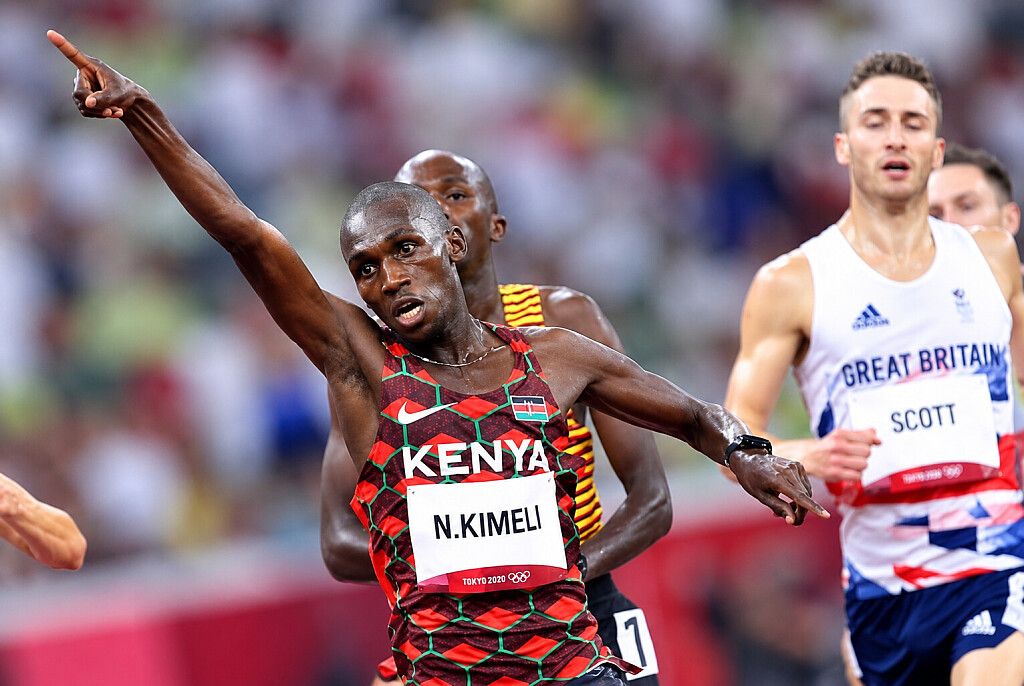


Nicholas Kipkorir Leads Star-Studded Men’s Half Marathon Field At World Road Running Championships
The stage is set for a spectacular men’s half marathon at the World Athletics Road Running Championships Copenhagen 26, with some of the world’s leading distance runners preparing to battle for global honours on Sunday, September 20.
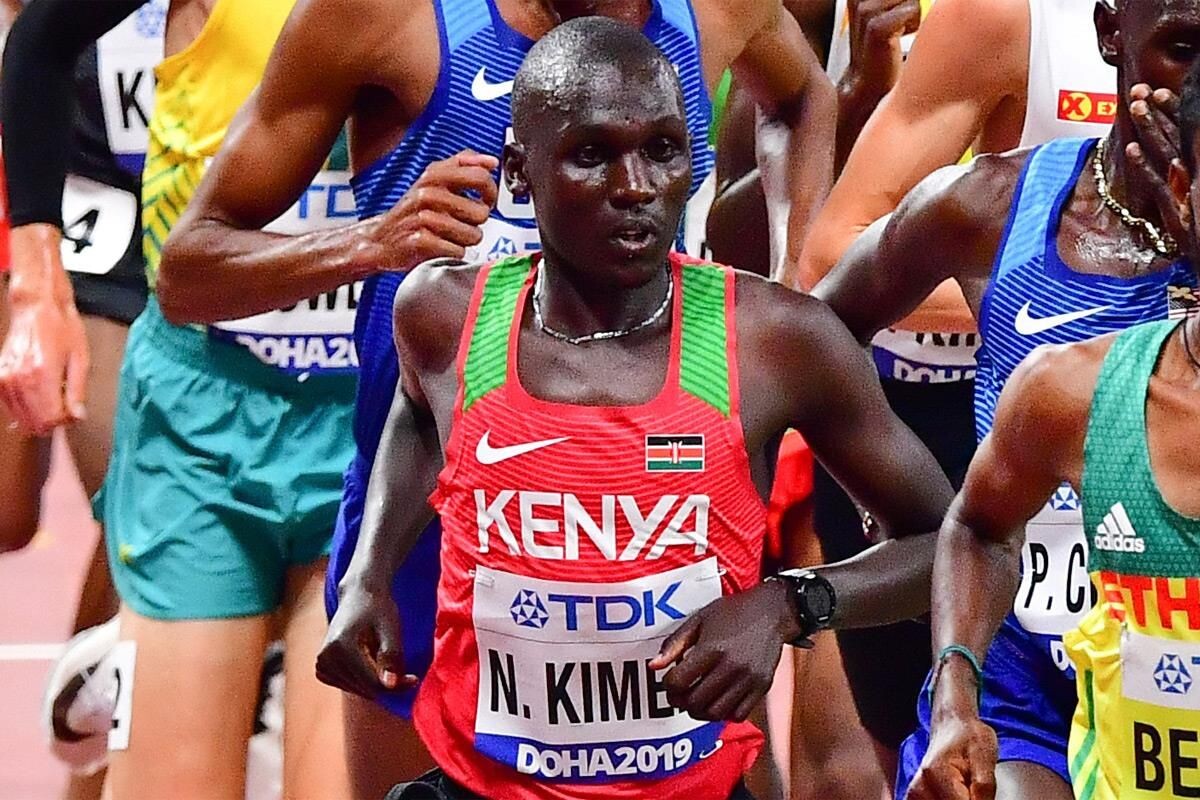
Kenya’s Nicholas Kipkorir headlines the field with a remarkable personal best of 58:08, the fastest mark among the athletes entered.
Kipkorir will face a formidable challenge from compatriot Gideon Kipkertich Rono, who owns a 58:38 personal best. Sweden’s Andreas Almgren also brings an exceptional 58:41 to the start line, while Ethiopia’s Tadese Worku has a 58:59 personal best.
Italy’s Yemaneberhan Crippa adds another major name to the field with a national record of 59:01, while Kenya’s Daniel Simiu Ebenyo enters with a 59:04 personal best and valuable championship experience.
Ebenyo won silver at the 2023 World Road Running Championships in Riga and will be looking to challenge for another medal in Copenhagen.
Uganda’s Joshua Cheptegei will bring enormous championship pedigree to the race. The Olympic and multiple world champion has a half marathon best of 59:21, making him another athlete capable of featuring prominently in the battle for the medals.
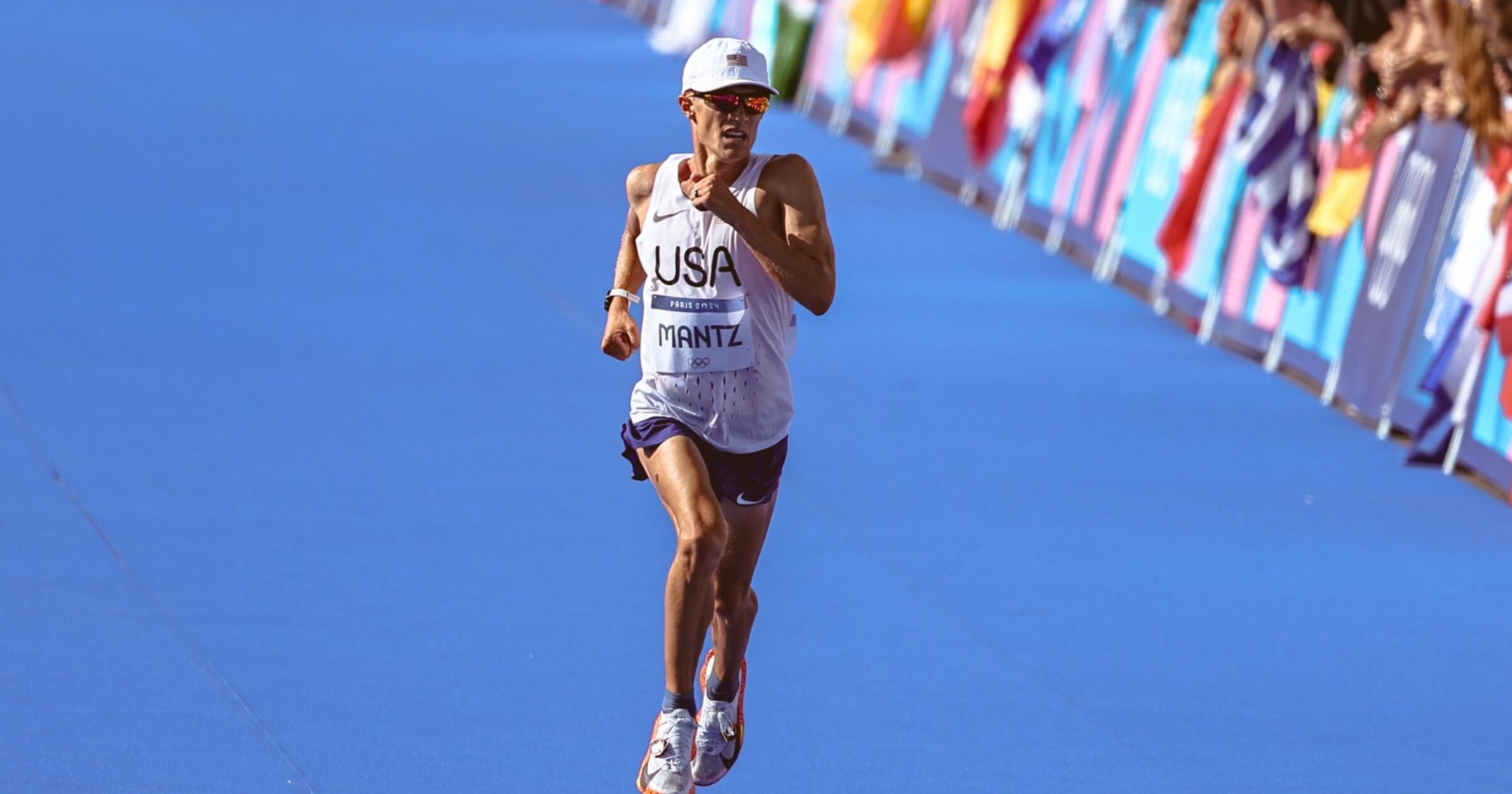
The American challenge will be led by Conner Mantz, who owns a 59:15 personal best. France’s Etienne Daguinos, Portugal’s Samuel Barata, Ethiopia’s Bereket Nega, France’s Jimmy Gressier, Canada’s Rory Linkletter, Australia’s Jack Rayner and Morocco’s Mohamed Reda El Aaraby further strengthen an already formidable international field.
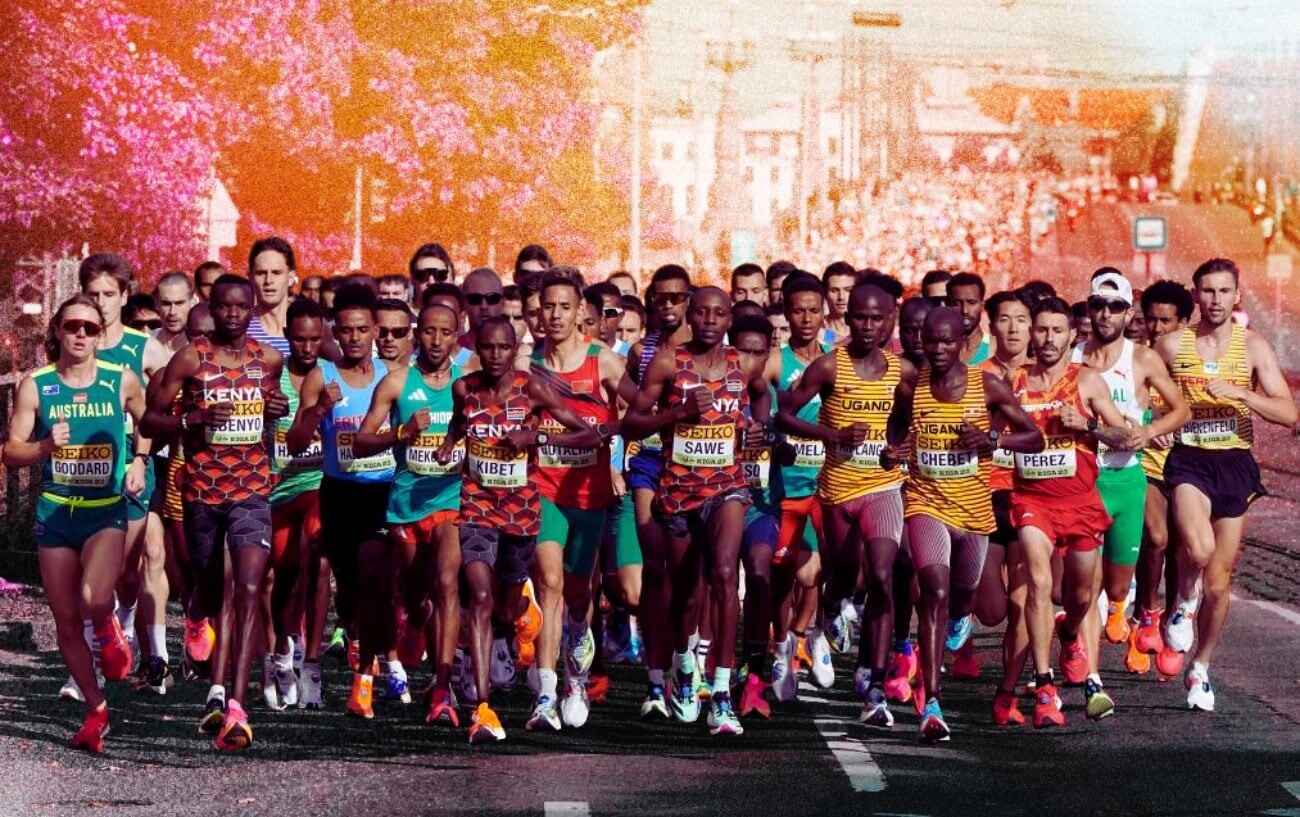
Kenya will have particular interest in the championship, with several of its leading road runners lining up against some of the best athletes from Europe, Africa, North America, Asia and Oceania.
The race will be contested over the traditional 21.0975-kilometre distance, with the elite men scheduled to start at 9:45 a.m. local time on Sunday, September 20.
Leading Athletes And Personal Bests
1. Nicholas Kipkorir (Kenya) — 58:08
2. Gideon Kipkertich Rono (Kenya) — 58:38
3. Andreas Almgren (Sweden) — 58:41
4. Tadese Worku (Ethiopia) — 58:59
5. Yemaneberhan Crippa (Italy) — 59:01
6. Daniel Simiu Ebenyo (Kenya) — 59:04
7. Alex Nzioka Matata (Kenya) — 59:11
8. Conner Mantz (USA) — 59:15
9. Joshua Cheptegei (Uganda) — 59:21
10. Etienne Daguinos (France) — 59:27
11. Samuel Barata (Portugal) — 59:40
12. Bereket Nega (Ethiopia) — 59:43
13. Jimmy Gressier (France) — 59:45
14. Rory Linkletter (Canada) — 59:49
15. Peter Lynch (Ireland) — 59:52
16. Jack Rayner (Australia) — 59:53
17. Mohamed Reda El Aaraby (Morocco) — 59:54
18. Hillary Bor (USA) — 59:55
19. Zerei Kbrom Mezngi (Norway) — 1:00:01
20. Bastien Augusto (France) — 1:00:09
21. Mande Bushendich (Uganda) — 1:00:14
22. Jack Rowe (Great Britain) — 1:00:17
23. Cameron Levins (Canada) — 1:00:18
24. Ogikubo Tomoya (Japan) — 1:00:22
25. Bayelign Teshager (Ethiopia) — 1:00:22
26. Elroy Gelant (South Africa) — 1:00:22
27. Célestin Ndikumana (Burundi) — 1:00:23
28. Said Mechaal (Spain) — 1:00:24
29. Nishizawa Yuma (Japan) — 1:00:26
30. Namiki Neo (Japan) — 1:00:29
31. Othmane El Goumri (Morocco) — 1:00:30
32. Inyasi Nicodemus Sulley (Tanzania) — 1:00:31
33. Wesley Kiptoo (USA) — 1:00:34
34. Haftu Strintzos (Australia) — 1:00:36
35. Filmon Tesfu (Netherlands) — 1:00:38
36. Mustapha Akkaoui (Morocco) — 1:00:38
With such remarkable depth, the championship could remain finely poised until the closing stages. The presence of multiple sub-59-minute runners, experienced championship performers and strong finishers sets the scene for a race in which positioning, tactics and the ability to respond to late surges could prove decisive.
For Kipkorir, Ebenyo and their Kenyan teammates, Copenhagen provides an opportunity to turn impressive personal credentials into championship medals. But with a world-class field assembled behind them, the final outcome will only be determined when the leading runners reach the finish line.
by Erick Cheruiyot for My Best Runs.
Login to leave a comment
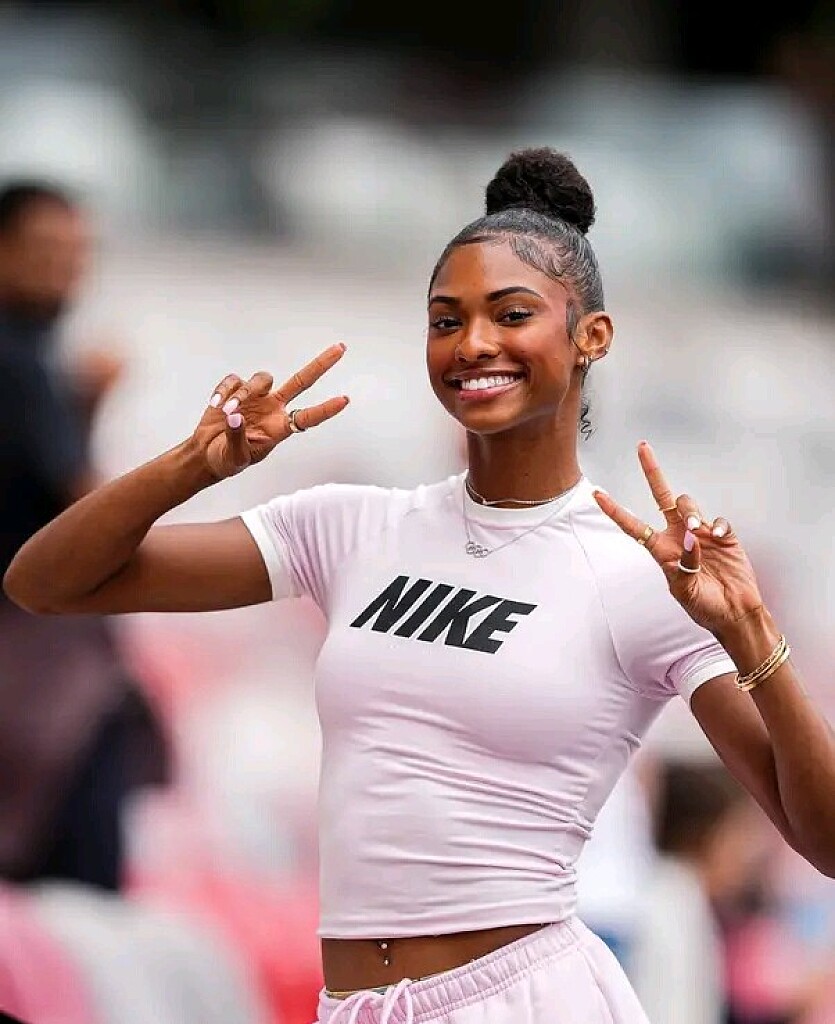
Masai Russell Ends Perfect 2026 Season After 14 Straight Wins
Masai Russell has called time on a remarkable 2026 campaign, withdrawing from ATHLOS London and ending a season in which the Olympic champion won every race she contested.
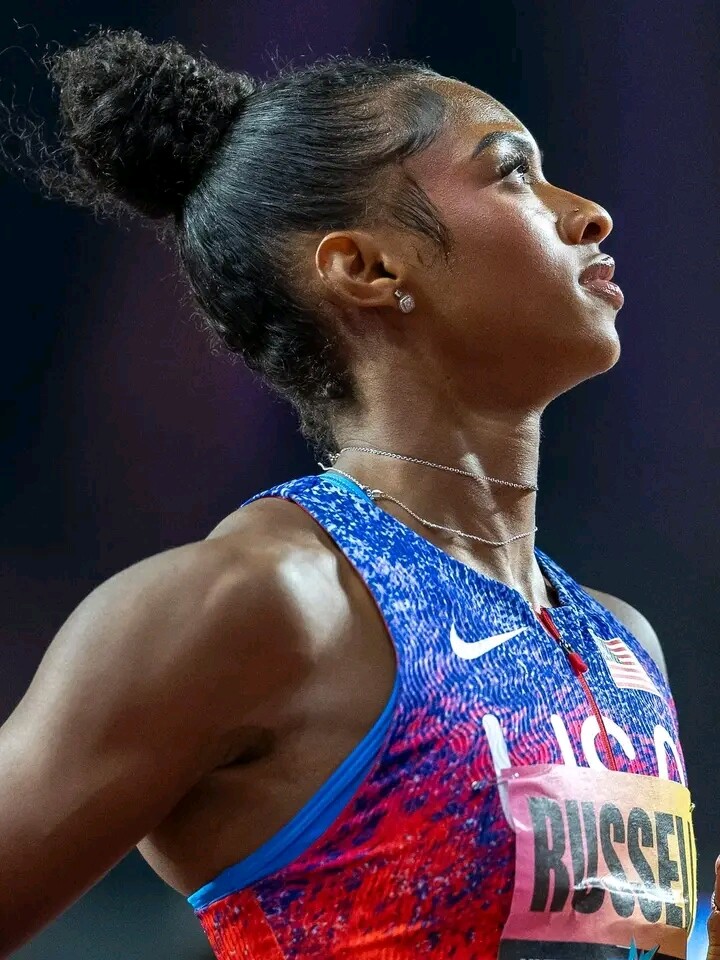
The American hurdler confirmed the decision on September 15, just days before ATHLOS London’s September 18 meeting at StoneX Stadium. Russell said she and her team believe stepping away is the right decision for her body as they turn their attention to what comes next.
“I'm grateful for everyone who has supported me throughout this year,” Russell said in her message to fans, before signing off with a promise to return to the track in 2027.
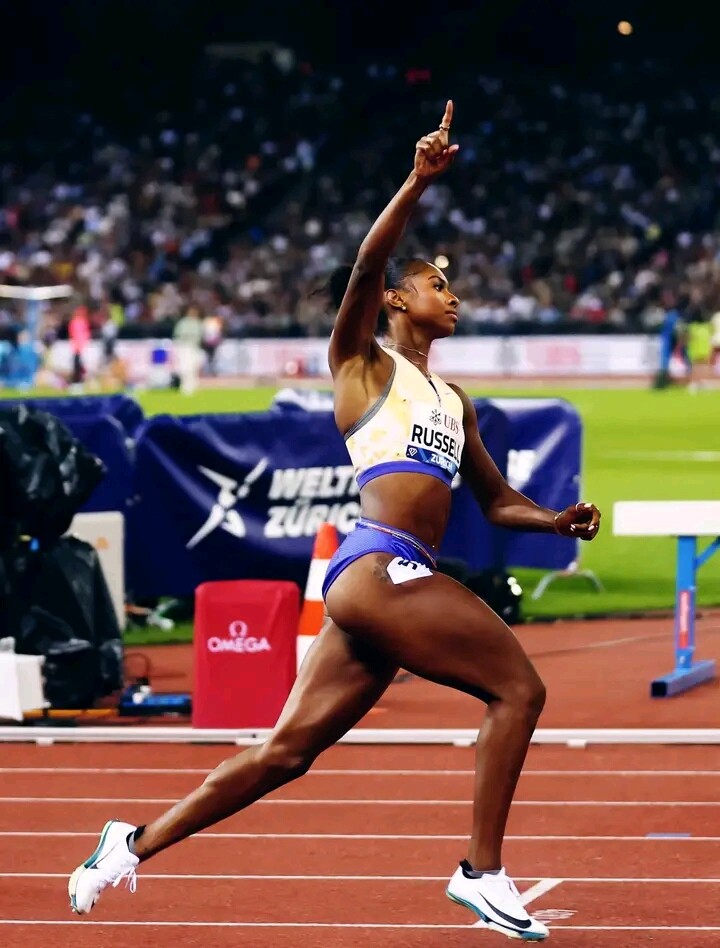
It brings an extraordinary season to a close: 14 races, 14 victories and an unbeaten record in 2026.
Russell’s season reached another level in August when she produced one of the defining performances of the year at the Weltklasse meeting in Zurich. The Olympic champion stormed to 12.09 seconds in the 100m hurdles, breaking Tobi Amusan’s world record of 12.12 and becoming the fastest woman ever over the barriers.
The performance was not a one-off. Russell followed her world-record run by winning the Diamond League Final in Brussels in 12.20 seconds before heading to Budapest for the inaugural World Athletics Ultimate Championship.
In Budapest, she completed her perfect season in style, winning the 100m hurdles in 12.22 seconds ahead of Nigeria’s Tobi Amusan and the Netherlands’ Nadine Visser. The victory was Russell’s 14th of the year and secured her unbeaten record for 2026.
Her withdrawal means fans will not get to see the world-record holder compete at ATHLOS London, where she had originally been announced among the star-studded field. The event takes place at StoneX Stadium on Friday, September 18, as ATHLOS makes its first international appearance.
For Russell, however, the decision closes the chapter on a season that has already placed her among the defining figures of the 2026 athletics campaign.
She has collected Olympic, Diamond League and World Athletics Ultimate Championship success, while adding a world record that erased one of the most significant marks in women's sprint hurdles.
And perhaps most remarkably, she did it without losing a single race.
Now Russell turns her attention to recovery, preparation and whatever comes next.
After a year of 14 wins from 14 races, a world record and an unbeaten streak, the next time Masai Russell steps onto the track will be in 2027 — with the 12.09 world-record holder entering a new season carrying an entirely different level of expectation.
by Erick Cheruiyot for My Best Runs.
Login to leave a comment
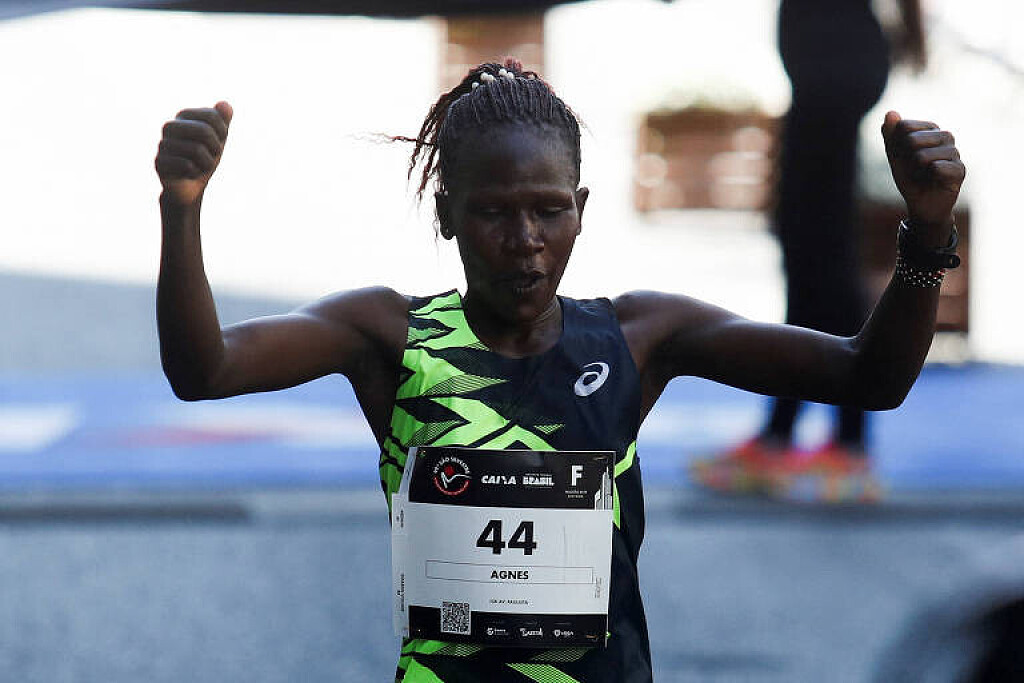
Fantu Shugi And Agnes Ngeno Headline Star-Studded Women’s Field For 2026 Cologne Marathon
Ethiopian marathon standout Fantu Shugi and Kenyan road-racing talent Agnes Ngeno will headline a formidable women’s elite field at the 2026 Cologne Marathon in Germany, with the race set to take place on October 4.
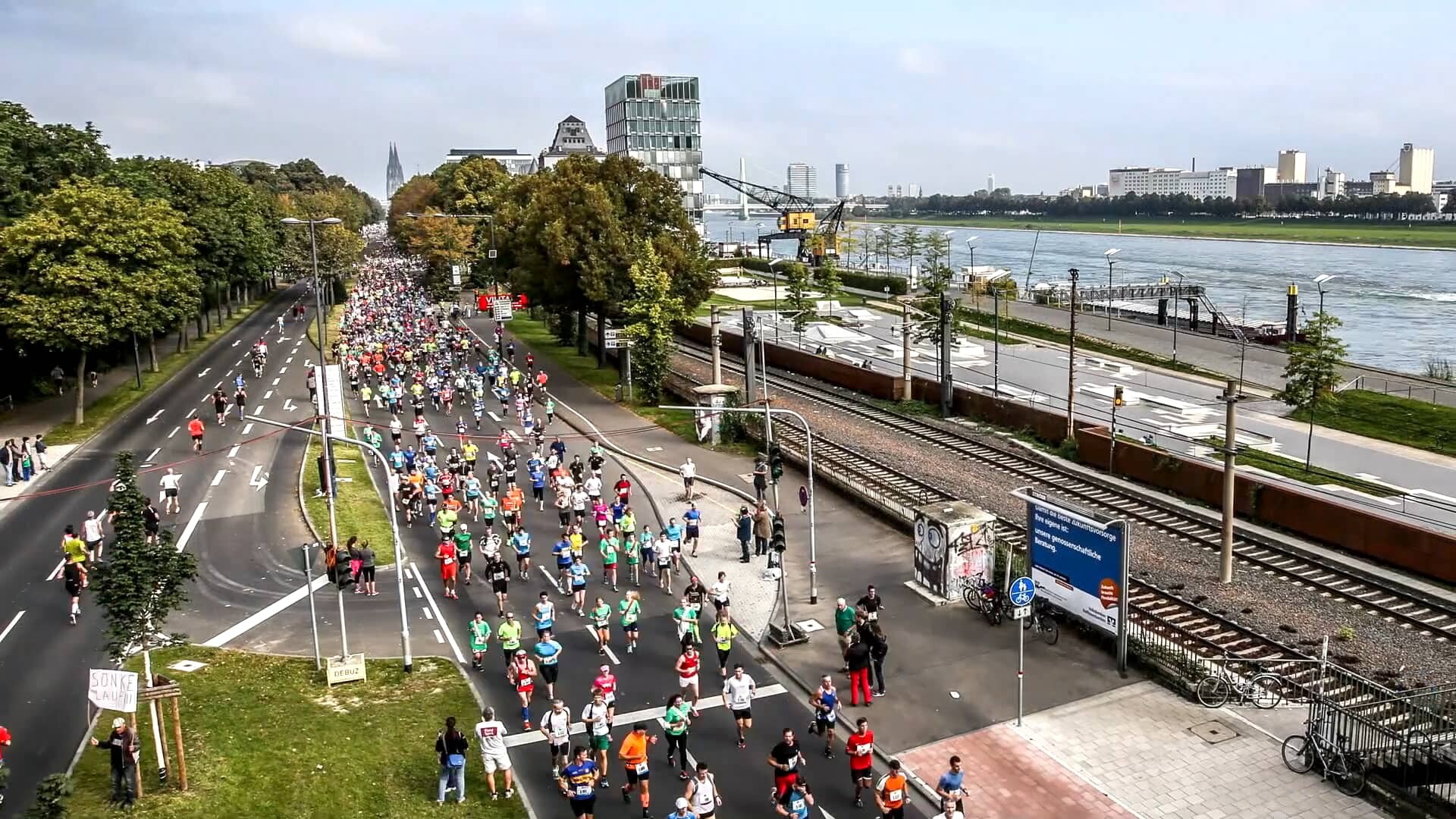
The Cologne streets are expected to provide the stage for a fiercely competitive battle, with athletes from Kenya, Ethiopia, Tanzania, the Netherlands and Germany assembling a field rich in marathon experience and sub-2:25 potential.
Leading the entry list is Kenyan Agnes Keino, who arrives with an impressive personal best of 2:22:53. She will face strong opposition from Ethiopia’s Fantu Shugi, whose 2:23:29 personal best places her among the leading contenders.
Cynthia Chepchirchir Kosgei is another Kenyan with a proven ability over the marathon, boasting a 2:23:43 personal best, while compatriot Jackline Chepngeno enters the race with a best of 2:24:21.
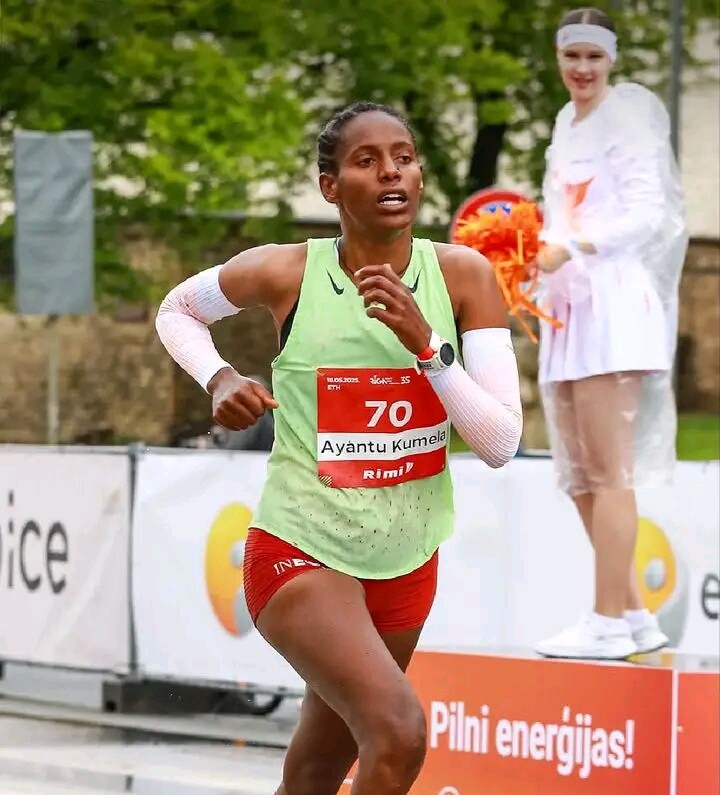
Ayantu Kumela, one of Ethiopia’s leading names in the field, owns a 2:24:29 personal best and will be determined to challenge the Kenyan contingent when the race gets underway. She will be joined by fellow Ethiopian Aamelmal Tagel, who has a 2:24:38 personal best.
Kenya’s Naomy Tuei, with a best of 2:26:06, and Ethiopia’s Alemtsehay Mekuria Alamirew, who has run 2:26:18, further strengthen the front end of the field. Faith Chepkoech adds another Kenyan threat with a 2:26:22 personal best.
The depth continues beyond the leading group, with Kenya’s Deborah Samum listed at 2:30:16, Ethiopia’s Tigist Worku Anagaw at 2:35:15 and Tanzania’s Neema Mathias Msuadi at 2:38:40.
The international field is completed by Dutch runner Hannah Olds Loohuis, who has a 2:40:12 personal best, and Germany’s Maike Drieb-Schön, whose marathon best stands at 2:47:51.
With several athletes carrying personal bests below 2:25, the women’s race promises to be one of the major highlights of the 2026 Cologne Marathon. The combination of Kenyan strength, Ethiopian depth and international representation could produce an intriguing tactical contest before the decisive stages unfold.
All eyes will be on Cologne on October 4 as the elite women take to the start line, with Shugi and Ngeno among the names expected to command attention in a race packed with quality and ambition.
by Erick Cheruiyot for My Best Runs.
Login to leave a comment

Cologne Marathon
There are marathons in numerous cities, but the Cologne Marathon is unique: a mixture of elite and regular runners, carnival, a folk and running festival! The entire city is vivid and the spectators cheer passionately for the runners on the course! Everywhere you may hear your name and you run through espaliers! This is something that you have to experience!...
more...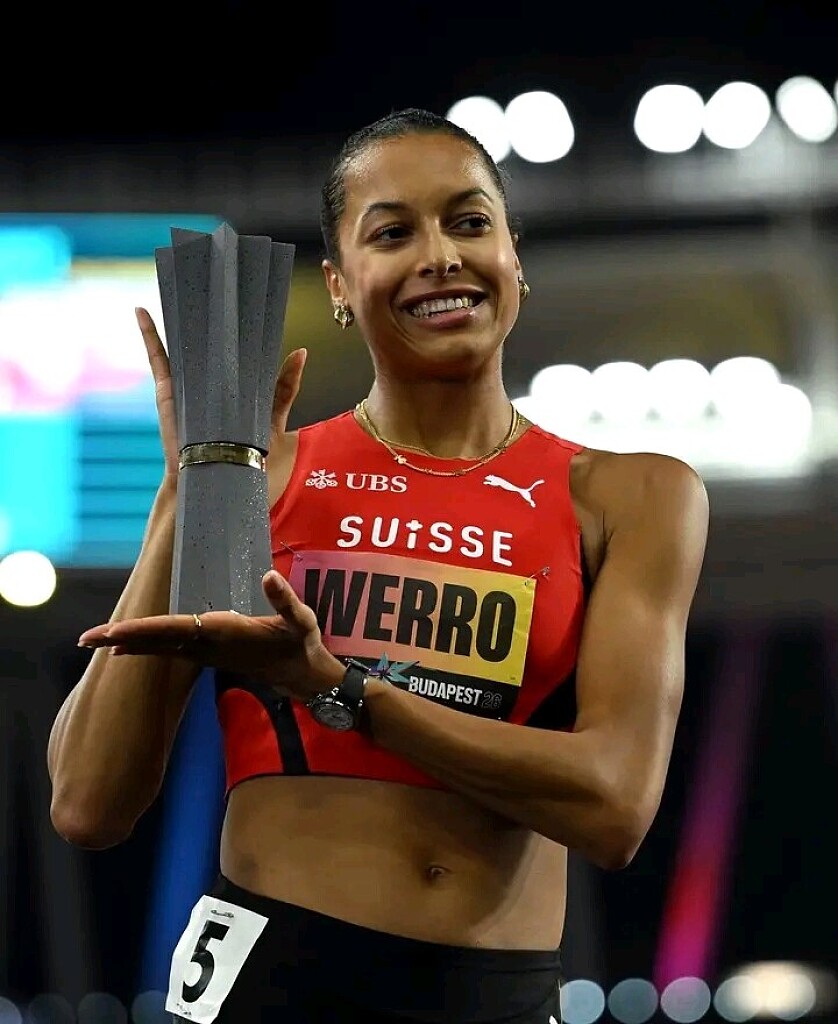
Audrey Werro Rules The 800m As Swiss Star Claims Ultimate Championships Crown
Audrey Werro has added another major title to her extraordinary season, storming to victory in the women’s 800m at the inaugural World Athletics Ultimate Championships in Budapest.
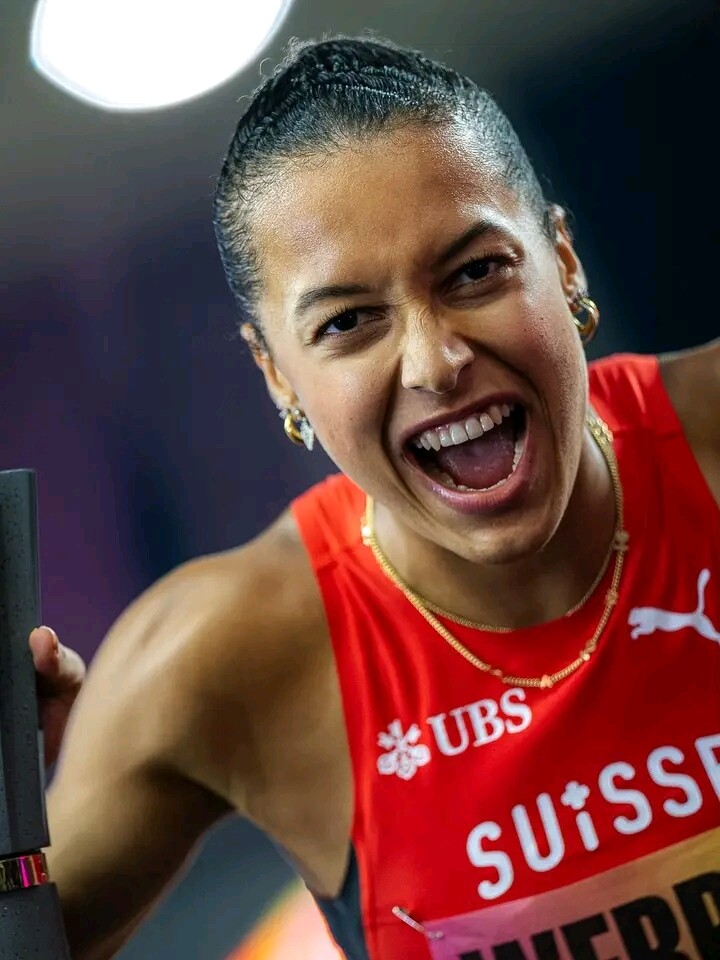
The Swiss star delivered a commanding performance, taking control from the opening gun and refusing to surrender the lead as she powered through an absorbing battle against two of the biggest names in the event.
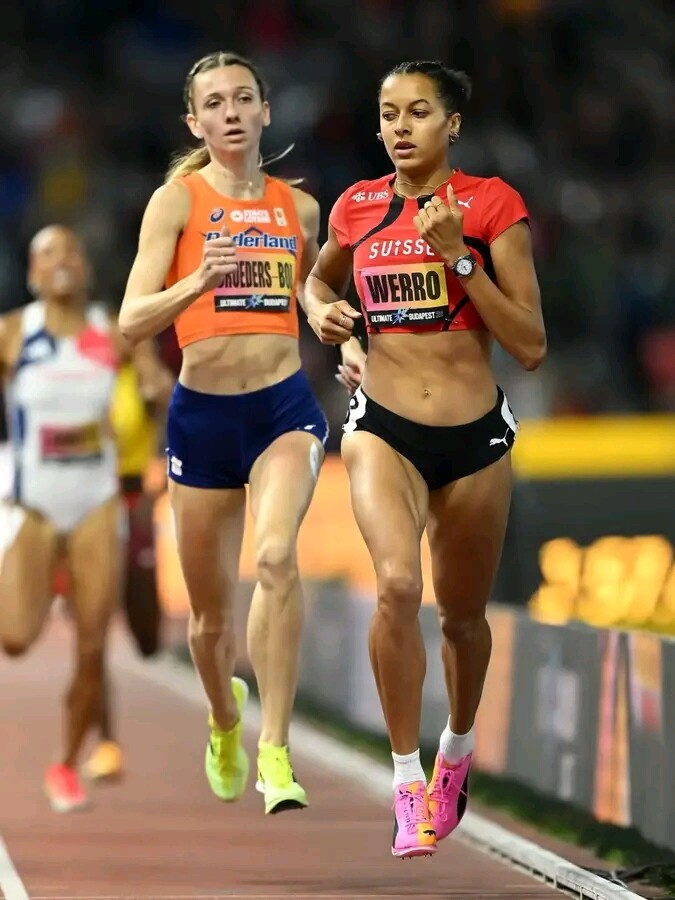
Werro stopped the clock at 1:55.88 to become the Ultimate Championships 800m champion, producing another statement performance on one of the sport’s newest and most prestigious stages.
Behind her, Great Britain’s Keely Hodgkinson fought her way to second in 1:56.26, while the Netherlands’ Femke Broeders-Bol completed the podium in 1:56.74.
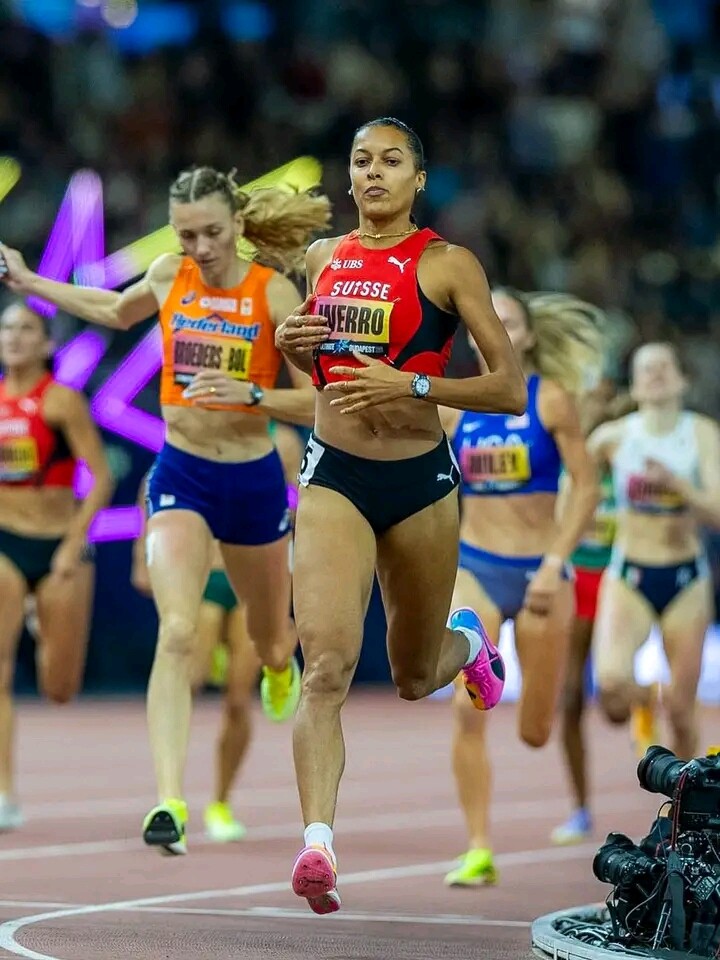
The result once again brought together the same formidable trio that featured on the podium at the European Championships, but Werro again proved to be the athlete who could rise above the challenge when it mattered most.
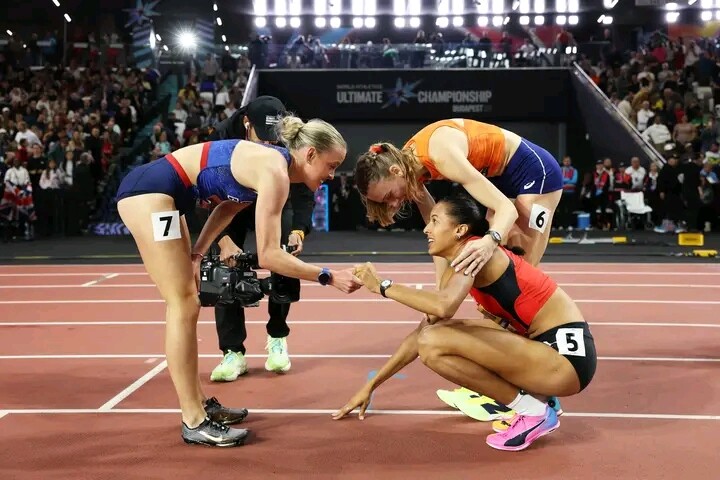
Her Budapest triumph is the latest chapter in a season that has already included records, a successful Diamond League Trophy defence and European Championship gold. Now, she can add the Ultimate Championships crown to a growing list of accomplishments.
Werro’s consistency has been particularly impressive in an 800m event packed with elite talent. Rather than simply relying on a fast finish, the Swiss athlete showed her authority by taking the initiative from the beginning and maintaining enough strength and composure to hold off Hodgkinson and Broeders-Bol all the way to the line.
The victory also underlined the remarkable depth of the women’s 800m, with three athletes separated by less than a second at the finish. Hodgkinson’s 1:56.26 and Broeders-Bol’s 1:56.74 showed just how fiercely contested the race was, but Werro’s decision to dictate the pace ultimately gave her the decisive advantage.
For Werro, this was more than another medal. It was another opportunity to demonstrate that her rise is no passing moment. On a stage featuring established champions and elite rivals, she once again produced the performance required to claim the biggest prize.
For Hodgkinson, the silver medal adds another major podium finish, while Broeders-Bol once again demonstrated her ability to compete with the very best over two laps.
But the spotlight in Budapest belonged unmistakably to Werro.
With another championship crown secured, the Swiss star has strengthened her claim as the athlete setting the standard in women’s 800m running. This is Audrey Werro’s era — and the rest of the field is chasing.
by Erick Cheruiyot for My Best Runs.
Login to leave a comment
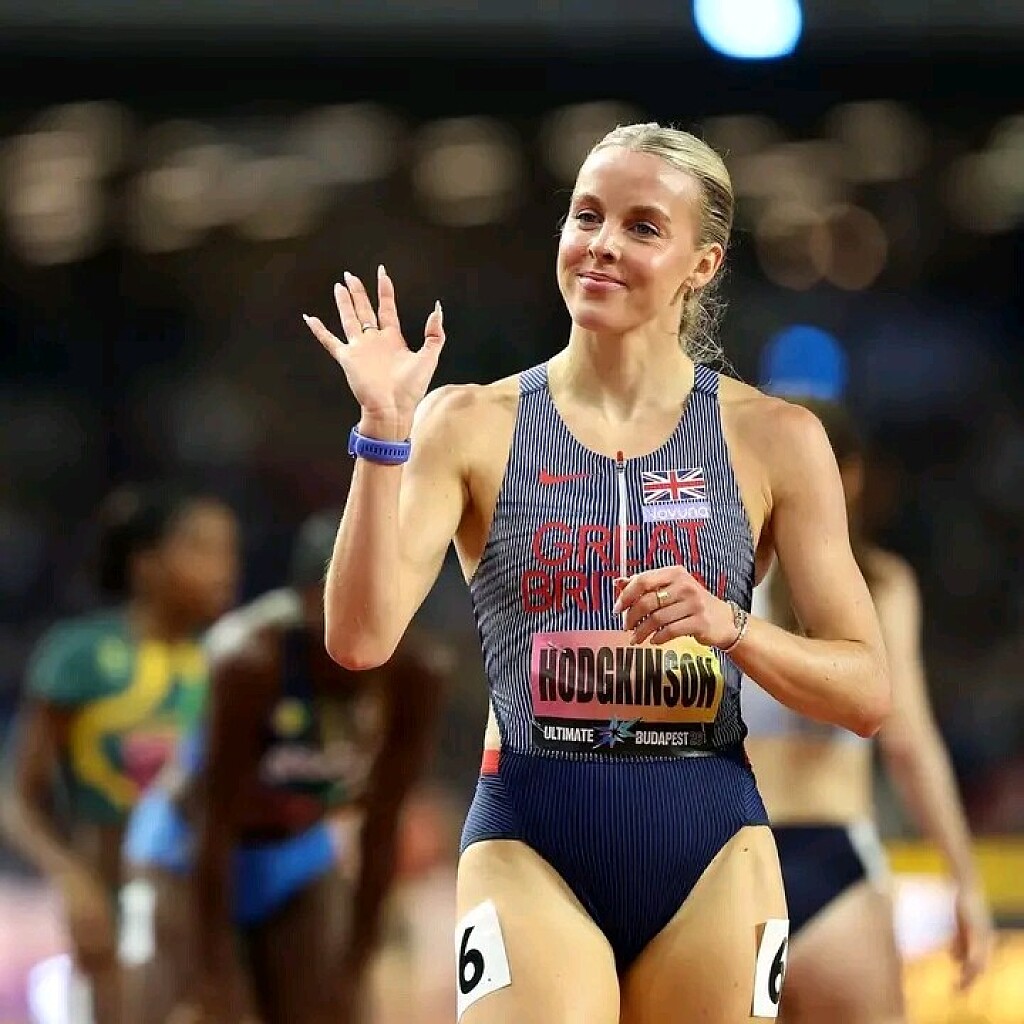
Keely Hodgkinson Strikes First In Budapest As Olympic Champion Leads 800m Finalists
Keely Hodgkinson made a powerful return to the track at the World Athletics Ultimate Championship in Budapest on September 11, storming to victory in the opening women’s 800m semifinal in 1:57.57 to record the fastest time across both semifinals and immediately establish herself as the athlete to beat in the final.
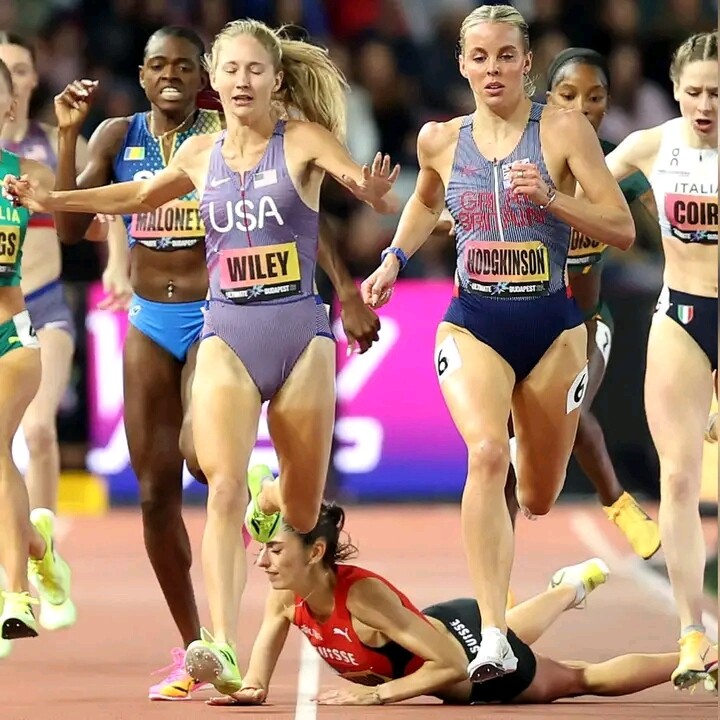
The British Olympic champion looked composed from the opening metres, taking control of the race before gradually increasing the pressure as the finish approached. Hodgkinson produced a decisive surge over the final 200 metres, pulling clear of her rivals and crossing the line comfortably in 1:57.57.
Addison Wiley of the United States followed in 1:58.14, while Australia’s Sarah Billings secured third in 1:58.37. Italy’s Eloisa Coiro also produced a strong performance to finish fourth in 1:58.48, ensuring that the opening semifinal was packed with sub-two-minute performances.
For Hodgkinson, the performance was particularly significant given the circumstances surrounding her return. She had not raced since winning silver at last month’s European Championships and subsequently missed the closing Diamond League meetings, including the Brussels Final, because of hamstring discomfort.
There was little evidence of any lingering problem in Budapest. Hodgkinson appeared relaxed and confident throughout the race, before shifting gears when it mattered most and delivering a performance that immediately put the rest of the field on notice.
The race also contained a dramatic twist in the closing stages when Switzerland’s Veronica Vancardo suffered a heavy fall following contact with Coiro. Despite the setback, Vancardo recovered and eventually crossed the finish line in 2:16.75.
Officials subsequently reviewed the incident and advanced Vancardo to the final, giving her a place in the championship race despite finishing well outside the automatic qualifying positions. Her advancement added another layer of drama to an already eventful night in Budapest.
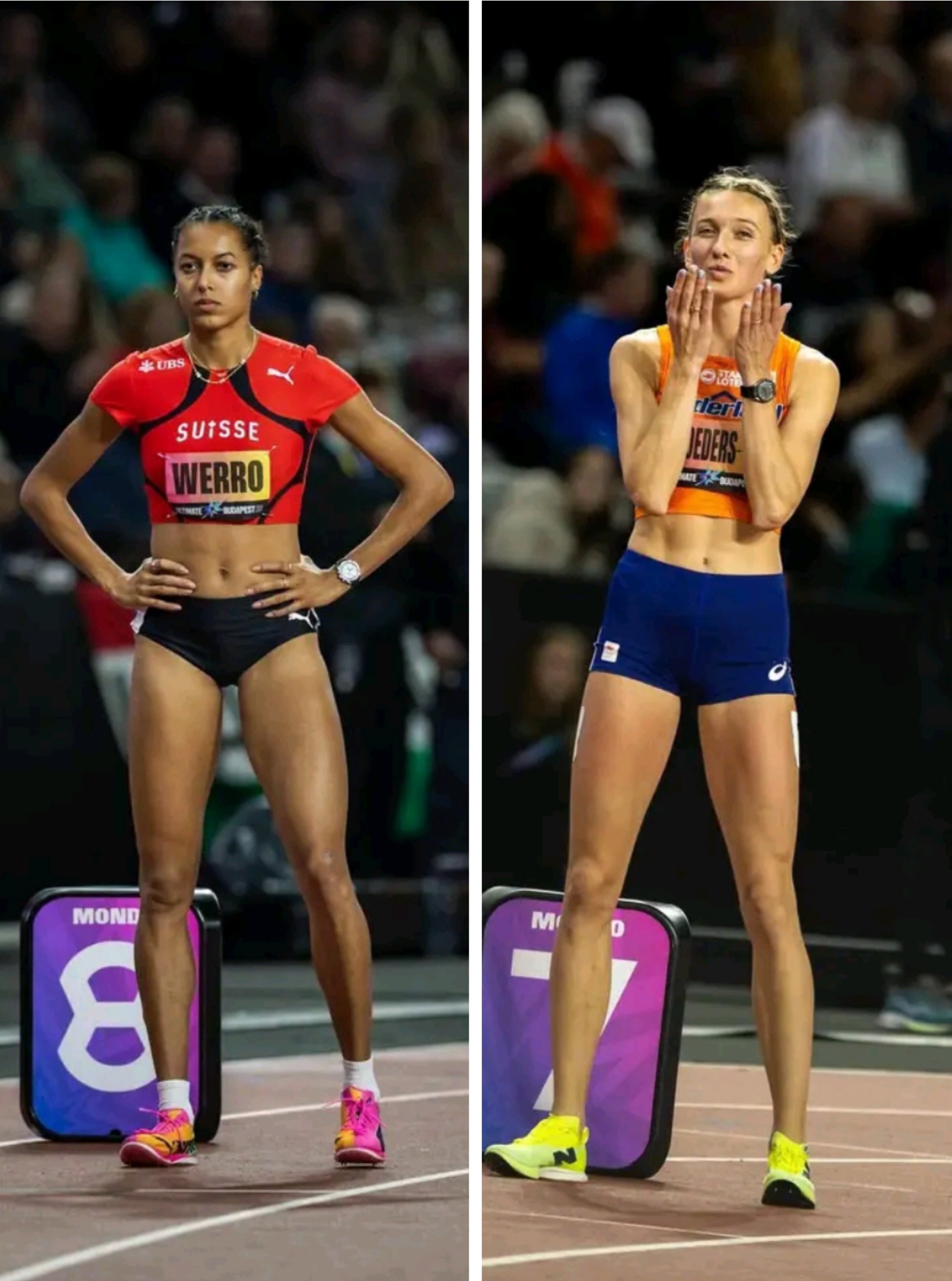
The second semifinal produced another impressive performance as Switzerland’s Audrey Werro controlled the race and delivered a strong finish to win in 1:59.05. Femke Broeders-Bol of the Netherlands followed closely in 1:59.19 after leading much of the contest.
The qualification picture then became clear, with nine athletes securing places in the women’s 800m final. Hodgkinson leads the field with 1:57.57, followed by Wiley at 1:58.14 and Billings at 1:58.37.
Coiro qualified in 1:58.48, while Werro and Broeders-Bol advanced with 1:59.05 and 1:59.19 respectively. Ethiopia’s Nigist Getachew clocked 1:59.69, Switzerland’s Valentina Rosamilia ran 1:59.78, and Vancardo completed the finalists after her advancement in 2:16.75.
Wiley’s qualification is also notable because she is the only American to advance to the Budapest final, adding further significance to her impressive 1:58.14 performance.
With Hodgkinson producing the fastest semifinal time, Werro looking increasingly dangerous and Broeders-Bol once again proving her ability to remain in contention, the final is shaping up to be one of the most anticipated 800m races of the championship.
Hodgkinson has already struck the first blow in Budapest. But with the medals now at stake, Werro, Broeders-Bol and the rest of the finalists will have the opportunity to turn the tables when it matters most.
The Olympic champion has made her intentions clear: she is back, she is healthy enough to race at championship pace, and she wants the Budapest crown.
The stage is now set for a thrilling women’s 800m final, where Hodgkinson will attempt to turn her semifinal dominance into gold. Who will be crown the Ultimate Champion in Budapest — Hodgkinson, Werro or Broeders-Bol? Or the table will turn?
by Erick Cheruiyot for My Best Runs.
Login to leave a comment

Masai Russell Reigns Supreme in Budapest as American Claims Ultimate Championship Crown
Masai Russell has added another major achievement to her remarkable 2026 season, powering to victory in the women’s 100m hurdles at the inaugural World Athletics Ultimate Championship in Budapest.
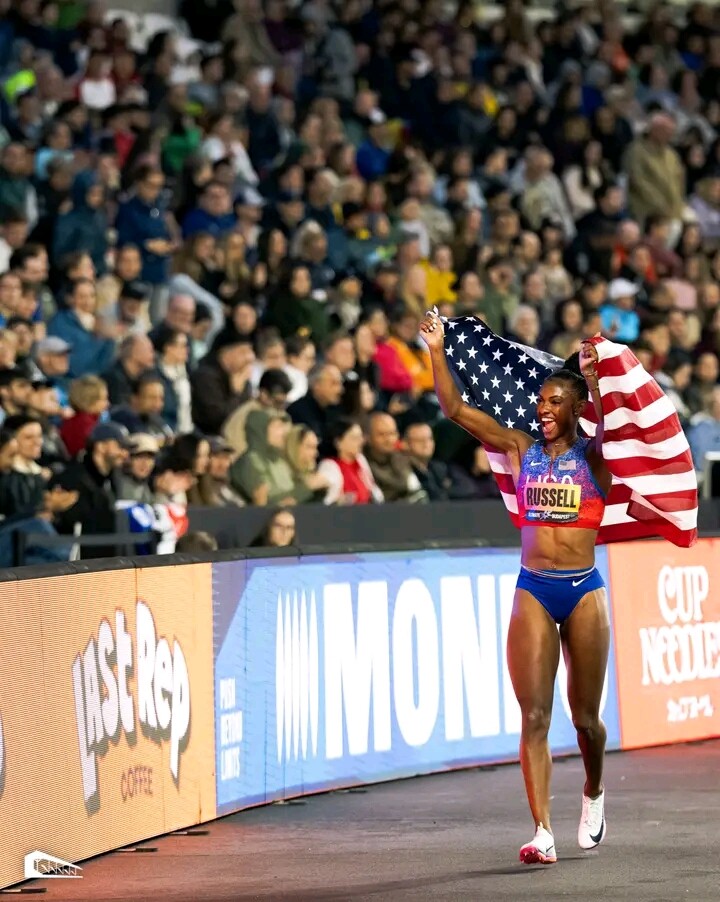
The American produced a brilliant 12.22 seconds to capture the Ultimate Championship title, once again demonstrating her ability to deliver when the pressure is at its highest.
Russell controlled the race from the opening hurdles, attacking each barrier with precision before powering down the home straight to secure a convincing victory. Her performance confirmed why she has been one of the most dominant hurdlers in the world this season.
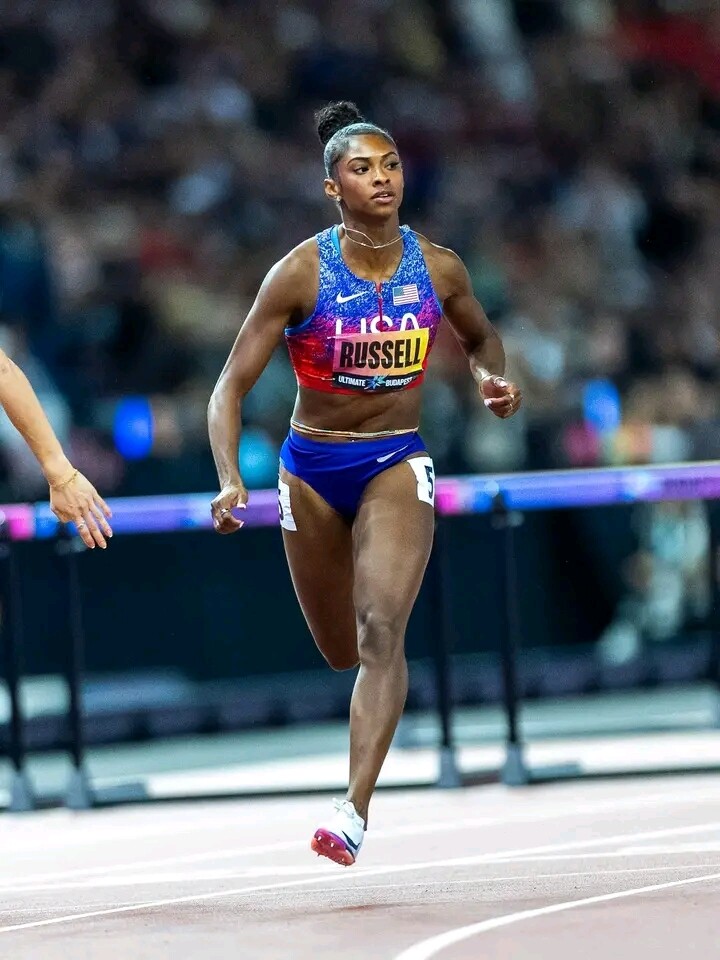
Nigeria’s Tobi Amusan, a former world-record holder and one of the most experienced athletes in the field, mounted a strong challenge but had to settle for second positon in 12.34 seconds.
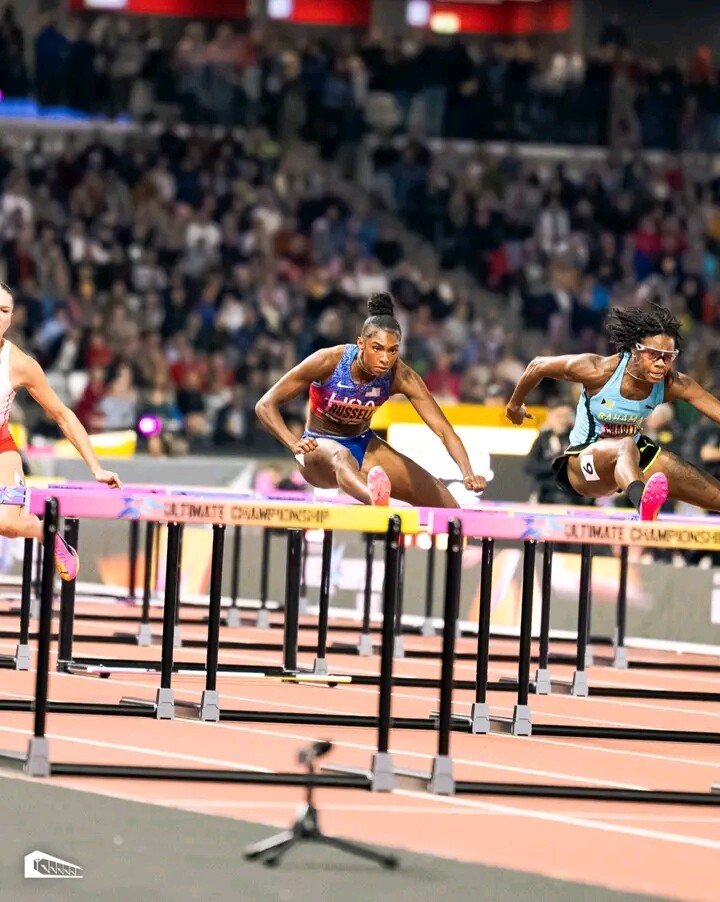
The bronze medal went to the Netherlands’ Nadine Visser, who crossed the line in 12.39 seconds after another impressive championship performance.
Women’s 100m Hurdles Final
1. Masai Russell — United States — 12.22
2. Tobi Amusan — Nigeria — 12.34
3. Nadine Visser — Netherlands — 12.39
Beyond the medals and times, the race produced one of the most memorable images of the championship.
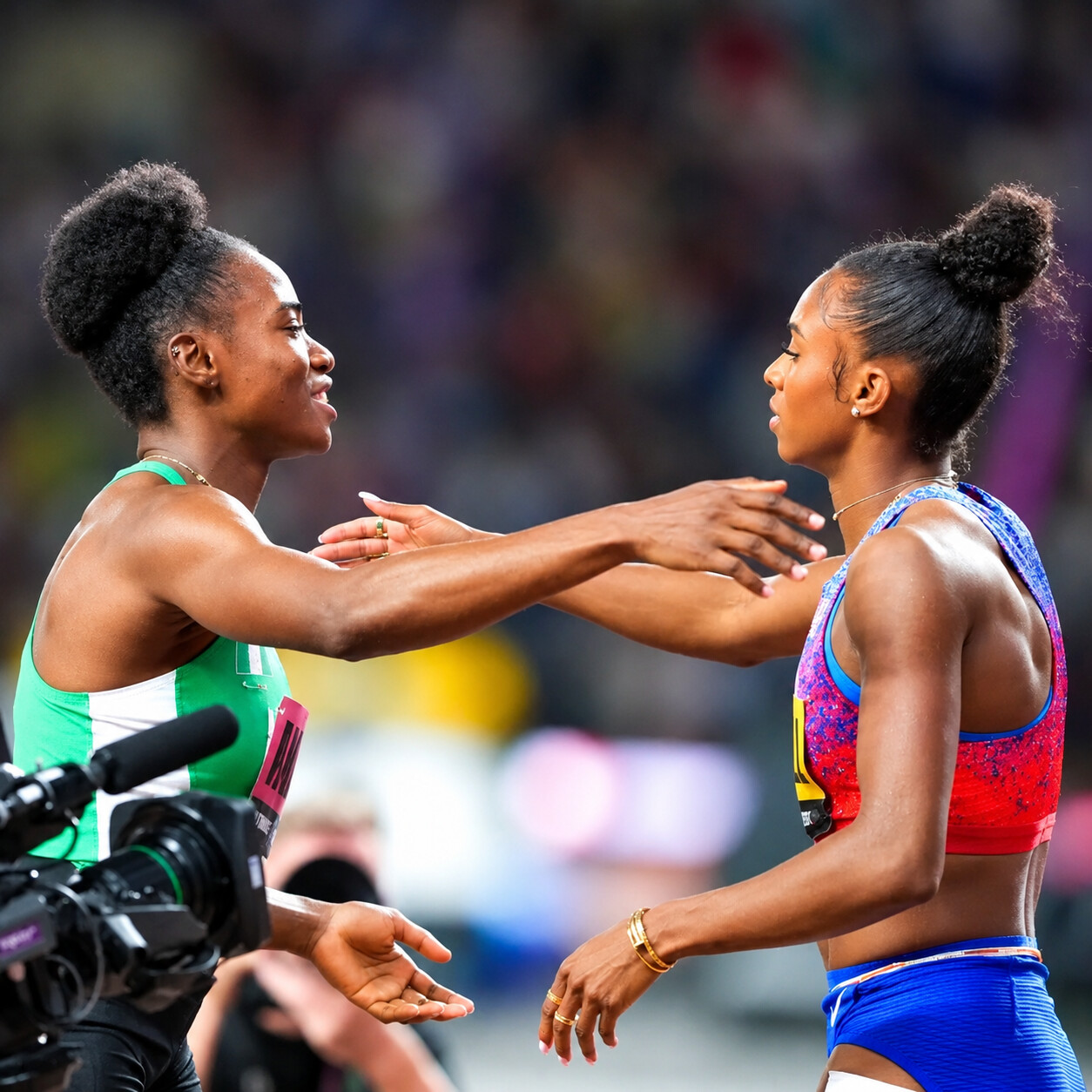
Moments after Russell secured the title, she shared a warm embrace with Amusan, creating a striking scene of mutual respect between two athletes who have played major roles in the evolution of women’s sprint hurdling.
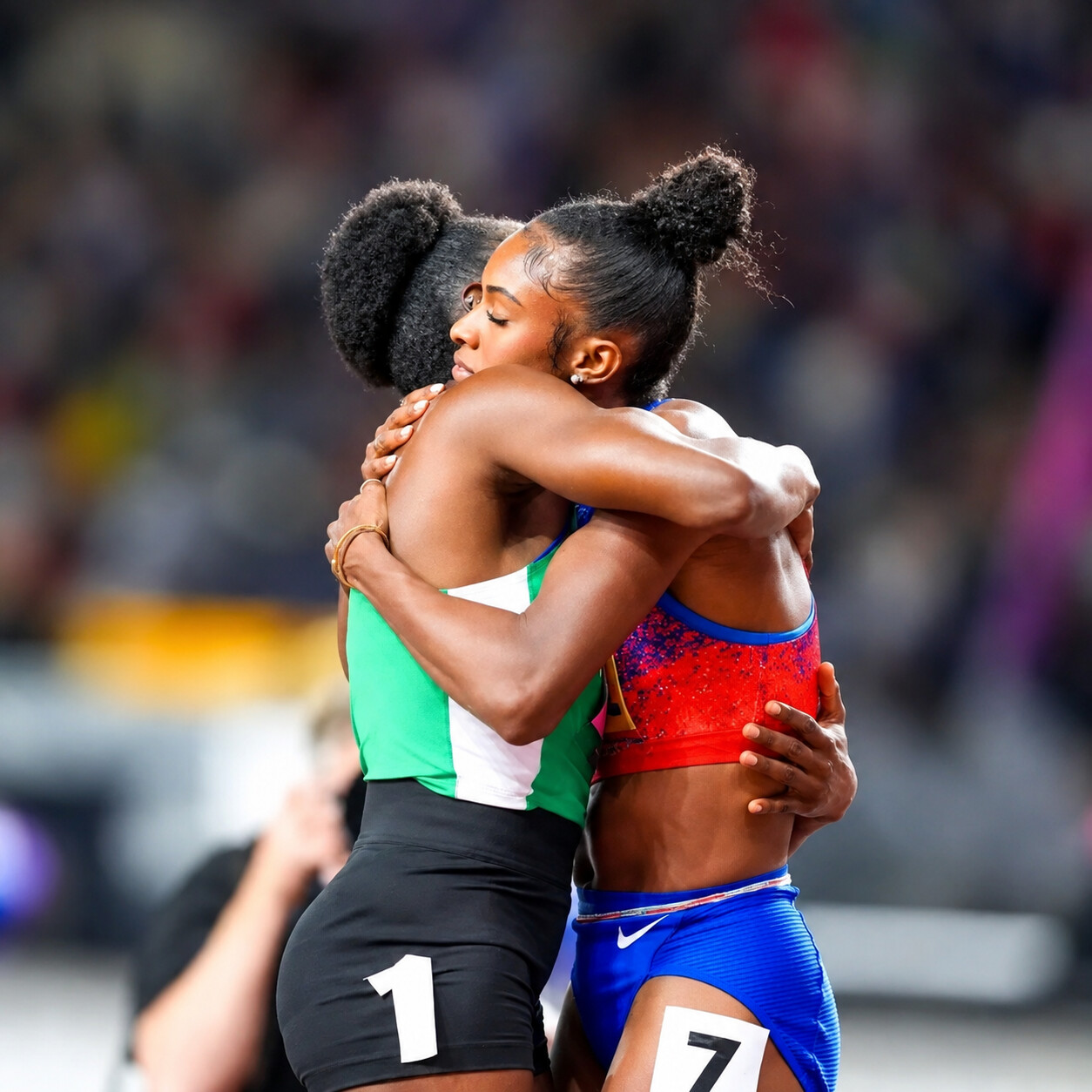
There was no love lost between the former world-record holder and the athlete who has now taken over the top spot. Amusan’s journey helped redefine the event, while Russell has emerged as the new generation’s leading force.
The embrace offered a fitting reminder that elite sport is not only about rivalry and competition. Behind the starting line are athletes who understand the sacrifice, pressure and dedication required to reach the highest level.
For Amusan, the silver medal represents another podium finish at the highest level, while Visser continues to underline her credentials among the world’s elite hurdlers.
But the night belonged to Russell.
With another major title secured and her confidence soaring, the American has made it increasingly difficult for anyone to challenge her position at the top of women’s sprint hurdling.
And perhaps the most fitting image of the night came after the race — the former world-record holder embracing her successor as Russell celebrated becoming the inaugural Ultimate Champion.
Budapest has crowned its first Ultimate Champion, and Masai Russell has once again shown that when the biggest moment arrives, she is ready to answer.
by Erick Cheruiyot for My Best Runs.
Login to leave a comment
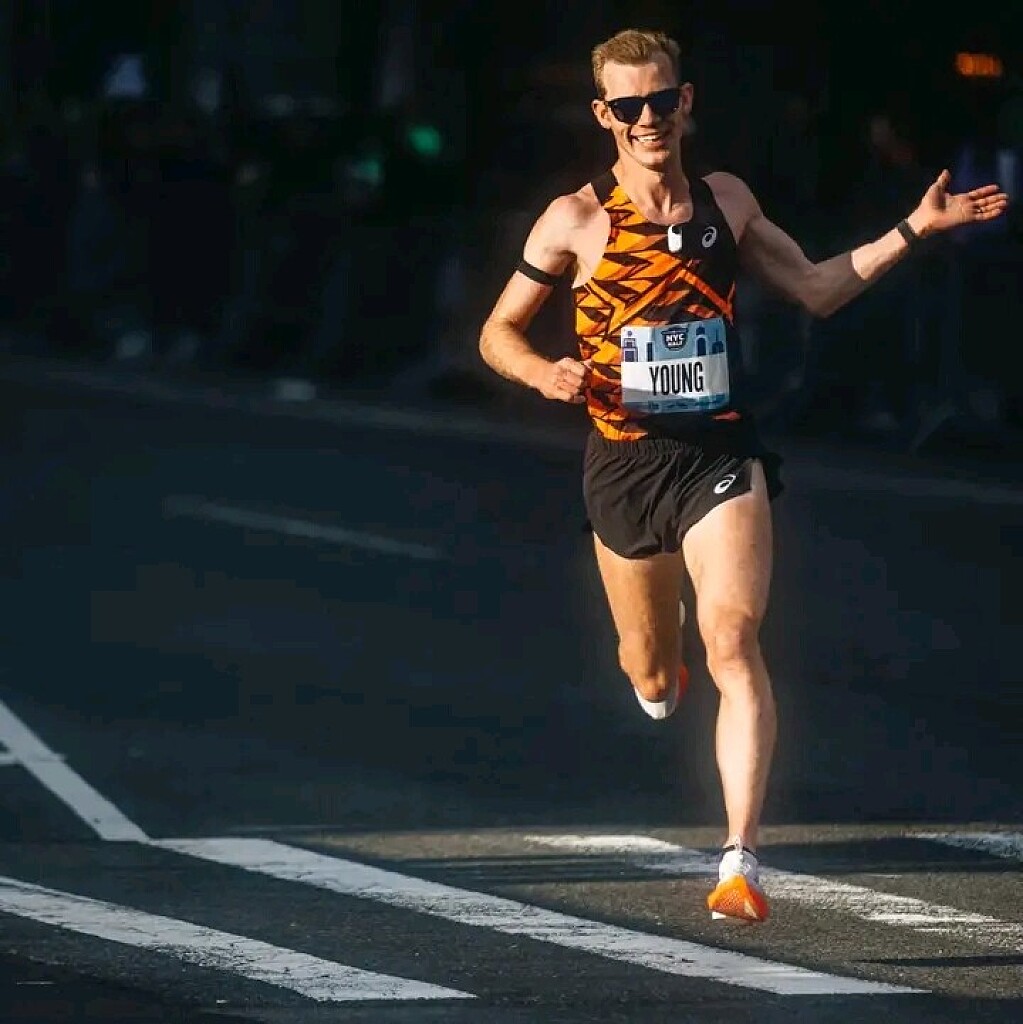
A Sneaky Road Race to Watch This Weekend: Great North Run Set for a Star-Studded Showdown
The road racing spotlight will turn to Newcastle this Sunday as the 2026 AJ Bell Great North Run brings together an impressive international men's field featuring several of America's leading distance runners alongside proven global stars.
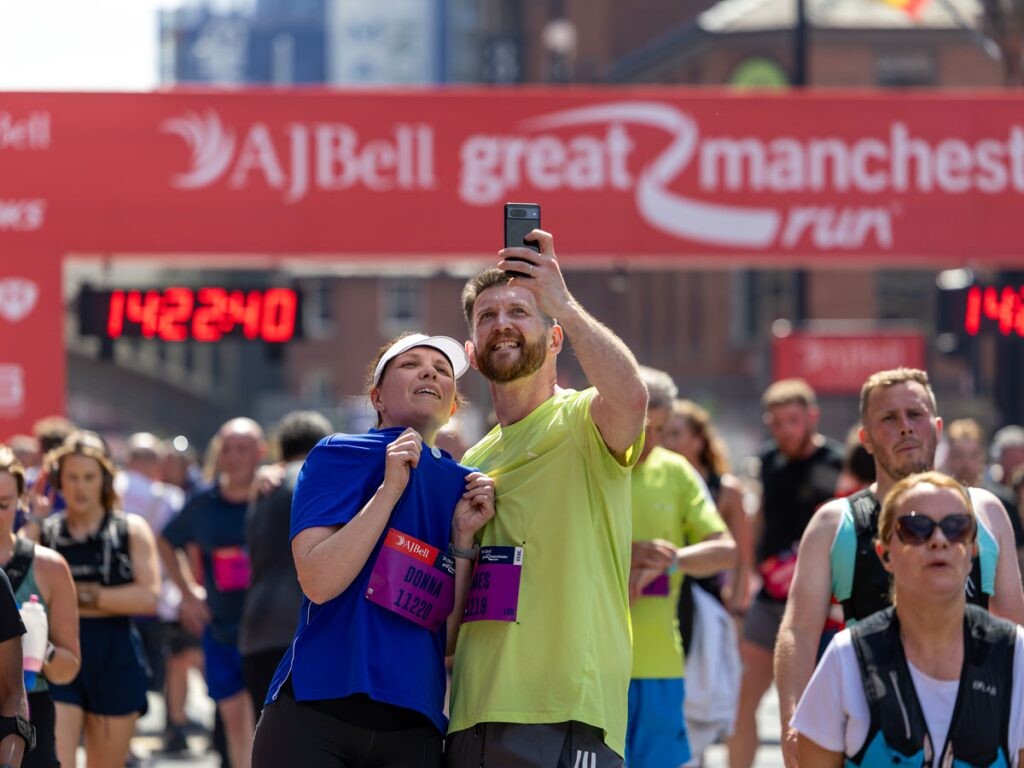
The iconic half marathon from Newcastle upon Tyne to South Shields is once again shaping up to be one of the most intriguing road races of the weekend, with a deep field capable of producing a highly competitive battle over 13.1 miles.
Leading the American challenge is Clayton Young, who heads into the race with an important autumn marathon campaign already on his mind. Young recently announced plans to make an attempt at the American marathon record at the Chicago Marathon later this fall, making Sunday's race an interesting opportunity to gauge his fitness ahead of that major target.
However, Young will face plenty of quality opposition.
The American contingent also includes Zouhair Talbi, Casey Clinger, Woody Kincaid, Jared Ward and Jake Barraclough, giving the United States considerable depth in the men's field.
Kincaid is particularly intriguing. The USATF 10K champion has already established himself as one of America's most accomplished distance runners and will be looking to continue building his reputation on the roads against an international field.
The global challenge is equally strong.
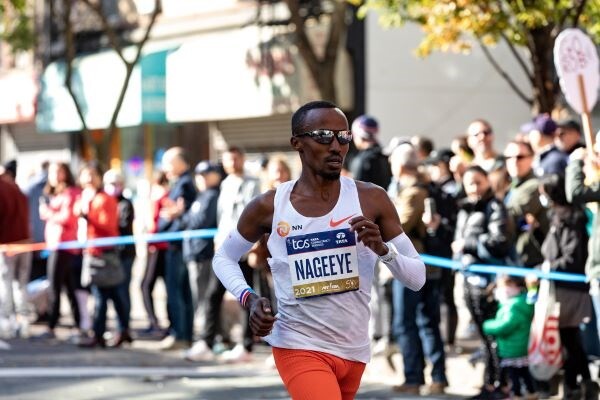
Alex Mutiso of Kenya, Abdi Nageeye of the Netherlands, Ethiopia's Deresa Geleta, Italy's Iliass Aouani, Britain's Ben Connor and Andy Butchart, as well as a strong contingent from Japan, add plenty of experience and firepower to the race.
With athletes arriving at different stages of their seasons and several already looking toward major autumn targets, the Great North Run could produce a fascinating tactical battle before the final miles decide who has the strength to take control.
Selected Men's Elite Entries
1. Clayton Young — United States
2. Casey Clinger — United States
3. Zouhair Talbi — United States
4. Woody Kincaid — United States
5. Jared Ward — United States
6. Jake Barraclough — United States
7. Alex Mutiso — Kenya
8. Abdi Nageeye — The Netherlands
9. Deresa Geleta — Ethiopia
10. Ben Connor — Great Britain
11. Taiga Hirayama — Japan
12. Ayumu Kobayashi — Japan
13. Tatsuya Maruyama — Japan
14. Kosei Matsunami — Japan
15. Yohei Ikeda — Japan
16. Shoya Yonei — Japan
17. Iliass Aouani — Italy
18. Andy Butchart — Great Britain
19. Alfie Manthorpe — Great Britain
20. Calum Johnson — Great Britain
The 2026 AJ Bell Great North Run will take place on Sunday, September 13, with the elite men's race scheduled to get underway in Newcastle.
It may be a half marathon, but this is certainly not a race to overlook. With Young preparing for Chicago, Kincaid continuing to make his mark on the roads and an international field packed with talent, the Great North Run could quietly become one of the most entertaining races of the weekend.
by Erick Cheruiyot for My Best Runs.
Login to leave a comment

Great North Run
Great North Run founder Brendan Foster believes Britain is ready to welcome the world with open arms after the launch of the event's most ambitious plan to date. The Great World Run campaign seeks to recruit one runner from every country in the United Nations – 193 in total – to take part in the iconic half marathon in...
more...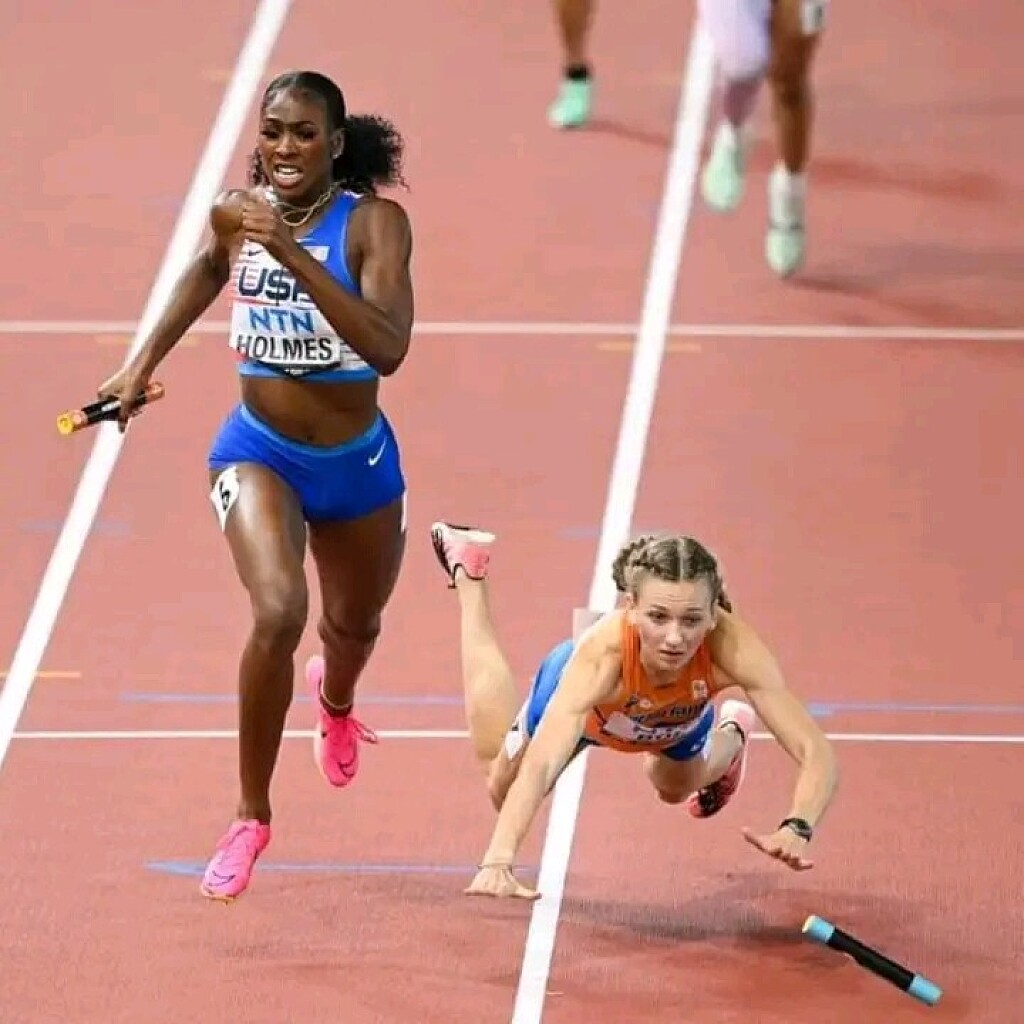
Femke Bol Returns To Budapest: From One Of Her Darkest Moments To A New 800m Challenge
For Femke Bol, Budapest is more than just another stop on the athletics calendar. It is a place where heartbreak once threatened to define her championship campaign — only for the Dutch star to respond with one of the most memorable comebacks of her career.
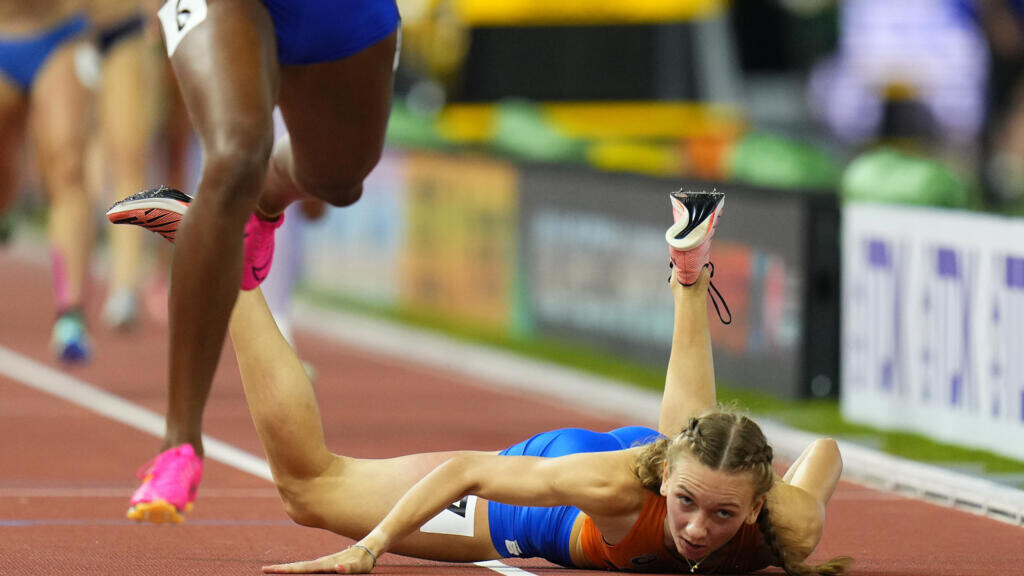
Three years ago, at the 2023 World Athletics Championships, Bol arrived in Budapest as one of the biggest names in the 400m hurdles. Yet her championships began with a painful collapse.
Anchoring the Netherlands in the mixed 4x400m relay on the opening night, Bol was within sight of victory when she fell just metres before the finish line. The Netherlands were disqualified, and what had looked like a near-certain gold medal disappeared in one devastating moment.
But Bol did not allow the disappointment to consume her.
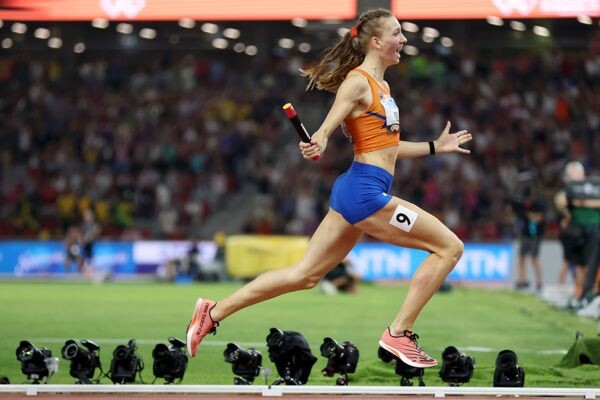
Six days later, she returned to the track for the 400m hurdles final and delivered an emphatic response. Running with remarkable composure, she stormed to victory in 51.70 seconds, finishing more than a second clear of American Shamier Little to claim her first individual global title.
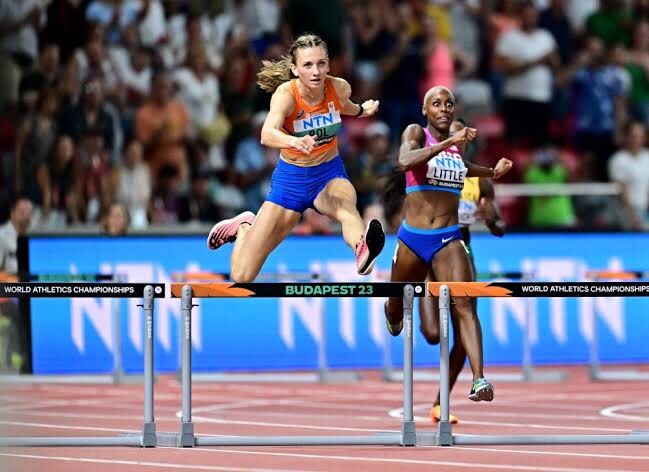
Then came the final track race of those championships — and another extraordinary chapter.
In the women’s 4x400m relay, Bol received the baton for the Netherlands with the Jamaican and British teams ahead. The deficit grew to roughly 10 metres down the back straight, but instead of surrendering, she began to hunt.
By the home straight, Bol had transformed the race.
She swept past Great Britain and then Jamaica to bring the Netherlands home in 3:20.72, securing a second world title in Budapest and completing one of the most remarkable redemption stories of the championships.
Now, Bol is heading back to the same city — but this time, her challenge is completely different.
There will be no hurdles standing in her way.
Instead, she will line up for the women’s 800m at the inaugural World Athletics Ultimate Championship in Budapest, where she will face two of the strongest middle-distance runners in the world: Olympic champion Keely Hodgkinson of Great Britain and Swiss sensation Audrey Werro. The three are among the headline names in a formidable 800m field for the September 11–13 championship.
And this is no longer the same Bol who first experimented with the event.
The Dutch star has made a significant transition to the 800m this season, steadily improving as she has gained experience over the two-lap distance. Her 2026 best stands at 1:55.41, placing her among the leading contenders heading into Budapest.
Yet the challenge could hardly be tougher.
Werro has been the revelation of the 2026 season. The Swiss star leads the world with 1:53.80, a mark that ranks among the fastest performances ever recorded. She also defeated Hodgkinson and Bol at the European Championships in Birmingham, winning in 1:54.81 as Hodgkinson took silver in 1:55.01 and Bol finished third in 1:55.54.
Hodgkinson, meanwhile, remains one of the defining figures of the event. The Paris Olympic champion has already run 1:54.33 this season and will arrive in Budapest determined to reclaim the winning momentum against a rival who has repeatedly pushed her to the limit.
The latest meeting between Werro and Bol only adds more intrigue. At the Diamond League Final in Brussels, Werro prevailed in 1:54.75, but Bol pushed her all the way to the line, finishing just 0.06 seconds behind in 1:54.81.
That makes Budapest particularly fascinating.
Bol is no longer returning simply as the hurdler who once conquered the Hungarian capital. She is coming back as an ambitious 800m runner, testing herself against an Olympic champion and the world leader in an event that demands speed, tactical intelligence and endurance in equal measure.
For Bol, Budapest carries memories of a fall, a first global individual title and an unforgettable relay victory.
Now she has the opportunity to create another memory.
This time, there are no barriers to clear and no baton to chase.
There is only 800 metres — two laps in which Bol will have to match the pace, strength and finishing speed of Werro and Hodgkinson.
She has already shown what she can do when Budapest gives her a second chance.
The question now is whether she can turn that history into another triumph.
by Erick Cheruiyot for My Best Runs.
Login to leave a comment
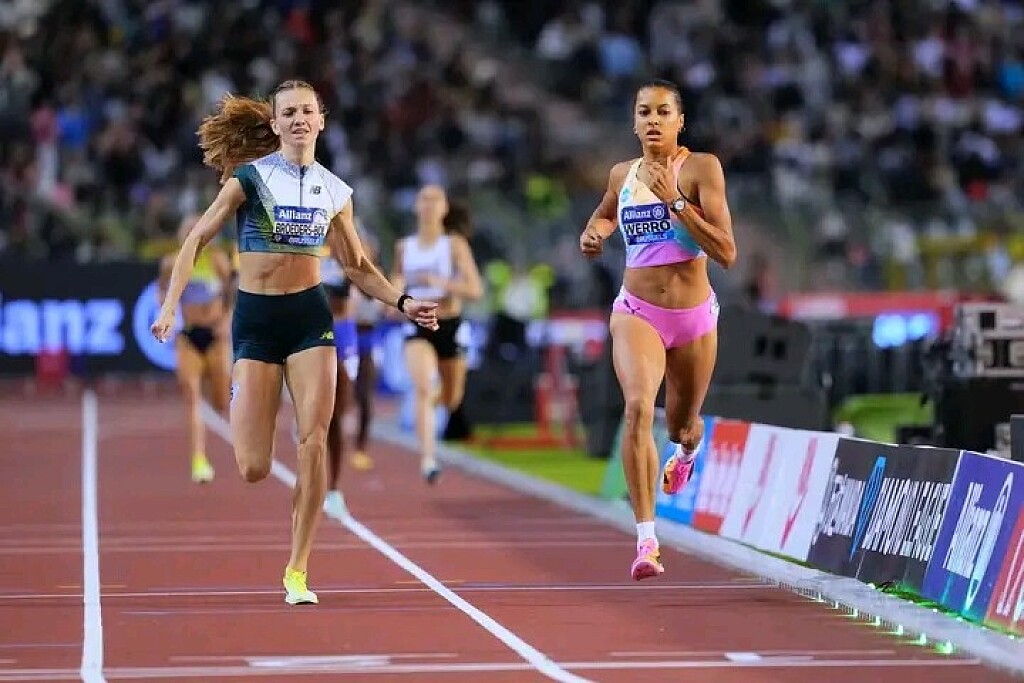
Werro Edges Broeders-Bol By 0.06 Seconds In A Thrilling Brussels 800m Classic
Audrey Werro of Switzerland held her nerve in a breathtaking finish to the women’s 800m at the Diamond League Final in Brussels, edging Femke Broeders-Bol of the Netherlands by just six hundredths of a second to claim the Diamond Trophy.
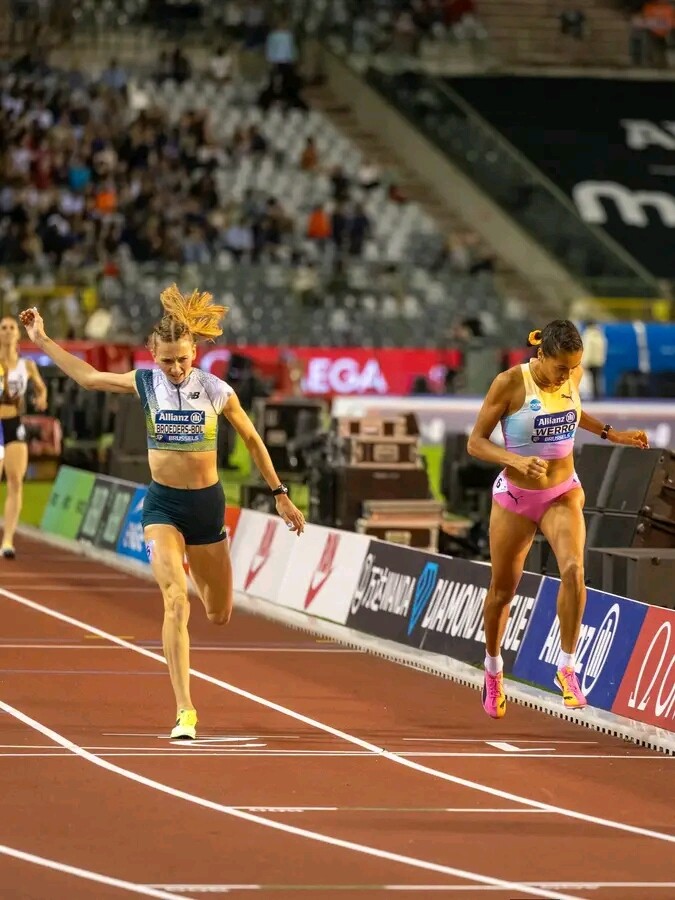
Werro stopped the clock at a sensational 1:54.75, with Broeders-Bol charging across the line in 1:54.81. The margin was almost impossibly small — just 0.06 seconds — after two laps of relentless racing.
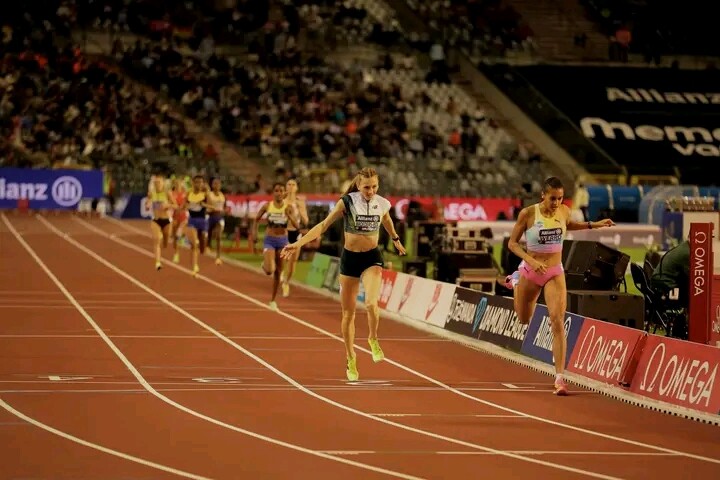
For Broeders-Bol, it was a finish that carried both pride and frustration.
“I’m very happy, but a little bit frustrated running in that close.”
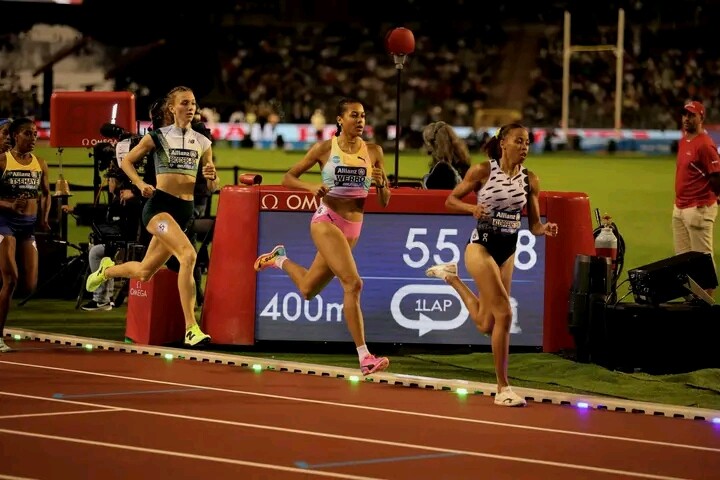
The Dutchwoman produced a spectacular surge over the final 100 metres, rapidly closing the gap on Werro and throwing everything into the final straight. For a moment, it appeared she might steal victory at the line, but Werro resisted the late assault to secure another major Diamond League triumph.
The result underlined just how remarkable Broeders-Bol’s breakthrough season has been. Competing over 800m for the first time, she has already established herself among the event’s most formidable contenders — and delivering two consecutive sub-1:55 performances in her debut campaign is a remarkable statement of intent.
Yet Werro had the final answer.
The Swiss star once again demonstrated the front-running strength and composure that have become hallmarks of her racing. Her 1:54.75 not only secured victory but also set a meeting record, adding another impressive chapter to her Diamond League season.
For Broeders-Bol, however, the narrow defeat may prove less a setback than a warning to the rest of the 800m field.
She has arrived.
And if Brussels was any indication, the battle between Werro and Broeders-Bol could become one of the most compelling rivalries in women’s middle-distance running.
The story may not have to wait long for its next chapter.
Budapest could be next.
And should the field expand to include Olympic champion Keely Hodgkinson of Great Britain and world champion Lilian Odira of Kenya at the Ultimate Championships, the women’s 800m could become one of the most fiercely contested events on the track.
One thing is already clear: the 800m is heating up — and this rivalry is only beginning.
by Erick Cheruiyot for My Best Runs.
Login to leave a comment
Kwizera Seals Historic Prague Victory as a Costly Wrong Turn Steals the Spotlight
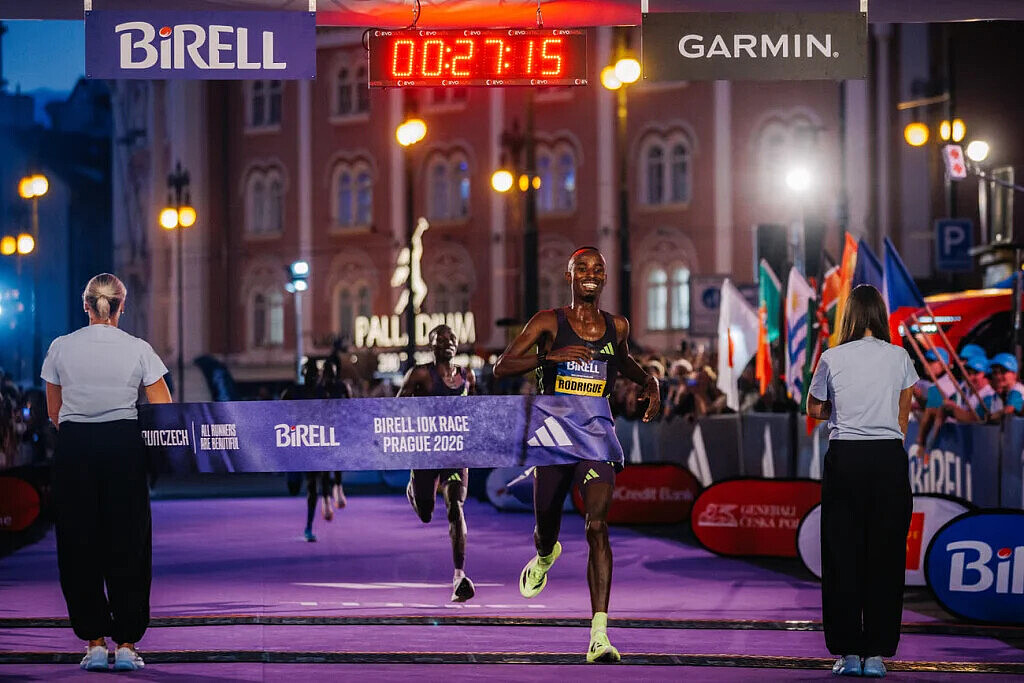
PRAGUE, Czech Republic — The streets of Prague were illuminated by speed, tension and one of the most dramatic finishes of the 2026 road-racing season as Rodrigue Kwizera produced a stunning victory at the Birell 10K Night Race.
Running his first official international race under the Spanish flag, the Burundi-born distance star stopped the clock at 27:15, smashing the Spanish national record by 10 seconds and adding another major victory to his remarkable 2026 campaign.
But the result tells only part of the story.
For much of the decisive phase of the race, it was Kenya’s Victor Kipruto Kiprono who appeared to be marching towards victory. After the leading group began to fracture around the seventh kilometre, Kiprono moved aggressively to the front alongside fellow Kenyan Elisha Kiprop Chemiron before gradually opening a significant gap on his pursuers.
By the eighth kilometre, the 26-year-old Kenyan had established himself as the clear leader and seemed to be heading towards a commanding triumph.

Then came the moment that changed everything.
As the race entered its final stretch, Kiprono followed the lead vehicle instead of taking the correct route towards the finish. The costly detour allowed Kwizera to close the gap and sweep past, with Kenya’s Owen Korir Kapkama also moving ahead.
In the space of a few seconds, a race that had appeared to be Kiprono’s to lose was transformed into a frantic battle for the podium.
Kwizera seized the opportunity with ruthless efficiency.
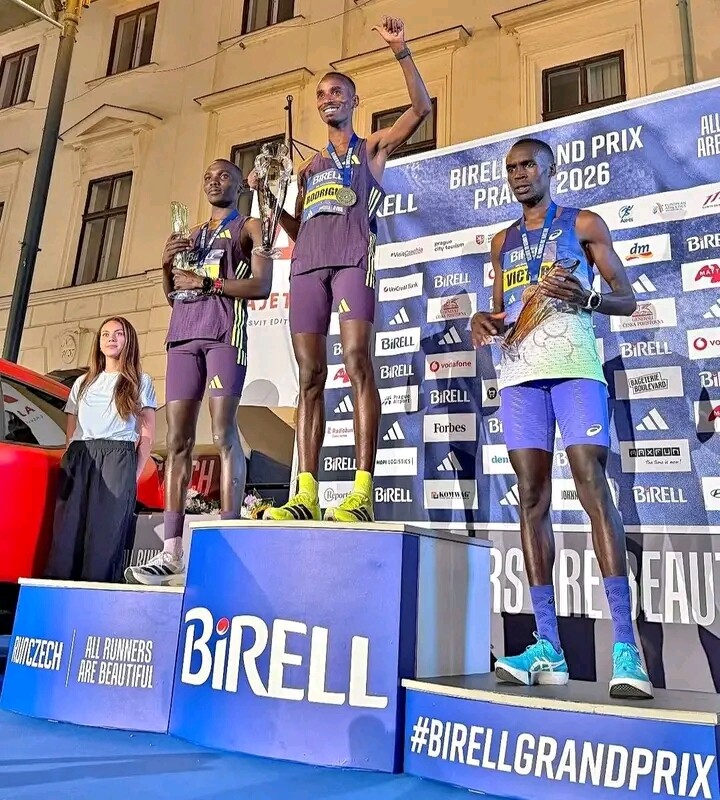
The Spanish representative crossed the line in 27:15, securing the victory and rewriting the Spanish record books. Kapkama followed just one second later in 27:16, while Kiprono recovered from his costly mistake to claim third in 27:18.
Despite the disappointment, Kiprono still produced one of the fastest performances of the night — and one of the most memorable.
Behind the leading trio, Kenya’s Filex Kibet Masai ran 27:19 for fourth, while Uruguay’s Santiago Catrofe completed the top five in 27:24.
The quality of the field was reflected throughout the results. Kenyan runners occupied seven of the top 20 positions, while Spain, Japan, Uruguay, the Netherlands, Belgium and hosts Czech Republic were also represented.
Japan’s Shunya Kikuchi added another national-record performance to the evening, running 28:07 to improve the Japanese record by eight seconds.
Birell 10K Night Race Prague 2026 — Men’s Elite Top 10
1. Rodrigue Kwizera (Spain) — 27:15
2. Owen Korir Kapkama (Kenya) — 27:16
3. Victor Kipruto Kiprono (Kenya) — 27:18
4. Filex Kibet Masai (Kenya) — 27:19
5. Santiago Catrofe (Uruguay) — 27:24
6. Elisha Kiprop Chemiron (Kenya) — 27:33
7. Elia Kiprop (Kenya) — 27:46
8. Isaac Kibet Ndiema (Kenya) — 27:47
9. Said Mechaal (Spain) — 27:59
10. Shunya Kikuchi (Japan) — 28:07
The men’s race was only half of an extraordinary evening in Prague. Ethiopia’s Chaltu Dida Diriba, just 19, dominated the women’s race to win in 30:04, finishing eight seconds ahead of her sister Robe Dida Diriba. Kenya’s Cynthia Chelangat Chepkwony completed the podium in 30:23.
The 2026 Birell 10K Night Race attracted almost 9,500 runners from 98 countries, with the elite field competing in ideal evening conditions of around 20 degrees Celsius and little wind.
Yet it was the men's finish that will linger longest.
Kwizera will leave Prague with a victory and a new national record. Kapkama will celebrate a superb second place. And Kiprono will be left wondering what might have been after a single wrong turn dramatically altered the final chapter of a race he had controlled for much of its decisive stage.
In distance running, victory can sometimes be decided not only by fitness, strength and tactics, but by the smallest of moments.
On this Prague night, one wrong turn changed everything.
by Erick Cheruiyot for My Best Runs.
Login to leave a comment

Birell 10K Race
The Birell Prague Grand Prix is a captivating evening race that takes runners through the heart of historic Prague. Held during the first weekend of September, this event transforms the city’s streets into a vibrant festival of running, with thousands of participants and enthusiastic spectators lining the course. The event begins with the adidas Women’s Race 5K, an empowering race...
more...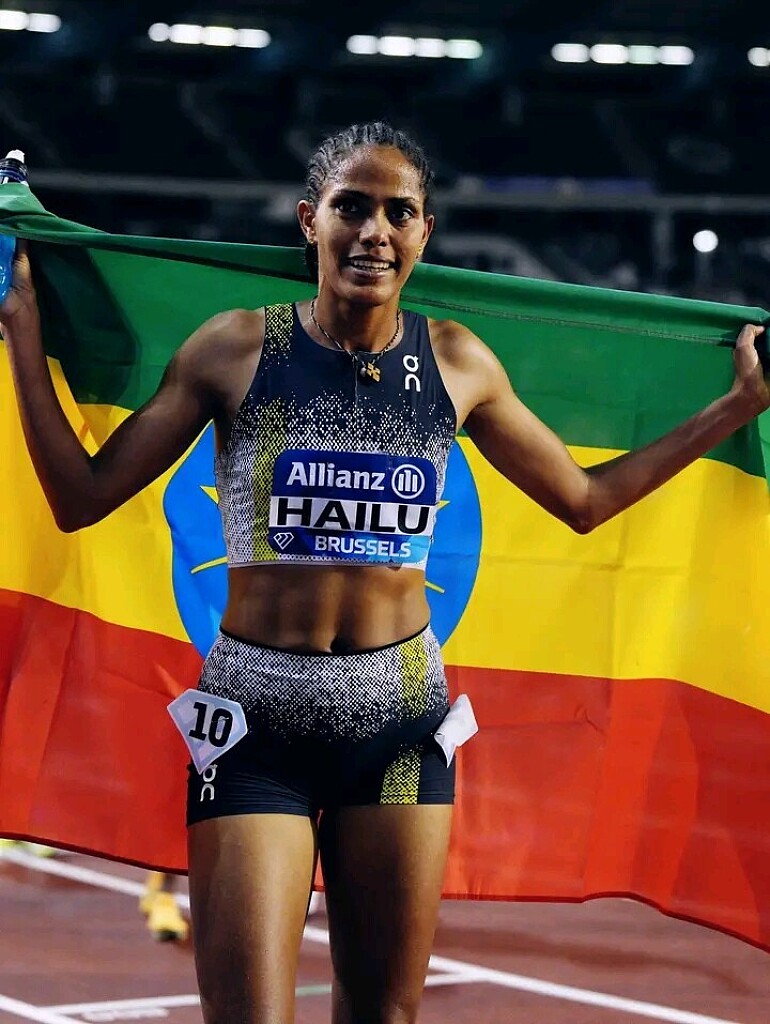
Freweyni Hailu Unleashes A Devastating Final Kick To Rule The Diamond League 5000m In Brussels
Freweyni Hailu produced a magnificent display of tactical intelligence and raw finishing speed in Brussels, unleashing a devastating late kick to win the women’s 5000m Diamond League title in 14:35.20.
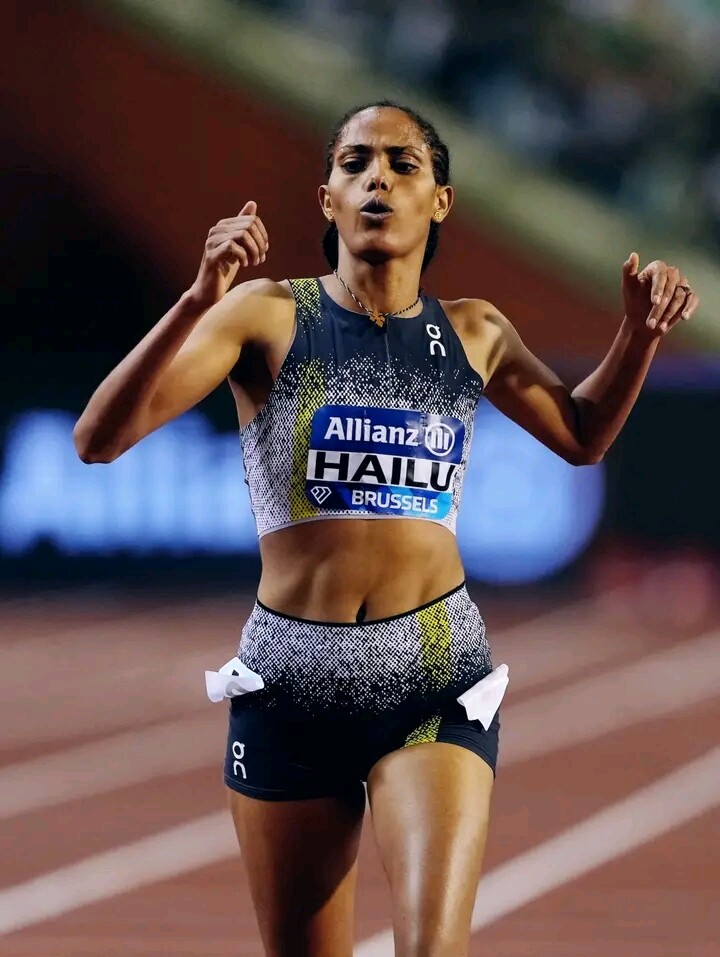
The Ethiopian star executed the perfect sit-and-kick strategy. Rather than committing herself to the pace early, Hailu remained patiently positioned among the leading group, conserving her energy while waiting for the race to reach its decisive stages.
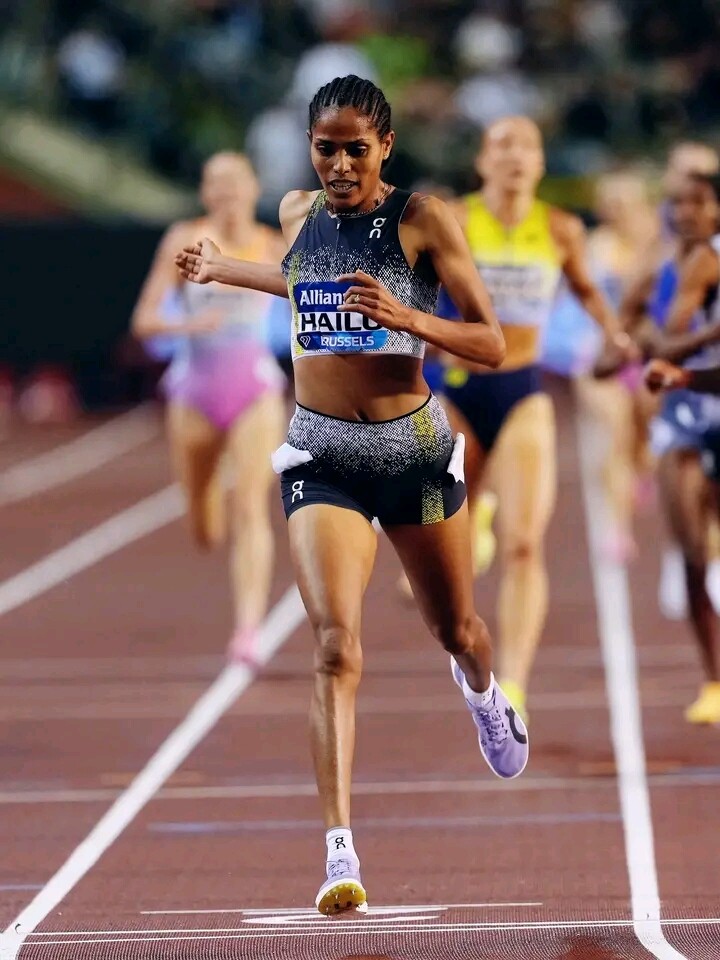
When the moment finally arrived, she was ready.
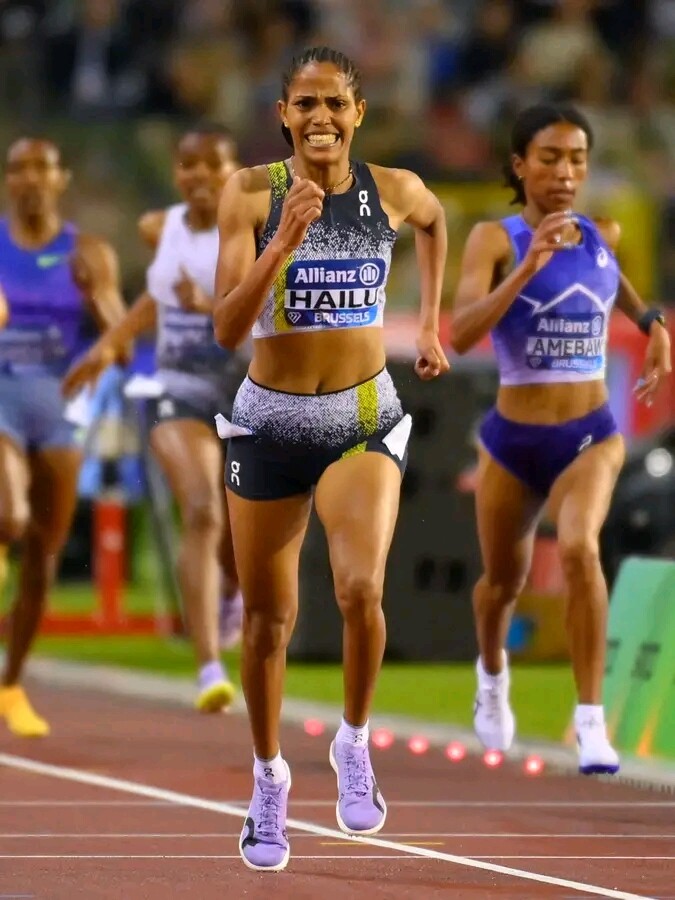
Hailu accelerated ferociously over the closing 200 metres, suddenly opening a gap on the field and turning a tightly contested race into a commanding victory. Her rivals simply could not match the change of pace as she powered relentlessly toward the finish line.
Her 14:35.20 was enough to secure the Diamond Trophy and headline an extraordinary Ethiopian clean sweep of the podium. Hailu was followed home by compatriots Amedework Amebaw, who ran 14:36.31, and Freweyni Getachew, who clocked 14:37.09.
The strength of the Ethiopian contingent was further demonstrated by Hirut Meshesha, who finished fifth in 14:37.84. Meshesha narrowly finished ahead of Australia’s Georgia Griffith, who stopped the clock at 14:38.69, with both athletes producing strong performances in a fiercely competitive field.
Meshesha’s fifth-place finish carried an additional reward. She secured the final qualifying spot for the World Ultimate Championships, having been the highest individual in the field who had not already qualified through the World Ranking Quota.
Australia’s Sarah Davies finished fourth in 14:37.47, a season’s best, while the Netherlands’ Maureen Koster was seventh in 14:39.38. Ethiopia’s Tsige Eisa followed in eighth with 14:39.40, while compatriot Frehiwot Alemayo placed ninth in 14:40.27. Australia’s Rose Davies Hall completed the top 10 in 14:40.62, a personal best.
For Hailu, the victory added another impressive chapter to an already distinguished career. The two-time World Indoor Champion has established herself as one of Ethiopia’s leading middle- and long-distance runners, possessing the rare combination of endurance, tactical awareness and explosive finishing speed.
She arrived in Brussels with a formidable 14:18.94 personal best, the second-fastest mark among the competitors. But she did not need to rely on chasing that standard. Instead, she trusted her race instincts, stayed composed and waited until the final moments to unleash the weapon that ultimately decided the contest.
The final 200 metres belonged entirely to Hailu. What had been a battle of patience and positioning suddenly became a demonstration of pure speed, with the Ethiopian pulling away decisively as the finish approached.
Brussels therefore witnessed more than another Diamond League victory. It was a statement from Hailu and a powerful showcase of Ethiopia’s extraordinary depth in women’s distance running.
She sat, she waited, and then she struck. Nobody could live with that kick.
by Erick Cheruiyot for My Best Runs.
Login to leave a comment
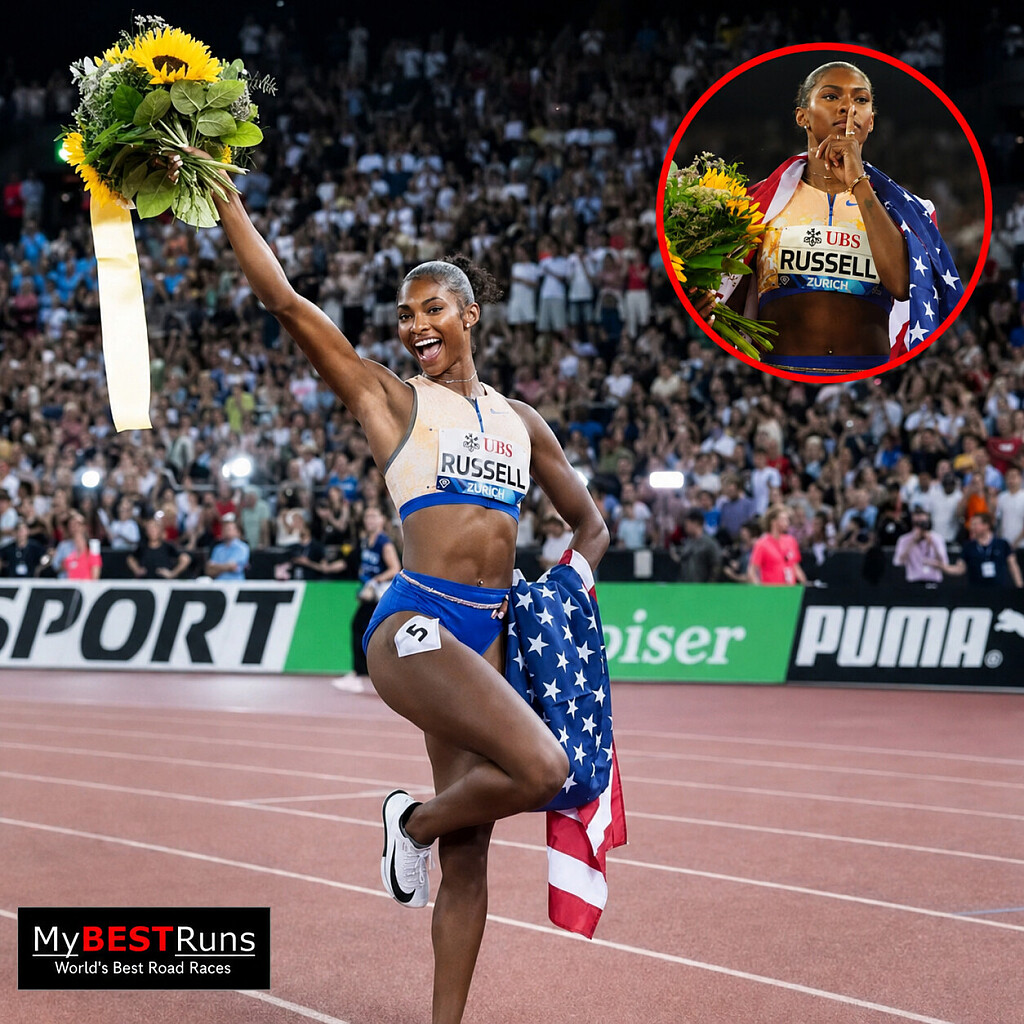
Can Anyone Stop Masai Russell? Brussels Hurdles Final Set for Epic Showdown
The women’s 100m hurdles is set for a spectacular showdown at the Brussels Diamond League Final on September 5, where Olympic champion Masai Russell will lead one of the strongest fields of the season in the battle for the coveted Diamond Trophy.
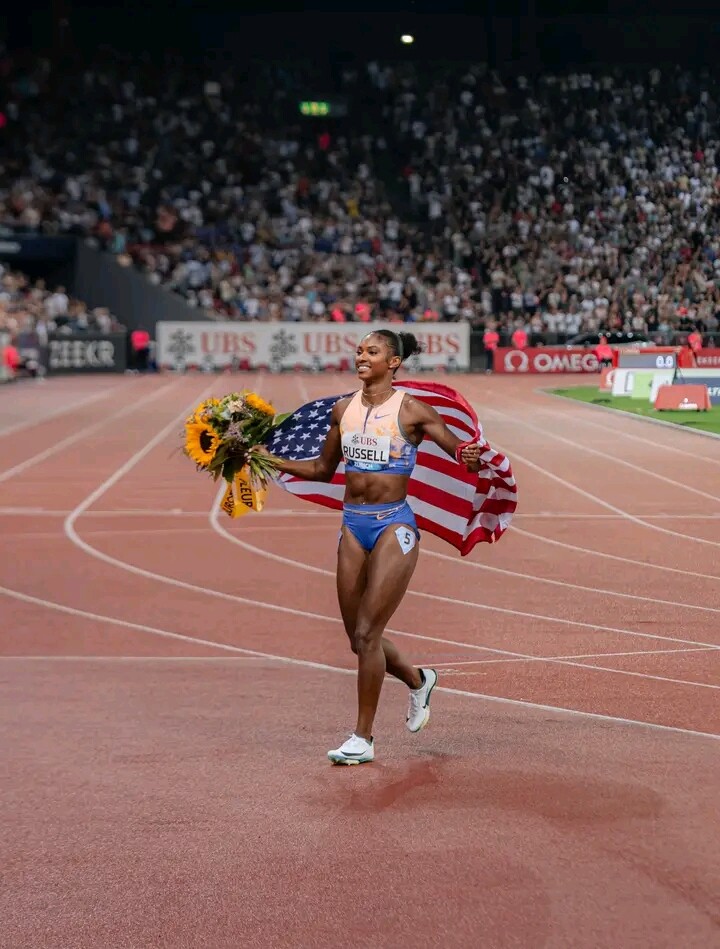
Russell arrives in Brussels in extraordinary form and as the athlete everyone will be chasing. The American star has enjoyed a remarkable season, combining consistency with breathtaking speed, and recently delivered another unforgettable performance when she ran a sensational 12.09 seconds in Zurich to break the world record.
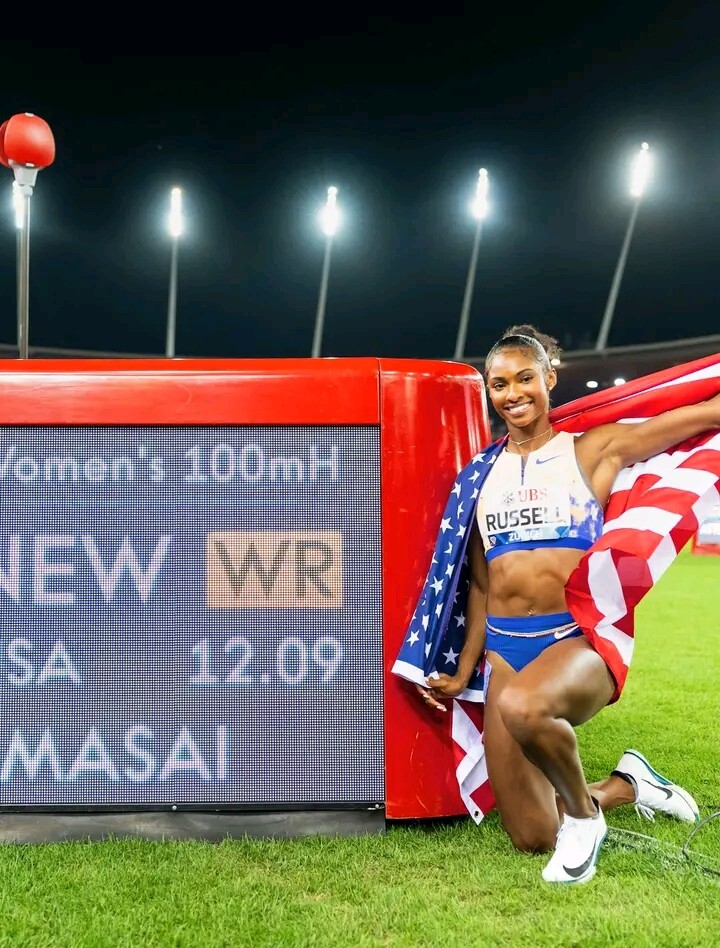
That performance further strengthened Russell’s position as the dominant force in the event. Her remarkable consistency has been equally impressive, with the Olympic champion winning all 10 of her finals so far this season. With 48 points, she also finished at the top of the Diamond League standings during the regular season.
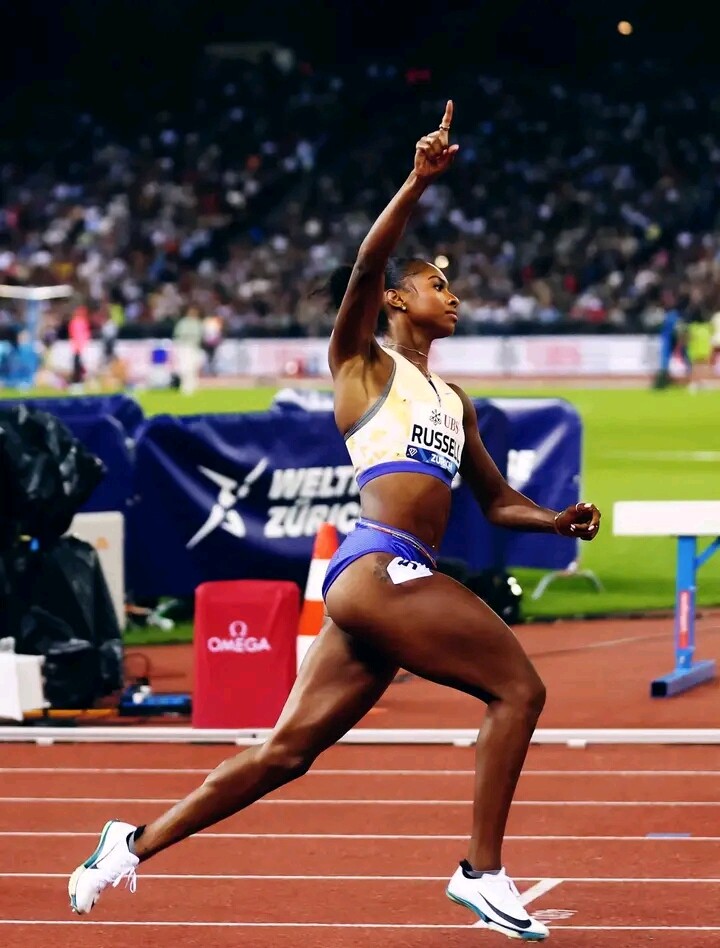
However, the points race is now behind her. In Brussels, everything comes down to one final. The Diamond League Final offers no room for complacency, and Russell will have to defeat an exceptional collection of world-class hurdlers to leave Belgium with the Diamond Trophy.
Among her biggest challengers is Nigeria’s Tobi Amusan, one of the finest hurdlers of her generation and a former world record holder. The field also includes Dutch star Nadine Visser, Bahamas standout Devynne Charlton and Poland’s Pia Skrzyszowska, ensuring that Russell will face serious opposition over every hurdle.
American Alaysha Johnson, Jamaica’s Megan Simmonds and Belgium’s Yanla Ndjip-Nyemeck complete a fascinating eight-athlete lineup for what promises to be one of the highlights of the Diamond League Final.
With Russell’s unbeaten record, her recent world-record performance and the Diamond Trophy on the line, the pressure will be immense when the athletes take their marks. Yet in an event as unpredictable and technically demanding as the 100m hurdles, one mistake can completely change the outcome.
Russell may arrive as the overwhelming favourite, but Brussels offers her rivals one final opportunity to produce something special. The stage is set for a thrilling race between the fastest and most accomplished hurdlers in the world—and after a season of dominance, Russell now has one more hurdle to clear in her pursuit of Diamond League glory.
Women’s 100m Hurdles Final Start List
1. Masai Russell — United States
2. Tobi Amusan — Nigeria
3. Nadine Visser — Netherlands
4. Devynne Charlton — Bahamas
5. Pia Skrzyszowska — Poland
6. Alaysha Johnson — United States
7. Megan Simmonds — Jamaica
8. Yanla Ndjip-Nyemeck — Belgium
One race. Eight elite hurdlers. One Diamond Trophy. Will Masai Russell complete another unforgettable chapter of her remarkable season, or will Brussels produce a surprise?
by Erick Cheruiyot for My Best Runs.
Login to leave a comment
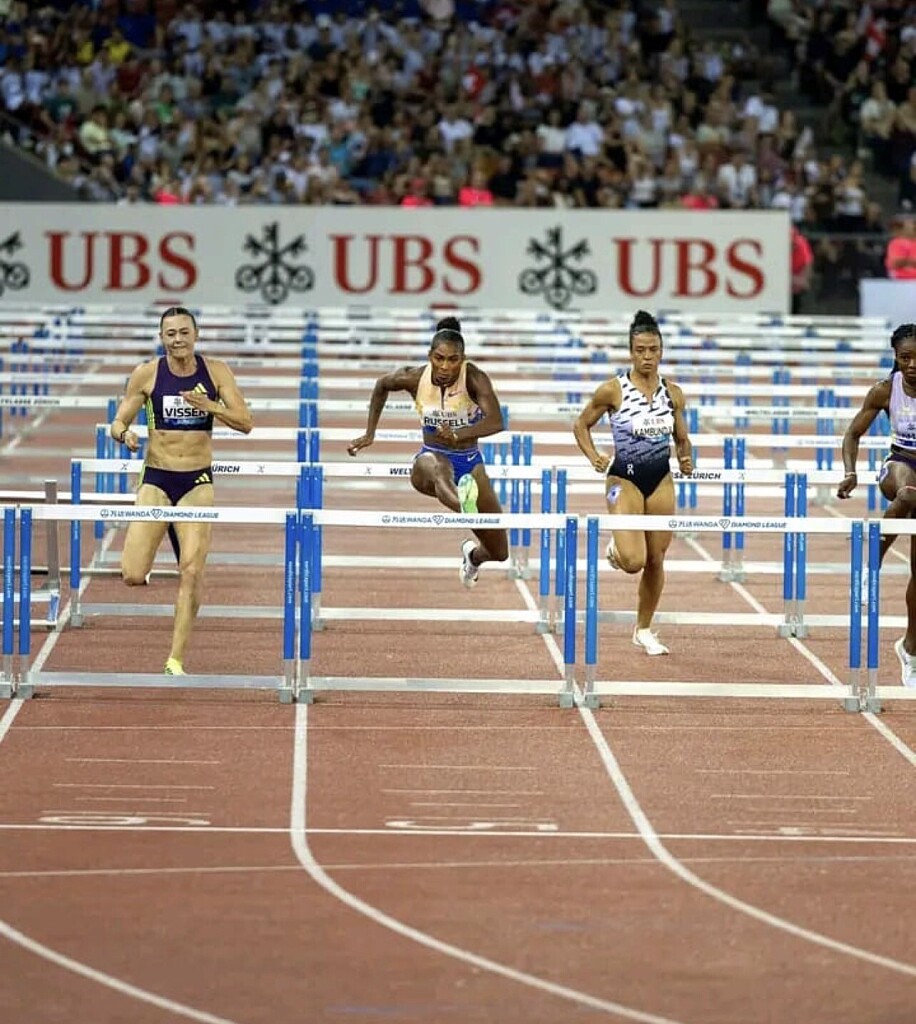
Masai Russell Makes History with Stunning 12.09 World Record in Zurich
Masai Russell delivered a performance for the ages at the Zurich Diamond League, storming to a stunning 12.09 seconds in the women’s 100m hurdles to break Tobi Amusan’s world record.
Running in completely still conditions with a legal 0.0 m/s wind, the American Olympic champion became the first woman in history to break the 12.10-second barrier.
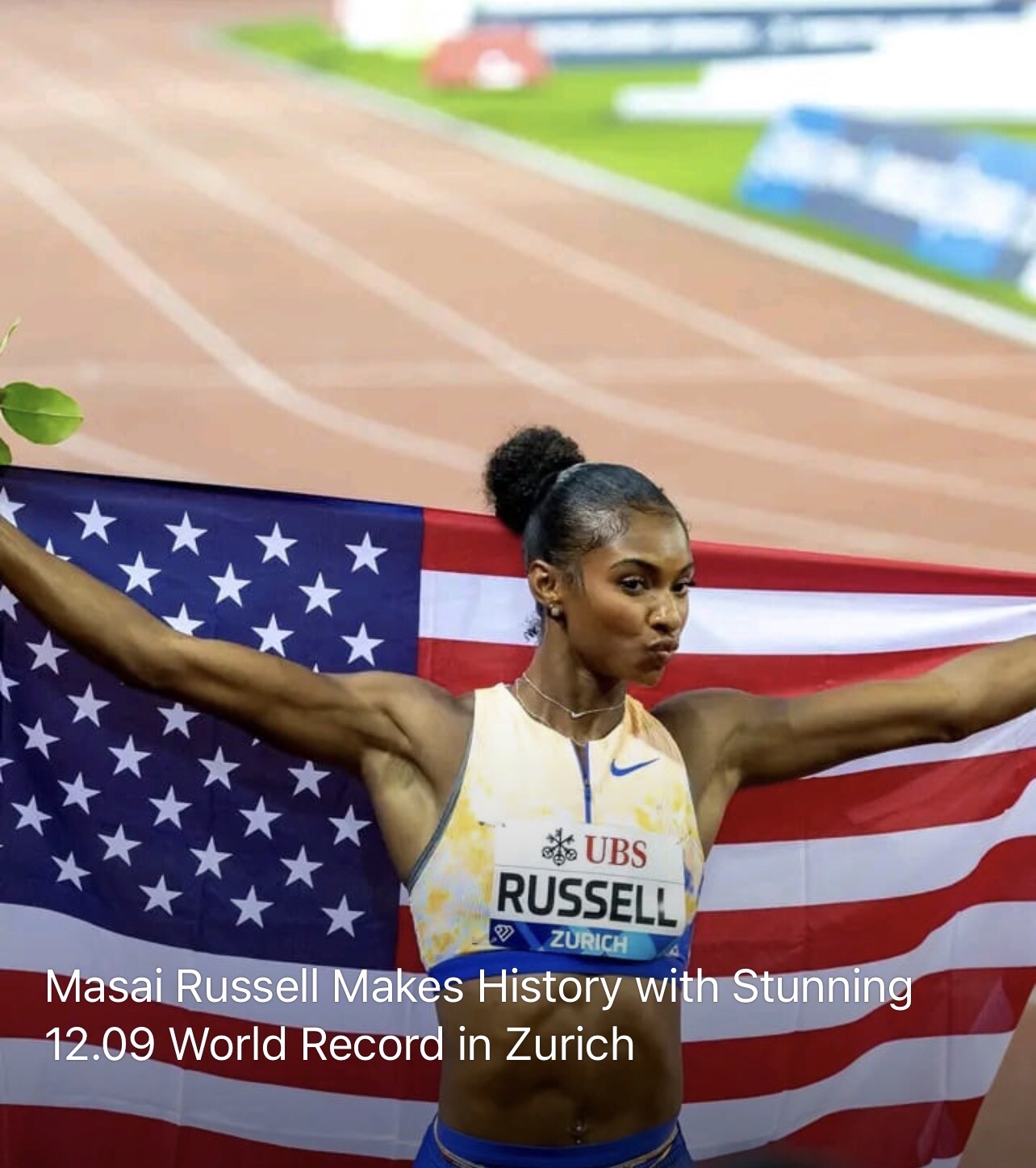
Russell improved upon Amusan’s previous world record of 12.12, set at the 2022 World Championships in Eugene. The mark is subject to the usual ratification process.
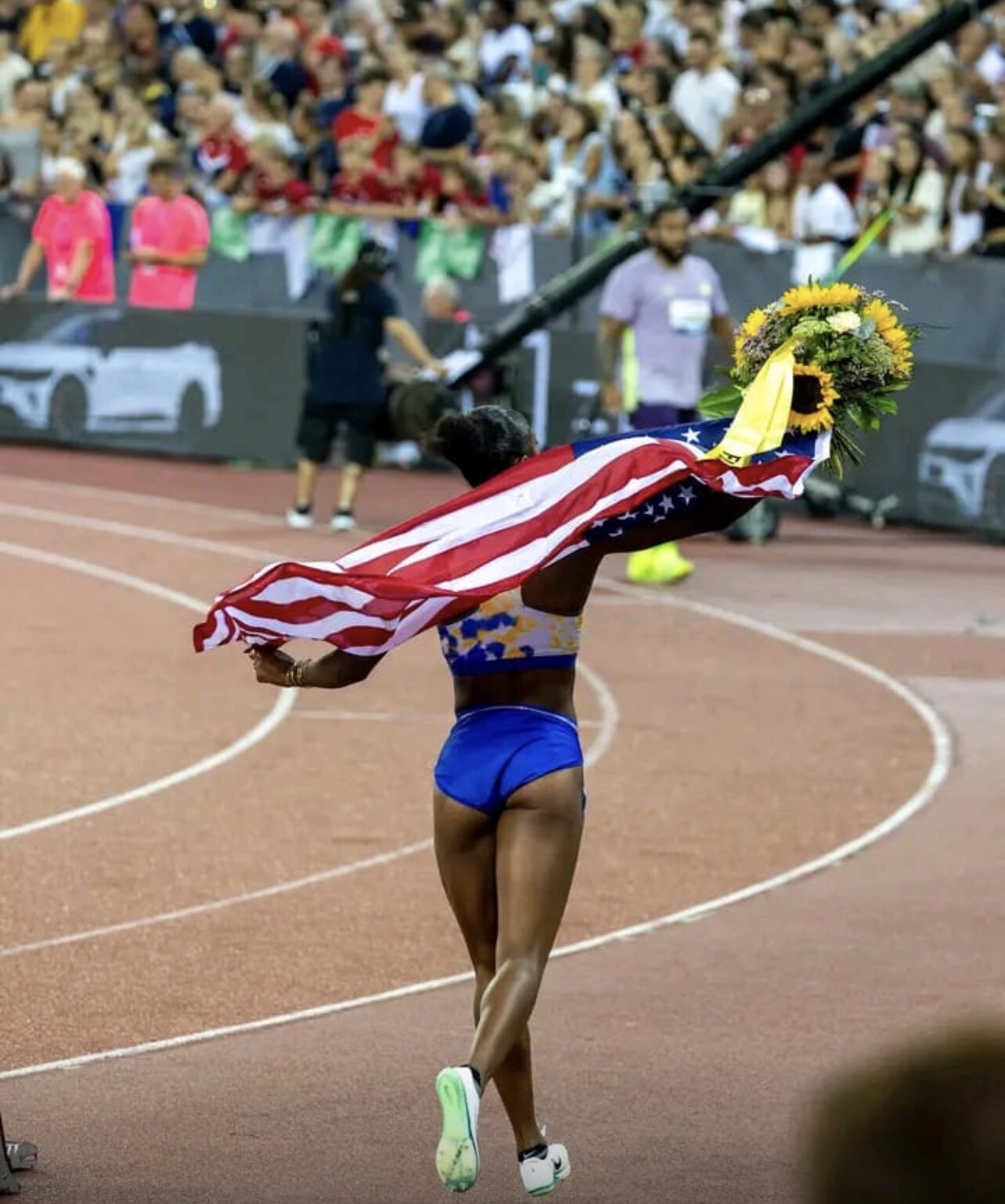
After repeatedly demonstrating her dominance throughout the season, Russell arrived in Zurich as the woman to beat. She attacked the race with extraordinary speed and precision, maintaining her rhythm over the hurdles before pulling away in the closing stages.
When the clock flashed 12.09, the significance of the performance was immediately clear. A barrier that had never been broken was gone.
Even more remarkably, the woman whose record she broke was racing beside her. Amusan, the Nigerian star who had held the world record for four years, finished second in 12.23.
The Netherlands’ Nadine Visser completed the podium in 12.34.
The performance adds another extraordinary chapter to Russell’s career. After establishing herself among the world’s elite and producing a season of remarkable consistency, she has reached the summit of the event as its fastest athlete in history.
Russell’s 12.09 was more than a victory. It rewrote the record books and provided the ultimate confirmation of her dominance.
Zurich had already witnessed a world record from Alison dos Santos in the men’s 400m hurdles. Less than 40 minutes later, Russell ensured the evening would become one of the most memorable in Diamond League history.
Masai Russell is now the world-record holder—and the first woman to run under 12.10 seconds for the 100m hurdles.
by Erick Cheruiyot for My Best Runs
Login to leave a comment
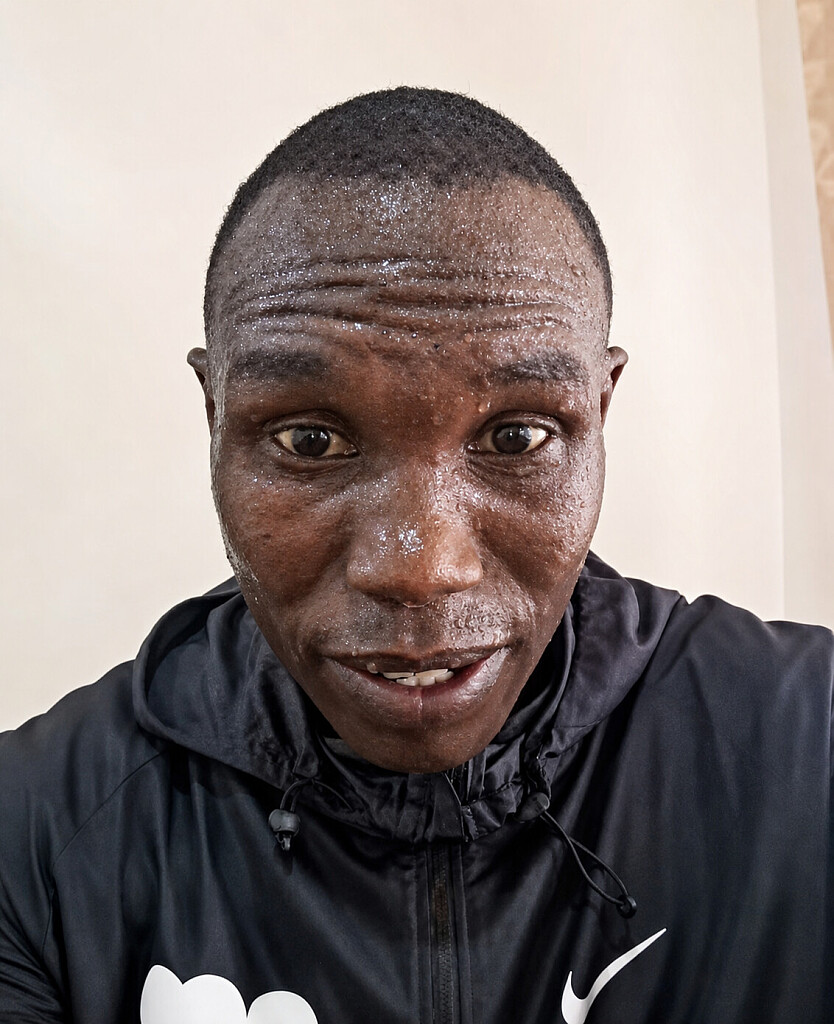
Geoffrey Kamworor Eyes New York Hat-Trick as Kenyan Star Chases Another Major Triumph
Two-time New York City Marathon champion Geoffrey Kamworor is set for another assault on the Big Apple, with the Kenyan distance-running star targeting a historic third victory when the Abbott World Marathon Majors race returns on November 1.
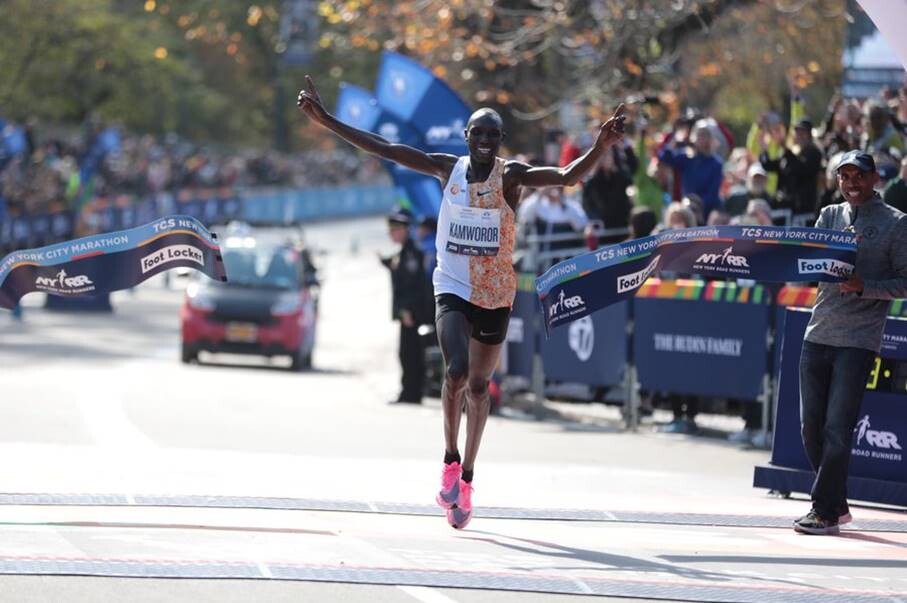
For Kamworor, New York represents much more than another marathon. It is a course where he has already enjoyed some of the defining moments of his illustrious career, and where he will now seek to add another prestigious title to a remarkable collection of achievements.
The 33-year-old has developed a special relationship with the New York course since making his debut there in 2015. On that occasion, he finished runner-up in 2:10:48 behind compatriot Stanley Biwott, who won in 2:10:34.
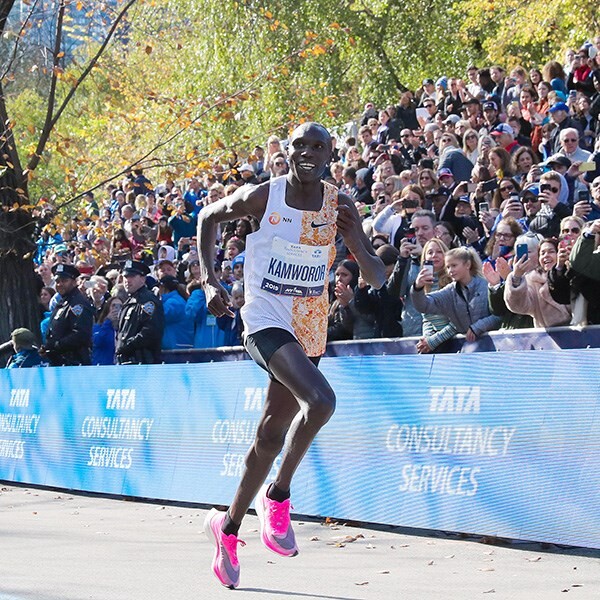
Two years later, Kamworor went one step further.
In 2017, he produced a composed performance to claim his first New York Marathon crown, crossing the finish line in 2:10:53. He held off fellow Kenyan and former world record-holder Wilson Kipsang, who finished just three seconds behind in 2:10:56, while Ethiopia's Lelisa Desisa took third in 2:11:32.

Kamworor returned the following year hoping to defend his title but had to settle for third place. Desisa triumphed in 2:05:59, ahead of Shura Kitata in 2:06:01, while Kamworor clocked 2:06:26.
But the Kenyan refused to stay away from the top for long.
In 2019, he reclaimed the New York crown in emphatic fashion, winning in 2:08:13. Albert Korir followed in second in 2:08:36, with Ethiopia's Girma Bekele completing the podium in 2:08:38.
Those two victories remain Kamworor's only Abbott World Marathon Majors titles, making New York a particularly significant venue in his career.
His latest appearance in the race, however, ended without another podium finish. Returning in 2024, Kamworor placed fifth in 2:08:50 as the Netherlands' Abdi Nageeye won in 2:07:39. Kenya's Evans Chebet was second in 2:07:45, while Albert Korir took third in 2:08:00.
Now, Kamworor is eager to return to the city where he has already tasted victory twice.
“I am very excited to be going back to New York,” Kamworor said, expressing his anticipation ahead of another demanding battle through the streets of the world's most famous city.
For the Kenyan star, the race offers a unique combination of sporting pressure and an atmosphere unlike any other.
“It's always an incredible experience to run the biggest marathon in the world. I'm really looking forward to feeling the energy of the crowd again,” he added.
Kamworor's challenge will be to arrive in New York at his best after a mixed campaign in 2026.
He began the year in spectacular fashion, winning the Ras Al Khaimah Half Marathon on February 14. The Kenyan clocked an impressive 58:14, finishing ahead of Bahrain's Birhanu Balew, who ran 58:23, and compatriot Gideon Rono, who crossed the line in 58:38.
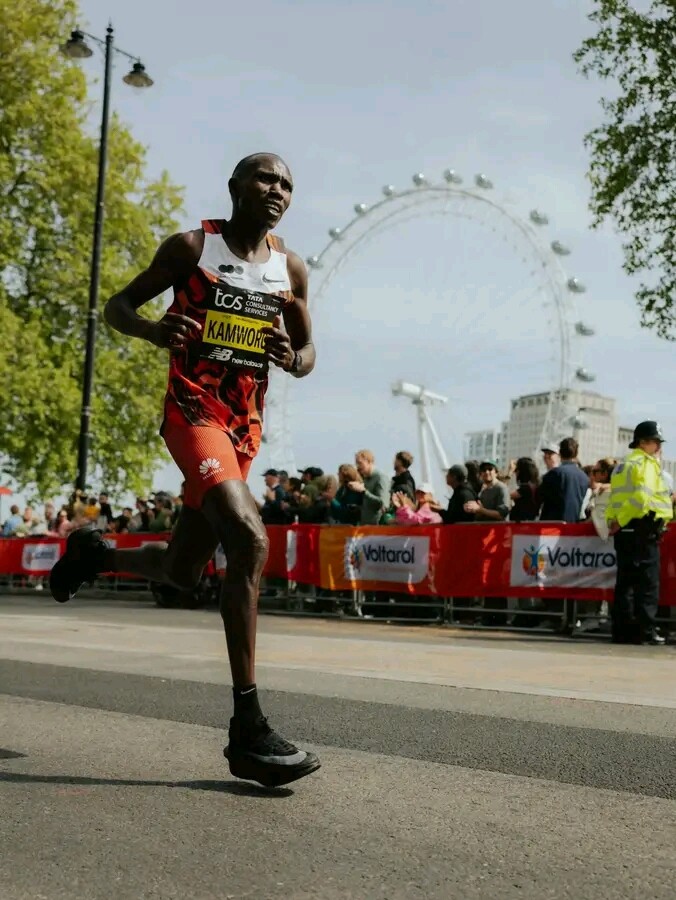
His London Marathon campaign on April 26 proved considerably tougher. Kamworor finished eighth in 2:05:38 in a historic race dominated by Sebastian Sawe, who produced a sensational 1:59:30 to become the first man to break the two-hour barrier in a marathon. Ethiopia's Yomif Kejelcha was second in 1:59:41, while Uganda's Jacob Kiplimo finished third in 2:00:28.
Kamworor will therefore arrive in New York with both experience and motivation on his side. He knows exactly what the course demands, having already navigated its hills, turns and relentless closing stages on multiple occasions.
Beyond the marathon, his career is decorated with major international honours across several disciplines.
Kamworor is a three-time world half marathon champion, winning his first title in Copenhagen in 2014 before successfully defending his crown in Cardiff in 2016 and completing his remarkable hat-trick in Valencia in 2018.
He has also established himself as one of Kenya's finest cross-country runners. He won the world junior cross-country title in Punta Umbria in 2011 before becoming a senior world champion in Guiyang in 2015 and Kampala in 2017. He added a bronze medal at the 2019 World Cross Country Championships in Aarhus.
That versatility has long been one of Kamworor's greatest strengths. From cross country to the half marathon and now the marathon, he has repeatedly demonstrated the endurance, tactical intelligence and competitive resilience required to succeed at the highest level.
Yet New York remains unfinished business.
With two victories already secured and another opportunity waiting on November 1, Kamworor has a chance to strengthen his legacy on one of the sport's most iconic stages.
A third triumph would not only give him a coveted New York hat-trick but would further cement his status as one of Kenya's most accomplished distance runners of his generation.
The Big Apple has already given Kamworor some of the proudest moments of his career. Now, the Kenyan star is returning with one clear ambition — to conquer New York once again.
by Erick Cheruiyot for My Best Runs.
Login to leave a comment

TCS New York City Marathon
The first New York City Marathon, organized in 1970 by Fred Lebow and Vince Chiappetta, was held entirely in Central Park. Of 127 entrants, only 55 men finished; the sole female entrant dropped out due to illness. Winners were given inexpensive wristwatches and recycled baseball and bowling trophies. The entry fee was $1 and the total event budget...
more...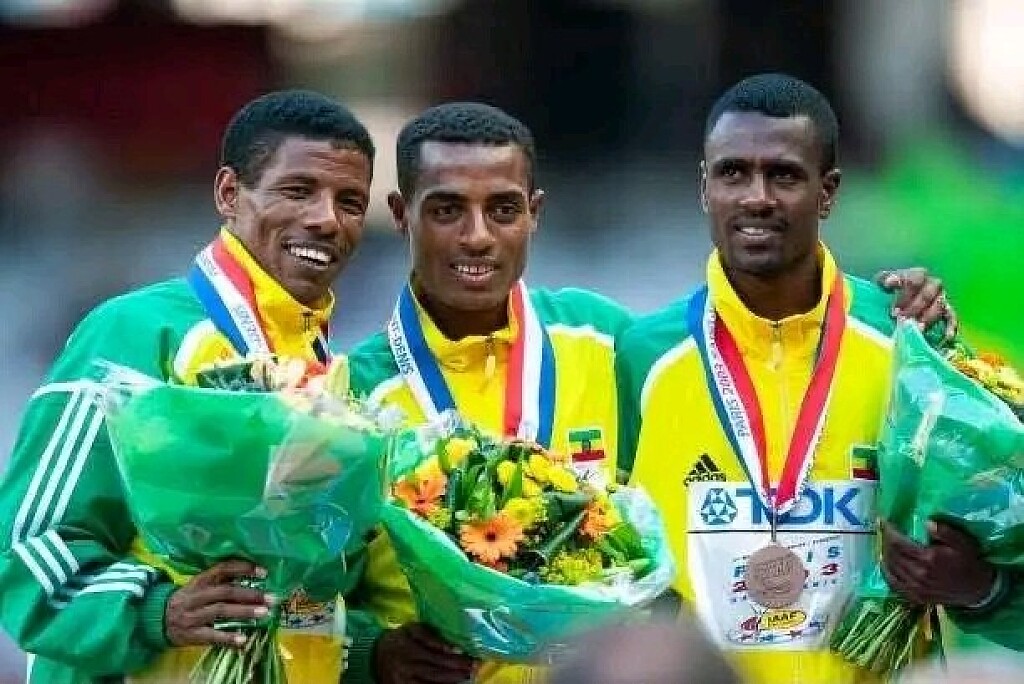
Kenenisa Bekele’s Paris Coronation: The Night Ethiopia’s Distance Running Dynasty Changed Forever
Paris, France — August 24, 2003.
The Stade de France witnessed far more than a World Championship 10,000m final that night. It witnessed the beginning of a new era.
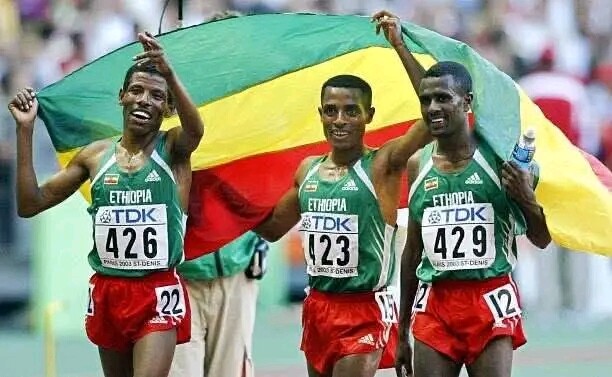
For years, Haile Gebrselassie of Ethiopia had stood virtually untouchable at the summit of world distance running. He arrived in Paris as a two-time Olympic champion and four-time World Champion over 10,000m, carrying the reputation of a man who had dominated the track for much of the previous decade.
But waiting in the same race was a 21-year-old Ethiopian whose running style looked remarkably familiar.
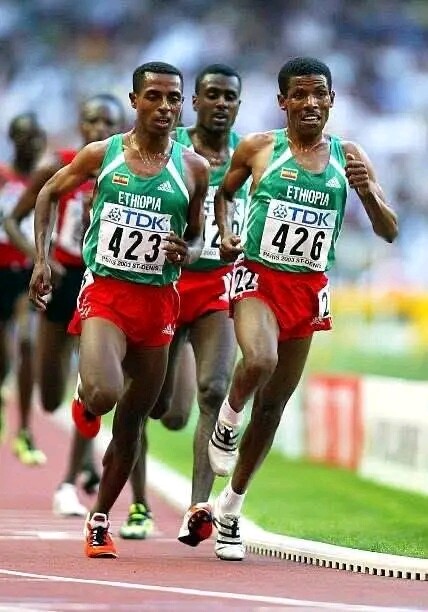
His name was Kenenisa Bekele.
The younger Ethiopian had already shown flashes of extraordinary potential, but Paris was where potential became reality.
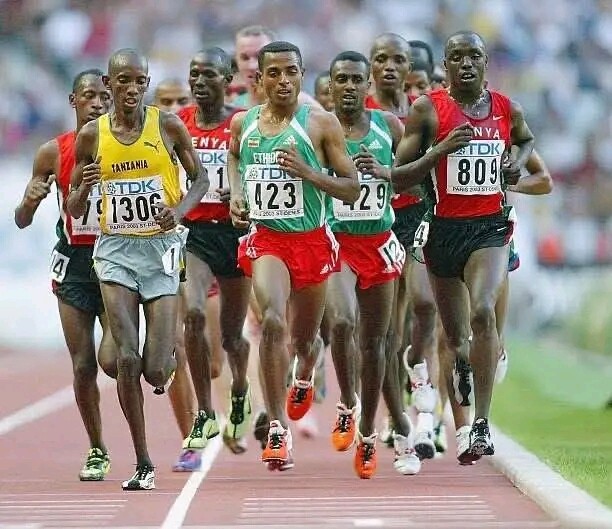
As the race unfolded, Gebrselassie ran aggressively, repeatedly applying pressure in an attempt to break the field and shake off his young compatriot. One by one, the world's best distance runners were dropped, including a strong Kenyan contingent.
Yet Bekele refused to disappear.
He stayed glued to Gebrselassie's shoulder, matching every surge and every change of pace. Behind them, Sileshi Sihine of Ethiopia remained in contention, setting the stage for what would ultimately become a historic Ethiopian sweep.
Then came the decisive moment.
With only 200 metres remaining, Bekele made his move.
Gebrselassie, famous for his devastating finishing speed, tried to respond. But this time, there was no answer. Bekele powered away down the final straight, creating daylight between himself and his legendary compatriot.
The changing of the guard had arrived.
Bekele crossed the finish line in 26:49.57, becoming the first athlete to break 27 minutes at these World Championships and setting a championship record.
Behind him, Gebrselassie finished second in 26:50.77, while Sihine completed an extraordinary Ethiopian clean sweep with 27:01.44.
It was not simply a victory for Bekele.
It was the moment the young star announced that he was ready to inherit the throne.
Paris 2003 — Men's 10,000m Final
1. Kenenisa Bekele — Ethiopia — 26:49.57 CR
2. Haile Gebrselassie — Ethiopia — 26:50.77
3. Sileshi Sihine — Ethiopia — 27:01.44
4. Ahmad Hassan Abdullah — Qatar — 27:18.28
5. John Cheruiyot Korir — Kenya — 27:19.94
6. Wilberforce Talel — Kenya — 27:33.60
7. Charles Kamathi — Kenya — 27:45.05
8. Kamiel Maase — Netherlands — 27:45.46
9. Karl Keska — Great Britain — 27:47.89
10. Ismail Sghyr — France — 27:54.87
11. David Galván — Mexico — 27:55.31
12. John Yuda Msuri — Tanzania — 27:56.21
13. Fabiano Joseph Naasi — Tanzania — 28:06.36
14. Alan Culpepper — United States — 28:14.92
15. Teodoro Vega — Mexico — 28:31.71
16. Mebrahtom Keflezighi — United States — 28:35.08
17. Cathal Lombard — Ireland — 28:36.43
18. Tomoo Tsubota — Japan — 28:37.10
19. Dan Browne — United States — 29:01.60
Bekele's Paris triumph proved to be the beginning of something much bigger. He went on to win Olympic 10,000m gold in Athens the following year and established himself as the dominant track distance runner of his generation.
At the 2008 Beijing Olympics, he completed the extraordinary 5,000m and 10,000m double, cementing his place among the greatest distance runners in history.
Gebrselassie, meanwhile, successfully reinvented himself beyond the track. He turned increasingly toward the 10km, half marathon and marathon, where he continued rewriting the record books and building another extraordinary chapter of his career.
But Paris remains special.
On August 24, 2003, one Ethiopian legend was still fighting to protect his kingdom while another was stepping forward to claim it.
Kenenisa Bekele didn't simply win a World Championship gold medal that night. He announced the arrival of a new era in distance running.
by Erick Cheruiyot for My Best Runs.
Login to leave a comment
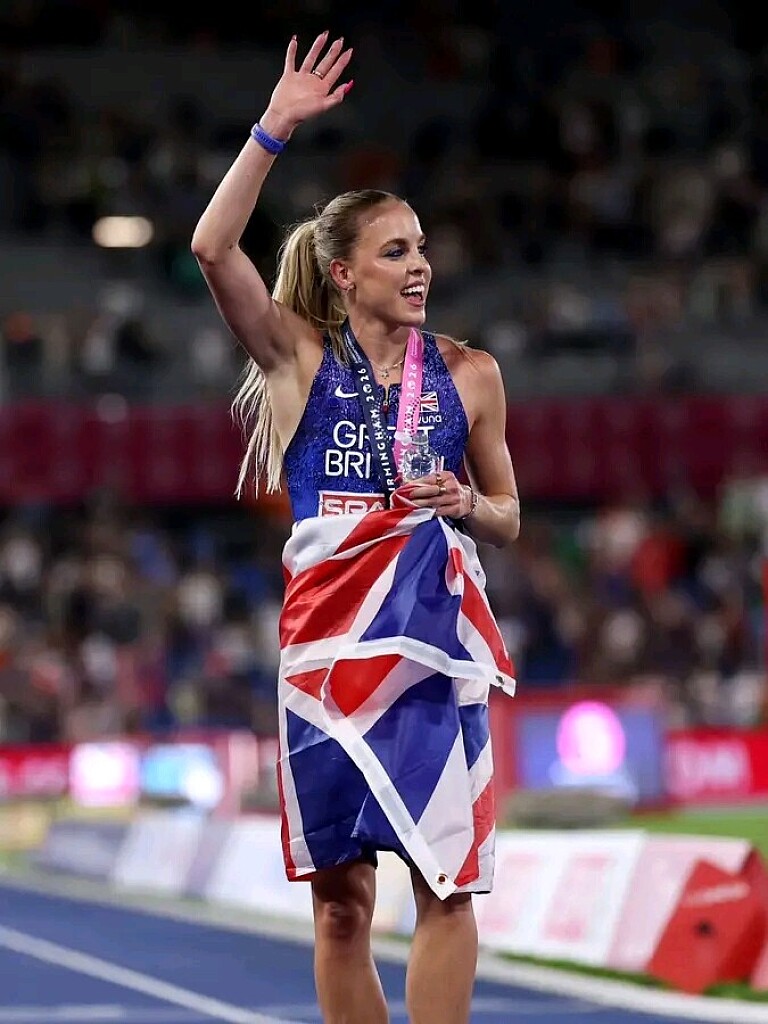
Keely Hodgkinson Withdraws From Zurich Diamond League 800m as Olympic Champion Prioritises Recovery
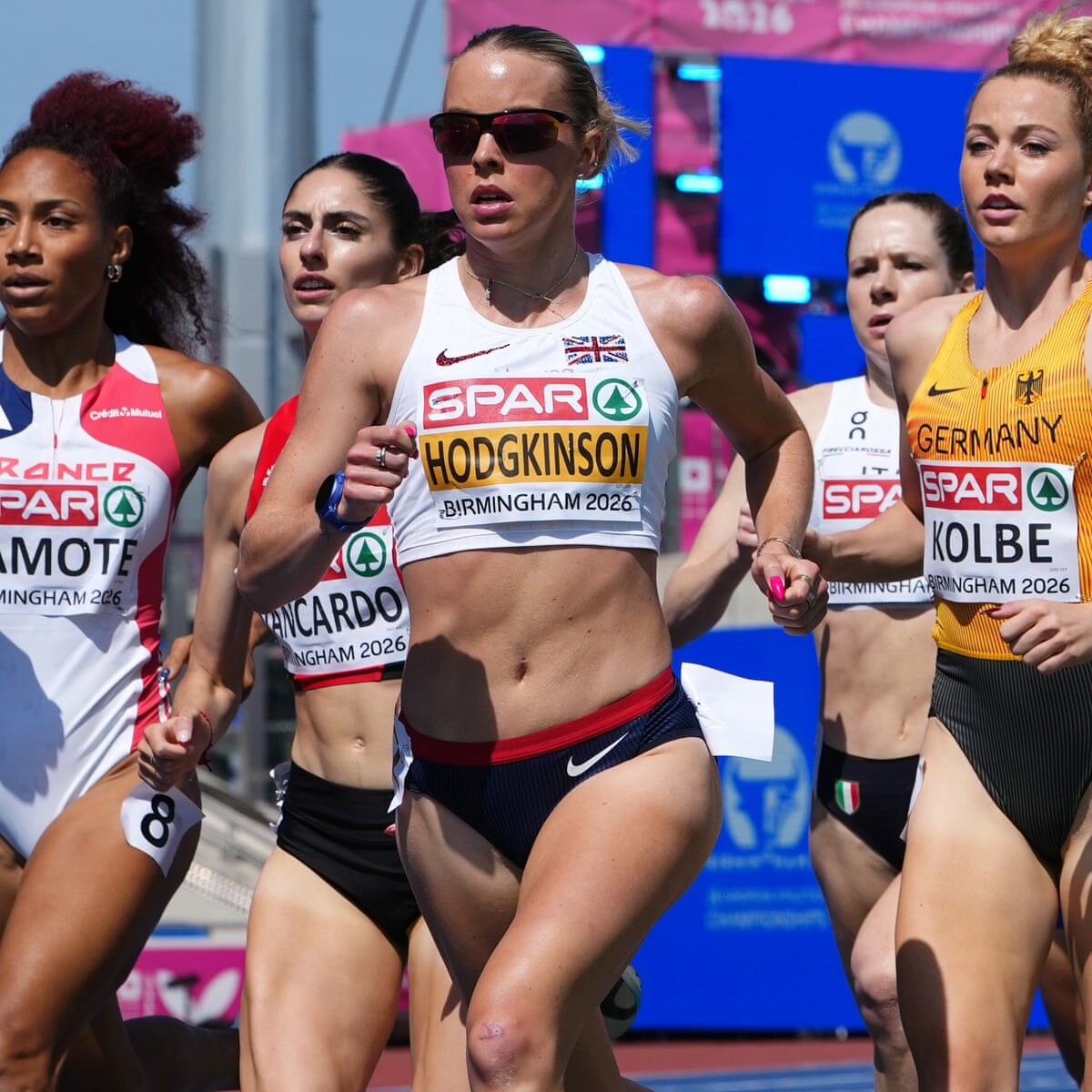
Olympic champion Keely Hodgkinson has withdrawn from this week’s Diamond League meeting in Zurich, where she was scheduled to headline a star-studded women’s 800m field.
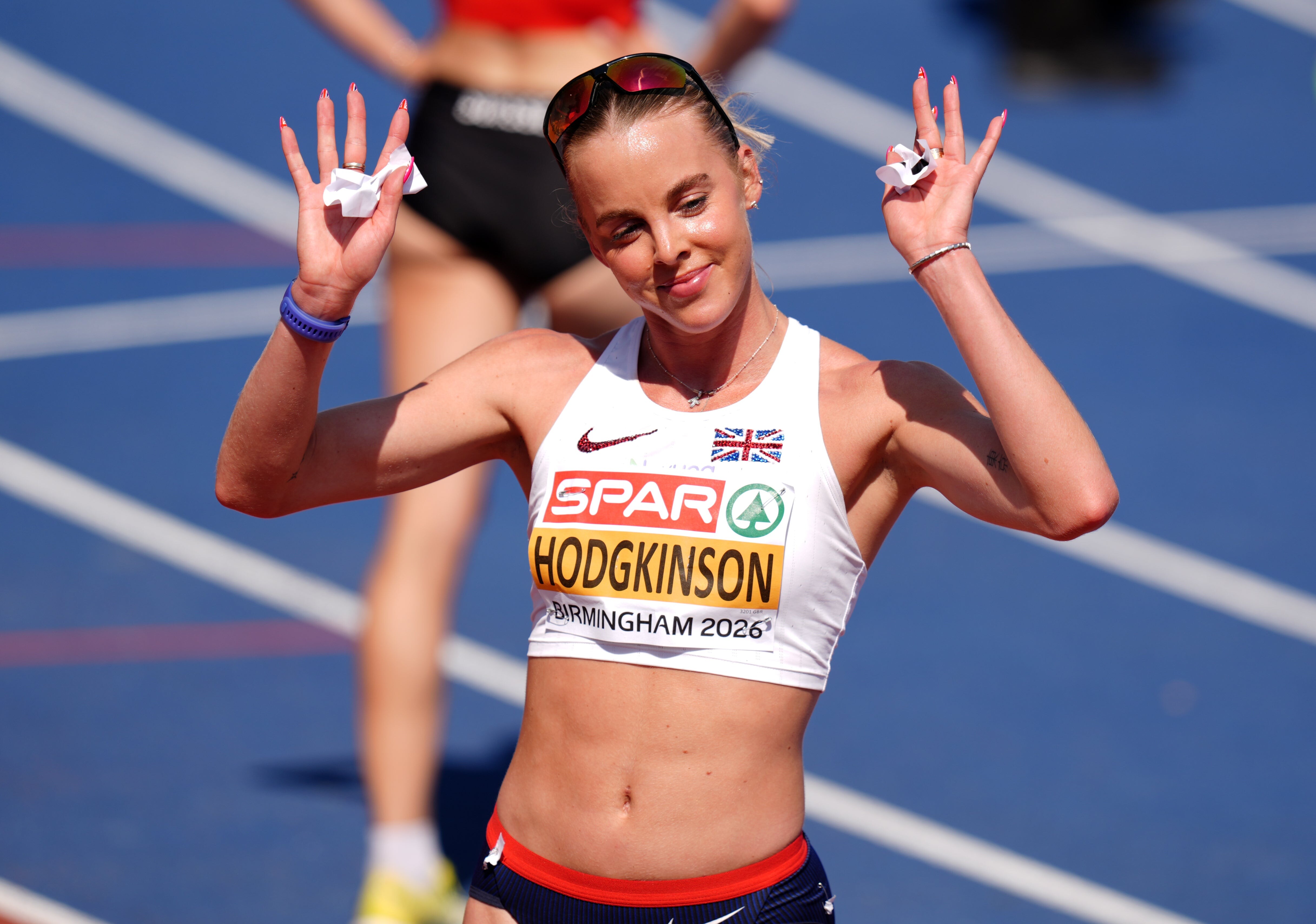
The British middle-distance star confirmed that her body is not yet ready for another race following the European Championships, prompting her and her team to make the decision to skip Thursday’s August 27 meeting and focus on a full recovery ahead of her next outing.
“The body isn't quite ready to race again after the European Championships, so we've made the decision to skip this race and get ready for the next one,” Hodgkinson said.
The decision comes as a disappointment for fans who had been eagerly anticipating Hodgkinson’s return to the track in Zurich, particularly because the race was set to feature a formidable line-up of international 800m talent.
Hodgkinson had been due to face unbeaten European champion Audrey Werro of Switzerland, Commonwealth champion Georgia Hunter Bell of Great Britain, reigning world champion Lilian Odira of Kenya and European bronze medallist Femke Broeders-Bol of the Netherlands.
The meeting had also promised a highly anticipated rematch between Hodgkinson and Werro following the dramatic European Championships in Birmingham, where the Swiss star produced a stunning performance to upset the field and claim the European title.
That result added even more intrigue to their scheduled Zurich showdown, with Hodgkinson expected to have another opportunity to respond on the Diamond League stage. Her withdrawal, however, means that much-awaited battle will have to wait.
Despite missing one of the season’s biggest meetings, Hodgkinson is choosing caution over a rushed return. After the physical demands of championship racing, the Olympic champion believes the right approach is to allow her body sufficient time to recover before stepping back onto the track.
“I’m sad to miss it, hopefully see you next year!” Hodgkinson added.
Her absence will undoubtedly take some of the spotlight away from the Zurich 800m, but the race remains packed with quality. Werro, Hunter Bell, Odira and Broeders-Bol will still provide a compelling contest, with each athlete carrying an impressive championship pedigree into the race.
For Hodgkinson, meanwhile, the focus now shifts away from Zurich and towards making sure she is fully prepared for her next appearance.
The Olympic champion may be missing from Thursday’s start line, but her decision reflects a bigger priority: returning to competition healthy, sharp and ready to perform at her best rather than risking a premature comeback.
And when Hodgkinson does return, the prospect of another clash with Werro—and a renewed battle among the world’s leading 800m runners—will undoubtedly be one of the most anticipated moments of the season.
by Erick Cheruiyot for My Best Runs.
Login to leave a comment
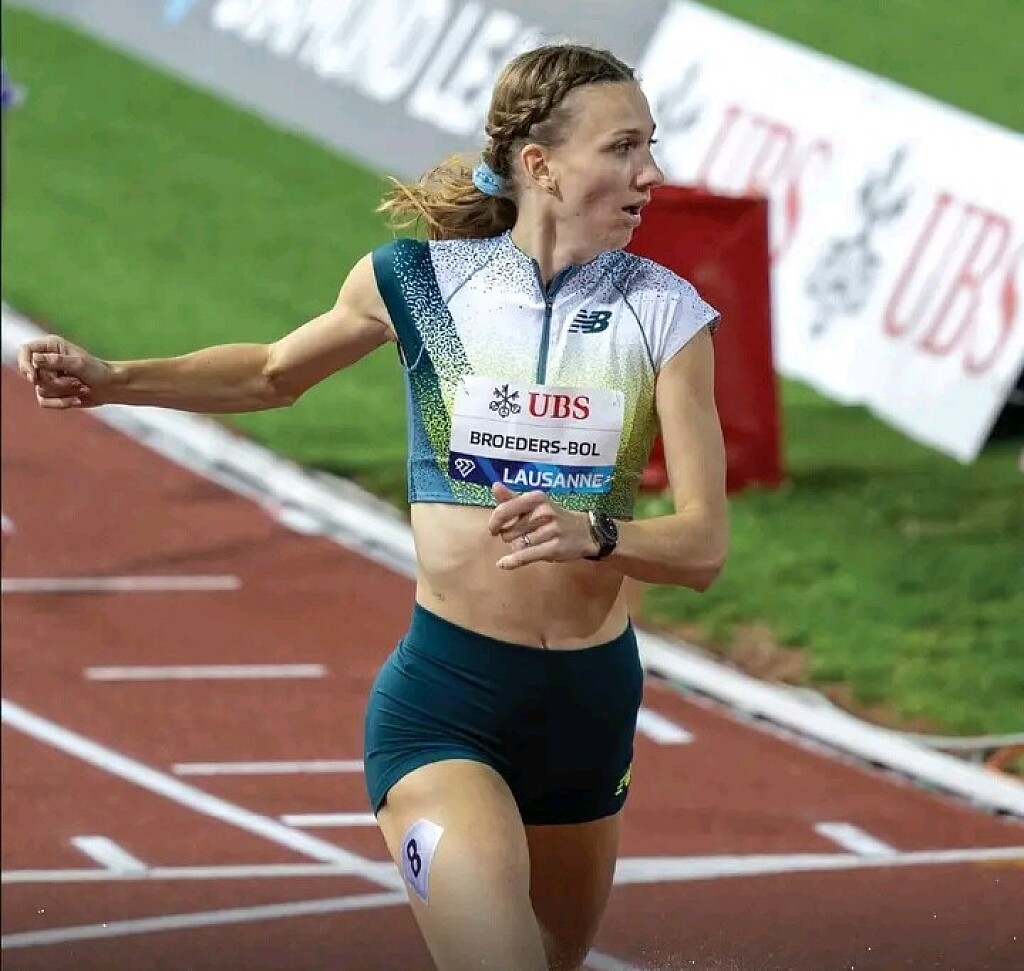
Femke Broeders-Bol’s Stunning Rise Continues with Dutch 800m Record in Lausanne
Femke Broeders-Bol’s remarkable transformation into a genuine 800m force continued in spectacular fashion at the Lausanne Diamond League, where the Dutch star smashed the national record with a breathtaking 1:55.41 and came within a fraction of victory.
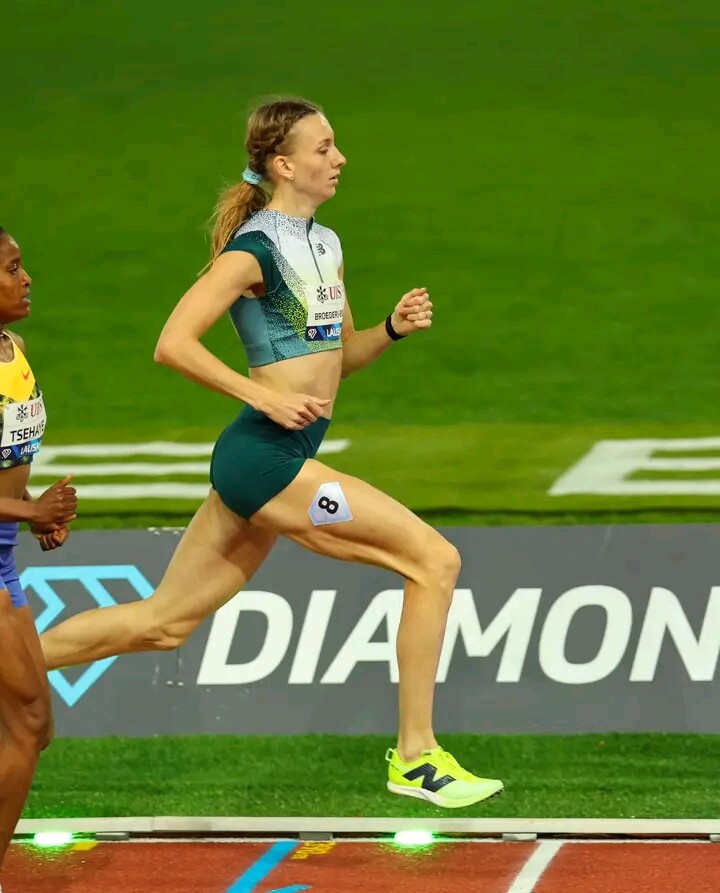
In one of the most thrilling races of the evening, Bol pushed Switzerland’s European champion Audrey Werro all the way to the finish line, with just 0.08 seconds separating the two athletes. Werro claimed victory in a meeting record of 1:55.33, while Bol crossed the line second in 1:55.41, rewriting the Dutch record books with the fastest 800m performance of her career.
Audrey Werro of Switzerland — 1:55.33, Meeting Record
Femke Broeders-Bol of the Netherlands — 1:55.41, National Record
For Bol, the performance marked another extraordinary step in what has become a sensational 2026 campaign. Her progression over two laps has been nothing short of remarkable. After running 1:59.07 in February, she improved to 1:57.13 in June, then 1:57.41 just days later, before breaking through with 1:55.60 in June. She continued her rapid rise with 1:55.54 in August before lowering the Dutch national record even further to 1:55.41 in Lausanne.
The latest breakthrough is especially significant because it came against one of the world's fastest 800m runners. Werro entered the race as the European champion and delivered a sensational performance of her own, but Bol refused to let her escape and stayed within striking distance all the way to the line.
Long recognised as one of the world's outstanding talents in the 400m hurdles, Bol is now showing just how formidable she can be over the flat 800m. Her ability to move from hurdles dominance into elite middle-distance competition has added another fascinating dimension to her career, and her rapid improvement suggests there could still be more to come.
From 1:59.07 to 1:55.41 in a single season, Bol has made one of the most dramatic improvements in women's middle-distance running this year. More importantly, she is no longer simply experimenting with the event—she is proving that she can challenge the very best.
The Dutch star may have narrowly missed victory in Lausanne, but her national-record performance sent a powerful message.
Femke Broeders-Bol is getting faster, the margins are getting smaller, and the women's 800m is becoming even more fascinating.
by Erick Cheruiyot for My Best Runs.
Login to leave a comment
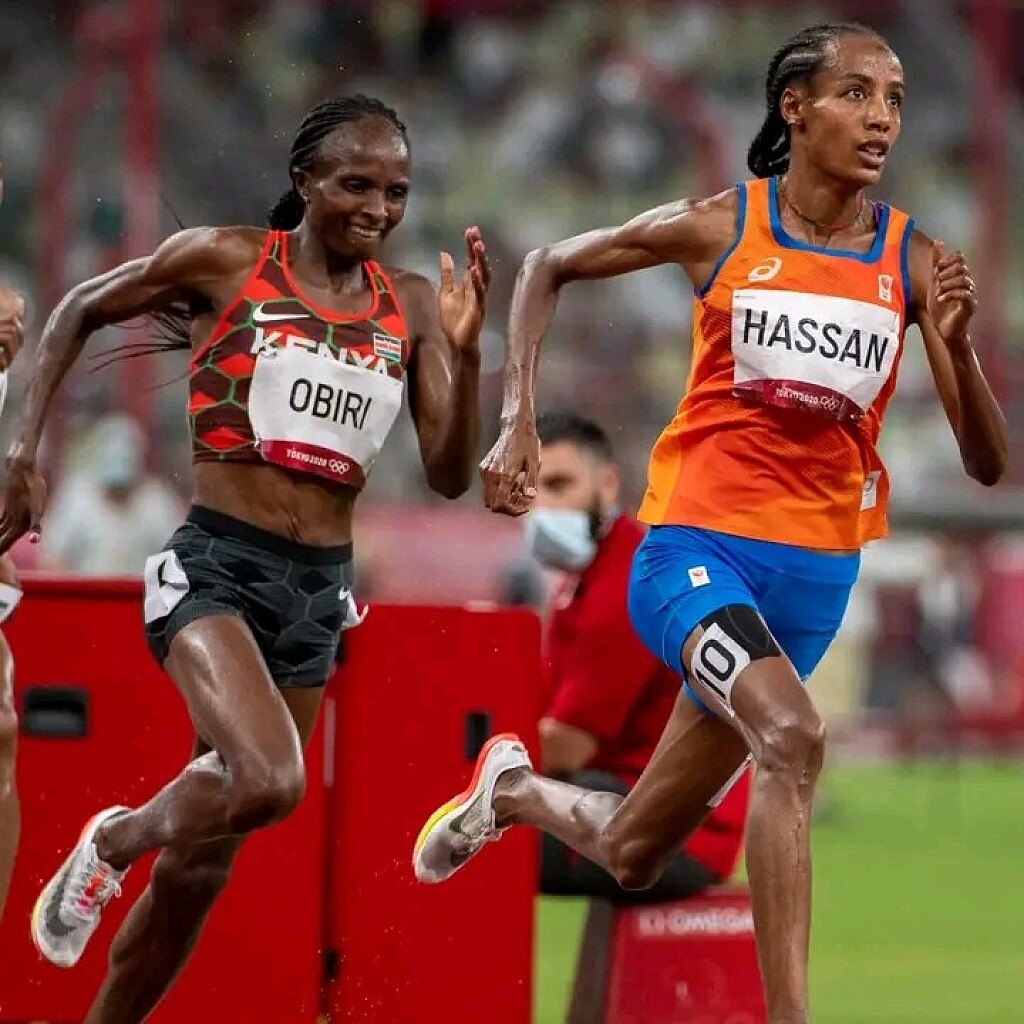
From Track Rivals to Marathon Queens: Sifan Hassan and Hellen Obiri Renew Their New York Rivalry
For more than a decade, Sifan Hassan of the Netherlands and Hellen Obiri of Kenya have been familiar opponents on the biggest stages of distance running. Their rivalry was forged on the track, where Hassan’s extraordinary versatility and finishing speed repeatedly collided with Obiri’s strength, tactical intelligence and championship pedigree.
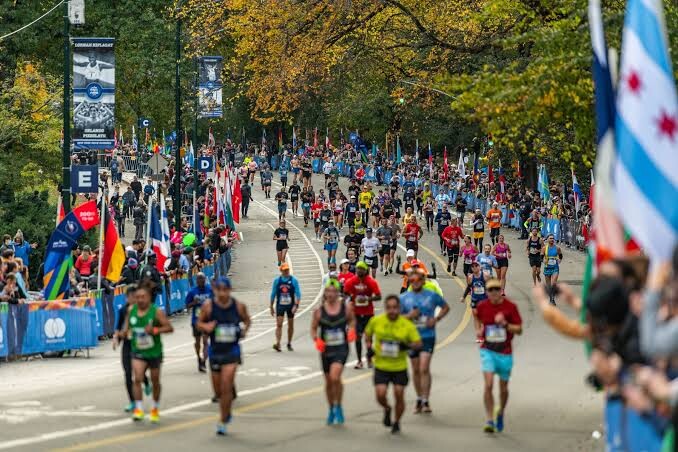
Now, after conquering different chapters of the sport, the two global stars are set to meet again on the streets of New York on November 1, 2026 — with another marathon crown at stake.
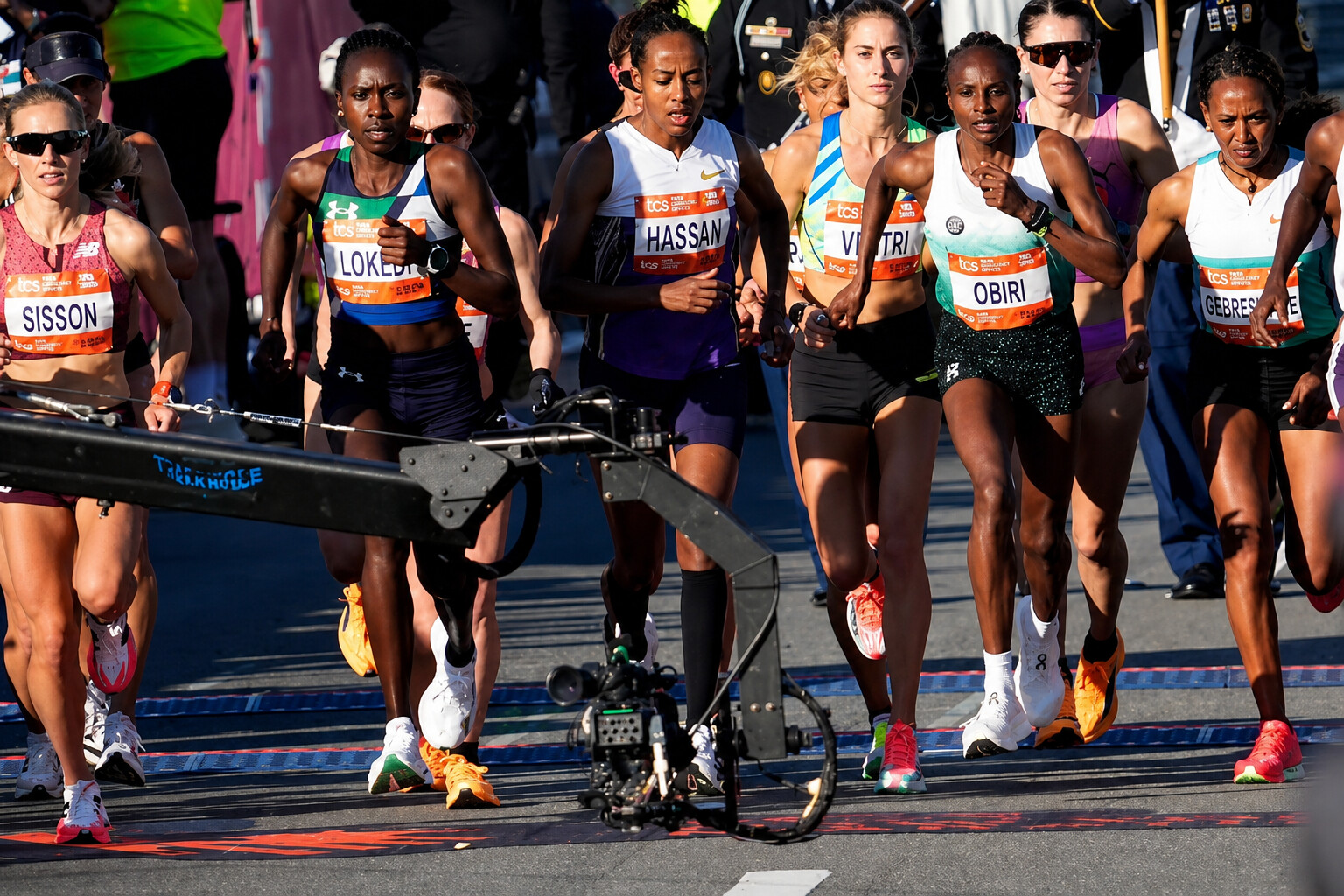
Their most memorable encounters came during the golden years of their track careers. At the Tokyo 2020 Olympics, Hassan defeated Obiri in a thrilling 5000m final, winning gold in 14:36.79 while Obiri took silver in 14:38.36. A year later, the two were again among the leading figures in the 10,000m at the 2022 World Championships in Oregon, where Obiri claimed silver and Hassan finished fourth.
But both athletes eventually turned their attention to the marathon, transforming a track rivalry into a new battle over 42.195 kilometres.
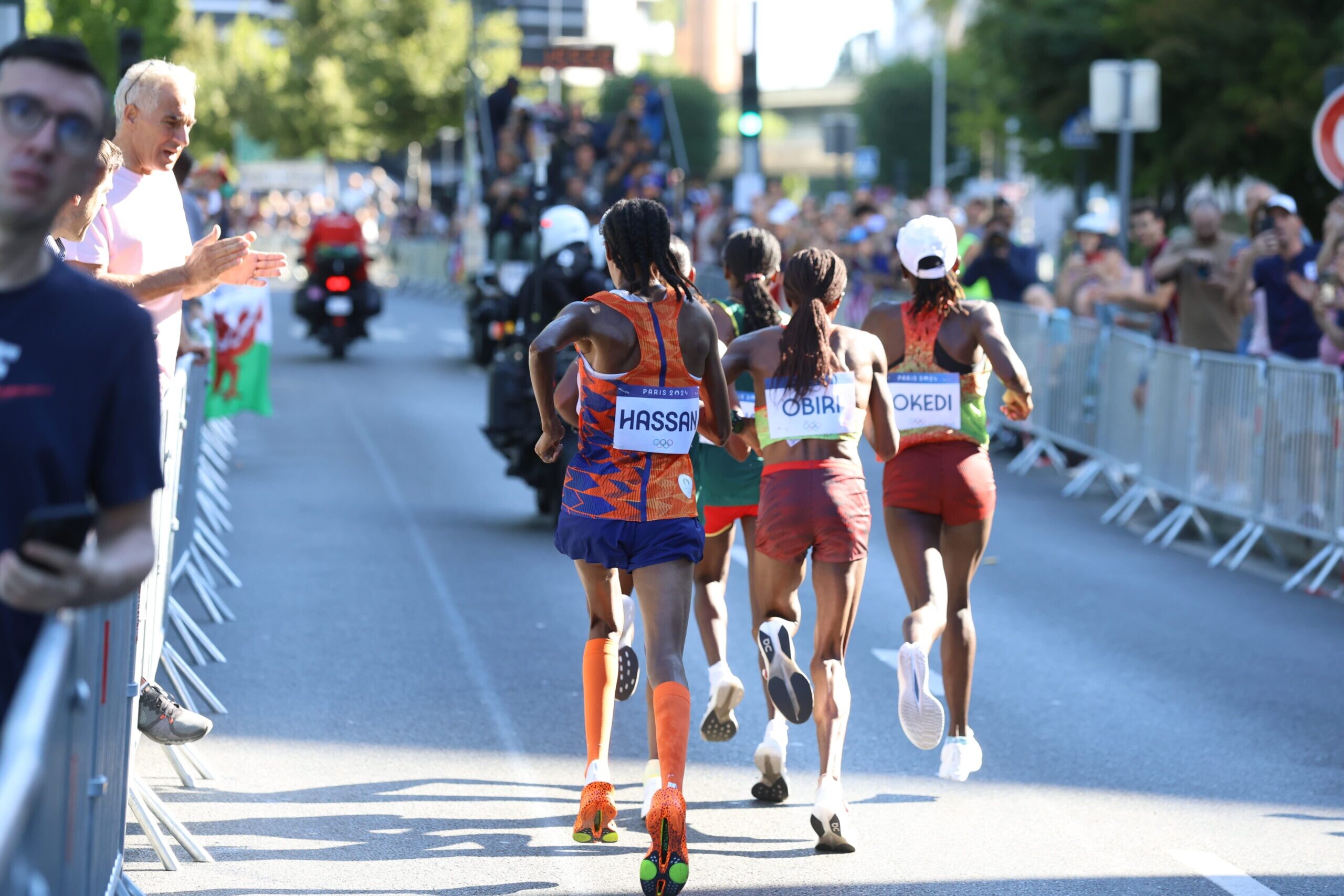
Hassan’s transition was extraordinary. After already establishing herself as one of the most versatile distance runners in history, she conquered the marathon at the Paris 2024 Olympics, winning gold and setting a personal best of 2:13:44 — a mark that remains significantly faster than Obiri’s current personal best.
Obiri, meanwhile, built her own formidable reputation on the roads. The Kenyan became a major force in the World Marathon Majors, winning the New York City Marathon in 2023 before returning to the top of the podium in 2025.
That 2025 New York race added another compelling chapter to the Hassan-Obiri rivalry.
Hassan made her New York debut but finished sixth in 2:24:43, while Obiri produced a commanding performance to win in 2:19:51. Her victory not only secured her second New York title but also shattered Margaret Okayo’s long-standing course record of 2:22:31.
The contrast could hardly be more intriguing heading into 2026.
Hassan owns the faster marathon personal best and the ultimate Olympic marathon prize. Obiri owns two New York titles and knows exactly how to master the famously demanding five-borough course. And the Kenyan has continued to strengthen her marathon credentials, running a personal-best 2:15:53 in London in 2026.
Hassan, meanwhile, returns to New York with unfinished business. After describing her 2025 debut as a physically punishing experience, she is preparing to tackle the course again, bringing the lessons of her first attempt and her vast championship experience with her.
This time, the stakes feel different.
There is history between them. There is unfinished business. And there is the intriguing question of whether Hassan’s superior lifetime speed over the marathon distance can finally translate into victory on the streets where Obiri has already established herself as a two-time queen.
One athlete has Olympic marathon gold and a 2:13:44 personal best.
The other has two New York crowns and a course record that announced her arrival among the marathon elite in emphatic fashion.
When Hassan and Obiri line up together again in New York, it will be more than another World Marathon Major showdown. It will be the latest chapter in a rivalry that began with championship battles on the track and has now evolved into one of the most compelling confrontations in women’s marathon running.
Track rivals. Olympic champions. Marathon queens.
On November 1, New York gets the next chapter.
by Erick Cheruiyot for My Best Runs.
Login to leave a comment
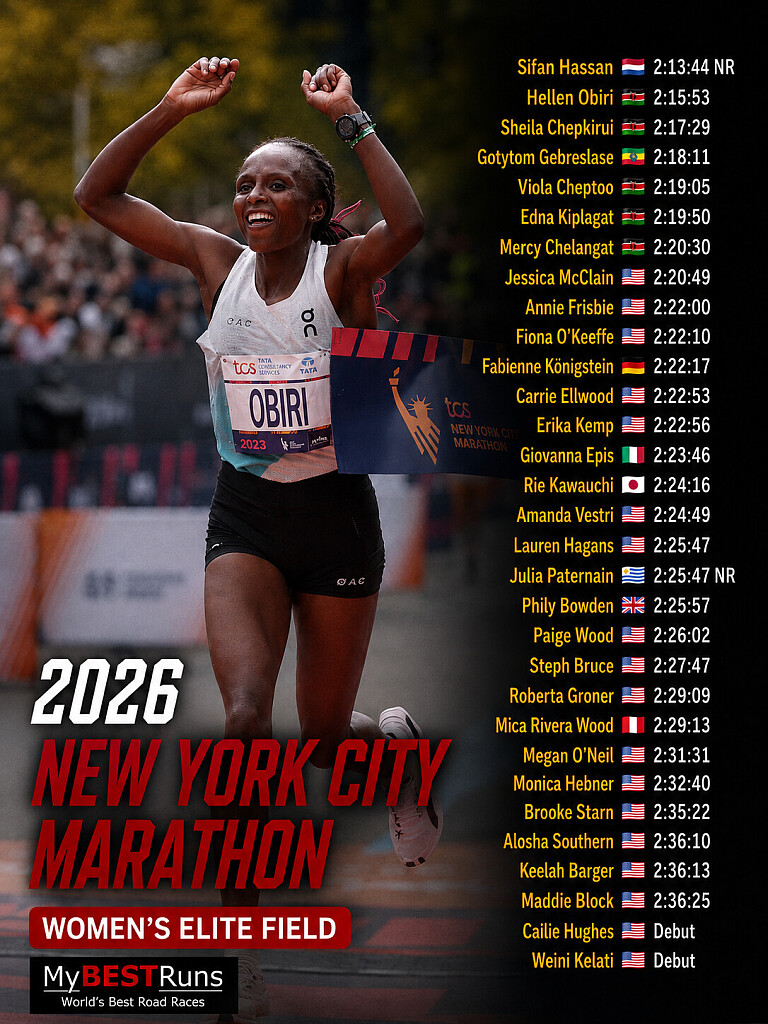
Sifan Hassan and Hellen Obiri Headline Star-Studded 2026 New York City Marathon Field
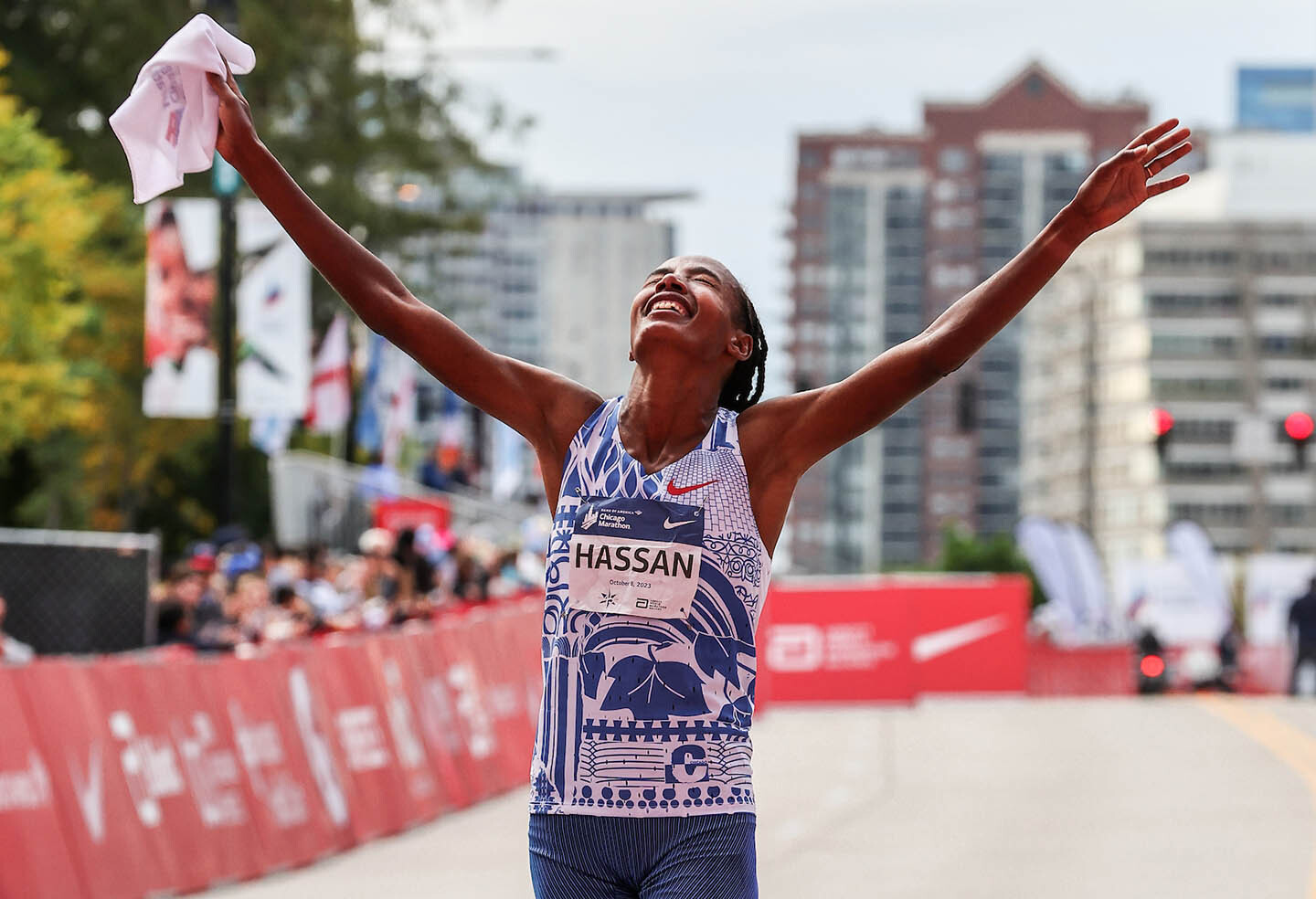
The 2026 TCS New York City Marathon is shaping up to be one of the most anticipated women’s marathon showdowns of the year, with Olympic champion Sifan Hassan of the Netherlands (2:13:44 NR) and defending champion Hellen Obiri of Kenya (2:15:53) leading a sensational field for November 1.
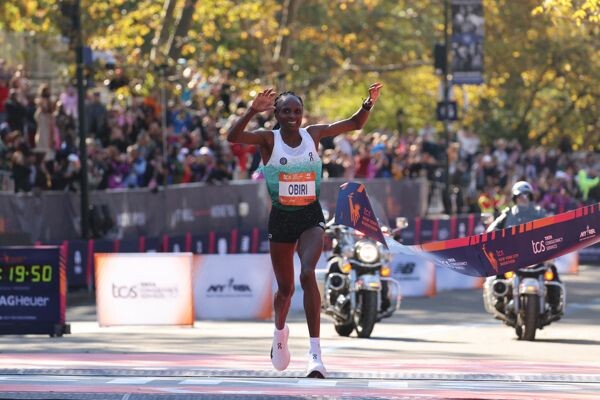
The pair headline a world-class lineup featuring Olympic and world champions, major-marathon winners, national record holders and some of the most exciting marathoners from around the globe.
Hassan arrives with the fastest personal best in the field, while Obiri will return to New York seeking to defend the title she won last year in 2:19:51. The Kenyan star has established herself as one of the defining figures of the modern marathon, and another victory in New York would further strengthen her remarkable record over the distance.
“New York always brings out the best in me and I’m excited to return and feel the energy of each borough during such a historic year,” Obiri said.
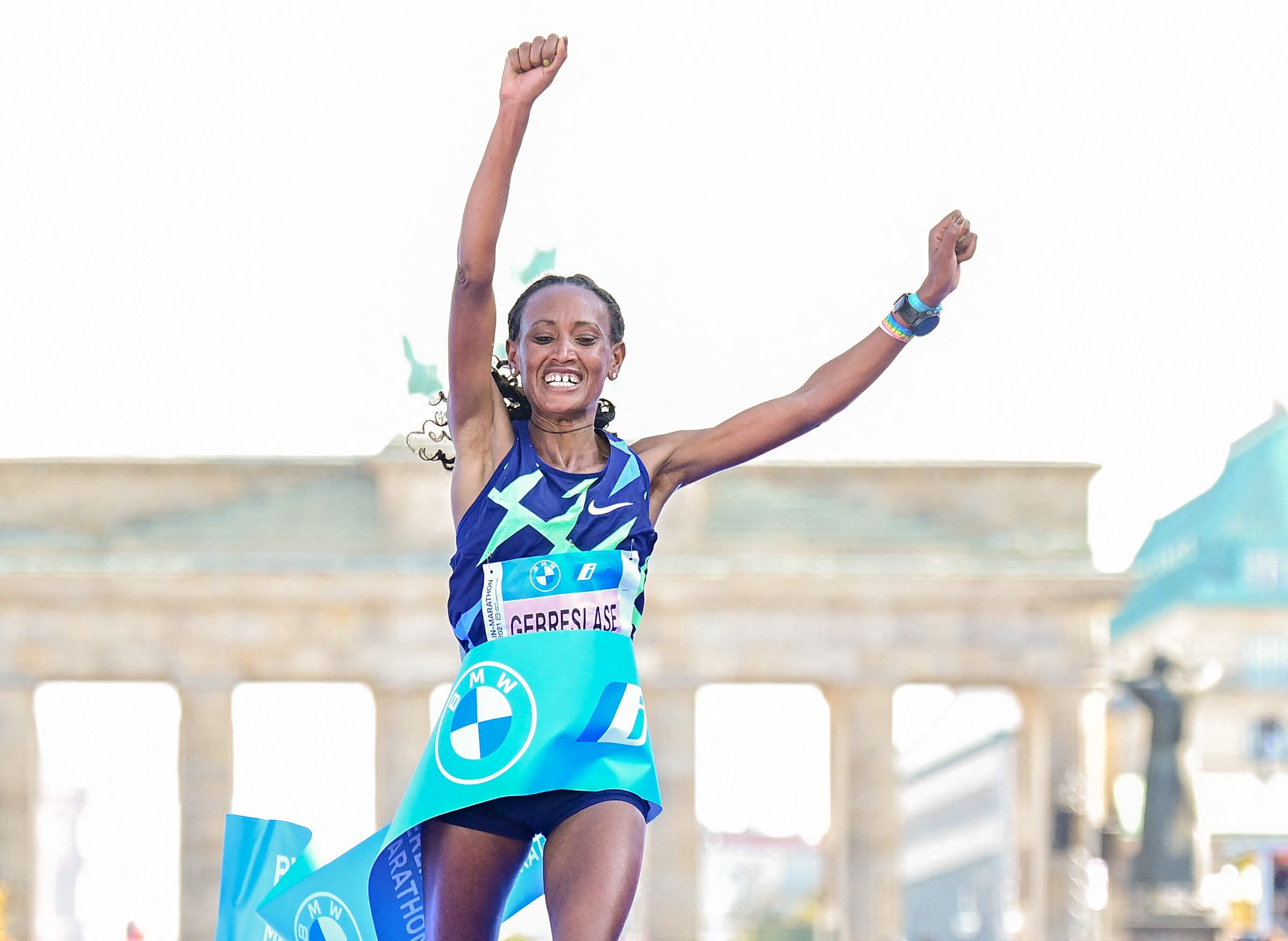
She will face a formidable Kenyan challenge led by Sheila Chepkirui (2:17:29), Viola Cheptoo (2:19:05), Edna Kiplagat (2:19:50) and Mercy Chelangat (2:20:30). Ethiopia will be represented by former world champion Gotytom Gebreslase (2:18:11), adding even more championship pedigree and experience to an already formidable front pack.
The strength of the field continues with Jessica McClain of the United States (2:20:49), Annie Frisbie of the United States (2:22:00), Fiona O’Keeffe of the United States (2:22:10) and Fabienne Königstein of Germany (2:22:17). They will be joined by fellow American contenders Carrie Ellwood (2:22:53), Erika Kemp (2:22:56), Amanda Vestri (2:24:49) and Lauren Hagans (2:25:47), while Giovanna Epis of Italy (2:23:46) and Rie Kawauchi of Japan (2:24:16) add further international quality.
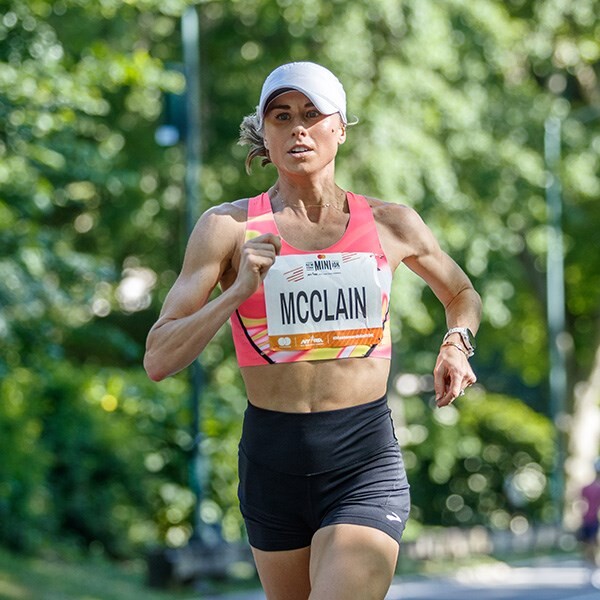
The lineup also features Julia Paternain of Uruguay (2:25:47 NR), Phily Bowden of Great Britain (2:25:57), Paige Wood of the United States (2:26:02) and Steph Bruce of the United States (2:27:47). The experience continues with Roberta Groner of the United States (2:29:09) and Mica Rivera Wood of Peru (2:29:13), while Megan O’Neil (2:31:31), Monica Hebner (2:32:40), Brooke Starn (2:35:22), Alosha Southern (2:36:10), Keetah Barger (2:36:13) and Maddie Block (2:36:25) add considerable depth to the American contingent.
Two particularly intriguing names will also be making their marathon debuts: Cailie Hughes and Weini Kelati of the United States. Kelati enters the new chapter of her career after lowering the American half-marathon record to 1:06:04 in February, giving her a strong foundation as she steps up to the classic 26.2-mile distance for the first time.
Her marathon debut adds another layer of intrigue to an already star-studded race. Kelati’s speed and endurance could make her a dangerous contender if she adapts quickly to the demands of the marathon, while Hughes will also bring the unpredictability that comes with tackling the distance for the first time.
With athletes representing the Netherlands, Kenya, Ethiopia, the United States, Germany, Italy, Japan, Uruguay, Great Britain and Peru, the 2026 women’s field boasts remarkable international depth. The leading contenders bring contrasting strengths, experiences and racing backgrounds, setting the stage for a fascinating battle across New York’s five boroughs before the famous finish in Central Park.
For Hassan, the race represents another opportunity to showcase her extraordinary range and marathon pedigree. For Obiri, it is a chance to defend her New York crown against one of the deepest fields assembled for the race. Behind them, Chepkirui, Gebreslase, Cheptoo, Kiplagat and a host of talented contenders will be waiting to challenge for the podium.
With Olympic pedigree, world championship experience, major-marathon success and two highly anticipated marathon debuts all converging on New York, the stage is set for a compelling battle on November 1.
The question is no longer whether the 2026 TCS New York City Marathon will deliver drama, but who will emerge victorious when the battle reaches Central Park.
Who is your favorite to take the crown in New York?
by Erick Cheruiyot for My Best Runs.
Login to leave a comment
TCS New York City Marathon
The first New York City Marathon, organized in 1970 by Fred Lebow and Vince Chiappetta, was held entirely in Central Park. Of 127 entrants, only 55 men finished; the sole female entrant dropped out due to illness. Winners were given inexpensive wristwatches and recycled baseball and bowling trophies. The entry fee was $1 and the total event budget...
more...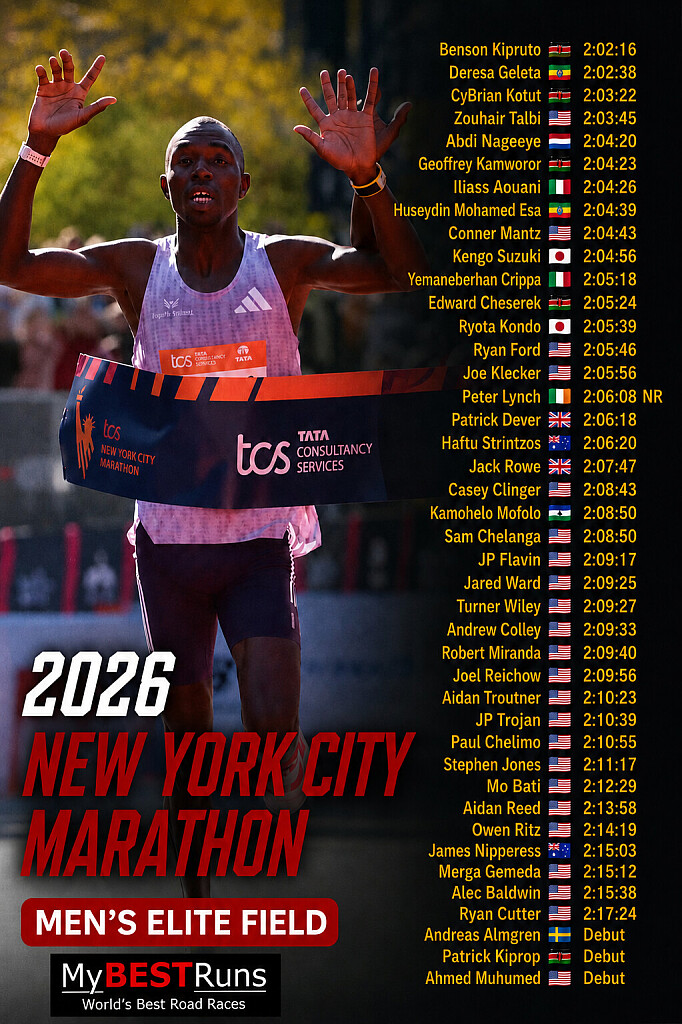
New York Marathon Set For Blockbuster Showdown As America’s Two Fastest Men Collide
The 2026 TCS New York City Marathon is shaping up to be one of the most anticipated editions in recent history, with New York Road Runners unveiling a remarkable men’s professional field that brings together the two fastest American marathoners ever on the same starting line.
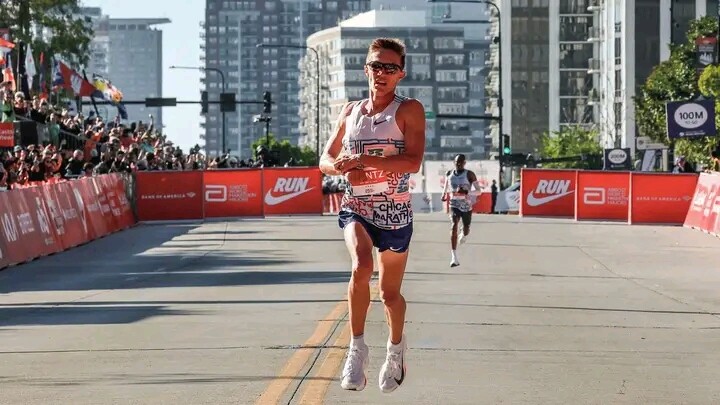
The race, scheduled for November 1, will feature American record-holder Conner Mantz (2:04:43) and Zouhair Talbi (2:03:45), whose performance at the 2026 Boston Marathon is the fastest marathon ever run by an American by clock time. However, because Boston is not a record-eligible course, Talbi’s mark does not replace Mantz’s official American record.
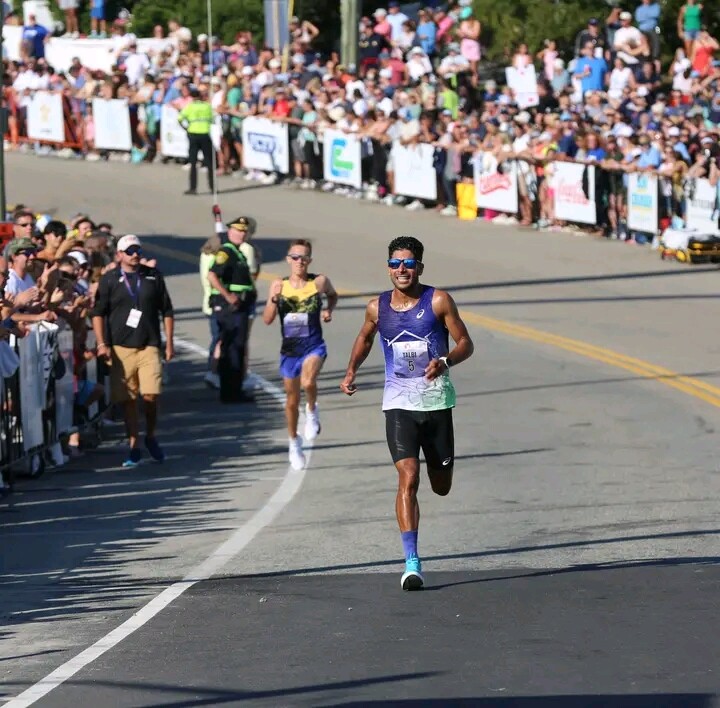
Mantz established the American record with his 2:04:43 fourth-place finish at the 2025 Chicago Marathon, breaking a national record that had stood since 2002. Talbi went even faster in Boston in April, crossing the line fifth in 2:03:45 and adding another extraordinary chapter to the rapid evolution of American marathon running.
That makes New York particularly intriguing. For the first time, the two men who occupy the top two positions on the all-time American marathon performance list will have the opportunity to race each other over a record-eligible course, with the streets of New York providing the stage.
And the American showdown will be only one part of a much bigger battle.
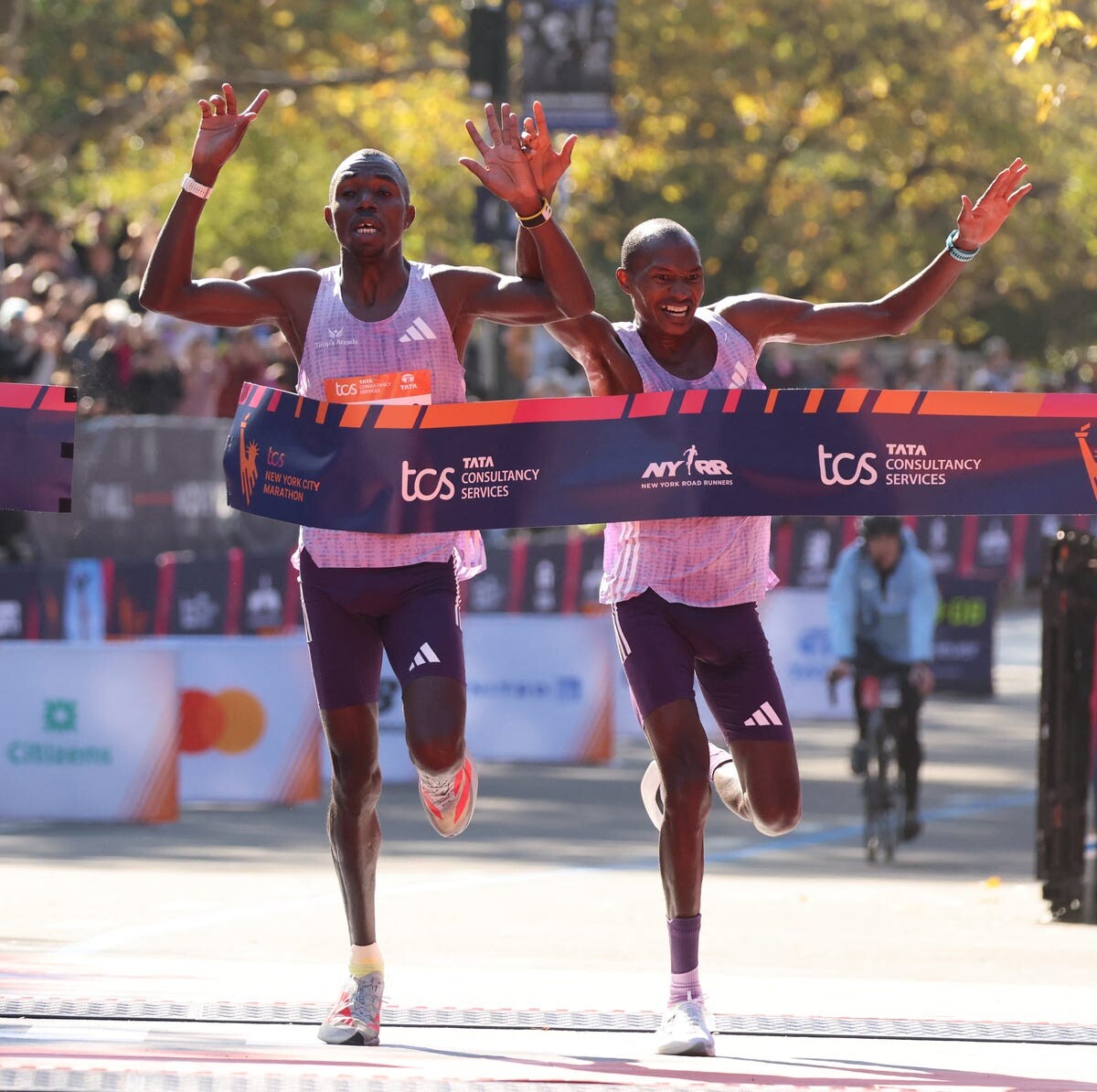
The international challenge is formidable. Defending champion Benson Kipruto (2:02:16) leads the field, followed by Ethiopia’s Deresa Geleta (2:02:38) and Kenya’s CyBrian Kotut (2:03:22). The lineup also includes the Netherlands’ Abdi Nageeye (2:04:20), Kenya’s Geoffrey Kamworor (2:04:23), Italy’s Iliass Aouani (2:04:26) and Ethiopia’s Huseydin Mohamed Esa (2:04:39).
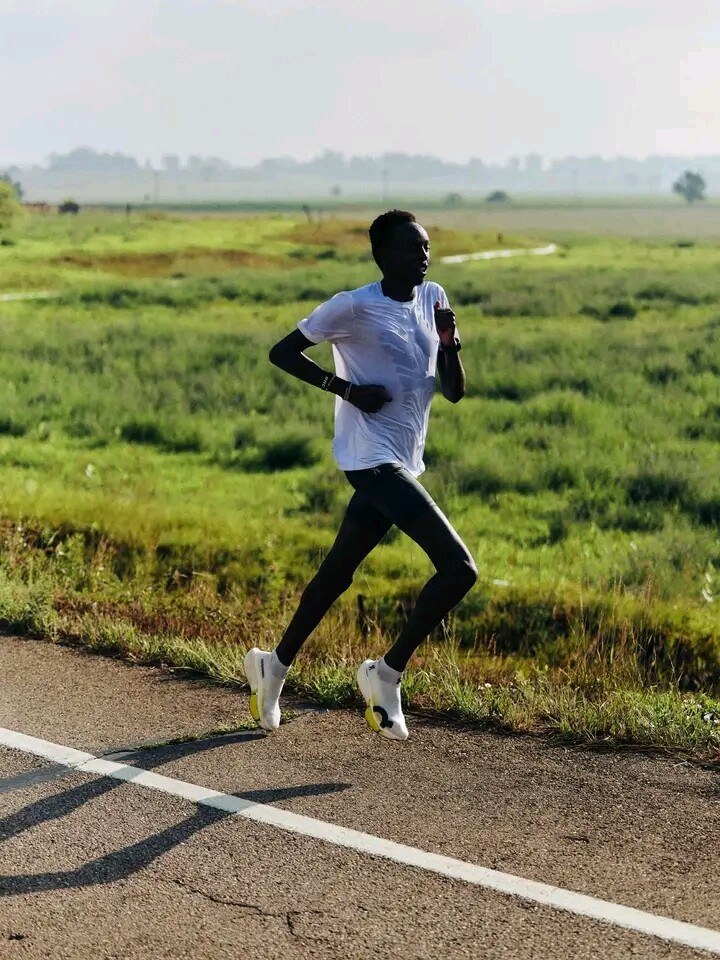
Just behind that group is Japan’s Kengo Suzuki (2:04:56), Italy’s Yemaneberhan Crippa (2:05:18), Kenya’s Edward Cheserek (2:05:24) and Japan’s Ryota Kondo (2:05:39). Ireland’s Peter Lynch (2:06:08), Great Britain’s Patrick Dever (2:06:18), Australia’s Haftu Strintzos (2:06:20) and Britain’s Jack Rowe (2:07:47) further strengthen a field that possesses extraordinary depth.
The American contingent is just as fascinating. Alongside Mantz and Talbi are Ryan Ford (2:05:46), Joe Klecker (2:05:56), Casey Clinger (2:08:43), Sam Chelanga (2:08:50), JP Flavin (2:09:17), Jared Ward (2:09:25), Turner Wiley (2:09:27), Andrew Colley (2:09:33), Robert Miranda (2:09:40) and Joel Reichow (2:09:56).
The depth continues with Aidan Troutner (2:10:23), JP Trojan (2:10:39), Paul Chelimo (2:10:55), Stephen Jones (2:11:17), Mo Bati (2:12:29), Aidan Reed (2:13:58), Owen Ritz (2:14:19), Merga Gemeda (2:15:12), Alec Baldwin (2:15:38) and Ryan Cutter (2:17:24). Australia’s James Nipperess (2:15:03) and Lesotho’s Kamohelo Mofolo (2:08:50) are also on the start list.
Three athletes will make their marathon debuts in New York: Sweden’s Andreas Almgren, Kenya’s Patrick Kiprop and American Ahmed Muhumed. Almgren, in particular, brings tremendous track credentials into his first attempt at 26.2 miles after winning the European 10,000m title in Birmingham in a championship-record 27:23.44.
The numbers tell the story of just how deep this field is. Ten men have personal bests faster than the existing New York City Marathon course record of 2:04:58, set by Tamirat Tola in 2023. Remarkably, Tola himself is not entered, nor is Alexander Mutiso, who finished runner-up to Kipruto in last year’s dramatic race.
For Mantz and Talbi, however, the stakes extend beyond the American record books. No American man has won the New York City Marathon since Meb Keflezighi in 2009, meaning the American contingent will arrive carrying a 17-year wait for another homegrown champion. Mantz and Talbi will have to overcome a formidable international field if either is to end that drought.
New York’s course will add another layer of difficulty. The bridges, sharp turns, rolling sections and notoriously demanding final miles toward Central Park have humbled some of the world’s fastest marathoners. Raw personal-best times will matter, but so will patience, positioning, tactical intelligence and the ability to produce a decisive move when the race reaches its most unforgiving stages.
With the official American record-holder, the fastest American by clock time, a defending champion, multiple 2:04 marathoners and a host of world-class contenders all converging on the Big Apple, the 2026 New York City Marathon has the ingredients of a classic.
On November 1, the streets of New York could become the setting for another extraordinary chapter in marathon history.
by Erick Cheruiyot for My Best Runs.
Login to leave a comment
TCS New York City Marathon
The first New York City Marathon, organized in 1970 by Fred Lebow and Vince Chiappetta, was held entirely in Central Park. Of 127 entrants, only 55 men finished; the sole female entrant dropped out due to illness. Winners were given inexpensive wristwatches and recycled baseball and bowling trophies. The entry fee was $1 and the total event budget...
more...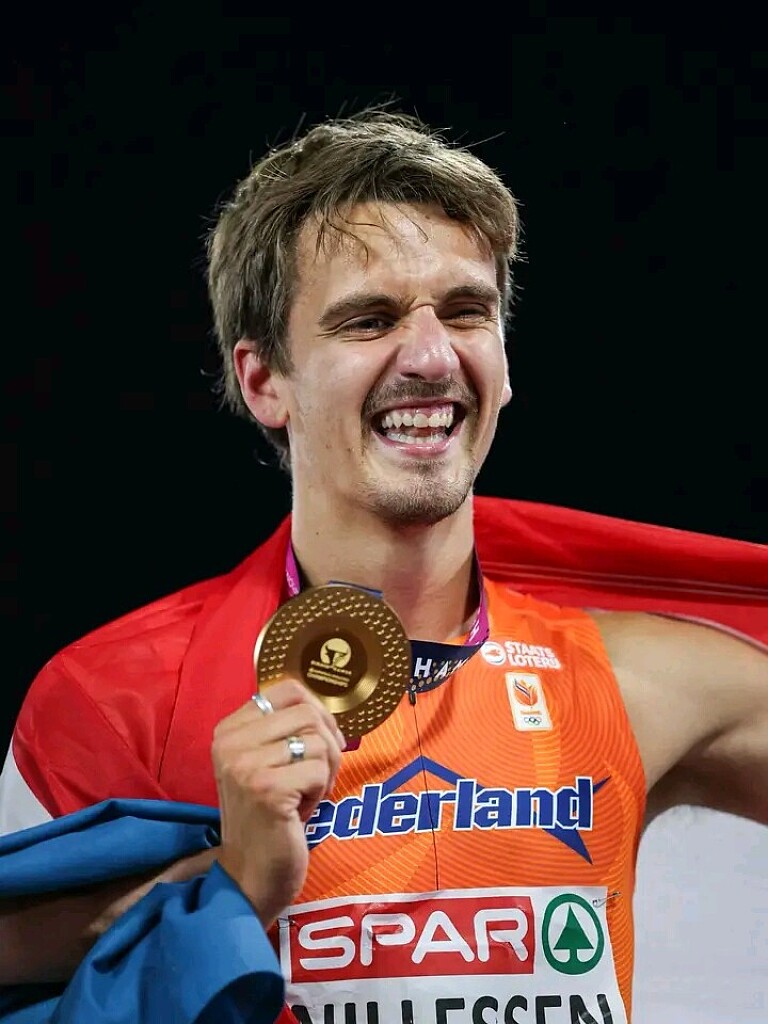
Stefan Nillessen Produces Blistering Finish to Win European 1500m Gold in Birmingham
Stefan Nillessen has been crowned European champion in the men’s 1500m after producing a sensational finishing burst to win a thrilling final at the 2026 European Athletics Championships in Birmingham.
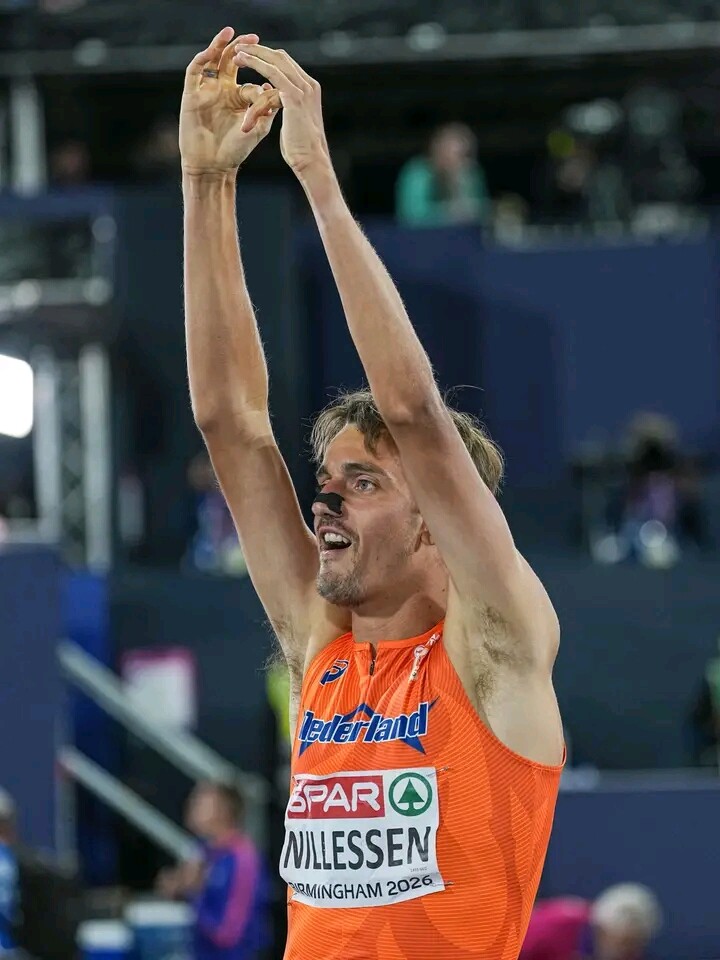
The Dutchman timed his decisive move to perfection, unleashing a blistering final 100 metres in approximately 12.6 seconds to stop the clock at 3:35.70 and claim the European title in spectacular fashion.
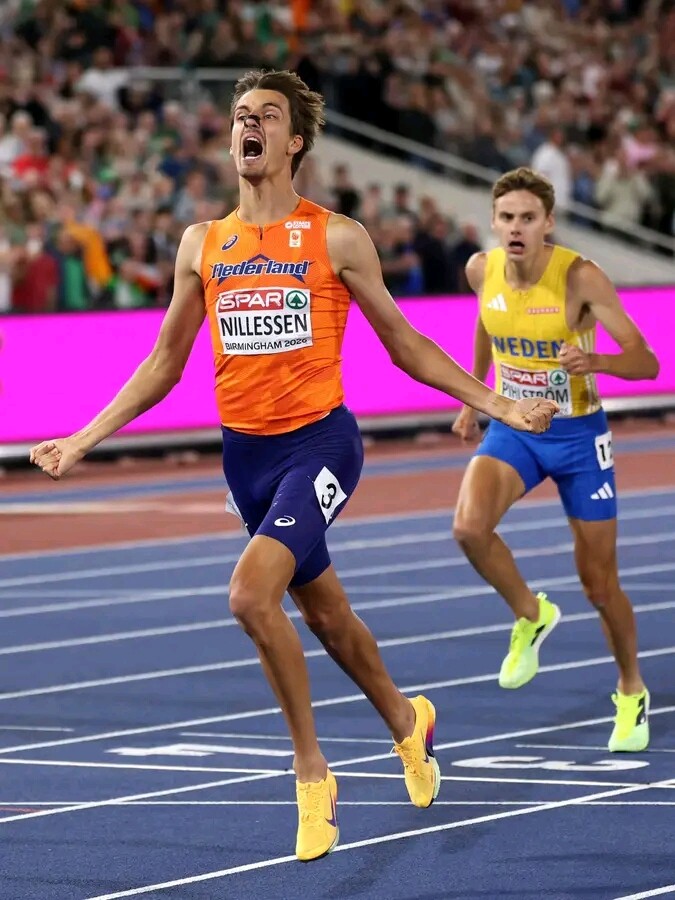
The race appeared to be leaning towards the home favourites as Jake Heyward and Jake Wightman led the field into the final 200 metres. But as the pace intensified and the medals came into view, Nillessen produced a devastating change of speed that carried him past the leading contenders and into gold-medal position.
Nillessen’s finishing kick proved too strong for the chasing pack. He powered down the home straight and opened enough of a gap to secure his first European 1500m title, turning what had been a closely packed tactical contest into a memorable individual triumph.
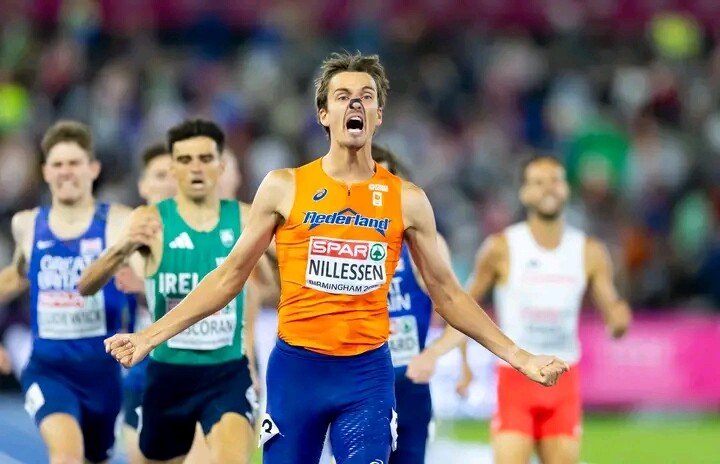
Behind him, Samuel Pihlström of Sweden produced a strong final sprint of his own to take the silver medal in 3:36.16, while Ireland’s Andrew Coscoran held on for bronze in 3:36.24. Just 0.08 seconds separated the two athletes, highlighting the extraordinary closeness of the battle for the remaining podium places.
Heyward, who had helped shape the race at the front in the closing stages, ultimately finished fourth in 3:36.40, with fellow Briton Arlo Ludewick fifth in 3:36.65. Wightman, another of the athletes at the sharp end with 200 metres remaining, crossed the line sixth in 3:37.18.
Norway’s Narve Gilje Nordås finished seventh in 3:37.31, followed by France’s Romain Mornet in 3:37.37 and Germany’s Robert Farken in 3:37.49. France’s Azeddine Habz was 10th in 3:37.61, while Italy’s Pietro Arese finished 11th in 3:38.15.
The biggest disappointment of the final was reigning world champion Isaac Nader of Portugal. One of the leading names in the field before the race, Nader struggled to respond to the repeated tactical changes and eventually finished 12th in 3:39.69.
For Nillessen, however, Birmingham delivered a defining championship moment. With the race still wide open entering the final 200 metres, he remained composed before unleashing the fastest closing burst of the field. His 12.6-second final 100m was the difference between a podium finish and European gold.
Men’s 1500m Final — Results
1. Stefan Nillessen (NED) — 3:35.70
2. Samuel Pihlström (SWE) — 3:36.16
3. Andrew Coscoran (IRL) — 3:36.24
4. Jake Heyward (GBR) — 3:36.40
5. Arlo Ludewick (GBR) — 3:36.65
6. Jake Wightman (GBR) — 3:37.18
7. Narve Gilje Nordås (NOR) — 3:37.31
8. Romain Mornet (FRA) — 3:37.37
9. Robert Farken (GER) — 3:37.49
10. Azeddine Habz (FRA) — 3:37.61
11. Pietro Arese (ITA) — 3:38.15
12. Isaac Nader (POR) — 3:39.69
The final showcased everything that makes championship 1500m racing so compelling: tactical positioning, changing momentum, a dramatic final lap and a decisive sprint for the medals. In the end, it was Nillessen’s extraordinary finishing speed that settled the contest and placed the Netherlands at the top of the European 1500m podium.
by Erick Cheruiyot for My Best Runs.
Login to leave a comment

European Athletics Champioships
The27thEuropean Athletics Championshipswill be held from 10 to 16 August 2026 at theAlexander StadiuminBirmingham, United Kingdom.[1] This is the first time that a British city will have staged the European Athletics Championships although Birmingham has hosted many high-profile events, including the2007 European Athletics Indoor Championships, the2003and2018 IAAF World Indoor Championshipsand the2022 Commonwealth Games. Alexander Stadium was renovated between 2019 and...
more...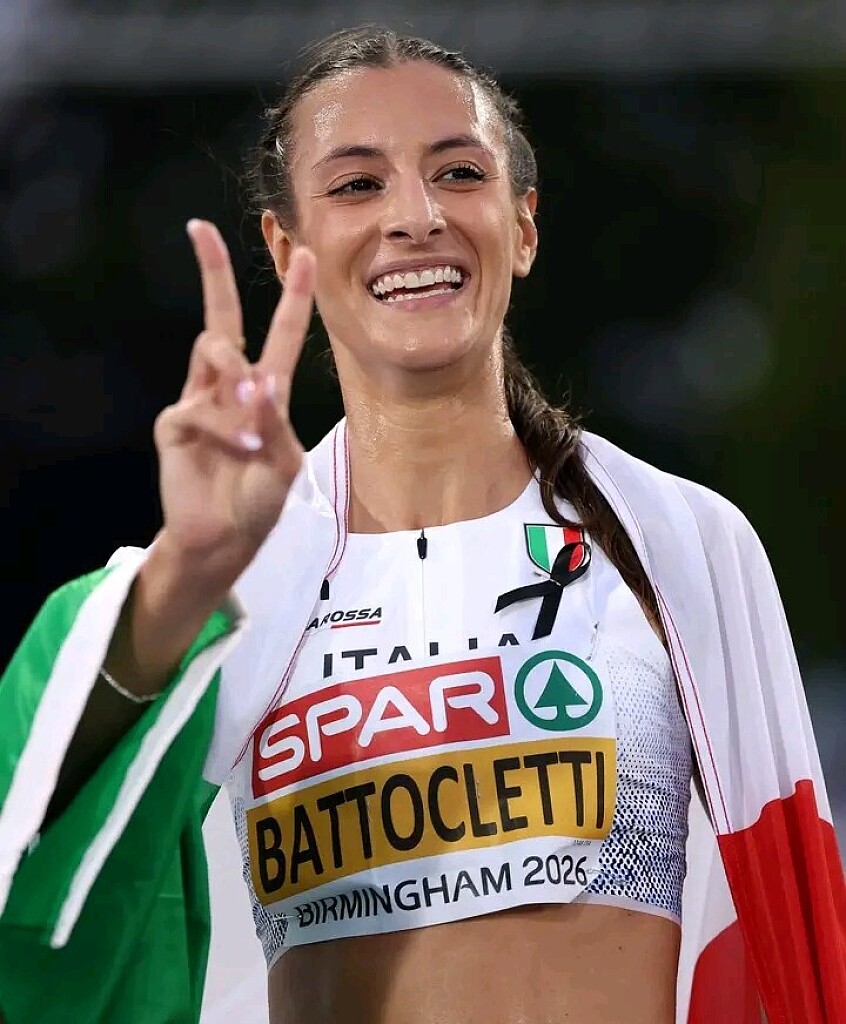
Nadia Battocletti Completes Golden Double to Reign Supreme in European Distance Running
Nadia Battocletti has once again stamped her authority on European distance running, producing a composed and decisive performance to win the women’s 10,000m at the 2026 European Athletics Championships in Birmingham.
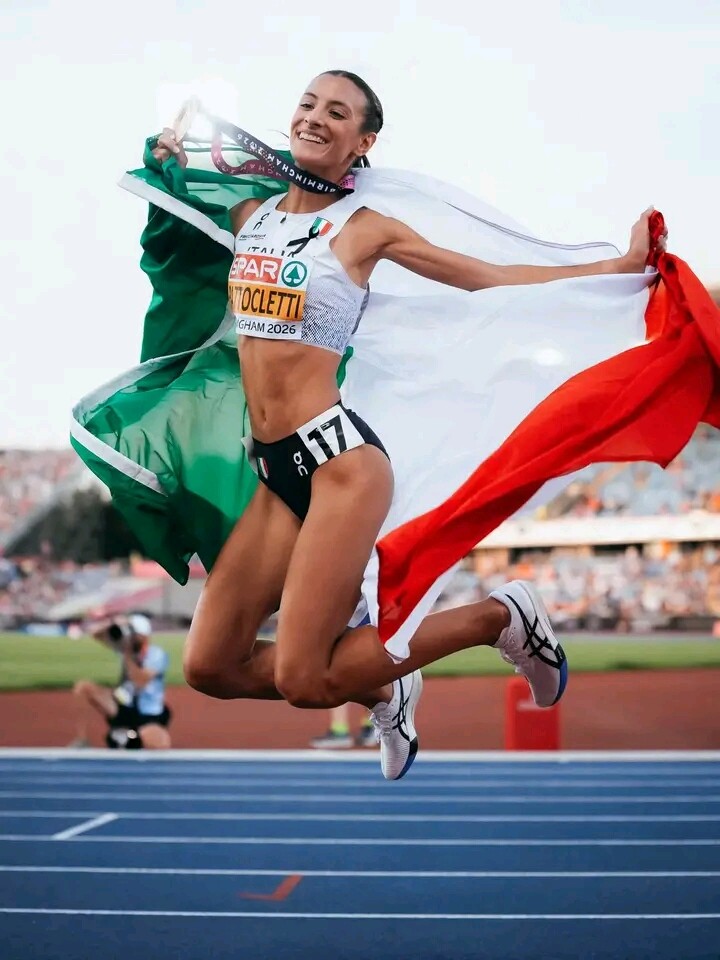
The Italian crossed the line in 31:41.17 to successfully defend her European 10,000m title and complete a remarkable 5000m–10,000m golden double at the championships. Her latest triumph further underlines her status as one of the continent’s outstanding long-distance runners.
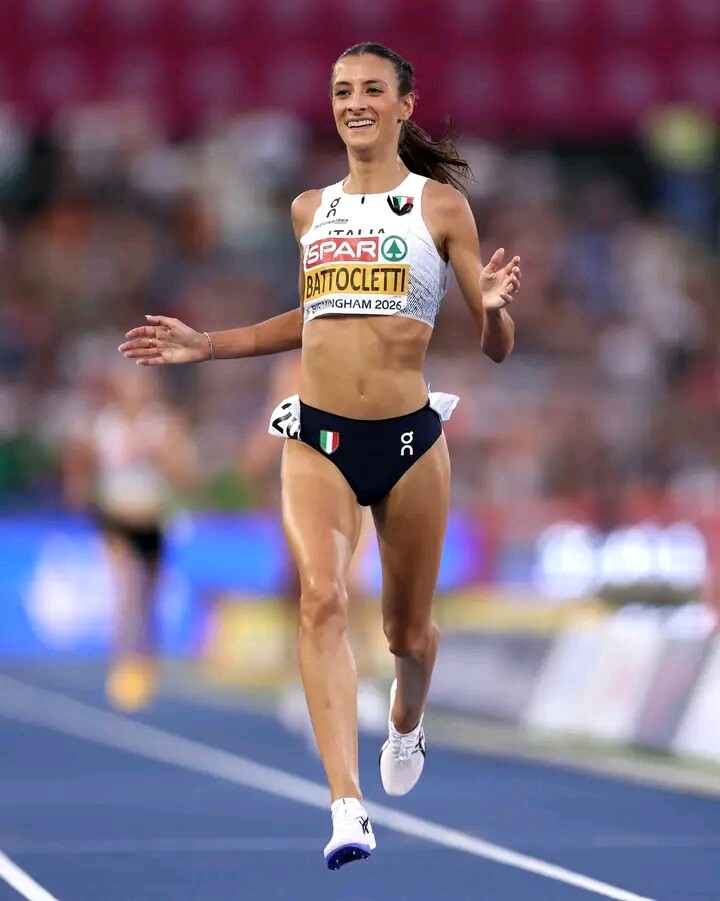
Battocletti had already demonstrated her exceptional class earlier in the championships by retaining the women’s 5000m title. She returned to the Alexander Stadium with another major challenge ahead, but once again displayed the tactical intelligence, patience and finishing strength that have become hallmarks of her racing.
The 10,000m final developed into a fiercely contested battle, with Battocletti having to withstand strong challenges from Maureen Koster of the Netherlands and Belgium’s Jana van Lent. In the decisive stages, however, the Italian found the extra gear required to break clear and secure another European crown.
Koster produced an outstanding performance to take silver in 31:45.76, while Van Lent completed the podium with bronze in 31:47.81.
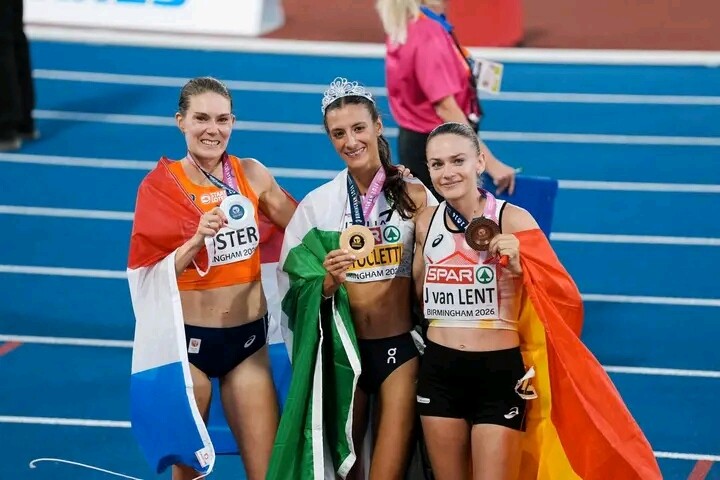
Spain’s Idaira Prieto was fourth in an impressive 31:59.84, setting a personal best, while Italy enjoyed further success as Elisa Palmero and Federica del Buono finished fifth and sixth respectively in 32:00.06 and 32:01.42. The result gave Italy an impressive three athletes inside the top six.
Maruša Mišmaš Zrimšek of Slovenia finished seventh in 32:02.57, followed by Great Britain’s Megan Keith in 32:04.81, a season best. Germany’s Lisa Merkel was ninth in 32:09.07, while Belgium’s Lisa Rooms completed the top 10 with a personal-best 32:10.22.
The depth of the final was reflected throughout the field, with Chloé Herbiet of Belgium recording a season best of 32:11.71, Slovenia’s Klara Lukan running a season-best 32:18.16, and several other athletes producing performances around the 32-minute barrier.
For Battocletti, though, the night belonged entirely to her.
Winning one European title is a remarkable achievement. Winning two individual distance titles at the same championships is a statement of extraordinary consistency, endurance and competitive maturity. By completing the 5000m and 10,000m double, Battocletti has reinforced her position at the summit of European distance running and added another defining chapter to her rapidly growing legacy.
Her Birmingham campaign has therefore become more than a collection of medals. It has been a demonstration of control, versatility and championship excellence from an athlete who continues to thrive when the stakes are highest.
Women’s 10,000m final — Birmingham 2026
1. Nadia Battocletti (Italy) — 31:41.17
2. Maureen Koster (Netherlands) — 31:45.76
3. Jana van Lent (Belgium) — 31:47.81
4. Idaira Prieto (Spain) — 31:59.84 PB
5. Elisa Palmero (Italy) — 32:00.06
6. Federica del Buono (Italy) — 32:01.42
7. Maruša Mišmaš Zrimšek (Slovenia) — 32:02.57
8. Megan Keith (Great Britain) — 32:04.81 SB
9. Lisa Merkel (Germany) — 32:09.07
10. Lisa Rooms (Belgium) — 32:10.22 PB
11. Chloé Herbiet (Belgium) — 32:11.71 SB
12. Elzbieta Glinka (Poland) — 32:16.65
13. Klara Lukan (Slovenia) — 32:18.16 SB
14. Mariana Machado (Portugal) — 32:27.09
15. Hanne Mjøen Maridal (Norway) — 32:32.12
16. Izzy Fry (Great Britain) — 32:37.22
17. Anna Marie Nordengen Sirevåg (Norway) — 32:41.21
18. Jennifer Gulikers (Netherlands) — 32:48.71
19. Carla Gallardo (Spain) — 33:02.58
20. Fiona Everard (Ireland) — 33:08.60
21. Alessia Zarbo (France) — 33:13.10
22. Eva Dieterich (Germany) — 33:32.38
23. Poppy Tank (Great Britain) — 34:03.99
Did not finish: Niamh Allen (Ireland), Diane van Es (Netherlands)
Did not start: Ilona Mononen (Finland)
Battocletti’s double is now one of the defining performances of Birmingham 2026 — a golden statement from Italy’s distance-running queen.
by Erick Cheruiyot for My Best Runs.
Login to leave a comment
European Athletics Champioships
The27thEuropean Athletics Championshipswill be held from 10 to 16 August 2026 at theAlexander StadiuminBirmingham, United Kingdom.[1] This is the first time that a British city will have staged the European Athletics Championships although Birmingham has hosted many high-profile events, including the2007 European Athletics Indoor Championships, the2003and2018 IAAF World Indoor Championshipsand the2022 Commonwealth Games. Alexander Stadium was renovated between 2019 and...
more...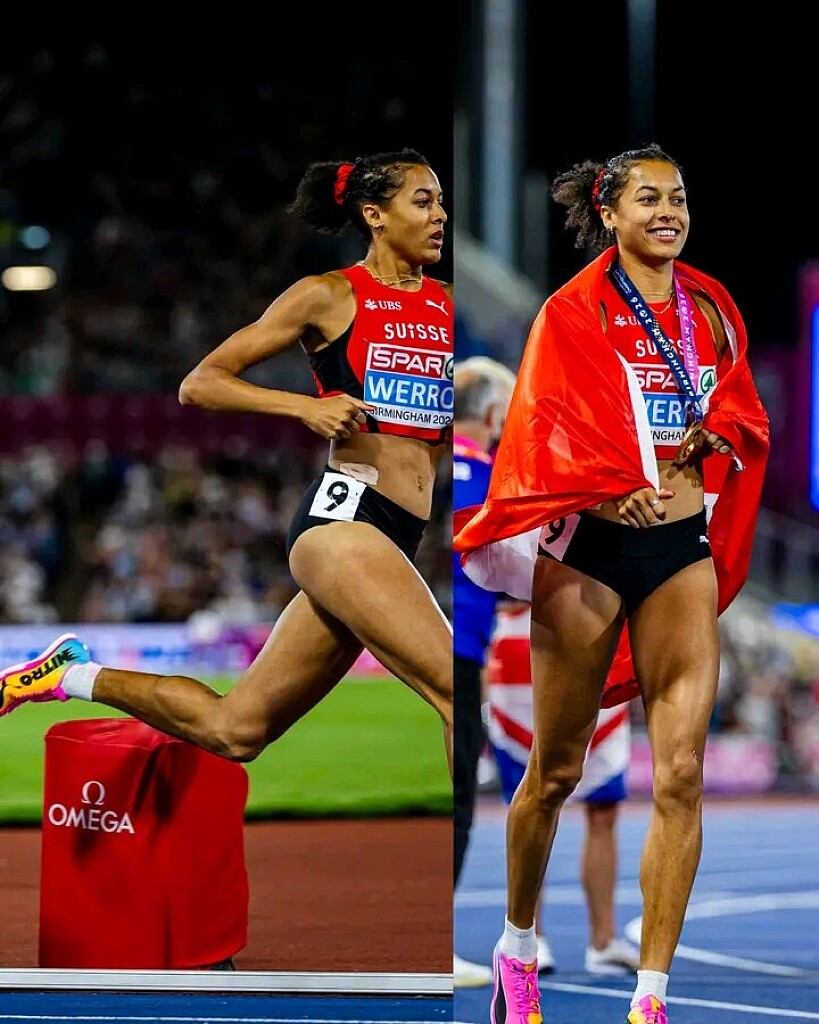
Audrey Werro Rules the European 800m as the Big Three Deliver a Birmingham Classic
Audrey Werro has firmly established herself among the world's leading 800m runners after producing a breathtaking performance to claim European Championship gold in Birmingham, winning one of the most eagerly anticipated finals in recent middle-distance history.
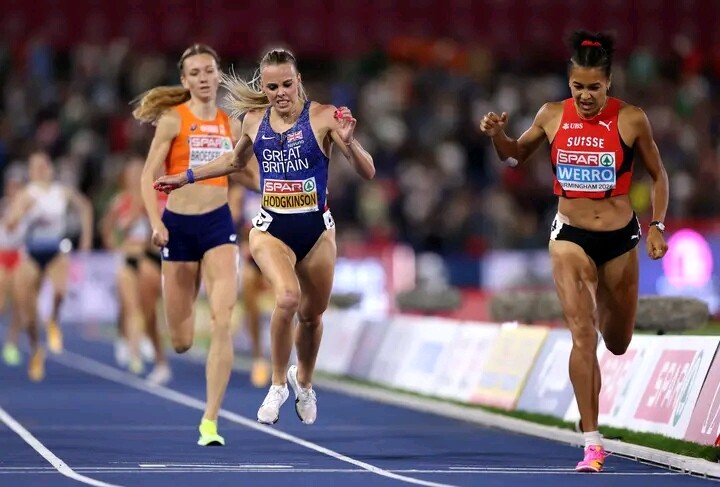
The Swiss star delivered when it mattered most, stopping the clock at a sensational 1:54.81 to set a new European Championships record and hold off Britain's Olympic champion and defending European champion, Keely Hodgkinson, who took silver in 1:55.01.
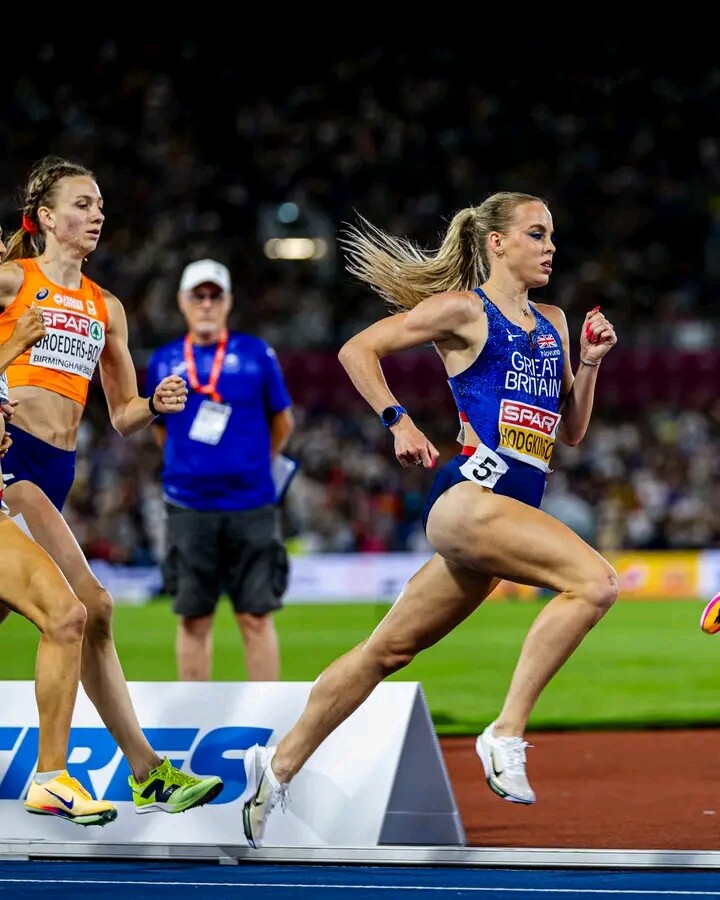
The Netherlands' Femke Broeders-Bol completed an extraordinary podium, charging home to secure bronze in 1:55.54, a time that equalled the Dutch national record.
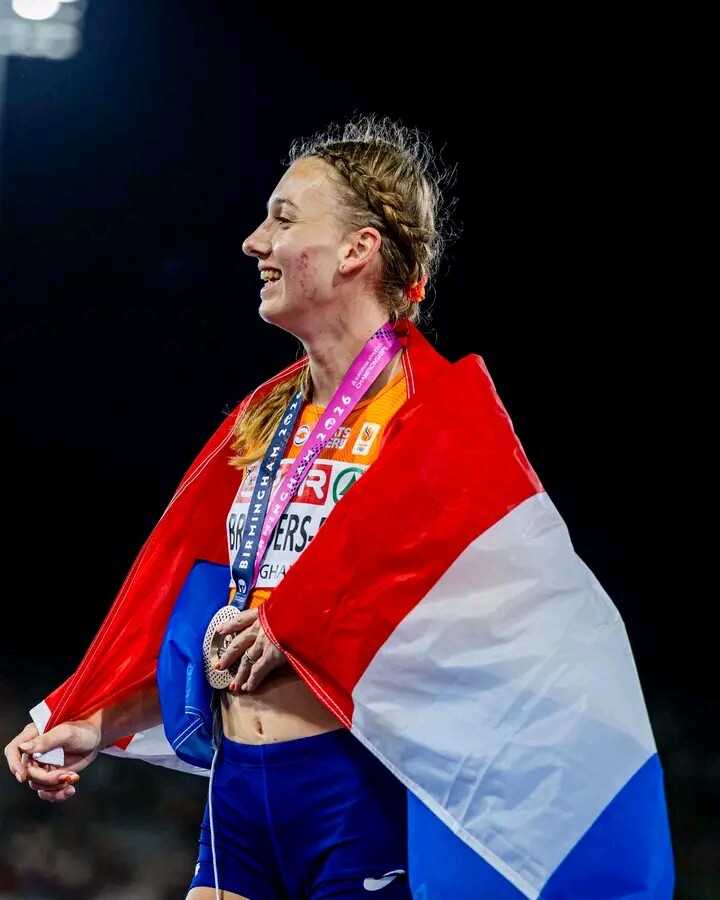
It was everything the build-up had promised.
For months, anticipation had surrounded the possibility of seeing Werro, Hodgkinson and Broeders-Bol finally line up together in the same major championship final. In Birmingham, the "Big Three" finally came together—and the track wrote its own remarkable story.
Werro won gold. Hodgkinson held onto silver. Broeders-Bol brought home bronze.
The quality of the performances was extraordinary. Werro seized control of the race and displayed remarkable strength and composure through the closing stages. Hodgkinson, propelled by the energy of her home crowd, refused to surrender and fought desperately down the finishing straight, but the Swiss athlete had just enough in reserve to stay clear.
The margin was only 0.20 seconds, underlining just how fiercely contested the final was.
Behind the leading pair, Broeders-Bol produced another outstanding performance to cross the line in 1:55.54, matching the Dutch national record and becoming part of an exceptional three-way battle at the front.
The top three were in a different class from the rest of the field, with all three breaking the 1:56 barrier and finishing almost four seconds ahead of the remainder of the finalists.
For Werro, the victory represents far more than another medal. It is a statement of intent.
The Swiss athlete arrived in Birmingham as one of the fastest 800m runners in the world and leaves the championships as European champion and championship-record holder.
Her triumph is even more remarkable considering the drama that preceded the final. Werro fell during her semi-final after contact with France's Anaïs Bourgoin and initially failed to qualify, before a successful Swiss appeal reinstated her in the final.
Less than 24 hours later, she transformed that setback into one of the defining performances of the championships.
Werro's season has already been extraordinary. She had previously run 1:53.80 in Paris, placing her among the fastest women ever over 800m. Now she has added a European title and championship record to her growing résumé.
For Hodgkinson, the result was undoubtedly a disappointment after arriving in Birmingham with hopes of completing a hat-trick of consecutive European 800m titles. The British star had won European gold in Munich in 2022 and Rome in 2024, but her quest for a third successive title ended with silver on home soil.
Nevertheless, Hodgkinson's 1:55.01 was itself a world-class performance, and she pushed Werro all the way to the line in a race that demanded extraordinary speed, strength and composure.
While the spotlight naturally fell on Werro and Hodgkinson, Broeders-Bol produced a performance worthy of its own headline. Her 1:55.54 secured the bronze medal while simultaneously equalling the Dutch national record, adding another remarkable dimension to an already historic final.
The official results placed Gabija Galvydytė fourth in 1:59.12, followed by Britain's Jemma Reekie in 1:59.15 and Italy's Eloisa Coiro in 1:59.35. Switzerland's Valentina Rosamilia finished seventh in 1:59.42, with compatriot Veronica Vancardo eighth in 2:00.17. France's Anaïs Bourgoin was ninth in 2:00.65, while Clara Liberman completed the field in 2:01.84.
But the night belonged overwhelmingly to the three women at the front.
Three athletes under 1:56. A championship record. A national record. A reigning champion forced to settle for silver. And a new European champion standing proudly at the top of the podium.
The Big Three finally came together in the final, and the story was written—Werro wins gold, Hodgkinson holds onto silver and Broeders-Bol brings it home in bronze.
Who needs fairytales when the track is writing stories like this?
The women's 800m final at the Birmingham 2026 European Championships delivered everything a championship race should: drama, speed, history, heartbreak and a thrilling battle between three exceptional athletes.
And when the story was finally written, Audrey Werro was the woman wearing the crown.
Gold for Werro. Silver for Hodgkinson. Bronze for Broeders-Bol.
A spectacular night for the 800m—and potentially the beginning of one of the most compelling rivalries in women's middle-distance running.
by Erick Cheruiyot for My Best Runs.
Login to leave a comment
European Athletics Champioships
The27thEuropean Athletics Championshipswill be held from 10 to 16 August 2026 at theAlexander StadiuminBirmingham, United Kingdom.[1] This is the first time that a British city will have staged the European Athletics Championships although Birmingham has hosted many high-profile events, including the2007 European Athletics Indoor Championships, the2003and2018 IAAF World Indoor Championshipsand the2022 Commonwealth Games. Alexander Stadium was renovated between 2019 and...
more...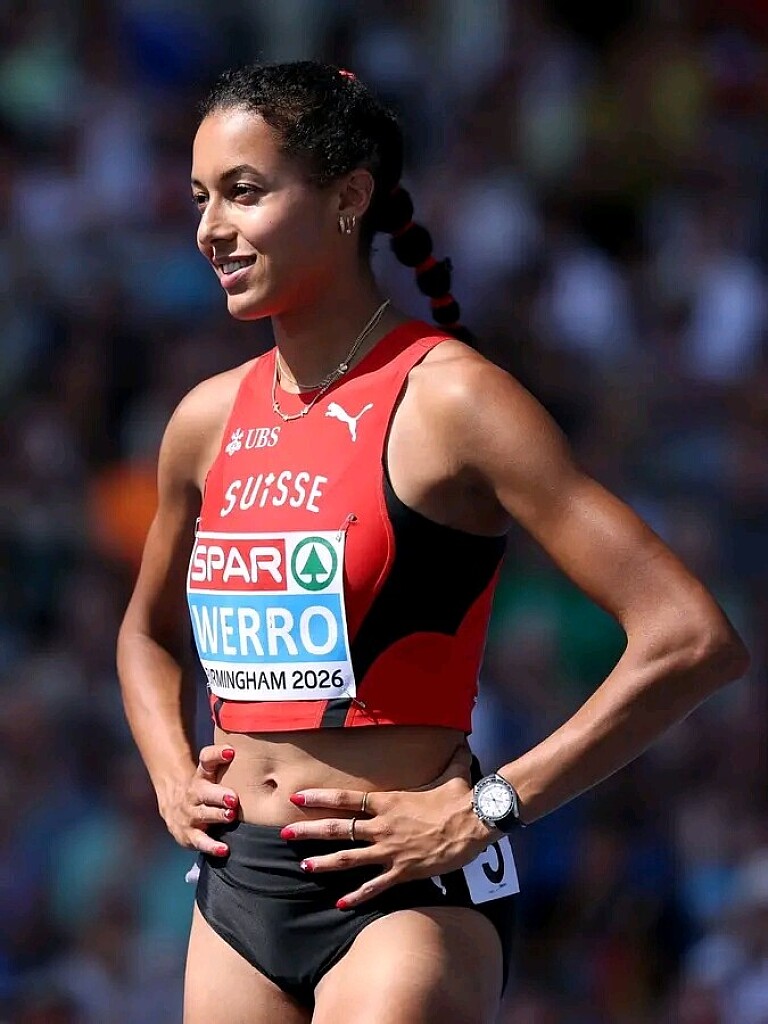
Dramatic Fall, Dramatic Reprieve: Werro Advances to 800m Final as Hodgkinson Leads the Way
The women’s 800m semifinals at the 2026 European Athletics Championships in Birmingham produced a dramatic sequence of events, with Keely Hodgkinson strengthening her title credentials and Audrey Werro receiving a remarkable reprieve after a late-race fall.
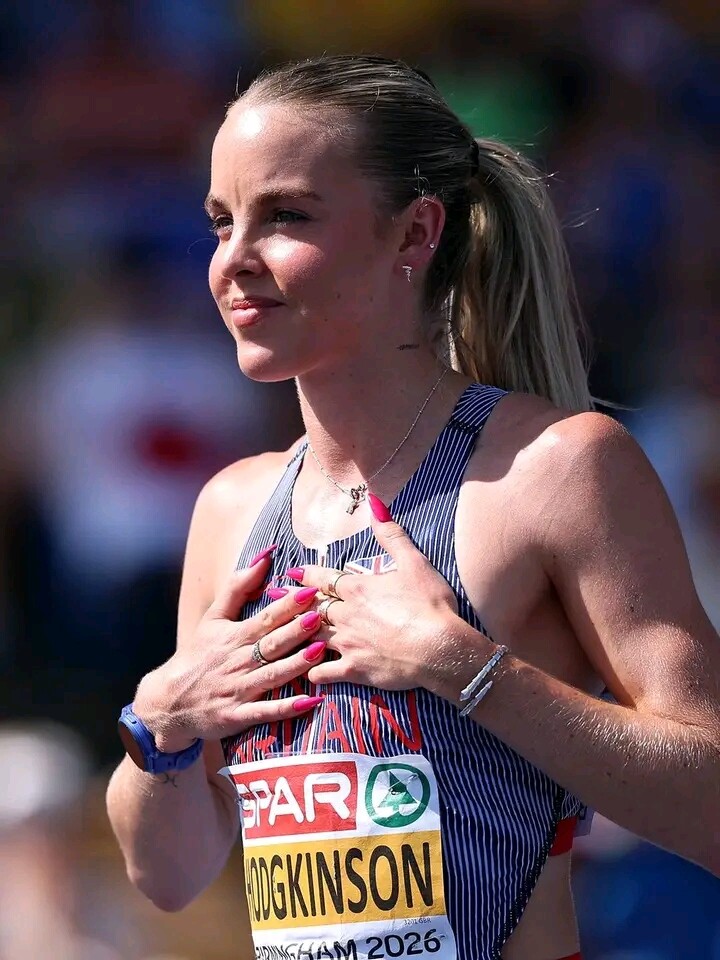
Hodgkinson delivered a composed and powerful performance in the second semifinal, winning in 1:57.38 to book her place in the final. The British favorite was pushed hard by the Netherlands’ Femke Broeders-Bol, who finished just 0.08 seconds behind in 1:57.46.
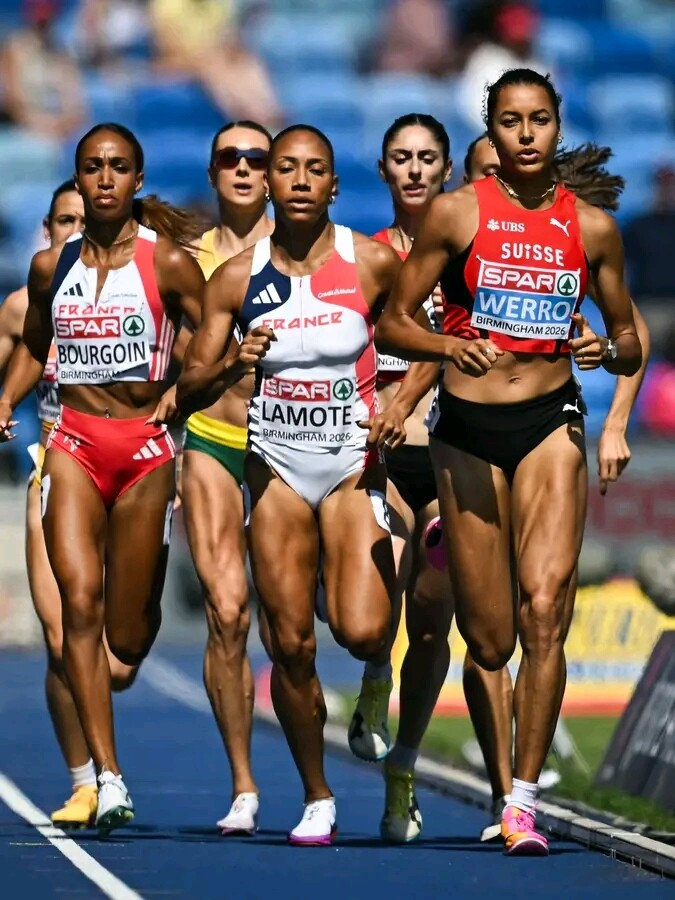
Italy’s Eloisa Coiro followed in 1:57.74, while Switzerland’s Valentina Rosamilia and France’s Clara Liberman advanced as time qualifiers after clocking 1:58.16 and 1:58.19, respectively.
Jemma Reekie also looked strong, securing automatic qualification in 1:58.61, with France’s Anaïs Bourgoin and Switzerland’s Veronica Vancardo joining her after finishing in 1:58.84 and 1:59.14.
But it was the opening semifinal that produced the most extraordinary moment of the night.
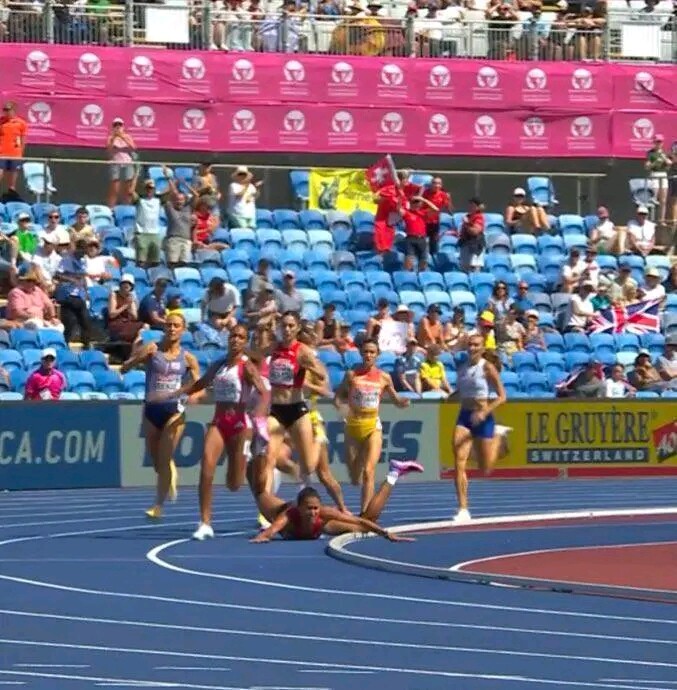
With just 150 metres remaining, Switzerland’s Audrey Werro was suddenly involved in a dramatic incident that appeared to end her race and potentially her championship.
As the runners entered the closing stages, Werro’s right foot made contact with the left hand of France’s Anaïs Bourgoin. The contact disrupted Werro’s stride at a crucial moment, causing the Swiss athlete to lose her balance and tumble heavily.
For several tense moments, it appeared that Werro’s hopes of reaching the final had disappeared. She eventually crossed the finish line in 2:35.35, far outside the qualifying times, after the fall had cost her significant ground.
But the drama did not end at the finish line.
Following a review of the incident, the referees determined that Werro had been impeded and advanced her to the women’s 800m final.
The decision gives the Swiss star a remarkable second chance. What initially looked like a devastating end to her semifinal has instead turned into one of the most dramatic qualification stories of the championships.
Lithuania’s Gabija Galvydyte was also advanced by referee decision after finishing in 2:03.59, meaning the final will feature an unusual 10-athlete field.
Women’s 800m Final Qualifiers
1. Keely Hodgkinson (Great Britain) — 1:57.38 Q
2. Femke Broeders-Bol (Netherlands) — 1:57.46 Q
3. Eloisa Coiro (Italy) — 1:57.74 Q
4. Valentina Rosamilia (Switzerland) — 1:58.16 q
5. Clara Liberman (France) — 1:58.19 q
6. Jemma Reekie (Great Britain) — 1:58.61 Q
7. Anaïs Bourgoin (France) — 1:58.84 Q
8. Veronica Vancardo (Switzerland) — 1:59.14 Q
9. Gabija Galvydyte (Lithuania) — 2:03.59 qR
10. Audrey Werro (Switzerland) — 2:35.35 qR
Q = qualified automatically
q = qualified by time
qR= advanced by referee decision
Werro’s reinstatement has completely changed the complexion of the final. Instead of watching the championship from the sidelines after a heartbreaking fall, the Swiss athlete will return to the track with another opportunity to fight for a place on the podium.
Hodgkinson, meanwhile, heads into the final with the fastest semifinal time and renewed confidence. But with Broeders-Bol, Reekie, Coiro and the rest of the field ready to challenge, the European 800m title is still firmly up for grabs.
After one of the most dramatic semifinals of the championships, 10 athletes will now line up for the final — and Werro will be among them.
by Erick Cheruiyot for My Best Runs.
Login to leave a comment
European Athletics Champioships
The27thEuropean Athletics Championshipswill be held from 10 to 16 August 2026 at theAlexander StadiuminBirmingham, United Kingdom.[1] This is the first time that a British city will have staged the European Athletics Championships although Birmingham has hosted many high-profile events, including the2007 European Athletics Indoor Championships, the2003and2018 IAAF World Indoor Championshipsand the2022 Commonwealth Games. Alexander Stadium was renovated between 2019 and...
more...
Hodgkinson and Broeders-Bol Set for a Mouthwatering Birmingham 800m Showdown
The women’s 800m at the 2026 European Athletics Championships is reaching a thrilling stage, with Keely Hodgkinson of Great Britain and Femke Broeders-Bol of the Netherlands set to meet in the second semi-final in Birmingham today. With a place in Friday’s final at stake, the pressure is rising—and the quality of the field promises a fascinating two-lap battle.
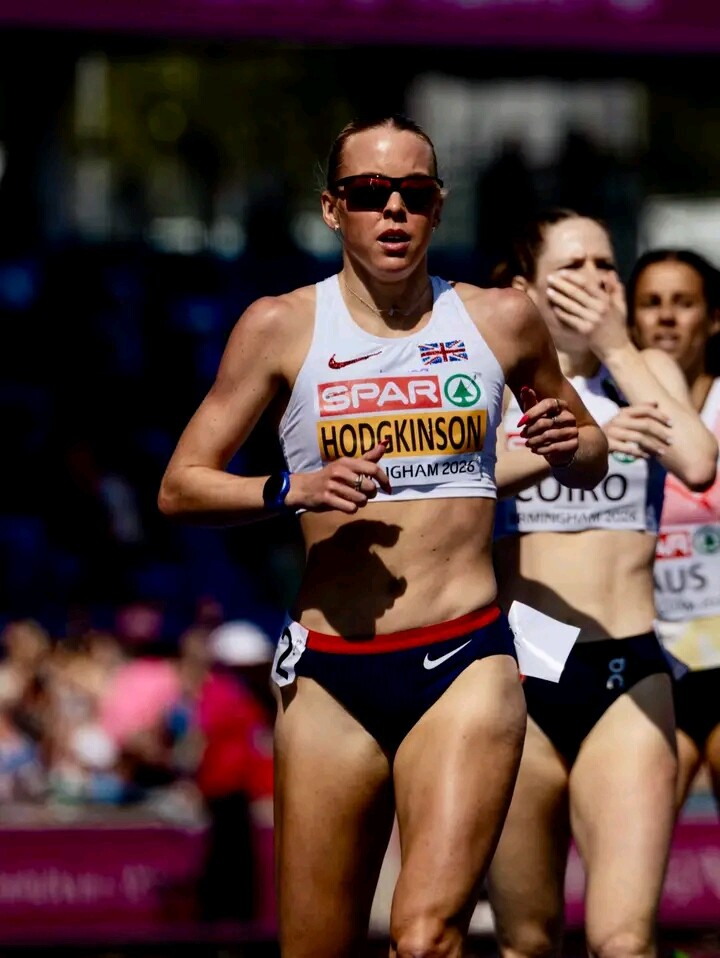
Hodgkinson laid down an early marker in the heats, producing a commanding 1:57.28 to become the fastest qualifier. The British Olympic champion looked comfortable throughout her race, underlining both her sharpness and confidence as she continues her bid for another European 800m title on home soil.
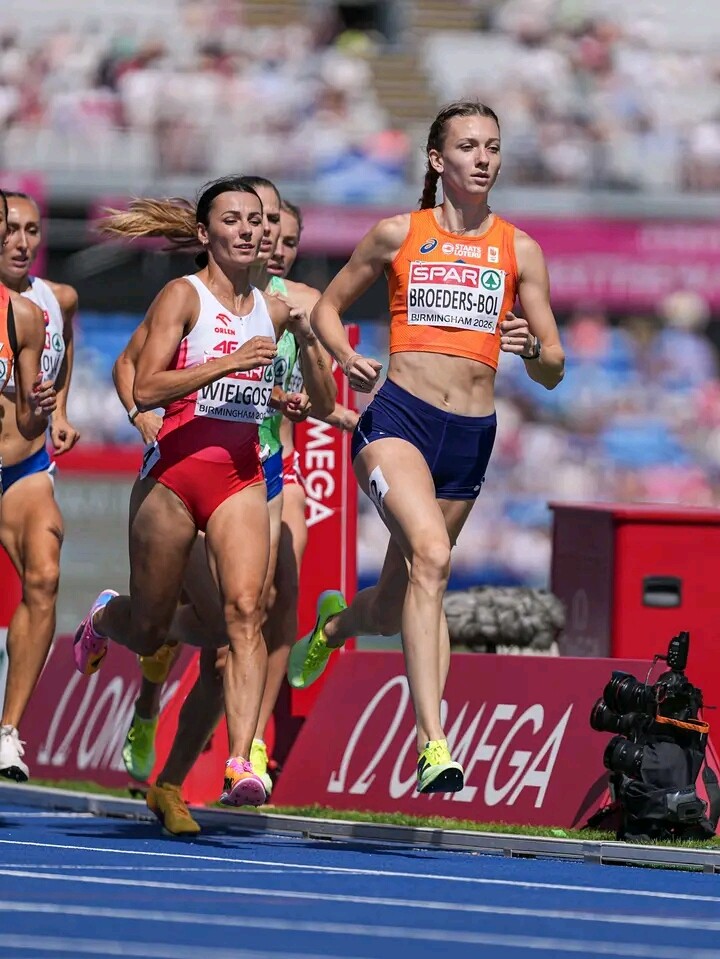
Broeders-Bol also progressed with little difficulty, stopping the clock at 1:59.96. Best known for her achievements over the 400m hurdles, the Dutch star has developed into an increasingly intriguing presence over 800m, bringing speed and versatility to a race packed with established middle-distance talent.
The semi-final will also feature Audrey Werro of Switzerland, whose presence adds another layer of danger to an already compelling contest. The Swiss star has enjoyed a remarkable season and recently produced 1:53.98, the third-fastest time in history, before also progressing safely through the Birmingham heats in 1:57.83.
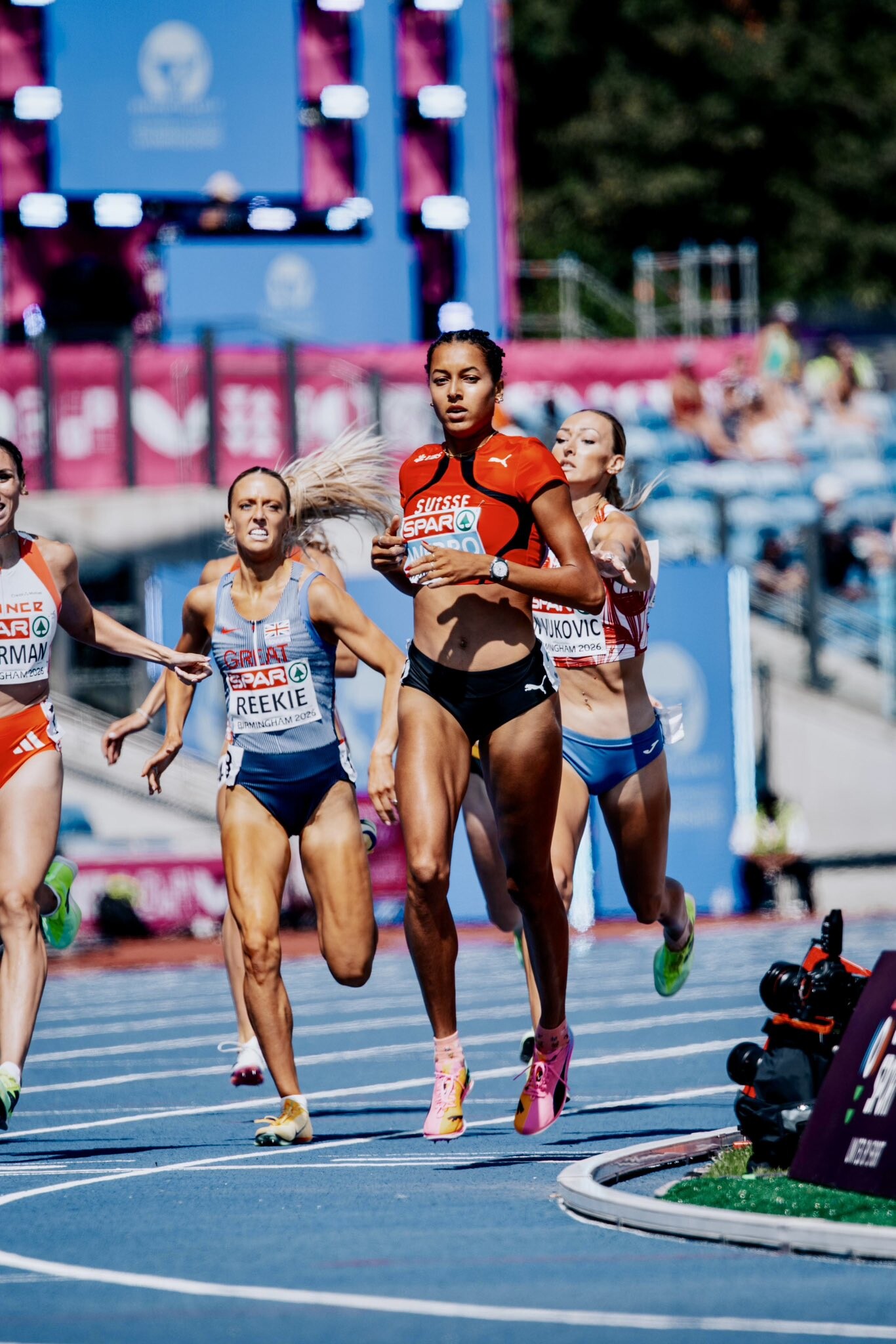
What makes this showdown particularly fascinating is the contrasting strengths of the leading contenders. Hodgkinson possesses immense championship experience and has repeatedly shown that she thrives when the pressure is at its highest. Werro brings extraordinary speed and the confidence of having recently defeated Hodgkinson in Stockholm, while Broeders-Bol’s transition from the 400m hurdles to the two-lap event gives her a distinctive blend of speed, strength and tactical versatility.
With the final only one day away, there is little room for error. The opening lap, positioning and the ability to unleash a decisive surge in the closing metres could determine who advances. Every stride will matter as the contenders fight not only for qualification, but also for momentum heading into the championship showdown.
For Hodgkinson, the Birmingham stage offers another opportunity to turn home support into a memorable performance. For Broeders-Bol and Werro, it is a chance to challenge one of the event’s most decorated figures and prove that the European 800m crown is anything but predictable.
The ingredients are perfect: speed, experience, ambition and a place in the final on the line. Birmingham is ready for another spectacular 800m battle.
by Erick Cheruiyot for My Best Runs.
Login to leave a comment
European Athletics Champioships
The27thEuropean Athletics Championshipswill be held from 10 to 16 August 2026 at theAlexander StadiuminBirmingham, United Kingdom.[1] This is the first time that a British city will have staged the European Athletics Championships although Birmingham has hosted many high-profile events, including the2007 European Athletics Indoor Championships, the2003and2018 IAAF World Indoor Championshipsand the2022 Commonwealth Games. Alexander Stadium was renovated between 2019 and...
more...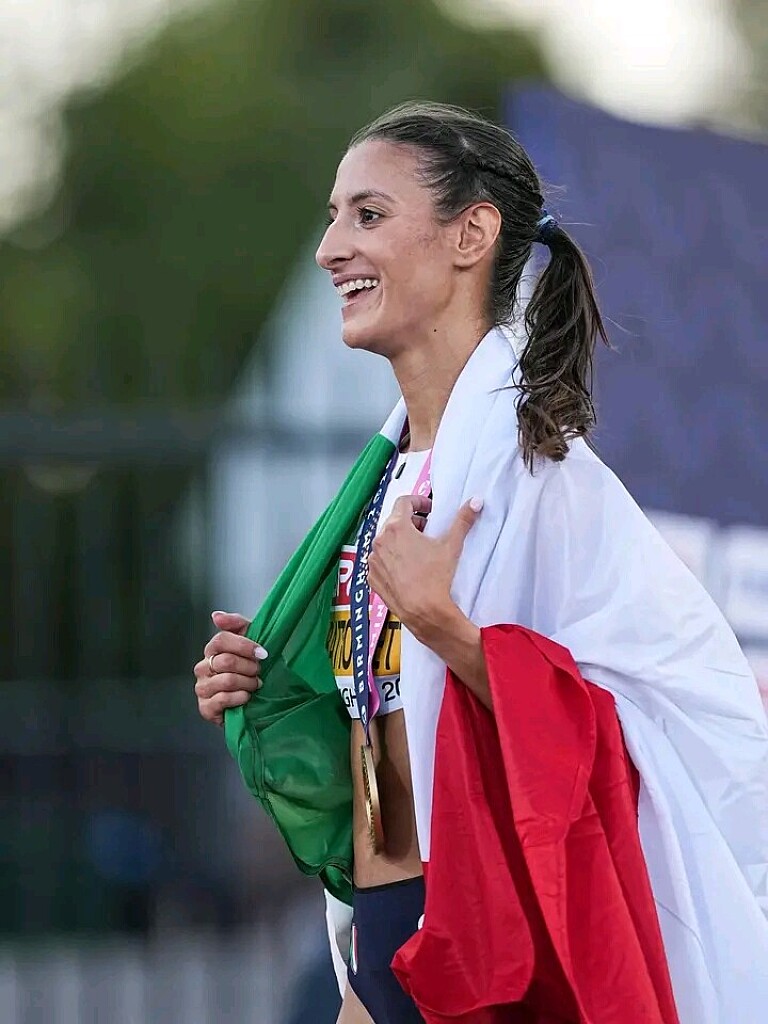
Battocletti’s Blistering Finish Delivers Back-to-Back European 5000m Gold in Birmingham
Nadia Battocletti produced a superb championship performance in Birmingham to retain her European 5000m title for the second consecutive time, powering to gold in 15:37.84 after unleashing a devastating late kick that left her rivals scrambling for the remaining medals.
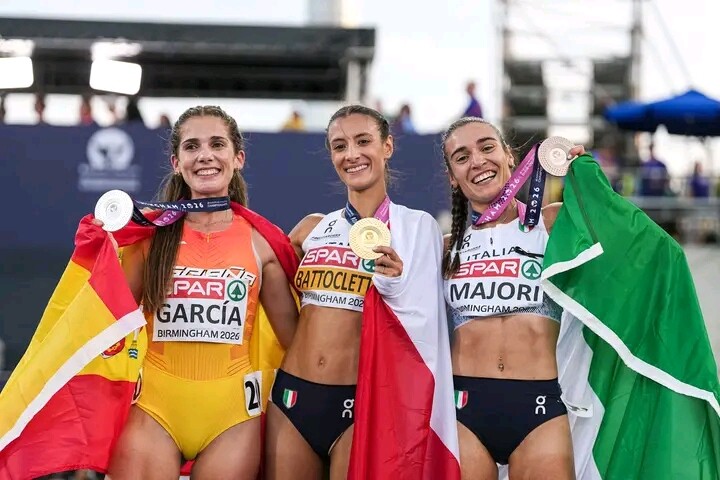
The Italian distance-running star remained composed through the race before turning on the speed when it mattered most. With the field tightly packed heading into the closing stages, Battocletti launched a breathtaking attack over the final 200 metres, producing a surge of exceptional quality that ultimately decided the championship.
The decisive moment came in the final 200 metres, when Battocletti unleashed a ferocious finishing kick that dramatically changed the complexion of the race. With the medals still within reach for several athletes, the Italian surged through the final bend with tremendous purpose, her acceleration proving simply too tough to match. She drove relentlessly down the home straight, opening the crucial gap and powering away from her closest challengers to seal a richly deserved European title.
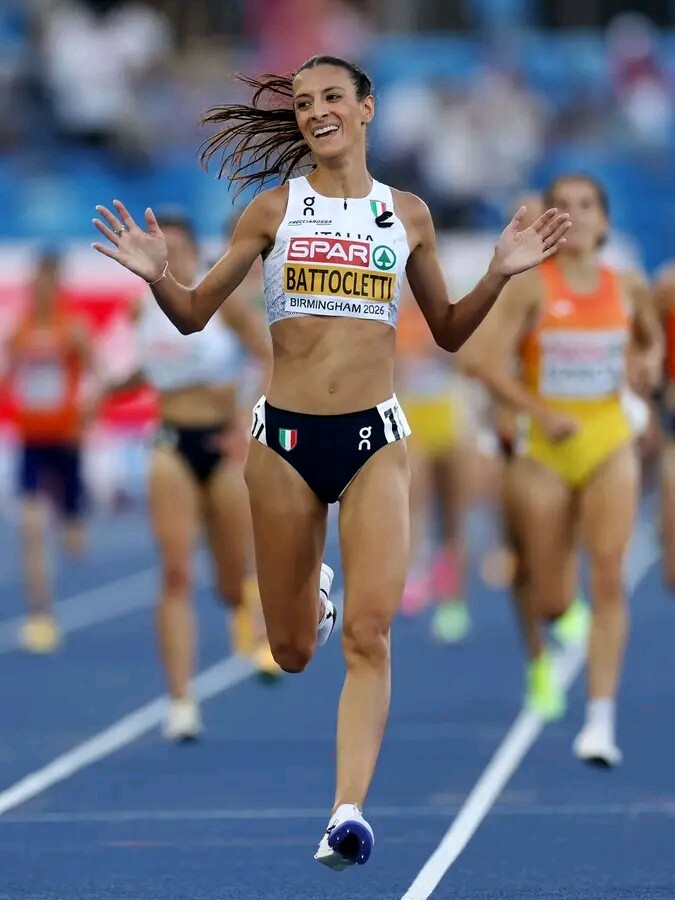
Her closing speed was extraordinary. Battocletti covered the final 400m in 59.2 seconds, including a remarkable 28.2-second final 200m, as she accelerated away from her challengers and powered down the home straight. It was a superb display of strength, speed and championship composure, earning her another European crown in emphatic fashion.
Behind her, Spain’s Marta García fought brilliantly to claim silver in a season’s best of 15:39.98, while Italy’s Micol Majori completed an Italian 1-3 with bronze in 15:40.65.
For Majori, the bronze medal represented a particularly special milestone as she celebrated her first international senior medal on a major championship stage. Her breakthrough performance added another layer to an unforgettable night for Italy.
Ireland’s Sarah Healy narrowly missed the podium, finishing fourth in 15:40.95, just 0.30 seconds behind Majori. Great Britain’s Hannah Nuttall was fifth in 15:41.27, followed by the Netherlands’ Maureen Koster in 15:41.51.
Amina Maatoug of the Netherlands finished seventh in 15:44.03, while Spain’s María Forero completed the top eight in 15:44.25.
Battocletti’s Birmingham triumph now sets up another title defence. The Italian will return to the track on Friday for the women’s 10,000m, where she will once again look to extend her European dominance.
For now, though, the spotlight belongs to Battocletti and that extraordinary finish — a 28.2-second final 200m that transformed a tightly contested 5000m final into another golden chapter in her championship career.
by Erick Cheruiyot for My Best Runs.
Login to leave a comment
European Athletics Champioships
The27thEuropean Athletics Championshipswill be held from 10 to 16 August 2026 at theAlexander StadiuminBirmingham, United Kingdom.[1] This is the first time that a British city will have staged the European Athletics Championships although Birmingham has hosted many high-profile events, including the2007 European Athletics Indoor Championships, the2003and2018 IAAF World Indoor Championshipsand the2022 Commonwealth Games. Alexander Stadium was renovated between 2019 and...
more...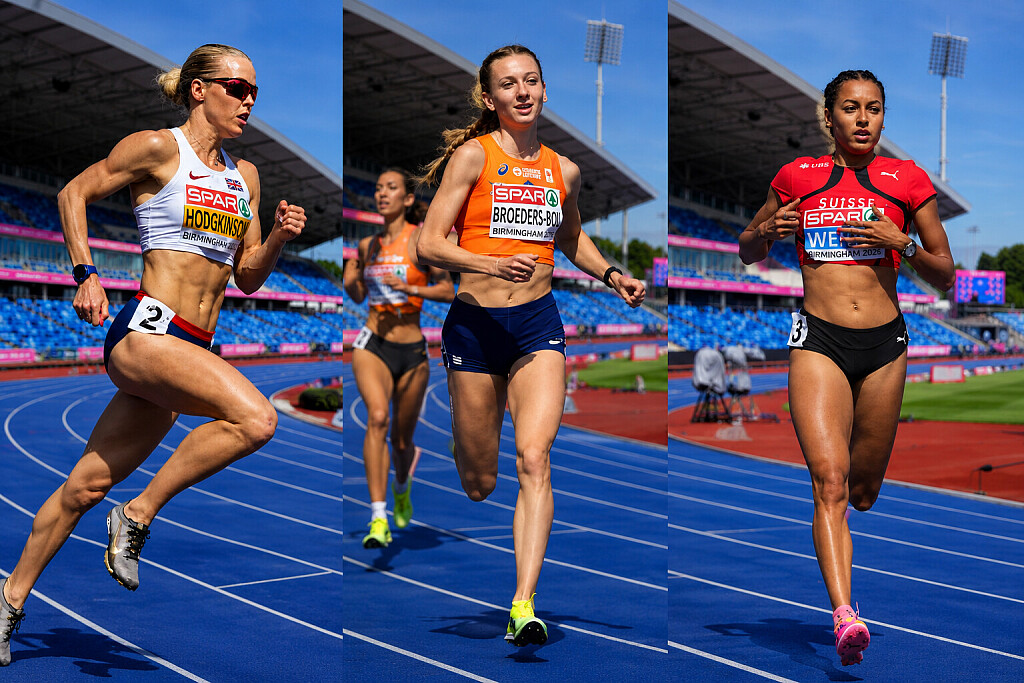
Hodgkinson Leads European 800m Charge as Coiro Smashes Italian Record in Birmingham
Keely Hodgkinson made an emphatic start to her European Athletics Championships campaign in Birmingham, delivering the fastest performance of the women’s 800m opening rounds as the defending champion immediately underlined her ambitions for another continental title.
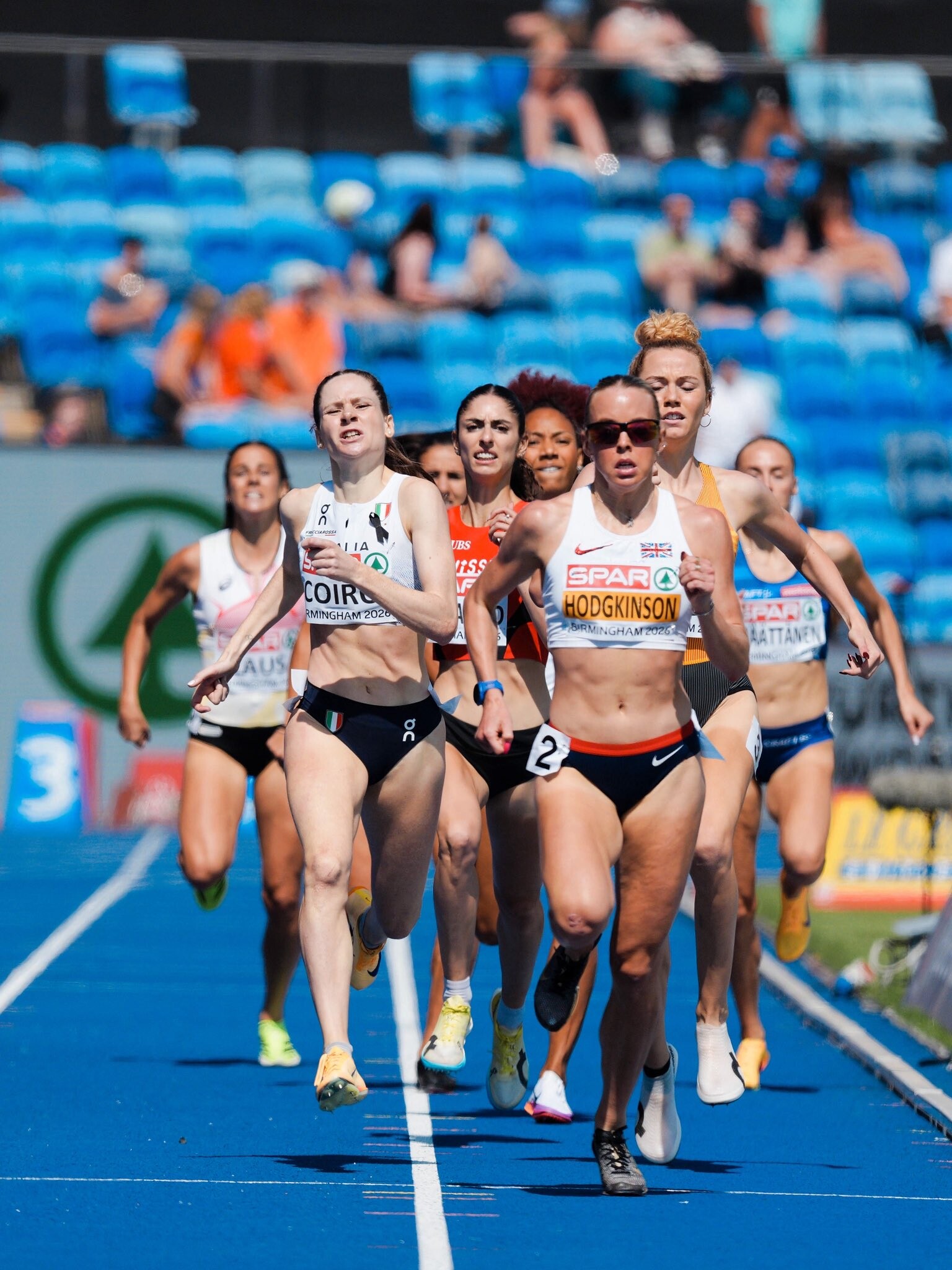
The British star looked relaxed yet authoritative throughout her heat, producing a controlled 1:57.28 to qualify fastest for the semifinals. Hodgkinson, who has established herself as one of Europe’s leading middle-distance athletes, never appeared troubled as she secured her progression with plenty of confidence.
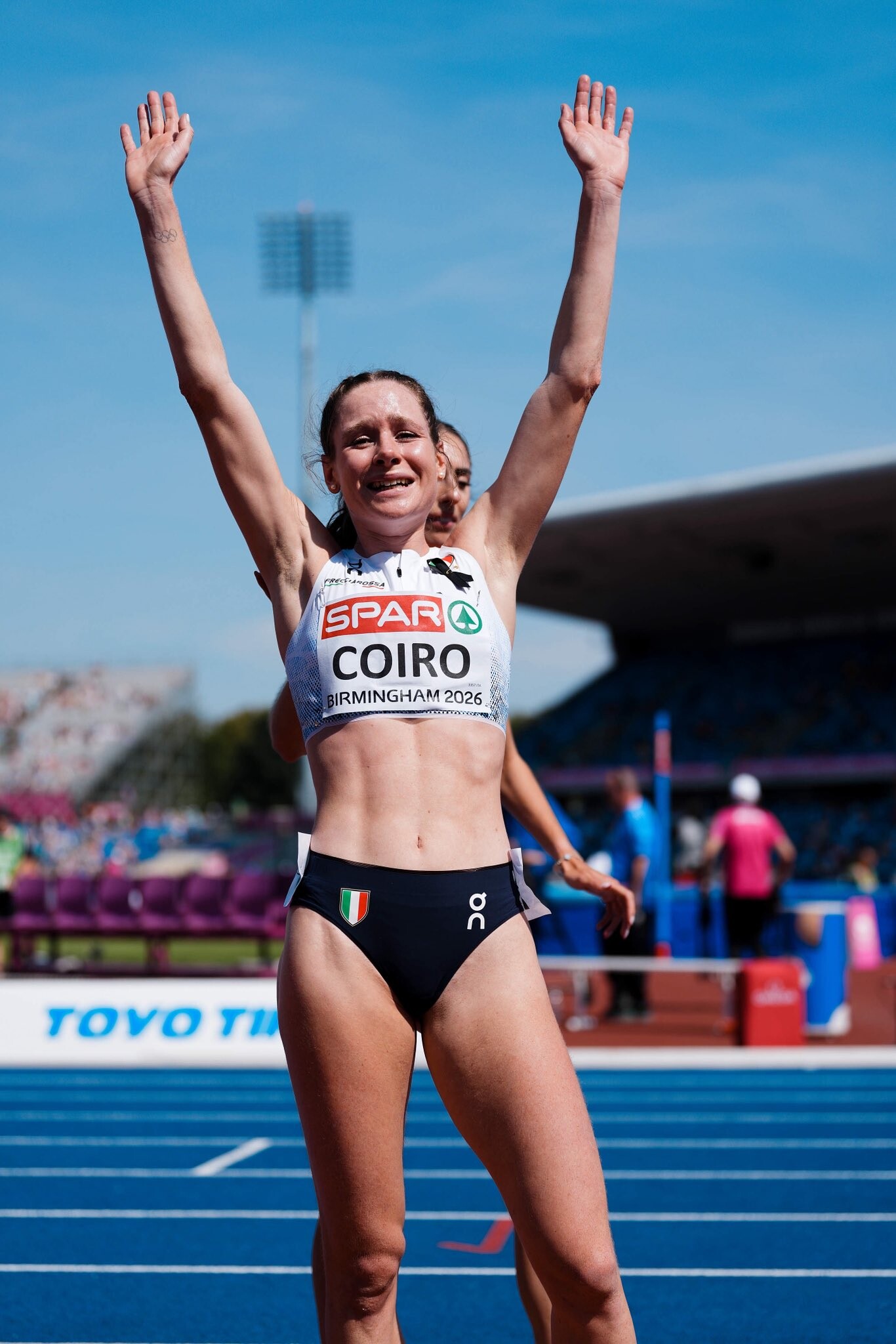
Behind her, Italy’s Eloisa Coiro produced one of the standout performances of the opening round. The Italian clocked 1:57.56, setting a new national record and advancing with a performance that immediately placed her among the leading contenders for the medals.
Germany’s Majtie Kolberg also impressed with 1:57.80, while Switzerland’s Audrey Werro followed closely in 1:57.83. Both athletes advanced automatically, adding further depth to an already formidable semifinal field.
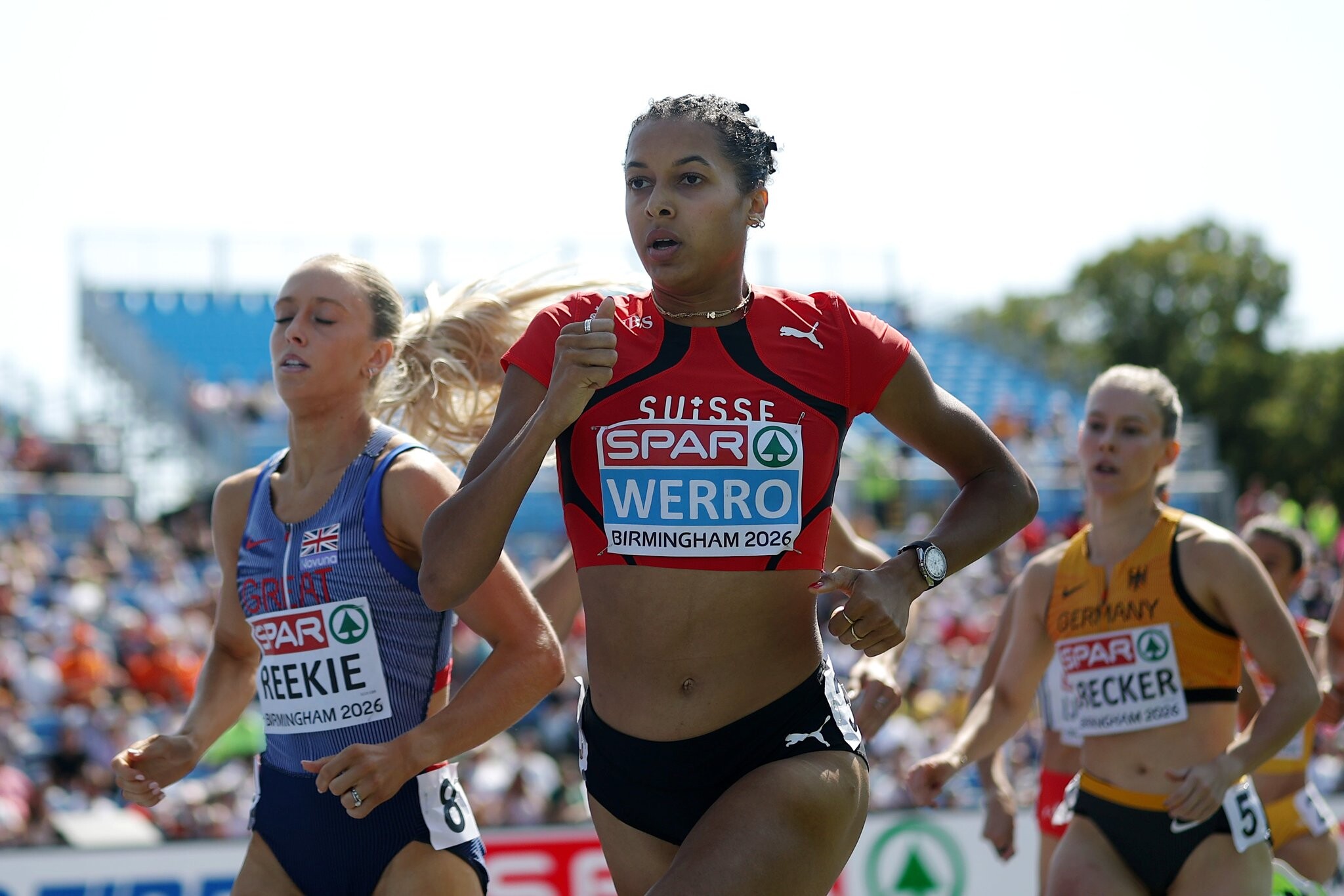
The battle for the remaining places was equally competitive. Italy’s Elena Bellò Vancardo ran 1:58.20, while France’s Clara Liberman stopped the clock at 1:58.23. Croatia’s Elena Vuković followed in 1:58.38, with Britain’s Jemma Reekie qualifying in 1:58.45.
Spain’s Lorea Mitjans and France’s Anaïs Lamotte also broke 1:59, recording 1:58.52 and 1:58.65 respectively. Lithuania’s Gabrielė Galvydytė, Switzerland’s Valentina Rosamilia and France’s Anaïs Bourgoin all advanced after running under 2:00.
The Netherlands’ Femke Broeders-Bol completed her heat in 1:59.96, while Slovakia’s Gabriela Gajanová and Spain’s Lorena Martín Royo secured the final automatic qualification places in 2:00.27 and 2:00.62.
With Hodgkinson, Werro, Reekie and Broeders-Bol safely through, and Coiro arriving in the semifinals with a new Italian record, the women’s 800m is already shaping up as one of the most fiercely contested events of the Birmingham championships.
Hodgkinson has made her intentions clear: the European crown remains hers to defend. But with Coiro producing a national-record performance and several of Europe’s strongest 800m runners advancing in impressive fashion, the road to another title is unlikely to be straightforward.
The semifinals now await — and the real fight for European supremacy is only beginning.
by Erick Cheruiyot for My Best Runs.
Login to leave a comment
European Athletics Champioships
The27thEuropean Athletics Championshipswill be held from 10 to 16 August 2026 at theAlexander StadiuminBirmingham, United Kingdom.[1] This is the first time that a British city will have staged the European Athletics Championships although Birmingham has hosted many high-profile events, including the2007 European Athletics Indoor Championships, the2003and2018 IAAF World Indoor Championshipsand the2022 Commonwealth Games. Alexander Stadium was renovated between 2019 and...
more...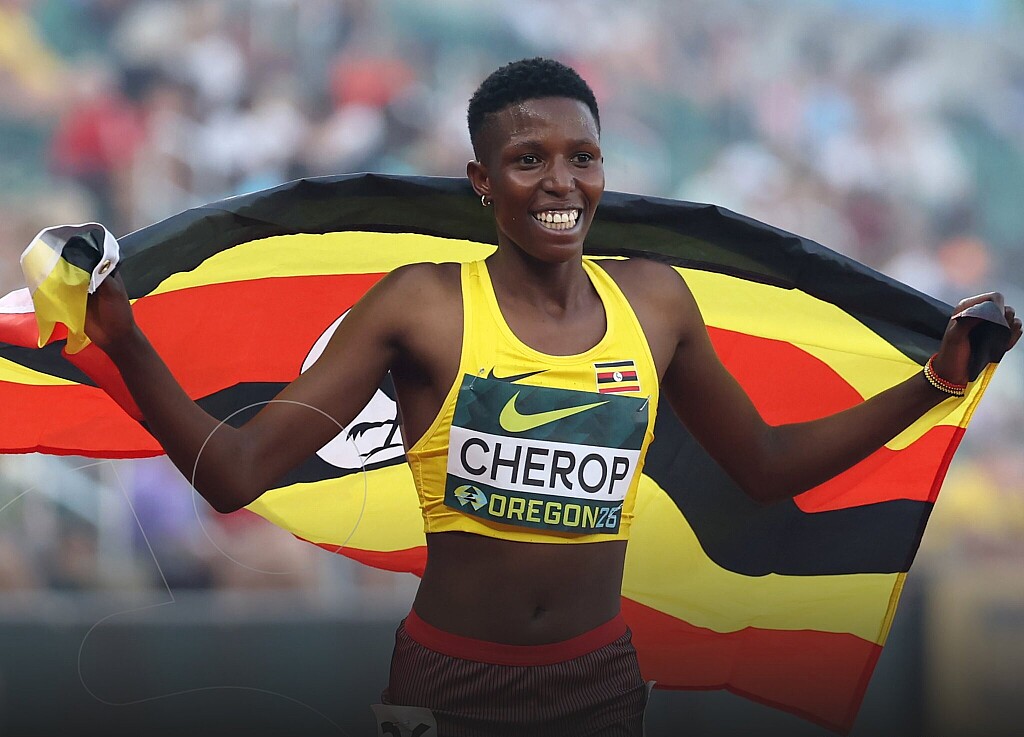
From Silver to Gold: Charity Cherop Storms to World U20 5000m Crown with Tactical Masterclass
Uganda's 19-year-old long-distance sensation Charity Cherop delivered the performance of her young career, producing a championship masterclass to capture the women's 5000m title at the 2026 World Athletics U20 Championships at Hayward Field in Eugene, Oregon.
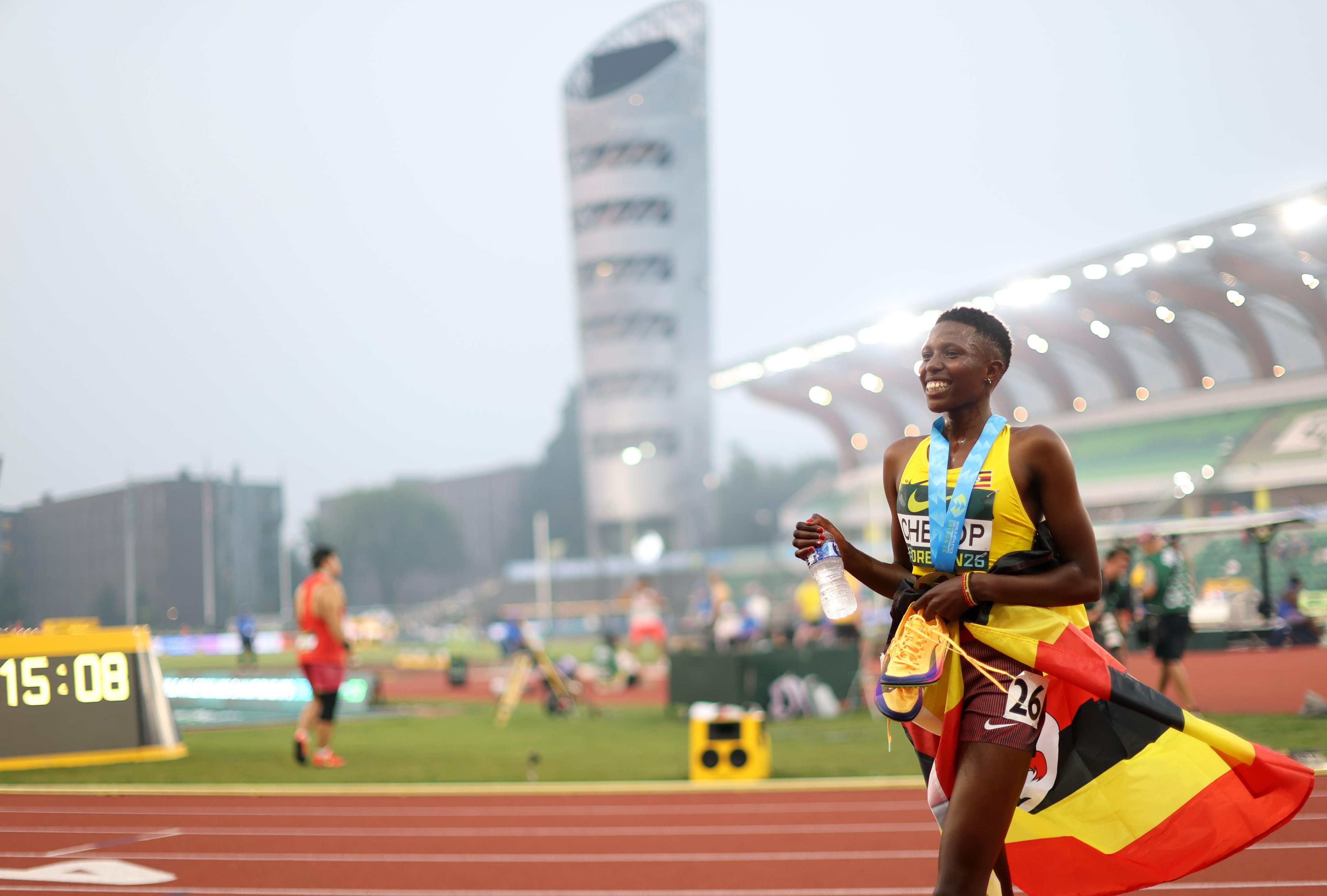
Born on July 4, 2007, Cherop executed a tactically brilliant race, remaining patient throughout the early stages before unleashing a devastating surge over the final kilometre. Her perfectly timed move proved decisive as she crossed the finish line in 15:03.88, becoming the new World U20 champion.
The victory was more than just a world title—it completed a remarkable journey from silver to gold. After finishing runner-up at the previous World Athletics U20 Championships in Lima, Cherop returned to the global stage stronger and more determined, upgrading her silver medal to gold and confirming herself as one of the brightest young stars in international distance running.
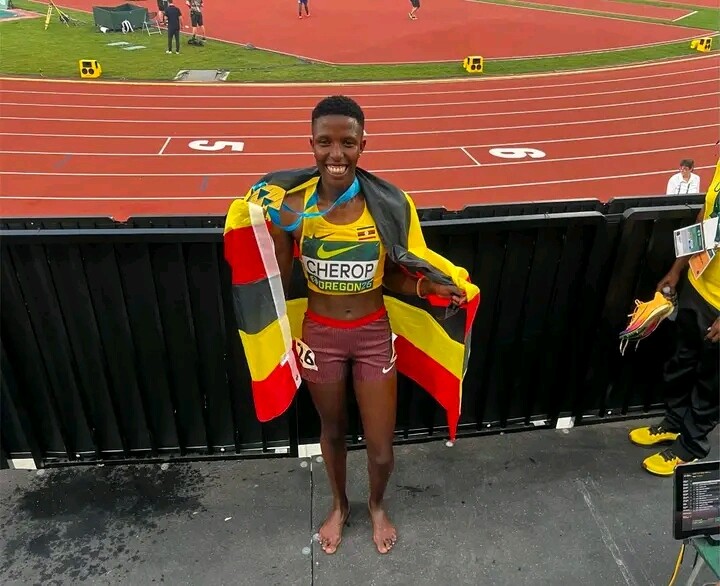
Behind the Ugandan star, Ethiopia's Shito Gumi fought bravely to secure the silver medal in 15:07.91, while Kenya's Joyline Chepkemoi delivered an outstanding performance to claim bronze in 15:09.08, setting a new personal best in the process. The battle for the podium remained fiercely contested until the closing stages, with every medal decided through courage, tactical awareness, and a powerful finishing kick.
Kenya narrowly missed placing two athletes on the podium as Cynthia Chepkirui finished a strong fourth in 15:14.86, while Sweden's Carmen Cernjul rounded out the top five in 15:22.18.
Ethiopia's Emebet Tilahun placed sixth in 15:32.51, followed by Japan's Yui Onotora in seventh with 15:37.33. Uganda celebrated another top-10 finish through Bentalin Yeko, who finished eighth in 15:48.35, underlining the nation's impressive depth in women's distance running.
Germany's Julia Ehrle claimed ninth in 16:09.53, with France's Lamia Mourabit completing the top ten in 16:10.80.
Further down the field, Portugal's Carolina Correia impressed with an 11th-place finish in a personal best 16:11.47, while Norway's Venus Teffera also celebrated a lifetime best of 16:12.07 in 12th. Germany's Gloria Herold added another personal best, clocking 16:13.75 for 15th place.
France's Laly Porentru, Japan's Ayami Yoshida, the Netherlands' Rosalie Ten Bruggencate, Italy's Sofia Ferrari and Mimosa Miari Fulcis, Spain's Fatima Hernandez, Switzerland's Anina Hirzel, Great Britain's Eliza Nicholson, Canada's Airlie Downie-Back and Athena Andrecyk, Mexico's Kenya Cuahutle, and Australia's Libby Mantay and Imogen Baker all battled courageously to the finish, highlighting the exceptional depth and global talent assembled for the championship final.
The only athlete unable to start the race was the United States' Emily Wisniewski, who was listed as DNS.
The women's 5000m final showcased the very best of championship distance running—patience, tactical intelligence, and a thrilling finish. On the biggest stage of her junior career, Charity Cherop produced a race worthy of a world champion, transforming silver in Lima into gold in Eugene and writing another unforgettable chapter in Uganda's rich distance-running legacy.
by Erick Cheruiyot for My Best Runs.
Login to leave a comment
From eBay Shoes to the Commonwealth Games: Self-Coached Poppy Tank's Extraordinary Journey to the England Team
In a sport where many elite athletes benefit from professional coaches, lucrative sponsorships, sports science support, and cutting-edge equipment, Poppy Tank has reached the international stage by relying on little more than determination, discipline, and belief in herself.
Later this month, the 28-year-old from Plymouth will proudly represent England in the women's 10,000m at the Commonwealth Games in Glasgow. It will be her first appearance at a major track championships, making the achievement even more remarkable considering she has no central funding, no shoe contract, and no dedicated support team.
Tank's journey is one of resilience and self-reliance. Her Instagram biography sums it up in just three words: Self-coached. Unsponsored. Distance runner. Behind those words lies years of sacrifice, careful planning, and relentless hard work.
Unlike many of her international rivals, Tank manages every aspect of her athletic career herself. She designs her own training, plans her race schedules, monitors her recovery, and finances virtually every part of her pursuit of excellence.
"I'm self-funded so every spare bit of cash I have I'm spending it on training camps, buying shoes, buying kit, paying for races and accommodation," Tank told BBC Radio Devon. "I have to be very savvy with my shoes. I buy them often off eBay on discount. So I'm very, very good at finding ways of saving money."
While many Commonwealth-level athletes receive free equipment from major sports brands, Tank has become an expert at stretching every pound, purchasing discounted racing shoes online and carefully managing every expense to keep her dream alive.
Her rise through British athletics has been built steadily over several seasons. Tank first established herself as one of Britain's finest endurance runners in cross country, helping Great Britain win team gold at the 2023 European Cross Country Championships before contributing to a team silver medal the following year. She also claimed the British 3,000m steeplechase title in 2023 and represented Great Britain at the World Cross Country Championships, demonstrating her versatility across different disciplines.
Despite those achievements, a place at a major international track championships remained elusive until this summer, when England selected her for the Commonwealth Games.
Away from the track, Tank balances elite sport with an equally demanding academic career. She is pursuing a PhD at the University of Birmingham, where her research focuses on developing better ways to recycle medical implants. Her daily routine often begins with a demanding 12-mile training session before lunchtime, followed by an hour and a half in the gym, all while spending long hours in the laboratory preparing and analysing research samples.
"My supervisor is incredibly supportive of my running," she explained. "But ultimately I still have to go and do the studying."
Her Commonwealth Games selection is the reward for outstanding form during the 2026 season. Tank produced a lifetime best to finish second behind Izzy Fry at the British 10,000m Championships in Loughborough in May, before lowering that mark again just weeks later with an impressive 32:04.36 performance in the Netherlands.
Those performances secured her place on England's team, where she and Fry will both make their Commonwealth Games debuts in the women's 10,000m.
Although Tank heads to Glasgow ranked in the second half of the field on paper, she has never allowed rankings to define her ambitions. Time and again, she has shown an ability to rise to the occasion when it matters most, and she intends to do exactly that on one of the biggest stages of her career.
"It is so much hard work, I couldn't even begin to detail how many hours has gone into this," Tank said. "But when things like this happen where you get selected for your goals, it really, really makes it so worth it."
Her story serves as a powerful reminder that success is not always built on financial backing or world-class facilities. Sometimes, it is forged through unwavering commitment, countless unseen hours of hard work, and the courage to believe in your own process.
When Poppy Tank steps onto the track in Glasgow wearing the England vest, she will represent far more than her country. She will embody perseverance, independence, and the belief that even without sponsorships, professional coaching, or expensive support systems, extraordinary dreams can still become reality.
by Erick Cheruiyot for My Best Runs.
Login to leave a comment
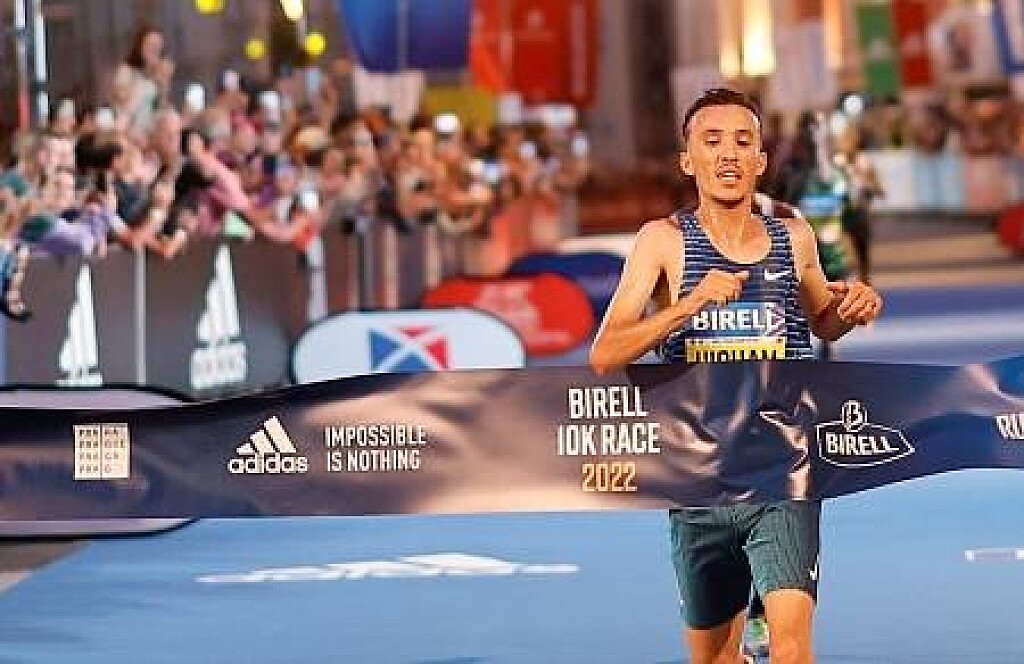
Top European and African Stars Headline tRUNsylvania International 10K Cluj
One of Eastern Europe’s strongest road races takes center stage this Sunday (June 28) as the tRUNsylvania International 10K Cluj, powered by Joma, brings together an exceptional field of elite athletes from Europe and Africa in Cluj-Napoca, Romania.
Run on a fast four-lap circuit through the city’s vibrant center, with the start and finish inside Cluj Arena, the race features numerous athletes capable of producing world-class performances.
Morocco’s Hicham Amghar leads the men’s field with a personal best of 27:09, set when he won the tRUNsylvania 10K in Brașov two years ago. He will face a deep international lineup that includes Norway’s European 10,000-meter silver medalist Zerei Kbrom Mezngi (27:39), France’s Mehdi Frere (27:44), Dutch marathon standout Filmon Tesfu (27:45), Spain’s Juan Antonio Perez (27:45), Kenya’s Moses Cheruiyot (27:51), Italy’s former national marathon record holder Eyob Faniel (28:10), Algeria’s Abderrazak Charik (28:12), Eritrea’s Seare Weldezghi (28:14), the Netherlands’ Noah Schutte (28:19), Spain’s Yago Rojo (28:21), and Australia’s James Whelan (28:26).
Several of Europe’s top runners will also be chasing qualifying standards for the 2026 European Athletics Championships, adding even more significance to the competition.
The women’s race is equally impressive and may prove to be the highlight of the day.
Uganda’s Joy Cheptoyek, the World Cross Country Championships silver medalist, headlines the field with an outstanding personal best of 30:03. Kenya’s Jackline Chepkoech, the 2021 World Under-20 3,000-meter steeplechase champion, will make her highly anticipated 10K road debut after recording an impressive 8:57.35 on the track.
Belgium’s reigning national 10K champion Julie Voet enters with a 31:54 best, while Ireland’s Fiona Everard follows closely at 31:58. The international field also includes France’s Ines Hamoudi (32:20), Ethiopia’s Meselech Alemayehu (32:20), Spain’s Beatriz Alvarez (32:21 on the track), Ireland’s Niamh Allen (32:25), Israel’s Maor Tiyouri (32:29), Türkiye’s Nursena Ceto (32:34), Hungary’s Lilla Bohm (32:41), and Spain’s Cristina Espejo (32:52).
With championship qualifying marks on the line, a fast course, and one of the deepest international fields ever assembled for a road race in Romania, the tRUNsylvania International 10K Cluj is set to deliver exciting competition and fast times from start to finish.
by Boris Baron
Login to leave a comment
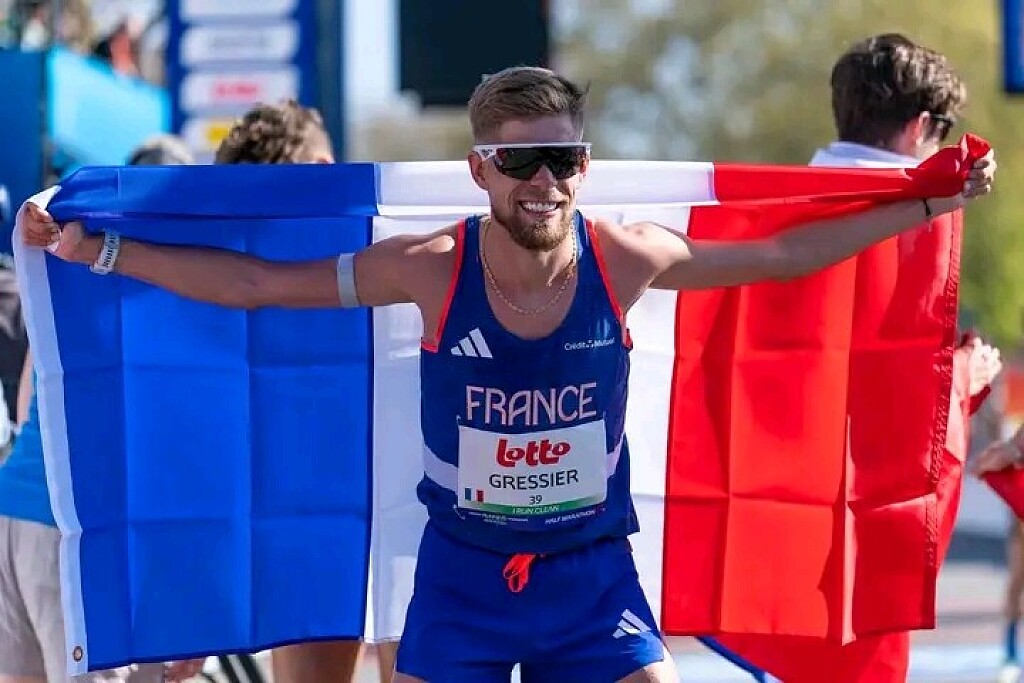
Paris Diamond League Men's 5000m: Global Distance Stars Set for a High-Stakes Clash in the French Capital
The countdown to the 2026 Paris Diamond League is almost over, and one of the most anticipated events on the programme is the men's 5000m. Scheduled for Sunday, June 28, the race has assembled an impressive international field featuring established champions, emerging talents, and national record holders, setting the stage for what could become one of the fastest 5000m races of the season.

France's Jimmy Gressier will carry the hopes of the home crowd as he headlines the event. Renowned for his fearless front-running style and relentless pace, Gressier will be eager to produce another memorable performance on home soil against one of the deepest fields assembled this year.
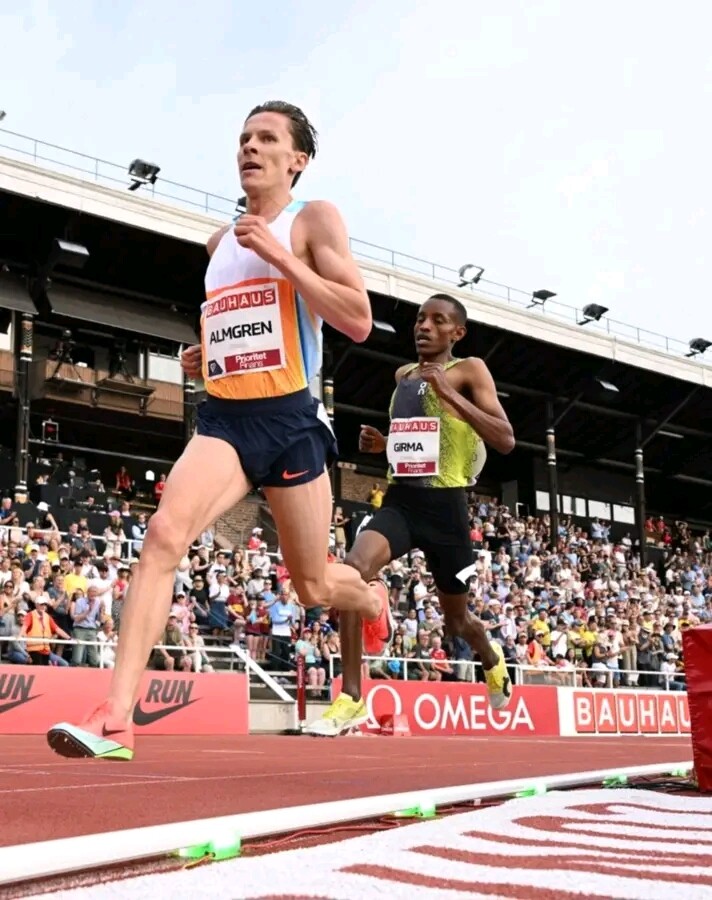
The race also features Sweden's Andreas Almgren, whose remarkable rise over the longer distances has made him one of Europe's strongest contenders. Eritrea's Saymon Amanuel, Ethiopia's Getnet Wale, Kuma Girma, Lamecha Girma, Khairi Bejiga, and Addisu Yihune further strengthen an already formidable lineup, bringing world-class credentials and proven championship experience.
Kenya enters the contest with a talented quartet comprising Cornelius Kemboi, Frankline Kibet, Mathew Kipchumba Kipsang, and Jacob Krop. With Kenya's rich tradition in distance running, the four athletes will be looking to assert themselves against a field packed with elite competitors and continue the country's dominance on the global stage.
The international flavour of the race extends even further with competitors from the United States, Germany, Spain, Mexico, Burundi, Uruguay, Bahrain, and the Netherlands, highlighting the Diamond League's status as the premier meeting point for the world's finest track athletes.
With so many athletes capable of producing sub-13-minute performances, fans can expect an aggressive pace from the opening laps. Whether the race develops into a tactical championship-style battle or an all-out assault on the clock, every indication points to a thrilling spectacle under the Paris lights.
As the Diamond League season gathers momentum, Sunday's men's 5000m promises more than just valuable points—it offers athletes a golden opportunity to test themselves against world-class opposition, build confidence ahead of major championships, and perhaps deliver one of the standout performances of the year.
The stage is set. The field is loaded. Paris is ready for another unforgettable moment of distance running.
by Erick Cheruiyot for My Best Runs.
Login to leave a comment
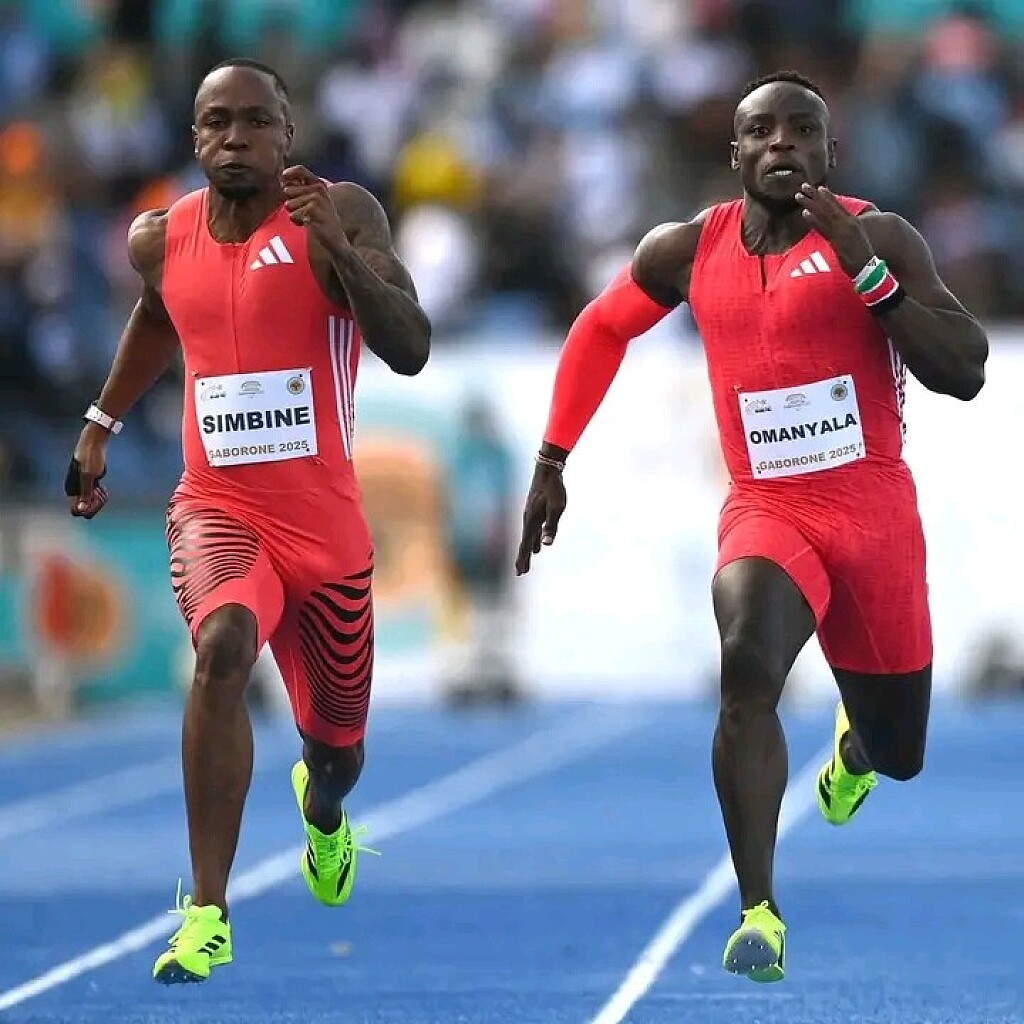
Omanyala and Simbine Set for Explosive Sprint Showdown at FBK Games in Hengelo
The stage is set for one of the most anticipated sprint battles of the season as Africa's fastest men, Ferdinand Omanyala of Kenya and Akani Simbine of South Africa, headline a stacked men's 100-meter field at the 2026 FBK Games in Hengelo Netherlands, on Sunday, June 21. The prestigious meeting is part of the World Athletics Continental Tour Gold circuit and regularly attracts some of the world's finest track and field stars.
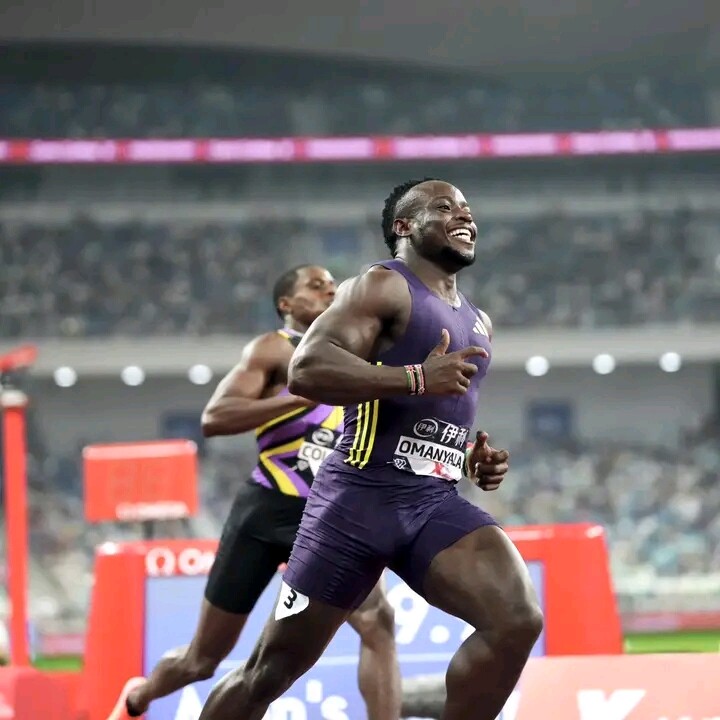
For sprint fans, the clash between Omanyala and Simbine is reason enough to tune in. Omanyala, the African record holder and Kenya's sprint trailblazer, has built a reputation for fearless front-running and explosive starts. Simbine, meanwhile, remains one of the most consistent sprinters of his generation, combining championship experience with remarkable top-end speed. Their rivalry has produced thrilling races over the years, and another chapter is about to be written on Dutch soil.
But this will be far more than a two-man contest.
South Africa's rising star Bradley Nkoana enters the race eager to challenge the established order, while Ireland's Benjamin Richardson continues to make strides on the international circuit. American veteran Ronnie Baker brings proven world-class credentials to the field, adding further depth and unpredictability to the race.
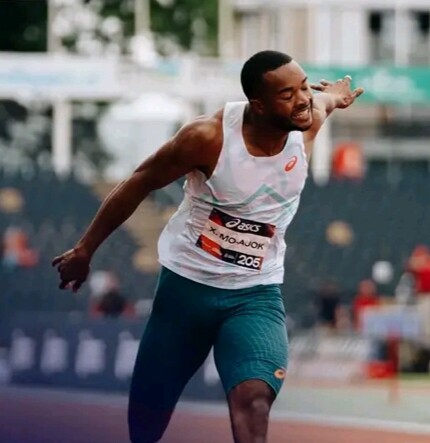
The home crowd will have plenty to cheer for as Dutch sprinters Elvis Afrifa, Taymir Burnet and Xavi Mo-Ajok line up in front of their supporters. All three have been key figures in the Netherlands' sprint resurgence and will be determined to make their mark against a world-class field.
With established stars, emerging talents and national pride all colliding in one race, the men's 100 meters promises to be one of the standout events of the meeting. Every athlete in the field has the speed to produce a surprise, ensuring that there will be no room for error once the starter's gun fires.
As Hengelo prepares to welcome another edition of the renowned FBK Games, all eyes will be fixed on the straightaway. When Omanyala and Simbine step into their blocks, fans can expect a race packed with intensity, speed and the kind of drama that only elite sprinting can deliver.
Men's 100m Entries – FBK Games 2026
1. Ferdinand Omanyala (Kenya)
2. Akani Simbine (South Africa)
3. Bradley Nkoana (South Africa)
4. Benjamin Richardson (Ireland)
5. Ronnie Baker (United States)
6. Elvis Afrifa (Netherlands)
7. Taymir Burnet (Netherlands)
8. Xavi Mo-Ajok (Netherlands)
On Sunday afternoon in Hengelo, the race may last less than ten seconds, but its impact could resonate throughout the remainder of the 2026 season.
by Erick Cheruiyot for My Best Runs.
Login to leave a comment
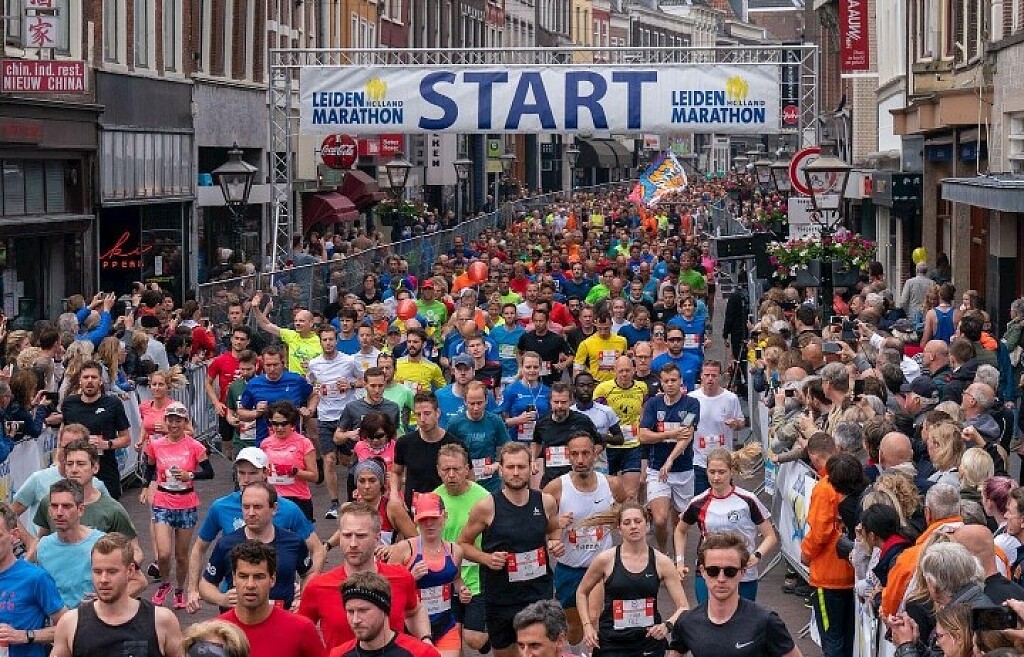
Leiden Marathon Braces for Elite International Distance Running Showdown
The historic Leiden Marathon is set to deliver another electrifying spectacle on 10 May as elite athletes from across the globe converge in the Netherlands for one of Europe’s most anticipated road races. Featuring an exciting blend of established marathon specialists, rising stars, and dangerous debutants, this year’s edition promises high-quality competition and fierce battles across both the men’s and women’s races.
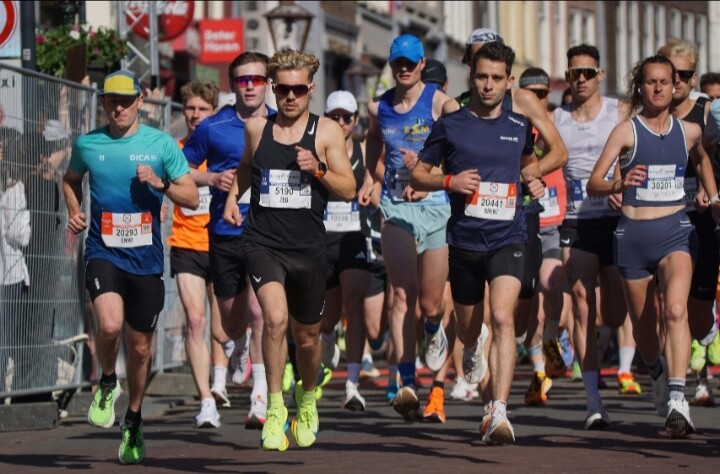
Among the standout names in the men’s field is Kenya’s Simon Waithira, who enters with an impressive personal best of 2:09:05. His consistency and strength over the classic distance position him among the leading contenders for victory. Fellow Kenyan Bernard Chumba also brings significant experience into the race, armed with a lifetime best of 2:10:33 and a reputation for thriving in tactical contests.
Ethiopia’s Asmera Beshir adds further international quality to the lineup. With a personal best of 2:13:22, Beshir possesses the endurance and composure required to challenge for top honours should the race develop into a strategic battle in the latter stages.
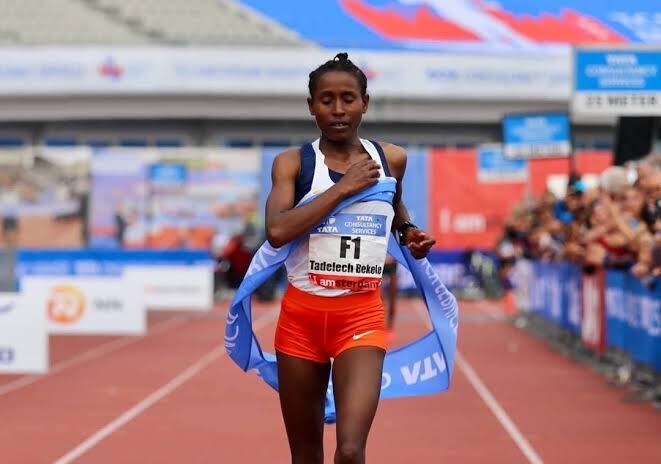
The women’s field is equally loaded with talent and ambition. Ethiopia’s Tadelech Bekele Alemu headlines the race with a commanding personal best of 2:21:40, making her one of the strongest favourites on paper. Her experience and proven ability over the marathon distance could prove decisive on race day.
Compatriot Tigist Worku will be aiming to produce a breakthrough performance as she seeks to lower her current best of 2:36:15, while Kenya’s Beatrice Mutai enters the spotlight with enormous curiosity surrounding her highly anticipated marathon debut. Mutai’s exceptional half marathon best of 1:07:29 suggests she possesses the raw talent to emerge as one of the revelations of the race.
The 2026 Leiden Marathon is set to deliver a celebration of world-class endurance racing, where experience, tactical intelligence, and fearless ambition will collide on the streets of Leiden in pursuit of victory and memorable performances. The elite field already announced has heightened anticipation for the race, with a strong international lineup expected to produce thrilling battles and outstanding performances across both the men’s and women’s races.
by Erick Cheruiyot for My Best Runs.
Login to leave a comment

Leiden Marathon
The Leiden Marathon has a picturesque course that combines the best of the city landscapes and the green countryside in the Green Heart. This one loop course is very flat and fast so get ready to improve your personal best if that is your goal. The Leiden Marathon starts in the heart of ancient Leiden, a 900 years old...
more...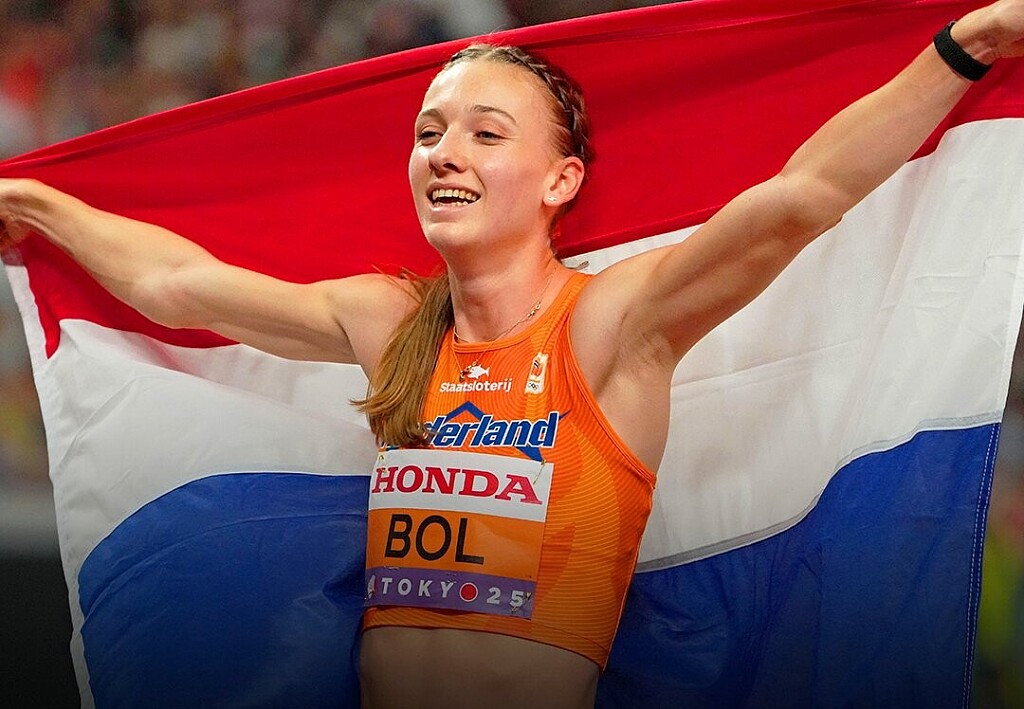
Dutch Queen of Speed: Femke Bol Ready to Light Up the FBK Games 800m
On Sunday, June 21, 2026, Femke Bol will once again command the spotlight as she prepares for a thrilling return to the 800m at the prestigious FBK Games in Hengelo. The Dutch superstar, already celebrated worldwide for her dominance in the 400m hurdles, is stepping back into the demanding two-lap event — a move that has generated enormous excitement across the athletics world.
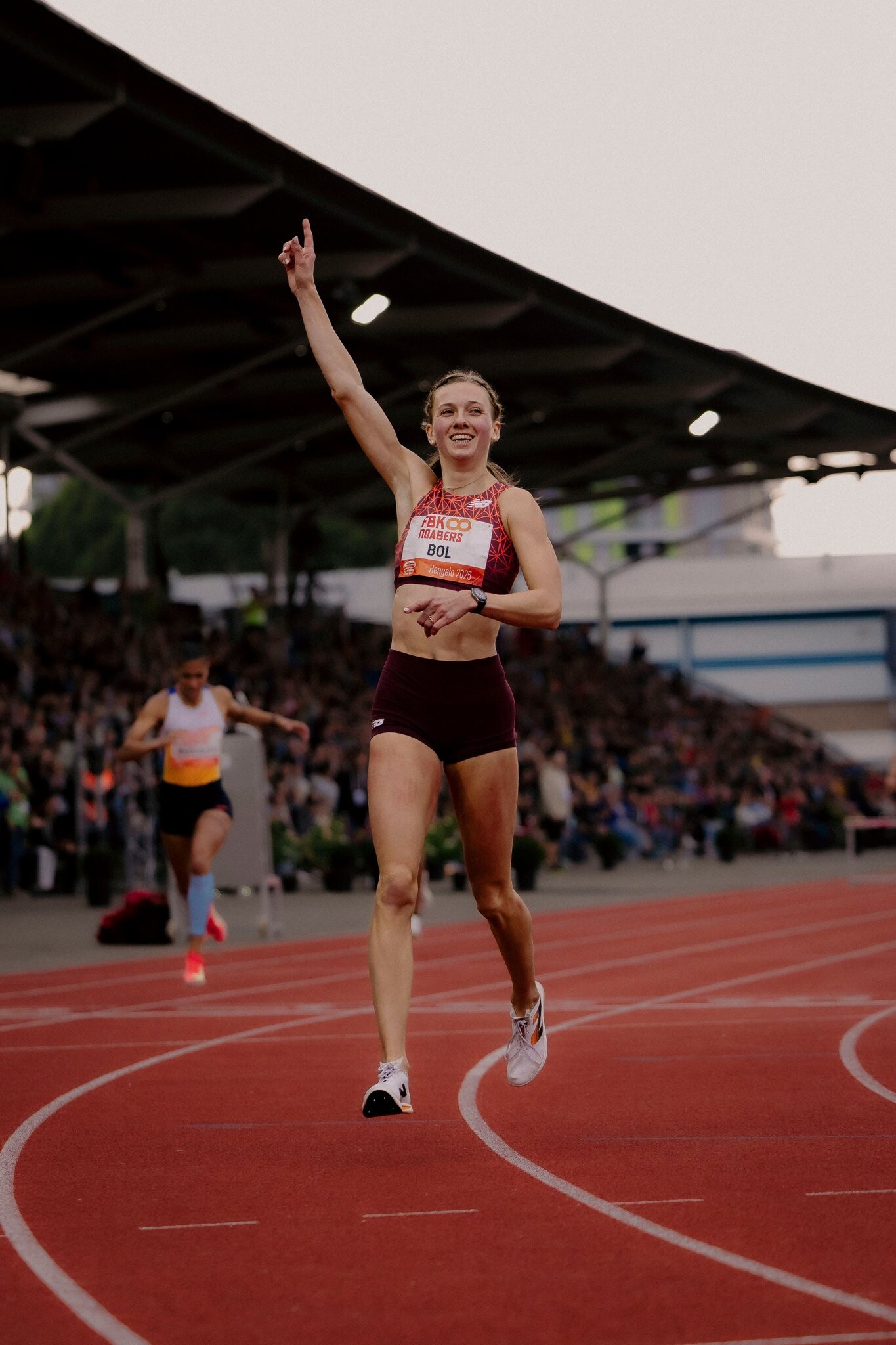
After delivering a sensational 800m breakthrough earlier this season, Bol proved that her brilliance extends far beyond the hurdles. During the World Indoor Tour meeting in Metz in February, she stormed to an incredible 1:59.07 performance, smashing the Dutch national record and announcing herself as a serious force in middle-distance running. The remarkable display highlighted her extraordinary endurance, speed and versatility — qualities that continue to elevate her status among the sport’s elite.
Now, the reigning Dutch sensation is set to bring that excitement onto home soil for what will be her very first 800m race in the Netherlands. Her appearance at the 45th edition of the FBK Games adds another compelling storyline to an already highly anticipated meeting, with supporters eager to witness how far she can push her limits in an event she has barely explored at elite level.
Renowned for her fearless racing style, devastating finishing strength and relentless competitiveness, Bol’s return to the 800m signals growing confidence in her range as an athlete. Every time she steps onto the track, she continues to challenge expectations and create unforgettable moments that captivate athletics fans around the globe.
The atmosphere in Hengelo is expected to be electric as the home favourite lines up before a passionate Dutch crowd. With anticipation building rapidly ahead of June 21, one thing is certain — whenever Femke Bol races, records, headlines and brilliance are never far away.
by Erick Cheruiyot for My Best Runs.
Login to leave a comment
SUPER MARATHON SUNDAY: A Global Racing Spectacle Awaits on April 12
The running world is set for one of its most thrilling days of the year as Sunday, April 12 delivers a marathon-packed schedule across multiple continents. From Europe’s fastest city courses to South America’s vibrant streets, elite athletes, rising contenders, and thousands of passionate runners will line up for a day that promises drama, speed, and unforgettable moments.
The spotlight will first shine on Paris, where the iconic streets of the French capital become the stage for one of the sport’s most prestigious races. With a reputation for fast times and electric crowds, the Paris Marathon is expected to provide an early burst of excitement as the world’s best chase victory through the City of Light.
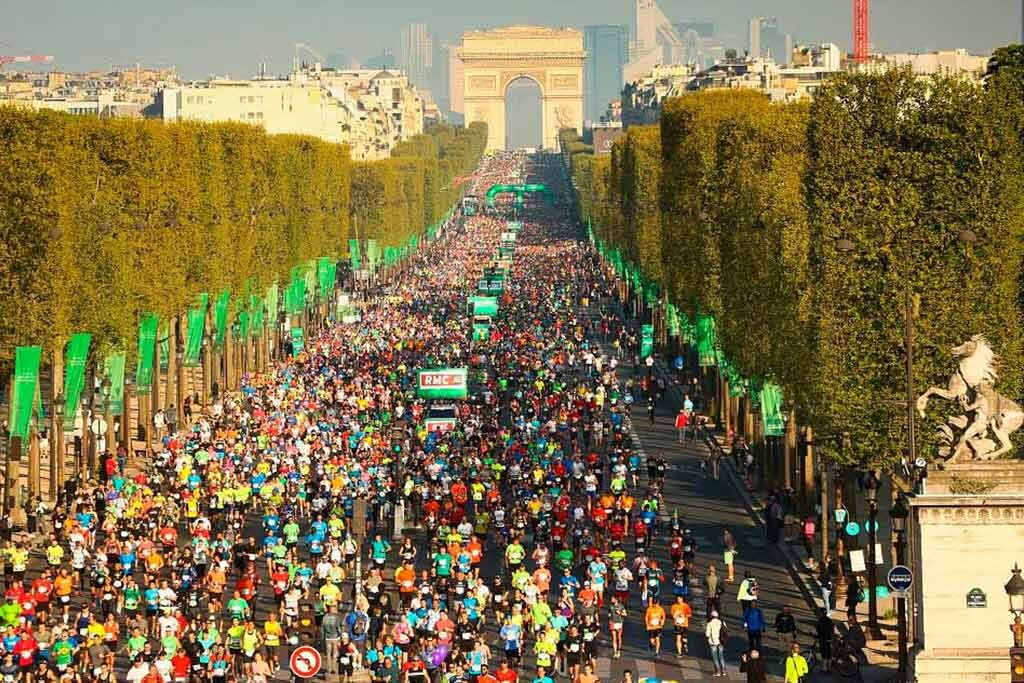
Moments later, attention turns to Italy, where Milan prepares to host another major contest. Known for blending history, architecture, and fierce competition, the Milan Marathon has steadily become one of Europe’s standout races, attracting a deep field of talent each year.
As the morning unfolds, the action intensifies across the continent. Rotterdam, widely regarded as one of the fastest marathon courses in the world, once again takes center stage. The Dutch classic has produced countless memorable performances and remains a favorite destination for athletes targeting personal bests and record-breaking runs.
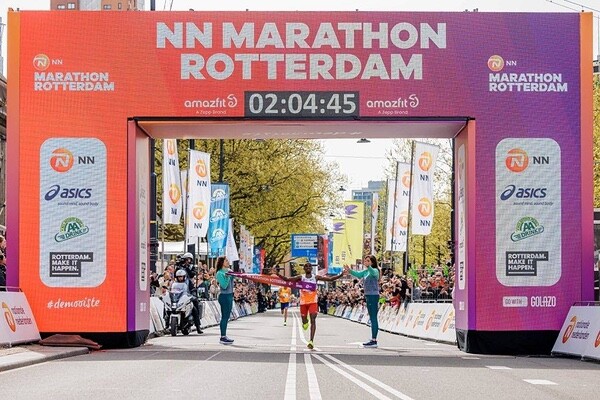
Elsewhere in the Netherlands, the historic Enschede Marathon adds another layer to the day’s excitement, while Germany’s Hannover Marathon promises high-energy racing and strong elite battles. Across Austria, Switzerland, Slovakia, and Spain, runners will also take to the roads in Linz, Zurich, Bratislava, and Zaragoza, ensuring nearly every corner of Europe joins the celebration.
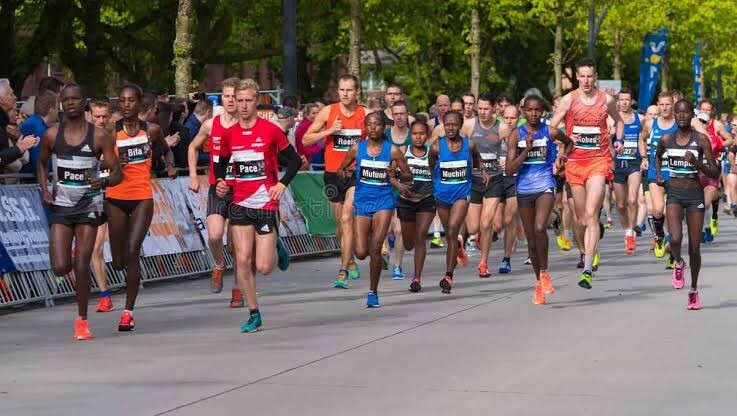
Beyond Europe, São Paulo will carry the marathon spirit into South America, delivering its own powerful chapter to this worldwide running festival.
For fans around the world, the schedule offers a full day of nonstop marathon action. From the first starters in Europe to the excitement building across every course, viewers everywhere will have the chance to follow elite battles, breakthrough performances, and inspiring personal journeys. No matter your time zone, this is the kind of Sunday made for running fans everywhere.
What makes this Sunday so special is not only the elite competition, but the shared spirit of the marathon itself. While world-class athletes battle for titles and records, thousands of everyday runners will be chasing personal milestones, lifelong dreams, and the unforgettable joy of crossing the finish line.
This is more than a race day—it is a celebration of endurance, ambition, and the universal power of running. Wherever you are watching from, prepare for a remarkable Sunday as the world runs together.
by Erick Cheruiyot for My Best Runs.
Login to leave a comment
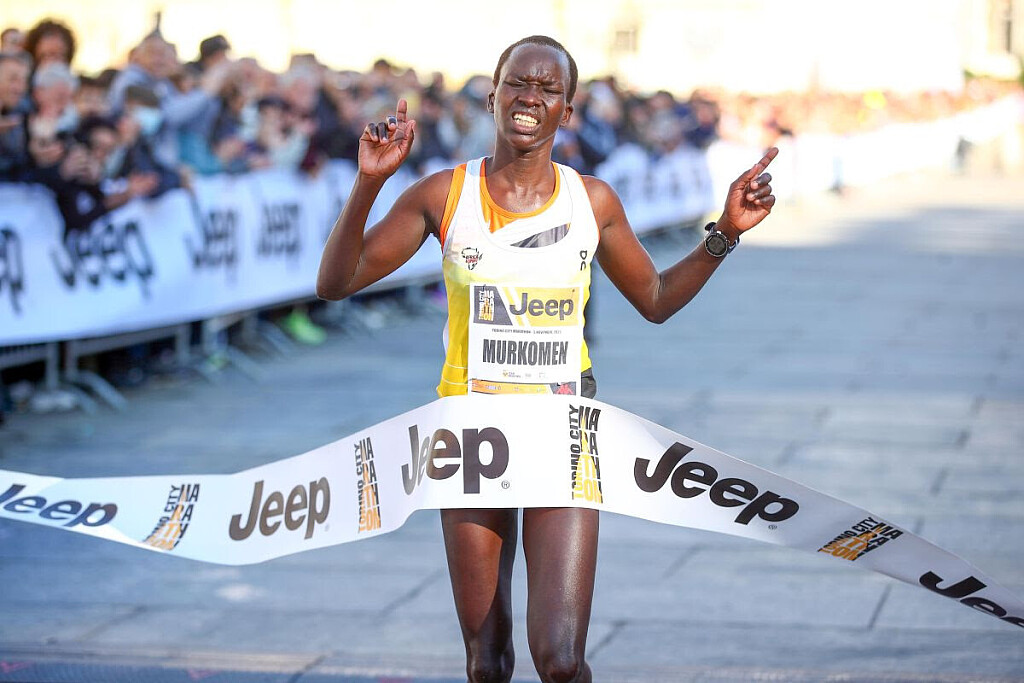
Enschede Set for a Marathon Masterclass as Elite Fields Target History
The historic streets of Enschede are once again preparing for a spectacle of endurance, speed, and legacy as the 2026 Enschede Marathon returns this Sunday, April 12. Revered as the oldest marathon in the Netherlands, the race blends tradition with world-class competition, and this year’s elite line-up promises nothing short of electrifying action.
From the first stride, the men’s race is expected to ignite at a relentless tempo. Kenya headlines the field with remarkable depth, spearheaded by Gevin Kerich, whose personal best of 2:06:52 places him among the fastest entrants. Close behind are fellow Kenyans Bygeon Kiprono (2:07:22) and Kiprop Kimutai (2:08:03), forming a formidable trio capable of dictating the pace from the outset.
Yet, the challenge will not go unanswered. Ethiopia’s Abebe Tilahun enters the contest with a strong 2:07:50 credential, determined to disrupt Kenya’s anticipated dominance and inject tactical intrigue into the race.
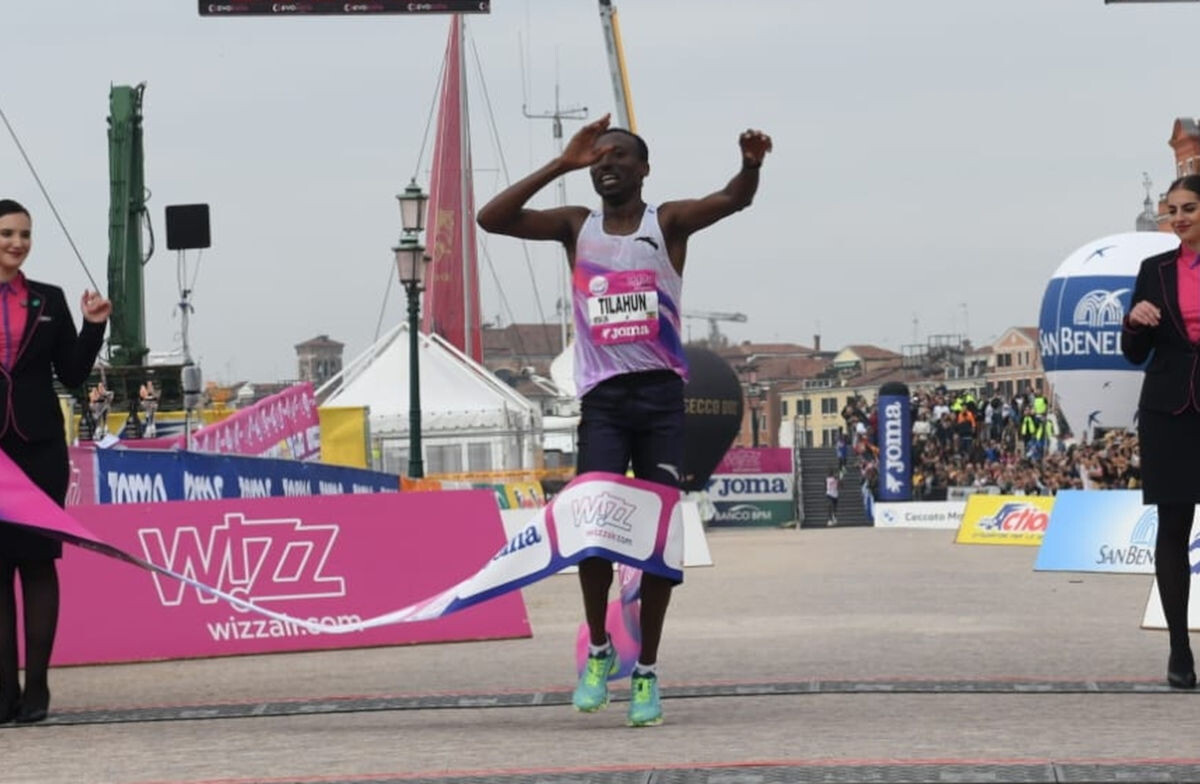
Hovering over the men’s field is the towering benchmark of 2:04:30, the course record set in 2021 by marathon icon Eliud Kipchoge. While that mark remains daunting, the depth and quality assembled this year suggest a fearless pursuit of fast times.
The women’s race, meanwhile, shapes up as a finely balanced duel defined by precision and resilience. Kenya’s Dorine Murkomen leads the entries with a personal best of 2:27:09, but she is closely shadowed by Ethiopia’s Tsehay Gebre at 2:27:22—setting the stage for a compelling head-to-head battle.
Adding further depth are Selam Fente (2:28:22) and Hilda Cheboi (2:28:31), both of whom possess the strength and racing intelligence to challenge for podium positions if the pace intensifies.
Standing as the ultimate target is the women’s course record of 2:21:10, set in 2022 by Maurine Chepkemoi—a mark that demands not only speed, but near-perfect execution.
With the race set to begin at 10:00 AM local time in Enschede, anticipation is building for a morning that could deliver both tactical drama and fast times. Whether the athletes can edge closer to the historic standards set by Kipchoge and Chepkemoi remains to be seen—but one thing is certain: Enschede is ready to witness another chapter in marathon excellence unfold.
by Erick Cheruiyot for My Best Runs.
Login to leave a comment

Enschede Marathon
Experience the oldest marathon in Western Europe! We write about August 1946. The European Athletics Championships were held in Olso and the I.A.A.F. conference had taken place. During that conference, an agreement was made to hold an athletics competition between the Netherlands and Czechoslovakia in Enschede in July 1947. Saturday July 12, 1947 was the big day: 51 participants took...
more...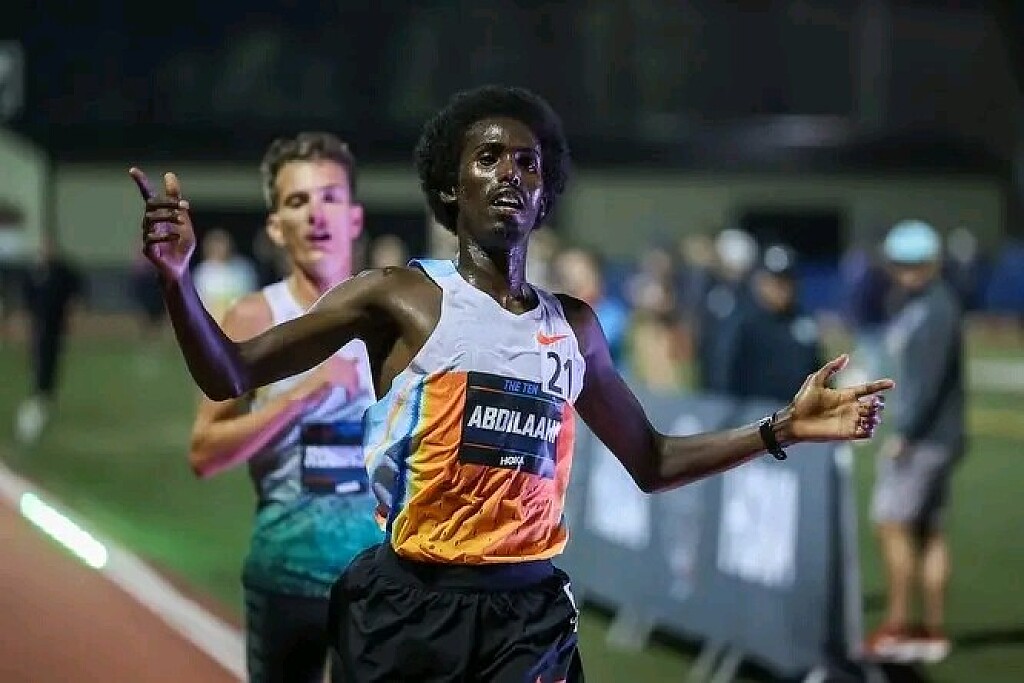
Three Nations, One Historic Race: The TEN Redefines 10,000m Running
Under the bright California lights, The TEN once again delivered a night of pure distance-running brilliance, as the elite men’s HOKA 10,000m unfolded into a historic spectacle defined by fearless pacing, relentless surges, and national pride rewritten in record books.
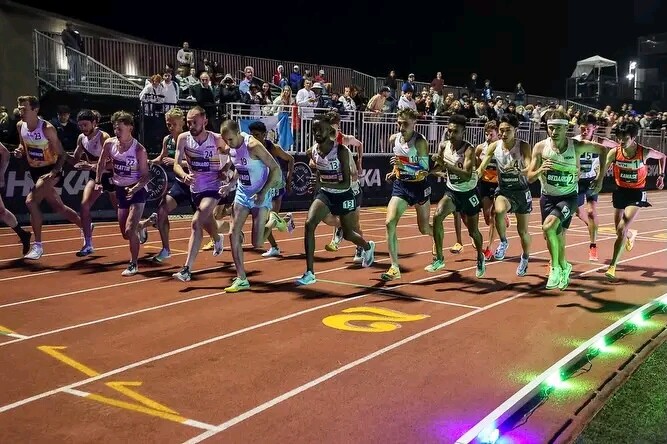
From the gun, the tempo was unapologetically aggressive—set with precision and ambition—and the leading pack responded in kind, locking into a rhythm that hinted at something extraordinary. What followed was not just a race, but a statement: a new global standard for championship-caliber 10,000m racing.
At the heart of it all was Germany’s Mohamed Abdilaahi, who produced a performance of remarkable composure and strength to storm to victory in a stunning 26:56.58, slicing through the line to claim not only the win but also a new German National Record and the world-leading time. His run was a masterclass in controlled aggression—patient early, yet devastating when it mattered most.
Hot on his heels was Australia’s rising star Ky Robinson, who etched his own piece of history. Clocking 26:57.07, Robinson shattered the Australian National Record, becoming the first man from his nation to dip under the elusive 27-minute barrier. His performance confirmed his arrival on the global stage as a serious force in long-distance running.
Completing the podium was the Netherlands’ Mike Foppen, who delivered another standout run, securing third place in 27:20.52—a time that not only earned him a spot among the elite but also a new Dutch National Record. His effort capped off a remarkable night where the top three finishers all walked away with national milestones.
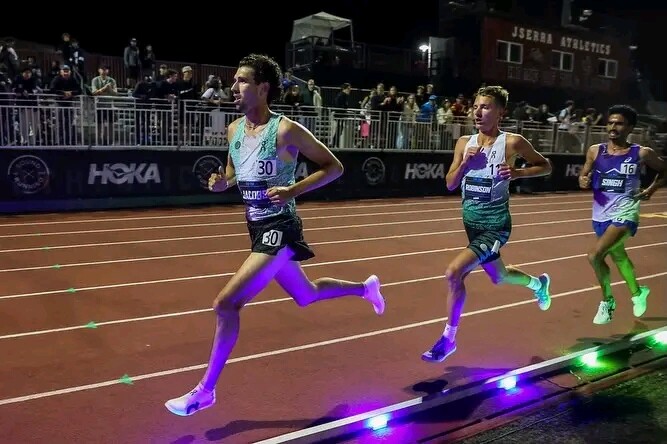
Just fractions behind, American Woody Kincaid showcased his consistency and grit, finishing fourth in a strong 27:20.84, underlining the depth and intensity of the field.
This was more than a race—it was a convergence of peak fitness, meticulous pacing, and fearless competition. With three national records and a world-leading mark produced in a single night, The TEN reaffirmed its status as one of the premier stages for distance running excellence.
As the dust settles, one thing is certain: the bar has been raised, and the road to global championships just became significantly more thrilling.
by Erick Cheruiyot for My Best Runs.
Login to leave a comment

The Ten
The world's fastest 10,000m races each year have taken place in a sleepy little coastal town in southern California. More national records were broken in 2022 than any other race on the planet as the best in the western hemisphere launched into rarified zones of time and space. The best return to San Juan Capistrano this year to cap off...
more...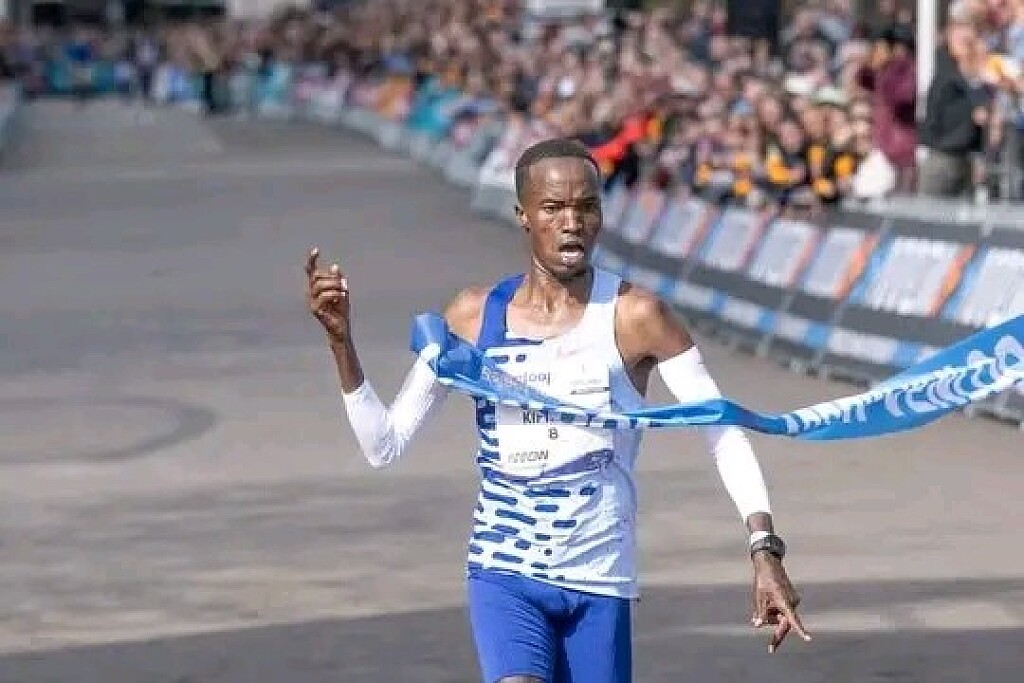
Venloop 2026: Kenya Dominates as Records Fall and Rivals Fade
On a vibrant Sunday in the Netherlands, the 2026 Venloop Half Marathon delivered a spectacle worthy of its growing international reputation, as elite runners transformed the streets of Venlo into a stage of speed, precision, and dominance. Against a backdrop of roaring crowds and crisp European spring conditions, it was Kenya that once again seized the spotlight with commanding authority in both the men’s and women’s races.
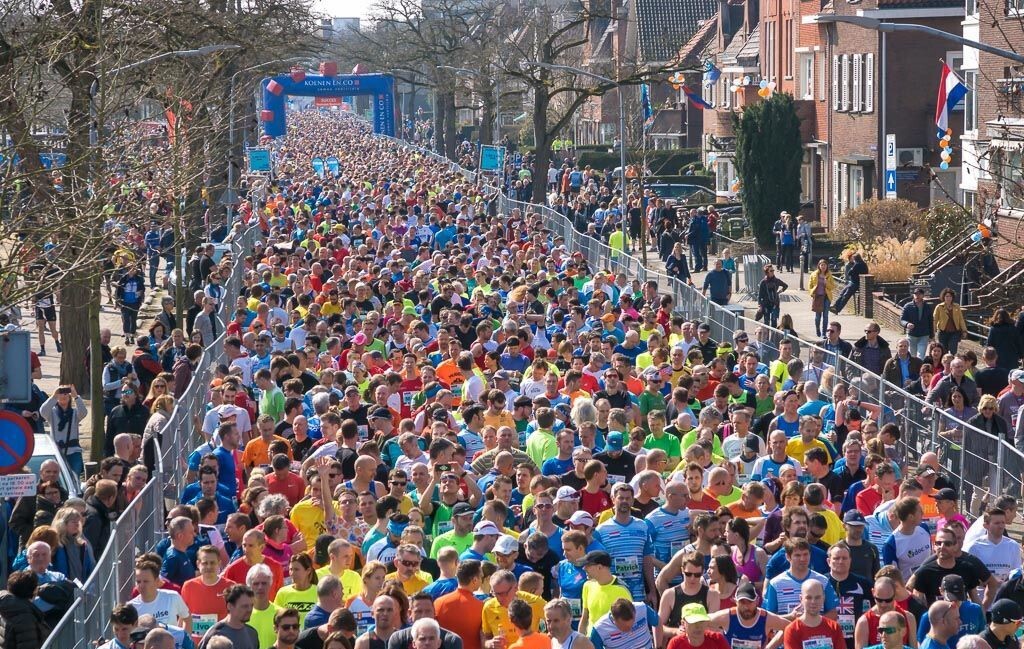
The men’s contest unfolded at a relentless tempo, with the lead pack pushing the pace from the early kilometers. As the race approached its decisive stages, Jamal Kipkosgei Kiprono surged with purpose, displaying remarkable strength and composure to break clear and storm to victory in a personal best of 59:55. His performance not only dipped under the coveted one-hour barrier but also stamped his class on a highly competitive field.
Behind him, the battle for the remaining podium places remained fiercely contested. Amos Kiprotich held his nerve to secure second place in 1:00:13, also a personal best, while Jonathan Kipkoech Kamosong completed a clean Kenyan sweep of the podium, clocking 1:00:17 in yet another lifetime best. The trio’s synchronized excellence underscored Kenya’s enduring supremacy in global road racing, as they locked out the podium in emphatic fashion.
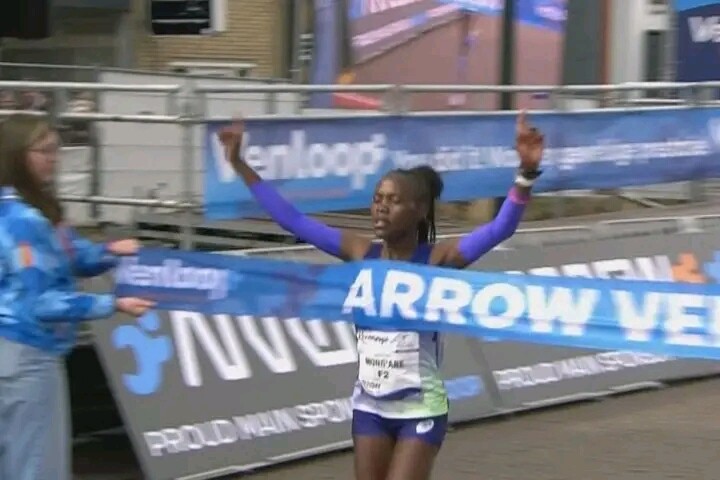
If the men’s race was a statement, the women’s race was nothing short of historic. Gladys Kwamboka delivered a masterclass in front-running, dictating the pace with confidence and control before powering away to claim victory in 1:06:45. Her performance not only secured a personal best but also shattered the course record, marking one of the standout moments of the event.
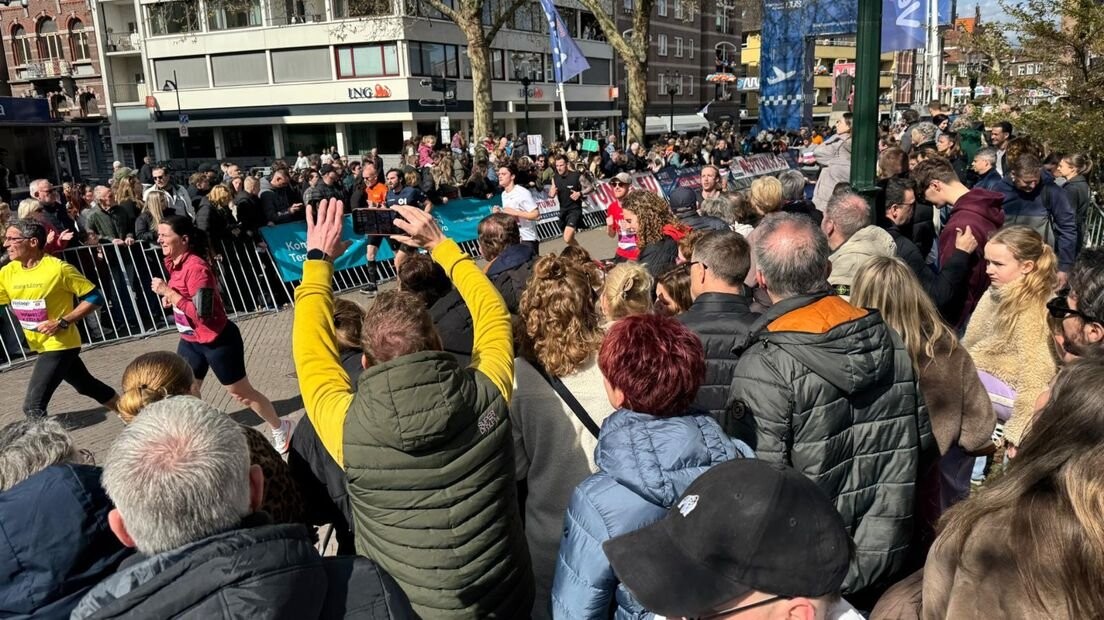
She was followed home by compatriot Vibian Chepkurui, who ran a strong and composed race to finish second in 1:08:47. Completing yet another all-Kenyan podium, Cynthia Limo claimed third place in 1:09:10, capping off a day where Kenyan athletes proved untouchable across both fields.
From the first stride to the final sprint, Venloop 2026 was defined by pace, resilience, and national pride. The double podium sweep by Kenya not only highlighted the nation’s extraordinary depth of talent but also reinforced its position at the pinnacle of long-distance running.
As the crowds in Venlo celebrated a day of elite performance and unforgettable racing, one truth stood clear—when it comes to the roads, Kenya continues to set the standard, and the world is still chasing.
by Erick Cheruiyot for My Best Runs.
Login to leave a comment

Weir Venloop Half
The Venloop is a running event organized in Venlo, Netherlands every March. The course runs through the streets of the Venlo region. The final meters pass the atmospheric Parade with the finish in front of the Limburgs Museum. In addition to a half marathon, the Venloop offers 10 km and 5 km courses. The Venloop also wants to get youngsters...
more...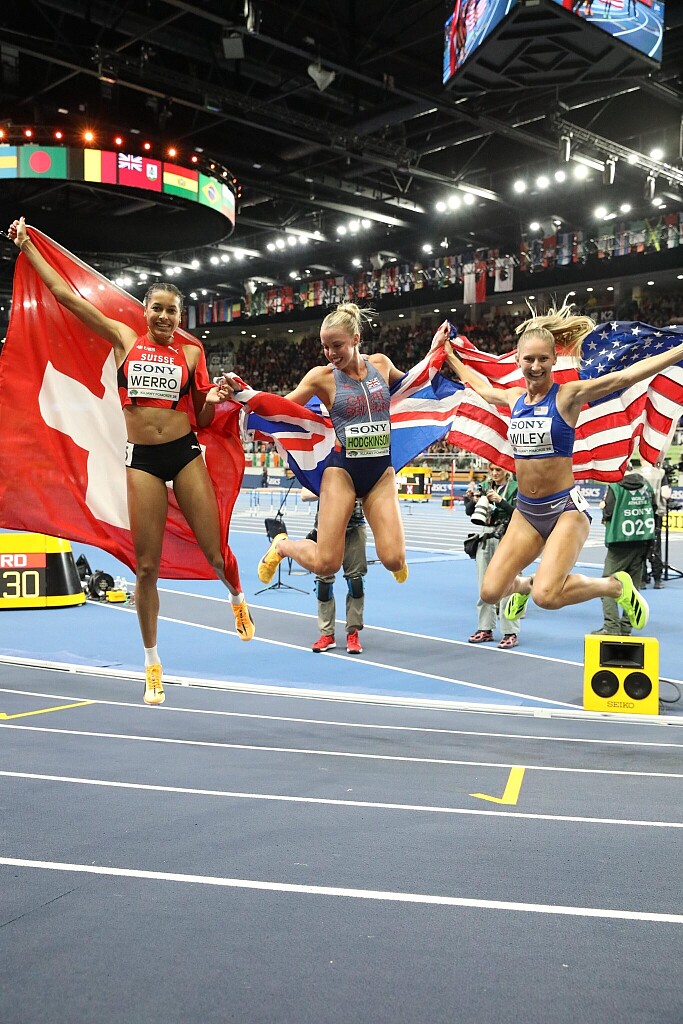
Unmatched Depth, Unrivaled Glory: USA Conquered the Global Stage
The curtain has fallen on a thrilling three days of elite competition at the World Athletics Indoor Championships Kujawy Pomorze 2026, and the final medal table tells a compelling story of dominance, depth, and rising global ambition. Staged in Poland, the championship delivered electrifying performances across track and field, culminating in a decisive victory for the United States, whose supremacy was reflected not just in gold, but in remarkable overall consistency.
American Mastery: Depth Beyond Gold
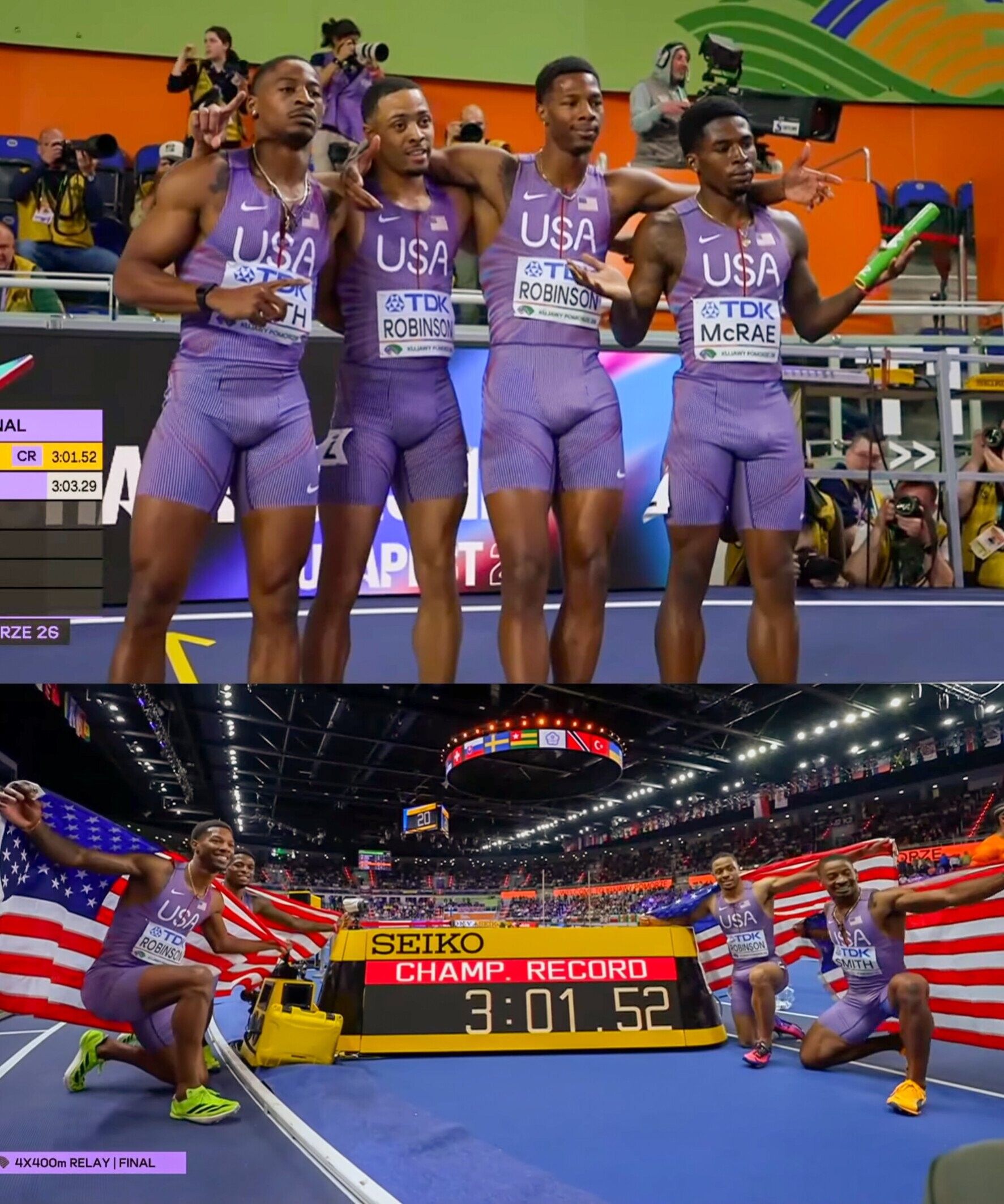
The United States topped the standings with an impressive haul of 18 medals (5 gold, 7 silver, 6 bronze)—a testament to their unmatched squad depth. Rather than relying on a handful of standout victories, the Americans showcased strength across multiple disciplines, consistently placing athletes on the podium. It was a campaign built on balance, resilience, and a culture of excellence that continues to define their global athletics presence.
British Efficiency: Gold-Focused Brilliance
In second place, Great Britain and Northern Ireland delivered a sharply efficient performance, collecting 4 gold medals without a single silver or bronze. Their strategy was clear—peak for victory. Each triumph carried weight, highlighting a system finely tuned for championship success rather than medal volume.
Italy’s Balanced Rise
Finishing third, Italy demonstrated both quality and depth with 3 gold and 2 silver medals. The Italians have steadily evolved into a formidable indoor force, and their presence near the top signals a sustained upward trajectory in European athletics.
Europe’s Stronghold
The championships saw a powerful showing from across Europe. Portugal and Ukraine shared fourth place with identical tallies of 2 gold and 1 silver each, while Spain impressed with a well-rounded 5 medals (1 gold, 2 silver, 2 bronze).
Further down the table, nations like Netherlands, Belgium, and host nation Poland added to Europe’s dominance, each contributing meaningful podium finishes that underscored the continent’s competitive depth.
Global Contenders Hold Their Ground
Beyond Europe and North America, several nations made their presence felt. Canada secured two medals, while New Zealand and Sweden each claimed a gold and a bronze.
In the Caribbean, Bahamas and Cuba each captured gold, maintaining their tradition of producing explosive talent on the global stage. Meanwhile, Jamaica collected four medals—though notably without gold—hinting at fierce competition in sprint events.
Emerging Nations and Historic Moments
The medal table also reflected the growing inclusivity of global athletics. Countries such as Greece, Mexico, Serbia, and Slovenia each celebrated podium finishes, marking significant milestones for their programs.
Nations like Algeria, Colombia, Senegal, and Trinidad and Tobago also secured bronze medals, proving that the competitive landscape continues to widen with every championship.
A Championship Defined by Depth and Diversity
What set Kujawy Pomorze 2026 apart was not just the medal count, but the distribution. With dozens of nations reaching the podium, the event showcased athletics as a truly global sport—where opportunity, preparation, and belief converge on the world stage.
As the lights dim on this edition of the indoor championships, one truth stands clear: while the United States remains the benchmark of consistency, the gap is narrowing. Across continents, nations are rising, systems are improving, and the race for supremacy is becoming ever more unpredictable.
The road to the next global showdown has already begun—and if Kujawy Pomorze 2026 is any indication, the future of athletics promises even greater drama, diversity, and brilliance.
by Erick Cheruiyot for My Best Runs.
Login to leave a comment

World Athletics Indoor Championships
World-Class Competition Lands in Poland: 2026 World Athletics Indoor Championships The 21stWorld Athletics Indoor Championshipsare being held from 20 to 22 March 2026 at theKujawsko-Pomorska Arena ToruńinToruń,BiT City,Kuyavian–Pomeranian,Poland. It is the second time the country has held the event after the2014 editioninSopot. The venue previously hosted the2021 European Athletics Indoor Championships. On 22 March 2023, the World Athletics Council...
more...
Lavreshina Lights Up the Track with Record-Breaking Surge at World Indoors
In a race defined by precision, poise, and a devastating finishing kick, Portugal’s rising sprint sensation Sofia Lavreshina delivered a performance of rare brilliance to claim victory in her 400m heat at the World Indoor Championships. Clocking a stunning 51.87 seconds, Lavreshina not only secured the win but also etched her name into the history books with a new Portuguese national record.
From the opening strides, the race unfolded with controlled intensity. Lavreshina, composed and measured through the early phases, positioned herself strategically as the stagger unwound. Yet it was in the final bend where the race truly ignited—her cadence sharpened, her stride lengthened, and with remarkable composure, she unleashed a powerful closing burst that left her rivals scrambling in her wake.
Hot on her heels was the Netherlands’ Myrte van der Schoot, who produced a commendable run to finish second in 51.97 seconds, staying within striking distance but ultimately unable to match the Portuguese athlete’s late acceleration. Completing the top three was American sprinter Rosey Effiong, who crossed the line in 52.13 seconds, showcasing her own strength in a tightly contested field.
What set Lavreshina apart was not merely her time, but the authority with which she executed her race plan. Her rhythm remained unbroken under pressure, her form resilient even as fatigue crept in—hallmarks of an athlete stepping confidently onto the global stage.
This victory sends a clear message: Lavreshina is not just competing—she is evolving into a formidable force in the two-lap event. As the championships progress, all eyes will be on the Portuguese star, whose blend of tactical intelligence and explosive speed promises even greater moments ahead.
In a championship built on margins, Sofia Lavreshina created separation—and in doing so, delivered a performance that will resonate far beyond the confines of the indoor track.
by Erick Cheruiyot for My Best Runs.
Login to leave a comment
Obiri, Lokedi, Ngetich and Sisson Headline Elite Women’s Race at NYC Half Marathon
A stacked international women’s field will headline the 2026 United Airlines NYC Half Marathon on Sunday, March 15, 2026, in New York City, where world-class road specialists from Kenya, the United States, and Europe will battle for supremacy on one of the world’s most competitive half marathon stages.
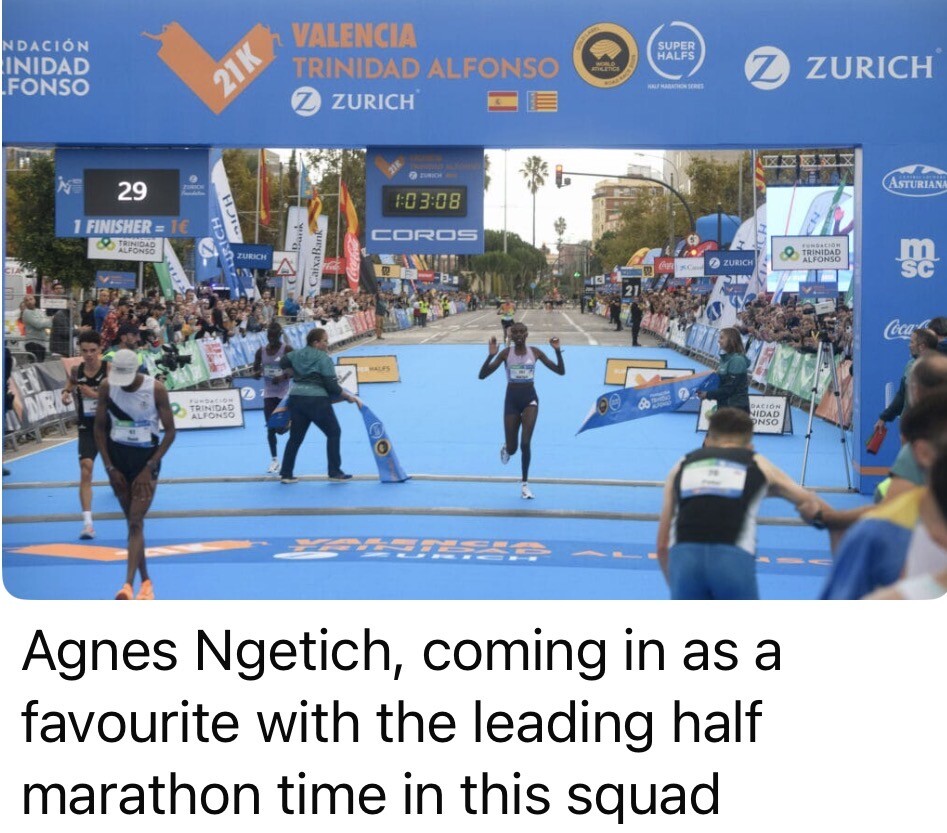
Leading the lineup is Kenyan road sensation Agnes Ngetich, who enters the race with the fastest personal best in the field at 1:03:04. The rising star has quickly established herself as one of the most formidable talents on the roads, and her aggressive racing style could make her the athlete to watch as the race unfolds through the streets of Brooklyn, across the Manhattan Bridge, and into Central Park.
Kenyan Powerhouses Set the Pace
Ngetich will face formidable opposition from a powerful Kenyan contingent that includes Hellen Obiri and Sharon Lokedi.

Obiri, a multiple Olympic and World Championship medalist on the track before transitioning successfully to the roads, boasts a half marathon best of 1:04:22. Known for her tactical brilliance and finishing speed, Obiri remains one of the most dangerous competitors in any elite field.
Lokedi, the Boston Marathon champion, arrives with a personal best of 1:05:00 and the experience of winning on the world’s biggest marathon stages. Her strength and racing intelligence make her a serious podium contender.
Completing the Kenyan lineup is Mercy Chelangat, who has steadily built her reputation on the roads and will be hoping to challenge the frontrunners.
International Contenders Ready to Challenge
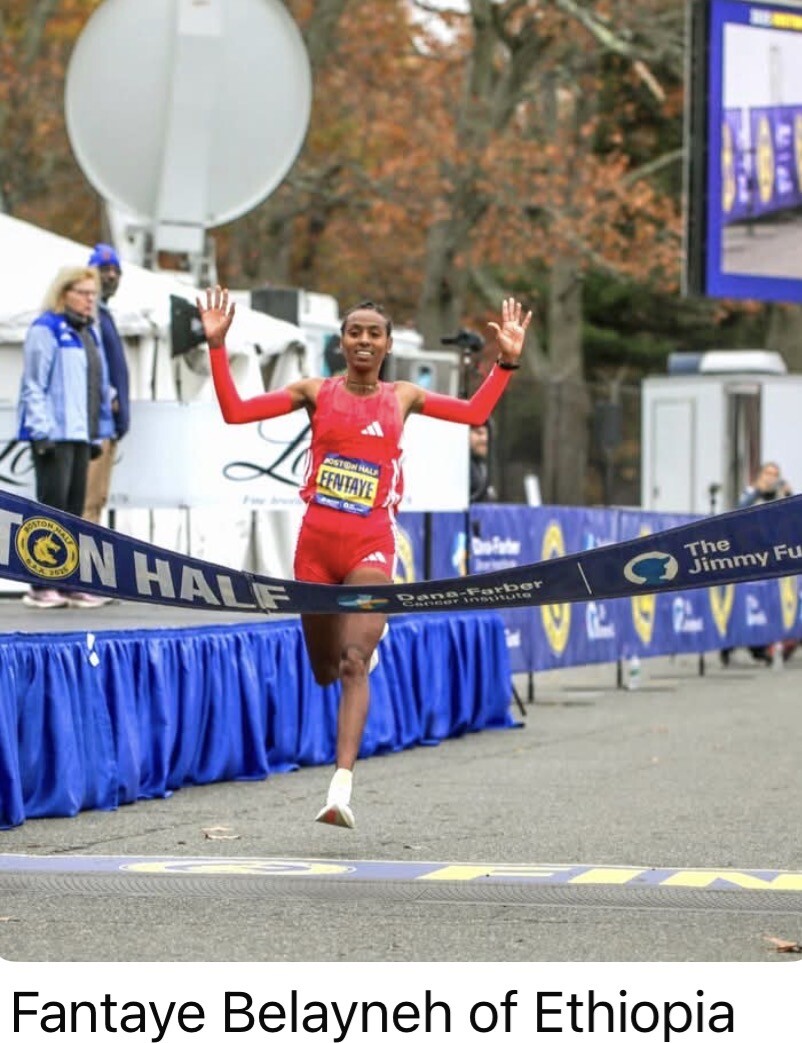
Ethiopia will be represented by Fantaye Belayneh, whose personal best of 1:04:49 places her among the fastest entrants. Belayneh has demonstrated impressive consistency on the international road circuit and could prove dangerous if the race develops into a fast early pace.
Germany’s Konstanze Klosterhalfen adds further depth to the field. The former European champion owns a half marathon best of 1:05:41 and has the pedigree to challenge the East African stars.
Strong American Home Challenge
The host nation will also field a strong challenge led by American distance standout Emily Sisson. The U.S. record holder in the half marathon brings a personal best of 1:06:52 and will be eager to deliver a strong performance in front of the home crowd.
Sisson will be joined by a deep American lineup that includes Natosha Rogers, Annie Frisbie, Amanda Vestri, and Dakotah Popehn, all of whom have recorded competitive performances on the roads in recent seasons.
Their presence ensures the United States will have multiple athletes capable of mixing it up with the international elite.
Debuts and Rising Stars Add Intrigue
Britain’s Calli Hauger-Thackery enters the race with a personal best of 1:06:58, while her compatriot Megan Keith will make her half marathon debut, adding an intriguing storyline to the competition.
Elsewhere, Diane Van Es of the Netherlands and Sweden’s Sarah Lahti will also be aiming to make an impact, while Canada’s experienced marathoner Natasha Wodak brings valuable championship experience to the elite field.
The international lineup is further strengthened by athletes from Latin America, including Uruguay’s Julia Paternain and Mexico’s Erika Priego.
A Race That Could Turn Fast
With several athletes in the field boasting personal bests under 1:06, the women’s race could develop into a fast and tactical contest. Much will depend on whether the frontrunners choose an aggressive early pace or adopt a more cautious strategy before the decisive moves in the final miles.
For Ngetich, the race presents another opportunity to underline her growing reputation as one of the leading figures in global road running. But with seasoned competitors such as Obiri, Lokedi, and Sisson in the lineup, the women’s elite race promises to be one of the highlights of the 2026 United Airlines NYC Half Marathon on March 15.
Elite Women to Watch
Agnes Ngetich (Kenya)
Personal Best: 1:03:04
The fastest entrant on paper, Ngetich arrives as the athlete to beat. Known for her aggressive front-running style, she has the credentials to dictate the pace and could turn the race into a fast contest if she pushes early.
Hellen Obiri (Kenya)
Personal Best: 1:04:22
A proven championship racer, Obiri brings tactical brilliance and finishing strength. The former world champion on the track has successfully transitioned to the roads and remains a major threat.
Sharon Lokedi (Kenya)
Personal Best: 1:05:00
The Boston Marathon champion has established herself as a consistent performer on the global road circuit and is always dangerous in tactical races.
Emily Sisson (USA)
Personal Best: 1:06:52
The American record holder will lead the home challenge and will look to use local support to test the East African dominance.
Fantaye Belayneh (Ethiopia)
Personal Best: 1:04:49
Belayneh has consistently delivered strong performances internationally and possesses the speed to stay with the leaders deep into the race.
by Robert Kibet for My Best Runs
Login to leave a comment

United Airlines NYC Half-Marathon
The United Airlines NYC Half takes runners from around the city and the globe on a 13.1-mile tour of NYC. Led by a talent-packed roster of American and international elites, runners will stop traffic in the Big Apple this March! Runners will begin their journey on Prospect Park’s Center Drive before taking the race onto Brooklyn’s streets. For the third...
more...
Love Beyond the Finish Line: Femke Bol and Ben Broeders Begin a Beautiful New Chapter
In the world of athletics, greatness is often measured in records, medals, and moments of brilliance on the track. Yet sometimes the most meaningful victories happen away from the stadium lights. For Dutch sprint and hurdles sensation Femke Bol and Belgian pole vault star Ben Broeders, February 21, 2026 became one of those unforgettable milestones.
With a heartfelt message shared with fans, Bol revealed the joyful news of their marriage:
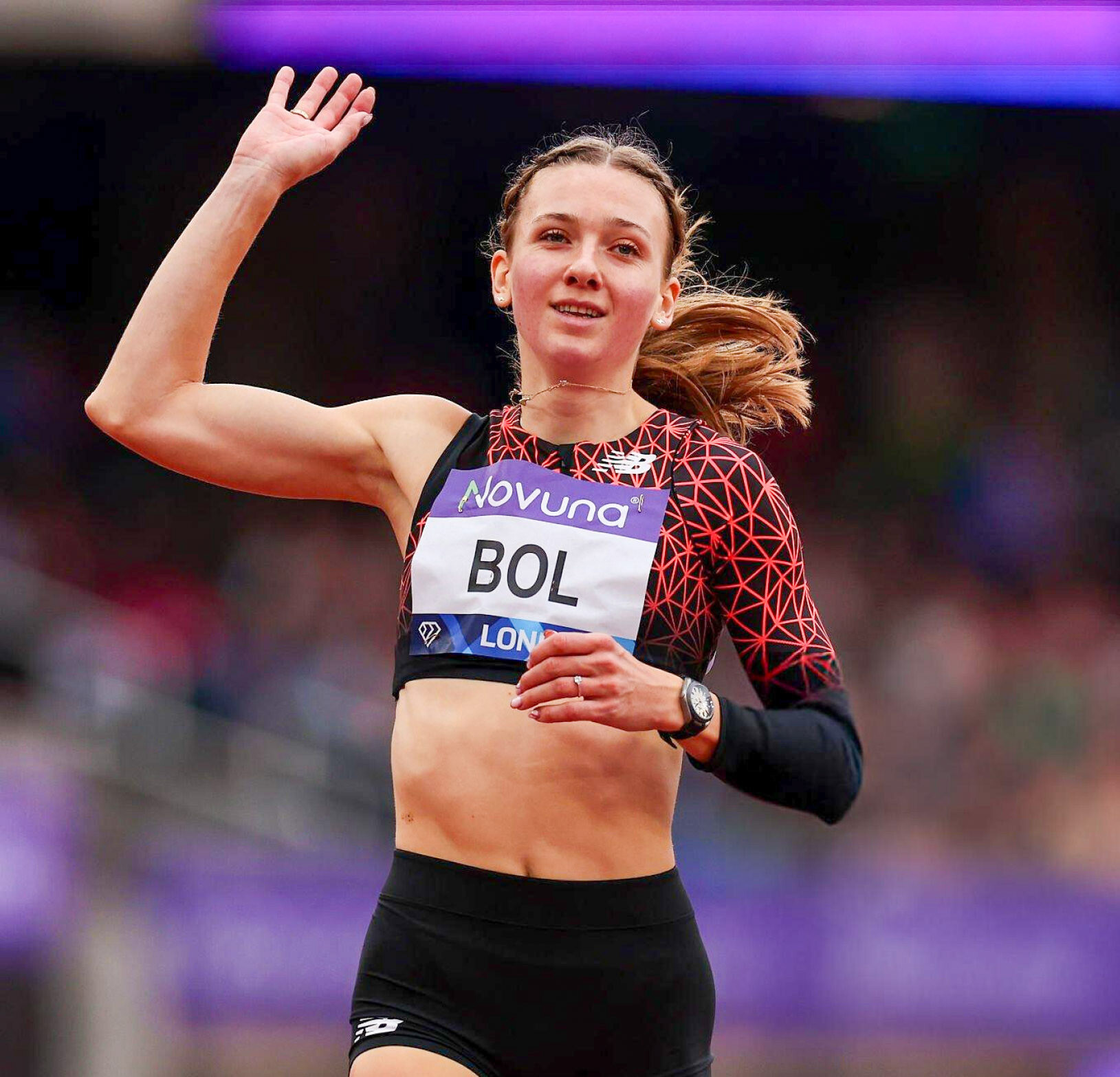
“We’re married – 21.02.2026. Loving you has always felt like home, our civil wedding just made it official.”
The simple yet powerful words perfectly captured the warmth of their relationship — a love story that has grown quietly alongside two remarkable athletic careers.
Photos from the special day show the couple stepping out hand in hand, smiling brightly as friends and loved ones applaud their union. In one beautiful moment, Bol holds a small bouquet while laughing beside Broeders, the happiness on their faces reflecting the significance of the occasion. Other images capture the intimate ceremony itself, as they exchange rings — a symbolic promise marking the beginning of a lifelong partnership.
What makes their story even more special is the shared excellence they bring to the sport they love. Both athletes hold national records for their respective countries — Bol for the Netherlands in the sprints and hurdles, and Broeders for Belgium in the pole vault. Their careers have taken them to the biggest stages in global athletics, yet their journey together shows that behind every champion is a life filled with personal dreams and meaningful connections.
Bol has become one of the defining figures of modern track and field, dazzling fans with her extraordinary performances in the 400 meters and 400m hurdles. Broeders, meanwhile, has established himself among Europe’s finest pole vaulters, admired for his strength, technique, and competitive determination.
But beyond records and results lies something even more powerful — a partnership built on mutual understanding, shared passion, and unwavering support. Elite athletics demands constant travel, intense training, and immense mental focus. Having someone who truly understands that journey can make all the difference.
For Bol, describing love as “home” speaks volumes. It reflects a sense of comfort and stability amid the fast-paced rhythm of elite sport. And now, with their civil wedding making it official, that feeling becomes the foundation of a new chapter in their lives.
As congratulations pour in from across the athletics community, one thing is certain: while both athletes will continue chasing greatness on the track and in the field, this moment reminds us that the most beautiful victories sometimes happen far from the finish line.
For Femke Bol and Ben Broeders, the race toward a shared future has only just begun — and it’s already a winning one.
by Erick Cheruiyot for My Best Runs.
Login to leave a comment
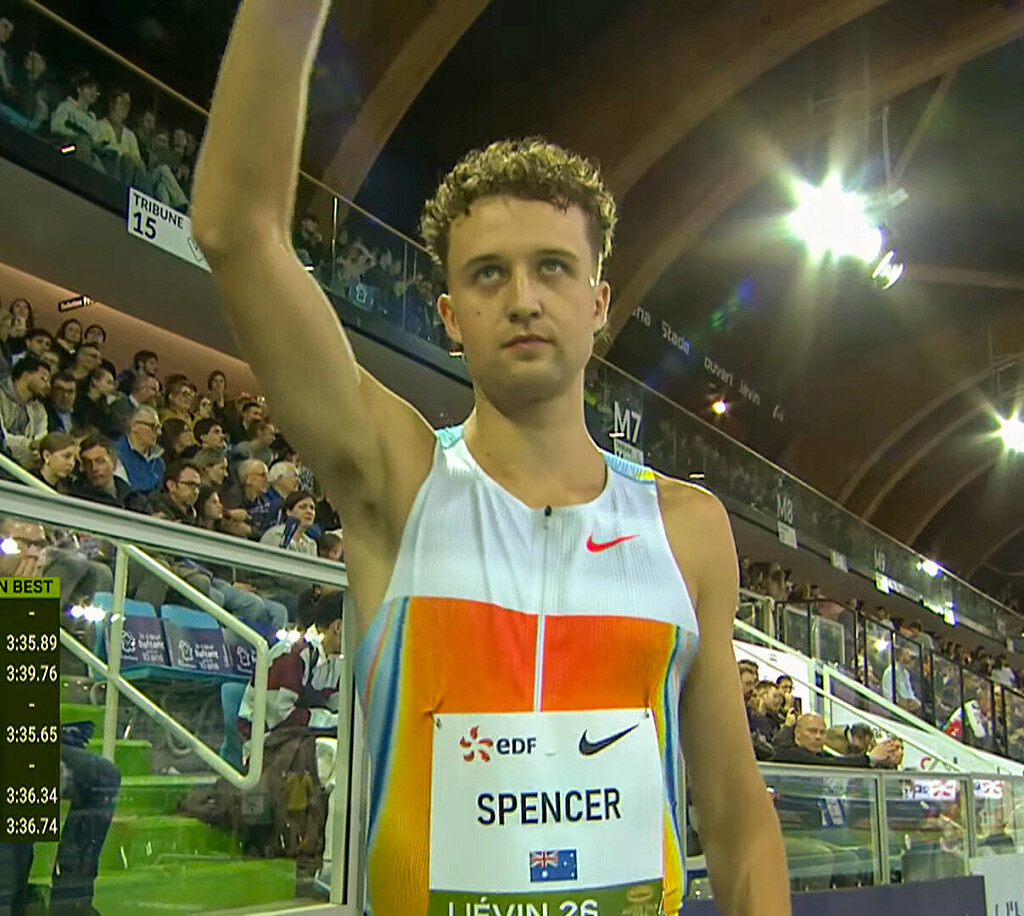
Spencer Claims Victory as Soca Rewrites South American History in a Blazing 1500m in Liévin
The 2026 Liévin Meeting in the northern French city of Liévin produced a race that far exceeded the expectations of a so-called “Final B.” What unfolded over 1500 meters was a fiercely competitive contest marked by tactical precision, fearless racing, and a record that reshaped South American middle-distance history.
From the opening stride, the tempo was purposeful. The field refused to allow the pace to drift, stringing out early and maintaining a rhythm that demanded both patience and courage. Every lap tightened the tension, every move tested resolve. By the bell, it was clear that something special was developing.
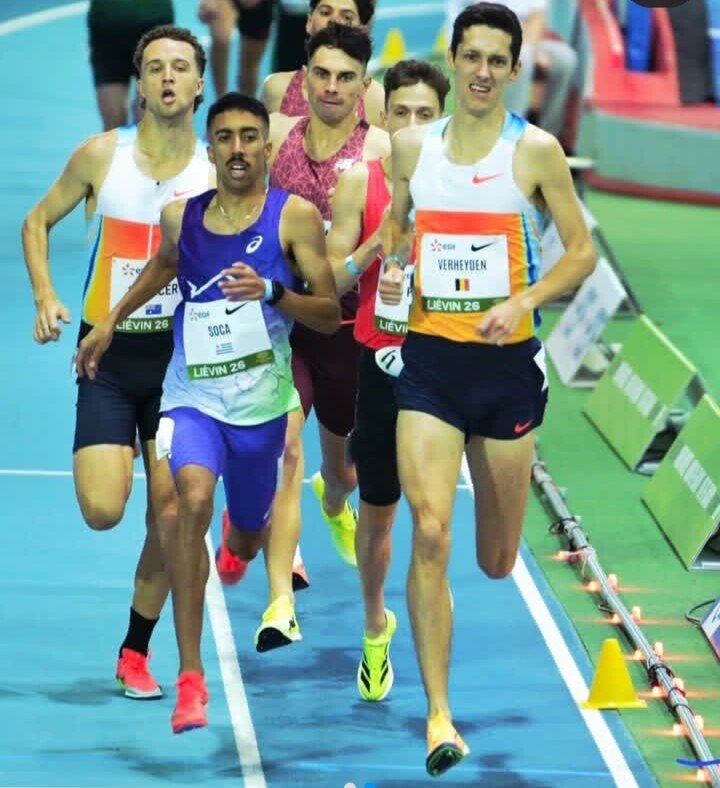
Adam Spencer of Australia delivered the decisive blow. Calm under pressure and perfectly positioned, he launched his finishing drive with controlled aggression, separating himself when it mattered most. He powered through the line in 3:35.23, a performance that reflected maturity, strength, and confidence on the indoor stage.
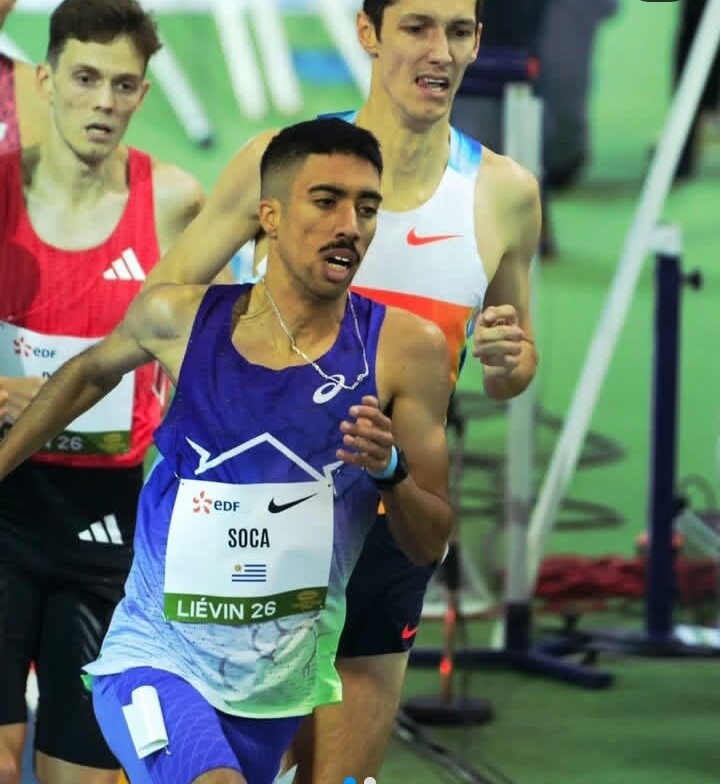
Close behind, Valentín Soca of Uruguay was writing a chapter of his own. Stopping the clock at 3:35.50, Soca shattered the South American Indoor Record in the 1500 meters. The performance marked a significant leap forward from his previous indoor best of 3:36.34, set in January in Antequera, Spain. The improvement was not marginal — it was emphatic. Soca did not merely lower a record; he elevated the standard for an entire continent.
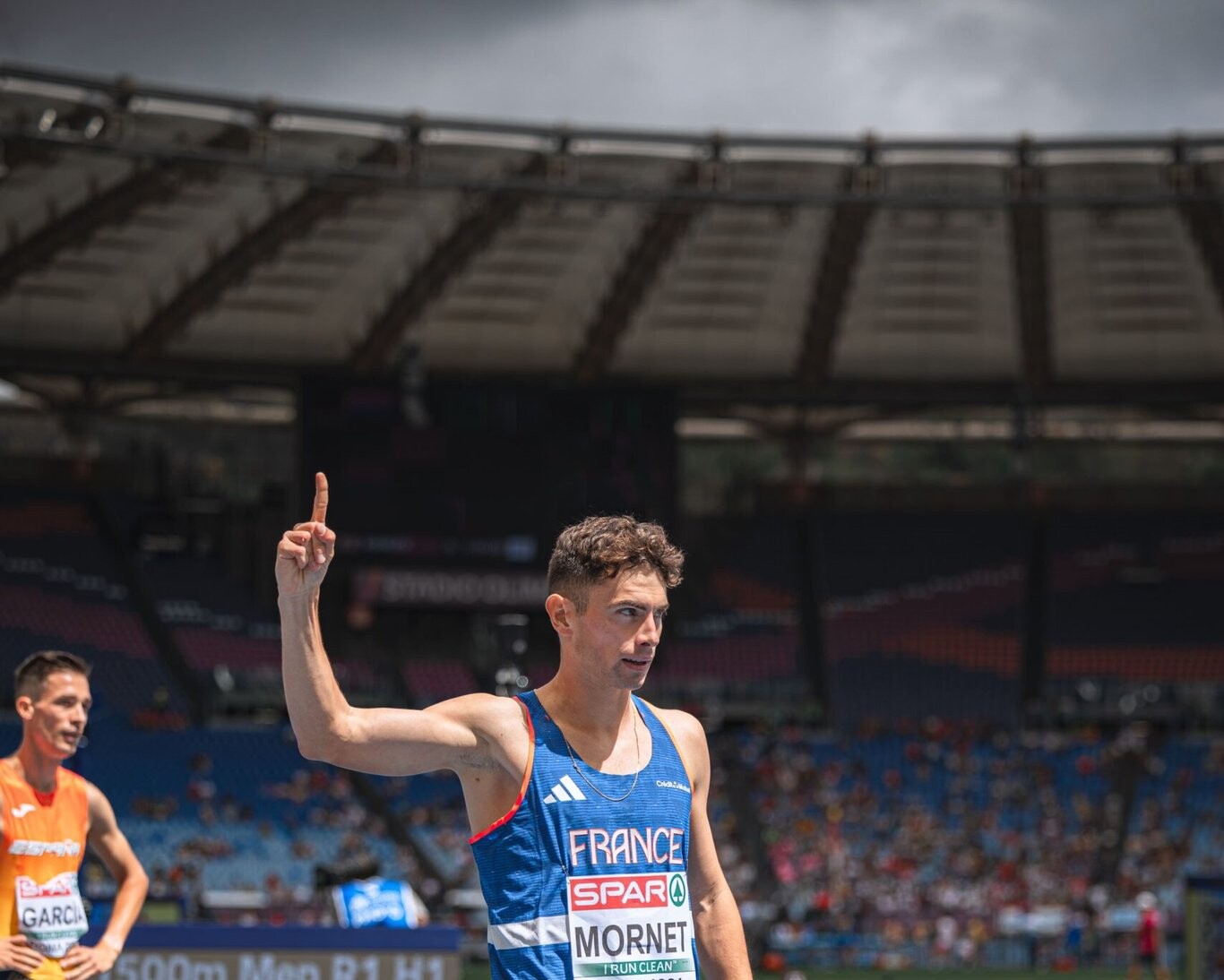
France found reason to celebrate as well. Romain Mornet rose to the occasion in front of the home crowd, finishing third in 3:35.89 after holding his composure throughout a relentless pace. His podium finish added a local highlight to an already exceptional race.
The depth behind the podium underscored the quality of the field. Pinto Marques of Portugal secured fourth place in 3:36.13, narrowly ahead of France’s Titouan Le Grix, who clocked 3:36.16 for fifth. Luke McCann of the Netherlands finished sixth in 3:39.89, followed by Belgium’s Rubén Verheyden in 3:40.07. Mohamed Attaoui of Spain crossed in 3:41.31 for eighth, while Heithem Chenitef of Algeria completed the lineup in 3:41.56.
Official Results – Men’s 1500m Final B
1. Adam Spencer (Australia) – 3:35.23
2. Valentín Soca (Uruguay) – 3:35.50 – South American Indoor Record
3. Romain Mornet (France) – 3:35.89
4. Pinto Marques (Portugal) – 3:36.13
5. Titouan Le Grix (France) – 3:36.16
6. Luke McCann (Netherlands) – 3:39.89
7. Rubén Verheyden (Belgium) – 3:40.07
8. Mohamed Attaoui (Spain) – 3:41.31
9. Heithem Chenitef (Algeria) – 3:41.56
What transpired in Liévin was more than a race result — it was a reminder that elite competition knows no hierarchy of labels. In one electrifying contest, victory was seized with authority, history was rewritten with conviction, and the 1500 meters once again proved that when preparation meets daring ambition, the outcome resonates far beyond the finish line.
by Erick Cheruiyot for My Best Runs.
Login to leave a comment
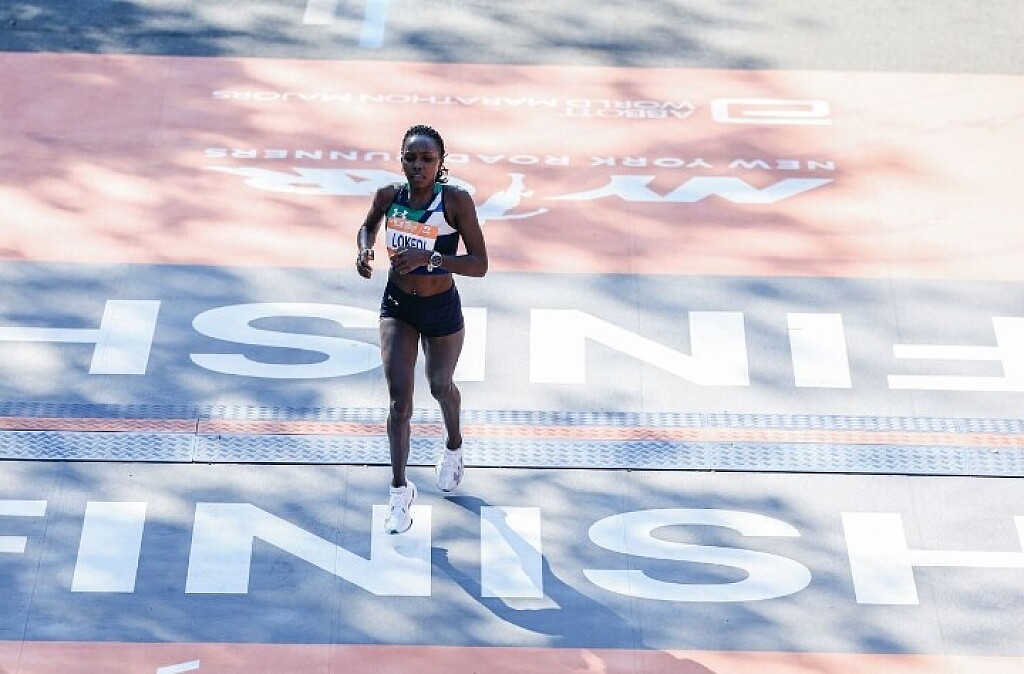
Queens of the Road: A Blockbuster Showdown Awaits at the 2026 NYC Half
There are certain race days that carry a different kind of electricity — the sense that something unforgettable is about to unfold long before the starting gun fires. The women’s field at the 2026 edition of the NYC Half is one of those rare moments. On March 15th, 2026, the world’s best distance runners will charge through the streets of the Big Apple, beginning on Center Drive in Prospect Park and racing all the way into the iconic finish in Central Park. It is a course that blends speed, scenery, and history — and this year, it will host a competition deep enough to resemble a global championship rather than a city half marathon.
From returning champions to record holders and emerging stars, the lineup brings together athletes whose careers are already intertwined with New York’s racing legacy, alongside newcomers eager to create their own defining moments. The combination of proven excellence and rising ambition sets the tone for a contest where tactics, courage, and timing could matter just as much as raw fitness.
Leading the narrative is defending champion Sharon Lokedi, returning to a city that has become a defining chapter of her career. New York has consistently brought out her best — bold racing, fearless moves, and an ability to rise when the competition is strongest. Last year’s course record victory proved she thrives under pressure, but defending a title against an even deeper field presents a completely different challenge. Champions are measured not only by how they win, but by how they respond when everyone is chasing them.
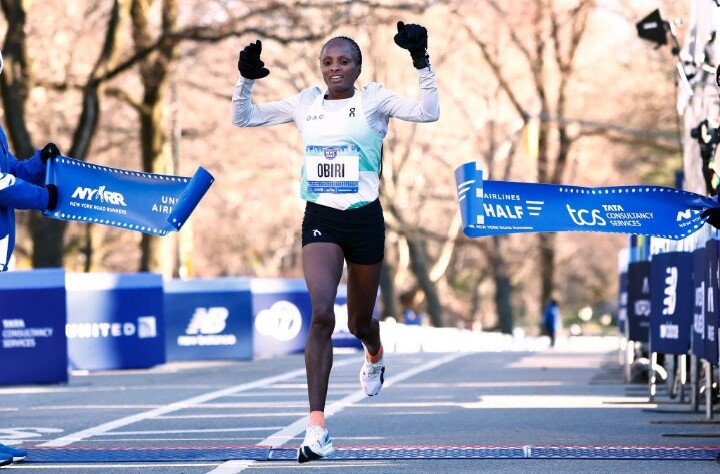
Waiting to test her once again is none other than Hellen Obiri, the reigning New York City Marathon champion and one of the most competitive racers in global distance running. Obiri doesn’t just run races — she reads them, calculates them, and then strikes when it matters most. Every meeting between her and Lokedi adds another layer to what is quickly becoming one of the sport’s most intriguing rivalries. Their battles are rarely predictable, and that uncertainty is exactly what makes this matchup so compelling.
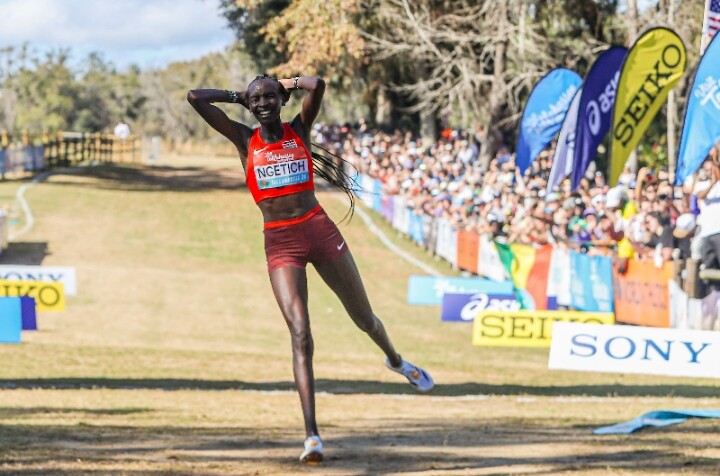
Then comes the wildcard with enormous credentials: Agnes Ngetich. Making her debut with New York Road Runners, she arrives carrying momentum that few athletes in the world can match. A world 10K record holder and the 2026 World Cross Country champion, Ngetich blends raw speed with endurance strength — a combination that can unsettle even the most experienced competitors. With one of the fastest half marathon times ever recorded, she has already proven she belongs at the very top level. Now the question becomes whether she can translate that dominance onto one of the sport’s biggest stages.
The home crowd will also have a major contender to rally behind in American star Emily Sisson, who leads a strong domestic group determined to challenge the international dominance. Known for her toughness and consistency, Sisson brings both experience and ambition into a race where positioning and patience could be just as important as speed.
What makes this year’s race special is the collective quality of the field. On paper, it resembles a global championship lineup — Olympic medalists, world champions, national record holders, and emerging forces all sharing the same start line. That depth changes the psychology of racing. No one can afford hesitation. No move goes unanswered.
The international range of athletes in this year’s race highlights just how competitive the field has become, bringing together runners from established distance-running powerhouses and emerging nations alike.
Elite Women's Field - Personal Bests and Countries
Agnes Ngetich (Kenya) — 1:03:04
Hellen Obiri (Kenya) — 1:04:22
Fantaye Belayneh (Ethiopia) — 1:04:49
Sharon Lokedi (Kenya) — 1:05:00
Konstanze Klosterhalfen (Germany) — 1:05:41
Emily Sisson (United States) — 1:06:52
Calli Hauger-Thackery (Great Britain) — 1:06:58
Natosha Rogers (United States) — 1:07:30
Annie Frisbie (United States) — 1:07:34
Amanda Vestri (United States) — 1:07:35
Dakotah Popehn (United States) — 1:07:42
Emily Durgin (United States) — 1:07:54
Diane van Es (Netherlands) — 1:08:03
Sarah Lahti (Sweden) — 1:08:19
Susanna Sullivan (United States) — 1:08:44
Emily Venters (United States) — 1:08:48
Mercy Chelangat (Kenya) — 1:08:57
Lauren Gregory (United States) — 1:09:12
Lindsay Flanagan (United States) — 1:09:17
Natasha Wodak (Canada) — 1:09:41
Stephanie Bruce (United States) — 1:09:55
Julia Paternain (Uruguay) — 1:10:16
Elena Hayday (United States) — 1:10:56
Felicia Pasadyn (United States) — 1:11:29
Erika Prieto (Mexico) — 1:15:55
Gabrielle Yatauro (United States) — 1:15:59
Alosha Southern (United States) — 1:16:40
Megan Keith (Great Britain) — Debut
As race day approaches, anticipation continues to build for what could become one of the defining women’s distance races of the season. With champions returning, rivalries intensifying, and new contenders ready to make their mark, the stage is perfectly set for drama on the streets of New York. The energy, the depth, and the unpredictability all point toward something special — the kind of competition that reminds us why elite racing captivates audiences around the world. When the gun goes off at the NYC Half, it won’t just be about times or titles, but about who is ready to rise in the moment and seize it. March 15 promises speed, courage, and unforgettable racing.
by Erick Cheruiyot for My Best Runs.
Login to leave a comment
United Airlines NYC Half-Marathon
The United Airlines NYC Half takes runners from around the city and the globe on a 13.1-mile tour of NYC. Led by a talent-packed roster of American and international elites, runners will stop traffic in the Big Apple this March! Runners will begin their journey on Prospect Park’s Center Drive before taking the race onto Brooklyn’s streets. For the third...
more...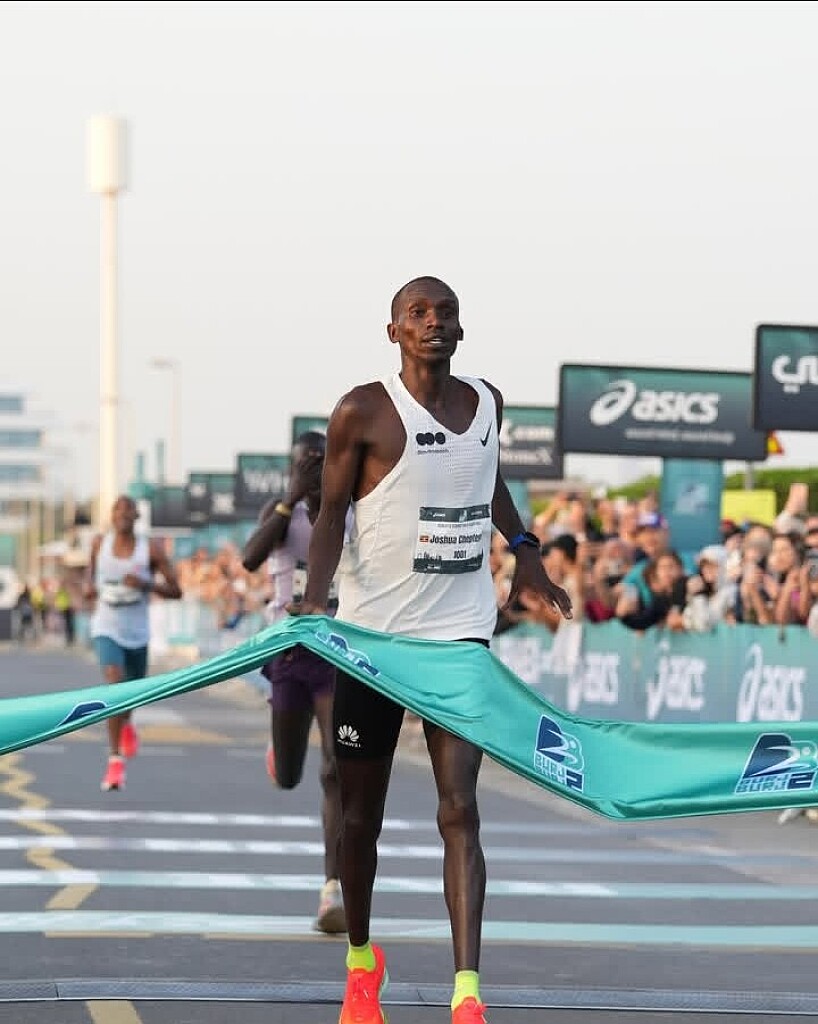
Seconds Decide, Champions Rise: Cheptegei and Cheptai Shine at a Thrilling Burj2Burj Half Marathon 2026
The Burj2Burj Half Marathon 2026 delivered a compelling showcase of elite road running, as Dubai’s iconic course provided the backdrop for high-speed racing, tactical brilliance, and photo-finish drama across both the men’s and women’s fields.
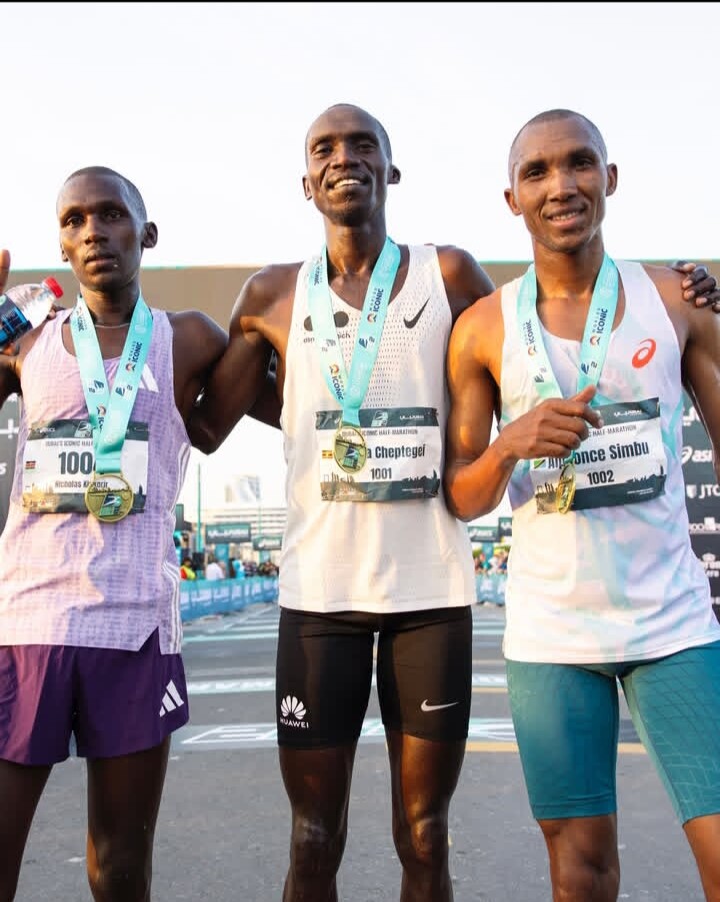
In the men’s race, Ugandan icon Joshua Cheptegei once again demonstrated his pedigree on the roads, powering to victory in 59:26 after a relentless battle over 21.1 kilometers. The Olympic champion and 5000m & 10,000m world record holder was pushed to the very limit, with Kenya’s Nicholas Kipkorir crossing the line just two seconds behind in 59:28, while Tanzania’s Alphonce Felix Simbu secured third place in 59:30. Only four seconds separated the podium finishers, reflecting the uncompromising pace and intensity from start to finish.
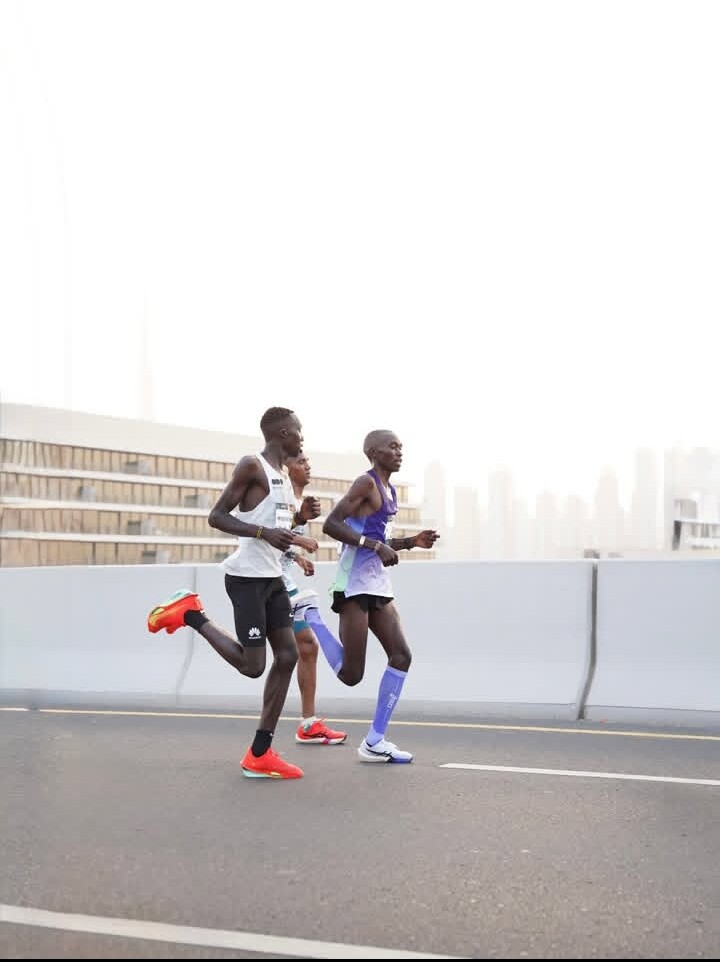
Kenya’s Enos Kipruto narrowly missed a place on the podium with 1:00:03, followed closely by Ethiopia’s Lulu Negera in 1:00:04, as the leading group maintained pressure throughout the fast course. Ethiopia’s Aklilu Asfaw, Germany’s Richard Ringer, Kenya’s Yonah Mateiko, and Ethiopia’s Haftu Teklu rounded out a deep and competitive top nine, while Carlos Díaz of Chile completed the top ten in 1:03:34 after a determined run against world-class opposition.
The women’s race matched the men’s contest for quality and suspense, producing a dramatic outcome decided by the narrowest of margins. Kenya’s Irene Cheptai delivered a composed and authoritative performance to claim victory in 1:06:57, demonstrating sharp tactical awareness as she stayed patient within a tightly packed lead group before asserting control in the decisive final stages.
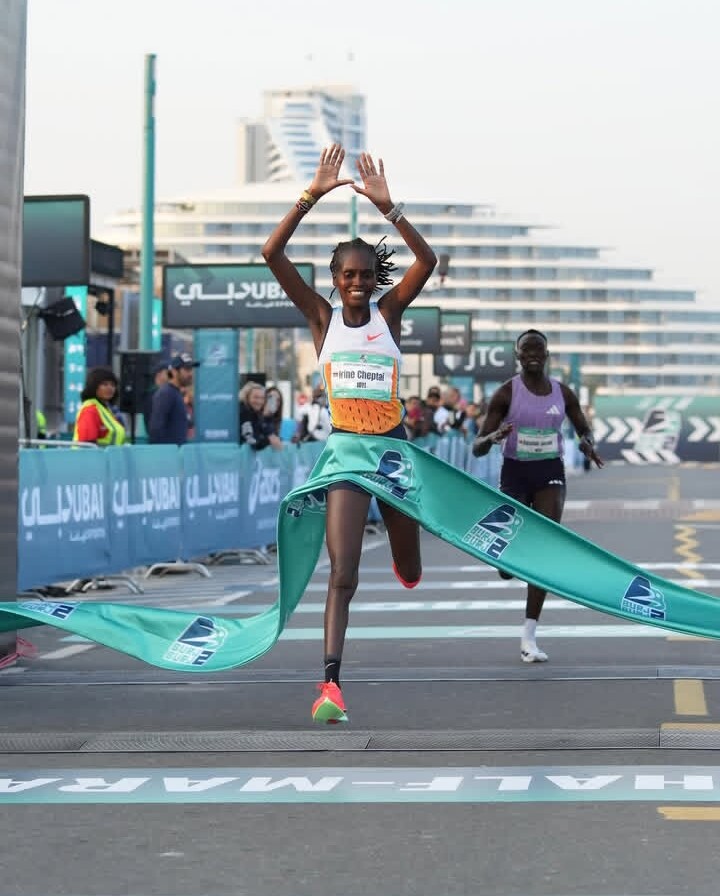
She was closely followed by compatriot Daisilah Jerono, who finished just two seconds adrift in 1:06:59, securing a Kenyan one-two, while Ethiopia’s Ftaw Zeray completed the podium in 1:07:01. As in the men’s race, only four seconds separated the top three, underlining the elite depth and competitiveness at the front of the field.
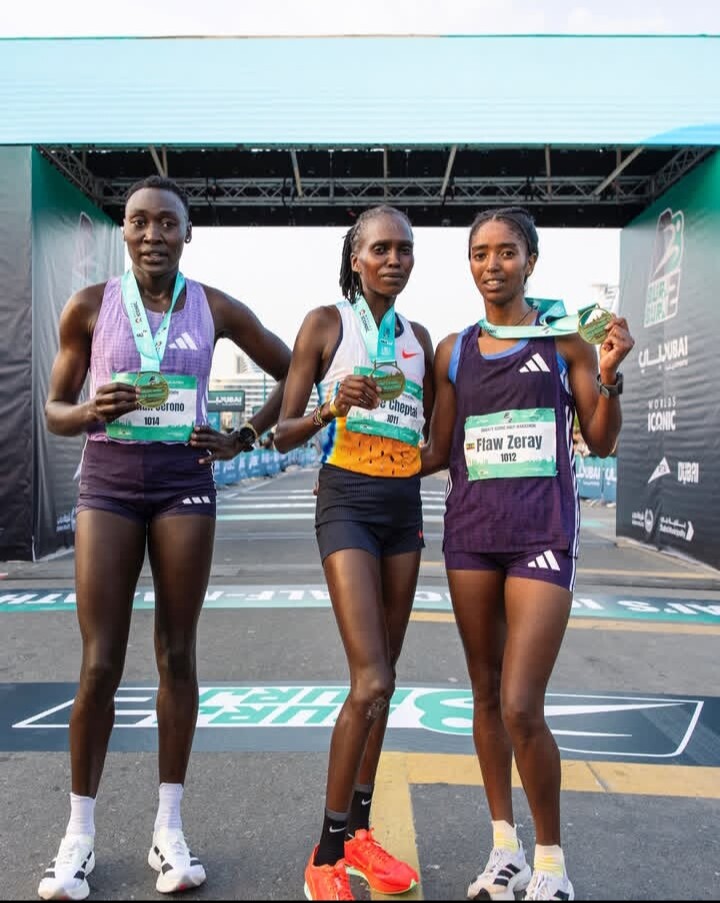
Behind the medalists, the strength of the women’s race was equally evident. Jackline Cherono reinforced Kenya’s presence with a strong fourth-place finish in 1:09:11, while Alexandra Bell of Great Britain impressed in fifth with 1:09:35. Meritxell Soler of Spain led the European contingent in sixth, followed by Ethiopia’s Seba Diba in seventh. The international top ten was completed by Mikky Keetels of the Netherlands in eighth, Tea Faber of Croatia in ninth, and Nada Ina Pauer of Austria in tenth, highlighting the global appeal of the event.
With world-class performances, deep international fields, and victories decided by seconds, the Burj2Burj Half Marathon 2026 once again stood out as a premier road-running spectacle, where precision, patience, and championship pedigree defined a memorable day of racing on the streets of Dubai.
by Erick Cheruiyot for My Best Runs.
Login to leave a comment
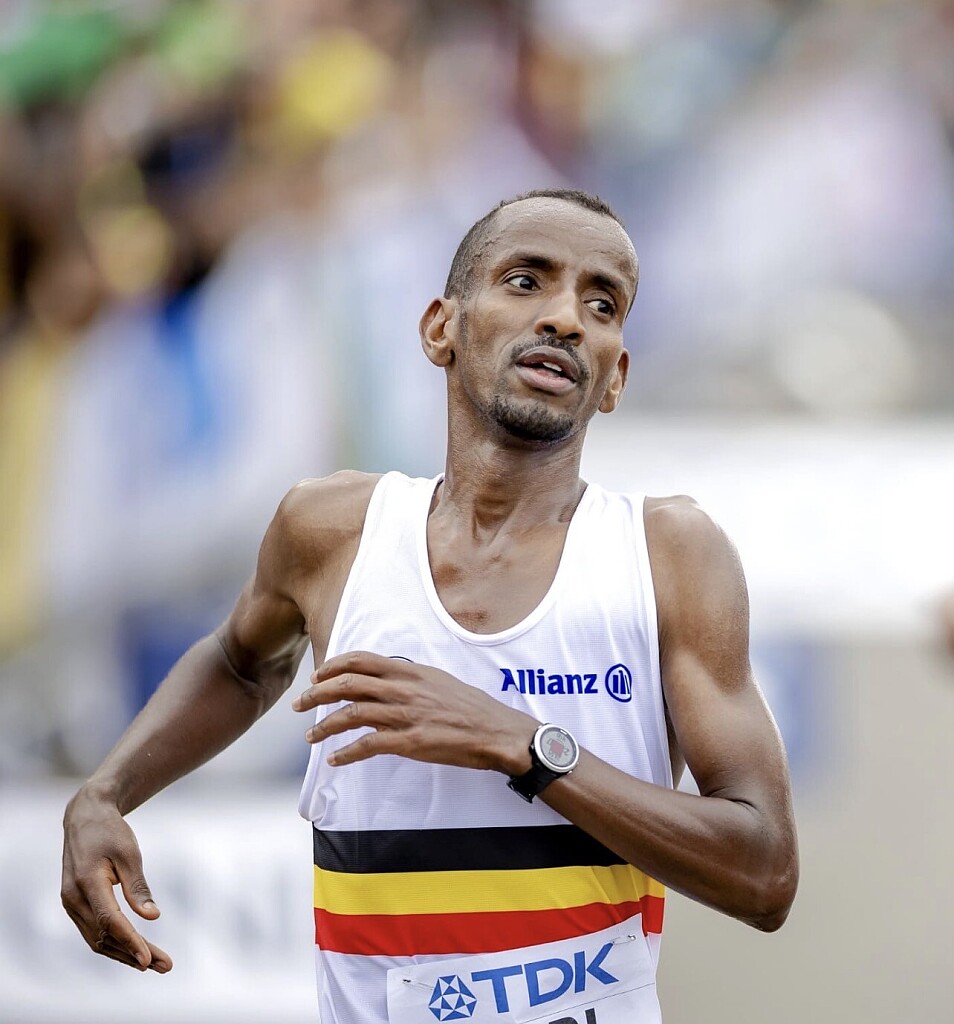
Rotterdam Ready for Speed as Elite Stars Converge for the 45th NN Rotterdam Marathon
The NN Rotterdam Marathon returns on April 12, bringing the global running spotlight back to the Netherlands and to one of the fastest, most respected courses in the sport. Now in its 45th edition, Rotterdam has built a reputation for fearless pacing, deep elite fields, and breakthrough performances — the kind of race where personal bests aren’t surprises, they’re expectations.
This year’s men’s field suggests another fast day is coming.
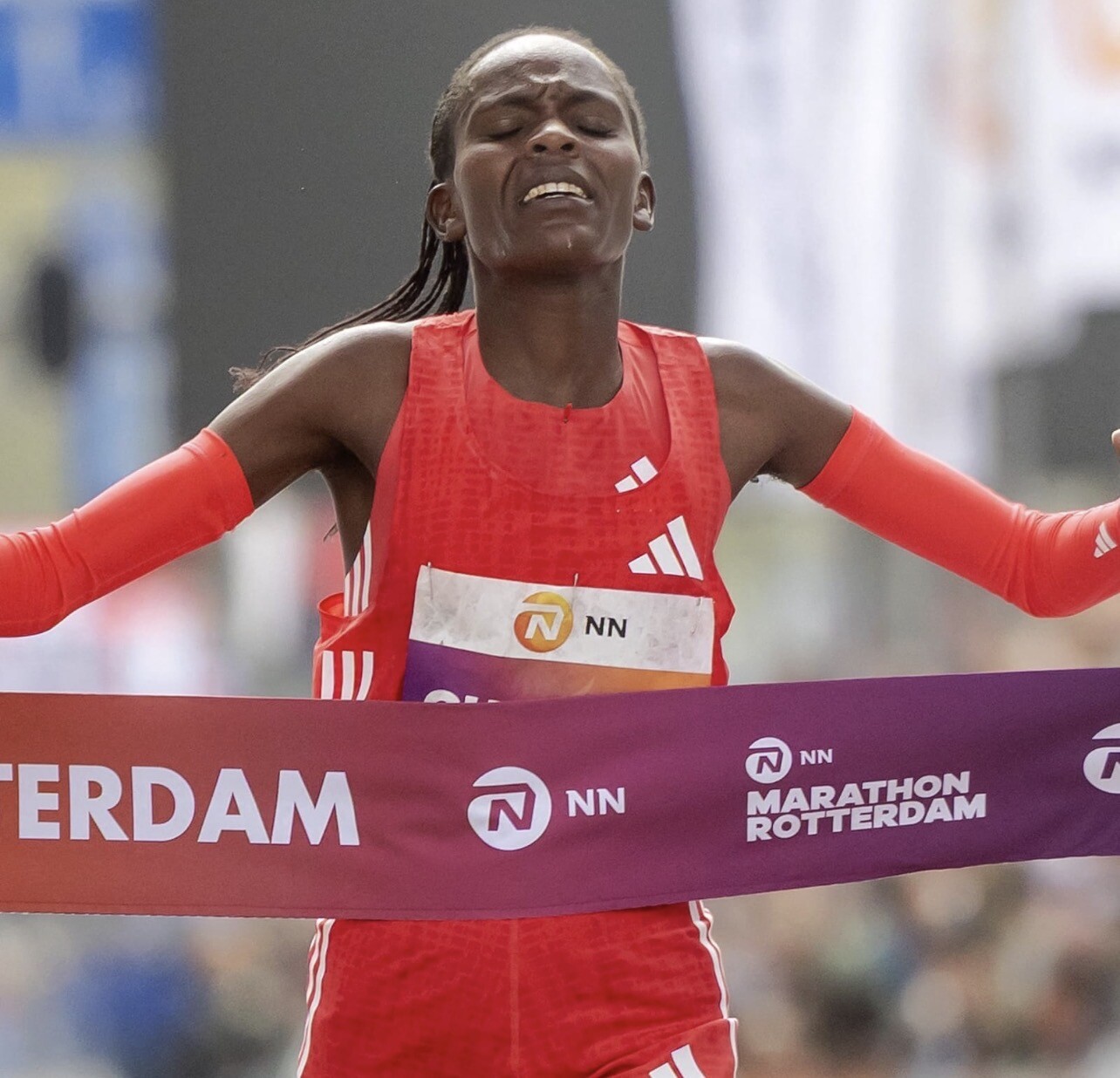
Ethiopia’s Birhanu Legese leads the charge with a personal best of 2:02:48, a time that immediately signals serious intent. When Legese lines up, the pace rarely lingers. Fellow Ethiopian Haymanot Alew (2:03:31) and Bashir Abdi (2:03:36) add both speed and experience, while Guye Adola strengthens an Ethiopian squad that looks ready to push the race from the opening kilometers.
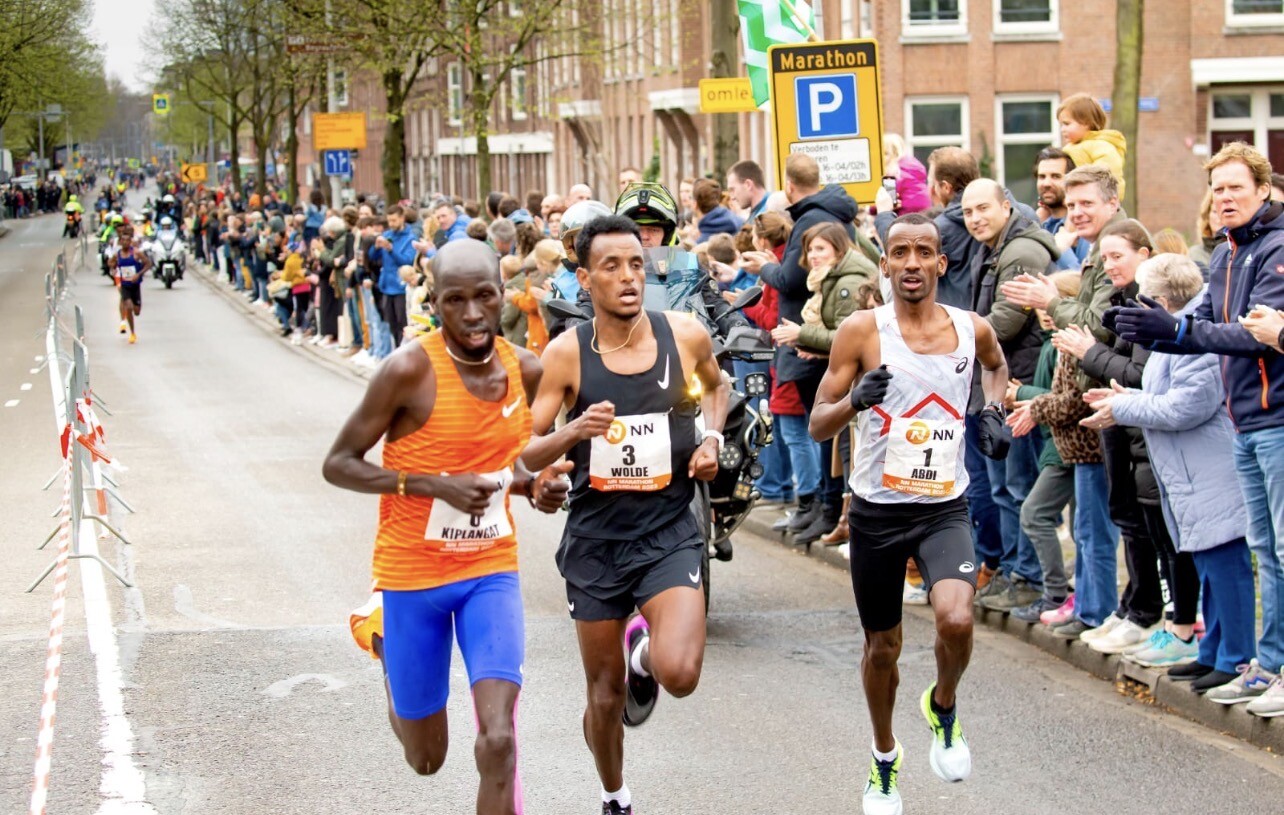
Kenya counters with depth and resilience. Erick Sang, already proven at 2:04:30, heads a group that includes Kenneth Kipkemoi, Mike Kiptum Boit, and Lameck Too — seasoned competitors known for their strength late in races when others begin to fade. Ethiopia’s Chala Regasa and Filmon Tesfu add even more firepower, while Belgium’s Koen Naert brings European savvy and big-race composure to a field loaded with proven marathoners.
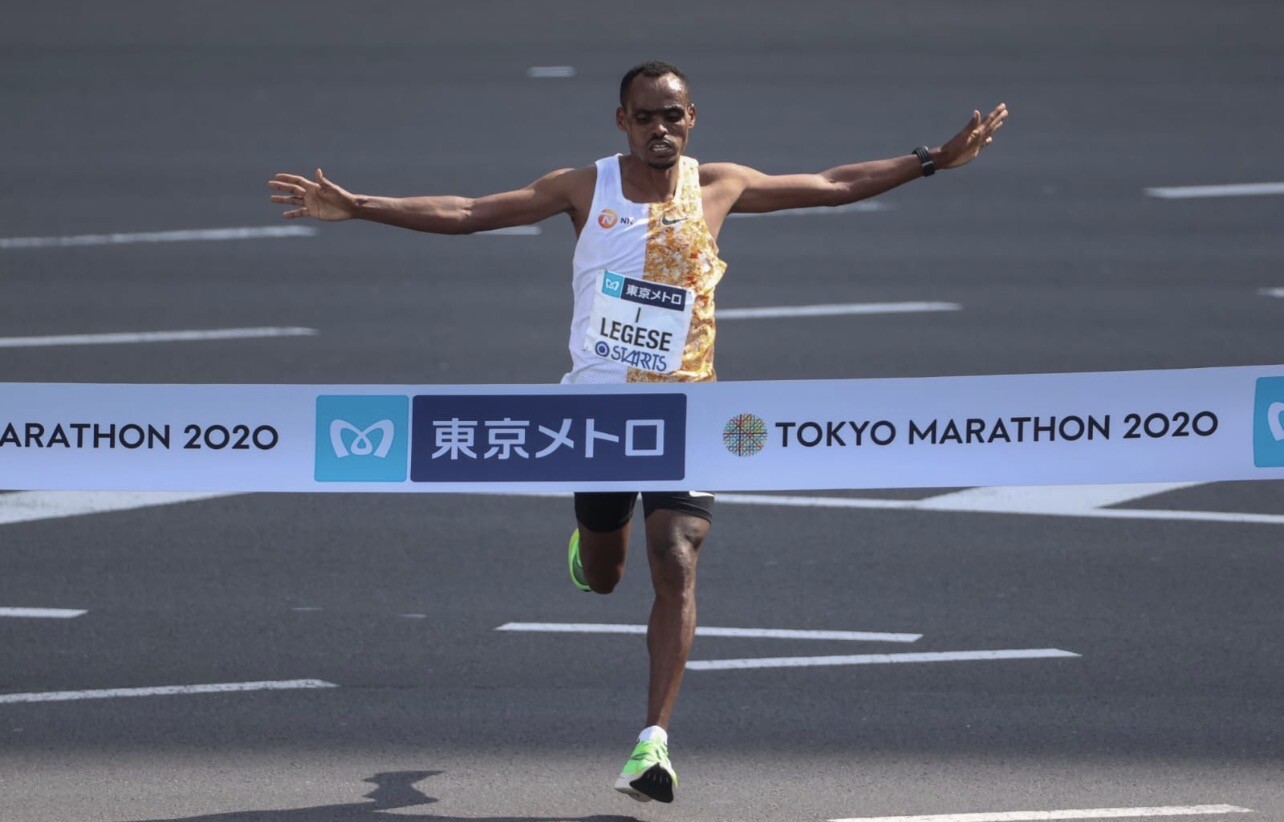
The women’s race promises just as much intrigue.
Shitaye Eshete of Ethiopia arrives as the fastest entrant on paper at 2:20:32, but she won’t have any room for comfort. Meskerem Assefa and Dolshi Tesfu are separated by only seconds in their personal bests, creating the potential for a tightly packed lead group deep into the race. Kenya’s Jackline Cherono and Aminet Ahmed bring tactical patience and finishing speed, capable of striking if the pace falters. Ethiopia’s Derartu Hailu adds further strength, while Gete Alemayehu’s marathon debut introduces an unpredictable and compelling storyline.
Rotterdam’s course has long rewarded boldness. Flat roads, wide turns, and enthusiastic crowds create the rhythm of a race built for speed. Commit early, hold steady, and the clock often delivers something special.
On April 12, expect a race run with purpose — aggressive splits, little hesitation, and athletes chasing more than just podium spots. In Rotterdam, history has a way of showing up when the gun goes off.
by Erick Cheruiyot for My Best Runs
Login to leave a comment

NN Rotterdam Marathon
The marathon has been the biggest one-day sporting event in the Netherlands for many years in a row with over 35000 athletes professionals inclusive. The world's top athletes will at the start on the bustling coolsingel, alongside thousands of other runners who will also triumph,each in their own way.The marathon weekend is a wonderful blend of top sport and festival. ...
more...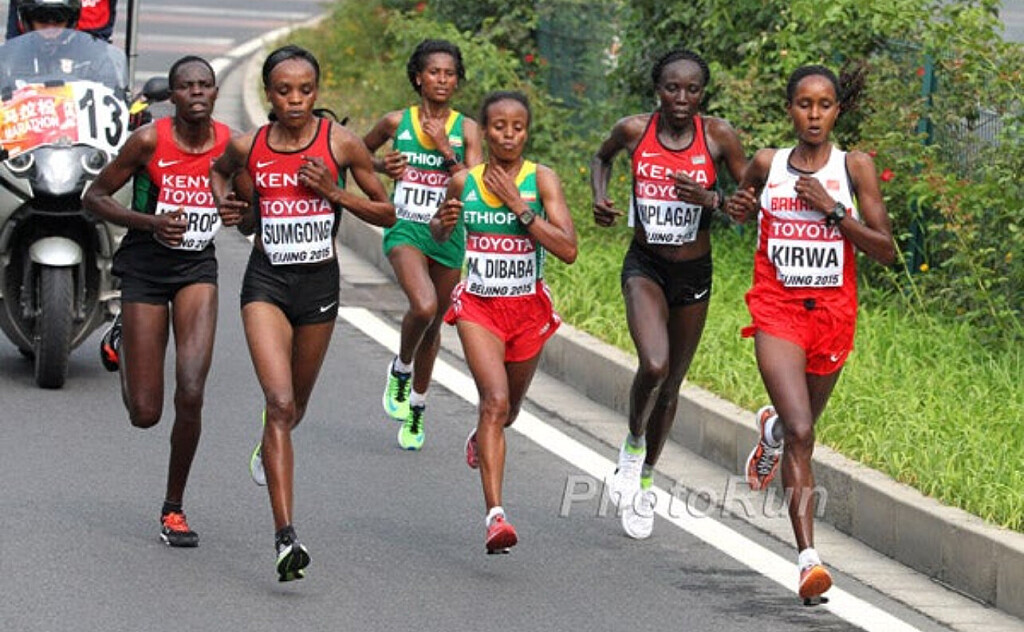
Women’s Marathon Power by Nation: What the Fastest Times Ever Reveal About Global Depth
When we talk about greatness in the women’s marathon, records and medals often dominate the conversation. A world record here, an Olympic podium there. But those moments, as extraordinary as they are, don’t always tell the full story.
A deeper question matters just as much:
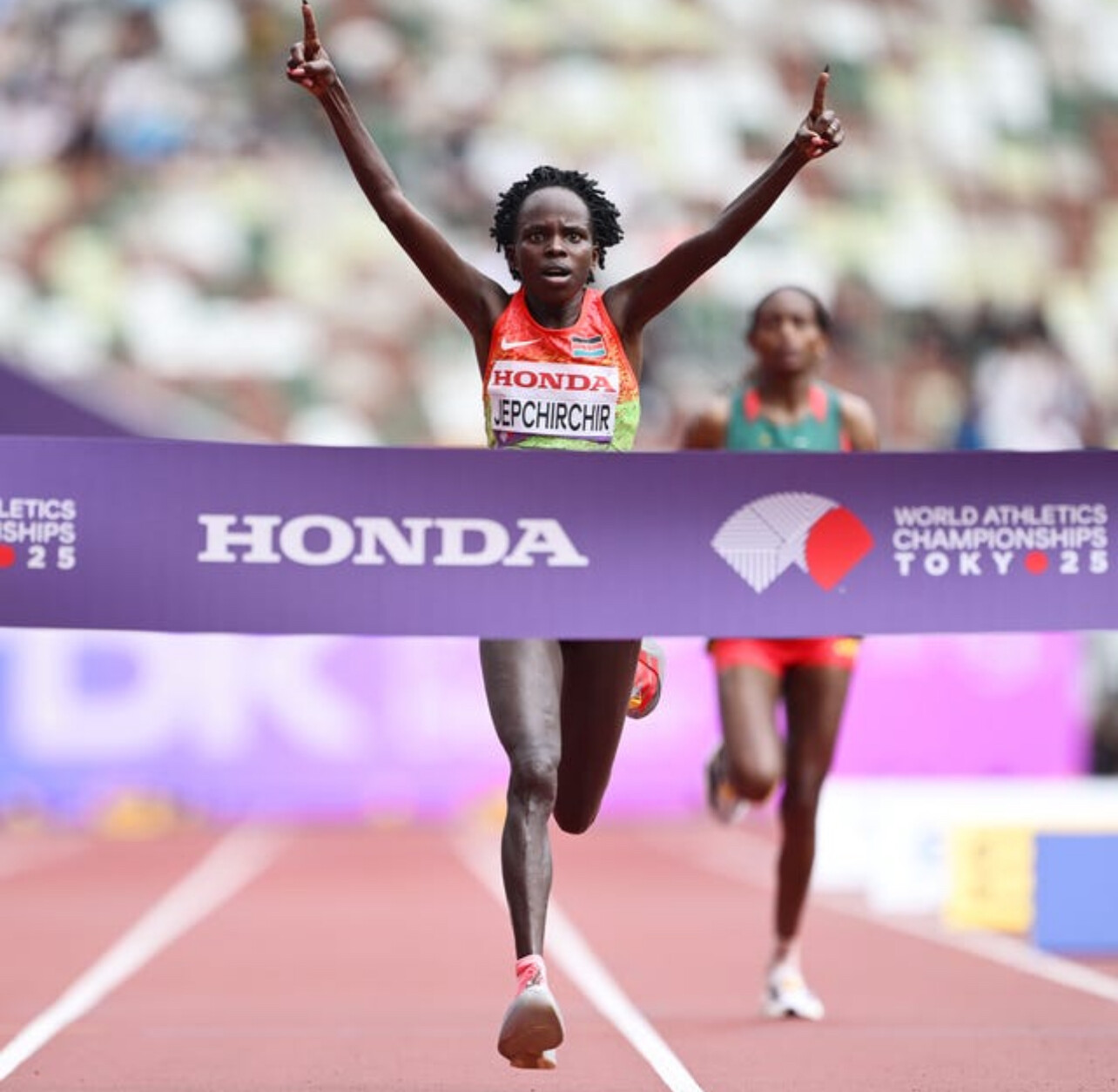
Which countries consistently produce elite women marathoners—year after year, athlete after athlete?
To answer that, analysts have stepped away from single seasons and headline performances and instead examined historical depth. The result is a ranking based on the average of the 10 fastest women’s marathon times ever recorded by each country, compiled as of December 31, 2025.
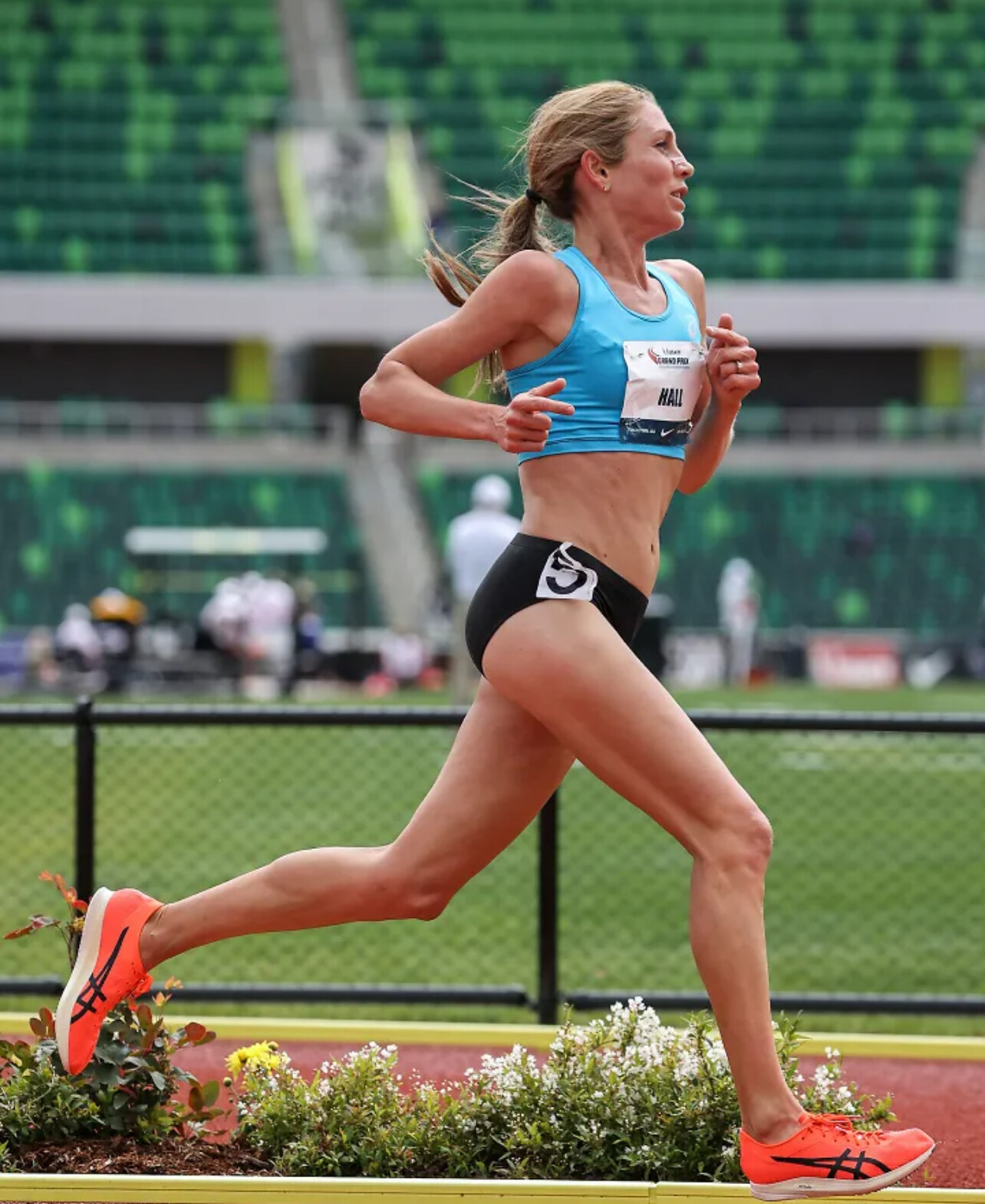
This is not about who ran best in 2025.
This is about who has built lasting excellence.
How the Rankings Were Calculated
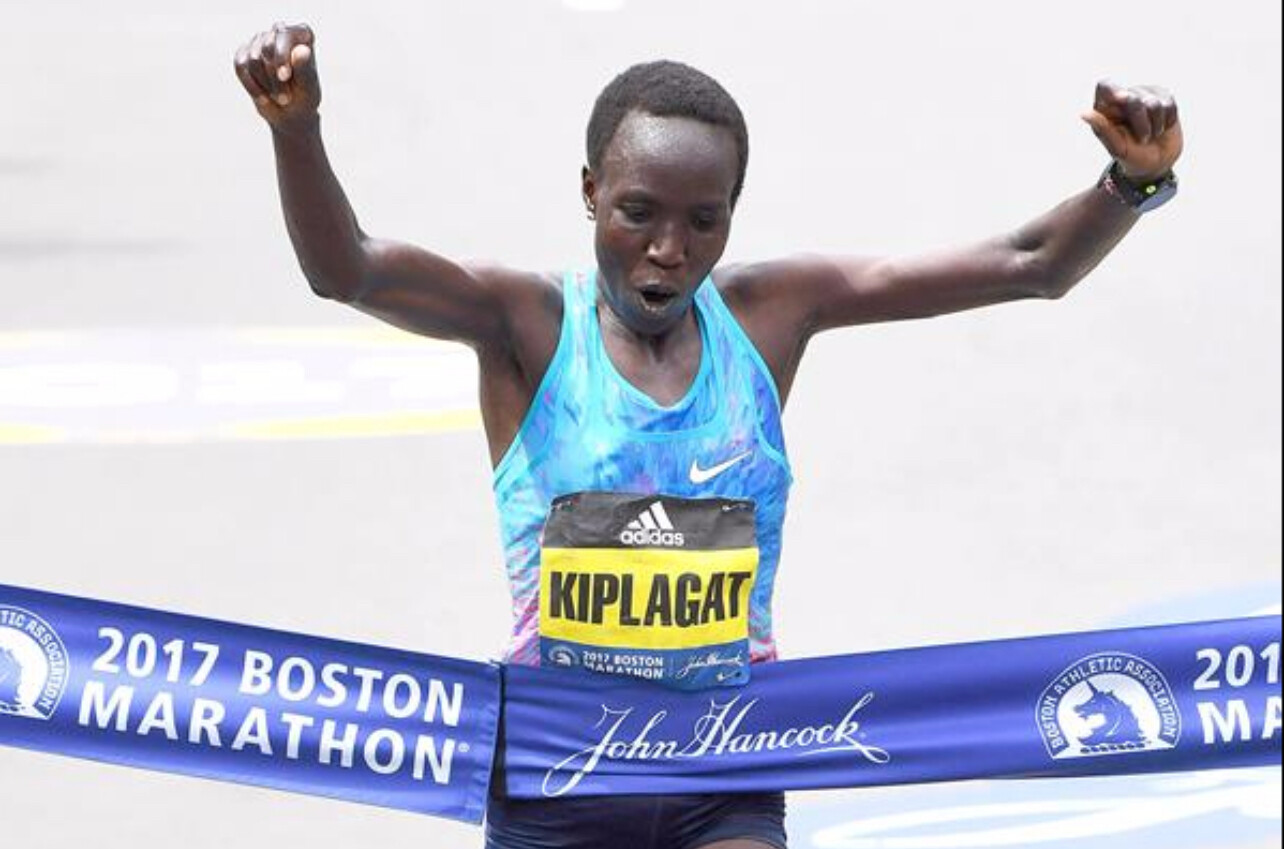
For each country:
• All women’s marathon performances in the historical record were reviewed
• The 10 fastest marathon times ever recorded by women from that country were identified
• Those ten times—regardless of year—were averaged
• The resulting figure represents that country’s all-time marathon depth
The year a performance occurred does not matter. An athlete needed only to run a marathon once to be included, as long as the time ranked among the nation’s fastest ten ever.
This approach shifts the lens from short-term form to long-term system strength.
A Dead Heat at the Top
At the summit of women’s marathon history sit two familiar giants—and they are inseparable.
Ethiopia and Kenya, both averaging 2:17:10, are tied at the top.
This is not the work of a single superstar. It reflects ten separate performances from each nation that, when averaged, would place comfortably on the podium at nearly any major marathon in the world. It is dominance built on depth—high-altitude environments, strong road-racing cultures, and generations of knowledge passed forward.
Japan and the United States: Different Systems, Similar Results
Behind the East African leaders, Japan (2:23:14) and the United States (2:23:39) stand out.
Japan’s strength comes from a uniquely structured system: corporate teams, deep domestic racing calendars, and an enduring cultural reverence for distance running. The consistency is remarkable.
The United States, by contrast, reflects a more decentralized model—athletes emerging from NCAA programs, professional training groups, and a growing focus on marathon specialization. The result is increasing depth at the elite level, even without a single dominant pipeline.
Europe’s Collective Strength
Europe does not produce women’s marathoners in quite the same numbers as East Africa, but its breadth is unmistakable.
Great Britain, Germany, the Netherlands, France, Spain, and others cluster tightly in the mid-2:20 range. No single nation dominates the continent, but together they form a strong competitive core, driven by improved sports science, professional racing opportunities, and increased global exposure.
Expanding Global Reach
One of the most telling aspects of this ranking is how widely excellence is distributed.
From Australia to China, from Bahrain to Peru, competitive women’s marathon running is no longer confined to a handful of regions. National programs, migration, dual citizenship, and professional opportunities have reshaped the global map.
Even countries lower on the list demonstrate something important: producing ten world-class marathon performances is no longer rare—it is becoming achievable.
Why This Ranking Matters
This list is not meant to replace medals, championships, or seasonal rankings. Instead, it complements them by answering a different question:
Who has built a system capable of producing elite marathon performances over time?
By focusing on all-time best performances rather than a single season, the rankings reward:
• Development, not just talent
• Consistency, not just peaks
• Depth, not just stars
In the modern era of women’s marathon running, that depth is what sustains greatness.
The Bigger Picture
The women’s marathon has never been deeper, more global, or more competitive than it is today. And as more countries invest in athlete development, the next reshuffling of this list may come from unexpected places.
What will not change is the lesson this ranking makes clear:
Greatness in the marathon is not built in one race or one year—it is built over generations.
Countries Included in This Ranking (with Average Times)
The following countries are represented in the women’s marathon depth analysis, based on the average of their 10 fastest women’s marathon performances ever recorded, compiled as of December 31, 2025:
• Ethiopia — 2:17:10
• Kenya — 2:17:10
• Japan — 2:23:14
• United States — 2:23:39
• Bahrain — 2:24:34
• Great Britain — 2:25:28
• Australia — 2:25:53
• China — 2:26:31
• Germany — 2:26:43
• Morocco — 2:26:43
• Netherlands — 2:27:56
• North Korea — 2:27:29
• France — 2:28:04
• Spain — 2:28:13
• Russia — 2:31:18
• Peru — 2:32:25
• Canada — 2:33:19
• South Korea — 2:33:19
• Poland — 2:35:01
• Sweden — 2:35:16
by Boris Barron
Login to leave a comment
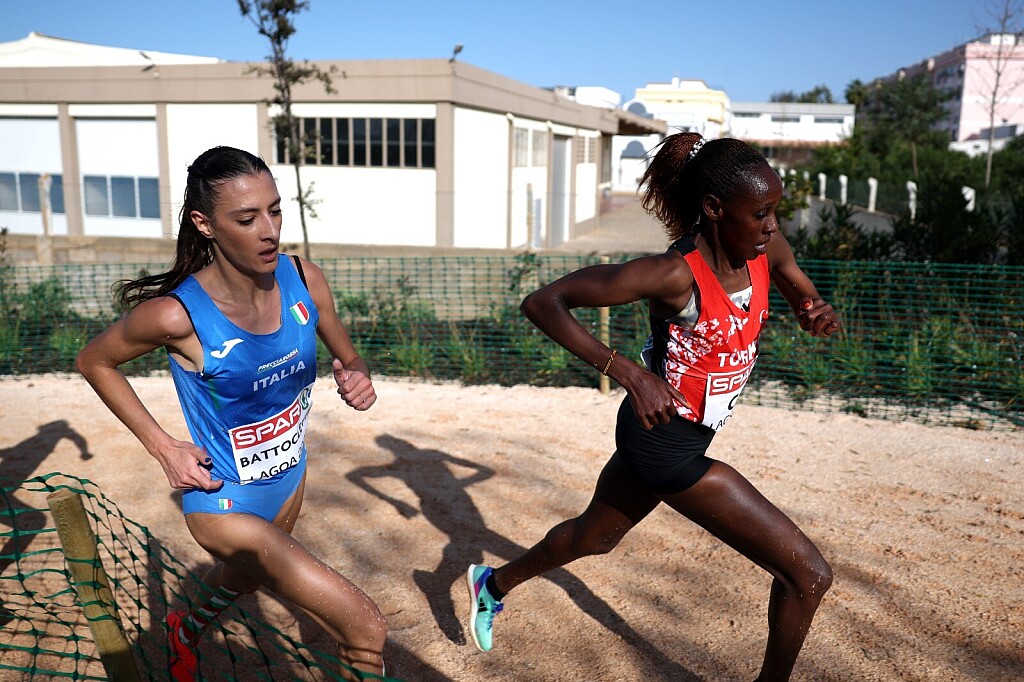
Nadia Battocletti Triumphs at European Cross Country Championships in Lagoa
Italian star returns to the top with commanding senior women’s victory
A Golden Return to Form: Nadia Battocletti of Italy added another chapter to her growing legacy on Sunday in Lagoa, Portugal, powering to victory in the senior women’s race at the European Cross Country Championships. On a demanding, technical course that rewarded strength and patience, Battocletti stopped the clock at 24:52, delivering a performance that combined tactical intelligence with championship composure.
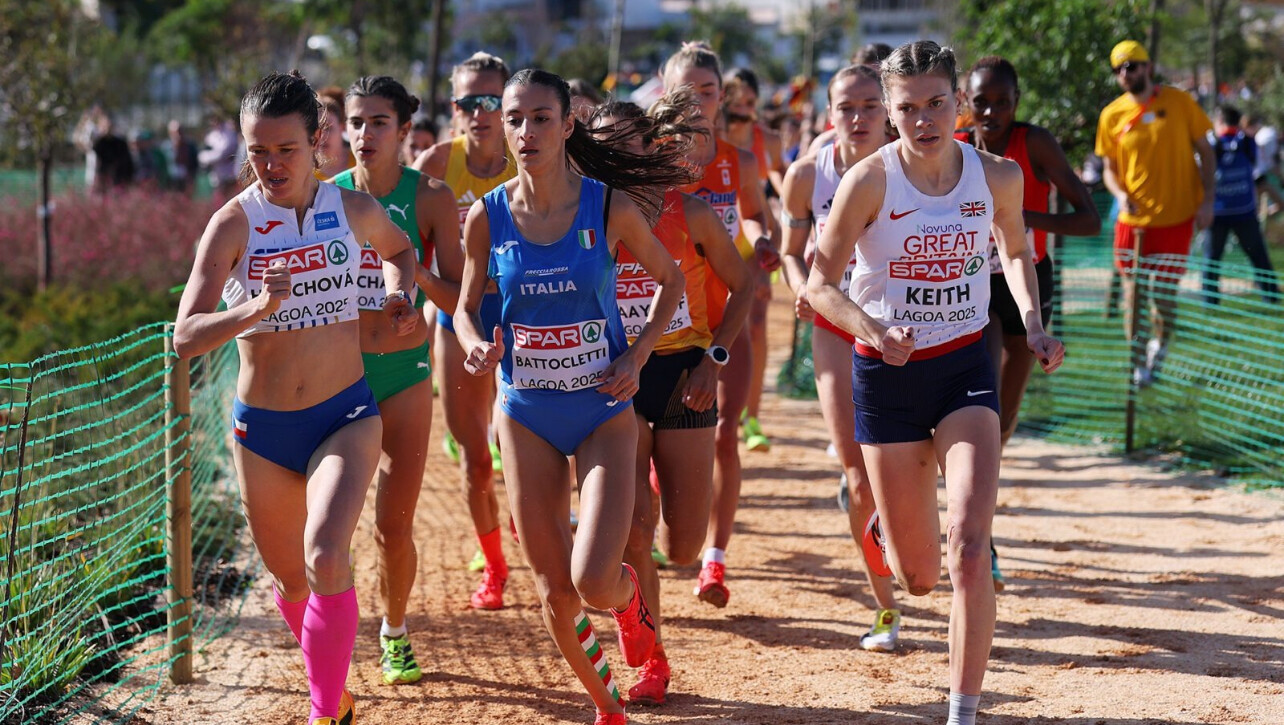
From the opening strides, the pace was honest and the intent clear. The rolling hills, slick footing, and tight turns quickly tested the field. Great Britain’s Megan Keith stayed close to the front, her determination evident with every surge, while Yasemin Can of Turkey—born in Kenya—ran with quiet confidence, conserving energy as the race unfolded. Battocletti remained calm and controlled, matching moves without overreacting as she waited for the right moment.
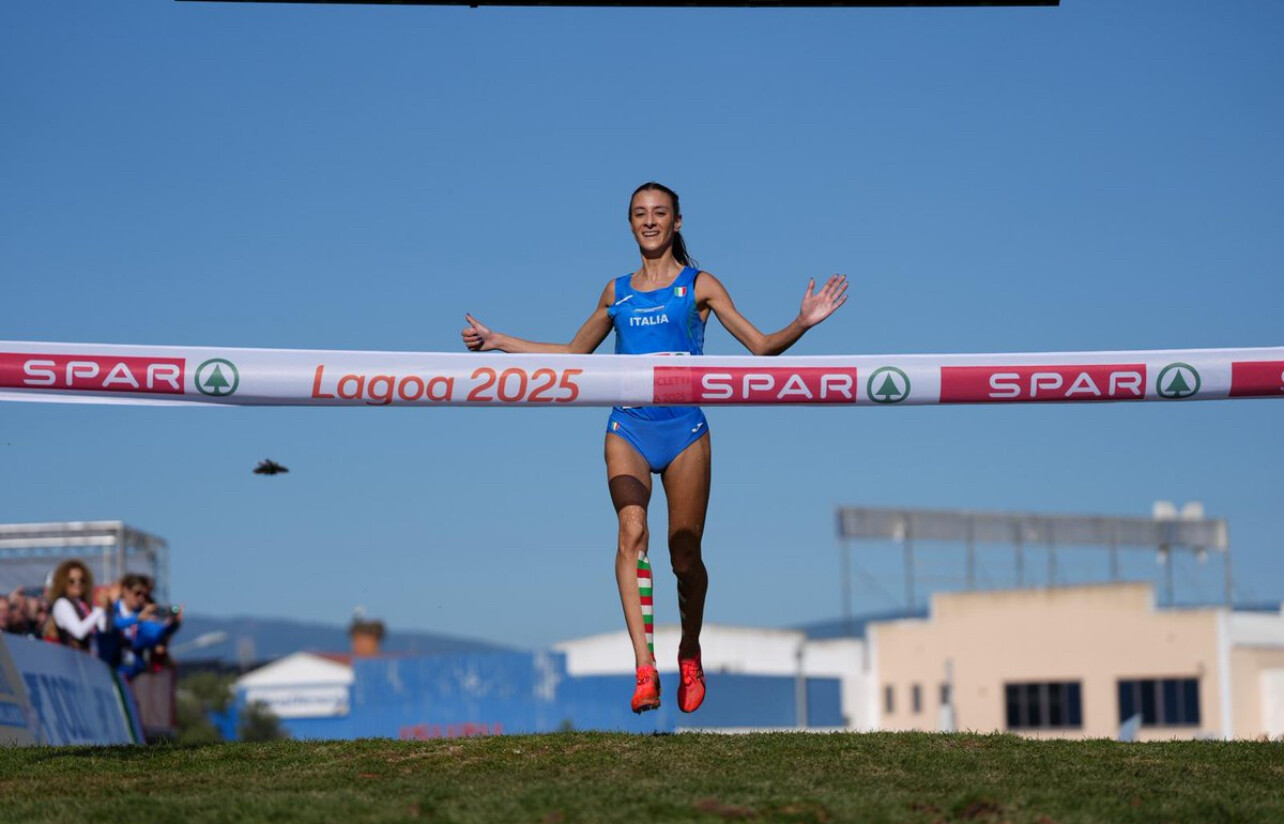
The Making of a Champion
Battocletti’s win in Lagoa was the product of years of steady progression and resilience. She first announced herself on the European stage as a junior, capturing back-to-back U20 cross country titles—Tilburg 2018 (4.3 km in 13:46) and Lisbon 2019 (13:58). Even then, her sense of rhythm, race awareness, and ability to perform under pressure set her apart.
Her transition to the senior ranks has been seamless. At the Paris 2024 Olympic Games, Battocletti claimed silver in the 10,000 meters in 30:43.35, finishing just behind Kenya’s Beatrice Chebet. One year later, at the 2025 World Championships in Tokyo, she again pushed Chebet to the limit, earning another silver in 30:38.23 and confirming her status as one of the world’s most consistent distance runners.
In Lagoa, she drew on all that experience. Battocletti controlled the tempo throughout and made her decisive move in the penultimate lap, a gradual acceleration that stretched the field and left her rivals struggling to respond.
Profiles of the Podium Finishers
Megan Keith took silver in 25:07, further cementing her reputation as one of Europe’s rising distance talents. The Scottish runner showed excellent judgment on the technical course, managing her effort and responding to changes in pace with maturity beyond her years. Her performance suggests bigger podiums may not be far away.
Yasemin Can finished third in 25:13, adding another medal to an already distinguished career. A multiple European champion on track and cross country, Can’s experience and strength were evident as she stayed in contention through the final lap before securing bronze.
Just off the podium, Belgium showcased impressive depth with Jana Van Lent in fourth (25:24), Lisa Rooms fifth (25:34), and Chloé Herbiet seventh (25:43). The Netherlands’ Amina Maatoug placed sixth (25:36), while Germany’s Elena Burkard (8th), Sweden’s Sarah Lahti (9th), and Ireland’s Fiona Everard (10th) completed a highly competitive top ten.
Tactical Brilliance on a Demanding Course
The Lagoa course added a dramatic dimension to the race. Its undulating terrain and narrow turns demanded constant focus and adaptability. Battocletti’s tactical sense stood out as she gradually increased the pressure, forcing her rivals into difficult decisions before unleashing a finishing push that settled the race.
By the final straight, her victory was beyond doubt. Battocletti crossed the line with a composed smile, while Keith and Can battled fiercely behind her, delivering a thrilling conclusion for spectators lining the course.
Looking Ahead
Battocletti’s victory in Lagoa reinforces her position as one of Europe’s premier long-distance athletes. With Olympic and world silver medals already to her name, this European cross country gold completes a remarkable arc from junior standout to senior champion.
Keith and Can also made powerful statements, and their performances hint at compelling rivalries in the seasons ahead. As winter training continues and the global calendar turns toward major championships, the senior women’s distance scene in Europe looks stronger—and more exciting—than ever.
European Cross Country Championships 2025
Senior Women – Top 10
1. Nadia Battocletti (Italy) – 24:52
2. Megan Keith (Great Britain) – 25:07
3. Yasemin Can (Türkiye) – 25:13
4. Jana Van Lent (Belgium) – 25:24
5. Lisa Rooms (Belgium) – 25:34
6. Amina Maatoug (Netherlands) – 25:36
7. Chloé Herbiet (Belgium) – 25:43
8. Elena Burkard (Germany) – 25:45
9. Sarah Lahti (Sweden) – 25:48
10. Fiona Everard (Ireland) – 25:54
by Robert Kibet for My Best Runs
Login to leave a comment
Fitzgerald Completes Historic U20 Hat-Trick as Lagoa’s Brutal Course Breaks the Field
Innes Fitzgerald dominates European Cross Country Championships, while Ireland claims a breakthrough medal
A Course Built to Punish, A Champion Built to Endure
The European Cross Country Championships delivered both spectacle and separation in Lagoa, Portugal, where Great Britain’s Innes Fitzgerald stormed to a historic third consecutive victory in the women’s Under-20 race on one of the most demanding courses the event has seen in recent years.
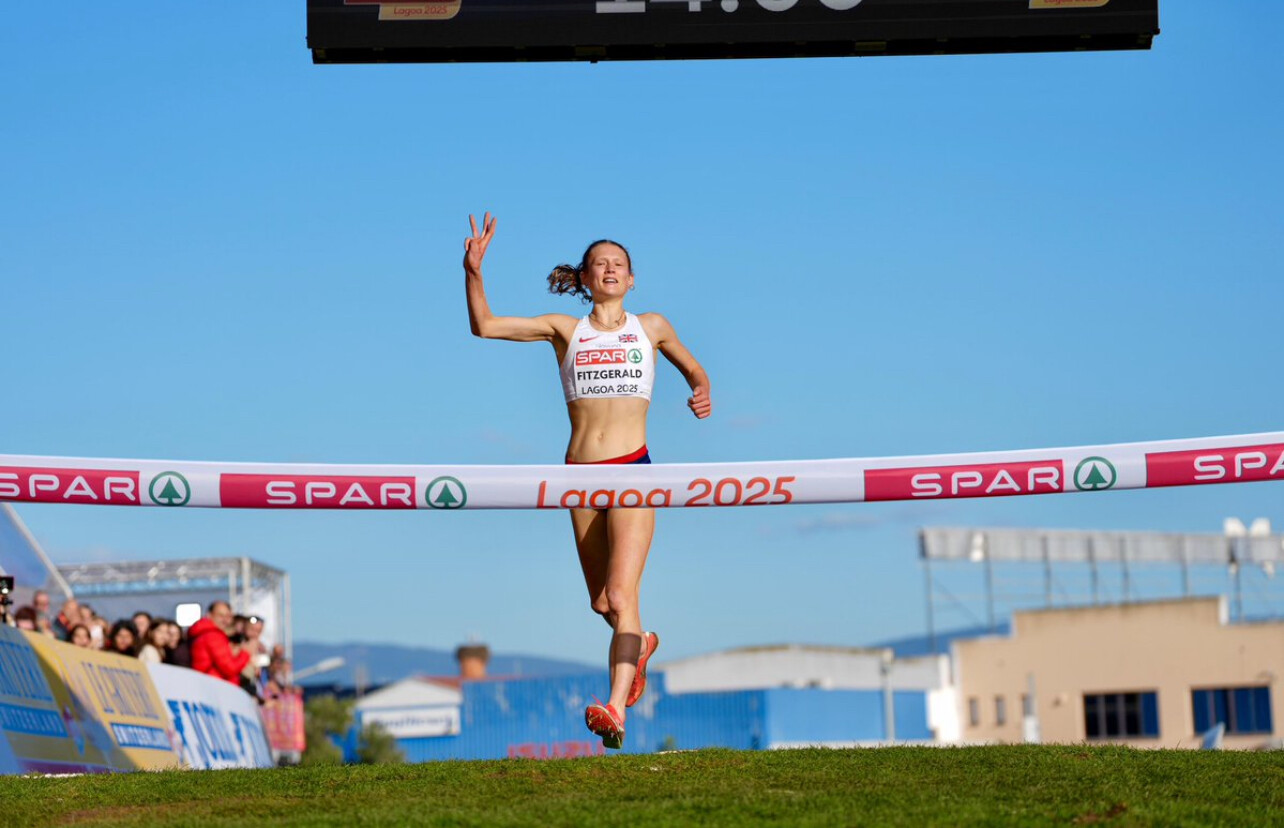
Set on a punishing 4.45km loop carved into the Algarve terrain, the course offered little rhythm. Sharp divots, twisting turns, and short but unforgiving climbs forced constant adjustment, rewarding strength, patience, and race intelligence. Commentators noted it was a circuit suited to steeplechasers and mountain runners—and from the opening strides, it shaped the race.
Early Aggression Tests the Field
Germany’s Julia Ehrle, a world mountain running champion, set the tone with an aggressive surge in the opening kilometre, immediately stretching the field. Several athletes attempted to respond, but the cost was clear early on as runners throughout the top 20 were already operating on the edge.
Fitzgerald, however, remained calm.
By the end of the first lap, the British teenager had moved decisively to the front, opening daylight behind her. Gaps widened quickly as she increased the tempo, forcing an early reckoning. Spain briefly led the team standings after one lap, but the individual contest was already tilting firmly in Fitzgerald’s favor.
Control Through Chao
There was no relief from the terrain. Turf laid specifically for the championships softened the ground but added unpredictability, with awkward divots repeatedly disrupting stride patterns. Ehrle, so fluent early, began to lose momentum as a coordinated chase pack formed behind her.
Midway through the race, Fitzgerald’s lead had grown beyond 13 seconds. Her expression told a story of controlled suffering—this was no cruise. Commentators reflected on her evolution as a championship racer, recalling earlier setbacks before she refined her front-running approach through successive wins in Brussels and Antalya.
This time, experience guided aggression.
The Race Ignites Behind the Leader
As the bell signaled the final lap, Fitzgerald’s advantage had stretched to 24 seconds, placing her on course for the largest winning margin ever recorded in the women’s U20 race.
Behind her, the medal fight erupted.
Ireland’s Anna Gardiner and Emma Hickey surged together with impeccable timing, their patient approach paying dividends as others faltered. France’s Lucie Paturel—whose modest track credentials masked exceptional endurance—moved smoothly through the field, judging her effort to perfection.
Those who attacked early paid the price. Those who waited were rewarded.
A Champion Alone at the Front
At the front, Fitzgerald ran alone—visibly exhausted, yet relentless. With a kilometre remaining, her lead had surpassed 30 seconds, a staggering margin in a race lasting just over 14 minutes.
As she entered the finishing straight, she raised three fingers in celebration, joining Steph Twell as the only athlete to win three European U20 cross country titles. Fitzgerald crossed the line in 14:35, collapsing moments later after an all-out effort.
Breakthroughs and Team Drama
Thirty seconds later, Paturel claimed a superb silver medal, while Hickey secured bronze—Ireland’s first-ever individual medal in this category—following a courageous, perfectly paced run.
The drama continued in the team standings, where every position mattered. Athletes sprinted through exhaustion on the finishing straight, and when the unofficial scores were confirmed, Great Britain emerged team champions with 33 points, ahead of Spain (38) and Sweden (43), underlining the depth behind Fitzgerald’s brilliance.
Germany’s Ehrle, whose bold opening gambit shaped the race, finished tenth—her ambition acknowledged even as it proved unsustainable.
The End of an Era, The Start of Anothe
For Fitzgerald, this was more than a victory. It marked the end of her Under-20 career. Already a senior international, a European record-holder on the track, and a proven championship racer across disciplines, she leaves the junior ranks having redefined them
For three years, the question in this race has remained the same: who dares to go with Innes Fitzgerald—and who can survive it?
In Lagoa, once again, there was only one answer.
Women’s U20 – Top 10 Results
European Cross Country Championships, Lagoa, Portugal
1. Innes Fitzgerald (Great Britain) – 14:35
2. Lucie Paturel (France) – 15:07
3. Emma Hickey (Ireland) – 15:10
4. Carmen Cernjul (Sweden) – 15:14
5. Edibe Yağız (Türkiye) – 15:15
6. Anna Gardiner (Ireland) – 15:17
7. Fanny Szalkai (Sweden) – 15:21
8. Evi Falkena (Netherlands) – 15:23
9. Shirin Kerber (Switzerland) – 15:25
10. Julia Ehrle (Germany) – 15:29
by Robert Kibet for My Best Runs
Login to leave a comment
Eliud Kipchoge Chases One Final Milestone as He Makes His New York City Marathon Debut This Sunday
One of the most anticipated starts in marathon history arrives this Sunday as Eliud Kipchoge, the two-time Olympic marathon champion and widely regarded as the greatest marathoner of all time, makes his debut at the TCS New York City Marathon (NYC Marathon).
The Big Picture
At 40 years old, Kipchoge has already built an extraordinary legacy: Olympic gold medals in 2016 (Rio) and 2020 (Tokyo), a world-record marathon time of 2:01:09 in Berlin 2022, and a historic sub-2-hour marathon effort in Vienna 2019 (1:59:40 – though not ratified).
Yet until now, the NYC Marathon has been the elusive piece of the puzzle. By lining up this Sunday, Kipchoge will complete his set of the major Abbott World Marathon Majors (AWMM) if he crosses the finish line—it’s the only major marathon he has yet to run.
Why It Matters
• Legacy: Finishing NYC would give Kipchoge the coveted “six-star” AWMM medal for running all six of the premier majors.
• New challenge: The NYC course is markedly different from the flat, fast courses of Berlin or London. It’s undulating, uses bridges, and traverses the five boroughs—a true test of both physical and mental strength.
• Age and motivation: While Kipchoge remains in top shape, he acknowledges the impact of time and says this race is as much about meaning and experience as it is about finishing fast.
The Competition & Conditions
Kipchoge enters a stacked elite field. He’ll face defending champion Abdi Nageeye of the Netherlands, former NYC winners Evans Chebet and Albert Korir, and several rising stars with sub-2:04 personal bests.
What to Watch
• Will Kipchoge go for a bold win or focus on completing this final major?
• How will the unique challenges of NYC—bridges, hills, and roaring crowds—affect his pacing and strategy?
• Could this race mark the close of his competitive marathon career—or the beginning of a new chapter as ambassador and mentor?
Sunday’s race isn’t just another marathon for Eliud Kipchoge. It’s a long-awaited chapter in a legendary career—one that may see him conquer the final major, inspire millions, and reaffirm his enduring message: No human is limited.
by Boris Baron
Login to leave a comment
