

Running News Daily
Running News Daily is edited by Bob Anderson and team. Send your news items to bob@mybestruns.com Advertising opportunities available.
Index to Daily Posts · Sign Up For Updates · Run The World Feed
Articles tagged #28:35
Today's Running News
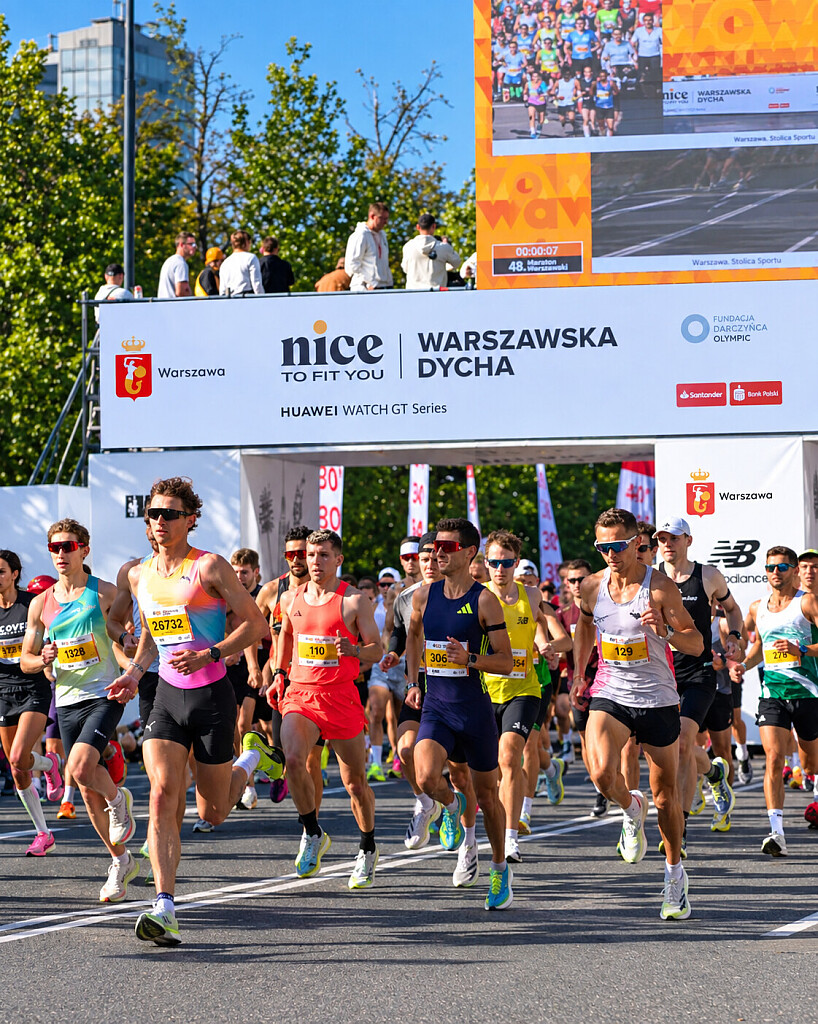


Lili Anna Vindics-Tóth Shatters Hungarian Marathon Record With Historic Warsaw Run
Hungary’s Lili Anna Vindics-Tóth delivered a remarkable performance at the 48th Warsaw Marathon on Sunday, September 27, 2026, smashing the Hungarian marathon record and setting a new women’s course record with a stunning time of 2:24:48.
Vindics-Tóth produced a breakthrough performance on the streets of the Polish capital, improving her previous personal best of 2:27:21 by more than two minutes. Her 2:24:48 also eclipsed the previous Warsaw Marathon women’s course record of 2:28:35 by almost four minutes.
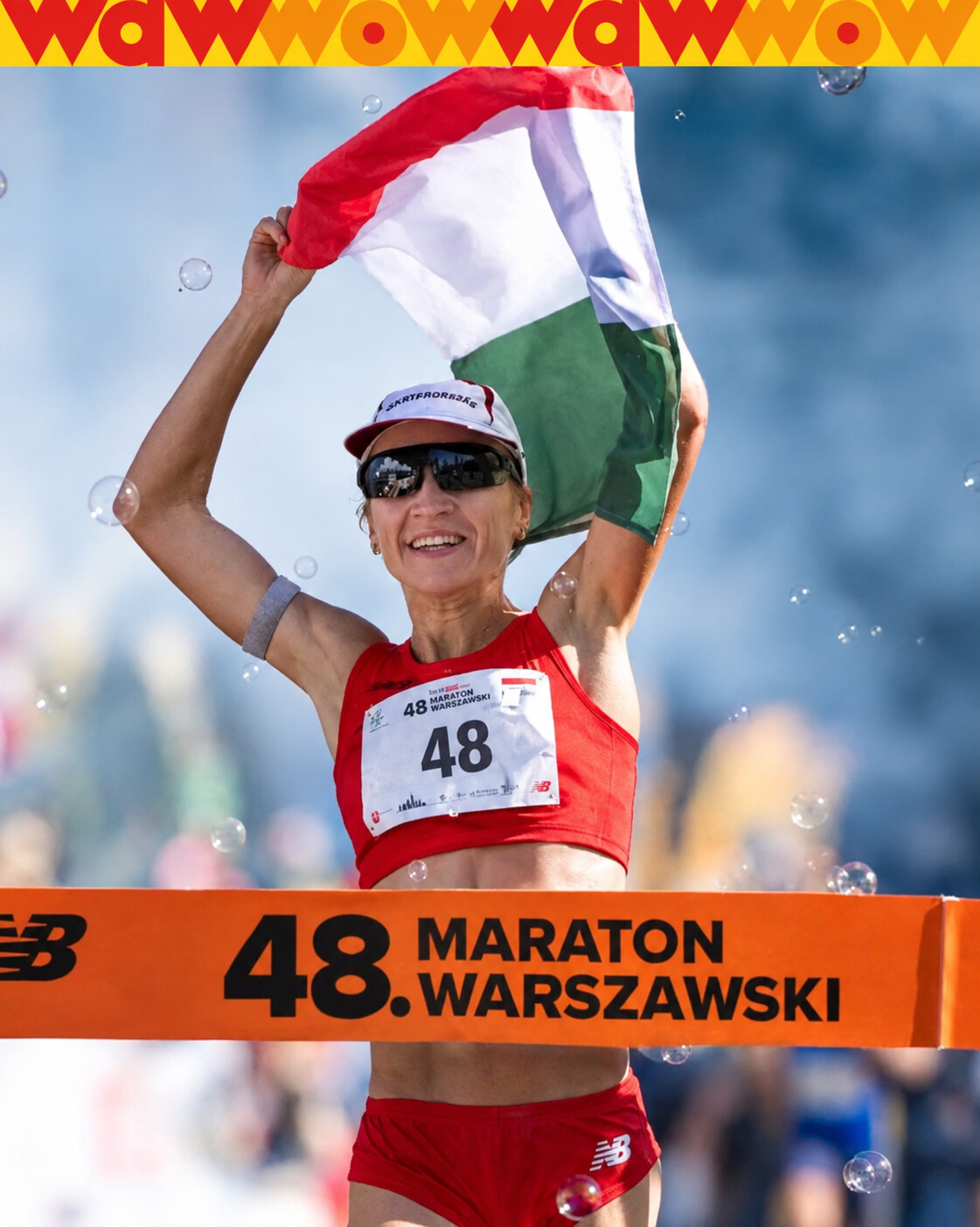
The Hungarian’s performance was particularly significant, as she became the fastest woman ever recorded over the marathon distance in a race held in Poland, according to the race organizers.
Her remarkable run also represented a major improvement on her previous 2026 best of 2:27:28, recorded in Copenhagen in May. The new Hungarian record marks a defining moment in her career and places her among Europe’s leading marathon runners.
Vindics-Tóth Leads Historic Women’s Podium
Vindics-Tóth secured the women’s title in 2:24:48, narrowly holding off Ethiopia’s Gelane Senbete, who finished second in 2:24:57.
Kenya’s Vivian Jerotich Kosgei claimed third place in 2:28:34, while Ethiopia’s Addis Alem Belay completed the top four in 2:30:31.
The women’s race produced a competitive contest at the front, with Vindics-Tóth’s record-breaking performance highlighting the growing depth of international distance running in Europe.
Stephen Kibor Leads Men’s Race
Kenya’s Stephen Kibor claimed overall victory in the men’s marathon, crossing the finish line in 2:09:19 to secure the title in Warsaw.
Kibor led an international podium, with Uganda’s Victor Kwemboi finishing second in 2:12:20, followed by compatriot Ezekiel Mutai, who took third place in 2:12:36.
Sweden’s Emil Millán de la Oliva completed the top four in 2:13:13, rounding off a competitive men’s race featuring athletes from several countries.
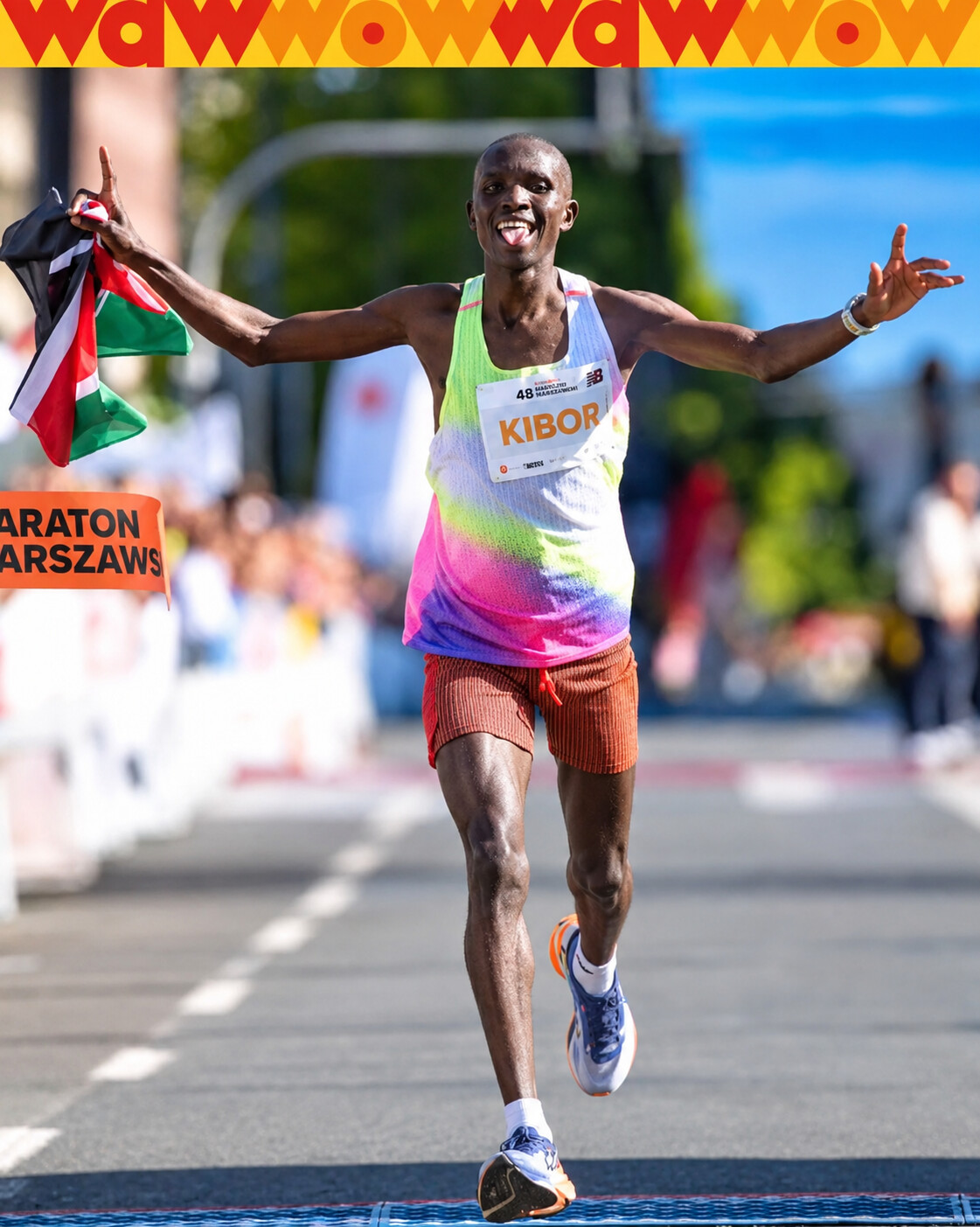
Kibor’s victory added another Kenyan success to the country’s long history of producing elite marathon runners who have excelled on major European road-racing courses.
International Field Takes on Warsaw’s Streets
The 48th Warsaw Marathon began at 9:00 a.m. around Świętokrzyska Street, near the Palace of Culture and Science, with the certified 42.195-kilometre course taking runners through the Polish capital.
This year’s edition attracted an international elite field alongside thousands of mass-participation runners, with spectators lining the streets to support the athletes throughout the race.
The organizers had targeted a significant improvement to the women’s course record, with pacemakers assigned to support a pace corresponding to approximately 2:24–2:26.
Vindics-Tóth ultimately delivered a performance that surpassed expectations, turning the Warsaw Marathon into the biggest race of her career so far and etching her name into the event’s history.
The Warsaw Marathon has remained a major fixture on the European road-running calendar since its first edition in 1979, continuing to attract elite athletes and recreational runners from around the world.
With a Hungarian national record, a new women’s course record and an impressive international podium, the 2026 edition produced a memorable day of marathon racing in the Polish capital.
Lili Anna Vindics-Tóth — 2:24:48. A Hungarian record, a Warsaw course record and a breakthrough performance that will be remembered for years to come.
by Erick Cheruiyot for My Best Runs.
Login to leave a comment

PZU Warsaw Marathon
The course of the PZU Warsaw Marathon, offers great support of the residents of the capital and tourists along it and bands giving positive rhythm in densely spaced cheering points for the over 6,500 participants. You are cordially invited to Warsaw – the capital city of Poland – a city worth seeing. Be our guest here and let yourself get...
more...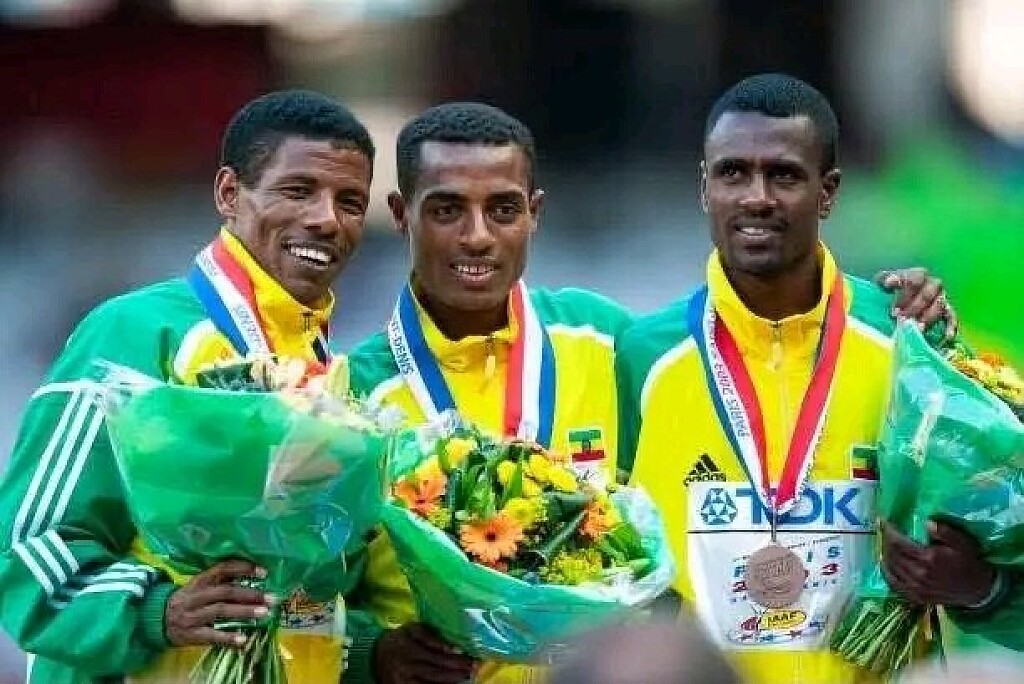
Kenenisa Bekele’s Paris Coronation: The Night Ethiopia’s Distance Running Dynasty Changed Forever
Paris, France — August 24, 2003.
The Stade de France witnessed far more than a World Championship 10,000m final that night. It witnessed the beginning of a new era.
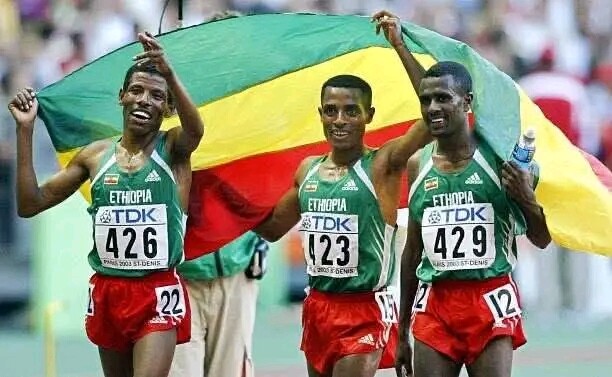
For years, Haile Gebrselassie of Ethiopia had stood virtually untouchable at the summit of world distance running. He arrived in Paris as a two-time Olympic champion and four-time World Champion over 10,000m, carrying the reputation of a man who had dominated the track for much of the previous decade.
But waiting in the same race was a 21-year-old Ethiopian whose running style looked remarkably familiar.
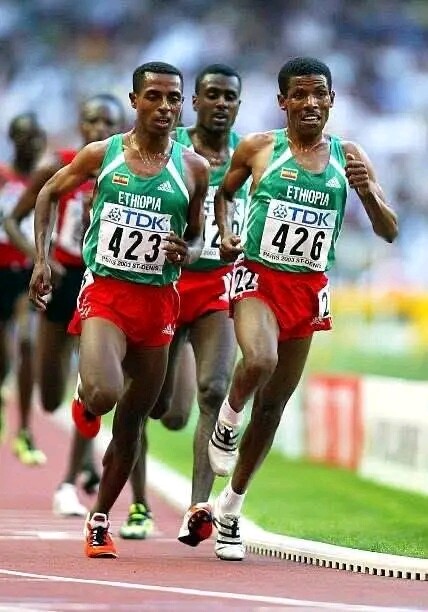
His name was Kenenisa Bekele.
The younger Ethiopian had already shown flashes of extraordinary potential, but Paris was where potential became reality.
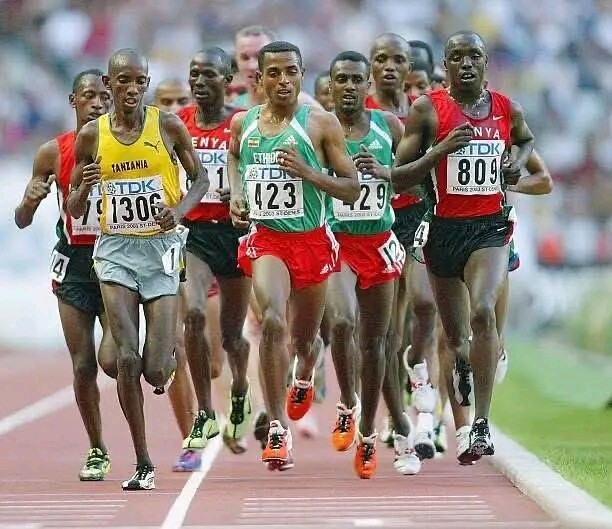
As the race unfolded, Gebrselassie ran aggressively, repeatedly applying pressure in an attempt to break the field and shake off his young compatriot. One by one, the world's best distance runners were dropped, including a strong Kenyan contingent.
Yet Bekele refused to disappear.
He stayed glued to Gebrselassie's shoulder, matching every surge and every change of pace. Behind them, Sileshi Sihine of Ethiopia remained in contention, setting the stage for what would ultimately become a historic Ethiopian sweep.
Then came the decisive moment.
With only 200 metres remaining, Bekele made his move.
Gebrselassie, famous for his devastating finishing speed, tried to respond. But this time, there was no answer. Bekele powered away down the final straight, creating daylight between himself and his legendary compatriot.
The changing of the guard had arrived.
Bekele crossed the finish line in 26:49.57, becoming the first athlete to break 27 minutes at these World Championships and setting a championship record.
Behind him, Gebrselassie finished second in 26:50.77, while Sihine completed an extraordinary Ethiopian clean sweep with 27:01.44.
It was not simply a victory for Bekele.
It was the moment the young star announced that he was ready to inherit the throne.
Paris 2003 — Men's 10,000m Final
1. Kenenisa Bekele — Ethiopia — 26:49.57 CR
2. Haile Gebrselassie — Ethiopia — 26:50.77
3. Sileshi Sihine — Ethiopia — 27:01.44
4. Ahmad Hassan Abdullah — Qatar — 27:18.28
5. John Cheruiyot Korir — Kenya — 27:19.94
6. Wilberforce Talel — Kenya — 27:33.60
7. Charles Kamathi — Kenya — 27:45.05
8. Kamiel Maase — Netherlands — 27:45.46
9. Karl Keska — Great Britain — 27:47.89
10. Ismail Sghyr — France — 27:54.87
11. David Galván — Mexico — 27:55.31
12. John Yuda Msuri — Tanzania — 27:56.21
13. Fabiano Joseph Naasi — Tanzania — 28:06.36
14. Alan Culpepper — United States — 28:14.92
15. Teodoro Vega — Mexico — 28:31.71
16. Mebrahtom Keflezighi — United States — 28:35.08
17. Cathal Lombard — Ireland — 28:36.43
18. Tomoo Tsubota — Japan — 28:37.10
19. Dan Browne — United States — 29:01.60
Bekele's Paris triumph proved to be the beginning of something much bigger. He went on to win Olympic 10,000m gold in Athens the following year and established himself as the dominant track distance runner of his generation.
At the 2008 Beijing Olympics, he completed the extraordinary 5,000m and 10,000m double, cementing his place among the greatest distance runners in history.
Gebrselassie, meanwhile, successfully reinvented himself beyond the track. He turned increasingly toward the 10km, half marathon and marathon, where he continued rewriting the record books and building another extraordinary chapter of his career.
But Paris remains special.
On August 24, 2003, one Ethiopian legend was still fighting to protect his kingdom while another was stepping forward to claim it.
Kenenisa Bekele didn't simply win a World Championship gold medal that night. He announced the arrival of a new era in distance running.
by Erick Cheruiyot for My Best Runs.
Login to leave a comment
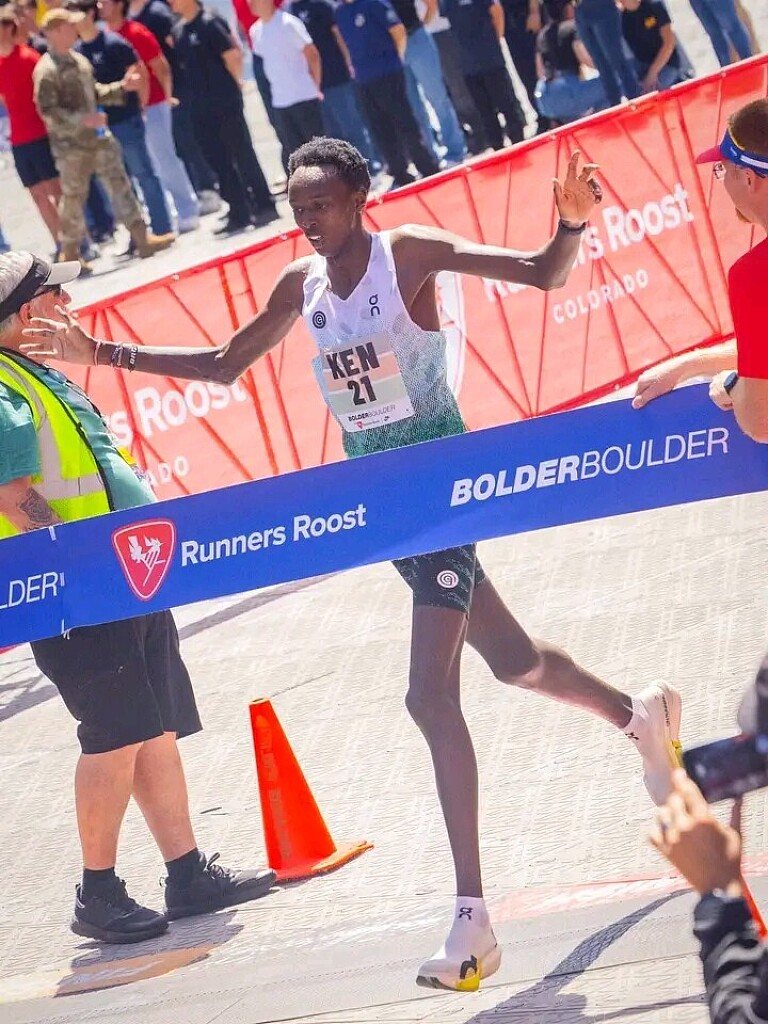
Kenya’s Patrick Kiptoo Kiprop Produces a Stunning Display to Conquer the 2026 BOLDERBoulder 10K
The thin air of Boulder once again delivered a dramatic spectacle as the 2026 BOLDERBoulder 10K lived up to its reputation as one of the world’s most demanding road races. Held during the annual Memorial Day celebrations, the Men’s International Pro 10K unfolded at a relentless pace, with elite athletes battling altitude, fatigue, and each other before an electric stadium finish.

At the heart of the action was Kenya’s Patrick Kiptoo Kiprop, who delivered a commanding performance to capture the title in a brilliant 28:35. Running with authority from the early stages, Kiprop controlled the race with remarkable composure and speed, eventually breaking away to secure an emphatic victory against a world-class field.
Kenya’s dominance was further reinforced by Daniel Simiu Ebenyo, whose trademark consistency earned him second place in 29:06. Ebenyo stayed within striking distance throughout the contest and ensured a memorable one-two finish for the East African powerhouse nation.
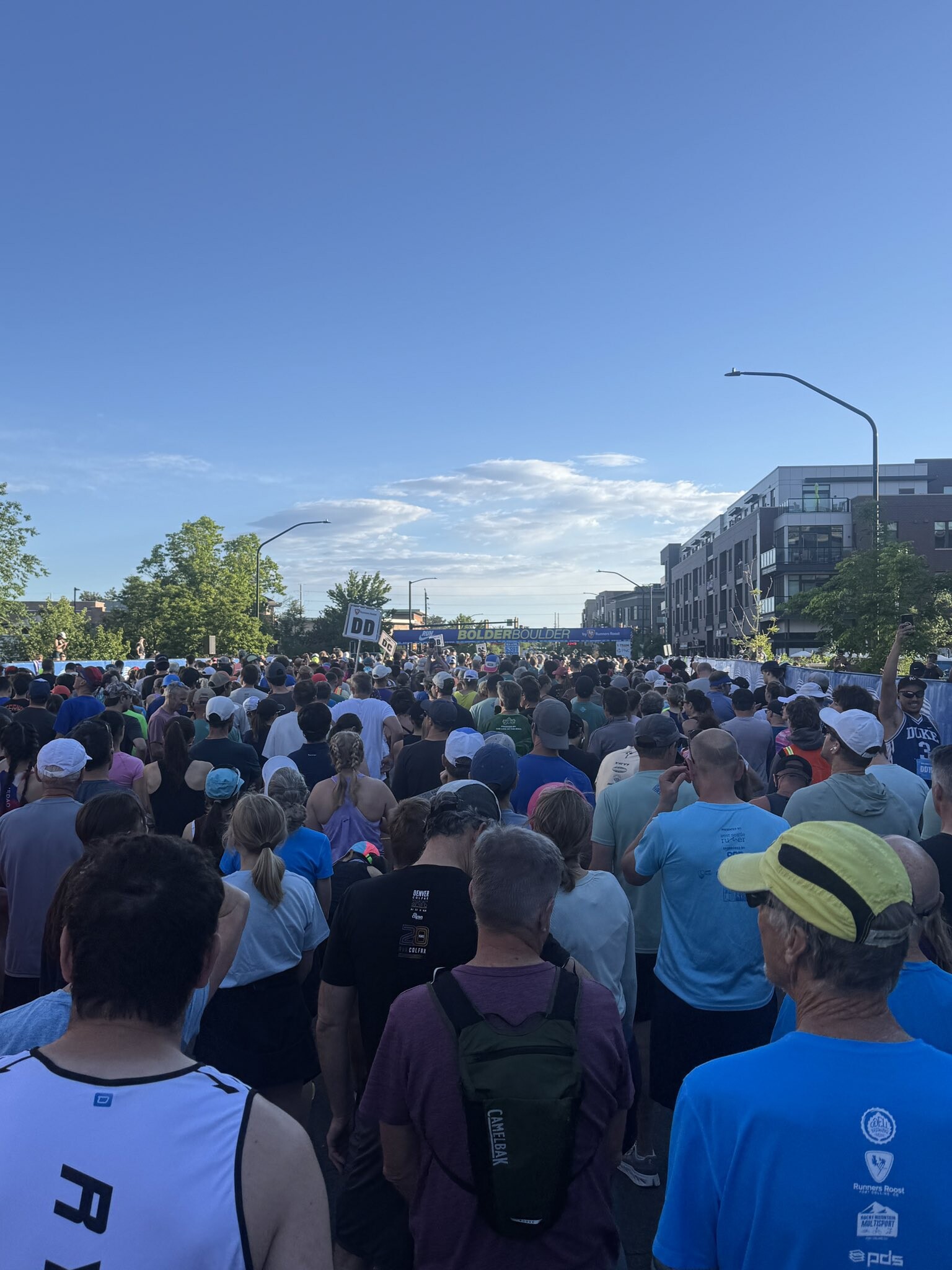
The home crowd had plenty to celebrate as American runner Aiden Reed fought bravely to claim third place in 29:17. Backed by loud support inside the packed stadium, Reed produced one of the strongest performances of his career to secure a podium finish for Team USA.
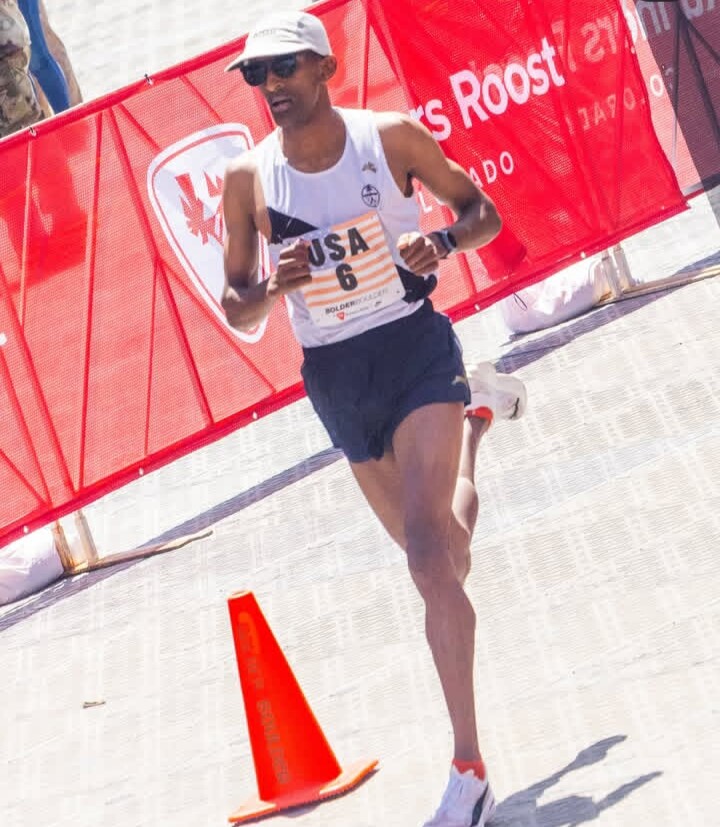
Beyond the podium battle, the race showcased exceptional international depth. Morocco’s Mohammed El Youssfi, Japan’s Kiyoto Hirabayashi, and Eritrea’s Amanuel Mesel all delivered impressive runs in the brutal conditions.
Top 10 Finishers — Men’s International Pro 10K
1. Patrick Kiptoo Kiprop (KEN) — 28:35
2. Daniel Simiu Ebenyo (KEN) — 29:06
3. Aiden Reed (USA) — 29:17
4. Casey Clinger (USA) — 29:33
5. Graydon Morris (USA) — 29:35
6. Mohammed El Youssfi (MAR) — 29:48
7. Andy Wacker (USA) — 29:51
8. Athanas Kioko (KEN) — 30:05
9. Kiyoto Hirabayashi (JPN) — 30:14
10. Amanuel Mesel (ERI) — 30:17
Mexico also produced a determined and spirited showing. Julio Alberto Ortiz Ponce led the Mexican contingent with an admirable 18th-place finish in 31:28, closely followed by Luis Vázquez in 19th. Hesiquio Flores added to the team’s strong collective effort with a gritty performance of 33:00.
The 2026 edition of the BOLDERBoulder once again proved why it remains one of the most iconic road races in global athletics. From the punishing altitude to the breathtaking sprint into the stadium, the event delivered an unforgettable celebration of endurance, international rivalry, and elite distance running excellence.
by Erick Cheruiyot for My Best Runs.
Login to leave a comment

BOLDER BOULDER
In 1979 we dreamt of attracting a few hundred of our friends to race though the streets of Boulder, Colorado to celebrate Memorial Day with our families. Fast forward almost 40 years and the Bolder BOULDER has grown to become one of the largest and most highly acclaimed 10K’s in the world. Almost 1.2 million runners, joggers, walkers and spectators...
more...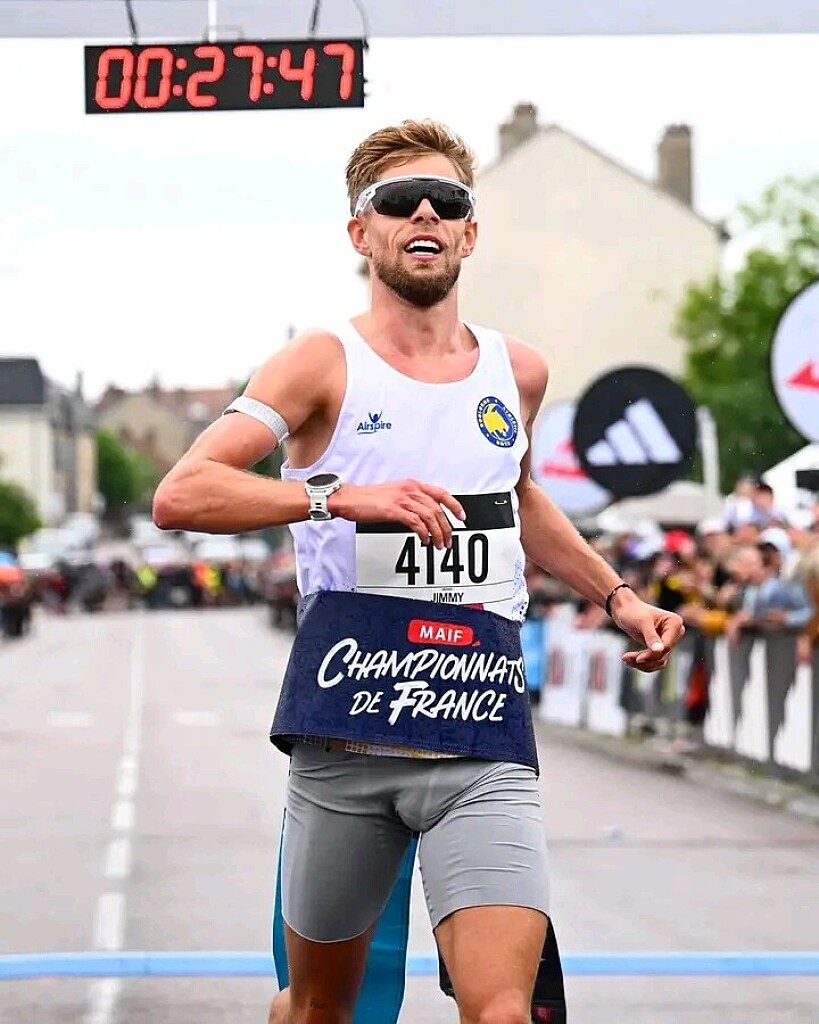
Jimmy Gressier Reigns Again as French 10km King in Troyes
Jimmy Gressier once again proved why he remains one of Europe’s most dominant road runners after storming to his fourth French national 10km title in Troyes with a commanding time of 27:47.
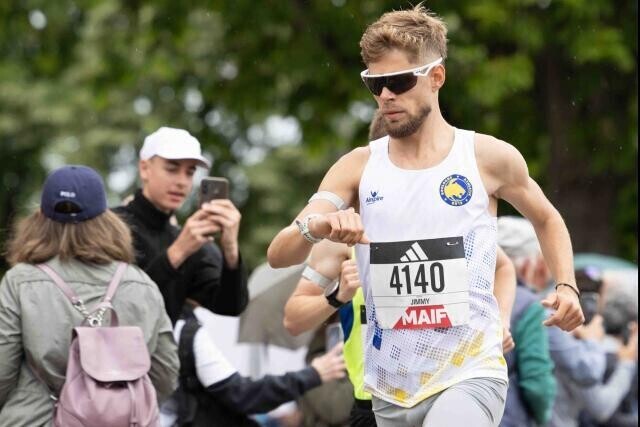
In a race packed with intensity and quality, the French star delivered a performance full of control, confidence, and class, breaking away from the field to secure yet another national crown in emphatic fashion. Beyond the title itself, the victory also carried greater significance as Gressier comfortably achieved the qualifying standard for the upcoming European Athletics Championships, underlining his growing ambitions on the continental stage.
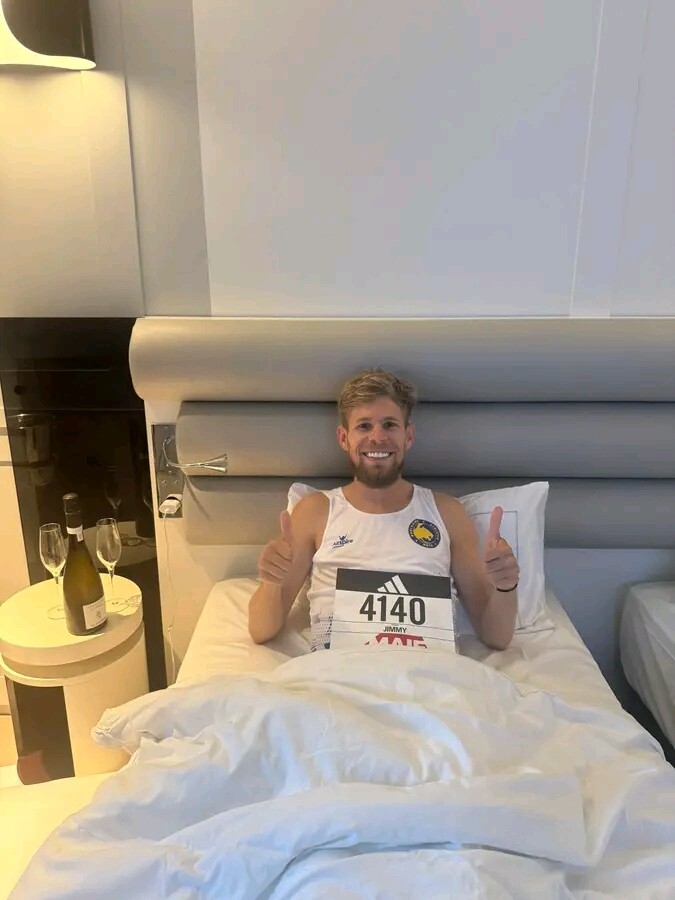
From the early stages of the race, Gressier dictated the rhythm with remarkable composure, showing the strength and endurance that have made him one of France’s finest distance athletes of his generation. His aggressive yet calculated pace eventually proved too much for the chasing pack as he powered through the streets of Troyes to another memorable triumph.
Finishing second was Simon Bédard of Haute Bretagne Athletics, who crossed the line in 28:34 after a determined effort to stay within touching distance of the champion. Just one second behind him came Abderrazak Charik of Racing Multi Athlon in 28:35, completing a highly competitive podium battle.
For Gressier, this latest victory further cements his legacy within French distance running. Winning one national title is impressive, but capturing four speaks volumes about his consistency, resilience, and relentless hunger to remain at the summit of the sport.
With the Birmingham European Championships now firmly in his sights, the French star looks sharper than ever — and if this performance in Troyes is any indication, he could soon be ready to challenge the very best in Europe once again.
by Erick Cheruiyot for My Best Runs.
Login to leave a comment
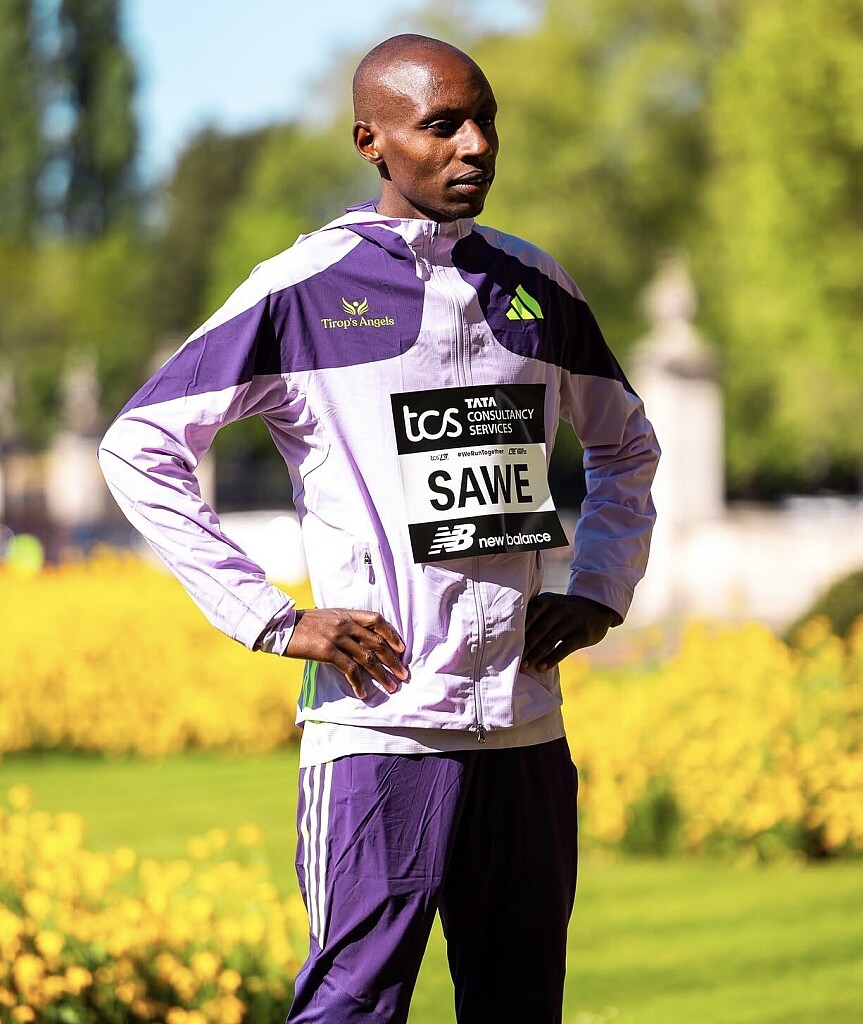
It has been achieved
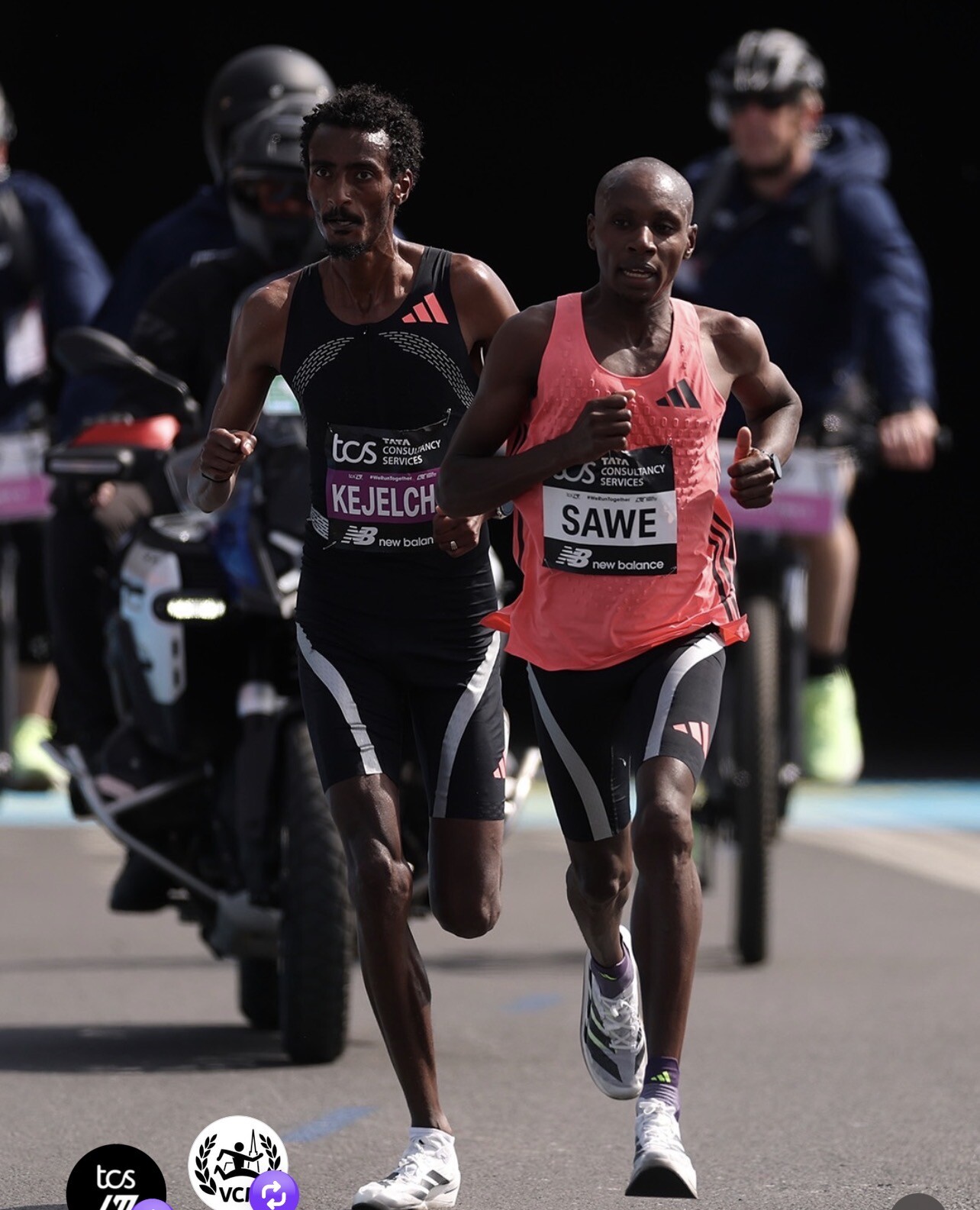
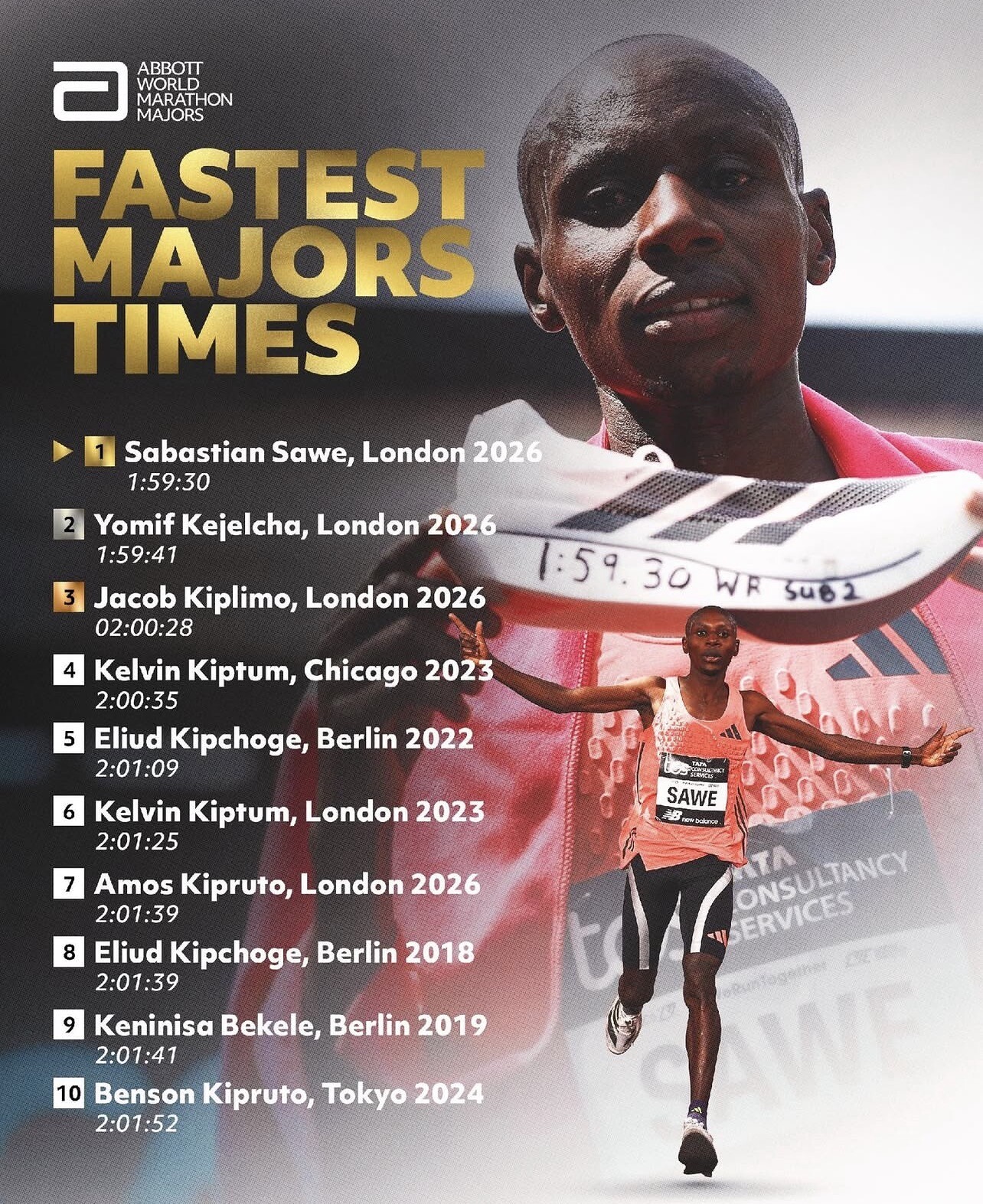
Today in London, Sabastian Sawe didn’t just win the marathon—he broke the barrier, clocking an incredible 1:59:30.
His splits tell the story of something truly special:
5K – 14:14
10K – 28:35
15K – 43:10
20K – 57:21
Half – 60:29
25K – 1:11:41
30K – 1:26:03
35K – 1:39:57
40K – 1:53:39
Finish – 1:59:30
And it wasn’t just one man today. Yomif Kejelcha finished second in 1:59:41—also under two hours in his marathon debut.
On the women’s side, Tigst Assefa delivered a performance of her own, setting a women-only world record of 2:15:41.
We’ve talked about moments like this for years. Today, it all came together.
— Bob Anderson
by Bob Anderson Publisher My Best Runs
Login to leave a comment

TCS London Marathon
Since its inaugural edition on March 29, 1981, the TCS London Marathon has grown into one of the world's most prestigious road races, blending elite competition with an extraordinary charitable legacy. Founded by former Olympic champion and journalist Chris Brasher alongside Welsh athlete John Disley, the event has been staged every year and has been held in the spring annually...
more...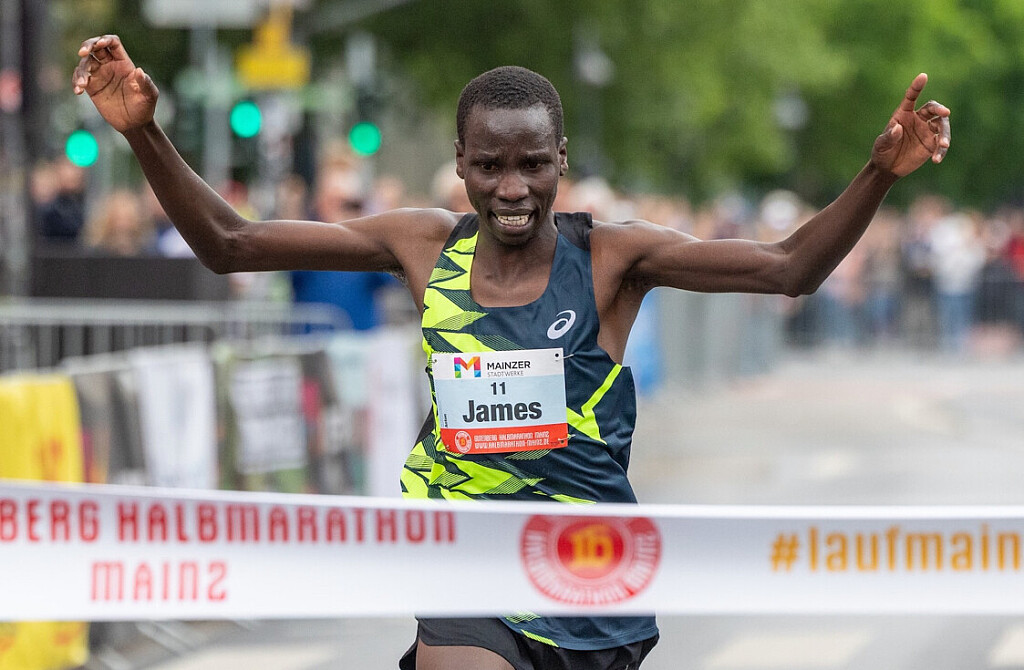
Kipkurui and Chemtai Set Course Records at Gutenberg Mainz Half Marathon
The Gutenberg Mainz Half Marathon delivered fireworks on Sunday as both the men’s and women’s course records were shattered in one of the fastest editions in race history. Kenya’s James Kipkurui and Esther Chemtai claimed impressive victories, establishing Mainz as Germany’s second-fastest half marathon behind only Berlin.
In a thrilling debut, 23-year-old Kipkurui clocked 60:50, breaking the previous course record by 11 seconds and becoming the first athlete to dip under 61 minutes on the Mainz course. The surprise winner from Eldama Ravine near Eldoret trains under the guidance of 1992 Olympic steeplechase champion Matthew Birir. “This victory comes as a surprise to me,” Kipkurui said after the race. “My next goal now is to improve my time to around 59 minutes.”
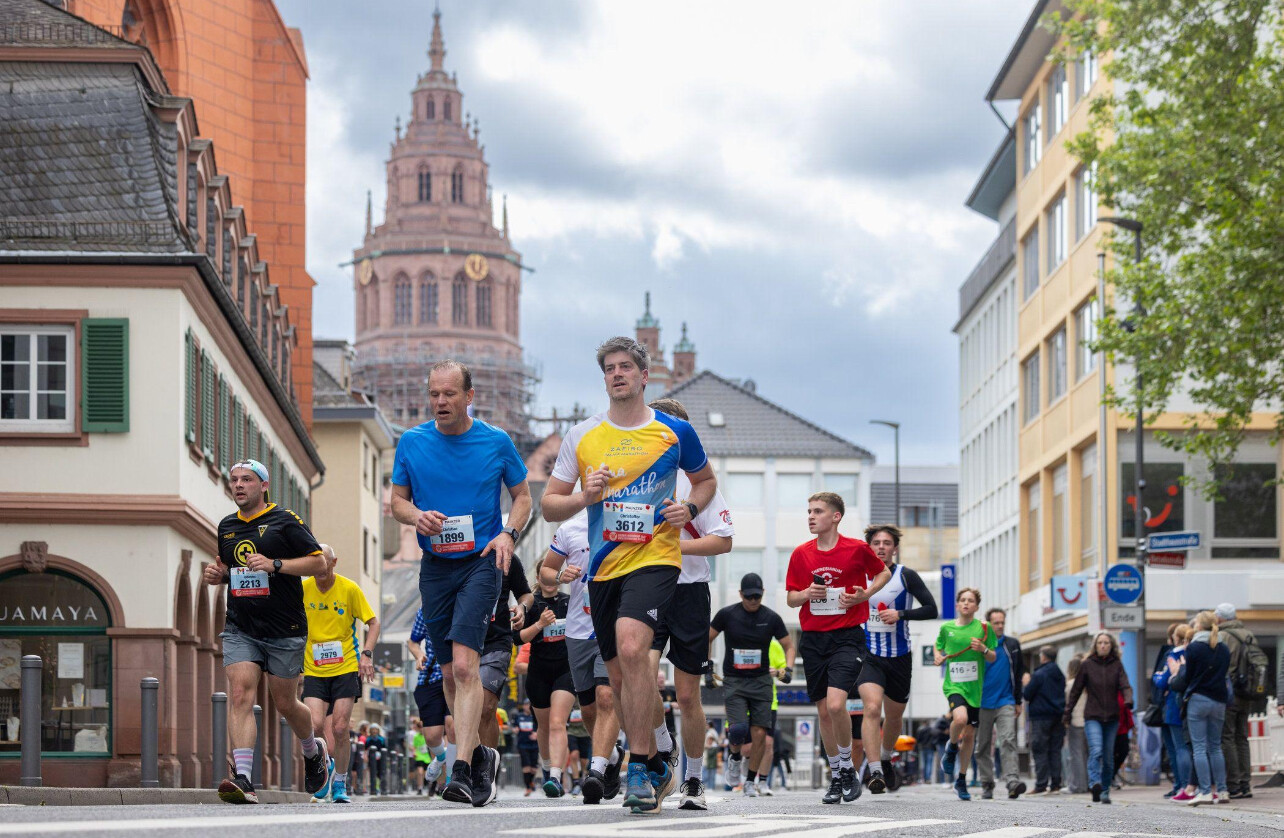
The men’s race began at a blistering pace, with the leaders going through 10K in 28:35, suggesting a sub-60 finish. But as the tempo settled, Kipkurui made his move just before 15K and never looked back. Germany’s national marathon record holder Samuel Fitwi closed strong to finish second in 61:22, narrowly missing his personal best. Kenya’s Joshua Kithuku took third in 61:24.
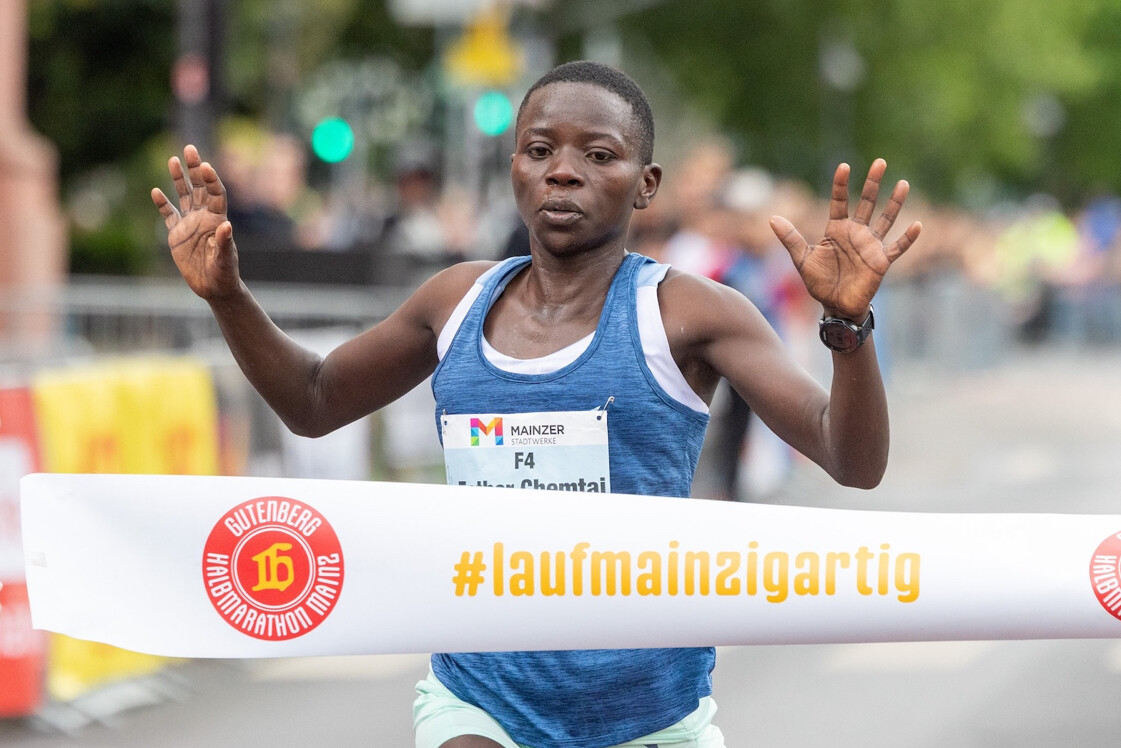
On the women’s side, Esther Chemtai also turned heads with a dominant performance. Running only her second half marathon, the 31-year-old surged ahead with two kilometers to go and crossed the line in 68:52—nearly a full minute faster than the previous course record of 69:46. Chemtai, who trains in the Ngong Hills outside Nairobi, now has her sights set on a sub-67 mark. “It was only my second half marathon and my first time under 70 minutes,” she said. “I will run a marathon in the future, but first I want to get faster in the half marathon.”
Fellow Kenyan Rency Kogo impressed in her debut, finishing second in 69:04, while Belgium’s Hanne Verbruggen ran a personal best of 69:43 to take third. Germany’s Domenika Mayer, who battled early pacing struggles, finished fourth in 69:56—just 10 seconds off her personal best.
The 2025 edition drew over 8,500 participants in the half marathon, with total entries across all events reaching 13,700. With elite performances and deep fields, Mainz continues to solidify its place among Europe’s premier road races.
Top Results
Men
1. James Kipkurui (KEN) – 60:50
2. Samuel Fitwi (GER) – 61:22
3. Joshua Kithuku (KEN) – 61:24
4. Nickson Kogei (KEN) – 62:15
5. Calistus Kitoo (KEN) – 62:19
Women
1. Esther Chemtai (KEN) – 68:52
2. Rency Kogo (KEN) – 69:04
3. Hanne Verbruggen (BEL) – 69:43
4. Domenika Mayer (GER) – 69:56
5. Rita Jelagat (KEN) – 71:44
by Race News Service
Login to leave a comment
Western States 100: Walmsley Wins a Fourth Time While Schide Rocks the Women’s Field
For hours, Katie Schide (pre-race and post-race interviews) chased ghosts. For hours, Jim Walmsley (pre-race and post-race interviews) and Rod Farvard (post-race interview) chased each other. And in the end, after 100 courageous, gutsy miles at one of the world’s most iconic ultramarathons, it was Schide and Walmsley who won a fast, dramatic 2024 Western States 100.
Schide, an American who lives in France, was on pace to break the course record until late in the race, while Americans Walmsley and Farvard battled throughout most of the second half of the race, alternating the lead as late as mile 85.
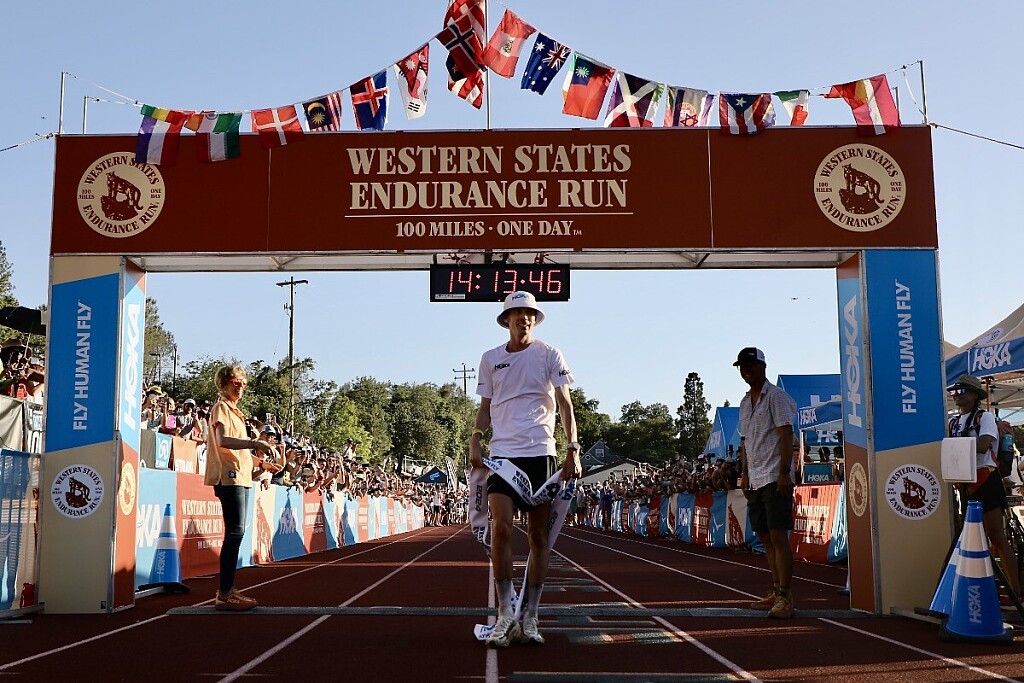
Schide’s winning time was 15:46:57, just over 17 minutes behind Courtney Dauwalter’s 2023 course record, almost an hour faster than her own time last year, and the second fastest women’s time ever. Walmsley, meanwhile, won his fourth Western States in 14:13:45, the second fastest time ever — only behind his own record of 14:09:28 that he set in 2019.
Second and third in the men’s race came down to an epic sprint finish on the track between Farvard and Hayden Hawks (pre-race and post-race interviews), who finished in 14:24:15 and 14:24:31, respectively.
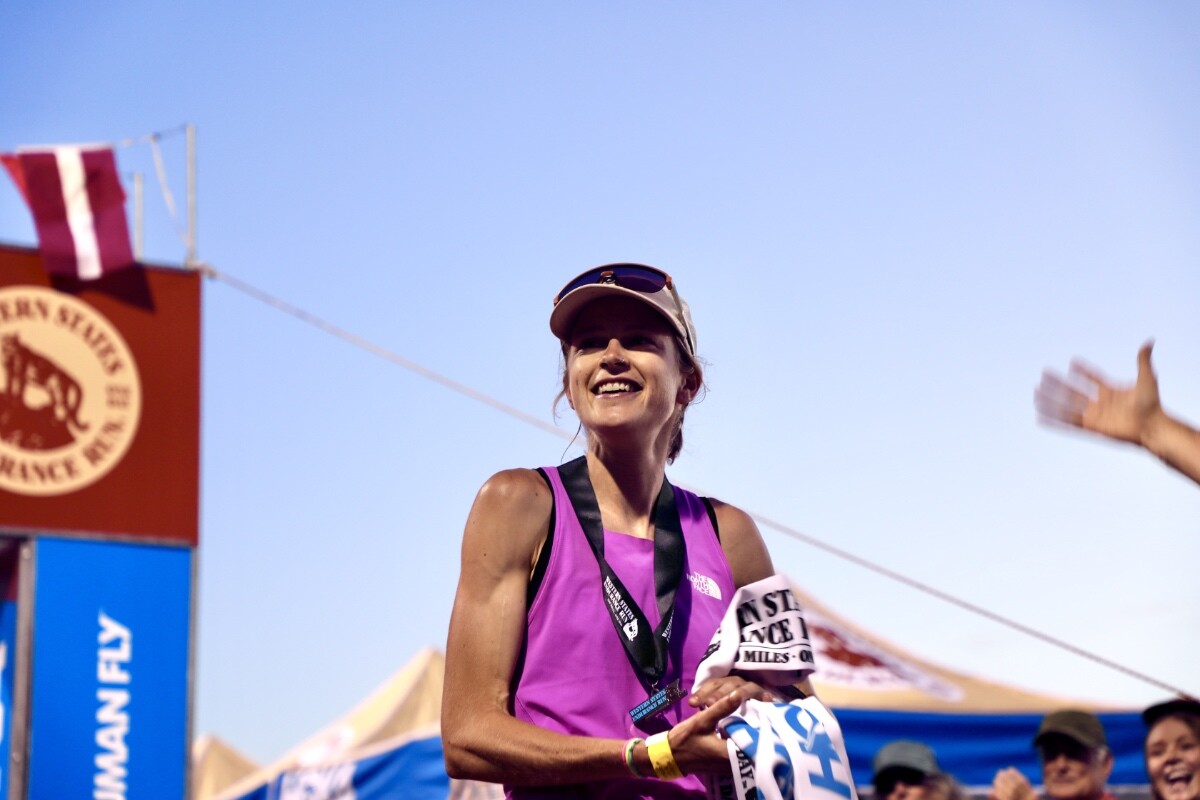
In the women’s race for the podium, Fu-Zhao Xiang (pre-race and post-race interviews) finished second in 16:20:03, and Eszter Csillag (pre-race and post-race interviews) took third for the second time in a row, in 16:42:17.
Both races featured one of the deepest and most competitive fields in race history, with the men’s top five all coming in faster than last year’s winning time, and the women’s top 10 finishing just under 40 minutes faster than last year’s incredibly competitive top 10.
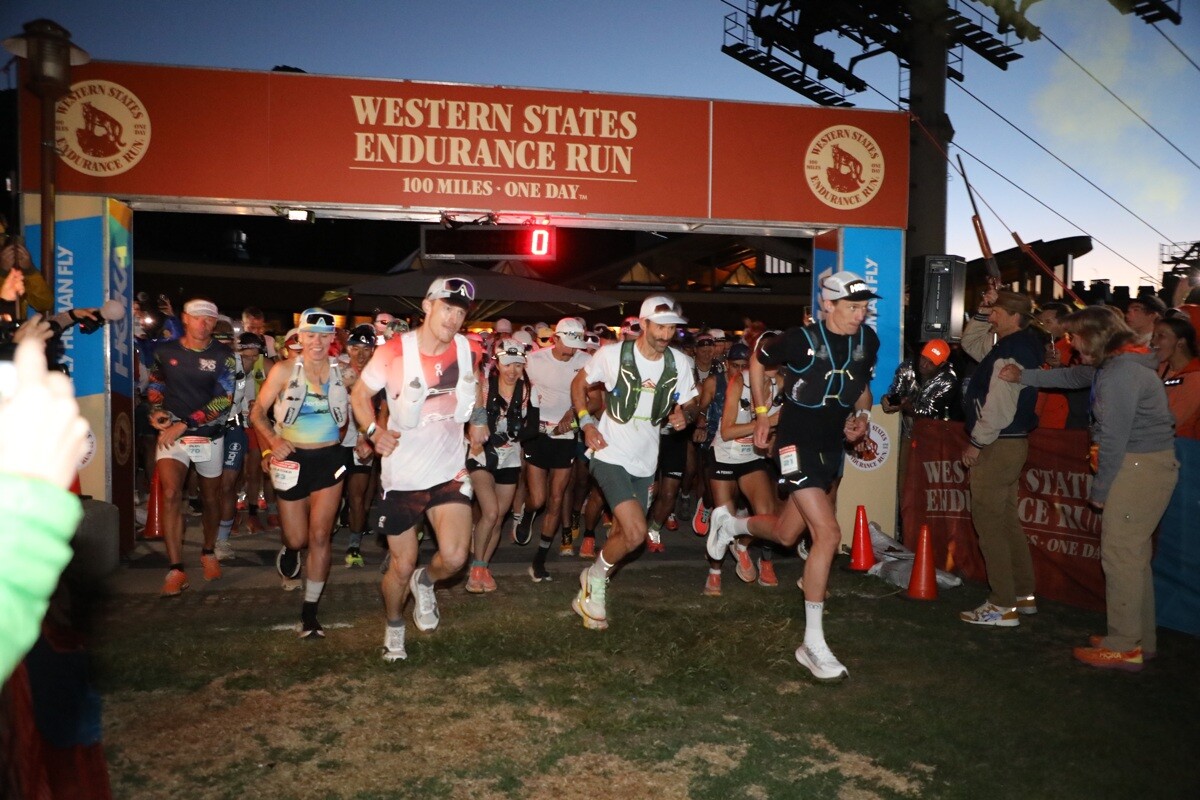
At 5 a.m. on Saturday, June 29, they were all among the 375 runners who began the historic route from Olympic Valley to Auburn, California, traversing 100.2 miles of trail with 18,000 feet of elevation gain and 22,000 feet of loss. After last year’s cool temperatures, the weather at this year’s race was a bit warmer, albeit with a notable lack of snow in the high country. The high temperature in Auburn was in the low 90s Fahrenheit.
A special thanks to HOKA for making our coverage of the Western States 100 possible!
2024 Western States 100 Men’s Race
In his return to the race that propelled him to the heights of global trail running and his first ultra on American soil in three years, Jim Walmsley (pre-race interview) demonstrated why he is, once again, the king of Western States. Before the race, Walmsley exuded a calmness that perhaps eluded him during his first attempts, when he attacked it with an obsessive intensity that led him to famously take a wrong turn and then dropping out in back-to-back years.
“We’ll just roll with what plays out and just kind of see what happens in the race,” he said in his pre-race interview. There’s a marked difference when compared to his remarks from his interview before the 2016 race.
What happened in the race was this: In his fourth Western States, Rod Farvard (post-race interview) had the race of his life to push Walmsley like he’d never been pushed before in his long history with the event.
Farvard — a 28-year-old from Mammoth Lakes, California, who has improved his finish each year at the race, from a DNF in 2021 to 41st place in 2022 to 11th place last year — put himself in a strong position from the start, leading a large pack of runners that included Walmsley at the top of the Escarpment, the 2,500-foot climb in the first four miles of the race. For the next 45-plus miles, Farvard remained in the top 10, part of a chase pack of American Hayden Hawks (pre-race and post-race interviews), Kiwi Dan Jones (pre-race interview), and Chinese runner Guo-Min Deng, among others.
At the Robinson Flat aid station at mile 30 — the symbolic end of the runners’ time in the high country, which features an average elevation of around 7,000 feet — Walmsley, who started the race conspicuously wearing all black, came through in 4:24 looking fast and smooth, now wearing an ice-soaked white shirt. Jones, the 2024 Tarawera 102k champion and fifth-place finisher in his Western States debut last year, and Hawks, who set the course record at February’s Black Canyons 100k after dropping out of last year’s Western States, followed about 90 seconds later. The two runners, frequent training partners, ran together frequently throughout the day, with Hawks often foregoing ice at aid stations.
After the trio of Walmsley, Hawks, and Jones went through Last Chance at mile 43 together, Walmsley put nearly two minutes on them up the climb to Devil’s Thumb. “I was with everybody at the bottom,” he said, according to the race’s official livestream.
About halfway through, at mile 49.5, the order remained the same: Walmsley in the lead with an elapsed time of 6:58, followed by Jones one minute back, Hawks two minutes back, and Farvard just over two and a half minutes back. The rest of the top 10 were last year’s 17th-place finisher Dakota Jones; 2024 Transvulcania Ultramarathon champion Jon Albon (pre-race interview), who is from the U.K. but lives in Norway; 2023 fourth-place finisher Jia-Sheng Shen (China) (pre-race interview); 2023 Canyons 100k champion Cole Watson; Western States specialist Tyler Green (pre-race interview); and Jupiter Carera (Mexico).
Then began a thrilling, chaotic second half of the race — featuring a gripping back-and-forth between Walmsley and Farvard, a wildfire near the course, a two-man river crossing, and a sprint finish on the track.
It all started when Walmsley entered Michigan Bluff at mile 55, again looking calm and in control, changing shirts and getting doused with ice. Farvard came in just behind him and left the aid station first, leading the race for the first time since the first climb up the Escarpment. The same routine took place seven miles later at Foresthill: Walmsley entering first, Farvard leaving first.
For the next 18 miles, the two runners alternated in the lead. By mile 78, they were so close that they were crossing the American River at the same time. Their battle underscored the overall depth of the field at this year’s race: At mile 80, the top five men were within 16 minutes of one another.
Around then, the 15-acre Creek Fire, which started not long before, was visible from the final quarter of the course and crews were temporarily not permitted to travel to the Green Gate aid station at mile 80 because the route to it passed close to the fire. Eventually, a reroute was established for crews to get to Green Gate and, later, after the wildfire was controlled, the regular route was reopened.
At Green Gate, Farvard came through in the lead, with Walmsley four minutes back and looking like he was hurting. It was then, perhaps, that the thought entered people’s minds: Could Farvard really take down the champ?
But Jim Walmsley is Jim Walmsley for a reason, and he again proved why he is among the world’s best. Against the ropes, facing one of his first real challenges in the race that shaped him, he delivered, entering the next aid station, Auburn Lake Trails at mile 85, more than a minute earlier than Farvard. He had made up five minutes in five miles.
Walmsley never trailed again, increasing his lead to 11 minutes by the Pointed Rocks aid station at mile 94 and then picking up his crew, including his wife, Jess Brazeau, at Robie Point to run the final mile with him. He entered the track at Placer High School to loud cheers, his loping stride still looking smooth, stopping a few steps short of the tape to wave to the crowd and raise his arms in triumph. He had done it again.
Behind him, Farvard was fading but determined to cap an extraordinary race with a second-place finish. Hawks, who had made up five minutes on Farvard in the couple miles between Pointed Rocks and Robie Point, was on the hunt, and by the time he stepped on the track, Farvard was within sight.
It was then that fans were treated to one of the most unique sights in all of ultrarunning: After 100 miles of racing, two men were sprinting against each other on a track. In the end, Farvard’s lead held, and he finished 16 seconds ahead of Hawks. He collapsed at the finish line — a fitting end to an epic performance.
Dan Jones ended a strong race with a fourth-place finish in 14:32:29, with Caleb Olson capping an impressive second half of the race — from 11th at mile 53 to fifth in 14:40:12 at the finish. All five men ran a time that would have won the race last year.
Behind Olson came Jon Albon, running 14:57:01 in his 100-mile running-race debut, followed by the surgical Tyler Green, who finished in seventh for his fourth straight top 10 finish at the race. Green’s time of 15:05:39 also marked a new men’s masters course record, breaking the 2013 Mike Morton record of 15:45:21.
Rounding out the top 10 were Jia-Sheng Shen in eighth with a time of 15:09:49, Jonathan Rea in ninth who methodically moved his way up during the last 60 miles to finish in 15:13:10; and Chris Myers in 10th in 15:18:25.
2024 Western States 100 Women’s Race
Through the high country, into and out of the canyons, and along the river of the world’s oldest 100-mile trail race, Katie Schide (pre-race and post-race interviews) raced only the ghosts of the clock and history. Smiling throughout, she seemed unaffected by the solitude and the enormity of the possibility that lay before her: to attempt to break the course record of one of the world’s most iconic trail races.
Schide, an American who lives in France, came into the race as the clear favorite, and for good reason: She finished second last year, breaking Ellie Greenwood’s previously untouchable 2012 course record by more than three minutes and losing to only Courtney Dauwalter, who broke Greenwood’s record by an astounding 78 minutes on her way to a historic Western States-Hardrock 100-UTMB triple win. Schide, winner of the 2022 UTMB and 2023 Diagonale des Fous 100 Mile, spent the last two-and-a-half months in Flagstaff, Arizona, training for Western States, winning this year’s Canyons 100k in an impressive tune-up and putting in a monster training block.
In her pre-race interview, Schide said that she had thought about ways to improve her race from last year, which perhaps should have been the first warning to her competition. The second, then, was her immediate separation from the women’s chase pack: She summited the Escarpment, a 2,500-foot climb during the first four miles, in first place and never looked back. By the first aid station — Lyon Ridge at 10 miles — she was already 12 minutes under course record pace, and by Robinson Flat at mile 30, she was 21 minutes ahead of second-place Emily Hawgood (pre-race interview), from Zimbabwe but living in the U.S.
The lead only ballooned from there. By Dusty Corners at mile 38, Schide was an incredible 26 minutes under course record pace, and though she lost a few minutes from that pace by the time she climbed up to Michigan Bluff at mile 55, her smile had not waned even slightly. She smoothly entered the iconic aid station, doused herself with ice, changed shirts, and was soon on her way. She never sat down.
Twenty-seven minutes behind her was Hawgood, looking to build on back-to-back fifth-place finishes. Eszter Csillag (pre-race and post-race interviews), a Hungarian who lives in Hong Kong, followed soon after, in the same third spot she finished in last year.
After them ran a dense pack of women: Only 16 minutes separated Hawgood in second from Lotti Brinks in 11th.
At the halfway point, the top 10 were Schide, 33 minutes up in an elapsed time of 7:26; Csillag; Hawgood; Chinese runner Fu-Zhao Xiang (pre-race and post-race interviews), the fourth-place finisher at last year’s UTMB; Lin Chen (China); American Heather Jackson, a versatile former triathlete who recently finished fifth at a competitive 200-mile gravel bike race; ultrarunning veteran Ida Nilsson (pre-race interview), a Swede living in Norway; Becca Windell, second in this year’s Black Canyon 100k; 2023 CCC winner Yngvild Kaspersen (Norway); and Rachel Drake, running her 100-mile debut.
Schide, easily identifiable in her pink shirt, maintained her large lead throughout the second half of the race, remaining calm, controlled, and upbeat throughout the tough canyon miles. By Foresthill at mile 62, she was 19 minutes ahead of course record pace and 48 minutes ahead of the second-place Xiang. Schide’s stride still looked smooth as she waved to fans and even high-fived a cameraman.
Schide’s aggressive pace eventually slowed — by Green Gate at mile 80, her lead on the course record had dissipated — but her spirits did not. After a quick sponge bath at Auburn Lake Trails aid station at mile 85, she fell behind course-record pace for the first time all day, only 15 miles remained until the finish.
Schide entered the track a couple of hours later, running with her crew and no headlamp. She would finish before dark. She stopped for a hug on the final straightaway and lifted the tape with, of course, a smile.
Xiang had methodically pulled away from Hawgood and Csillag during an incredibly strong second half to win the battle for second. Fu-Zhao Xiang finished in 16:20:03 for the third fastest time in race history. Chen, who dropped out at mile 78, was one of the few elite runners who had a DNF on this day, which was categorized by a lack of attrition in both the women’s and men’s elite races.
Eszter Csillag came in about 22 minutes behind Xiang in 16:42:17 for her second consecutive third-place finish, a 30-minute improvement from last year — a statistic that perhaps exemplifies the speed of this year’s race better than any other.
The battle for fourth and fifth was nearly as close as Farvard and Hawks’s race for second in the men’s race a couple of hours earlier.
At Pointed Rocks at mile 94, Hawgood led by barely two minutes, running hard and straight through the aid station. Kaspersen, meanwhile, was drinking Coke and made up almost a minute by Robie Point.
Emily Hawgood’s lead ultimately held, and she finished fourth in 16:48:43 to improve her finish from prior years by one spot. Yngvild Kaspersen was less than two minutes back in 16:50:39. Ida Nilsson capped a strong day to finish sixth in 16:56:52 and break Ragna Debats’s masters course record by almost 45 minutes. That means the top six women all finished in under 17 hours in a race that had only ever had three women finish under that mark — and two of them, Dauwalter and Schide, were last year.
The rest of the top 10 were Heather Jackson in seventh in 17:16:43, and, in close succession, Rachel Drake in 17:28:35, Priscilla Forgie (Canada) in 17:30:24, and Leah Yingling in 17:33:54.
The top 10 women were all faster than the 12th-fastest time in race history going into the day.
by Robbie Harms
Login to leave a comment

Hardrock 100
100-mile run with 33,050 feet of climb and 33,050 feet of descent for a total elevation change of 66,100 feet with an average elevation of 11,186 feet - low point 7,680 feet (Ouray) and high point 14,048 feet (Handies Peak). The run starts and ends in Silverton, Colorado and travels through the towns of Telluride, Ouray, and the ghost town...
more...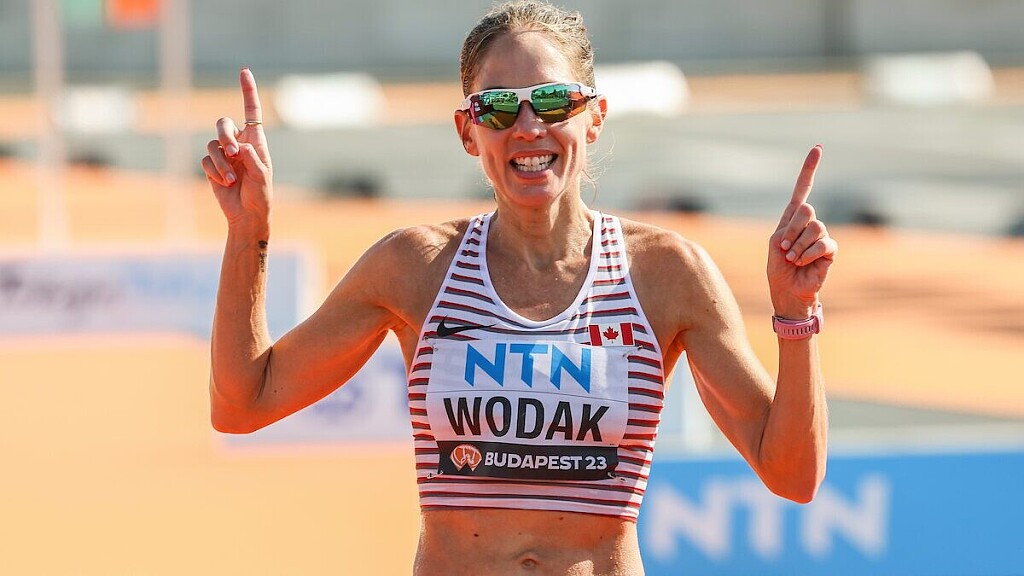
Four Canadian runners to chase Olympic dreams at Houston Marathon
As the 2024 Houston Marathon Weekend approaches, the spotlight is not only on the highly anticipated half-marathon debut of Canada’s Moh Ahmed, but also on the intense competition among four Canadian marathoners aiming to earn the Olympic qualifying standard for the 2024 Paris Olympic Games.
Wodak eyes Olympic standard
Canadian marathon record holder Natasha Wodak leads a strong Canadian contingent in Houston, all chasing the Olympic A standard of 2:26:50. Former national team athletes Leslie Sexton and Lanni Marchant will also be vying for the two available spots on the women’s marathon team.
Wodak holds the fastest Canadian women’s time in the last two years, but her Canadian record of 2:23:12 from the 2022 Berlin Marathon was outside the Olympic qualifying window. Wodak took another shot at achieving the time at the 2023 World Athletics Championships in Budapest, but warm conditions and a tactical race prevented her from earning a spot in Paris (she finished in the top 15, in 2:30:09).
Sexton returns to the marathon after a break from the distance of a year and a half. Sexton ran 2:28 twice in a 10-month period, winning the 2021 Philadelphia Marathon and finishing as the top Canadian at the 2022 World Athletics Championships in Eugene, Ore. ((she finished 13th). With a best of 2:28:35, she would need to shake off almost two minutes to solidify her spot in Paris. But the fast Houston course (which she has raced before) could provide what she needs.
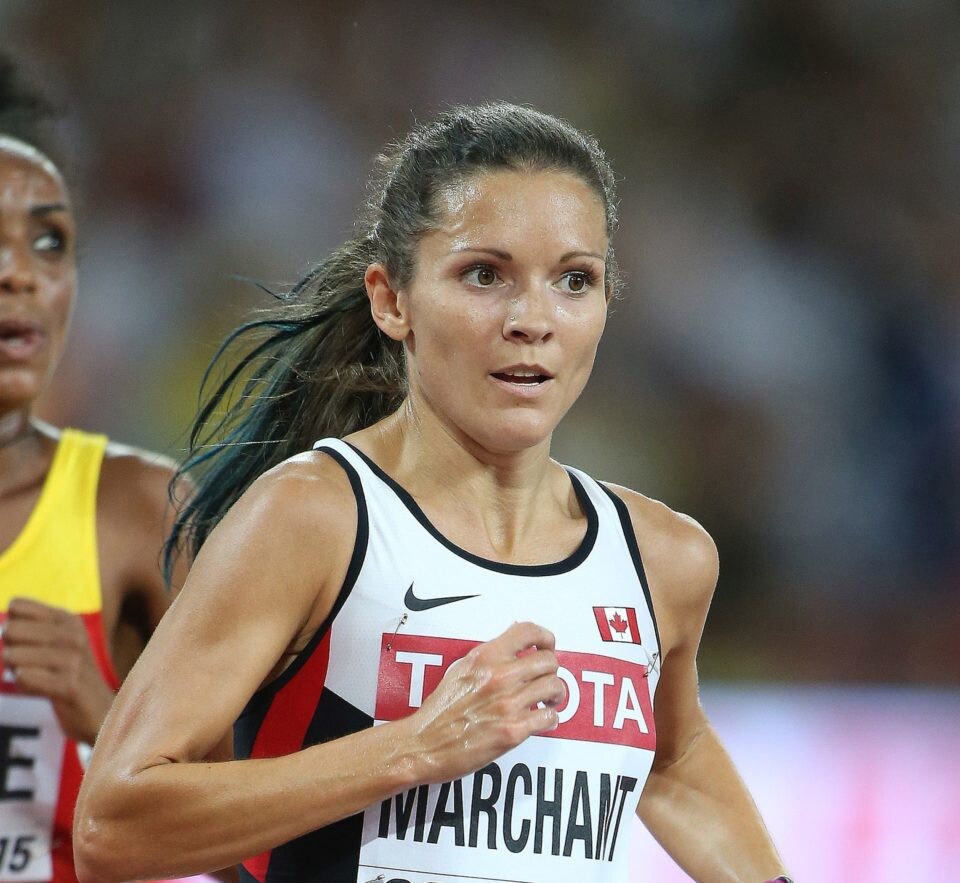
Also returning to the marathon after a long hiatus is 2016 Olympian Lanni Marchant. The London, Ont., native holds a personal best of 2:28:00 from Toronto in 2013, but there are a lot of questions around her fitness, after racing only twice in 2023. Marchant would need a career-best performance to earn her a spot on the Canadian Olympic team for 2024.
Malindi Elmore of Kelowna, B.C., is the only Canadian woman to have achieved the Olympic standard of 2:26:50 at the 2023 Berlin Marathon. Elmore was also the top North American female finisher in 2:23:30, achieving an 80-second personal best.
Ontario’s Tristan Woodfine takes another shot
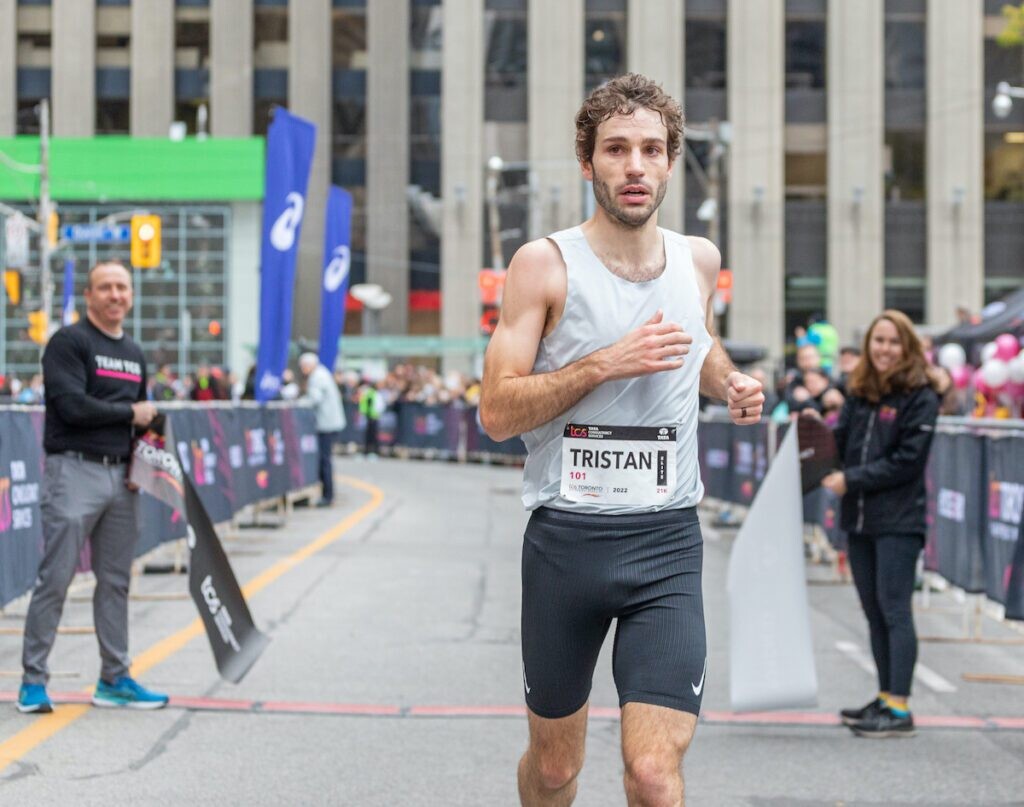
After thinking he had a spot on the Canadian Olympic team for Tokyo, then having it taken from him in the final week of qualifying by Cam Levins and Athletics Canada, Tristan Woodfine is heading to Houston for another shot at his dream of being on Team Canada for the Olympics. Woodfine’s personal best came on a cold and wet day at the 2020 London Marathon, clocking 2:10:51. Since 2020, he has had his struggles with the marathon distance and beating that mark.
After tough luck with the heat and his stomach at the 2022 Ottawa Marathon, Woodfine switched coaches and spent most of the 2023 season building his speed on the roads. He recorded personal bests of 14:05 for 5K and 29:06 for 10K. Only two Canadian men have ever broken 2:10 in the marathon: Trevor Hofbauer and Levins.
Levins cemented his spot on the Canadian Olympic team for Paris at his record-setting run at the 2023 Tokyo Marathon. To this day, he is the only Canadian marathoner to have run under the men’s Olympic A standard of 2:08:10. (He also did so at the 2022 World Championships.)
How to follow
The 2024 Chevron Houston Marathon is scheduled for Jan. 14. It is one of the fastest marathon courses in North America; in 2020, Elmore set the previous Canadian marathon record of 2:24:50 there. The last Canadian marathoner to win the Houston Marathon was Mississauga’s Peter Fonseca, who ran 2:11:52 for the win in 1995.
by Marley Dickinson
Login to leave a comment

Chevron Houston Marathon
The Chevron Houston Marathon offers participants a unique running experience in America's fourth largest city. The fast, flat, scenic single-loop course has been ranked as the "fastest winter marathon" and "second fastest marathon overall" by Ultimate Guide To Marathons. Additionally, with more than 200,000 spectators annually, the Chevron Houston Marathon enjoys tremendous crowd support. Established in 1972, the Houston Marathon...
more...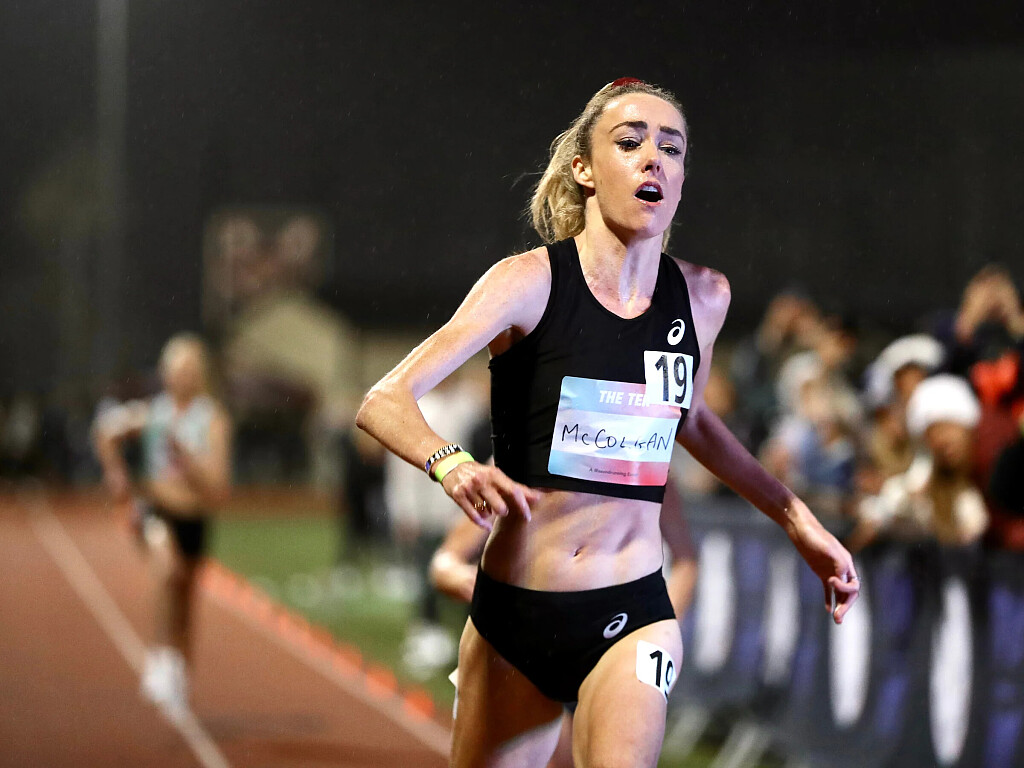
Eilish McColgan (30:00.87) and Alicia Monson (30:03.82) Break National Records At The TEN
The British and American records in the women’s 10,000 meters both went down late Saturday night in California as Eilish McColgan outdueled Alicia Monson over the final lap of The TEN in San Juan Capistrano. McColgan, the Commonwealth Games champion at 10,000 who is building up for her marathon debut in London on April 23, was only added to the field this week but felt confident in her fitness after five weeks of altitude training in Colorado. It proved an inspired decision as she ran 30:00.87 to narrowly break Paula Radcliffe’s British record of 30:01.09 set in August 2002.
A few seconds behind McColgan, Alicia Monson nabbed her second American record of 2023, running 30:03.82 to smash the previous record of 30:13.17 set by Molly Huddle in the 2016 Olympic final in Rio. Three weeks ago, Monson ran 8:25.05 at the Millrose Games to break the American indoor (and overall) record for 3,000 meters.
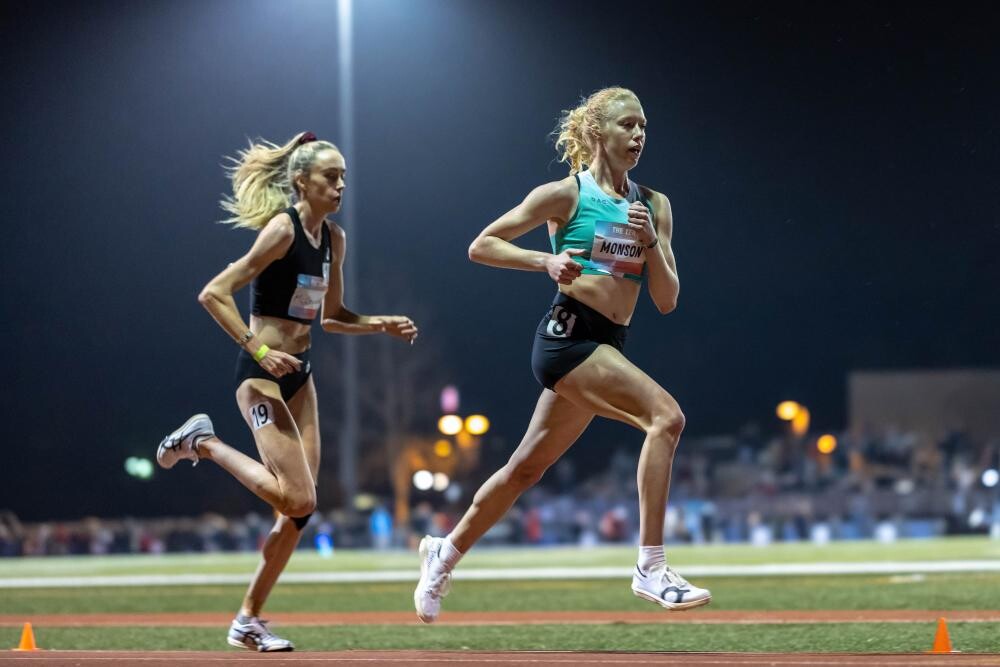
Both women were also safely under the 30:40 standard for the 2023 World Championships and 2024 Olympics on a good night for running fast (50-degree temps, still conditions).
Monson and her camp had billed the race as an American record attempt and they enlisted her On Athletics Club teammate Josette Andrews (a 14:51 5k runner) to handle pacing duties, along with Eleanor Fulton. When Andrews dropped out at 5k (15:09 for McColgan and Monson), they were actually a few seconds behind AR pace, but Monson took over and righted the ship, dropping the pace from 73-second laps to 72’s, then 71’s. By the bell, which Monson reached in the lead thanks to a 70.45 penultimate lap, the question was not whether the AR would go down, but whether either woman would break 30:00 – and of course, who would win the race?
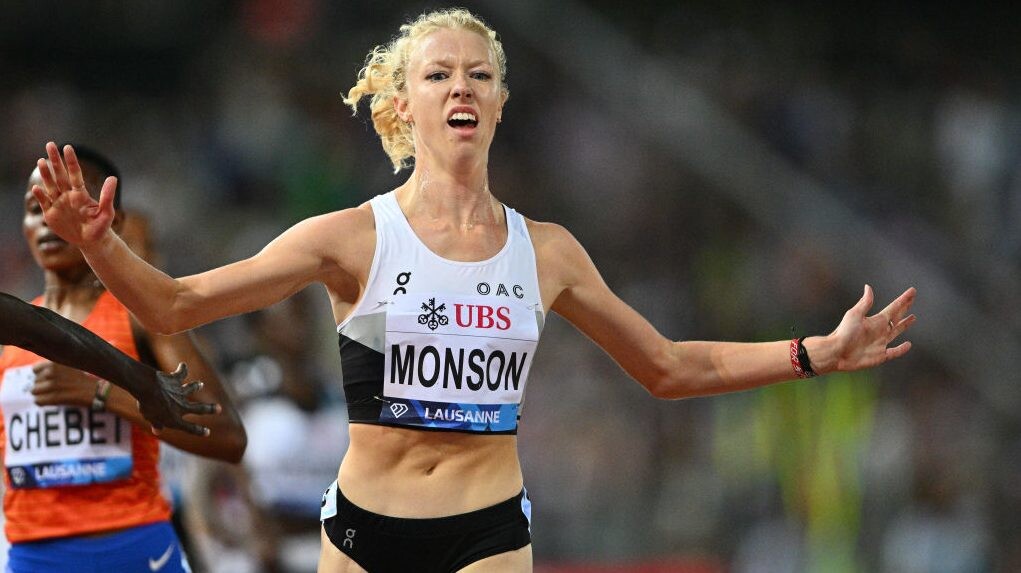
McColgan, who had clung faithfully to Monson throughout the race, finally went wide on the backstraight of the bell lap and passed Monson, and the American had no response as McColgan powered to victory with a 64.87 last 400m. Monson could not match that speed, closing out her effort in 67.99, and though she did not win, her American record was very well-deserved after so much grinding from the front.
No one else earned the World/Olympic standard, but a trio of Americans earned big personal bests in 3rd-4th-5th. Running just her second 10k, 2021 NCAA 5k champ Elly Henes won the battle for 3rd in 30:48.26 to edge 2022 Worlds team member Natosha Rogers (30:48.69) as both women moved ahead of Emily Sisson (30:49.57) and Deena Kastor (30:50.32) into 6th and 7th on the all-time US list. Rogers’ Puma Elite teammate Fiona O’Keeffe also got a pb in 5th, running 30:55.05 to become the 11th American woman to go sub-31.
Results (Analysis at bottom)
1 Eilish McColgan Asics 30:00.86 #$WRLD
2 Alicia Monson On Athletics Club 30:03.82 #$WRLD
3 Elly Henes Adidas 30:48.26
4 Natosha Rogers Puma Elite 30:48.69
5 Fiona O’Keeffe Puma Elite 30:55.05
6 Laura Galvan Hoka 31:04.08
7 Dominique Scott Adidas 31:14.00
8 Carrie Verdon TEAM Boulder 31:52.94
9 Susanna Sullivan unattached 31:55.80
10 Amy Davis-Green Hansons-Brooks ODP 32:10.59
11 Katie Izzo Adidas 32:22.47
12 Jeralyn Poe Tracksmith 32:39.10
Men’s race
The men’s race came down to a battle of the last two US 10,000-meter champions: Woody Kincaid and Joe Klecker. Just as he did five weeks ago over 5,000 meters in Boston, Kincaid earned the victory, though he made his move slightly earlier this time around, taking the lead with 900m to run and holding off Klecker on the last lap, closing in 55.96 to Klecker’s 56.92 as Kincaid ran 27:06.37 to Klecker’s 27:07.57. Both men ran personal bests (they now sit #5 and #7 on the all-time US list) and both hit the 2023 World Championship standard of 27:10, but neither was able to earn the Olympic standard of 27:00.
Klecker and Kincaid both went in with the aim of hitting the Olympic standard and joining Grant Fisher, Galen Rupp, and Chris Solinsky as the only American members of the sub-27:00 club. Klecker’s OAC teammate Ollie Hoare was the main pacemaker (though there were several: Ehab El-Sandali, Amon Kemboi, and Athanas Kioko all helped out) and he took them through 5k in 13:35, at which point British Olympian Sam Atkin, running with the lead pack, surprisingly dropped out.
When Hoare stepped off after covering 6400m in 17:23.90 (27:11 pace), sub-27:00 was within striking distance. But Klecker, despite working hard, could not increase the pace, and Kincaid showed no interest in sharing the lead despite Klecker motioning for him to do so.
By a mile to go, Klecker and Kincaid had dropped everyone else, and Kincaid, sensing the World standard slipping away, hit the front with 900 to go. Klecker stuck right with him, however, and it wasn’t until the final turn that Kincaid was able to gain real separation as both men closed well to get under the World standard – though not the Olympic standard.
Kioko, who stayed in the race, was the best of the rest, running 27:23.84 for 3rd, holding off Conner Mantz, who ran 27:25.30 in the midst of his Boston Marathon buildup (just .07 off his personal best from this meet last year).
Results (analysis below results) *Lap by lap splits
1 Woody Kincaid Nike 27:06.37 WRLD
2 Joe Klecker On Athletics Club 27:07.57 WRLD
3 Athanas Kioko pacer 27:23.84
4 Connor Mantz Nike 27:25.30
5 Jonas Raess On Athletics Club 27:26.40
6 Ren Tazawa Komazawa Univ 27:28.04
7 Nils Voigt Puma 27:30.01
8 Sam Chelagna US Army WCAP 27:38.02
9 Luis Grijalva Hoka 27:42.56
10 Alex Masai Hoka NAZ Elite 27:42.80
11 Wesley Kiptoo Hoka NAZ Elite 27:45.81
12 Ben Flanagan On Running 27:49.67
13 Kanta Shimizu Subaru 27:51.23
14 Benjamin Eidenschink unattached 27:51.74
15 Tatsuhiko Ito Honda 27:54.64
16 Aaron Bienenfeld unattached 27:55.96
17 Ahmed Muhumed unattached 27:56.99
18 Frank Lara Altra/Roots Running Project 28:00.75
19 Emmanuel Bor unattached 28:01.09
20 Alberto Gonzalez Mindez Guatemala 28:30.63
21 Zach Panning Hansons-Brooks ODP 28:35.52
Login to leave a comment

The Ten
The world's fastest 10,000m races each year have taken place in a sleepy little coastal town in southern California. More national records were broken in 2022 than any other race on the planet as the best in the western hemisphere launched into rarified zones of time and space. The best return to San Juan Capistrano this year to cap off...
more...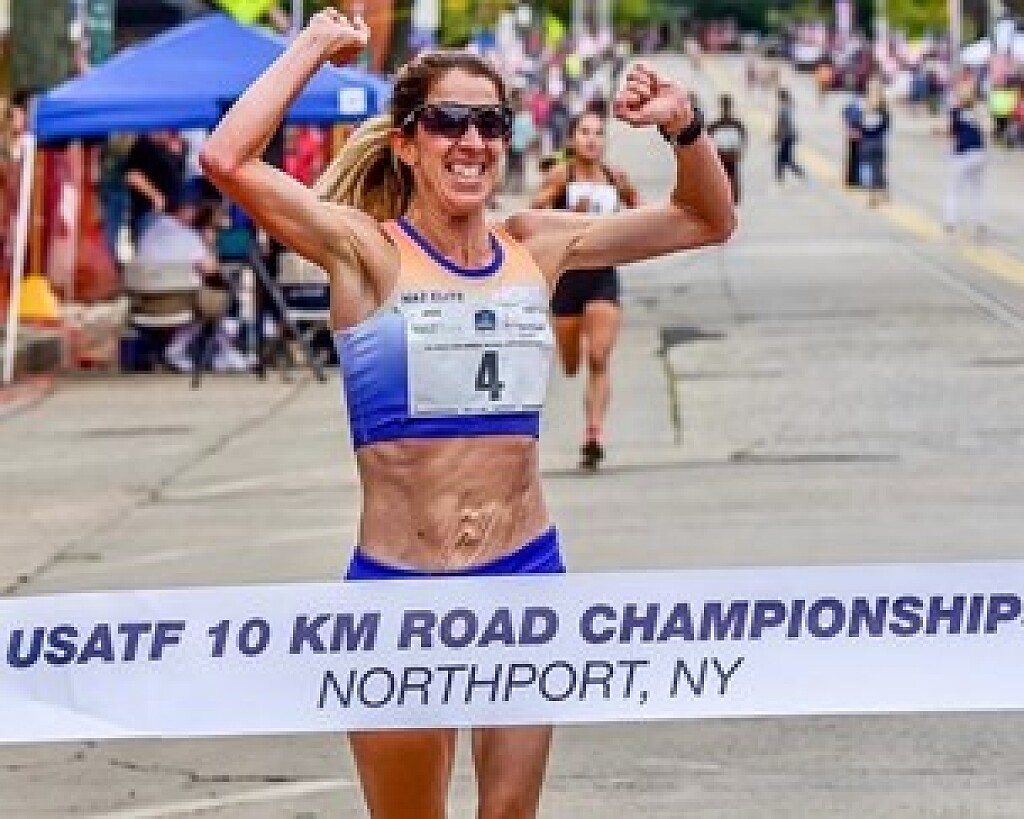
SIMBASSA, BRUCE VICTORIOUS AT THE USATF 10 KM ROAD CHAMPIONSHIPS
Abbabiya Simbassa ran an incredible final mile on the men’s side, while Stephanie Bruce used a furious kick to the finish in the women’s race, both claiming victory Saturday morning in Northport, New York at the USATF 10 km Road Championships presented by Toyota.
The USATF 10 km Road Championships was the ninth stop on the 2022 USATF Running Circuit presented by Toyota.
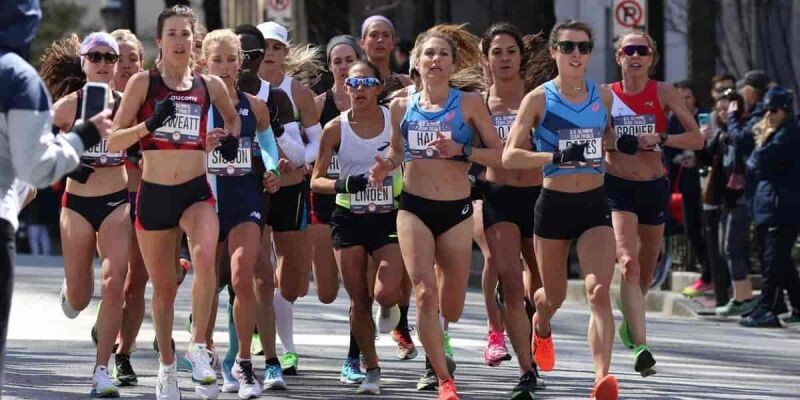
As the starting cannon sounded, the men’s field immediately strung out along the streets of Northport, with Jacob Thomson pushing the pace and taking over the early lead. The honest early pace kept the front pack small, with Thomson being joined by Sam Chelanga, Simbassa, and Korir, with a few second gap back to the rest of the field. With the halfway point in sight, Thomson opened a small lead over the rest of the lead quartet, passing through the 5 km mark in 14:21 and earning a half-way bonus.
Chelanga and Simbassa passed through two seconds back in 14:23, with Korir coming through 5 km in 14:27. Thomson would fall off pace shortly after halfway, with Simbassa and Chelanga taking over the pacing duties and pushing the pace over the next mile.
Korir sat just behind in third. With less than two miles to go, Simbassa pushed the pace and opened an immediate gap on Korir and Chelanga. Simbassa continued to push over the next mile, opening a nearly 20-second lead heading into the final mile of the race.
Over the final mile, Simbassa maintained both pace and form, extending his lead ever so slightly, on his way to claiming his third USATF Running Circuit title, crossing the finish line in 28:12, a new course record. Behind Simbassa, Korir and Chelanga waged an epic kick to the finish, with Korir pulling ahead by a step in the final meters to claim second overall in 28:34, while Chelanga placed third in 28:35.
Dillon Maggard, Futsum Zienasellassie, and Tai Dinger ran much of the race together Saturday, but in the end, it was Maggard pulling away in the final mile to claim fourth in 28:45. Zienasellassie earned another top-five finish on the USATF Running Circuit season with his fifth-place effort in 28:55, while Dinger finished a second behind in sixth in 28:56. Geoffrey Kipchumba claimed seventh overall in 29:00. Thomson slid back to eighth overall in 29:19. Ryan Kutch and Brian Barraza rounded out the top ten in 29:28 and 29:34.

With Korir’s runner-up finish, his second of the USATF Running Circuit season, he elevated himself to an even more dominant first-place standing, with a 104 point total. Zienasellassie’s fifth-place effort added another six points to his standings total, giving him 56.5, sitting in second place overall. Chelanga’s third-place finish moved up into third place overall in the standings with 42 points.
Early in the women’s race, a pack of four women pulled away from the field, establishing a pace that no one else could manage. Bruce, Annie Frisbie, Nell Rojas, and Ednah Kurgat formed a tight pack and worked with one another along the streets of Northport.
The quartet came through the halfway point mark in 16:05, all four looking strong and able to handle the fast pace. Little changed among the top four until the final mile and a half, when Kurgat started to dip off the back of the pace, while the other three charged ahead, seemingly only a matter of time before someone made a move to try and break open the race.
Over the final mile, Bruce charged to the lead, ramping up the pace, a move that would prove decisive. Bruce pulled away from Rojas, Frisbie, and Kurgat, and never looked back, raising her arms as she crossed the line while earning her second USATF 10 km Road title and her third USATF Running Circuit victory of her career.
Bruce finished first in 31:52, while also breaking the course record. Rojas was able to break free of Frisbie and Kurgat in the final 800m to place second in 31:56, while Frisbie finished two seconds back in 31:58 and Kurgat seven seconds back in 32:03, as the two placed third and fourth, respectively.
With her runner-up effort, Rojas added 12 more points to her USATF Running Circuit standings total, giving her 33 points overall. That addition moves Rojas up into sole position of third overall, a half point ahead of Aliphine Tuliamuk, but still well behind USATF Running Circuit standings leaders Emily Sisson and Keira D’Amato, who are tied for first with 55.5 points.
After the top four women, there was a race for fifth happening over the back half of Saturday’s contest. In the end it was Emma Hurley pulling away from the field in the final mile, racing to a fifth-place finish in 32:49. Hurley finished just ahead of Amy Davis and Molly Grabill, who ran to sixth and seventh place finishes in 32:52 and 32:54. Erika Kemp, who owned the previous course record, placed eighth overall in 32:59. Carrie Verdon took home ninth place in 33:05 and Anne-Marie Blaney earned tenth in 33:21.
Next up on the USATF Running Circuit is the USATF 10 Mile Championships presented by Toyota, which take place on Sunday, October 2 in Minneapolis, hosted by the Medtronic TC 10 Mile.
Login to leave a comment
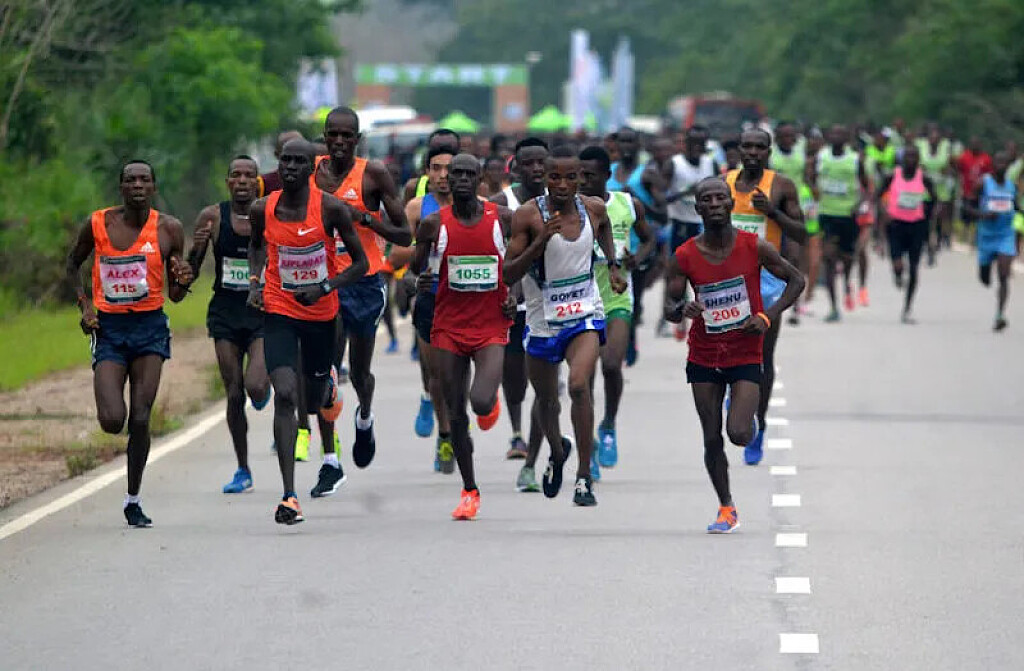
New Course Record expected at 8th Okpekpe 10km Road Race
the eighth edition of the Okpekpe International 10km road race, organisers of the historic event have predicted a new men’s course record.
Ethiopia’s Teshome Mekonnen ran 28:35 minutes to set the men’s course record at the second edition of the race in 2014.
Race director, Zack Amodu, says the new rules guiding the invitation of athletes and the quality of the elite cast so far confirmed for the race point to only one direction: a new men’s and probably women’s course records come May 28, 2022, in Okpekpe.
‘One of the requirements for World Athletics elite label races is that each race must have at least five athletes per gender, irrespective of their country or territory representation, who have recorded in 2020, 2021, or 2022 at least one World Athletics legal performance within the standard set for the classification,’ said Amodu.
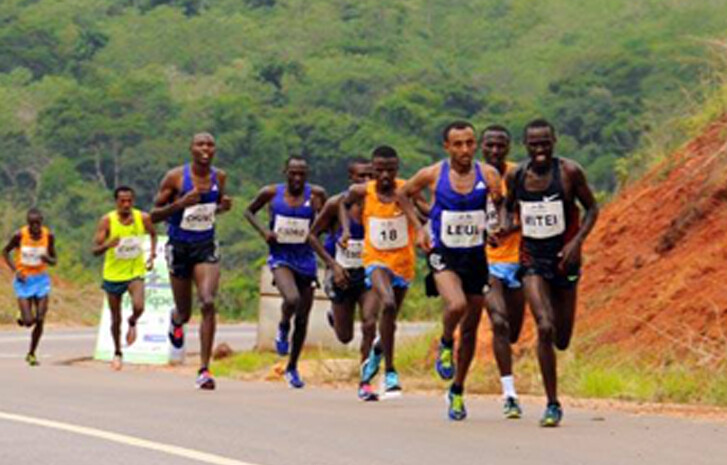
“For a World Athletics elite label 10km race, the standard for men is 28.27 minutes while for women it is 33.07 minutes.
“The standard for men is better than the 28.35 minutes record set in 2014 and to have at least five athletes who have run faster than that within the last three years among the elite cast for the Okpekpe race, your bet is as good as mine.”
Amodu is also confident a new women’s course record also looks achievable judging by the quality of the cast of elite women who will be in Okpekpe on May 28.
“This year’s race promises to be very explosive as far as the actions over hills and tarred roads, starting from Apana Road and ending in Okpekpe town,” added Amodu who says the quality of the organisation is never in doubt.
“For the race to be classified as one of the World Athletics elite label races, it means the organizational ability of the organisers has passed all the required tests.
‘For the avoidance of doubt, a World Athletics label denotes high standards in event organisation, safety and runner experience, application of World Athletics rules and regulations and in particular the competition and technical rules,’ said Amodu.
The historic Okpekpe International 10km Road Race is organised by Pamodzi Sports Marketing, a leader in sports marketing, sponsorship, hospitality, and rights acquisition business with operations in Nigeria.
It is the first road race in West Africa to be granted a label rating (bronze) and the first in West Africa to be upgraded to a silver label race.
Login to leave a comment

Okpekpe Road Race 10km
The Okpekpe Road Race invites world-class runners from around the world in a tradition tointermix local recreational and up and coming runnerswith the best of the best. Invitation extended to all CAA Member Federations, all military and para-military have sent in entries. Okpekpe is more than just a collection of fertilefarmlands or a window into the past, it is a...
more...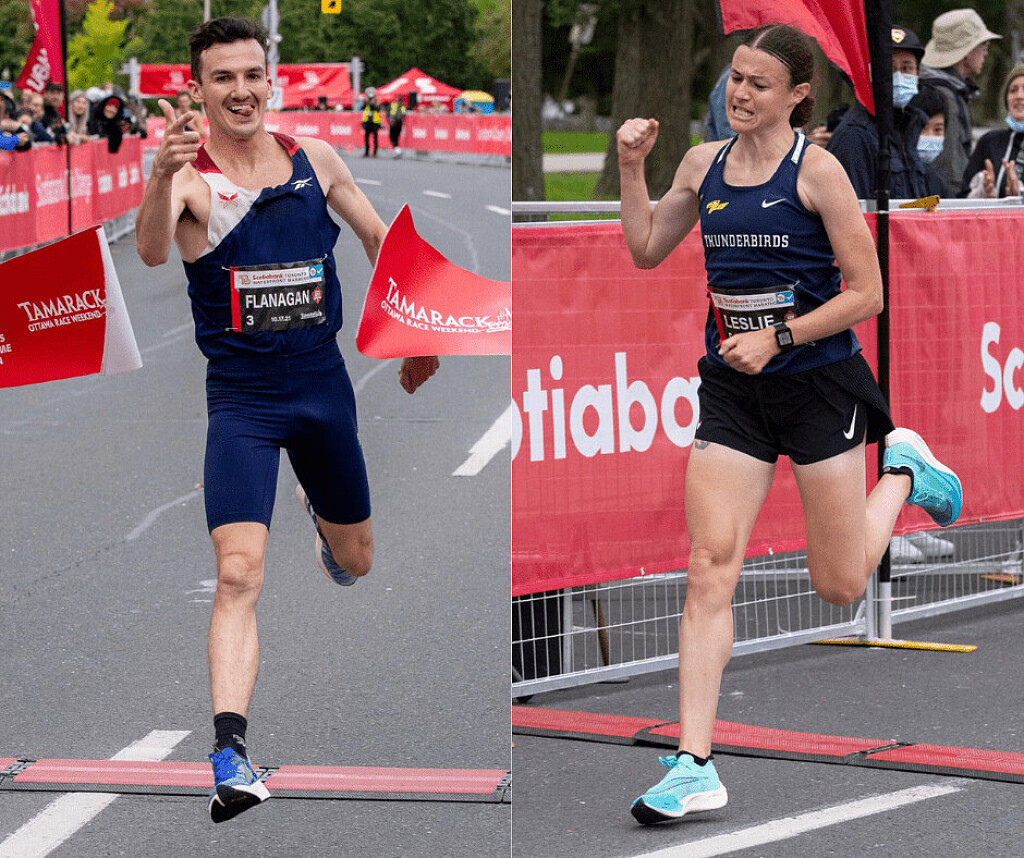
Ben Flanagan and Leslie Sexton will defend Canadian 10k titles in Ottawa on May 28th
Ben Flanagan and Leslie Sexton will now defend their 2021 crowns on May 28th, 2022, at the Ottawa 10k presented by Otto’s Ottawa.
Owing to COVID restrictions – which delayed in-person racing – the Athletics Canada Canadian Championships were held in October 2021 in Toronto rather than in Ottawa last May. Flanagan raced to a 28:42 victory on the waterfront and Sexton, although crossing the line second on the day, was also crowned national champion.
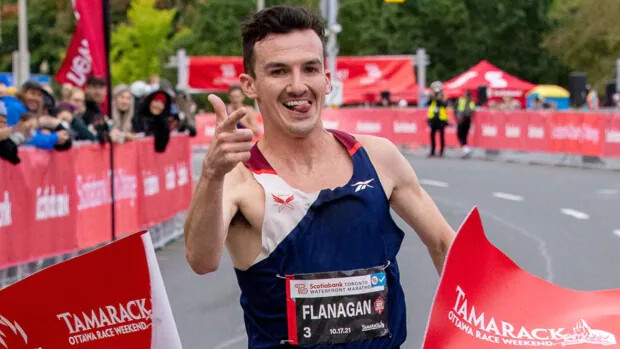
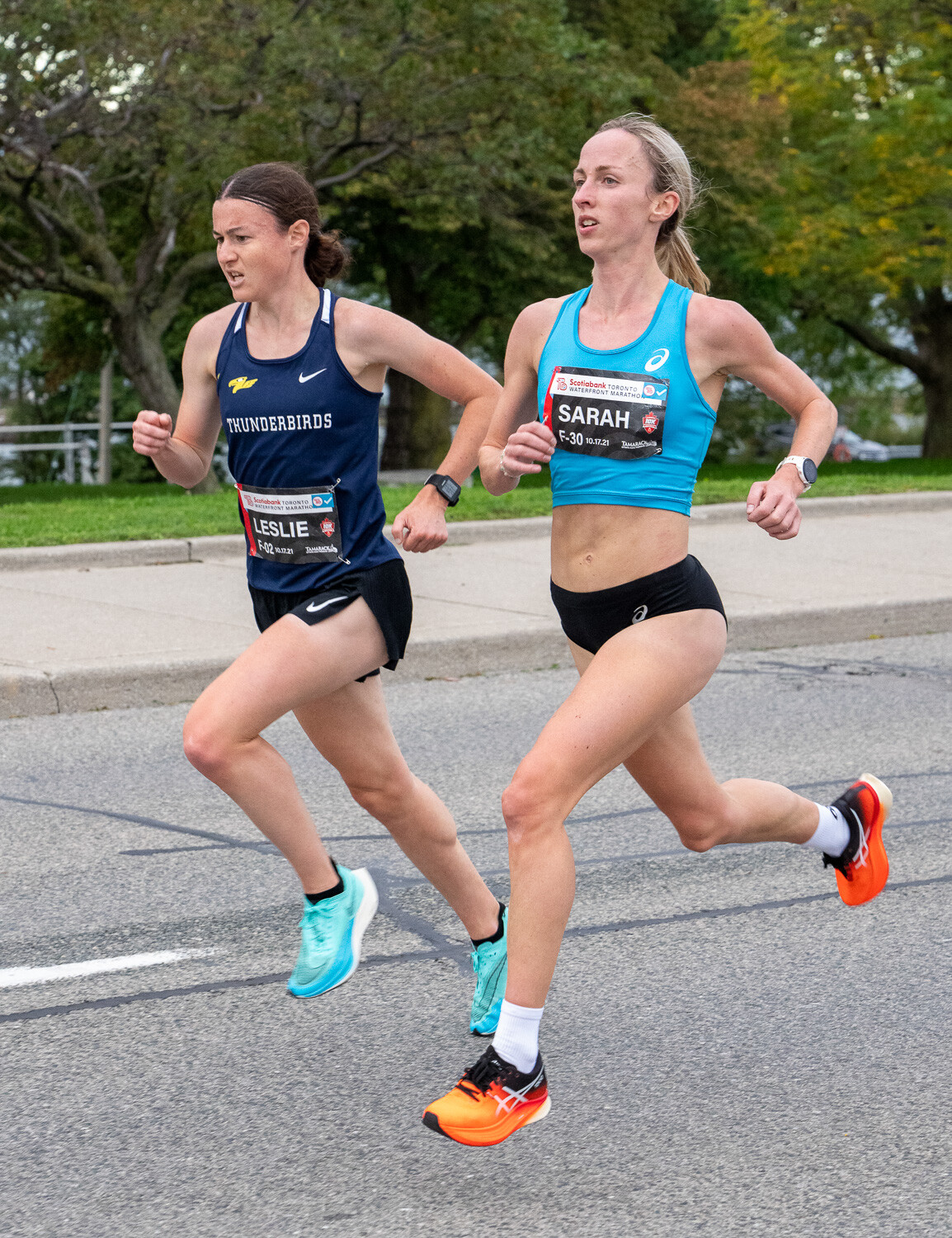
Scottish guest runner Sarah Inglis finished first but was ineligible for the prize money and the title. Sexton, who has relocated to Vancouver following several years in Kingston, Ontario, ran a personal best of 32:04. A month later she significantly lowered her best marathon time to 2:28:35 when she won the Philadelphia Marathon.
This time around Flanagan will face stiff competition from not only Luc Bruchet, a two-time Canadian Olympian at 5,000m, but also from Rory Linkletter, who is having a stellar season.
After breaking the Canadian Half Marathon record with a 1:01:08 clocking in Houston on January 16th – and finishing 20 seconds ahead of Flanagan – Linkletter ran 28:43 at the Cooper River Ridge Run 10k on April 2nd. In between those fine performances, he confirmed he has the speed to match Flanagan with an indoor 3,000m personal best of 7:49.13. That was recorded in Louisville, Kentucky on February 12th.
Linkletter, who lives and trains in Flagstaff, Arizona, parted ways with Hoka’s Northern Arizona Elite group last December to train with American marathon great Ryan Hall.
Bruchet was runner-up in that 2021 Toronto championship race with a time of 28:49. On April 24th, the 31-year-old from Vancouver set a new personal best of 28:29 in winning the Vancouver Sun Run 10k, which is a result that should cause Flanagan some concern.
Complicating his title defense a little further, Flanagan is coming back from six weeks of rehabilitation on a broken toe. But with a month of solid running, he surprised many by successfully completing a 1,500m/5,000m double at the Jesse Owens Track Classic in Ohio. He ran 3:44.98 and 14:10.07 with just ninety minutes between.
by Christopher Kelsall
Login to leave a comment

Ottawa 10K
Ottawa's course is fast, scenic and few elevation changes. Considered to be an excellent course for first timers and should provide an environment conducive to setting a PR. The Ottawa 10K is the only IAAF Gold Label 10K event in Canada and one of only four IAAF Gold Label 10Ks in the world. The Ottawa 10K attracts one of the...
more...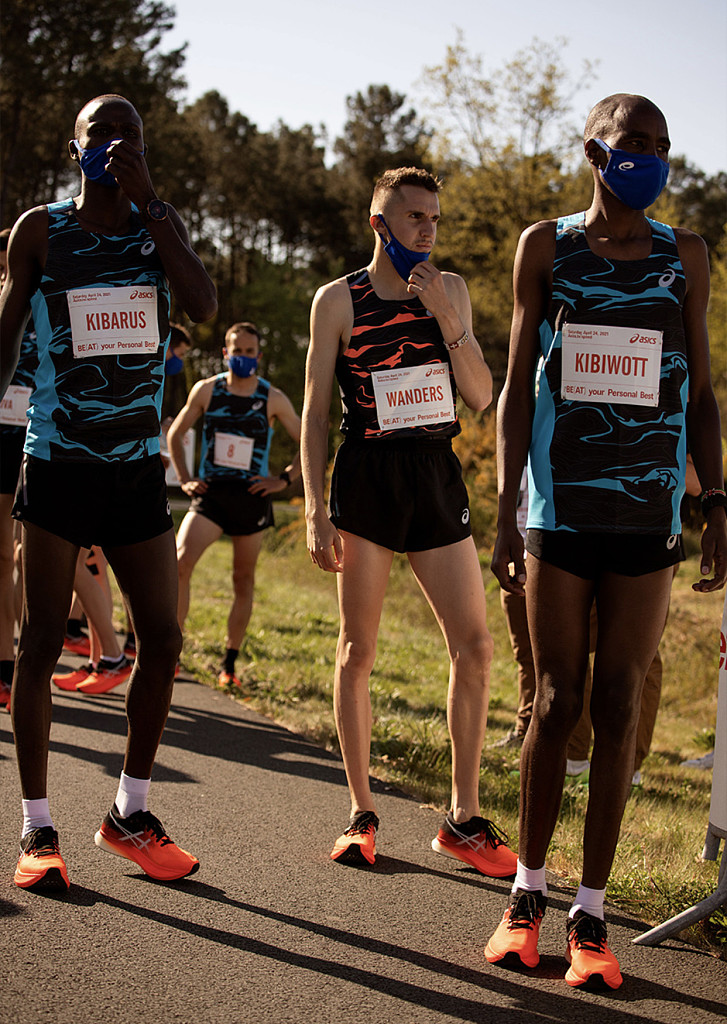
How COVID-19 has changed the Face of Running
Behind the scenes of ASICS’ “BE(AT) Your Personal Best” event.
It’s 8:00 am in the French woodland area of Morton, Domaine du Bois aux Daims, on April 24. Situated almost 300 miles from the country’s capital, a select group of Europe’s top runners, including Julien Wanders and Sondre Nordstad Moen, ponder at the start line of ASICS’ “(BE)AT Your Personal Best”, with some preparing for their first taste of competitive running in almost a year.
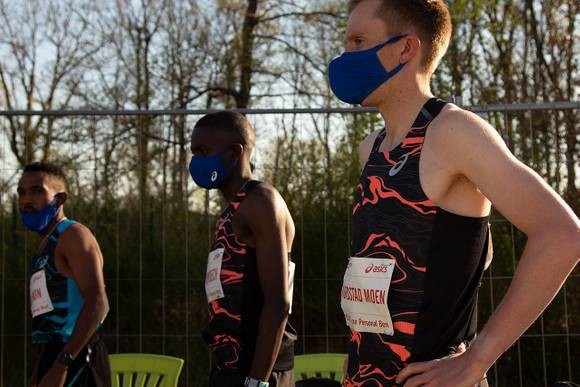
Lanyard-wearing event organizers disguised behind heavy-duty facemasks scurry around frantically with walkie-talkies and clipboards in hand, as a select few press and photographers scout out the best view points along the course.
While, from the outside, it might look like any other pre-race meet, the events past year have made things a lot more complex.
Of course a return to a resemblance of normal doesn’t come without its barriers. Following a number of elite-only events like last year’s London Marathon, a handful of behind-closed-doors championships have taken place across the world, many of which have resulted subsequent positive COVID tests. Such is the worry, more recently with the Tokyo Olympicsjust a few months away, both the Jamaican and U.S. relay teams joined a host of others in withdrawing from the upcoming World Relay Championships.
(Photos by Anne-Sophie Soudoplatoff)
This trial and error approach to the now-successful return of athletics has created many barriers to overcome for an event to go ahead which can be both time-consuming and costly — something of an issue to a sport renowned for its severe underfunding in a vast majority of countries. Such barriers, though, for ASICS(TOKYO:7936.T +0.68%) are seen more as a hurdle — and one they’re keen to clear.
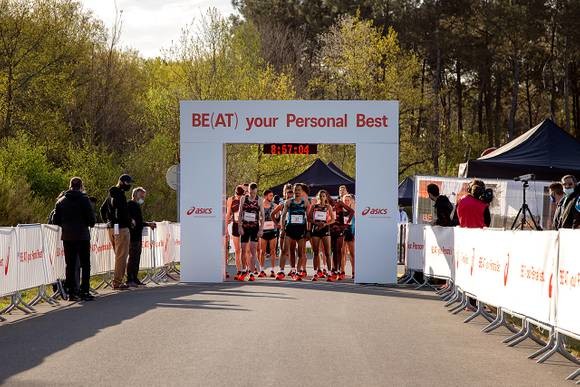
Taking place just West of Paris, in the heart of Nouvelle-Aquitaine, ASICS created a biosecure bubble within a Center Parcs location. Alongside negative COVID tests prior to travelling, upon arrival and before departure, each athlete resided alone in separate accommodation, with food and drink delivered to their doors.
For ASICS itself, the event was more than just another race. Three months in the making (a relatively short lead time in this field), the occasion marked the brand’s return to hosting live events and the follow-up to the launch of its new METASPEED Sky sneaker — ASICS’ answer to the “super shoe”. Equipped with a full-length carbon plate and a design that intends to improve its users overall performance, “(BE)AT Your Personal Best” was not only a test of the runners’ current condition in an Olympic year — but a test run of the sneaker itself too.
The 2.5km course saw runners head out along a wide asphalt path, before looping around a roundabout and back to the start. With near-on idyllic running conditions (a slight breeze, but nothing to be considered a headwind) and months of planning and testing behind them, the scene was finally set.
Pre-event much of the talk was about the current the European 10km and half marathon record-holder Julien Wanders’ planned attempt at attacking the 5km record too, but a bout of pneumonia two weeks prior saw him fall off the pace just over halfway. Instead it was Kenya’s Boniface Kibiwott who grabbed a personal best, winning in 13:24, followed by France’s Felix Bour (13:34) and Etienne Daguinos (13:36) who ran a new French under-23 record.
In the men’s 10km, pacer Hillary Kipkoech cruised to victory to set a new world-lead at 27:35, with Spain’s Jorge Blanco (28:27) and Sondre Nordstad Moen (28:35) almost a minute behind, while Sarah Lahti broke the Swedish women’s 5km record. Rounding things out was Mekdes Woldu who achieved a personal best in the women’s 10km with 31:47, finishing almost 2 minutes in front of Austria’s Julia Mayer (33:35).
In total, 24 of the 34 runners achieved personal best times in Domaine du Bois aux Daims, with one world leading time. And while these numbers and personal accolades are important — as well as the clear quality the METASPEED Sky brings — the real success story of ASICS’ “(BE)AT Your Personal Best” is a glimpse into the world of running’s new normal.
Whether these restrictions stay in place for years to come or they’re simply a temporary measure, its success bodes well for the upcoming Tokyo Olympics and how things might operate on a much larger scale – and suggests that the pandemic won’t keep sport down for long.
by Tayler Willson
Login to leave a comment
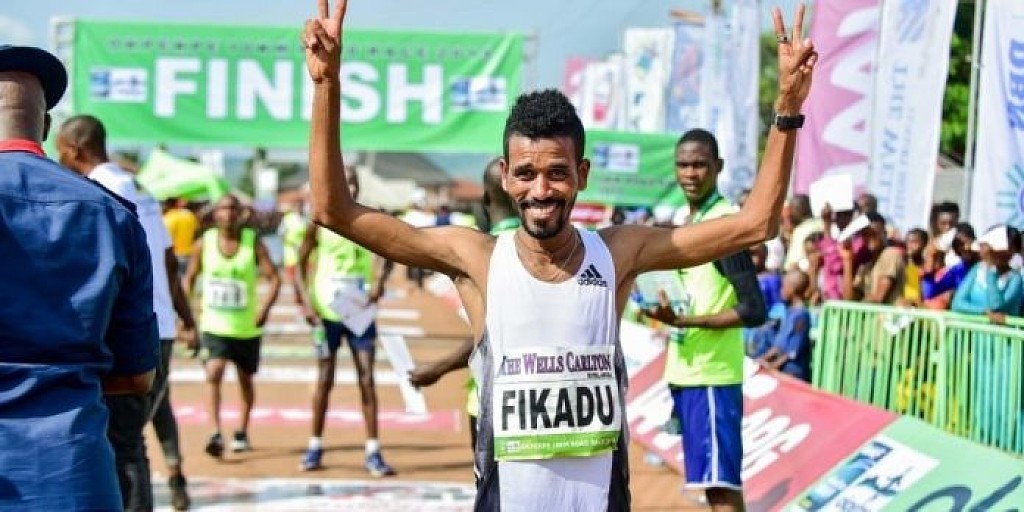
Bahrain’s Dawit Fikadu and Kenya’s Sheila Chelangat emerged victorious at the Okpekpe Road Race
Fikadu and chelangat win Opkepke, both races boasted stellar line-ups with many of the athletes boasting PBs significantly quicker than the course records of 28:35 and 32:41, but in humid conditions and on a hilly route not conducive to fast times, those mark remained intact for another year.
Fikadu, who won the Asian 10,000m title last month, was part of a large lead pack in the earlier stages alongside 2016 winner Alex Korio Oloitiptip and 2015 champion Simon Cheprot, both aiming to become the first two-time winners in Okpekpe.
The lead group passed through the half-way point in 14:13 and largely remained together for another few kilometres, but the pack started to break up as they began to ascend the uphill section for the final kilometer.
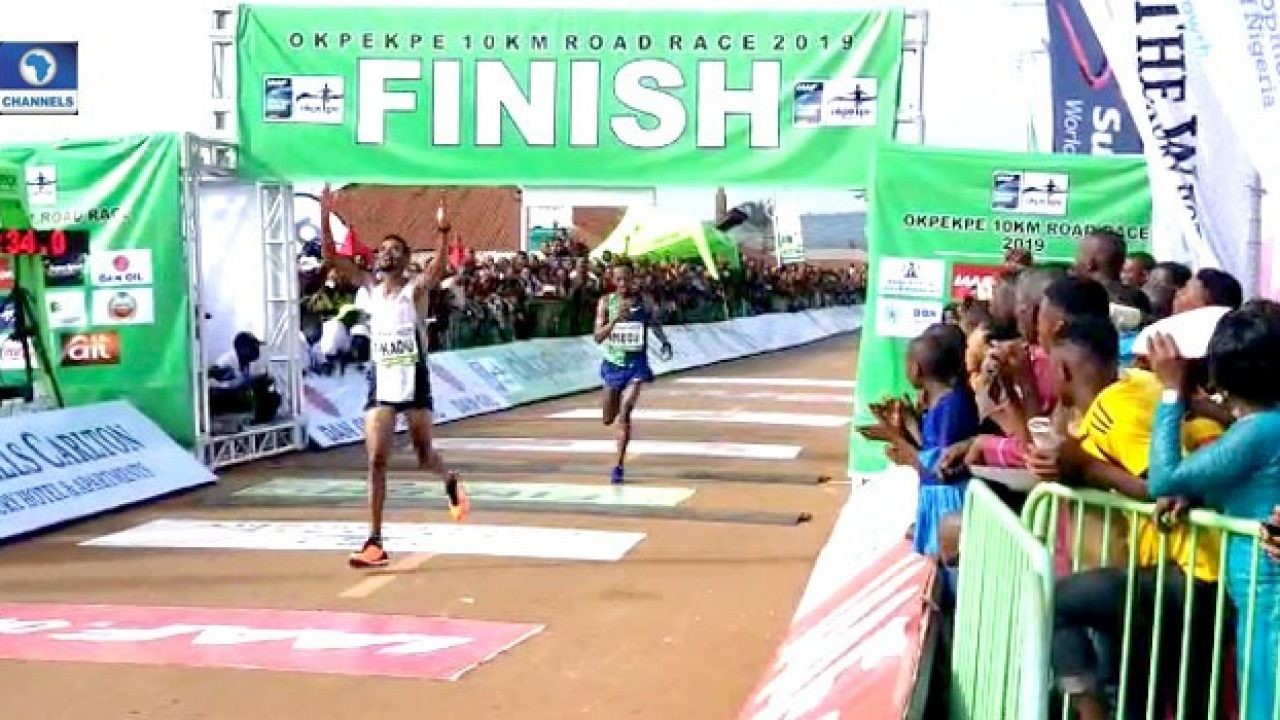
As the group splintered, Fikadu, Korio, Ethiopia’s Berehanu Tsegu and Kenya’s John Kipsang Lotiang emerged as the lead quartet. But Korio soon dropped behind and was followed by Kipsang moments later, leaving Tsegu and Fikdau out in front.
With 27:30 on the clock, Tsegu tried to forge ahead but Fikadu stayed within striking distance and timed his final effort to perfection, kicking ahead to win by one second in 29:03. Kipsang held on for third place in 29:17 with Korio following one second later in fourth.
In the women’s race, Kenyan duo Sheila Chelangat and Dorcas Jepchirchir Tuitoek broke away from the rest of the field in the opening kilometres, reaching half way in 15:49.
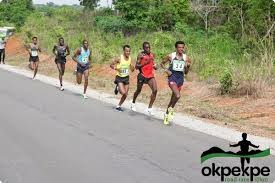
They continued running side by side until the closing stages before Chelangat edged ahead on the final straight, crossing the line in 33:14. As a measure of how tough the Okpekpe course is, the 21-year-old was more than two minutes shy of the 31:01 PB she had set just eight weeks ago.
Tuitoek finished four seconds behind her compatriot in 33:18 and was followed by Ethiopia’s Asifa Kasegn, who finished fourth in 33:31.
Login to leave a comment
Okpekpe Road Race 10km
The Okpekpe Road Race invites world-class runners from around the world in a tradition tointermix local recreational and up and coming runnerswith the best of the best. Invitation extended to all CAA Member Federations, all military and para-military have sent in entries. Okpekpe is more than just a collection of fertilefarmlands or a window into the past, it is a...
more...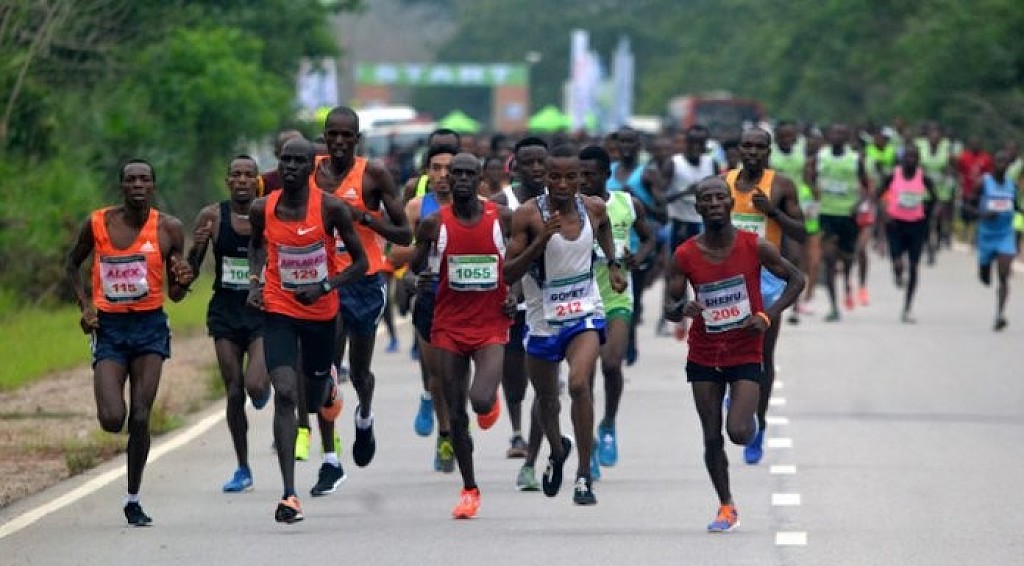
Twenty elite runners are confirmed for Saturday’s 7th Okpekpe International 10km Road Race in Okpekpe
Leading the cast of gold level running athletes are former Okpekpe race winners, Alex Korio and Simon Cheprot of Kenya. Korio won in 2015 edition (29.20) while Cheprot outran all his rivals the following year (29:47). Both are 27 minutes runners as they hold 27:48 (2017) and 27:41 (2014) respectively.
“Just last June, Cheprot ran 27.44 at Oelde in Germany and looks like he will be aiming to become the first man to win two Okpekpe titles,” said Mercy Etukudo, head of secretariat for the first IAAF road running event in West Africa to be granted an IAAF label status.
“We also have Taye Grima, one of the Ethiopians on board the Okpekpe train that will challenge the Kenyans for the title. He has done 28:33 this year (January) and looks to be among the on-form athletes who will be coming to rewrite the course record on Saturday,” Etukudo added.
For the women, another former winner, Polline Wanjiku will be leading the charge for the title and possibly set a new course record.
“Wanjiku was the winner in 2016 and ran 33 minutes, 28 seconds to win. She is one of the gold level running athletes that we hope will crack the course record on Saturday.”
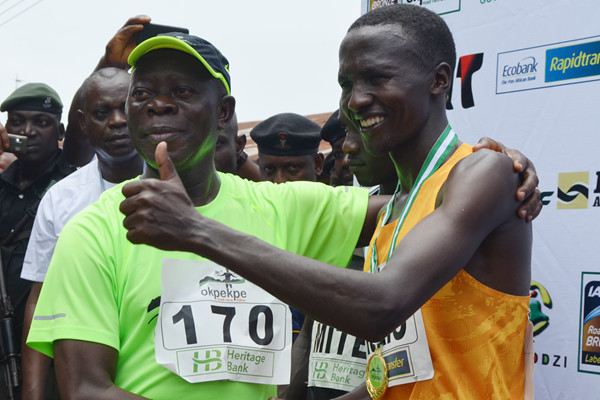
Etukudo is confident this year’s race will be very explosive going by the quality of athletes confirmed and reveals why organisers of the event have gone to invite as many as 20 gold level running athletes, surpassing the 12 stipulated by the IAAF.
“You know we always go for the best when it comes to the organisation of the race. What we have done is unprecedented in the history of road running in Nigeria. To have as many as 20 gold level-running athletes in a road race in Nigeria is a record and at Okpekpe we always set new records.
“Remember we are the first to have its course measured by an IAAF/AIMS accredited measurer. We are also the first to be granted a label status, a bronze in 2015.
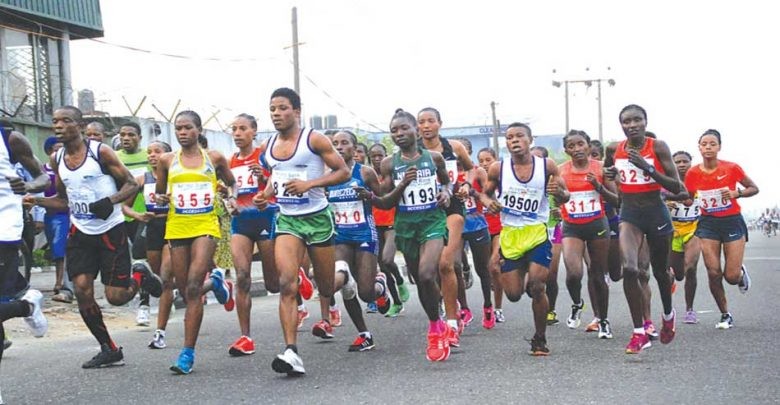
“We graduated to silver last year which is another first in Nigeria and the West Africa sub-region.
”We have confirmed 10 male athletes and 10 female gold level running athletes, five silver level and two bronze level running athletes for Saturday’s race. We have 13 with no status as well as the Nigerian elite athletes who also come under no status. We now have the perfect stage to set new marks on Saturday.
“The last time we had athletes who ran under 29 minutes for men and 33 minutes for women was five years ago, precisely 2014 when the Ethiopian duo of Teshome Mekonnen and Wude Ayalew ran 28:35 and 32:41 respectively to set the current course records for men and women,” added Etukudo.
by
Login to leave a comment
Okpekpe Road Race 10km
The Okpekpe Road Race invites world-class runners from around the world in a tradition tointermix local recreational and up and coming runnerswith the best of the best. Invitation extended to all CAA Member Federations, all military and para-military have sent in entries. Okpekpe is more than just a collection of fertilefarmlands or a window into the past, it is a...
more...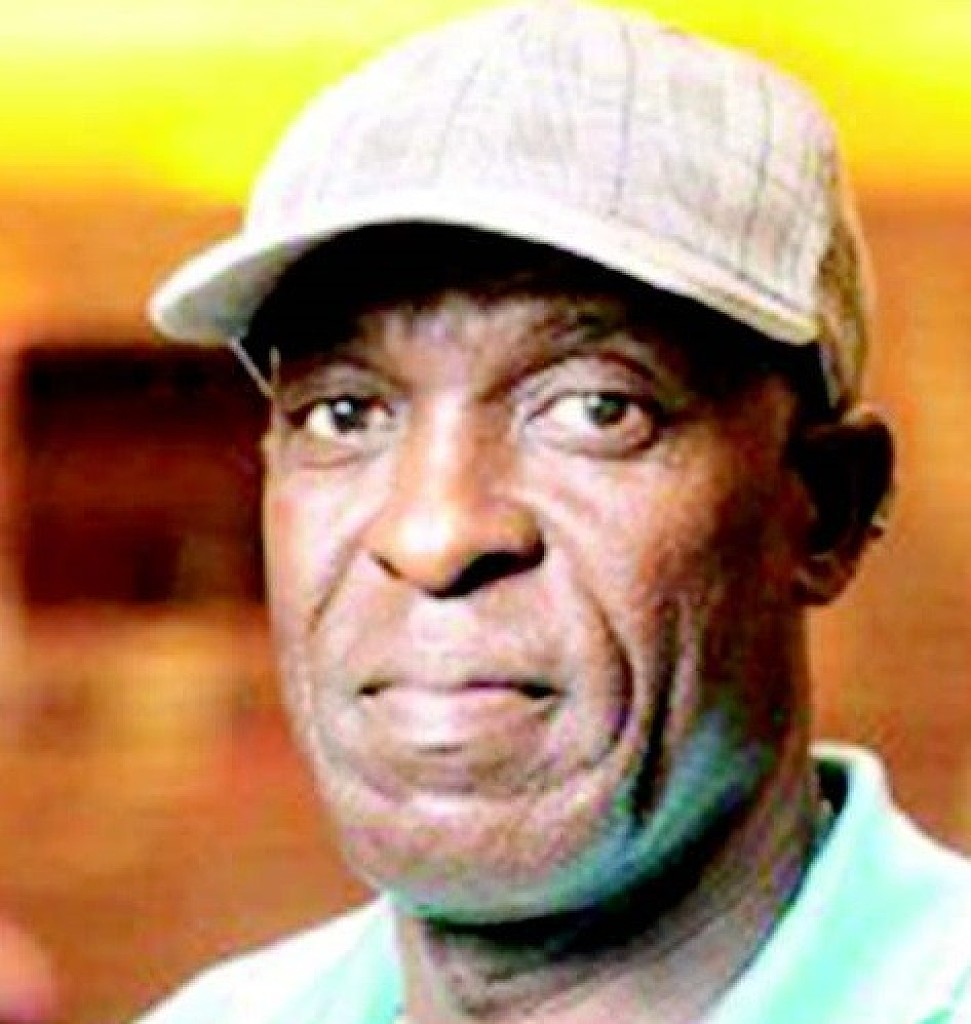
Anthony Osheku Former national 800m/1500m runner and foremost athletics coach, predicts new course record at Okpekpe Road Race
Anthony Osheku has predicted new course records at the seventh edition of the IAAF silver label Okpekpe International 10km Road Race.
Osheku, one of Nigeria’s top road race experts, believes the 2019 IAAF regulations and the decision of the organisers of the Okpekpe race to seek a gold label status for the event next year will make this year’s race the best in terms of the quality of its elite field of athletes.
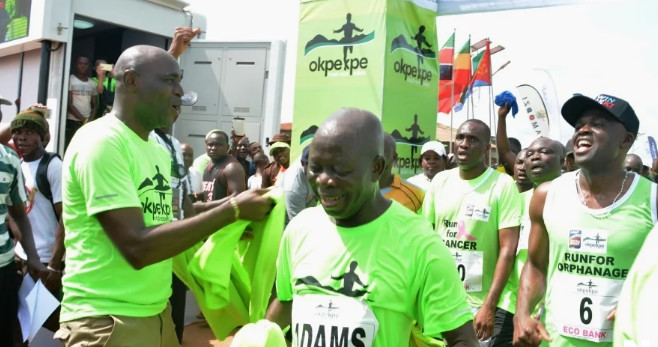
“The 2019 IAAF regulations have made it compulsory for all label races to have a minimum of six men and six women from the pool of athletes whose status corresponds to the label being applied for. This will ensure that a Gold Label race, for example, has at least 12 of the world’s 300 best specialists at that particular distance,” began Osheku.
“What this means is that the seventh edition of the Okpekpe 10km road race will have at least 12 gold level running athletes in attendance, that is athletes who run 27,28 minutes consistently for men and 30,31 and 32 minutes for women.
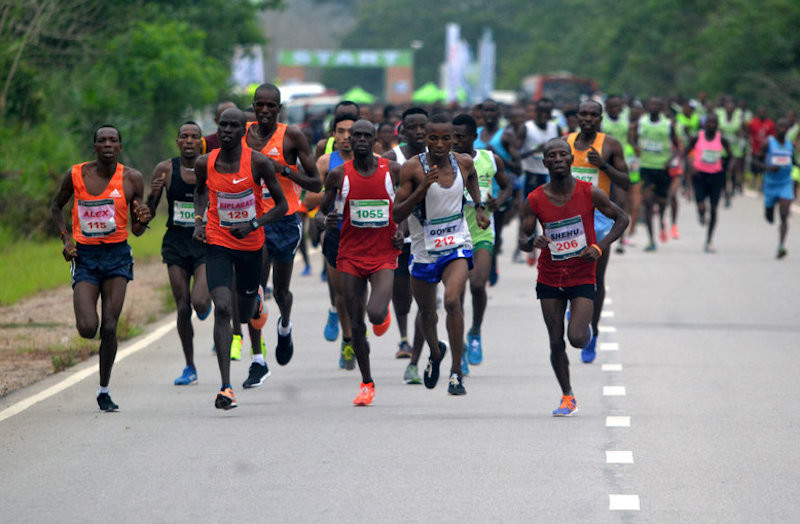
“The last time we had athletes who ran under 29 minutes for men and 33 minutes for women was five years ago, precisely 2014 when the Ethiopian duo of Teshome Mekonnen and Wude Ayalew ran 28:35 and 32:41 respectively to set the current course records for men and women,” said Osheku, who hails from Fugar, a town near Okpekpe.
This year’s race will be held May 25 in Okpekpe, Nigeria
by Independent Newspapers Nigeria
Login to leave a comment
Okpekpe Road Race 10km
The Okpekpe Road Race invites world-class runners from around the world in a tradition tointermix local recreational and up and coming runnerswith the best of the best. Invitation extended to all CAA Member Federations, all military and para-military have sent in entries. Okpekpe is more than just a collection of fertilefarmlands or a window into the past, it is a...
more...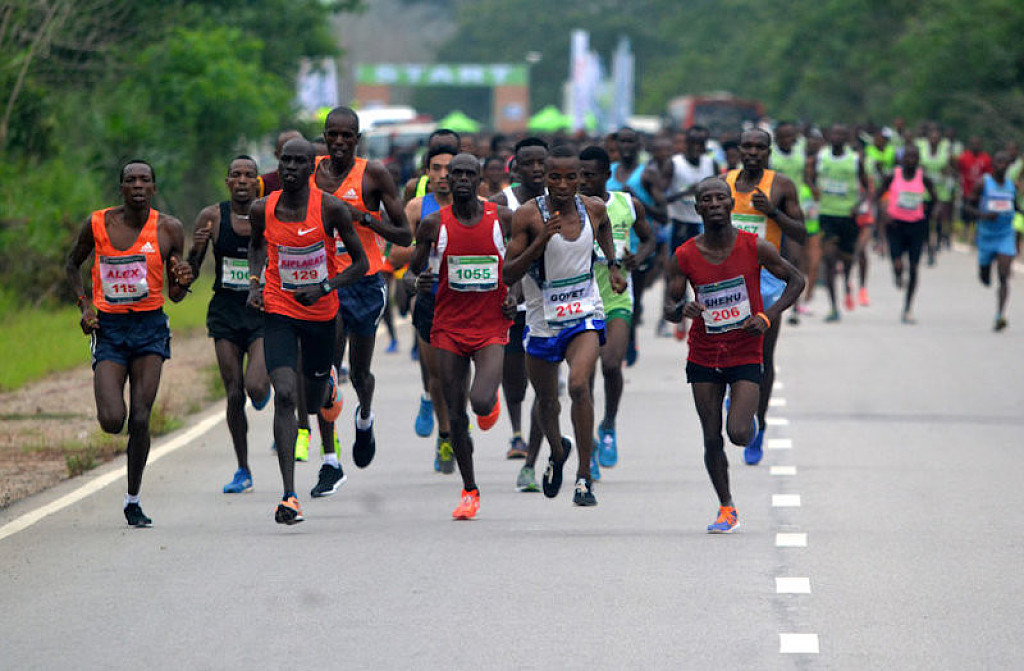
A total prize purse of $112,000 will be on offer at the seventh Okpekpe International 10km Road Race next month
A total of $112,000US is the prize money to the top eight finishers in the men and women’s elite race with the winner in each gender category going home with $20,000 while $13,000 and $9,000 respectively will go to the second and third placed finishers.
The prizes for 4th-8th placed finishers in each gender category are $6,500, $3,000, $2,000, $1,500, and $1,000 respectively.
Organisers also announced an unchanged prize money outlay for Nigerian runners at the race.
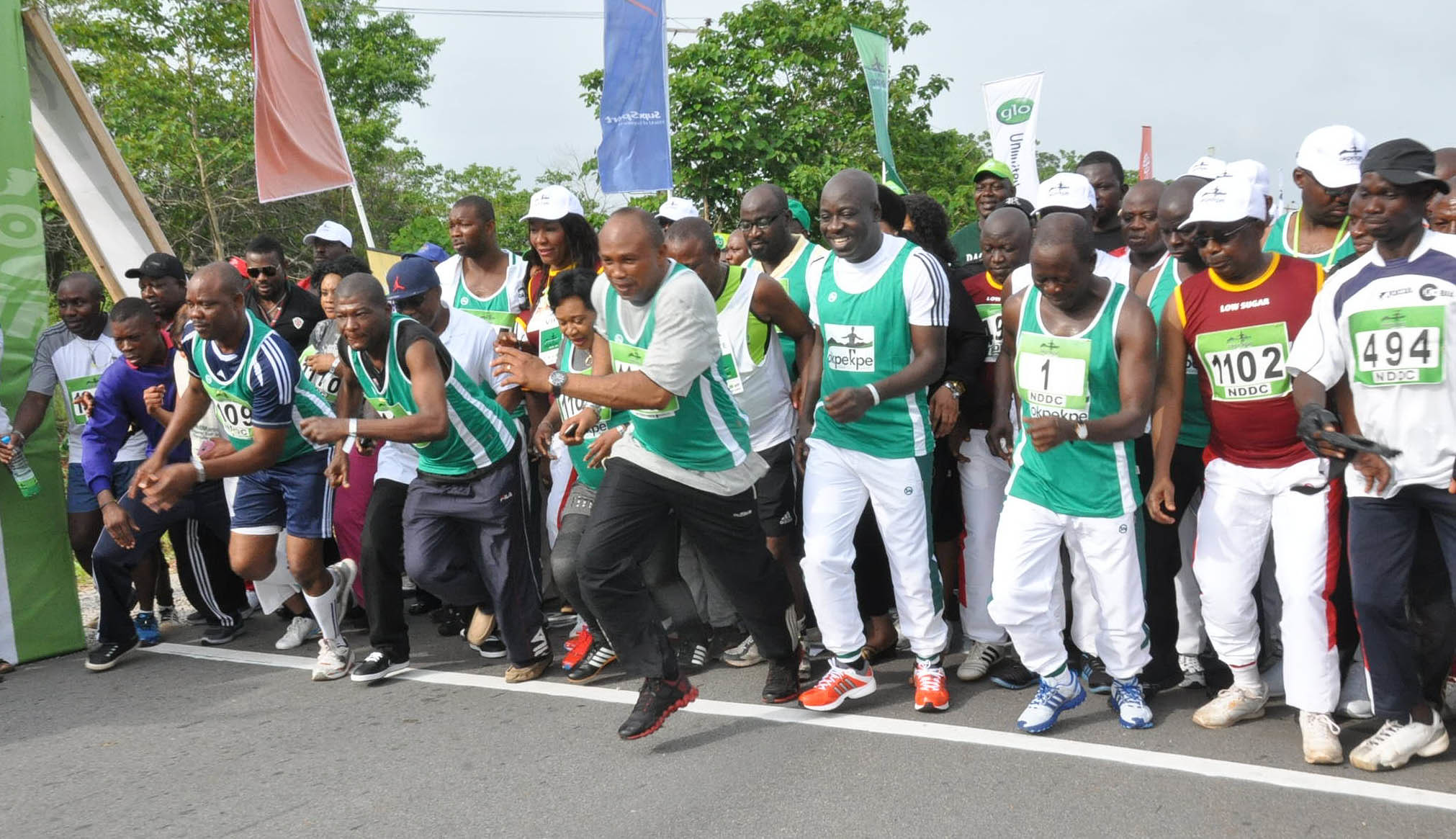
The first placed finishers in both the men and women race will go home with N1,000,000 ($2777US) while the second to the fifth placed finishers will get N600,000,N400,000,N250,000 and N150,000 respectively.
Meanwhile spokesman for the race, Dare Esan said yesterday that payment of prize money and bonuses is dependent upon athletes clearing the usual anti-doping procedures.
”Athletes running for the prize money on offer must also achieve a level of performance before they can redeem their respective prizes.
”For example, to qualify for the $20,000 top prize for the elite runners, the athletes must run 28:35.00 minutes or better for the men and 32:41.00 minutes for the women.
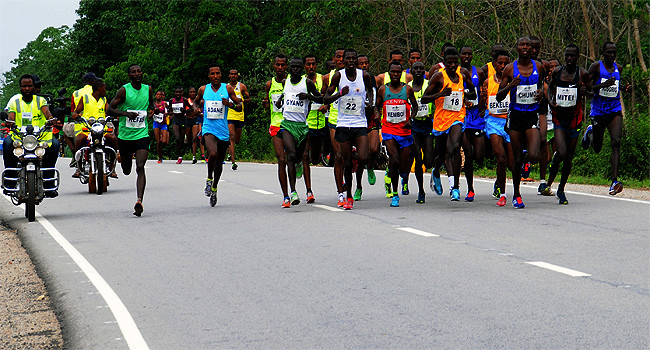
For the Nigerian category, the winners must run 29:04.00 minutes or better for men and 34:05.01 minutes for the women’s race,’ he added.
The Okpekpe international 10km road race is the first road race in Nigeria and in West Africa to be granted a label status by the IAAF and the only one IAAF silver label road race in Africa this year.
Login to leave a comment
Okpekpe Road Race 10km
The Okpekpe Road Race invites world-class runners from around the world in a tradition tointermix local recreational and up and coming runnerswith the best of the best. Invitation extended to all CAA Member Federations, all military and para-military have sent in entries. Okpekpe is more than just a collection of fertilefarmlands or a window into the past, it is a...
more...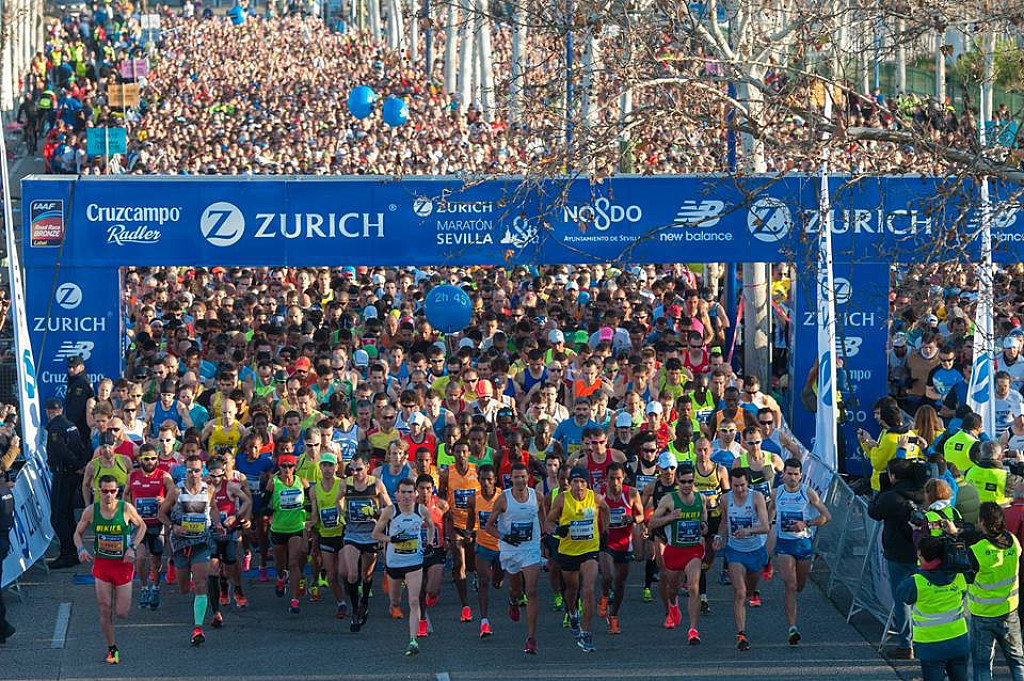
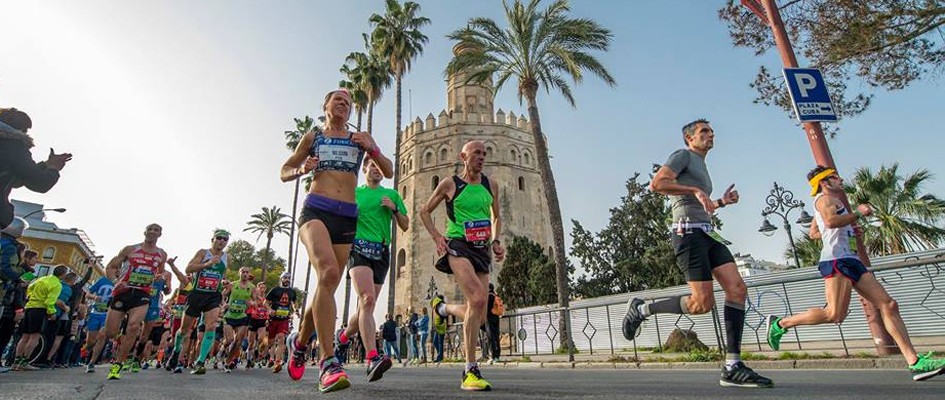
A strong field is expected at the 35th Zurich Maratón de Sevilla on Sunday
The Zurich Maratón de Sevilla is one of the flattest courses worldwide and the new circuit is just as flat and fast.
The large Ethiopian contingent includes Belay Afesa, holder of a 2:07:10 lifetime best set in Hamburg five years ago, sub-2:10 runners Seboka Nigusse (2:09:14) and Ayana Tsedat (2:09:26) and sub-11 men Melaku Bechalew (2:10:31) and Regasa Mindaye (2:10:51).
Meanwhile, the Kenyan challenge will be led by Samuel Kiplimo Kosgei, whose 2:06:53 career best dates back to 2016. More recently, he ran 2:09:07 last October in Gyeongju. Another contender is Jonah Chesum, winner of the 2017 Barcelona marathon with a lifetime best of 2:08:57. He last raced in October's Lisbon Marathon clocking 2:10:08.
Eritrea’s Yohanes Gebregergish boasts a 2:08:14 career best from the 2017 Tokyo Marathon. He clocked 2:11:27 in Valencia in December, his last outing. His countryman Okubay Tsegay will be the designated pacemaker chargeed with leading the main group to the 30 kilometre checkpoint. The scheduled split for the half is 1:03:30, well inside the pace required to challenge the 2:07:43 course record set by Kenyan Titus Ekiru two years ago.
Likewise, the women's race is wide open.
Ethiopia’s Hiwot Gebrekidan, who arrives on the heels of a 1:07:36 half marathon personal best set in Copenhagen in September, is among the athletes to beat. The 23-year-old will be aiming to improve on her personal best of 2:25:45 set in 2017. Guteni Shone is the quickest woman in Sunday’s line-up thanks to a 2:23:32 outing in Houston in 2015, though she was far from that in her last appearance, a 2:31:41 effort in Lisbon last October.
Other Ethiopians include Aynalem Kassahun (PB 2:28:18) and Meskerem Abera (2:28:35). Kenya will be represented by Susan Jeptoo who set her 2:30:50 best in Prague last year.
European hopes rest on two debutants: Sweden’s 2014 European 3000m steeplechase silver medallist Charlotta Fougberg, who has a 1:11:58 half marathon best to her credit, and 24-year-old Dutchwoman Jip Vastenburg, who clocked 1:11:04 for the half marathon in Valencia in 2017.
The 2:25:35 course record was set last year by Moroccan Kaoutar Boulaidran, who has struggled with injury since. Still on the mend, she won’t be back to defend her title.
Login to leave a comment

Zurich Marathon Sevilla
This urban, flat, fast and beautiful brand new race course will drive athletes through the most beautiful monuments of the city. Zurich Maraton de Sevilla brings the unique opportunity to brake the Best personal result over the mythical distance to all the athletes, professional or age groupers, in one of the most perfect international marathon circuits. This fast marathon takes...
more...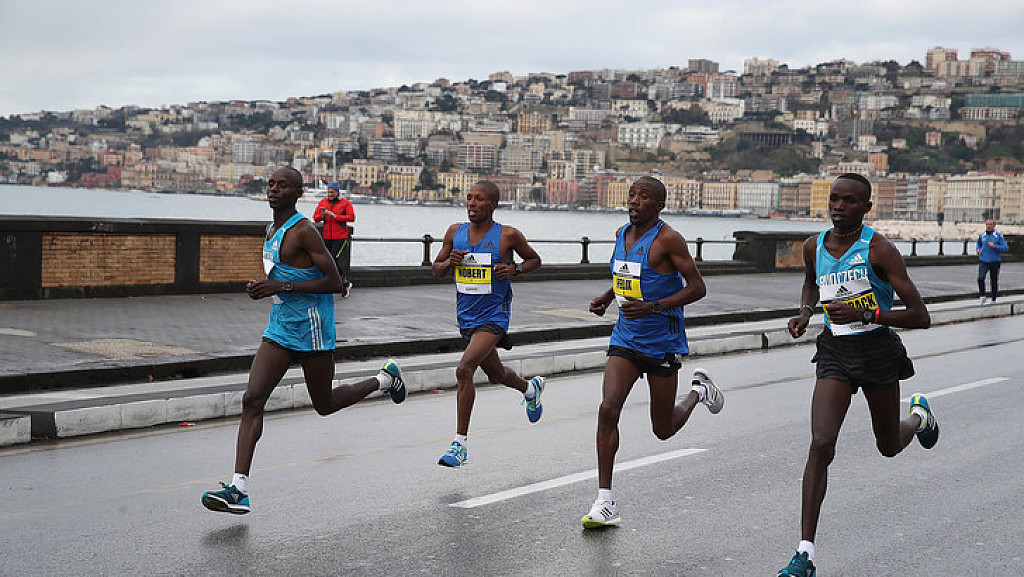
Previous Record Trounced at Napoli City Half Marathon
Login to leave a comment
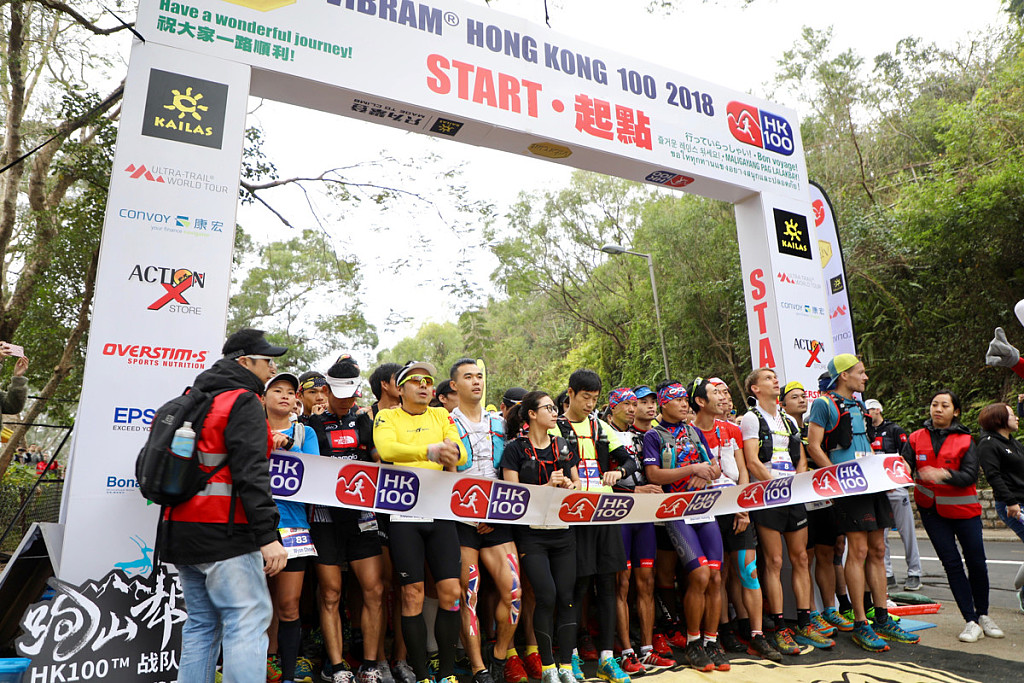
Hong Kong 100 Ultra Runner Winner Disqalified
Login to leave a comment
