

Running News Daily
Running News Daily is edited by Bob Anderson and team. Send your news items to bob@mybestruns.com Advertising opportunities available.
Index to Daily Posts · Sign Up For Updates · Run The World Feed
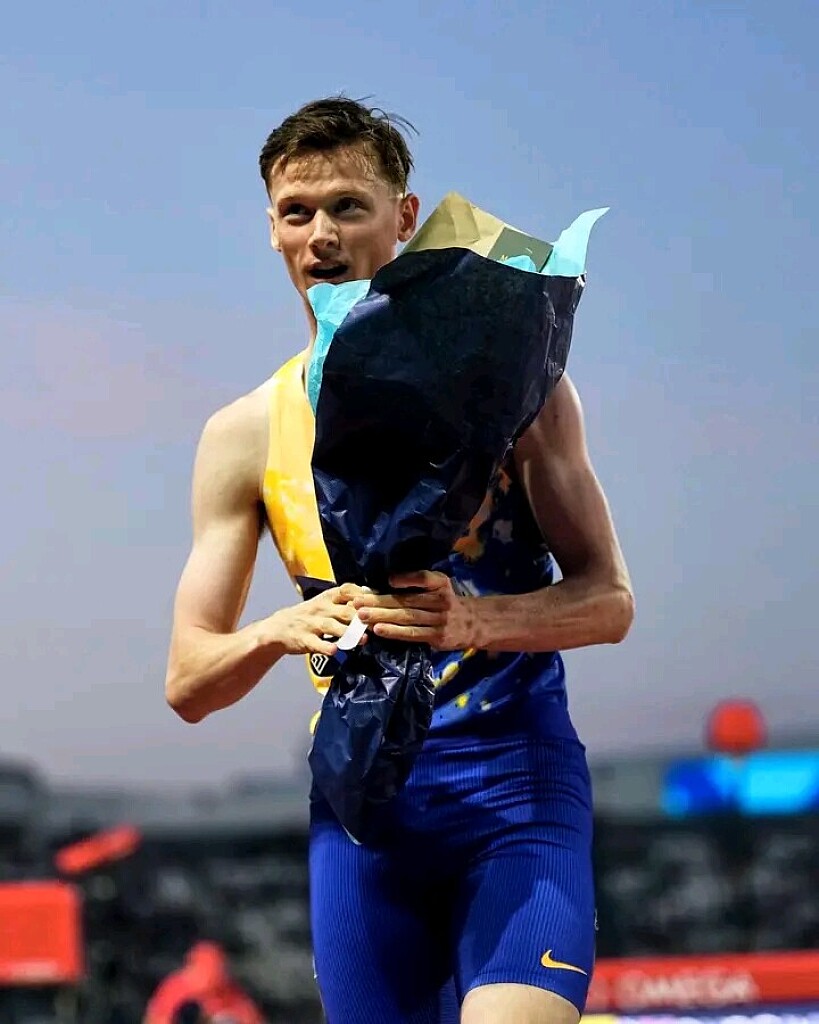


Max Burgin’s Golden Era Continues as British 800m Star Tightens Grip on History

Max Burgin is no longer just one of Britain’s brightest middle-distance talents — he is rapidly becoming one of the finest 800m runners the nation has ever produced.
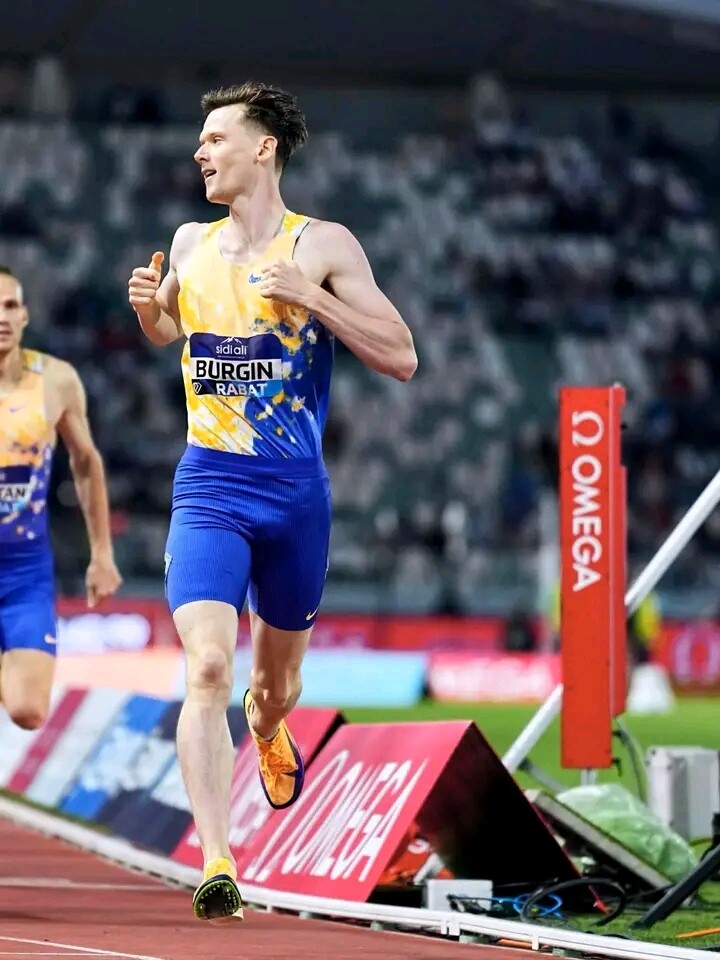
The 24-year-old strengthened his place among the greats of British athletics with another world-class performance at the Rabat Diamond League, storming to victory in the men's 800m in 1:42.98. The result added yet another elite mark to a growing collection that is rewriting the British all-time rankings.
Burgin now owns four of the ten fastest 800m performances ever recorded by a British athlete, an extraordinary achievement made even more impressive by the fact that every one of those performances has been run in under 1:43. Such consistency at a level few athletes in history have reached highlights both his talent and his growing maturity on the international stage.
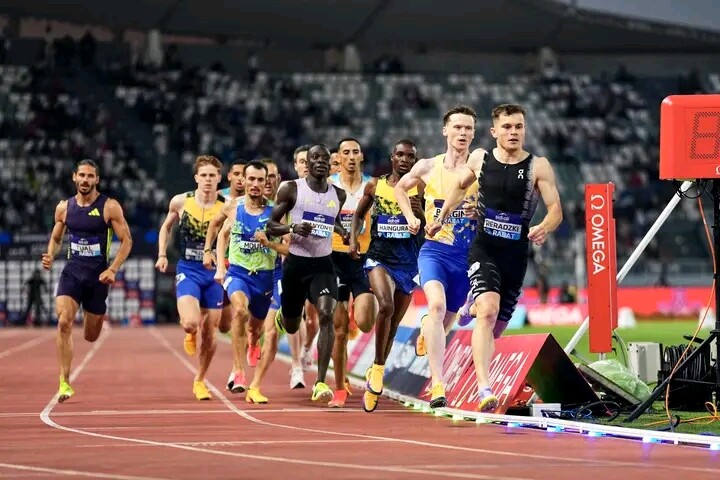
His personal best of 1:42.29, set in Tokyo, remains one of the standout performances in British middle-distance running and underlines his status as a genuine contender whenever he steps onto the track. In Rabat, Burgin once again demonstrated his ability to combine tactical awareness with devastating finishing speed, controlling the race before delivering another sub-1:43 performance against a high-quality field.
The achievement inevitably invites comparisons with British athletics legends. The national record of 1:41.73, set by Seb Coe in 1981, has stood for more than four decades and remains one of the sport's most iconic marks. Remarkably, the 45th anniversary of Coe's record falls on June 10, adding extra significance to Burgin's latest success as discussions grow about whether he could eventually challenge one of the longest-standing records in British athletics.
What makes Burgin's rise particularly compelling is not just the speed he has displayed, but the consistency with which he is now producing world-class performances. In an event where fractions of a second separate greatness from history, he continues to deliver times that place him among the very best athletes Britain has ever produced.
With the championship season approaching and his form trending upward, Burgin appears to be entering the prime years of his career. If his recent performances are any indication, British athletics may be witnessing the emergence of a runner capable of leaving a lasting legacy on the 800m — and perhaps even taking aim at a record that has endured for nearly half a century.
For now, another Diamond League victory and another place in the history books serve as powerful reminders that Max Burgin's remarkable journey is gathering momentum, one breathtaking lap at a time.
by Erick Cheruiyot for My Best Runs.
Login to leave a comment
Latest Running News

New Names, New Standards: Record Ratifications Mark a Historic Chapter in Athletics
The global athletics record book has officially welcomed a new group of record-breakers after World Athletics ratified a series of outstanding performances that reshaped the sport across road running, race walking, and indoor competition.
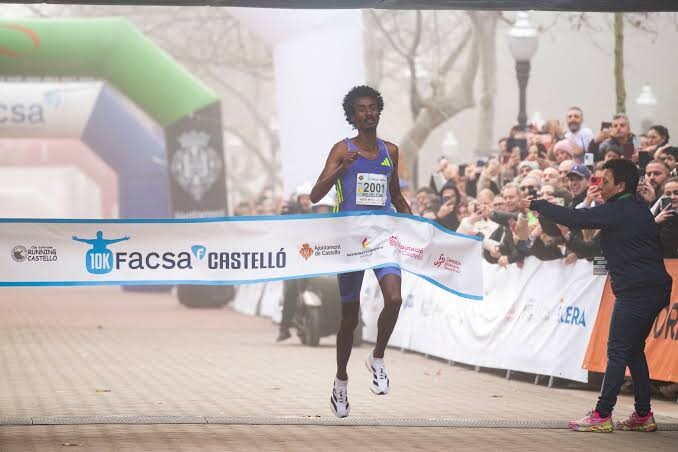
Among the newly confirmed marks is Ethiopian distance star Yomif Kejelcha’s world 10km record of 26:31, a performance that now stands as the fastest officially recognized time ever run over the distance on the roads.
Kejelcha produced the remarkable run in Castellón, Spain, on February 16, 2025. His record was elevated to official status following the annulment of the previous world best of 26:24, set by Kenya’s Rhonex Kipruto in 2020. Kipruto's result was removed from the record books after sanctions related to anti-doping rule violations led to the cancellation of his performances.
The recognition further strengthens Kejelcha’s place among the greatest road runners of his generation. Already the holder of the world half marathon record of 57:30, achieved in Valencia in 2024, the Ethiopian now owns world records at both 10km and half marathon distances.
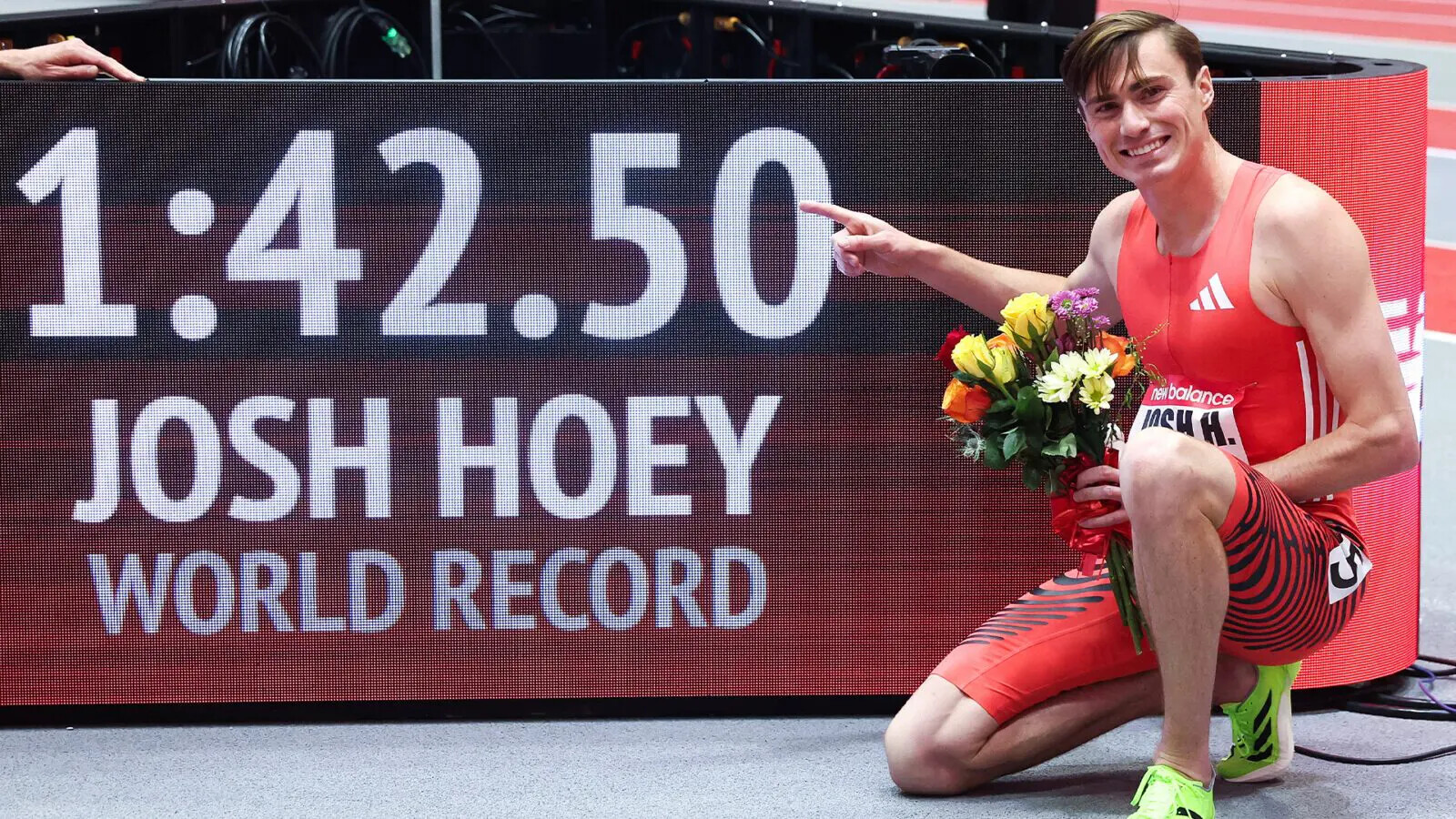
Another athlete celebrating official recognition is American middle-distance sensation Josh Hoey. The 26-year-old delivered a stunning performance at the New Balance Indoor Grand Prix in Boston on January 24, 2026, clocking 1:42.50 for the 800m on the short track.
His run erased one of indoor athletics’ most enduring records, surpassing the legendary 1:42.67 set by Wilson Kipketer in Paris in 1997. Hoey’s breakthrough performance marked a defining moment in his career and signaled the arrival of a new force in global middle-distance running.
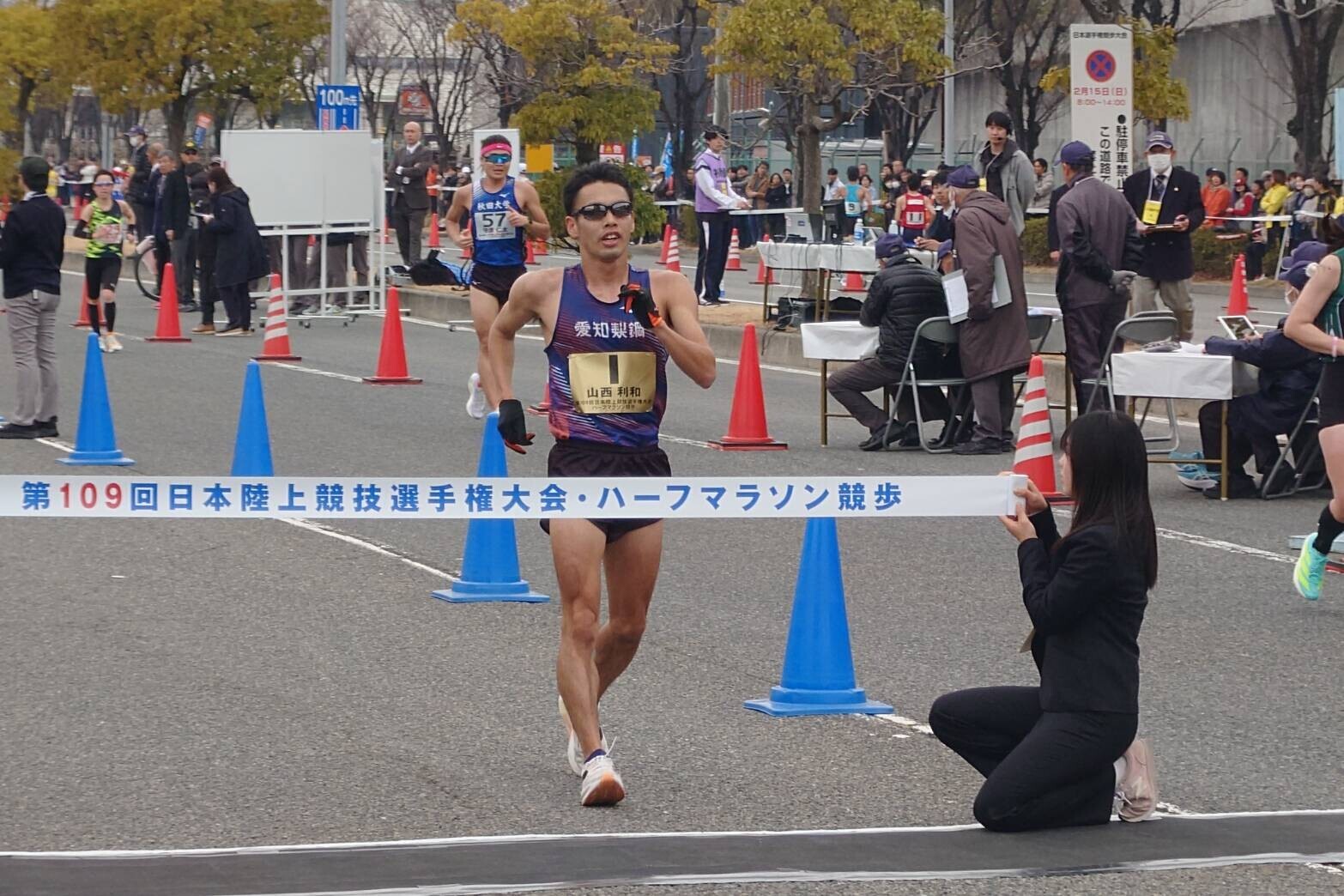
In race walking, Japan’s Toshikazu Yamanishi etched his name into history by becoming the first official world record holder in the half marathon race walk. Competing in Kobe on February 15, 2026, the two-time world champion covered the distance in 1:20:34, comfortably bettering the inaugural world-record standard of 1:21:30 established by World Athletics.
Yamanishi’s achievement comes at a significant time for the discipline, following the introduction of the half marathon and marathon as official senior road race walking events. His performance now serves as the benchmark for a new era in race walking.
The next generation of athletics stars also received official recognition as three world U20 records were ratified.
Ethiopia’s Saron Berhe continued her rapid rise by setting a world U20 1500m short-track record of 4:01.23 in Ostrava. The 18-year-old eclipsed the previous mark held by fellow Ethiopian Lemlem Hailu and further confirmed her status as one of the brightest young talents in distance running.
American teenager Cooper Lutkenhaus also made history when he stormed to a world U20 short-track 800m record of 1:44.03 in Winston-Salem. His remarkable season later reached even greater heights when he became the youngest athlete ever to win a world championship title in the 800m, capturing gold at the World Indoor Championships.
Meanwhile, Australian sprint prodigy Gout Gout continued his meteoric ascent by smashing the world U20 200m record. The 18-year-old sprinted to a breathtaking 19.67 seconds at the Australian Championships in Sydney, lowering the previous global junior mark and announcing himself as one of the sport’s most exciting young stars.
With their records now officially ratified, Kejelcha, Hoey, Yamanishi, Berhe, Lutkenhaus, and Gout have secured their places in athletics history. Their achievements not only redefine the limits of performance but also provide a glimpse into a future where barriers continue to fall and new generations of athletes push the sport into uncharted territory.
by Erick Cheruiyot for My Best Runs.
Login to leave a comment
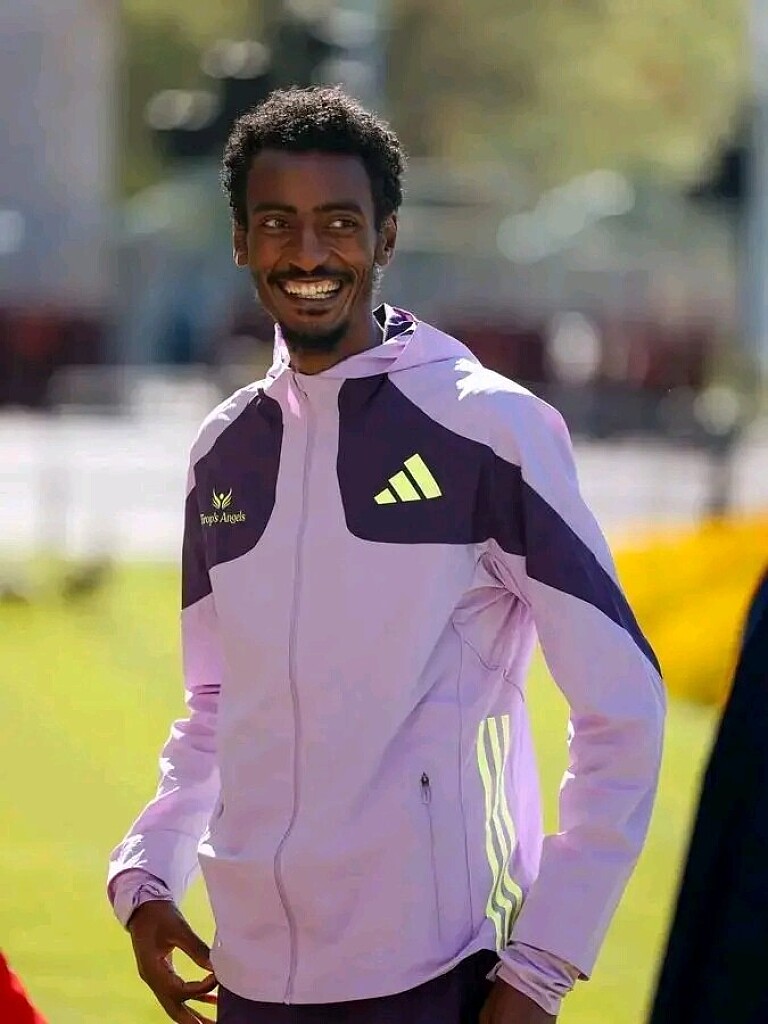
Under Two Hours, Yet Not Enough: Yomif Kejelcha's Remarkable Run in London
In most marathons, a performance like Yomif Kejelcha's would have rewritten history.
At the 2026 London Marathon, the Ethiopian distance star produced one of the finest races ever seen over 42.195 kilometres, stopping the clock at an astonishing 1:59:41. The time placed him among an extremely exclusive group of athletes to complete the marathon distance in under two hours in race conditions and would have shattered the world record on almost any other day.

Yet Kejelcha crossed the finish line in second place.
Ahead of him was Kenya's rising marathon sensation, Sebastian Sawe, who delivered a performance for the ages, storming to victory in 1:59:30 and finishing eleven seconds clear of the Ethiopian. It was a race that elevated the standard of marathon running to unprecedented heights and left spectators struggling to comprehend what they had witnessed.
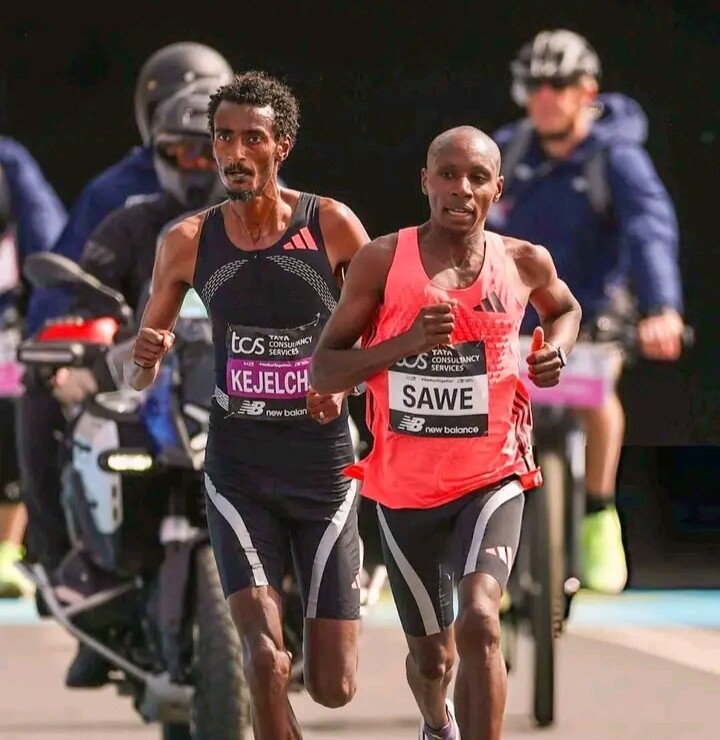
What makes Kejelcha's achievement even more remarkable is that he never expected such a result.
After the race, the Ethiopian admitted that his pre-race expectations were far more modest. He believed a finishing time somewhere between 2:02 and 2:03 was realistic. As the race entered its closing stages, fatigue began to take hold. Around the 25-mile mark, his legs felt increasingly heavy, and he was convinced his opportunity for something special had slipped away.
Then came the final stretch.
A glance at his watch revealed numbers that seemed almost impossible. Despite the pain and exhaustion, he was running at a pace few athletes in history had ever sustained. The finish line confirmed it: a sub-two-hour marathon and one of the fastest performances the sport has ever recorded.
Yet there was no world record celebration. No winner's trophy.
Only second place.
And perhaps that is what makes this story so compelling.
Elite sport often teaches us to measure success through victories, medals and records. But Kejelcha's run serves as a reminder that greatness cannot always be defined by finishing first. Sometimes an athlete produces the performance of a lifetime and still encounters someone capable of something even more extraordinary.
On paper, the result will forever show Kejelcha as the runner-up. History, however, is unlikely to remember it that way. His courageous front-running effort, his refusal to surrender when fatigue struck, and his astonishing finishing time ensured that his race became one of the defining moments of modern marathon running.
There are defeats that fade quickly from memory. Then there are performances so exceptional that they transcend the final standings.
Yomif Kejelcha did not leave London with a title or a world record. He left with something arguably more enduring: a place in one of the greatest marathon battles ever contested.
And when future generations look back on that unforgettable morning in London, they may ask a simple question:
If an athlete runs one of the fastest marathons in history, exceeds every expectation, and inspires millions along the way, can it really be called a defeat?
by Erick Cheruiyot for My Best Runs.
Login to leave a comment
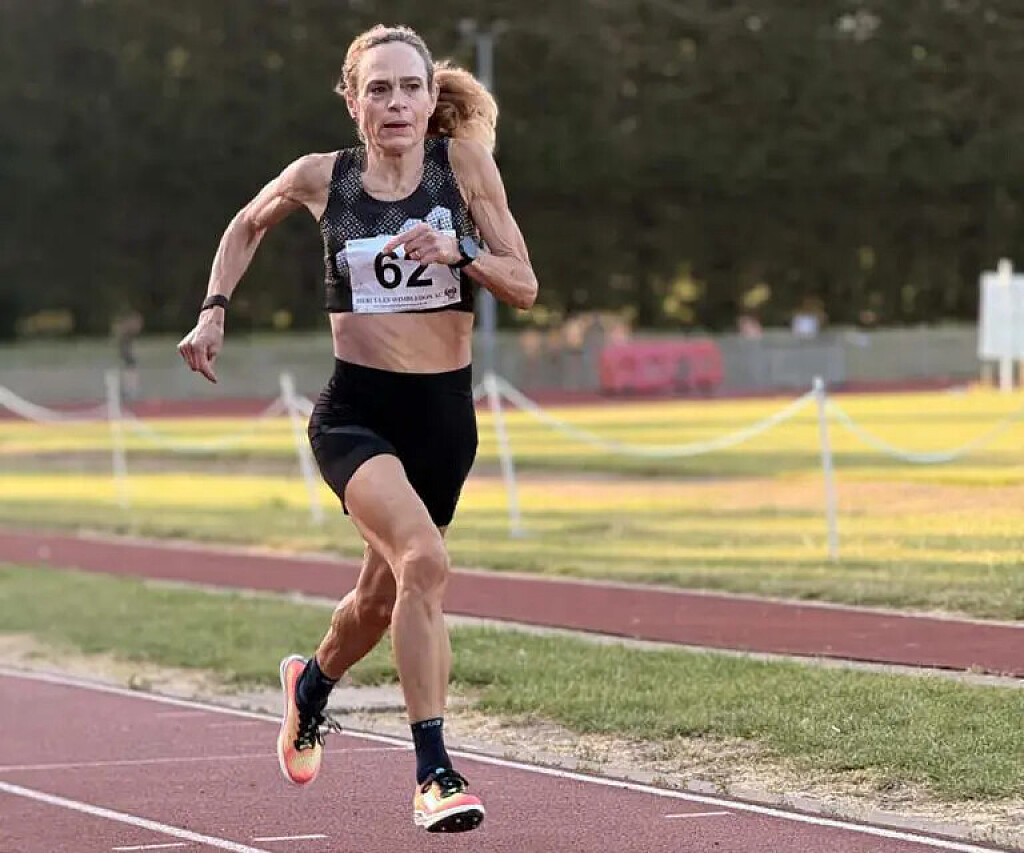
Clare Elms Rewrites the Limits of Age with Historic Sub-Five-Minute 1500m
Age is often described as the greatest opponent in athletics. For most runners, the battle is not against rivals on the track but against the relentless passage of time. Yet this spring, one remarkable athlete delivered a performance that challenged everything we think we know about aging and endurance.
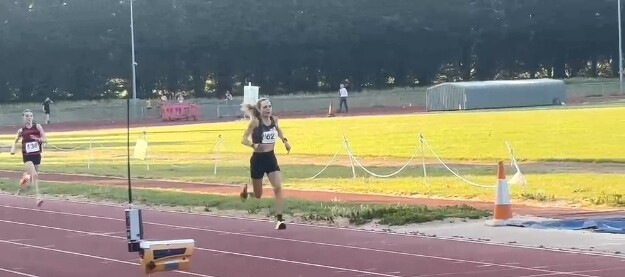
At a track meeting in Wimbledon, 62-year-old Clare Elms produced a run for the history books, clocking 4:56.77 for 1500 metres despite battling a stiff easterly wind. The performance not only lowered her own W60 world record but also made her the oldest woman ever to break the five-minute barrier for the distance.
The achievement becomes even more extraordinary when viewed in context. In her race, eight of the ten competitors were young enough to be her grandchildren. While many athletes spend their careers chasing youthful promise, Elms lined up wearing bib number 62—a simple reflection of her age, yet a powerful reminder of how far beyond conventional expectations she continues to compete.
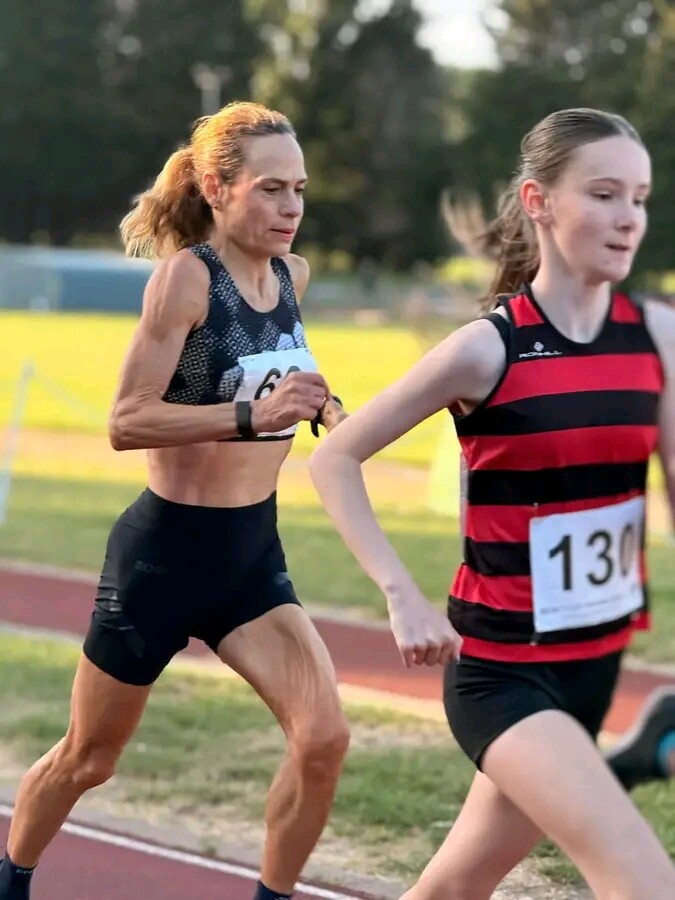
What separates Elms from many masters athletes is that her journey to elite running success began relatively late. She did not commit seriously to training until her early forties, following the birth of her triplets. At an age when many athletes are retiring from competitive sport, she was only beginning to discover her potential.
Over the next two decades, she steadily transformed herself into one of the most accomplished age-group runners in history. Rather than slowing down, she continued to redefine what was possible, collecting world records and national marks across multiple age categories.
Her latest milestone adds another chapter to an already extraordinary résumé. Elms currently holds sixteen British records across the 1500 metres and mile events, spanning categories from W45 through W60. Earlier this year, she also set world-best performances over both 5 kilometres and 5 miles, further cementing her status as one of the most dominant masters runners of her generation.
The significance of her sub-five-minute run extends beyond statistics and record books. It serves as a powerful statement that athletic excellence is not confined to youth. While conventional wisdom suggests that peak performance has an expiration date, Elms continues to challenge those assumptions with every race she enters.
In a sport obsessed with the pursuit of personal bests, Clare Elms has accomplished something even rarer—she has shifted the boundaries of what is believed to be possible. Most athletes spend their careers trying to hold on to their prime years. Clare Elms has spent hers proving that a prime can be redefined.
At 62, she is not merely setting records. She is reshaping the narrative of aging in sport, one remarkable lap at a time.
by Erick Cheruiyot for My Best Runs.
Login to leave a comment
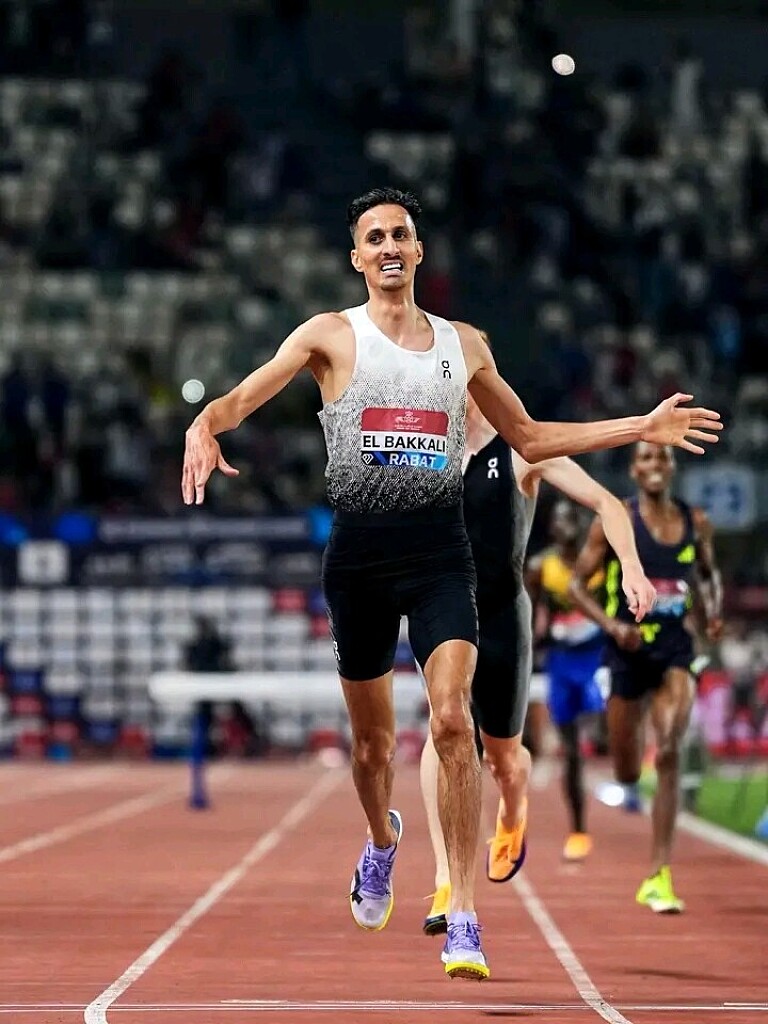
Sub-8 Barrier Falls as El Bakkali Shines and Ruppert Rewrites European History
The men's 3000m steeplechase produced one of the most electrifying races of the season as Morocco's Soufiane El Bakkali stormed to a world-leading performance, headlining a night that saw history made, records shattered, and new names emerge among the event's elite.
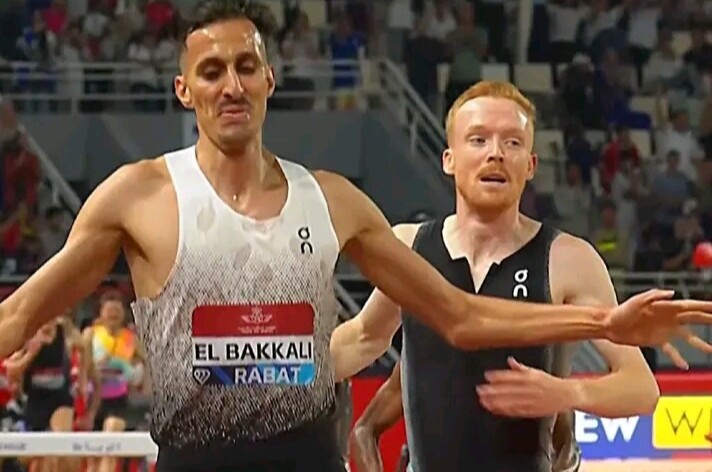
El Bakkali, the reigning Olympic and world champion, once again demonstrated why he remains the undisputed king of the steeplechase. Running with supreme confidence from start to finish, the Moroccan star crossed the line in a world-leading 7:57.25, becoming the first athlete this season to break the coveted eight-minute barrier.
The race, however, was far more than a one-man show.
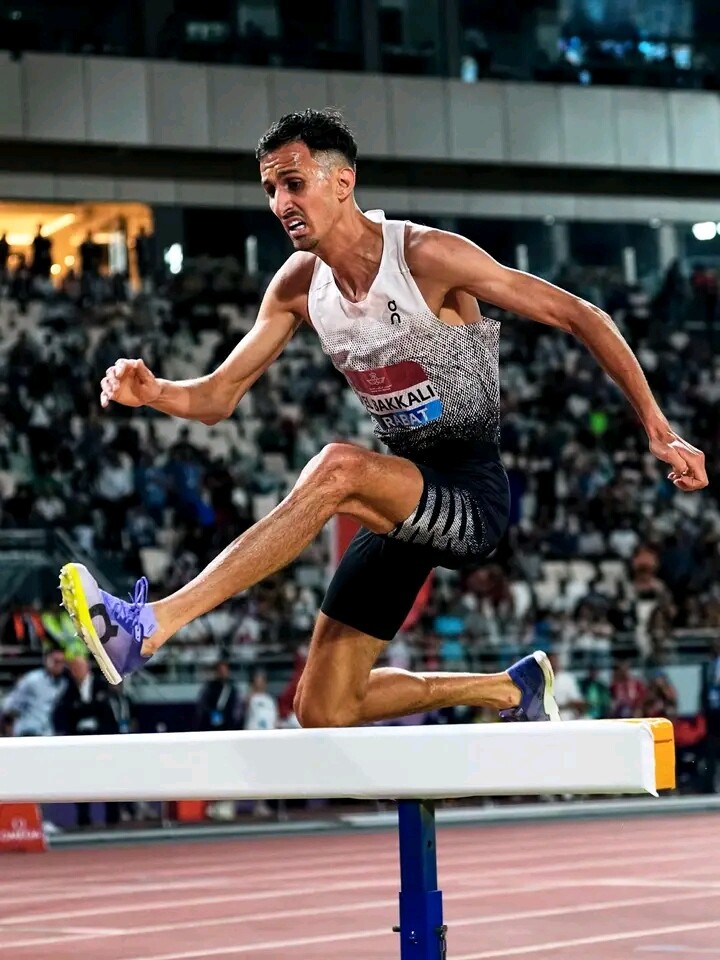
Germany's Frederik Ruppert delivered the performance of his career, producing a stunning 7:57.80 to finish second and obliterate the European record. Ruppert's breakthrough run not only established him as one of the continent's greatest steeplechasers but also marked his arrival as a genuine medal contender on the global stage.
The evening also belonged to Kenya's Simon Kiprop Koech, who achieved a major career milestone by joining the exclusive sub-eight-minute club. Koech clocked a remarkable personal best of 7:59.44, becoming one of the few athletes in history to break the barrier and confirming his growing status among the world's leading steeplechasers.
Fellow Kenyan Edmund Serem continued his impressive rise with another personal best, stopping the clock at 8:01.61. Although just outside the historic eight-minute mark, the performance highlighted his immense potential and further strengthened Kenya's depth in the discipline.
Behind the front quartet, several athletes also produced notable performances, underlining the exceptional quality of the race. The blistering pace pushed competitors to new limits and transformed the contest into one of the fastest steeplechase races ever witnessed.
With El Bakkali setting the world-leading mark, Ruppert rewriting the European record books, and Koech earning membership into one of athletics' most exclusive clubs, the race served as a powerful statement ahead of the championship season.
If this performance is any indication, the men's steeplechase is entering a new era—one where the eight-minute barrier is no longer an untouchable dream but a target increasingly within reach for the world's very best.
by Erick Cheruiyot for My Best Runs.
Login to leave a comment

Nuguse Blazes to Meet Record as World-Class 1500m Battle Lights Up Rabat
American middle-distance star Yared Nuguse launched his 2026 outdoor campaign in spectacular fashion, storming to victory and a new meeting record in the men's 1500 metres at the Rabat Diamond League on Sunday.
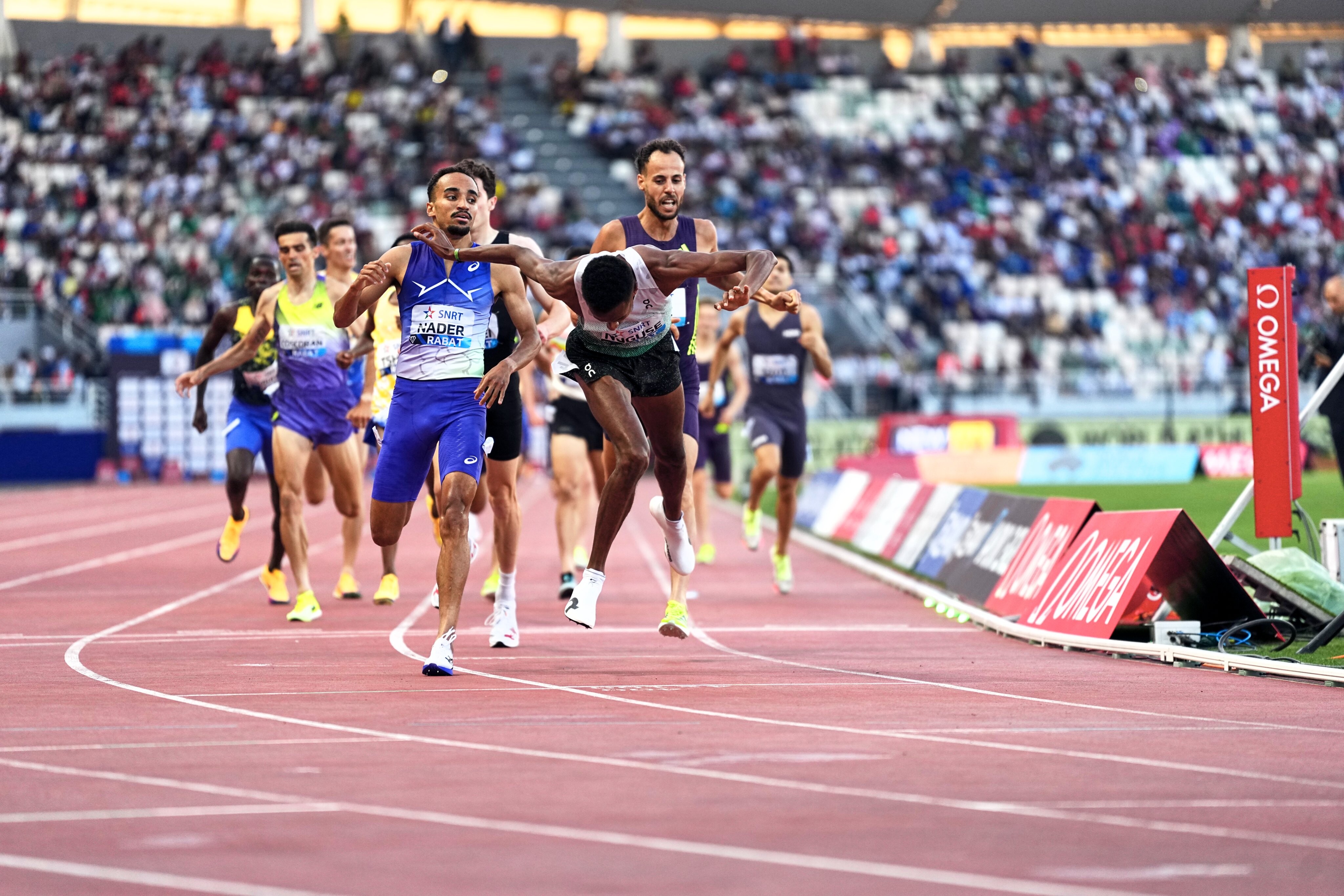
The Olympic and world medal contender produced a composed and clinical performance, crossing the finish line in 3:30.35 after a fiercely contested race that showcased some of the finest talent in global middle-distance running. Nuguse timed his effort to perfection, holding off a relentless late challenge from reigning World Champion Isaac Nader of Portugal, who closed rapidly but fell just short in 3:30.43.
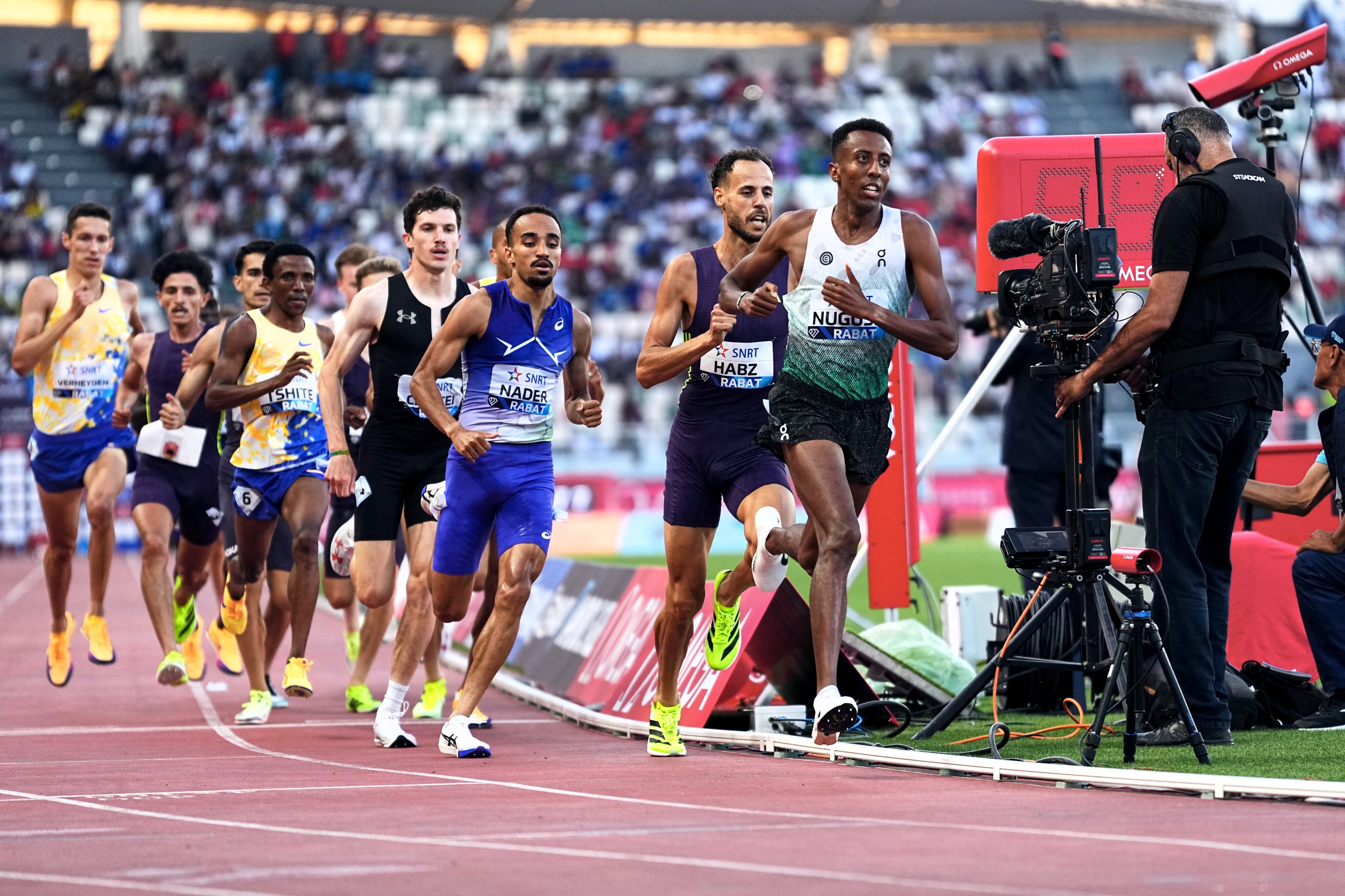
The race developed into a thrilling showdown over the final 200 metres, with Nuguse maintaining his poise under pressure as Nader unleashed a powerful finishing kick. Despite the Portuguese star's impressive surge, the American had already built enough momentum to secure both the victory and the meeting record in one of the fastest 1500m races of the season.
French athlete Azzedine Habz completed the podium after another strong performance, clocking 3:30.68 to underline the exceptional depth of the field. With all three medalists finishing comfortably under 3:31, Rabat delivered a race worthy of its reputation as one of the premier stops on the Wanda Diamond League circuit.
For Nuguse, the victory sends an early statement to his rivals as the championship season approaches. Opening his year with a meeting record against a field featuring a reigning world champion highlights both his consistency and his growing status among the world's elite milers.
The result also signals that the men's 1500m is once again shaping up to be one of athletics' most competitive events. With Nuguse, Nader, Habz and several other global stars already displaying outstanding form, fans can expect more thrilling battles as the road to the major championships gathers momentum.
In Rabat, however, the spotlight belonged to Nuguse. On a night packed with quality performances, the American delivered exactly the kind of statement run that champions are remembered for—fast, fearless and ultimately record-breaking.
by Erick Cheruiyot for My Best Runs.
Login to leave a comment
