

Running News Daily
Running News Daily is edited by Bob Anderson and team. Send your news items to bob@mybestruns.com Advertising opportunities available.
Index to Daily Posts · Sign Up For Updates · Run The World Feed
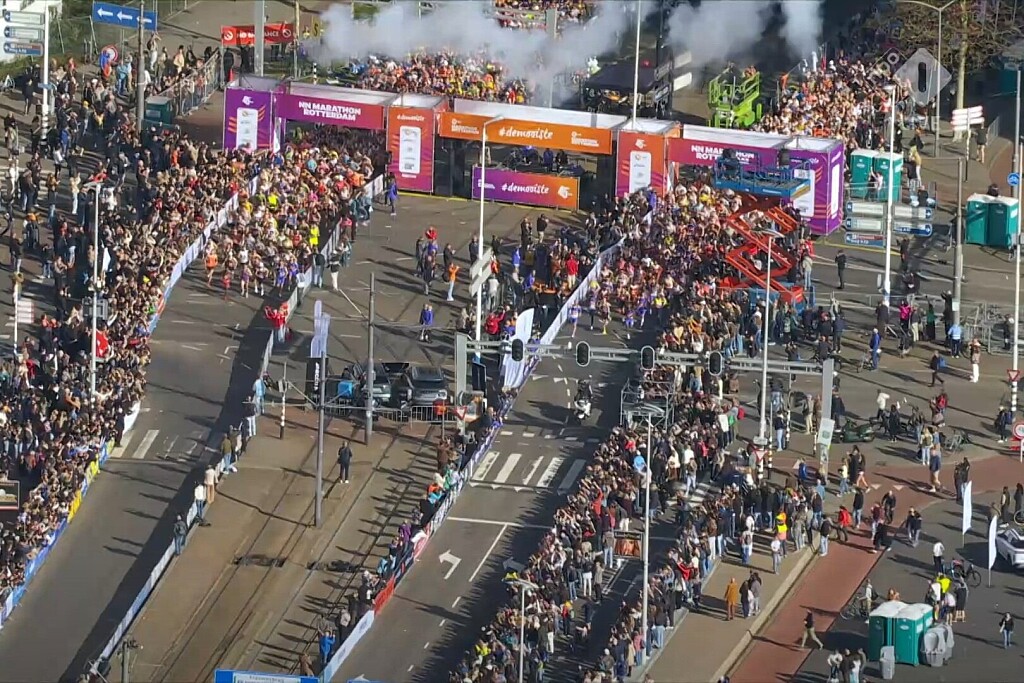


Guye Adola Turns Back the Clock as Rotterdam Marathon Delivers a Day of Brilliance

The 2026 Rotterdam Marathon produced a spectacular showcase of world-class distance running, headlined by a vintage performance from Guye Adola and a record-breaking run from Mekides Shimeles. On the fast streets of Rotterdam, elite athletes lit up one of the sport’s most respected stages with speed, drama, and unforgettable performances.
In the men’s race, Guye Adola reminded the world of his enduring quality by surging to victory in an outstanding 2:03:54. The Ethiopian star, who first rose to global prominence with his fearless battle against Eliud Kipchoge at the 2017 Berlin Marathon, returned to the spotlight with one of the finest victories of his career. It was his first performance under 2:04 since that famous breakthrough, making the triumph even more significant.
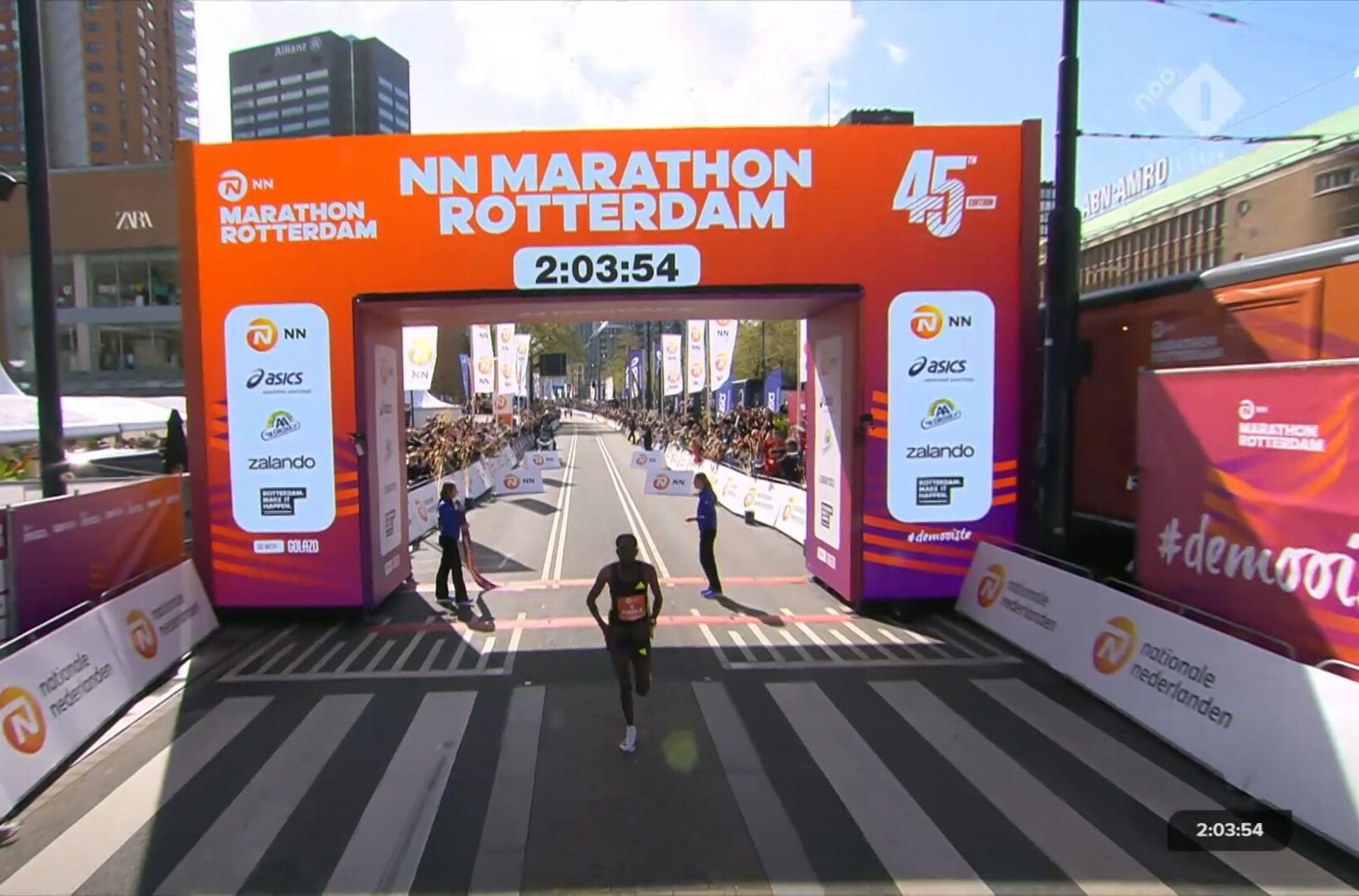
Adola ran with poise and intelligence, conserving energy before striking decisively in the closing stages to separate himself from a stacked field. His victory was not only fast, but symbolic a return to the very highest level of marathon racing.
The chase behind him was equally fierce. Fellow Ethiopian Tesfaye Deriba secured second place in 2:04:15, while Belgium’s Bashir Abdi finished a close third in 2:04:18. Kenya’s Kenneth Kemboi capped a remarkable men’s contest with fourth place in 2:04:21, underlining the depth of quality on display.
The women’s race brought its own moment of history as Mekides Shimeles produced a magnificent run to claim victory in 2:18:56, setting a new championship record. Her commanding performance placed her among the standout stars of the day and added another proud chapter to Ethiopia’s marathon legacy.
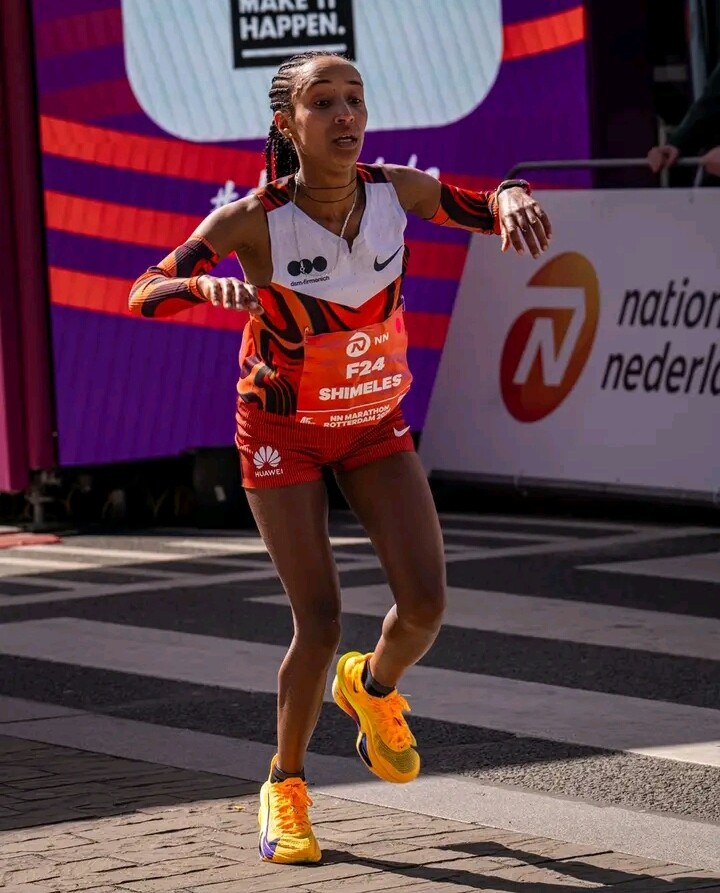
She was followed home by compatriot Aminet Ahmed, who ran 2:21:25 for second place. Bahrain’s Shitaye Eshete finished third in 2:23:22, while Pascalia Jepkogei made it two Bahraini athletes in the top four with a solid 2:24:34 for fourth.
2026 Rotterdam Marathon Results
Men – Top 4
1. Guye Adola (Ethiopia) – 2:03:54
2. Tesfaye Deriba (Ethiopia) – 2:04:15
3. Bashir Abdi (Belgium) – 2:04:18
4. Kenneth Kemboi (Kenya) – 2:04:21
Women – Top 4
1. Mekides Shimeles (Ethiopia) – 2:18:56 (CR)
2. Aminet Ahmed (Ethiopia) – 2:21:25
3. Shitaye Eshete (Bahrain) – 2:23:22
4. Pascalia Jepkogei (Bahrain) – 2:24:34
From Adola’s long-awaited return to major glory to Shimeles’ record-breaking masterclass, Rotterdam once again proved why it remains one of the premier marathon stages in the
by Erick Cheruiyot for My Best Runs.
Login to leave a comment

NN Rotterdam Marathon
The marathon has been the biggest one-day sporting event in the Netherlands for many years in a row with over 35000 athletes professionals inclusive. The world's top athletes will at the start on the bustling coolsingel, alongside thousands of other runners who will also triumph,each in their own way.The marathon weekend is a wonderful blend of top sport and festival. ...
more...Latest Running News

2027 Could Bring Unprecedented Heat, Raising New Concerns for Marathon Runners Worldwide
The global running community could face a formidable challenge in 2027, as forecasts of a potentially powerful El Niño raise concerns about rising temperatures and the impact of extreme heat on marathon performances.
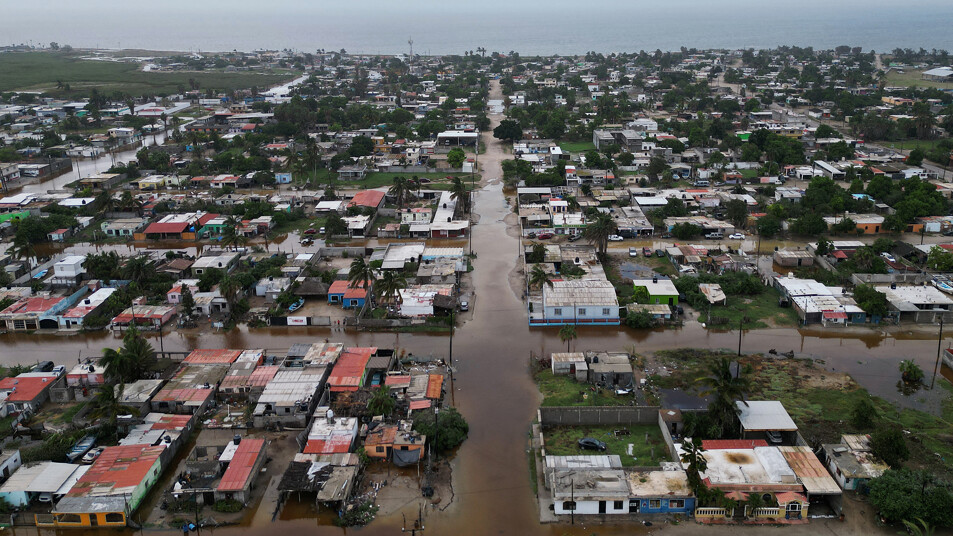
With long-distance runners increasingly chasing personal bests on the world's biggest stages, the prospect of another exceptionally warm year has placed race-day weather firmly in the spotlight. For marathoners, even a modest rise in temperature can make the difference between a record-breaking performance and a difficult battle to reach the finish line.
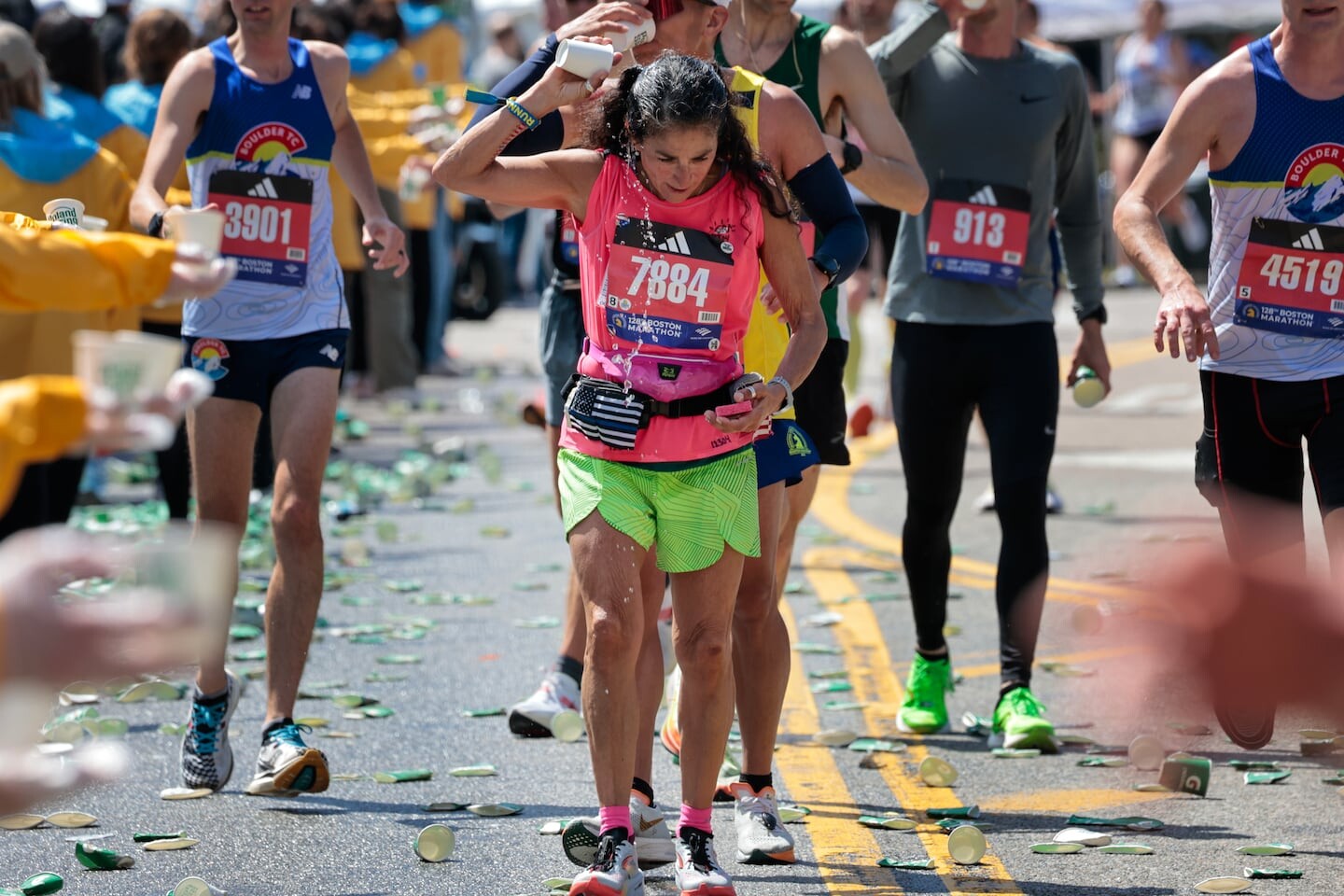
At the centre of the concern is the Pacific Ocean, where developing El Niño conditions could influence global temperatures. Forecasts have raised the possibility of an unusually strong event, although its eventual intensity and the precise effects on temperatures around the world remain uncertain.
El Niño is a natural climate phenomenon characterised by warmer-than-average sea surface temperatures across parts of the central and eastern equatorial Pacific. It can alter weather patterns across different regions, while its warming influence can contribute to higher global temperatures. The full impact depends on the strength of the event and how it interacts with other climate factors.
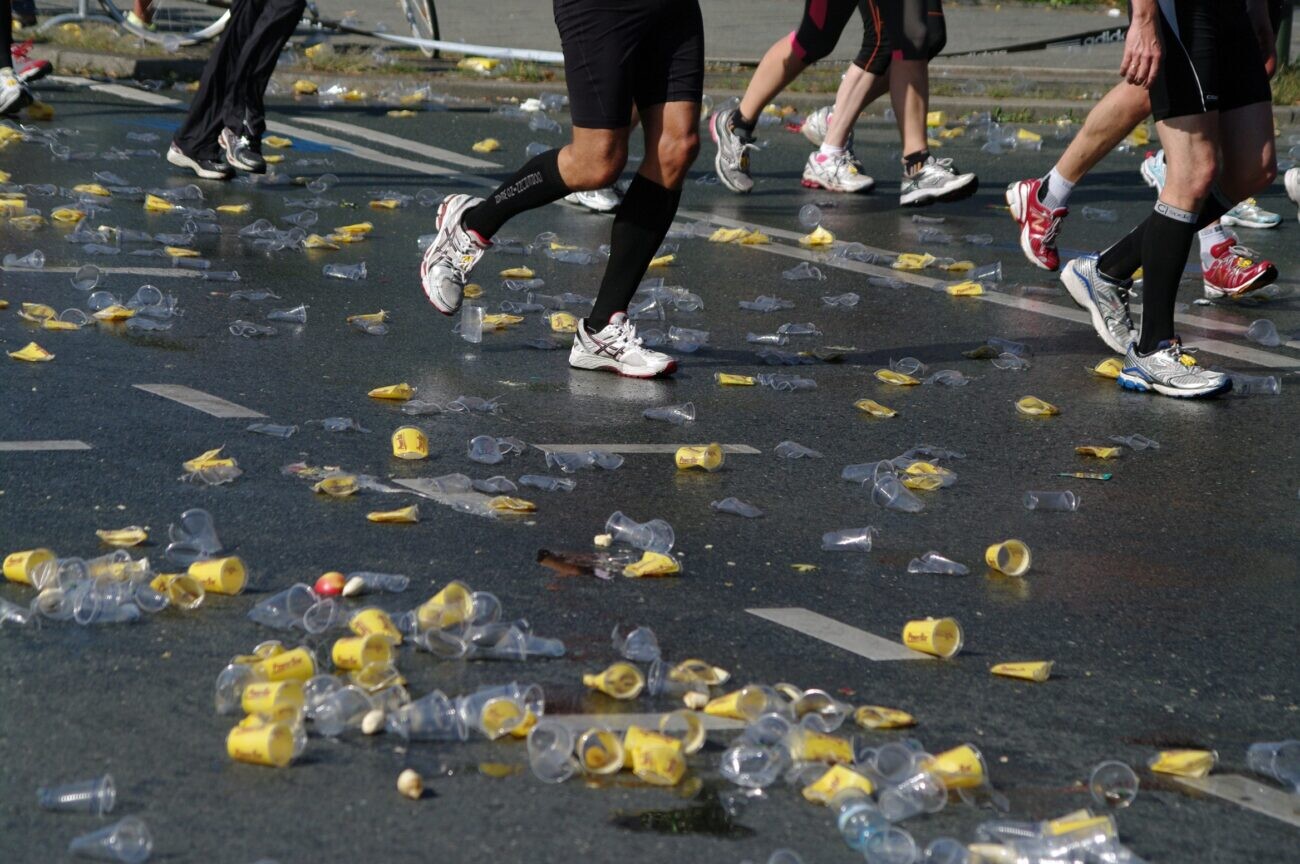
The timing is particularly important. Global temperatures have often responded strongly in the year following a major El Niño, meaning 2027 could face an increased risk of challenging heat. However, whether it ultimately surpasses the existing global temperature record will depend on evolving ocean conditions, atmospheric patterns and human-caused climate change.
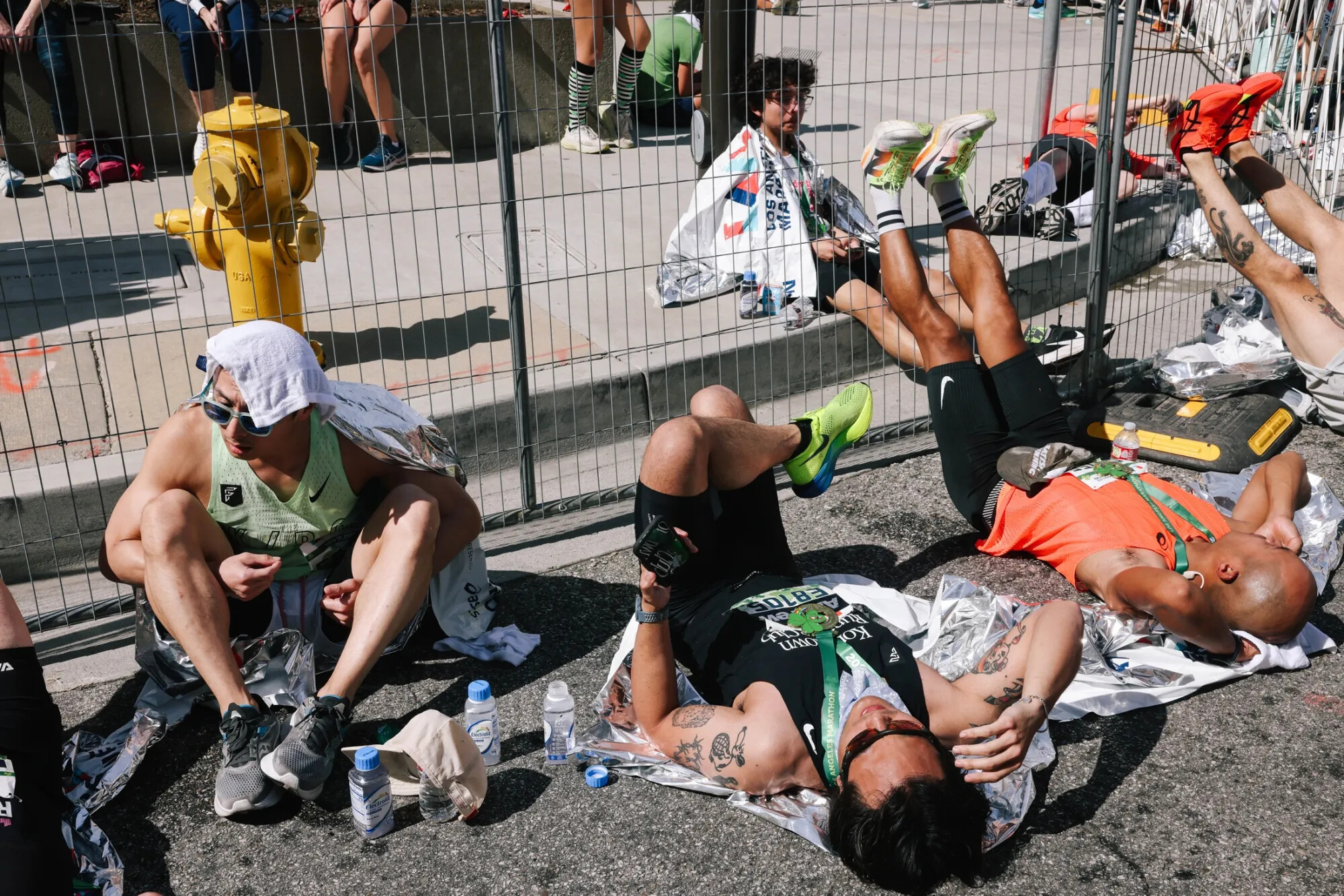
For marathon runners, the implications are significant. Scientific research has repeatedly shown that warmer conditions can reduce endurance performance, increase physiological strain and make it more difficult to maintain a planned race pace over 42.195 kilometres.
An analysis of seven North American marathons illustrates how substantially conditions can influence elite performances. Researchers found that leading male runners finished approximately 1.7 per cent slower relative to course records under the coolest conditions examined. In the warmest category, that difference increased to around 4.5 per cent.
For an athlete capable of running a marathon in 2:05:00, a slowdown of that magnitude could translate into several additional minutes on the clock. At the elite level, where races are frequently decided by seconds, such a difference can determine whether a runner achieves a personal best, secures a podium finish or misses a major performance target.
The consequences can be even more noticeable among recreational athletes, who often spend considerably longer exposed to the conditions.
A separate analysis by researchers at the University of Chicago, examining approximately 4.7 million marathon finishing times, highlighted the substantial effect of temperature on runners across different ability levels. The findings suggested that the typical participant could lose roughly 19 minutes when racing in temperatures in the 70s Fahrenheit, compared with conditions in the 40s. In the 80s Fahrenheit, the estimated time penalty rose to approximately 33 minutes.
These figures underline why marathon preparation involves much more than mileage, speed sessions and strength training. Temperature, humidity, direct sunlight and the body's ability to regulate heat can all influence how effectively a runner sustains an effort over the full distance.
Many marathon performances are achieved in cool conditions, with temperatures of approximately 4°C to 10°C often considered favourable for endurance running. As temperatures climb beyond that range, the body must devote more resources to cooling itself, potentially increasing cardiovascular strain and making a previously comfortable pace harder to maintain.
However, there is no universal temperature at which every marathon runner begins to slow down. Individual fitness, acclimatisation, humidity, wind, course exposure and race strategy all influence performance. A cool, overcast morning can produce very different outcomes from a sunny, humid day, even when the thermometer shows similar readings.
by Erick Cheruiyot for My Best Runs.
Login to leave a comment

Cancer Survivor Brandon Throop Returns To Toronto Marathon In Hospital Gown For Third World Record Bid
For Brandon Throop, running a marathon in a hospital gown is about far more than chasing a place in the Guinness World Records. It is a deeply personal tribute to the medical team that helped save his life, a celebration of survival, and an opportunity to give back to the institution that stood beside him during one of the darkest chapters of his life.

In 2022, Throop was 35 years old, a father of two, and facing a life-changing diagnosis of non-Hodgkin lymphoma. His journey soon led him to Princess Margaret Cancer Centre in Toronto, Canada, where he underwent chemotherapy and began a difficult battle against the disease.

The treatment that helped him fight cancer also left him physically weakened. For someone who had spent much of his life running, even the simplest movements became unexpectedly challenging. After completing treatment, climbing a single flight of stairs could leave him coughing and struggling to catch his breath.
However, rather than allowing the experience to define the limits of his future, Throop began rebuilding his strength one small step at a time. He started by running once around his neighbourhood block before gradually increasing the distance as his body recovered. What began as a modest attempt to regain his fitness eventually developed into an extraordinary mission with a purpose extending far beyond the finish line.
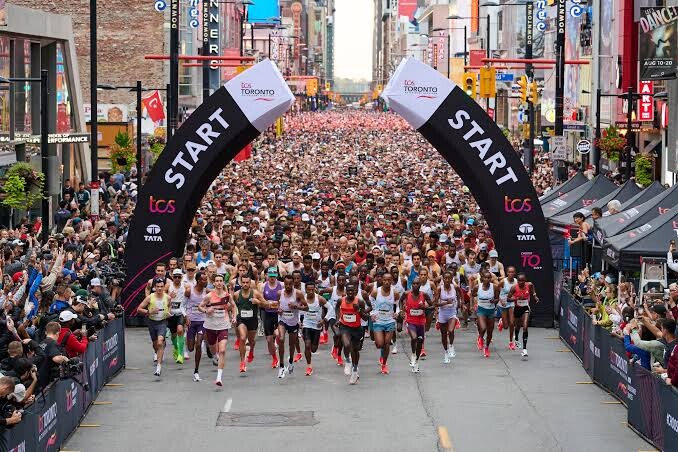
Now, more than three years after becoming cancer-free, Throop is preparing to return to the TCS Toronto Waterfront Marathon on Sunday, October 18, 2026, for another attempt at the Guinness World Record for the fastest marathon completed while wearing a hospital gown.
This will be his third attempt to claim the record, following two determined performances in previous editions of the Toronto race. In 2023, he completed the marathon in 2:55:59 before returning in 2024 to improve his time to 2:55:01. Despite his progress, the record remained just out of reach.
The current benchmark stands at 2:50:12, established by Evan Ubene at the same Toronto Waterfront Marathon in 2022. To make history this time, Throop will need to improve significantly on his previous performances and take more than five minutes off his best hospital-gown marathon.
Yet the significance of Sunday's race cannot be measured by finishing time alone.
Throop's larger objective is to raise funds for the Princess Margaret Cancer Foundation, supporting the cancer research and care that played such an important role in his own recovery. He has already raised more than $137,000 toward his $150,000 fundraising target, bringing him within reach of a goal that could help support further advances in cancer treatment.
Every kilometre he covers in the distinctive hospital gown carries a message of gratitude to the people who cared for him and hope for patients whose journeys are only beginning. His challenge transforms a gruelling 42.195-kilometre race into a public expression of appreciation for the doctors, nurses, researchers and other healthcare professionals working to improve the lives of people affected by cancer.
The timing of this year's marathon makes the occasion even more meaningful. The race falls just days from the anniversary of his first chemotherapy session in 2022, bringing him back to a period that profoundly changed his life. Returning to the streets of Toronto now, healthy enough to pursue another marathon, offers a powerful reminder of how far he has travelled since those difficult days.
For Throop, choosing Toronto has never been simply about finding the fastest course on which to break a record. Although other marathons might offer different racing conditions, the Toronto Waterfront Marathon holds a significance that no alternative venue could easily replace. The course takes him past Princess Margaret Cancer Centre, the institution where he received treatment, while family members and friends who supported him throughout his illness are there to witness his journey.
It is a route that connects his past to his present: the hospital where he fought for his health, the streets where he now tests his endurance, and the people who helped him keep moving forward when the road ahead was uncertain.
His hospital gown is therefore much more than an unusual racing outfit. It is a symbol of the vulnerability he experienced as a patient, the strength he rediscovered through running, and his determination to turn a deeply personal struggle into something that benefits others.
As he prepares for his third record attempt, the challenge remains considerable. The existing mark of 2:50:12 demands an average pace of approximately four minutes per kilometre, a formidable task even without the physical discomfort and practical challenges of racing in a hospital gown.
Nevertheless, Throop has already demonstrated that his mission can make a difference regardless of the result on the clock. His previous attempts brought attention to cancer care, while his ongoing fundraising efforts have generated substantial support for the foundation that represents an important part of his personal story.
On Sunday, he will once again take his place among thousands of runners, carrying a message that reaches well beyond the marathon course. Whether he finally breaks the world record or falls short for a third time, his presence will stand as a reminder that recovery can open doors to remarkable achievements and that gratitude can become a powerful force for helping others.
For Brandon Throop, the finish line represents more than a sporting ambition. It is an opportunity to honour the people who helped him survive, support the research that may give other families more time together, and show what can be possible after a life-altering diagnosis.
The record is still waiting. But with more than $137,000 already raised toward his fundraising goal, Throop has another reason to consider his mission a success before the starting gun even sounds.
On the streets of Toronto, the hospital gown is returning with a purpose: to celebrate survival, give back to the people who helped save a life, and turn every step into hope for someone else.
by Erick Cheruiyot for My Best Runs.
Login to leave a comment
TCS Toronto Waterfront Marathon
The Scotiabank Toronto Waterfront Marathon, Half-Marathon & 5k Run / Walk is organized by Canada Running Series Inc., organizers of the Canada Running Series, "A selection of Canada's best runs!" Canada Running Series annually organizes eight events in Montreal, Toronto and Vancouver that vary in distance from the 5k to the marathon. The Scotiabank Toronto Waterfront Marathon and Half-Marathon are...
more...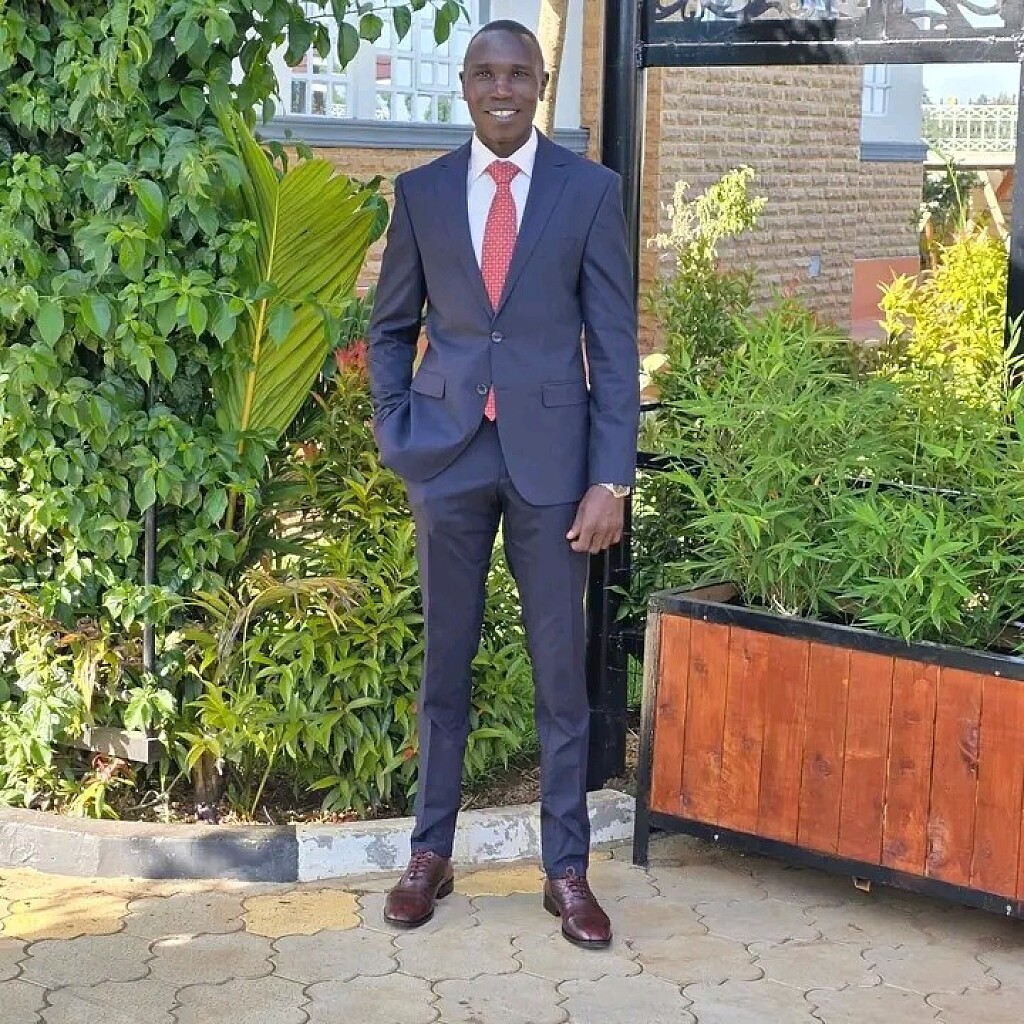
Geoffrey Kamworor: The Lawyer He Never Became, The Distance Running Legend He Was Born To Be
Long before he conquered world cross-country championships, dominated the half-marathon distance and lifted the New York City Marathon trophy, Geoffrey Kamworor was a young Kenyan student with an ambitious dream that had little to do with running: becoming a lawyer.
Growing up in Keiyo South, Kamworor developed the discipline that would later define his extraordinary athletic career. His daily routine involved running approximately five kilometres to school and another five kilometres back home. What might have seemed like an ordinary journey for a schoolboy was quietly laying the foundation for a future in international distance running.
He attended Chepsamo Primary School before proceeding to Lelboinet Secondary School, where he combined his education with a growing passion for athletics. At the time, his ambitions extended beyond the track and roads. He wanted to pursue a career in law, and that dream eventually brought him an opportunity to study at a college in the United States.
However, the young Kenyan faced a defining decision: follow the academic path he had envisioned or commit himself fully to the sport that was beginning to reveal his remarkable potential. Kamworor chose athletics, a decision that would ultimately place his name among the most accomplished distance runners of his generation.
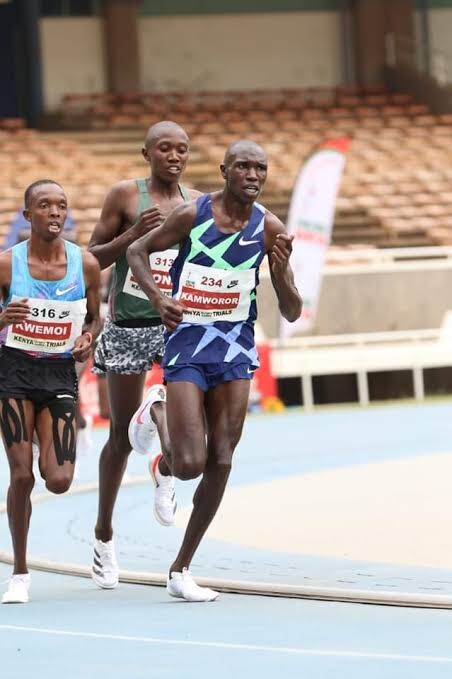
His transformation from a promising schoolboy into an international contender began gathering momentum in 2010, when he joined the GSC training camp in Kaptagat. His development accelerated rapidly, and within a short period, an opportunity to compete in Finland exposed him to a higher level of international competition.
Still only 17, he reportedly competed nine times during that trip, demonstrating an impressive ability to adapt to the demands of competitive racing. Breaking the eight-minute barrier for 3,000 metres was an early indication of the talent that would eventually carry him to the highest levels of distance running.
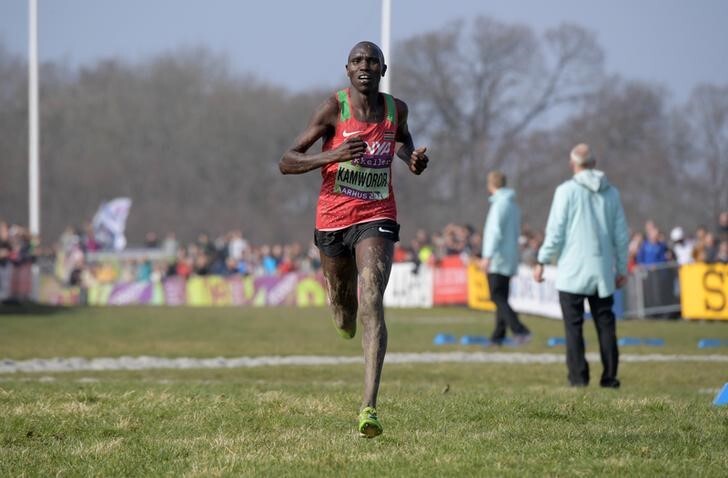
His breakthrough on the international stage followed in March 2011, when he captured the junior men's title at the World Cross Country Championships in Punta Umbría, Spain. That victory announced the arrival of a young athlete whose future would extend far beyond the junior ranks.
Kamworor was not simply a runner with speed. He possessed the endurance, tactical intelligence and competitive determination required to succeed across different distances and racing surfaces. As his career developed, those qualities became the hallmarks of an athlete capable of challenging the world's best.
Cross country became one of the foundations of Kamworor's international success. In 2015, he won the senior men's title at the World Cross Country Championships in Guiyang, China, confirming his status as one of the leading distance runners in the world. Two years later, he returned to the top of the podium in Kampala, Uganda, defending his senior world cross-country crown in front of a home crowd. Winning consecutive senior world titles placed him in an elite category and demonstrated his remarkable command of the demanding discipline.
On the roads, however, Kamworor established an equally impressive legacy. He won the World Half Marathon Championships in Copenhagen in 2014, Cardiff in 2016 and Valencia in 2018, becoming a three-time champion at the distance. His achievements reflected a rare combination of strength, speed and race management, enabling him to prevail against formidable international opposition.
The half marathon became one of his signature events, but Kamworor's ambitions were never confined to a single discipline. He continued to demonstrate his versatility on the track, winning silver in the men's 10,000 metres at the 2015 World Athletics Championships in Beijing, China. From the grass of cross-country courses to the roads of major international races and the track of a global championship, he repeatedly demonstrated that his talent could flourish wherever the competition took him.
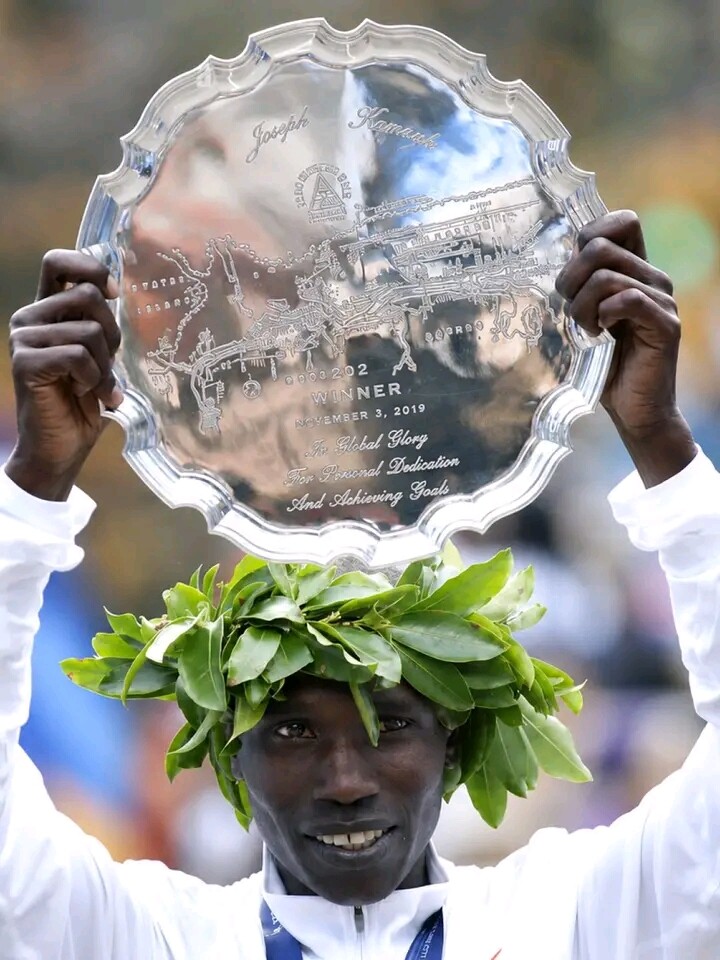
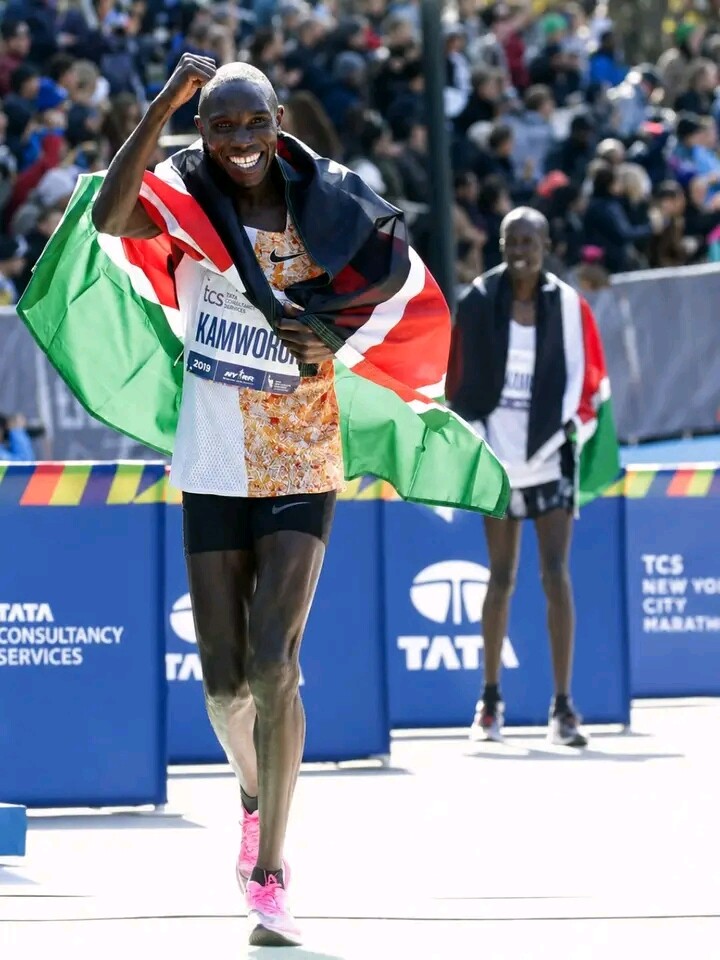
Among Kamworor's most memorable achievements are his victories at the New York City Marathon in 2017 and 2019. Winning one of the world's most celebrated marathons requires exceptional endurance, but winning it twice demands much more: tactical patience, resilience and the ability to navigate a demanding course against a deep international field.
Kamworor demonstrated those qualities in both victories, establishing a special connection with the New York race and adding the marathon to an already remarkable collection of honours. His success in the American city also illustrated his ability to move successfully between distances. An athlete celebrated for his cross-country and half-marathon dominance had shown that he could also conquer the 42.195-kilometre marathon, one of the most demanding challenges in road racing.
Now, as he sets his sights on another New York campaign, the Kenyan star has an opportunity to strengthen his legacy further. A third men's open-division victory would place him among a very select group of athletes to have won the prestigious race three times. Such a milestone would be more than another addition to his trophy cabinet; it would reinforce the story of a runner whose competitive range has extended across nearly every major discipline in distance running.
Behind Kamworor's achievements lies a training environment built around discipline, consistency and high-level competition. Working under the guidance of renowned coach Patrick Sang, he has trained alongside some of Kenya's most celebrated athletes, including marathon great Eliud Kipchoge and middle- and long-distance superstar Faith Kipyegon.
Sharing a training environment with athletes of such calibre provides a demanding daily standard. Yet Kamworor has built his own identity through a career defined by major championship victories and sustained success across different racing distances. His journey has also included difficult periods and setbacks, reminding the running world that even the most accomplished champions must continually work to return to their best. His longevity at the elite level reflects the importance of patience, dedication and the willingness to keep pursuing new goals.
For aspiring athletes in Kenya, his story offers an important lesson: extraordinary achievements are often built through ordinary routines repeated consistently over many years. Those five-kilometre journeys to school and back were not glamorous. They did not come with cheering crowds, television cameras or medals. Yet they formed part of the foundation of a career that would eventually take him to the world's biggest running stages.
Kamworor's story is ultimately about a choice that changed the direction of his life. The young student who once imagined himself arguing cases in a courtroom instead built his reputation by answering the toughest questions on the running track and roads. His achievements speak for themselves: world cross-country titles, three world half-marathon crowns, a global 10,000-metre silver medal and two New York City Marathon victories.
He may never have pursued the legal career he once envisioned, but his athletic record tells a compelling story of ambition, sacrifice and extraordinary accomplishment. His pursuit of another New York triumph offers a fresh chapter in a career that has already crossed the boundaries between cross country, track and road racing.
For Geoffrey Kamworor, the courtroom was a dream he left behind. The world of distance running became the stage on which he built his name. And while the law lost a prospective lawyer, athletics gained a champion whose achievements have helped define an era of Kenyan distance running.
by Erick Cheruiyot for My Best Runs.
Login to leave a comment

TCS New York City Marathon
The first New York City Marathon, organized in 1970 by Fred Lebow and Vince Chiappetta, was held entirely in Central Park. Of 127 entrants, only 55 men finished; the sole female entrant dropped out due to illness. Winners were given inexpensive wristwatches and recycled baseball and bowling trophies. The entry fee was $1 and the total event budget...
more...
Geofry Kipchumba Returns To Defend Amsterdam Crown As World-Class Men’s And Women’s Fields Target History
The TCS Amsterdam Marathon is set for an exciting showdown on Sunday, 18 October, with an outstanding international field preparing to challenge the course records, pursue personal bests and compete for victory on one of Europe’s most prestigious marathon stages.
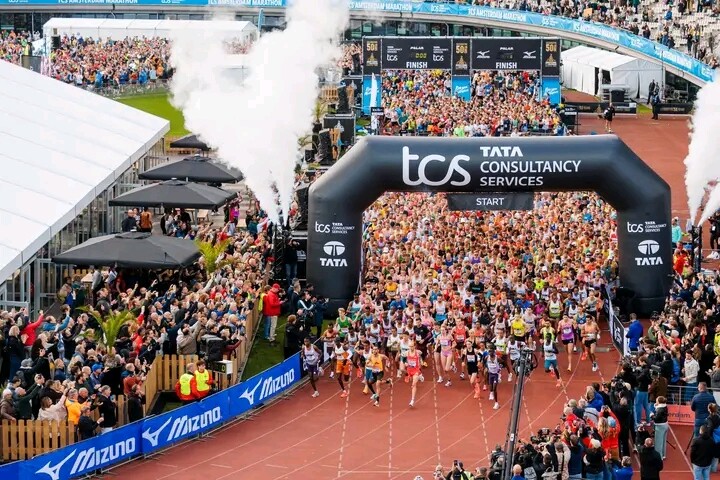
The 2026 edition promises compelling competition in both the men’s and women’s races. Kenya and Ethiopia will feature prominently among the leading contenders, with experienced champions, emerging talents and athletes making their marathon debuts all bringing ambitious targets to Amsterdam.
In the men’s race, defending champion Geofry Toroitich Kipchumba returns with the course record firmly in his sights after producing a remarkable performance last year.
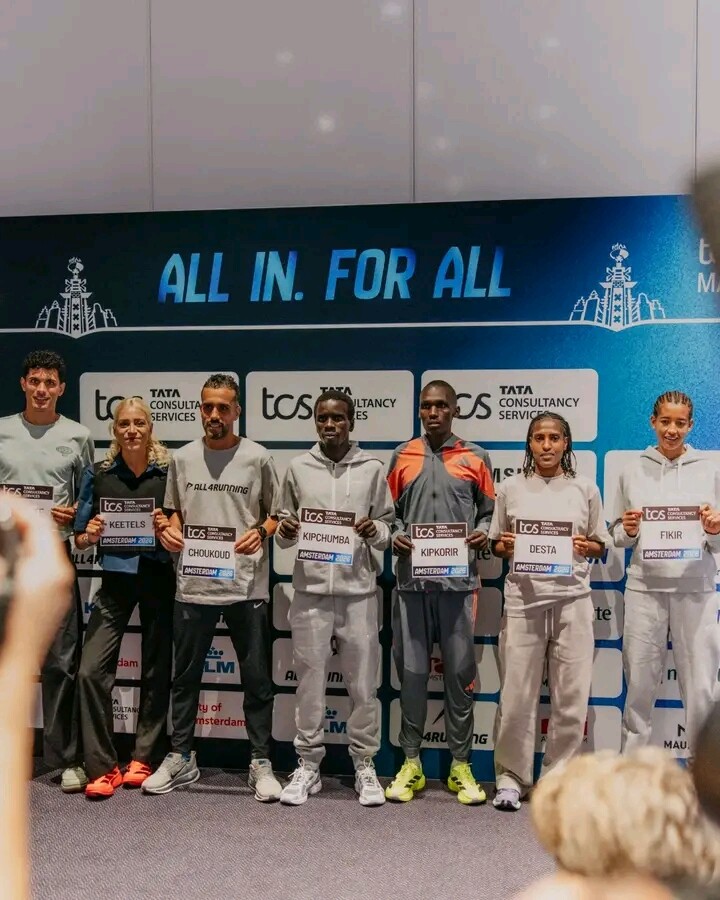
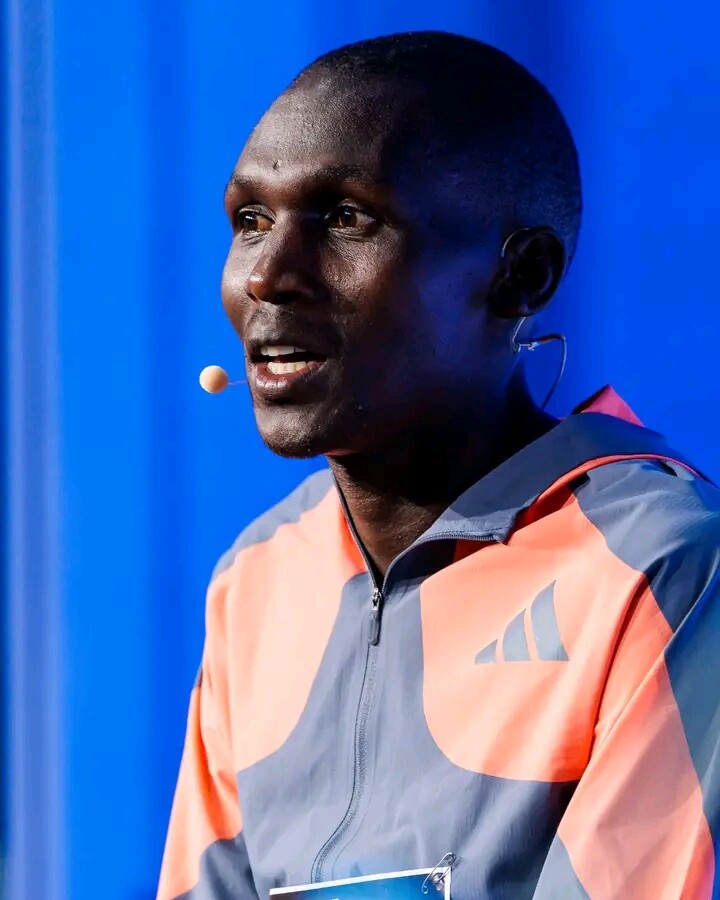
Kipchumba stormed to victory in 2:03:30 at the 50th edition of the race, establishing a new Amsterdam course record and the fastest marathon time ever recorded on Dutch soil. His return offers an opportunity to improve on that achievement, although a formidable field stands between him and another memorable victory.
The Kenyan is not the only athlete arriving with the potential to challenge the record. Ethiopia’s Haymanot Alew has a marathon personal best of 2:03:31, recorded in Berlin, leaving him just one second outside the existing course record. The 2026 Egmond Half Marathon winner will be among the athletes hoping to turn that narrow gap into history on Amsterdam’s streets.
Another major contender is Ethiopia’s Tsegaye Getachew, a two-time Amsterdam champion who won the race in 2022 and 2024 before finishing second in 2025 with a personal best of 2:04:18. His familiarity with the course and previous success make him an important presence in a race expected to feature an intense battle among the leading men.
The depth of the field is underlined by the presence of 10 athletes who have recorded marathon times below 2:05, according to the race organisers. With several runners capable of sustaining an exceptional pace, the contest could develop into a demanding tactical battle in which positioning, endurance and the ability to respond to late-race attacks will prove decisive.
Kenya’s Isaia Kipkoech Lasoi is another athlete attracting attention ahead of the race, although his challenge comes with a different question. The half-marathon specialist will make his marathon debut after establishing an impressive personal best of 58:10 over 21.0975 kilometres.
His speed over the half-marathon distance provides an intriguing indication of his potential, but the full marathon presents an entirely different test. How effectively he manages his energy beyond the halfway point and adapts to the demands of 42.195 kilometres will be among the most interesting aspects of his first appearance at the distance.
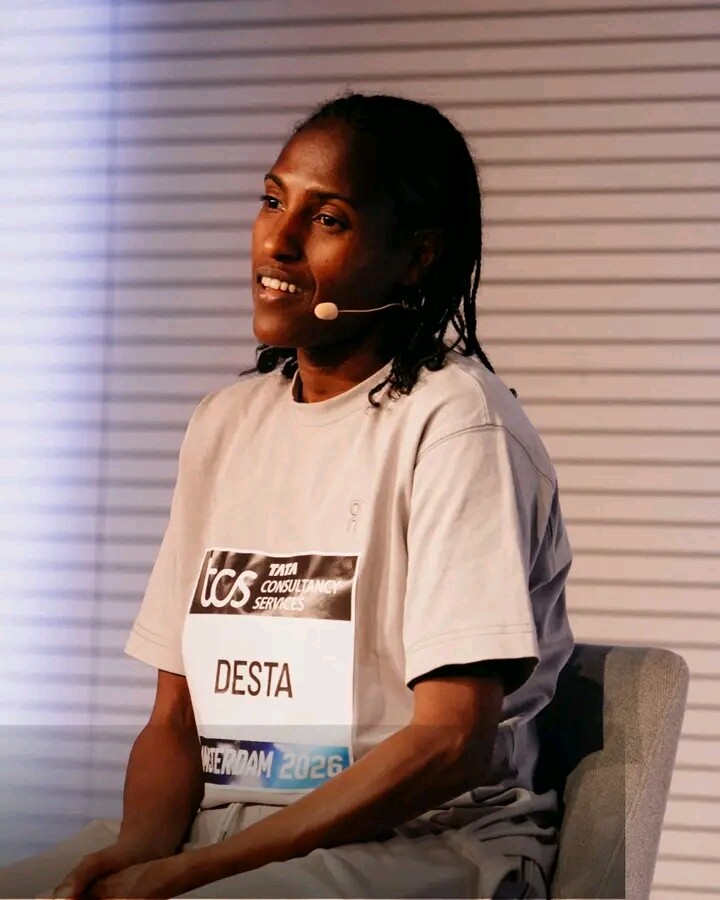
While the men prepare to attack the 2:03:30 course record, the women’s race has its own compelling storyline, with four Ethiopian athletes arriving with personal bests faster than 2:20.
Aynalem Desta, the defending champion, returns after winning last year’s 50th edition in a personal best of 2:17:37. Her familiarity with the course and experience of winning in Amsterdam place her among the leading contenders as she seeks to defend her title.

However, Desta faces a formidable challenge from compatriot Meseret Belete Tola, the 2023 Amsterdam champion, whose personal best stands at 2:18:21. Belete’s previous success in the Dutch capital adds another layer of intrigue to a race featuring multiple athletes with the credentials to contend for victory.
Ethiopia’s Mestawut Fikir Truneh also brings considerable experience and a strong personal best of 2:18:48, recorded when she finished second at the 2024 Berlin Marathon. Meanwhile, compatriot Buze Diriba arrives with a best of 2:19:34, ensuring that the Ethiopian challenge extends well beyond the two former Amsterdam champions.
The international depth continues with Bahrain’s Desi Jisa Mokonin, Ethiopia’s Yeshi Kalayu Chekole and Eritrea’s Nazret Weldu Gebrehiwet, all of whom have recorded performances close to the two-hour-and-20-minute barrier.
Sweden’s Abeba Aregawi, a former world champion over 1,500 metres, adds another fascinating dimension to the contest. Aregawi set a Swedish marathon record of 2:23:12 on her debut earlier this year and will now face another major test as she continues her transition from track running to the marathon.
With the women’s course record standing at 2:16:52, the question is whether the leading contenders can produce the performance required to challenge it. Desta’s personal best of 2:17:37 already places her within striking distance, while Belete, Fikir and Diriba will be looking to turn their own ambitions into competitive results.
Beyond the elite fields, the athletes’ comments at the pre-race press conference have provided a glimpse into the different approaches they will bring to Sunday’s contest.
Kenya’s Nicholas Kipkorir expressed confidence in his return to Amsterdam, describing the city as a second home and believing that his familiarity with the environment could help him deliver his best performance.
“I love Amsterdam. It feels like my second home, and I know that will help me run my best time,” Kipkorir said.
His compatriot Geofry Kipchumba has set his sights on achieving another personal best while also fighting for victory. His ambition reflects the competitive spirit surrounding the men’s race, where the defending champion and several challengers are expected to target fast times.
“I’m going for another personal best and the win,” Kipchumba said.
Ethiopia’s Aynalem Desta is equally determined to build on her previous success in Amsterdam. Having won last year’s race in a personal best of 2:17:37, she will be aiming to deliver another strong performance against a deep women’s field.
“I love the TCS Amsterdam Marathon. I’m happy with the race I ran here last year, and I want to perform even better this year,” Desta explained.
Fellow Ethiopian Mestawut Fikir Truneh emphasised the importance of patience and perseverance, qualities that often determine the outcome of a marathon when fatigue begins to affect even the strongest runners.
“A marathon requires patience. You must not give up hope until the very last moment. Keep going and never give up,” Fikir said.
Among the Dutch athletes, Mikky Keetels has established a clear objective: breaking the two-hour-and-30-minute barrier, with hopes of going even faster if conditions allow.
“I really want to run under 2:30, and secretly maybe even a little faster,” Keetels revealed.
Fellow Dutch runner Noah Schutte is concentrating on the closing stages of the race, when maintaining pace and fighting through fatigue can make the difference between achieving a target and falling short.
“I especially want to give everything in the final kilometres and keep fighting,” Schutte said.
For Khalid Choukoud, the race presents an opportunity to improve his personal best while continuing to demonstrate his competitiveness at the age of 40. Breaking 2:10 would represent a particularly significant achievement for the experienced Dutch marathoner.
“It would be great to improve my personal best. But if I run under 2:10 at the age of 40, that would be a great achievement too,” Choukoud said.
All these ambitions will converge on Sunday, when the athletes take on the streets of Amsterdam before finishing inside the iconic Olympic Stadium.
The defending champions will be under pressure to retain their titles, record holders will be challenged by determined rivals, and debutants will have the opportunity to discover what they can achieve over the full marathon distance.
For Kipchumba, the immediate target is to defend his crown and potentially lower the 2:03:30 course record. For Alew, it is an opportunity to bridge the one-second gap separating his personal best from the mark. Getachew will be seeking another victory, while Lasoi faces the challenge of translating his exceptional half-marathon speed into marathon success.
In the women’s race, Desta will attempt to defend her title against a field featuring former champions, major-marathon performers and several athletes capable of producing personal bests. With the 2:16:52 course record in sight, the leading women could also make a serious attempt to rewrite the record books.
One start line will unite these athletes, but their objectives are different. Some are pursuing victory, others are targeting personal records, and a select few have their sights set on history.
When the gun fires on 18 October, the preparation will be over and the real test will begin. Amsterdam is ready for a day of world-class marathon racing, with the possibility of new records adding even greater anticipation to an already compelling contest.
by Erick Cheruiyot for My Best Runs.
Login to leave a comment
TCS Amsterdam Marathon
Do you want to enjoy Amsterdam in October and all that the city has to offer you? Want to feel a real athlete and start and finish in the historic Olympic stadium? Or run across the widely discussed passage under the beautiful National Museum? Then come to Amsterdam for the annual TCS Amsterdam Marathon in October! The TCS Amsterdam Marathon...
more...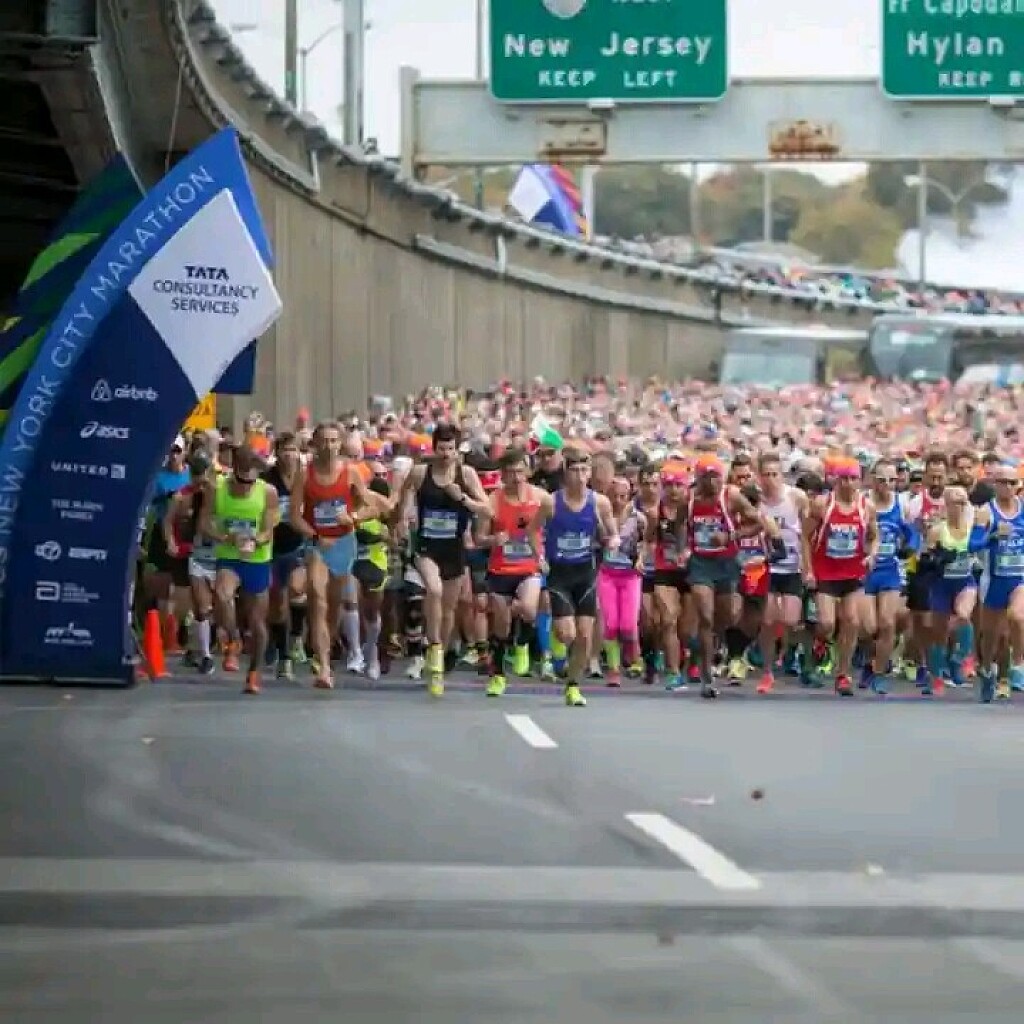
From $1 To $358: How The New York City Marathon Became A Global Running Phenomenon
What began as a modest race through Central Park, with a handful of determined runners and a budget of just $1,000, has evolved into one of the most prestigious and sought-after marathons in the world. More than five decades later, the New York City Marathon tells a remarkable story of how distance running has grown from a grassroots sporting event into a global spectacle.
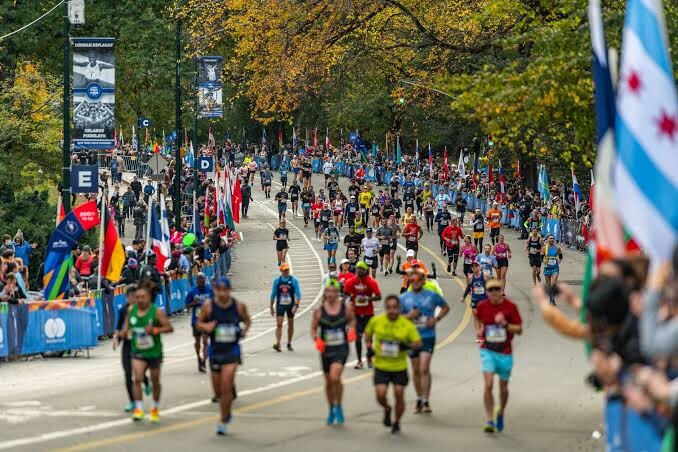
When the inaugural New York City Marathon took place in 1970, the entry fee was just $1. Organised by the New York Road Runners, the race was held entirely within Central Park, far removed from the enormous crowds, international attention and commercial scale that define the event today.
Of the 127 registered participants, only 55 completed the race. Yet, despite its modest beginnings, the event laid the foundation for a marathon that would eventually capture the imagination of runners from every corner of the world.
The first champion was Gary Muhrcke, a New York City firefighter whose victory remains one of the most memorable stories from the race's early years. According to accounts of the inaugural edition, Muhrcke had finished a night shift before entering the competition shortly before the start. He went on to win in approximately 2:31, securing his place in the marathon's history.
The inaugural race also featured Nina Kuscsik, the only woman in the field. She started the event but withdrew after becoming ill, meaning no woman finished that first edition. Kuscsik would later become an important figure in the campaign for women's inclusion in competitive distance running.
Over the years, the New York City Marathon expanded beyond Central Park, eventually developing into the iconic five-borough journey that takes runners through Staten Island, Brooklyn, Queens, the Bronx and Manhattan. Its transformation helped turn the race into a celebration of athletic achievement, community spirit and the extraordinary diversity of New York City.
Today, the marathon attracts elite athletes chasing victories and records, recreational runners pursuing personal milestones, charity participants raising funds for important causes, and thousands of international visitors eager to experience one of running's most celebrated events.
by Erick Cheruiyot for My Best Runs.
Login to leave a comment
TCS New York City Marathon
The first New York City Marathon, organized in 1970 by Fred Lebow and Vince Chiappetta, was held entirely in Central Park. Of 127 entrants, only 55 men finished; the sole female entrant dropped out due to illness. Winners were given inexpensive wristwatches and recycled baseball and bowling trophies. The entry fee was $1 and the total event budget...
more...