

Running News Daily
Running News Daily is edited by Bob Anderson and team. Send your news items to bob@mybestruns.com Advertising opportunities available.
Index to Daily Posts · Sign Up For Updates · Run The World Feed
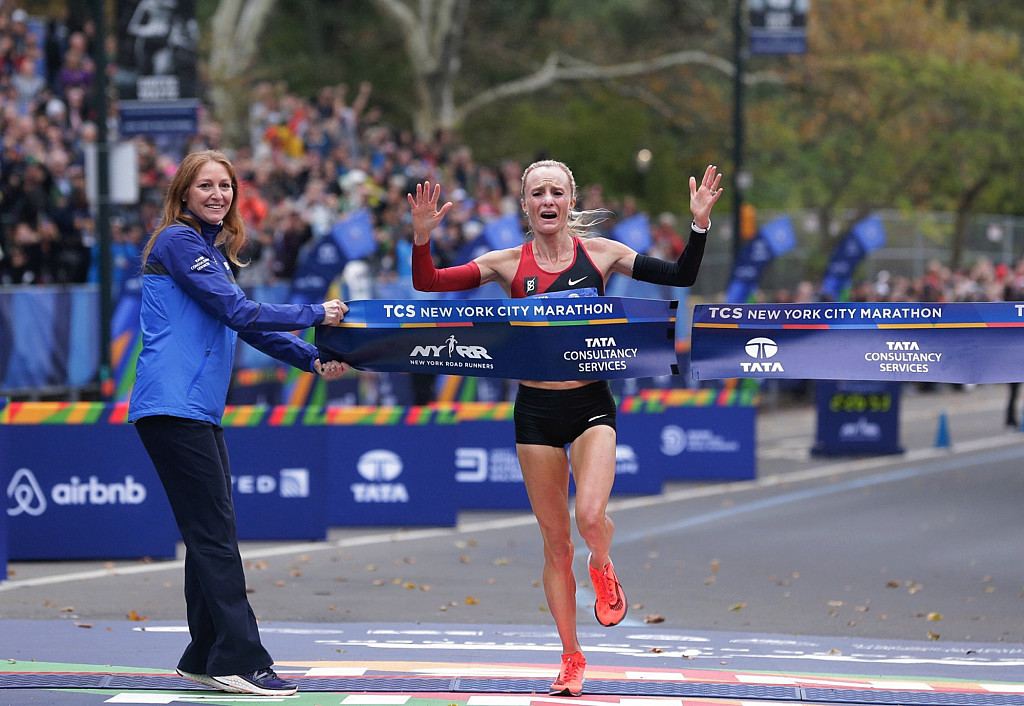


Does NIKE'S Vaprofly really improve performance by 4%?

Created in conjunction with Breaking2, Nike’s attempt to enable the first sub-two-hour marathon, the Nike Zoom Vaporfly 4% was designed with the goal of helping the world’s fastest marathoners run their best.
The tooling features new Nike ZoomX foam that is ultra-lightweight, soft and capable of providing up to 85- percent energy return. Shalane Flanagan wore this shoe and won the NYC marathon, the first American woman in forty years.
Login to leave a comment
Latest Running News
Charles Wanjora Leads 6th Annual KATA Double Road Race 15K As Ruth Maina Claims Women’s Victory In Thika
THIKA, Kenya — Charles Wanjora emerged victorious at the 6th Annual KATA Double Road Race 15K in Thika on Saturday, September 19, 2026, leading a competitive field in a unique two-stage contest that demanded endurance, careful pacing and the ability to recover before returning for another hard effort.
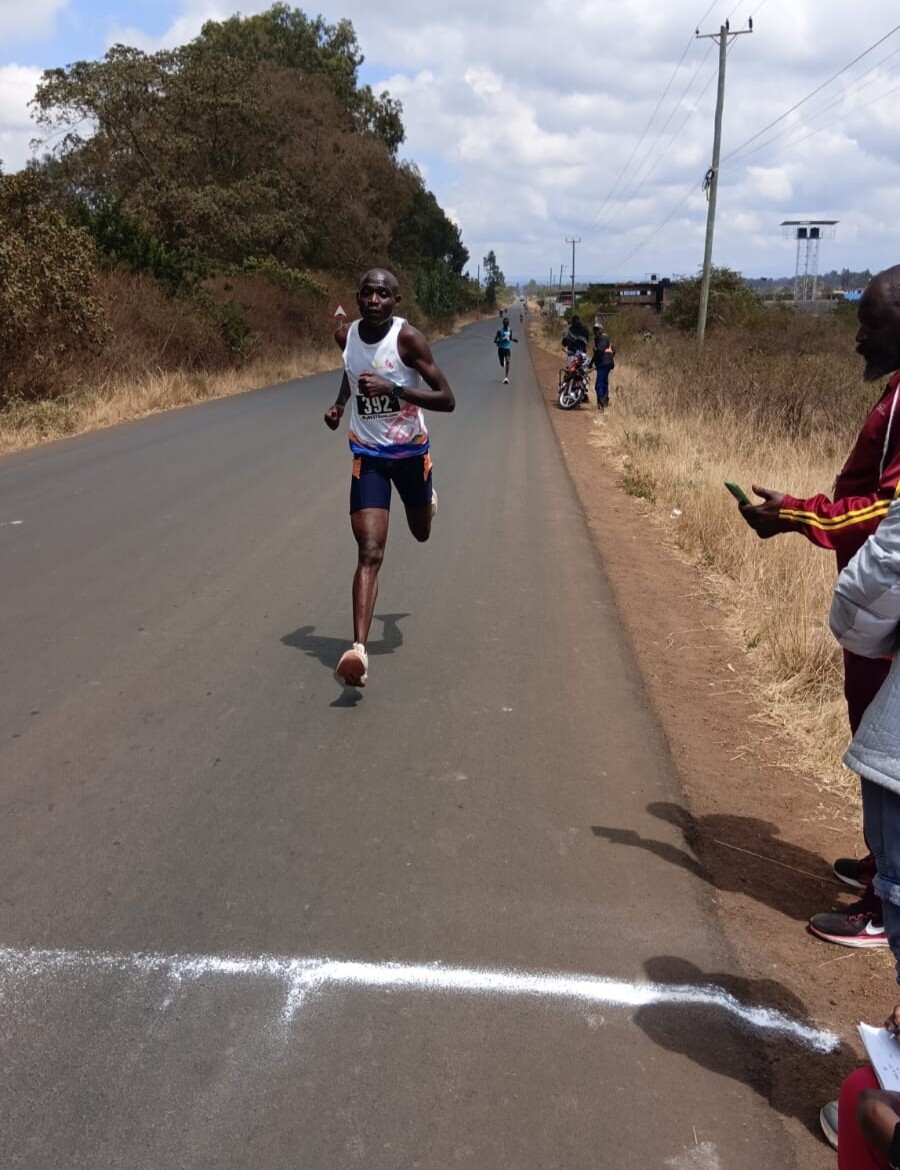
Wanjora won the men’s race in a combined time of 46:02, finishing 15 seconds ahead of Joshua Kibet, who was second in 46:17. Justus Nyamai completed the men’s podium in 47:10.
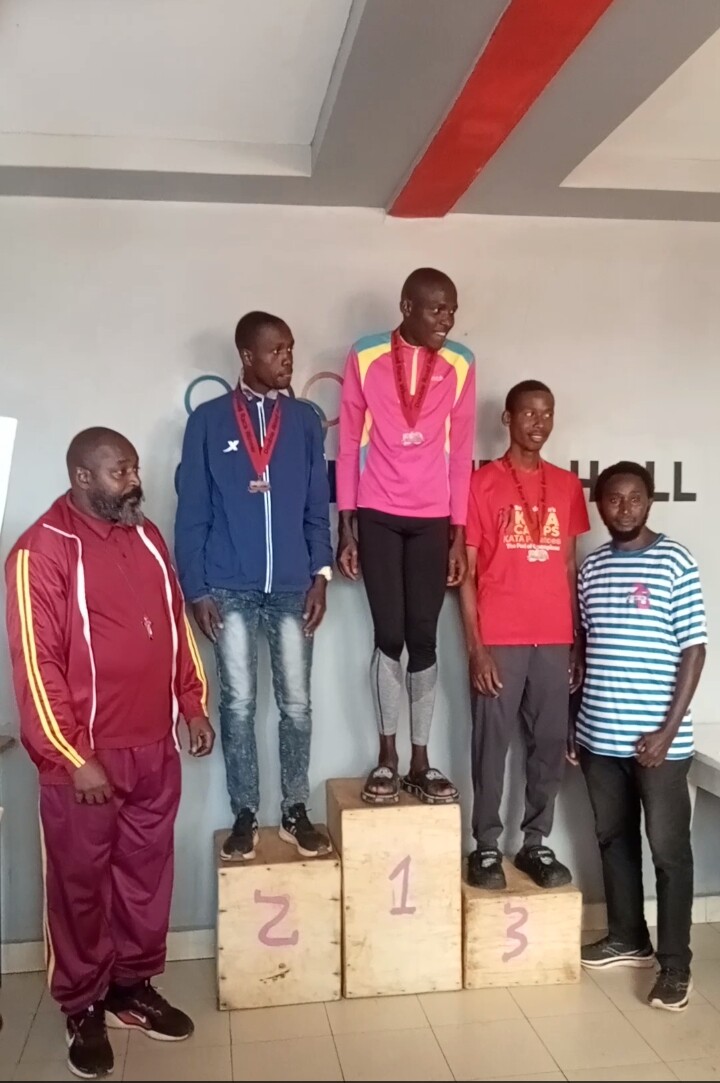
Erick Cheruiyot finished fourth in 48:01, followed by Francis Maina in 48:25. Joseph Nyota placed sixth in 49:49, while Vincent Kiprotich was seventh in 50:15.
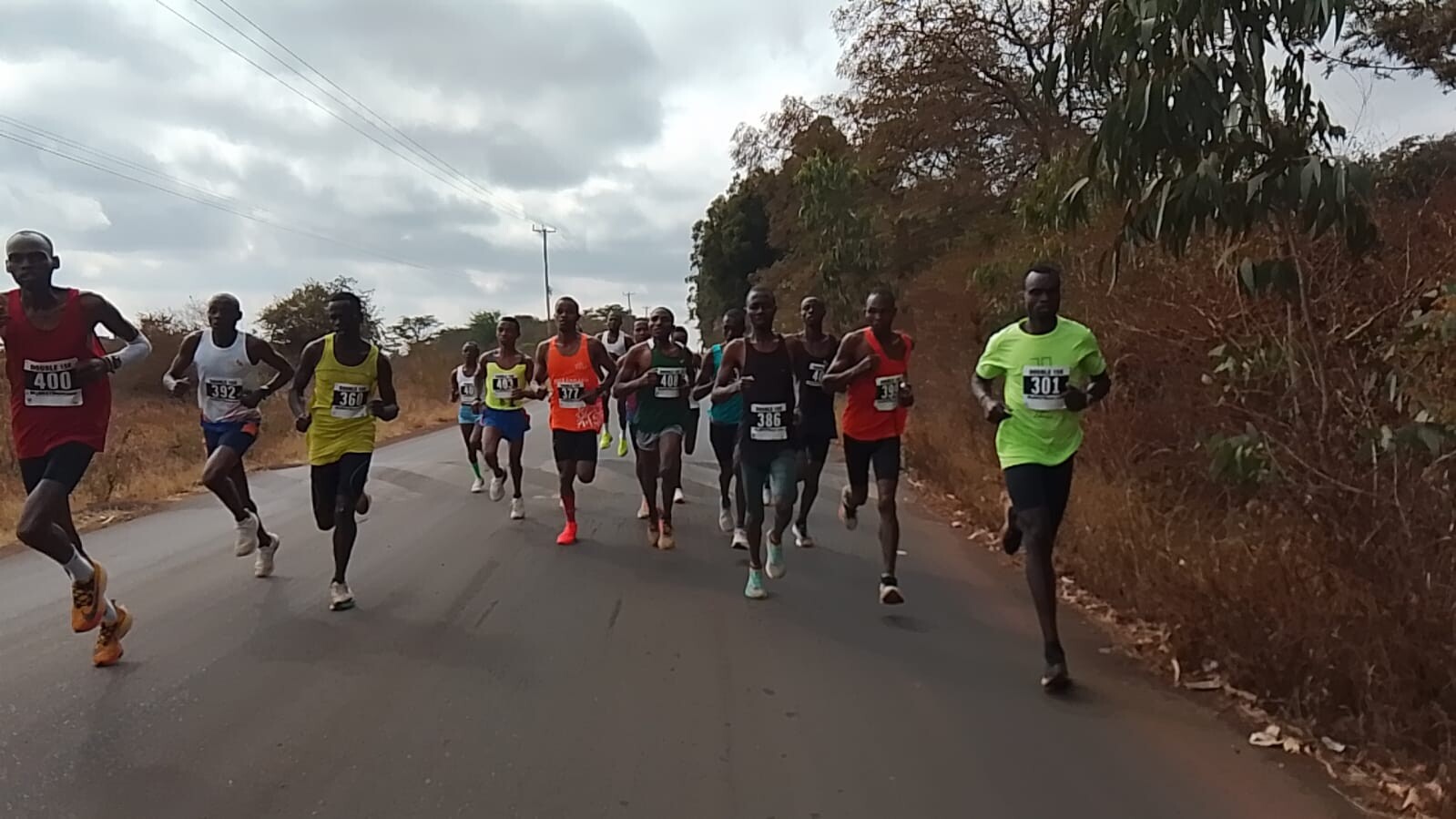
Vincent Kariuki finished eighth in 50:54, narrowly ahead of Gideon Kiplang'at, who was ninth in 50:55. David Mwangi completed the top 10 in 51:19.
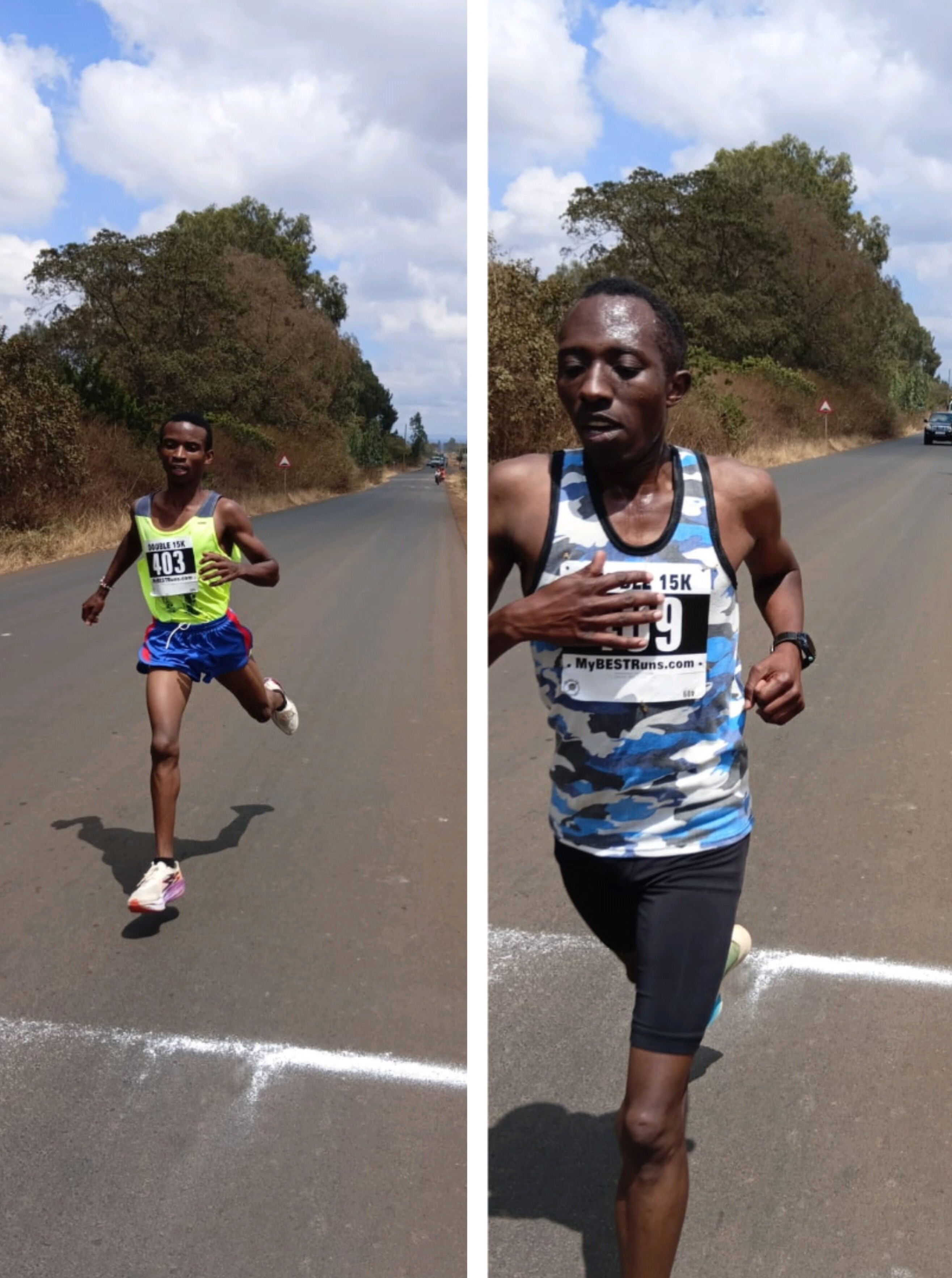
Ezekiel Itorik finished 11th in 53:03, Tom Ndiwa was 12th in 54:10, and George Munyagi completed the men’s field in 54:19.
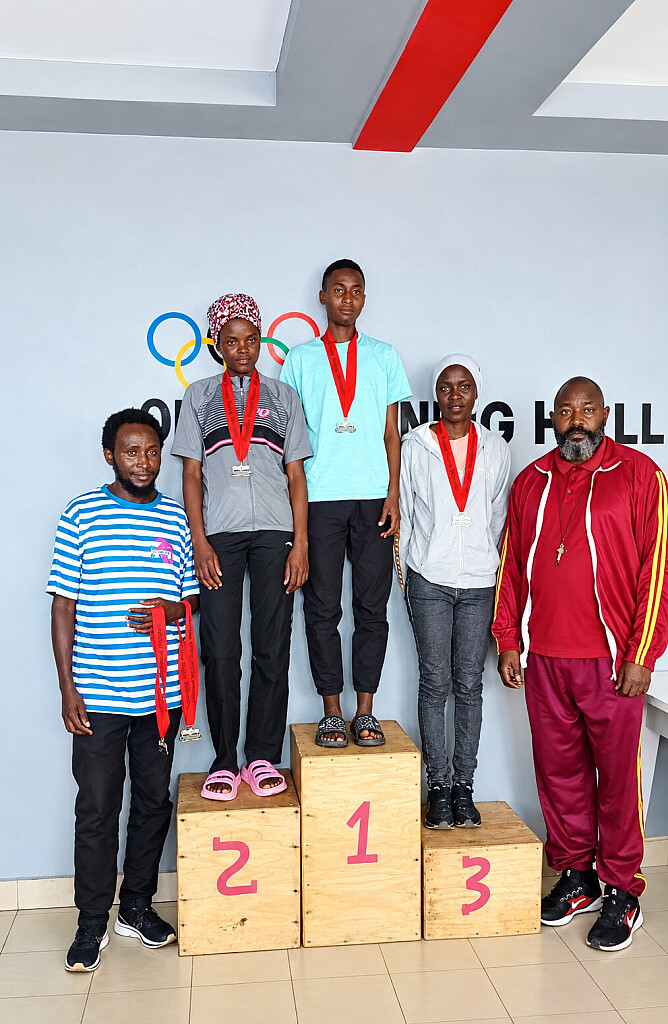
In the women’s race, Ruth Maina took the top position in a combined time of 54:55. Felister Maina finished second in 55:14, while Pennina Kamau completed the women’s podium in 57:20.
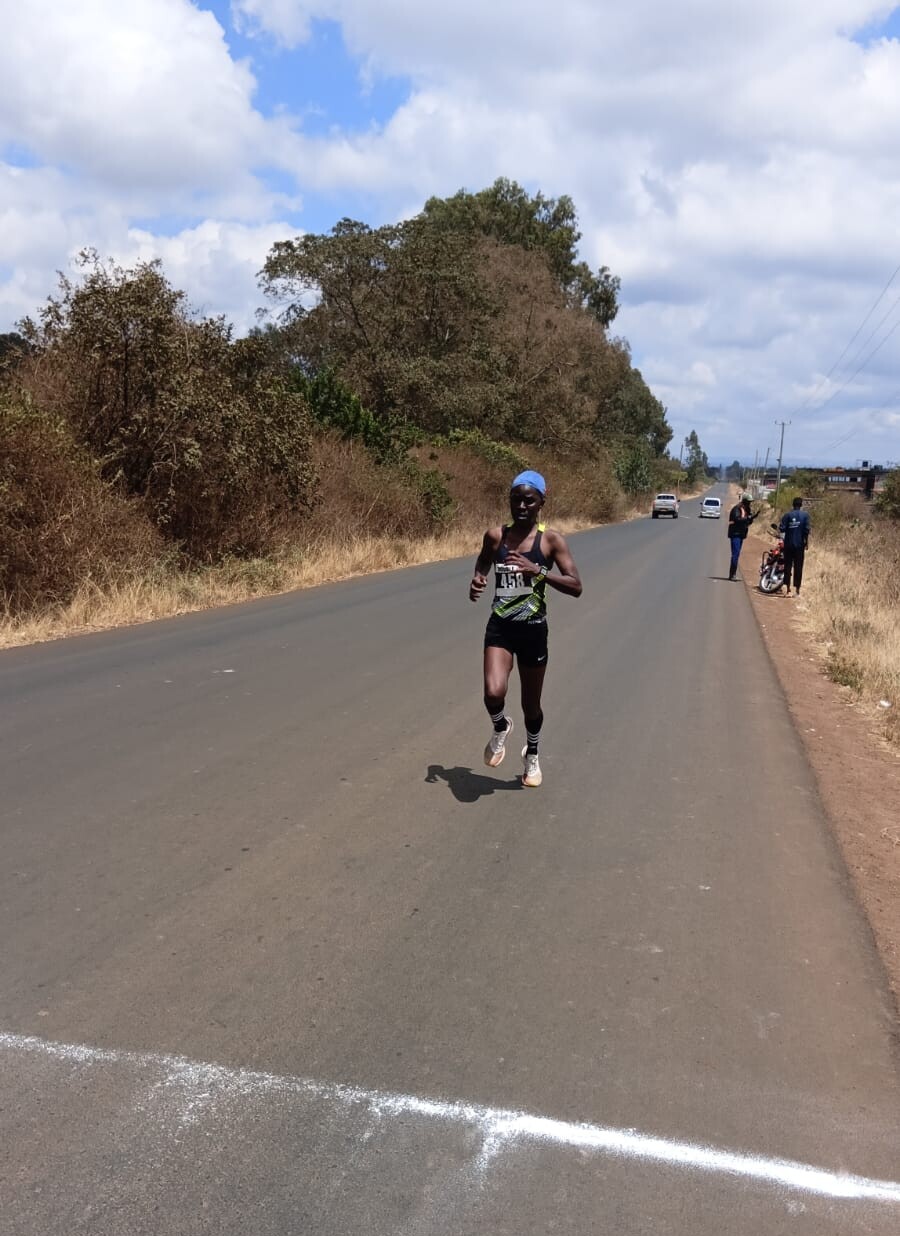
The final results represent the combined times from the opening 10K and the concluding 5K, with athletes’ performances from both stages added together to determine the overall standings.
The KATA Double Road Race 15K is unlike a conventional continuous 15-kilometre race. Athletes first tackle a 10K leg, followed by a scheduled recovery period before returning for the final 5K leg. The second leg starts one hour and 45 minutes after the start of the first 10K, giving runners time to recover, take refreshments and prepare mentally for another competitive effort.
The start, finish and halftime recovery area are based near the Kenyan Athletics Training Academy (KATA) in Thika, making the event a distinctive fixture for both KATA athletes and other competitors.
The concept of Double Racing was created by Bob Anderson, the founder of Runner’s World magazine, in 2010. Between October 2010 and October 2012, seven smaller Double races were held in Mexico under the name Bob Anderson 15K Challenge as the format developed.
The first official Double Road Race was staged in December 2012 in Pleasanton, California, attracting nearly 1,400 participants. Its signature format was the Double 15K, consisting of a 10K followed by a 5K and separated by a one-hour-and-45-minute recovery period known as the Restart.
The unusual format once again tested the athletes in Thika, with the conditions adding another layer of difficulty. The weather was noticeably hot, requiring runners to manage their effort carefully during the opening stage while preserving enough strength for the final 5K.
The humid air also made the conditions feel heavier as the competition progressed. After completing the first stage, athletes had to use the recovery period effectively before returning to the course and facing another demanding effort.
The two-stage structure can produce significant changes in momentum, with athletes having an opportunity to recover and challenge their positions during the final 5K. Ultimately, however, it is the combined performance across both stages that determines the final result.
Wanjora handled the demands of the format most effectively in the men’s competition, while Ruth Maina led the women’s field to claim the top spot.
2026 KATA Double Road Race 15K Final Results
Men
1. Charles Wanjora — 46:02
2. Joshua Kibet — 46:17
3. Justus Nyamai — 47:10
4. Erick Cheruiyot — 48:01
5. Francis Maina — 48:25
6. Joseph Nyota — 49:49
7. Vincent Kiprotich — 50:15
8. Vincent Kariuki — 50:54
9. Gideon Kiplang'at — 50:55
10. David Mwangi — 51:19
11. Ezekiel Itorik — 53:03
12. Tom Ndiwa — 54:10
13. George Munyagi — 54:19
Women
1. Ruth Maina — 54:55
2. Felister Maina — 55:14
3. Pennina Kamau — 57:20
The sixth edition of the KATA Double Road Race 15K once again demonstrated that the event demands more than conventional road-running speed. Athletes must combine endurance, intelligent pacing, recovery and composure to perform across two separate stages.
On a hot and humid day in Thika, Wanjora and Ruth Maina emerged at the top of their respective fields, while the full results reflected the depth of competition in this distinctive Worldwide road-running event.
by Erick Cheruiyot for My Best Runs.
Login to leave a comment

KATA Double Road Race 15K
5th Annual KATA Double Road Race 15K Set for September 20, 2025, at KATA Thika The 5th Annual KATA Double Road Race 15K will be held on September 20, 2025, at the Kenyan Athletics Training Academy (KATA) in Thika, Kenya. The event includes a 10K leg, a break, followed by a 5K leg — a format designed to challenge runners...
more...
Robert Farken Delivers Stunning Finish To Win World Road Mile Title In Copenhagen
Germany’s Robert Farken produced a perfectly timed finishing surge in Copenhagen on Saturday to claim the men’s road mile title at the World Athletics Road Running Championships Copenhagen 26, edging out American Olympic 1500m bronze medallist Yared Nuguse in a thrilling battle to the line.
Farken clocked 3:51.80 to secure the first individual global road-running title of his career, while also setting a German road mile record and the fastest time in the world this year. His performance placed him second on the all-time world road mile list, according to World Athletics.
The German had to be patient throughout the race as Nuguse remained among the leading runners and controlled much of the action. With the field still tightly packed deep into the race, the outcome was always likely to be decided by whoever could produce the strongest acceleration in the closing stages.
That proved to be Farken.
As the race entered its decisive phase, the German unleashed a powerful late move and swept past Nuguse, creating the crucial gap before maintaining his speed all the way to the finish. Nuguse responded, but Farken had timed his attack perfectly and held on to become the inaugural men's road mile champion at the Copenhagen edition of the championships.
Nuguse, who arrived in Copenhagen as one of the leading contenders after another impressive season on the track and road, finished second in 3:52.33. Ruben Querinjean of Luxembourg completed the podium in 3:52.83, setting a Luxembourg national record in the process.
For Farken, the victory capped a remarkable season. The German had already established himself among the world's leading middle-distance runners, including a 3:46.82 mile in London earlier in the year. His Copenhagen performance now adds a global road-running crown to his growing résumé.
The race also featured Kenyan representation, with Brian Komen finishing 14th while Kyumbe Munguti placed 25th. Munguti had returned to the world road mile championships after also competing in the inaugural edition in Riga three years ago.
Leading Results
1. Robert Farken (Germany) — 3:51.80
2. Yared Nuguse (USA) — 3:52.33
3. Ruben Querinjean (Luxembourg) — 3:52.83
Farken’s victory was ultimately decided by a matter of timing and finishing speed. With Nuguse holding the advantage for much of the race, the German waited until the crucial moment before delivering the decisive acceleration.
In the end, that late burst made all the difference, giving Germany a new world road mile champion and providing one of the most dramatic finishes of the opening day in Copenhagen.
by Erick Cheruiyot for My Best Runs.
Login to leave a comment

Sifan Hassan Returns To New York With Experience, Recovery And A Point To Prove
Sifan Hassan will return to the streets of New York City on November 1 with something she did not have during her difficult debut last year — experience of one of the most demanding marathon courses in the world.

The Dutch Olympic marathon champion is set to make her second appearance at the TCS New York City Marathon, where she will face another formidable international field led by defending champion Hellen Obiri, fellow Kenyan Sheila Chepkirui and former world champion Edna Kiplagat.
Hassan's first encounter with New York in 2025 proved to be a far tougher assignment than the three-time Olympic champion might have hoped. She finished sixth in 2:24:43 after struggling during the second half of the race, with her New York debut coming only weeks after her victory at the Sydney Marathon.
The demanding schedule left Hassan facing a difficult recovery, and New York's succession of bridges, climbs and sharp changes in rhythm exposed the challenge of arriving at the race without enough marathon-specific preparation.
This time, however, the circumstances are different.
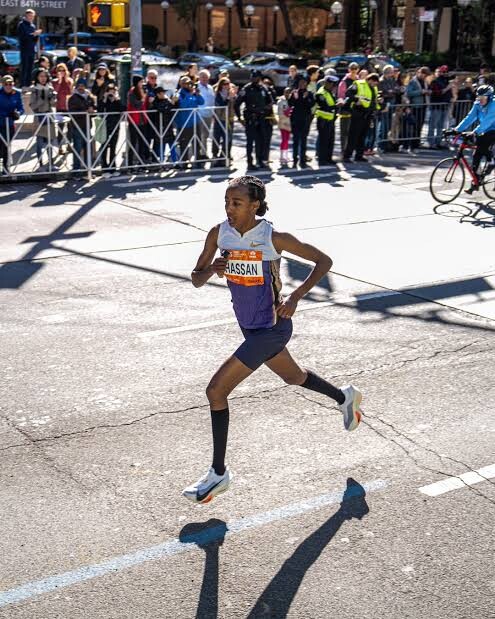
Hassan has had considerably more time to recover and prepare for the marathon, while she has also been managing an Achilles problem that disrupted her 2026 season. Rather than rushing back into competition, she has used the year to recover and build towards her longer-term goals.
Most importantly, Hassan now knows what awaits her when the race moves through New York's five boroughs.
She has already experienced the relentless bridges, the demanding climbs and the atmosphere created by huge crowds lining the streets. That knowledge could prove valuable when the race enters its decisive stages, particularly on a course where pacing and patience are just as important as raw marathon speed.
Hassan will also arrive with one of the fastest personal bests in the field. Her 2:13:44 national record makes her the quickest woman entered for the 2026 race, although New York's challenging layout means personal-best times do not necessarily tell the whole story.
Standing across the starting line will be a powerful Kenyan challenge.
Obiri returns as defending champion after producing one of the most impressive performances in the history of the race last year. She stormed to victory in 2:19:51, breaking the long-standing New York City Marathon course record, and has since lowered her marathon personal best to 2:15:53 in London.
Chepkirui will also return after finishing third in New York last year. The 2024 champion owns a 2:17:29 personal best, while Kiplagat brings enormous experience to the field, having won major marathons in New York, Boston and London as well as world championship gold.
The international field also includes Ethiopia's Gotytom Gebreslase, Kenya's Viola Cheptoo and Mercy Chelangat, Uruguay's Julia Paternain, Germany's Fabienne Königstein and a strong American contingent led by Jess McClain, Fiona O'Keeffe and marathon debutant Weini Kelati.
For Hassan, however, this race is about more than the names on the start list.
New York gave her a difficult introduction to its unique demands in 2025. She now returns with a clearer understanding of the course, more marathon experience and a preparation cycle designed to put her in a different position when the race reaches its closing stages.
She has already conquered the marathon on the biggest Olympic stage. She has also run 2:13:44, one of the fastest times ever recorded by a woman.
Now, New York offers another test.
The streets that humbled Hassan last year will once again be waiting for her. But this time, she will not be discovering them for the first time.
On November 1, Hassan will have another opportunity to find out just how different New York can look when you return knowing exactly what lies ahead.
And with Obiri, Chepkirui, Kiplagat and a deep international field standing in her way, the second chapter promises to be every bit as compelling as the first.
by Erick Cheruiyot for My Best Runs.
Login to leave a comment

TCS New York City Marathon
The first New York City Marathon, organized in 1970 by Fred Lebow and Vince Chiappetta, was held entirely in Central Park. Of 127 entrants, only 55 men finished; the sole female entrant dropped out due to illness. Winners were given inexpensive wristwatches and recycled baseball and bowling trophies. The entry fee was $1 and the total event budget...
more...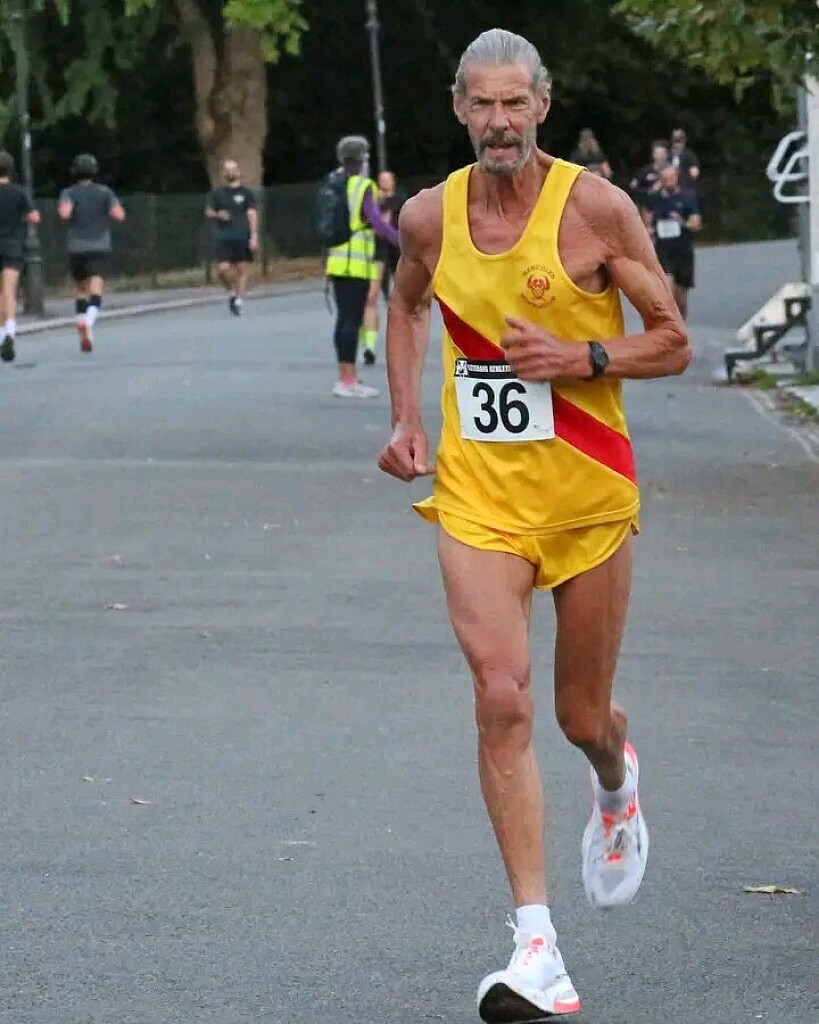
At 82, Former King Crimson Bassist Peter Giles Is Still Rewriting British Running Records
At an age when many people have long since stepped away from competitive sport, Peter Giles is still finding new ways to challenge the clock.
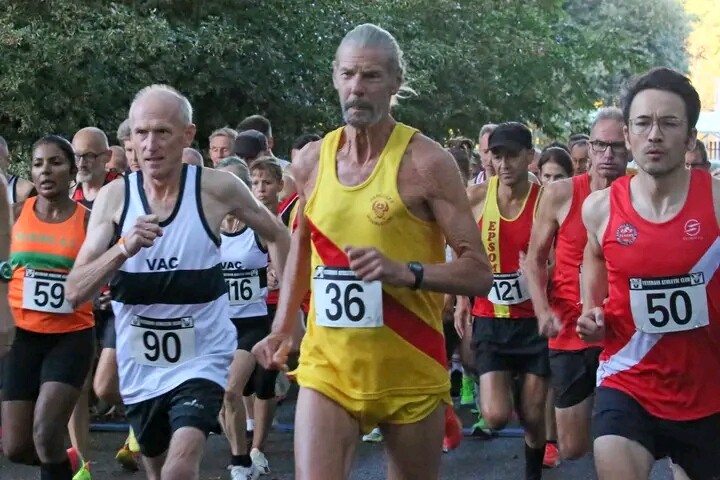
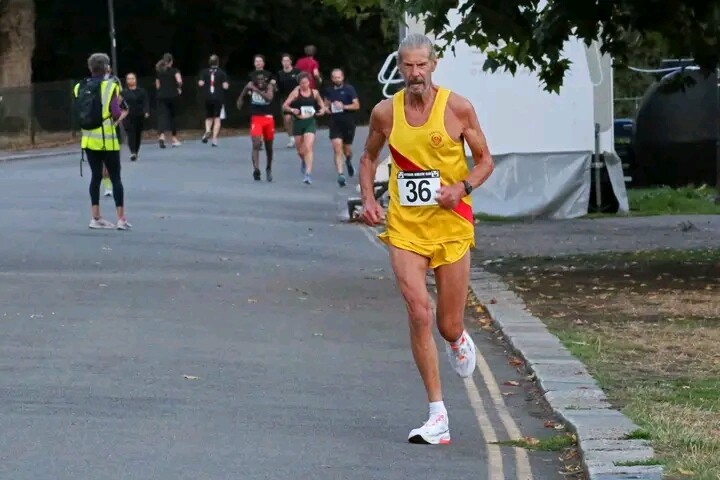
The 82-year-old Briton has continued his remarkable running journey by improving his British M80 5km age-group record to 22:28 at Battersea Park over the weekend, adding another chapter to a sporting story that began relatively late in life.
What makes Giles' achievement even more remarkable is that running was not always part of his world. He did not take up the sport seriously until he was 44, meaning his journey from recreational runner to record holder has unfolded over several decades.
Giles, however, is perhaps better known to some music fans for his time behind the bass guitar. He was a member of the influential progressive rock band King Crimson during its early years, making his life story an unusual blend of music and endurance sport.
Running eventually became a major part of his life, but it was not until he reached 80 that Giles decided to make age-group records a serious target.
Speaking to The Times last year, he explained that he had been anticipating the opportunity for years, knowing that turning 80 would open the door to a new collection of age-group records.
His approach to training is equally unconventional.
Rather than relying on elaborate fitness programmes, supplements or long hours inside a gym, Giles keeps things remarkably simple. He does not use supplements, does not go to the gym and prefers a straightforward diet that includes porridge, eggs and fish.
For Giles, longevity appears to come from knowing when to do less rather than constantly pushing for more.
He believes many runners make the mistake of doing too much, particularly as they get older, while his own philosophy has increasingly centred on simplicity.
“Most runners overtrain,” Giles has said, explaining that his approach has become simpler with age.
That philosophy has clearly served him well. At 82, Giles continues to compete against the clock, demonstrating that athletic ambition does not necessarily disappear with age.
His latest 22:28 at Battersea Park is more than just another number on an age-group results sheet. It is a reminder that there is no single timetable for discovering how far the human body can go.
From the stage with a bass guitar to the roads and paths of Britain, Giles has built an extraordinary second act — one in which the pursuit of faster times has continued well into his 80s.
And judging by his latest record, Peter Giles is not finished rewriting the record books yet.
by Erick Cheruiyot for My Best Runs.
Login to leave a comment
Cameron Myers Takes A Bold Step Into The 1500m Future With Josh Kerr As His Benchmark
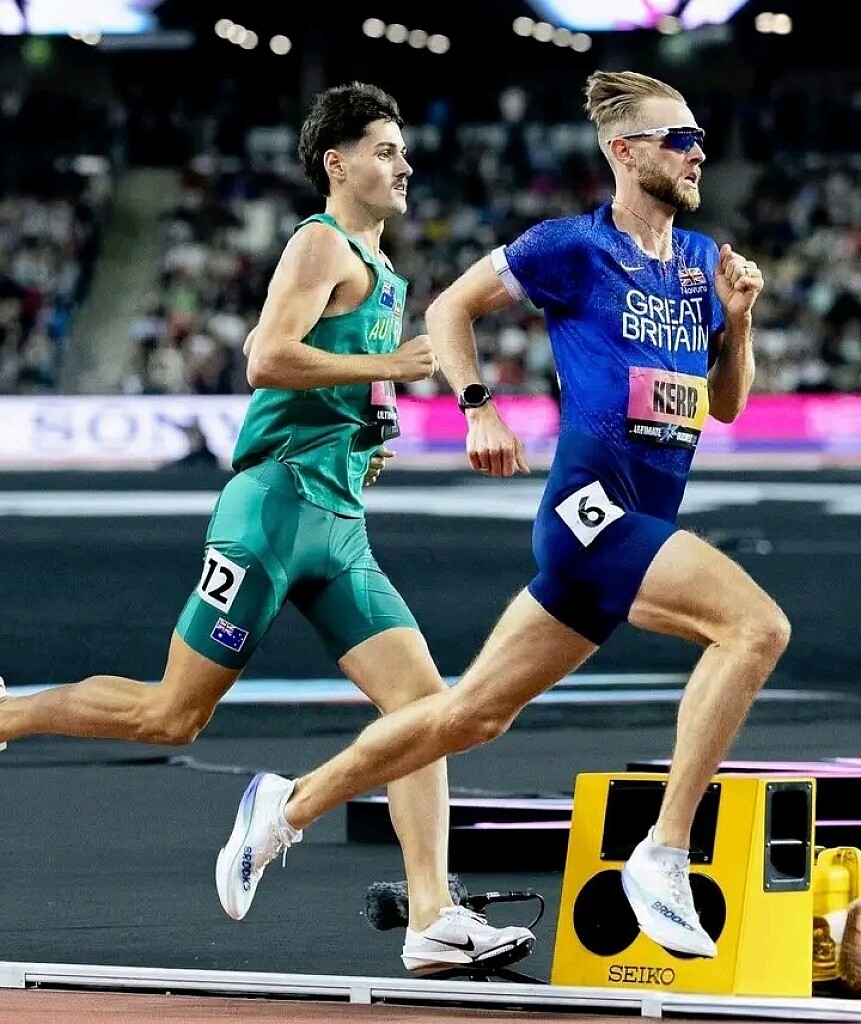
Australian youngster Cameron Myers may have taken an important step toward establishing himself among the next generation of 1500m stars after sharing the track with world-record holder Josh Kerr at the World Athletics Ultimate Championship in Budapest.
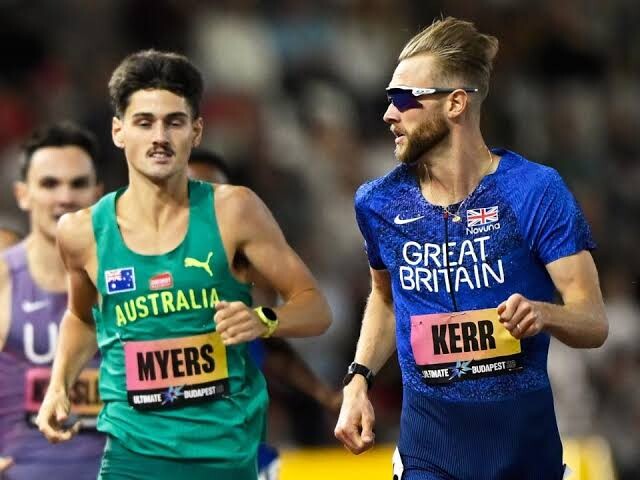
Myers arrived at the high-profile race with plenty of promise already surrounding his name, but competing directly against one of the world's leading middle-distance runners offered him a different kind of test. Rather than being intimidated by the occasion, the young Australian embraced the challenge and showed that he is willing to measure himself against the very best.
As the race entered its decisive stages, Myers remained firmly in contention. With 200 metres remaining, he believed he had a genuine opportunity to challenge Kerr, setting the stage for a dramatic finish between experience and emerging talent.
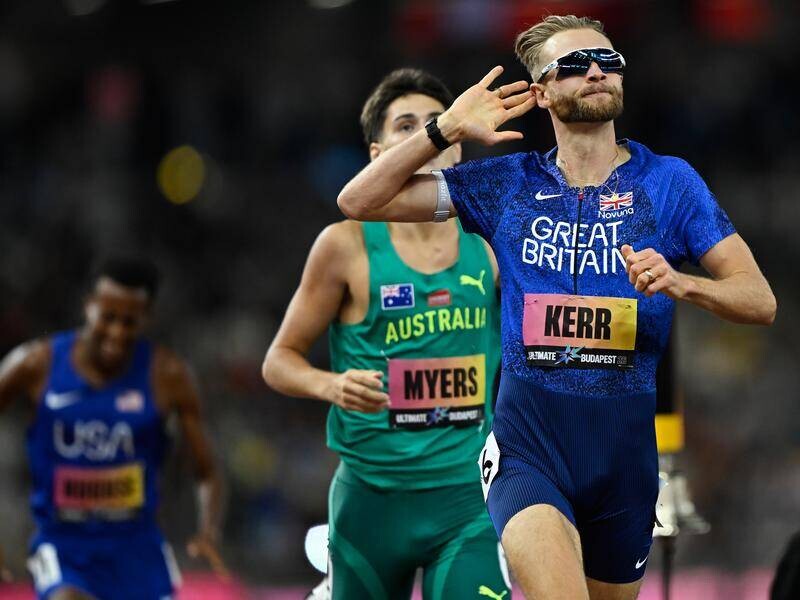
However, Kerr demonstrated exactly why he has established himself at the top of the event. When the race reached its final 60 metres, the British star unleashed his trademark finishing speed and began to pull away, ultimately denying Myers the chance to fight for victory all the way to the line.
For Myers, though, the significance of the race went beyond the final result. The experience gave him a valuable glimpse of the level he hopes to reach in the coming years and, perhaps more importantly, strengthened his belief that he can eventually compete with athletes of Kerr's calibre.
“It was exciting to race him. He was just too strong and that shows why he is a world record holder. I think that's where I want to go in the future,” Myers said.
Those words underline the ambition of an athlete who is still at the beginning of his senior journey. Instead of viewing Kerr's late surge simply as a defeat, Myers appeared to see it as a lesson — a first-hand demonstration of the strength, confidence and finishing ability required to succeed at the highest level.
The Australian now knows exactly what separates him from one of the world's elite 1500m runners. That knowledge could prove invaluable as he continues to develop, gain experience and sharpen his own finishing speed.
Myers' journey is therefore one worth watching closely. He has already shown that he is prepared to line up alongside established champions, and his willingness to learn from those encounters could become one of the defining features of his progression.
For now, Josh Kerr remains the benchmark Myers wants to reach. But if the young Australian continues developing at his current trajectory, today's challenger could eventually become tomorrow's target for the rest of the 1500m field.
Cameron Myers has already seen the level he wants to reach. The next chapter will be about closing the gap.
by Erick Cheruiyot for My Best Runs.
Login to leave a comment
