

Running News Daily
Running News Daily is edited by Bob Anderson and team. Send your news items to bob@mybestruns.com Advertising opportunities available.
Index to Daily Posts · Sign Up For Updates · Run The World Feed



Ludo Pommeret and Katie Schide Dominate a Gritty 2025 Hardrock 100
The 2025 Hardrock 100 delivered everything the ultra-trail world expects from one of the sport’s most iconic races—grit, altitude, heartbreak, and triumph. At the heart of it all, France’s Ludovic “Ludo” Pommeret successfully defended his title, while American ultra star Katie Schide shattered the women’s course record.
Pommeret Goes Back-to-Back

For the second year in a row, the 49-year-old Pommeret conquered the brutal 102.5-mile loop through Colorado’s San Juan Mountains, finishing in 22:21:55—the fifth-fastest time in race history. Battling thin air, smoky conditions from nearby wildfires, and rugged terrain with over 33,000 feet of elevation gain, Pommeret executed a masterclass in pacing.
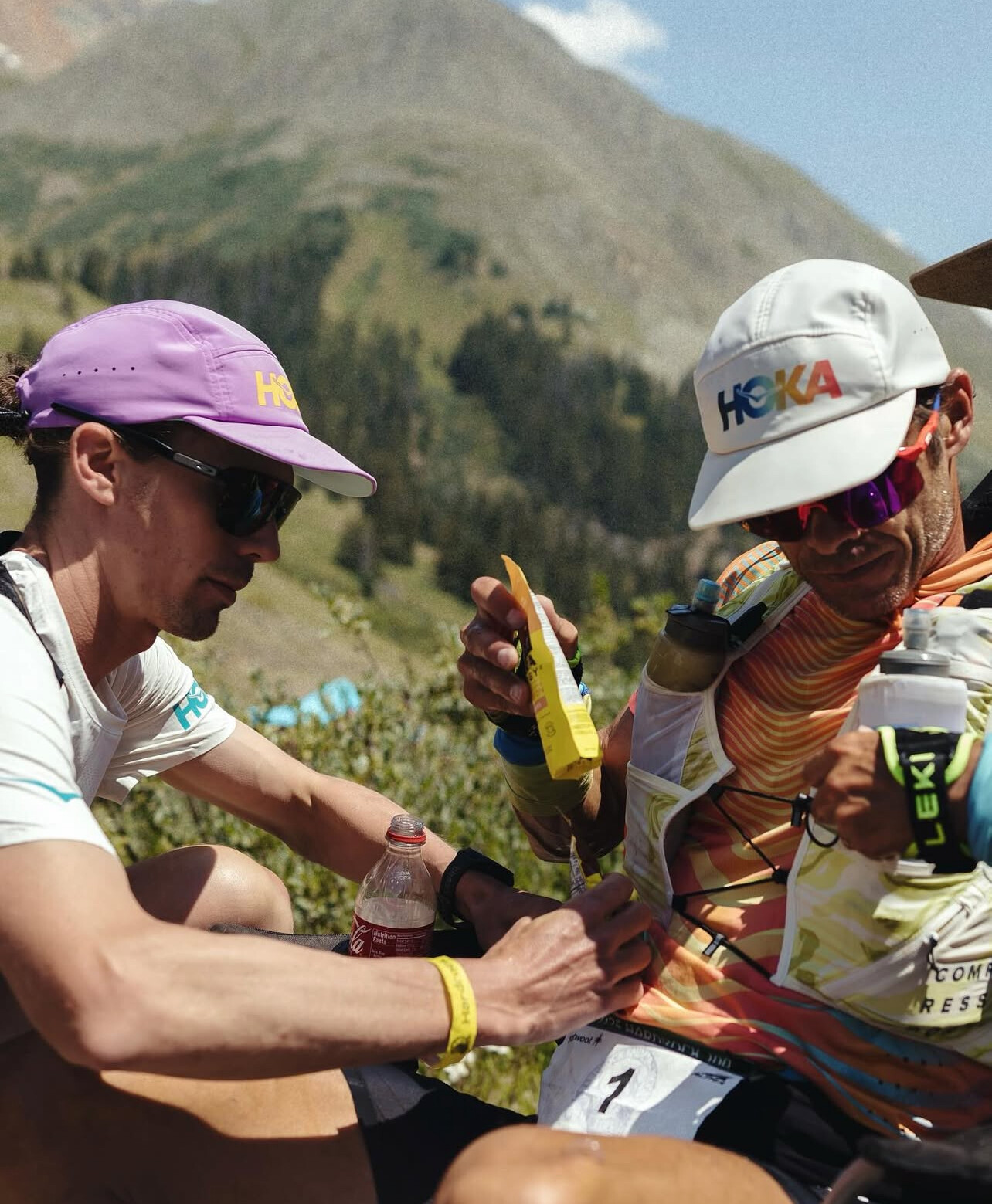
Starting conservatively on the climbs, he surged on the descents, aided by elite pacers Jim Walmsleyand Vincent Bouillard. By dawn, he had extended his lead and cruised into Silverton well under the 48-hour cutoff, earning another coveted kiss of the Hardrock finish-line rock.
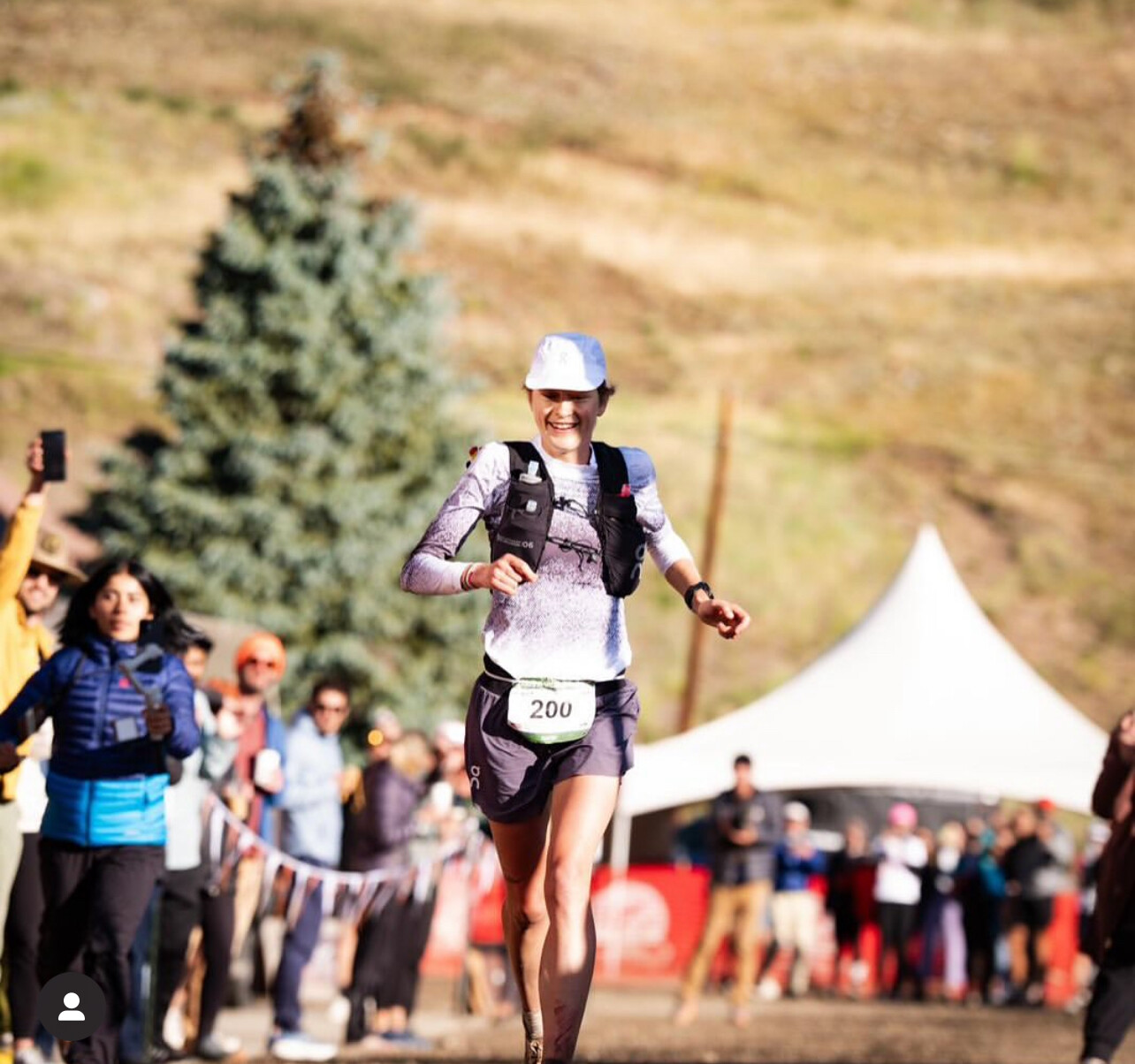
The men’s podium was a French sweep: Mathieu Blanchard placed second in 23:44, followed by Germain Grangier in 24:04.
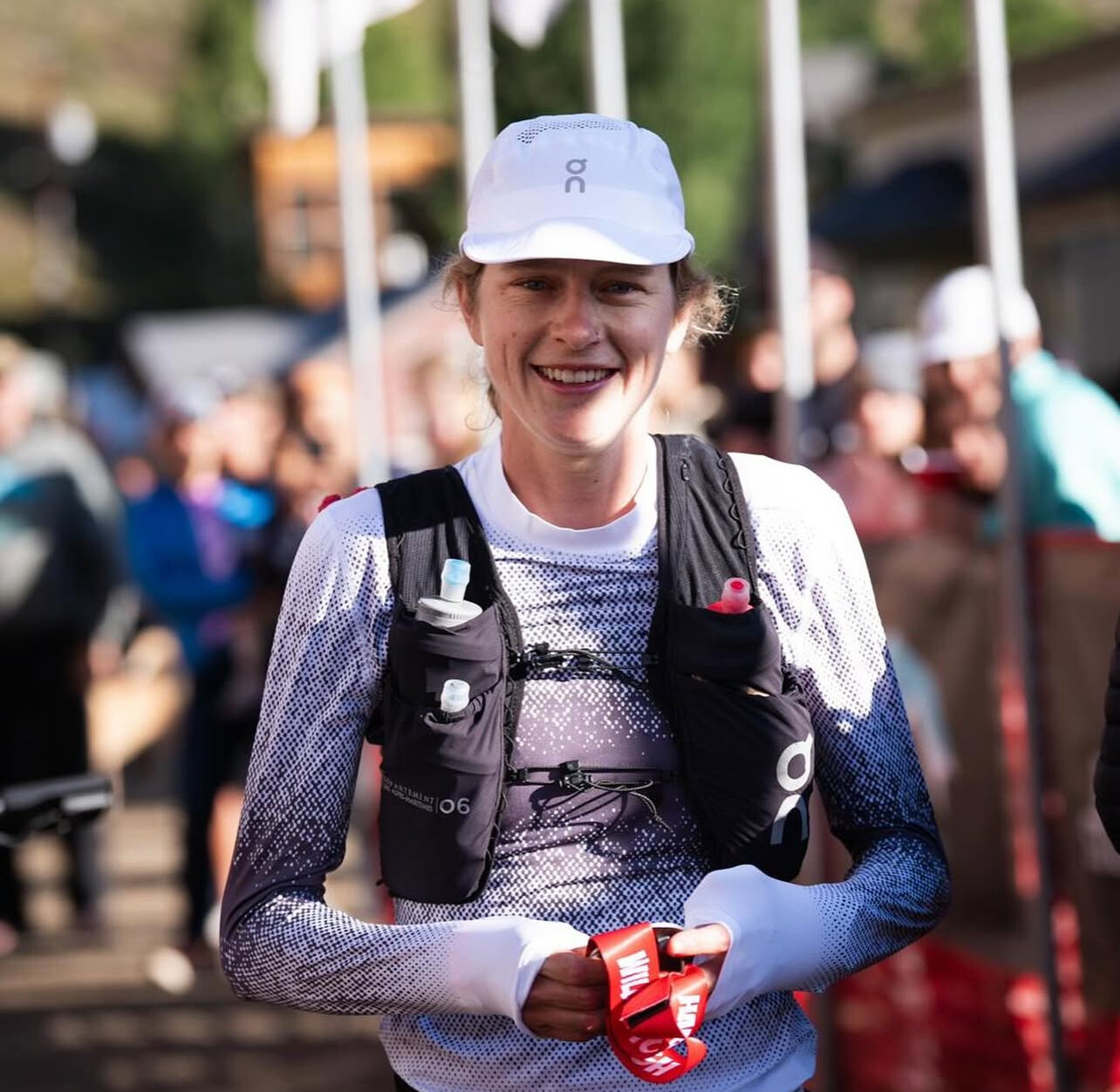
“I was worried about the smoke early on,” Pommeret said afterward, “but the final miles were magic. I even walked the last climb to take it all in.”

Schide Smashes Course Record
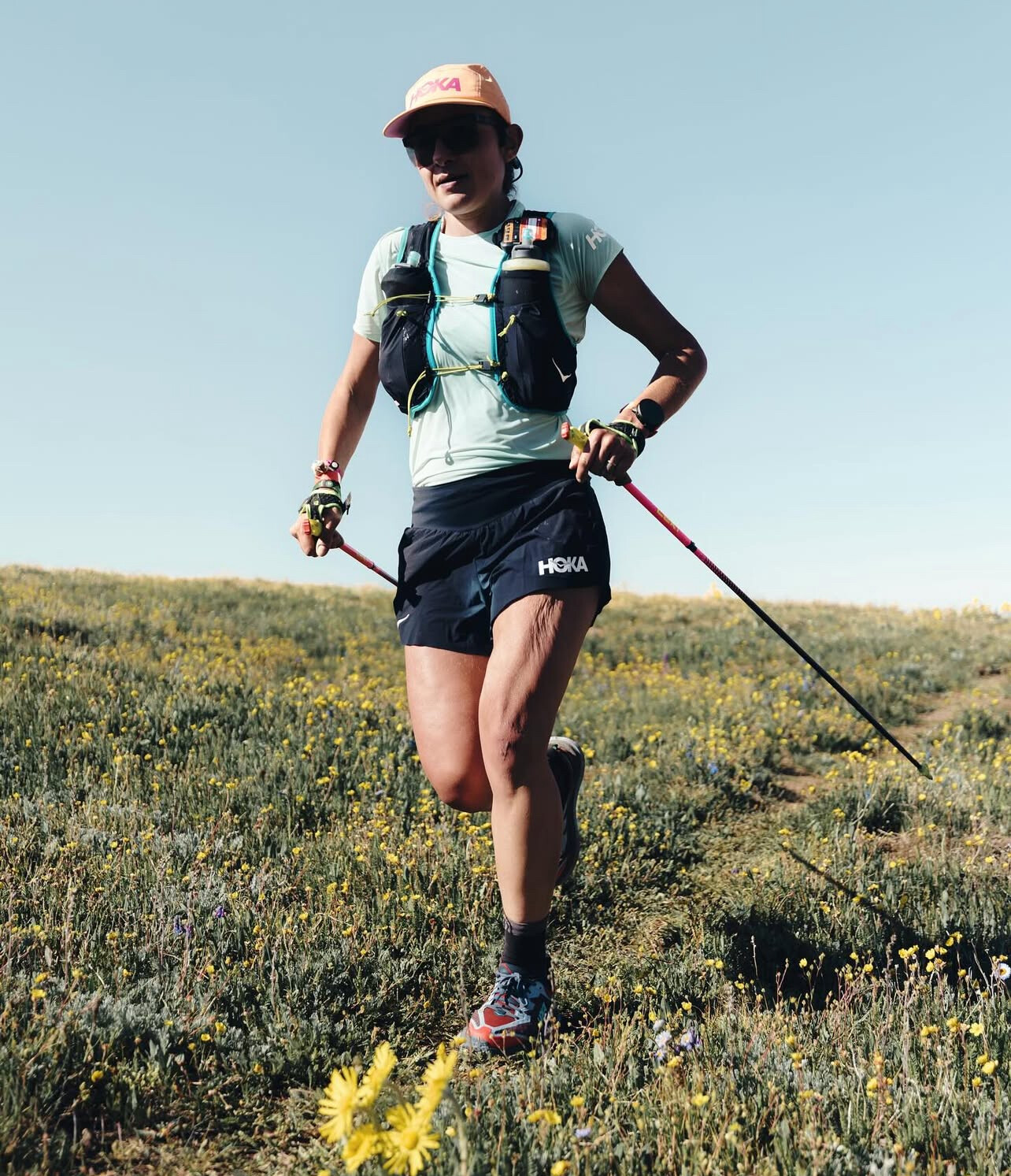
In the women’s race, Katie Schide delivered one of the most commanding performances in Hardrock history, crossing the finish in 25:50—the fastest counterclockwise time ever on this course. Her effort redefined what’s possible on one of the toughest 100-milers in the world, solidifying her place among the sport’s elite.
A Somber Note
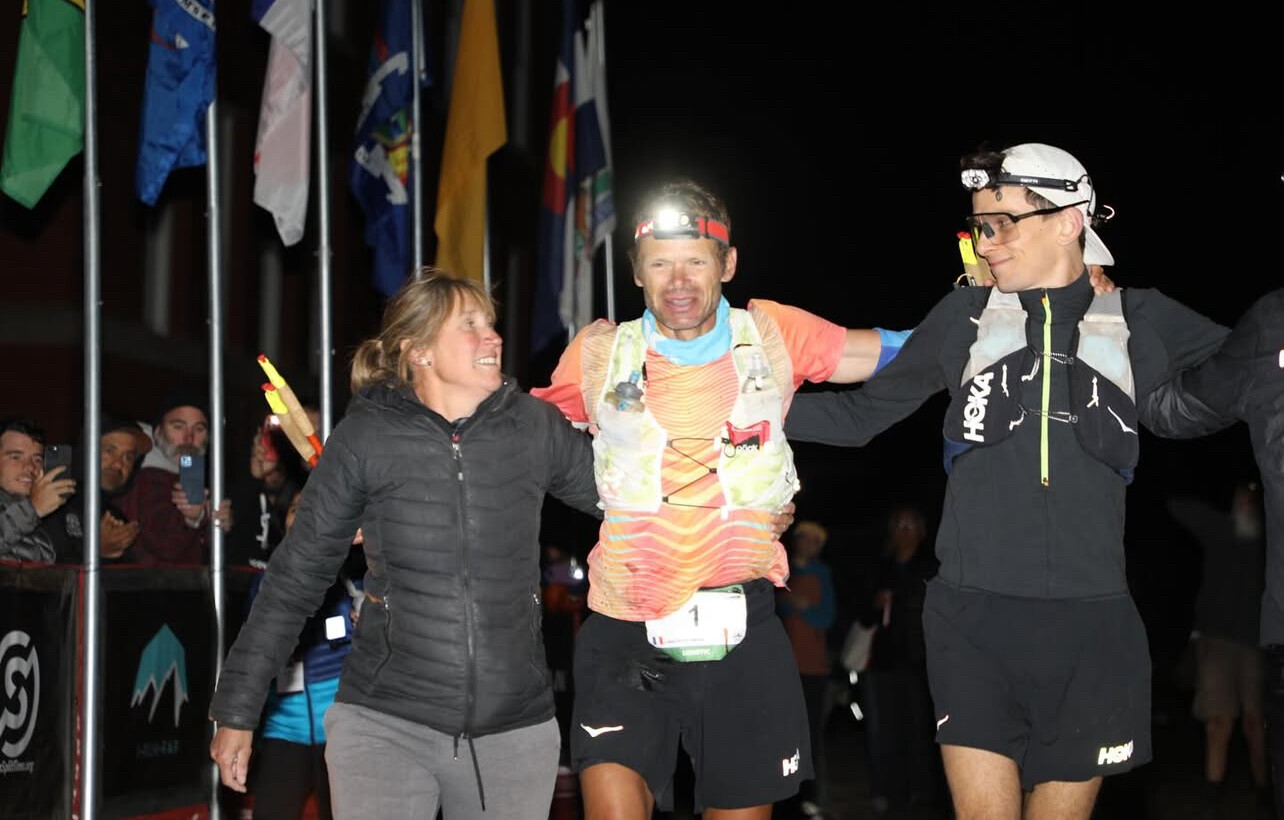
The celebration was tempered by tragedy. One of the 146 starters, 60-year-old Elaine Stypula, passed away early in the race. The trail community paused to honor her memory, a reminder of both the beauty and the inherent risk of this extreme pursuit.
Why This Race Matters
• Age is just a number: At nearly 50, Pommeret continues to perform at the highest level, adding another major title to a résumé that includes victories at UTMB (2016) and Diagonale des Fous (2021).
• Trail’s toughest test: With extreme elevation, altitude averaging over 11,000 feet, and no room for error, Hardrock remains a crucible for the toughest athletes on Earth.
• Global competition: With a French men’s podium and an American record-breaker, the international caliber of this year’s race underscored its global significance.
2025 Hardrock 100 Key Results
|
Category |
Winner |
Time |
|
Men’s Champion |
Ludovic Pommeret |
22:21:55 |
|
Women’s Champion |
Katie Schide |
25:50 (course record) |
|
Men’s 2nd |
Mathieu Blanchard |
23:44 |
|
Men’s 3rd |
Germain Grangier |
24:04 |
|
|
|
|
With record-breaking performances and powerful moments of perseverance, the 2025 Hardrock 100 once again proved why it’s one of the most respected races in the world of ultrarunning.
(07/13/2025) ⚡AMPby Boris Baron

Hardrock 100
100-mile run with 33,050 feet of climb and 33,050 feet of descent for a total elevation change of 66,100 feet with an average elevation of 11,186 feet - low point 7,680 feet (Ouray) and high point 14,048 feet (Handies Peak). The run starts and ends in Silverton, Colorado and travels through the towns of Telluride, Ouray, and the ghost town...
more...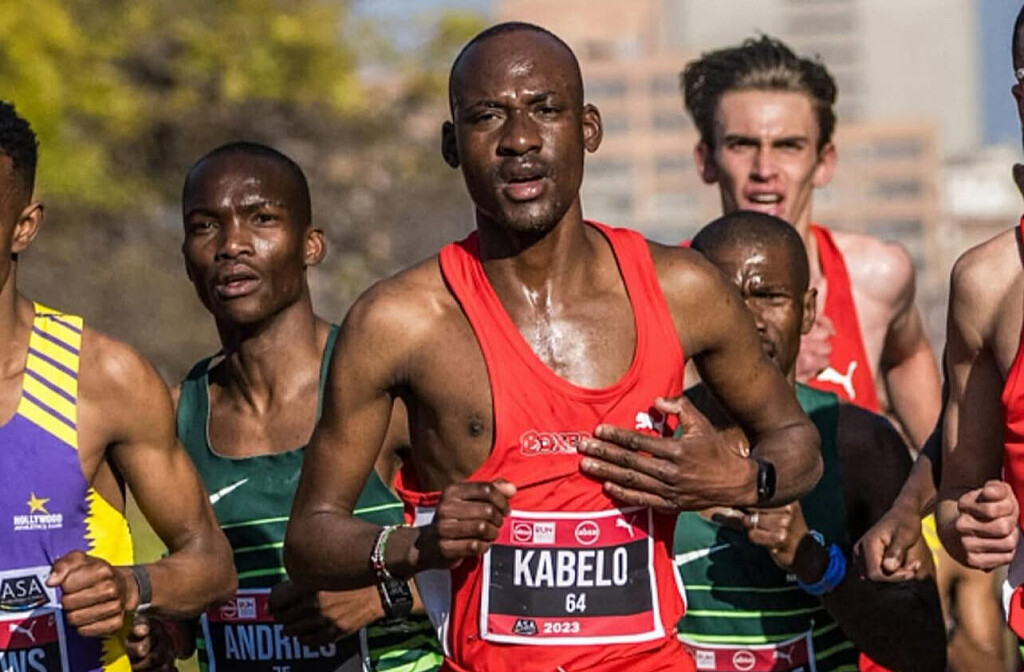
Kabelo Mulaudzi Dominates Again in Durban, Falls Just Short of South African 10K Record
South Africa’s Kabelo Mulaudzi lived up to his nickname “Mr. Podium” on Sunday with a commanding win at the Absa Run Your City 10km in Durban, securing back-to-back victories at the event and solidifying his place as one of the country’s premier road runners.
The 28-year-old Boxer Running Club athlete crossed the finish line in a blazing 27:41, just three seconds shy of the South African national 10K record (27:38) set by Adrian Wildschutt earlier this year. Despite narrowly missing the mark, Mulaudzi walked away with a R30,000 winner’s prize and an R80,000 time bonus for finishing under 27:45, bringing his total payday to R110,000—approximately $6,000 USD.
The female race
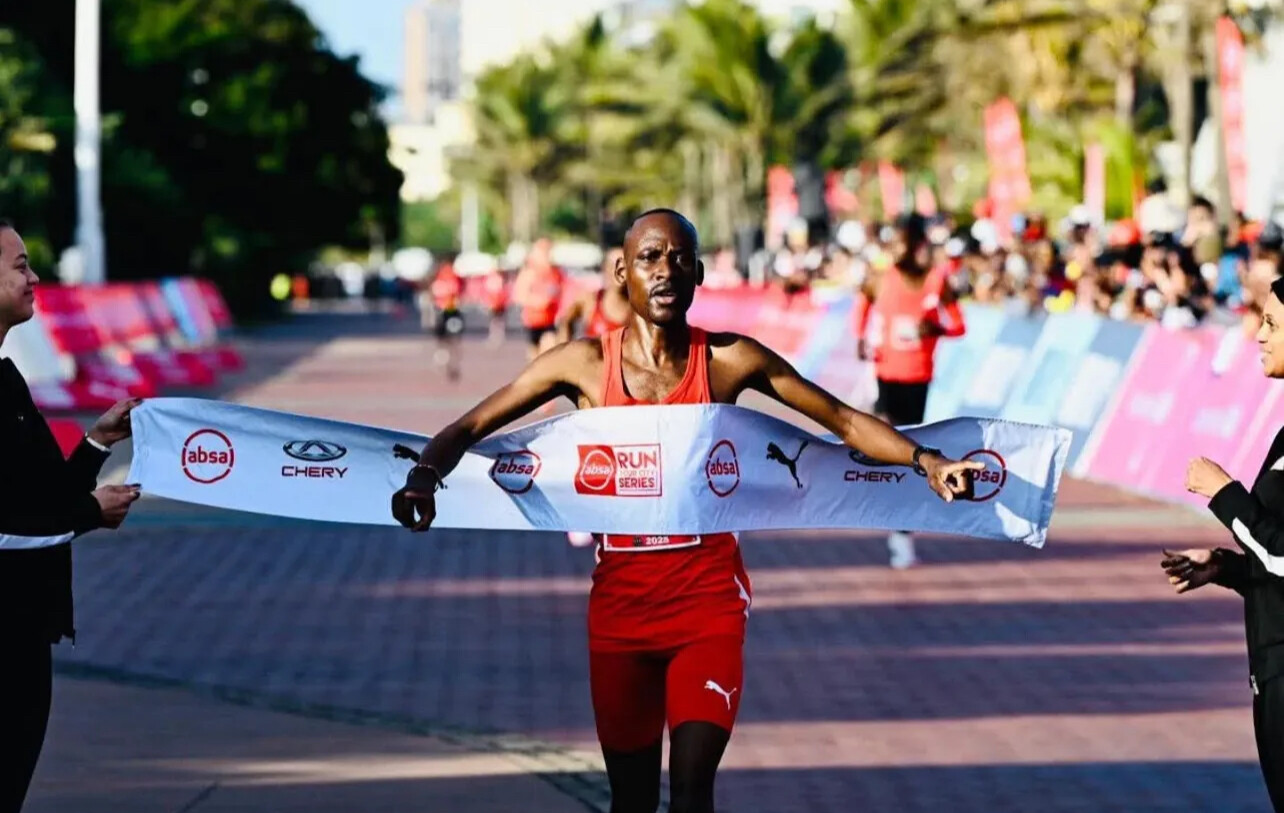
In the women’s race, Glenrose Xaba delivered a standout performance to take the win in 31:57, dominating the field and finishing well ahead of her closest rivals. The South African distance star, representing Boxer Athletics Club, showed poise and strength throughout the race, navigating the humid conditions and technical course with control. Xaba’s victory reaffirms her status as one of the country’s top road runners, and she earned R30,000 (approximately $1,650 USD) for her efforts. With her sights set on further success this season, Xaba looks poised for more strong showings on the national circuit.
Podium Finishers and Record Chases
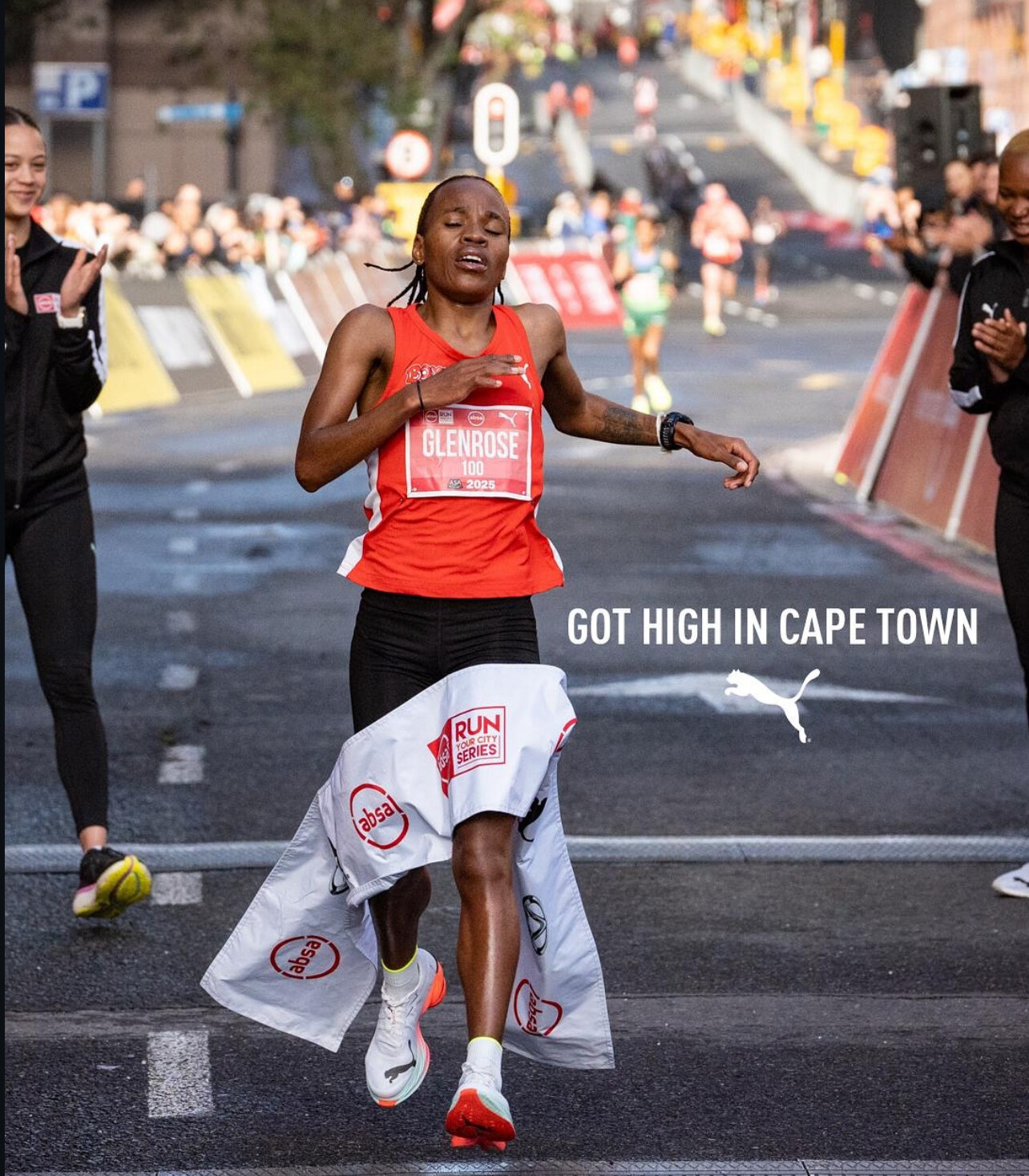
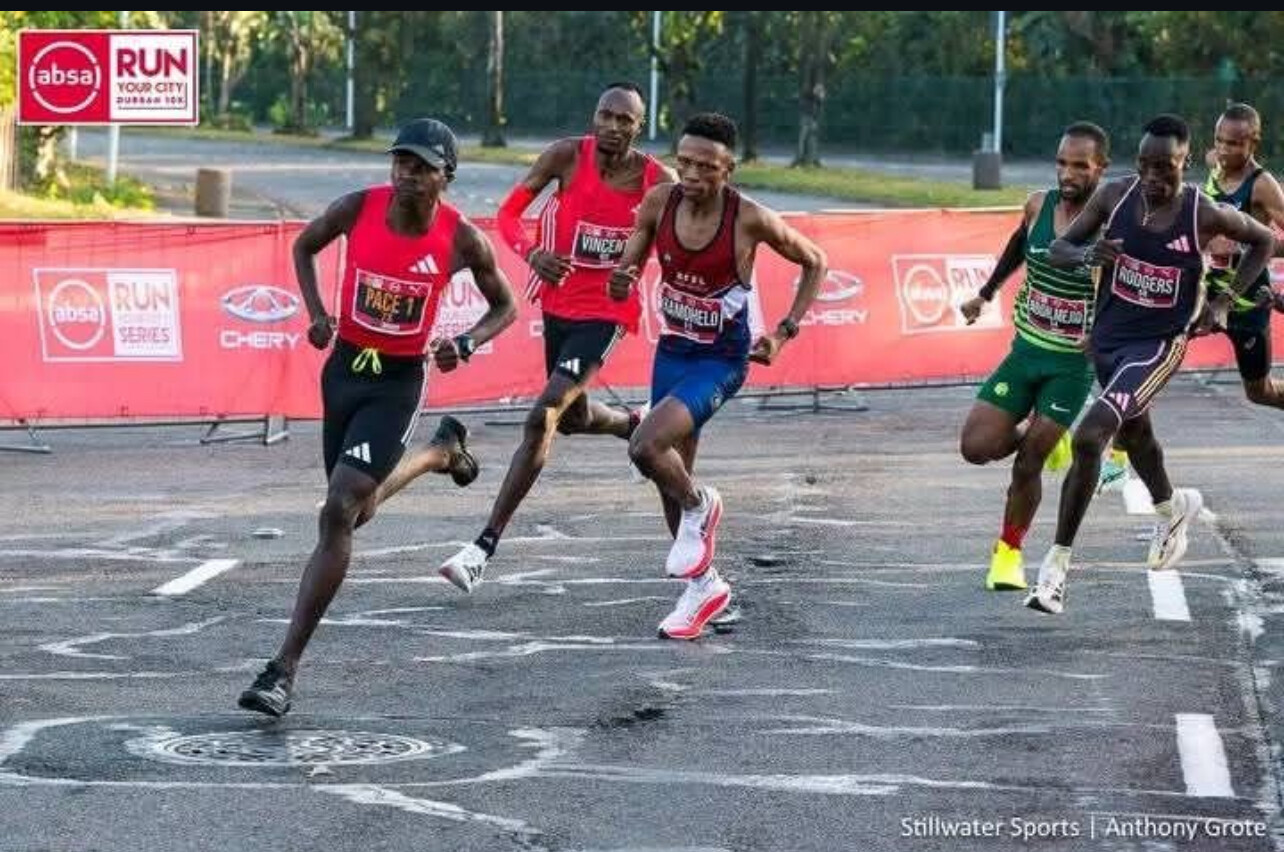
Mulaudzi led a competitive field through Durban’s beachfront course, holding off Lesotho’s Kamohelo Mofolo, who finished second in a national record time of 27:47. Pre-race favorite Vincent Kipkorir of Kenya was close behind, rounding out the podium in 27:48.
While Mulaudzi had his sights set on Wildschutt’s national record, course changes and pacing in the early kilometers may have held him back.
“Durban is my favorite course, and had we gone out faster in the first 5K, I believe I could have broken the record,” Mulaudzi said. “I wasn’t desperate—I just truly believed I had it in me.”
Personal Best and National Momentum
The victory marked a personal best for Mulaudzi, who has now won six races in the Run Your City 10km series since 2023, all while clocking consistent sub-28-minute performances. After battling injuries last season, the Alexandra-based runner has returned with renewed form and focus.
“Last year was tough with injuries, but I’ve bounced back strongly,” he said. “I need to improve my finishing, but this is one of my fastest races yet.”
He credited his coach, Richard Meyer, with guiding his resurgence through carefully structured training and race planning.
Rivalries and Respect
The race also deepened Mulaudzi’s friendly rivalry with Mofolo.
“Our rivalry began in Tshwane when he beat me, but I’ve now managed to beat him twice in a row,” Mulaudzi noted with a grin. “I’m happy for him setting a national record. He pushed me today.”
With momentum clearly on his side, Mulaudzi is targeting a clean sweep of the Absa series. His upcoming schedule includes the Central Gauteng Athletics Provincial 10km Championships, followed by the Run Your City 10km and the Durban Hollywood 10km in Tshwane this August.
“My goal is to win the remaining Absa races and stay healthy and injury-free,” he said.
If his current form holds, it may only be a matter of time before “Mr. Podium” becomes “Mr. Record” as well.
(07/13/2025) ⚡AMPby Boris Baron
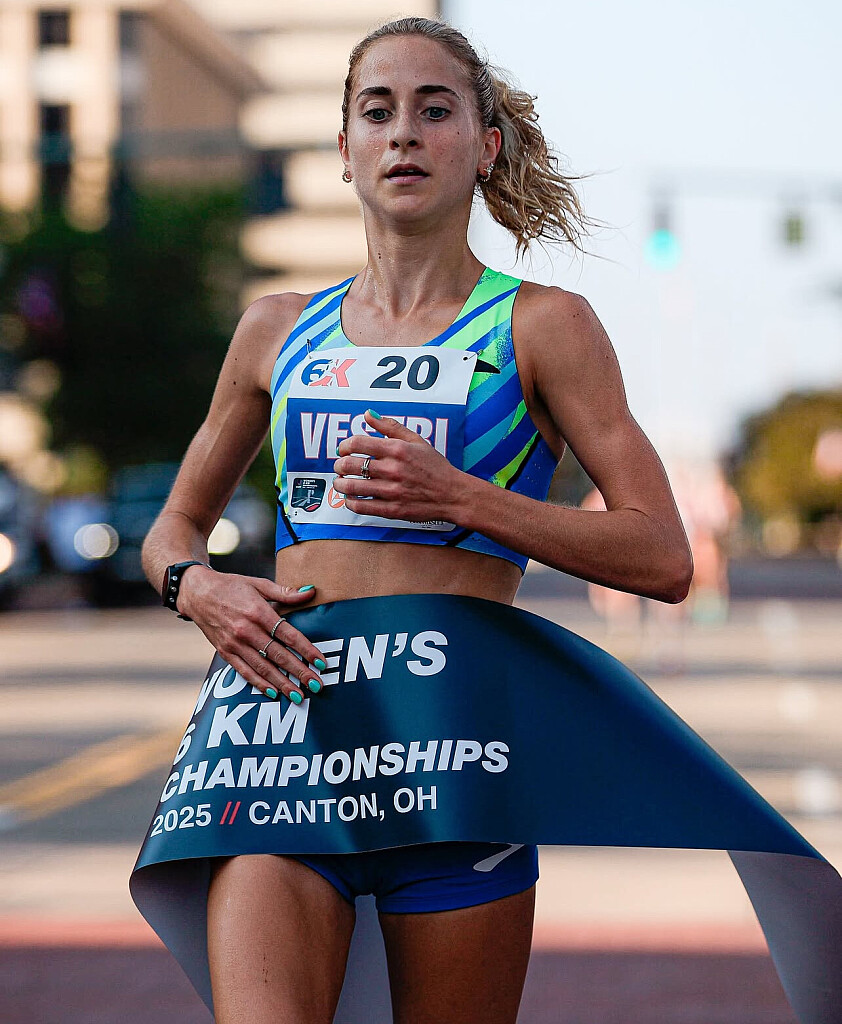
Amanda Vestri Claims First U.S. Title with Commanding Win at USATF 6 km Championships
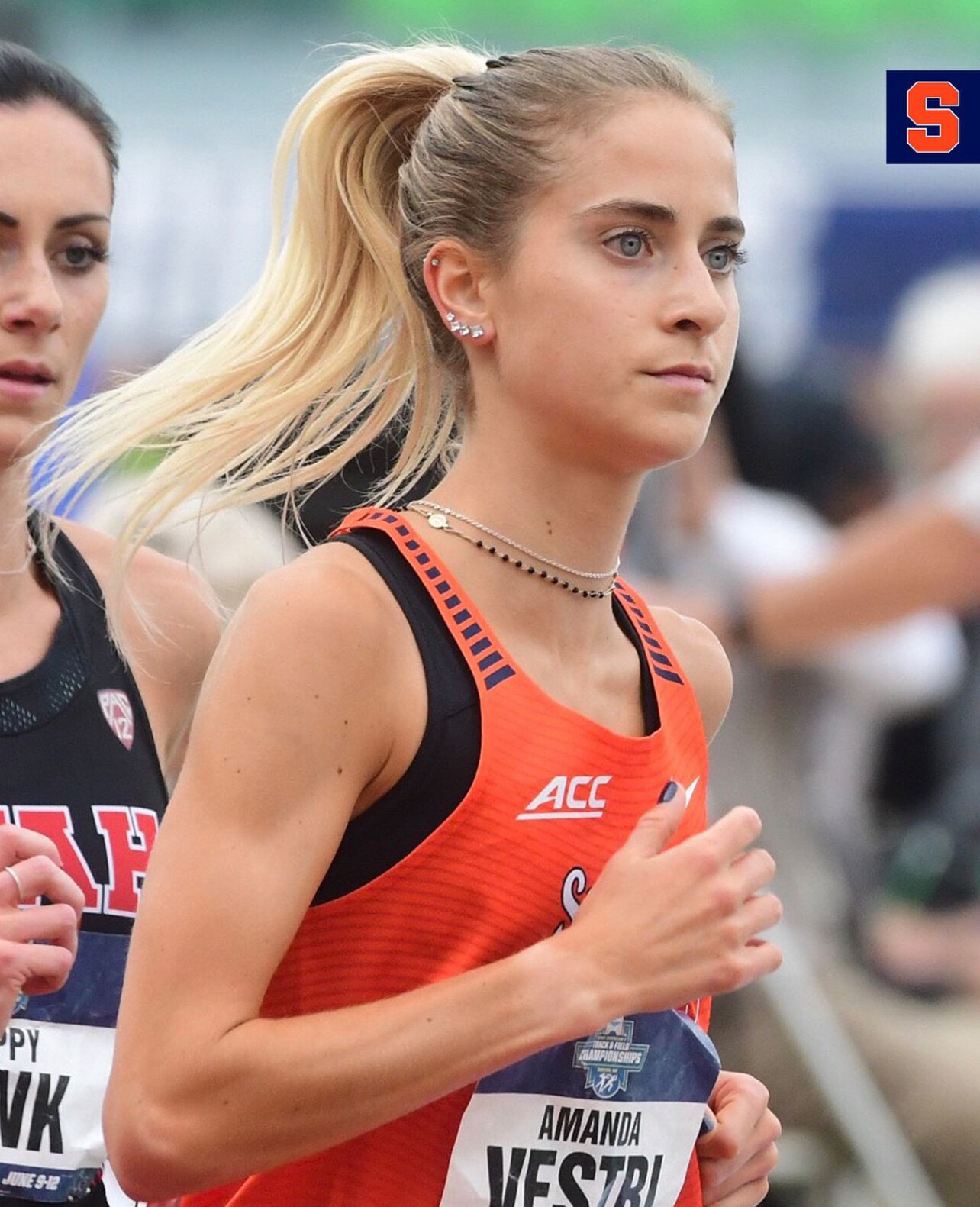
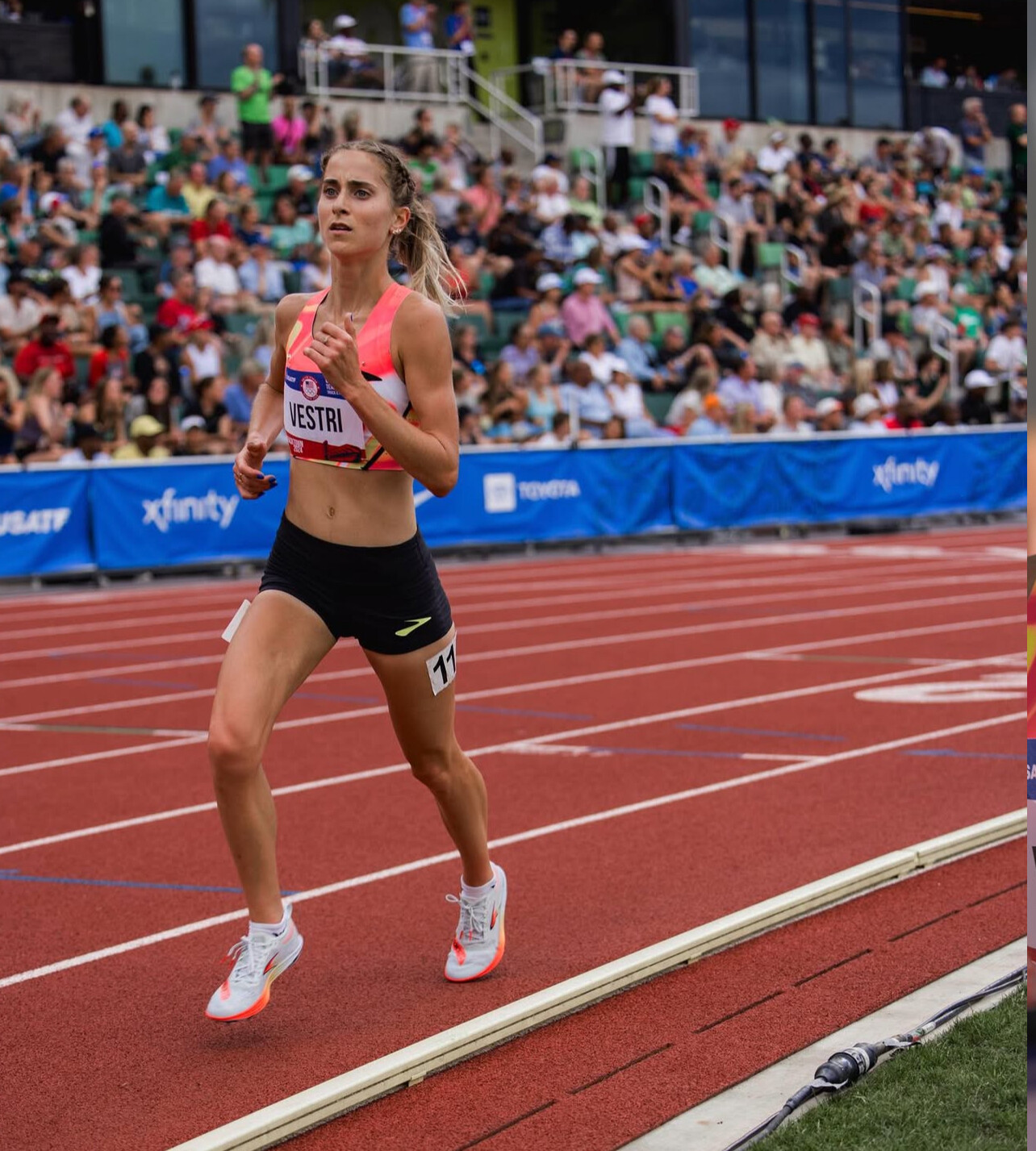
Amanda Vestri earned her first national title in dominant fashion on Saturday morning in Canton, Ohio taking a wire-to-wire victory at the USATF 6 km Championships in Canton, Ohio. The event, part of the Women’s 6K Festival, drew some of the top distance talent in the country, but no one could match Vestri’s front-running strength on a challenging, technical course.
Vestri, who finished second at this race in 2023, wasted no time establishing control. Racing in humid conditions with temperatures nearing 80°F, she charged to the front from the gun, pulling a pack of seven through the first mile in 4:53. As the course shifted onto an uneven stretch of brick road, she surged again—clocking another 4:53 for the second mile—and began to break away from the field.
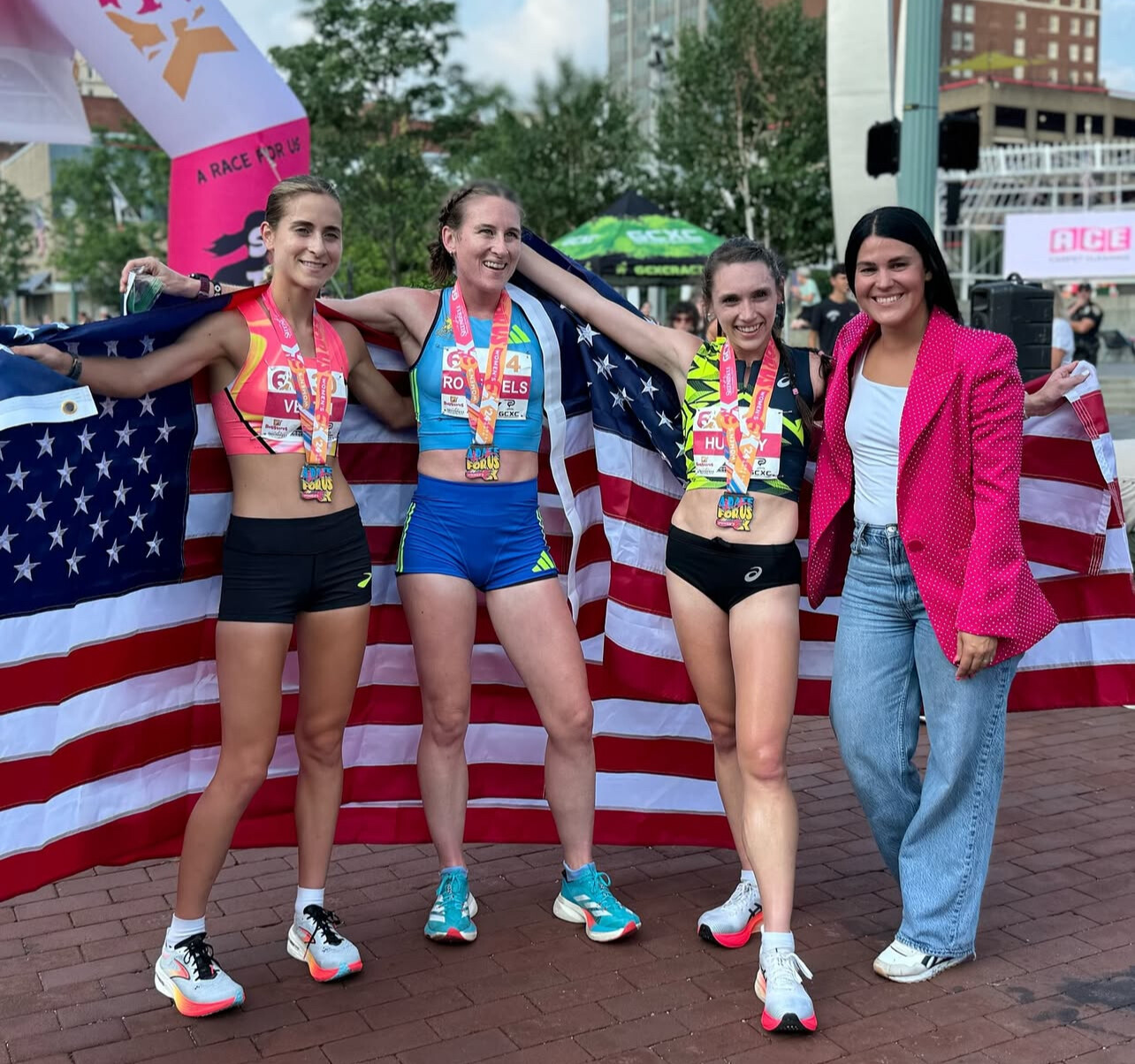
By the time the race reached its longest climb, Vestri’s lead had grown to three seconds over a chase pack that included Annie Frisbie, Fiona O’Keeffe, Molly Born, and Edna Kurgat. Cresting the hill with authority, she extended the gap to seven seconds by the 5K mark—a margin she maintained all the way to the finish line at Centennial Plaza.
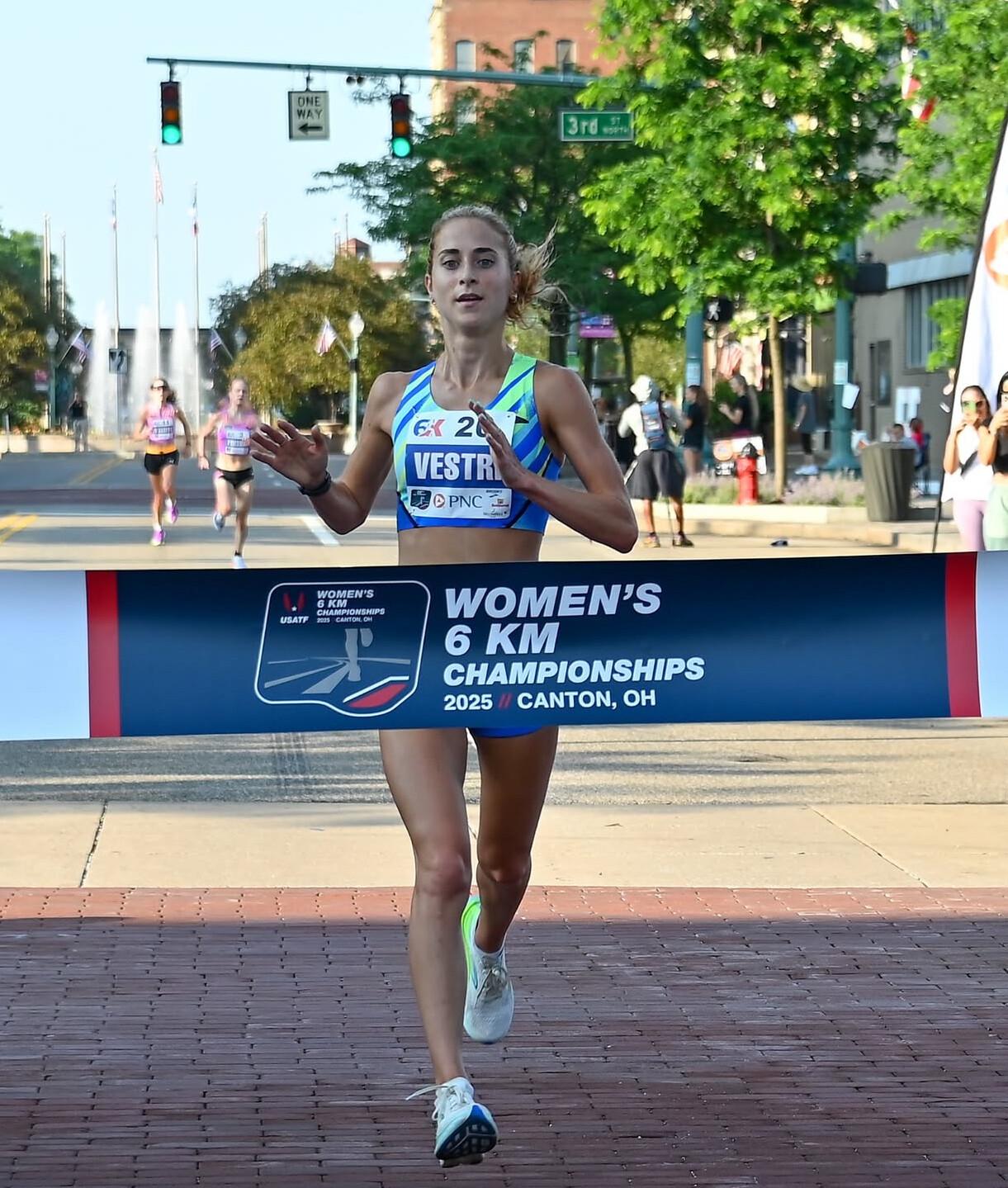
“I just kind of wanted to take it from the gun,” said Vestri after the race. “In these shorter races, I’m not really keen to just sit and run 5:15, 5:20. So, I just wanted to take it out. That’s the best way I run.”
Her aggressive strategy paid off, earning her the national title, $6,000 in prize money, and a move into second place in the USATF Running Circuit standings.
Fierce Finish for Second
The battle for second place came down to the final meters. Annie Frisbie and Olympic 10,000m runner Fiona O’Keeffe ran shoulder-to-shoulder for nearly the entire race before Frisbie edged ahead over the last 400 meters, stopping the clock in 18:36. O’Keeffe finished just two seconds back in 18:38 to round out the podium.
What’s Next
Vestri now shifts her focus to the track, where she’s scheduled to compete in both the 5,000m and 10,000m at the upcoming USATF Outdoor Championships in Eugene, Oregon later this month.
The USATF Running Circuit continues with just two events remaining:
• USATF 20 km Championships in New Haven on September 1
• USATF Marathon Championships in Sacramento on December 7
With momentum clearly on her side, Amanda Vestri will be a name to watch—on the roads and the track—for the rest of 2025.
(07/13/2025) ⚡AMPby Boris Baron
Jakob Ingebrigtsen Returns to Altitude Training in St. Moritz Following Injury and Personal Turmoil
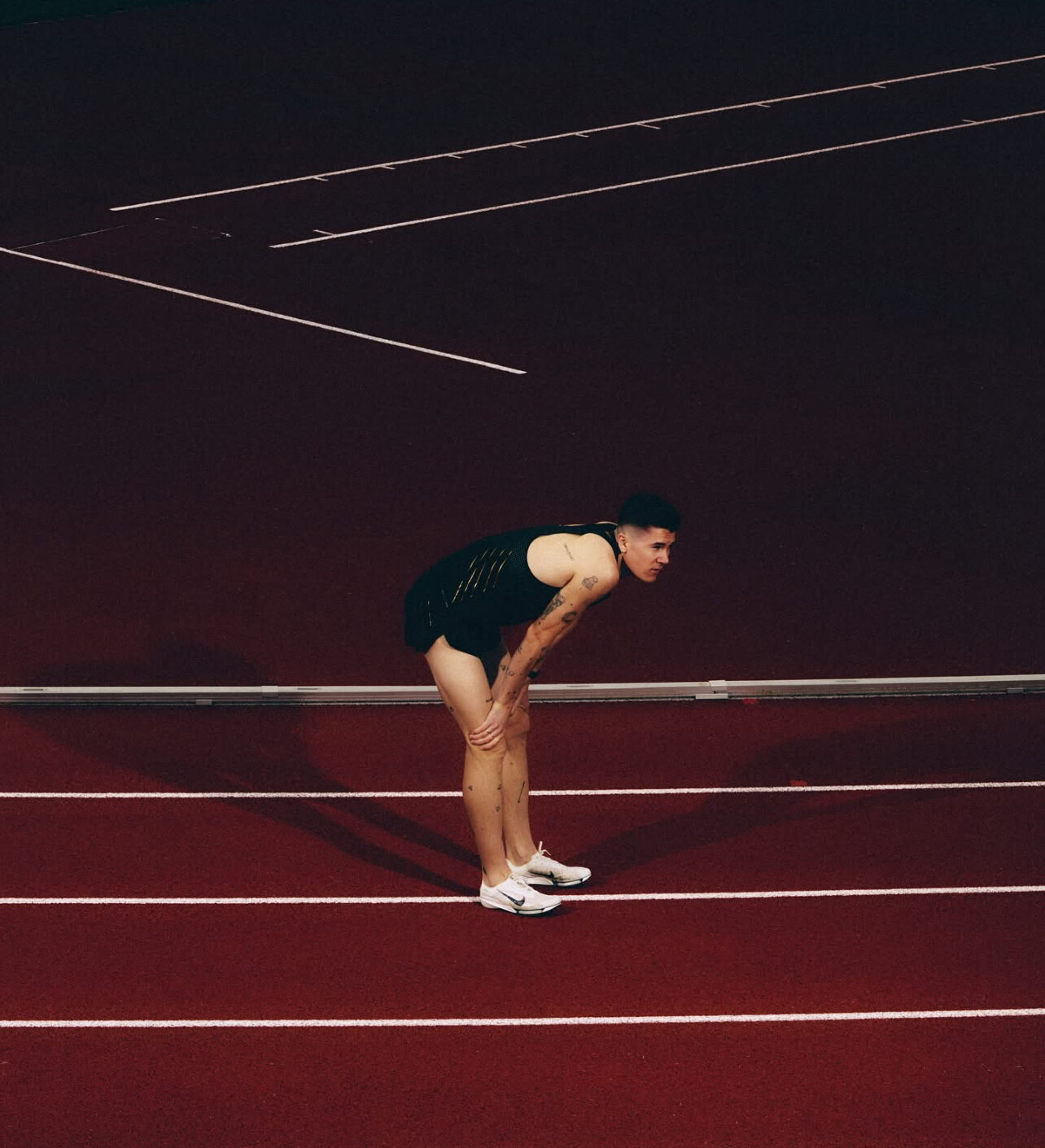
Olympic champion Jakob Ingebrigtsen is heading back to the mountains of St. Moritz to resume altitude training after a difficult first half of the 2025 season marked by injury and family challenges. The 23-year-old Norwegian has been recovering from a strained Achilles tendon that derailed his early outdoor campaign and forced him to miss several key meets.
Recovery First
Ingebrigtsen initially planned to train at altitude in Sierra Nevada in the spring, but his Achilles issue required a change of course. He instead remained home to focus on recovery, missing high-profile events in Oslo, Ostrava, the Pre Classic, and the London Diamond League.

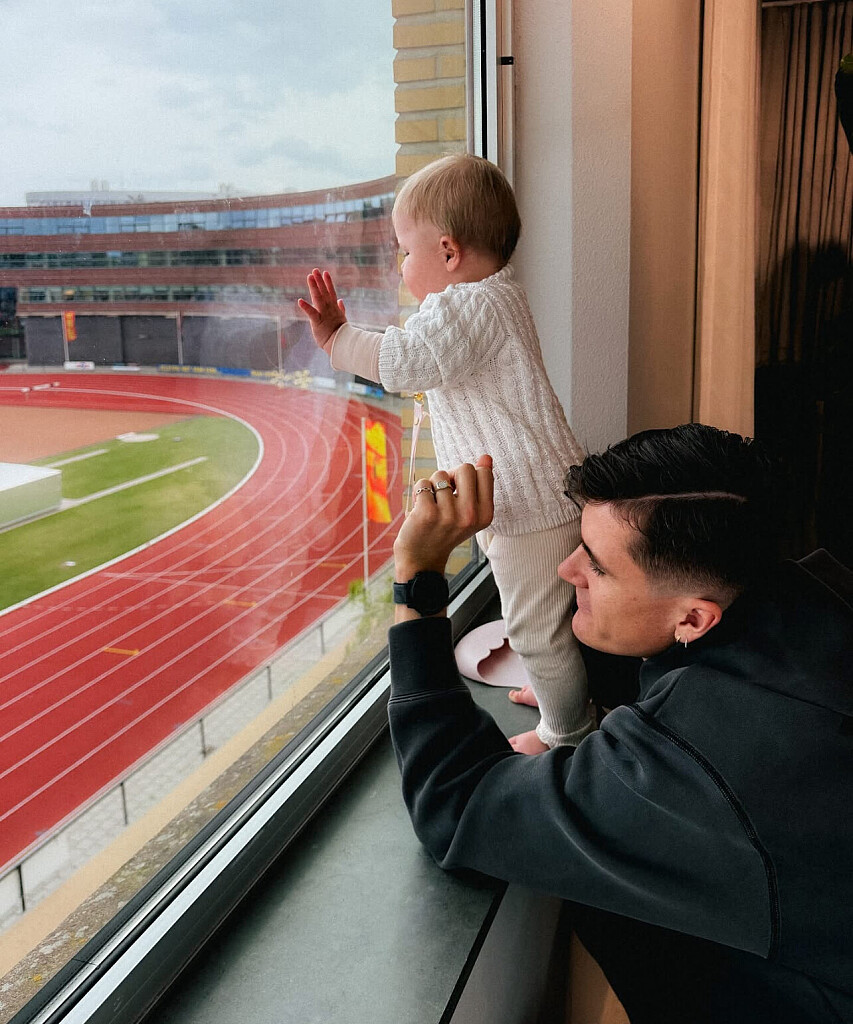
In a recent update shared on social media, Jakob acknowledged the long road back but said he was grateful for the time spent with his young daughter and dogs. “At least I had the best company,” he wrote, sharing photos from a forest outing. His message suggests a turning point in his recovery, both physically and emotionally.
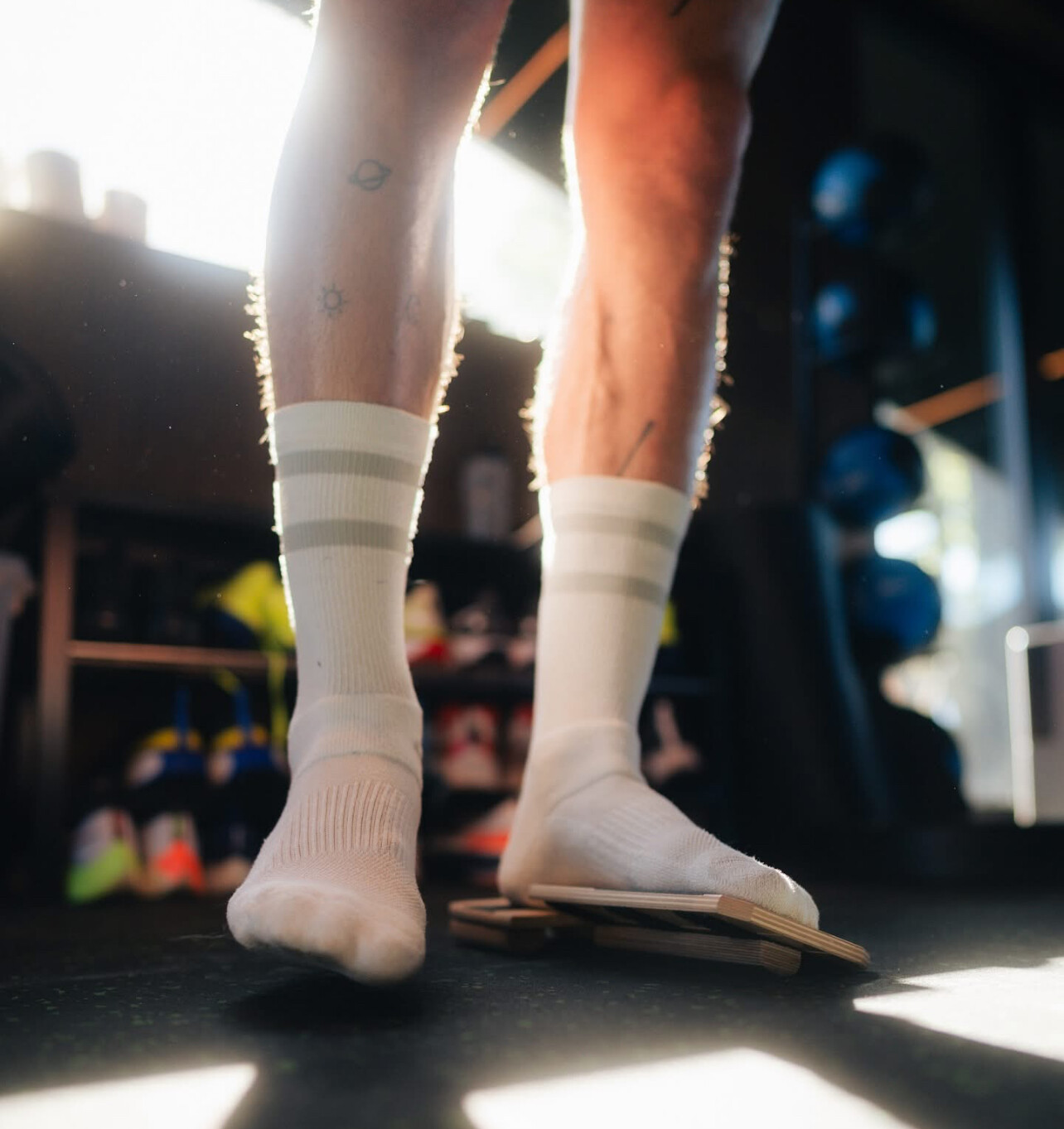
Altitude Training in St. Moritz
Coach Filip Ingebrigtsen has confirmed that Jakob will now join Norway’s altitude group in St. Moritz for a three- to four-week training block. The plan is to carefully build back fitness without rushing into competition. If all goes well, Jakob could return to racing in mid-August, with the Silesia Diamond League meeting in Poland emerging as a likely target.

While his return has been delayed, confidence remains high. Ingebrigtsen’s indoor season earlier this year was exceptional—he broke the world indoor records for both the 1500m and mile. In June, shortly before his Achilles flare-up, he set a new European 1500m record of 3:27.95 and clocked 7:54.10 in the two-mile, a world best.
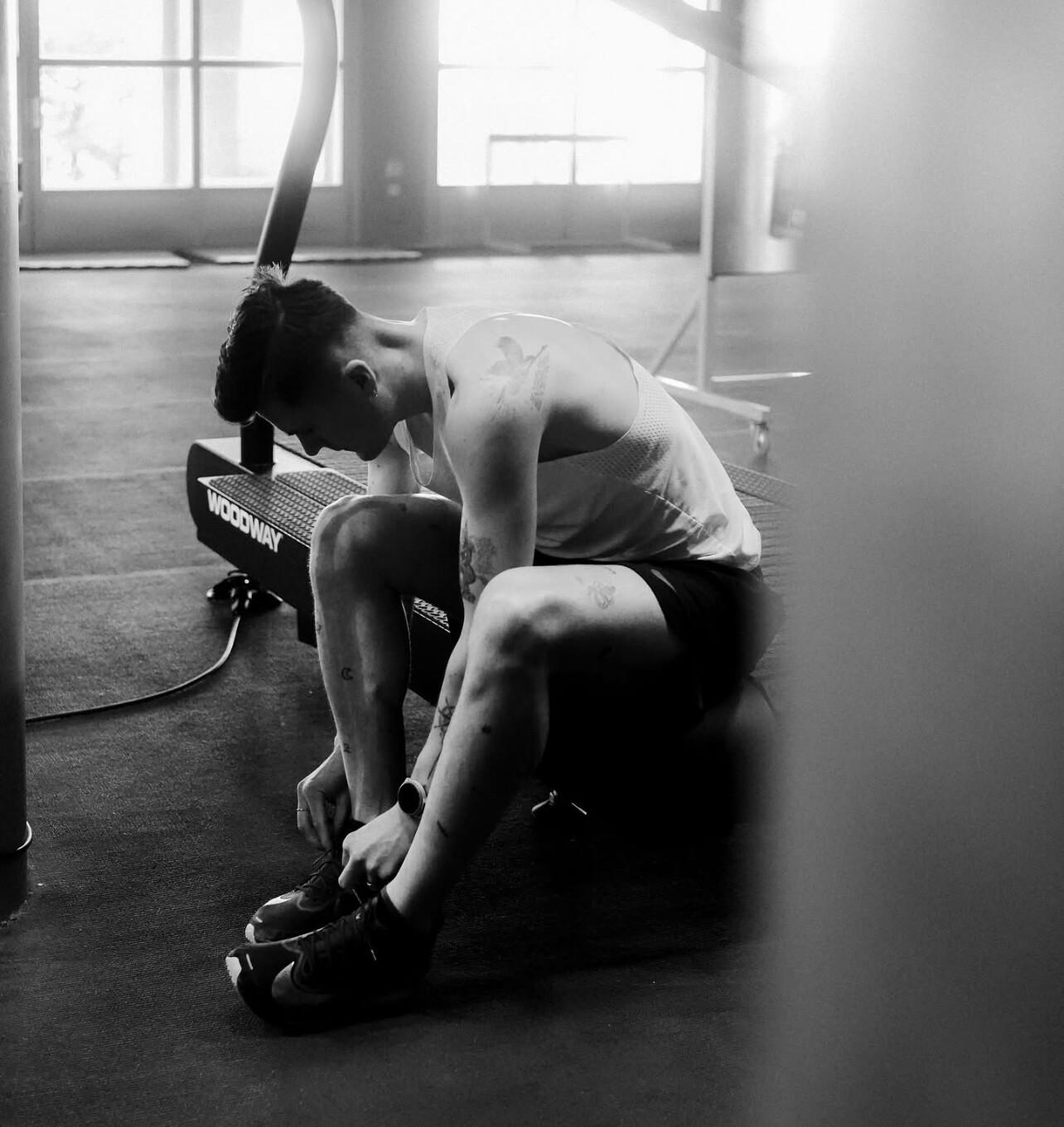
Personal Challenges and Legal Closure
In the midst of his recovery, Ingebrigtsen also had to navigate a difficult legal chapter. On June 23, his father, Gjert Ingebrigtsen, was convicted of minor assault against Jakob’s younger sister, Ingrid, for an incident involving a wet towel. Gjert received a 15-day suspended sentence and was ordered to pay damages. He was acquitted of similar charges involving Jakob due to lack of evidence.
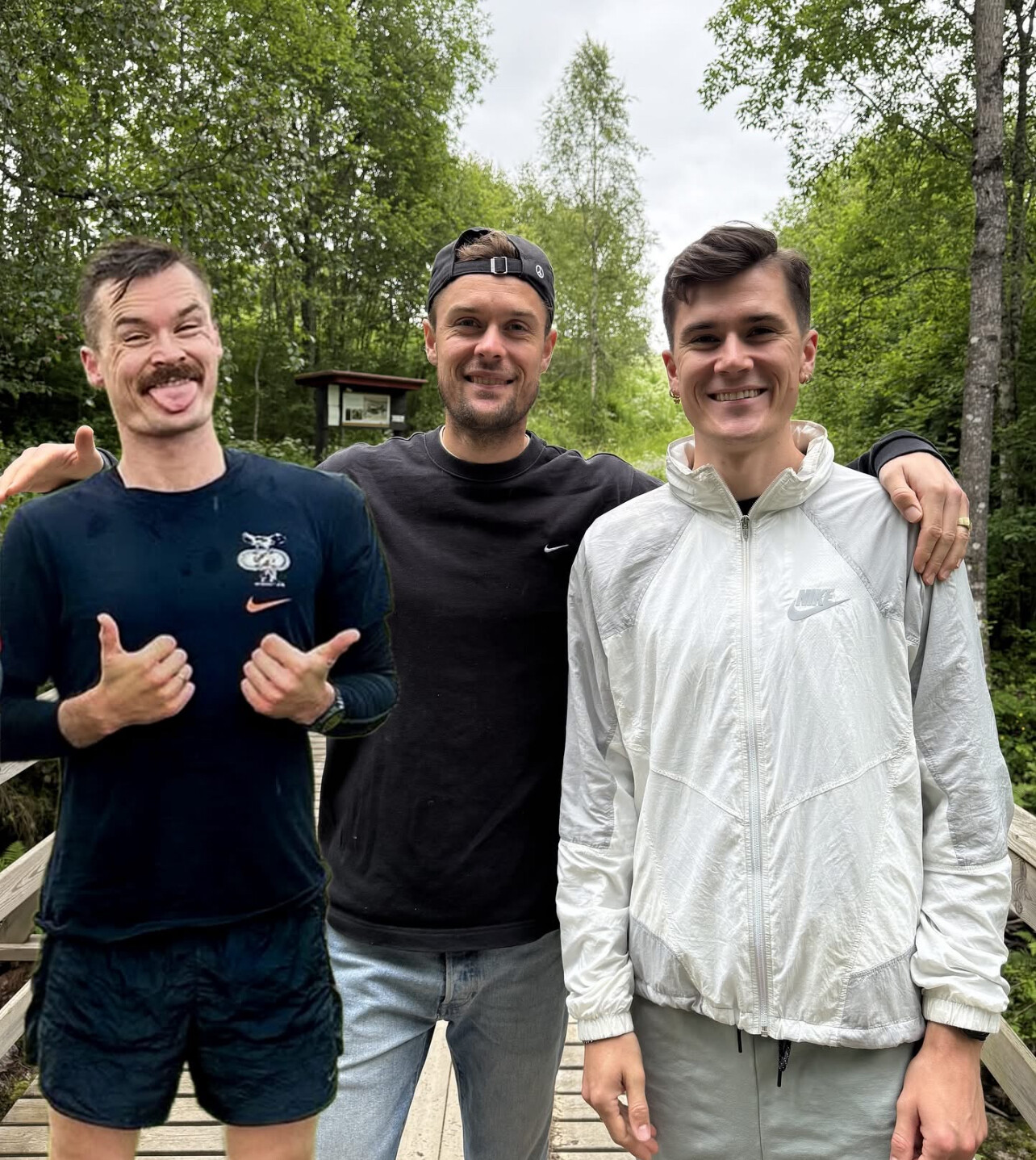
The verdict marks a formal conclusion to a painful and public family dispute that first came to light in late 2023. With this chapter behind him, Jakob appears ready to shift focus fully back to his training and racing.
Looking Ahead
Jakob Ingebrigtsen’s approach to 2025 has been cautious but strategic. Rather than forcing an early comeback, he’s prioritized recovery, stability, and preparation. If his return to St. Moritz goes as planned, fans can expect to see him back on the track in top form later this summer—potentially just in time to contend for another global title.
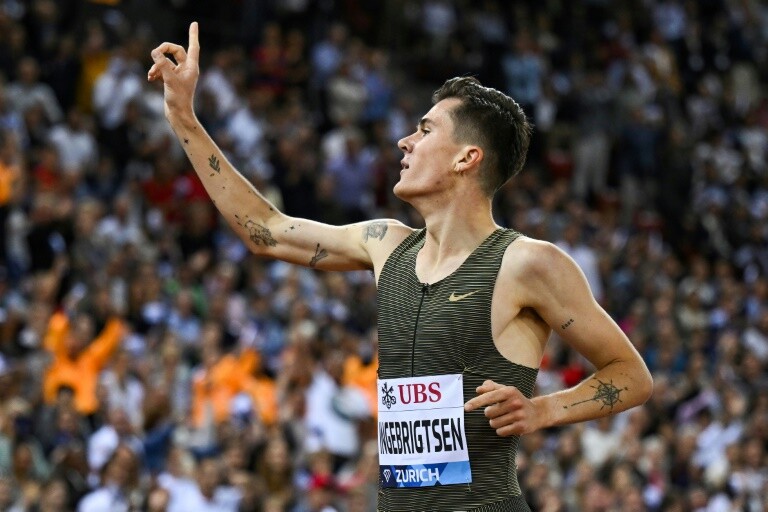
by Boris Baron
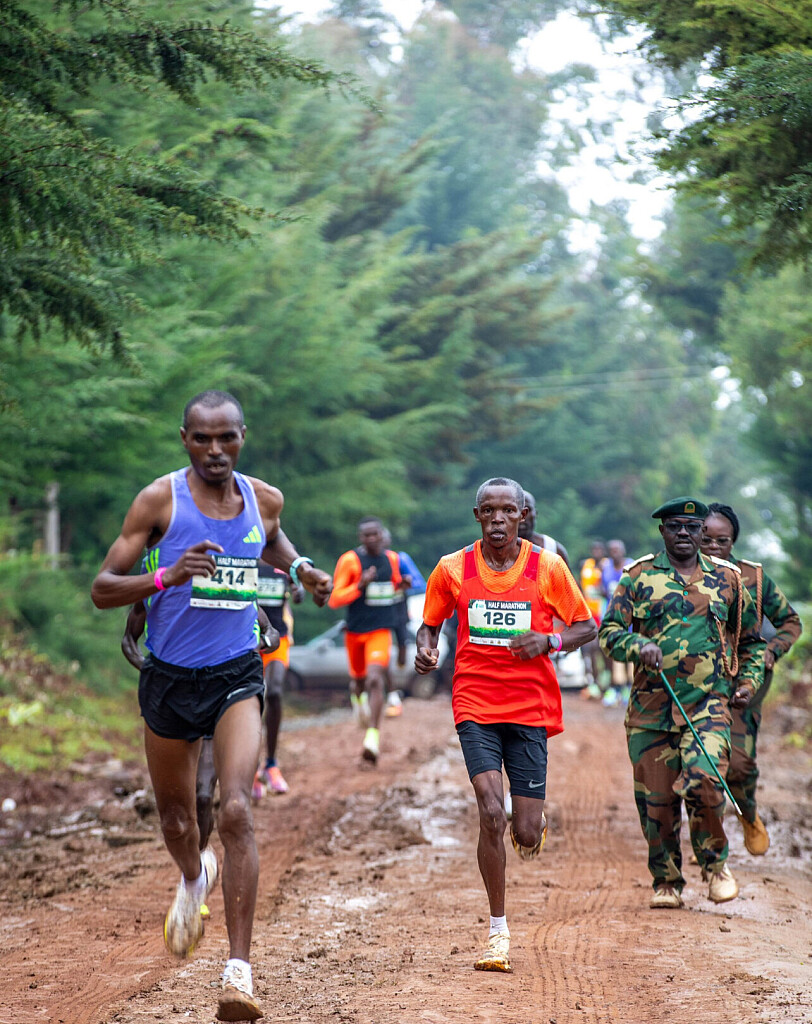
Rotich and Reline Triumph in Muddy Showdown at Kaptagat Forest Half Marathon - Kaptagat, Kenya — July 12, 2025
On a misty Saturday morning in the high-altitude woodlands of Simotwo, Elgeyo Marakwet County, Gideon Kiprop Rotich and Catherine Reline embraced the mud, mist, and mayhem to win the 2025 Kaptagat Forest Half Marathon. Battling a soaked red clay course shared by Kenya’s finest—including marathon legend Eliud Kipchoge—the two champions rose above the chaos to claim hard-fought victories in the men’s and women’s 21km races.
MEN’S 21KM — Rotich Edges Rivals in Thrilling Sprint Finish
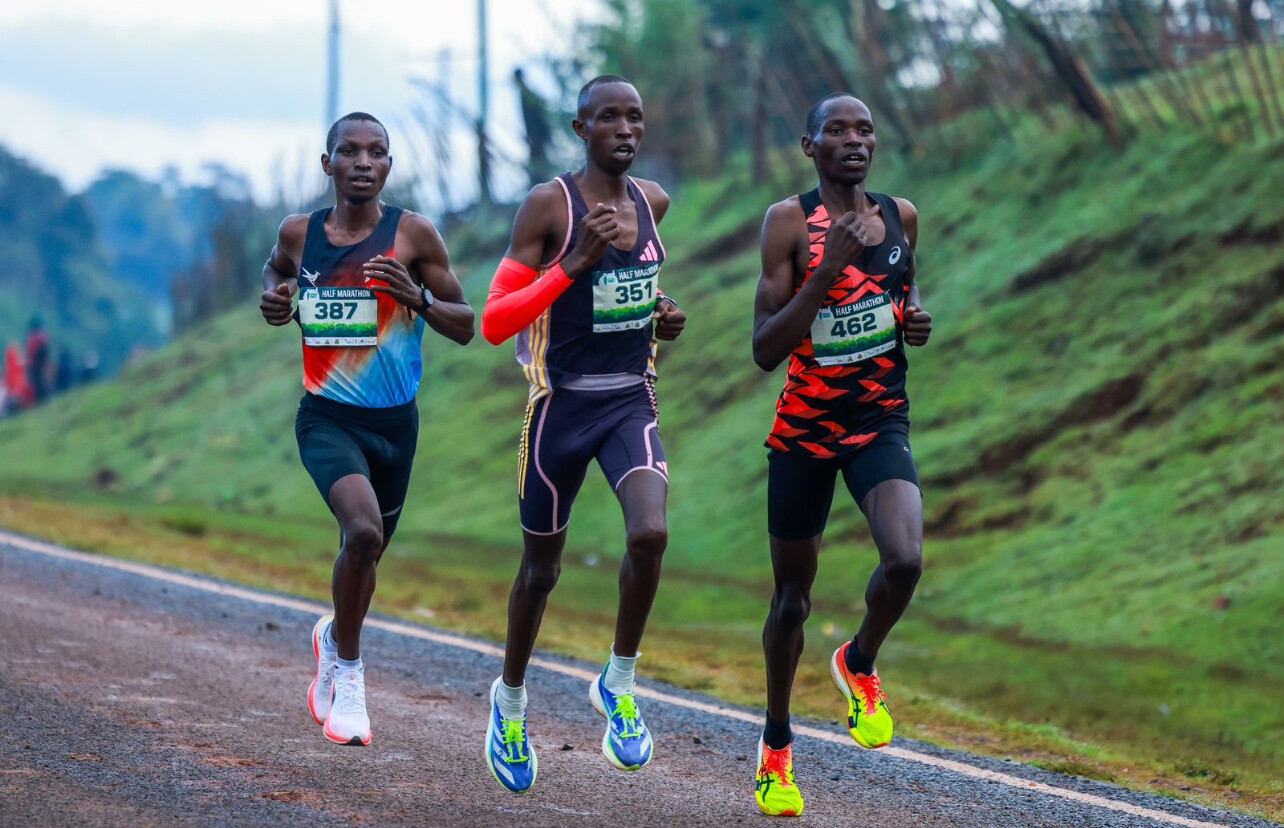
The men’s race quickly became a tactical chess match, played out on unpredictable terrain. Rotich, showing remarkable composure through the slippery climbs and sharp descents, surged in the final kilometer to win in 1:07:02.
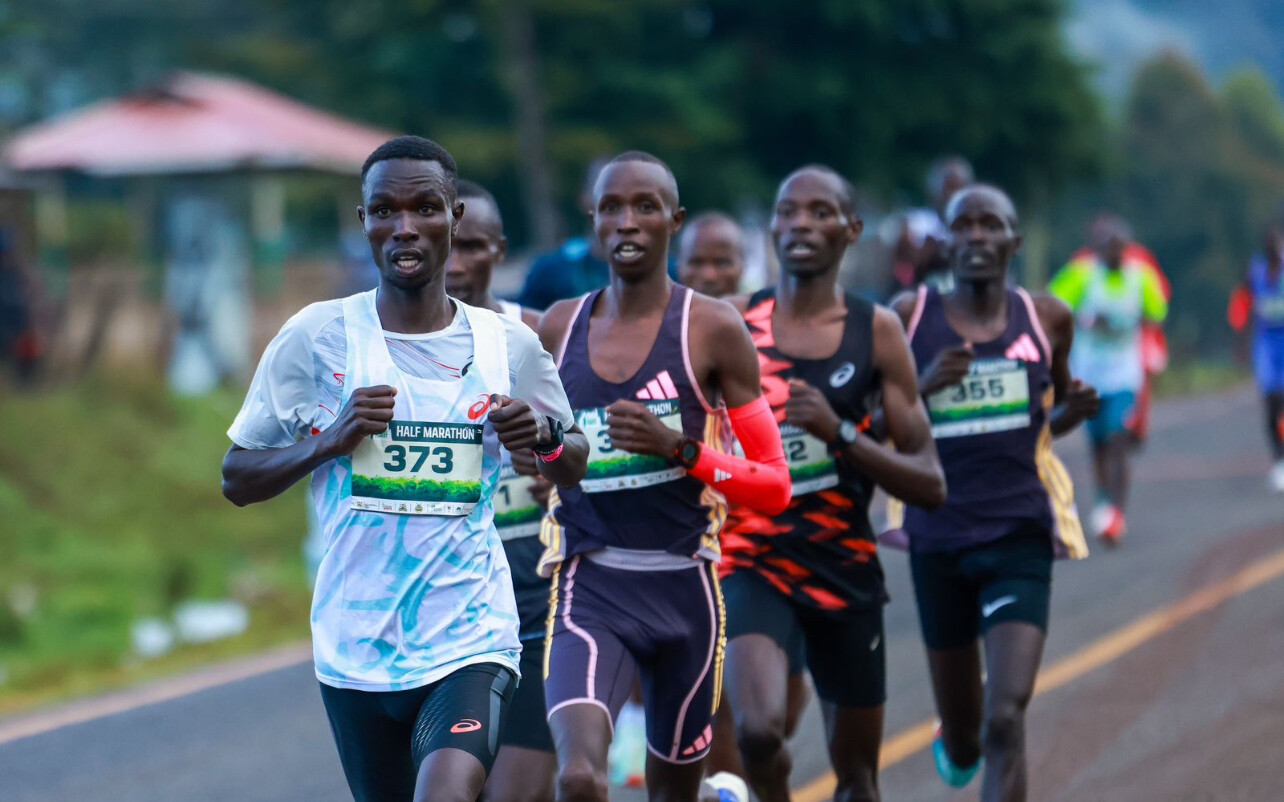
From the outset, he was closely shadowed by Wisley Kipkemoi Yego (Keringet) and Alfred Kipkemoi Cheruiyot, with the trio passing 5K in 14:19, 10K in 32:47, and 15K in 47:21. As the fog thickened and footing worsened, Rotich found a decisive gear on the final descent. Yego finished just two seconds back in 1:07:04, with Cheruiyot another heartbeat behind in 1:07:05.
“You couldn’t push the way you normally would,” said Rotich, his shoes caked with thick mud. “The ground was soft; the air was heavy. But that’s Kaptagat—it doesn’t reward the fastest, it rewards the smartest and toughest.”
Only 16 seconds separated the top five finishers, marking one of the most dramatic conclusions in the event’s recent history.
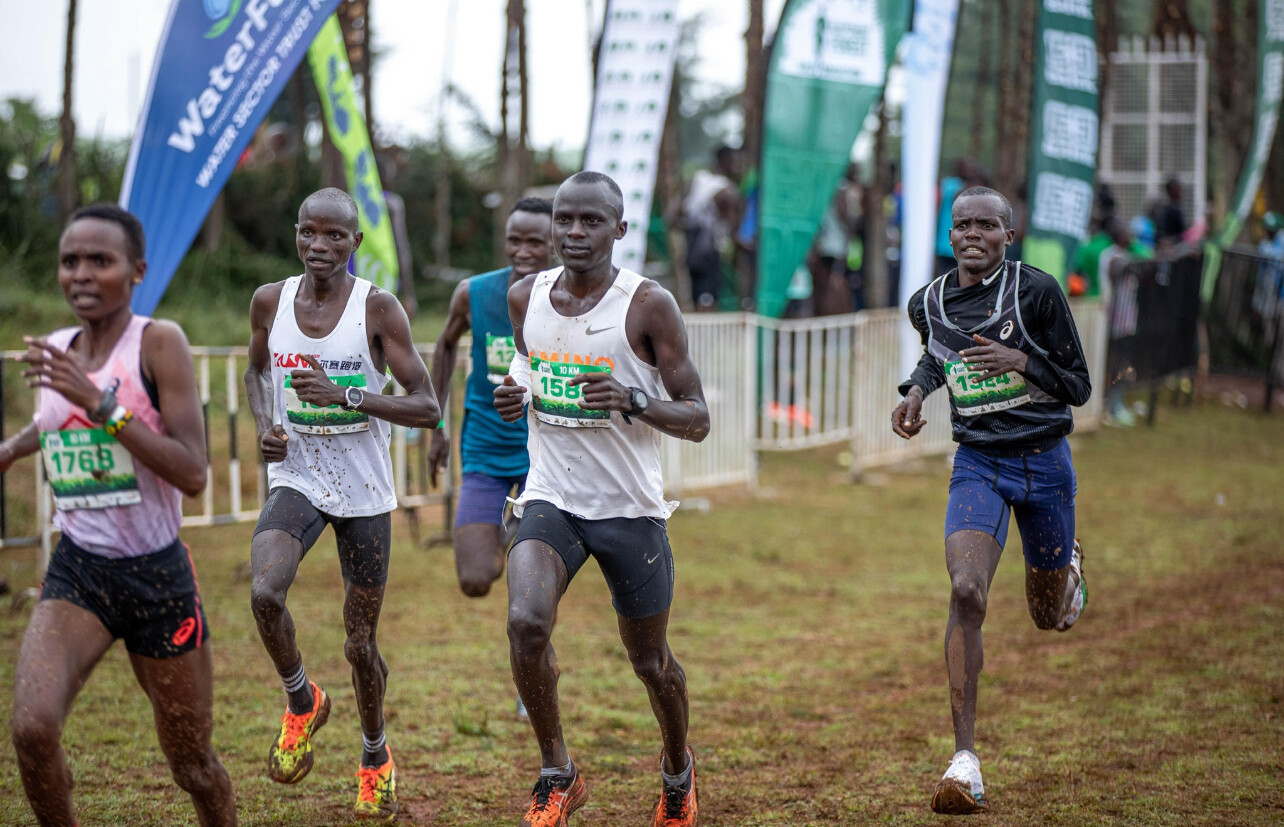
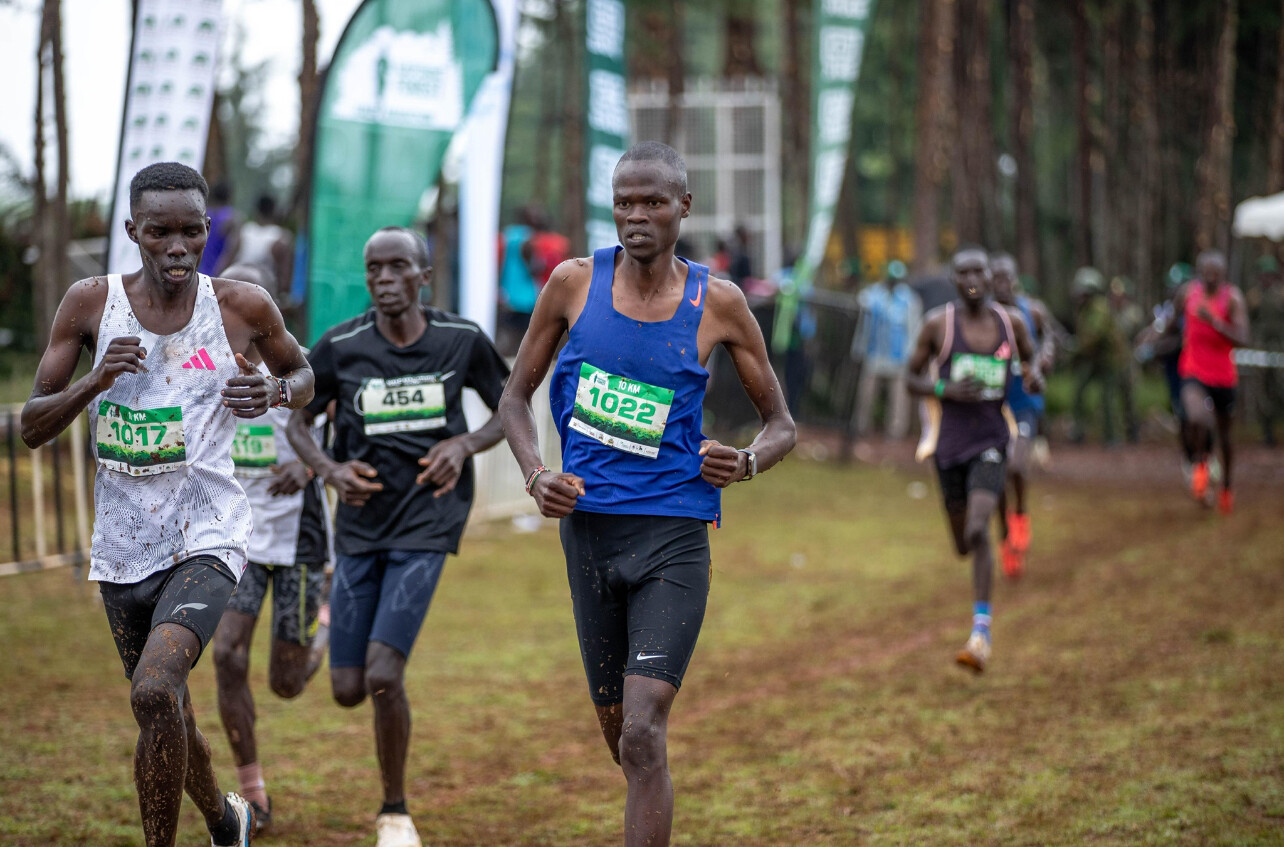
WOMEN’S 21KM — Reline Dominates with Precision and Power
In the women’s race, Catherine Reline executed a masterclass in pacing and poise. She broke away after 10K and never looked back, claiming victory in 1:14:23.
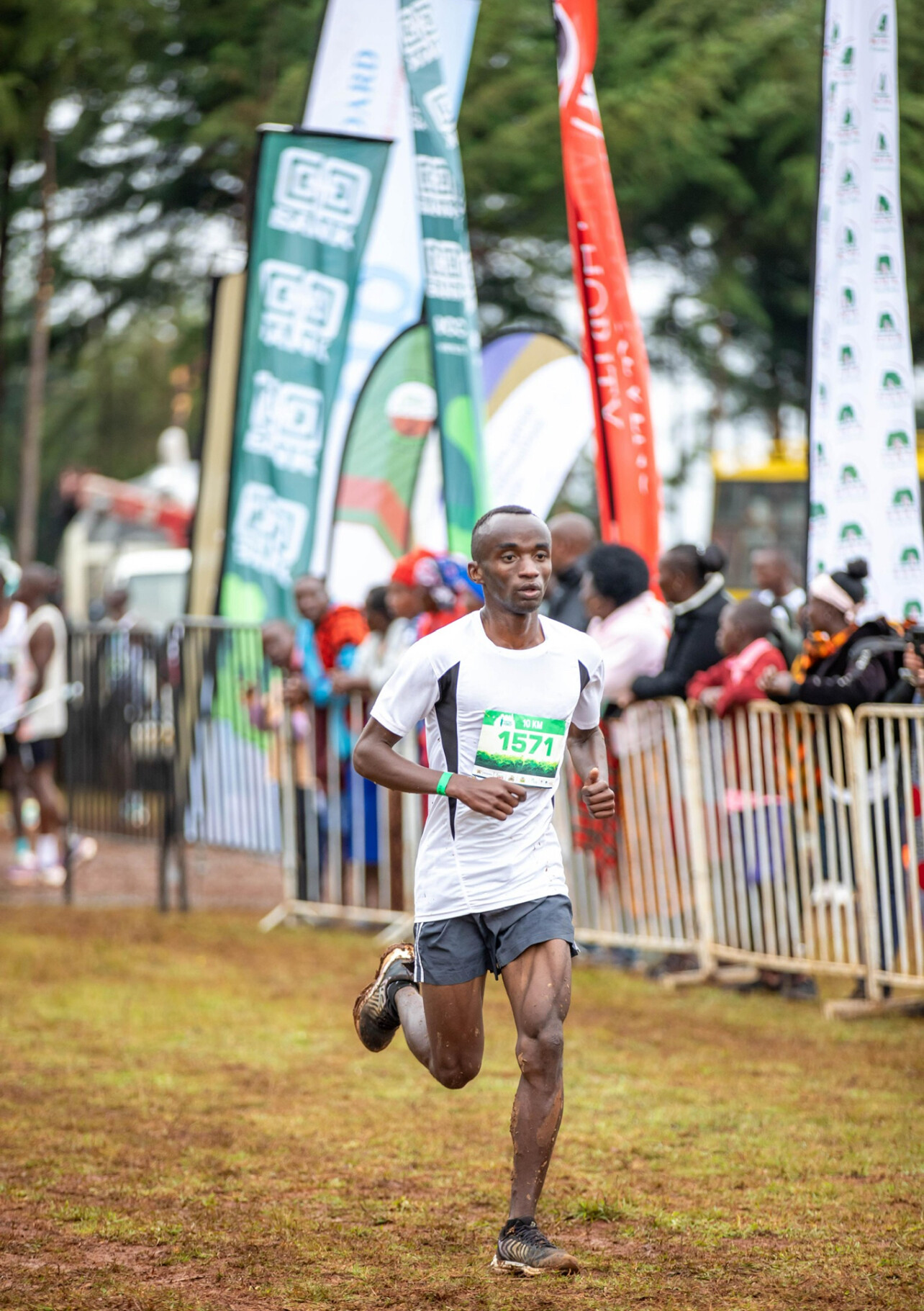
Her 5K split of 16:22 gave early notice of her form, with 10K and 15K reached in 37:33 and 53:39, respectively. Confident and sure-footed through the muddiest stretches, she ran unchallenged to the finish.
“The forest was unforgiving,” Reline said. “But I trusted my rhythm and focused on staying upright through the muddy patches. Once I found my footing, I just kept pressing.”
Vivian Cherotich (1:15:09) and Catherine Peiyoy (1:15:44) rounded out the podium after a gritty chase through the fog-shrouded ridgelines and pine forest trails.
Mud, Mist, and the Magic of Kaptagat
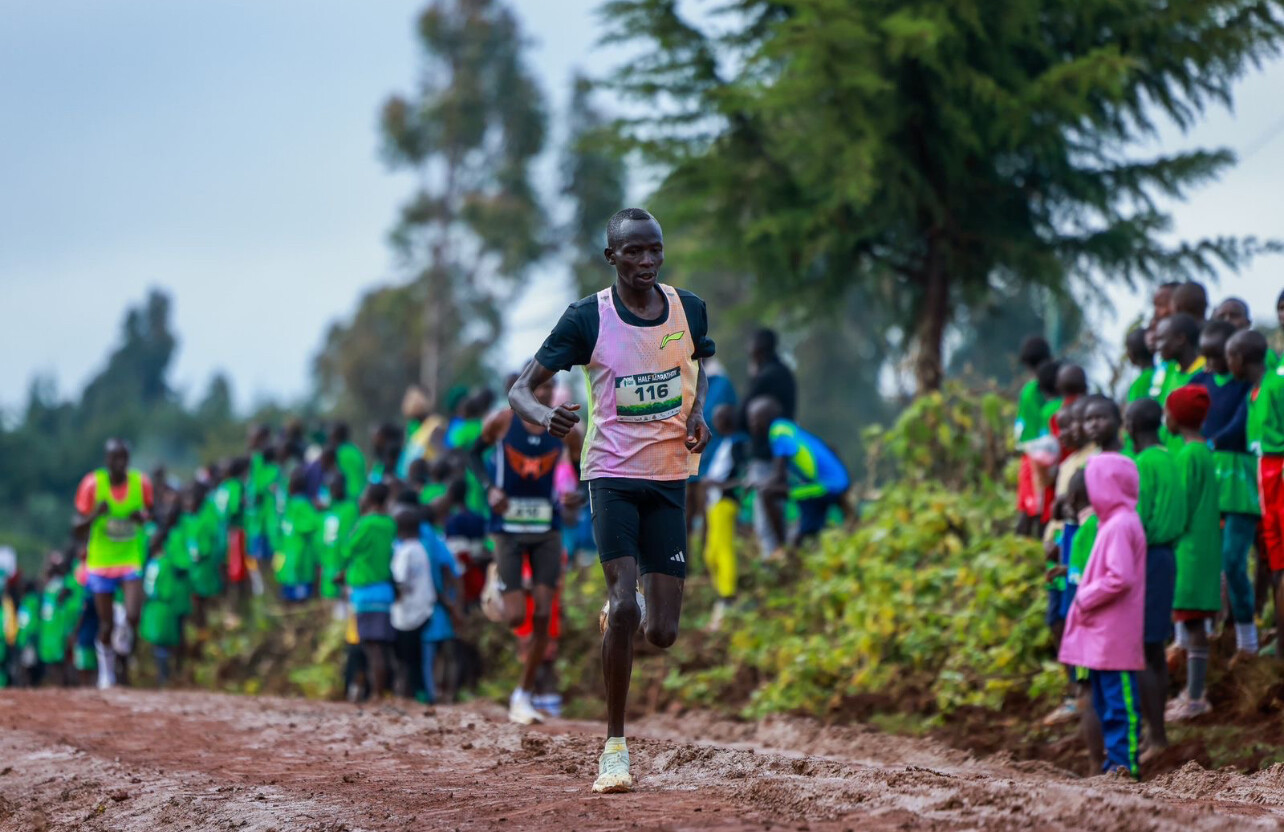
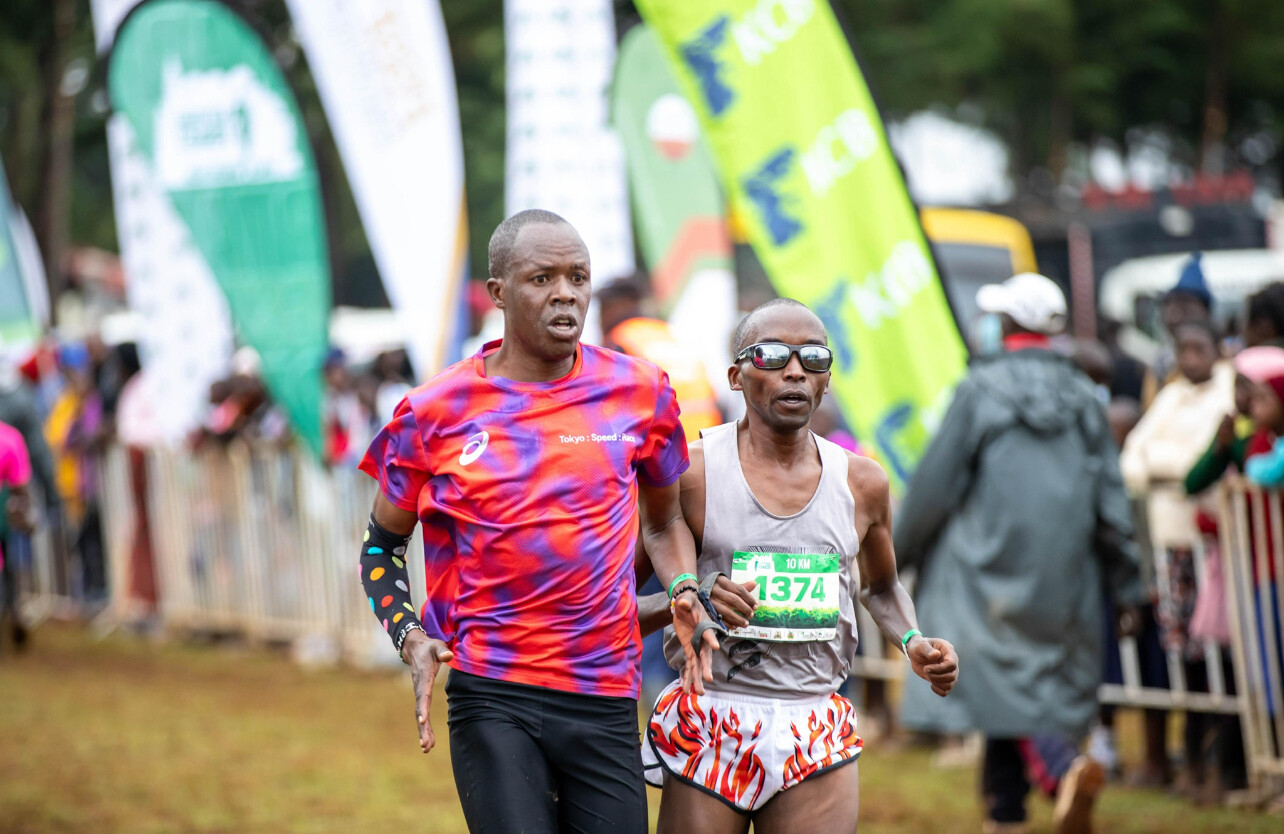
Despite a relentless drizzle and pre-race downpour, the race drew hundreds of spirited spectators. From Simotwo High School to the inner loops of the Kaptagat forest, locals wrapped in shawls, ponchos, and even barefoot stood cheering along the soaked 2,600-meter elevation trail.
Organizers praised the resilience of the athletes and hinted at possible drainage improvements for future editions. But for many, the mud and mist are part of Kaptagat’s mystique.
“This course defines toughness,” said third-place finisher Cheruiyot. “And the crowd’s energy—despite the rain—kept us going.”
As sunlight finally pierced the cloud cover, the 2025 Kaptagat Forest Half Marathon cemented its reputation once again: raw, real, and one of Kenya’s toughest tests of endurance.
Top 10 Results – Men’s 21km
1. Gideon Kiprop Rotich – 1:07:02
2. Wisley Kipkemoi Yego – 1:07:04
3. Alfred Kipkemoi Cheruiyot – 1:07:05
4. Kalipus Lomwai – 1:07:12
5. Stephen Kimutai Kibet – 1:07:18
6. Philemon Kiprotich Konor – 1:07:35
7. Timothy Kiptoo – 1:07:56
8. Patrick Mosin – 1:08:01
9. Noah Kipkemboi – 1:08:18
10. Jonah Belio – 1:08:21
Top 6 Results – Women’s 21km
1. Catherine Reline – 1:14:23
2. Vivian Cherotich – 1:15:09
3. Catherine Peiyoy – 1:15:44
4. Gladys Longari – 1:15:48
5. Beatrice Cheserek – 1:16:49
6. Gladys Jeptepkeny – 1:17:33
(07/13/2025) ⚡AMP
by Robert Kibet
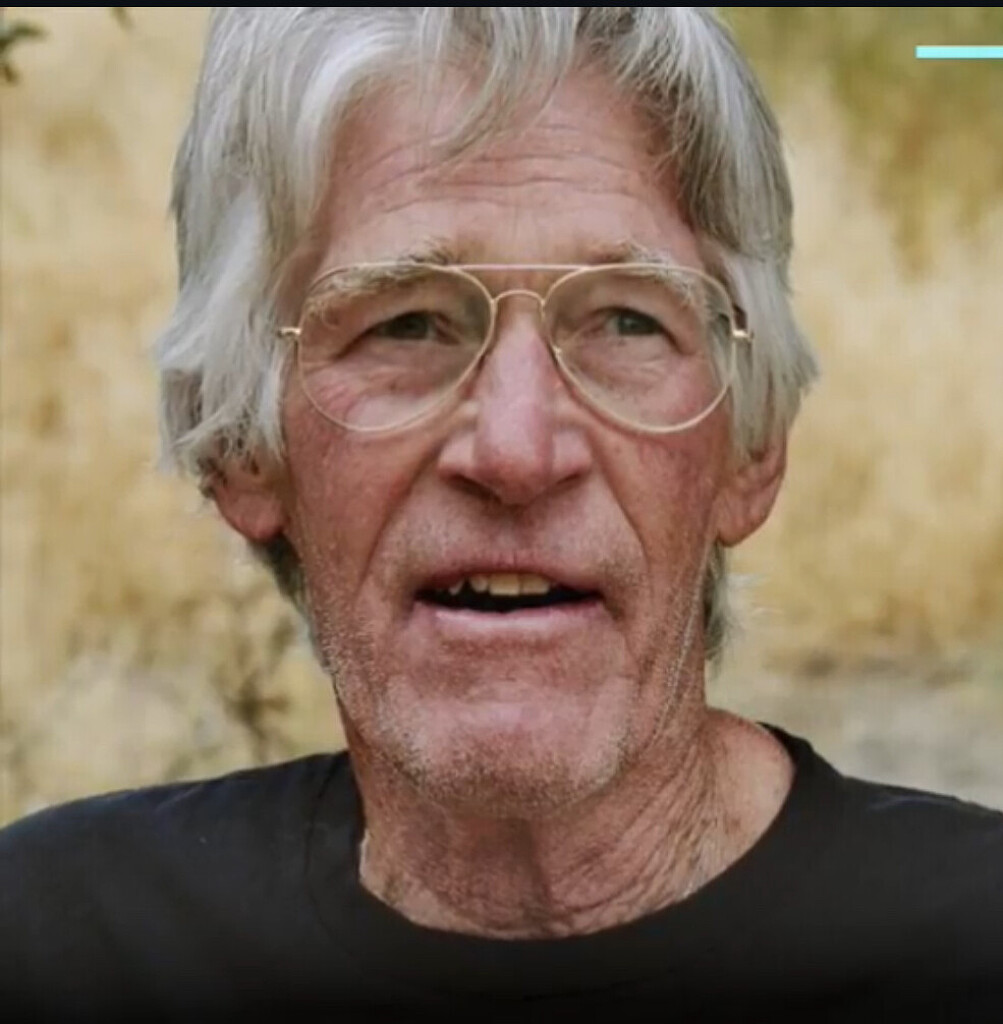
Jon Sutherland’s 55 Year World Record Running Streak is being challenged
Jon Sutherland of Washington, Utah, officially ended the longest consecutive daily running streak in history on December 31, 2024. He ran every single day for 55 years, 7 months, and 6 days, totaling 20,309 consecutive days—a record of unmatched consistency, discipline, and passion for the sport.
Sutherland began his streak on May 29, 1969, at just 19 years old. Over five and a half decades later, now 74, he finally decided to hang up the streak—but not before cementing himself in the annals of running history.
For perspective, that’s nearly two-thirds of a century without missing a single day. Rain, injury, illness—none of it stopped him from getting in at least one mile daily. Though not all of those runs were fast or long, the sheer volume of uninterrupted effort is unparalleled.
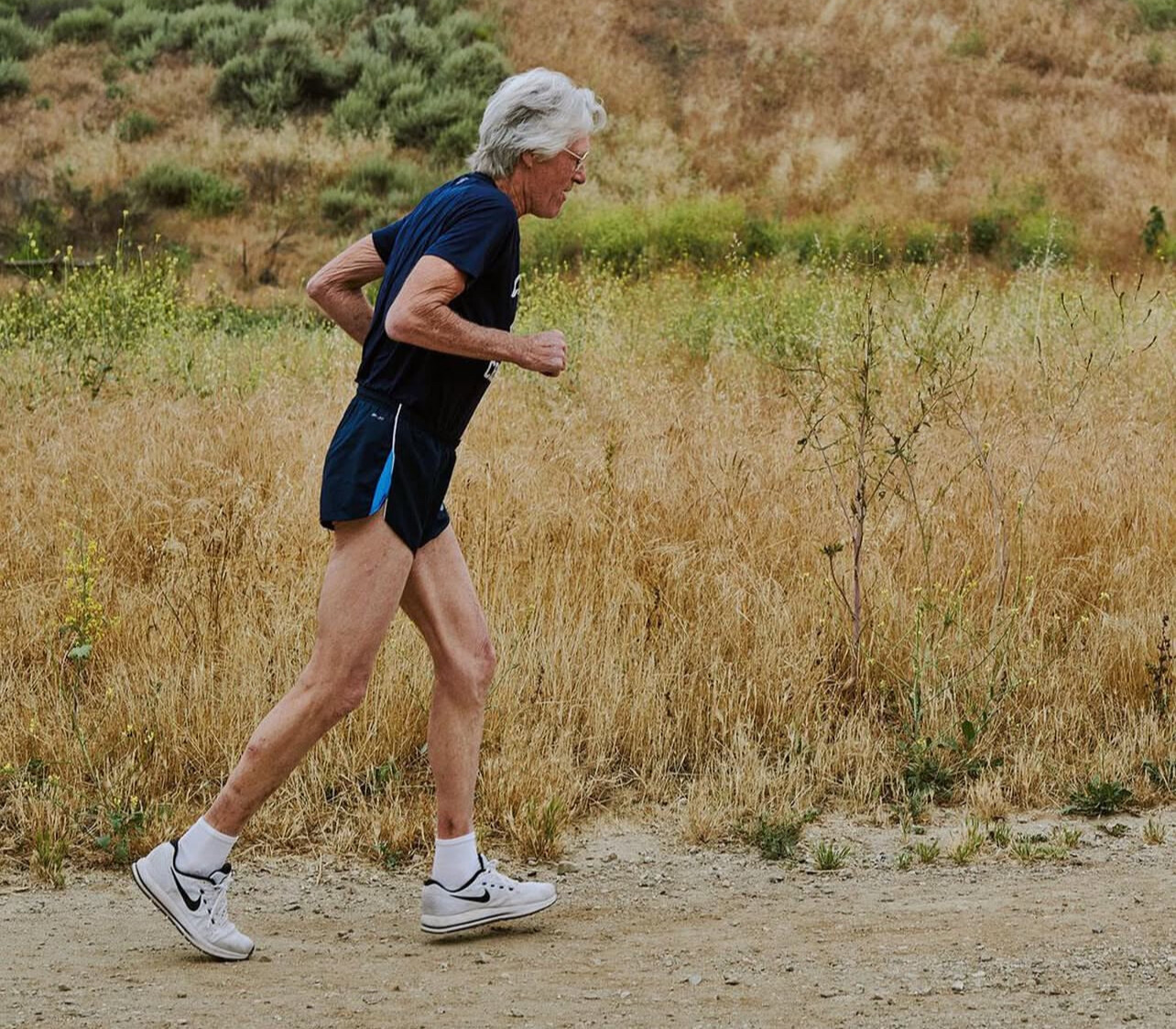

Interestingly, just behind Sutherland on the all-time list is Jim G. Pearson, who began his still-active streak on February 16, 1970, in Marysville, Washington. Pearson, now 81, has logged 20,236 consecutive days (55.4 years) as of today—meaning he could soon surpass Sutherland’s final total if he keeps going.
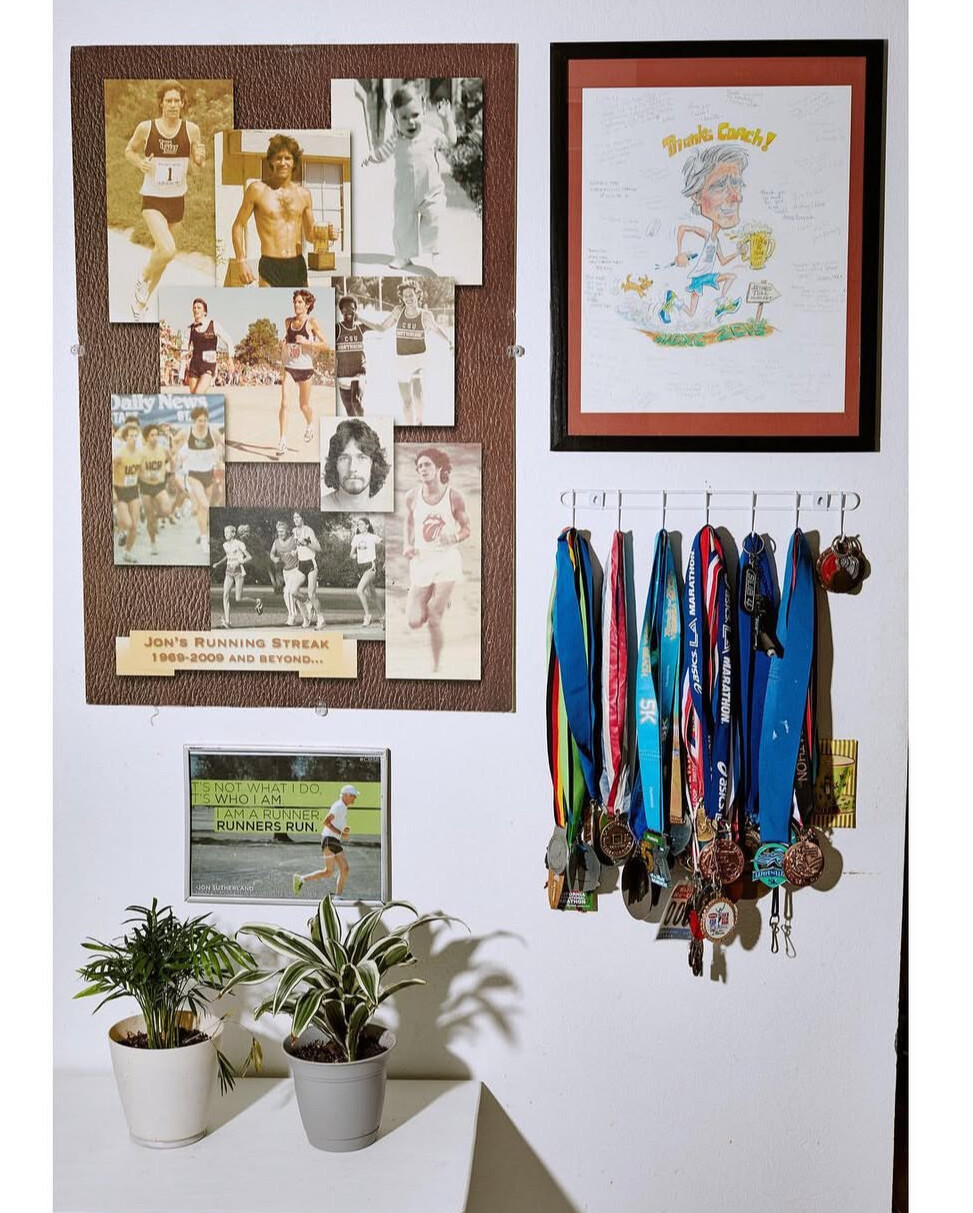
As of now, Jon Sutherland holds the record for the longest running streak ever completed.
If you’ve ever skipped a run because of bad weather or a sore ankle, let Jon’s example remind you what commitment really looks like.
(07/12/2025) ⚡AMPby Boris Baron
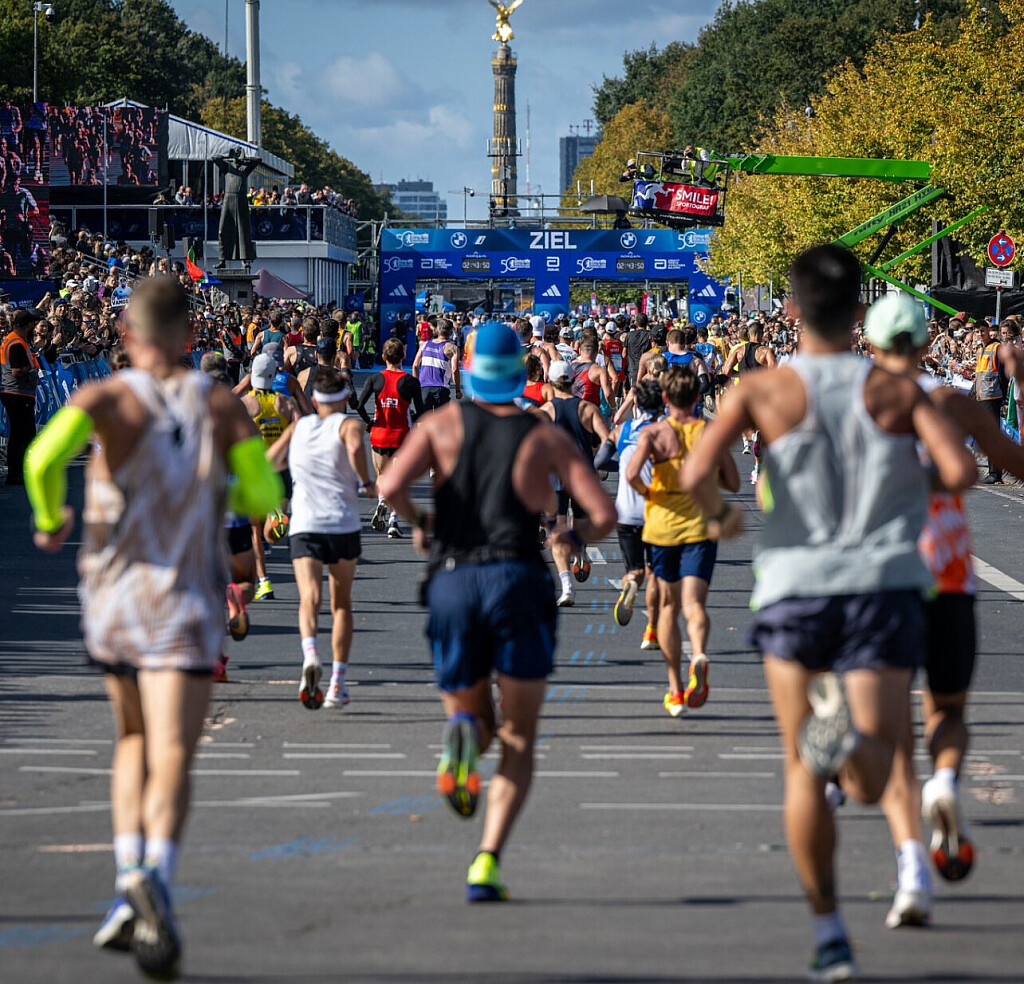
Berlin Marathon Pumps Nearly $510 Million Into the Local Economy—Here’s How the Numbers Break Down
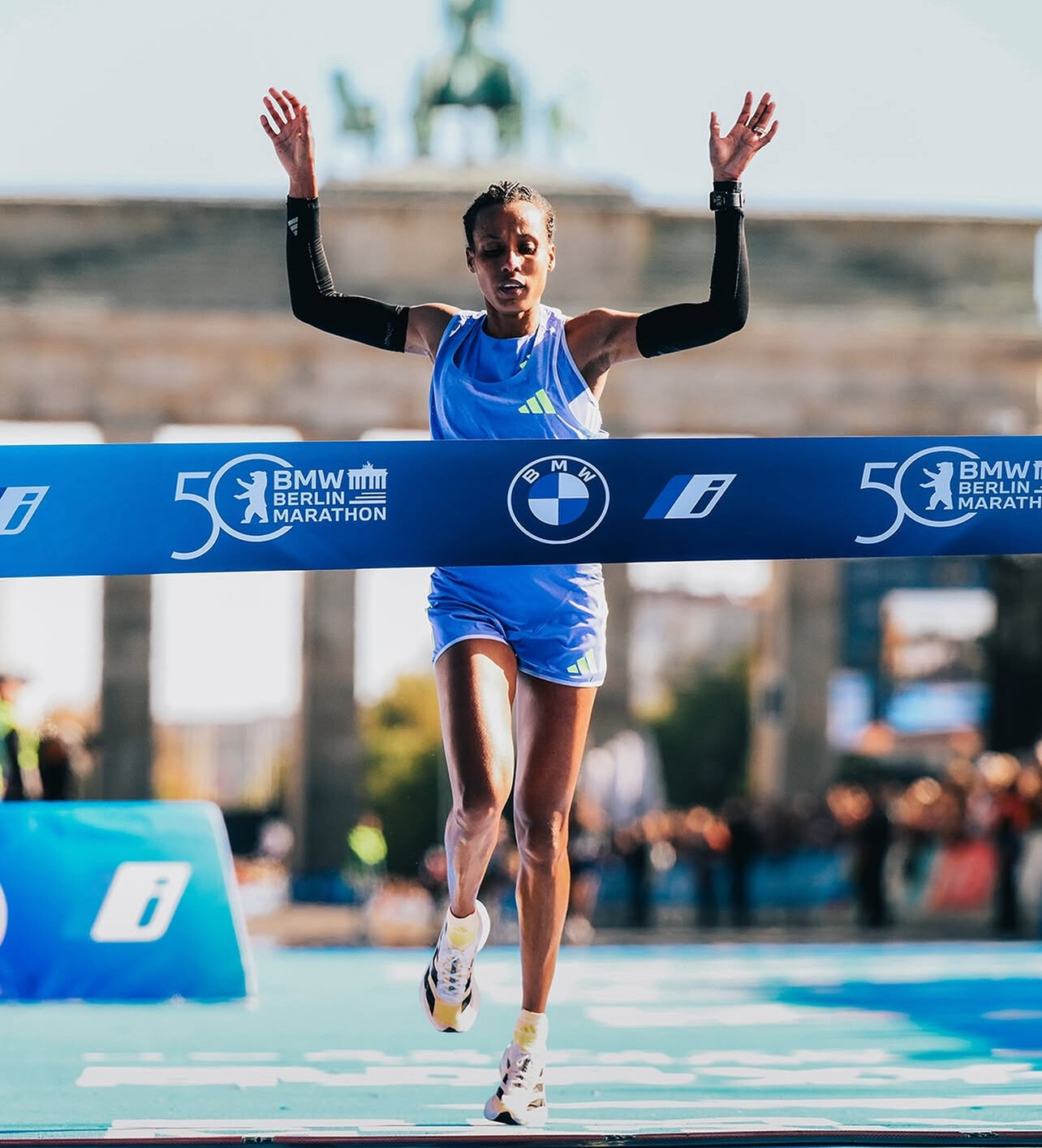
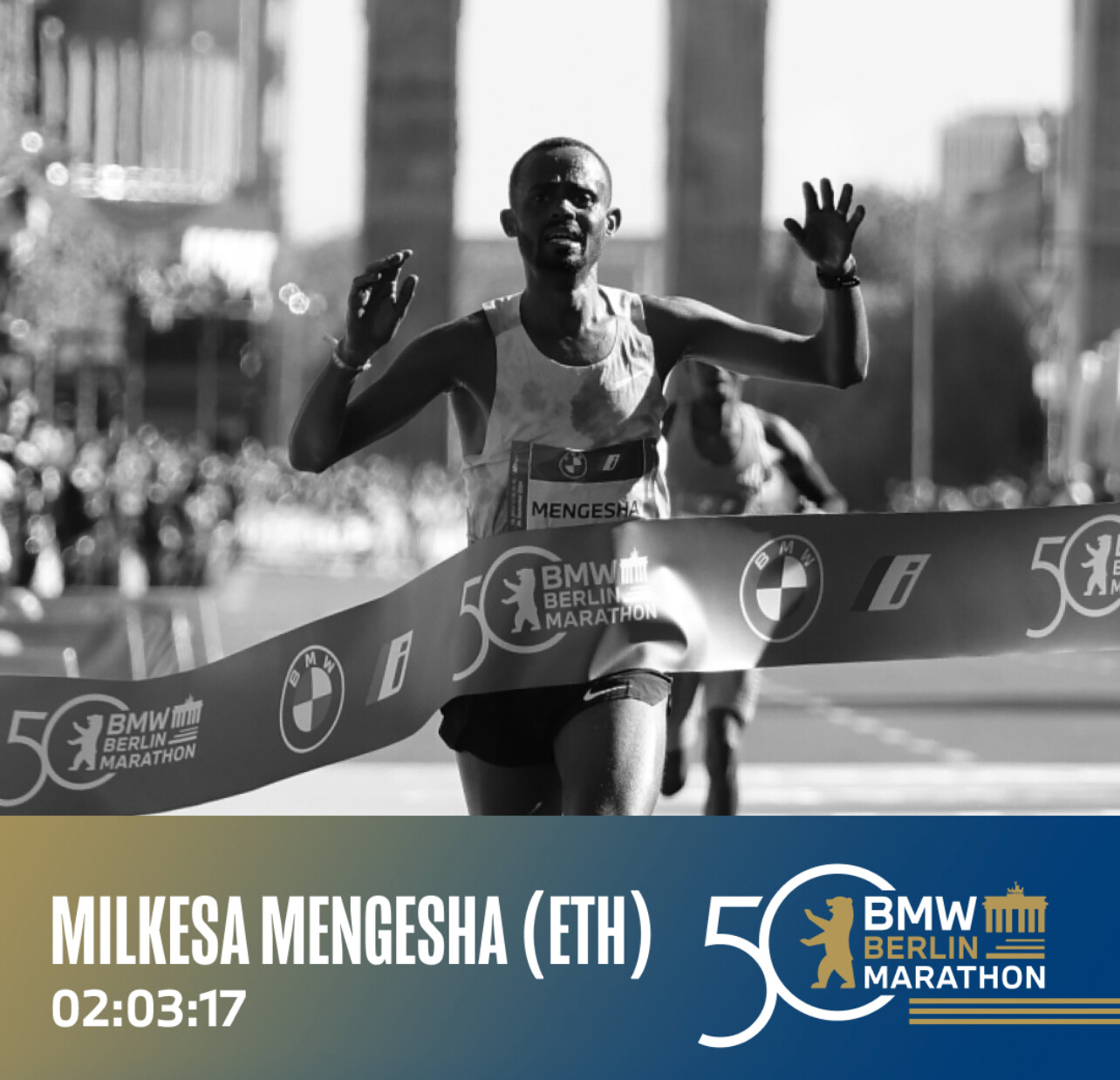
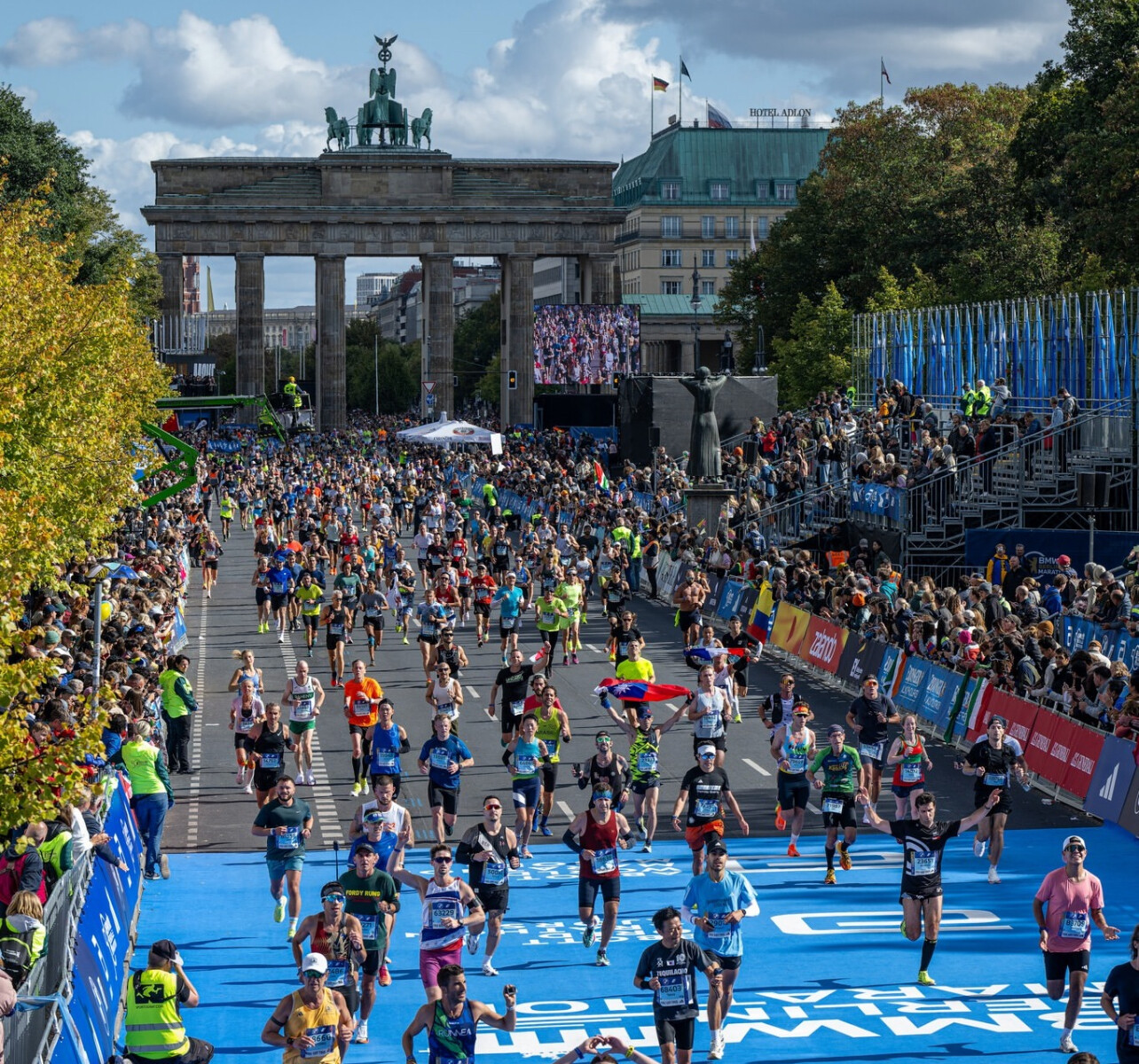
The BMW Berlin Marathon, set for Sunday, September 28, 2025, isn’t just a premier event for world-class athletes—it’s one of the biggest economic powerhouses in distance running.
A new independent study presented this week by Nielsen Sports found that the Berlin Marathon generated a total economic impact of €469.4 million, or approximately $509 million USD. That includes €142.7 million ($155 million USD) in direct spending by participants, visitors, and organizers, and €326.7 million ($354 million USD) in indirect economic activity such as hotels, restaurants, and retail.
Where the Money Comes From
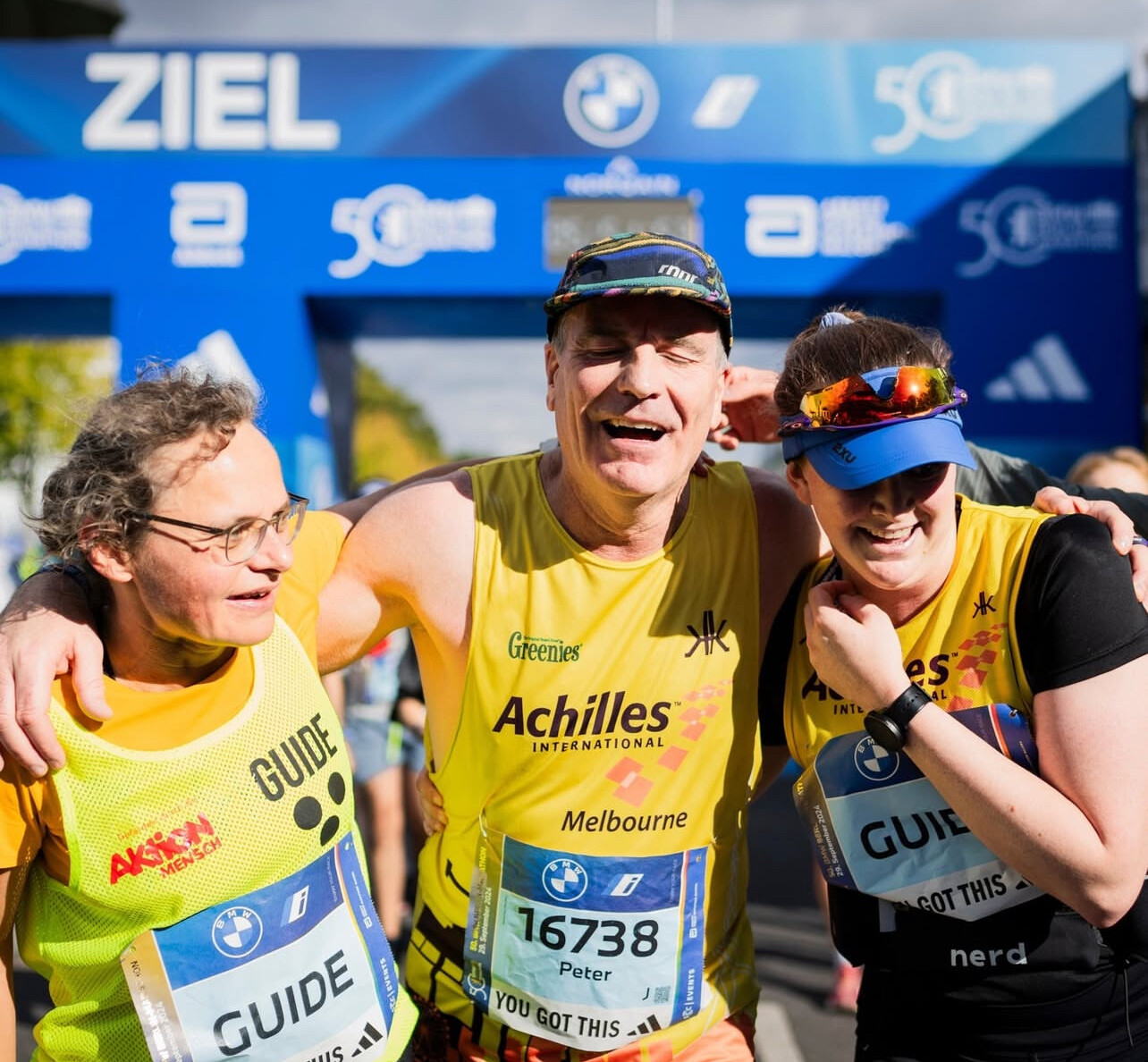
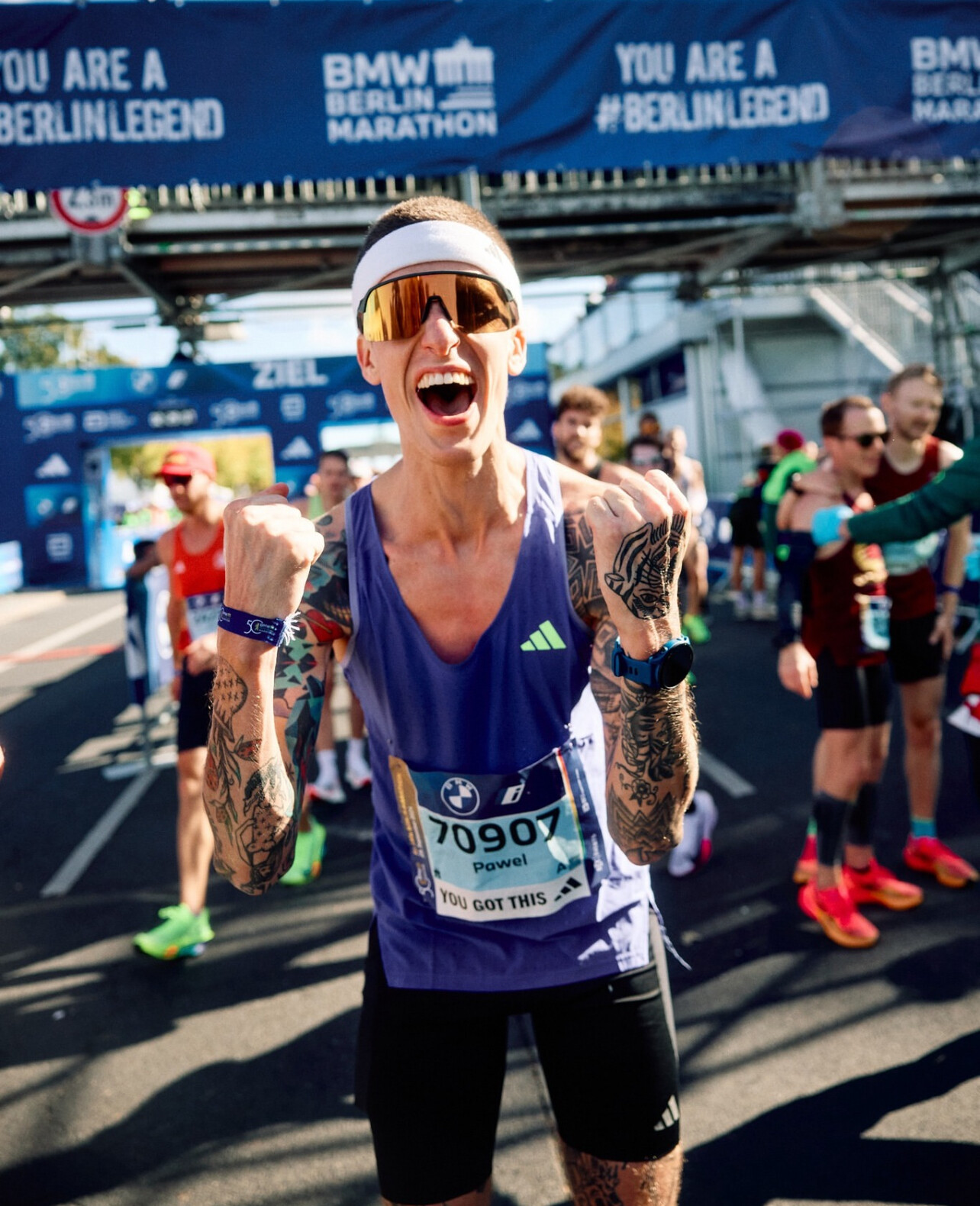
One key revenue stream is the entry fees paid by runners. With more than 47,000 participants, and an average fee of around €145 ($157 USD), that alone brings in an estimated €6.8 million ($7.4 million USD).
On the elite side, Berlin pays out competitive prize money, bonuses, and appearance fees. While exact figures aren’t published, estimates suggest:
• Prize Money: Around $500,000 USD total, including winners and top-10 finishers.
• Bonuses: Additional six-figure performance bonuses for times under certain marks (e.g. sub-2:03 or sub-2:20).
• Appearance Fees: Elite runners, especially past champions or potential record-breakers, can earn $50,000–$100,000 USD or more just to show up.
Berlin’s Fast Course Is Also a Fast Investment
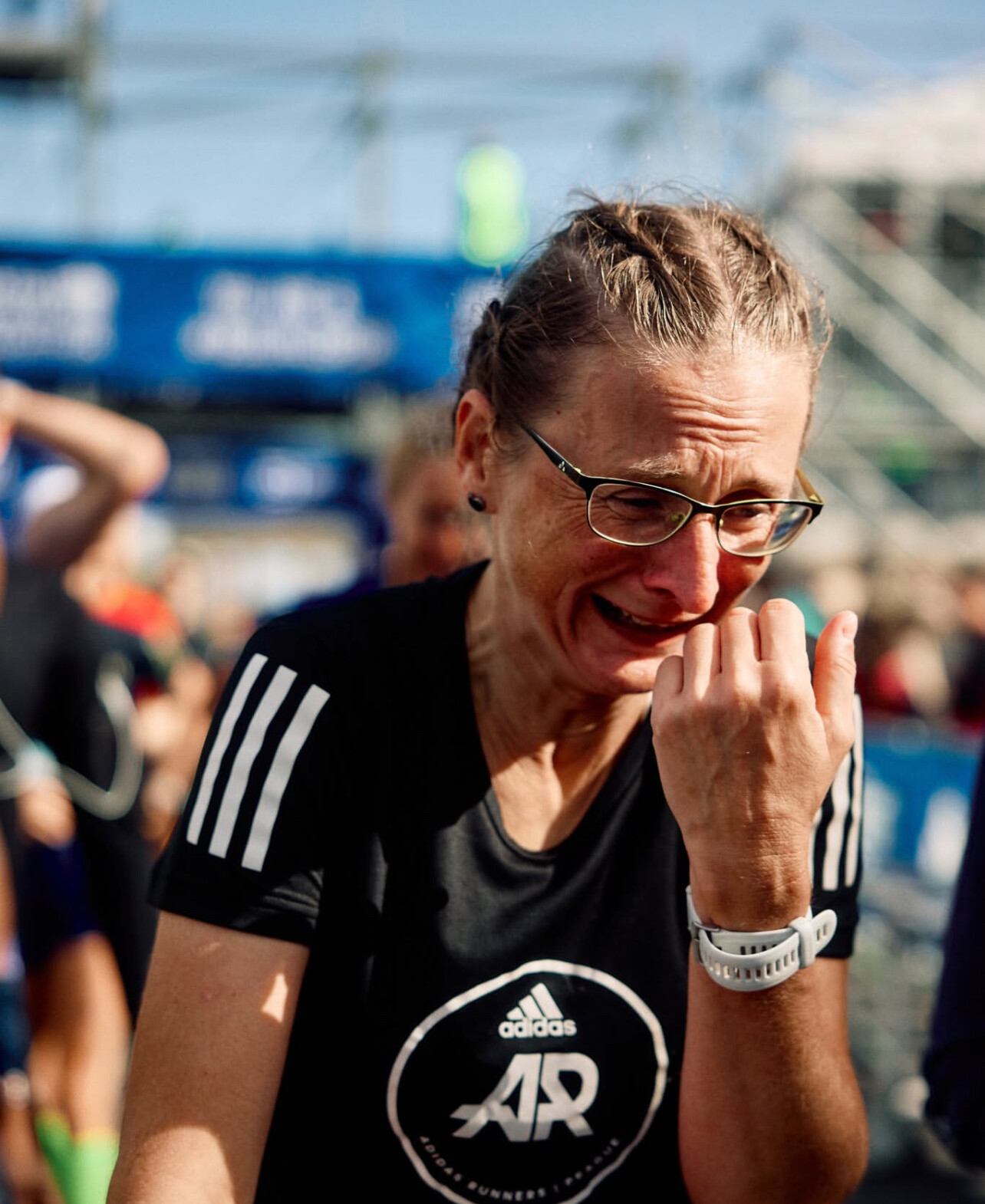
Berlin is known as the world record capital, having hosted 12 world records since 2003. That prestige, paired with a world-class event experience, keeps the race fully subscribed year after year.
Berlin’s mayor Kai Wegner and other city and sports officials were on hand this week to confirm what many already knew: the Berlin Marathon isn’t just a race—it’s a multi-million dollar economic catalystfor the city.
As race day approaches, the energy is building. Whether you’re chasing a PB or just soaking in the electric atmosphere, one thing is clear—Berlin delivers, on the roads and in the numbers.
(07/12/2025) ⚡AMPby Boris Baron

BMW Berlin Marathon
The story of the BERLIN-MARATHON is a story of the development of road running. When the first BERLIN-MARATHON was started on 13th October 1974 on a minor road next to the stadium of the organisers‘ club SC Charlottenburg Berlin 286 athletes had entered. The first winners were runners from Berlin: Günter Hallas (2:44:53), who still runs the BERLIN-MARATHON today, and...
more...
Kenya’s Top Athletes to Compete for World Championships Spots at Trials on July 22
With the 2025 World Athletics Championships set to take place in Tokyo this September, Athletics Kenya has announced that the official national trials will be held at the Ulinzi Sports Complex in Nairobi on July 22, 2025.
The one-day meet will determine who earns the right to represent Kenya on the global stage—and with Tokyo hosting the championships, the stakes couldn’t be higher.
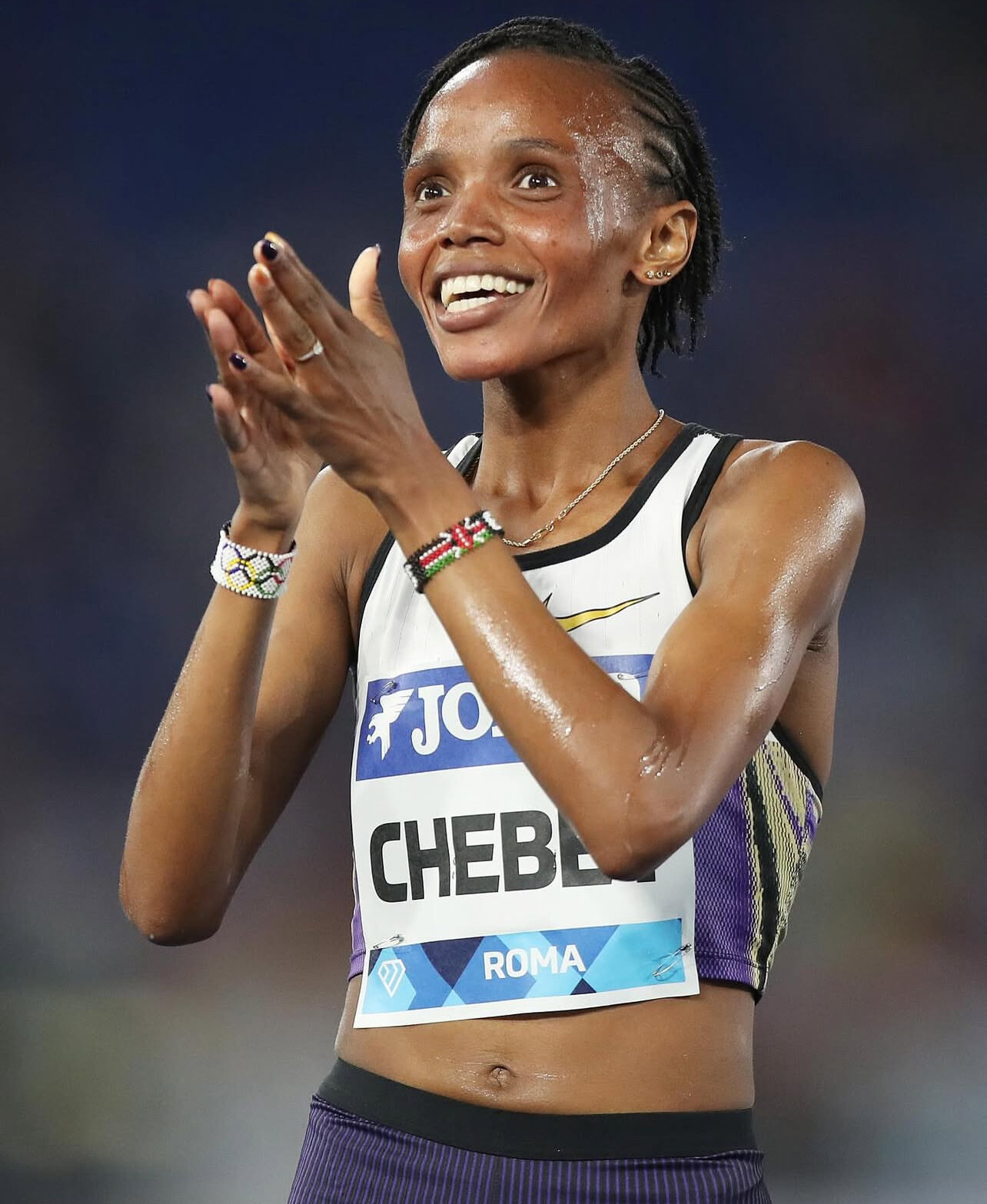
The Tokyo 2025 event is expected to draw the world’s best talent, and Kenya, known for its depth in middle and long-distance running, is aiming to field its strongest team yet. A number of top stars are expected to compete at the trials, including 100m national record-holder Ferdinand Omanyala, world steeplechase medalist Beatrice Chepkoech, 1500m ace Faith Kipyegon, and marathon standout Sharon Lokedi.
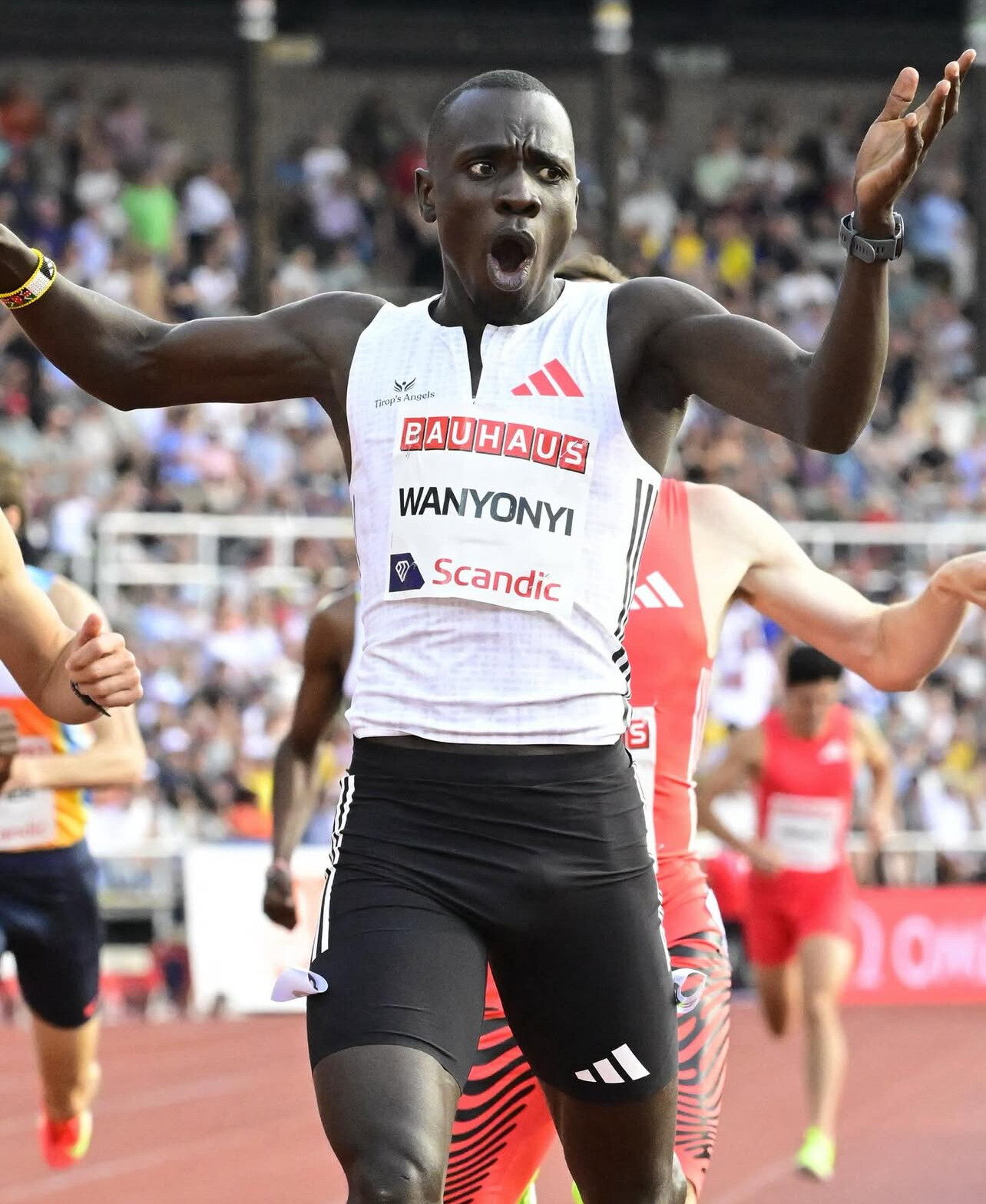
Though most of the attention will be on the track events, Kenya is also working to expand its representation in the field and sprints—areas where the country has shown recent promise.

A Veiled but Historic World Championship Ahead
The Tokyo 2025 World Championships mark the first time Japan will host the event since 1991 in Tokyo—when legendary performances, including Mike Powell’s world long jump record, rewrote the sport’s history books.
The 2025 edition, however, arrives amid a more complex and veiled atmosphere in the sport. With lingering questions about past doping scandals—including renewed attention to China’s 1990s distance-running records—many in the athletics community are calling for clean and transparent competition.
Kenya is no exception. The country remains under close international scrutiny but has made visible strides in testing, education, and compliance with global anti-doping standards.
What to Watch
• Will Faith Kipyegon aim to double in the 1500m and 5000m again?
• Can Omanyala convert his sub-10 form into a world medal?
• Will a new generation of Kenyan athletes step up in the sprints and field events?
The July 22 trials in Nairobi will offer the first answers. Expect fireworks—and a preview of what Team Kenya might look like in Tokyo.
(07/12/2025) ⚡AMPby Boris Baron
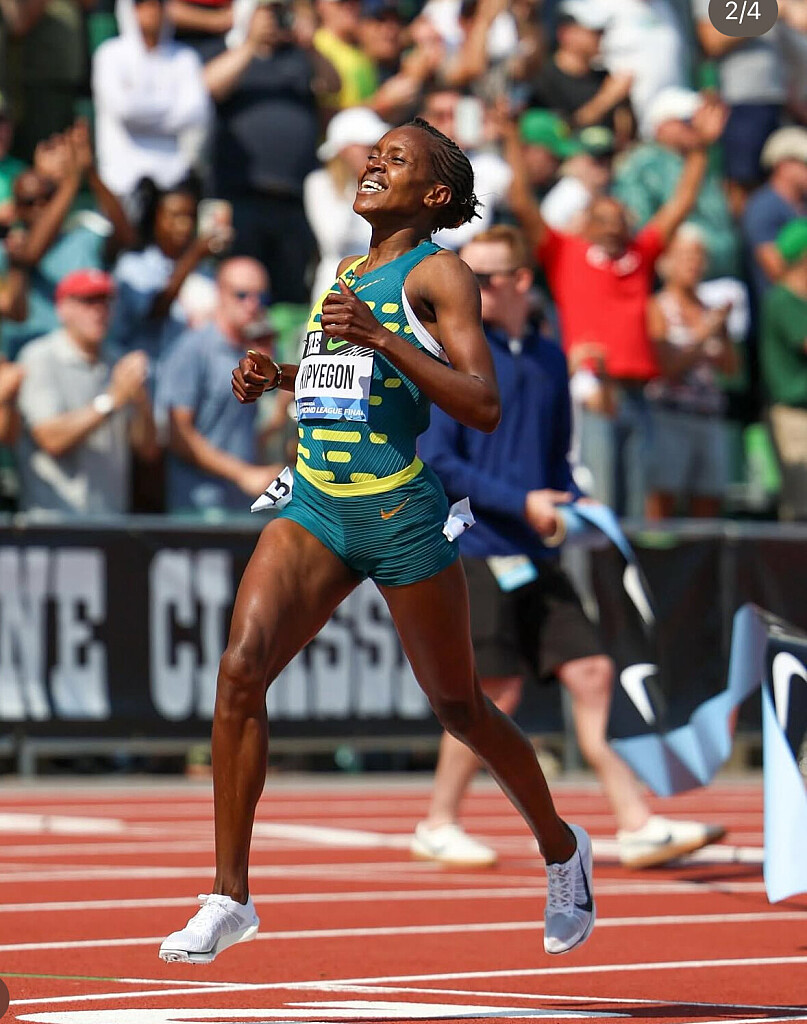
Faith Kipyegon to Race 3000m in Silesia – Is the World Record in Sight?
World 1500m record-holder Faith Kipyegon will race the 3000 meters at the Silesia Kamila Skolimowska Memorial on August 16, setting up what could be one of the most anticipated moments of the 2025 track season.
The Kenyan star has been rewriting the history books. Over the past year, she set new world records in the 1500m (3:48.68) and 5000m (14:05.20), and ran the fastest women’s mile ever in an unofficial exhibition event in Paris. Now she’s turning her attention to the 3000m—an event she hasn’t run seriously in over a decade.
A Decade Later, a Return to 3000m

Kipyegon’s personal best of 8:23.55 was set in 2014 when she was just 20. Since then, she’s become a global icon—earning three Olympic gold medals, multiple world records, and establishing herself as the most dominant female middle-distance runner of her generation.
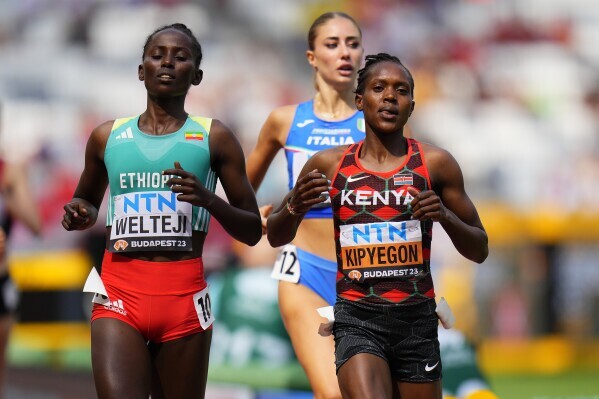
Now, with a combination of endurance from her 5000m training and unmatched speed honed in the 1500m, Kipyegon is poised to take a serious shot at history.
The Record She Might Be Chasing
The current women’s 3000m world record:
• 8:06.11 – Wang Junxia (China), set on September 13, 1993 in Beijing.
That mark has stood for more than 30 years—but it remains controversial. In 2015, a letter reportedly written by Wang Junxia in 1995 surfaced, in which she and nine teammates alleged they were forced to take “large doses of illegal drugs over the years” as part of a state-sponsored doping program under the direction of their coach, Ma Junren.
Wang wrote that the women “tried to refuse the drugs,” but that Ma would allegedly inject them himself if necessary. The letter was sent to Chinese journalist Zhao Yu but remained unpublished until decades later. Ma has consistently denied any doping allegations, and Wang’s world record still stands officially—despite renewed scrutiny.
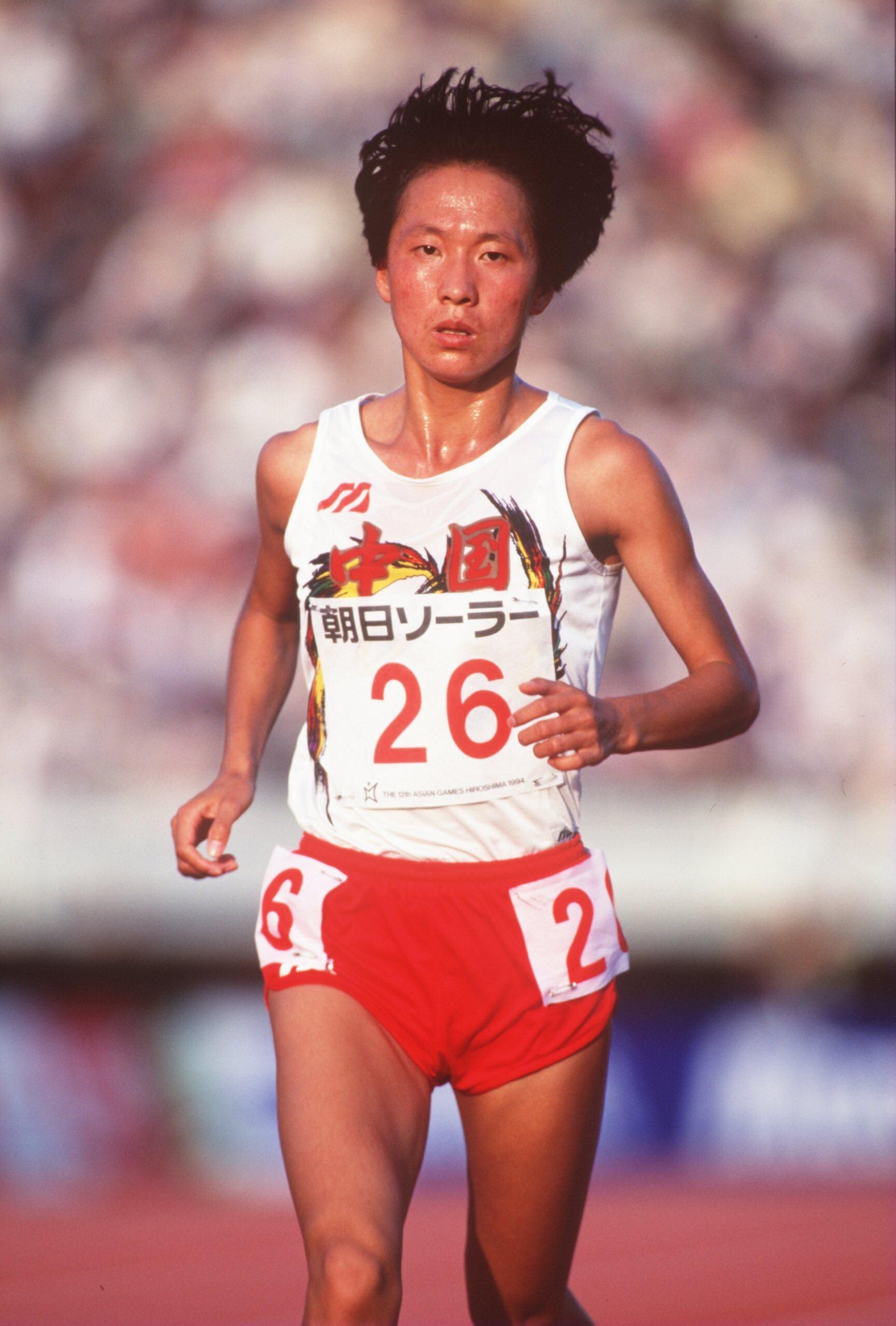
In response, the IAAF (now World Athletics) opened an investigation at the time, but as of today, the record has not been invalidated.
Why Silesia Matters
If Faith Kipyegon runs in the 8:10–8:15 range, it would mark one of the cleanest and most credible performances in the history of the event. Should she go even faster, it could position her to break or at least redefine the context of the 3000m record.
Few athletes in history have had the range, poise, and championship pedigree that Kipyegon carries. With the eyes of the world on Silesia this August, she may once again elevate the sport.
Is a new world record possible? We’ll find out soon.
If she does it, Faith Kipyegon won’t just rewrite another line in the record books—she’ll help reclaim one of the most contested chapters in women’s distance running.
(07/12/2025) ⚡AMPby Boris Baron
Eric Giacoletto: The Curator Preserving the Soul of Track and Field
In the fast-moving world of social media, few people are doing more to preserve the rich history of athletics than Eric Giacoletto. From his home in Albertville, France, Eric has become one of the most passionate archivists of the sport—sharing rare photos, insightful commentary, and forgotten moments that continue to inspire athletes and fans across the globe.
Though not a former elite runner himself, Eric’s knowledge runs deep, and his posts serve as daily reminders of what makes our sport timeless. He documents both legends and lesser-known heroes, giving context, names, and reverence to each moment he shares. His work has captured the attention of many—including My Best Runs founder Bob Anderson.
“What Eric is doing is important,” says Bob. “He’s preserving history—moments and athletes that might otherwise be forgotten. His posts are reminders of the beauty, pain, and glory of running.”
Just this past week, Eric posted dozens of compelling images from the golden eras of track and field. From that treasure trove, Bob Anderson selected eight photos he found particularly inspiring. Each tells a story—of courage, character, and the timeless spirit of competition.
Here are the eight photos Bob selected from Eric’s posts this past week:
Photo 1
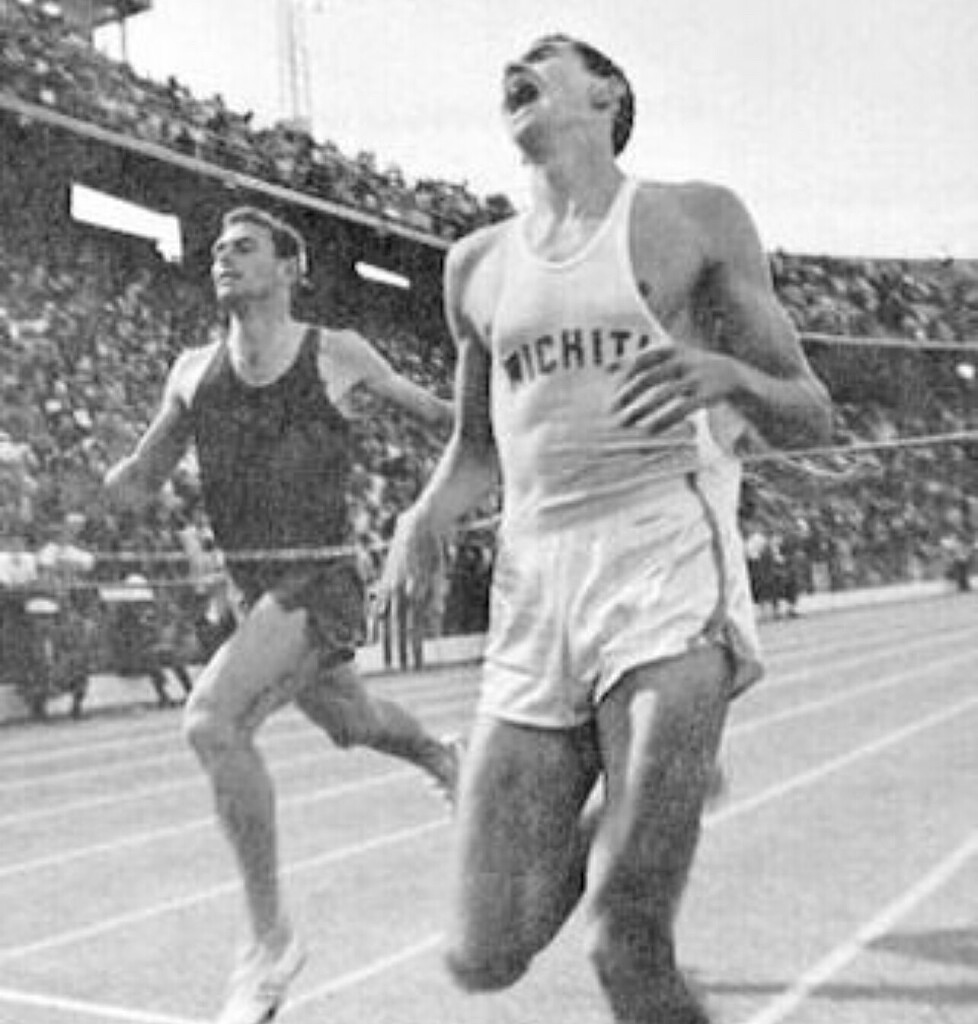
Jim Ryun and Peter Snell – A Finish for the Ages
Two legends of the mile—Jim Ryun of Wichita and New Zealand’s Peter Snell—captured in one of the most dramatic finishes in middle-distance history. Ryun’s expression of anguish and Snell’s graceful stride speak volumes about what it takes to be world-class. An image that defines grit, shared by Eric earlier this week.
Photo 2
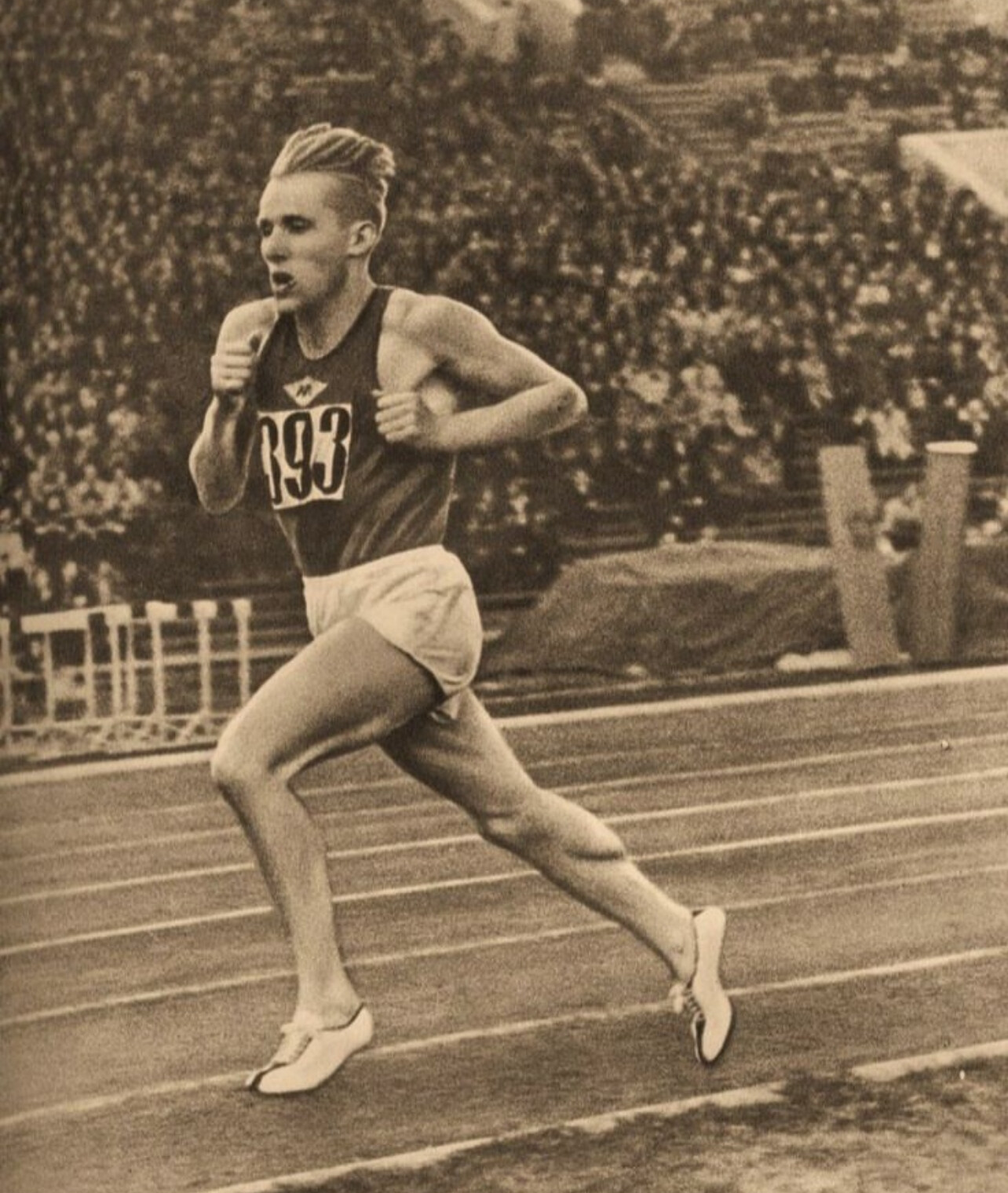
Vladimir Kuts – Soviet Powerhouse in Full Flight
Sprinting down the track with trademark aggression, Vladimir Kuts dominated the 1956 Olympics in Melbourne, winning both the 5,000m and 10,000m. Eric’s photo selection highlights Kuts’ unmistakable form and ferocity—a reminder of Eastern Bloc distance dominance during the Cold War era.
Photo 3
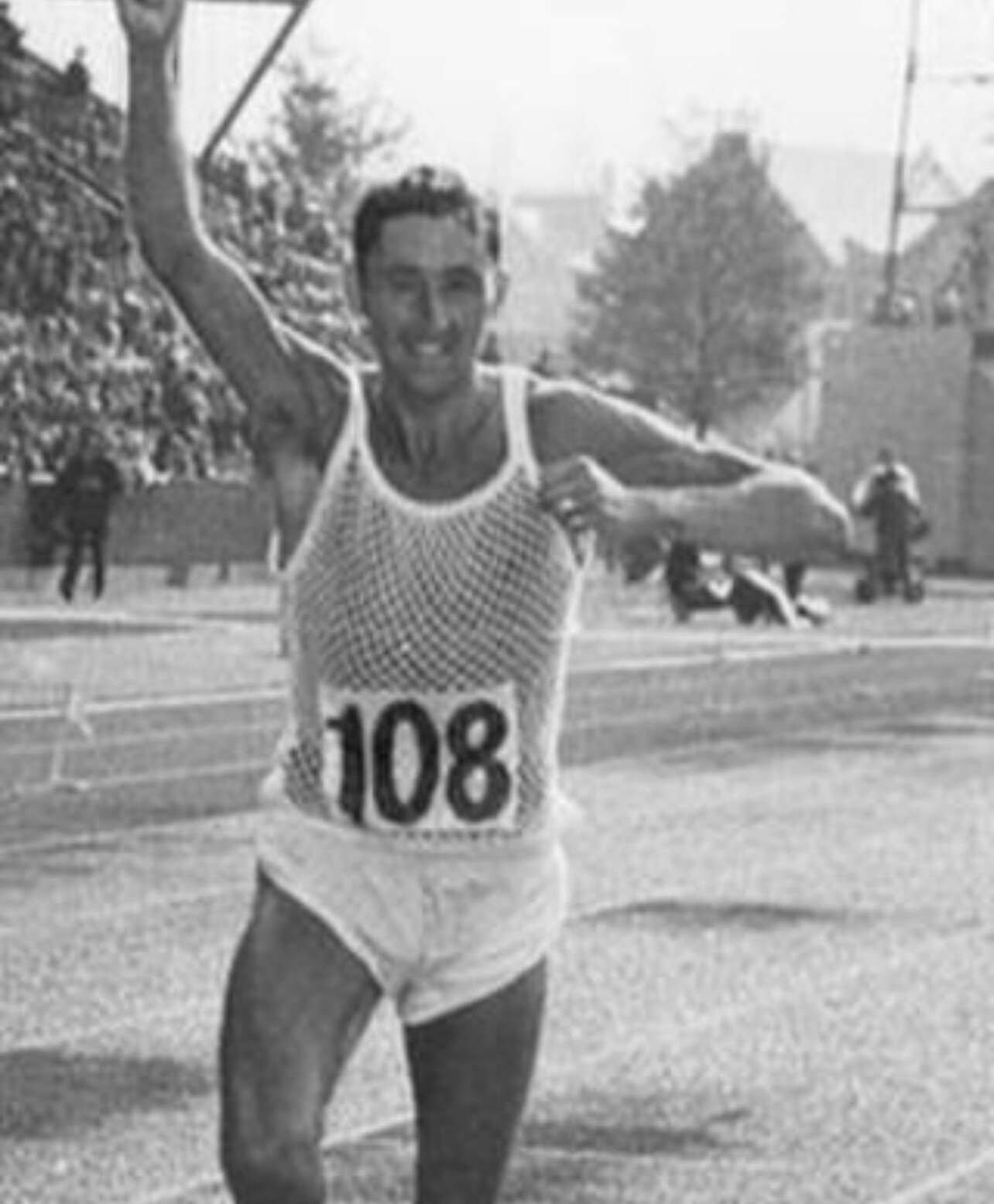
Ron Hill – 1970 Commonwealth Games, Edinburgh
Ron Hill, the pioneering English marathoner, crosses the line in his signature mesh singlet. By 2014, he had logged 159,106 lifetime miles—running at least one mile every day for 50 years. A legendary streak by a man who redefined commitment to the sport.
Photo 4
Steve Prefontaine in His Element
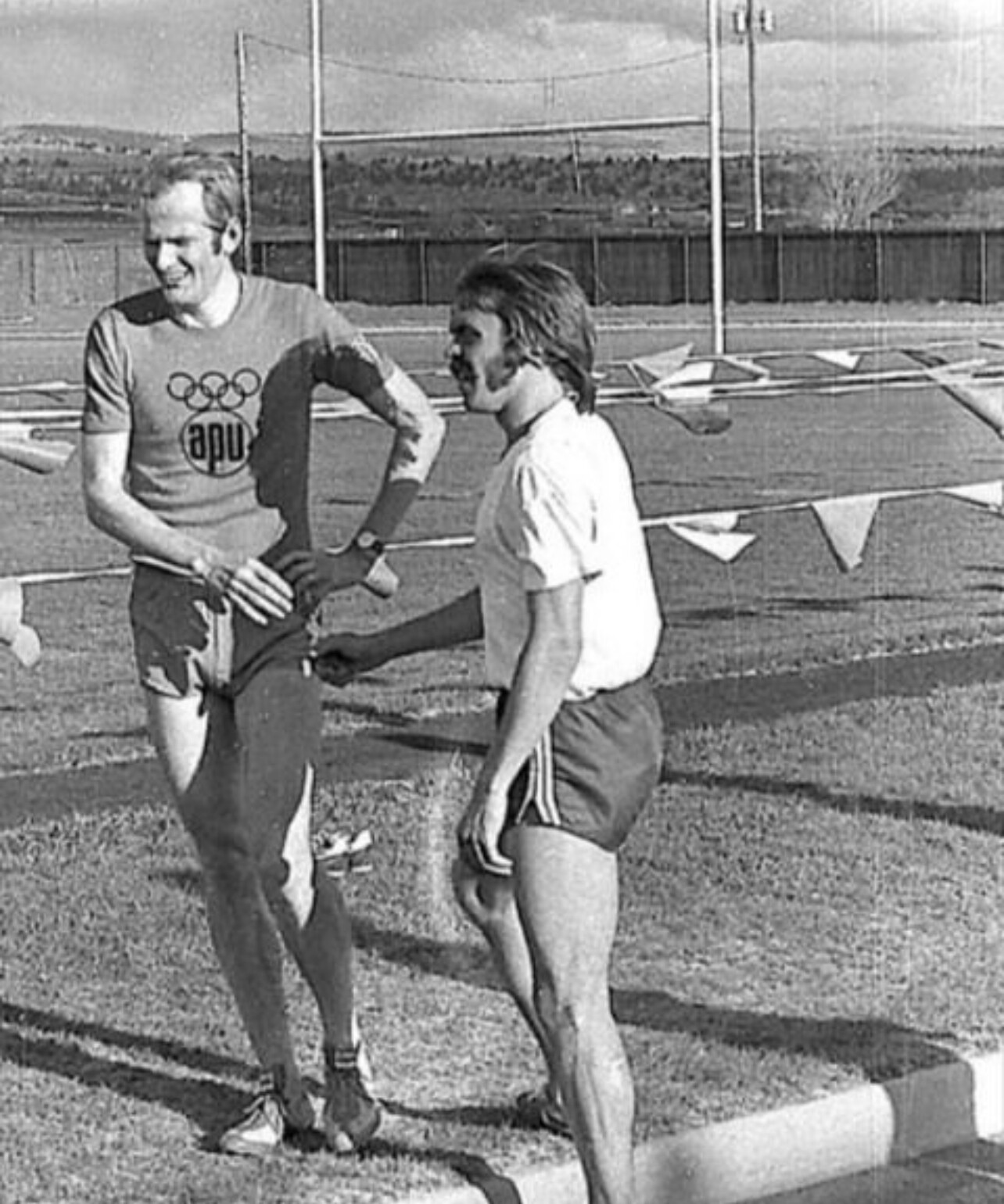
A candid photo of “Pre” during a training session, captured in conversation and camaraderie. Prefontaine’s fearless front-running style and outspoken personality made him a symbol of competitive fire. This relaxed moment shows the human side of a distance icon.
Photo 5
Herb Elliott – Training on the Dunes of Portsea
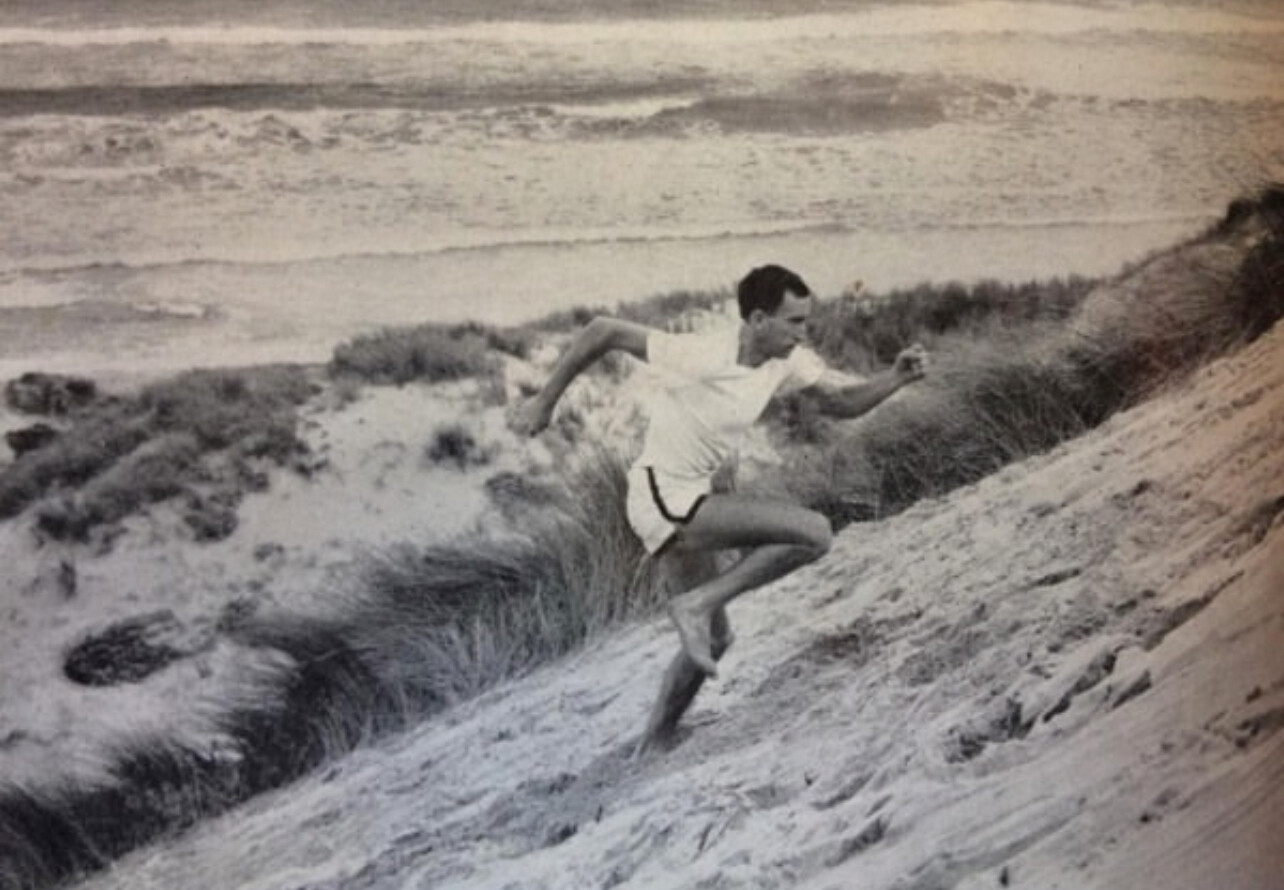
A powerful shot of Australian great Herb Elliott charging barefoot up the coastal sand dunes, guided by coach Percy Cerutty’s naturalist philosophy. Elliott never lost a 1500m or mile race in his career, and this photo shows the raw work behind that undefeated record.
Photo 6
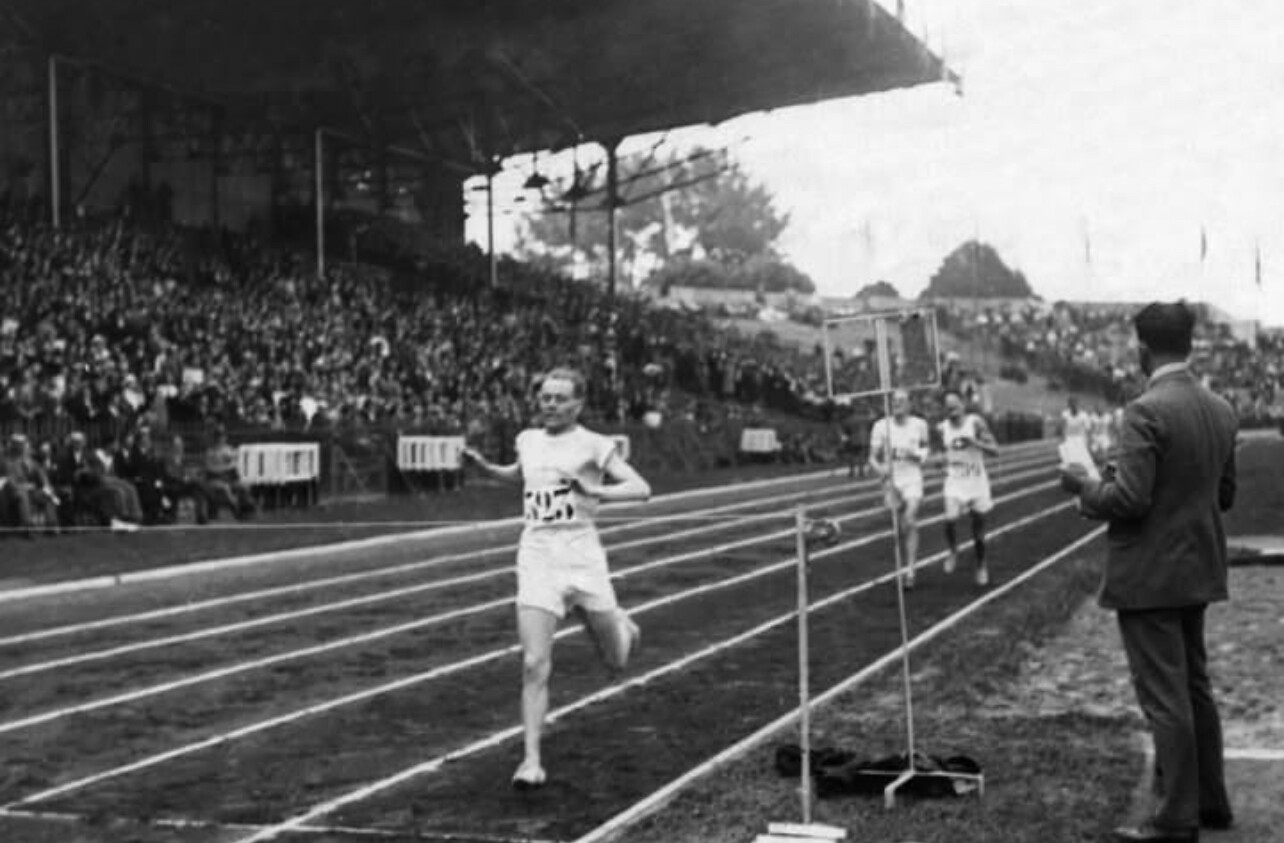
Paavo Nurmi – Double Gold in One Afternoon
Paris, July 10, 1924: Paavo Nurmi wins the 1500m, then returns just hours later to take gold again in the 5000m. This photo shows him well ahead of the field, delivering one of the most jaw-dropping performances in Olympic distance running history.
Photo 7
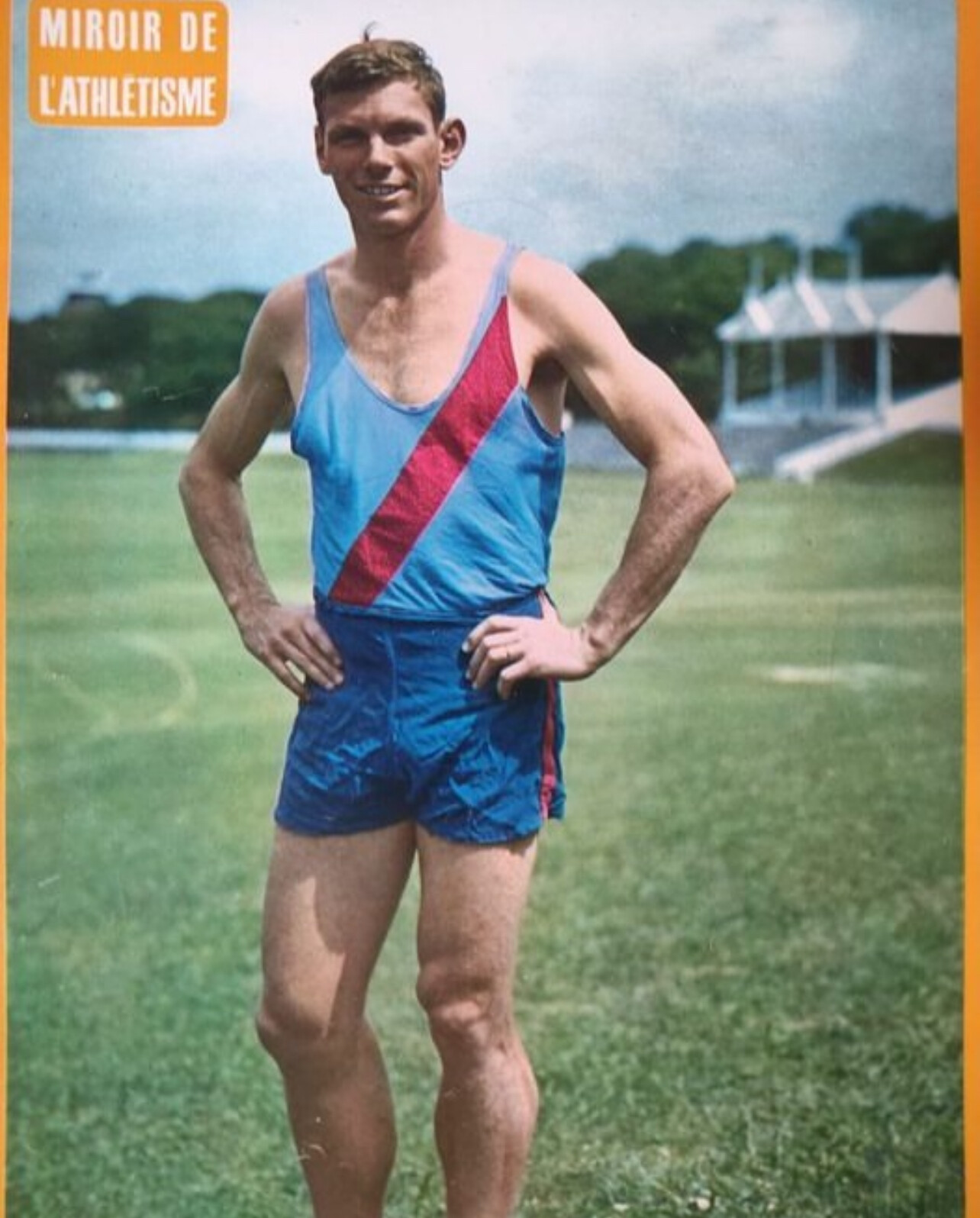
Peter Snell – Power and Poise in Color
A rare color image of New Zealand’s Peter Snell, one of the greatest middle-distance runners of all time. Winner of three Olympic gold medals, Snell combined strength with speed in a way few ever have. Eric’s post brings his iconic stature to life in full color.
Photo 8
Bill Rodgers – Boston Breakaway, 1975
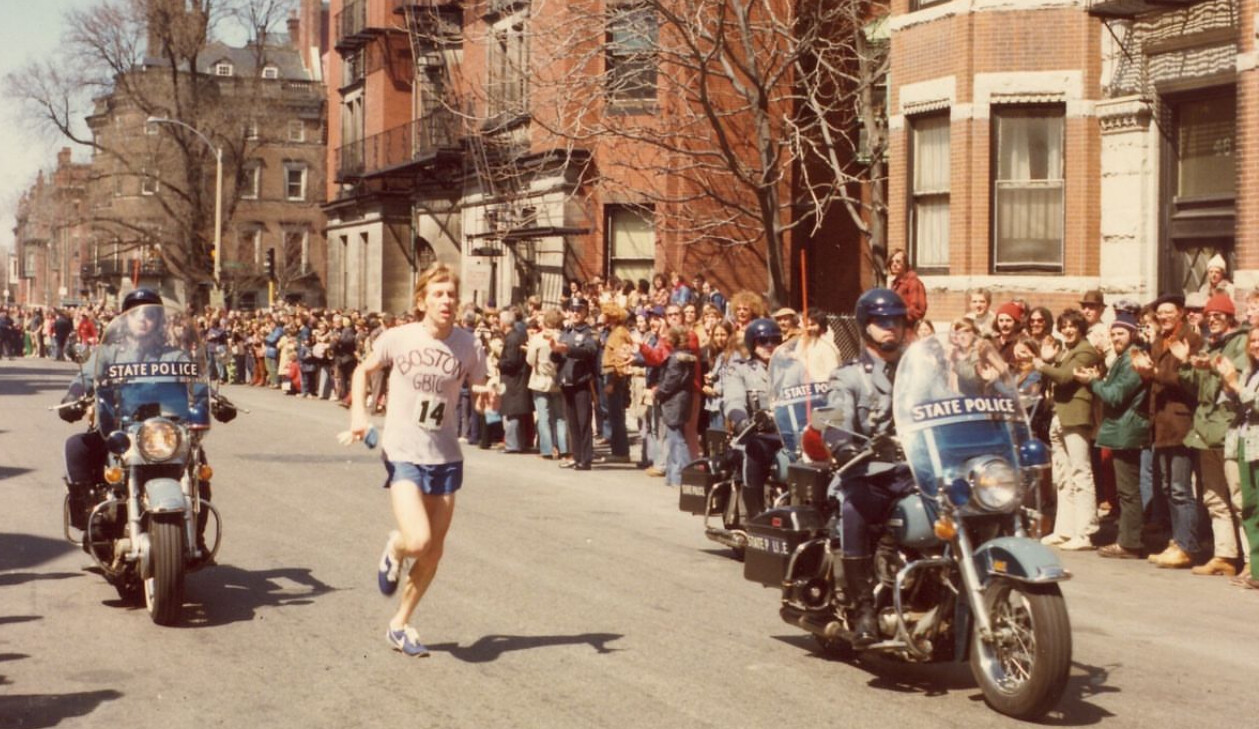
Captured mid-stride during his victory at the 1975 Boston Marathon, Bill Rodgers pulls away under the escort of state police motorcycles. His win that year—2:09:55—was part of a dominant streak that made him a U.S. marathon legend. A city, and a sport, in full celebration.
Honoring the Archivist
Eric’s posts on Facebook and Instagram (@ericgiacoletto) continue to spark meaningful conversations among athletes, historians, and lifelong fans. Whether he’s unearthing a forgotten race photo or celebrating an athlete’s legacy, Eric is doing more than documenting—he’s inspiring.
If you enjoyed this feature, and with Eric’s permission, we’d love to post more regularly here at My Best Runs. Let us know what you think—we’re always looking to spotlight the people and moments that keep the spirit of our sport alive.
(07/12/2025) ⚡AMPby Boris Baron and Bob Anderson
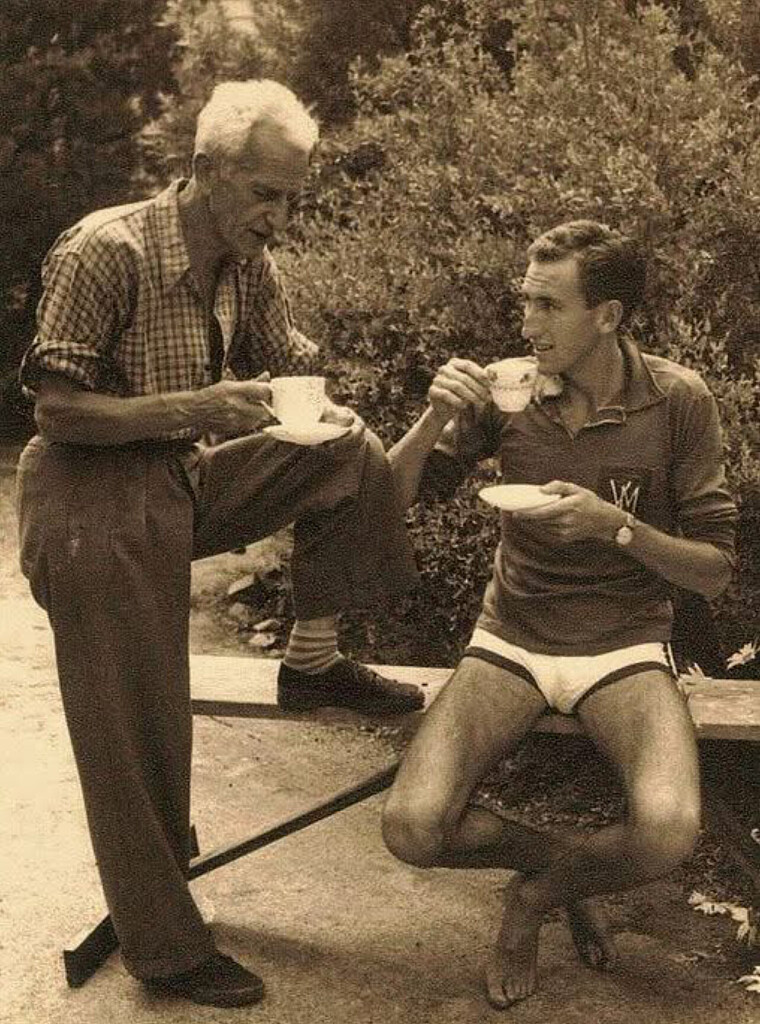
Tea, Grit, and Gold: The Timeless Bond of Percy Cerutty and Herb Elliott
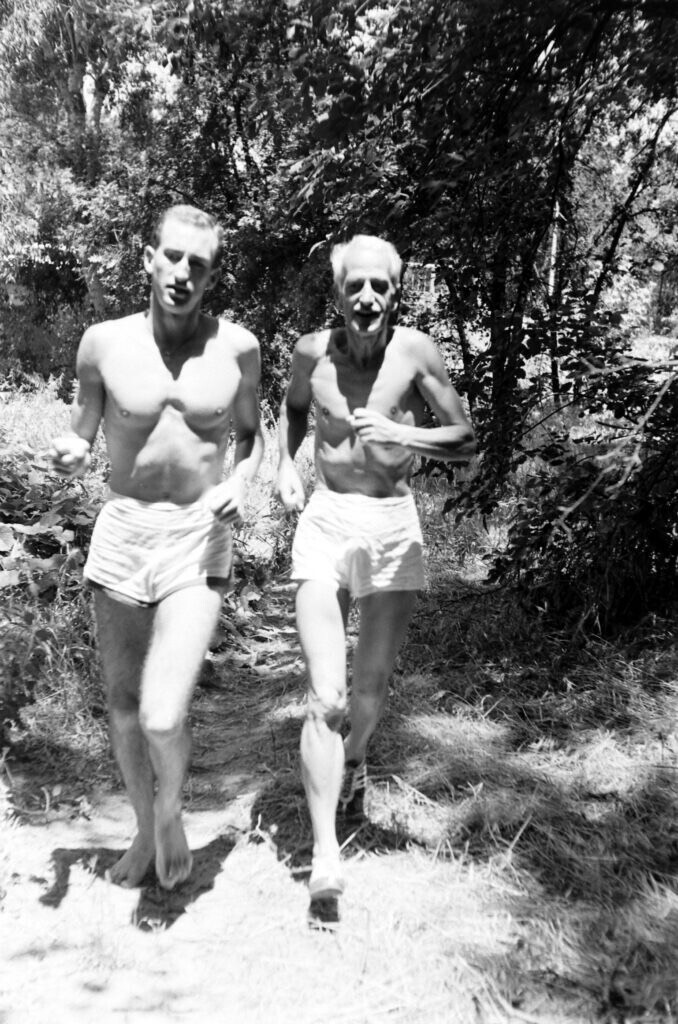
In the world of distance running, few duos are more legendary—or unconventional—than Percy Cerutty and Herb Elliott. This remarkable photo, a moment of quiet between the storm, captures their unique relationship: the eccentric coach and his prodigy, sharing a cup of tea, as if Olympic greatness were just another day at the beach.
Percy Cerutty, the Australian coaching pioneer, was known for his wildly unorthodox training methods. Forget tracks and stopwatches—Cerutty believed in natural running, hard living, and mental toughness forged through raw experience. His athletes sprinted through sand dunes, carried logs, ran barefoot, and followed strict diets. He preached a philosophy he called “Stotanism” (a blend of Stoicism and Spartan discipline), rooted in pushing physical and mental limits to achieve personal greatness.
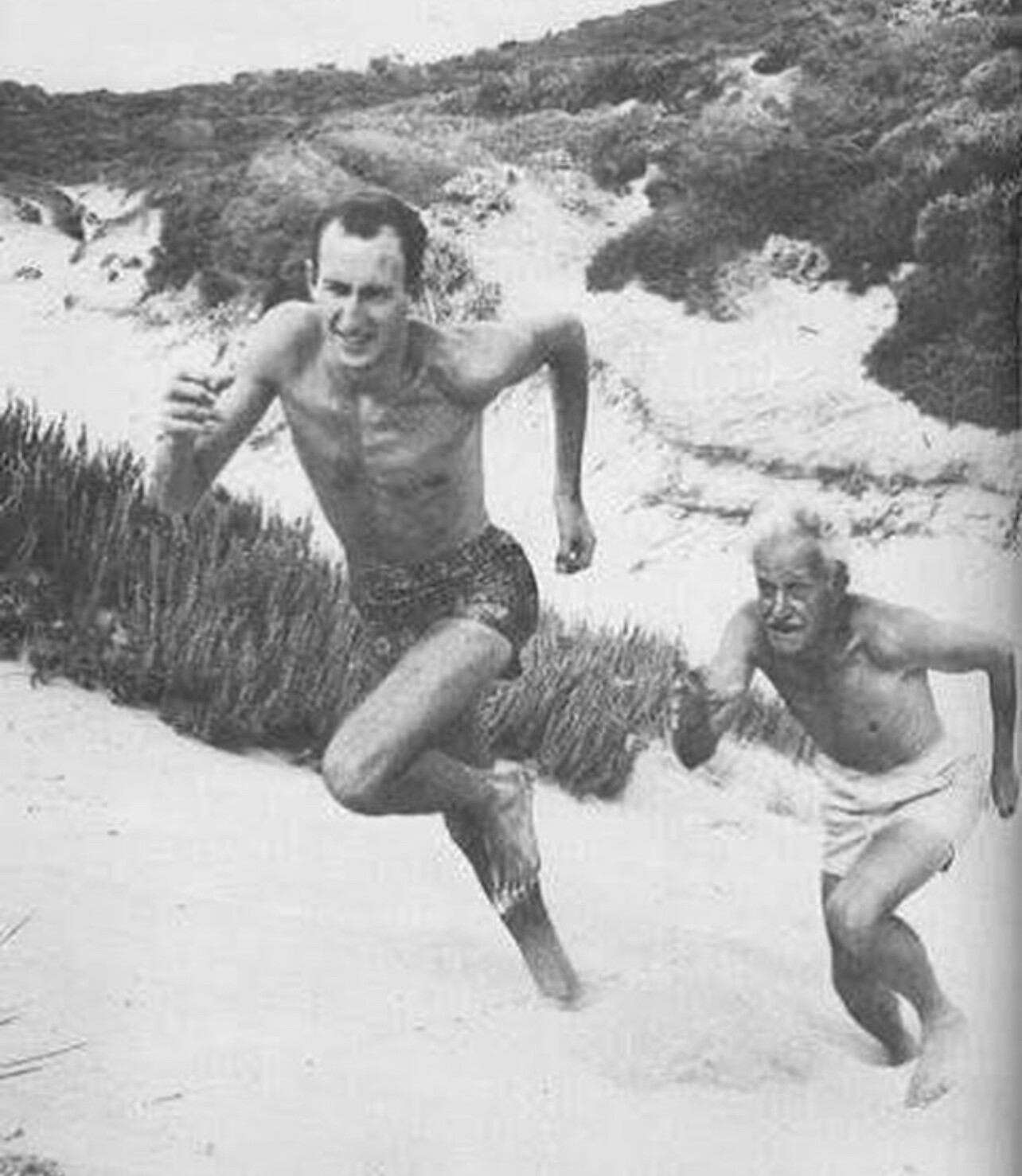
At the center of his philosophy stood Herb Elliott, perhaps the greatest middle-distance runner of his time. Under Cerutty’s guidance, Elliott remained undefeated in the mile and 1500m throughout his career. His crowning moment came at the 1960 Rome Olympics, where he won gold in the 1500m with a then-world record of 3:35.6—a performance that stunned the world and validated Cerutty’s methods.
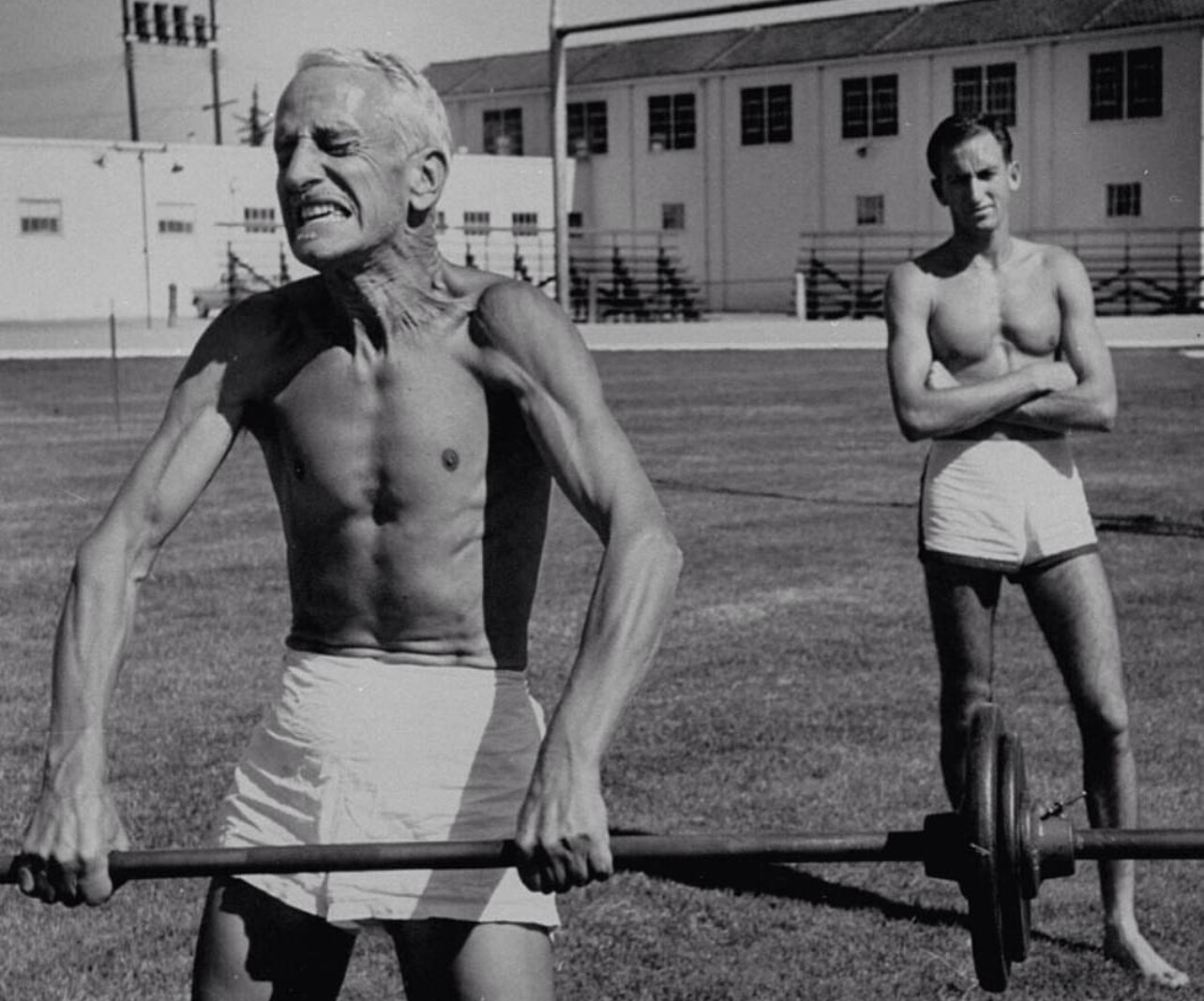
The photo tells its own story: Cerutty, intense and engaged, leans in with wisdom and purpose, while Elliott, relaxed and barefoot, listens—legs strong from miles on sand, mind sharp from hours of philosophical talk with his coach. They are not just athlete and trainer. They are master and disciple. Kindred spirits.
While modern training methods have evolved, the legacy of Percy and Herb endures. They taught us that greatness isn’t just built in the gym or on the track—it’s born in the wilderness, in the soul, and sometimes, over a cup of tea.
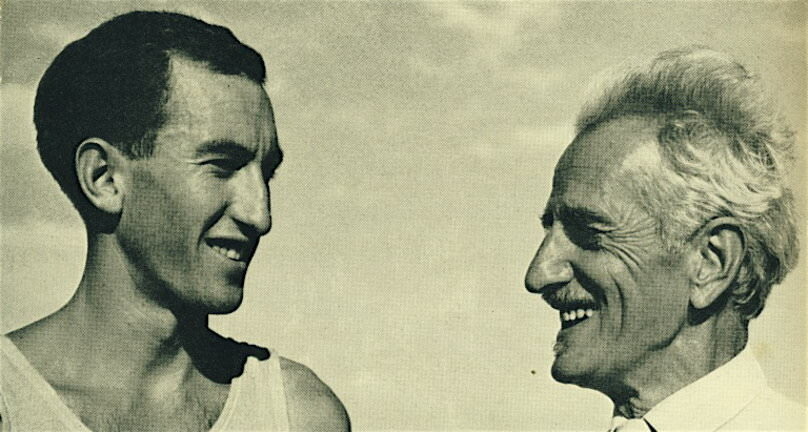
Thanks Eric Giacoletto for digging up this photo.
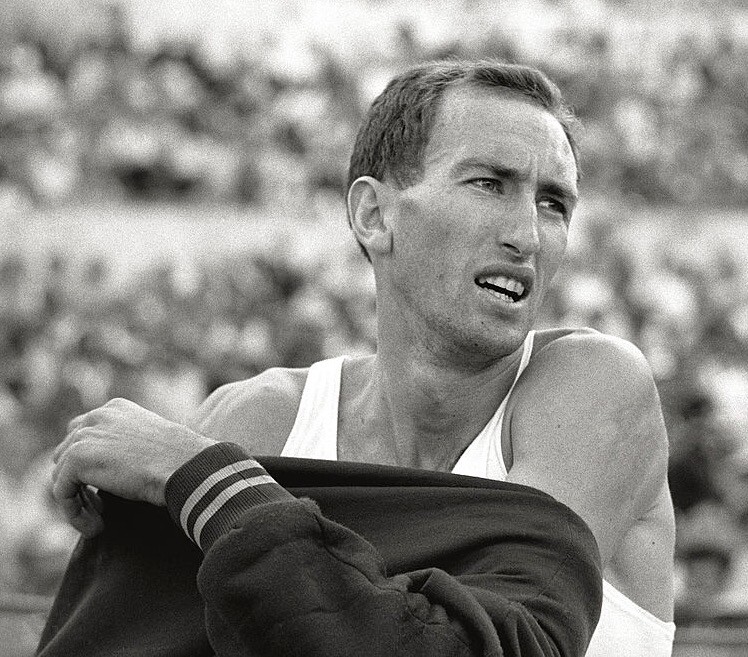
by Boris Baron
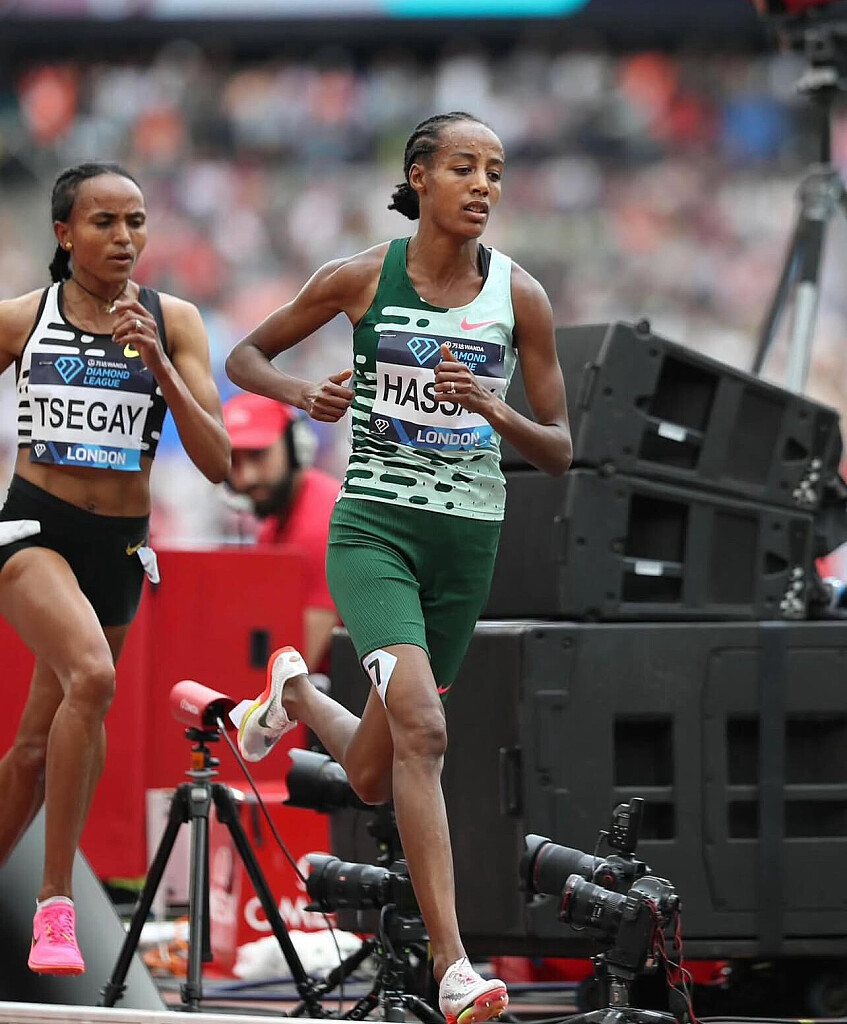
Sifan Hassan Returns to the Track for the Mile at London Athletics Meet on July 19
Sifan Hassan is heading back to the track—and to one of her signature events—at the London Athletics Meet on July 19, where she’ll contest the mile, a distance in which she once held the world record.
The Dutch distance superstar has done nearly everything in the sport. She’s an Olympic champion in the 5000m, 10,000m, and marathon, making history in Paris last summer by becoming the first woman ever to win Olympic gold in all three. She also took bronze in both the 5,000m and 10,000m at those same Games, adding to the three medals she won in Tokyo (held in 2021).
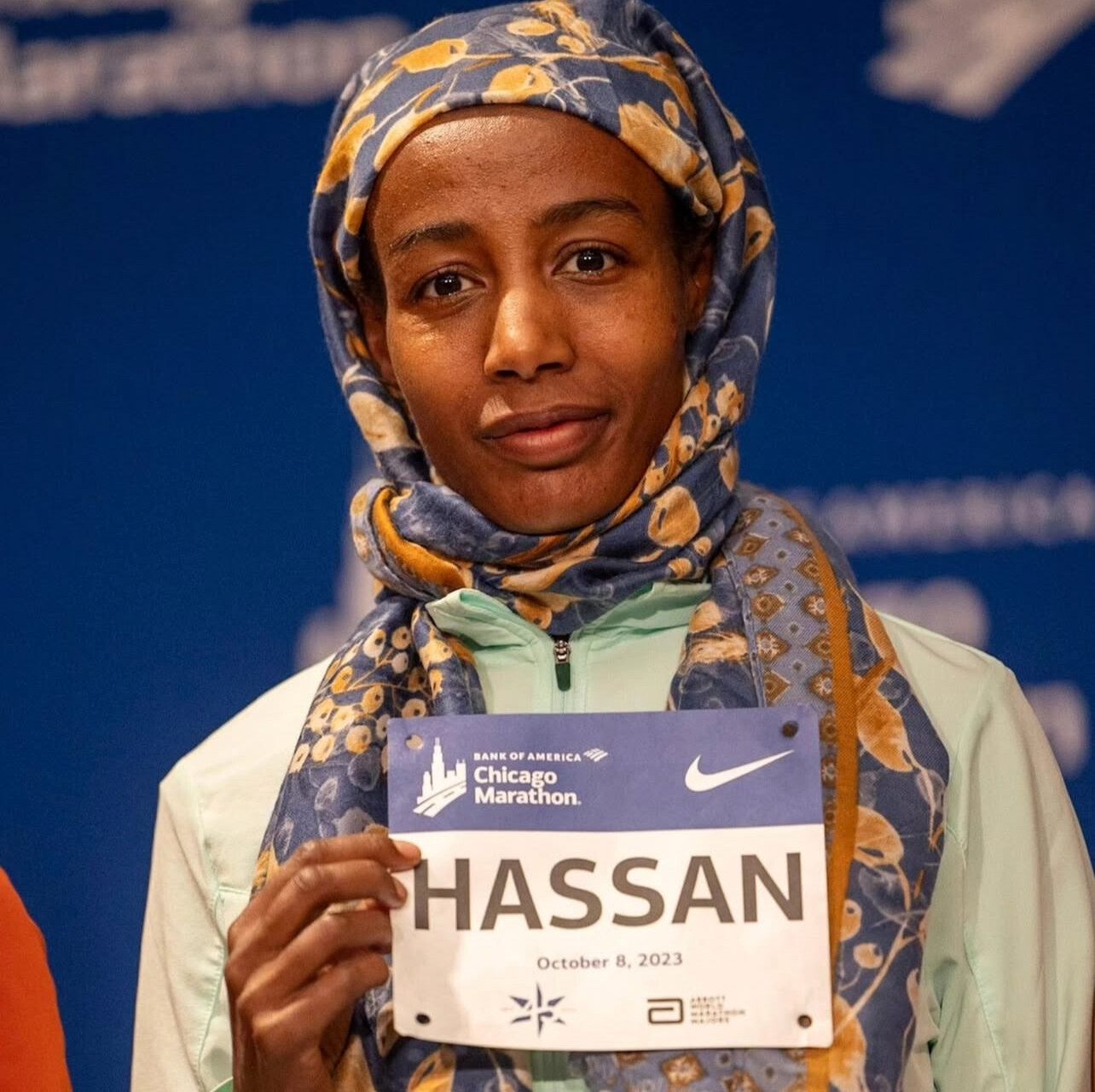
But despite her dominance in longer races, the mile still holds a special place in Hassan’s legacy. She shattered the world record in the mile in Monaco in 2019, running 4:12.33—a mark that stood until 2023.
Now, she returns to London, a city where she’s had immense success. She made headlines with her marathon debut win in 2023, clocking 2:18:33 in dramatic fashion after stopping mid-race to stretch. In her second appearance at the London Marathon in 2025, she placed third.
Her last outing on the track at the London Athletics Meet was also memorable—she finished third in the 5000m in 14:13.42, a time that still stands as the European record.
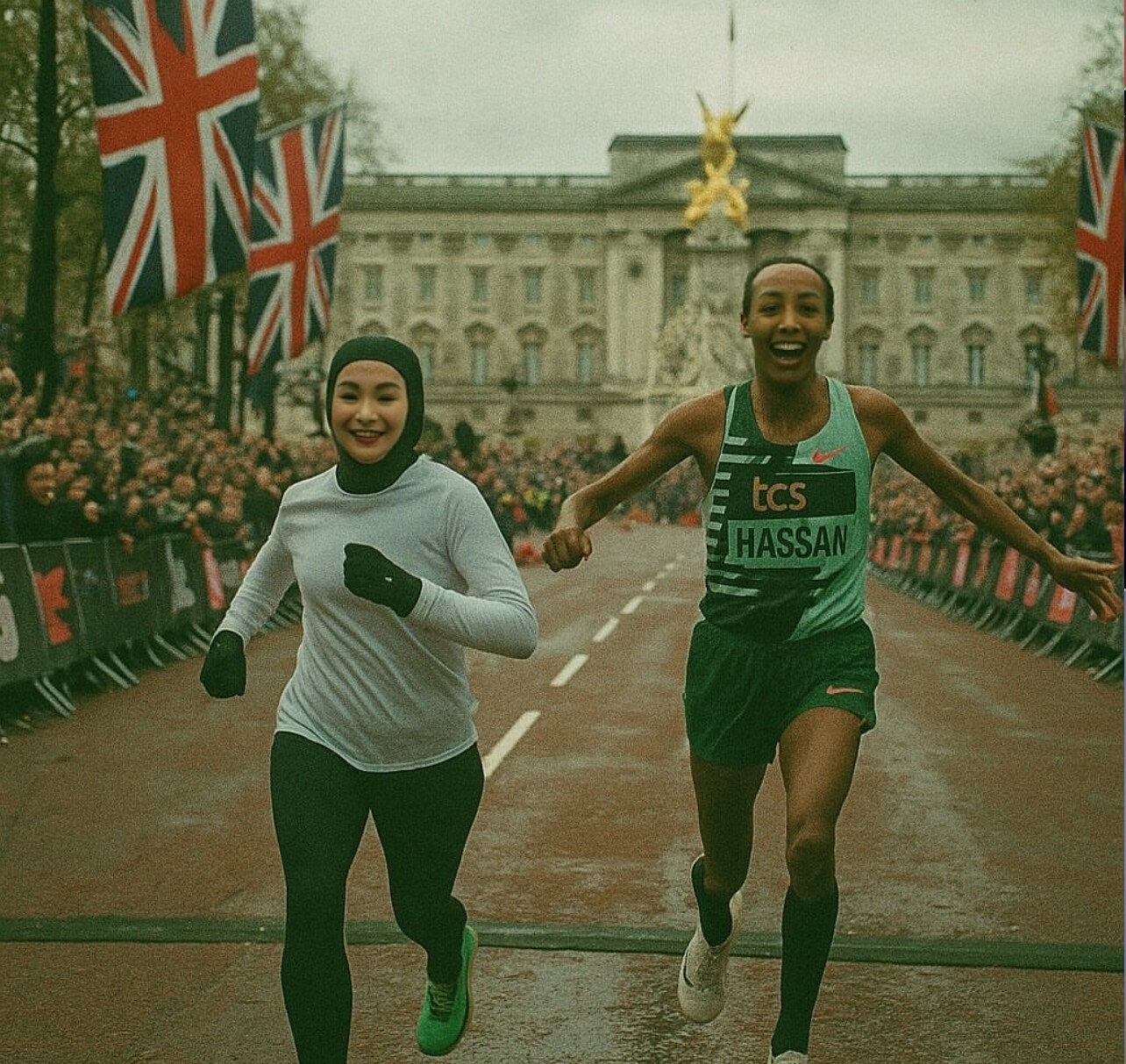
At 31, Hassan shows no signs of slowing down. Her return to the mile is a reminder of the versatility and endurance that have defined her career. With her eyes now set on another strong showing in London, fans can expect fireworks on July 19.
(07/11/2025) ⚡AMPby Boris Baron
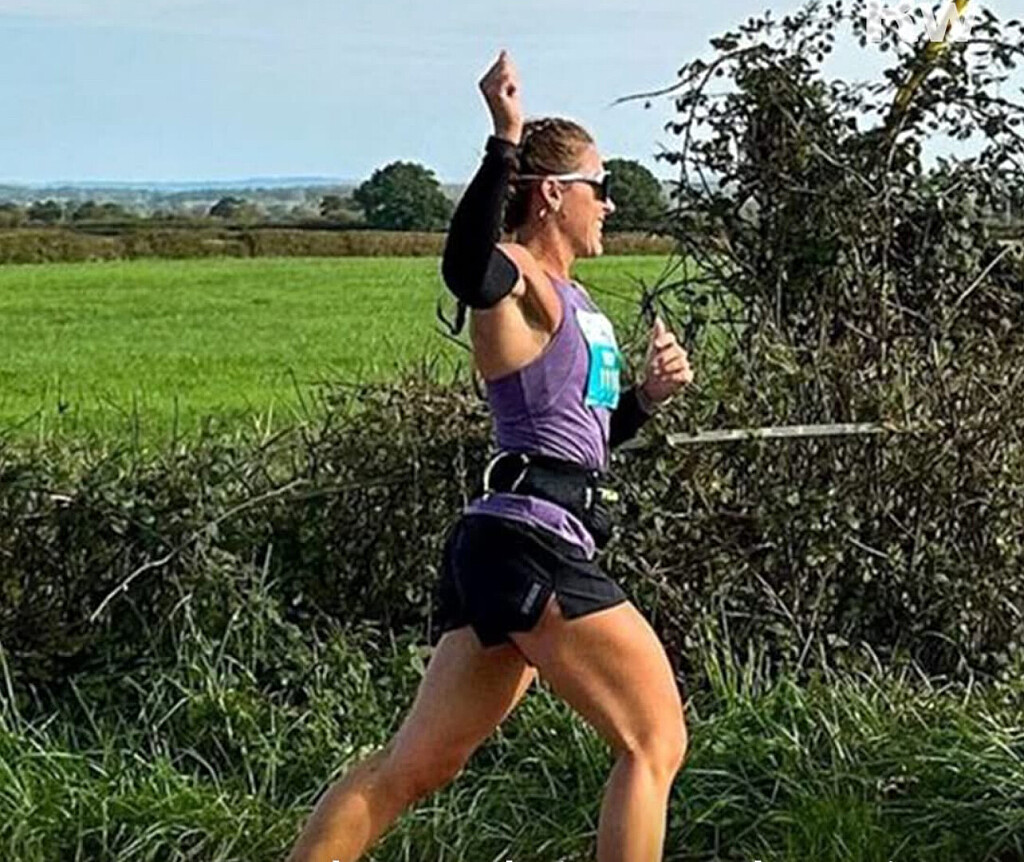
The 30-Minute Window That Can Make or Break Your Running Progress
The 30-Minute Window That Can Make or Break Your Running Progress
Let’s talk about one of the most underrated habits that separates elite runners from the constantly injured: post-run recovery.
Most runners treat the workout as the main event—then just move on with their day. No cooldown, no mobility, no refueling. But what you do in the 30 minutes after your run is just as important as the miles you log.
When you finish a run, your body is in a high-alert state. Muscles are inflamed. Cortisol is elevated. Glycogen is depleted. This is your golden window—a chance to help your body adapt and bounce back stronger… or ignore it and slowly break down.
Here’s a recovery sequence that works:
1. Cool Down Properly
Don’t stop cold. Jog or walk for 5–10 minutes to gradually bring your heart rate down. It’s a small habit that significantly reduces next-day soreness and stiffness.
2. Rehydrate
Even if you didn’t feel hot, you lost fluid. Drink water—and if your run was longer than an hour or particularly sweaty, add electrolytes.
3. Refuel with Purpose
Within 30 minutes, have a mix of carbohydrates and protein. This replenishes glycogen stores and kick-starts muscle repair. A smoothie, banana with peanut butter, or a recovery shake are great options.
4. Mobility Work
You don’t need a 60-minute yoga class. Just 5–10 minutes of stretching or foam rolling helps your nervous system shift into recovery mode and reduces tightness.
Skipping recovery means accumulating stress and increasing injury risk. But prioritizing it helps you absorb training, recover faster, and stay in the game longer.
Running doesn’t end when your watch stops. That’s when real progress begins.
(07/10/2025) ⚡AMPby Boris Baron
The Fastest Mile Ever Run—And Why It Still Hasn’t Been Broken
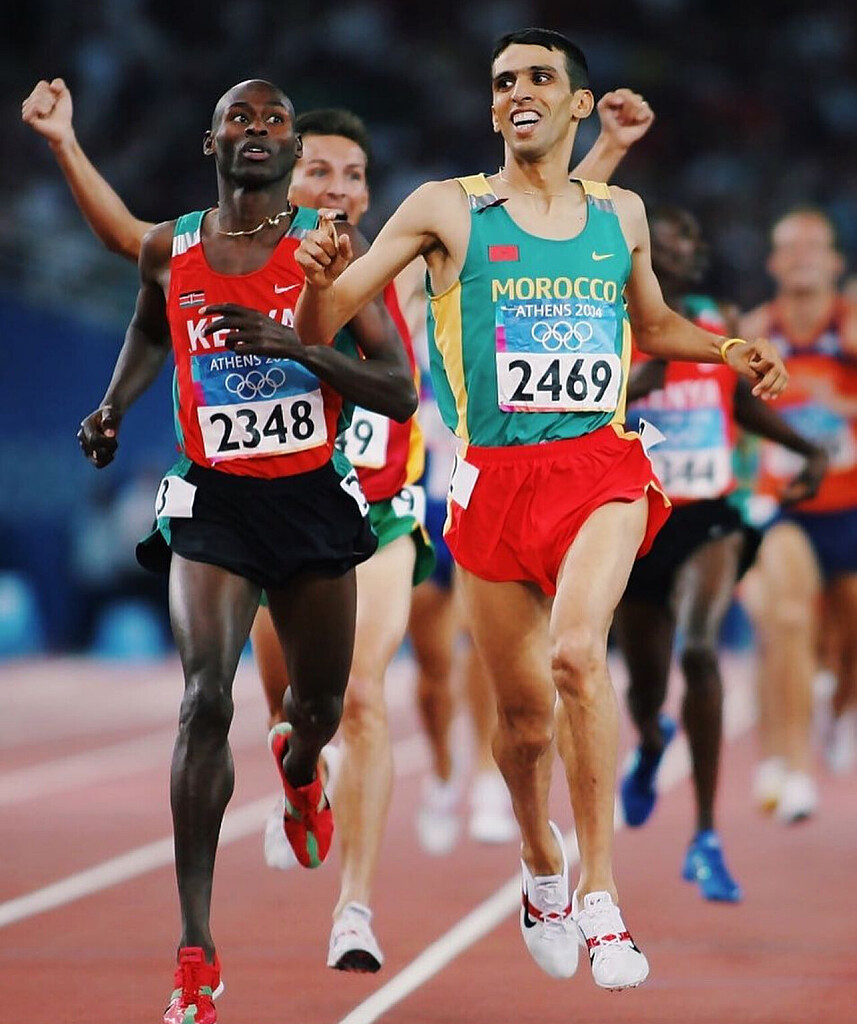
On July 7, 1999, under the lights of Rome’s Stadio Olimpico, Morocco’s Hicham El Guerrouj delivered a performance that remains one of the most iconic feats in track and field history. Racing against a world-class field, El Guerrouj clocked 3:43.13 for the mile—shattering his own previous best and establishing a world record that still stands 26 years later.
No man has run faster since.
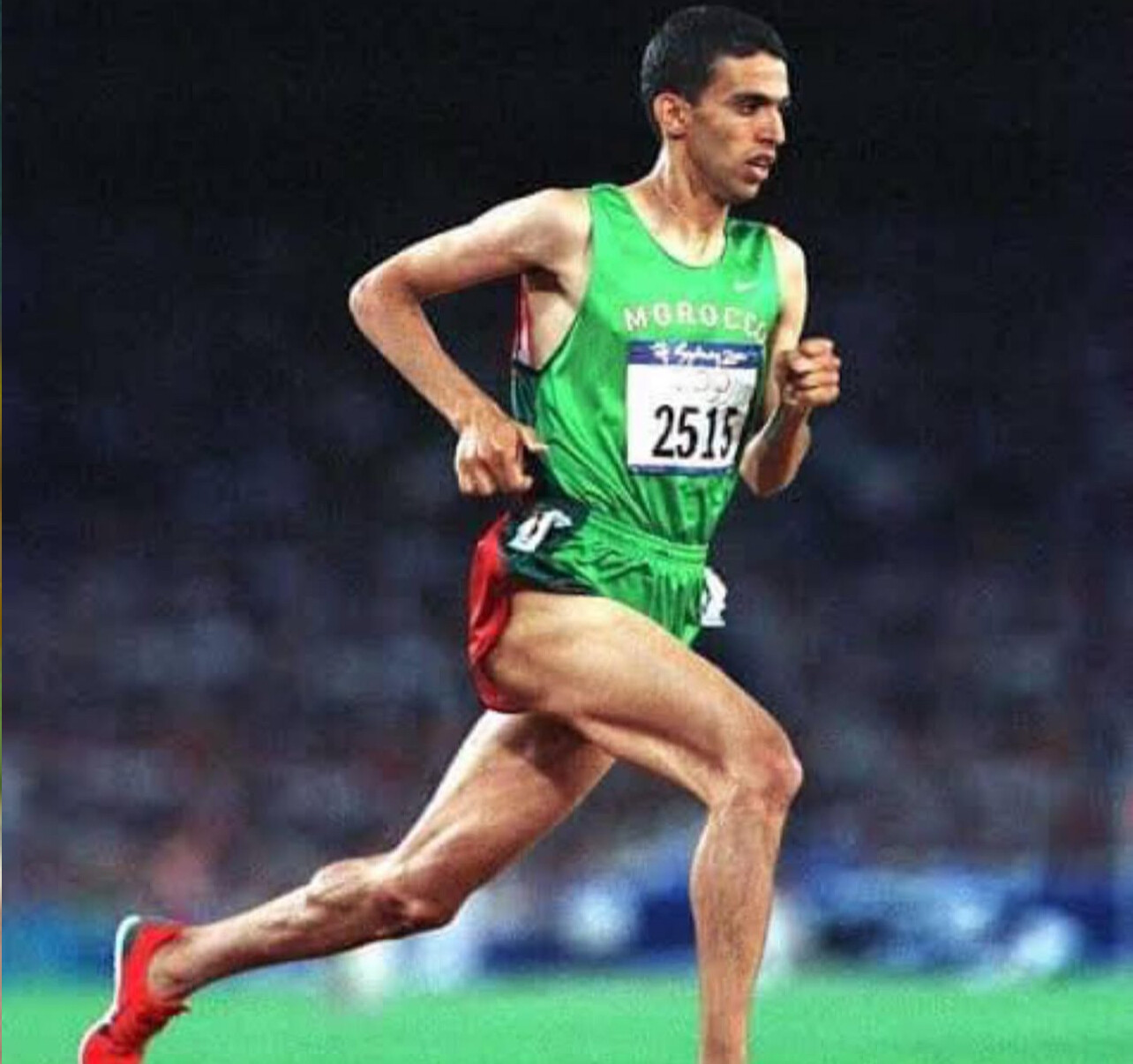
In one of the most thrilling middle-distance races ever contested, Kenya’s Noah Ngeny pushed El Guerrouj all the way to the finish, crossing in 3:43.40—a time that remains the second-fastest mile in history. The duel produced two performances that remain unmatched, solidifying the race as perhaps the greatest mile ever run.
At the time, El Guerrouj was already recognized as the world’s premier miler, having come heartbreakingly close to Olympic gold in 1996 when he tripped with 400 meters to go. But his performance in Rome in 1999 left no doubt about his dominance. Paced perfectly through the opening laps, El Guerrouj accelerated with trademark elegance and blistering speed over the final 400 meters, crossing the line with history behind him.
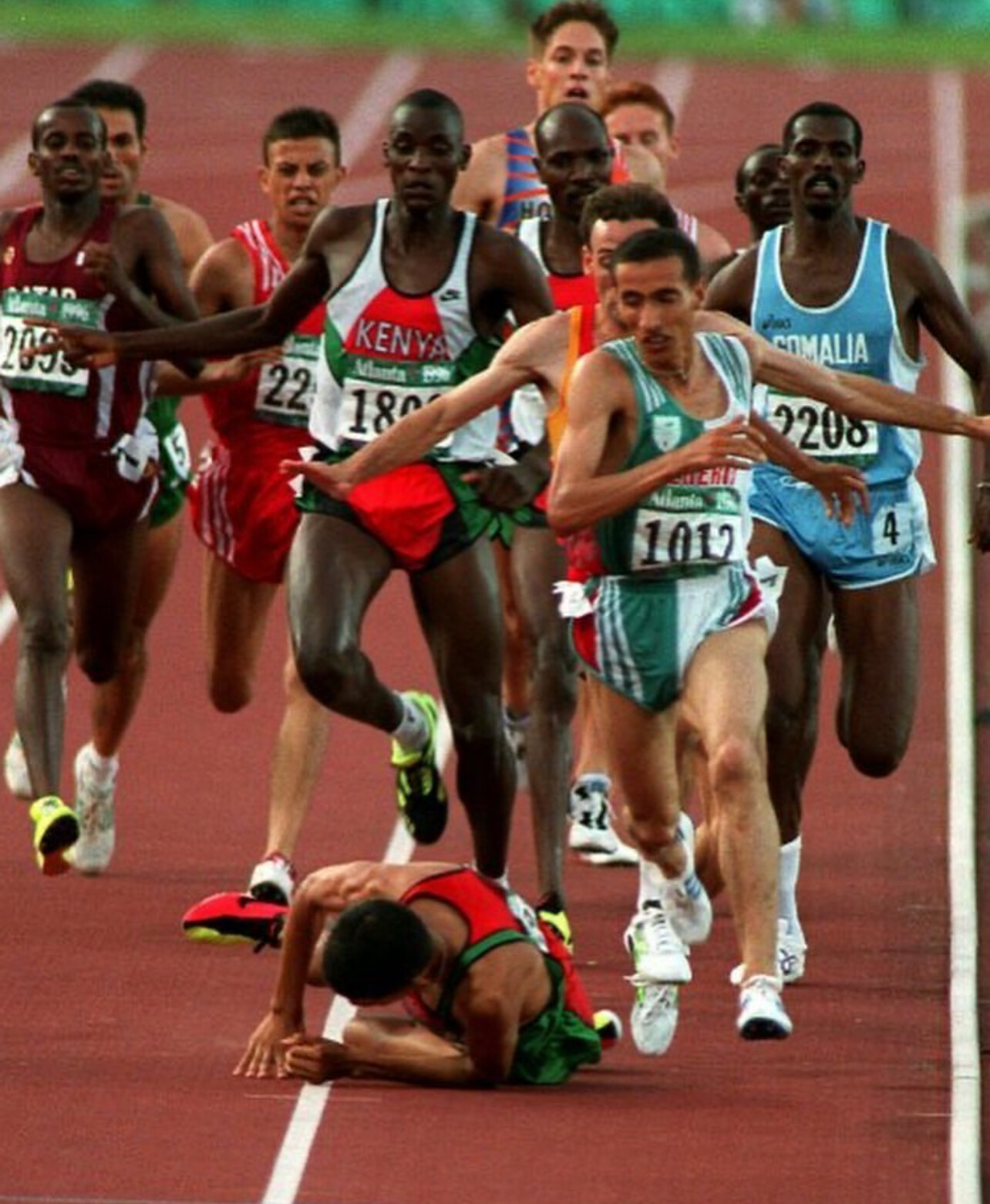
His 3:43.13 replaced the previous world record of 3:44.39, set by Noureddine Morceli in 1993, and it has now stood longer than any other men’s outdoor mile world record in history.
Fast Facts:
• Date: July 7, 1999
• Location: Stadio Olimpico, Rome, Italy
• Winner: Hicham El Guerrouj (Morocco) – 3:43.13 (World Record)
• Runner-Up: Noah Ngeny (Kenya) – 3:43.40 (Still #2 All-Time)
Legacy

El Guerrouj went on to win double Olympic gold in 2004 (1500m and 5000m), capping a storied career. But it’s the 1999 mile in Rome that may be his most enduring legacy. Despite super spikes, faster tracks, and new training philosophies, no one has yet managed to break 3:44 since that night.
As we mark 26 years since this historic performance, the record stands not just as a mark of physical excellence, but as a symbol of the enduring mystique of the mile—track and field’s most storied distance.
(07/10/2025) ⚡AMPby Boris Baron
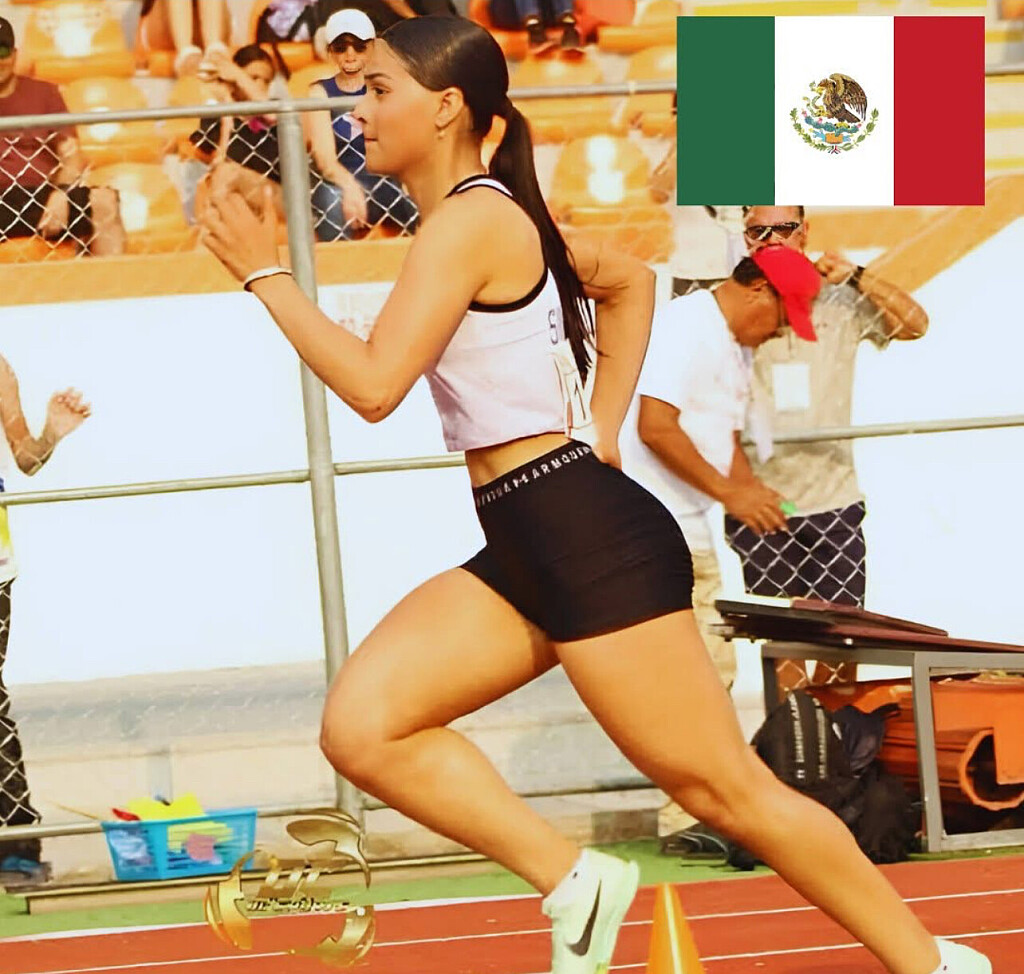
Sinaloa Has a New Queen of Speed! Meet Jennifer Tirado Chavarín
At just 17 years old, Jennifer Tirado Chavarín has sprinted her way into the history books—and into the hearts of Mexican track fans.
Representing Sinaloa at the 2025 Conade National Olympics, Jennifer lit up the track with a blazing 100-meter time of 12.06 seconds, earning gold and a ticket to the Ibero-American U18 Championships in Paraguay. ????
Hailing from Mazatlán, Jennifer’s story is more than a race result. It’s the rise of a young athlete driven by grit, dreams, and discipline. With every step, she’s redefining what’s possible—not just for herself but for an entire generation of Mexican girls who see in her the power of believing big.
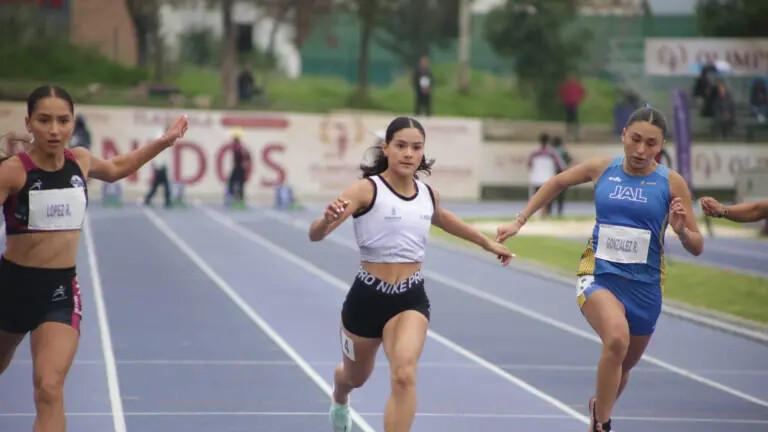
“This isn’t just talent,” one coach remarked. “It’s fire. It’s heart. It’s hard work.”
Now set to represent Mexico on the international stage, Jennifer Tirado Chavarín is a name to remember. She’s not just running for medals—she’s running for a movement.

The world better keep up—Sinaloa’s speed queen has just begun.
(07/10/2025) ⚡AMPby Boris Baron
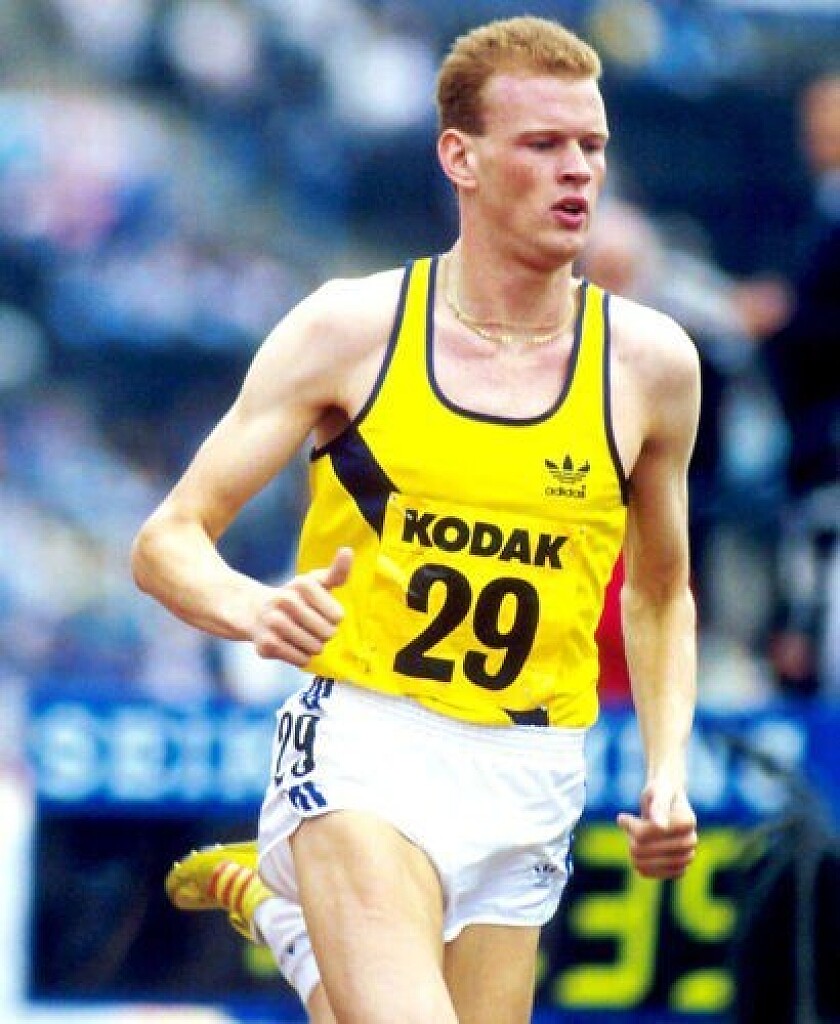
David Sharpe: From Top of the Track to the Edge of Chaos
In the golden era of British middle-distance running, David Sharpe carved out his own unique lane—a fierce competitor on the track and a wild card off it. Now, the enigmatic former 800m specialist is telling all in a gripping, unfiltered memoir that pulls no punches.
Born in Jarrow, North-East England, Sharpe rose from humble beginnings to international acclaim. His athletic résumé is impressive: World Junior Champion, European Indoor Champion, World Cup winner, and the fastest Brit over 800m in 1992 with a blistering 1:43.98. Trained alongside legends like Steve Cram and coached by the iconic Jimmy Hedley, Sharpe became known for his trademark late kick—often coming from the back to snatch victory at the line.
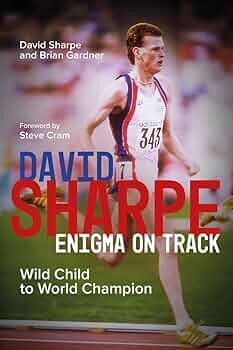
But if Sharpe’s racing style was unpredictable, his life outside the track was even more so.
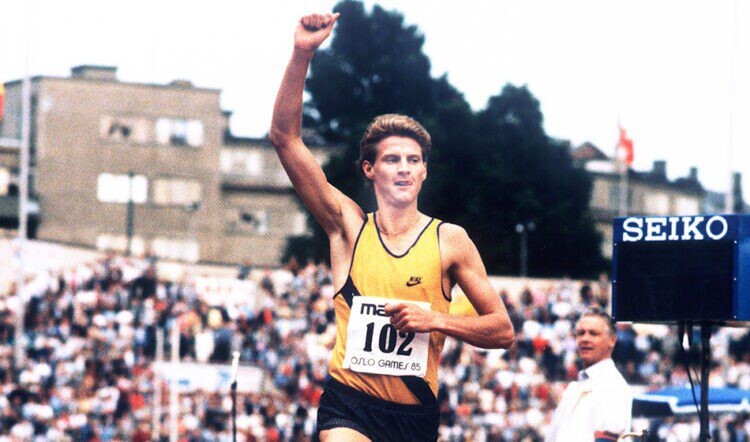
His new tell-all book offers a no-holds-barred look at the rollercoaster journey of a man once considered one of Britain’s brightest talents. He opens up about his battles with erratic behavior, brushes with controversy, and the highs and lows of being an elite athlete in the spotlight.
Sharpe touches on topics rarely explored in athletics autobiographies—motorbiking, celebrity boxing, birdwatching, skiing, and even suicide. He speaks candidly about suspected drug use in the sport, athlete payments, bereavement, and the toll that a turbulent lifestyle can take. He also reflects on his intense relationship with coach Jimmy Hedley and expresses regret over episodes that derailed parts of his career.
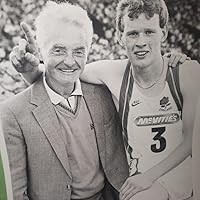
Through it all, one thing becomes clear: David Sharpe was never just a runner. He was a character. A fighter. A survivor.
His story isn’t just for athletics fans—it’s a window into the mental, emotional, and cultural world of competitive running during a transformational era.
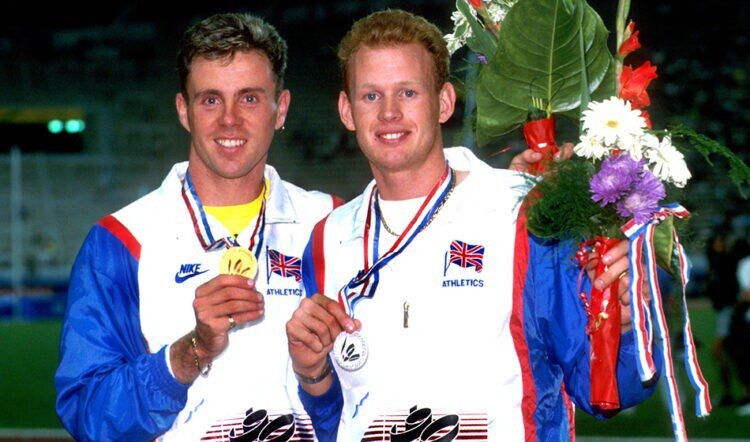
“David’s story is as entertaining as his running once was.” That tagline isn’t marketing fluff—it’s a fitting summary of a career and life that defied convention. For those who think middle-distance running is all about pace and splits, Sharpe reminds us that the real battles are often fought off the track.
Don’t miss this one.
(07/09/2025) ⚡AMPby Boris Baron

Monaco Diamond League Preview: Distance Fireworks Expected from 800m to 5000m
The prestigious Monaco Diamond League meet is set to ignite the track today, with a thrilling lineup of distance races headlined by Olympic medalists, world record holders, and rising stars. With world-best times under threat, all eyes turn to Monaco’s lightning-fast track where history is often made July 11.
Men’s 800m – 2:23 p.m. ET

Arguably the most anticipated race of the day, the men’s 800m features seven of the eight Olympic finalists, and talk of David Rudisha’s legendary 1:40.91 world record is swirling. The pace will be red-hot, with athletes hungry to establish themselves ahead of the Paris Olympics.

Expect fireworks early. The pacing is likely to be aggressive, and with such a deep field, a sub-1:43 clocking may not even guarantee a podium spot. With a record on the line, this race is not to be missed.
Women’s 1000m – 2:43 p.m. ET

The rarely-run but always-exciting 1000m could see the 28-year-old world record of 2:28.98, set by Svetlana Masterkova in 1996, finally fall. Faith Kipyegon, the undisputed queen of middle distance, came close with a 2:29.21 earlier this year and owns the second-fastest time ever. She’s the clear favorite to take another crack at history.
Australia’s Jess Hull brings impressive credentials too, coming off a 3:52.67 1500m (the third-best of her career) and showing solid speed with a 1:58.58 800m PB. Also in the mix are:
• Mary Moraa, 800m world champion, with a 2:33.43 1000m PB,
• Nelly Jepchirchir (2:31.24 PB),
• Jemma Reekie (2:31.11 PB),
• Sinclaire Johnson and Addy Wiley, both looking to move up in distance.
With a blend of speed and endurance, this event has record-breaking potential.
Men’s 5000m – 3:05 p.m. ET
Seven men in today’s lineup have broken 12:50 this season, promising one of the fastest 5000m races of the year. Ethiopian sensation Biniam Mehari, just 18 years old, recently stunned with a 26:43.8210,000m win at the Pre Classic and a 12:45.93 at the Oslo Diamond League, where much of the spotlight went to Nico Young’s American record.
Sweden’s Andreas Almgren enters with momentum after clocking a 12:44.27 European record, currently the fastest time in the world this year.
The Ethiopian federation will be watching closely, as Yomif Kejelcha (12:47.84) and Hagos Gebrhiwetare also lining up—both seasoned athletes capable of upsets.
Final Word
Monaco has a storied history of delivering some of the fastest middle-distance times on the planet. With stars like Kipyegon, Mehari, and Almgren peaking at just the right time, the stage is set for records to be rewritten.
Stay tuned. If there’s ever a day to witness distance running greatness, this is it.
(07/09/2025) ⚡AMPby Boris Baron
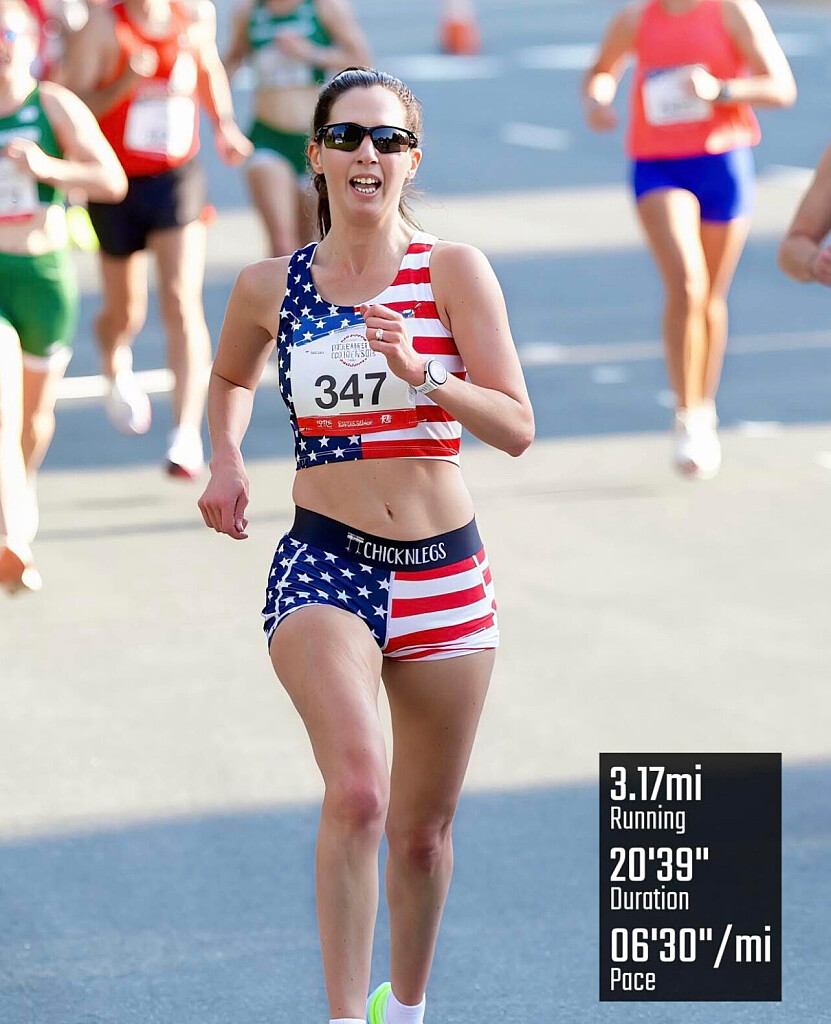
Elizabeth Clor Defies the Heat—and Age—with a 20:39 5K Finish at 46
Running a fast 5K is a challenge at any age—but doing it at 46, in the heat, and placing 1st out of 81 runners in your age group? That’s exactly what Elizabeth Clor just accomplished with a blazing time of 20:39, averaging 6:30 per mile for 3.17 miles.
Wearing a patriotic stars-and-stripes racing kit and a wide smile of determination, Clor crossed the finish line with the kind of poise and grit that reflects years of disciplined training and unwavering mental strength.
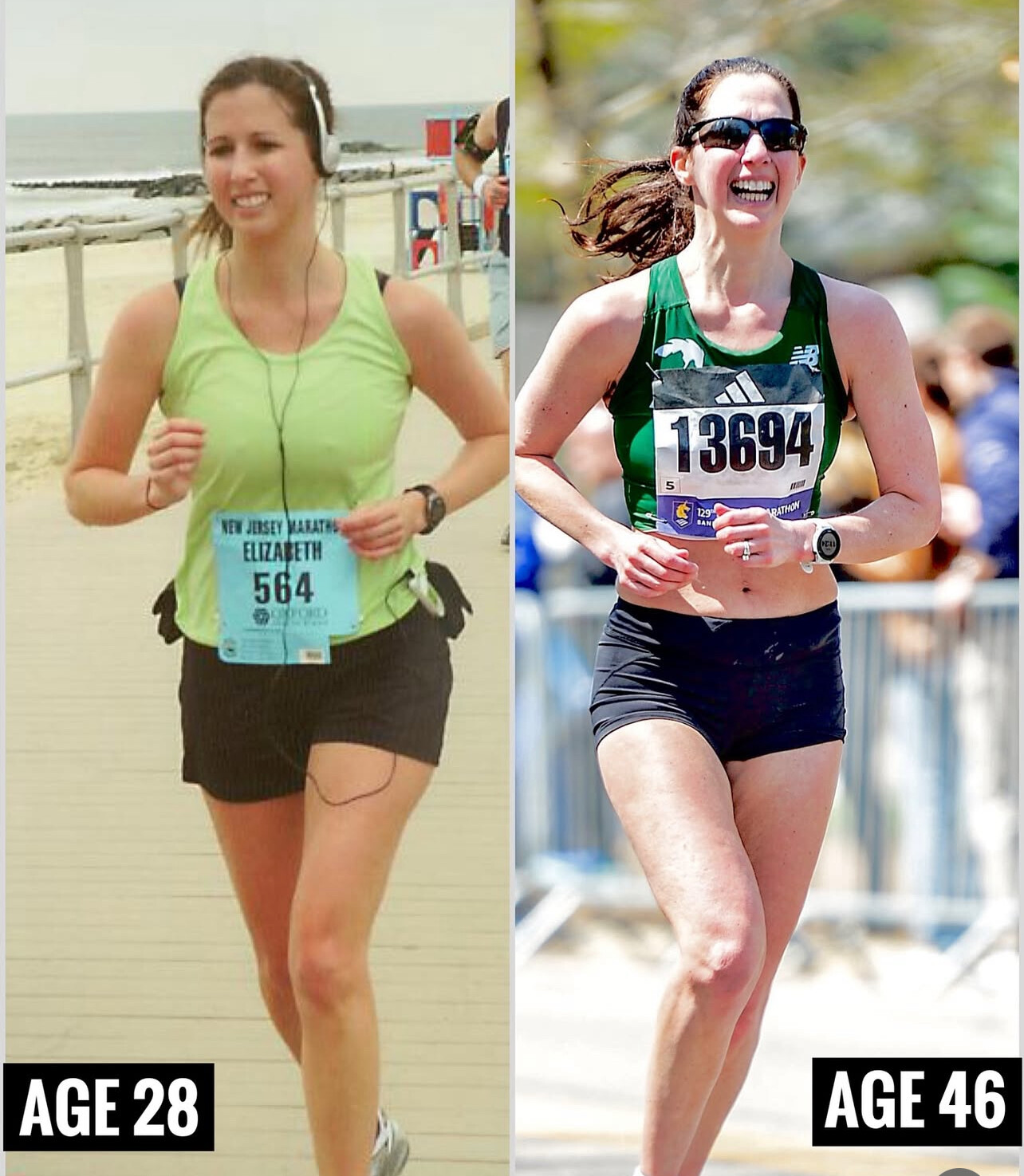
“I never expected to be running this kind of 5K pace at the age of 46,” she shared in a post-race update. “Especially in the heat. I’m feeling thankful that I’m healthy enough to do this!”
Elizabeth is no stranger to distance running. A longtime competitor and blogger, she’s built a reputation not just for speed, but for her candor about the highs and lows of the sport. Her performance here underscores the potential for longevity in running—reminding athletes everywhere that improvement doesn’t have to stop with age.
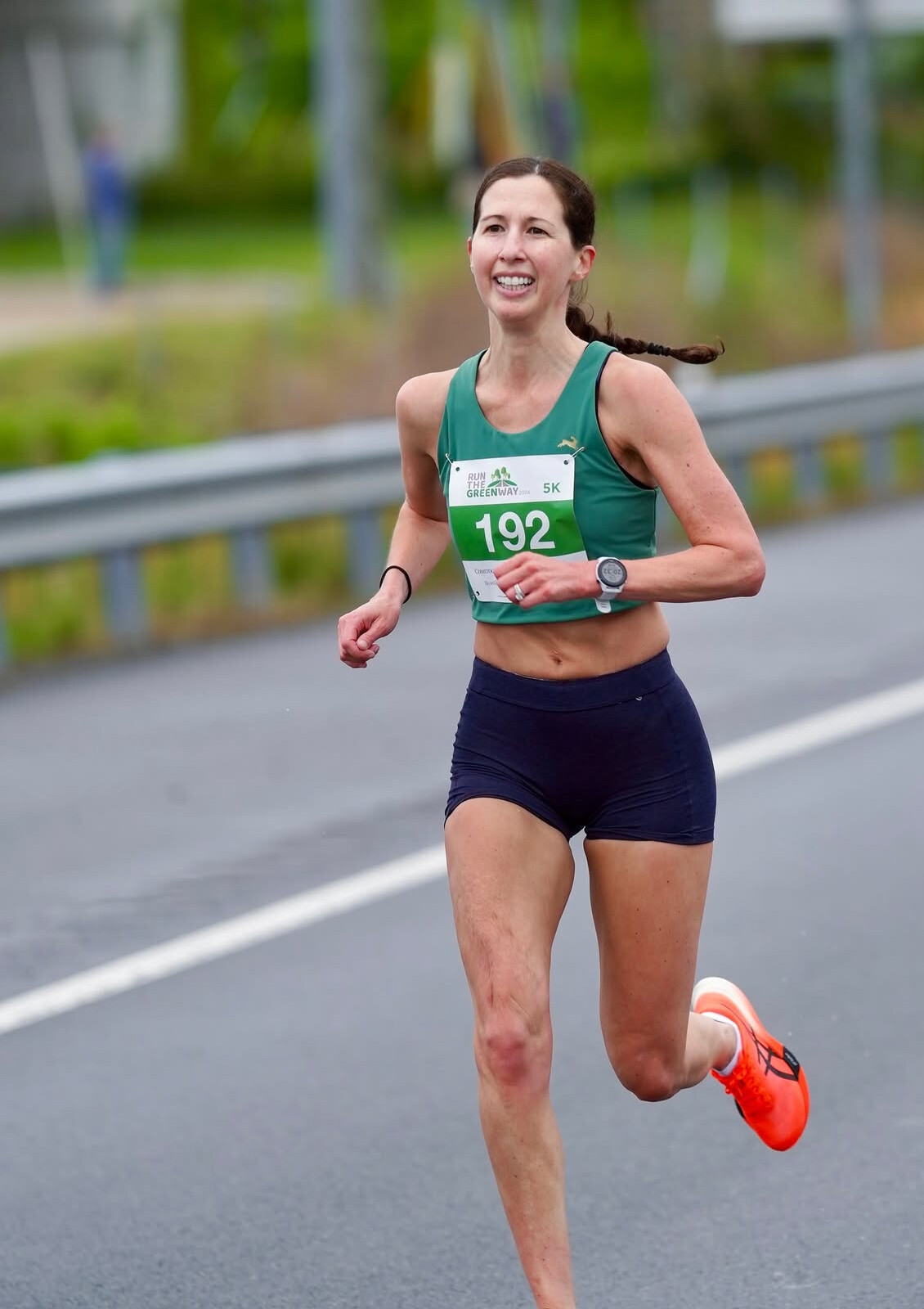
Age Is Just a Number
Her story is a powerful reminder that age-group runners are redefining what it means to compete. With a sub-21-minute 5K in challenging conditions, Elizabeth has placed herself among the top-performing women in her category nationwide.
Her pacing (6:30/mile) is particularly impressive given the heat—conditions that typically slow down even the fittest of elites.
Red, White, and Run
Donning ChicknLegs shorts and a custom U.S. kit, Clor also embodied the spirit of American amateur running—where pride, passion, and perseverance intersect at the starting line. Her visual energy was matched by her athletic performance, turning heads and inspiring followers across social media.
(07/08/2025) ⚡AMPby Boris Baron
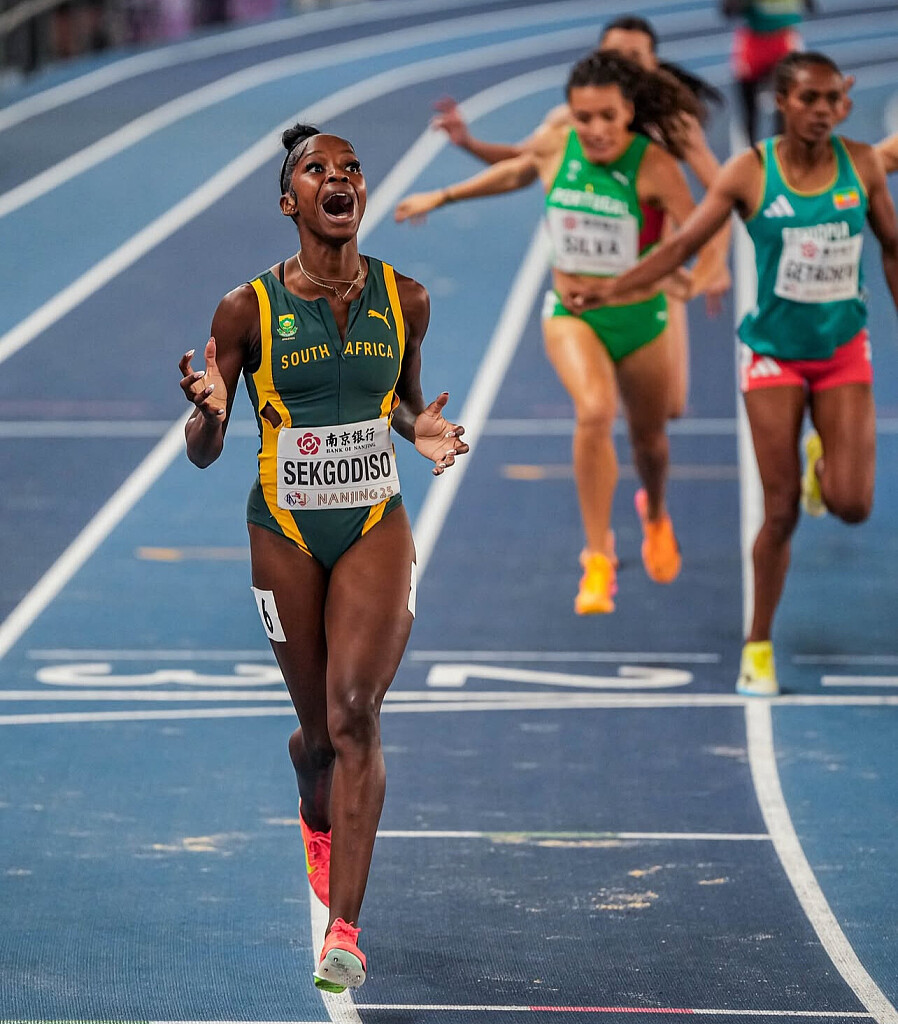
South Africa's Prudence Sekgodiso Closes in on 800m World Lead
Prudence Sekgodiso of South Africa is charging toward the top of the global women’s 800m leaderboard with a sizzling time of 1:57.16, recorded in the 2025 season. As of July 4, this places her second on the current world list—trailing only Ethiopia’s Duguma, who leads with 1:56.64.
Sekgodiso’s breakthrough has sent waves through the athletics world, as seen in a recent viral post by SuperSport celebrating her ascent. The 800m is one of the most fiercely contested events in track and field, and Sekgodiso’s consistency and fearless racing style are positioning her as a serious medal contender ahead of the Paris World Championships and potentially the Olympics.
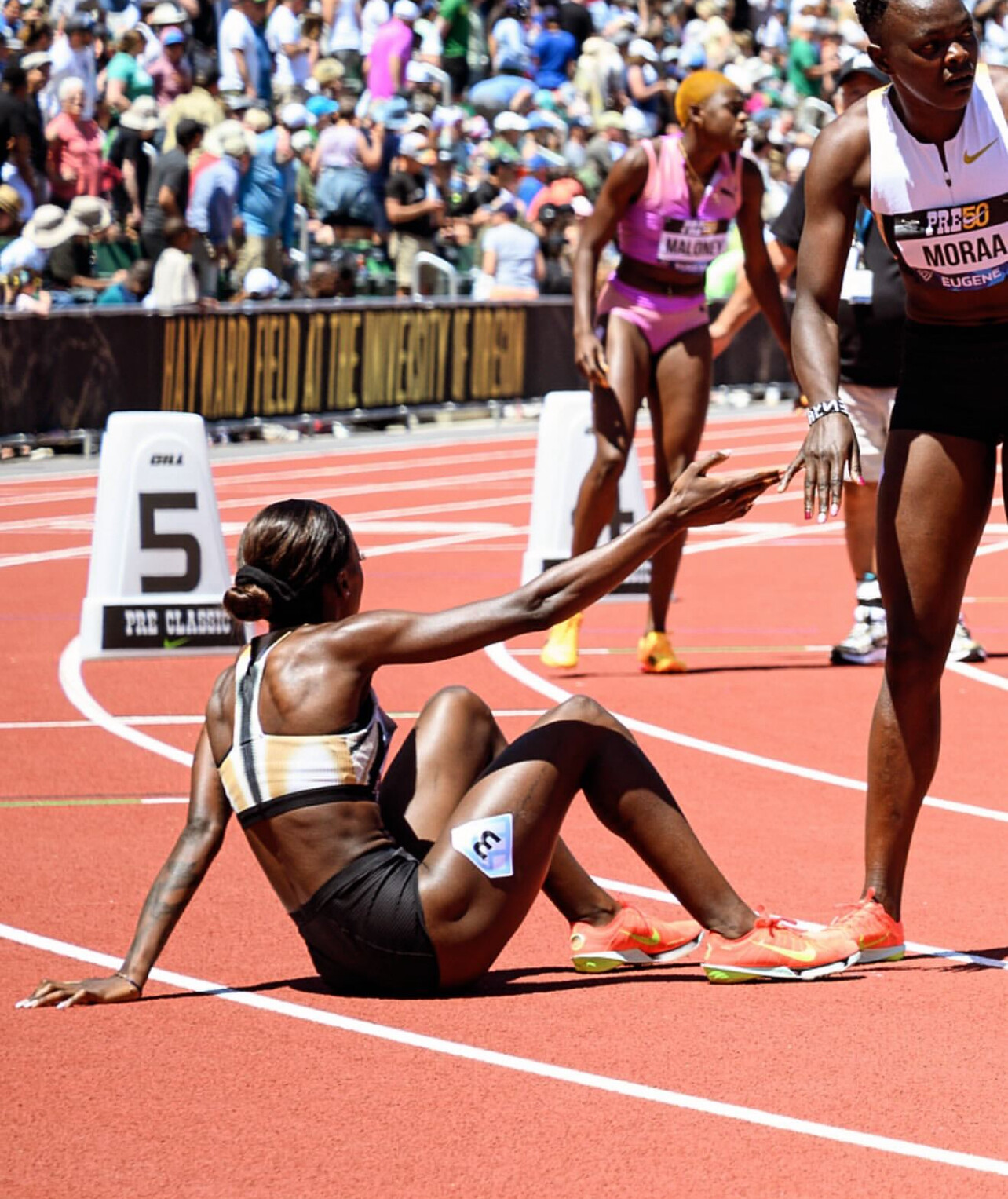
? Top 10 Women’s 800m Times in 2025 (as of July 4):
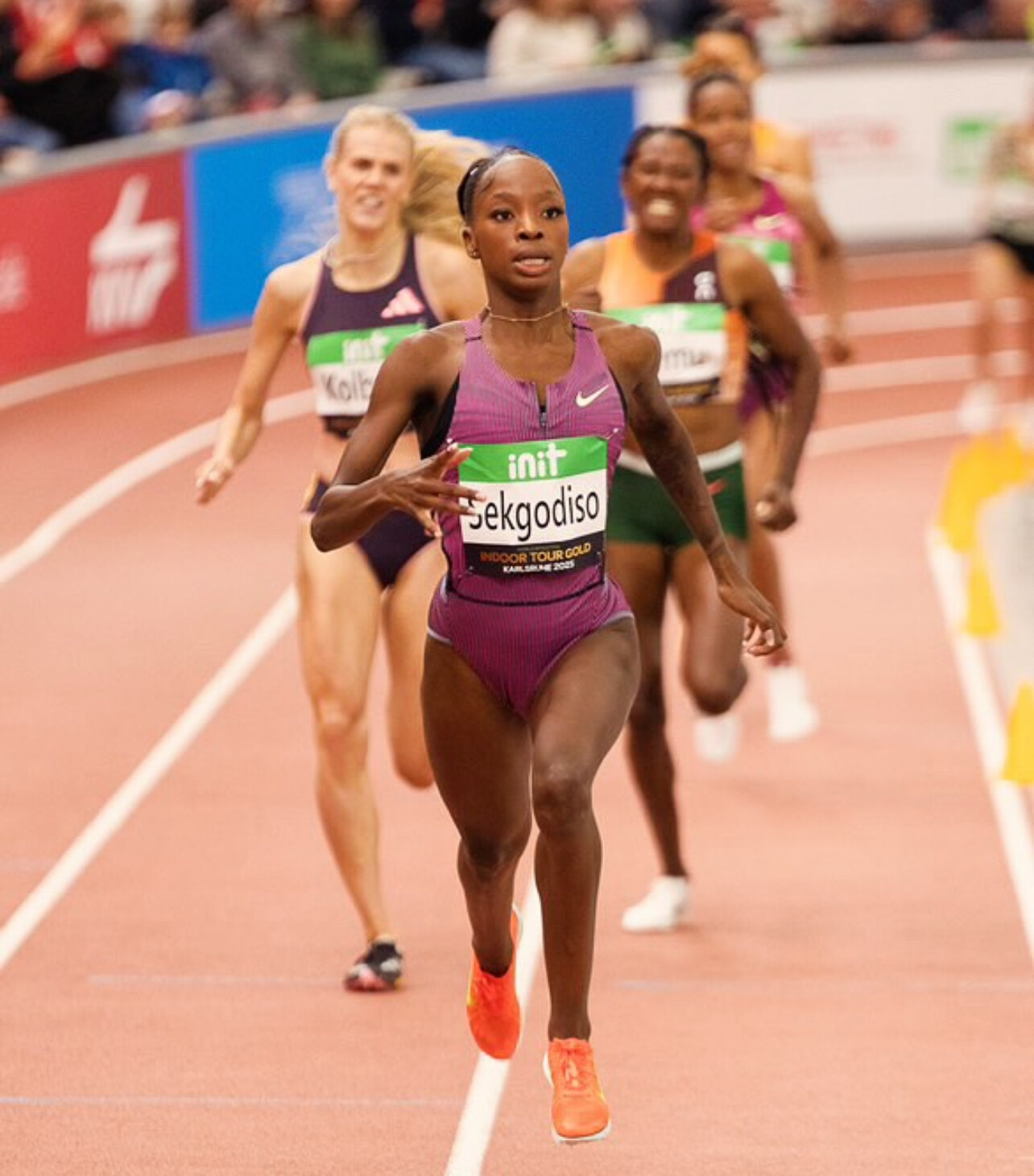
1. 1:56.64 – Duguma
2. 1:57.16 – Sekgodiso
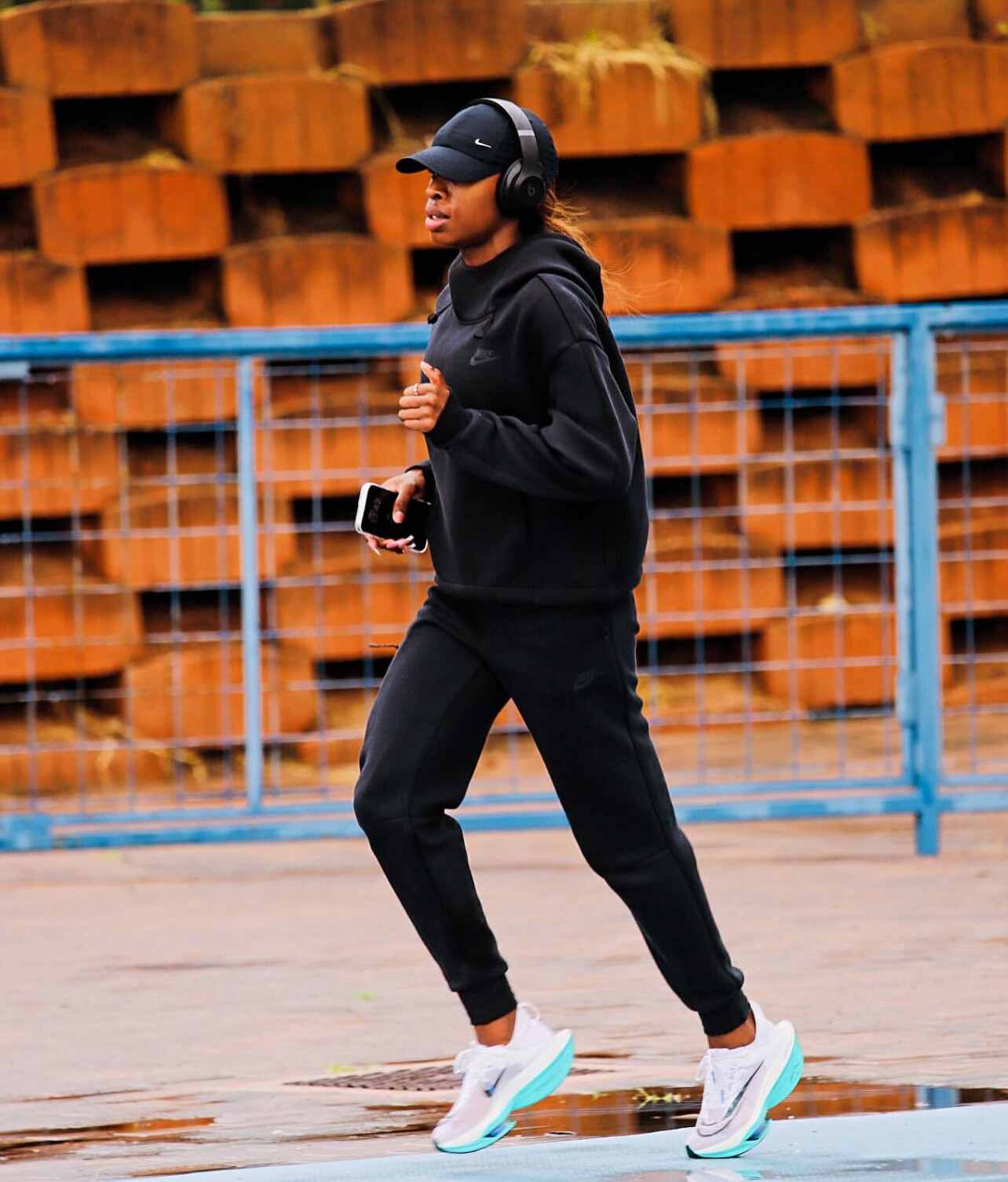
3. 1:57.25 – Werro
4. 1:57.49 – Nowe
5. 1:57.55 – Wiley
6. 1:57.66 – Bell
7. 1:57.81 – Bourgoin
8. 1:57.83 – Billings
9. 1:57.83 – Moraa
10. 1:58.00 – Maloney
How Sekgodiso Measures Up Historically:
The women’s 800m world record still stands at 1:53.28, set by Jarmila Kratochvílová of Czechoslovakia in 1983—a mark that has stood for over 40 years and is widely considered one of the most unbreakable in athletics. Only a handful of women have ever run under 1:55, including:
• Jarmila Kratochvílová (CZE) – 1:53.28 (1983)
• Nadezhda Olizarenko (URS) – 1:53.43 (1980)
• Pamela Jelimo (KEN) – 1:54.01 (2008)
• Caster Semenya (RSA) – 1:54.25 (2018)
Prudence Sekgodiso's 1:57.16 may not yet challenge these all-time performances, but it signals her potential to enter the elite sub-1:56 territory—especially with major races still ahead this season.
South Africa’s Next Middle-Distance Icon?
Following in the footsteps of Caster Semenya, Sekgodiso has reignited South Africa’s presence in the women’s 800m. At just 22 years old, she combines speed, endurance, and confidence, and her upward trajectory is undeniable.
As she continues her climb, all eyes will be on her next race. With every lap, Prudence Sekgodiso is narrowing the gap—not just between herself and the world leader, but also between today’s stars and history’s greats.
(07/08/2025) ⚡AMPby Boris Baron
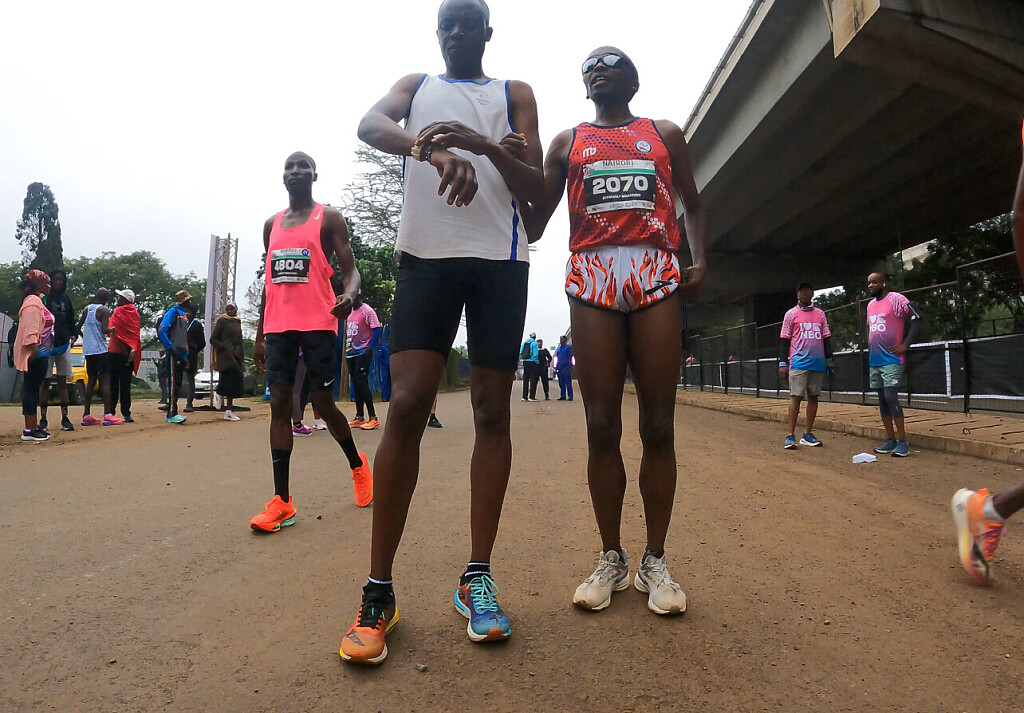
Blind Runner, Clear Vision: Wilson Bii’s Nairobi Debut Fueled by Kenya Athletics Training Academy (KATA)
In a moving display of courage and transformation, Wilson Bii, a visually impaired Paralympian and Rio 2016 bronze medalist, made his road racing debut at the 2025 Nairobi City Marathon, taking on the half marathon along the scenic Nairobi Expressway.
For the 38-year-old Kenyan, long known for his prowess on the track, this was more than just a change in terrain — it marked a bold new chapter in a journey defined by resilience and reinvention.
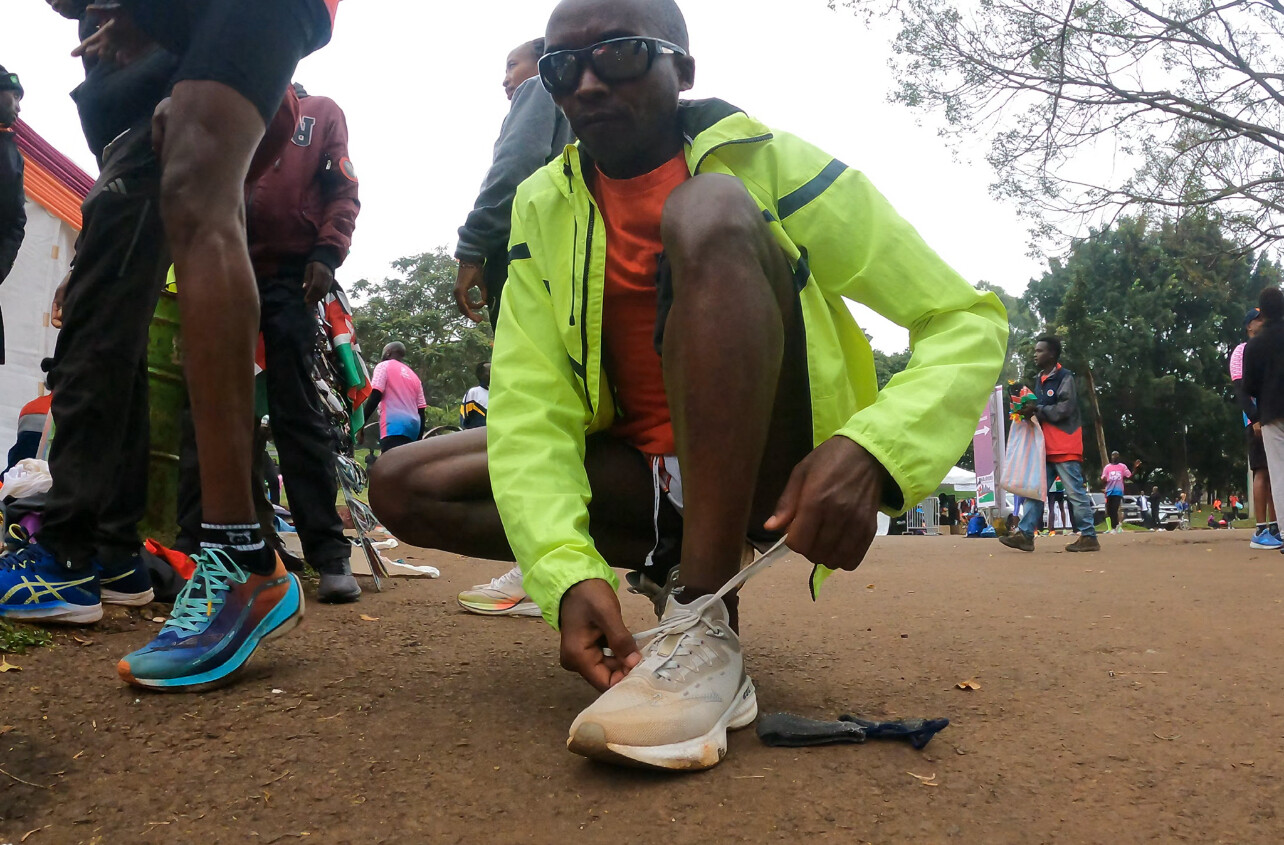
“This was my first time competing in a road race,” Bii said. “I’ve spent years on the track, but this year I decided to train for longer distances. I wanted to challenge myself in a new way, and I found purpose on the road.”
But the road that brought him here was far from easy. Bii had good eyesight until 2002, when a tragic road accident changed his life forever. Shattered glass from the crash severely damaged his eyes, ultimately leading to complete vision loss. Though devastated, Bii refused to give in. Instead, he redirected his focus — and chose to run under the Paralympic banner.
“I never gave up,” he said. “Running became my way forward.”
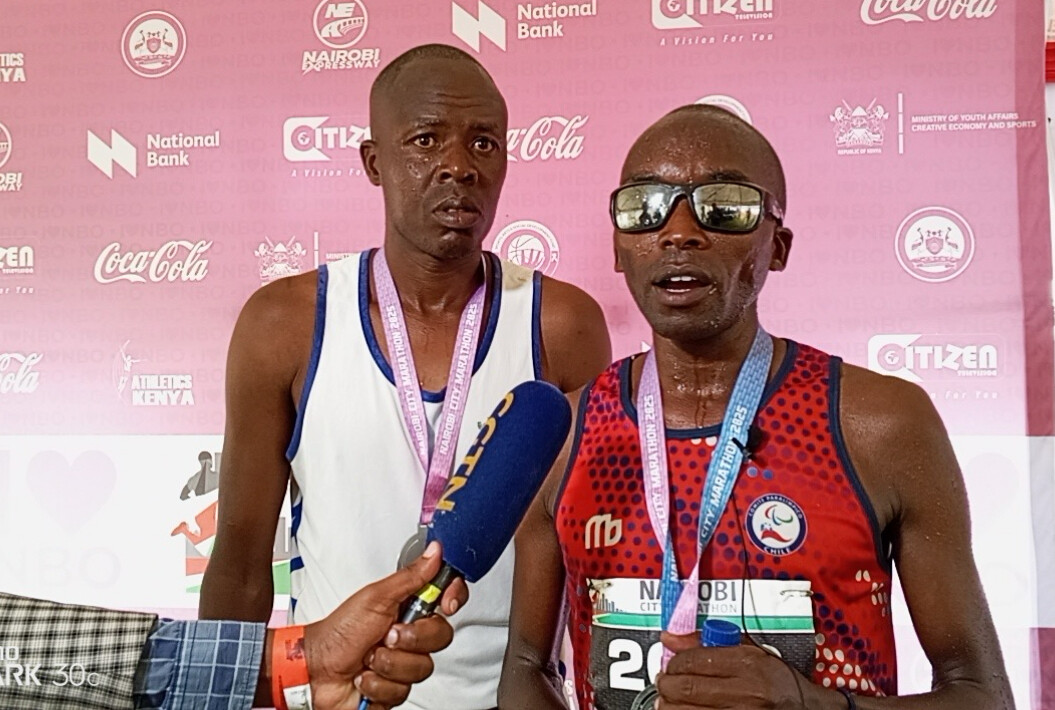
Today, Bii trains with the Kenya Athletics Training Academy (KATA), a grassroots initiative founded by Bob Anderson, the American running pioneer best known for launching Runner’s World magazine in 1966. Anderson, who helped ignite the global running boom through journalism and advocacy, now devotes his time to supporting emerging Kenyan talent.
At age 49, Anderson himself set a personal best in the half marathon (clocking 1:19:17) — an individual pursuit that reflects the very mindset he seeks to instill in others. Through KATA, he now oversees a network of 21 high-altitude training camps across Kenya, providing coaching, structure, and opportunity to athletes from underserved communities.
Bii trains at one of these camps in Sirikwa, Kuresoi North in Nakuru County — in the heart of the Rift Valley, where elevation, tradition, and grit continue to shape some of the world’s greatest endurance athletes.
Alongside his guide, Job Kiprono, Bii navigates training and racing with trust and precision.
“Kiprono has been my eyes for years. We move together, think together. We’re not just running for me — we’re running for both our families,” Bii shared.
He draws inspiration from the legacy of others. “When I saw how running changed Henry Wanyoike’s life, I knew I had to try. That’s why I came here today — to push myself and to inspire others who may feel forgotten.”
Bii now has his sights set on representing Kenya at the 2025 World Para Athletics Championships in India, after previously missing global events in Dubai and Morocco.
His guide, Kiprono, is appealing to Athletics Kenya and the National Paralympic Committee of Kenya to recognize the upcoming Belgut Road Race on July 24 as an official qualifier for para-athletes.
“If Belgut can be acknowledged, it will give athletes like Bii the opportunity we’ve waited for,” Kiprono said. “We want to earn our spot through performance, not politics.”
As Bob Anderson’s vision continues to take root across Kenya, athletes like Wilson Bii embody the mission: to empower through sport, to nurture overlooked potential, and to prove that running can restore far more than fitness — it can restore lives.
At the Nairobi City Marathon, Wilson Bii didn’t just finish a race — he reclaimed his momentum clocking 1:07:50 for the half marathon. From the wreckage of a 2002 accident to the fast-moving lanes of a 2025 half marathon, Bii now runs with a clarity of purpose. And behind him, a global legacy of running finds fertile ground in Kenya’s red soil — and in the courage of those who refuse to stop moving forward.
(07/08/2025) ⚡AMPby Robert Kibet

Niels Laros Stuns in Bowerman Mile, Edges Yared Nuguse by 0.01 Seconds
In one of the most electrifying finishes in recent mile history, 19-year-old Dutch phenom Niels Laros delivered a late-race surge to outkick American star Yared Nuguse, winning the Bowerman Mile at the Prefontaine Classic in an astonishing 3:45.94.
Nuguse, who looked in command entering the home stretch, clocked 3:45.95, just one-hundredth of a second behind the Dutch teenager. The dramatic showdown came down to the final 50 meters, where Laros unleashed a finishing kick that stunned fans and fellow competitors alike.
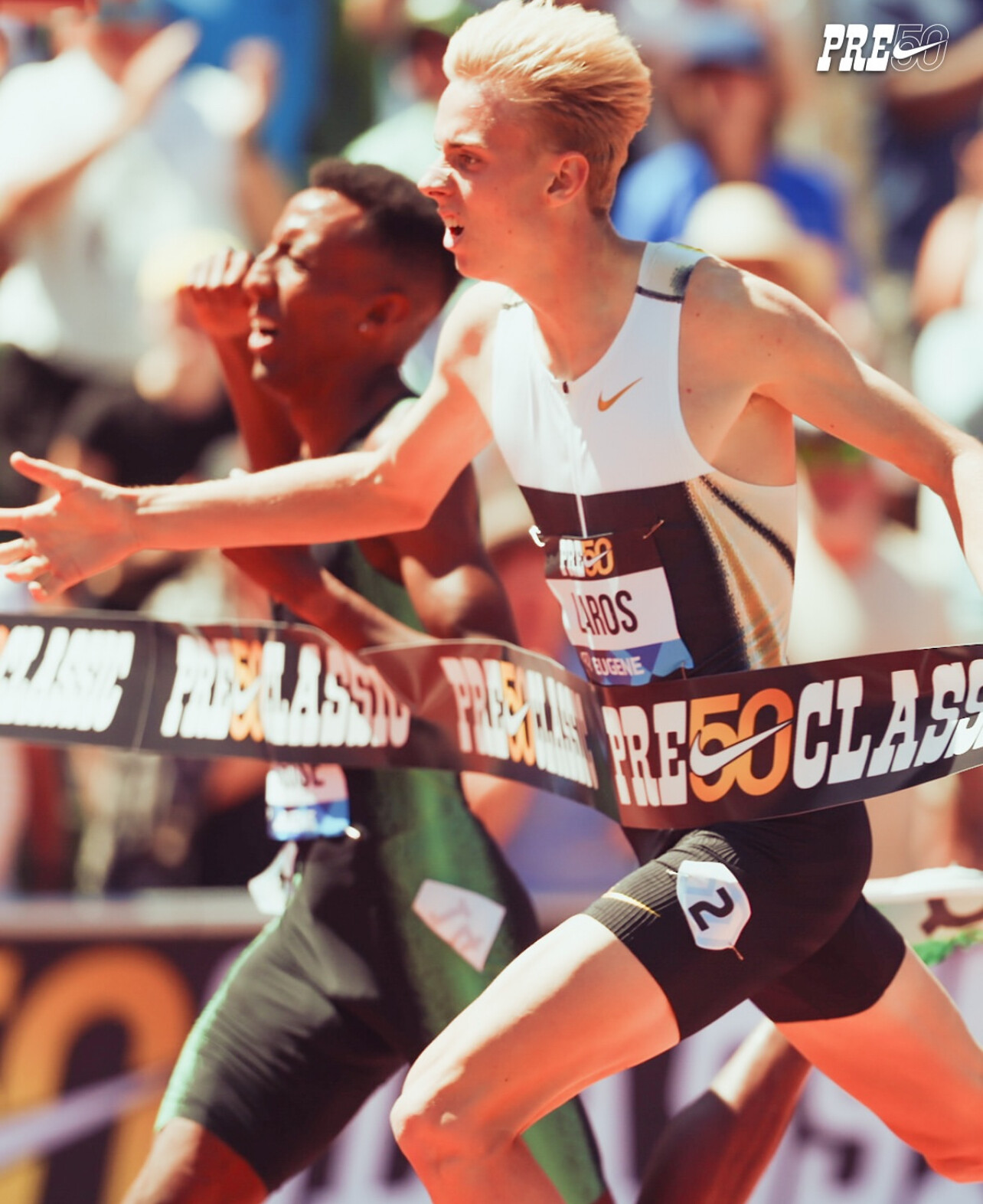
Third place went to Azzedine Habz of France, who crossed the line in 3:46.65.

This result marks a major statement from Laros, already hailed as the future of European middle-distance running. His performance in Eugene solidifies his status as a major contender on the global stage heading into the Paris Olympics.
The Prefontaine Classic continues to be a magnet for world-class mile showdowns, and this edition did not disappoint. For Laros, this victory will be remembered not only for the time, but for the thrilling fashion in which it was secured.
Top 3 Results – Bowerman Mile
• ? Niels Laros (NED) – 3:45.94
• ? Yared Nuguse (USA) – 3:45.95
• ? Azzedine Habz (FRA) – 3:46.65
(07/08/2025) ⚡AMPby Boris Baron
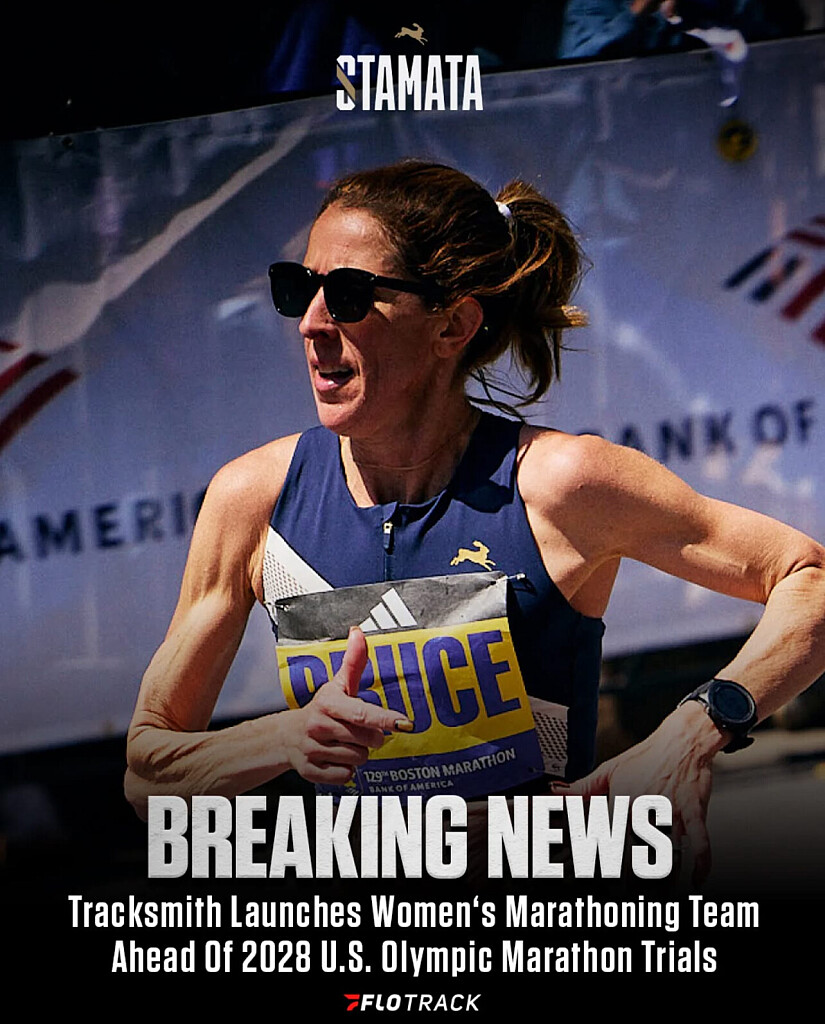
Tracksmith Launches “Stamata” — A New Women’s Marathon Team Aiming for the 2028 U.S. Olympic Trials
In a bold and inspiring move to uplift women’s distance running in the United States, Tracksmith has announced the formation of Tracksmith Stamata, a dedicated women’s marathon team. The initiative is led by elite marathoner and long-time advocate for female athletes, Stephanie Bruce, and is aimed squarely at helping women qualify for the 2028 U.S. Olympic Marathon Trials.
With a surge of momentum building in the U.S. women’s distance scene, the timing couldn’t be more ideal.
Supporting Women on the Olympic Path
The team’s mission is clear: identify and support talented women with the potential to reach the Olympic Trials, and ultimately, the Olympic Games. Named “Stamata” — Greek for “to stop,” perhaps symbolizing the end of outdated barriers and the start of something powerful — the team brings a structured, fully backed approach to marathon preparation.
Tracksmith will provide:
• Training camps
• Targeted marathon attempts
• Financial stipends
• Performance gear
• Access to sports professionals, including coaches, nutritionists, and medical experts
This comprehensive support structure is designed to level the playing field, especially for emerging or overlooked athletes who may not yet have major sponsorship deals.
California International Marathon to Host Team Debut
The California International Marathon (CIM) — long known for its fast course and Trials-qualifying potential — will be the official debut race for Tracksmith Stamata. The selection of CIM reflects the team’s pragmatic focus on real results and meaningful opportunities. In recent years, CIM has been a launchpad for many Olympic Trials qualifiers, and it’s the perfect stage for Stamata’s debut.
Stephanie Bruce at the Helm
Stephanie Bruce, who recently concluded her own professional racing career, brings not only elite experience but also deep empathy and advocacy for working mothers, aging athletes, and under-supported competitors. Her leadership signals that Stamata isn’t just a racing team — it’s a movement.
“This isn’t just about fast times. It’s about building an environment where women can thrive, be seen, and be supported in their pursuit of excellence,” Bruce said in a recent interview.
Let’s make it happen
The women’s marathon scene in the U.S. is more competitive than ever. As the road to Los Angeles 2028 heats up, initiatives like Tracksmith Stamata play a critical role in widening the access point and reinforcing the pipeline of elite female marathoners.
Whether you’re chasing a Trials standard or cheering from the sidelines, there’s no doubt: Stamata is a name to remember on the road to 2028.
(07/07/2025) ⚡AMPby Boris Baron
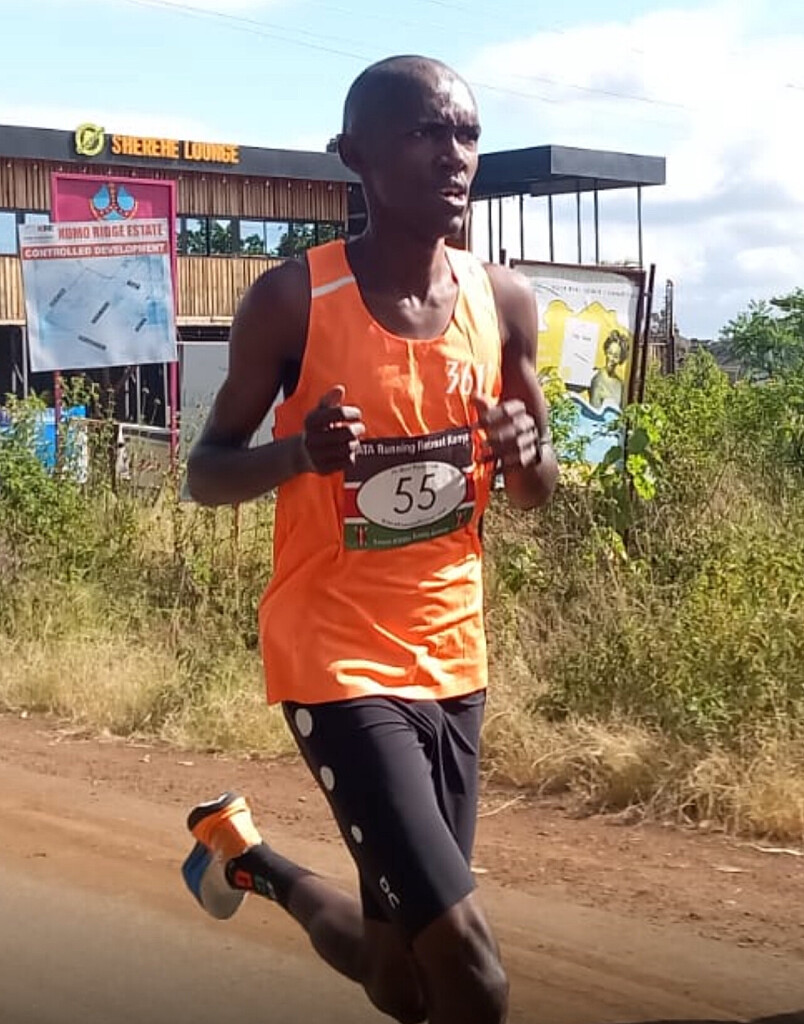
Big Performances at the Nairobi City Marathon — Wilson Bii and Zakariah Shine for KATA
Nairobi, Kenya — July 6, 2025
The streets of Kenya’s capital came alive this morning with the running of the Nairobi City Marathon, Half Marathon, and Expressway 10K. With elite competition, a scenic city course, and massive public support, the event once again showcased the depth of talent in the world’s running capital.
Among the standout performances were two remarkable athletes of from KATA Running Camps, continuing to make their mark on Kenya’s competitive distance running scene.
Wilson Bii Dominates Para Half Marathon
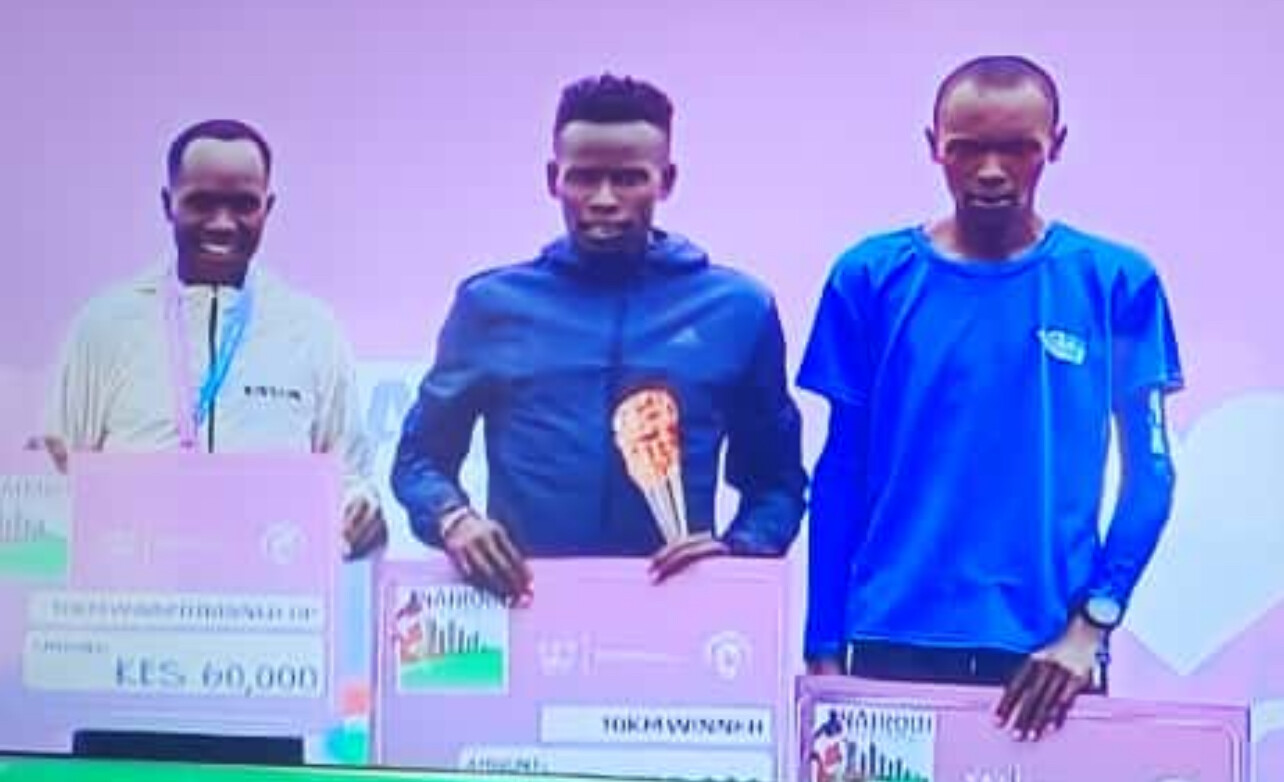
Wilson Bii (4th photo), a visually impaired runner training at a KATA Running Camp, delivered a stunning performance in the Para Half Marathon division, winning in a time of 1:07:50. Known for his resilience and smooth stride, Bii proved once again that no obstacle can hold back a champion spirit.
“We are so proud of Wilson,” said Bob Anderson, Founder of the KATA (Kenyan Athletics Training Academy) initiative. “His dedication, grit, and belief inspire all of us.”
Bii, who has represented Kenya at multiple international events, continues to sharpen his fitness under KATA’s structured training model, which combines elite coaching with holistic athlete support.
Zakariah Breaks Through in the 10K
In the Expressway 10K, Zakariah (first photo) one of KATA Thika’s earliest and most consistent athletes, put together the race of his life. He clocked a personal best of 27:00 flat, finishing third overall in a stacked elite field.
This marks a major breakthrough for the rising star, whose consistency in training over the past year is now paying off in a big way.
“Zakariah has been with us since the very beginning,” Anderson added. “He works hard every day and keeps improving. Today was a huge moment for him and for the entire KATA movement. When he first came to KATA he way running a 10k in 34 minutes. His 27 minutes today at altitude says he is ready to run faster at sea level. He was only two seconds behind the winner."
Nairobi Marathon Elevates All Levels
While elite runners headlined each race, the Nairobi City Marathon continues to grow as a celebration of endurance and unity. From full marathoners tackling 42.195 kilometers through the city to recreational 10K runners testing their limits on the Expressway, thousands took part in what is becoming one of East Africa’s most important road racing events.
KATA: A New Chapter in Kenyan Running
With more than a dozen training camps and potato farms across Kenya — and a flagship retreat in Portugal — the KATA movement is changing the narrative. It’s not just about producing fast times, but building complete athletes, nurturing character, and providing real economic sustainability.
Today’s results in Nairobi prove that the vision is working.
(07/06/2025) ⚡AMPby Boris Baron
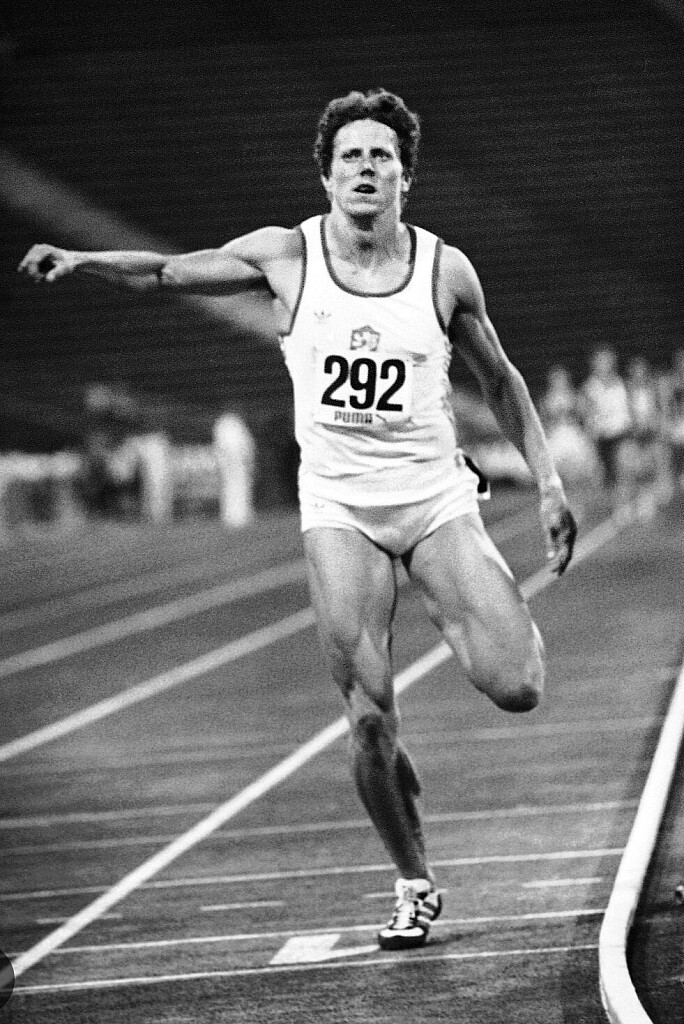
The Untouchable Record: Jarmila Kratochvílová’s 800m Mark Still Stands 42 Years Later — But Should It?
In the fast-evolving world of athletics, records are made to be broken — except, it seems, for one. On July 26, 1983, in Munich, Czechoslovakia’s Jarmila Kratochvílová ran an astonishing 1:53.28 in the women’s 800 meters. Four decades later, that time remains the oldest unbroken individual world record in track and field history.
It has withstood super spikes, altitude training, hyper-focused coaching, and the world’s most gifted middle-distance runners. Olympic champions like Caster Semenya and Athing Mu have come close, but none have truly threatened it. Which begs the question — how did a performance like this come to be? And should it still be recognized?
A Record Born in a Different Era
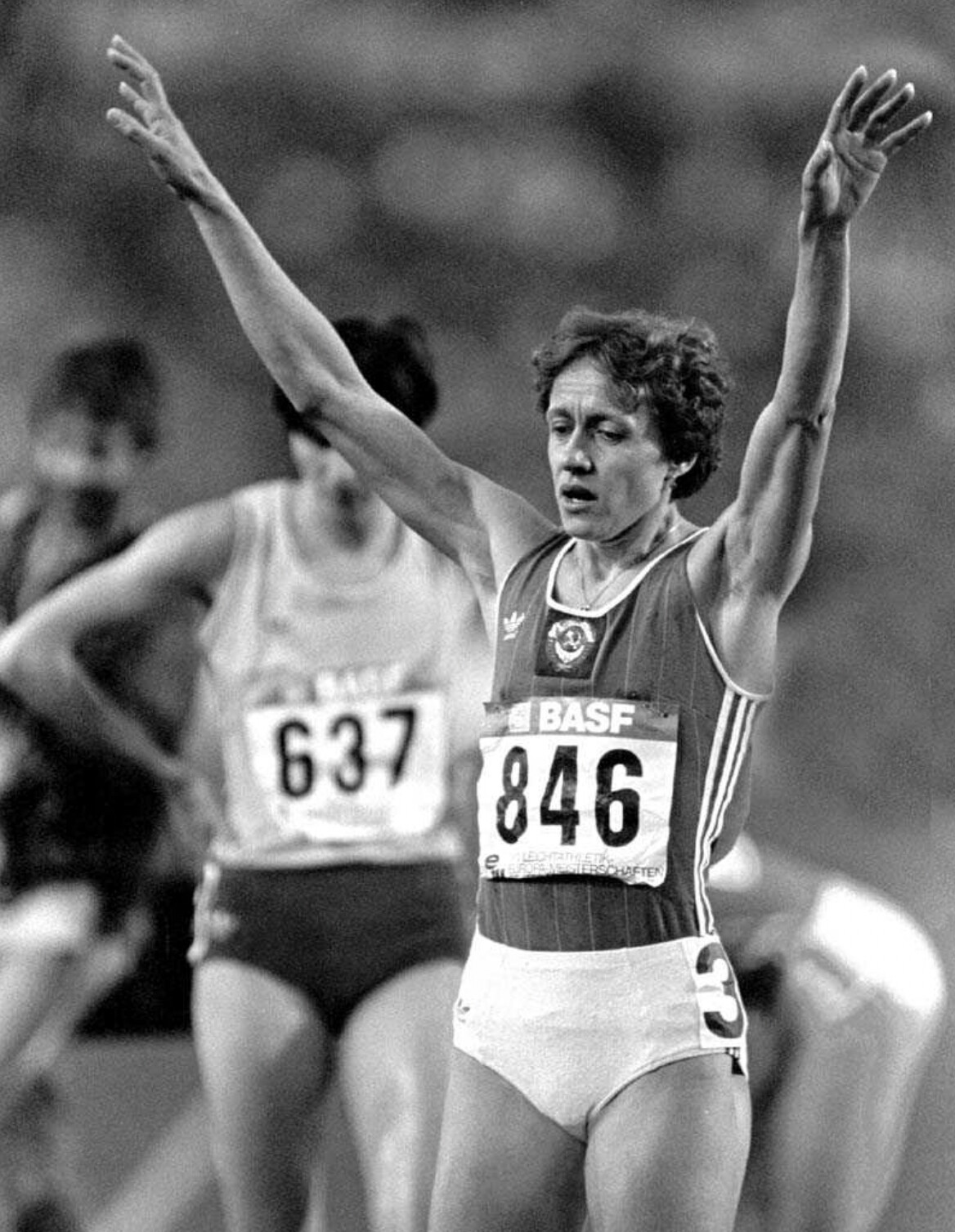
Kratochvílová’s performance came at a time when Eastern Bloc nations, including Czechoslovakia, were deep into state-sponsored sports programs. In that era, the line between elite preparation and banned enhancement was often blurred. Many athletes from that period, particularly from East Germany and the Soviet Union, have since admitted or been linked to systemic doping programs.
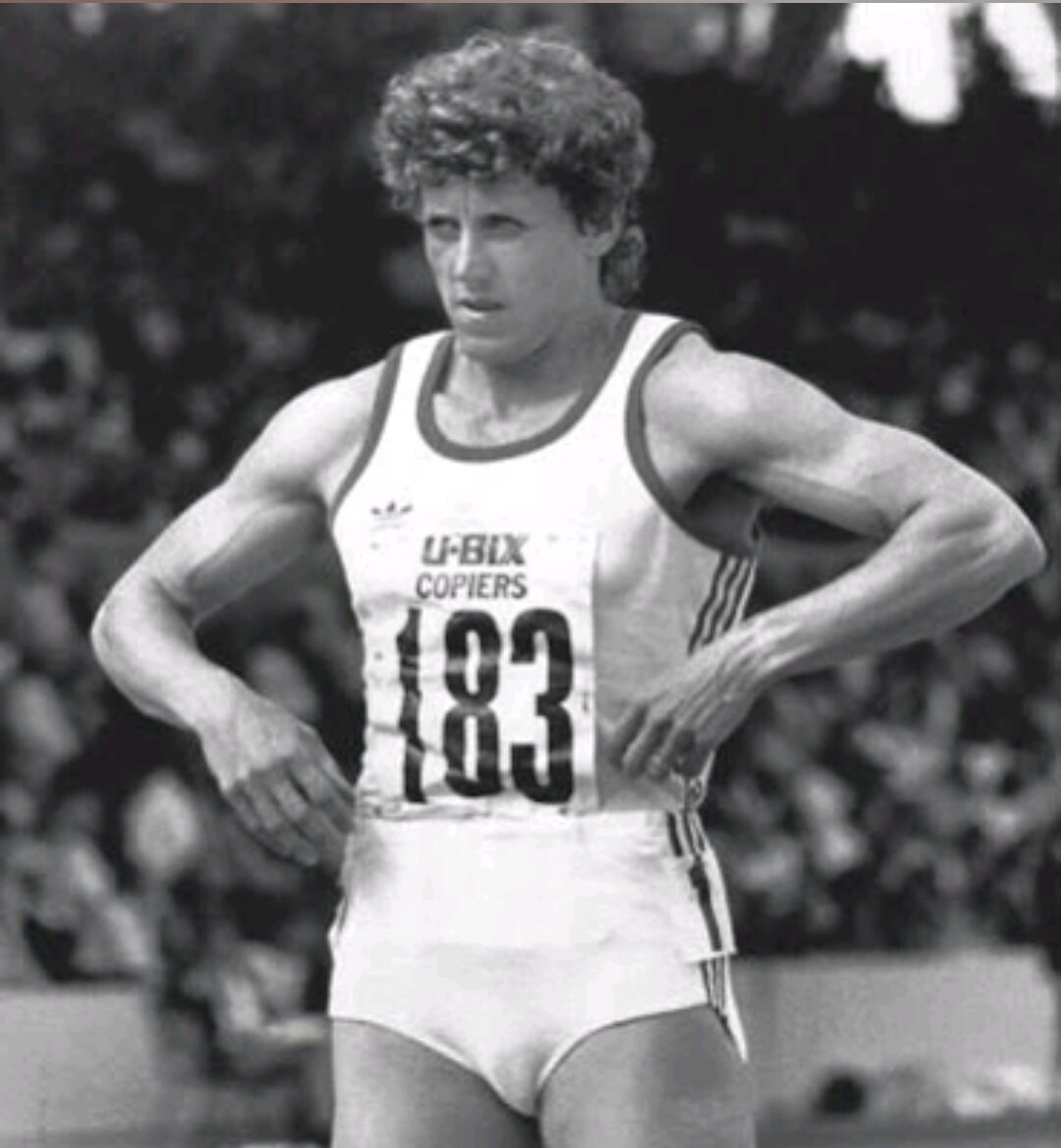
While there has been no formal proof that Kratochvílová used banned substances, the context raises suspicions. Her physical appearance — muscular, powerful, and more commonly compared to male counterparts than to female contemporaries — only added to the speculation. Combined with her unprecedented strength over both 400m and 800m distances, critics argue that the performance is not only unmatched, but possibly unnatural.
Why the Doubts Persist
• Performance Gap: Her time is still more than a second faster than most modern Olympic champions — a massive difference at the elite level.
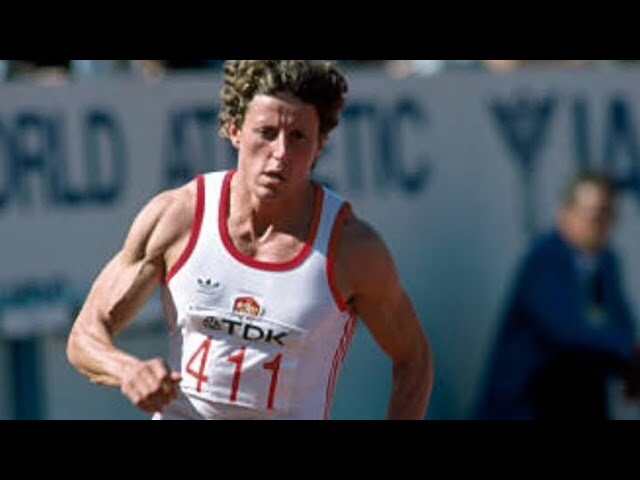
• Era of Doping: Kratochvílová competed during a time when drug testing was primitive and records were often set under questionable conditions.
• Physique & Speculation: Her highly muscular build and deep voice led some to question if she should have been eligible to compete in the women’s category — though gender testing at the time did not flag her.
• Lack of Longevity: After 1983, Kratochvílová’s presence at major championships waned. Some suggest this could point to the unsustainable nature of her peak performance.
Arguments for Letting It Stand
Supporters of the record, including Kratochvílová herself, insist that the performance was clean and the result of hard work and unconventional training. She famously avoided standard intervals and instead focused on long sessions in heavy shoes and rugged conditions. No positive test exists, and the record has survived decades of scrutiny by World Athletics.
Moreover, some point out that breaking a record doesn’t validate its legitimacy — it simply reflects the evolution of training, equipment, and talent pools. If no one has broken it yet, perhaps it’s just one of those rare, generational performances that transcends time.
Should It Be Removed?
There have been proposals — including from World Athletics — to reset all pre-2005 records due to the lack of out-of-competition drug testing during earlier decades. The suggestion faced pushback, especially from record holders who never failed a test.
But the debate continues. Some believe Kratochvílová’s 1:53.28 represents a performance that belongs to a different set of rules — and therefore shouldn’t be part of the same record book as today’s achievements. Others see it as an enduring symbol of what the human body (with or without help) once accomplished.
Final Thought
Whether you view Jarmila Kratochvílová’s 800m world record as a miraculous outlier or a relic of a flawed system, one thing is certain: it has become the ultimate benchmark. Until someone runs faster — cleanly and unquestionably — the debate will rage on. And with every passing year, this 1983 run becomes less of a record and more of a legend.
(07/06/2025) ⚡AMPby Boris Baron
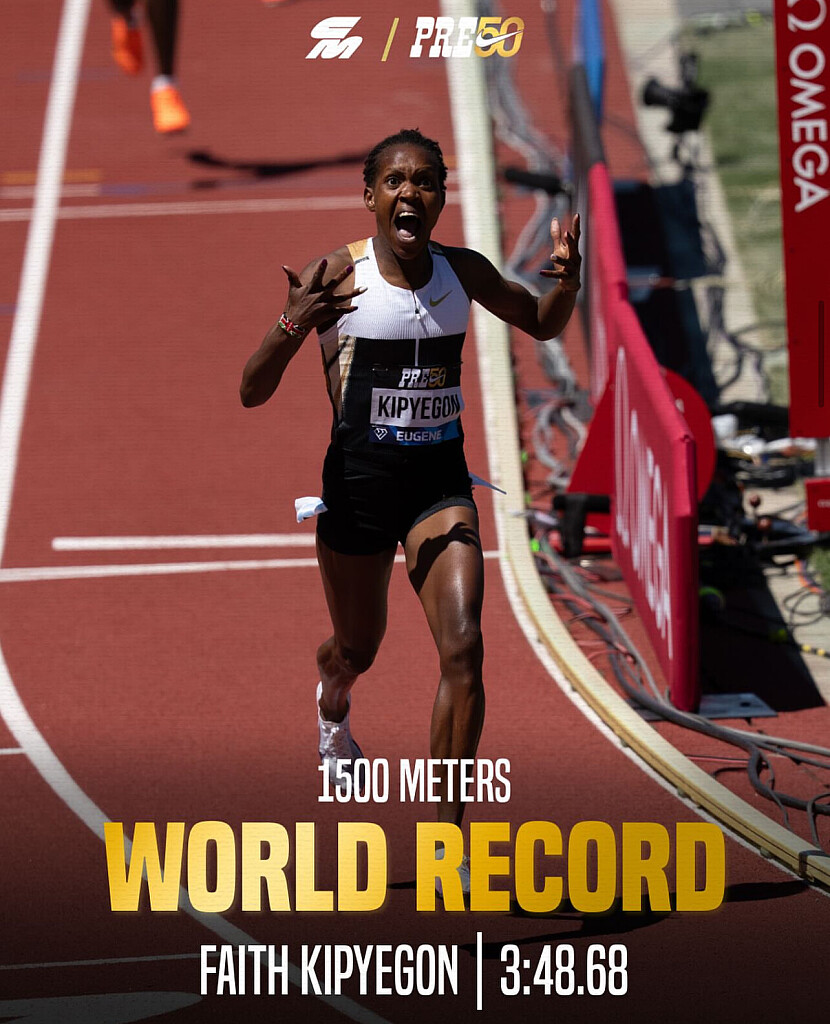
Faith Kipyegon Sets New 1500m World Record with 3:48.68 at 2025 Prefontaine Classic
Faith Kipyegon continues to redefine greatness in women’s middle-distance running. On July 5, 2025, at the Prefontaine Classic in Eugene, Oregon, the Kenyan superstar set a new world record in the 1500m, clocking 3:48.68 and breaking her own previous mark of 3:49.04 set just a year earlier.
The Hayward Field crowd witnessed another chapter in what is becoming one of the most dominant careers the sport has ever seen.
Sharpened Focus, Sharper Speed
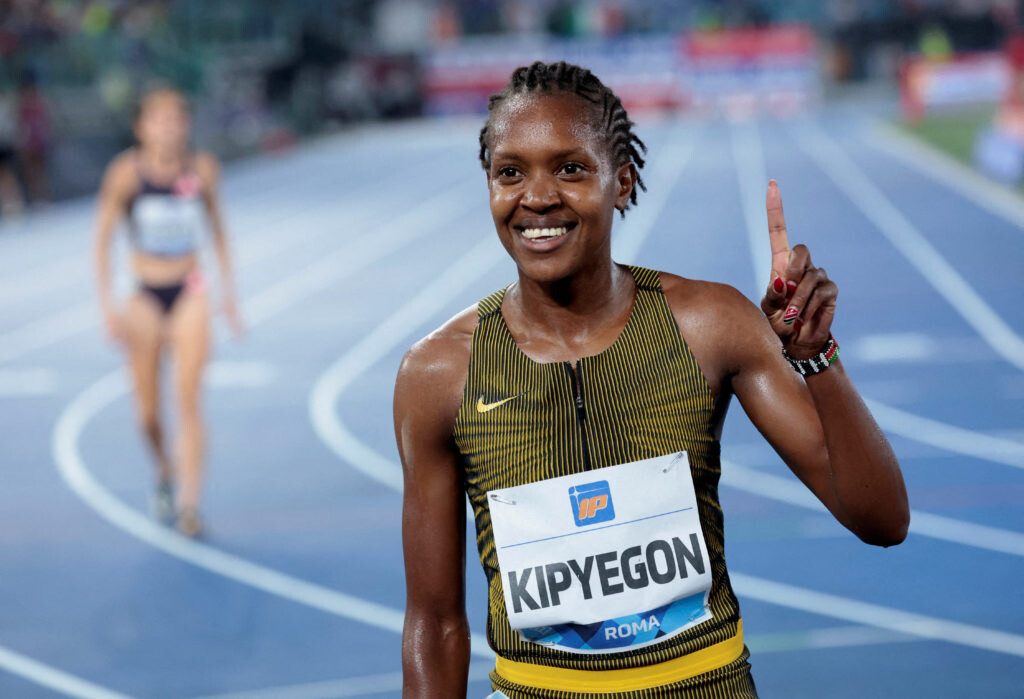
Kipyegon, already a two-time Olympic champion and multiple-time world champion, executed a flawless race. After a steady opening 800m behind the pacemaker, she began to pick up the tempo in lap three before unleashing her signature kick over the final 300 meters.
Her time of 3:48.68 now stands as the fastest women’s 1500m ever recorded — shaving more than three-tenths of a second off her previous world record from 2024.
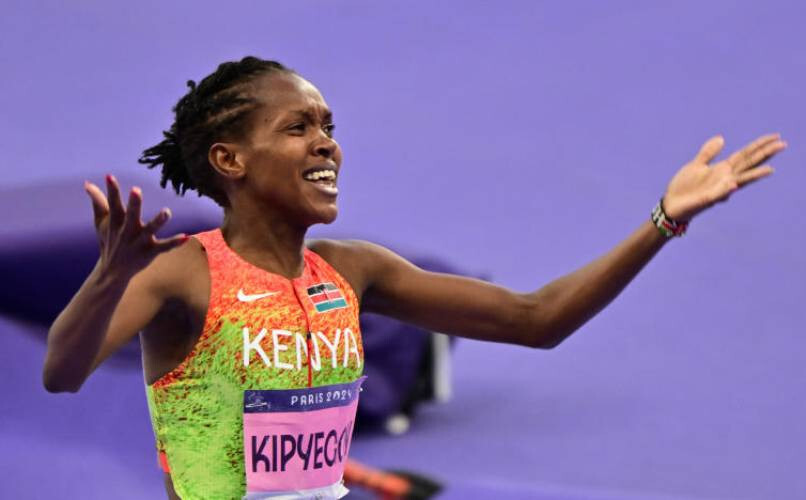
“I knew I was in shape to do something special,” said Kipyegon after the race. “Breaking the world record again, right here in front of this crowd, is a dream come true.”
One of the Greatest Careers in Track History
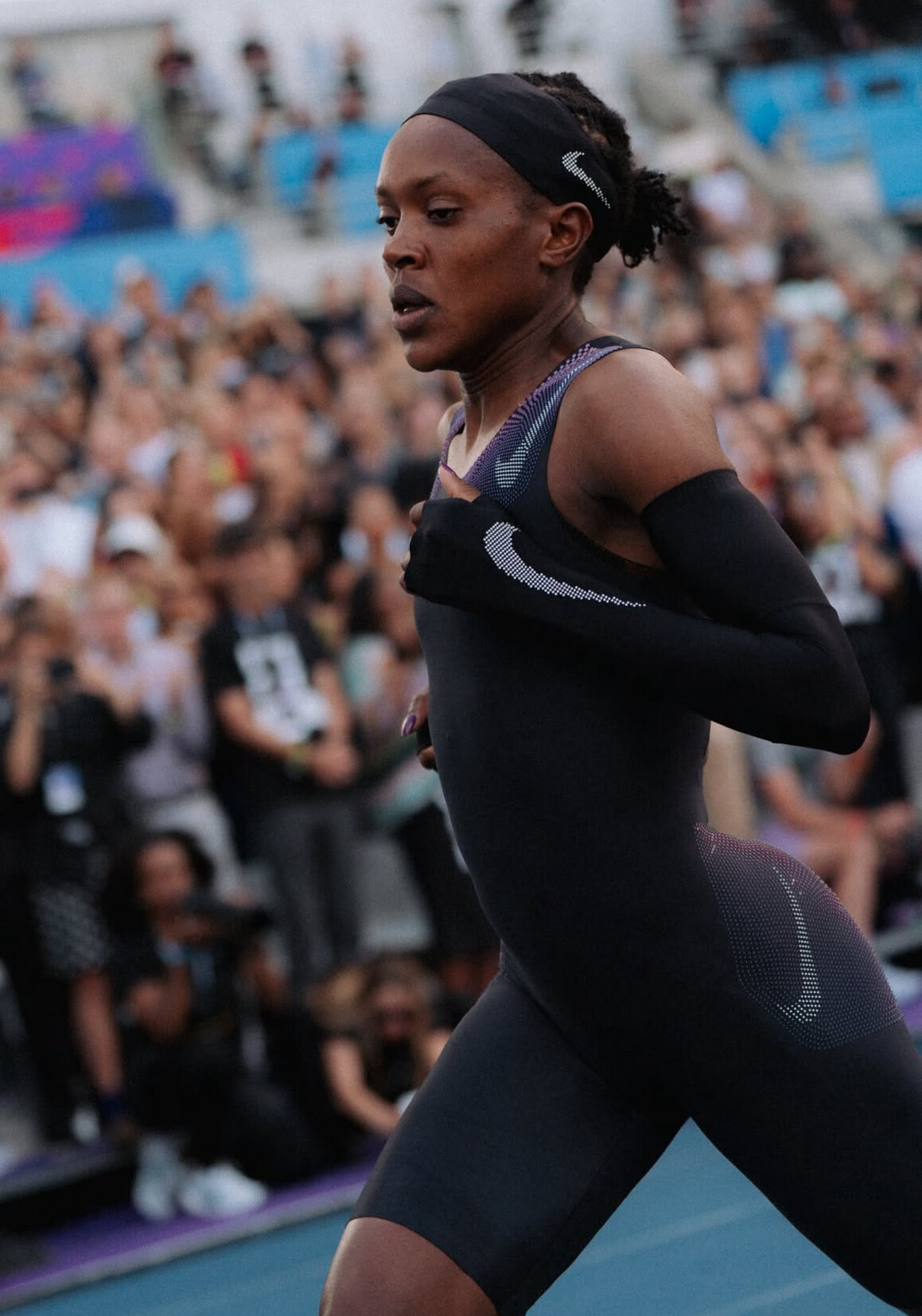
With this latest record, Kipyegon has now broken three world records in just over a year — the 1500m, mile, and 5000m — showcasing a range and consistency few have ever matched.
Her ability to dominate both the 1500m and 5000m places her in a category all her own. And after winning double gold in both events at the 2024 Paris Olympics, her legend continues to grow.
What’s coming up for Faith
With the 2026 World Championships in Tokyo looming, Kipyegon’s momentum couldn’t be stronger. She’s not just chasing titles — she’s rewriting the sport’s history.
As the only woman in history to run both sub-3:49 in the 1500m and sub-14 in the 5000m, Faith Kipyegon isn’t just winning races — she’s reshaping the limits of human performance.
(07/05/2025) ⚡AMPby Boris Baron

Prefontaine Classic
The Pre Classic, part of the Diamond League series of international meets featuring Olympic-level athletes, is scheduled to be held at the new Hayward Field in Eugene. The Prefontaine Classicis the longest-running outdoor invitational track & field meet in America and is part of the elite Wanda Diamond League of meets held worldwide annually. The Pre Classic’s results score has...
more...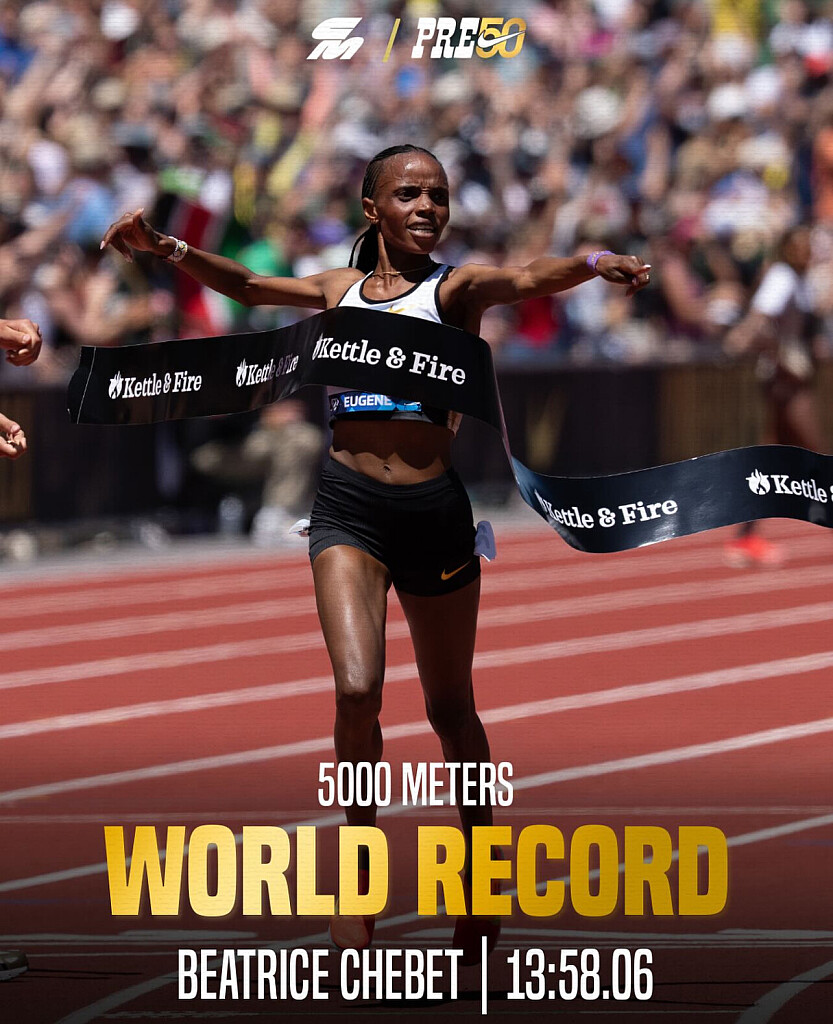
Beatrice Chebet Smashes Women’s 5000m World Record with Historic 13:58.06 at Prefontaine Classic
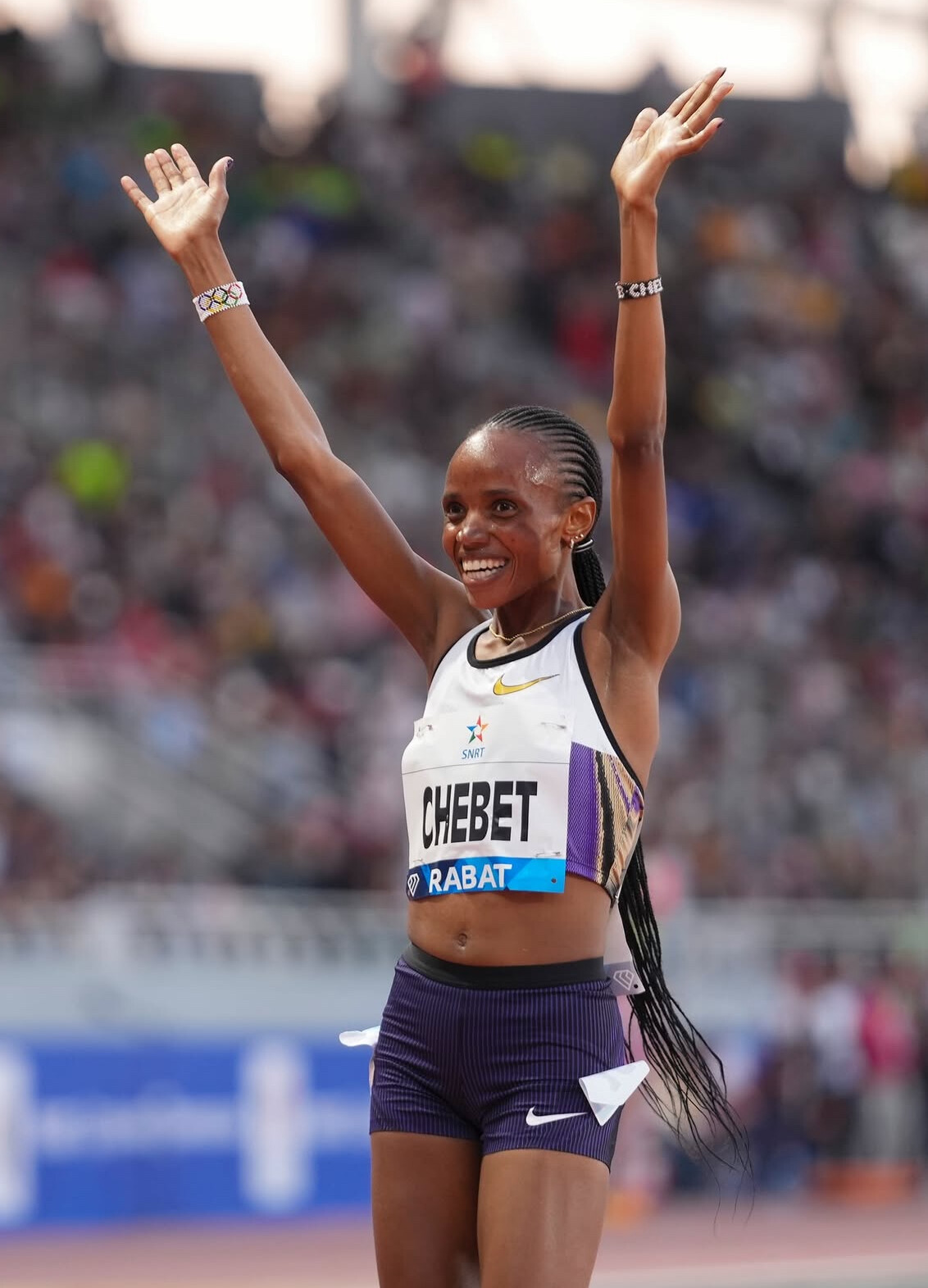
On a cool Saturday evening in Eugene, Oregon, Beatrice Chebet of Kenya made history — becoming the first woman ever to break the 14-minute barrier in the 5000m.
Chebet stormed to victory at the Prefontaine Classic on July 5, 2025, clocking an astonishing 13:58.06, obliterating the previous world record of 14:00.21 set by Ethiopia’s Letesenbet Gidey in 2020.
It was a performance that stunned the crowd at Hayward Field and sent shockwaves through the global athletics community.
Making History in Style
From the gun, the race was electric. Pushed by strong pacing and an elite field, Chebet stayed composed and patient, moving smoothly through the early kilometers. But as the laps ticked down, she surged to the front with her trademark closing speed and never looked back.
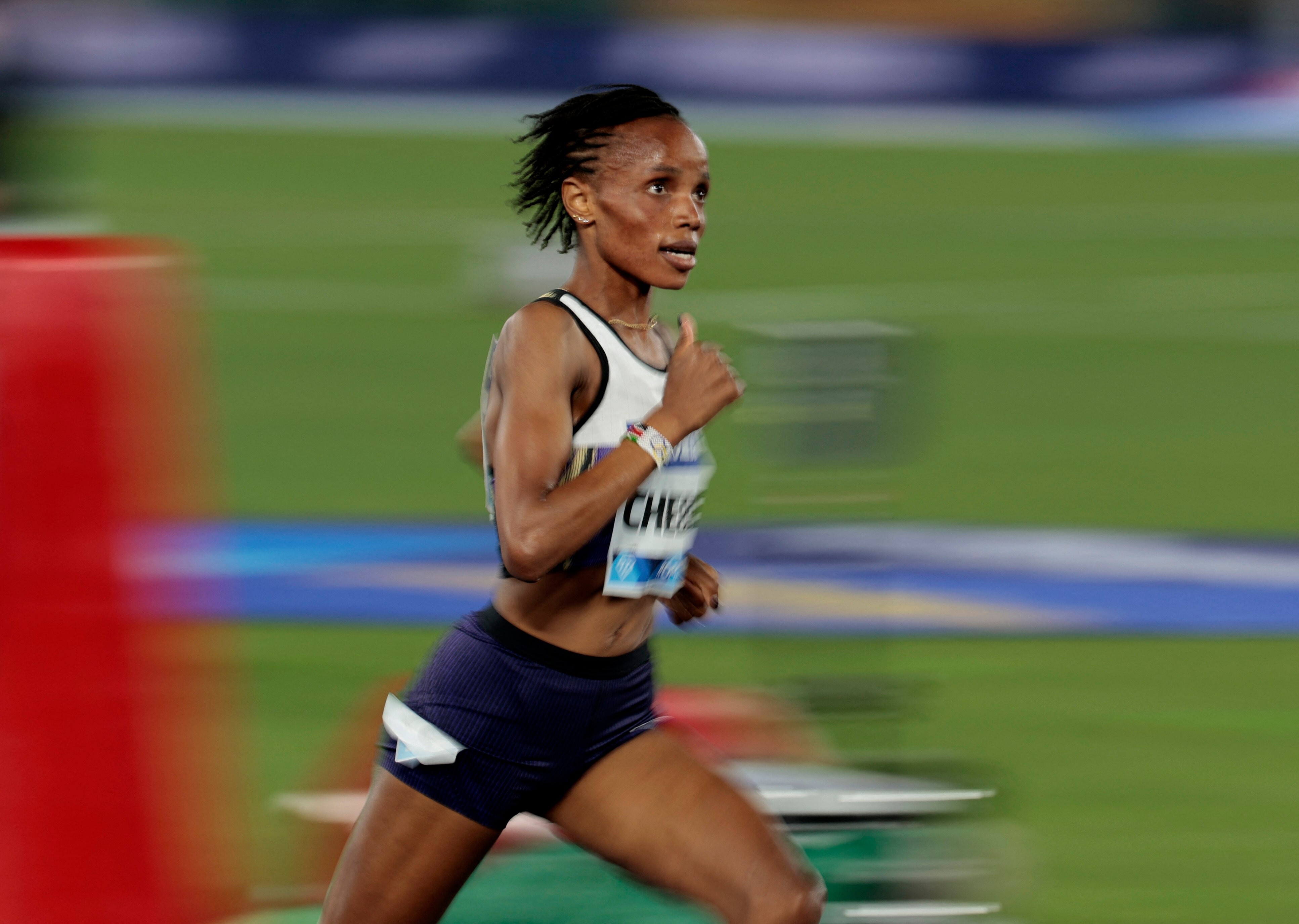
Her final time of 13:58.06 etched her name in the record books and established her as the new queen of the distance — a feat no woman in history had previously achieved.
“I knew the record was possible,” Chebet said after the race. “I trusted my training and my strength. This was for Kenya, for women, and for everyone who believes in breaking limits.”
A Star Ascending
At just 25, Beatrice Chebet has already had a career packed with accolades — World Cross Country champion, Diamond League winner, and now the fastest woman ever over 5000m.
With her Paris Olympic medal from last year and a World Championships season on the horizon, Chebet has shown that she is in the form of her life. Her historic run comes at a time when Kenyan distance running is enjoying a renaissance — especially among the women.
What’s Next for Beatrice
Chebet’s performance doesn’t just reset the record books — it redefines what’s possible in women’s distance running. The sub-14 club now exists, and she’s the founding member.
With competition heating up and eyes on the 2026 World Championships, Chebet has firmly taken the lead in the next chapter of women’s long-distance history.
(07/05/2025) ⚡AMPby Boris Baron
Prefontaine Classic
The Pre Classic, part of the Diamond League series of international meets featuring Olympic-level athletes, is scheduled to be held at the new Hayward Field in Eugene. The Prefontaine Classicis the longest-running outdoor invitational track & field meet in America and is part of the elite Wanda Diamond League of meets held worldwide annually. The Pre Classic’s results score has...
more...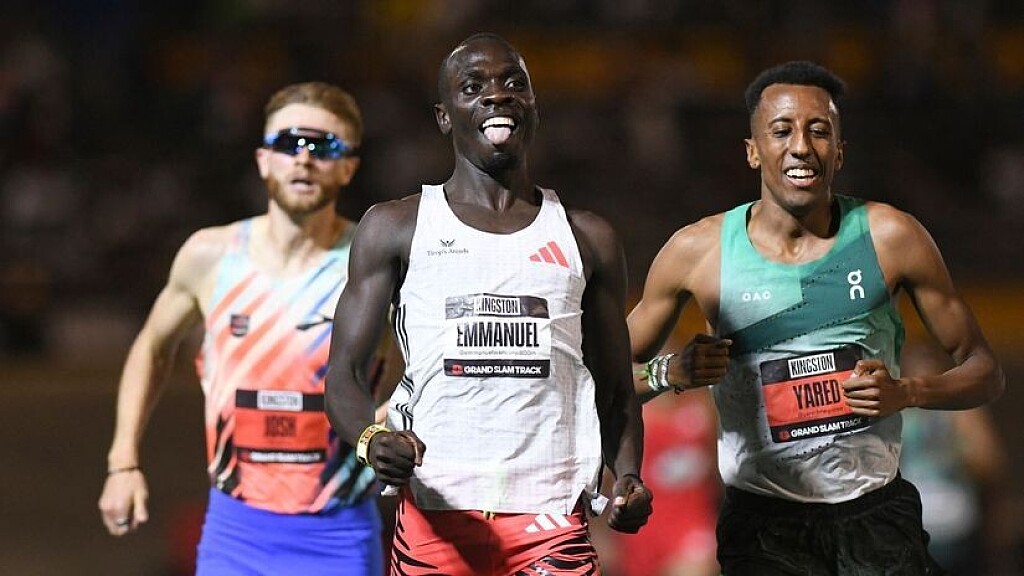
Grand Slam Track Series Faces Scrutiny Over Delayed Athlete Payments
The inaugural Grand Slam Track (GST) series launched with high hopes and bold promises—top-tier venues, world-class athletes, and massive prize money. But just months after its first leg in Kingston, Jamaica, the glitter is beginning to tarnish as frustration mounts over unpaid prize money and appearance fees.
From Olympic gold medallists to world record holders, dozens of elite athletes are still waiting to be compensated for their performances. Middle-distance star Emmanuel Wanyonyi is owed $100,000 (approximately Ksh12.9 million) after topping the men’s short-distance leaderboard. American sprint sensation Gabby Thomas and 400m hurdles world record holder Sydney McLaughlin-Levrone are among others reportedly awaiting their payouts.
The issue extends beyond prize money. Appearance fees—typically paid prior to or shortly after competition—have also not been delivered. In contrast, athletes competing on the Diamond League circuit often receive payments within two to three weeks. The GST delay now stretches months, leaving agents, athletes, and federations scrambling for answers.
Organizers claim the delay is due to “economic challenges,” the same reason cited by GST founder Michael Johnson when he abruptly canceled the final series meet scheduled for Los Angeles. That announcement, made during an emergency Zoom call with athletes, raised immediate red flags about the financial health of the operation.

GST executive Kyle Merber recently attempted to ease concerns by emailing athlete representatives with a tentative payment plan. According to the message, prize money from Kingston will be paid by the end of July, with all other outstanding payments—including those for the canceled Los Angeles leg—expected by the end of September.
But skepticism remains. “It is still a bit vague,” one top agent told The Times. “If they have the money, why can’t they pay it now? For some of these athletes, we are talking hundreds of thousands of dollars.”
Reports of internal staff layoffs at GST have only added to the uncertainty.
Athlete managers and associations are now getting involved, demanding transparency and accountability. The Association of Athletics Managers recently held a meeting with Johnson to seek clarification, but sources say no firm dates or guarantees were given.
As the dust settles from what was supposed to be a revolutionary series for the sport, key questions remain unanswered:
• How much money was actually collected by GST?
• Have any athletes received their payments in full?
• What safeguards will be put in place to protect athletes moving forward?
"Big promises but I don't think GST set out to scam anyone," says Bob Anderson, " but those of us that have been around athletics for decades know that track and field is a hard sell. I hope the athletes involved will be paid but they should not count on it."
With millions promised and reputations on the line, the success—or collapse—of GST could set a precedent for future independent track series. For now, the running world waits.
(07/05/2025) ⚡AMPby Boris Baron
Fireworks on the Roads: Kiprop and Obiri Win 2025 AJC Peachtree 10K
ATLANTA, Georgia – July 4, 2025
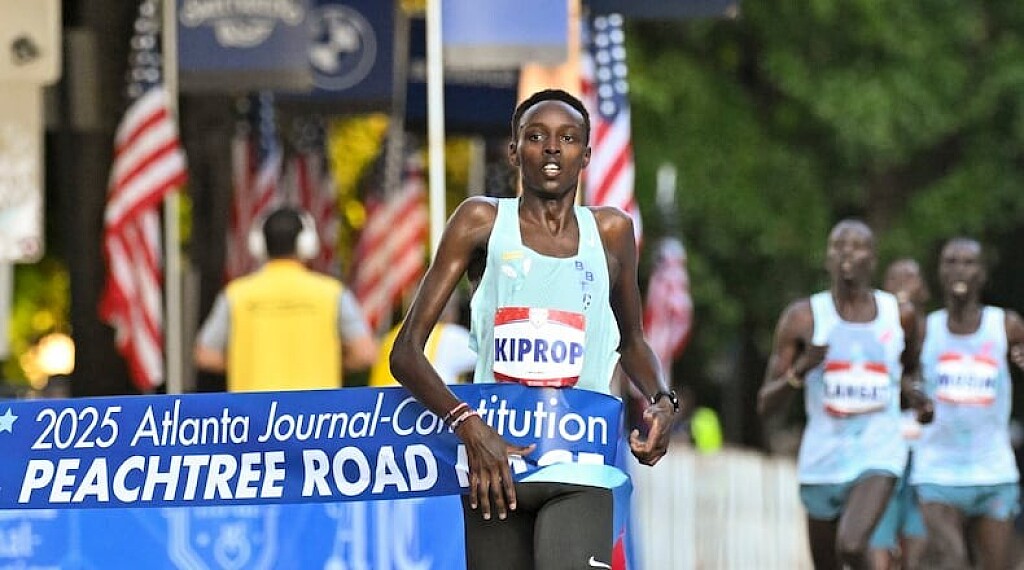
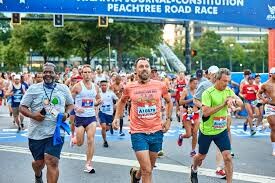
The world’s largest 10K race, the AJC Peachtree Road Race, once again delivered thrilling fireworks on the Fourth of July. With tens of thousands of runners crowding Atlanta’s iconic Peachtree Street and elite athletes going head-to-head for glory, the 55th edition of the race lived up to the hype—and then some.
Men’s Race: Kiprop Leads Kenyan Sweep
In a battle that came down to seconds, Patrick Kiprop of Kenya surged ahead to claim the men’s title in 27:35, holding off a tightly packed group of countrymen. Just four seconds separated the top four finishers.
Top 5 Men’s Results
1. Patrick Kiprop (KEN) – 27:35
2. Vincent Langat (KEN) – 27:39
3. Patrick Mosin (KEN) – 27:39
4. Hillary Kipkoech (KEN) – 27:39
5. Isaia Lasoi (KEN) – 27:43
The men’s race was electric from the start, with the lead pack pushing the pace through the rolling hills of Atlanta. Kiprop’s victory continues Kenya’s dominance on the global road racing circuit and solidifies him as one to watch this season.
Women’s Race: Obiri Adds Peachtree to Her Legacy
Olympian and World Champion Hellen Obiri added another major victory to her résumé, winning the women’s elite race in 31:29. She held off a strong Ethiopian challenge led by Senayet Getachew, who finished just one second behind.
Top 5 Women’s Results
1. Hellen Obiri (KEN) – 31:29
2. Senayet Getachew (ETH) – 31:30
3. Gela Hambese Degefa (ETH) – 31:38
4. Gladys Chepkurui (KEN) – 31:48
5. Melknat Wudu (ETH) – 32:12
Obiri’s win confirms her versatility and consistency across track, cross country, and road racing. Her ability to outkick some of the world’s fastest women under warm and humid conditions impressed fans and commentators alike.
More Than a Race – A Celebration of Running
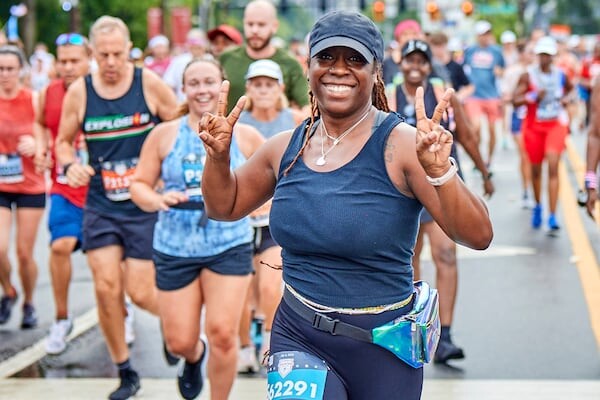
From the elite fields to everyday runners, the Peachtree 10K continues to inspire. With over 60,000 participants and countless spectators lining the 6.2-mile route, it remains the heart and soul of American road racing on Independence Day.
The event also upheld its famous tradition of rewarding the top 1,000 finishers with the coveted Peachtree finisher’s mug—a collector’s item for many. Organizers made smart adjustments to combat the early July heat, including starting the race 10 minutes earlier than usual.
A Dream Race for Many
My Best Runs founder Bob Anderson reflected, “Today's race reminds me why Peachtree is one of the most iconic 10Ks in the world. I’m starting to feel the desire to race it myself one day. Congratulations to all. Happy Fourth!”
Peachtree by the Numbers
• Founded: 1970
• Distance: 10K (6.2 miles)
• Location: Peachtree Street, Atlanta, Georgia
• Participants: ~60,000 runners annually
• Organized by: Atlanta Track Club
From world-class racing to heartfelt celebrations, the 2025 AJC Peachtree 10K showed once again why it’s a must-run event for runners across the globe.
(07/04/2025) ⚡AMPby Boris Baron

AJC Peachtree Road Race
The AJC Peachtree Road Race, organized by the Atlanta Track Club, is the largest 10K in the world. In its 48th running, the AJC Peachtree Road Race has become a Fourth of July tradition for thousands of people throughout the metro Atlanta area and beyond. Come kick off your Fourth of July festivities with us! If you did not get...
more...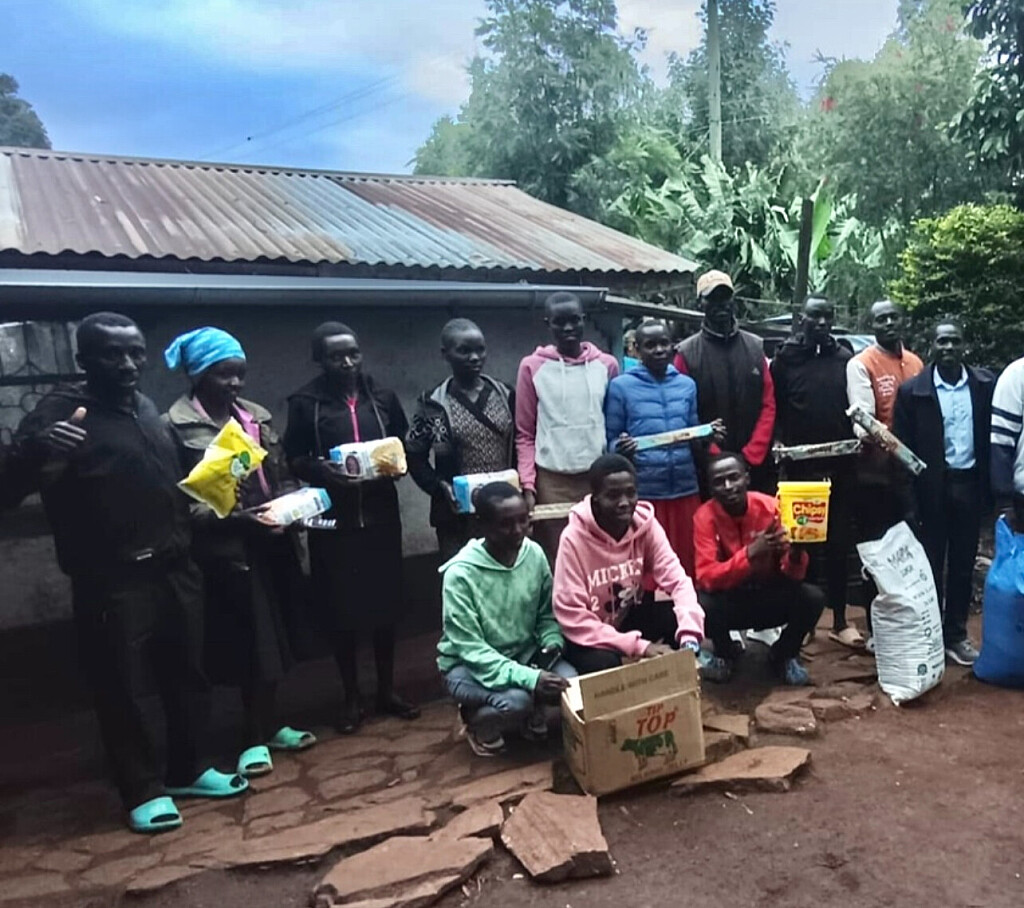
From Dirt Roads to Global Dreams: Inside Kenya’s Fastest-Growing Running Movement
In the heart of Kenya’s Rift Valley and beyond, a quiet revolution in athletics is underway. What began as a modest idea has grown into a dynamic movement that now spans 19 KATA Running Camps and Potato Farms across Kenya—plus two international retreats, including one at the historic Anderson Manor in Monforte da Beira, Portugal.
And it’s happening fast.
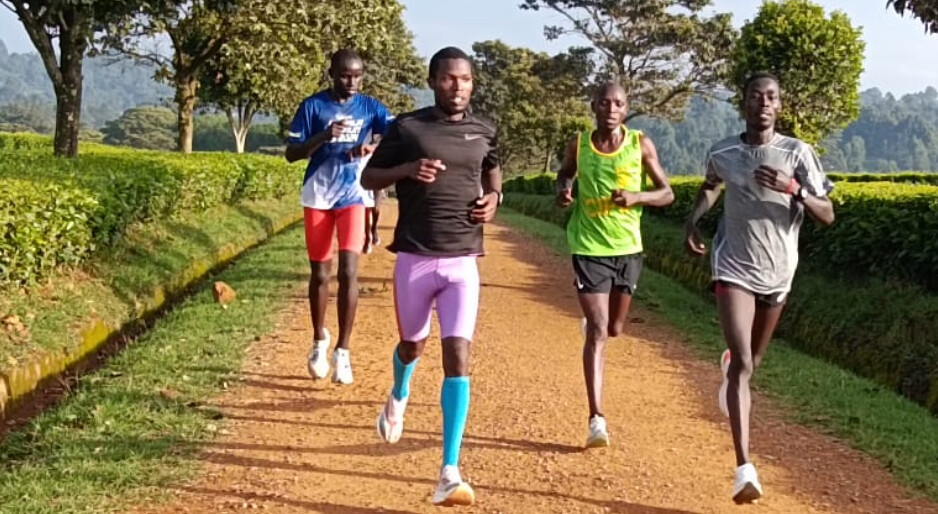
“We never planned to expand this quickly,” says Bob Anderson, founder of KATA and a lifelong advocate for long-distance running. “But the momentum of this movement just couldn’t be slowed down. We’ll be confirming one more camp shortly, and additional locations will follow in early 2026.”

KATA—short for Kenyan Athletics Training Academy—is unlike anything else in the world of distance running. It blends elite training with economic empowerment, giving young athletes not only the tools to run fast, but also a system that sustains them—and their communities—beyond the track.
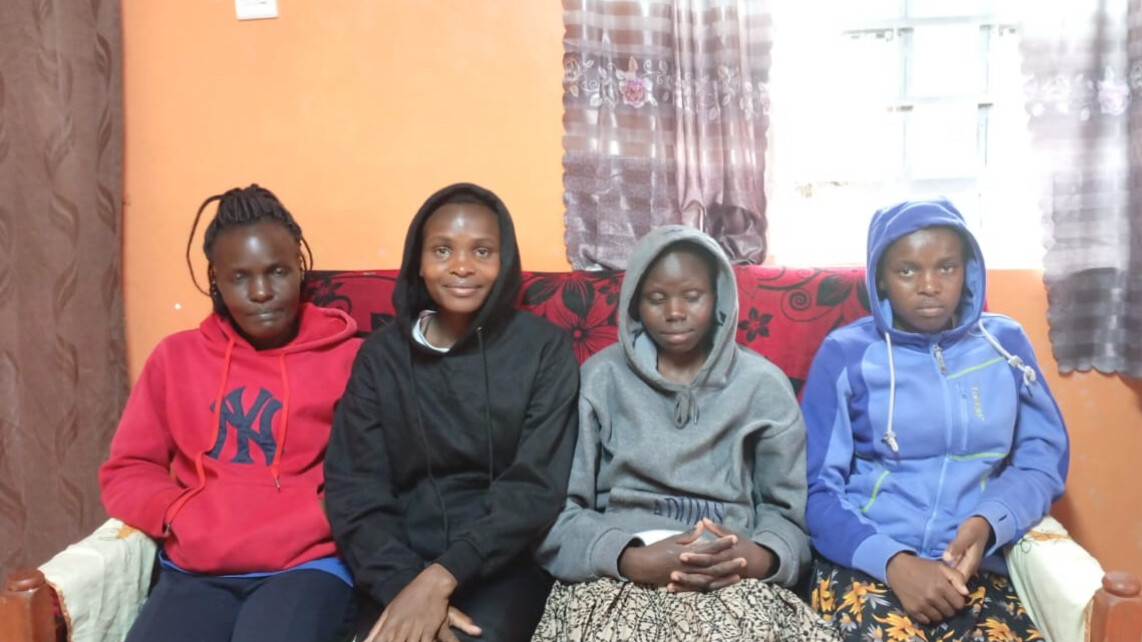
“This is not just sports development,” says Brigid Chebet, a Kenyan journalist who has closely followed the program. “It’s a model of rural transformation through athletics. And Kenya may finally have found a winning formula for generations to come.”
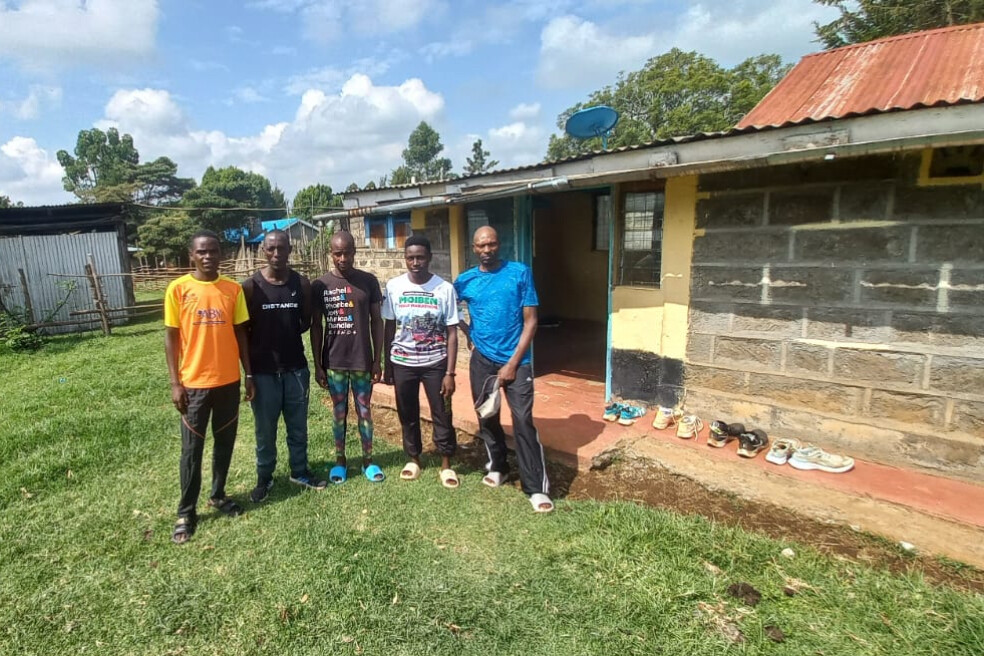
From a Vision to a Movement
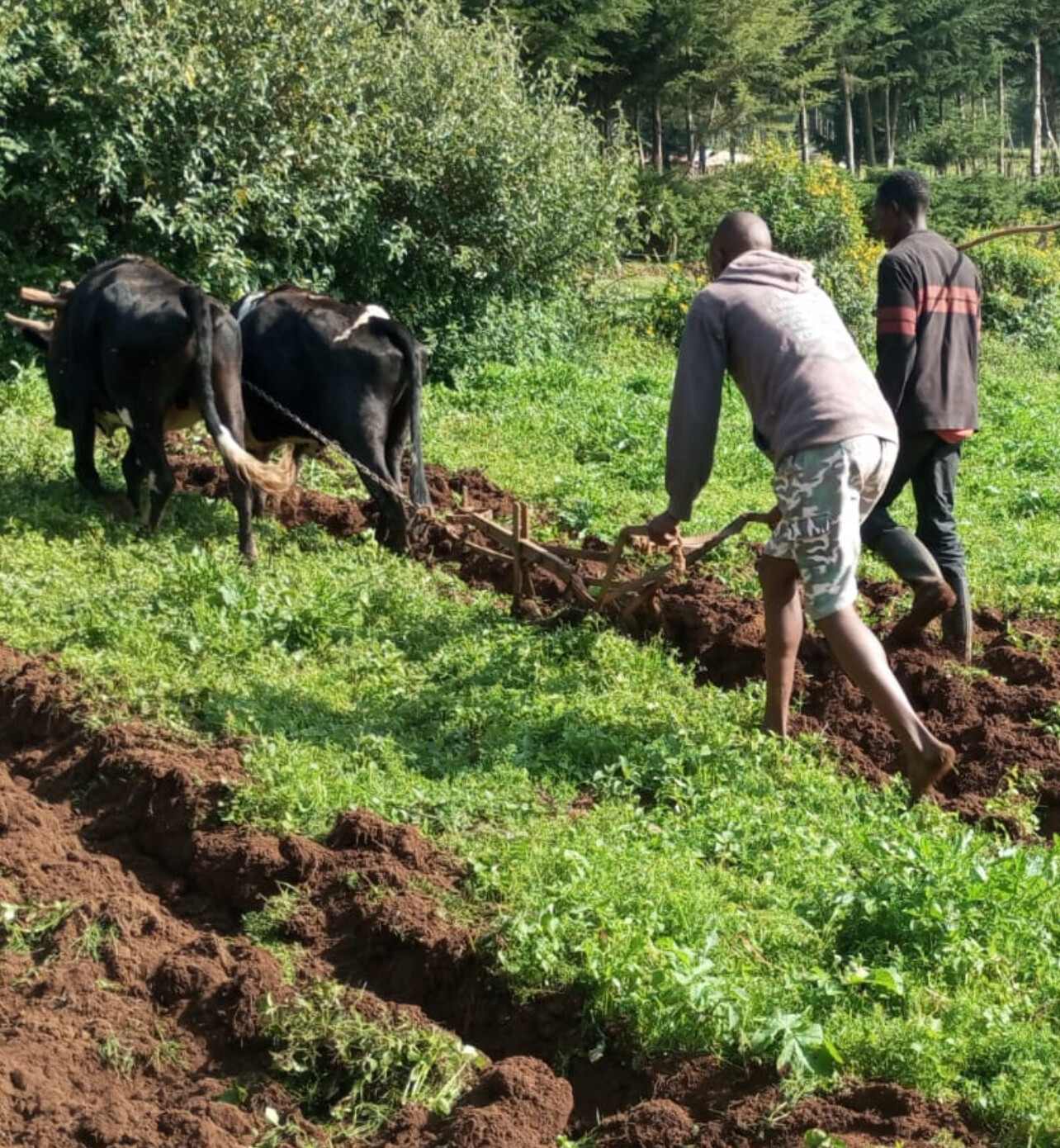
KATA was founded by Bob Anderson, an accomplished American runner who created Runner’s World magazine and later My Best Runs. After visiting Kenya in 2014, he was deeply inspired by the raw talent scattered throughout rural communities—athletes with potential but no pathway.
“He saw a path that few others in athletic management had envisioned—a system that not only trains champions but empowers them economically,” writes Chebet.
That system became KATA: a network of running camps, each paired with a three-acre potato farm. Each camp receives an interest-free loan from KATA to establish operations. In exchange, athletes train full-time and contribute 25 hours a week to the farm. Revenue from the potato harvest supports camp expenses, housing, and meals—creating a self-sustaining ecosystem.
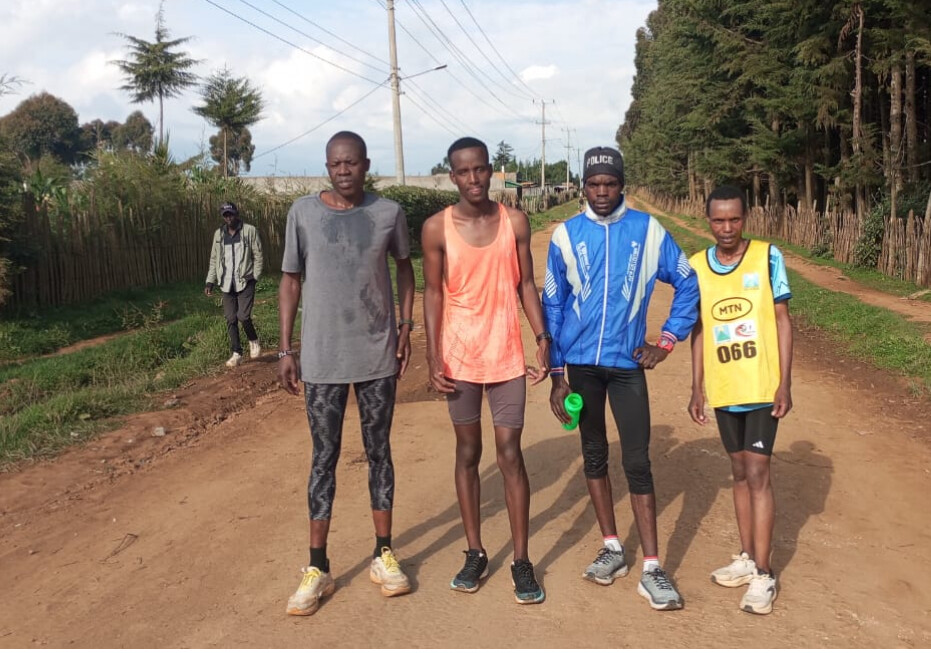
A Growing National Network
The first KATA retreat opened in Thika in 2019. Today, the initiative includes 19 camps spread across Kenya, each run by an experienced operator—many of them former elite athletes.
|
Location |
Operator |
|
Kapcherop |
Philemon Kipruto |
|
Molo |
Eric Chepkwony |
|
Kurengat |
Sammy Dismas |
|
Nyandarua |
Peter Njoroge |
|
Kericho |
|
|
Sotik |
|
|
Sachangwan |
Amos Chirchir |
|
Iten |
David Kellum |
|
Tenden |
Philemon Kipruto |
|
Eldoret |
Ruth Chumo |
|
Njerian Bomet |
Paul Kipsiele Koech |
|
Olenguruone |
Charles Ngeno |
|
Kapkembu |
Kipyegon Nehemiah |
|
Gasharrarge |
Job Langat |
|
Kaptagat |
Joseph Ngure |
|
Kiambu |
Julius Gacheru Migwi |
|
Kangundo |
Jimmy Muindi |
|
Moiben |
Hillary Kiplagat |
|
Kiptoror |
Caleb Rut |
In addition to these camps, two retreats serve as international training hubs: the KATA Running Retreat Thika, operated by Chris Muiruri, and the KATA Running Retreat Portugal, operated by Alberto Santos. Guests from around the world come to the two KATA retreats to train the Kenyan Way.
Elite Experience, Grassroots Impact
At the heart of KATA’s success is its leadership team. Olympic medalist Edwin Soi, now managing the Kuresoi Camp, brings both credibility and experience. Legendary steeplechaser Paul Kipsiele Koech, who has run under 8:10 in the 3000m steeplechase over 110 times, oversees two KATA camps/farms.
Veteran coach Charles Ngeno, known for his early work with Olympic champion Faith Kipyegon, now heads the Olenguruone camp, ensuring that young athletes from even the most remote villages receive structured training and economic opportunity.
“The new vision embraces sustainability, resilience, and empowerment,” writes Chebet. “It ensures that our athletes thrive both on and off the field.”
Looking Ahead
Anderson and the KATA team have ambitious plans: confirming one more camp this month and preparing for even more in 2026. The goal is clear—build up to 50 self-sustaining running camps across Kenya and replicate the model in other parts of the world.
“We’re not just chasing medals,” says Anderson. “We’re building lives.”

For partnership opportunities or more information, contact Bob Anderson on WhatsApp: +1-650-400-6643
(07/03/2025) ⚡AMPby Brigid Chebet with Boris Baron

Quincy Wilson Turns Down Team USA Call—and His Reason Says Everything
At just 17, Quincy Wilson had the opportunity of a lifetime: a chance to represent Team USA at the World Athletics Indoor Championships in Nanjing. He could have stood shoulder to shoulder with Olympians, tested himself against the world’s best, and made his international debut on one of track and field’s biggest stages.
But Wilson said no.
Instead of flying to China, the high school junior stayed home in Maryland—and focused on his homework.
Yes, you read that right. The teenager who stunned crowds with a jaw-dropping 43.99 anchor leg at the Penn Relays—one of the fastest relay splits ever recorded in high school—chose to prioritize his studies. “School comes first,” Wilson posted on Instagram. And just like that, the rising sprint star reminded everyone that discipline isn’t just about medals. Sometimes, it’s about knowing when not to chase one.
What Has He Done Since?
Plenty. Wilson didn’t fade after passing on the global spotlight—he’s continued to rise, one breakthrough at a time:
• Set the high school track world on fire with a 43.99 anchor at the 2024 Penn Relays, helping Bullis School (MD) break national records.

• Became the youngest athlete in history to win the All-Met Athlete of the Year four years in a row.
• Ran 45.76 indoors and 44.20 outdoors, setting U18 world bests and defeating professional-level athletes in senior-level finals.

• Earned Olympic gold in the men’s 4x400m relay in Paris 2024—competing in the heats, becoming the youngest male U.S. track athlete to medal at the Games.
• Maintained academic excellence while continuing to dominate both indoor and outdoor circuits, staying true to his commitment to graduate with his class at Bullis in 2026.
Why This Story Matters
Quincy Wilson’s decision to delay international glory for academics wasn’t just impressive—it was instructive. In an age when young athletes are often rushed into the limelight, Wilson’s path is a reminder that long-term greatness is built with patience, intention, and maturity.
• He didn’t chase headlines—he earned them.
• He didn’t sacrifice school for sport—he’s mastering both.
• He’s not rushing to be great—he’s building it brick by brick.
A Lesson for Every Runner
Whether you’re chasing a PR, a national title, or just personal progress, Wilson’s journey offers a powerful takeaway:
• Run your own race. Don’t let hype or pressure pull you off course.
• Respect the process. Like training, growth takes time—and consistency.
• Play the long game. True success is sustainable, not rushed.
Wilson has already achieved what most runners only dream of. But more importantly, he’s doing it his way—with humility, focus, and incredible perspective.
As the world buzzes about what he could’ve done on that global indoor stage, Quincy Wilson is still just getting started.
And he’s doing it on his terms.
(07/02/2025) ⚡AMPby Boris Baron
Unlocking Speed: How to Train Smarter, Not Just Harder
Every runner dreams of getting faster. Whether you’re chasing a new 5K PR, gunning for a sub-40 10K, or eyeing a breakthrough marathon time, there’s nothing quite like shaving seconds—or even minutes—off your personal best. But here’s the truth: speed isn’t just about grinding harder. It’s about training smarter.
Build the Foundation First
Speed starts with your aerobic base. You can’t build a skyscraper on shaky ground. Many runners make the mistake of jumping into intervals before their base is solid, only to plateau or burn out. If your weekly mileage is inconsistent or too low, speedwork won’t deliver the gains you’re chasing.
The solution? Commit to regular easy runs and gradually increase your weekly volume. Keep most of your mileage at a conversational pace. This aerobic engine is what powers every fast finish later on.
Add Intentional Intensity
Once your base is strong, it’s time to add focused intensity. Intervals, tempo runs, progression runs, and hill sprints teach your body how to run fast and hold pace under fatigue. But more is not always better. Overdoing hard sessions leads to injury or stagnation.
Limit yourself to 1–2 quality workouts per week. Your goal is adaptation—not exhaustion. Be consistent, not heroic.
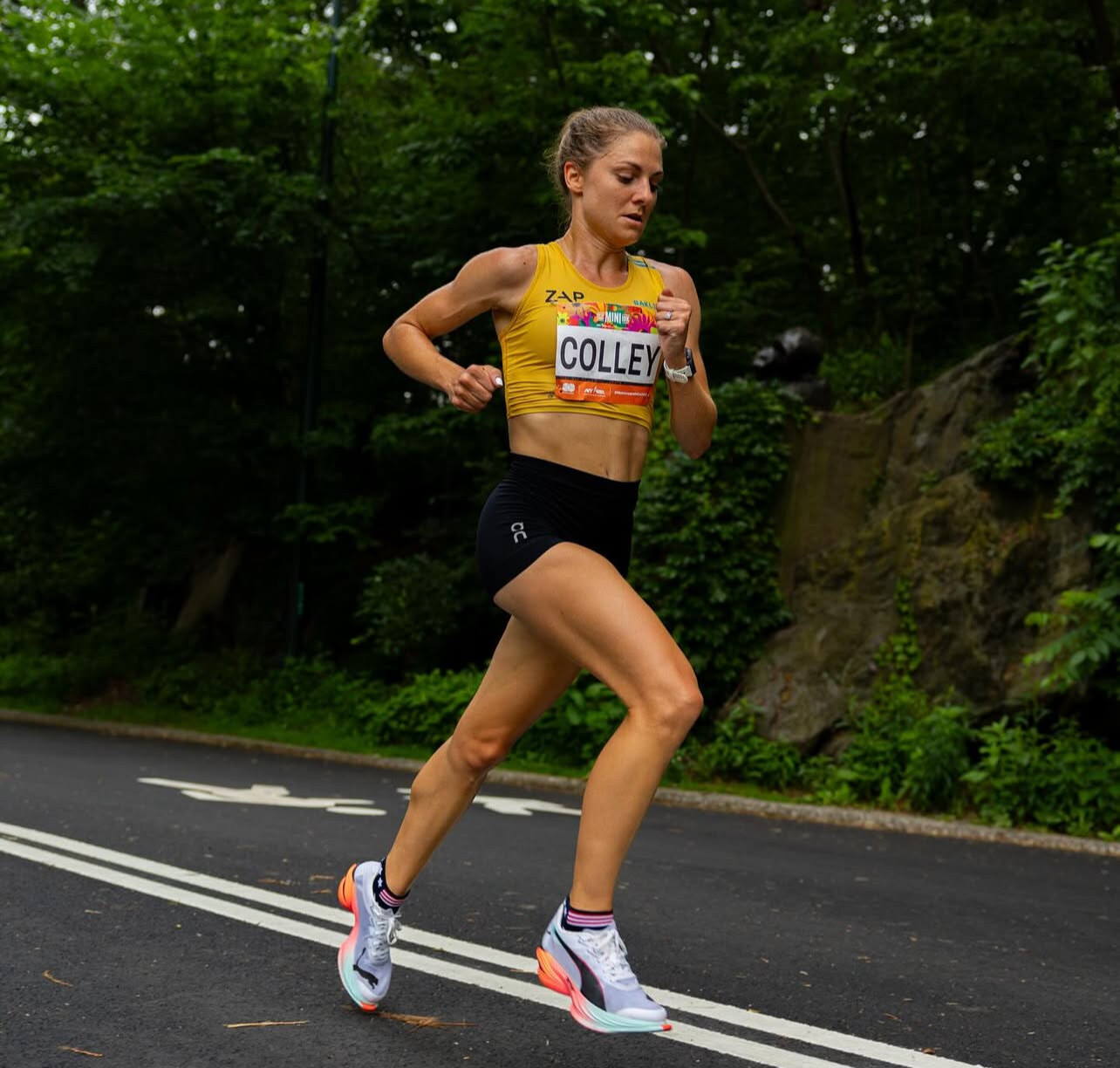
Train Your Running Economy
Running fast isn’t just about cardiovascular fitness. It’s also about efficiency—how well you translate effort into forward motion. That’s where strides, form drills, and strength training come in. Just two sessions of resistance training per week can improve muscle balance and coordination.
Want bonus gains? Add plyometrics (like skipping or bounding) to enhance your ground contact power and neuromuscular sharpness. The smoother and more economical your stride, the faster your splits—without extra effort.
Mindset: The Final Gear
Speed begins in the mind. Confidence, mental toughness, and consistency often outlast raw talent. It’s not enough to hope you’ll run faster—you have to believe it. That belief is built in the quiet moments: when you finish the workout you almost skipped, when you log another steady week, when you visualize your goal on race day.
Fast runners aren’t born—they’re made. Piece by piece. Mile by mile.
So next time you lace up, remember: getting faster isn’t about magic workouts or chasing the pain. It’s about smart, intentional, consistent training. And it’s within your reach.
Speed is earned. Now go earn yours.
(07/02/2025) ⚡AMPby Boris Baron
Billy Mills Turns 87 — A Running Legend Reflects on a Life of Purpose and Legacy
With wife Patricia by his side, the Olympic icon continues to inspire generations
On June 30, 2025, the legendary Billy Mills celebrated his 87th birthday, marking another chapter in a life defined by resilience, achievement, and unwavering purpose. His wife Patricia Mills, who has been his rock and closest partner for decades, shared a heartfelt message on social media:
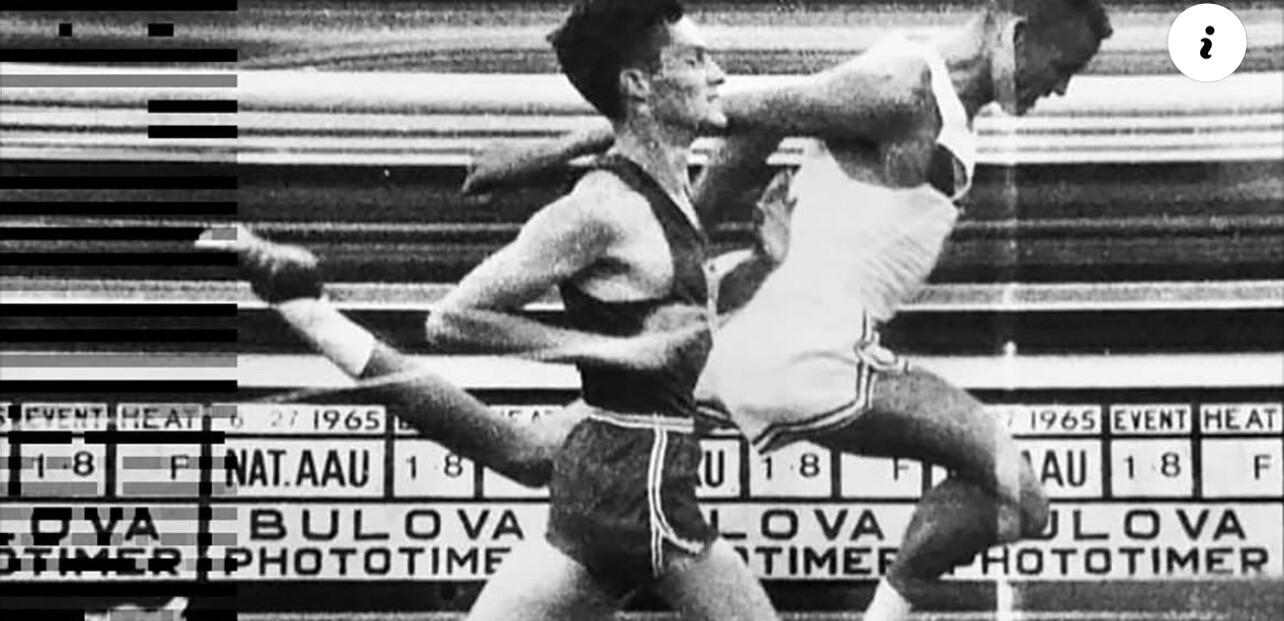
“Happy Birthday to Billy! What a journey he has had! 87 years! Thank you all for his birthday wishes.”
For the running world, Billy Mills remains one of the most powerful figures in the sport’s history. His astonishing gold medal victory in the 10,000 meters at the 1964 Tokyo Olympics is still considered one of the greatest upsets in Olympic track history. Mills, a member of the Oglala Lakota Nation, was a virtually unknown underdog when he surged past world record holders in the final stretch to win in 28:24.4—setting an Olympic record and becoming the only American man ever to win Olympic gold in the 10,000 meters.
But Mills’ legacy extends far beyond the track.
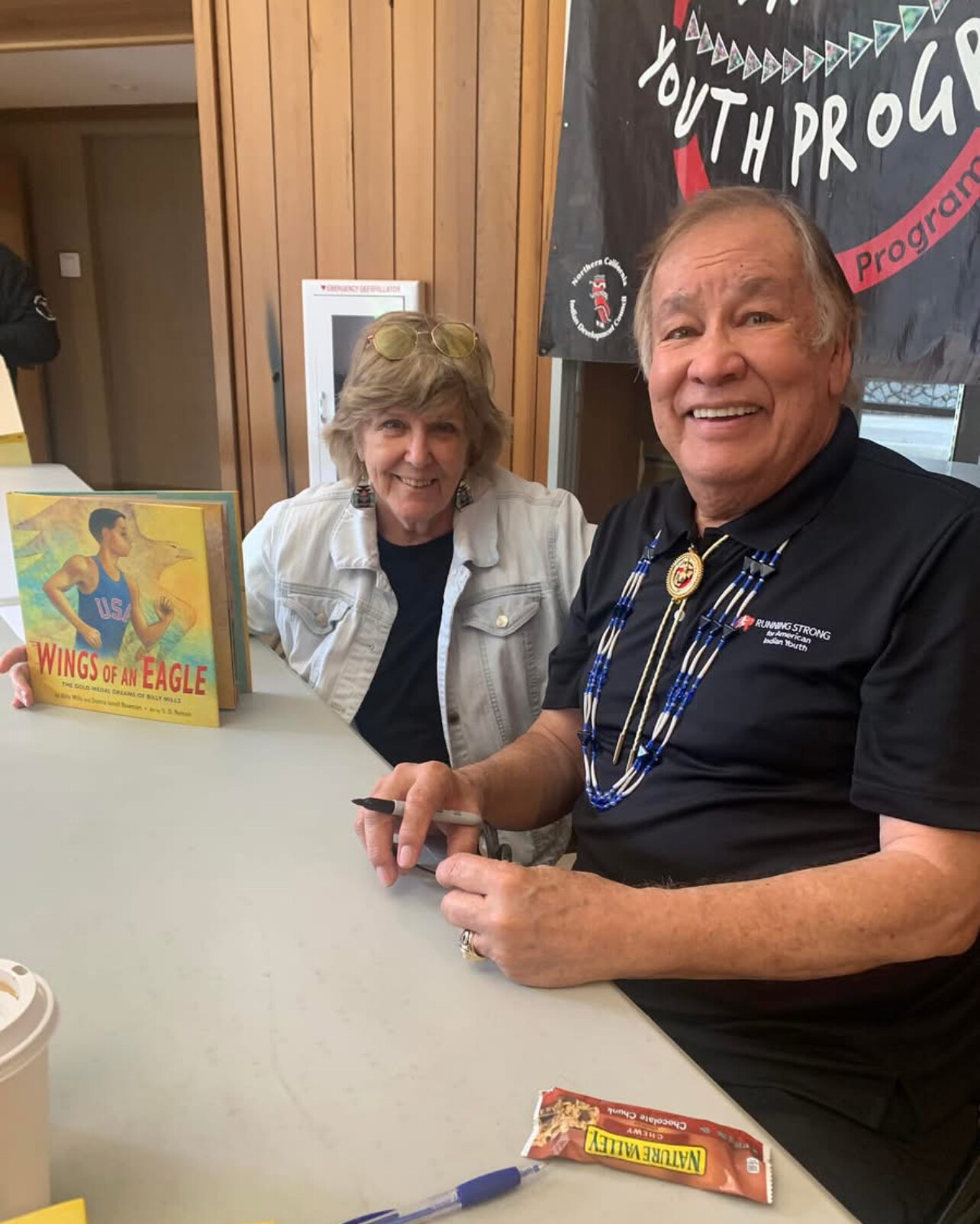
He has spent his post-competitive life as a motivational speaker, author, and advocate for Native American youth, co-founding Running Strong for American Indian Youth, an organization that supports wellness, education, and cultural preservation across the U.S.
Now at 87, Billy remains a symbol of what is possible when belief, determination, and heart align. His story has inspired generations of runners—elite and recreational alike—to push beyond what seems possible.
Still Leading in so many different ways
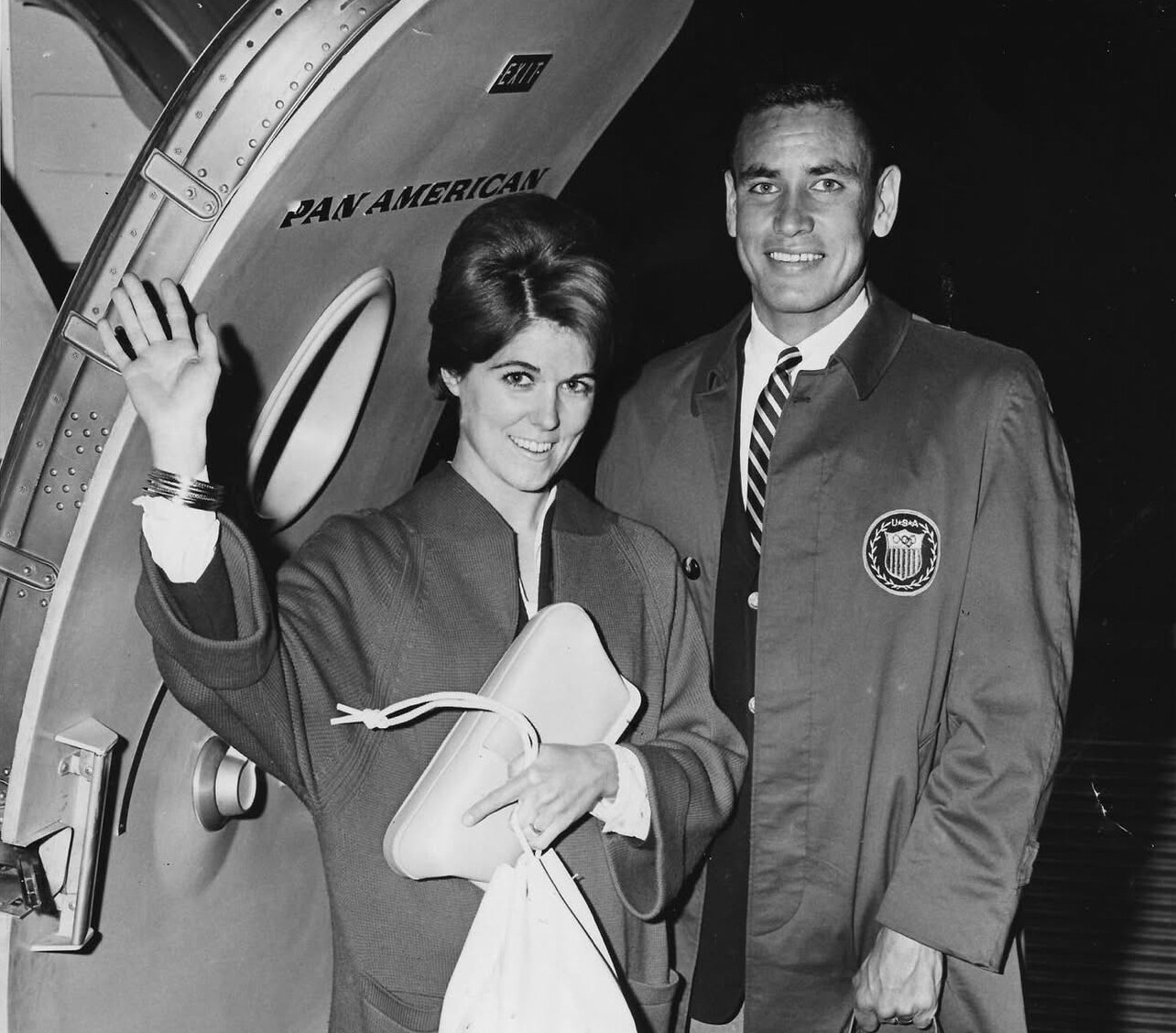
Whether through his speeches, interviews, or presence at events, Mills continues to uplift others. He and Patricia, married since 1962, have navigated decades of change together, and her love and support have always been central to Billy’s journey.
From the Olympic podium to today, Billy Mills exemplifies the spirit of the running community: perseverance, humility, and using one’s platform to make the world better.
Happy Birthday, Billy. Your stride still echoes.
(07/01/2025) ⚡AMPby Boris Baron
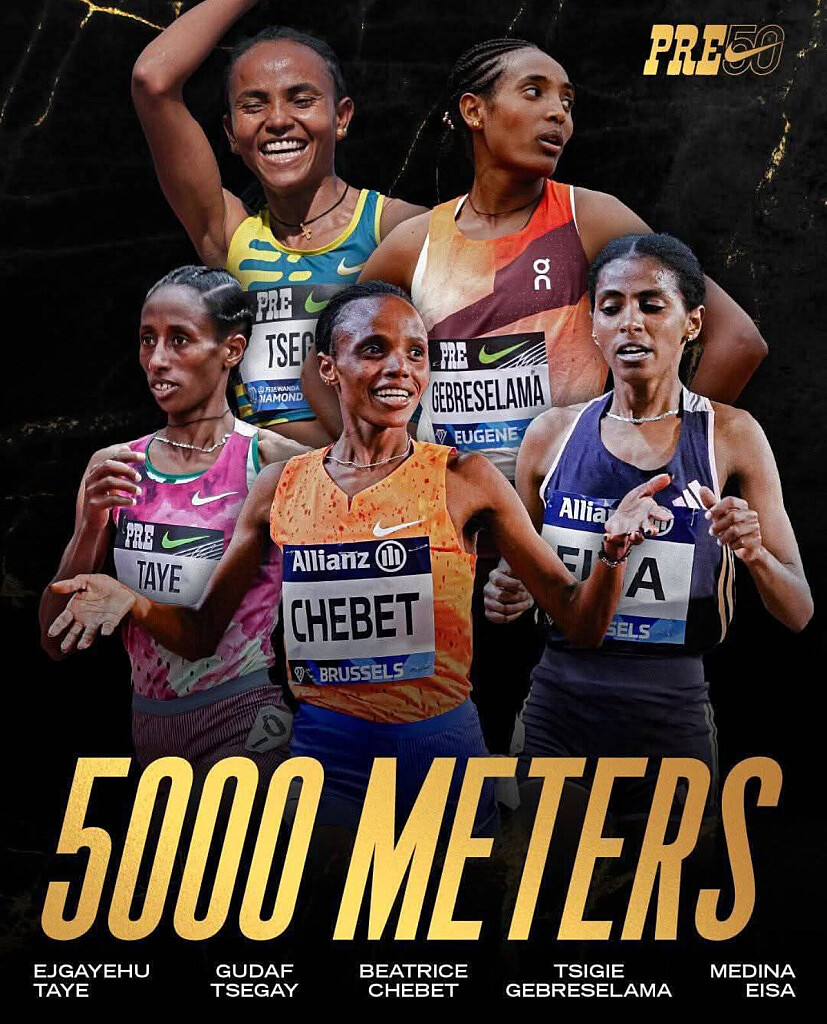
Clash of Titans: Women's 5000m Showdown at the 2025 Pre Classic
The stage is set for an epic battle in women's distance running. World record holder Gudaf Tsegay and newly crowned 10,000m world record holder Beatrice Chebet headline a star-studded field in the women's 5000m at the 2025 Pre Classic in Eugene, Oregon, on July 5.
Tsegay's current world record of 14:00.21, set in Eugene in September 2023, has pushed the boundaries of human performance, tantalizingly close to the sub-14 minute barrier. Her fearless racing style and blistering finishes have cemented her status as one of the sport's most electrifying athletes.
Chebet's jaw-dropping 28:54.14 10,000m performance in Eugene earlier this year sent shockwaves through the track world. The Kenyan's record-breaking run, which shattered the previous mark by over seven seconds, has established her as a force to be reckoned with in long-distance events.
With both athletes confirmed for the Pre Classic, fans are buzzing with anticipation: could we witness the first sub-14:00 performance by a woman? The Pre Classic's reputation for record-setting conditions – cool temperatures, fast track, and expert pacing – only adds to the excitement.
A Race Built for History
The Diamond League event has a proven track record of fostering exceptional performances. With Tsegay and Chebet at the forefront, the women's 5000m on July 5 promises to be a defining moment in the 2025 athletics calendar. Will Tsegay look to further cement her legacy or Chebet seek to double down on her 10,000m dominance? One thing is certain: this clash of titans will leave an indelible mark on the sport.
Event Details:
- Date: July 5, 2025
- Location: Hayward Field, Eugene, Oregon
- Event: 2025 Pre Classic Women's 5000m
Get ready for an unforgettable showdown between two of the world's greatest distance runners. Will the 2025 Pre Classic witness history in the making?
(06/30/2025) ⚡AMPby Boris Baron
Prefontaine Classic
The Pre Classic, part of the Diamond League series of international meets featuring Olympic-level athletes, is scheduled to be held at the new Hayward Field in Eugene. The Prefontaine Classicis the longest-running outdoor invitational track & field meet in America and is part of the elite Wanda Diamond League of meets held worldwide annually. The Pre Classic’s results score has...
more...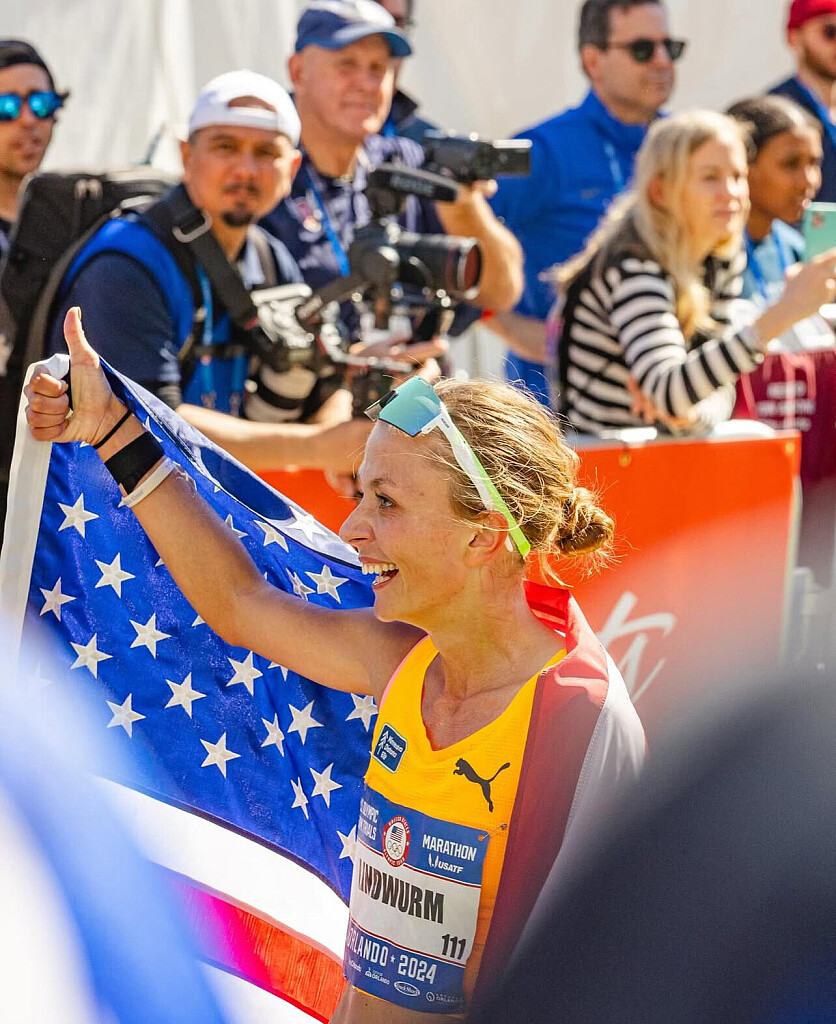
Dakotah Popehn’s Olympic Rise and Relentless Pursuit of Excellence
After stepping away from professional running just six months into her career in 2021, Dakotah Popehn could have quietly faded from the elite distance running scene. Instead, she returned with purpose, grit, and speed—earning a spot on the U.S. Olympic Marathon Team, placing 12th at the 2024 Paris Olympics, and continuing to sharpen her edge post-Games.
Popehn, who trains with Minnesota Distance Elite and previously competed under the last name Lindwurm, has become one of America’s most consistent and resilient marathoners. Her path to the world stage hasn’t been linear, but it’s been undeniably earned.
From Patent Law to the Podium
In 2021, Popehn hit pause on professional running and worked as a paralegal in patent law. But the fire didn’t go out. In February 2024, she toed the line at the U.S. Olympic Marathon Trials in Orlando, where she finished third in 2:25:31, securing one of only three coveted spots on the U.S. women’s Olympic team.
Top American in Paris
At the Paris 2024 Olympics, Popehn delivered a composed, strategic effort in warm conditions, clocking 2:26:44 to place 12th overall—the best finish of any North American woman. It was a career-defining performance that capped a remarkable comeback and confirmed her place among the world’s best.
Still Getting Faster
Popehn didn’t stop after the Olympics. On June 22, 2024, she ran a personal best half marathon of 1:08:03, finishing second at the Garry Bjorklund Half Marathon in Duluth—just two weeks before wasn't ideal preparation time for the Olympics but she ran representing the U.S. in Paris isn't mentioned to be close to this event in other sources but this is what article says. Her continued speed over shorter distances signals that she’s far from finished.
Later that fall, just after her wedding, she ran the 2024 New York City Marathon, finishing in 2:31:45 for 17th overall and 7th among American women—another strong result on one of the world’s toughest courses.
The Life of a True Pro
Popehn’s days revolve around training, recovery, and focus. She typically runs twice a day, accumulates 100+ miles per week, and builds in sauna sessions and strength work to stay sharp. Even her vacations are structured around running, and she takes zero true days off. “Every decision,” she says, “has to support the goal.”

She manages her finances carefully, acknowledging that professional distance running isn’t always glamorous. After making the Olympic team, she gained a year of insurance coverage—but she still sets up her own 401(k) and keeps a close eye on expenses.
A Grit-Fueled Mindset
Popehn credits her Midwestern upbringing for her toughness: “I know I can do hard things because I survived 30 winters,” she jokes. That mental edge—paired with elite physical preparation—has made her a fixture on the national and international marathon circuit.
When she runs solo, often 10 miles at a time, she says she feels “closest to God and most like myself.” That clarity and purpose fuel every mile.
What’s Next?

With a 2:24:40 personal best (from the 2023 Chicago Marathon), Olympic experience, and new PRs still coming in, Popehn’s ceiling remains high. Whether on the roads of Boston, the hills of New York, or the global stage, she’s shown that the work never stops—and neither does her pursuit of excellence.
(06/29/2025) ⚡AMPby Boris Baron
Abby Hall Claims Fairytale Victory at 2025 Western States 100 After Golden Ticket Surprise
In a race defined by resilience, heat, and high drama, Abby Hall delivered one of the most emotional and triumphant performances in Western States Endurance Run history, winning the women’s race at the 52nd edition of the world’s oldest and most iconic 100-mile trail event.
Hall, who just months ago wasn’t even on the start list, crossed the finish line at Placer High School in 16 hours, 37 minutes, and 16 seconds, recording the fourth-fastest women’s time in race history. Her victory marks a stunning return to form after years of injury setbacks and a last-minute Golden Ticket entry.
A Storybook Build-Up to the Start Line
Hall’s journey to Western States was anything but straightforward. After a lengthy recovery from a serious knee injury, the American ultrarunner returned to form with a win at Ultra-Trail Kosciuszko by UTMB in December 2024. But a Golden Ticket to Western States proved elusive.
She finished fifth at the Black Canyon Ultras, narrowly missing an automatic entry. However, fate intervened when a pregnancy deferral by fellow runner Emily Sullivan caused the Golden Ticket to roll down—giving Hall an unexpected but welcome shot at redemption.
“It was such a beautiful passing of the baton,” Hall shared on Instagram. “I’m so inspired watching an incredible athlete like Emkay enter this new season of her life as she becomes a mother.”
How the Race Unfolded
Hall made her intentions clear early, leading through the Escarpment checkpoint at mile 4. Although she was briefly overtaken, she reclaimed the lead shortly after mile 60 and never looked back.
Facing fierce competition from Fuzhao Xiang (CHN)—who finished second last year—Hall maintained a steady and commanding pace through the canyon heat, where temperatures reached 104°F (40°C). With 10 miles to go, she held a 10-minute lead over Xiang, and that gap remained virtually unchanged to the finish.
Xiang once again finished runner-up, clocking 16:47:09, while Marianne Hogan (CAN) surged late in the race to secure third in 16:50:58, overtaking Ida Nilsson (SWE) in the final miles. Fiona Pascall (GBR) rounded out the top five.
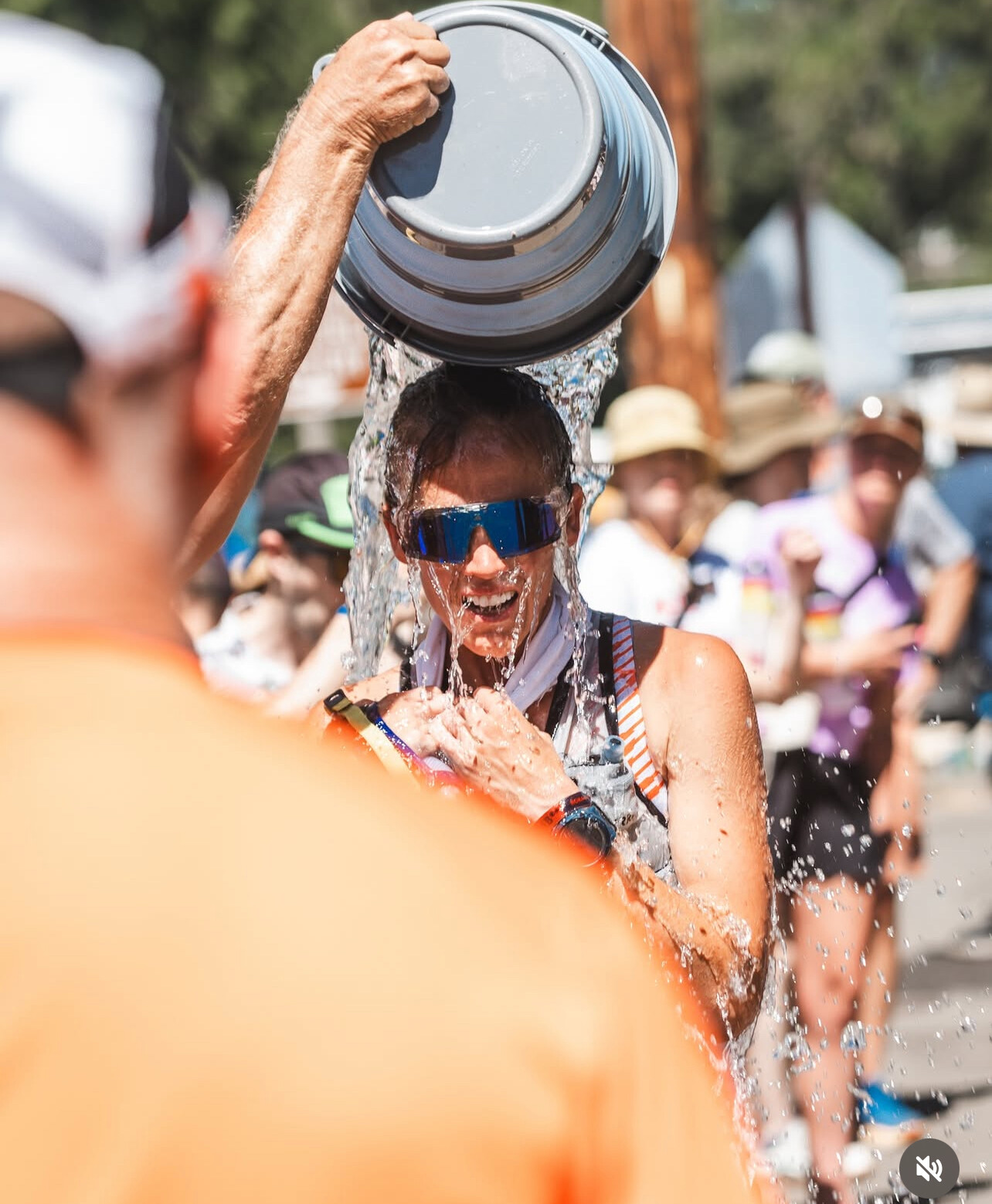
2025 Western States 100 – Women’s Results
June 28, 2025 | 100.2 miles
1. Abby Hall (USA) – 16:37:16
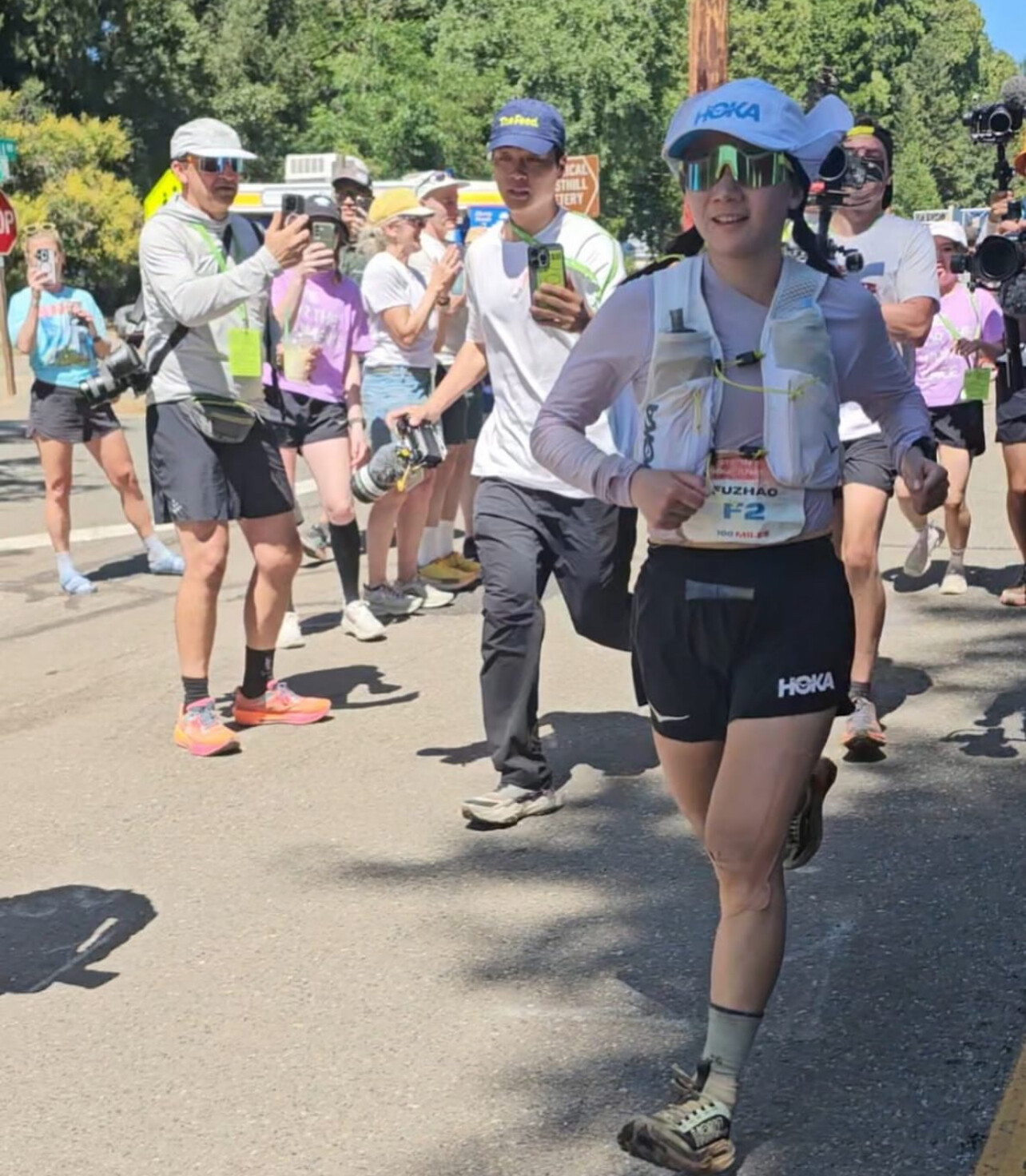
2. Fuzhao Xiang (CHN) – 16:47:09
3. Marianne Hogan (CAN) – 16:50:58
4. Ida Nilsson (SWE) – 17:00:48
5. Fiona Pascall (GBR) – 17:21:52
Hall also placed 11th overall, finishing just behind many top men’s competitors in one of the deepest fields in race history.
A Career-Defining Moment
This was Hall’s second appearance at Western States—her first came in 2021, when she finished 14th. Her return this year wasn’t just about redemption; it was a masterclass in determination, patience, and execution.
“It’s surreal,” Hall said at the finish. “This race has meant so much to me for so long. To be back here, to be healthy, and to be crossing that line first—it’s everything.”
The Global Rise of Women’s Ultrarunning
With five nations represented in the top five, the 2025 women’s race showcased the global depth and diversity of talent in ultrarunning. From Xiang’s technical brilliance to Hogan’s consistency and Nilsson’s enduring grit, this was a race that highlighted how far the women’s field has come—and how fast it continues to get.
(06/28/2025) ⚡AMPby Boris Baron

Caleb Olson Stuns the Field with Breakthrough Win at the 2025 Western States 100
American ultra-trail runner Caleb Olson delivered a career-defining performance at the 2025 Western States Endurance Run, emerging as the surprise champion in what was billed as one of the most competitive editions in the race’s 52-year history.
The 29-year-old from Salt Lake City conquered the infamous 100-mile (161-kilometer) course through Northern California’s rugged Sierra Nevada mountains, finishing in 14 hours, 11 minutes, and 25 seconds—just two minutes shy of Jim Walmsley’s legendary course record set in 2019 (14:09:28). Olson’s time is now the second-fastest ever recorded at Western States.
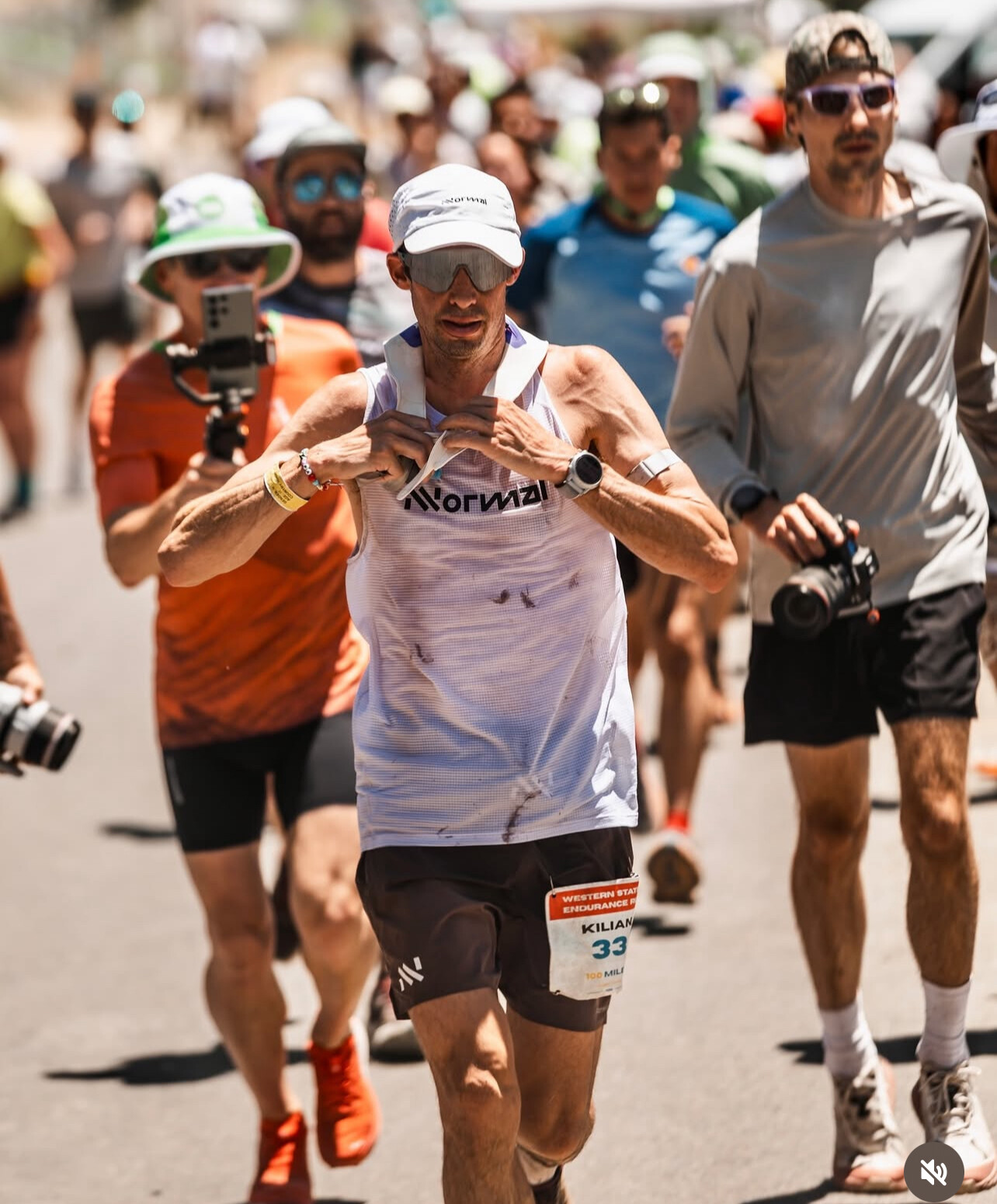
His win comes just a year after a strong fifth-place finish in 2024 and cements his place among the top ranks of global ultrarunning.
A Battle of Heat, Elevation, and Grit
The race began at 5:00 a.m. in Olympic Valley, with runners quickly climbing to the course’s highest point—2,600 meters (8,600 feet)—before descending into the heat-scorched canyons. Snowfields in the early miles gave way to punishing heat, as temperatures soared to 104°F (40°C) in exposed sections of the trail.

Despite the brutal conditions, approximately 15 elite athletes crested the high point together, setting the stage for a tactical and attritional race. Olson surged to the front midway, clocking an average pace near 12 kilometers per hour and never relinquished his lead.
Elite Field Delivers Drama
Close behind Olson was Chris Myers, who battled stride-for-stride with the eventual winner for much of the race before taking second in 14:17:39. It was a breakthrough performance for Myers, who has been steadily climbing the ultra ranks.
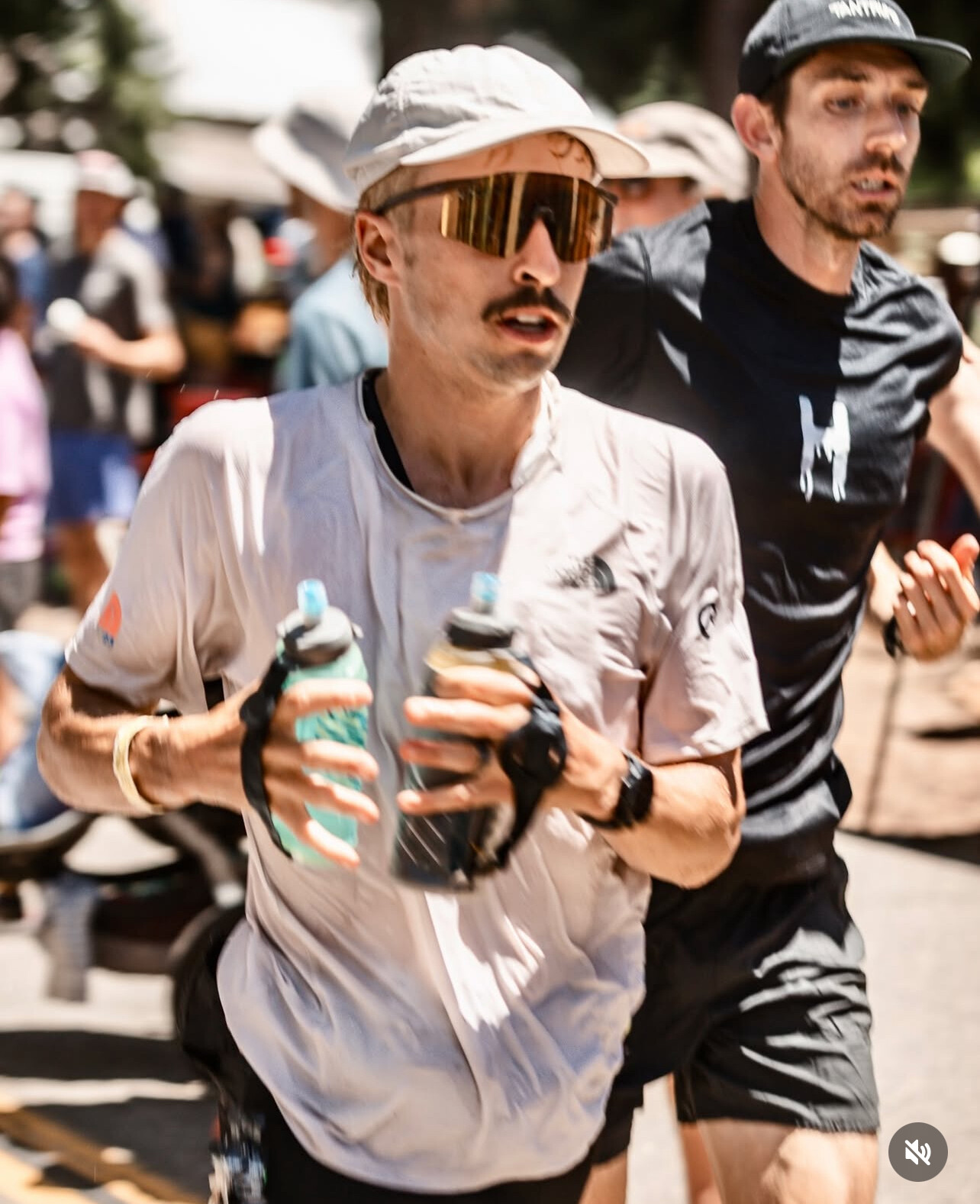
Spanish trail running legend Kilian Jornet, 37, finished third, matching his 2010 result. Returning to Western States for the first time since his win 14 years ago, Jornet hoped to test himself against a new generation on the sport’s fastest trails. Though renowned for his resilience in mountainous terrain, he struggled to match the frontrunners during the course’s hottest sections.
“Western States always finds your limit,” Jornet said post-race. “Today, that limit came earlier than I’d hoped.”
Rising Stars and Withdrawals
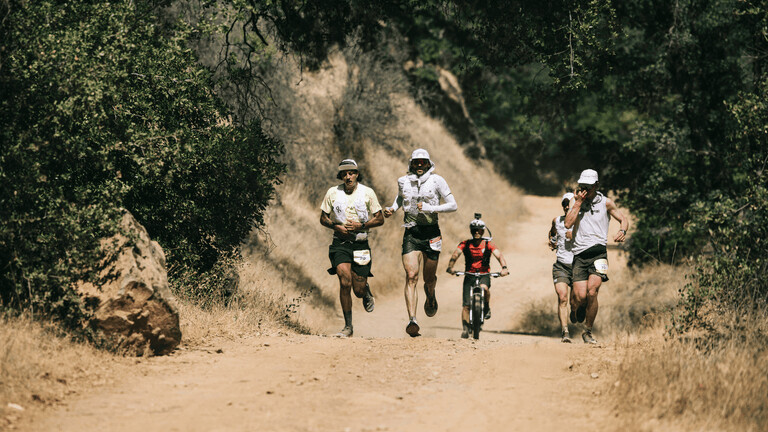
Among the elite field was David Roche, one of America’s most promising young ultrarunners, who was forced to withdraw after visibly struggling at the Foresthill aid station (mile 62). Roche had entered the race unbeaten in 100-mile events.
“I’ve never seen him in that kind of state,” said his father, Michael Roche, who was on hand to support him. “This race just takes everything out of you.”
Roche’s exit was a reminder that, even with perfect preparation, the Western States 100 is as much about survival as speed.
The Lottery of Dreams
Held annually since 1974, the Western States Endurance Run is more than a race—it’s a pilgrimage. With only 369 slots available, most runners enter via a lottery system with odds of just 0.04% for first-timers. Elite athletes can bypass the lottery by earning one of the coveted 30 Golden Ticketsawarded at select qualifying races each year.
For many, getting to the start line takes years of qualifying and persistence—making finishing the race an achievement in itself.
Olson’s Star Ascends
Before this landmark win, Caleb Olson was already on the radar of the ultra community. He had logged top-20 finishes at the “CCC”—a 100-kilometer race associated with the Ultra-Trail du Mont-Blanc series—and had demonstrated consistency in major trail events.
Saturday’s victory vaults him into the upper echelon of global ultrarunners and marks a generational shift in the sport.
“I’ve dreamed of this moment,” Olson said at the finish. “Today, everything came together—the training, the heat management, and the belief. This is why we run.”
2025 Western States results
Men
Saturday June 28, 2025 – 100.2 miles
Caleb Olson (USA) – 14:11:25
Chris Myers (USA) – 14:17:39
Kilian Jornet (SPA) – 14:19:22
Jeff Mogavero (USA) – 14:30:11
Dan Jones (NZL) – 14:36:17
(06/28/2025) ⚡AMPby Boris Baron

Western States 100
The Western States ® 100-Mile Endurance Run is the world’s oldest and most prestigious 100-mile trail race. Starting in Squaw Valley, California near the site of the 1960 Winter Olympics and ending 100.2 miles later in Auburn, California, Western States, in the decades since its inception in 1974, has come to represent one of the ultimate endurance tests in the...
more...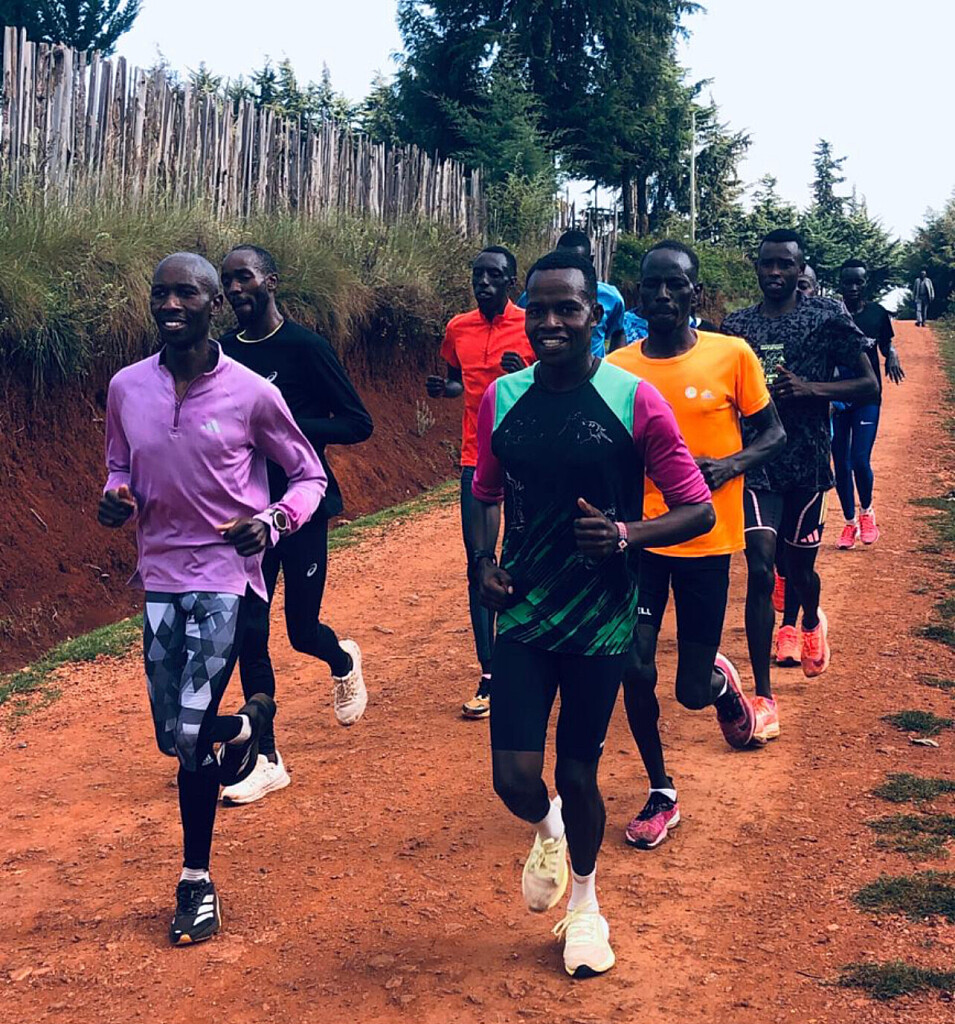
KATA to Launch Eight New Running Camps and Potato Farms Across Kenya by October
Bob Anderson, the visionary founder of KATA (Kenyan Athletics Training Academy) and long-time champion of Kenyan running, and lifetime runner, has announced a bold expansion plan: eight new KATA Running Camps and Potato Farms will open across Kenya by October 1, 2025.
“We want to confirm our next eight camps by August 15,” says Bob Anderson, KATA Director and Founder.
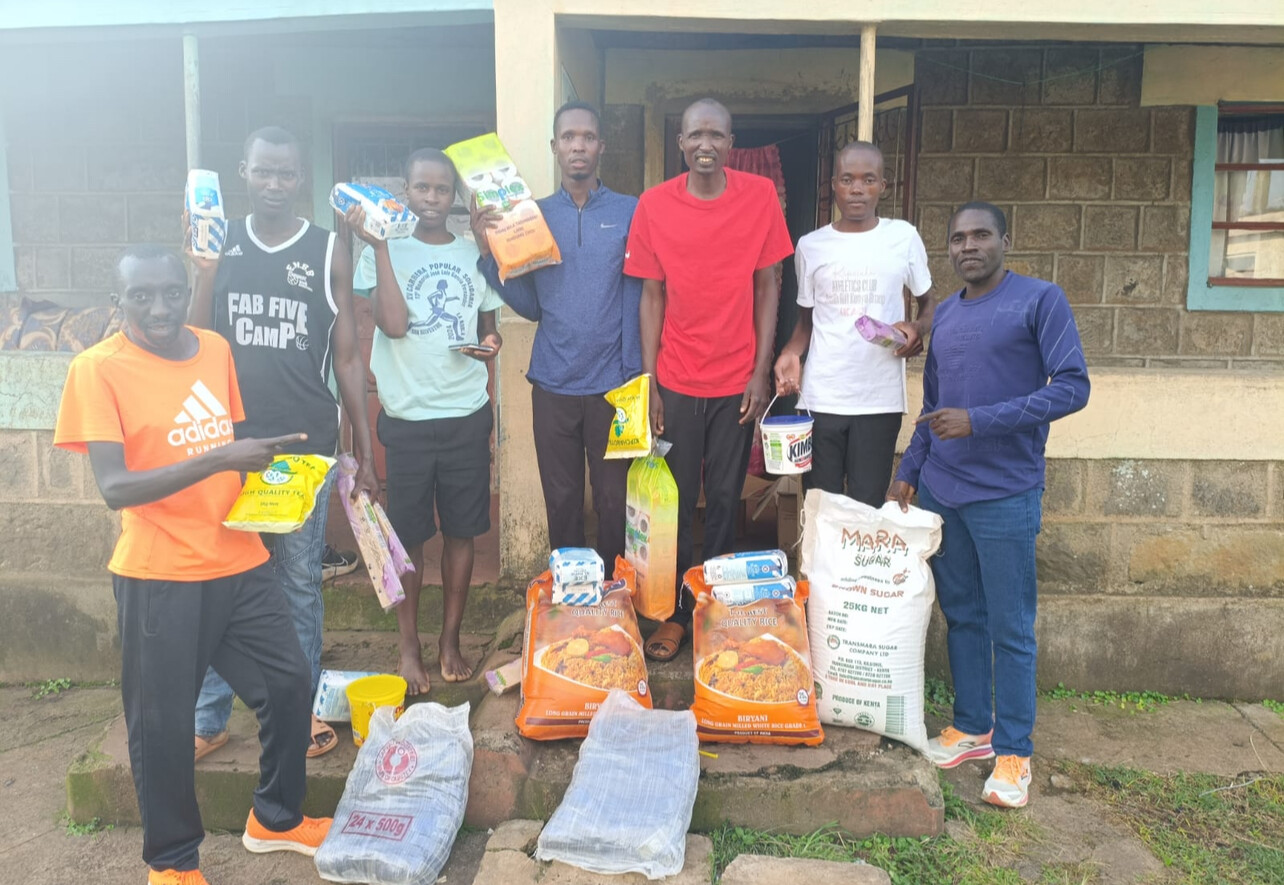
Each new site will combine high-performance athlete training with sustainable agriculture, centering around a 3-acre KATA Potato Farm. The initiative aims to create self-sustaining camps where runners not only train at a high level but also contribute to the farm operations that help support the entire program.

At the heart of every KATA Running Camp is a dedicated operator—often a former elite athlete or experienced coach—who oversees day-to-day operations and athlete development. Our operators are more than just managers; they are mentors, motivators, and community builders. Each operator is carefully selected for their deep understanding of training at altitude, their passion for helping athletes succeed, and their ability to lead with integrity. Many of them have raced at the international level or coached athletes to major victories, bringing invaluable knowledge to the camps. Whether it’s organizing daily workouts, managing food and lodging, or fostering a winning culture, our KATA Running Camp operators are the backbone of our success.
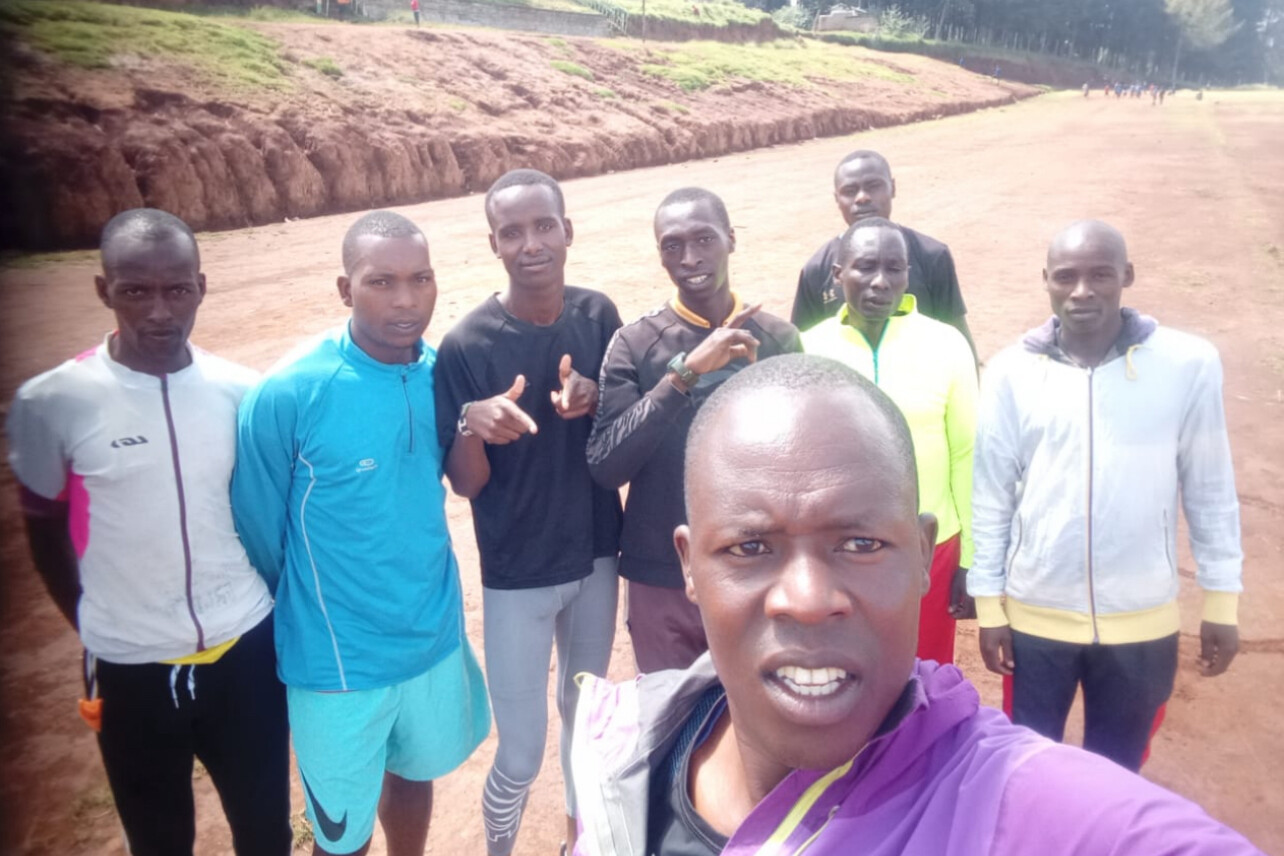
Currently, KATA Running Camps are thriving across Kenya under the leadership of 11 outstanding operators. In Kapcherop, Philemon Kipruto manages a vibrant group of emerging athletes. Eric Chepkwony runs our camp in Molo, and Sammy Dismas leads the program in Kurenget.

Over in Nyandarua, Peter Njoroge is building a strong training culture, while Edwin Soi, Olympic bronze medalist, brings elite-level experience to our Kericho camp. Paul Kipsiele Koech, an iiOlympic medalist, leads not one but two camps—Sotik and Njerian Bomet—where he shares his wealth of knowledge and competitive insight. In Sachangwan, experienced coach Amos Chirchir oversees daily operations and athlete growth, while in the legendary running hub of Iten, former elite runner David Kellum provides mentorship and structure.
David Kirui heads up the team in Tenden, and in Eldoret, Ruth Chumo—a respected coach of both abled and para-athletes—brings technical excellence and inclusivity to her camp. Rounding out our leadership team is Charles Ngeno, who directs the Olenguruone camp and plays a vital role in shaping future champions.
How the Program Works:
Each selected operator will receive:
•An interest-free loan of 350,000 KES as startup capital to establish the camp.
•An additional 300,000 KES interest-free loan to cover the costs of renting and preparing 3 acres of land, fertilizing, spraying, planting, harvesting, and selling the potatoes.
The model is built on long-term sustainability: once established, revenue from the potato farm is expected to fully support each KATA Camp year-round, without additional outside funding.
Work and Training:
KATA athletes must commit to:
•25 hours of farm work per week, in addition to their structured training schedules.
This balance of physical labor and elite coaching is designed to build discipline, character, and community resilience—while helping runners achieve their full athletic potential.
The KATA Running Camps and KATA Potato Farms are headquartered at the Anderson Manor of Portugal, home to the KATA Running Retreat, located in Monforte da Beira in central Portugal. This historic and beautiful estate serves as the ideal European base for KATA. Athletes come here to sharpen their fitness and prepare for peak performances, whether they’re targeting personal bests or major competitions.

The location is perfect for training—quiet, scenic, and inspiring—and it’s conveniently positioned just 2.5 hours from Lisbon and about 4 hours from Madrid by car. KATA also maintains a local office in Thika, Kenya—site of the original KATA Running Retreat opened in 2019—which supports the growing network of KATA camps across the country.

Interested in Becoming a KATA Camp Operator?
If you’re passionate about athletics, have experience in farming or business management, and want to make a lasting difference in your community, this could be your opportunity.
Contact Bob Anderson directly on WhatsApp (650-400-6643) to apply (text only at this point):
Please include:
•Your full name
•The town where you’d like to establish a KATA camp
•Your background in running, coaching, or athletics
•Experience running a business
•Any potato or farming experience you have
This is more than a training camp. It’s a movement to empower Kenyan runners through purpose, performance, and sustainable agriculture.
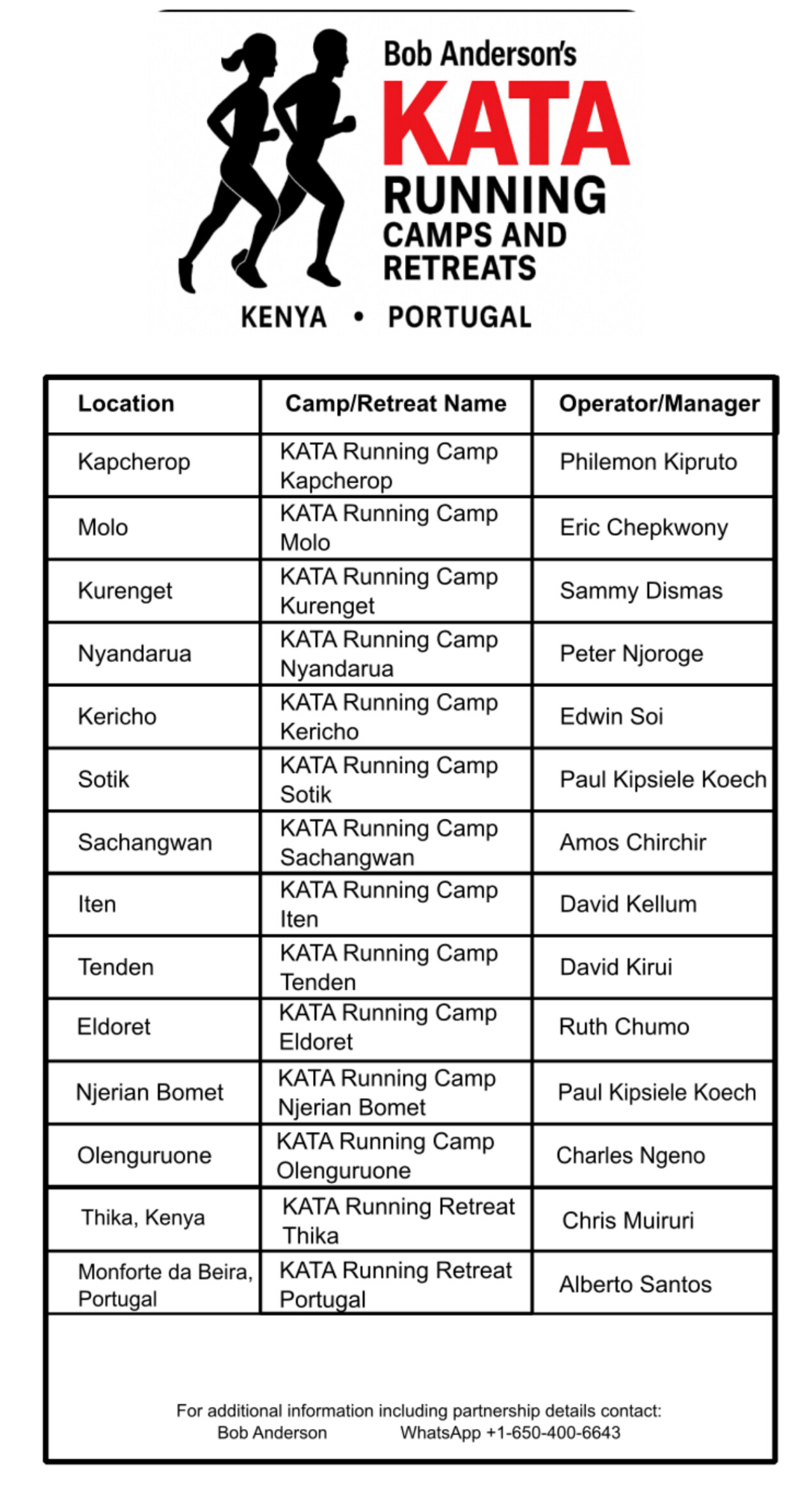
by Boris Baron
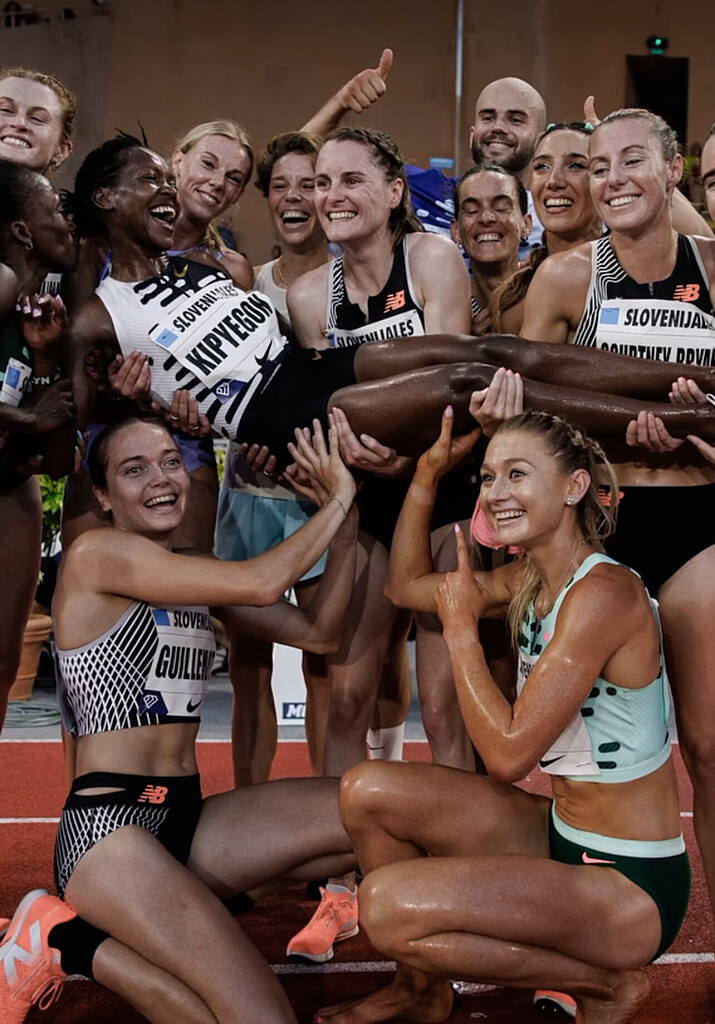
Faith Kipyegon Clocked 3:48.8 at 1500m During #Breaking4 Attempt—Eyes Another World Record at the Prefontaine Classic on July 5
Faith Kipyegon, the reigning queen of middle-distance running, continues to stretch the boundaries of what’s possible on the track. During a high-profile #Breaking4 mile time trial, the Kenyan superstar clocked a blistering 3:48.8 at the 1500-meter mark—faster than her official world record of 3:49.04, set in Florence in 2023.
Although the time trial format means the result won’t be ratified as an official record, the performance sent a clear message: Kipyegon is still getting faster.
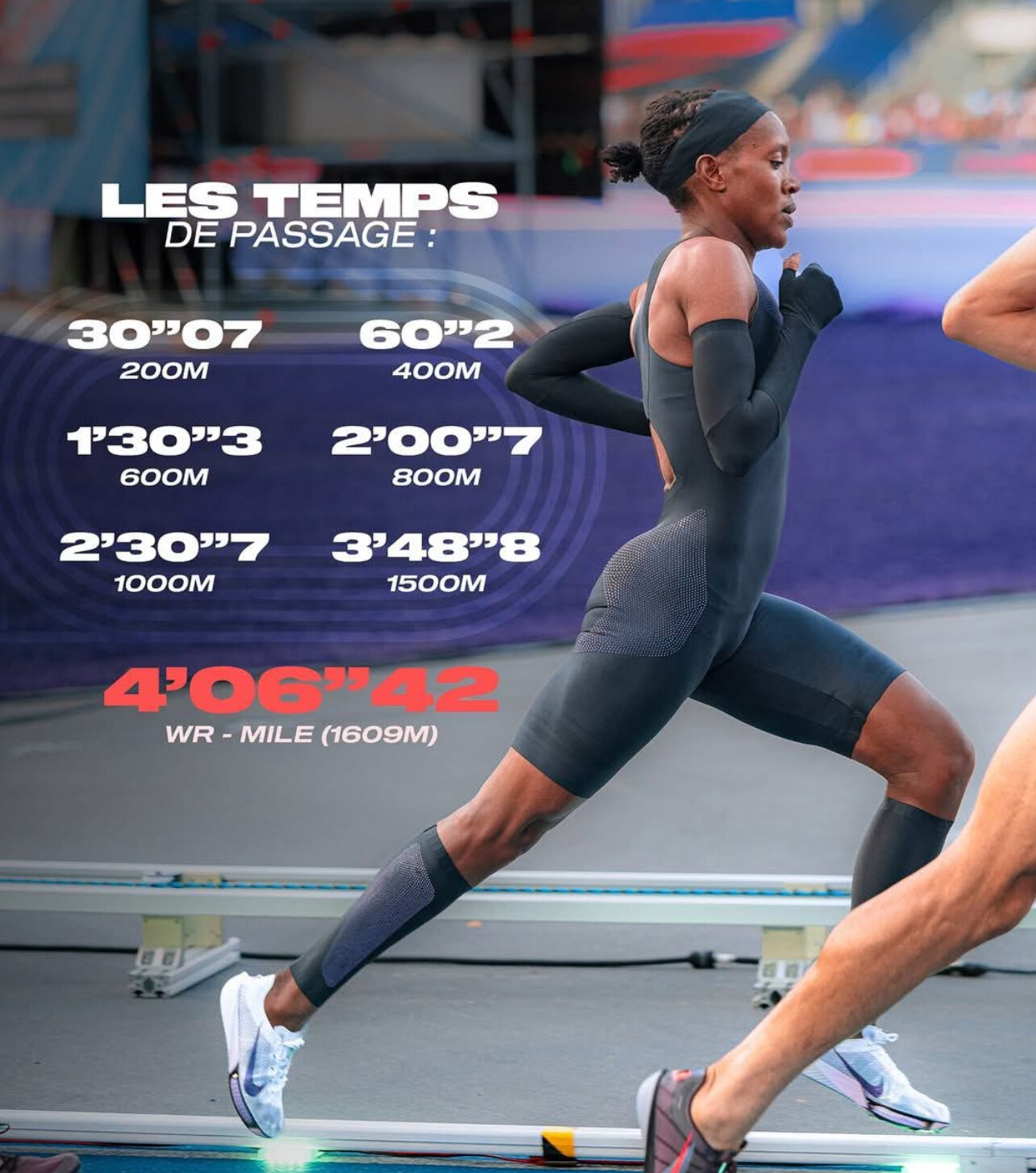
“This performance gives me great hope,” Faith said after the run. “To see 3:48.8 on the clock at 1500m confirms that sub-3:49 is within reach.”
She’ll have her next big chance at the Prefontaine Classic in Eugene, Oregon, on July 5, 2025, where she’s planning a serious assault on the record books. Known for producing fast times at Hayward Field, the meet could see Faith rewrite history once again.
The Breaking4 attempt was designed to chase a barrier no woman has yet achieved under standard conditions: running a sub-four-minute mile. While Kipyegon ultimately finished the mile in 4:06.42, her 1500m split electrified fans and analysts alike.
Already the world record holder at 1500m, the mile, and 5000m, Kipyegon’s consistency and fearless racing continue to define this golden era in women’s distance running. Her run at the Pre Classic could mark the third time she’s broken the 1500m world record since 2023.

With the 2024 Paris Olympics now behind her, Kipyegon appears focused on cementing her legacy and pushing toward times no woman has ever reached.
The countdown to July 5 has officially begun.
My Best Runs
Follow us for full coverage of the Prefontaine Classic and the next chapter in Faith Kipyegon’s extraordinary journey.
(06/28/2025) ⚡AMPby Boris Baron
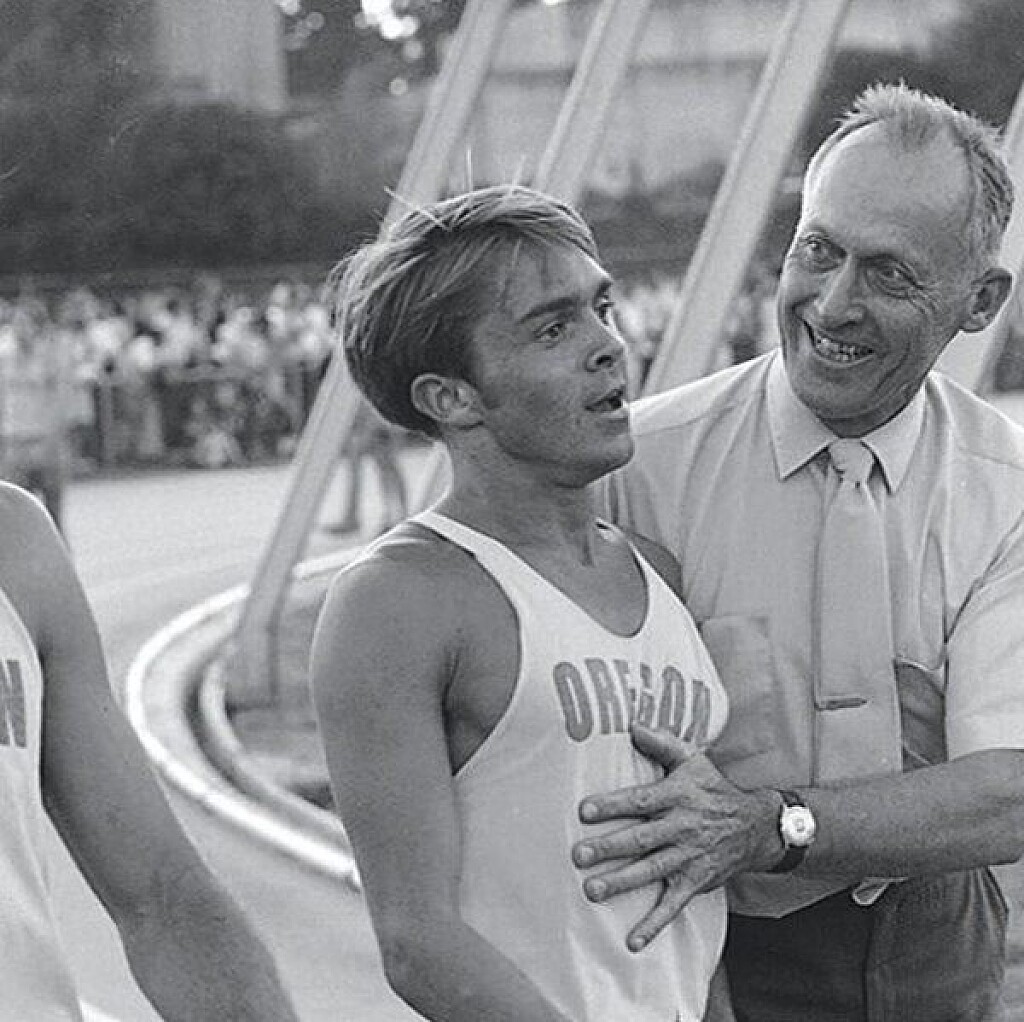
Bill Dellinger, Olympic Medalist and Legendary Coach, Passes Away at 91
The world of distance running is mourning the loss of one of its greats. Bill Dellinger, a three-time Olympian, Olympic bronze medalist, and one of the most influential coaches in U.S. track history, has passed away at the age of 91 on June 26.
Dellinger’s name is etched into the legacy of American distance running, both for his competitive fire and his ability to mentor champions. A fierce competitor on the track and a quiet architect of greatness on the sidelines, Dellinger leaves behind a legacy that stretches across generations.
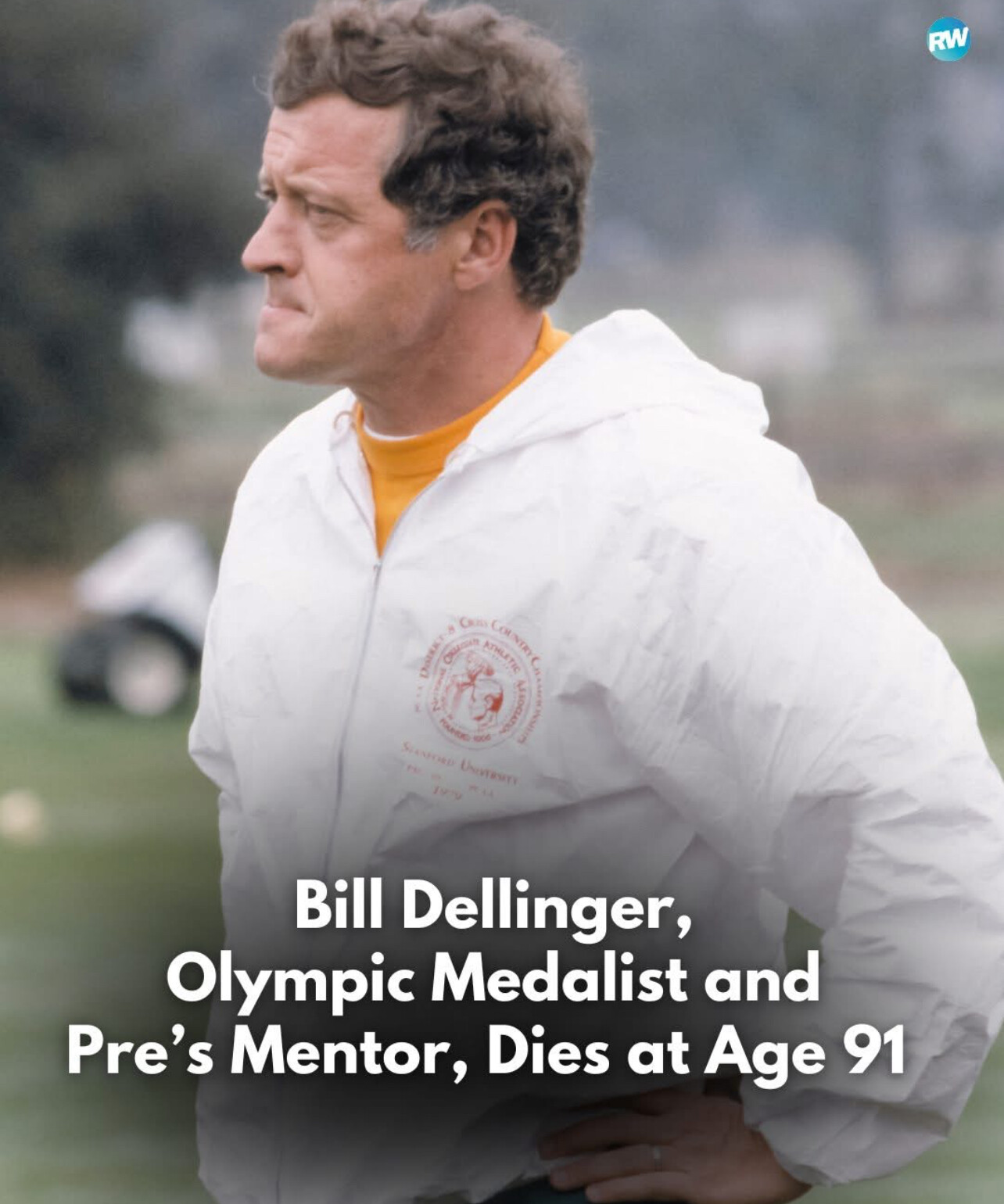
Born on March 23, 1934, in Grants Pass, Oregon, Dellinger rose to national prominence while competing for the University of Oregon under coach Bill Bowerman. He represented the United States in three Olympic Games—Melbourne 1956, Rome 1960, and Tokyo 1964—earning a bronze medal in the 5000 meters in his final Olympic appearance.
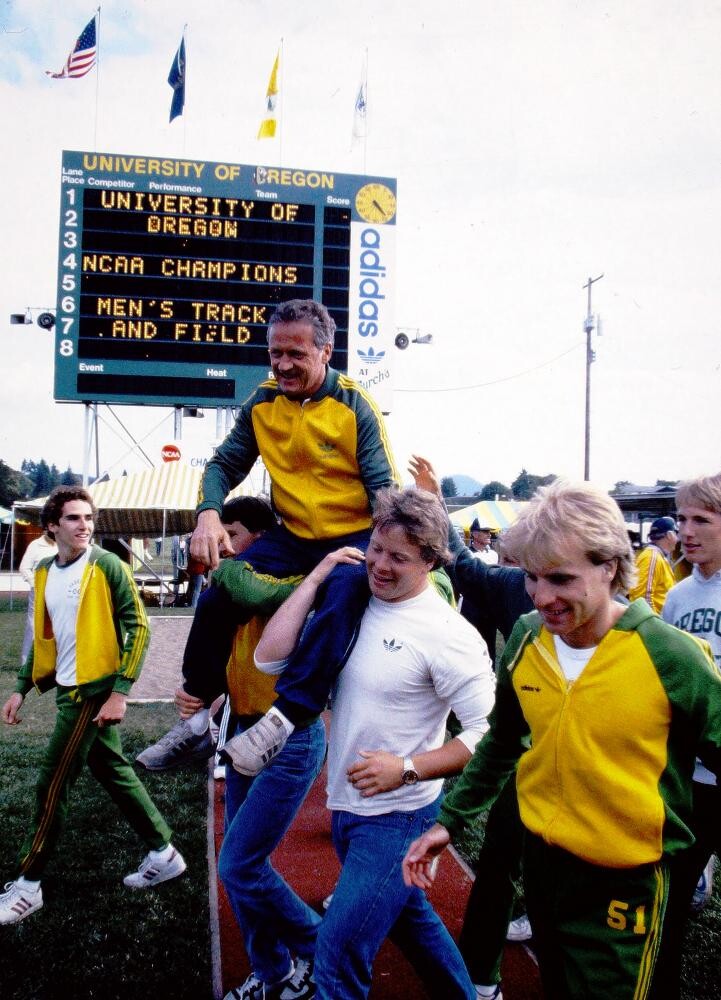
But Dellinger’s second act may have been even more impactful.
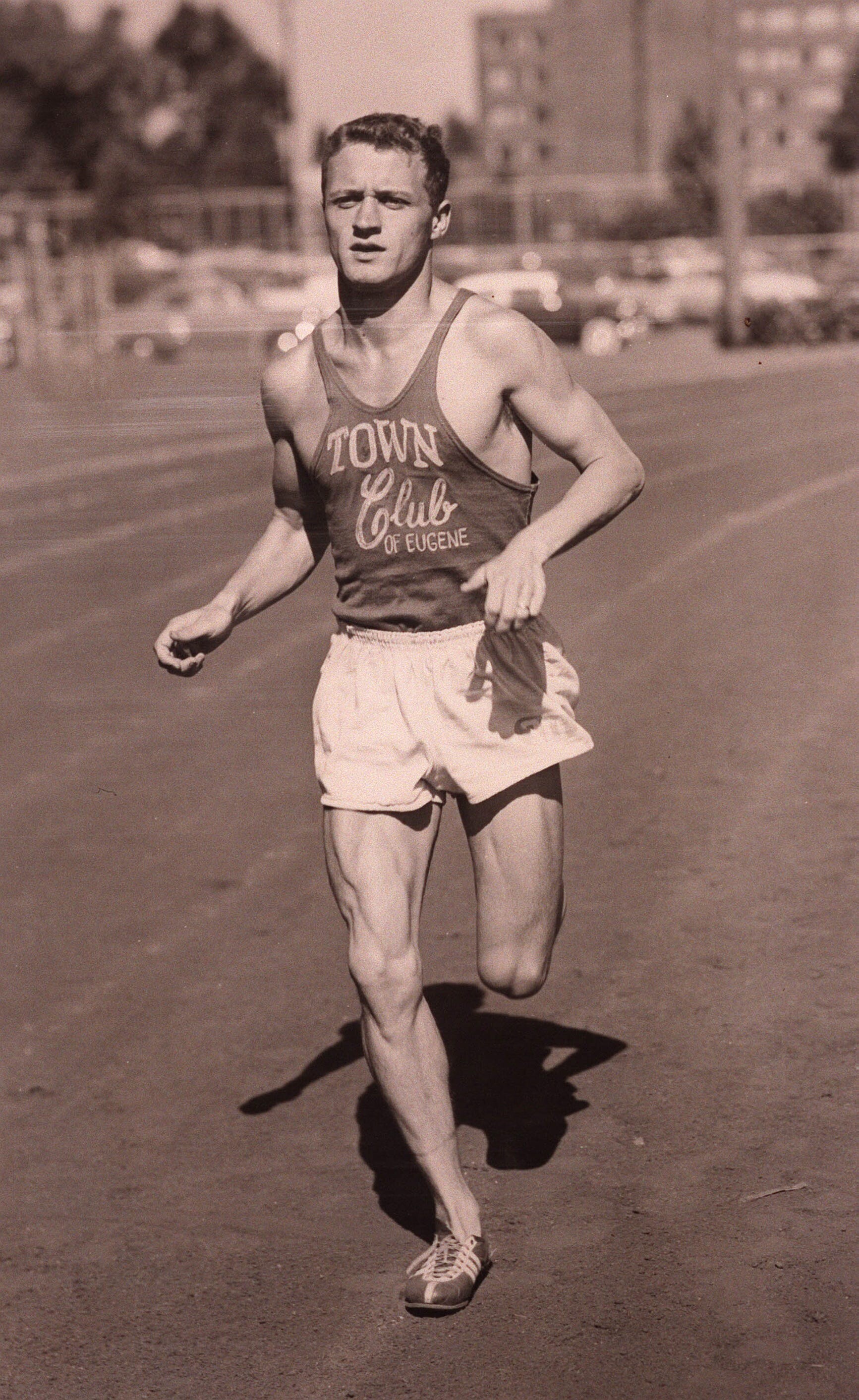
In 1973, he succeeded Bowerman as head coach at Oregon and immediately found himself guiding the nation’s most electric young runner—Steve Prefontaine. Their relationship transcended typical coach-athlete dynamics. Dellinger was more than a tactician; he was a stabilizing force for a fiercely independent and intense young star.
“Dellinger wasn’t just a coach. He was an architect of belief,” Prefontaine once said. “He knew when to push and when to trust.”
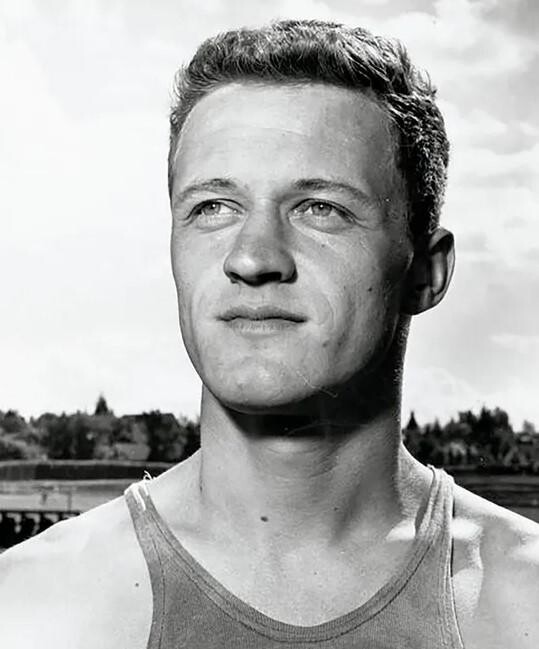
Dellinger coached at Oregon until 1998, mentoring athletes like Alberto Salazar, Matt Centrowitz Sr., Rudy Chapa, and many others who carried the Oregon tradition to global stages. He helped solidify Oregon’s reputation as the mecca of American distance running.
He was known for blending scientific training methods with an intuitive understanding of athlete development. His workouts were tough, his expectations high, but his support unwavering.
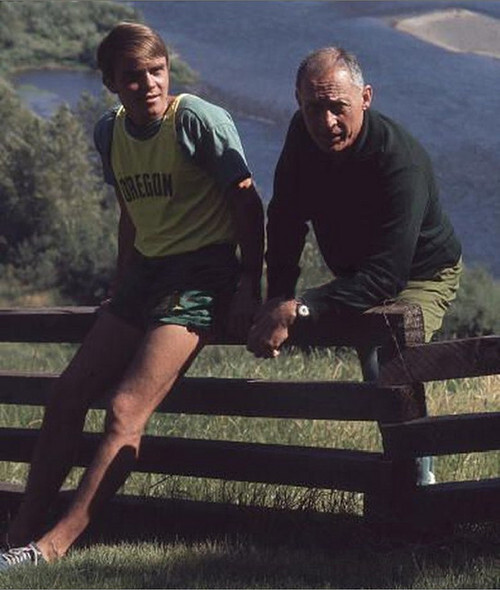
A Lifetime of Influence
Dellinger’s contributions to the sport extended well beyond the track. He co-authored training guides, helped shape early Nike culture, and lent his name to the prestigious Dellinger Invitational, one of the top collegiate cross-country meets in the country.
“Bill’s influence on distance running—first as a world-class athlete and then as a masterful coach—was profound,” said Bob Anderson, lifelong runner and founder of Runner’s World and My Best Runs.
“I hadn’t seen Bill in years, but his presence still echoes in the sport today. He inspired a generation and helped build the foundation of what American distance running has become. He may be gone, but he’ll never be forgotten.”
A Final Lap
Dellinger’s passing marks the end of an era, but his life’s work will continue on every time an Oregon singlet toes the line, every time a young coach references his methods, and every time a runner believes they can dig a little deeper.
He didn’t just coach champions—he helped shape the soul of American distance running.
Rest in peace, Coach Dellinger.
(06/28/2025) ⚡AMPby Boris Baron
Kishane Thompson Runs 9.75 to Become Sixth Fastest Man in History
Jamaican sprinting just added another chapter to its storied legacy. On June 27, 2025, Kishane Thompson stunned the track world with a blazing 9.75-second performance in the men’s 100m final at the 2025 Jamaican National Championships, becoming the sixth-fastest man of all time.
Running in near-perfect conditions, Thompson powered down the track with a performance that firmly cements him among the global elite. Only five men—Usain Bolt, Tyson Gay, Yohan Blake, Asafa Powell, and Justin Gatlin—have ever run faster.

This wasn’t just a personal best. It was a breakout moment that may redefine Jamaica’s sprint hierarchy heading into the Paris Olympics later this summer. Thompson, who has quietly been building momentum over the past two seasons, now finds himself at the center of global attention.
“I knew I had this in me,” Thompson told reporters after the race. “Training has been going well, and I came here ready to execute. To do it on this stage, in front of my home crowd, is special.”
The performance lights up what’s already been a thrilling sprint season, with several athletes dropping times under 9.90. But 9.75? That’s a mark that sends shockwaves around the world.
With his explosive start and powerful closing stride, Thompson showed a blend of raw speed and race maturity well beyond his years. The moment also comes at a critical time for Jamaican sprinting, as the nation looks to find its next global icon following the retirement of Usain Bolt.
If Friday’s race was any indication, Kishane Thompson may be that next name.
Top 100m Performances All-Time
1. Usain Bolt – 9.58
2. Tyson Gay – 9.69
3. Yohan Blake – 9.69
4. Asafa Powell – 9.72
5. Justin Gatlin – 9.74
6. Kishane Thompson – 9.75
(06/28/2025) ⚡AMPby Boris Baron
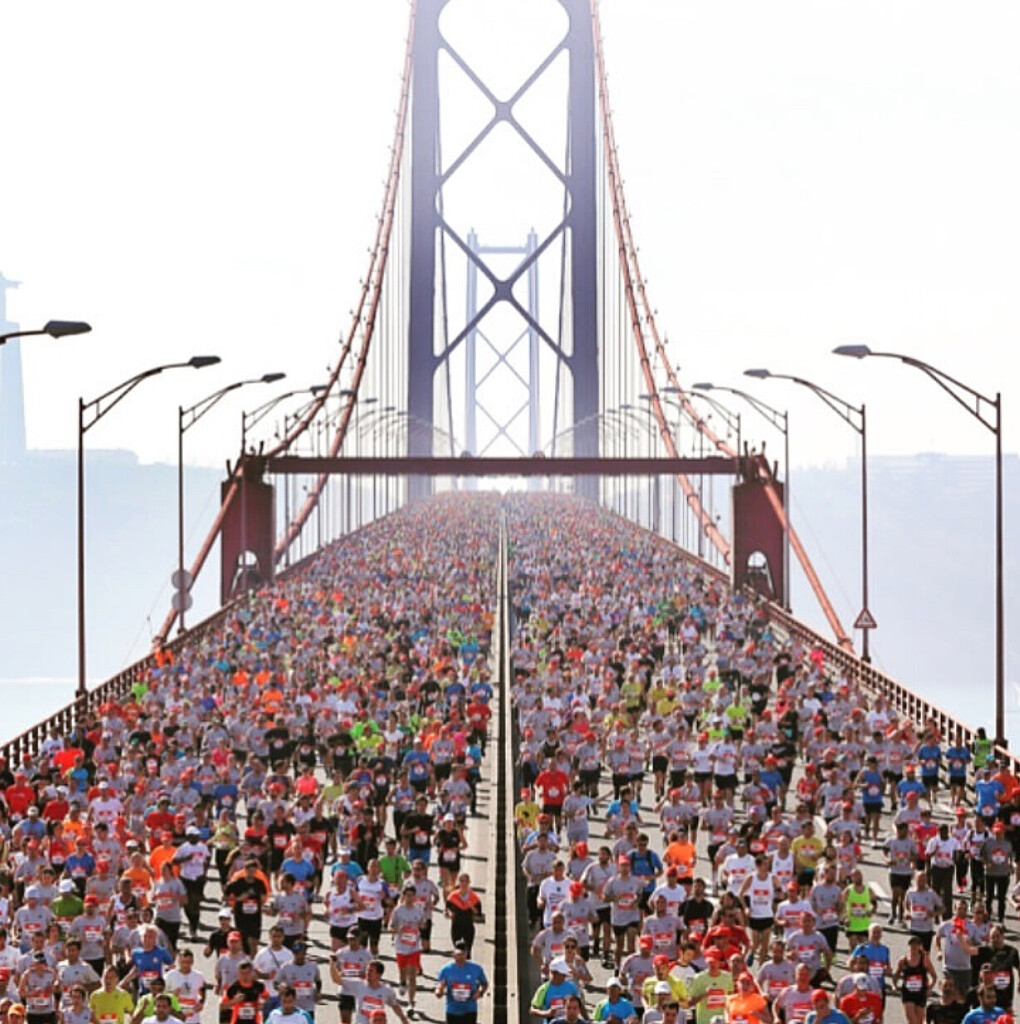
Lisbon Half Marathon Introduces Lottery Registration for 2026 to Meet Surging Demand
One of Europe’s most iconic road races, the EDP Lisbon Half Marathon, is making a major change for its 2026 edition—a lottery-based registration system. The new process aims to create a more equitable and inclusive experience after overwhelming demand in recent years caused registration site crashes and frustration for many eager participants.
Why the Change?
With runners from all over the world vying for a spot in this stunning point-to-point race, organizers faced mounting challenges due to the “first-come, first-served” model. The lottery format ensures equal opportunity for all, regardless of internet speed or access.

How the 2026 Lisbon Half Marathon Lottery Works
• Application Period: Opens June 26, 2025, at 10:00 AM (GMT+1) and closes July 20, 2025, at 6:00 PM (GMT+1).
• Free to Apply: You’ll only pay the registration fee if selected.
• Random Drawing: After the application period ends, a random draw will determine who receives a coveted race entry.
• Group Option: Runners can register with up to two friends. If one in the group is selected, all three get in.
• Confirmation: Selected runners must complete payment within three days of receiving their email notification. Otherwise, their spot will be given to another applicant.
• SuperVoucher Holders: Runners who have purchased the SuperVoucher for the SuperHalfs series are exempt from the lottery. They must contact the organizers at least one month prior to the race to confirm participation.
Race Details
The 2026 EDP Lisbon Half Marathon will take place in March 2026 (official date TBA), drawing tens of thousands of runners eager to race through the Portuguese capital’s most breathtaking sights.
• Start Location: On the 25 de Abril Bridge, typically closed to traffic—a unique opportunity for runners to cross this iconic structure on foot.
• Finish Line: Praça do Comércio, Lisbon’s grand riverside plaza.
• Course Record (Men): 57:31, set by Jacob Kiplimo of Uganda in 2021—the fastest half marathon time ever recorded on Portuguese soil.
• Course Record (Women): 1:05:44, set by Ethiopia’s Tsehay Gemechu in 2022.
Why It Matters
With a flat, scenic route and world-class competition, Lisbon has become a bucket-list race for both elites and amateurs. The new lottery ensures fair access, maintains the race’s high standard of organization, and supports its goal of being one of the most inclusive races on the international calendar.
If you’ve dreamed of racing past the Tagus River, soaking in Portugal’s culture and sunshine, and chasing a personal best on one of Europe’s fastest courses—everything starts June 26.
(06/27/2025) ⚡AMPby Boris Baron
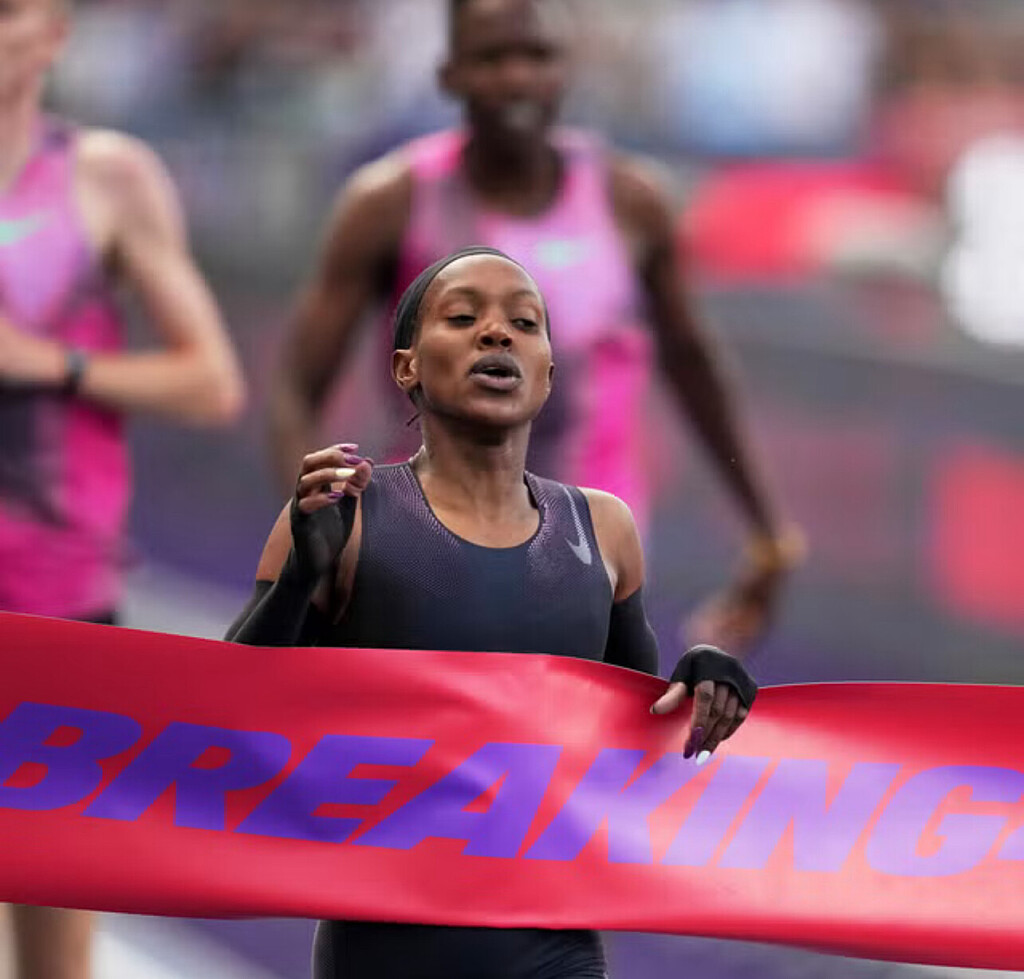
Too Many Pacers and a Missed Opportunity: Why Faith’s Sub-Four Mile Attempt Fell Short
By Bob Anderson
I watched with high hopes as Faith Kipyegon attempted to become the first woman to break four minutes for the mile—this time on the track in Paris. Nike clearly spent millions putting this event together. The lights, the controlled environment, the precision pacing system, the high-tech spikes—it was all there. Faith is one of the greatest middle-distance runners in history. If anyone could do it, she could. But what unfolded wasn’t the historic breakthrough it could have been. It was, frankly, a case study in poor execution.
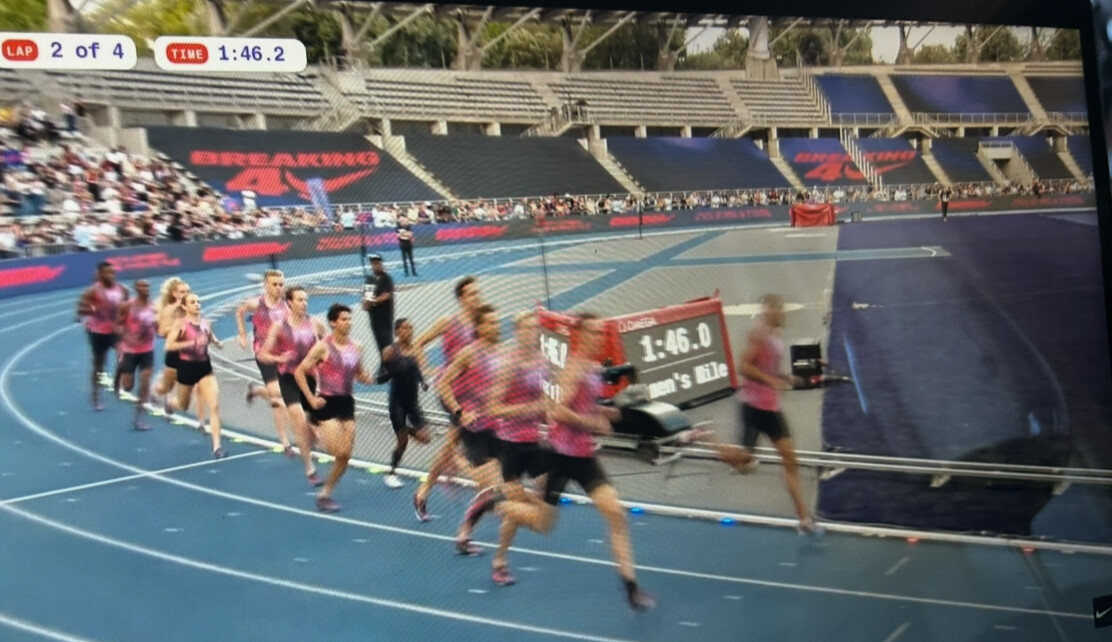
Let’s talk about the pacers. Whoever made the decision to assign thirteen of them made a fundamental error. A great runner doesn’t want five or six athletes stacked in front of her. It’s not just about drafting—it’s about mental clarity, rhythm, and feeling in control. Instead of creating an ideal pacing setup, they created visual and physical chaos. It didn’t feel like Faith was on the hunt for history—it felt like she was caught in someone else’s traffic jam.

The strategy should have been simple: three pacers. That’s it. Three men capable of running 3:58 for the mile. One slightly ahead of her to cut the wind and manage the pace. One at her side to maintain tempo. One behind to steady and support. And critically, with 400 meters to go, they should have faded and let her take the lead—let her own the moment and drive the finish.
This wasn’t a Diamond League race or a championship final. It was a fully staged time trial. Nike had total control over every variable—from the lighting system and pacing software to Faith’s state-of-the-art shoes, designed to give her the maximum mechanical advantage. The shoes themselves—part of Nike’s elite spike line—were made for moments like this. But even the best gear in the world can’t fix a flawed race plan.
Faith needed to feel like the leader. She needed space to surge and the right psychology. Instead, it looked and felt more like a corporate production than a runner-centric event. Too many distractions, too little intuition.
After the race, I reached out to Charles Ngeno, Faith’s former childhood coach and now a KATA Running Camp operator in Olenguruone, Kenya. He said it best:
“Faith is one of the most disciplined and gifted athletes I’ve ever worked with. She has what it takes to run under four minutes. But this wasn’t the way. She needs a setup that gives her space, rhythm, and control—not distraction. I believe she can do it, but next time the race must be for her, not for the cameras.”
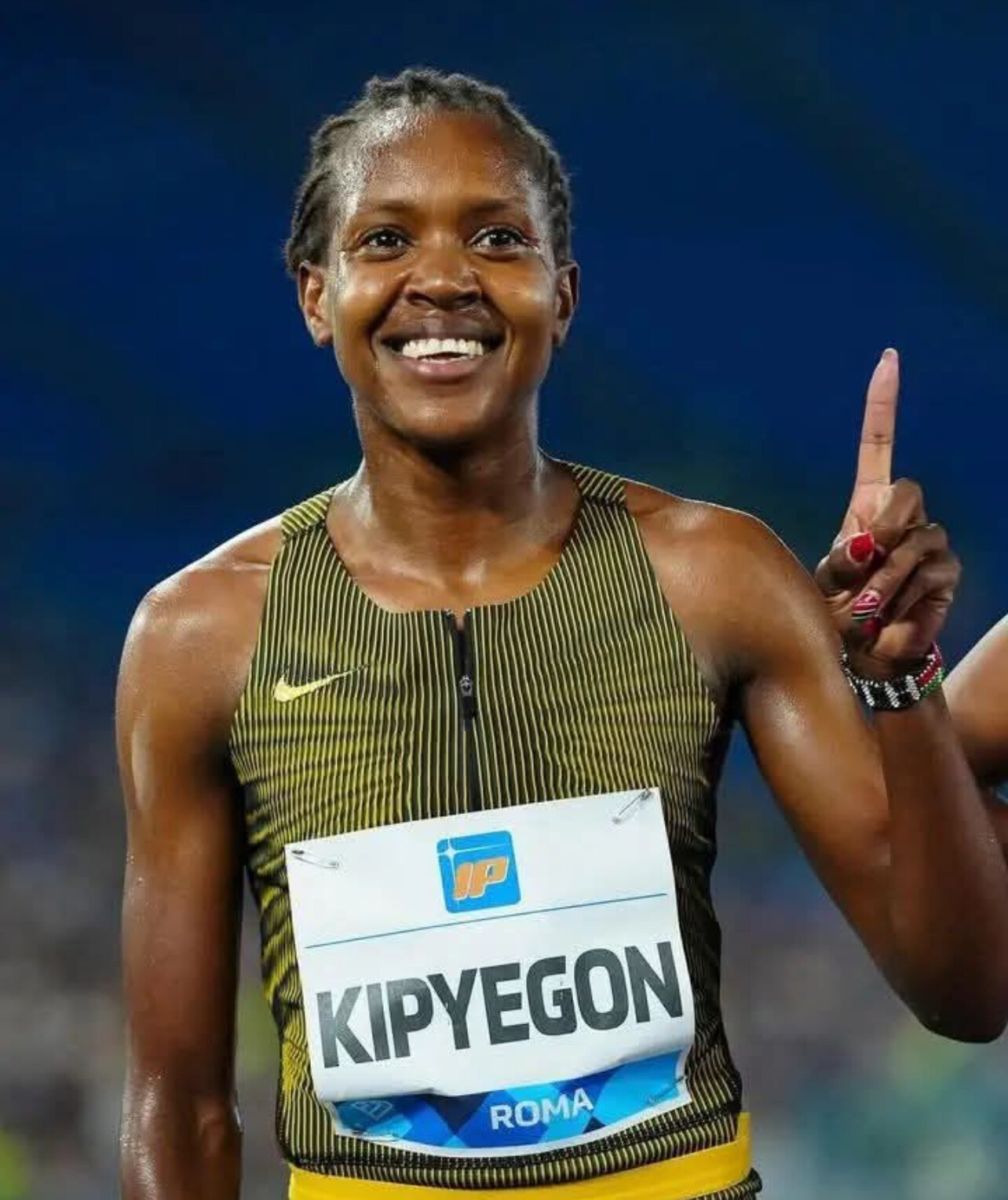
He’s right. Faith will have more chances. She’s too talented not to. But next time, I hope the planners listen—to athletes, to coaches, to those who understand what’s required to break barriers. High-tech shoes and flashing lights don’t make history. Precision, psychology, and smart pacing do.
This was a missed opportunity. Let’s not miss the next one.
(06/26/2025) ⚡AMPby Bob Anderson
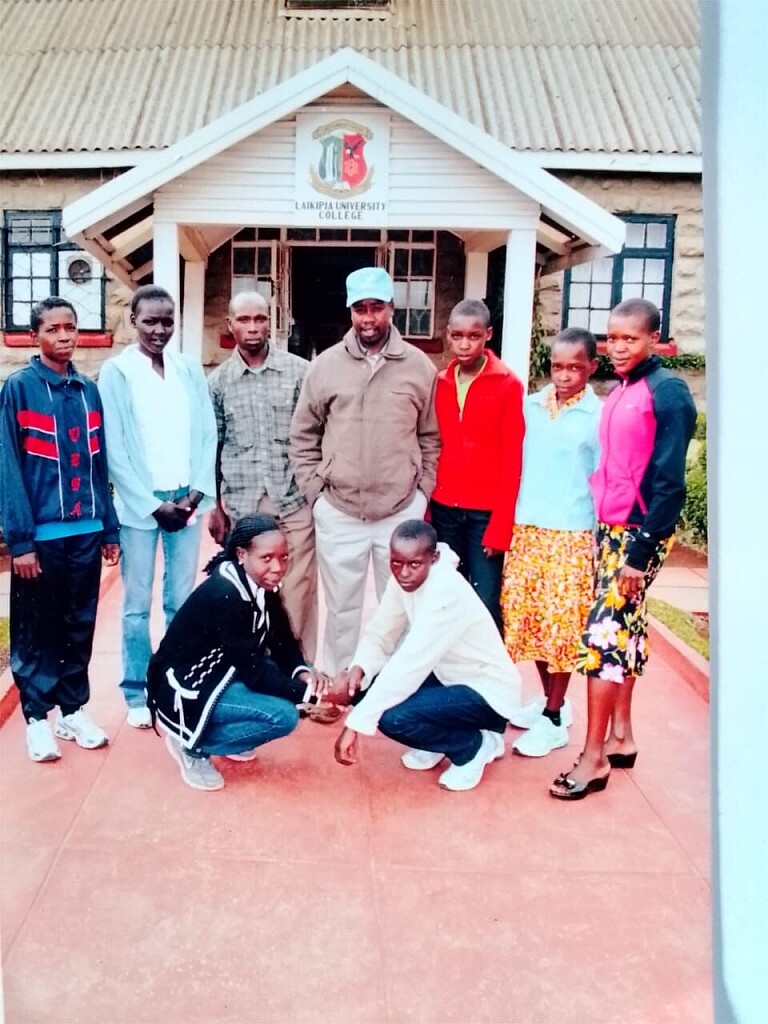
Charles Ngeno Joins KATA to Help Build Kenya’s Next Champions
With more than 15 years of experience coaching distance runners at the highest level, Charles Ngenohas dedicated his life to unlocking the potential of Kenyan athletes. Now, as a KATA Running Camp operator, he brings that expertise to one of the country’s most innovative athletic development programs—combining elite coaching with a sustainable, community-driven model.
“I’m thrilled to join the KATA Running Camp program, where I’ll share my expertise and passion for athletics with talented young runners,” Ngeno says. “With over 15 years of coaching experience and a proven track record of developing world-class athletes, I’m confident in my ability to contribute to the program’s success. I’m excited to work with the KATA team to identify and nurture emerging talent, and to help athletes achieve their full potential. Together, we’ll take Kenyan athletics to new heights and inspire a new generation of runners.”
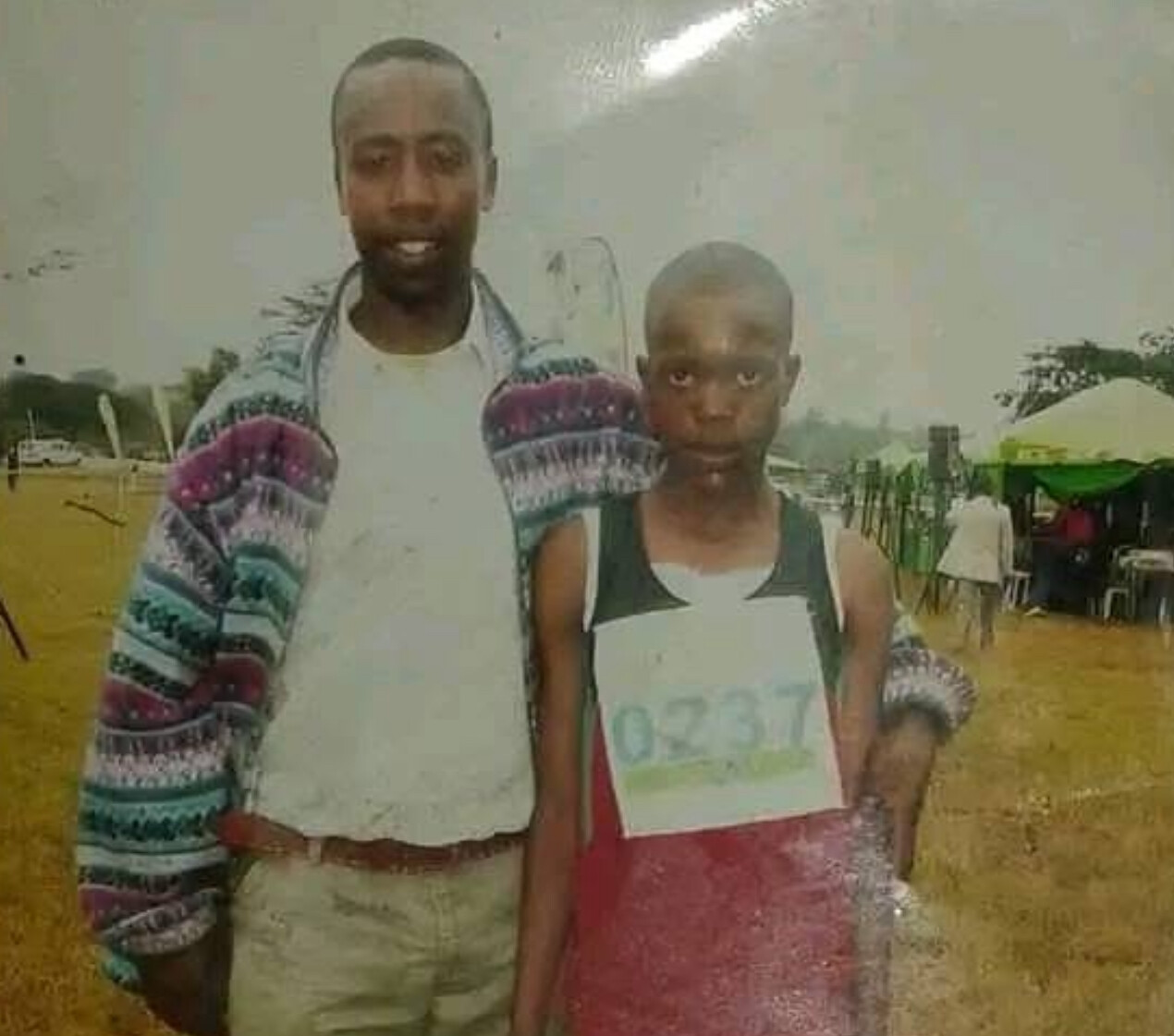
Ngeno’s coaching career has included mentoring both junior and senior athletes—many of whom have risen to national and international prominence. One of the most notable names he worked with early on is Faith Kipyegon, now a two-time Olympic champion and world record holder in the 1500m. Ngeno played a role in her formative development, helping guide her at a key moment in her youth when she was discovered near Keringet Township.
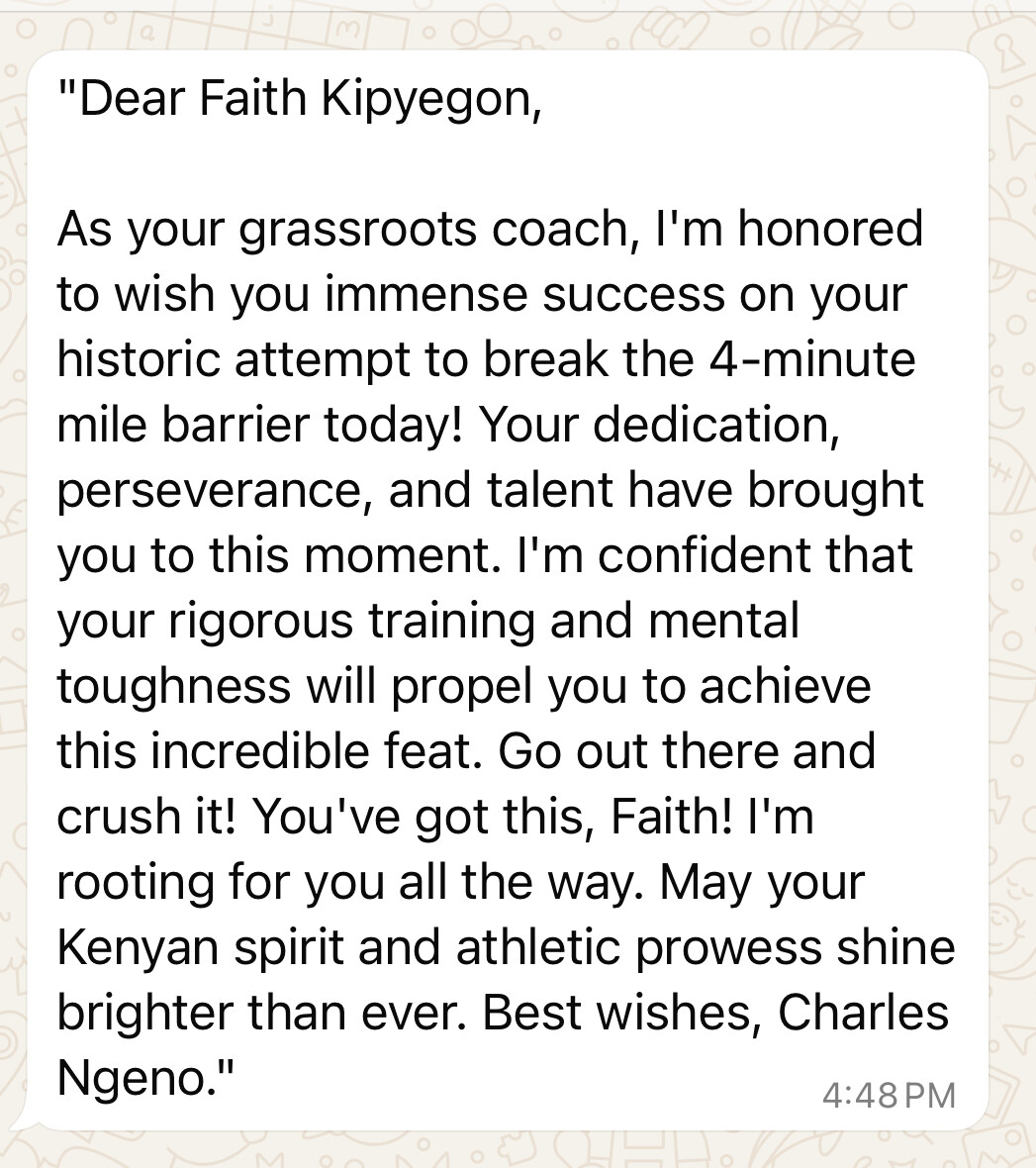
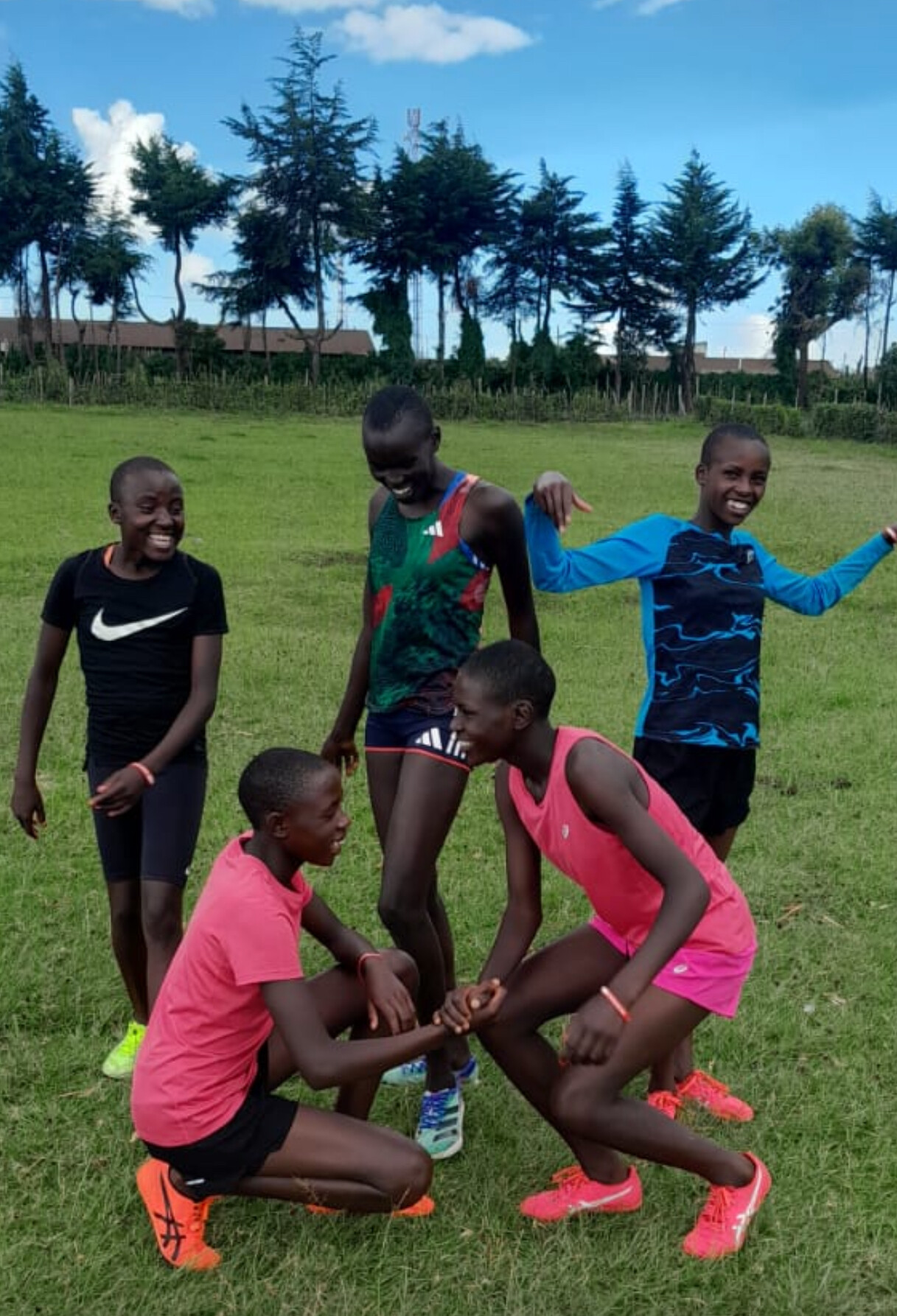
That early influence continues to resonate. Kipyegon is now attempting to do what no woman has ever done—break the four-minute barrier for the mile. The historic run is scheduled for June 26 in Paris as part of Nike’s “Breaking4” project, with the global running world watching closely. Ngeno, meanwhile, is back where his heart has always been: coaching on the ground in Kenya and building future champions.
The KATA model is unlike any other. Each camp is linked with a three-acre potato farm, where athletes work part-time—25 hours a week—in exchange for full room, board, and expert coaching. The combination of structured training and sustainable agriculture allows athletes to focus entirely on their development, while also contributing to the local economy.
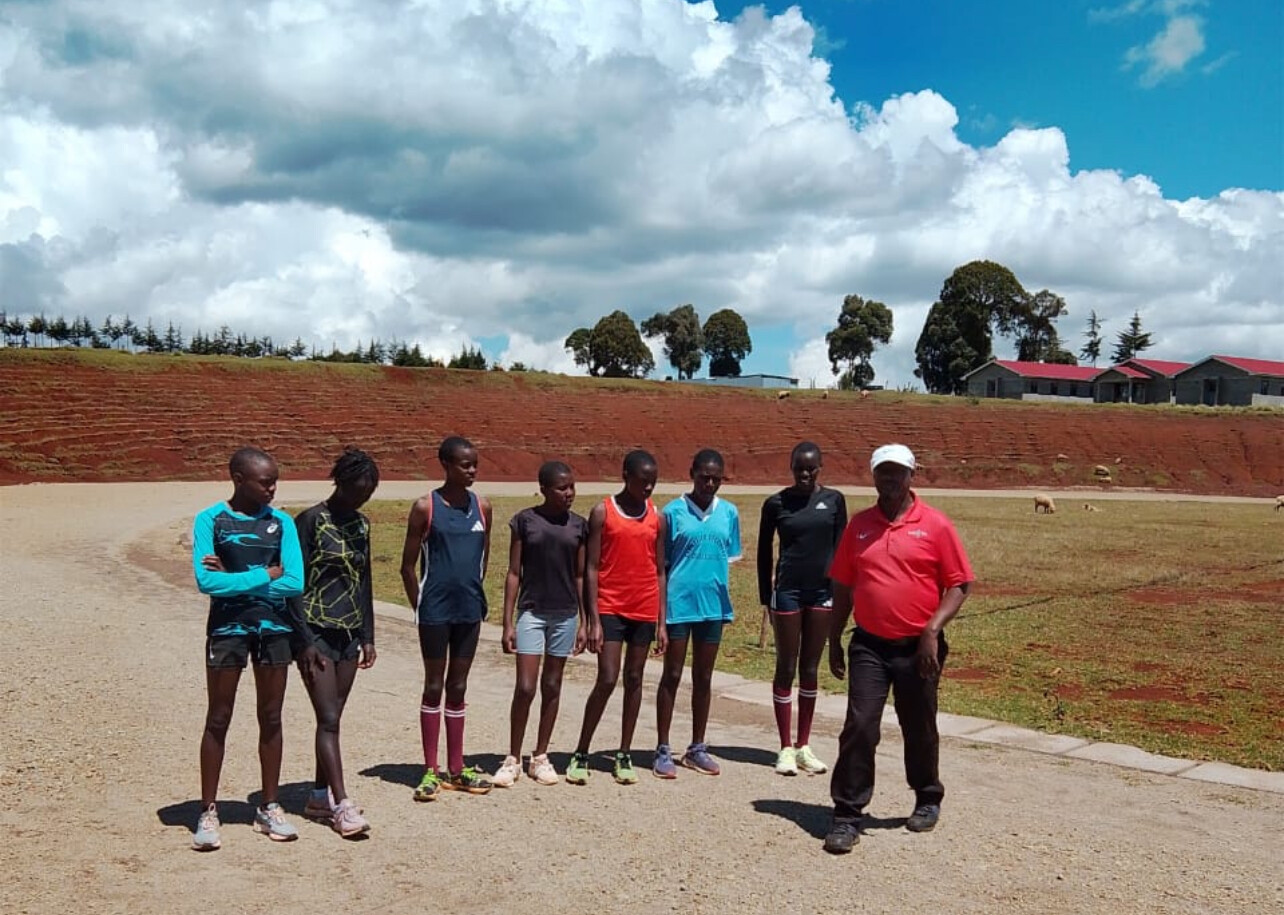
As a camp operator in Olenguruone, Ngeno oversees not only the athletic training but also the day-to-day structure of the farm program. His hands-on approach, deep knowledge, and commitment to discipline and consistency make him the ideal leader for this environment.
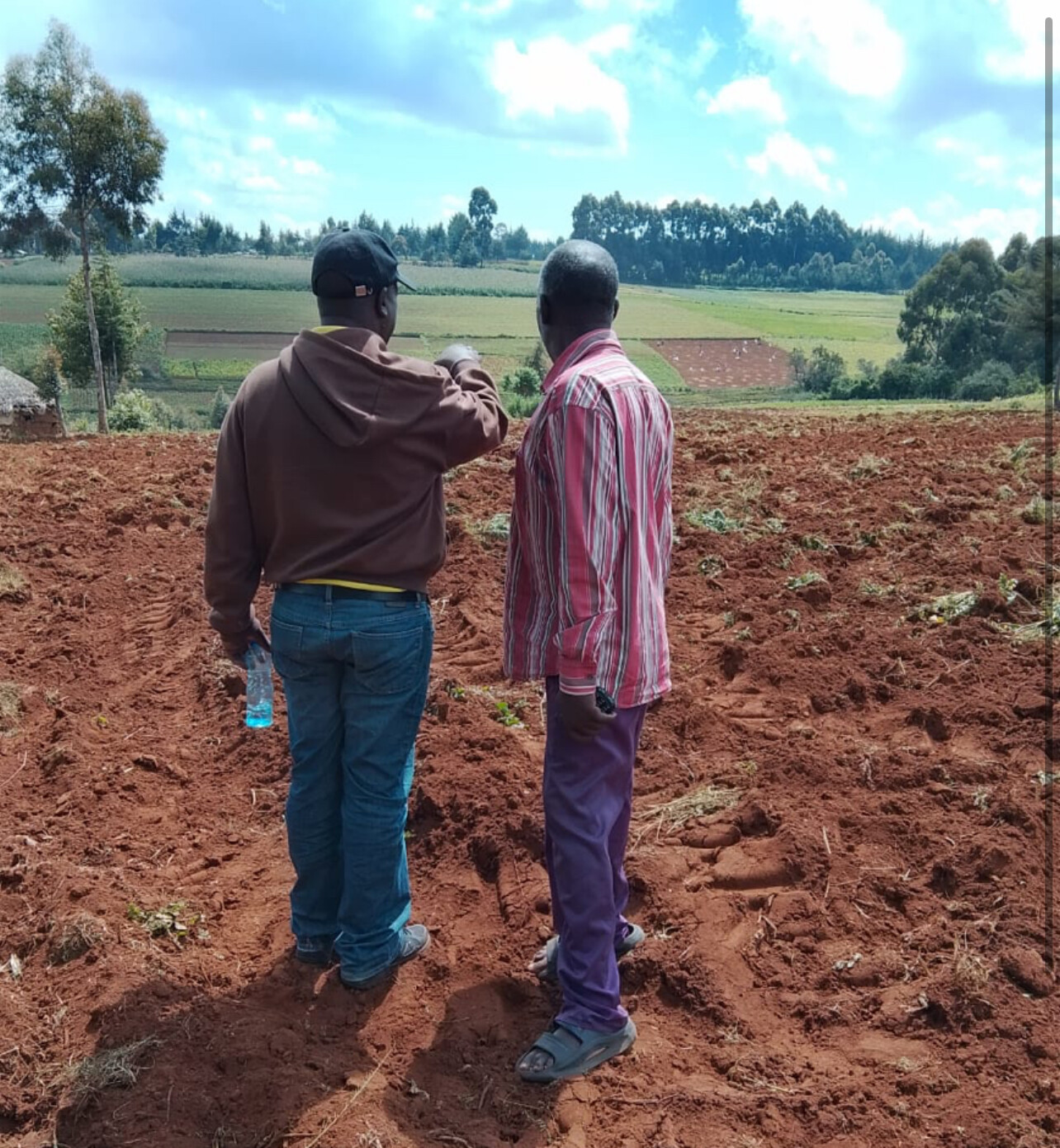
“This isn’t just another training camp,” he says. “This is a platform for real opportunity. We’re giving athletes who might otherwise be overlooked the chance to build something—to compete, to grow, and to give back. I’ve seen what’s possible when someone believes in you. I want to be that person for these runners.”

With camps already in operation across Kenya, and more launching every month, KATA is expanding rapidly under the leadership of founder Bob Anderson, who launched the original KATA in Thika in 2019. All camps follow the same guiding philosophy: develop talent locally, create economic opportunity, and prepare runners for the world stage.
Charles Ngeno’s presence adds serious strength to that mission. His career, his values, and his passion align perfectly with the vision of KATA. And for the athletes training under his guidance today, the path forward has never looked more promising.
(06/26/2025) ⚡AMPby Boris Baron
Racing Through Royal History: BMC Westminster Mile Returns to London with Sub-4 Ambitions
The BMC Westminster Mile, a one-of-a-kind road mile race through the heart of London, returns on Sunday, September 22, 2024, giving elite athletes another rare opportunity to chase history on the streets leading to Buckingham Palace.
Staged on the iconic Vitality Westminster Mile course, the race begins on The Mall and finishes in front of Buckingham Palace — offering both a stunning backdrop and a lightning-fast layout. Organized in partnership with the British Milers Club, the event caters specifically to those targeting milestone times: sub-four for men and sub-4:20 for women.
In last year’s inaugural edition, Joe Wigfield made headlines by becoming the first athlete ever to run a sub-four-minute mile on the road in London, stopping the clock at 3:59. His performance etched him into the record books as only the 21st British man in history to break the four-minute barrier on the road, a feat achieved over a 70-year period.
On the women’s side, Great Britain international Katie Snowden set the course alight with a 4:23 finish — making her the eighth-fastest Brit in history over the road mile and the fastest woman ever on this course.
“Our first edition last year was an incredible success,” said Elaine Rayner, Event Lead for the Vitality Westminster Mile. “Joe Wigfield became the first person in the history of the event to run sub-four and Katie Snowden ran an incredible 4:23 to set a course record. That shows that, as well as the course being like no other in the world for landmarks, it is also very fast.”
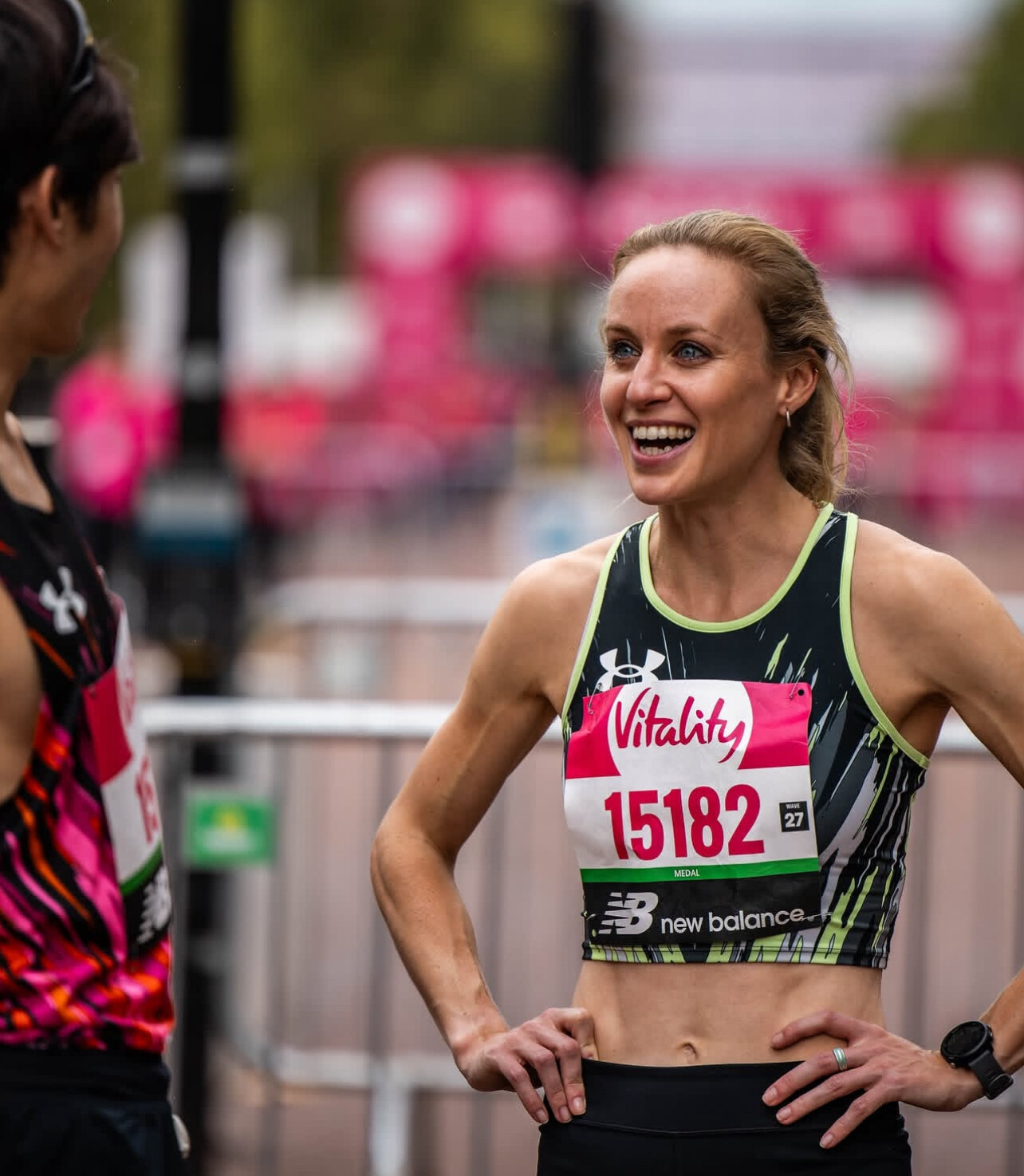
Last year’s race also saw national records fall across multiple age categories:
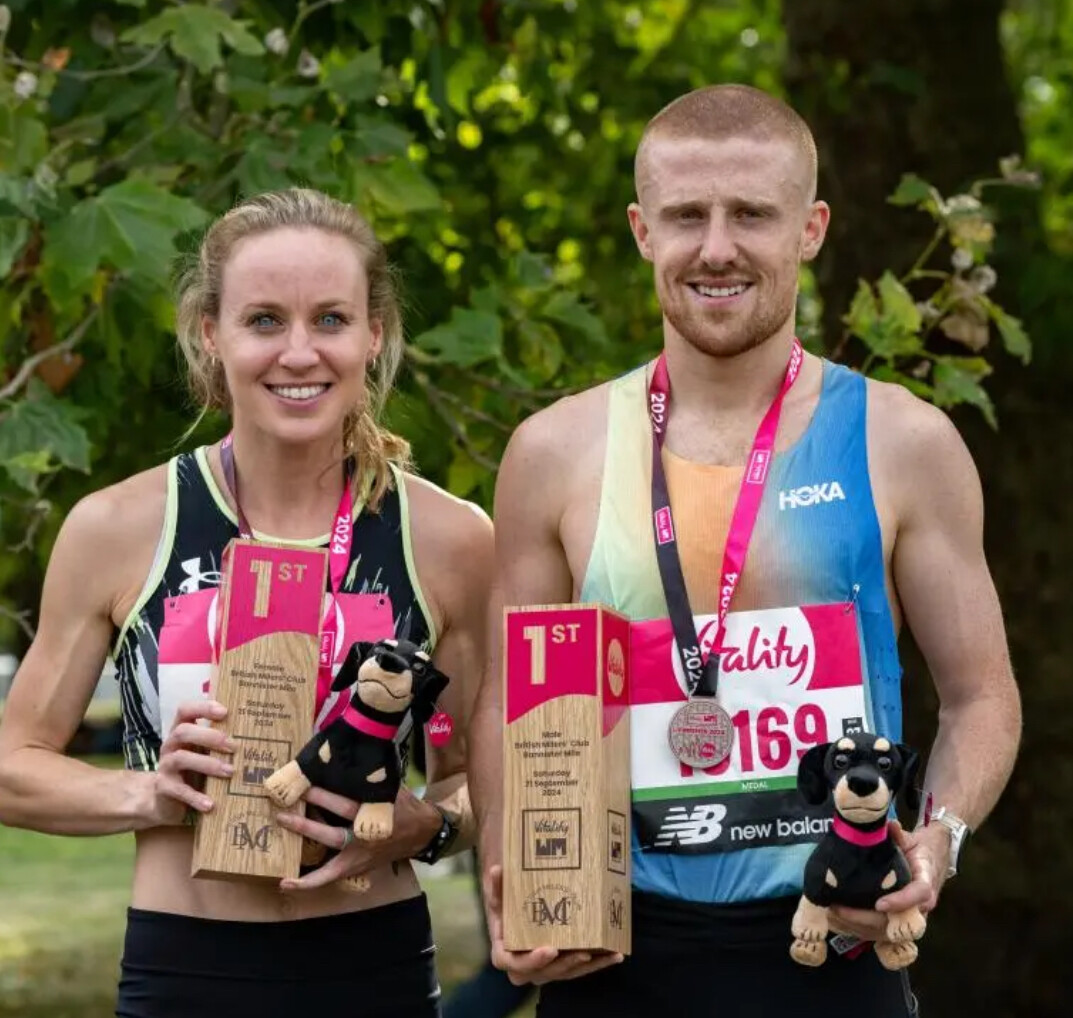
• Kirstie Booth clocked 4:57 to set a new UK over-45 Masters record, breaking a 14-year-old mark.
• Mark Symes ran 4:45 to set a new over-55s road best.
• Doug Milsom, at age 85+, ran 9:18 — rewriting the national record books for his age group.
With £1,000 for first place, £500 for second, and £250 for third in both the men’s and women’s elite races, the event offers not only prestige and fast times but also meaningful rewards.
The 2024 edition is open to BMC members targeting sub-4:40 (men) or sub-5:24 (women)and is expected to attract some of the fastest middle-distance talent in the UK and beyond.
If you’re looking to end your racing season with a statement, there’s no mile more iconic or competitive than this one — set in the shadows of royal history.
Entries are open now.
(06/26/2025) ⚡AMPby Boris Baron
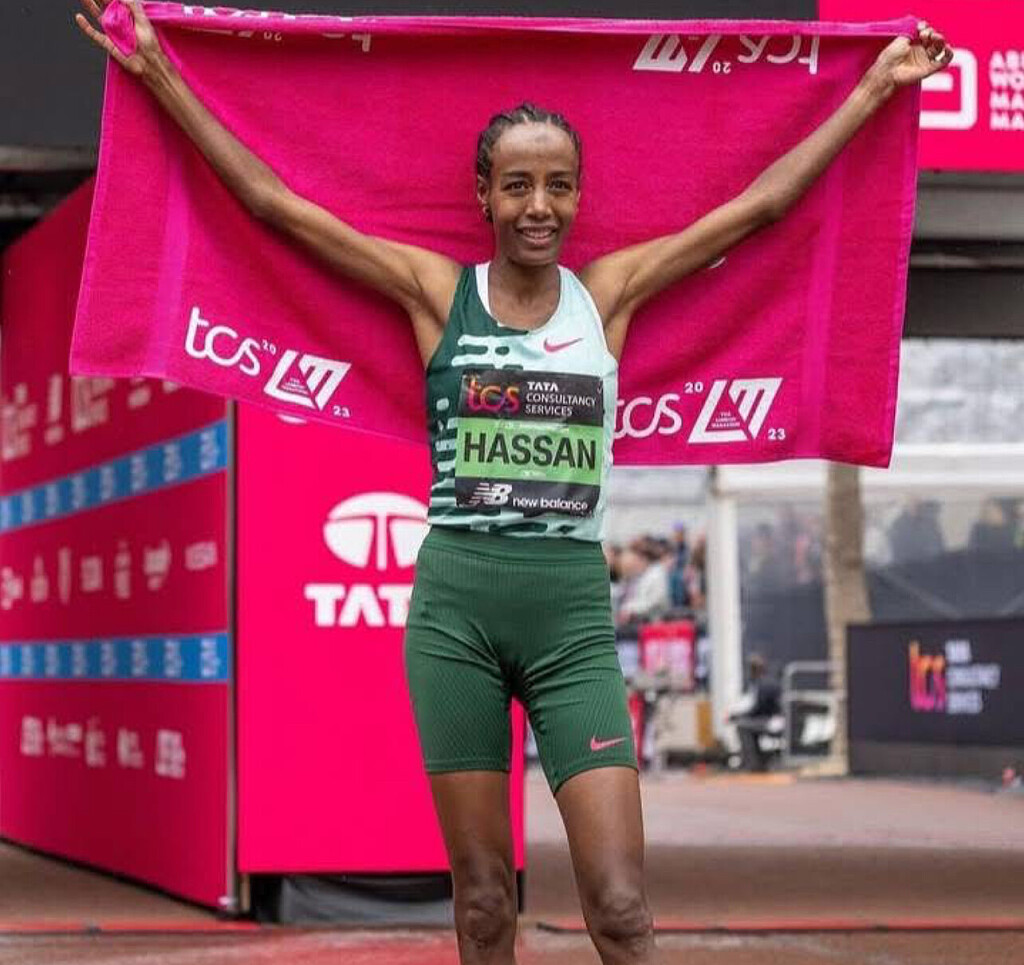
Sydney Marathon Attracts Another Star: Sifan Hassan Joins Eliud Kipchoge for August Showdown
The 2025 Sydney Marathon just got even more exciting.
Already making global headlines with the announcement that world record holder Eliud Kipchoge ?? would headline the event, organizers have now confirmed that Dutch star Sifan Hassan ?? will also line up on Sunday, August 31.
This marks a major development in the race’s bid to join the World Marathon Majors circuit. By bringing together two of the sport’s biggest names, Sydney is positioning itself as one of the must-watch marathons of the year.
Kipchoge, a two-time Olympic marathon gold medalist and widely regarded as the greatest marathoner of all time, will be running on Australian soil for the first time. Meanwhile, Hassan, the reigning London Marathon champion and one of the most versatile distance runners in history—with Olympic medals in the 1500m, 5000m, and 10,000m—is looking to build on her marathon legacy.
Both Kipchoge and Hassan bring massive global attention to any race they enter. Their participation is not only a coup for Sydney but also a sign of the growing competitiveness of international marathon events outside the traditional six majors.
The 2025 edition of the Sydney Marathon promises to be one of the most watched marathons of the year.
Stay tuned for more updates as the elite field continues to build.
(06/25/2025) ⚡AMPby Boris Baron

Sydney Marathon
The Sydney Marathon is a marathon held annually in Sydney, Australia. The event was first held in 2001 as a legacy of the 2000 Summer Olympics, which were held in Sydney. In addition to the marathon, a half marathon, 9 kilometres (5.6 mi) "Bridge Run", and a 3.5 kilometres (2.2 mi) "Family Fun Run" are also held under the banner...
more...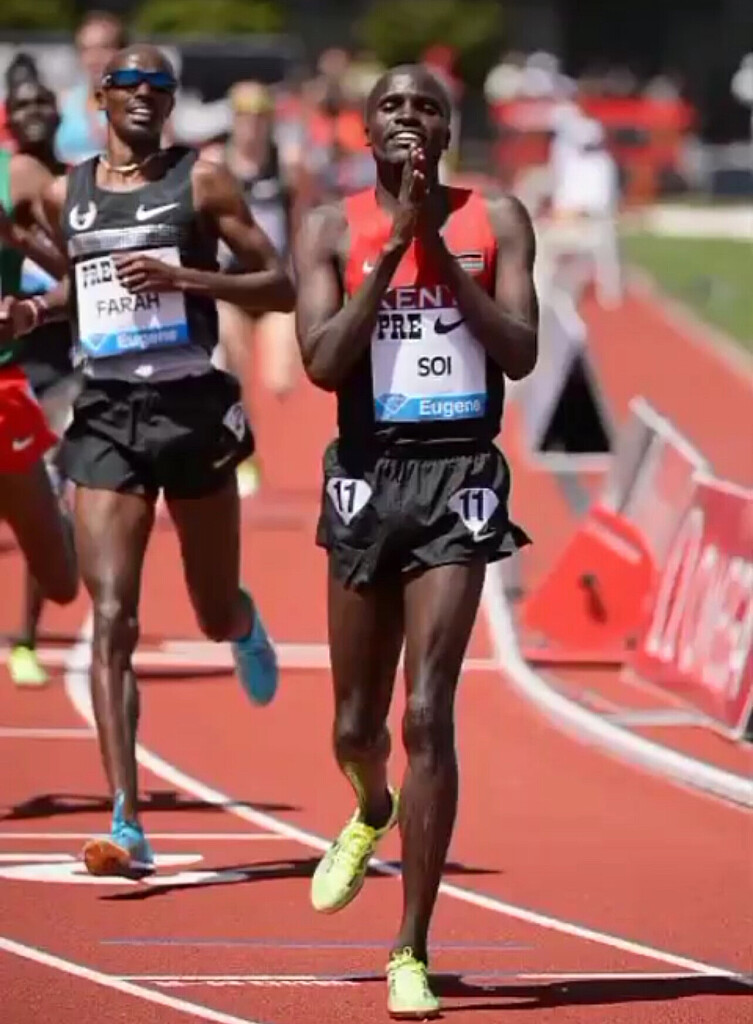
Support Athletes. Uplift Communities. Help Shape the Future of Kenyan Running
.For decades, Bob Anderson—founder of Runner’s World and a lifelong champion of distance running—has believed in the transformative power of athletics. In 2019, inspired by visits to Kenya dating back to 1987, he launched the Kenyan Athletics Training Academy (KATA) in Thika to give promising athletes the opportunity to rise. In 2024, Anderson expanded the vision internationally, opening a second training retreat in Portugal.
Until now, every KATA camp and retreat has been fully funded by Bob himself. But as momentum builds, he’s extending an invitation: become a KATA Partner and help expand this game-changing model—while earning a meaningful return on your investment.
“We’ve proven the model works,” says Anderson. “Now we want visionary partners to help take KATA to the next level. This isn’t charity—it’s an investment in performance, purpose, and people.”
What Is the KATA Partner Program?
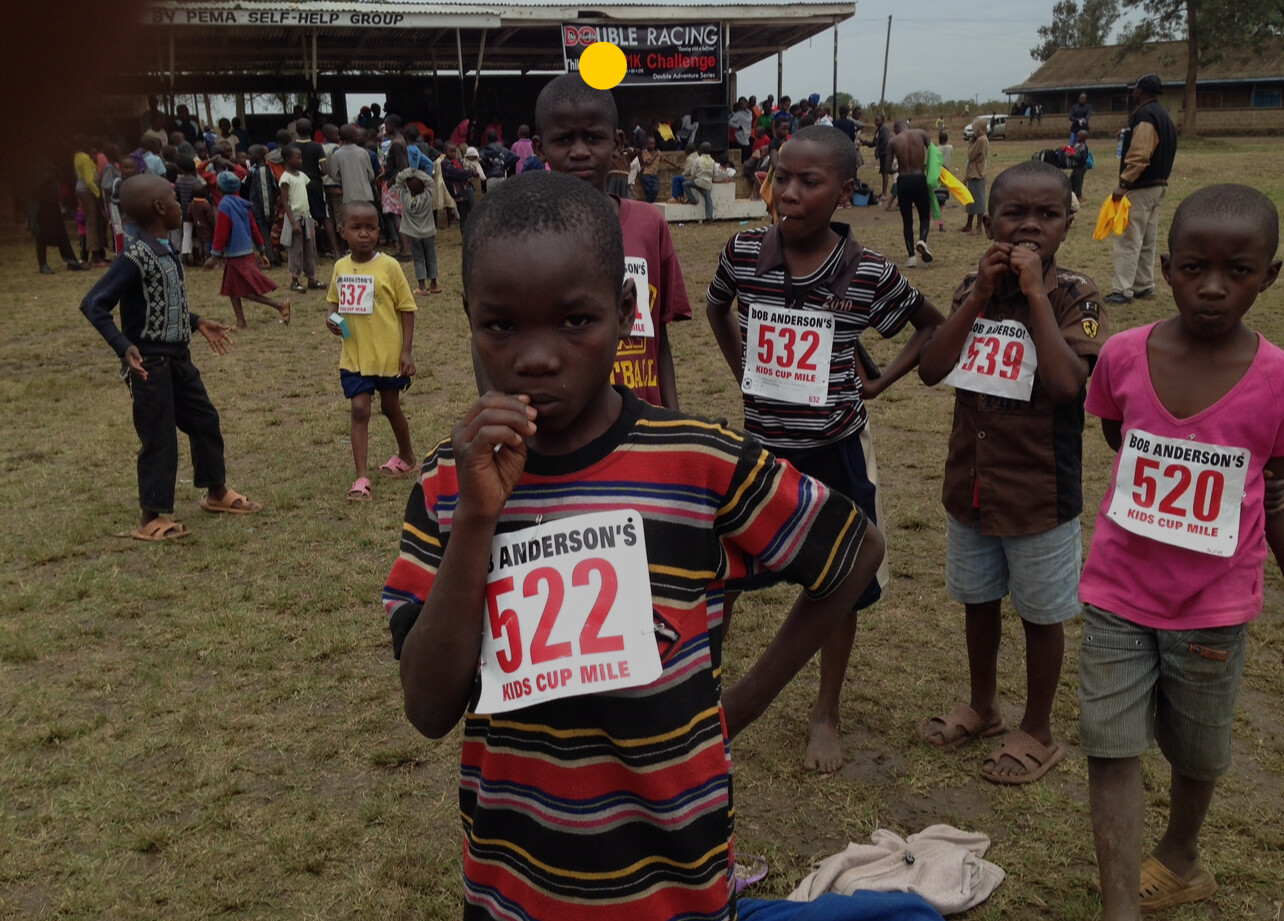
The KATA Partner Program offers a ground-floor opportunity to support elite athlete development and rural progress through a unique model that combines world-class coaching with sustainable agriculture.

Each KATA Running Camp is paired with a three-acre KATA Potato Farm. Athletes live, train, and work part-time on the farm—25 hours per week—in exchange for full room and board plus expert coaching. In return, they contribute 15% of any prize money they earn back to their camp. The rest is theirs to keep.

As a KATA Partner, you help fund and launch a new camp. In return, you:

• Earn a share of revenue from potato farm sales and athlete prize winnings
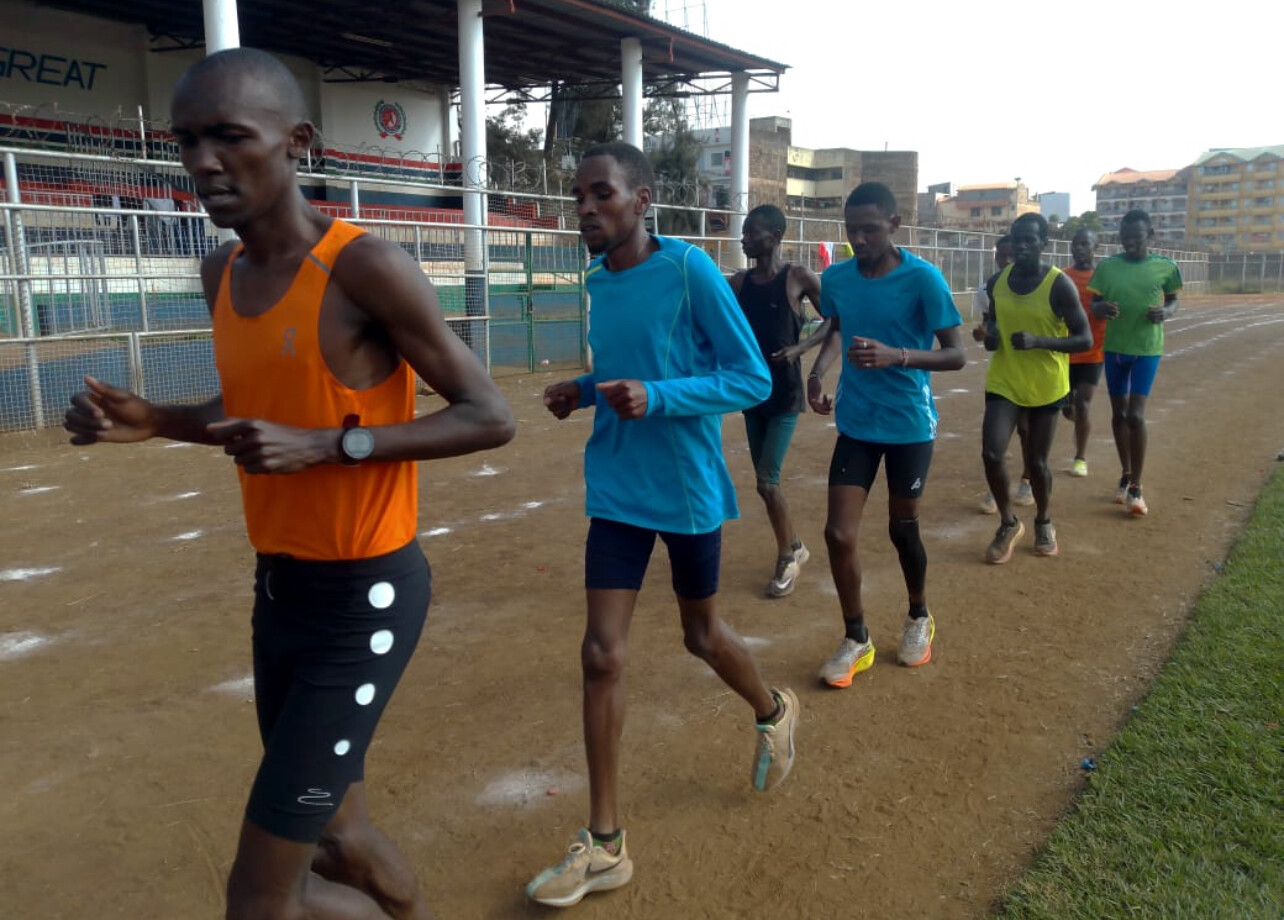
• Gain naming rights to the camp (e.g., [Your Name or Organization Name] KATA Running Camp)
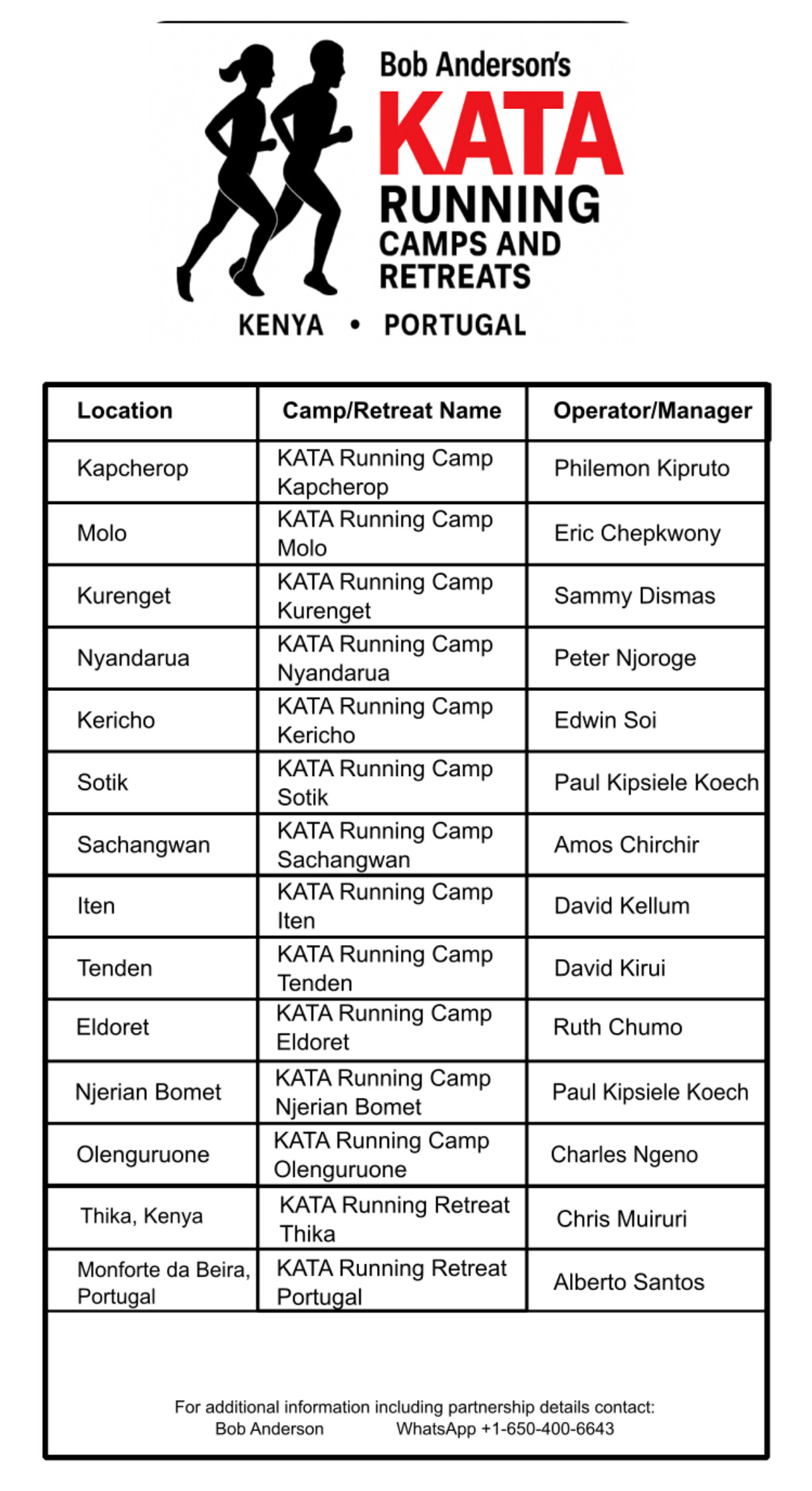
• Empower athletes and uplift local communities through long-term partnership
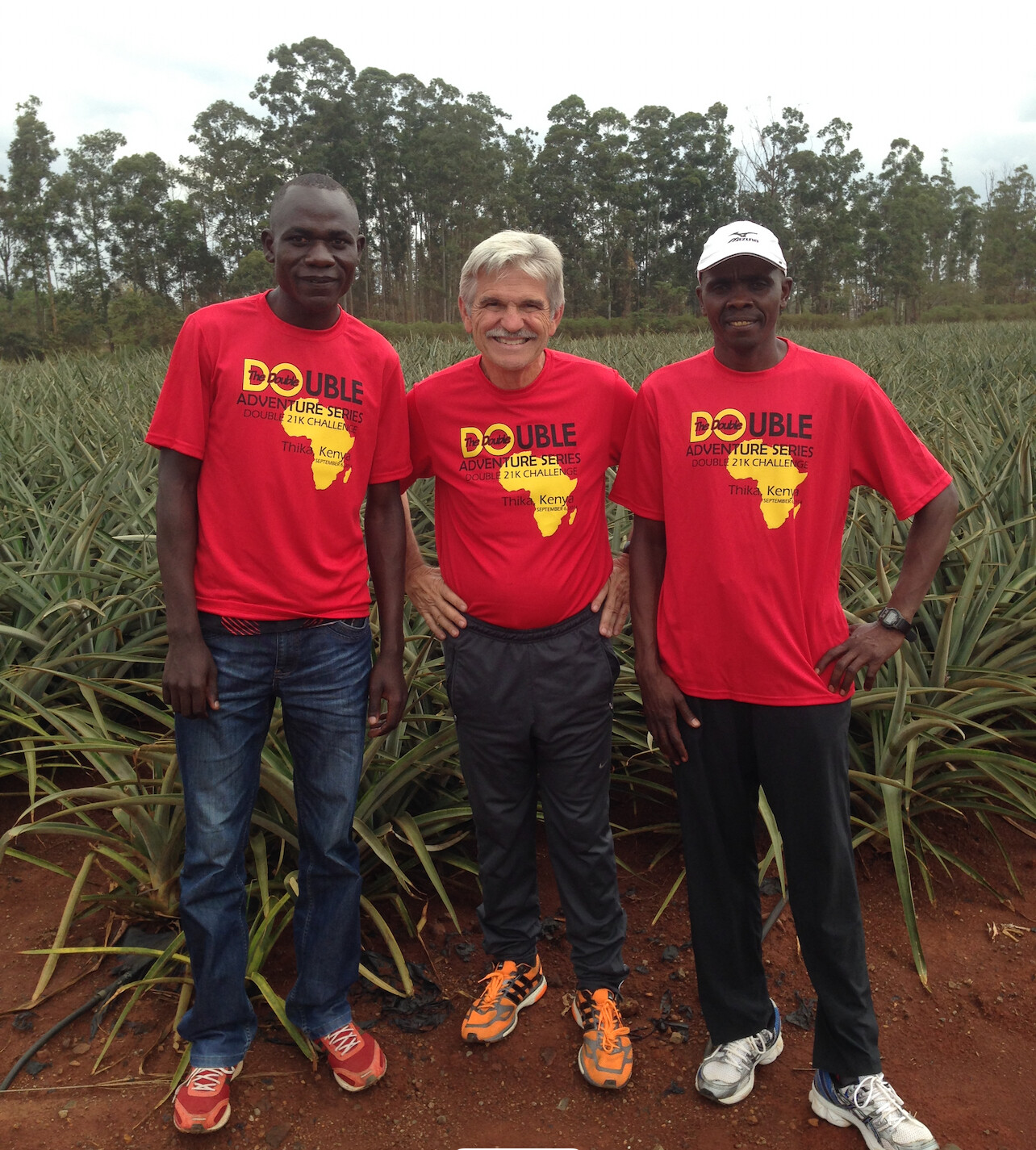
Two Pathways to Partnership
International Partner Program
• One-time KATA membership fee: $5,000 USD in 2025
• Fee increases to $6,500 USD starting January 1, 2026
• Annual dues: $1,000 USD (starting year two)
• Share of revenue:
• 15% of potato farm revenue
• 15% of athlete prize money
Kenyan National Partner Program
• One-time KATA membership fee: KES 900,000
• Annual dues: KES 50,000 (starting year two)
• Each additional acre: KES 100,000 (plus KES 25,000 in annual dues)
• Share of revenue:
• 10% of potato farm revenue
• 10% of athlete prize money
This is not a donation—it’s a purpose-driven investment with a guaranteed revenue share. You’re helping athletes succeed and communities thrive, while building your own legacy.
KATA Handles Everything
Whether you want to be hands-on or prefer a passive role, KATA takes care of:
• Finding and securing land and housing
• Recruiting qualified operators (often Olympic medalists and elite coaches)
• Setting up the farm and camp
• Managing all agricultural operations and logistics
Current camps are operated by respected figures like Olympic medalists Paul Kipsiele Koech and Edwin Soi, coaching veterans such as Charles Ngeno, and long-time team members like Elam Wangerwo, who has worked with KATA since 2014.
Why It Matters
This program isn’t just about running—it’s about changing lives. KATA gives talented young runners the platform to pursue greatness while bringing food security and economic opportunity to rural Kenya.
“If you’ve ever wanted to be part of something that matters—something that delivers both impact and return—this is your moment,” says Anderson.
Join the KATA Movement
To learn more or become a KATA Partner, contact:
Bob Anderson via WhatsApp: +1 (650) 400-6643
The next great Kenyan runner is already out there. Let’s make sure they have a place to grow—on the track and in their community.
(06/25/2025) ⚡AMPby Bob Anderson

More Than 1 Million Apply for 2026 London Marathon as 60,000 Gain Entry – Here’s How You Can Still Get In
The 2026 TCS London Marathon is already shaping up to be one of the most popular editions in its storied history. With over 1 million applicants and only around 60,000 spots officially granted through the ballot, the race continues to be one of the toughest endurance events in the world to get into—even before you hit the start line.
Ballot results were sent out this week, and while thousands are celebrating, the overwhelming majority were left disappointed. If you didn’t receive your result yet, race organizers advise you to get in touch immediately.
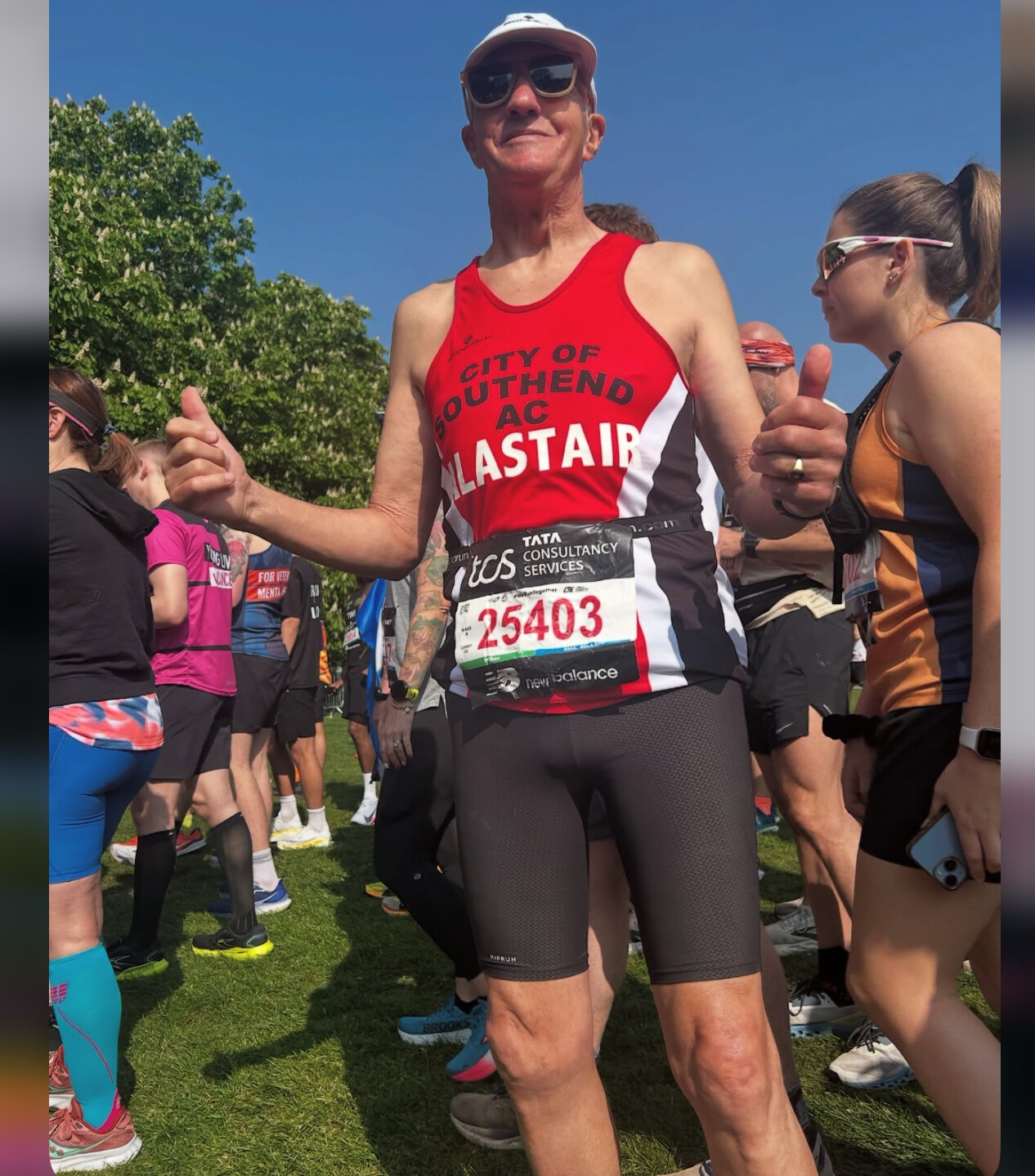
Fortunately, missing out in the ballot doesn’t mean your marathon dreams are over. There are several alternate paths to the start line for the 2026 race, set for April 26, 2026—and you don’t have to be a celebrity to take one of them.
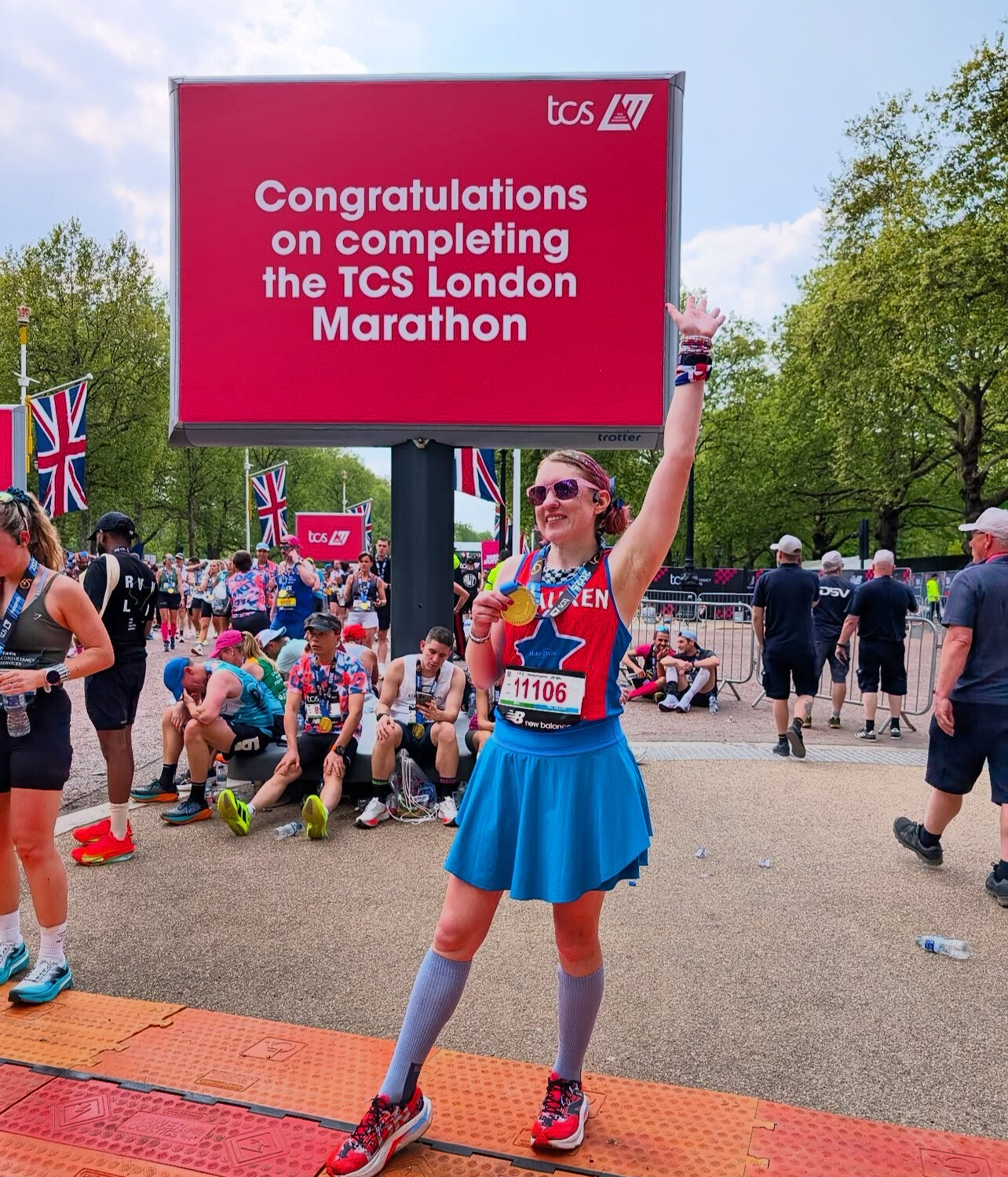
1. Charity Places
The most popular fallback option is a charity entry. Hundreds of charities have reserved entries and welcome runners willing to raise funds for a good cause.
• Expect to pledge a minimum of £2,500 in fundraising.
• The full list of participating charities is available on the official London Marathon website.
• Even if you secured a ballot spot, you’re still welcome to raise money for charity on your own terms.
2. Good for Age Entries
If you’re a speedy runner, the “Good for Age” category may be your ticket in. A total of 6,000 spots(3,000 men, 3,000 women) are available in this division.
• You must hit a qualifying time for your age group by September 30, 2025.
• Applications are ranked fastest first within each age band—meeting the time doesn’t guarantee entry.
• This route is highly competitive and ideal for runners targeting a personal best or Boston-qualifying type performance.
3. Championship Entry
Elite amateur runners have another option through the Championship Entry category.
• You’ll need to achieve a qualifying marathon or half marathon time between October 1, 2024, and September 30, 2025.
• There are 1,000 spots available on a fastest-first basis.
• Those who don’t make the cut will still be considered under the “Good for Age” category.
This is the best path for top club athletes, sub-elite runners, and those consistently finishing near the front of local or national races.
4. Running Club Entries
Are you a member of an affiliated running club in the UK? Then you may have access to special club ballot places.
• Speak to your club’s London Marathon representative for details.
• These spots are limited but offer a valuable opportunity for dedicated club runners to gain entry.
One of the Hardest Races to Get Into
While many runners know that completing 26.2 miles is a monumental challenge, getting into the London Marathon might be even harder. With demand at an all-time high and the field size capped, the race has become not just a physical trial, but a logistical and emotional one as well.
But with options still open—including elite, age-based, charity, and club routes—your dream of running the streets of London in 2026 doesn’t have to end at a ballot rejection.
Whether you’re chasing a personal milestone, running for a cause, or hoping to run with the best, the journey to the April 26, 2026 start line is still possible.
(06/24/2025) ⚡AMPby Boris Baron
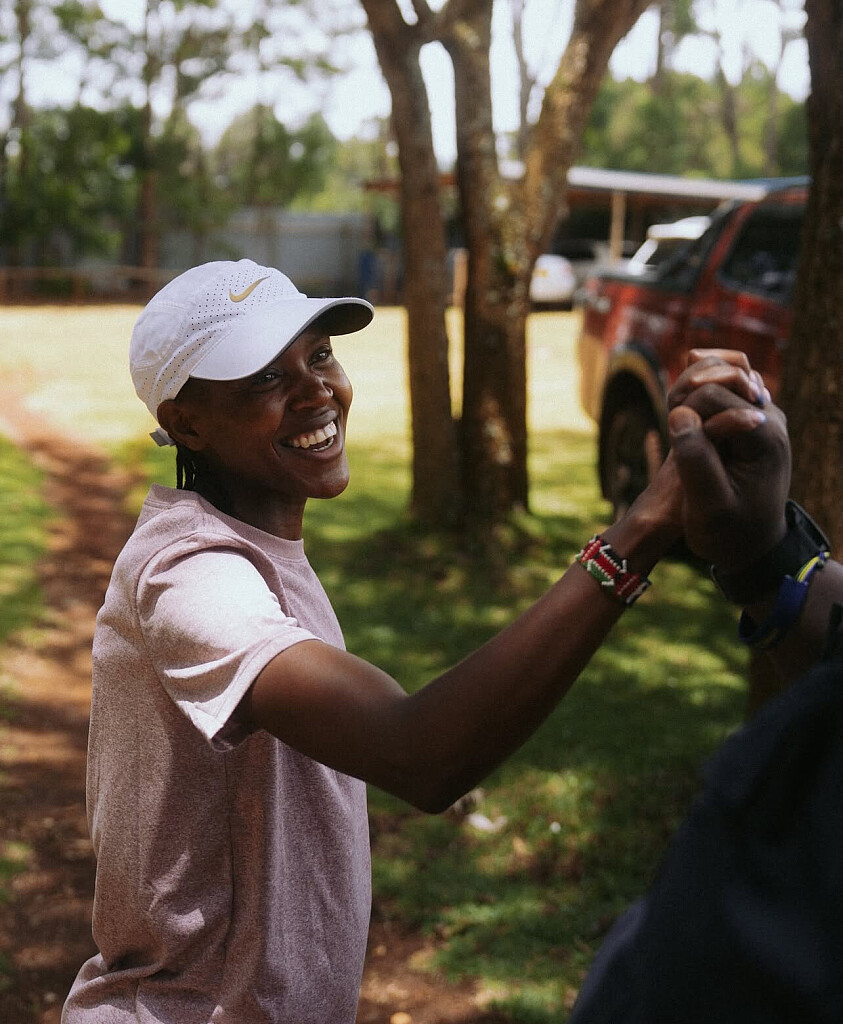
Faith Kipyegon vs. the Clock — Can She Become the First Woman to Break the Four-Minute Mile?
Faith Kipyegon, the reigning world and Olympic champion and current world record holder in both the 1500m and the mile, is preparing for one of the most audacious feats in track and field history—breaking the four-minute barrier in the mile.
The attempt will take place on Wednesday, June 26, 2025, at Stade Charléty in Paris as part of Nike’s “Breaking4” initiative. The race is scheduled for the late afternoon, optimized for cooler weather and ideal pacing conditions.

While the attempt will not be eligible for official world record ratification—due to likely use of rotating pacers, pacing lights, and other technological aids—it is poised to become a defining moment in women’s middle-distance running.
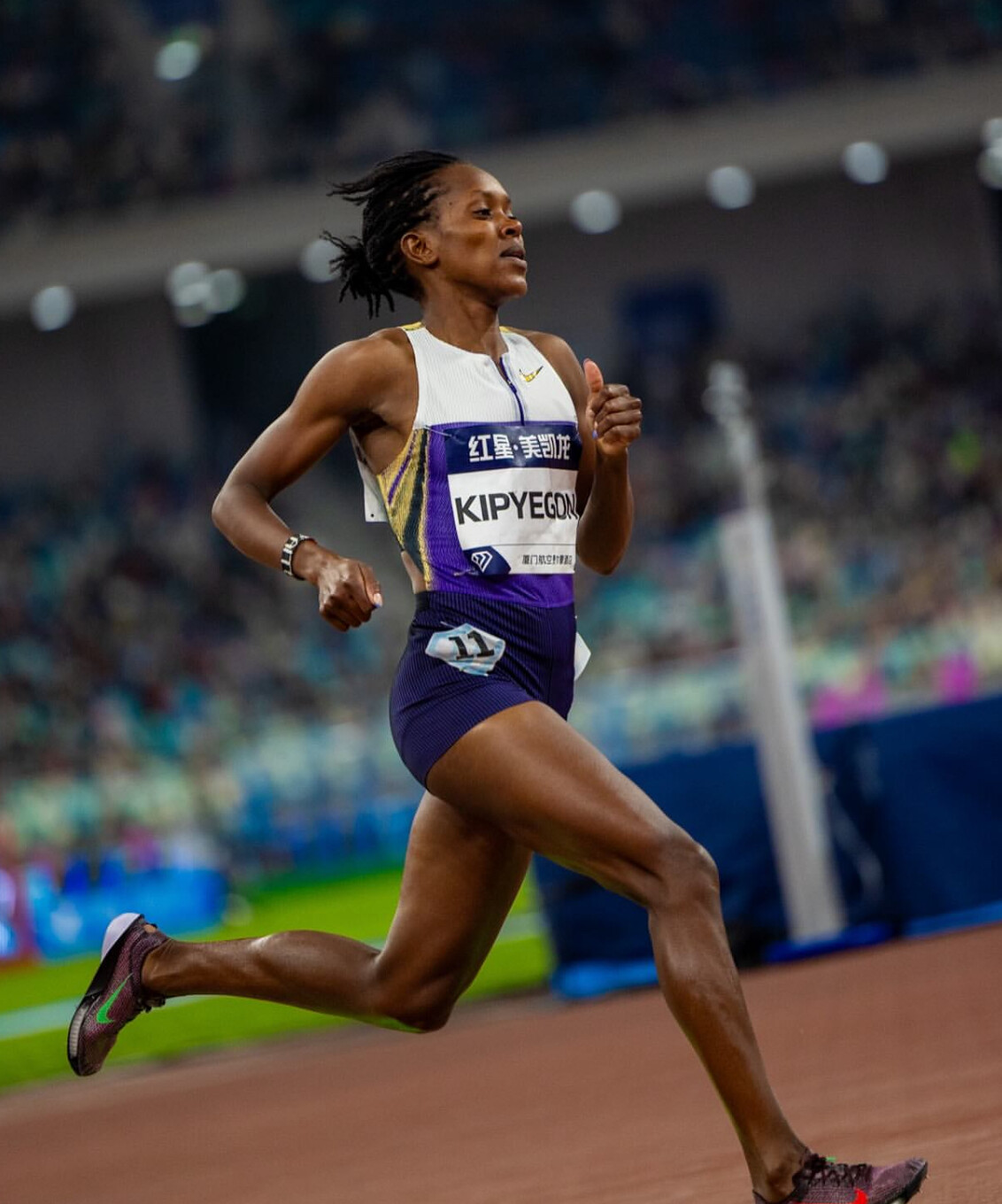
Faith Speaks: “We Have to Dream Big”
Kipyegon has never been one to back down from a challenge. In a recent press conference, she addressed the enormity of the task ahead.
“I think breaking four will really cement my legacy… Everything we do, we have to dream big and just believe in ourselves that we could do it,” Faith said.
She emphasized the importance of mindset over mechanics:
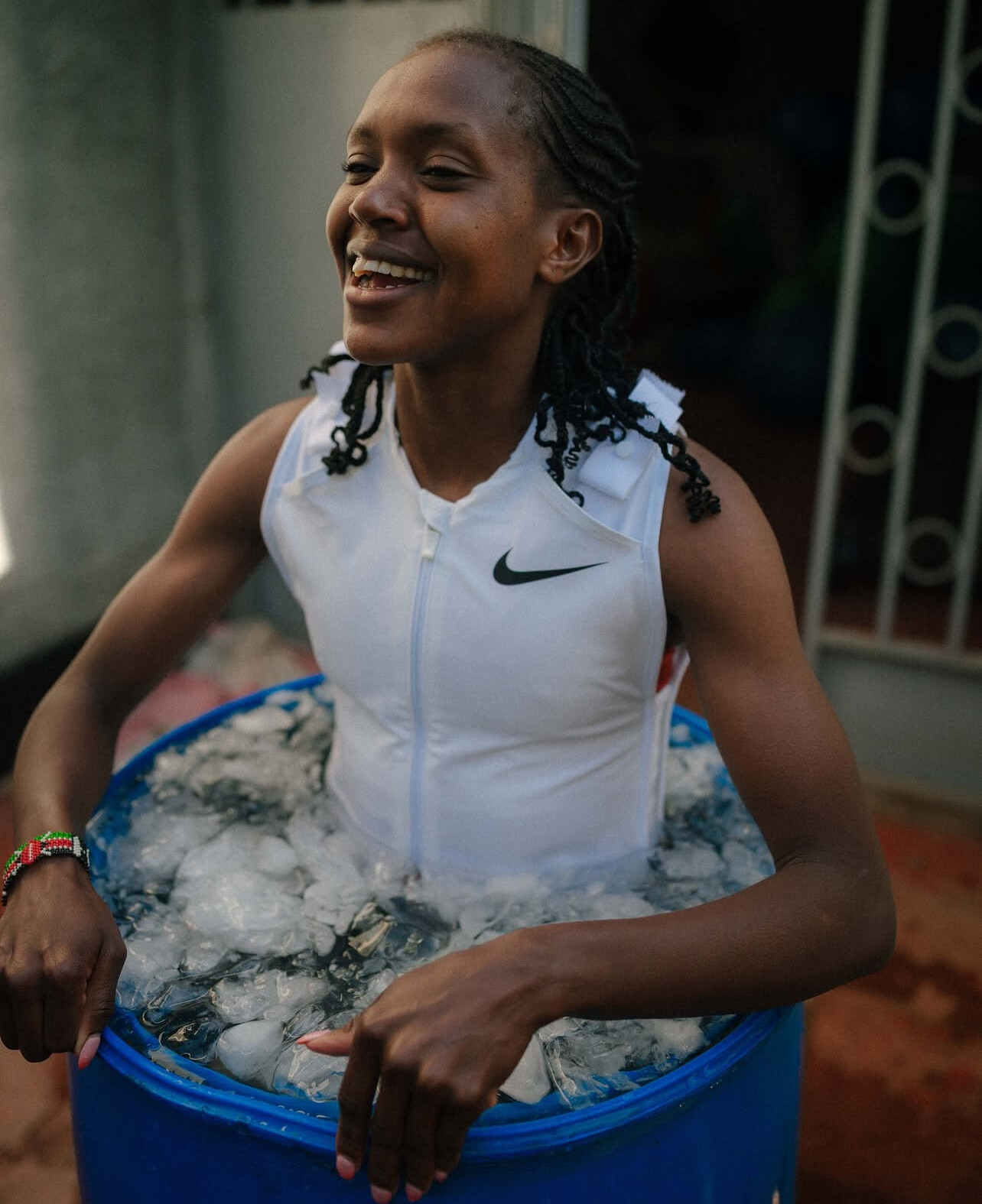
“It’s all about the mind… If you keep on telling yourself that you can do it, you can do it.”
How Big Is the Leap?
Kipyegon set the current women’s mile world record of 4:07.64 in Monaco in 2023. To go under four minutes, she would need to shave over seven seconds off that performance—a massive leap in elite middle-distance running.
For context, Roger Bannister’s famous sub-four in 1954 was just a 2-second drop from the previous best. Kipyegon would be attempting more than three times that.
Beatrice Chebet Shows Support
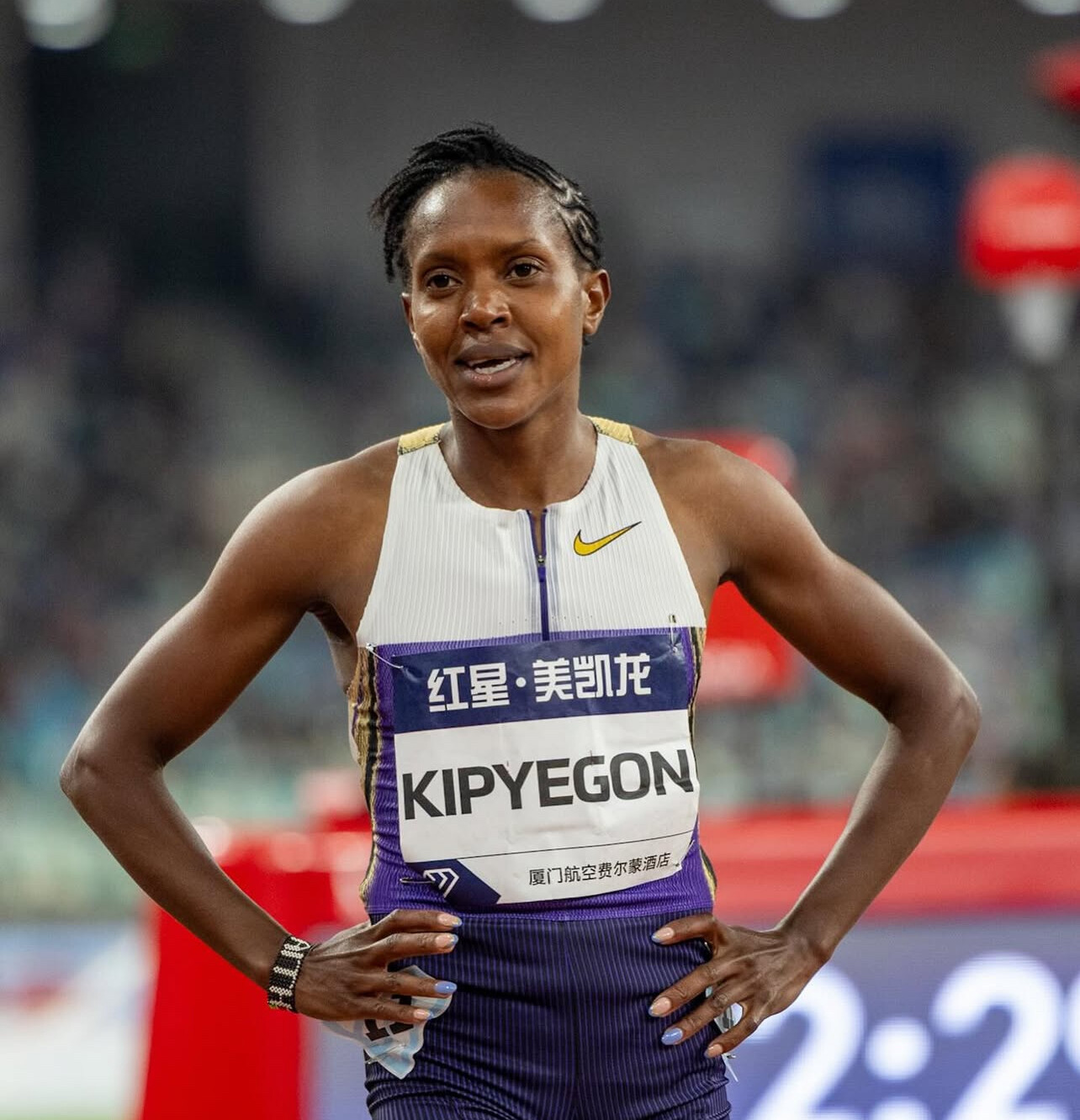
Fellow Kenyan and World Cross Country champion Beatrice Chebet has shown her full support for Faith ahead of the Paris attempt, applauding the courage it takes to take on such a goal and calling the moment “a powerful example for all athletes, especially young women.”
Doubters Remain
Not everyone believes the time is ripe for this breakthrough.
“I wish I was more positive, but I just don’t think it is going to happen,” says My Best Runs founder Bob Anderson. “Even with pacing and super shoes, it’s just too many seconds to knock off. She is an amazing athlete, and I’m sure Nike would pay an amazing amount of money to her if she does it. But to be the first woman to go under four minutes—even though it would not be official—is not going to happen now.”
Anderson adds,
“If she does do it, it would be an amazing moment in history. I’m old enough to remember when Roger Bannister accomplished this feat. That changed everything in men’s middle-distance running. If Faith does this, it would be the same for women.”
Why It Matters
• Historical Impact: A woman breaking the 4-minute barrier, even unofficially, would redefine what’s considered possible in the sport.
• Symbolism: It mirrors the legacy of Roger Bannister’s run, showing how mental and physical limits can be challenged.
• Inspiration: Nike’s Breaking4 project is about more than just time—it’s about belief. As Faith put it, “Dream big.”
All eyes now turn to Paris. Faith Kipyegon is more than just chasing a number—she’s chasing a legacy. Whether she cracks the four-minute mark or not, her attempt stands as a bold declaration: the future of women’s running is limited only by the size of the dream.
My Best Runs will be following the June 26 race closely. Stay tuned for full coverage.
(06/23/2025) ⚡AMPby Boris Baron
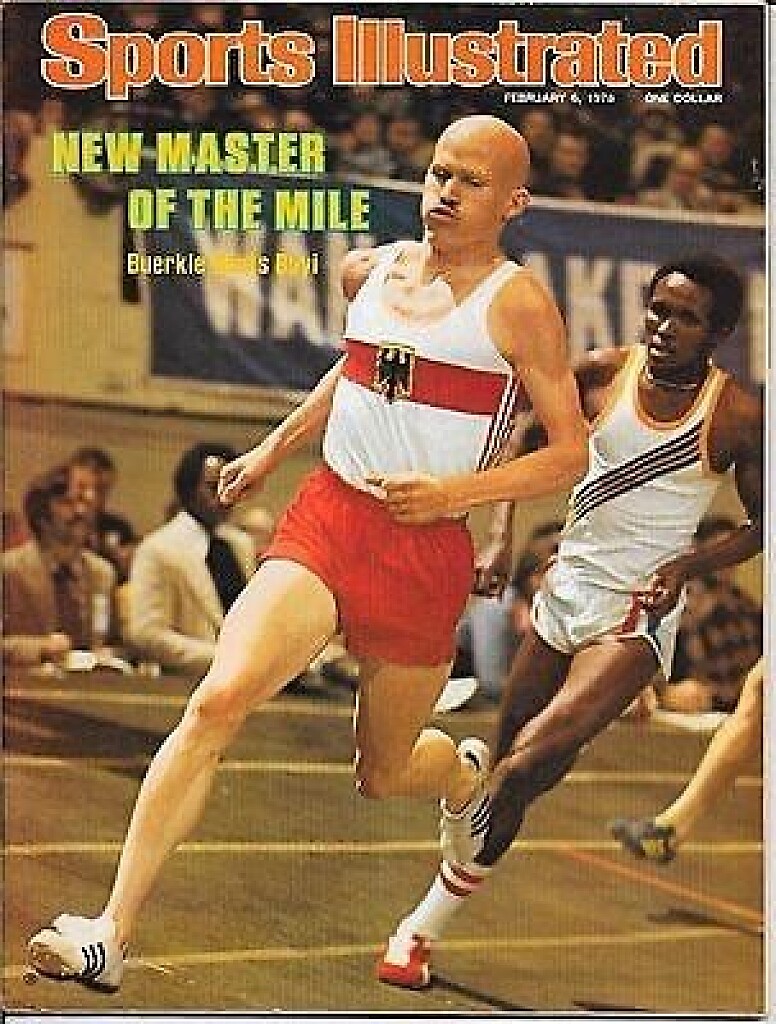
Remembering Dick Buerkle — Indoor Mile World Record Holder and Olympic Qualifier
June 22, 2020 — Five years ago today, the running world lost a legend. Dick Buerkle, a two-time U.S. Olympian and former world indoor mile record holder, passed away at the age of 72. He died in Atlanta, Georgia, after battling a rare neurological condition known as multiple system atrophy (MSA).
Buerkle’s journey was one of remarkable perseverance. A walk-on at Villanova University, he trained under the legendary coach Jumbo Elliott and blossomed into a three-time NCAA All-American, finishing third in three NCAA finals: the 1969 and 1970 indoor two-mile races and the 1970 outdoor three-mile.
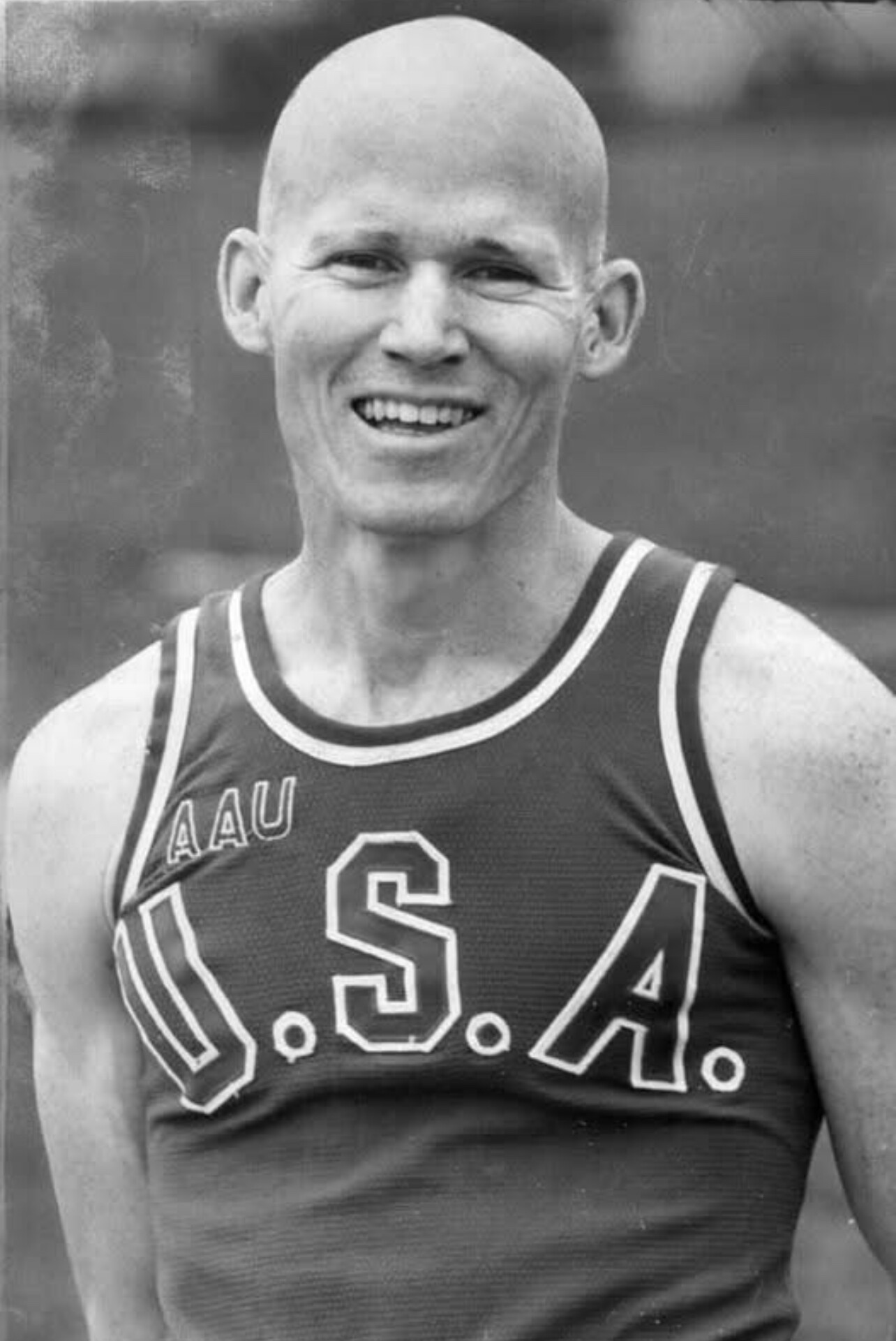
He cemented his place in history when he set the world indoor mile record in 1978, clocking 3:54.93. That achievement came on the heels of a memorable performance at the Wanamaker Mile at the Millrose Games, where he won in 3:58.4, beating Wilson Waigwa and Filbert Bayi for his second consecutive victory on Madison Square Garden’s storied track.
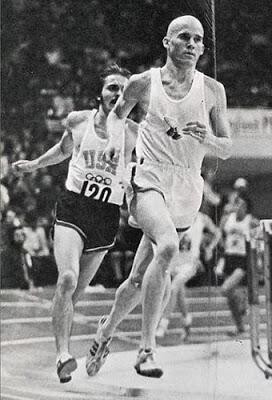
Despite the U.S. boycott of the 1980 Moscow Olympics, Buerkle’s two-time qualification (1976 and 1980) and his world-class performances left a lasting legacy. Known for his determined racing style and iconic bald head, he inspired a generation of runners with both his grit and grace.
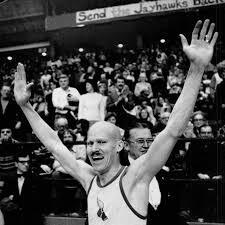
Runner Eric Giacoletto recently shared a heartfelt tribute on social media, helping the running community reflect on Buerkle’s lasting impact.
“Dick Buerkle’s story reminds us that greatness isn’t always about starting at the top,” said Bob Anderson, founder of My Best Runs. “He earned every second of his success.”
Today, we remember and honor Dick Buerkle — five years gone, never forgotten.
(06/23/2025) ⚡AMPby Boris Baron
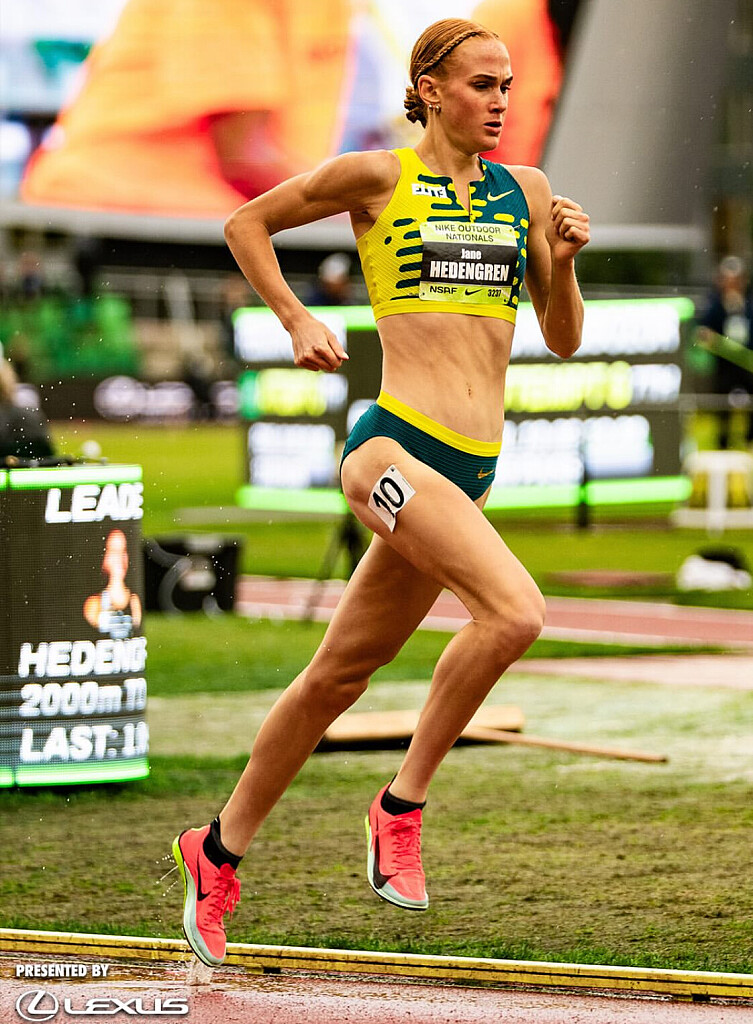
She Just Keeps Breaking Records
Jane Hedengren Runs 8:40.03 to Shatter Her Own American U20 and High School Record in the 3000m
Jane Hedengren isn’t just rewriting the record books — she’s obliterating them. On Saturday, June 21, at the Nike Outdoor Nationals in Eugene, Oregon, the 17-year-old phenom delivered another jaw-dropping performance, clocking 8:40.03 in the 3000 meters to lower her own American U20 and high school record.
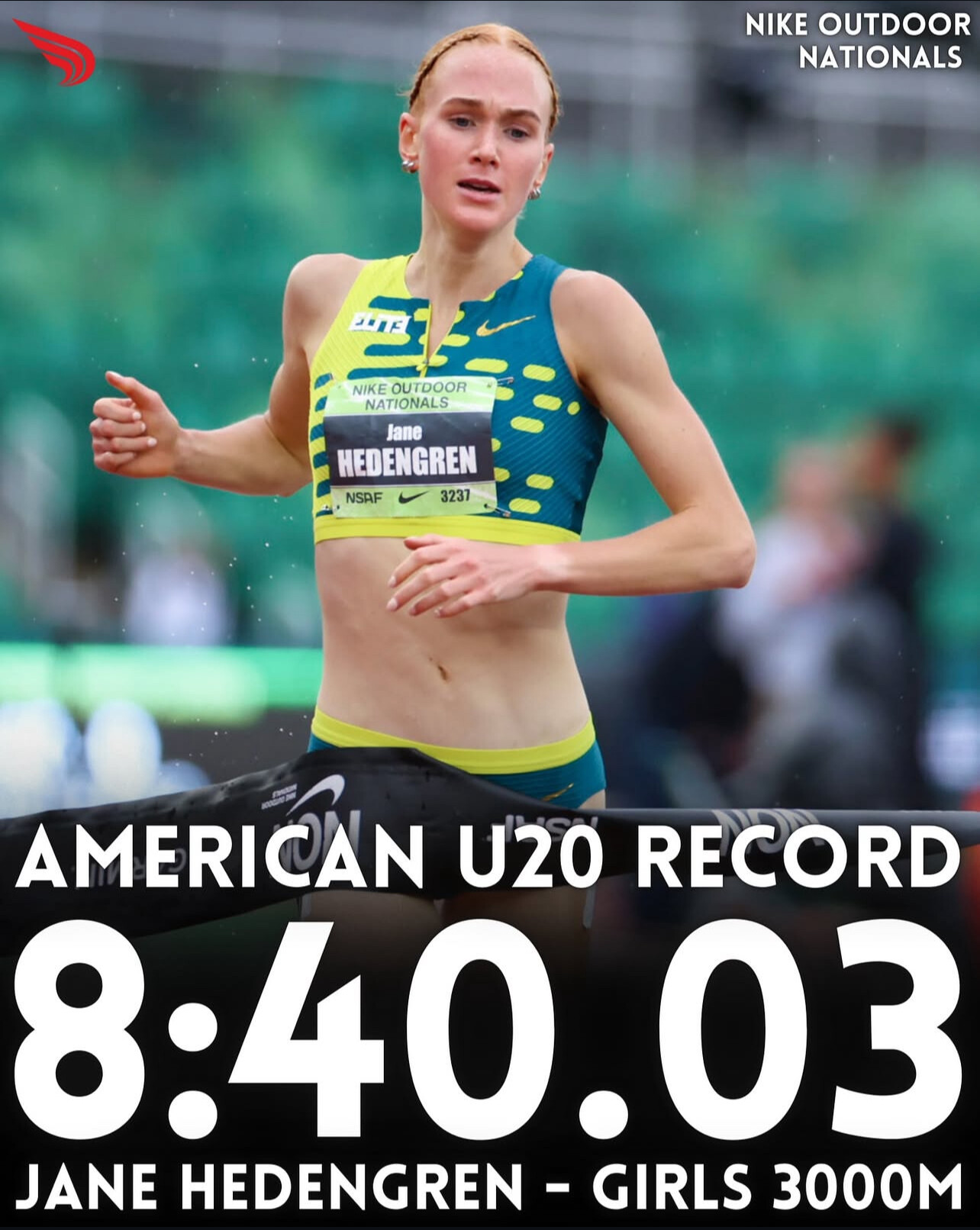
Or This mark, set on the storied track at Hayward Field, came just two weeks after Hedengren ran 8:40.99 at the Brooks PR Invitational — which, at the time, was the fastest 3000m ever run by an American high school girl. Saturday’s performance confirms what the track world is quickly realizing: we’re witnessing one of the most extraordinary distance runners the U.S. has ever produced at this age.
One of the Greatest Streaks in High School History
Hedengren’s 2025 season has been nothing short of historic. In the span of just a few months, she has broken high school national records in:
Mile – 4:23.50
1600m – Converted from her mile time
Two Mile – 9:17.75 (en route during her previous 3000m record)
5000m – Both indoors and outdoors
3000m – Now twice, with her latest 8:40.03 mark
And she’s still not done.
Despite cool, rainy conditions in Eugene, Hedengren ran with poise and control, steadily widening her lead throughout the race. Her form was fluid, her pacing flawless — a reminder that even under less-than-ideal conditions, she is a generational talent.
A Glimpse into the Future
Hedengren, who has committed to BYU, is heading to college as the most decorated high school distance runner in recent memory. With times already rivaling some of the top NCAA runners, her transition to the next level could be seismic.
But beyond the times, it’s her consistency and fearlessness that are setting her apart. She’s not afraid to front-run, to chase big goals, and to compete against older, more experienced athletes. That mindset — combined with her physical gifts — suggests this is only the beginning.
What’s Next?
With the summer track season still in full swing, there’s a chance Hedengren could take aim at even more records, including some at the senior level. Whether or not she races again this season, her mark on 2025 is already indelible.
From the mile to the 5K, indoors and out, Jane Hedengren just keeps breaking records. Her latest — an 8:40.03 3000m — is not just another national best. It’s a signal to the running world: the future is here.
(06/22/2025) ⚡AMP
by Boris Baron
