

Running News Daily
Running News Daily is edited by Bob Anderson in Mountain View, California USA and team in Thika Kenya, La Piedad Mexico, Bend Oregon, Chandler Arizona and Monforte da Beira Portugal. Send your news items to bob@mybestruns.com Advertising opportunities available. Over one million readers and growing. Train the Kenyan Way at KATA Running Retreat Kenya. (Kenyan Athletics Training Academy) in Thika Kenya. Opening in june 2024 KATA Running retreat Portugal. Learn more about Bob Anderson, MBR publisher and KATA director/owner, take a look at A Long Run the movie covering Bob's 50 race challenge.
Index to Daily Posts · Sign Up For Updates · Run The World Feed
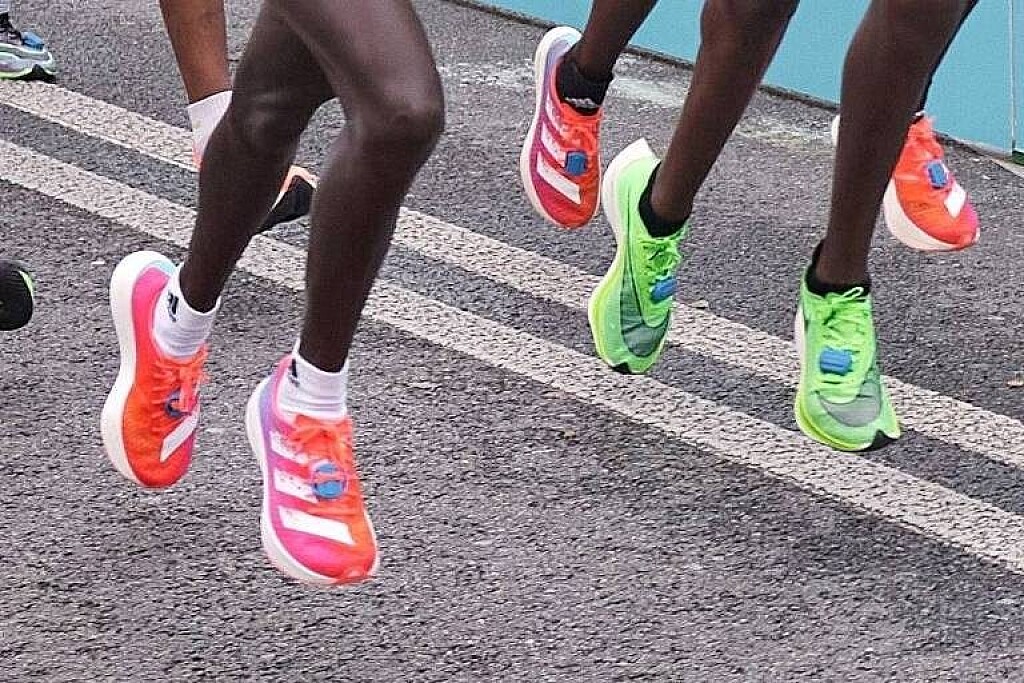


Dr. Kris Sheppard explains how your shoe may be helping–or hindering–your stride
Shoe offset, also known as heel drop, refers to the difference in height between the heel and forefoot of a running shoe. This feature influences a runner’s stride and can have implications for injury susceptibility. We spoke to Dr. Kris Sheppard, a chiropractor at the Runner’s Academy in Toronto, to understand how the heel drop in your shoe may be impacting your running.
How does shoe offset affect running stride?
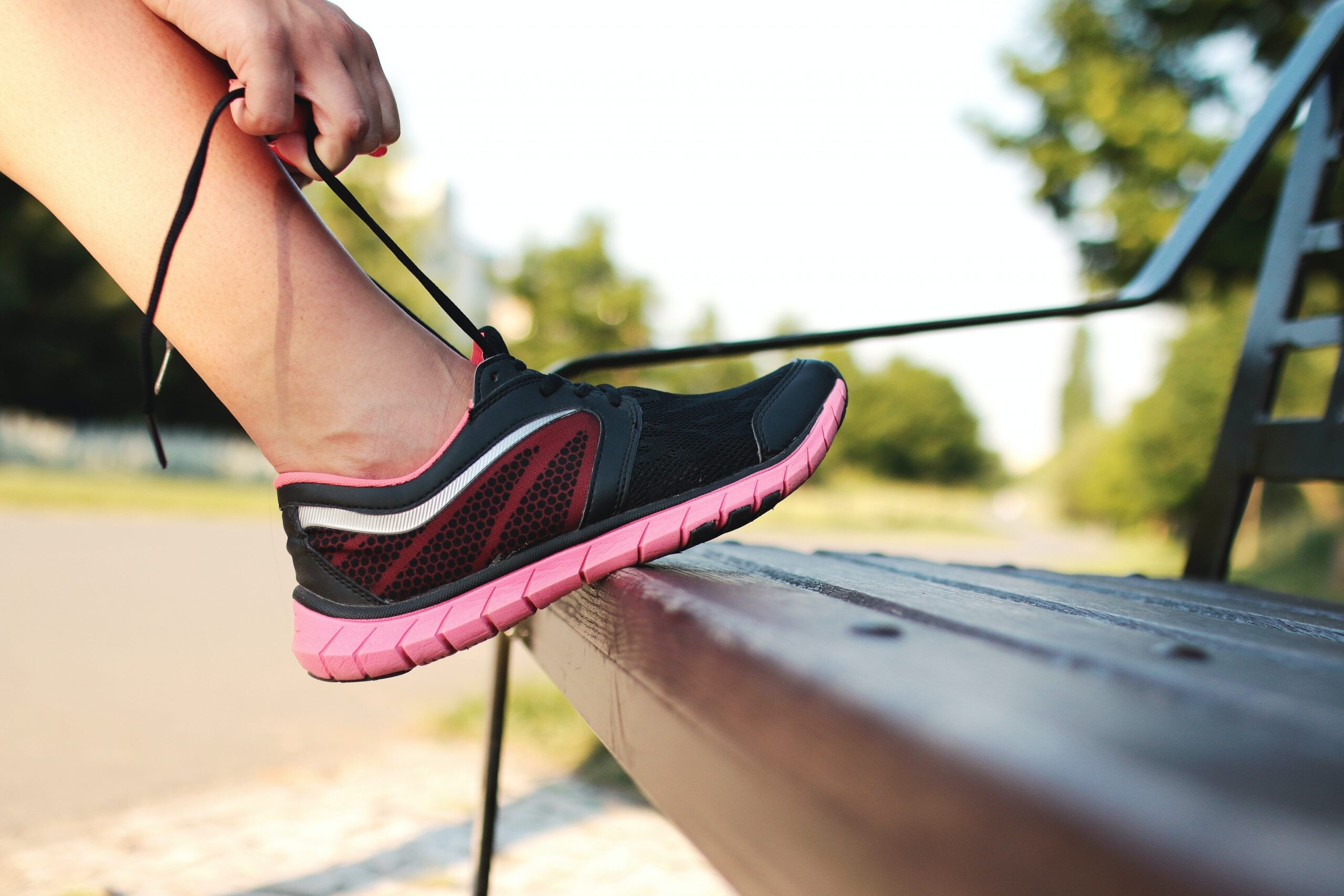
Low-drop shoes may have a drop of between 0 mm and 6 mm, whereas a higher-drop shoe will generally be between 8 mm and 12 mm. Sheppard explains that a lower heel-toe drop in running shoes can decrease inward knee motion (knee adduction), which has been associated with knee and hip issues in running. A lower drop can also reduce load at the patellar femoral joint (knee joint) by approximately 30 per cent.
“Some studies have shown that zero-drop shoes can encourage a midfoot strike, which was once considered to be protective overall,” says Sheppard. “And a midfoot strike can also help reduce forces on the patellar femoral joint.”
During the minimalist shoe trend, it was believed that lower-drop shoes were superior, however recent research suggests otherwise.
Is heel-striking bad?
Some experts suggest that higher-drop shoes encourage heel striking, which is thought to be “bad.” But Sheppard points out that heel striking is not actually the problem; the problem is that it usually leads to overstriding. More on that in a minute.
“Lower [drop] shoes have been shown to encourage a midfoot strike rather than a heel strike,” says Sheppard. “It is important to note that heel striking does not necessarily equate to overstriding. Interestingly, research has shown that the majority of runners, including elite runners like [former marathon world record holder Eliud] Kipchoge, actually land with their rear foot.”
Overstriding occurs when the foot and ankle land in front of the knee, rather than directly under the knee with the shin in a vertical position. “Imagine landing on a trampoline with your foot and ankle in front of your knee; this would result in a rebound backwards, regardless of the foot strike pattern,” he says. Over-striding increases horizontal braking forces in the body, which has been shown to increase the risk of injury–as well as slowing runners down.
It is worth mentioning that the new “super shoes” with carbon and spring-type components work with the heel-toe offset to drive runners faster and more efficiently toward the big toe, but this is only effective if landing on the rear foot.
Is a higher or lower offset better for your Achilles tendons?
“Contrary to common belief, a higher drop does not increase the risk of Achilles tendon injury,” says Sheppard. “In fact, a higher drop has been shown to help with Achilles tendon pain.”
However, the body’s tissues adapt to the way they have been loaded. If a runner has always been using a higher drop shoe and suddenly switches to a lower offset, the tissues are at greater risk of injury. To mitigate this risk, a gradual transition is recommended. For example, a small change of 2 mm can be made over a period of six months by incorporating low-offset shoes into training cycles once or twice a week. This strategy can help adapt the tendons to a lower drop and reduce the risk of injury.
Should runners buy high or low-offset shoes? Are some runners better suited to one or the other?
“In general, it is not recommended to make drastic changes in the drop of the shoe you have been consistently using if it has been working well for you,” says Sheppard. “However, if a runner is prone to knee pain, a shoe with a lower shoe may be beneficial.” This means that if you buy a new shoe you haven’t worn before, make sure the new shoe’s drop isn’t significantly lower than what you’re used to–or if it is, incorporate it into your routine gradually to avoid injury.
On the other hand, Sheppard notes that if someone is susceptible to Achilles tendon issues, a higher drop may be more suitable. He adds again that making significant changes in shoe offset can increase the risk of injury, so it is important to proceed with caution and consider personal factors and injury history when selecting running shoes.
(03/08/2024) ⚡AMPby Brittany Hambleton
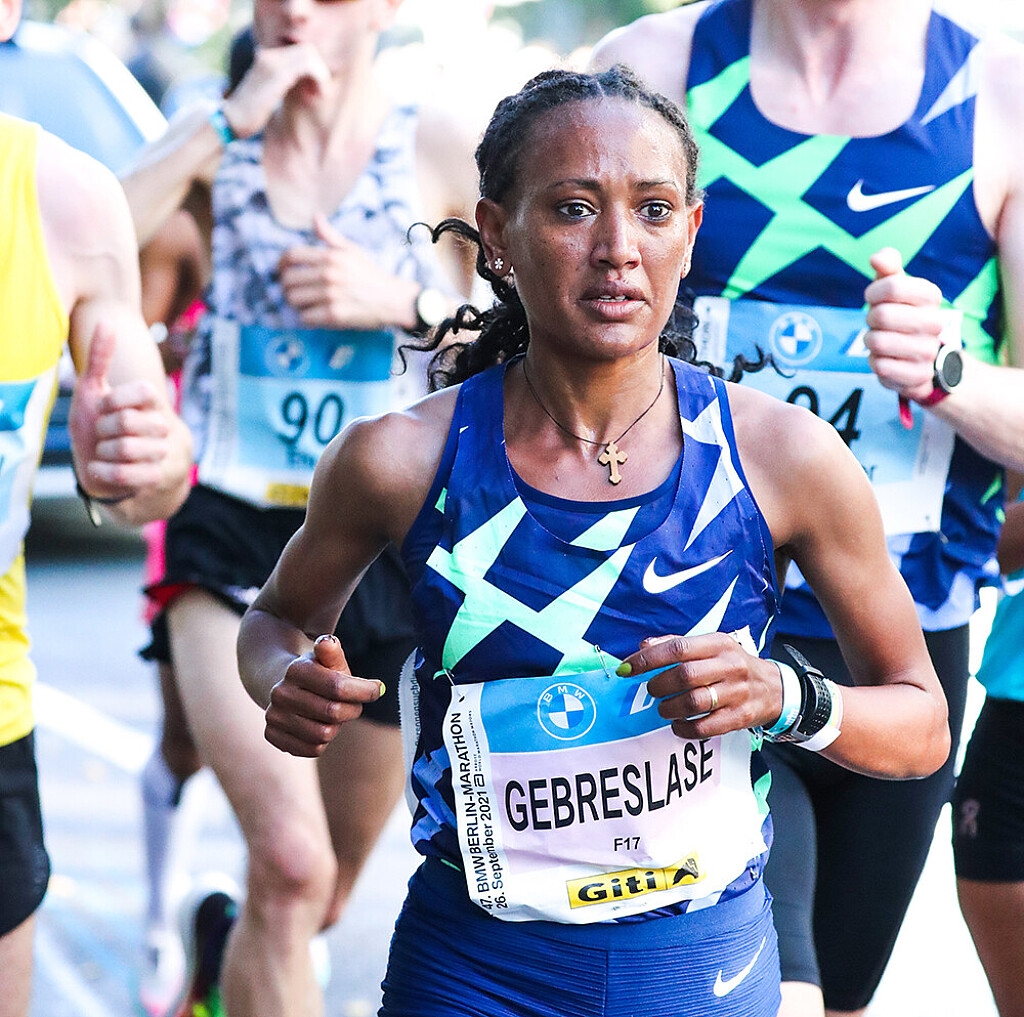
Gotytom Gebreslase hopes to break Nahoya course record
In advance of the highly anticipated race scheduled for this Sunday, March 10, 2024, the Nagoya Women’s Marathon held a pre-race press conference for the invited elite athletes today in Nagoya, Japan.
Gotytom Gebreslase (ETH), 2022 Oregon World Champion and 2023 Budapest World Championships silver medalist said, “My goal for Sunday is to run under two hours 18 minutes, and if the weather and pacemakers are good, I will try to break the course record of 2:17:18.” Her competitor Eunice Chebichii Chumba of Bahrain, 2023 Asian Games Champion said, “My preparation has been going well, and my focus will be to improve my personal best of 2:20:02.”
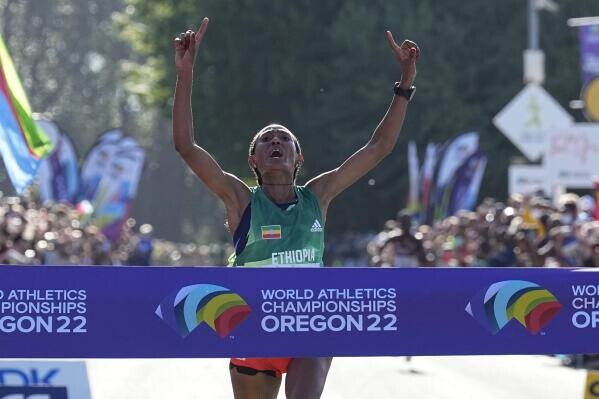
For Japanese athletes, the Nagoya Women’s Marathon 2024 will be the last chance to win a place in the Paris Olympics team by beating the new national record of 2:18:59 just set by Honami Maeda this January.
The 2020 Tokyo Olympians Ayuko Suzuki will aim to break the target of 2:18:59 so she can compete in the Olympics again to show what she really can do, adding that she was ready to turn the support of the local spectators of her hometown Aichi into strength. Sharing the same goal with Ayuko, Rika Kaseda commented that she had prepared for a high-speed race and would challenge herself to keep up with the pace of other fast athletes to grab the last ticket for Paris 2024.
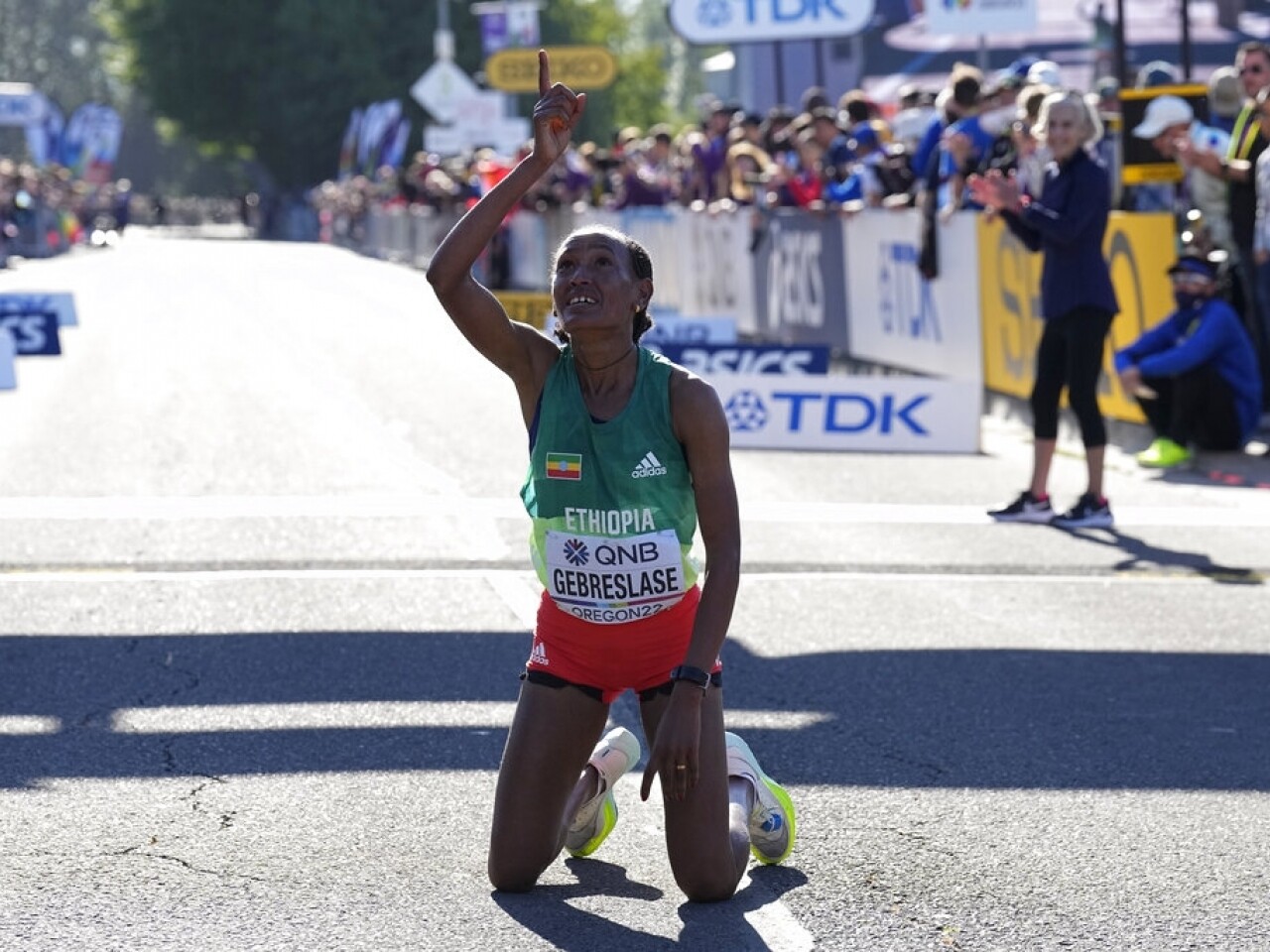
In addition to these top elite athletes, many recreational runners will join the Nagoya Women’s Marathon 2024 from home and abroad, making it an exciting race with 18,000 participants. All finishers will be presented with an event’s exclusively designed Tiffany & Co. pendant and a New Balance T-shirt as the finisher prize.
Sunday’s race will be streamed live free of charge to 37 countries and regions (Argentina, Australia, Bahrain, Brazil, Brunei, Cambodia, Chile, Colombia, Egypt, Ethiopia, France, Germany, Hong Kong, Indonesia, Israel, Italy, Kenya, Macau, Malaysia, Mexico, Monaco, Myanmar, Namibia, Netherlands, New Zealand, Papua New Guinea, Philippines, Puerto Rico, Romania, Singapore, South Africa, South Korea, Spain, Taiwan, Thailand, United Kingdom, and United States of America) on the race’s official website at https://womens-marathon.nagoya/en/broadcast.php. Stay tuned for the race to start at 9:10 a.m. on Sunday, March 10, 2024, Japan time.
(03/08/2024) ⚡AMPby AIMS

Nagoya Women's Marathon
The Nagoya Women's Marathon named Nagoya International Women's Marathon until the 2010 race, is an annual marathon race for female runners over the classic distance of 42 km and 195 metres, held in Nagoya, Japan in early March every year. It holds IAAF Gold Label road race status. It began in 1980 as an annual 20-kilometre road race held in...
more...
Purity Komen retires after being slapped with six-year ban by Athletics Integrity Unit
Purity Komen, 25, has decided to retire after the Athletics Integrity Unit slapped her with a six-year ban for the Presence of a Prohibited Substance (Norandrosterone), Evading Sample Collection.
After finding herself on the wrong side of the Athletics Integrity Unit, Purity Komen thought it would be wise to quit the sport and avoid the punishment but the AIU still gave a dose of her own medicine.
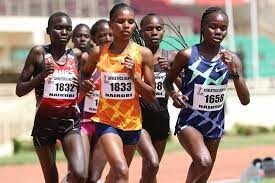
Komen who beat Ruth Chepng’etich during the 2023 Istanbul Half Marathon was slapped with a six-year ban by the AIU after a series of violations. Komen’s ban began on July 6, 2023 and she was punished for the Presence of a Prohibited Substance (Norandrosterone), Evading Sample Collection.
Norandrosterone is a Prohibited Substance under the WADA 2022 Prohibited List under the category S1.1 Anabolic Androgenic Steroids. It is a NonSpecified Substance prohibited at all times.
On May 12, 2023, A Doping Control Officer ( DCO) and a Blood Collection Officer arrived in Iten to test Komen out-of-competition but she was nowhere to be found.
After communicating with the two personnel and giving them wrong directions, Komen switched off her phone and the officers could not trace. She later reached out to the AIU saying: “Thank you I got the email. I read everything and I understood all the information.
“I would like to request for more 14 days, since I had prolonged back injury I seek medication from different hospitals. Thus, I need to provide accurate information about my medication thank you.”
On July 13 last year, the AIU granted the Athlete an extension until July 24 to provide her explanation for the Adverse Analytical Finding. However, Komen failed to submit any explanation for the Adverse Analytical Finding by the extended deadline (or at all).
On November 13, the AIU wrote to Komen and granted her an extension until no later than November 20 to provide an explanation for the Adverse Analytical Finding and the potential violation of Rule 2.3 ADR.
On the same day, Komen wrote to the AIU via WhatsApp saying: “Thank you for your information, I accept I did a mistake unknowingly but am sorry, am no longer interested in running career.”
After that, Komen failed to respond or to return the admission of anti-doping rule violations and acceptance of consequences form signed by February 28, 2024.
(03/08/2024) ⚡AMPby Abigael Wuafula
Former NCAA coach gets five years in prison for tricking athletes into sending nude photos
Steve Waithe, a former college track and field jumps coach with Northeastern University, Penn State University and the University of Tennessee, has been sentenced to five years in prison for setting up fake social media and emails in an attempt to trick his athletes into sending him nude photos of themselves.
The 31-year-old was sentenced Wednesday to five years behind bars, pleading guilty to 12 counts of wire fraud, one count of conspiracy to commit computer fraud and one count of computer fraud. He was also found guilty of cyberstalking one victim through text messages and Instagram, as well as by hacking into her Snapchat account.

Waithe reportedly asked for the phones of his female athletes so he could use them to film the women’s form in practice and at meets. According to a press release from the United States Attorney’s Office in Massachusetts, Waithe was seen “scrolling through” athletes’ phones on multiple occasions.
Prosecutors said he also made the fake social media accounts using the names of two female personas “Katie Janovich” and “Kathryn Svoboda” to contact women, saying he had found compromising photos of them online. He would then offer to help the women get the photos removed, asking them to send additional nude or semi-nude photos that he could use for “reverse image searches.”
Prosecutors said Waithe “left behind a devastating path riddled literally with dozens of victims,” and called for him to be jailed for 84 months, including the 17 months he has already served since his arrest in 2021, along with 36 months of supervised release. They accused him of getting photos from more than 50 victims and trying to get them from another 72. According to The Boston Globe, a half-dozen of his victims spoke at the sentencing, some using their first names and many appearing close to tears.
Waithe was a former NCAA All-American triple-jumper at Penn State, where he went on to win several Big Ten conference titles and a silver medal at the 2014 North American, Central American and Caribbean Championships (NACAC) in Kamloops, B.C.
After serving his sentence, Waithe will be banned from coaching at the collegiate level and will be listed on the banned coaches list by the U.S. Center for Safe Sport.
(03/07/2024) ⚡AMP
by Marley Dickinson

Here’s why you run faster in a crowd
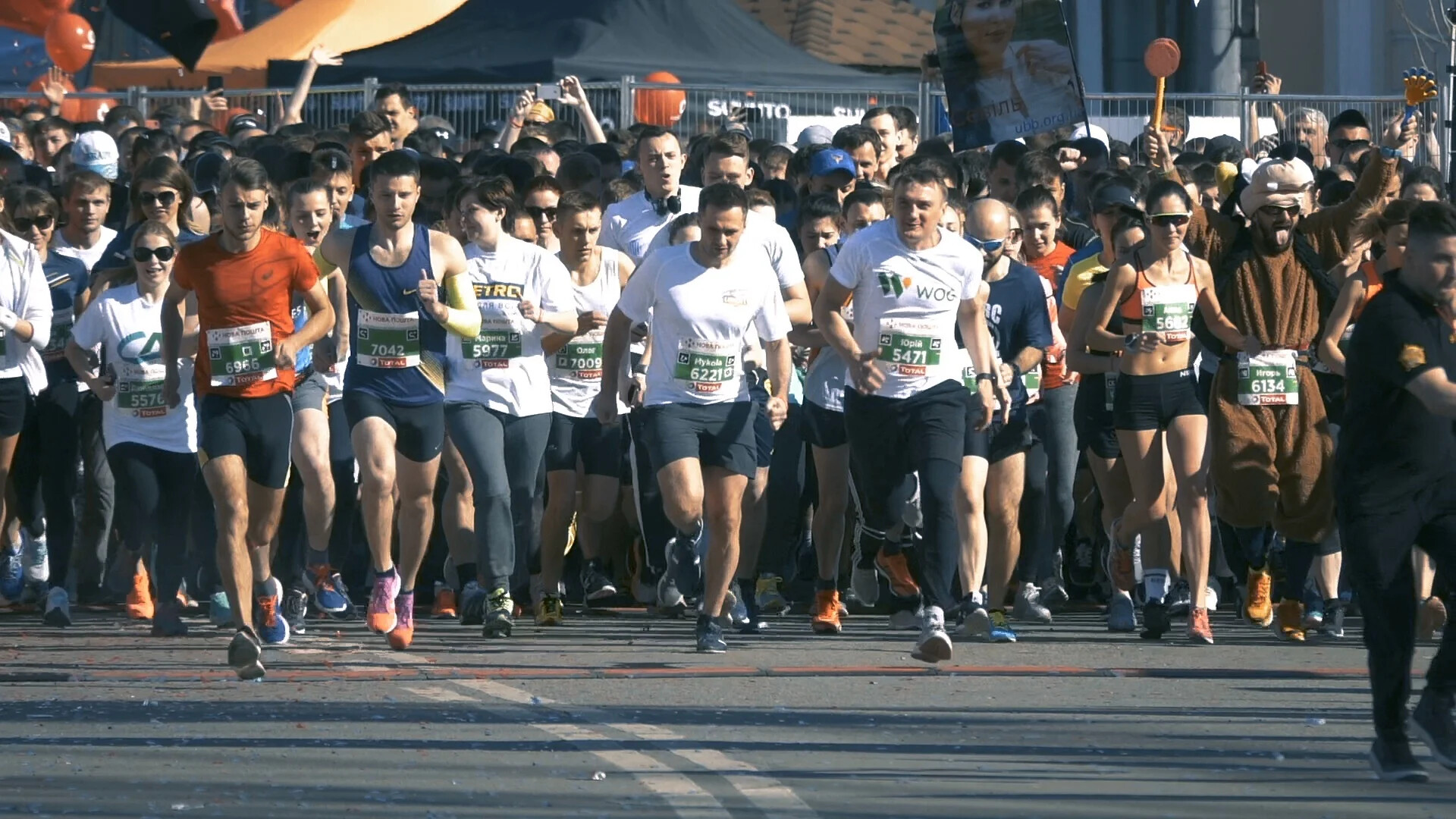
For many runners, the familiar struggle of maintaining motivation through training sessions is transformed into a surge of energy on race day, when they’re surrounded by fellow competitors and enthusiastic spectators. Sure, being in a crowd can make you feel excited, but have you ever wondered why, exactly, you’re capable of kicking it up a notch in these moments? The concept of performing better in front of others is a psychological phenomenon known as social facilitation—something that has been studied for a long time. You really can run faster on race day, and here’s why.
Why do people act differently when watched?
Social facilitation is the idea that an audience can serve as a potent motivator, and while the concept is far from new to science, only recently have neuroscientists begun to determine what happens in the brain when people are being watched, and why, exactly, their performance improves. As reported recently in Discover Magazine, humans are reward-motivated, whether by a dollar amount or by an adoring audience, and it seems that during social facilitation, social areas of the brain interact with value areas to help us perform better.

In a study published in Social Cognitive and Affective Neuroscience, researchers investigated the neural mechanisms behind social facilitation. Participants engaged in a task while undergoing functional magnetic resonance imaging (fMRI), revealing heightened activity in brain regions associated with processing the presence of an audience as a rewarding stimulus. When we have an audience, the brain processes the resulting stimuli as rewards that inspire enhanced performance and the observed boost in motivation and ability.
Does it always work?
Research emphasizes that the effectiveness of social facilitation is context-dependent. A report in the International Review of Sport and Exercise Psychology, analyzin
g 82 studies with more than 7,000 participants, demonstrated that the type of task people engaged in significantly influenced social facilitation outcomes.
Generally, conditioning activities like running or skiing tend to thrive with an audience, while tasks requiring co-ordination may experience hindrances. However, the absence of spectators during the COVID-19 pandemic uncovered intriguing exceptions. A 2021 study compared results from the World Cup biathlon during the pandemic, when athletes did not have an audience, to results during previous World Cups. Research showed differences between men and women athletes, with male participants excelling in conditioning tasks (skiing) with an audience, but struggling in co-ordination tasks (shooting). Conversely, female athletes exhibited better shooting performance with an audience but faced challenges in the skiing portion.
The discovery of these gender-specific distinctions highlights the need for more inclusive research, as historical studies predominantly focused on male participants. Future research might also explore the potential of visualizing an audience to spark motivation, offering intriguing possibilities for mental training techniques.
(03/07/2024) ⚡AMPby Keeley Milne
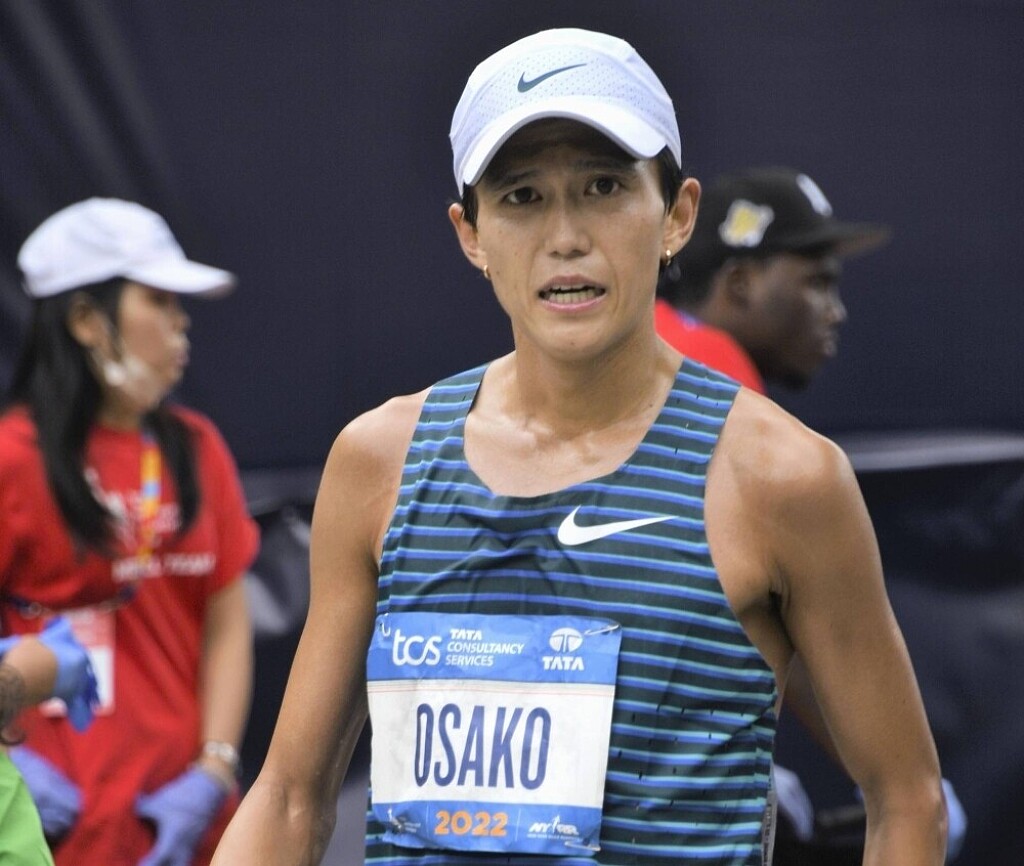
Two-time Olympian Suguru Osako plans to run in marathon at Paris Olympics
Two-time Olympian Suguru Osako said Monday that he plans to represent Japan in the men's marathon at the Paris Olympics, having been coy over his participation.
The 32-year-old had provisionally earned the third and final Japanese slot after finishing third in October's Marathon Grand Championship. No runner from the country has since met the Olympic qualification benchmark set by the Japan Association of Athletics Federations through Sunday's Tokyo Marathon, sealing Osako's spot.
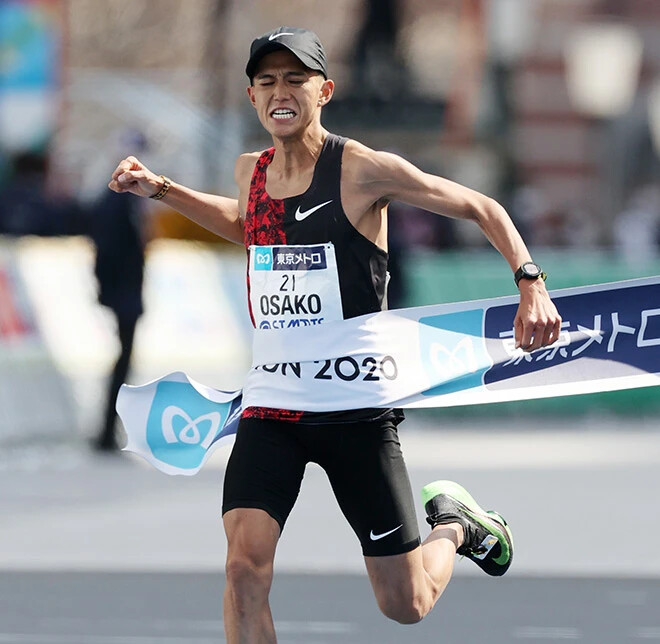
Osako, who clarified his latest stance on his YouTube channel, had previously claimed, "The Olympics is an important race, but not something to be fixated on as much as people think."
He ran 5,000 and 10,000 meters at the 2016 Rio de Janeiro Olympics before coming sixth in the marathon at the 2021 Tokyo Olympics. He retired after his second games but returned in 2022.
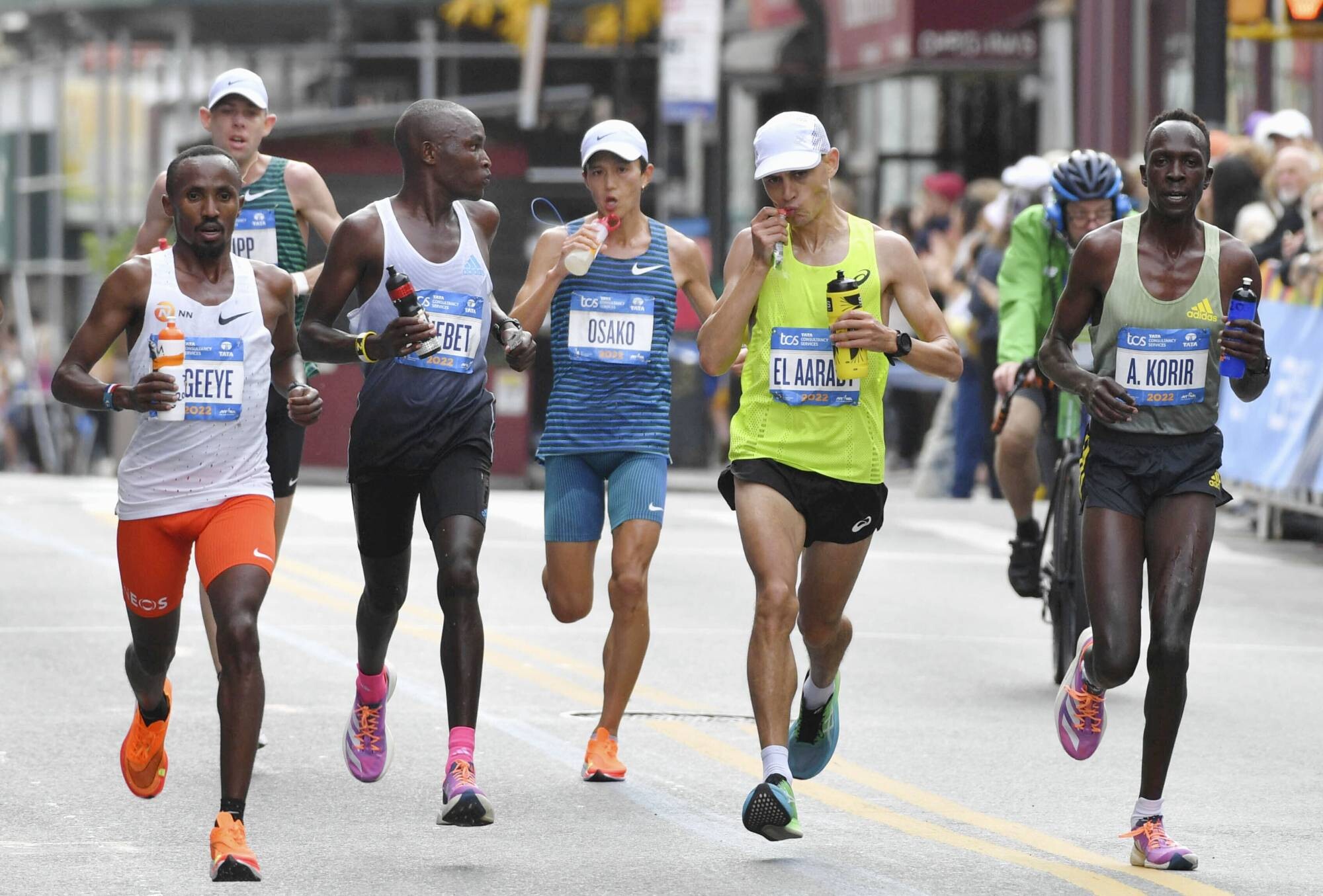
Osako also said he will run the Boston Marathon, where he made his racing debut in 2017, as scheduled on April 15.
"I'm excited I might be able to notice something new there," he said.
Naoki Koyama and Akira Akasaki punched their tickets to Paris after finishing in the top two at October's race.
(03/07/2024) ⚡AMPby The Japan Times

Paris 2024 Olympic Games
For this historic event, the City of Light is thinking big! Visitors will be able to watch events at top sporting venues in Paris and the Paris region, as well as at emblematic monuments in the capital visited by several millions of tourists each year. The promise of exceptional moments to experience in an exceptional setting! A great way to...
more...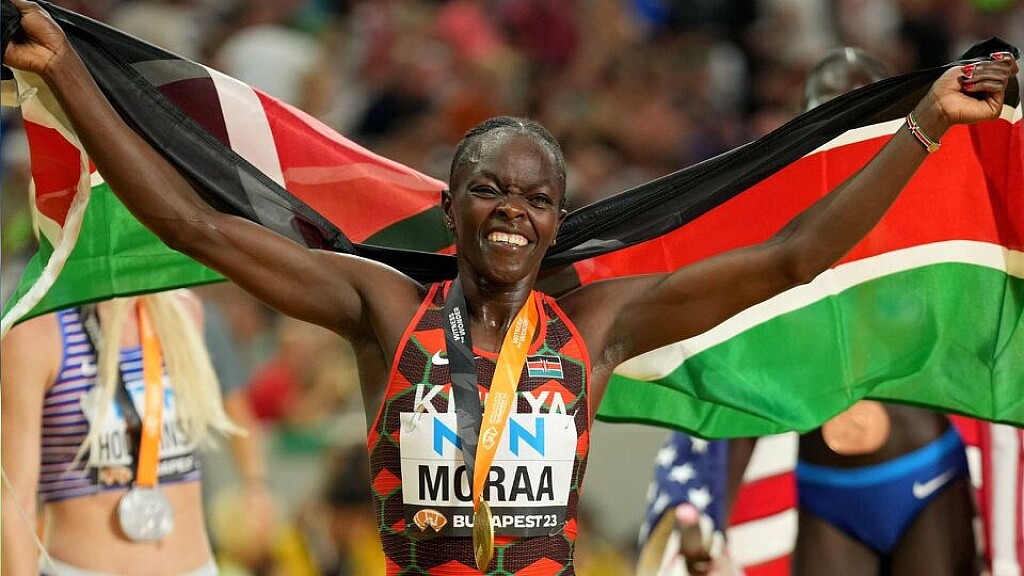
Mary Moraa confident of breaking Caster Semenya's 600m world record
Mary Moraa has revealed that breaking Caster Semenya's 600m world record is among her many plans this season.
In her build-up to breaking the 800m world record, reigning world 800m champion Mary Moraa will be keen to attack the 600m world record.
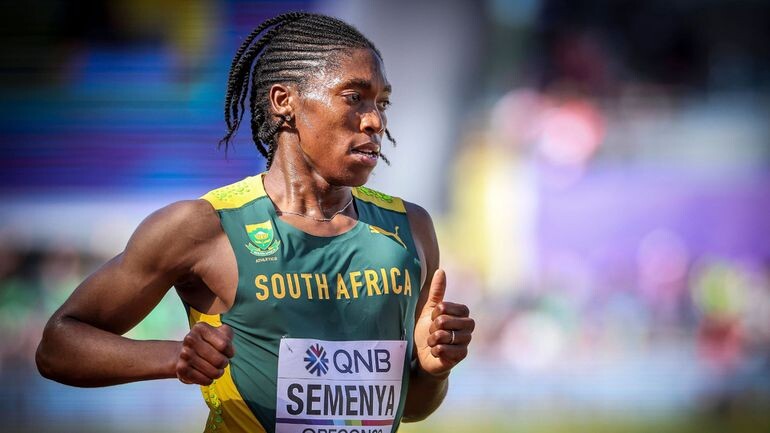
Moraa explained that her body is responding well to training and she is clearly on fire owing to her dominant exploits during the African Games national trials.
Kisii Express won the 400m final of the race to cut a direct ticket to the continental showpiece scheduled for Accra, Ghana.
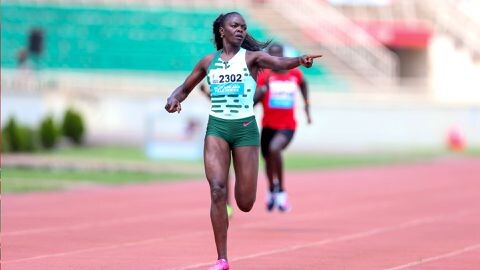
“I will go for the 600m where I will attack the world record…I don’t know where I’ll compete exactly but I’m going for the record,” Moraa said.
The 600m world record currently stands at 1:21.77 and was set by South Africa’s Caster Semenya back in 2017 in Berlin, Germany.
Meanwhile, after the African Games, Moraa will return to the country to compete in the Kip Keino Classic where she also intends to shine.
She also noted that she is impressed with her form this season and cannot wait to see how the campaign will turn out for her.
“I’m happy to have come here and run well and my body is coming up slowly and I’m excited to see how the season turns out,” Moraa said.
The 23-year-old had an amazing 2023 season, winning her first world title and becoming only the third Kenyan woman to claim the 800m title at the World Championships.
This she achieved after clocking a Personal Best time of 1:56.03 to win the race ahead of Great Britain’s Keely Hodgkinson and Athing Mu. She now looks forward to enjoying an amazing 2024 season, with the Olympic Games in Paris, France being in the cards.
(03/07/2024) ⚡AMPby Abigael Wuafula
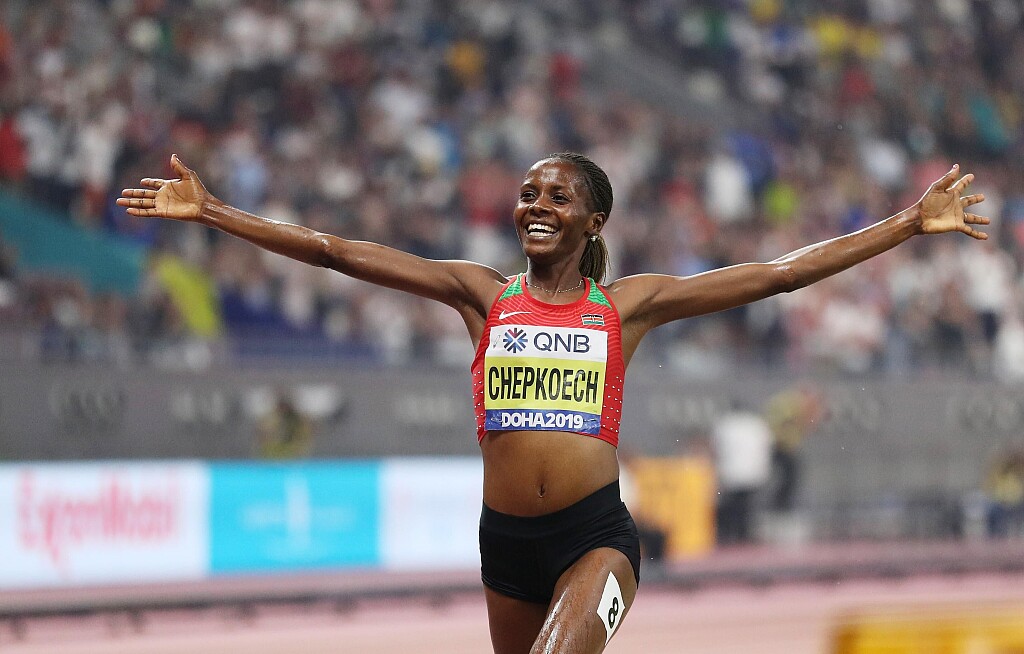
Beatrice Chepkoech reveals ambitious plans to end Olympics medal drought
World 3,000m steeplechase record holder Beatrice Chepkoech has explained how she is planning to end her Olympics medal drought after disappointing outings in previous editions.
World 3,000m steeplechase record holder Beatrice Chepkoech is keen to win the only medal still missing in her collection, the Olympics.
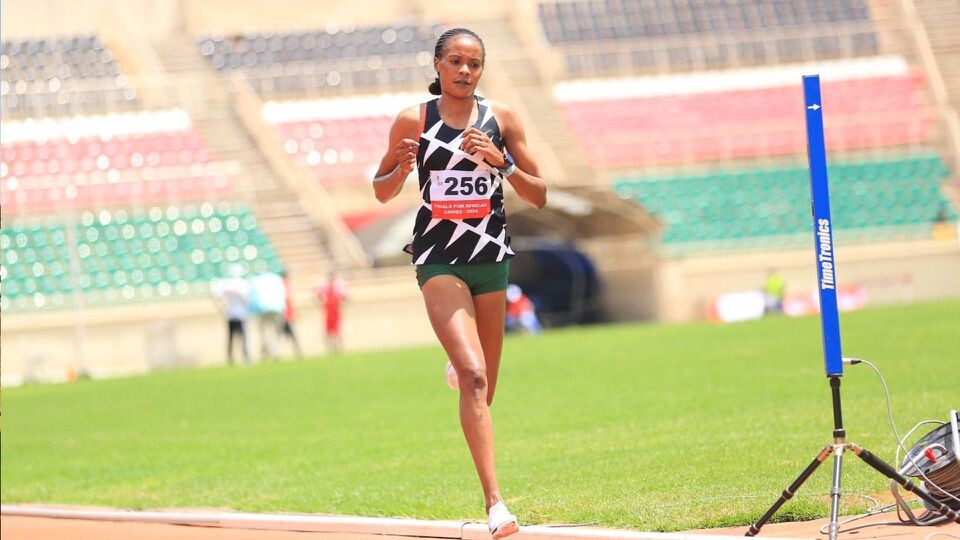
Chepkoech has won gold at the World Championships (2019) as well as silver in 2023, another silver at the 2018 Commonwealth Games, the year she won one of her back-to-back Diamond League trophies, World Cross-Country gold and she is back from claiming bronze at the World Indoor Championships.
Besides, she is also the world record holder over the distance, but the Olympics has eluded her, finishing fourth at the 2016 Rio Games before seventh place in Tokyo five years later and she is keen to right those wrongs at the 2024 edition in Paris.
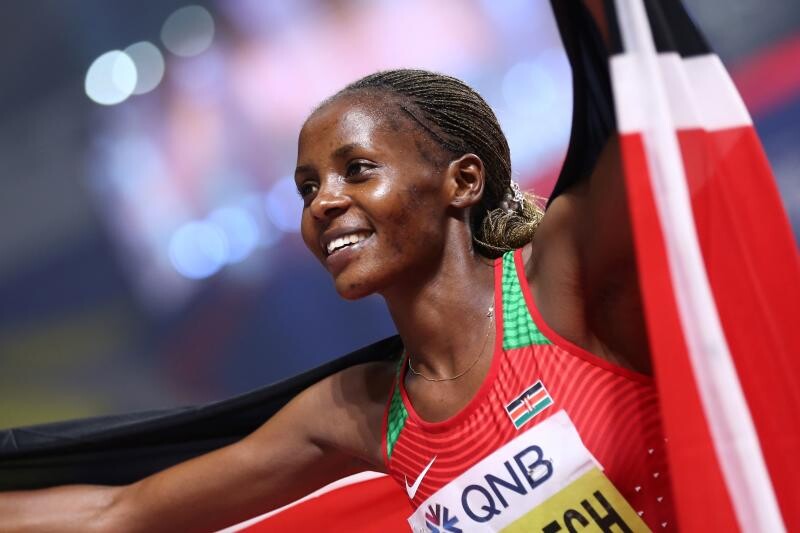
“This is so far a very wonderful year for me. I have struggled with injuries in the past but now I am back to my best and ready for the Olympics where I want to win a medal,” Chepkoech told Capital Sport.
“I ran in my first Olympics in 2016 in Rio and Paris will be the third time for me to compete. I want to mark it with a medal in the 3,000m steeplechase because that is the only medal I am yet to clinch.”
Chepkoech won her first Indoor medal on Saturday night, marking a significant achievement with a new National Record and a Personal Best time of 8:22.68, with American runner Elle St Pierre claiming victory in a new championship record time of 8:20.87, narrowly outpacing Ethiopia's Gudaf Tsegay, who secured a silver medal with a time of 8:21.13.
The 32-year-old wasted no time after the event as she jetted into the country and headed straight to the African Games trials at Nyayo Stadium where she won the 5,000m in 15:29.69 on Wednesday to clinch her ticket to the event slated to begin in Accra, Ghana on Friday.
Embu’s Mary Mananu clocked 15:45.45 to finish second behind Chepkoech with Sandrafelis Chebet of Lemotit Athletics camp completing the podium in 16:01.33.
“I want to run in the 5,000m at the African Games because I am looking to better my endurance and then afterwards, I want to work on my speedwork as well,” added Chepkoech.
(03/06/2024) ⚡AMPby Joel Omotto
Paris 2024 Olympic Games
For this historic event, the City of Light is thinking big! Visitors will be able to watch events at top sporting venues in Paris and the Paris region, as well as at emblematic monuments in the capital visited by several millions of tourists each year. The promise of exceptional moments to experience in an exceptional setting! A great way to...
more...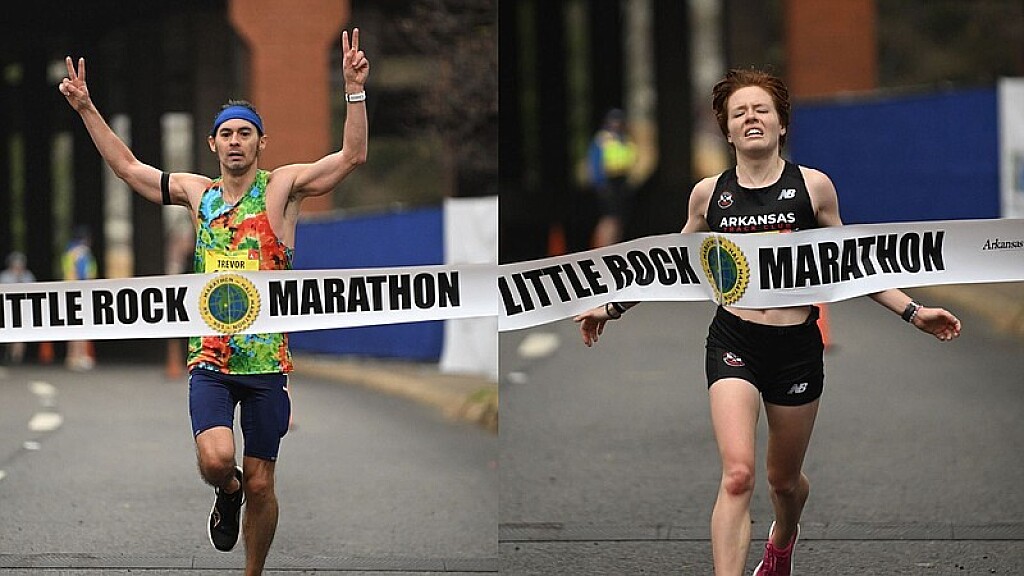
Trevor Uyemura and Abigayle Money claimed victories at the 2024 Little Rock Marathon
On a day that showcased the epitome of endurance and speed, Trevor Uyemura and Abigayle Money emerged victorious at the 2024 Little Rock Marathon. Uyemura, hailing from Vienna, Virginia, clinched the men's title with a blistering pace, clocking in at 2:42:58.8. Meanwhile, Abigayle Money, representing Fayetteville, Arkansas, dominated the women's division with her impressive finish time of 2:51:37.4.
Race Day Highlights
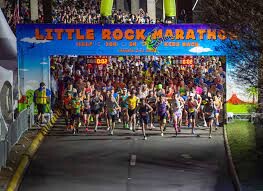
The Little Rock Marathon, known for its challenging course and enthusiastic community support, did not disappoint this year. From the early hours, the streets of Little Rock buzzed with excitement as runners from across the nation gathered to test their limits. Uyemura's and Money's victories were not just personal triumphs but also inspirational achievements that underscored the marathon's competitive spirit. Their performances set a high bar for future competitors and added to the event's growing reputation as a must-participate race for marathon enthusiasts.
Behind the Victories
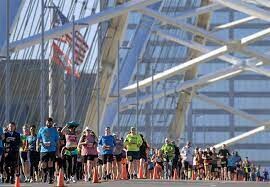
Both Uyemura and Money trained rigorously in the months leading up to the marathon, their victories a testament to their dedication, strategy, and resilience. Uyemura, at 40, proved that age is but a number when it comes to long-distance running, while Money's win highlighted the growing prominence of female athletes in competitive sports. Their successes are a source of inspiration for aspiring marathoners and a reminder of the physical and mental fortitude required to conquer such a demanding race.
Looking Ahead
The 2024 Little Rock Marathon may have concluded, but the stories of Uyemura and Money will undoubtedly fuel the aspirations of many future participants. As the dust settles on this year's event, the focus shifts to the next race, with athletes around the world already setting their sights on Little Rock for 2025. The marathon's ability to draw talent and foster a sense of community among runners is a testament to its enduring appeal and the unifying power of sports.
The victories of Trevor Uyemura and Abigayle Money at the 2024 Little Rock Marathon are not just remarkable achievements in their running careers but also significant milestones for the event itself. Their performances, underpinned by sheer determination and hard work, set new records and exemplify the spirit of marathon running. As the Little Rock community and the wider world of athletics celebrate their accomplishments, the anticipation for next year's marathon is already building, promising another chapter in the storied history of this beloved race.
(03/06/2024) ⚡AMP
by Salman Khan

Little Rock Marathon
The mission of the Little Rock Marathon is provide a premier event open to athletes of all abilities, while promoting a healthy lifestyle through running and walking and raising money for Little Rock Parks & Recreation. Since inception in 2003, more than $1,093,000 has been donated to Little Rock Parks & Recreation. Little Rock Marathon Race Weekend is held the...
more...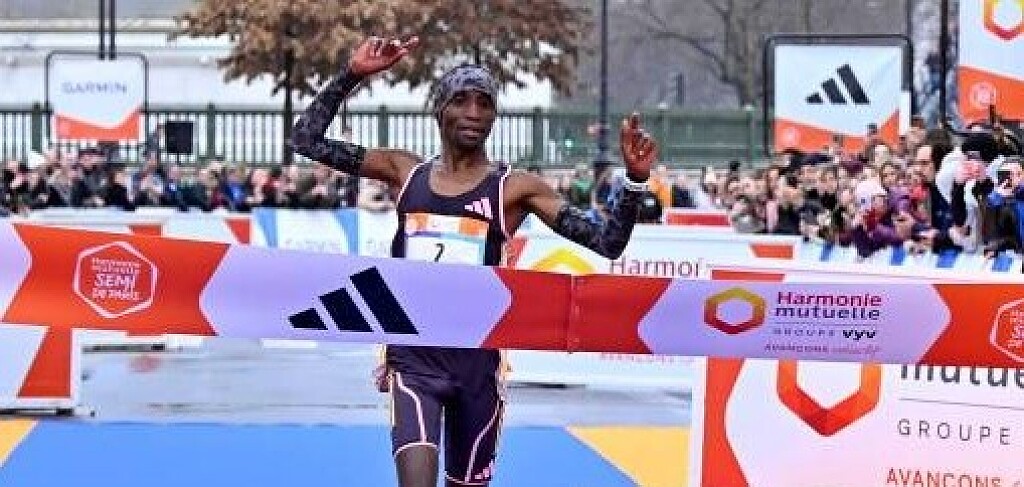
Kenyan Bernard Koech wins Paris Half Marathon
Kenya’s Bernard Koech took the top honors at the Harmonie Mutuelle Semi de Paris (Paris Half) held on Sunday (03) in Paris, France.
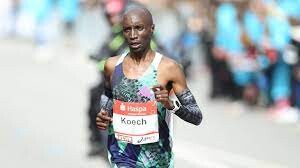
Koech was followed in second place by France’s Mehdi Frere in 1:01.15 with his compatriot Jorum Okombo closing the podium three finishes in 1:02.12.
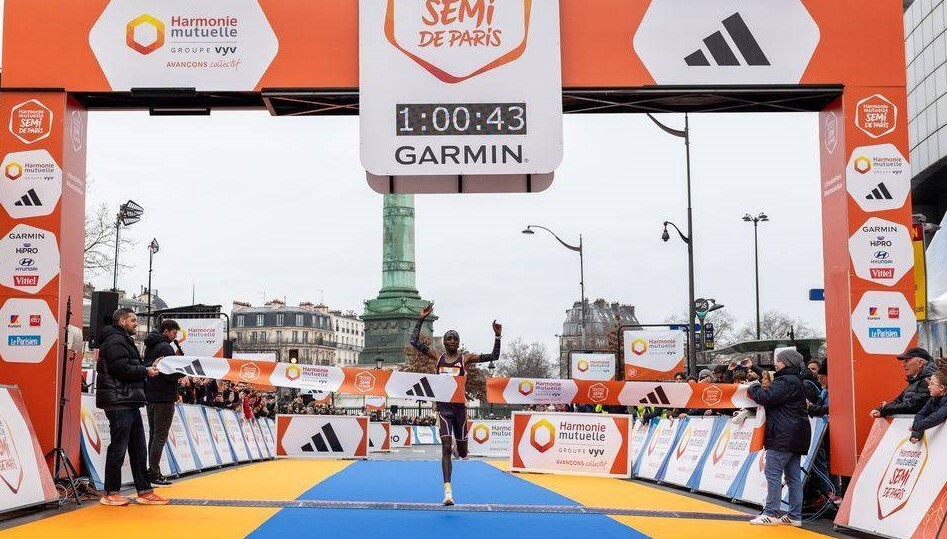
Emmanuel Roudolff and Donovan Christien both from France finished in fourth and fifth in respective time of 1:02.11 and 1:02.28.
LEADING RESULTS
21KM MEN
Bernard Koech (KEN) 1:00.45
Mehdi Frere (MOR) 1:01.15
Jorum Okombo (KEN) 1:02.02
Emmanuel Roudolff (FRA) 1:02.11
Donovan Christien (FRA) 1:02.28
(03/06/2024) ⚡AMPby James Koech

Semi de Paris
Paris Half Marathon (French: Semi de Paris) is an annual half marathon held normally every March in Paris, France since 1993. It currently holds IAAF Bronze Label status. Kenya's Stanley Biwott is the men's course record holder, with his winning time of 59:44 from the 2012 race. The women's course record is held by Nigsti Haftu (ETH), who ran a...
more...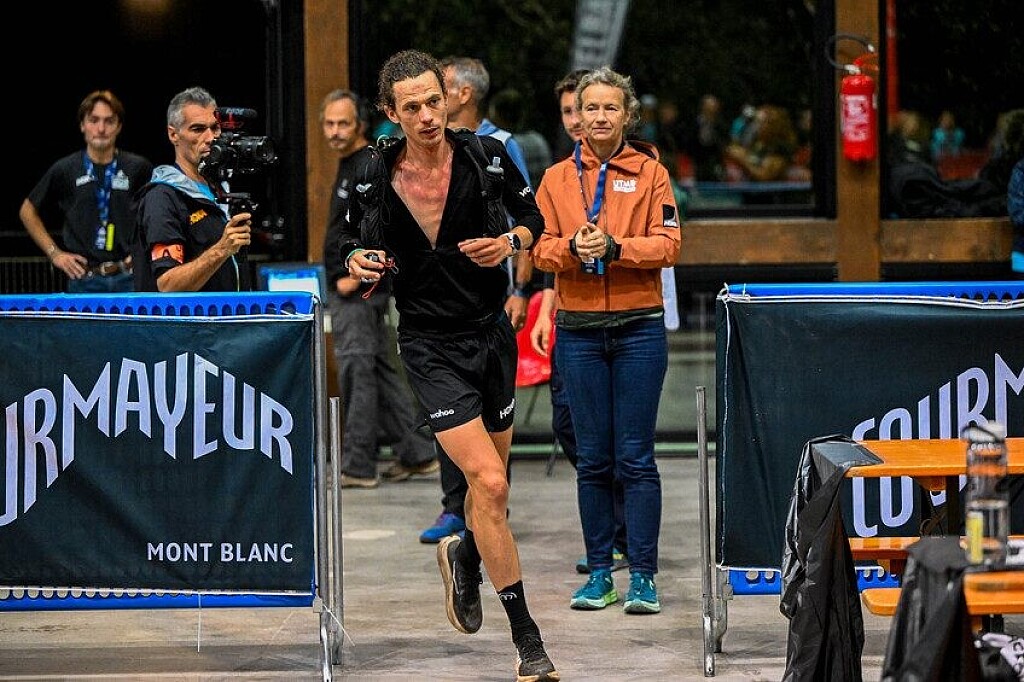
Jim Walmsley, Mathieu Blanchard will return to UTMB in 2024
2023 UTMB champion Jim Walmsley and 2022 second-place finisher Mathieu Blanchard have confirmed they will appear at this year’s Ultra-Trail du Mont-Blanc (UTMB) final, which takes place in Chamonix, France on Aug. 30, according to a report by iRunFar. A number of other ultratrail elites have also been announced, including the U.K.’s Tom Evans, who finished third in 2022 and who won Western States 100 in 2023, and Canada’s Christian Meier, the former pro cyclist who won the 145-km TDS race last year.
On the women’s side, Canada’s Marianne Hogan (who finished second in 2022) is confirmed, as are 2022 champion Katie Schide of the U.S., France’s Claire Bannwarth and New Zealand’s Ruth Croft (who won Western States in 2022). (Three-time UTMB champion and course record holder Courtney Dauwalter does not appear on the list.)
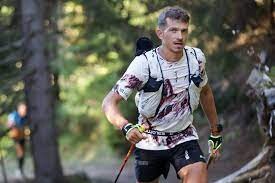
Four-time champion Kilian Jornet and 2023 second-place finisher Zach Miller will also not be returning. After the October, 2023 announcement by UTMB and its minority partner, the Ironman Group, of a new race in Whistler, B.C. in 2024, and the Dec. 1 announcement that UTMB livestream announcer Corrine Malcolm had been fired, the two publicly questioned the organization’s decisions and its treatment of athletes. There was talk of a boycott, though Jornet and Miller dispute this; in the wake of all of this, regular discussions between UTMB and the Pro Trail Runners Association (PTRA), of which Jornet is a founding member, became more frequent, with a view to smoothing relations between athletes and the race.
Walmsley moved to France for two years to hone his mountain-running skills before finally winning UTMB on his fifth try in 2023 (he Walmsley first ran UTMB in 2017, finishing fifth; he DNF’d in 2018 and again in 2021, then finished fourth in 2022). Blanchard, who has returned to France after living in Montreal for a few years (and taking out Canadian citizenship), finished fourth last year after following Jornet onto the podium in 2022. Hogan has been dealing with injuries for much of the last year and a half since her podium finish in 2022.
by Anne Francis

North Face Ultra Trail du Tour du Mont-Blanc
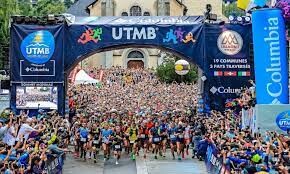
Mountain race, with numerous passages in high altitude (>2500m), in difficult weather conditions (night, wind, cold, rain or snow), that needs a very good training, adapted equipment and a real capacity of personal autonomy. It is 6:00pm and we are more or less 2300 people sharing the same dream carefully prepared over many months. Despite the incredible difficulty, we feel...
more...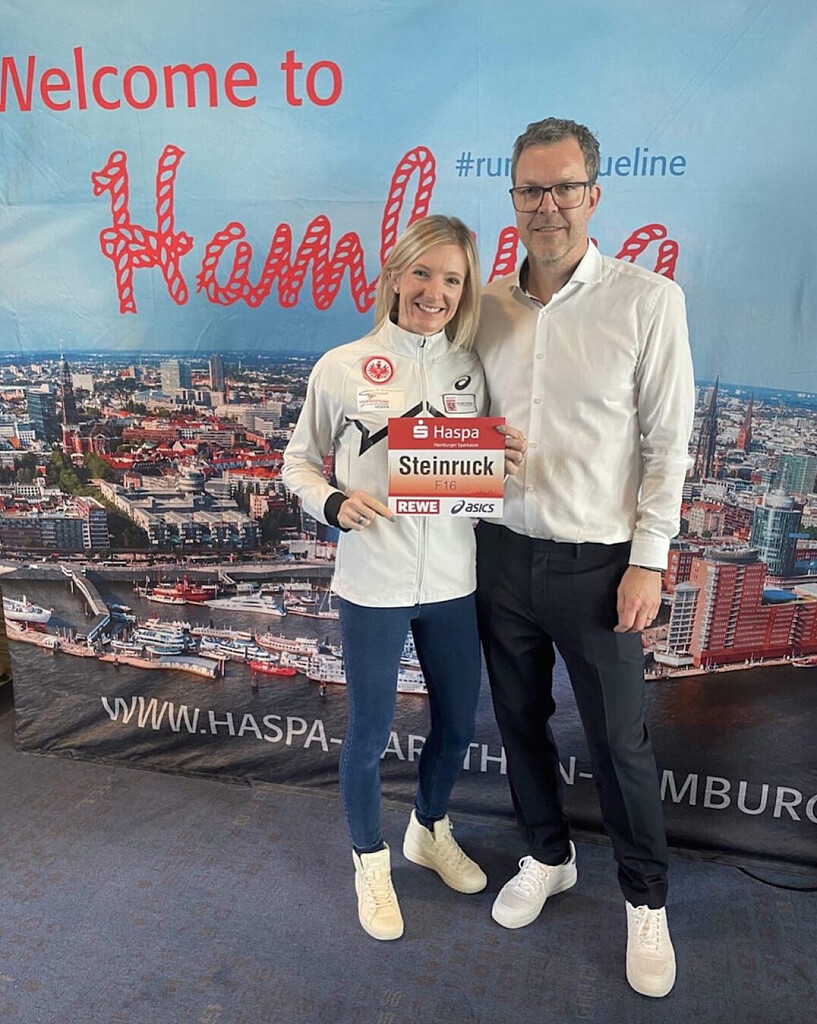
Former World Cross Country Champion Irine Cheptai runs marathon debut in Hamburg, Katharina Steinruck chases special record time
Irine Cheptai, Kenya’s World Cross Country Champion from 2017, will run her debut marathon in Hamburg on 28th April. This was announced by the organisers of the Haspa Marathon Hamburg, who released some of the top women’s contenders and presented Germany’s Katharina Steinruck during a press conference.
While Steinruck will chase a special family record on the fast Hamburg course it is Winfridah Moseti who heads the current women’s start list. The Kenyan has a personal best of 2:20:55. 14,000 runners are expected to compete in Germany’s biggest spring marathon on 28th April. Online registration for the race is still possible at: www.haspa-marathon-hamburg.de
Irine Cheptai has been very successful on the track as well before she focussed more on road running. In 2021 she was sixth in the Olympic 10,000 m final in Tokyo and a year later the Kenyan won the 10,000 m silver medal in the Commonwealth Games in Birmingham. Then she showed very promising half marathon races, culminating in a 64:53 PB in Valencia where she was second. With this time Cheptai was the fourth fastest half marathoner in the world in 2023.
Hamburg has seen great debut marathons in the past. In 2013 it was Eliud Kipchoge who won with a course record of 2:05:30. Two years ago Ethiopia’s Yalemzerf Yehualaw ran an unofficial world debut record of 2:17:23 which still stands as Hamburg’s course record. There are two more debutants on the women’s start list who could do very well on 28th April: Kenya’s Nelly Jepchumba has a half marathon PB of 67:00 while Roselida Jepketer of Bahrain has run 68:40 for the half.
Winfridah Moseti ran a huge personal best of 2:20:55 when she was runner-up in last year’s Frankfurt Marathon. While the Kenyan will want to build on this performance Frankfurt’s third place finisher will be among her rivals in Hamburg: Sharon Chelimo improved to 2:22:07 last October. Ethiopia’s Kidusan Alema and Canada’s record holder Natasha Wodak, who have personal records of 2:22:28 and 2:23:12 respectively, will also run their spring marathon in Hamburg.
Katharina Steinruck will be very much in the national focus when she hopes to break her mother’s family record. It was exactly 25 years ago when Katrin Dörre-Heinig, the bronze medallist of the 1988 Olympic marathon in Seoul, won the Hamburg Marathon with 2:24:35. For many years this was the German marathon record. “It is my aim to break my Mum’s record and it would be great if I could do it in Hamburg,“ said 34 year-old Katharina Steinruck, who is coached by her mother and improved to 2:24:56 in Osaka at the end of January. “Katha“ Steinruck returns to the race for the first time since 10 years and has good memories.
In 2013 and in 2014 she clocked personal bests of 2:34:20 and 2:33:56 in Hamburg as a young athlete. Ten years later running around ten minutes faster will be the goal. And there could not be a more fitting race than the Haspa Marathon Hamburg to break the family record.
(03/06/2024) ⚡AMP

Haspa Marathon Hamburg
The HASPA MARATHON HAMBURG is Germany’s biggest spring marathon and since 1986 the first one to paint the blue line on the roads. Hamburcourse record is fast (2:05:30), the metropolitan city (1.8 million residents) lets the euphoric atmosphere spill over and carry you to the finish. Make this experience first hand and follow the Blue Line....
more...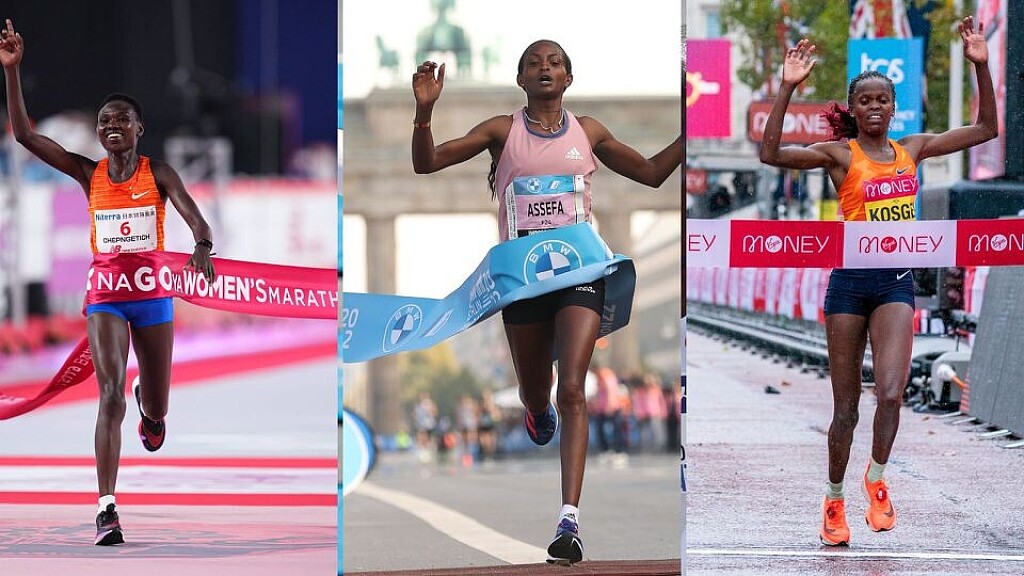
World record in danger! Three of the top four fastest women confirmed for London Marathon
The world record will be in danger with three of the top four fastest women in the history having been confirmed for the 2024 London Marathon.
World marathon record holder Tigst Assefa will brace up for a tough battle at the 2024 London Marathon that has attracted three of the top four fastest women in history.
The strong field assembled for the assignment on Sunday, April 21 will be keen to ensure that the women’s world record goes down one more time after being lowered during the 2023 Berlin Marathon.
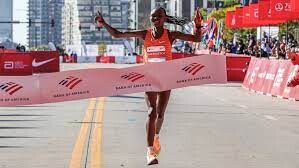
The record was set by Assefa, who became the new world record holder when she ran an incredible 2:11:53, obliterating the previous best mark of 2:14:04 set by Brigid Kosgei during the 2019 Chicago Marathon.
Assefa and Kosgei will now clash for the first time with Kosgei going for the world record which she noted belongs to Kenya.
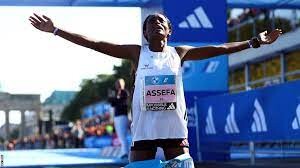
Others with eyes on the record include Ruth Chepng’etich, the fourth-fastest woman of all time (2:14:18), Peres Jepchirchir (Kenya), the reigning Olympic champion, and Yalemzerf Yehualaw (Ethiopia), the 2022 TCS London Marathon champion.
Pacemakers will be tasked with keeping the leading women on track for the women’s-only world record, which is possible at the TCS London Marathon as the elite women run a separate race to the elite men and masses.
Hugh Brasher, Event Director of the TCS London Marathon, said: “We are in a golden age of women’s marathon running.
“When Paula Radcliffe ran her incredible world record of 2:15:25 at the 2003 London Marathon, we had to wait 16 years for Brigid Kosgei to beat it.
“But since then, a further four women have run faster than Paula’s time including Tigst Assefa, who lowered the world record even further with her stunning run in Berlin last year.
“Despite this, the women’s-only world record of 2:17:01, set by the great Mary Keitany here at the London Marathon in 2017, has amazingly stayed intact.”
He added that however, he suspects that with Assefa, Kosgei and the likes of Chepng’etich, Jepchirchir and Yehualaw in the field, the world record is going to be under serious threat at the 2024 TCS London Marathon.
(03/05/2024) ⚡AMPby Abigael Wuafula

TCS London Marathon
The London Marathon was first run on March 29, 1981 and has been held in the spring of every year since 2010. It is sponsored by Virgin Money and was founded by the former Olympic champion and journalist Chris Brasher and Welsh athlete John Disley. It is organized by Hugh Brasher (son of Chris) as Race Director and Nick Bitel...
more...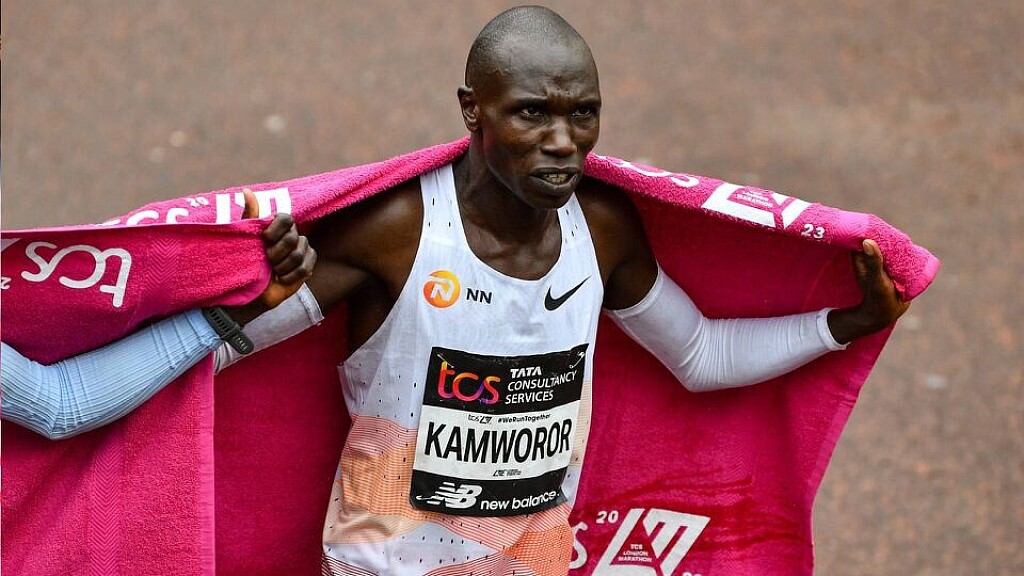
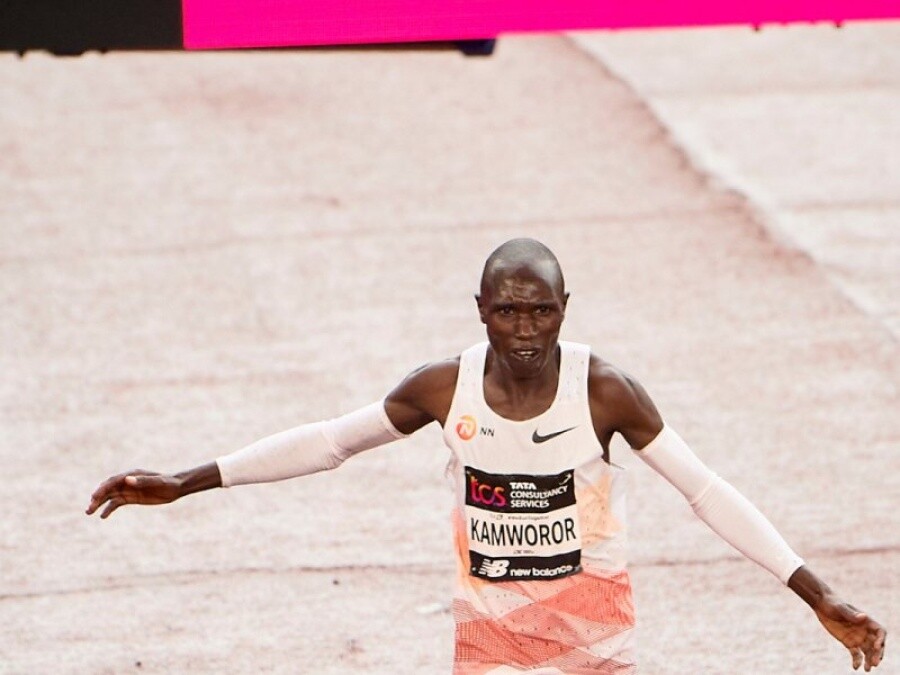
Geoffrey Kamworor out to challenge six Ethiopians for the 2024 London Marathon crown
Multiple World Cross-country champion Geoffrey Kamworor will try his luck one more time at the 2024 London Marathon, going up against some of the greatest marathoners from Ethiopia.
The men’s elite field at the 2024 London Marathon will see Geoffrey Kamworor take on former clubmate Kenenisa Bekele.
Kamworor will be keen to improve on his second-place finish during last year’s edition of the event while Bekele will seek to have a great build-up toward the Olympic Games in Paris, France.
Bekele, widely regarded as one of the greatest marathoners the world has ever known, will be looking to cement his name further in the streets of London.
He recently changed his management and will be keen to impress them after finishing fourth at last year’s Valencia Marathon. He will also be looking to bounce back after failing to finish the race during last year’s edition of the race.
Meanwhile, the elite men’s race is headlined by reigning TCS New York City Marathon champion Tamirat Tola who will also be looking to continue his hot streak in the streets of the English capital.
The seventh-fastest man in history Mosinet Geremew of Ethiopia (2:02:55) and Kenya's Alexander Mutis, who was runner-up at the 2023 Valencia Marathon in a time of 2:03:11, have also confirmed to be on the start line on Sunday, April 21.
From a British perspective, Emile Cairess returns after becoming the third-fastest Brit in history when he ran 2:08:07 on his TCS London Marathon debut last year.
He will be joined by Callum Hawkins, who has twice finished fourth at the World Championships and will be making his first appearance at the London Marathon since setting his PB of 2:08:14 at the 2019 event.
(03/05/2024) ⚡AMPby Abigael Wuafula
TCS London Marathon
The London Marathon was first run on March 29, 1981 and has been held in the spring of every year since 2010. It is sponsored by Virgin Money and was founded by the former Olympic champion and journalist Chris Brasher and Welsh athlete John Disley. It is organized by Hugh Brasher (son of Chris) as Race Director and Nick Bitel...
more...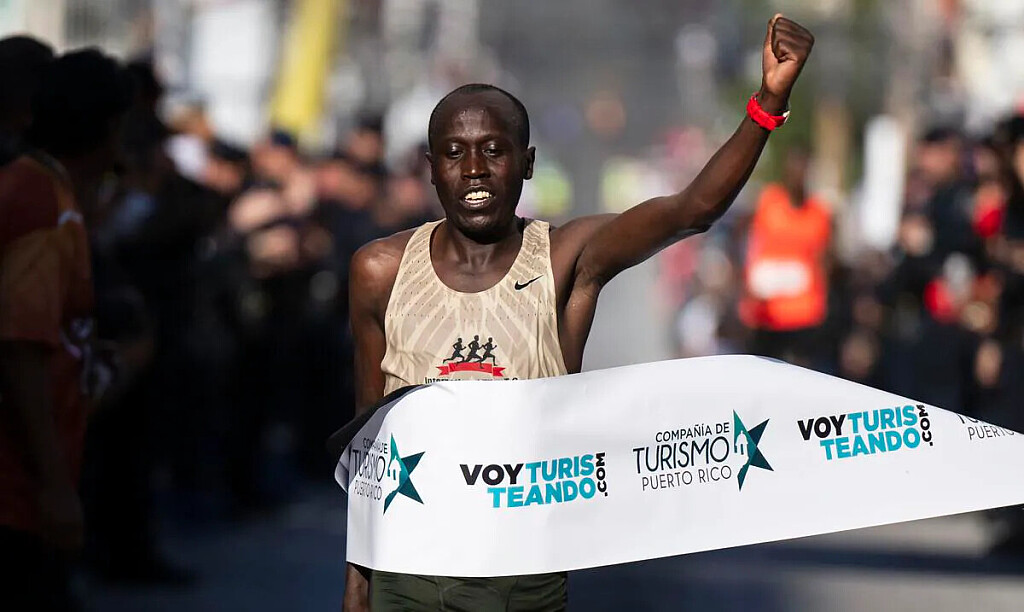
David Bett Kiprotich wins the San Blas Half Marathon
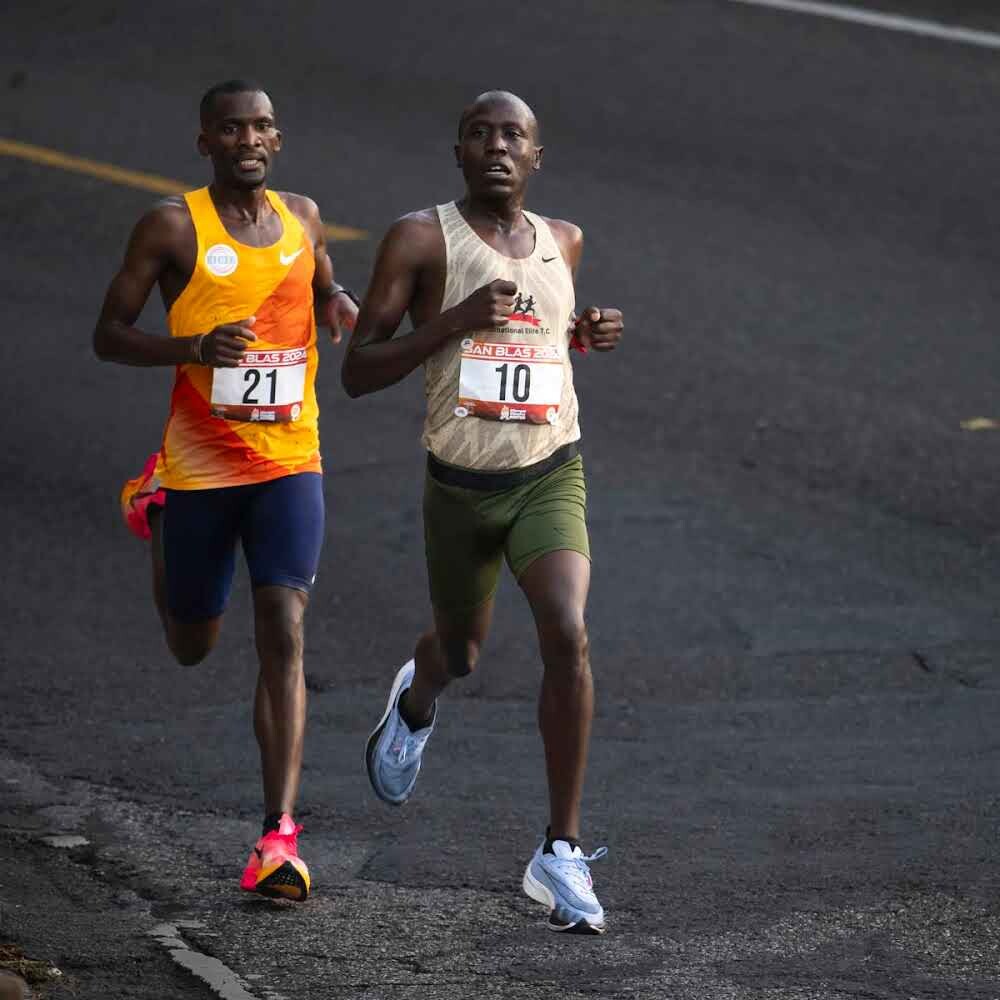
David Bett Kiprotich did not climb the famous El Ajoguillo hill first, which almost always helps predict the winner of the San Blas Half Marathon. However, Kiprotich broke that routine by conquering the international test this Sunday, where the runners who won the local branch set new personal bests for the distance.
Kiprotich won with an advance in the descent after El Ajoguillo, the famous hill sector located at kilometer 15 of the 21-kilometer test. He climbed second in that sector and on the descent he overtook Kenyan Peter Njeru, who had been first since kilometer five and was unable to maintain his position in the final six kilometers of the race.
Meanwhile, Arnaldo Martinez from Coam and Paola Figueroa from Guaynab won the national category with new personal times, in addition to a top 10 for Martinez on the arrival list.
The pride of the town of San Blas crossed the finish line in ninth place overall.
“Push. I knew I could win the race because I trained well,” said Njeru, who crossed the finish line with a time of one hour, three minutes and 18 seconds (1:03:18). He escorted Mulatie to the finish line with 1:03.26.
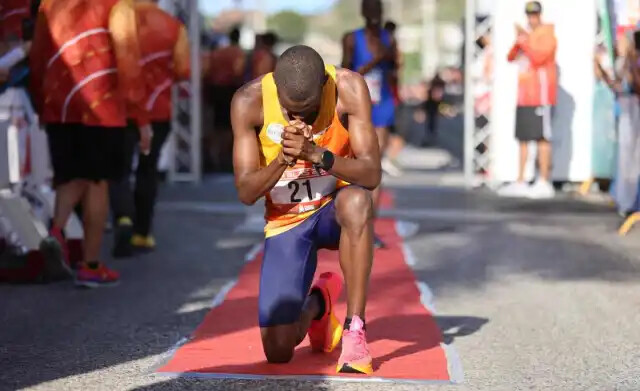
Some 12 runners from the continent of Africa ran in Coamo, which registered a record number of 2,100 runners and which, as always, had the support of the Coamenos motivating the runners on both sides of the route to the finish line, which is located one block away. from the recreation square.
Among those Africans, Kenyan Yoyland Chemutay dominated the second half of the race and was the winner of the women’s event with a time of 1:14.19. She was followed by the Ethiopian Mercuria Alem.
Martinez, who ran the first kilometers with the group of Africans, finished with a time of 1:08.11, which is a personal best. His best time was 1:09.54. The Coameno felt satisfied, although he believes that he could have made a better record.
“It was a personal best, although it is not the time I expected. But I’m happy. I know that little by little I am reaching the positions,” Martinez said.
Martinez finished in ninth position overall. He was the second non-African in the top ten after Chilean Hugo Gatrileo.
Jose Gonzalez and Kenneth Figueroa finished second and third in the national category with 1:09.19 and 1:09.39, respectively.
For her part, Figueroa finished first after an advance in El Ajoguillo with a time of 1:19.34, which is also a personal best.
His best time was 1:21, he said.
“I improved a lot and I owe it to my coach, because last year was tough with injuries. But this year I am better, stronger,” said the 26-year-old runner, mentioning her coach Jose de los Santos Alvarez Mesa.
She was followed in the national category by Paola Ramos with 1:24.40 and Barbara Quiles with 1:26.24.
(03/05/2024) ⚡AMPby Kumneger Media

San Blas Half Marathon
Join San Blas Half Marathon It is a pleasure to invite you to the annual edition of the world’s most famous half marathon, Medio Maratón San Blas, here in our beloved city of Coamo. It has been 54 years that the people of Coamo have ?proudly received thousands of visitors, especially the international and national athletes who grace this event....
more...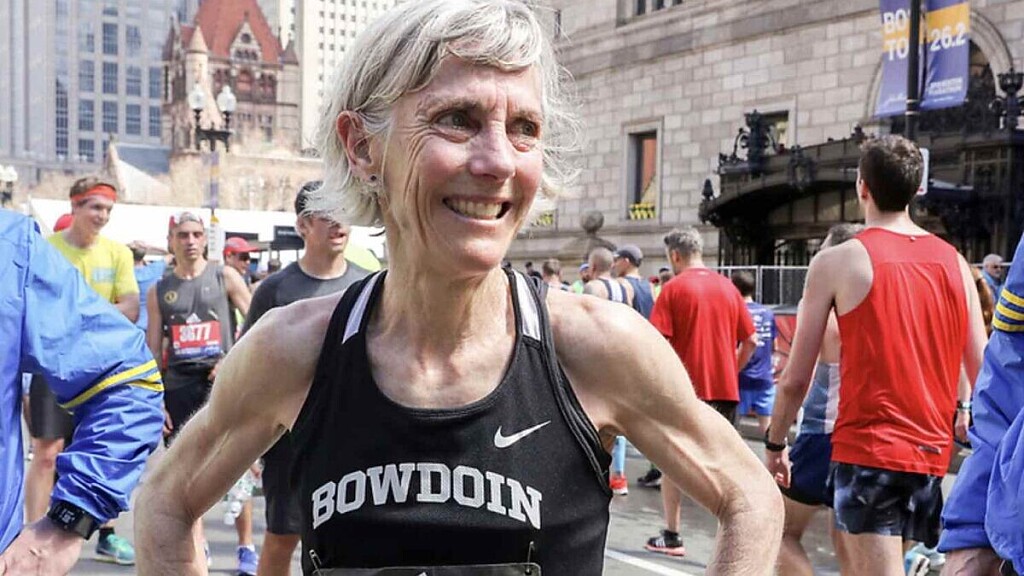
Joan Benoit Samuelson captures World Majors six-star medal at Tokyo Marathon
On Sunday morning, running icon Joan Benoit Samuelson claimed her sixth and final Abbott World Marathon Major star, clocking 3:42:18 at the Tokyo Marathon. The American distance running legend added another remarkable chapter to a storied career that includes wins at the 1979 and 1983 Boston Marathon and the 1985 Chicago Marathon.
The Abbott World Marathon Majors include the Tokyo Marathon, Boston Marathon, London Marathon, Berlin Marathon, Chicago Marathon and the New York City Marathon. In 2022, Benoit Samuelson checked her fifth major off her list, winning her age group at the London Marathon in 3:20:20; her daughter Abby ran as well, finishing just under three hours.
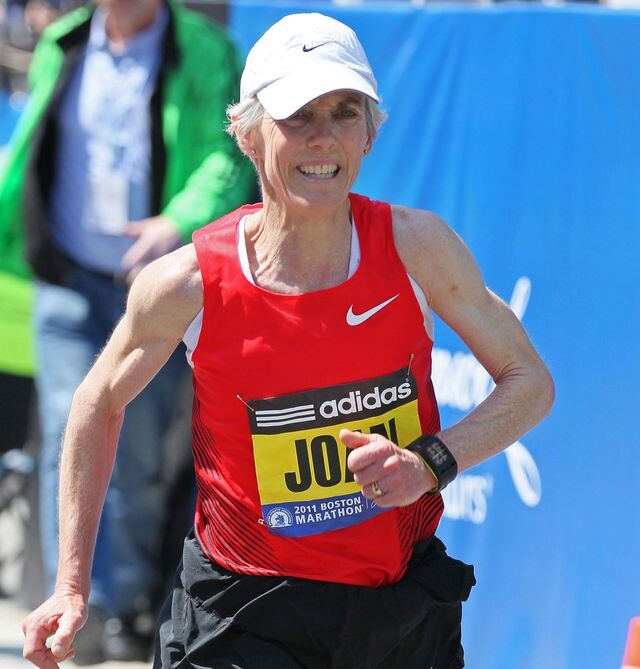
From Cape Elizabeth, Maine, Benoit Samuelson first gained international acclaim when she became the inaugural women’s Olympic marathon champion at the 1984 Summer Games in Los Angeles. Her groundbreaking victory set the stage for a career defined by trailblazing achievements. Benoit Samuelson held the fastest time for an American woman at the Chicago Marathon for 32 years after her 1985 victory, and her time at the Boston Marathon was the fastest time by an American woman at that race for 28 years Her personal best of 2:21:21 is still eighth on the U.S. all-time list.
Benoit Samuelson is the only woman in the world to have run sub-three-hour marathons in five consecutive decades, her first in 1979 and her most recent in 2010. At the 2019 Berlin Marathon, she ran 3:02, nearly becoming the first woman to clock a sub-three in six consecutive decades. In 2019, she ran the Boston Marathon to celebrate her then 40-year-old victory from 1979, wearing the same outfit she had worn four decades before—a backward ball cap and a Bowdoin College singlet (she won her age category, finishing in 3:04:00, only 28:45 minutes slower than her time in 1979).
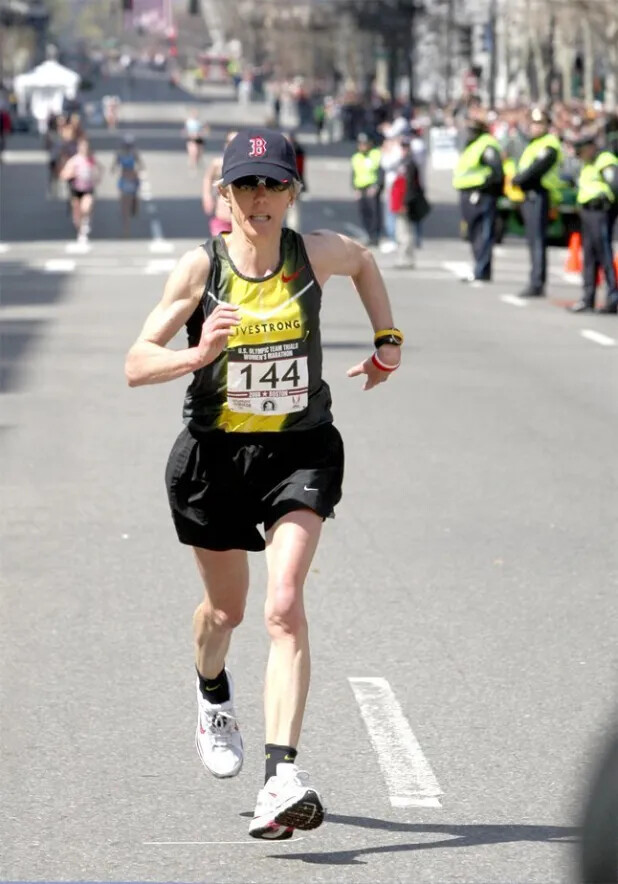
Beyond her accomplishments on the road, Samuelson has been an advocate for women’s participation in sports and has played a pivotal role in advancing opportunities for women athletes. After the 2022 London Marathon, Benoit Samuelson told the media: “I’m blessed to have longevity in this sport. It doesn’t owe me anything, but I feel I owe my sport.”
(03/05/2024) ⚡AMPby Keeley Milne

Tokyo Marathon
The Tokyo Marathon is an annual marathon sporting event in Tokyo, the capital of Japan. It is an IAAF Gold Label marathon and one of the six World Marathon Majors. Sponsored by Tokyo Metro, the Tokyo Marathon is an annual event in Tokyo, the capital of Japan. It is an IAAF Gold Label marathon and one of the six World...
more...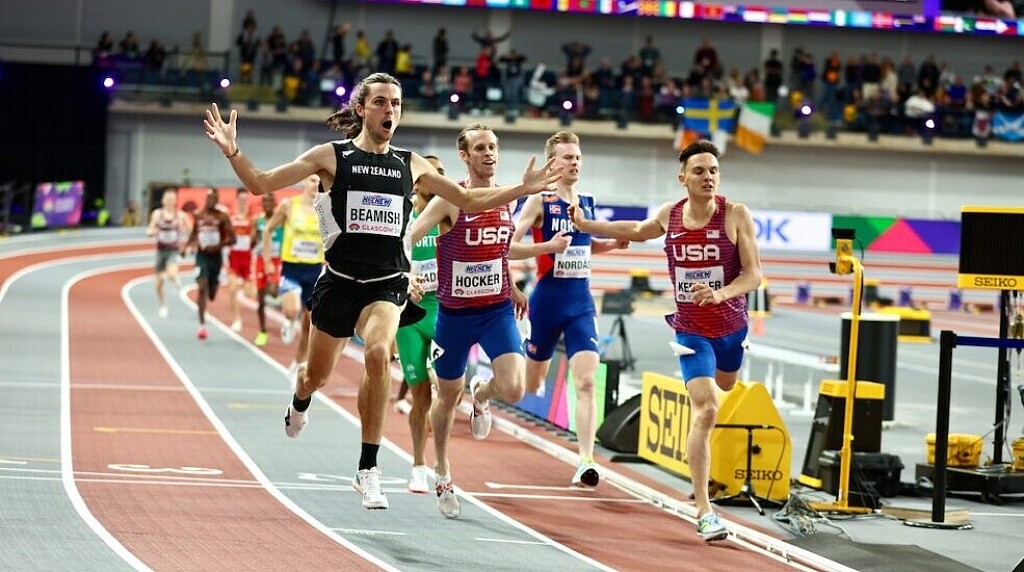
New Zealand’s Geordie Beamish shocks field for gold in men’s 1,500m final
Geordie Beamish of Hawke’s Bay, New Zealand, pulled off an incredible upset to take gold in the men’s 1,500m on the final day of competition at the 2024 World Indoor Championships in Glasgow.
Beamish was not expected to win, with the 1,500m not being his main event. However, he bided his time and entered the final lap in eighth place before surging down the final straight to become New Zealand’s first world indoor champion in the 1,500m event, clocking a personal best of 3:36.54.
“I trusted my closing speed against anyone,” said. Beamish to Canadian Running post-race.
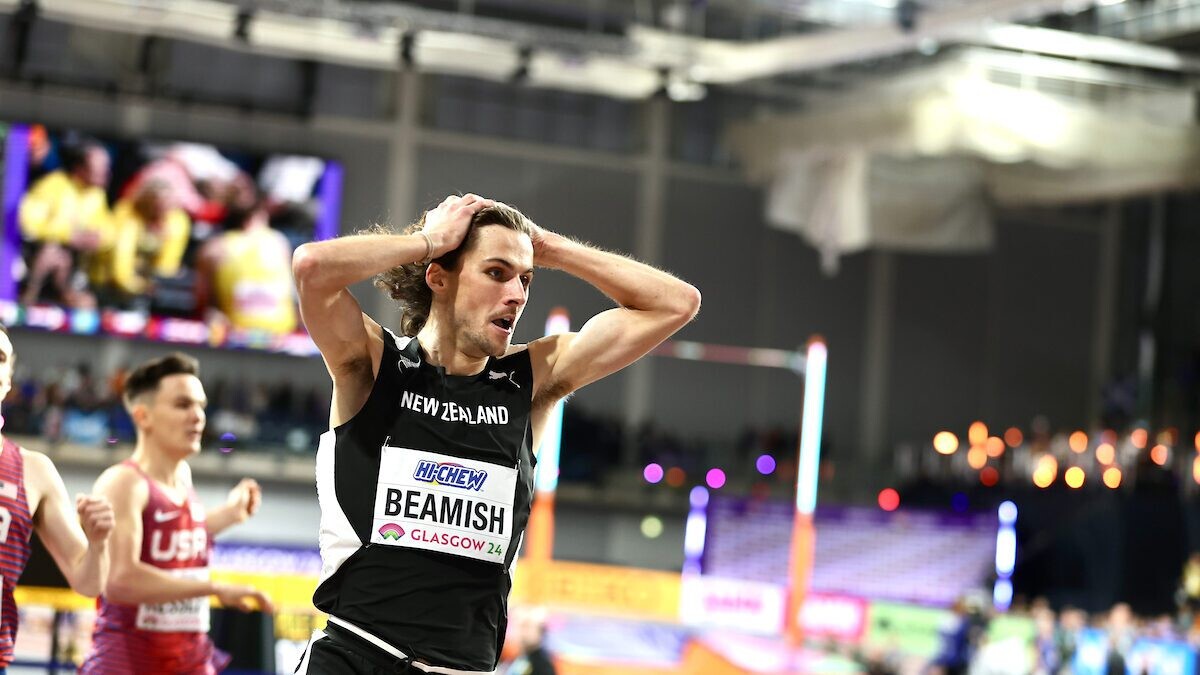
Cole Hocker and Hobbs Kessler of Team USA claimed silver and bronze, respectively, with times of 3:36.69 and 3:36.72.
The door was open for a new champion in the men’s 1,500m with the absence of Jakob Ingebrigtsen due to injury and reigning world (outdoor) champion Josh Kerr, who ran and won the 3,000m distance instead.
When asked if Beamish would run the 1,500m in Paris instead of the steeplechase, he declined. “I don’t think I can run a 1,500m in 3:29,” he said. “I enjoy the steeple a lot, and I think I have my best chance to medal in that event.”
Vancouver’s Kieran Lumb finished 13th in the 1,500m final. “I’m disappointed,” says Lumb. “I felt I was going to really do something special today, and that wasn’t the case.”
Beamish’s medal capped off a day to remember for New Zealand after Hamish Kerr earlier won gold in the high jump. The small Oceanic island nation finished with four medals (two gold, two silver), their most ever at an indoor world championship.
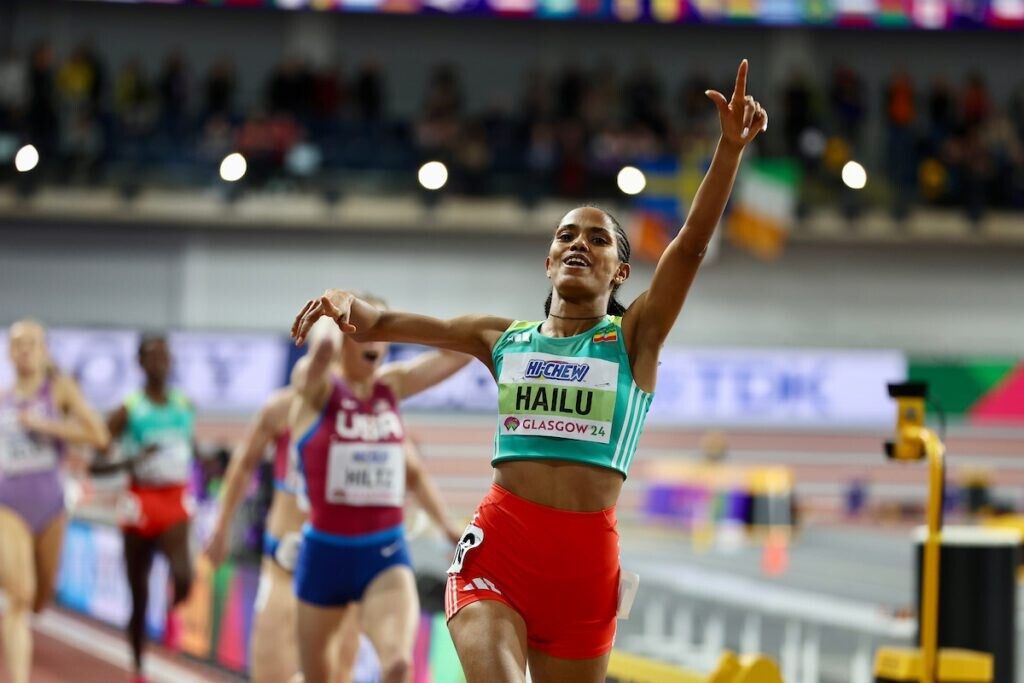
In the women’s 1,500m final, it was Ethiopia’s Freweyni Hailu who came out on top in a time of 4:01.46. This is Hailu’s first global title. Her best finish before Glasgow was a fourth-place finish at the Tokyo Olympics in the same event. Americans Nikki Hiltz and Emily MacKay ran personal bests to win silver and bronze. Canada’s Lucia Stafford finished 11th in 4:08.90.
(03/04/2024) ⚡AMPby Marley Dickinson

World Athletics Indoor Championships Glagow 24
Welcome or fáilte as the Gaelic speakers in Scotland would say, to the digital home of the 19th edition of the World Athletics Indoor Championships taking place in Glasgow in 2024. With the competition fast approaching it’s nearly time to take your seat for one of the hottest sporting tickets in Scotland this year. Glasgow has a proven track record...
more...
Former NFL player offers world champion Christian Coleman $100,000 to run a 40-yard dash
The newly crowned world 60m champion, Christian Coleman, has been offered USD $100,000 to run a 40-yard dash at full speed. The challenge comes after a University of Texas Longhorns football player Xavier Worthy broke the NFL’s 40-yard dash record (36 metres) at the 2024 NFL Draft Combine on Saturday in Indianapolis.
Worthy, a wide receiver prospect in the 2024 NFL Draft, ran a time of 4.21 seconds on his second of two attempts, breaking the record of 4.22 seconds set by former NFL wide receiver John Ross in 2017. Worthy’s time was instantly compared to the speed of the world’s fastest sprinters, and to prove a point, former NFL quarterback Robert Griffin III said he would give Coleman $100,000 to prove a point.
Coleman previously ran a 40-yard dash during his collegiate track career at the University of Tennessee in 2018, recording a mark of 4.12 seconds. Seven years later, Coleman now has three world sprint titles on his resume, and is widely considered one of the best starters in the world. The argument for Griffin III is that Coleman’s 40-yard dash would show the difference between NFL receivers and world-class sprinters.
On Friday, Coleman reclaimed his world 60m indoor title at the 2024 World Indoor Championships, beating Noah Lyles in the final in a world-leading time of 6.41 seconds. His winning time equates to an average speed of 21 mph (33 km/h) over 60m. When that speed is calculated for the 40-yard dash (36m), it equals a time of 3.90 seconds, well below Worthy’s mark.
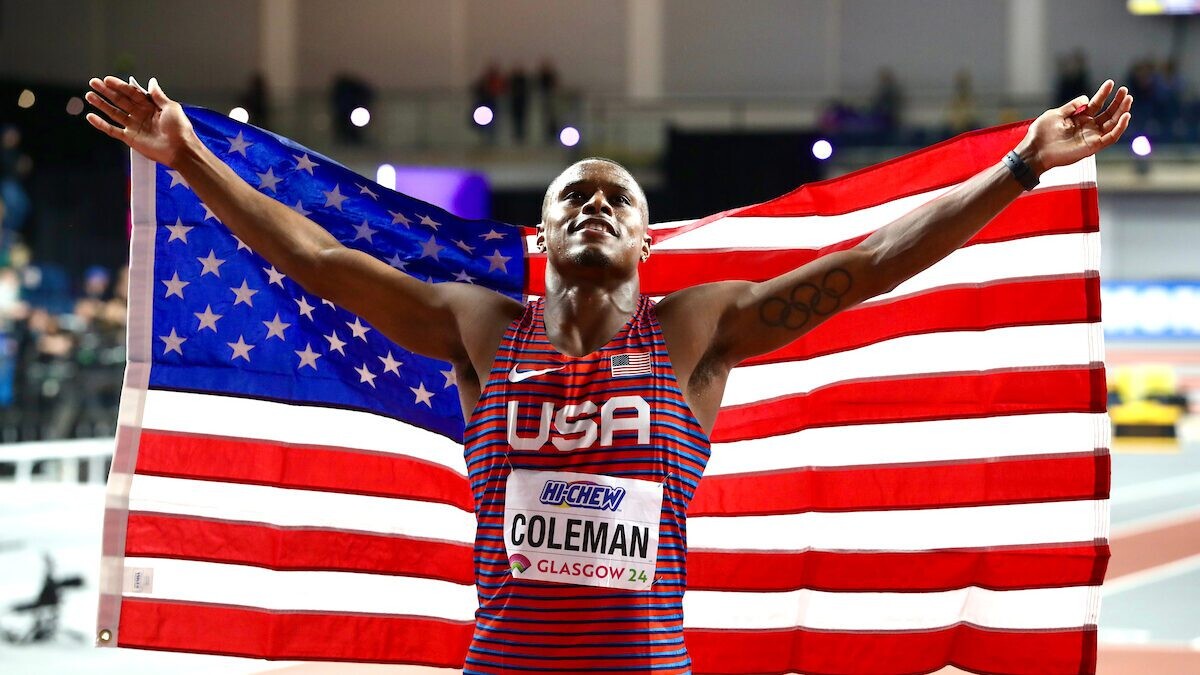
Coleman has not come out and said whether he will take up Griffin III’s challenge, but considering it would be an easy way for him to make $100,000, I don’t see why he wouldn’t. Plus, he would settle the debate once and for all.
(03/04/2024) ⚡AMPby Marley Dickinson
Nobert Kigen provisionally suspended by AIU for doping
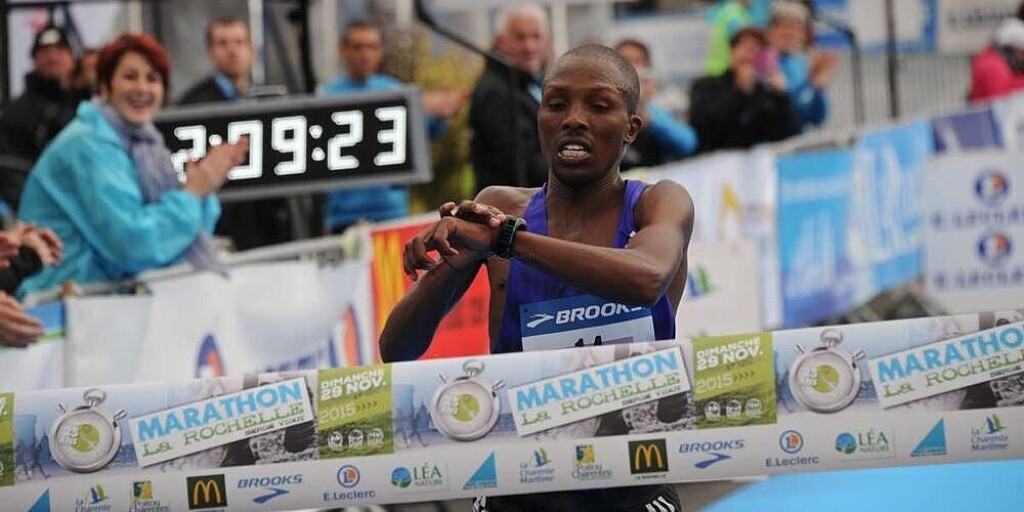
Nobert Kigen is the latest Kenyan athlete to join the list of shame after being provisionally suspended by the AIU for the Presence/Use of Prohibited Substance (Testosterone).
The Athletics Integrity Unit has provisionally suspended Nobert Kigen for the Presence/Use of Prohibited Substance (Testosterone).
Kigen, the 2022 Prague Marathon champion, has not been very competitive in international races since 2018 when he competed in five races.
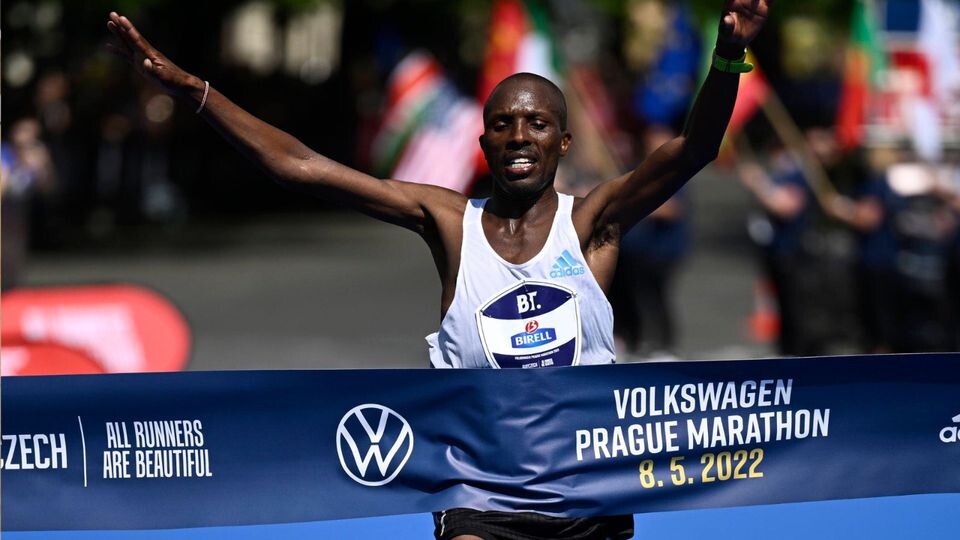
In 2019, he intended to compete at the Tokyo Marathon but he did not finish the race. He finished third at the 2021 Prague Marathon before proceeding to win the edition of the race in 2022.
The same year, he finished seventh at the Amsterdam Marathon and then finished fourth at the Bangsaen Half Marathon in 2023. He opened his 2024 season with a 10th place finish at the Xiamen Marathon.
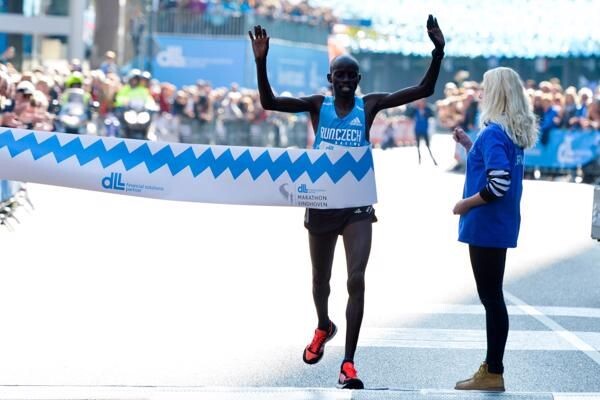
Meanwhile, the AIU has also Agnes Mueni Mutua for the Presence/Use of Prohibited Substances (Testosterone, Trimetazidine).
As per the AIU, a Provisional Suspension is when an Athlete or other Person is suspended temporarily from participating in any competition or activity in Athletics prior to a final decision at a hearing conducted under the World Athletics Anti-Doping Rules or the Integrity Code of Conduct. The Kenyan duo are the latest to join the list of shame as they await their verdict.
(03/04/2024) ⚡AMPby Abigael Wafula
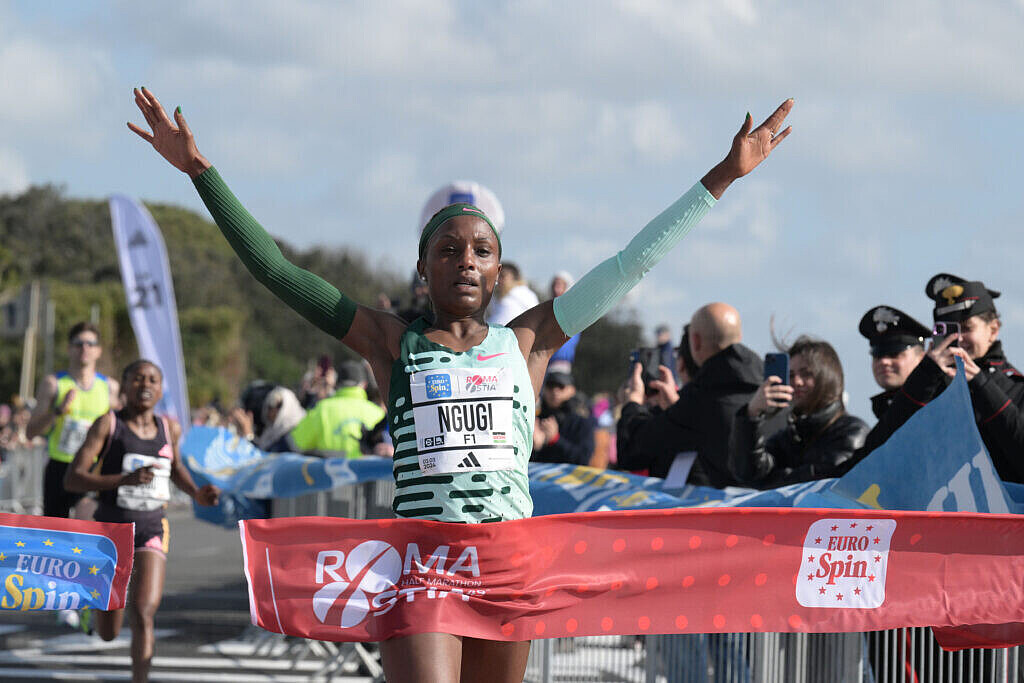
Mary Ngugi, Emmanuel Wafula dazzle at 49th Roma-Ostia half marathon
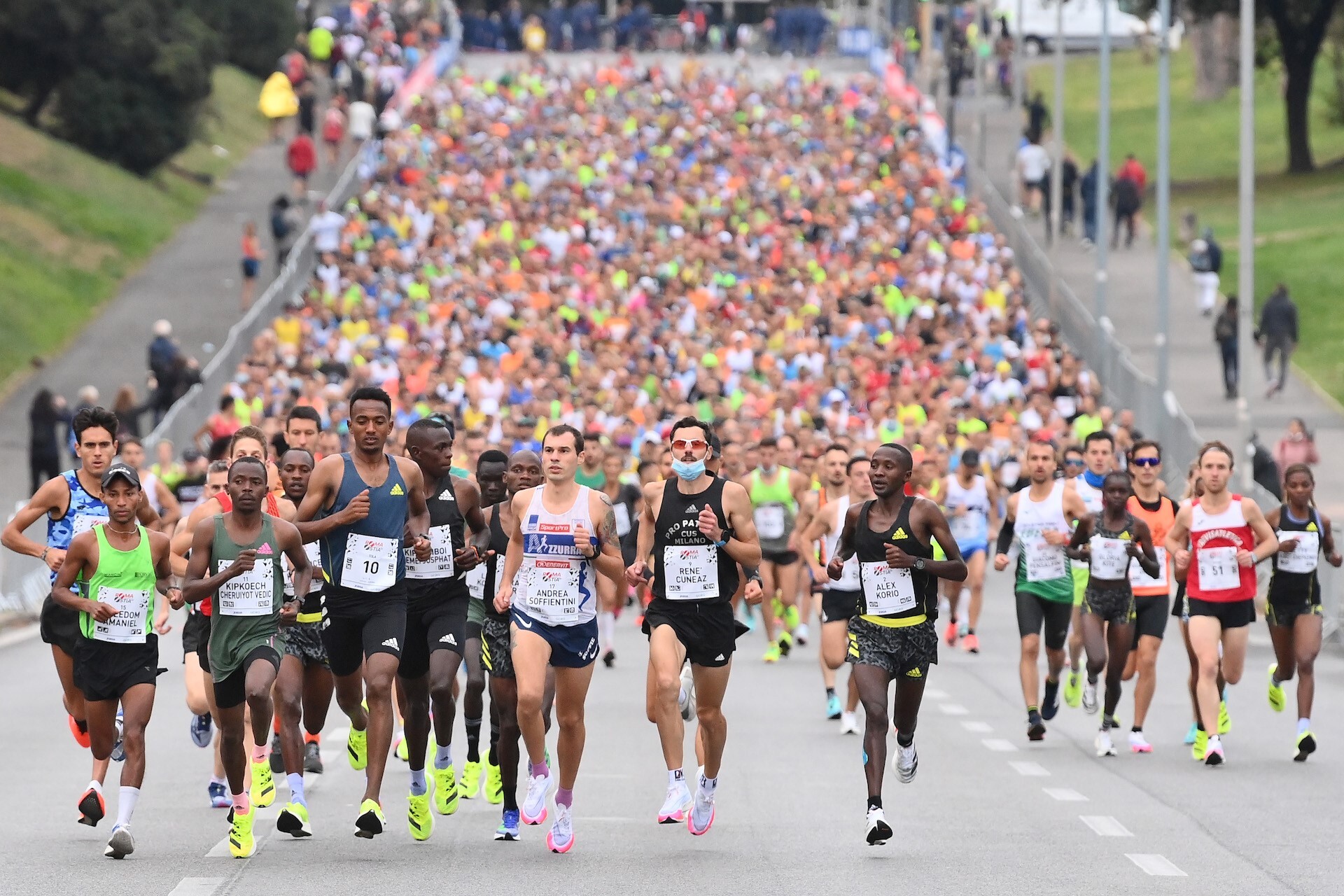
Kenyans dominated the 49th Roma-Ostia Half Marathon, with victories in both men's and women's categories on Sunday.
Former world half marathon silver medalist, Mary Wacera Ngugi, showcased her enduring class and resolve by clinching victory at the 49th edition of the Roma-Ostia Half Marathon held on Sunday in Rome, Italy.
At 35, the seasoned athlete, who also holds the title of 2021 Boston Marathon silver medalist, entered the race with a personal best of 1:06.29, recorded eight years ago at the Houston Half Marathon.
Ngugi outpaced her rivals to secure top honors with a commendable time of 1:07.38.
Caroline Korir rounded out the top three, crossing the finish line in 1:09.01, and solidifying the podium positions.
Ngugi’s victory is not just a personal achievement but also a testament to her commitment to nurturing young talent through her initiative, the Nala Track Club.
Based in her hometown of Nyahururu, the club aims to empower young girls by providing them with opportunities to engage in athletics, thereby fostering a new generation of champions.
In the men’s category, the competition was equally intense, with Kenya’s Emmanuel Wafula emerging victorious in his debut over the distance, clocking an impressive time of 1:01.10.
The race was a nail-biter until the very end, with Ethiopia's Yegzaw Bayelign finishing a mere one second behind Wafula.
Kenyan Kimakal Kipsambu secured the third spot with a time of 1:01.20, while compatriot Asbel Kiplimo finished fourth in 1:02.57.
(03/04/2024) ⚡AMPby Festus Chuma

Roma Ostia Half Marathon
Italy's most popular half marathon, this road race is a popular event for runners of all abilities. The Roma-Ostia Half Marathon is an annual half marathon road running event which takes place in the spring in Rome, Italy. The course begins in the EUR district of the city and follows a direct south-easterly route to the finish point near the...
more...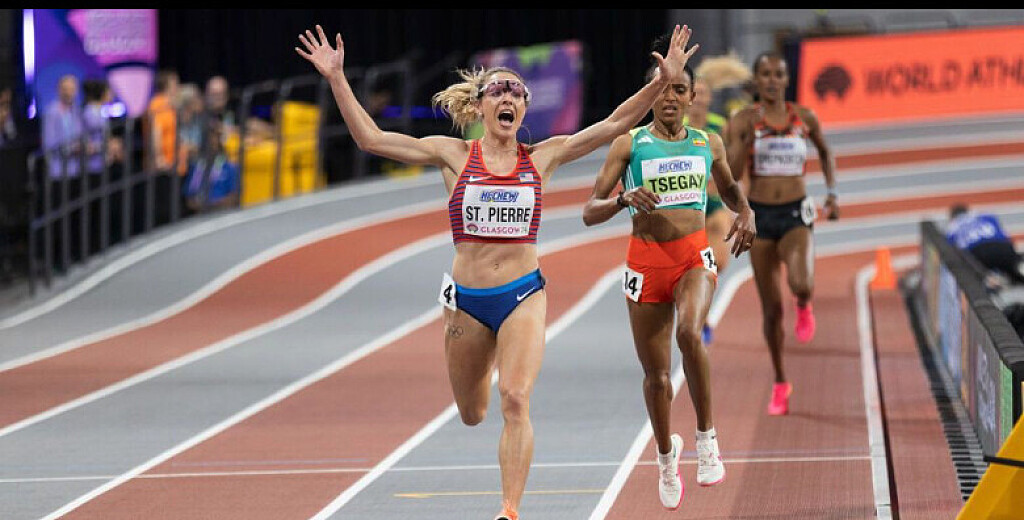
Elle St. Pierre Upsets World Record-Holder to Win First World Championship Title
A year after giving birth, St. Pierre won gold in the 3,000 meters at the World Indoor Championships.
On Saturday, March 2, Elle St. Pierre threw down an electrifying kick to beat two-time world champion Gudaf Tsegay for gold at the 2024 World Indoor Championships. Running for Team USA, St. Pierre won the women’s 3,000 meters in 8:20.87, breaking the American record and championship record. Ethiopia’s Tsegay finished second in 8:21.13, and Beatrice Chepkoech ran a Kenyan national record when she placed third in 8:22.68, rounding out the podium of a thrilling race at Commonwealth Arena in Glasgow, Scotland.
The event began with Tsegay setting an aggressive early pace. With the 5,000-meter world record-holder out in front, Chepkoech, St. Pierre, and Jessica Hull of Australia followed. Running patiently, St. Pierre maintained contact in fourth place for much of the race. Together, the pack passed through the first 1600 meters in 4:29.
By 2,000 meters, the top four created a gap between the rest of the field. With two laps remaining, Tsegay attempted to break away from her rivals but she couldn’t shake Chepkoech and St. Pierre, who looked ready to strike at any moment.
At the bell, St. Pierre began to make her move to the front. To the cheers of a roaring crowd, the 29-year-old passed the Olympic bronze medalist on the homestretch. St. Pierre is the first American in history to win gold in the event. She is now No. 3 on the world all-time list two years after earning silver at the 2022 World Indoor Championships.
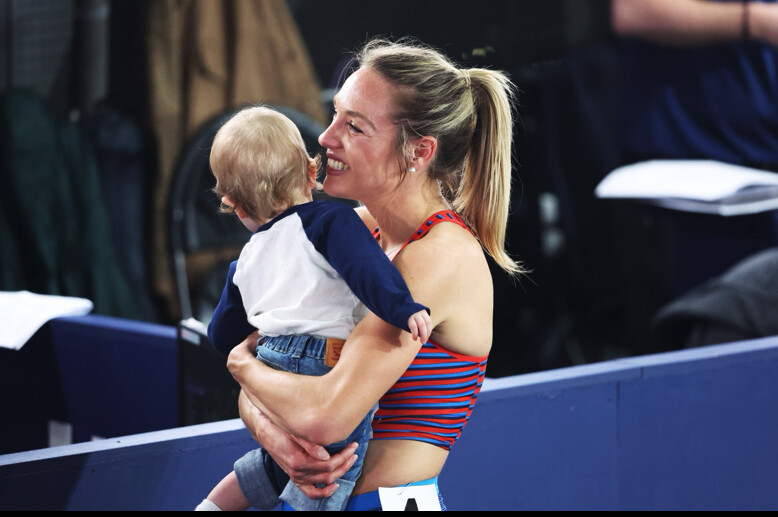
“It’s a dream come true,” St. Pierre told reporters after the race. “I don’t think it’s fully sunk in quite yet, but it feels amazing to be here with my family and my teammate, Emily [Mackay], and my coach in Scotland.”
In the mixed zone, St. Pierre said she expected a fast race but knew she could use her miler speed to close well if she put herself in position with the leaders, and that’s exactly what she did.
The victory took place two days before her son, Ivan, celebrates his first birthday. St. Pierre said not racing much last summer allowed her to build up mileage, resulting in a stunning postpartum comeback. “Having a baby has only made me stronger,” she said.
St. Pierre’s increased strength was evident three weeks prior to the World Championships. At the 2024 Millrose Games on February 11, the two-time world indoor medalist broke her own American record when she won the women’s Wanamaker mile in 4:16.41.
With the 2024 Paris Olympics fast approaching, St. Pierre looks poised to make a major leap from her 10th-place finish in the 1500 meters at the Tokyo Games.
(03/03/2024) ⚡AMP

Kerr delights Glasgow crowd with world indoor 3000m win
Just before the bell sounded in the men’s 3000m final, Josh Kerr made his move, sweeping through to join Selemon Barega at the front of the field with one lap of the track remaining.
Could the Scot who brought down Jakob Ingebrigtsen, the Norwegian prince of the middle distances, in the last 200m of the stunning men’s 1500m final at the outdoor World Championships in Budapest last August do the same to the defending 3000m champion back on home ground at the World Athletics Indoor Championships Glasgow 24?

Indeed, he could. And then some.
The noise threatened to raise the roof in the Glasgow Arena as the pride of Glasgow kicked again halfway down the back straight. Barega, the Olympic champion at 10,000m, was unable to respond.
As Kerr rounded into the home straight, the gold medal was in the bag. He still dipped for the line but with 0.61 to spare.
The time, 7:42.98, was a statistical irrelevance as the double world champion savoured his victory ahead of his US rival Yared Nuguse, who came through to snatch silver in 7:43.59, Barega fading to third in 7:43.64.
Kerr had become the first British man to win the world indoor 3000m title and only the third Scottish athlete to strike world indoor gold in any event.
He wasn’t even born when the Bellshill Bullet Tom McKean hit the bullseye in the men’s 800m and his training partner Yvonne Murray did likewise in the women’s 3000m in Toronto back in the mists of 1993.
Fittingly, McKean and Murray were both in the house to join in the celebrations as Kerr soaked up the applause wrapped in a Scottish Saltire flag.
“For Scotland and for the UK, this is a huge championships,” said the Tokyo Olympic 1500m bronze medallist, who has been based in the United States in Albuquerque since the age of 17.
“I needed to be at my best. It was a hard-fought race.”
It was indeed and Kerr fought the smartest, judging his effort to absolute perfection, as he had in that wonderful world outdoor 1500m final seven months ago.
He was happy to sit back in the pack as Barega and his Ethiopian teammate Getnet Wale toyed with the pace at the front, injecting fleeting surges.
The field remained bunched with 800m remaining, at which point Kerr coolly drifted up into second, behind Wale. It was the perfect position to react to any major move.
That came with 500m remaining, Barega making his way past into the lead. Nuguse’s US teammate Olin Hocker entered the equation too before Kerr closed down Barega at the bell – and proceeded to break not just the Ethiopian runner but the Ethiopian stranglehold on the event.
After wins by Yomif Kejelcha in Portland in 2016 and in Birmingham in 2018, and Barega’s success in Belgrade two years ago, Kerr became the first European winner since Italy’s Gennaro Di Napoli retained the title in Toronto in 1993.
“I just didn't want to short change anyone because I knew I had the support of all Scotland and the UK tonight,” added Kerr, who has raced sparingly on the boards but set a brilliant world indoor two mile best of 8:00.67 in New York on 6 February.
Behind the three medal winners, Wale finished fourth in 7:44.77 and Hacker fifth in 7:45.40.
(03/03/2024) ⚡AMPby Simon Turnbull for World Athletics
Tefera takes down Ingebrigtsen to retain world indoor 1500m title
When the Olympic champion met the world indoor champion, something was always going to give. In the end, as Jakob Ingebrigtsen and Samuel Tefera fought towards the line in the men’s 1500m final at the World Athletics Indoor Championships Belgrade 22 on Sunday (20), it was the Norwegian star who had no choice but to concede.
Not that Ingebrigtsen ever gave up, the 21-year-old trying to summon something – anything – to repel the late charge of Tefera, but it was no use, with the 22-year-old Ethiopian taking gold in 3:32.77, Ingebrigtsen taking silver in 3:33.02, and Kenya’s Abel Kipsang the bronze in 3:33.36.

Before the race, the head-to-head record between the big two was 11-0 in favour of Ingebrigtsen, but no one beats Samuel Tefera 12 times in a row, not when this is a distance at which he held the world indoor record at 3:31.04 for the past three years, until Ingebrigtsen broke it earlier this year with 3:30.60.
That race in Lievin, France, in mid-February made the Norwegian the hot favourite for the title in Belgrade, and when the gun fired he adopted similar tactics to the Olympic final in Tokyo, or indeed most races on the circuit.
He made sure it was fast.
With Kipsang rocketing through the opening lap in 27.60, Ingebrigtsen waited until the second to hit the front, stringing the field out behind as he passed 400m in 55.81, 800m in 1:53.9 and 1200m in 2:51.16.
But tracking him all the way, keeping his powder dry, was Tefera, the slightly more measured pace compared to the race in Lievin allowing him to sit in his slipstream into the final bend. Tefera then moved wide off the turn and emptied the tank to edge past his rival up the home straight, retaining his world indoor title with a championship record of 3:32.77.
“The race was very tough, but I feel very happy now because I became the champion,” said Tefera, who said he had surgery on his achilles tendon last year, an injury picked up during the Tokyo Olympics.
“I could not do many activities within the training but now I am completely fit,” he said. “I feel normal and I am ready for any kind of races and championships.”
Ingebrigtsen was gracious in defeat, not that he was too pleased about his silver.
“I came here to fight for the gold and it was a good fight,” he said. “I didn’t feel that great. Usually I feel a bit tired from 600 to 800 then it starts to loosen up but that didn’t happen tonight so I’m not 100 percent. Tefera was better than me tonight. I thought I was better than him, having run the record.”
Asked if he would do anything different if the race was run again, he said: “If I knew that I was completely s*** tonight, then of course I’d do a lot of things different, but I didn’t have any factors telling me that before the race.”In third, Kipsang claimed the first global medal of his career, having been edged into fourth at the Olympics last year. Ethiopia’s Teddese Lemi finished fourth in 3:33.59, with Australia’s Ollie Hoare fifth and Britain’s Neil Gourley sixth.
The following day, on his return home after not feeling fully fit, Ingebrigtsen shared a photo of a positive Covid test on his social media and wrote: "Just arrived home in Sandnes, and decided to take a health check after a strange feeling last night. Leading up to the race, everything felt normal, with negative PCR test and several rapid tests. Bad timing but in some way unavoidable. Now it's all about recovering and getting back to training."
(03/03/2024) ⚡AMPby Cathal Dennehy for World Athletics
World Athletics Indoor Championships Glagow 24
Welcome or fáilte as the Gaelic speakers in Scotland would say, to the digital home of the 19th edition of the World Athletics Indoor Championships taking place in Glasgow in 2024. With the competition fast approaching it’s nearly time to take your seat for one of the hottest sporting tickets in Scotland this year. Glasgow has a proven track record...
more...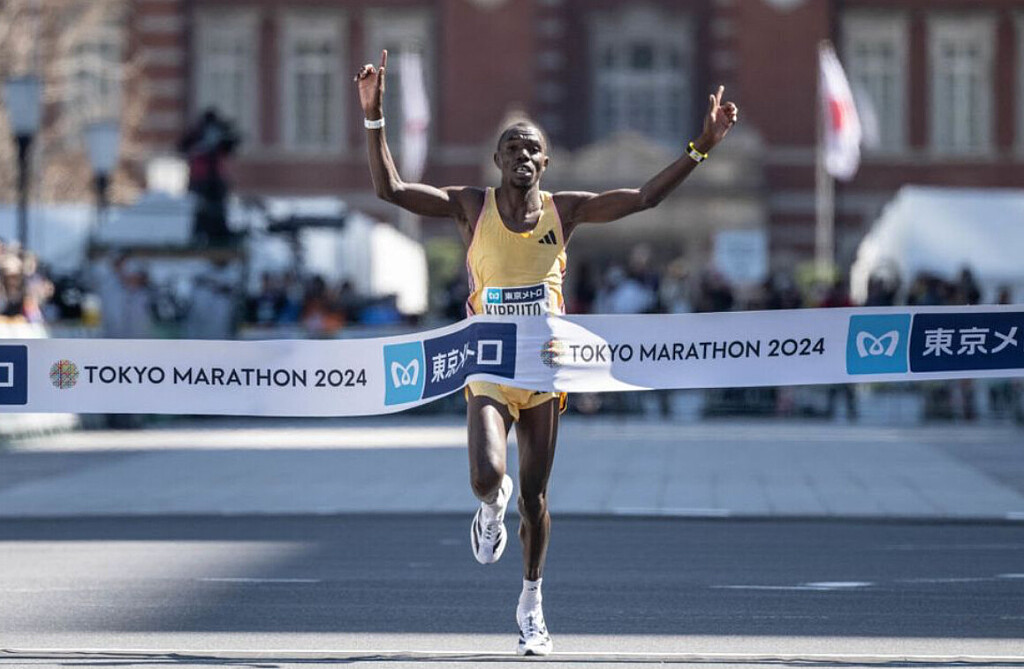
Men and women course records set at Tokyo Marathon
The Tokyo Marathon—the first World Marathon Major of 2024—took place Sunday morning in Japan. In near-perfect conditions, with a starting temperature of about 42 degrees, more than 37,000 runners took to the streets in Japan’s capital city. Course records fell, although several notable pre-race favorites fell short.
Benson Kipruto wins men’s race in a course record
It was a Kenyan sweep in the men’s race: Boston and Chicago Marathon champion Benson Kipruto, 32, of Kenya, won in 2:02:16, a course record by 24 seconds. Timothy Kiplagat, 30, placed second in a personal-best 2:02:55, while Vincent Kipkemoi Ngetich, 25, was third in 2:04:18.
Led by a trio of pacers, a pack of seven men blazed out at world record pace, traveling the first 5K in 14:16 (4:36 pace). By 15K, the pace had slowed, but only four men (and two pacers) remained: Kipruto, Kiplagat, and Ngetich, and Kenyan Eliud Kipchoge, 39, the two-time Olympic champion and former world record holder.
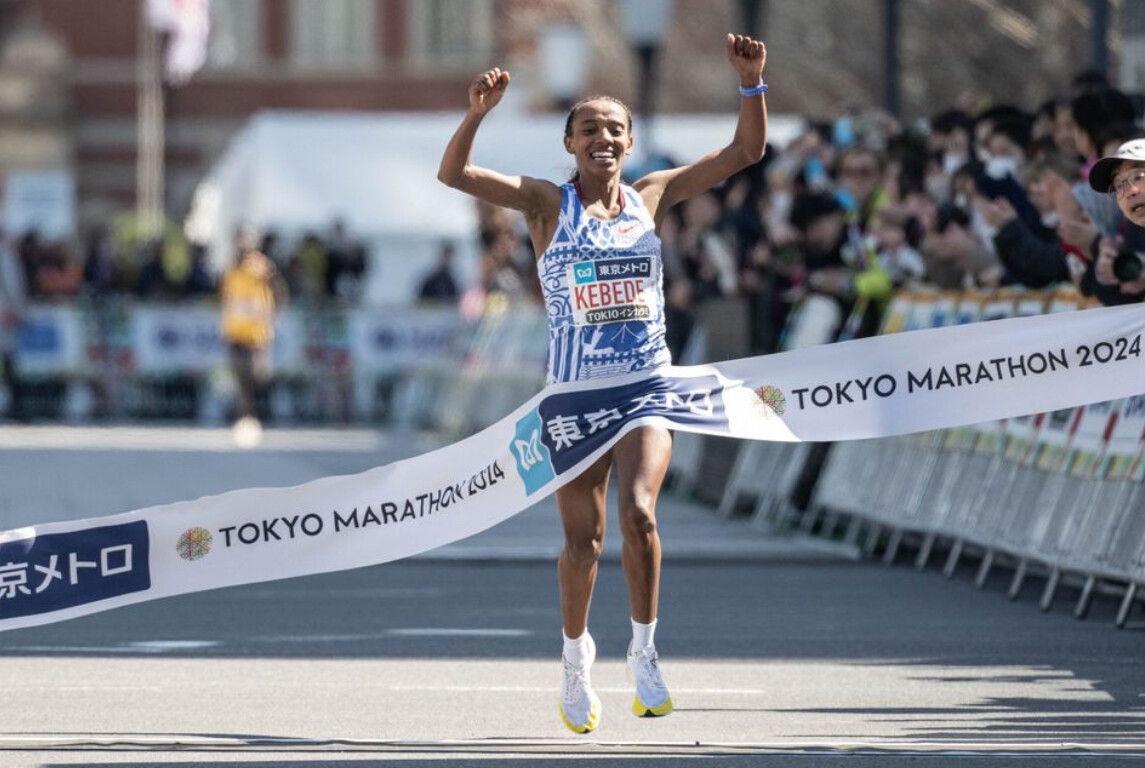
Unlike the men, the women started more conservatively, then picked up the pace. The lead pack covered the first 5K in 16:16, a 5:12 pace. Shankule led much of the race as competitors dropped off; the pack thinned to seven by 15K, four by 25K, and the top three by 30K as the pace ratcheted down (Shankule, Wanjiru,and Kebede covered 25K to 30K in 15:59, 5:09 pace).
Just before the 40K mark, Shankule fell back. Then, at the fluid stop just after the 40K mark, Kebede pulled ahead of Wanjiru, battling to the clock to better the 2:16:02 Brigid Kosgei ran here in 2021.
Sifan Hassan, 31, of the Netherlands, was fourth in 2:18:05—it was her third marathon, and her first loss. However, her time was still faster than the 2:18:33 she ran in her victorious London debut.
Saina shines after disappointment at Trials
Four weeks ago, American marathoner Betsy Saina, 35, who had been a favorite to make the U.S. Olympic team, dropped out of the Olympic Marathon Trials in Orlando, Florida, after the 21-mile mark of the race. Even though Saina had been in contention for the third spot, she suddenly pulled off the course and flopped in the grass at the side of the road, a victim of the rising temperatures.
Saina quickly regrouped and was a late addition to the field for the Tokyo Marathon on March 3. In much cooler weather, Saina finished fifth in 2:19:17. It was a PR by 2:23, the third-fastest time by an American woman (behind Emily Sisson and Keira D’Amato), and some measure of redemption after the disappointment of the Trials. She averaged 5:18.7 per mile.
Benson Kipruto and Sutume Asefa Kebede both won in course records, and American Betsy Saina ran a big PR to take fifth.
(03/03/2024) ⚡AMP
by Runner’s World
Tokyo Marathon
The Tokyo Marathon is an annual marathon sporting event in Tokyo, the capital of Japan. It is an IAAF Gold Label marathon and one of the six World Marathon Majors. Sponsored by Tokyo Metro, the Tokyo Marathon is an annual event in Tokyo, the capital of Japan. It is an IAAF Gold Label marathon and one of the six World...
more...
Training through the seasons: injury prevention tips
The start of a new season marks a shift in the training environment for competitive runners across Canada. Distinct challenges arise as runners shift their focus to new racing distances or terrains. As runners transition from outdoor to indoor running in winter, and switch into cross-country running in the fall, the ligaments and tendons of the lower extremities are put to the test. New running environments place demands on these structures and may leave runners vulnerable to injury.
Clinically, my treatment approach is to support these structures with targeted strength training. Loading the joints of the lower extremity with running-specific single-leg movements can help prepare them for the demands of new surfaces and terrains. Single-leg squats, lunges and calf-based loading strategies can be done with the goal of preventing long-term injuries. Jumping-based exercises on uneven surfaces are another great option, because they mimic the demands that runners may experience during races over grass, hills, and mud.
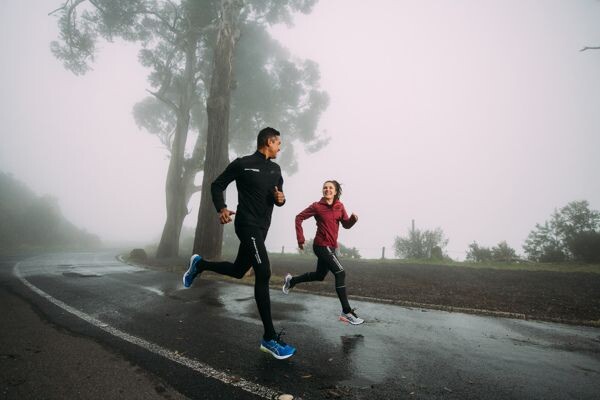
As the weather gets colder, many athletes across Canada turn to doing at least some of their training indoors. An indoor track presents a unique challenge to the athlete’s body, as everyone runs in a counterclockwise direction only. The repetitive nature of running, combined with consistently turning in one direction, can lead to various loading challenges, which can be amplified on the tighter turns of indoor tracks. Researchers from Western University found that the ankle-stabilizing muscles on the left leg on the inside edge of the turn developed strength changes distinctly different from those on the opposite leg, which they suspect are from athletes constantly turning to the left on an indoor track.
In our work with runners at the Runner’s Academy in Toronto, we have found that this type of asymmetrical loading pattern can contribute to muscular imbalances and running-related injuries affecting the ankle, knee, hip and pelvis. Clinically, I use hands-on manual therapies with targeted rehabilitation exercises to address areas of muscular compensation and joint overuse.

If you are training on a running track indoors or outdoors, varying your direction between clockwise and counterclockwise is essential to reduce the amount of rotational force the body is subjected to.
To optimize your faster-paced workouts indoors, I recommend doing your warm-up and cool-down jogs outdoors, away from the indoor track. This allows your body to reset and adapt after the repetitive stresses of indoor running, enhancing overall performance and reducing the risk of injury. This promotes variability and gradually exposes the body to stress on a range of surfaces and conditions. If I am training for an indoor track race or coaching, I practice these training modifications and encourage everyone else to try them.
Dr. Robert Lawand is a chiropractor at The Runner’s Academy in Toronto. He can be found training and racing in events from the 1,500m up to the half-marathon with the Royal City Athletic Club, and coaching high school track and field with the University of Toronto Track and Field Club.
(03/02/2024) ⚡AMPby Dr. Robert Lawand
Kipruto eyes podium, personal best at Sunday's Tokyo Marathon
The 2021 Boston Marathon champion Benson Kipruto is targeting a podium finish at Sunday’s Tokyo Marathon.
Kipruto trains in his backyard in Kapsabet, Nandi County, ahead of the much-awaited, starstudded showdown in the Japanese capital.
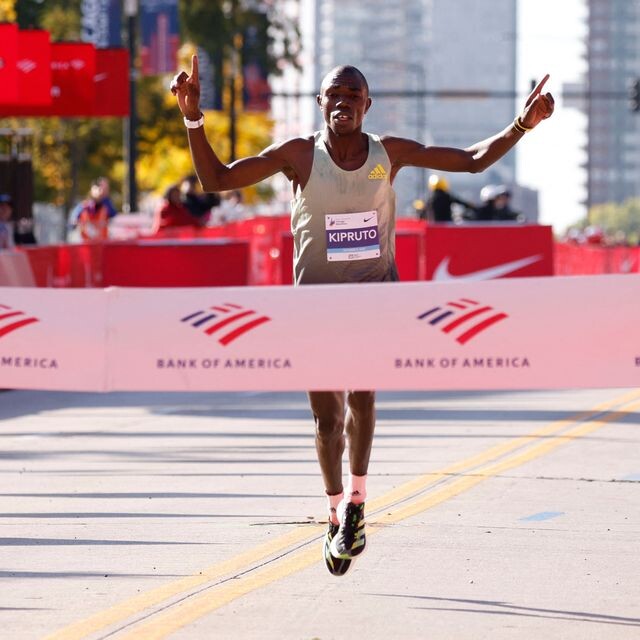
Other top athletes enlisted for the race are former world marathon record holder Eliud Kipchoge (2:01:09), Vincent Kipkemoi (2:03:13), Timothy Kiplagat (2:03:50), Hailemaryam Kiros (2:04:41) and Andualem Belay (2:04:44).
“My training and preparations for the Tokyo Marathon have been going on very well. I hope my hard training will yield great results,” said Kipruto, the 2016 Athens Classic Marathon silver medalist.
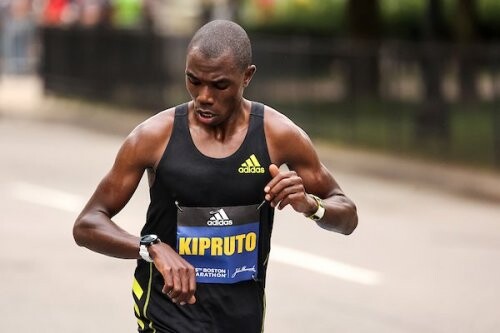
Kipruto was a surprise 2022 Chicago Marathon winner and silver medallist a year later— behind the late Kelvin Kiptum, who set the world record of 2:00:35.
He said Tokyo was a a late destination after initially settling on a return to Boston.
“I was to compete at the Boston Marathon but I had to change to Tokyo since it gives me enough time to prepare for the Olympics Games,” said the 2017 Gongju Dong-A Marathon silver medalist.
He is unfazed by the calibre of competition.
“I have prepared well enough to run finish on the podium as well as lower my personal best,” said Kipruto.
Kipruto is also looking forward to representing the country at the Paris Olympic Games.
He was named in the provisional marathon team to Paris alongside Kipruto former world record holder Eliud Kipchoge, Vincent Kipkemoi, Timothy Kiplagat, Bernard Koech, Geoffrey Kamworor, Cyprian Kotut, Amos Kipruto, Titus Kipruto and the late Kelvin Kiptum.
“I have never represented my country in any competition and making the team to Paris would be a dream come true,” said Kipruto.
Meanwhile, Ugandan Victor Kiplang’at said he is well prepared for Tokyo.
Kiplangat, who has already hit the qualifying time for the Paris Olympic Games, told Xinhua that he has put in a lot of work during preparations as he seeks to improve on his time.
“I have trained well under coach Addy Ruiter and I can’t wait to go and prove a point in Japan,” said Kiplang’at.
The Tokyo Marathon is a good platform for his preparations for the Olympic Games in France in August.
Kiplang’at, who will follow Ugandan pace-setter Abel Boniface, said competing against Kipchoge will be a tough but great challenge.
(03/02/2024) ⚡AMPby Emmanuel Sabuni
Tokyo Marathon
The Tokyo Marathon is an annual marathon sporting event in Tokyo, the capital of Japan. It is an IAAF Gold Label marathon and one of the six World Marathon Majors. Sponsored by Tokyo Metro, the Tokyo Marathon is an annual event in Tokyo, the capital of Japan. It is an IAAF Gold Label marathon and one of the six World...
more...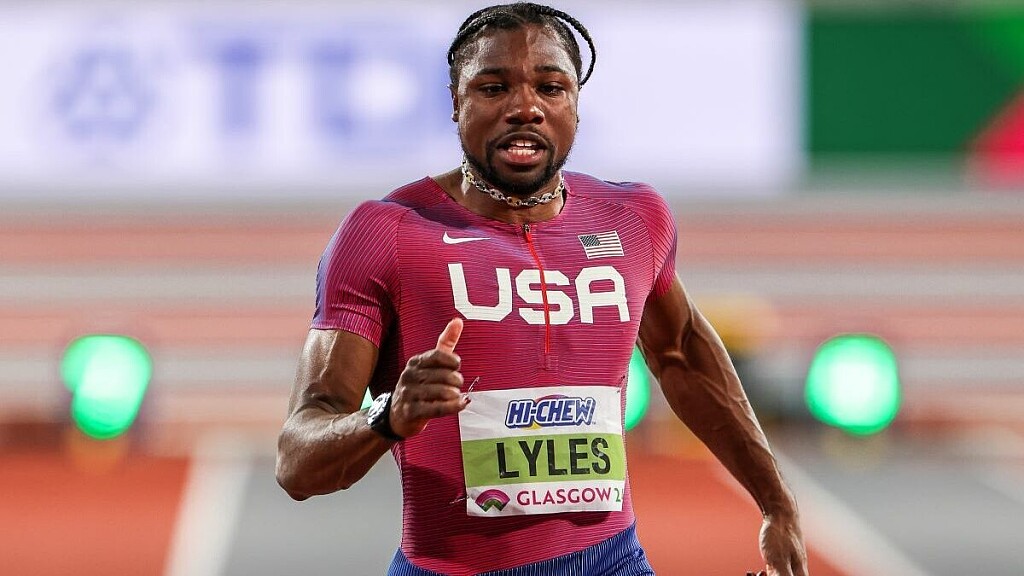
Noah Lyles denied world indoor sprint title in Glasgow
Noah Lyles’s bid to win the indoor/outdoor sprint triple came up short on Friday evening in Glasgow as he finished three-hundredths of a second behind his Team USA rival Christian Coleman in the men’s 60m final at the 2024 World Indoor Championships.
Coleman ran a world-leading time of 6.41 seconds to win the gold. Lyles finished second with a time of 6.44 seconds. Jamaica’s Ackeem Blake came third, running 6.46.
This is Coleman’s second career world indoor 60m title, and also redemption after losing to Lyles at last month’s U.S. Indoor Championships. Coleman got out to an explosive start and never looked back, holding off a charging Lyles in the final 10 meters.
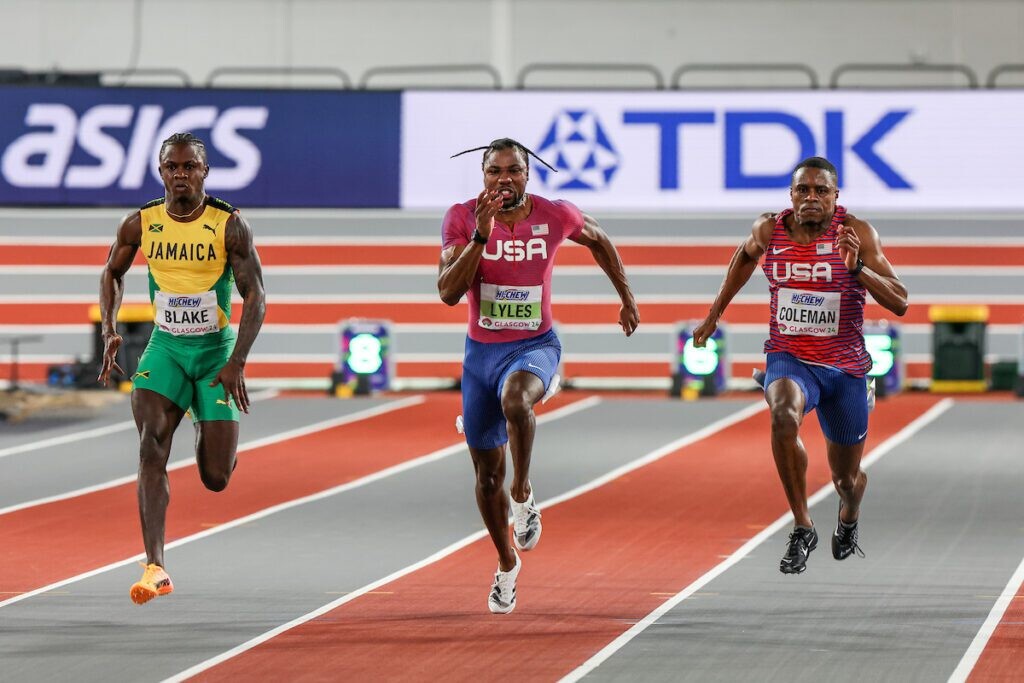
This is Coleman’s second career world indoor 60m title, and also redemption after losing to Lyles at last month’s U.S. Indoor Championships. Coleman got out to an explosive start and never looked back, holding off a charging Lyles in the final 10 meters.
Despite losing to Coleman, Lyles was proud of his 60m world indoor silver medal. “I ran a PR and improved my 60m time; I am OK with this 6.44,” Lyles told Canadian Running. “This is the second-fastest time I’ve ever run, and people were saying I wasn’t a 60m guy–look at me now.”
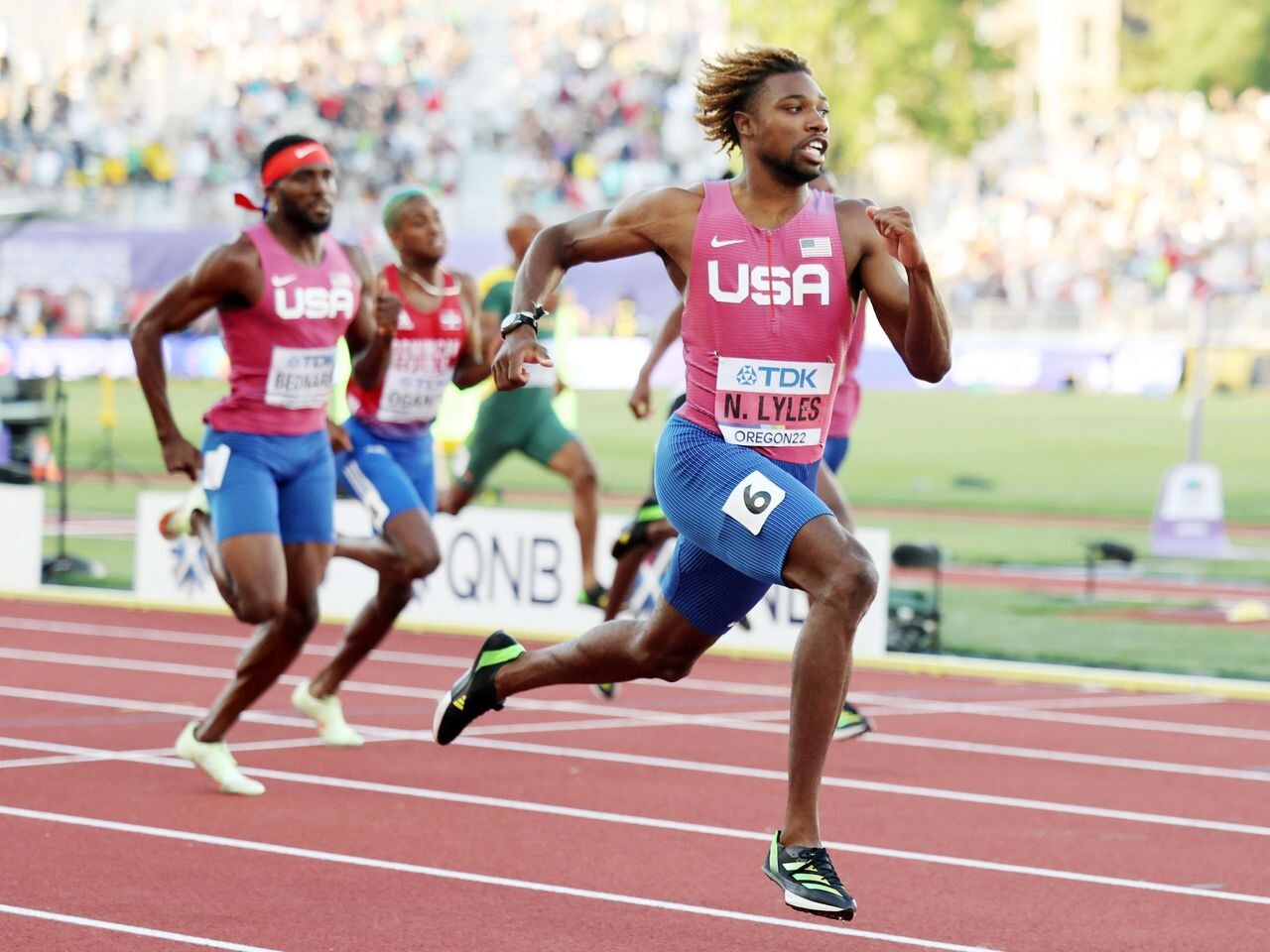
Despite losing to Coleman, Lyles was proud of his 60m world indoor silver medal. “I ran a PR and improved my 60m time; I am OK with this 6.44,” Lyles told Canadian Running. “This is the second-fastest time I’ve ever run, and people were saying I wasn’t a 60m guy–look at me now.”
Coleman and Lyles will likely be the favourites to win the men’s 100m title in Paris, but Lyles wants more. “I want to win everything and break world records while doing it,” says Lyles. “That’s the goal.”
(03/02/2024) ⚡AMPby Marley Dickinson
World Athletics Indoor Championships Glagow 24
Welcome or fáilte as the Gaelic speakers in Scotland would say, to the digital home of the 19th edition of the World Athletics Indoor Championships taking place in Glasgow in 2024. With the competition fast approaching it’s nearly time to take your seat for one of the hottest sporting tickets in Scotland this year. Glasgow has a proven track record...
more...
Runners Are Racing More than Ever
Strava’s year-end report shows that more runners are turning to competition and how different generations compete differently
This month, Strava released its annual Year in Sport, with fascinating insights about where running might be headed. Running was the most-uploaded sport in 2023. (Hear that? That’s the sound of job security!) Most runners log their miles solo, 9 percent are in groups of three or more people, and an additional 9 percent are logged running in a pair.
Trail running, specifically, continues its trend upwards, with the share of athletes running off-road up 6 percent year over year. Almost half (47 percent!) of runners took at least one trail run. Friends, welcome to the club. We have jackets! (Haha, no we don’t.)
Many runners use competition as motivation and inspiration. Plus, athletes who race are 5.3 times more likely to set a distance PR. While men are currently more likely to compete than women, the rate at which men and women are participating is increasing at the same speed.
When life after the COVID lockdowns stabilized for many folks, the Strava Year in Sport review shows that they laced up their running shoes to compete. Twenty-one percent of runners on Strava ran at least one race in 2023, a 24 percent increase over 2022.
Racing was equally split across genders, with 21 percent of men and women competing at least once. Runners from Gen X (born between 1965 and 1980) were the most likely to race, with 26 percent logging at least one competition on Strava. Twenty-two percent of millennials (born between 1981 and 1996) raced, and 24 percent of boomers (born before 1965) pinned on a bib in 2023.
Ultramarathons, while still less popular than shorter distances, are steadily becoming more popular, too, according to statistics. While just 2 percent of runners on Strava completed an ultra in 2023, that’s still up 11 percent from 2022.
Out of all ultrarunners on the app, two-thirds completed at least one 50K, meaning plenty of runners double-dipped on super long-distance runs in 2023. Women were 43 percent less likely to have run an ultra of any distance (so, yeah, we might have a problem). Participation in ultras may be growing at the same rate among men and women, but there is still plenty of work to be done—for instance, addressing childcare disparities that leave women with three to four fewer hours per week to train—in order to reach equity. The longer the distance, the greater the gender gap tends to be, with half marathons having the smallest disparity—7 percent of women completing a half and 8 percent of men.
Longer races are less popular this year, sure, but participation is growing by about 10 to 15 percent. Less than 1 percent of runners on Strava completed an ultra over 50K, though this distance remains the most popular to run. Participation in 50 miles is roughly half that of 50Ks, and 100K participation is roughly half that. So, if you ran a 100K this year, pat yourself on the back, as you’re part of the 1 percent (.0025 percent, to be exact).
Marathons remain a popular distance for runners. Five percent of runners on Strava ran a 26.2-mile race in 2023, up 20 percent from last year. Again, women were 32 percent less likely to have run a marathon than men (4 percent of women on Strava ran a marathon versus. 5 percent of men), but both groups saw participation jump 20 percent compared to last year.
Gen Zers are not running as much as previous generations did at their age. Running, while less cost-prohibitive than, say, surfing, skiing, or mountain biking, still requires some financial investment. A 2020 survey by the Running Shoes Guru pinned the “average” run budget to between $937 and $1,132 annually. I guess those gels really do add up!
And when you consider that 60 percent of young adults don’t feel their basic needs are met, a decline in participation makes sense. According to Running USA, an independent group that produces industry surveys, the number of runners in the 35-44 and 45-54 age groups has dropped significantly since 2015, while participation in the 25-34 age group only increased slightly. According to the report, Gen Z runners prefer to run for experiential benefits like socializing, fun, and mental health.
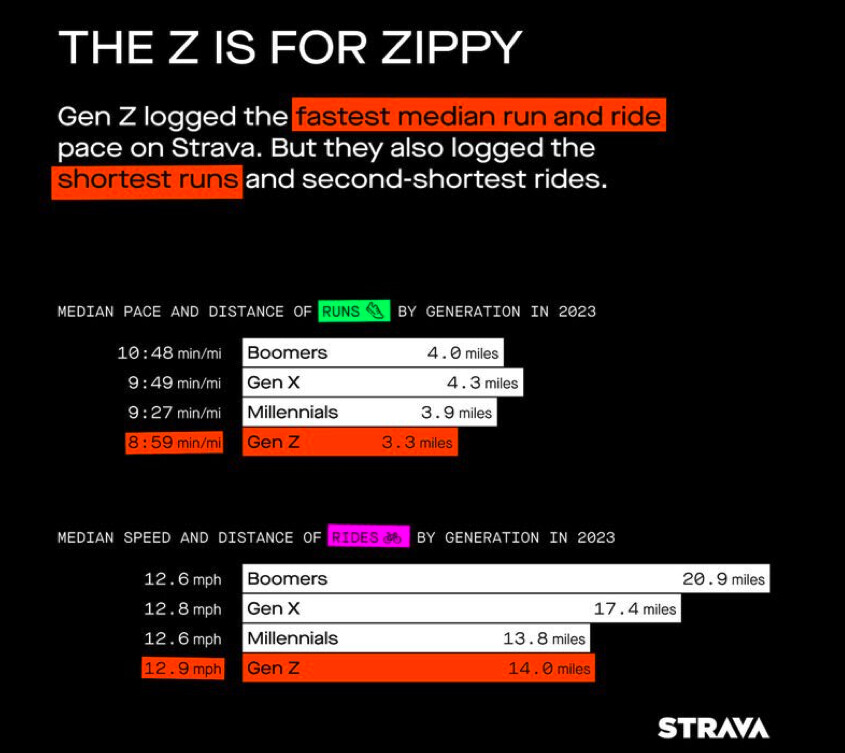
Interestingly, data about Gen Z runners on the Strava Year in Sport says the opposite, reporting that this generation is 31 percent less likely to exercise primarily for their health compared to millennial and Gen X counterparts. The difference could be that runners committed enough to sign up for an activity tracking app are already a self-select group. Zoomers on Strava report that their primary motivation for exercise is athletic performance. This is echoed by the speed of their training runs, which average out to be a pace of 8:59 a mile. Zoinks!
Interestingly, data about Gen Z runners on the Strava Year in Sport says the opposite, reporting that this generation is 31 percent less likely to exercise primarily for their health compared to millennial and Gen X counterparts. The difference could be that runners committed enough to sign up for an activity tracking app are already a self-select group. Zoomers on Strava report that their primary motivation for exercise is athletic performance. This is echoed by the speed of their training runs, which average out to be a pace of 8:59 a mile. Zoinks!
Gen Z runners are also more run-dominant than other generations. Seventy percent of the generation’s Strava users uploaded runs onto the app versus 52 percent of Gen X, a 35 percent higher likelihood (this might as well be the likelihood to Google “What is a Zendaya?”) Gen Z runners saw the greatest percentage of growth in race participation this year, with a 60 percent jump in attendance at the marathon distance and a 68 percent increase at 13.1. (My mind would fully melt if I lined up against someone born in 2004, but also, welcome! Please be gentle.) According to Running USA, Gen Z runners gravitate towards races with a compelling theme or cause that resonates with their values.
Trends are different across training habits, too. Gen Z runners are twice as likely as boomers to have weekday activity after 4 P.M. and are 31 percent less likely to exercise before 10 A.M.. Fascinatingly, 39 percent of Gen Z Strava athletes started a new job, and a third of the cohort reported relocating in 2023, which could speak to flexibility or economic instability for younger runners.
Over the year, Gen Z runners logged 17 percent less mileage than Gen X athletes, explained primarily with a shorter average run length. Plus, Gen Z athletes have slightly fewer running weeks in a year. (Maybe if they weren’t so busy eating all that avocado toast, they could run more!) JK, as the kids on TikTok say. In truth, Gen Z runners might train less because they are shooting for shorter distances, or the other way around—it’s impossible to disentangle causation here.
It’s not only a fun pastime to browse the year-in-review data, poking fun at the generations before or after us like they’re siblings (“No, I run more!” “Well, I run faster!”), but it’s also a way to see where the industry is lacking.
The Strava Year in Sport data shows that the running industry will have to work to bring in more Gen Z athletes. This might mean that race directors and event organizers will have to continue tailoring their offerings to speak to a younger, more experience-driven demographic. Numbers also prove that, while the female section of the running pie has grown overall, more changes need to be made to reach gender equity. The statistics tell us a lot, but one of the biggest, if not the biggest, takeaways is that people are running more now than ever. And that? Well, that’s pretty rad.
(03/02/2024) ⚡AMP
Women are dropping out of sports at alarming rates, new study finds
The largest-ever study on the gender exercise gap, conducted by ASICS, has revealed a strong positive link between exercise and women’s mental health. Alarmingly, the study also brought to light the fact that more than half of women globally are dropping out of sports or completely stopping exercise, Forbes reported.
The study, conducted on over 25,000 people and led by Dr Dee Dlugonski and Professor Brendon Stubbs, underscores the profound link between women’s exercise levels and mental well-being. Women report being 52 per cent happier, 50 per cent more energized, 48 per cent more confident, 67 per cent less stressed, and 80 per cent less frustrated during exercise.
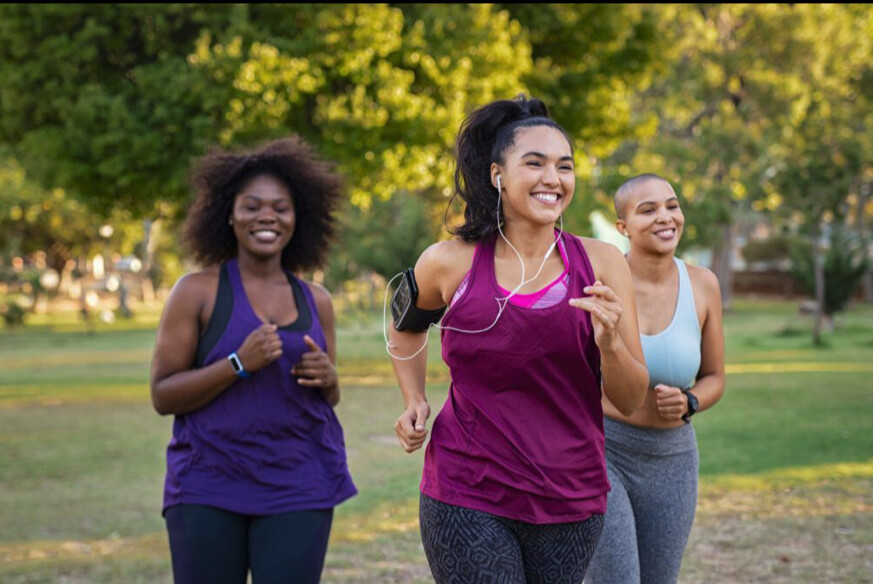
Barriers and disparities
The global study found that more than half of women express dissatisfaction with their exercise levels, encountering barriers throughout their lives. Pressing challenges include time constraints (74 per cent), low self-confidence (35 per cent), intimidating environments (44 per cent), and not feeling sporty enough (42 per cent). Motherhood emerges as a significant factor, with 61 per cent of mothers attributing their discontinuation of regular exercise or sports to it, shedding light on the impact of caregiving responsibilities and societal expectations.
Men’s perceptions of the challenges women face differ quite widely from the reality faced by women. Only 34 per cent of men recognized time constraints as a barrier to exercise for women, compared to the three-quarters of women who cited it as a major issue. Men predominantly identified body insecurities (58 per cent) as what they thought was the main hindrance, while only 36 per cent of women said this was their dominant obstacle.
Friendship and health as motivation
The study reveals that over a third of women consider friends as their most crucial exercise influencers, emphasizing the importance of relatability over celebrity influence. Women universally express motivation for exercise based on mental (92 per cent) and physical (96 per cent) health rather than aesthetics.
Dlugonski emphasizes the complexity of the gender exercise gap, suggesting that a multifaceted approach is needed. “Given it has no sole cause, it [the gender gap] will not be solved with one single solution, but when asked what could help, women noted that making movement more accessible, inclusive and recognised in all forms, while challenging society’s gendered expectations, would support them in moving more,” she said.
Spotlighting change-makers
In light of this research, ASICS aims to recognize and celebrate individuals and organizations dismantling barriers for women in exercise and sports. The ASICS Move Her Mind platform showcases stories of impact, along with resources, activities, and tips to support more women in staying active.
(03/02/2024) ⚡AMPby Running Magazine
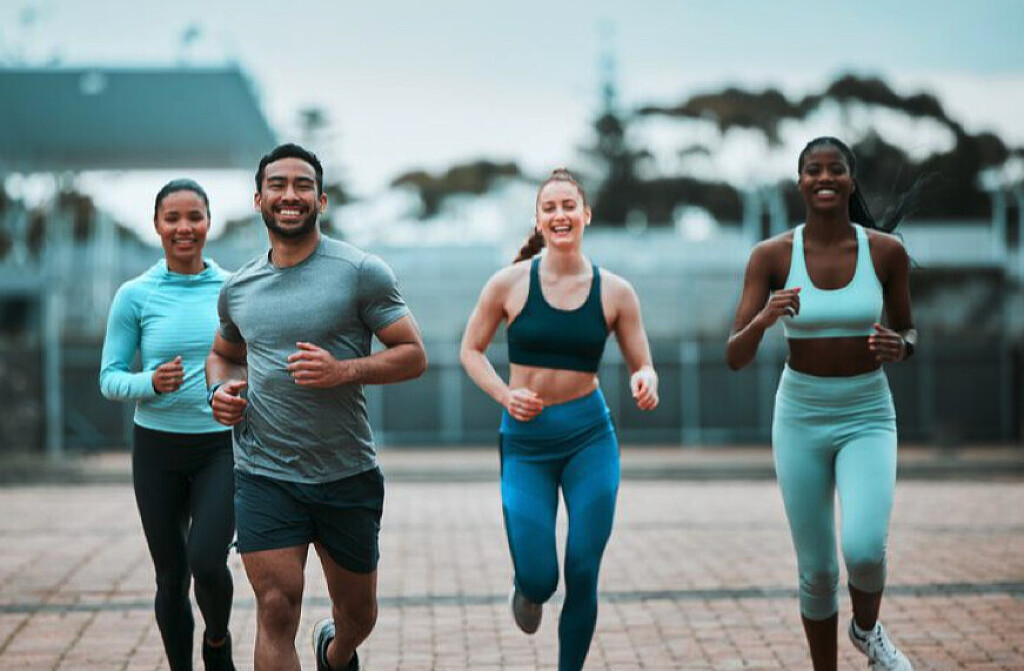
Can caffeinated gum help run faster
Hoping to smash your 5K PB at your local parkrun event? A recent study published in the European Journal of Nutrition delves into the impact of caffeine gum on the performance of runners participating in parkrun. The results may help you speed to your goals.Parkrun is the world’s largest free weekly 5K event, originating in the U.K., and attracts participants of all abilities to parks, trails and open spaces every Saturday morning.Caffeine as a performance enhancer
Caffeine, known for its stimulating effects on the central nervous system, has long been recognized for its potential to enhance athletic performance. World Athletics even recommends it as a performance enhancer. In the past, most research on caffeine and performance was done on cyclists, with studies on sprinters and endurance runners only recently (with positive results).

In this context, the study focused on 36 recreational runners capable of completing a 5K run in under 25 minutes. The runners were part of a double-blind, placebo-controlled intervention, exploring whether chewing caffeine-infused gum could contribute to improved parkrun performance.Chewing toward a PB
The runners, randomly assigned to either caffeine or placebo gum groups, engaged in a five-minute gum-chewing session 30 minutes before each parkrun, to allow the caffeine to take effect. The results revealed a noteworthy improvement in 5K performance, with an average time reduction of 17.28 seconds among those chewing the caffeine gum.
This enhancement in performance was further reflected in a decrease in the runners’ RPE (rate of perceived exertion) by 1.21 units compared to the placebo group. This aligns with research on caffeine and endurance athletes, where scientists observed that caffeine may “inhibit perceptual response during exercise,” meaning participants had an increased ability to tolerate discomfort associated with fatigue while running.
While more research needs to be done to determine the maximum best effective doses for runners, it’s clear that adding a caffeinated boost to your parkrun race prep may help you as you chase that PB.
(03/02/2024) ⚡AMPby Running Magazine
John Korir is going to run the Boston Marathon
Two-time Los Angeles Marathon champion John Korir is targeting a podium finish in the Boston Marathon after falling short last year.
Korir said he aims to win the race scheduled for April 8 if not finish on the podium.
Korir, who finished 9th last year, said he believes his last year's experience will help him run away with the title.
Korir is fresh from finishing second in the Ras Al Khaimah (RAK) Half Marathon, where he clocked 58:50 minutes behind the champion Daniel Mateiko (58:45). Isaiah Lasoi (58:55) ensured an all-Kenyan podium sweep.
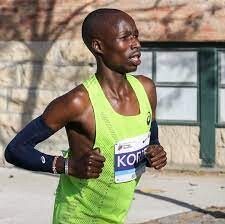
“As we speak, I am more than ready to battle for the Boston title or finish on the podium. Last year, I miscalculated and ended up in the wrong position,” said Korir.
Korir, a younger brother to former Boston Marathon champion Wesley Korir, will be seeking redemption on the course where he clocked 2:10.04 last year.
“My training is going well and I hope to secure a top position with a great time,” he said. He said RAK was a good experience for him considering he is not a half marathon runner.
“I used RAK as part of my speed work and build-up ahead of the big task in Boston and it was a great experience finishing second,” said Korir
Korir finished fourth in the Chicago Marathon, where he clocked 2:05:09. The late Kelvin Kiptum won the race in a world marathon record time of 2:00.35 followed by Benson Kipruto (2:04:02), and Dutch runner Bashir Abdi (2:04:32).
Korir will be making his third appearance at the Boston Marathon after debuting in 2022 when he finished third in 2:05.01 behind Benson Kipruto (2:04.24) and Ethiopia's Seif Tura (2:04.49).
“Last year, the Boston Marathon was too tough but I want to try my luck this year,” he said.
Korir, just like his brother Wesley, is remembered for winning the LA Marathon twice in a row. Wesley won in 2009 and retained the title in 2010 while the junior Korir won in 2021 before defending the title in 2022.
(03/01/2024) ⚡AMPby Emmanuel Sabuni

Boston Marathon
Among the nation’s oldest athletic clubs, the B.A.A. was established in 1887, and, in 1896, more than half of the U.S. Olympic Team at the first modern games was composed of B.A.A. club members. The Olympic Games provided the inspiration for the first Boston Marathon, which culminated the B.A.A. Games on April 19, 1897. John J. McDermott emerged from a...
more...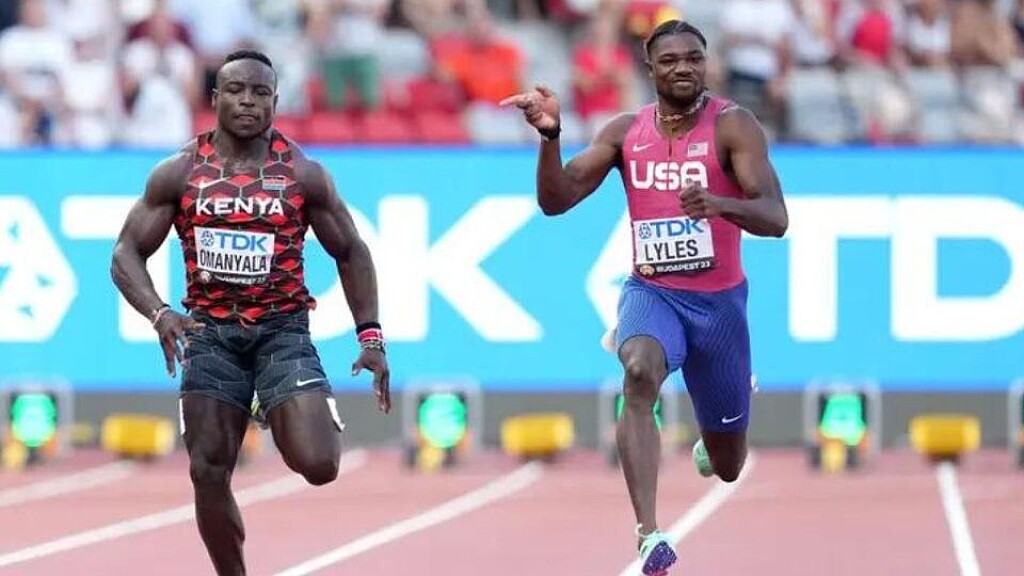
Noah Lyles, Ferdinand Omanyala cruise to 60m semifinal at World Indoor Championships
Noah Lyles and Ferdinand Omanyala have started their World Indoor campaign on a high, recording impressive times to proceed to the semifinal of the 60m race.
Triple World champion Noah Lyles and Africa’s fastest man Ferdinand Omanyala have started their campaign at the World Indoor Championships in Glasgow, United Kingdom on a high.
Omanyala, competing in Heat 4, was in a class of his own as he clocked 6.52 to win ahead of Japan’s Shuhei Tada and Singapore’s Marc Louis who clocked national record times of 6.52 and 6.69 to finish second and third respectively.
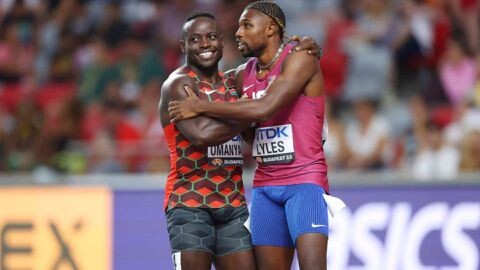
On his part, two-time World Champion Lyles was also breathing fire as he led in his heat. The American, competing in Heat One, started off on a high and sprinted to the finish line, cutting the tape in 6.57.
Second-place finisher Jeff Erius of France clocked 6.63 to cross the finish line as Germany’s Alexander Askovic completed the podium in 6.66.

Heat Two was won by Sweden’s Henrik Larsson as Canada’s Malachi Murray finished second in 6.64. Turkey’s Kayhan Ozer sealed the podium.
Cameroon’s Emmanuel Eseme clocked a national record time of 6.54 in Heat Five with Denmark’s Simon Hansen finishing second in 6.61. Slovenia’s Anej Čurin Prapotnik finished third in 6.68.
60m world record Christian Coleman also led in his heat, clocking 6.49 to win the race ahead of the duo of Mario Burke and Akihiro Higashida.
(03/01/2024) ⚡AMPby Abigael Wuafula
World Athletics Indoor Championships Glagow 24
Welcome or fáilte as the Gaelic speakers in Scotland would say, to the digital home of the 19th edition of the World Athletics Indoor Championships taking place in Glasgow in 2024. With the competition fast approaching it’s nearly time to take your seat for one of the hottest sporting tickets in Scotland this year. Glasgow has a proven track record...
more...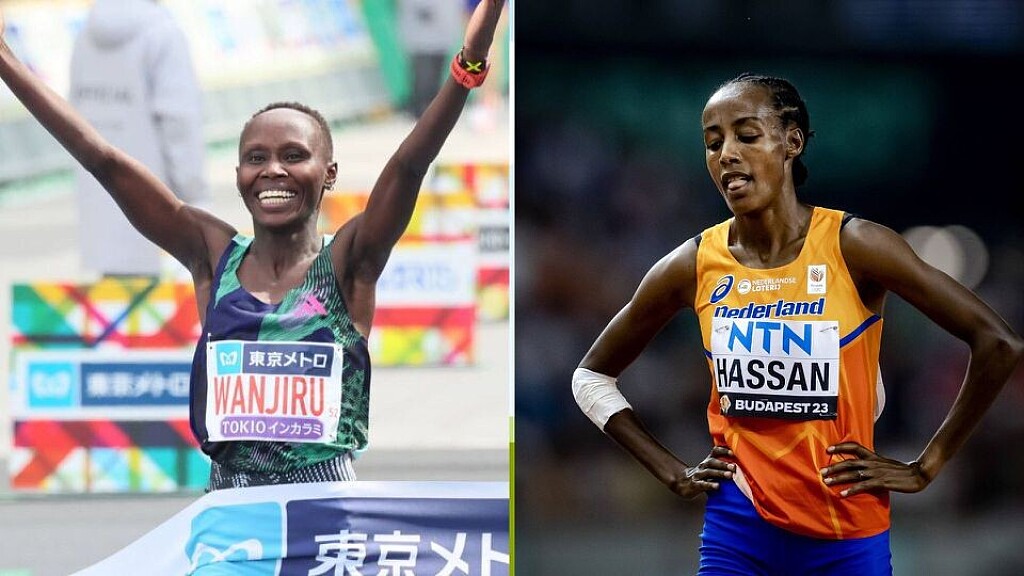
Sifan Hassan fires stern warning shot to Rosemary Wanjiru ahead of Sunday's Tokyo Marathon
Dutch woman Sifan Hassan is not resting on her laurels as she looks to dethrone defending champion Rosemary Wanjiru at Sunday's Tokyo Marathon.
Reigning Chicago Marathon champion Sifan Hassan has opened up on her main target ahead of the Tokyo Marathon on Sunday.
Hassan, who made her full marathon debut last year, has noted that she will be going for the Tokyo Marathon course record.
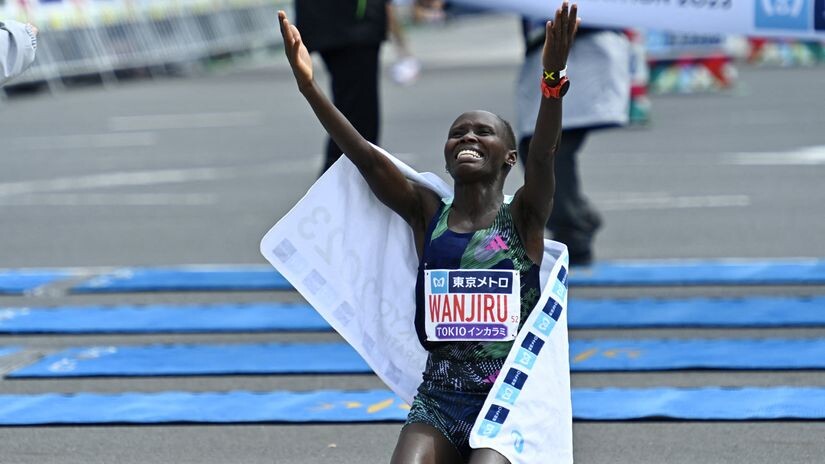
The reigning London Marathon champion noted that she is physically fit and ready to attack the record time of 2:16:02 that was set by Brigid Kosgei during the 2021 edition of the event.
“I have prepared well for this race…I mean the period between after the Chicago Marathon and now. I’m going for a course record,” the Dutch woman said during the pre-race press conference.
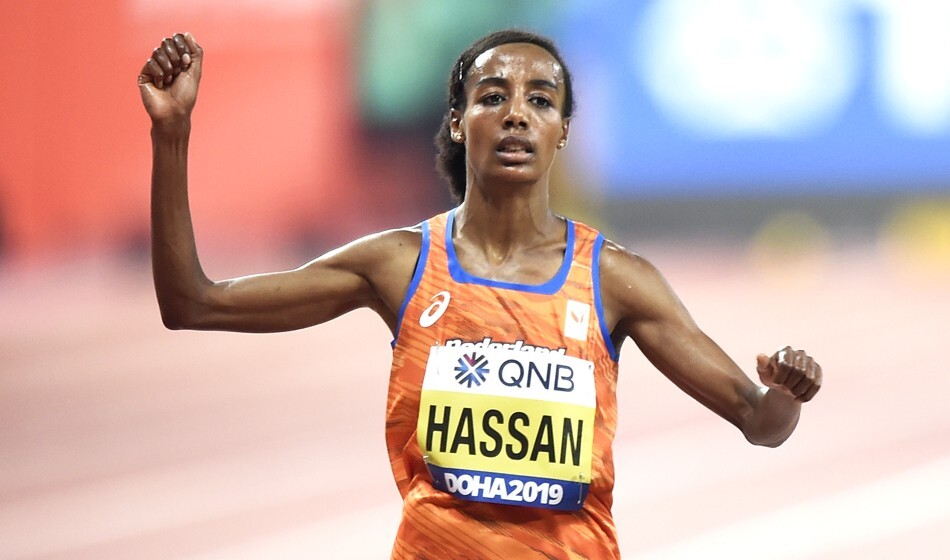
The double Olympic champion has only competed in two marathons in her career so far which she has won, and she will be keen to continue the winning streak in more races to come.
However, the Tokyo Marathon pits her against some of the strongest marathoners too, including defending champion Rosemary Wanjiru and the 2022 Valencia Marathon champion Amane Beriso.
During last year’s edition of the race, Wanjiru destroyed a strong field to claim the top prize, stopping the clock at 2:16:28.
Wanjiru also represented Kenya at the World Championships in Budapest, Hungary where she finished sixth in the marathon. She enjoyed her 2023 season and will be looking to have an amazing season in 2024.
On her part, Ethiopia’s Beriso, the reigning World marathon champion will not let her fans down as she takes on the tough Tokyo Marathon course.
Beriso, a very soft-spoken athlete, will once again showcase her prowess and skills on the roads with the hope of bagging her first World Marathon Major title.
(03/01/2024) ⚡AMPby Abigael Wuafula
Tokyo Marathon
The Tokyo Marathon is an annual marathon sporting event in Tokyo, the capital of Japan. It is an IAAF Gold Label marathon and one of the six World Marathon Majors. Sponsored by Tokyo Metro, the Tokyo Marathon is an annual event in Tokyo, the capital of Japan. It is an IAAF Gold Label marathon and one of the six World...
more...
Sebastian Coe vows Enhanced Games athletes would be ‘banned for long time
The World Athletics president, Sebastian Coe, has hit out at plans for an Enhanced Games, that would allow athletes to take steroids and other performance enhancing drugs, and warned that anyone who competes will be banned for a long time.
Organisers of the Enhanced Games, which has been backed by venture capitalists including the billionaire Peter Thiel, have called their event “the Olympics of the future”. It will include athletics, swimming, weightlifting, gymnastics and combat sports.
Earlier this month the former swimming champion, James Magnussen, agreed to come out of retirement to compete in the Games and attempt to swim faster than the 50m freestyle record for a prize of $1m (£790,000).

However, at a press conference for the world indoor championships in Glasgow, Lord Coe was withering when asked for his thoughts.
“It’s bollocks isn’t it?” he said. “I can’t really get excited about it. There’s only one message, and that is if anybody is moronic enough to officially take part in it, and they are in the traditional part of our sport, they’ll get banned for a long time. But I really don’t get sleepless nights about it.”
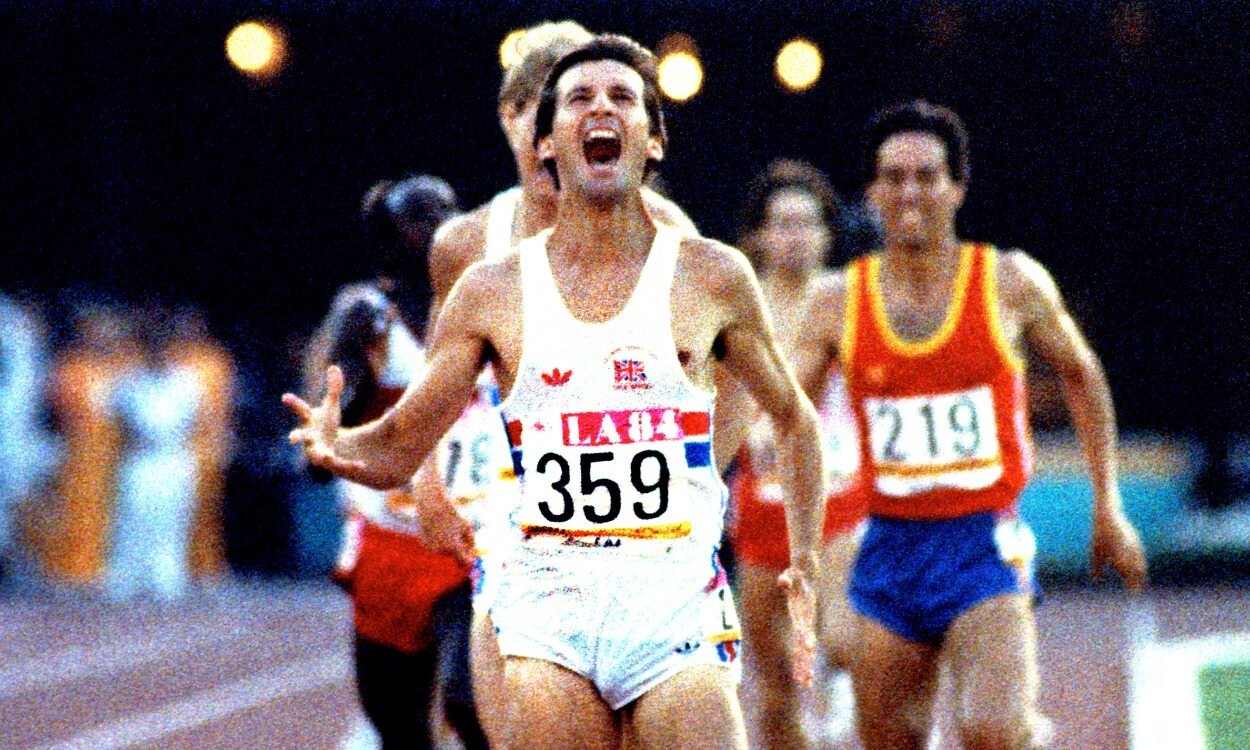
His message was supported by the men’s 800m world record-holder, David Rudisha, who said: “The integrity of the sport needs to be protected at all times. This is not a good thing and just brings a lot of confusion to people and sponsors.”
Coe also promised that World Athletics would not be deterred from trialling new proposals in the long jump and other events, despite the negative reaction to a “take-off zone” instead of the traditional wooden board.
“Our sport is 150 years old and there are elements of it that you absolutely want to protect,” he said. “They are sacrosanct. But there is stuff there that just leaves people a little cold. And 31% of all long jumpers are failing attempts. Now, I’m not saying that the take-off zone is the only remedy and it’s one of a raft of changes.”
Coe said that World Athletics knew that from detailed research from the world championships in Budapest last summer, which found that people left their seats during some events, or stopped watching the event on TV.
“We’re not going to back off innovation here,” he said. “It is really important. We have a responsibility to futureproof the sport, to continue to create the landscape financially.
“We have had meetings with world-class businesses in the last few weeks. And world-class businesses do not routinely want to join enterprises they think are going in the wrong direction.”
He added: “We can’t just sit there. The holy grail of every sport is to remain salient, interesting, and exciting to young people.
“We’re not going to frame the sport entirely around them. But we have to admit that the way people consume sport, the way they consume entertainment is different than it was even three years ago. And we have to move with the times.”
(02/29/2024) ⚡AMP
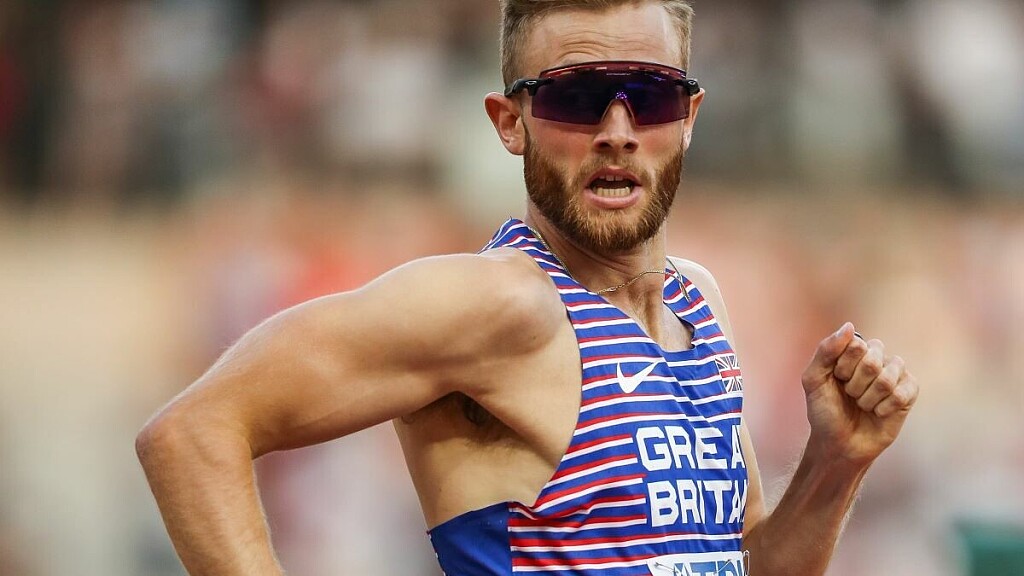
World champion Josh Kerr confident under pressure at World Indoors
On Thursday morning, Josh Kerr was calm and confident as he took questions from the media at the 2024 World Indoor Championships in Glasgow. The reigning 1,500m world champion is poised to tackle a new challenge at World Indoors: the men’s 3,000m event, all under the watchful eyes of a supportive home crowd. When asked about the pressure for Saturday’s race, Kerr brushed it off, saying that internally, nothing has changed.
Acknowledging the weight of expectation that comes with being a world champion, Kerr says he’s unfazed by external distractions. “I remain focused on myself and on preparing to compete at the highest level,” says Kerr. “My primary goal remains unchanged: to win gold at both the World Indoors and the Paris Olympics.”
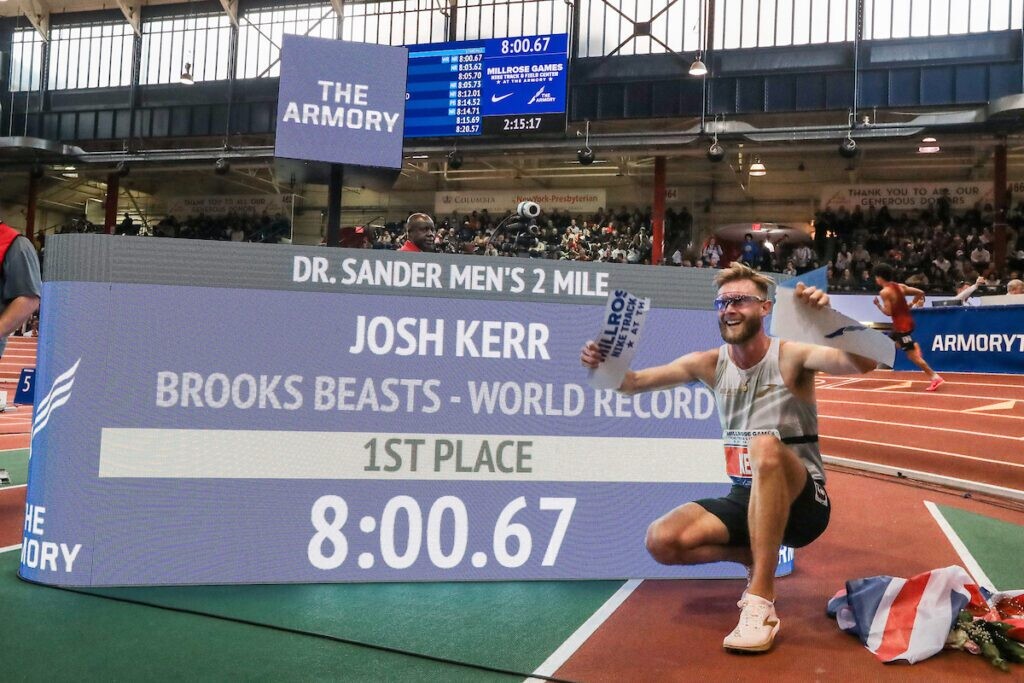
The Scottish middle-distance runner made the strategic decision to opt out of the 1,500m event in Glasgow, entering the 3,000m instead—a distance he’s tackled only twice in his professional career. “Over the years, I’ve recognized the need to build strength, and I’ve seen considerable success in the 3K and two-mile races,” explained Kerr. “I believe I have untapped potential in the 3K.”
While venturing into longer-distance events, Kerr reiterated that his main focus for Paris is firmly on the men’s 1,500m. “I have no plans to venture into the 5,000m anytime soon… I might be the worst at it,” he laughed. “But it’s an area I’m working on improving.”
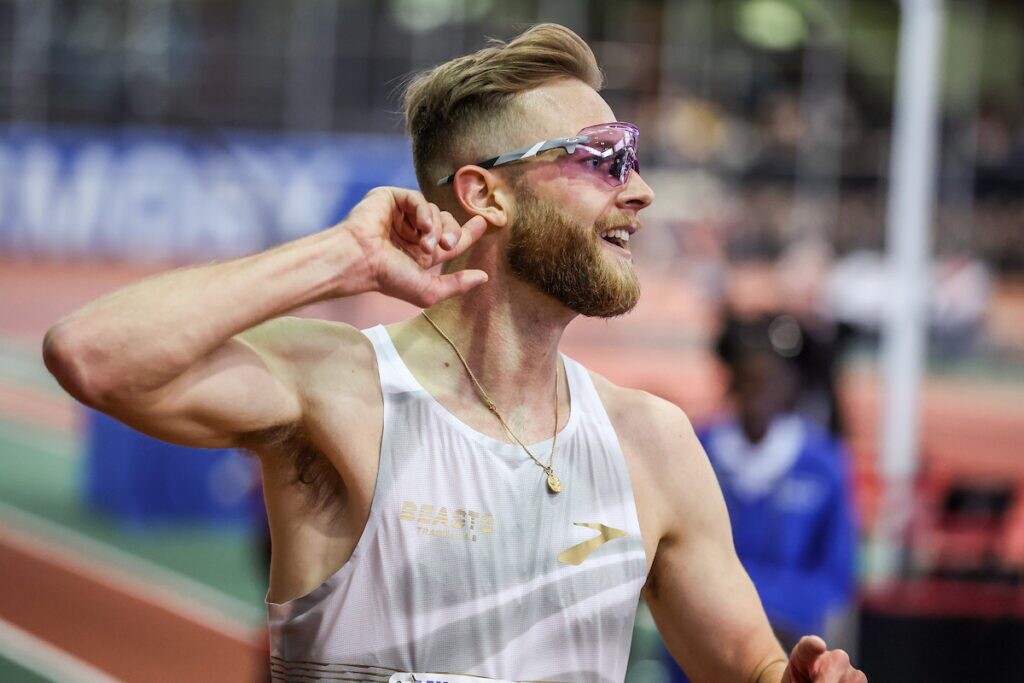
Constantly challenging himself to get better was something Kerr had to learn early on in his career. When he won bronze at the Tokyo Olympics, he said he got carried away with thinking the hard work was done and that he could ride the wave. “I believe track and field is the most humbling sport in the world,” says Kerr. “I had to put my head down and set events to look forward to in order to help with my motivation during winter training.”
The possibility of winning world championship gold on home soil holds a lot of significance for Kerr. “World Indoors in Scotland is deeply meaningful to me,” he said. “Following the legacy of events like London 2012, I hope this championship inspires the next generation of Scottish athletes.”
As the main medal favourite for host country Team GB, Kerr is embracing the challenge. “Despite our smaller team size, I think every athlete in a GB singlet is a genuine medal contender,” Kerr says.
While Kerr’s rival Jakob Ingebrigtsen will be absent from World Indoors, Kerr declined to engage in any banter after Ingebrigtsen said he could beat Kerr’s two-mile world best “blindfolded.” When questioned about Ingebrigtsen’s recent remarks, he laughed and said “No comment.” With the men’s 3,000m at World Indoors stacked with talent—including American mile record holder Yared Nuguse and Olympic 10,000m champion Selemon Barega of Ethiopia—reaching the top of the podium for Kerr won’t come easy.
You can stream the 2024 World Indoor Championships from March 1 to 3 from Canada live on CBCSports and CBC, and the CBC Gem app. Canadian Running will be reporting live from Glasgow, reporting on the action and featuring interviews with athletes as everything unfolds. You can follow our coverage on Instagram or Twitter.
(02/29/2024) ⚡AMPby Marley Dickinson
World Athletics Indoor Championships Glagow 24
Welcome or fáilte as the Gaelic speakers in Scotland would say, to the digital home of the 19th edition of the World Athletics Indoor Championships taking place in Glasgow in 2024. With the competition fast approaching it’s nearly time to take your seat for one of the hottest sporting tickets in Scotland this year. Glasgow has a proven track record...
more...
Jenny Simpson Targets NYC Half
For the first time in her running career, Jenny Simpson faced a decision that she’d never considered in a race. At mile 18 of the 2024 U.S. Olympic Marathon Trials, her debut at the distance, the most decorated U.S. 1500-meter runner in history made the difficult choice to drop out of the competition on February 3.
The marathon leaves runners vulnerable to a number of challenges—nutrition issues, tough terrain, the rigors of high mileage—which can derail even the most experienced runners on a bad day. When Simpson, 37, started cramping with 16 miles left in the race, the setback shocked her. After spending months transforming her body from an explosive middle-distance runner to a long-distance athlete on the roads, Simpson felt ready to take on 26.2, which made the race in Orlando, Florida, all the more confusing.
“One of the beautiful things about running is that so often what you put in is what you get out, but the [Olympic Marathon Trials] wasn’t that way at all,” Simpson told Runner's World.
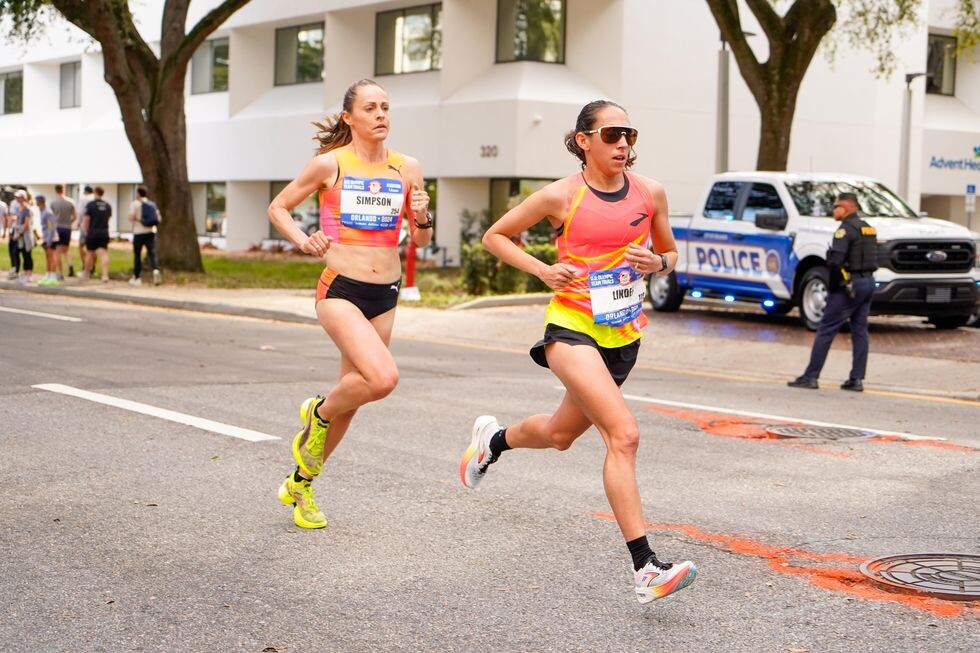
After the race, Simpson took time to reflect. For two days, the three-time Olympian relaxed with her family in Oviedo, Florida, her hometown located just outside Orlando. In between playing with her nieces and enjoying home-cooked meals, she expected to feel sad following the race. But to her surprise, that feeling never came. Instead, Simpson felt motivated to find another opportunity to show her fitness.
While riding in an Uber on the way home from the Denver airport to her house in Marshall, Colorado, Simpson sent a text message to a contact at the New York Road Runners (NYRR), asking if there were any spots available to race the NYC Half. The event in New York City on March 17, one of 60 adult and youth races organized by NYRR throughout the year, will include Simpson in her third half marathon.
Coming out of a tough few years of personal and professional hardships, Simpson has a new perspective on disappointment. For her, the Olympic Trials is just another exercise in the importance of having faith in the process and her ability to bounce back.
“The race didn’t turn out the way I wanted, but I still believe in myself,” Simpson said. “I’m up at the plate, gripping the bat and I swung once, totally missed, but I’m gonna swing again because I believe I’m ready for it.”
Marathon metamorphosis
After spending well over a decade dominating American middle-distance running and collecting medals on the global stage—including world championship gold (2011), two silver medals (2013 and 2017), and Olympic bronze at the 2016 Rio Games—Simpson’s streak of making U.S. teams ended during the pandemic. In 2021, she made the finals of the 1500 meters at the Olympic Trials, but she finished 10th.
That fall, she started to transition to the roads with her first 10-mile race. But at the end of 2021, her life was upended by injury, the conclusion of a longtime sponsorship with New Balance, and a devastating wildfire that she and her husband, Jason, narrowly escaped on December 30, 2021. While their home was spared, most of their neighbors’ houses were destroyed. For three months, the couple was displaced while damage was repaired.
By the spring of 2022, things started to turn around for Simpson. Her sports hernia was healing, she and her husband returned to their home, and she was in conversations with shoe companies. That fall, she signed with Puma and shared her intent to focus on the roads.
In January 2023, she made her debut in the half marathon with a 1:10:35 in Houston. That summer, she announced her plans to race the U.S. Olympic Marathon Trials, her first 26.2.
In collaboration with her longtime coaches, Mark Wetmore and Heather Burroughs, Simpson threw herself into the event. She built up to 100-mile weeks during the training cycle, worked with a nutritionist on mid-race fueling, and spent three weeks in Orlando acclimating to the heat in preparation for the championship.
Lessons learned
On race day, Simpson started out at a pace that felt manageable (she ran between 5:23 and 5:38 per mile through the first 10), resisting the urge to go with the blazing pace set by the leaders. Just past halfway, Simpson got a side stitch, and then she started cramping, first in her toes and then in her calf and hips. “Over the course of a few miles, I went from being able to race, to feeling like I was in trouble being able to move through my normal range of motion,” she said.
Simpson tried to double down on hydration at the aid stations, but the muscle cramps got worse as the race progressed. While battling through the setback, Simpson ultimately decided to accept the loss. For an athlete who is used to being on the podium, dropping out was an agonizing choice, but the crowd’s support on the course helped her cope.
“It’s one thing for people to say, ‘We’re proud of you no matter what,’ and I’ve heard that my whole life. I’ve been the woman who can make the team,” Simpson said. “To actually be in the position where I’m not doing well and I’m not making the team and everyone is good on that promise to be proud of me no matter what, I’m just so grateful.”
Now almost three weeks out from the race, Simpson and her team are determining takeaways from the competition. After spending many years following a set schedule of Diamond League competitions and international championships on the track circuit, Simpson wants to choose races that excite her. Right now, that means conquering a half marathon through Times Square and Central Park.
“2024 for me is gonna be about embracing the freedom to dial in on the experiences that I want to have before this is all over,” Simpson said. “It’s not going to last forever, and that doesn’t mean I’m retiring tomorrow or anytime soon, but we’ve been through some tough years, and I still think life is beautiful.”
(02/29/2024) ⚡AMPby Tailor Dutch

United Airlines NYC Half-Marathon
The United Airlines NYC Half takes runners from around the city and the globe on a 13.1-mile tour of NYC. Led by a talent-packed roster of American and international elites, runners will stop traffic in the Big Apple this March! Runners will begin their journey on Prospect Park’s Center Drive before taking the race onto Brooklyn’s streets. For the third...
more...
Try these tough race-prep workouts for unstoppable stamina on road and trail
While most of your training should be easy mileage, it’s important to have some speedwork and harder efforts in there if you want to perform your best on race day—and occasionally, an extremely challenging workout. Renowned coach and ultrarunner David Roche explains that, inserted once in a while, an epically tough session will pay off in a variety of ways. “Your brain and body can essentially have their light-bulb moments: ‘Oh! I see! I will not die the next time I push this hard? Good to know, you can carry on.’ ”
While these workouts are designed with trail runners in mind, they can be very effective for runners training for road and track races as well. “These workouts are designed to suck,” Roche jokes. “That way, future workouts and races will suck less.” Make sure that you are well-trained with a strong base before tackling these in order to prevent burnout and injuries, and do them after a few recovery days (and followed by a few recovery days as well).

Hill and tempo leg-crushing combo
Warm up with 15-30 minutes of easy running. If you’re prepping for shorter races, feel free to tweak the warmup, but make sure your muscles are warm and your legs are ready to work before kicking it into high gear.

Run 5 x 3-minute on hills at a hard effort, and run down the hill for recovery between reps.
After the final hill interval, run 15-30 minutes with a moderate effort to simulate tired, race-day legs.
Roche suggests aiming for an average grade of six to eight per cent on the hills—a moderate incline that will allow you to maintain form while pushing hard. “At the top, you can put your hands on your knees for a second before running down normally,” Roche says, and suggests giving an extra-hard push to the final two repeats. When you wrap up the final interval, run down the hill and ease into a relaxed tempo, pushing to a moderate effort.
Cool down with 10 minutes of easy running.
Roche suggests trying this one 10-17 days before your goal event.
Three-minute hill hell
Warm up with 15-30 minutes of easy running (adjust if you’re running a shorter race).
Run 8-10 x 3 minutes at roughly a 10K effort uphill, with one to two minutes of easy recovery between hills and three minutes of very easy recovery after your final rep.
Next, run 6 x 30 seconds of hard effort (Roche says aim to “feel and accept discomfort” in these) on semi-steep hills with 90 seconds of easy recovery between hills.
Cool down with 10 minutes of very easy running.
Roche says this workout can be used in almost any training cycle, even for road races, and suggests fitting it in once you have a strong mileage base to avoid injury.
Remember, Roche recommends several rest and recovery days before and after each super-tough workout that you do to prep your legs for race day.
(02/29/2024) ⚡AMPby Keeley Milne

Lisbon offers 150K EUR bounty for new records
Bonus for new world records in the half marathon.
Scheduled for March 17, the EDP Lisbon Half Marathon remains one of the world’s leading and fastest long-distance races and this year it will once again reward fast times with an attractive cash prize.
Therefore, as an incentive for the elite, the race organisers Maratona Clube de Portugal today announced a bonus of 150,000 Euro (162,500 USD) for new world records in this year’s race.
Lisbon already holds the best men’s mark – 57:31 (Jacob Kiplimo, in 2021) – and now, as well as wanting to improve on that stratospheric record, it also wants to add the women’s record, which is currently held by Ethiopian Letesenbet Gidey, with 1:02:52 in Valencia, the same year.
In addition to Kiplimo’s time, Lisbon has been the scene of other world and European records in the past, such as Zersenay Tadese’s world record in 2010 or Mo Farah’s continental record in 2015.
Carlos Moia, president of the Maratona Clube de Portugal (MCP) says: “This bonus of 150,000 EUR for a possible world record, both female and male, reflects our unwavering commitment to promoting talent and inspiring athletes to reach new heights of success and overcoming. We will continue our tradition of recognizing and rewarding excellence. Lisbon, with all its light and good energy, provides the perfect setting for moments of great achievement.”
Sunday’s races will be broadcast directly on RTP1 and RTP Internacional to more than 200 million potential viewers around the world.
(02/28/2024) ⚡AMPby AIMS

EDP HALF MARATHON OF LISBON
EDP Lisbon Half Marathonis an annual internationalhalf marathoncompetition which is contested every March inLisbon,Portugal. It carries World Athletics Gold Label Road Racestatus. The men's course record of 57:31 was set byJacob Kiplimoin 2021, which was the world record at the time. Kenyanrunners have been very successful in the competition, accounting for over half of the total winners, withTegla Loroupetaking the...
more...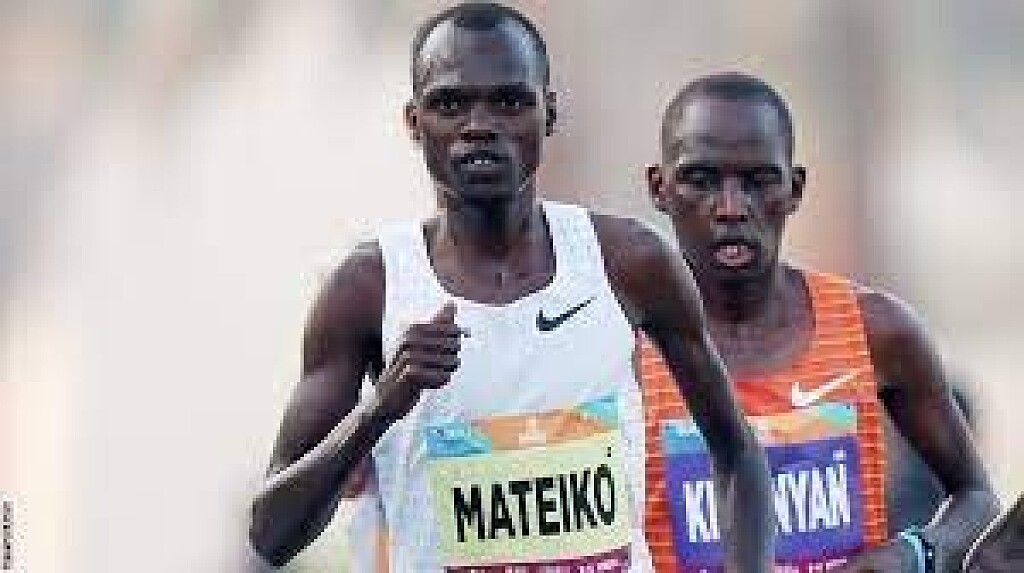
Mateiko looks to run in London after RAK exploits
Fresh from winning the Ras Al Khaimah (RAK) Half Marathon, Daniel Mateiko has set his focus at the London Marathon scheduled for April 21 in the United Kingdom.
Mateiko arrived in the country on Monday following his exploits in the United Arab Emirates (UAE) on Saturday.

He won the race in a world-leading time of 58:45 minutes, beating John Korir to second in a PB of 58:50 and Isaiah Lasoi to this also in a personal best of 58:55.
“It is time to focus on the London Marathon following good results at RAK,” said Mateiko, who failed to complete the 2023 Chicago Marathon.
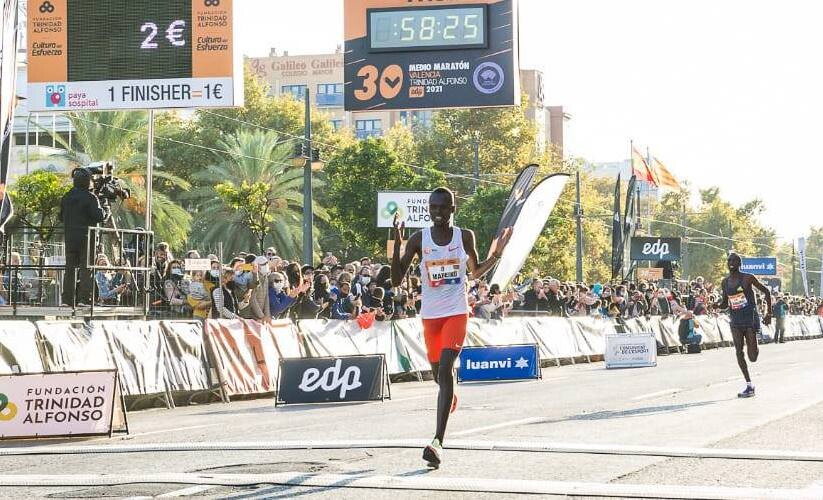
“I developed some challenges and failed to complete the race . This time around, I pray that all will be good at the London race,” said Mateiko.
He said he hopes to make up for his failures at the 2023 Chicago in London.
He noted that in the last eight half marathons, he has managed to run a sub-59 and this is good for his marathon career.
“I think I am improving with every race. When I first competed in RAK in 2022, I finished in position 6. Last year I was second and won the title this year,” he said.
In other races over the weekend, Kenya’s Dorine Cherop won the Castellon Marathon in Spain. Jerop won the title in 2:29.39 ahead of Irene Jerobon (2:30.51) with Aderra Minalle coming third at 2:31.24.
In men, James Kiplagat was the best Kenyan in the race after finishing second in 2:15.14 behind the Ethiopian duo of Ghebregiabhier Welldmicael Kibrom (2:07.25) and Abraham Medhanie (2:15.32).
At the Napoli Half Marathon, Kenyans dominated the races in both men and women.
In the men's race, Brian Kwemoi won the title in 59:26 ahead of Antony Kimtai (59:45) and Bernard Kipkurui (59:47).
Great Britain's Emile Caress (60:01 hrs), Kenyan Gideon Kiprotich Rop (60:28) and Charles Wanjiru (61:49) followed in that order.
(02/28/2024) ⚡AMPby Emmanuel Sabuni
TCS London Marathon
The London Marathon was first run on March 29, 1981 and has been held in the spring of every year since 2010. It is sponsored by Virgin Money and was founded by the former Olympic champion and journalist Chris Brasher and Welsh athlete John Disley. It is organized by Hugh Brasher (son of Chris) as Race Director and Nick Bitel...
more...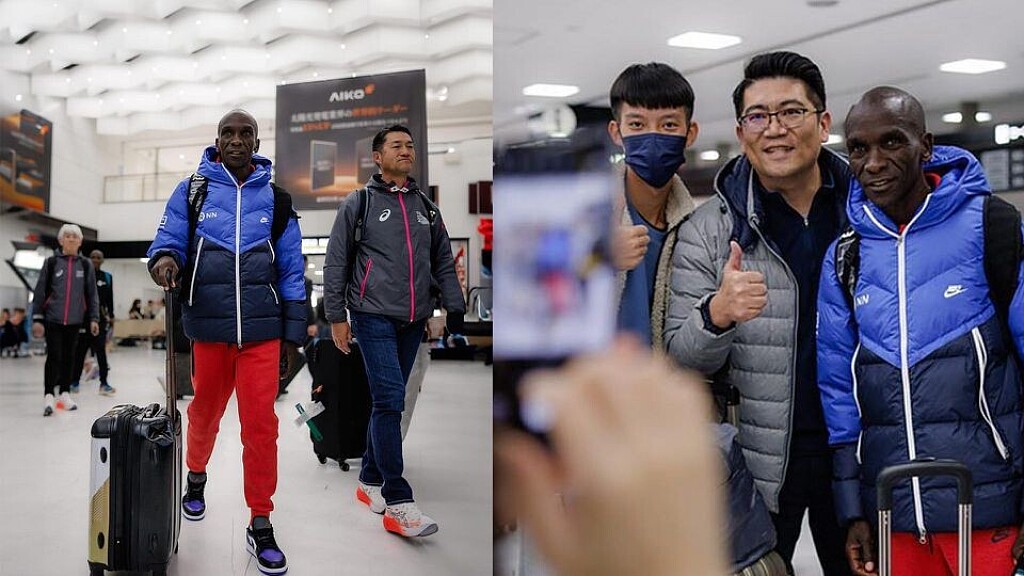
GOAT has arrived! Eliud Kipchoge lands in Tokyo ahead of Sunday’s race as he eyes more glory in Japan
Kenyan marathon legend Eliud Kipchoge has arrived in Tokyo ready for Sunday’s marathon where he is seeking a third victory in Japan.
Eliud Kipchoge has arrived in Tokyo ahead of Sunday’s race where he will be seeking to claim a second win in three years in the Japanese capital.
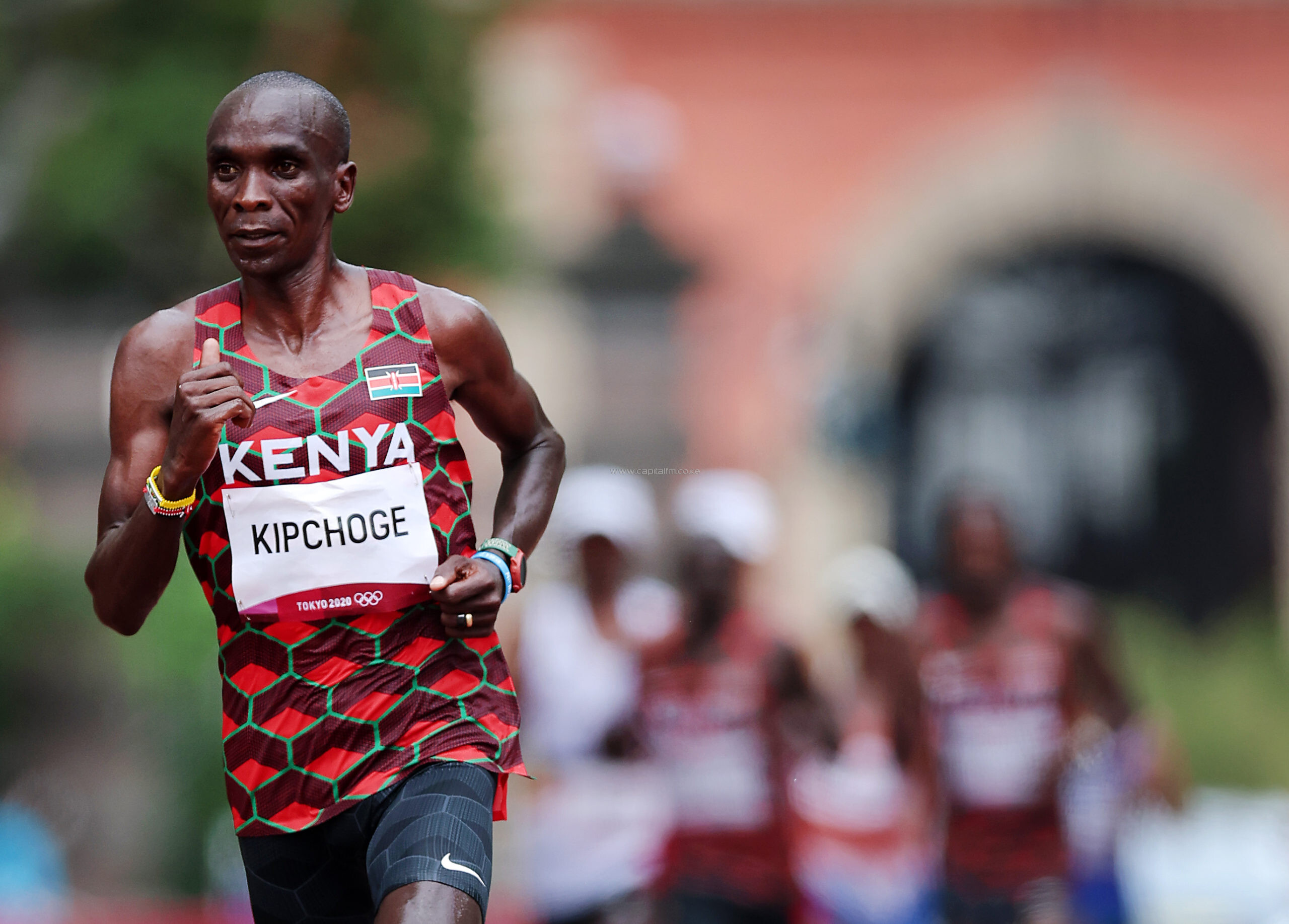
Kipchoge is hot favourite to win the Tokyo Marathon in what is part of his build up towards the Paris Olympics and will lined up against a stellar cast that includes compatriots Vincent Ngetich and Timothy Kiplagat.
The Kenyan marathon great holds the fastest time in Tokyo after clocking 2:02:40 to win the 2021 race and there are hopes that he can lower it on Sunday.
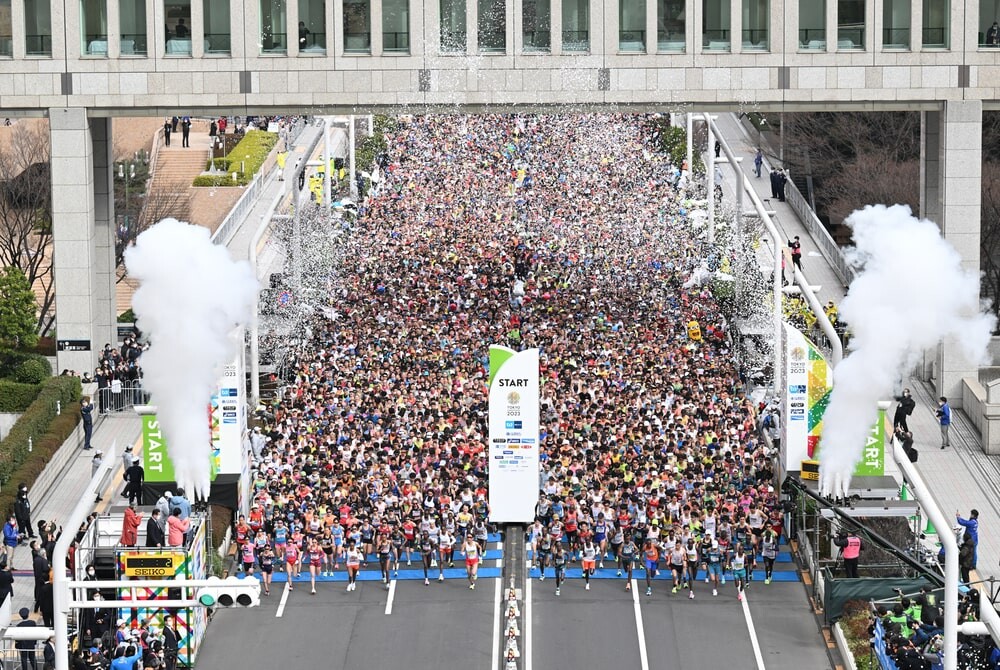
Tokyo also holds good memories for Kipchoge as he struck his second Olympics gold in Japan at the delayed 2020 Olympics, although the marathon was run in Sapporo, and he also claimed a 5000m silver medal on the track at the 2007 World Championships in Osaka.
“Japanese people love running, their culture is instilled in running, and they love marathons. It’s a good city, I can say it is a marathon city. I am looking to running fast again and enjoy,” Kipchoge said during his preparations.
Kipchoge has enjoyed a good preparation and is excited by the prospect of pursuing what will be the 12th Marathon Major of his extraordinary career that includes five wins in Berlin, four in London and victories in Chicago, Hamburg and Rotterdam.
A fast, flat course, the field of 37,500 marathon runners will start their quest at the Tokyo Metropolitan Government Building before heading gently downhill for the first 5km.
The course then flattens out for the remainder with no major hills to overcome as the runners make their way to the finish at Tokyo Station.
Kipchoge’s 2:02:40 is the men’s course record while the women’s mark of 2:16:02 is held by Kenyan Brigid Kosgei, recorded the same year.
(02/28/2024) ⚡AMPby Joel Omotto
Tokyo Marathon
The Tokyo Marathon is an annual marathon sporting event in Tokyo, the capital of Japan. It is an IAAF Gold Label marathon and one of the six World Marathon Majors. Sponsored by Tokyo Metro, the Tokyo Marathon is an annual event in Tokyo, the capital of Japan. It is an IAAF Gold Label marathon and one of the six World...
more...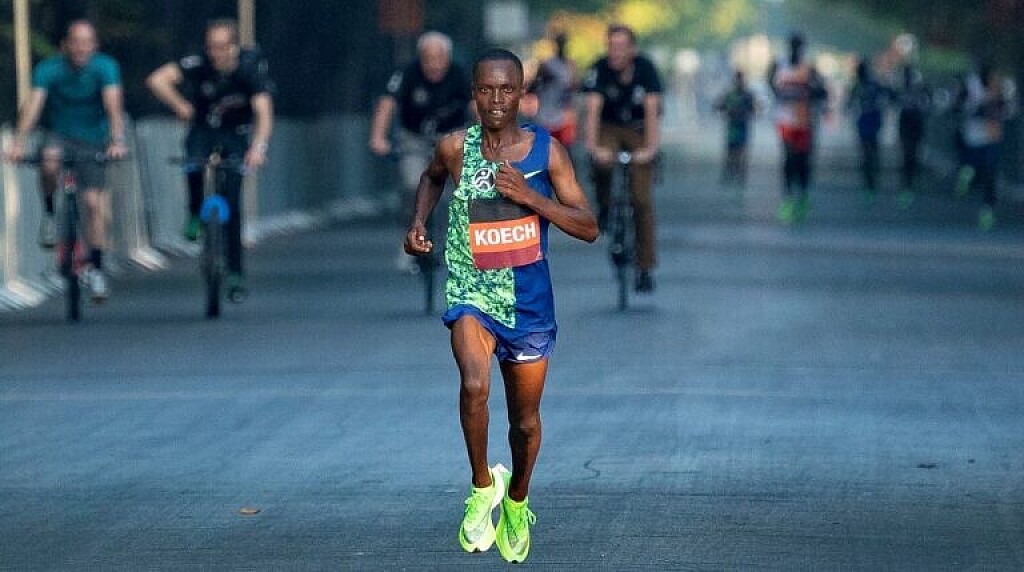
Kenyan Shadrack Koech to battle Tsegu Wendemu in Italy
kenya’s Shadrack Koech will battle for the men’s top honors at the 49th edition of the Roma-Ostia Half Marathon set for Sunday (03) in Rome, Italy.
The 27 year-old comes to this race with a personal best of 1:01.12 that he got last year at the Trento Half Marathon, where he finished in second place.
Koech will partner with his compatriot Kimakal Kipsambu, who is making a return to the capital after pacing last year’s edition with a time of 1:01.37.
The two will have an uphill task of dislodging the 2019 All-African Games 10,000m champion and also the fastest man on paper with a time 59:42 that he got five years ago at Lisbon Half Marathon, where he took a silver medal, Tsegu Berehanu Wendemu of Ethiopia.
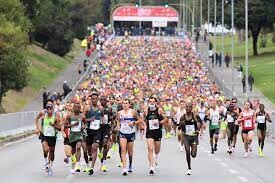
The three elite athletes will have their focus on the race course record of 58:02 that was set two years ago by the reigning World Road Running half marathon champion, Sabastian Sawe from Kenya.
LEADING TIME
21KM MEN
Tsegu Berehanu Wendemu (ETH) 58:42
Shadrack Koech (KEN) 1:01.12
Kimakal Kipsambu (KEN) 1:01.37
(02/28/2024) ⚡AMPby John Vaselyne
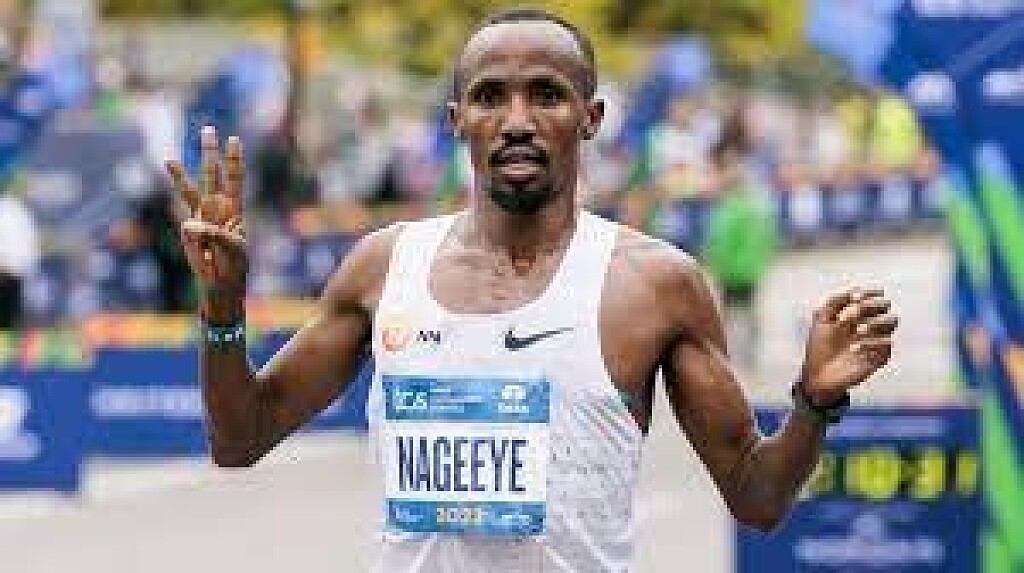
Abdi Nageeye on a record hunt during the 48th NN CPC Loop Den Haag
With the arrival of Abdi Nageeye, the 48th CPC Run The Hague will take on a special character. The fastest road athlete in the country wants to attack his Dutch record in the half marathon on Sunday, March 10 in the royal city.
That record has been in his name since 2019 with 1.00.24. Nageeye achieved that feat in Marugame, Japan. In the years that followed, the 34-year-old athlete has developed into an international star.
In 2021, he won silver in the marathon during the Tokyo Olympic Games and also 'dragged' his Belgian friend Bashir Abdi to bronze in a controversial manner. A year later, Nageeye became the first Dutchman to win the NN Marathon Rotterdam, with an astonishing national record of 2:04:56. In New York he finished third and fourth among other world top players over the past two years.
Nageeye would now like to improve his top time in the half marathon. The CPC Loop The Hague is an ideal opportunity for this. Many participants achieved their personal record on the attractive and fast course, such as Nienke Brinkman who won this distance among the women last year. Nageeye is one of the favorites for victory this year.
The course has been further improved in some areas. The official measurement took place successfully last weekend. "We are ready for new record times," says Marc Corstjens, who traditionally puts together the field of athletes with a lot of knowledge. "We are happy with Nageeye's participation and will soon announce the names of other top players."
If Nageeye manages to improve his Dutch top time in the half marathon, the record will be back in The Hague. Before the athlete of Somali origin took possession of it, it was in the name of Greg van Hest for no less than twenty years, who set a time of 1.01.10 for the 'CPC' in 1999.
The CPC Run The Hague is an important stopover for Nageeye on the way to the Olympic Games that are scheduled for next summer in Paris. He has already met the time limit for the Olympic marathon.
Running party
The CPC Loop The Hague is the largest running party in the residence and attracts more than 30,000 participants every year in an unprecedentedly atmospheric atmosphere. In addition to being a top sporting event, it is a fun and sporty 'outing' for the whole family. With distances up to and including the half marathon, the event is known as a spring classic.
Wilbert Lek, Director of CPC Run The Hague: “In addition to the arrival of top athletes from home and abroad, I look forward to welcoming tens of thousands of athletes at the start of the various distances. In addition to the NN Half Marathon, we also offer a 5 KM and 10 KM Run a great challenge for every recreational runner.”
All distances start and finish at the Malieveld. The courses run through the crowd-filled streets of The Hague. The main part, the Half Marathon, goes from the city to the iconic Pier in Scheveningen and then finishes back in the city.
Program
The 48th edition of the CPC Loop The Hague starts on Sunday, March 10 at 9:15 am with the group-up Youth Run of 1 km. This will be followed by the CPC4ALL of 1 km (10 a.m.), the group Youth Run of 2.5 km (10.30 a.m.), the 5 KM Run (11 a.m.), the 10 KM Run (12 p.m.) and the Half Marathon (2 p.m. o'clock).
In addition, you can participate in the City Pier Night Walk on Friday, March 8 (starts between 6:00 PM and 6:30 PM), a pleasant evening walk of 8 or 12 kilometers.
(02/27/2024) ⚡AMP

NN CPC Loop Den Haag
The City-Pier-City Half Marathon (NN CPC Loop Den Haag) was first held in 1975 and featured a 14.5km course. This was extended to the half marathon distance the following year. The competition has been used as the Dutch half marathon championships on a number of occasions. The course is a relatively flat one, which lends itself to fast times for...
more...
Get half-marathon ready with this interval workout
Pacing a half-marathon can be challenging, but let this interval workout help you get there.
Are you in the middle of a half-marathon build and looking for a confidence-boosting workout to take you closer to being race-ready? This 40-minute interval session will help you become more familiar and comfortable with your goal race pace.
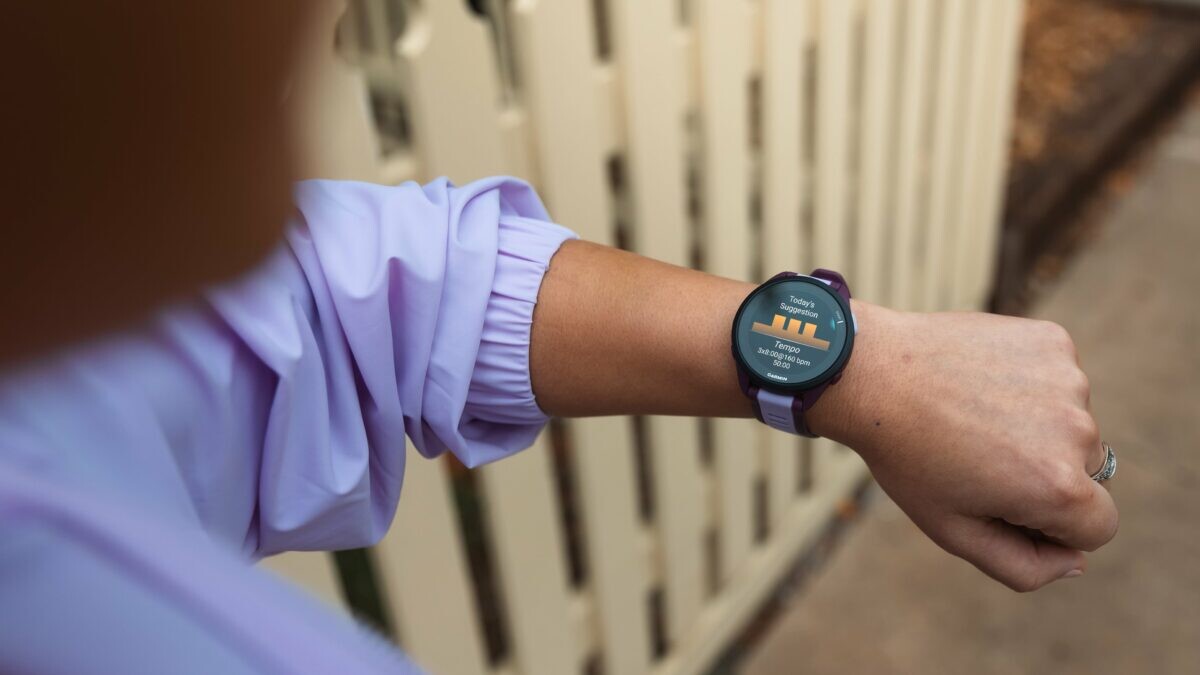
If you’ve never run a half-marathon, pacing it properly can be challenging. You don’t want to start too fast, so begin at or just slightly slower than your goal race pace, to conserve energy. From six to 17 kilometres, the kilometres begin to click away. The last thing you’ll want to feel is tired or overwhelmed, so it’s important to practise feeling relaxed at your goal pace.
Workout
10 reps of 2 minutes at goal race pace, with 2 minutes of steady active recovery.
The purpose of this workout is to build your body’s familiarity with your goal half-marathon race pace while only marginally slowing down during rest. The workout will start out easy, but it will become progressively more challenging around reps seven and eight, as you dial back into those race paces when your body is fatigued. Remember to stick to the paces you’ve set ahead of time; the workout is only as difficult as you make it. For example, if your goal is to run a 1:40:00 half marathon, maintain a pace of 4:45/km on the two-minute reps, and keep the steady recovery between 5:00/km and 5:15/km.
If you find that you’re unable to maintain your goal pace during the first five reps, slow down your steady active recovery to a more manageable pace. If you can complete the workout at your goal pace, it is an indication that you’re on track to smash your race. If it feels too easy, consider trying the workout again at a faster pace, or adjust your half-marathon goal.
(02/27/2024) ⚡AMPby Marley Dickinson
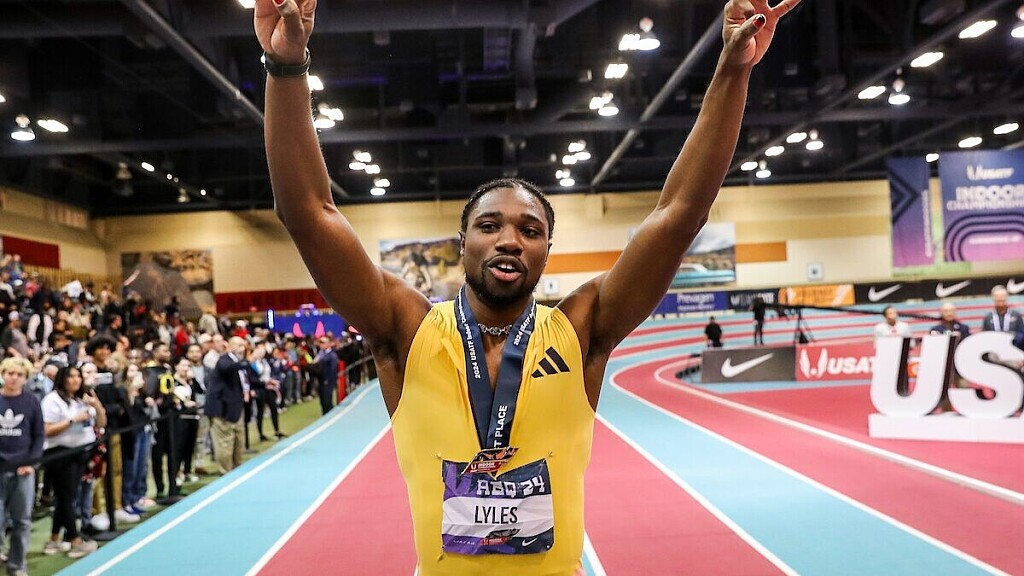
Noah Lyles signs record-setting contract with Adidas
The world 100m and 200m champion, Noah Lyles, has signed a record-setting deal with Adidas that will run through the L.A. 2028 Olympics. The exact dollar figures have not been disclosed, but it has been dubbed the richest contract in track and field since the retirement of Usain Bolt.
Bolt’s contract with Puma in 2013 was estimated at around $10 million a year, and the deal took him to the end of his career, in 2017. Lyles’s new contract is likely in the ballpark.
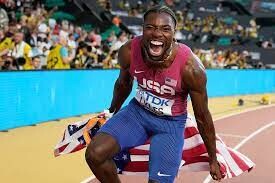
Adidas has been Lyles’s sponsor since the 2016 U.S. Olympic Trials, when he finished fourth in the men’s 200m as a high school senior. Lyles has since become the world’s most dominant sprinter, winning three consecutive World Championships titles over 200m, breaking the 26-year-old American record in 2022 (19.31 seconds) and winning all three sprint gold medals in the 100m, 200m, and 4x100m relay at the 2023 World Athletics Championships in Budapest. He is only the fifth man to accomplish that feat, and the first since Bolt at the 2015 World Championships in Beijing.
“When I first signed with Adidas in 2016 along with my brother, Josephus, it was like a dream come true for us,” Lyles said in a press release. “Today is just a continuation of that childhood dream.” Lyles shared his vision of achieving all he can on and off the track, and his goal to make a change for future generations. “This is what drives me,” he said.
Lyles has had a fast start to the 2024 season, clocking a new personal best of 6.45 at the New Balance Grand Prix earlier this month, then following up his performance with a 60m win at the U.S. Indoor Track and Field Championships in a world-leading 6.43 seconds, beating his compatriot and former 100m world champion Christian Coleman.
The 26-year-old is the favourite to win gold in the 100m and 200m at this summer’s Paris Olympics. (He has yet to win an Olympic gold medal.) He won bronze in the men’s 200m in Tokyo, losing to Canada’s Andre De Grasse and American Kenny Bednarek.
Along with Adidas, Lyles also has partnerships with Omega Watches, Celsius Fitness Drinks, Comcast and Visa.
(02/27/2024) ⚡AMPby Marley Dickinson
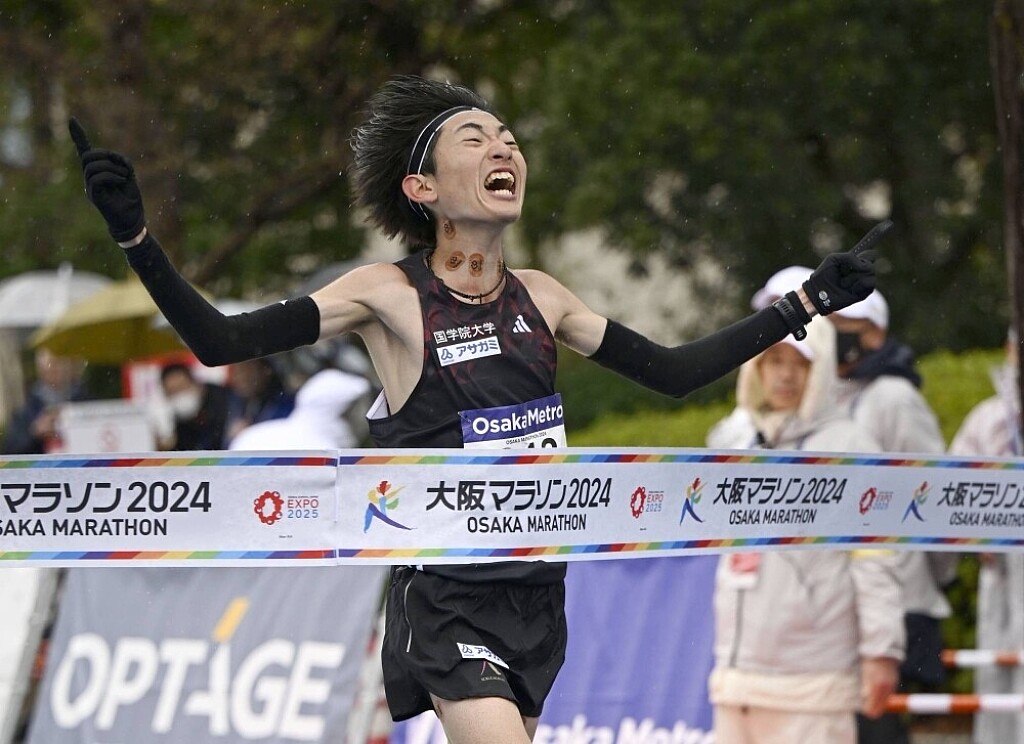
Hirabayashi claims surprise Osaka win
Kokugakuin University junior Kiyoto Hirabayashi won the Osaka Marathon in his marathon debut Sunday with the seventh-fastest time in history for a Japanese runner.
Hirabayashi crossed the finish line in 2 hours, 6 minutes, 18 seconds at Osaka Castle Park, 4 seconds ahead of Ugandan runner-up Stephen Kissa, in the second-to-last race of Japan's Olympic team selection series.
"I'm just happy," said the 21-year-old known as a collegiate ekiden road relay star. "I thought things were going better than I expected. My focus was to win, and I'm glad about the time, too."
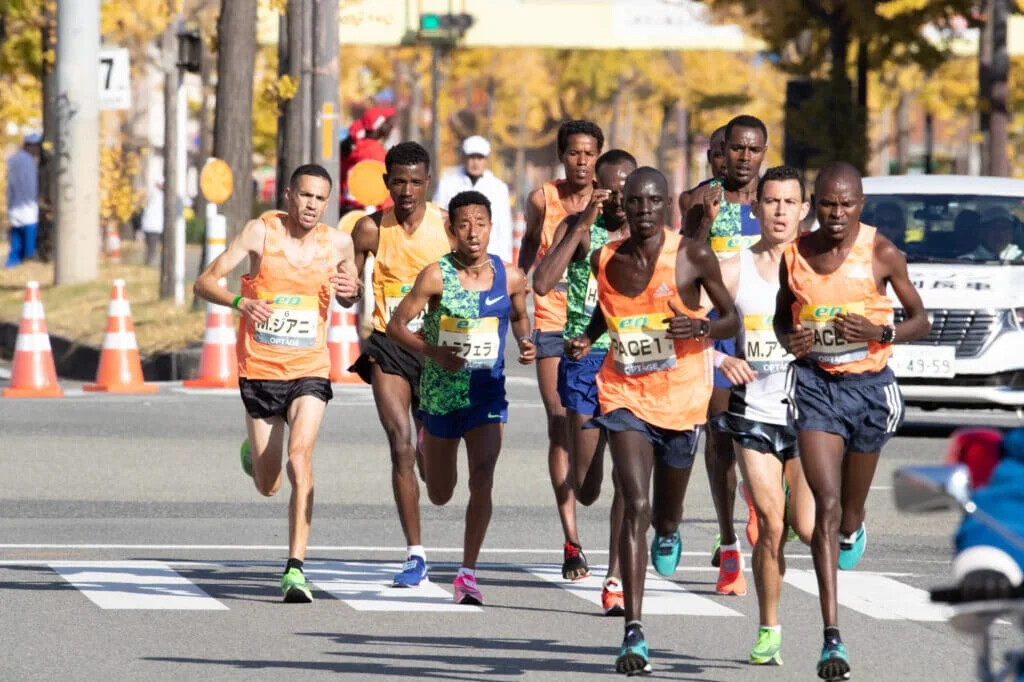
The leading pack was reduced to about 10 runners after Paris Olympics-bound Naoki Koyama upped his pace past the 29-kilometer mark.
Hirabayashi bided his time before hitting the front with around 10 kilometers to go.
Kissa stayed close to the university runner, but Hirabayashi pulled away in the final 800 meters.
"I don't think this is my highest point. I want to train more and improve," Hirabayashi said.
Japan has three spots in this summer's Olympic men's marathon. Koyama and Akira Akasaki have already earned their berths by placing first and second, respectively, in last October's Marathon Grand Championship in Tokyo.
Koyama was third in Sunday's race in 2:06:33 as part of his Olympic preparations.
Suguru Osako, who was third in the MGC, will take the final spot for the Olympics if no runner in the March 3 Tokyo Marathon clocks 2:05:50 or faster, the time set by Japan's athletics governing body.
"Koyama ran as part of his tune-up, and he broke 2:07 as he aimed to," said Toshihiko Seko, who is in charge of athlete development at the Japan Association of Athletics Federations.
"Hirabayashi had an amazing run," the former Olympic marathoner said. "The way he ran has made me think he'll be our marathon superstar at the Los Angeles Olympics (in 2028)."
(02/27/2024) ⚡AMP
by Kyodo Knews

Osaka Marathon
Let’s run for fun in the shadow of Osaka Castle, the symbol of the city!This is a fun running event, which welcomes international runners from all corners of the global alongside families, friends and Japanese runners; all running together through the colored leaves of Osaka Castle Park on a crisp autumn morning. The fun and pleasure of running is universal! ...
more...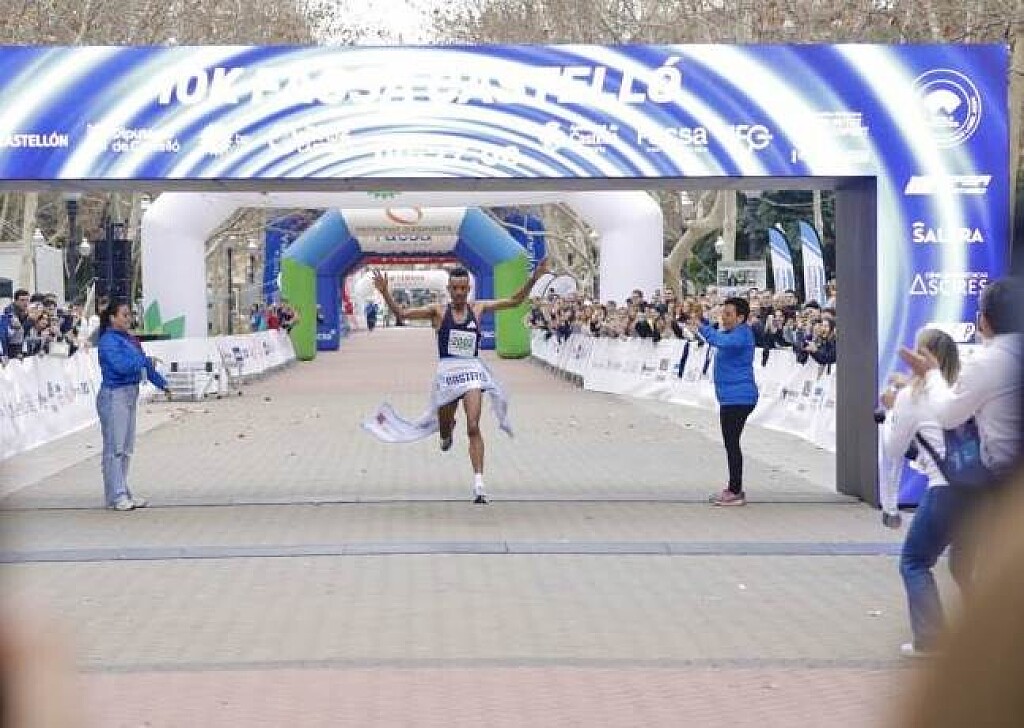
Tadesse Worku breaks Ronald Kwemoi course record in Spain
Former World U20 3000m champion Tadesse Worku broke the race course record at the eleventh edition of the 10K Facsa Castellón on Sunday (25) in Castellon, Spain.
The 21 year-old who is also the 2019 World Cross Country silver medallist crashed the old course record of 27:16 set two years ago by the 2015 Commonwealth Games 1500m silver medallist, Ronald Kwemoi from Kenya with a new course record of 27:02.
Worku was followed by reigning Sevilla Half Marathon champion, Bravin Kiprop from Kenya, who equaled the old course in 27:16 with the fastest entrant on paper in this race, Dennis Kibet Kitiyo sealing the podium in 27:33.
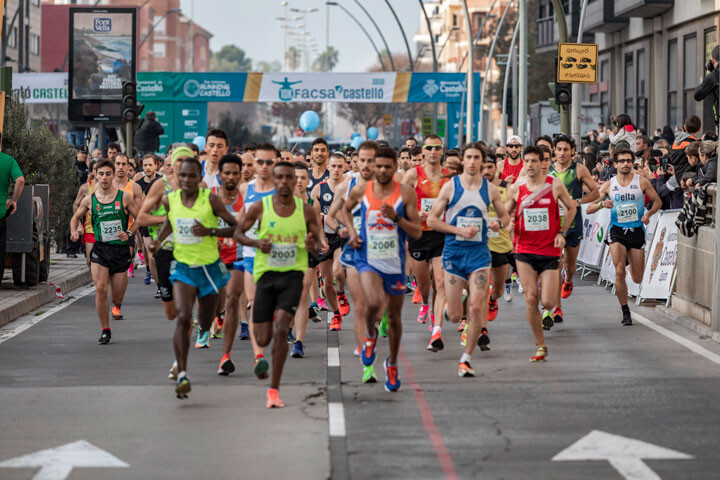
Kenyans Vincent Kimutai and Manga’ta Kimai Ndiwa finished in fourth and fifth in a time of 27:42 and 27:45 respectively.
(02/26/2024) ⚡AMPby John Vaselyne

10k Facsa Castello
The 10k Facsa Castello is a sporting event that has grown exponentially to become one of the most revelant of the regional calendar. Every year, more participants! The 10K FACSA Castelló has maintained an exponential increase year after year in the number of registered participants, also accompanied by excellent evaluations by our runners. The test has established itself as one...
more...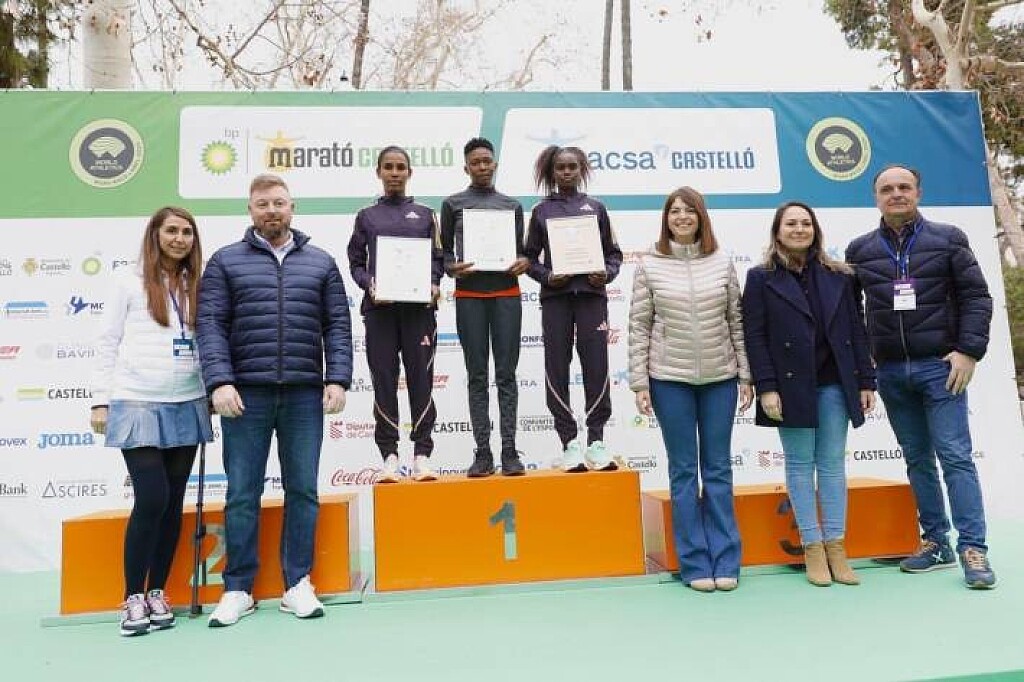
Faith Chepkoech wins 10K Facsa Castello
After a dismal performance at the 10K Valencia Ibercaja, Faith Chepkoech come back guns blazing as she bagged the women’s title at the 11th edition of the 10K Facsa Castellón on Sunday (25) in Castellon, Spain.
The 30 year-old who finished a distant 16th in her season opener in Valencia, fought off Ethiopia’s Fotyen Tesfay who was primed for the pole position having come with the fastest time on paper of 30:20.
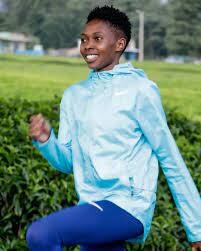
Chepkoech clocked a new personal best of 29:50 to take the honors and was followed by Tesfay who also got a new personal best of 29:54 with Diana Chepkorir who was making her debut over the distance closing the podium in 29:56.
Kenyans Loice Chemnung and Jesca Chelengat finished in fourth and fifth in respective time of 30:09 and 30:23.
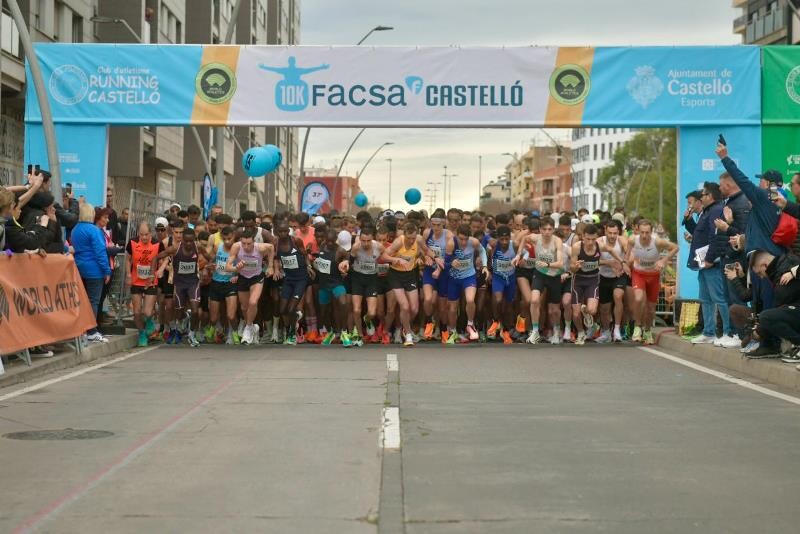
The race course record of 29:14 set two years ago by Ethiopia’s Yalemzerf Yahualaw remains standing.
LEADING RESULTS
10KM WOMEN
Faith Chepkoech (KEN) 29:50
Fotyen Tesfay (ETH) 29:54
Diana Chepkorir (KEN) 29:56
Loice Chemnung (KEN) 30:09
Jesca Chelangat (KEN) 30:23
(02/26/2024) ⚡AMPby John Vaselyne
10k Facsa Castello
The 10k Facsa Castello is a sporting event that has grown exponentially to become one of the most revelant of the regional calendar. Every year, more participants! The 10K FACSA Castelló has maintained an exponential increase year after year in the number of registered participants, also accompanied by excellent evaluations by our runners. The test has established itself as one...
more...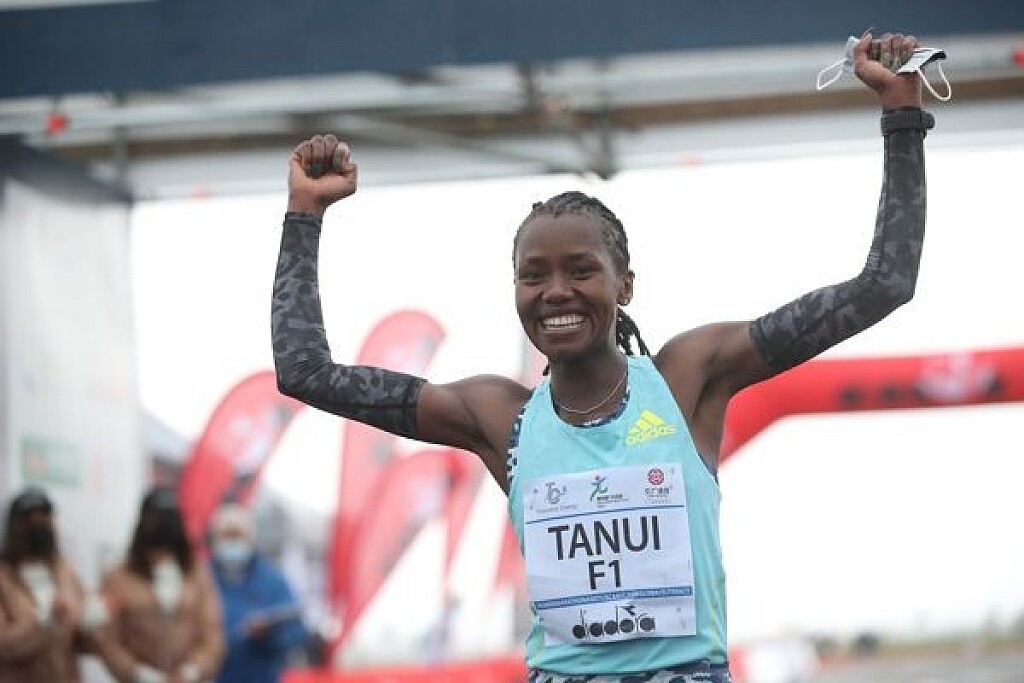
Kenyan athletes dominate Napoli City Half Marathon
Kenyan athletes showcased their prowess at the Napoli City Half Marathon on Sunday, February 25, 2024, claiming victories in both the men's and women's races.
Brian Kwemoi Kirui crossed the finish line first in the men's race, matching Yeman Crippa's course record with a time of 59:27.
Angela Tanui emerged victorious in the women's category, achieving a new personal best of 1:07:04.

Anthony Kimtai secured second place in the men's race, setting a new personal best of 59:45, followed closely by Bernard Kipkurui Biwott, completing a Kenyan sweep of the top three spots with a time of 59:47.
Italy's Sofiia Yaremchuk achieved second place in the women's race, setting a new personal best of 1:08:27, while Kenyan athlete Nancy Chepleting Meli secured third place with a time of 1:10:03.
(02/26/2024) ⚡AMPby Michezo Afrika

Napoli City Half Marathon
The Napoli City Half Marathon is the most growing running event in Italy. The race, certified by IAAF / AIMS/ European Athletics, is held inoptimal conditions with an average temperature of 10 ° C. From thewaterfront to the Castel dell'Ovo, the Teatro San Carlo to the Piazzadel Plebiscito, the course will lead you through the most fascinatingareas of the city,...
more...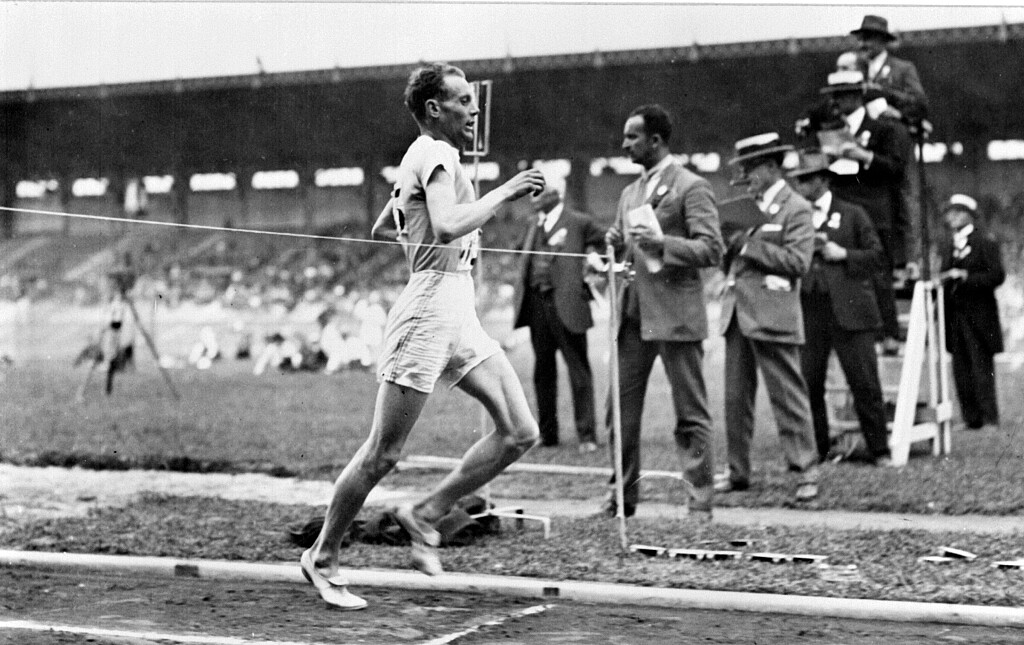
Nurmi's five Paris 1924 Olympic golds make historic return for Paris 2024
The five gold medals won by one of the greatest Olympic champions in history will return to Paris in March for the first time since they were won in the French capital a century ago.
The press called him “The Flying Finn”, “The Phantom Finn” or “The Finnish Running Marvel”. In the 1920s, Paavo Nurmi, Finland's middle and long distance running ace, was known across the world for his extraordinary human athleticism. Nurmi was a superstar whose fame transcended sports, his name and deeds headlined newspapers and filled out stadiums wherever he traveled.
Nurmi's outstanding Olympic exploits in Paris 1924 established his enduring legend. His five victories there a century ago remain today the most athletic gold medals ever won at a single Games.
Thanks to the kind generosity of the Nurmi family, Nurmi's set of five 1924 gold medals will go on display in the prestigious museum of the Monnaie de Paris on the left bank of the Seine in the heart of the French capital.
Nurmi's Paris golds form part of a larger exhibition of Olympic medals. Gold, silver, bronze. A history of the Olympic medal , organized by the museum of the French mint to mark the Olympic Games of Paris 2024, offers a fascinating exploration of the history of the Olympic medal, highlighting its evolution through the editions of the modern Olympic Games.
The exhibition opens for media preview on 26 March and to the public from 27 March to 22 September 2024.
Mika Nurmi, the grandson of Paavo, and Finland's four-time Olympic champion Lasse Viren will be honored guests at the press preview and public opening ceremony.
World Athletics President Sebastian Coe said: “World Athletics is delighted that the family of Paavo Nurmi, the Paavo Nurmi Games, the City of Turku and the museum of the Monnaie de Paris have partnered with our own Museum of World Athletics to return one of the most famous sets of Olympic medals to the French capital for the first time since they were won there a century ago.
“During the year of the Paris 2024 Olympic Games, we are celebrating the outstanding achievements of The Flying Finn Paavo Nurmi who in 1924 won a still unsurpassed haul of five Olympic athletics gold medals in a single edition of the Games.
“As famous as the Hollywood stars of his day, lauded by US presidents, Nurmi was the first truly global sports star. Nurmi ended his career with nine golds and three Olympic silver medals and 22 ratified world records but his achievements in Paris 1924, including an outrageous 1500m and 5000m double won with only an hour rest between the two finals, marked the zenith of his career.
“When visiting Paris for this summer's Olympic Games, I look forward to viewing this historic display of Nurmi's golds. These five medals are the athletics centre piece of an impressive six-month exhibition of Olympic medals and coins staged in the neoclassical museum of the Monnaie de Paris, the world's oldest continuously running mint.”
Chairman and CEO of Monnaie de Paris Marc Schwartz commented: “Presenting an extraordinary set of Olympic gold medals at the Monnaie de Paris Museum is truly an honor. Even years later, Paavo Nurmi stands out as one of the most renowned athletes of all time. The celebration of his accomplishments undoubtedly positions this collection as a highlight of our exhibition: 'Gold, Silver, Bronze. A history of the Olympic Medal'. Come to see it in Paris!”
World Athletics Council Member and Chairman of the Paavo Nurmi Games Antti Pihlakoski said: “The Paavo Nurmi Games and Festival organization is grateful to the Museum of the Monnaie de Paris and World Athletics and its Heritage Department for highlighting Paavo Nurmi and his unique career as an Olympic athlete. The display of his Paris 1924 medals serves not only to help a historical understanding of his feats but their continuing impact on society a century later.
“The mission of the Paavo Nurmi Games and Festival organization, with the great support of the City of Turku, is to promote a diverse culture of physical activity in the name of Paavo Nurmi, catering to people of all ages, organizing top-level sporting events, mass sports events for different age groups, and charity events, the proceeds of which are distributed to support physical activities for low-income families.
“We believe that Paavo Nurmi would be pleased that 100 years after his legendary Olympic success in Paris, his legacy continues to be an active part of his hometown City of Turku, Finland, and lives on in the international athletics and sporting community.
“Warm thanks to the Museum of the Monnaie de Paris and World Athletics.”
(02/26/2024) ⚡AMPby World Athletics
Paris 2024 Olympic Games
For this historic event, the City of Light is thinking big! Visitors will be able to watch events at top sporting venues in Paris and the Paris region, as well as at emblematic monuments in the capital visited by several millions of tourists each year. The promise of exceptional moments to experience in an exceptional setting! A great way to...
more...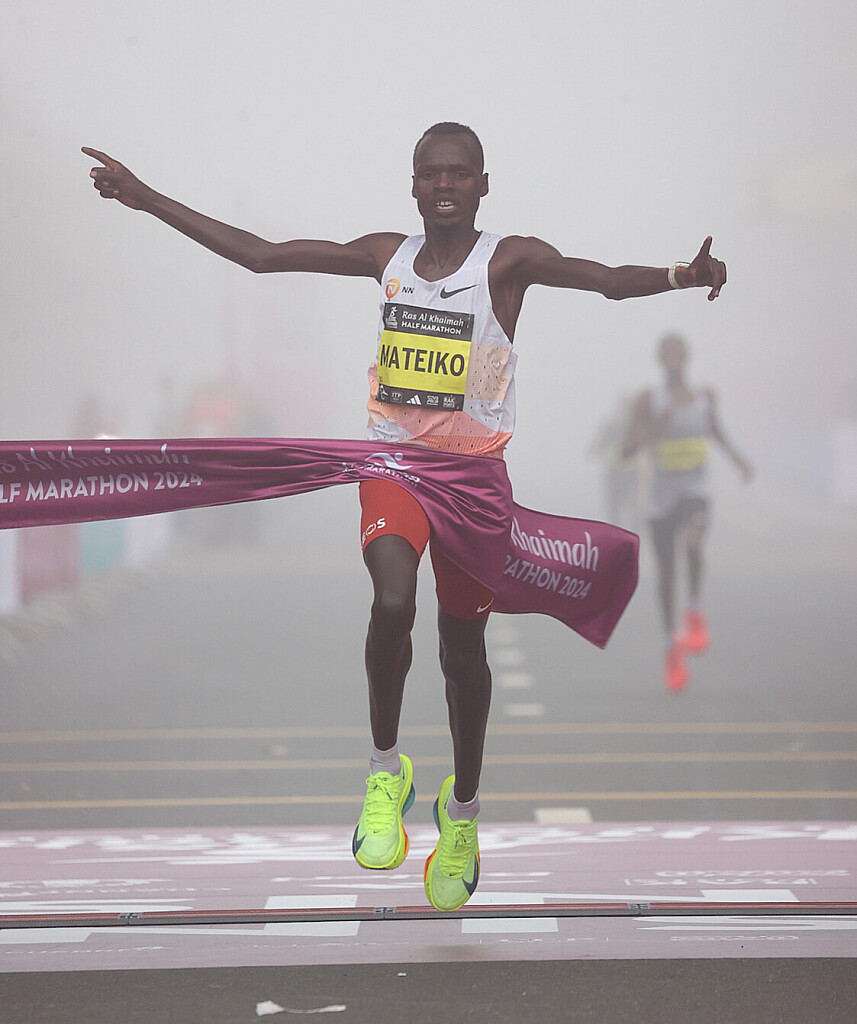
Mateiko and Gebreselama with bright future after dominant RAK wins
There were breakout victories for hitherto little known Daniel Mateiko of Kenya and Tsigie Gebreselama of Ethiopia in the Ras Al Khaimah Half Marathon in the United Arab Emirates early Saturday morning. And the imperious manner of their wins on a breezy, humid morning with a sea mist invading the latter stages suggests they both have a very bright future.
Yet the contrast in their race-winning tactics could hardly have been greater. Mateiko led from the gun, and only conceded the lead for brief periods, before outgunning his colleagues John Korir and Isaia Lasoi in the final kilometre, to win in a world leading 58min 45sec. Korir and Lasoi finished five and ten seconds behind respectively.
In contrast, Gebreselama contented herself to stay in the pack until she was ready to strike for home in the last five kilometres. Only former world record holder (64.31) and 2020 winner, colleague Ababel Yeshaneh could go with her, but that challenge didn’t last long. And such was Gebreselama’s attritional pace that by the time she crossed the line in 65.14, Yeshaneh was exactly half a minute in arrears. Jackline Sakilu of Tanzania was the surprise of the day, setting a national record of 66.05 in third place. What was no surprise was that the podium places were taken by athletes from three East African countries who share the same topography, the high altitude plateau of the Great Rift Valley.
Konstanze Klosterhalfen of Germany threatened to gatecrash that exclusive club up to the hallway point in a race, having come directly from her own training camp in Ethiopia. But, having headed the field up to 10k, which she passed in 31.09, which would have been a PB had she finished the race, she tailed off drastically and dropped out shortly afterwards, saying she did not feel well.
Olympic marathon champion, Peres Jepchirchir had been one of the favourites to win, but in the bustle of the start, someone trod on her heel and she lost around 20sec putting her shoe back on. Surprisingly for someone with her long experience, instead of working her way gradually back to the group, she shot off and rejoined them before they had completed the first kilometre. She paid for that unnecessary effort in the closing stages, and could only finish seventh in 67.19.
Gebreselama was not entirely unknown prior to today; she finished second in the world cross country championships in Australia last year. ‘That was my best performance, but today is better than that, because I won,’ she said after the race. ‘I knew I was in good shape. I think I like cross country and road running equally, but now I must prepare for the track’. In a reversal of tradition, she is leaving here for a four-month stint in an altitude training camp in the USA, before she runs the Ethiopian trials with the intent on making the Olympic team at 10,000 metres.
Having been told that there was no pacemaker in the men’s race, we wondered why Mateiko, who led from the gun kept consulting his watch and checking over his shoulder at his pursuers. Maybe he was surprised they were still there for so long, right up to the final kilometre. But having done all work, he was rewarded with a more than worthy victory, then engagingly stated that that was his intent throughout the race. ‘After finishing second last year, I promised myself to win. But the conditions were difficult; it was windy and very humid.’
Mateiko hails from Mount Elgon on the Kenya-Uganda border, but now trains in Eldoret with twice Olympic marathon champion Eliud Kipchoge under the tutelage of former steeplechaser Patrick Sang. ‘Patrick told me I was in good shape, but to be strong-minded. And Eliud is giving me advice too. I would like to have his consistency. Now my dream is to run well in the London Marathon’. If his marathon debut is as impressive as his win here today, the London crowds in April will be in for a treat.
Results, Men:
1 Daniel Mateiko KEN 58:45
2 John Korir KEN 58:50
3 Isaia Lasoi KEN 58:55
4 Gerba Dibaba ETH 59:38
5 Benard Koech KEN 59:42
6 Birhanu Legese ETH 59:43
7 Tamirat Tola ETH 59:46
8 Amos Kibiwot KEN 59:51
9 Boki Diriba ETH 60:10
10 Alphonce Simbu TAN 60:28
Women:
1 Tsigie Gebreselama ETH 65:14
2 Ababel Yeshaneh ETH 65:44
3 Jackline Sakilu TAN 66:05
4 Margaret Chelimo KEN 66:31
5 Evaline Chirchir KEN 66:36
6 Catherine Amanang’ole KEN 66:49
7 Peres Jepchirchir KEN 67:19
8 Gete Alemayehu ETH 67:25
9 Megertu Alemu ETH 69:23
10 Ashete Bekere ETH 70:03
(02/25/2024) ⚡AMP

Rak Half Marathon
The Ras Al Khaimah Half Marathon is the 'world's fastest half marathon' because if you take the top 10 fastest times recorded in RAK for men (and the same for women) and find the average (for each) and then do the same with the top ten fastest recorded times across all races (you can reference the IAAF for this), the...
more...