

Running News Daily
Running News Daily is edited by Bob Anderson and team. Send your news items to bob@mybestruns.com Advertising opportunities available.
Index to Daily Posts · Sign Up For Updates · Run The World Feed
Articles tagged #rhabdomyolysis
Today's Running News
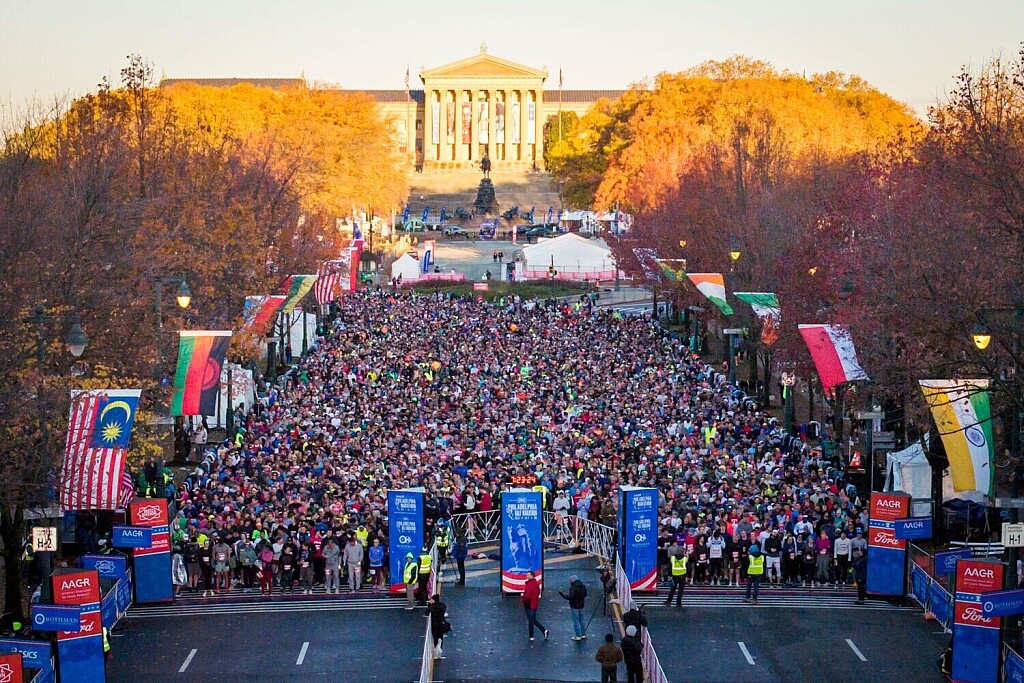


A Life-Saving Warning To Runners! Doctors Urge Athletes To Recognise Dangerous Medical Symptoms As Rhabdomyolysis Concerns Grow After Marathon Tragedy!
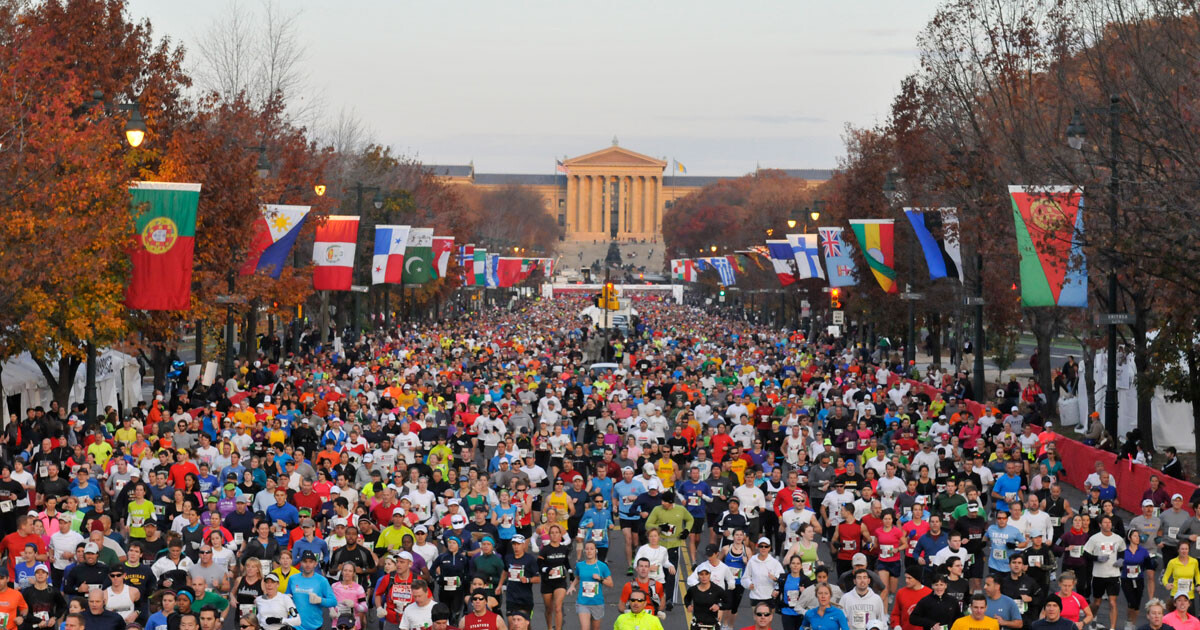
As thousands of athletes prepare to take on the Philadelphia Marathon, medical experts are reminding runners of an important message: knowing when to stop can be just as important as knowing how to push through.
One condition attracting particular attention is rhabdomyolysis, a potentially life-threatening medical complication that develops when damaged muscle tissue breaks down and releases its contents into the bloodstream. In severe cases, this can cause acute kidney injury and other serious complications.
The renewed warning follows the death of 24-year-old Pennsylvania native Rachel Apa, who died after competing in the New York City Marathon earlier this month, bringing renewed attention to the potential medical risks associated with extreme physical exertion.
Doctors are urging runners not to dismiss unusual symptoms or mistake serious medical warning signs for ordinary marathon fatigue. While muscle soreness and exhaustion are common after demanding races, certain symptoms require immediate medical evaluation.
Among the key warning signs of rhabdomyolysis are severe muscle pain or swelling, unusual muscle weakness, extreme fatigue and urine that becomes unusually dark, resembling tea or cola. Producing significantly less urine than normal is another concerning symptom.

Medical professionals emphasise that runners experiencing these symptoms should seek urgent medical attention rather than attempting to recover on their own. Importantly, symptoms may not always appear immediately after strenuous exercise.
Staying properly hydrated, following a sensible training programme, allowing adequate recovery and avoiding excessive exertion can help reduce the risk of exercise-related complications. However, hydration alone cannot prevent every case of rhabdomyolysis.
Marathon running is built around determination, discipline and the desire to push beyond perceived limits. However, recognising when the body needs medical attention is equally important.
A personal best, a medal or the satisfaction of crossing the finish line should never come at the expense of one's health and safety.
As the Philadelphia Marathon approaches, medical experts are urging participants to remain alert to unusual symptoms, respect their physical limits and seek prompt medical care when necessary. The warning highlights the importance of recognising exercise-related medical emergencies and prioritising runner safety at major sporting events.
by Erick Cheruiyot for My Best Runs.
Login to leave a comment

Philadelphia Marathon and Half
Have the time of your life in 2022 completing 13.11 miles! Runners will start along the Benjamin Franklin Parkway in the cultural Museum District and wind through Philadelphia’s most scenic and historic neighborhoods. From the history-steeped streets of Old City, through one of the liveliest stretches of Center City, across the Schuylkill River...
more...
Family Of Late NYC Marathon Runner Rachel Apa Launches Foundation In Her Memory To Raise Awareness Of Fatal Running-Related Condition!
The family of Rachel Apa, the 24-year-old runner who tragically died after collapsing during the 2026 TCS New York City Marathon, has established a foundation in her name, hoping to turn their heartbreaking loss into a mission to raise awareness of a potentially life-threatening condition affecting athletes.

Rachel collapsed near Mile 24 in Central Park on November 1 while competing in her first-ever marathon. She was rushed to Mount Sinai Hospital, where she later died. Her sudden death sent shockwaves through the running community, raising important questions about athlete safety and the dangers of severe exercise-related medical complications.
A former Division I field hockey player at Bucknell University, Rachel had taken on the iconic 26.2-mile challenge for a deeply personal reason. She was raising funds and awareness for Parkinson’s disease in honour of her late grandfather, making her marathon debut an opportunity to support a cause close to her heart.
In an emotional appearance on CBS Mornings on Wednesday, Rachel’s father, Steve Apa, opened up about the devastating final hours of his daughter’s life, describing how he followed her progress through the marathon tracking application from home.
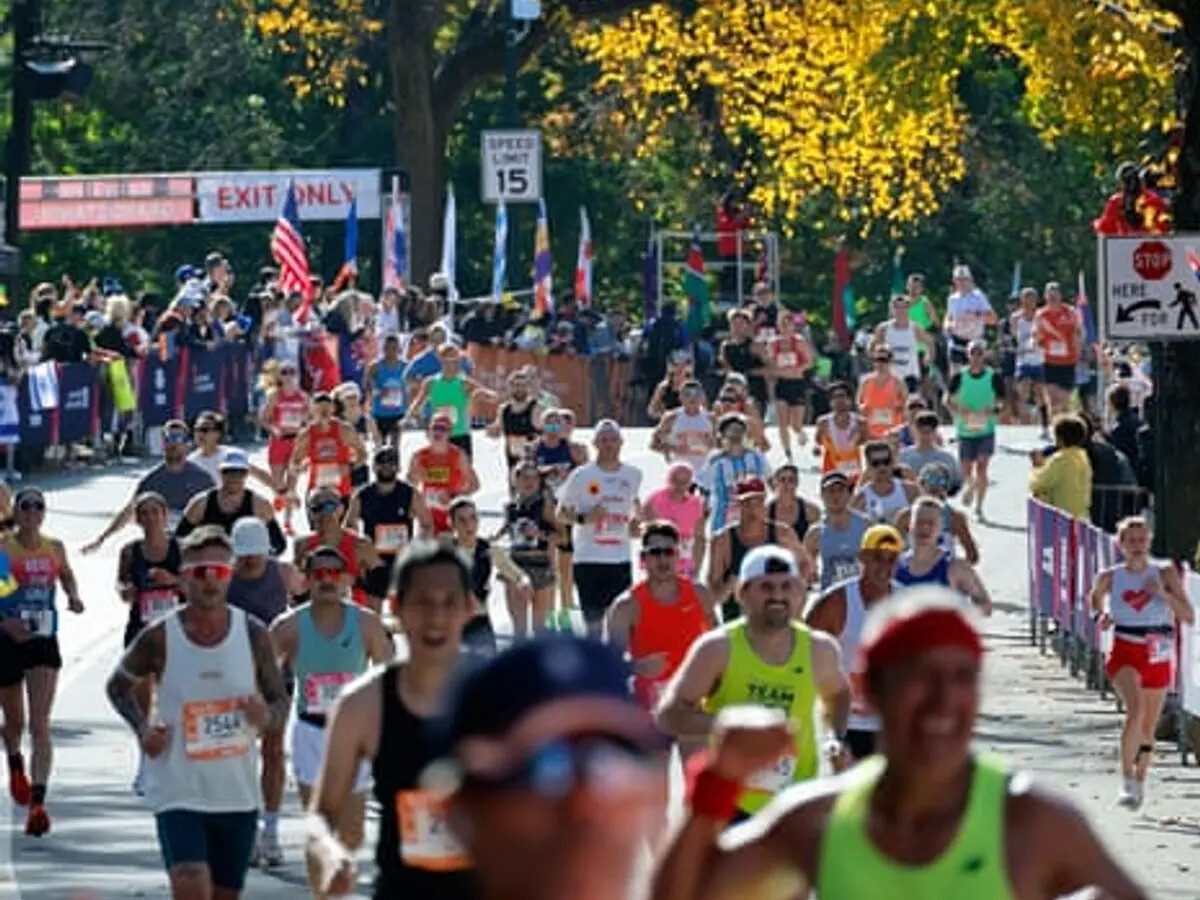
According to Steve, Rachel initially appeared to be enjoying the experience. Around Mile 9, she sent him a message saying she had never felt better. However, as the race progressed, her messages began to change. From approximately Mile 18, she started reporting pain, leaving her family increasingly concerned as they followed her journey.
Reflecting on the devastating news, Steve described the experience as something he could never have anticipated.
“Unfathomable is the word I say, because I had no idea,” he said.
Although the New York City Medical Examiner’s Office has not yet established an official cause of death, Rachel’s family revealed that doctors informed them she had suffered rhabdomyolysis, a serious condition involving the breakdown of damaged muscle tissue that can release harmful substances into the bloodstream and potentially cause life-threatening complications.
Steve admitted that rhabdomyolysis was a condition he had never heard of before his daughter's death. Determined to ensure other families and athletes are better informed, he has joined Rachel’s brothers, Dominic and Anthony, in establishing the Rachel Apa Foundation.
The foundation will focus on raising awareness of rhabdomyolysis, educating athletes about its potential warning signs and helping the running community better understand the risks associated with extreme physical exertion.
For the Apa family, the initiative represents an opportunity to give meaning to an unimaginable loss by ensuring that Rachel’s story reaches athletes, coaches and families who might otherwise remain unaware of the condition.
Rachel's marathon journey ended in tragedy, but her family's determination to educate others has given her legacy a new purpose. Through the foundation bearing her name, they hope that greater awareness, earlier recognition of warning signs and improved understanding of exercise-related medical emergencies can help protect other athletes.
Her first marathon was meant to be a celebration of endurance and a tribute to someone she loved. Now, her name will be carried forward through a mission aimed at saving lives.
by Erick Cheruiyot for My Best Runs.
Login to leave a comment
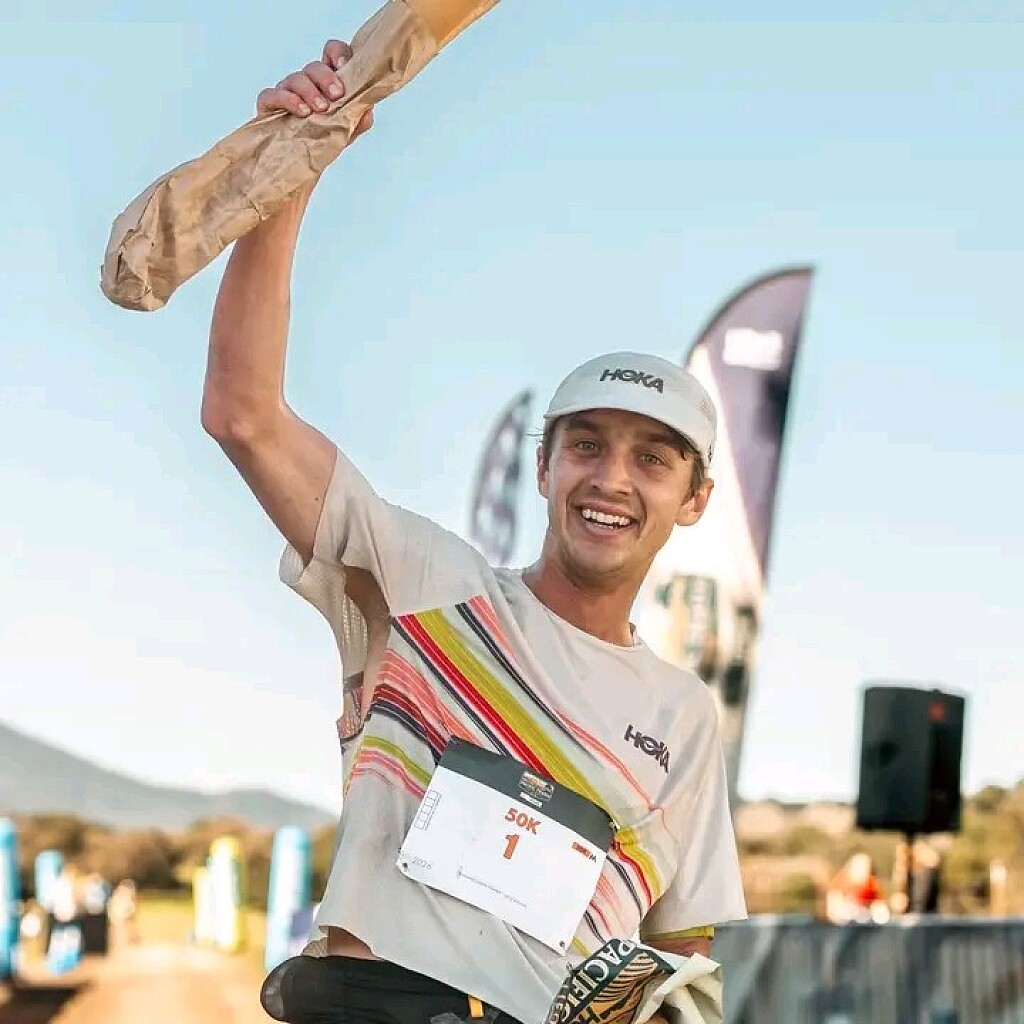
From Hospital Bed To Ultrarunning Dominance! Hans Troyer Destroys Pacific Trails California 50K Field By More Than 18 Minutes After Life-Threatening Rhabdomyolysis Battle!
American ultrarunning sensation Hans Troyer delivered a commanding performance at the Pacific Trails California 50K, storming to victory by more than 18 minutes in a remarkable display of endurance and dominance on the challenging ranch trails of Rancho San Fernando Rey in Santa Barbara County, California.
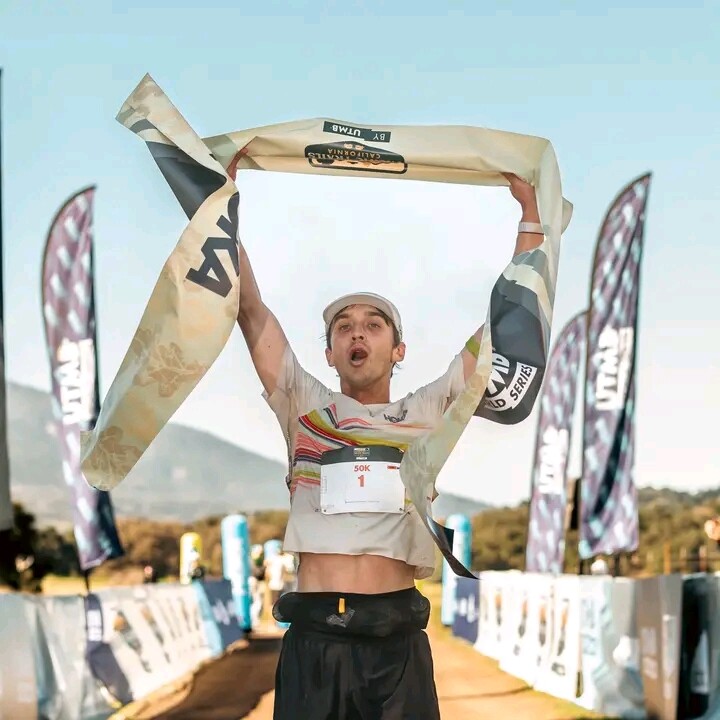
Troyer crossed the finish line in an impressive 3:13:31, establishing a huge winning margin in a race where the battle for the remaining podium positions was considerably tighter. His performance put him more than 18 minutes clear of the chasing field, while the next four men were separated by less than two minutes.
Will Murray secured second place in 3:31:42, followed by Samuel Lanternier, who finished third in 3:32:42. In the women's competition, Tilde Bångman produced an outstanding performance to claim victory in 3:57:30.
The 2026 edition marked the first time the Pacific Trails California 50K was actually staged, following the cancellation of its scheduled 2025 edition.
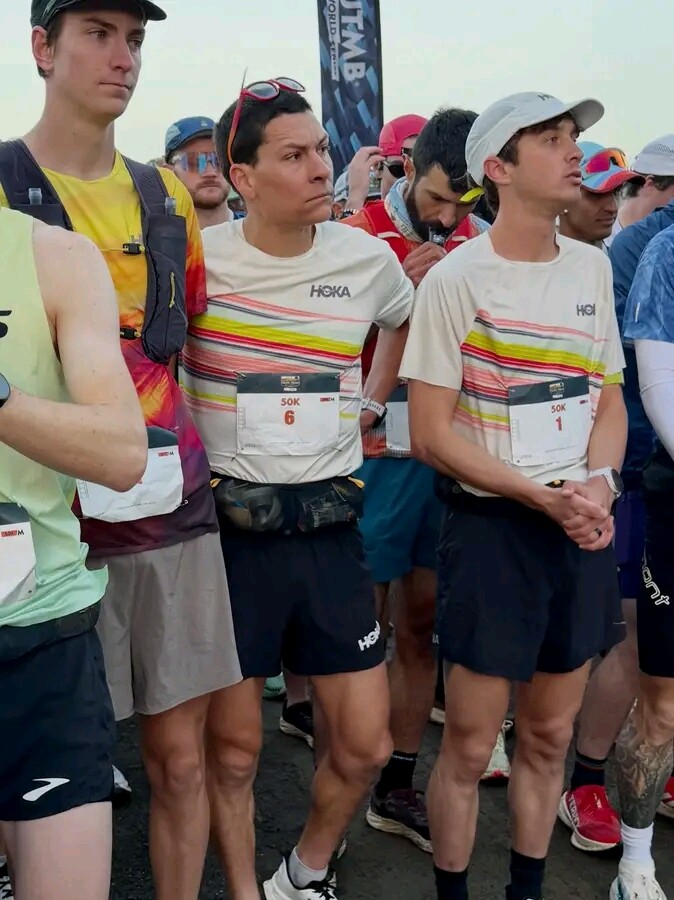
For Troyer, the emphatic victory represents another remarkable chapter in what has been an extraordinary season. He began his 2026 campaign in February with a sensational course-record performance at the Black Canyon 100K, clocking 7:20:00 before taking his impressive form to the international stage.
In August, he demonstrated his world-class endurance once again by securing third place at the prestigious CCC race in Chamonix, one of the most competitive events on the international ultrarunning calendar.
His latest triumph also reinforces the remarkable progress he has made since establishing himself among America's leading ultrarunners in 2025. That breakthrough season saw him capture victories at the Bandera 100K, Way Too Cool 50K and the legendary JFK 50 Mile.
His performance at the JFK 50 Mile was particularly impressive, as he clocked 5:10:24, the second-fastest time in the race's history. His outstanding achievements earned him fifth place in UltraRunning Magazine's 2025 Men's Ultrarunner of the Year voting.
However, behind the victories, records and extraordinary performances lies a deeply challenging personal journey that makes his success even more meaningful.
In 2024, Troyer experienced a life-threatening medical emergency after developing rhabdomyolysis, a serious condition involving the breakdown of damaged muscle tissue that can overwhelm the kidneys and cause acute kidney failure.
The situation became so severe that he spent 12 days in hospital, with his kidneys dangerously close to failure. His recovery was a major turning point, raising serious questions about what the future would hold for his running career.
Yet, rather than allowing that frightening experience to define his future, Troyer fought his way back, gradually rebuilding his strength and returning to the sport with extraordinary determination.
Today, his performances tell a story of resilience, renewed ambition and remarkable athletic ability.
Winning a 50K by more than 18 minutes is an extraordinary achievement in its own right. But when placed against the background of a potentially career-ending health crisis, Troyer's latest triumph carries an even greater significance.
From 12 days in hospital to dominating one of California's 50K races, Hans Troyer has delivered a powerful reminder of the determination required to overcome adversity and reach the highest levels of endurance sport.
The winning margin was more than 18 minutes. The journey back was measured in courage, patience and perseverance.
by Erick Cheruiyot for My Best Runs.
Login to leave a comment
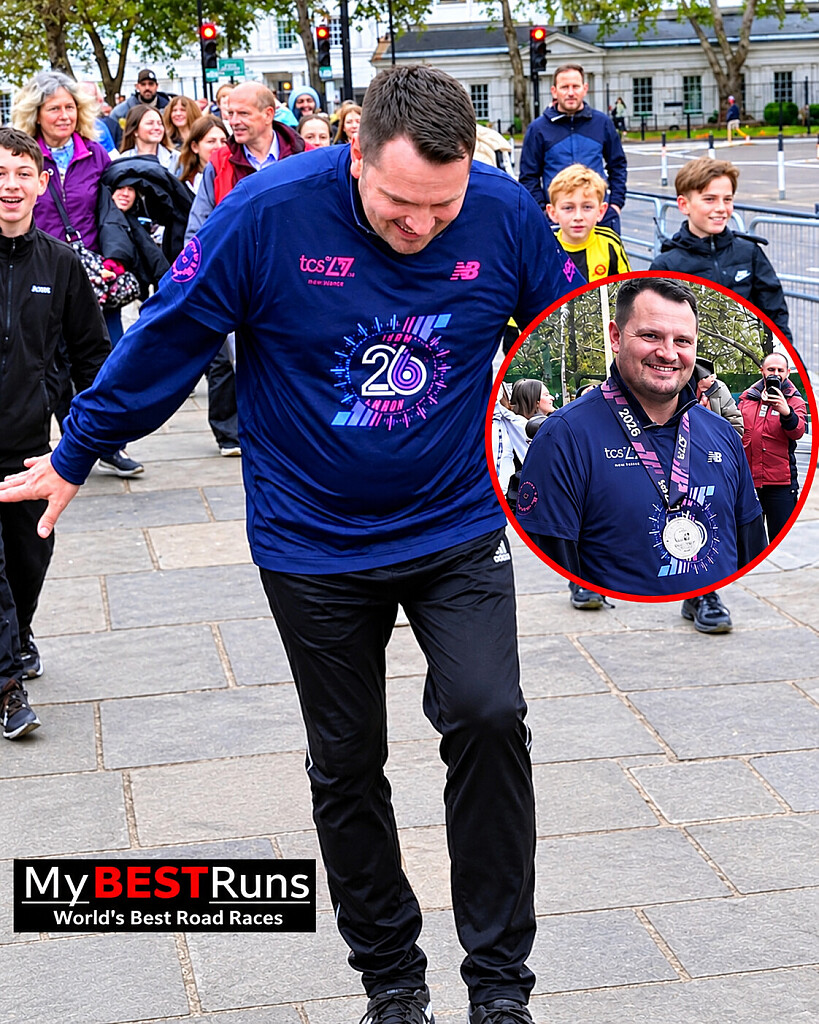
Six Months After Suffering Cardiac Arrest At Mile 25, Gareth Hopkins Finally Completes The London Marathon In An Emotional Return!
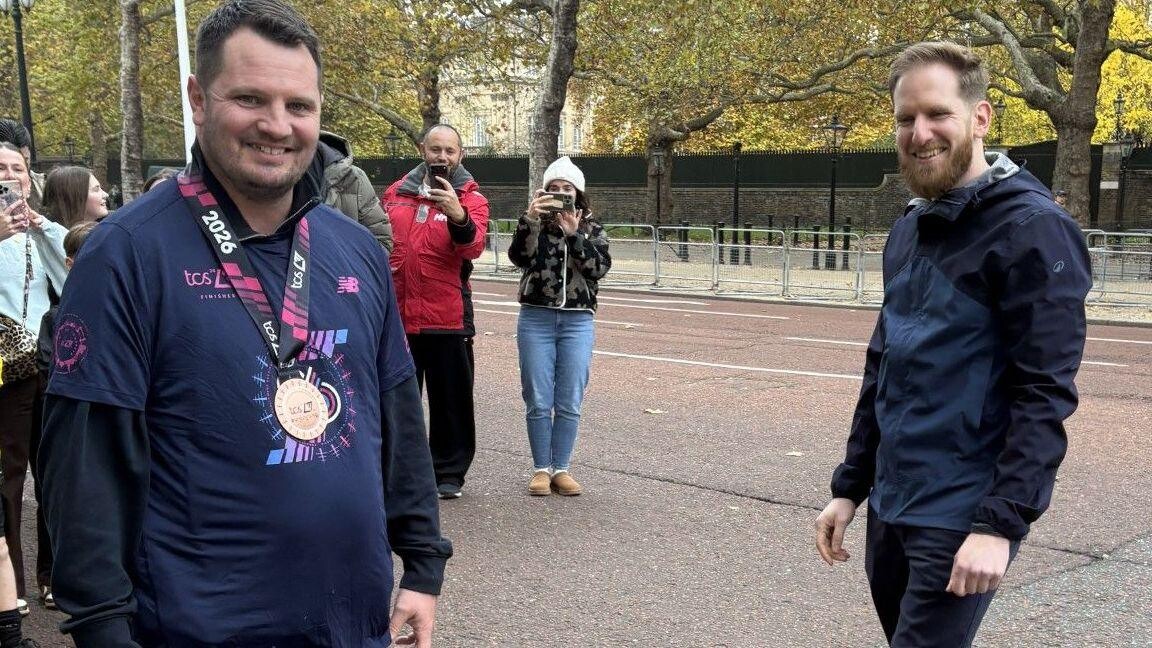
Few marathon stories capture the true meaning of courage, resilience and determination quite like that of Gareth Hopkins, a 43-year-old paramedic from Hoddesdon, England, who has finally crossed the London Marathon finish line after surviving a life-threatening medical emergency during his debut attempt six months earlier.
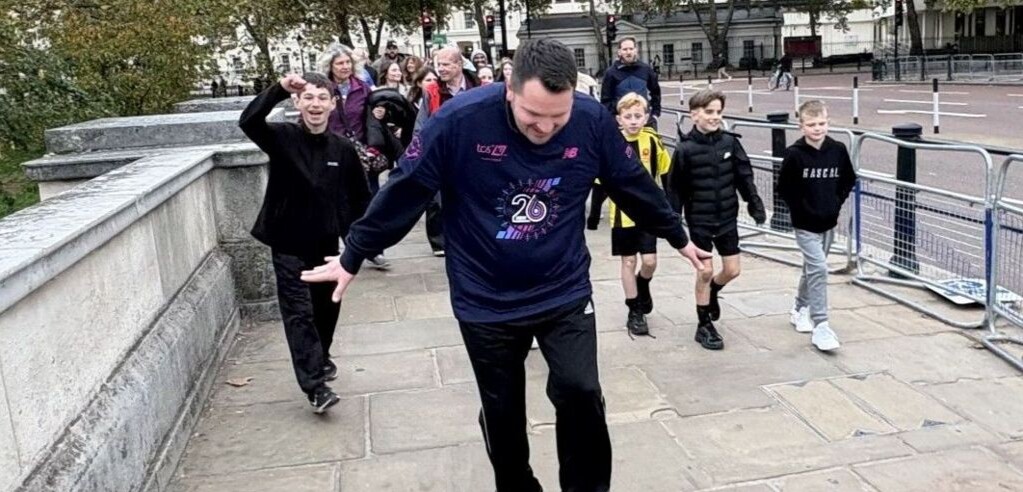
In April, Hopkins lined up for his first-ever marathon alongside his brother, Chris, with the brothers running to raise funds for Age UK in memory of their beloved grandmother. However, what was supposed to be a memorable sporting achievement turned into a terrifying fight for survival just over a mile from the finish.
Having reached approximately mile 25, Hopkins suddenly collapsed after suffering a cardiac arrest. The medical emergency was caused by severe rhabdomyolysis, a serious condition involving the breakdown of muscle tissue, which in his case was brought on by overheating.
His brother Chris had already completed the race when the family, who had been tracking Gareth's progress, realised that his movement had stopped. They immediately went searching for him, only to discover that emergency responders from St John Ambulance were already working desperately to save his life.

Hopkins was subsequently rushed to St Thomas' Hospital, where he received intensive medical care. His recovery journey was long and extremely challenging, requiring him to relearn some of the most basic everyday activities, including walking, talking and eating.
After months of rehabilitation and determination, he was finally discharged and returned home in September, marking another significant milestone in his remarkable recovery.
Now, six months after the frightening incident, Hopkins has returned to the London Marathon route to accomplish what he was unable to finish in April.
This time, however, there was no competitive pressure, no timing chip and no race clock to chase. Instead, approximately 200 family members, friends and supporters joined him for an emotional walk through central London, passing Buckingham Palace before making their way down The Mall towards the iconic marathon finish line.
In an extraordinary gesture of kindness, an anonymous donor also ensured that Hopkins received an official London Marathon finisher's medal, making his long-awaited moment even more special.
Reflecting on the experience, he described it simply: "It was the longest marathon ever."
Despite completing this deeply personal journey, Hopkins says he has been advised not to run again and has accepted that he will not attempt another marathon.
For most marathon runners, reaching The Mall represents the final few minutes of an exhausting 26.2-mile challenge. For Gareth Hopkins, it took six months of recovery, extraordinary determination and the unwavering support of the people closest to him.
His journey is a powerful reminder that success in sport is not always measured by finishing times, personal bests or podium positions. Sometimes, the greatest victory is simply being given another opportunity to reach the finish line.
Gareth Hopkins may have taken six months to complete his London Marathon journey, but his achievement is one that will remain far beyond the finish line.
A truly remarkable story of survival, courage, gratitude and the strength of the human spirit.
by Erick Cheruiyot for My Best Runs.
Login to leave a comment
Rhabdomyolysis: The Hidden Danger Every Runner Should Know About — When Pushing Your Body Too Far Can Become Life-Threatening!
For runners, pushing beyond physical limits is often celebrated as a sign of determination, discipline and mental strength. However, behind every demanding training session and exhausting race lies an important responsibility that should never be overlooked: understanding when the body needs rest and recovery.
One potentially life-threatening condition every athlete, particularly marathon runners, should understand is rhabdomyolysis, commonly known as rhabdo. Although it is not frequently discussed in everyday running conversations, this serious medical condition can have devastating consequences if its warning signs are overlooked and treatment is delayed.
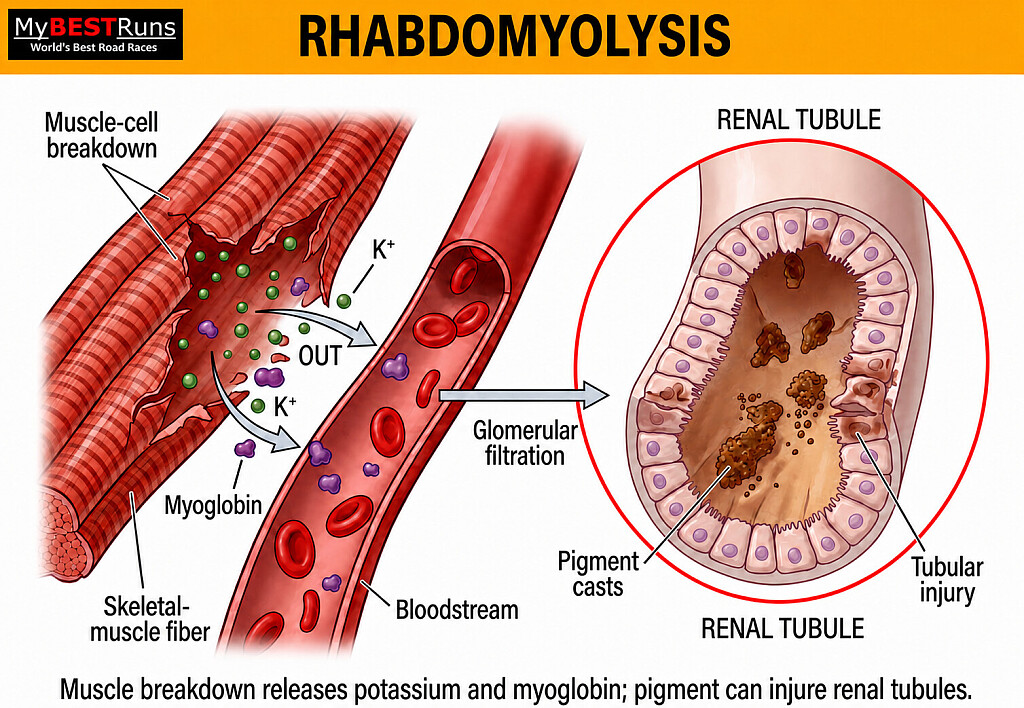
Rhabdomyolysis occurs when skeletal muscle tissue becomes severely damaged and breaks down rapidly, releasing substances normally contained within muscle cells directly into the bloodstream. These include myoglobin, a protein responsible for storing oxygen in muscles, potassium and creatine kinase (CK), an enzyme found in muscle tissue.
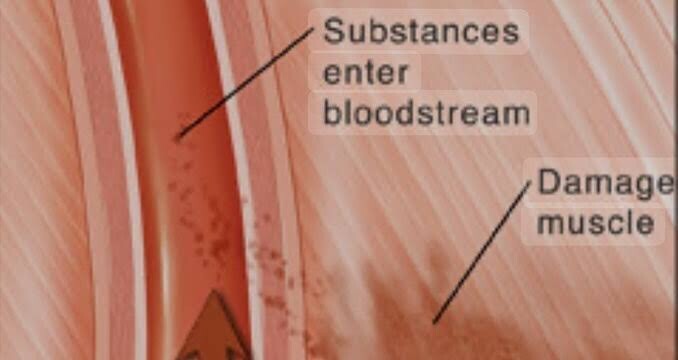
While these substances are normally contained within muscle cells, their release in excessive quantities can create serious complications throughout the body. Myoglobin, in particular, can damage the kidneys, potentially resulting in acute kidney injury or kidney failure. Meanwhile, excessive potassium in the bloodstream can interfere with the heart's electrical activity, triggering dangerous and potentially life-threatening abnormal heart rhythms. Severe electrolyte imbalances can further complicate the condition.
Although rhabdomyolysis can develop following traumatic injuries, extreme heat exposure, certain medications and other medical conditions, strenuous physical exercise is another recognised trigger. Prolonged endurance activities, exceptionally demanding workouts and sudden increases in training intensity can place enormous stress on muscles, sometimes resulting in severe muscle damage.
For marathon runners, the risks deserve particular attention. Preparing for 42.195 kilometres requires months of physical conditioning, demanding training sessions and considerable endurance. However, inadequate recovery, excessive training loads, exercising in extreme heat and pushing through severe physical exhaustion can increase the risk of exercise-induced rhabdomyolysis.

Importantly, this is not exclusively a condition affecting inexperienced athletes. Even highly trained, physically fit and experienced runners can develop it. Athletic ability, years of training and previous marathon experience do not make anyone completely immune.
Recognising the warning signs can make a critical difference. Symptoms may include unusually severe muscle pain, swelling, muscle tenderness, cramps, weakness and extreme fatigue. One particularly alarming warning sign is dark, tea-coloured or cola-coloured urine, which may indicate the presence of myoglobin released by damaged muscles.
However, symptoms do not always appear immediately. They may develop hours or even days after strenuous physical activity. Furthermore, the absence of dark-coloured urine does not necessarily mean that an athlete is free from the condition. Some individuals may experience significant muscle damage without displaying every recognised symptom.
Another important concern is that rhabdomyolysis can initially resemble ordinary post-exercise muscle soreness. While temporary discomfort and fatigue are common after demanding workouts, unusually intense pain, significant swelling, profound weakness or symptoms that continue to worsen should never be dismissed as normal training fatigue.
Prevention begins with responsible training. Athletes should increase their mileage and workout intensity gradually, allow sufficient recovery between demanding sessions, maintain appropriate hydration and avoid exercising excessively, particularly in extreme heat. Adequate nutrition, sufficient sleep and recognising the body's warning signals are equally important components of a sustainable training programme.
Runners should also understand that hydration alone cannot eliminate the risk. Training load, environmental conditions, individual susceptibility and overall physical health all play important roles in determining the body's response to strenuous exercise.
Anyone experiencing severe muscle pain, unusual weakness, swelling or dark-coloured urine following strenuous exercise should seek urgent medical assessment. Rhabdomyolysis is a medical emergency that requires prompt diagnosis. Doctors commonly use blood tests to measure creatine kinase levels, assess kidney function and identify potentially dangerous electrolyte disturbances.
Treatment often involves intravenous fluids to support kidney function and help prevent kidney injury, alongside careful monitoring of electrolytes, urine output and other complications. In severe cases, hospital admission and specialised medical intervention may be necessary. Early recognition and appropriate treatment significantly improve the chances of recovery.
The importance of understanding this condition has been brought into heartbreaking focus following the death of 24-year-old Rachel Apa, who collapsed approximately two miles from the finish line during her first New York City Marathon on November 1, 2026. She tragically died hours later, with rhabdomyolysis reported as the cause of her death.
Her story is a painful reminder that even the most anticipated sporting achievement can become overshadowed by a medical emergency. It also highlights why runners, coaches, race organisers and the wider athletics community must take exercise-related health risks seriously.
Every athlete dreams of crossing the finish line, achieving a personal best or completing a race they have spent months preparing for. But no medal, finishing time, training milestone or personal record is worth risking a life.
Running should challenge us, strengthen us and bring us together, but it should never come at the expense of our health and safety. Recovery is not a sign of weakness, and recognising when to stop is not a failure. Sometimes, the strongest decision an athlete can make is to listen to their body.
Train with discipline. Race with awareness. Recover with purpose. Above all, remember that getting home safely is more important than crossing any finish line.
by Erick Cheruiyot for My Best Runs.
Login to leave a comment

Final Stretch”: Rachel Apa’s First Marathon Ends in Heartbreak Just Two Miles From the Finish
The New York City Marathon is celebrated as a day of courage, endurance and achievement — a race where thousands of runners push their limits while families and friends wait eagerly to see them cross the finish line.
For one family, however, November 1, 2026, became a day of unimaginable heartbreak.

Twenty-four-year-old Rachel Apa, a former Division I field hockey athlete at Bucknell University, was running her first marathon when she collapsed in Central Park with roughly two miles remaining. She never made it to the finish line.
Rachel had entered the race with a deeply personal purpose. She was running in honour of her late grandfather, who had battled Parkinson’s disease, while raising money and awareness for Parkinson’s research and care.
Her family followed her journey closely as she made her way through the five boroughs.

Rachel exchanged messages with her father, Steve, during the race as he monitored her progress remotely. At Mile 18, she sent a brief message: “Ow.”
One mile later, another message arrived: “Ow ow.”
Then, at Mile 23, came her final message: “Final stretch.”
Those words would become heartbreaking in hindsight.
Rachel’s mother, Michelle, was waiting around Mile 25 in Central Park, expecting to see her daughter approaching the finish line. She was preparing for a moment of celebration — to watch Rachel complete the biggest running challenge of her life.
Instead, Rachel’s tracking-app location stopped moving around Mile 24.

At approximately 1:30 p.m., Rachel collapsed near 85th Street in Central Park. Spectators rushed to help, including medical professionals who began performing CPR. New York Road Runners’ medical team soon arrived with a defibrillator, and Rachel was taken to Mount Sinai Medical Center.
Doctors fought for more than six hours to save her life.
But at approximately 9:40 p.m., Rachel was pronounced dead.
According to her father, doctors attributed her death to rhabdomyolysis, a serious medical condition in which damaged muscle tissue breaks down rapidly and releases substances into the bloodstream that can cause severe complications.
The tragedy sent shockwaves through the running community.
New York Road Runners, organisers of the New York City Marathon, expressed deep sadness over Rachel’s death and extended their condolences to her family, friends and everyone affected by the loss.
Rachel’s marathon was never simply about completing 26.2 miles.
It was about family. It was about memory. It was about honouring her grandfather and helping others affected by Parkinson’s disease.
She had already pushed through more than 24 miles of one of the world’s toughest and most demanding marathon courses. She was so close to the finish line that her final message to her father was simply, “Final stretch.”
But the finish line she had spent months preparing for would remain out of reach.
For Rachel’s family, the New York City Marathon will forever be remembered not for the finish line, but for the devastating moment when a day of hope became a night of grief.
Her mother was waiting to celebrate her daughter’s achievement. Instead, she was left facing an unimaginable loss.
Rachel Apa was just 24 years old.
She came to New York chasing a dream, carrying the memory of someone she loved and running for a cause close to her heart. She never got to finish the race, but her story will remain with the people who knew her and with a running community that mourns her loss.
by Erick Cheruiyot for My Best Runs.
Login to leave a comment
The 3 Keys To Race Day Fueling
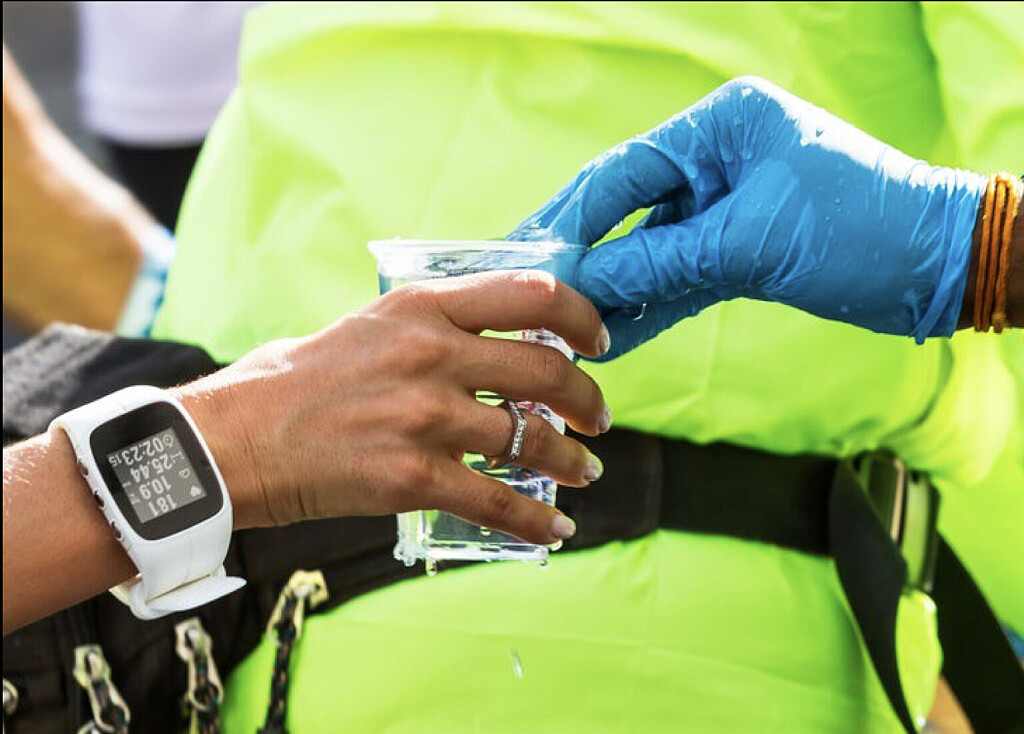
To begin nailing your race fueling, it is important to understand the mechanisms behind it so that you can cover your bases. Many runners go directly to calories as being the cause for all of their issues, but unfortunately it is more complicated than that. Fueling properly requires a delicate balance of three keys: fluids, electrolytes, and calories. If one of these gets knocked out of balance by too little or too much intake (or the wrong source), disaster can ensue.
1. Get in those calories

Calories=energy. Your body has about 1,800-2,000 calories of carbohydrates stored as glycogen in the muscles and liver (think of this as your gas tank). Once this tank is emptied, if you aren't taking in calories from outside sources, your body is solely relying on fat and muscle for energy production. These systems can and will be utilized for energy production, but the process will be slower, leaving you to bonk, and can lead to serious health risks, such as heartbeat irregularities and rhabdomyolysis (kidney damage).
When setting up a target calorie intake for yourself, 200-300 calories per hour is often a good, general starting point for most runners. Smaller-framed runners may be able to start on the lower end of this recommended intake, while larger-framed runners could start on the upper end.
When considering calorie sources, carbohydrates are still king for energy production for endurance runners. Even if your pace is slower, carbohydrates are going to provide an efficient energy source that will keep you alert and able to push hills and maintain pace.
Aim for mostly carbohydrate rich calorie sources with a bit of protein and some fat mixed in is a good starting point. Calorie sources for running events can come from a combination of hydration mix, whole foods, gels, and chews. Figuring out what works best for you is where science meets art.
Some runners like the convenience of getting calories from hydration mix, while others prefer just water and electrolytes, getting their calories from whole food sources. Gels provide a quick source of energy that may be preferred for shorter events, while some runners have stomachs that can't handle them. Take it from an expert: there is no one best way to fuel, and chances are the first thing you try might not be the best option. It takes time and testing to figure out what works for you.
2. Take in electrolytes
Electrolytes are key in nutrient utilization, fluid balance and muscle contraction. While all electrolytes including sodium, potassium, calcium, chloride, and magnesium play a role for these processes to occur in the body, focus on sodium intake, since it is lost fastest through sweat. Sodium also helps fluid balance and sugar transport across the small intestine, which prevents cramping, bloating, and bonking.
Diving a little bit deeper, sodium itself allows for glucose (sugar) utilization because it acts like a key, allowing for a sugar transporter in the small intestine (GLUT4) to open. Without proper replenishment of sodium from outside fueling sources, there is a risk of not having glucose transporters open quickly enough and a concentration gradient difference to form between the inside of the small intestine and the blood plasma. When this occurs, water flows into the small intestine and can result in gas, bloating, diarrhea, and stomach cramping.
A good starting place for most runners is 250-500mg of intake per hour. Athletes with a low sweat rate (more on that later) can stick to the low end, and sweatier folks or runners racing at altitude or in the heat should aim for the higher end. Salt tabs, hydration mixes or food can provide a solid dose of sodium.
3. Hydrate, hydrate, hydrate.
While race location, climate, and sweat rate will ultimately determine fluid needs, the main thing that needs to be considered is that for some runners, it is quite difficult to actually replace all fluids lost through sweat in a race during a race. Ideally, we want to minimize fluid losses to no more than 2-3% loss of body weight in fluids, the point where we start to see performance impacts such as fatigue, cramping, and gastrointestinal distress due to dehydration. A good starting point for most runners with no information on their sweat rate is 16-20 ounces of fluid intake per hour. If this fluid intake causes a sloshing stomach, it may be too much, in which case, target amounts per hour should be reduced.
If GI Issues Persist
It can sometimes be complicated figuring out what might be causing your fueling issues (nausea, swelling, fatigue, cramping, gastrointestinal distress), and if you find yourself lost without an answer, it might be time to work with a sports dietitian or doctor that can help you more closely dial in the details.
For runners wanting to dial in their sweat rate and sodium losses a bit more precisely, at home or in person sweat tests can be useful.
While nothing is guaranteed on race day, putting together and practicing an individualized fueling plan ahead of time can increase the odds that you will successfully complete your event sans nutrition related issues.
by Trail Runner Magazine
Login to leave a comment
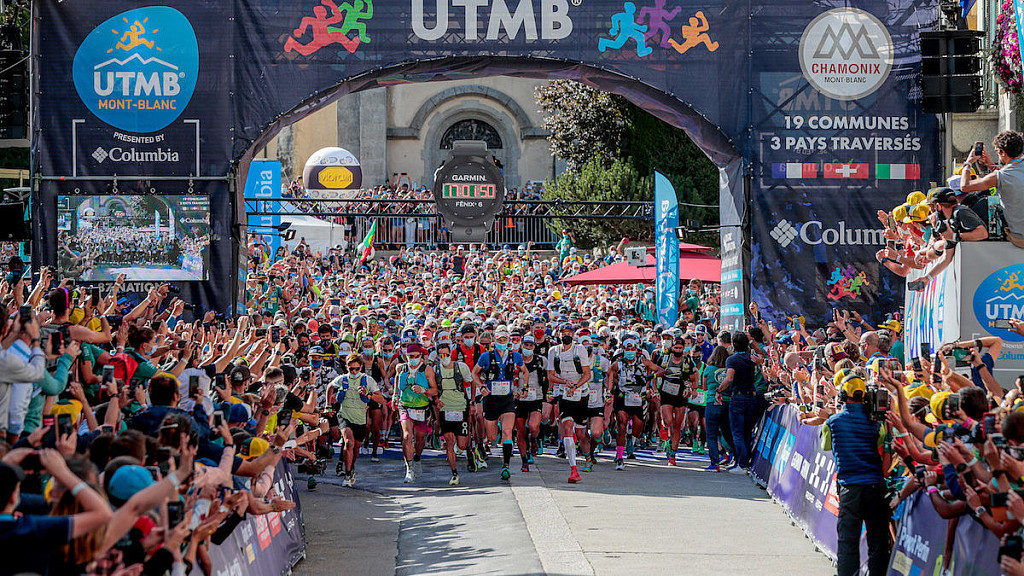
UTMB bans painkillers at all events including ibuprofen, before or during any UTMB races
The organizers of the Ultra-Trail du Mont-Blanc (UTMB) World Series will be banning the use of painkillers within 24 hours and during all races. This includes all non-steroidal anti-inflammatories (NSAIDs), such as ibuprofen. The announcement was made after the UTMB’s Quartz Event health program carried out post-event drug tests for the first time this year and three athletes’ samples contained NSAIDs.
The Quartz Event health program was set up in 2008 to protect the health of participants and contribute to clean sport. The rules of the program align with the banned substance list set out by the World Anti-Doping Agency (WADA) but goes a couple of steps further. Under the Quartz medical rules, athletes must not compete in any race if they have violated any of the following regulations:
Within 60 days before the start of the competition and during the competition:
Intravenous iron infusions

Within 7 days before the start of the competition and during the competition:
Intravenous infusion
Gas inhalation
Substance subject to a Therapeutic Use Exemption (TUE) according to the WADA Prohibited List
All glucocorticoids regardless of the mode of administration
Thyroid synthesis hormones except in case of partial or total removal of the thyroid or hypothyroidism of medical origin.
Within 24 hours before the start of the competition and during the competition:
All beta-2-agonists regardless of the mode of administration
All painkillers including Tramadol and Non-Steroidal Anti-Inflammatory Drugs (NSAIDs) regardless of the mode of administration
All substances included in the WADA Monitoring Program
After the 2021 UTMB final, three athletes out of 30 who were tested had NSAIDs in their samples. The organizers did not disqualify the athletes because the rules were only implemented this year, it was their first violation and there was an assumed lack of knowledge of the new regulations. Moving forward, however, all races will be employing the Quartz Event program and any athletes found in violation of the rules will be automatically disqualified.
Why are painkillers being banned?
According to Doctor Patrick Basset, the medical director of Dokever, the company that manages the medical teams at all UTMB events, these regulations have been put in place to protect athletes from the dangers of self-medicating. “the most frequent type of self-medication seen is to treat two types of symptoms: osteoarticular pain and digestive problems,” he explains on the UTMB website. “As a consequence, the main medicines concerned are non-steroidal anti-inflammatory (NSAID), anti-diarrhea or anti-vomiting medicines.”
He continues to explain that in the context of a long-lasting endurance race, taking anti-inflammatories could be toxic to the kidneys and cause rhabdomyolysis, which is the excessive breakdown of muscle tissue to dangerous levels, potentially leading to renal insufficiency. This is even more likely to happen when combined with dehydration, hypoxia (lack of oxygen) and hypotension (a drop in blood pressure).
Many athletes are criticizing the ban as going too far since the Quartz program refers to these new rules as “legal doping,” and NSAIDs are not banned by WADA.
by Brittany Hambleton
Login to leave a comment

North Face Ultra Trail du Tour du Mont-Blanc
Mountain race, with numerous passages in high altitude (>2500m), in difficult weather conditions (night, wind, cold, rain or snow), that needs a very good training, adapted equipment and a real capacity of personal autonomy. It is 6:00pm and we are more or less 2300 people sharing the same dream carefully prepared over many months. Despite the incredible difficulty, we feel...
more...