

Running News Daily
Running News Daily is edited by Bob Anderson and team. Send your news items to bob@mybestruns.com Advertising opportunities available.
Index to Daily Posts · Sign Up For Updates · Run The World Feed
Articles tagged #charity
Today's Running News


Entries Set to Open for Historic 100th Comrades Marathon as Centenary Celebration Begins
One of the most iconic milestones in the history of ultramarathon running is drawing closer, with entries for the historic 100th edition of the Comrades Marathon set to open on Tuesday, 25 August 2026.
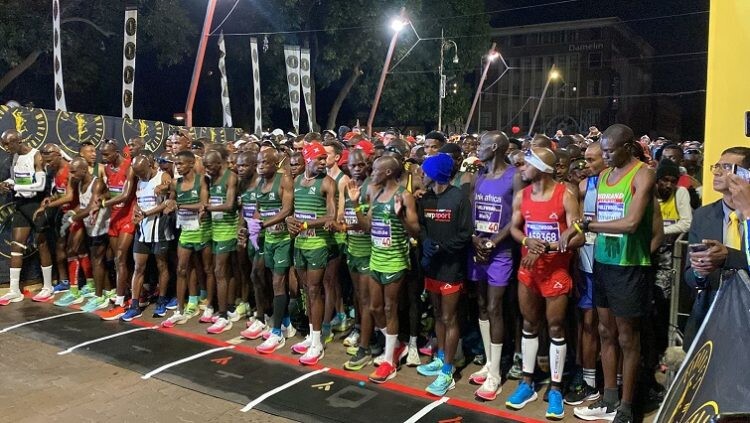
The Comrades Marathon Association has officially announced a detailed entry process for the 2027 race, which will unfold in three stages and give runners around the world the opportunity to secure their place in what promises to be one of the most significant editions ever held of The Ultimate Human Race.
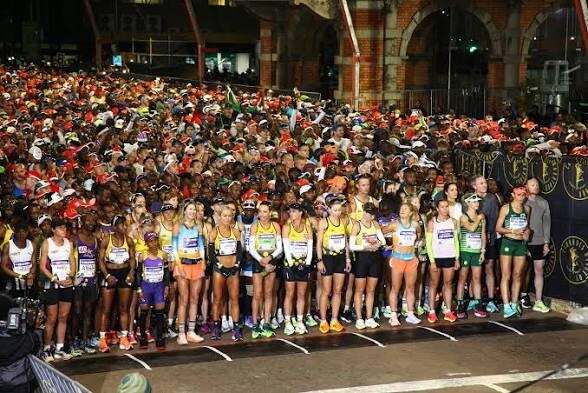
The announcement followed the official launch of the 2027 Comrades Marathon on Wednesday, 19 August, when the centenary campaign, “The Greatest Story Ever Run,” was unveiled alongside a special logo created exclusively for the landmark 100th edition.
The launch also revealed several major highlights for the Centenary Race. The historic event will take place on Sunday, 13 June 2027, and will be a Down Run, with 28,000 places available. The entry process will include a ballot, while the race will offer a record R8.919 million in prize money. Organisers have also set an ambitious goal of raising R10 million for the Amabeadibeadi charities, adding an important charitable dimension to the centenary celebrations. One of the defining moments of the launch was the unveiling of the special Centenary mark, created to commemorate this extraordinary milestone in the history of the race.
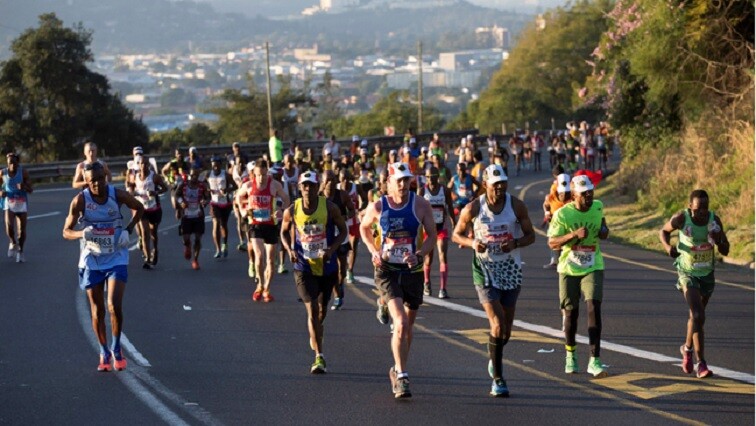
The entry process begins on 25 August at 10:00 a.m. SAST, when entries open for Green Number runners, Yellow Number runners and Amabeadibeadi charity entrants.
The next phase follows on 2 September at 10:00 a.m. SAST, when entries open for Comrades Marathon Association members. This window will remain open for 72 hours or until the available entry allocation is filled, with places offered on a strictly first-come, first-served basis.
For general entrants, the process will move to a ballot system. General entries open on 9 September at 10:00 a.m. SAST, with runners able to enter the ballot until it closes on 22 September at 4:30 p.m. SAST. The ballot draw is then scheduled to take place on 23 September.
Several other crucial dates will shape the road to the historic race. The substitution period will run from 15 to 31 March 2027, while 3 May 2027 is the final deadline for runners to submit their qualifying performances, seeding information and other required entry details.
To qualify for the 2027 Comrades Marathon, runners must complete a 42.2km marathon in under five hours between 15 June 2026 and 3 May 2027.
The journey will finally culminate on Sunday, 13 June 2027, when thousands of runners are expected to line up for the historic 100th edition of the Comrades Marathon.
The 2027 race will represent a remarkable moment for the legendary South African ultramarathon. For more than a century, the Comrades Marathon has captured the imagination of runners and spectators with its extraordinary test of endurance, determination and human spirit. Its centenary edition will celebrate the generations of athletes who have faced its demanding roads, conquered its challenges and helped build one of the world's most respected endurance events.
For runners dreaming of becoming part of this historic occasion, the road to Comrades 2027 is now clearly marked. From the opening of entries in August 2026 to race day in June 2027, every deadline will matter.
The Greatest Story Ever Run is preparing for its most historic chapter yet.
by Erick Cheruiyot for My Best Runs.
Login to leave a comment

Comrades Marathon
Arguably the greatest ultra marathon in the world where athletes come from all over the world to combine muscle and mental strength to conquer the approx 90kilometers between the cities of Pietermaritzburg and Durban, the event owes its beginnings to the vision of one man, World War I veteran Vic Clapham. A soldier, a dreamer, who had campaigned in East...
more...
Daddy Pig Faces Berlin’s Unforgiving Marathon Rules After Narrowly Beating Joe Wicks in London
Daddy Pig may have won one of the most entertaining battles of the 2026 London Marathon, but his next appearance at the BMW Berlin Marathon could come with a very different kind of pressure.
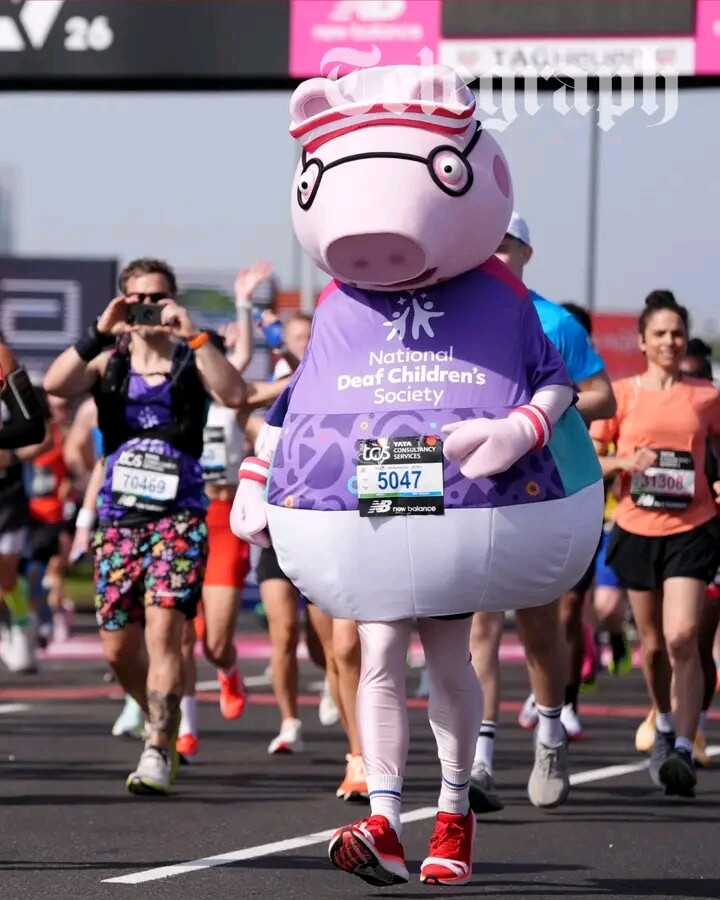
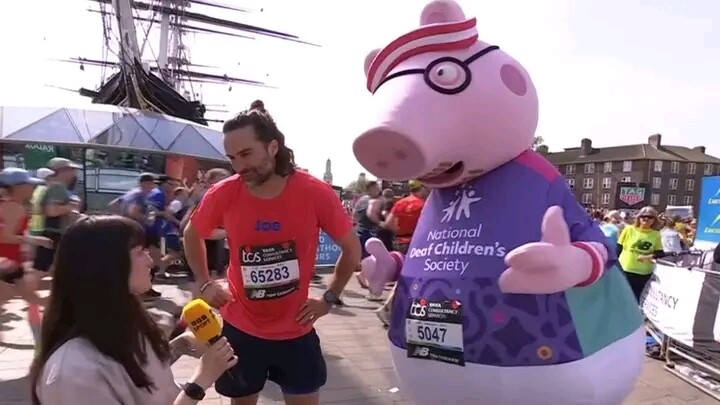
The beloved Peppa Pig character completed the London Marathon in 5:51:53, edging fitness coach Joe Wicks by the smallest possible margin after Wicks crossed the line in 5:51:54. One second separated the two after more than 42 kilometres of running, creating one of the most memorable celebrity moments of the marathon.

Now Daddy Pig is heading to Berlin on September 27, where the rules leave considerably less room for sentiment.
The BMW Berlin Marathon operates under a strict 6-hour-15-minute limit from the moment each runner crosses the start line. Falling outside that limit means leaving the official course. The race also enforces intermediate cutoffs, with runners required to reach 33km by 3:50 p.m. and 38km by 4:35 p.m. Those who miss the deadlines can be taken to the finish in the race's famous broom bus and will not receive an official finishing time, a medal or post-finish services.
Against his London performance, that would leave Daddy Pig just 23 minutes and seven seconds to spare.
For an ordinary marathon runner, that margin would already demand respect. For someone competing inside a large and physically demanding character costume, it could make the challenge even more formidable.
London was a celebration. The crowds embraced Daddy Pig as he battled his way around the capital alongside Wicks, turning a charity campaign into one of the day's most talked-about stories. Berlin, however, is a race governed by the clock. Popularity, celebrity status and cartoon fame do not alter the timing mats or extend the official road closures.
Daddy Pig's London appearance also carried a purpose beyond entertainment. He ran in support of the National Deaf Children's Society, following the storyline involving his son, George Pig, who is deaf and wears a hearing aid. The campaign used one of children's television's most recognisable families to raise awareness and funds for deaf children and their families.
The identity of the person inside the Daddy Pig costume has remained part of the fun, with the character famously refusing to reveal more than the fact that “Daddy Pig is a Pig.”
Berlin will continue that charitable mission, although current campaign information describes Daddy Pig's September appearance as part of a celebrity relay initiative supporting children with hearing impairments. That means the prospect of a second complete World Marathon Major finish in the same calendar year should not yet be presented as confirmed.
But the larger appeal of the story remains unchanged.
Daddy Pig has already proved that a cartoon character can become a genuine part of marathon culture, complete with a real bib number, an official finishing time and a one-second victory over one of Britain's best-known fitness personalities.
Whether Berlin brings another full-distance adventure or a relay appearance, the message is the same: once the starting gun goes off at a World Marathon Major, even the most famous pig on television has to respect the clock.
by Erick Cheruiyot for My Best Runs.
Login to leave a comment

BMW Berlin Marathon
The story of the BERLIN-MARATHON is a story of the development of road running. When the first BERLIN-MARATHON was started on 13th October 1974 on a minor road next to the stadium of the organisers‘ club SC Charlottenburg Berlin 286 athletes had entered. The first winners were runners from Berlin: Günter Hallas (2:44:53), who still runs the BERLIN-MARATHON today, and...
more...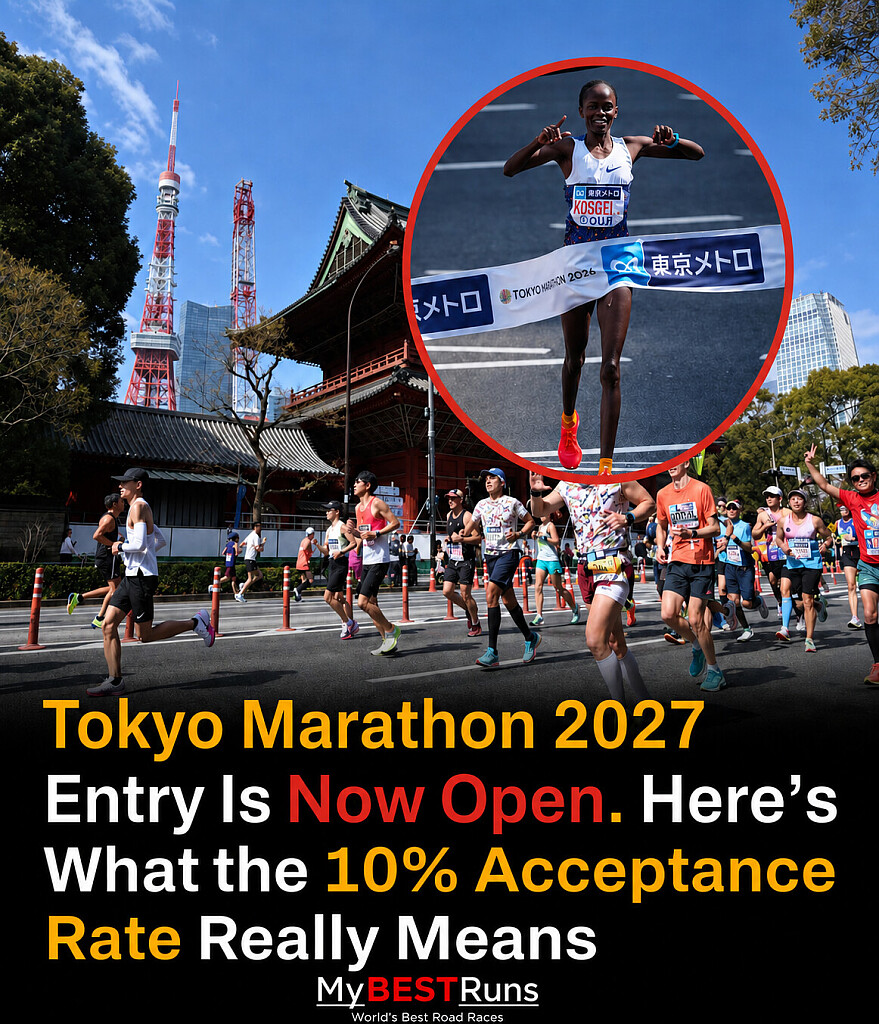
Tokyo Marathon 2027 Entry Is Open: Why Getting A Place Is The Real Race
For thousands of marathoners around the world, the Tokyo Marathon is a dream race. But while entering the lottery costs nothing, actually securing a place is another story altogether.
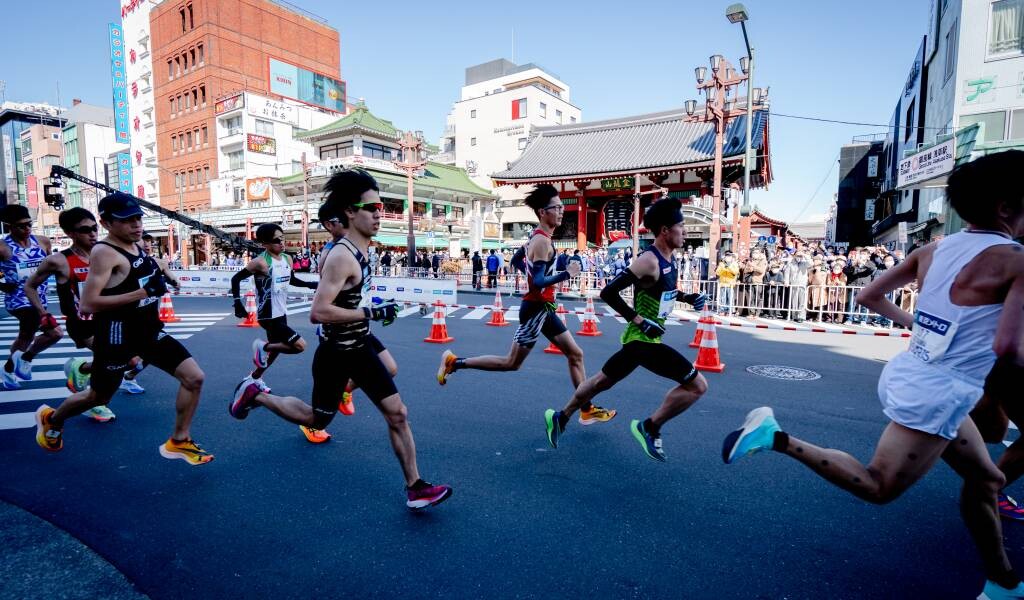
The general-entry window for the Tokyo Marathon 2027 opens today, Friday, August 14, and will remain open until 5 p.m. Japan Standard Time on August 28. The 20th-anniversary edition of the race will take place on Sunday, March 7, 2027, with a record 40,000 marathon places available.
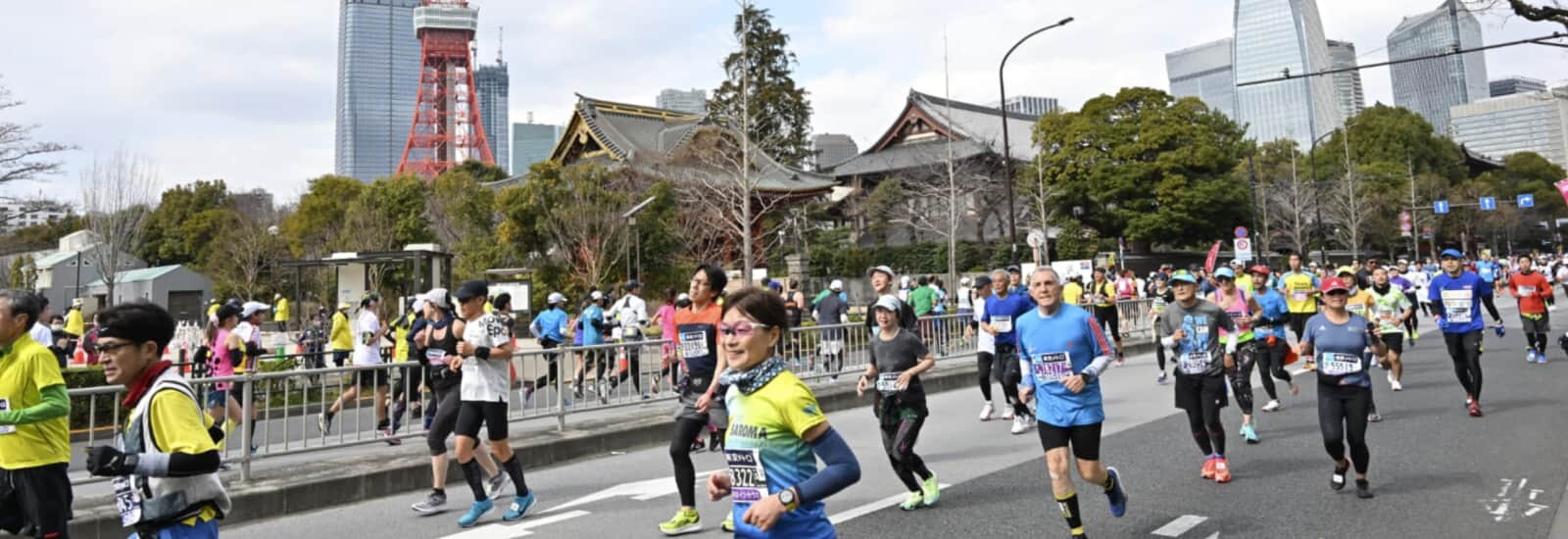
Applicants will learn their fate on September 18, with successful runners required to complete payment between September 18 and 5 p.m. on September 30. Those who fail to pay by the deadline will lose their places. The entry fee is ¥19,800 for runners living in Japan and US$230 for international entrants.
At first glance, Tokyo's famous lottery can look like a straightforward numbers game: hundreds of thousands of runners competing for roughly tens of thousands of places. But the reality is considerably more complicated.
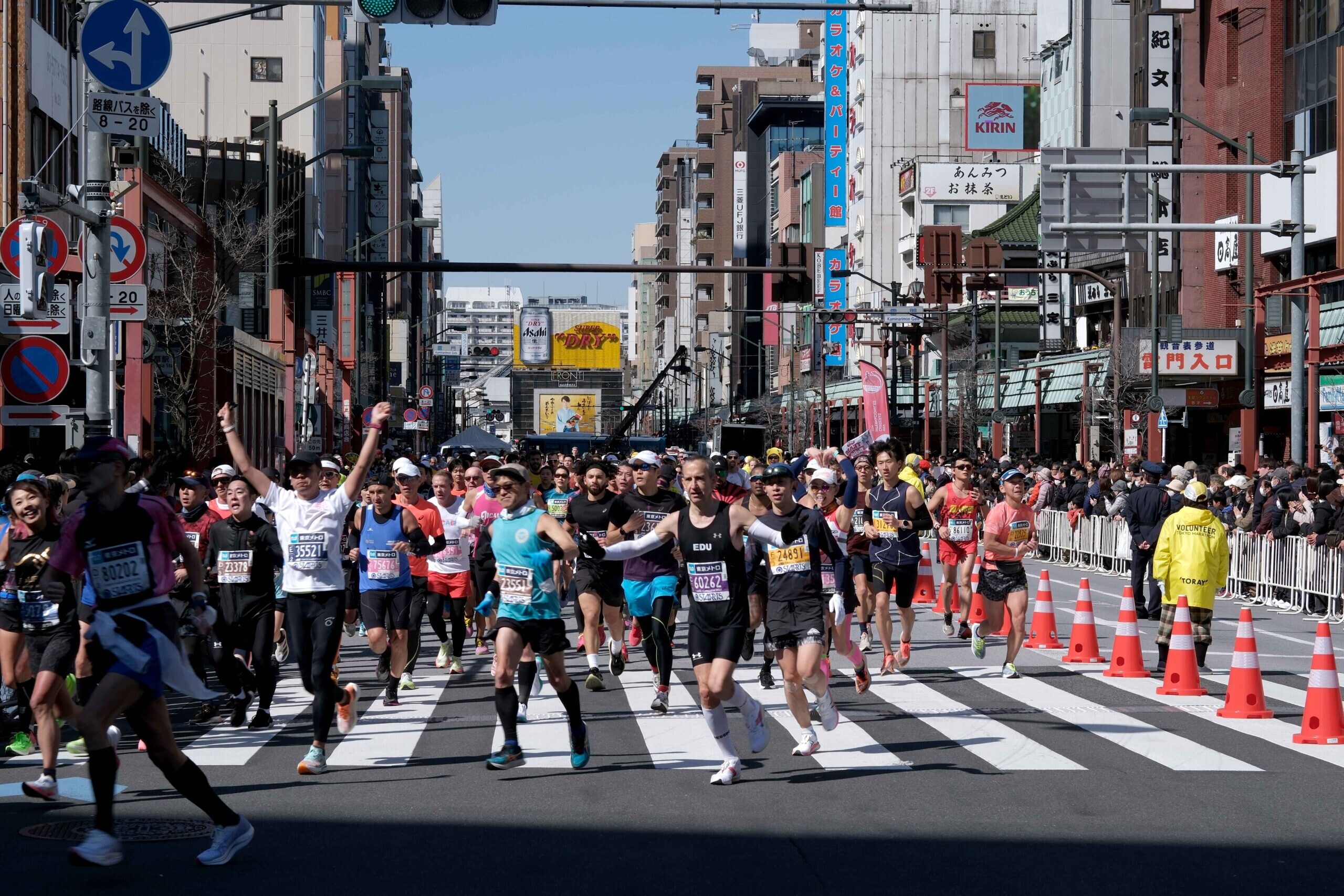
The headline figure of a roughly 10 percent acceptance rate should not be interpreted as meaning every applicant is competing equally for every one of the 40,000 places. The Tokyo Marathon divides its field among several entry routes before the remaining places reach the general lottery.
For 2027, 4,000 places are allocated to the ONE TOKYO three-consecutive-lottery-loss challenge, reserved for eligible ONE TOKYO members who entered the 2024, 2025 and 2026 editions and missed out in all three. Another 1,000 places are reserved for the Tokyo Resident Entry. The general draw also includes dedicated allocations of 500 places for people with disabilities, 15 wheelchair places and up to five Duo Teams.
That makes the phrase "one in 10" a useful shorthand, but not the whole story. For a first-time applicant, particularly one applying from overseas, the effective odds can be much tougher because several places have already been allocated through other categories.
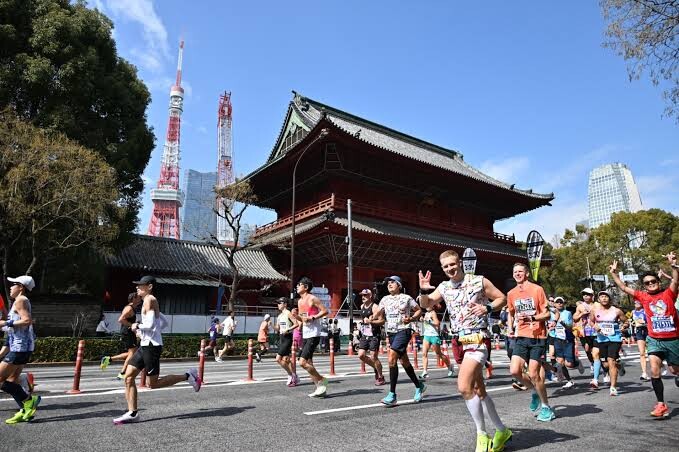
There is also an important requirement for faster runners.
Anyone declaring an expected finishing time of 3:00:00 or faster must provide official evidence of having achieved either a marathon in 3:00:00 or faster or a half marathon in 1:25:00 or faster at an event held between July 1, 2024 and June 30, 2026. Results recorded only by a GPS watch or running application do not qualify. Official certificates or records are required.
Tokyo's remarkable rise makes today's lottery particularly striking.
When the inaugural Tokyo Marathon was held in 2007, the race attracted 95,044 total applicants, including 77,521 for the marathon, with 25,000 marathon places available. The race has since evolved into one of the world's most sought-after major marathons and became an Abbott World Marathon Majors event in 2013.
The demand has grown dramatically over the years. By the 2010 and 2011 editions, total applications had already climbed beyond 300,000, demonstrating how quickly Tokyo became one of the hardest city marathons in the world to enter.
Now, two decades after that first race, Tokyo is preparing for its 20th anniversary edition with the biggest marathon field in the event's history. The capacity has been increased from 39,000 to 40,000 runners, giving more athletes a chance to experience one of the most iconic courses in global road running.
But increased capacity does not necessarily mean an easy ticket.
For many runners, Tokyo is more than another marathon. It is the Asian representative in the Abbott World Marathon Majors and one of the six races required to complete the coveted Six Star journey. That status, combined with Tokyo's reputation for exceptional organisation, a fast course and an unforgettable passage through the heart of the Japanese capital, keeps demand extraordinarily high.
And for those who miss the general lottery, the dream does not necessarily end there. Tokyo offers alternative pathways, including charity entries and official entry programmes, although these routes come with their own requirements and, in some cases, additional financial commitments.
For everyone entering the general lottery this month, however, the immediate challenge is simple: submit the application, wait for the draw and hope your name appears when the results are released on September 18.
The Tokyo Marathon may offer 40,000 runners the opportunity to line up in 2027.
Getting one of those places remains the real race.
Entry window: August 14–28, 2026
Lottery results: September 18, 2026
Payment deadline: September 30, 2026
Race day: March 7, 2027
Field size: 40,000
Domestic entry fee: ¥19,800
International entry fee: US$230
by Erick Cheruiyot for My Best Runs.
Login to leave a comment

Tokyo Marathon
The Tokyo Marathon is a world-renowned annual marathon held in Tokyo, Japan. As one of the prestigious Abbott World Marathon Majors, it attracts elite and amateur runners from around the globe. The race holds World Athletics Platinum Label status, recognizing its high competitive standards, top-tier organization, and international appeal. Sponsored by Tokyo Metro, the Tokyo Marathon has grown into one...
more...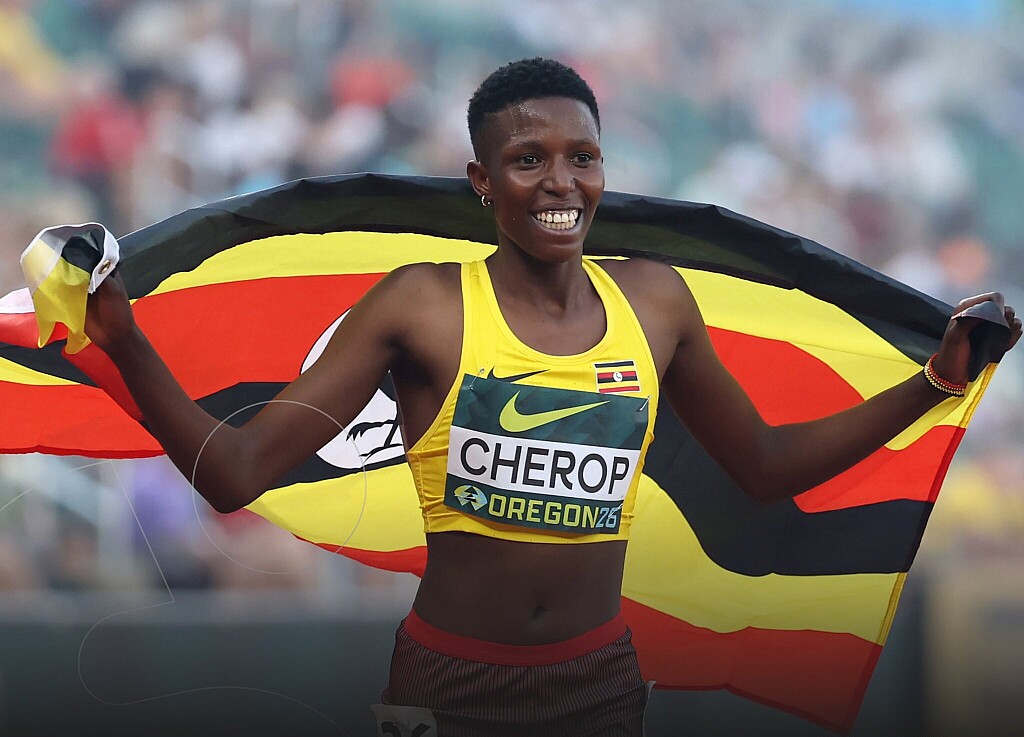
From Silver to Gold: Charity Cherop Storms to World U20 5000m Crown with Tactical Masterclass
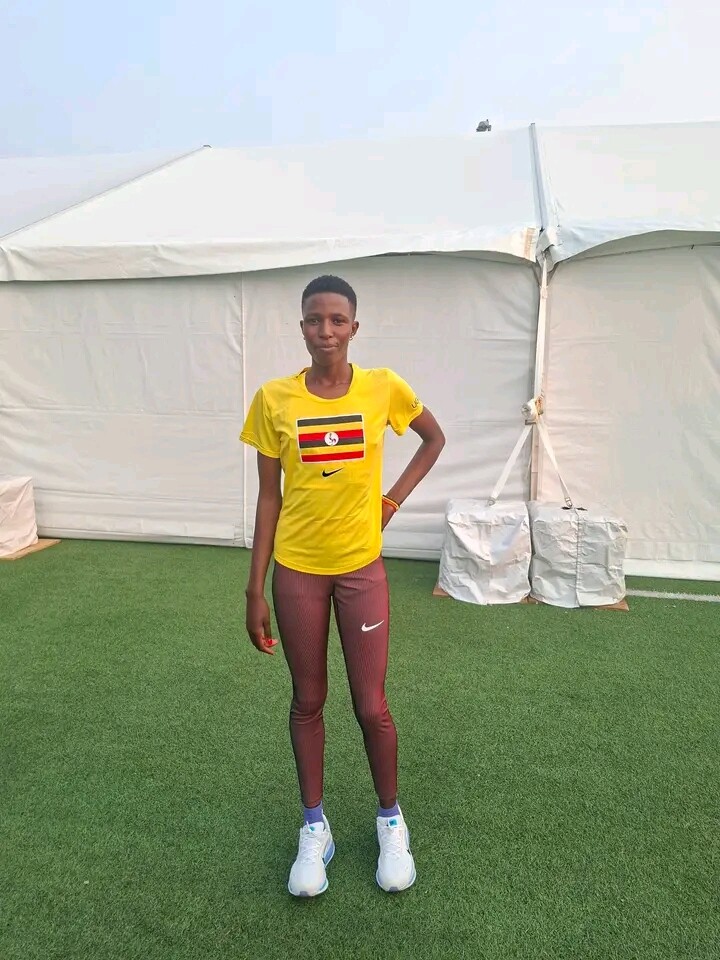
Uganda's 19-year-old long-distance sensation Charity Cherop delivered the performance of her young career, producing a championship masterclass to capture the women's 5000m title at the 2026 World Athletics U20 Championships at Hayward Field in Eugene, Oregon.
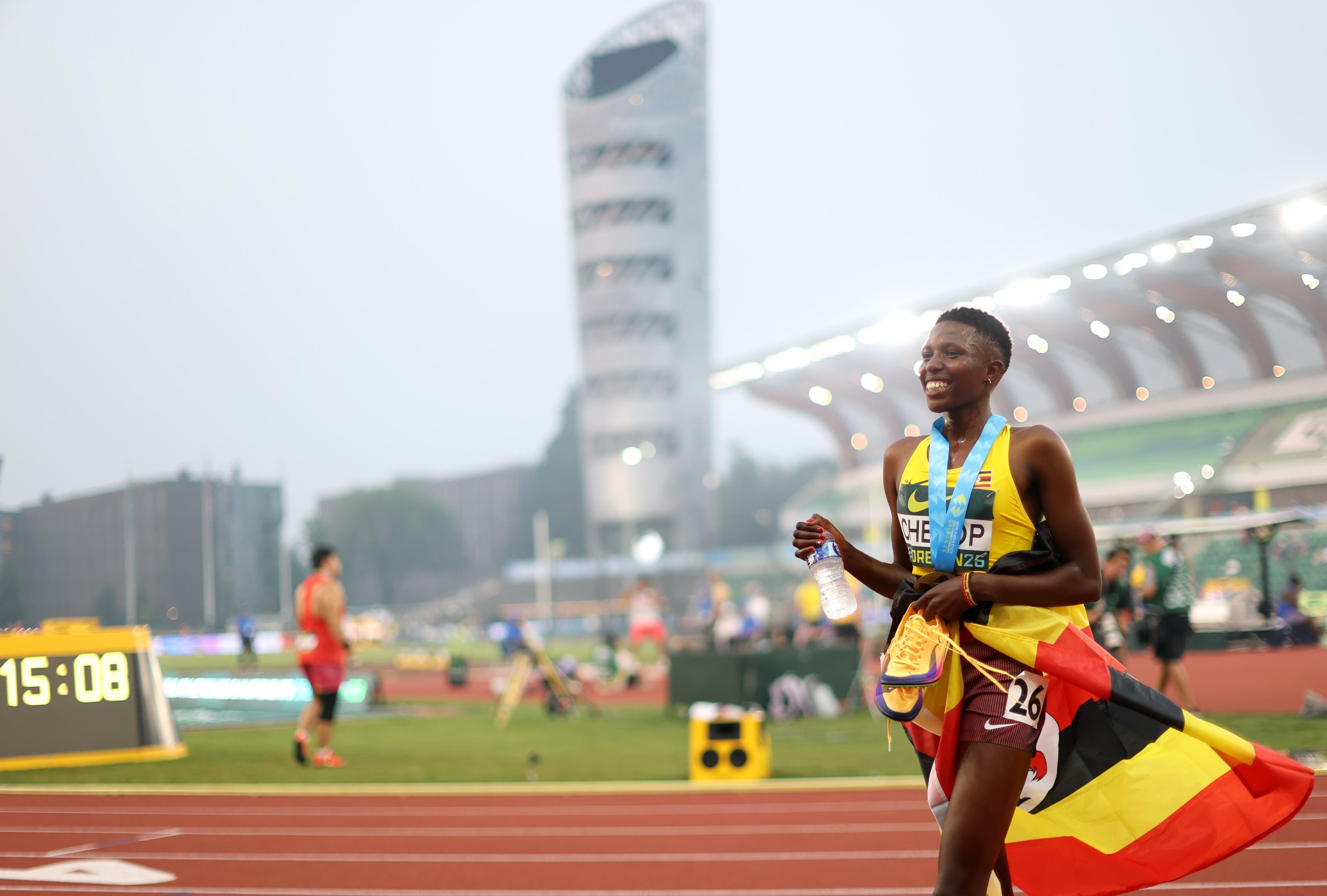
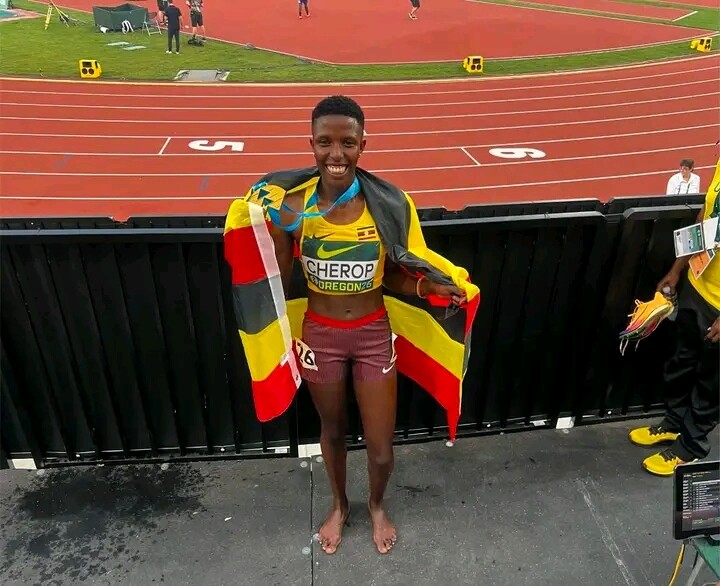
Born on July 4, 2007, Cherop executed a tactically brilliant race, remaining patient throughout the early stages before unleashing a devastating surge over the final kilometre. Her perfectly timed move proved decisive as she crossed the finish line in 15:03.88, becoming the new World U20 champion.
The victory was more than just a world title—it completed a remarkable journey from silver to gold. After finishing runner-up at the previous World Athletics U20 Championships in Lima, Cherop returned to the global stage stronger and more determined, upgrading her silver medal to gold and confirming herself as one of the brightest young stars in international distance running.
Behind the Ugandan star, Ethiopia's Shito Gumi fought bravely to secure the silver medal in 15:07.91, while Kenya's Joyline Chepkemoi delivered an outstanding performance to claim bronze in 15:09.08, setting a new personal best in the process. The battle for the podium remained fiercely contested until the closing stages, with every medal decided through courage, tactical awareness, and a powerful finishing kick.
Kenya narrowly missed placing two athletes on the podium as Cynthia Chepkirui finished a strong fourth in 15:14.86, while Sweden's Carmen Cernjul rounded out the top five in 15:22.18.
Ethiopia's Emebet Tilahun placed sixth in 15:32.51, followed by Japan's Yui Onotora in seventh with 15:37.33. Uganda celebrated another top-10 finish through Bentalin Yeko, who finished eighth in 15:48.35, underlining the nation's impressive depth in women's distance running.
Germany's Julia Ehrle claimed ninth in 16:09.53, with France's Lamia Mourabit completing the top ten in 16:10.80.
Further down the field, Portugal's Carolina Correia impressed with an 11th-place finish in a personal best 16:11.47, while Norway's Venus Teffera also celebrated a lifetime best of 16:12.07 in 12th. Germany's Gloria Herold added another personal best, clocking 16:13.75 for 15th place.
France's Laly Porentru, Japan's Ayami Yoshida, the Netherlands' Rosalie Ten Bruggencate, Italy's Sofia Ferrari and Mimosa Miari Fulcis, Spain's Fatima Hernandez, Switzerland's Anina Hirzel, Great Britain's Eliza Nicholson, Canada's Airlie Downie-Back and Athena Andrecyk, Mexico's Kenya Cuahutle, and Australia's Libby Mantay and Imogen Baker all battled courageously to the finish, highlighting the exceptional depth and global talent assembled for the championship final.
The only athlete unable to start the race was the United States' Emily Wisniewski, who was listed as DNS.
The women's 5000m final showcased the very best of championship distance running—patience, tactical intelligence, and a thrilling finish. On the biggest stage of her junior career, Charity Cherop produced a race worthy of a world champion, transforming silver in Lima into gold in Eugene and writing another unforgettable chapter in Uganda's rich distance-running legacy.
by Erick Cheruiyot for My Best Runs.
Login to leave a comment

From Small Steps to a Giant Impact: Nine-Year-Old Oliver Smith's Inspiring Run for Hope
At just nine years old, Oliver Smith has achieved something extraordinary—not by chasing records or medals, but by proving that determination, compassion, and consistency can create a life-changing impact.
Hailing from Wombwell, on the outskirts of Barnsley, Oliver set himself a remarkable challenge at the beginning of the year. Rather than attempting a single marathon, he decided to complete the equivalent distance of nine marathons over several months. From January 1 to April 26, the young runner covered an incredible 380 kilometres, breaking the distance into manageable daily runs suitable for a child his age.

His routine was built on dedication. Saturdays were reserved for parkrun events, Sundays for junior parkrun, while the remaining kilometres were steadily accumulated throughout the week. Averaging approximately 3.3 kilometres each day, Oliver never lost sight of the goal that inspired every step.
The challenge carried deep personal meaning. Last summer, Oliver's father, Tom Smith, suffered a devastating health setback after losing most of the vision in one eye. Medical examinations revealed a 4-centimetre meningioma wrapped around his optic nerve, leading to a complex 12-hour operation at the Royal Hallamshire Hospital in Sheffield.
Throughout the family's difficult journey, The Brain Tumour Charity provided invaluable guidance, support, and reassurance. Grateful for the help his family received, Oliver decided he wanted to give back in the most meaningful way he could. He launched a fundraising campaign with an initial goal of raising £2,000 to support others facing similar challenges.
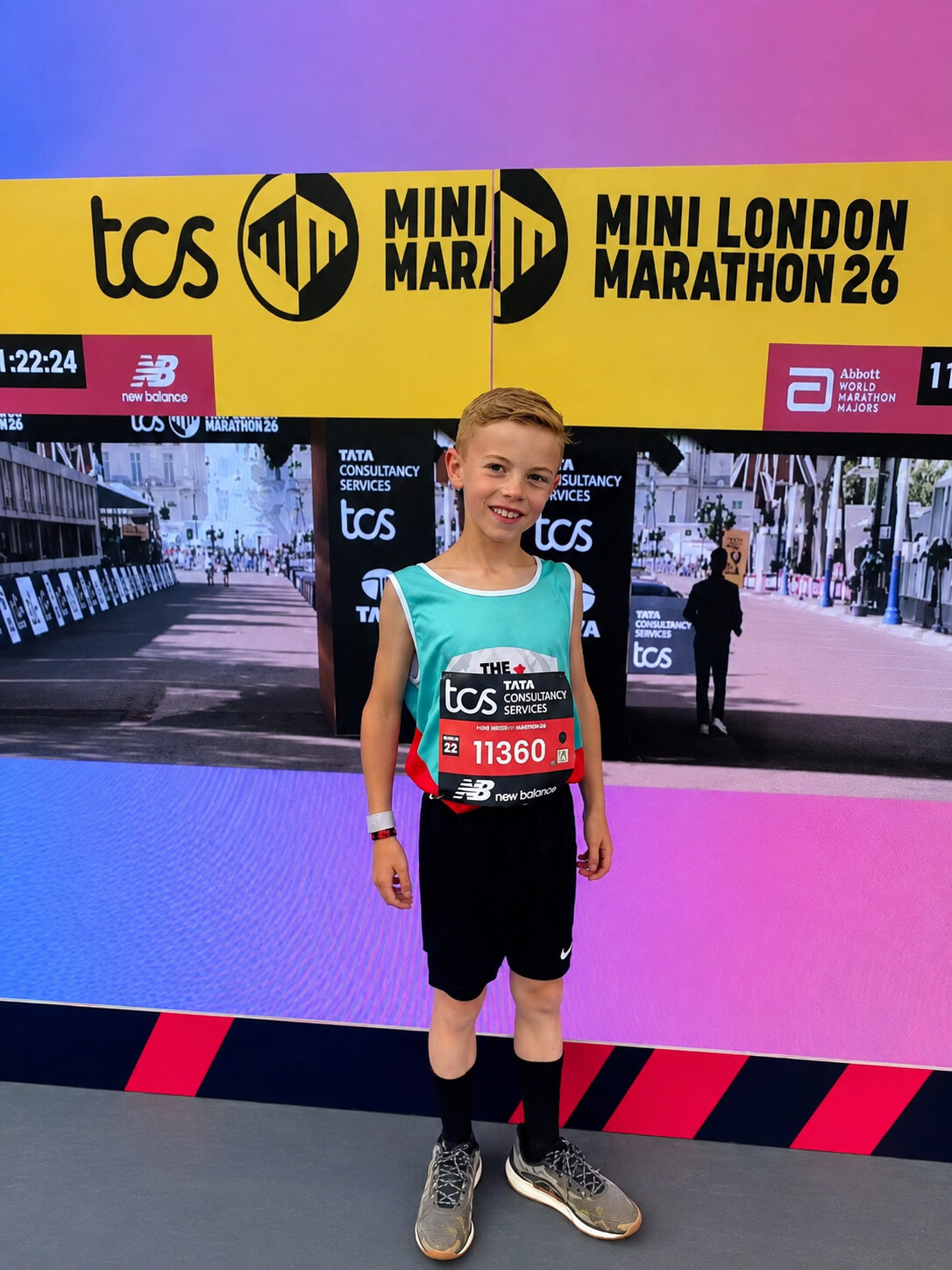
What followed exceeded everyone's expectations.
Oliver brought his incredible fundraising challenge to a memorable conclusion at the Mini London Marathon, finishing on the very same day his mother, Hannah Smith, completed her first-ever London Marathon. It was a fitting family celebration of courage, resilience, and perseverance.
By the time Oliver crossed the finish line, donations had soared beyond £16,500—more than eight times his original target. His remarkable achievement captured the hearts of supporters, demonstrating how one young boy's determination could unite an entire community behind an important cause.
For Oliver, however, the journey is far from over. Inspired by the overwhelming support and the difference his efforts have made, he has already begun working toward his next fundraising challenge.
His story serves as a powerful reminder that age is no barrier to making a meaningful difference. Sometimes, the greatest acts of courage are measured not by speed or distance, but by the willingness to take one small step after another for the benefit of others.
Oliver Smith's inspiring journey is more than a fundraising success—it is a testament to the strength of family, the power of kindness, and the extraordinary impact that can begin with the simplest decision to help.
by Erick Cheruiyot for My Best Runs.
Login to leave a comment
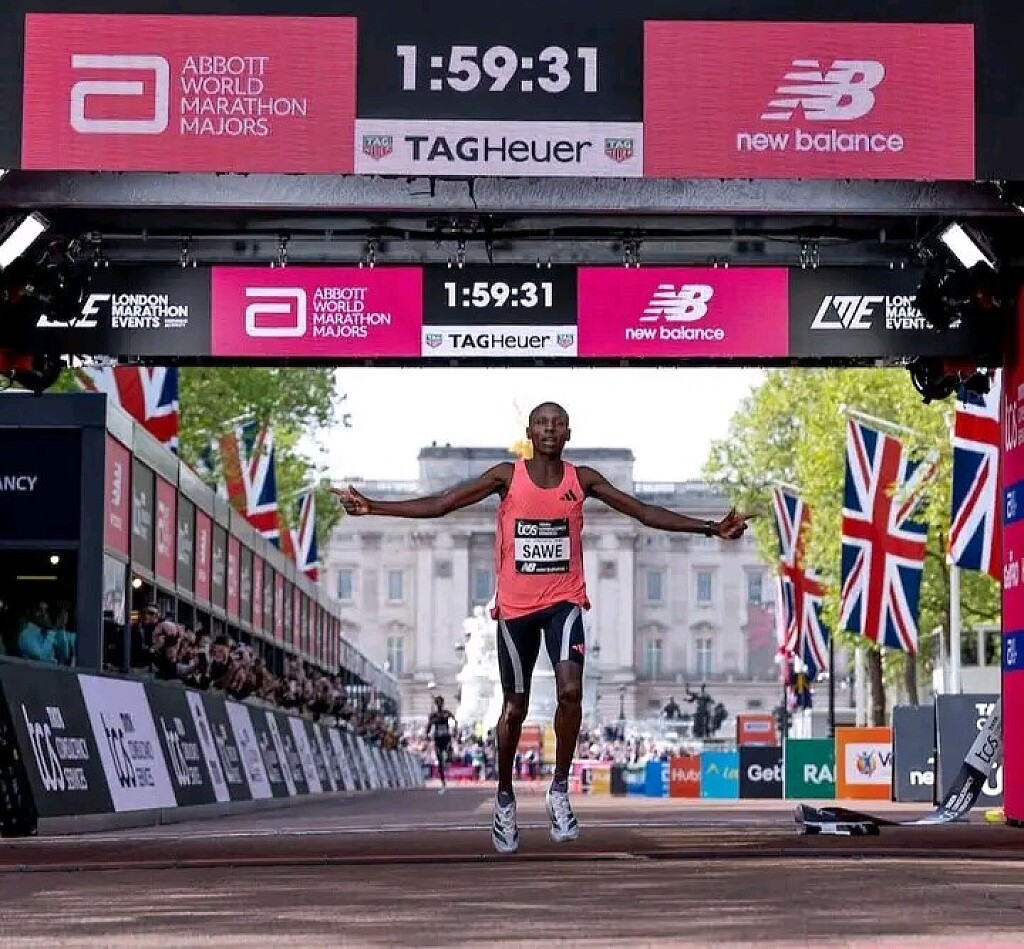
London Marathon Ballot Day Arrives as Record 1.33 Million Applicants Learn Their 2027 Fate
For more than 1.3 million hopeful runners around the world, the wait is finally over.
Today, 1,338,544 applicants are discovering whether they have secured a coveted place in the 2027 TCS London Marathon, as ballot result emails are sent out to every entrant. It marks one of the most eagerly anticipated days in the global running calendar, with this year's ballot rewriting the history books before a single runner has even crossed the start line.
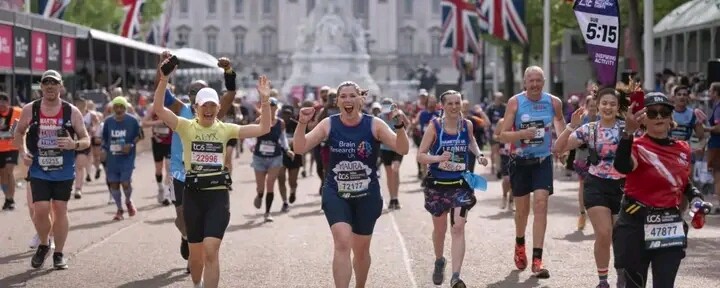
The unprecedented number of applications has set a new world record for marathon ballot entries, highlighting the ever-growing appeal of one of the world's most iconic road races. Despite organizers expanding the event to accommodate a record-breaking 100,000 participants, demand was still extraordinary, leaving the chances of success at approximately one in 13.
The 2027 edition will stand apart from every previous London Marathon. To celebrate the event on an unprecedented scale, organizers will stage the race across two days—Saturday, April 24, and Sunday, April 25, 2027—creating what has been named The Double. Around 45,000 runners will take to the streets on Saturday, while 55,000 will compete on Sunday, making it the largest marathon event ever staged.
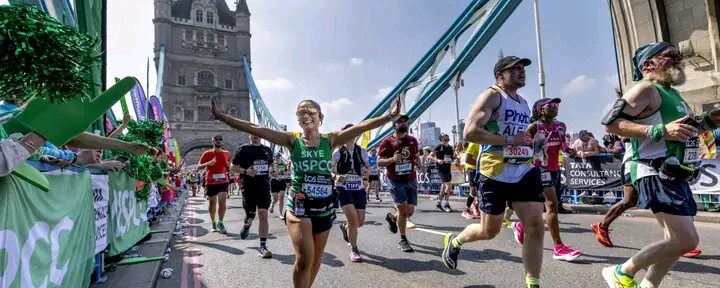
Unlike previous years, every ballot entrant was automatically considered for both race days. Successful applicants will therefore receive confirmation not only that they have earned a place but also which day they will run the famous 26.2-mile route from Greenwich to Westminster.
London Marathon Events Chief Executive Hugh Brasher described the occasion as a landmark moment for the sport.
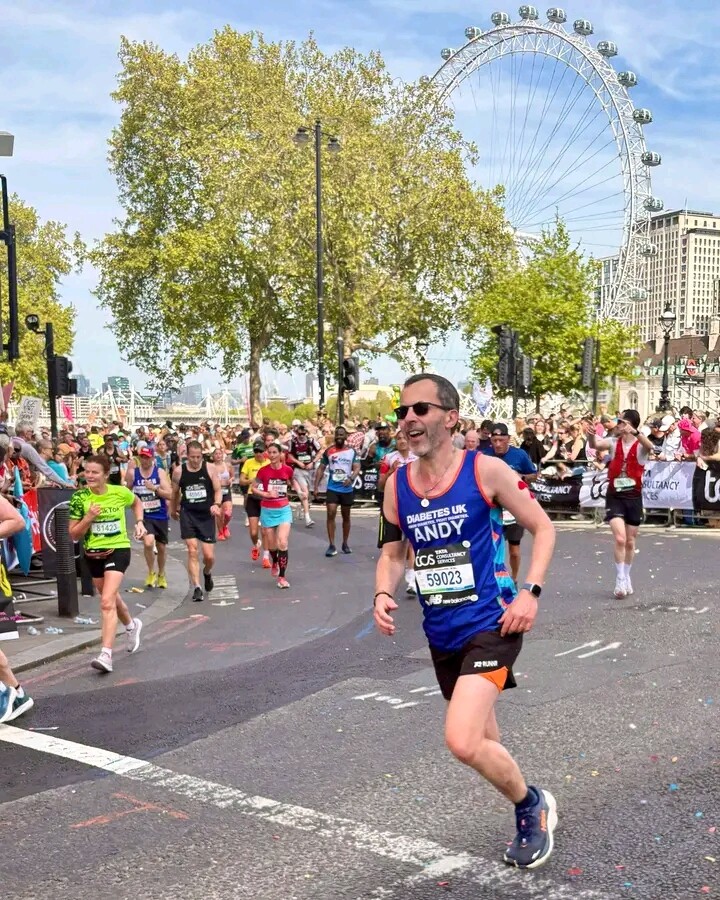
"The 2027 Double TCS London Marathon will be a weekend of celebration like no other in history. This is a once-in-a-lifetime opportunity for 100,000 people to take part across the two days," Brasher said.
While many runners will be celebrating today's life-changing email, over a million others will inevitably miss out through the ballot. However, the draw is far from the only route into the race.
Charity entries remain available, and for this unique 2027 edition, selected charities will also offer places on the Saturday race. The National Autistic Society has been named the event's official Charity of the Year. Additional opportunities are available through Good for Age qualification, affiliated running clubs, and the MyWay virtual marathon, allowing participants to complete the marathon distance anywhere in the world during the same weekend.
Another major announcement is still to come. Organizers have yet to reveal whether the elite men's and women's races, along with the Championship and Good for Age fields, will be staged on Saturday or Sunday. The decision is expected to attract significant attention following this year's historic London Marathon, which witnessed the first officially ratified sub-two-hour marathon performance, further elevating the race's global prestige.
For the fortunate 100,000 receiving positive news today, however, those details can wait. Their focus now shifts from anticipation to preparation as they begin the journey toward becoming part of one of the most historic marathon weekends the sport has ever seen.
The countdown to the 2027 TCS London Marathon has officially begun, and for those holding a successful ballot email, history awaits on the streets of London.
by Erick Cheruiyot for My Best Runs.
Login to leave a comment
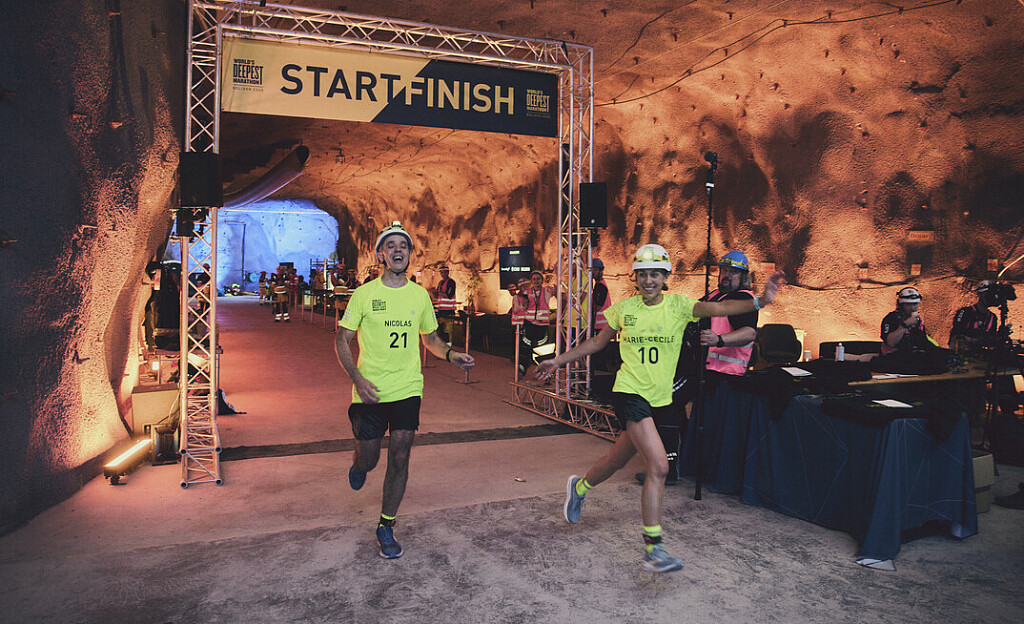
Beneath the Surface: The World's Deepest Marathon Proved the Greatest Triumph Isn't Measured by Time
There were no roaring crowds. No finish-line fanfare. No sweeping landscapes to admire. Not even daylight.
Instead, fifty-five runners descended 1,120 metres below sea level—an astonishing 1,312 metres underground—into Boliden's Garpenberg zinc mine in Sweden to take part in the World's Deepest Marathon, a race unlike any other in history. Staged on October 25, 2025, the remarkable event brought together participants from 18 countries, pushing the boundaries of endurance while rewriting the record books.
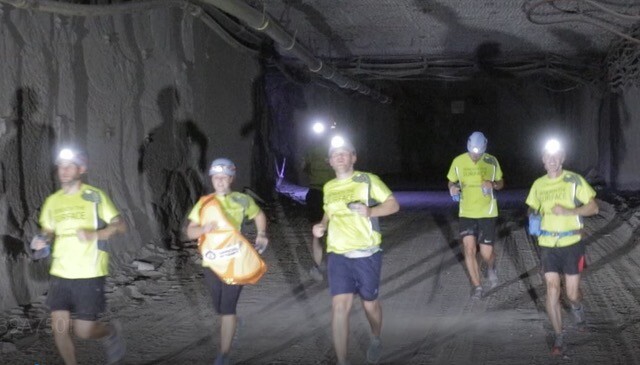
Far removed from the spectacle of traditional marathons, the race unfolded deep within a working mine, where darkness, isolation, and unforgiving conditions replaced the usual excitement of city streets.
The course itself was as extraordinary as the venue. Runners tackled a certified 3.84-kilometre underground tunnel, completing 11 laps to cover the official marathon distance of 42.195 kilometres. Every step was taken in an environment unlike any other, where athletes navigated the pitch-black tunnels wearing helmets and headlamps, relying entirely on artificial light to guide their way.
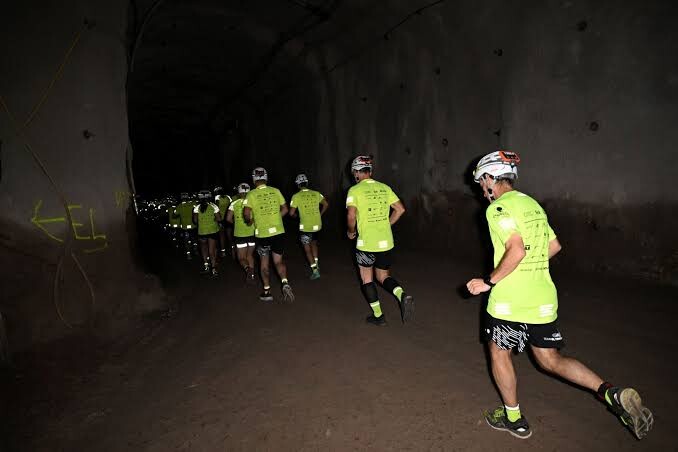
Conditions underground were relentless. Temperatures hovered around 30°C, humidity remained high, and the stillness of the mine created an eerie silence broken only by the sound of footsteps echoing through the tunnels. Dust-filled air and the absence of natural light added another layer of physical and mental challenge, making every kilometre a test of resilience.
The field itself reflected the race's unique spirit. Mining executives, first-time marathoners, and accomplished ultrarunners stood shoulder to shoulder at the start line, united by a shared determination to embrace one of the world's most unconventional endurance challenges.
Remarkably, all 55 runners completed the marathon. The fastest crossed the line in just over three hours, while the final finisher arrived approximately seven hours after the race began. Yet, despite the impressive performances, the event's defining moment had nothing to do with finishing times or records.
Late in the race, one exhausted runner struggled through her final lap, fighting fatigue with every stride. Three athletes who had already completed the marathon noticed her battle. Rather than celebrating their own accomplishments, they turned back into the tunnel and ran the final lap alongside her, offering encouragement until she reached the finish.
They had already finished once.
They chose to finish again.
It was a simple act of selflessness, performed where there were no spectators to applaud and no cameras waiting to capture the moment. Deep underground, where recognition mattered least, the true spirit of distance running shone brightest.
The event also left a lasting legacy beyond personal achievement. The World's Deepest Marathon earned two official Guinness World Records—Deepest Marathon (Individual) and Deepest Underground Marathon Distance Run (Team)—while raising more than US$1 million for charity, proving that the race delivered an impact far beyond the mine itself.
In the end, the world's deepest marathon was about far more than setting records or conquering one of the planet's most unusual race courses. It became a powerful reminder that the greatest victories in sport are often the quietest—found not in medals or headlines, but in the willingness to turn back, lift someone else, and cross the finish line together.
Sometimes, the brightest light in sport shines from the deepest places on Earth.
by Erick Cheruiyot for My Best Runs.
Login to leave a comment
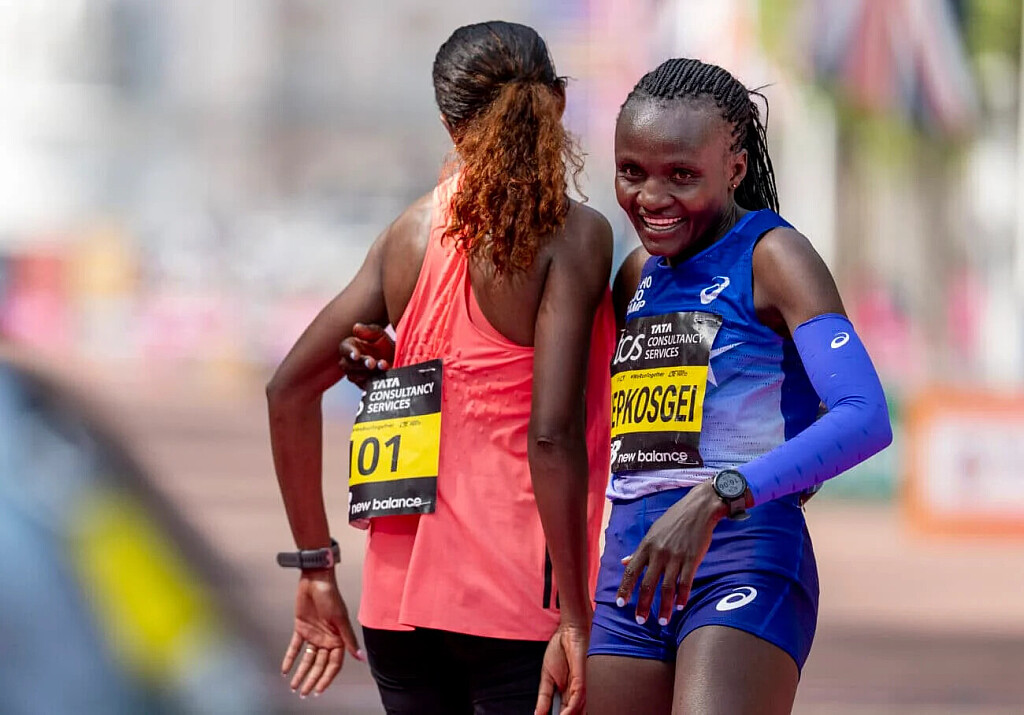
London Marathon Set for Historic Expansion as 100,000 Runners Take Part in Landmark Two-Day Event
The TCS London Marathon is preparing to enter a new era after organisers confirmed that the iconic race will be staged across two consecutive days in 2027, marking the first time in its 46-year history that the event will adopt such a format.
The unprecedented move will allow up to 100,000 participants to take part, making it one of the largest marathon celebrations ever held and potentially the biggest charity fundraising event in British history.
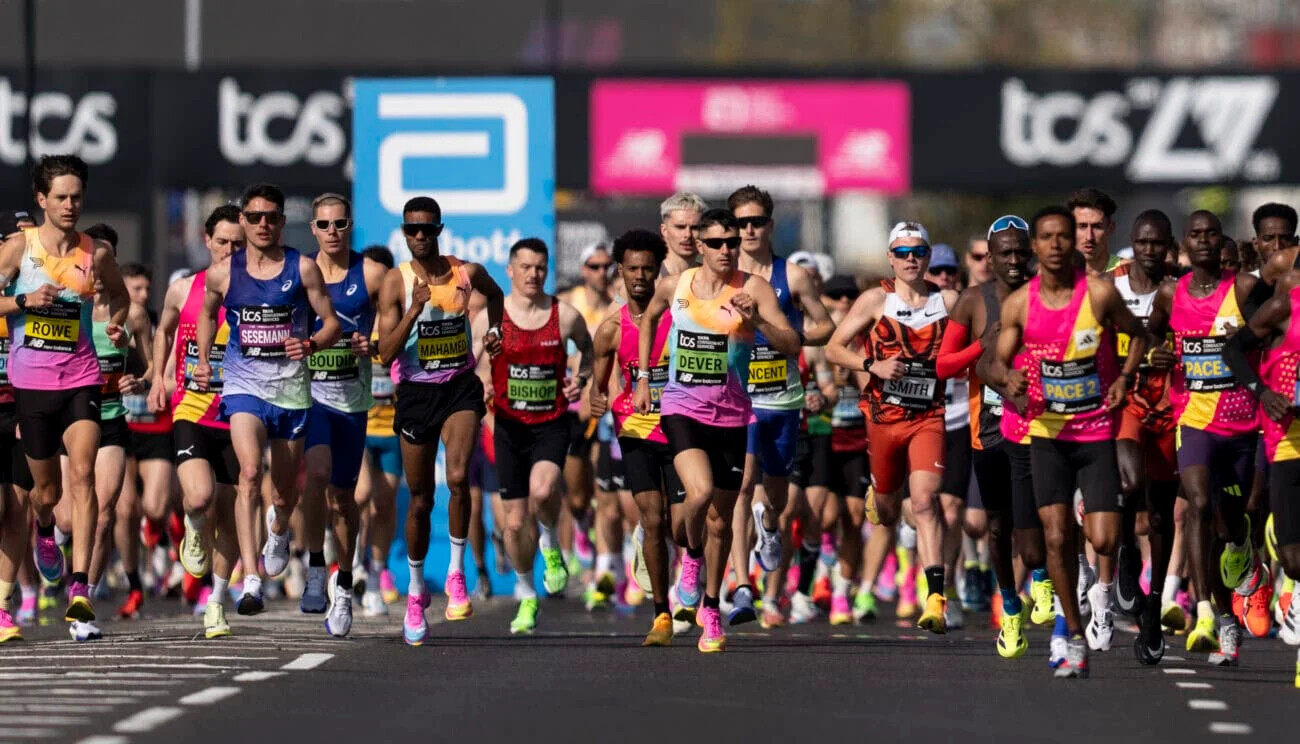
Race organisers say the decision comes in response to overwhelming demand from runners around the world. In recent years, applications for the London Marathon have reached record-breaking levels, with hundreds of thousands of hopeful participants competing for a place on the start line. The expanded format is designed to give more people the opportunity to experience one of the world's most prestigious road races while further strengthening its remarkable charitable impact.
Since its inception in 1981, the London Marathon has grown from a major sporting event into a national institution renowned for its unique blend of elite competition, community participation, and fundraising. The race has generated billions of pounds for charitable causes over the decades, with runners consistently using the event as a platform to support organizations close to their hearts.
Organisers believe the two-day format could unlock an unprecedented wave of fundraising, with projections suggesting the event could raise more than £150 million for charity. If achieved, the figure would establish a new benchmark for mass-participation fundraising events in the United Kingdom.
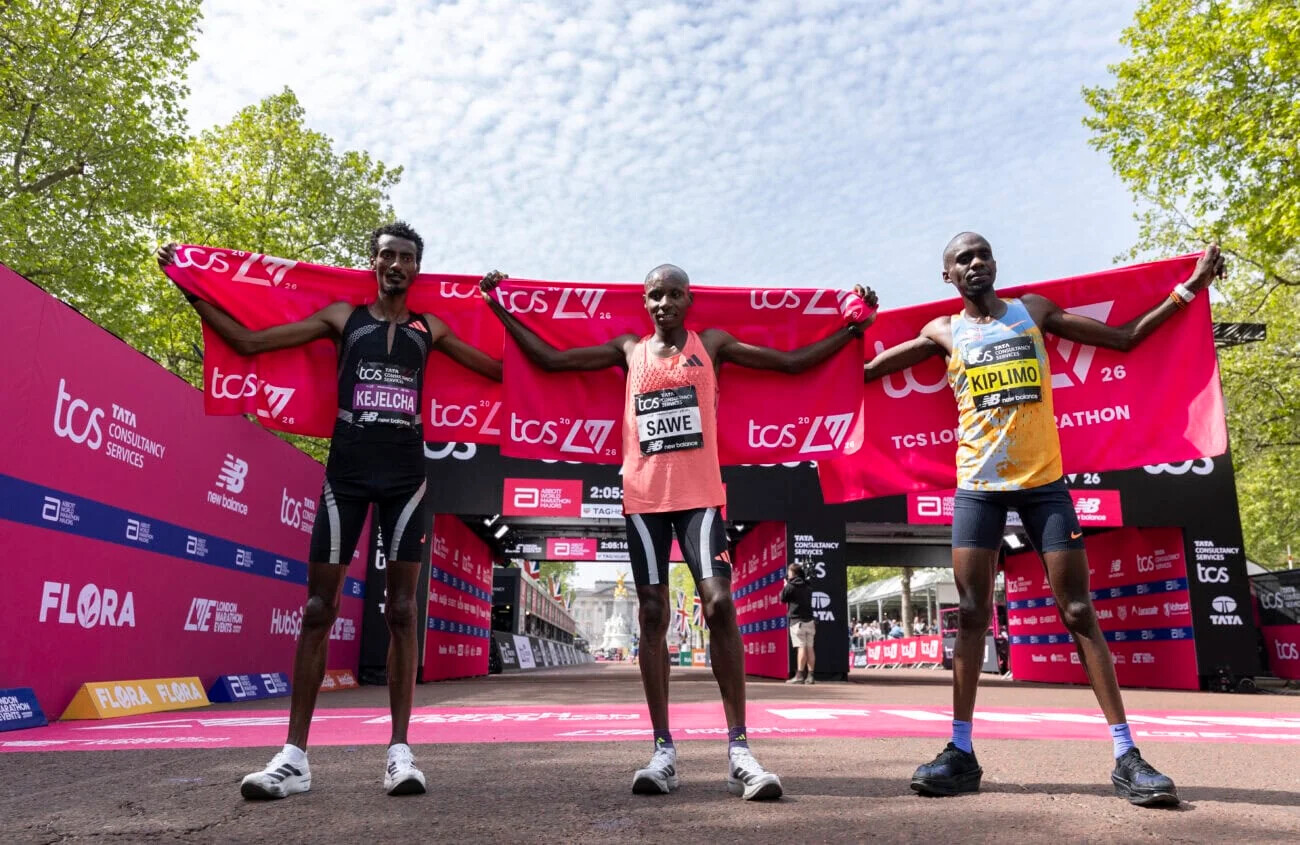
The expanded race weekend is also expected to deliver significant economic benefits for London, attracting tens of thousands of additional visitors, supporters, and international participants. Hotels, restaurants, and local businesses are likely to see a major boost as the capital hosts what promises to be one of the largest running gatherings ever assembled.
While details regarding how elite races and mass-participation fields will be divided across the two days are yet to be fully outlined, the announcement has already generated excitement throughout the global running community.
For marathon enthusiasts, charity fundraisers, and first-time runners alike, 2027 promises to be a historic chapter in the London Marathon's story—a bold expansion of an event that continues to redefine what is possible in distance running while inspiring millions around the world.
With 100,000 runners expected on the streets of London, the 2027 edition is set to become more than a marathon; it will be a landmark celebration of endurance, community, and charitable giving on a scale never seen before.
by Erick Cheruiyot for My Best Runs.
Login to leave a comment
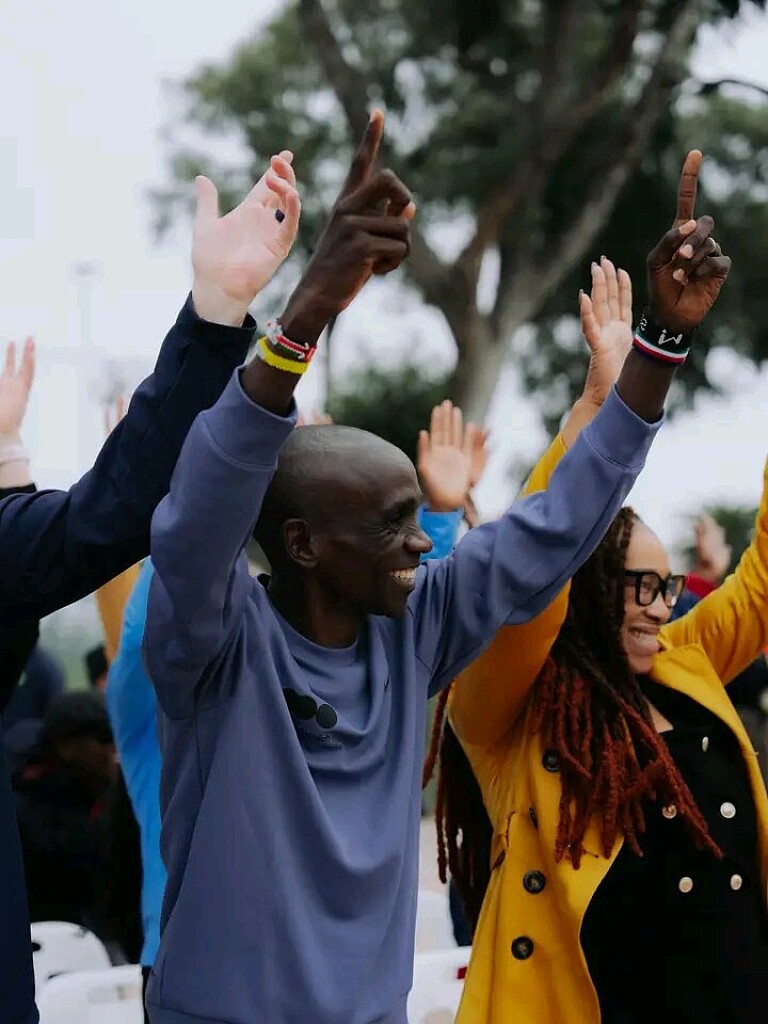
Eliud Kipchoge’s Legacy Beyond Running: Foundation Raises Over KSh 3.6 Million for Education and Environmental Projects
Eliud Kipchoge has spent years redefining what is possible on the roads of the world. From Olympic triumphs to historic marathon performances, the Kenyan icon has built a reputation as one of the greatest athletes of all time. Yet, his latest achievement has nothing to do with finish lines, records, or medals.
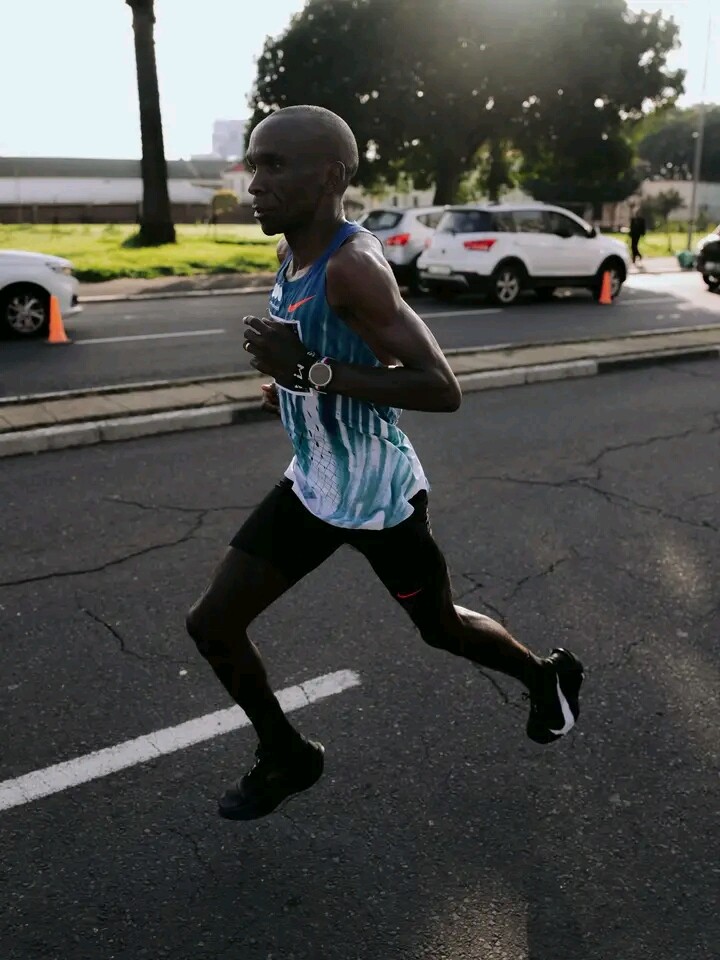
During the Cape Town Marathon weekend in South Africa, the Eliud Kipchoge Foundation successfully raised €24,591 (approximately KSh 3.68 million), with every shilling destined to support education and environmental initiatives across Africa.

The fundraising campaign attracted remarkable support from fans, partners, and well-wishers around the world. Contributions came through direct donations as well as a special charity auction featuring personal items associated with Kipchoge, highlighting the immense admiration and respect he continues to command both within and beyond the athletics community.
Expressing his gratitude, Kipchoge acknowledged the overwhelming generosity shown during the campaign.

"We are blown away by the generosity from all of you who have donated through our website or bid on Eliud’s items through the auction. All proceeds will support education and environment projects in Africa and beyond. We can’t wait to show you how your contributions positively impact the lives of others. Asante sana."
The funds will help advance the foundation’s mission of creating opportunities through education while promoting environmental sustainability—two causes Kipchoge has consistently championed throughout his career.
For many athletes, success is measured by trophies and records. For Kipchoge, however, true greatness extends far beyond personal accomplishments. His commitment to empowering communities and investing in future generations reflects a vision that reaches well beyond sport.
The Cape Town fundraising success serves as another reminder that Kipchoge’s influence is not confined to marathon courses. While millions admire him for his extraordinary performances, countless others are now benefiting from his determination to create lasting positive change.
From inspiring the world with his running to transforming lives through meaningful action, Eliud Kipchoge continues to embody the philosophy that has defined his journey for years: no human is limited.
And as this latest initiative demonstrates, the impact of his legacy may ultimately stretch far beyond the finish line.
by Erick Cheruiyot for My Best Runs.
Login to leave a comment
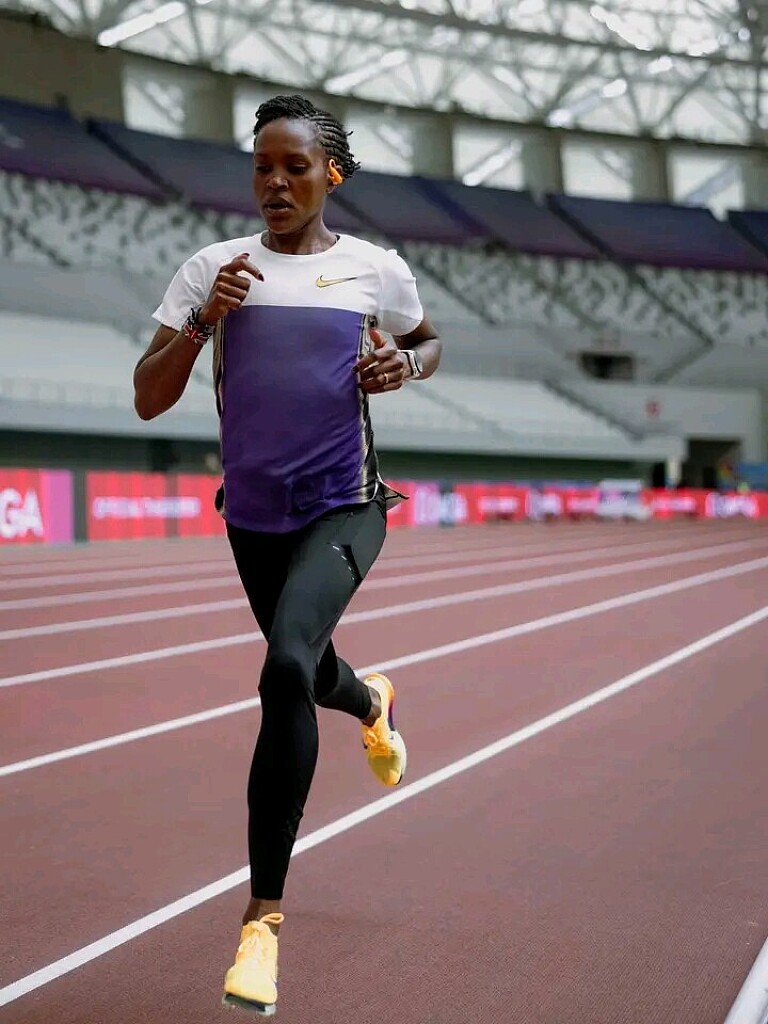
Shanghai Set for Fireworks as Faith Kipyegon Headlines Blockbuster Women’s 5000m Clash
The spotlight will shine brightly on Shanghai this Saturday as some of the world’s finest distance runners prepare for a captivating women’s 5000m showdown at the Diamond League meeting in China.
All eyes will be on Kenyan superstar Faith Kipyegon, who returns to the track leading a powerful international field packed with proven championship performers and rising talents eager to challenge the Olympic legend.
Scheduled for May 16, 2026, the race promises high drama, relentless pace and a fierce battle from the opening laps. Kipyegon, celebrated globally for rewriting the limits of women’s middle-distance running, now steps into another major test against a deep Ethiopian contingent and several dangerous challengers from across the world.
Ethiopia arrives heavily armed with athletes capable of turning the race into a tactical masterpiece or a blistering fast contest. Names such as Hawi Abera, Marta Alemayo, Medina Eisa, Hirut Meshesha and Alemnesh Tilaye add serious depth to the field, underlining the nation’s continued dominance in long-distance running.
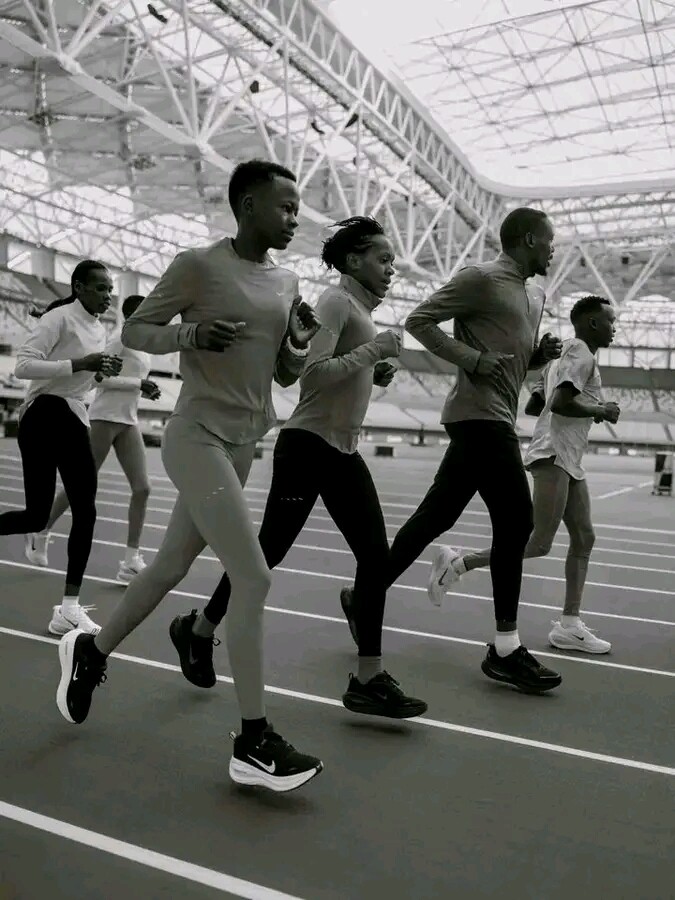
Kenya will also look to make a strong statement through Margaret Akidor, Maurine Jepkoech Chebor and Caroline Nyaga, while Uganda’s Charity Cherop carries East African hopes into what is expected to be one of the most competitive women’s 5000m races of the season.
The global flavor of the event is further strengthened by the presence of Britain’s Melissa Courtney-Bryant and Australian duo Rose Davies and Maudie Skyring, athletes known for thriving in fast-paced championship environments.
With Shanghai’s electric atmosphere expected to fuel the occasion, fans could witness a tactical chess match evolve into a breathtaking late-race sprint. Every lap is likely to matter as the athletes position themselves for supremacy in one of the Diamond League calendar’s most anticipated distance races.
For Kipyegon, the race represents another opportunity to reaffirm her dominance on the world stage. For her rivals, it is a chance to challenge one of athletics’ greatest modern icons under the bright lights of Shanghai.
One thing is certain — Saturday’s women’s 5000m promises speed, intensity and world-class drama from start to finish.
by Erick Cheruiyot for My Best Runs.
Login to leave a comment
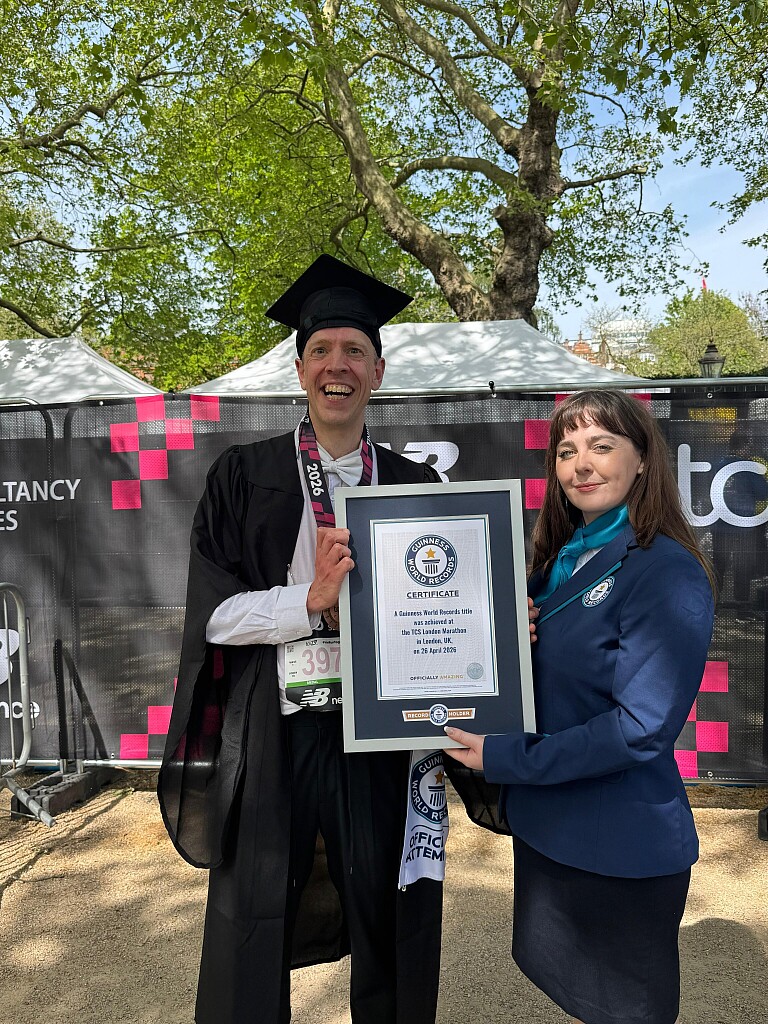
Scholar on the Run: How Alexander Betts Turned the London Marathon into a Record-Breaking Mission
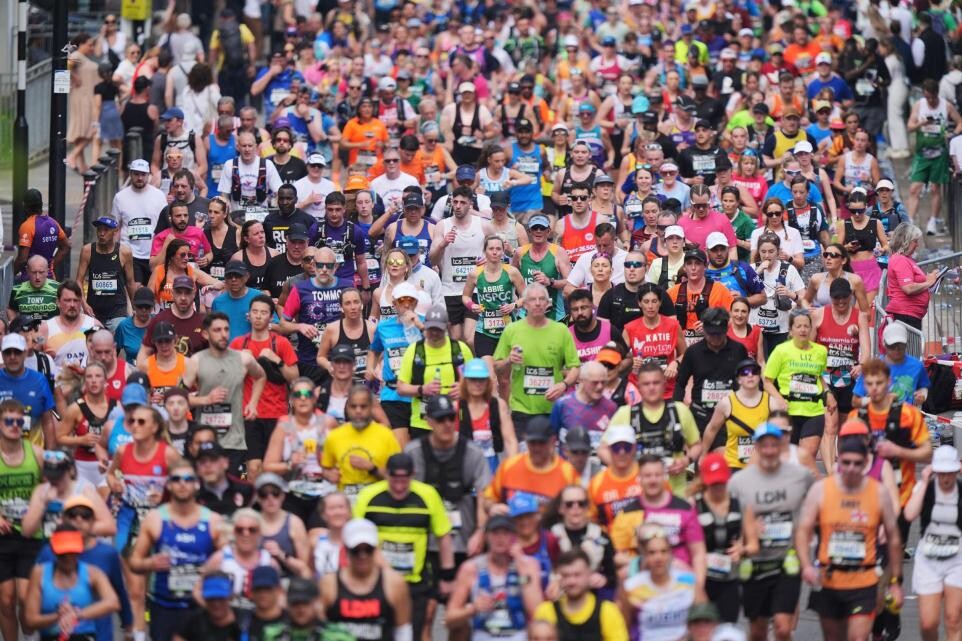
At the 2026 London Marathon 2026, spectators witnessed a performance that went far beyond athletic excellence — it was a fusion of intellect, endurance, and purpose. Among the thousands of runners was Alexander Betts, a respected professor at University of Oxford, who lined up for his 23rd marathon with an ambition as bold as it was unconventional.
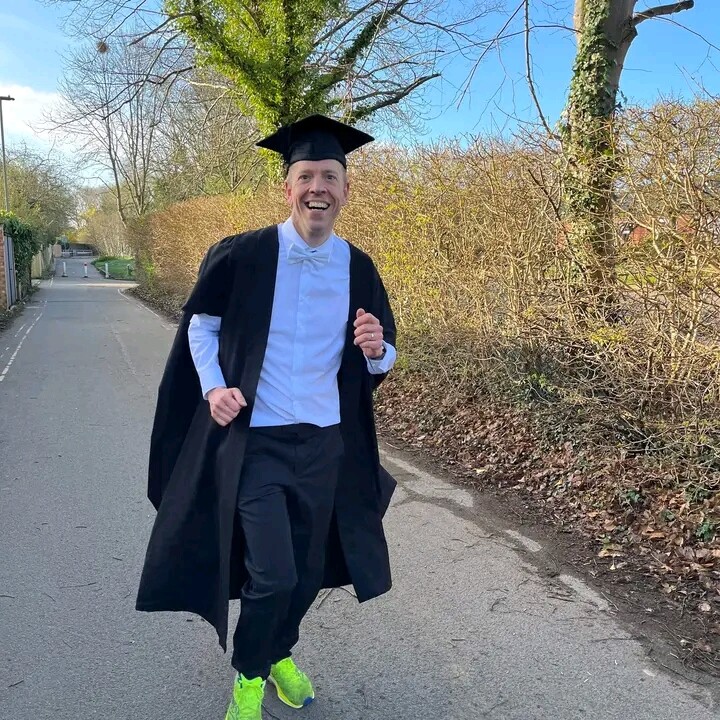
Unlike the typical elite athlete, Betts chose to take on the 42.195-kilometre challenge dressed not in lightweight racing gear, but in full academic regalia — a flowing gown, white bow tie, and mortarboard. His goal was clear: to break the Guinness World Record for the fastest marathon run in academic dress, a mark that previously stood at 3 hours and 31 minutes, set at the Berlin Marathon the year before.
What unfolded on the streets of London was nothing short of extraordinary. Battling heat, discomfort, and the constant struggle to keep his mortarboard in place, Betts pushed forward with determination and composure. He crossed the finish line in an astonishing 2 hours, 55 minutes and 26 seconds shattering the previous record and etching his name into the record books in emphatic fashion.
Yet, this achievement was never solely about time or titles. Behind every stride lay a deeper motivation. Betts is a passionate advocate for the transformative power of university sport within local communities. Through this remarkable effort, he sought to raise funds and awareness for Helen & Douglas House, a charity dedicated to supporting terminally ill children and their families.
Reflecting on his mission, Betts spoke with heartfelt conviction about the cause. He highlighted the profound impact hospice care has on families, while also drawing attention to the chronic underfunding such vital services often face. For him, this marathon was a way to give back — to channel personal endurance into collective hope.
His efforts have already inspired generosity, raising over £1,700 through his campaign, with support continuing to grow. But perhaps even more powerful than the funds raised is the message carried by his run: that excellence is not confined to a single field, and that true achievement often lies in using one’s platform to uplift others.
In blending academia with athleticism, Betts delivered more than a record-breaking performance — he offered a compelling reminder that knowledge and action, intellect and compassion, can move in perfect stride.
by Erick Cheruiyot for My Best Runs.
Login to leave a comment
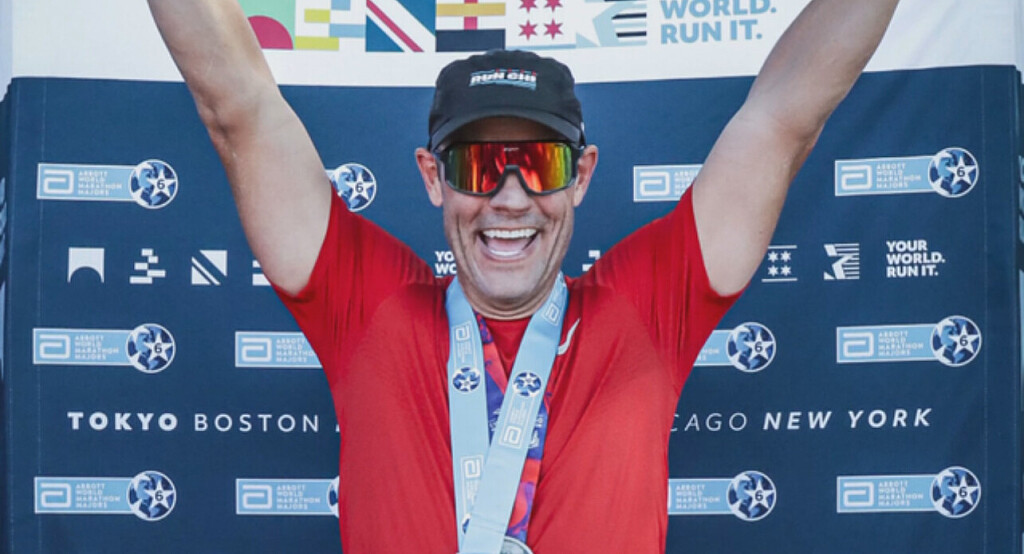
Colorado Runner Completes All Seven World Marathon Majors in One Year
l“My wife thinks I’m crazy,” says 49-year-old Max Fulton
Golden, Colorado — Completing all six Abbott World Marathon Majors is a lifetime goal for many runners. But in 2025, with Sydney officially added as the seventh race, one Colorado man decided to do them all — in a single year.
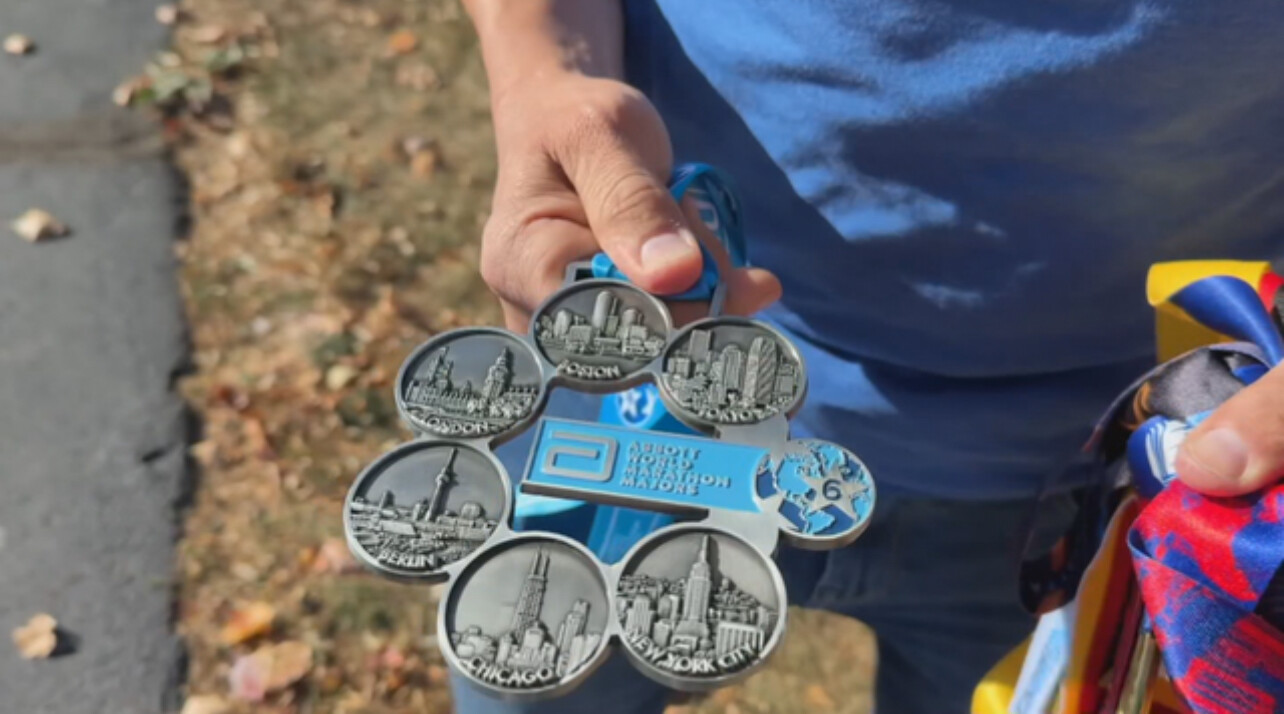
Max Fulton, 49, from Golden, crossed his final finish line last weekend, completing an extraordinary year that took him across the globe to tackle the world’s most iconic marathons: Tokyo, Boston, London, Berlin, Chicago, New York, and now Sydney.
“It was interesting. It was hard,” Fulton said, displaying his seven medals — one from each of the World Marathon Majors. “A lot of people try this and it takes them five or six years to get accomplished. I thought, what if I did them all in one year? And what if I’m the first person to do it?”
Fulton isn’t new to endurance challenges. A veteran ultrarunner, he’s finished the grueling Leadville 100 ten times. But he admits this marathon mission tested more than just his legs. “The hardest part, actually, was getting into all of them,” he said. “Even if you qualify, it doesn’t always guarantee entry.”
He managed it through a mix of qualification times, charity bibs, marathon tours, and lottery wins. Along the way, his family supported his ambitious plan — mostly. “My wife thinks I’m crazy,” Fulton laughed. “My daughter’s probably with her. My son thinks it’s awesome.”
Fulton believes he’s one of fewer than ten runners worldwide to have completed all seven Majors in 2025. For comparison, roughly 20,000 runners have finished all six Majors over their entire lives.
As for what’s next? “Maybe it’s time to spend more time on the bike,” he said — before pausing with a grin. “But Abbott is adding South Africa and Singapore. Maybe I’ll end up running nine of them.”
by Boris Baron
Login to leave a comment
Support Athletes. Uplift Communities. Help Shape the Future of Kenyan Running
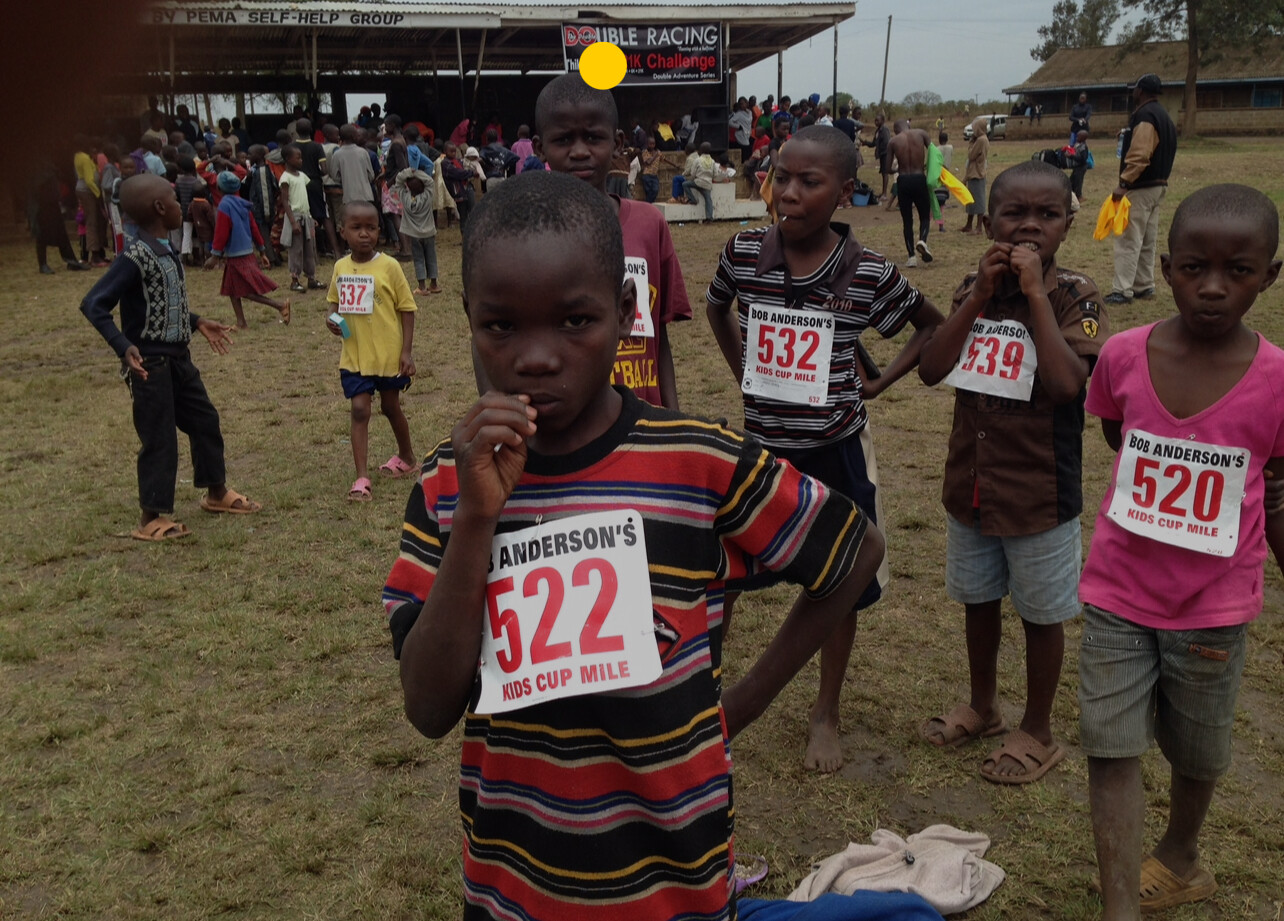
.For decades, Bob Anderson—founder of Runner’s World and a lifelong champion of distance running—has believed in the transformative power of athletics. In 2019, inspired by visits to Kenya dating back to 1987, he launched the Kenyan Athletics Training Academy (KATA) in Thika to give promising athletes the opportunity to rise. In 2024, Anderson expanded the vision internationally, opening a second training retreat in Portugal.
Until now, every KATA camp and retreat has been fully funded by Bob himself. But as momentum builds, he’s extending an invitation: become a KATA Partner and help expand this game-changing model—while earning a meaningful return on your investment.
“We’ve proven the model works,” says Anderson. “Now we want visionary partners to help take KATA to the next level. This isn’t charity—it’s an investment in performance, purpose, and people.”
What Is the KATA Partner Program?
The KATA Partner Program offers a ground-floor opportunity to support elite athlete development and rural progress through a unique model that combines world-class coaching with sustainable agriculture.

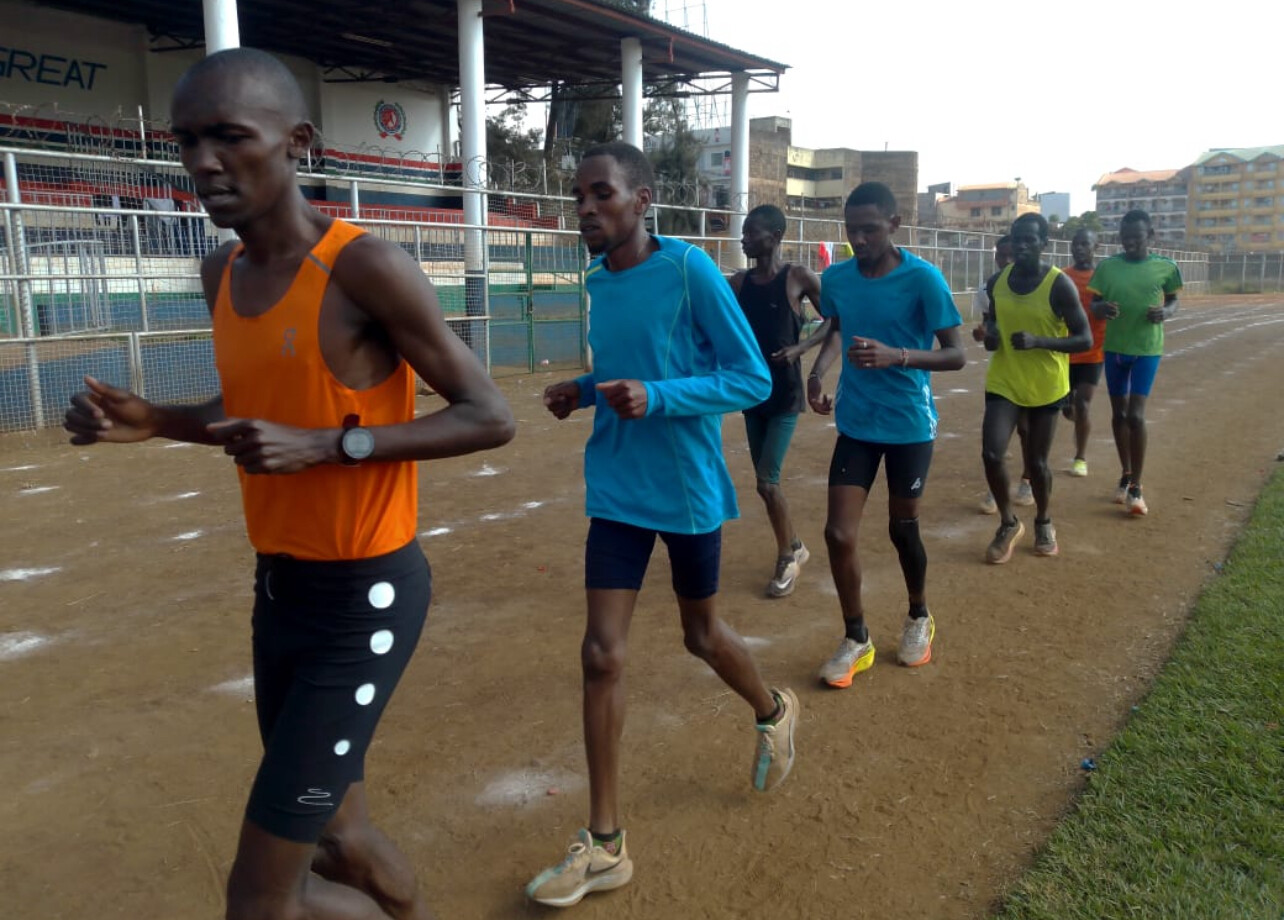
Each KATA Running Camp is paired with a three-acre KATA Potato Farm. Athletes live, train, and work part-time on the farm—25 hours per week—in exchange for full room and board plus expert coaching. In return, they contribute 15% of any prize money they earn back to their camp. The rest is theirs to keep.

As a KATA Partner, you help fund and launch a new camp. In return, you:

• Earn a share of revenue from potato farm sales and athlete prize winnings
• Gain naming rights to the camp (e.g., [Your Name or Organization Name] KATA Running Camp)
• Empower athletes and uplift local communities through long-term partnership
Two Pathways to Partnership
International Partner Program
• One-time KATA membership fee: $5,000 USD in 2025
• Fee increases to $6,500 USD starting January 1, 2026
• Annual dues: $1,000 USD (starting year two)
• Share of revenue:
• 15% of potato farm revenue
• 15% of athlete prize money
Kenyan National Partner Program
• One-time KATA membership fee: KES 900,000
• Annual dues: KES 50,000 (starting year two)
• Each additional acre: KES 100,000 (plus KES 25,000 in annual dues)
• Share of revenue:
• 10% of potato farm revenue
• 10% of athlete prize money
This is not a donation—it’s a purpose-driven investment with a guaranteed revenue share. You’re helping athletes succeed and communities thrive, while building your own legacy.
KATA Handles Everything
Whether you want to be hands-on or prefer a passive role, KATA takes care of:
• Finding and securing land and housing
• Recruiting qualified operators (often Olympic medalists and elite coaches)
• Setting up the farm and camp
• Managing all agricultural operations and logistics
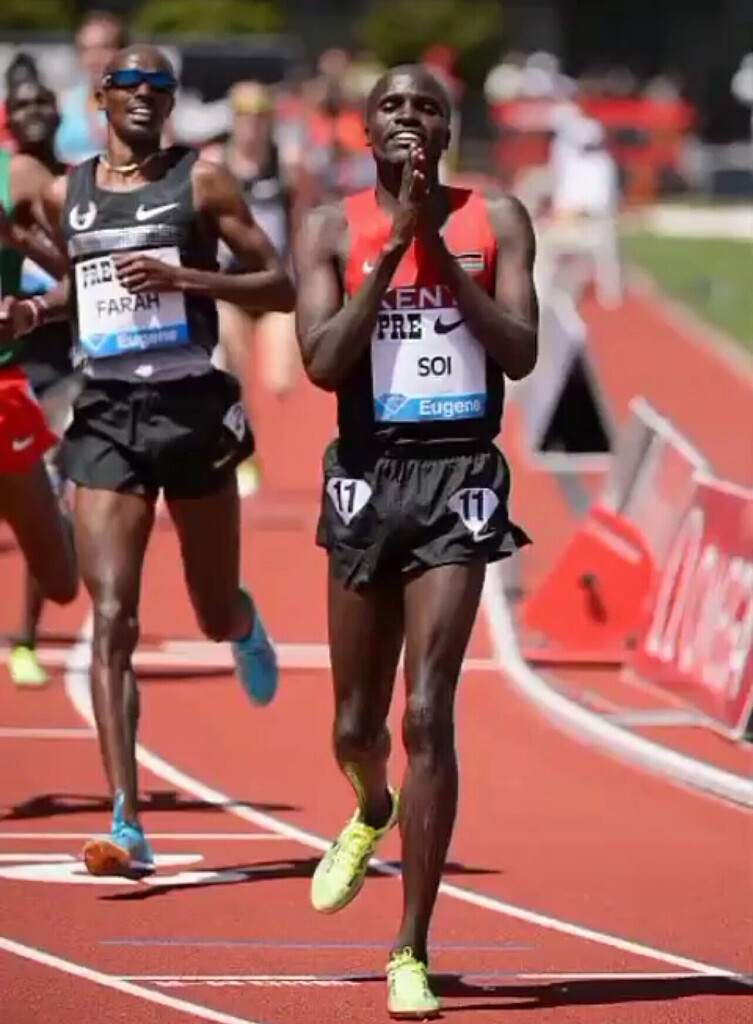
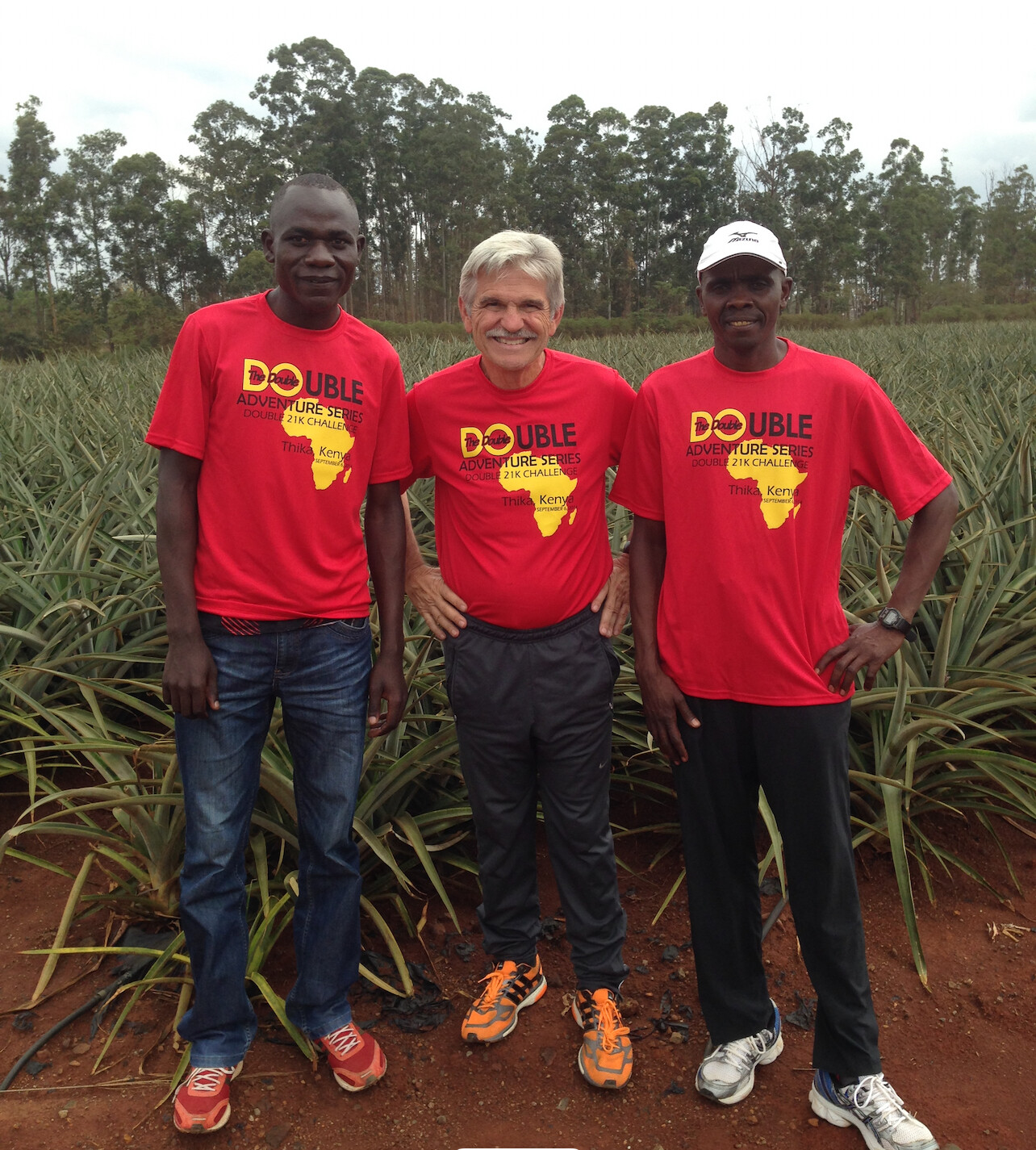
Current camps are operated by respected figures like Olympic medalists Paul Kipsiele Koech and Edwin Soi, coaching veterans such as Charles Ngeno, and long-time team members like Elam Wangerwo, who has worked with KATA since 2014.
Why It Matters
This program isn’t just about running—it’s about changing lives. KATA gives talented young runners the platform to pursue greatness while bringing food security and economic opportunity to rural Kenya.
“If you’ve ever wanted to be part of something that matters—something that delivers both impact and return—this is your moment,” says Anderson.
Join the KATA Movement
To learn more or become a KATA Partner, contact:
Bob Anderson via WhatsApp: +1 (650) 400-6643
The next great Kenyan runner is already out there. Let’s make sure they have a place to grow—on the track and in their community.
by Bob Anderson
Login to leave a comment
More Than 1 Million Apply for 2026 London Marathon as 60,000 Gain Entry – Here’s How You Can Still Get In
The 2026 TCS London Marathon is already shaping up to be one of the most popular editions in its storied history. With over 1 million applicants and only around 60,000 spots officially granted through the ballot, the race continues to be one of the toughest endurance events in the world to get into—even before you hit the start line.
Ballot results were sent out this week, and while thousands are celebrating, the overwhelming majority were left disappointed. If you didn’t receive your result yet, race organizers advise you to get in touch immediately.
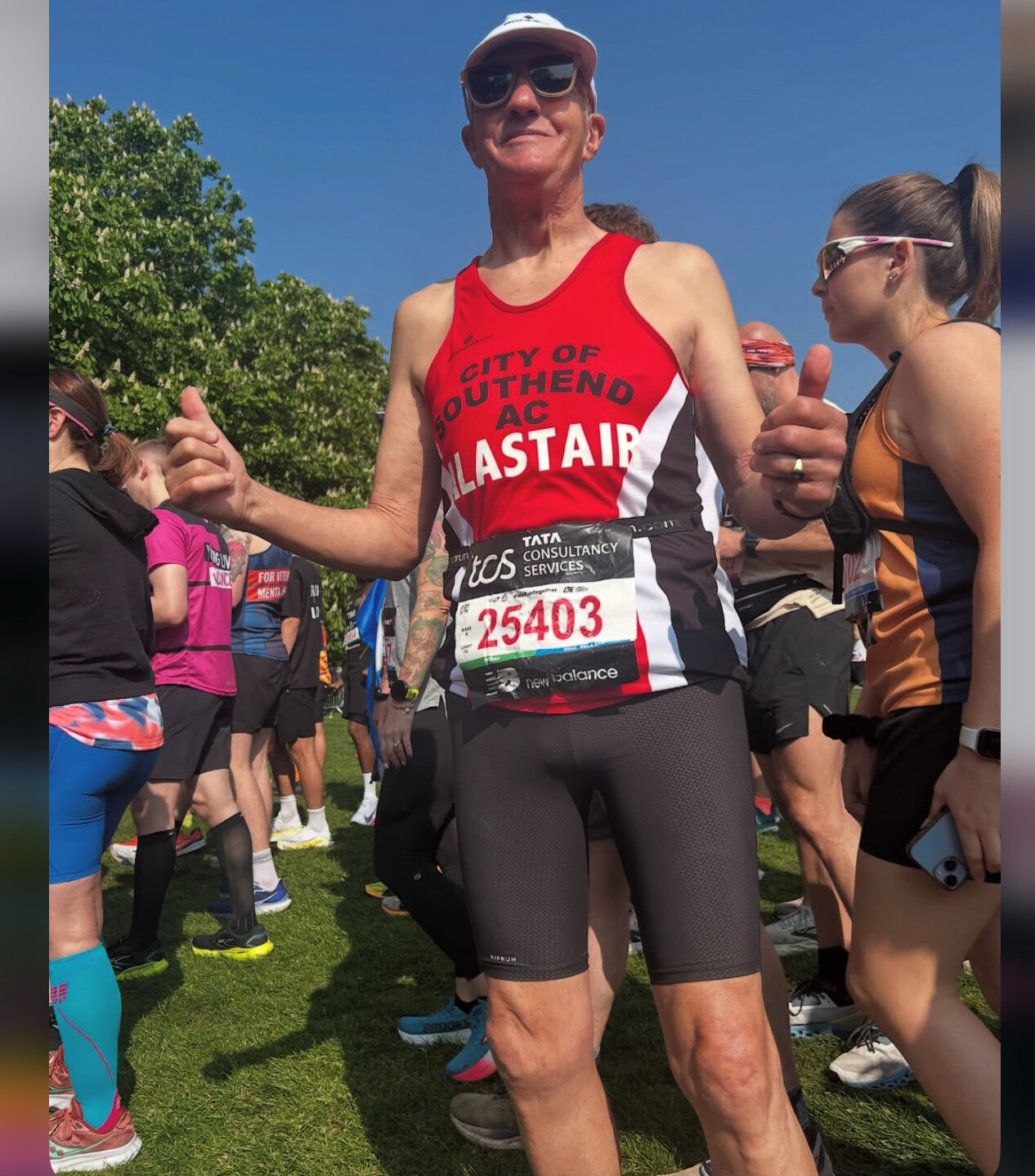
Fortunately, missing out in the ballot doesn’t mean your marathon dreams are over. There are several alternate paths to the start line for the 2026 race, set for April 26, 2026—and you don’t have to be a celebrity to take one of them.
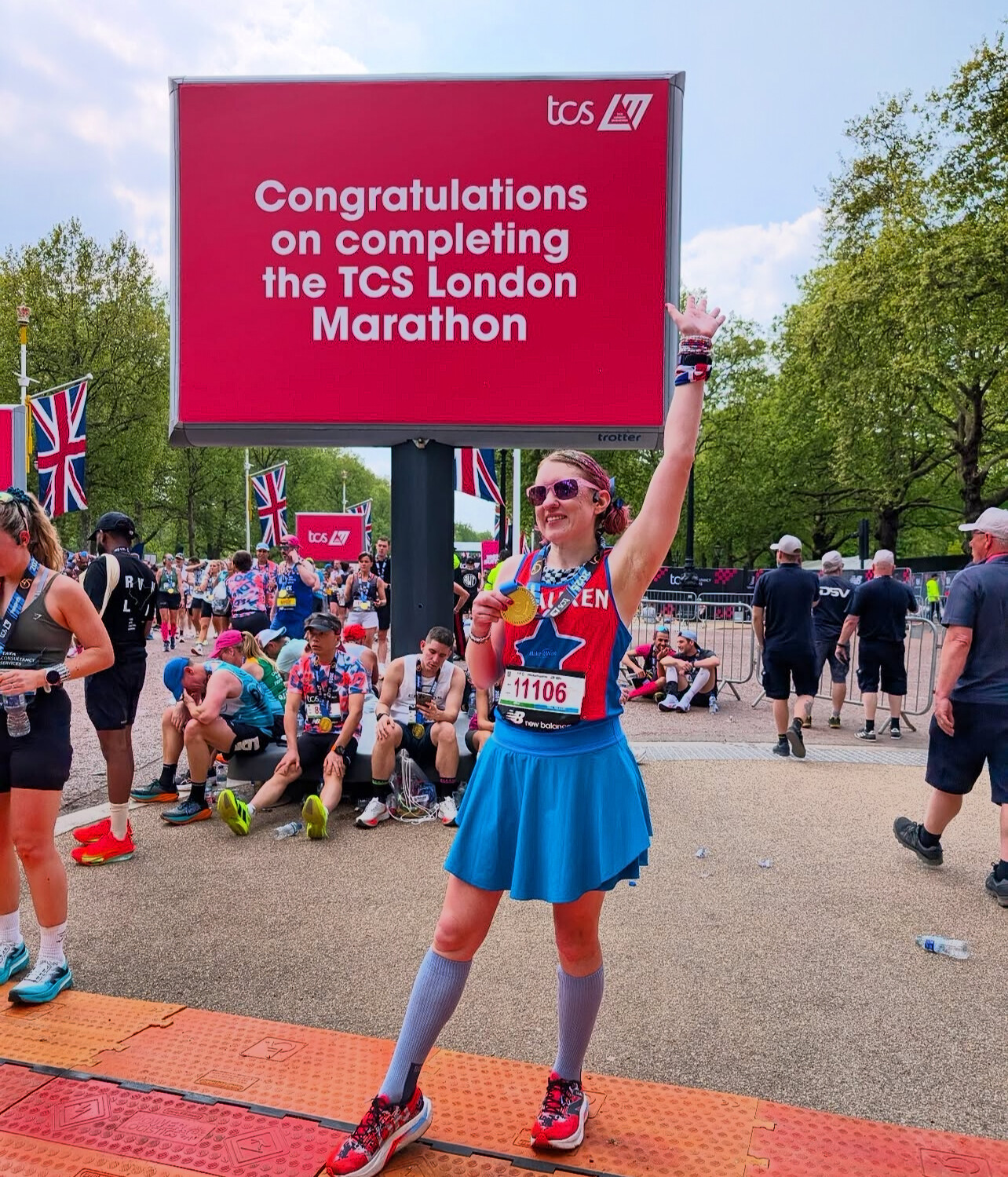
1. Charity Places
The most popular fallback option is a charity entry. Hundreds of charities have reserved entries and welcome runners willing to raise funds for a good cause.
• Expect to pledge a minimum of £2,500 in fundraising.
• The full list of participating charities is available on the official London Marathon website.
• Even if you secured a ballot spot, you’re still welcome to raise money for charity on your own terms.
2. Good for Age Entries
If you’re a speedy runner, the “Good for Age” category may be your ticket in. A total of 6,000 spots(3,000 men, 3,000 women) are available in this division.
• You must hit a qualifying time for your age group by September 30, 2025.
• Applications are ranked fastest first within each age band—meeting the time doesn’t guarantee entry.
• This route is highly competitive and ideal for runners targeting a personal best or Boston-qualifying type performance.
3. Championship Entry
Elite amateur runners have another option through the Championship Entry category.
• You’ll need to achieve a qualifying marathon or half marathon time between October 1, 2024, and September 30, 2025.
• There are 1,000 spots available on a fastest-first basis.
• Those who don’t make the cut will still be considered under the “Good for Age” category.
This is the best path for top club athletes, sub-elite runners, and those consistently finishing near the front of local or national races.
4. Running Club Entries
Are you a member of an affiliated running club in the UK? Then you may have access to special club ballot places.
• Speak to your club’s London Marathon representative for details.
• These spots are limited but offer a valuable opportunity for dedicated club runners to gain entry.
One of the Hardest Races to Get Into
While many runners know that completing 26.2 miles is a monumental challenge, getting into the London Marathon might be even harder. With demand at an all-time high and the field size capped, the race has become not just a physical trial, but a logistical and emotional one as well.
But with options still open—including elite, age-based, charity, and club routes—your dream of running the streets of London in 2026 doesn’t have to end at a ballot rejection.
Whether you’re chasing a personal milestone, running for a cause, or hoping to run with the best, the journey to the April 26, 2026 start line is still possible.
by Boris Baron
Login to leave a comment
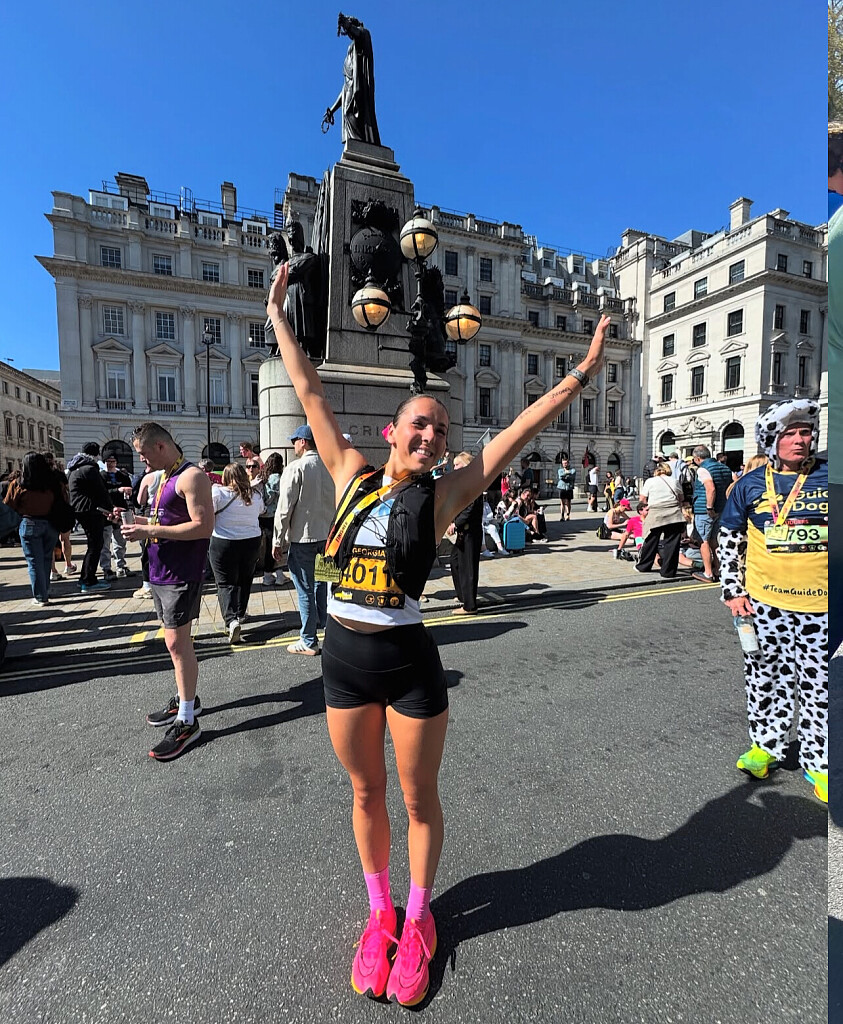
Run Through History: Ballot Opens for 2026 London Landmarks Half After Record-Breaking 2025
Runners across the globe are now invited to apply for a coveted spot in the 2026 London Landmarks Half Marathon, with the public ballot officially open. Set for Sunday, April 12, 2026, the race promises another unforgettable experience through the heart of London—celebrating both the city’s rich history and the spirit of community that defines this beloved event.
Now in its ninth edition, the London Landmarks Half Marathon (LLHM) has grown into one of the UK’s most popular races, with 20,000 runners expected in 2026. Organizers aim to raise £16 million for charity, continuing the event’s tradition of philanthropy and public engagement.
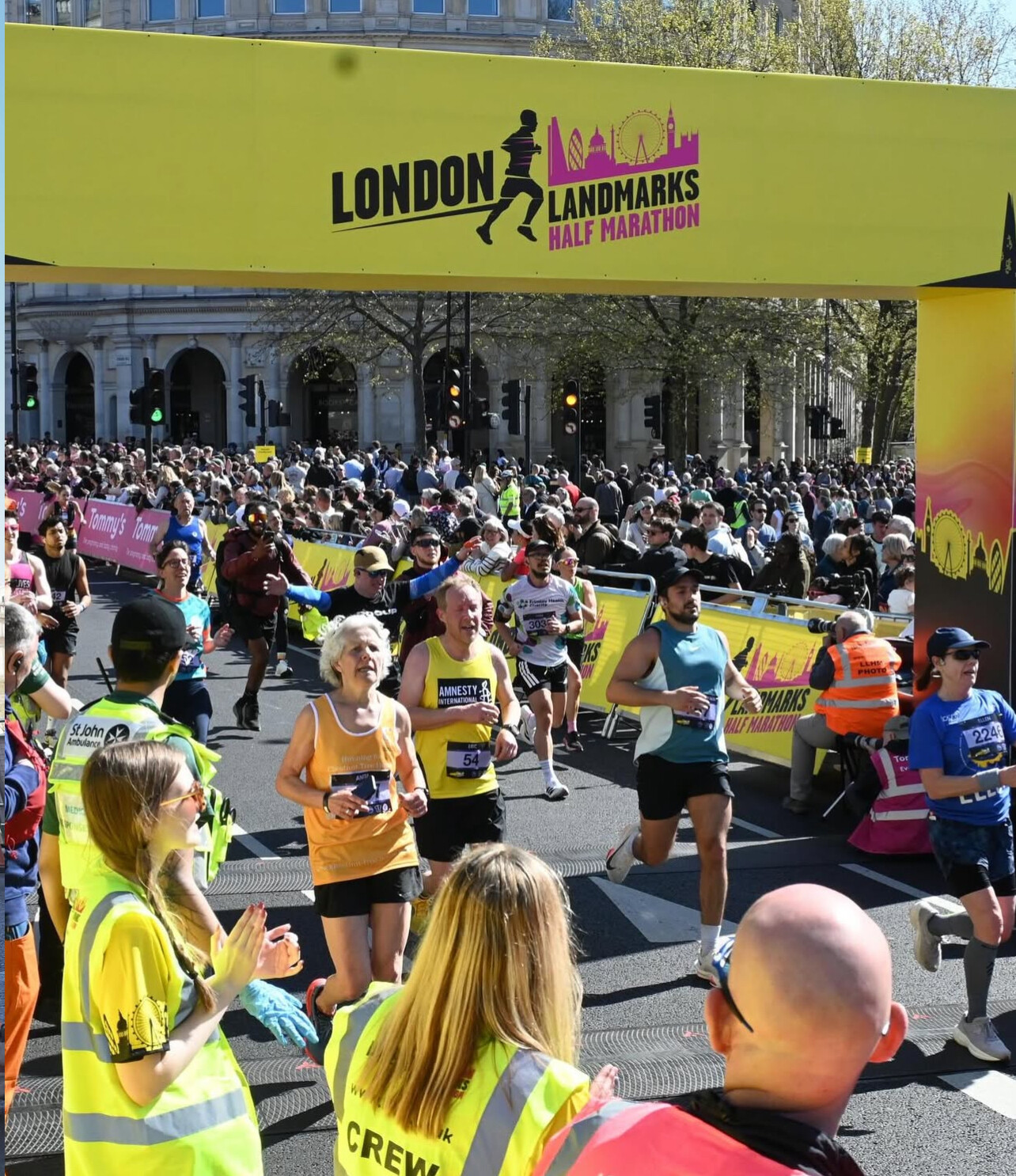
Runners will start near Downing Street, wind past Big Ben, along the Thames Embankment, and through iconic areas like the City of London, Tower of London, and Guildhall Yard—complete with themed cheer stations like the “Roman Reception.” From the “It’s Showtime” West End choir to the cheering Pearly Kings and Queens and the Chelsea Pensioners, this is a race that blends performance and purpose at every mile.
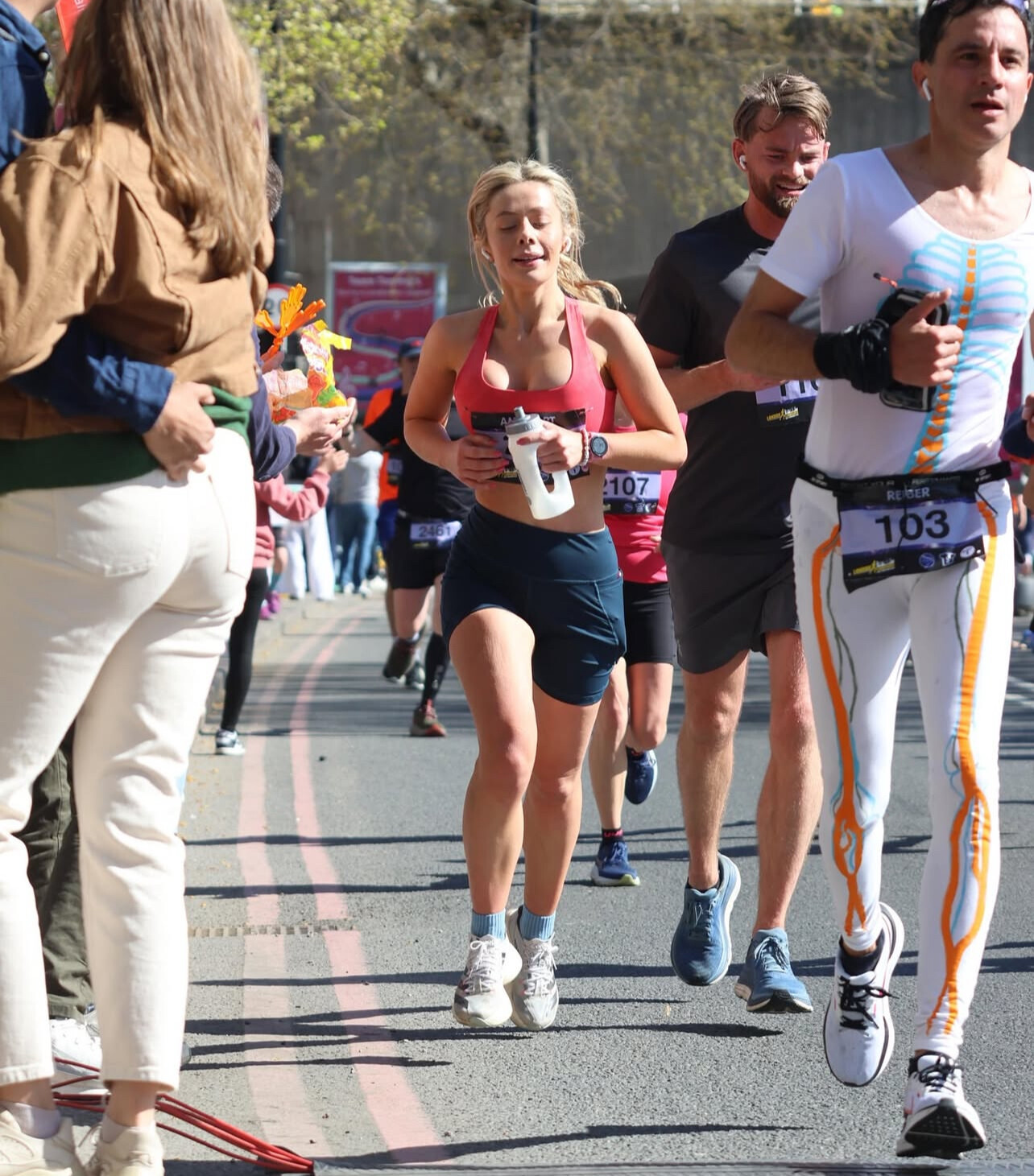
Highlights from the 2025 Event
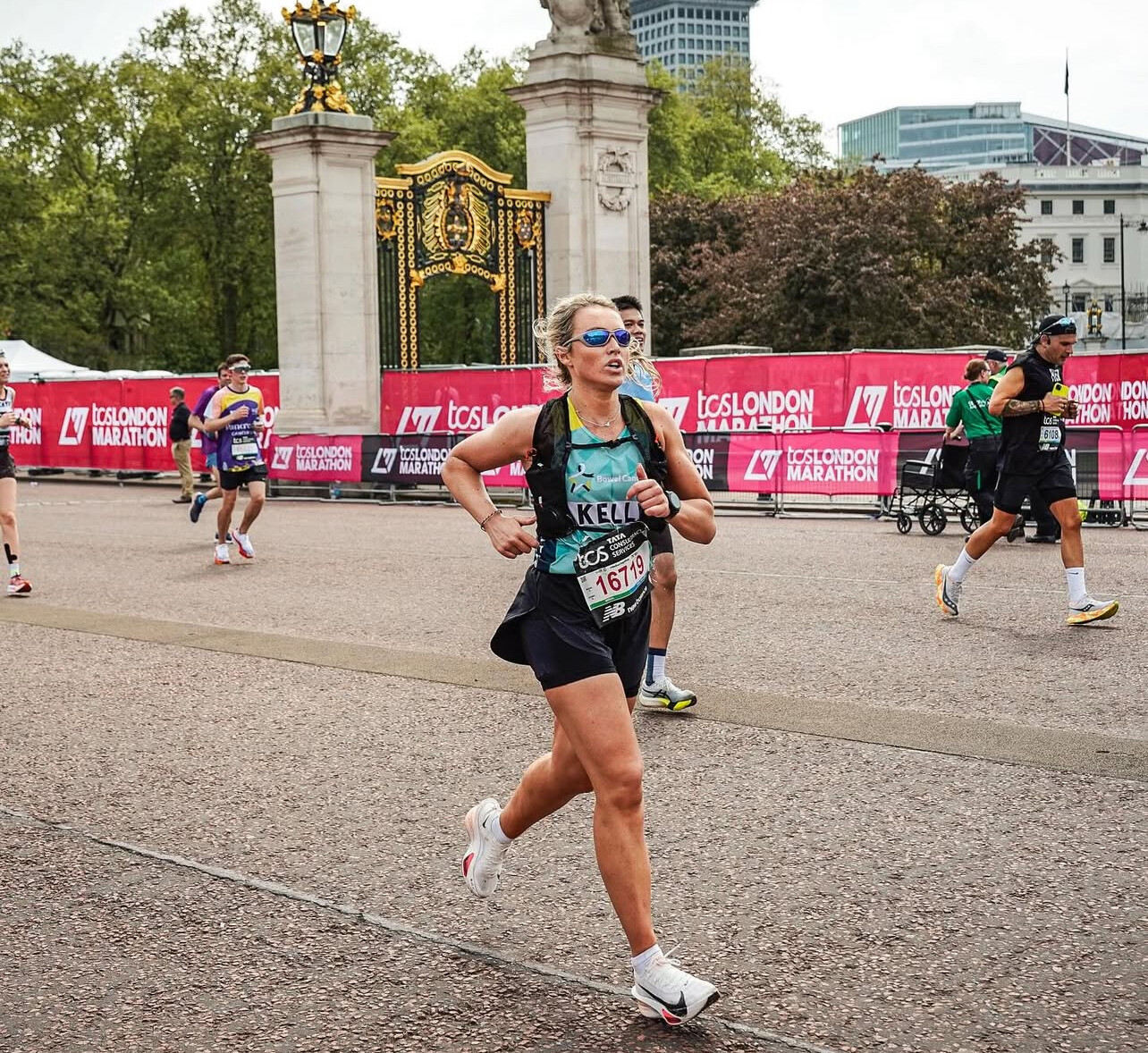
The 2025 edition, held on April 6, delivered unforgettable moments. In the men’s race, Omar Ahmedsurged to victory in 1:03:55, using a late push in the final 5K to hold off stiff competition. The women’s race was equally thrilling, with Alice Wright crossing the finish line in 1:11:42, outpacing a strong domestic field in ideal spring conditions.
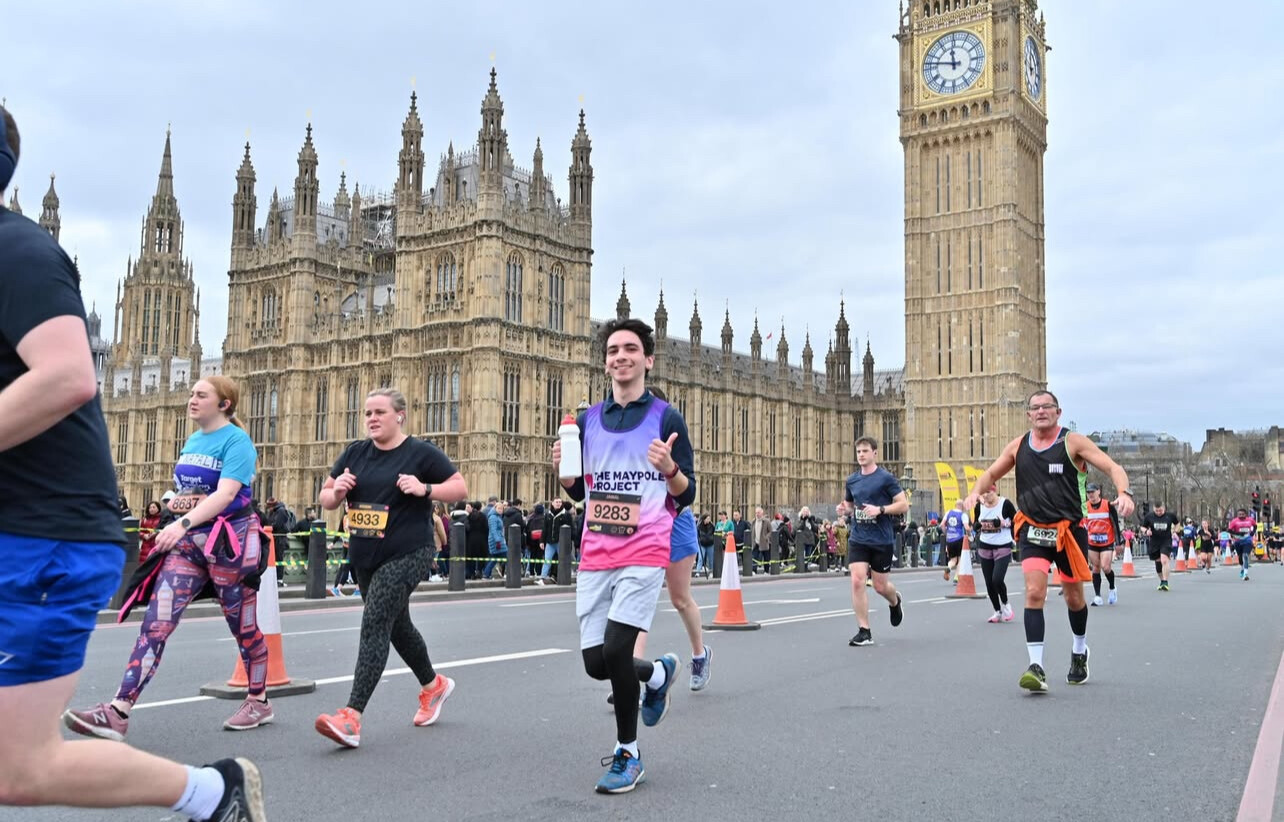
Aside from elite performances, the 2025 event saw over 18,500 finishers, with hundreds of creative costumes and themed charity teams flooding the streets. A record £14.7 million was raised, reinforcing the race’s status as the largest fundraising half marathon in the UK.
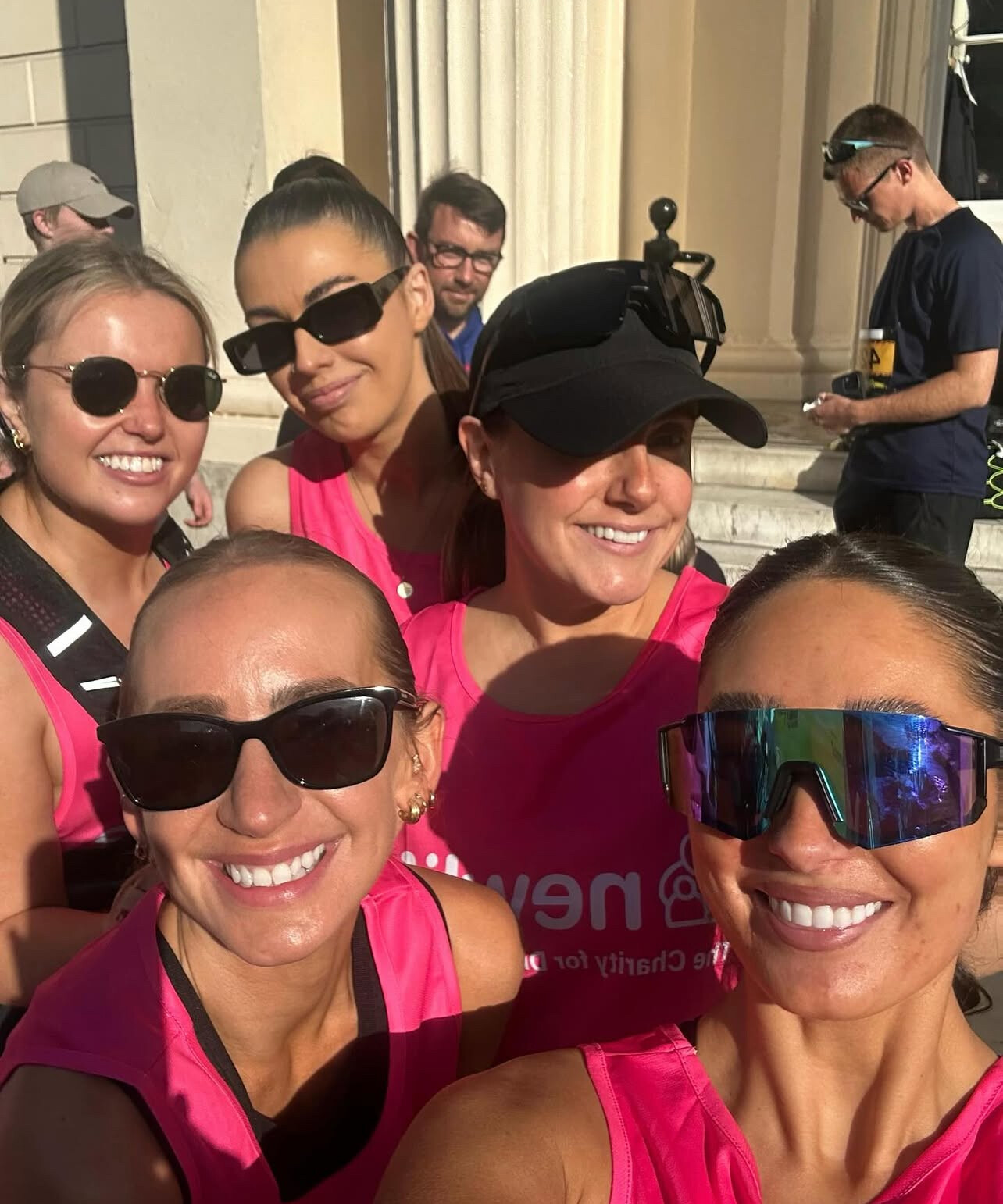
Enter the 2026 Ballot
Entries for the 2026 edition can be submitted at www.llhm.co.uk/ballot. The ballot closes at 12 noon on 17 June 2025, and lucky runners will be notified in early July.
With its blend of speed, spectacle, and social impact, the London Landmarks Half Marathon continues to be a bucket-list race for runners worldwide.
by Boris Baron
Login to leave a comment
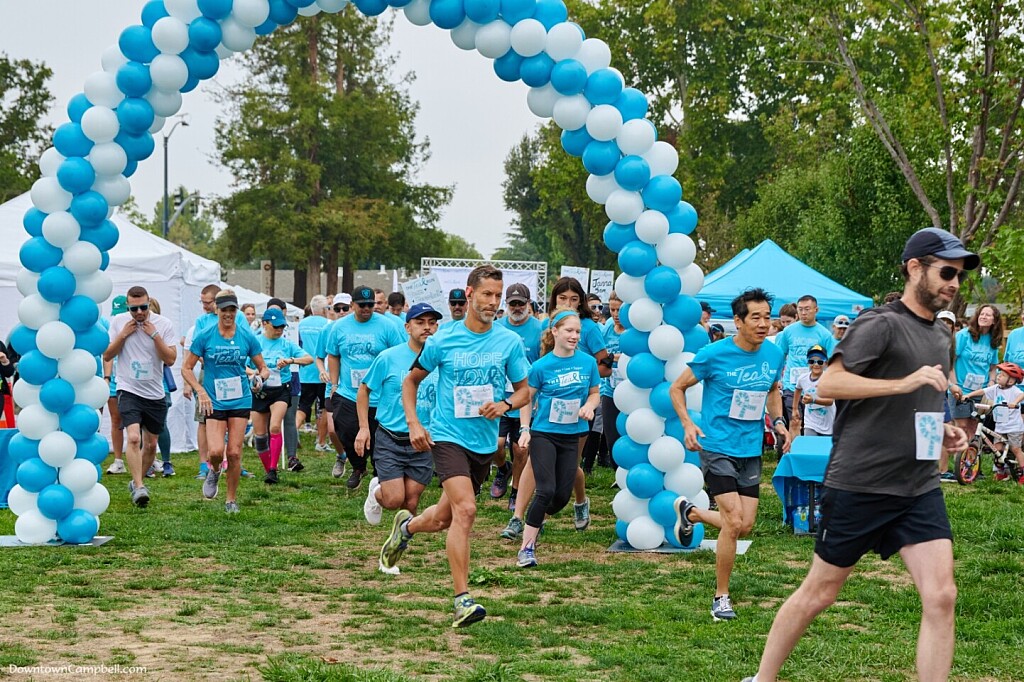
Why the 5K Experience Race Is Booming in 2025
After a period of decline, 5K races are back in a big way—but this time, they’re different. These aren’t just traditional time trials. In 2025, the 5K has evolved into a full-scale experience that blends fitness, community, and entertainment.
“We’ve reimagined what the 5K can be,” says race director Kevin Morris. “It’s about connection, movement, and fun. We’re seeing record interest again.”
Several trends are fueling the resurgence:
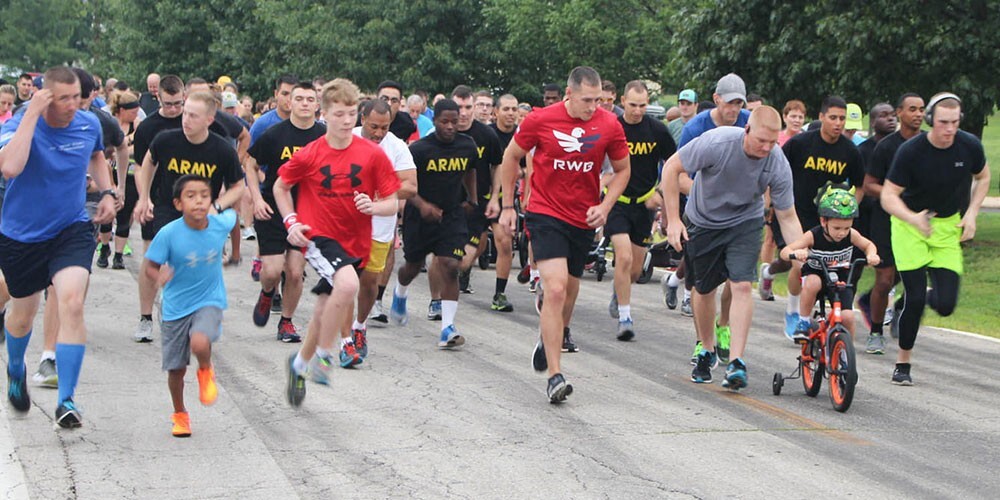
Enhanced race-day technology has transformed the participant experience. Many events now offer synced music playlists, GPS-guided pacing, live race tracking, and even augmented reality checkpoints that bring the course to life.
The format has also shifted to prioritize experience over performance. Post-race yoga, recovery lounges, artisanal food trucks, and wellness booths are becoming the norm. These events are about more than finish times—they’re about how you feel crossing the line.
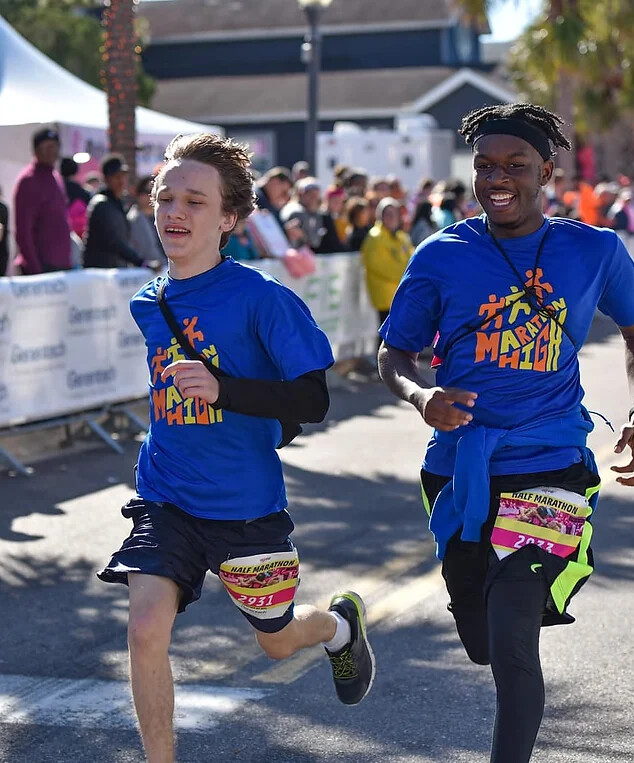
Corporate and charity involvement is at an all-time high. From supporting youth education to funding mental health programs, these races are drawing in new audiences while making a difference. Brands and non-profits alike see them as powerful platforms for impact and engagement.
Most importantly, people are showing up because they crave real-world connection. After years of virtual alternatives, there’s renewed appreciation for shared movement and in-person celebration.
And while these events often carry an entry fee—unlike traditional community fun runs—they remain inclusive. Walkers, joggers, and competitive runners all line up together, united by a common goal: to enjoy the journey.
The 5K in 2025 is no longer just a race. It’s a movement—one that’s reminding us why we fell in love with running in the first place.
by Boris Baron
Login to leave a comment
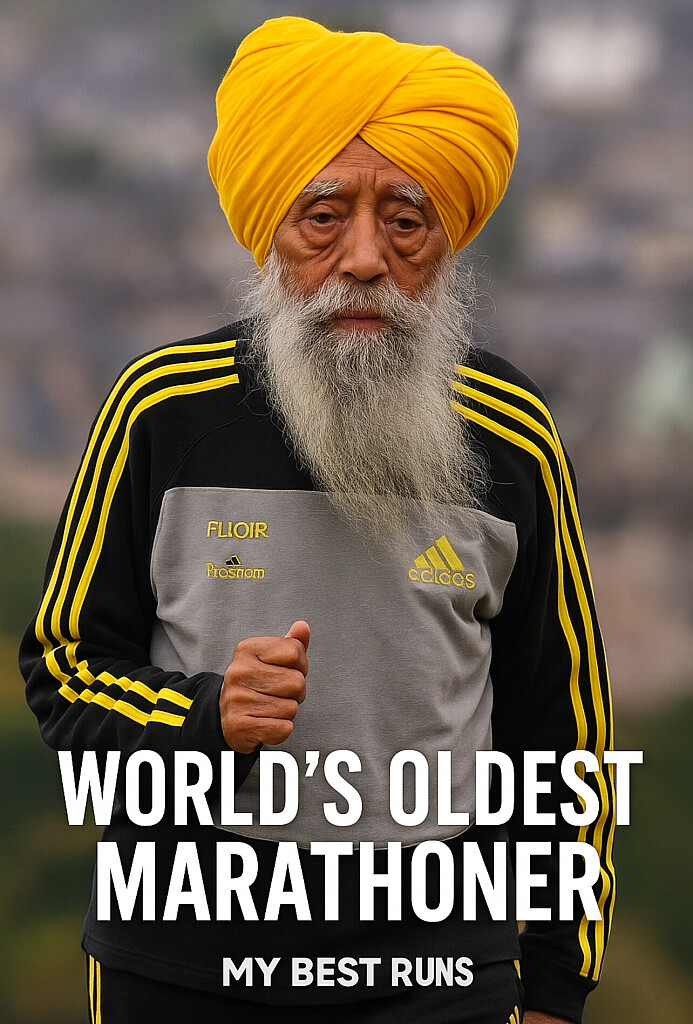
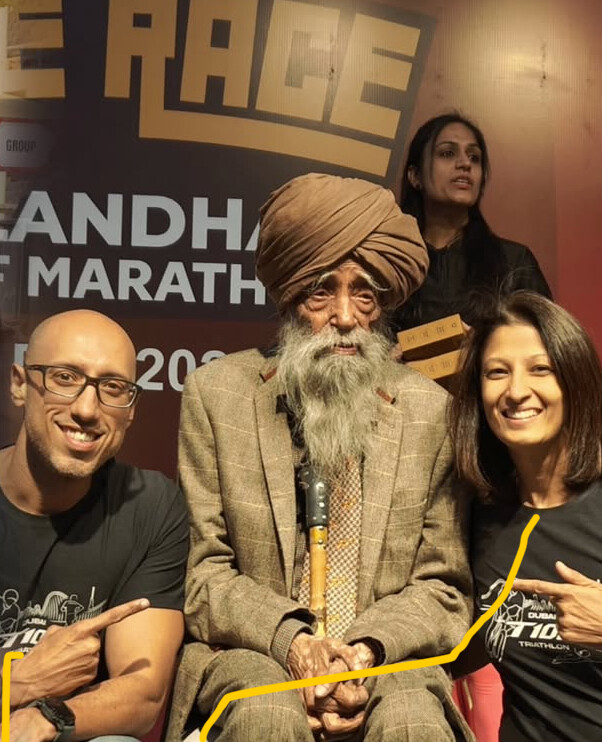
Fauja Singh: The World’s Oldest Marathoner Who Redefined Human Potential Part One
Fauja Singh, born on April 1, 1911, in Beas Pind, Punjab, British India, is widely celebrated as the world’s oldest marathon runner. His remarkable journey from a quiet farming life to global athletic acclaim has inspired millions, proving that age is no barrier to endurance, purpose, or reinvention.
From Tragedy to Triumph
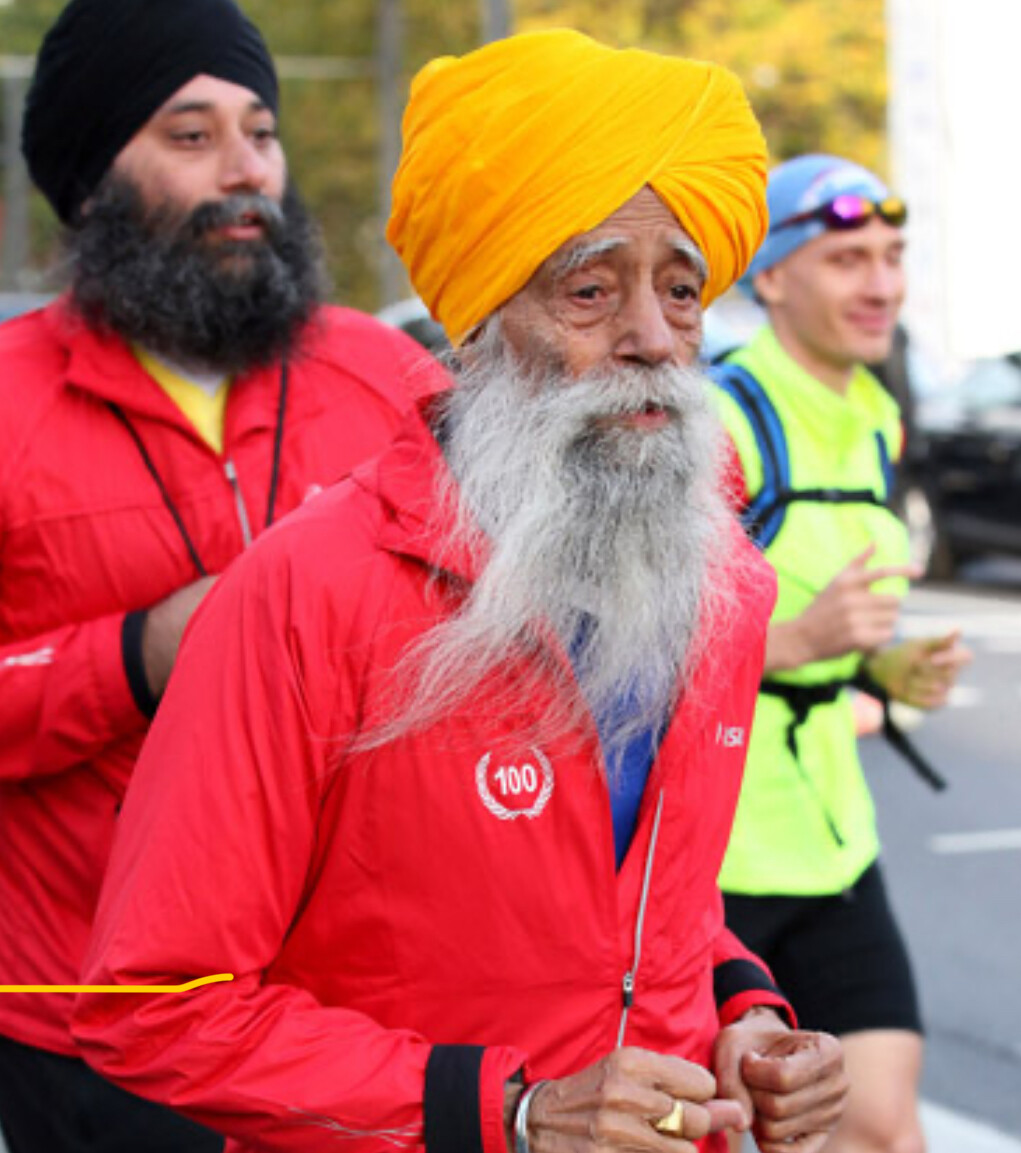
Singh’s path to running began in the wake of personal tragedy. After losing his wife in 1992 and witnessing the death of his son in 1994, he moved to London in the late 1990s. At 89, he took up running as a way to cope with grief and rediscover purpose. In 2000, he completed his first marathon in London, launching a career that would span over a decade.
A Record-Breaking Career
Singh completed nine full marathons between 2000 and 2011, including events in London, Toronto, and New York. His personal best was 5:40 at the 2003 Toronto Waterfront Marathon, setting a world record for the 90+ age group. At 100, he became the first centenarian to complete a marathon, finishing the 2011 Toronto Waterfront Marathon in 8:11:06. Though Guinness World Records did not certify the feat due to the absence of a birth certificate, Singh’s accomplishment remains a historic milestone.
Final Race and Continued Inspiration
Singh ran his final competitive race on February 24, 2013, completing a 10km event at the Hong Kong Marathon in 1:32:28, just weeks before his 102nd birthday. Though retired from competition, he continued to jog daily and participate in community events, promoting health and fitness.
Legacy Beyond the Finish Line
Singh’s influence extends beyond his athletic achievements. He was featured in Adidas’ “Impossible is Nothing” campaign alongside icons like Muhammad Ali and David Beckham. In 2015, he was awarded the British Empire Medal for services to sport and charity. His life story has been chronicled in the biography Turbaned Tornado and the children’s book Fauja Singh Keeps Going.
A Life of Simplicity and Purpose
Singh attributes his longevity and vitality to a simple vegetarian diet, abstaining from smoking and alcohol, and maintaining a positive outlook. He once said, “The first 20 miles are not difficult. As for the last six miles, I run while talking to God.”
Fauja Singh’s journey exemplifies the boundless potential of the human spirit. His legacy continues to inspire individuals worldwide to pursue their passions, regardless of age.
by Boris Baron
Login to leave a comment
No Sponsors, No Excuses—Just 401 Marathons and a Whole Lot of Heart
401 Marathons, 401 Days – How Ben Smith Ran Through Pain and Found Purpose
In 2015, British runner Ben Smith laced up his shoes with a goal so staggering it bordered on unthinkable: run 401 marathons in 401 consecutive days.
He wasn’t a professional athlete. He had no major sponsors, no elite coaching, and no big corporate backing. But what he did have was a powerful reason.
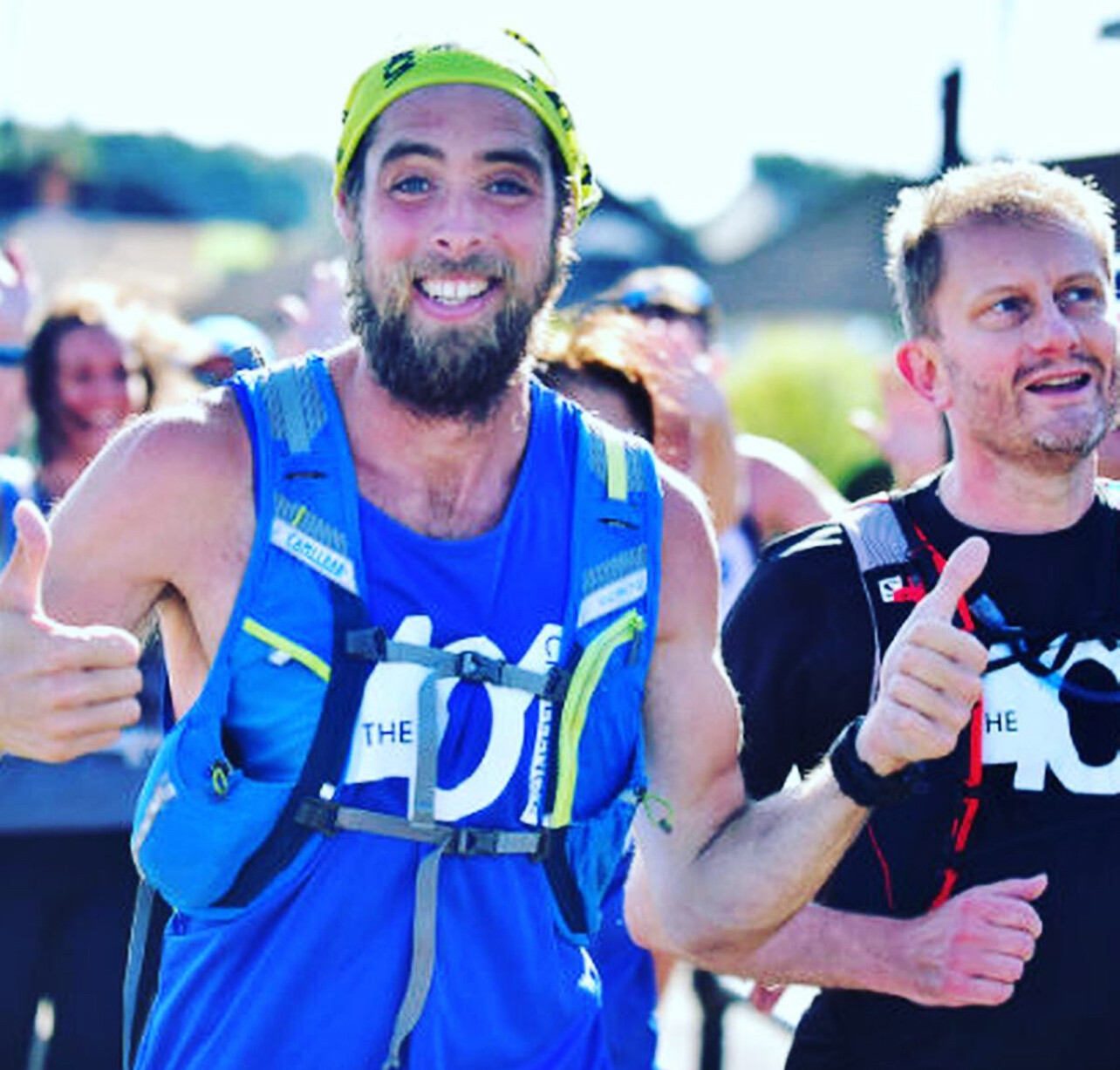
Ben had been bullied as a child, battled depression, and even survived a suicide attempt. Running became more than a hobby—it became therapy. Every step he took was a step away from the darkness that once defined him.
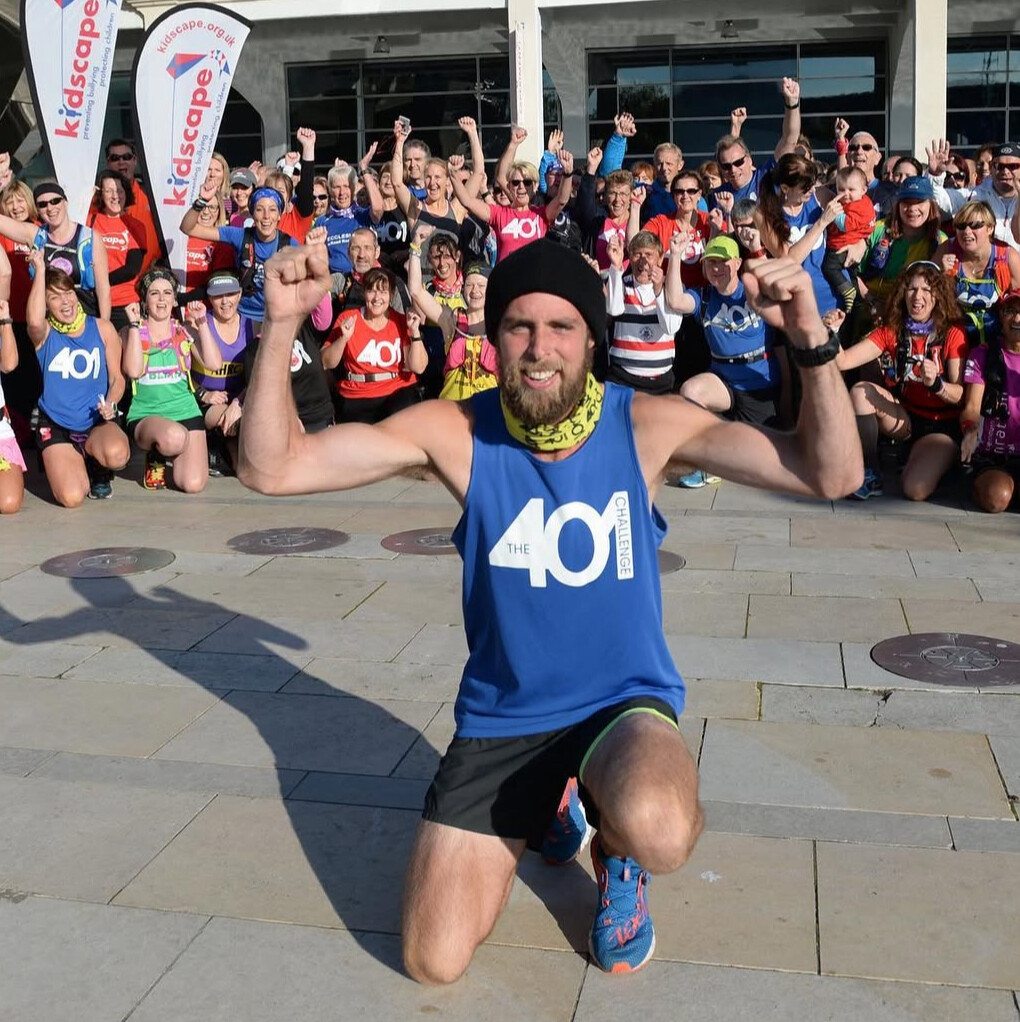
Through injuries, illness, and unrelenting weather, Ben pressed on. The only time he paused was under doctor’s orders—and even then, he made up the missed marathons later to stay true to his mission. By the time he crossed his final finish line, he had run over 10,500 miles, burned through more than 20 pairs of shoes, and raised over £330,000 ($412,500US) for anti-bullying charities.
His challenge captured the hearts of thousands. Ben’s story proved that you don’t need to be elite to do something extraordinary—you just need to keep showing up.

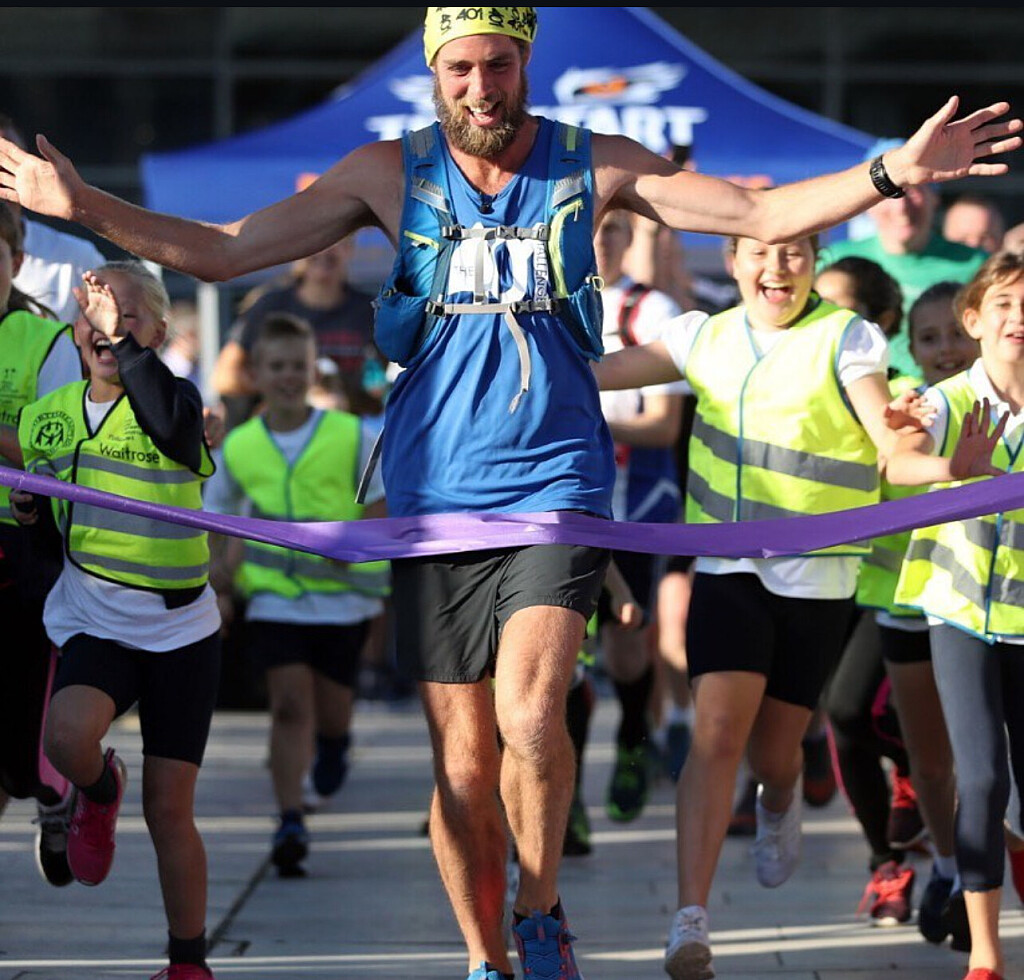
This powerful image (first image) captures Ben during the height of his challenge—sweat-soaked, mentally drained, yet still smiling. It became an iconic photo from his journey, representing not just the miles he ran, but the resilience it took to keep moving forward every single day.
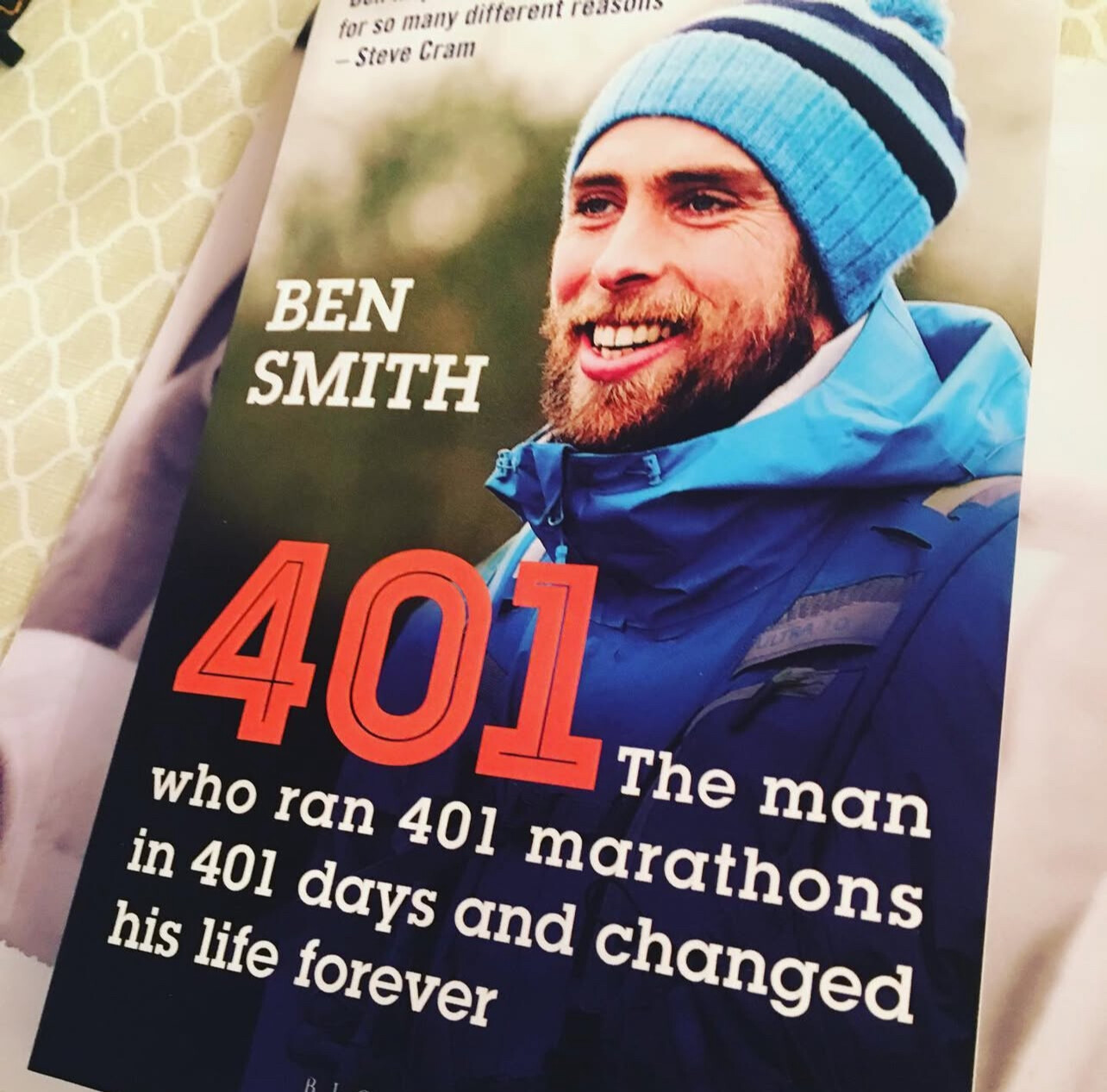
Following his monumental feat, Ben founded The 401 Foundation, a charity that supports mental health and self-esteem projects across the UK. He also became a sought-after motivational speaker, spreading the message that strength is built through struggle. His book, 401: The Man Who Ran 401 Marathons in 401 Days and Changed His Life Forever, dives deep into the why behind the run.
Ben Smith didn’t set out to break records. He set out to heal—and in doing so, he helped thousands find hope through running.
by Boris Baron
Login to leave a comment
The AJ Bell Great Birmingham Run 2025: A Citywide Celebration of Running and Community
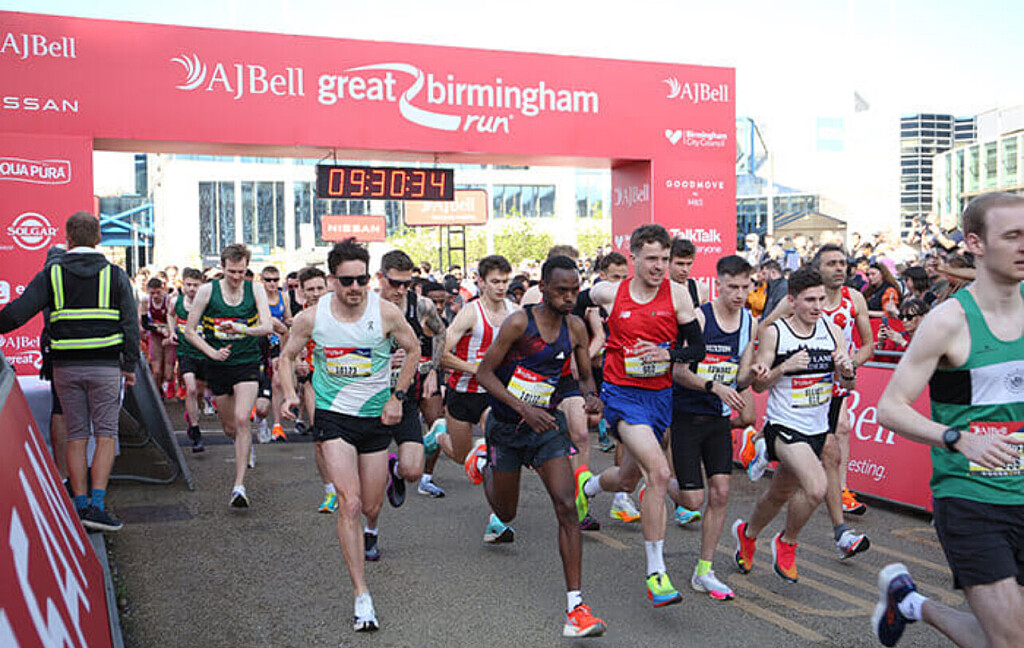
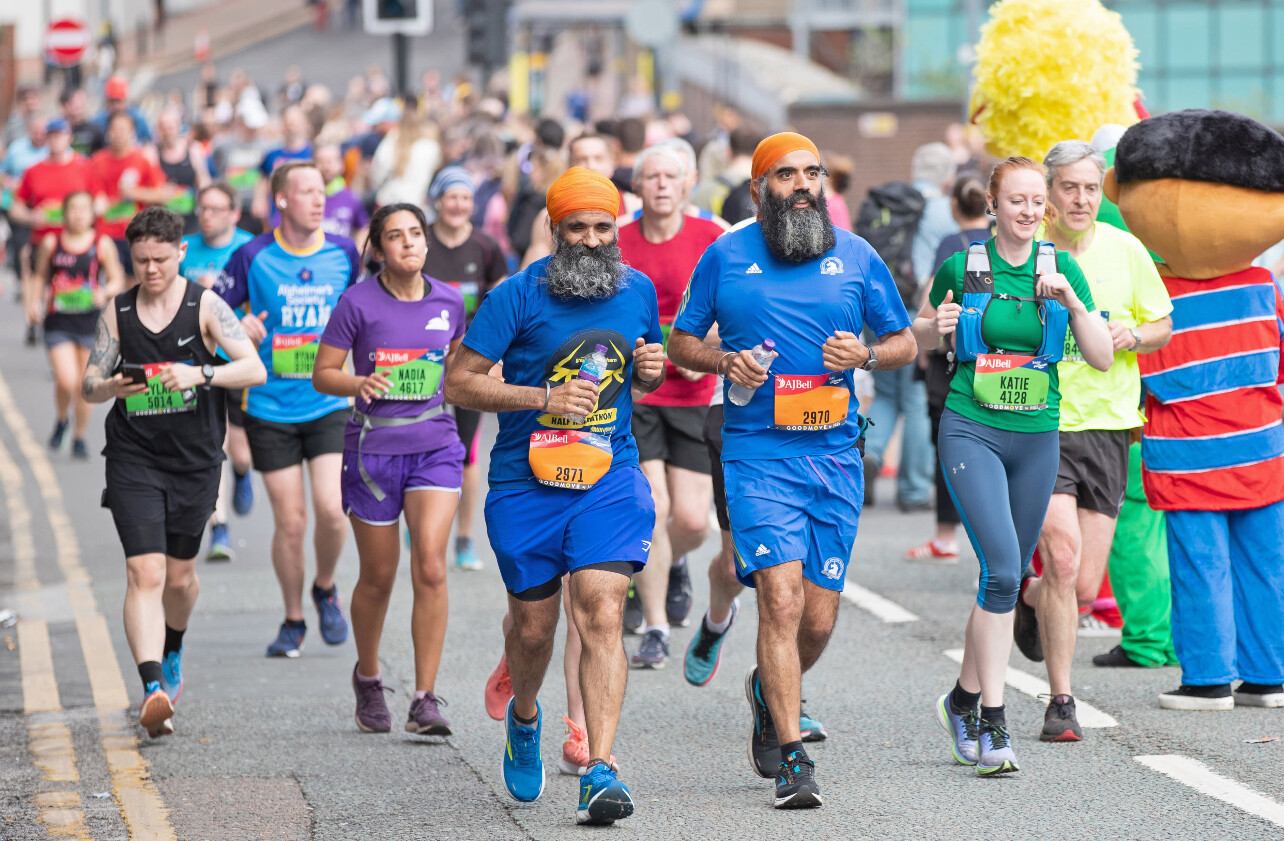
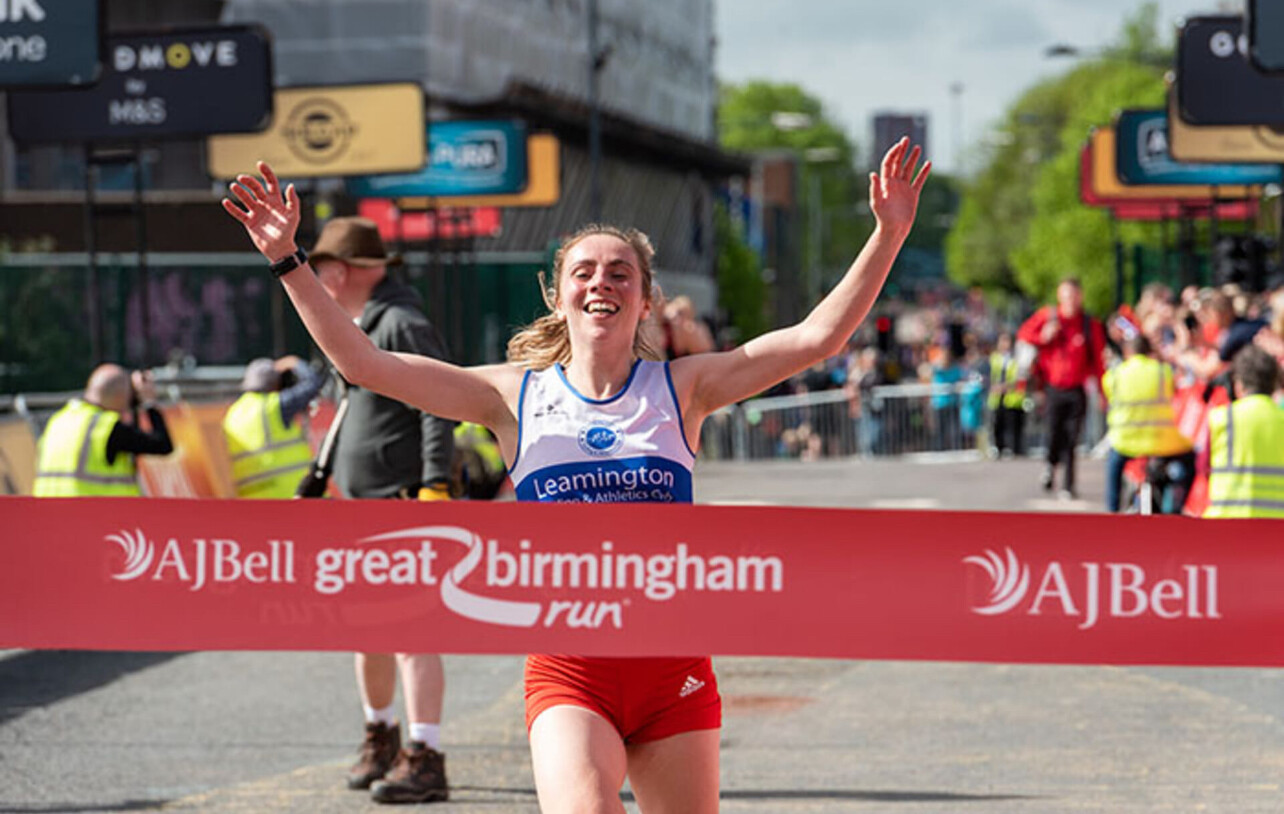
This Sunday, 4 May 2025, Birmingham will host the AJ Bell Great Birmingham Run, welcoming over 16,000 runners to the city’s streets. As part of the esteemed Great Run Series, this event offers both 10K and Half Marathon distances, attracting participants of all levels to experience Birmingham’s dynamic atmosphere.
Event Overview
• Date: Sunday, 4 May 2025
• Distances: 10K and Half Marathon
• Start Location: Centenary Square, Birmingham
• Finish Location: Smithfield, Birmingham city centre
• Start Times: Wave starts beginning at 8:30 AM
• Participants: Over 16,000 runners expected
The event is renowned for its electric atmosphere, with live music zones, charity cheer buses, and enthusiastic spectators lining the streets. The event village at Smithfield will feature food stalls, live DJs, and a festive post-run celebration.
Course Highlights
The race courses showcase Birmingham’s rich heritage and modern landmarks. Runners will pass through iconic sites such as the Jewellery Quarter, St. Paul’s Square, the Mailbox, Grand Central at New Street Station, and Digbeth. Half Marathon participants will also enjoy scenic views of Cannon Hill Park and Edgbaston Stadium.
Course Records
The Great Birmingham Run has seen impressive performances over the years. The current course records are:
• Men’s Half Marathon: Micah Kogo (Kenya) – 1:00:17 (2012)
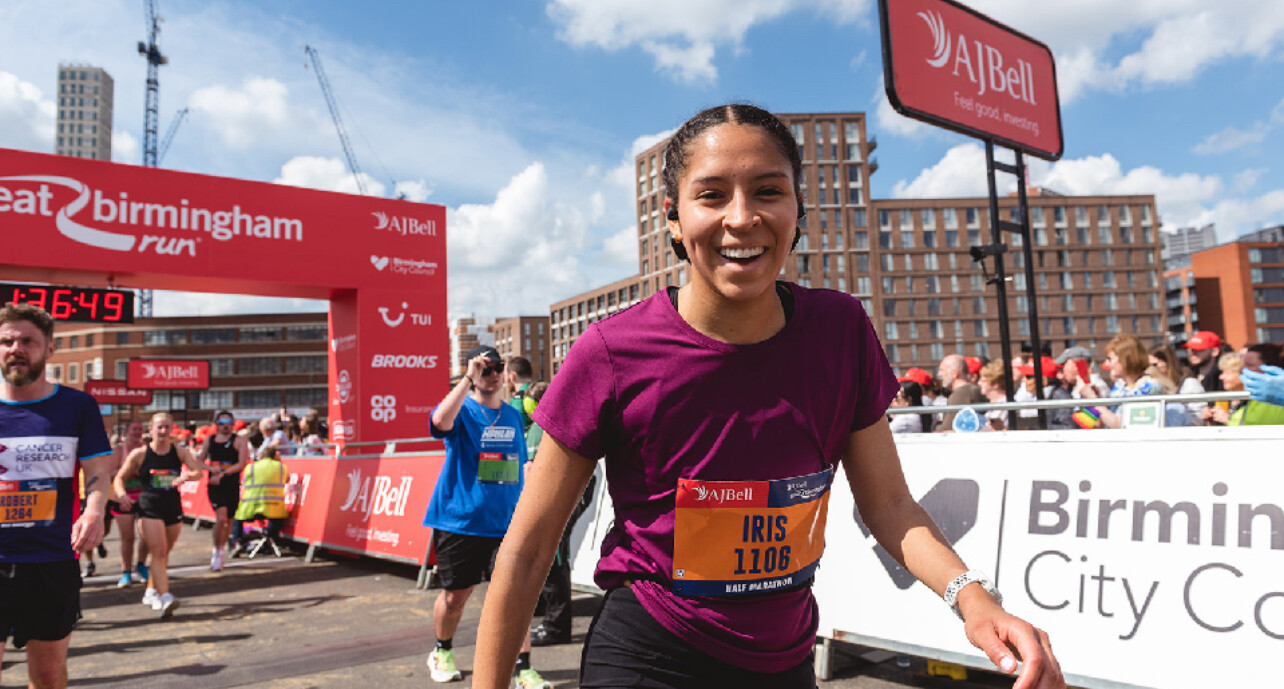
• Women’s Half Marathon: Gemma Steel (UK) – 1:10:19 (2013)
Elite Participation
While the 2025 elite field has not been officially announced, the Great Run Series typically attracts top-tier athletes. Notable past participants include Haile Gebrselassie and Gemma Steel, who have both delivered memorable performances on Birmingham’s streets.
Junior & Mini Runs
On Saturday, 3 May 2025, young runners can participate in the Junior & Mini Great Birmingham Run at Alexander Stadium. This family-friendly event offers a fantastic introduction to running in a fun and supportive environment.
Final Thoughts
Whether you’re aiming for a personal best, supporting a charity, or simply soaking in the city’s vibrant atmosphere, the Great Birmingham Run 2025 promises an unforgettable experience. With its combination of challenging courses, enthusiastic crowds, and festive celebrations, it’s a highlight of the UK’s running calendar.
by Boris Baron
Login to leave a comment

Great Birmingham Run
The Great Birmingham Run event held in Birmingham, UK. For security reasons the 2019 race was not a full half marathon. The distance was 11.07 miles. It forms part of the Great Run British Marathon Series. The first event was held on October 15, 2017 on the same day as the existing Great Birmingham Run in the city center. Whether...
more...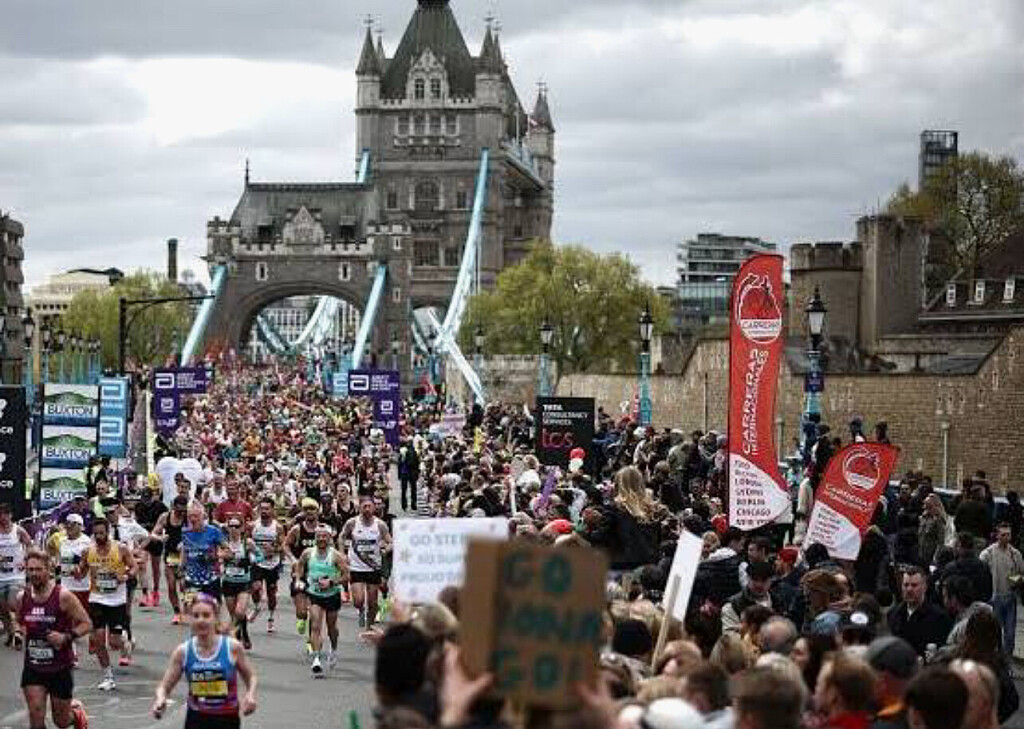
Why So Many People Are Running Marathons Now
April 27, 2025, is shaping up to be one of the biggest marathon days in history. Across the globe, tens of thousands of runners are lining up to test themselves over the classic 26.2-mile distance. The surge in marathon participation reflects a larger movement: more people than ever before are choosing to challenge themselves, honor loved ones, improve their health, and be part of something bigger than themselves.
At the London Marathon alone, more than 56,000 runners are expected to take part, potentially setting a new world record for the largest official marathon field. Each runner will bring their own story to the streets of London — whether it’s running for a charity, celebrating recovery, or simply achieving a personal goal. Since the event’s founding, the London Marathon has raised over £1.3 billion ($1.7 billion) for charity, reinforcing how marathons have become deeply tied to causes and community.
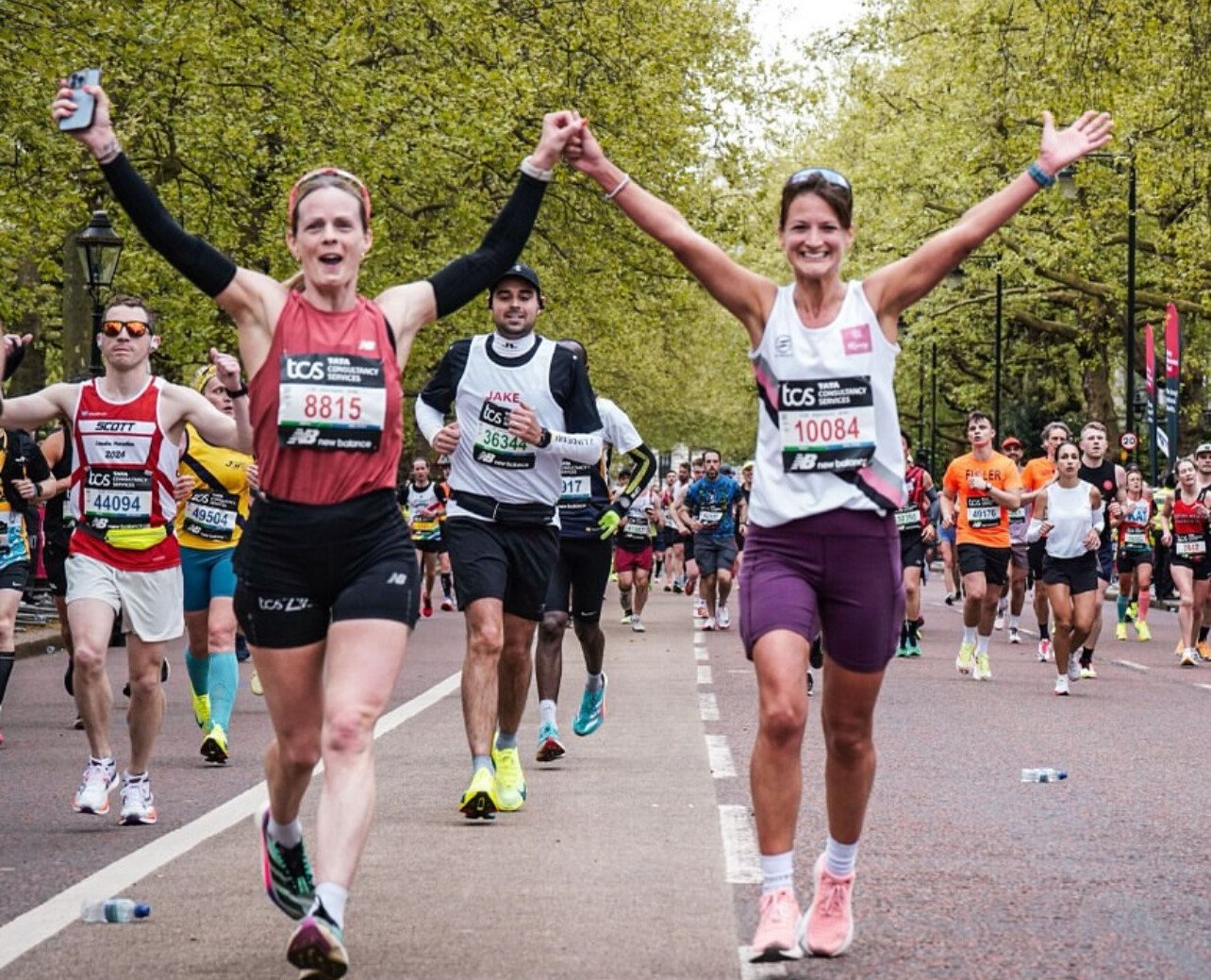
Meanwhile, thousands more will take to the start line at the Haspa Hamburg Marathon in Germany, the Madrid Marathon in Spain, and the Uniper Düsseldorf Marathon, which is returning after a six-year hiatus. In the United States, marathons like the Big Sur International Marathon in California, the Oklahoma City Memorial Marathon, and the Glass City Marathon in Toledo are also drawing strong fields.
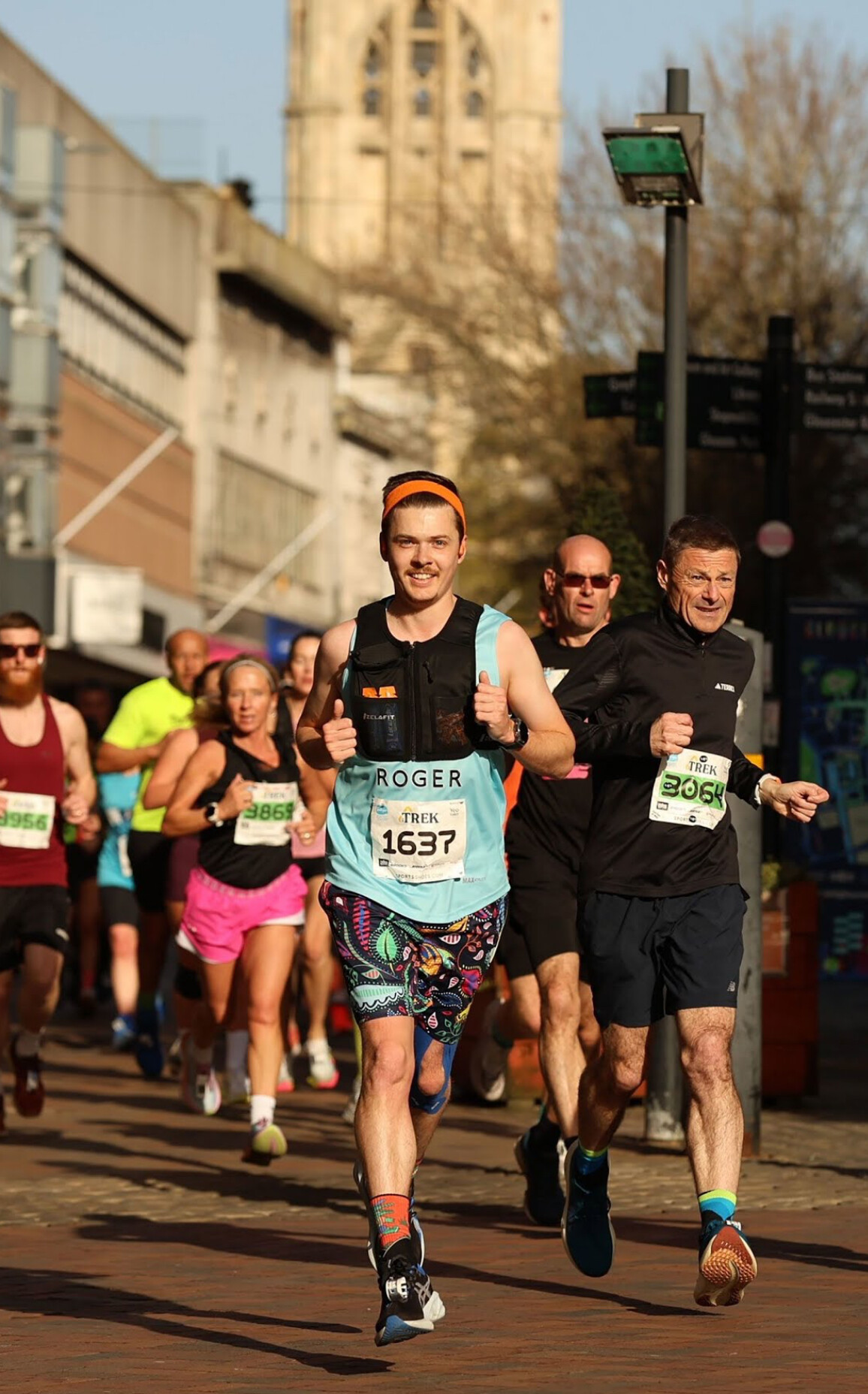
One of the biggest reasons for the boom in marathon running is the personal connection runners feel to the challenge. For some, like Julie Wright, who is running London in memory of her daughter who passed away from breast cancer, marathon training became a way to heal and to move forward. For others, the marathon offers a tangible milestone at a time when traditional life achievements like homeownership or career stability can feel increasingly out of reach. Completing 26.2 miles offers a powerful sense of accomplishment.
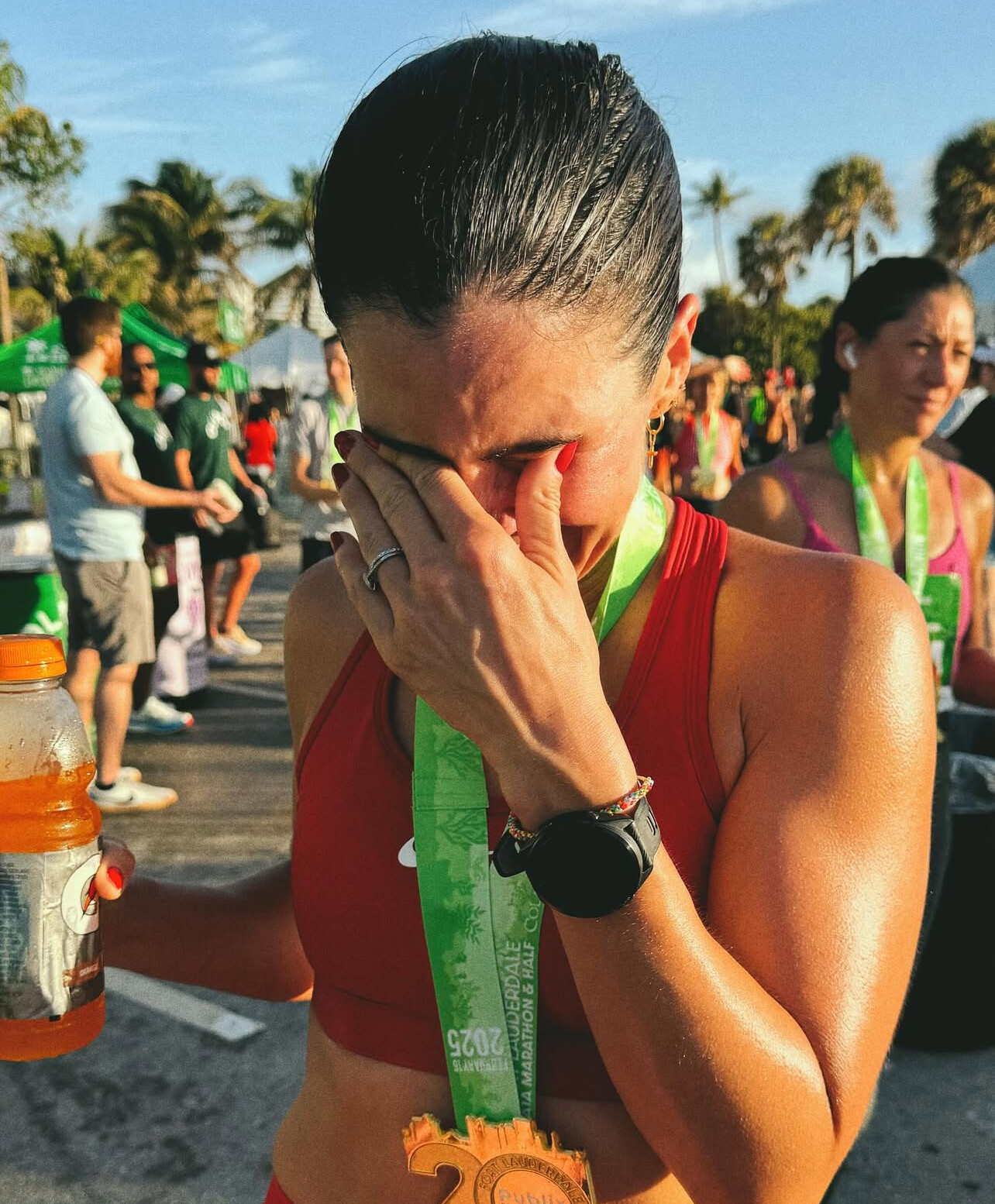
Advances in running technology have also helped fuel the rise. New shoes with carbon-fiber plates, better cushioning, and smart training apps make it easier for newcomers to successfully prepare. Social media has helped too, creating vibrant global communities where runners can share training tips, encouragement, and race day celebrations.
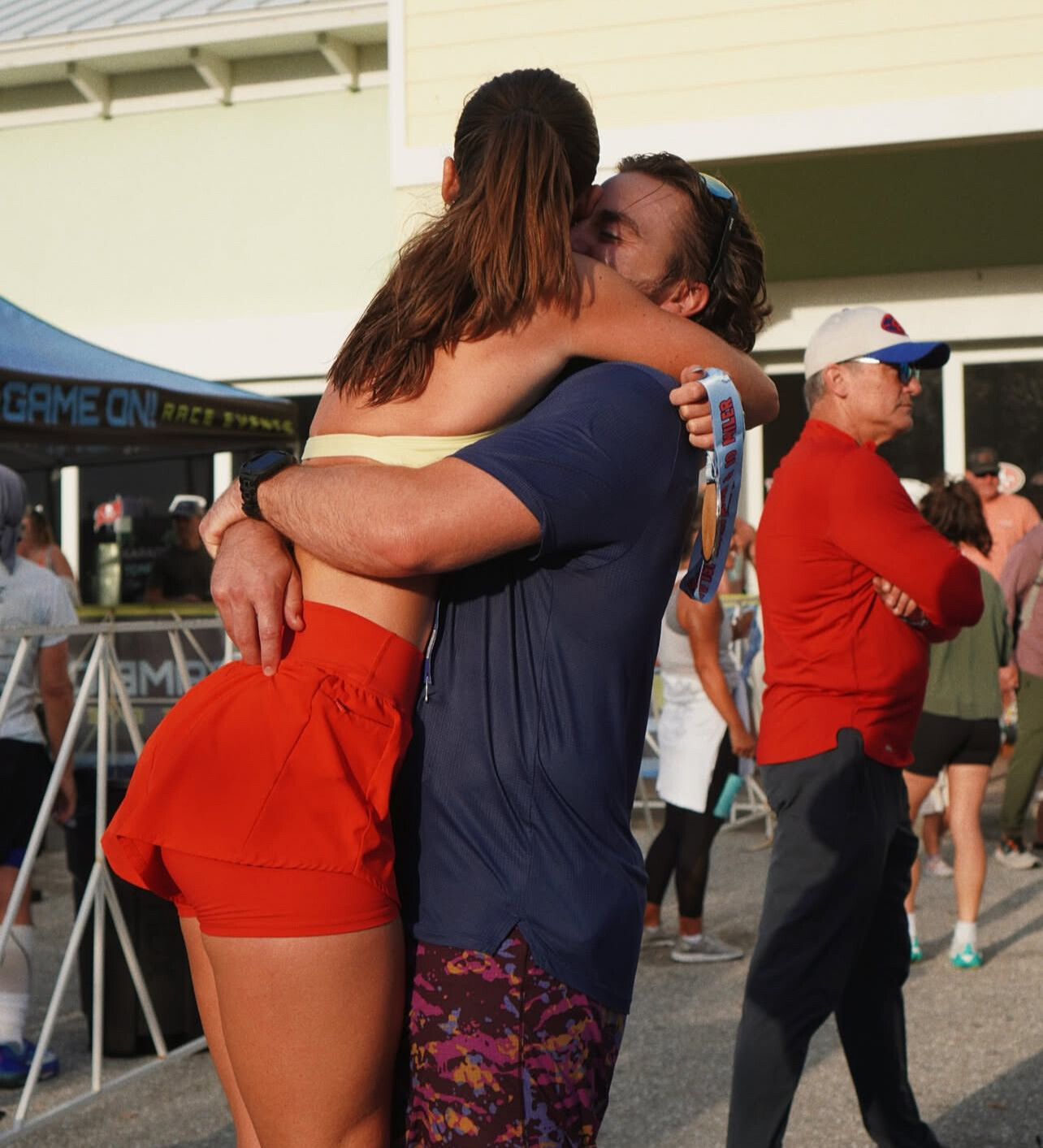
Finally, marathons today are more inclusive than ever before. Age, experience, and speed are no longer barriers. At the London Marathon, runners from 18 to over 80 years old will be lining up together. It’s this spirit — community, personal challenge, and shared experience — that continues to draw more people to marathons every year.
Today, April 27, 2025, the marathon stands stronger than ever, a symbol of resilience, passion, and the enduring human spirit.
My Best Runs is your source for running news, race coverage, features, training insights, and inspiring stories from the world of distance running.
by Boris Baron
Login to leave a comment
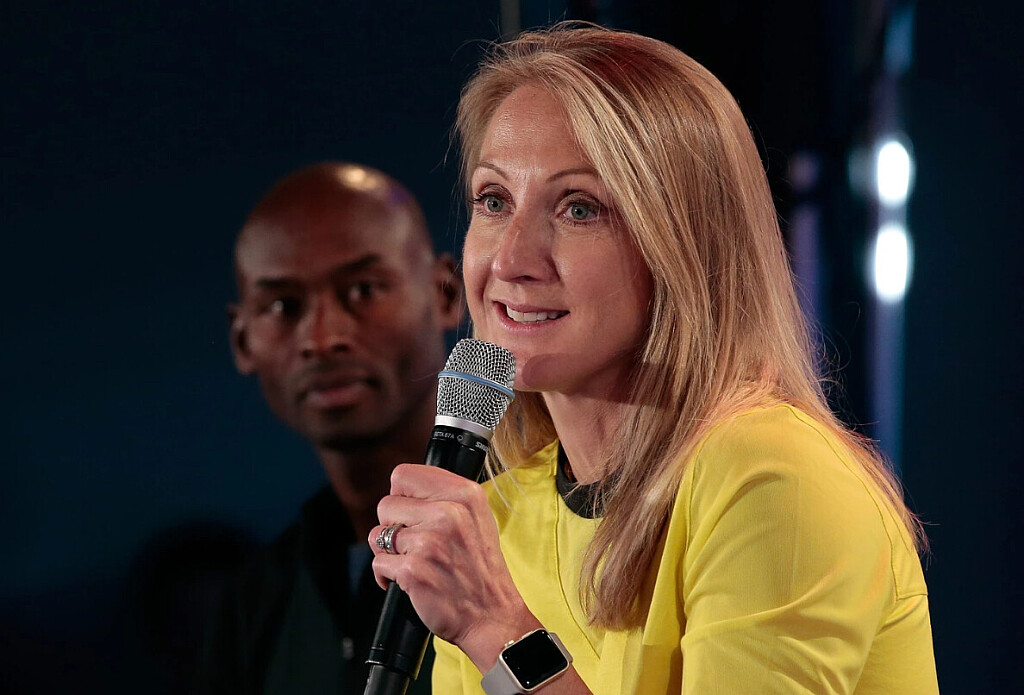
Paula Radcliffe’s Daughter to Run London Marathon After Beating Cancer
This year’s TCS London Marathon will be especially poignant for British running legend Paula Radcliffe—not because she’s racing, but because her daughter is.
Now 51, Radcliffe will be on the sidelines as her 18-year-old daughter Isla runs her first marathon, raising money and awareness for Children with Cancer UK, the charity that supported her through one of the most difficult times in her life.
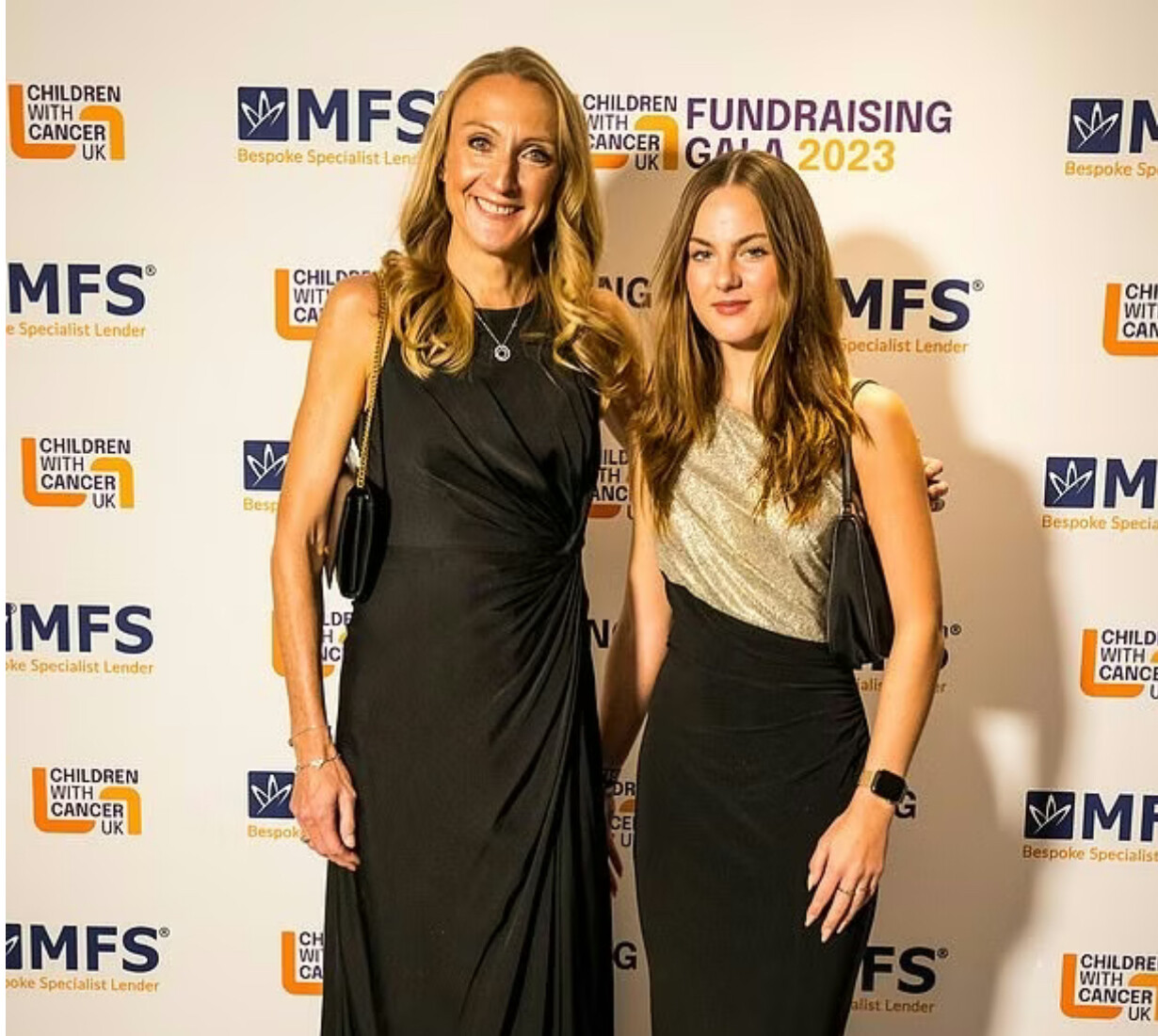
Isla was diagnosed with a rare form of ovarian cancer at just 13 years old. “I knew something was wrong when she started getting chronic stomach aches and was bleeding,” Radcliffe told Radio Times. The diagnosis was a shock for the entire family and began a long and challenging journey.
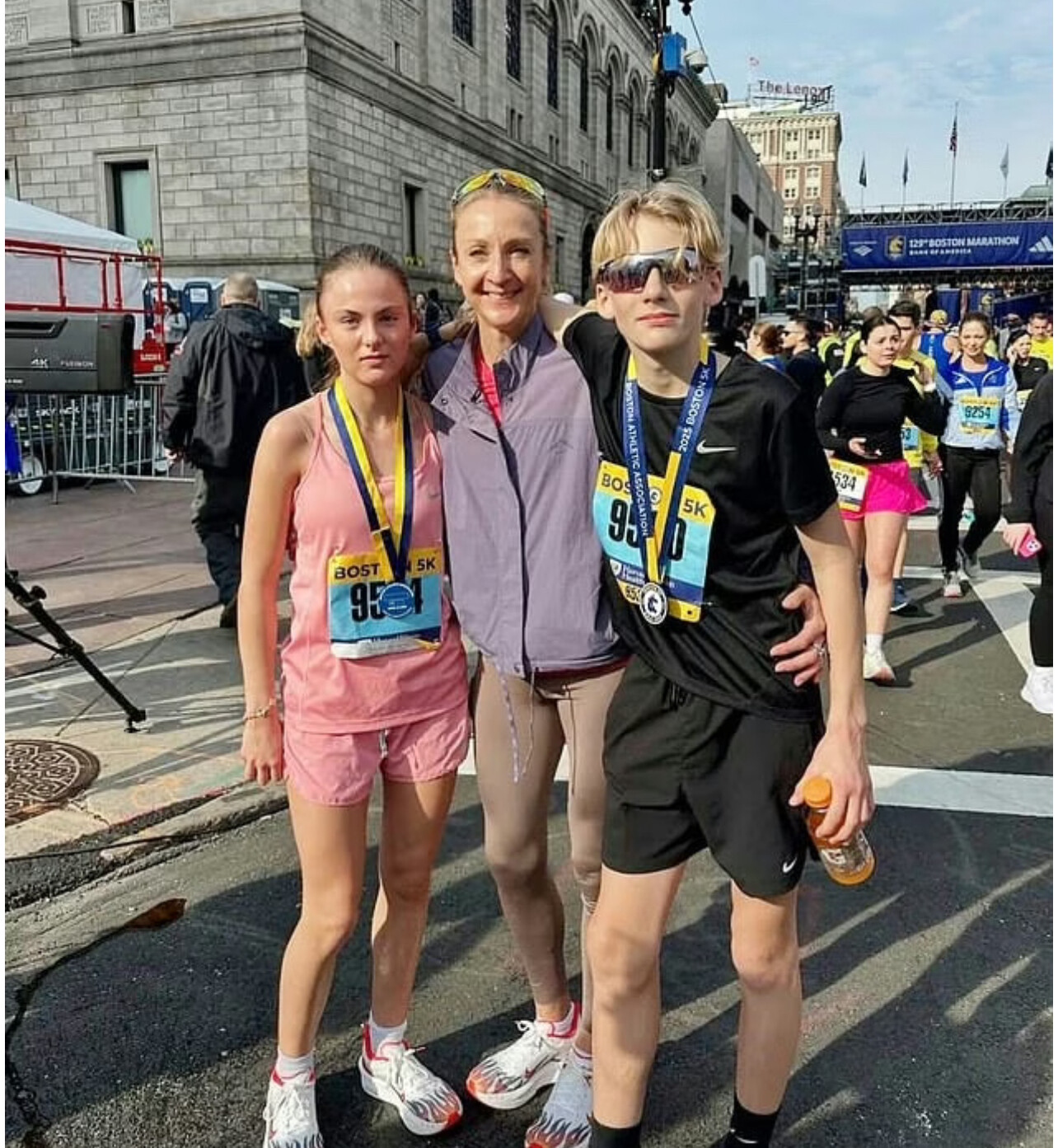
Having now fully recovered, Isla is not only healthy but strong—and ready to take on the 26.2 miles through London on April 27. She’ll be running in support of the very cause that helped her through treatment.
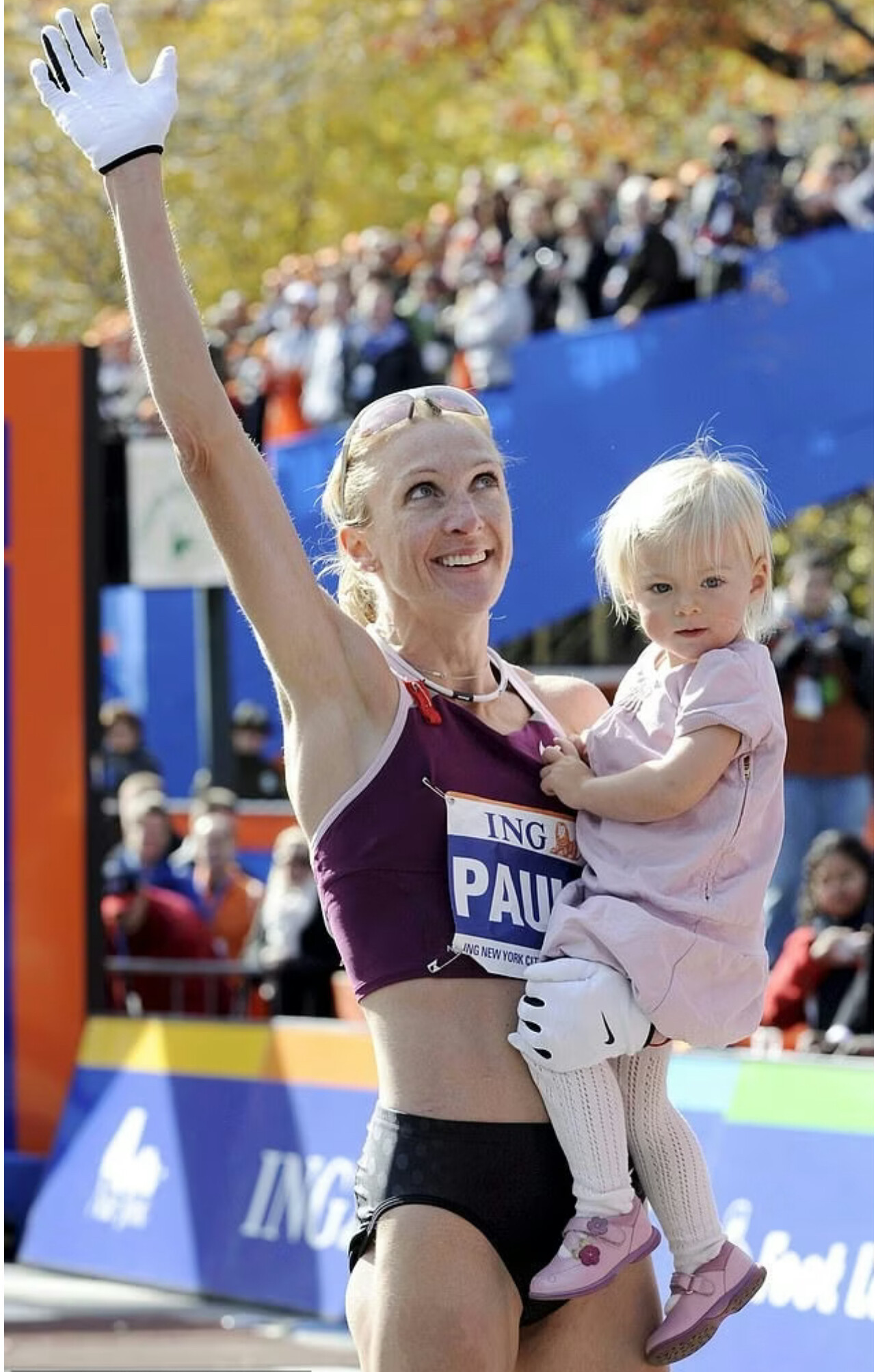
Radcliffe, who broke the marathon world record in 2003 with her iconic 2:15:25 in London, has returned to marathoning herself. She’s also been chronicling her journey—and helping others train—through her new podcast series Paula’s Marathon Run Club, also sponsored by Children with Cancer UK.
“This is going to be a really emotional year,” Radcliffe said. “To see Isla cross the finish line will mean more than any time I’ve crossed it myself.”
More than a race, the moment will represent survival, strength, and the bond between a mother and daughter who have endured—and overcome—a terrifying ordeal.
by Boris Baron
Login to leave a comment
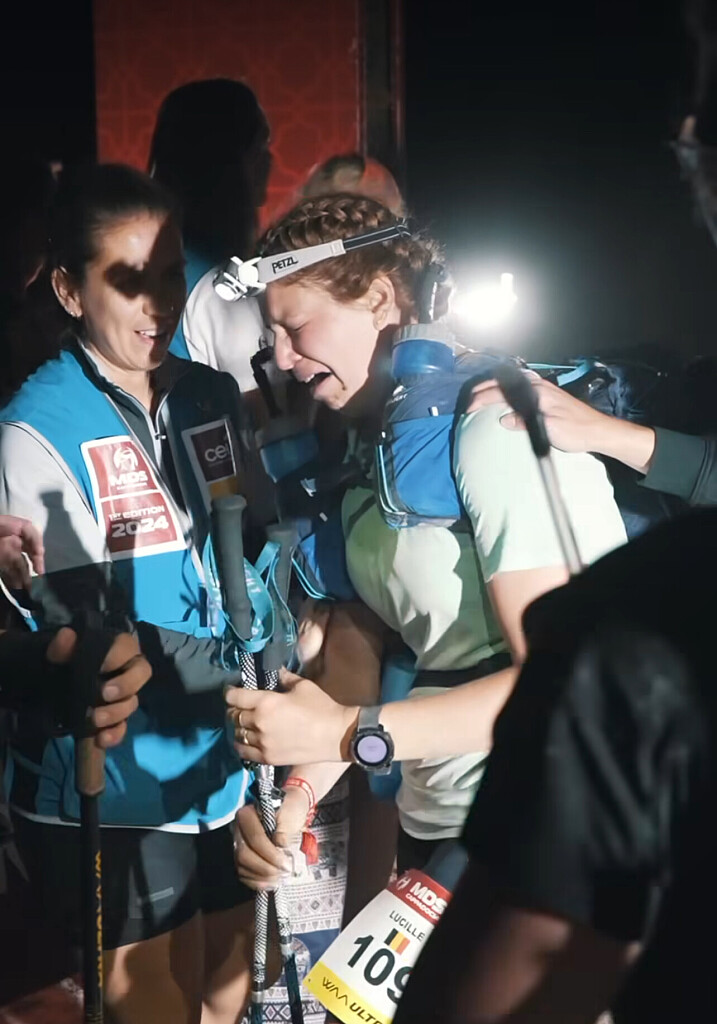
Surviving the Sahara – Inside the Marathon des Sables, the World’s Toughest Footrace
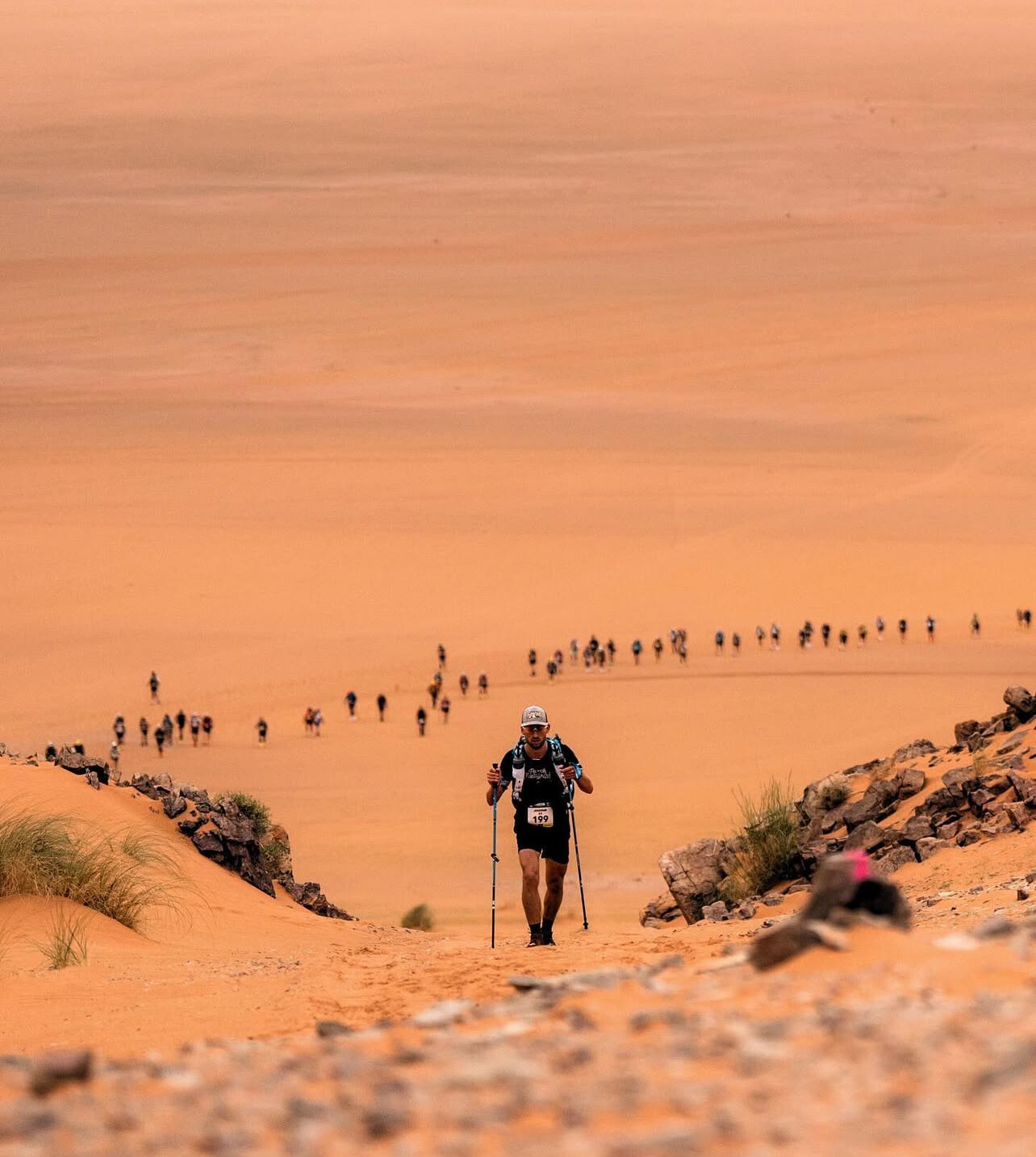
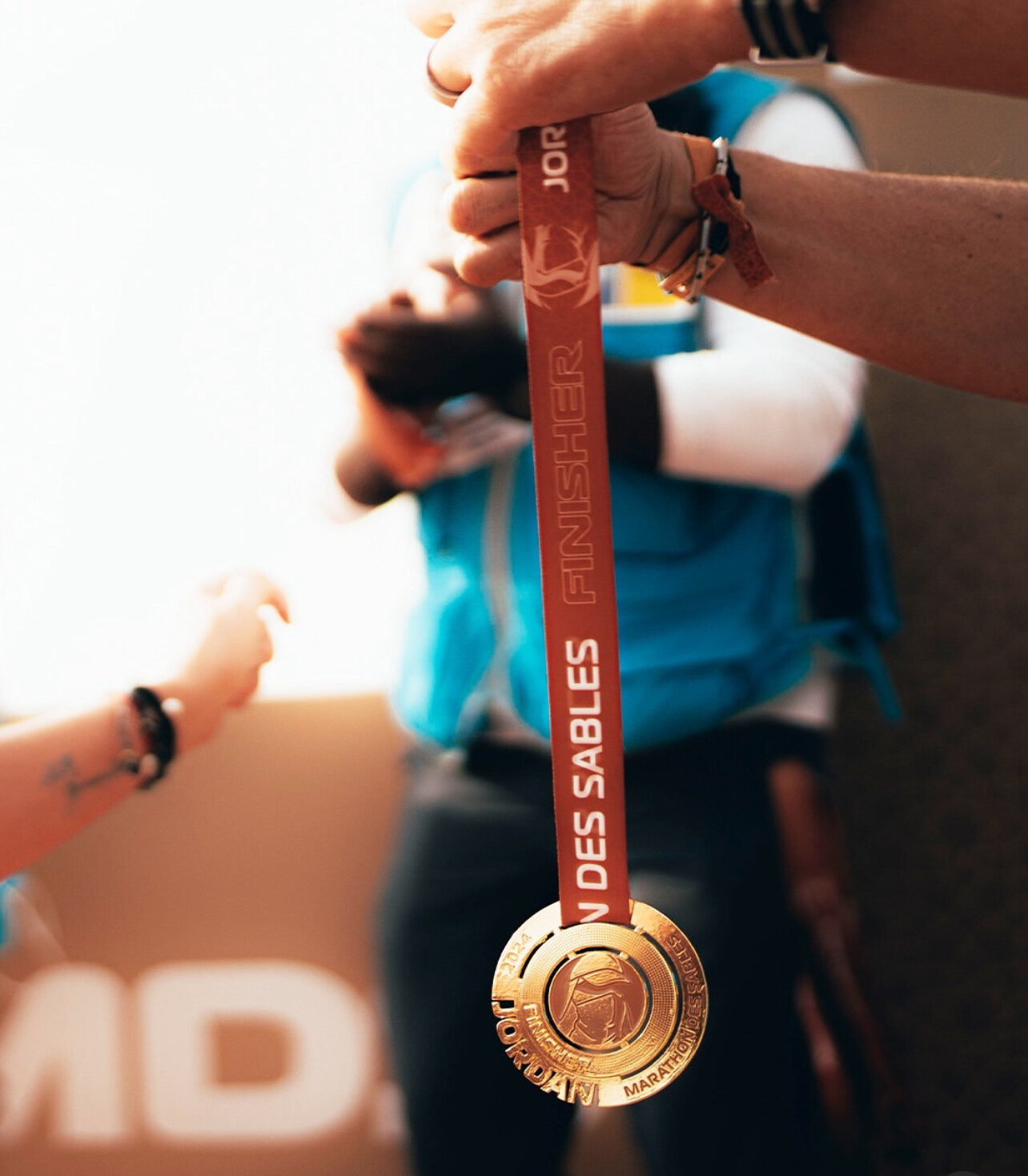
Dubbed the toughest footrace on Earth, the Marathon des Sables (MdS) is a grueling multi-day ultramarathon that challenges participants to traverse approximately 250 kilometers across the unforgiving terrain of the Moroccan Sahara Desert. This annual event tests the limits of human endurance, self-sufficiency, and resilience.
A Brief History of a Brutal Race
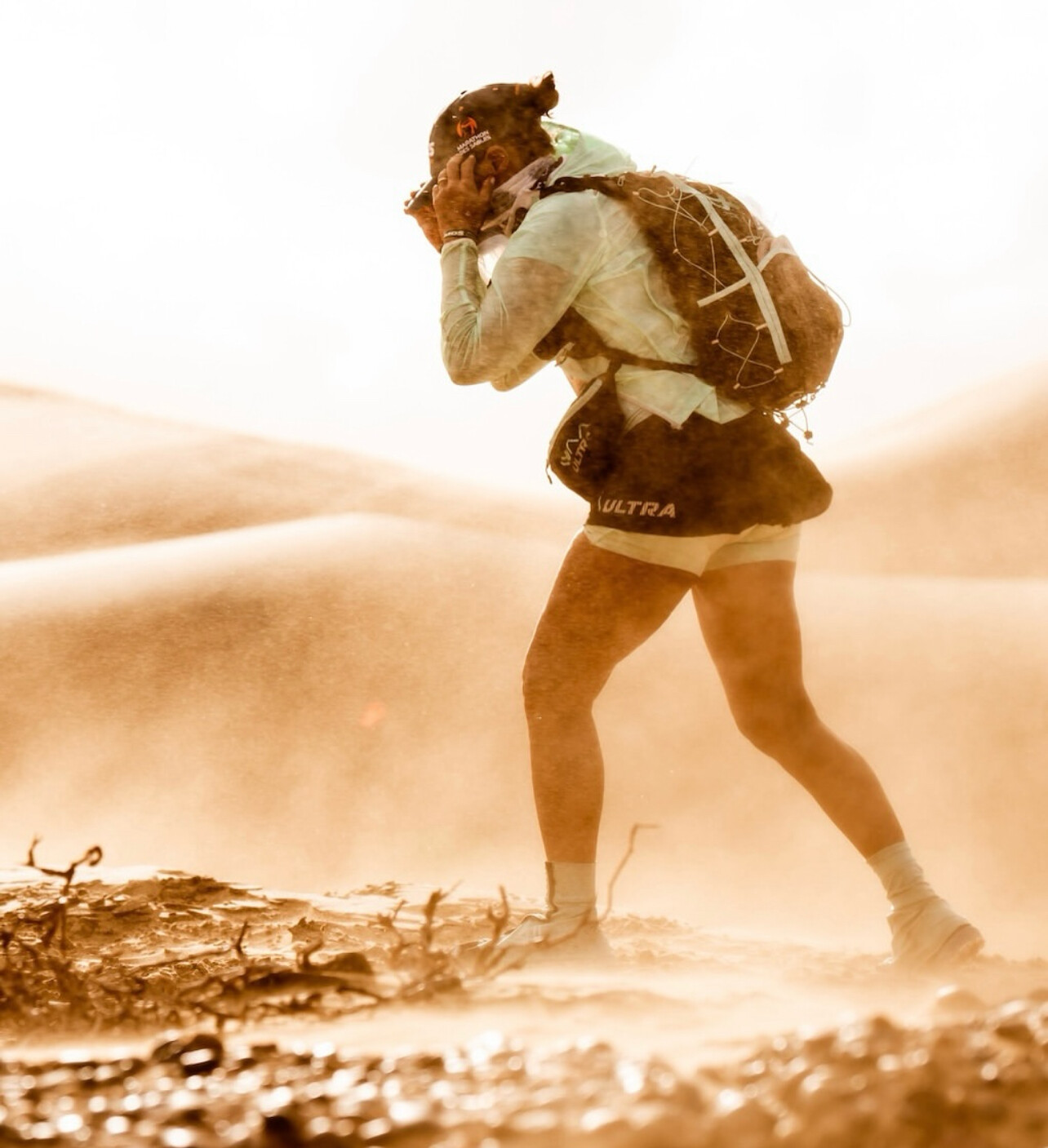
The Marathon des Sables was conceived by Frenchman Patrick Bauer, who in 1984 embarked on a solo trek of 350 kilometers across the Sahara Desert. Inspired to share this transformative experience, Bauer organized the inaugural race in 1986 with just 23 participants. Since then, the MdS has grown exponentially, attracting over a thousand competitors annually from around the globe.
The Race Format – Six Days of Pain and Perseverance
The MdS spans six stages over seven days, covering diverse and challenging terrains:
• Stages 1–3: Medium-distance runs of 30–40 km each.
• Stage 4 (The Long Day): An arduous 80+ km stretch, often extending into the night.
• Stage 5: A standard marathon distance of 42.2 km.

• Stage 6: A non-competitive charity stage, approximately 10 km, fostering camaraderie among participants.
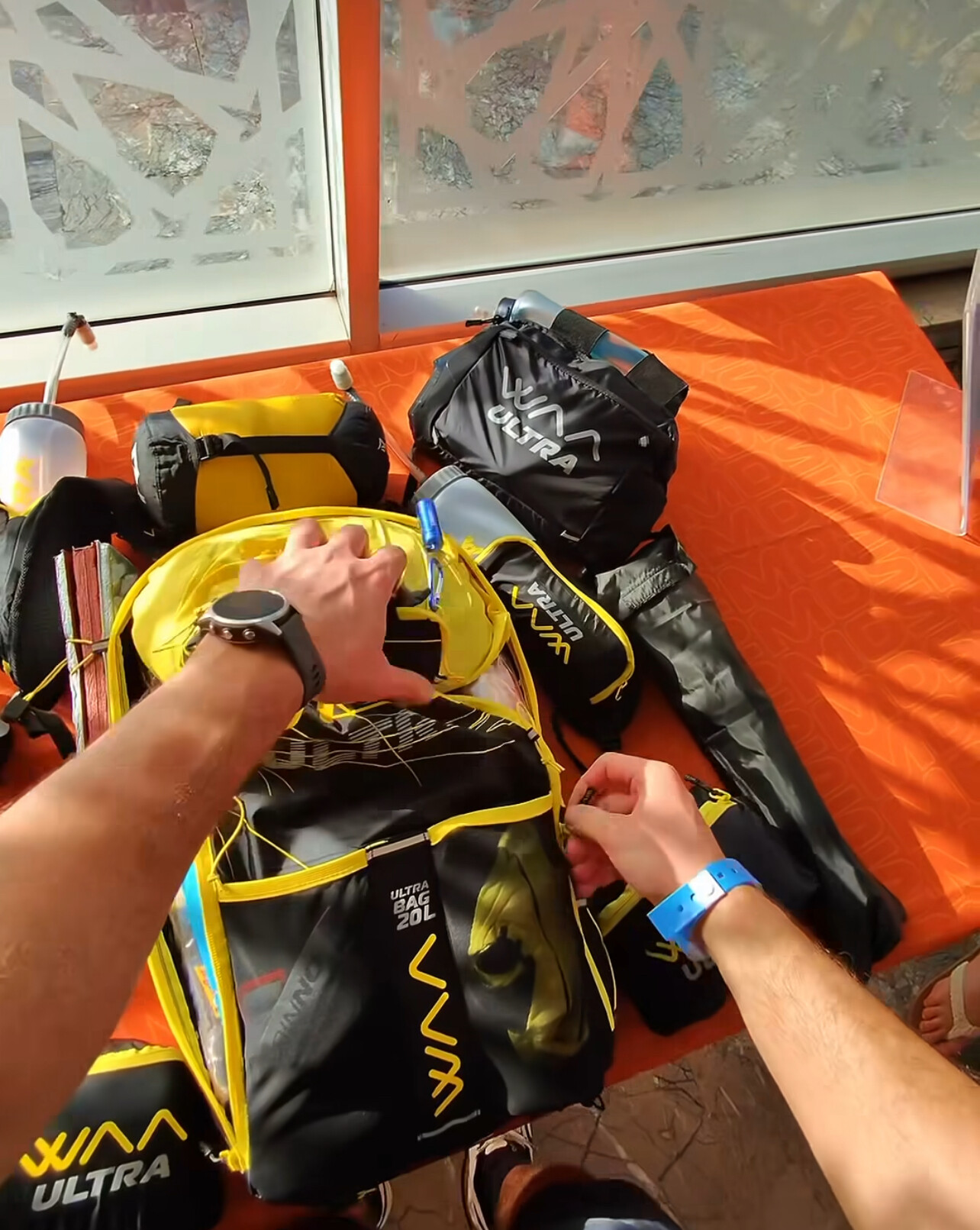
Competitors must be self-sufficient, carrying their own food, equipment, and personal belongings throughout the race. Water is rationed and provided at checkpoints, and communal Berber tents are set up at designated bivouac sites for overnight stays.
Training and Preparation – Building the Body and the Mind
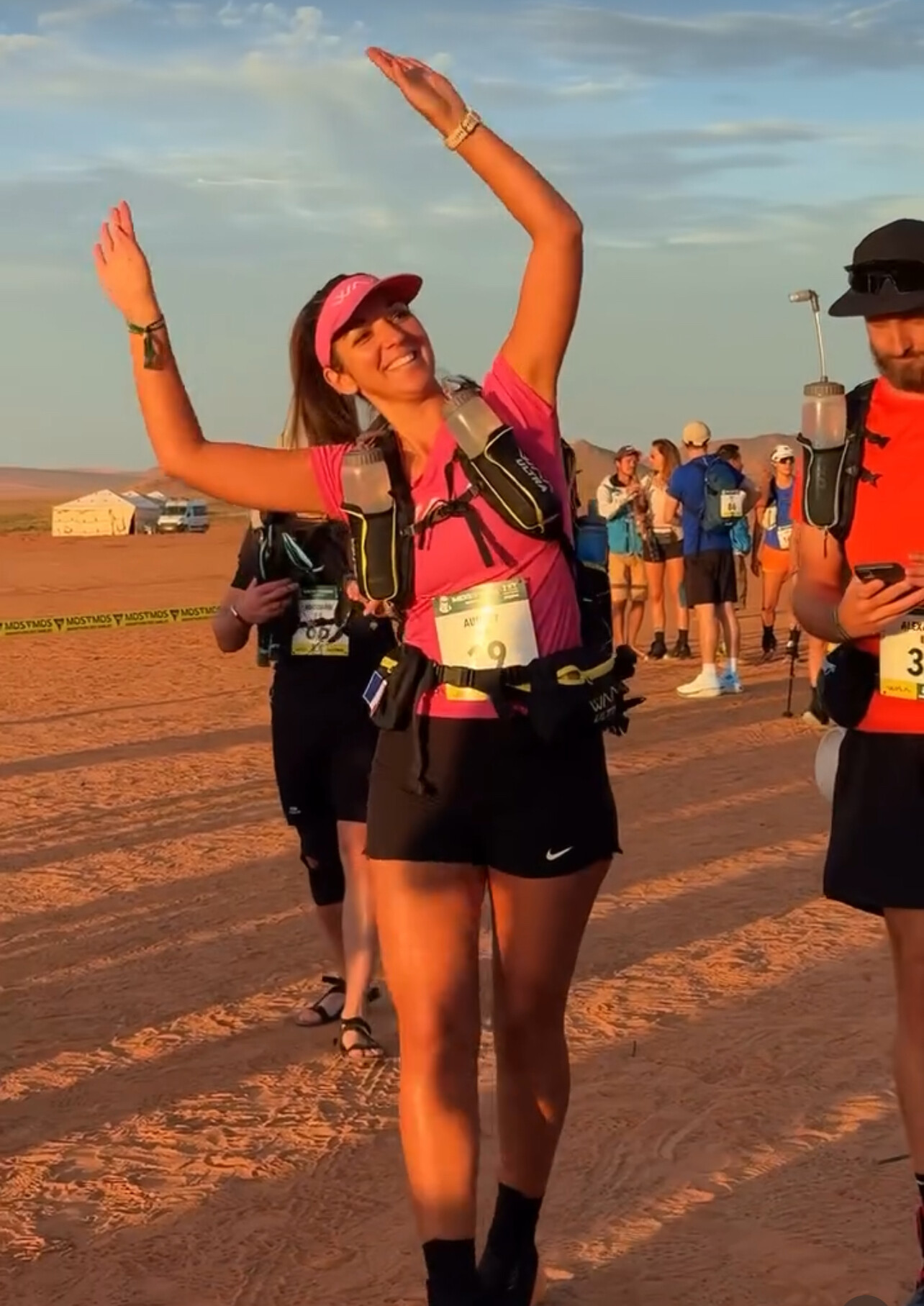
Preparation for the MdS requires a comprehensive approach:
• Endurance Training: Incorporating high-mileage runs, often back-to-back, to simulate race conditions.
• Strength Conditioning: Focusing on core and lower-body strength to handle the added weight of the backpack.
• Heat Acclimatization: Training in heated environments or during peak temperatures to adapt to desert conditions.
• Mental Fortitude: Developing strategies to cope with isolation, fatigue, and the psychological demands of the race.
Many participants also engage in simulated self-sufficiency exercises, practicing with their race gear and nutrition plans to ensure efficiency and comfort during the event.
Gear and Packing Essentials – Living Out of a Backpack
Competitors are required to carry mandatory equipment, including:
• Sleeping bag
• Headlamp and spare batteries
• Compass and roadbook
• Emergency whistle and signaling mirror
• Minimum of 2,000 calories per day
• First-aid supplies, cooking equipment, and survival gear
Optional items often include gaiters to prevent sand ingress, specialized desert footwear, and comprehensive blister care kits. Balancing pack weight (typically between 6.5 to 15 kg) with essential supplies is crucial for performance and comfort.
The Daily Grind – Life in the Desert
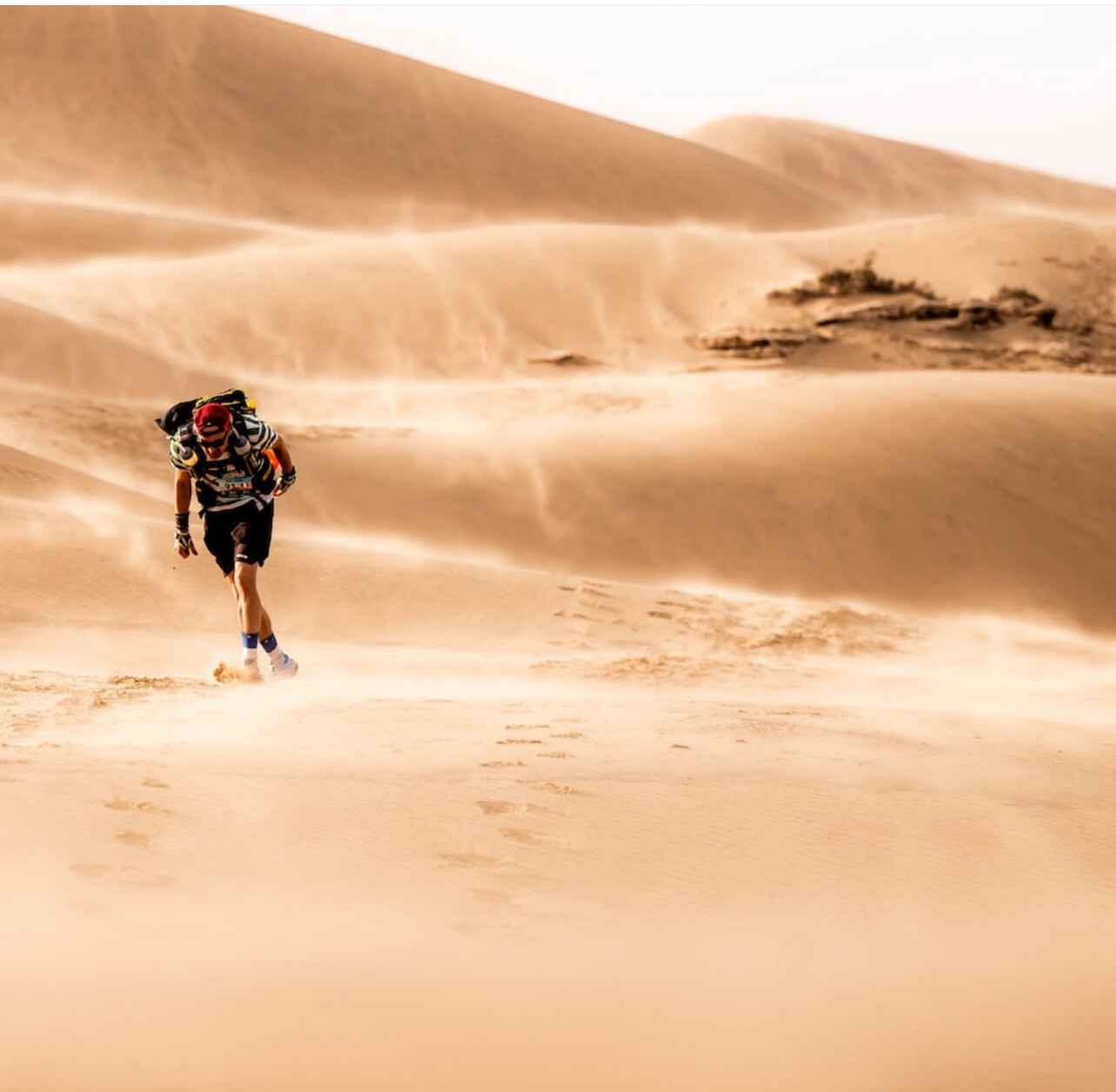
Each day begins before dawn, with participants breaking camp and preparing for the day’s stage. The course presents a variety of challenges, from towering sand dunes to rocky jebels (mountains), under the relentless desert sun. Checkpoints provide rationed water and medical support, but the journey between them is a true test of endurance.
Evenings are spent at bivouac sites, where runners tend to injuries, share experiences, and rest under the starlit Sahara sky, fostering a unique sense of community and mutual support.
Famous Runners and Legendary Stories
The MdS has seen remarkable athletes:
• Rachid El Morabity: A Moroccan runner with multiple victories, renowned for his dominance in desert ultramarathons.
• Laurence Klein: A French athlete with several MdS wins, exemplifying endurance and resilience.
Inspirational tales abound, such as that of Mauro Prosperi, an Italian competitor who in 1994 survived nine days lost in the desert after a sandstorm veered him off course—drinking bat urine and eating lizards before eventually being rescued.
Why They Keep Coming Back
For many, one MdS is enough. For others, it becomes an annual pilgrimage. The appeal goes beyond running—it’s about testing your limits and discovering who you really are when stripped of all comfort.
The camaraderie, the solitude, the intensity, and the transformation draw people back. In a world filled with convenience, the MdS offers a rare crucible: a space where pain becomes purpose and exhaustion becomes transcendence.
by Boris Baron
Login to leave a comment
 An amazing challenge. I am sure the feeling of crossing the finish line must be a feeling that would be hard to put in words. - Bob Anderson 4/4 3:11 am |

Marathon Des Sables
The Marathon des Sables is ranked by the Discovery Channel as the toughest footrace on earth. Seven days 250k Known simply as the MdS, the race is a gruelling multi-stage adventure through a formidable landscape in one of the world’s most inhospitable climates - the Sahara desert. The rules require you to be self-sufficient, to carry with you on your...
more...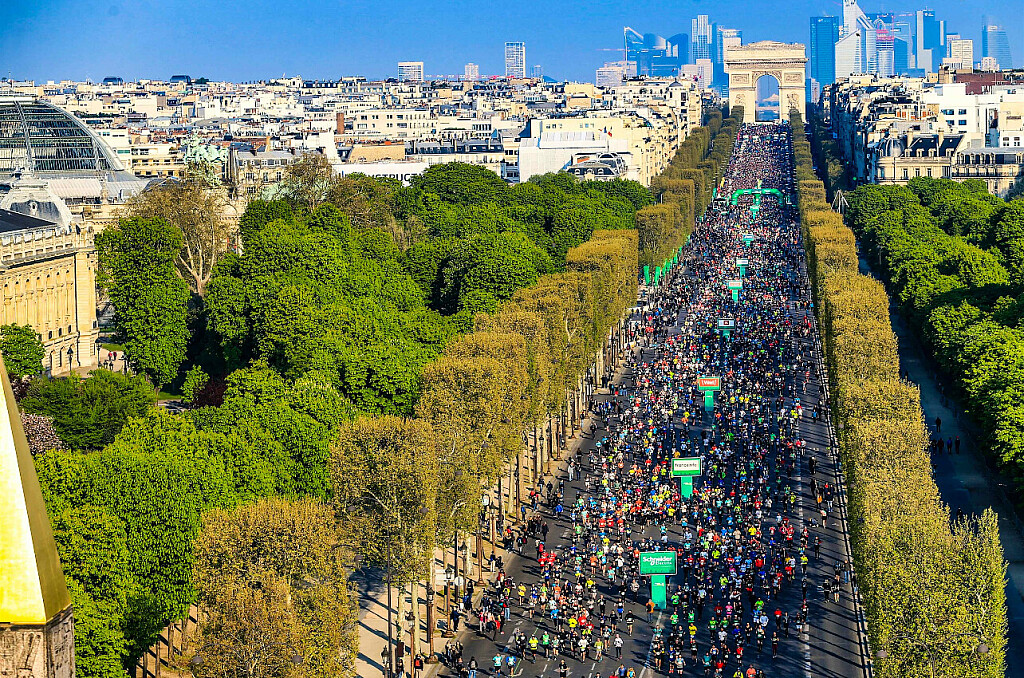
Experience the Magic of Paris: Your Guide to the 2025 Schneider Electric Marathon de Paris
The 48th edition of the Schneider Electric Marathon de Paris is set for Sunday, April 13, 2025. This iconic event offers runners a unique opportunity to traverse the heart of Paris, passing by its most renowned landmarks.
Course Overview
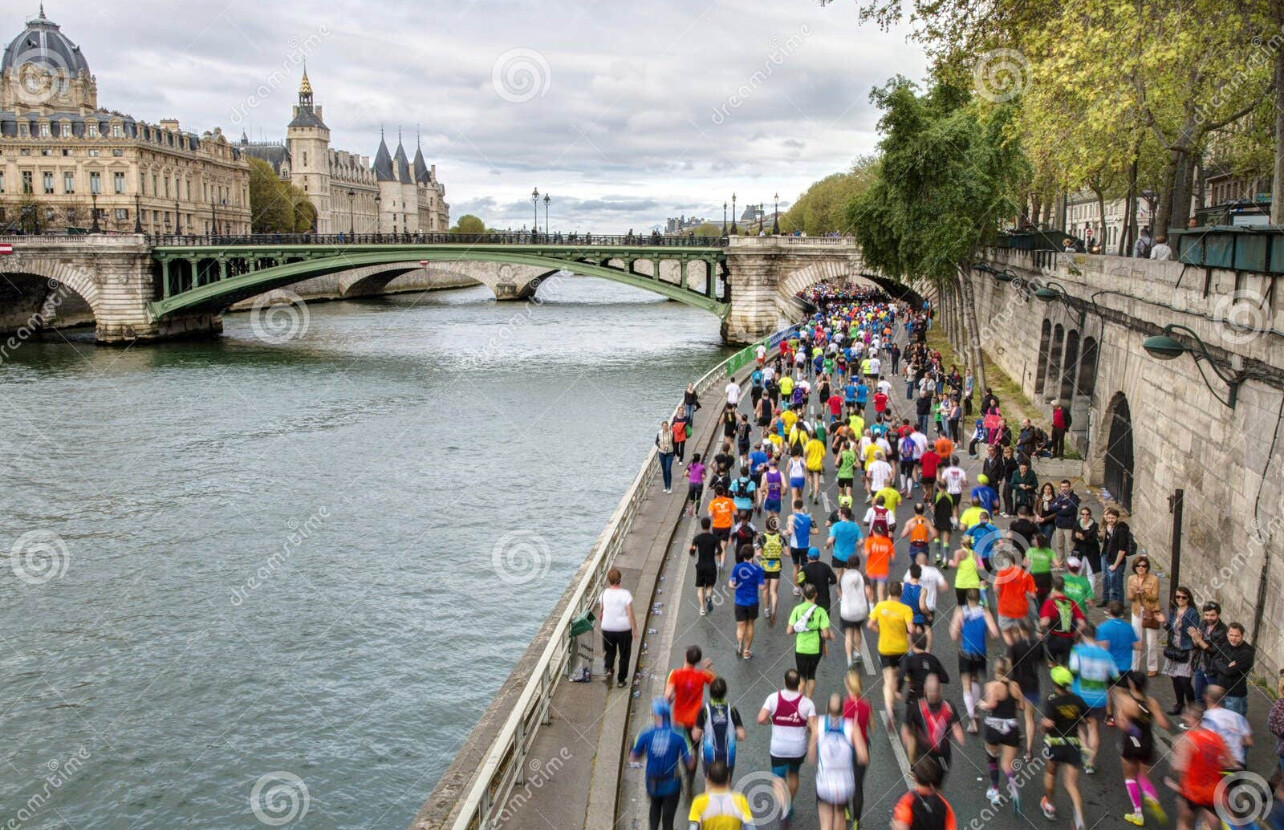
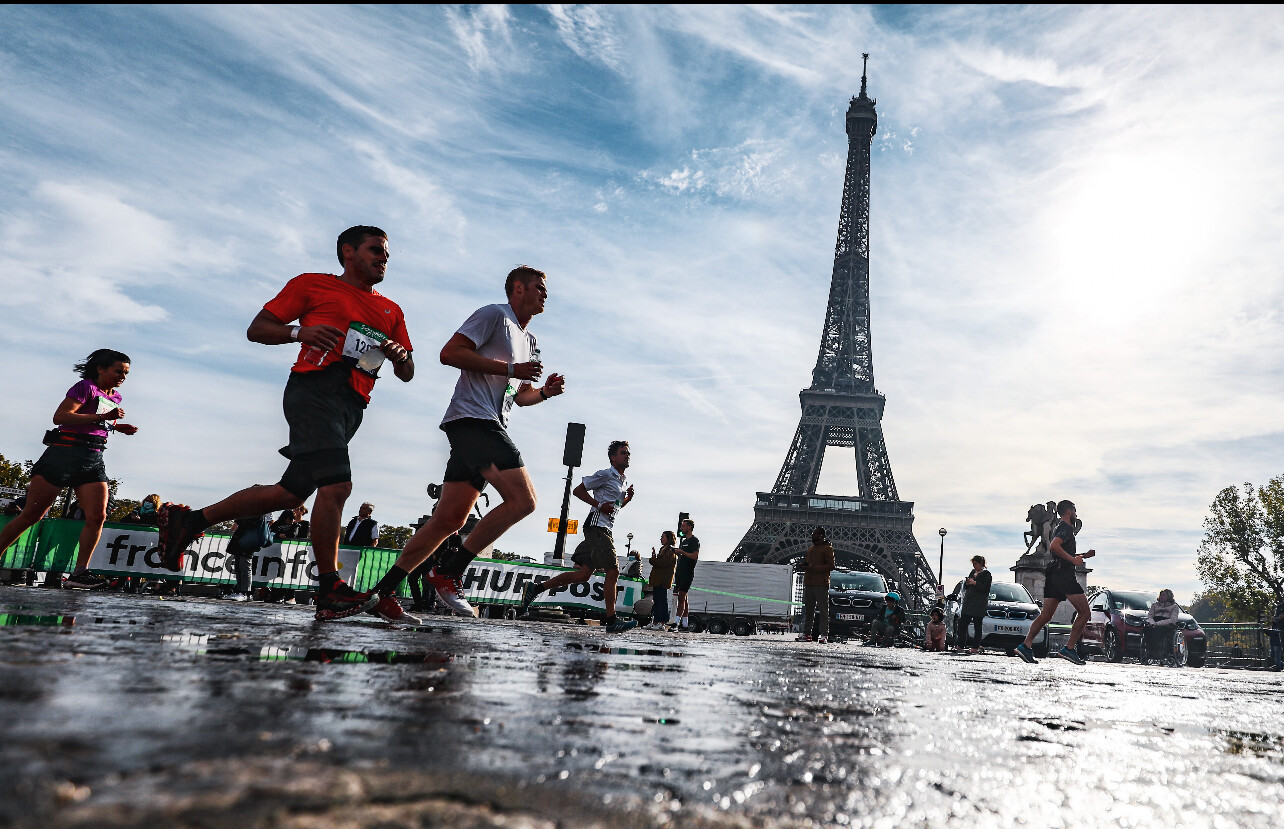
The marathon begins on the famed Avenue des Champs-Élysées, providing participants with a breathtaking view of the Arc de Triomphe. Runners will then proceed past notable sites including the Palais Garnier, Place de la Bastille, Notre-Dame Cathedral, and the Eiffel Tower. The course also features scenic stretches along the Seine River and through the Bois de Vincennes and Bois de Boulogne parks, culminating near the Arc de Triomphe on Avenue Foch.
Registration Status
As of now, general entries for the 2025 marathon are fully subscribed. However, prospective participants still have options to secure a spot:
• Charity Entry: Run for a charitable cause by committing to fundraising efforts.
• Hospitality Program: Enhance your marathon experience with exclusive amenities through the hospitality package.
• Tour Operators: Book a travel package that includes race entry via authorized tour operators.
Detailed information on these alternatives is available on the official marathon website.
Course Records
The current course records stand as a testament to the marathon’s competitive spirit:
• Men’s Record: Elisha Rotich (Kenya) set a time of 2:04:21 in 2021.
• Women’s Record: Judith Korir (Kenya) achieved a time of 2:19:48 in 2022.
Elite Runners and Prize Money
The Paris Marathon consistently attracts a competitive field of elite runners vying for substantial prize money. Both the male and female winners receive €50,000, provided they meet specific time requirements: under 2:11:45 for men and under 2:23:15 for women. Second-place finishers earn €30,000, and third place receives €20,000, with monetary awards extending to the top 10 finishers who achieve the designated qualifying times.
Whether you’re a seasoned marathoner or seeking an unforgettable running experience, the Schneider Electric Marathon de Paris promises a blend of athletic challenge and cultural immersion through one of the world’s most beautiful cities.
by Boris Baron
Login to leave a comment

Schneider Electric Paris Marathon
The Schneider Electric Marathon de Paris offers a unique opportunity to make the city yours by participating in one of the most prestigious races over the legendary 42.195 km distance. The Schneider Electric Marathon de Paris is now one of the biggest marathons in the world, as much for the size of its field as the performances of its runners....
more...
Battocletti and Kwizera Crowned 2024–2025 World Cross Country Tour Champions
Italy’s Nadia Battocletti and Burundi’s Rodrigue Kwizera emerged as the top athletes of the 2024–2025 World Athletics Cross Country Tour, each earning the highest ranking in the final standings after a season of consistent excellence across the global circuit.
Athletes earned points based on their best three performances between September 2024 and March 2025, with at least two results coming from official World Cross Country Tour events.

Battocletti Claims Women’s Title with European Gold and Two Tour Wins
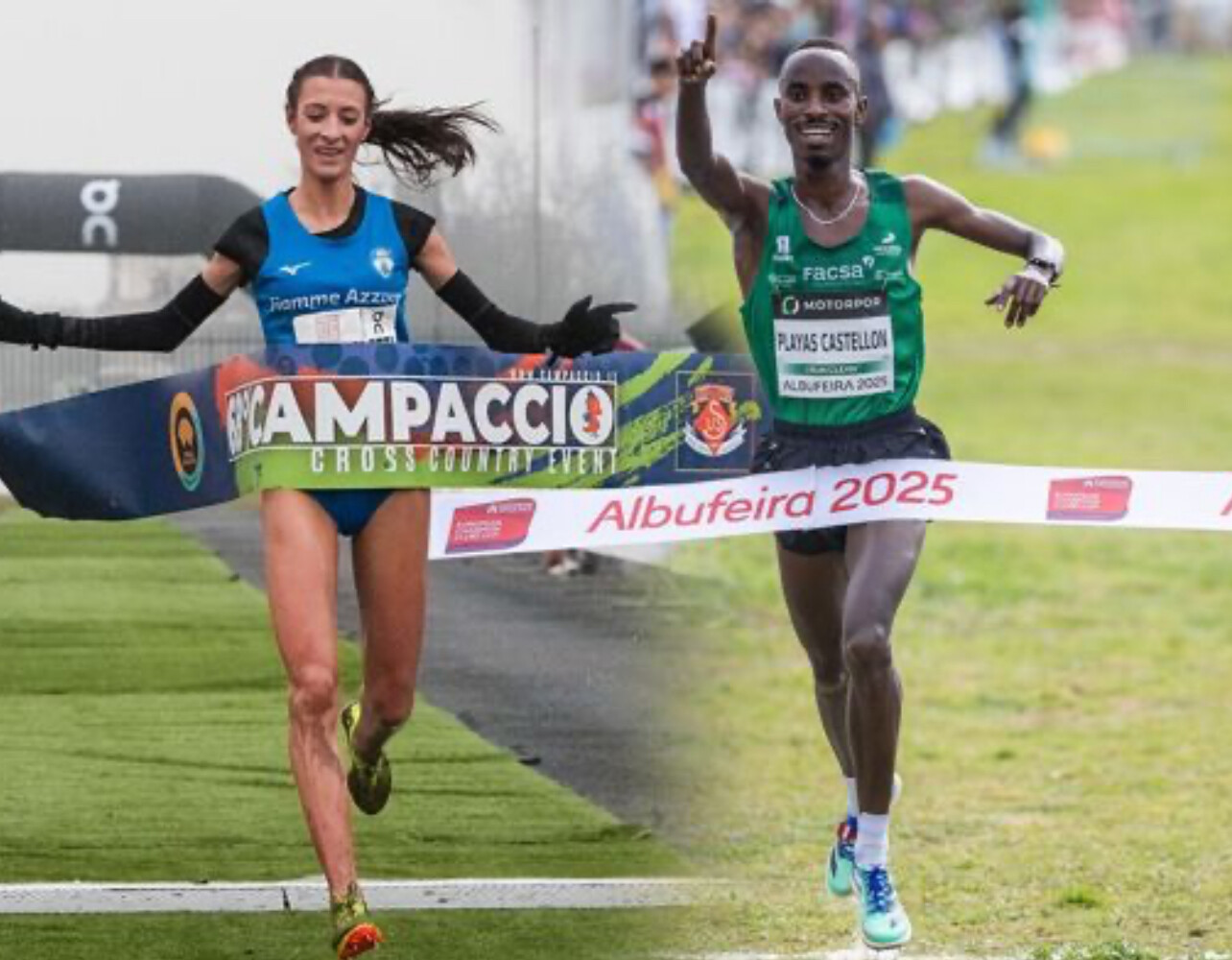
Nadia Battocletti capped a stellar season by finishing atop the women’s leaderboard with 3720 points. Her campaign began with a third-place finish at the iconic Cinque Mulini race in mid-November. A week later, she stormed to victory in Alcobendas, Spain, and followed that with a gold medal at the European Cross Country Championships in Antalya in December. She sealed her Tour triumph with a win on home soil at Campaccio in January.
Burundi’s Francine Niyomukunzi—winner in Amorebieta and Albufeira—secured second place with 3700 points, followed closely by Kenya’s Sheila Jebet, who earned 3680 points across the series.
Kwizera Clinches Third Consecutive Men’s Title
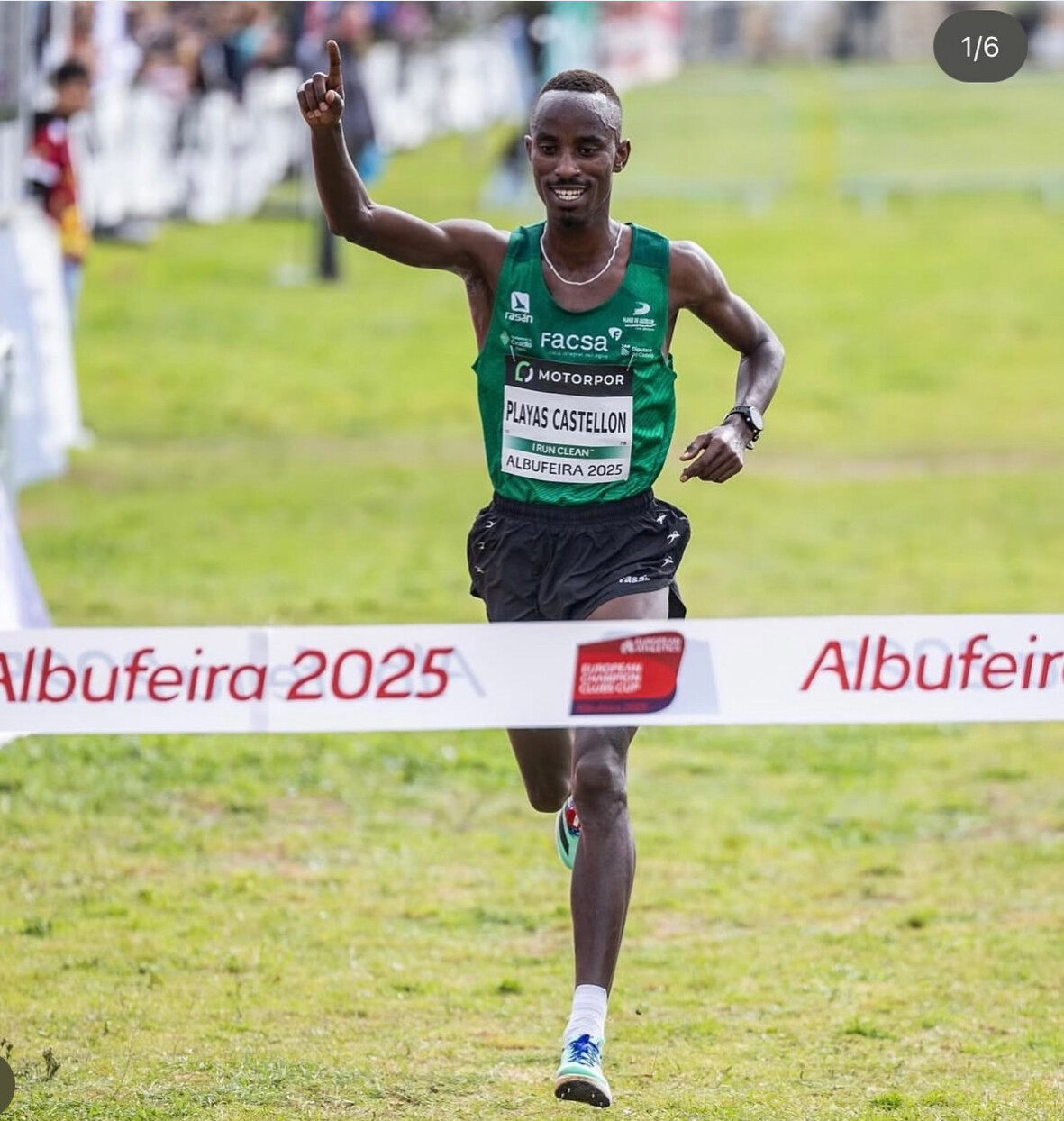
In the men’s division, Rodrigue Kwizera continued his dominance on the cross-country scene by winning five races in the Tour—Amorebieta, Atapuerca, Soria, Alcobendas, and Albufeira—matching Battocletti’s final score of 3720 and securing his third straight overall title.
Kenya’s rising star, 18-year-old Matthew Kipkoech Kipruto, impressed with victories at Cinque Mulini and Carhaix to finish second overall with 3680 points. Spain’s Thierry Ndikumwenayo rounded out the top three with 3660 points.
Prize Payouts for Top Finishers
The World Cross Country Tour rewards consistency and performance, with the top six athletes in each category receiving prize money. Both Battocletti and Kwizera earned €10,000 for their overall victories.
Final Standings
Women’s Top Six:
1. Nadia Battocletti (ITA) – 3720
2. Francine Niyomukunzi (BDI) – 3700
3. Sheila Jebet (KEN) – 3680
4. Charity Cherop (UGA) – 3640
5. Carolina Robles (ESP) – 3620
6. Daisy Jepkemei (KAZ) – 3610
Men’s Top Six:
1. Rodrigue Kwizera (BDI) – 3720
2. Matthew Kipkoech Kipruto (KEN) – 3680
3. Thierry Ndikumwenayo (ESP) – 3660
4. Oscar Chelimo (UGA) – 3640
5. Celestin Ndikumana (BDI) – 3620
6. Robert Kiprop Koech (KEN) – 3600
The 2024–2025 Tour not only highlighted emerging stars but also cemented the status of elite veterans, with performances across varied terrains and countries showcasing the global appeal and competitive depth of cross-country running.
by World Athletics
Login to leave a comment
No-Finish-Line Runs: The Emerging Trend of 'Open-Ended' Races and Personal Challenges
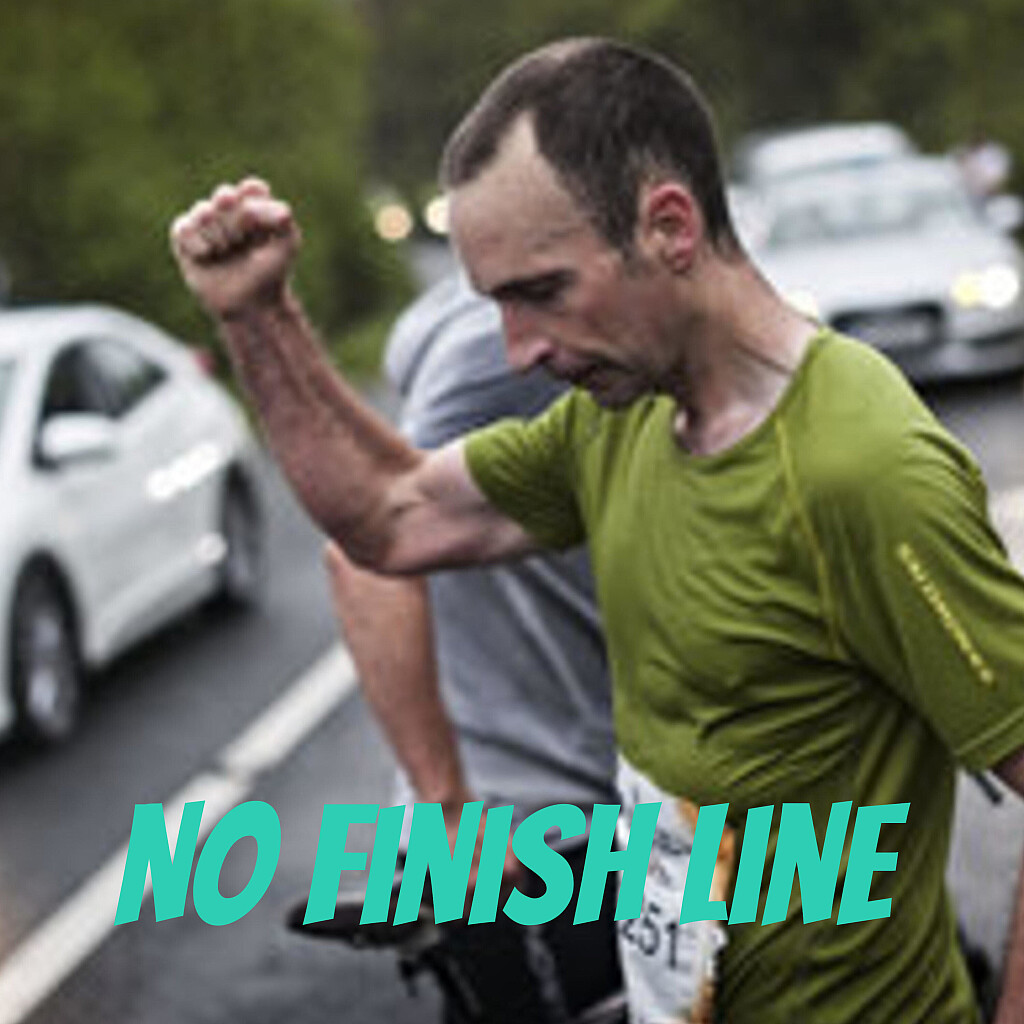
In a world increasingly focused on measurable outcomes and rigid milestones, a new wave of athletic events is redefining success by removing the finish line altogether.
These no-finish-line runs prioritize endurance, personal growth, and community over competition, with participants embracing the journey rather than chasing a fixed endpoint. At the heart of this movement lies the loop or repetitive course—a format that embodies the philosophy of endless possibility. Here’s how this concept is reshaping the future of running.
1. Loop or Repetitive Course: Redefining the Race Experience
The loop course model transforms traditional races into open-ended challenges. Instead of a linear route with a predetermined distance, runners navigate a repeated circuit—often 1 km or shorter—for as long as they choose. This structure democratizes participation, allowing athletes of all levels to set personal goals, whether completing 5 laps or 50.
Example: The No Finish Line Nice Charity Race
One standout event is the No Finish Line Nice, a 5-day charity race held annually on France’s Côte d’Azur. From May 14–18, 2025, participants will run or walk a 1 km loop along the Quai des Etats-Unis, with every kilometer translating to €1 donated to underprivileged and sick children. The course is open 24/7, encouraging runners to push their limits while fostering a collective effort toward a shared goal. Key features include:
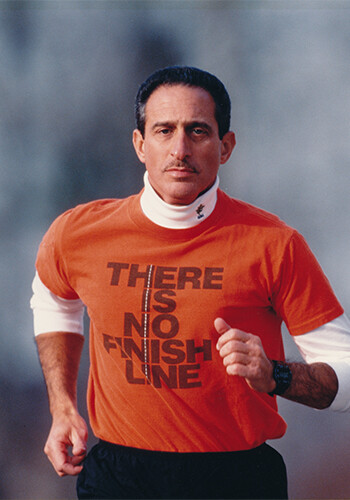
Flexibility - Participants join solo or in teams, with no time constraints.
Inclusivity - Open to all ages, fitness levels, and even pets or strollers.
Community Impact - Funds raised directly support local causes, blending athleticism with altruism.
This model mirrors the ethos of Nike’s No Finish Line book, which argues that innovation and progress are not end points but endless journeys driven by creativity and collaboration .
2. Philosophy: The Intersection of Sport and Endless Potential
The loop course trend aligns with broader cultural shifts toward mindfulness and sustainability. By removing the pressure to “finish,” runners focus on incremental progress—a concept echoed in Nike’s vision for design and sport. As Nike Chief Design Officer John Hoke writes:
When we say ‘There is no finish line,’ it’s not about an unending grind, but a belief in the limitless potential of sport and design.
This philosophy rejects rigid definitions of success, inviting participants to embrace their unique paths. Similarly, Sam Grawe’s essays in *No Finish Line* predict a future where design evolves from “static to sensorial” and “elite to everyone”—principles that resonate with the democratized nature of loop races.
3. Why Loop Courses Are Gaining Momentum
Personalization - Athletes set their own benchmarks, whether running for 30 minutes or 5 days.
Sustainability - Compact courses minimize environmental impact compared to large-scale marathons.
Community Building - Shared spaces like the Nice waterfront create a festival-like atmosphere, blending sport with social connection .
Mental Resilience - Repetition fosters mindfulness, teaching runners to find joy in persistence rather than external validation.
4. The Future of Open-Ended Challenges
As seen in events like No Finish Line Nice and Nike’s forward-thinking narratives, the loop course model is more than a trend—it’s a reflection of a cultural shift toward valuing process over outcome. By integrating technology (e.g., tracking apps) and charitable causes, these races redefine athleticism as a tool for collective good.
In the words of a Medium essay on life’s journey:
“Success and happiness mean different things to everyone. The race we imagine isn’t the same for all."
Loop courses embody this truth, proving that sometimes, the most meaningful finish line is the one we choose not to draw.
by Bruce Baronton
Login to leave a comment
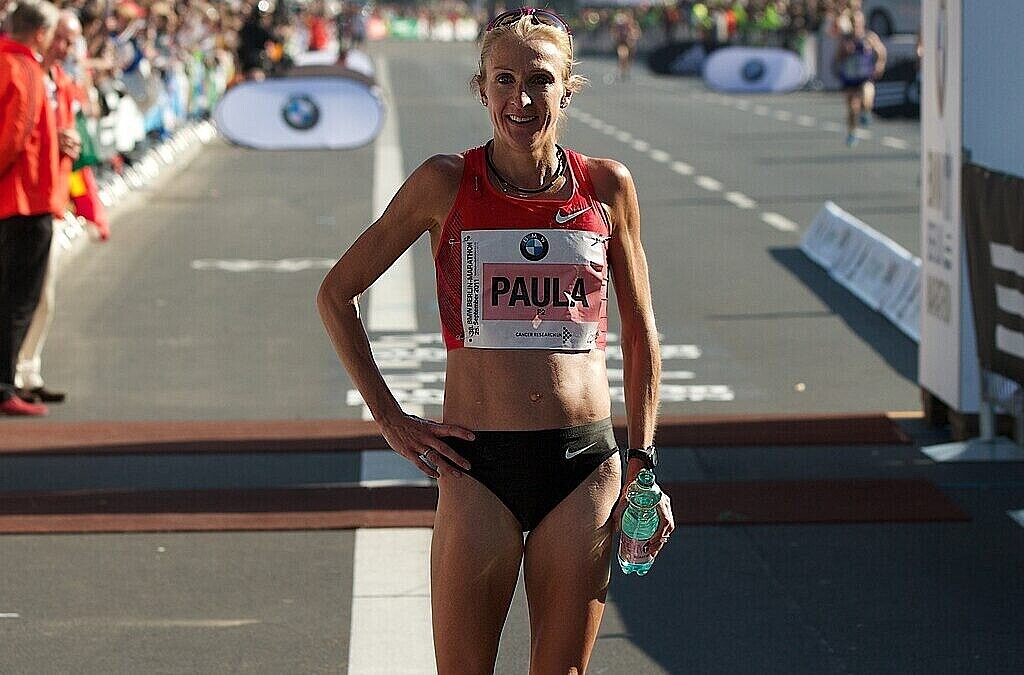
Former world record holder coming out of retirement to run Boston Marathon
It’s been over a decade since former women’s marathon world record holder Paula Radcliffe ran her last marathon, but the 51-year-old says she’s ready to make her awaited return. Radcliffe says she intends to run the 2025 Tokyo Marathon and the 2025 Boston Marathon seven weeks later.
On Monday, Radcliffe announced her comeback on her newest podcast, Paula’s Marathon Run Club, which she co-hosts with two-time British Olympic marathoner Chris Thompson.
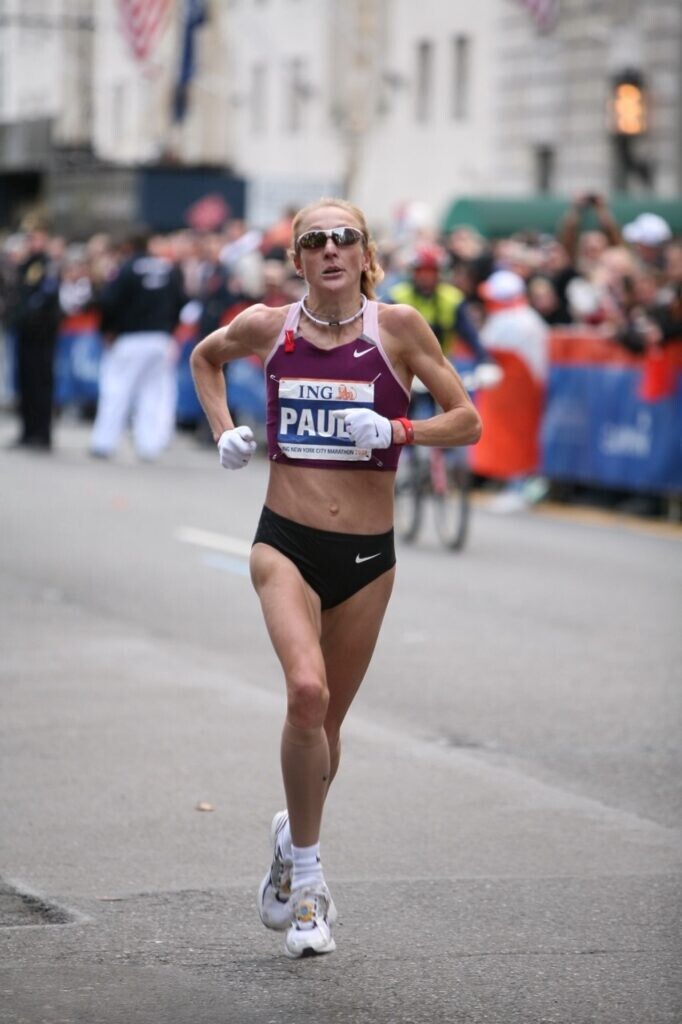
Radcliffe is the most decorated British female marathoner in history, having won both the London and New York marathons three times in her career. She is a seven-time Abbott World Marathon Major champion, and her 2:15:25 from the 2003 London Marathon still stands as the British marathon record. She held the world record for 16 years until Kenya’s Brigid Kosgei broke the mark in 2019.
The 51-year-old hasn’t announced her specific goals for either race yet, but it will be interesting to see if she still has the speed in her legs. Her last marathon came in 2015 in London, where she ran 2:36:55, winning her W40-44 age category and the masters division at the time. Despite it being 10 years ago, it will be intriguing to see if she can still run fast and challenge the British W50+ masters record of 2:47:44.
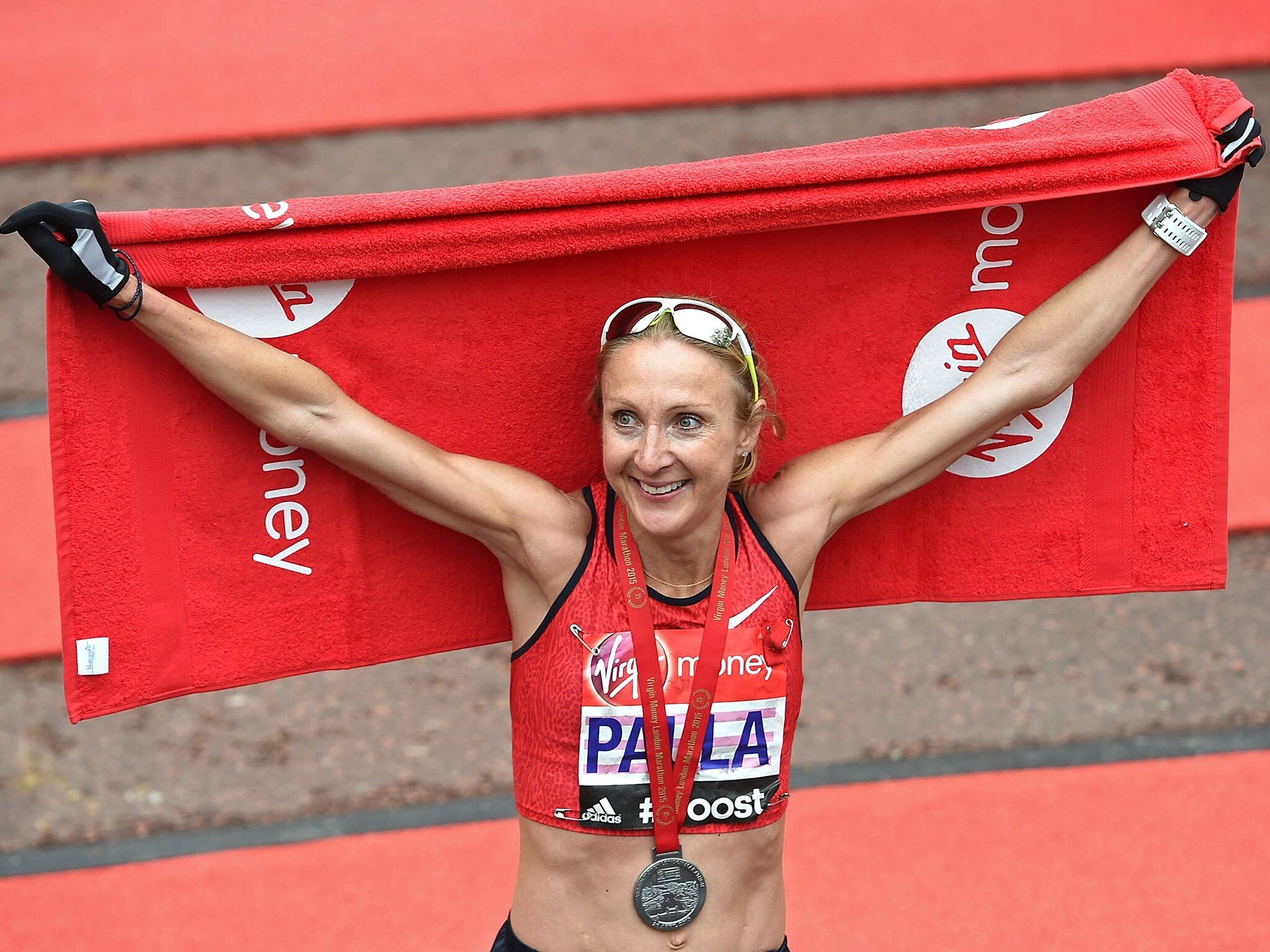
The 2025 Tokyo Marathon is scheduled for March 2, and the 2025 Boston Marathon is seven weeks later on Monday, April 21.
The weekend after Boston, Radcliffe revealed she will be heading to London to cheer on her daughter Isla as she makes her marathon debut. Isla will be running the race for charity, raising funds for Children with Cancer UK, which supported her family after she was diagnosed with cancer at age 13.
by Marley Dickinson
Login to leave a comment

Boston Marathon
Among the nation’s oldest athletic clubs, the B.A.A. was established in 1887, and, in 1896, more than half of the U.S. Olympic Team at the first modern games was composed of B.A.A. club members. The Olympic Games provided the inspiration for the first Boston Marathon, which culminated the B.A.A. Games on April 19, 1897. John J. McDermott emerged from a...
more...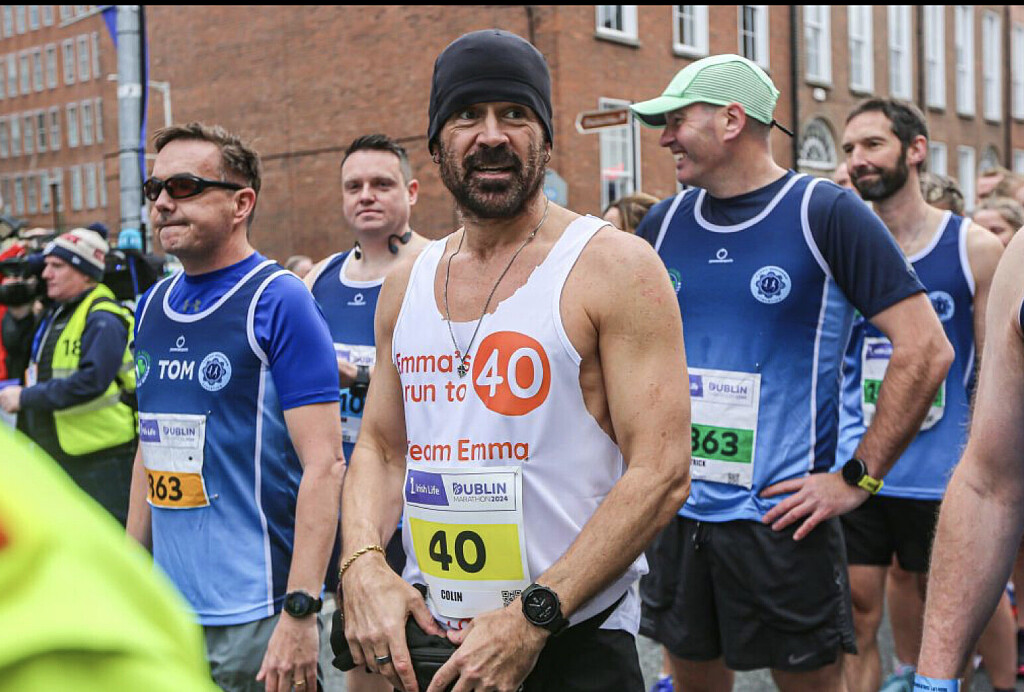
Colin Farrell Ran the Most Memorable Celebrity Marathon of 2024—but Not the Fastest
See which stars ran 26.2 miles and set PRs this year.
After a dip in participation levels due to the COVID-19 pandemic, marathons are finally seeing an upswing in popularity. This year, you had a better chance of getting into Yale University (5 percent) than having your name selected in the New York City Marathon lottery (4 percent).
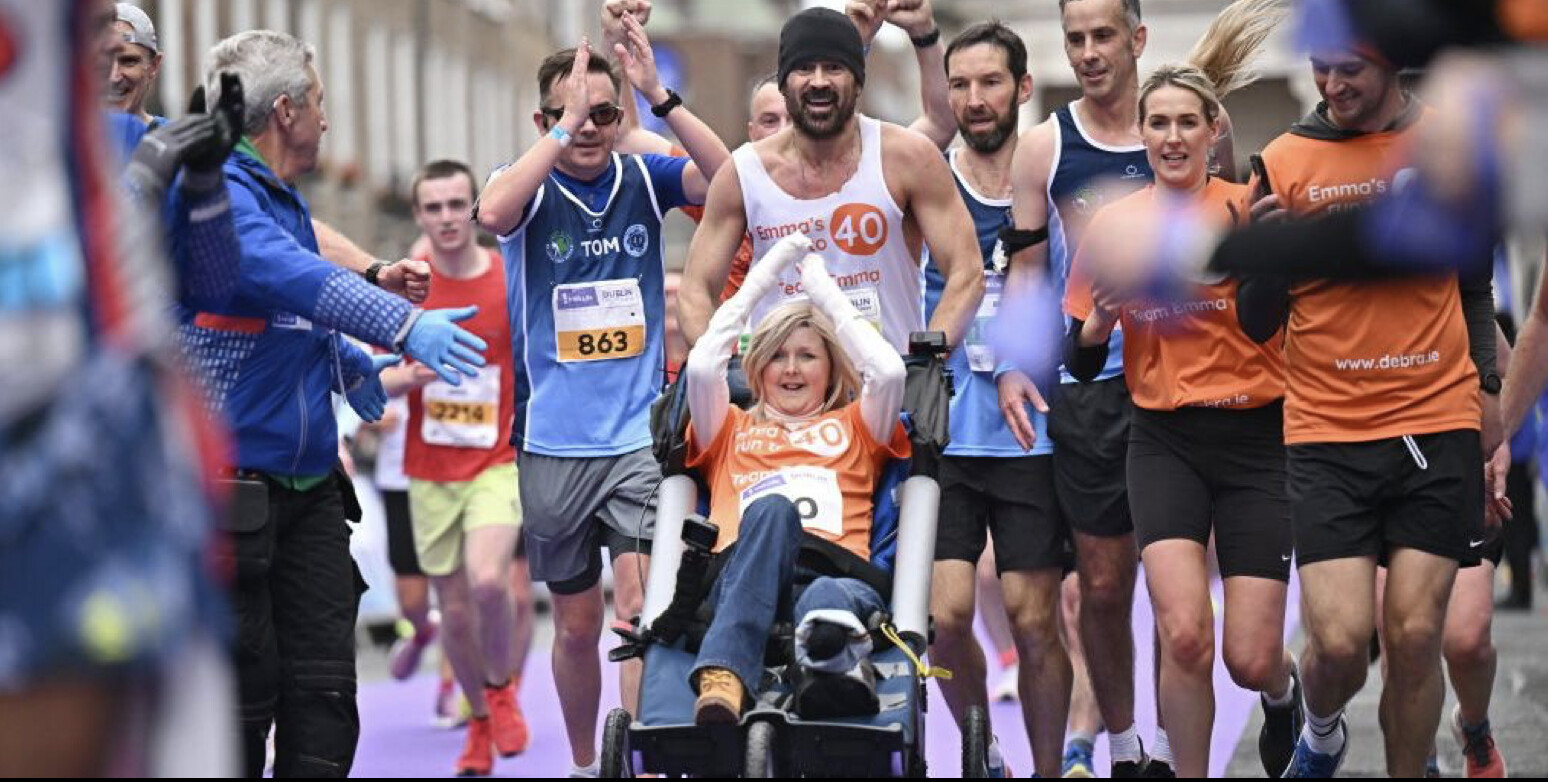
While certain big shots prefer to stick to 5Ks or half marathons—or just like running to blow off some steam, like Kendrick Lamar—we’ve spotted stars in the crowds of some of the world’s largest races. The NYC Marathon, especially, is a popular destination for VIPs, with many celebrities choosing to raise money for charities.
Here are some of the top marathon times—and most inspiring stories—from celebs in 2024.
Colin Farrell, 4:06:45
This wasn’t Farrell’s first marathon—he ran 3:53:14 at the 2021 Brisbane Marathon—but it sure was the most memorable. At October’s Dublin Marathon, the Irish actor finished in 4:06:45. But the time wasn’t important. Farrell, during the last 2.5 miles of the race, pushed his friend, Emma Fogarty, in a wheelchair. Fogarty has epidermolysis bullosa, a rare genetic skin condition, which can cause painful skin blistering. The pair raised nearly $1 million for Debra Ireland, a charity that helps fund research for the disorder.
Jennifer Connelly, 3:45:47
The actress, who won an Academy Award for portraying Alicia Nash in A Beautiful Mind, took on her first marathon on the streets of New York City in November. While she admitted she was nervous before the race, the Top Gun: Maverick alum looked like she had a blast, posing with other celebrity runners and thanking the famously boisterous New York crowd in a post-race Instagram post. She raised money for the cancer research organization Fred’s Team MSK.
Chelsea Clinton, 3:45:51
Just behind Connelly in New York was the former first daughter. Clinton was low-key about running the five boroughs. She didn’t publicly announce her participation; instead, she told the world after the race, posting a photo with her mother, Hillary, who met her at the finish line. Clinton ran with her friend, Jen, in support of the nonprofit Every Mother Counts.
Casey Neistat, 2:57:48
One of the most moving videos of the year was Neistat’s 12-minute documentary, “Sisyphus and the Impossible Dream.” In the video, Neistat, who has grown a massive following on YouTube since joining in 2010, chronicles his quest to break 3:00 in the marathon—ultimately a 17-year journey. He finally achieved his goal in December 2023 at the Tucson Marathon, where he ran 2:57:34. Before this year’s NYC Marathon, Neistat semi-jokingly asked his fans to refrain from waving to save him some precious seconds. It apparently worked; he nearly PR’d, running 2:57:48.
Matt James, 3:00:41
Matt James has worn a lot of hats: Wake Forest football player, Bachelor star, and now chronic marathoner. The 33-year-old is a regular at the World Majors. This year, he nabbed a personal best of 3:00:41 at April’s London Marathon and followed it up with a 3:29:26 at the New York City Marathon. He told Runner’s World his dream marathon partner would be Gordon Ramsay, who owns an impressive 3:30:37 PR himself. “After the marathon, you’re guaranteed a fire meal,” James said.
Phoebe Robinson, 5:53:19
The comedian and writer started running in March 2023 and bookended her 2024 with the Boston Marathon (5:53:19) and NYC Marathon (6:06:52). After Boston, Robinson posted on Instagram a thought that most people have after completing their first 26.2:
“I CAN. F***ING. DO. ANYTHING.”
Nev Schulman, untimed
Like Matt James, Schulman is a regular on the marathon circuit. He owns a PR of 2:58:54 from 2018, but lately, the host of MTV’s Catfish has focused on giving back to the running community.
At Boston in the spring, Schulman was a guide for blind para-athlete Francesco Magisano, who finished in 4:29:43. But in August, Schulman broke his neck after a truck hit him while he was biking. Incredibly, Schulman recovered in time to guide Magisano at the New York City Marathon, where Magisano crossed the finish in 4:02:31. (Since Schulman was a guide, he’s not listed in the official results.)
Login to leave a comment
Age is no barrier for Dwain Chambers
The 46-year-old sprinter explains why he still enjoys racing after being voted AW masters male athlete of 2024.
When Dwain Chambers settled into his blocks at the start of the 60m final in the M45 age group at the European Masters Championships in Poland this year, he felt as nervous as ever. At his peak, he won world and European indoor titles in 2009 and 2010 over the same distance, yet racing against fellow veteran sprinters in Poland, he was the big-name athlete whose scalp everyone wanted.
“I took it very seriously because I knew I could lose,” he says. “I was two or three metres ahead on paper but I still had to go in and prepare the same way. I knew I couldn’t slip up, as one of the other Brits would steal my glory. They were raising their level to compete with me, but I also had to raise my game.
“I was still just as nervous as always before the race. I still had to go to the toilet the same number of times before the race! It wasn’t easy.”
Chambers prevailed in 6.93. A few weeks earlier he had run even quicker, too, with a world indoor record for his age group of 6.81 at Lee Valley. The performances were enough to see him voted AW Readers’ Choice Male Masters Athlete of the Year.
He first shot to fame as a talented teenager in the 1990s with a couple of victories in the European Junior Championships over 100m. A rollercoaster career ensued with a much-publicised brush with the anti-doping authorities. In more recent years he has impressed onlookers with his ageless athleticism, often beating athletes half his age as he continues to streak to super-fast times in his forties.
How did he find the masters scene? “After years of big crowds as an international athlete, I thought ‘what’s it going to be like?’” he says. “I promised myself for years that I was going to do a masters event and I was overwhelmed with the support I got and also seeing all these older athletes still doing what they love.
“Okay, they’re not running crazy fast times but they’re out there doing their best. They’re all having fun and enjoying it, which reminded me why I loved the sport so much as a younger athlete before it got to a point where it wasn’t so much fun for a while.”
Did he ever imagine as a young athlete that he’d one day do masters athletics? “Not at all,” he admits. “It didn’t cross my mind as a youngster. You just live in the moment. You move from race to race and if you have a short break then you have a holiday and you’re back on the ride again soon afterwards.”
Chambers believes more former elite athletes should give masters competitions a go, too. “I think masters competitions should be part of an athlete’s responsibility as it helps raise the profile of the sport and helps with longevity and keeps you going,” he says.
“It can help athletes who are close to retirement but maybe don’t know what they’re going to do during the rest of their lives. They can keep their foot in the door by doing masters athletics while figuring everything out. Once you go from being disciplined for 10-20 years to suddenly being undisciplined, it’s not a good thing. Masters allows athletes to do the sport for the pure enjoyment rather than worrying about agents and contracts and stuff like that.”
After testing positive for drugs in 2003, Chambers received a ban from the sport and was lambasted by the media. At the height of his infamy, Niels de Vos, chief executive of UK Athletics at the time, called for him to be banned from the GB team. Yet the sprinter always maintained a policy of fronting up to his mistakes and gradually, over time, began to win over fans and journalists with his affable personality. As this AW readers’ choice vote proves, the former pantomime villain of athletics is now a respected and admired figure.
Today he advises youngsters to stay on the right track and avoid drugs. It has struck a chord with athletes and parents, too, as his Dwain Chambers Performance Academy has now been going strong for several years with half a dozen coaches and a couple of admin staff helping him deliver sessions to children at Lee Valley in north London.
“We’re teaching kids life skills through sport,” he says. “None of them are guaranteed to become world, European or Commonwealth champions but we’re hoping they will become decent human beings. Once they find that they have an interest in athletics, we know we can help them through that process.”
Outside of coaching kids, Chambers offers his services to footballers and celebrities as well. “It’s cool to be able to bring athletics training into the fitness world,” he says.
In parallel with his own sprinting, he plays “Sellebrity Soccer” for charity as well. “During the first five minutes of the first game, I was absolutely destroyed as I was only ever used to running for 10 seconds or so,” he smiles. “So I keep it safe and play right back. I can’t risk twisting my ankle or anything.”
He turns 47 in April and can still mix it with some of Britain’s best sprinters as he reached the semi-final at the UK Indoor Championships earlier this year. Given this, what are the secrets of his longevity?
Eating a relatively clean diet and resting more between his harder sessions are high up on his list of priorities. “At first I still had the mindset of a 20-year-old but my body wasn’t the same as a 20-year-old’s,” Chambers explains. “So I would train hard for a few days and then it would take two or three weeks to recover.
“I can’t rest a lot between training sessions like younger athletes. I am coaching and looking after my own kids and have other responsibilities during the day which doesn’t allow me to just put my feet up.
“So I decided to work on my nutrition, which is something that I’d never worked on before earlier in my career. Those who pay attention to everything will always beat those who are only doing 85-90 per cent of the work.
“We probably have fish and chips once in a blue moon and takeaway every Friday but I don’t go beyond that. I just stay disciplined.
“I also run fast only about once every 10 days now. In between I will just do tempo runs or recovery runs. And this works for me much better than if I try to do speed, speed, speed the whole time.”
Chambers believes he can run faster in 2025 than he did in 2024 and has an ambition – albeit he admits it might simply be a deluded fantasy – to get back down to closer to the 6.42 for 60m and 9.97 for 100m that he ran a few years ago.
“There is naturally an element of me that thinks: ‘I’ve still got it’,” he says. “I sometimes ask myself if I’m the equivalent of being ‘punch drunk’!
“Yes, I ran 6.81 this year but it’s not 6.40 or 6.20. I think I can still run those times, but is it my imagination running wild or it is a reality? And that’s partly what still drives me.
“I look at what I did when I ran those times in the past and I wonder what steps I can make to get back to that point. Whether I can still run those times or not, or even get close, I’m not sure. But that’s my pursuit of happiness at the minute.”
One thing’s for sure, if he loses his ability to be competitive then he’s not sure he will continue. “I don’t know how many years I will have to go at a good level. Once that disappears I think I’ll be done. I love the thrill of racing and nervousness and everything that goes with it.”
If Chambers was the man to be shot at during the European Masters Champs this year, then the reverse will be true at the UK Indoor Championships in Birmingham in 2025. He is planning to target the event and is looking forward to giving the younger athletes a run for their money.
“I want to do the trials again this winter,” he says. “If I’m lucky and if I can find that spark again, I might get to the European Indoor Champs again!”
by Jason Henderson
Login to leave a comment

Singer Charles Costa Needed a Reset, So He Ran the Entire Pacific Crest Trail
Charles Costa spent three months running along the Pacific Crest Trail this summer and fall as an act of holistic rejuvenation.
The 39-year-old from London, England, set out with a bold goal of averaging 90 marathons in 90 days as a means to help reset his life-both to revive his stalled music career and to find a more balanced state of mind-but the multi-genre electronic British folk artist with 1 million streams and more than 120,000 monthly Spotify listeners says it turned out to be so much more than that.
Because of lingering physical and psychological challenges from a brain injury suffered in a catastrophic skiing accident in Austria in 2010, Costa found himself in a delicate position that forced him at times to pause his music career while managing his mental health. Until he found trail running, he routinely battled a variety of mental, emotional and logistical ailments, ranging from uncontrollable anxiety to comprehensive darkness.
After averaging close to 30 challenging miles of running on the PCT per day starting on July 20, Costa admitted he was ready to finish the route, get off the trail, and get back to living a more stabilized
Recovering a Sense of Charles Costa
After the ski accident, Costa had been through numerous types of therapy and was taking what he characterized as "mind-monitoring, mind-maintaining drugs" that wound up consuming his life. In his long rehabilitative process, he eventually discovered that running-and specifically ultra-distance trail running-offered more of a physical, mental, and emotional panacea from lingering pain and mental discontinuity than anything else, and it also gave him a space to process what was going on in his life. It allowed him to get away from it all while being more connected to himself.
Costa said the more he immersed himself in running, the more he wanted to do something special to reinvigorate his life, relaunch his music career while also giving back. He's run numerous trail races in Europe in recent years, including the Montreux Trail Festival 70K last summer and the Swiss Canyon Trail 81K in Switzerland in June. (He placed 54th out of 225 runners in 11 hours, 23 minutes and 7 seconds.) He's also run the 813-mile length of Great Britain from the northern tip of Scotland down to the southwestern tip of England.
Seeking to challenge himself on a long and very difficult task that he hoped would be a transformative life experience, he settled on running the length of the PCT- a three-month, 2,650-mile trail running journey with 489,000 feet of elevation change. But he hasn't been doing it just for himself. Along the way, he's been raising money (about $170,000 so far) and stirring up attention for The Jed Foundation, a nonprofit that protects emotional health and prevents suicide for our nation's teens and young adults, and James' Place, a UK-based charity that provides free therapy and is dedicated to suicide prevention for men.
At the completion of the route, which has taken him from the U.S.-Canadian border and through parts of Washington, Oregon, and California, the British singer-songwriter officially released his first new song in several years and the first under his own name. (He originally performed and recorded under the moniker of "King Charles," a false front of a stage persona that he never really liked and that also contributed to his inability to fully express himself the way he wanted.)
The song is called "Nothing at the Most" and will be included on
Costa, who plays piano, guitar, and cello, has found his run to be a curing activity that has helped untangle his heart and mind and put him back in position to work as a professional musician.
"One thing I love about running is the rhythm of it," he said. "It's the effect that rhythm has on your mind. Days like I'm doing at the moment, it's dawn to dusk. It's up to 12 hours of just pounding the ground. And there are so many different rhythms that you get into. And I think once you're in a rhythm, your mind gets into a different place. You start thinking less. You let more in, especially when you're in beautiful places. You let more in in terms of inspiration. So, I find running very inspiring, especially in the wilderness and in some of these incredibly beautiful places."
The song "Nothing at the Most" is part of a collection of songs filled with the sounds and lyrics he says are meant to represent his journey between longing and lament. It's an intimate, cello-infused chamber-pop ballad with his soulful voice. Costa recorded several songs in the spring with producer Jesse Quin at
Enduring the Trail
As he was nearing the end of the route last week, Costa said his body was tired and a bit broken down but his soul felt re-energized. While he's remained injury-free, he's battled fatigue, blisters, muscle strains, all sorts of weather conditions, and insomnia-all common maladies to multi-day running adventures. He's worn through several pairs of On and La Sportiva trail running shoes and has relied heavily on his lightweight trekking poles, as well as his small but diligent crew that's managed his meals, gear, logistics and more.
Costa says he's listened to a lot of music out on the trail and has occasionally sang out loud to help the miles go by, but he's also made it a point to soak in the peaceful aura of the wilderness. He says it's been a devilishly hard endeavor and is amazed how "there isn't a single flat section" in the entire route.
"I'm holding it together. My muscles and limbs are all still working as they should, but I guess what starts falling apart is the mind," Costa said. "Even though I've been looking forward to the last 20 days and the last 10
Login to leave a comment
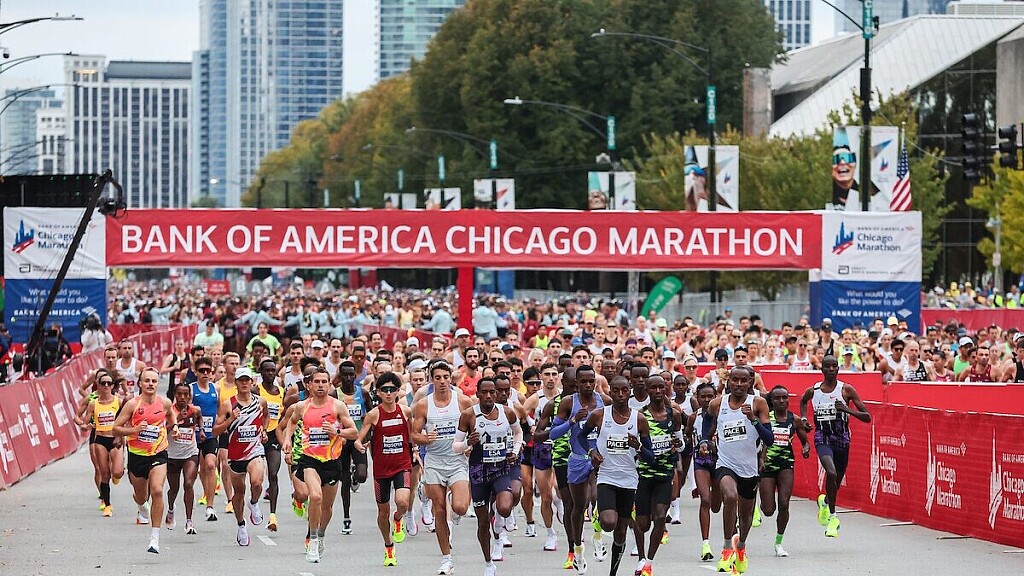
2025 Chicago Marathon sees record number of applicants
The Bank of America Chicago Marathon will notify runners today of their selection status for the 2025 event. The race, which is the final event in the Bank of America Chicago Distance Series, continues to see unprecedented interest with more than 160,000 individuals applying for a chance to participate. Those who secure an entry into the race will join another record-breaking field with more than 53,000 participants expected to cross the finish line in Grant Park on Sunday, October 12, 2025.
Today's selection shows growing interest and participation in the Shamrock Shuffle 8K Run, Chicago 13.1 and Chicago Marathon, which together form the Bank of America Chicago Distance Series. In 2024, the events welcomed more than 81,000 finishers, with 2,700 completing all three Series events. As enthusiasm in the events builds, event organizers are excited to unveil a new look and feel for the third rendition of the Series. The new logos connect each event and celebrate the unique attributes that the local and global running communities associate with the popular road races.
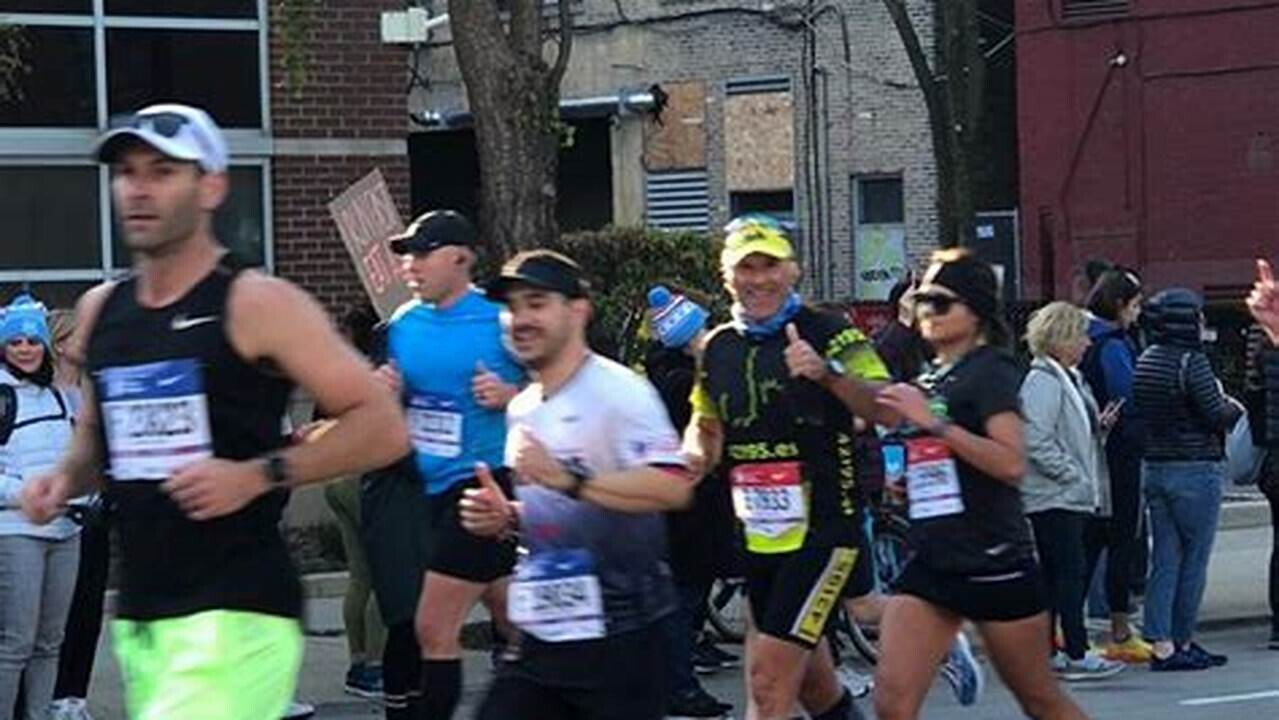
"Today we welcome a new field of participants to the Bank of America Chicago Marathon and launch the next chapter of the Bank of America Chicago Distance Series," said Executive Race Director Carey Pinkowski. "When we started the Series in 2023, our goal was to celebrate the Chicago running community, from individuals discovering the sport for the first time to our longtime participants. We continue to be humbled by the running community's enthusiasm and embrace of the events and we're excited to launch a new look that celebrates Chicago, the spirit of each race and the achievement made possible through the dedication of thousands of runners."
Individuals interested in participating in the 2025 Bank of America Chicago Distance Series are encouraged to register early, as all races are expected to sell out in 2025. Continue reading for more information about the events that make up the Chicago Distance Series.
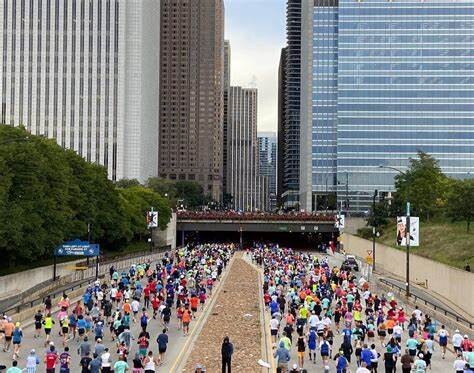
Bank of America Chicago MarathonThe Bank of America Chicago Marathon will take place on Sunday, October 12, 2025. Runners who receive an entry through today's drawing will join those who guaranteed their entry into the race during the four-week application window. Guaranteed entries include Bank of America Chicago Marathon legacy finishers, time qualifiers, international tour group participants, charity runners, 2024 Bank of America Chicago Distance Series finishers and those who cancelled their 2024 race entries.
Runners who did not receive an entry through the drawing can still sign up through the Bank of America Chicago Marathon Charity Program. Since 2002, the Charity Program has generated more than $322 million for local, national and global causes. The 2025 Charity Program includes 217 nonprofit organizations raising funds related to 10 cause categories: Advocacy, Animal Rights and Welfare, Education, Environment, First Responder and Military, Healthcare, Research, Social Service, Sports and Youth Development. Individuals who register to run with an official charity at this time are required to raise a minimum of $2,100. For a list of official charities and information on how to register by joining a charity team, go to chicagomarathon.com/charity.
For the latest event updates, registered participants and community members are encouraged to visit the Event FAQ which is available at chicagomarathon.com.
Bank of America Chicago 13.1The Bank of America Chicago 13.1 will take place on Sunday, June 1, 2025. The fourth annual half marathon is set to welcome more than 9,000 finishers on a course that weaves through the historic parks and boulevards of the West Side, starting and finishing in Garfield Park. Following the race, participants and community members are encouraged to celebrate at the Race Day Festival, featuring a mix of entertainment, health and wellness activities and community activations including the West Wellness Walk, a 1.31-mile walk on Saturday, May 31.
Additional details about the 2025 event and registration information are available at chicago13point1.com.
Bank of America Shamrock ShuffleThe Bank of America Shamrock Shuffle will take place on Sunday, March 23, 2025. This beloved Chicago tradition in its 44th year is regarded as the official kickoff to the running season and a continuation of the city's St. Patrick's Day celebrations. The race is set to welcome more than 24,000 participants to a one-of-a-kind 8K Run (4.97 miles) through Chicago's Loop. Fitness enthusiasts looking for shorter distance events are encouraged to join The Mile event on Saturday, March 22, or the 2-Mile Walk on Sunday. All three events will start and finish in Chicago's Grant Park.
Additional details about the 2025 event and registration information are available at shamrockshuffle.com.
For more Bank of America news, including dividend announcements and other important information, visit the Bank of America newsroom and register for news email alerts.
by Bank of America Corporation
Login to leave a comment

Bank of America Chicago
Running the Bank of America Chicago Marathon is the pinnacle of achievement for elite athletes and everyday runners alike. On race day, runners from all 50 states and more than 100 countries will set out to accomplish a personal dream by reaching the finish line in Grant Park. The Bank of America Chicago Marathon is known for its flat and...
more...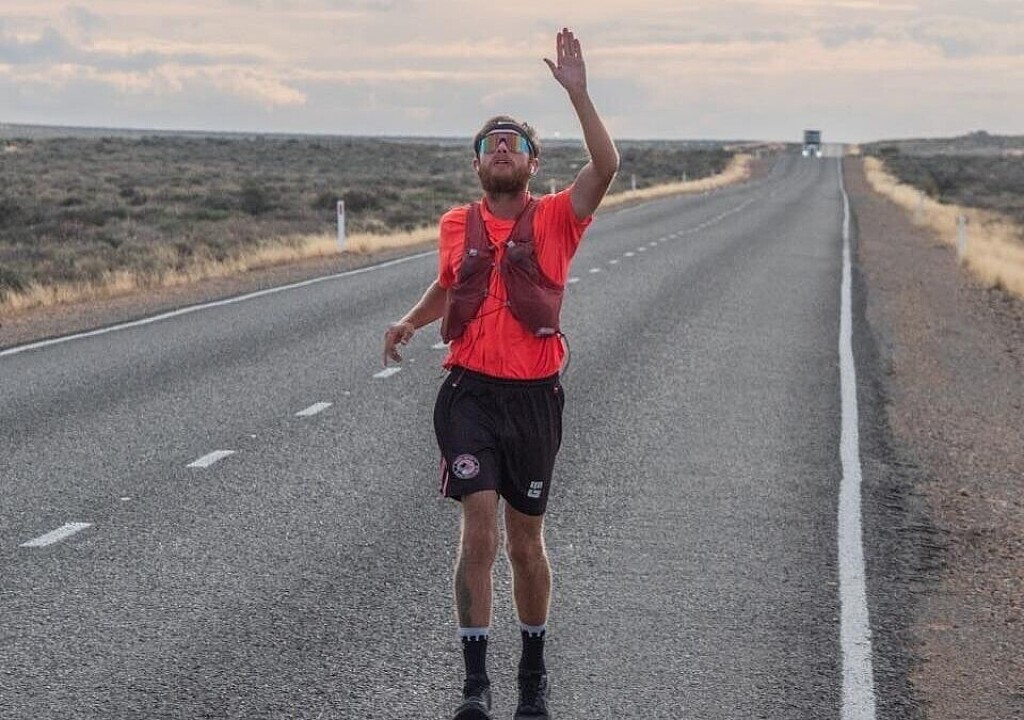
British ultrarunner completes two-month run across Australia
Jack Pitcher, 28, became the fastest British runner to traverse Australia, completing the 4,320-kilometer journey from Perth to Sydney's Bondi Beach in 61 days.
On Wednesday, Jack Pitcher, a 28-year-old ultrarunner from Berkshire, U.K., completed a 4,320-km run from Perth to Sydney, dipping his feet into the ocean at Bondi Beach. The gruelling two-month journey saw him set a new British record for the fastest coast-to-coast run across Australia, finishing in 61 days.
Pitcher shattered the previous British record of 77 days, set by Nikki Love in 2023, by consistently covering an average of 71 kilometers per day. He began his trek on Oct. 6 at Cottesloe Beach in Perth, and overcame extreme conditions to reach Sydney almost nine weeks later.
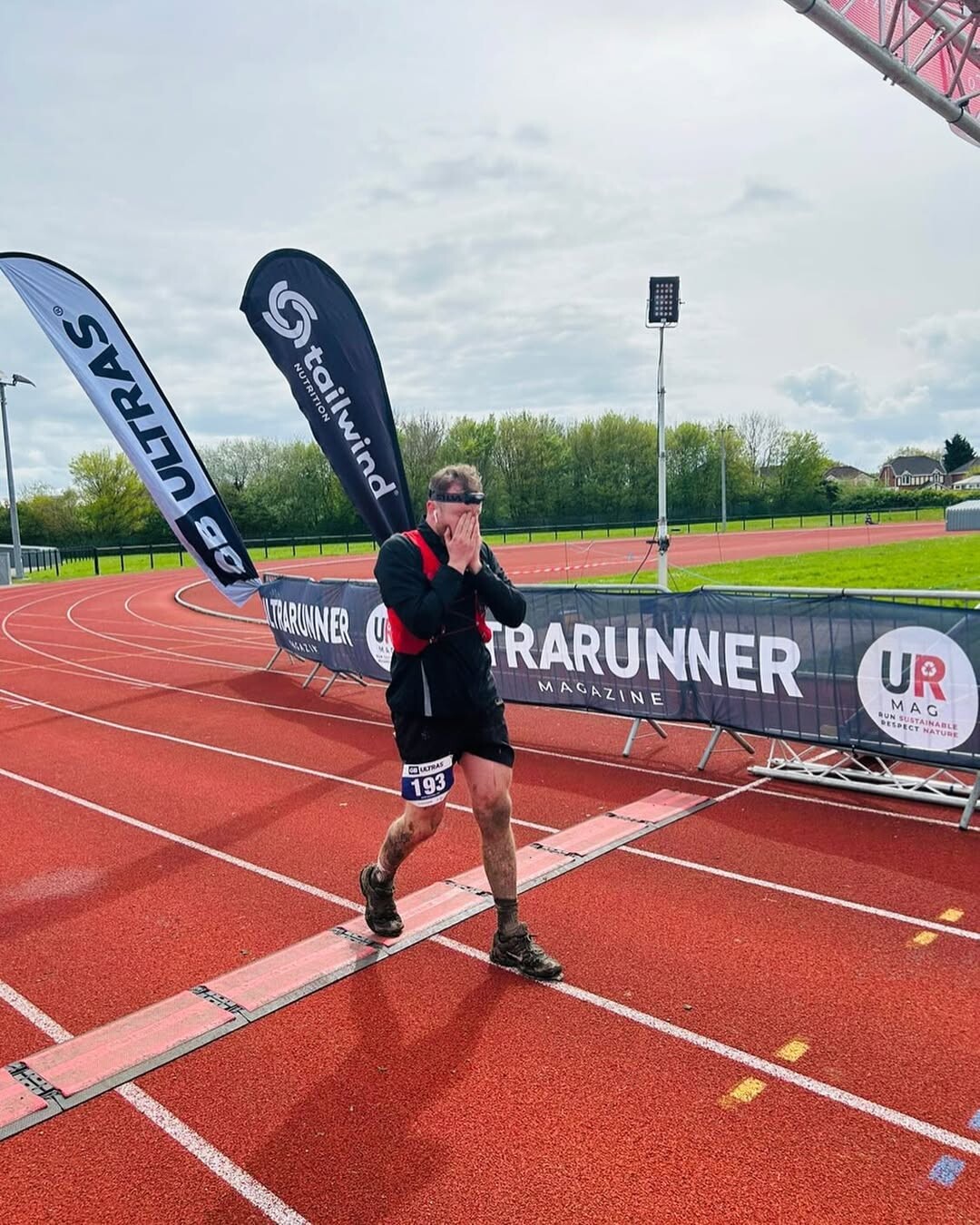
Initially accompanied by his friend Joshua Smith, the duo’s plans changed when Smith suffered an injury midway through the transcontinental run. Despite the setback, Smith continued to support Pitcher, cycling alongside him in the final weeks.
Speaking to BBC Berkshire, Pitcher reflected on the highs and lows of his incredible journey. “I’m over the moon. Sixty days would have been ideal, but I’m incredibly proud of what I’ve done,” he said. Pitcher recalled battling 45 C heat, exhaustion and even hallucinations during the final weeks, which temporarily forced him to halt his run, for safety reasons.
The run wasn’t just about breaking records. He dedicated his journey to raising funds for SSAFA, a U.K. military charity, and to honor his father, a former member of the army, who inspired him. “Helping others and making my family proud was my biggest motivation,” he shared.
Pitcher told the BBC he’s grateful for the moments of wonder along the way, from encounters with Australia’s unique wildlife to the kindness of strangers offering cold drinks during scorching days.
While Pitcher now holds the British record, the fastest known run from Perth to Sydney remains in the hands of Chris Turnbull, an Australian ultrarunner who completed the same journey in 39 days, eight hours, and one minute in 2023.
by Marley Dickinson
Login to leave a comment
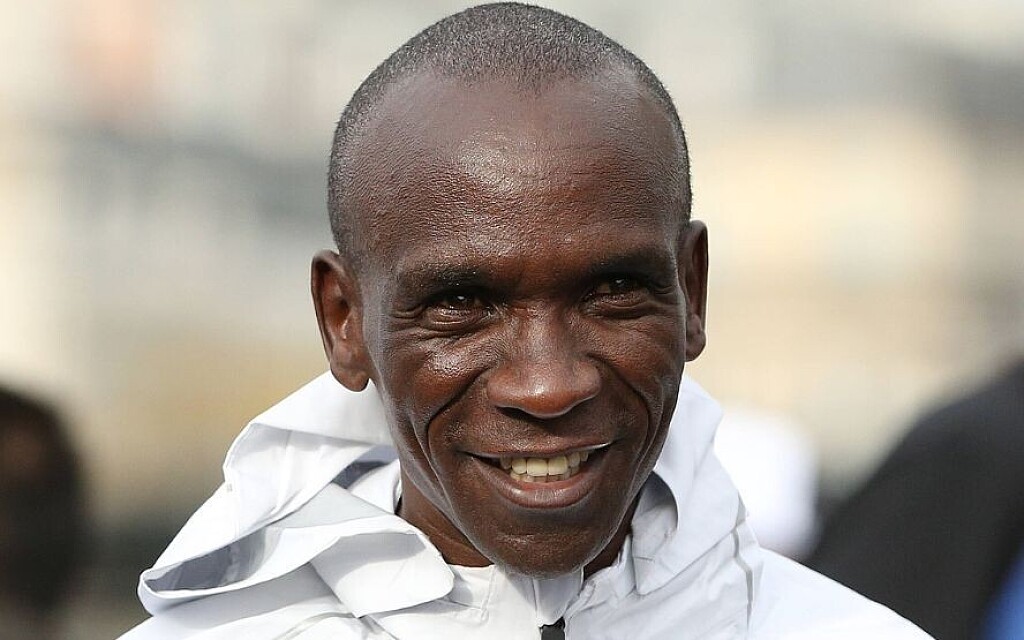
Eliud Kipchoge Foundation lands major financial boost to aid in 2025 developments
The Eliud Kipchoge Foundation has received financial support from a leading sports wearables company to aid in their 2025 executions.
The Eliud Kipchoge Foundation has landed a major boost from COROS, a global company specializing in performance sports wearables.
COROS will be running their Black Friday from November 29 to December 3 and announced that the company will donate 5% of all proceeds from direct sales to the Eliud Kipchoge Foundation. The financial boost will come in handy in ensuring Eliud Kipchoge and his team execute their duties diligently in 2025.
The funds will be allocated towards building a new library containing books and resources for individual research and learning. This will be the second library built since the first was constructed in 2022. The library was built for Kapsisiywa Secondary School in Chesumei Sub County, Nandi County, with funding from former President Uhuru Kenyatta. The library currently has 30 computers with internet access.
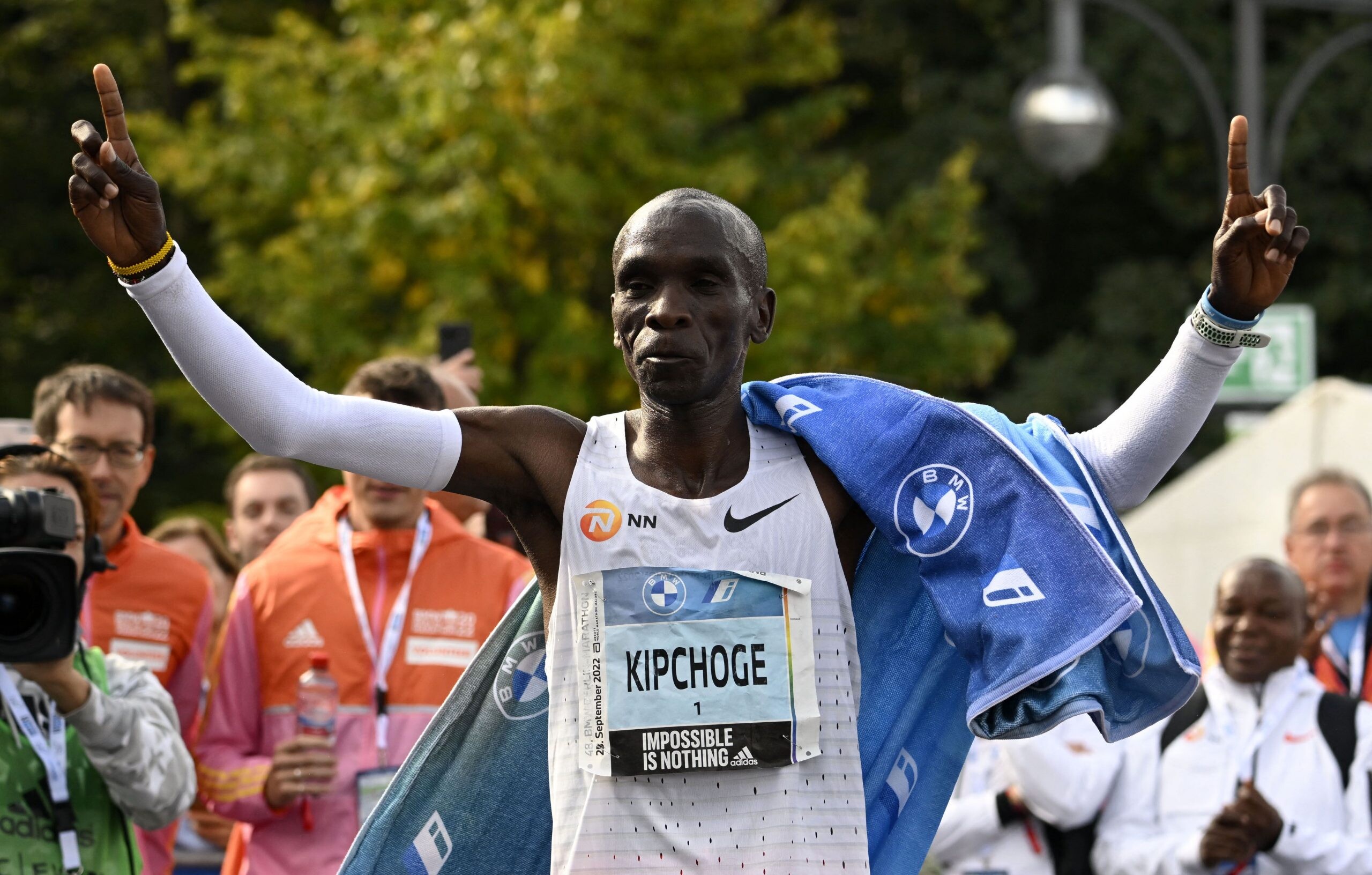
The remaining funds were used to construct 10 classrooms, an administration block, and the extension of a perimeter wall. The new library will be looking to provide a safe community space for young people with COROS customers having a direct impact in fostering educational empowerment.
The funds will also help in the construction of classrooms to host educational sessions for the youth staying around the area. Eliud Kipchoge extended a hand of gratitude to COROS for their charity and once again insisted on the importance of education.
"Growing up in Kenya, I know that access to books and knowledge is not always available to everyone. Libraries open doors to endless possibilities. By building more, we extend knowledge and create lasting change,” the two-time Olympic champion said.
Meanwhile, the foundation is a non-profit organization dedicated to advancing education and environmental sustainability. It was founded in 2020 and has always strived to provide better access to education.
The foundation’s goal is very clear and will be looking to empower the next generation through both education and environmental initiatives.
by Abigael Wafula
Login to leave a comment
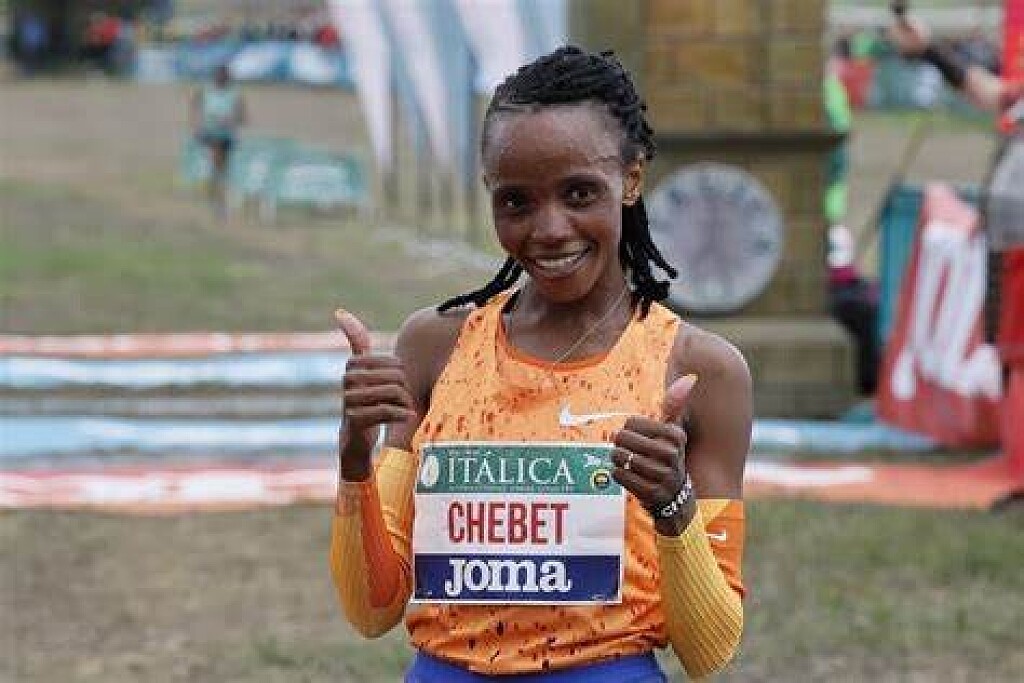
Chebet and Ndikumwenayo victorious in Seville
Kenya’s double Olympic champion Beatrice Chebet and Spain’s Thierry Ndikumwenayo were the winners at the Cross Internacional de Itálica – a World Athletics Cross Country Tour Gold meeting – held on the outskirts of Seville on Sunday (17).
While two-time world cross-country champion Chebet was a dominant winner of the women’s race, European 10,000m bronze medallist Ndikumwenayo prevailed in a much tighter finish over Burundi’s Rodrigue Kwizera and pre-race favourite Ethiopia’s Berihu Aregawi in the men’s contest.
Chebet set a swift pace from the outset, and after just one minute of running she already had a lead over a chase quintet comprising Kazakhstan’s Deisy Jepkemei, Uganda’s Charity Cherop and Kenya’s Mercy, Diana and Sharon Chepkemoi. European 5000m bronze medallist Marta García and fellow Spaniard Carolina Robles were a few metres back, alongside Sweden’s Sarah Lahti.
Chebet covered the opening 2.5km loop in a brisk 7:36, six seconds faster than Jepkemei, herself another three clear of Cherop. The world 10,000m record-holder almost matched that pace on the second lap (7:44), by which time she had doubled her leading margin to 12 seconds.
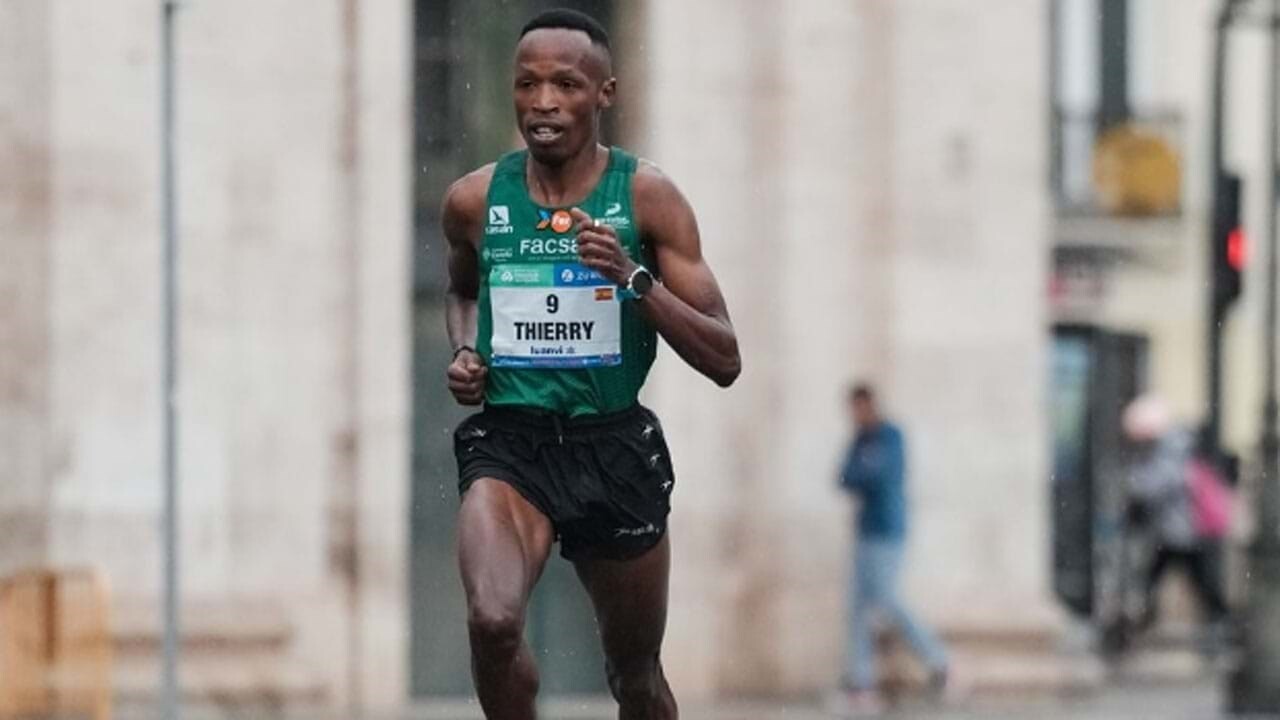
Over the closing circuit, Chebet maintained her cadence and produced a 7:42 lap to seal the victory. By the time she crossed the finish line in 23:32, her lead had grown to 27 seconds over Jepkemei with Cherop holding off her pursuers to secure third place.
“It was my third appearance here and I managed to triumph at last so I’m very satisfied,” said Chebet. “It has also been very nice to share the weekend with my young compatriots Mercy, Diana and Sharon Chepkemoi.”

Unlike the women’s contest, the men’s race opened at a moderate rhythm. Morocco’s Younes Kniya was the surprise early leader, covering the opening lap in 7:13 while a large chase pack followed in 7:16.
European half marathon champion Crippa caught Kniya shortly after the fourth kilometre. At the bell – with the second lap having been covered in 7:03 – Crippa headed a group of eight men which included Olympic 10,000m silver medallist Berihu Aregawi. The 23-year-old Ethiopian took command for the first time about 18 minutes into the race but his lead proved to be short-lived as Kwizera and Ndikumwenayo moved to the front and began to push hard.
Crippa lost ground with about 700m left. Then, over the closing 500m, Ndikumwenayo’s fierce attack paid off as he managed to build a slight advantage on Kwizera while Aregawi struggled and just couldn’t follow their pace.
With the final lap covered in 6:36, Ndikumwenayo crossed the finish line ahead of his training mate Kwizera, though both were given the same time (21:24). Aregawi took third spot in 21:27 with Crippa another five seconds in arrears.
“I didn’t expect to win as my only target today was to help my club (Playas de Castellón) to win the national team title but I felt strong throughout and decided to go for the victory over the last lap,” said Ndikumwenayo, the winner here two years ago. “I’m now going to return to the altitude of Sierra Nevada where I’m building up for the European Cross Country Championships which will be next competition.”
Leading results
Women
1 Beatrice Chebet (KEN) 23:32
2 Daisy Jepkemei (KZK) 23:59
3 Charity Cherop (UGA) 24:35
4 Diana Chepkemoi (KEN) 24:38
5 Mercy Chepkemoi (KEN) 24:46
6 Marta García (ESP) 24:50
Men
1 Thierry Ndikumwenayo (ESP) 21:24
2 Rodrigue Kwizera (BDI) 21:24
3 Berihu Aregawi (ETH) 21:27
4 Yemaneberhan Crippa (ITA) 21:32
5 Kenneth Kiprop (UGA) 21:41
6 Adel Mechaal (ESP) 21:42
by World Athletics
Login to leave a comment

Cross internacional de Italica
The Cross Internacional de Itálica is an annual cross country running competition it will be held on 21st of November in Santiponce, near Seville, Spain. Inaugurated in 1982, the race course is set in the ruins of the ancient Roman city of Italica. As one of only two Spanish competitions to hold IAAF permit meeting status, it is one of...
more...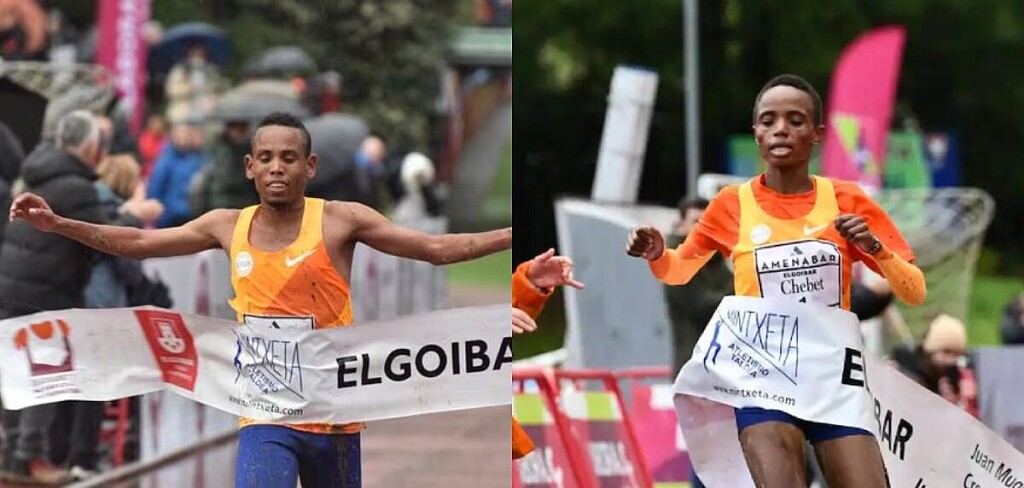
Chebet and Aregawi poised to strike in Seville
The Cross Internacional de Itálica in Santiponce on the outskirts of the Spanish city of Seville – the fifth Gold standard meeting in the current World Athletics Cross Country Tour – always boasts a quality line-up, and this year’s race on Sunday (17) features the most prominent line-up so far this season.
Entries for the women’s race, contested over 7.5km, are headed by Kenya’s two-time world cross-country champion and double Olympic gold medalist Beatrice Chebet. The 24-year-old has enjoyed a superb season, topped by her 5000m and 10,000m titles at the Paris Olympics, three months after becoming the first woman to dip under the 29-minute barrier for the latter distance thanks to a 28:54.14 clocking in Eugene on 25 May.
Chebet, who is also the reigning world champion and world record holder for the road 5km, will be making her third appearance here following her runner-up spot in 2020 and her third place in 2021. It will be her first race since her 14:09.82 5000m victory at the Diamond League Final in Brussels.
She will start as the overwhelming favourite for the victory, though she’ll face quality opposition in the form of compatriot Mercy Chepkemoi and Kazakhstan’s Daisy Jepkemei. The latter finished seventh at this year’s World Cross Country Championships in Belgrade, and more recently she captured a commanding win in Atapuerca last month.
Chepkemoi is fresh from a fine win in Cardiff last Saturday. She placed fourth over 5000m at the World U20 Championships in Lima in August, finishing just behind bronze medalist Charity Cherop of Uganda, who will also be racing in Santiponce this weekend.
The line-up also comprises Diana and Sharon Chepkemoi, who finished third and seventh respectively in the steeplechase in Lima. Both also competed in Soria last Sunday where they finished third (Diana) and fourth (Sharon).
Meanwhile, France’s Alice Finot, who set a European record of 8:58.67 when finishing fourth in the steeplechase at the Paris Olympics, will be contesting just her second cross-country race in the past seven years.
Portugal’s Mariana Machado recently finished sixth in Atapuerca, sandwiched between Spanish cross-country champion Carolina Robles and Olympic 1500m finalist Agueda Marques who finished fourth and seventh respectively there, closely followed by Maria Forero, the 2022 European U20 cross-country champion. All of them will renew their rivalry this weekend.
European 5000m bronze medalist Marta García, meanwhile, will be making her only cross-country outing of the winter before focusing on the indoor season.
The men’s race has been reduced to 7.5km which plays into the hands of the middle-distance specialists. But that shouldn’t be a problem for Olympic 10,000m silver medalist Berihu Aregawi, as the Ethiopian is also the third-fastest man in history over 3000m.
The 23-year-old opened the year in style by retaining his silver medal at the World Cross Country Championships in Belgrade before setting a 10,000m PB of 26:31.13 in Nerja. Following his Olympic silver in Paris, he clocked an Ethiopian record of 7:21.28 for 3000m and won the 5000m at the Diamond League Final in Brussels.
Sunday’s race will be Aregawi’s first cross-country outing this season, but fellow Etiopians Ayele Tadesse and Wegene Addisu have already made a mark on the tour, finishing second and fourth respectively in Soria last weekend.
Yet Aregawi’s fiercest opposition should come from Burundi’s Rodrigue Kwizera and Spain’s Thierry Ndikumwenayo. Kwizera is still unbeaten this cross-country season, having won in Amorebieta, Atapuerca and Soria. He has successively finished first, second and third on his appearances in Seville over the past three years.
Meanwhile, his training partner Ndikumwenayo – winner in Seville in 2022 – is the European 10,000m bronze medallist and lowered his 10,000m PB to 26:49.49 for ninth place at the Paris Olympics. Ndikumwenayo will travel to Seville from his altitude stint in Sierra Nevada where he’s building up for the European Cross Country Championchips in Antalya on 8 December.
Watch out too for Uruguay’s Santiago Catrofe. He boasts PBs of 7:37:15 for 3000m and 13:05.95 for 5000m and was a surprise winner in San Sebastian two weeks ago when he kicked away from Uganda’s Martin Kiprotich, who’ll also be in contention on Sunday.
Kiprotich will be joined by his compatriots Kenneth Kiprop, Dan Kibet and Hosea Kiplangat. The former is the world U20 5000m bronze medallist and triumphed in Cardiff where Kibet had to settle for third.
The Spanish charge will be led by European indoor 3000m silver medallist Adel Mechaal, US-based Aarón Las Heras, national 10km record-holder Abdessadam Oukhelfen, and the always consistent Nassim Hassaous.
Past winners in Seville include Fernando Mamede (1984 and 1985), Paul Tergat (1998 and 1999), Paula Radcliffe (2001), Kenenisa Bekele (2003, 2004 and 2007), Faith Kipyegon (2016), Joshua Cheptegei (2018) and Jacob Kiplimo (2019).
Temperatures between 22-24C are predicted for the time of the elite races on Sunday.
by World Athletics
Login to leave a comment
Cross internacional de Italica
The Cross Internacional de Itálica is an annual cross country running competition it will be held on 21st of November in Santiponce, near Seville, Spain. Inaugurated in 1982, the race course is set in the ruins of the ancient Roman city of Italica. As one of only two Spanish competitions to hold IAAF permit meeting status, it is one of...
more...
Chebet braces for Italica International Cross Country meeting on November 17
Double Olympic champion Beatrice Chebet is set to bring her fierce form to the 42nd Italica International Cross Country meeting on November 17, a highlight event on the World Athletics Cross Country Tour Gold circuit.
Chebet stunned the world in Paris in August with her dual gold-winning performances in the 5,000m and 10,000m.
She secured the 10,000m gong in a time of 30:43.25 leading Italy’s Nadia Battocletti ( 30:43.35 ) and Olympic marathon champion Sifan Hassan of Netherlands ( 30:44.12 ).
Chebet went on to add the 5,000m title, finishing in 14:28.56 outpacing three-time Olympic 1,500m champion Faith Kipyegon ( 14:29.60 ) and Hassan ( 14:30.61 ).
Chebet is no stranger to cross-country success.
She captured the World U20 Cross Country title in Denmark in 2019 in 20:50.
In 2021, Chebet placed second at the Atapuerca 8km Cross Country event in 25:04 behind Eritrea’s Rahel Ghebreneyohannes ( 25:03 ).
That same year, she clocked 24:35 for a third-place finish at the Seville 7km cross-country meeting.
In 2022, she returned to Atapuerca, this time claiming the title in 25:39.
Last year, she claimed the World Cross Country Championships title in Bathurst, Australia clocking 33:48 with Ethiopia’s Tsigie Gebreselama ( 33:56 ) in second and Agnes Ngetich ( 34:00 ) completing the podium.
She defended her title this year in Belgrade, Serbia, finishing in 31:05 ahead of compatriots Lilian Kasait ( 31:08 ) and Margaret Chelimo ( 31:09 ).
Her illustrious track career boasts silver and bronze medals in the 5,000m during the 2022 (Eugene) and 2023 (Budapest) World Championships.
She boasts gold from the 2022 Birmingham Commonwealth Games as well as the Saint Pierre African Games, both in the 5,000m.
Chebet is the 2018 World Junior 5,000m champion as well as the 2019 African 5,000m junior champion.
In Italy, Chebet will be in the company of 2024 World U20 3,000m steeplechase bronze medallist Diana Chepkemoi as well as the 2018 World 3,000m steeplechase champion Daisy Jepkemei.
The trio will face off against European 3,000m steeplechase record holder Alice Finot of France as well as the World U20 5,000m bronze medallist Charity Cherop of Uganda.
Sweden’s Sarah Lahti, Portugal’s Mariana Machado and Spain’s Carolina Robles will add depth to the field.
In the men’s field, Olympic 10,000m silver medallist Berihu Aregawi from Ethiopia will lead the charge.
His main rivals will be the 2024 Rome Half Marathon champion Yemaneberhan Crippa of Italy as well as Ugandan’s Dan Kibet, Hosea Kiplangat and Kenneth Kiprop.
Portugal’s Etson Barros, Uruguay’s Santiago Catrofe and Spain’s adel Mechaal add depth to the field.
by Teddy Mulei
Login to leave a comment
Cross internacional de Italica
The Cross Internacional de Itálica is an annual cross country running competition it will be held on 21st of November in Santiponce, near Seville, Spain. Inaugurated in 1982, the race course is set in the ruins of the ancient Roman city of Italica. As one of only two Spanish competitions to hold IAAF permit meeting status, it is one of...
more...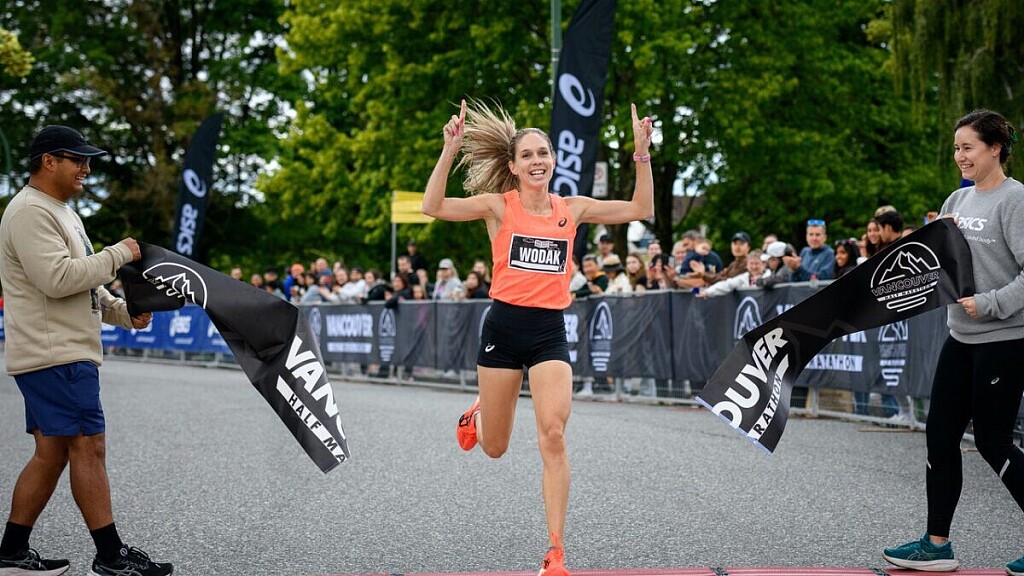
Natasha Wodak hoping to surprise herself at Toronto Waterfront Marathon
The TCS Toronto Waterfront Marathon (TWM) returns on Sunday, doubling as the Canadian Marathon Championships. For our Canadian elite athletes, Sunday’s race provides a chance to qualify for the marathon at the 2025 World Athletics Championships, to be held in Tokyo. Canadian record holder Natasha Wodak will toe the line in Toronto for the first time in 11 years, setting her sights on her first-ever Canadian marathon title.
Wodak made her marathon debut here in 2013. The 42-year-old from Vancouver has been on a golden streak this year, winning the Vancouver Half Marathon in June and Vancouver’s Eastside 10K in September. But earlier this year, she fell short of her goal to qualify for Canadian Olympic team after completing four marathon builds and taking three attempts at the race in the span of 18 months.
“The marathon is a beast”
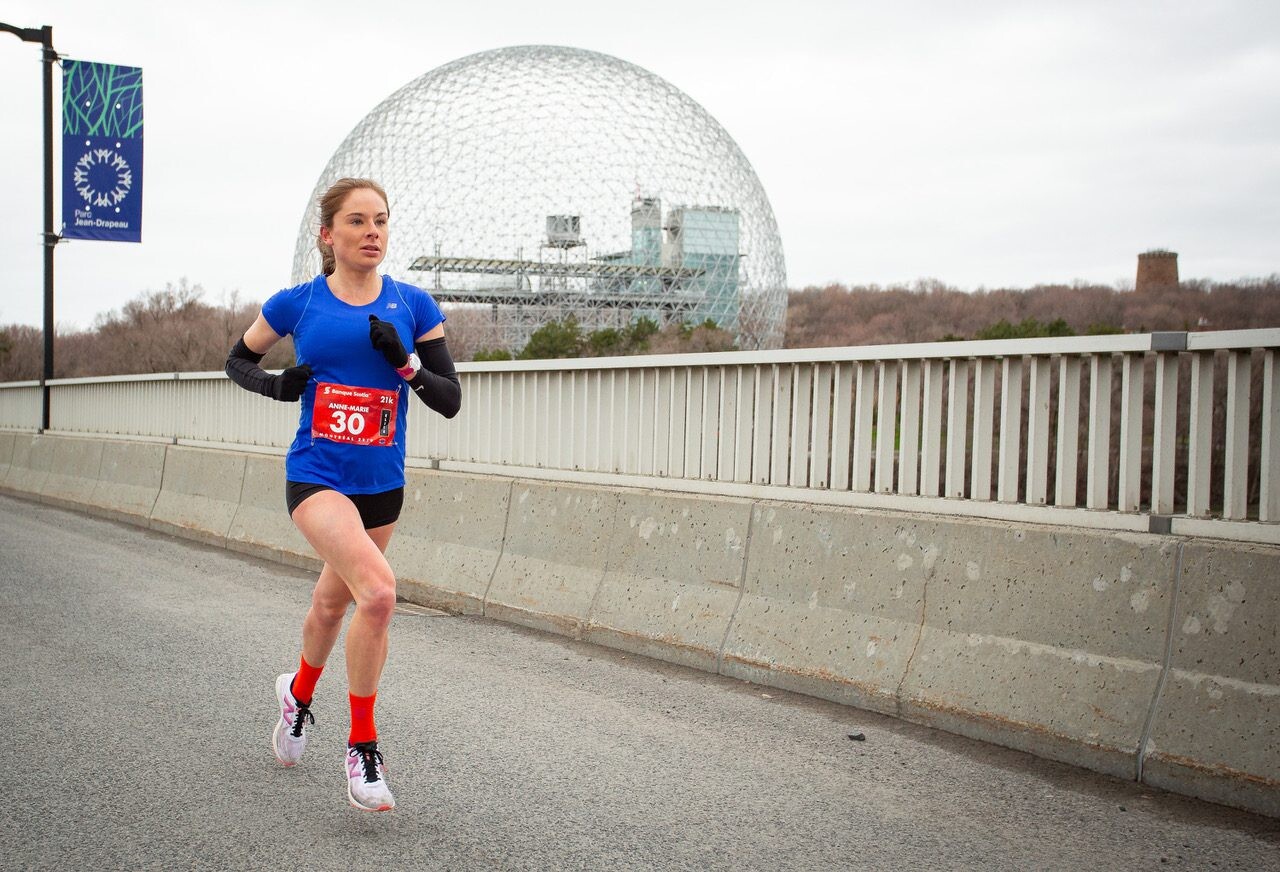
“Nothing is guaranteed,” Wodak says. “Never in a million years would I have thought that after running 2:23:00, I wouldn’t be able to come within four minutes of that, four different times in 18 months.” Wodak completed the 42.2K event at the 2023 Budapest World Championships, 2024 Houston and Hamburg marathon events, falling short of the Olympic standard each time, and had scratched from the 2023 London Marathon after coming down with a stomach bug. “The marathon is a beast; you’ve got to have the right day, the right fitness, the right weather–everything has to click on the right day.”
The two-time Olympian holds a personal best of 2:23:12, which has stood as the Canadian record since the 2022 Berlin Marathon. “The A goal is to win the Canadian marathon championships,” she says, hoping to add that title to her already impressive resume. “Everyone wants to be a national champion.”
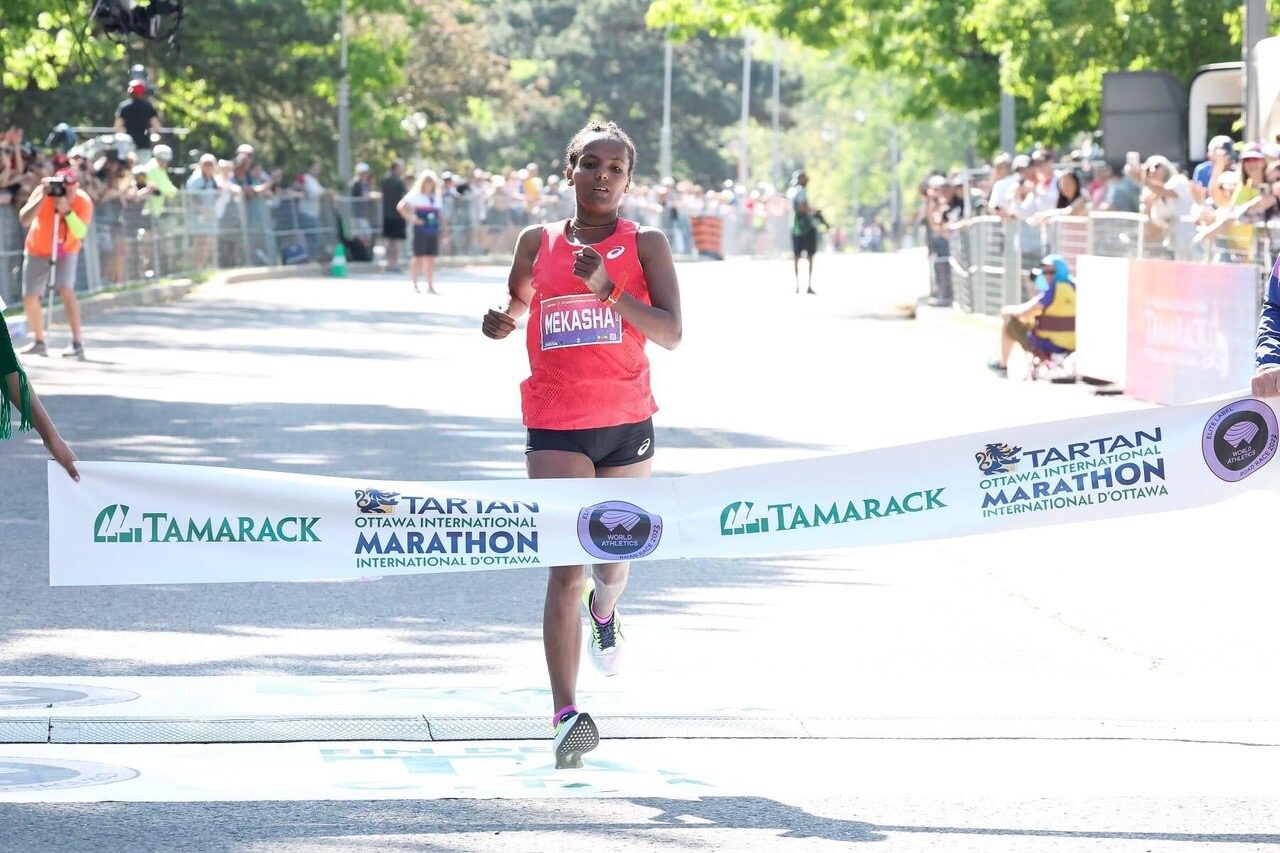
After steering away from her original plan to race at the Valencia Marathon, Wodak is taking a different approach at Toronto’s big-city race; she can finally enjoy racing in Canada in front of family and friends without the pressure of hitting the Olympic standard. She adds that the generous prize purse offered by TWM was an incentive. She revealed she plans on starting out conservatively, with the hope of having a fast second half. “I’ll go out at 2:25 to 2:26 pace, and hope to catch a few of the women who go out too hard,” she says. “It would be really nice to place in the top three. If all goes well, maybe I can surprise myself and others by having a really fast last 10K.”
After her attempts to qualify for Paris 2024, Wodak says she has learned not to take anything for granted. She says she began to jump into workouts with friends, running because she wanted to and doing what felt good. “I did enjoy the process over time, so I have no regrets,” she says. “It’s a privilege to do this.”
Erin Mawhinney to make marathon debut
Defending TWM half-marathon champion Erin Mawhinney will be doubling her usual distance to make her first-ever attempt at 42.2K. The 28-year-old, a two-time winner of the Under Armour Toronto 10K, has been slowly building up her mileage while training for the past three years with coach and two-time Olympian Reid Coolsaet; at the peak of her build, she reached 190 km in one week–quite a contrast to the maximum of 43 km she used to run weekly in university. The increase in mileage means increased time dedicated to training, adding to her already-busy schedule; the Hamilton native works full-time as a nurse, with the occasional night shift. “My apartment is a mess all the time, and I’m always out of groceries, since I’m eating more to support that mileage,” she says.
“You go in a little bit blind,” Mawhinney says. “You can sort of predict from the half-marathon what might happen, but it’s also a completely different event.” Her half-marathon best stands at 1:11:50, which she ran in March. “Somewhere in the low 2:30s would be a great day, but I’m mostly just excited to try out a marathon.”
Anne-Marie Comeau to seek redemption
Anne-Marie Comeau of Saint-Ferréol-les-Neiges, Que., is the reigning Canadian Marathon Championships silver medallist; the 2018 winter Olympian in cross-country skiing led for 42.1 kilometres of last year’s race before being passed by Quebec City’s Caroline Pomerleau, who nabbed the title. Comeau, who is 28, struggled over the last 10 km, and aims to pack her pockets with gels this year to avoid fading in the final stretch. “I had a rough year,” she says. “I’ve done a lot of marathon builds without actually racing.” Comeau was set to race the Houston Marathon and the Boston Marathon, but had to scratch from both, first due to Covid, and then to a shoulder dislocation while skiing.
Finally getting the chance to race, Comeau has set big foals for herself. “I want to get a personal best,” she says. “My marathon PB (2:34:51) is from last year on this course. I’m going to start a bit slower, at 2:31 to 2:32 pace, and see if I’m able to push harder toward the end.”
International field
Waganesh Mekasha of Ethiopia has her eyes set on the course record this year. The 32-year-old holds a personal best of 2:22:45 from the 2019 Dubai Marathon and took second in Toronto last fall, with a time of 2:23:12. “I enjoyed the race last year,” she says. “The course was great. The pacer dropped early and it affected us.” Her best time sits just off the course record of 2:22:16. The 2023 Ottawa Marathon champion feels as though she has prepared even better than last year. “If the pace goes out well and the weather is good, the course record is possible,” she says.
Ethiopia’s Roza Dereje comes into the race with the fastest personal best in the women’s field (2:18:30), and will also be fighting to take down the five-year-old course record. “I’m ready and prepared to challenge the course record,” she says. Dereje, 27, finished fourth in the marathon at the Tokyo Olympic Games, and became a mother in 2023. This is her first time visiting Canada.
For the first time in the race weekend’s history, the 5K race, traditionally held on the same day as the marathon and half-marathon, has been moved to Saturday; the race has already raised more than $3,000,000 for the TCS Charity Program.
How to watch
The 2024 TCS Toronto Waterfront Marathon and Canadian Marathon Championships can be streamed on Sunday, Oct. 20, on World Athletics Inside Track, CBC Sports, or the CBC Gem app. The TCS Toronto Waterfront Marathon is one of the first North American marathons to be featured on the WA Inside Track worldwide feed. This year, 30,000 participants from 70 countries will take part in Toronto’s race weekend (a record). All runners can be tracked using the official TCS Toronto Waterfront Marathon app, available for download on the App Store and Google Play.
by Cameron Ormond
Login to leave a comment
TCS Toronto Waterfront Marathon
The Scotiabank Toronto Waterfront Marathon, Half-Marathon & 5k Run / Walk is organized by Canada Running Series Inc., organizers of the Canada Running Series, "A selection of Canada's best runs!" Canada Running Series annually organizes eight events in Montreal, Toronto and Vancouver that vary in distance from the 5k to the marathon. The Scotiabank Toronto Waterfront Marathon and Half-Marathon are...
more...
Runners have gone wild in the current boom, increasingly hitting the trails and embracing ultra distances
that immerse us in nature, where mile splits matter far less than the experience of respondents to a 2024 Runner’s World survey have run an ultramarathon.
65%

of those ran their first ultra in the past five years.
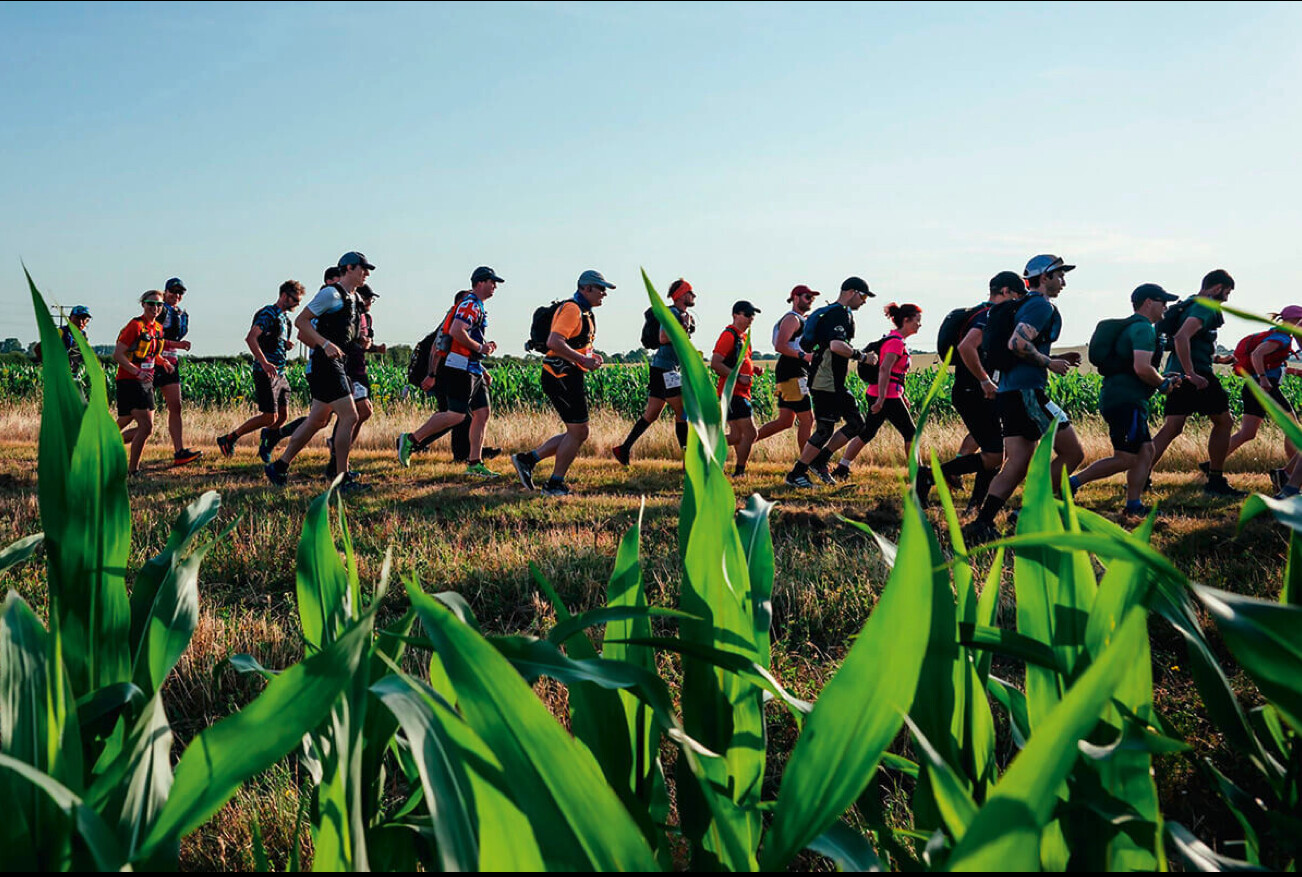
33%
said that they’re planning to run or considering running an ultra in the next two years.
‘It definitely feels more people are running trail and ultra, certainly post-Covid. The scene is really exciting with more races (and more accessible races), more brands, more sport-specific media, more younger, faster runners and more women – but they’re still a minority. Black Trail Runners and others are doing great work to make the scene more diverse. It’d be great to see more diversity, more accessibility and gender equality.’
Damian Hall, author and record-breaking ultrarunner236%
The year-on-year increase in internet searches for the Barkley Marathons from August 2023.
61%
of those surveyed by RW are interested or may be interested in following the big ultra races, such as the Barkley Marathons, Spine and Ultra-Trail du Mont-Blanc. 34%
This year’s increase in registrations for the Ultra-Trail du Mont-Blanc World Series Finals, compared with 2023. Demand is two to three times higher than max capacity.
43
Events in UTMB World Series in 2024, in Asia, Oceania, Europe, Africa and the Americas.
$7.3 billion
The value of the global trail running shoes market in 2022, according to a report by Allied Market Research. Up from $1.38bn in 2016, according to data from Grand View Research.
$12.4 billion
Predicted value of the global trail running shoes market in 2032, according to Allied Market Research.
30%
Year-on-year increase in numbers for the Montane Spine races. ‘The Montane Spine has expanded with more races within the events and more locations. We’ve had to organise other races to keep up with demand because the Montane Spine races continue to consistently sell out. We’re seeing people looking for ultramarathons to help with their mental health.’
Phil Hayday-Brown, founder of the Montane Spine Race
63%
The year-on-year increase in participants at Black To The Trails, with a waiting list operating for 2024’s sold-out event. 58% of runners were people of colour, with 14 of the 19 UK ethnic categories represented; 70% of participants were women.‘The Black Trail Runners community continues to grow daily with thousands of followers in the UK and globally, we’re a registered community and campaigning charity with the mission to increase the inclusion, participation and representation of people of Black ethnicity in trail running. If you want to see a more ethnically diverse sector, you can join us to help us do that – you don’t need to be of Black ethnicity to support the work that we do.’
Sabrina Pace-Humphreys, ultrarunner and co-founder of Black Trail Runners
5,252%
Growth in trail races with 500 or more participants in the 10 years leading up to 2022, according to RunRepeat. 11%
The year-on-year increase in runners on Strava completing at least one ultra, according to 2024 Strava data, growing at the same rate for men and women.
10% year-on-year increase in 50Ks.16% year-on-year increase in 50-milers. 14% year-on-year increase in 100Ks.
1,676% increase in ultra participation between 1996 and 2018, according to a recent report from RunRepeat, with numbers rising from just 34,401 to 611,098.
5,590 races
on the International Trail Runners Association calendar between January and August 2024: a 458% increase from the 1,002 races planned a decade ago.
49%
of respondents to the RW survey who run on trails started trail running within the past five years.
231%
Growth in trail running worldwide in the decade leading up to 2022, according to RunRepeat research. ‘All our events have been sell-outs the last couple of years. The Tolkien Trail Race sells out 500 entries in under an hour, and we’re noticing races fill up quicker and quicker each year. Trail racing has the least barriers to compete, with less emphasis on times than road racing, which can be intimidating. There’s an element of adventure, a test of endurance and the release of being in nature that’s evidently being enjoyed across ages and genders.’
Chris Holdsworth, race director for Pennine Trailsitting the trails and embracing ultra distances that immerse us in nature, where mile splits matter far less than the experience
Login to leave a comment

Toronto runner Virginia Lee, 51, prepares for 25th consecutive Waterfront Marathon
For Virginia Lee, the TCS Toronto Waterfront Marathon on Oct. 20, is more than just another race—it’s a journey that has spanned a quarter-century. The 51-year-old Toronto native is a legacy runner at the Toronto Waterfront Marathon, having finished every edition since the marathon distance was introduced in 2000.
This year, she’s gearing up for her 25th consecutive Waterfront Marathon, with a deeper purpose: fundraising for the Princess Margaret Cancer Foundation through the TCS Charity Challenge in memory of her late father.
Lee and her father were incredibly close, and she credits her love for fitness to him as it was something he loved to do. Lee says she was a mathlete in her younger years and her passion for fitness began in her 20s. After a while, she got tired of the 45-minute commute to her local gym.
Lee decided to skip the gym and hit the local track instead—where she fell in love with running. A colleague at Browns Shoes, Manny, eventually helped her gain enough confidence to register for her first race. “He was a big mentor for me,” Lee says. “I remember being in awe of all the marathons he’s done, and now I’ve done more—he can’t believe how far I’ve come.”
She first ran the Toronto Waterfront Marathon in 2000, and it quickly became an annual tradition. “I started doing the Toronto Waterfront Marathon every year because it was something I enjoyed,” Lee says. Her dedication to the race became even more apparent in 2013 when she faced a tough decision—run the Chicago Marathon, which she had qualified for, or maintain her streak in Toronto. Toronto organizers reached out, reminding her of her unbroken streak. She ended up doing both. “I had to be super conservative in Chicago because I wanted to run well in Toronto,” Lee recalls.
Over 24 years, Lee has seen the sport evolve, especially women’s participation. “There weren’t too many women at my first marathon in 2000, but last year there were nearly 1,500 female finishers,” she says. The growing community of older female runners in Canada has been an inspiration, along with U.S. masters running legend Jeannie Rice, who at 76, holds several masters marathoning world records. “She is such an idol for me,” says Lee. “Although I’ll never be as fast as her, her consistency and resilience are everything.”
One of Lee’s biggest motivations remains her desire to maintain her streak. “A lot of people did not believe I could do this,” she says, reflecting on the dedication that has driven her through two decades of training. Her commitment is impressive considering her career at the University Health Network (UHN) in Toronto, where she’s worked for the last 15 years.
Her training build for this year’s race has been the hardest yet, dealing with her father’s passing, plus a bad case of shingles. “I wasn’t well. I caught shingles and felt exhausted for the first two months,” she shares. “The loss of my father has given me a renewed purpose.”
At the TCS Toronto Waterfront Marathon expo on Friday, Lee will share her story to the start line and guide eager runners through what they can expect on the 2024 course. Despite 24 years of experience, Lee admits she still gets nervous. “I feel like I have imposter syndrome every year. But I’m grateful to be a part of it.”
by Marley Dickinson
Login to leave a comment
TCS Toronto Waterfront Marathon
The Scotiabank Toronto Waterfront Marathon, Half-Marathon & 5k Run / Walk is organized by Canada Running Series Inc., organizers of the Canada Running Series, "A selection of Canada's best runs!" Canada Running Series annually organizes eight events in Montreal, Toronto and Vancouver that vary in distance from the 5k to the marathon. The Scotiabank Toronto Waterfront Marathon and Half-Marathon are...
more...
How to train for a marathon no matter how fit you are
If you’re planning a marathon, you’re on the road to becoming part of a select proportion of the global population – 0.01 per cent, to be exact. But that doesn’t mean running one is exclusive to the lycra-clad minority. With the right planning, training and dogged determination anyone can have a go. Here’s what you need to know if you’re gearing up to train for the race of your life.
Which marathon should I choose to run?

The London Marathon is special, with incredible atmospheric and historic appeal, but it’s notoriously tricky to get a place and is far from the only one to consider. All marathons are 26.2 miles, so if you’re a beginner, you might want to choose what seasoned runners call an “easy” marathon – one with a flat and paved course. While the Brighton Marathon is one of the most popular (and mostly flat) UK spring races, the Greater Manchester Marathon is known as the flattest and fastest UK option. The under-the-radar Abingdon Marathon is one of the oldest in the UK and also has a flat route – great for new runners and for those who are keen to beat their personal bests.
Around Europe, try the Berlin and Frankfurt marathons in Germany, or the Amsterdam Marathon in the Netherlands. More recently, the Valencia and Seville marathons in Spain have grown in appeal. For a great beginner list, visit coopah.com. It’s worth doing your research to ensure it’s a route you’ll enjoy (atmospheric, well populated, flat, historic… whatever piques your interest), as this will pay dividends when things get tough.
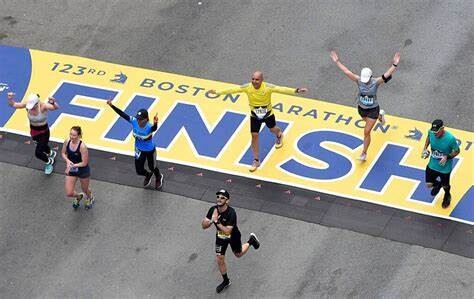
Training
How long does it take to train for a marathon?
“You need 16-to-18 weeks of training,” says Richard Pickering, a UK Athletics qualified endurance coach. “And if you’re starting from nothing, I think you need closer to six months.” This may sound like a long time to dedicate to one event but a structured plan will help you develop the strength, endurance and aerobic capacity to run longer distances. Not to mention work wonders for your overall health.
“Anyone can run a marathon if they are willing to put in the hard work,’ says Cory Wharton-Malcolm, Apple Fitness+ Trainer and author of All You Need Is Rhythm & Grit . “As long as you give yourself enough time and enough grace, you can accomplish anything.’
Ready to get running? Read on.
Five steps to preparing for a marathon
1. Follow a training plan and increase mileage gradually
“Even if it’s a simple plan, and that plan is to run X times per week or run X miles per week, it’s beneficial to have something guiding you,’ says Wharton-Malcolm. ‘It’s happened to me, without that guidance, you may overtrain causing yourself an injury that could have been avoided. And if you’re injured, you’re far less likely to fall in love with running.”
For authoritative plans online, see marathon event websites (try the Adidas Manchester Marathon or the TCS London Marathon websites) or from a chosen charity such as the British Heart Foundation. Most will consist of the key training sessions: speed work (spurts of fast running with stationary or active rest periods), tempo runs (running at a sustained “comfortably uncomfortable” pace), and long-distance slogs.
Most marathon plans will abide by the 10 per cent rule, in that they won’t increase the total run time or distance by more than 10 per cent each week – something that will reduce your risk of injury.
2. Practise long runs slowly
Long runs are your bread-and-butter sessions. They prepare your body to tolerate the distance by boosting endurance, and give you the strength to stay upright for hours. Intimidating as this sounds, the best pace for these runs is a joyously slow, conversational speed.
“People may think they need to do their marathon pace in long runs,” says Pickering, “but it’s good to run slowly because it educates the body to burn fat as fuel. This teaches it to use a bit of fat as well as glycogen when it goes faster on race day, and that extends your energy window so that you’re less likely to hit the ‘wall’.”
The caveat: running slowly means you’re going to be out for a while. With the average training plan peaking at 20 miles, you could be running for many hours. “When I did lots of long runs, I had a number of tools: listening to music, audio-guided runs, apps or audio books,” says Wharton-Malcom. “I used to run lots of routes, explore cities… You can also do long runs with friends or colleagues, or get a train somewhere and run back so it’s not the same boring route.”
3. Do regular speed work
Speed work may sound like the reserve of marathon aficionados, but it’s good for new long-distance runners too. “I think people misunderstand speed work,” says Wharton-Malcom. “The presumption is that the moment you add ‘speed’ to training, you have to run like Usain Bolt, but all ‘speed’ means is faster than the speed you’d normally be running. So if you go out for a 20-minute run, at the end of the first nine minutes, run a little faster for a minute, then at the end of the second nine minutes, run a little faster for a minute.”
Small injections of pace are a great way for novices to reap the benefits. “The idea is to find the sweet spot between ‘Ah, I can only hold on to this for 10 seconds’ and ‘I can hold on to this for 30-to-60 seconds’,” he adds.
Hill sprints are great for increasing speed. Try finding a loop with an incline that takes 30 seconds to ascend, then run it continuously for two to three lots of 10 minutes with a 90-second standing rest.
Interval work is also a speed-booster. Try three lots of three minutes at tempo pace with a 90-second standing rest. “The recovery [between intervals] is when you get your breath back and your body recirculates lactate [a by-product of intense exercise, which ultimately slows bodies down],” explains Pickering, “and this means you’re able to do more than you otherwise would.”
4. Run at marathon-pace sometimes
Every now and then, throw in some running at your chosen race pace. “You need to get used to a bit of marathon pace,” says Pickering, “but I wouldn’t put it into your programme religiously.”
Some runners like to practise marathon pace in a “build-up” race, typically a half-marathon. “It can give people confidence,” says Pickering. “Your half-marathon should be six-to-seven weeks prior to the main event, and have a strategy to ensure you’re not racing it because you need to treat it as a training run.”
5. Schedule in rest and recovery
Of course, no training plan is complete without some R&R. Rest days give your body a chance to adapt to the stresses you’ve put it through and can provide a mental break. “Active recovery” is a swanky term for taking lighter exercise such as an easy run, long walk, gentle swim, some yoga – crucial because you don’t want to do two hard sessions back-to-back. “A long run would count as a hard day, so if your long run is on Sunday, you could do an easy run such as 30-40 minutes at a conversational pace on a Monday, but don’t do anything fast until Tuesday,” says Pickering.
What about recovery tools?
Foam rollers, massage guns, ice baths – the list is long. Pickering says to keep it simple: “I would encourage foam rolling [relieving muscle tension by rolling over a foam tube] or sports massage, and they’re kind of the same thing.”
And Wharton-Malcom swears by the restorative power of a good rest: “From personal experience, sleep is our secret weapon and it’s so underrated. Getting your eight-hours-plus per night, taking power naps during the day… you can do so well with just sleeping a bit more.”
Race day
How to perform your best on race day – what to eat
“The marathon is going to be relying on carbohydrate loading [such as spaghetti, mashed potato, rice pudding], which should take place one-to-three days before an event,” explains performance nutritionist Matt Lovell. Other choices might include: root vegetables (carrots, beetroot), breads or low-fat yoghurts.
“On the day, the main goal is to keep your blood glucose as stable as possible by filling up any liver glycogen.” Which means eating a breakfast rich in slow-release carbohydrates, such as porridge, then taking on board isotonic drinks, like Lucozade Sport or coconut water, and energy gels roughly every 30-45 minutes.
How to stay focused
Even with the right fuel in your body, the going will get tough. But when you feel like you can’t do any more, there is surprisingly more in the tank than you realise.
“Sports scientists used to think we eat food, it turns into fuel within our body and, when we use it up, we stop and fall over with exhaustion,” says performance psychologist Dr Josephine Perry. “Then they did muscle biopsies to understand that, when we feel totally exhausted, we actually still have about 30 per cent energy left in the muscles.”
How do you tap into that magic 30 per cent? By staying motivated – and this ultimately comes down to finding a motivational mantra that reminds you of your goal and reason for running.
“Motivational mantras are incredibly personal – you can’t steal somebody else’s because it sounds good; it has to talk to you,’ explains Dr Perry, author of The Ten Pillars of Success. “Adults will often have their children as part of their motivational mantra – they want to make them proud, to be a good role model. If you’re doing it for a charity, it might be that.” Write your motivational mantra on your energy gel, drinks bottle or hand. “It doesn’t just need to come from you,” adds Dr Perry. “I love getting athletes’ friends and family to write messages to stick on their nutrition, so every time they take a gel out of their pocket, they’ve got a message from someone who loves them.” Perry is supporting the Threshold Sports’ Ultra 50:50 campaign, encouraging female participation in endurance running events.
Smile every mile, concludes Dr Perry: “Research shows that when you smile it reduces your perception of effort, so you’re basically tricking your brain into thinking that what you’re doing isn’t as difficult as it is.”
One thing is for sure, you’re going to be on a high for a while. “What happens for most people is they run the race and, for most of the race, they say ‘I’m never doing this again,’ says Wharton-Malcom. “Then the following morning, they think, ‘OK, what’s next?’”
What clothes should you wear for a marathon?
What you wear can also make a difference. Look for clothing made with moisture-wicking fabrics that will move sweat away from the skin, keeping you dry and comfortable. An anti-chafe stick such as Body Glide Anti-Chafe Balm is a worthy investment, or simply try some Vaseline, as it will stop any areas of the skin that might rub (under the arms, between the thighs) from getting irritated. Seamless running socks, like those from Smartwool, can also help to reduce rubbing and the risk of blisters.
Post-race recovery
What to eat and drink
Before you revel in your achievement, eat and drink something. Lovell says recovery fuel is vital: “Getting carbohydrates back into the body after a marathon is crucial. It’s a forgiving time for having lots of calories from carbohydrates and proteins, maybe as a recovery shake or a light meal such as a banana and a protein yoghurt.”
Have a drink of water with a hydration tablet or electrolyte powder to replenish fluid and electrolyte salts (magnesium, potassium, sodium) lost through sweat.
“You can have a glass of red later if you want, but your priority is to rehydrate with salts first, then focus on carbohydrate replenishment, then have some protein, and then other specialist items such as anti-inflammatories.” Choose anti-inflammatory compounds such as omega 3 and curcumin from turmeric, which you can get as a supplement, to help reduce excessive inflammation and allow for better muscle rebuilding.
Tart cherry juice – rich in antioxidants, anti-inflammatories and naturally occurring melatonin – could also be useful, with the latest research reporting that it can reduce muscle pain after a long-distance race and improve both sleep quantity and quality by five-to-six per cent. “And anything that improves blood flow such as beetroot juice, which is a good vasodilator, will help with endurance and recovery,” adds Lovell. Precision Hydration tablets are very good for heavy sweaters.
Any other other good products to help with recovery?
The post-run recovery market is a saturated one, but there are a few products worth trying. Magnesium – from lotions and bath flakes to oil sprays drinks and supplements – relaxes muscles and can prevent muscle cramps, as well as aiding recovery-boosting sleep.
Compression socks boost blood flow and therefore the removal of waste products from hardworking muscles, and have been shown to improve recovery when worn in the 48 hours after a marathon. Arnica has anti-inflammatory properties that can help speed up the healing process after a long run, and can be used as an arnica balm or soak.
by The Telegraph
Login to leave a comment
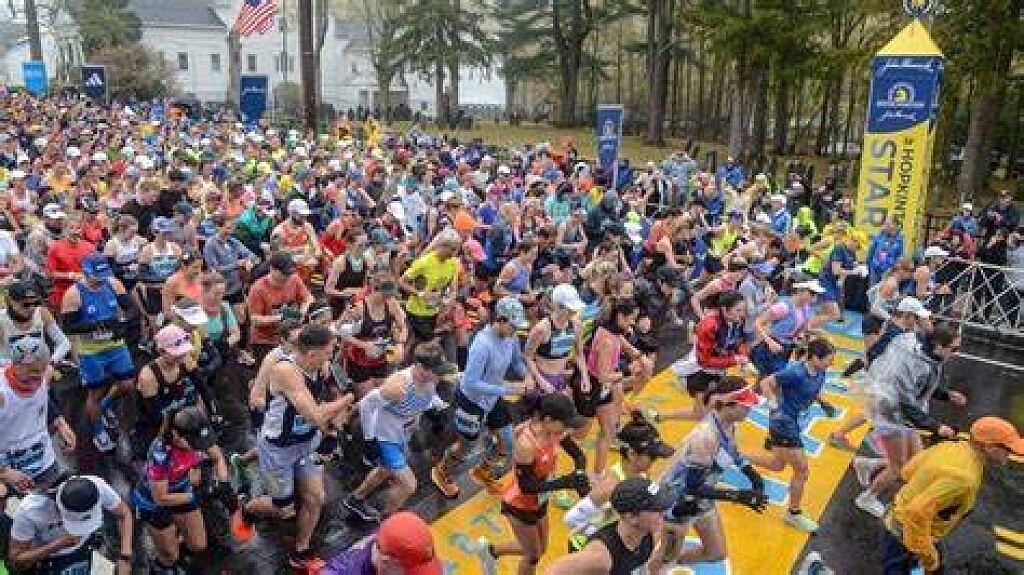
Hoping to qualify for the 2026 Boston Marathon? You'll have to run even faster
All age groups under 60 will have to run five minutes faster as demand to participate grows.
Runners hoping to qualify for the 2026 Boston Marathon are going to have to pick up the pace.
The Boston Athletic Association has updated its qualifying times for the world's oldest annual marathon, asking most prospective competitors to run a 42.195 kilometre race five minutes faster than in recent years to earn a starting number.
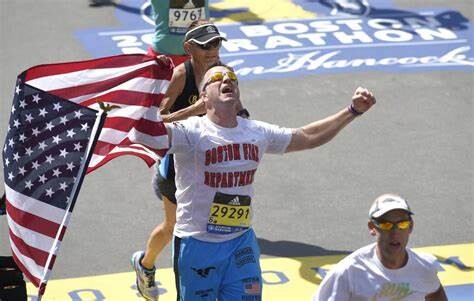
"Every time the BAA has adjusted qualifying standards — most recently in 2019 — we've seen athletes continue to raise the bar and elevate to new levels," Jack Fleming, president and CEO of the BAA, said in a statement posted Monday.
"In recent years we've turned away athletes in this age range (18-59) at the highest rate, and the adjustment reflects both the depth of participation and speed at which athletes are running."
The BAA introduced qualifying times in 1970 and has expanded and adjusted the requirements through the decades.
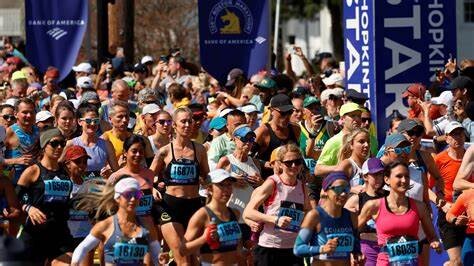
Runners participating in the event to raise money for charity do not have to meet the qualifying standards.
All age groups up to age 60 will be required to run five minutes faster than in previous years. This means men between the ages of 18 and 34 will have to run a marathon during the qualification window in two hours, 55 minutes or faster to earn a spot in the 2026 race.
Women and nonbinary applicants age 18-34 need to complete the distance in three hours, 25 minutes.
The BAA said it decided to tighten its times after turning away "thousands of runners" in the past who met the qualifying time. In his statement, Fleming said athletes have gotten faster, the sport of marathon running is growing and so is demand to participate in the Boston Marathon.
Athletes are getting faster
The qualifying times for runners age 60 to 80-plus didn't change. The slowest competitors that can earn qualification are in the 80 and over age group. The men in that category must complete a marathon in four hours, 50 minutes, while women and nonbinary competitors must finish in five hours, 20 minutes.
The BAA said it had 36,406 qualifier entry applications for next year's race, more than ever before.
"The record number of applicants indicates the growing trend of our sport and shows that athletes are continuously getting faster and faster," Fleming said.
The qualifying window for the 2026 race began on Sept. 1 and will run through the conclusion of the registration period of that race next September.
Next year's Boston Marathon will take place on April 21.
by The Associated Press
Login to leave a comment
Boston Marathon
Among the nation’s oldest athletic clubs, the B.A.A. was established in 1887, and, in 1896, more than half of the U.S. Olympic Team at the first modern games was composed of B.A.A. club members. The Olympic Games provided the inspiration for the first Boston Marathon, which culminated the B.A.A. Games on April 19, 1897. John J. McDermott emerged from a...
more...
McColgan is set for Great North Run victory
Eilish McColgan bids to win the Great North Run half-marathon for the first time when she lines up alongside 60,000 other runners on Sunday.
The Scot returned from injury to compete for Great Britain at the Paris Olympics, finishing 15th in the 10,000m.
She enters this weekend's race in much better condition having won the Big Half marathon in London last weekend in 69 minutes and 14 seconds.
The 33-year-old British record holder will come up against two-time champion Vivian Cheruiyot, of Kenya, and Ethiopia's Senbere Teferi.
While McColgan's mum Liz won the Great North Run three times, Eilish's best result is second place in 2021.
"Returning from this year's Paris Olympics and on the road back from injury, I'm especially looking forward to the tens of thousands of spectators and supporters lining the streets, as well as the 60,000 runners taking part alongside me," said McColgan.
Britain's Marc Scott, the 2021 Great North Run champion, competes in the men's race against the likes of Olympic 10,000m silver medallist Berihu Aregawi and 2021 London Marathon winner Sisay Lemma, both from Ethiopia.
Leading the field in the men's wheelchair race is 2022 Commonwealth Games champion JohnBoy Smith, while fellow Briton Jade Hall will bid to add the 2024 Great North title to her triumph in 2021.
What is the Great North Run course?
The annual 13.1-mile race starts in Newcastle city centre, crosses the River Tyne and goes through Gateshead before finishing by the sea in South Shields.
Runners raise millions of pounds for charity and you can watch comprehensive coverage on BBC One from 10:00 BST on Sunday.
by AJ Bell
Login to leave a comment

Great North Run
Great North Run founder Brendan Foster believes Britain is ready to welcome the world with open arms after the launch of the event's most ambitious plan to date. The Great World Run campaign seeks to recruit one runner from every country in the United Nations – 193 in total – to take part in the iconic half marathon in...
more...
Usain Bolt has already made his feelings clear as second 16-year-old breaks his record
Olympic legend Usain Bolt has seen his sprint times beaten by youngsters Gout Gout and Nickecoy Bramwell in recent months, but he remains philosophical on his achievements being topped.
Usain Bolt has already made his feelings clear on young athletes breaking his records by declaring that he is excited by emerging "personalities" in the sport.
Following Nickecoy Bramwell's record-breaking feat earlier in the year, another record held by the Jamaican icon was smashed this week as 16-year-old Gout Gout produced a silver medal-winning time of 20.60 seconds in the 200m at the U20 World Championships in Peru. The young Australian narrowly edged out Bolt's 2002 time in the same race when he was almost 16 years old.

The Olympic legend clocked 20.61 in the final, although he had a quicker time of 20.58 in the first round. More than two decades on from Bolt's heroics, South African Bayanda Walaza clinched gold with a time of 20.54, while Britain's Jake Odey-Jordan secured bronze in 20.81.
Back in May, 16-year-old Jamaican hopeful Bramwell took Bolt’s Under-17 400m world record at the Carifta Games in Grenada with the youngster clocking 47.26 seconds to beat the record by just 0.07 seconds. Bolt's record had previously stood for an incredible 22 years.
Speaking after Bramwell's achievements, Bolt hoped that his legendary times being eclipsed meant that athletics would be getting a much "needed" fresh injection of personality. He also claimed that the sport has not been the same since he departed the track.
“After me, it kind of went down because of who I was as a person, and how big my personality was," Bolt said. “But I think over time it will be better. I think young athletes are coming up and I see a few personalities that are needed in sport, hopefully in the upcoming years it will change.”
Who gets to inherit Bolt's heavy crown is another matter altogether, though. While Bramwell has caught the eye at longer distances, it's Gout who seems to be the major contender for Bolt's age-group records in the 100m and 200m.
The young athlete's performance has drawn strong comparisons to Bolt, with Athletics Australia president Jane Flemming among those claiming the young runner could be the next Olympic conquering superstar. Gout has taken such remarks with a degree of calmness rarely seen at such a young age, declaring that the compliment was "pretty cool".
Meanwhile, Bramwell, who has overcome several injury problems to now be discussed in the same breath as Bolt, has stated he now wants more of the legend's records. He said: "It's a wonderful feeling to break the record. Since last summer, I have been eyeing the record.
"So it's a great feeling I could come out here and get it. I just took my mind off it and focused on the record. I'm looking forward to better things.”
Bolt, 37, who retired in 2017, won eight Olympic gold medals and still holds world records in the 100m, 200m and the 4x100m relay. He now spends his athletics retirement with his family while also dabbling in celebrity charity events, like playing in Soccer Aid.
Login to leave a comment
Eisa runs championship record to retain world U20 5000m title in Lima
On a cool, crisp evening in the Peruvian capital on Tuesday (27), Ethiopia’s Medina Eisa turned up the heat on her rivals to successfully defend her 5000m title, the highlight of the first day of action at the World Athletics U20 Championships Lima 24.
Eisa’s winning time of 14:39.71 carved more than 28 seconds off the championship record set by Genzebe Dibaba, which had stood since 2010, and brought her home well clear of her compatriot Mekedes Alemeshete. The two broke away from the field from the outset and alternated pace-setting duties, passing 2000m in 5:58.59 with a 40-meter lead.
By 3000m, reached in 8:57.28, they’d built a 70-meter lead and from there it only extended, with Eisa breaking clear of her compatriot with three and a half laps to run and lapping most of the field to hand women’s 5000m gold to Ethiopia for the eighth time in the last nine editions.

“I'm very happy with this win and to achieve a championship record after the Olympics,” said Eisa, who finished seventh in the 5000m in Paris. “I wanted to be a champion, I have wanted this for months.”
Alemeshete followed her home in 14:57.44, with Uganda’s Charity Cherop getting bronze in a PB of 15:25.02.

The men’s 5000m proved a very different race, with some early moves proving inconsequential and the final boiling down to a sprint finish, with seven clustered together at the bell. As the contenders hit full speed on the final turn it was Kenya’s Andrew Kiptoo Alamisi who soon took flight like a bird, soaring to victory in 13:41.14 ahead of Ethiopia’s Abdisa Fayisa (13:41.56) and Uganda’s Keneth Kiprop (13:41.73).
Australia reigned supreme in the mixed 4x400m final, their quartet of Jordan Gilbert, Bella Pasquali, Jack Deguara and Sophia Gregorevic controlling the race and hitting the line comfortably in front in an Oceanian record of 3:19.27. Poland claimed silver in 3:20.44 with China coming through strongly for bronze in 3:21.27 courtesy of a big final leg from Liu Yinglan.
In the men’s shot put, it was no surprise to see gold go to the Netherlands for the first time in 24 years, but it wasn’t the thrower many were expecting, with Dutch U20 record-holder Yannick Rolvink – who topped the entry lists by more than a metre – finishing fifth with 19.88m.
It was his teammate, Jarno van Daalen, who shone brightest, the 18-year-old adding 36cm to his lifetime best with his opening round effort of 20.76m. That was a mark no one else could match in the subsequent rounds, though South Africa’s JL van Rensburg came close, launching a PB of 20.74m in the final round for silver. Germany’s Georg Harpf took bronze with 20.28m.
With four events completed in the heptathlon, Croatia’s Jana Koscak tops the standings with 3536 points, the 2022 European U18 champion adding to her 13.80 hurdles performance and 1.81m high jump earlier in the day with a 12.01m shot put and 25.12 200m in the afternoon session.
Second overnight is Switzerland’s Lucia Acklin, who rocketed up the standings during the latter part of the day after throwing 13.42m in the shot put and clocking a PB of 24.42 in the 200m. That leaves her on 3472 points. Australia’s Mia Scerri sits third with 3385, closely followed by Czechia’s Adela Tkacova who is fourth with 3351, aided by her season’s best of 24.14 in the 200m.
"It's been a long day, but I'm happy," said Koscak. "I ran a solid 200m, a good high jump, but the hurdles and shot put could have been a little better. It's been a long process because I've been travelling a lot, with climate changes, times zones. This is the World Championships so I'm not going to complain."
In the women’s 100m semifinals, Jamaica’s Alana Reid was highly impressive when winning in 11.44 (-0.3m/s), easing off the gas far from the line to beat Nigeria’s Justina Tiana Eyakpobeyan (11.56) and Aleksandra Stoilova of Australia (11.58), who also advanced. Kishawna Niles of Barbados and Britain’s Nia Wedderburn-Goodison were the quickest qualifiers, both clocking 11.39 in the first semifinal ahead of South Africa’s Viwe Jingqi (11.49). Germany’s Chelsea Kadiri won the third semifinal in 11.52 ahead of Adaejah Hodge of the British Virgin Islands (11.59).
Thailand’s Puripol Bonsoon, who finished fourth in this event two years ago, was the quickest qualifier for the men’s 100m final, clocking 10.30 (-0.6m/s) in the semifinals to edge South Africa’s Bradley Nkoana by one thousandth of a second. Jamaica’s Gary Card qualified in third with 10.39.
Deandre Daley of Jamaica powered to victory in the first semifinal in 10.34 (-0.9m/s) with Japan’s Naoki Nishioka taking the second automatic spot in 10.43. South Africa’s Bayanda Walaza recovered from an early stumble to win the third semifinal in 10.33 (-0.2m/s) ahead of Britain’s Teddy Wilson (10.35) and China’s He Jinxian (10.36), who also advanced.
China’s Wang Xiaobo led the way in men’s javelin qualification, launching 73.83m with Slovenia’s Tom Tersek next best with 73.37m ahead of Germany’s Oskar Janicke (73.02m). Ukraine’s Illia Saievskyi was the only other thrower to surpass the 72.50m automatic qualification mark.
In women's pole vault qualification, the automatic qualifying mark of 4.25m wasn't necessary and four athletes cleared 4.10m with faultless performances. One vault was all it took for USA's Molly Haywood to make the final as she entered at 4.10m and cleared that first time. She'll be joined by athletes including Estonia's Miia Tillmann, Australia's Tryphena Hewett and Austria's Magdalena Rauter.
The women’s 3000m steeplechase heats saw a dominant performance from race favourite Sembo Almayew who coasted to victory in 9:30.59 ahead of Kenya’s Diana Chepkemoi and Uganda’s Nancy Chepkwurui (9:49.06). Ethiopia’s Firehiwot Gesese eased to victory in the other heat in 10:00.96 ahead of Uganda’s Loice Chekwemoi (10:01.85) and Kenya’s Sharon Chepkemoi (10:07.59).
by Cathal Dennehy for World Athletics
Login to leave a comment
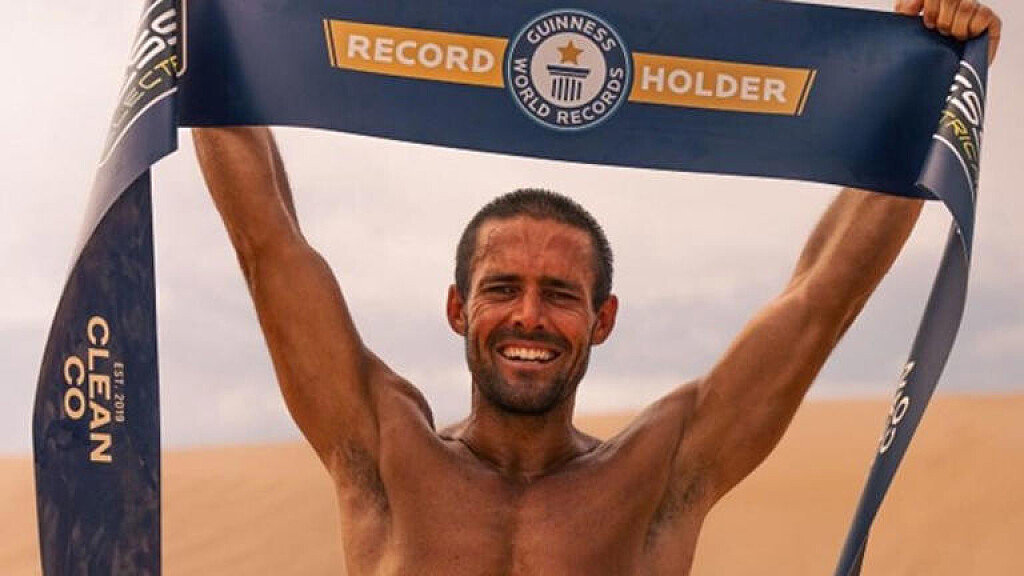
Reality star Spencer Matthews breaks world record
Former reality TV personality Spencer Matthews has completed 30 marathons in 30 consecutive days completely on sand - breaking a new Guinness World Record and raising more than £350,000 for charity.
The former Made In Chelsea star, 36, has added endurance athlete to his list of career ventures since first coming into the public eye in 2011.
The father-of-three spoke to Sky News after successfully running across 1,266km through the Jordanian Desert in scorching temperatures.
He started near Wadi Rum on the edge of the Arabian Desert and finished the final 26.2 mile leg on Tuesday morning near the Dead Sea.
Throughout the challenge, he raised money for Global's Make Some Noise charity, which funds grassroots projects and works with small charities across the UK.
Matthews said he never wanted to stop his running because the people supported by the charities he was running for "absolutely don't deserve to be in the pain that they're in"
"In many cases the pain that they're in is permanent - whereas I'm here for 30 days. Despite them being quite difficult, I will go back to my life when this is over and some of them don't get the chance to do that", he said.

"So that really does help when times are tough because no tough time that I'm having will ever be as tough as what these people are going through."
To meet the world record criteria, Matthews had to stay on sand and only sand - a layer of sand over a field of grass would not qualify, for example - and all marathon runs had to be finished within six hours.
'Positive experience in my life'
One unexpected difficulty during the 30-day stint in sandy Jordan was the quality of camp that he would turn up to each evening.
He has only been getting between three to five hours of sleep each night due to the heat.
"[It's] fly-infested, boiling hot, no air conditioning, sleeping on the same mat, no bedsheets, no toilets, no running water," he said.
"Again this situation is nowhere near as bad as the situation of those we're raising money for, so I'm not looking to turn what has been a positive experience in my life, this challenge, into something negative.
"But you asked for the lows, and it's quite difficult to get comfortable in camp. When you've ran a marathon that morning, all you're really looking for is comfort.
'If I carried on my drinking habits, I would die'
Matthews, who before his TV career was a city trader in London, has made a huge personal and physical transformation after years of abusing alcohol.
He admitted he "could have died" at the height of his drinking.
"I actually find it really annoying when people say anything is possible. But this is sort of proof that that is the case", Matthews said.
"I feel it's proving a point that even if you're going through a very difficult time, with just a little bit of discipline and some action, you can change things about your life that really matter.
"I was told by a therapist that if I carried on the way that I was drinking I would die."
After four years of complete abstinence, Matthews was able to re-address his feelings and behaviours towards alcohol, and now he drinks on occasion - but admits he rarely feels the want to do so.
Thinking about post-desert life, the former reality TV star is most looking forward to reuniting with his Irish presenter wife Vogue Williams and their three children.
Beyond that, Matthews says he is excited to get home to tackle the next challenges, including getting more young people into running and doing what he can to encourage others to get to a better stage in their life.
"I think there's a lot more good we can do outside this fundraise", he says, smiling.
by Lizzie May
Login to leave a comment

Two B.A.A. Athletes Qualify For U.S. Olympic Team Trials
The Boston Athletic Association (B.A.A.) today announced that B.A.A. High Performance Team members Annie Rodenfels and Bethany Hasz have earned spots on the starting line for the U.S. Olympic Team Trials – Track & Field, to be held later this month in Eugene, Oregon from June 21-30.
Rodenfels will compete in the women’s 3000m steeplechase (preliminary round June 24/final on June 27), while Hasz will toe the line in the women’s 5000m (preliminary round on June 21/final on June 24).
The Trials will be held at historic Hayward Field in Eugene, Oregon, with top three finishers in each event slated to qualify for the Paris Olympic Games (so long as athletes have met the Olympic standard or earned enough qualifying points).
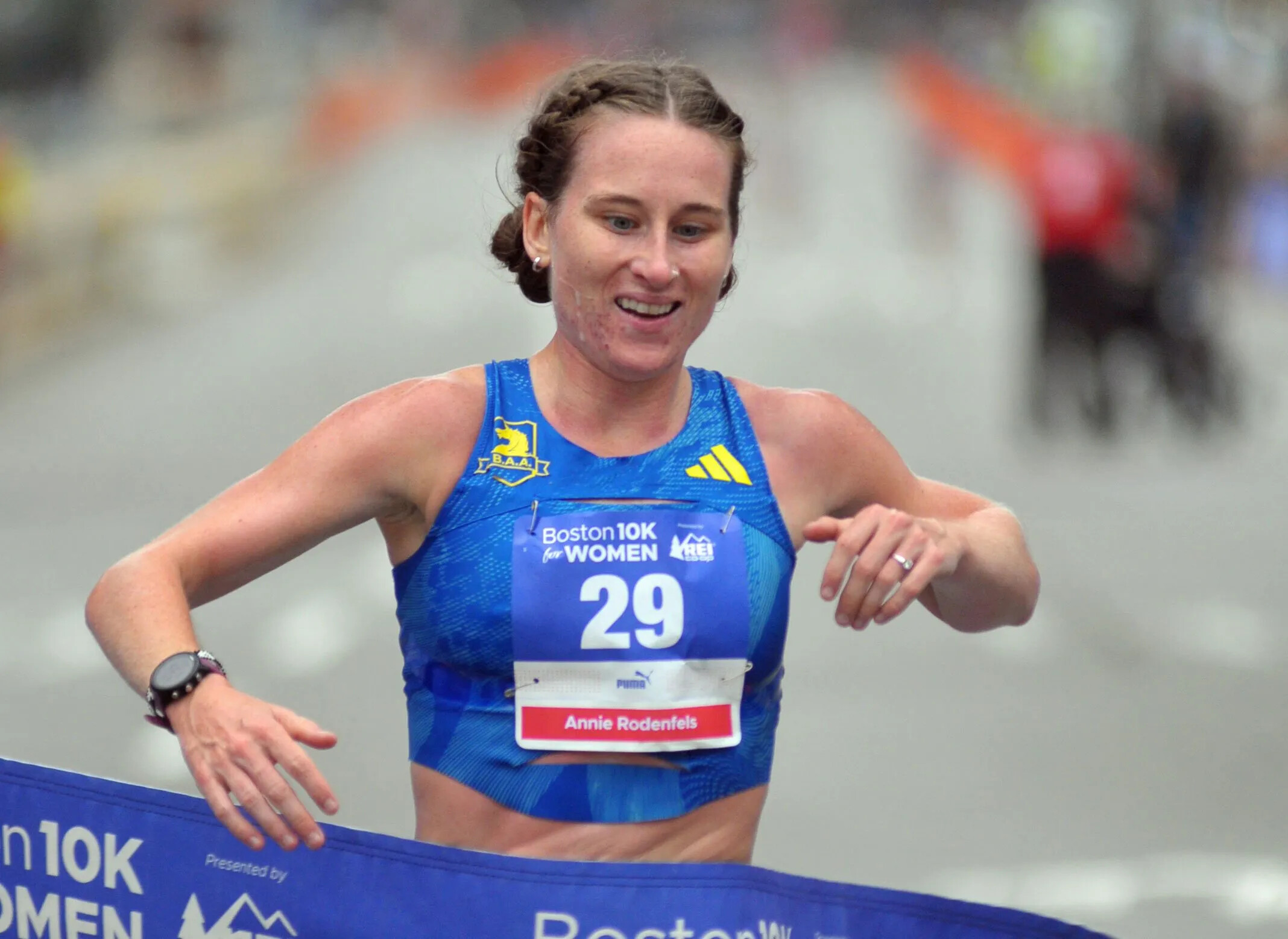
Rodenfels’ personal best in the steeplechase is 9:25.48, set last year. She won the steeplechase at the Drake Relays this year (9:31.03), was fourth at the Boston 5K in April, and clocked 15:03.97 indoors for 5000m in December 2023. Last fall she won the USATF 5K National Championship on the roads in New York City.
Hasz is coming off a 5000m lifetime best of 15:05.80 set May 17 in winning the Drake Relays 5000m. This year she’s also recorded personal bests in the road 5K (15:30), road 10K (32:03), and mile indoors (4:39.24). She earned a bronze medal at the 2023 USATF 5K National Championships, finishing third just behind Rodenfels and Olympian Rachel Smith.
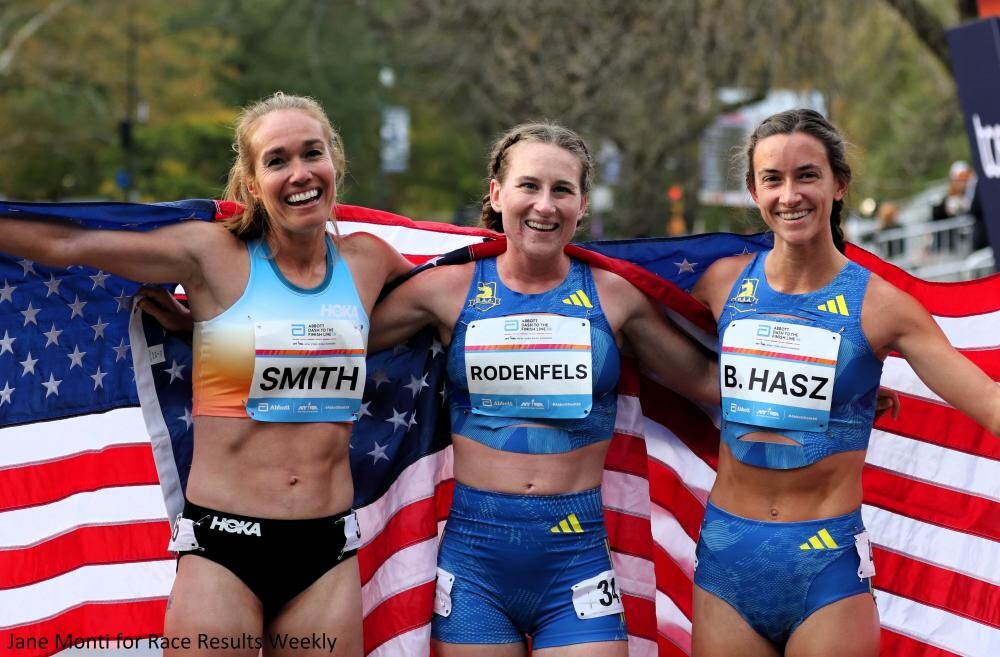
The B.A.A.’s High Performance team supports runners on their way towards making international teams, with the goal of competing at the highest level: the Olympic Games, World Athletics Championships, and Abbott World Marathon Majors. The B.A.A. is sponsored by adidas, which provides comprehensive support for the organization’s High Performance team, running club, and mass-participatory events.
B.A.A HIGH PERFORMANCE TEAM ROSTER:
Eric Hamer
Bethany Hasz
Megan Hasz
Josh Kalapos
Barry Keane
Matt McDonald
Annie Rodenfels
Abbey Wheeler
ABOUT THE BOSTON ATHLETIC ASSOCIATION (B.A.A.)
Established in 1887, the Boston Athletic Association is a non-profit organization with a mission of promoting a healthy lifestyle through sports, especially running. The B.A.A. manages the Boston Marathon, and supports comprehensive charity, youth, and year-round programming. The 129th Boston Marathon presented by Bank of America is scheduled to take place on Monday, April 21, 2025. The Boston Marathon is part of the Abbott World Marathon Majors, along with international marathons in Tokyo, London, Berlin, Chicago, and New York City. For more information on the B.A.A., please visit www.baa.org.
by B.A.A.
Login to leave a comment

U.S. Olympic Team Trials Track And Field
Eugene, Oregon has been awarded the 2024 U.S. Olympic Team Trials - Track & Field, USA Track & Field and the U.S. Olympic & Paralympic Committee announced today. From June 21 to 30, Hayward Field at the University of Oregon will be home to one of the biggest track and field competitions in the country, as the U.S. Olympic Team...
more...
He’s Running 900 Miles to Every Premier League Soccer Stadium for Suicide Prevention
When Matthew Smith was a child, he lost his brother to suicide. Now he’s running throughout England to raise money for mental health services in a region that has the highest rates of suicide in the entire country.
Matthew Smith was only 10 years old when he lost his brother, Daniel O’Hare, to suicide. Daniel was 19 and had no history of mental health problems, nor had he shown any outward signs of his intention to end his life. His family was devastated by the sudden and unexpected loss, and they are still struggling to understand his choice.

Now 29, Smith is an advocate for mental health, and he’s on a mission to run 900 miles to every Premier League stadium in England to raise money for the region’s services. The northeast region, where Smith lives, has the highest rate of suicides in the country, and he and his supporters are determined to change that. He plans to take on this ultrarunning challenge in his brother’s honor in August, and he has the goal of raising £135,000 ($171,882) and spreading awareness of suicide prevention. He told Chronicle Live that along the way, he’ll be delivering the message that “it’s okay to not be okay,” and that there is “always a way.”
After losing Daniel in 2005, Smith and his younger brother and cousin started a nonprofit in his memory called If U Care Share, because they wanted to do something positive and prevent other families from going through the same kind of loss. They sold wristbands at soccer clubs that said “if u care share,” and raised over £50,000 ($63,655) for mental health charities.
In 2011, the charity was officially registered with three main objectives: prevention, intervention, and support for survivors of suicide loss. For more than a decade, If U Care Share has offered support to people who have lost loved ones to suicide and provided advice and assistance to people who are at risk of killing themselves.
Two years ago, Smith ran 250 miles from the charity’s headquarters in northern England to Downing Street in London to hand deliver a letter asking the U.K. government to include suicide prevention in the Levelling Up White Paper, a moral, social, and economic program.
This latest initiative came about because of Smith and his If U Care Share colleagues’ love of soccer and longstanding partnerships with the Premier League, the League Football Education, and the Women’s Super League.
“It’s no secret that suicide prevention and mental health services have struggled recently due to significant funding restrictions, so I can’t thank everyone enough for believing in the charity, our mission, and myself,” Smith told Chronicle Live. “The money raised at the launch event will not only enable the challenge to go ahead, it will also save lives, support communities, and prevent suicide in a region that needs our help more than ever.”
by Runner’s World
Login to leave a comment
Calgary Marathon becomes first marathon to have an on-course beer station
The Calgary Marathon celebrated its 60th anniversary on Sunday, and for the first time in event history, the race featured an on-course beer station for the marathon and half-marathon runners.
Calgary-based brewery One for the Road Brewing Co., founded by Graham Matheos, approached Calgary Marathon race director Kirsten Fleming earlier this year with the idea of the race becoming the first North American marathon to have non-alcoholic beer stations.
Officially referred to by organizers as a “hydration station serving non-alcoholic beer,” it was essentially a beer aid station. The beer was offered in addition to water and electrolytes at the 18 km and 36 km marks. “People loved it,” said Fleming.

The local non-alcoholic brewery was also a sponsor of the race’s inaugural 60K distance, which was extended from the usual 50K to celebrate the 60th anniversary of the Calgary Marathon.
This year’s race saw the second-largest field in event history, with just over 13,600 participants taking part in one of the six race weekend festivities. In the half-marathon, Calgary’s Blaine Penny and his team of 11 runners set a new Guinness World Record for the fastest half-marathon as a tethered team, raising over $30,000 for the charity MitoCanada.
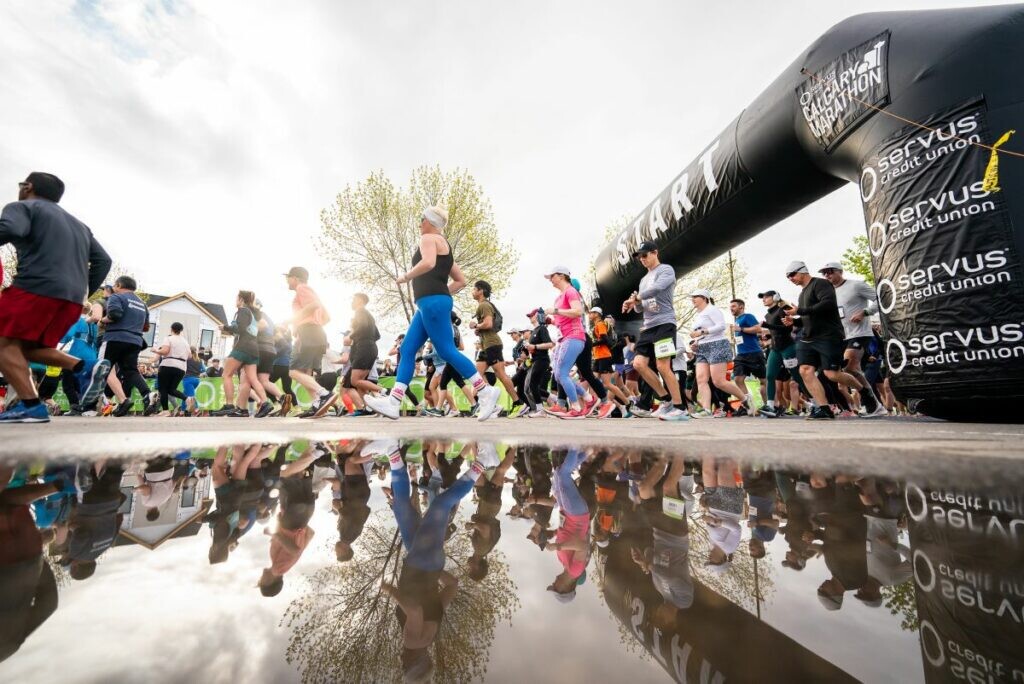
The marathon (the weekend’s main event), was won by Great Britain’s Jordan Clay in 2:35:59. According to CTV News Calgary, Clay did not expect to win the race, as this was his first time visiting the city. Calgary’s own Emily James won the women’s race in 2:49:16.
by Marley Dickinson
Login to leave a comment

Scotiabank Calgary Marathon
This is Canada's oldest marathon, Canadians and runners from around the world love this race, consistently voting in the Best Road Race in Alberta. There is a 50k, full-marathon, half-marathon, 10k, 5k family walk/run and kids races. You expect the route to be packed with participants and enthusiastic spectators. ...
more...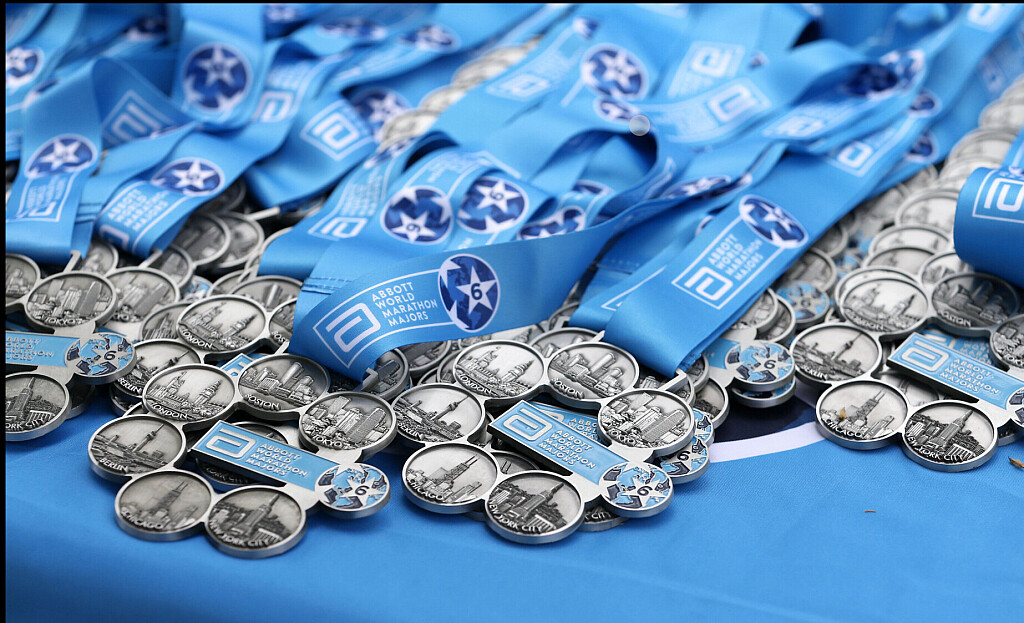
Controversy Arises Over Boston’s Moving 6-Hour Results Cutoff
For back of the packer, heartbreak is learning their finishes are not official, even though they have times.
Laura Caster wants to be clear: She knew what the Boston Marathon rule was about official finishers.
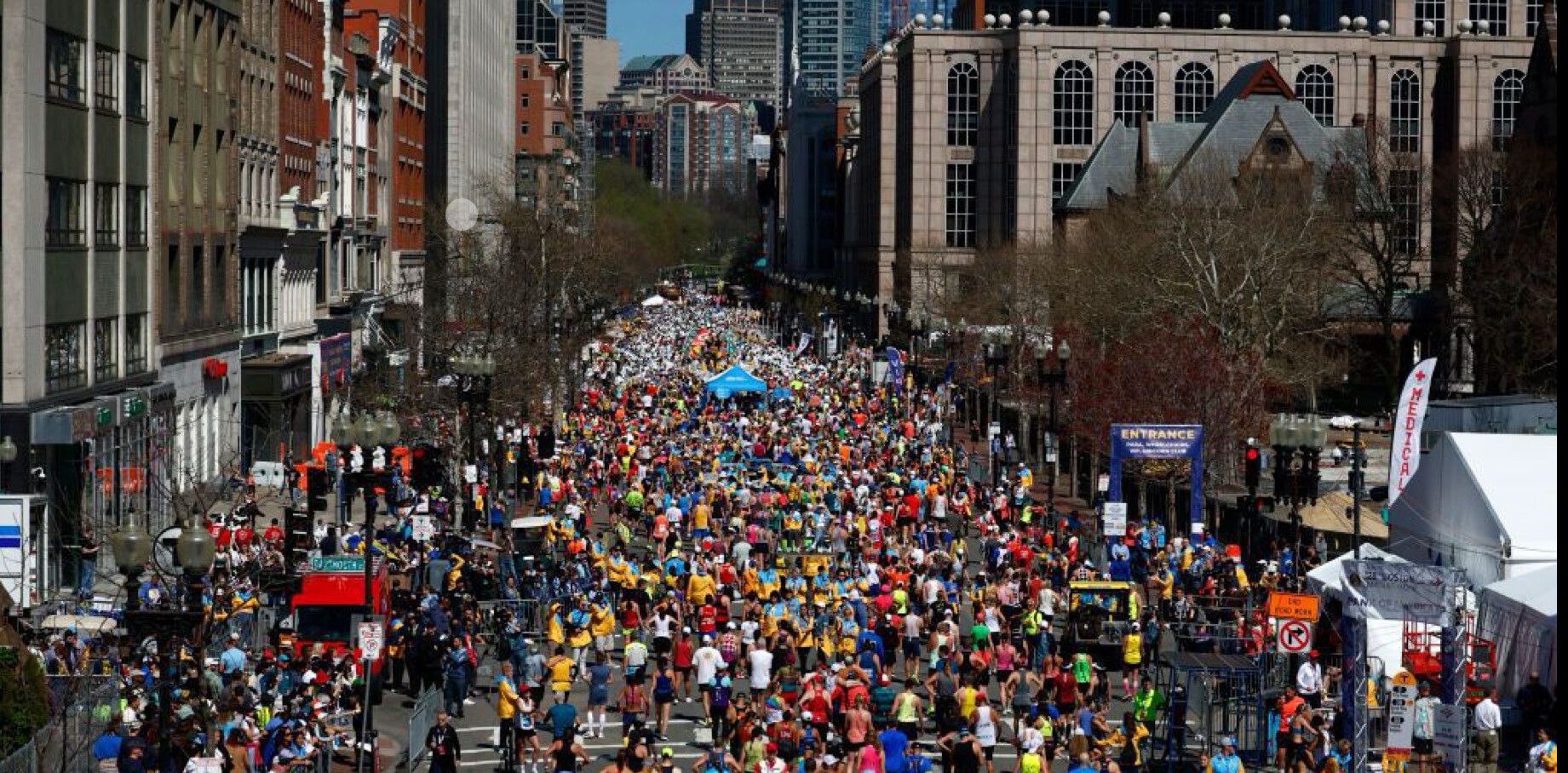
She was aware she had 6 hours from the time the last finisher crossed the starting line to finish the race in order to be considered official.
Her problem? She didn’t know what time the last finisher crossed the starting line.
Caster, 52, from Idlewild, California, was in corral 7 of Boston’s final wave, wave 4. And she crossed the starting line at 11:25 a.m. So for how many more minutes were runners crossing the starting line behind her? “Are they a minute behind me? Five minutes?” she wondered.
Every minute would count for her.
As it turned out, the final starter crossed the line at 11:28 a.m., so Caster needed to finish by 5:28 p.m. to be considered official.
Caster typically runs about 5:40 for a marathon. She finished Tokyo on March 3 in 5:41:50. Tokyo was her fifth of the World Marathon Majors six-star challenge. Boston was to be her sixth.
To gain entry to Boston, she had run for a charity, Team for Kids. She raised more than $5,000—part of the more than $40 million Boston Marathon organizers say the race raises through charity runners every year. And she treated Tokyo as a long run for Boston.
But the weather was warm on Marathon Monday, April 15. The slower runners start later in the day. And from early on, Caster knew she was in trouble. Her stomach was upset. She couldn’t take in all the fluids she needed. She was grabbing ice every time a spectator offered it.
Still, she plugged along, hitting every timing mat—even though the mats are rolled up along the course on pace with the 6-hour finish time. She passed halfway in 2:58:40.
At numerous points, Caster became aware of a vehicle trailing runners like her, who were going at about 6-hour pace. And she asked a volunteer at one timing mat, “How do I know if I’m going to be official?” Caster said he pointed at the car and told her she needed to finish in front of it.
“I was like, okay. That’s a definite answer,” she said. “I’m not going to look at my watch. I’m going to focus on not throwing up and being in front of that car.”
Caster was well ahead of the car on Commonwealth Avenue when she turned right onto Hereford Street. Just to be safe, as she approached the finish line on Boylston, Caster took a final look behind her. No sign of the official car. She crossed at 5:31 p.m., in 6:05:59. Volunteers put her in a wheelchair and sent her to the medical tent. From there, she was transported to a hospital with low blood potassium levels. She was released later that evening.
At the hospital, she looked at the results and realized she was not official. She had a gun time and a net time, but no place.
Caster was devastated. All the training, all the time and expense of pursuing the six stars, and she wasn’t really done. “I’ve worked for years, was so excited to have gotten to this point,” she said of her progress. “I was just leveled.”
Caster’s coach is Meb Keflezighi, an Olympic silver medalist and the 2014 Boston Marathon champion. On the phone with him, she broke down.
He told her, “I couldn’t be prouder of you. You missed it. We both know that you completed all six. You’re not official. But you showed grit, you showed determination.”
Allowing roads to reopen
Caster was not alone. Chris Lotsbom, a BAA spokesman, wrote in an email to Runner’s World that 497 people appeared to have crossed the Boston finish line this year after it officially closed. Volunteers staffed the area and handed out medals for approximately 4 hours, or until 9:45 p.m., longer than the race has ever continued to note times before.
Of those 497, many were within a few minutes or seconds of 5:28 p.m.
Cortney Blackburn, also in pursuit of her sixth star at Boston, missed by 37 seconds.
In an email exchange after the race with BAA officials, she asked how she was to know what the cutoff time was after she had started running. She, too, was told about the car, with flashing lights on the top, going at 6-hour pace and alerting runners if they were falling behind. Blackburn never saw the car—she finished well ahead of it—and she, too, recorded a split at every finish line mat along the way.
Lotsbom confirmed the car was there—a “road reopening vehicle”—he called it, meant to inform runners that roads were reopening and aid stations were shutting down.
“Without knowing specifics, I can’t comment on the individual instances referenced,” he wrote. “I can say that we are reviewing our processes and procedures in regards to final finishers for future Boston Marathons.”
Blackburn crossed the finish line and picked up two medals: the Boston Marathon medal and the World Marathon Majors six-star medal. Only later did she realize she wasn’t official in Boston’s results and therefore isn’t official in the WMM results, either. She has the medals, but no online record of her achievement.
But if the finish line remains open, and the timing continues, why not allow runners to be official? Or at least communicate a time—for example, 5:30 p.m.—that is consistent from year to year? Why use a moving target?
Boston’s strict cutoff is part of the agreement the race has with the cities and towns along the route. The 6-hour time limit is in place “to support the communities throughout which the race runs, to allow their road reopening program to commence as planned,” Lotsbom wrote.
“We understand we could do even more in communicating the closing time on race day and we are looking to enhance that messaging to all runners for next year to ensure everyone is clear [on] the time limit and time that the finish line will officially close on race day,” Lotsbom wrote.
A grace period
A few runners who are much slower than 6 hours get to start in earlier waves, which gives them more time to finish. For some runners close to the 5:28 p.m. cutoff, starting in an earlier corral of wave 4 would have meant the difference between an official and unofficial finish.
In 2015, some members of Boston’s Quarter Century Club, people with 25 or more consecutive Boston finishes, were concerned about the 6-hour limit, which was imposed for the 2016 race. So race officials moved them to Wave 2. Problem solved.
For others, the problem remains. And the moving cutoff appears to affect more women than men, older runners more than younger ones, and many runners of color.
Hector Espinal, like Blackburn, only discovered well after the race that he wasn’t official. He wrote on Instagram on April 18, “Despite crossing the finish line, finishing the race and receiving my medals, this morning I was informed that I did not complete the Boston Marathon in the time allotted to be considered an official finisher and @wmmajors 6 Star Marathoner.”
The post has more than 10,000 likes, and 1,000 comments, the majority of them supportive. Elite runner Mary Ngugi of Kenya, who was sixth in 2:24:24, wrote, “No no, you are a 6 time world major marathoner and a hero.”
Boston is a race that has at times struggled with its image, which critics call elitist. Spectators last year accused the race of over-policing enthusiastic fans, most of whom were people of color, at a mile 21 cheer zone, which prompted a lawsuit. Runner’s World reported in 2022 about the B.A.A.’s obscure, largely white, invitation-only membership group, which is involved with governance of the organization.
To many observers in the running community, setting a fixed finish time would be an easy way to help the race’s image as concerned about runners of varying abilities, not just the front of the pack.
Other races in the World Marathon Majors are much more lax about their finishing times, with the exception of Tokyo, which has nine cutoff points along the route, and runners are stopped if they lag behind. There are no questions, however, about where they stand.
But finishers of London, New York, and Chicago appear in results with times hours slower than the races’ published cutoff times. Berlin, which has a posted cutoff time of 6:15, stays open for an extra 15 to 20 minutes before the Brandenburg Gate closes, according to previous finishers.
Blackburn won’t be back to Boston anytime soon. “I don’t know honestly if I would do it again without major changes to actually be inclusive of non-qualifying athletes,” she wrote in a message to Runner’s World. “I think [B.A.A. officials] are putting out ‘we are trying’ vibes without actually trying.”
Caster, on the other hand, plans to try again. The uncertainty while she was on the course—and the wrong information she was given about the official vehicle—were what upset her. She doesn’t know if it would have made a difference for her had she been aware of the time she had to beat.
“But I would have liked to the opportunity to have tried,” she said. “That’s the part that I’m sore about.”
Login to leave a comment
Usain Bolt eyes a comeback
The greatest sprinter of all time is set to make a brief return, after Paris Saint Germain superstar Kylian Mbappe accepted the challenge of facing the eight-time Olympic champion in a 100m race.
Usain Bolt might well lace up his spikes again, writes Vlad Andrejevic. Bolt, the greatest sprinter of all time, is set to make a brief comeback, after Paris Saint Germain superstar Kylian Mbappe accepted the challenge of facing eight-time Olympic champion Bolt in a 100m race, though he does not fancy his chances against the Jamaican icon.
Bolt, who is an avid football fan and participates in numerous charity football events, recently spoke about his admiration of the 25-year-old forward, admitting he was “inspired” by the French international and suggested that Mbappe should face him in a charity race.

The World Cup winner responded warmly to Bolt’s comments at a recent promotional event organized by sponsors Nike and his ‘Inspired by KM’ foundation, offering fans the prospect of a tantalizing crossover event.
“It would be fun, why not one day if we both have the time? I don’t expect much from the result,” said Mbappe when asked about the potential matchup. “He inspired everyone, and I think everyone has woken up late in the night to watch one of Bolt’s races. I can say that it’s reciprocal and that I started to admire him first.”
Despite retiring in 2017, Bolt remains the world record holder of the 100m, clocking a remarkable 9.58s in Berlin in 2009. He has since moved on from professional athletics and taken up a multitude of roles throughout sport, most recently becoming T20 World Cup 2024 Ambassador, however he would be willing to return to the track for this event.
His opponent, who is 12 years his junior, could prove to be a formidable opponent as he is widely regarded as one of the fastest players in the game. The World Cup winner, who is set to leave Paris this summer after 7 years at the club, has shown his devastating pace and ability at the highest level since he burst onto the scene in 2016, making him the most valuable player in world football.
With Olympic fever starting to pick up as the event this summer draws nearer, and with Mbappe possibly representing his country at the games, a charity race between the two sporting greats would garner a huge crowd.
by The Voice
Login to leave a comment
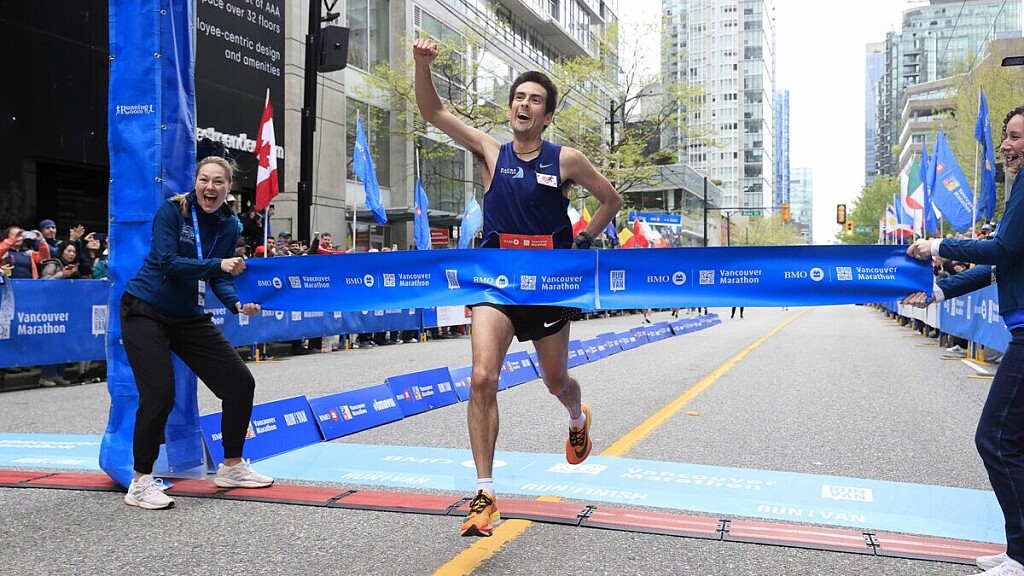
Mississauga runner Sergio Raez wins BMO Vancouver Marathon
For the first time since 2022, a Canadian runner has won the BMO Vancouver Marathon. After finishing third last year, Sergio Raez Villanueva of Mississauga, Ont., broke the tape in Vancouver on Sunday with a time of 2:22:45, marking the fastest time ever by a Canadian on the course.
It was a weekend to remember for Raez Villanueva, who chalked up his first career marathon win, which happened to be the morning after he saved another elite marathoner from choking.
Raez Villanueva told Canadian Running he had to perform the Heimlich maneuver. “He was choking on some food, and it helped,” says Raez Villanueva. “The experience left me very shaky afterward, but I guess that extra adrenaline translated well for the marathon.”
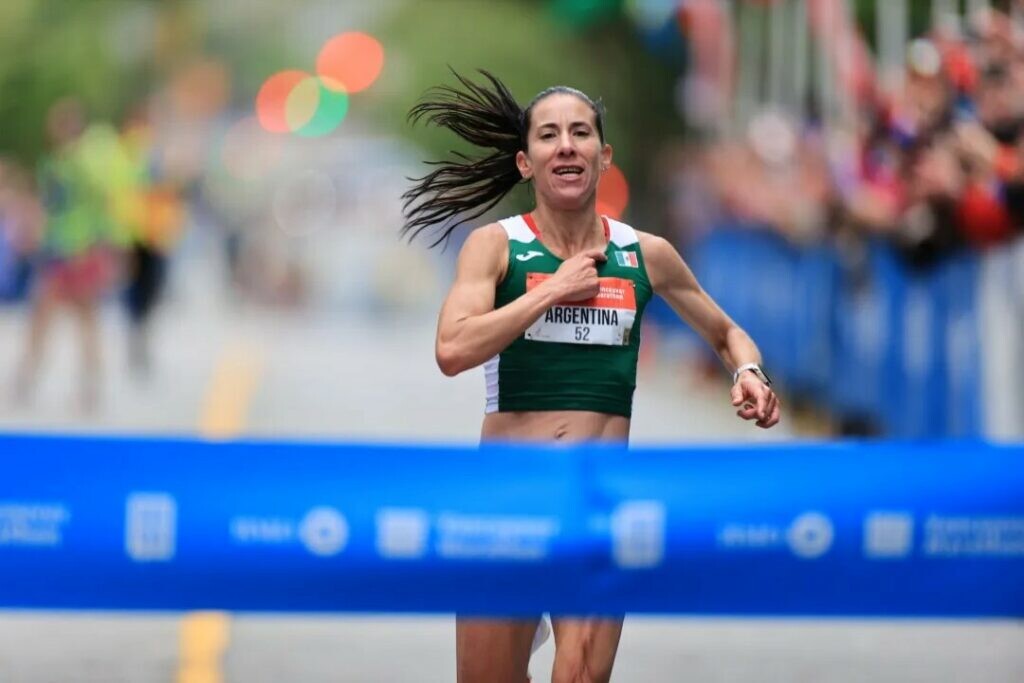
Raez Villanueva ran with McMaster University during his collegiate career and made the move up to the marathon in 2022, with a 10th place finish at the 2022 TCS Toronto Waterfront Marathon in 2:18:04, which still stands as his personal best. Raez Villanueva returned to Toronto this past year, finishing as the third Canadian in 2:20:48.
Finishing behind Raez Villanueva for second on Sunday was Chris Balestrini of London, Ont., in 2:23:53. Matthew Neumann of Canmore, Alta., rounded out the podium with a time of 2:24:46.
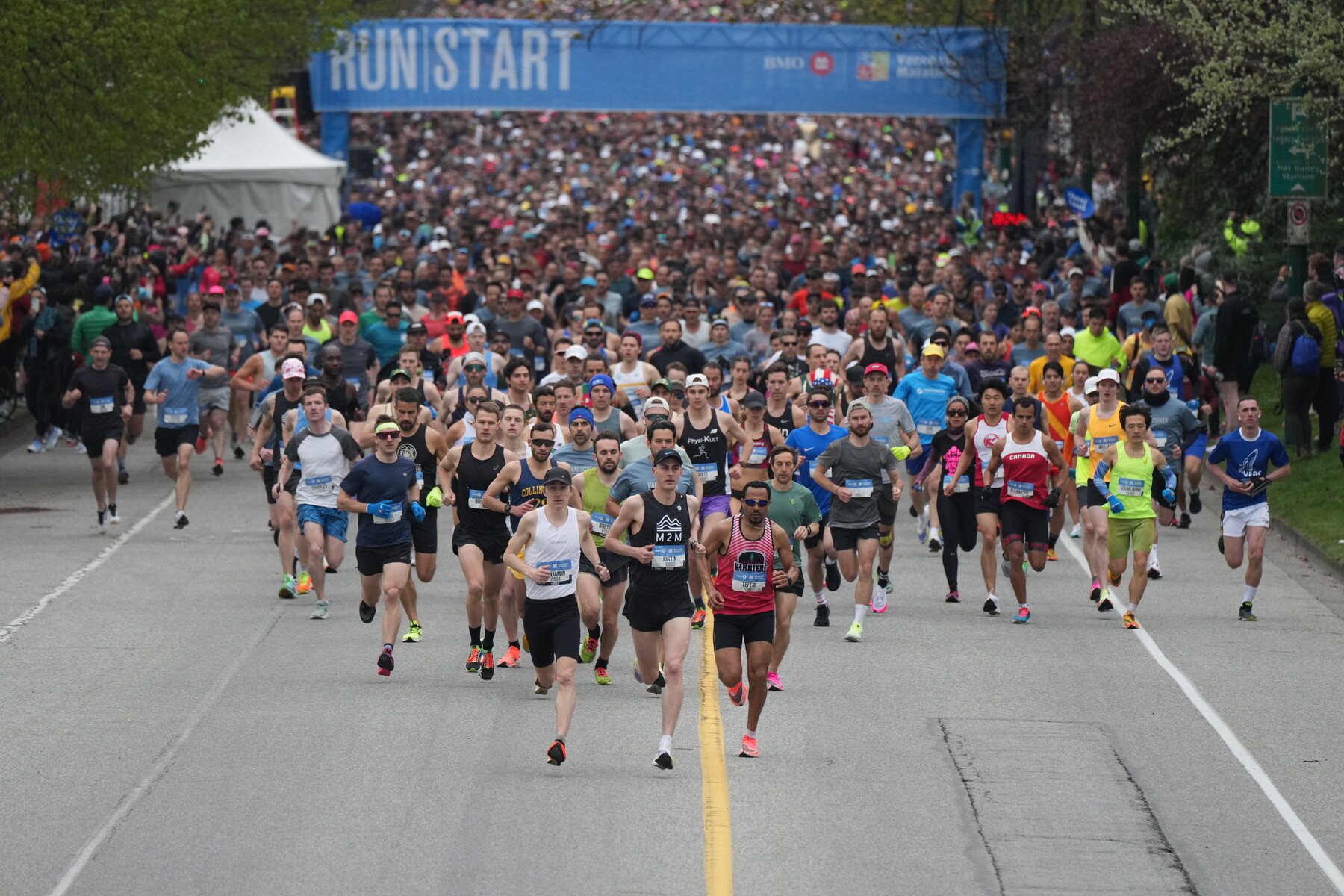
The women’s race saw two international athletes cross the finish line in first and second. Argentina Valdepeñas of Guadalupe, Mexico, won the women’s marathon by nearly a minute over Kate Landau of Tacoma, Wash., in 2:39:38. Landau crossed the finish line exactly 56 seconds later for a time of 2:40:35. Vancouver’s own Emily Andrews rounded out the top three with a time of 2:45:02.
More than 23,000 participants gathered for the annual event starting in Vancouver’s Queen Elizabeth Park and finishing in the downtown Coal Harbour neighbourhood. Participants for this year’s race ranged from seasoned athletes to first-time marathoners, and collectively raised more than $360,000 for charity via the RUN4HOPE program.
by Marley Dickinson
Login to leave a comment

BMO Vancouver Marathon
The BMO Vancouver Marathon is one of Vancouver’s most iconic marathon events. The event features a full marathon, marathon relay, half marathon, 8k run, and streets lined with thousands of spectators. Runners can expect to experience a little bit of everything that Vancouver has to offer as they run a straight course that starts at Queen Elizabeth Park, and finishes...
more...