

Running News Daily
Running News Daily is edited by Bob Anderson and team. Send your news items to bob@mybestruns.com Advertising opportunities available.
Index to Daily Posts · Sign Up For Updates · Run The World Feed
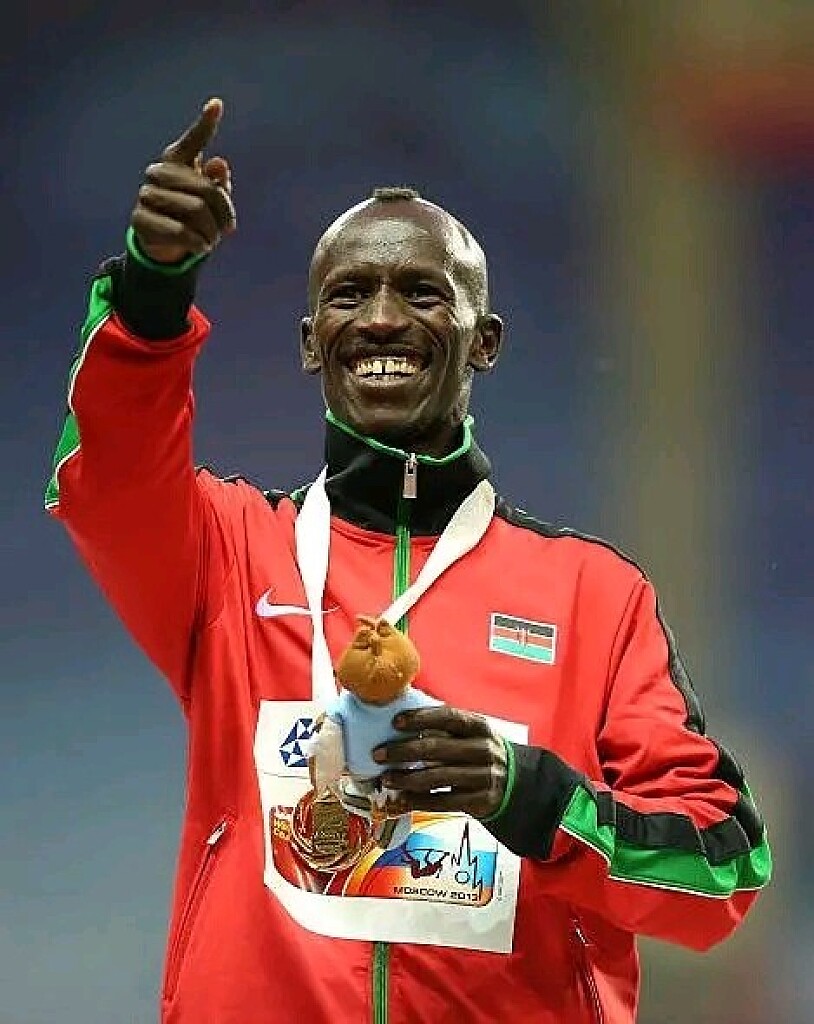


The Champion Who Carried His Culture

Some champions are remembered for what they won.
Others are remembered for how they expressed victory.
Ezekiel Kemboi belongs to the second kind.
From the quiet paths of rural Kenya to the thunder of Olympic stadiums, Kemboi carried more than speed. He carried belief, personality, and an unmistakable rhythm. In a discipline built on pain and precision, he introduced freedom. Where restraint was expected, he delivered expression.

Every barrier on the track became a statement. Fear or confidence. Silence or celebration. Kemboi chose confidence. He ran with joy when the race demanded suffering, and he remained relaxed when pressure tightened around him.
And when the race was won, Kemboi did something the world would never forget.
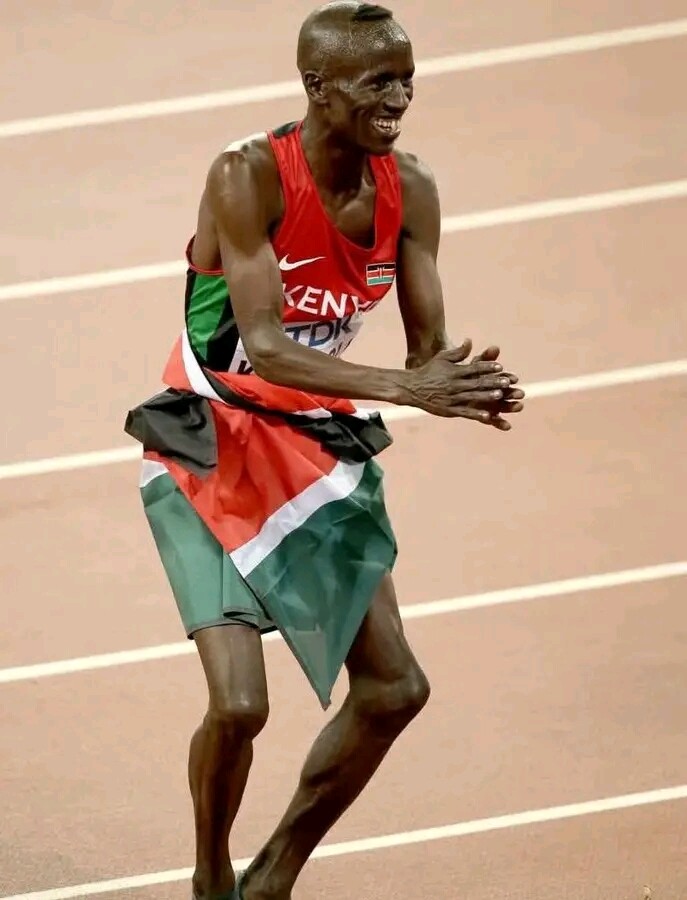
After every major victory, he danced.
Not as an afterthought—but as a signature. His celebrations were playful, deliberate, and deeply personal, blending African rhythm with sporting triumph. They were moments of release after struggle, expressions of gratitude after endurance, and messages to the world that winning did not have to look the same for everyone.
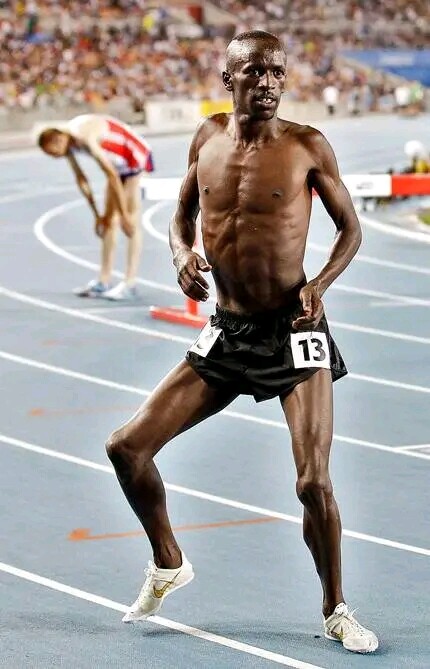
His record speaks for itself: Olympic gold medals, world championship titles, and performances that redefined steeplechase excellence. Yet his most lasting achievement lies beyond results. He expanded the meaning of victory.
Through his movement and his dance, Kemboi taught young athletes that identity is not a weakness. That joy can exist alongside discipline. That greatness does not require silence or conformity. His steps after the finish line became as iconic as his strides before it.
Across Africa and far beyond, his influence continues—on village tracks, school fields, and in the dreams of runners who learned from him without ever meeting him.
The lesson he left behind remains timeless: talent may open the door, but belief carries you through it. Face pressure with confidence. Run your race with purpose. And when your moment arrives—celebrate it fully.
Ezekiel Kemboi did not just win races.
He performed them.
He danced through them.
And in doing so, he changed the rhythm of the sport forever.
by Erick Cheruiyot for My Bestruns.
Login to leave a comment
Latest Running News
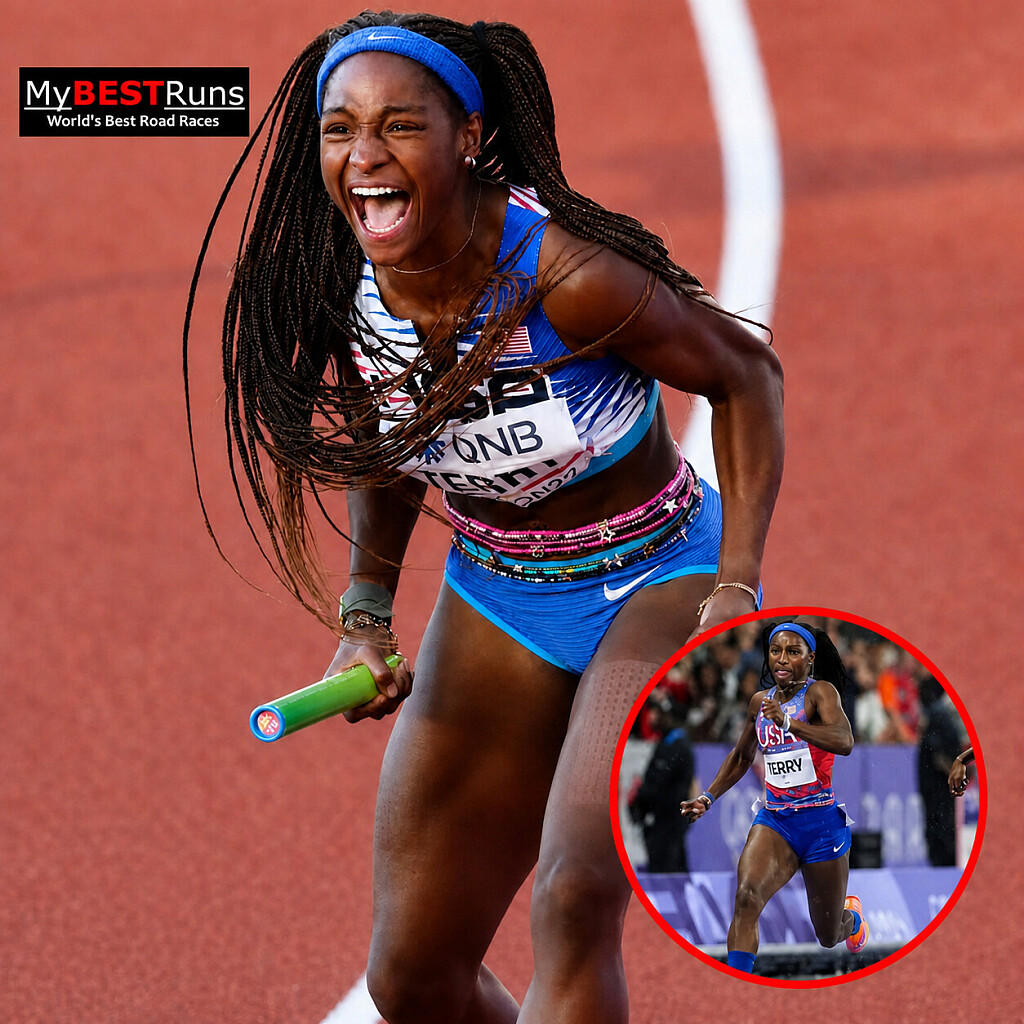
Tee Tee Terry Sets Her Sights On 10.6 And 21 Seconds!
American sprint star Twanisha “Tee Tee” Terry is dreaming big as she prepares for a return to competitive action, with ambitions of breaking into the elite territory of women’s sprinting.
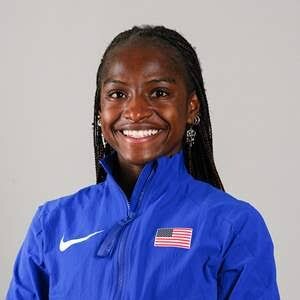
Terry has made her targets clear: she believes she is capable of running 10.6 seconds for the 100m and 21 seconds for the 200m—times that would represent a major step forward in her individual career.
“I’m capable of running 10.6 in the 100 and running 21 in the 200,” Terry said while speaking on the Ready Set Go Podcast, underlining the confidence she has in her ability when she is fully healthy and back in top condition.
Terry has already experienced success on the biggest international stage, including Olympic and world championship relay gold. She has established herself as a formidable member of the United States sprinting system, but her ambitions now extend beyond relay success as she looks to make a greater impact in the individual events.
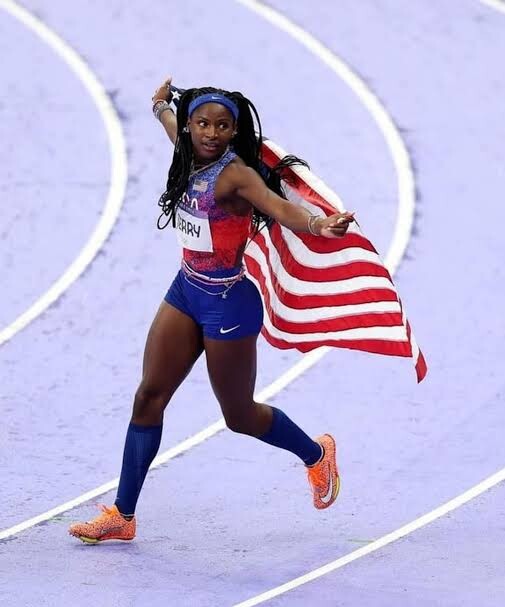
Her journey back to the track has not been straightforward. Terry has been working through a challenging lower-back injury that has interrupted her competitive plans, making her return to full health the first and most important step toward pursuing those ambitious targets.
Her goals are particularly intriguing because Terry has already demonstrated the raw speed required to compete at the highest level. A powerful sprinter with experience on major championship stages, she has built a reputation as a dependable member of the U.S. relay squad. Now, she appears determined to prove that she can also make her mark when the spotlight is firmly on her as an individual.
The 100m and 200m present different challenges, demanding explosive acceleration, maximum velocity, strength and the ability to maintain speed under pressure. Reaching 10.6 in the 100m would require exceptional consistency, while breaking into the 21-second range over 200m would demand Terry to combine her speed with an efficient and powerful finish.
Her comeback, therefore, will be about more than simply returning to the starting blocks. After dealing with a lower-back injury, rebuilding strength, rhythm and confidence will be crucial before she can seriously chase the times she has set for herself. A healthy and uninterrupted period of training could give Terry the foundation she needs to rediscover her best form.
There is also an intriguing storyline waiting to unfold if she returns at her highest level. American women's sprinting remains fiercely competitive, with established stars and emerging talents continually pushing the standard higher. If Terry can translate her confidence into performances close to her targets, she could quickly become an important figure in the individual sprints.
For now, the priority is recovery, preparation and getting back into competition. The stopwatch will ultimately provide the answer, but Terry's confidence suggests she believes there is another level of performance still waiting to be unlocked.
With the talent, experience and determination already in place, the next chapter of Tee Tee Terry's career could be one of her most exciting yet.
Can Tee Tee Terry turn her bold 10.6 and 21-second ambitions into reality when she returns to the track?
by Erick Cheruiyot for My Best Runs.
Login to leave a comment
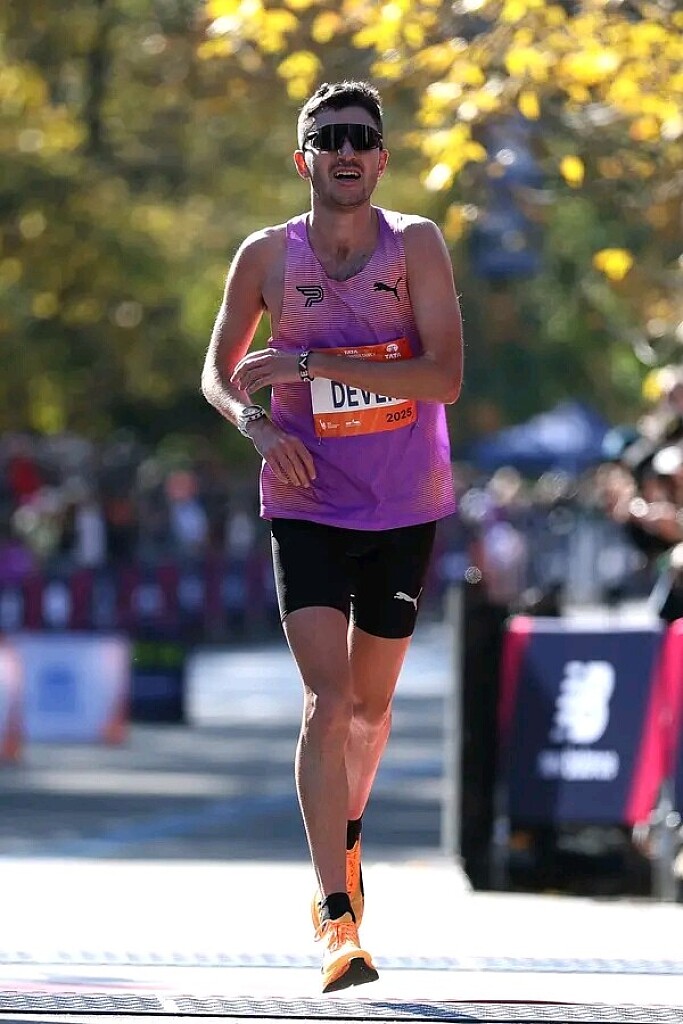
Patrick Dever Returns To New York With Olympic Ambitions: Can He Take Another Step Forward?
Patrick Dever returns to the streets of New York City on Sunday with unfinished business, renewed confidence and a much bigger target on the horizon.
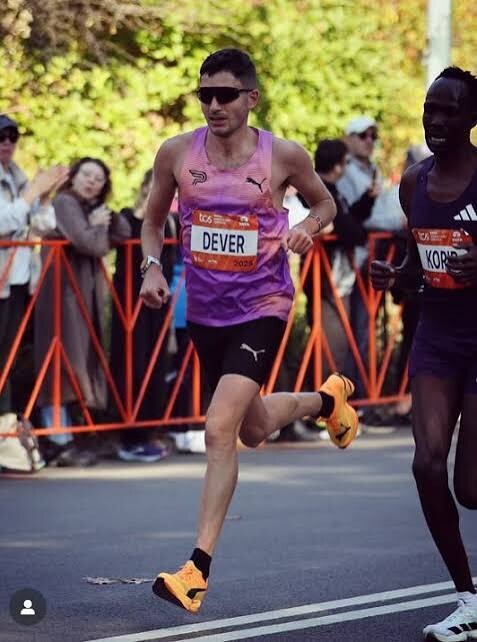
The 30-year-old Brit made an immediate impression on his marathon debut at last year’s New York City Marathon, crossing the line in 2:08:58 for what was initially recorded as fourth place. His result was later upgraded to third following Albert Korir’s five-year ban after anti-doping violations, giving Dever a podium finish on one of the world’s most demanding marathon stages.
But Dever has since shown that his potential stretches far beyond that breakthrough performance.
In April, he produced a major personal best of 2:06:18 at the London Marathon, elevating himself to third on the United Kingdom’s all-time marathon list. Only Mo Farah, with 2:05:11, and Mahamed Mahamed, with 2:06:14, have run faster for Britain.
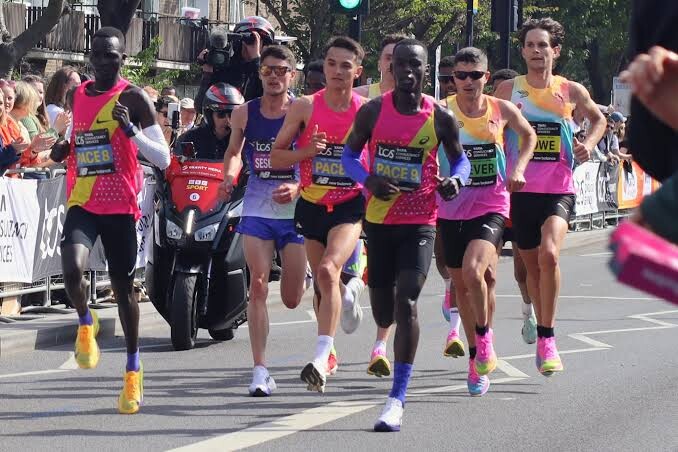
Now, Dever heads back to New York with another opportunity to test how far he has progressed.
The challenge will be particularly valuable because New York offers a very different racing environment from London. There will be no pacemakers to dictate the rhythm, meaning Dever will have to rely on his own tactical judgement, positioning and ability to respond when the race begins to unfold.
That is exactly the kind of experience he wants.
With the Los Angeles 2028 Olympic Games firmly in his long-term sights, Dever is using New York as an opportunity to sharpen his ability to race in a championship-style environment, where athletes must make their own decisions rather than simply follow a predetermined pace.
For a runner with ambitions of representing Great Britain on the Olympic stage, those lessons could prove invaluable.
New York is also a race that demands patience. The course features bridges, rolling terrain and a notoriously difficult final stretch through Central Park, making it less about simply chasing a fast time and more about executing a complete marathon.
Dever already knows what it takes to succeed there. This time, however, he returns as a significantly faster and more accomplished marathoner.
A year after announcing himself on the New York streets, the British star arrives with a 2:06:18 personal best, a place among Britain’s fastest marathoners and an Olympic dream that is beginning to look increasingly realistic.
The question now is whether Dever can turn that progress into another standout performance in the Big Apple.
by Erick Cheruiyot for My Best Runs.
Login to leave a comment

TCS New York City Marathon
The first New York City Marathon, organized in 1970 by Fred Lebow and Vince Chiappetta, was held entirely in Central Park. Of 127 entrants, only 55 men finished; the sole female entrant dropped out due to illness. Winners were given inexpensive wristwatches and recycled baseball and bowling trophies. The entry fee was $1 and the total event budget...
more...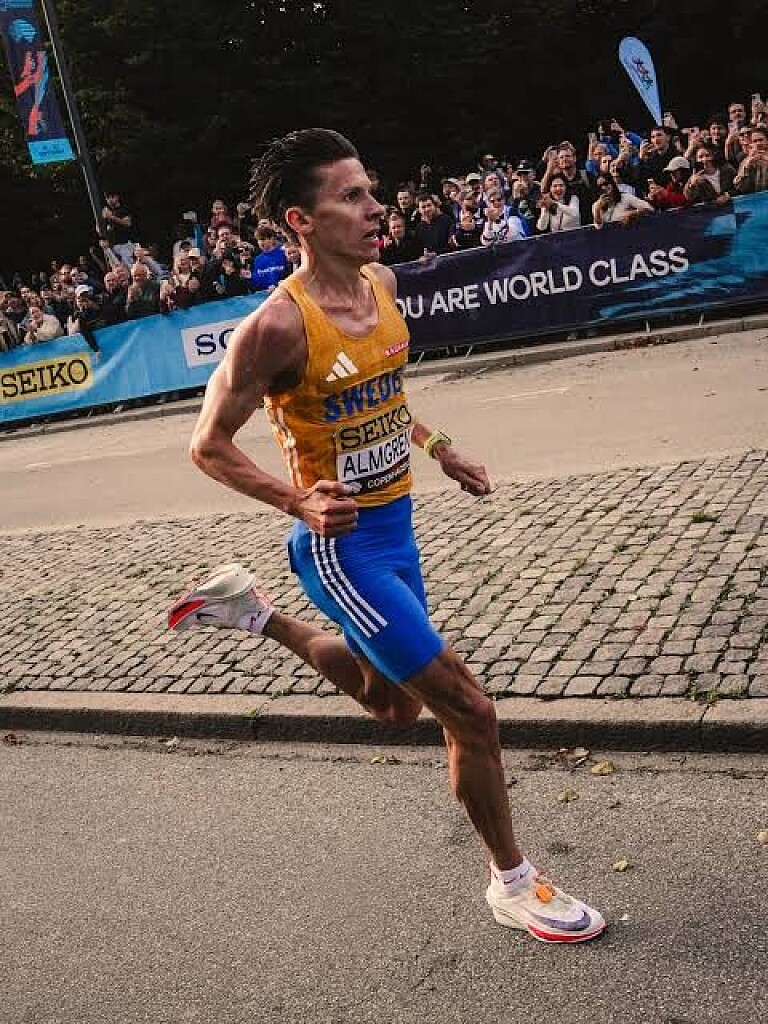
The Ultimate Test: Can Andreas Almgren Conquer New York On Marathon Debut?
Andreas Almgren is about to discover just how far his extraordinary speed can carry him.
On Sunday, November 1, the Swedish star will line up for the TCS New York City Marathon, stepping into completely unfamiliar territory as he makes his highly anticipated marathon debut over 42.195 kilometres.

But Almgren is not arriving in New York as an ordinary debutant.
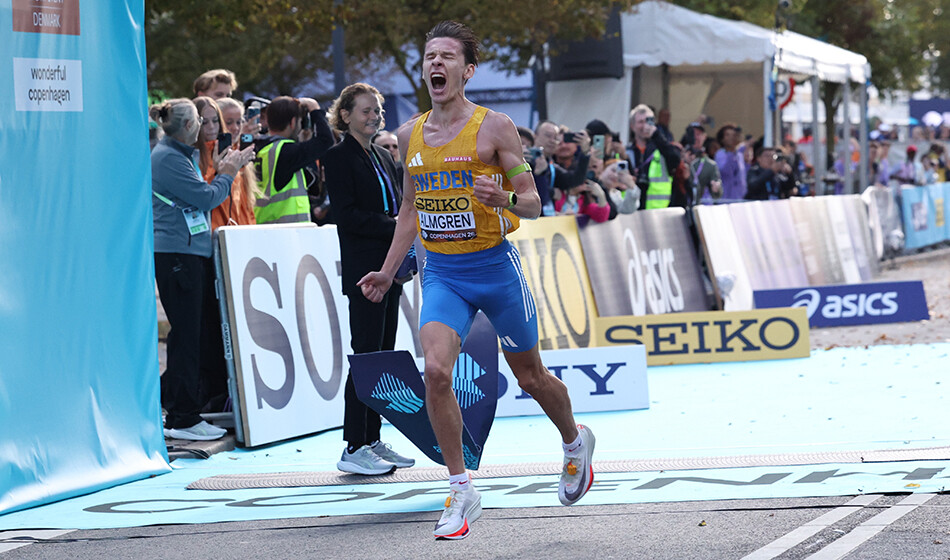
He comes armed with an extraordinary résumé. The Swede is the reigning world half-marathon champion, the 2026 European 10,000m champion and the European half-marathon record holder after producing a sensational 58:06 in Copenhagen.
That performance elevated the conversation surrounding his marathon potential. Running 58:06 means Almgren can sustain an average pace of roughly 2:45 per kilometre for 21.1 kilometres—a frightening level of speed for an athlete preparing to double the distance.
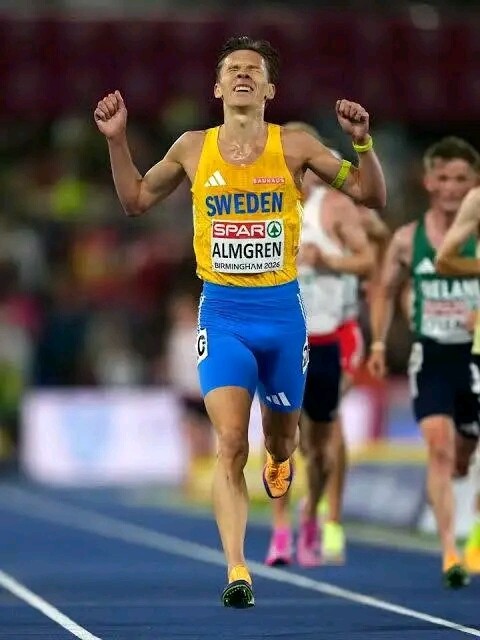
Only weeks earlier, he had produced another major statement by winning European 10,000m gold in Birmingham in a championship-record 27:23.44. His ability to combine elite track speed with increasingly impressive endurance has made him one of the most intriguing distance runners in the world.
Yet Almgren's journey to the marathon has been anything but conventional.
He originally made his name as an 800m specialist, running a personal best of 1:45.59 before gradually transforming himself into a world-class long-distance athlete. The transition from two laps of the track to 42.195 kilometres represents an enormous change in physiological demands, but Almgren has embraced the challenge with remarkable ambition.
His preparation has reportedly included extremely high mileage, with his training volume reaching around 135 miles, or 217 kilometres, per week during parts of his build-up. He has also spent time training at altitude in Flagstaff, Arizona, as he prepares his body for the demands of the marathon.
What makes Almgren particularly fascinating is not only his athletic ability but also his analytical approach to the sport. The Swede has a background in data science and is known for taking a highly methodical approach to his training, using data and analysis to help shape his preparation.
That combination of brains, speed and endurance has earned him the nickname “The Nerd King.”
But New York will ask questions that no training spreadsheet can fully answer.
The marathon is a different beast, and the New York course is an especially unforgiving place to make a debut. The bridges, hills, sharp turns and tactical racing can punish even experienced marathoners, while the absence of traditional pacemakers means Almgren will have to judge the race himself.
That could make his decision to debut in New York even more intriguing.
Rather than choosing a flat, fast course designed purely for record chasing, Almgren has chosen one of the world's most iconic and demanding marathon stages. He will be surrounded by established marathon stars, including Abdi Nageeye, Benson Kipruto and Geoffrey Kamworor, giving the Swedish newcomer an immediate test against athletes with years of experience over the distance.
Still, Almgren is not approaching the race simply as a learning experience.
His ambition is clear. He wants to compete at the front and believes he can fight for victory.
His 58:06 half-marathon performance inevitably invites speculation about what he might eventually achieve over 42.195 kilometres. However, converting a half-marathon time directly into a marathon prediction is far from straightforward. The second half of the marathon is where endurance, fueling, pacing and accumulated fatigue become decisive, and New York adds another layer of difficulty.
That is the great unknown surrounding Almgren.
Can a man who once specialised in the 800m carry his extraordinary speed through 35 kilometres, 40 kilometres and finally into Central Park?
Can his analytical approach compensate for the lack of marathon racing experience?
And can his remarkable 58:06 half-marathon form translate into a winning marathon debut?
Those questions will finally be answered on Sunday.
From a 1:45 800m specialist to European 10,000m champion, world half-marathon champion and European half-marathon record holder, Almgren has already reinvented himself several times.
Now, the “Nerd King” is taking on the marathon.
And New York is waiting to find out just how far his speed, endurance and ambition can carry him.
by Erick Cheruiyot for My Best Runs.
Login to leave a comment
TCS New York City Marathon
The first New York City Marathon, organized in 1970 by Fred Lebow and Vince Chiappetta, was held entirely in Central Park. Of 127 entrants, only 55 men finished; the sole female entrant dropped out due to illness. Winners were given inexpensive wristwatches and recycled baseball and bowling trophies. The entry fee was $1 and the total event budget...
more...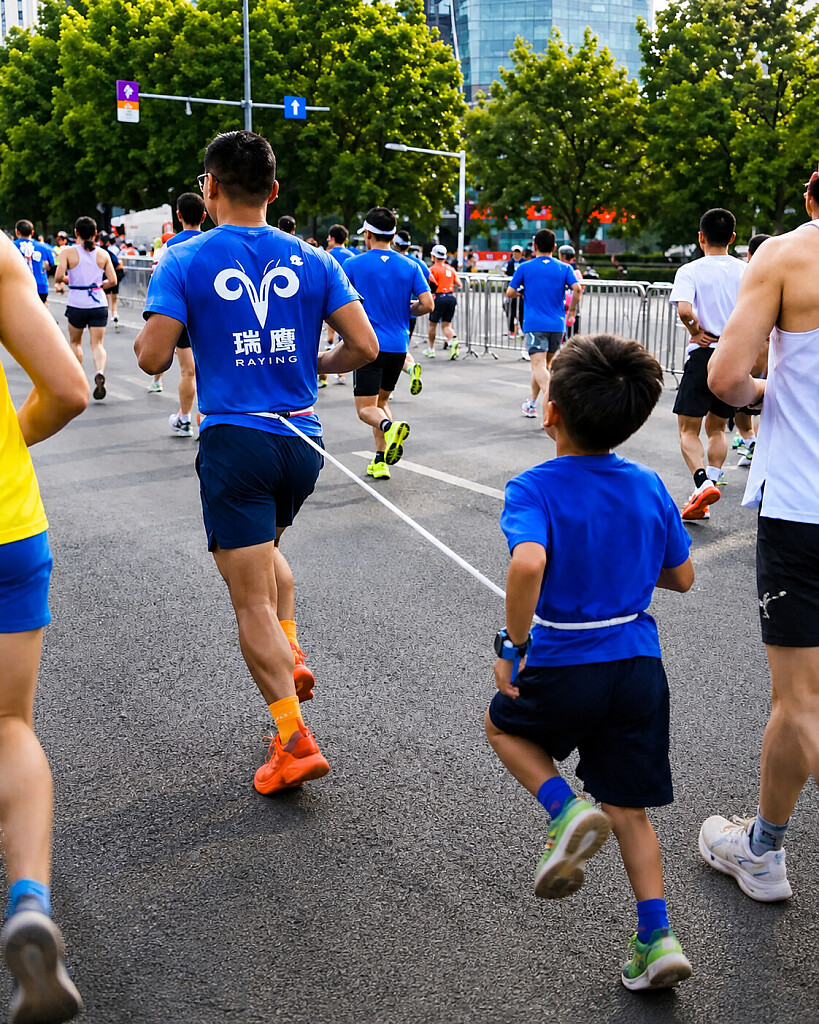
Three-Year Ban After Runner Ties Nine-Year-Old Boy To His Waist During Zhengzhou Marathon
A bizarre and deeply concerning scene at the Zhengzhou Marathon in China has sparked widespread debate over athlete safety and race regulations after a runner was filmed completing the event while a nine-year-old boy was attached to him by a rope.

The incident occurred during Sunday’s marathon in Henan province, where videos shared across Chinese social media appeared to show the adult runner moving along the course with the child secured around his waist. In several clips, the pair could be seen running together for extended periods, apparently maintaining the same pace as they made their way through the race.
The unusual arrangement quickly attracted attention from spectators and fellow participants, with concerns raised over the child’s safety and whether the runner had breached the competition’s entry regulations.

Under the rules governing marathon participation in China, children below the minimum age are not permitted to compete in a full marathon. Such restrictions are designed to protect young participants from the extreme physical demands of long-distance racing and the potential medical risks associated with running 42.195 kilometres.
Organizers subsequently took disciplinary action. The runner’s result was removed from the official classification, and he was handed a three-year ban from competitions covered by the relevant sanctioning authority. The decision was based on the age violation as well as concerns over the physical risks created by having the child attached to him throughout the race.
Later footage reportedly showed the boy appearing fatigued, adding further concern to an incident that had already generated strong reactions among runners and spectators. No injury to the child was reported.
The case has nevertheless raised important questions about how mass-participation races can better monitor participants once they enter the course. While age checks and bib verification can prevent an underage participant from officially registering, unusual situations during the race can present a different challenge for organizers and medical teams.
China’s marathon scene has expanded rapidly in recent years, with major road races attracting huge numbers of recreational runners. With that growth has come an increasing emphasis on safety, proper race conduct and strict adherence to participation rules.
What happened in Zhengzhou has therefore become more than an unusual moment captured on camera. It is a reminder that marathon regulations are ultimately designed not simply to protect the integrity of race results, but also to protect the people taking part.
For the banned runner, the three-year suspension now serves as a serious consequence. For the wider running community, the incident has renewed the conversation about responsibility, supervision and safety whenever children are involved in endurance events.
by Erick Cheruiyot for My Best Runs.
Login to leave a comment
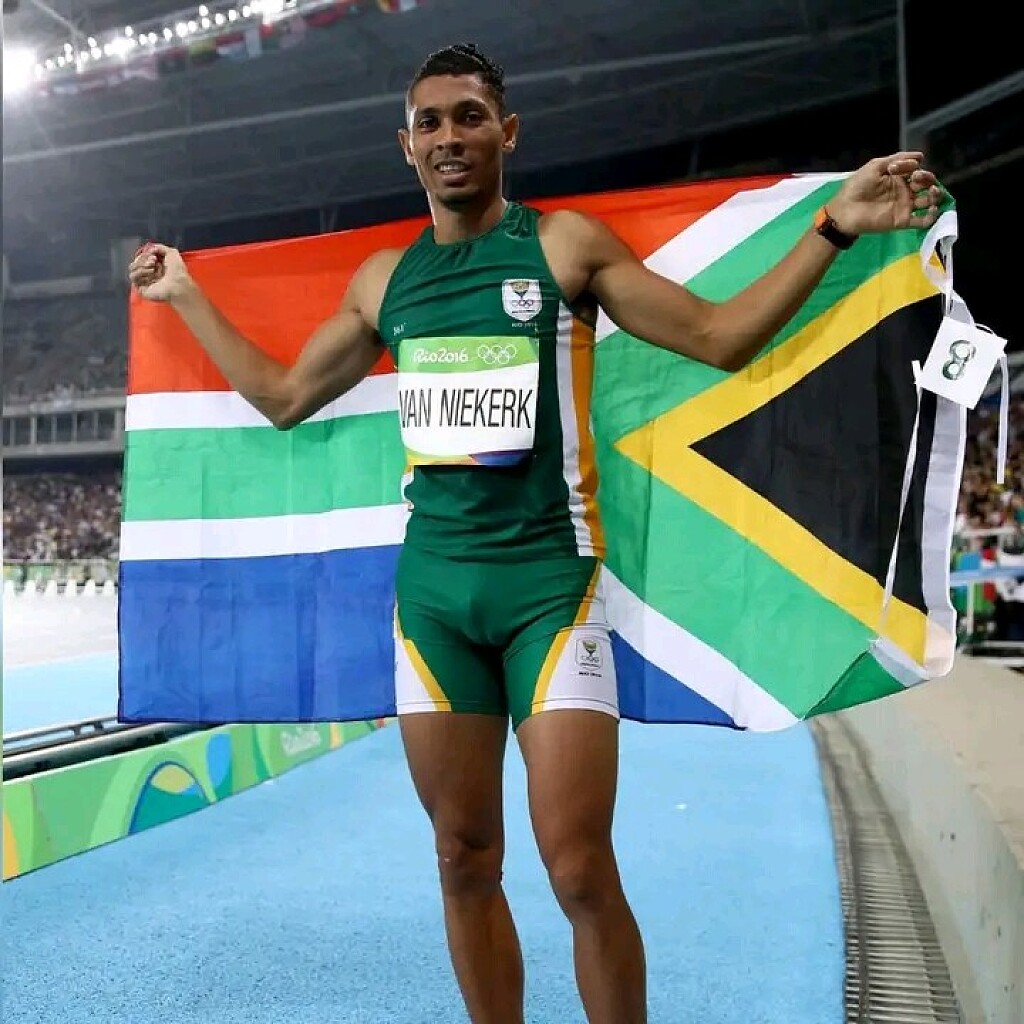
The Lane Eight Legend: Wayde Van Niekerk’s Night Of History
On a night when the world expected the spotlight to fall on the established stars, Wayde van Niekerk stepped into the shadows of lane eight and produced one of the greatest 400m performances athletics has ever witnessed.
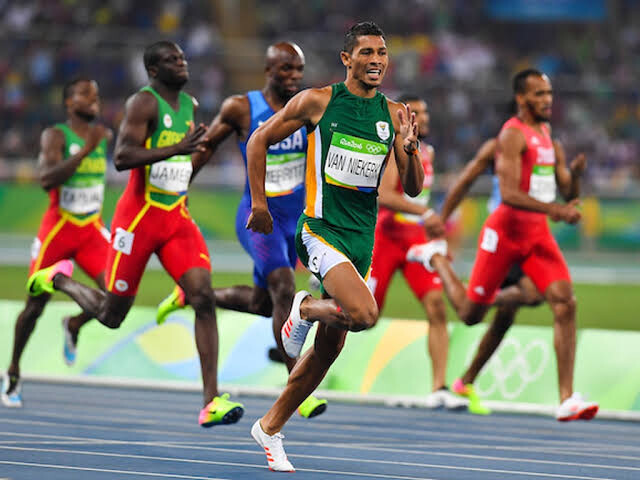
The stage was the 2016 Rio Olympic final. The field was stacked with proven champions, including Grenada’s Kirani James, the reigning Olympic champion, and American LaShawn Merritt, the 2008 Olympic champion. Van Niekerk had already announced himself as a serious contender, but few could have predicted what was about to unfold.
From the outside lane, the South African exploded from the blocks and attacked the race with extraordinary speed. Running virtually alone around the final bend, he maintained his relentless pace into the home straight while the rest of the field fought desperately to close the gap.
They never caught him.
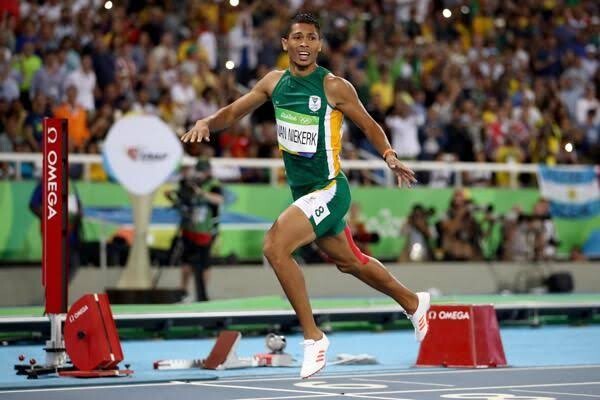
Van Niekerk crossed the finish line in 43.03 seconds, winning Olympic gold and rewriting the history of the 400m. In one breathtaking performance, he lowered Michael Johnson’s legendary 43.18-second world record, set in 1999, by 0.15 seconds.
Johnson’s mark had survived for 17 years. Then, in less than 44 seconds, Van Niekerk erased it.
His victory also carried another remarkable distinction: he became the first athlete to win the Olympic men’s 400m title from lane eight, turning what many considered an unfavourable position into the setting for an unforgettable piece of sporting history.
What made the performance even more extraordinary was the manner in which it happened. Van Niekerk was not surrounded by the visual advantage of the middle lanes. He could not easily see his closest rivals. Instead, he had to trust his preparation, his rhythm and his own belief from the first step to the last.
That is perhaps what makes the Rio performance resonate so strongly even years later. It was more than a world record and an Olympic title. It was a reminder that greatness does not always announce itself from the obvious position. Sometimes, the athlete furthest from the spotlight is the one who ends up changing the sport forever.
Van Niekerk’s 43.03 seconds remains one of the most iconic marks in athletics history, a performance born from speed, courage and extraordinary execution.
And now, years after that unforgettable night in Rio, one question continues to fascinate the athletics world:
Is Van Niekerk’s legendary 43.03 finally vulnerable?
With a new generation of 400m stars pushing the boundaries of human speed, the chase for that historic mark remains one of the most intriguing storylines in the sport.
Who do you believe has what it takes to finally break Wayde van Niekerk’s 43.03-second masterpiece?
by Erick Cheruiyot for My Best Runs.
Login to leave a comment
