

Running News Daily
Running News Daily is edited by Bob Anderson and team. Send your news items to bob@mybestruns.com Advertising opportunities available.
Index to Daily Posts · Sign Up For Updates · Run The World Feed
Articles tagged #International Olympic Committee (IOC)
Today's Running News
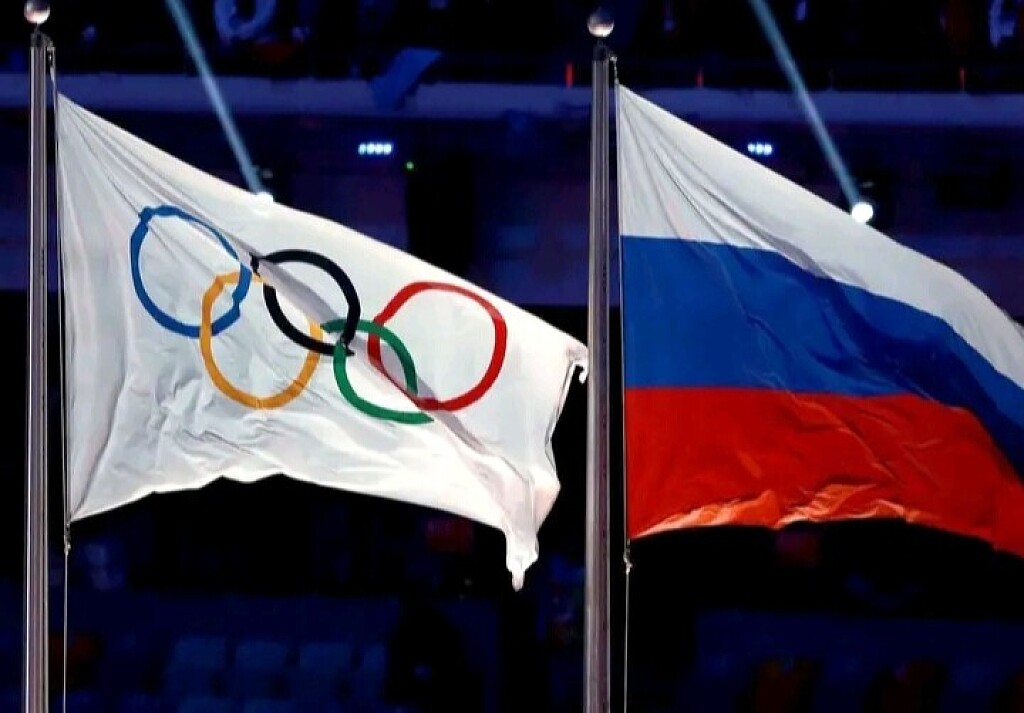


IOC Provisionally Lifts Russian Olympic Committee Suspension, Opening Door to Russia's Return for LA 2028
The International Olympic Committee (IOC) has taken a significant step toward Russia's return to the Olympic movement, announcing the provisional lifting of the suspension imposed on the Russian Olympic Committee (ROC) since October 2023.
The decision marks a major shift in Olympic policy and could allow Russian athletes who qualify for the Los Angeles 2028 Olympic Games to compete under the Russian name once again, rather than as Neutral Athletes as they did at the Paris 2024 Olympics and are expected to do at the Milano Cortina 2026 Winter Games.
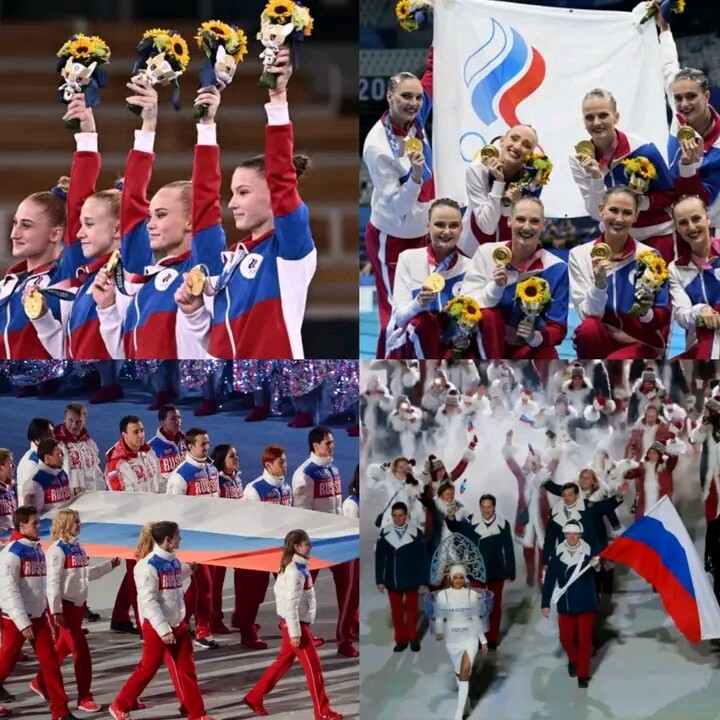
According to the IOC, the move follows a legal review which concluded that the Russian Olympic Committee no longer includes regional sports organizations from territories recognized as being under the jurisdiction of Ukraine's National Olympic Committee. With qualification for LA 2028 already underway, the IOC Executive Board determined that the restrictions previously placed on international federations and event organizers were no longer justified under the current circumstances.
However, the decision does not represent a complete restoration of Russia's Olympic status.
The IOC confirmed that a final ruling on whether the Russian flag, anthem, national colours and other state symbols can return to the Olympic Games will be made at a later stage. Likewise, Russia will not host IOC-organized events, and representatives of the Russian government will not receive invitations to official IOC events.
The committee also stressed that the Russian Olympic Committee must ensure that any athletes selected for future Olympic participation uphold the principles of the Olympic Charter by promoting peace, respect and sportsmanship.
Outside the Olympic Games, decisions regarding the hosting of events in Russia or the use of Russian national symbols will remain the responsibility of each International Federation.
The IOC also outlined strict anti-doping requirements that must be met before Russian athletes can fully return to international competition. Every athlete will be required to comply with the anti-doping regulations of the IOC, World Anti-Doping Agency (WADA) and their respective International Federations.
In addition, Russian athletes must be enrolled in an anti-doping programme overseen by the International Testing Agency (ITA) and undergo multiple rounds of independent testing before being cleared to compete. Should the Russian Anti-Doping Agency (RUSADA) remain non-compliant by the time of the Los Angeles Games, the IOC confirmed that the ITA will directly manage testing for all qualified Russian athletes under the same independent protocols.
The announcement follows a similar move involving Belarus earlier this year and signals the IOC's gradual effort to normalize the participation of athletes affected by geopolitical restrictions while maintaining strict governance and anti-doping safeguards.
With the road to Los Angeles 2028 now officially underway, the IOC's latest decision could reshape the Olympic landscape, although several key questions—including the return of Russia's national symbols—remain unresolved and will be decided closer to the Games.
by Erick Cheruiyot for My Best Runs.
Login to leave a comment
Historic Olympic Reform: IOC Launches $140 Million Grant Program for All Olympians
In a landmark decision that could redefine athlete welfare worldwide, the International Olympic Committee (IOC) has announced a historic funding programme that will provide direct financial support to every Olympic athlete for the first time in the Games' history.
Under the newly launched "Fit for the Future Olympian Grant" initiative, every athlete competing at the Olympic Games will be eligible for a USD 10,000 grant. The programme will officially begin with athletes who competed at the Milano Cortina 2026 Winter Olympics, marking a significant shift in how the Olympic Movement supports competitors beyond the field of play.
The IOC has committed USD 140 million every four years to fund the initiative, underscoring its long-term commitment to athlete development and welfare. Unlike performance-based rewards, the grant is not considered prize money. Instead, it is designed to help athletes either continue pursuing their sporting ambitions or successfully transition into life after retirement from competitive sport.
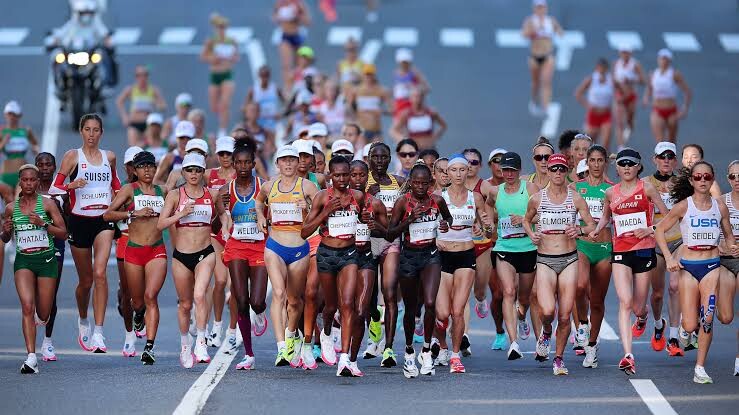
For decades, Olympic athletes have dedicated years of training, sacrifice, and commitment in pursuit of sporting excellence, often while balancing education, employment, and personal responsibilities. The new grant programme seeks to provide meaningful support during and after those journeys, offering athletes greater financial stability as they navigate the demands of elite competition and future career opportunities.
The announcement comes amid growing global discussions surrounding athlete compensation and support systems within the Olympic Movement. While the IOC has maintained its position against introducing universal Olympic prize money, the grant programme represents one of the most substantial athlete-focused investments in the organization's history.
IOC President Kirsty Coventry described the initiative as the result of years of discussion and planning, highlighting athlete welfare as a central pillar of the Olympic Movement's future. The programme reflects an evolving approach that places greater emphasis on supporting athletes beyond their performances on the podium.
With the programme now officially in place, the IOC has taken a historic step toward strengthening athlete welfare. Although the grants are not classified as prize money, the initiative reflects a growing commitment to supporting Olympians beyond competition, acknowledging the immense sacrifices athletes make in pursuit of Olympic dreams.
The initiative is already being celebrated as a transformative moment for global sport. By guaranteeing financial assistance to every Olympian, the IOC has opened a new chapter in athlete support—one that recognizes not only sporting achievement but also the personal dedication required to reach the world's biggest sporting stage.
by Erick Cheruiyot for My Best Runs.
Login to leave a comment
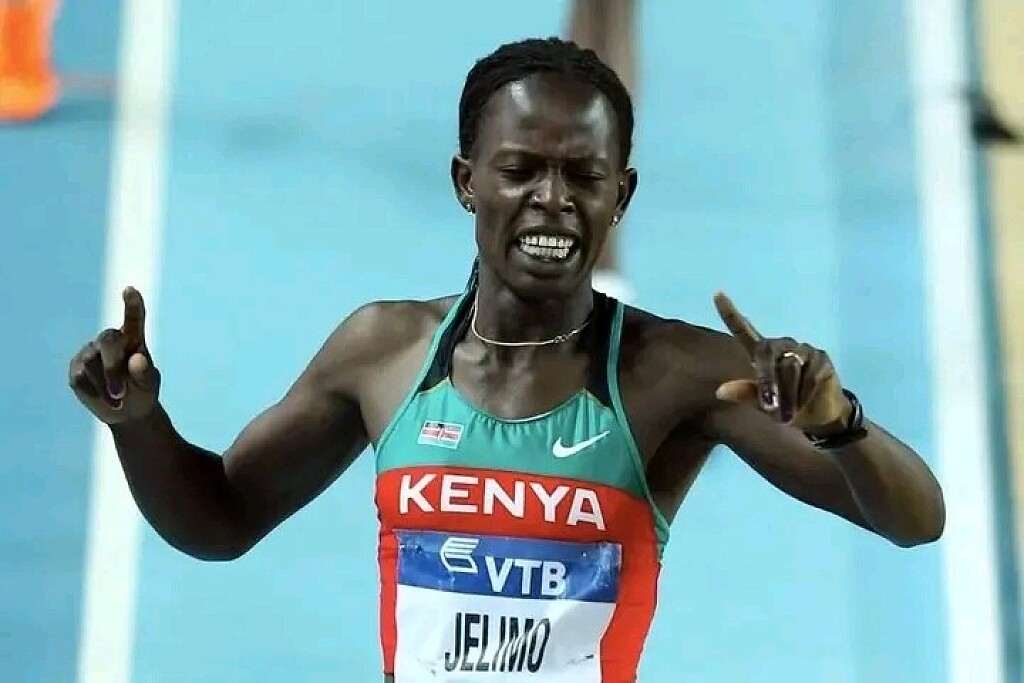
A Silver Worth the Wait: Pamela Jelimo Officially Recognized as London 2012 Olympic Runner-Up
More than a decade after competing on athletics' grandest stage, Kenyan middle-distance star Pamela Jelimo has officially been confirmed as the silver medalist in the women's 800 metres at the London 2012 Olympic Games following a medal reallocation approved by the International Olympic Committee (IOC).
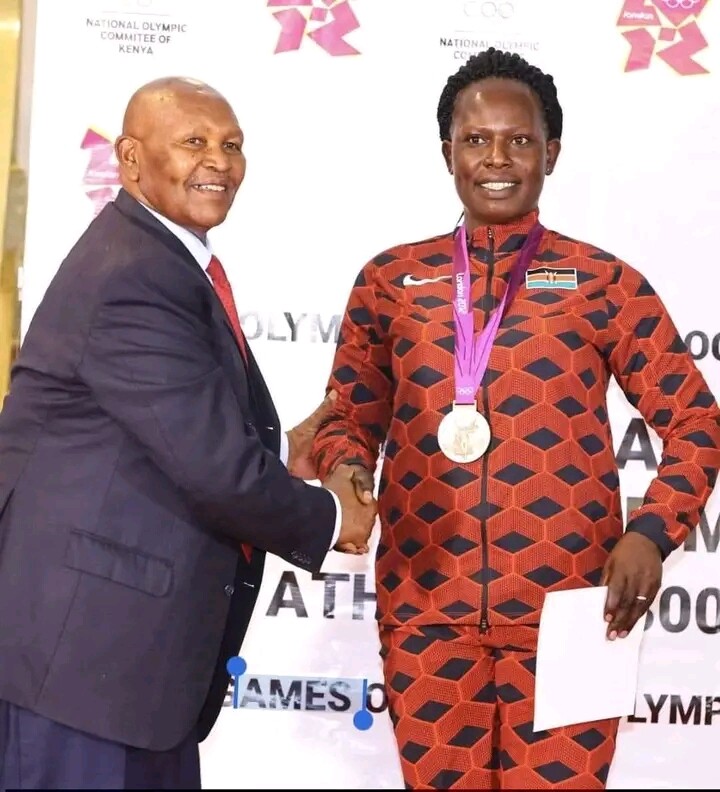
The IOC Executive Board ratified the revised results after the disqualification of Russian athlete Yekaterina Poistogova for an anti-doping rule violation. With all legal processes now concluded, the final standings have been formally updated, bringing long-awaited recognition to athletes who competed cleanly.
The decision elevates Jelimo from third place to the Olympic silver medal position, adding another prestigious chapter to the career of one of Kenya's most accomplished middle-distance runners. While the moment comes years after the race was run, it reinforces the enduring principle that integrity in sport ultimately prevails.
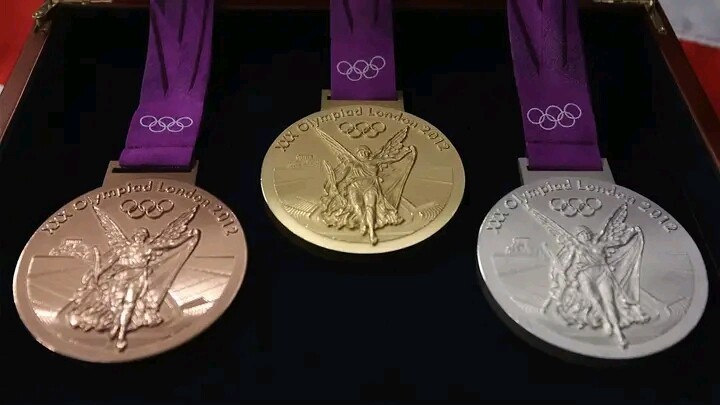
The revised podium now sees American athlete Alysia Montaño promoted to the bronze medal position. Meanwhile, Francine Niyonsaba moves into fourth place, with fellow Kenyan Janeth Jepkosgei Busienei officially ranked fifth.
For Kenya, Jelimo's promotion represents more than a statistical adjustment. It is a belated reward for an athlete whose remarkable talent helped shape a golden era of Kenyan women's middle-distance running. Although the medal upgrade arrives years after the celebrations that followed the London Olympics, its significance remains undiminished.
Jelimo burst onto the international scene as a teenage sensation, capturing global attention with her fearless racing style and dominant performances. Her newly confirmed Olympic silver medal further cements her legacy among Kenya's finest athletes and adds another distinguished achievement to an already impressive career.
The reallocation also serves as a powerful reminder of the ongoing fight for clean sport. While athletes affected by doping violations often endure years of waiting before receiving rightful recognition, the updated results demonstrate the commitment of sporting authorities to preserving fairness and protecting the integrity of competition.
Fourteen years after the London Games captivated the world, justice has finally caught up with the women's 800 metres final. For Pamela Jelimo, the silver medal may have arrived late, but its value and meaning remain as powerful as ever.
by Erick Cheruiyot for My Best Runs.
Login to leave a comment
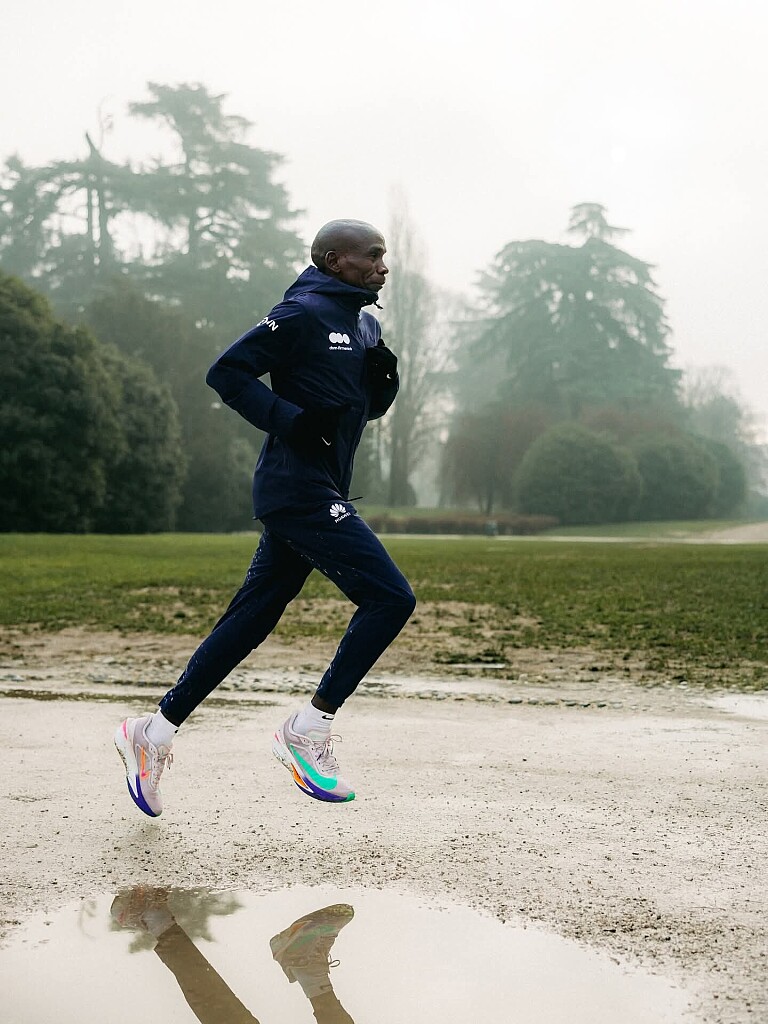
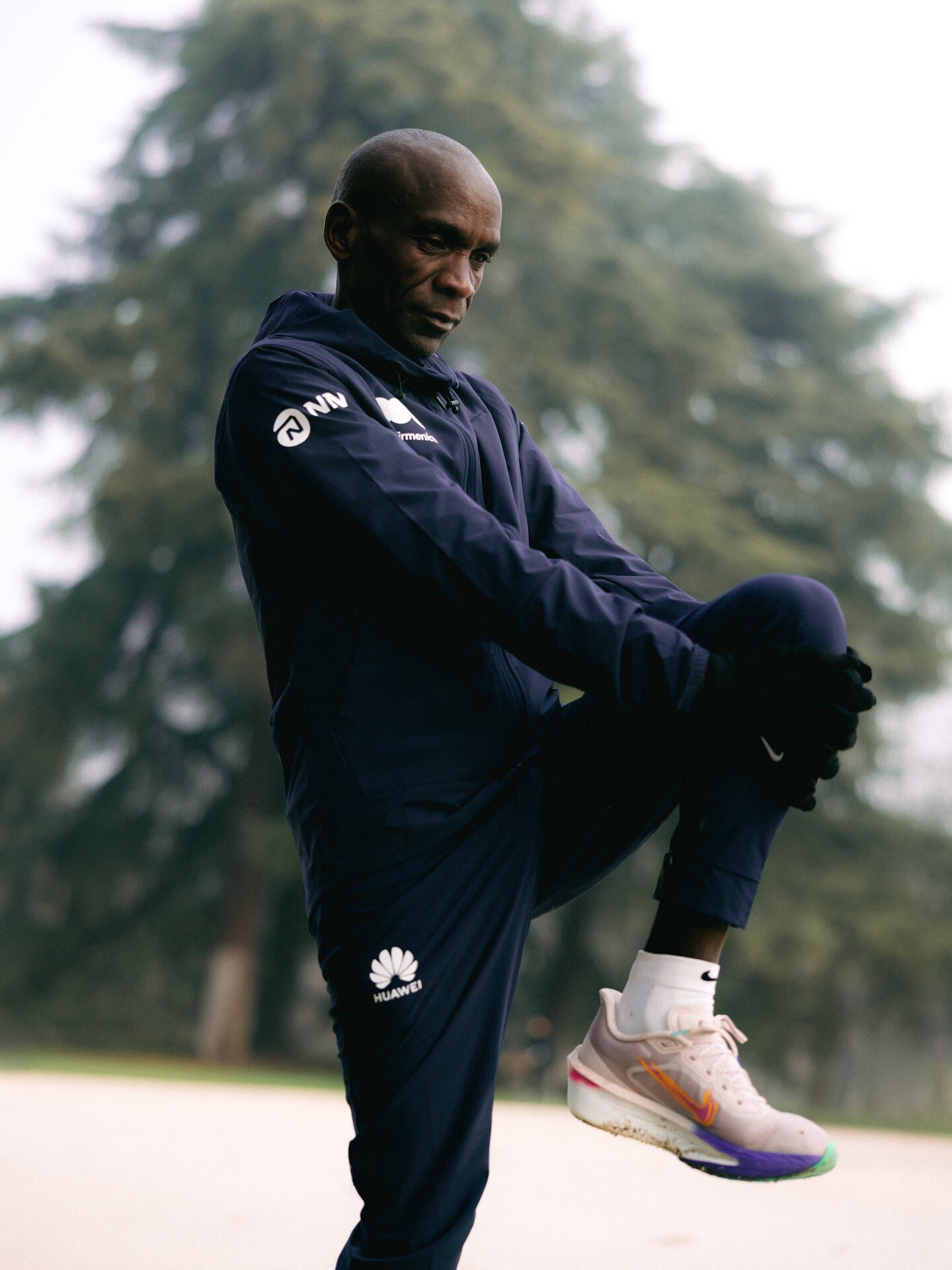
Eliud Kipchoge Arrives in Milan, Honoured as an Olympic Flagbearer at Milano Cortina 2026
Milan has welcomed one of the most respected figures in global sport. Eliud Kipchoge, Kenya’s legendary distance runner and as a former world marathon record holder, is in Italy ahead of the Milano Cortina 2026 Winter Olympic Games, where he has been selected for a prestigious ceremonial role as one of the distinguished Olympic flagbearers.
Kipchoge’s presence at the Winter Games is not linked to athletic competition, nor does it involve representing Kenya in a Winter Olympic sport. Instead, his selection was made by the International Olympic Committee (IOC) and the Milano Cortina 2026 Organising Committee in recognition of the values he represents in sport and in life — unity, peace, humility, discipline, and belief in human potential.
Globally celebrated for redefining marathon running, Kipchoge’s legacy includes Olympic titles, multiple major marathon victories, and as a former world marathon record holder. Yet his influence extends far beyond the stopwatch. His philosophy and consistent excellence have inspired athletes across generations, making him a universal symbol of sporting greatness.
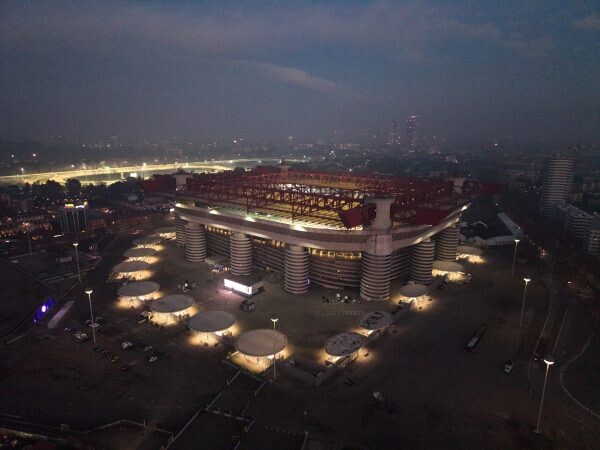
At the opening ceremony at San Siro Olympic Stadium, Kipchoge will be among a select group of distinguished flagbearers chosen to carry the Olympic flag, a role that highlights his global impact and the respect he commands within the Olympic movement. His participation is symbolic — a celebration of the Olympic ideals while proudly carrying his Kenyan identity onto one of sport’s grandest stages.
As the world turns its attention to Milan, Kipchoge’s calm authority and dignity add a special resonance to the Games. When he steps forward as a flagbearer, it will mark yet another defining moment in a career built not only on extraordinary achievement, but on enduring meaning.
Once again, Eliud Kipchoge proves that true greatness is measured not just in records, but in the impact one leaves on the world.
by Erick Cheruiyot for My Best Runs.
Login to leave a comment
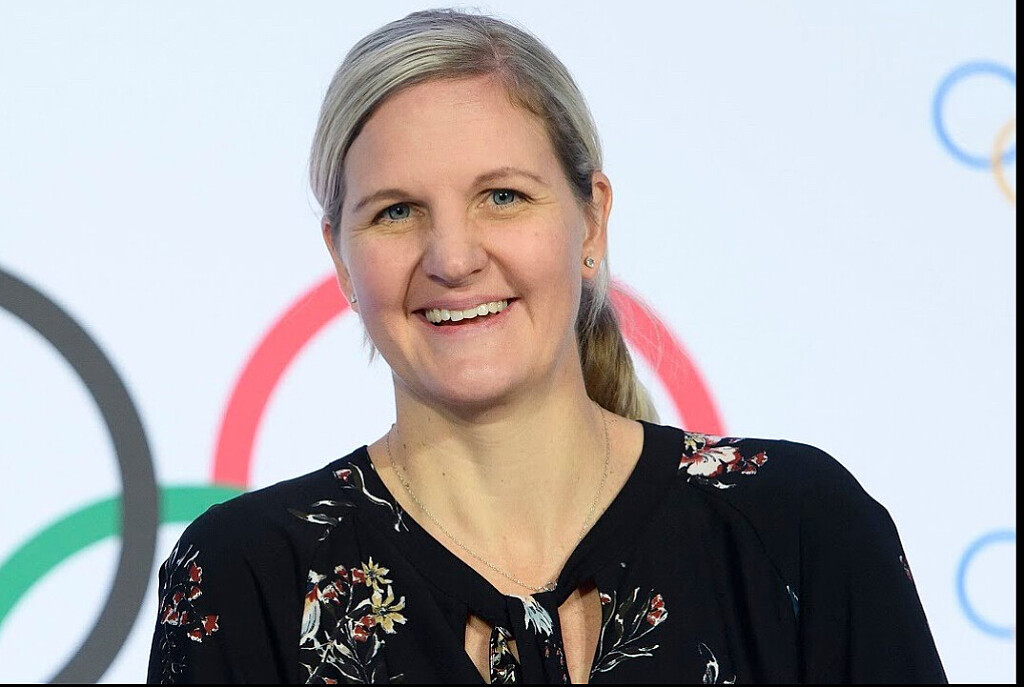
Kirsty Coventry Becomes First Female IOC President in a Controversial Election
In a historic and contentious election, Kirsty Coventry has been elected as the first female and first African president of the International Olympic Committee (IOC). The election, held in Costa Navarino, Greece, saw Coventry secure 49 out of 97 votes in the first round, defeating other high-profile candidates, including Juan Antonio Samaranch Jr. and Lord Sebastian Coe.
Her victory marks a significant milestone in the IOC’s 131-year history, but it has not come without controversy. While she is celebrated as one of the greatest Olympic athletes from Africa, her political ties to Zimbabwe have raised concerns about how she will lead the Olympic movement into the future.
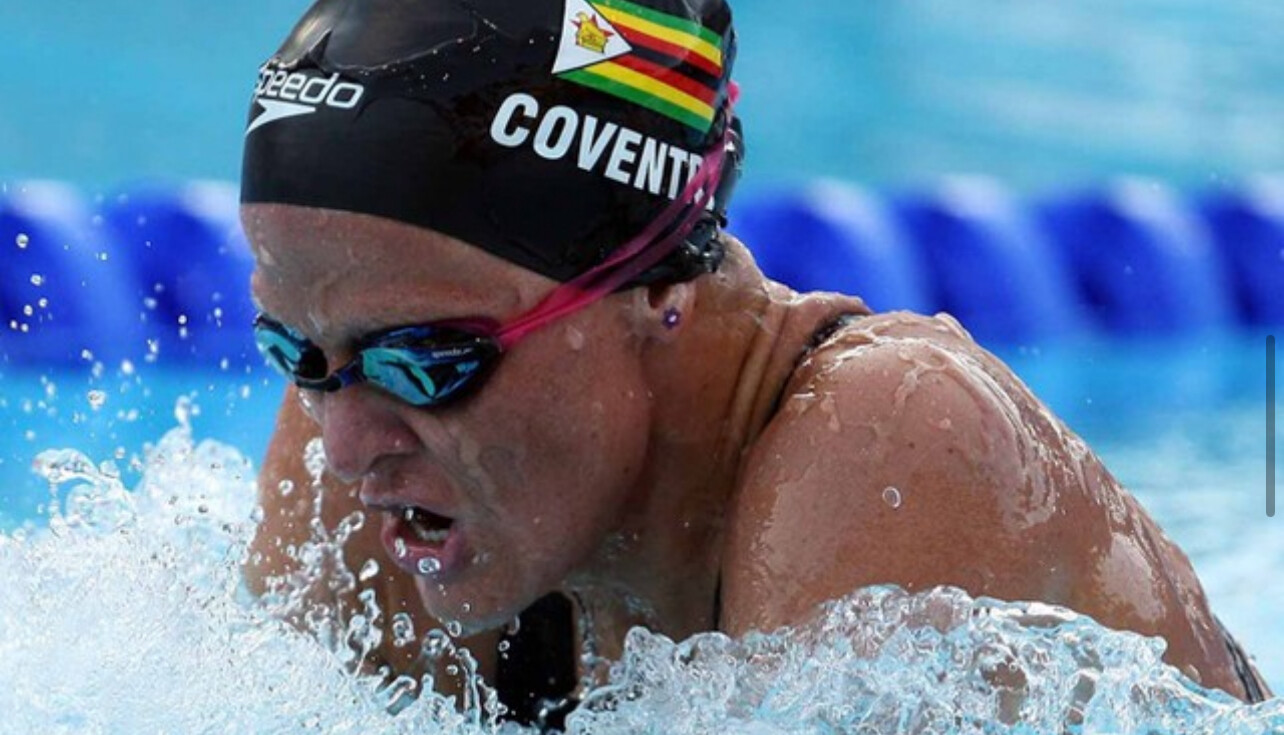
Kirsty Coventry: An Olympic Champion Turned Global Sports Leader
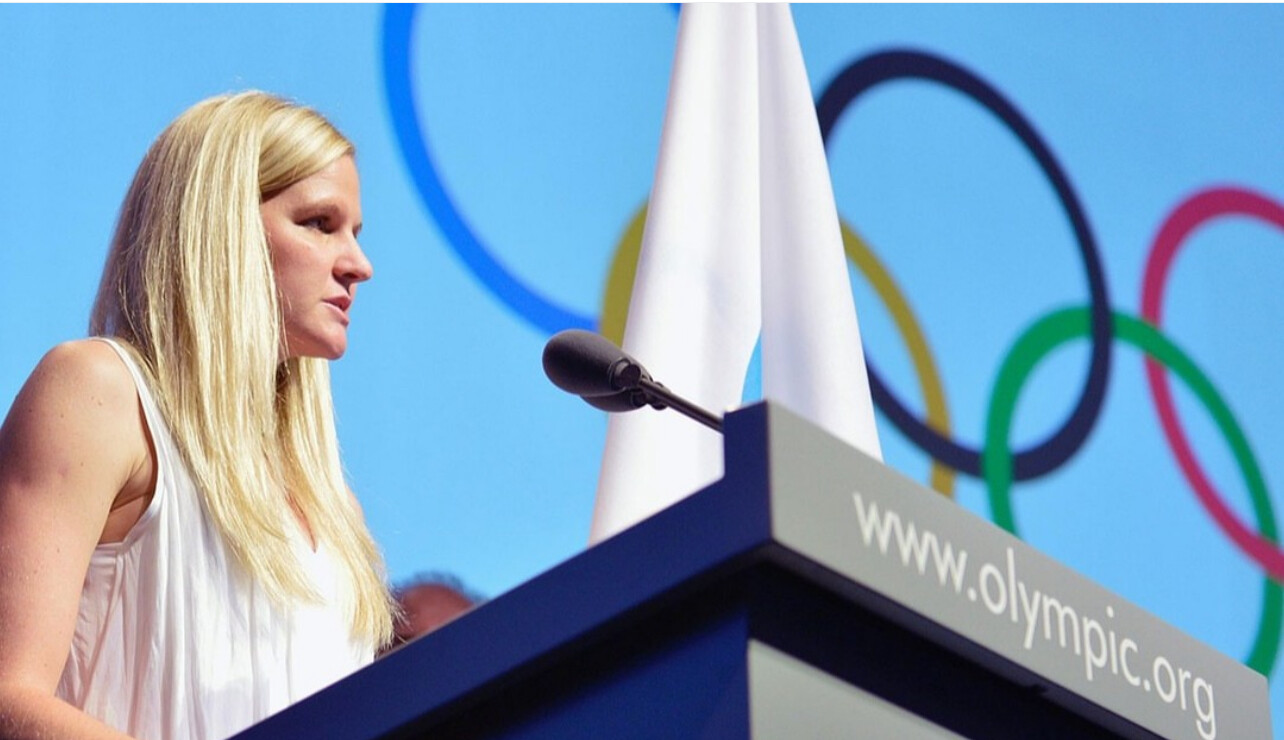
Before stepping into sports administration, Kirsty Coventry was a dominant force in competitive swimming. Born in Zimbabwe, she became one of the greatest backstrokers of all time, earning seven Olympic medals across five Olympic Games.

Her breakthrough moment came at the 2004 Athens Olympics, where she won gold in the 200m backstroke, along with silver and bronze medals in other events. Four years later, at the 2008 Beijing Olympics, she added four more medals to her collection, solidifying her reputation as Africa’s most decorated Olympian.
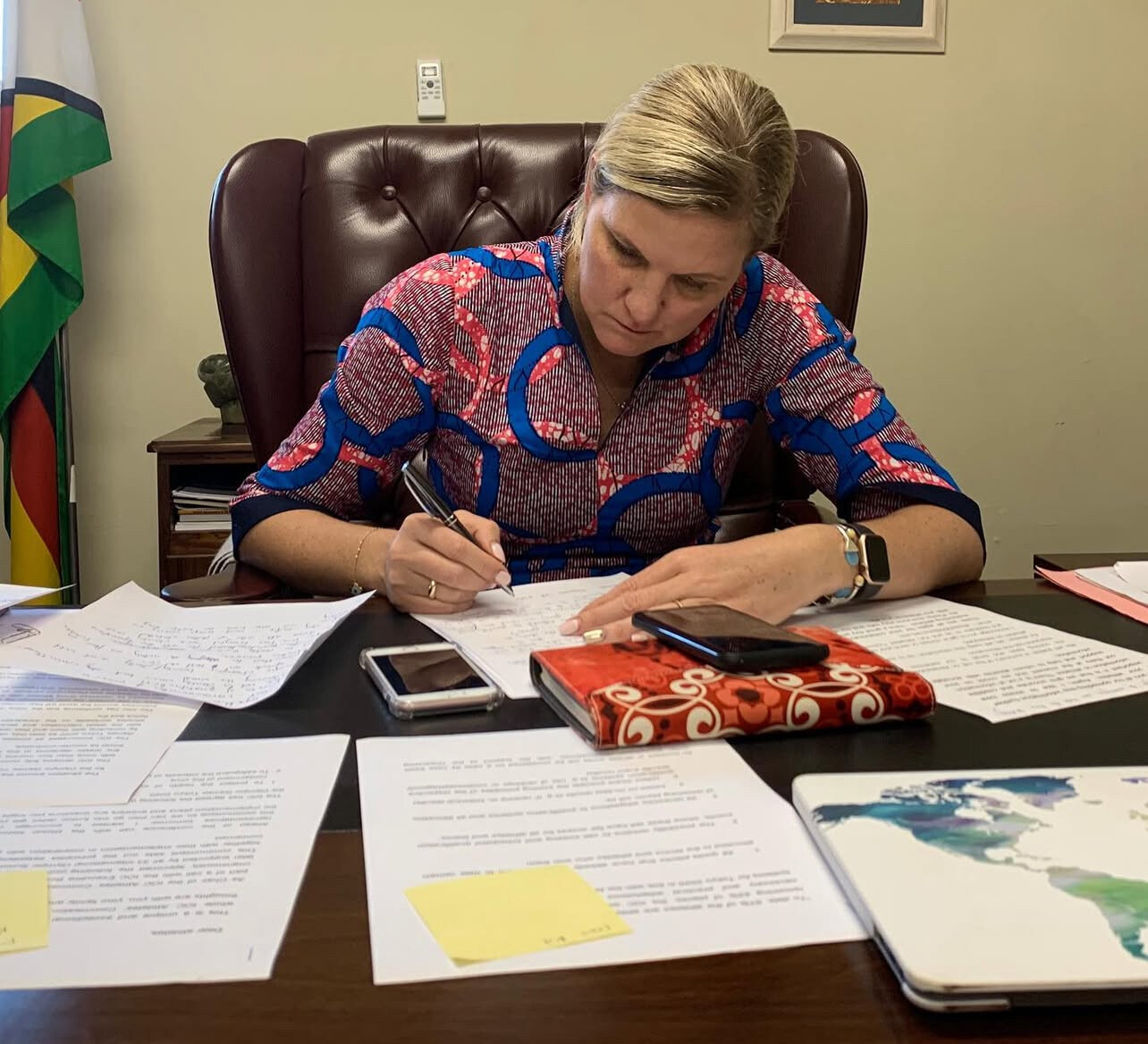
Beyond her success in the pool, Coventry set multiple world records, won two World Championship titles, and became a role model for young athletes across the African continent. After retiring from competition, she transitioned into sports governance, serving as Chair of the IOC Athletes’ Commission and playing a key role in Olympic policy-making.
However, her political involvement in Zimbabwe—where she served as Minister of Youth, Sport, Arts, and Recreation—has generated criticism. Some view her efforts as beneficial for youth sports development, while others argue that her association with a government accused of human rights violations could impact the IOC’s credibility.
Unexpected Results and IOC Power Struggles
Coventry’s election defied many expectations. Sebastian Coe, the two-time Olympic gold medalistand president of World Athletics, was widely seen as a frontrunner. However, he received only eight votes, a shocking defeat that underscores the complex political dynamics within the IOC.
Coe’s supporters believed his leadership in global athletics and Olympic advocacy would make him the ideal candidate, but the vote suggests that power within the IOC is shifting in new directions. Coventry’s victory signals a desire for a fresh perspective, though questions remain about how she will navigate the challenges ahead.
Challenges Ahead for Coventry’s Leadership
As she prepares to take office on June 23, 2025, Coventry faces several pressing issues that will shape her presidency:
• Financial and Sponsorship Issues – The IOC’s business model is under scrutiny, with shifting audience engagement and declining sponsorship deals requiring new revenue strategies.
• Doping and Fair Play – Strengthening anti-doping policies and restoring trust in fair competition remain major concerns.
• Inclusion and Political Tensions – The debate over transgender athletes, athlete activism, and geopolitical tensions around upcoming Games demand careful navigation.
• Upcoming Olympic Games – With the 2028 Los Angeles Olympics and 2032 Brisbane Games ahead, Coventry must oversee event planning, sustainability efforts, and global participation.
The Future of the IOC Under Coventry
Kirsty Coventry’s election is both a groundbreaking achievement and a contentious decision. As the first woman and first African to lead the world’s most powerful sports organization, she carries the weight of expectation, scrutiny, and Olympic tradition.
Will she modernize the Olympic movement and steer it into a new era of inclusivity and transparency? Or will her political controversies and IOC power struggles overshadow her leadership?
One thing is certain—Coventry’s presidency will shape the future of the Olympic Games in ways never seen before.
For more updates on this developing story and the world of Olympic sports, stay tuned to My Best Runs.
by Boris Baron
Login to leave a comment

LA 2028 Summer Olympics Games
Discover how the Los Angeles Candidature Committee describes their vision for the Games and the legacy they plan to leave behind: For centuries, people have been following the sun to California – to a coastal paradise of beautiful weather, inspiring landscapes and an ocean of possibilities. Since it was first settled, LA – the City of Angels – has built...
more...
Sebastian Coe Advocates for Olympic Rescheduling and Tackles Online Abuse
In light of escalating global temperatures, Lord Sebastian Coe, President of World Athletics and a prominent candidate for the International Olympic Committee (IOC) presidency, has proposed a reevaluation of the traditional summer scheduling of the Olympic Games.
He suggests that, by 2040, it may be necessary to adjust the global sports calendar to accommodate these climatic shifts. Drawing parallels to events like the 2022 FIFA World Cup in Qatar, which was held successfully in November and December to avoid extreme heat, Coe emphasizes the need for flexibility in scheduling major sporting events. He questions the feasibility of hosting events like the World Athletics Championships in cities such as Budapest or Paris during August, given the rising temperatures.
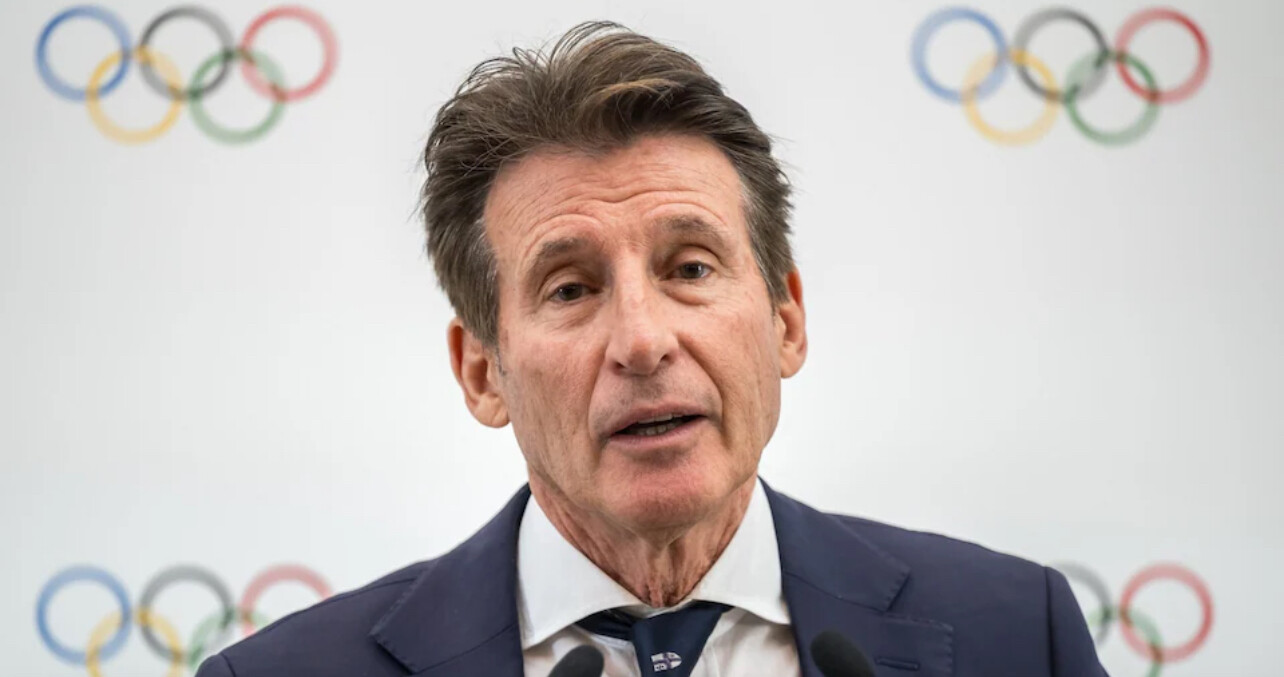
In addition to climate concerns, Coe has expressed a strong commitment to combating online abuse directed at athletes. He has labeled the perpetrators of such abuse as “pond life” and underscored the necessity for more robust measures to protect athletes, especially women, from harassment on social media platforms.

Highlighting incidents involving athletes like Emma Raducanu and Eilish McColgan, Coe has pledged to engage with tech industry leaders, including Elon Musk and Mark Zuckerberg, to enhance safeguards against online abuse. He also proposes the establishment of a task force dedicated to protecting female athletes from gender-based violence.

These initiatives reflect Coe’s broader vision for the future of global sports, emphasizing adaptability in the face of environmental challenges and a proactive stance against the misuse of digital platforms to harm athletes.
Upcoming Summer Olympics
• 2028: Los Angeles, United States, from July 14 to July 30, 2028.
• 2032: Brisbane, Australia, from July 23 to August 8, 2032.
These dates and locations have been confirmed by the International Olympic Committee.
Additionally, Coe has proposed bold ideas, such as potentially moving some indoor sports from the Summer Olympics to the Winter Games, to modernize the event and address challenges posed by climate change.
While these proposals are not directed specifically at the Los Angeles 2028 or Brisbane 2032 Games, they reflect Coe’s broader vision for the future of the Olympics.
Login to leave a comment

Doping Dilemma: How WADA's Policies Are Failing Our Sport
I am alarmed by how the World Anti-Doping Agency (WADA) is policing our sport. It's disheartening to see athletes win races only to be stripped of their titles months later due to delayed doping allegations. This approach undermines the integrity of athletics and, in the long run, does more harm than good.
Having dedicated my life to running—I ran my first mile on February 16, 1962, and I discovered my passion for our sport after clocking a 2:08.5 in a 880-yard race JUne 1, 1963—I've witnessed the sport's evolution firsthand. As the founder and publisher of Runner’s World for 18 years and, since 2007, the editor and publisher of My Best Runs, I am concerned about the professional side of athletics.

The Flaws in WADA's Zero-Tolerance Policy
WADA's strict liability standard holds athletes accountable for any prohibited substance in their system, regardless of intent. This has led to controversial sanctions, such as the four-year ban of American runner Shelby Houlihan. She tested positive for the steroid nandrolone, which she attributed to consuming a pork burrito. Despite her defense, the ban was upheld, raising questions about the fairness of such rigid policies.
Overhauling the Banned Substances List

The extensive list of prohibited substances maintained by WADA includes compounds with minimal or no performance-enhancing effects. By focusing on substances with proven performance benefits, we can prevent athletes from being unjustly penalized for trace amounts of inconsequential substances.
The Problem with Retroactive Disqualifications
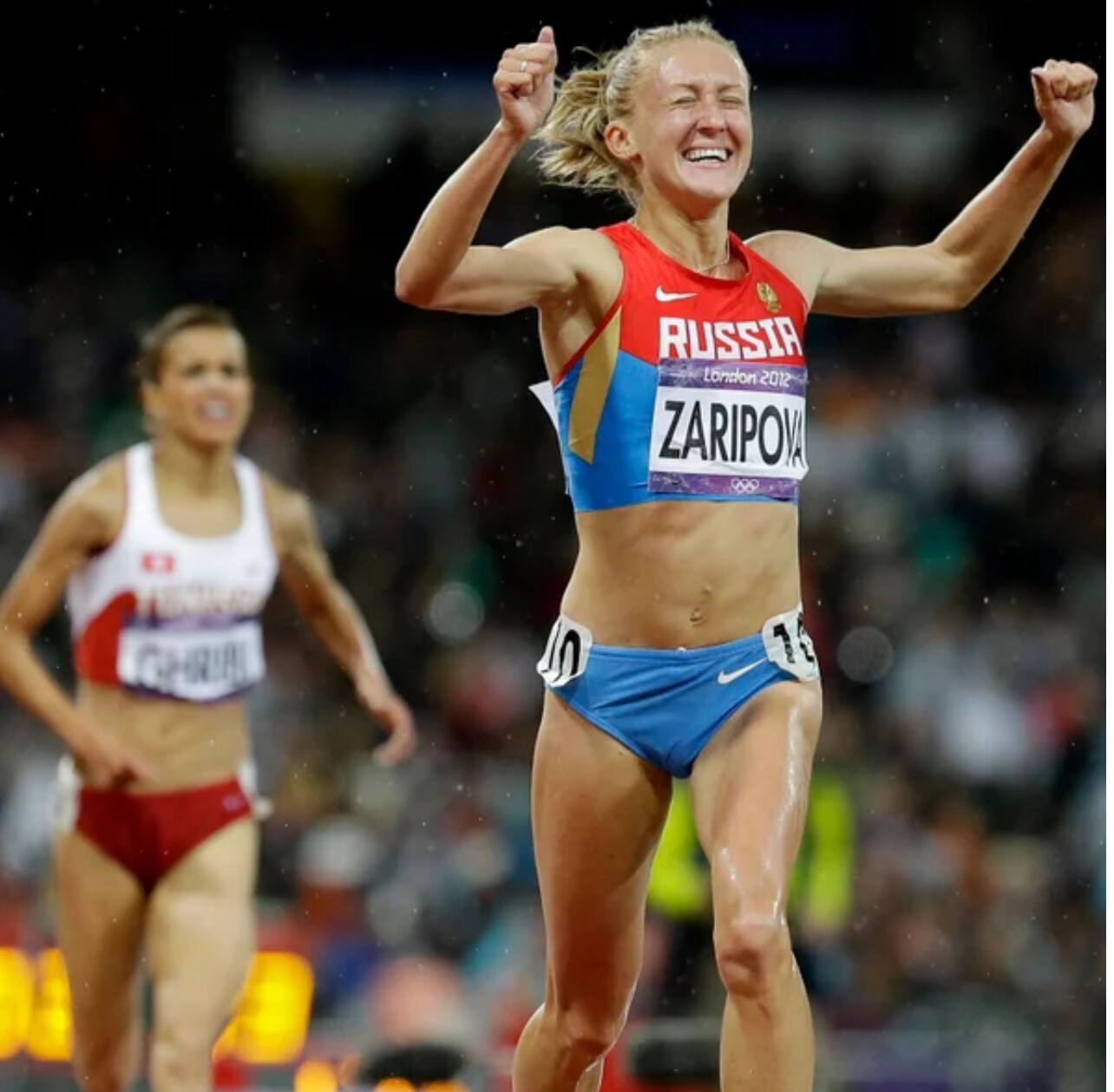
Delayed disqualifications due to retroactive positive tests cause significant disruptions. Athletes are stripped of titles months or even years after competitions, leading to uncertainty and diminished trust in the sport. Investing in faster, more sensitive testing methods is crucial to detect violations promptly, ensuring that competition results are reliable and fair.
Rethinking the "Whereabouts" Requirement
WADA's "whereabouts" rule mandates that athletes provide their location for one hour each day to facilitate out-of-competition testing. This constant monitoring infringes on athletes' privacy rights and imposes an unreasonable burden. Reevaluating this policy could help balance effective anti-doping measures with respect for personal freedoms.
Understanding Blood Doping and Its Implications
Blood doping, which involves increasing red blood cells to enhance performance, poses significant health risks, including blood clots, stroke, and heart attack. While it's linked to deaths in sports like cycling, there is no documented case of a runner dying directly from blood doping.
Interestingly, many doping violations involve substances like erythropoietin (EPO), which, despite health risks, haven't been directly linked to fatalities among runners. In contrast, alcohol—a legal substance—is responsible for approximately 3 million deaths worldwide annually. This disparity raises questions about the consistency of current substance regulations in sports.
The Business of Anti-Doping
Established in 1999 with an initial operating income of USD 15.5 million, WADA's budget has grown significantly, reaching USD 46 million in 2022. This increase reflects the expanding scope of WADA's activities, including research, education, and compliance monitoring.
Funding is primarily sourced from public authorities and the sports movement, with the International Olympic Committee (IOC) being a major contributor. Notably, in 2024, the United States withheld over USD 3.6 million—about 6% of WADA's annual budget—due to disputes over the agency's handling of doping cases.
EPO's Prevalence in Doping Cases
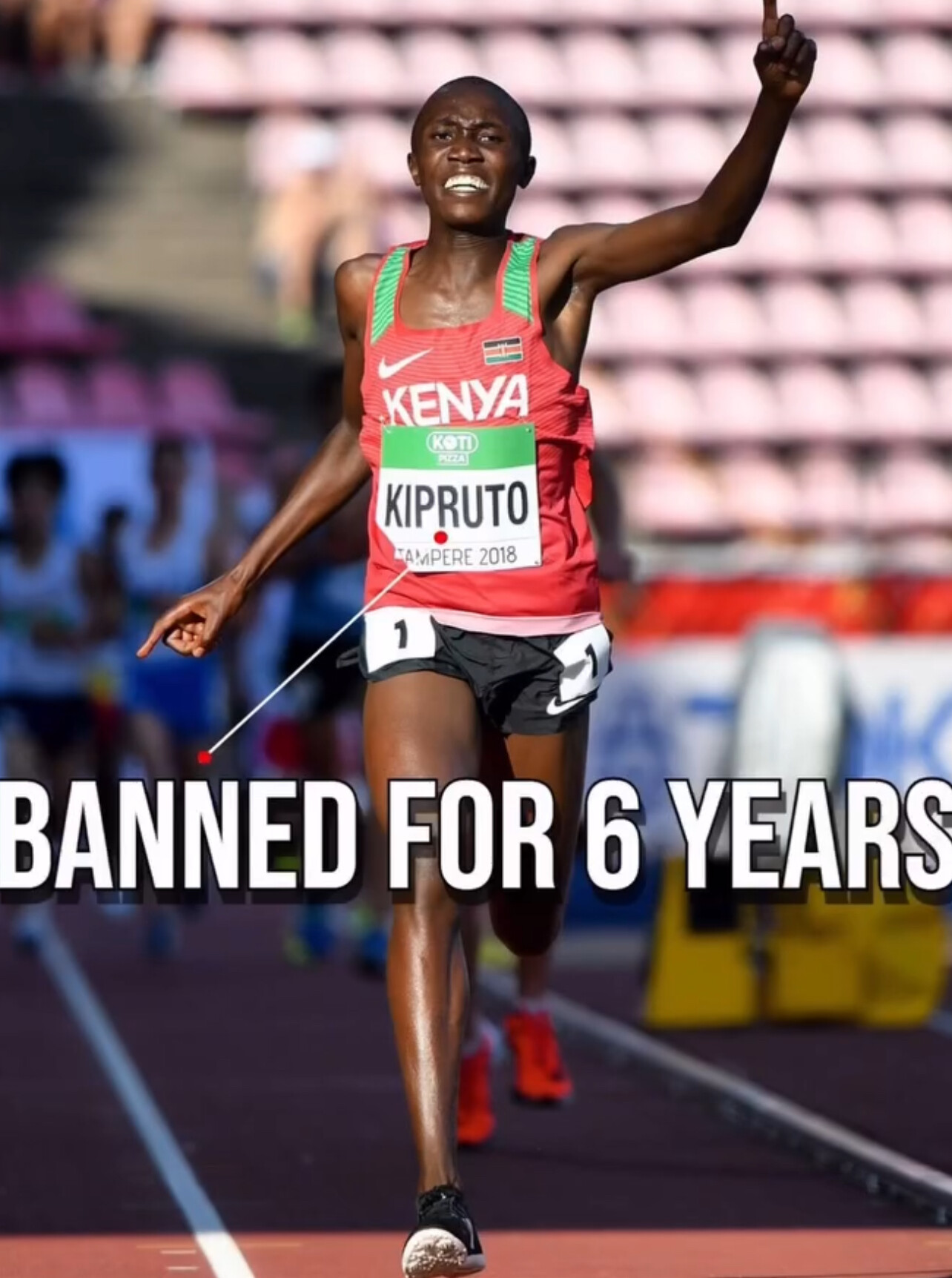
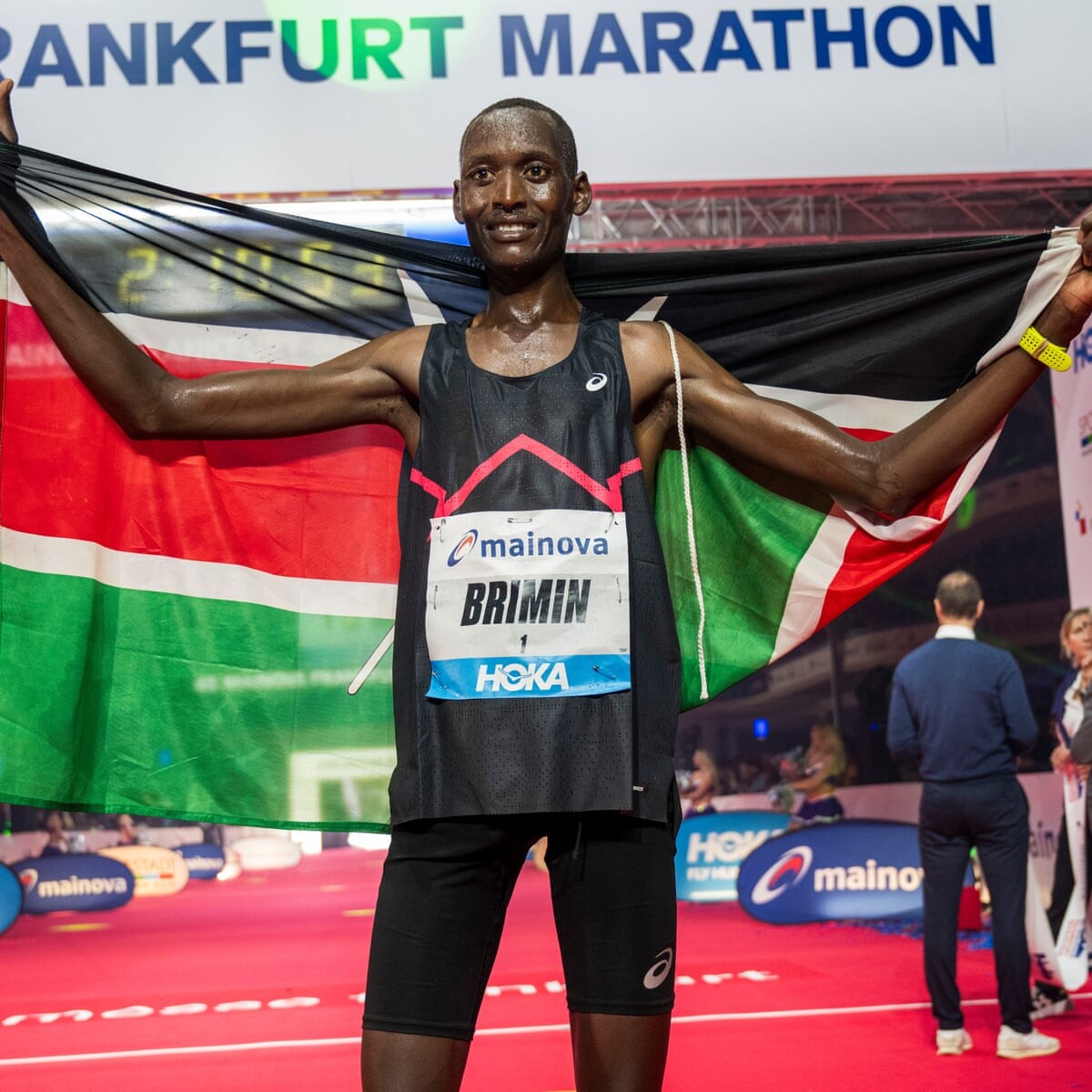
Erythropoietin (EPO) has a history of abuse in endurance sports due to its performance-enhancing capabilities. For example, Kenyan marathon runner Brimin Kipkorir was provisionally suspended in February 2025 after testing positive for EPO and Furosemide. This suspension adds to a series of high-profile doping cases affecting marathon running, especially among Kenyan athletes.
Adapting Governance and Policies to Maintain Trust
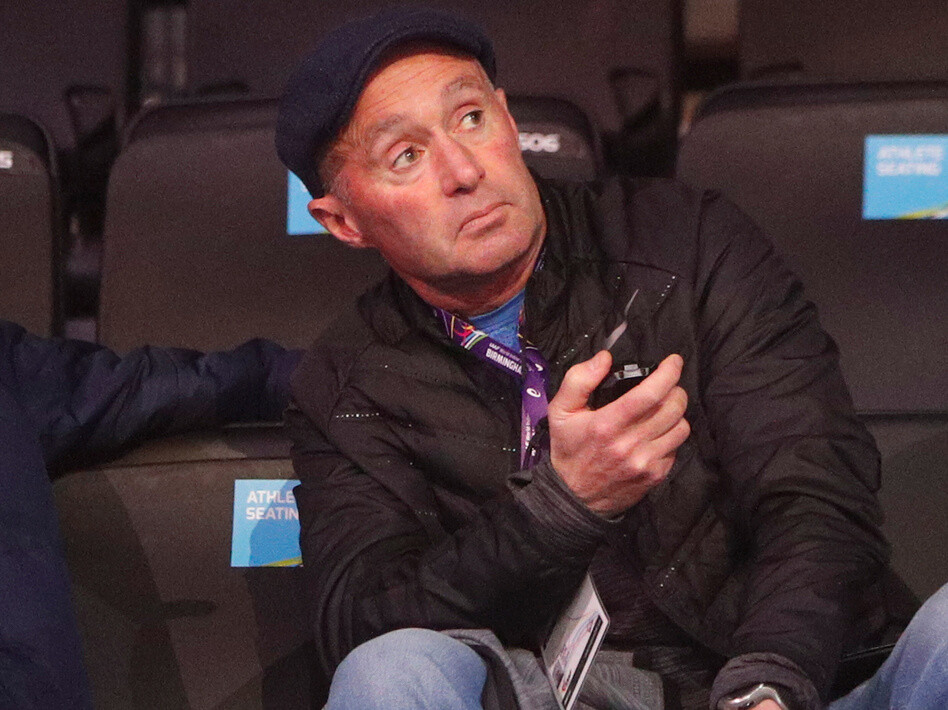
High-profile doping scandals have exposed flaws in the governance of athletics. The case of coach Alberto Salazar illustrates the challenges in enforcing anti-doping regulations. Salazar, who led the Nike Oregon Project, was initially banned for four years in 2019 for multiple anti-doping rule violations, including trafficking testosterone and tampering with doping control processes.
In 2021, he received a lifetime ban for sexual and emotional misconduct. His athlete, Galen Rupp, never tested positive for banned substances, yet his reputation suffered due to his association with Salazar. This situation underscores the importance of independent and transparent governance in maintaining the sport's integrity.
The banned drug list
The World Anti-Doping Agency (WADA) maintains a comprehensive list of substances and methods prohibited in sports to ensure fair competition and athlete health. This list is updated annually and includes categories such as:
· Anabolic Agents: These substances, including anabolic-androgenic steroids, promote muscle growth and enhance performance.
· Peptide Hormones, Growth Factors, and Related Substances: Compounds like erythropoietin (EPO) and human growth hormone (hGH) that can increase red blood cell production or muscle mass.
· Beta-2 Agonists: Typically used for asthma, these can also have performance-enhancing effects when misused.
· Hormone and Metabolic Modulators: Substances that alter hormone functions, such as aromatase inhibitors and selective estrogen receptor modulators.
· Diuretics and Masking Agents: Used to conceal the presence of other prohibited substances or to rapidly lose weight.
· Stimulants: Compounds that increase alertness and reduce fatigue, including certain amphetamines.
· Narcotics: Pain-relieving substances that can impair performance and pose health risks.
· Cannabinoids: Including substances like tetrahydrocannabinol (THC), which can affect coordination and concentration.
· Glucocorticoids: Anti-inflammatory agents that, when misused, can have significant side effects.
Additionally, WADA prohibits certain methods, such as blood doping and gene doping, which can artificially enhance performance. It's important to note that while substances like alcohol are legal and widely consumed, they are not banned in most sports despite their potential health risks.
In contrast, substances like EPO, which have not been directly linked to fatalities among runners, are prohibited due to their performance-enhancing effects and potential health risks. This raises questions about the consistency and focus of current substance regulations in sports..
Regarding the percentage of doping violations involving EPO, specific statistics are not readily available. However, EPO has been a focal point in numerous high-profile doping cases, particularly in endurance sports. For detailed and up-to-date information, consulting WADA's official reports and statistics is recommended
Blood Doping Across Sports
Blood doping is prohibited across various sports, particularly those requiring high endurance. The International Olympic Committee (IOC) banned blood doping in 1985, and since then, numerous sports organizations have implemented similar prohibitions. Cycling has been notably affected, with many major champions associated with or suspended for blood doping.
In conclusion, while the fight against doping is essential to maintain fairness in athletics, the current methods employed by WADA may be causing more harm than good. It's imperative to develop more nuanced, fair, and effective anti-doping policies that protect both the integrity of the sport and the rights of its athletes.
by Bob Anderson
Login to leave a comment
World Athletics president pushing cross country for 2030 Olympics
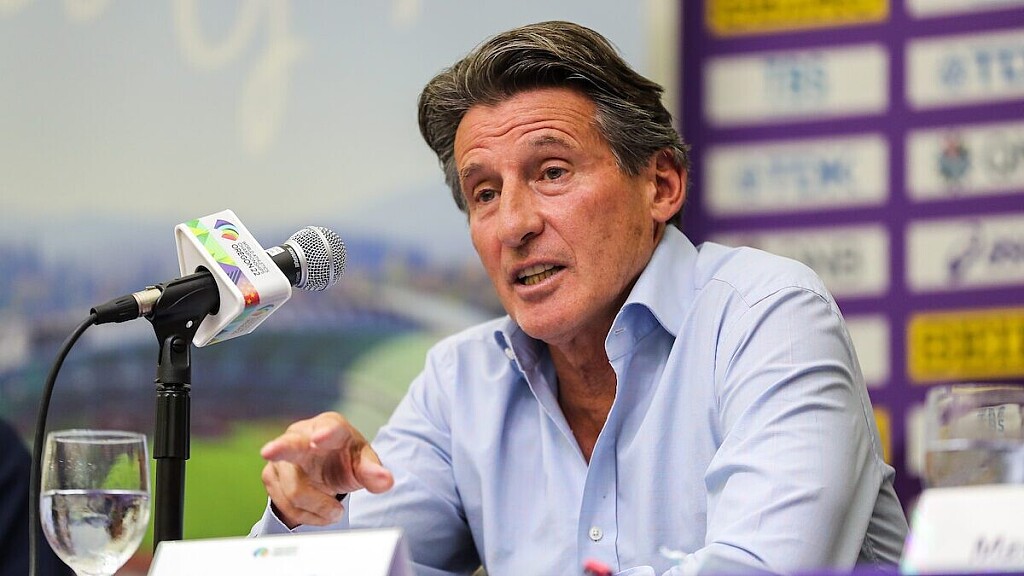
It’s no secret that World Athletics president Seb Coe has ambitions to take over the International Olympic Committee (IOC) president position in the organization’s 2025 election. He looks to succeed Thomas Bach, who has served as president of the IOC for 12 years. Coe’s presidential manifesto pledges a clean and fair Olympics, and potentially the addition of some traditional summer and fall sports to the Winter program—including cross country.
During Coe’s year-end meeting with the media, he alluded to the need for the Winter Olympics to become “more accessible and open to new ideas.” The highest participation for the Winter Games was 93 countries at the 2018 Games in PyeongChang, South Korea, whereas the Paris 2024 Summer Games saw athletes from over 200 nations.
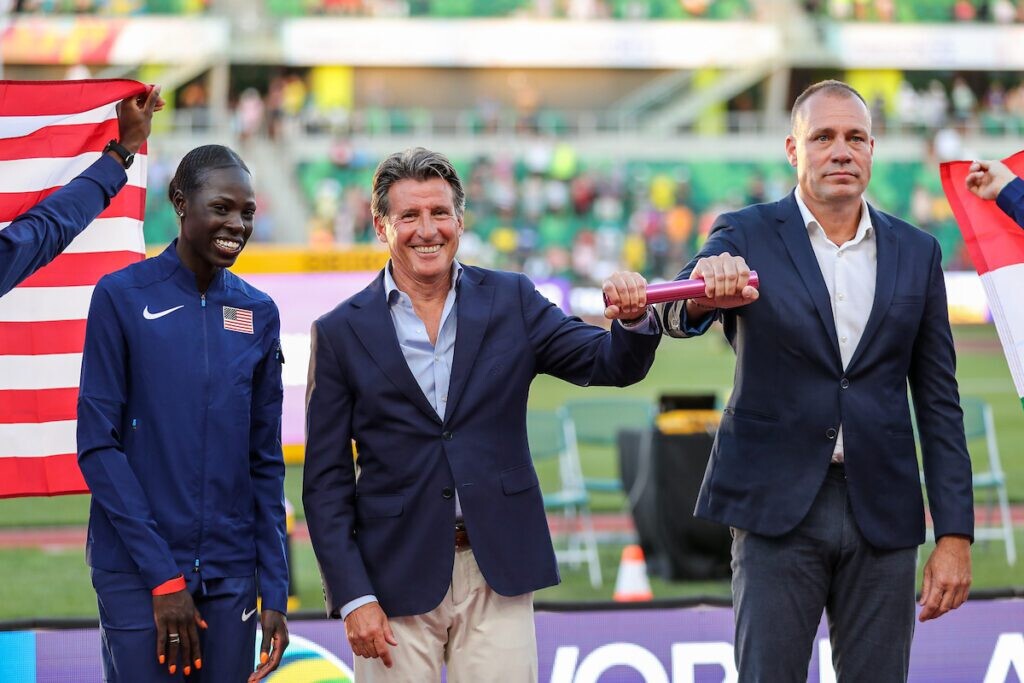
To expand the global audience, Coe believes the addition of fall or indoor sports into the Winter program could attract athletes and viewers from regions of the world that might not have snow. Cross country (running) and cyclo-cross (cycling) are at the forefront of this push, offering the opportunity to expand the Winter Games without straying too far from its profile or mission.
Cross country has faltered on the World Athletics calendar since the pandemic. The 2023 championships held in Bathurst, Australia, were too late in the season (February, two months after the cross-country season), which made it a lengthy commitment of time and travel for any athlete. The 2024 meet, originally scheduled for Croatia on Feb. 10-11, was reassigned to Serbia on March 30 when it emerged that Croatia was not ready to host. Although Serbia did all it could on six months’ notice, the event was heavily criticized for its course, spectator-friendly experience, and timing, as it was held (again) well after the cross-country season.
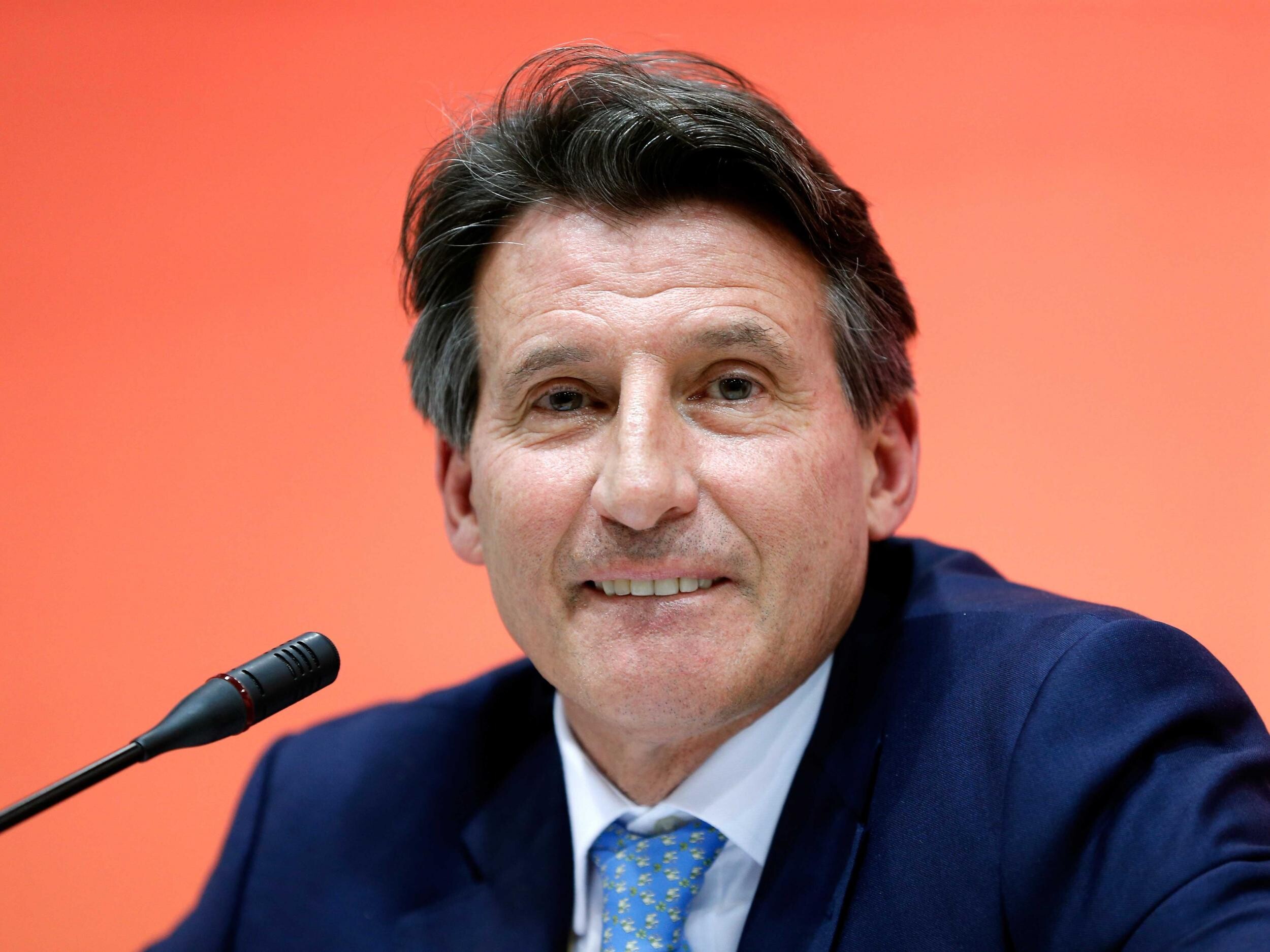
Coe has made it clear, on multiple occasions, that he believes there is a place for cross country in the professional running calendar, but there needs to be a way to make it more attractive to fans. “I’m a great adherent of cross country, and I think it’s a really important part of the endurance paradigm,” said Coe. “But it needs help… it needs space.”
The program for the 2026 Winter Olympics in Milan-Cortina D’Ampezzo, Italy is already set, but Coe is targeting the inclusion of the two sports by the 2030 and 2034 Olympics, which were awarded to the French Alps and Salt Lake City earlier this year.
If Coe is elected as the next president of the IOC in March 2025, he will vacate his current position as the head of World Athletics. The 68-year-old has served as World Athletics president since 2015 and was re-elected to a third (and final) four-year term in 2023. Coe was a two-time Olympic gold medalist during his own career and delivered the immensely popular London Olympics as chairman of the local organizing committee.
by Marley Dickinson
Login to leave a comment
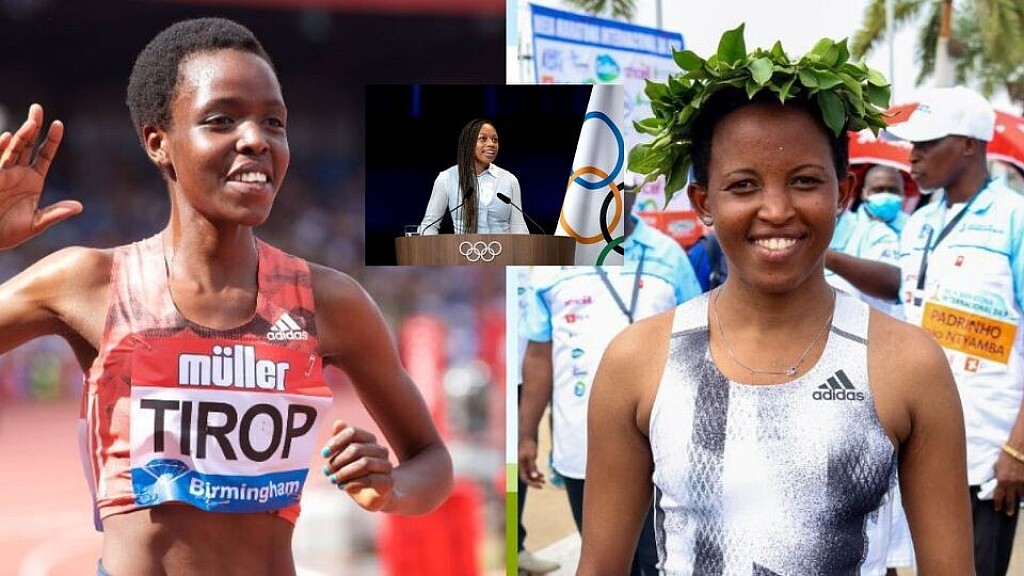
'Something has to change'-American sprint legend on protecting women athletes in Kenya
An American sprint legend has raised concerns over women athletes' safety in Kenya, advocating for cultural change and systemic reform.
American sprint icon Allyson Felix has expressed deep concern over the safety of women athletes, describing violence against female competitors as a "real problem" that demands urgent attention.
Felix, the most decorated track and field athlete in history with 20 World Championship medals and 11 Olympic medals, spoke passionately about the challenges facing women in sports, particularly in light of recent tragedies in Kenya.
“There has to be a change in the culture. Something is not right, and it does make me worry,” Felix said during an interview with BBC 100 Women.
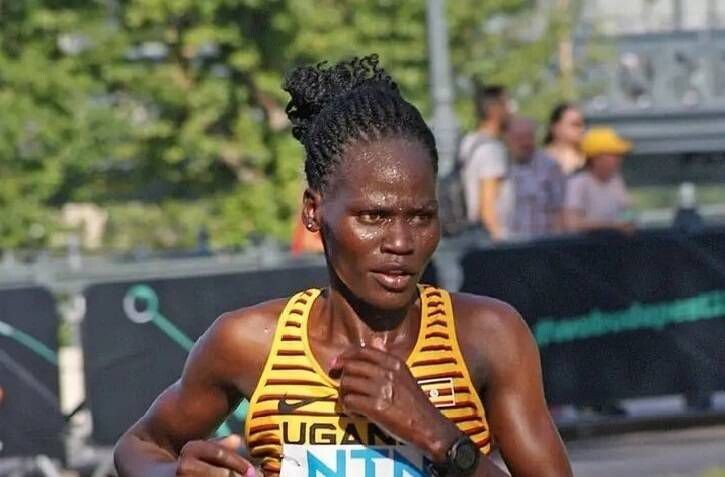
Her comments come few months of the devastating death of fellow Olympic athlete Rebecca Cheptegei, who was set on fire by her boyfriend earlier this year.
Cheptegei’s death marked the third killing of a female athlete in Kenya in the past three years.
Felix, recently elected to the International Olympic Committee (IOC) Athletes' Commission, pledged to prioritize addressing violence against women athletes.
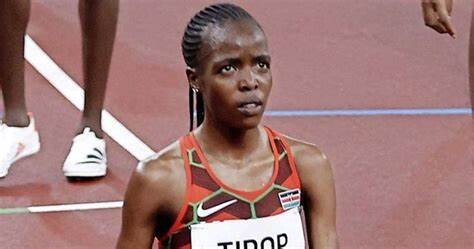
“The consequences have to be severe, but I think there has to be more than that,” she emphasized.
“I think we have to rally around the sports community and come together.”
The alarming trend of violence against female athletes in Kenya highlights the urgent need for change, Felix noted, adding her voice to growing calls for stricter penalties and cultural shifts to ensure women’s safety.
Her advocacy for women’s rights, both on and off the track, has become a defining feature of her legacy since retiring from competitive athletics in 2022.
Felix’s commitment to advocating for women goes beyond addressing violence.
She has been a trailblazer in fighting for maternal health rights and equal treatment for female athletes.
In 2018, after surviving a harrowing experience with severe pre-eclampsia during her pregnancy, Felix exposed systemic inequities when her former sponsor, Nike, threatened to slash her pay due to motherhood.
Her powerful op-ed in The New York Times led to groundbreaking changes in maternity protections for sponsored athletes, with Nike and other athletic apparel companies introducing policies to safeguard pay and bonuses for 18 months around pregnancy.
“I was terrified what the consequences would be,” Felix admitted.
“It just wasn’t in my nature. And so it was really difficult to be able to just be vulnerable.”
In Kenya, where cultural barriers and economic challenges compound the issues facing women athletes, Felix’s story resonates deeply.
Many athletes have struggled to find support systems to navigate the demands of sports and family life. Felix’s advocacy offers a blueprint for addressing these issues.
Through her leadership role with the IOC Athletes' Commission, Felix aims to amplify the voices of athletes and promote systemic reforms globally.
She has also launched Always Alpha, a management firm dedicated to women’s sports, to ensure female athletes receive tailored representation.
Felix’s advocacy extends to maternal health, particularly for Black women in the United States, where they are three times more likely to die from pregnancy-related causes than white women, according to the Centers for Disease Control and Prevention (CDC).
Her efforts recently secured a $20 million grant from Melinda Gates to improve maternal health outcomes, and she is exploring ways to extend her work internationally, including in Africa.
“I want [my children] to always know that you should have an impact, that you should help others, that you should stand up for what you believe in,” she concluded.
by Festus Chuma
Login to leave a comment
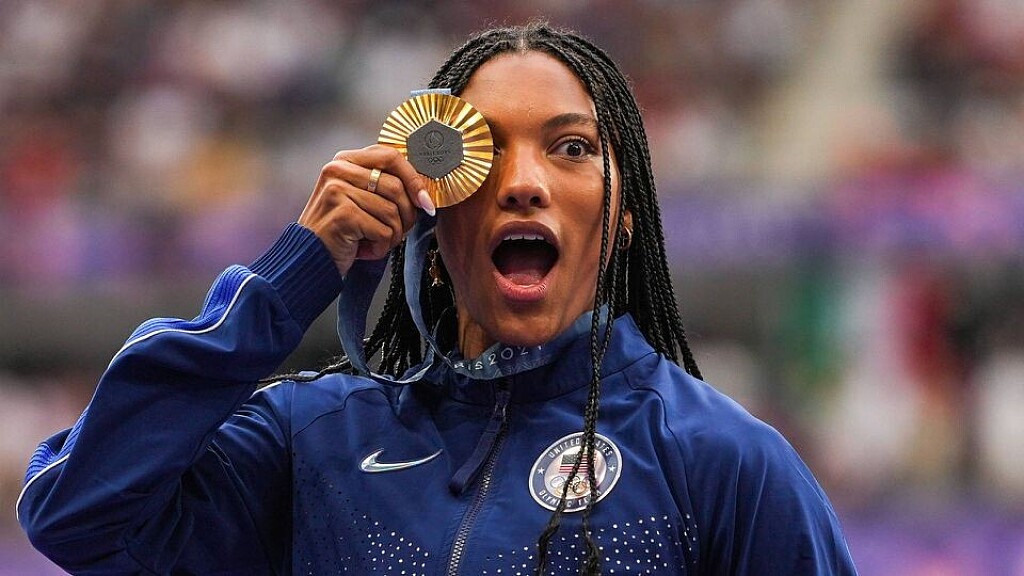
'My gold medal is peeling'- Tara Davis-Woodhall stuns fans as Paris Olympics medal quality concerns grow
Olympic and Paralympic medalists raise concerns about the rapid deterioration of their recently awarded medals, sparking widespread athlete frustration.
Olympic gold medalist Tara Davis-Woodhall has sparked a storm of controversy after revealing that her prized gold medal is peeling, joining the growing concerns of fellow athletes, including Paralympic bronze medalist Allison E. Lang.
What should be an enduring symbol of their achievements is, instead, tarnishing—both literally and symbolically—just weeks after the medals were awarded.
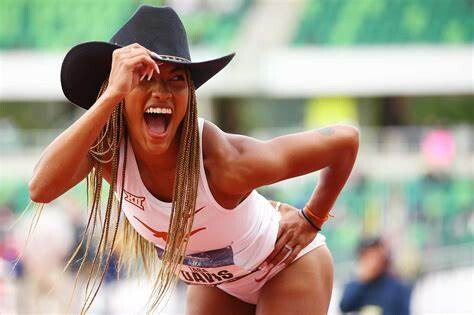
Davis-Woodhall’s revelation came after Lang, who secured bronze in the recent Paris Paralympic Games, expressed her frustration on Threads.
Lang shared a photo of her rapidly deteriorating medal, showing visible signs of oxidation and peeling.
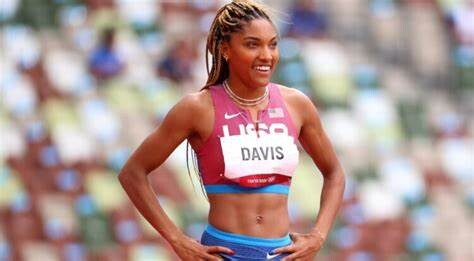
“I’m kind of disappointed. My Bronze Medal from Paris is already oxidizing and looks like it’s peeling/rusting like what’s going on @paralympics? I’ve only had it for less than a month!!” Lang posted.
Initially, some social media users dismissed Lang’s concerns, with one commenter stating, “Gold does not tarnish by the way,” but Davis-Woodhall quickly came to her defense with a stunning admission: “Actually… it does ? my gold medal is peeling.”
The long jump athlete’s candid response added fuel to the fire, shifting the spotlight from a single case to a potential widespread issue.
The idea that gold and bronze medals—symbols of lifelong dedication and effort—could deteriorate so quickly has shocked athletes and fans alike.
In the wake of the revelations, several athletes have started to inspect their own medals. Some, like Lang and Davis-Woodhall, are reporting similar problems, while others have claimed their medals remain in pristine condition.
This inconsistency has only deepened the mystery, raising questions about the materials and manufacturing processes behind these prestigious awards.
Tessa Axsom, the director of CNC at Fictive, a San Francisco-based company that specializes in custom mechanical parts, has weighed in on the issue.
According to Axsom, the problem may lie in the materials used in the medals, particularly copper oxidation.
“This year’s bronze medal is actually 97% copper, 2.5% zinc, and a half a percent tin,” Axsom explained as reported by The Sport Rush.
“Copper oxidation is natural, and it reaches stability when it forms oxides and salts. So, when you have sweaty athletes wearing these medals, getting salt on them, you’re going to get oxidation. The metal should have been protectively coated.”
Despite some media reports attributing the issue to the use of recycled metals—a sustainable practice championed by the Olympic and Paralympic committees—Axsom was quick to refute those claims.
She emphasized that using recycled metals is not the cause of the peeling and rusting. Rather, it is the lack of a proper protective coating that has left these medals vulnerable to the elements and wear.
As of now, neither the International Paralympic Committee (IPC) nor the International Olympic Committee (IOC) has issued an official statement addressing the situation.
However, whispers of cost-cutting measures have begun circulating, with speculation that the medals may have been produced under tighter budget constraints, potentially leading to the quality issues now being reported.
For athletes like Lang and Davis-Woodhall, the peeling medals are more than just a cosmetic problem. They represent the culmination of years of hard work, dedication, and perseverance.
Seeing their hard-earned medals deteriorate so quickly has left them and their fans questioning the lasting value of these symbols.
by Festus Chuma
Login to leave a comment
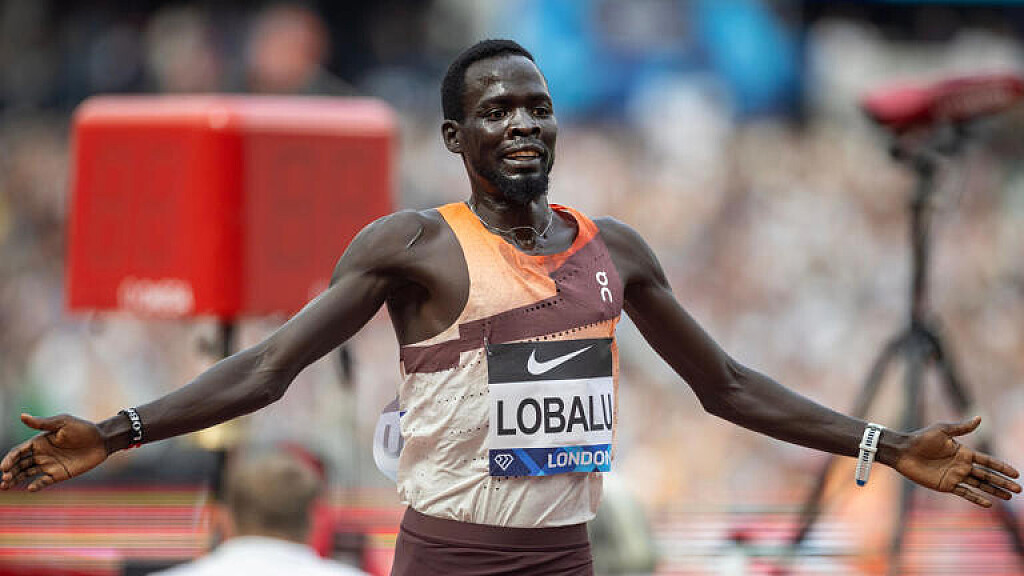
The orphaned refugee planning to make Olympic history
Two months ago, Dominic Lobalu thought he would not be able to compete at Paris 2024, but now he has the chance to make history.
The 25-year-old was ruled out of the Tokyo 2020 Games after claiming asylum in Switzerland, making him ineligible to compete for refugee teams.
After being given clearance by World Athletics to represent his adopted nation in May - despite not holding Swiss citizenship - Lobalu won two medals at the the European Championships the following month.
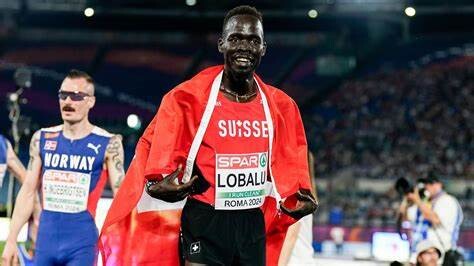
His gold in the 10,000m and bronze in the 5,000m persuaded the International Olympic Committee (IOC) to invite Lobalu to join its Refugee Olympic Team, and the South Sudanese-born runner will compete over the shorter distance in the French capital. “This is what I was dreaming for,” Lobalu told BBC Sport Africa.
“When I started my training, the goal was to go to the Olympics one day. And now I have it I'm so happy.”
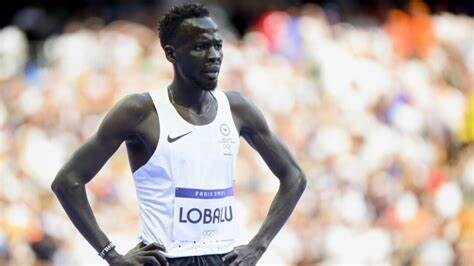
Boxer Cindy Ngamba has already assured the Refugee Olympic Team of its first ever medal, but Lobalu could upgrade her guaranteed bronze.
The first round of the 5,000m begins on Wednesday, but it has been a long journey for Lobalu to reach the start line. It is one that began in Sudan and has taken detours via Kenya and Switzerland. In 1998, Lobalu was born into a country in the middle of a long-running civil war.
He grew up in Chukudum, a small village in south-east Sudan which would become part of South Sudan when it gained independence in 2011.
The conflict, which ended in 2005, is estimated to have killed two million people. But two years after the war Lobalu's home village was raided by soldiers. The family fled but he was separated from his parents.
He wound up in an orphanage and then, at the age of nine, made it across the border to Kenya with the help of an Italian NGO.
The Kakuma Refugee Camp, a sprawling settlement in north-west Kenya run by the UNHCR, became his new home.
Now living in Switzerland, Lobalu is reluctant to talk in depth about his past before a competition, preferring to focus on the future.
However, he admits his experiences at the camp motivate him on the track.
by BBC News
Login to leave a comment

Paris 2024 Olympic Games
For this historic event, the City of Light is thinking big! Visitors will be able to watch events at top sporting venues in Paris and the Paris region, as well as at emblematic monuments in the capital visited by several millions of tourists each year. The promise of exceptional moments to experience in an exceptional setting! A great way to...
more...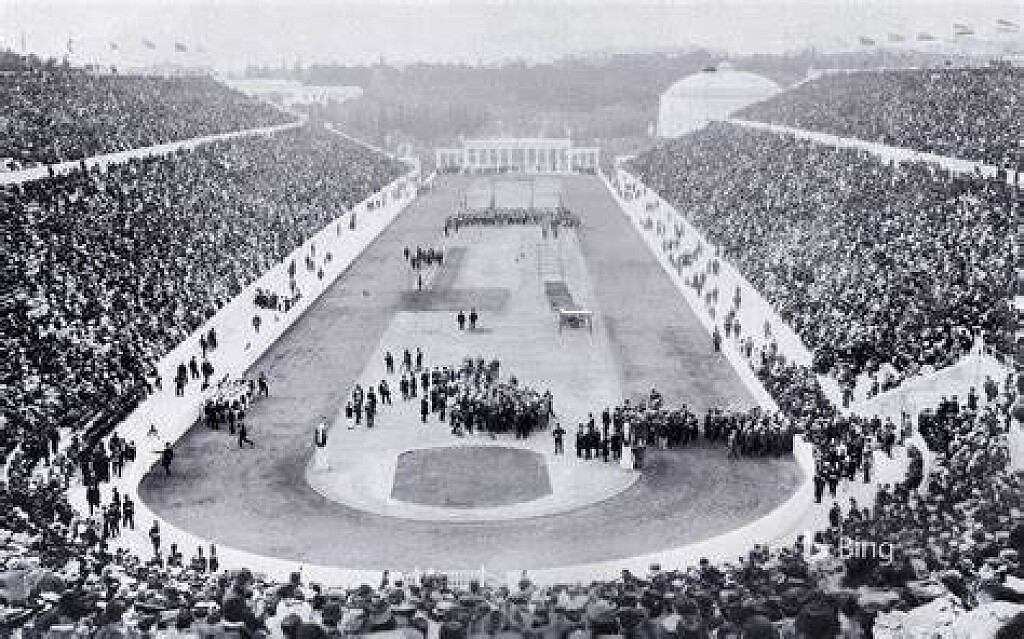
From Ancient Olympia to Paris 2024
Modern Olympic history is full of victories and defeats but along the way since the revival of the Olympics in 1896, we encountered geopolitics, a shift in women’s rights and the state of global affairs.
From Athens to Rio, in the last 125 years, the games have crossed five continents, added and removed events, resisted boycotts and were only canceled three times due to two World Wars.
In 1894, Pierre de Coubertin launched his plan to revive the Olympic Games, and in 1896 the first Games of the modern era were held in Athens
Origins of the Olympic Games
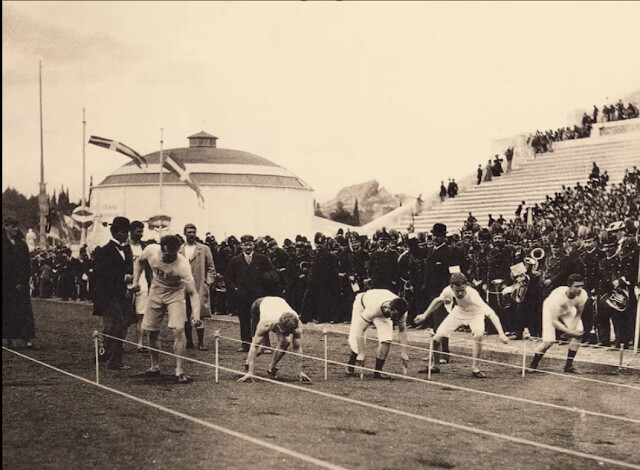
The history of the Games goes back around 3,000 years, to the Peloponnese in Ancient Greece. Sports contests organized at Olympia back then took place every four years and acquired the name Olympic Games.
The first written evidence of the official Games dates from 776 BC, when the Greeks began measuring time in Olympiads, or the duration between each edition of the Olympic Games.
The four-year interval between the Ancient Games editions was named an “Olympiad” and was used for dating purposes at the time: time was counted in Olympiads rather than years. They were held between August 6 and September 19 during a religious festival honoring Zeus.
The games were named after their location at Olympia, a sacred site located near the western coast of the Peloponnese peninsula in southern Greece.
The games included Chariot races – one of the oldest of Greek sports dated back to the Mycenean Period (1100 B.C) – consisting of 12 laps around a hippodrome (horse track) and 12 times in the opposite direction, with the length varying depending on where the event was held.
There was also kele (riders competing in horseback), footraces (running), wrestling, pentathlon – a five-event combination of long jump, running and wrestling – boxing, and lastly the pankration, which was a combined contest of boxing, wrestling and kicking.
Structure and Traditions of the Ancient Olympics
All free male Greek citizens were entitled to participate in the ancient Olympic Games, regardless of their social status. Orsippos, a general from Megara; Polymnistor, a shepherd; Diagoras, a member of a royal family from Rhodes; Alexander I, son of Amyndas and King of Macedonia; and Democritus, a philosopher, were all participants in the Games.
Married women were not allowed to participate in, or to watch, the ancient Olympic Games. However, unmarried women could attend the competition, and the priestess of Demeter, goddess of fertility, was given a privileged position next to the Stadium altar.
One of the things that is commonly argued about is the question of whether there were amateur athletes in the ancient Olympic games. Ancient Olympic athletes were neither amateur nor professional. The word athlete is a Greek word that means “one who competes for a prize” and is related to two Greek words, athlos meaning contest and athlon meaning prize.
Greek athletes competed for prizes at athletic festivals. Some of the prizes were symbolic, for instance the wreath of olive leaves at Olympia, and others were material prizes worth money, for instance bronze tripods, or amphoras filled with olive oil. There were also cash awards of 500 drachmai (considered to be a fortune) or getting an early pension plan by receiving a free meal every day.
The Significance of Competition
For the ancient Greeks, whose fiercely independent city-states were often at war with one another, athletic contests became a unifying, peacemaking force. During the Olympic games, all hostilities were suspended. City-states sent their best athletes to compete
Decline of the Ancient Olympics
After thousands of years of the Greeks and Romans gathering at the Olympia to celebrate the festival in honor of Zeus, in 393 AD, the Christian emperor Theodosius I forbade the celebration of pagan cults, which included the Games.
Nonetheless, the popularity of sports contests and cultural festivities continued in many Greek-influenced provinces of the Roman empire as late as the 6th century AD.
Following Theodosius’ order, pagan cults began to disappear, and the site of Olympia was abandoned. Earthquakes destroyed the structures and their ruins disappeared gradually under the earth and sand.
Revival of the Olympic Spirit
There were no longer any visible traces of the site. Thanks to the writings of ancient historians, the memory of the Games and their place in the Greek world was not totally forgotten. The Games were known to have existed, but the knowledge of their exact location had been lost.
In 1776, the English traveler Richard Chandler discovered the site of ancient Olympia. The principal research digs were carried out a hundred years later by German archaeologists.
Pierre de Coubertin in re-establishing the Olympics
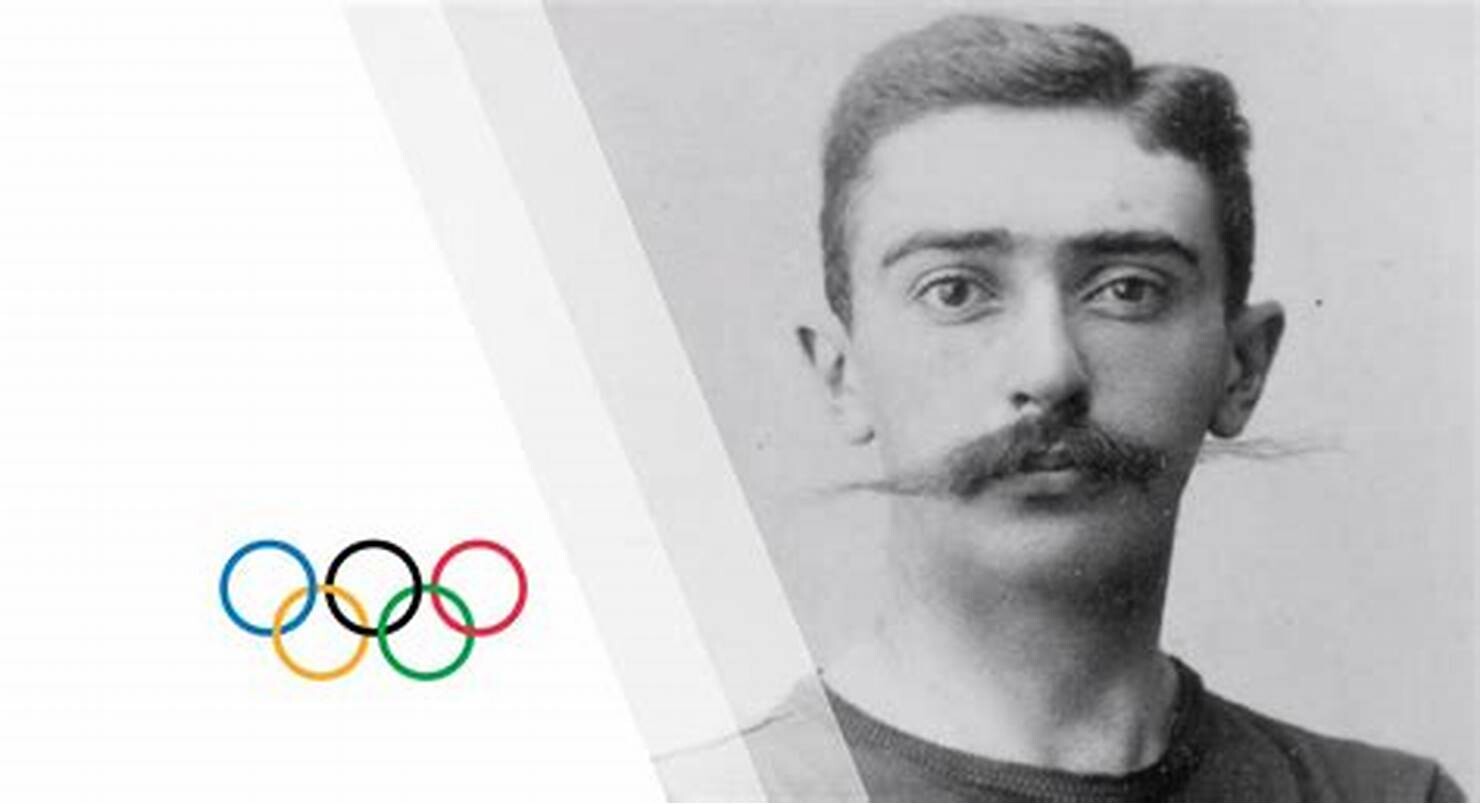
Pierre de Coubertin is widely recognized as the founder of the modern Olympic Games and the International Olympic Committee. Although artefacts suggested that ancient Olympia was prosperous, Coubertin was not put off and in 1894 invited athletes and sports people alike to attend a sports conference where he suggested the revival of the Olympics.
It was then decided on 23 June 1894 that a modern Olympic game should be held every four years and that each game should take place in a different country. It was unanimously agreed that the first modern Olympic games should be held in Olympia Greece.
Pierre de Coubertin was instrumental in establishing many of the Olympic traditions that continue to this day – the five rings, the Olympic flag, the oath and motto. He produced many writings about sport and education – one of his most famous quotes is “The important thing in the Olympic Games is not winning but taking part. Just as in life, the aim is not to conquer but to struggle well.”
The Modern Olympic Games
The International Olympic Committee (IOC) was founded on the initiative of Pierre de Coubertin on 23 June 1894, during the Olympic Congress.
At first Pierre de Coubertin planned to discuss amateur sport during the congress, however, by the time the invitations for the delegates to gather at the Sorbonne University in Paris were being sent, he changed both the programme and the title of the congress.
The event, which was eventually called the “Congress on the Revival of the Olympic Games”, served as an opportunity for de Coubertin to present his proposal to revive the Olympic Games. And thus, the International Olympic Committee was founded.
The 1894 Sorbonne congress was attended by 79 participants from 12 countries and its Opening ceremony featured musical pieces, songs, and poems.
First Modern Olympics (1896)
The first celebration of the modern Olympic Games took place in its ancient birthplace - Greece. The Games attracted athletes from 14 nations, with the largest delegations coming from Greece, Germany, France and Great Britain.
Due to its historical significance, the Greek hosts wanted to win the marathon above all else. Spyridon Louis set off from the city of Marathon and took the lead four kilometres from the finish line and, to the joy of the 100,000 spectators, won the race by more than seven minutes.
Hungarian swimmer Alfréd Hajós won the 100m and the 1200m events. For the longer race, the swimmers were transported by boat out to sea and left to swim the required distance back to shore. Hajós later confessed that his “will to live completely overcame [his] desire to win”.
On 6 April 1896, the American James Connolly won the triple jump to become the first Olympic champion in more than 1,500 years. He also finished second in the high jump and third in the long jump.
Evolution of the Games
The 1900 Summer Games in Paris took place from 14th May to 28th October and were held alongside the Exposition Universelle International which was staged to celebrate the achievements of the past century – the diesel engine (running on peanut oil), escalators, talking films and the telegraphone (the first magnetic audio recorder) were first displayed there.
Held as part of the Paris World’s Fair, the 1900 Games span five months, with 20 events and 24 countries represented. Because events are so spread out, many athletes and officials don't even realize they are competing in the Olympics.
But the 1900 Games introduce several new sports, including rugby, golf, cricket and croquet (the only year croquet is played), as well as equestrian events, archery and soccer. Swimming races take place in the Seine River and five sports—tennis, polo, soccer, rowing and tug of war—include athletes from differing nations playing on the same teams.
It’s also the first-time women participate, with 22 competing (along with 975 men). American Alvin Kraenzlein shines during the Paris Games when he takes gold in four track and field events.
Notable Olympic Events and Milestones
The Olympic flame, a symbol of peace and unity, was first introduced at the Berlin Games in 1936. The torch relay, which carries the flame from Olympia, Greece, to the host city, has become a cherished tradition. This relay not only symbolizes the connection between ancient and modern Games but also promotes the spirit of the Olympics across various nations
The concept of the Olympic Village was first realized during the 1924 Paris Games. This innovation provided a communal living space for athletes, enhancing the experience and fostering hospitality among competitors from around the world. The Village has since become a staple of the Olympic experience, allowing athletes to live and interact together during the Games
The Cold War era saw significant political tensions affecting the Olympics, leading to boycotts of the 1980 Moscow Games by the United States and the 1984 Los Angeles Games by the Soviet Union and its allies.
In response to various global challenges, including the COVID-19 pandemic, the Olympics have shown resilience by adapting their schedules and formats. The Tokyo 2020 Games were postponed to 2021, marking a significant moment in Olympic history as they navigated unprecedented circumstances while still aiming to uphold the Olympic spirit
A Symbol of Peace
As the world looks forward to future Olympic Games, including Paris 2024, we mustn’t forget that the Olympic Games have long served as a powerful symbol of peace, unity, and athletic excellence, transcending cultural and national boundaries. Their legacy is rooted in a philosophy that combines sport with education and cultural exchange, promoting values such as friendship, solidarity, and fair play.
by Juliana Alexandra
Login to leave a comment
Paris 2024 Olympic Games
For this historic event, the City of Light is thinking big! Visitors will be able to watch events at top sporting venues in Paris and the Paris region, as well as at emblematic monuments in the capital visited by several millions of tourists each year. The promise of exceptional moments to experience in an exceptional setting! A great way to...
more...
Should trail running be an Olympic sport?
Did you know that off-road running was part of three historic summer Olympic Games, including the 1924 Olympics in Paris? One hundred years on, runners from four different clubs in Britain have come together to launch a campaign to bring trail running (as we now call it) back to the Olympics. The next Games to include new sports is Brisbane 2032, and the group of passionate trail runners feel strongly that trail running deserves a spot.
“At Paris 2024, four new sports are being added that include breakdancing, surfing, skateboarding and sport climbing,” runner Jimi Harrison said in an interview with British media outlet The Star. “We feel that new Olympic sports should reflect the trends and popularity of the current day and believe the time has come for trail running to be adopted at future Olympics.”
To raise awareness for the cause, Harrison and the group ran a relay of more than 455 km, from London to Paris. Their feat ended on Sunday in the French capital.
Backed by running shoe brand Merrell, the group are calling on Olympic decision-makers. They have written an open letter to representatives of the International Olympic Committee (IOC) and International Trail Running Association (ITRA) to support their cause. (Merrell recently signed Olympian Alexi Pappas to its athlete roster. Pappas, who raced the 10,000m at Rio in 2016, setting a national record for Greece, ran two big trail ultras in 2023: the Black Canyon 100K and the Leadville 100.)

Some would argue that cross-country running is a more obvious fit for inclusion in the Olympics. With shorter, looped, spectator-friendly courses, cross-country could be more attractive to broadcasters, thus generating more interest. And cross-country usually features track runners. There is less crossover between track and trail running, though it’s not unheard of for track runners to transition to trails, as we have seen.
This is not the first attempt to bring trail running to the Olympics. In 2021, a trail running company from Spain launched its own campaign to bring it to the 2028 Olympics in Los Angeles. (They were not successful.)
Trail running has increased significantly in popularity in recent years, thanks partly to events like the Barkley Marathons, UTMB (Ultra-Trail du Mont-Blanc) and the Golden Trail Series, which make international news headlines.

by Claire Haines
Login to leave a comment
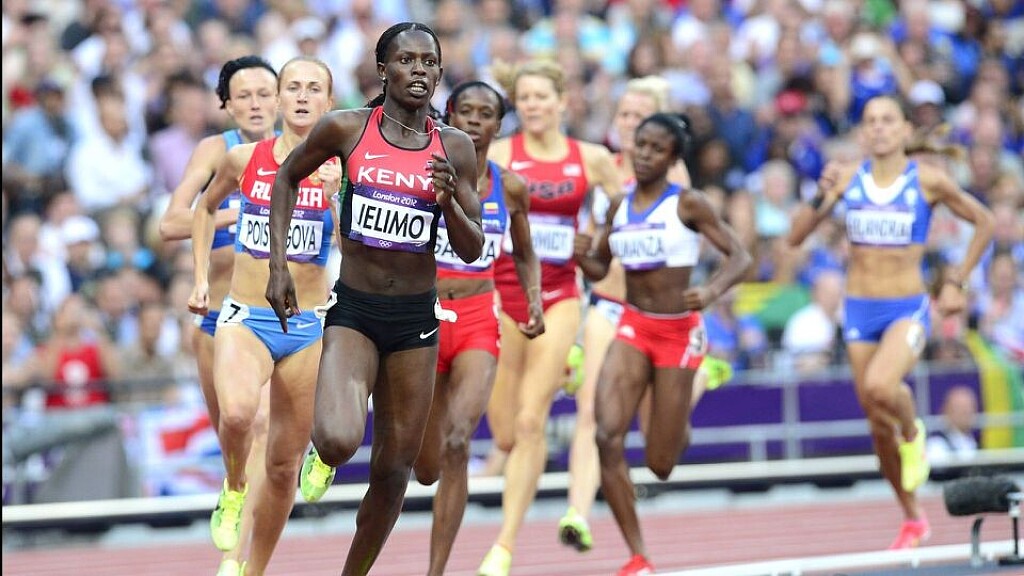
Pamela Jelimo set to receive Olympic silver after Ekaterina Guliyev's doping ban
South Africa's Caster Semenya has been elevated to gold with Kenya's Pamela Jelimo set for silver after doping reshuffle in 2012 Olympics 800m.
Former Olympic 800 champion, Pamela Jelimo, is poised to be awarded the 2012 London Olympic 800m silver, marking a significant shift in the event's final standings due to doping violations.
This development comes after the Russian Athletics Federation (RusAF) announced a four-year ban for Ekaterina Poistogova-Guliyev for historic doping offences, leading to a reshuffle of the medal positions from the London games.
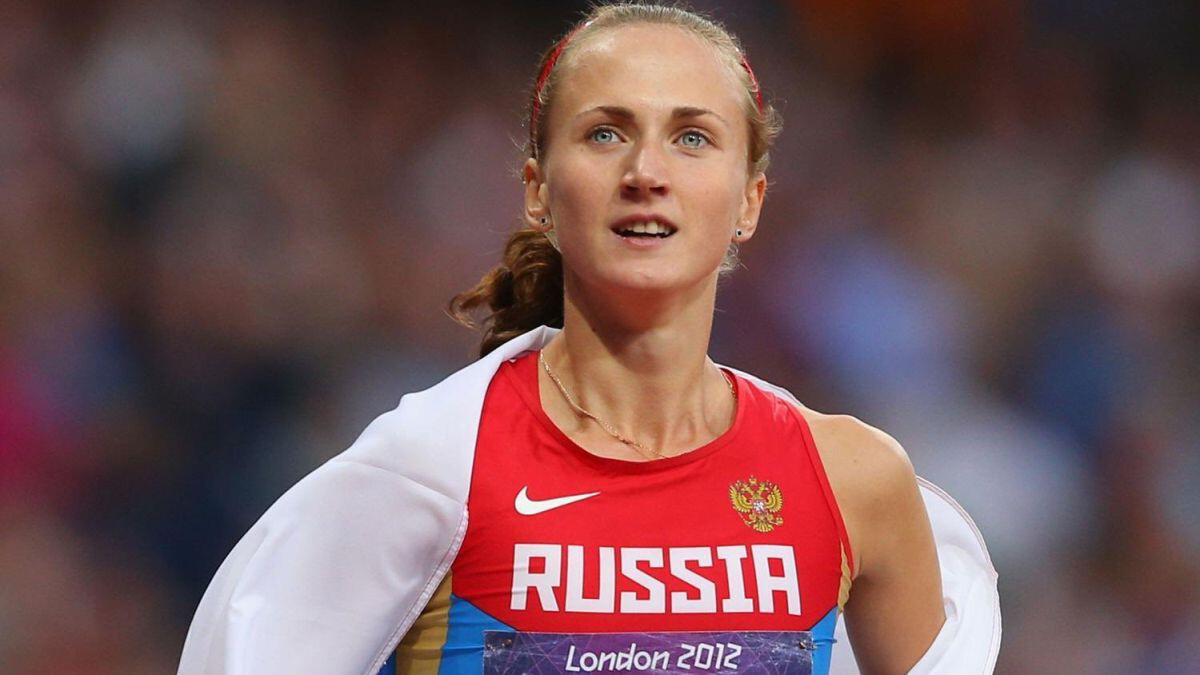
The ban, which results from violations between July 2012 and October 2014, voids all of Poistogova-Guliyev's results from that period, according to a RusAF statement.
The athlete, who initially competed for Russia before switching allegiance to Turkey, was implicated in the use or attempted use of banned substances, with evidence drawn from the Moscow anti-doping laboratory.
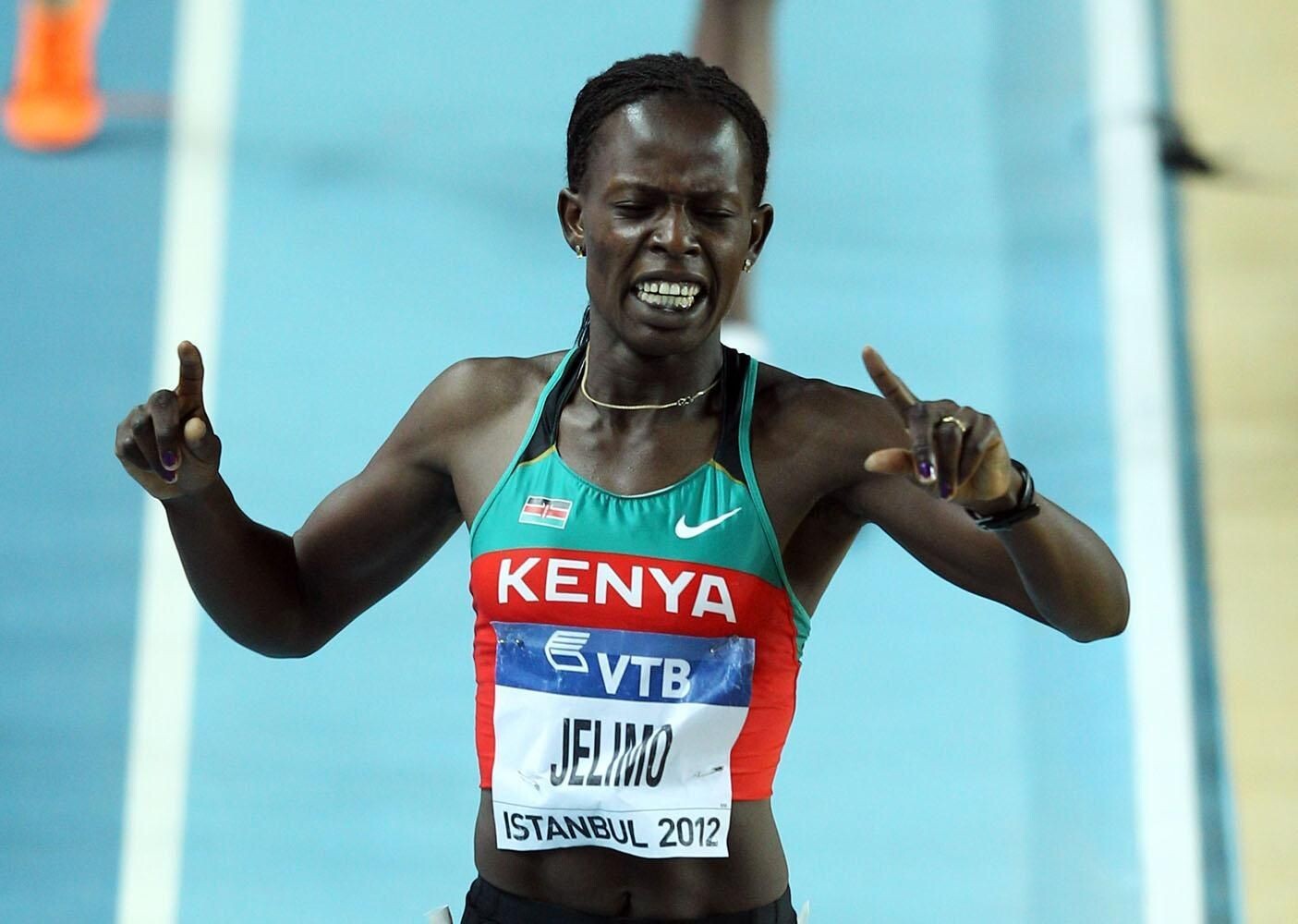
The case has had far-reaching implications, not only for Poistogova-Guliyev but also for other athletes in the 2012 Olympic 800m event.
Pamela Jelimo, the London Olympic bronze medallist, will be elevated to silver, and American Alysia Montano, who finished fifth, is set to inherit the bronze, pending official confirmation.
This adjustment stems from a broader investigation into systematic doping within Russian athletics, spearheaded by the World Anti-Doping Agency (WADA).
WADA had initially recommended a lifetime ban for Poistogova-Guliyev in 2015, alongside the stripping of her London medal, as part of its findings on state-sponsored doping.
Although the Court of Arbitration for Sport (CAS) imposed a two-year ban on Poistogova-Guliyev in 2017, her results were initially voided only back to October 2015, allowing her to retain her Olympic medal temporarily.
The recent decision by RusAF to extend the voiding of her results to July 2012 effectively strips her of the medal, subject to final approval by the International Olympic Committee (IOC).
The women's middle distance events at the London Olympics have been notably affected by doping, with three runners in the 800m final, including Poistogova-Guliyev, Mariya Savinova, and Elena Arzhakova, having their results voided due to doping offences.
Jelimo's elevation to the silver medal position comes after a long wait; it took 10 years for her to be awarded the bronze medal for the same event, following the disqualification of Maria Savinova for doping violations.
The reallocation of medals in cases of doping violations is a complex and often slow process, involving multiple organisations including WADA, CAS, RusAF, and the IOC.
The final decision on the redistribution of medals from the 2012 Olympics will be closely watched by the athletics community and represents a critical step in the ongoing fight against doping in sport.
Poistogova-Guliyev's ban, which lasts until 2026, reflects a deduction for the time served under her previous CAS-imposed sanction.
In addition to her case, RusAF has announced a two-year and six-month ban for 3,000m steeplechaser Nikolay Chavkin for similar doping offenses.
by Festus Chuma
Login to leave a comment
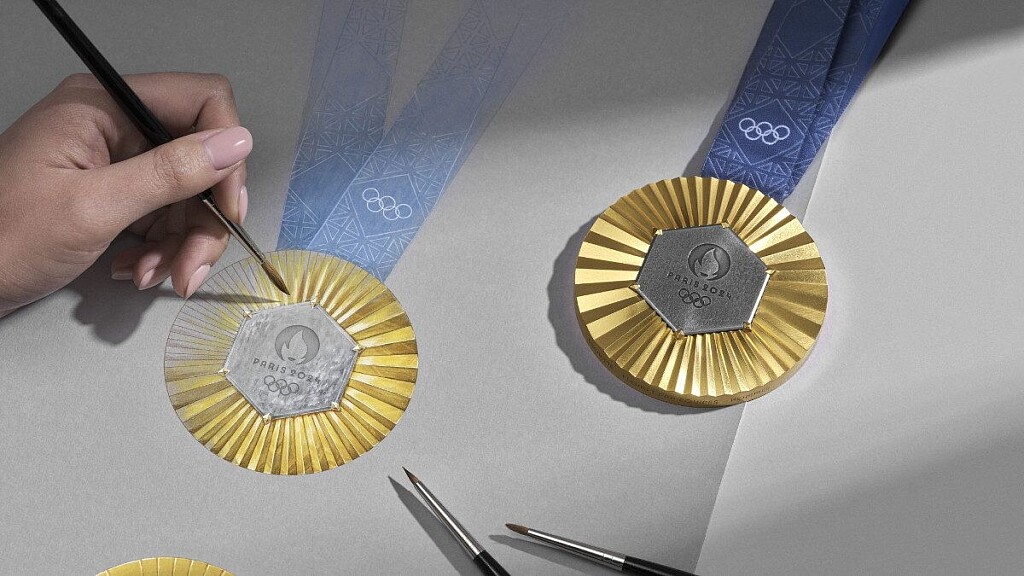
Paris 2024 Olympic medals to feature pieces of the Eiffel Tower
On Thursday, organizers of the Paris 2024 Olympic and Paralympic Games unveiled a unique addition to this year’s Olympic medals: pieces of the iconic Eiffel Tower. Each medal for the Games will incorporate a hexagonal piece of iron taken from the heart of the Eiffel Tower, Paris’s most recognizable monument.
Built for the Exposition Universelle (World’s Fair) in 1889 to celebrate the 100th anniversary of the French Revolution, the tower was designed to showcase France’s industrial prowess and serve as a symbol for the city. Each piece will be a focal point in the center of the medals.
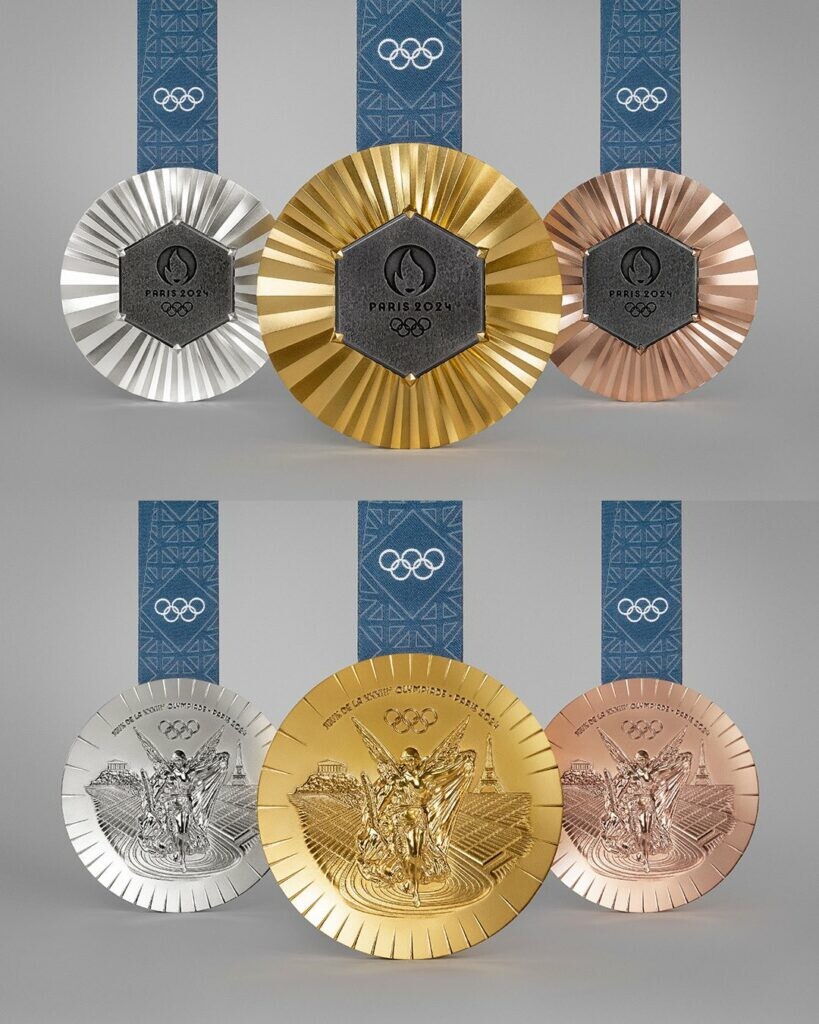
Crafted by the French jeweller, Chaumet, the six-sided piece will be in the medal of all 5,084 gold, silver and bronze medals. “We wanted to offer a piece of the 1889 Eiffel Tower to all the medalists of the Paris Olympic and Paralympic Games,” said Paris 2024 president Tony Estanguet.
You may be asking where did the metal come from? No, it was not cut directly off the Eiffel Tower. According to Inside The Games, the metal was sourced from a metal warehouse in Paris by the company responsible for maintaining the 330-meter landmark. The use of recycled metal is also in line with the trend seen at the Tokyo Olympics, where the metals were made partly from consumer electronics.
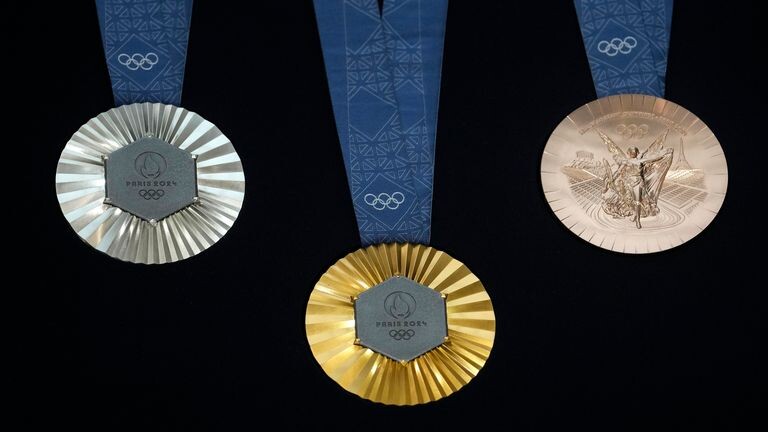
The reverse side of the medals will feature the Greek goddess Nike flying toward the historic Panathinaikos Stadium in Athens, a tradition since 2004. With the approval of the International Olympic Committee (IOC), Paris organizers modified the design to incorporate the Eiffel Tower in the background.
Beyond the medals, the Eiffel Tower will play a central role in the festivities at the Games. From the opening ceremony, where sports teams will sail down the River Seine, to the potential placement of the Olympic flame atop the tower, the iconic landmark will be a focal point throughout the Olympic and Paralympic Games, which run from July 26 to Aug. 11, and the Paralympics, from Aug. 28 to Sept. 8.
by Marley Dickinson
Login to leave a comment
Paris 2024 Olympic Games
For this historic event, the City of Light is thinking big! Visitors will be able to watch events at top sporting venues in Paris and the Paris region, as well as at emblematic monuments in the capital visited by several millions of tourists each year. The promise of exceptional moments to experience in an exceptional setting! A great way to...
more...
Doping-approved games receive massive financial boost ahead of first-ever event in 2025
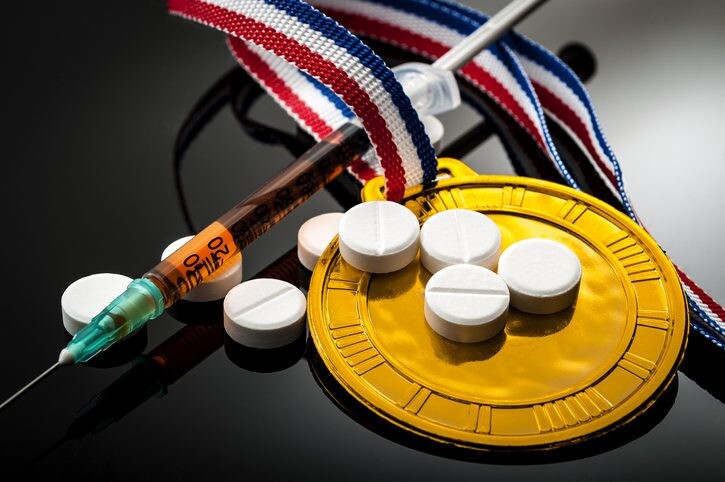
The doping-approved Enhance Games has received a huge financial boost from the co-founder of PayPal, Peter Thiel, and cryptocurrency investor Christian Angermayer among other billionaires.
Aron D’Souza, the man behind the doping-enthused Enhanced Games, has revealed he received millions of dollars in financial backing for his entrepreneurial idea a year and a half before his first planned Games in 2025.
As per the Canadian Running Magazine, D’Souza revealed that German-American billionaire and co-founder of PayPal, Peter Thiel, has invested a “single-digit million-dollar number” into the Enhanced Games.
He disclosed that Thiel isn’t the only investor on board since cryptocurrency investor and billionaire Christian Angermayer and Balaji Srinivasan, former CTO of crypto exchange Coinbase, have also invested in his idea.
Meanwhile, D’Souza wants to provide an alternative to what organizers perceive as a ‘corrupt Olympics’ and he openly criticizes the International Olympic Committee (IOC) for its alleged exploitation of athletes, lack of payment of athletes, and rejection of “enhanced” world records.
On their website, they openly speak about using science and focusing on core sports, aiming to break world records and ensure fair compensation for athletes.
They insist that performance-enhancing drugs, when used responsibly, can significantly enhance training outcomes and allow athletes to reach their full potential.
“The Olympic Games are this ancient model reinvented by a colonialist aristocrat in 1896 for the Victorian world.
“We need to design a modernized Games for social media [like TikTok and Instagram] and broadcast television for short attention spans,” he added.
The Enhanced Games will focus on a limited number of events that are of high interest, like track and field, and swimming.
“The core focus of the Games is breaking world records. We only want athletes who have the potential to break world records in sports that actually matter. And so by having a much narrower set (of events), we can deliver much more cost-effectively,” he said.
Speaking about the prize money, the Enhanced Games competitors will be paid a base rate for competing, with bonuses for winning events and setting world records.
“We anticipate there’ll be multi-million-dollar prize pools for breaking world records. We have to create real incentives for athletes to jump ship from this very established prestigious system,” he added.
by Abigael Wuafula
Login to leave a comment
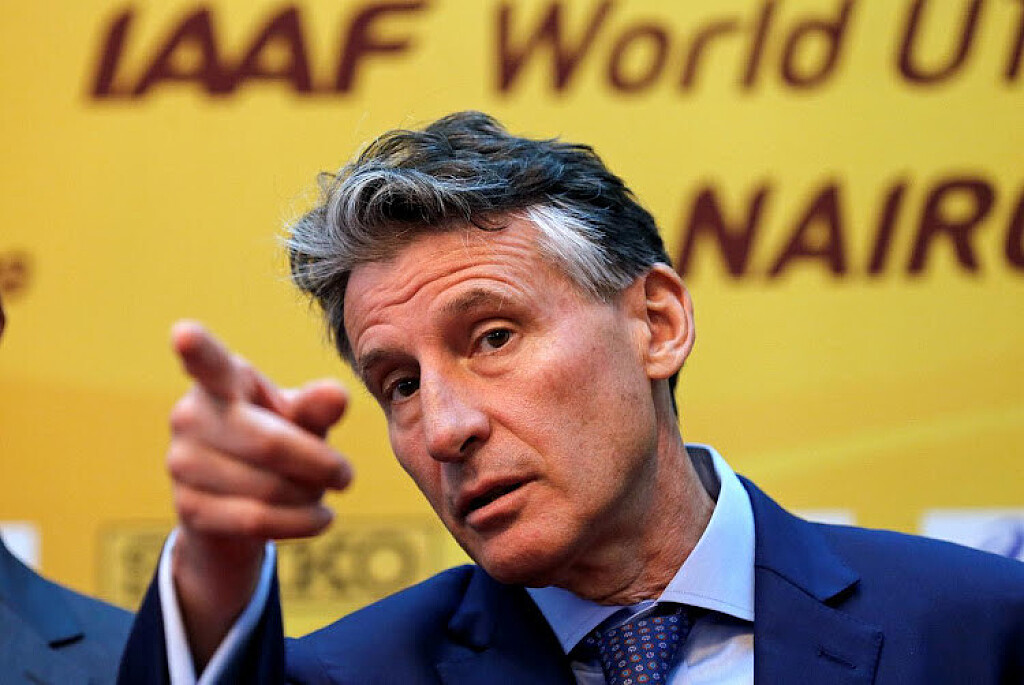
Sebastian Coe says Russia, Belarus still banned, but situation could change
Athletes from Russia and Belarus are still banned from athletics events at the 2024 Paris Olympic Games, but World Athletics president Sebastian Coe said on Monday that the situation could change, and that a working group is monitoring it.
Earlier this month, the International Olympic Committee (IOC) approved the participation of Individual Neutral Athletes (AINs) at next year’s Olympics.
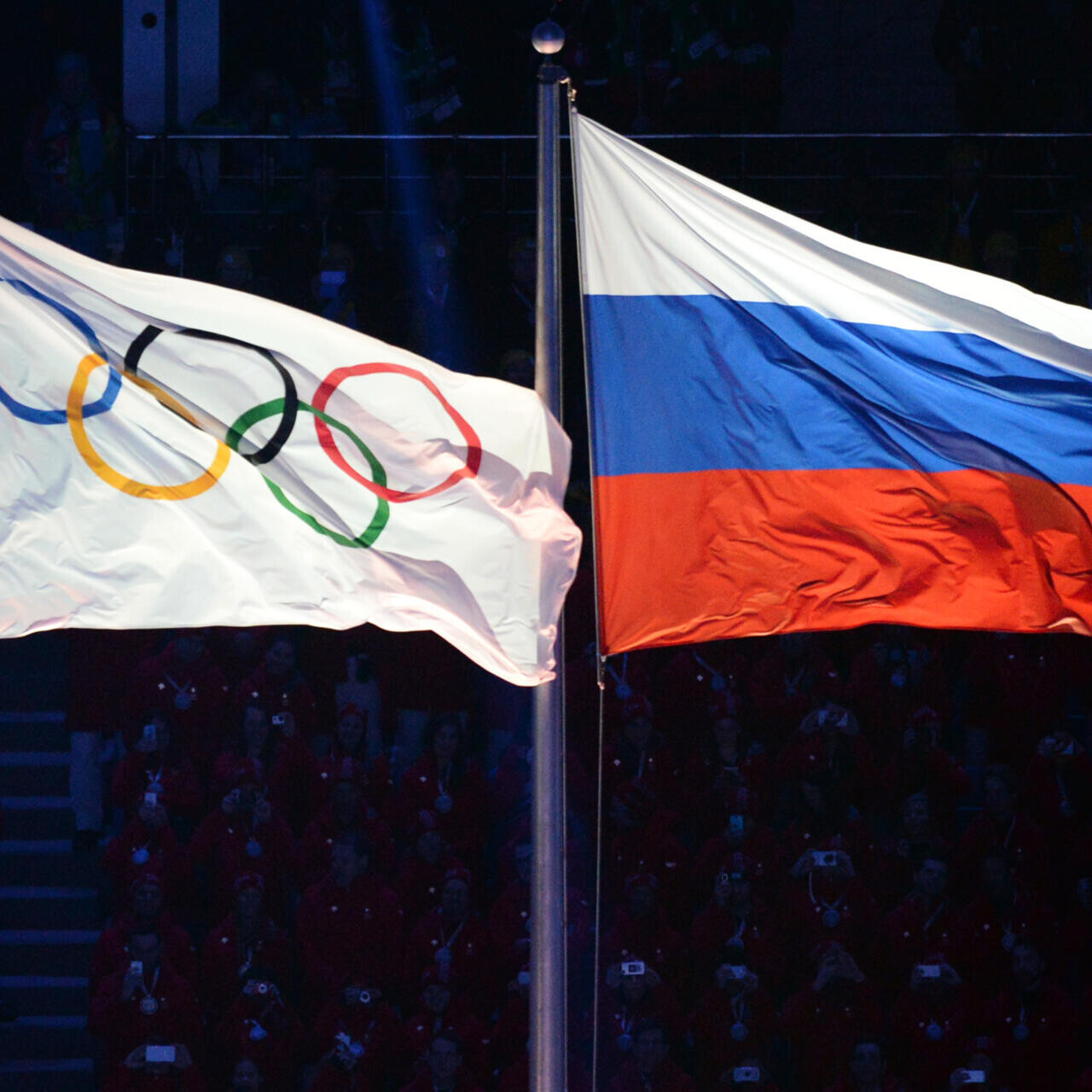
Athletes holding a Russian or Belarusian passport who have secured their places through existing qualification systems on the field of play will be deemed eligible to compete at Paris 2024, following specific conditions.
World Athletics, however, decided to stick to the blanket ban despite the IOC’s decision.
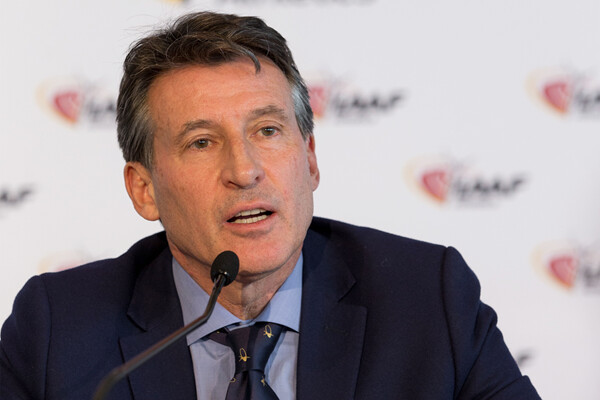
Athletes from both countries have faced a multitude of sanctions from international competitions since the conflict in Ukraine began in February 2022.
During a media call with agencies including Xinhua on Monday, Coe confirmed “there is no change [to the ban]”, but expressed hope that the sanctions could be lifted.
“The most important thing is that the autonomy and independence of international federations to make these judgements is really important. We made a judgement which we believe was in the best interest of our sport,” he said.
“Do I see anything changing in the foreseeable future? I don’t know. The world changes every five minutes, the situation could change. We do have a working group that is monitoring the situation within the sport, and it will advise and guide the Council on what circumstances might need to exist for any exclusion to be lifted,” Coe added.
Coe also expressed his confidence in the competitiveness of the athletics competitions in Paris, following a “stupendous” season that has seen 23 world records and nine world U20 records broken in 2023.
“The one word I would use [to sum up the 2023 season] is stupendous,” he said. “I can’t remember a season that has delivered more high quality performances across a broader bandwidth of disciplines.”
“Everywhere you look, you have the potential for some extraordinary head-to-heads in the sport, in pretty much every discipline,” added Coe.
Login to leave a comment
Paris 2024 Olympic Games
For this historic event, the City of Light is thinking big! Visitors will be able to watch events at top sporting venues in Paris and the Paris region, as well as at emblematic monuments in the capital visited by several millions of tourists each year. The promise of exceptional moments to experience in an exceptional setting! A great way to...
more...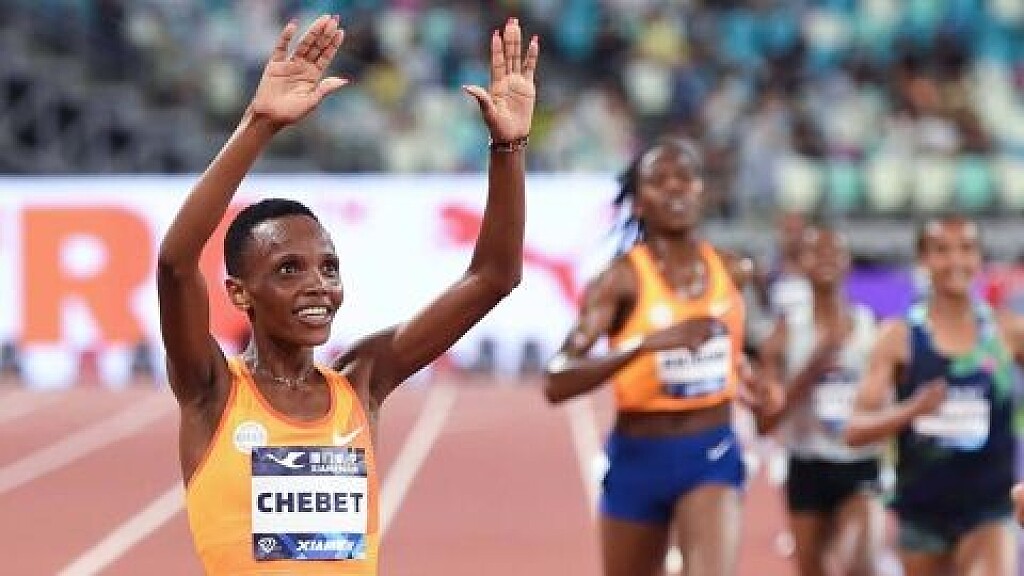
Chebets sets focus on 2024 Olympic Games after stellar season
Commonwealth Games 5000m champion Beatrice Chebet has said she has honed her skills sufficiently to secure a podium finish at the 2024 Paris Olympic Games.
Chebet, who blazed to the bronze medal in her specialty at the Budapest World Championships in July, said she is ready to secure the coveted gold at the quadrennial global extravaganza that will be held in July and August.
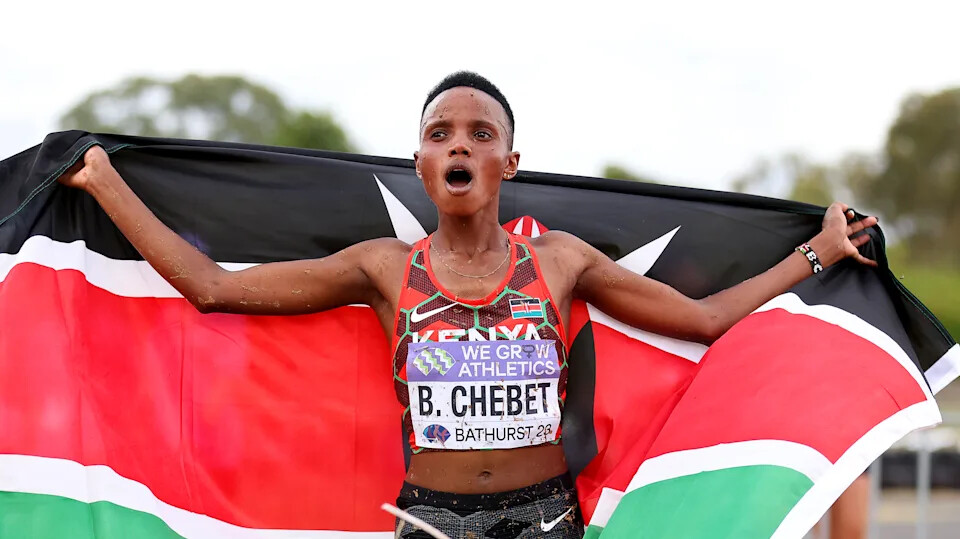
"I have prepared well for the Olympics and I'm grateful for the fine form I've accomplished this year," Chebet said in an exclusive interview.
"Winning an Olympic medal is everyone's dream and I am no different," she added.
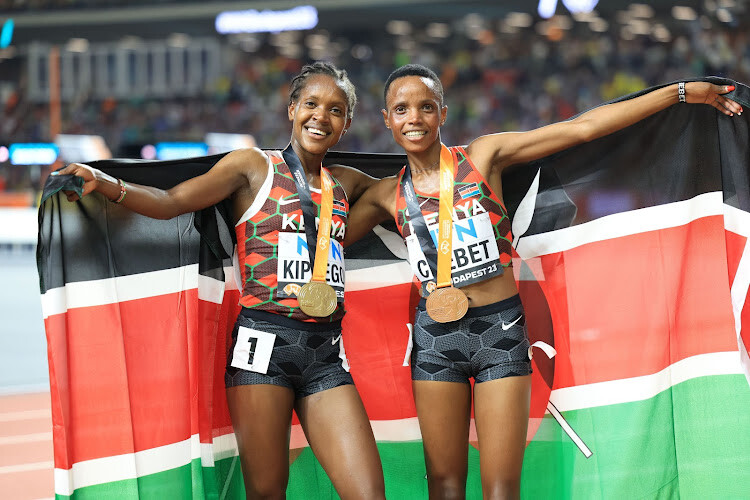
Chebet spoke a couple of days after storming the gold medal in the 5km race at the inaugural World Road Running Championships held in Riga on Sunday.
The victory confirmed her status as a dominant force on the international front.
She cruised through the course in an amazing 14:35 to register the fifth fastest time in the history of the 5km road race ahead of compatriot Lilian Rengeruk, and Ethiopia's Ejgayehu Taye, who settled for the silver and bronze medals respectively.
The victory further embellished her rich trophy cabinet which also boasts a gold bagged at the World Cross Country championship held in Bathurst, Australia in February.
Chebet said the presence of compatriot Faith Kipyegon in the race is a great source of inspiration, adding that she is not quaking in the boots at the mere thought of facing her over the distance.
Despite crashing to Kipyegon and Sifan Hassan of The Netherlands in the 5000m at the World Championships in Belgrade, Hungary, Chebet said she will do her best to reclaim her bragging rights in the 12-lap race.
"It will make the race all the more interesting and I believe the country is bound to benefit immensely if we field a strong team in Paris," Chebet said.
"Her presence in the race will also take the competition a notch higher," she added. The International Olympic Committee (IOC) approved Kenya's request to field Kipyegon in both the 1500m and the 5000m races at the upcoming Paris Games.
by Tony Mballa
Login to leave a comment

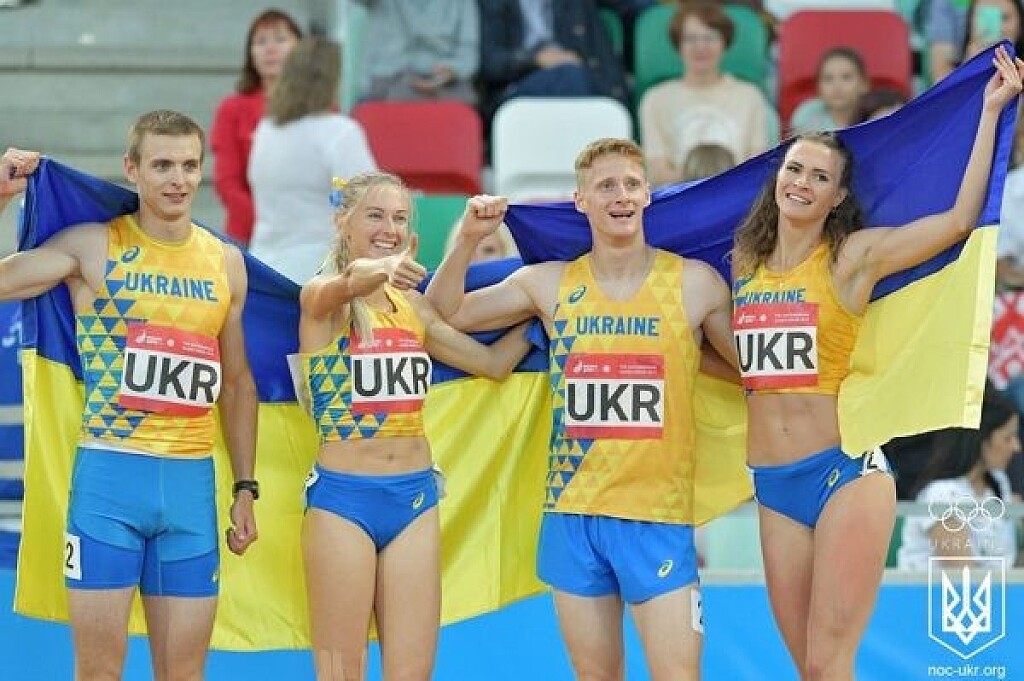
Ukrainian team prepares for World Athletics Championships
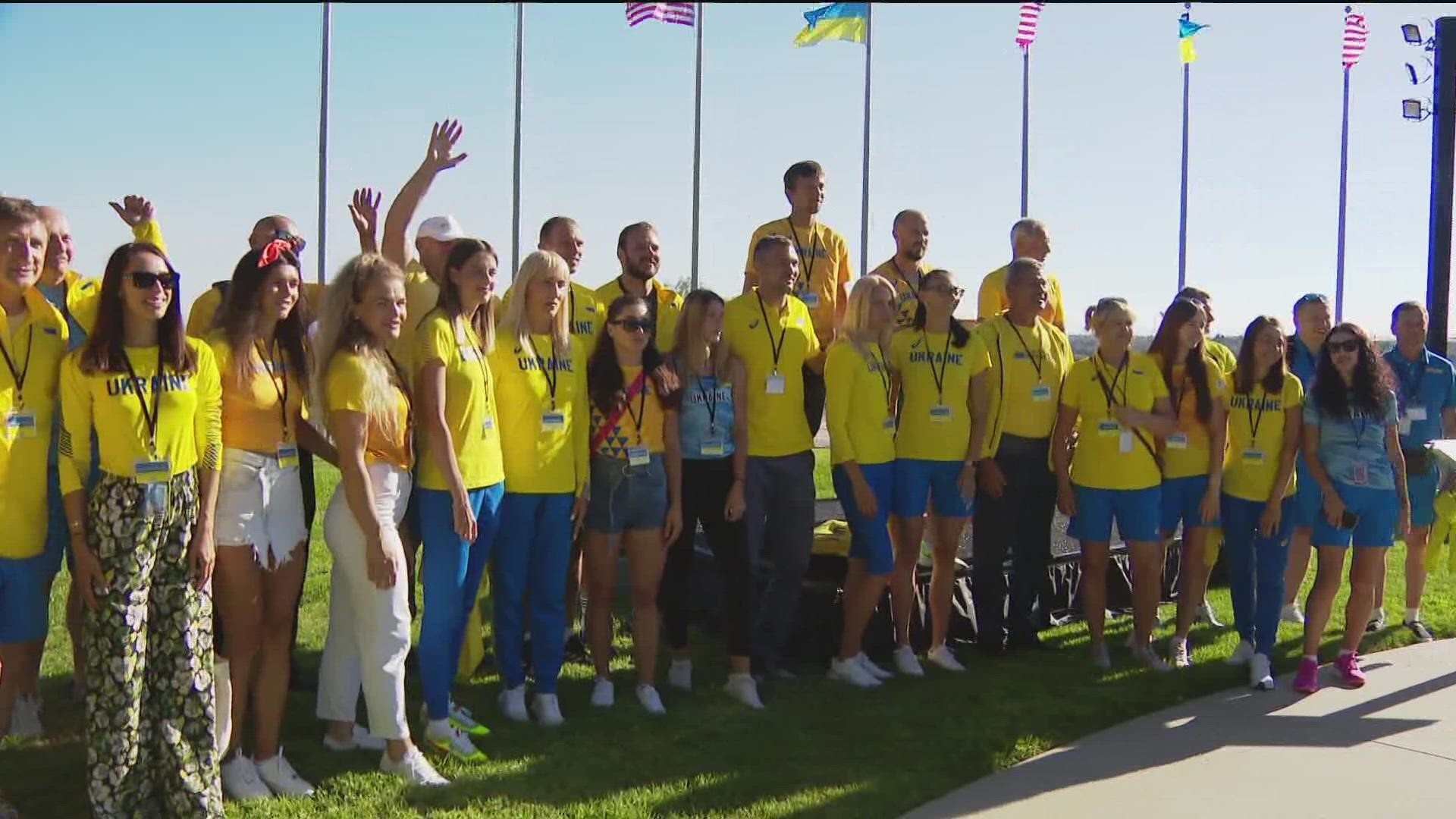
The Ukrainian athletics team will gather in Slovakia this week for a final training camp before travelling to Hungary for the World Athletics Championships Budapest 23, starting in less than three weeks (August 19).
World Athletics’ Ukraine Fund and the International Olympic Committee’s Solidarity Fund have combined to provide training camp accommodation for 40 athletes and officials in Banska Bystrica, Slovakia, which will allow Ukraine’s top athletes to complete their final preparations for their most important competition of the year.
World Athletics has provided additional accommodation for three athletes and their families for an extended period in Bankska Bystrica, from 1 June to 30 September.
World Athletics President Sebastian Coe said: “We understand how important and inspirational Ukraine’s athletes are to their country at this terrible time and we want to give them every opportunity to compete and excel, despite the great hardship being visited on them and their communities by this horrific war. They have lost so much and the least we can do is help them to keep their athletics dreams alive. I am full of admiration for their fortitude and resilience and I am looking forward to welcoming the Ukrainian team to the National Athletics Centre in Budapest in the coming weeks.”
The general secretary of the Ukrainian Athletic Association Iolanta Khropach offered her “heartfelt thanks” for the “important financial assistance provided during this terrible war in our country”.
“Your unwavering belief in us has made a profound impact on the life of our team and the opportunities to prepare for world-class competitions,” she said. “Thanks to your support, we have been able to provide the best athletes of the Ukrainian team with the necessary conditions on the final stage of the preparation to the World Athletic Championships in Budapest to achieve their sports goals. We are happy to see your willingness to lend a helping hand in difficult times for us during the war.”
World Athletics and the US Olympic and Paralympic Committee funded a similar programme to help the Ukrainian team prepare for the World Athletics Championships Oregon22 last year, where two athletes emerged as medallists. World indoor champion Yaroslava Mahuchikh won the silver medal in the women’s high jump and Andriy Protsenko won bronze in the men’s high jump.
The IOC contributed an additional US$20,000 to support the Ukrainian team at the World Athletics U20 Championships in Cali last year.
Through its Ukraine Fund, World Athletics distributed more than US$220,000 last year to support Ukrainian athletes preparing for the World Championships and the World Athletics U20 Championships in response to the crisis caused by Russia’s invasion of Ukraine, and is distributing a further US$190,000 this year to support Ukrainian athletes preparing for Budapest.
This fund was launched by World Athletics, the Member Meetings of Diamond League Association and the International Athletics Foundation in April 2022 with the purpose of assisting professional athletes, immediate family members and their support personnel affected by Russia’s invasion of their home country.
This is in addition to the Solidarity Fund of US$7.5 million established by the International Olympic Committee (IOC) in February 2022 to support Ukrainian athletes and the Ukrainian Olympic community.
by World Athletics
Login to leave a comment

World Athletics Championships Budapest 23
From August 19-27, 2023, Budapest will host the world's third largest sporting event, the World Athletics Championships. It is the largest sporting event in the history of Hungary, attended by athletes from more than 200 countries, whose news will reach more than one billion people. Athletics is the foundation of all sports. It represents strength, speed, dexterity and endurance, the...
more...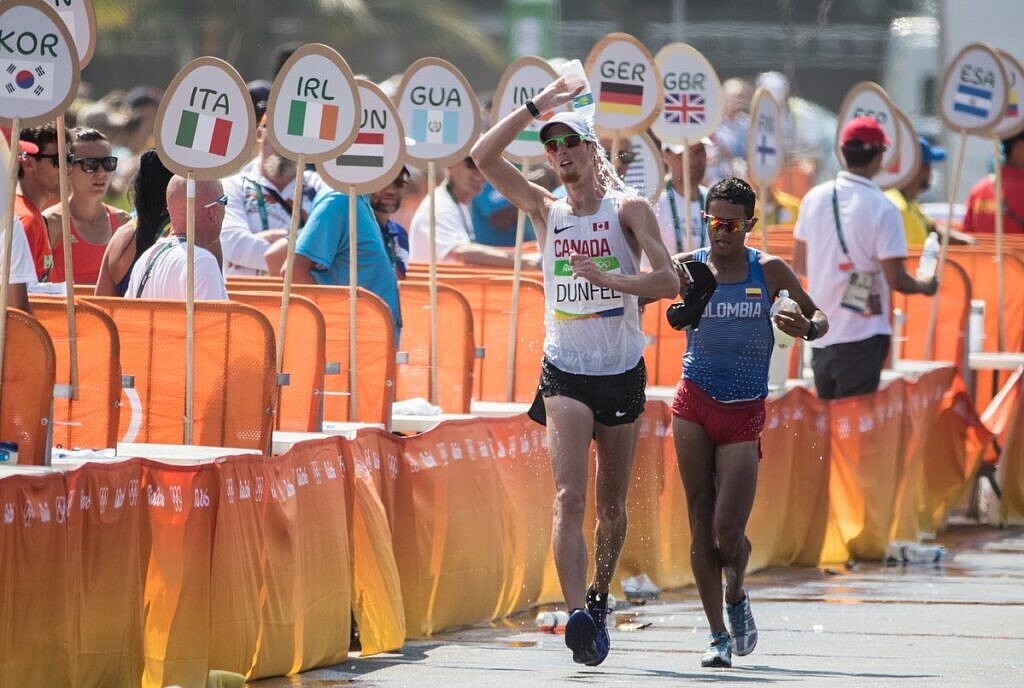
Paris Olympics introduces new mixed relay race-walking marathon
On April 8, World Athletics and the International Olympic Committee (IOC) announced a new Olympic event in athletics that will debut at the 2024 Olympic Games in Paris.
The new event is the race walk marathon mixed relay, which will feature 25 teams, each comprising one male and one female athlete, who will complete the marathon distance (42.195 km) in four alternating legs of 10.54 km.
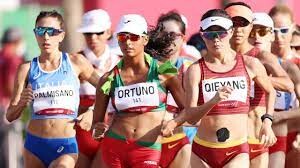
The event, scheduled to take place at 7.30 a.m. on Aug. 7, 2024, will be held on the same course as the individual race walking events at the foot of the world’s iconic Eiffel Tower.
The relay event will replace the men’s 50 km race walk, which was dropped following its last appearance at the 2020 Olympics in Tokyo. The 50 km race walk had appeared on every Olympic program since the event made its debut at the 1932 Olympics in Los Angeles (apart from Montreal 1976).
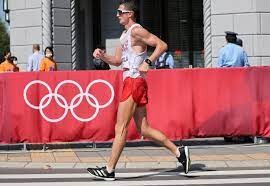
World Athletics had proposed the inclusion of the women’s 50 km event, but the IOC rejected the idea, which led to a consultation between the IOC and World Athletics on this new mixed-gender relay event.
Canadian Olympian and the reigning Olympic 50 km bronze medallist, Evan Dunfee, was unhappy to hear the news regarding the new event, especially after the 50 km race was cut for a more gender-balanced competition.
“In 2017, we were told there was no way to have a women’s 50 km walk in Tokyo because it was ‘impossible’ to change the program three years out. Now, less than 500 days away from the start of the 2024 Olympics, we’ve had our event completely changed,” Dunfee said on Twitter. “There is no endurance event for the race walk, which is what the event needs to be to make any sense.”
The current Olympic race walk program for the Paris Games has two individual 20 km race walk events and the mixed marathon relay.
When asked about the future of the sport, Dunfee shared, “Sadly, I suspect by Brisbane 2032, race walking will cease to exist.”
by Marley Dickinson
Login to leave a comment
Paris 2024 Olympic Games
For this historic event, the City of Light is thinking big! Visitors will be able to watch events at top sporting venues in Paris and the Paris region, as well as at emblematic monuments in the capital visited by several millions of tourists each year. The promise of exceptional moments to experience in an exceptional setting! A great way to...
more...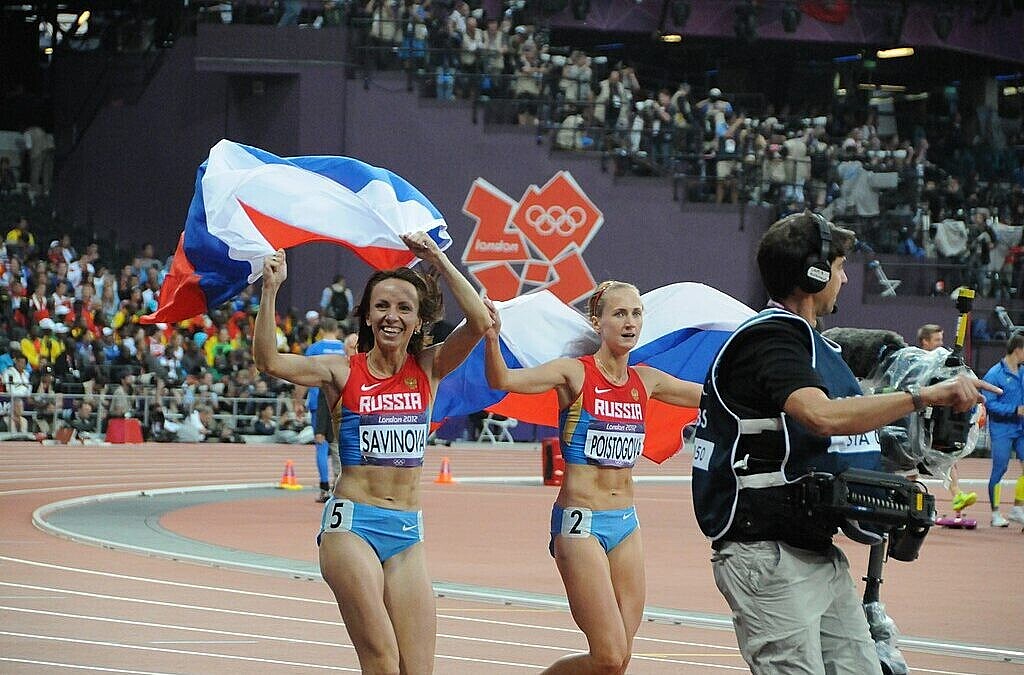
Russian doping ban lifted, but Ukraine war keeps athletes out
Russia and its athletes will remain banned from competition due to the ongoing invasion of Ukraine.
On Thursday afternoon, the World Athletics Council announced the reinstatement of the Russian Athletics Federation (RusAF) following a seven-year doping suspension. Despite their reinstatement into the sport, however, Russia will remain banned from competition due to its ongoing invasion of Ukraine.
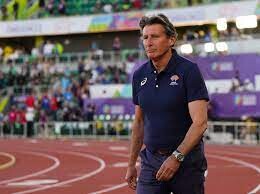
“Athletes and officials for Russia and Belarus are still excluded for the foreseeable future due to the invasion of Ukraine,” said World Athletics president Seb Coe.
In the case that Russia decides to leave Ukraine, Coe says his instinct is that the ban would be reversed, allowing Russian and Belarusian athletes to participate in all World Athletics events.
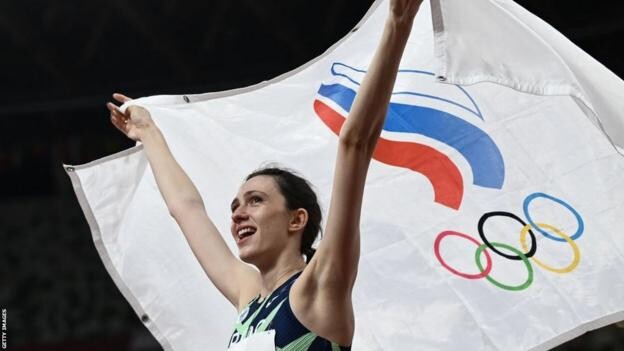
According to Rune Andersen, who served as the head of the World Athletics Task Force around reinstating the RusAF, told the WA Council that all required conditions have ultimately been met. RusAF has also accepted the ruling stating that there must be no backsliding from the new position.
“I believe RusAF still has a lot of progress to be made,” said Coe. RusAF has to follow 35 “special conditions” intended to ensure that anti-doping reforms remain in place, and continue to operate effectively. These special conditions will continue to be reviewed over the next three years.
The RusAF has been suspended from competing in World Athletics events since 2015 due to multiple doping violations. They are currently not eligible to host World Athletics events or send teams to international championships due to the World Athletics sanctions for the invasion of Ukraine.
“The integrity of our major international competitions has already been substantially damaged by the actions of the Russian and Belarusian governments through the hardship inflicted on Ukrainian athletes and the destruction of Ukraine’s sports systems,” said Coe in a press release. “Russian and Belarusian athletes, many of whom have military affiliations, should not be beneficiaries of these actions.”
The World Athletics stance on Russia continues to contrast with that of the International Olympic Committee (IOC), which is working to allow Russian and Belarusian competitors to participate in international competition and the Paris 2024 Games, as neutral athletes.
The reinstatement of RusAF was one of four noteworthy announcements to come from the 2023 World Athletics Council meetings.
by Running Magazine
Login to leave a comment
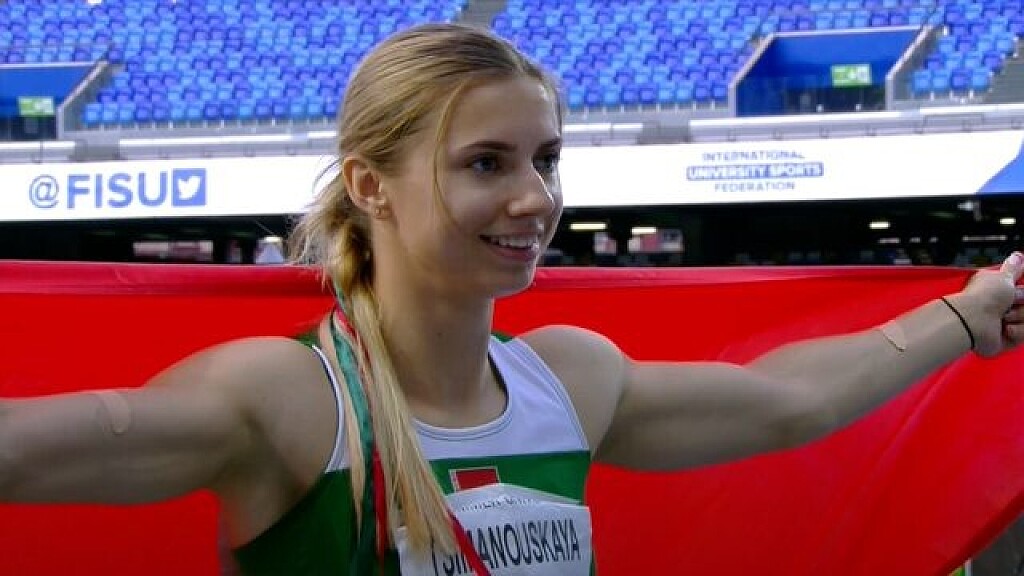
Belarusian coach charged after 2020 Olympics defection scandal
Belarusian coach Yury Maisevich was charged by the AIU for the defection of Belarus sprinter Krystsina Tsimanouskaya during the Tokyo Olympics.
On Thursday morning, the Athletics Integrity Unit (AIU) laid charges against Belarusian coach Yury Maisevich for his treatment of sprinter Krystsina Tsimanouskaya, who defected to Poland during the Tokyo 2020 Olympics.
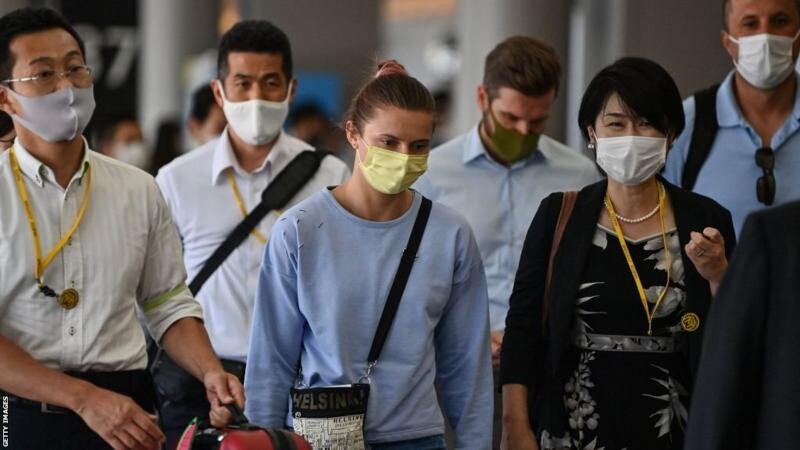
One day before Tsimanouskaya was due to compete in the women’s 200m at the Tokyo Olympics, she accused officials from the Belarus Olympic Committee of forcing her to compete in the 4x400m relay without her consent. She complained about the situation in a video on social media, which led to criticism by the Belarus media, which claimed she lacked team spirit.
She was forced to miss her 200m race because of the incident. The next day she was taken to Tokyo’s Haneda Airport and sent home, but she refused to board the flight back to Belarus.
The national team coach, Maisevich, and Belarusian Olympic official Artur Shumak both had their accreditation revoked by the International Olympic Committee (IOC) after Tsimanouskaya claimed she was taken to the airport against her will. She sought help from the police in Japan; two weeks later, Tsimanouskaya, 26, received a humanitarian visa to Poland and safe passage to the country, which borders Belarus. She later became a Polish citizen, and is currently studying at the Józef Piłsudski University of Physical Education in Warsaw.
In Sept. 2021, IOC and World Athletics referred the matter to the AIU, charging Maisevich with breaching standards outlined in the Integrity Code of Conduct.
The AIU is an independent body created by World Athletics to manage all integrity issues (both doping-related and non-doping-related) for the sport of athletics.
The head of the AIU, Brett Clothier, explained in a press release: “An important role of the AIU is to safeguard athletes and protect them from harassment.”
The AIU alleges that, with respect to the circumstances of Tsimanouskaya’s removal from the Olympics, “Maisevich did not act with integrity and acted in bad faith; failed to safeguard the athlete’s dignity and his actions constituted verbal and mental harassment; and that he brought athletics generally into disrepute.”
The AIU has not revealed the specifics of the charge and the implications for Maisevich’s future in the sport are not clear.
by Marley Dickinson
Login to leave a comment

You cannot perform well in a polluted environment Says Eliud Kipchoge
Protecting the environment is a priority for many in 2023, and athletes like Eliud Kipchoge are leading the way.
In 2020, the Kenyan double Olympic gold medalist and world record holder adopted 50 hectares of forest land in the Kaptagat Forest near where he spends most of the year training at high altitude.
“If you train in a polluted environment, then you cannot perform,” marathon great Kipchoge told the BBC from his homeland.
“Kaptagat Forest made a huge difference in my career. I’ve been here for the last 20 years and without this forest, and staying in the area, I think that I could not be where I am today.”
“I realized that the only way to perform and to actually enjoy running is by training in a good place, breathing clean air.”
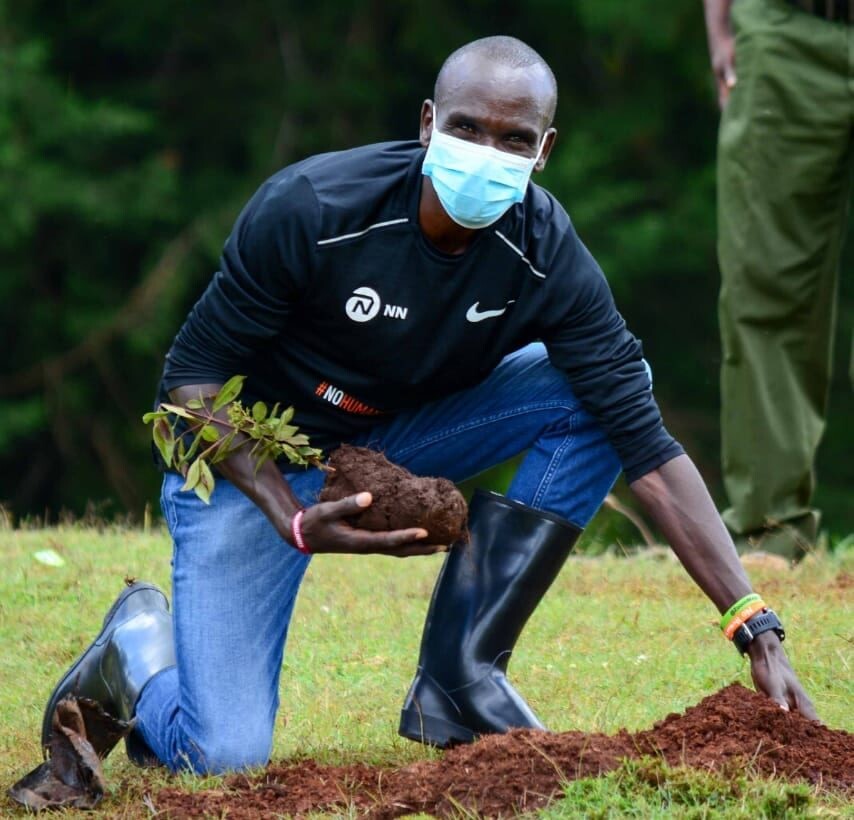
A year later, the distance-running great decided to create a foundation that focused on education and the environment, including planting trees.
To date, Kipchoge has adopted 130 hectares of forest, and claims that it’s ‘just the start’.
His wider goals include adopting a forest in every country in which he would plant indigenous trees.
Kipchoge revealed the principles he employs in his daily routine in order to help protect the environment, in an interview with Olympics.com for Earth Day 2022:
“Every day is Earth day for me,” Kipchoge told Olympics.com.
“I have improved my lifestyle to help fight climate change. I walk more, I minimize my water usage and I always try to encourage others to plant a tree on an important day or anniversary.
"My daily green effort is walking. I walk as much as I can instead of driving everywhere, so I can minimize my emissions."
Creating Africa’s Olympic Forest
Protecting the environment is also an area of focus for the International Olympic Committee (IOC).
In 2021, the IOC started an initiative to grow 590,000 native trees across approximately 90 villages in Mali and Dakar 2026 Youth Olympic Games host nation Senegal.
The Olympic Forest is an important element of the IOC’s strategy to address climate change, which includes cutting emissions in line with the Paris Agreement, and reducing the impact of the organisation’s footprint. With an end-goal to become climate positive, the IOC is set to cut its emissions 30 percent by 2024 and 50 percent by 2030, and compensate more than its remaining emissions.
While planting trees will help to protect the environment, the project also aims to create wider social and economic benefits for communities in Mali and Senegal that are heavily impacted by droughts and floods.
Login to leave a comment
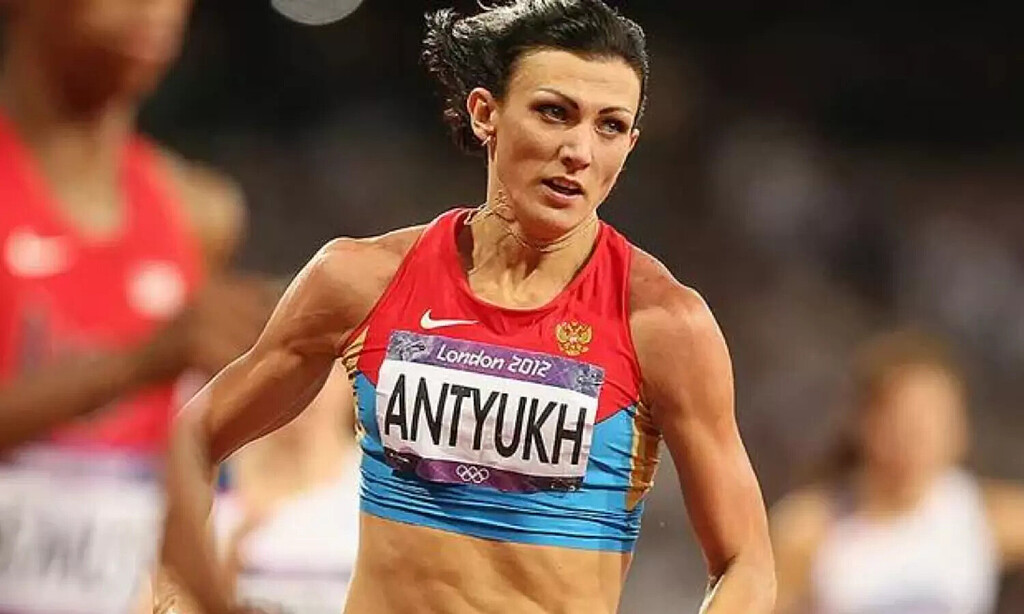
Russian Natalya Antyukh officially loses London 2012 gold after not appealing doping sanctions
Russia's Natalya Antyukh has had her results from the 2012 Olympic Games in London officially disqualified, allowing a reallocation of medals from the women's 400 metres hurdles final, more than 10 years later.
Antyukh had her results from the Games officially disqualified in October, but was allowed time to appeal the decision.
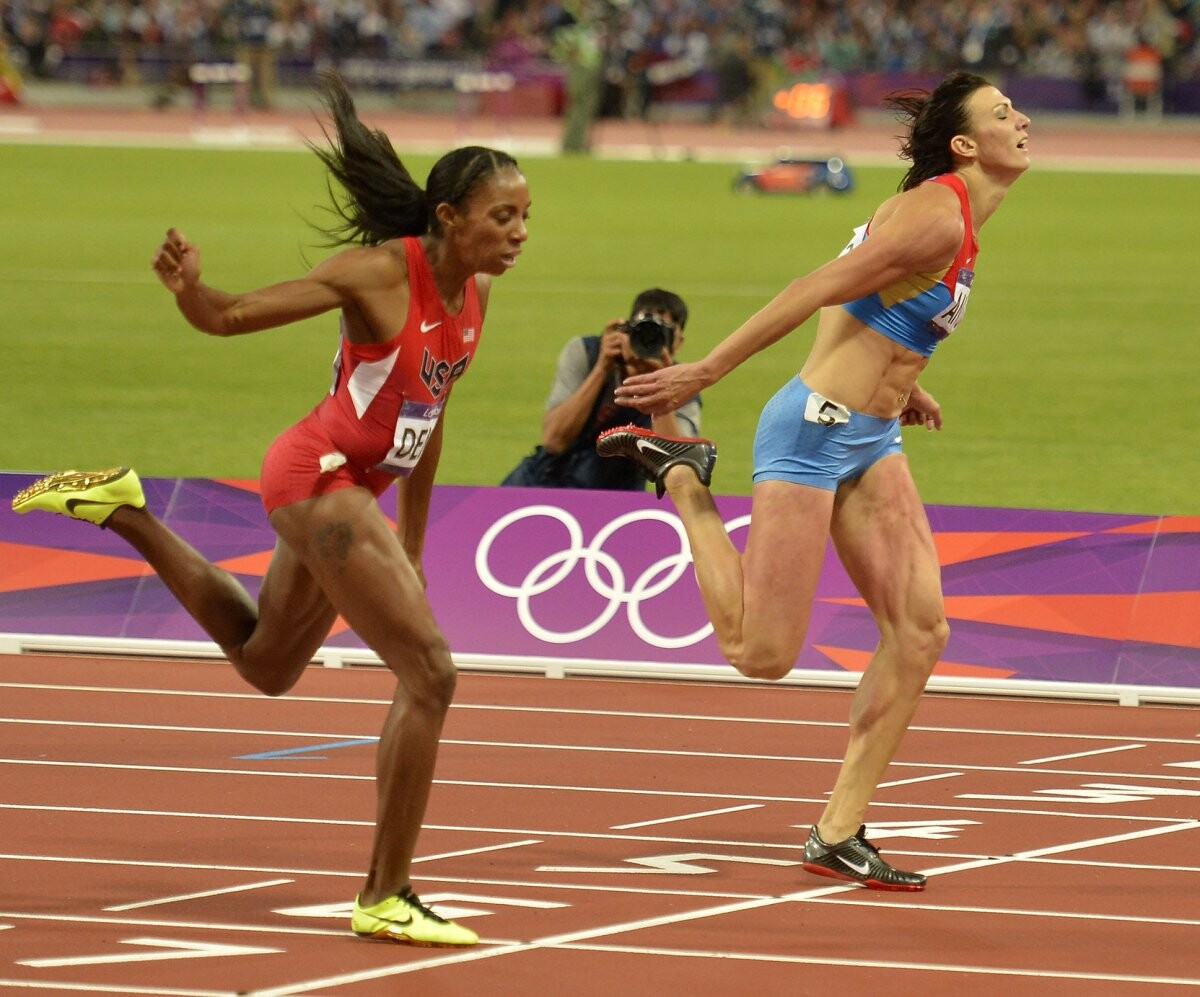
Following the expiration of the 45-day deadline, she had all results from July 15 in 2012 to June 29 the following wiped from her record, including the gold medal-winning run at London 2012.
This means Lashinda Demus from the United States is set to be awarded the gold medal retrospectively.
Demus was pipped in a photo finish with Antyukh in the final, with the Russian crossing the line in 52.70sec to the American's 52.77.
Czech Republic's Zuzana Hejnová, who would go on to win back-to-back World Championships titles in 2013 and 2015, has been promoted to silver, while Jamaican Kaliese Spencer will receive the bronze medal.
The Athletics Integrity Unit (AIU) charged the hurdler based on historical data at the former World Anti-Doping Agency (WADA)-accredited laboratory in Moscow.
Antyukh, now 41, was given a four-year-ban last year and had already had results wiped from June 30 in 2013 to December 31 in 2015.
World Athletics has changed its results on its website, with the AIU confirming in a statement that the International Olympic Committee (IOC) could now award the medals as planned.
"The IOC may now proceed with the reallocation of medals and the update of the IOC database," read the AIU statement.
"The AIU remains committed to investigating all cases of potential violations and securing the appropriate outcomes.
"The integrity of the sport of athletics is our utmost priority and we are pleased, in this instance, that athletes who competed fairly at the highest level will ultimately be acknowledged as the rightful medal winners."
AIU head Brett Clothier added that it was important to ensure "clean and fair competition and results, even if a decade later".
Antyukh is one of a record 46 Russian competitors at London 2012 disqualified for doping, leading to the country being stripped of 17 medals, including nine in athletics.
She also won silver in the women's 4x400m relay at London 2012, but this medal was already stripped six years ago when her team-mate Antonina Krivoshapka was given a doping ban and her results were disqualified.
Her results are not disqualified from before July 2012, meaning her 2011 world bronze and 2010 European gold medals - as well as her Athens 2004 400m bronze - still remain in her possession.
by Michael Houston
Login to leave a comment
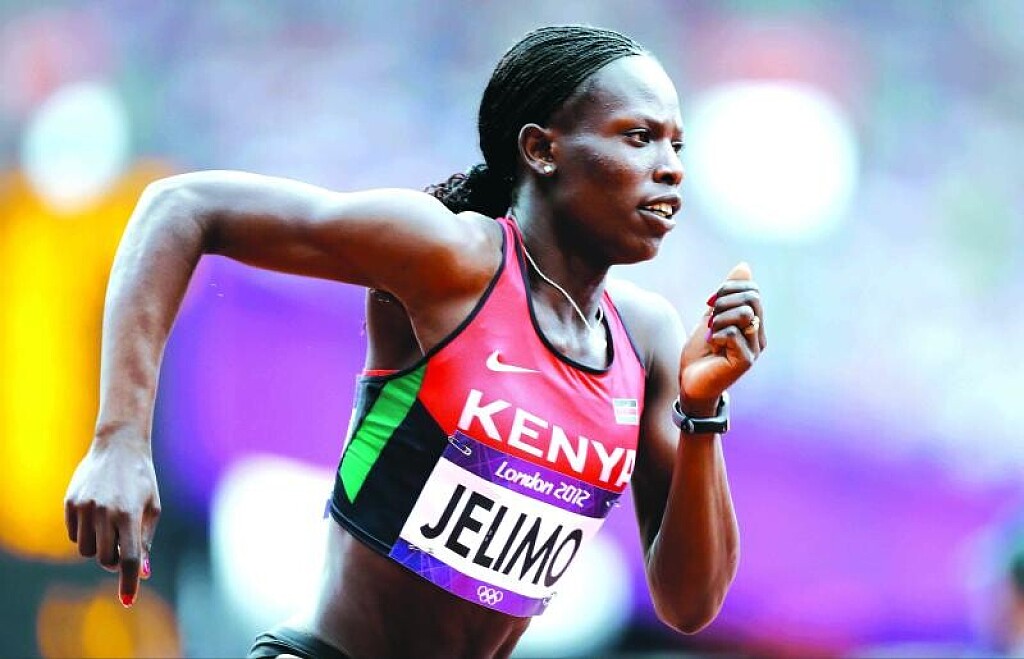
10 years later: Pamela Jelimo to receive London Olympics bronze
Though out of the public limelight, the history-making Pamela Jelimo is still winning.
Jelimo, the first Kenyan woman to win an Olympic gold medal with her exploits in 800m at the 2008 Beijing Summers Games, is set to receive yet another medal.
Jelimo, the 2008 Africa 800m and 2012 World Indoor 800m champion, who finished fourth in one minute and 57.59 second set to benefit after race winner Mariya Savinova from Russia, was stripped of the gold medal for doping.
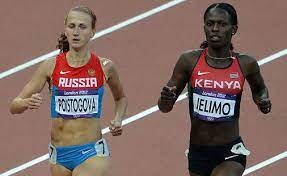
Jelimo, who celebrated her 32nd birthday on December 5, is set to receive her bronze medal from the 2012 London Olympic Games on Wednesday at the National Olympic Committee of Kenya (NOC-K) office, Gallant House, Nairobi.
Legendary Kipchoge Keino, who is an International Olympic Committee (IOC) member alongside NOC-K president, Paul Tergat, will preside over the presentation ceremony.
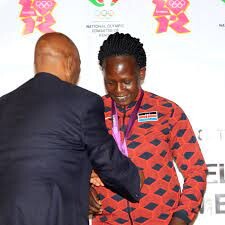
South Africa’s Caster Semenya and another Russian Ekaterina Poistogova, who had settled for silver and bronze, were scaled to gold and silver with their times of 1:57.23 and 1:57.53 respectively.
Kenya’s 2007 World 800m champion Janeth Jepkosgei, who had settled eighth in the race in 2:00.19 and Hellen Obiri, who came eighth in women’s 1,500m at the same Olympics, will receive their certificates.
Another Russian Elena Arzhakova, who finished sixth in 1:59.21 in the same race was also banned for having doped too.
With Savinova and Arzhakova banned, Jepkosgei, who had settled eighth in the race in 2:00.19 was upgraded to sixth.
On November 9, 2015, the Independent Commission Investigation of the World Anti-Doping Agency (WADA) asked for a lifetime ban for doping for Savinova, who had won gold and Poistogova, who had won bronze.
In February 2017, it was announced that Savinova was stripped of her gold medal but Poistogova was suspended in 2017 for two years, backdated to October 2014. Her London result, though, was not affected.
Alysia Johnson Montaño (1:57.93) from the United States of America and Burundi’s Francine Niyonsaba (1:59.63) finished fourth and fifth in the women’s 800m final.
A record four athletes that finished ahead of Obiri, who had settled 12th, were suspended for doping- Aslı Çakır Alptekin and Gamze Bulut from Turkey, who had won gold and silver respectively, Natallia Kareiva of Belarus, who had finished fifth and Russian Yekaterina Kostetskaya, who came sixth.
Maryam Yusuf Jamal (Bahrain), Tatyana Tomashova (Russia) and Abeba Aregawi (Ethiopia) were all scaled to gold, silver and bronze.
Aregwai, who changed allegiance to Sweden was suspended for doping in 2016.
This is the second time Olympics medals or certificates are being awarded in Kenya years later.
Asbel Kiprop received his gold medal from the 2008 Beijing Olympics in Nairobi in 2011 after the winner, Rashid Ramzi , was flagged down for doping.
by Ayumba Ayodi
Login to leave a comment

ADHD and runners: can diet help with management?
As a sports nutritionist, I commonly counsel runners and other athletes who have Attention Deficit Hyperactivity Disorder—generally referred to as ADHD (or ADD). ADHD is characterized by hyperactivity, impulsivity, and/or inattention. It affects 4-10% of all American children and an estimated 4.4% of adults (ages 18-44 years). ADHD usually peaks when kids are 7 or 8 years old. Some of the ADHD symptoms diminish with maturation but 65-85% of the kids with AHDH go on to become adults with ADHD.
Ideally, runners with ADHD get the help they need to learn how to manage their time and impulsiveness. Unfortunately, many youth athletes with ADHD just receive a lot of negative feedback because they have difficulty learning rules and strategies. This frustrates teammates and coaches. Older athletes with ADHD often run to reduce their excess energy, calm their anxiety, and help them focus on the task at hand. This article offers nutrition suggestions that might help coaches, friends, and parents, as well as runners with ADHD, learn how to calm the annoying ADHD behaviors.

• To date, no clear scientific evidence indicates ADHD is caused by diet, and no specific dietary regime has been identified that resolves ADHD. High quality ADHD research is hard to do because the added attention given to research subjects with ADHD (as opposed to the special diet) can encourage positive behavior changes. But we do know that when & what a person eats plays a significant role in ADHD management and is an important complimentary treatment in combination with medication.
• ADHD treatment commonly includes medications such as Concerta, Ritalin & Adderall. These medications may enhance sports performance by improving concentration, creating a sense of euphoria, and decreasing pain. These meds are banned by the World Anti-Doping Agency (WADA) and the International Olympic Committee (IOC). Hence, runners who hope to compete at a high level are discouraged from taking ADHD medications

• To the detriment of ADHD runners, their meds quickly blunt the appetite. Hence, they (like all athletes) should eat a good breakfast before taking the medication.
• The medication-induced lack of appetite can thwart the scrawny teen runner who wants to gain weight and add muscle. Teens should be followed by their pediatricians, to be sure they stay on their expected growth path. If they fall behind, they could meet with a registered dietitian (RD) with knowledge of sports nutritionist (CSSD) to help them reach their weight goals.
• An easy way for “too thin” runners to boost calories is to swap water for milk (apart from during exercise). The ADHD athlete who does not feel hungry might find it easier to drink a beverage with calories than eat solid food. Milk (or milk-based protein shake or fruit smoothie) provides the fluid the athlete needs for hydration and simultaneously offers protein to help build muscles and stabilize blood glucose.
• A well-balanced diet is important for all runners, including those with ADHD. Everyone’s brain and body need nutrients to function well. No amount of vitamin pills can compensate for a lousy diet. Minimizing excess sugar, food additives, and artificial food dyes is good for everyone.
• Eating on a regular schedule is very important. All too often, high school runners with ADHD fall into the trap of eating too little at breakfast and lunch (due to meds), and then try to perform well during afterschool sports. An underfed brain gets restless, inattentive, and is less able to make good decisions. This can really undermine an athlete’s sports career
• Adults with ADHD can also fall into the same pattern of under-fueling by day, “forgetting” to eat lunch, then by late afternoon are hangry and in starvation mode. We all know what happens when any runner gets too hungry – impulsiveness, sugar cravings, too many treats, and fewer quality calories. This is a bad cycle for anyone and everyone.
• All runners should eat at least every four hours. The body needs fuel, even if the ADHD meds curb the desire to eat. ADHD runners can set a timer: breakfast at 7:00, first lunch at 11:00, second lunch at 3:00 (renaming snack as second lunch leads to higher-quality food), dinner at 7:00.
•For high school runners with ADHD, the second lunch can be split into fueling up pre-practice and refueling afterwards. This reduces the risk of arriving home starving and looking for (ultra-processed) foods that are crunchy, salty, and/or sweet.
• (Adult) runners with ADHD are often picky eaters and tend to prefer unhealthy snacks. For guidance on how to manage picky eating, click here for adults and here for kids.
• Fiber-rich fruits, vegetables, and whole grains can be lacking on an ADHD runner’s food list. Their low fiber diet can lead to constipation. Fiber also feeds the zillions of microbes in their digestive tract that produce chemicals that can positively impact brain function and behavior. Everyone with ADHD should eat more fiber-rich foods like beans (hummus, refried beans in a burrito), seeds (chia, pumpkin, sunflower, sesame), and whole grains (oatmeal, brown rice, popcorn). They offer not only fiber but also magnesium, known to calm nerves.
• With more research, we’ll learn if omega-3 fish oil supplements help manage the symptoms of ADHD. At least, eat salmon, tuna, and oily fish as often as possible, preferably twice a week, if not more.
• Picky eaters who do not eat red meats, beans, or dark leafy greens can easily become iron deficient. Iron deficiency symptoms include interrupted sleep, fatigue, inattention, and poor learning and can aggravate ADHD. Iron deficiency is common among runners, especially females, and needs to be corrected with iron supplements.
• While sugar has the reputation of “ramping kids up”, the research is not conclusive about whether sugar itself triggers hyperactivity. The current thinking is the excitement of a party ramps kids up, more so than the sugary frosted cake. Yes, some runners are sugar-sensitive and know that sugar causes highs and crashes in their bodies. They should choose to limit their sugar intake and at least enjoy protein along with sweets, such as a glass of milk with the cookie, or eggs with a glazed donut. Moderation of sugar intake is likely more sustainable than elimination of all sugar-containing foods.
by Colorado Runner
Login to leave a comment
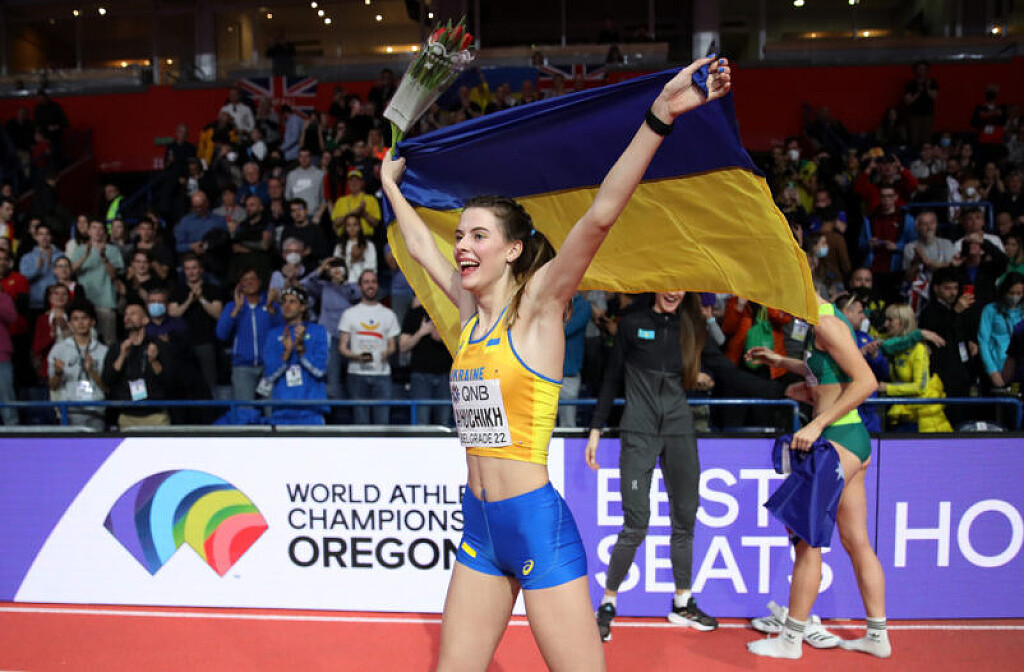
Ukrainian athletes benefit from fund to attend World Athletics Championships
The first group of Ukrainian athletes and coaches depart today (Thursday) for the USA ahead of next month’s World Athletics Championships Oregon22.
World Athletics is distributing more than US$220,000 to support Ukrainian athletes preparing for the World Championships and the World Athletics U20 Championships Cali 22 in response to the crisis caused by Russia’s invasion of Ukraine.
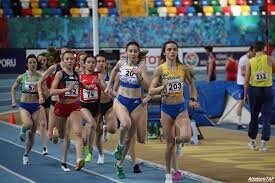
World Athletics, the Member Meetings of Diamond League Association and the International Athletics Foundation launched a Ukraine Fund in April with the purpose of assisting professional athletes, immediate family members and their support personnel affected by Russia’s invasion of their home country.
This was in addition to a Solidarity Fund established by the International Olympic Committee (IOC) in February, which has already allocated about US$2.5 million to the Ukrainian Olympic Community and sports movement.
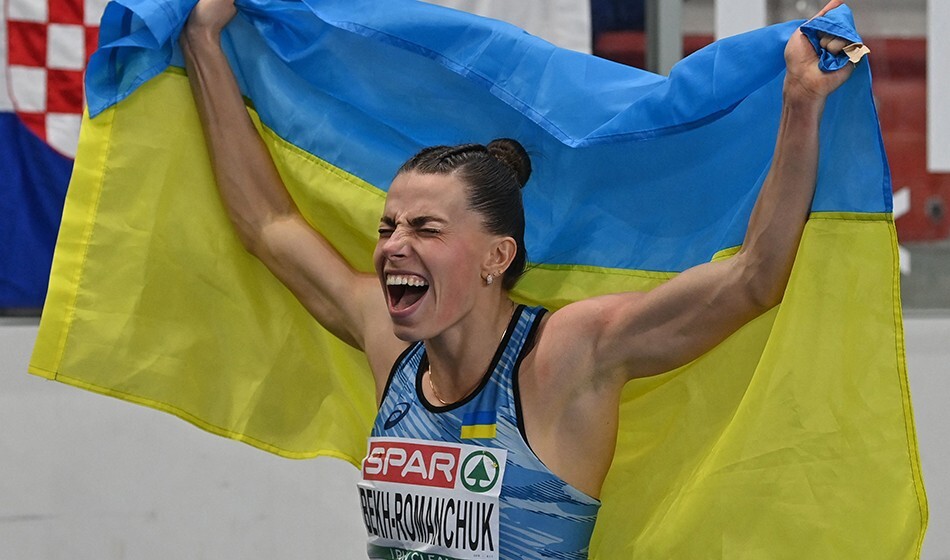
Both funds have enabled the Ukrainian Federation to pay a significant portion of the cost of training camps and competition across Europe for athletes preparing for these major events while a number of European National Olympic Committees, in coordination with the IOC, have provided support too.
The Athletics Ukraine Fund is now being used to fund the entire Ukrainian delegation’s attendance in Oregon.
So far 53 athletes, 25 coaches and officials, and 18 family members including children have received assistance from the Fund.
With the support of the IOC, the Fund will also ensure the Ukrainian team’s attendance at the World U20 Championships in Cali in August.
The IOC and European Athletics also assisted with training camps in Europe while the US Olympic and Paralympic Committee is providing additional support for athletes attending a training camp in California leading into the World Championships.
World Athletics President Sebastian Coe said: ”I am grateful and proud of the way the athletics community and the Olympic community have come together to support the Ukrainian Federation as they try to keep as many athletes as they can in training and competition. My thanks go to everyone involved for their support as these athletes prepare to represent their country while the war continues.”
Iolanta Khropach, General Secretary of the Ukrainian Athletic Association, said the federation was extremely grateful for the support of the combined athletics organisations and the IOC who came immediately to their aid after the invasion.
“They help our athletes to train and compete,” she said. “Without this support, it just would not be possible. This is more than just having good facilities and possibility to perform at World Championships and other events. World Athletics and European Athletics have helped to save the lives of our athletes.
“Many Ukrainian athletes now defend our country with weapons in their hands. Our sports infrastructure is destroyed. World Athletics was one of the first sports organisations in the world that banned Russian and Belarusian athletes and officials. We appreciate it so much and believe in World Athletics' strong position in the future.
“We are grateful to World Athletics and the IOC, as well as to every federation, LOC, other organisations, and individuals supporting us during these challenging times. Now we feel like never before that we are a true athletics family.”
World Athletics would like to thank all those organisations who have made generous contributions to the Ukraine Fund, including Members of the Diamond League Association, the International Athletics Foundation, the IOC, USOPC and PWC France Sport Challenge.
The fund can receive additional contributions at any time until fund closure which is set for 31 December 2023. Funding per beneficiary will be allocated on a needs-basis.
Potential donors to the fund should contact UKRFund@worldathetics.org.
World Athletics is coordinating with the International Olympic Committee’s Solidarity Fund for the Ukrainian Olympic Community to prevent any duplication of efforts.
by World Athletics
Login to leave a comment

World Athletics Championships Budapest23
Budapest is a true capital of sports, which is one of the reasons why the World Athletics Championships Budapest 2023 is in the right place here. Here are some of the most important world athletics events and venues where we have witnessed moments of sporting history. Throughout the 125-year history of Hungarian athletics, the country and Budapest have hosted numerous...
more...
Paris 2024 confirms Seine will serve as venue for city centre Olympic Opening Ceremony
Paris 2024 has announced the Seine will serve as the venue of the Olympic Games Opening Ceremony, with athletes set to travel in boats during a six-kilometre route during the spectacle.
Paris 2024 President Tony Estanguet had suggested the river was under consideration to host the city-centre Opening Ceremony back in March.

Estanguet confirmed at a press conference today that the Paris 2024 Board and the International Olympic Committee (IOC) had approved the location.
The three-time Olympian said the objective was to make the Opening Ceremony more open to everyone, with estimates predicting 10 times more spectators will be able to watch the event compared to its typical stadium setting.
Paris 2024 say thousands of spectators will be able to attend the Opening Ceremony for free, while ticketed zones will also be in operation.
Around 600,000 people are expected to be watch the Ceremony in the capital city.
Organisers say the Seine will be a “runway for athletes”, with delegations set to travel on around 170 boats down the river.
The route will begin at the Pont d'Austerlitz, the bridge located close to the French national library.
The Pont d'Iéna marks the event of the route, with the bridge located next to the Eiffel Tower.
The Trocadéro Gardens will host the finale of the Opening Ceremony, having been the location of the live site during the handover at the conclusion of the Tokyo 2020 Closing Ceremony earlier this year.
Estanguet said the six-kilometre route would allow for full immersion into Paris, with landmarks including the Notre-Dame Cathedral, the Louvre Museum and the Place de la Concorde featuring.
The Paris 2024 President said the location would allow organisers to blend the existing background of the capital with modern creations, claiming the concept provided organisers with “unlimited potential” with what they can achieve artistically.
Artistic direction of the Ceremony is expected to be defined at a later date.
Suggestions include a floating orchestra and projections, with spectators potentially watching from stands on screens located on the water.
Estanguet said Paris 2024 would look to implement ideas used during their previous Olympic Day celebrations, where sporting events have been held within the French capital.
Paris 2024 say 50 meetings have been held with security experts since the start of 2021 on the concept.
It is claimed that no security obstacles have been identified so far.
The Opening Ceremony is scheduled to take place on July 26 in 2024, with the Olympics running until August 11.
“On 26 July 2024, a truly spectacular Opening Ceremony will mean the eyes of the world are on the city, proudly promoting the values of Olympism," said Anne Hidalgo, Paris Mayor.
“The ambitious project, which is the result of intensive collaboration between hundreds of stakeholders, will bring joy to Parisians, Île-de-France residents and tourists alike.
“This Opening Ceremony will mark the history of the Games.
“For the first time ever, rather than being contained in the stadium, it will take place in the heart of the capital.
“Along the quays and bridges of the Seine, against this grand and unique backdrop, the athletes will be carried by a majestic flotilla of boats.
“The ceremony will be accessible to one and all.
“The choice to launch the Paris Games on the Seine is a bold one, which is part of a long-term strategy.
“Beginning with the opening of the embankments to pedestrians in 2016, the idea is to give Parisians and local residents back their river banks, to walk along, engage in sports, or simply admire the beautiful surroundings.
“The Paris 2024 Olympic and Paralympic Games will mark the beginning of a new chapter in this story, with swimming in the Seine itself.”
IOC President Thomas Bach has been a supporter of the idea of a city-centre Opening Ceremony.
This followed the Buenos Aires 2018 Youth Olympics, which saw an Opening Ceremony held on the Avenida 9 de Julio in the Argentinian capital.
Bach said Paris 2024 has recognised the opportunity and challenges of the city-centre spectacle, but expressed his confidence that organisers would be able to hold the event with the security precautions required.
"This Ceremony will be an exceptional experience for all the athletes taking part, but also, and above all, for the people of Paris, for France and for the whole world," Bach said.
"We started discussing this ‘Seine’ option with the Paris 2024 team and its President, Tony Estanguet, after the great success of the Opening Ceremony of the Buenos Aires 2018 Youth Olympic Games.
“There, over 200,000 people gathered around the iconic Obelisk monument.
“We were all inspired by this magical moment, but we also recognised the challenges it could create.
“Today, I am happy that the French authorities on all levels have carefully considered this opportunity and come to the conclusion this will happen, under the premise of all necessary security precautions.
“The IOC has full confidence in the creativity, flexibility and sense of innovation demonstrated, from the beginning, by the Paris 2024 team.
“They will ensure that the Opening Ceremony is a truly unique and emotional Olympic experience for the athletes, who will be surrounded by the public, being welcomed and celebrated by the French people.
“It will be a spectacular spectacle on the Seine.”
Login to leave a comment
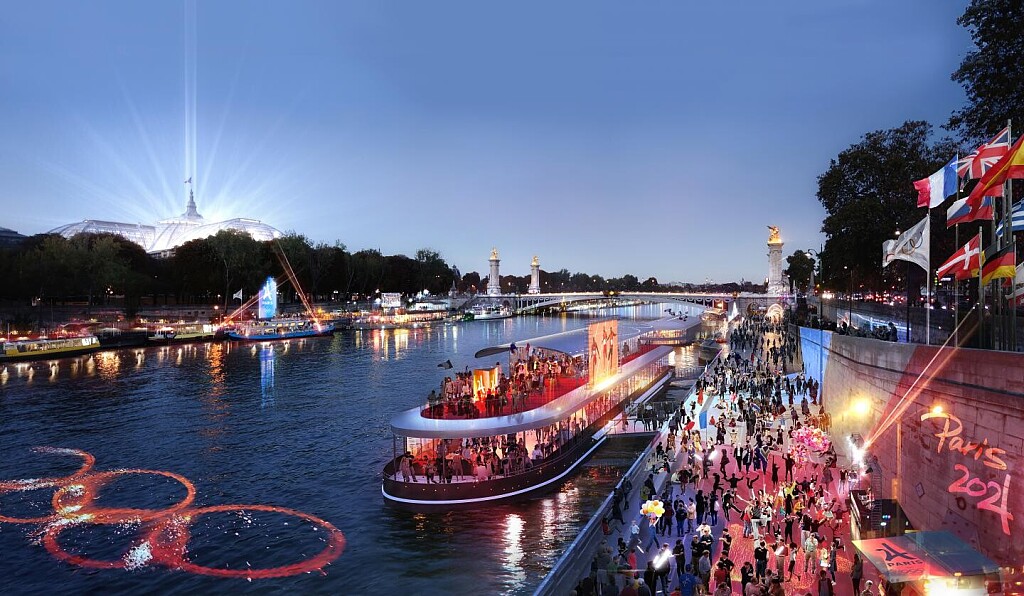
The 2024 Paris Olympic opening ceremony will be held on boats
The Paris 2024 Organizing Committee announced today that the popular river Seine that runs through Paris will serve as the venue to host the 2024 Olympic Games opening ceremony. Athletes are set to travel on a six-kilometre route by boat, as the general public cheers on from the river banks of the Seine.
“The objective was to make the opening ceremony accessible to everyone,” said Tony Estanguet, the Paris 2024 President, in a press conference. Estanguet suggested the idea to hold the opening ceremony on the river back in March.
The location for the ceremony was approved today by the Paris 2024 Board and the International Olympic Committee (IOC).

Since the ceremony is outdoors, the host nation predicts that 10 times more spectators will have access to and watch the event. This is the first time in recent Olympic history that an opening or closing ceremony will be held in an accessible public space.
The Paris 2024 organizing committee plans on having over 600,000 spectators able to attend the opening ceremony free of charge.
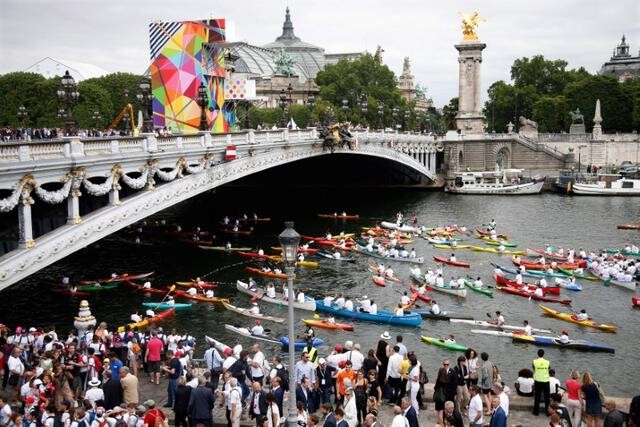
If you are looking for front-row seats on the Seine, they will come at a cost. Organizers mentioned that popular viewing points on the river will be operating in paid ticketed zones.
The concept is a boat party and parade with delegations and athletes set to travel down the river on 170 boats The route will begin at the Pont d’Austerlitz, which is close to the French National Library. The Trocadéro Gardens will mark the end of the opening ceremony. The location was the site of the handover celebration during the conclusion of the Tokyo 2020 closing ceremony.
Paris organizing officials mentioned that they had 50 meetings with top security experts since they developed the concept, with no security obstacles identified so far.
The Paris 2024 opening ceremony is scheduled to take place on July 26, 2024, with the Olympics running until Aug. 11. The Paris Games will also mark the first time that the Olympics will host a marathon for the general public on the same course as the Olympic Marathon.
by Marley Dickinson
Login to leave a comment
Paris 2024 Olympic Games
For this historic event, the City of Light is thinking big! Visitors will be able to watch events at top sporting venues in Paris and the Paris region, as well as at emblematic monuments in the capital visited by several millions of tourists each year. The promise of exceptional moments to experience in an exceptional setting! A great way to...
more...
Former World Athletics president Lamine Diack has died
The former head of global athletics Lamine Diack, who presided over the sport from 1999 to 2015 but was later convicted for corruption, has died aged 88, his family told AFP.
The Senegalese was head of the International Association of Athletics Federations (IAAF), now renamed World Athletics, the world governing body of track and field, the cornerstone of Olympic sport.
Diack, who was also a powerful figure at the International Olympic Committee (IOC), was found guilty of corruption by a French court in 2020 for covering up Russian doping cases in exchange for millions of dollars of bribes.
He was sentenced to four years in prison, of which two were suspended, and fined 500,000 euros ($560,000).
The trial in Paris heard that the money was paid in return for "full protection", to allow Russian athletes who should have been banned to escape punishment.
Twenty-three Russian athletes had their doping offences hushed up so they could compete at the 2012 London Olympics and 2013 world championships in Moscow.
Because of his age, Diack, a former long jumper, football coach and then businessman and politician who was decorated in the Kremlin in late 2011, was spared jail.
His son Papa Massata Diack, a former marketing executive for the IAAF, was tried in absentia because Senegal refused to extradite him. He was sentenced to five years in prison, fined one million euros and banned from all sport for 10 years.
- Olympic figure -
Lamine Diack, a member of the IOC from 1999 to 2013 and then an honorary member from 2014-15, was embroiled in another corruption affair linked to the awarding of the 2016 Rio Olympics and the Tokyo Olympics, that were postponed because of the pandemic but took place this year.
Despite not being jailed over the Russian corruption, he was held in France because of his indictment in the case involving suspected Olympic vote-buying. His passport had been confiscated.
But a judge soon lifted the ban on Diack leaving France, provided he paid a bond and that he continued to respond to summonses.
Senegalese Premier League side Jaraaf de Dakar, where Diack was club president, said it had sold part of its headquarters property to pay the bail.
Diack was replaced by Britain's Sebastian Coe in August 2015 as head of world athletics. The disgraced Senegalese had resigned from the IOC in the same year.
Coe had been one of Diack's vice-presidents at the then-IAAF between 2011 and 2014.
Born in Dakar on June 7, 1933, Diack started his sporting career as a long jumper, winning the French athletics championships title in 1958. A knee injury prevented him from competing in the 1960 Olympics, however.
He was also a footballer and was technical director of Senegal's national team from 1966 to 1969.
Diack also became head of Senegal's Olympic Committee, mayor of Dakar, a lawmaker and was head of the West African country's national water company before becoming the first non-European to take over as head of the IAAF following the sudden death of its previous president Primo Nebiolo.
The African power-broker said he had played a key role in globalising athletics and his time at the top certainly coincided with a huge boom in its revenues.
Diack was in charge as the sport grew and developed beyond its European and North American core.
He oversaw its move from amateur to professional status, ensured complete equality in events and prize money for men and women, and established international competition circuits for athletes in all the disciplines.
But the Senegalese had previous brushes with scandal before the most recent charges.
Diack and Issa Hayatou, acting FIFA president for four months in wake of the 2015 corruption case against Sepp Blatter, both received warnings from the IOC in 2011 over cash payments they received from International Sport and Leisure (ISL), a marketing company whose collapse caused a major scandal for football's governing body.
by AFP
Login to leave a comment
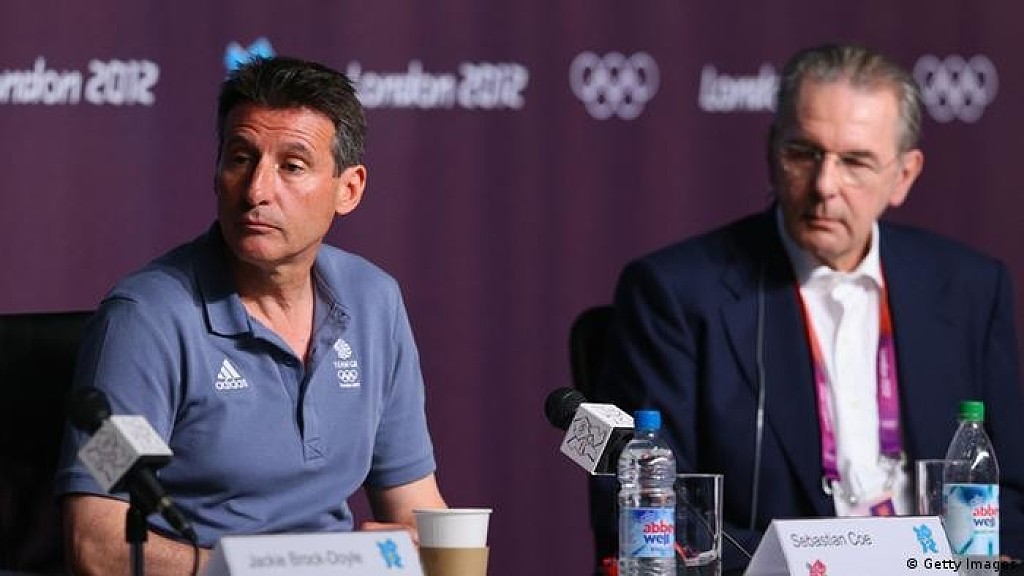
World Athletics President Sebastian Coe has paid tribute to former International Olympic Committee (IOC) President Jacques Rogge, who has died aged 79
Jacques Rogge served as the eighth President of the IOC, from 2001 to 2013, and competed for Belgium in sailing at three editions of the Olympic Games, in 1968, 1972 and 1976.
In 2005 he announced the awarding of the 2012 Games to London, with Coe having led the UK capital city’s bid.
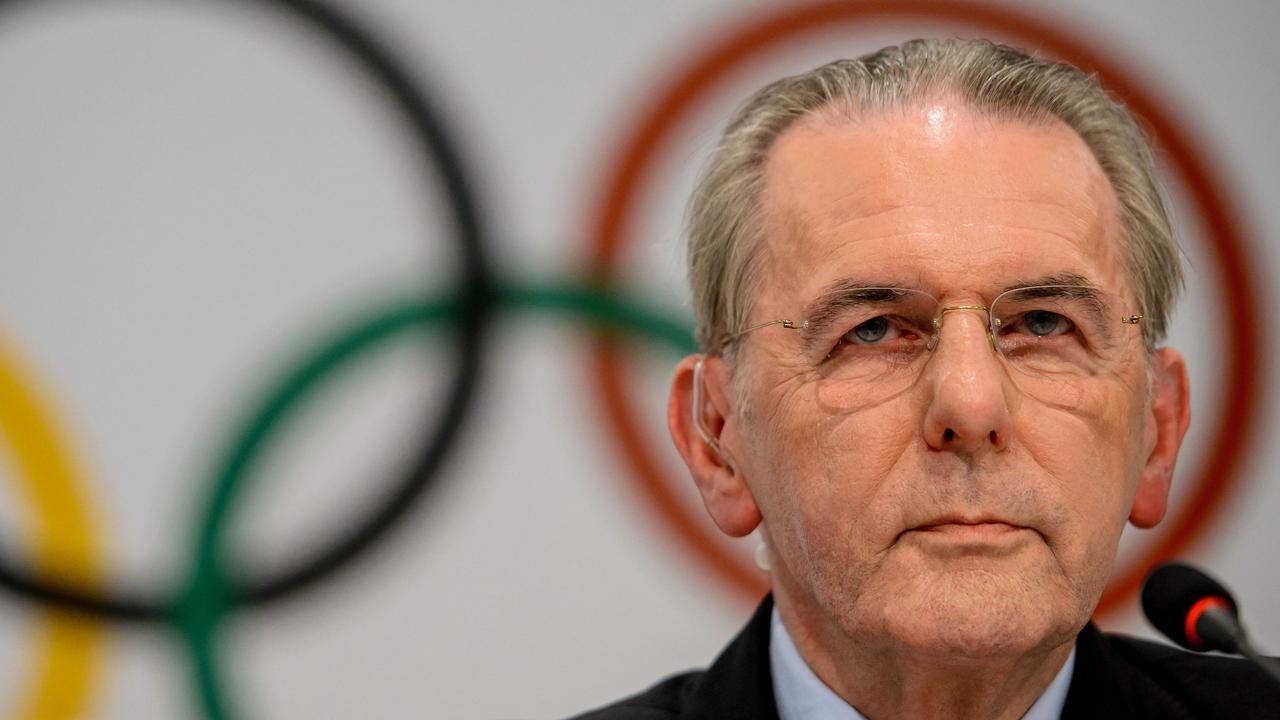
Rogge, who was an orthopaedic surgeon with a degree in sports medicine, was married to Anne, and leaves a son, a daughter and two grandchildren.
“I am beyond sad to hear the news of Jacques’ passing,” Coe said. “I wrote to Jacques and Anne two weeks ago to tell them that all of us at World Athletics missed them at the Tokyo 2020 Olympic Games. I said it wasn’t the same being in the Olympic stadium watching athletics without them.

“I have a mountainous gratitude for his part in the seamless delivery of London 2012. No Organising Committee could have asked or received more. He was passionate about sport and all he achieved in sport and beyond was done with common decency, compassion and a level head. We will all miss him.”
After his career as an athlete, which included becoming a Belgian rugby international, Rogge became President of the Belgian and European Olympic Committees, and was elected President of the IOC in 2001. After his IOC Presidency, he also served as a Special Envoy for Youth, Refugees and Sport to the United Nations.
“First and foremost, Jacques loved sport and being with athletes - and he transmitted this passion to everyone who knew him. His joy in sport was infectious,” said Thomas Bach, who succeeded Rogge as IOC President in 2013.
“He was an accomplished President, helping to modernise and transform the IOC. He will be remembered particularly for championing youth sport and for inaugurating the Youth Olympic Games. He was also a fierce proponent of clean sport, and fought tirelessly against the evils of doping.
“The entire Olympic Movement will deeply mourn the loss of a great friend and a passionate fan of sport.”
In a post on Twitter, World Athletics Senior Vice-President Sergey Bubka said: “Deeply mourn the loss of a wonderful personality, true friend and great leader, IOC Honorary President Jacques Rogge.
“Dedicating his life to the Olympic Movement, he was very special in his human attitude towards others, incredible love for athletes and understanding of the youth.”
Among others to pay tribute to Rogge was Moroccan middle distance great Hicham El Guerrouj, who wrote: “With a heavy heart, I pray for the eternal repose of Jacques Rogge, the former president of the IOC. RIP.”
by World Athletics
Login to leave a comment

Brisbane Australia has been officially announced as host of the Olympic and Paralympic Games in 2032.
The 2032 Olympics will be the third time Australia hosts the Games first Melbourne in 1956 Sydney in 2000 and now Brisbane 2032
The Australian city and surrounding South-East Queensland region were approved as the Games hosts at an International Olympic Committee (IOC) session in Tokyo on Wednesday.
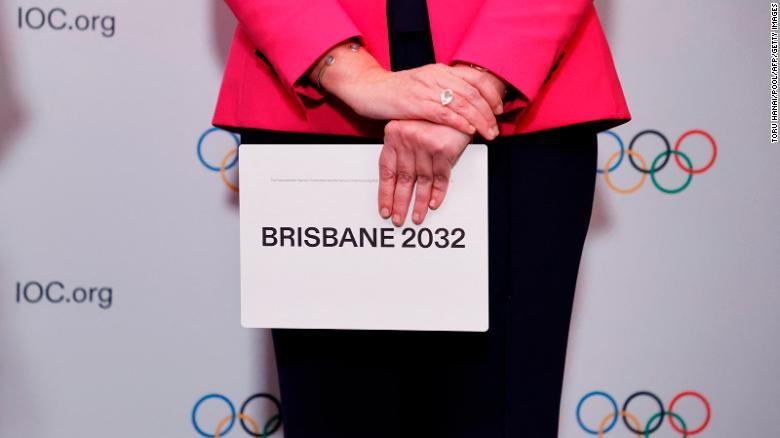
"Brisbane 2032 is the first future host to have been elected under, and to have fully benefited from, the new flexible approach to electing Olympic hosts," said IOC President Thomas Bach in a statement.
The Olympics are slated to run from July 23-August 8, with the Paralympic Games taking place from August 24-September 5, across 37 venues.
Brisbane and the surrounding region is set to host or co-host a number of sporting events in the next few years, including the 2022 FIBA Women's Basketball World Cup, the 2022 UCI Road World Championships in cycling, and the 2023 FIFA Women's World Cup in soccer.

The region also hosted the 2018 Commonwealth Games on the Gold Coast, an area which will host some events in 2032.
"The Brisbane 2032 vision and Games plan fit into long-term regional and national strategies for social and economic development in Queensland and Australia," said Bach, who is currently in Tokyo for the 2020 Olympic Games, which were delayed for a year due to Covid-19.
Queensland Premier Annastacia Palaszczuk holds a queue card after the Brisbane announcement during an IOC session in Tokyo.
It will be Brisbane's first Games, although Australia has previously hosted two: Melbourne 1956 and Sydney 2000. Brisbane's bid for the 2032 games was unopposed.
Opposition to hosting the Games has grown in recent decades as citizens question the long-term impact on their neighborhoods and public finances.
Detractors bemoan an Olympic legacy of "white elephants" like the rusting stadia in Athens left after the Greek capital hosted the 2004 Games, which cost $11 billion and became powerful symbols of waste during the country's debt crisis.
On Tuesday, Greek Prime Minister Kyriakos Mitsotakis announced a 54 million euro ($63.6 million) project to redevelop the Olympic Athletic Center of Athens (OAKA).
The venue was overhauled for the 2004 Games but has been running at a loss and cost the Greek state 200 million euros ($235.5 million) since 2005, according to a government press release. The aim is to reopen the site in 2023 and create 1,400 permanent jobs.
Login to leave a comment
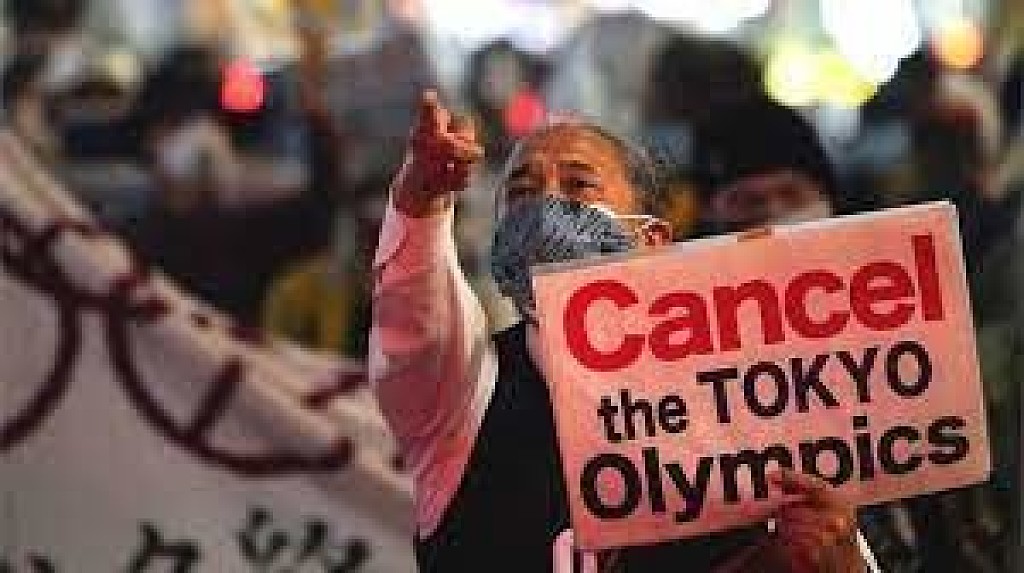
The chief of the Games has stated that a last-minute cancelation of the Olympics remains an option
When the Tokyo 2020 Olympics were originally postponed, organizers were hopeful that by 2021 the COVID-19 pandemic would be well in our rearview mirror. As the virus continued to affect countries around the world, the Olympics became the centrepiece of a global debate: should the Games be canceled? Organizers have been adamant that the Games will go forward as planned, and months of planning have gone into putting rules and protocols in place to prevent them from becoming a super-spreader event. As athletes and officials have begun arriving in the Olympic Village, it appears as though the fears held by many are coming true, and the first cases of COVID-19 in the Village have officially been reported.
The first case was confirmed on Saturday (July 17). The affected individual was not an athlete, but an official connected to the Games. According to Inside the Games, they had not tested positive upon arrival in the Tokyo airport, but a test taken during the screening process at the Village returned the positive result. The official is now in a 14-day quarantine.
“We are making sure to do everything possible to ensure that there is no COVID-19 outbreak,” Tokyo 2020 President Seiko Hashimoto said. “We are sparing no efforts. We are doing everything we can to prevent any outbreaks.”
Hashimoto added that should there be an outbreak, they will have a plan in place to contain it. Still, this case comes as a significant concern to organizers and the International Olympic Committee (IOC), who have promised the Olympic Village will be the safest place in the city. As of Saturday, there had been 14 more positive cases connected with the Games since July 1 for a total of 44 during that period, although those cases did not occur in the athletes’ Village. Four of them were reportedly from “Games connected personnel”, while seven others came from contractors working on the Olympics and two more from members of the foreign media.
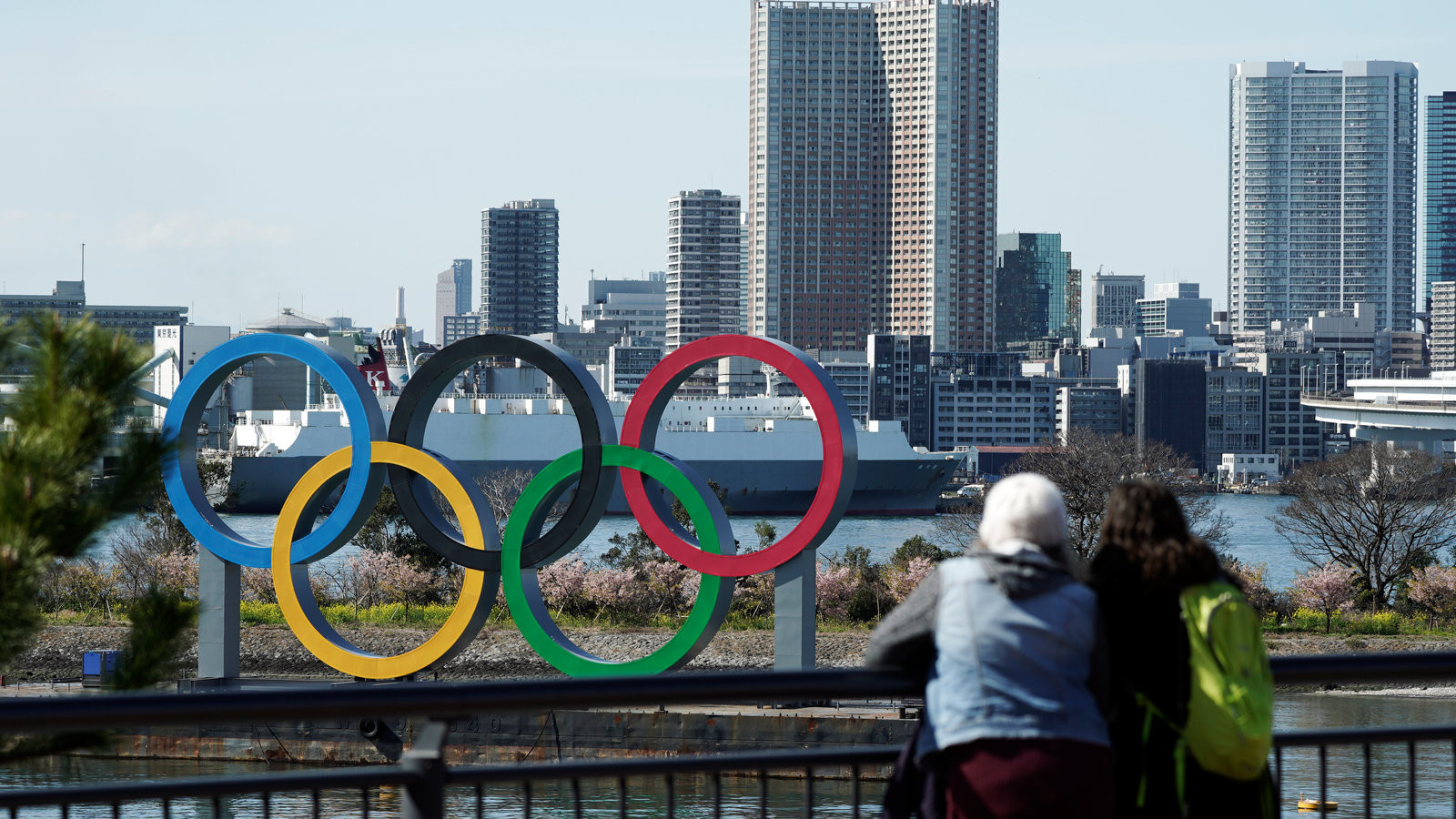
Unfortunately, the positive results have not stopped there. As athletes have begun arriving at the Village ahead of the first day of the Games this Friday, 10 more positive tests were reported on Sunday, including two South African soccer players and one other athlete, who tested positive upon arrival at the Tokyo airport. This brings the total number of positive cases associated with the Games up to 55 since July 1.
Several teams from other countries have now been forced into isolation due to issues with COVID-19, including members of the Athletics (track and field) team from the U.K. Six athletes and two staff members have been forced into isolation after a passenger on their flight to Japan tested positive, and they were identified as close contacts.
“This was identified through Tokyo 2020’s reporting service and the group have since started a period of self-isolation in their rooms at the BOA’s preparation camp, in line with Tokyo 2020’s Playbook protocols,” the British Olympic Association (BOA) said. “The group all tested negative at the airport and have continued to test negative upon arrival into the country. They are under the supervision of the Team GB medical team, led by chief medical officer Dr. Niall Elliott.”
These positive tests are alarming and call into question how issues surrounding the virus will affect the athletes’ ability to prepare for competition, even those who don’t produce a negative test. The IOC has stated that at least 85 per cent of the athletes and staff who will be staying in the Village have been vaccinated, but as more athletes continue to arrive in Tokyo, the risks for spreading the virus will only get higher. As of the Tuesday, the total positive case count has reached 65, and the chief of the Games has reportedly not ruled out a last-minute cancelation should the situation continue to worsen.
by Brittany Hambleton
Login to leave a comment

Tokyo 2020 Olympic Games
Fifty-six years after having organized the Olympic Games, the Japanese capital will be hosting a Summer edition for the second time, originally scheduled from July 24 to August 9, 2020, the games were postponed due to coronavirus outbreak, the postponed Tokyo Olympics will be held from July 23 to August 8 in 2021, according to the International Olympic Committee decision. ...
more...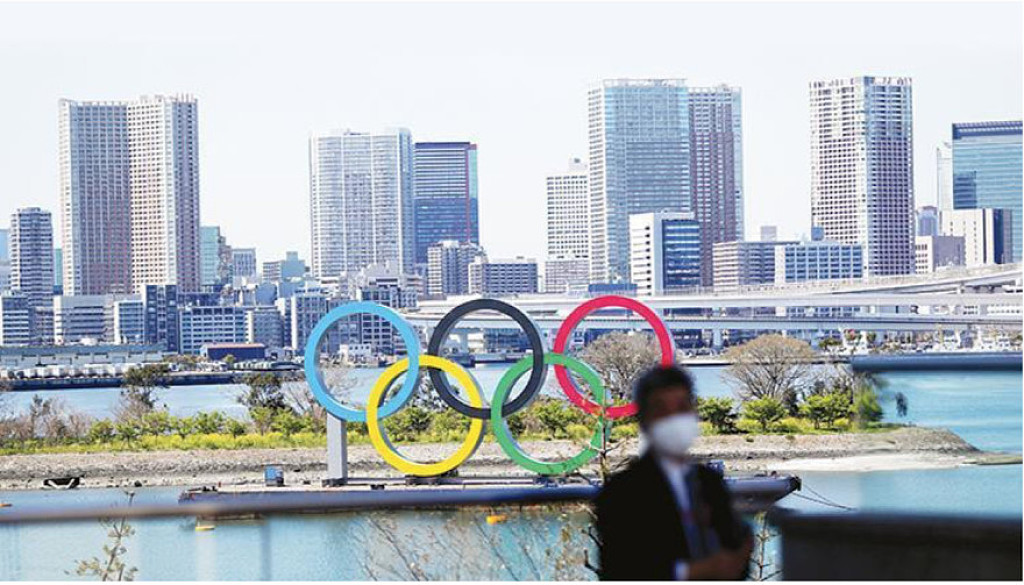
Athletes will have to put their own medals on at the Tokyo Games
This summer’s Olympic Games in Tokyo will look much different than what we’re used to. The stands will be empty, only competing athletes will be allowed within Olympic facilities and according to a conference call on Wednesday by International Olympic Committee (IOC) president Thomas Bach, winning athletes will have to place their own medals around their necks to avoid the risk of spreading the coronavirus.
“The medals will not be given around the neck,” said Bach. “They will be presented to the athlete on a tray and then the athlete will take the medal him or herself.” He added that the medals will be placed on the tray only by an individual wearing disinfected gloves, ensuring that no one touches the medal before the athlete who is accepting it.

Regardless of how the medals are presented or what the athletes can and cannot do to celebrate, anyone who ends up on that podium certainly deserves it, and we will be cheering
by Running Magazine
Login to leave a comment
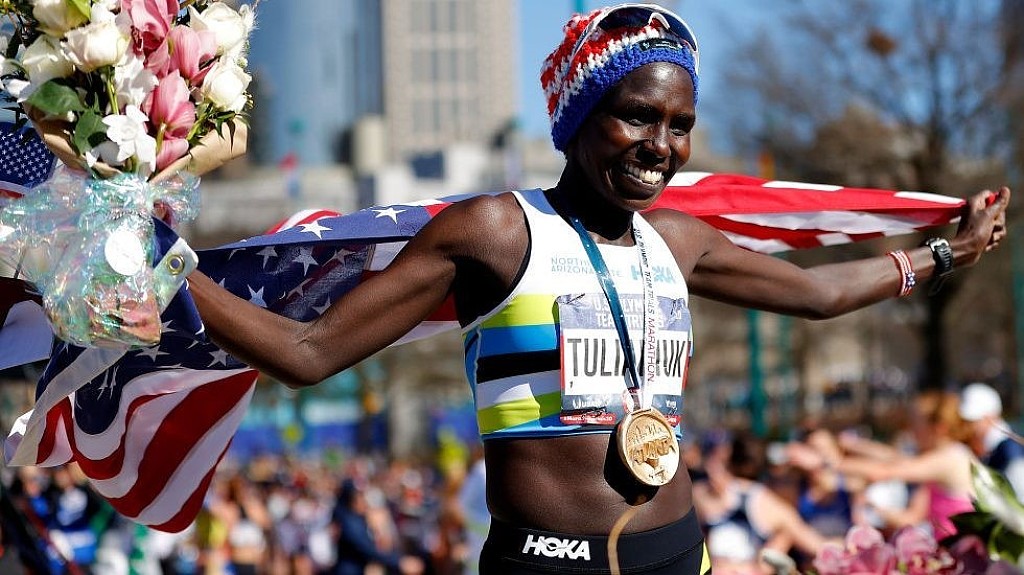
Breastfeeding mothers will be allowed to bring their children to the Olympics
The International Olympic Committee (IOC) announced Wednesday morning that breastfeeding mothers will now be allowed to bring their babies to the Tokyo Olympics. This is a huge relief to several athletes who are mothers, who before this change would have been forced to choose between not competing, or leaving their infant children at home.
Among these relieved athletes is Aliphine Tuliamuk, winner of the U.S. Olympic marathon trials. In May, Tuliamuk petitioned the Olympic organizing committee to allow her to bring her four-month-old daughter Zoe to the Games, but had not received word on the decision.
At the time, she had not given an ultimatum but was still unsure of what she would do. With the IOC’s announcement today, she no longer has to make the difficult choice.
“We very much welcome the fact that so many mothers are able to continue to compete at the highest level, including at the Olympic Games,” the IOC said in a statement. “We are very pleased to hear that the Tokyo 2020 organizing Committee has found a special solution regarding the entry to Japan for mothers who are breastfeeding and their young children.”
Previously, organizers had barred all international spectators, including athletes’ families, which included their children. Several athletes have spoken out about the issues facing mothers, particularly those who are breastfeeding, including nine-time Olympic medallist, Allyson Felix, who recently qualified for her 5th Games. “I would be most sensitive to moms who are breastfeeding,” she said. “I know for me, when I competed when Cammy was under a year old — you need to be near your child.”

The organizers have now eased the restrictions, so women in this situation do not have to make such a difficult choice.
“Given that the Tokyo 2020 Games will take place during a pandemic, overall we must unfortunately decline to permit athletes’ family members or other companions to accompany them to the Games,” organizers said. “However, after careful consideration of the unique situation facing athletes with nursing children, we are pleased to confirm that, when necessary, nursing children will be able to accompany athletes to Japan.”
According to Reuters, these children will be staying in approved hotels outside of the Olympic Village because that area is under strict restrictions due to the ongoing pandemic. Only athletes and Olympic officials will be permitted to enter that residential area.
by Brittany Hambleton
Login to leave a comment
Tokyo 2020 Olympic Games
Fifty-six years after having organized the Olympic Games, the Japanese capital will be hosting a Summer edition for the second time, originally scheduled from July 24 to August 9, 2020, the games were postponed due to coronavirus outbreak, the postponed Tokyo Olympics will be held from July 23 to August 8 in 2021, according to the International Olympic Committee decision. ...
more...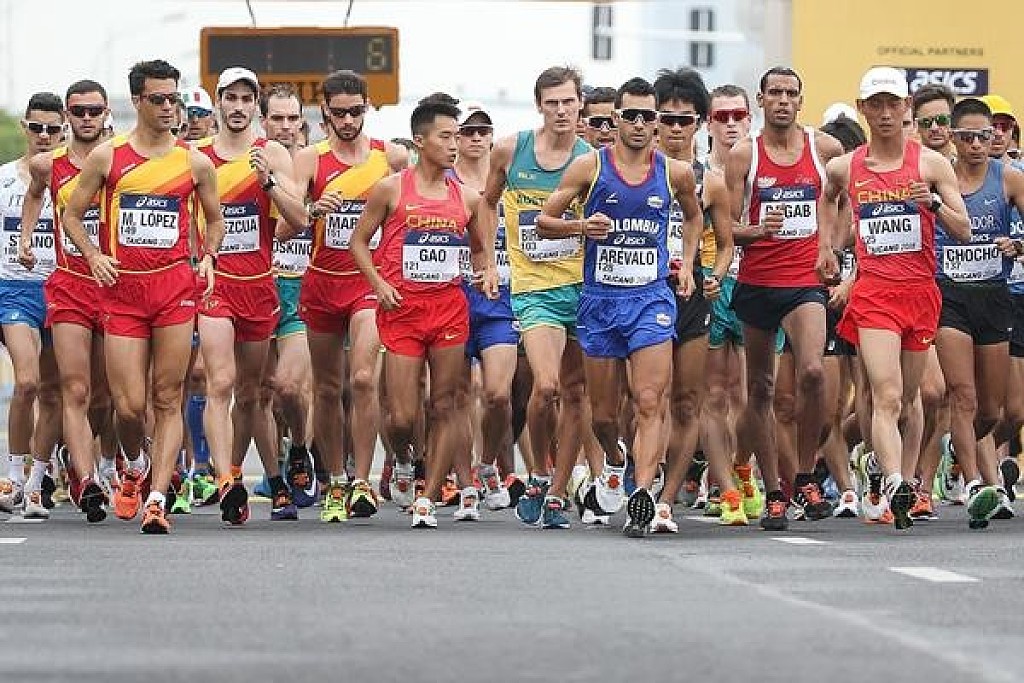
Race walking mixed team to debut at Paris 2024 Olympics
A race walking mixed team event is set to make its Olympic debut at Paris 2024, following confirmation from the International Olympic Committee (IOC) Executive Board that it will be the mixed-gender contest added to the athletics programme.
The IOC Executive Board previously decided that the number of athletics events should stay at 48 for Paris - which led to the men's 50-kilometre race walk being dropped in favour of a mixed-gender event in the quest for gender equality.
World Athletics and the IOC have agreed that this will be a race walking event, although the competition format - including the distance and the number of athletes in each team - has not been chosen yet.
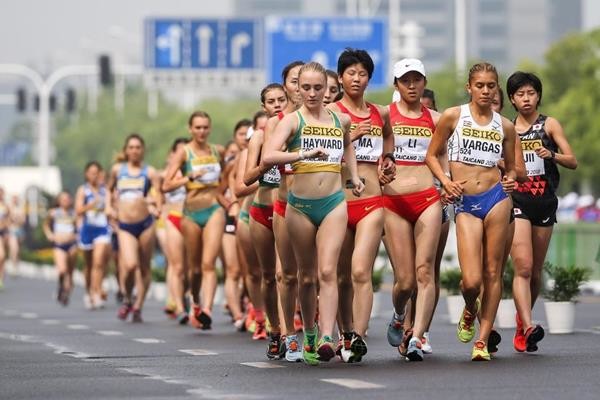
A proposal for the format is due to be presented to the IOC Executive Board in December.
The Executive Board has also approved World Sailing's proposal to scrap the mixed kiteboarding event and instead have men's and women's contests.
This was World Sailing's first alternative option in place of mixed offshore, which was removed from the programme after concerns were raised by the IOC.
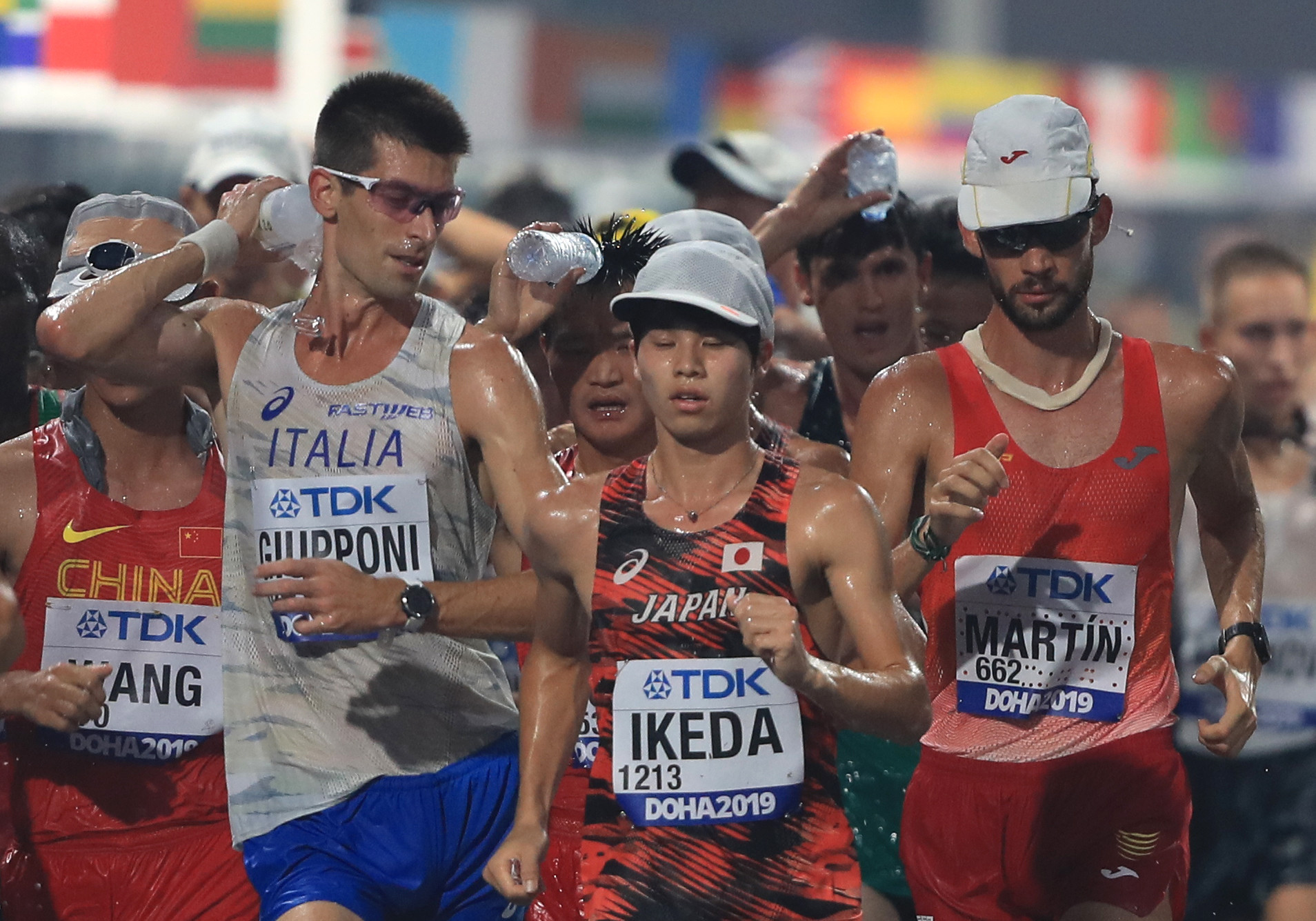
These included additional broadcasting costs and the field-of-play security.
Sailing will maintain 10 medal events, with kiteboading - set for an Olympic debut at Paris 2024 - now accounting for two of them.
Additionally, the IOC Executive Board approved the new competition format for modern pentathlon, which is set to be based in one venue.
As proposed by the International Modern Pentathlon Union, this 90-minute competition begins with riding, followed by the fencing bonus round and swimming, before closing with the laser-run.
Breaks of between five and 15 minutes will occur between each discipline.
The equestrian leg lasts 20 minutes, followed by 15 minutes of fencing, 10 minutes of swimming and 15 minutes for the laser-run.
The Paris 2024 Olympics, scheduled to take place from July 26 to August 11, will be the first fully gender-balanced Games, with exactly 50 per cent male and female participation, says the IOC.
by Michael Houston
Login to leave a comment
Paris 2024 Olympic Games
For this historic event, the City of Light is thinking big! Visitors will be able to watch events at top sporting venues in Paris and the Paris region, as well as at emblematic monuments in the capital visited by several millions of tourists each year. The promise of exceptional moments to experience in an exceptional setting! A great way to...
more...
IOC to plant forest in Africa to offset carbon emissions
The announcement is part of the International Olympic Committee's goal of hosting a future carbon-positive Games.
In January 2021, the International Olympic Committee (IOC) announced its plan to become climate positive by 2024, with the goal of reducing its carbon emissions by 45 per cent by 2030. On Wednesday, the organization revealed that it has committed to planting an “Olympic forest” to offset more than 100 per cent of the carbon emissions created by the Olympic Games.
The Olympic forest will be back by the United Nations as a part of the Great Green Wall initiative to restore the Sahel region in Africa, between the Saharan desert and the Sudanian savanna. According to Inside the Games, experts are expecting the population in that area to grow significantly in the coming years, and this forest will create biodiversity and improve food security in the region.

The IOC claims that both the upcoming Tokyo Olympics and the Beijing Olympics are on track to being carbon-neutral, and they are looking to host climate-positive Games in the future as a part of their Olympic Agenda 2020+5.
by Brittany Hambleton
Login to leave a comment
Tokyo 2020 Olympic Games
Fifty-six years after having organized the Olympic Games, the Japanese capital will be hosting a Summer edition for the second time, originally scheduled from July 24 to August 9, 2020, the games were postponed due to coronavirus outbreak, the postponed Tokyo Olympics will be held from July 23 to August 8 in 2021, according to the International Olympic Committee decision. ...
more...
Spanish UTWT race launches campaign to get trail running into the Olympic Games
The organizing team of the Penyagolosa Trails race in Castellón, Spain, has launched a campaign titled Make Trail Olympic in an attempt to get the International Olympic Committee (IOC) to add off-road running to the 2028 Summer Games in Los Angeles. Organizers of the race, which is a stop on the Ultra-Trail World Tour, have written a manifesto in which they include eight reasons why trail running deserves a spot in the Olympic program, and they have also created a petition that they hope will sway the IOC.
The Penyagolosa Trails team introduced this campaign on Thursday, three years to the day that they hosted the Trail World Championships on their home course in Spain. In their manifesto, the team notes that trail running not only deserves to be included in the Olympics, but that it meets the IOC’s requirements for a sport to be added to the Games.

Trail running “is present in more than 75 countries and five continents,” the manifesto reads, adding that the sport has an established world championship system, which as another important note for the IOC. They add that trail running represents the “core values” of the Olympics, which are “excellence, friendship and respect.”
On the more technical side of the Games, doping control is mentioned. “Trail running fights against doping through the global anti-doping system based on the intrinsic value of sport, which is often referred as ‘sportsmanship,'” the manifesto says. “Anti-doping programmes are designed to protect the health of athletes and provide them with the opportunity to pursue excellence without the use of prohibited substances or methods.”
One of the most important parts of the manifesto (and perhaps the point that would have the most impact on the IOC if they view this petition) quickly dives into the popularity of the sport. As the authors explain, there are millions of trail runners worldwide, and the sport has seen tremendous growth in recent years. This growth isn’t slowing down, and trail running sees more and more new members each year, as well as new deals with major athletic brands.
he U.S. is a country where trail running is extremely popular, which is why the team from Penyagolosa Trails say the 2028 Games will be a perfect time to add the sport to the Olympic program. “The United States has a great history in organizing ultra-trail races,” the manifesto says, “and California hosts the world’s oldest 100-mile race, which in turn is one of the most prestigious: the Western States Endurance Run.”
It might be a long shot to get another running event into the Olympics, but the Penyagolosa Trails organizers make some valid points. It’s certainly fun to imagine an Olympic trail race, and if that one day becomes a reality, it will no doubt contribute to the already booming sport. To view the full manifesto and to sign the petition to have trail running added to the Olympics, click here.
by Running Magazine
Login to leave a comment
The International Olympic Committee and Pfizer to donate vaccines to Olympic athletes
Earlier this year, the International Olympic Committee (IOC) and Olympic officials in China announced their agreement to buy and distribute Chinese vaccines to athletes ahead of the Tokyo Games and the 2022 Beijing Winter Olympics. This week, vaccine developers Pfizer and BioNTech have announced they will be donating doses to athletes and officials preparing for the Games to add an extra layer of safety to what many are calling a potential “super spreader event.”
This new deal with Pfizer will give the IOC greater worldwide coverage to have athletes vaccinated, since many countries have not yet authorized the Chinese vaccines for use. Doses will start being delivered this month in hopes that there will be enough time for athletes and officials to receive two doses before arriving in Tokyo. Vaccination will not be mandatory for anyone attending the Games, but IOC president Thomas Bach is encouraging all delegations to take part in the rollout.
“We are inviting the athletes and participating delegations of the upcoming Olympic and Paralympic Games to lead by example and accept the vaccine where and when possible,” he said in a statement.

Canadian Olympic Committee (COC) CEO David Shoemaker has also voiced his approval of the decision, saying that this will provide an “important layer of protection for Canadian athletes in the lead up to and during the Games.” The Canadian Olympic team and its constituents are expected to make up approximately 1,100 people.
“The Olympic Games hold special meaning for the millions of Canadians who will be inspired by the resilience and determination of Canadian athletes this summer in Tokyo. As most provinces begin vaccination of the general population, this announcement will help more Canadians receive vaccinations quicker,” Shoemaker said.
Until now, the COC had maintained that Canadian athletes would not be jumping the queue in Canada’s vaccination rollout, but according to The Guardian, the IOC has made it clear that vaccines going to athletes and staff would not be taken from existing programs, but would “be in addition to existing quotas and planned deliveries around the world.”
With the vaccine rollout in Canada beginning to pick up steam, many Canadian athletes are already receiving their first doses without the Pfizer donation. In fact, the COC’s chief medical officer, Dr. Mike Wilkinson, has already told the Canadian Press he expects the entire team to have received at least their first dose before Tokyo.
Many people around the world have criticized the decision, arguing that vaccine donations should be sent to places like India, where COVID-19 infections have risen dramatically, but others have said that vaccinating athletes will prevent them from bringing the virus home to their communities.
“Anybody who says they should donate them to India or teachers, I get it, I would not argue with that. I understand, it’s very personal,” said Athletics Canada’s CEO David Bedford. “But I also believe that these athletes and the support staff are protected. And fortunately, the good news is that Pfizer and BioNTech have said this isn’t coming out of any allocations to countries.”
As the Games get closer, there is still a lot of opposition from the Japanese public, many of whom wish to have them cancelled. As of now, however, it seems that the Olympics will be going ahead, and having as many athletes as possible vaccinated may be the best way to ensure they can happen safely.
by Brittany Hambleton
Login to leave a comment
Tokyo 2020 Olympic Games
Fifty-six years after having organized the Olympic Games, the Japanese capital will be hosting a Summer edition for the second time, originally scheduled from July 24 to August 9, 2020, the games were postponed due to coronavirus outbreak, the postponed Tokyo Olympics will be held from July 23 to August 8 in 2021, according to the International Olympic Committee decision. ...
more...
North Korea has withdrawn from Tokyo 2020 after the country cited coronavirus fears.
North Korea withdraws from Tokyo 2020 over COVID-19 fears.
A statement on the secretive state's official Sports in the DPRK Korea website said authorities want to "protect athletes".
The country has become the first to pull out of the rearranged Tokyo 2020 because of COVID-19.
Its decision comes just under a week after South Korean capital Seoul announced it had submitted a joint bid with the North for the 2032 Games to the International Olympic Committee (IOC).
South Korean President Moon Jae-in had also said he wanted Tokyo 2020 to be an opportunity for dialogue between the bordering nations, which remain technically at war.
The Olympic Committee of the Democratic People's Republic of Korea held a General Assembly to discuss the Games in Japan.
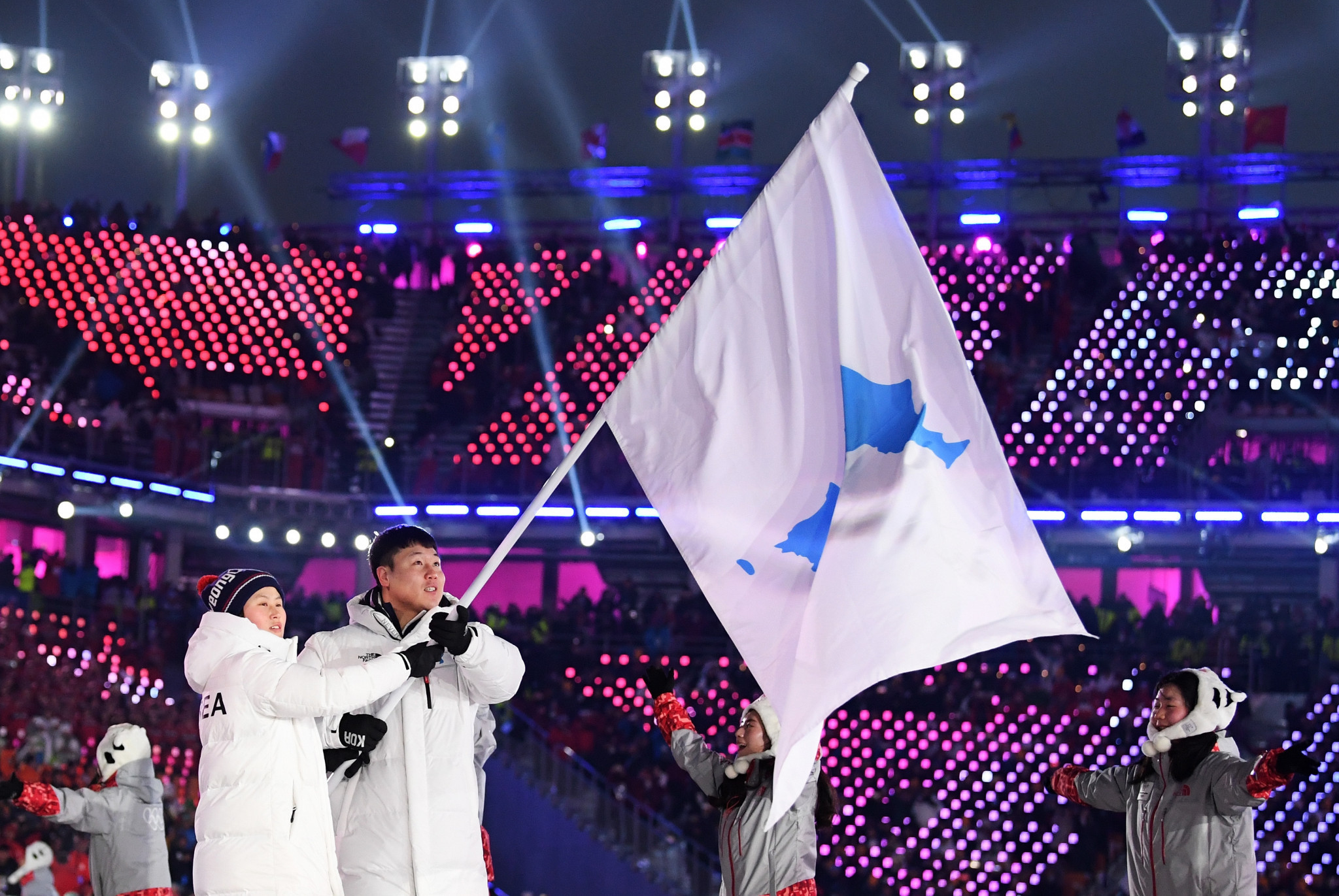
"The Democratic People's Republic of Korea has decided not to participate in the 32nd Olympic Games during the General Assembly to protect our athletes from the global health crisis situation related to the coronavirus as proposed by committee members," a statement said.
North Korea shut off its borders in January 2020 as the coronavirus pandemic first began to take hold.
The country has claimed it has no COVID-19 cases but this is believed to be unlikely.
In 1988, North Korea boycotted the Summer Olympics in the South's capital Seoul, but they were welcomed with open arms when their neighbour hosted the 2018 Winter Games in Pyeongchang.
A unified team took part in the women's ice hockey tournament and the two countries marched together at the Opening and Closing Ceremonies under a joint flag, with peace a key message.
The withdrawal from Tokyo will likely be felt particularly keenly by IOC President Thomas Bach, who has worked to improve sporting relations on the border and visited North Korean leader Kim Jong-un in Pyongyang in 2018.
He accepted the Seoul Peace Prize in October for his work and had previously discussed with Moon the possibility of the joint Olympic bid for 2032.
Pyongyang's relations with the west have been tense in recent years, particularly due to its nuclear programme and missile launches.
Tokyo 2020 host Japan's dealings with North Korea are particularly strained, with Pyongyang accused of abducting dozens of Japanese citizens in the 1970s and 1980s.
In 2017, Kim fired missiles over Japan and another launch into the sea last month again raised fears about the country's weapons expansion.
Former American President Donald Trump held high-profile talks with Kim in 2019 but the North's destruction of a joint liaison office on its side of the border in June highlighted how tensions have risen.
The Tokyo 2020 Olympics, which were postponed by a year due to COVID-19, are due to open on July 23.
North Korea won seven medals at the last Summer Games in Rio de Janeiro in 2016 - including two golds in weightlifting and gymnastics.
by Dan Palmer
Login to leave a comment
Tokyo 2020 Olympic Games
Fifty-six years after having organized the Olympic Games, the Japanese capital will be hosting a Summer edition for the second time, originally scheduled from July 24 to August 9, 2020, the games were postponed due to coronavirus outbreak, the postponed Tokyo Olympics will be held from July 23 to August 8 in 2021, according to the International Olympic Committee decision. ...
more...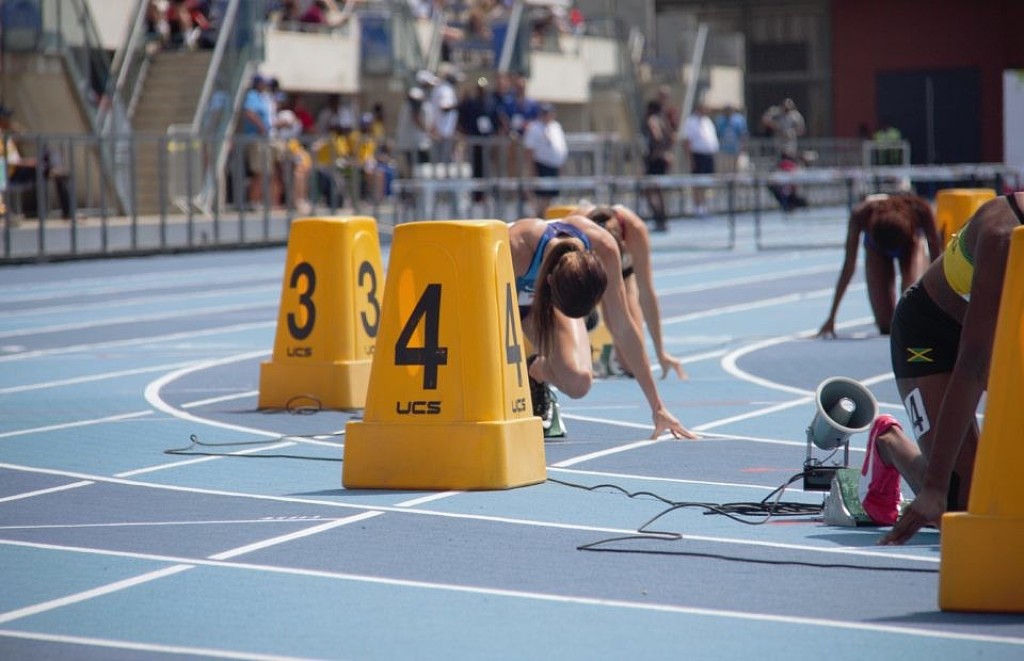
IOC has removed 4 x 400m from 2024 Olympics
World Athletics was shocked to learn that the International Olympic Committee has cut the popular relay event to make room for math-based competitions.
In a disappointing and unexpected change to the Paris 2024 Summer Games program, the International Olympic Committee (IOC) has announced that the men’s and women’s 4 x 400m relay races will be cut to make room for “mathletics.”
The decision to add math-based events to the Games was made by the IOC and the Paris Organizing Committee (POC), and World Athletics (WA) was reportedly left out of discussions entirely.
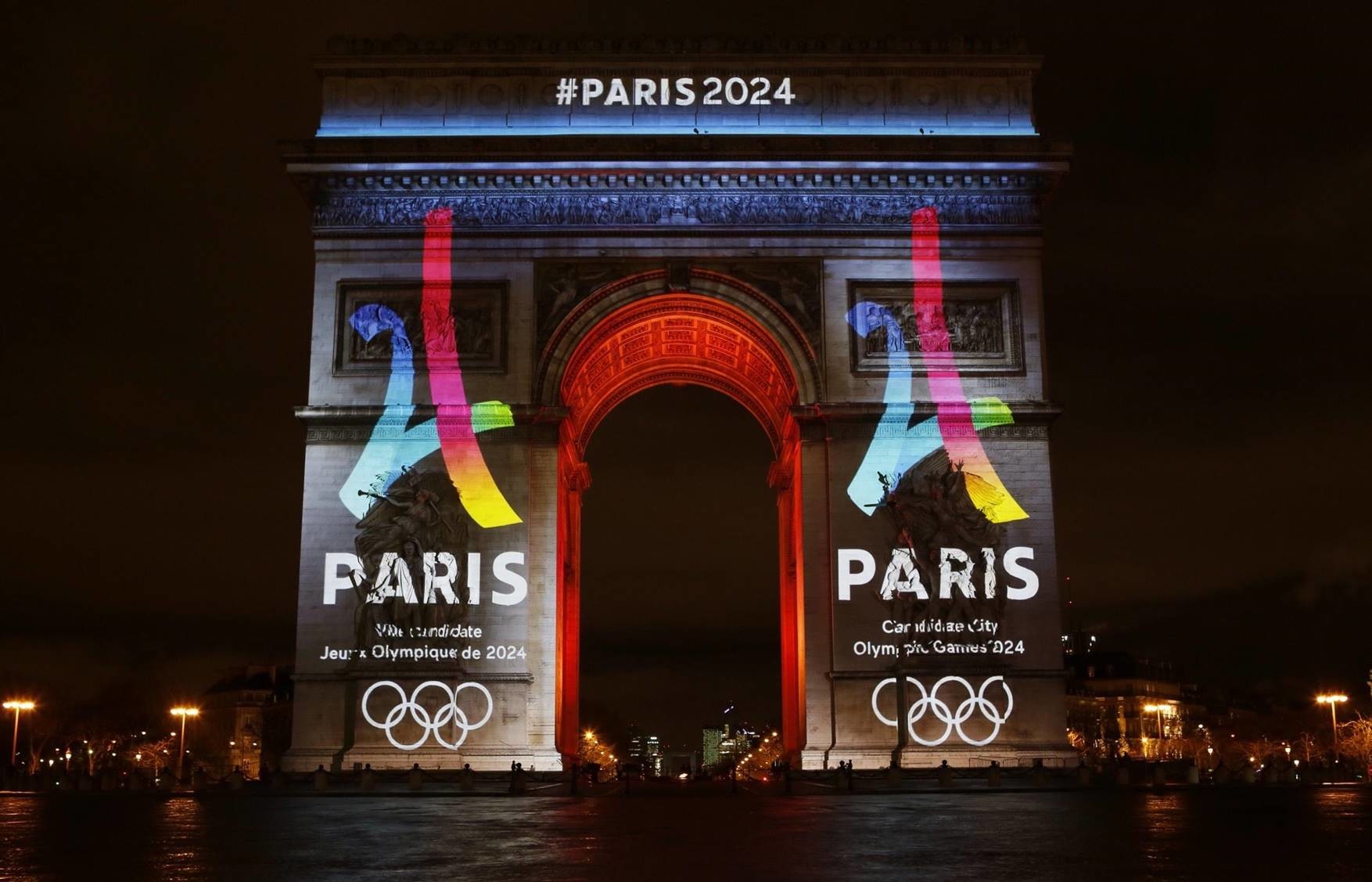
At a press conference announcing the program change on Thursday, IOC president Thomas Bach said how thrilled he is to usher in “the next era” of the Olympic Games.
“I was never good at math as a kid,” Bach said. “So I’m proud to know that I’m playing a part in inspiring the next generation of Olympians to not just work hard at math, but to enjoy it, too.” An official from the POC also spoke, echoing Bach’s words.
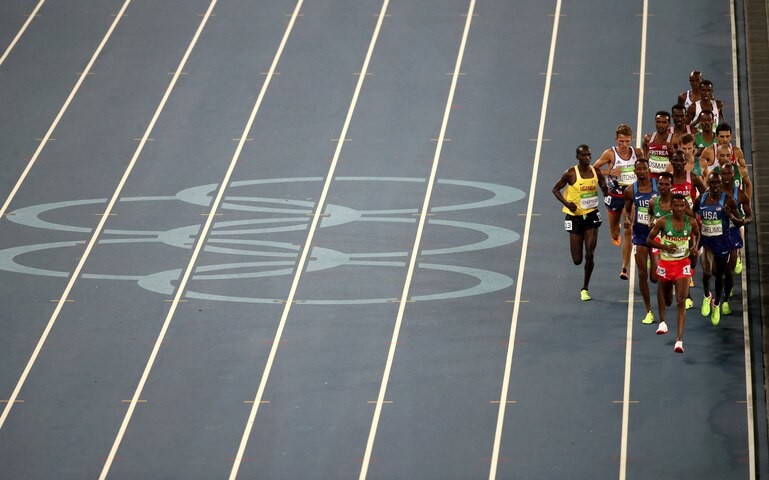
“In France, we rank somewhere around 25th in the world when it comes to youth math scores,” the official said. “We want to change that, and we sincerely believe that hosting an Olympic mathletics event in our country will inspire our children.”
When asked whether he believes the elimination of the 4 x 400m will hurt athletics in France, the POC official said he thinks “France has enough runners already,” pointing out that “kids everywhere run all the time. At recess, in after-school sports. They’re always moving. We need more mathletes, not runners.”
While the IOC and POC are excited by this program change, some people are upset — most notably WA president Seb Coe. “I get that math is important, I do,” Coe said, speaking after the IOC press conference. “But why are they cutting the 4 x 400m relay? How can the IOC think that’s a good idea?”
Coe spoke heatedly, clearly annoyed, and he apologized after a seven-minute rant about long division (which he said he “could never wrap [his] head around”), explaining that he’s not against promoting math, but that he was simply caught off-guard. “Thomas [Bach] and the IOC didn’t contact me about this change. I learned about it on Twitter, just like everyone else.”
Coe continued, saying that he plans to fight the IOC on this change. It appears to be a battle he and WA are destined to lose, though, as shortly after Coe’s speech, Bach released the tentative lineup of mathletics events he hopes to see in 2024.
“We’re planning to hold multiplication races, abacus events and so much more,” Bach tweeted. “Athletics have been in the Games for over a century, but math has been around forever. It’s time we show mathletes the respect they deserve.”
Bach has also reportedly considered dropping equestrian events from the 2024 Games to allow room for a new blackjack competition, but nothing has been made official.
by Ben Snider-McGrath
Login to leave a comment
Paris 2024 Olympic Games
For this historic event, the City of Light is thinking big! Visitors will be able to watch events at top sporting venues in Paris and the Paris region, as well as at emblematic monuments in the capital visited by several millions of tourists each year. The promise of exceptional moments to experience in an exceptional setting! A great way to...
more...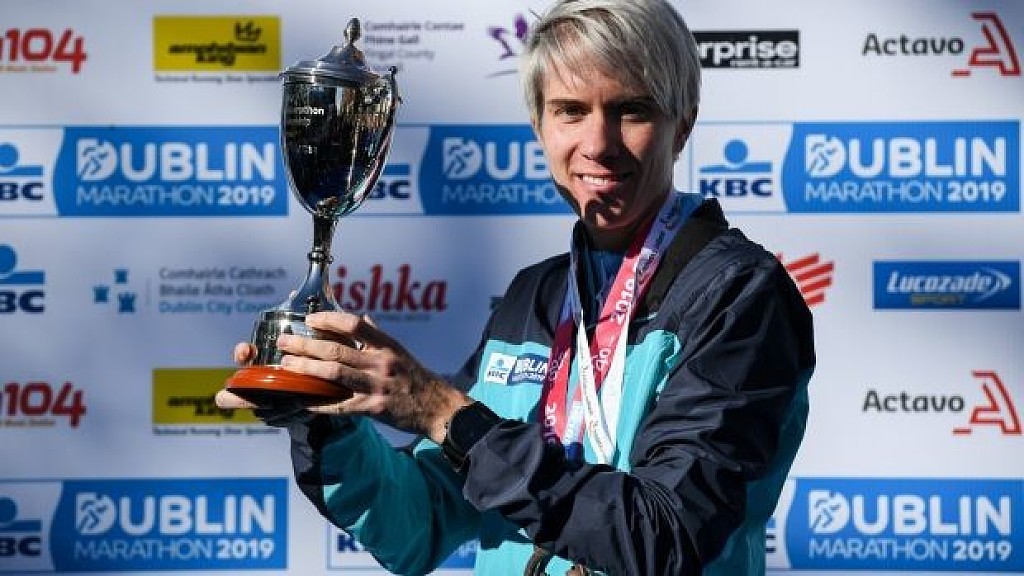
Race against time for Irish athletes to qualify for Tokyo Olympic marathon
With spring marathons abandoned due to Covid, handful of elite races offer last chance
Aoife Cooke from Cork after winning the women’s category in the 2019 Dublin Marathon (photo). She is targeting the elite-only Wrexham marathon in Wales on April 25th in her bid to qualify for Tokyo.
Irish athletes are facing a race against time and opportunity in their quest to qualify for the Tokyo Olympic marathon, the worry being not just where to run, but whether that run will even happen.
With the normally busy spring marathon calendar effectively abandoned for another season due to Covid-19 – London, Boston and Paris among those postponed to the autumn – a handful of elite-only races present the last chance before the qualification cut-off date of May 31st, given the nature and distance of the event that’s fast becoming a sprint.
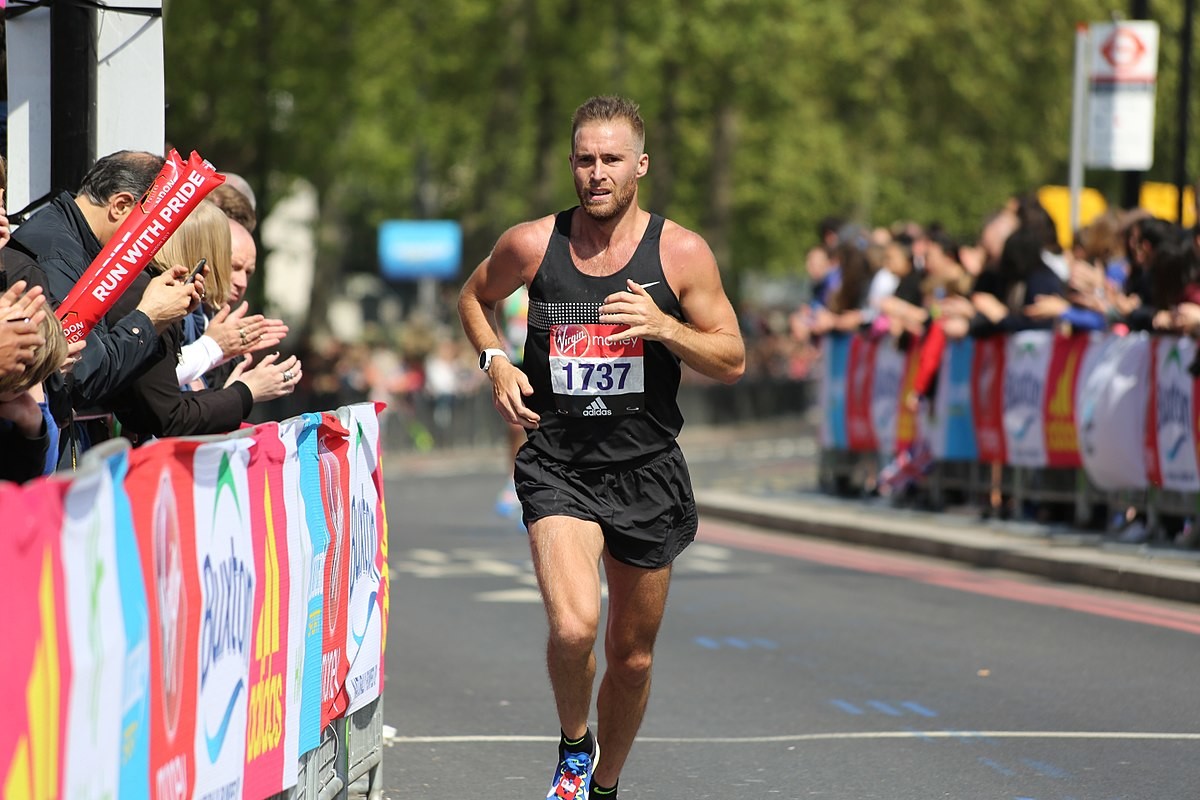
Three Irish men – the full quota per event – have already achieved the qualifying standard, although they are not yet officially selected. Stephen Scullion, Kevin Seaward and Paul Pollock all hit the necessary mark over a year ago, unlikely, it seems, to be ousted by a faster time at this point.
Fionnuala McCormack remains the only Irish woman qualified, in line for her fourth Olympics, after she ran 2:26.47 in the 2019 Chicago marathon. McCormack gave birth to her second daughter in December, and has now resumed full training in the build-up to Tokyo.
Two more Irish women still have Tokyo very much in mind, and are targeting the elite-only Wrexham marathon in Wales on April 25th. Aoife Cooke won the national title that came with being the top Irish woman in the 2019 Dublin Marathon, clocking a personal best of 2:32:34. That moved her from 55th to fifth on the Irish all-time list, and within touching distance of the Tokyo standard of 2:29:30, with possibility also of still qualifying via the ranking quota.
Best shot
The 34-year-old from Cork was all set to race the Vienna marathon this time last year, before that fell victim to Covid-19, and, despite the long and uncertain wait, is for now on course at least to give Tokyo her best shot in the unlikely surrounds of the seven-lap course in Wrexham.
Also running in Wrexham is Ann-Marie McGlynn, who improved her best to 2:32:54 in Dublin in 2019, and then ran 2:35:41 in Valencia last December. Mick Clohisey is also down to run in the Welsh event, the 2016 Olympic marathon representative eying the men’s standard of 2:11.30, which will require some improvement on his best of 2:13:19.
Of the three Irish men’s qualifiers already, Stephen Scullion is the fastest, thanks to the 2:09:49 he clocked at the elite-only London Marathon last October, over two minutes faster than his previous best, and 11th best in a strictly elite field of the world’s finest marathon runners.
While Scullion’s time was actually outside the Tokyo qualifying window (suspended between April 5th and November 30th, 2020), it stands as the fastest official Irish marathon. John Treacy’s Irish marathon best is still considered the 2:09:15 he ran when finishing third in Boston back in 1988, although for world record purposes Boston is considered a slightly downhill course, and therefore not deemed eligible, according to World Athletics.
Ratified
Although ratified at the time, Treacy’s only other sub-2:10 was the 2:09:56 he ran when winning silver at the LA Olympic marathon back in 1984. Scullion was just inside that in London, his 2:09:49 bettering his own 2:11:52 run in fifth place in Houston back in January (also his official Olympic qualifier by virtue of a top-five finish in a Gold Label marathon such as Houston).
Kevin Seaward put himself first in line for selection after clocking a lifetime best of 2:10.10 at the Seville marathon, in February 2020; Paul Pollock clocked his qualifier in December 2019, in the Valencia marathon, a new personal best of 2:10.25, and also inside the automatic Tokyo time.
That marathon – and race walking events – will be taking place in Sapporo, 800km north of Tokyo, after the International Olympic Committee (IOC) deemed the conditions there to be less gruelling come the height of the Japanese summer.
Login to leave a comment
Tokyo 2020 Olympic Games
Fifty-six years after having organized the Olympic Games, the Japanese capital will be hosting a Summer edition for the second time, originally scheduled from July 24 to August 9, 2020, the games were postponed due to coronavirus outbreak, the postponed Tokyo Olympics will be held from July 23 to August 8 in 2021, according to the International Olympic Committee decision. ...
more...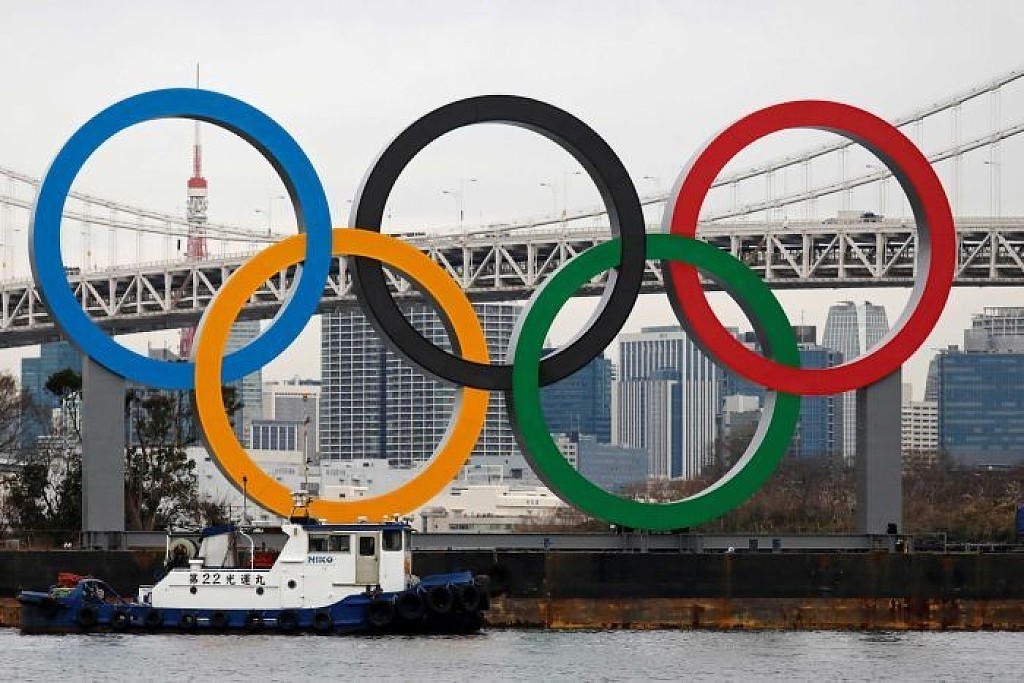
China is offering vaccines against covid -19 to Olympic and Paralympic athletes
International Olympic Committee (IOC) president Thomas Bach announced recently that the Chinese Olympic Committee has offered COVID-19 vaccine doses to athletes competing at the Olympic and Paralympic Games this summer, as well as the 2022 winter Games in Beijing.
According to the BBC, Bach said that the IOC will be paying for these additional vaccines set aside for the athletes.
“For each of these doses, the IOC will pay for two doses more which can be made available to the population in the respective countries,” he added.
Exactly how many vaccine doses that will require is unclear, because the pace of the vaccine rollout in some countries may be fast enough that their athletes will have already received the vaccine before the Games begin. This could be the case, for example, in the United States.
“The broad base of athletes may have access to the vaccine sooner than we thought initially possible,” said Sarah Hirshland, United States Olympic and Paralympic Committee chief executive.
Some critics believe that China offering to immunize athletes ahead of the Games is nothing more than a PR stunt in response to increasing calls to boycott next year’s Winter Games because of political reasons. Still, the opportunity to vaccinate at least some of their citizens will be a welcome relief in countries where vaccine programs have been very slow.
Despite China’s offering, Olympic committees in countries like the U.K., the United States and Germany have said that their athletes must wait in line like everyone else to receive their vaccinations.
The IOC has made it clear that they’d prefer as many athletes as possible to arrive in Tokyo with both doses, but maintain that it is not mandatory in order for them to compete and are not asking governments to change their vaccination rollout plans.
by Brittany Hambleton
Login to leave a comment
Tokyo 2020 Olympic Games
Fifty-six years after having organized the Olympic Games, the Japanese capital will be hosting a Summer edition for the second time, originally scheduled from July 24 to August 9, 2020, the games were postponed due to coronavirus outbreak, the postponed Tokyo Olympics will be held from July 23 to August 8 in 2021, according to the International Olympic Committee decision. ...
more...
Athletes could be required to undergo more COVID-19 testing at Tokyo 2020 due to the the spread of more transmissible variants
Tokyo 2020 President Seiko Hashimoto has suggested the number of times athletes are tested for coronavirus could be increased amid growing fears over the spread of more transmissible variants.
Plans are in place for competitors to be tested once every four days during their time at this year’s rescheduled Olympic Games.
But Hashimoto is now considering increasing the testing frequency after the emergence of variants first identified in the United Kingdom, South Africa and Brazil which are continuing to spread worldwide.
Speaking to Japanese media, Hashimoto revealed that International Olympic Committee (IOC) President Thomas Bach had called on organisers to implement a stricter testing protocol to combat the virus.
"From the athletes' perspective, I think it's better that testing rules are strict to begin with rather than having a change in protocols announced midway through [the Games]," said Hashimoto in a report by Kyodo News.
"We do need to think about [increasing testing frequency)."
Hashimoto spoke to Bach during a recent meeting involving the Tokyo 2020 Organising Committee, the IOC, the International Paralympic Committee, the Tokyo Metropolitan Government and the Japanese Government.
Around 11,000 athletes are expected to compete at the Olympics in Tokyo.
But the number permitted to march in the Opening Ceremony is set to be restricted with Hashimoto suggesting it will be around a third of the amount that took part in the event at Rio 2016 which exceeded 12,000.
"Hopefully we can send the world a movie that provides a ray of light as we agonise and suffer from the coronavirus," Hashimoto about the staging of the Opening Ceremony.
"Given the situation, it might not be an Opening or Closing Ceremony where many people gather."
Hashimoto also indicated that changes could be made to the scheduling of events should an outbreak of coronavirus occur at the Games.
"We need to simulate for any potential scenarios," said Hashimoto.
"It's hard to think there won't be anything happening.
"Having no spectators is not totally ruled out."
The Games were originally scheduled to take place last year before being postponed to 2021 due to the coronavirus pandemic.
The Tokyo 2020 Olympics are due to open on July 23 and conclude on August 8.
by Geoff Berkeley
Login to leave a comment
Tokyo 2020 Olympic Games
Fifty-six years after having organized the Olympic Games, the Japanese capital will be hosting a Summer edition for the second time, originally scheduled from July 24 to August 9, 2020, the games were postponed due to coronavirus outbreak, the postponed Tokyo Olympics will be held from July 23 to August 8 in 2021, according to the International Olympic Committee decision. ...
more...
Jamaican sprinter Yohan Blake says that he would rather miss Tokyo Olympics than have Covid-19 vaccine
Blake - a two-time Olympic gold medallist and former 100m world champion - made the comments in Jamaican newspaper The Gleaner.
Earlier this month, the International Olympic Committee (IOC) announced that receiving a vaccine would not be compulsory for athletes and officials to attend this summer’s delayed Games, though they still encouraged competitors to be vaccinated if possible before arriving in Japan “to contribute to the safe environment of the Games.”
“Also out of respect for the Japanese people, who should be confident that everything is being done to protect not only the participants, but also the Japanese people themselves,” the IOC said.
Speaking over the weekend, Blake was quoted as saying: “My mind still stays strong, I don’t want any vaccine, I’d rather miss the Olympics than take the vaccine, I am not taking it.
“I don’t really want to get into it now, but I have my reasons.”
“Follow your mind, don't follow the crowd," Blake said in a video posted to Twitter on Saturday.
"At the same time, be respectful to each and every one. Don't let no one take away your choice."
The Jamaican government is expected to receive its first shipment of the vaccine next week, The Gleaner reported.
Blake's remarks came after a series of eight meets were held across the Caribbean island nation on Saturday, marking a return to large-scale sporting events that had been on hold due to the pandemic.
The Olympics, which were pushed back by a year due to the global health crisis, are set to begin on July 23 though speculation remains the event might yet be cancelled due to the ongoing pandemic.
by George Flood
Login to leave a comment
Tokyo 2020 Olympic Games
Fifty-six years after having organized the Olympic Games, the Japanese capital will be hosting a Summer edition for the second time, originally scheduled from July 24 to August 9, 2020, the games were postponed due to coronavirus outbreak, the postponed Tokyo Olympics will be held from July 23 to August 8 in 2021, according to the International Olympic Committee decision. ...
more...
The new and improved Hayward Field sits ready for the Olympic Trials, whenever that comes
There was a lot of hope that the new Hayward Field would be a major attraction before the pandemic hit, and it finally looks like events will return in some form or another.
The 2021 Olympic games are scheduled to start in Tokyo on July 23rd.

We spoke to an athlete training for her shot at an Olympic medal to see how uncertainty is playing a role in everything.
Raevyn Rogers, an 8 time all-American, 6-time national champion, and the recipient of the prestigious Bowerman Award with the Oregon Ducks is training for her return to Track Town USA for the 2021 Olympic Trials. After the 2020 summer Olympics were postponed last March, she had to refocus.
"I expected it, so it was kind of hard to be sad," Rogers said. "It was just one of those things that were like "ok so what is the plan now?"
The Olympics are scheduled to take place in Tokyo from July 23rd to August 8th. The International Olympic Committee (IOC) recently released their first resource playbook for a safe and successful event. One line reading...
"...limiting the number of time athletes and support staff stay in the village, restrictions on socializing outside the village, their movement between official games venues, and a COVID-19 screening system that will see athletes and support staff screened during the games."
But before the Olympics, Hayward Field will hold the 2021 Olympic Trials- slated for mid-June. After running for the Ducks in college, Rogers feels a bit of a "home-court advantage."
"performing in front of the home crowd, I always want to do my best and perform my best," she said. "That's just the kind of pride that I want to carry when it comes to just how much I associate and really care for the University of Oregon."
The atmosphere at Hayward is electric, but due to the pandemic, runners in Olympic trials could be at a loss without a crowd.
"It's not just the noise, but more so the energy," Rogers said. "With the tradition of coming of the Bowerman Curve, there's so much tradition and so much energy that these passionate track fans give."
After running on tracks internationally, Rogers says Hayward has potential as an Olympic venue.
"We've got to get the parking and the hotels a little more situated but the track alone and the facility alone is just Olympic standard."
Rogers was also recognized by her alma mater, as they used her photo on the new Bowerman Tower at Hayward. Photos of Steve Prefontaine, Ashton Eaton, and Bill Bowerman are also on the tower.
A major event people were looking forward to this year was the IAAF 2021 Track and Field World Championships, but because of the pandemic, that will happen in 2022.
Login to leave a comment
American track and field athlete Jordan Gray has launched a campaign for a women's decathlon event to be included at the Paris 2024 Olympic Games
Gray is the holder of the American record for women's decathlon, scoring 7,921 points at an event sanctioned by USA Track and Field (USATF) in 2019.
The score was all the third highest of all time.
The 25-year-old has now launched "Let Women Decathlon" in a bid to have the event included at Paris 2024, despite the International Olympic Committee (IOC) confirming the programme for the Games in December.
A petition supporting the campaign has garnered more than 3,100 signatures.

"Today, hundreds of dedicated women decathletes around the globe are tirelessly training for their shot to make history at the 2024 Olympic Games," the petition description reads.
"Jordan Gray is one of them.
"She holds the highest decathlon score of any woman currently active in the sport, the American record, and the third highest score ever for women in the world.
"On behalf of all female decathletes, all she wants is an equal chance to compete.
"Women’s decathlon is already in place at the highest levels of sport, including the USATF and World Athletics.
"Like many of her peers, Jordan is prepared to represent her country in the heptathlon at the 2024 Olympics.
"But she has a simple question for the IOC - 'If we’re succeeding in the 10 events of the decathlon, why aren’t we allowed to compete at the Olympics?'"
Gray's campaign for Paris is unlikely to be successful with the Paris 2024 programme already confirmed, but Los Angeles 2028 may be a more realistic target.
She told NBC she hoped women's decathlon would have achieved Olympic inclusion by then.
"Hopefully in 2028, I’ll be 32 and rocking it at the US Championships in the decathlon," Gray said.
The Paris 2024 Olympics Games will have an equal number of men and women competing for the first time.
A decathlon for men first appeared on the Olympic programme at Stockholm 1912.
It is one of the few events not contested by both men and women at the Games.
Pentathlon was then added for female competitors at Tokyo 1964, before it was replaced by the heptathlon at Los Angeles 1984.
by Nancy Gillen
Login to leave a comment
Paris 2024 Olympic Games
For this historic event, the City of Light is thinking big! Visitors will be able to watch events at top sporting venues in Paris and the Paris region, as well as at emblematic monuments in the capital visited by several millions of tourists each year. The promise of exceptional moments to experience in an exceptional setting! A great way to...
more...
With six months to go until the Summer Games, Florida's chief financial officer has offered his state as an Olympic backup plan
Jimmy Patronis, Florida’s chief financial officer, has reached out to International Olympic Committee (IOC) president Thomas Bach to offer his state as a backup site for the upcoming Summer Games in case the Tokyo event is cancelled.
In a letter that Patronis sent to Bach and posted online, he mentioned the rumors that the Japanese government is planning on axing the Games once and for all, adding that “there is still time to deploy a site selection team to Florida.” Florida, like Japan and most of the world, is still trying to flatten the curve of COVID-19.
Covid-19 cases continue to surge across the globe, increasing doubts surrounding the Olympics every passing day. News that the Japanese government is second-guessing its plans to host the Olympics was first reported by the British newspaper The Times. This report cited a senior member of the ruling commission in Japan who said the fate of the Tokyo Games has already been decided behind closed doors, and that the Olympics will not go ahead as planned after already being postponed one year due to COVID-19.
High-ranking officials in the Japanese government, including the country’s prime minister, Yoshihide Suga, have since denied that the Games are in jeopardy. Patronis either didn’t see these followup reports or he simply doesn’t believe them to be true, because he moved forward with his letter to Bach, referring to the “reports of leaders in Japan ‘privately’ concluding that they are too concerned about the pandemic for the 2021 Olympics to take place.”
Patronis pointed to Florida´s pre-pandemic tourism numbers, noting that the state welcomed 900 people per day. In 2019, he said, 131 million people visited Florida, adding that the state is well equipped for “a major undertaking of this sort” thanks to “ample hotel capacity and well-maintained transportation networks.” He continued, writing, “Florida has 20 commercial airports, 31 urban transit systems, 12 major universities that have existing sporting facilities – and we have world- renowned health care facilities in each of our regions.”
Patronis celebrated his state´s willingness to remain open throughout much of the pandemic, noting that this had huge benefits for the economy. He didn’t mention the state’s COVID-19 stats, which currently sit at 1.6 million cases and more than 25,000 deaths (compared to 369,000 cases and a little over 5,000 deaths in Japan).
The IOC has not published a response to Patronis, who sent his letter on Monday, but he did leave Bach his office phone number, asking him to reach out so they could set up a meeting. “Whatever precautions are required,” he wrote, wrapping the letter up, “let’s figure it out and get it done.”
by Ben Snider-McGrath
Login to leave a comment
Tokyo 2020 Olympic Games
Fifty-six years after having organized the Olympic Games, the Japanese capital will be hosting a Summer edition for the second time, originally scheduled from July 24 to August 9, 2020, the games were postponed due to coronavirus outbreak, the postponed Tokyo Olympics will be held from July 23 to August 8 in 2021, according to the International Olympic Committee decision. ...
more...
Senior International Olympic Committee (IOC) member Richard Pound claims prioritizing athletes for COVID-19 vaccine is the most realistic way of staging Tokyo 2020
Senior International Olympic Committee (IOC) member Richard Pound has claimed prioritizing athletes for the COVID-19 vaccine would be the "most realistic way" of ensuring the Tokyo 2020 Olympic and Paralympic Games take place.
Uncertainty remains over whether year's Olympic and Paralympics in the Japanese capital will go ahead with less than 200 days to go before the event is due to open.
The Games were postponed from 2020 due to the COVID-19 pandemic, but the health crisis seems to have worsened after the discovery of the new variant of the virus, thought to be up to 70 per cent more transmissible.
Host country Japan is one of the nations to detect the new variant and is now on the cusp of a state of emergency after reporting a record 5,307 daily coronavirus cases today.
There is hope the development of a number of COVID-19 vaccines will allow Tokyo 2020 to take place safely, however, with the Pfizer-BioNTech vaccine currently being administered in the countries such as the UK and the United States, while it is awaiting approval in Japan.
Pound denied prioritizing athletes for the COVID-19 vaccine to ensure the Games go ahead would cause a public outcry.
"In Canada where we might have 300 or 400 hundred athletes - to take 300 or 400 vaccines out of several million in order to have Canada represented at an international event of this stature, character and level - I don't think there would be any kind of a public outcry about that," Pound told Sky News.
"It's a decision for each country to make and there will be people saying they are jumping the queue but I think that is the most realistic way of it going ahead."
IOC President Thomas Bach has previously encouraged athletes to have a COVID-19 vaccination before Tokyo 2020 but insisted it would not be an entry requirement.
He revealed the IOC was in talks with manufacturers and other health experts but said the organization would not jump the queue in front of those in greater need of a vaccination.
"We made it clear from the very beginning that the first priorities are for the nurses, medical doctors and everybody who keeps our society alive, despite the coronavirus crisis," Bach said during a visit to the Tokyo National Stadium in November.
"These are the people who deserve to be the first ones to be vaccinated."
The Tokyo 2020 Olympics are scheduled to run from July 23 to August 8, with the Paralympics due to follow from August 24 to September 5.
Organizers plan to have a number of COVID-19 countermeasures in place should the Games go ahead.
by Nancy Gillen
Login to leave a comment
Tokyo 2020 Olympic Games
Fifty-six years after having organized the Olympic Games, the Japanese capital will be hosting a Summer edition for the second time, originally scheduled from July 24 to August 9, 2020, the games were postponed due to coronavirus outbreak, the postponed Tokyo Olympics will be held from July 23 to August 8 in 2021, according to the International Olympic Committee decision. ...
more...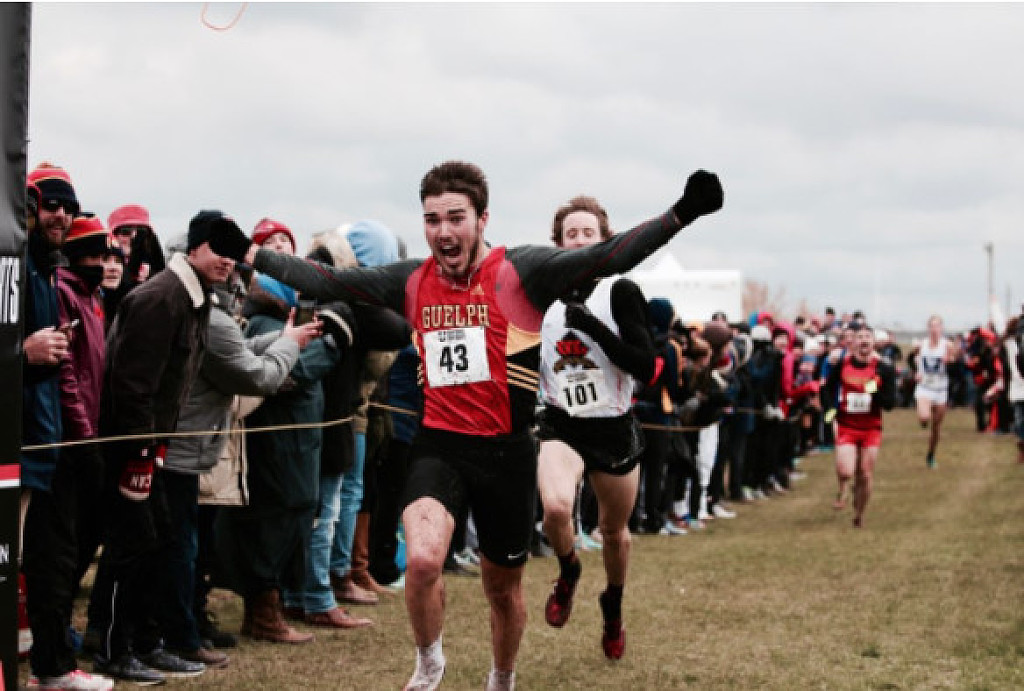
IOC passes on cross-country, adds breakdancing to Paris 2024 program
The 2024 Games won't feature cross-country or 50K race walk events
In July, World Athletics (WA) said it would lobby to get cross-country included in the Paris 2024 Olympics. The International Olympic Committee (IOC) dashed any hopes of an Olympic cross-country race in Paris, though, as it was announced on Monday that breakdancing would make its Olympic debut instead. This decision comes as part of the IOC’s efforts to showcase more youth-focused events that are “inclusive, engaging and can be practised outside conventional arenas.” The IOC also noted that the 50K race walk has officially been cut from the 2024 program, and it will be replaced by a new (but so far undetermined) mixed-gender athletics event.
No XC in 2024
WA released a statement following news of the IOC’s decision to pass on cross-country for the 2024 Games. “Cross-country is an exciting and fast-growing sport around the world, so we are clearly disappointed it will not feature at the Paris 2024 Olympic Games,” the statement reads. “However, we have developed what we believe is a really exciting mixed relay product and have been encouraged by the commitment from the IOC that they will continue to work with us to realize our vision of seeing cross-country in a future Olympic Games.”
WA’s plan for the cross-country event, which was released in July, featured slots for 15 countries, each of which would have had a team of two men and two women. The race would have been a 20K relay in which each runner covered two laps of a 2.5K course. Had cross-country been approved for the 2024 program, it would have been the first time the sport was included in the Olympics since the 1924 Games, which were also held in Paris.
Replacing the 50K
Gender equality is the other main focus (in addition to youth) of the IOC heading toward 2024. The Tokyo Olympics are set to have females represent 48.8 per cent of all athletes competing at the Games next summer, but the IOC announced that it will be a 50-50 split in Paris with the same number of male and female athletes. Because of this, the 50K race walk was cut, as it has traditionally only been contested by men. The IOC has given WA until May 31, 2021, to propose a new mixed-gender event to replace the 50K race walk. In the WA response to the IOC’s news, it says officials are “only considering a mixed-gender race walk event” to replace the 50K.
by Running Magazine
Login to leave a comment
Tokyo 2020 Olympic Games
Fifty-six years after having organized the Olympic Games, the Japanese capital will be hosting a Summer edition for the second time, originally scheduled from July 24 to August 9, 2020, the games were postponed due to coronavirus outbreak, the postponed Tokyo Olympics will be held from July 23 to August 8 in 2021, according to the International Olympic Committee decision. ...
more...