

Running News Daily
Running News Daily is edited by Bob Anderson and team. Send your news items to bob@mybestruns.com Advertising opportunities available.
Index to Daily Posts · Sign Up For Updates · Run The World Feed
Articles tagged #1984 Los Angeles Olympics
Today's Running News
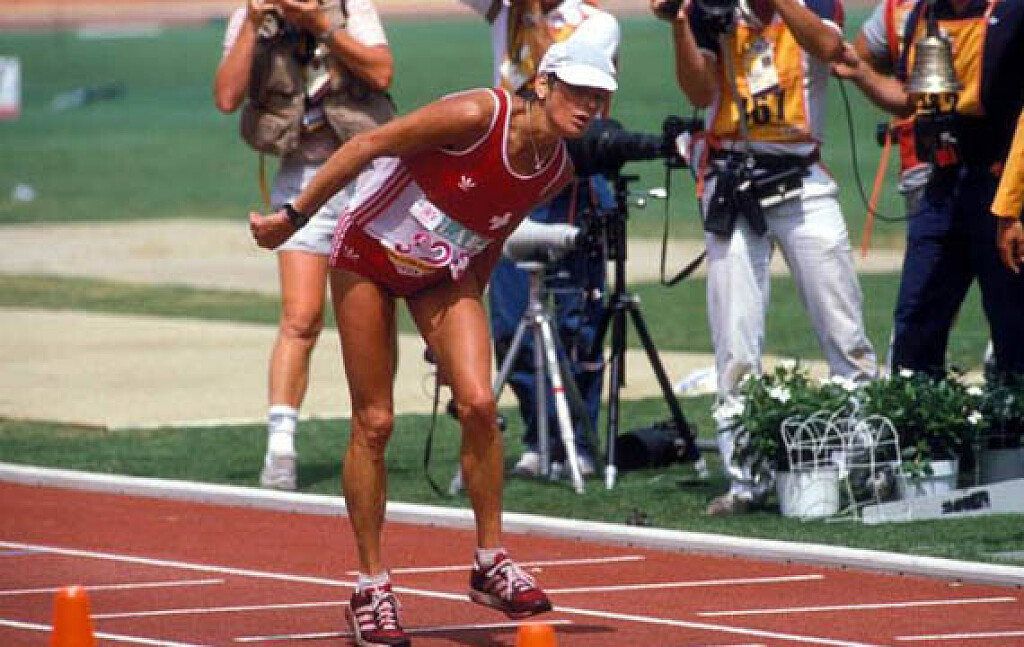


She Staggered, She Fell, But She Refused To Stop: The Olympic Finish That Became A Symbol Of Courage
At the 1984 Los Angeles Olympics, Gabriela Andersen-Schiess became part of Olympic history without winning a medal, setting a record, or standing on the podium.
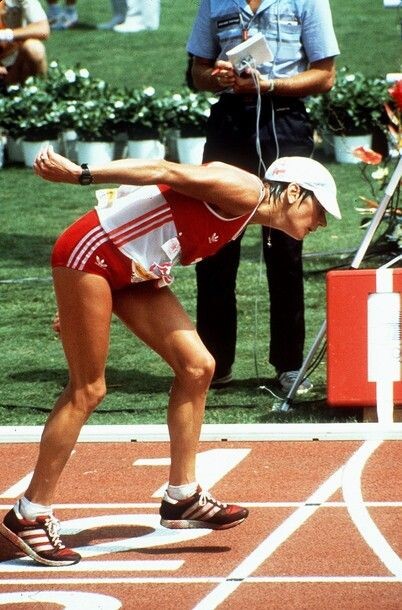
Instead, she gave the world something far more enduring: one of the most powerful displays of determination ever witnessed at the Olympic Games.
Andersen-Schiess, representing Switzerland, was competing in the inaugural women’s Olympic marathon when she entered the Los Angeles Memorial Coliseum after more than two hours of racing. What followed would become one of the most unforgettable moments in the history of distance running.
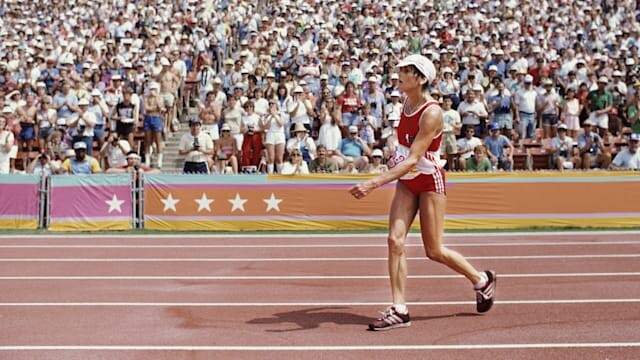
Severely exhausted and suffering from dehydration, the 39-year-old athlete could barely maintain her balance. Her body was visibly struggling. She staggered forward, her upper body leaning from side to side as she fought to keep moving.
Medical personnel immediately prepared to intervene.
But Andersen-Schiess knew that accepting assistance would mean being removed from the competition. She waved the medical staff away and continued, determined to reach the finish line under her own power.
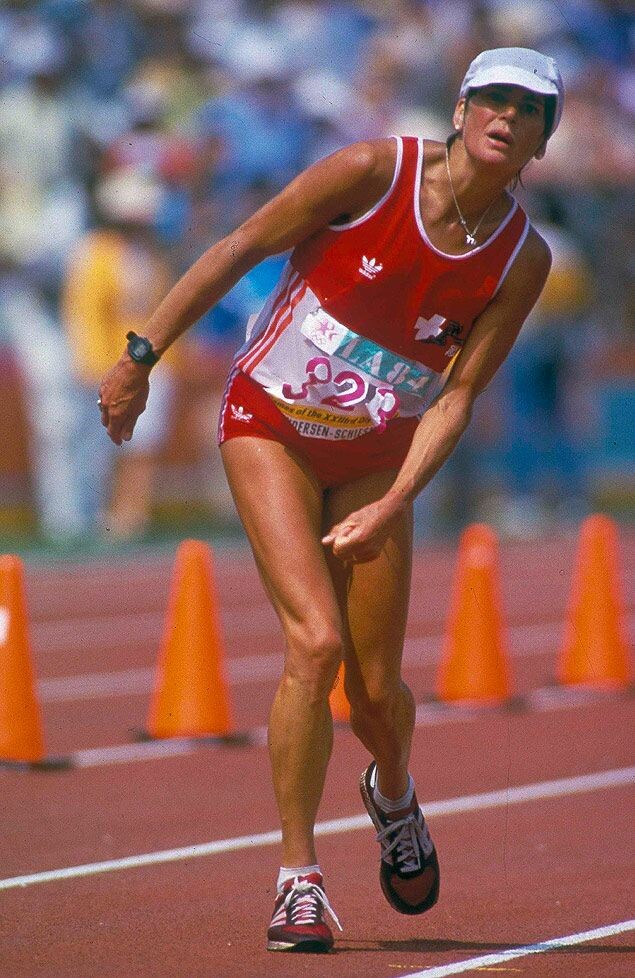
For the final stretch, every step appeared to require an enormous effort. She moved painfully around the stadium, stumbling and swaying as the crowd watched in stunned silence. The spectators could see that she was suffering, yet she refused to stop.
After an agonising final lap, Andersen-Schiess finally crossed the finish line in 37th place in 2:48:42.
The image of her struggling toward the finish quickly became one of the defining moments of the 1984 Olympics.
Earlier that day, American Joan Benoit had made history by winning the first women’s Olympic marathon in 2:24:52. Norway’s Grete Waitz took silver, while Portugal’s Rosa Mota claimed bronze.
Those athletes rightly received the medals and the headlines.
But Andersen-Schiess captured something different.
Her performance was not about victory over her rivals. It was about victory over exhaustion, pain and the overwhelming desire of the body to stop.
More than four decades later, her finish remains etched into the collective memory of Olympic sport. It stands as a reminder that courage is not always found in winning. Sometimes, it is found in taking one more step when every part of you is telling you that you cannot continue.
Gabriela Andersen-Schiess did not leave Los Angeles with an Olympic medal.
She left with something that has lasted far longer: a place in sporting history and a legacy of resilience that continues to inspire generations of runners.
That day, she did not simply finish a marathon.
She showed the world what it can mean to refuse to give up.
by Erick Cheruiyot for My Best Runs.
Login to leave a comment
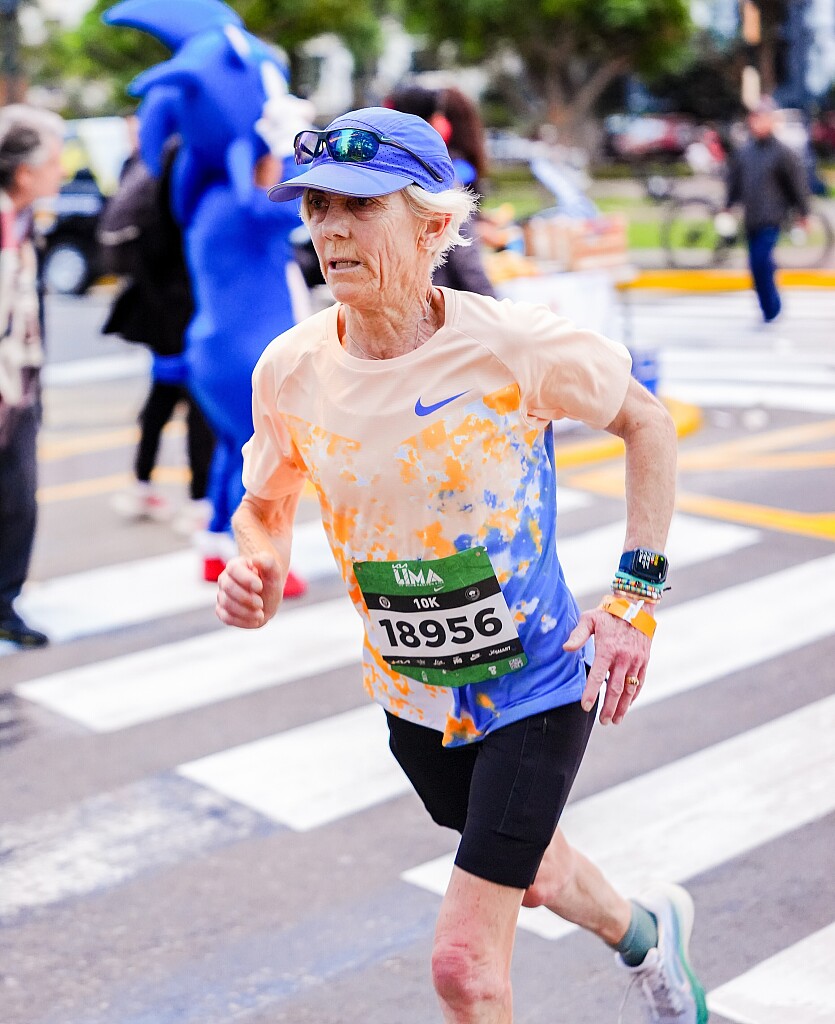
69 And Still Running: Joan Benoit Samuelson Inspires Lima With Another Remarkable 10K
At an age when many athletes have long since stepped away from competition, Joan Benoit Samuelson continues to remind the running world that the finish line is never defined by a number.
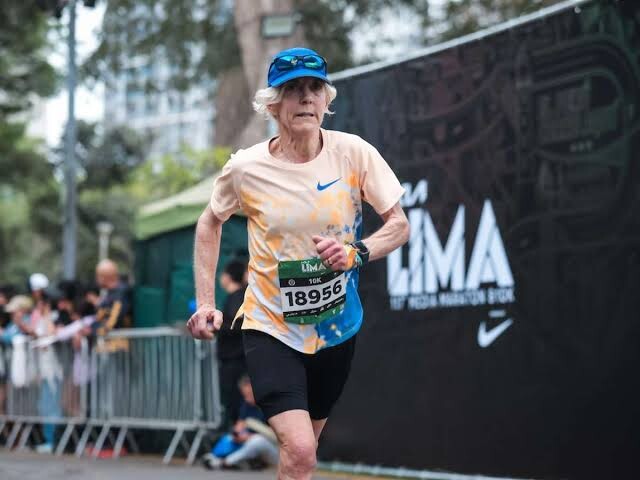
On Sunday in Lima, Peru, the pioneering American distance runner lined up for the 10K at the 117th KIA Media Maratón de Lima & 10K, and at 69 years old, she crossed the finish line in an impressive 47:49 — averaging approximately 7:43 per mile.
It was another chapter in a remarkable running life that has stretched across more than four decades, taking Samuelson from the roads of New England to Olympic history and, now, to the streets of Lima.
The first Olympic women's marathon champion, Samuelson was in Peru as part of a Nike-backed trip, experiencing a race course that links Lima's historic heart with its modern districts. The event attracted around 21,000 runners, creating a spectacular celebration of running in one of South America's most historic cities.
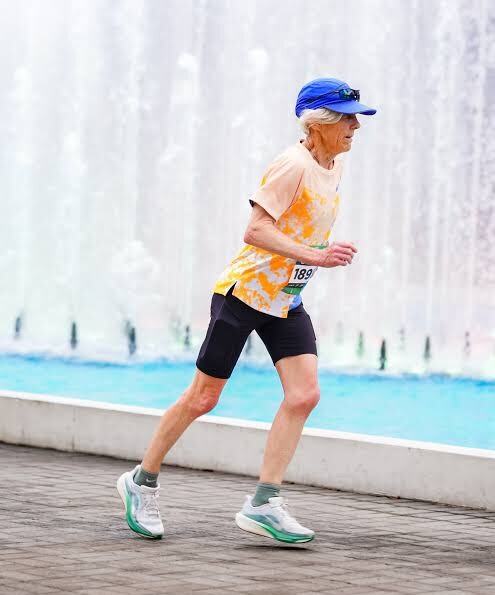
The half marathon accompanying the 10K carries an extraordinary legacy of its own. First staged in 1909, the race is billed as the world's oldest half marathon, adding another layer of history to Samuelson's appearance.
But Samuelson herself needs little introduction when it comes to the history of women's distance running.
Her career helped redefine what was possible for women on the marathon course. She won the Boston Marathon in 1979 and again in 1983, then produced a stunning American record of 2:22:43 in her marathon debut that same year.
A year later, she reached the summit of the sport.
At the 1984 Los Angeles Olympics, Samuelson captured gold in the inaugural women's Olympic marathon, running 2:24:52 and finishing 1 minute 26 seconds ahead of legendary Norwegian Grete Waitz. It was a victory that became one of the defining moments in the history of women's athletics.
And she was far from finished.
In 1985, Samuelson won the Chicago Marathon in 2:21:21, setting another American record that remained untouched for 18 years. Her achievements became part of the foundation upon which the modern era of women's distance running was built.
Yet perhaps the most remarkable part of her story is not what she accomplished four decades ago, but the fact that she is still curious, still competing and still eager to learn from the sport.
Before Sunday's race, Samuelson praised the growing strength of Peruvian distance running, telling local media: “Runners from Peru are starting to show up on the world stage, and they are doing it very well.”
Those words capture something that has defined her journey for generations: a belief that running is not simply about records, medals or victories. It is about discovery, connection and the endless possibility of seeing how far the human spirit can go.
Four decades after making history in Los Angeles, Samuelson is still answering the starting gun.
At 69, the Olympic champion is no longer chasing the clock she once conquered. She is chasing something far more enduring — the joy of running itself.
And in Lima, thousands of runners had the privilege of watching a living legend continue to do what she has always done best: inspire people to keep moving forward.
by Erick Cheruiyot for My Best Runs.
Login to leave a comment
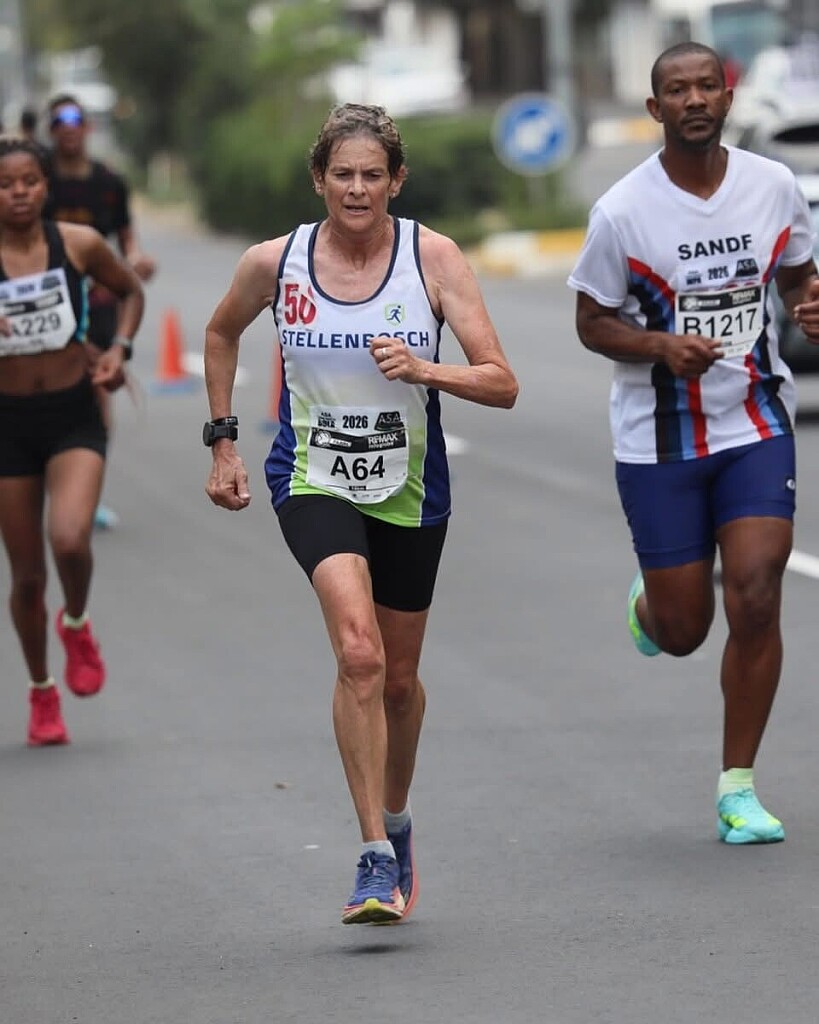
Zola Budd Still Running Strong—Decades After Changing the Sport
Zola Budd, one of the most talked-about distance runners of the 1980s, is still doing what she has always done—running.
Recently, Budd now 59 years old soon to be 60, competed in a 10K in Paarl, South Africa, describing it simply as a “tough course but a good race to run.” That understated comment reflects the same approach she has carried throughout her career: no drama, just running.
A Career That Captured the World
Budd burst onto the global stage as a teenager, known for her distinctive barefoot running style and extraordinary talent. Born in South Africa, she became a controversial figure when she gained British citizenship in the 1980s, allowing her to compete internationally during a time when South Africa faced sporting bans due to apartheid.
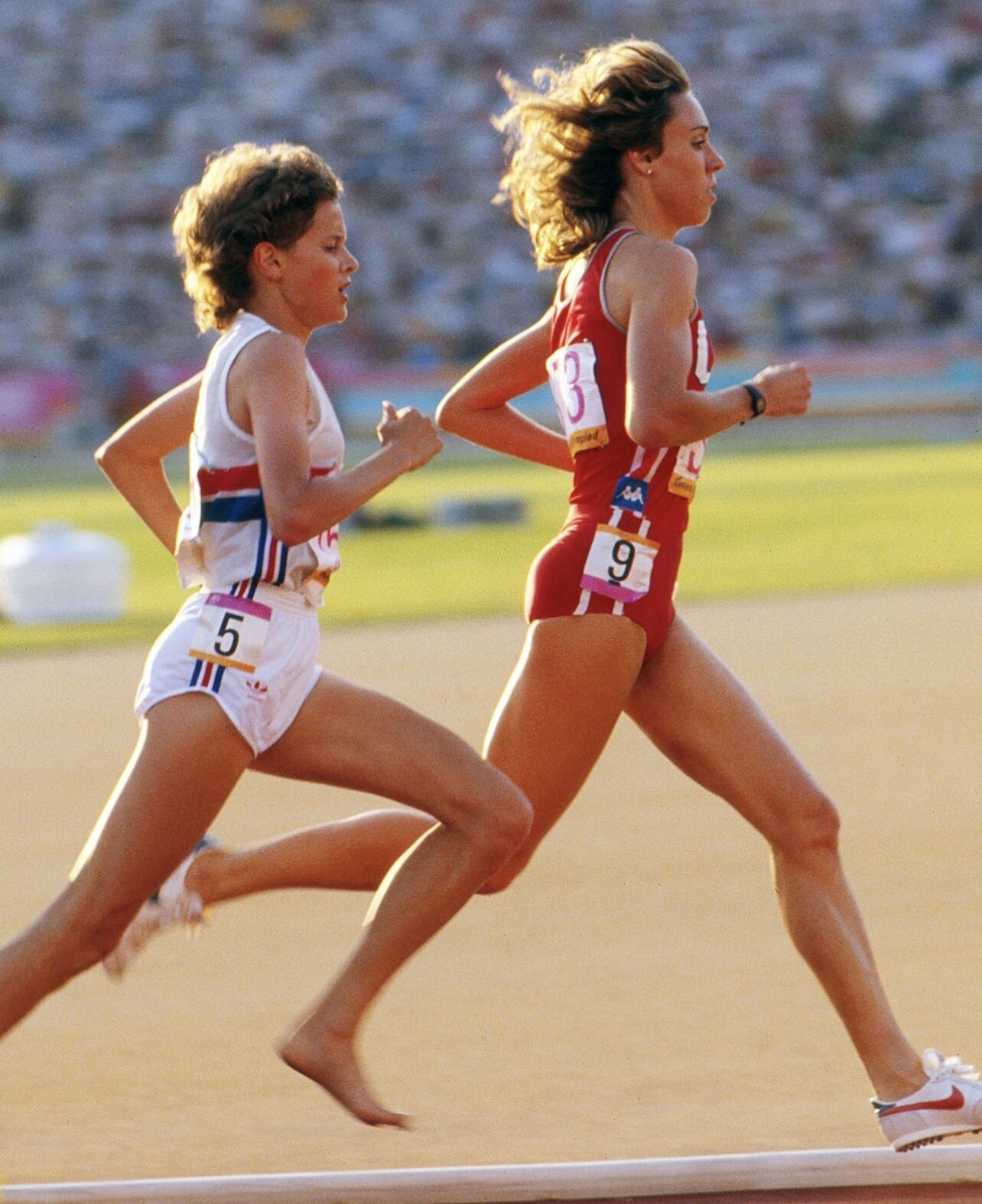
At just 17, she broke the world record for 5,000 meters (though it was not officially ratified at the time). Her rivalry with Mary Decker reached a dramatic peak at the 1984 Los Angeles Olympics, where the two collided in the 3,000-meter final—one of the most replayed and debated moments in Olympic history.
That moment defined her in the public eye, but it never defined her as a runner.
Quiet Longevity
What stands out now is not the controversy, but the longevity.
Budd has continued to run competitively for decades, transitioning into masters racing while maintaining a strong presence in the sport. She eventually returned to South Africa, where she has remained active in local races and the running community.
There is something refreshing about that. No spotlight. No headlines needed. Just showing up, putting on a bib, and racing.
Still Racing, Still Competing
The recent 10K in Paarl is just another example. While many former elite athletes step away from competition, Budd continues to test herself on the roads.
And not just participating—competing.
That speaks to something deeper than talent. It’s about identity. Running was never just something she did—it’s who she is.
The Bigger Picture
Zola Budd’s story is often told through one race, one moment, one controversy. But that misses the larger truth.
She is one of the rare athletes who has lived the full arc of the sport—from teenage prodigy to global figure to lifelong runner.
Today, she represents something many runners can relate to more than ever: the idea that running doesn’t end. It evolves.
From barefoot records to masters races in South Africa, Zola Budd is still out there—still running her own race.
by Boris Baron for My Best Runs
Login to leave a comment
Steve Jones Turns 70: A Look Back at a Marathon Legend
This past week, the legendary Steve Jones celebrated his 70th birthday—a milestone that offers a perfect moment to honor one of the greatest marathoners of all time.
Born on August 4, 1955, in Tredegar, Wales, Steve Jones rose to international prominence during the golden era of distance running. A former Royal Air Force technician, Jones shocked the running world when he won the 1984 Chicago Marathon in a world record time of 2:08:05, breaking the previous record held by Australia’s Rob de Castella. What made the performance even more extraordinary was that Jones ran the race without wearing a watch—and had no idea he was on world record pace.
A year later, he returned to Chicago and ran 2:07:13, which remained the British record for 33 years until Mo Farah broke it in 2018. Jones also won the London Marathon in 1985 and claimed victory at the New York City Marathon in 1988, securing his place among the legends of the sport.
Known for his fearless front-running style, Jones never shied away from taking the lead early. He believed in racing hard from the start and letting the rest catch up—if they could. His aggressive tactics and incredible toughness made him a fan favorite around the world.
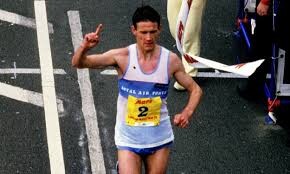
Beyond the road, Steve was a top-class track runner and a formidable competitor in cross country. He set a British record in the 10,000 meters (27:39.14) in 1983 and competed in the 1984 Los Angeles Olympics, placing 8th in the 10,000m final.
Even in retirement, Jones has remained involved in the sport as a coach and ambassador. His legacy lives on in every runner who dares to push the pace and run fearlessly.
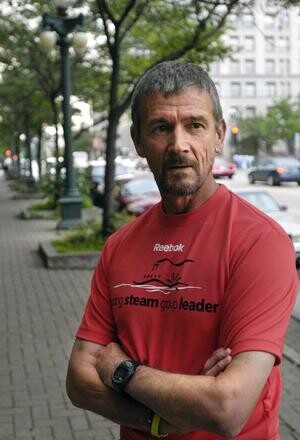
From all of us at My Best Runs, we wish Steve a belated but heartfelt Happy 70th Birthday—and thank you for inspiring generations of runners.
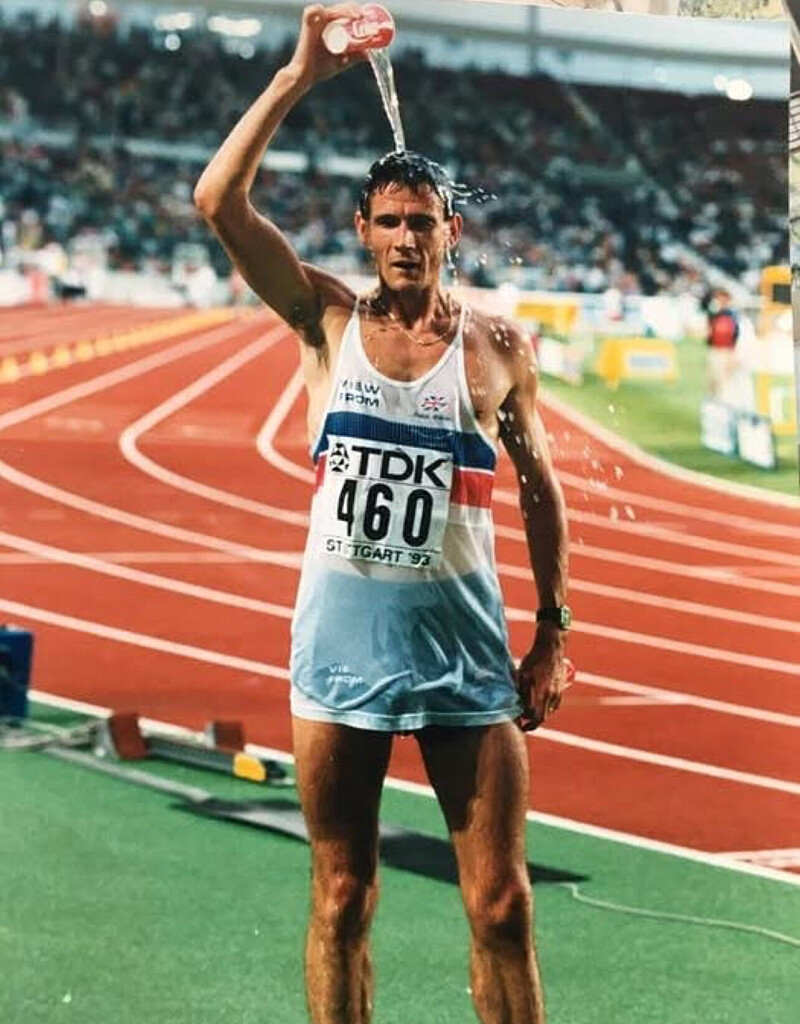
The iconic image of Steve Jones cooling off mid-race is a perfect reminder of his grit, focus, and drive. A true original.
by Boris Baron
Login to leave a comment
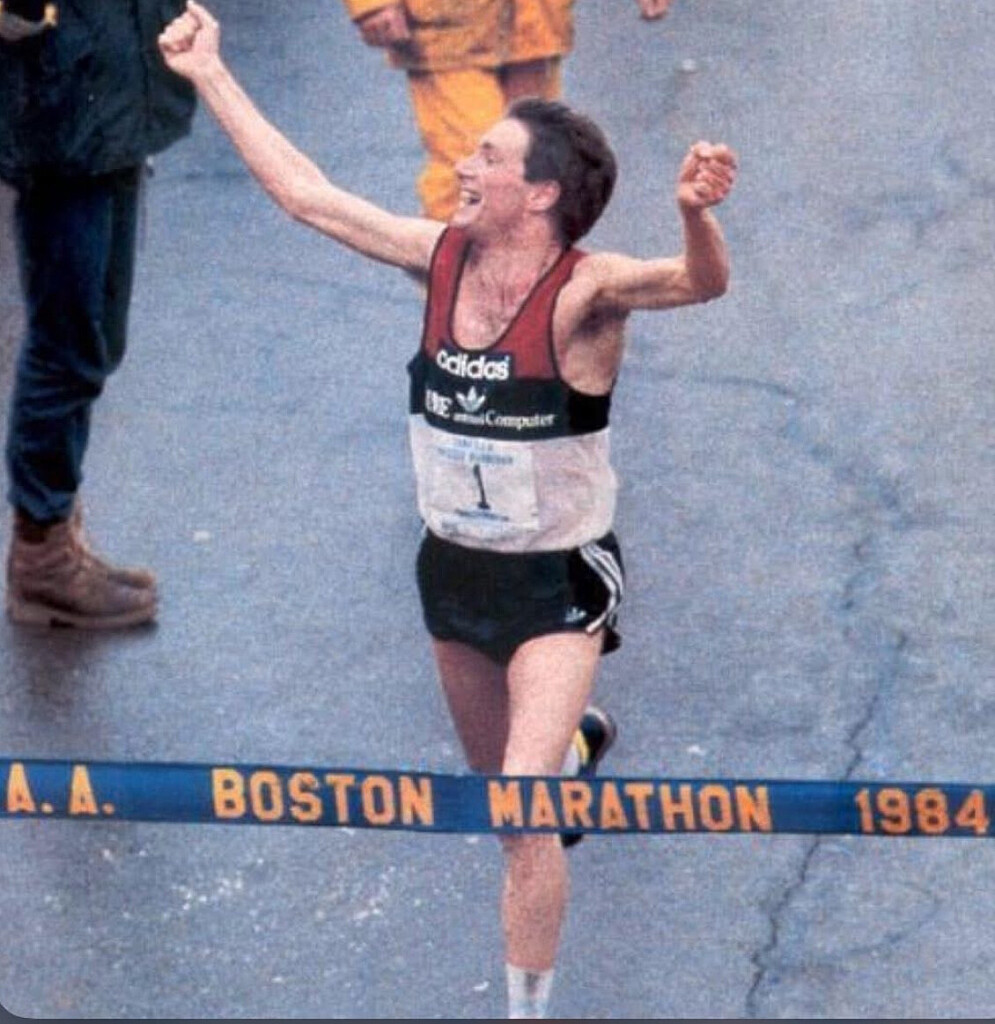
Geoff Smith is a two-time Boston Marathon winner, Olympian, and lifelong contributor to the sport. From collapsing short of victory in NYC to Boston glory—his story is pure grit.
Two-time Boston Marathon winner Geoff Smith is more than a racing legend—he’s a lifelong ambassador for running. Born in Liverpool, England in 1953, Smith’s story is one of extraordinary transformation. From firefighter to Olympian to elite marathoner, and now a mentor and race organizer, his passion for the sport continues to resonate across generations and continents.
From Liverpool Firefighter to Boston Great
Smith’s journey began with the Liverpool Fire Brigade’s athletic team, where his natural talent emerged. By age 26, he had relocated to the United States to attend Providence College in Rhode Island. There, he developed into one of the world’s premier distance runners.
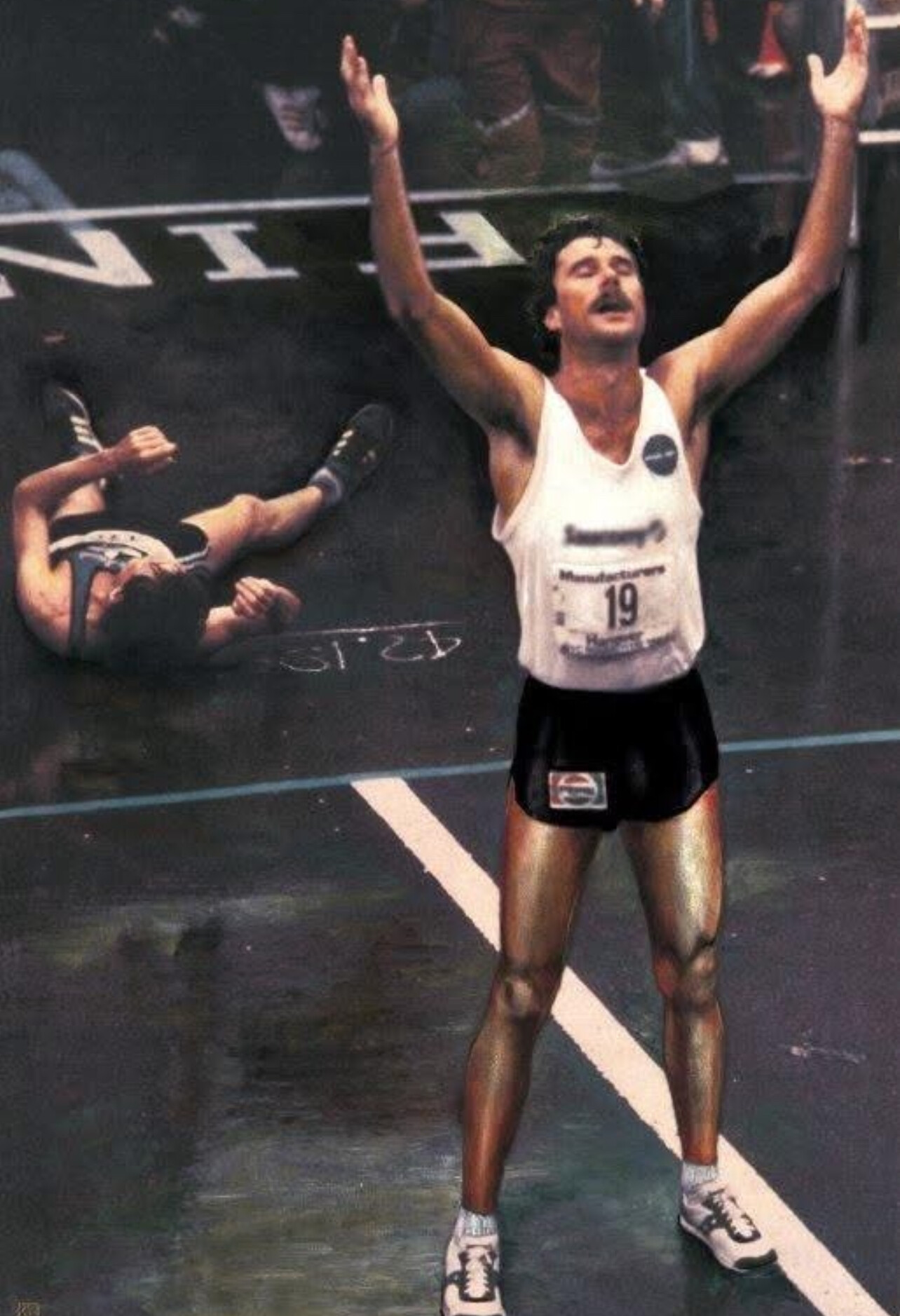
In 1983, he made a dramatic marathon debut in New York City. Leading for most of the race, he seemed destined for victory—until, in the final few yards, Rod Dixon surged ahead. Overwhelmed by exhaustion, Smith collapsed before reaching the finish line. The iconic photograph capturing that heart-stopping moment, with Dixon celebrating and Smith falling short of the line, remains one of the most powerful images in marathon history.
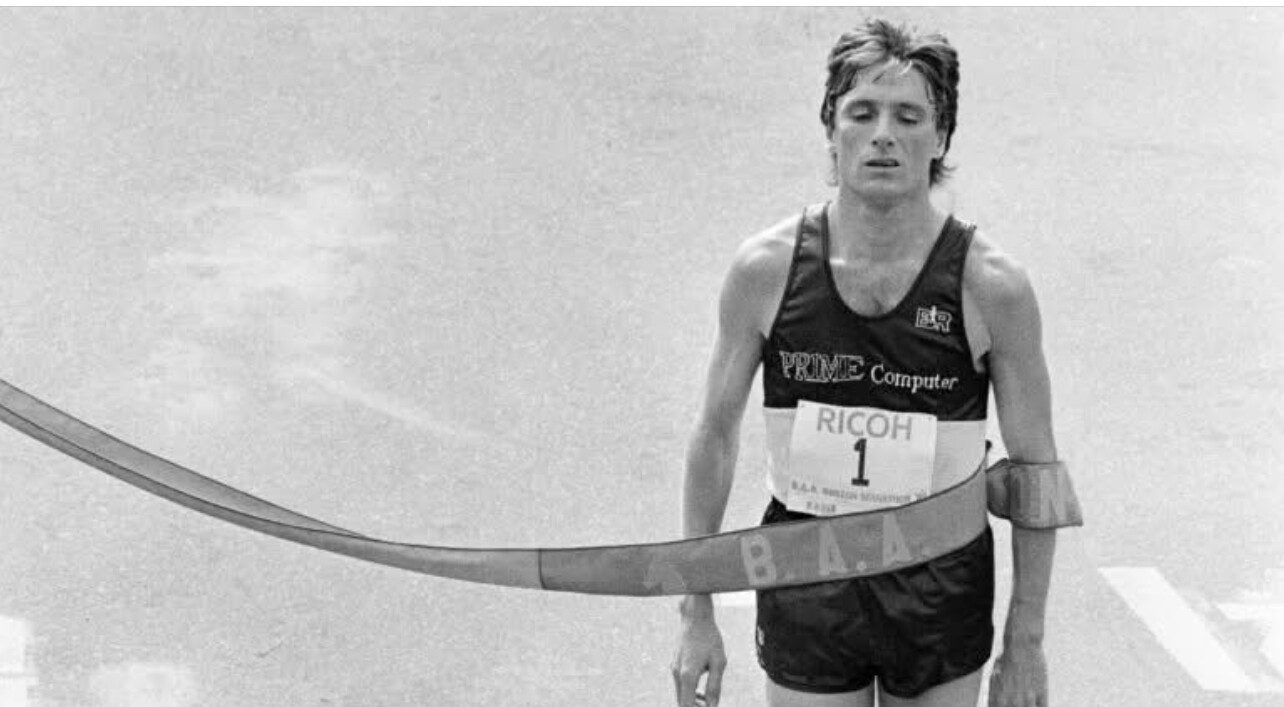
The following year, he captured the 1984 Boston Marathon title with a commanding 2:10:34. In 1985, he defended his title in dramatic fashion, battling severe leg cramps in the final miles to win in 2:14:05. That courageous effort remains one of the grittiest finishes in Boston history.
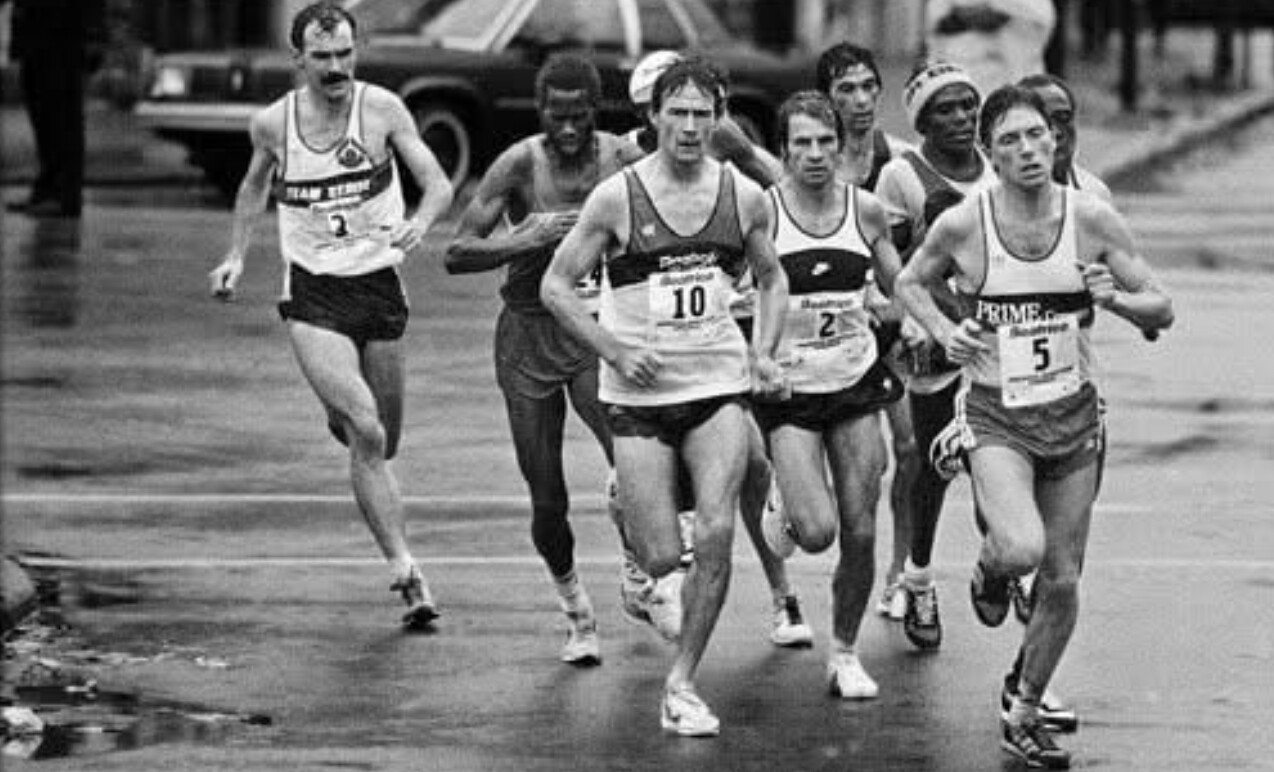
Olympic Pride and International Competition

Smith also proudly represented Great Britain in two Olympic Games. He competed in the 10,000 meters at the 1980 Moscow Olympics and returned to the global stage in the marathon at the 1984 Los Angeles Olympics. His Olympic performances helped cement his place among the greatest British distance runners of his era.

A Quiet Force Behind the Scenes

After retiring from elite competition due to injuries—and undergoing bilateral hip replacements—Smith made a remarkable return to the sport. Though no longer racing competitively, he continues to log miles through walking or easy running, staying deeply connected to the running lifestyle.
Now based in Mattapoisett, Massachusetts, Smith remains a respected figure in the New England running scene. Rather than seeking the spotlight, he collaborates with other race directors, using his decades of experience to help source race medals, shirts, and participant bags. His behind-the-scenes work ensures runners have meaningful, memorable race-day experiences.
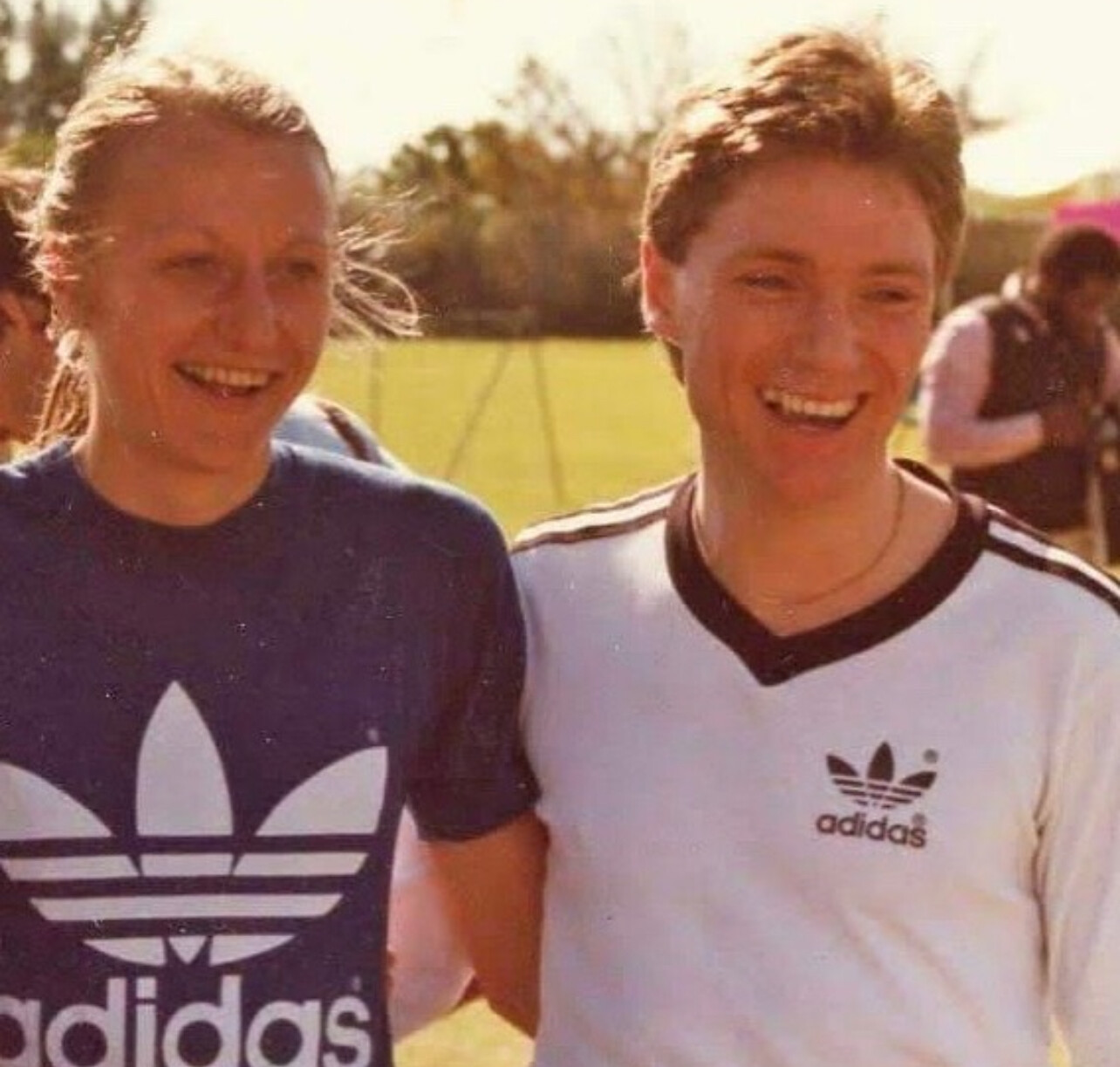
Living Between Massachusetts and Liverpool
While Smith calls Massachusetts home, he spends considerable time in his native Liverpool, keeping strong ties to his roots. Whether he’s supporting local races in New England or visiting family and friends in the UK, his love for the running community never wavers.
Despite facing medical challenges in recent years, Geoff Smith continues to move forward with resilience and determination. His story is a powerful reminder that true champions don’t just break tape—they lift others along the way.
Geoff Smith’s legacy isn’t only written in record books—it lives on in the events he supports, the runners he inspires, and the quiet miles he continues to cover with gratitude and grace.
by Boris Baron
Login to leave a comment
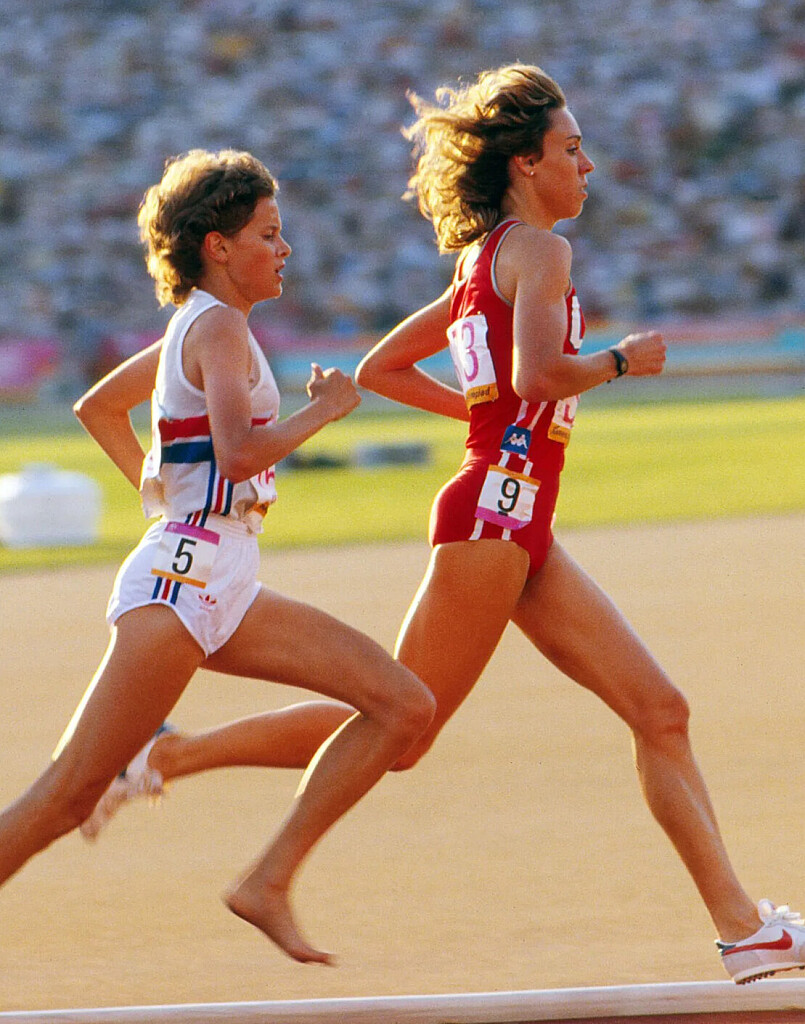
Zola Budd’s Barefoot Legacy Still Inspires Runners Today
It was a moment etched in running history: a young South African athlete, racing barefoot with fierce determination, leaving competitors in her wake on the world stage. Zola Budd wasn’t just fast—she was fearless. Known for her unique barefoot racing style and her controversial Olympic journey, Budd left an indelible mark on the sport of distance running.
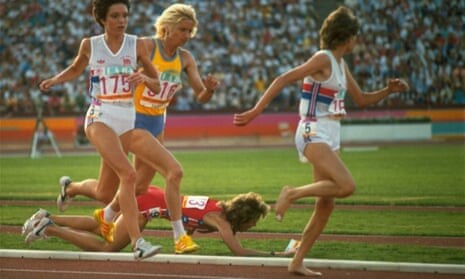
Zola Budd rose to international fame in the 1980s, breaking records as a teenager and becoming one of the most talked-about athletes of her time. Born in Bloemfontein, South Africa, she famously ran the 5,000 meters in 15:01.83 in 1984 at just 17 years old—unofficially breaking the world record while still under apartheid sanctions that prevented South African athletes from competing internationally.
To get around the ban, Budd obtained British citizenship through her grandfather and represented Great Britain at the 1984 Los Angeles Olympics. There, she became embroiled in one of the most controversial moments in Olympic history when she collided with American favorite Mary Decker in the 3000-meter final, resulting in Decker’s fall. Though Budd was cleared of wrongdoing, the incident defined much of her public image at the time.
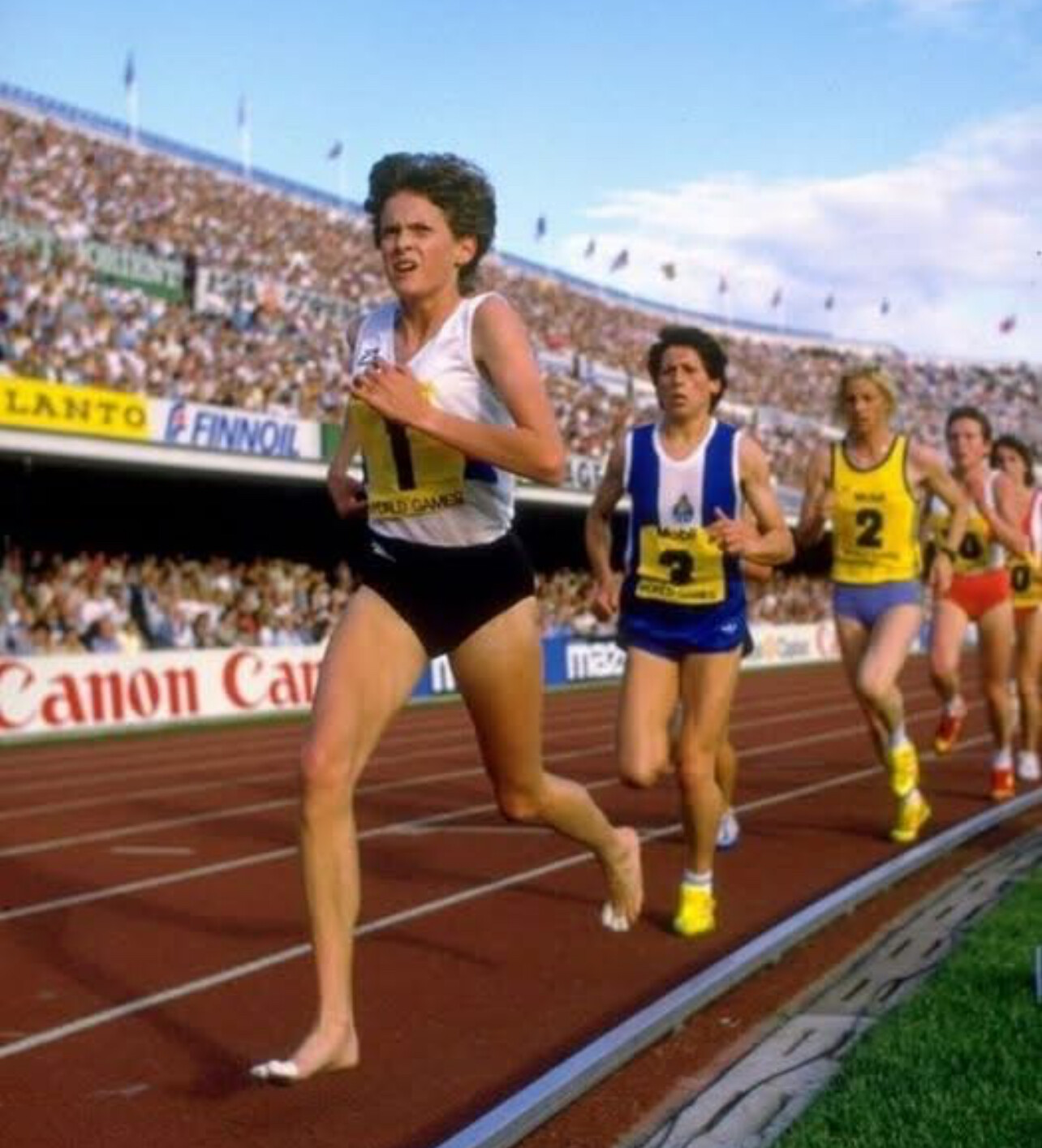
But beyond controversy, Budd’s running style was iconic. She often ran without shoes—even at elite competitions—feeling that it helped her form and connection with the track. Her barefoot strides became a symbol of raw, natural talent in a highly commercialized sport.
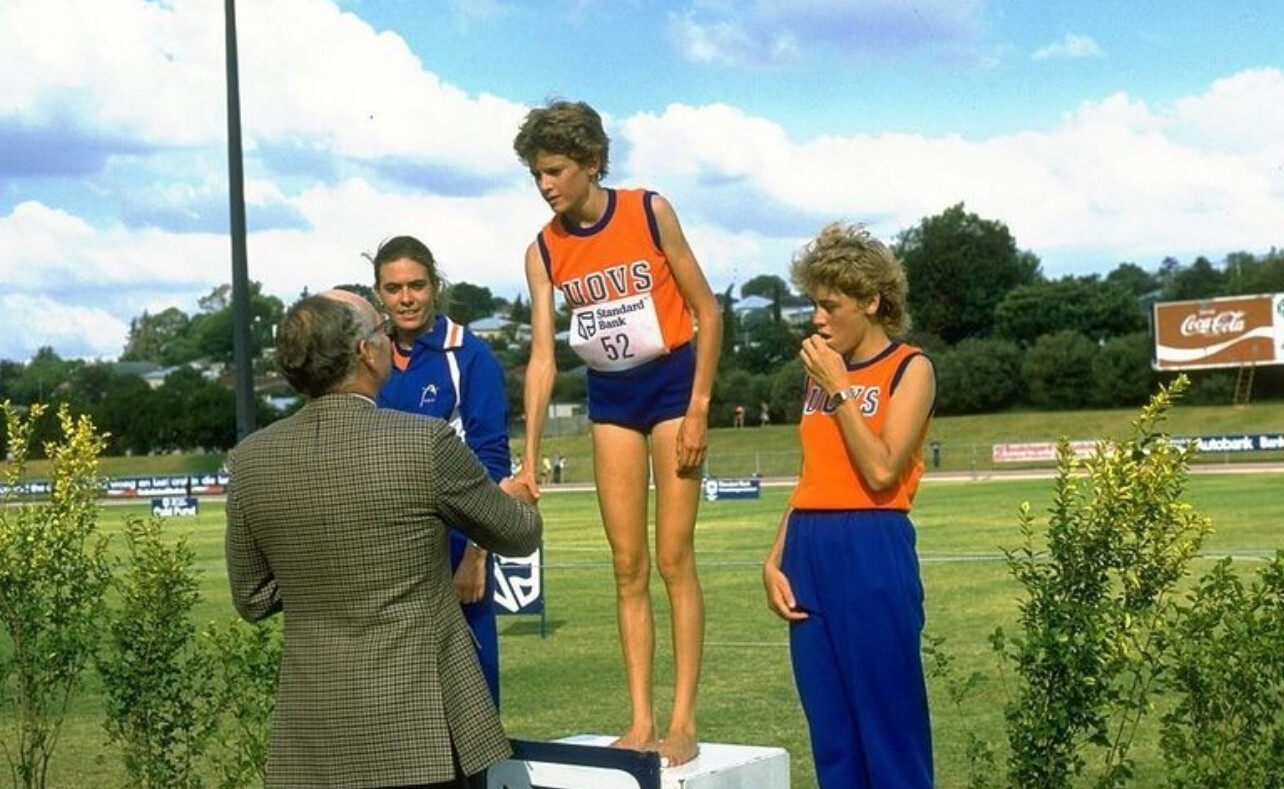
After stepping away from international competition, Budd eventually returned to South Africa and later moved to the United States. Today, Zola Budd Pieterse (her married name) lives in South Carolina, where she coaches collegiate runners and remains involved in the running community. She also competes in masters events and continues to advocate for clean sport and athlete welfare.
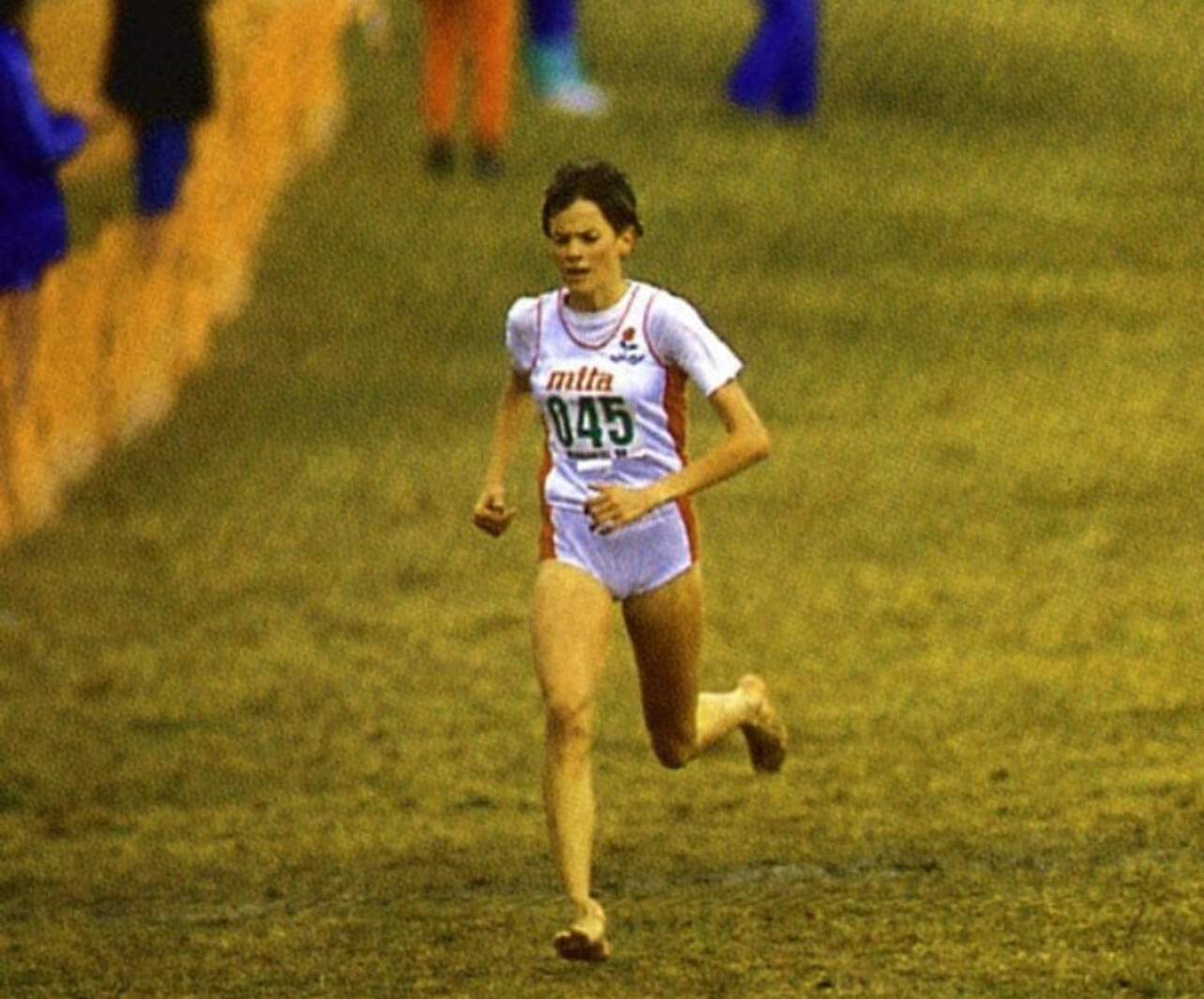
Now in her late 50s, Budd still runs most days, often on trails and without shoes when conditions allow. Her story continues to resonate with athletes drawn to the purity of the sport and the courage it takes to race on your own terms.
Zola Budd’s legacy isn’t just about barefoot racing or Olympic controversy—it’s about staying true to yourself.
by Boris Baron
Login to leave a comment
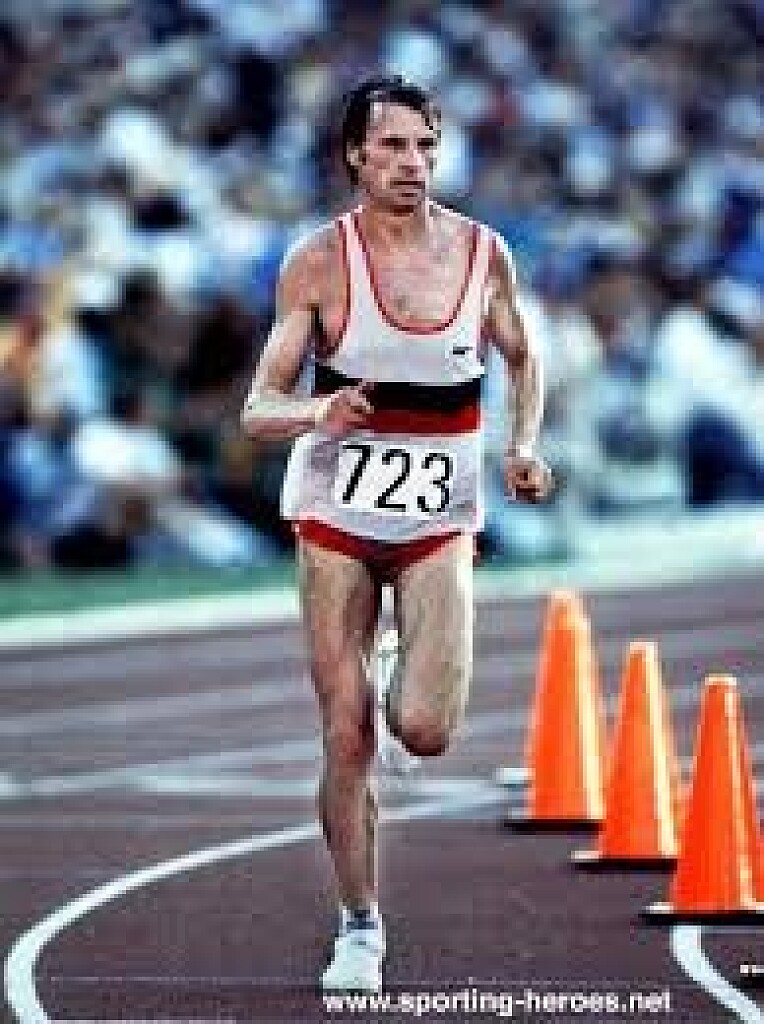
Carlos Lopes: The Endurance Icon Who Redefined Distance Running
Happy 78th birthday to Carlos Lopes, one of the greatest athletes in Portuguese history. From humble beginnings, Lopes defied the odds to become an Olympic champion and world-record holder, leaving an indelible mark on long-distance running.
Born in 1947 in Viseu, Portugal, Carlos Lopes did not follow the typical path of early athletic stardom. Unlike many top runners who emerge in their teenage years, Lopes only took up competitive athletics at the age of 20. It wasn’t until he was 29 that he secured a scholarship, finally allowing him to dedicate himself fully to the sport. Despite this late start, his remarkable work ethic and natural endurance set him apart.
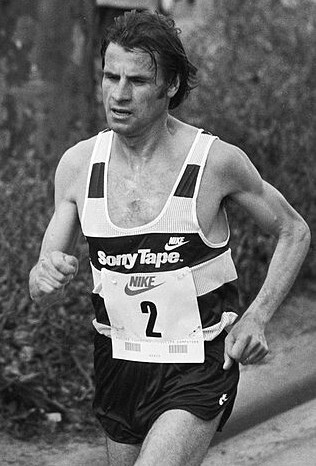
Lopes' tactical intelligence and diesel-like endurance made him a formidable force in cross-country running. He achieved unparalleled success in this discipline, winning three World Cross Country Championships in 1976, 1984, and 1985. His consistency also earned him two silver medals in 1977 and 1983, solidifying his status as one of the best cross-country runners of his generation.
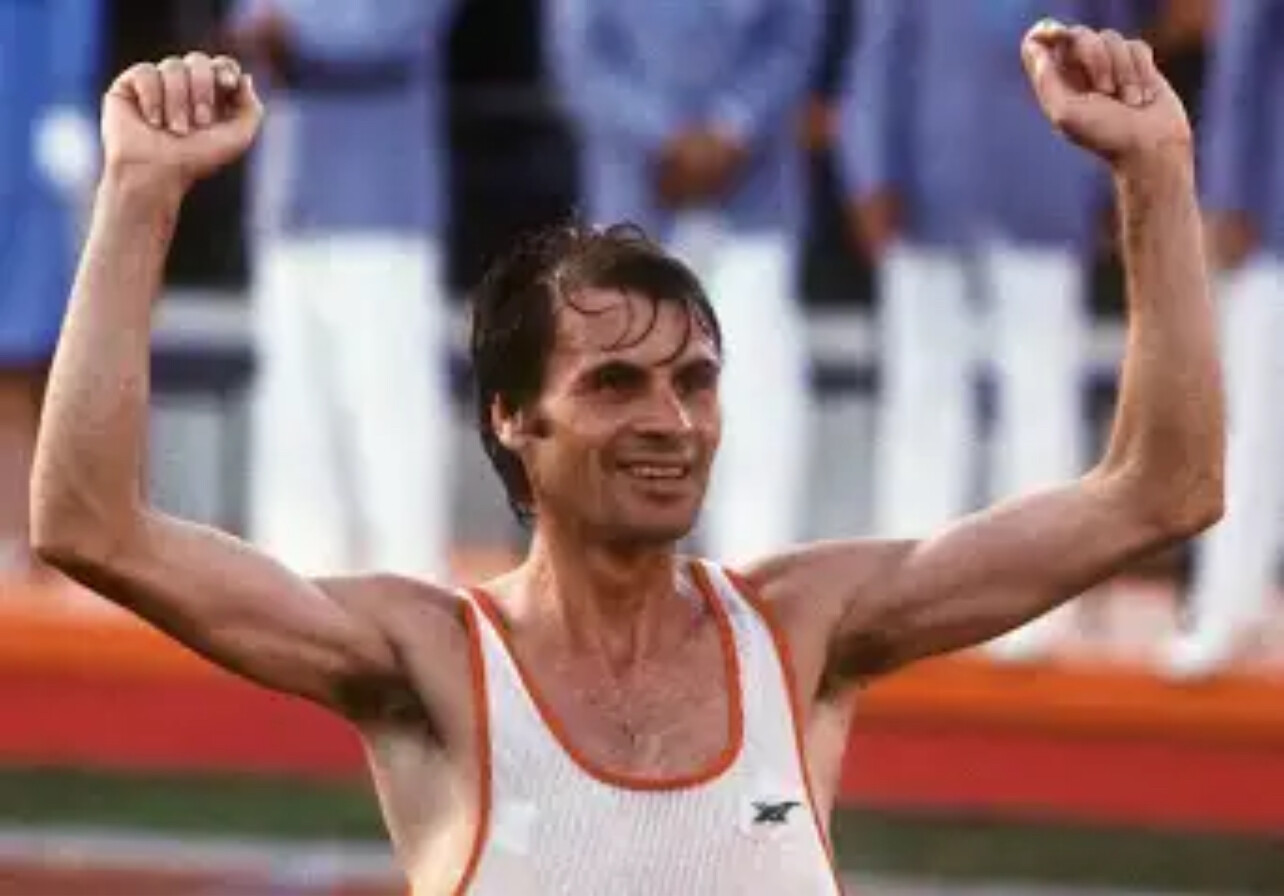
Lopes first made his mark on the Olympic stage in the 1976 Montreal Olympics, where he claimed the silver medal in the 10,000 meters. Eight years later, at the 1984 Los Angeles Olympics, he cemented his legacy by winning the marathon gold medal at the age of 37, setting an Olympic record of 2:09:21. His time stood as the Olympic best for an astonishing 24 years until it was finally broken by Samuel Wanjiru in 2008.
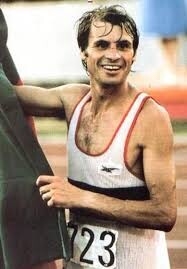
Even as he entered his mid-to-late 30s, Lopes continued to set new standards for long-distance running. At the age of 35, he broke the European record in the 10,000 meters, clocking an impressive 27:24.39. At 38 years old, he achieved the pinnacle of his career by setting a new world record in the marathon (2:07:12), proving that age was no barrier to excellence.
Carlos Lopes remains an inspiration to runners worldwide. His journey from late starter to Olympic champion, his dominance in cross-country, and his record-breaking performances well into his late 30s highlight the power of perseverance, strategy, and raw endurance. His impact on Portuguese athletics is immeasurable, and his achievements continue to serve as motivation for generations of aspiring athletes.
As he celebrates his 78th birthday, we honor a true legend who showed that dedication and resilience can lead to greatness, no matter when the journey begins.
by Boris Baron
Login to leave a comment
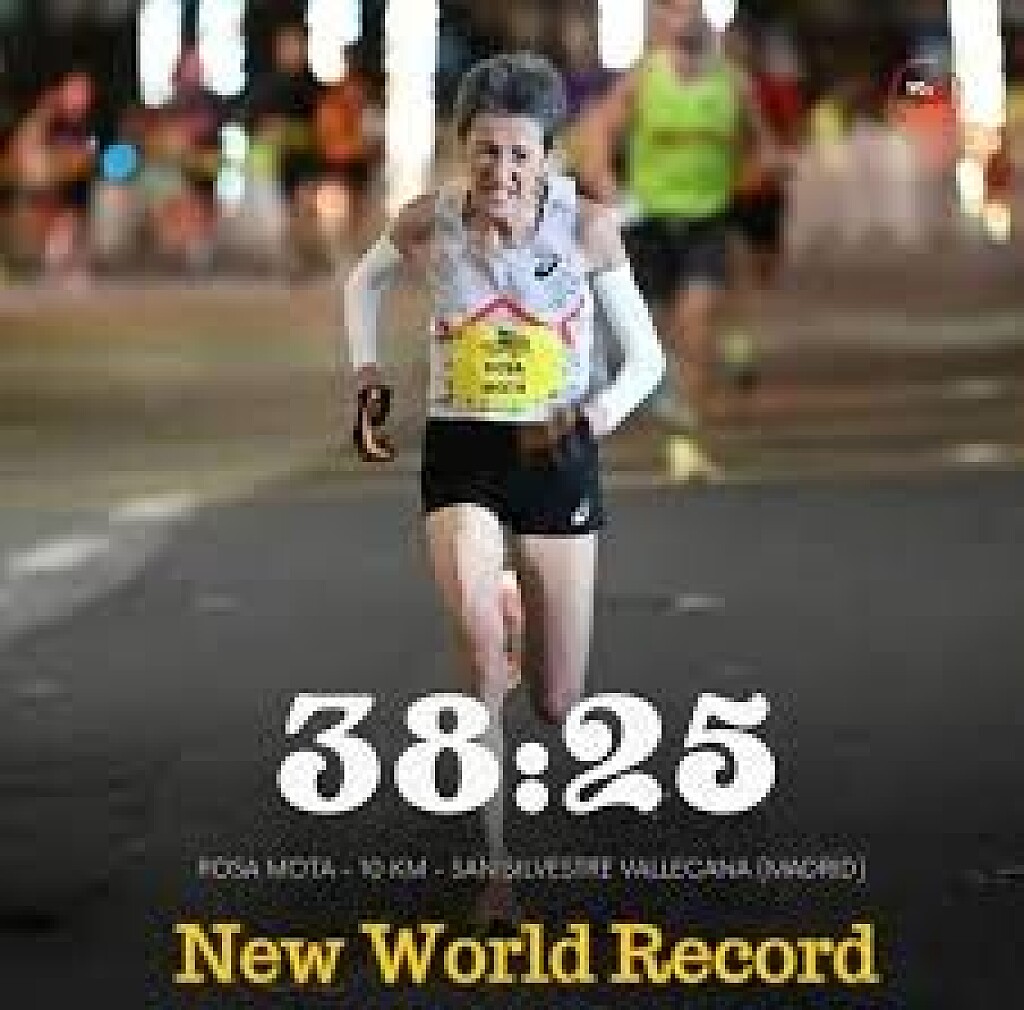
Rosa Mota: Defying Age with a 38-Minute 10K World Record at 66
At 66 years old, Rosa Mota, Portugal’s marathon icon and former Olympic champion, continues to prove that greatness knows no age. Most recently, she stunned the world by setting a new age-group world record for the 10K, finishing in an astonishing time of 38:25.This achievement not only cements her status as a legendary athlete but also highlights her remarkable longevity in a sport dominated by younger competitors.
The record-breaking performance occurred during the San Silvestre Vallecana 10K race, where Mota finished with a time of 38:25, significantly improving her previous W65 world record of 38:45, set in Valencia almost a year prior.
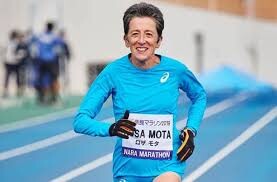
Rosa Mota rose to international fame in the 1980s, dominating the marathon scene and becoming one of the greatest long-distance runners in history. Born in Porto in 1958, she grew up with a love for running and quickly emerged as a standout athlete.
Her career highlights include winning the marathon gold medal at the 1988 Seoul Olympics and bronze at the 1984 Los Angeles Olympics. She also won the inaugural women’s marathon at the European Championships in 1982, setting the tone for her incredible career. Rosa claimed victories in major marathons worldwide, including Boston, Chicago, and London, and her legacy includes a World Championship title in 1987.
Pushing the Limits at 66:
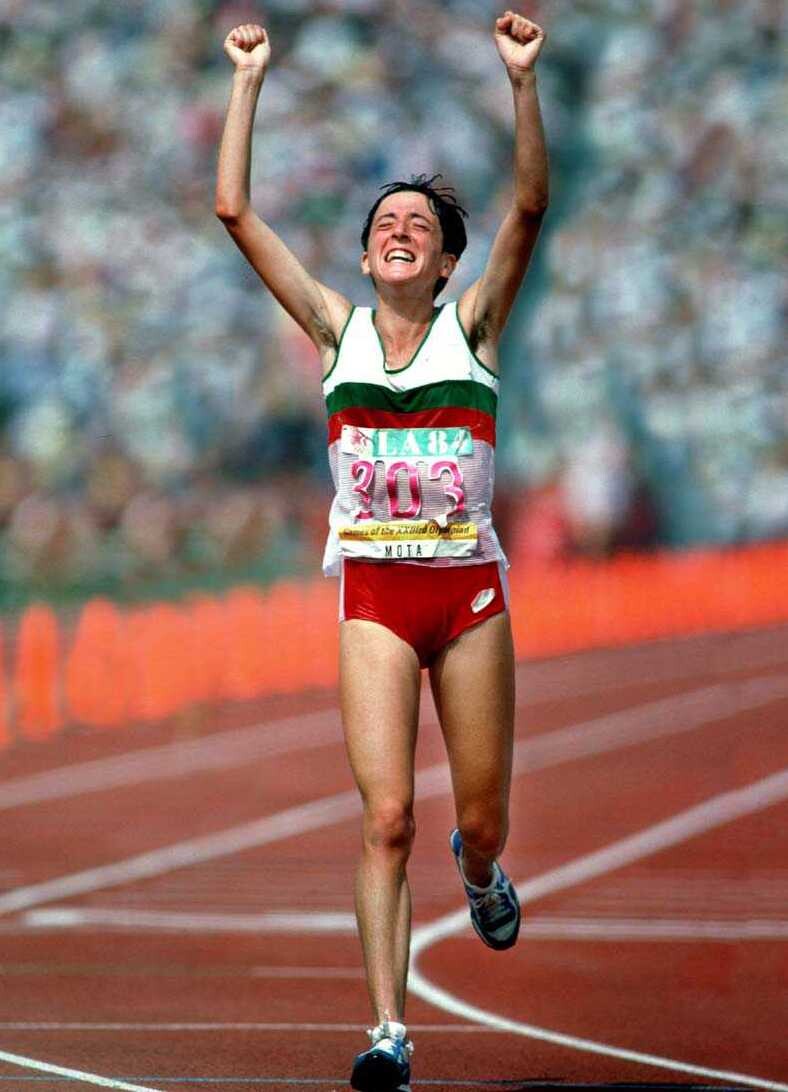
Rosa’s most recent feat is part of a series of record-breaking performances that have reignited her fame in the running world. Earlier this year, she set a W65 world record in the half marathon with a time of 1:25:52, followed by her stunning 10K record of 38:25. These times are exceptional not just for her age group but for athletes of any age, underscoring Rosa’s incredible dedication and talent.
Rosa attributes her success to a lifelong passion for running and disciplined training. “I never stopped loving this sport,” she said after her race. “I still wake up every day excited to run, to challenge myself, and to show others that age is not a limit—it’s an opportunity.”
The Secret Behind Rosa’s Success:
Rosa’s training has evolved over the years, focusing on smart, consistent workouts that prioritize recovery. She combines speedwork, long runs, and cross-training with strength exercises and yoga to maintain her agility and endurance. A balanced Mediterranean diet, rich in fruits, vegetables, and lean proteins, also contributes to her vitality.
“I listen to my body more now than I did in my younger days,” she explains. “Rest and recovery are just as important as the training itself.”
A Beacon of Inspiration:
Beyond her athletic achievements, Rosa Mota is a symbol of resilience and empowerment. She remains an active figure in the running community, advocating for health, fitness, and women’s participation in sports. Through her recent performances, she has inspired not only her peers but also younger generations of runners.
“I want people to know it’s never too late to dream big,” Rosa says. “Set goals, stay consistent, and believe in yourself. That’s how records are broken—on and off the track.”
Legacy of Greatness:
Rosa Mota’s 38-minute 10K record is more than just a number—it’s a testament to the power of determination, discipline, and a lifelong love for running. As she continues to push boundaries, she reminds us all that the human spirit can triumph over any obstacle, including the passage of time.
by Boris Baron
Login to leave a comment
Athletes with the most track gold medals in the history of Olympics
Here are the athletes with the most gold medals at the Olympic athletic games
The track and field events continue to capture the imagination of sports fans around the world, at the Olympics in Paris.
While the current athletes compete for glory, it's worth reflecting on the legends who have set the bar exceptionally high in Olympic athletics.
Here’s a look at the athletes with the most gold medals in Olympic track and field history, showcasing their unparalleled achievements and enduring legacies.
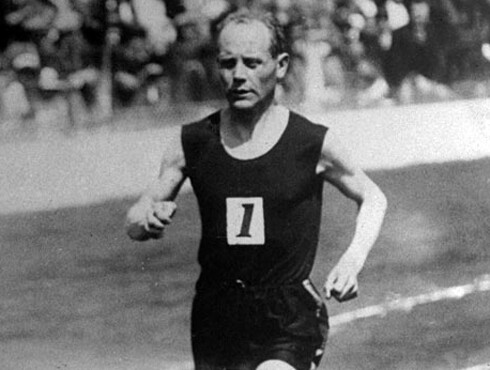
1. Paavo Nurmi (Finland)- 9 Gold medals
Paavo Nurmi, known as "The Phantom Finn," is celebrated for his extraordinary achievements in middle and long-distance running during the 1920s.
Competing in the 1920, 1924, and 1928 Olympics, Nurmi amassed an impressive 12 Olympic medals, including a record nine golds. His incredible versatility was highlighted by his ability to dominate distances ranging from the 1500m to the 20km.
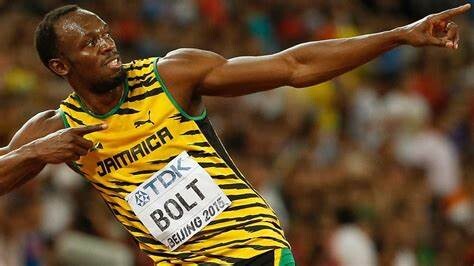
At the 1924 Paris Olympics, Nurmi won a record five gold medals, a feat that remains unmatched to this day.
His career is also marked by his remarkable achievement of setting 22 official world records across various distances.
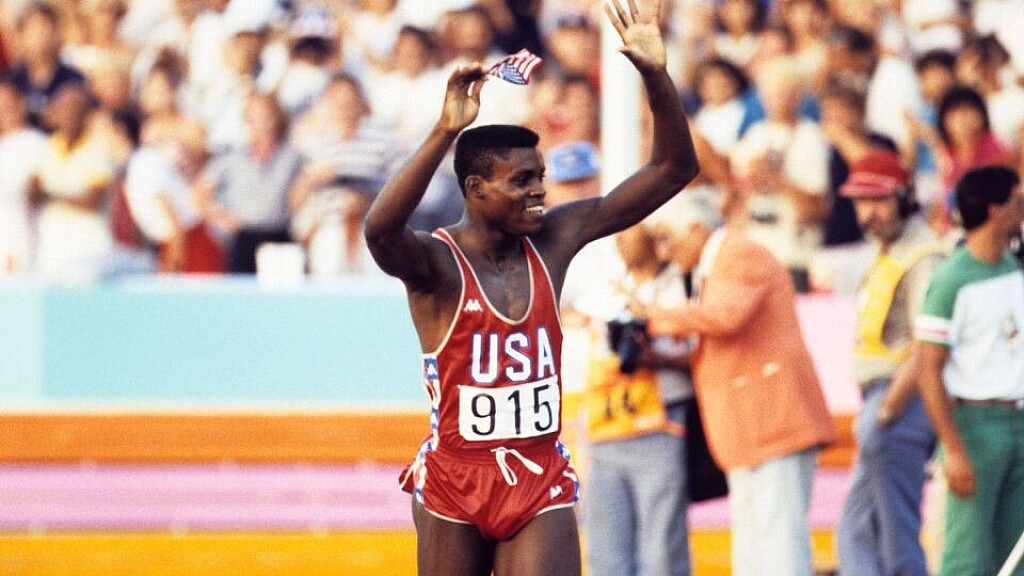
2. Carl Lewis (U
SA)- 9 Gold medals
American sprinter Carl Lewis is another iconic figure in Olympic athletics, renowned for his dominance in both sprint events and the long jump.
Lewis’s Olympic career spanned from 1984 to 1996, during which he earned a total of 10 medals, including nine golds.
In his debut at the 1984 Los Angeles Olympics, Lewis matched the achievements of Jesse Owens by winning gold in the 100m, 200m, 4x100m relay, and long jump.
His subsequent victories across the 1988, 1992, and 1996 Games solidified his reputation as one of the greatest track and field athletes of all time.
3. Allyson Felix(USA) - 7 Gold medals
Allyson Felix stands as the most decorated female athlete in Olympic track and field history.
Her career, spanning five consecutive Olympics from 2004 to 2020, has seen her win a total of 11 medals.
Felix’s seven gold medals highlight her versatility and dominance in both the individual and relay events.
Felix’s remarkable achievements include gold medals in the 200m and 4x400m relays at the 2012 London Olympics, as well as two more golds in Rio 2016.
Her career continued to shine with additional medals in Tokyo 2020, proving her enduring excellence on the track.
4. Usain Bolt (Jamaica)- 8 Gold medals
Jamaican sprinter Usain Bolt is often hailed as the fastest man in history, and his Olympic success only cements this status.
Bolt’s career is highlighted by his three consecutive Olympic gold medals in the 100m, 200m, and 4x100m relay events at the 2008 Beijing, 2012 London, and 2016 Rio Games.
Bolt’s unprecedented triple-double achievements and world records in these events have set a benchmark in the sport.
His flair, speed, and charismatic performances have made him a global icon in athletics.
5. Shelly-Ann Fraser-Pryce (Jamaica)- 3 Gold medals
Jamaican sprinter Shelly-Ann Fraser-Pryce is another prominent name in Olympic athletics.
Known for her explosive starts and exceptional speed, Fraser-Pryce has won three gold medals in the 100m across the 2008 Beijing, 2012 London, and 2024 Paris Olympics.
Her ability to consistently perform at the highest level across four Olympics showcases her remarkable career.
These legendary athletes have not only achieved remarkable success but have also set records that continue to inspire future generations of track and field competitors.
From Paavo Nurmi’s unmatched versatility to Usain Bolt’s record-breaking sprints, their contributions to the sport have shaped the history of the Olympics and continue to captivate the world.
by Eric Munene
Login to leave a comment

Paris 2024 Olympic Games
For this historic event, the City of Light is thinking big! Visitors will be able to watch events at top sporting venues in Paris and the Paris region, as well as at emblematic monuments in the capital visited by several millions of tourists each year. The promise of exceptional moments to experience in an exceptional setting! A great way to...
more...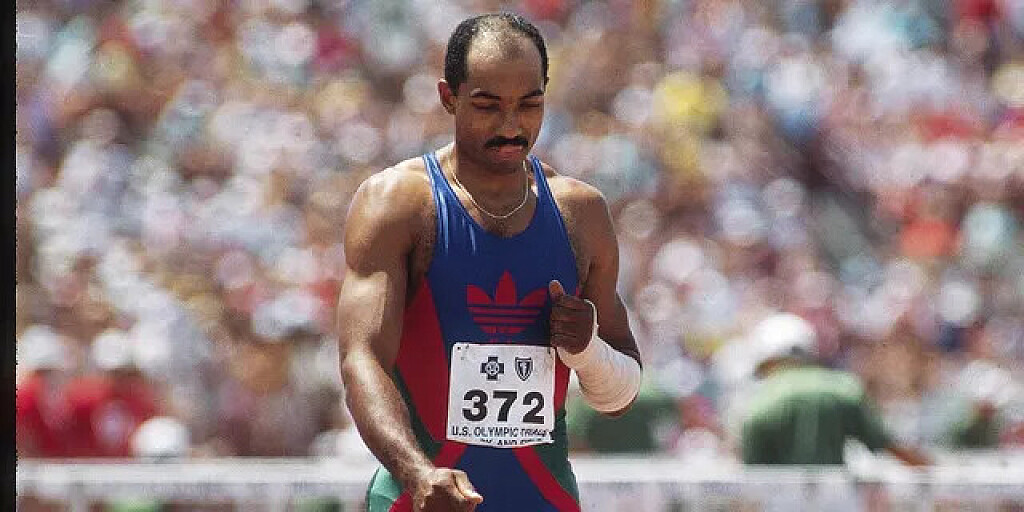
Three-time world champion hurdler Greg Foster dies at 64
The track and field community mourns U.S. hurdling legend and pioneer Greg Foster.
U.S. sprint hurdling legend Greg Foster, who is the only hurdler to win three straight world championships, died Sunday at 64, according to UCLA track and field.
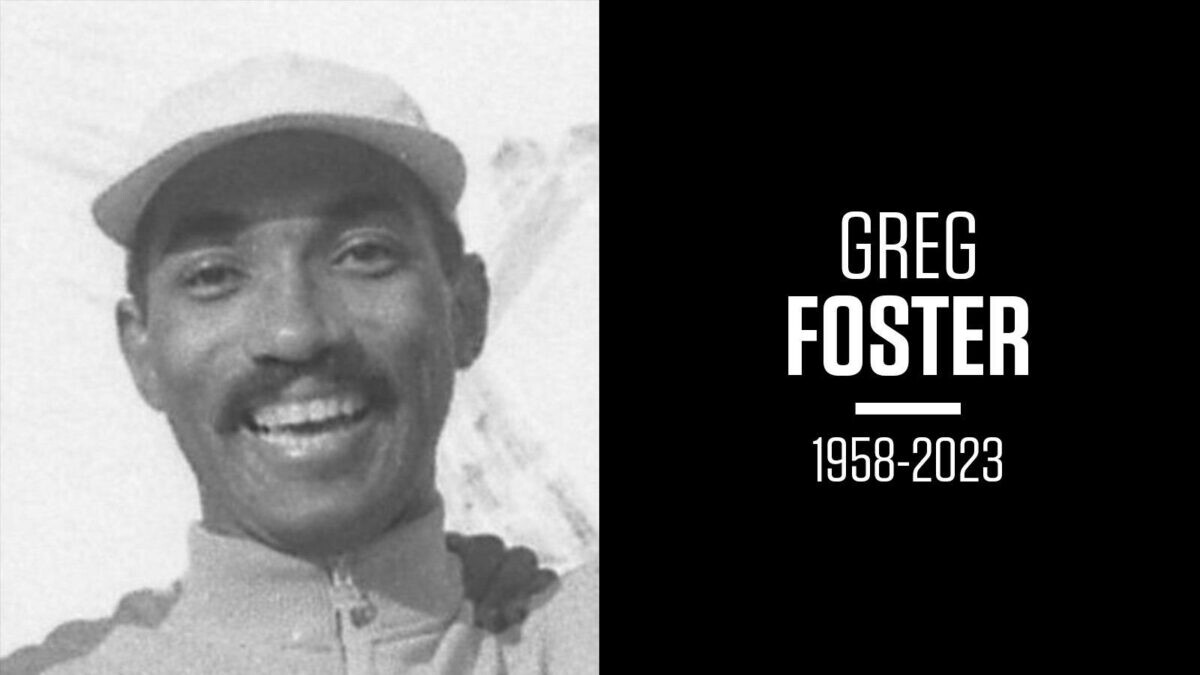
The university said Foster died peacefully at his home after a long battle with amyloid disease, a condition in which amyloid proteins build up on organs like the heart, kidney and liver. In 2020, Foster underwent a heart transplant and chemotherapy.
His 13.22-second winning time in the 110m hurdle at the 1978 NCAA Championships remains a UCLA record.
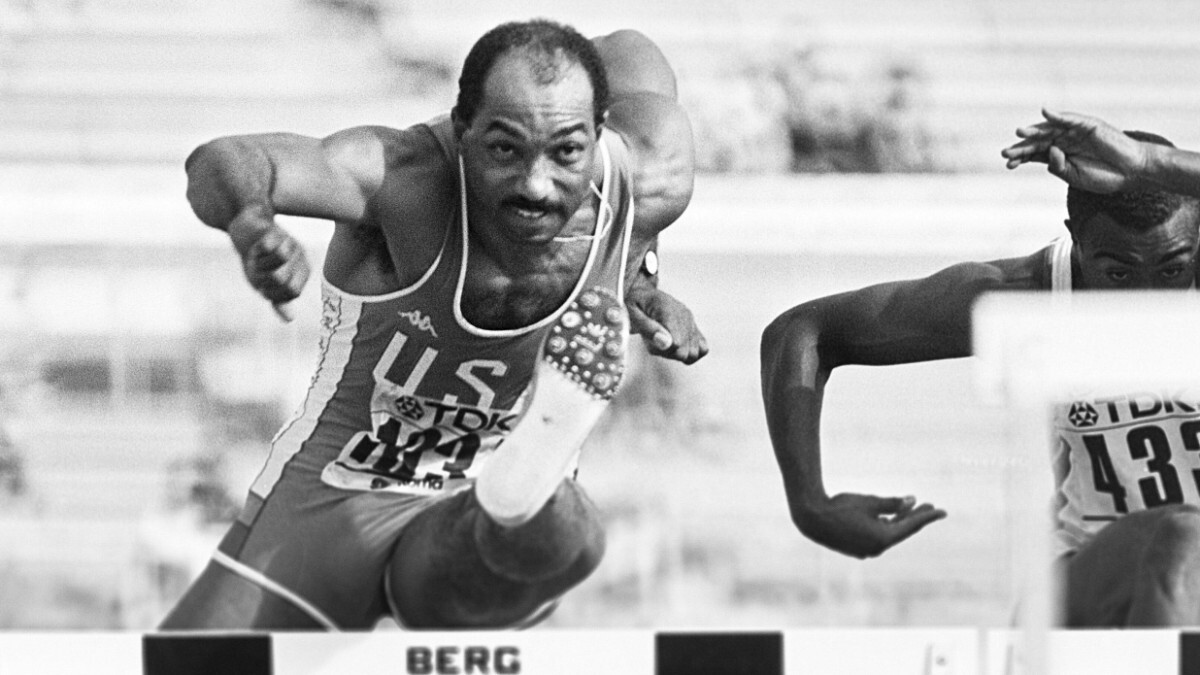
He was world champion in 1983, 1987 and 1991, and Olympic silver medalist at the 1984 Los Angeles Olympics.
In 1987, Foster set the world indoor record for the 50 meters hurdles and also broke the 60 meters hurdles record in the same year, with a time of 7.36 seconds.
At the 1987 world indoor championships, he famously collided with Canada’s Mark McKoy in the final of the 60m hurdles. The two were competitive rivals until both men retired from the sport in 1996.
Ato Bolden, the four-time Olympic medallist from Trinidad and Tobago and current NBC Sports analyst, remembered Foster on Twitter. “Legendary UCLA Bruin 110m hurdler Greg Foster passed away tonight,” he wrote. “He was world champion in 1983, 1987 and 1991, and Olympic silver medalist in 1984. My deepest condolences to his family and friends. The track and field world mourns this hurdling legend.”
His competitor, two-time world hurdles champ Colin Jackson of Great Britain, reflected on Foster’s death in Athletics Weekly.“Greg was an inspiration for me. I watched his hurdle skill work, spoke to him about how I could improve and competed with him,” said Jackson. “His input eventually allowed me to take the world title & championship record off him.”
Foster was inducted into the U.S. National Track and Field Hall of Fame in 1998.
by Running Magazine
Login to leave a comment
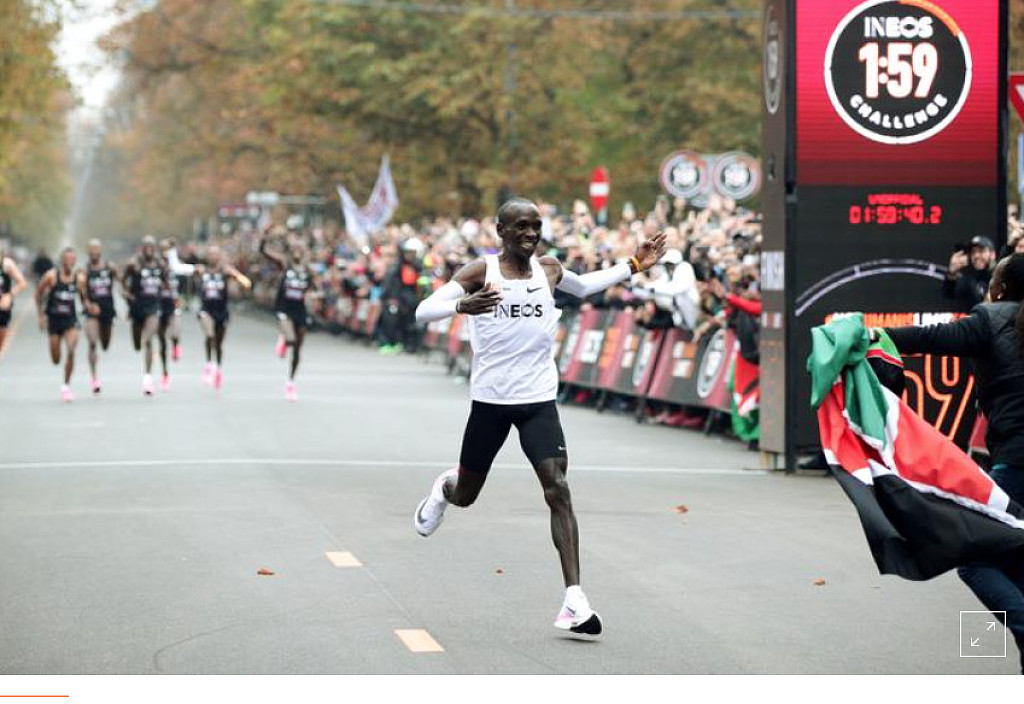
Briton Hutchings calls for records reset for high-tech shoes era
World Athletics should introduce a new set of records for times set by athletes wearing high-tech footwear, said British Olympian Tim Hutchings, as debate continues over whether the shoes give runners an unfair advantage.
Footwear developed by Nike played a role in two of the biggest distance-running achievements of 2019, with Eliud Kipchoge’s sub-two-hour marathon in Vienna and Brigid Kosgei’s record-breaking run at the Chicago Marathon bringing the Vaporfly shoes into the spotlight.
While World Athletics banned the shoes from professional sport last year, Nike has launched a new version of its Alphafly footwear that complies with new rules introduced by the governing body.
"People from many quarters are saying stop fussing about the shoes. Just move on and enjoy the racing. To which I'd respond, I've always enjoyed the racing and will continue to," Hutchings told The Times here.
“But I want to enjoy and respect times as well, not just cast aside that element. A reset would enable this. The shoes are here to stay, sadly the genie is out of the bottle.”
Kenya’s Ruth Chepngetich shaved 29 seconds off the world half marathon record on Sunday and British triathlete Beth Potter is awaiting ratification of a world record time from a low-key 5km road race a day earlier.
Both athletes wore high-tech footwear made by different manufacturers.
“Let folk race and record new era personal bests,” said Hutchings, who finished fourth in the 5,000m at the 1984 Los Angeles Olympics.
“A date needs to be identified retrospectively, then everyone would respect times in the right context. Athletes deserve that.”
Login to leave a comment
British Olympian Tim Hutchings calls for records reset in hi-tech shoes era
World Athletics should introduce a new set of records for times set by athletes wearing high-tech footwear, said British Olympian Tim Hutchings, as debate continues over whether the shoes give runners an unfair advantage.
Footwear developed by Nike played a role in two of the biggest distance-running achievements of 2019, with Eliud Kipchoge's sub-two-hour marathon in Vienna and Brigid Kosgei's record-breaking run at the Chicago Marathon bringing the Vaporfly shoes into the spotlight.
While World Athletics banned the shoes from professional sport last year, Nike has launched a new version of its Alphafly footwear that complies with new rules introduced by the governing body.
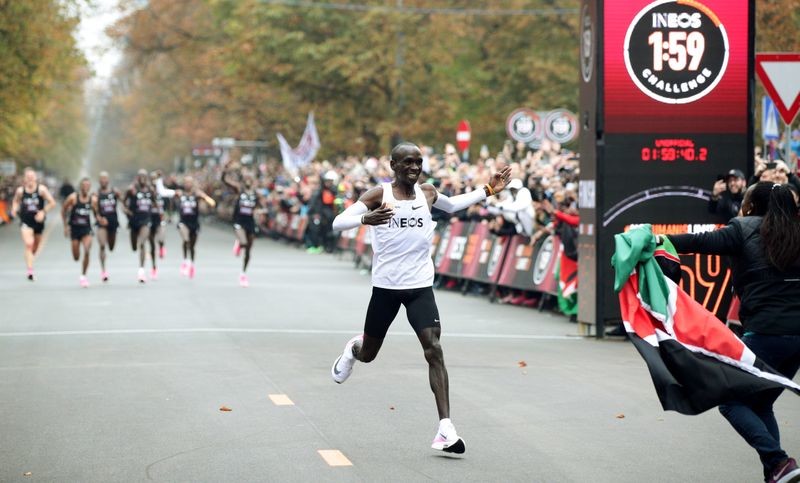
"People from many quarters are saying stop fussing about the shoes. Just move on and enjoy the racing. To which I'd respond, I've always enjoyed the racing and will continue to," Hutchings told The Times.
"But I want to enjoy and respect times as well, not just cast aside that element. A reset would enable this. The shoes are here to stay, sadly the genie is out of the bottle."
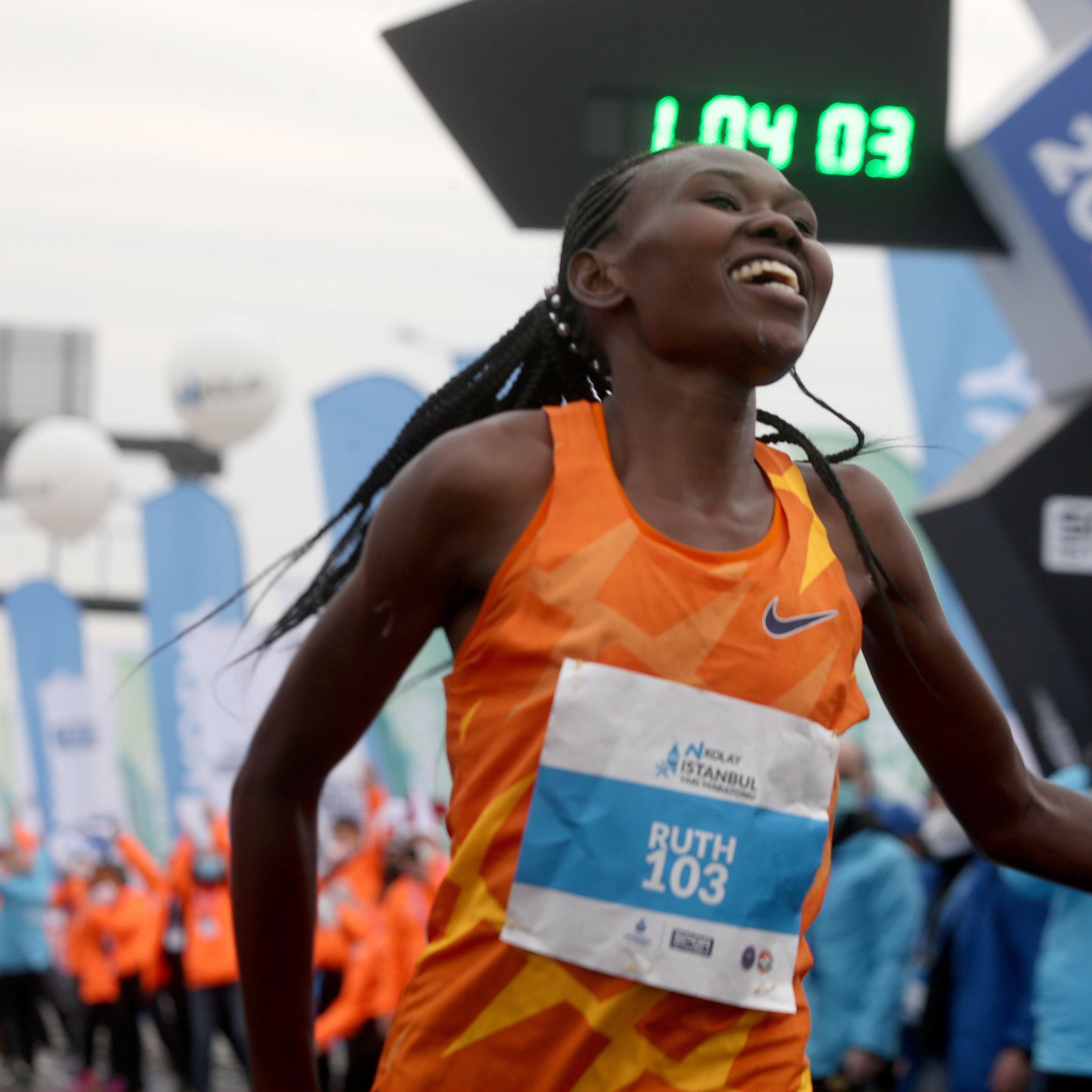
Kenya's Ruth Chepngetich shaved 29 seconds off the world half marathon record on Sunday and British triathlete Beth Potter is awaiting ratification of a world record time from a low-key 5km road race a day earlier.
Both athletes wore high-tech footwear made by different manufacturers.
"Let folk race and record new era personal bests," said Hutchings, who finished fourth in the 5,000m at the 1984 Los Angeles Olympics.
"A date needs to be identified retrospectively, then everyone would respect times in the right context. Athletes deserve that."
Login to leave a comment
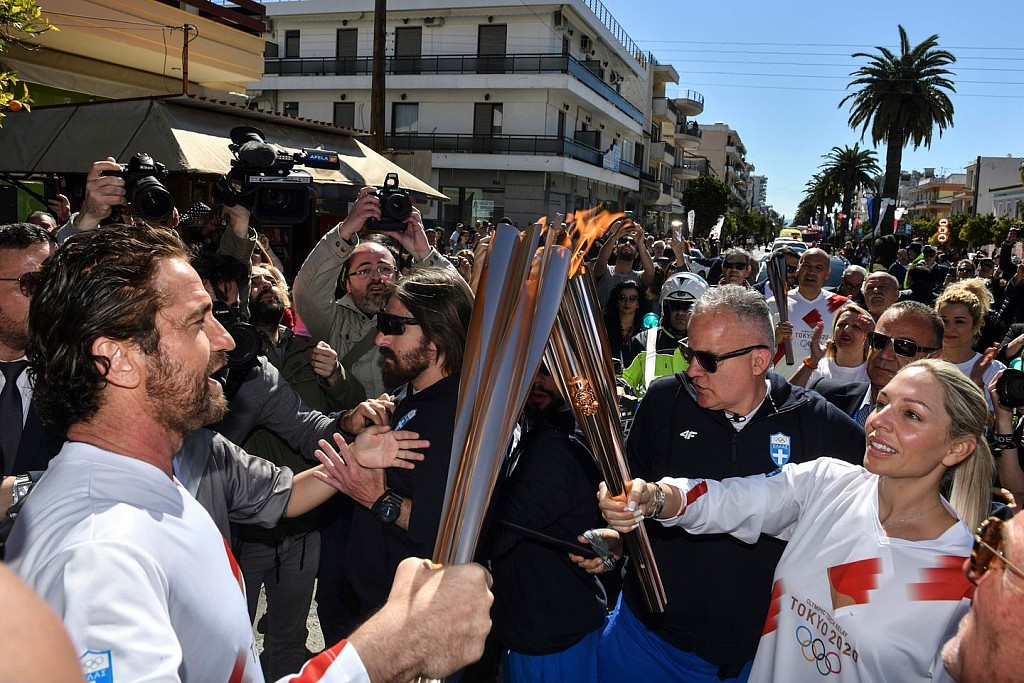
One day after flame was lit, Greece suspends Olympic torch relay because of coronavirus
The Greek Olympic Committee suspended the remainder of the 2020 Tokyo Olympics torch relay through the country on Friday due to concerns about the coronavirus outbreak. The decision came one day after the flame was lit before an unusually small crowd of accredited guests in Ancient Olympia, where the Games originated.
Amid growing fears about the coronavirus, the torch-lighting ceremony, which dates from 1936 and normally draws thousands to the Temple of Hera, was held without spectators lining the slopes of the tiny town for the first time since the 1984 Los Angeles Olympics. Greece reported its first fatality as a result of the coronavirus Thursday.
The Greek Olympic Committee said that Friday’s leg of the relay, which featured actor Gerard Butler carrying the torch through the town of Sparta, attracted unexpectedly large crowds. The handover of the flame to the Tokyo 2020 organizing committee in Athens on March 19 is still scheduled to take place, without spectators.
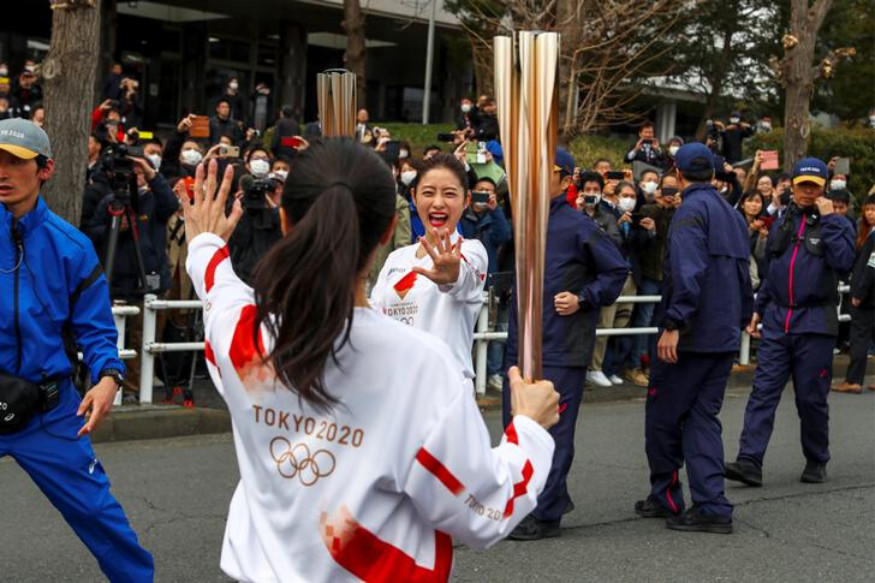
Japan’s leg of the relay is scheduled to begin March 26 in Fukushima Prefecture, which was ravaged by an earthquake, tsunami and nuclear accident in 2011. After traveling through all 47 of Japan’s prefectures, the flame is due to arrive in Tokyo 121 days later for the Opening Ceremonies on July 24.
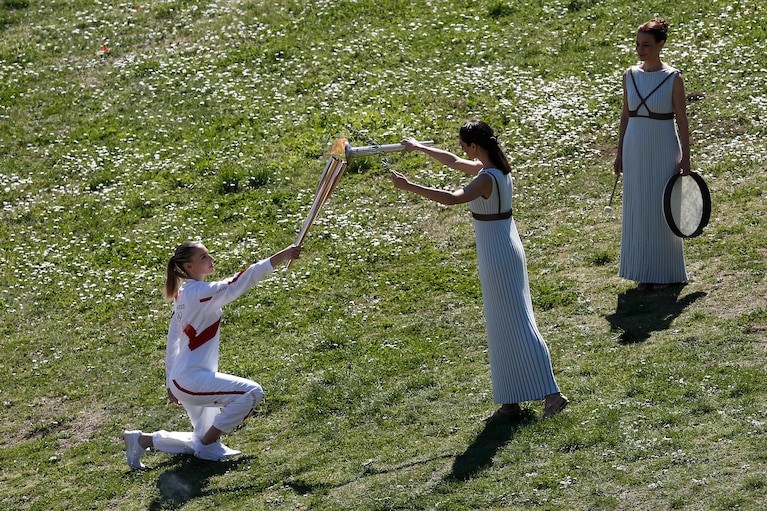
Greek actress Xanthi Georgiou used a parabolic mirror to ignite the torch on Thursday before handing it to Greek Olympic shooting champion Anna Korakaki, who became the first woman to be the first torchbearer of the torch relay. The gold medalist at the 2016 Rio Games then passed the flame to Japan’s Mizuki Noguchi, who won the gold medal in the marathon at the 2004 Athens Games.
Even as the spread of the coronavirus has led to the cancellation and postponement of sporting events across the globe, International Olympic Committee officials have been adamant that the Tokyo Games will take place as scheduled. The IOC said it intends to follow advice from the World Health Organization.
In a speech at Thursday’s ceremony, IOC President Thomas Bach thanked organizers, including the Greek Olympic Committee, for making the event possible “under difficult circumstances.”
“This demonstrates once more our commitment to the success of the Olympic Games Tokyo 2020,” Bach said. “Nineteen weeks before the Opening Ceremony, we are strengthened in this commitment by the many authorities and sports organizations around the world who are taking so many significant measures to contain the spread of the coronavirus."
by Scott Allen
Login to leave a comment

Tokyo 2020 Olympic Games
Fifty-six years after having organized the Olympic Games, the Japanese capital will be hosting a Summer edition for the second time, originally scheduled from July 24 to August 9, 2020, the games were postponed due to coronavirus outbreak, the postponed Tokyo Olympics will be held from July 23 to August 8 in 2021, according to the International Olympic Committee decision. ...
more...