

Running News Daily
Running News Daily is edited by Bob Anderson and team. Send your news items to bob@mybestruns.com Advertising opportunities available.
Index to Daily Posts · Sign Up For Updates · Run The World Feed
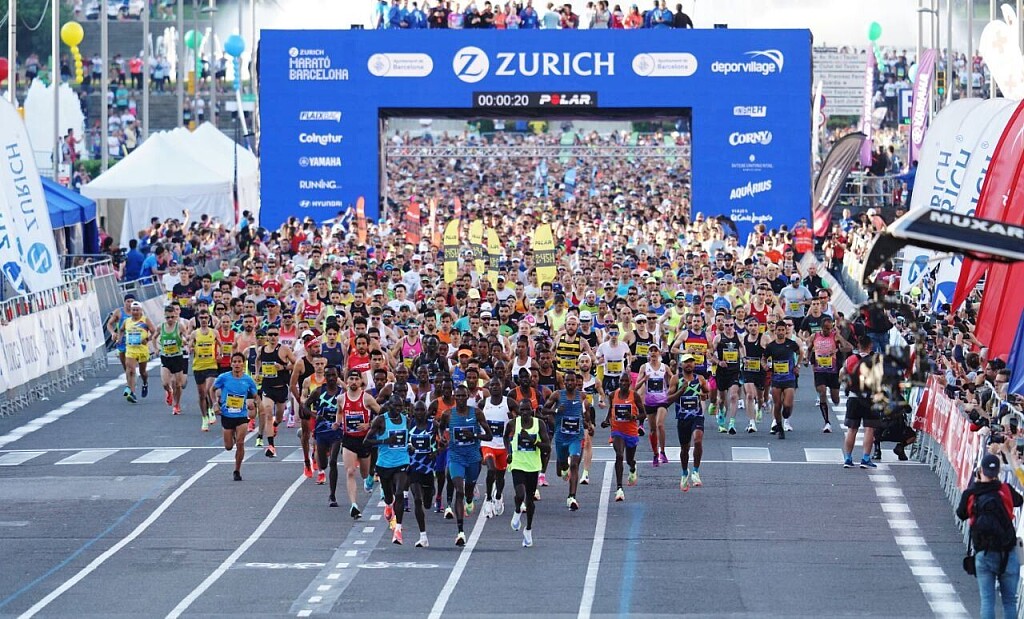


The Zurich Marató Barcelona returns for its 44 edition this weekend

More than 15,000 participants register for Barcelona, numbers grow by 50% compared to 2022 and international runners make up more than half.
The Zurich Marató Barcelona’s 44th edition will take place with 15,127 registered participants, recovering pre-pandemic numbers and growing by 5,000 runners compared to the previous edition.
This Sunday 19th of March, the Marató also returns to its large number of participants coming from all over the world. Runners of 119 different nationalities have chosen Barcelona to live the best possible experience in the 42.195 km distance, in a renovated circuit in 2018, monumental and fast at the same time, with the ideal climate to run with thousands of participants and a powerful civic atmosphere.
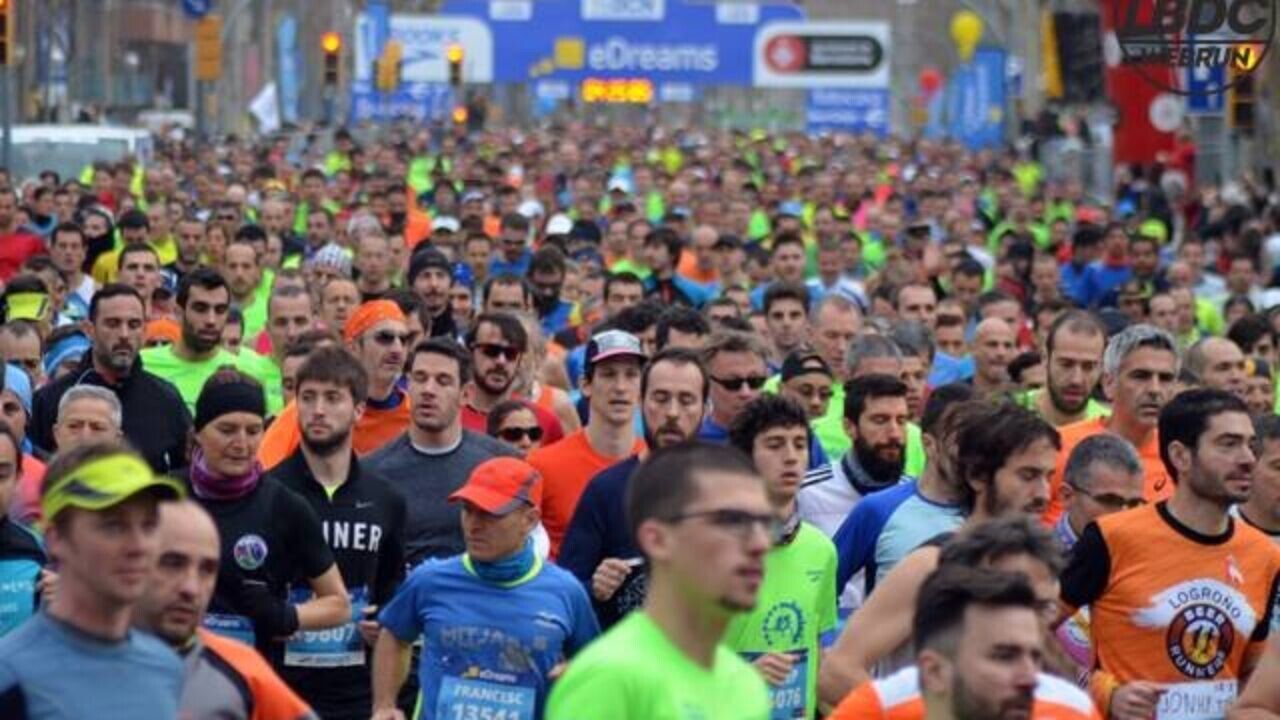
In this sense, the Councillor for Sports of the Barcelona City Council, David Escudé, has highlighted that “this is the Barcelona’s Marathon of the recovery of numbers. We are very happy because this year the overall participation of the Zurich Marató Barcelona has grown by 50% compared to 2022, exceeding 15,000 registrations. We have also doubled the international participation compared to last year’s edition and more than half of the runners (55%, 8,319 in total) come to our city from other countries. The female participation is again 25%, equalling the highest percentage in our history (3,781 women participants). Without a doubt, this will be the great running festival that we are all looking forward to, with the streets full of people cheering and enjoying this sporting event”.
On the other hand, the director of the race, Mauro Llorens, explains that “we have everything ready and we are looking forward to starting a great edition of the Zurich Marató Barcelona where, for the first time, we will be a Gold Label Marathon awarded by World Athletics. In Spain only Barcelona has this label and, in Europe, only three more marathons has it. This means having a great line-up of elite athletes and first class services for runners. We will be looking for the two circuit records to position ourselves as one of the fastest marathons in Europe”.
The new feature of this year’s edition is that World Athletics has awarded the Zurich Marató Barcelona with the Gold Label for 2023. This is a distinctive label awarded to an event when it guarantees a high competitive level, as well as quality and comfort for the popular runners (official refreshment points, physiotherapy and recovery services, etc.). This distinction, which represents a qualitative leap for the Marató, reinforces the city of Barcelona’s capacity to organise large-scale, international sporting events, making it the only marathon in Spain and one of only three in Europe (along with the Rotterdam Marathon and the Istanbul Marathon) to have this label.
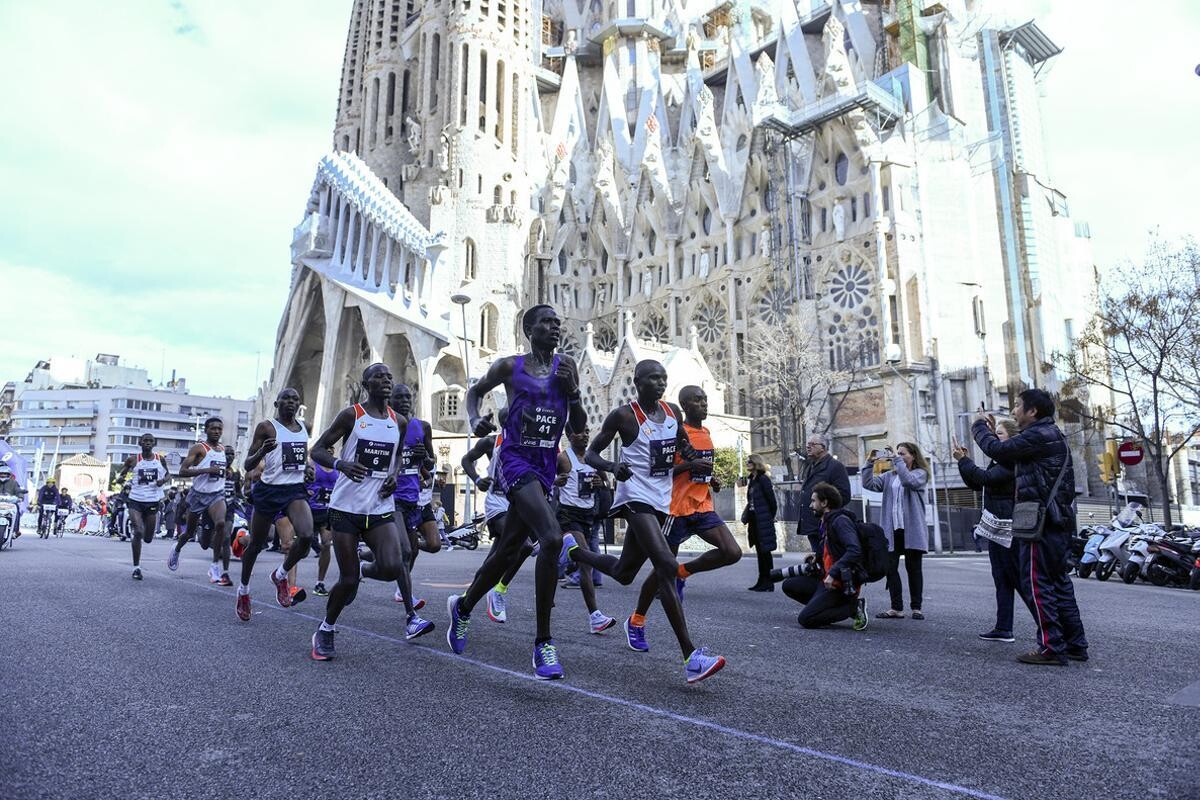
In addition, the slogan of this edition is Run In The World’s Best City because Barcelona has been considered the best city in the world according to the Telegraph Travel 2022 ranking. The course of the Zurich Marató Barcelona is ideal to enjoy: it runs through the heart of a cosmopolitan city, which has the great modernist legacy of Antonio Gaudí or the Pla Cerdà and the Camp Nou, Plaza España, the Arc de Triomf, the Sagrada Familia, the Forum or the Seafront as some of its main tourist attractions to enjoy the Catalan capital uniquely, running on a fast and magical route.
A competitive group of athletes from East Africa, with up to seven athletes with a Gold label, will take the start 19th of March to try to run under 02:04h. In terms of personal bests, the Turkish athlete Kaan Kigen Özbilen, Kenya’s 5000m champion at the age of 20, with a record that already predicted a promising athletics career, stands out in the first place to win the Zurich Marató Barcelona 2023.
As is usual for most long-distance runners, Kigen moved up the distance to concentrate on the marathon. In 2015 he became a naturalised Turkish citizen and in 2016 he won the European Half Marathon runner-up medal and his first international medal with his new country. From this point on, Özbilen concentrated on marathon, running 02:06h in the Dubai Marathon and improving his personal best in Valencia, where he has participated in the last three editions: 02:04:16h in 2019, 02:08:50h in 2020 and 02:04:36h in 2022. In this 44th edition of the Zurich Marató Barcelona, he will be, a priori, the athlete to follow, as he will start the race as the theoretical favourite as he will start with the best time of all the participants.
Five athletes with records in 02:05h are, on paper, Kigen’s strongest rivals and the most qualified ones, as they are lower or very close to the current race record (02:05:53h), achieved by the Ethiopian Yihunilign Adane last year, starting with Joel Kemboi Kimurer (Gold athlete) with 02:05:19h at the Milan Marathon 2021. Likewise, with the experience of his 35 years and having run 11 marathons, Kenyan Kemboi Kimurer and his 02:05:19h in the Milan Marathon two years ago, is also among the favourites to win in Barcelona. Another Kenyan, Marius Kimutai, is also among the favourites. He has been competing for Bahrain for the past two years and knows the Catalan capital’s circuit well, where he finished sixth in 2021 (02:06:54h).
On the other hand, Ethiopia’s athlete Takele Bikila achieved his best time at the Seville Marathon (02:05:52h) last season in his tenth 42km race, and Eritrea’s Kibrom Ruesom at the Valencia Marathon 2020 (02:05:53h) in his second marathon attempt. Closing the list is Ethiopia’s runner Kelkile Woldaregay time of 02:05:56h at the Rotterdam Marathon, which dates back to 2018.
Kaan Kigen Özbilen: “I want to thank the organisation for inviting me to run in the best city in the world. Eliud Kipchogue is my mentor and teammate and he has wished me luck for Sunday. I am coming to Barcelona to set the course record”.
Marius Kimutai: “Sunday I will return to a circuit I already know with the aim of improving my personal best and setting a new record”.
Two-time finalist at the World Half Marathon Championships in Valencia 2018 and Gdynia 2020, Zeineba Yimer Worku (Gold Label) is the only female participant with a personal best under 2 hours and 20 minutes and is the favourite to break the women’s record set last year by Ethiopian Meseret Gebre Dekebo (02:23:11h). A time achieved twice, both times at the Valencia Marathon, finishing in 02:19:28h in 2019 and 02:19:54h the year after.
As a personal best and among the five Gold Label female athletes who will run on 19th of March in Barcelona, Yimer is the favourite among a group that also includes her compatriot, Ethiopia’s athlete Azmera Gebru Hagos, a cross-country runner who won bronze at the World Cross Country Championships in Punta Umbria in 2011, more than a decade ago. At the age of 23, Hagos made her debut at the 2018 Amsterdam Marathon, finishing in 02:23h and the following year, on the same circuit, she achieved what is, for the moment, her personal best (02:20:48h).
Zenebu Fikadu Jebesa (Gold Label) also repeats in Barcelona. The Ethiopian runner, third on the podium in the last edition of the Zurich Marató Barcelona (02:25:11h), will enjoy a new opportunity in a circuit she already knows. A fourth Ethiopian runner, Tsegaye Melesech, also returns to Barcelona after finishing second in 2017 (02:26:44h).
In terms of international experience, Kenya’s Selly Chepyego Kaptich (Gold Label) is a strong contender to face the Ethiopian trio of favourites. Kaptich is the U18 World 3000m champion and bronze medalist at the World Half Marathon in Copenhagen in 2014, as well as having finished third in another major event, the Berlin Marathon 2019, which she finished setting her personal best of 02:21:06h.
Among the European athletes, the participation of Delvine Relin Meringor, Kenyan until 2021 and Romanian since then, after her naturalisation by the European country, stands out. Meringor was a solid cross-country runner in her early days as an athlete. She made her debut at the 2021 Siena Marathon in 02:24:32h and won the Los Angeles Marathon a year ago (02:25:04h).
Selly Chepyego Kaptich: “I’m prepared for the weather conditions in Barcelona and I’m confident to beat the women’s record.”
by AIMS
Login to leave a comment

Zurich Marato Barcelona
The race is a favorite among both professional athletes and amateur runners, offering a unique running experience in and around Zurich. The scenic course follows the shores of Lake Zurich for much of the route, making it not only a thrilling sports event but also a visually stunning one. The start and finish lines are located at the upper lake...
more...Latest Running News
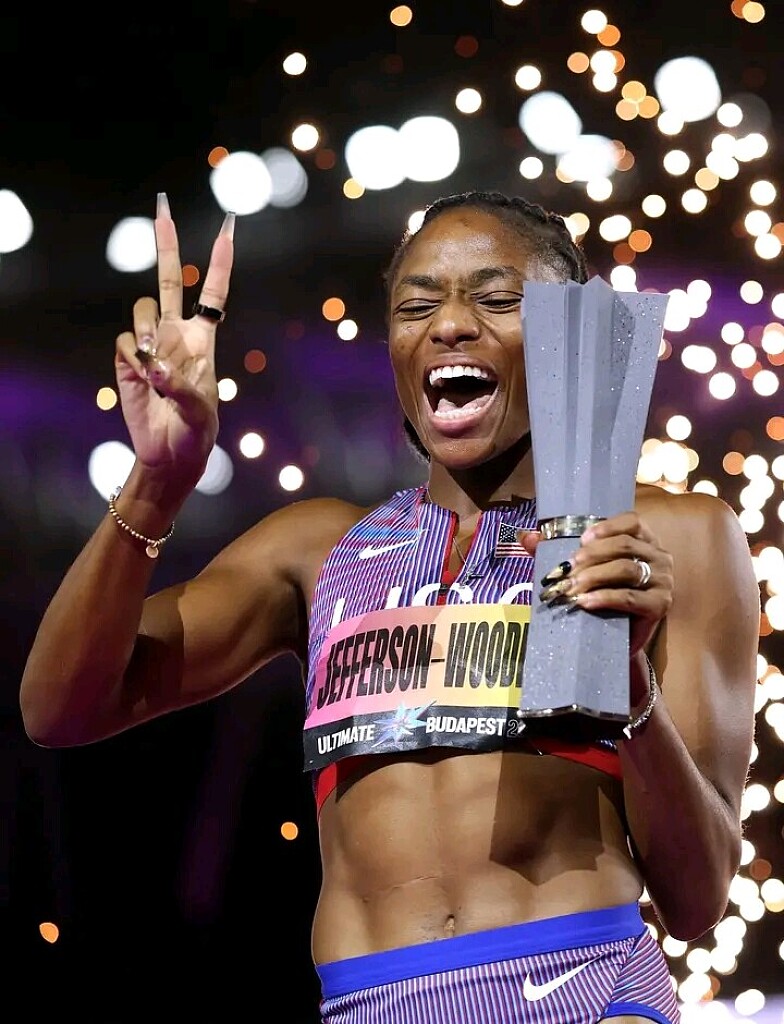
Melissa Jefferson-Wooden Storms Into History With Stunning 200m Victory In Budapest
Melissa Jefferson-Wooden has once again demonstrated why she is becoming one of the defining forces in women’s sprinting, delivering a breathtaking performance to win the 200m at the inaugural World Athletics Ultimate Championship in Budapest.
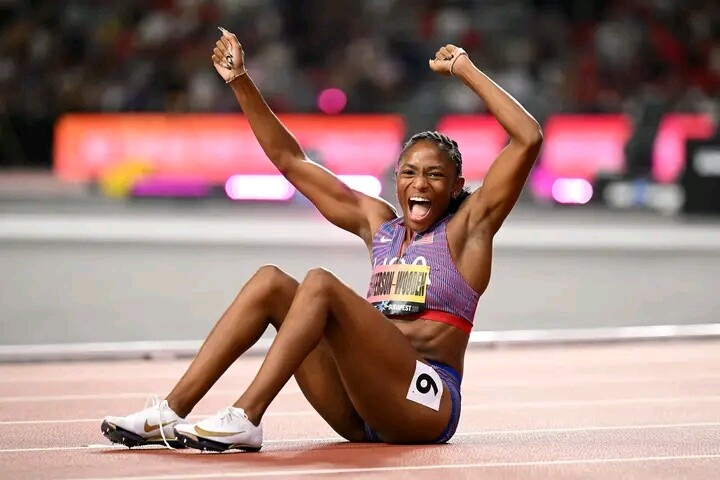
The American powered to victory in 21.47 seconds, producing one of the fastest performances in history despite facing a 0.6m/s headwind. She finished well clear of Olympic champion Gabby Thomas, who clocked 21.77, while Kayla White secured third place in 21.93.
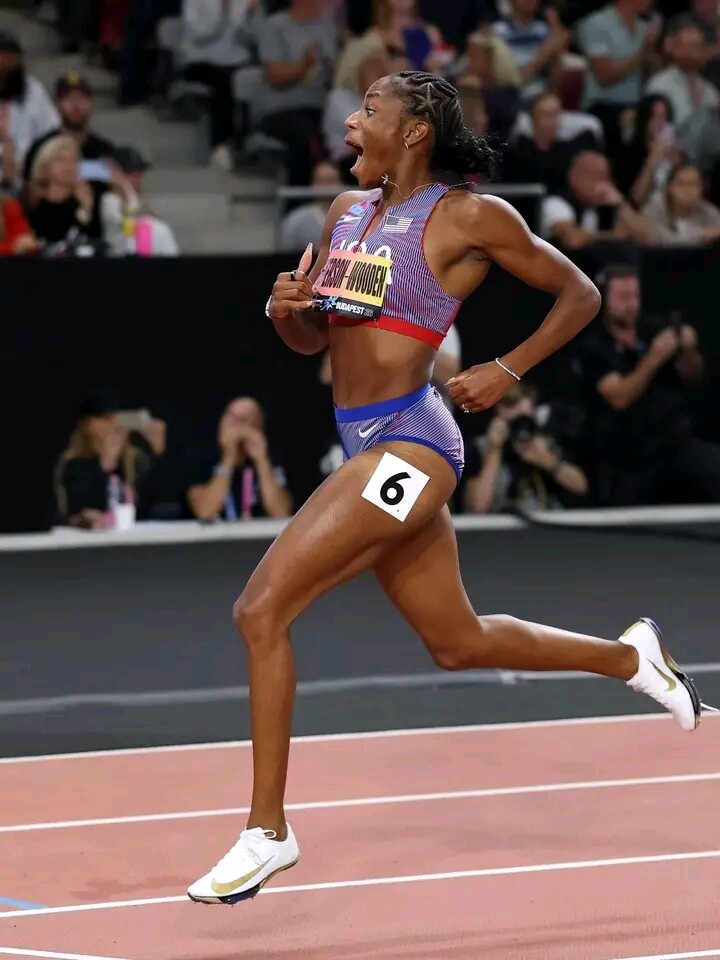
But Jefferson-Wooden’s latest triumph was about far more than another championship title. It was a performance that placed her among the fastest women ever to compete over the distance.
Her 21.47 seconds moved her to No. 3 on the all-time women’s 200m list, behind only legendary American sprinter Florence Griffith-Joyner, whose world record of 21.34 has stood since 1988, and Jamaica’s Shericka Jackson, who ran 21.41 in 2023.
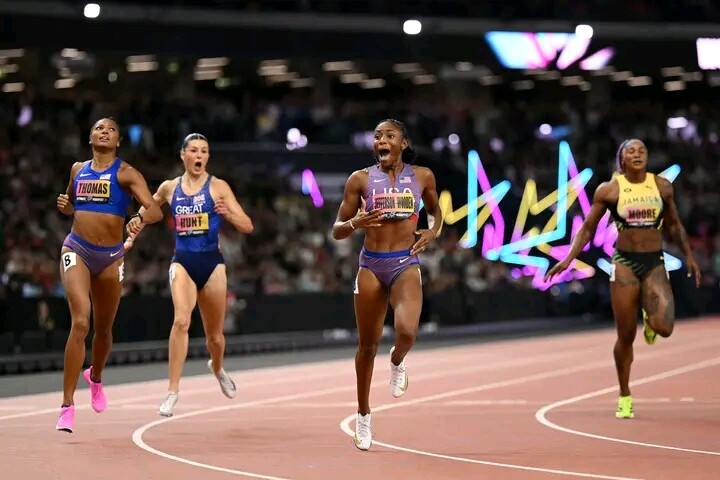
The result also pushed several celebrated names further down the rankings. Julien Alfred’s 21.51 from 2026 now sits fourth, while Elaine Thompson-Herah’s 21.53 from 2021 ranks fifth.
The significance of Jefferson-Wooden’s achievement becomes even greater when the conditions are considered. Running into a headwind makes a sprint performance more difficult, yet she still produced the third-fastest 200m ever recorded, underlining the extraordinary speed and execution behind her victory.
A Sensational Sprint Double
The Budapest triumph also completed a remarkable 100m and 200m double.
Just one night earlier, Jefferson-Wooden stormed to the 100m title in 10.62 seconds. She returned to the track with the same confidence and determination, once again delivering when the pressure was greatest.
The double adds another major achievement to a championship career that has rapidly gathered momentum. Jefferson-Wooden arrived in Budapest as the reigning world champion in both the 100m and 200m after completing the sprint double at the 2025 World Championships in Tokyo.
Now, she has added the inaugural Ultimate Championship double to her growing collection of major victories.
$300,000 Reward For Budapest Dominance
Jefferson-Wooden’s extraordinary weekend also comes with a substantial financial reward. With $150,000 awarded to each individual event winner, her victories in the 100m and 200m earn her a total of $300,000 from the championship.
Yet the money is almost secondary to what she has achieved on the track.
In an era filled with Olympic champions, world champions and record-setting talents, Jefferson-Wooden is separating herself through consistency, championship composure and an extraordinary ability to deliver on the biggest stages.
Her latest 21.47 seconds does more than add another title to her résumé. It places her directly among the fastest women the sport has ever seen over 200m.
Florence Griffith-Joyner remains at the summit. Shericka Jackson sits second. But Melissa Jefferson-Wooden is now firmly at No. 3—and judging by the extraordinary trajectory of her career, the American may not be finished climbing.
From Tokyo to Budapest, Jefferson-Wooden is no longer simply chasing sprinting history.
She is becoming part of it.
by Erick Cheruiyot for My Best Runs.
Login to leave a comment
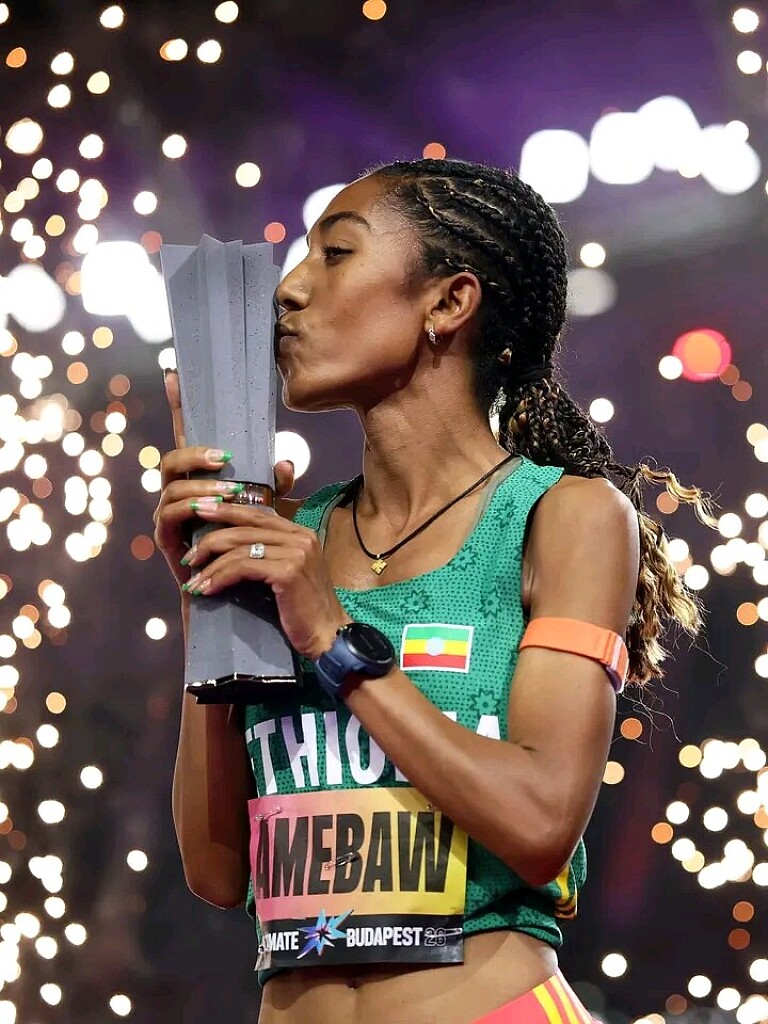
Likina Amebaw Completes Ethiopian Masterclass With First Global Title In Budapest
Likina Amebaw has written her name into the history books in Budapest, producing a commanding performance to win the women’s 5000m at the inaugural World Athletics Ultimate Championship and claim the first global title of her career.
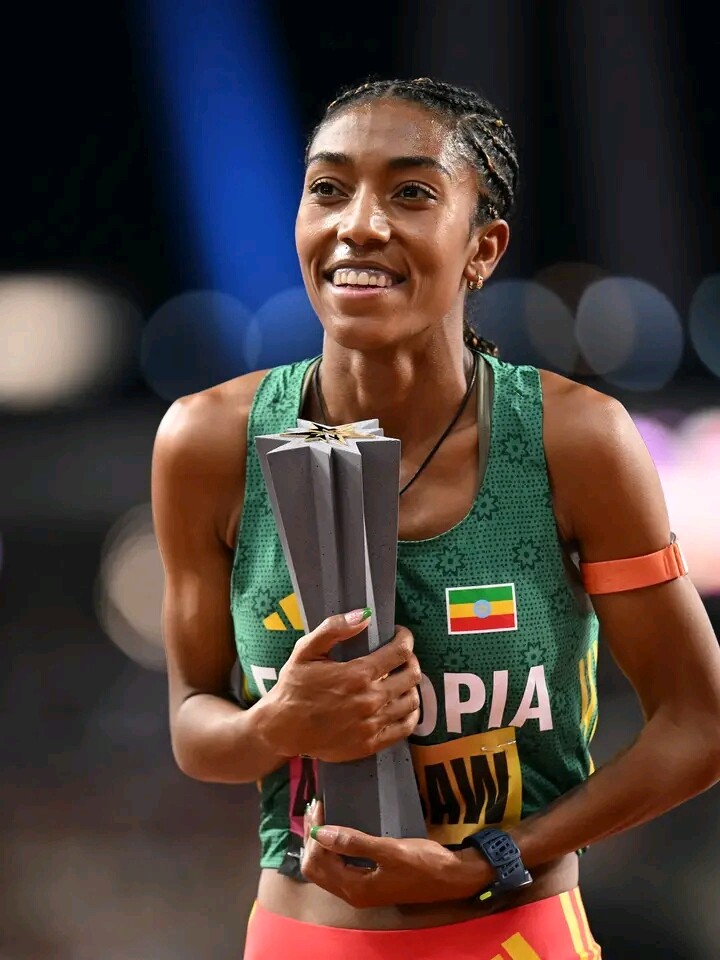
The Ethiopian world leader delivered when it mattered most, stopping the clock at 14:30.36 to secure the Ultimate Championship crown and cap a remarkable breakthrough season with a major international triumph.
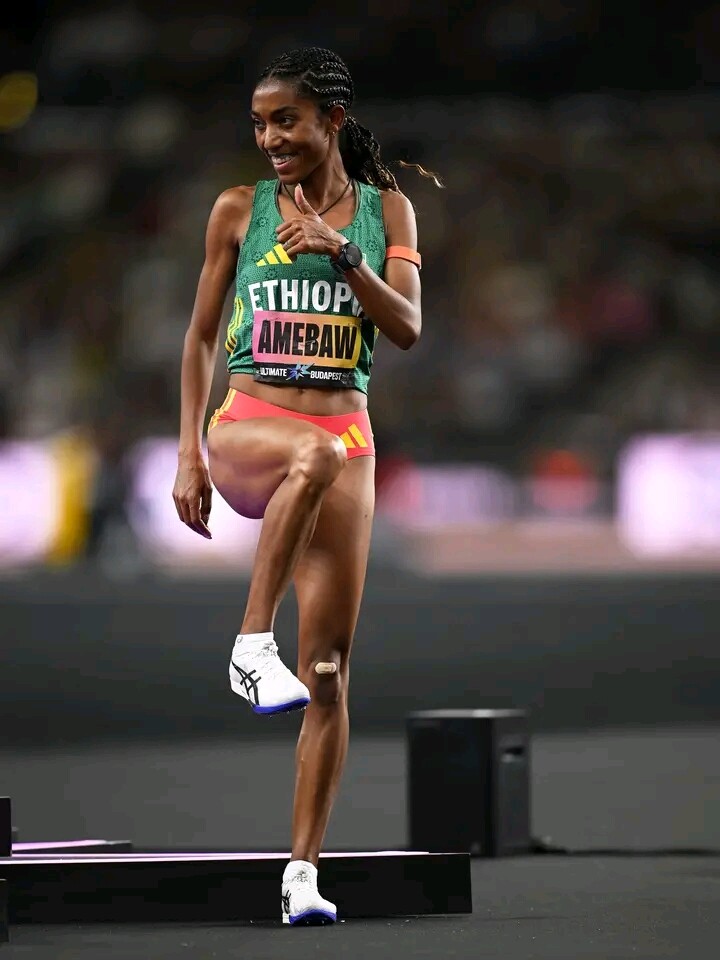
Amebaw did not leave the title to a final-lap sprint. As the race entered its decisive stages, the Ethiopian gradually separated herself from the chasing pack, moving clear at the front before steadily stretching her advantage with every lap.
Once she established daylight between herself and her rivals, Amebaw ran with increasing authority. Her rhythm remained relentless as the pressure shifted entirely onto the chasing group, while the world leader continued to extend her advantage and effectively turned the championship final into a solo pursuit of the finish line.
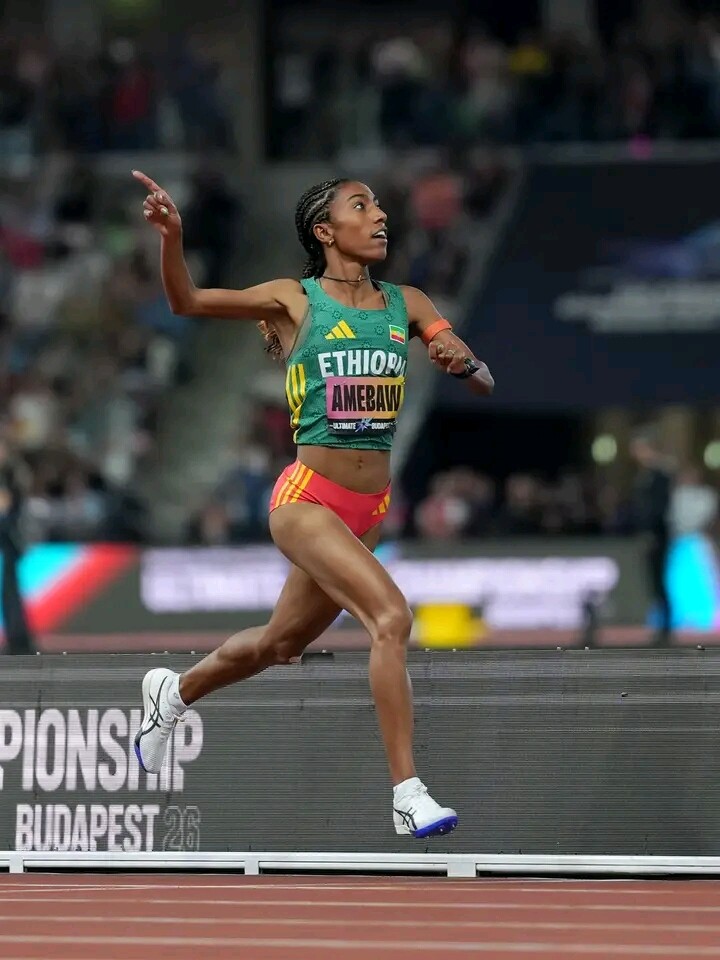
Behind her, Australia’s Jessica Hull produced a superb performance to secure second place in 14:32.39, a personal best. Hull fought all the way through the closing stages and produced a gutsy final surge toward the line, but Amebaw had already created too much separation for the Australian to challenge for the title.
Hull’s performance nevertheless earned her a deserved second positon and prevented what could have been an Ethiopian clean sweep of the leading positions.
The depth of Ethiopia’s women’s 5000m strength was on full display in Budapest, with four Ethiopian athletes finishing inside the top five. Amebaw led the way, while Fantaye Belayneh finished third in 14:32.62, Freweyni Hailu took fourth in 14:32.76, and Aleshign Baweke completed the Ethiopian presence in the top five with 14:32.86.
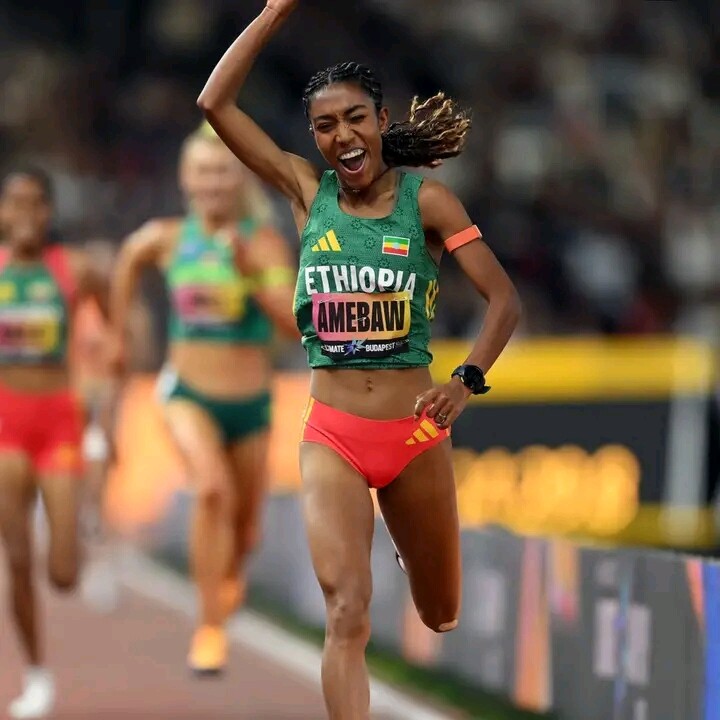
The Ethiopian contingent remained heavily represented near the front throughout the race, producing another powerful demonstration of the country’s extraordinary strength over 5000m.
But the night belonged to Amebaw.
After establishing herself as the world leader, she arrived in Budapest carrying the expectations that come with being the athlete to beat. Rather than allowing the pressure to dictate her race, she remained composed, waited for the decisive moment and then made a move that completely changed the complexion of the contest.
Her 14:30.36 was enough to crown her the women’s 5000m Ultimate Champion and transform a season of outstanding performances into a breakthrough global triumph.
For Ethiopia, the result was another emphatic statement of its depth and enduring influence in women’s distance running. Four athletes inside the top five underlined the extraordinary talent available in the country and its ability to dominate the sharp end of championship racing.
For Amebaw, however, the significance is deeply personal. She came to Budapest as the world leader and leaves as a global champion.
The first global title is now in the books. The first major crown has been secured.
Likina Amebaw is the Ultimate Champion.
by Erick Cheruiyot for My Best Runs.
Login to leave a comment
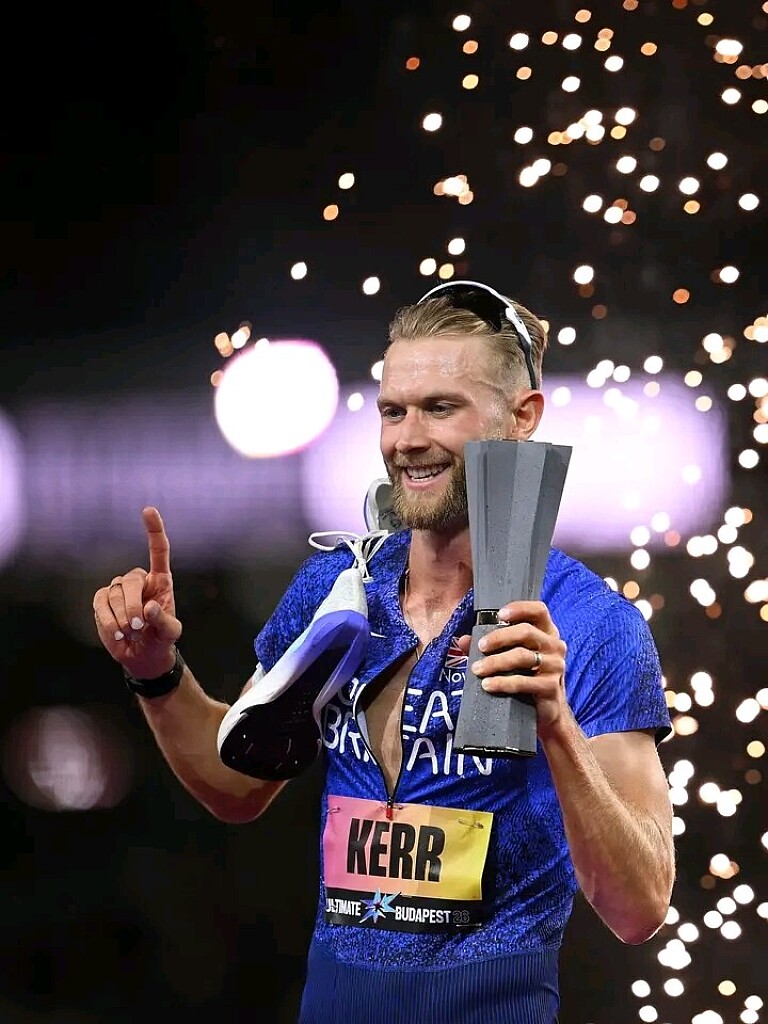
Josh Kerr Does It Again In Budapest As British Star Claims Ultimate 1500m Crown
“I’m not going to lose.” He said it. Then he delivered.
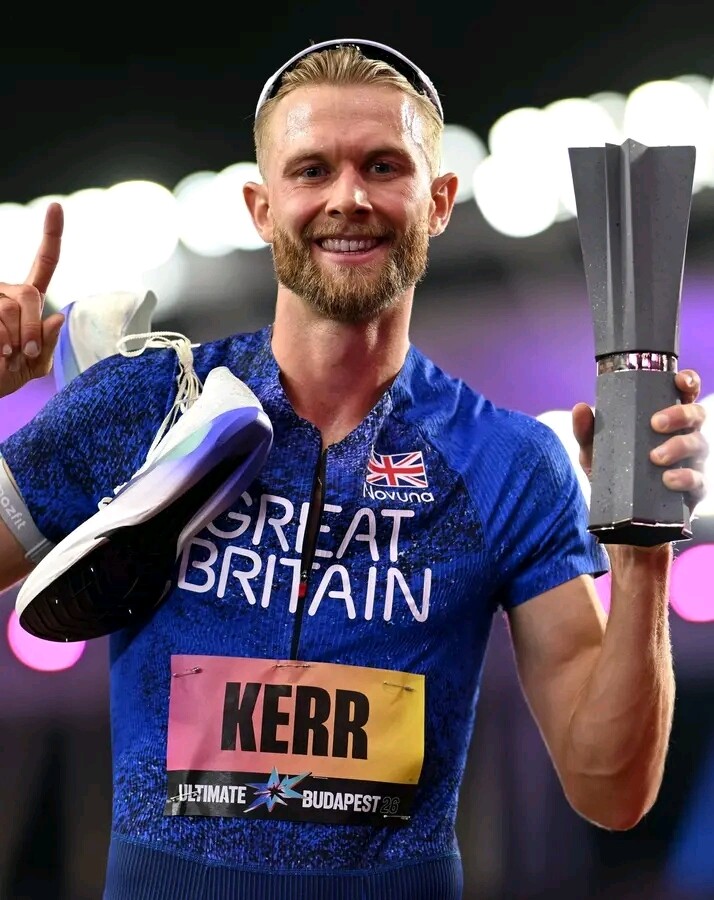
Josh Kerr has conquered Budapest once again, adding another huge title to an extraordinary 2026 season by winning the men’s 1500m at the inaugural World Athletics Ultimate Championship.
The British world mile record-holder produced a superb 3:29.35 to take the Ultimate Championship crown, using a devastating final kick to hold off Australia’s rising star Cameron Myers in the closing stages.
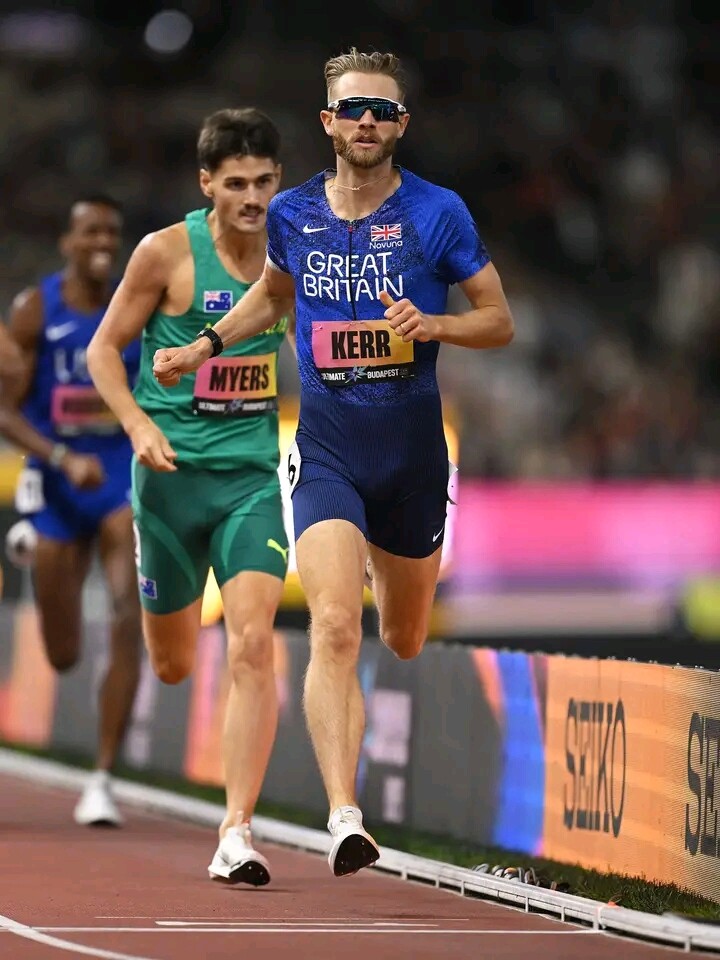
Myers pushed Kerr all the way to the finish, but the British star remained composed under pressure before finding another gear when it mattered most. The Australian crossed the line in 3:29.68 to secure second place, just 0.33 seconds behind the champion.
American Hobbs Kessler completed the podium in 3:30.73, while Olympic champion Cole Hocker finished fourth in 3:30.74, narrowly missing out on a medal by just one hundredth of a second.
For Kerr, the victory carries an added layer of significance because Budapest has already played a defining role in his career.
It was here in 2023 that Kerr produced one of the biggest shocks of that year’s World Championships, stunning Jakob Ingebrigtsen to become the world champion over 1500m. Three years later, he has returned to the same city and conquered it again.
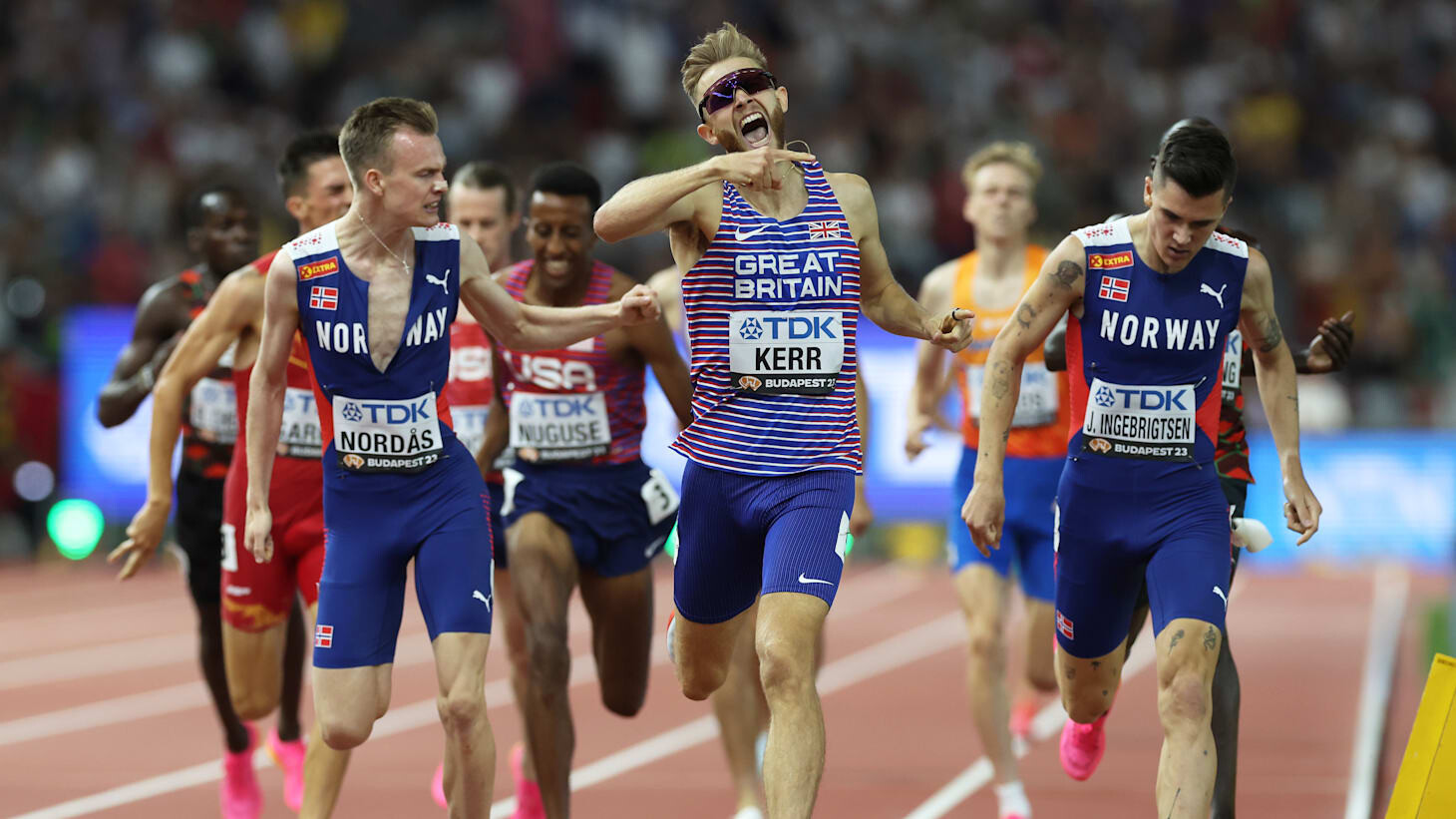
Budapest belongs to Kerr once more.
The British star arrived at the Ultimate Championship after putting together a remarkable 2026 campaign. Among the highlights was his sensational 3:42.66 mile world record in London, where he finally broke a mark that had stood for 27 years.
Kerr also added Commonwealth Games gold to his growing collection of major honours, further establishing himself as one of the dominant middle-distance athletes of his generation.
The Budapest final was expected to provide another chapter in the growing rivalry between Kerr and Ingebrigtsen. However, Ingebrigtsen’s late withdrawal meant the much-anticipated rematch never materialised.
Even without the Norwegian superstar, Kerr had no shortage of formidable opposition. The field featured Olympic champion Cole Hocker, world champion Isaac Nader and Yared Nuguse, while Myers arrived as one of the most exciting young talents in international middle-distance running.
The unique Ultimate Championship format also raised the stakes. With no heats and no second chances, every athlete had only one opportunity to deliver on the biggest stage.
Kerr appeared to embrace that pressure.
Rather than allowing the quality of the field to dictate the race, he stayed patient and waited for the decisive moment. As the final metres approached, the British star unleashed the finishing speed that has become one of his greatest weapons.
Myers fought desperately to stay with him, but Kerr had done enough.
The 3:29.35 winning time was not simply another fast performance. It was another demonstration of Kerr’s championship instincts and his ability to produce when everything is on the line.
For Myers, the silver medal represents another major breakthrough and a strong statement from the young Australian. His 3:29.68 shows that he is increasingly capable of challenging the established stars of the 1500m.
Kessler’s bronze added another impressive result to his career, while Hocker’s fourth-place finish underlined just how competitive the final was, with less than a second separating him from the champion.
Yet the night ultimately belonged to one man.
From the streets of Budapest in 2023 to the Ultimate Championship final three years later, Kerr has once again made the Hungarian capital his stage.
Another big race. Another Josh Kerr victory.
He arrived saying, “I’m not going to lose.”
Then he delivered.
Josh Kerr is the inaugural World Athletics Ultimate Championship 1500m champion — and Budapest belongs to him again.
by Erick Cheruiyot for My Best Runs.
Login to leave a comment
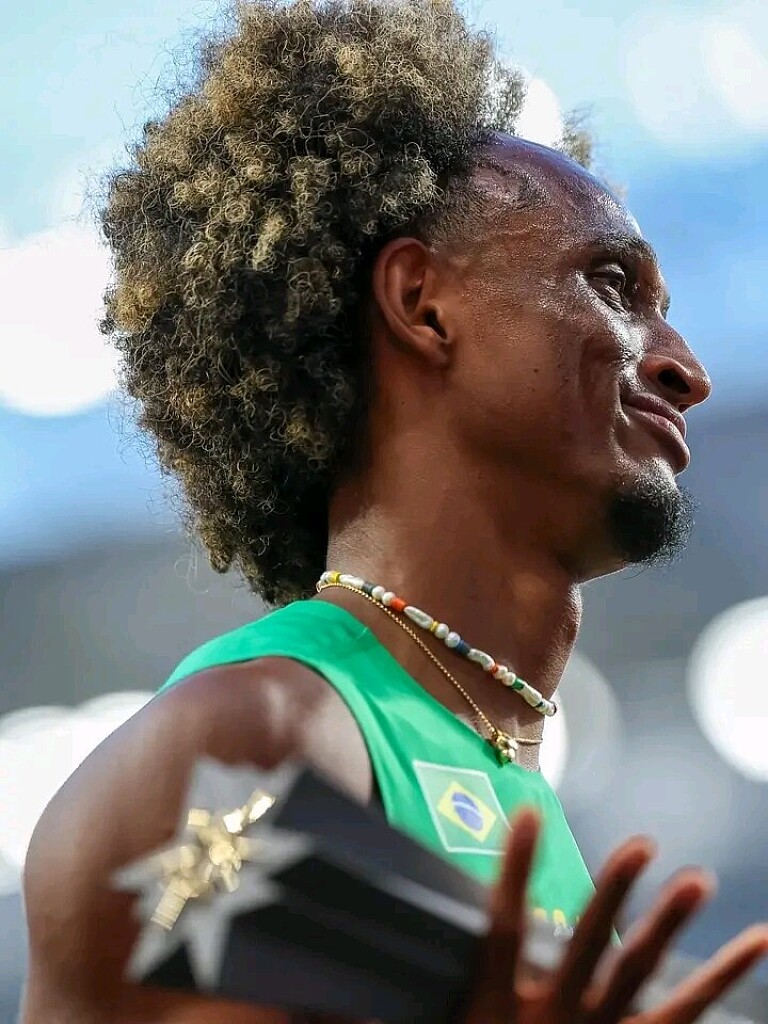
Alison Dos Santos Roars Again! World Record Holder Claims Ultimate 400m Hurdles Crown
Alison dos Santos has finished his season in spectacular fashion, adding the World Athletics Ultimate Championship title to an extraordinary run of form that has seen the Brazilian repeatedly produce performances at the highest level.
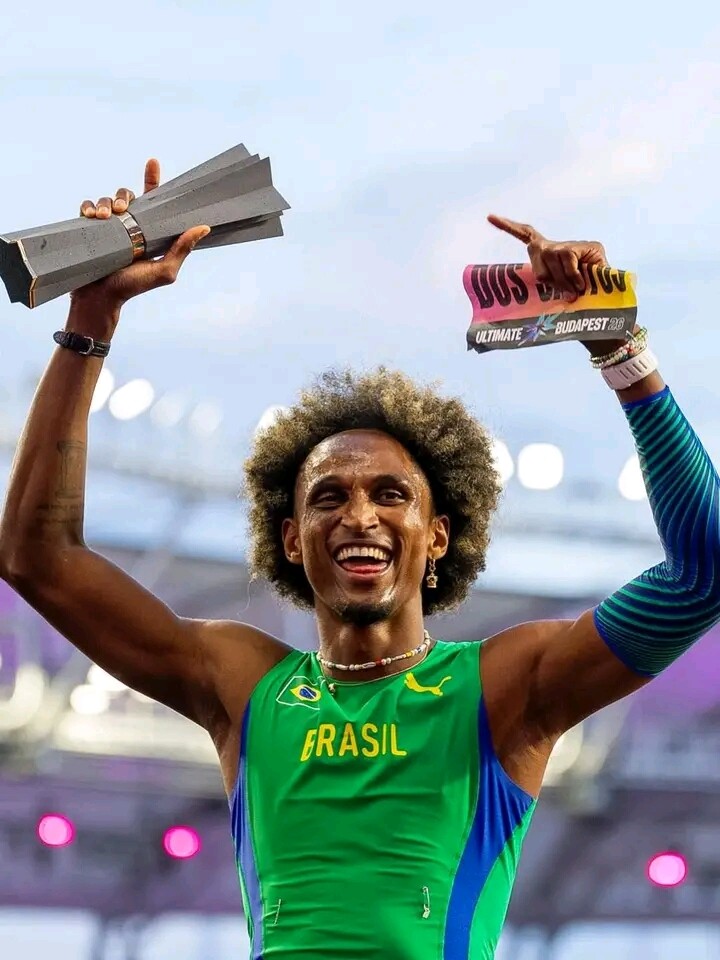
The world record holder stormed to victory in the men's 400m hurdles in Budapest, clocking a stunning 45.98 seconds to secure the ultimate crown and cap a memorable campaign in style.
Dos Santos entered the championship full of confidence after winning the Diamond League Trophy last weekend. His latest triumph came only a few weeks after his historic 45.80 world record in Zürich, making his Budapest performance another remarkable sub-46-second run.
The Brazilian once again displayed his trademark combination of speed, rhythm and control between the barriers. Although he could not quite reproduce his world-record time, his 45.98 was more than enough to defeat two of the biggest names in the event.
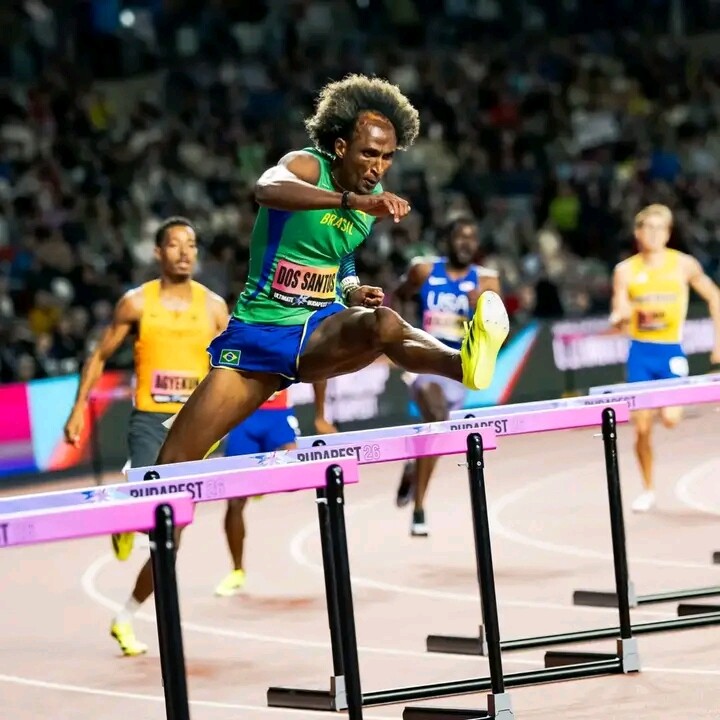
Rai Benjamin pushed hard throughout the race and finished second in 46.40 seconds, while Norwegian superstar Karsten Warholm secured third place in 46.78. The result once again highlighted the extraordinary depth and quality of a 400m hurdles event that has been dominated by these three giants in recent years.
For Dos Santos, however, the night belonged entirely to him. He not only walked away with the Ultimate Championship gold medal but also became the first man to record two sub-46-second performances over the 400m hurdles, underlining just how exceptional his current form has been.
His 45.80 world record in Zürich had already sent shockwaves through athletics, but returning a few weeks later to run 45.98 against Benjamin and Warholm shows that his record-breaking performance was no one-off.
Instead, Dos Santos has established a level of consistency rarely seen in the event. He has combined championship pressure with extraordinary speed, finishing his season as the Diamond League champion and now the Ultimate champion.
The Brazilian's latest victory is a fitting conclusion to a season in which he has continued to strengthen his reputation as one of the greatest 400m hurdlers of his generation.
From the world record in Zürich to the Diamond League Trophy and now the Ultimate Championship crown, Dos Santos has delivered a season-ending statement that will be difficult for his rivals to ignore.
What a way for the world record holder to finish the season — roaring across the line in 45.98 seconds and leaving Budapest with another major title to his name.
by Erick Cheruiyot for My Best Runs.
Login to leave a comment

When The Finish Line Has To Wait: Eilish McColgan’s Great North Run Heartbreak
Athletics can be brutally unforgiving.
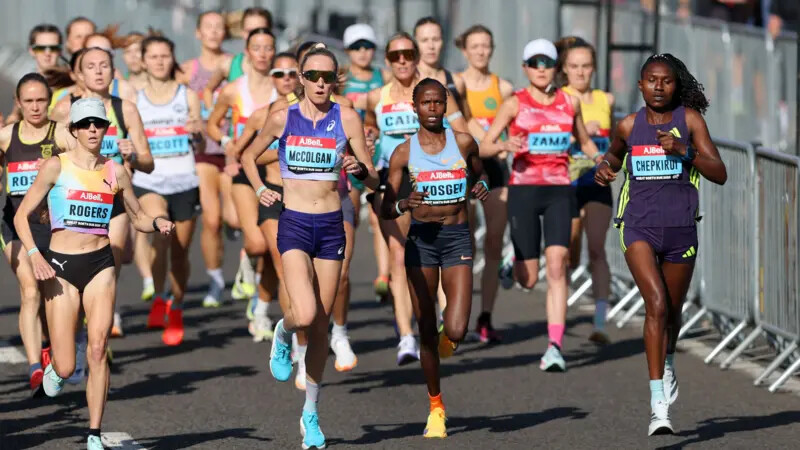
For Eilish McColgan, the 2026 Great North Run ended in heartbreak when she was forced to pull out of the race after a painful blister caused the skin on the bottom of her foot to rip open.
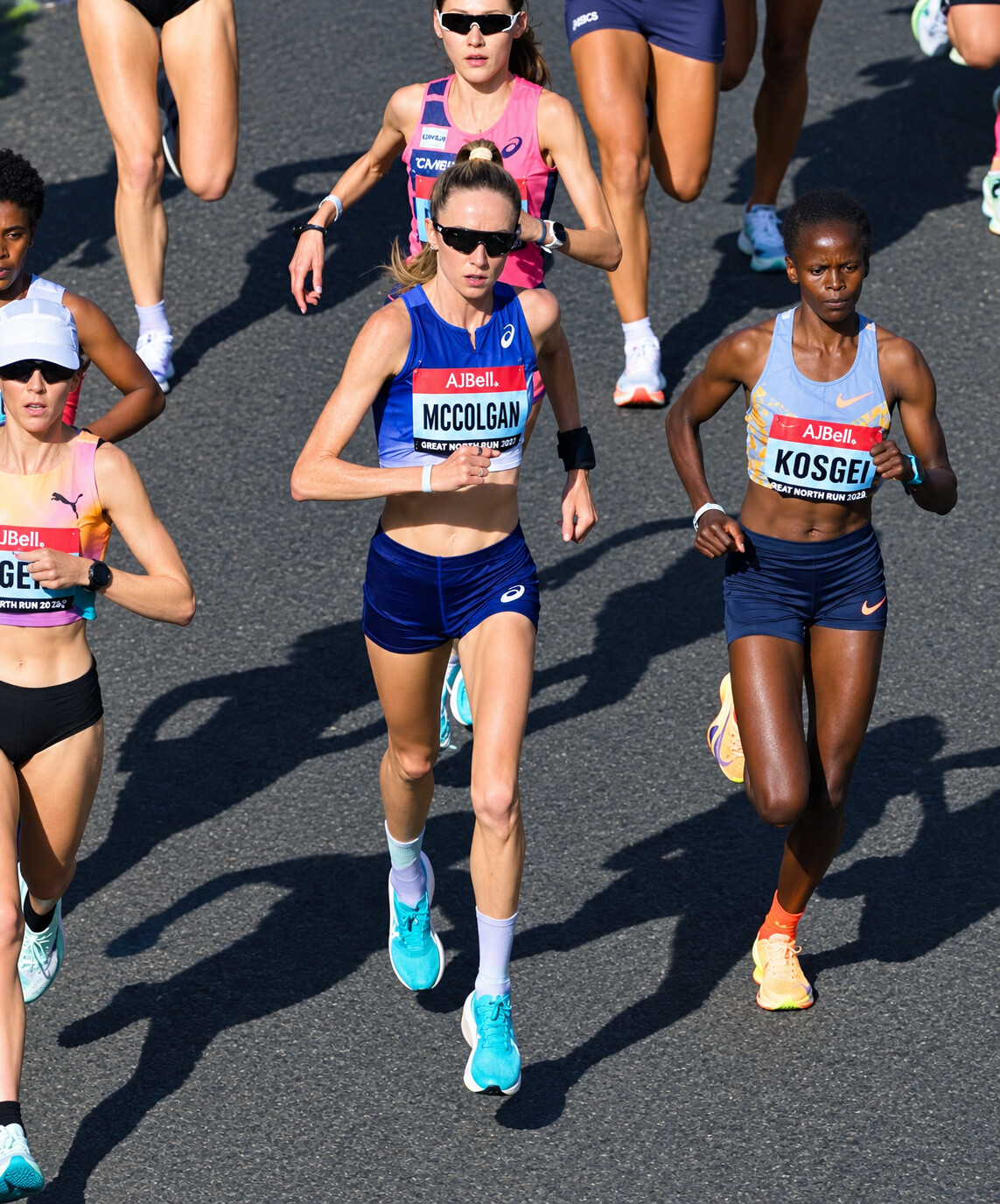
It was a particularly frustrating way for the Scottish distance star to see her race come to an end, especially because she felt physically strong heading into the event. There were no injuries, no niggles and, by her own assessment, her body was in a good place.
But sometimes athletics has other plans.
McColgan later took to social media to reveal the extent of her frustration, describing it as her first-ever DNF in a road race. Despite the disappointment, she still found something to celebrate within her family, as her younger brother successfully completed his first Great North Run.
"At least one McColgan made it to the finish line," she joked, while proudly congratulating her brother on completing the race in 1:28.
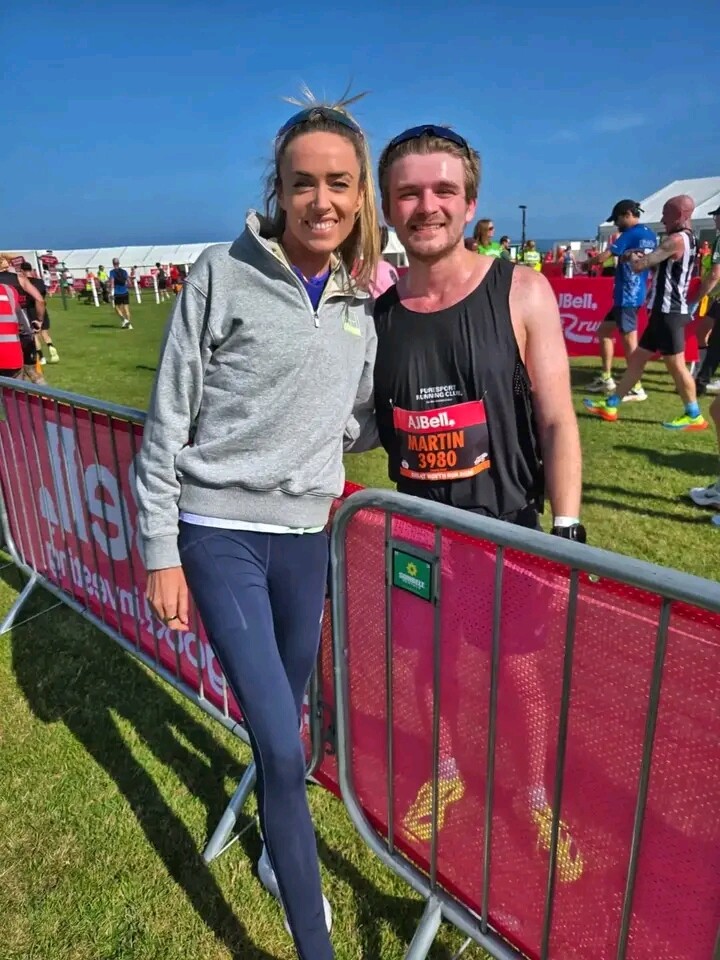
For McColgan, however, the day was considerably more difficult.
She explained that her withdrawal was not caused by a conventional injury, but by another blister—an issue that has repeatedly troubled her this year despite never having been a problem previously. The blister became so severe that the bottom of her foot was effectively ripped open, leaving her unable to continue comfortably.
The timing made the situation even more painful.
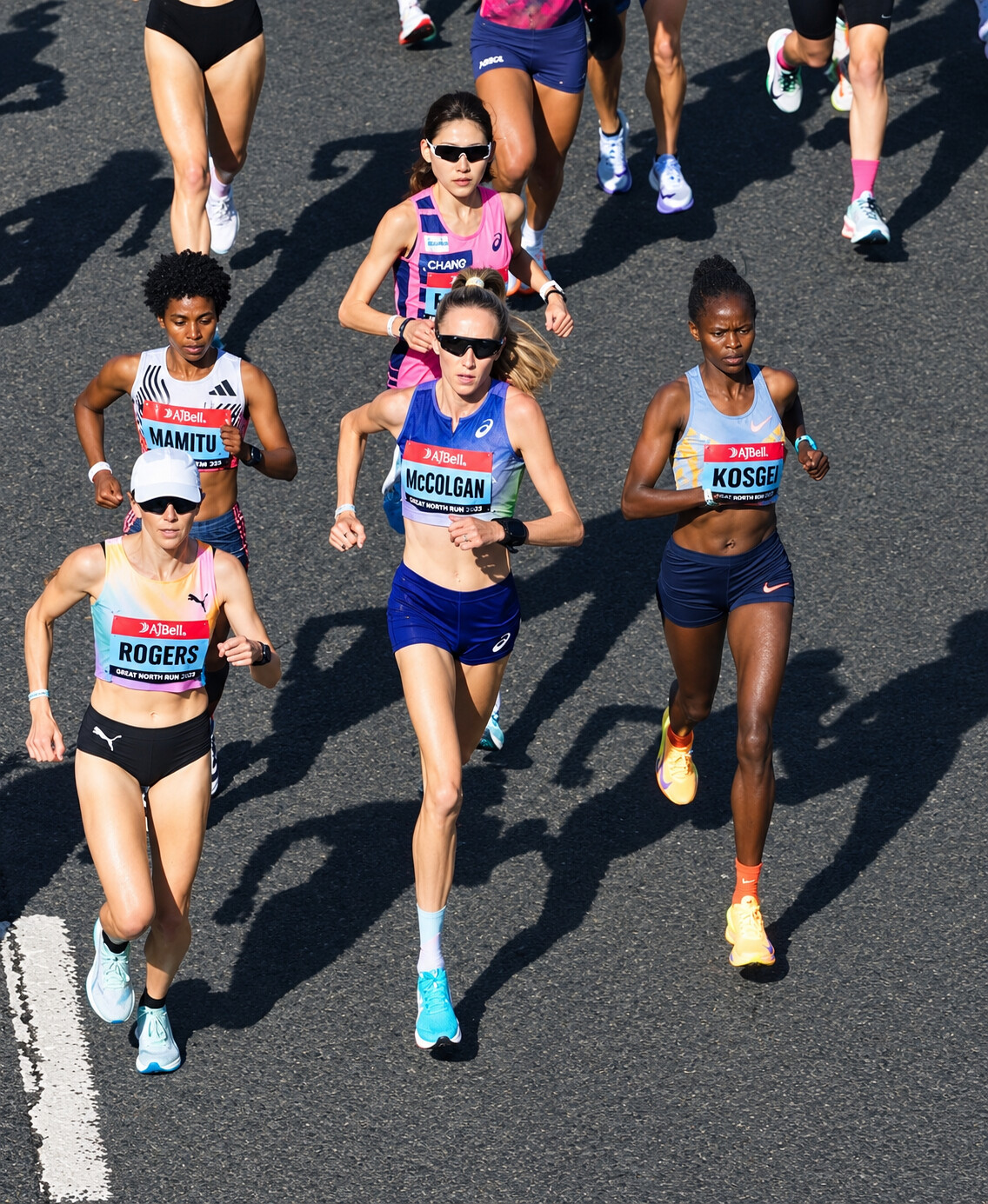
McColgan said she was particularly frustrated because the problem emerged so early in the race. She admitted that viewers watching the BBC broadcast may have heard her expressing that frustration in rather colourful language—a natural reaction from an athlete who had prepared extensively only to see her race unravel almost immediately.
Perhaps most importantly, McColgan stressed that her body itself was feeling good.
She had no injuries or lingering niggles and felt ready to race. But having experienced problems during the London Marathon, she did not want to risk repeating the same situation and potentially turning a relatively manageable problem into something much more serious.
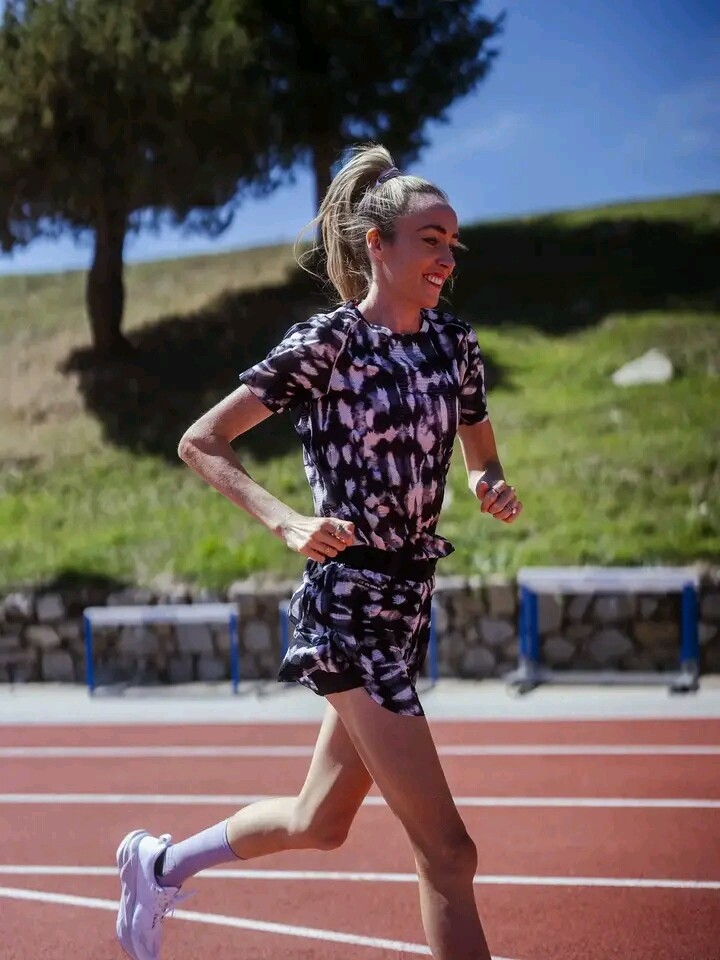
That decision highlights an important reality of elite sport: sometimes stopping is not a sign that an athlete has given up. It can be a decision made to protect everything that comes next.
Behind every race is months of preparation that spectators rarely see. There are early mornings, demanding workouts, recovery sessions, sacrifices and countless hours spent preparing for a single day of competition.
When an athlete records a DNF, all of that work does not suddenly disappear.
McColgan's disappointment was obvious, but so was her determination. Despite describing herself as "not a happy bunny," she immediately looked ahead, promising to return to the Great North Run next year with renewed motivation.
She also took time to congratulate everyone who reached the finish line, describing the day as a stunning one.
That attitude says plenty about the character required to compete at the highest level.
Athletics is often defined by victories, personal bests, records and triumphant finishes. But there is another side to the sport—the painful days, unexpected setbacks and moments when an athlete's body simply refuses to cooperate.
McColgan's Great North Run was one of those days.
Her DNF may appear as just three letters beside her name in the results, but behind those letters lies months of preparation, genuine frustration and a painful problem that forced her to make a difficult decision.
Sometimes the finish line has to wait.
For McColgan, the goal now is simple: get the foot problem sorted, recover properly and come back stronger.
And if her determination is anything to go by, she intends to return to the Great North Run next year with a vengeance.
by Erick Cheruiyot for My Best Runs.
Login to leave a comment

Great North Run
Great North Run founder Brendan Foster believes Britain is ready to welcome the world with open arms after the launch of the event's most ambitious plan to date. The Great World Run campaign seeks to recruit one runner from every country in the United Nations – 193 in total – to take part in the iconic half marathon in...
more...