

Running News Daily
Top Ten Stories of the Week
10/10/2026
These are the top ten stories based on views over the last week.
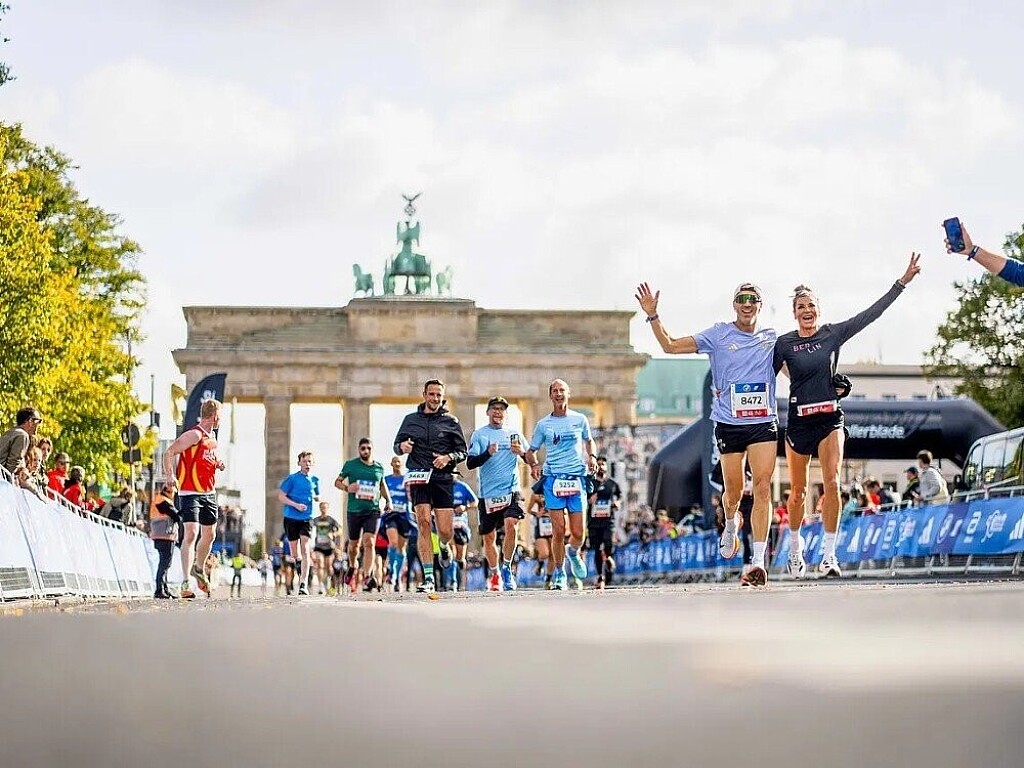


Berlin Marathon 2027 Lottery Is Officially Open As Runners Race For A Place On The World’s Fastest Stage
The wait is over for thousands of marathon hopefuls dreaming of running through the streets of Berlin next year, with registration for the 2027 Berlin Marathon officially opening on Thursday, October 1.
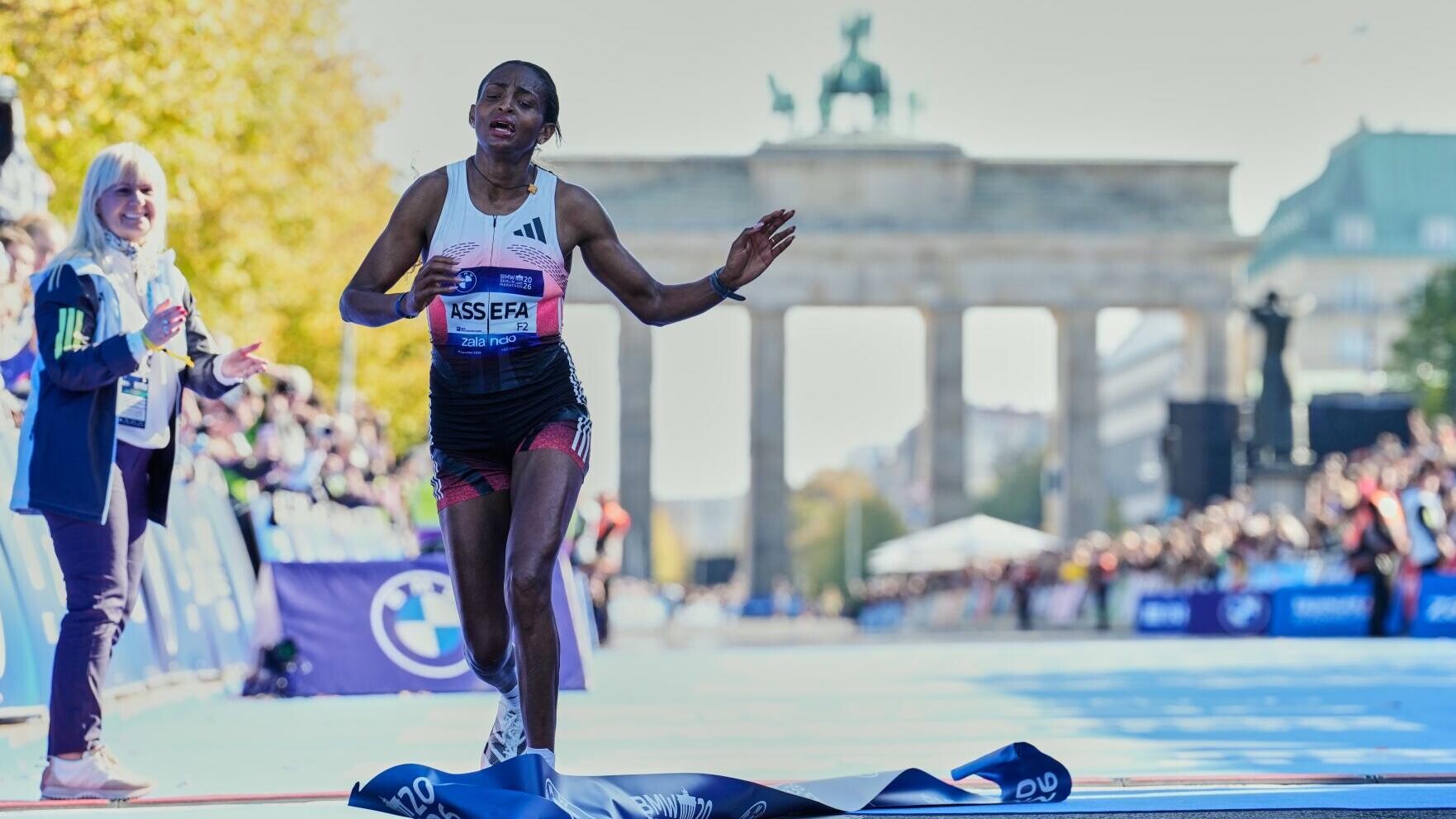
Runners now have until November 12, 2026, to enter the lottery, with the results scheduled to be sent by email on December 3. The entry fee of €215, around $244, will only be charged to athletes who successfully secure a starting place.
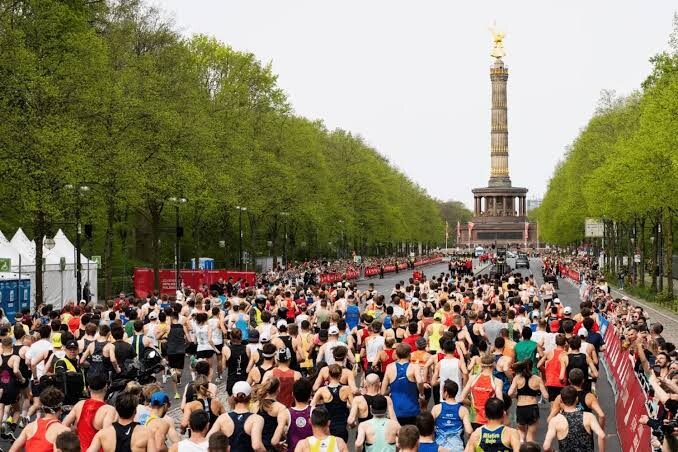
The 2027 race is scheduled for Sunday, September 26, once again bringing thousands of runners onto one of the most famous and fastest marathon courses in the world. Berlin has become synonymous with record-breaking performances, with 13 world records having been set on the course over the years.
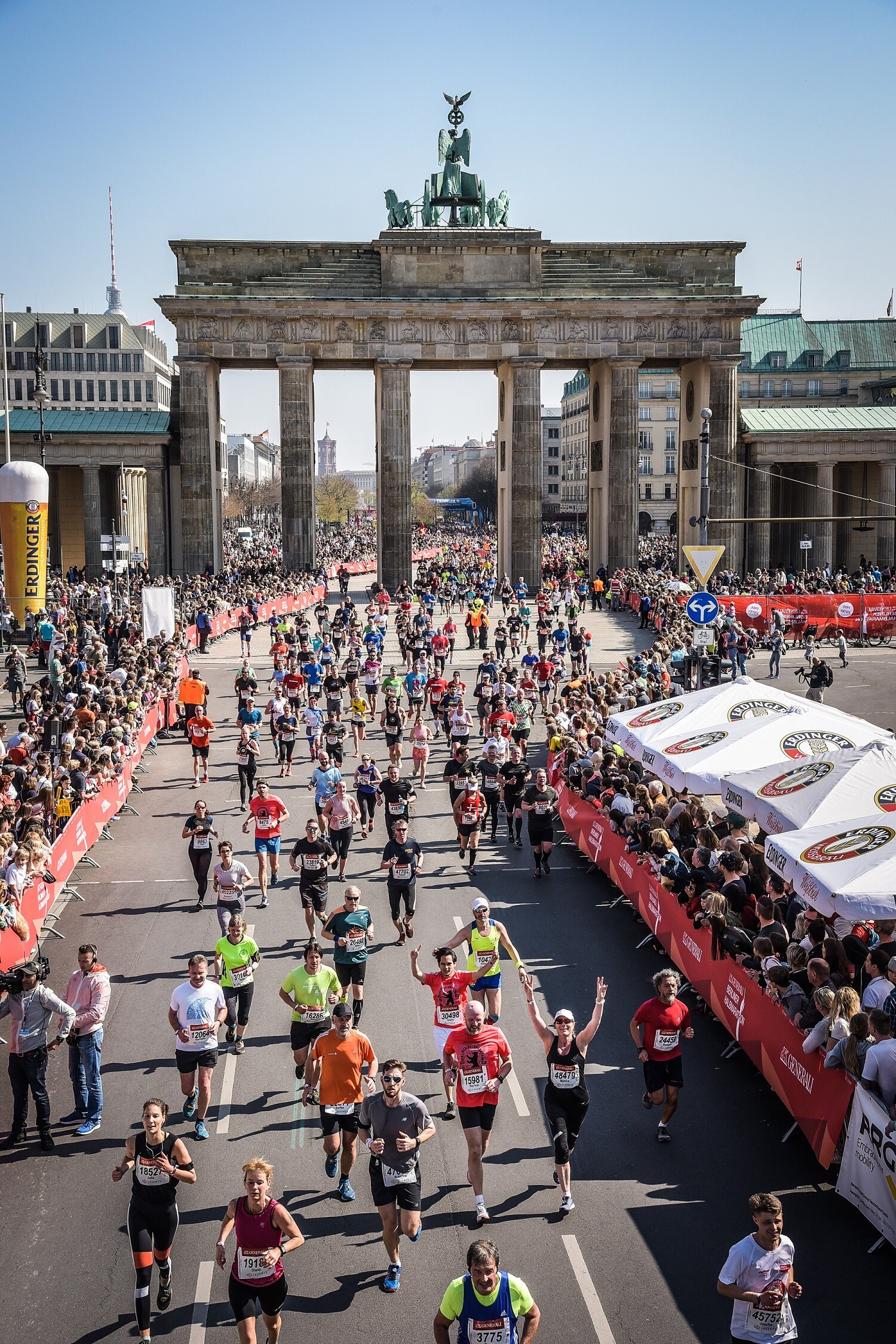
That remarkable history continues to give the Berlin Marathon a unique place on the international marathon calendar. From elite athletes chasing world records to recreational runners attempting their first major marathon, the race attracts competitors from across the globe, all sharing the same iconic finish beneath the Brandenburg Gate.
For runners who have already built a special relationship with the event, however, there are ways to bypass the public lottery. Members of the Jubilee Club, which is open to runners who have completed the Berlin Marathon 10 or more times, receive a guaranteed starting place.
There is also a special route for runners who were unable to compete in the 2026 edition after accepting the organisers’ goodwill offer. Those athletes will receive a registration code for the 2027 race by email, with the code required to be redeemed before the ballot closes on November 12.
Runners do not necessarily have to enter alone, either. Groups of two or three athletes can apply together as a team. One runner registers the group and receives a team code, which is then shared with the other members. Each athlete completes their own registration using that code, and if the team is selected, everyone in the group receives a place together.
The lottery system means that demand will once again be high, with aspiring Berlin Marathon runners now facing a nervous wait after submitting their applications. For many, the December 3 email will determine whether their plans for one of the world's most prestigious marathons can become reality.
For those dreaming of lining up in Berlin, the important dates are clear: registration opened on October 1, the ballot closes on November 12, results will be announced on December 3, and the 2027 Berlin Marathon will be held on September 26.
The road to Berlin 2027 has officially begun — and for thousands of runners, the countdown to finding out whether they have secured their place is now underway.
(10/02/26) Views: 2,652Erick Cheruiyot for My Best Runs.
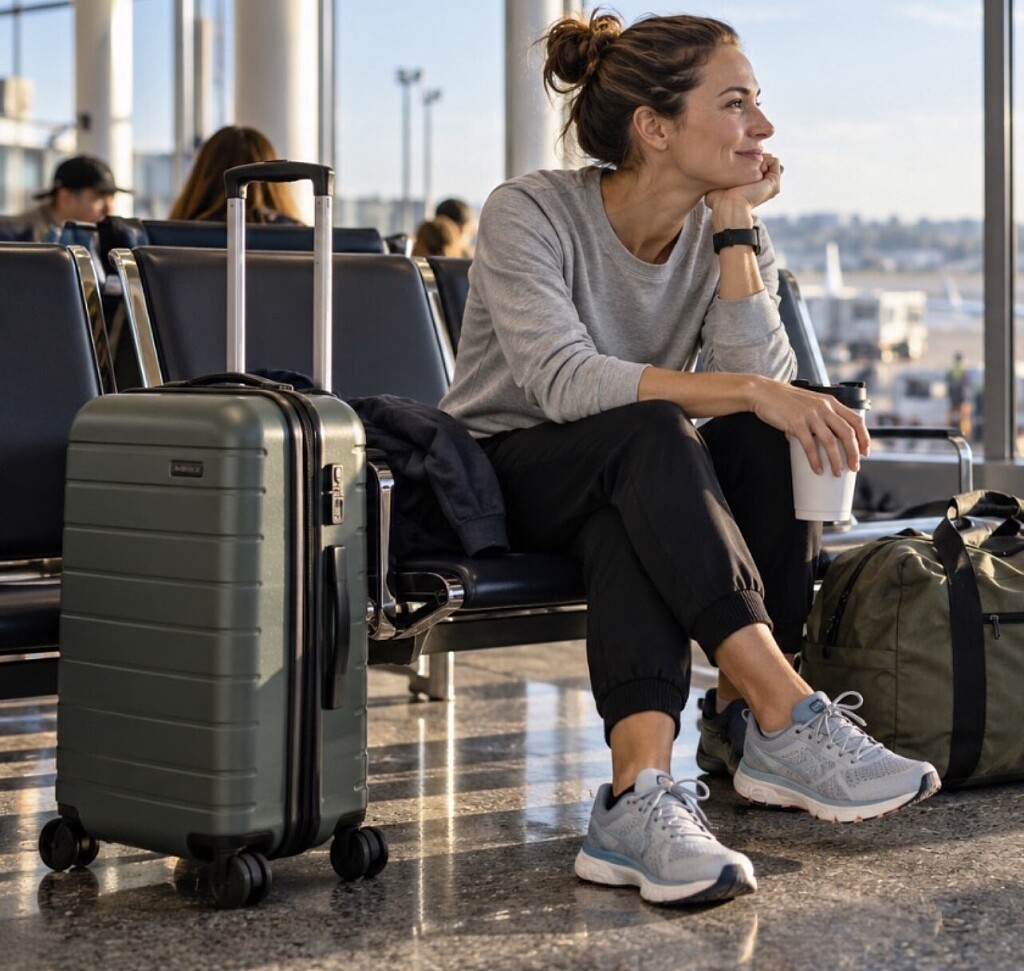
7 Packing Tips for Your First Time Traveling For a Race
Traveling for a race is the perfect excuse to turn a running weekend into an adventure. Perhaps you’re heading to the Tokyo Marathon and already thinking about the sushi and ramen you’ll enjoy afterward. Or maybe your next finish line is beside the beach.
Between training, booking a hotel and planning what to explore, packing can become an afterthought. Then race morning arrives, and your favorite socks are still at home, your race information is buried in your suitcase and your water bottle is nowhere to be found.
A little organization before departure can make the entire trip smoother. These seven packing tips will help you arrive ready to run and enjoy the weekend.
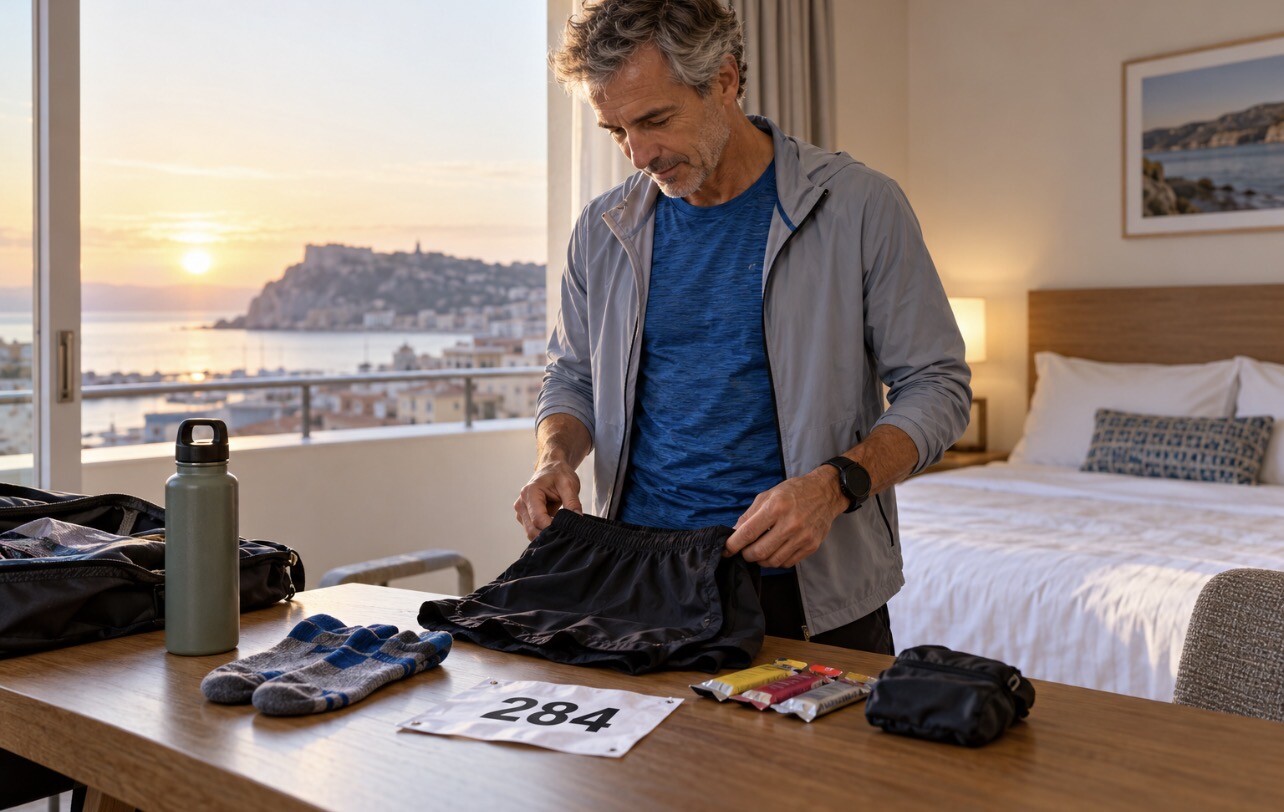
1. Pack Your Race-Day Outfit in Your Carry-On
Keep your race-day clothing and essentials in your carry-on. Pack your running top, shorts or tights, socks, sports bra if needed, and the small items you depend on during a race. If your checked luggage is delayed, your key gear will still be with you.

Fold your race outfit together or place it in a packing pouch so everything is easy to find. A smaller zip pouch can hold accessories. Knowing exactly where your race kit is means one less thing to worry about when you arrive.
2. Wear Your Running Shoes on the Plane
Your running shoes deserve the same attention as your race outfit. Wearing them on the plane keeps them out of checked luggage and leaves more room in your suitcase.
Choose a familiar pair you have already used in training. Race weekend is not the time to discover that new shoes rub or fit differently than expected. If you prefer to travel in another pair, keep your race shoes in your carry-on.
3. Bring a Spacious Bag for Your Gear
A race trip often requires more than running clothes. Add a jacket, recovery clothes, snacks and accessories, and your packing list grows quickly. A spacious duffel with sturdy handles and useful pockets can keep those extras organized and serve as a day bag at your destination.
Think about what you’ll do beyond race day. A hike may call for trail shoes and a light layer. If pickleball is part of your plans, you may want a paddle and extra clothes.
The same thinking applies when choosing your bag. If you’re planning a few games on the court during the trip, consider pickleball tour and duffel bags. A backpack may be more practical for hiking or exploring on foot. Choose a bag that suits your itinerary, and check your airline’s size and weight limits before packing.
4. Organize Your Bib and Race Documents
Keep your identification, registration confirmation and race instructions together. A slim document pouch works well for paper copies, while a dedicated folder on your phone can keep digital information easy to access.
Download important details before leaving home, including the race map, confirmation email and packet pickup instructions. Save copies you can open without an internet connection.
If you already have your bib, keep it flat and protected. Otherwise, check where and when you need to collect it and what identification the organizer requires. Handling these details in advance helps keep the pre-race scramble to a minimum.
5. Take Familiar Snacks with You
Race travel can disrupt your usual eating routine. Your preferred breakfast may be unavailable, and the hotel buffet may not offer what you normally eat before a run.
Bring the bars, gels and electrolyte products you have already used in training. Your runner’s diet shouldn’t become a vacation guessing game.
Count what you’ll need for travel and race day, then pack a little extra. Keep some familiar snacks in your carry-on and bring enough race fuel for your planned strategy. Check destination rules before carrying food across international borders.
6. Always Have a Water Bottle
Busy travel days can make it easy to forget your usual drinking habits. A reusable water bottle is a simple item that deserves a place on your packing list.
Carry it empty through airport security, then fill it where drinking water is available. Keep it handy during your journey and when heading out for packet pickup or other race activities.
Staying hydrated is also part of caring for your body while traveling. If an electrolyte mix is already part of your routine, pack your usual product. Having familiar supplies nearby makes it easier to maintain your normal habits while traveling.
7. Pack Layers for Changing Weather
A mild forecast doesn’t always reflect how it will feel while waiting at the starting line early in the morning. Pack a lightweight layer you have already worn while running.
A zip jacket or long-sleeve top can help you stay comfortable before the start. Decide in advance whether you’ll carry it during the race or leave it at an official bag check, following the organizer’s instructions.
For colder conditions, familiar gloves and other tested gear can help. Review this guide to running in cold weather, then check the forecast again before departure and once more before race morning so you can make any final adjustments.
Thoughtful packing helps you get more out of a destination race. Keep essential gear close, choose a bag that works for your plans and organize your documents before you leave. With those details handled, you can spend less time searching through your suitcase and more time enjoying the run—and everything that comes afterward.
(10/06/26) Views: 294
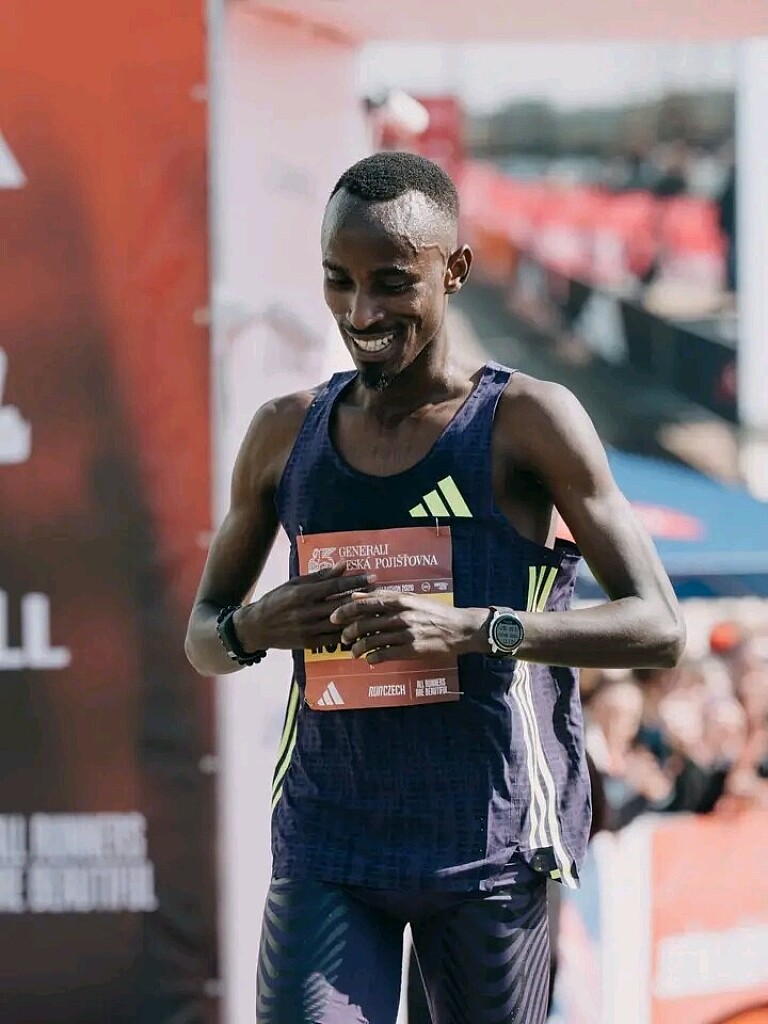
Rodrigue Kwizera Leads Stellar Valencia Half Marathon Field as Ebenyo, Yimer and Matata Prepare for a Fierce Battle
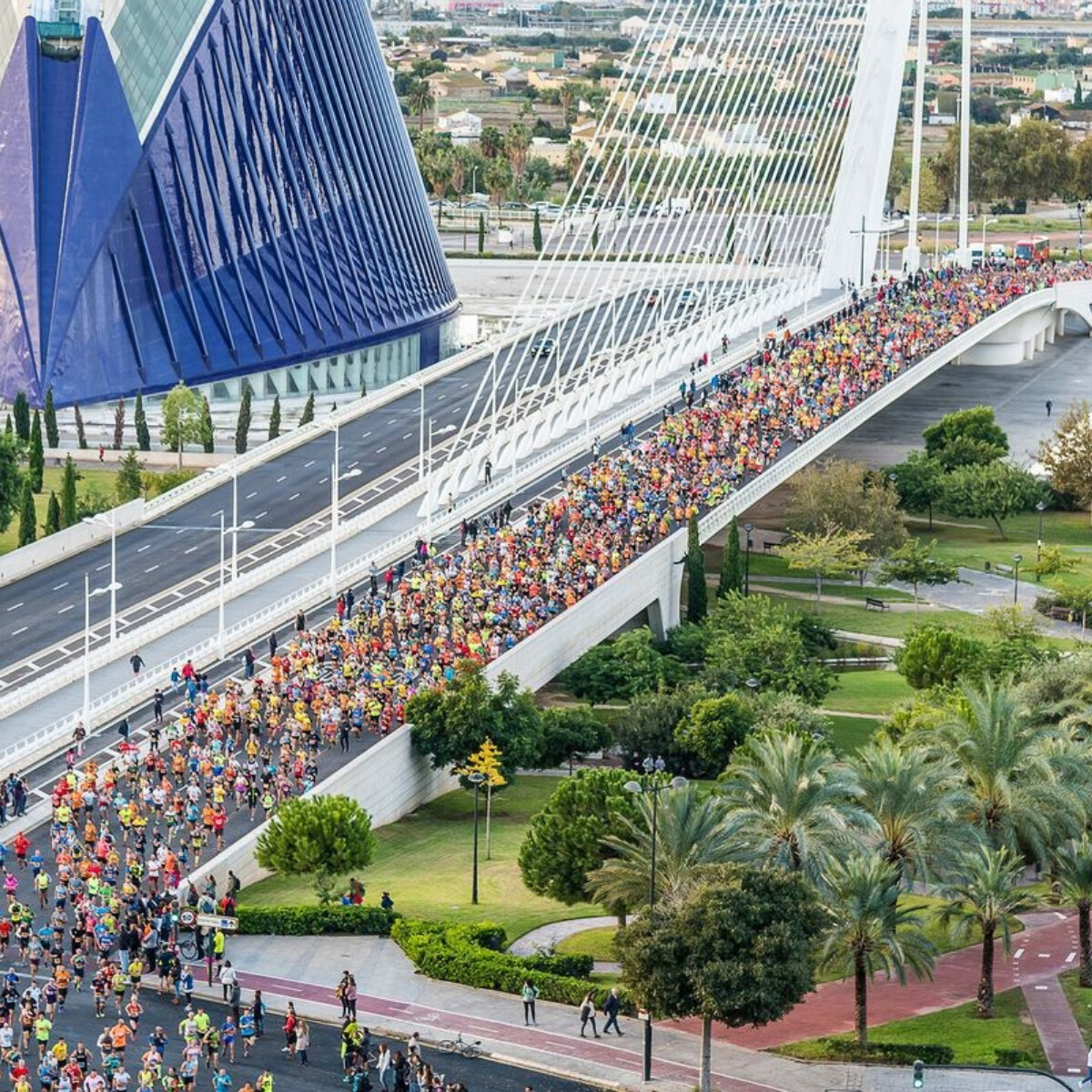
The 2026 Valencia Half Marathon is shaping up to be a thrilling contest of speed, endurance and tactical brilliance, with some of the world’s finest road runners set to converge in Spain on October 25.
Kenya’s Daniel Ebenyo and Alex Matata will be among the leading contenders, facing a formidable Ethiopian challenge spearheaded by Jemal Yimer and Tadese Worku. The field also features Rodrigue Kwizera, who boasts the fastest personal best among the leading entrants at 58:16.
Ebenyo arrives with a personal best of 59:04, placing him firmly among the athletes capable of sustaining a demanding pace over the 21.1-kilometre distance. Matata, who owns a 59:11 best, adds further Kenyan strength, while Andrea Kiptoo brings another sub-60-minute credential to the race.
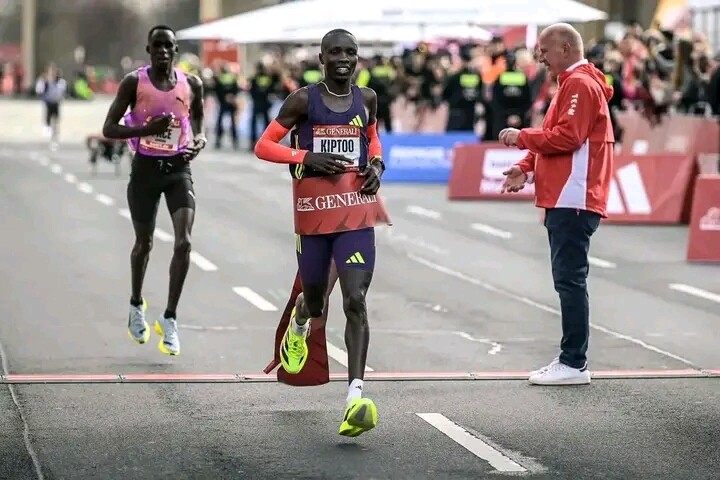
Yimer has already established himself as one of the fastest athletes in the field with a 58:33 personal best, while Worku has clocked 58:35. Kenya’s Owen Korir, with a best of 58:58, further underlines the remarkable depth of the men's lineup.
Valencia Half Marathon 2026 Entries
1. Rodrigue Kwizera (Spain) — 58:16
2. Jemal Yimer (Ethiopia) — 58:33
3. Tadese Worku (Ethiopia) — 58:35
4. Owen Korir (Kenya) — 58:58
5. Daniel Ebenyo (Kenya) — 59:04
6. Alex Matata (Kenya) — 59:11
7. Andrea Kiptoo (Kenya) — 59:11
8. Thierry Ndikumwenayo (Spain) — 59:42
9. Said Mechaal (Spain) — 1:00:24
10. Adel Mechaal (Spain) — 1:02:30
Kwizera, who finished second in Valencia last year, leads the field on paper and will be seeking another standout performance on the famously fast Valencia course. With several athletes carrying sub-60-minute credentials, the race has the ingredients for an aggressive battle from the opening kilometres.
Beyond the headline names, the men’s field is deep and highly competitive, bringing together a strong collection of experienced international athletes with proven ability over the half-marathon distance. With so much quality packed into the lineup, the race promises an intriguing battle in which tactics, endurance, positioning and finishing speed could all play a crucial role in determining the eventual champion.
Yet personal bests will count for little once the gun goes off. The title could ultimately be decided by patience, positioning and the ability to respond when the pace begins to rise in the closing stages. Every surge, every tactical move and every second saved could prove decisive on the road to the finish.
With Kenya, Ethiopia and Spain represented by athletes of exceptional quality, Valencia promises a high-octane men's showdown in which the leaders are likely to be separated by only a handful of seconds. The final kilometres could provide the defining moments of a race packed with speed, ambition and anticipation.
On October 25, the question will be simple: who has the strength to command the streets of Valencia and claim the coveted half-marathon crown?
(10/02/26) Views: 287
Erick Cheruiyot for My Best Runs.
The Duel In The Sun: When Salazar Beat Beardsley By Two Seconds At Boston
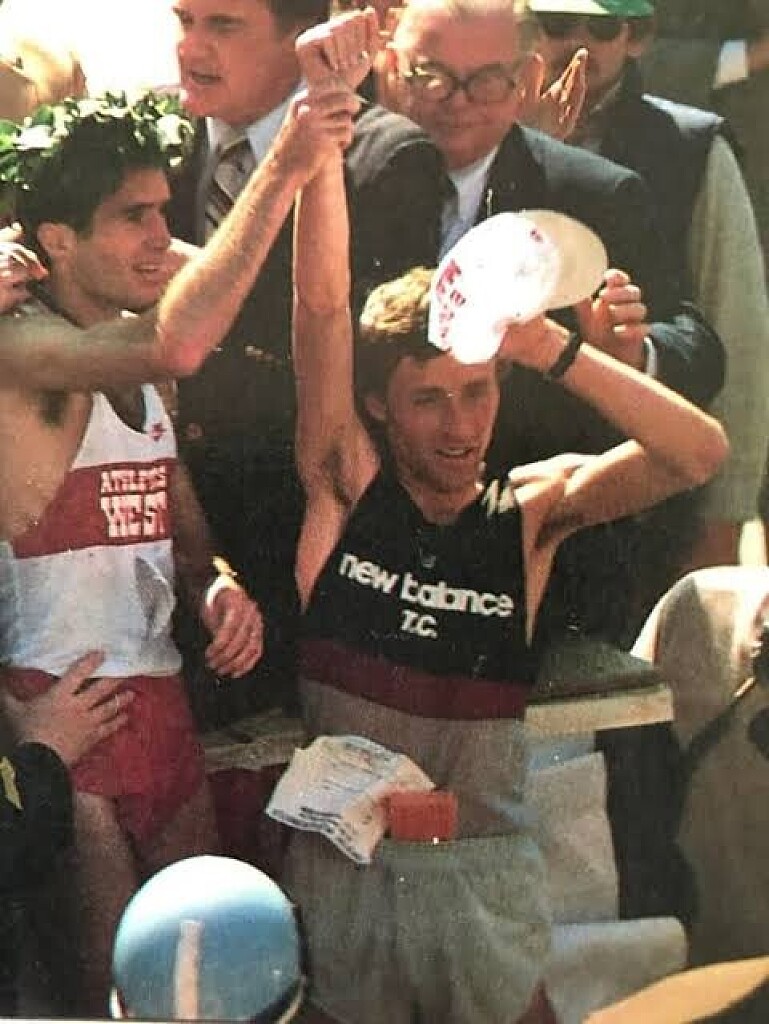
April 19, 1982. The Boston Marathon unfolded under unusually warm, sunny conditions, and by the closing stages, the race had become a private battle between two very different American runners: Alberto Salazar, already one of the biggest names in distance running, and Dick Beardsley, the Minnesota runner who had emerged as a serious marathon contender.
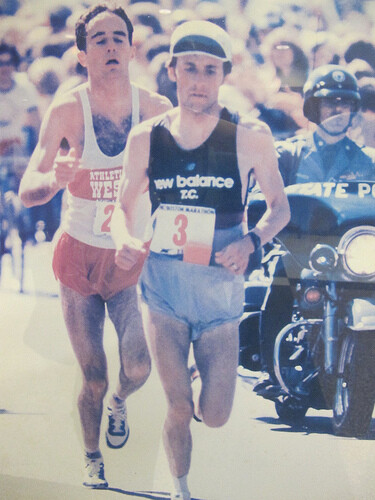
For roughly nine miles, from the Newton Hills toward the finish, Beardsley did much of the leading, with Salazar tucked close behind. Neither man could shake the other. They ran deep into Boston locked together, trading surges and refusing to surrender an inch as the crowds along the course grew louder.
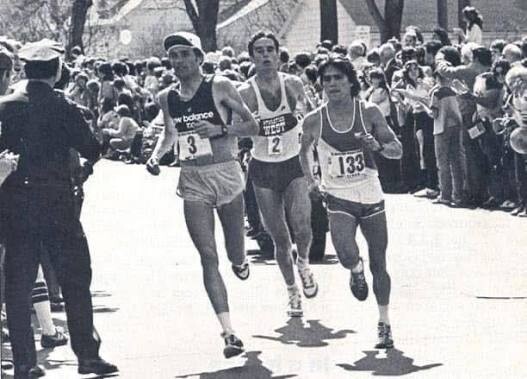
Salazar finally made his decisive move with less than a mile remaining. He opened a small gap, but Beardsley refused to disappear. The Minnesota runner chased him through the final streets, closing again as they approached the finish.
Then came the final sprint.
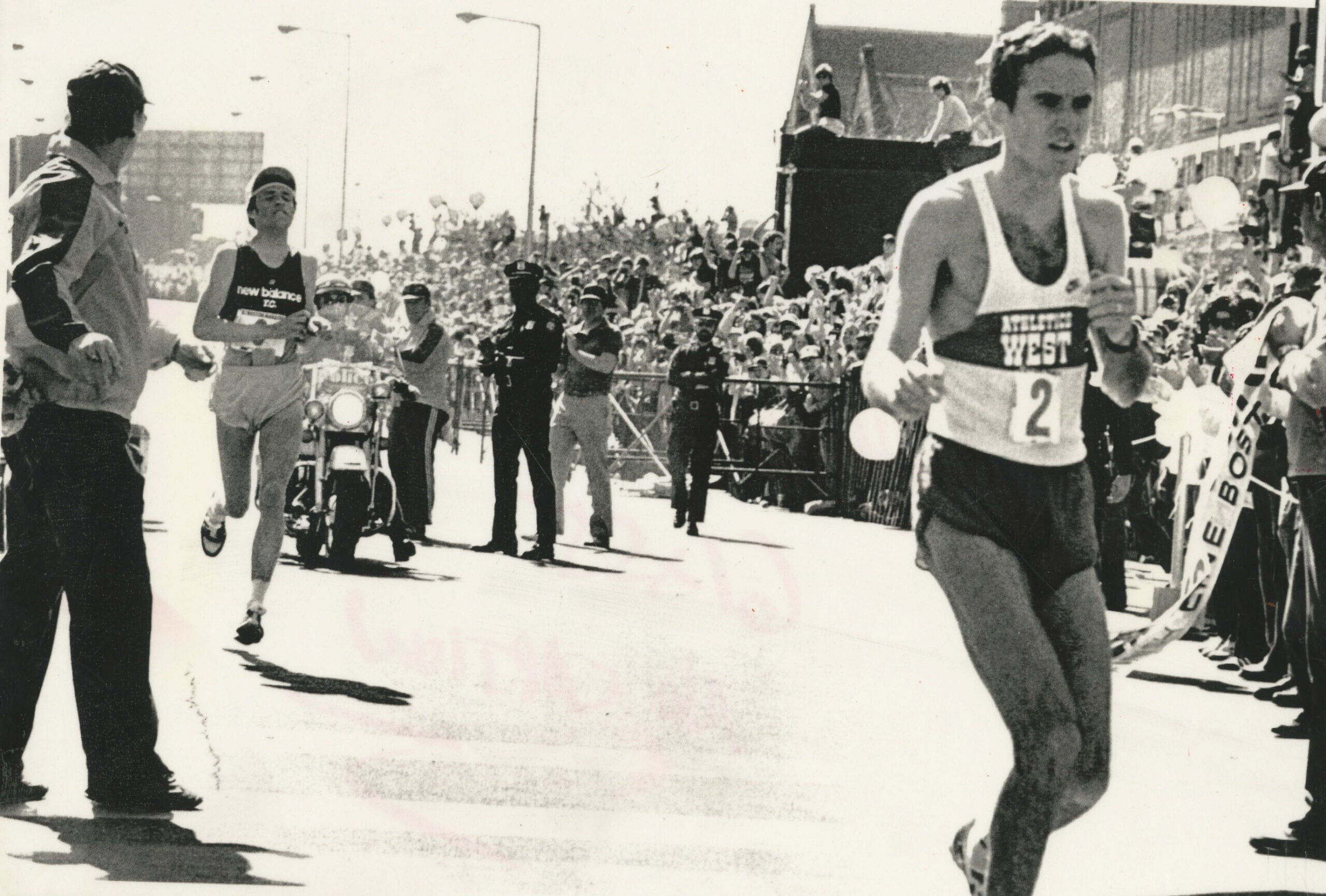
Salazar held his form and reached the finish first in 2:08:52, with Beardsley only two seconds behind in 2:08:54. It was an extraordinary result: both men broke 2:09 in the same Boston Marathon, and both shattered the previous course record.
The race became known as the “Duel in the Sun,” and it remains one of the most celebrated head-to-head battles in Boston Marathon history. Beardsley had not won, but his performance established him as one of America's elite marathoners.
For Salazar, however, victory came at an enormous physical cost. Immediately after crossing the finish line, he collapsed and required emergency treatment, including several litres of intravenous saline. The combination of heat, dehydration and an all-out effort had pushed his body to the limit.
Salazar's marathon career would never again produce quite the same kind of performance. His celebrated 1981 New York City Marathon victory had produced what was initially considered a world record, although the course was later found to be short. His Boston triumph therefore became one of the defining victories of his career.
Beardsley's story would take an even more difficult turn. Injuries disrupted his career, and after returning to the highest level, he suffered a devastating farm accident in 1989. Further accidents, surgeries and severe physical pain followed, eventually leading to a long battle with painkiller addiction.
He eventually overcame that struggle and transformed the darkest chapters of his life into a story of recovery, resilience and redemption.
That is what makes the 1982 Boston Marathon more than a two-second victory.
For one extraordinary afternoon, Salazar and Beardsley produced a marathon duel in which neither man was willing to give way. One crossed the finish line first. The other finished only two seconds behind him.
Two seconds separated them at Boston. Decades later, their legendary duel remains one of the greatest chapters in marathon history.
(10/02/26) Views: 278Erick Cheruiyot for My Best Runs.
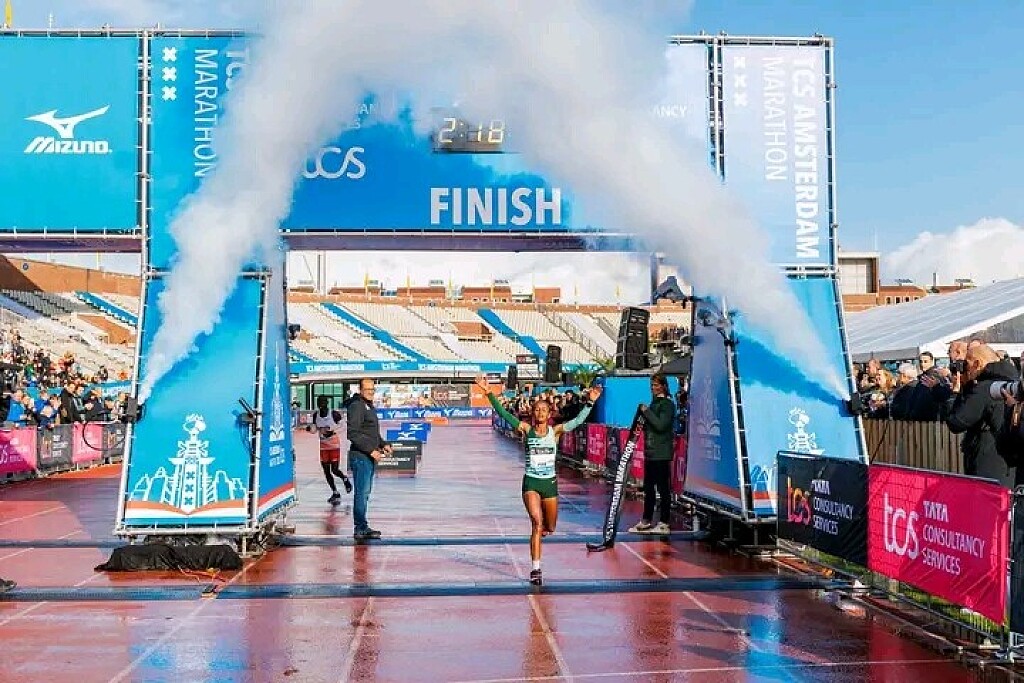
Amsterdam Marathon Women’s Field Set for High-Class Showdown as Four Ethiopians Target 2:20 Barrier
The women’s race at the 2026 TCS Amsterdam Marathon is shaping up to be one of the most competitive editions in recent years, with a deep international field set to take on the fast Dutch course on Sunday, October 18.
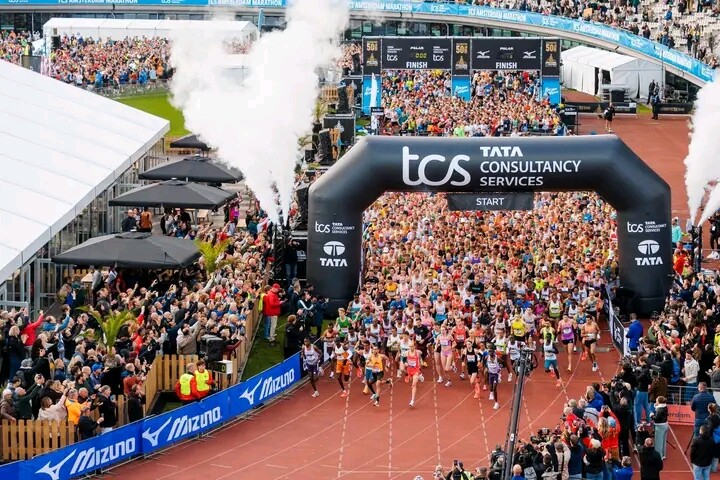
At the centre of the contest will be four Ethiopian athletes who have already broken the 2:20 barrier, creating the prospect of a fascinating battle for victory and a possible assault on the course record of 2:16:52.
Defending champion Aynalem Desta will return to Amsterdam looking to retain her title after producing the biggest performance of her career at last year’s 50th edition. Desta won in a personal best of 2:17:37, establishing herself among the leading marathoners in the field and setting the benchmark for this year’s contenders.
Standing in her way will be fellow Ethiopian Meseret Belete Tola, a former Amsterdam champion who knows exactly what it takes to succeed on the course. Belete Tola captured the 2023 edition in 2:18:21, and her return adds another layer of experience and proven quality to an already formidable lineup.
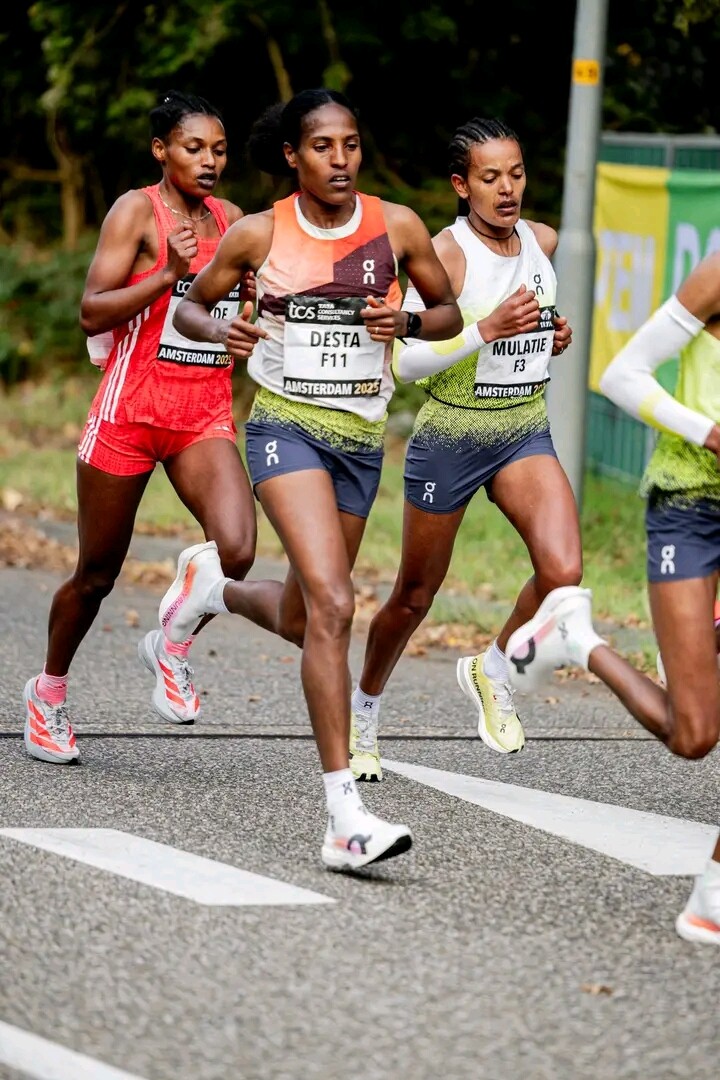
The field also includes Mestawut Fikir Truneh, who arrives with an impressive marathon pedigree. Truneh finished runner-up at the 2024 Berlin Marathon in 2:18:48, demonstrating her ability to compete at the highest level on one of the world's major marathon stages.
Completing the quartet of sub-2:20 Ethiopians is Buze Diriba, whose personal best of 2:19:34 places her firmly among the leading contenders. With four athletes possessing credentials below 2:20, the race is likely to develop into a tightly contested battle from the opening kilometres.
The depth extends well beyond the leading quartet. Desi Jisa Mokonin, representing Bahrain, Yeshi Kalayu Chekole of Ethiopia and Nazret Weldu Gebrehiwet of Eritrea have all established themselves as serious marathon competitors with performances approaching the 2:20 mark.
Another major name to watch is Abeba Aregawi, the former 1500m world champion representing Sweden. Aregawi has successfully transferred her talents to the marathon and made headlines earlier this year by setting a Swedish national record of 2:23:12 on her debut. Her presence adds another intriguing dimension to an already high-quality field.
Amsterdam’s marathon course has consistently provided an opportunity for elite athletes to produce fast times, and this year’s women’s lineup has the depth to turn the race into a genuine test of both championship racing and outright speed.
With four athletes already inside 2:20, two former Amsterdam champions returning to the start line and several other accomplished marathoners ready to challenge them, the battle is expected to remain open deep into the race.
The ultimate target will be the Amsterdam women’s course record of 2:16:52. Whether the leading contenders can threaten that mark remains to be seen, but the quality assembled for October 18 ensures that the record will be firmly in the spotlight when the race reaches its spectacular finish inside the Olympic Stadium.
(10/03/26) Views: 275Erick Cheruiyot for My Best Runs.
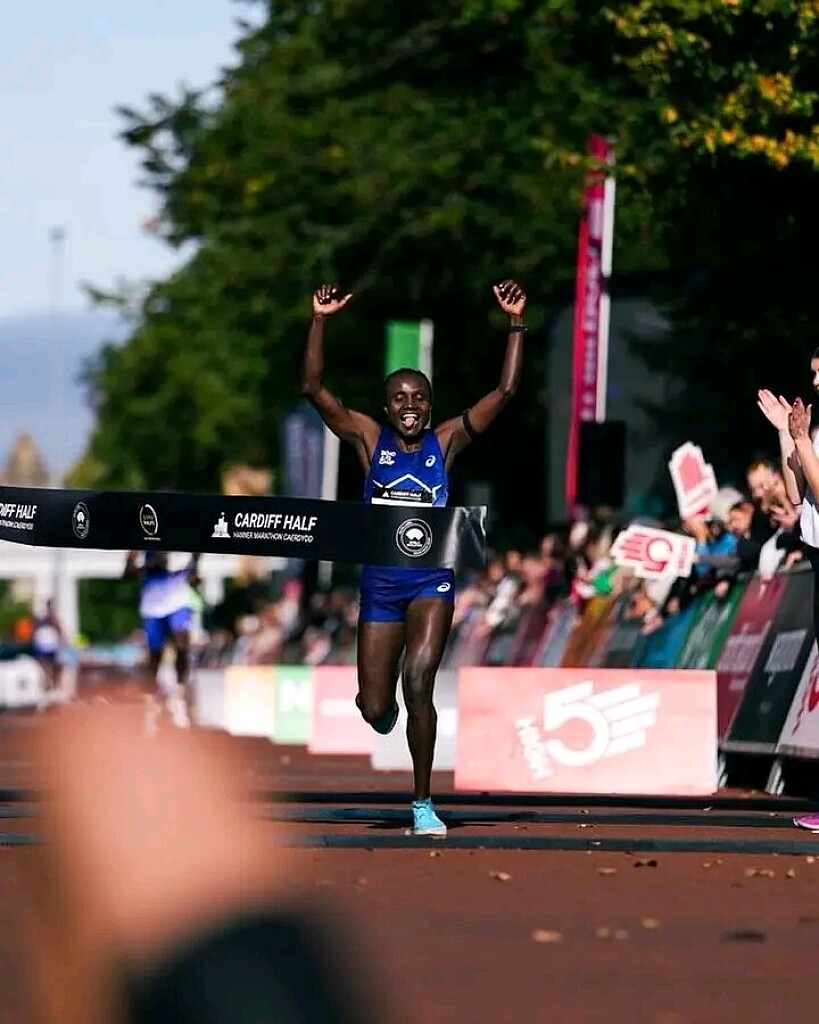
Joyciline Jepkosgei Shatters Cardiff Half Marathon Course Record
Kenyan distance-running star Joyciline Jepkosgei delivered a commanding performance at the 2026 Cardiff Half Marathon, storming to victory in 1:05:40 and rewriting the women’s course record in impressive fashion.
Jepkosgei produced a composed and powerful run at the front of the race, eventually pulling clear of a strong Ethiopian challenge to secure the title. Her winning time gave her a 14-second advantage over Ethiopia’s Wede Kefale, adding another prestigious road-racing victory to her accomplished career.
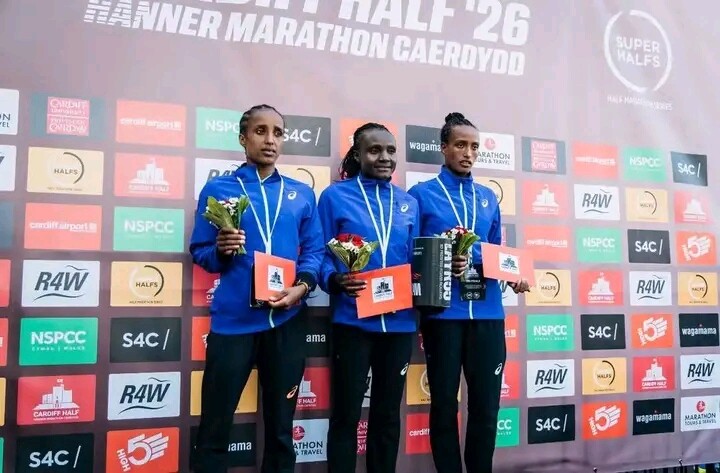
Kefale mounted the strongest challenge to the Kenyan, crossing the finish line in 1:05:54. She remained firmly in contention throughout the race, but Jepkosgei found the decisive strength when it mattered most to claim both victory and the course record.
The final podium position went to another Ethiopian, with Tigist Tesema making an impressive half-marathon debut in 1:07:23. Her performance completed a podium dominated by Kenya and Ethiopia and underlined the depth of talent competing at the front of the race.
For Jepkosgei, the Cardiff triumph adds another significant achievement to a career that has already produced major victories and world-class performances over the half-marathon distance. Her experience, controlled pacing and ability to deliver under pressure once again proved decisive on race day.
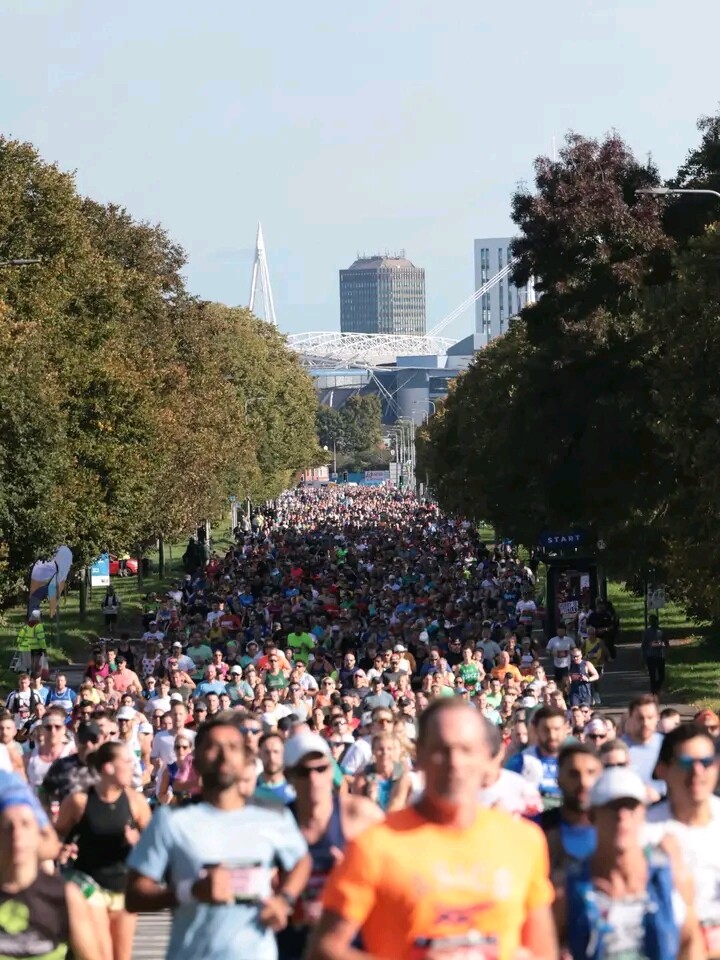
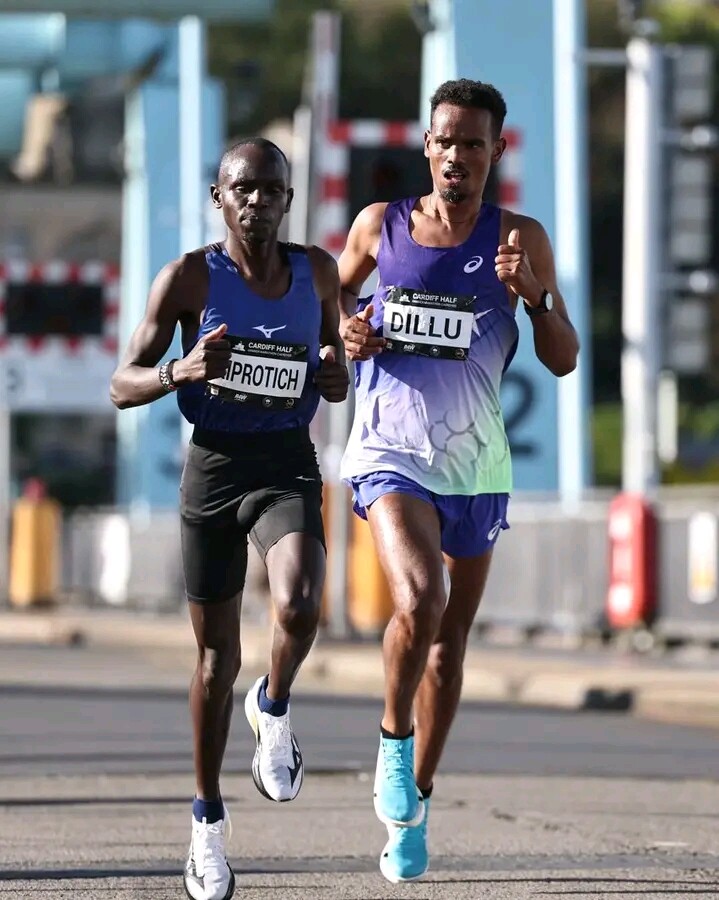
The 2026 Cardiff Half Marathon provided far more than a thrilling elite women’s contest. Gideon Kiprotich secured the men’s title stopping the clock at 59:34 giving Kenya a memorable double victory in the Welsh capital, while the elite wheelchair races and Welsh Championship events added further excitement to an action-packed programme.
The event also provided a platform for some of Wales’ leading athletes to compete on home soil, while runners across the field contributed to the atmosphere of a race that brought together elite competitors and thousands of participants.
From the sharp end of the elite races to the final finishers crossing the line, Cardiff produced another memorable celebration of road running. For Jepkosgei, however, the headline belonged to her: a commanding victory, a new course record and another impressive mark on her distinguished career.
Jepkosgei’s performance was ultimately a statement of class and consistency, as the experienced Kenyan turned a fiercely contested international field into another memorable triumph. With a new course record now attached to her name in Cardiff, she once again demonstrated the speed, resilience and tactical intelligence that have made her one of the most respected figures in modern women’s road racing.
(10/04/26) Views: 249Erick Cheruiyot for My Best Runs.
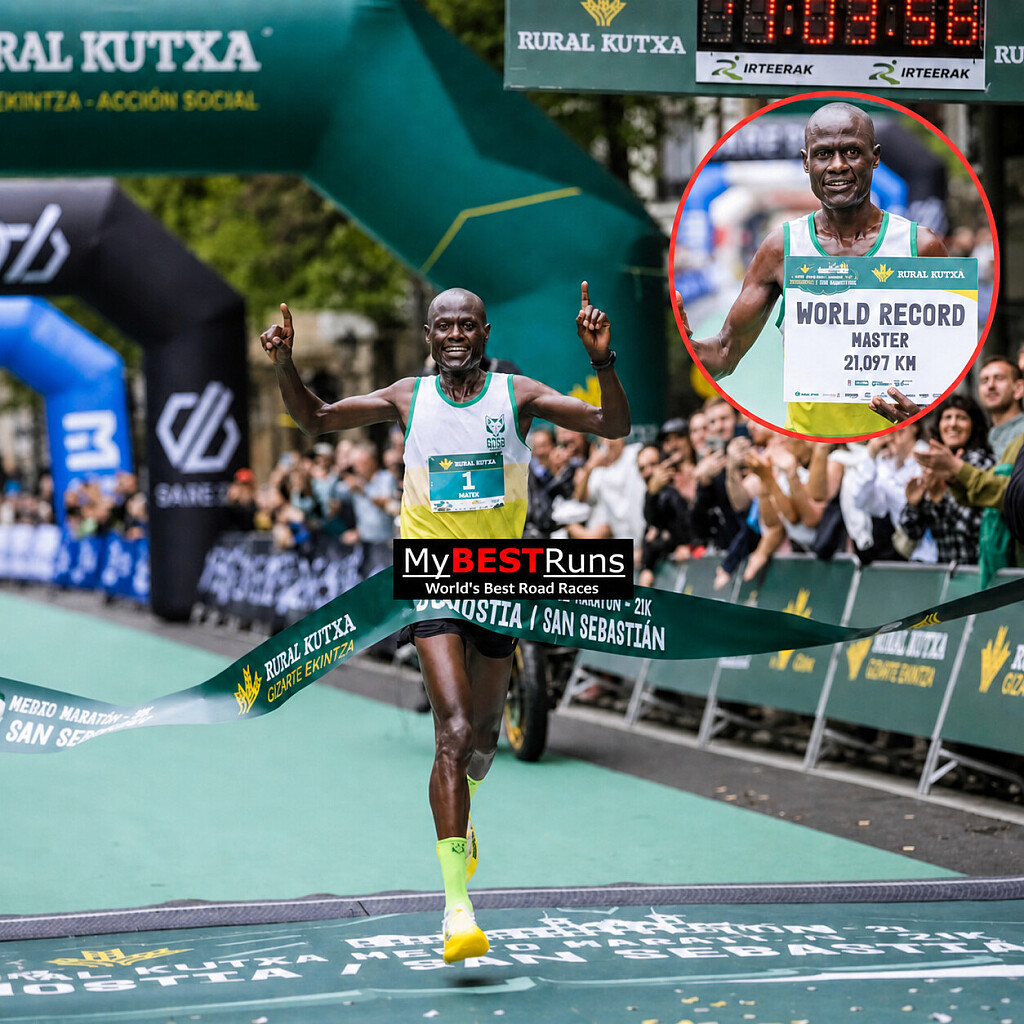
Mark Kiptoo, 50, Shatters M50 World Half-Marathon Record In San Sebastián
Kenyan distance-running veteran Mark Kosgei Kiptoo has added another extraordinary achievement to his remarkable career, setting a new M50 world record in the half marathon at the 2026 San Sebastián Rural Kutxa Half Marathon in Spain.
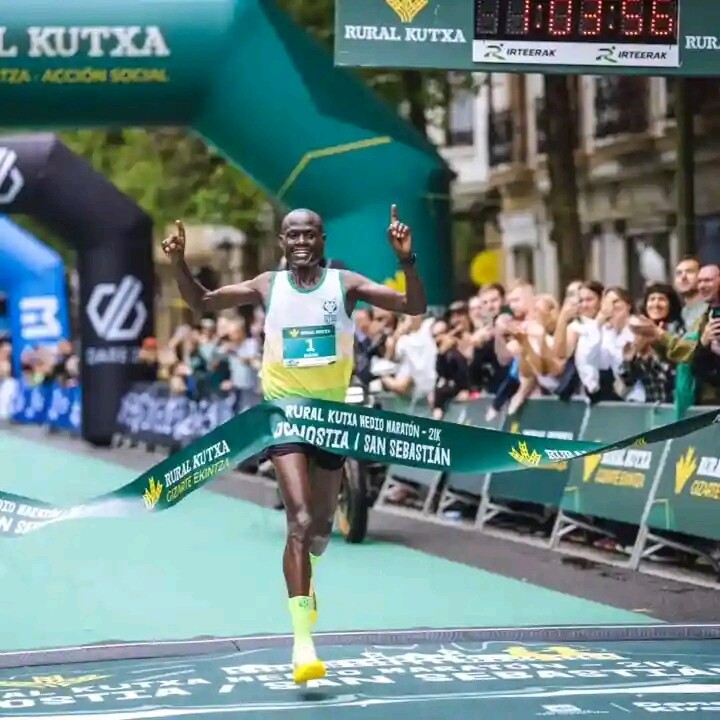
At 50, Kiptoo produced a stunning 1:03:57 over the 21.097-kilometre distance, winning the race outright while rewriting the masters record books.
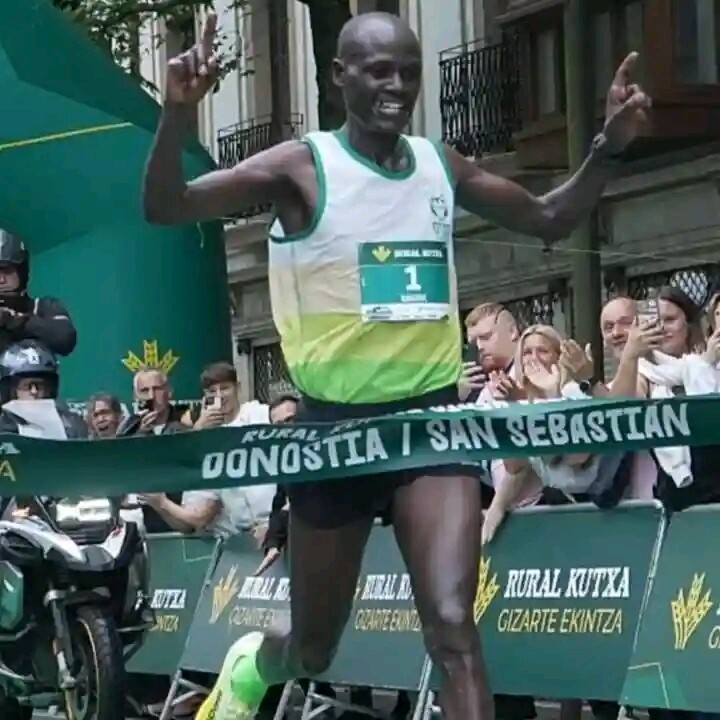
His performance demolished the previous M50 world record of 1:06:23, set by South Africa’s Titus Mamabolo, by 2 minutes and 26 seconds. The scale of the improvement makes Kiptoo’s performance one of the most remarkable masters distance-running achievements of the year.
The Kenyan arrived in San Sebastián in impressive form after already showing that age had done little to diminish his speed. At 49, Kiptoo won the Azkoitia-Azpeitia Half Marathon in March in 1:03:17, a performance that underlined his extraordinary endurance and ability to maintain world-class pace well into his late 40s.
Kiptoo’s latest achievement is another milestone in a career that has already delivered success across track, cross country and road running. Now competing in the masters ranks, the Kenyan continues to demonstrate the exceptional endurance and speed that made him one of the most respected distance runners of his generation.
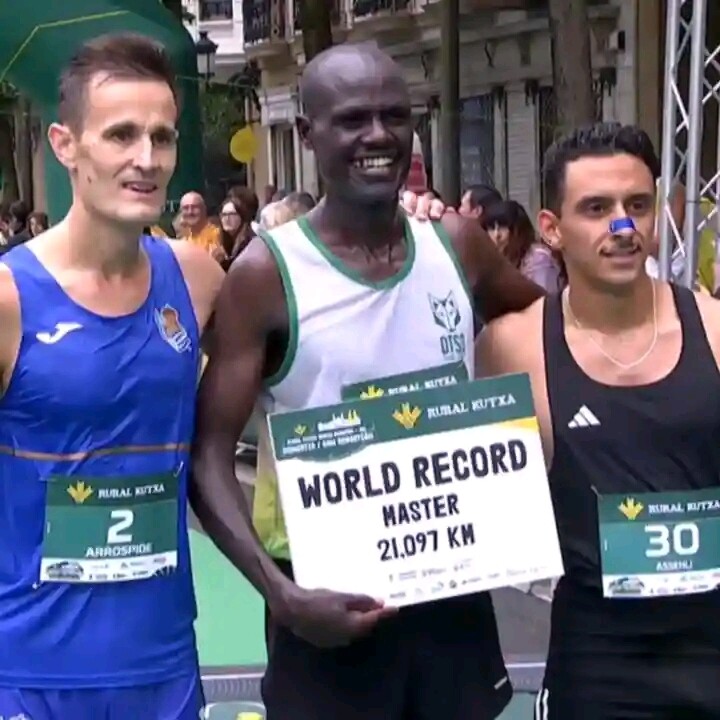
Born on June 21, 1976, Kiptoo has spent decades competing at the highest level of international athletics. His career includes major performances on the track and road, and his transition into the masters category has done little to slow his remarkable competitive drive.
Kiptoo’s transition to marathon running produced another extraordinary achievement. At the 2018 Frankfurt Marathon, he clocked 2:07:50 to establish what was then a world record for the Masters 40-and-over age group, further highlighting his ability to remain competitive well beyond the traditional peak years of an elite distance runner.
That performance offered an early indication of the extraordinary longevity that would later define his masters career. With the M50 half-marathon world record standing at 1:06:23, Kiptoo arrived in San Sebastián with history within reach—and he did far more than simply break the mark.
He obliterated it.
Kiptoo’s 1:03:57 was also fast enough to secure the overall victory, putting the 50-year-old Kenyan ahead of considerably younger competitors. Spain’s Iraitz Arrospide was the leading Spanish finisher, taking second in 1:04:48, while Youness Assehli completed the podium in 1:07:16.
Kiptoo’s record run was also notable for the consistency of his pace throughout the race. He passed 5 kilometres in 15:22 before reaching 10 kilometres in 30:21, with his second 5-kilometre segment covered in a remarkable 14:59. He continued to maintain the demanding tempo, reaching 20 kilometres in 1:00:40 before completing the final 1.097 kilometres to stop the clock at 1:03:57.
Those splits underline just how controlled and aggressive Kiptoo’s performance was. Rather than relying on a late surge, the Kenyan built his record through sustained world-class pace from the opening kilometres to the finish, averaging roughly 3:02 per kilometre across the entire half marathon. The performance not only shattered the longstanding M50 record but also demonstrated that Kiptoo’s extraordinary speed remains intact at an age when most elite athletes have long since stepped away from the highest level of competition.
In San Sebastián, Kiptoo’s experience came together in one extraordinary performance. He not only won the race outright but also lowered the M50 world record from 1:06:23 to 1:03:57, an improvement of 2 minutes and 26 seconds. At 50, he continues to show that world-class determination and years of experience can still translate into astonishing performances over 21.1 kilometres.
Kiptoo’s credentials were established long before his entry into the masters ranks. A former African champion over 5,000 metres and a winner on the Diamond League circuit, he competed successfully against the world’s best during the peak of his track career.
His track personal bests include 12:53.46 for 5,000 metres and 26:54.64 for 10,000 metres, evidence of the elite speed and endurance that have remained the foundation of his longevity in the sport.
The latest record is therefore more than another entry on a masters list. It is a reflection of a career built on consistency, discipline and an extraordinary ability to remain competitive across different generations of distance runners.
At 50 years old, Mark Kiptoo is still running at a level that commands attention.
A 1:03:57 half marathon, an outright race victory and a world record—another remarkable chapter in the career of one of Kenya’s enduring distance-running stars.
(10/04/26) Views: 247Erick Cheruiyot for My Best Runs.
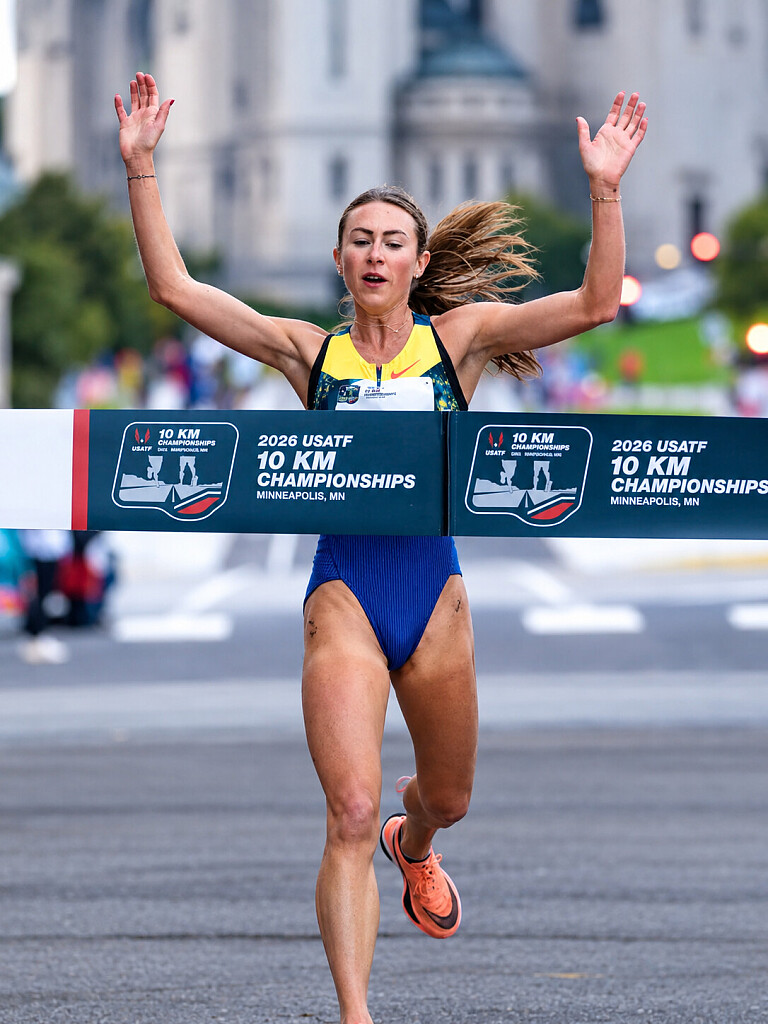
Emily Venters Dominates USATF 10K Championships With Record-Breaking 31:09
Emily Venters delivered a commanding performance at the 2026 USATF 10K Championships in Minneapolis, Minnesota, powering to the national title in 31:09 and rewriting the championship record in spectacular fashion.
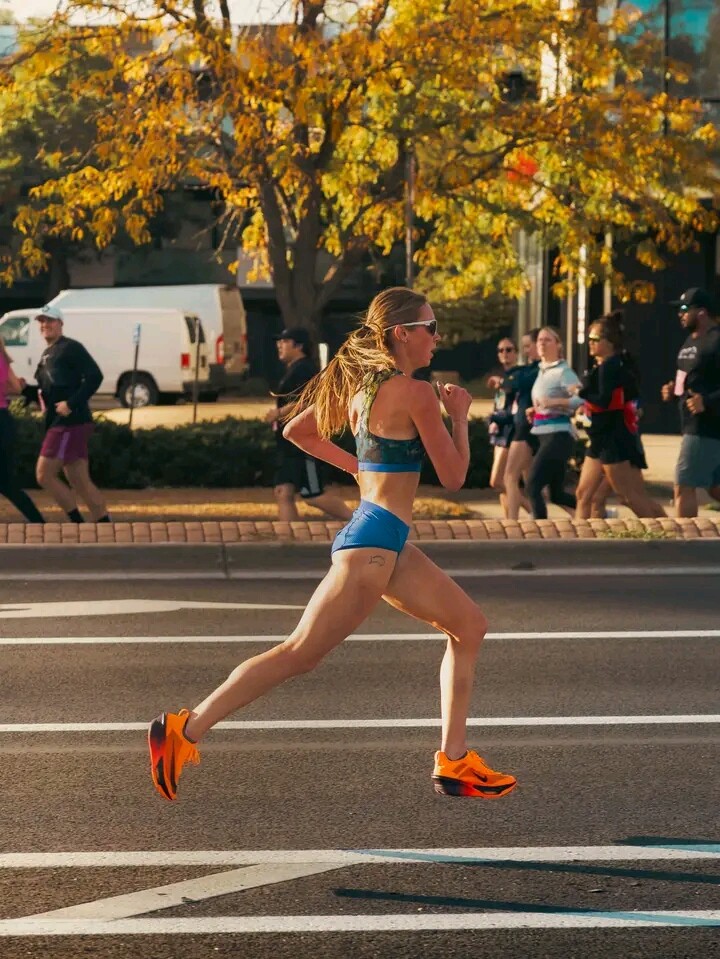
Venters controlled the women’s race from the opening stages, maintaining a relentless rhythm all the way to the finish. Her performance was enough to break the previous USATF 10K Championship record of 31:40, set by Jess McClain in 2024.
The Salt Lake City-based runner also created a huge gap over the rest of the field, crossing the finish line 48 seconds ahead of runner-up Kasandra Parker. Parker produced an impressive run of her own, clocking 31:57 to secure the silver medal, while Allie Ostrander completed the national podium with 32:02 for bronze.
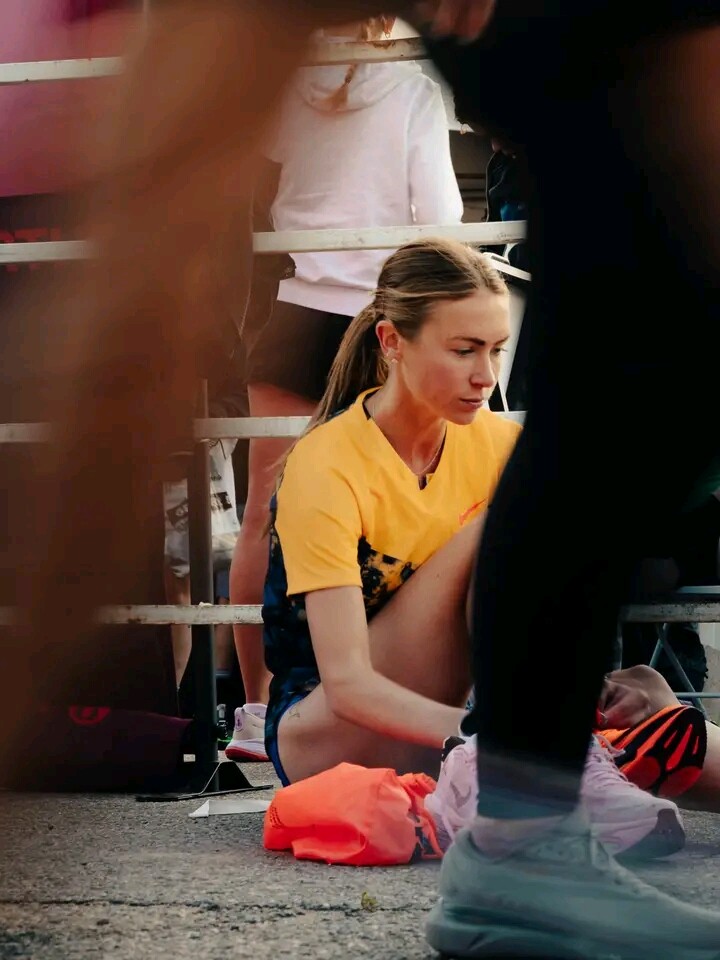
Venters’ victory added another national championship title to her résumé, but the manner of the triumph made the achievement even more significant. Her 31:09 placed her firmly at the centre of the day’s headlines, with the championship record providing the perfect reward for a dominant display.
The women’s race also produced an exceptionally strong leading group, with the top eight all finishing inside 32:37. Amanda Vestri took fourth in 32:16, followed by Amy Davis-Green in 32:20 and Cailie Logue Hughes in 32:30.
Olivia Borowiak finished seventh in 32:33, while Jessie Cardin rounded out the top eight in 32:36, highlighting the depth of the field at this year’s national championships.
The Minneapolis championships proved to be a memorable weekend for USATF road running, with both the men’s and women’s winners establishing new championship records. Aidan Troutner also made history in the men’s race by breaking a championship mark that had stood for four decades.
2026 USATF 10K Championships — Women’s Top 8
1. Emily Venters — 31:09 — National Champion, Championship Record
2. Kasandra Parker — 31:57
3. Allie Ostrander — 32:02
4. Amanda Vestri — 32:16
5. Amy Davis-Green — 32:20
6. Cailie Logue Hughes — 32:30
7. Olivia Borowiak — 32:33
8. Jessie Cardin — 32:36
Venters’ 31:09 will now stand as the mark to beat at the USATF 10K Championships, capping a memorable morning in Minneapolis with a national title and a new championship record.
With the championship record now in her name, Venters has added another standout chapter to an already impressive season. Her 31:09 not only delivered gold on the national stage but also underlined her ability to produce a breakthrough performance when the biggest opportunities arrive. For the USATF 10K Championships, it was a performance that will be remembered long after the medals were handed out.
(10/03/26) Views: 244Erick Cheruiyot for My Best Runs.
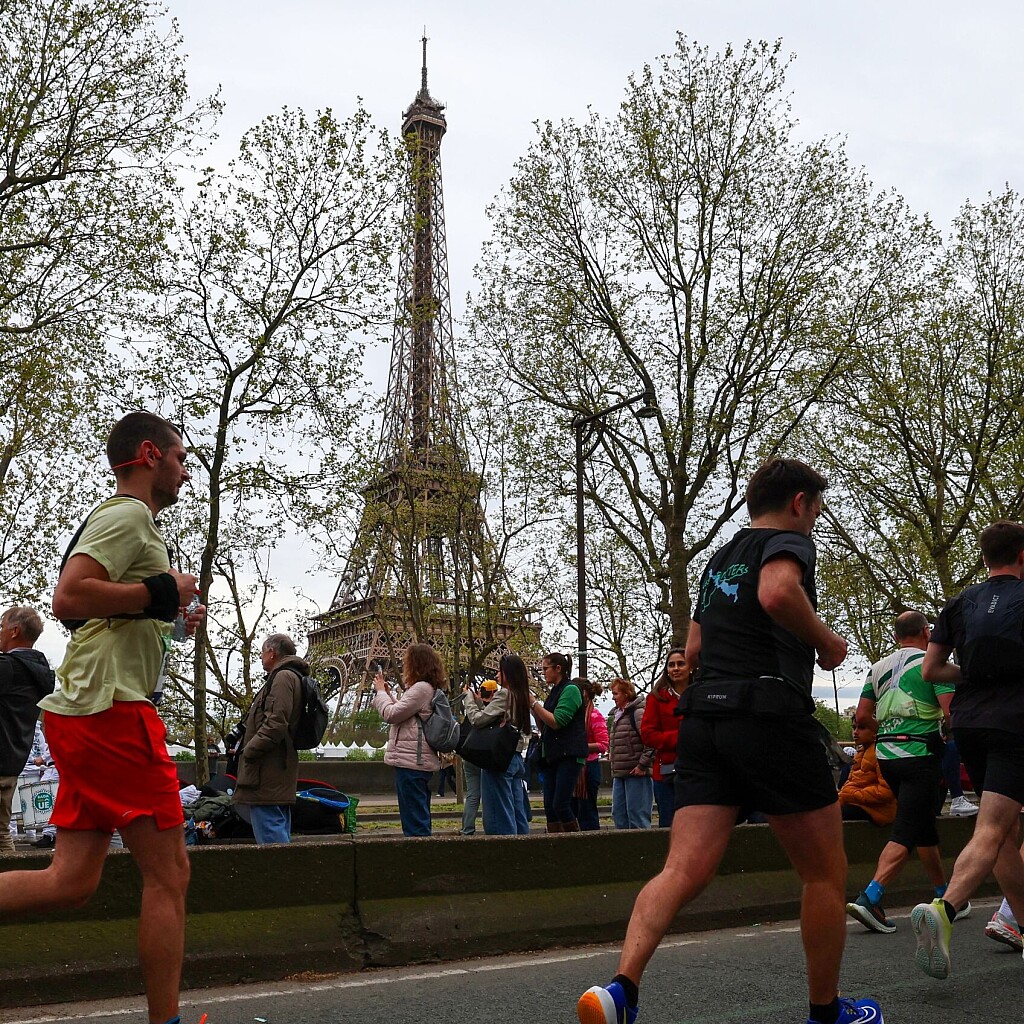
Paris Marathon Enters a New Era as Record 166,000 Runners Enter First-Ever Lottery
The Paris Marathon has entered a new era, adopting a lottery system for the first time as demand for one of the world’s most iconic road races continues to surge.

A staggering 166,000 runners from 165 countries registered for the inaugural lottery for the 2027 ASICS Marathon de Paris, giving the race a level of demand far beyond the number of places available. The 2027 edition, scheduled for April 4, will also mark the marathon’s 50th edition.
The scale of the interest is striking. The 2026 Paris Marathon attracted 58,853 participants, meaning the number of lottery applicants for next year’s race is almost three times the size of last year’s starting field. With the event traditionally welcoming around 50,000 to 60,000 runners, securing a place has suddenly become a matter of chance rather than simply being quick enough to register.
The move represents a significant departure from the marathon’s long-standing first-come, first-served registration model. In previous years, runners had to be ready when entries opened, with places capable of disappearing rapidly as demand continued to grow. For 2027, however, every eligible application entered the same draw, removing the race against the clock that once determined who secured a bib.
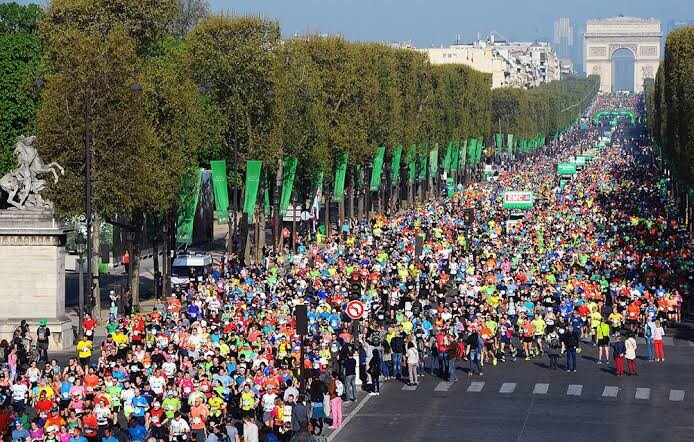
The extraordinary response also underlines the growing international appeal of the Paris Marathon. Applicants for the 2027 race came from 165 countries, reflecting the global attraction of a course that takes runners through some of the French capital’s most recognisable landmarks, including the Champs-Élysées, the Seine, Notre-Dame and the Eiffel Tower.
The lottery has also changed the experience for runners before race day. Results began being communicated from October 1, with successful applicants given 72 hours to confirm their places and complete payment. Any places that are not confirmed are expected to be offered again through subsequent lottery rounds.
The demand is not limited to the marathon. The 2027 HOKA Semi de Paris also attracted nearly 110,000 lottery applicants, meaning the two major Parisian road races generated close to 280,000 applications combined.
Paris has therefore reached a point where obtaining a race bib can be almost as challenging as preparing to run the 42.195-kilometre course itself. Although the Paris Marathon is not an Abbott World Marathon Major, the introduction of a lottery highlights just how dramatically demand for major international road races has grown.
For the runners who secure one of the coveted places, the next challenge will be preparation for April 4, 2027. For those left out of the draw, the message from this year’s numbers is clear: competition for a place on the streets of Paris is becoming increasingly intense.
(10/04/26) Views: 243Erick Cheruiyot for My Best Runs.
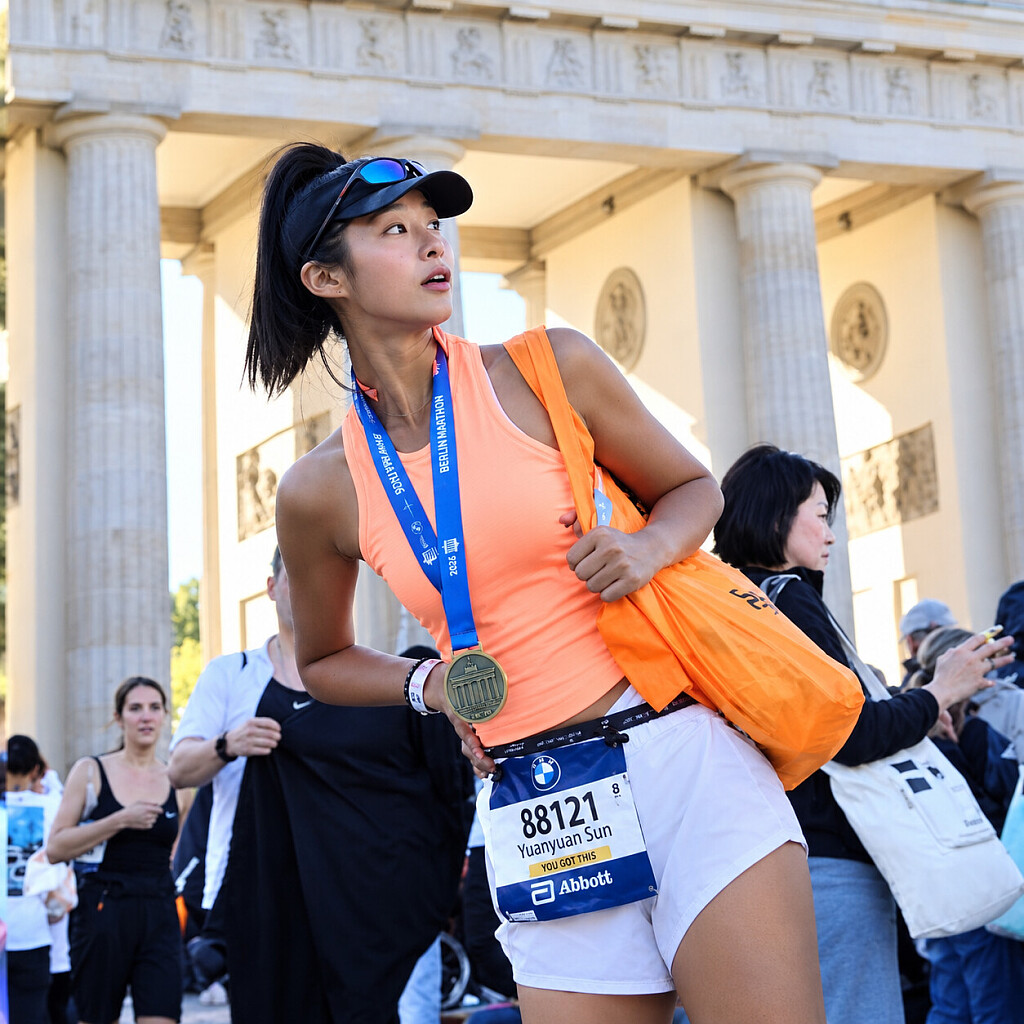
Berlin Marathon Controversy Erupts After Chinese Influencer Admits Bicycle Ride
A controversy has emerged from the 2026 Berlin Marathon after Chinese fitness influencer Yuanyuan Sun, better known online as Abeeeer, admitted that she rode on the back of a bicycle during the closing stages of the race.
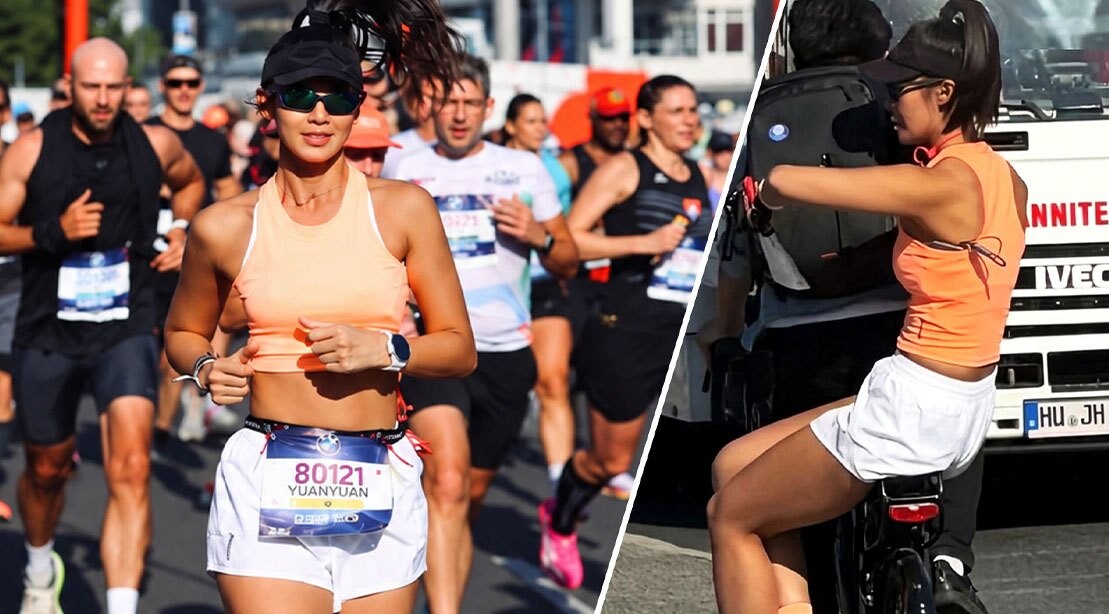
The 30-year-old initially crossed the finish line in 4:53:46, presenting the performance as a personal best. However, questions were later raised about her split times, particularly a significant improvement in her pace between the 35km and 40km marks.
According to the split data that circulated online, Sun’s final kilometres appeared considerably faster than the preceding section, prompting scrutiny from fellow runners and followers.
Sun subsequently acknowledged that she had accepted a ride on a bicycle during the race. She admitted that doing so was against the marathon’s rules and apologised for failing to disclose what had happened when she shared photographs following the event.
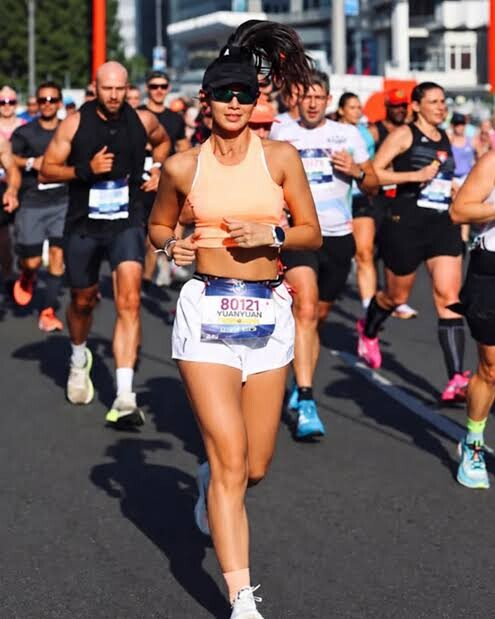
In her apology, Sun said she should not have used feeling unwell as a justification for breaking the rules. She also acknowledged that concealing the incident after the race was wrong.
The controversy quickly moved beyond social media, with Brooks China ending its relationship with Sun following the incident. The brand said the decision reflected its commitment to integrity, fairness and the spirit of running.
The episode has reignited a familiar debate within distance running: where should the line be drawn between simply finishing a race and genuinely completing it according to the rules?
For thousands of marathoners, the attraction of the sport is not only the number displayed on the finishing clock. It is the countless kilometres of training, the physical and mental struggle during the race, and the knowledge that every step toward the finish line was earned.
A marathon medal carries significance because of that journey.
Sun’s case is therefore likely to remain a talking point among runners, particularly because the controversy did not centre on an elite athlete chasing a world-class time, but on the importance of honesty and fair competition at every level of the sport.
Ultimately, a marathon is more than simply reaching the finish line. It is about earning your way there.
(10/07/26) Views: 236Erick Cheruiyot for My Best Runs.
