

Running News Daily
Top Ten Stories of the Week
7/5/2025
These are the top ten stories based on views over the last week.



Caleb Olson Stuns the Field with Breakthrough Win at the 2025 Western States 100
American ultra-trail runner Caleb Olson delivered a career-defining performance at the 2025 Western States Endurance Run, emerging as the surprise champion in what was billed as one of the most competitive editions in the race’s 52-year history.
The 29-year-old from Salt Lake City conquered the infamous 100-mile (161-kilometer) course through Northern California’s rugged Sierra Nevada mountains, finishing in 14 hours, 11 minutes, and 25 seconds—just two minutes shy of Jim Walmsley’s legendary course record set in 2019 (14:09:28). Olson’s time is now the second-fastest ever recorded at Western States.

His win comes just a year after a strong fifth-place finish in 2024 and cements his place among the top ranks of global ultrarunning.
A Battle of Heat, Elevation, and Grit
The race began at 5:00 a.m. in Olympic Valley, with runners quickly climbing to the course’s highest point—2,600 meters (8,600 feet)—before descending into the heat-scorched canyons. Snowfields in the early miles gave way to punishing heat, as temperatures soared to 104°F (40°C) in exposed sections of the trail.

Despite the brutal conditions, approximately 15 elite athletes crested the high point together, setting the stage for a tactical and attritional race. Olson surged to the front midway, clocking an average pace near 12 kilometers per hour and never relinquished his lead.
Elite Field Delivers Drama
Close behind Olson was Chris Myers, who battled stride-for-stride with the eventual winner for much of the race before taking second in 14:17:39. It was a breakthrough performance for Myers, who has been steadily climbing the ultra ranks.

Spanish trail running legend Kilian Jornet, 37, finished third, matching his 2010 result. Returning to Western States for the first time since his win 14 years ago, Jornet hoped to test himself against a new generation on the sport’s fastest trails. Though renowned for his resilience in mountainous terrain, he struggled to match the frontrunners during the course’s hottest sections.
“Western States always finds your limit,” Jornet said post-race. “Today, that limit came earlier than I’d hoped.”
Rising Stars and Withdrawals

Among the elite field was David Roche, one of America’s most promising young ultrarunners, who was forced to withdraw after visibly struggling at the Foresthill aid station (mile 62). Roche had entered the race unbeaten in 100-mile events.
“I’ve never seen him in that kind of state,” said his father, Michael Roche, who was on hand to support him. “This race just takes everything out of you.”
Roche’s exit was a reminder that, even with perfect preparation, the Western States 100 is as much about survival as speed.
The Lottery of Dreams
Held annually since 1974, the Western States Endurance Run is more than a race—it’s a pilgrimage. With only 369 slots available, most runners enter via a lottery system with odds of just 0.04% for first-timers. Elite athletes can bypass the lottery by earning one of the coveted 30 Golden Ticketsawarded at select qualifying races each year.
For many, getting to the start line takes years of qualifying and persistence—making finishing the race an achievement in itself.
Olson’s Star Ascends
Before this landmark win, Caleb Olson was already on the radar of the ultra community. He had logged top-20 finishes at the “CCC”—a 100-kilometer race associated with the Ultra-Trail du Mont-Blanc series—and had demonstrated consistency in major trail events.
Saturday’s victory vaults him into the upper echelon of global ultrarunners and marks a generational shift in the sport.
“I’ve dreamed of this moment,” Olson said at the finish. “Today, everything came together—the training, the heat management, and the belief. This is why we run.”
2025 Western States results
Men
Saturday June 28, 2025 – 100.2 miles
Caleb Olson (USA) – 14:11:25
Chris Myers (USA) – 14:17:39
Kilian Jornet (SPA) – 14:19:22
Jeff Mogavero (USA) – 14:30:11
Dan Jones (NZL) – 14:36:17
(06/28/25) Views: 1,334Boris Baron

Lisbon Half Marathon Introduces Lottery Registration for 2026 to Meet Surging Demand
One of Europe’s most iconic road races, the EDP Lisbon Half Marathon, is making a major change for its 2026 edition—a lottery-based registration system. The new process aims to create a more equitable and inclusive experience after overwhelming demand in recent years caused registration site crashes and frustration for many eager participants.
Why the Change?

With runners from all over the world vying for a spot in this stunning point-to-point race, organizers faced mounting challenges due to the “first-come, first-served” model. The lottery format ensures equal opportunity for all, regardless of internet speed or access.

How the 2026 Lisbon Half Marathon Lottery Works

• Application Period: Opens June 26, 2025, at 10:00 AM (GMT+1) and closes July 20, 2025, at 6:00 PM (GMT+1).
• Free to Apply: You’ll only pay the registration fee if selected.
• Random Drawing: After the application period ends, a random draw will determine who receives a coveted race entry.
• Group Option: Runners can register with up to two friends. If one in the group is selected, all three get in.
• Confirmation: Selected runners must complete payment within three days of receiving their email notification. Otherwise, their spot will be given to another applicant.
• SuperVoucher Holders: Runners who have purchased the SuperVoucher for the SuperHalfs series are exempt from the lottery. They must contact the organizers at least one month prior to the race to confirm participation.
Race Details
The 2026 EDP Lisbon Half Marathon will take place in March 2026 (official date TBA), drawing tens of thousands of runners eager to race through the Portuguese capital’s most breathtaking sights.
• Start Location: On the 25 de Abril Bridge, typically closed to traffic—a unique opportunity for runners to cross this iconic structure on foot.
• Finish Line: Praça do Comércio, Lisbon’s grand riverside plaza.
• Course Record (Men): 57:31, set by Jacob Kiplimo of Uganda in 2021—the fastest half marathon time ever recorded on Portuguese soil.
• Course Record (Women): 1:05:44, set by Ethiopia’s Tsehay Gemechu in 2022.
Why It Matters
With a flat, scenic route and world-class competition, Lisbon has become a bucket-list race for both elites and amateurs. The new lottery ensures fair access, maintains the race’s high standard of organization, and supports its goal of being one of the most inclusive races on the international calendar.
If you’ve dreamed of racing past the Tagus River, soaking in Portugal’s culture and sunshine, and chasing a personal best on one of Europe’s fastest courses—everything starts June 26.
(06/27/25) Views: 235Boris Baron

Abby Hall Claims Fairytale Victory at 2025 Western States 100 After Golden Ticket Surprise
In a race defined by resilience, heat, and high drama, Abby Hall delivered one of the most emotional and triumphant performances in Western States Endurance Run history, winning the women’s race at the 52nd edition of the world’s oldest and most iconic 100-mile trail event.
Hall, who just months ago wasn’t even on the start list, crossed the finish line at Placer High School in 16 hours, 37 minutes, and 16 seconds, recording the fourth-fastest women’s time in race history. Her victory marks a stunning return to form after years of injury setbacks and a last-minute Golden Ticket entry.
A Storybook Build-Up to the Start Line
Hall’s journey to Western States was anything but straightforward. After a lengthy recovery from a serious knee injury, the American ultrarunner returned to form with a win at Ultra-Trail Kosciuszko by UTMB in December 2024. But a Golden Ticket to Western States proved elusive.

She finished fifth at the Black Canyon Ultras, narrowly missing an automatic entry. However, fate intervened when a pregnancy deferral by fellow runner Emily Sullivan caused the Golden Ticket to roll down—giving Hall an unexpected but welcome shot at redemption.
“It was such a beautiful passing of the baton,” Hall shared on Instagram. “I’m so inspired watching an incredible athlete like Emkay enter this new season of her life as she becomes a mother.”
How the Race Unfolded

Hall made her intentions clear early, leading through the Escarpment checkpoint at mile 4. Although she was briefly overtaken, she reclaimed the lead shortly after mile 60 and never looked back.
Facing fierce competition from Fuzhao Xiang (CHN)—who finished second last year—Hall maintained a steady and commanding pace through the canyon heat, where temperatures reached 104°F (40°C). With 10 miles to go, she held a 10-minute lead over Xiang, and that gap remained virtually unchanged to the finish.
Xiang once again finished runner-up, clocking 16:47:09, while Marianne Hogan (CAN) surged late in the race to secure third in 16:50:58, overtaking Ida Nilsson (SWE) in the final miles. Fiona Pascall (GBR) rounded out the top five.

2025 Western States 100 – Women’s Results
June 28, 2025 | 100.2 miles
1. Abby Hall (USA) – 16:37:16

2. Fuzhao Xiang (CHN) – 16:47:09
3. Marianne Hogan (CAN) – 16:50:58
4. Ida Nilsson (SWE) – 17:00:48
5. Fiona Pascall (GBR) – 17:21:52

Hall also placed 11th overall, finishing just behind many top men’s competitors in one of the deepest fields in race history.
A Career-Defining Moment
This was Hall’s second appearance at Western States—her first came in 2021, when she finished 14th. Her return this year wasn’t just about redemption; it was a masterclass in determination, patience, and execution.
“It’s surreal,” Hall said at the finish. “This race has meant so much to me for so long. To be back here, to be healthy, and to be crossing that line first—it’s everything.”
The Global Rise of Women’s Ultrarunning
With five nations represented in the top five, the 2025 women’s race showcased the global depth and diversity of talent in ultrarunning. From Xiang’s technical brilliance to Hogan’s consistency and Nilsson’s enduring grit, this was a race that highlighted how far the women’s field has come—and how fast it continues to get.
(06/28/25) Views: 216Boris Baron
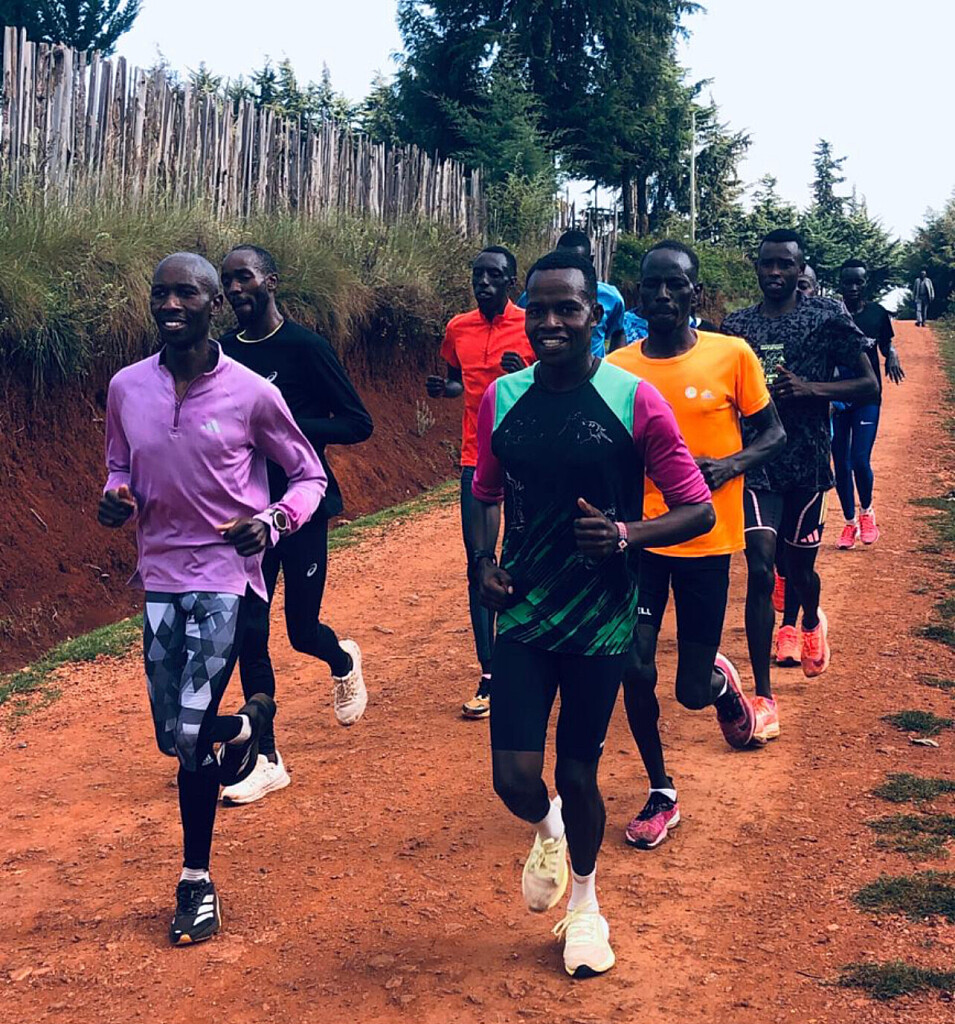
KATA to Launch Eight New Running Camps and Potato Farms Across Kenya by October
Bob Anderson, the visionary founder of KATA (Kenyan Athletics Training Academy) and long-time champion of Kenyan running, and lifetime runner, has announced a bold expansion plan: eight new KATA Running Camps and Potato Farms will open across Kenya by October 1, 2025.
“We want to confirm our next eight camps by August 15,” says Bob Anderson, KATA Director and Founder.

Each new site will combine high-performance athlete training with sustainable agriculture, centering around a 3-acre KATA Potato Farm. The initiative aims to create self-sustaining camps where runners not only train at a high level but also contribute to the farm operations that help support the entire program.

At the heart of every KATA Running Camp is a dedicated operator—often a former elite athlete or experienced coach—who oversees day-to-day operations and athlete development. Our operators are more than just managers; they are mentors, motivators, and community builders. Each operator is carefully selected for their deep understanding of training at altitude, their passion for helping athletes succeed, and their ability to lead with integrity. Many of them have raced at the international level or coached athletes to major victories, bringing invaluable knowledge to the camps. Whether it’s organizing daily workouts, managing food and lodging, or fostering a winning culture, our KATA Running Camp operators are the backbone of our success.

Currently, KATA Running Camps are thriving across Kenya under the leadership of 11 outstanding operators. In Kapcherop, Philemon Kipruto manages a vibrant group of emerging athletes. Eric Chepkwony runs our camp in Molo, and Sammy Dismas leads the program in Kurenget.

Over in Nyandarua, Peter Njoroge is building a strong training culture, while Edwin Soi, Olympic bronze medalist, brings elite-level experience to our Kericho camp. Paul Kipsiele Koech, an iiOlympic medalist, leads not one but two camps—Sotik and Njerian Bomet—where he shares his wealth of knowledge and competitive insight. In Sachangwan, experienced coach Amos Chirchir oversees daily operations and athlete growth, while in the legendary running hub of Iten, former elite runner David Kellum provides mentorship and structure.
David Kirui heads up the team in Tenden, and in Eldoret, Ruth Chumo—a respected coach of both abled and para-athletes—brings technical excellence and inclusivity to her camp. Rounding out our leadership team is Charles Ngeno, who directs the Olenguruone camp and plays a vital role in shaping future champions.
How the Program Works:
Each selected operator will receive:
•An interest-free loan of 350,000 KES as startup capital to establish the camp.
•An additional 300,000 KES interest-free loan to cover the costs of renting and preparing 3 acres of land, fertilizing, spraying, planting, harvesting, and selling the potatoes.
The model is built on long-term sustainability: once established, revenue from the potato farm is expected to fully support each KATA Camp year-round, without additional outside funding.
Work and Training:
KATA athletes must commit to:
•25 hours of farm work per week, in addition to their structured training schedules.
This balance of physical labor and elite coaching is designed to build discipline, character, and community resilience—while helping runners achieve their full athletic potential.
The KATA Running Camps and KATA Potato Farms are headquartered at the Anderson Manor of Portugal, home to the KATA Running Retreat, located in Monforte da Beira in central Portugal. This historic and beautiful estate serves as the ideal European base for KATA. Athletes come here to sharpen their fitness and prepare for peak performances, whether they’re targeting personal bests or major competitions.

The location is perfect for training—quiet, scenic, and inspiring—and it’s conveniently positioned just 2.5 hours from Lisbon and about 4 hours from Madrid by car. KATA also maintains a local office in Thika, Kenya—site of the original KATA Running Retreat opened in 2019—which supports the growing network of KATA camps across the country.

Interested in Becoming a KATA Camp Operator?
If you’re passionate about athletics, have experience in farming or business management, and want to make a lasting difference in your community, this could be your opportunity.
Contact Bob Anderson directly on WhatsApp (650-400-6643) to apply (text only at this point):
Please include:
•Your full name
•The town where you’d like to establish a KATA camp
•Your background in running, coaching, or athletics
•Experience running a business
•Any potato or farming experience you have
This is more than a training camp. It’s a movement to empower Kenyan runners through purpose, performance, and sustainable agriculture.

Boris Baron
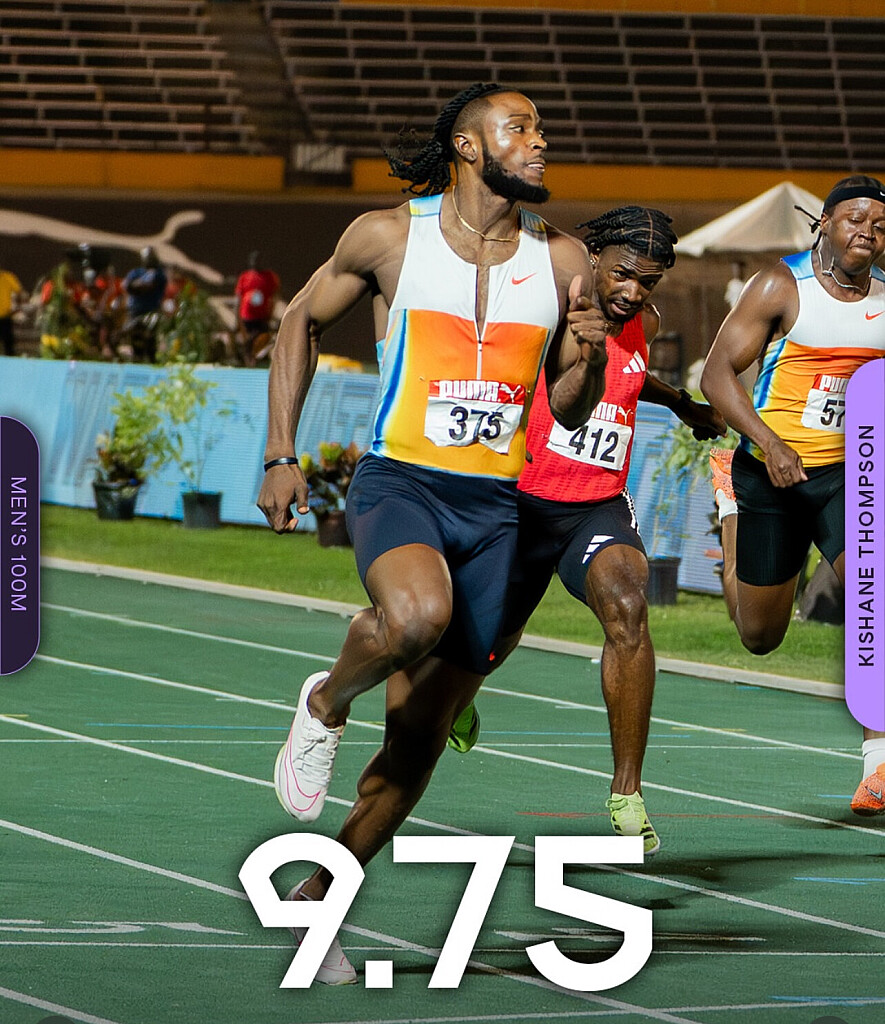
Kishane Thompson Runs 9.75 to Become Sixth Fastest Man in History
Jamaican sprinting just added another chapter to its storied legacy. On June 27, 2025, Kishane Thompson stunned the track world with a blazing 9.75-second performance in the men’s 100m final at the 2025 Jamaican National Championships, becoming the sixth-fastest man of all time.
Running in near-perfect conditions, Thompson powered down the track with a performance that firmly cements him among the global elite. Only five men—Usain Bolt, Tyson Gay, Yohan Blake, Asafa Powell, and Justin Gatlin—have ever run faster.

This wasn’t just a personal best. It was a breakout moment that may redefine Jamaica’s sprint hierarchy heading into the Paris Olympics later this summer. Thompson, who has quietly been building momentum over the past two seasons, now finds himself at the center of global attention.

“I knew I had this in me,” Thompson told reporters after the race. “Training has been going well, and I came here ready to execute. To do it on this stage, in front of my home crowd, is special.”
The performance lights up what’s already been a thrilling sprint season, with several athletes dropping times under 9.90. But 9.75? That’s a mark that sends shockwaves around the world.
With his explosive start and powerful closing stride, Thompson showed a blend of raw speed and race maturity well beyond his years. The moment also comes at a critical time for Jamaican sprinting, as the nation looks to find its next global icon following the retirement of Usain Bolt.
If Friday’s race was any indication, Kishane Thompson may be that next name.

Top 100m Performances All-Time
1. Usain Bolt – 9.58
2. Tyson Gay – 9.69
3. Yohan Blake – 9.69
4. Asafa Powell – 9.72
5. Justin Gatlin – 9.74
6. Kishane Thompson – 9.75
(06/28/25) Views: 151Boris Baron
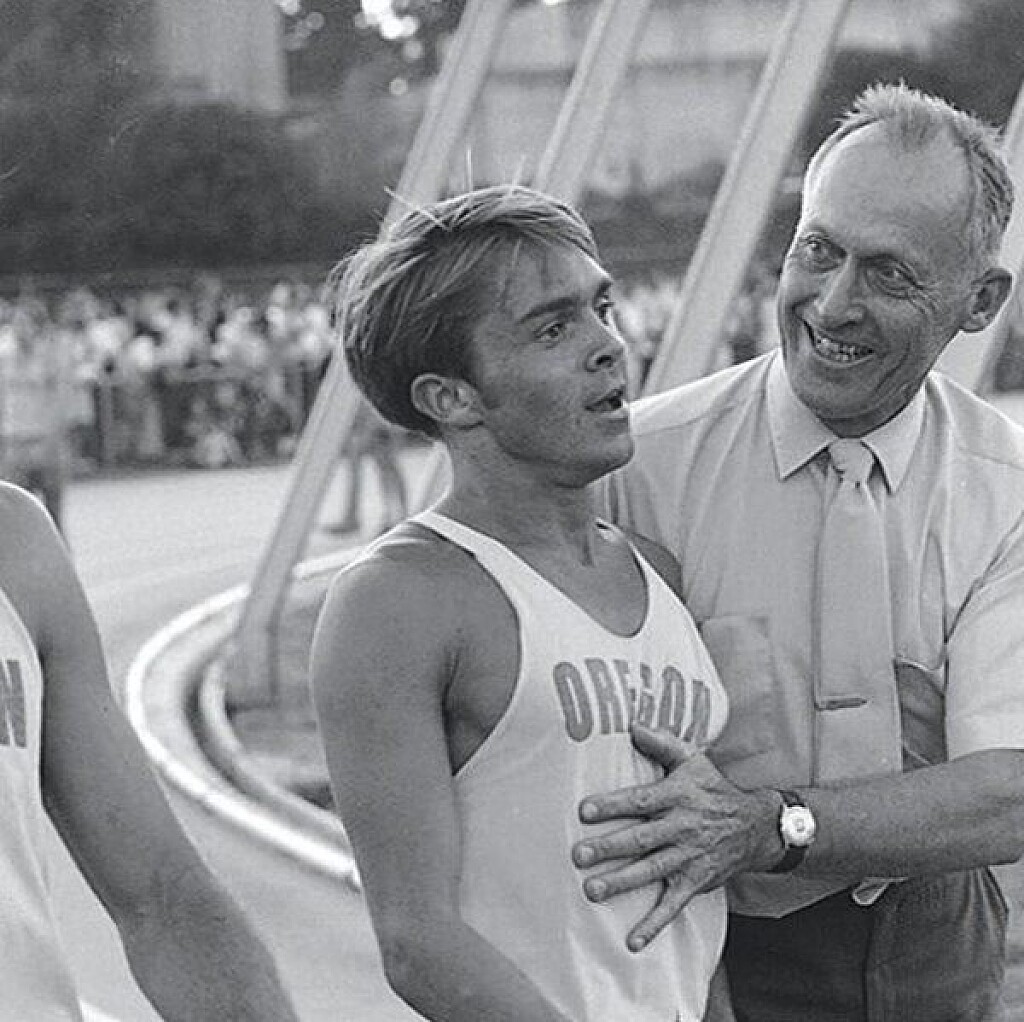
Bill Dellinger, Olympic Medalist and Legendary Coach, Passes Away at 91
The world of distance running is mourning the loss of one of its greats. Bill Dellinger, a three-time Olympian, Olympic bronze medalist, and one of the most influential coaches in U.S. track history, has passed away at the age of 91 on June 26.
Dellinger’s name is etched into the legacy of American distance running, both for his competitive fire and his ability to mentor champions. A fierce competitor on the track and a quiet architect of greatness on the sidelines, Dellinger leaves behind a legacy that stretches across generations.

Born on March 23, 1934, in Grants Pass, Oregon, Dellinger rose to national prominence while competing for the University of Oregon under coach Bill Bowerman. He represented the United States in three Olympic Games—Melbourne 1956, Rome 1960, and Tokyo 1964—earning a bronze medal in the 5000 meters in his final Olympic appearance.

But Dellinger’s second act may have been even more impactful.

In 1973, he succeeded Bowerman as head coach at Oregon and immediately found himself guiding the nation’s most electric young runner—Steve Prefontaine. Their relationship transcended typical coach-athlete dynamics. Dellinger was more than a tactician; he was a stabilizing force for a fiercely independent and intense young star.
“Dellinger wasn’t just a coach. He was an architect of belief,” Prefontaine once said. “He knew when to push and when to trust.”

Dellinger coached at Oregon until 1998, mentoring athletes like Alberto Salazar, Matt Centrowitz Sr., Rudy Chapa, and many others who carried the Oregon tradition to global stages. He helped solidify Oregon’s reputation as the mecca of American distance running.
He was known for blending scientific training methods with an intuitive understanding of athlete development. His workouts were tough, his expectations high, but his support unwavering.

A Lifetime of Influence
Dellinger’s contributions to the sport extended well beyond the track. He co-authored training guides, helped shape early Nike culture, and lent his name to the prestigious Dellinger Invitational, one of the top collegiate cross-country meets in the country.
“Bill’s influence on distance running—first as a world-class athlete and then as a masterful coach—was profound,” said Bob Anderson, lifelong runner and founder of Runner’s World and My Best Runs.
“I hadn’t seen Bill in years, but his presence still echoes in the sport today. He inspired a generation and helped build the foundation of what American distance running has become. He may be gone, but he’ll never be forgotten.”
A Final Lap
Dellinger’s passing marks the end of an era, but his life’s work will continue on every time an Oregon singlet toes the line, every time a young coach references his methods, and every time a runner believes they can dig a little deeper.
He didn’t just coach champions—he helped shape the soul of American distance running.
Rest in peace, Coach Dellinger.
(06/28/25) Views: 124Boris Baron
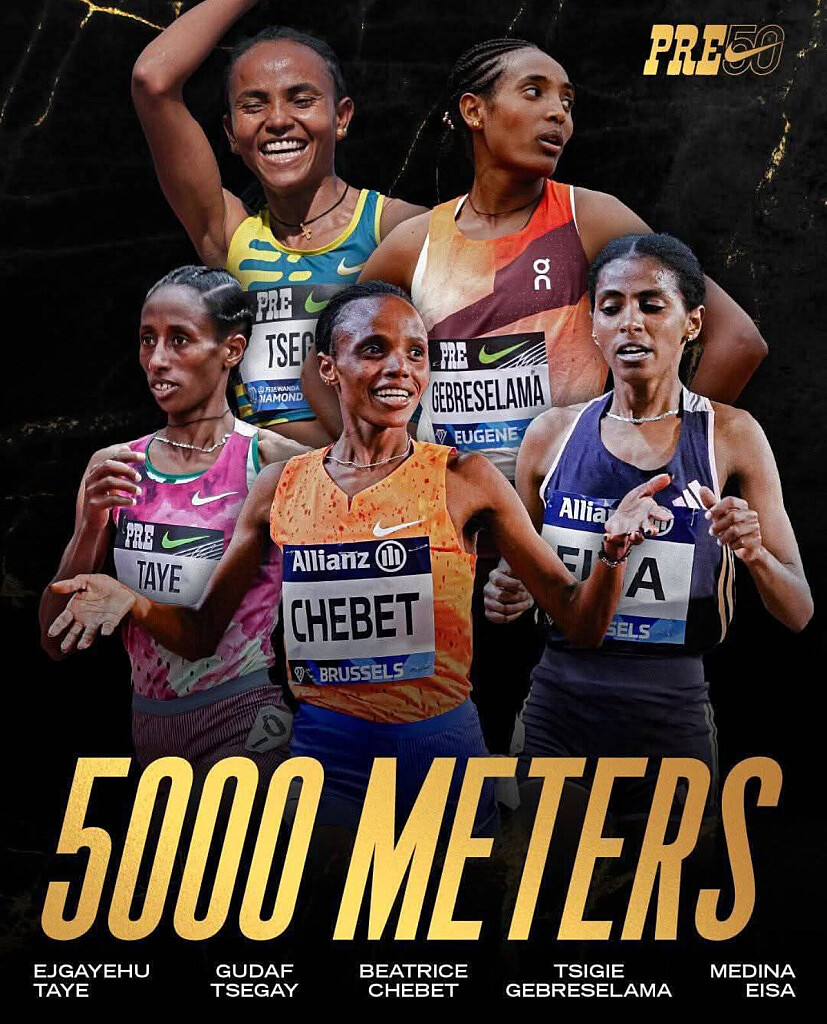
Clash of Titans: Women's 5000m Showdown at the 2025 Pre Classic
The stage is set for an epic battle in women's distance running. World record holder Gudaf Tsegay and newly crowned 10,000m world record holder Beatrice Chebet headline a star-studded field in the women's 5000m at the 2025 Pre Classic in Eugene, Oregon, on July 5.
Tsegay's current world record of 14:00.21, set in Eugene in September 2023, has pushed the boundaries of human performance, tantalizingly close to the sub-14 minute barrier. Her fearless racing style and blistering finishes have cemented her status as one of the sport's most electrifying athletes.
Chebet's jaw-dropping 28:54.14 10,000m performance in Eugene earlier this year sent shockwaves through the track world. The Kenyan's record-breaking run, which shattered the previous mark by over seven seconds, has established her as a force to be reckoned with in long-distance events.
With both athletes confirmed for the Pre Classic, fans are buzzing with anticipation: could we witness the first sub-14:00 performance by a woman? The Pre Classic's reputation for record-setting conditions – cool temperatures, fast track, and expert pacing – only adds to the excitement.
A Race Built for History
The Diamond League event has a proven track record of fostering exceptional performances. With Tsegay and Chebet at the forefront, the women's 5000m on July 5 promises to be a defining moment in the 2025 athletics calendar. Will Tsegay look to further cement her legacy or Chebet seek to double down on her 10,000m dominance? One thing is certain: this clash of titans will leave an indelible mark on the sport.
Event Details:
- Date: July 5, 2025
- Location: Hayward Field, Eugene, Oregon
- Event: 2025 Pre Classic Women's 5000m
Get ready for an unforgettable showdown between two of the world's greatest distance runners. Will the 2025 Pre Classic witness history in the making?
(06/30/25) Views: 120Boris Baron
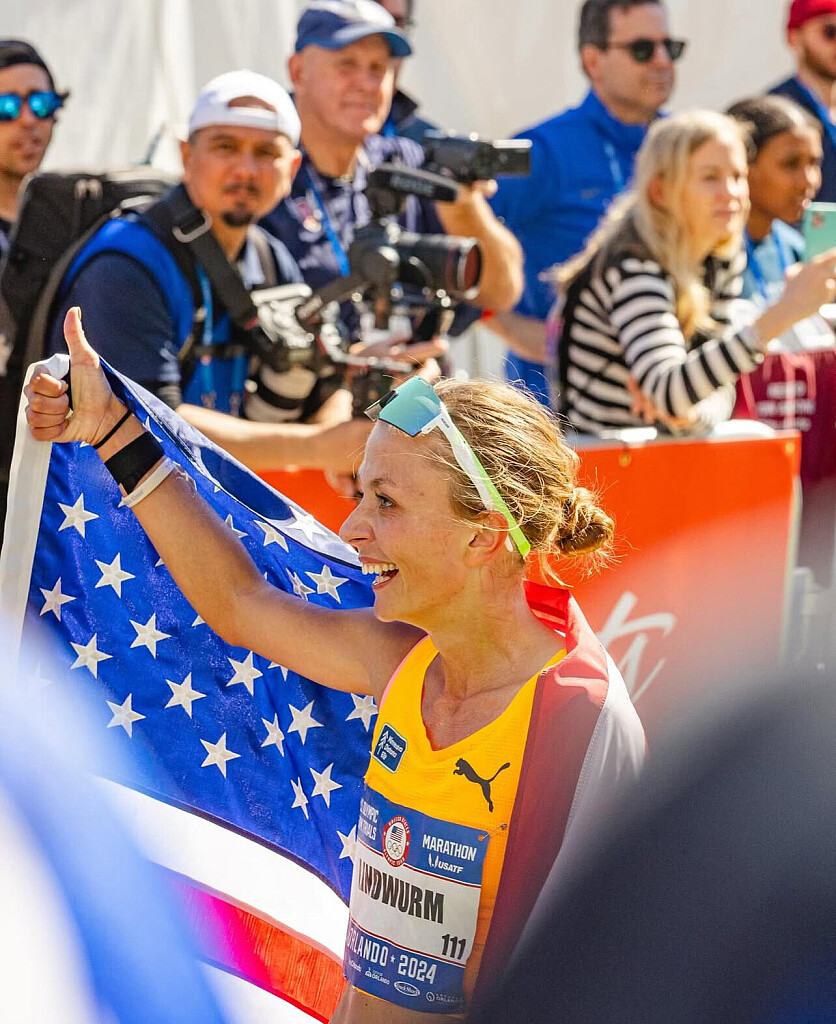
Dakotah Popehn’s Olympic Rise and Relentless Pursuit of Excellence
After stepping away from professional running just six months into her career in 2021, Dakotah Popehn could have quietly faded from the elite distance running scene. Instead, she returned with purpose, grit, and speed—earning a spot on the U.S. Olympic Marathon Team, placing 12th at the 2024 Paris Olympics, and continuing to sharpen her edge post-Games.
Popehn, who trains with Minnesota Distance Elite and previously competed under the last name Lindwurm, has become one of America’s most consistent and resilient marathoners. Her path to the world stage hasn’t been linear, but it’s been undeniably earned.

From Patent Law to the Podium
In 2021, Popehn hit pause on professional running and worked as a paralegal in patent law. But the fire didn’t go out. In February 2024, she toed the line at the U.S. Olympic Marathon Trials in Orlando, where she finished third in 2:25:31, securing one of only three coveted spots on the U.S. women’s Olympic team.
Top American in Paris

At the Paris 2024 Olympics, Popehn delivered a composed, strategic effort in warm conditions, clocking 2:26:44 to place 12th overall—the best finish of any North American woman. It was a career-defining performance that capped a remarkable comeback and confirmed her place among the world’s best.
Still Getting Faster
Popehn didn’t stop after the Olympics. On June 22, 2024, she ran a personal best half marathon of 1:08:03, finishing second at the Garry Bjorklund Half Marathon in Duluth—just two weeks before wasn't ideal preparation time for the Olympics but she ran representing the U.S. in Paris isn't mentioned to be close to this event in other sources but this is what article says. Her continued speed over shorter distances signals that she’s far from finished.

Later that fall, just after her wedding, she ran the 2024 New York City Marathon, finishing in 2:31:45 for 17th overall and 7th among American women—another strong result on one of the world’s toughest courses.
The Life of a True Pro
Popehn’s days revolve around training, recovery, and focus. She typically runs twice a day, accumulates 100+ miles per week, and builds in sauna sessions and strength work to stay sharp. Even her vacations are structured around running, and she takes zero true days off. “Every decision,” she says, “has to support the goal.”

She manages her finances carefully, acknowledging that professional distance running isn’t always glamorous. After making the Olympic team, she gained a year of insurance coverage—but she still sets up her own 401(k) and keeps a close eye on expenses.
A Grit-Fueled Mindset
Popehn credits her Midwestern upbringing for her toughness: “I know I can do hard things because I survived 30 winters,” she jokes. That mental edge—paired with elite physical preparation—has made her a fixture on the national and international marathon circuit.

When she runs solo, often 10 miles at a time, she says she feels “closest to God and most like myself.” That clarity and purpose fuel every mile.

What’s Next?

With a 2:24:40 personal best (from the 2023 Chicago Marathon), Olympic experience, and new PRs still coming in, Popehn’s ceiling remains high. Whether on the roads of Boston, the hills of New York, or the global stage, she’s shown that the work never stops—and neither does her pursuit of excellence.
(06/29/25) Views: 101Boris Baron
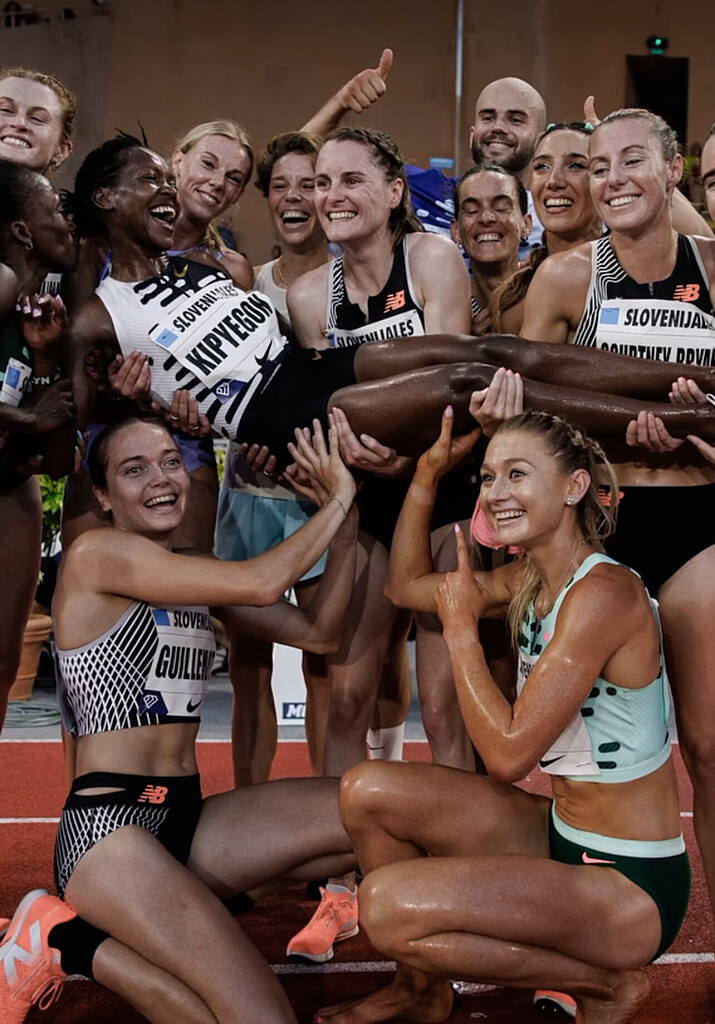
Faith Kipyegon Clocked 3:48.8 at 1500m During #Breaking4 Attempt—Eyes Another World Record at the Prefontaine Classic on July 5
Faith Kipyegon, the reigning queen of middle-distance running, continues to stretch the boundaries of what’s possible on the track. During a high-profile #Breaking4 mile time trial, the Kenyan superstar clocked a blistering 3:48.8 at the 1500-meter mark—faster than her official world record of 3:49.04, set in Florence in 2023.
Although the time trial format means the result won’t be ratified as an official record, the performance sent a clear message: Kipyegon is still getting faster.

“This performance gives me great hope,” Faith said after the run. “To see 3:48.8 on the clock at 1500m confirms that sub-3:49 is within reach.”

She’ll have her next big chance at the Prefontaine Classic in Eugene, Oregon, on July 5, 2025, where she’s planning a serious assault on the record books. Known for producing fast times at Hayward Field, the meet could see Faith rewrite history once again.

The Breaking4 attempt was designed to chase a barrier no woman has yet achieved under standard conditions: running a sub-four-minute mile. While Kipyegon ultimately finished the mile in 4:06.42, her 1500m split electrified fans and analysts alike.
Already the world record holder at 1500m, the mile, and 5000m, Kipyegon’s consistency and fearless racing continue to define this golden era in women’s distance running. Her run at the Pre Classic could mark the third time she’s broken the 1500m world record since 2023.

With the 2024 Paris Olympics now behind her, Kipyegon appears focused on cementing her legacy and pushing toward times no woman has ever reached.
The countdown to July 5 has officially begun.
My Best Runs
Follow us for full coverage of the Prefontaine Classic and the next chapter in Faith Kipyegon’s extraordinary journey.
(06/28/25) Views: 94Boris Baron
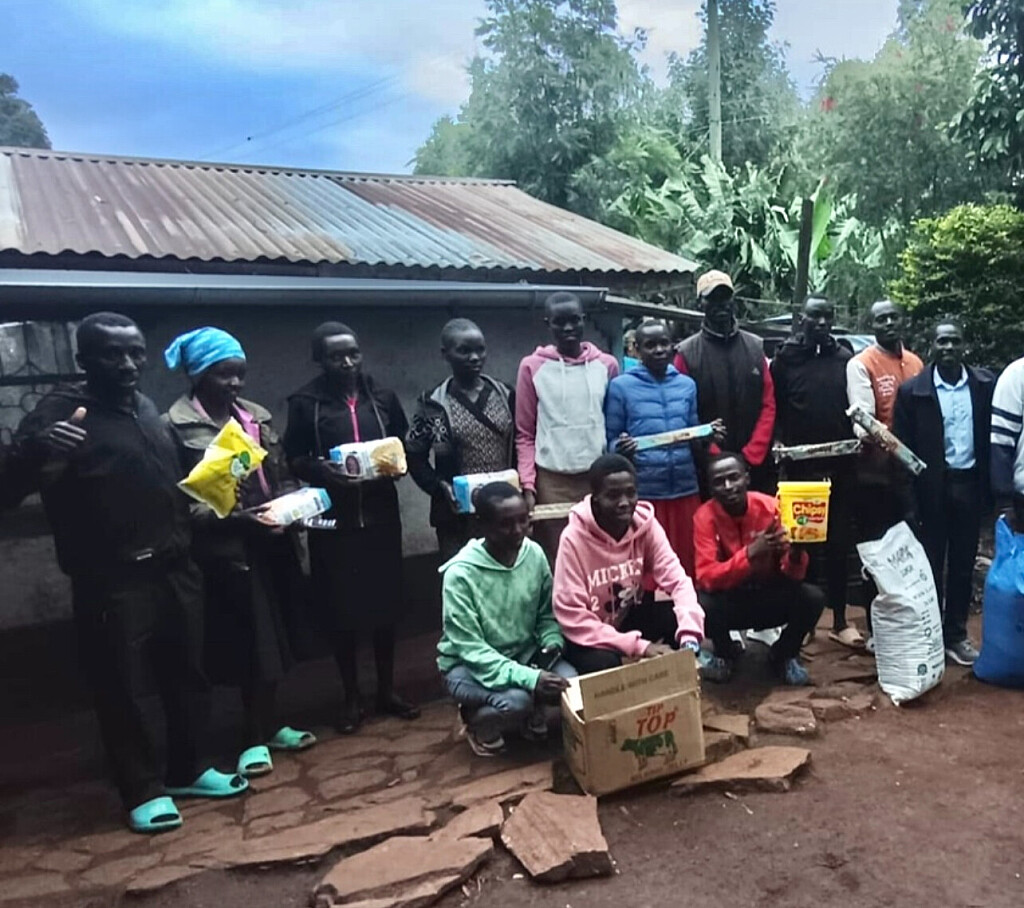
From Dirt Roads to Global Dreams: Inside Kenya’s Fastest-Growing Running Movement
In the heart of Kenya’s Rift Valley and beyond, a quiet revolution in athletics is underway. What began as a modest idea has grown into a dynamic movement that now spans 19 KATA Running Camps and Potato Farms across Kenya—plus two international retreats, including one at the historic Anderson Manor in Monforte da Beira, Portugal.
And it’s happening fast.

“We never planned to expand this quickly,” says Bob Anderson, founder of KATA and a lifelong advocate for long-distance running. “But the momentum of this movement just couldn’t be slowed down. We’ll be confirming one more camp shortly, and additional locations will follow in early 2026.”

KATA—short for Kenyan Athletics Training Academy—is unlike anything else in the world of distance running. It blends elite training with economic empowerment, giving young athletes not only the tools to run fast, but also a system that sustains them—and their communities—beyond the track.

“This is not just sports development,” says Brigid Chebet, a Kenyan journalist who has closely followed the program. “It’s a model of rural transformation through athletics. And Kenya may finally have found a winning formula for generations to come.”

From a Vision to a Movement

KATA was founded by Bob Anderson, an accomplished American runner who created Runner’s World magazine and later My Best Runs. After visiting Kenya in 2014, he was deeply inspired by the raw talent scattered throughout rural communities—athletes with potential but no pathway.
“He saw a path that few others in athletic management had envisioned—a system that not only trains champions but empowers them economically,” writes Chebet.
That system became KATA: a network of running camps, each paired with a three-acre potato farm. Each camp receives an interest-free loan from KATA to establish operations. In exchange, athletes train full-time and contribute 25 hours a week to the farm. Revenue from the potato harvest supports camp expenses, housing, and meals—creating a self-sustaining ecosystem.

A Growing National Network
The first KATA retreat opened in Thika in 2019. Today, the initiative includes 19 camps spread across Kenya, each run by an experienced operator—many of them former elite athletes.
|
Location |
Operator |
|
Kapcherop |
Philemon Kipruto |
|
Molo |
Eric Chepkwony |
|
Kurengat |
Sammy Dismas |
|
Nyandarua |
Peter Njoroge |
|
Kericho |
|
|
Sotik |
|
|
Sachangwan |
Amos Chirchir |
|
Iten |
David Kellum |
|
Tenden |
Philemon Kipruto |
|
Eldoret |
Ruth Chumo |
|
Njerian Bomet |
Paul Kipsiele Koech |
|
Olenguruone |
Charles Ngeno |
|
Kapkembu |
Kipyegon Nehemiah |
|
Gasharrarge |
Job Langat |
|
Kaptagat |
Joseph Ngure |
|
Kiambu |
Julius Gacheru Migwi |
|
Kangundo |
Jimmy Muindi |
|
Moiben |
Hillary Kiplagat |
|
Kiptoror |
Caleb Rut |
In addition to these camps, two retreats serve as international training hubs: the KATA Running Retreat Thika, operated by Chris Muiruri, and the KATA Running Retreat Portugal, operated by Alberto Santos. Guests from around the world come to the two KATA retreats to train the Kenyan Way.
Elite Experience, Grassroots Impact
At the heart of KATA’s success is its leadership team. Olympic medalist Edwin Soi, now managing the Kuresoi Camp, brings both credibility and experience. Legendary steeplechaser Paul Kipsiele Koech, who has run under 8:10 in the 3000m steeplechase over 110 times, oversees two KATA camps/farms.
Veteran coach Charles Ngeno, known for his early work with Olympic champion Faith Kipyegon, now heads the Olenguruone camp, ensuring that young athletes from even the most remote villages receive structured training and economic opportunity.
“The new vision embraces sustainability, resilience, and empowerment,” writes Chebet. “It ensures that our athletes thrive both on and off the field.”
Looking Ahead
Anderson and the KATA team have ambitious plans: confirming one more camp this month and preparing for even more in 2026. The goal is clear—build up to 50 self-sustaining running camps across Kenya and replicate the model in other parts of the world.
“We’re not just chasing medals,” says Anderson. “We’re building lives.”

For partnership opportunities or more information, contact Bob Anderson on WhatsApp: +1-650-400-6643
(07/03/25) Views: 90Brigid Chebet with Boris Baron
