

Running News Daily
Running News Daily is edited by Bob Anderson and team. Send your news items to bob@mybestruns.com Advertising opportunities available.
Index to Daily Posts · Sign Up For Updates · Run The World Feed
Search Results for Kenya
Today's Running News



A guide to the World Athletics Championships in Tokyo
Thousands of the world’s best athletes will head to Japan in September for the World Athletics Championships Tokyo 25.
The 20th edition of this prestigious competition will star more than 2000 athletes from some 200 countries as they compete for medals across 49 events during nine days of action from 13-21 September.
Which events are contested at the World Athletics Championships?

There are 49 events on the programme for the World Athletics Championships Tokyo 25, meaning 147 medals will be awarded across the nine action-packed days of competition.
There are an equal number of disciplines for women and men – 24 each and one mixed event.
The disciplines are:
• 100m – women and men• 200m – women and men• 400m – women and men• 800m – women and men• 1500m – women and men• 5000m – women and men• 10,000m – women and men• Marathon – women and men• 3000m steeplechase – women and men• 100m hurdles – women• 110m hurdles – men• 400m hurdles – women and men• heptathlon – women• decathlon – men• high jump – women and men• pole vault – women and men• long jump – women and men• triple jump – women and men• shot put – women and men• discus – women and men• hammer – women and men• javelin – women and men• 20km race walk – women and men• 35km race walk – women and men• 4x100m relay – women and men• 4x400m relay – women, men and mixed
Learn more about the various events on our dedicated disciplines page.
How do athletes qualify and gain selection for the World Athletics Championships Tokyo 25?
The qualification system is based on a combination of entry standards and world rankings. The qualifying window for the marathon was 5 November 2023 until 4 May 2025. For the 10,000m, 20km race walk, 35km race walk, combined events and relays, the window runs from 25 February 2024 to 24 August 2025. For all other events, entry standards can be achieved from 1 August 2024 to 24 August 2025.
The World Athletics Relays Guangzhou 25 was a qualifying event for the relays, with the top 14 teams in each discipline securing their place at the World Championships.
The Road to Tokyo online tool is designed to help athletes, fans and media track the qualification process. Searchable by event, country and qualification status, the tool provides a real-time view of each event over the course of the qualification period.
The tool does not, and will not, indicate which athletes have been selected for entry by their member federation. Final entries will be published nearer to the time of the World Championships.
Will athletes win prize money?
Individual athletes and relay teams will win prize money at the World Athletics Championships Tokyo 25. There is a total prize money pot of US$8,498,000.
Individuals1st US$70,0002nd US$35,0003rd US$22,0004th US$16,0005th US$11,0006th US$70007th US$60008th US$5000
Teams1st US$80,0002nd US$40,0003rd US$20,0004th US$16,0005th US$12,0006th US$80007th US$60008th US$4000
There is also a world record bonus of US$100,000.
Which athletes will be competing?
The world’s best athletes – including global champions and world record-holders – will be competing at the World Athletics Championships Tokyo 25.
The names of the athletes who will be there will not be certain until the qualifying window closes and nations select their teams.
Champions from the last edition of the World Championships in Budapest in 2023 include:
• Sweden’s world pole vault record-holder Mondo Duplantis• Kenya’s world 1500m record-holder Faith Kipyegon• USA’s double sprint champion Noah Lyles• Ukraine’s world high jump record-holder Yaroslava Mahuchikh• USA’s world shot put record-holder Ryan Crouser• Dutch Olympic and world 400m hurdles medallist Femke Bol• India’s Tokyo Olympic javelin champion Neeraj Chopra• Venezuela’s world triple jump record-holder Yulimar Rojas• Norwegian multiple world record-holder Jakob Ingebrigtsen• Japan’s Olympic javelin champion Haruka Kitaguchi
(07/30/2025) ⚡AMPby World Athletics
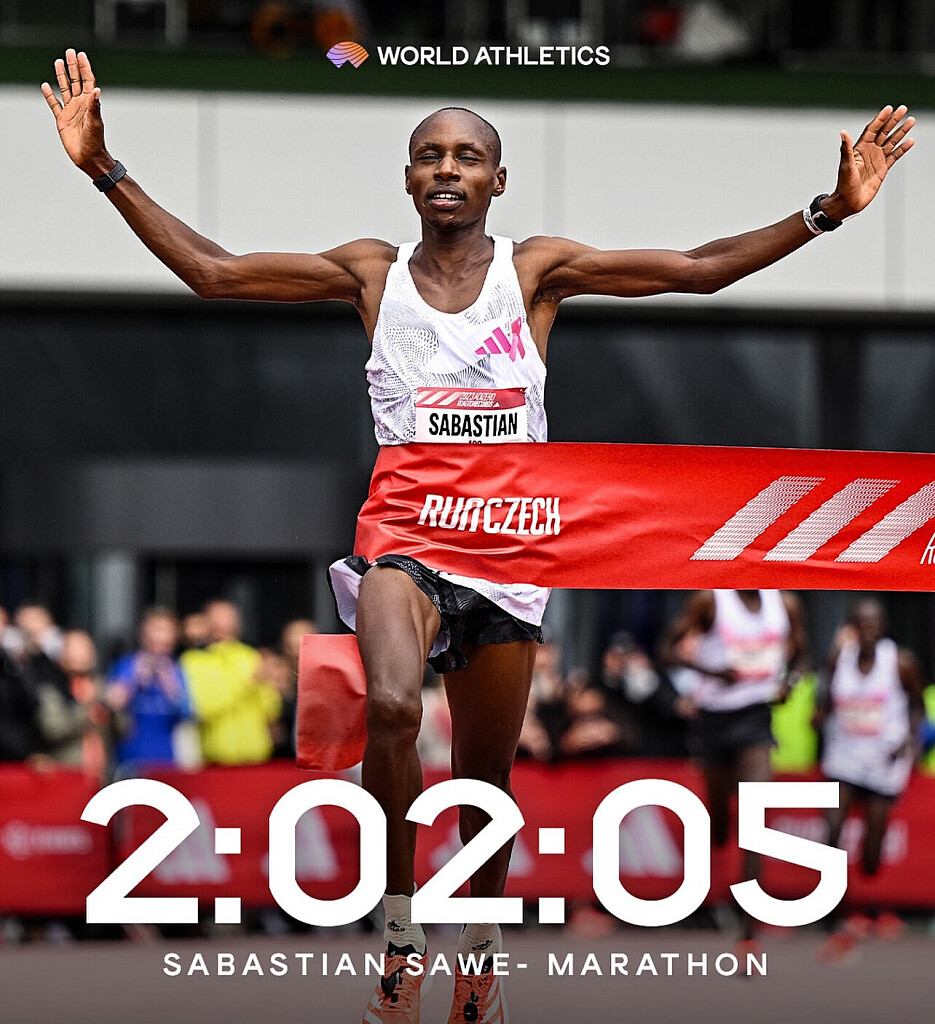
Men’s Elite Field Set for a Sizzling Showdown at the 2025 Berlin Marathon
Berlin, Germany – September 29, 2025 (Race Day)
With its flat, fast course and history of record-breaking performances, the BMW Berlin Marathon has become a magnet for the world’s best distance runners—and this year is no exception.
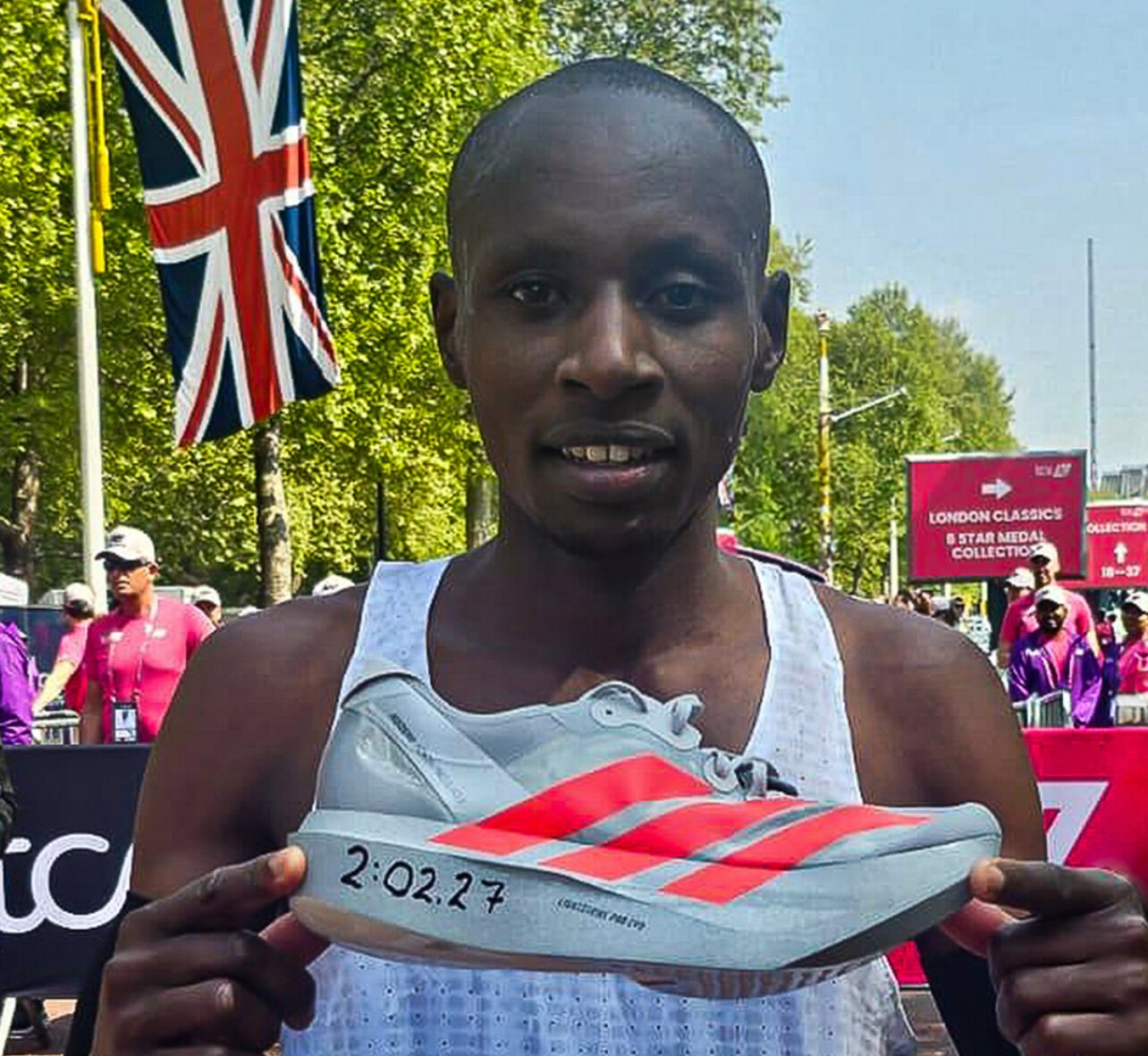
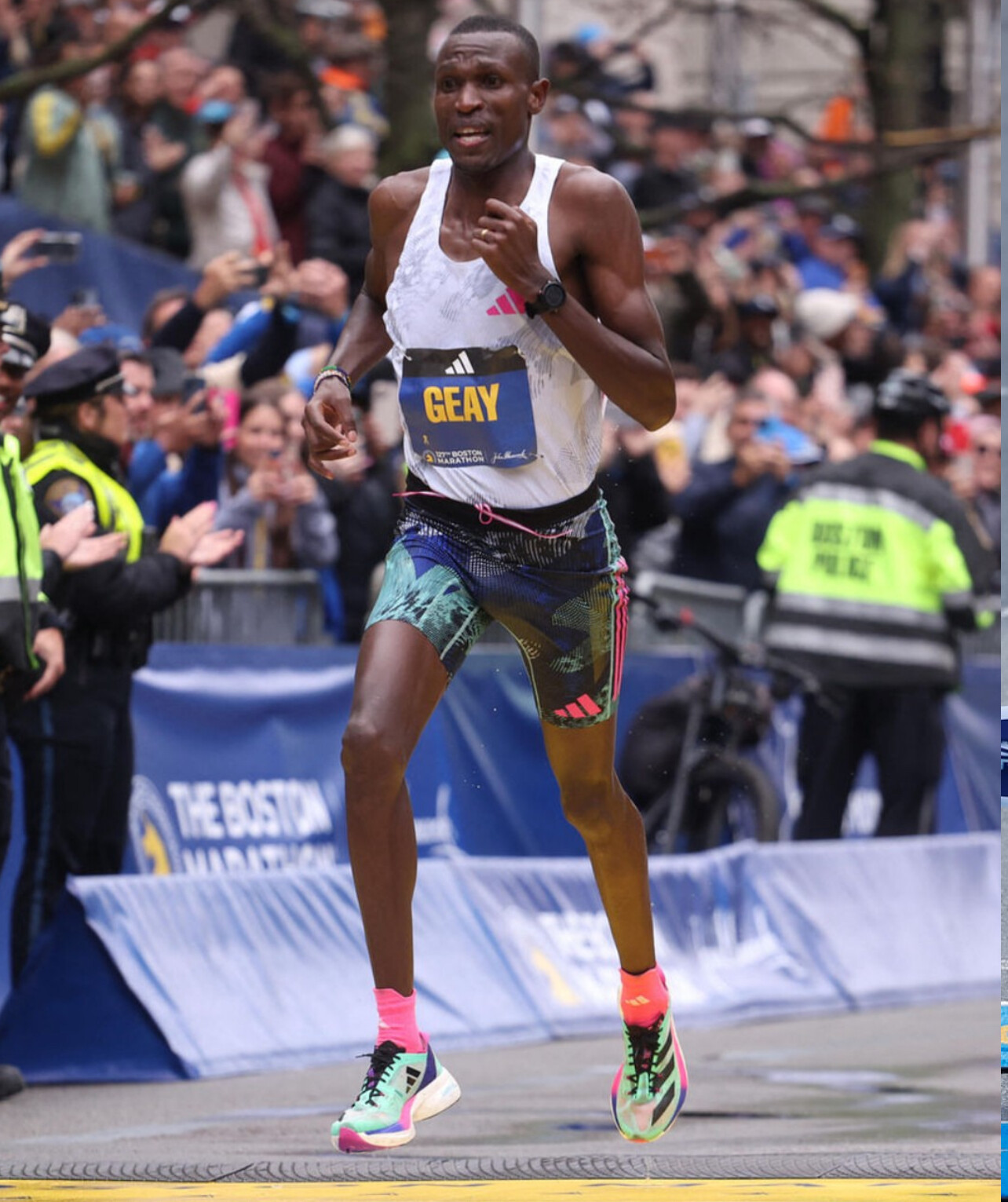
The 2025 men’s elite field is stacked with sub-2:05 talent from Kenya, Ethiopia, Tanzania, and Japan, including several proven champions and emerging stars. On September 29, all eyes will be on Berlin to see if the next marathon milestone can be broken.
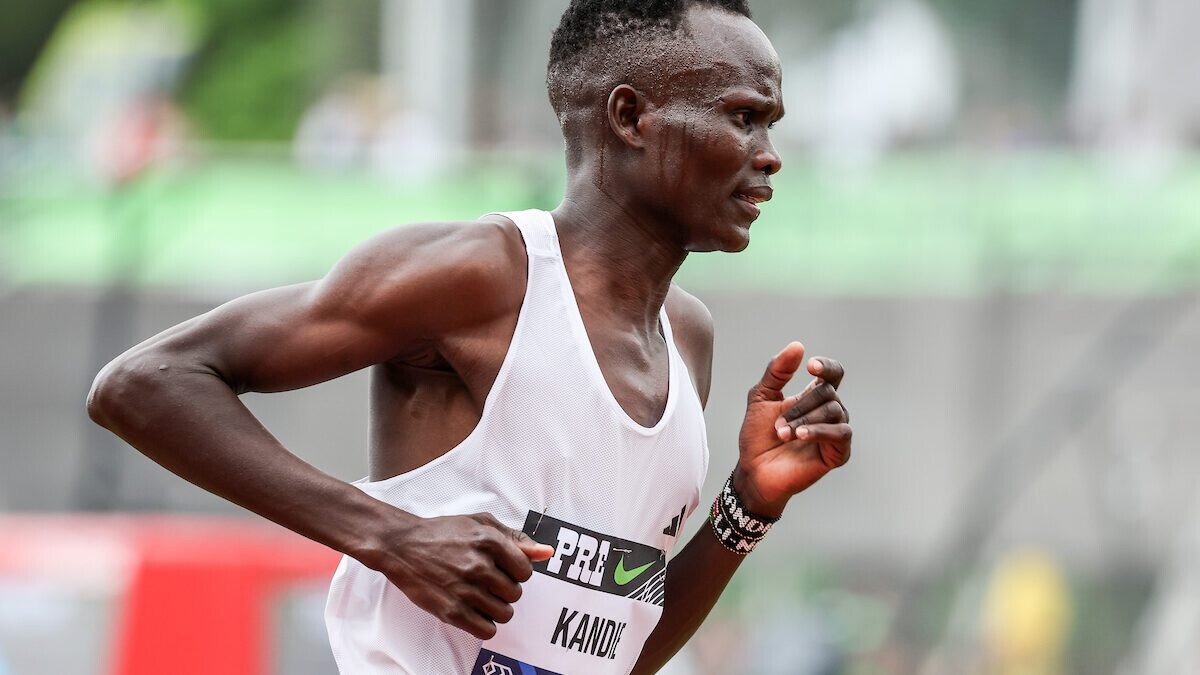

Top Contenders and Their Personal Bests
|
Name |
Country |
Personal Best |
|
Sabastian Sawe |
KEN |
2:02:05 |
|
Gabriel Gerald Geay |
TAN |
2:03:00 |
|
Milkesa Mengesha |
ETH |
2:03:17 |
|
Haymanot Alew |
ETH |
2:03:31 |
|
Guye Adola |
ETH |
2:03:46 |
|
Leul Gebresilase |
ETH |
2:04:02 |
|
Tesfaye Deriba |
ETH |
2:04:13 |
|
Daniel Mateiko |
KEN |
2:04:24 |
|
Haftu Teklu |
ETH |
2:04:42 |
|
Chimdessa Debele |
ETH |
2:04:44 |
|
Kengo Suzuki |
JPN |
2:04:56 |
|
Abel Kirui |
KEN |
2:05:04 |
|
Chala Regasa |
ETH |
2:05:06 |
|
Samwel Mailu |
KEN |
2:05:08 |
|
Yihunilign Adane |
ETH |
2:05:3 |
|
|
|
Kenya and Ethiopia Headline the Race
Kenya’s Sabastian Sawe, with a PB of 2:02:05, enters as the top seed. He’s followed closely by Tanzania’s Gabriel Geay, who made headlines in Boston and New York with aggressive front-running. Ethiopia is sending a deep and dangerous lineup—including Milkesa Mengesha, Haymanot Alew, and veteran Guye Adola (the 2021 Berlin champion).
Daniel Mateiko of Kenya, a former half marathon standout, will look to solidify his position as a full marathon threat, while Abel Kirui, the two-time world champion, continues to defy age with elite performances.
The Global Wildcard: Japan’s Kengo Suzuki
With a 2:04:56 personal best, Kengo Suzuki is the fastest Japanese marathoner ever and could be a serious factor if conditions align. His presence adds global depth to a field heavily dominated by East Africa.
Fast Times Almost Guaranteed
Berlin’s pancake-flat course, combined with cool fall weather and top-tier pacers, means fast times are almost inevitable. With six men holding PBs under 2:04 and over a dozen under 2:05, there’s a strong chance we could see a sub-2:03 winner, or even a new course record.
While the official world record still stands at 2:00:35 (set in 2023 by Eliud Kipchoge), several in this year’s field have the credentials—and ambition—to challenge history.
Race Day Outlook
• Date: Sunday, September 29, 2025
• Course: Flat and record-ready, through the streets of Berlin
• Weather Forecast: Typically cool (expected 11–13°C), ideal for fast times
• Live Coverage: Streaming and TV coverage expected worldwide
Stay tuned to My Best Runs for full coverage, live updates, and post-race analysis from Berlin!
(07/29/2025) ⚡AMPby Boris Baron

BMW Berlin Marathon
The story of the BERLIN-MARATHON is a story of the development of road running. When the first BERLIN-MARATHON was started on 13th October 1974 on a minor road next to the stadium of the organisers‘ club SC Charlottenburg Berlin 286 athletes had entered. The first winners were runners from Berlin: Günter Hallas (2:44:53), who still runs the BERLIN-MARATHON today, and...
more...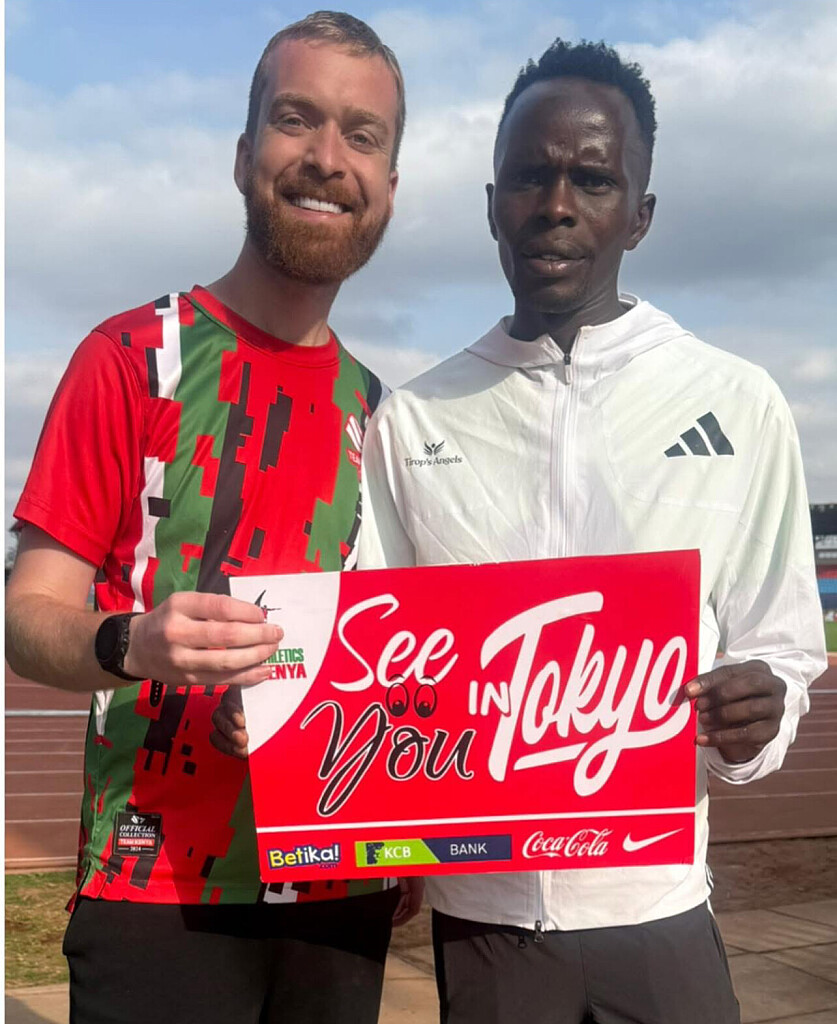
Jordan Guenther: The American Superfan Who Has Become a Beloved Part of Kenyan Athletics
In a sport often defined by national pride, few stories cut across borders like that of Jordan Guenther, an American who has become one of the most recognizable and beloved supporters of Kenyan athletics. Despite not being a coach, manager, or official, Guenther has carved out a unique space within the global running community—one built entirely on passion, consistency, and genuine admiration.
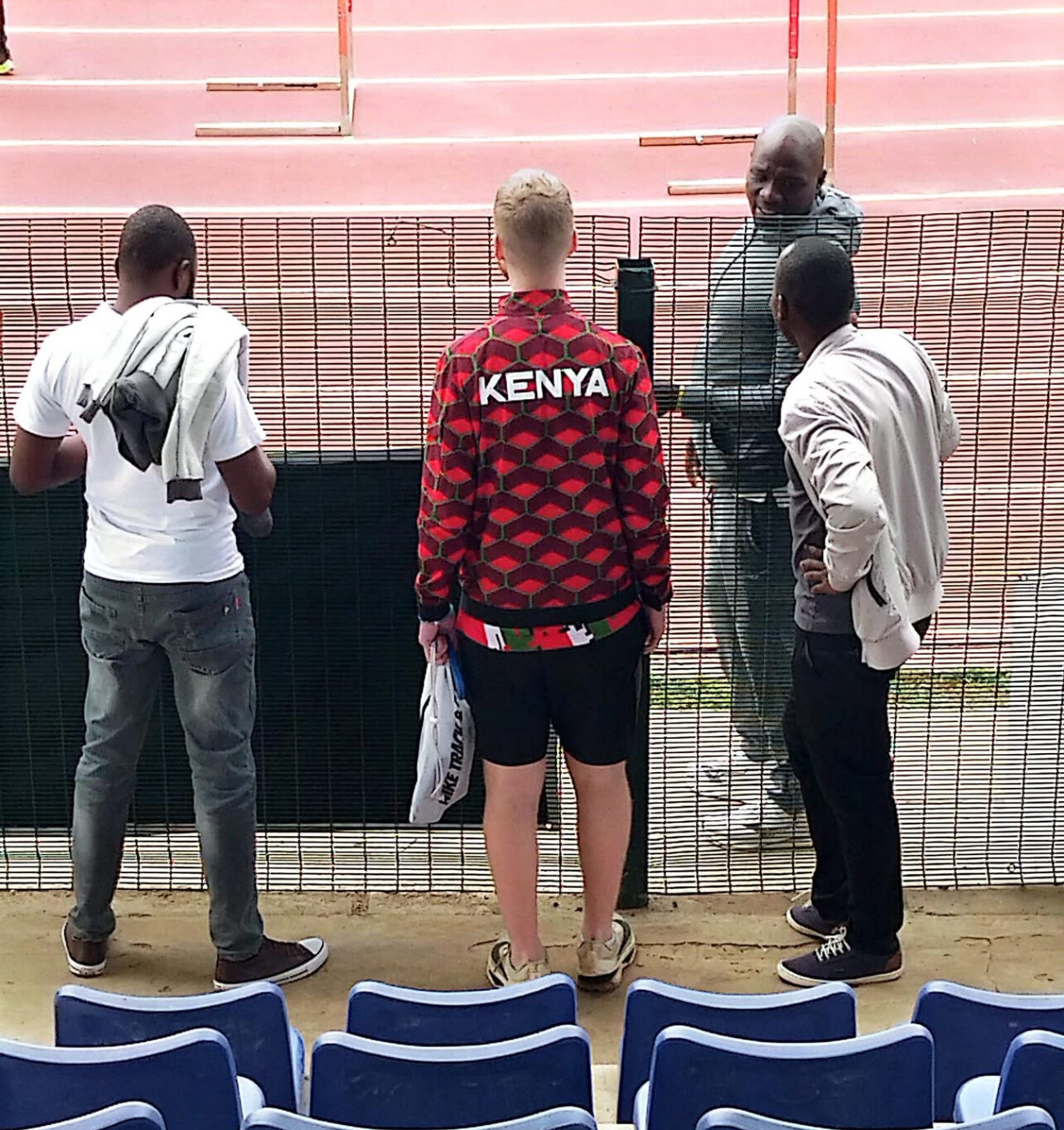
You might spot him at major championships in Paris, Budapest, or Eugene—not just in the stands, but shoulder to shoulder with the likes of Faith Kipyegon, Kelvin Kiptum, and Ruth Chepngetich, proudly wearing Kenyan gear and cheering louder than anyone.
From Fan to Family
Jordan’s journey into the heart of Kenyan athletics started simply—as a fan. But his actions quickly separated him from the crowd. He didn’t just cheer from afar. He learned Swahili. He wore the team colors. He showed up—again and again.
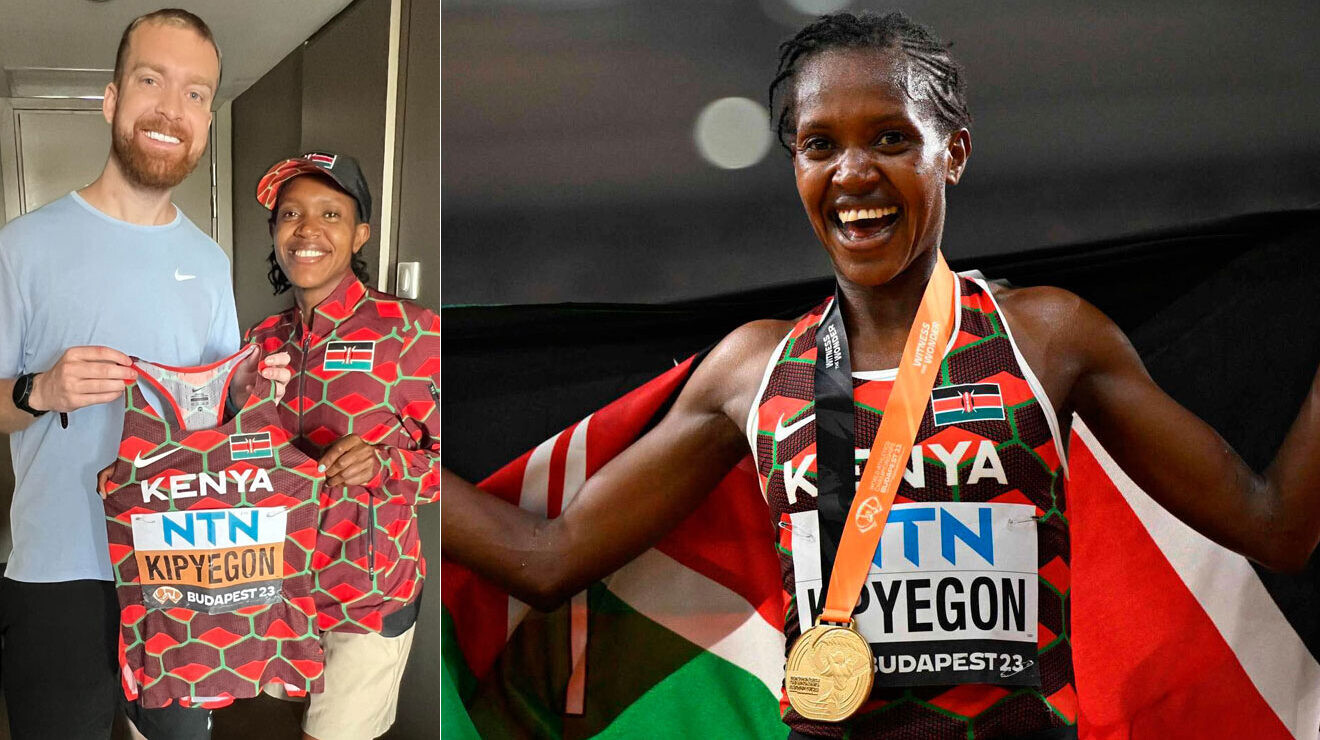
At the 2023 World Championships in Budapest, Faith Kipyegon, arguably the greatest female middle-distance runner in history, gifted him a race kit with her name printed on the bib. It was more than a gesture—it was an embrace.
“He’s one of us,” said a Kenyan fan at the time. “More Kenyan than some Kenyans.”
The sentiment was echoed by many in the athletics community. Guenther was affectionately nicknamed “Kipchumba”, meaning “son of Kip” in Swahili, and his growing bond with Kenyan athletes became a story of its own.
A Constant Presence
Guenther has attended countless major events around the world, often at his own expense. He has been spotted:
• Hosting pre-marathon meals with top stars like Benson Kipruto and Joyciline Jepkosgei
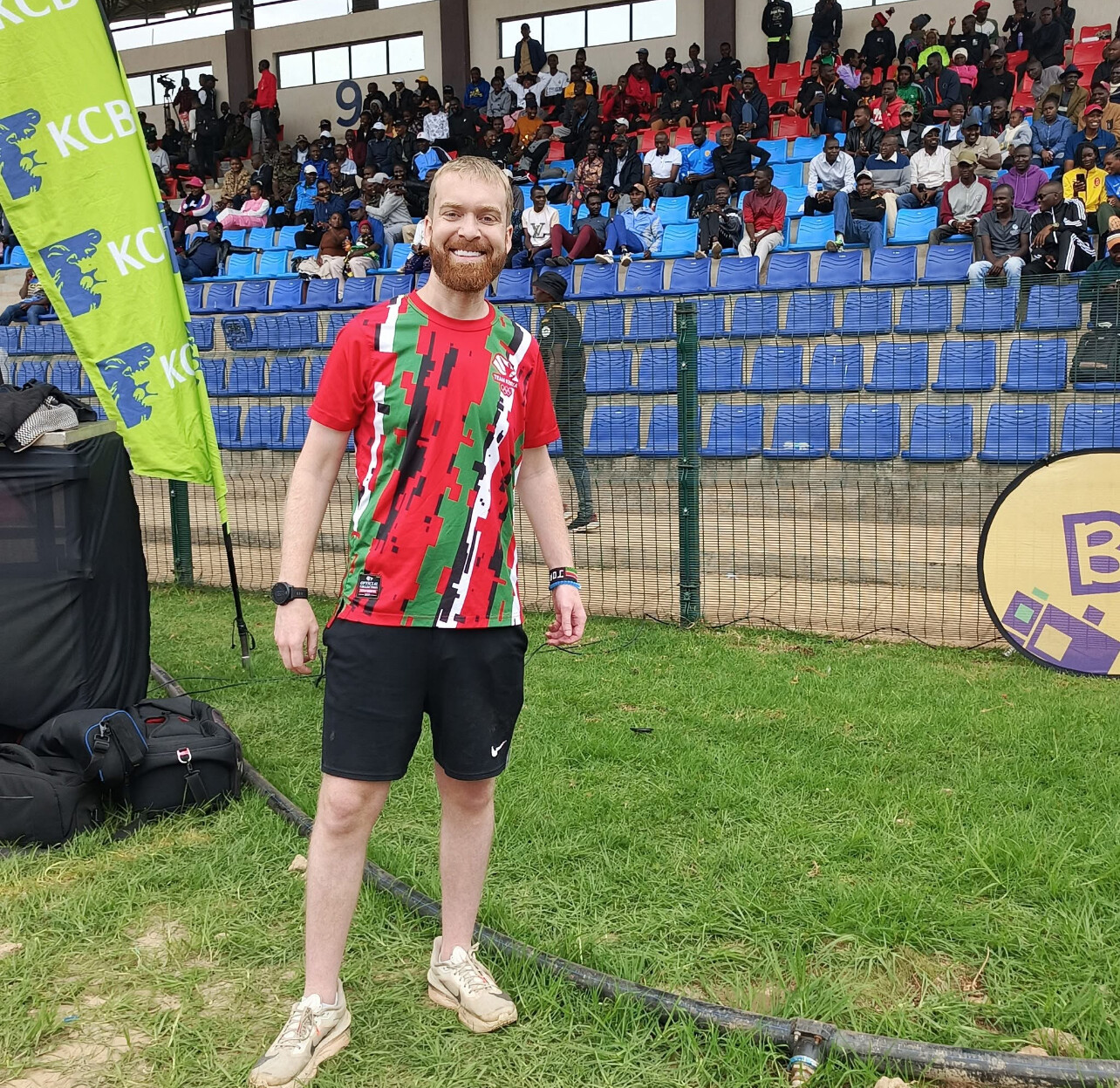
• Posing for photos in full Kenyan tracksuits
• Traveling to Paris, Monaco, and Nairobi to support athletes not just in competition—but in spirit
His unwavering dedication has made him a symbol of what sports fandom can be: personal, respectful, and deeply felt.
Behind the Scenes
Despite the growing attention, little is publicly known about Jordan’s background or source of income. He maintains a low profile online and is not affiliated with any official athletic federation. What is clear is that his commitment is real and lasting—and that athletes trust him.
The Kenya Tourism Board even highlighted Guenther in promotional materials, recognizing his unique role in promoting the country’s sports culture on a global stage.
“He doesn’t do it for the cameras,” said one coach. “He does it because he cares.”
Why It Matters
In a world where sports often feel transactional, Guenther represents something purer. His story is a reminder that connection doesn’t require contracts—it requires consistency. And that love for a team, a country, or a culture can transcend boundaries.
At a time when global athletics is searching for new audiences and deeper engagement, the story of Jordan Guenther offers a blueprint: show up, give respect, and let your actions speak louder than your voice.
Jordan Guenther may not hold a title, but he holds the respect of some of the greatest athletes in the world. And in the global family of distance running, he’s not just a fan—he’s one of the tribe.
(07/24/2025) ⚡AMPby Boris Baron
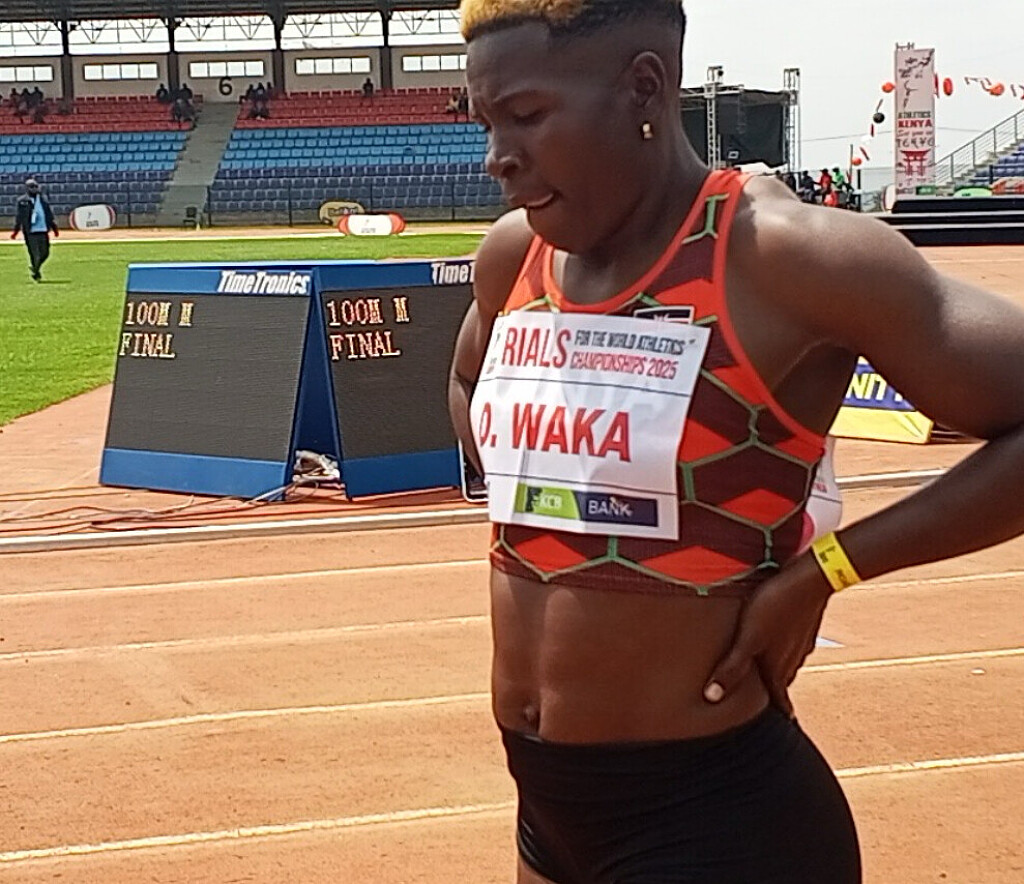
Doreen Waka Is Sprinting Toward History—If Kenya Will Let Her
At the 2025 Athletics Kenya Trials held at Nairobi’s Ulinzi Sports Complex, Doreen Waka blasted out of the blocks and powered through a stiff -2.0 m/s headwind, crossing the finish line in 12.02 seconds to win the women’s 100m final. The performance not only secured her a gold medal but also earned her a coveted spot on Team Kenya for the upcoming World Championships in Tokyo.
She defeated a talented field, including Loice Nyanchoka Morara (12.09), South Sudan’s Lucia William Moris (12.10), and Delisha Atyang (12.14), while veterans like Monica Safania and Eunice Kadogo did not start. But for Waka, the win was about more than medals. It marked a defining moment in a career built on resilience, sacrifice, and an unshakable belief in her sprinting potential.
Running Barefoot, Dreaming Without Limits
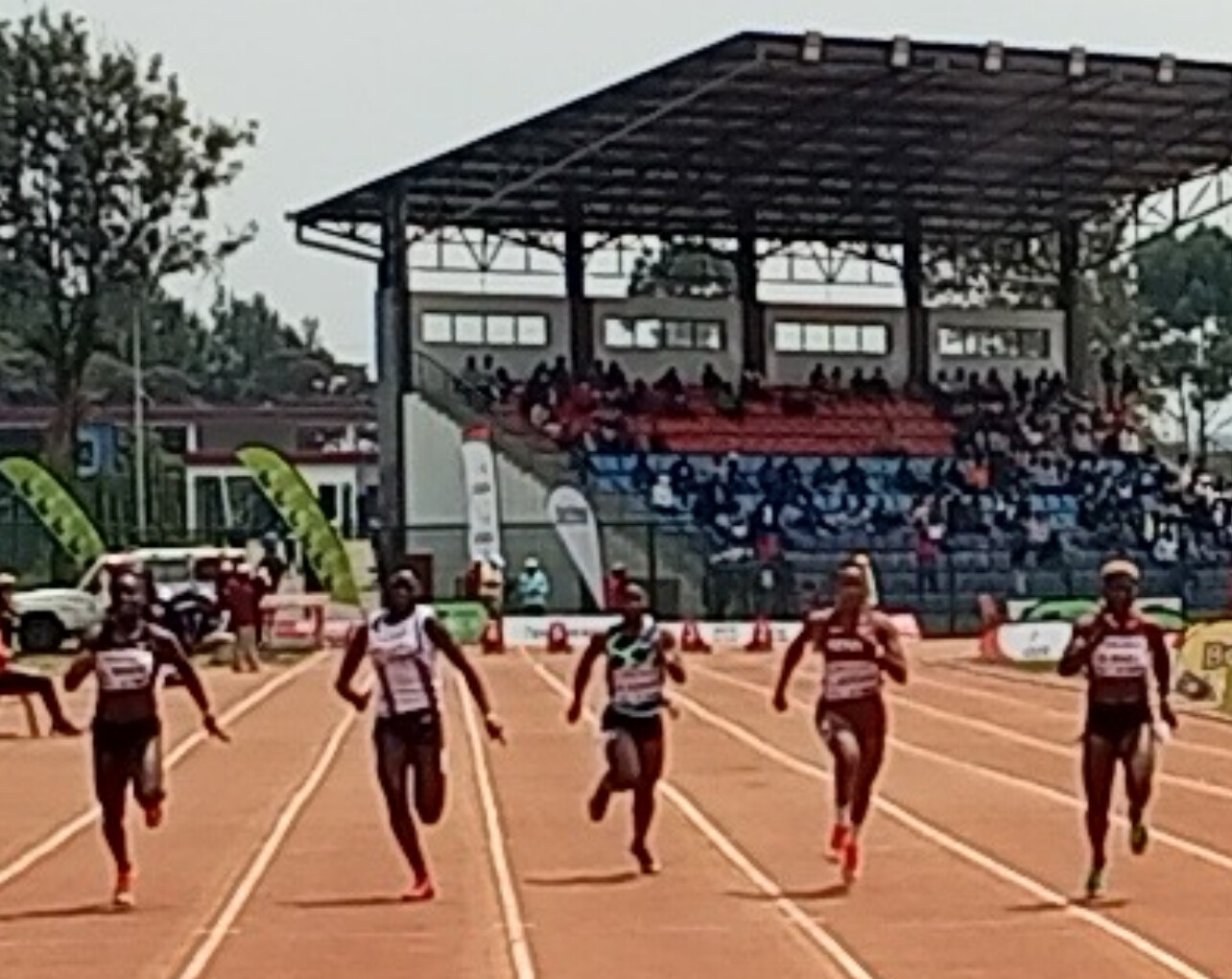
When Doreen takes to the track, what you see is explosive speed. What you don’t see are the barefoot years spent training on gravel roads, the financial struggles, or the countless setbacks that nearly derailed her dream.
Born on November 13, 1994, in Kiambu County, Doreen discovered her athletic talent in primary school. She ran the 400m in Standard Four but didn’t qualify for competition—she was too young. A perceptive teacher, however, encouraged her to shift focus to the 100m and 200m, a piece of advice that changed her life.

By Class Five, she had qualified for the national primary school championships in Nyahururu, placing 4th in the 100m and 3rd in the 200m. A year later, she won silver in the 100m at an East African schools meet in Kampala, Uganda.
Despite early success, life at home was difficult. Her family lacked the resources to support her athletics career. After finishing Class Eight, a well-wisher helped her join Brokhurst Senior School in Machakos County, where she again reached the national stage in Form Three. But in Form Four, she was barred from sports in order to focus on final exams—just when she needed exposure the most.
A Coach, a Believer, a Lifeline
In 2017, everything changed. Doreen met sprinter Kalewi Awange, who introduced her to Coach Julius Migwi (often called Coach Julious). At the time, she was living in Githurai, Nairobi, with her mother.
“When I told my mom I wanted to train, she hesitated,” Doreen recalls. “Coach Migwi had to come home and explain everything. Eventually, she gave me her blessing: ‘You’re the one who will help me.’”
Coach Julious remembers their first meeting clearly.
“She had no shoes. No passport. No real support. We took her in like family,” he says. “I’ve been acting as her parent ever since.”
Since then, Coach Julious has supported her with food, rent, transport, and training costs—often from his own pocket. Despite the challenges, Doreen has never wavered. Most days, she trains without proper spikes or access to a gym, using rough murram fields instead of tracks.
“If she had the facilities athletes in Botswana or South Africa have,” Julius says, “she’d already be running 10.9.”
A Boost from KATA—and a Call to Bob Anderson
Though resources remain limited, Doreen has received small but meaningful support from the Kenya Athletics Training Academy (KATA), founded by Bob Anderson, the American entrepreneur and lifelong runner who created Runner’s World magazine.
“KATA has helped in important ways,” says Julius. “Bob understands athlete development. Now we’re appealing to him directly: please consider supporting Doreen with gear, gym access, and small financial support so she can focus fully on her training.”
Doreen echoes the plea:
“I’m not looking for a shortcut. Just a chance. Bob, give me one international race, one opportunity—and I will make you and Kenya proud.”
Denied, But Never Defeated
Doreen’s path has been lined with near-misses and painful exclusions. In 2019, she qualified for the World Relays during trials in Iten—but couldn’t travel. She didn’t have a passport.
Later that year, during the COVID-19 lockdowns, she trained inside the grounds of Kamiti Prison, staying with a friend near the facility. Her perseverance finally paid off in 2021, when she represented Kenya in the 4x200m relay at the World Relays in Poland. She returned home and won the national 100m title.
Yet again in 2023, after qualifying for the African Championships in Ghana, she was left off the final team list.
“It didn’t kill my spirit,” she says. “This year I qualified again. But they didn’t take a women’s 4x100m team.”
A Voice for the Overlooked
Now 29, Doreen Waka is more than just a sprinter—she’s a voice for the many under-supported female sprinters across Kenya.
“Athletics Kenya should not conclude that Kenyan women can’t sprint. We just need the opportunity.”
Coach Julious adds:
“She’s already inspiring others. Hurdler Gladys Ngure, who ran 14.05 at nationals, joined our camp because of Doreen. These girls are training in KSh 50 gyms. Imagine what they could do with real support.”
A Camp Like No Other
In a bold move, Coach Julius recently established a KATA Running Camp and KATA Potato Farm, part of a larger initiative spearheaded by Bob Anderson, who has now launched 25 KATA camps across Kenya since May 25.
“I think my camp is the only running camp that exclusively trains sprinters in all of Kenya,” says Julius. "Thanks, Bob, for listening and helping Doreen go after her goals.”
This unique camp not only nurtures sprinters like Doreen but also provides food and economic support through potato farming, helping athletes stay focused on training while building a more stable future.
The Goal: Sub-11 and a Global Stage
Doreen Waka’s goal is clear: run 10.8 or 10.9 and place Kenyan women’s sprinting on the global map. With the right shoes, coaching, nutrition, and gym access, she believes it’s within reach.
“I believe in myself. I just need one solid chance.”
And with people like Coach Julius KATA, and Bob Anderson behind her, that chance may finally be coming.
Doreen Waka At a Glance
• Born: November 13, 1994 – Kiambu County, Kenya
• 2024 Trials: 1st in 100m (12.02s, -2.0 m/s headwind)
• International Debut: 2021 World Relays, Poland (4x200m)
• Coach: Julius Migwi
• Goal: Sub-11 in 100m and a global podium finish
• Camp: KATA Running Camp for Sprinters – the only sprint-exclusive KATA camp in Kenya
(07/22/2025) ⚡AMPby Robert Kibet
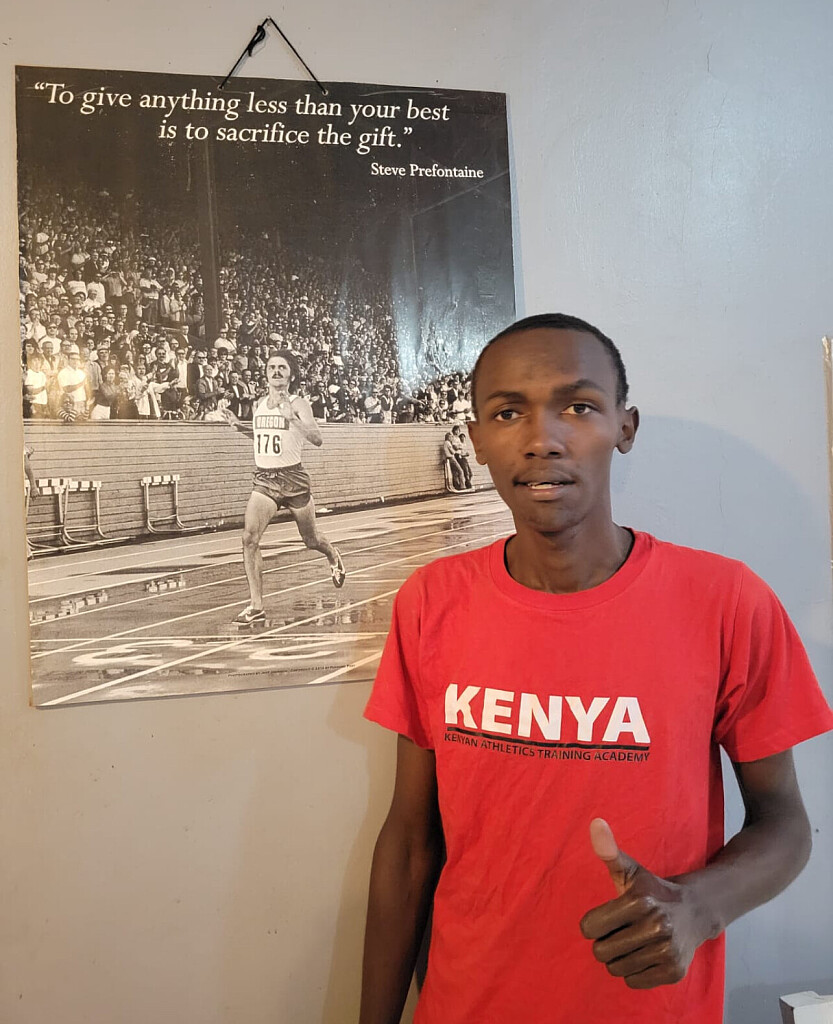
From Karate to 27:00: Zachariah Kirika’s Rise from Village Fighter to Road Racing Star
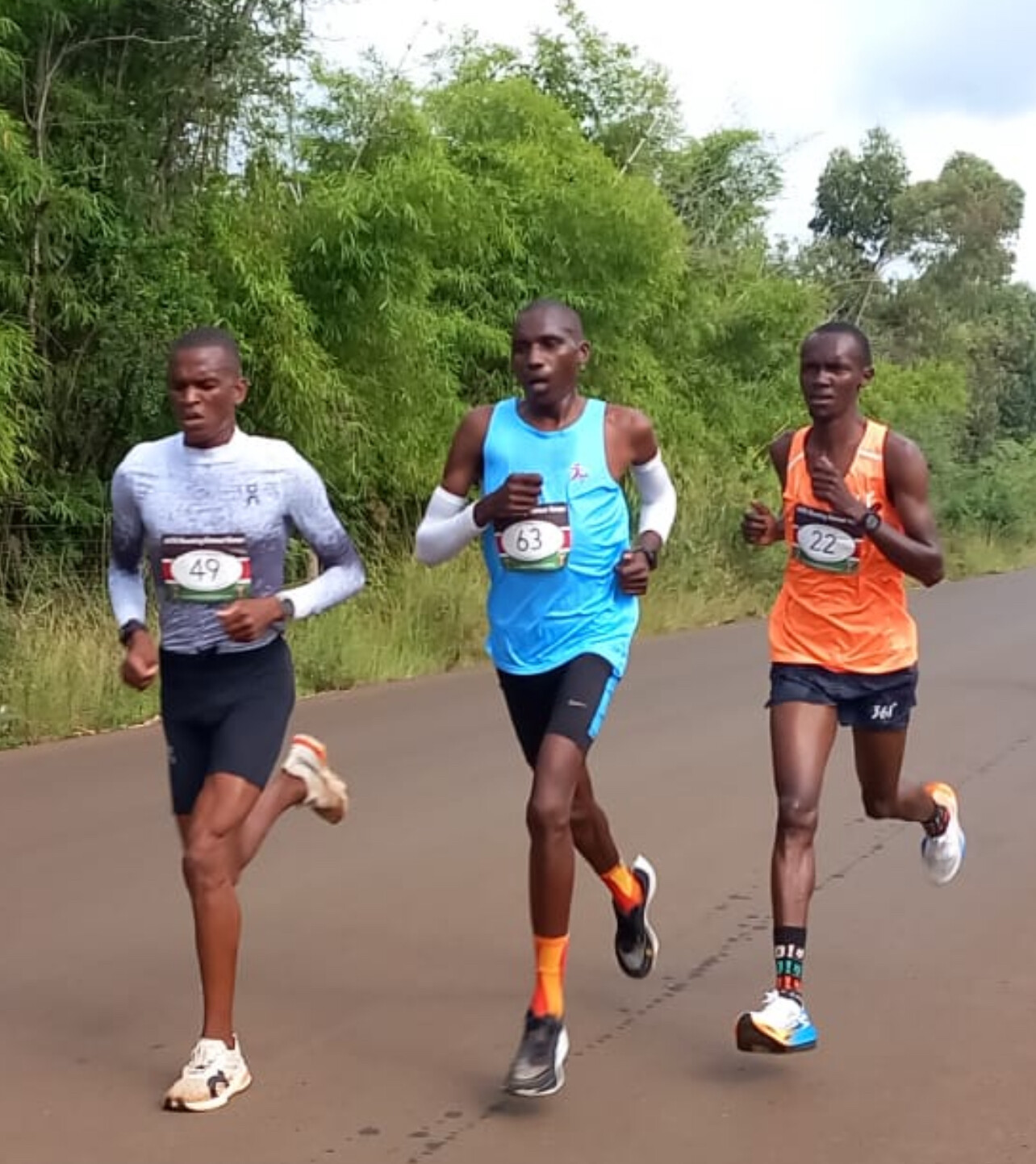
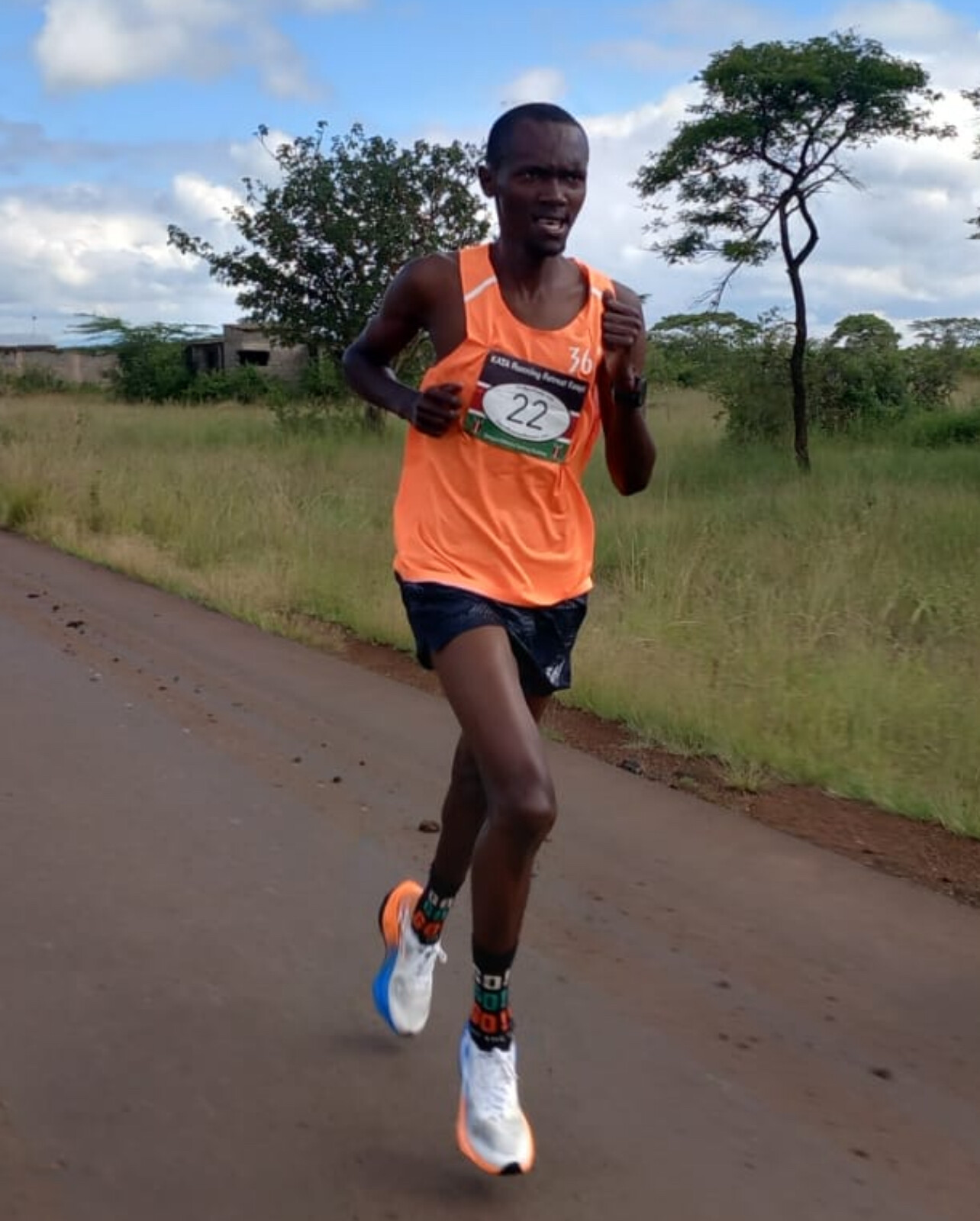
On a misty July morning in Nairobi, as thousands of runners pounded the city’s tarmac in the 10km race at the Nairobi City Marathon, one name quietly cut through the noise — Zachariah Kirika, 24, who stormed to a third-place finish in 27:00 flat.
But for Kirika, this wasn’t just a race. It was the culmination of years marked by struggle, sacrifice, and a relentless pursuit of purpose — a journey that began not on the running track, but in a quiet Kenyan village and later, in the disciplined world of karate.
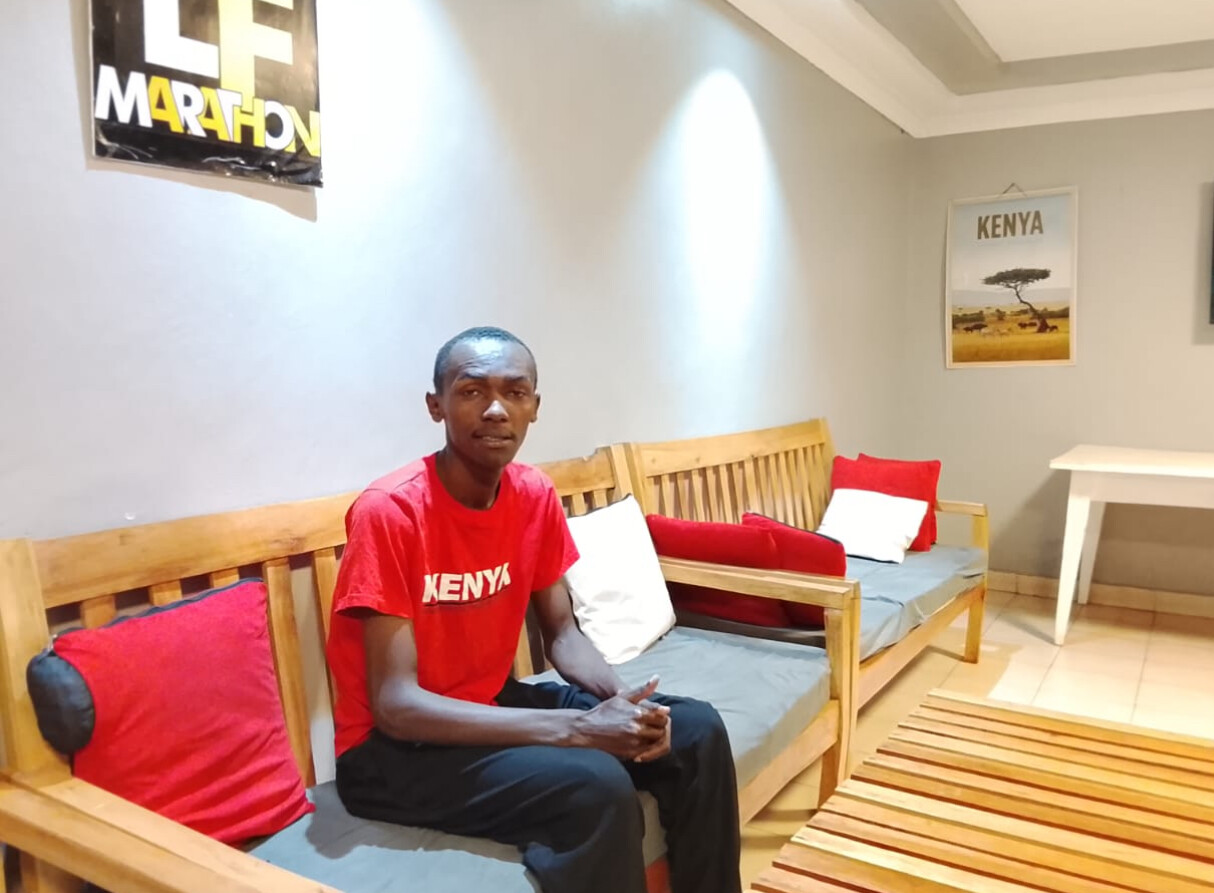
“I was born in Muthara village, a quiet place in Murang’a County,” Kirika says, now seated at the Kenya Athletics Training Academy (KATA) in Thika, where he trains. “We didn’t have much, but my parents gave me everything they could.”

Karate Roots and Early Responsibility
As the eldest child in a modest family — his father a carpenter and his mother a homemaker — Kirika learned discipline early. When he wasn’t helping on the farm or tending goats, he was dreaming beyond the hills of Murang’a.
That dream took shape through karate, of all things.
“At around 13, I started following a group of boys training in Maraba. They had no dojo, no gear — just heart. I joined them, and I trained every day, barefoot sometimes. Karate taught me control, focus, and resilience.”
He carried that mindset through high school, juggling academics, martial arts, and odd jobs to support his family. By 2020, after finishing school, college wasn’t an option. He needed something more — something that could change his life.
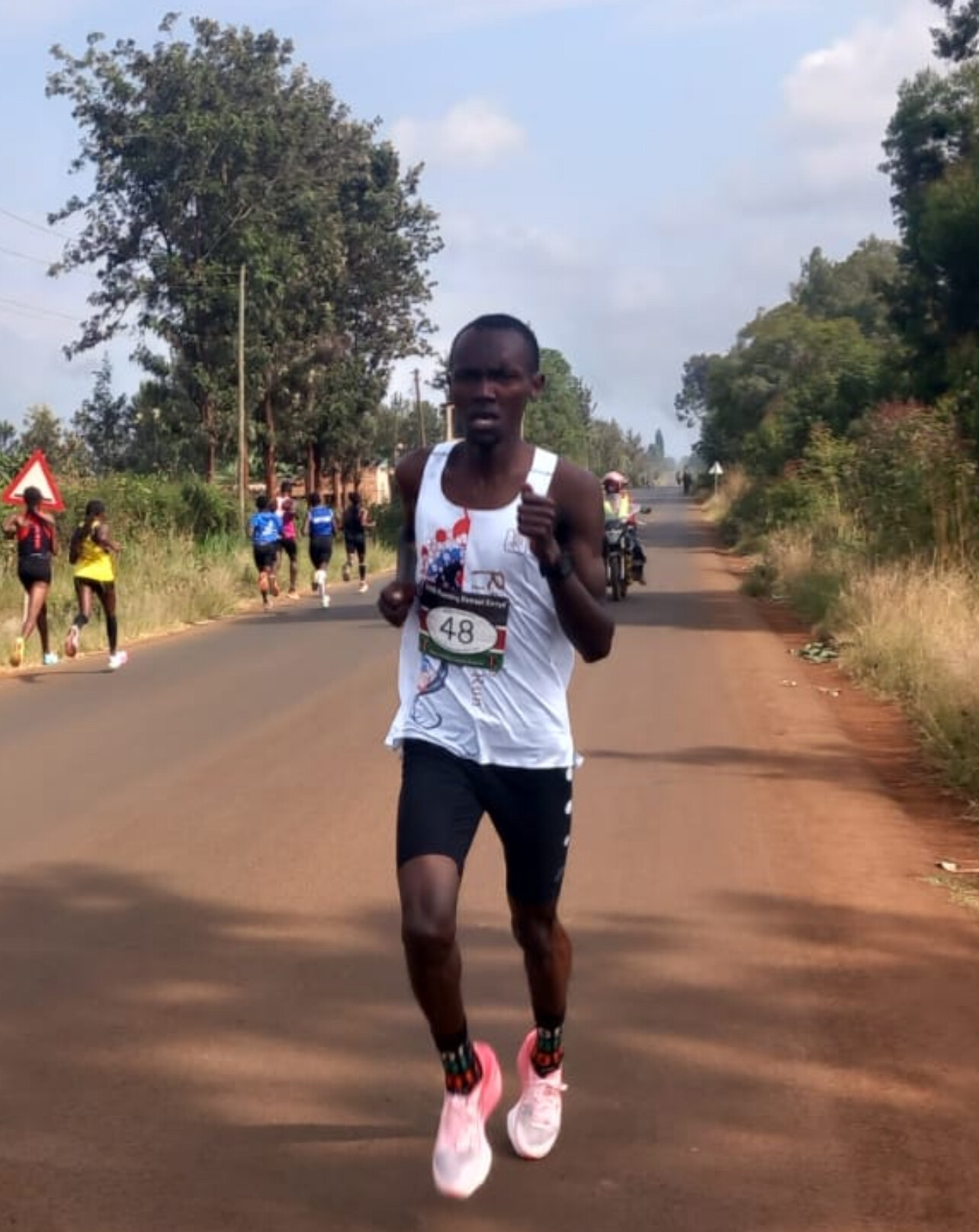
A New Path: Running
Initially, running was just fitness for karate. But a spontaneous entry into a local 5K fun run changed everything.
“I finished in the top 10 and people started telling me, ‘You have potential.’ That was the first time I saw a new path.”
The transition wasn’t easy. Kirika trained alone, without coaching or proper nutrition. But then came a life-changing opportunity: a spot at KATA, the training academy founded by American running pioneer Bob Anderson.
“KATA gave me structure, food, housing — but most importantly, belief.”
At KATA, Kirika began serious training under experienced coaches. He swapped kata routines for hill repeats, and sparring for speedwork. It wasn’t long before his times began to drop.
Nairobi Breakthrough
By early 2025, he had built momentum through smaller races, gaining confidence and sharpening his speed. But the Nairobi City Marathon 10K would be his biggest test yet.
“I was nervous, but I kept telling myself — just hold on.”
He did more than that. He surged with the lead pack, stayed composed through the rolling course, and finished third overall in 27:00, his first official sub-28 performance.
“That race changed everything,” he says. “It proved that you don’t need fancy gear or a big name to compete. You just need heart, and a team that believes in you.”
What Comes Next
Kirika now has his sights set on the half marathon, and eventually, the full 42.2 km. The KATA team is already working with him on long-run preparation, nutrition, and mental strategy for the next phase of his career.
“I know this is just the beginning,” he says with a quiet fire. “There’s still a long way to go.”
Still humble, still grounded, Kirika hasn’t forgotten his roots.
“Tell my parents I’m doing something meaningful. Tell them thank you. And tell them I haven’t forgotten where I came from.”
A Star on the Rise
As the sun sets over Thika’s training trails, Zachariah Kirika laces up his shoes. Behind him lies the path of a barefoot boy who once threw punches in dusty lanes. Ahead of him lies a road filled with potential, podiums, and purpose.
In a country bursting with undiscovered talent, Kirika’s story is a powerful reminder: with discipline, support, and belief, even the most unlikely runners can rise to greatness.
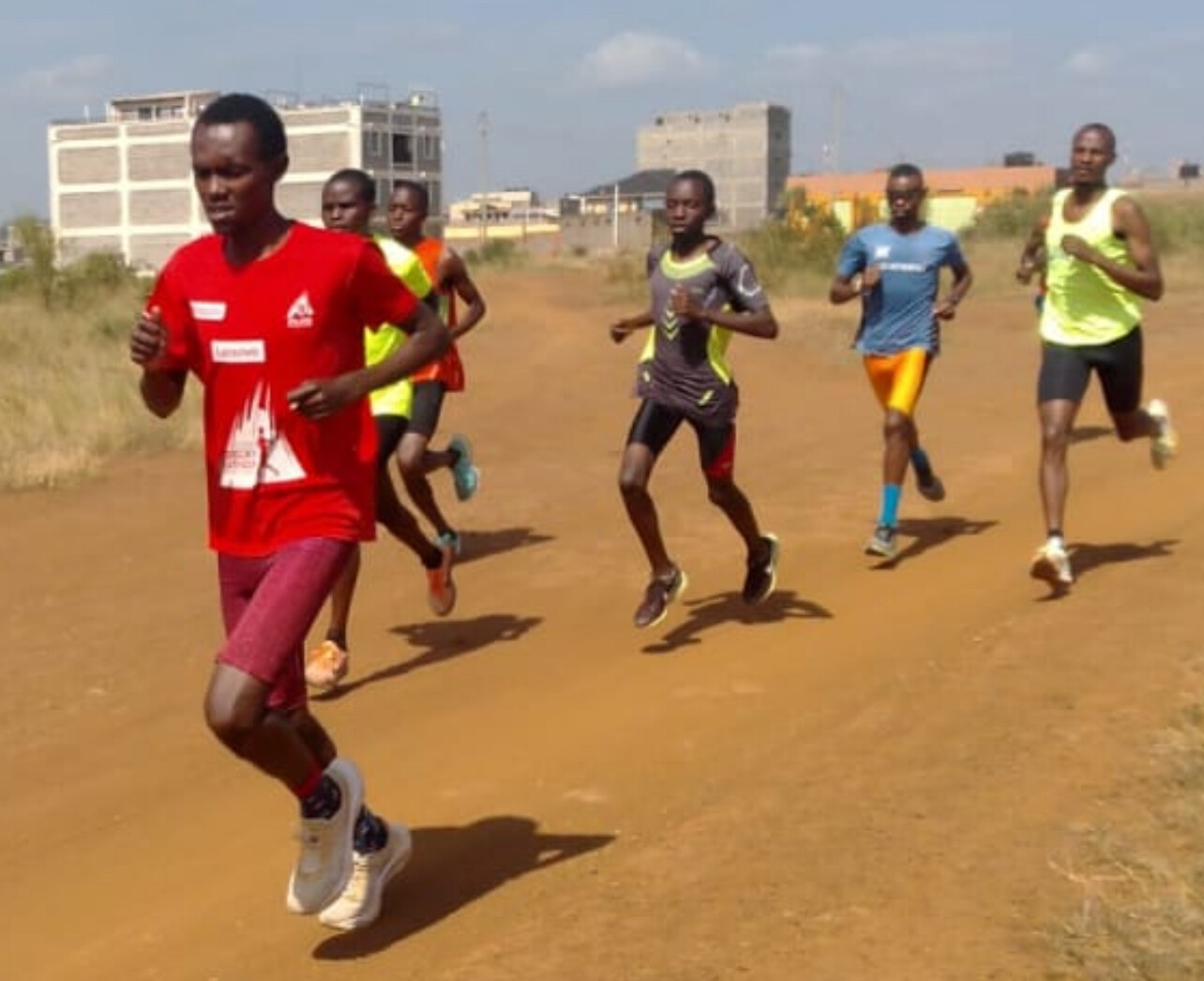
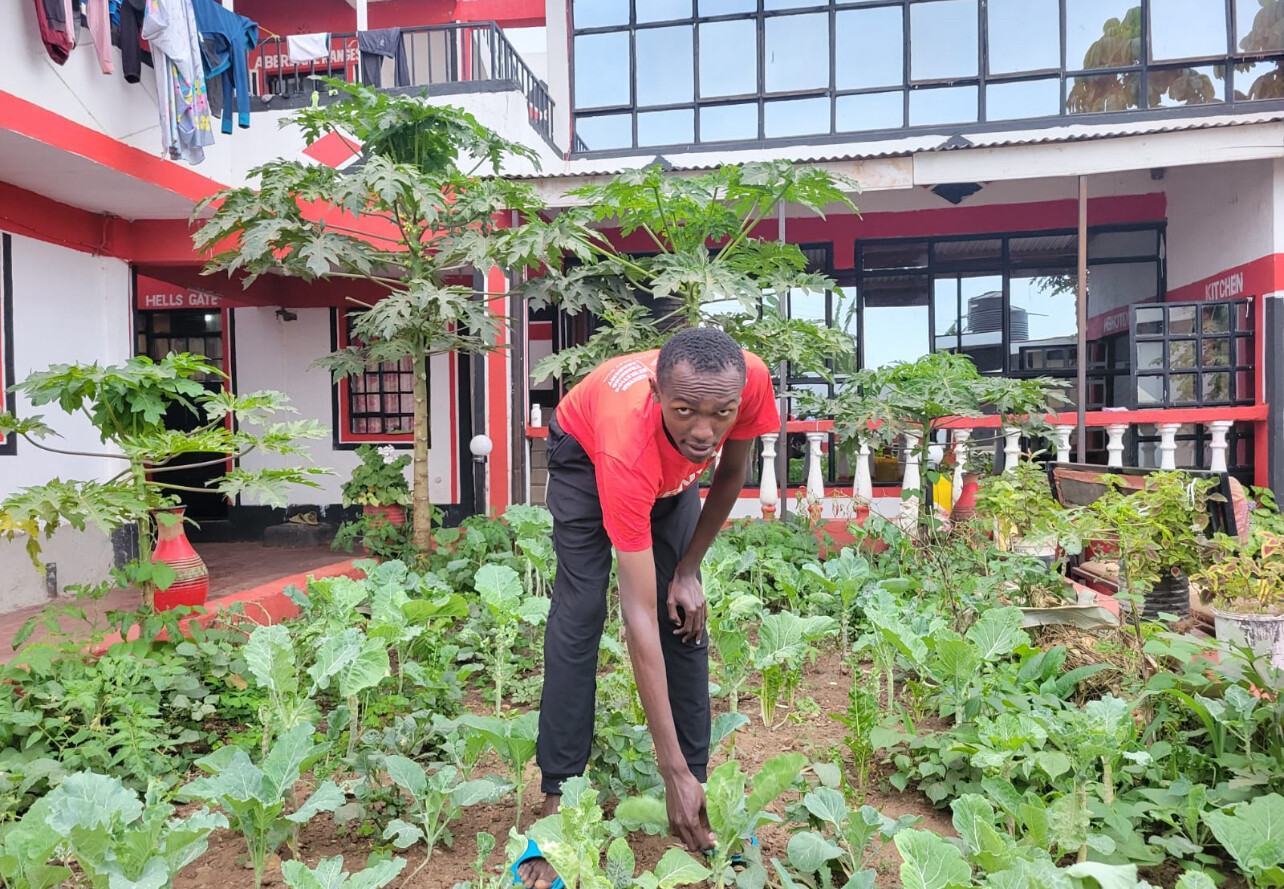
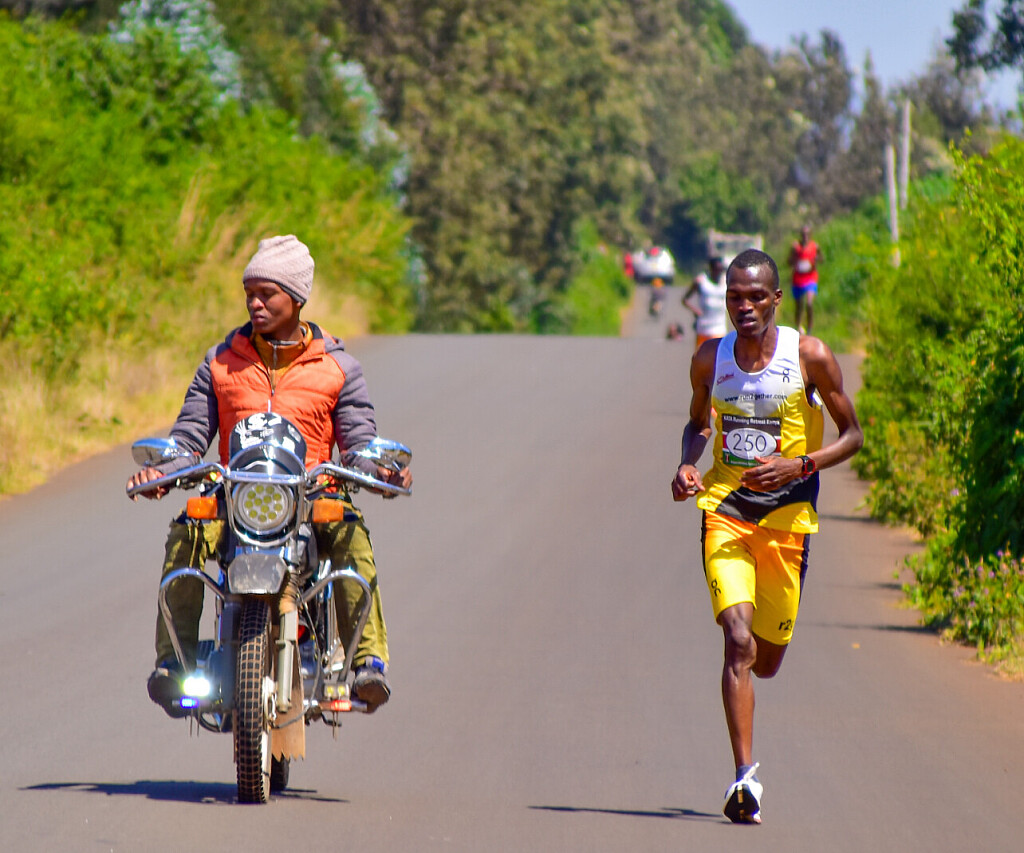
All photos were taken in and around KATA in Thika where Kirika lives, eat, train and works around the place. The racing photos were taken at KATA's monthly time trial.
(07/22/2025) ⚡AMPby Robert Kibet
5th Annual Kenya’s Double Road Race 15K Set for September 20, 2025, at KATA Thika
The 5th Annual Kenya Double Road Race 15K will be held on September 20, 2025, at the Kenyan Athletics Training Academy (KATA) in Thika, Kenya. The event ins a two stage race. First is the 10k leg then a break, followed by a 5K leg. Legs are added together for scoring. A format designed to challenge runners of all levels. Do then double! The start, finish, and halftime break will be based near the KATA campus. The second leg starts one hour and 45 minutes after the start of the first leg.
Double Racing was created by Bob Anderson, founder of Runner’s World magazine, in 2010. From October 2010 to October 2012, seven small Double races were held in Mexico under the name Bob Anderson 15K Challenge. The format evolved, and in December 2012, the first official Double Road Race was held in Pleasanton, California, with nearly 1,400 participants. The signature race was the Double 15K — 10K followed by 5K, separated by a 1 hour and 45-minute recovery break known as the Restart.
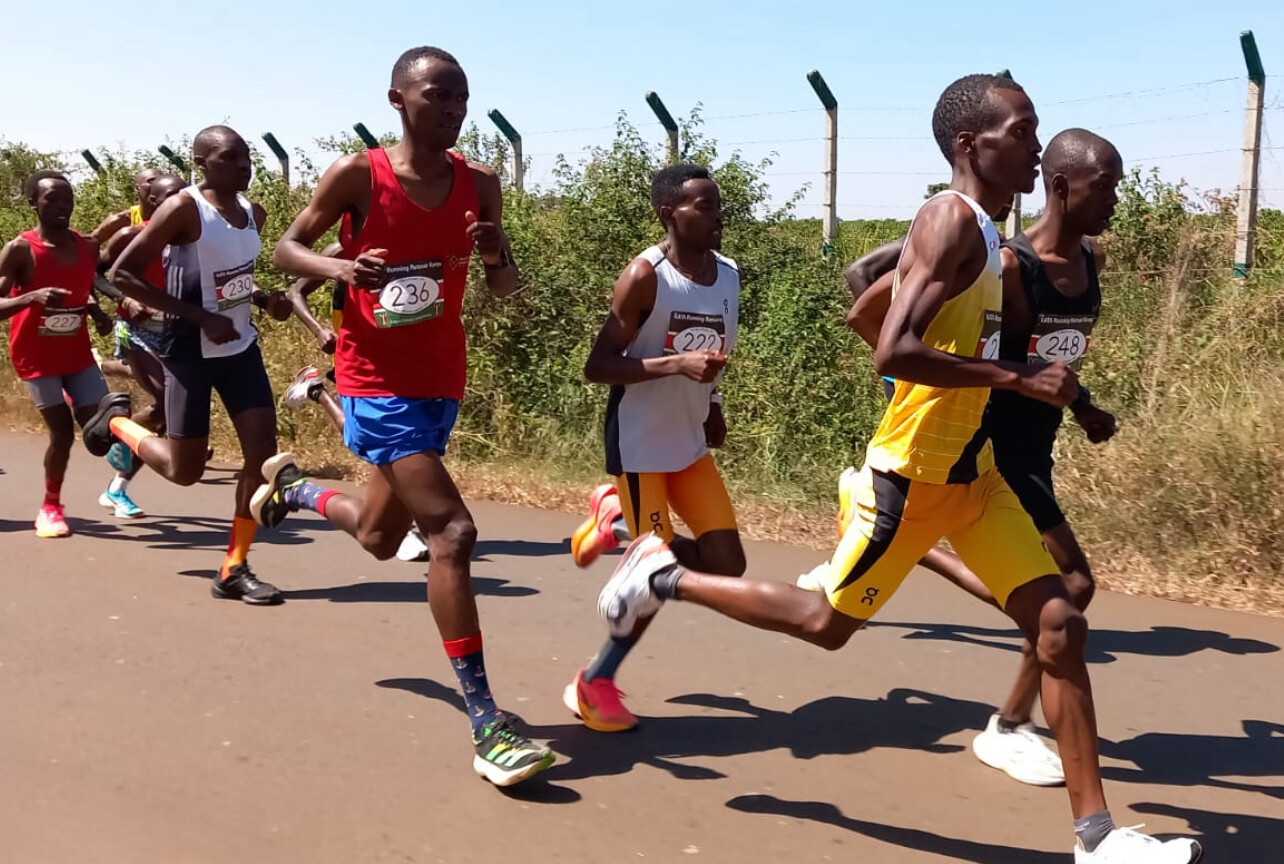
“Double Racing is doable for runners at all levels,” says Bob Anderson. “It’s a new challenge for many, while others have done many already.”
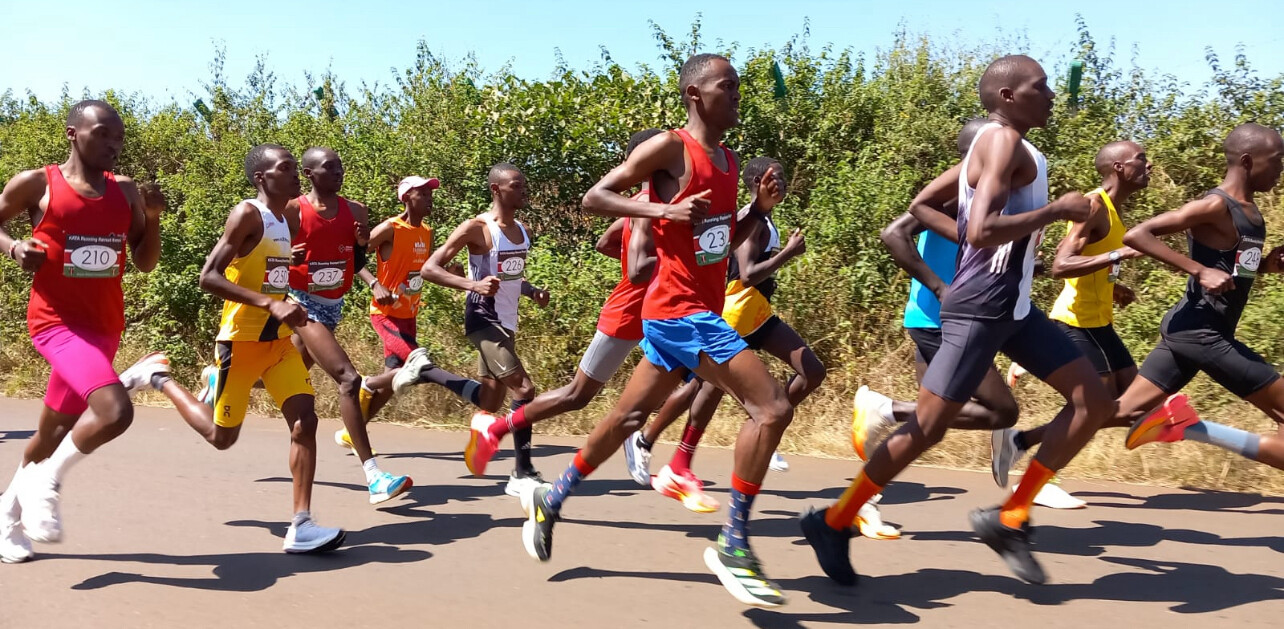
Anderson staged two Double races in Kenya previously — in Thika (2014) and Nyahururu (2015) — both were Double 21Ks (10 miles + break + 5K). These visits inspired the creation of KATA Thika, which officially opened in September 2021, and hosted the first Double 15K in Africa on September 4, 2021. Donikal Komon won that race in 44:42 — the fastest ever run in Africa at that time.
In 2022, Joseph Njoroge shaved two seconds off that mark. But it was in 2024 when history was made.
A New World Record in 2024
At the 4th Annual KATA Double Road Race 15K held on September 14, 2024, Shadrack Kenduiywo, 24, smashed the world record by clocking 42:34, eclipsing the long-standing record of 43:11 held by Julius Koskei since 2015. Kenduiywo ran 28:33 for the 10K leg and 14:01 for the 5K.
“This was my first Double race, and I was happy. I knew the record was in sight,” he said. “During the break, I relaxed, drank water, ate fruit, and did a 20-minute warmup.”
Despite warm conditions (21°C), his performance was unstoppable. He led from the second kilometer, clocking 2:52, 2:50, 2:57… all the way to a 2:50 final kilometer. His 5K splits were 2:47, 2:48, 2:51, 2:47, and 2:44.
Kenduiywo’s personal bests at the time included:
• Half marathon: 61:24 (Padova, Italy)
• 25K: 1:15 (Berlin)
• 8K: 23:43
• 5K: 13:55 (Udeni)
He promises he’ll run even faster next time.
2024 Podium Highlights
Top Men
1. Shadrack Kenduiywo – 42:34 (28:33 + 14:01)
2. Martin Mumo – 43:18
3. Zachariah Kirika – 43:37
4. Collins Kiplagat – 44:39
5. John Njuguna – 45:11
Top Women
1. Alice Koigi – 50:00
2. Monica Wanjiku – 51:30
3. Susan Njuu – 53:07
Men Masters
1. Charles Ndirangu, 64 – 56:21
2. David Mwangi, 70 – 64:49
3. Joseph Kiraio, 72 – 73:40
Women Masters
1. Julia Njari, 47 – 60:43
2. Sheila Mbaku, 54 – 62:30
The event also included Bob Anderson’s Kids Mile (won by 12-year-old Benjamin Ndaro in 4:54), and a 5K youth race won by Denis Chege, 16, in 17:48.
With over 120 Double 15K races held globally and a new world record established at KATA Thika, the 5th edition promises to be the most exciting yet.
Click here to see top time lists and age group records:
https://www.doubleroadrace.com/records
Join us September 20, 2025, in Thika, Kenya, and experience Double Racing at its best.
(07/19/2025) ⚡AMPby Boris Baron
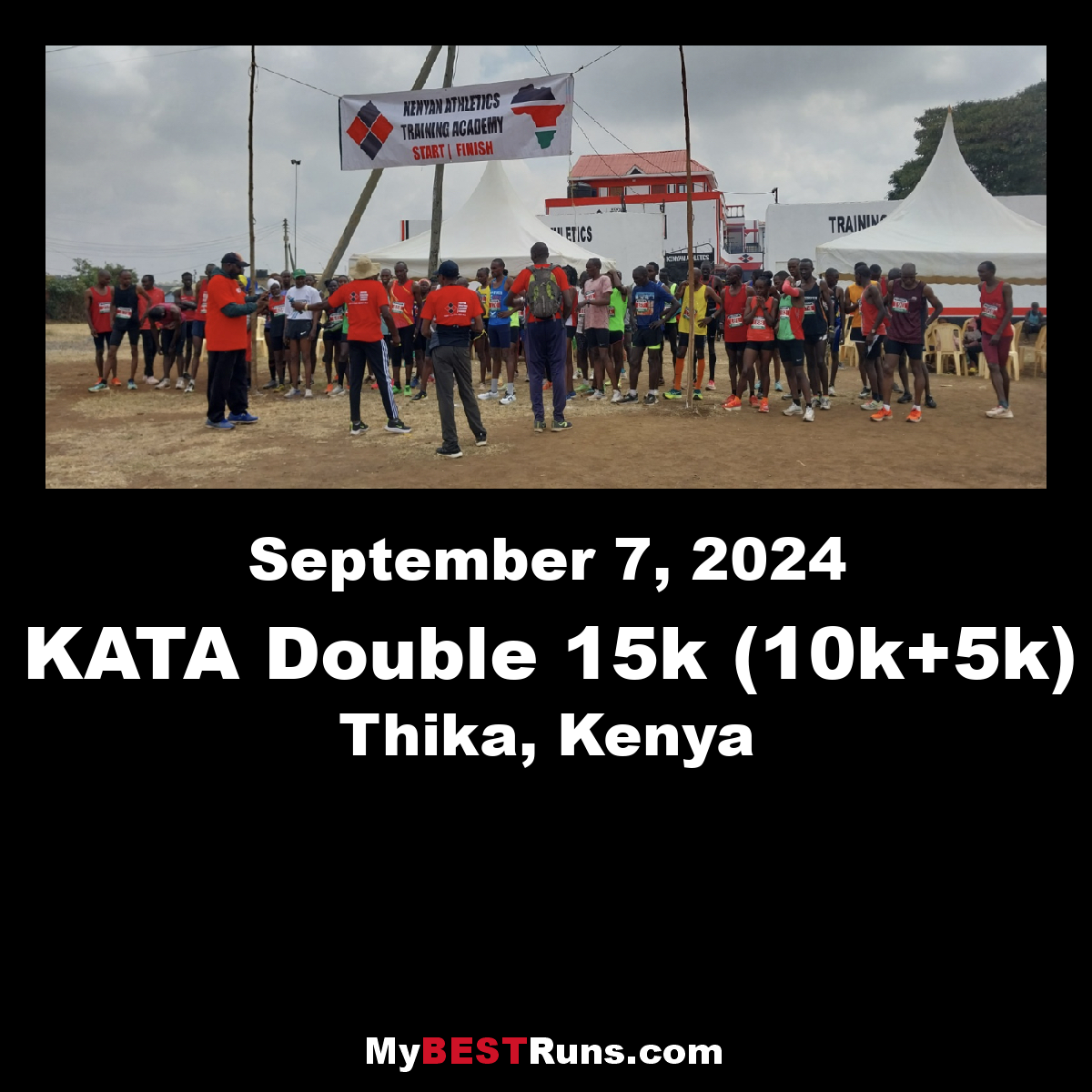
KATA Double Road Race 15K
5th Annual KATA Double Road Race 15K Set for September 20, 2025, at KATA Thika The 5th Annual KATA Double Road Race 15K will be held on September 20, 2025, at the Kenyan Athletics Training Academy (KATA) in Thika, Kenya. The event includes a 10K leg, a break, followed by a 5K leg — a format designed to challenge runners...
more...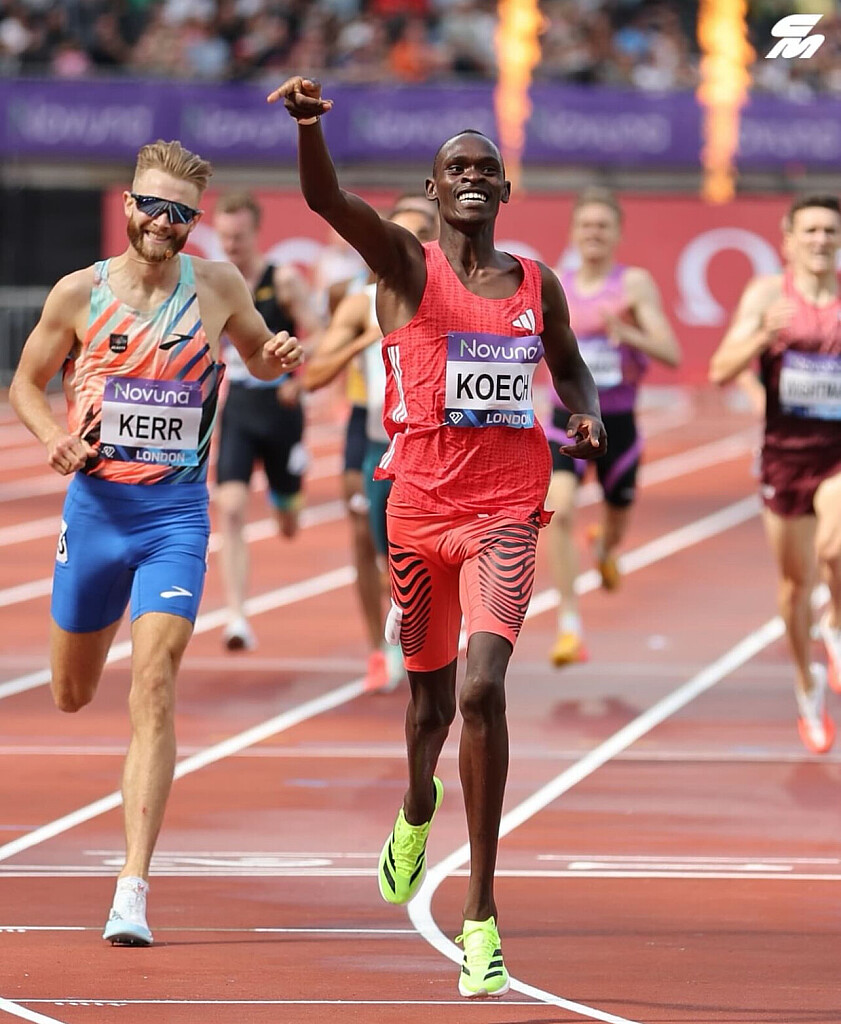
HISTORIC SEASON FOR PHANUEL KOECH
At just 18 years old, Phanuel Koech has made history—becoming the first Kenyan ever to run under 3:29 for the 1500m twice in a single season.
✅ Paris Diamond League: 3:27.72
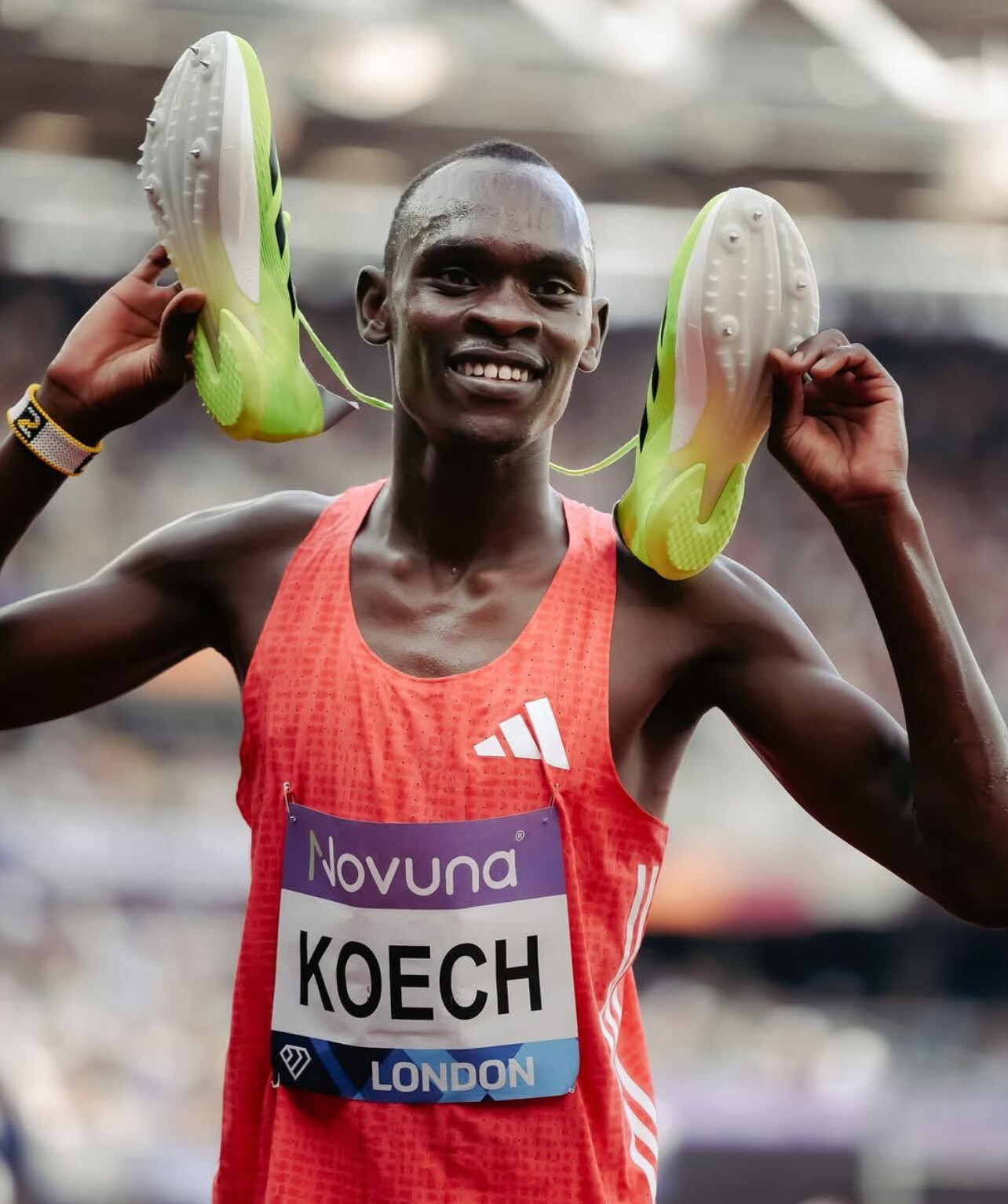
✅ London Diamond League: 3:28.82
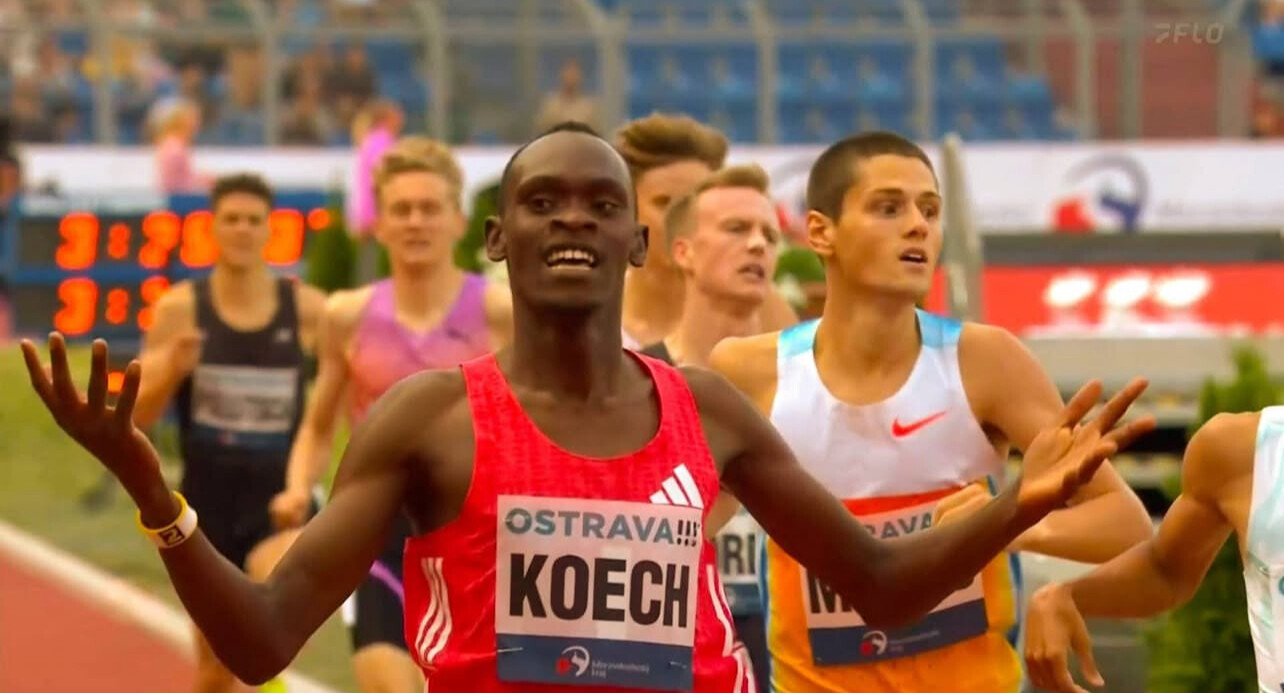
With his 3:27.72 performance in Paris, Koech now ranks as the 4th fastest Kenyan of all time, behind only Bernard Lagat, Asbel Kiprop, and Silas Kiplagat.
He is also the fastest junior (U20) in the history of the 1500m.
Next up:
2025 World Athletics Championships Trials
Sports Complex
July 22, 2025
Kenya’s middle-distance future looks brighter than ever.
(07/19/2025) ⚡AMPby Boris Baron
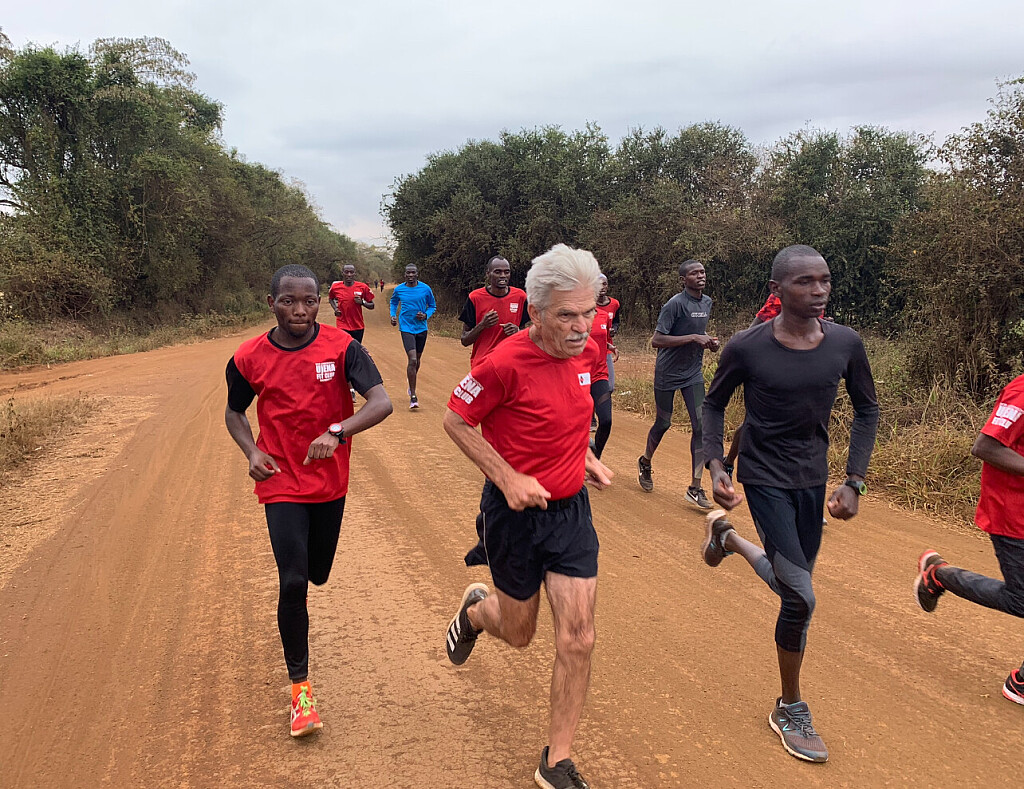
Powered by Potatoes, Fueled by Passion: Inside the Rise of KATA in Kenya
THIKA, Kenya, July 18, 2025 — About 40 kilometers northeast of Nairobi sits Thika, a town once best known for its factories. But just outside its bustling center, a quiet revolution is taking place—one that’s redefining how running talent is discovered and developed in Kenya.
Welcome to the Kenya Athletics Training Academy (KATA)—a visionary project founded by Runner’s World and My Best Runs creator Bob Anderson (first photo) and powered by a bold and sustainable idea: combine world-class running with community farming. What began in 2019 as a modest base has grown into a thriving network of athletic development across Kenya.
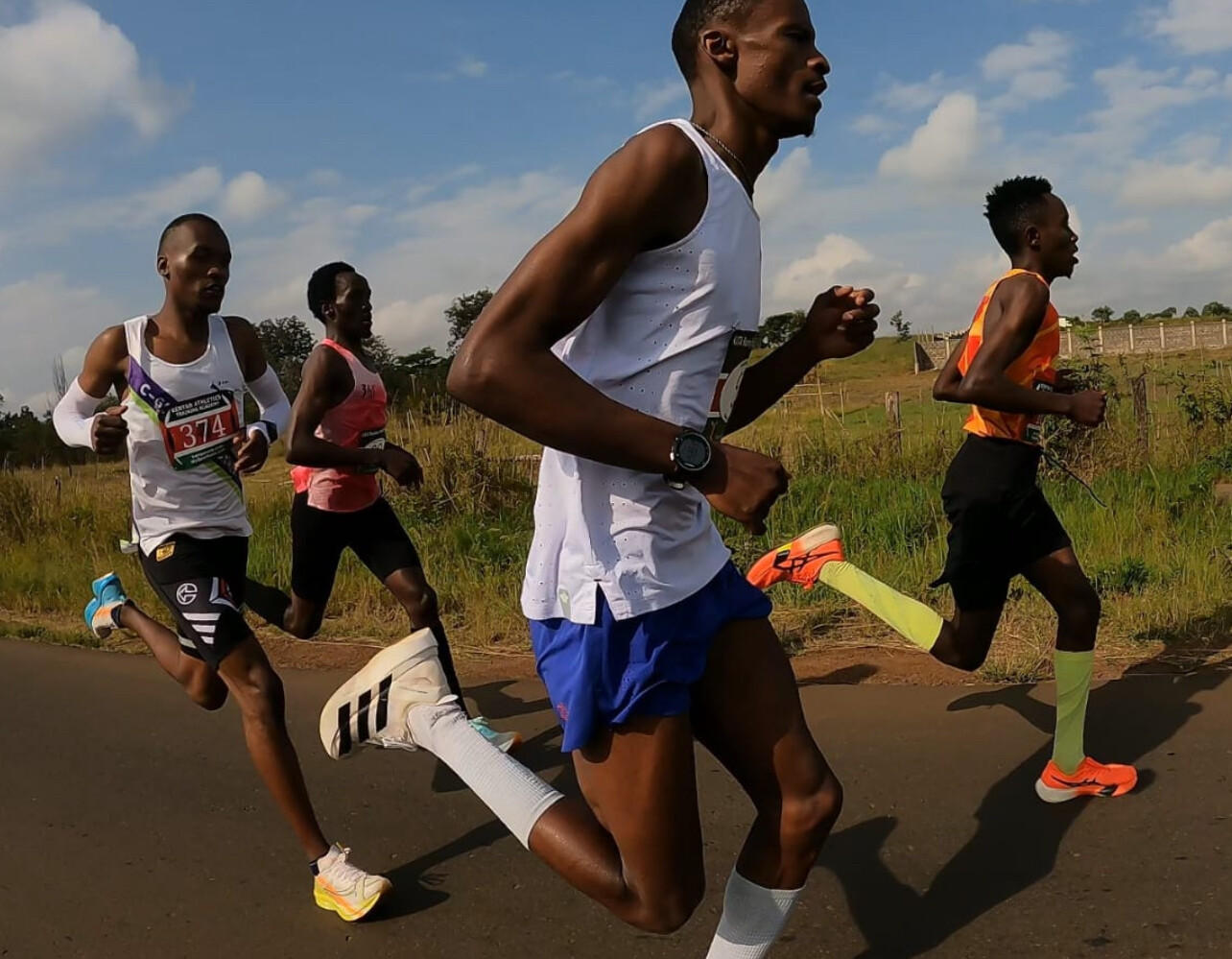
Thika: The KATA Running Retreat
At the heart of it all is the KATA Running Retreat in Thika, where Kenyan athletes live and train full-time, and where guests from around the world come to “train the Kenyan way”. Situated at altitude, the retreat offers structured training, rest, nutrition, and performance monitoring on a measured course.
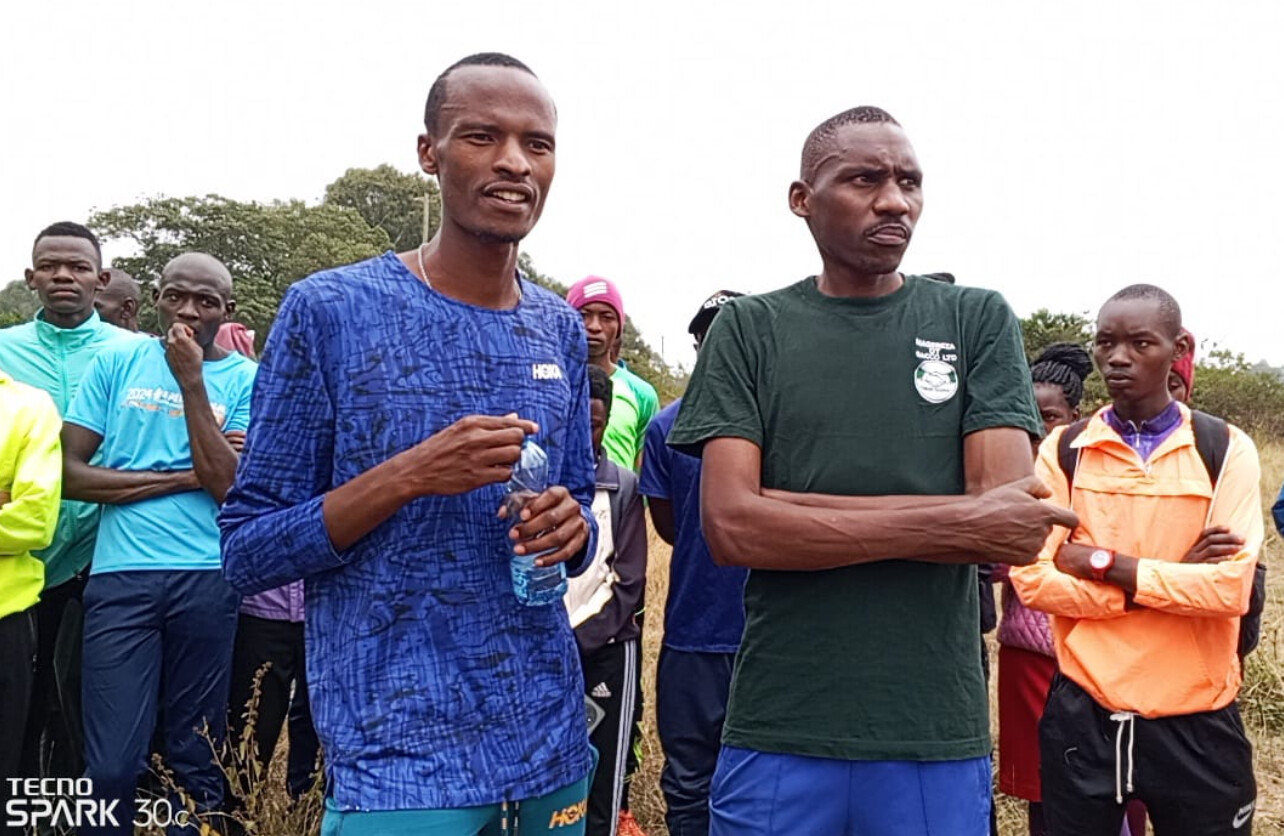
Thika is managed by Christopher Kamande (photo 4), who ensures that the vision is executed with care and discipline.
“We provide a safe space for these athletes,” says Kamande. “They get everything they need—meals, coaching, rest, even digital support for their racing profiles. We treat them like the professionals they’re becoming.”
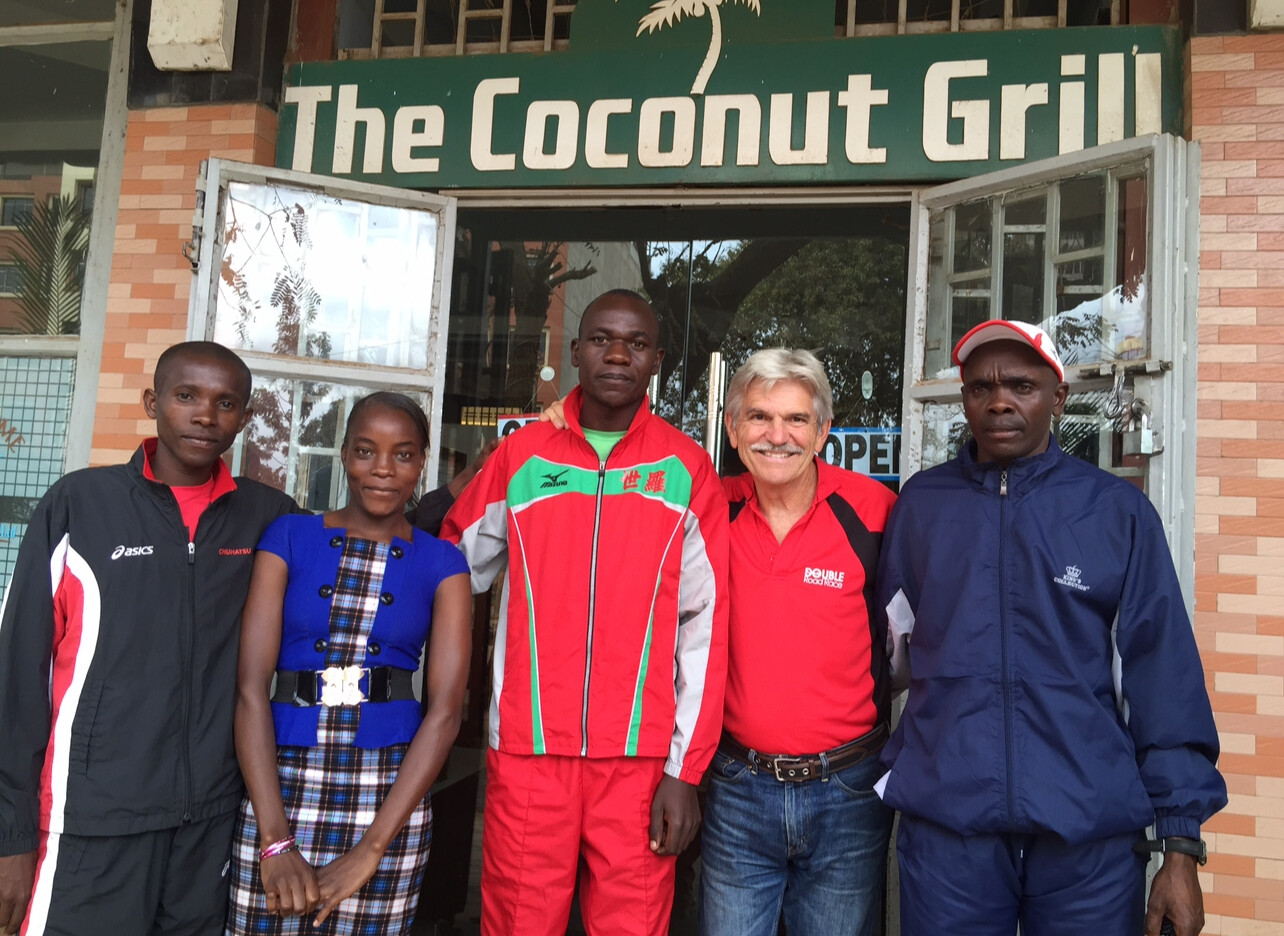
Athletes’ verified performances are uploaded to My Best Runs by Elam Wangwero (photo 5 when he met Bob and his wife Catherine for the first time in 2014), KATA’s digital lead and longtime collaborator with Anderson. “When someone runs 28 minutes here, the world should know about it,” he says.

A Model That’s Growing Across Kenya
Since June 2025, the KATA team has launched a new initiative: combining elite training camps with three-acre potato farms to build sustainable, athlete-driven communities. In just six weeks, 30 new KATA Running Camps and KATA Potato Farms have been established across Kenya, with two more set to open by August 1, bringing the total to 32.
“This gives us 32 KATA Camps and Farms,” says Anderson. “It has been exciting to find operators who share the same passion as I. We have an amazing group of operators—all dedicated to our unique project. They all know how important their three-acre potato farm is, because that’s what will power their camp in the long run.”
At each location, athletes work 25 hours a week planting, maintaining, and harvesting potatoes. In return, they receive free housing, daily meals, and world-class coaching—a holistic model designed to develop both athletes and communities.
“This model gives athletes a chance not just to run, but to build a life,” says Kamande. “It teaches responsibility, sustainability, and teamwork.”
Time Trials that Open Door's
KATA’s monthly 5K and 10K time trials (phot two) certified and measured, are held on the Thika course and have become a trusted platform for athletes to showcase their ability to race organizers and sponsors worldwide. “Our monthly time trials were started September 2021,” says John KATA’s head coach, “we have seen many amazing performances both from our KATA’s athletes and others.” All runners are invited to come run.
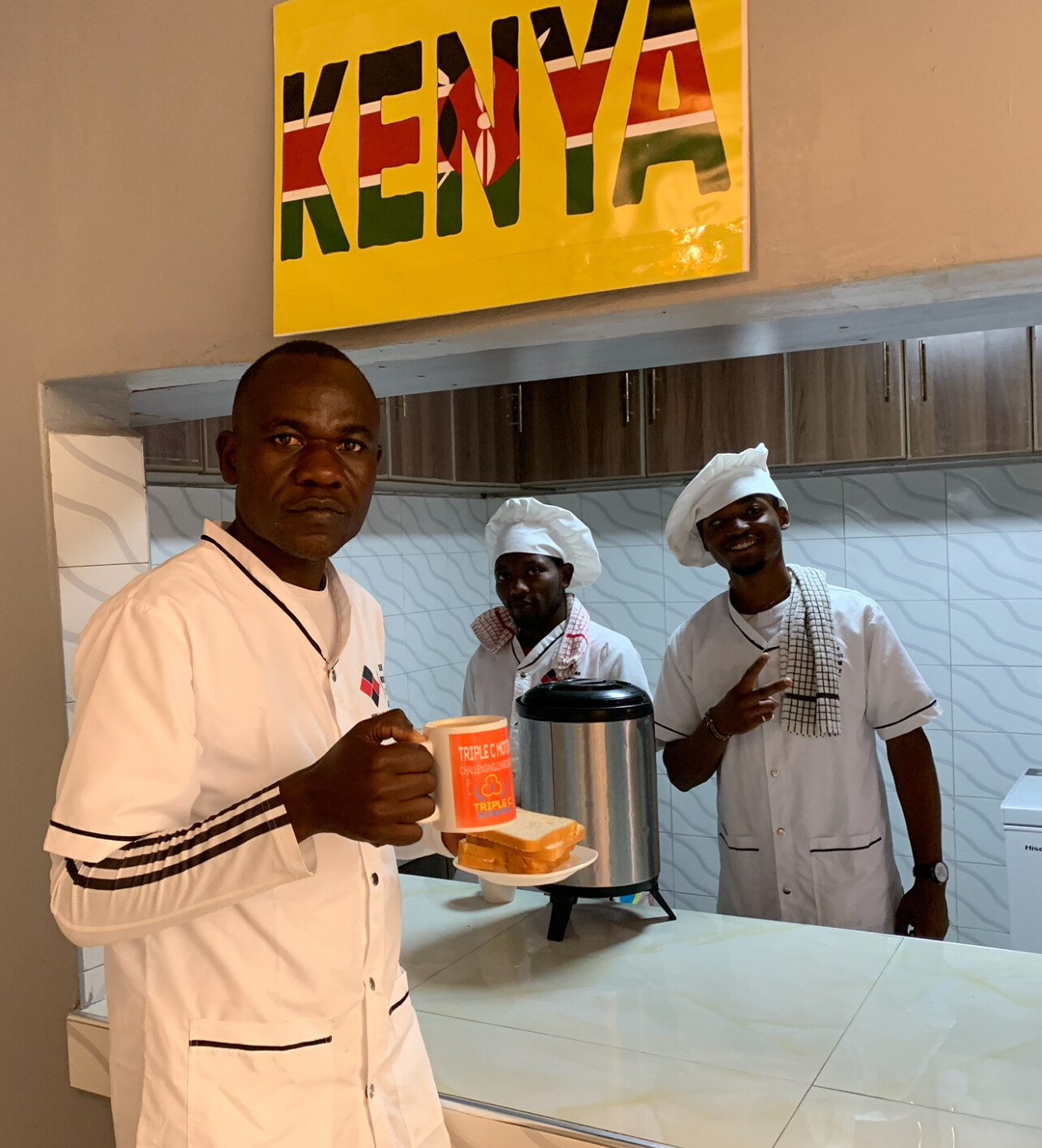
“These time trials are life-changing,” Kamande says. “Many of our runners don’t have agents or the means to travel to big races. So we bring opportunity to them.”
Results are published on My Best Runs, offering a transparent, verified path to the world stage.
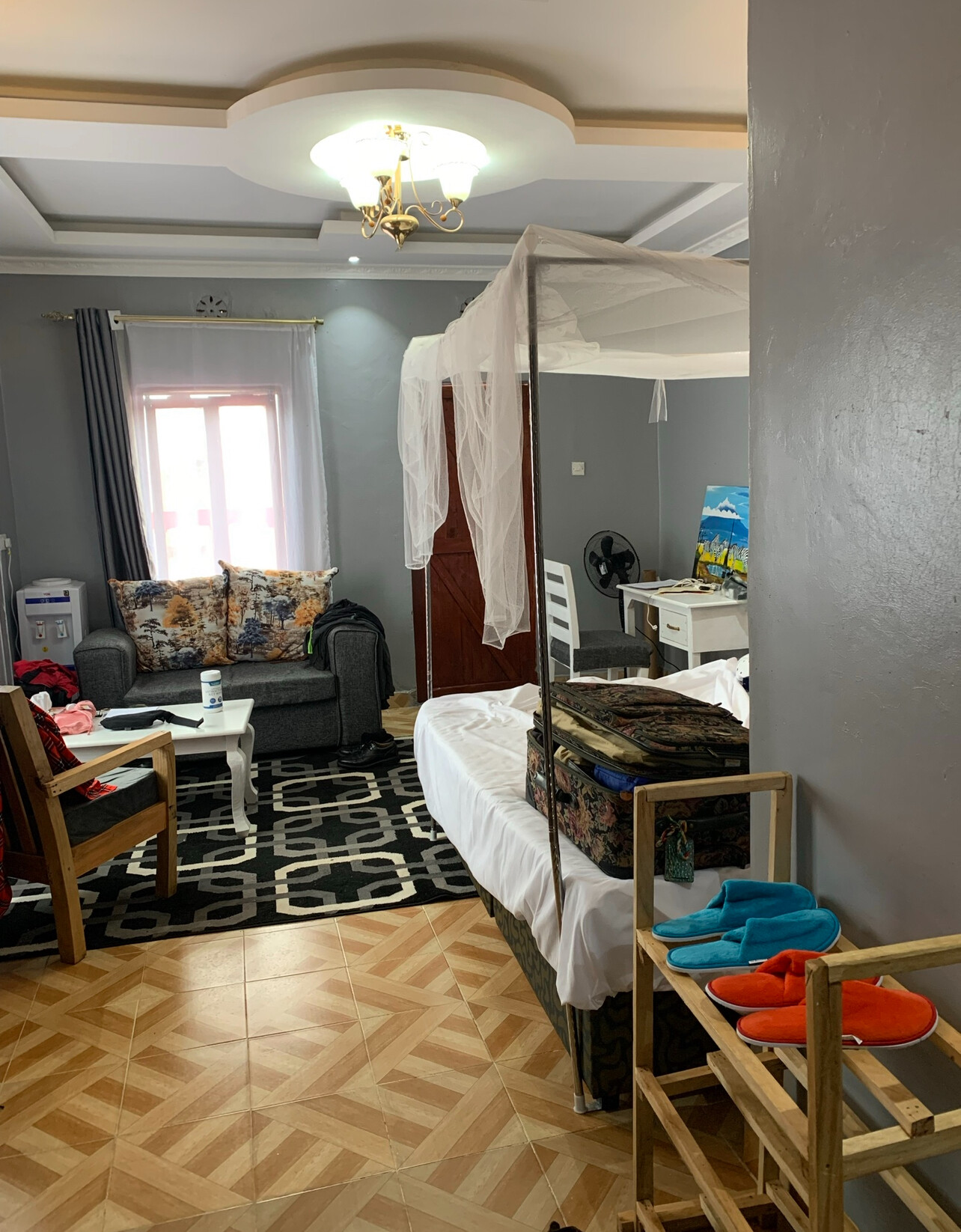
From 34 Minutes to 27:47
Before the farming project began, KATA was already changing lives—and Peter Mwaniki Njeru (photo three) is one of its earliest and most powerful success stories.
“When Peter first came to KATA,” recalls Anderson, “he was running around 34 minutes for 10K.” Through structured training, support, and work around the Retreat, Peter steadily improved. In 2024, he stunned the running world by winning the Chicago 10K in 27:47.
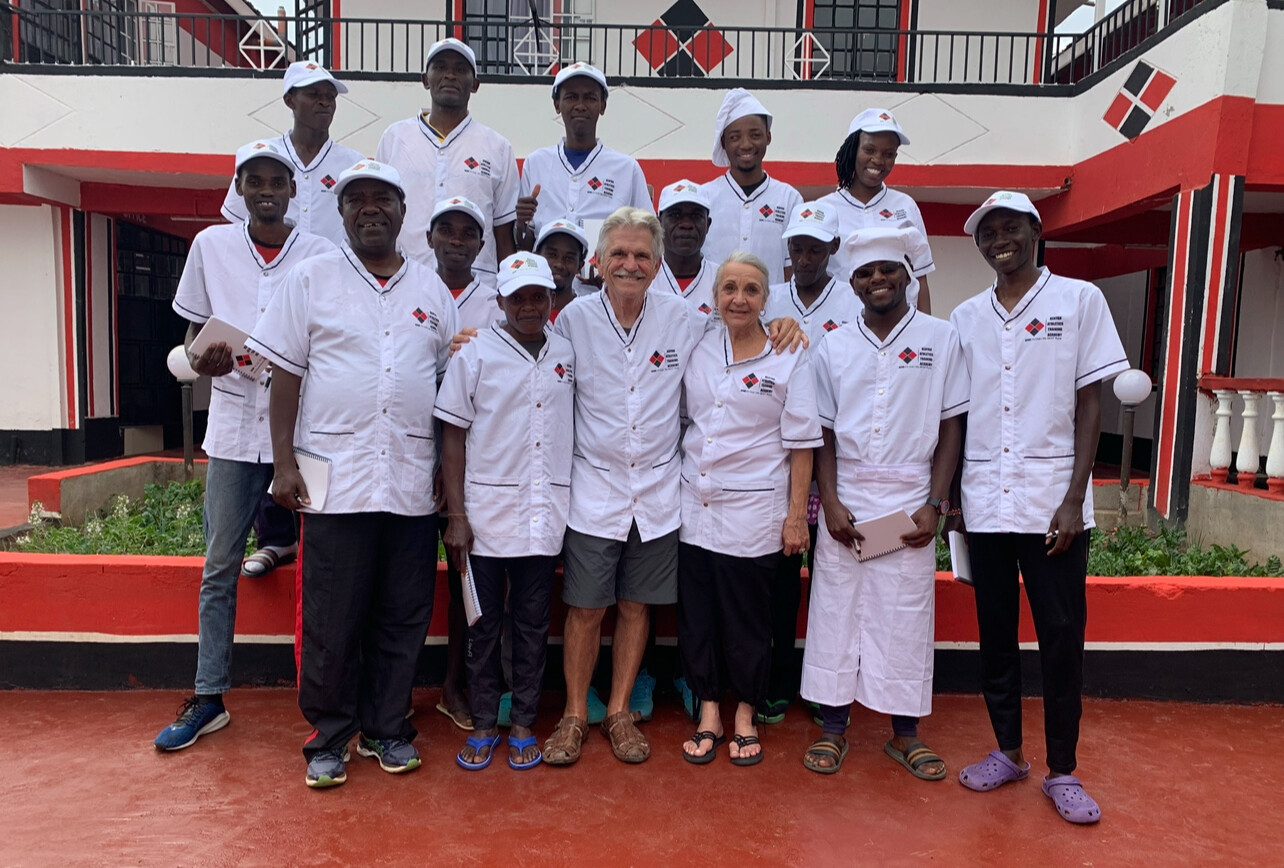
A Legacy Rooted in Vision
At a time when many athletes in Kenya pay to train, live in overcrowded rooms, and struggle for basic support, KATA is different. Everything—lodging, food, coaching, and opportunity—is provided at no cost to the athlete. And now, through potatoes, the project has a path to sustain itself.
One KATA operator summed it up best in a message to Bob Anderson:
“Your unique approach,” wrote Edwin Soi, “blending athletic training with sustainable farming, is clearly making a significant positive impact on the lives of the athletes and the community. It’s a testament to how innovative ideas, when implemented with genuine care, can empower people far beyond their initial scope.”
As the KATA Running Retreat in Thika and now also in Portugal continues to welcome international guests and the KATA Camps and Farms spread across the country, the mission remains clear:
Empower athletes. Build communities. And grow the future—one step, and one potato, at a time.
(07/18/2025) ⚡AMPby Robert Kibet
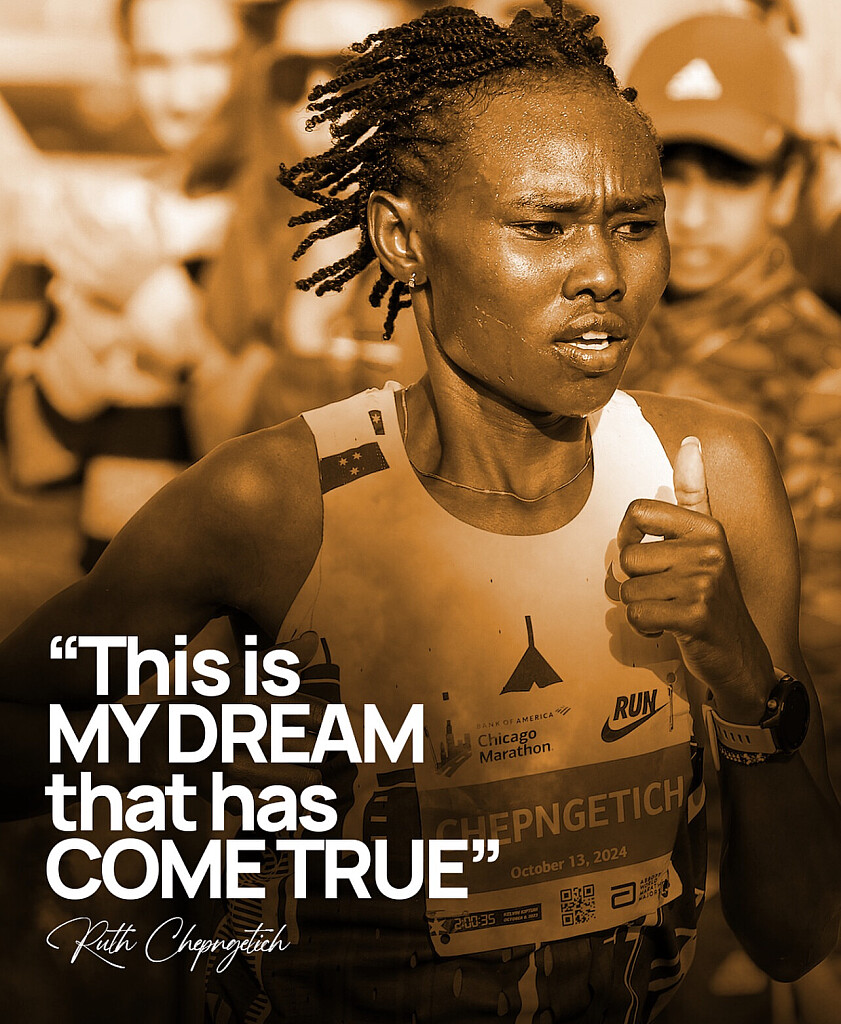
UPDATE: Ruth Chepngetich’s Marathon World Record Not Affected by Suspension
Although the Kenyan marathon star has been provisionally suspended after testing positive for hydrochlorothiazide—a banned diuretic used as a masking agent—Ruth Chepngetich’s world record set at the 2024 Chicago Marathon remains valid.
Key facts:
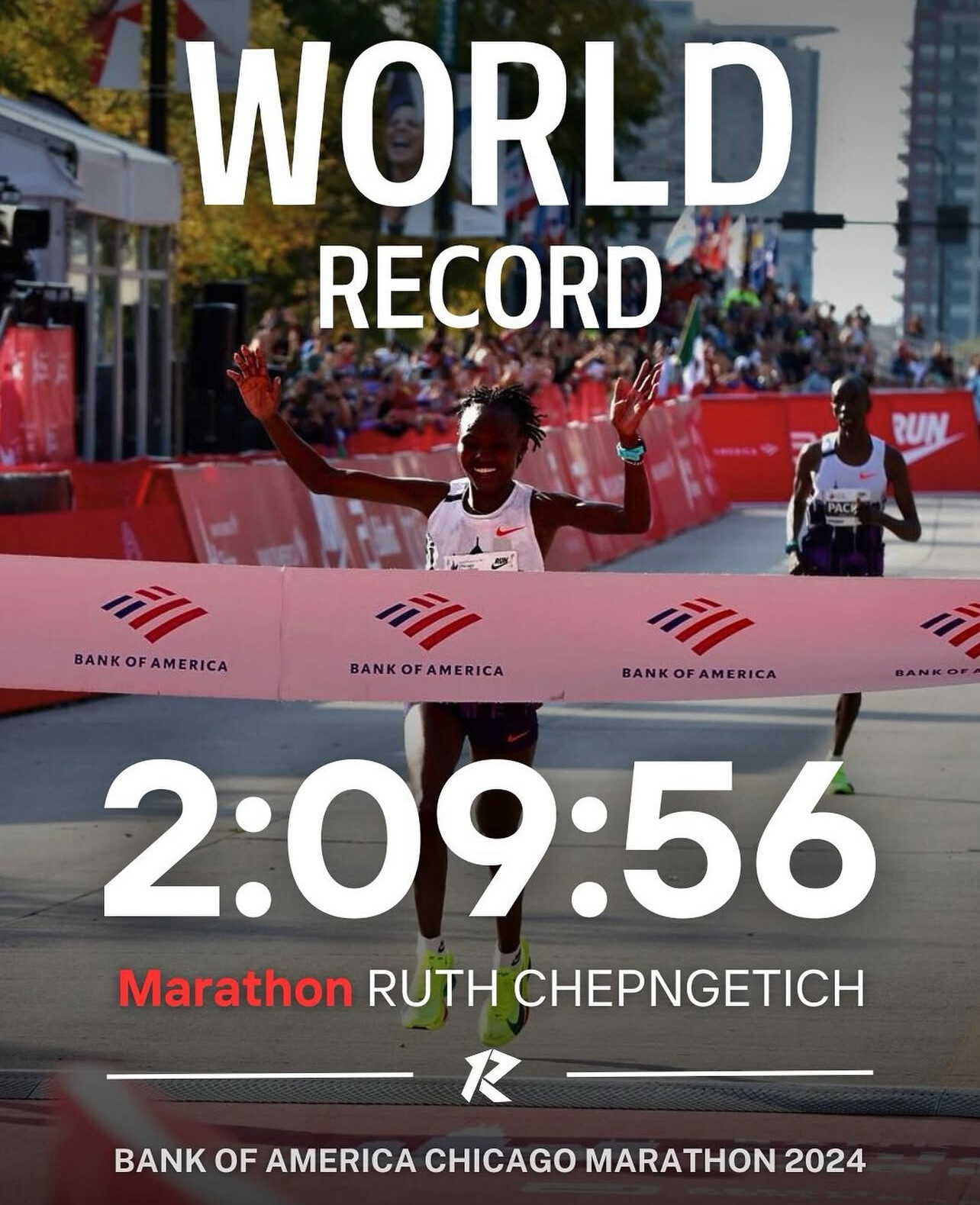
• ✅ The sample that led to her suspension was collected on March 14, 2025, several months after her record-breaking 2:09:56 performance in Chicago on October 13, 2024.
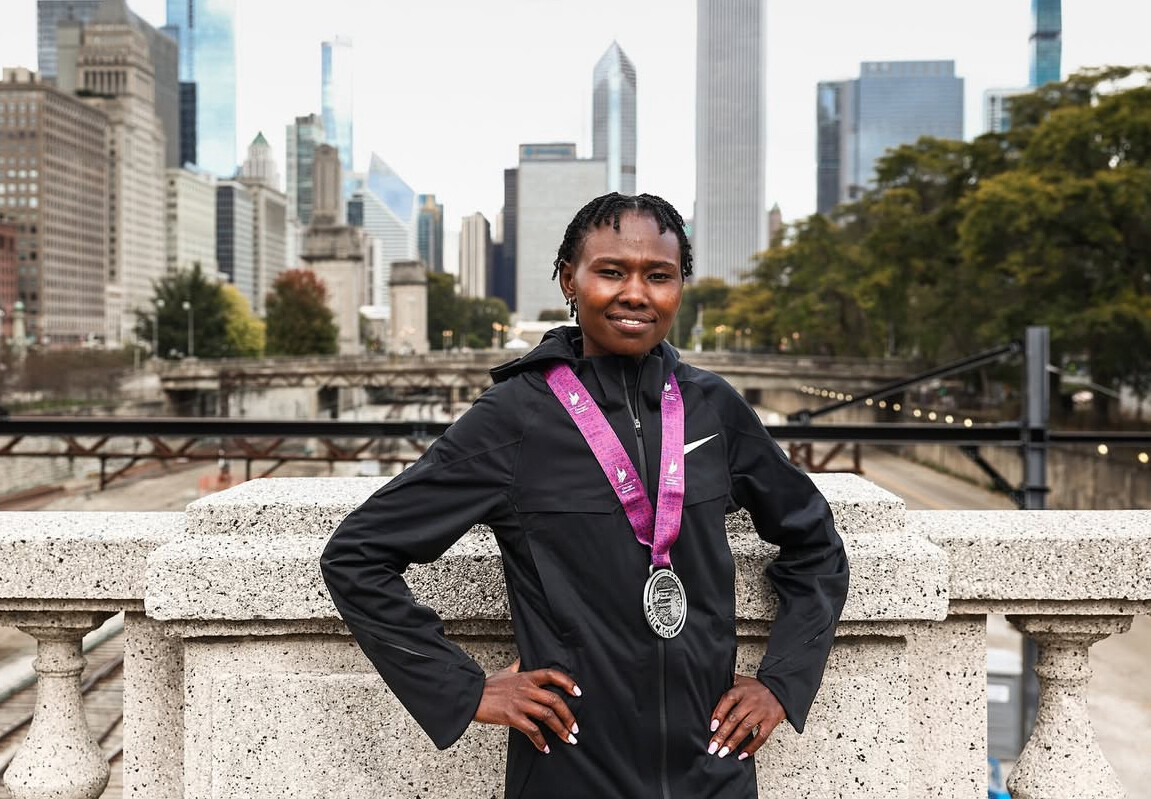
• ✅ Chepngetich is presumed innocent until proven guilty. The Athletics Integrity Unit (AIU) has initiated a disciplinary process, but no final ruling has been made.
At this time, World Athletics has not disqualified any of her past results, including her marathon world record.
The investigation is ongoing. Chepngetich voluntarily suspended herself in April, and the AIU issued a formal provisional suspension on July 17, 2025. Until the case is resolved, she remains barred from competition.
My Best Runs will continue to monitor developments and provide updates as new details emerge.
(07/17/2025) ⚡AMPby Boris Baron
Marathon Legend Patrick Ivuti Joins KATA as Operator of New Running Camp and Potato Farm project in Kenya
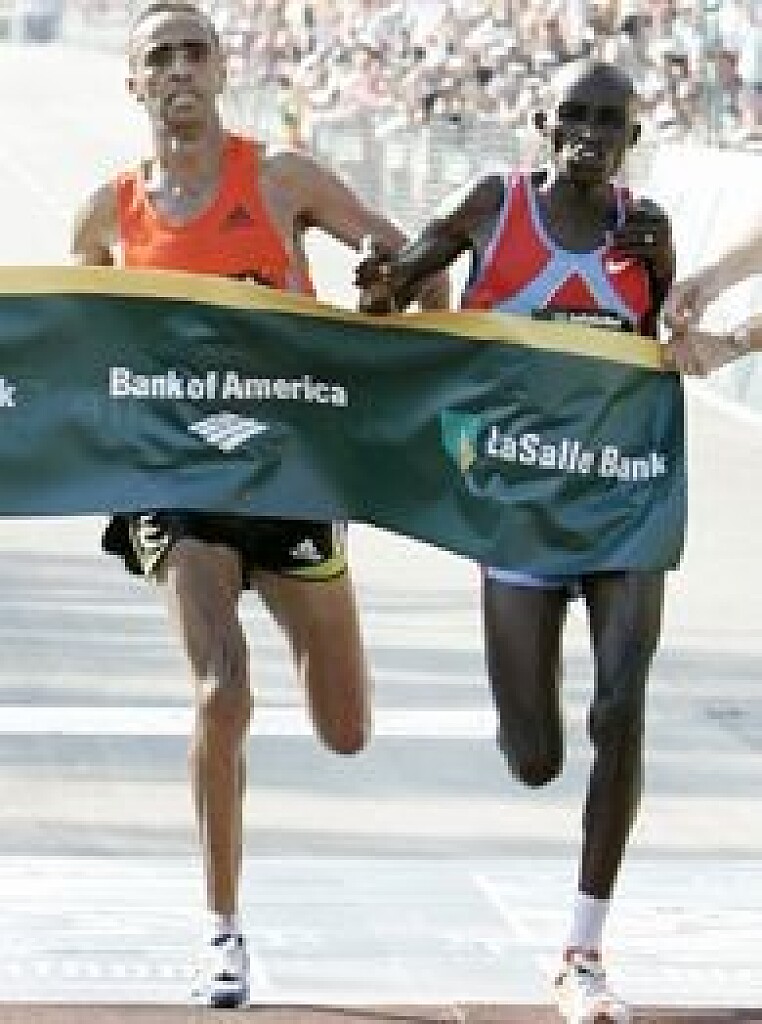
KATA (Kenyan Athletics Training Academy) continues its rapid expansion with the launch of its 22nd KATA Running Camp and Potato Farm, and the newest addition brings serious star power. Marathon great Patrick Mutuku Ivuti—a former Chicago, Honolulu, and Prague Marathon champion—has officially joined the KATA team as the operator of the new Tala-based camp/farm.
“We are excited to have Patrick Ivuti join our KATA team of operators for our KATA Running Camp and KATA Potato Farm project,” said Bob Anderson, KATA founder and managing director. “This is our 22nd camp and after a 30-minute video call and many text messages, it was clear we needed to add Patrick to our team. He brings spirit, experience, and heart. His camp/farm will be based in Tala.”
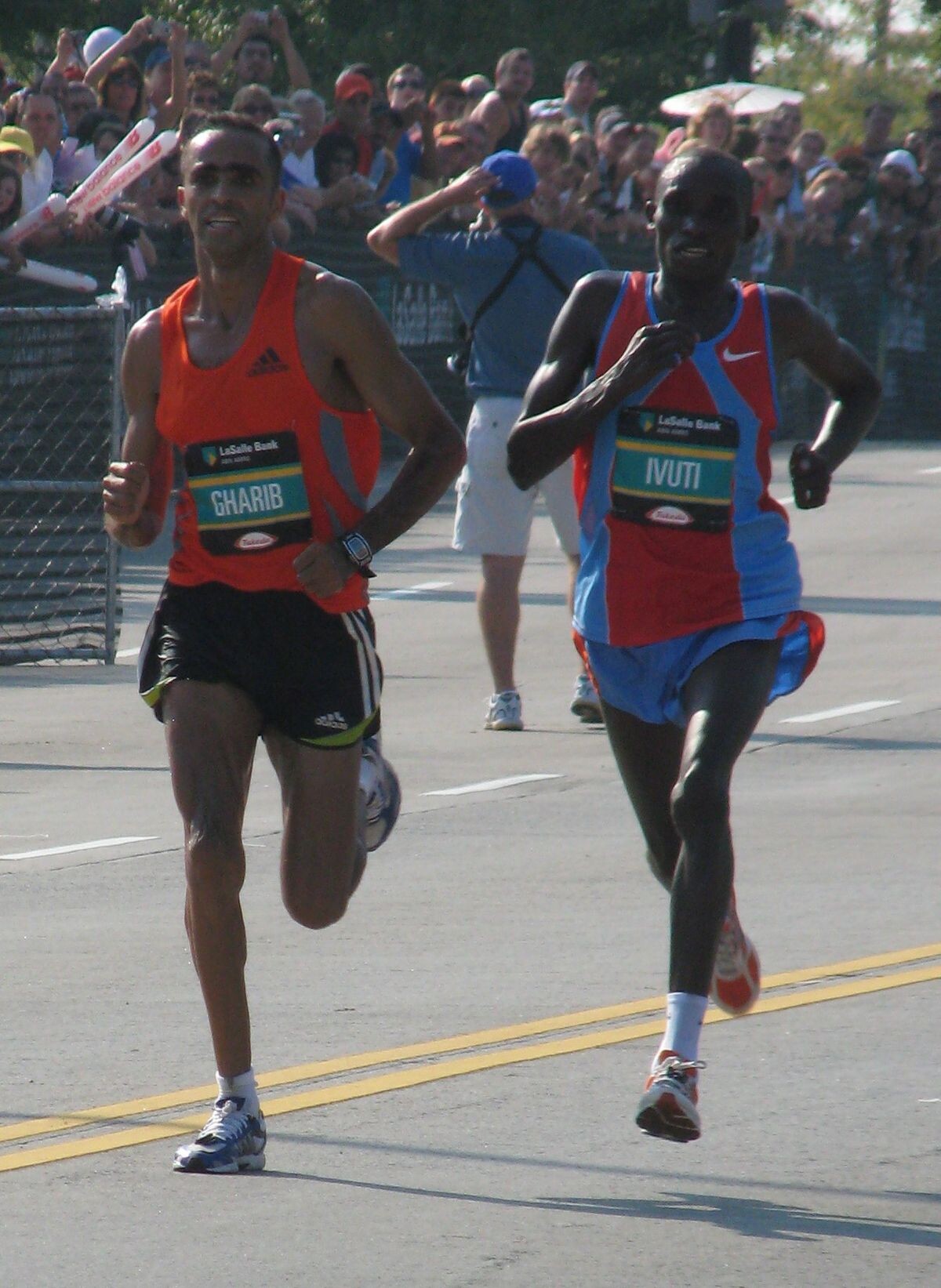
Ivuti’s love for the sport and passion for nurturing talent was evident from the first conversation. “Patrick just loved the idea of this unique project,” said Anderson. “He told me he had to join the KATA movement—not just to help athletes reach their potential, but to be part of something bigger.”
From World-Class Athlete to Ground-Level Mentor
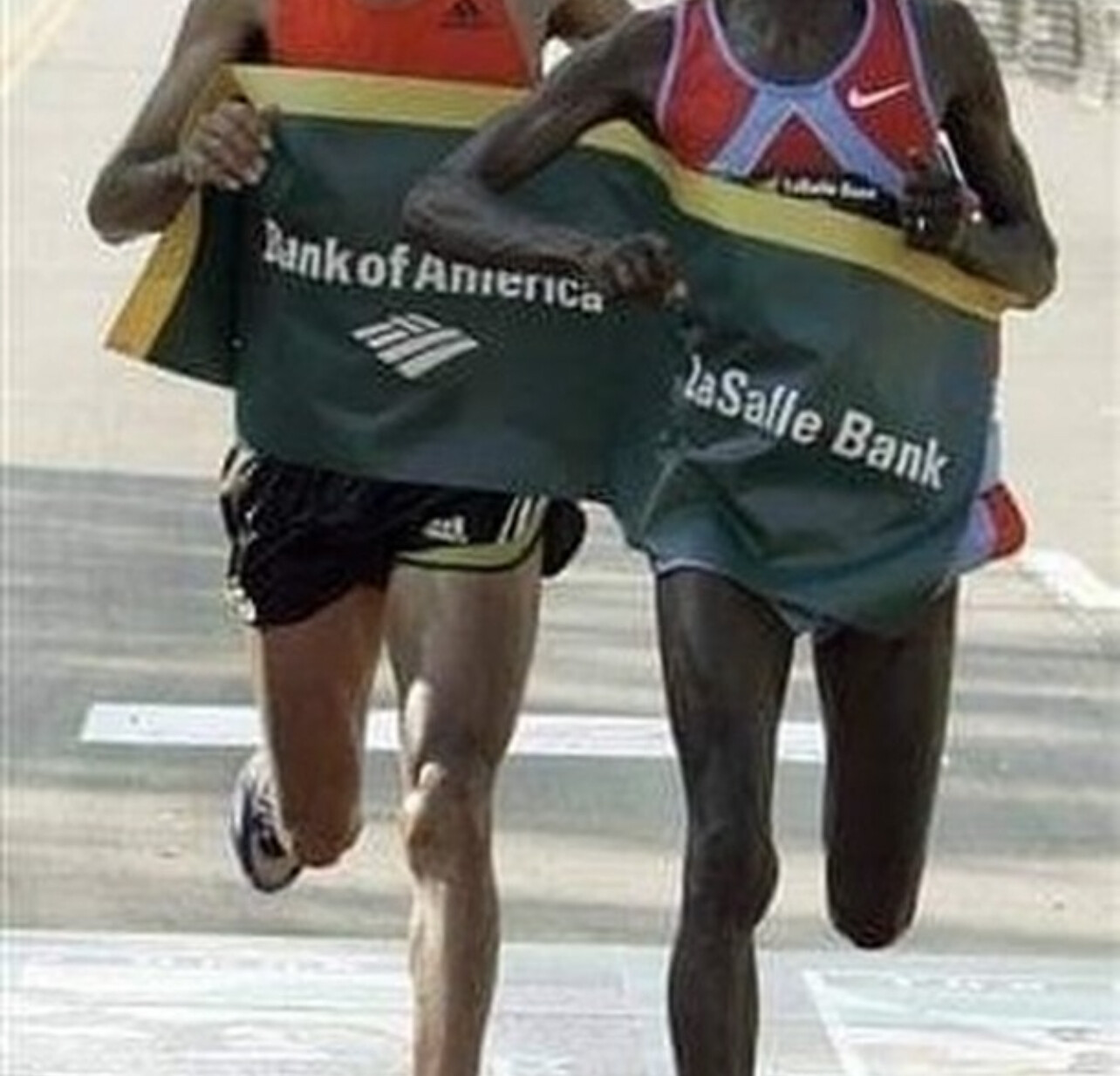
Ivuti, born June 30, 1978, is one of Kenya’s most decorated distance runners. A two-time silver medalist at the IAAF World Cross Country Championships, he made his marathon debut in 2005 and claimed his first major win at the 2007 Chicago Marathon—a race he won by just 0.05 seconds in one of the closest finishes in marathon history.
He went on to win the Honolulu Marathon in both 2008 and 2009, and also took top honors at the 2009 Prague Marathon. With a personal best of 2:07:46, Ivuti competed at the highest level of global marathoning for over a decade.
Now, he’s bringing that same competitive spirit and wisdom to Tala, where his role goes far beyond coaching.
The KATA Model: Running + Farming = Sustainable Impact
Each KATA camp follows a sustainable model: athletes train daily and also work 25 hours per week on three acres of potato farmland, creating a source of income and life skills beyond sport.
Ivuti immediately connected with the KATA vision. “It’s a beautiful concept,” he shared. “This project gives young athletes the tools to succeed in racing and in life. That’s why I had to be part of it.”
A Growing Movement with Global Vision
The KATA program, launched by Bob Anderson—founder of Runner’s World magazine and My Best Runs—has grown quickly, with 22 running camps across Kenya, plus two international retreats in Thika, Kenya, and Monforte da Beira, Portugal.
“This is more than just athletics,” Anderson said. “It’s about creating long-term solutions and opportunities and not just for our athletes but for the communities. Patrick is the perfect person to help lead that mission in Tala.”
Stay tuned to My Best Runs for updates on KATA’s progress, new camp openings, and the inspiring athletes rising through this one-of-a-kind program.
(07/17/2025) ⚡AMP
by Boris Baron
Patrick Ivuti

KATA Athlete Lawi Ngetich Wins Gold at CAA U18 Championships, Earns U.S. Scholarship Opportunity
Rising middle-distance star Lawi Ngetich, who trains at one of the KATA Running Camps in Kenya operated by coach Newton Cheruiyot located in Bararget Milimet, has claimed gold in the 1500m at the 2025 Confederation of African Athletics (CAA) Under-18 Championships in Nigeria.
Ngetich showcased his exceptional talent in both the 1500m and 800m, with his 1500m performance earning him top honors at the MKO Abiola Sports Arena in Abeokuta. His win not only brought pride to Kenya and the KATA program but also caught the attention of international scouts.

As a result of his standout performance, Ngetich has secured an opportunity to study and train in the United States on a scholarship, marking a major step forward in his athletic and academic journey.
“This is a huge moment for Lawi and our camp,” said Coach Newton Cheruiyot. “He’s worked hard and shown dedication every day. We’re proud of what he’s accomplished and excited for what’s next.”
This achievement reinforces the mission of KATA Camps to develop young talent by providing structured training, mentorship, and life-changing opportunities for the next generation of champions.
Follow My Best Runs for more updates on rising stars and inspiring stories from the global running community.
(07/17/2025) ⚡AMP
by Boris Baron

BREAKING: Ruth Chepngetich Provisionally Suspended After Positive Test for Banned Substance
Marathon world record holder Ruth Chepngetich has been provisionally suspended by the Athletics Integrity Unit (AIU) after testing positive for hydrochlorothiazide, a banned diuretic often used as a masking agent.
Chepngetich stunned the world on October 13, 2024, when she clocked a jaw-dropping 2:09:56 at the Chicago Marathon—becoming the first woman to run under 2 hours and 10 minutes. Her performance not only set a new world record but also marked a historic milestone in women’s distance running.
Now, that performance is under serious scrutiny.
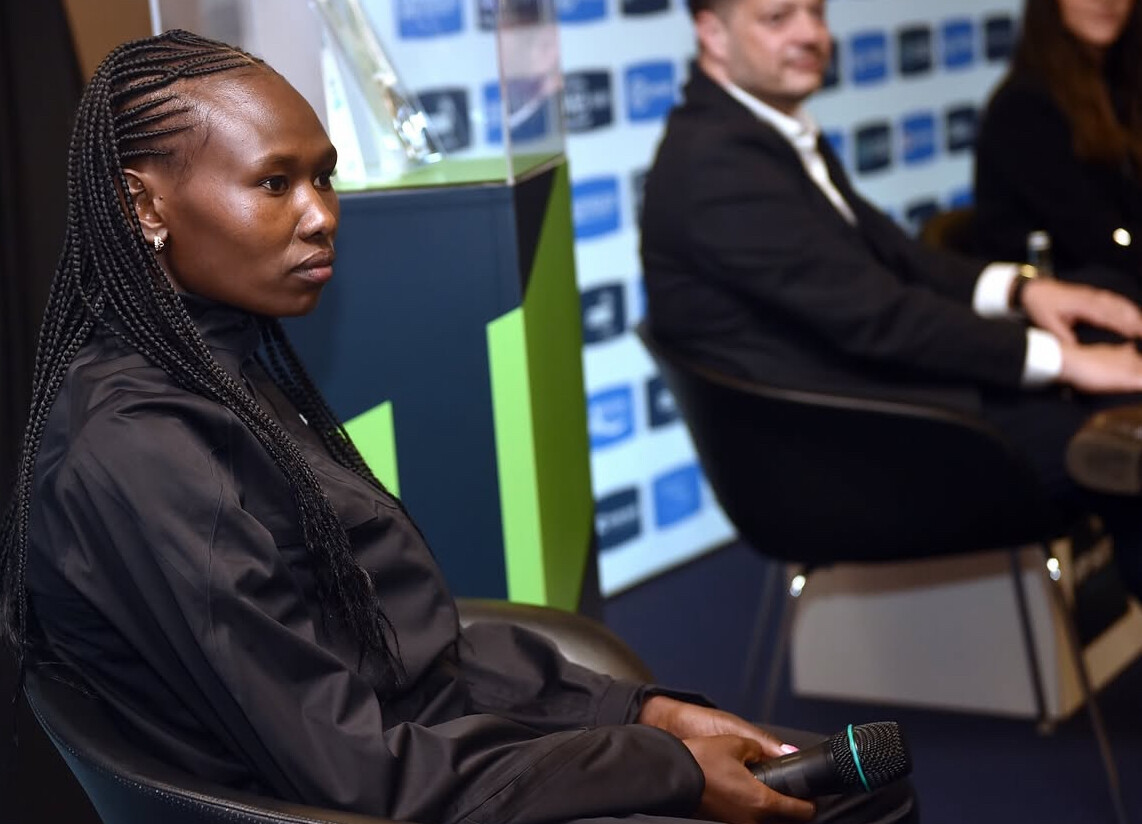
According to the AIU, the Kenyan athlete’s positive test came from a sample collected on March 14, 2025. She was notified of the result in April and chose to voluntarily suspend herself on April 19, pending further investigation. The AIU formally charged her this week and imposed a provisional suspension effective immediately.
Hydrochlorothiazide is classified under WADA’s list of banned substances, not because it enhances performance directly, but because it can potentially mask the use of other performance-enhancing drugs.
Why are we learning about this now?
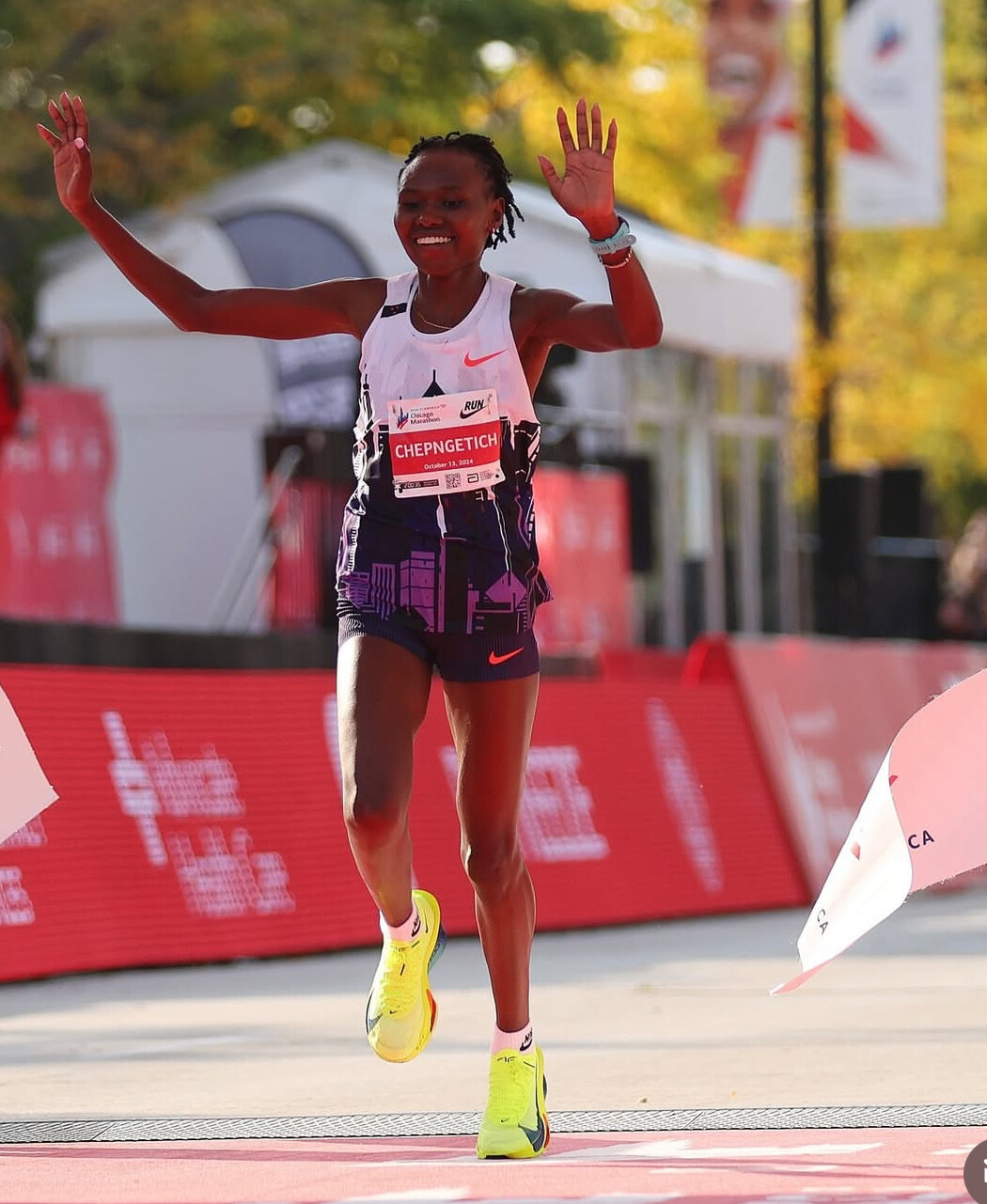
While Chepngetich was informed of the result and voluntarily suspended herself back in April, the AIU typically delays public announcements until formal charges are filed and due process is underway. That happened on July 17, triggering the widespread media coverage now surfacing.
Will her world record be annulled?
That remains to be seen. The AIU has not disqualified any of her past results yet, including the 2:09:56 mark from Chicago. However, if it’s determined that a banned substance or its masking agent was in her system during the time of the record-setting performance—or that it was part of a pattern of use—World Athletics may strip her of the title.
Until a ruling is made, Chepngetich remains provisionally suspended, and her world record is still recognized.
This case adds to the growing concerns surrounding transparency and anti-doping protocols in elite distance running. For now, the running world awaits the outcome of the disciplinary proceedings.
Follow My Best Runs for the latest updates on this developing story and other breaking news from the world of road racing and track & field.
(07/17/2025) ⚡AMPby Boris Baron
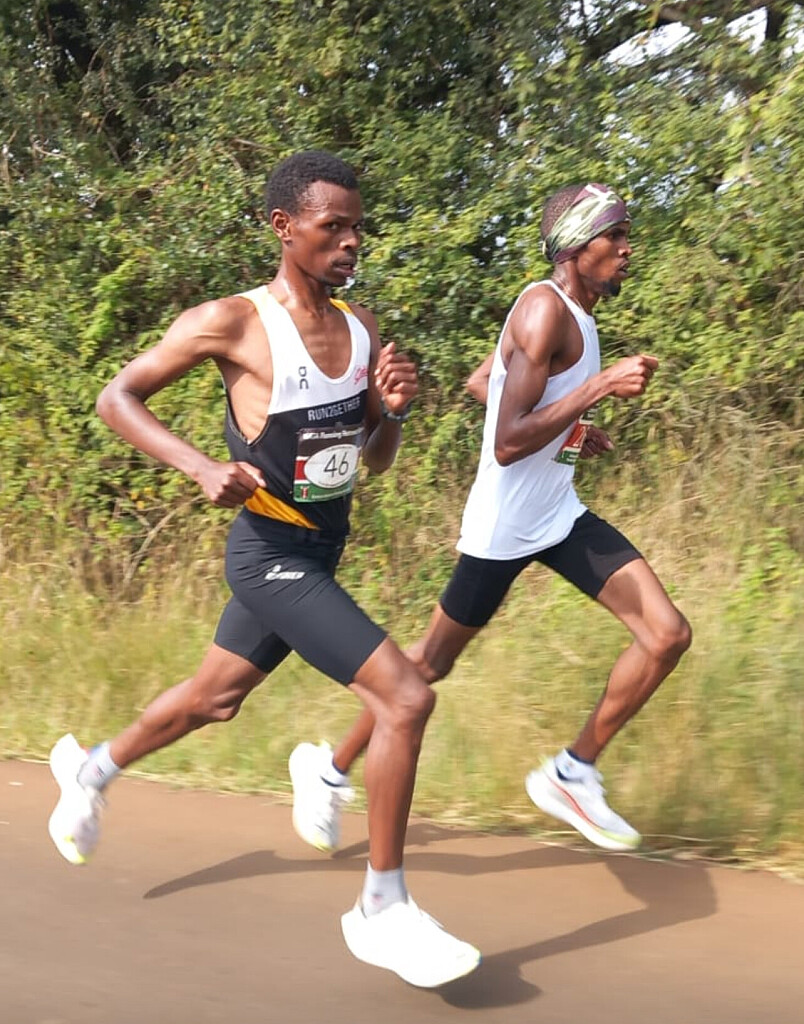
Kirika, Wambui, Wanjiku, and Mwaniki Deliver Breakout Performances at 47th KATA Time Trial in Thika
Thika, Kenya, July 16, 2025 — The KATA Time Trial series continues to thrive as the 47th edition unfolded Wednesday morning at KATA’s flagship training center in Thika. A total of 37 athletes—28 men and 9 women—lined up to test their fitness over the 5km and 10km distances. The event showcased rising stars, personal breakthroughs, and a glimpse of what’s coming as KATA prepares to expand its time trial series across all 22 of its Kenyan locations.
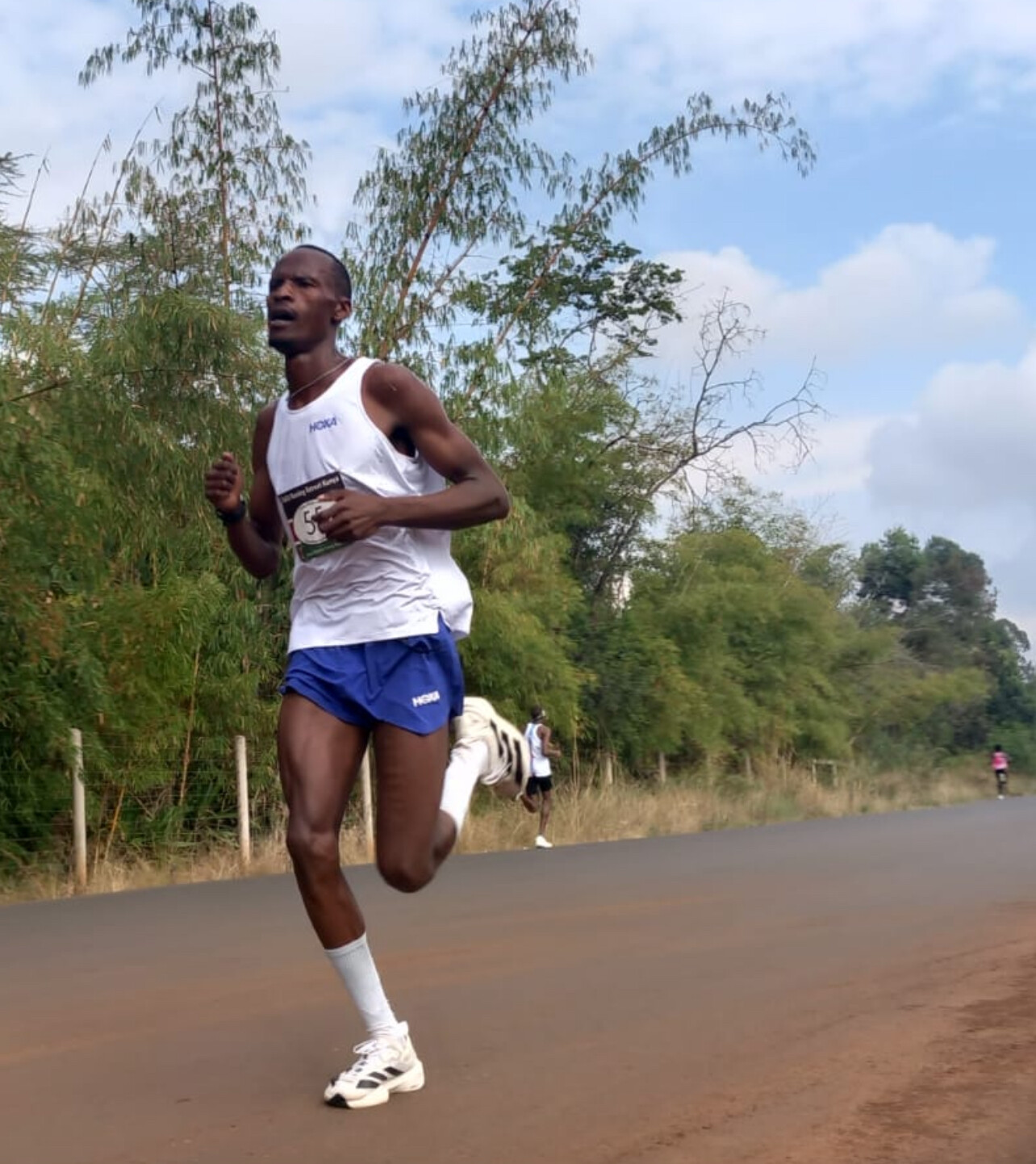
Zachary Kirika, 24, headlined the men’s 5km with a dominant performance from the gun. He clocked a personal best of 14:04, lowering his previous time by over 35 seconds while running smooth and composed throughout. He now ranks among the top KATA 5km performers in 2025.
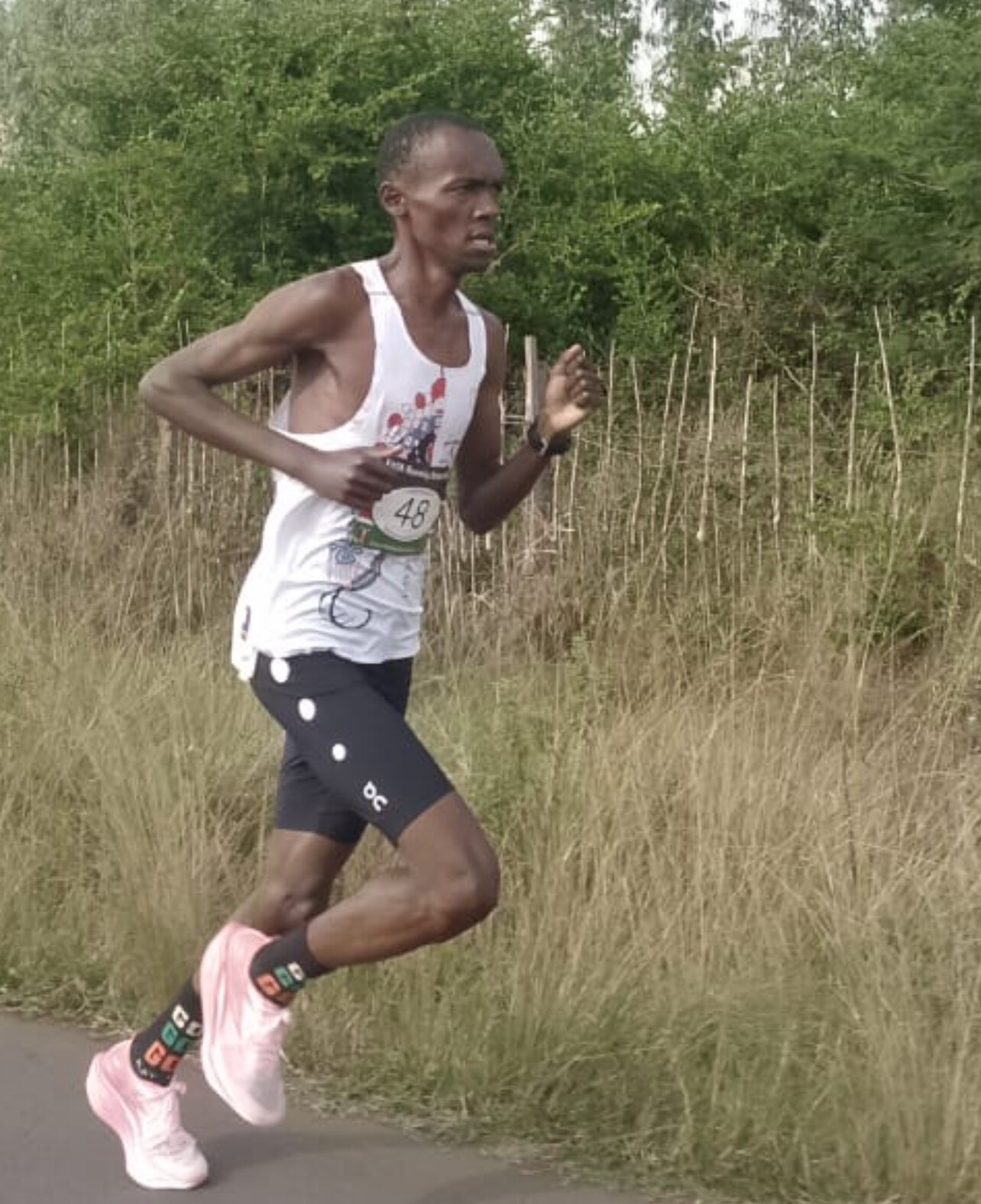
Also making headlines was Justus Nyamai, a 17-year-old with enormous potential. He finished 3rd in 15:40, also a personal best, signaling his steady rise through the KATA ranks.
In the women’s 5km, 15-year-old Ann Wanjiku led from the front and took the win in 19:44, pacing herself smartly to secure another strong finish for the young talent.
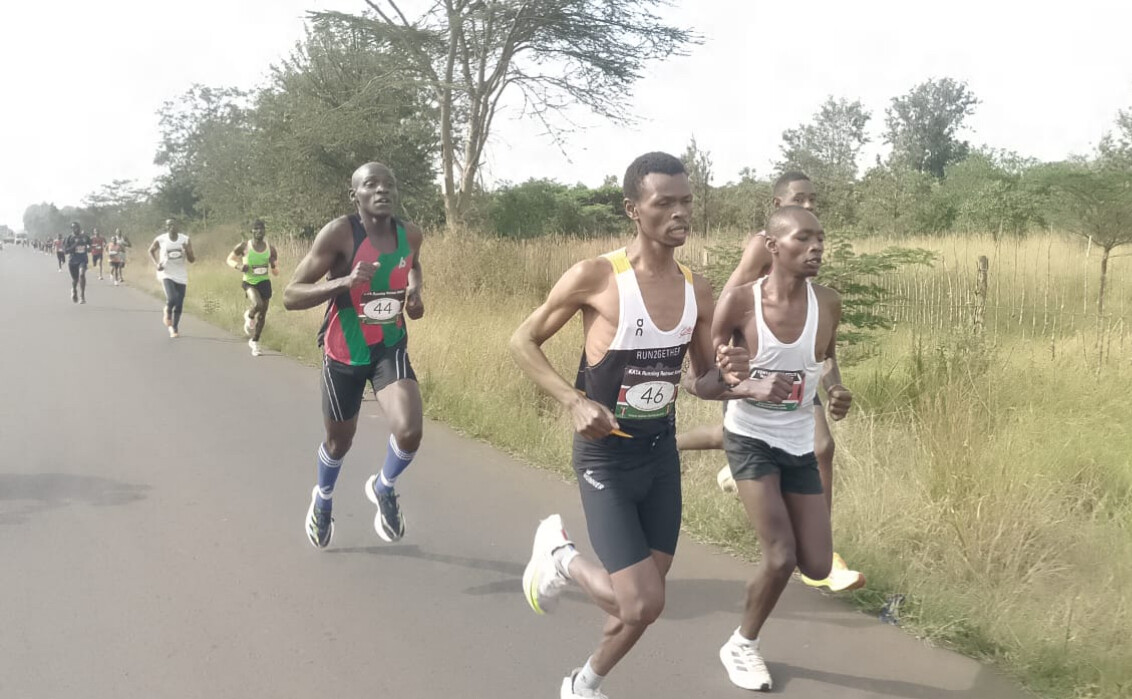
The men’s 10km produced a competitive front pack, but it was Peter Mwaniki, 27, who came out on top with an impressive 29:15 finish. He was closely followed by Stephen Ngigi in 29:39, as both athletes pushed each other through the final kilometers.
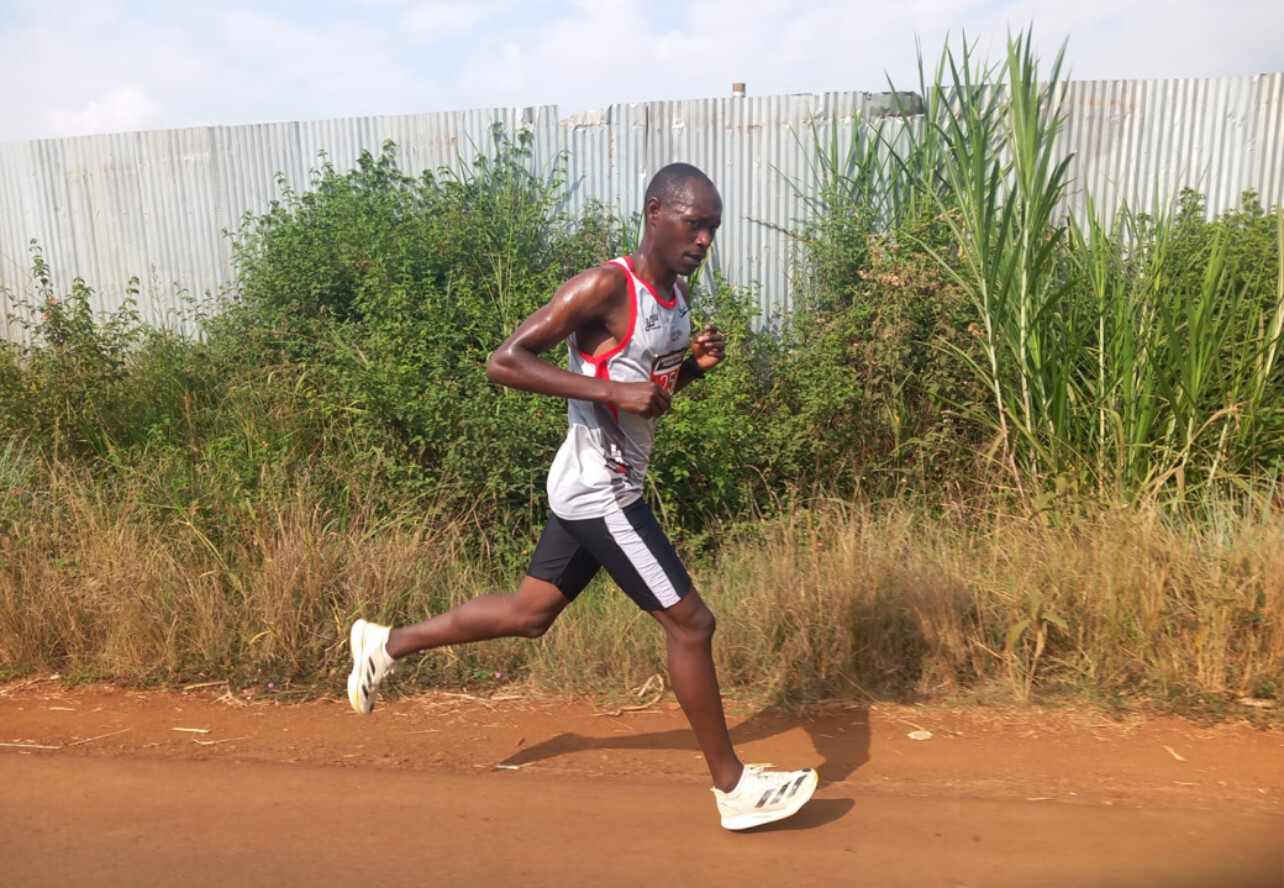
The women’s 10km brought an emotional highlight. Lois Wambui, 25, returned to racing after battling injuries for months. She clocked a personal best of 34:16, trimming more than 30 seconds off her previous best. Her performance signaled that she is back and ready to chase podiums again.
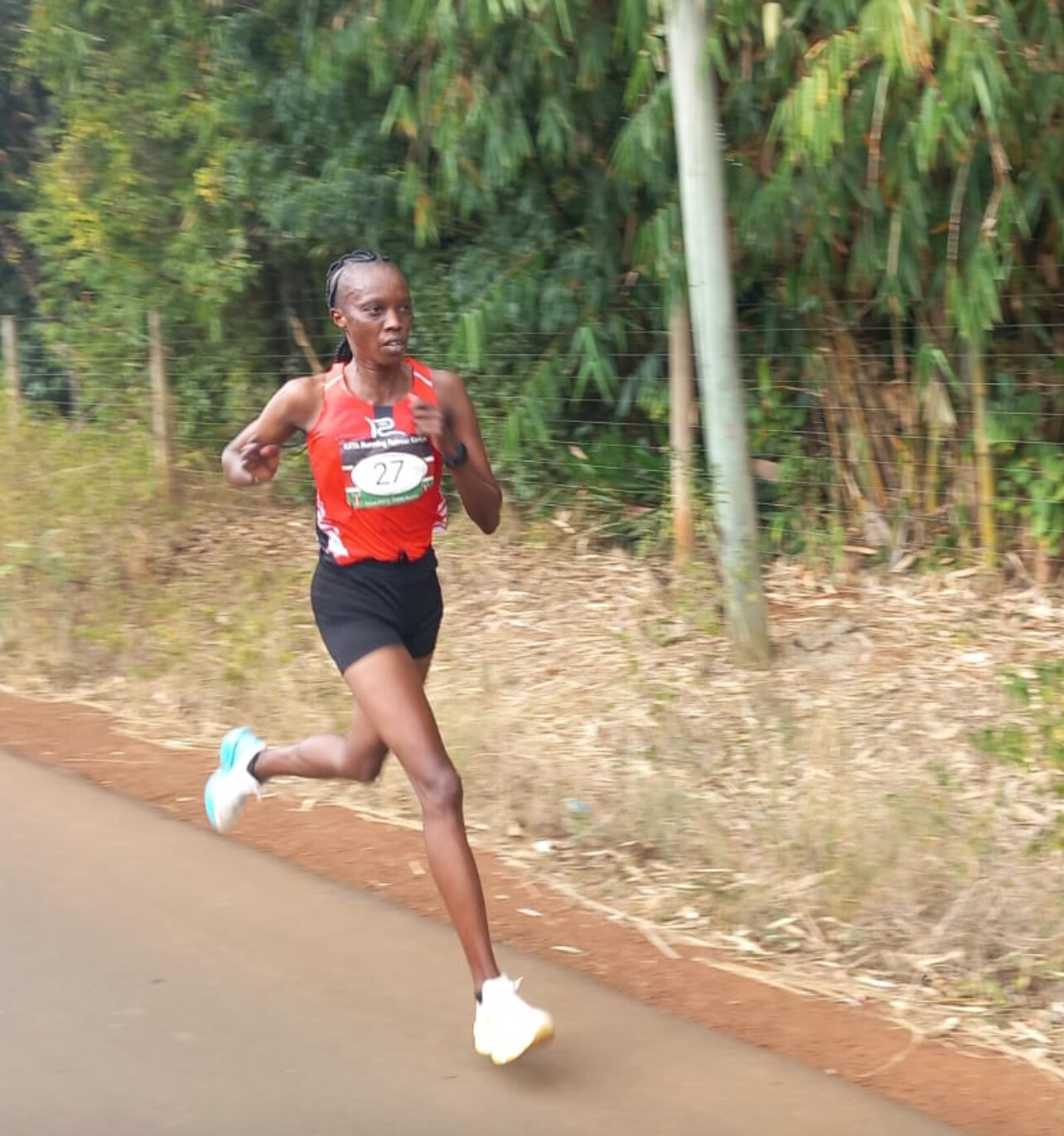
Full Results – 47th KATA Time Trial (July 16, 2025)
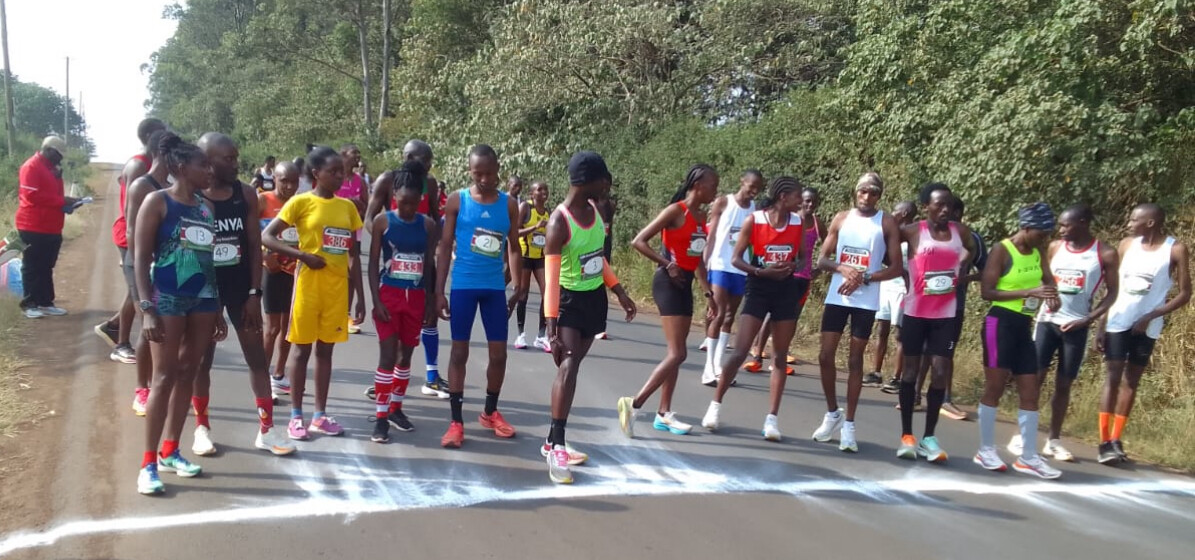
5km – Men
1. Zachary Kirika (24) – Bib 399 – 14:04
2. Kelvin Lagui (23) – Bib 167 – 15:33
3. Justus Nyamai (17) – Bib 431 – 15:40
4. Godfrey Kahora (19) – Bib 149 – 15:41
5. Ishmael Mburu (29) – Bib 003 – 15:54
6. Christopher Kimani (20) – Bib 021 – 16:07
7. Collins Mutungi (18) – Bib 022 – 17:07
8. Eric Mwaura (18) – Bib 223 – 17:14
9. Brandon Mutungi (17) – Bib 409 – 18:11
10. Kelvin Muchiri (18) – Bib 018 – 18:45
11. Frederick Maina (17) – Bib 060 – 20:21
5km – Women
1. Ann Wanjiku (15) – Bib 433 – 19:44
2. Tabitha Wanjiru (15) – Bib 386 – 23:18
10km – Men
1. Peter Mwaniki (27) – Bib 055 – 29:15
2. Stephen Ngigi (22) – Bib 374 – 29:39
3. Kelvin Kemoi (23) – Bib 261 – 30:11
4. Boniface Mungai (29) – Bib 029 – 30:17
5. John Njuguna (29) – Bib 046 – 30:25
6. Charles Ndirangu (24) – Bib 044 – 30:46
7. Peter Wanyoike (29) – Bib 039 – 30:50
8. John Chege (19) – Bib 257 – 30:51
9. Joel Maina (40) – Bib 057 – 31:24
10. James Muriithi (31) – Bib 256 – 31:34
11. Joseph Karanja (44) – Bib 206 – 32:29
12. Joseph Wanjiru (39) – Bib 464 – 32:44
13. Johnson Kaberia (28) – Bib 066 – 33:09
14. Vincent Kiprotich (23) – Bib 419 – 33:46
15. Joseph Nyota (20) – Bib 001 – 34:40
16. Simon Ngeresa (26) – Bib 049 – 34:46
17. Charles Ndirangu (64) – Bib 020 – 38:24
10km – Women
1. Lois Wambui (25) – Bib 056 – 34:16
2. Susan Njuu (37) – Bib 027 – 34:29
3. Virginia Wanjiru (24) – Bib 032 – 34:47
4. Karen Chepkemoi (23) – Bib 437 – 37:11
5. Ruth Maina (22) – Bib 397 – 37:20
6. Jane Wanjiru (43) – Bib 013 – 38:29
7. Lucy Muritu (41) – Bib 053 – 44:16
What’s Next for KATA Time Trials
The next KATA Time Trial is scheduled for August 13, 2025, in Thika, and it will mark the official launch of a nationwide expansion. Beginning in August, all 21 other KATA Running Camps and Potato Farms across Kenya will start hosting official KATA Time Trials.
• The Thika location will continue to host trials monthly.
• The other 21 locations will host a time trial every other month, giving their athletes a chance to race at Thika in between.
This expansion brings the total to 22 official KATA Time Trial venues, offering over 300 athletesregular, structured opportunities to race. Importantly, KATA Time Trials are open to all athletes, not just Kenyans.
5th Annual Kenya Double Road Race – September 20
Another marquee event is on the horizon: the 5th Annual Kenya Double Road Race, scheduled for Saturday, September 20, 2025, in Thika.
This unique Double Racing format includes a 10K leg, followed by a break, and then a 5K leg. The combined time determines the final standings.
• Entry fee: 600 KES
• Optional t-shirt: 600 KES additional
• Prize purse: At least 100,000 KES
At last year’s event, Shadrack Kenduiywa set a world record for the Double format, clocking 42:34 combined. He ran 28:33 for the 10K, then came back 1 hour and 45 minutes later to run 14:01 for the 5K.
(07/16/2025) ⚡AMPby Boris Baron

KATA Time Trial Series
Welcome to the KATA Monthly Time Trial Held at the Kenyan Athletics Training Academy in Thika, Kenya, the KATA Monthly Time Trial is a unique and inclusive event designed to support runners of all levels in achieving their goals and showcasing their fitness. This event offers both 10K and 5K distances on an accurate, certified course, providing participants with...
more...
Brian Musau Breaks 13-Minute Barrier in the 5,000m—Becomes Third Collegian Ever to Do So
In a performance that sent shockwaves through collegiate distance running, Brian Musau of Oklahoma State University clocked a stunning 12:59.82 at the 2025 Sunset Tour in Los Angeles on July 12, becoming only the third college athlete in history to dip under the 13-minute barrier for 5,000 meters.
The 22-year-old Kenyan star, who is also the 2025 NCAA 5,000m champion, executed a perfectly timed race against a world-class field, showcasing both tactical savvy and extraordinary finishing strength. His mark makes him the fastest collegian in the world this year and moves him into rarefied territory alongside two legendary names: Henry Rono of Washington State (13:08.4 in 1978) and Salah Hissou of Morocco (12:58.13 in 1996, while studying in France), both of whom were collegians when breaking 13 minutes.

Musau’s performance also makes him just the third Kenyan to go sub-13 in the 5,000m this season, joining elite countrymen Jacob Krop and Nicholas Kimeli, both ranked among the top 10 in the world. It’s a statement not just about Musau’s individual brilliance but also about Kenya’s enduring depth in distance running.

His coach at Oklahoma State, Dave Smith, called the race “a culmination of three years of hard work, patience, and belief.”
As a result of his historic run, Musau has now been invited to the 2025 Kenyan World Championships Trials, to be held July 22 at Nairobi’s Ulinzi Sports Complex—a high-stakes meet where Kenya’s team for the World Athletics Championships will be selected.

Musau is also a proud member of Townhall Athletics, the growing development and management group guiding several top Kenyan talents.
“This is only the beginning,” Musau told reporters after the race. “My dream is to represent Kenya on the world stage—and now I have that opportunity.”
(07/14/2025) ⚡AMPby Boris Baron
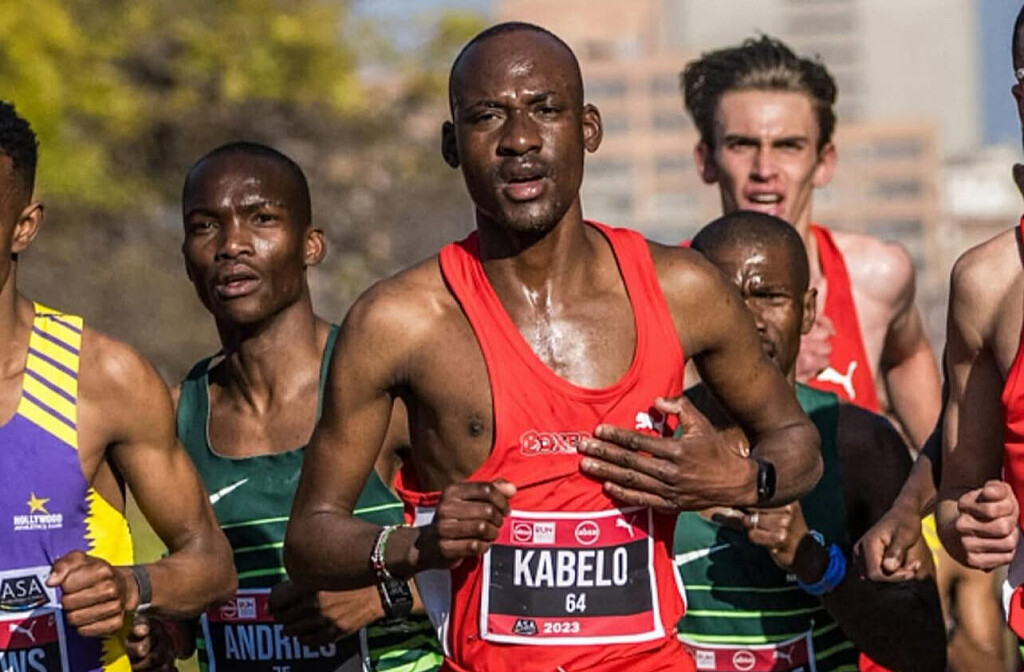
Kabelo Mulaudzi Dominates Again in Durban, Falls Just Short of South African 10K Record
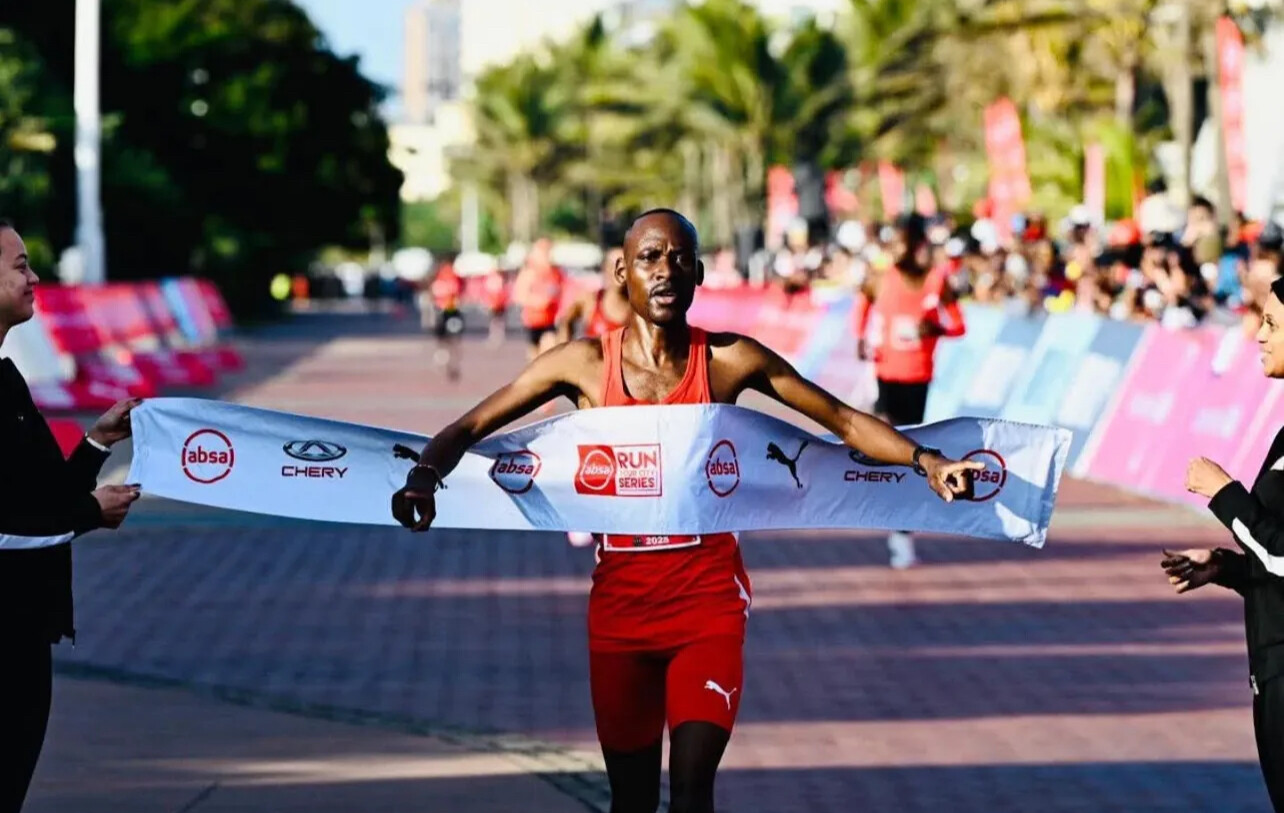
South Africa’s Kabelo Mulaudzi lived up to his nickname “Mr. Podium” on Sunday with a commanding win at the Absa Run Your City 10km in Durban, securing back-to-back victories at the event and solidifying his place as one of the country’s premier road runners.
The 28-year-old Boxer Running Club athlete crossed the finish line in a blazing 27:41, just three seconds shy of the South African national 10K record (27:38) set by Adrian Wildschutt earlier this year. Despite narrowly missing the mark, Mulaudzi walked away with a R30,000 winner’s prize and an R80,000 time bonus for finishing under 27:45, bringing his total payday to R110,000—approximately $6,000 USD.
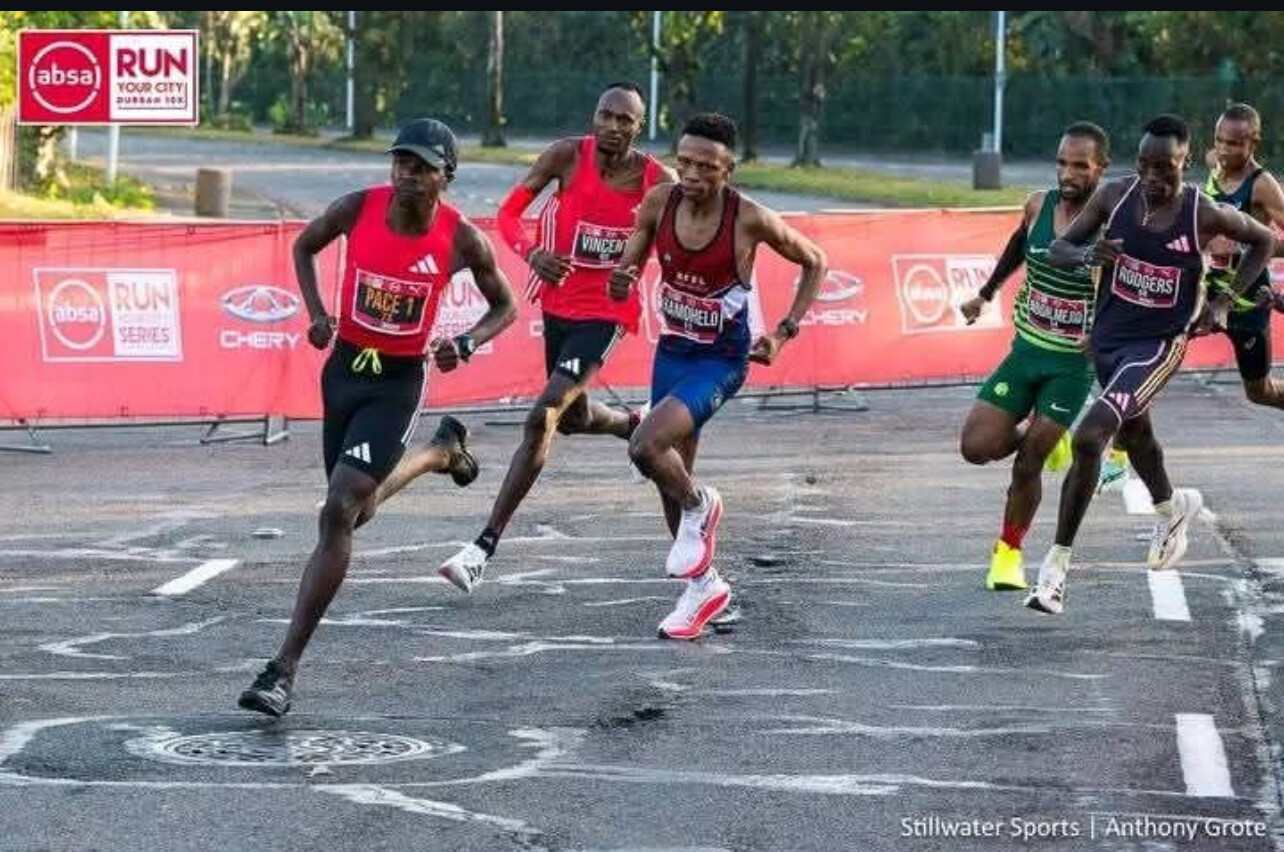
The female race
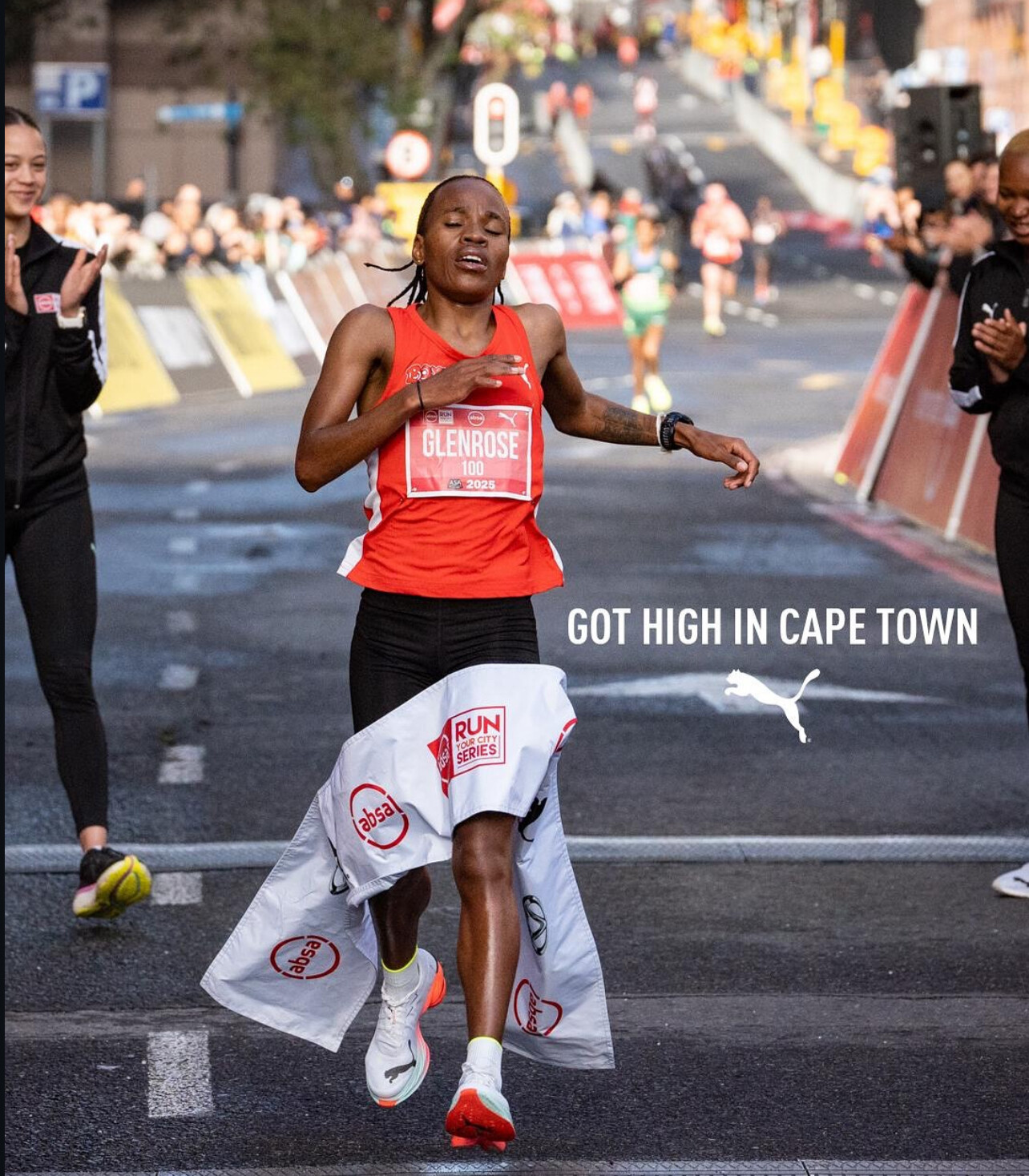
In the women’s race, Glenrose Xaba delivered a standout performance to take the win in 31:57, dominating the field and finishing well ahead of her closest rivals. The South African distance star, representing Boxer Athletics Club, showed poise and strength throughout the race, navigating the humid conditions and technical course with control. Xaba’s victory reaffirms her status as one of the country’s top road runners, and she earned R30,000 (approximately $1,650 USD) for her efforts. With her sights set on further success this season, Xaba looks poised for more strong showings on the national circuit.
Podium Finishers and Record Chases
Mulaudzi led a competitive field through Durban’s beachfront course, holding off Lesotho’s Kamohelo Mofolo, who finished second in a national record time of 27:47. Pre-race favorite Vincent Kipkorir of Kenya was close behind, rounding out the podium in 27:48.
While Mulaudzi had his sights set on Wildschutt’s national record, course changes and pacing in the early kilometers may have held him back.
“Durban is my favorite course, and had we gone out faster in the first 5K, I believe I could have broken the record,” Mulaudzi said. “I wasn’t desperate—I just truly believed I had it in me.”
Personal Best and National Momentum
The victory marked a personal best for Mulaudzi, who has now won six races in the Run Your City 10km series since 2023, all while clocking consistent sub-28-minute performances. After battling injuries last season, the Alexandra-based runner has returned with renewed form and focus.
“Last year was tough with injuries, but I’ve bounced back strongly,” he said. “I need to improve my finishing, but this is one of my fastest races yet.”
He credited his coach, Richard Meyer, with guiding his resurgence through carefully structured training and race planning.
Rivalries and Respect
The race also deepened Mulaudzi’s friendly rivalry with Mofolo.
“Our rivalry began in Tshwane when he beat me, but I’ve now managed to beat him twice in a row,” Mulaudzi noted with a grin. “I’m happy for him setting a national record. He pushed me today.”
With momentum clearly on his side, Mulaudzi is targeting a clean sweep of the Absa series. His upcoming schedule includes the Central Gauteng Athletics Provincial 10km Championships, followed by the Run Your City 10km and the Durban Hollywood 10km in Tshwane this August.
“My goal is to win the remaining Absa races and stay healthy and injury-free,” he said.
If his current form holds, it may only be a matter of time before “Mr. Podium” becomes “Mr. Record” as well.
(07/13/2025) ⚡AMPby Boris Baron
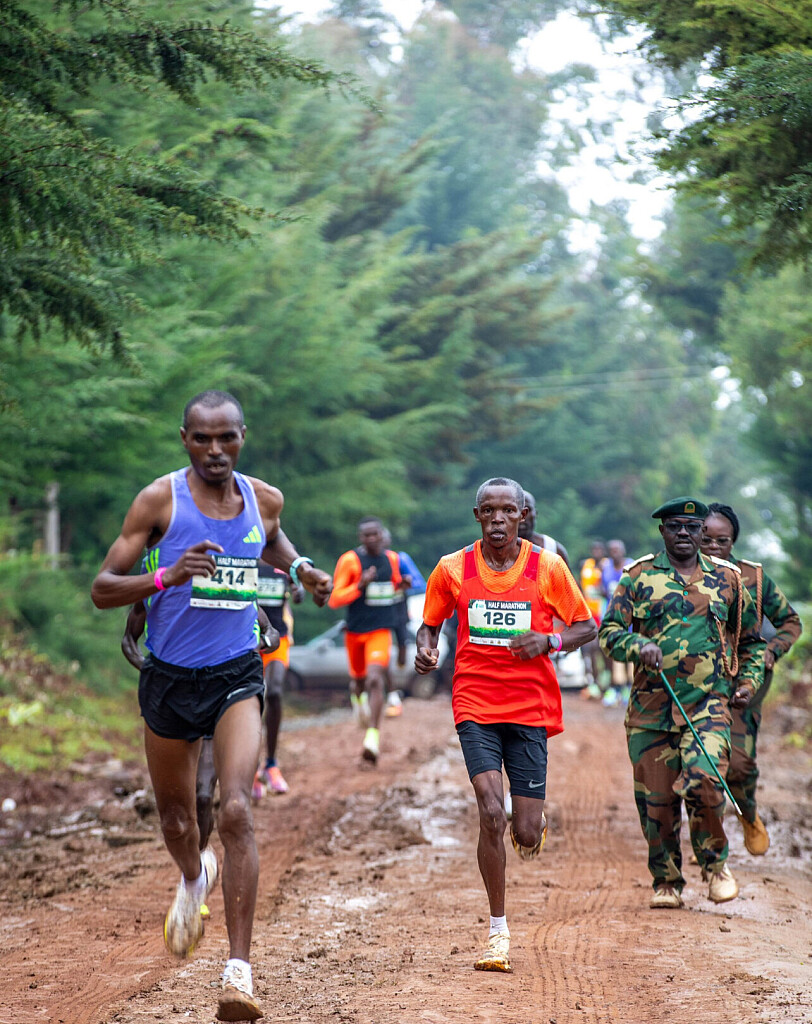
Rotich and Reline Triumph in Muddy Showdown at Kaptagat Forest Half Marathon - Kaptagat, Kenya — July 12, 2025
On a misty Saturday morning in the high-altitude woodlands of Simotwo, Elgeyo Marakwet County, Gideon Kiprop Rotich and Catherine Reline embraced the mud, mist, and mayhem to win the 2025 Kaptagat Forest Half Marathon. Battling a soaked red clay course shared by Kenya’s finest—including marathon legend Eliud Kipchoge—the two champions rose above the chaos to claim hard-fought victories in the men’s and women’s 21km races.
MEN’S 21KM — Rotich Edges Rivals in Thrilling Sprint Finish
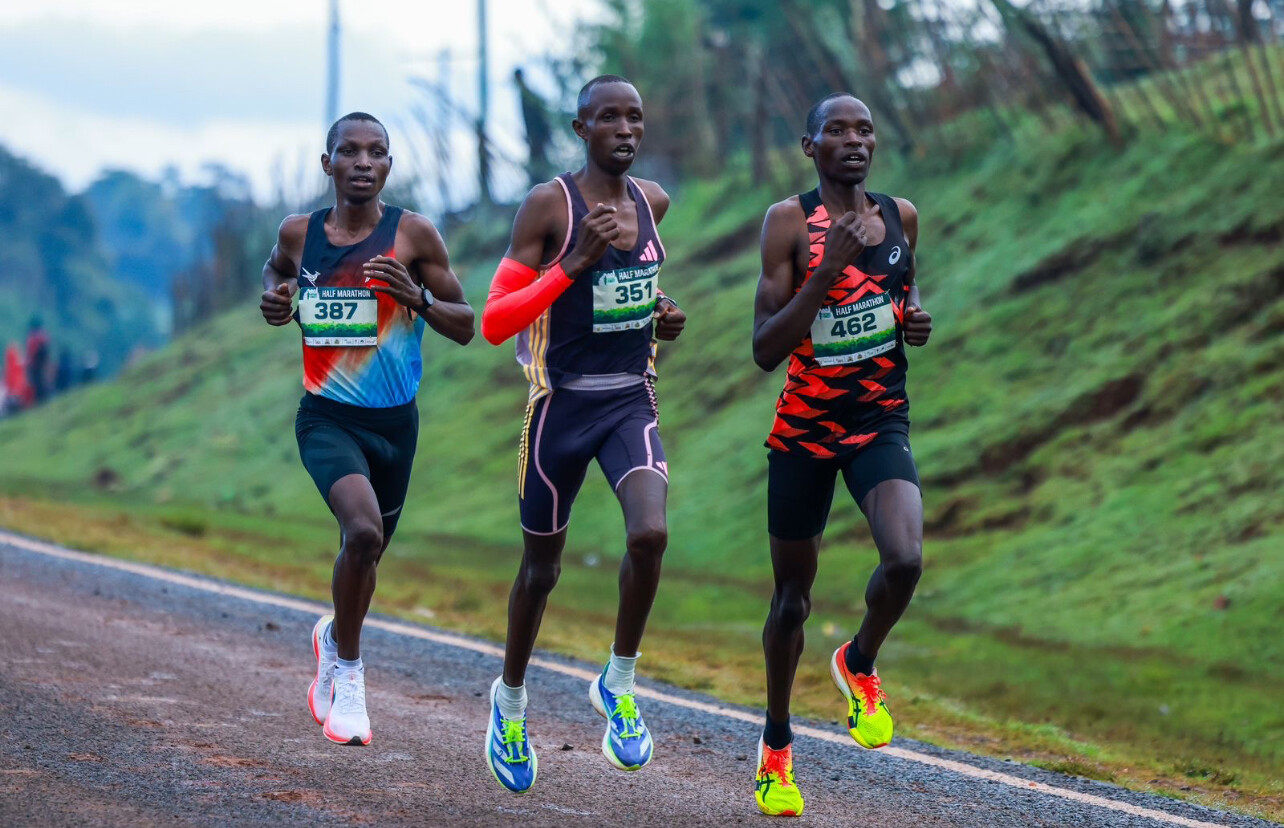
The men’s race quickly became a tactical chess match, played out on unpredictable terrain. Rotich, showing remarkable composure through the slippery climbs and sharp descents, surged in the final kilometer to win in 1:07:02.
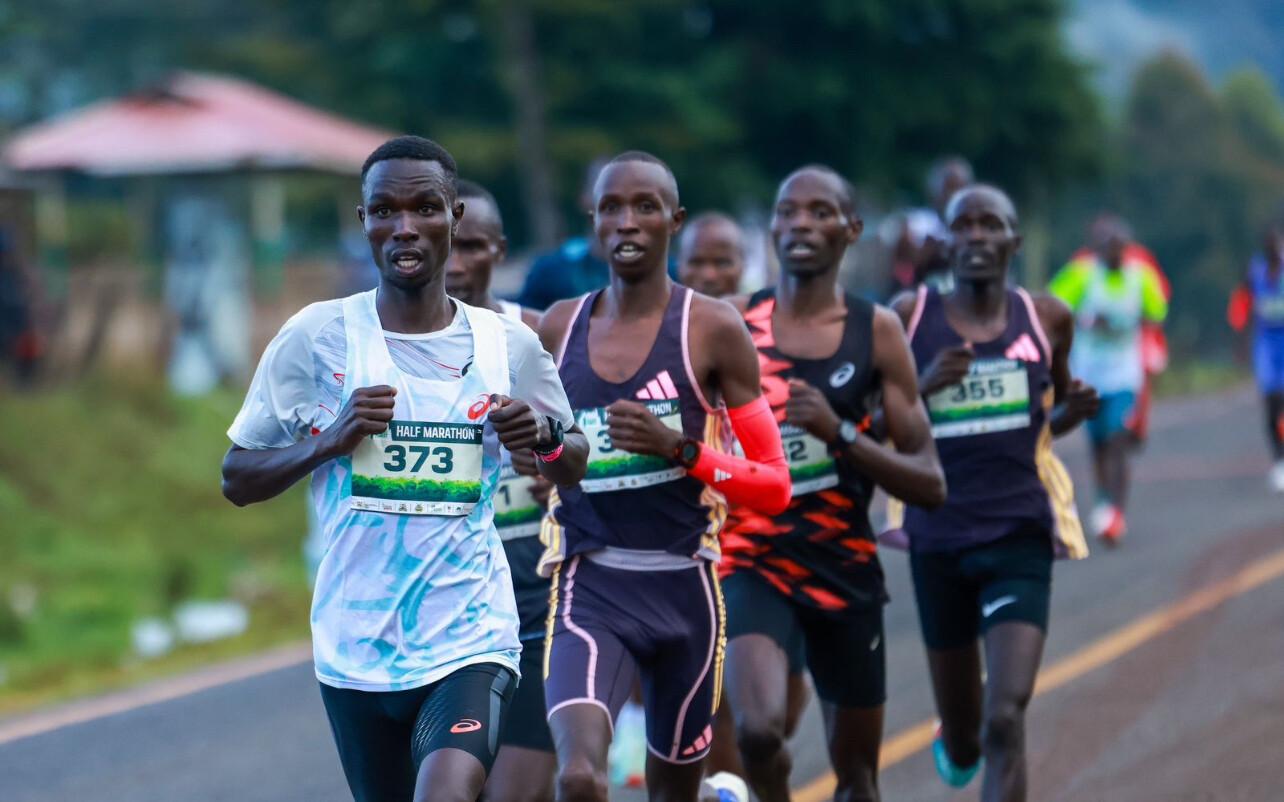
From the outset, he was closely shadowed by Wisley Kipkemoi Yego (Keringet) and Alfred Kipkemoi Cheruiyot, with the trio passing 5K in 14:19, 10K in 32:47, and 15K in 47:21. As the fog thickened and footing worsened, Rotich found a decisive gear on the final descent. Yego finished just two seconds back in 1:07:04, with Cheruiyot another heartbeat behind in 1:07:05.
“You couldn’t push the way you normally would,” said Rotich, his shoes caked with thick mud. “The ground was soft; the air was heavy. But that’s Kaptagat—it doesn’t reward the fastest, it rewards the smartest and toughest.”
Only 16 seconds separated the top five finishers, marking one of the most dramatic conclusions in the event’s recent history.
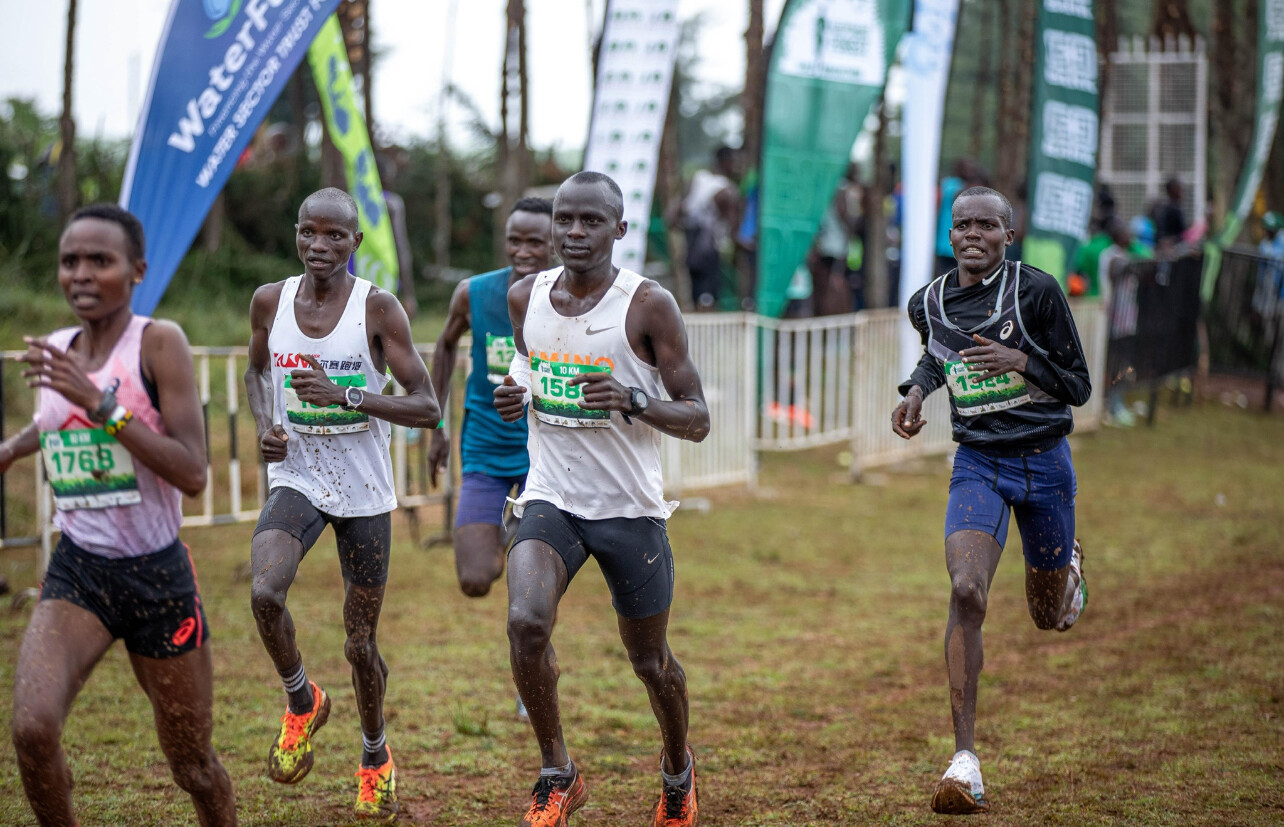
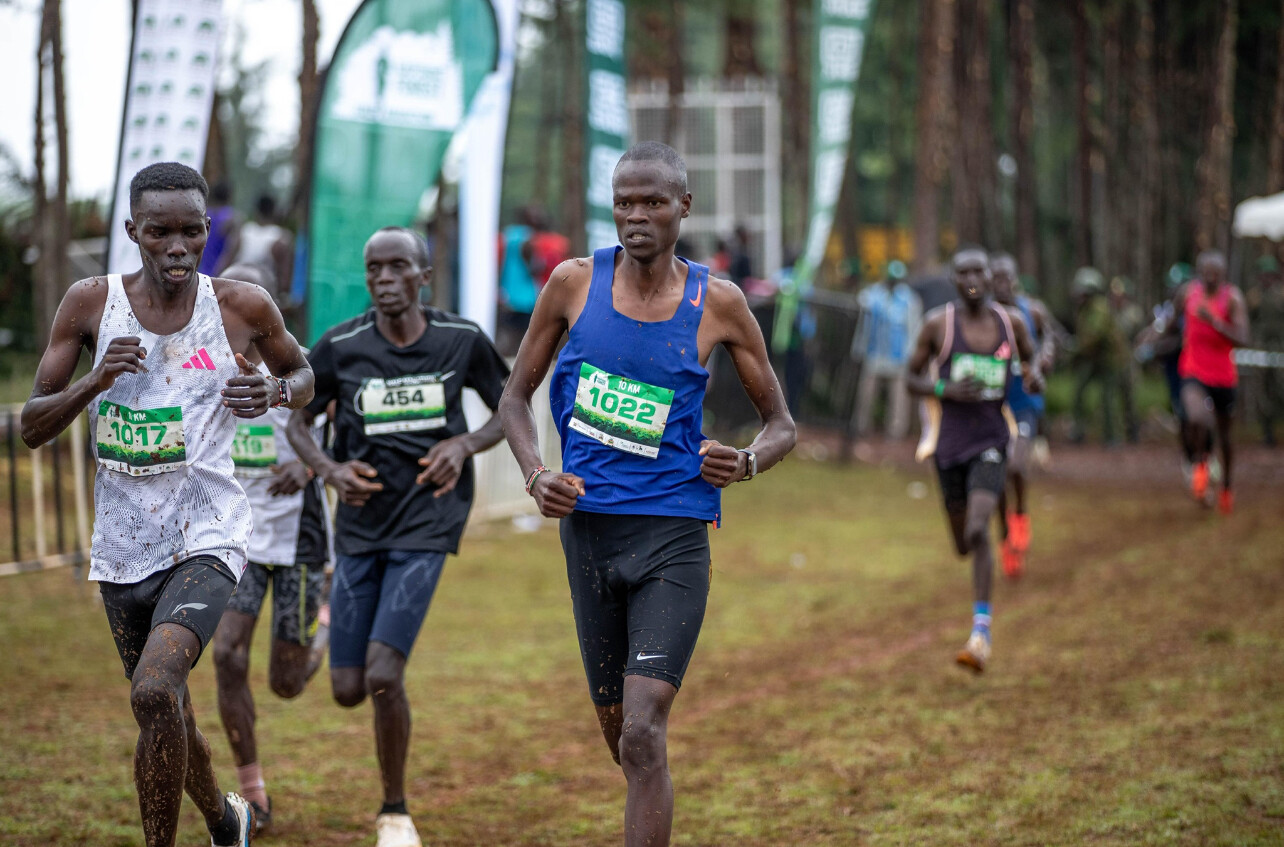
WOMEN’S 21KM — Reline Dominates with Precision and Power
In the women’s race, Catherine Reline executed a masterclass in pacing and poise. She broke away after 10K and never looked back, claiming victory in 1:14:23.
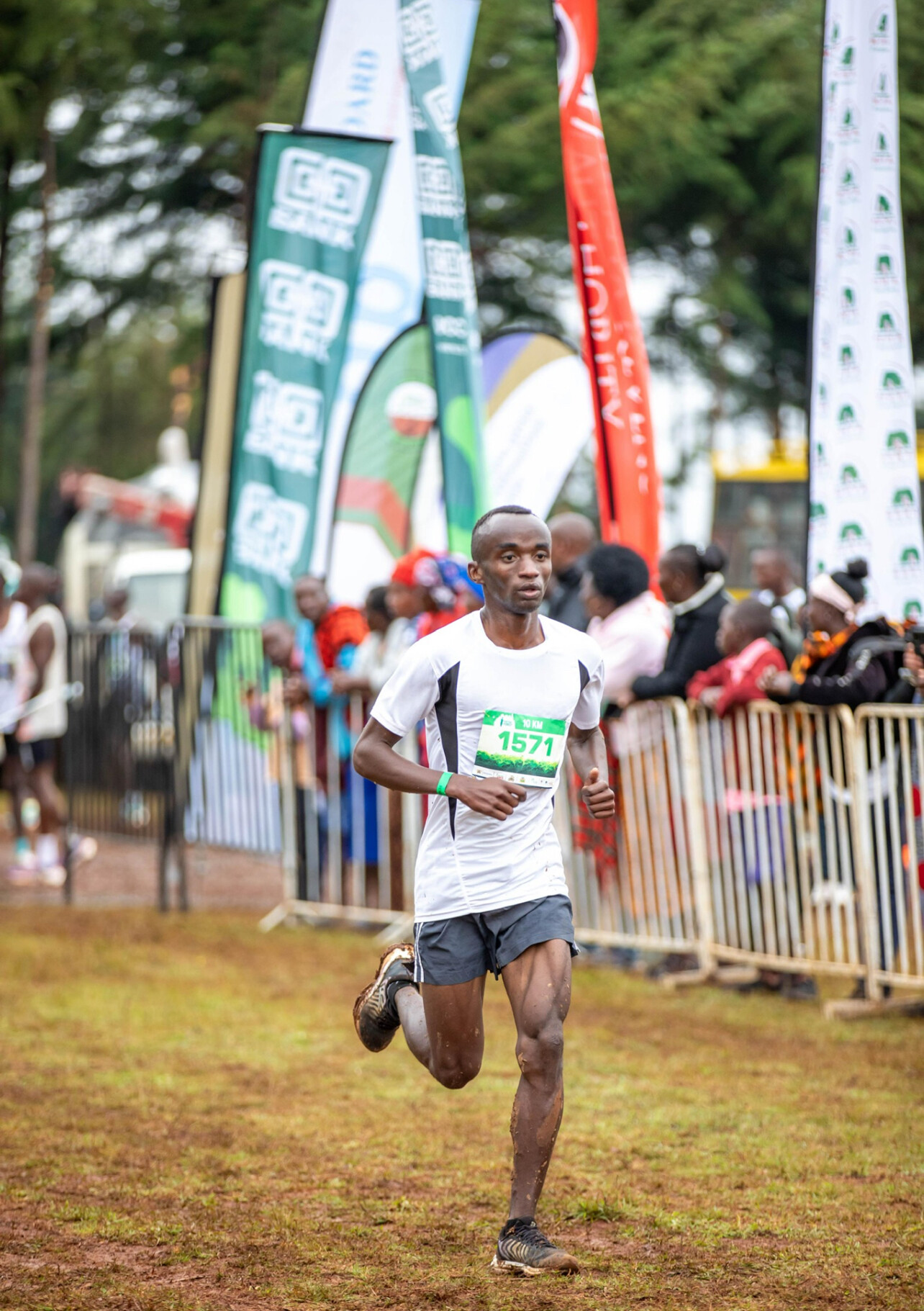
Her 5K split of 16:22 gave early notice of her form, with 10K and 15K reached in 37:33 and 53:39, respectively. Confident and sure-footed through the muddiest stretches, she ran unchallenged to the finish.
“The forest was unforgiving,” Reline said. “But I trusted my rhythm and focused on staying upright through the muddy patches. Once I found my footing, I just kept pressing.”
Vivian Cherotich (1:15:09) and Catherine Peiyoy (1:15:44) rounded out the podium after a gritty chase through the fog-shrouded ridgelines and pine forest trails.
Mud, Mist, and the Magic of Kaptagat
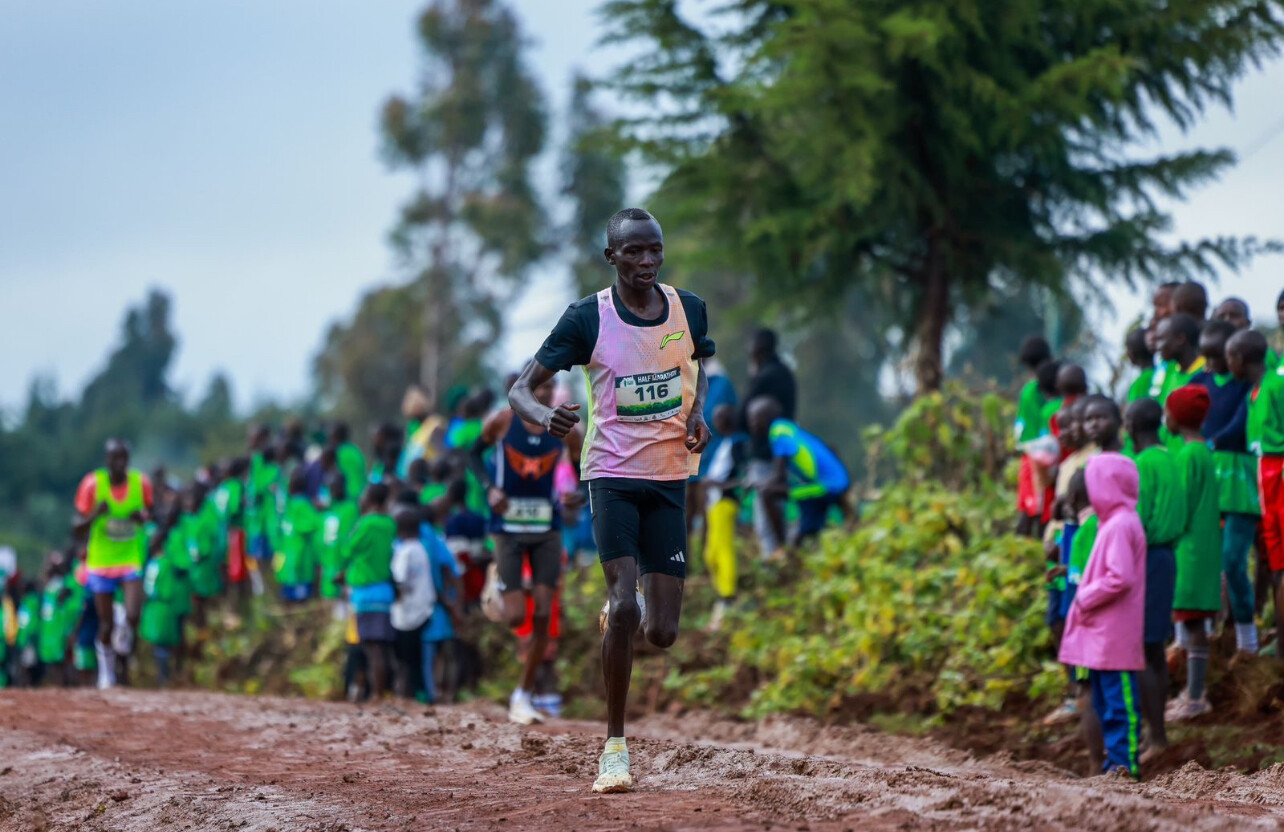
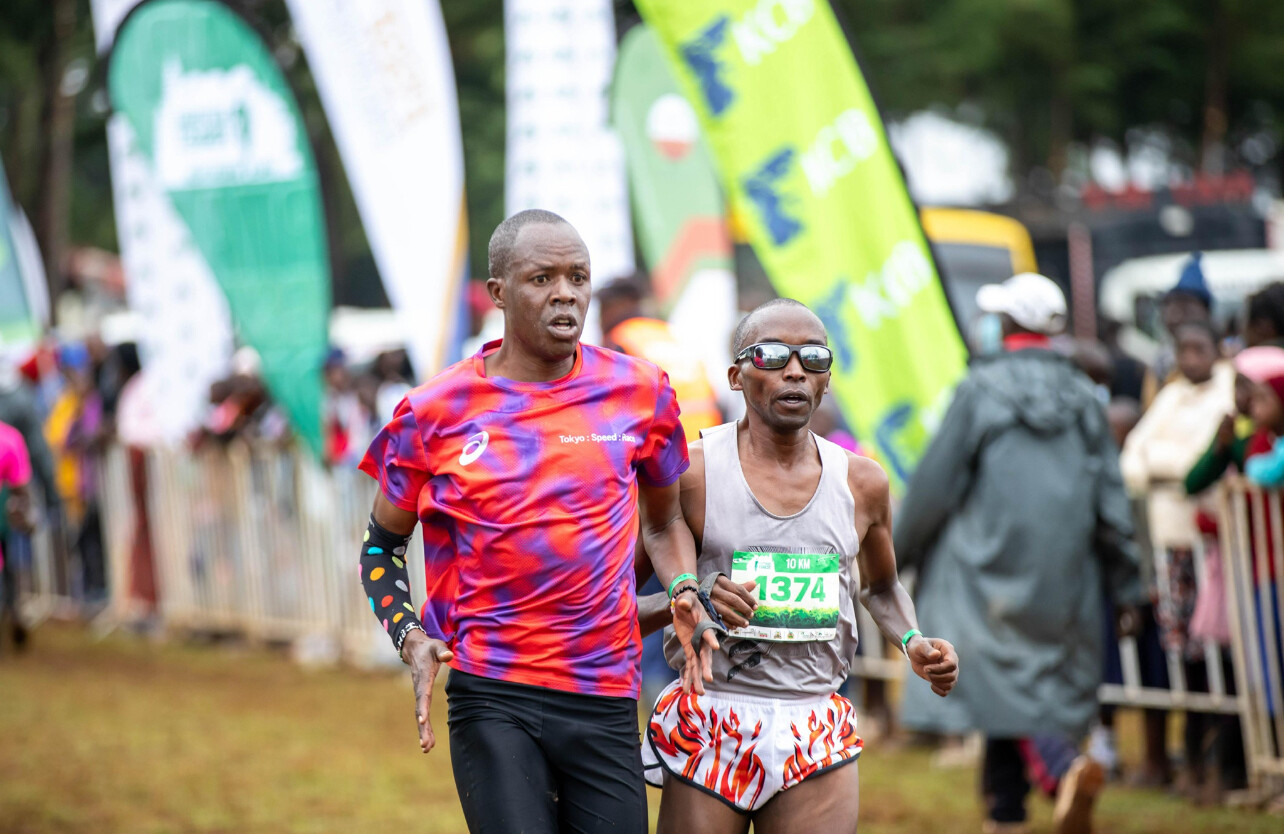
Despite a relentless drizzle and pre-race downpour, the race drew hundreds of spirited spectators. From Simotwo High School to the inner loops of the Kaptagat forest, locals wrapped in shawls, ponchos, and even barefoot stood cheering along the soaked 2,600-meter elevation trail.
Organizers praised the resilience of the athletes and hinted at possible drainage improvements for future editions. But for many, the mud and mist are part of Kaptagat’s mystique.
“This course defines toughness,” said third-place finisher Cheruiyot. “And the crowd’s energy—despite the rain—kept us going.”
As sunlight finally pierced the cloud cover, the 2025 Kaptagat Forest Half Marathon cemented its reputation once again: raw, real, and one of Kenya’s toughest tests of endurance.
Top 10 Results – Men’s 21km
1. Gideon Kiprop Rotich – 1:07:02
2. Wisley Kipkemoi Yego – 1:07:04
3. Alfred Kipkemoi Cheruiyot – 1:07:05
4. Kalipus Lomwai – 1:07:12
5. Stephen Kimutai Kibet – 1:07:18
6. Philemon Kiprotich Konor – 1:07:35
7. Timothy Kiptoo – 1:07:56
8. Patrick Mosin – 1:08:01
9. Noah Kipkemboi – 1:08:18
10. Jonah Belio – 1:08:21
Top 6 Results – Women’s 21km
1. Catherine Reline – 1:14:23
2. Vivian Cherotich – 1:15:09
3. Catherine Peiyoy – 1:15:44
4. Gladys Longari – 1:15:48
5. Beatrice Cheserek – 1:16:49
6. Gladys Jeptepkeny – 1:17:33
(07/13/2025) ⚡AMP
by Robert Kibet

Kenya’s Top Athletes to Compete for World Championships Spots at Trials on July 22
With the 2025 World Athletics Championships set to take place in Tokyo this September, Athletics Kenya has announced that the official national trials will be held at the Ulinzi Sports Complex in Nairobi on July 22, 2025.
The one-day meet will determine who earns the right to represent Kenya on the global stage—and with Tokyo hosting the championships, the stakes couldn’t be higher.
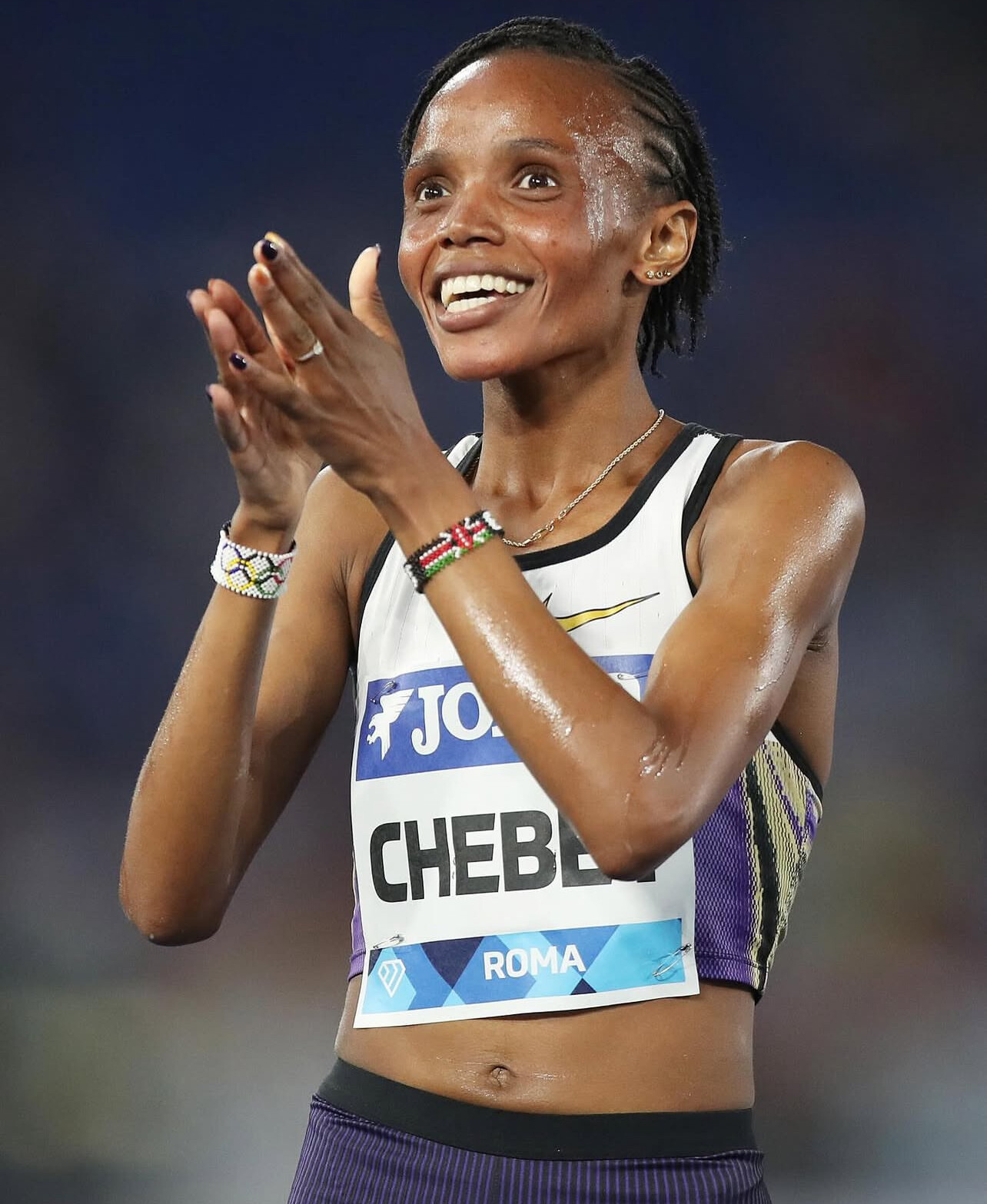
The Tokyo 2025 event is expected to draw the world’s best talent, and Kenya, known for its depth in middle and long-distance running, is aiming to field its strongest team yet. A number of top stars are expected to compete at the trials, including 100m national record-holder Ferdinand Omanyala, world steeplechase medalist Beatrice Chepkoech, 1500m ace Faith Kipyegon, and marathon standout Sharon Lokedi.
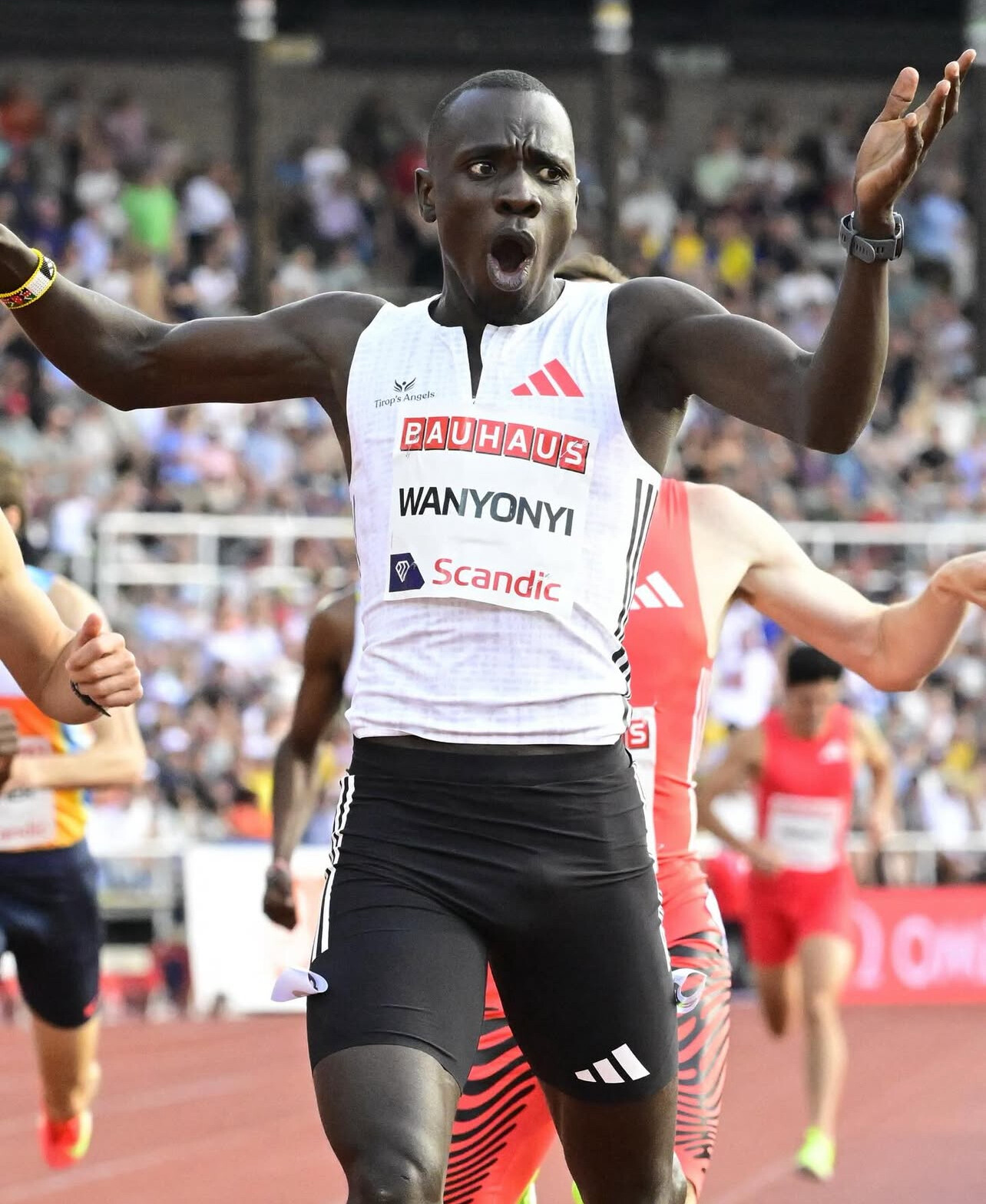
Though most of the attention will be on the track events, Kenya is also working to expand its representation in the field and sprints—areas where the country has shown recent promise.

A Veiled but Historic World Championship Ahead
The Tokyo 2025 World Championships mark the first time Japan will host the event since 1991 in Tokyo—when legendary performances, including Mike Powell’s world long jump record, rewrote the sport’s history books.
The 2025 edition, however, arrives amid a more complex and veiled atmosphere in the sport. With lingering questions about past doping scandals—including renewed attention to China’s 1990s distance-running records—many in the athletics community are calling for clean and transparent competition.
Kenya is no exception. The country remains under close international scrutiny but has made visible strides in testing, education, and compliance with global anti-doping standards.
What to Watch
• Will Faith Kipyegon aim to double in the 1500m and 5000m again?
• Can Omanyala convert his sub-10 form into a world medal?
• Will a new generation of Kenyan athletes step up in the sprints and field events?
The July 22 trials in Nairobi will offer the first answers. Expect fireworks—and a preview of what Team Kenya might look like in Tokyo.
(07/12/2025) ⚡AMPby Boris Baron
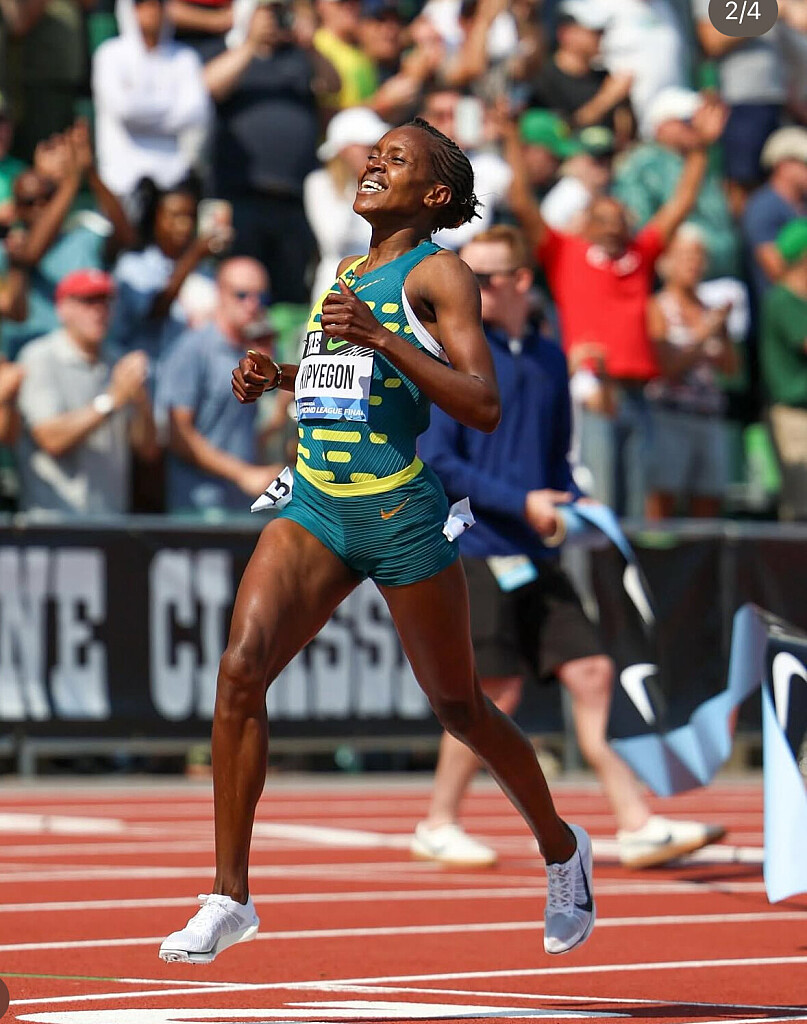
Faith Kipyegon to Race 3000m in Silesia – Is the World Record in Sight?
World 1500m record-holder Faith Kipyegon will race the 3000 meters at the Silesia Kamila Skolimowska Memorial on August 16, setting up what could be one of the most anticipated moments of the 2025 track season.
The Kenyan star has been rewriting the history books. Over the past year, she set new world records in the 1500m (3:48.68) and 5000m (14:05.20), and ran the fastest women’s mile ever in an unofficial exhibition event in Paris. Now she’s turning her attention to the 3000m—an event she hasn’t run seriously in over a decade.
A Decade Later, a Return to 3000m

Kipyegon’s personal best of 8:23.55 was set in 2014 when she was just 20. Since then, she’s become a global icon—earning three Olympic gold medals, multiple world records, and establishing herself as the most dominant female middle-distance runner of her generation.
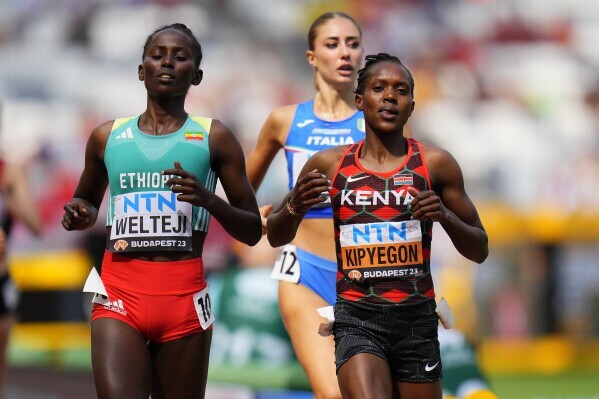
Now, with a combination of endurance from her 5000m training and unmatched speed honed in the 1500m, Kipyegon is poised to take a serious shot at history.
The Record She Might Be Chasing
The current women’s 3000m world record:
• 8:06.11 – Wang Junxia (China), set on September 13, 1993 in Beijing.
That mark has stood for more than 30 years—but it remains controversial. In 2015, a letter reportedly written by Wang Junxia in 1995 surfaced, in which she and nine teammates alleged they were forced to take “large doses of illegal drugs over the years” as part of a state-sponsored doping program under the direction of their coach, Ma Junren.
Wang wrote that the women “tried to refuse the drugs,” but that Ma would allegedly inject them himself if necessary. The letter was sent to Chinese journalist Zhao Yu but remained unpublished until decades later. Ma has consistently denied any doping allegations, and Wang’s world record still stands officially—despite renewed scrutiny.
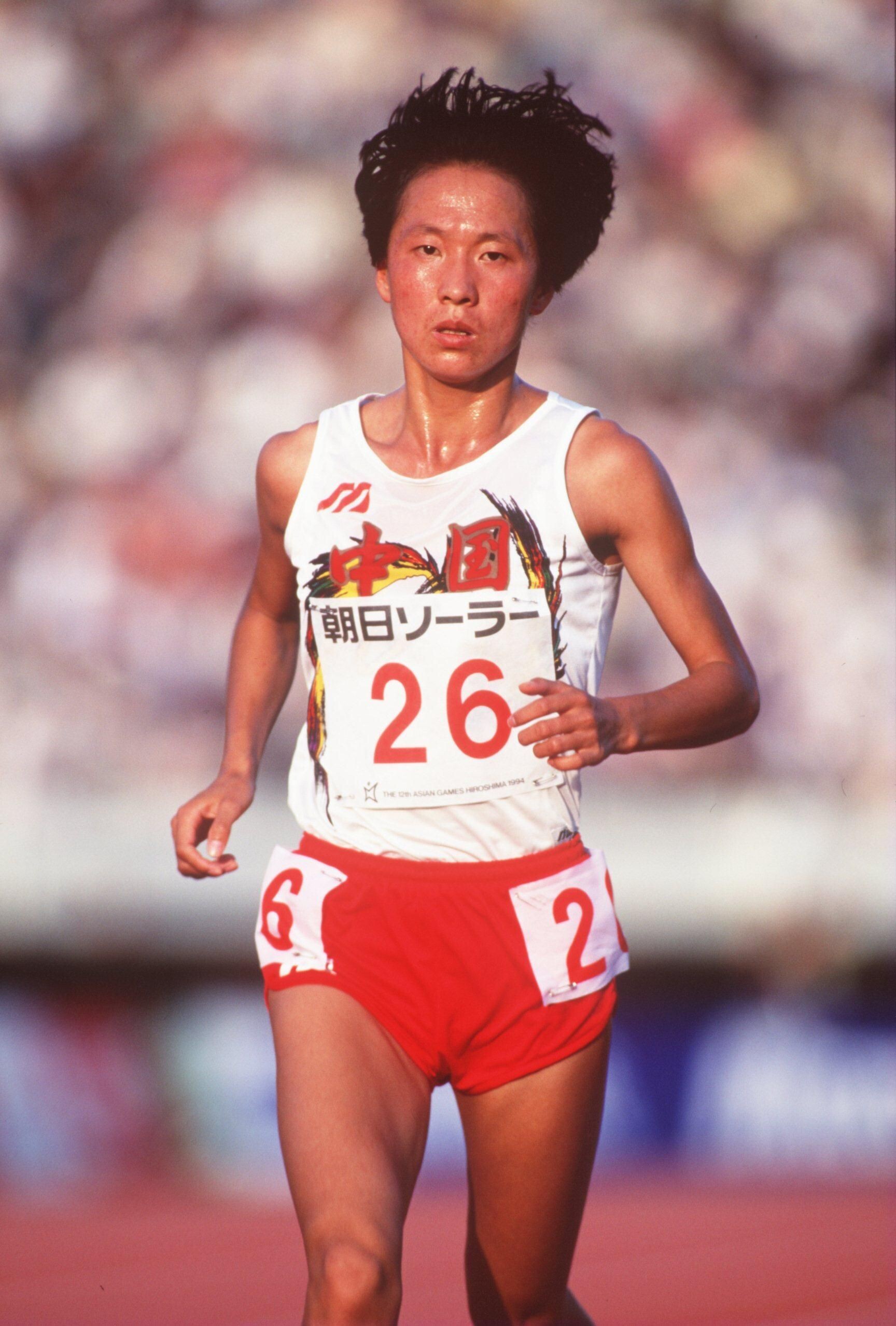
In response, the IAAF (now World Athletics) opened an investigation at the time, but as of today, the record has not been invalidated.
Why Silesia Matters
If Faith Kipyegon runs in the 8:10–8:15 range, it would mark one of the cleanest and most credible performances in the history of the event. Should she go even faster, it could position her to break or at least redefine the context of the 3000m record.
Few athletes in history have had the range, poise, and championship pedigree that Kipyegon carries. With the eyes of the world on Silesia this August, she may once again elevate the sport.
Is a new world record possible? We’ll find out soon.
If she does it, Faith Kipyegon won’t just rewrite another line in the record books—she’ll help reclaim one of the most contested chapters in women’s distance running.
(07/12/2025) ⚡AMPby Boris Baron
The Fastest Mile Ever Run—And Why It Still Hasn’t Been Broken
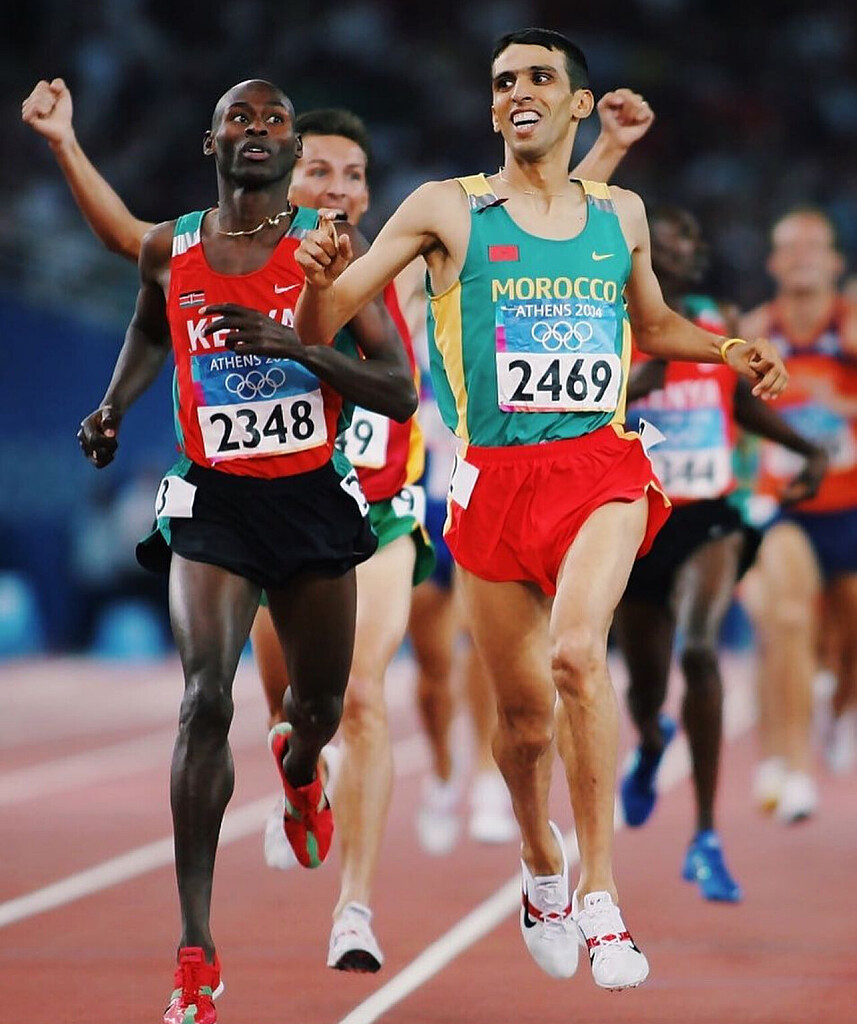
On July 7, 1999, under the lights of Rome’s Stadio Olimpico, Morocco’s Hicham El Guerrouj delivered a performance that remains one of the most iconic feats in track and field history. Racing against a world-class field, El Guerrouj clocked 3:43.13 for the mile—shattering his own previous best and establishing a world record that still stands 26 years later.
No man has run faster since.
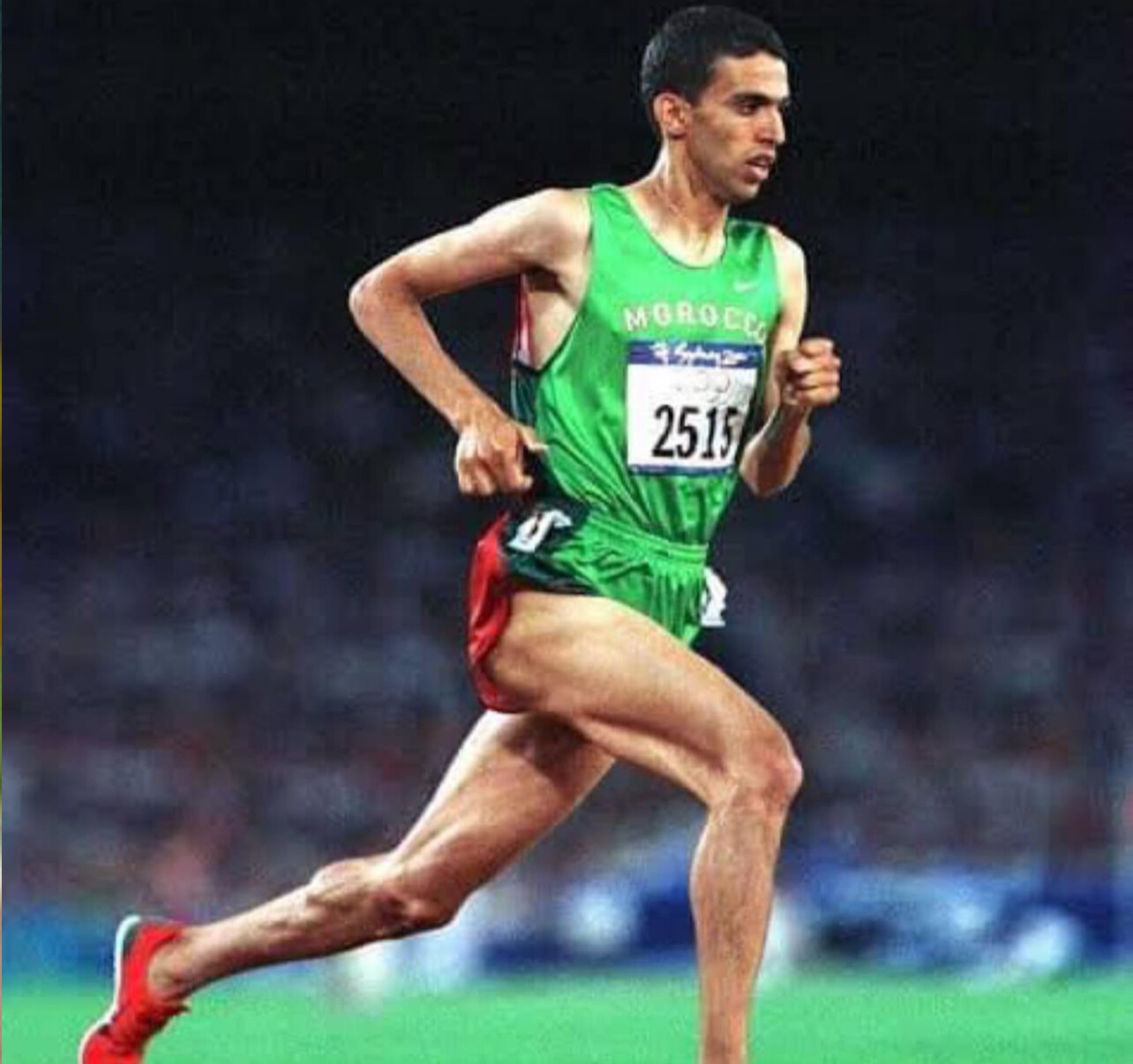
In one of the most thrilling middle-distance races ever contested, Kenya’s Noah Ngeny pushed El Guerrouj all the way to the finish, crossing in 3:43.40—a time that remains the second-fastest mile in history. The duel produced two performances that remain unmatched, solidifying the race as perhaps the greatest mile ever run.
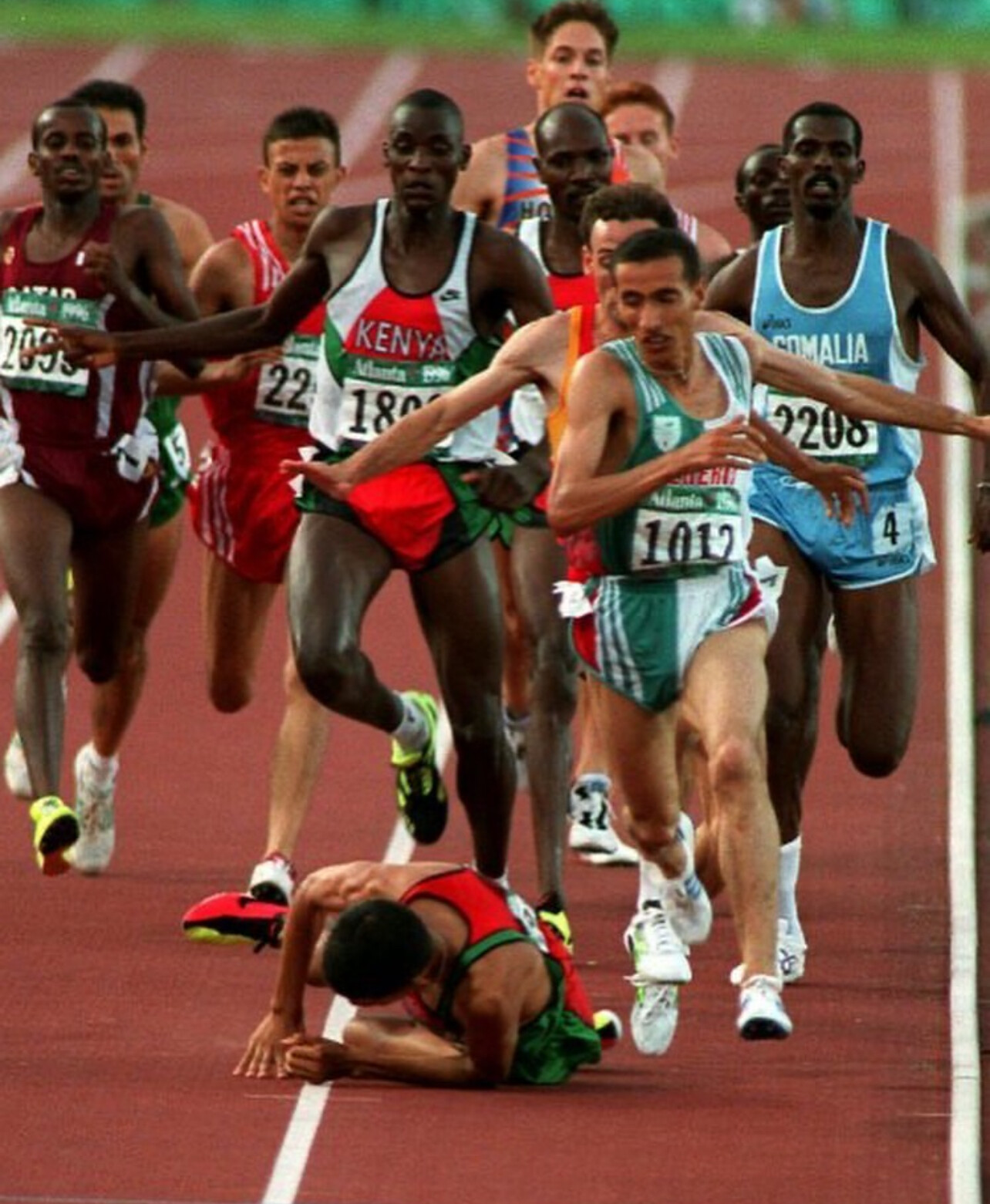
At the time, El Guerrouj was already recognized as the world’s premier miler, having come heartbreakingly close to Olympic gold in 1996 when he tripped with 400 meters to go. But his performance in Rome in 1999 left no doubt about his dominance. Paced perfectly through the opening laps, El Guerrouj accelerated with trademark elegance and blistering speed over the final 400 meters, crossing the line with history behind him.
His 3:43.13 replaced the previous world record of 3:44.39, set by Noureddine Morceli in 1993, and it has now stood longer than any other men’s outdoor mile world record in history.
Fast Facts:
• Date: July 7, 1999
• Location: Stadio Olimpico, Rome, Italy
• Winner: Hicham El Guerrouj (Morocco) – 3:43.13 (World Record)
• Runner-Up: Noah Ngeny (Kenya) – 3:43.40 (Still #2 All-Time)
Legacy

El Guerrouj went on to win double Olympic gold in 2004 (1500m and 5000m), capping a storied career. But it’s the 1999 mile in Rome that may be his most enduring legacy. Despite super spikes, faster tracks, and new training philosophies, no one has yet managed to break 3:44 since that night.
As we mark 26 years since this historic performance, the record stands not just as a mark of physical excellence, but as a symbol of the enduring mystique of the mile—track and field’s most storied distance.
(07/10/2025) ⚡AMPby Boris Baron
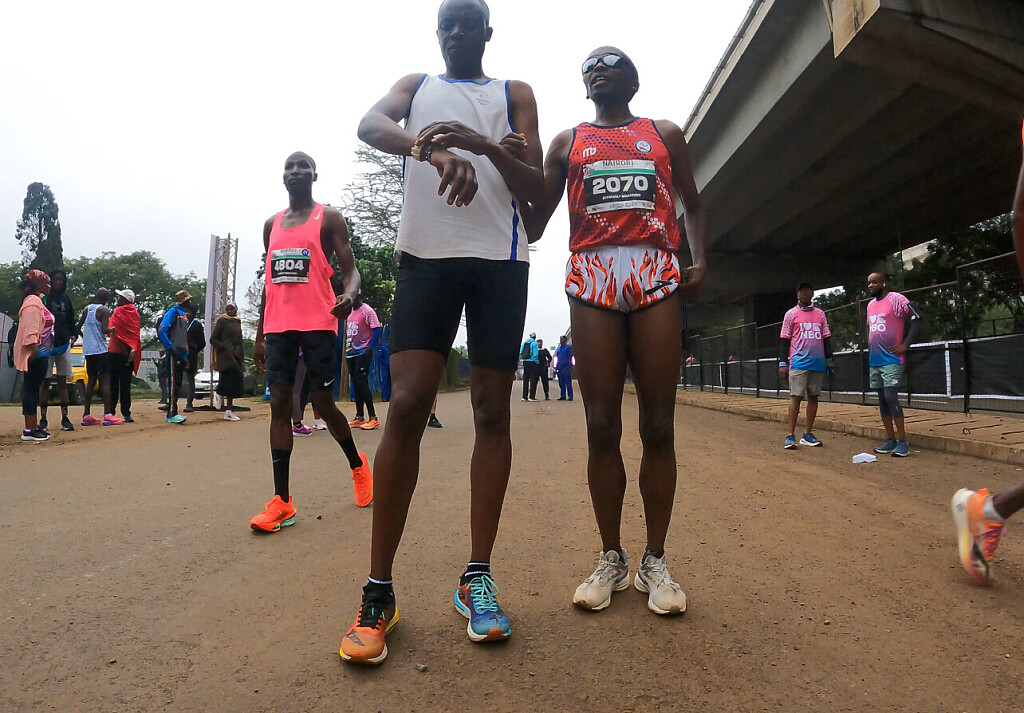
Blind Runner, Clear Vision: Wilson Bii’s Nairobi Debut Fueled by Kenya Athletics Training Academy (KATA)
In a moving display of courage and transformation, Wilson Bii, a visually impaired Paralympian and Rio 2016 bronze medalist, made his road racing debut at the 2025 Nairobi City Marathon, taking on the half marathon along the scenic Nairobi Expressway.
For the 38-year-old Kenyan, long known for his prowess on the track, this was more than just a change in terrain — it marked a bold new chapter in a journey defined by resilience and reinvention.
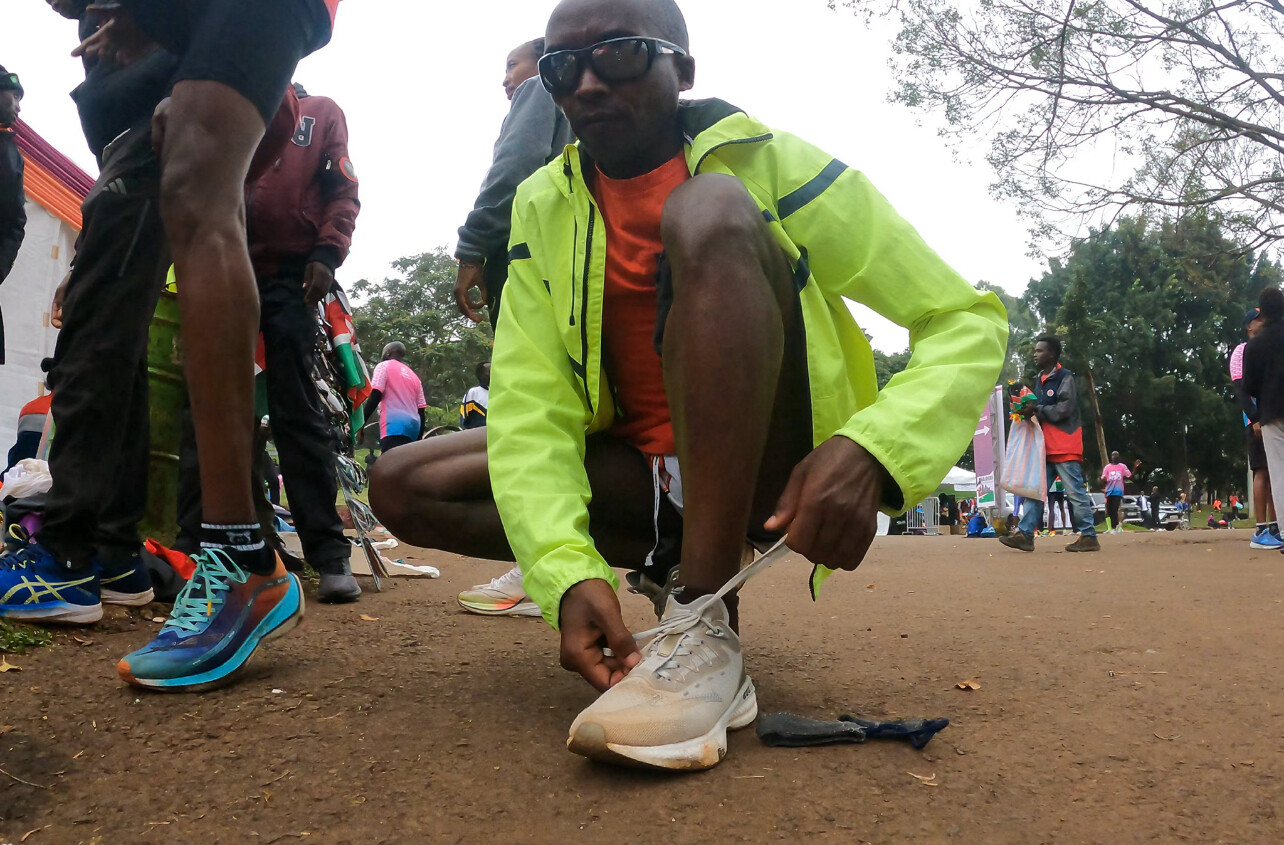
“This was my first time competing in a road race,” Bii said. “I’ve spent years on the track, but this year I decided to train for longer distances. I wanted to challenge myself in a new way, and I found purpose on the road.”
But the road that brought him here was far from easy. Bii had good eyesight until 2002, when a tragic road accident changed his life forever. Shattered glass from the crash severely damaged his eyes, ultimately leading to complete vision loss. Though devastated, Bii refused to give in. Instead, he redirected his focus — and chose to run under the Paralympic banner.
“I never gave up,” he said. “Running became my way forward.”
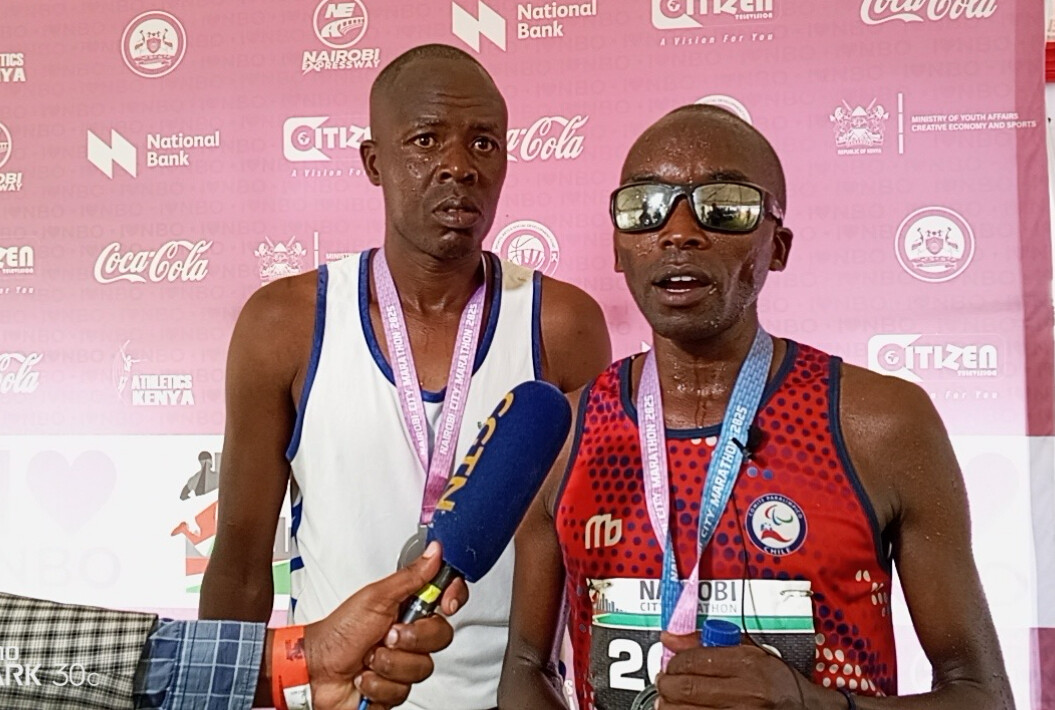
Today, Bii trains with the Kenya Athletics Training Academy (KATA), a grassroots initiative founded by Bob Anderson, the American running pioneer best known for launching Runner’s World magazine in 1966. Anderson, who helped ignite the global running boom through journalism and advocacy, now devotes his time to supporting emerging Kenyan talent.
At age 49, Anderson himself set a personal best in the half marathon (clocking 1:19:17) — an individual pursuit that reflects the very mindset he seeks to instill in others. Through KATA, he now oversees a network of 21 high-altitude training camps across Kenya, providing coaching, structure, and opportunity to athletes from underserved communities.
Bii trains at one of these camps in Sirikwa, Kuresoi North in Nakuru County — in the heart of the Rift Valley, where elevation, tradition, and grit continue to shape some of the world’s greatest endurance athletes.
Alongside his guide, Job Kiprono, Bii navigates training and racing with trust and precision.
“Kiprono has been my eyes for years. We move together, think together. We’re not just running for me — we’re running for both our families,” Bii shared.
He draws inspiration from the legacy of others. “When I saw how running changed Henry Wanyoike’s life, I knew I had to try. That’s why I came here today — to push myself and to inspire others who may feel forgotten.”
Bii now has his sights set on representing Kenya at the 2025 World Para Athletics Championships in India, after previously missing global events in Dubai and Morocco.
His guide, Kiprono, is appealing to Athletics Kenya and the National Paralympic Committee of Kenya to recognize the upcoming Belgut Road Race on July 24 as an official qualifier for para-athletes.
“If Belgut can be acknowledged, it will give athletes like Bii the opportunity we’ve waited for,” Kiprono said. “We want to earn our spot through performance, not politics.”
As Bob Anderson’s vision continues to take root across Kenya, athletes like Wilson Bii embody the mission: to empower through sport, to nurture overlooked potential, and to prove that running can restore far more than fitness — it can restore lives.
At the Nairobi City Marathon, Wilson Bii didn’t just finish a race — he reclaimed his momentum clocking 1:07:50 for the half marathon. From the wreckage of a 2002 accident to the fast-moving lanes of a 2025 half marathon, Bii now runs with a clarity of purpose. And behind him, a global legacy of running finds fertile ground in Kenya’s red soil — and in the courage of those who refuse to stop moving forward.
(07/08/2025) ⚡AMPby Robert Kibet
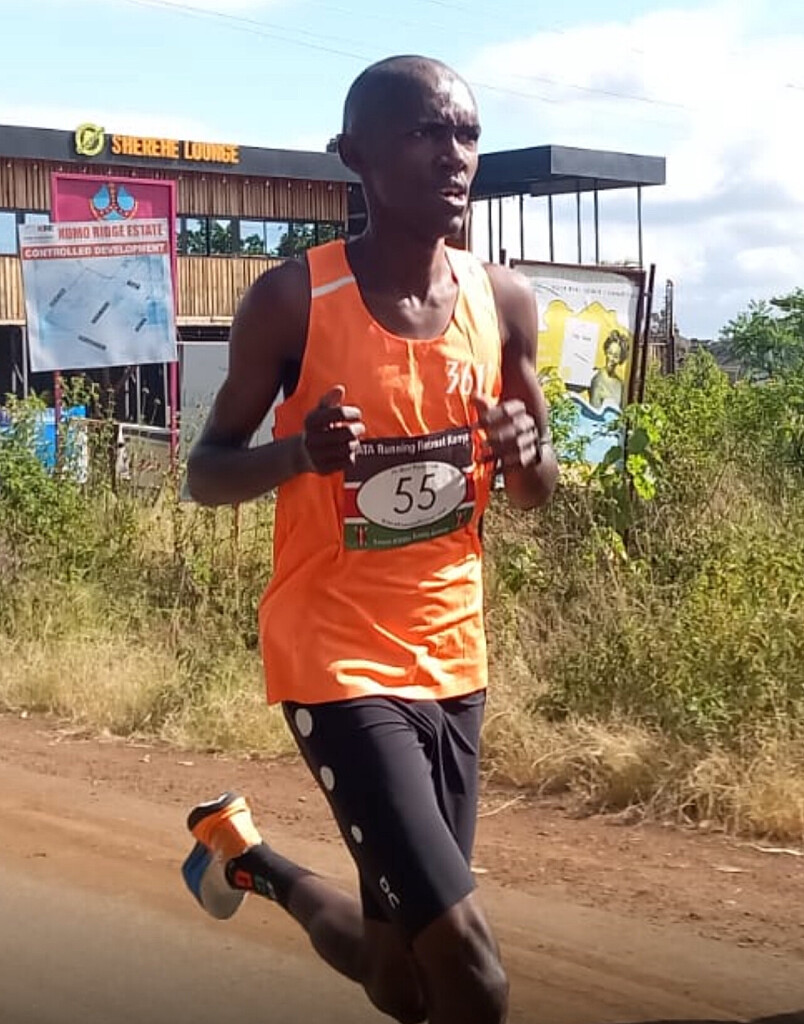
Big Performances at the Nairobi City Marathon — Wilson Bii and Zakariah Shine for KATA
Nairobi, Kenya — July 6, 2025
The streets of Kenya’s capital came alive this morning with the running of the Nairobi City Marathon, Half Marathon, and Expressway 10K. With elite competition, a scenic city course, and massive public support, the event once again showcased the depth of talent in the world’s running capital.
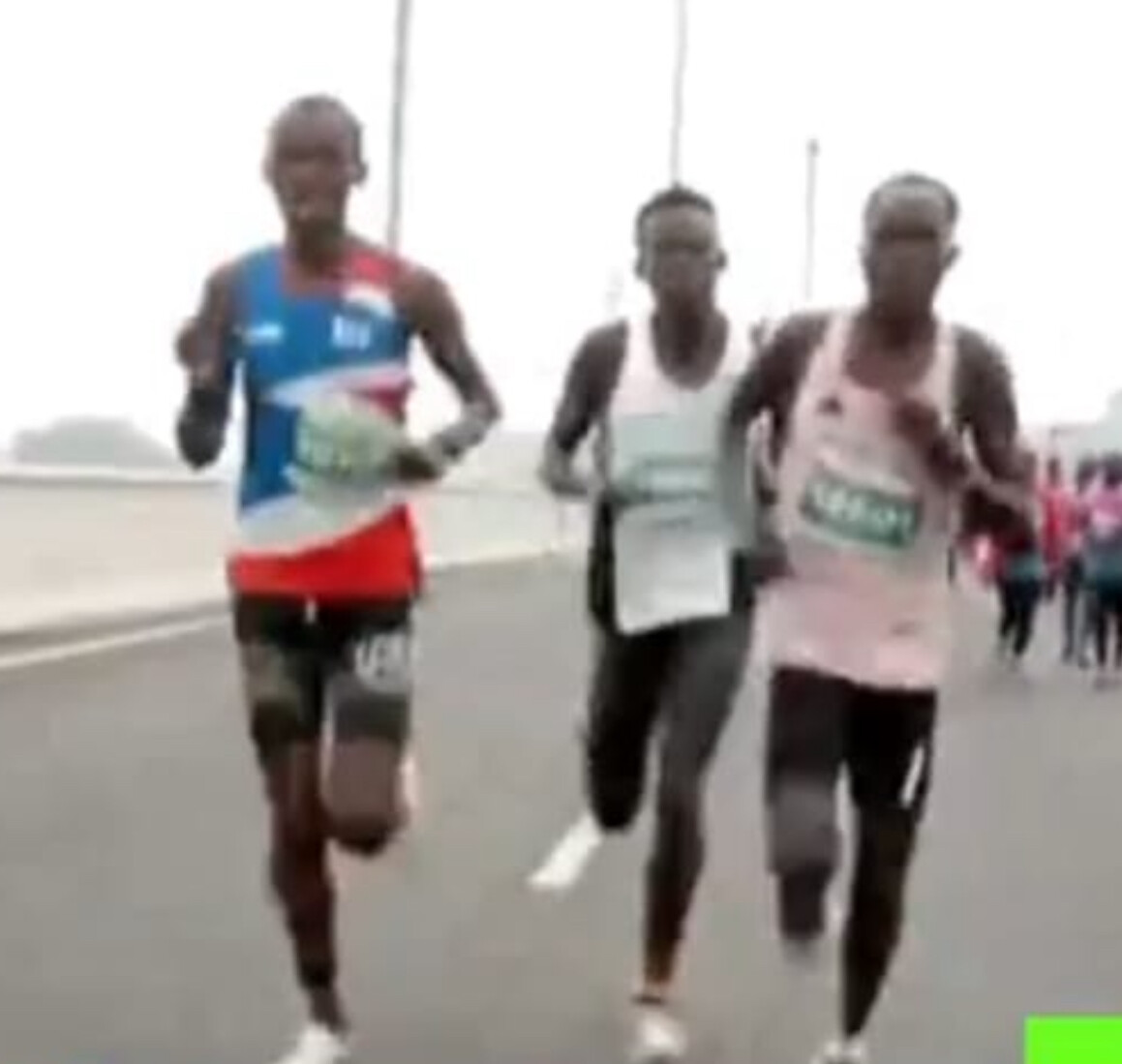
Among the standout performances were two remarkable athletes of from KATA Running Camps, continuing to make their mark on Kenya’s competitive distance running scene.
Wilson Bii Dominates Para Half Marathon

Wilson Bii (4th photo), a visually impaired runner training at a KATA Running Camp, delivered a stunning performance in the Para Half Marathon division, winning in a time of 1:07:50. Known for his resilience and smooth stride, Bii proved once again that no obstacle can hold back a champion spirit.
“We are so proud of Wilson,” said Bob Anderson, Founder of the KATA (Kenyan Athletics Training Academy) initiative. “His dedication, grit, and belief inspire all of us.”
Bii, who has represented Kenya at multiple international events, continues to sharpen his fitness under KATA’s structured training model, which combines elite coaching with holistic athlete support.
Zakariah Breaks Through in the 10K
In the Expressway 10K, Zakariah (first photo) one of KATA Thika’s earliest and most consistent athletes, put together the race of his life. He clocked a personal best of 27:00 flat, finishing third overall in a stacked elite field.
This marks a major breakthrough for the rising star, whose consistency in training over the past year is now paying off in a big way.
“Zakariah has been with us since the very beginning,” Anderson added. “He works hard every day and keeps improving. Today was a huge moment for him and for the entire KATA movement. When he first came to KATA he way running a 10k in 34 minutes. His 27 minutes today at altitude says he is ready to run faster at sea level. He was only two seconds behind the winner."
Nairobi Marathon Elevates All Levels
While elite runners headlined each race, the Nairobi City Marathon continues to grow as a celebration of endurance and unity. From full marathoners tackling 42.195 kilometers through the city to recreational 10K runners testing their limits on the Expressway, thousands took part in what is becoming one of East Africa’s most important road racing events.
KATA: A New Chapter in Kenyan Running
With more than a dozen training camps and potato farms across Kenya — and a flagship retreat in Portugal — the KATA movement is changing the narrative. It’s not just about producing fast times, but building complete athletes, nurturing character, and providing real economic sustainability.
Today’s results in Nairobi prove that the vision is working.
(07/06/2025) ⚡AMPby Boris Baron

Faith Kipyegon Sets New 1500m World Record with 3:48.68 at 2025 Prefontaine Classic
Faith Kipyegon continues to redefine greatness in women’s middle-distance running. On July 5, 2025, at the Prefontaine Classic in Eugene, Oregon, the Kenyan superstar set a new world record in the 1500m, clocking 3:48.68 and breaking her own previous mark of 3:49.04 set just a year earlier.
The Hayward Field crowd witnessed another chapter in what is becoming one of the most dominant careers the sport has ever seen.
Sharpened Focus, Sharper Speed
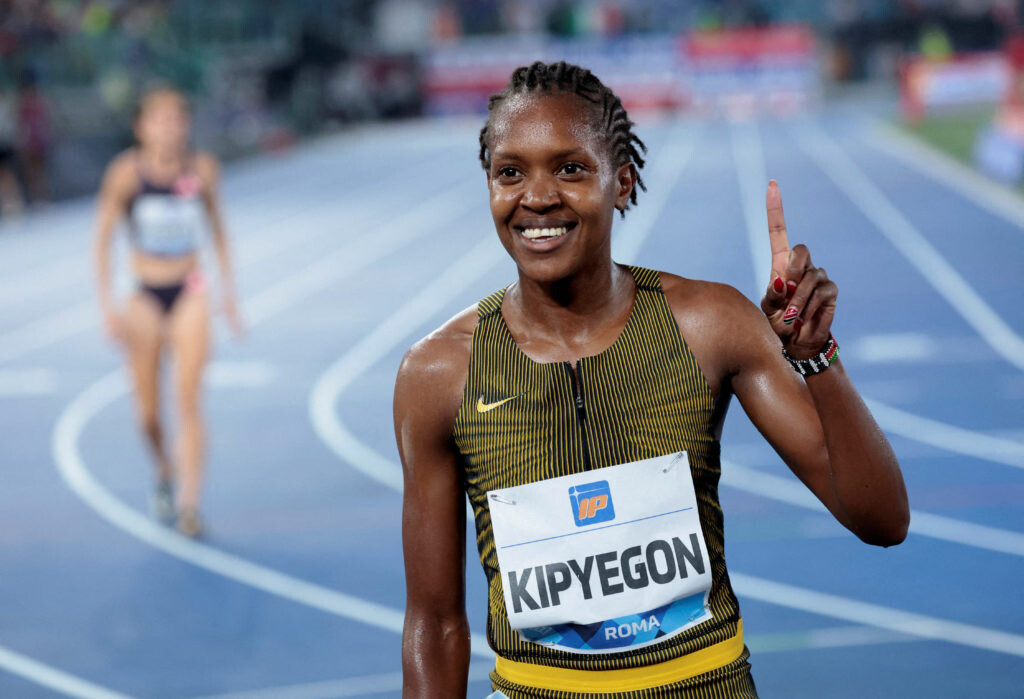
Kipyegon, already a two-time Olympic champion and multiple-time world champion, executed a flawless race. After a steady opening 800m behind the pacemaker, she began to pick up the tempo in lap three before unleashing her signature kick over the final 300 meters.
Her time of 3:48.68 now stands as the fastest women’s 1500m ever recorded — shaving more than three-tenths of a second off her previous world record from 2024.
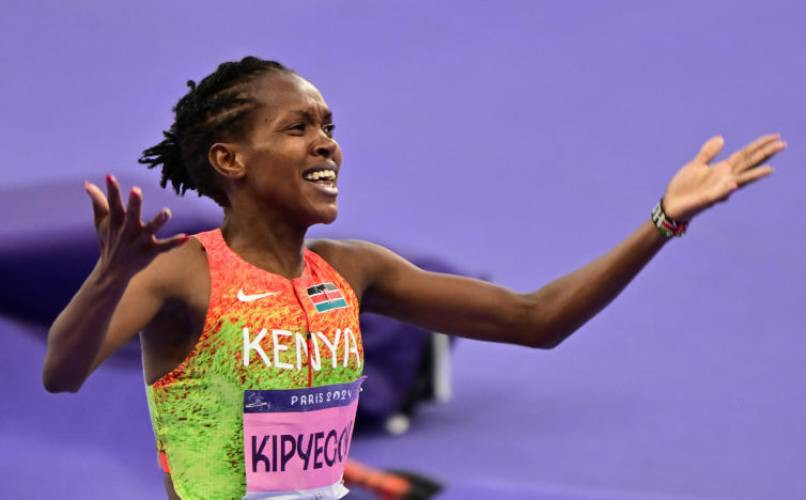
“I knew I was in shape to do something special,” said Kipyegon after the race. “Breaking the world record again, right here in front of this crowd, is a dream come true.”
One of the Greatest Careers in Track History
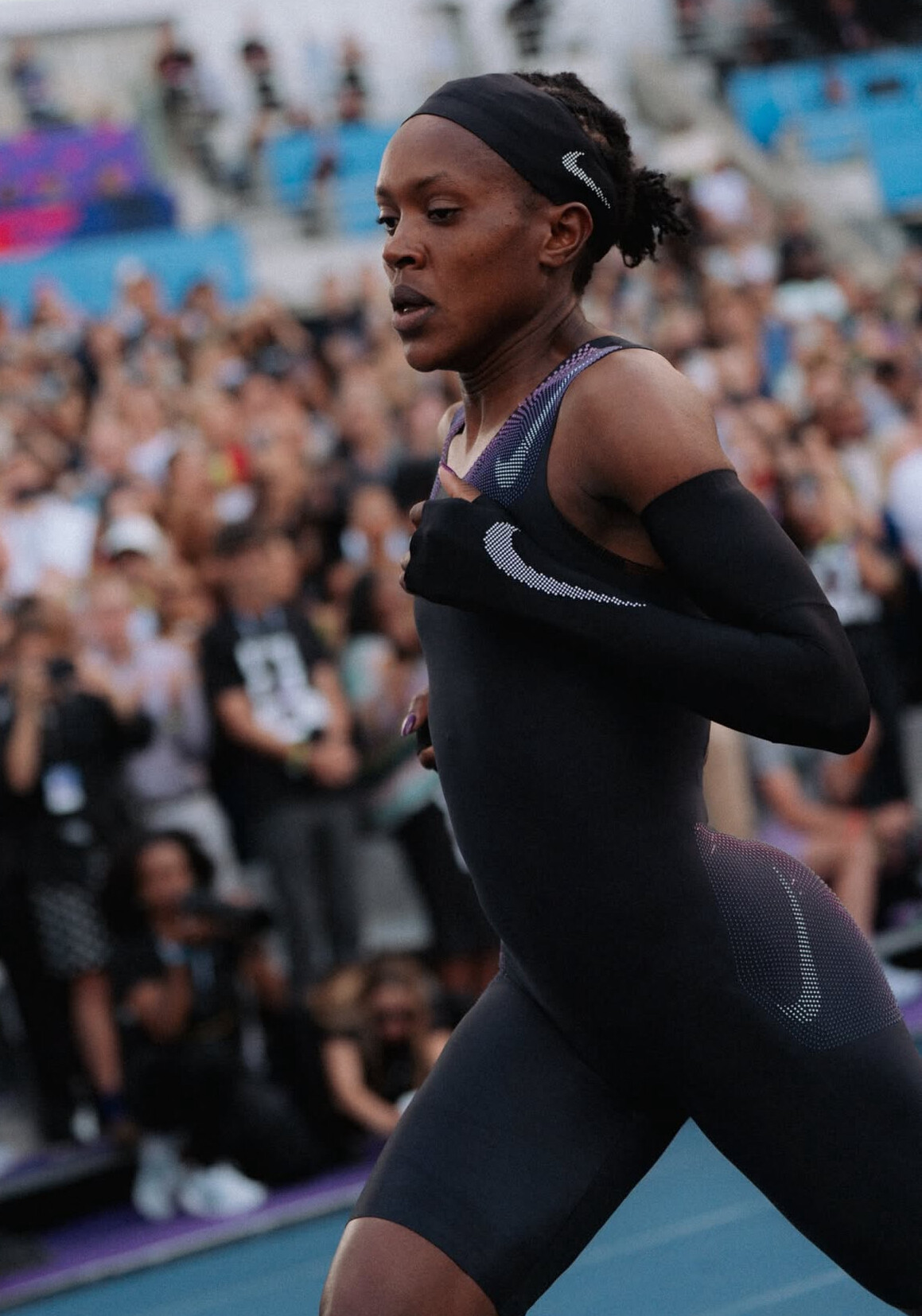
With this latest record, Kipyegon has now broken three world records in just over a year — the 1500m, mile, and 5000m — showcasing a range and consistency few have ever matched.
Her ability to dominate both the 1500m and 5000m places her in a category all her own. And after winning double gold in both events at the 2024 Paris Olympics, her legend continues to grow.
What’s coming up for Faith
With the 2026 World Championships in Tokyo looming, Kipyegon’s momentum couldn’t be stronger. She’s not just chasing titles — she’s rewriting the sport’s history.
As the only woman in history to run both sub-3:49 in the 1500m and sub-14 in the 5000m, Faith Kipyegon isn’t just winning races — she’s reshaping the limits of human performance.
(07/05/2025) ⚡AMPby Boris Baron

Prefontaine Classic
The Pre Classic, part of the Diamond League series of international meets featuring Olympic-level athletes, is scheduled to be held at the new Hayward Field in Eugene. The Prefontaine Classicis the longest-running outdoor invitational track & field meet in America and is part of the elite Wanda Diamond League of meets held worldwide annually. The Pre Classic’s results score has...
more...
Beatrice Chebet Smashes Women’s 5000m World Record with Historic 13:58.06 at Prefontaine Classic
On a cool Saturday evening in Eugene, Oregon, Beatrice Chebet of Kenya made history — becoming the first woman ever to break the 14-minute barrier in the 5000m.
Chebet stormed to victory at the Prefontaine Classic on July 5, 2025, clocking an astonishing 13:58.06, obliterating the previous world record of 14:00.21 set by Ethiopia’s Letesenbet Gidey in 2020.
It was a performance that stunned the crowd at Hayward Field and sent shockwaves through the global athletics community.
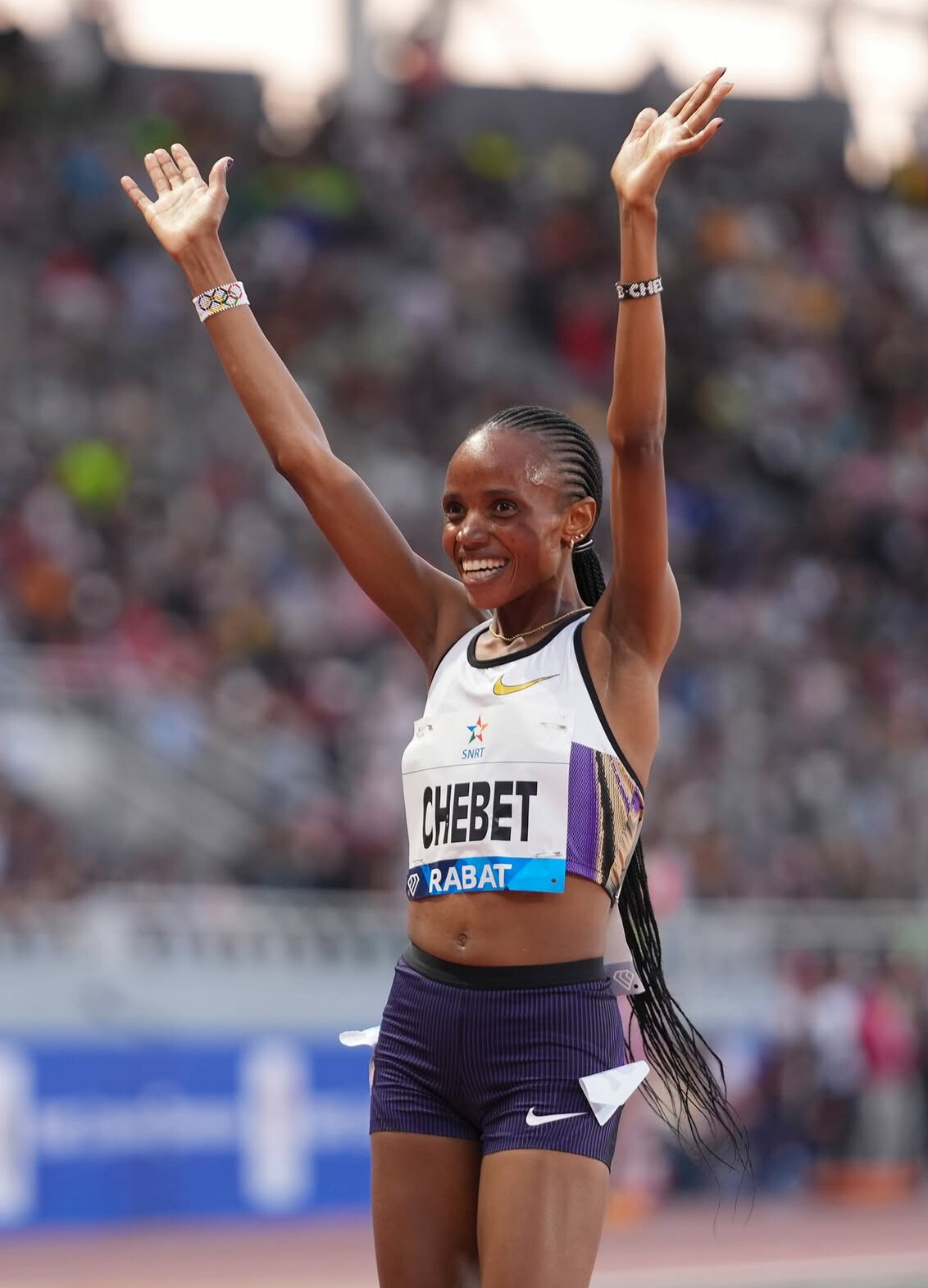
Making History in Style
From the gun, the race was electric. Pushed by strong pacing and an elite field, Chebet stayed composed and patient, moving smoothly through the early kilometers. But as the laps ticked down, she surged to the front with her trademark closing speed and never looked back.
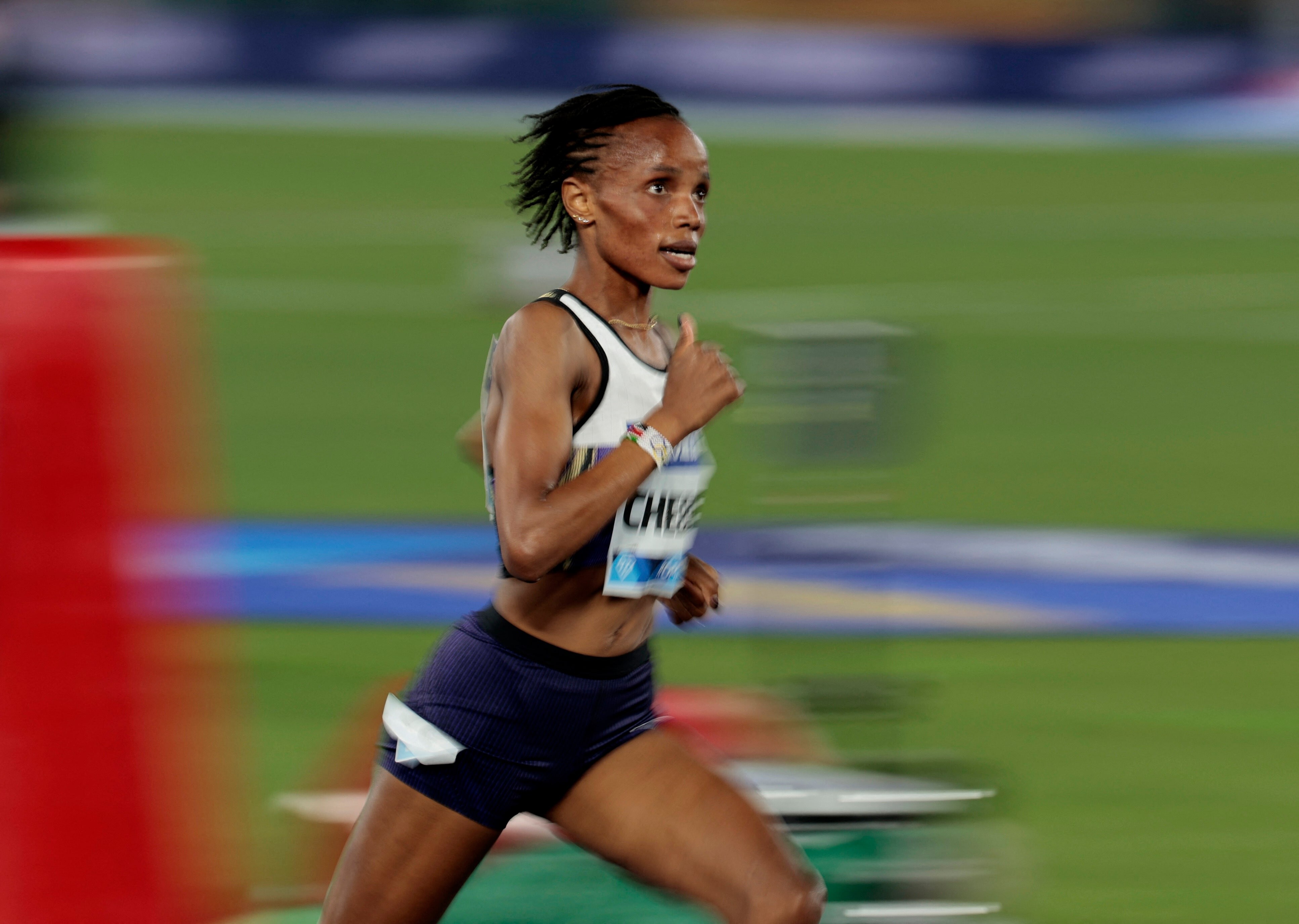
Her final time of 13:58.06 etched her name in the record books and established her as the new queen of the distance — a feat no woman in history had previously achieved.
“I knew the record was possible,” Chebet said after the race. “I trusted my training and my strength. This was for Kenya, for women, and for everyone who believes in breaking limits.”
A Star Ascending
At just 25, Beatrice Chebet has already had a career packed with accolades — World Cross Country champion, Diamond League winner, and now the fastest woman ever over 5000m.
With her Paris Olympic medal from last year and a World Championships season on the horizon, Chebet has shown that she is in the form of her life. Her historic run comes at a time when Kenyan distance running is enjoying a renaissance — especially among the women.
What’s Next for Beatrice
Chebet’s performance doesn’t just reset the record books — it redefines what’s possible in women’s distance running. The sub-14 club now exists, and she’s the founding member.
With competition heating up and eyes on the 2026 World Championships, Chebet has firmly taken the lead in the next chapter of women’s long-distance history.
(07/05/2025) ⚡AMPby Boris Baron
Prefontaine Classic
The Pre Classic, part of the Diamond League series of international meets featuring Olympic-level athletes, is scheduled to be held at the new Hayward Field in Eugene. The Prefontaine Classicis the longest-running outdoor invitational track & field meet in America and is part of the elite Wanda Diamond League of meets held worldwide annually. The Pre Classic’s results score has...
more...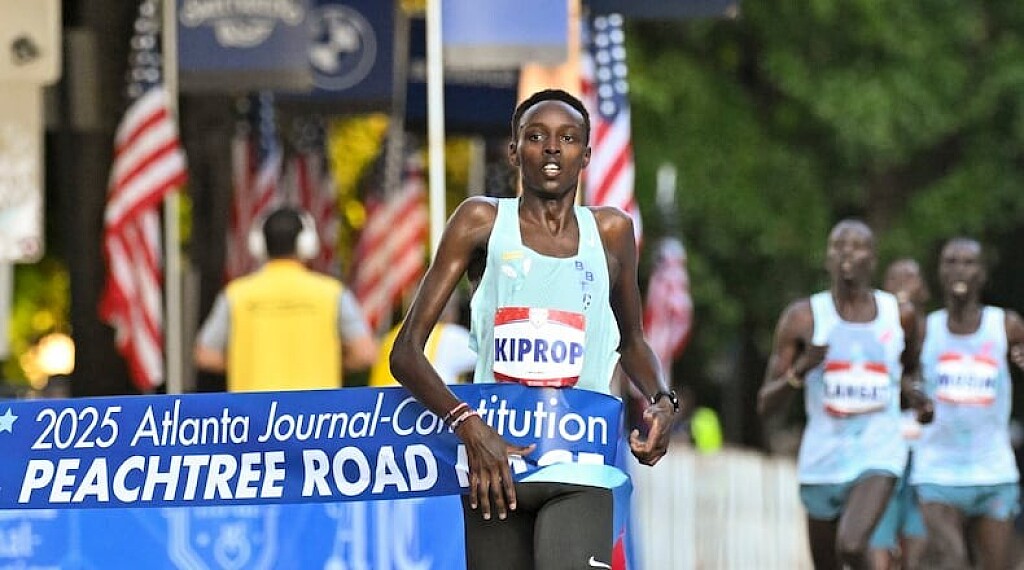
Fireworks on the Roads: Kiprop and Obiri Win 2025 AJC Peachtree 10K
ATLANTA, Georgia – July 4, 2025
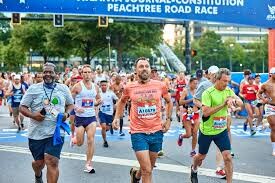
The world’s largest 10K race, the AJC Peachtree Road Race, once again delivered thrilling fireworks on the Fourth of July. With tens of thousands of runners crowding Atlanta’s iconic Peachtree Street and elite athletes going head-to-head for glory, the 55th edition of the race lived up to the hype—and then some.
Men’s Race: Kiprop Leads Kenyan Sweep
In a battle that came down to seconds, Patrick Kiprop of Kenya surged ahead to claim the men’s title in 27:35, holding off a tightly packed group of countrymen. Just four seconds separated the top four finishers.
Top 5 Men’s Results
1. Patrick Kiprop (KEN) – 27:35
2. Vincent Langat (KEN) – 27:39
3. Patrick Mosin (KEN) – 27:39
4. Hillary Kipkoech (KEN) – 27:39
5. Isaia Lasoi (KEN) – 27:43
The men’s race was electric from the start, with the lead pack pushing the pace through the rolling hills of Atlanta. Kiprop’s victory continues Kenya’s dominance on the global road racing circuit and solidifies him as one to watch this season.
Women’s Race: Obiri Adds Peachtree to Her Legacy
Olympian and World Champion Hellen Obiri added another major victory to her résumé, winning the women’s elite race in 31:29. She held off a strong Ethiopian challenge led by Senayet Getachew, who finished just one second behind.
Top 5 Women’s Results
1. Hellen Obiri (KEN) – 31:29
2. Senayet Getachew (ETH) – 31:30
3. Gela Hambese Degefa (ETH) – 31:38
4. Gladys Chepkurui (KEN) – 31:48
5. Melknat Wudu (ETH) – 32:12
Obiri’s win confirms her versatility and consistency across track, cross country, and road racing. Her ability to outkick some of the world’s fastest women under warm and humid conditions impressed fans and commentators alike.
More Than a Race – A Celebration of Running
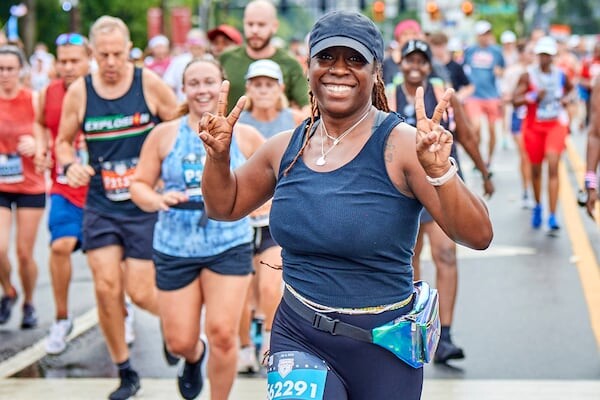
From the elite fields to everyday runners, the Peachtree 10K continues to inspire. With over 60,000 participants and countless spectators lining the 6.2-mile route, it remains the heart and soul of American road racing on Independence Day.
The event also upheld its famous tradition of rewarding the top 1,000 finishers with the coveted Peachtree finisher’s mug—a collector’s item for many. Organizers made smart adjustments to combat the early July heat, including starting the race 10 minutes earlier than usual.
A Dream Race for Many
My Best Runs founder Bob Anderson reflected, “Today's race reminds me why Peachtree is one of the most iconic 10Ks in the world. I’m starting to feel the desire to race it myself one day. Congratulations to all. Happy Fourth!”
Peachtree by the Numbers
• Founded: 1970
• Distance: 10K (6.2 miles)
• Location: Peachtree Street, Atlanta, Georgia
• Participants: ~60,000 runners annually
• Organized by: Atlanta Track Club
From world-class racing to heartfelt celebrations, the 2025 AJC Peachtree 10K showed once again why it’s a must-run event for runners across the globe.
(07/04/2025) ⚡AMPby Boris Baron

AJC Peachtree Road Race
The AJC Peachtree Road Race, organized by the Atlanta Track Club, is the largest 10K in the world. In its 48th running, the AJC Peachtree Road Race has become a Fourth of July tradition for thousands of people throughout the metro Atlanta area and beyond. Come kick off your Fourth of July festivities with us! If you did not get...
more...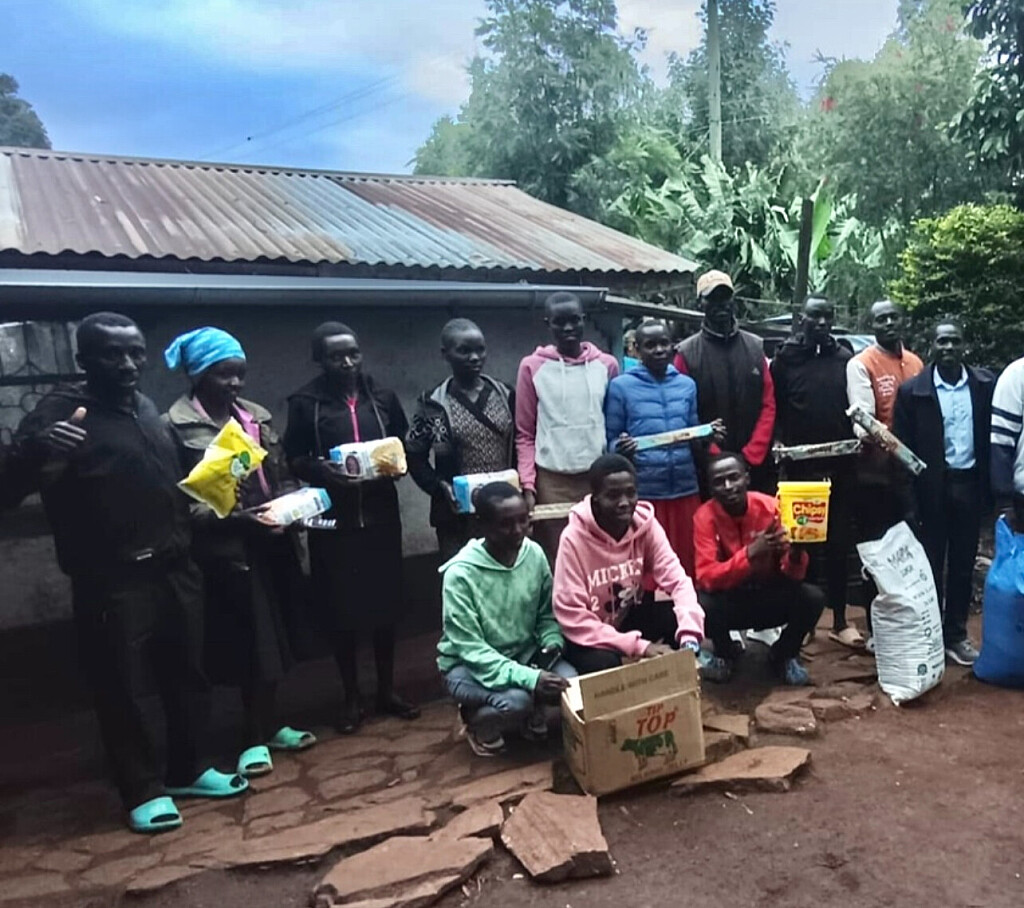
From Dirt Roads to Global Dreams: Inside Kenya’s Fastest-Growing Running Movement
In the heart of Kenya’s Rift Valley and beyond, a quiet revolution in athletics is underway. What began as a modest idea has grown into a dynamic movement that now spans 19 KATA Running Camps and Potato Farms across Kenya—plus two international retreats, including one at the historic Anderson Manor in Monforte da Beira, Portugal.
And it’s happening fast.
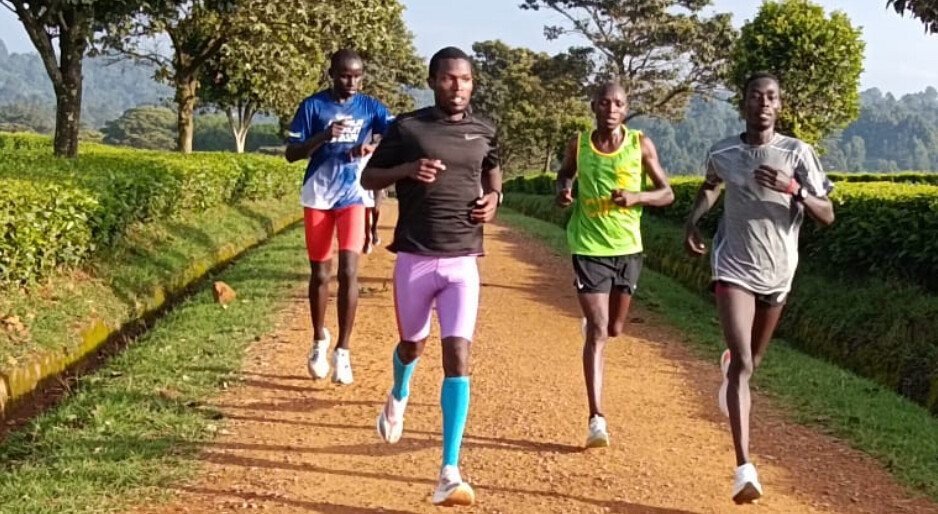
“We never planned to expand this quickly,” says Bob Anderson, founder of KATA and a lifelong advocate for long-distance running. “But the momentum of this movement just couldn’t be slowed down. We’ll be confirming one more camp shortly, and additional locations will follow in early 2026.”

KATA—short for Kenyan Athletics Training Academy—is unlike anything else in the world of distance running. It blends elite training with economic empowerment, giving young athletes not only the tools to run fast, but also a system that sustains them—and their communities—beyond the track.
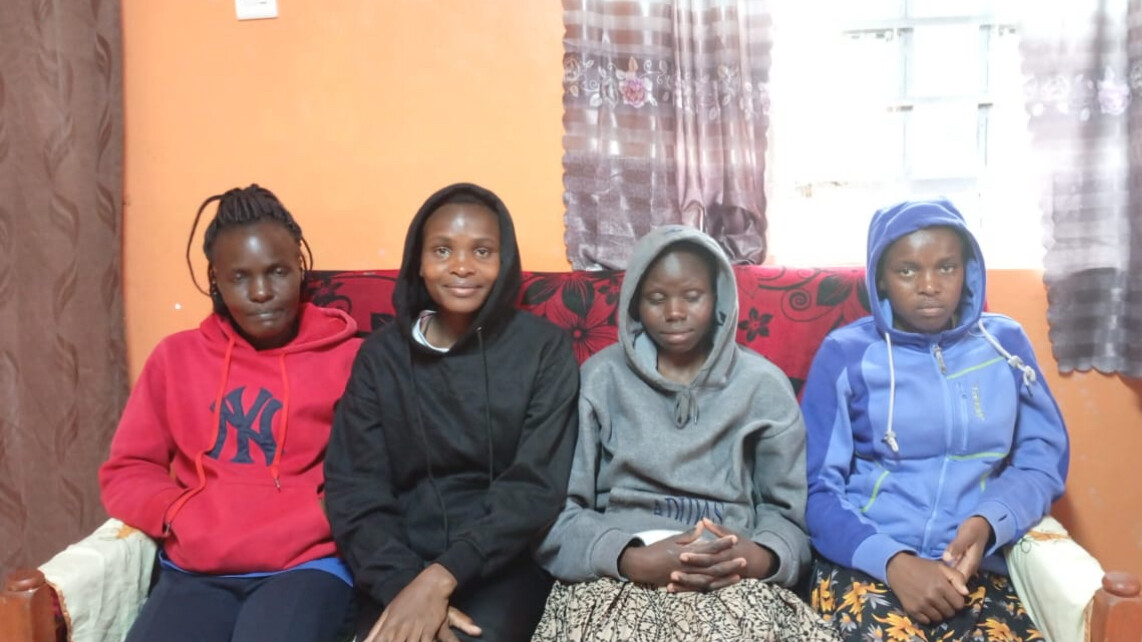
“This is not just sports development,” says Brigid Chebet, a Kenyan journalist who has closely followed the program. “It’s a model of rural transformation through athletics. And Kenya may finally have found a winning formula for generations to come.”
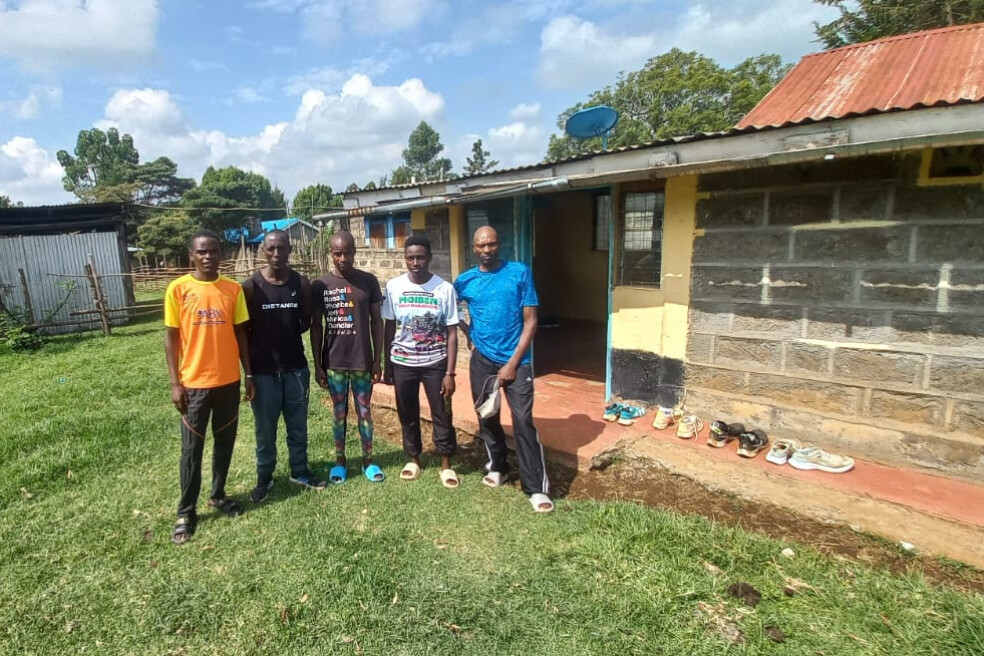
From a Vision to a Movement
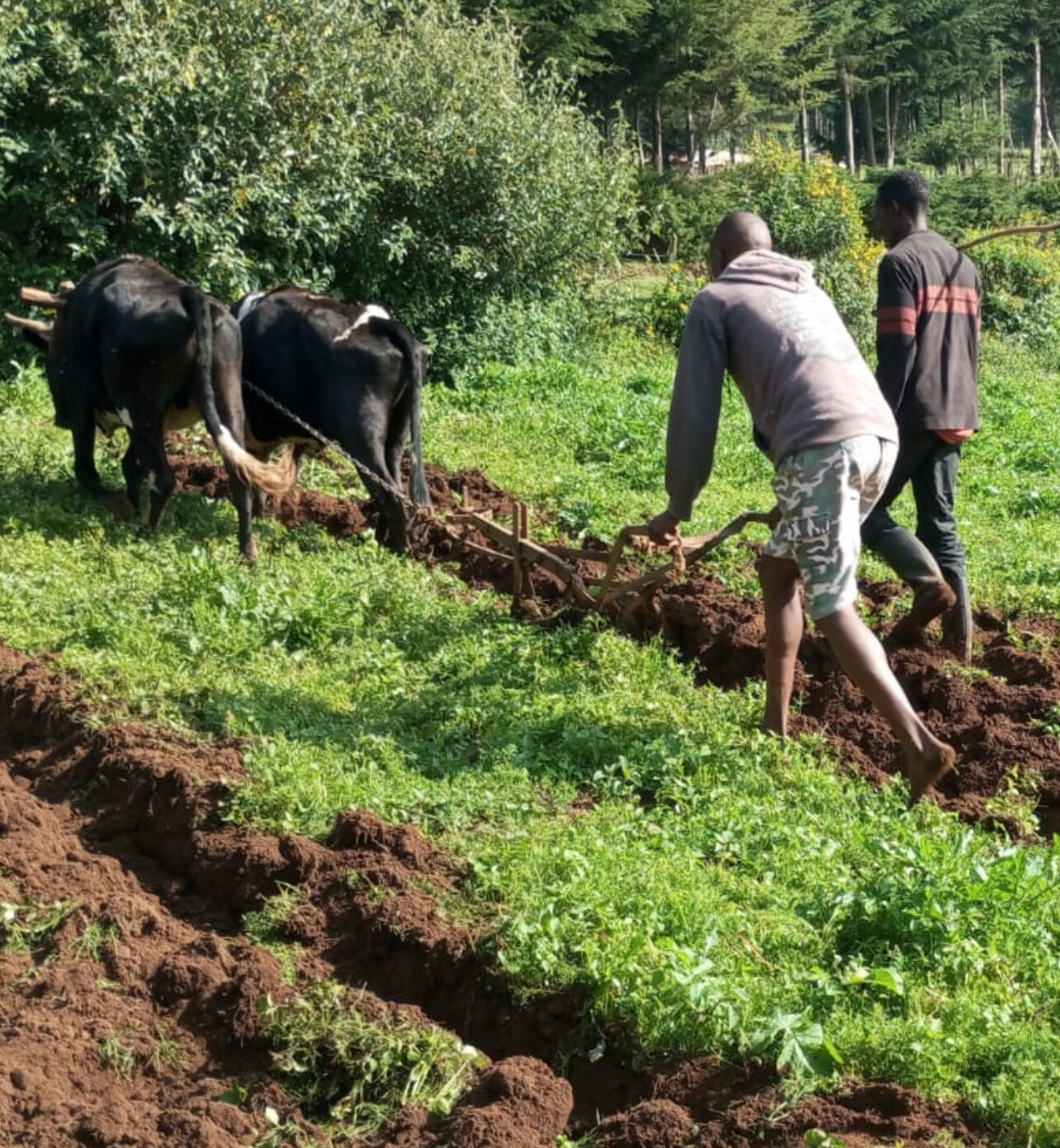
KATA was founded by Bob Anderson, an accomplished American runner who created Runner’s World magazine and later My Best Runs. After visiting Kenya in 2014, he was deeply inspired by the raw talent scattered throughout rural communities—athletes with potential but no pathway.
“He saw a path that few others in athletic management had envisioned—a system that not only trains champions but empowers them economically,” writes Chebet.
That system became KATA: a network of running camps, each paired with a three-acre potato farm. Each camp receives an interest-free loan from KATA to establish operations. In exchange, athletes train full-time and contribute 25 hours a week to the farm. Revenue from the potato harvest supports camp expenses, housing, and meals—creating a self-sustaining ecosystem.
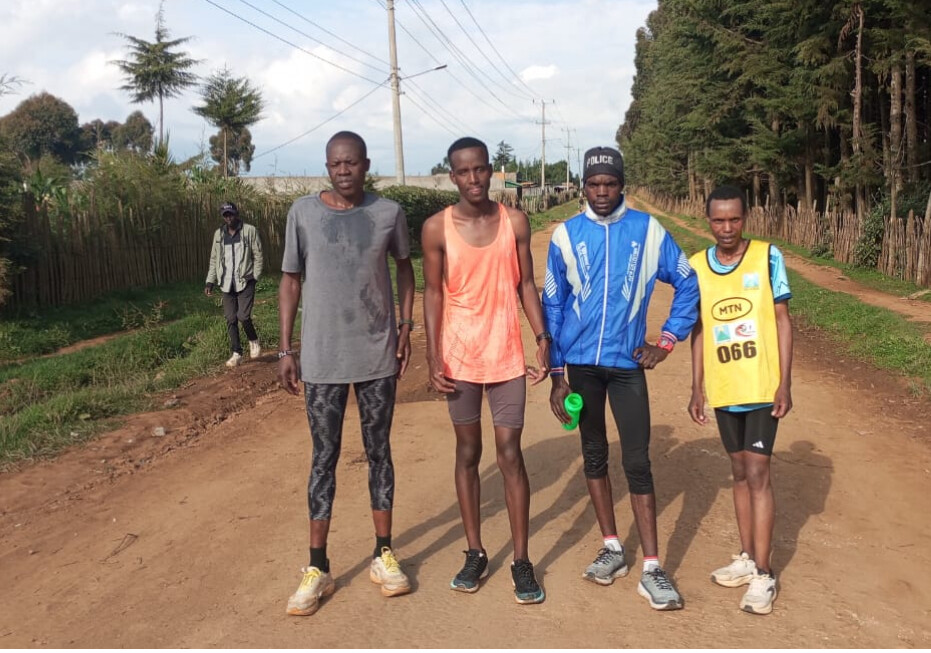
A Growing National Network
The first KATA retreat opened in Thika in 2019. Today, the initiative includes 19 camps spread across Kenya, each run by an experienced operator—many of them former elite athletes.
|
Location |
Operator |
|
Kapcherop |
Philemon Kipruto |
|
Molo |
Eric Chepkwony |
|
Kurengat |
Sammy Dismas |
|
Nyandarua |
Peter Njoroge |
|
Kericho |
|
|
Sotik |
|
|
Sachangwan |
Amos Chirchir |
|
Iten |
David Kellum |
|
Tenden |
Philemon Kipruto |
|
Eldoret |
Ruth Chumo |
|
Njerian Bomet |
Paul Kipsiele Koech |
|
Olenguruone |
Charles Ngeno |
|
Kapkembu |
Kipyegon Nehemiah |
|
Gasharrarge |
Job Langat |
|
Kaptagat |
Joseph Ngure |
|
Kiambu |
Julius Gacheru Migwi |
|
Kangundo |
Jimmy Muindi |
|
Moiben |
Hillary Kiplagat |
|
Kiptoror |
Caleb Rut |
In addition to these camps, two retreats serve as international training hubs: the KATA Running Retreat Thika, operated by Chris Muiruri, and the KATA Running Retreat Portugal, operated by Alberto Santos. Guests from around the world come to the two KATA retreats to train the Kenyan Way.
Elite Experience, Grassroots Impact
At the heart of KATA’s success is its leadership team. Olympic medalist Edwin Soi, now managing the Kuresoi Camp, brings both credibility and experience. Legendary steeplechaser Paul Kipsiele Koech, who has run under 8:10 in the 3000m steeplechase over 110 times, oversees two KATA camps/farms.
Veteran coach Charles Ngeno, known for his early work with Olympic champion Faith Kipyegon, now heads the Olenguruone camp, ensuring that young athletes from even the most remote villages receive structured training and economic opportunity.
“The new vision embraces sustainability, resilience, and empowerment,” writes Chebet. “It ensures that our athletes thrive both on and off the field.”
Looking Ahead
Anderson and the KATA team have ambitious plans: confirming one more camp this month and preparing for even more in 2026. The goal is clear—build up to 50 self-sustaining running camps across Kenya and replicate the model in other parts of the world.
“We’re not just chasing medals,” says Anderson. “We’re building lives.”

For partnership opportunities or more information, contact Bob Anderson on WhatsApp: +1-650-400-6643
(07/03/2025) ⚡AMPby Brigid Chebet with Boris Baron
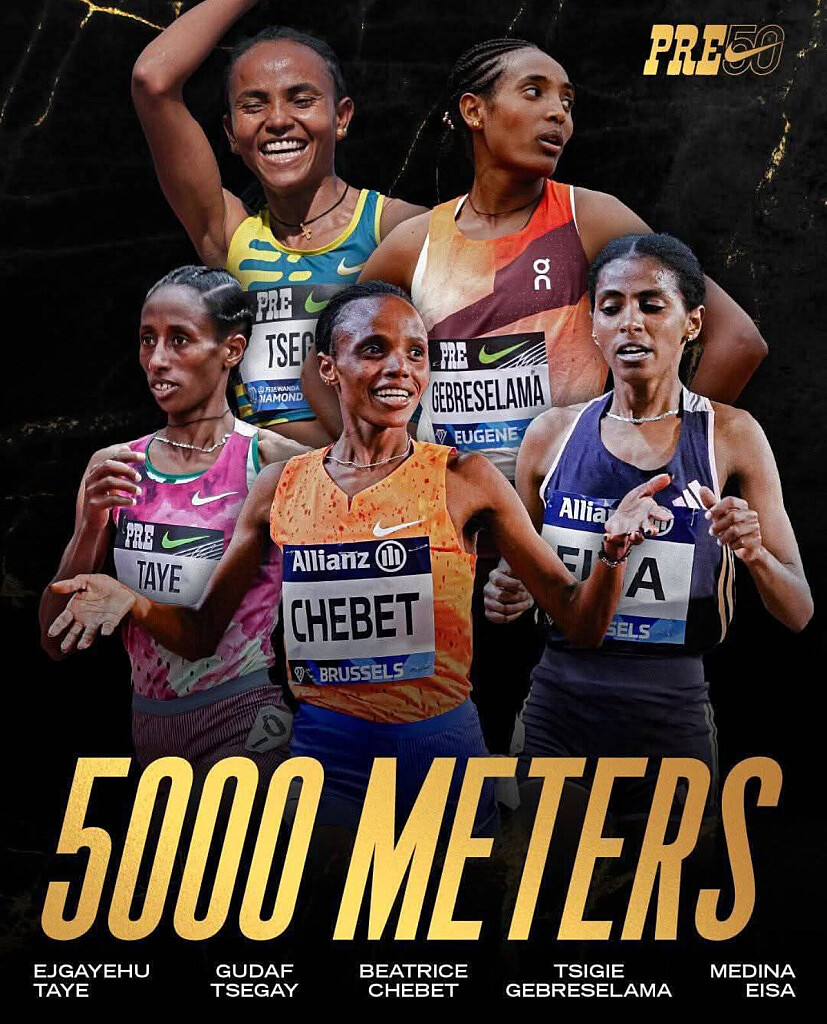
Clash of Titans: Women's 5000m Showdown at the 2025 Pre Classic
The stage is set for an epic battle in women's distance running. World record holder Gudaf Tsegay and newly crowned 10,000m world record holder Beatrice Chebet headline a star-studded field in the women's 5000m at the 2025 Pre Classic in Eugene, Oregon, on July 5.
Tsegay's current world record of 14:00.21, set in Eugene in September 2023, has pushed the boundaries of human performance, tantalizingly close to the sub-14 minute barrier. Her fearless racing style and blistering finishes have cemented her status as one of the sport's most electrifying athletes.
Chebet's jaw-dropping 28:54.14 10,000m performance in Eugene earlier this year sent shockwaves through the track world. The Kenyan's record-breaking run, which shattered the previous mark by over seven seconds, has established her as a force to be reckoned with in long-distance events.
With both athletes confirmed for the Pre Classic, fans are buzzing with anticipation: could we witness the first sub-14:00 performance by a woman? The Pre Classic's reputation for record-setting conditions – cool temperatures, fast track, and expert pacing – only adds to the excitement.
A Race Built for History
The Diamond League event has a proven track record of fostering exceptional performances. With Tsegay and Chebet at the forefront, the women's 5000m on July 5 promises to be a defining moment in the 2025 athletics calendar. Will Tsegay look to further cement her legacy or Chebet seek to double down on her 10,000m dominance? One thing is certain: this clash of titans will leave an indelible mark on the sport.
Event Details:
- Date: July 5, 2025
- Location: Hayward Field, Eugene, Oregon
- Event: 2025 Pre Classic Women's 5000m
Get ready for an unforgettable showdown between two of the world's greatest distance runners. Will the 2025 Pre Classic witness history in the making?
(06/30/2025) ⚡AMPby Boris Baron
Prefontaine Classic
The Pre Classic, part of the Diamond League series of international meets featuring Olympic-level athletes, is scheduled to be held at the new Hayward Field in Eugene. The Prefontaine Classicis the longest-running outdoor invitational track & field meet in America and is part of the elite Wanda Diamond League of meets held worldwide annually. The Pre Classic’s results score has...
more...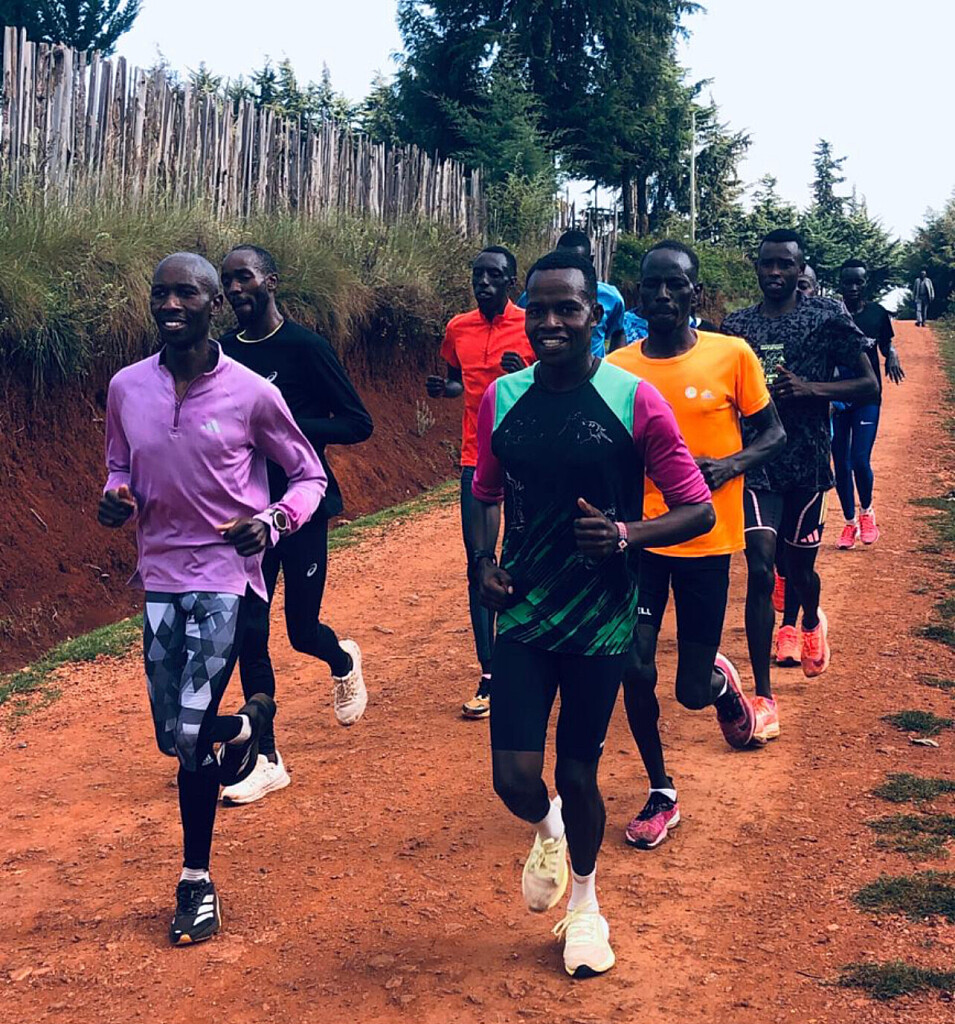
KATA to Launch Eight New Running Camps and Potato Farms Across Kenya by October
Bob Anderson, the visionary founder of KATA (Kenyan Athletics Training Academy) and long-time champion of Kenyan running, and lifetime runner, has announced a bold expansion plan: eight new KATA Running Camps and Potato Farms will open across Kenya by October 1, 2025.
“We want to confirm our next eight camps by August 15,” says Bob Anderson, KATA Director and Founder.
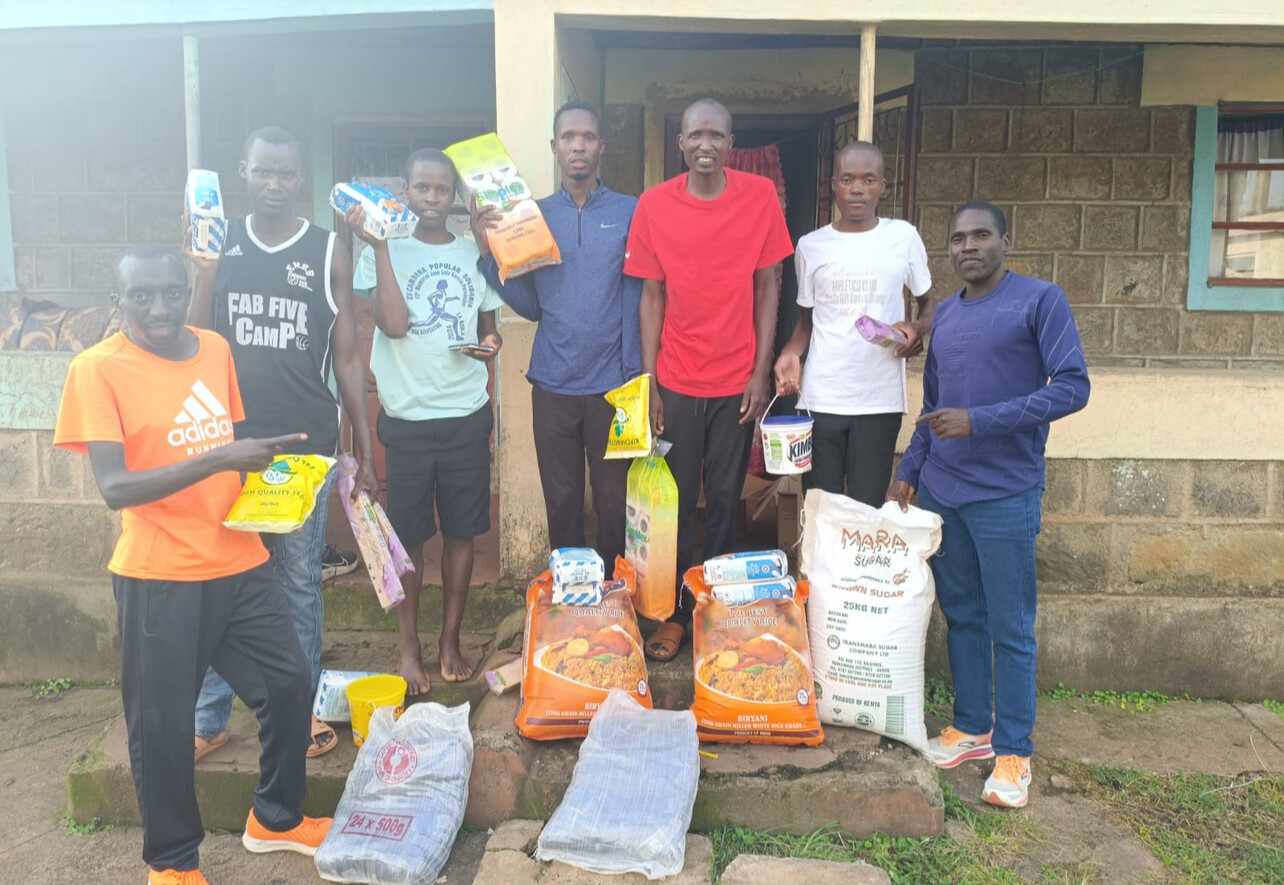
Each new site will combine high-performance athlete training with sustainable agriculture, centering around a 3-acre KATA Potato Farm. The initiative aims to create self-sustaining camps where runners not only train at a high level but also contribute to the farm operations that help support the entire program.

At the heart of every KATA Running Camp is a dedicated operator—often a former elite athlete or experienced coach—who oversees day-to-day operations and athlete development. Our operators are more than just managers; they are mentors, motivators, and community builders. Each operator is carefully selected for their deep understanding of training at altitude, their passion for helping athletes succeed, and their ability to lead with integrity. Many of them have raced at the international level or coached athletes to major victories, bringing invaluable knowledge to the camps. Whether it’s organizing daily workouts, managing food and lodging, or fostering a winning culture, our KATA Running Camp operators are the backbone of our success.
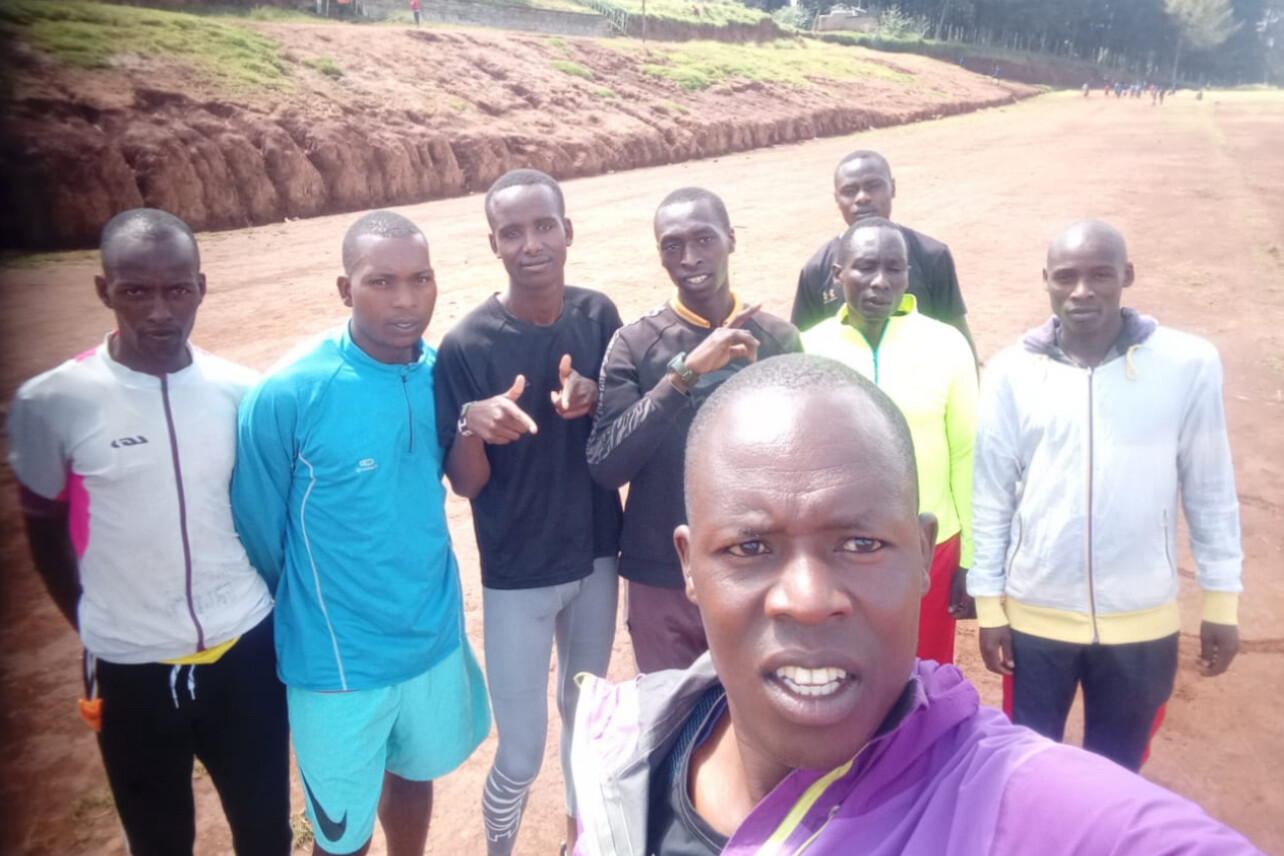
Currently, KATA Running Camps are thriving across Kenya under the leadership of 11 outstanding operators. In Kapcherop, Philemon Kipruto manages a vibrant group of emerging athletes. Eric Chepkwony runs our camp in Molo, and Sammy Dismas leads the program in Kurenget.

Over in Nyandarua, Peter Njoroge is building a strong training culture, while Edwin Soi, Olympic bronze medalist, brings elite-level experience to our Kericho camp. Paul Kipsiele Koech, an iiOlympic medalist, leads not one but two camps—Sotik and Njerian Bomet—where he shares his wealth of knowledge and competitive insight. In Sachangwan, experienced coach Amos Chirchir oversees daily operations and athlete growth, while in the legendary running hub of Iten, former elite runner David Kellum provides mentorship and structure.
David Kirui heads up the team in Tenden, and in Eldoret, Ruth Chumo—a respected coach of both abled and para-athletes—brings technical excellence and inclusivity to her camp. Rounding out our leadership team is Charles Ngeno, who directs the Olenguruone camp and plays a vital role in shaping future champions.
How the Program Works:
Each selected operator will receive:
•An interest-free loan of 350,000 KES as startup capital to establish the camp.
•An additional 300,000 KES interest-free loan to cover the costs of renting and preparing 3 acres of land, fertilizing, spraying, planting, harvesting, and selling the potatoes.
The model is built on long-term sustainability: once established, revenue from the potato farm is expected to fully support each KATA Camp year-round, without additional outside funding.
Work and Training:
KATA athletes must commit to:
•25 hours of farm work per week, in addition to their structured training schedules.
This balance of physical labor and elite coaching is designed to build discipline, character, and community resilience—while helping runners achieve their full athletic potential.
The KATA Running Camps and KATA Potato Farms are headquartered at the Anderson Manor of Portugal, home to the KATA Running Retreat, located in Monforte da Beira in central Portugal. This historic and beautiful estate serves as the ideal European base for KATA. Athletes come here to sharpen their fitness and prepare for peak performances, whether they’re targeting personal bests or major competitions.
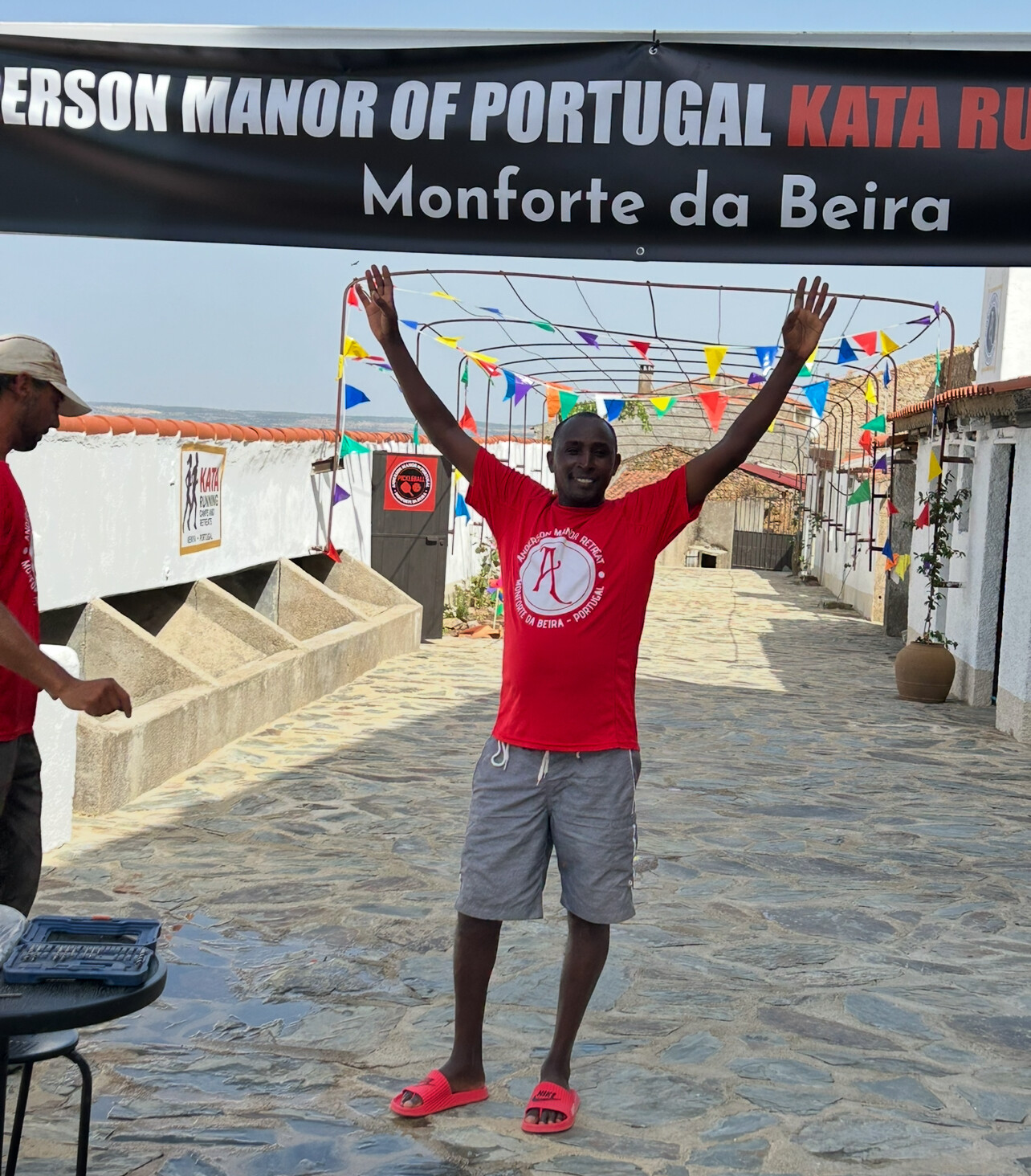
The location is perfect for training—quiet, scenic, and inspiring—and it’s conveniently positioned just 2.5 hours from Lisbon and about 4 hours from Madrid by car. KATA also maintains a local office in Thika, Kenya—site of the original KATA Running Retreat opened in 2019—which supports the growing network of KATA camps across the country.

Interested in Becoming a KATA Camp Operator?
If you’re passionate about athletics, have experience in farming or business management, and want to make a lasting difference in your community, this could be your opportunity.
Contact Bob Anderson directly on WhatsApp (650-400-6643) to apply (text only at this point):
Please include:
•Your full name
•The town where you’d like to establish a KATA camp
•Your background in running, coaching, or athletics
•Experience running a business
•Any potato or farming experience you have
This is more than a training camp. It’s a movement to empower Kenyan runners through purpose, performance, and sustainable agriculture.
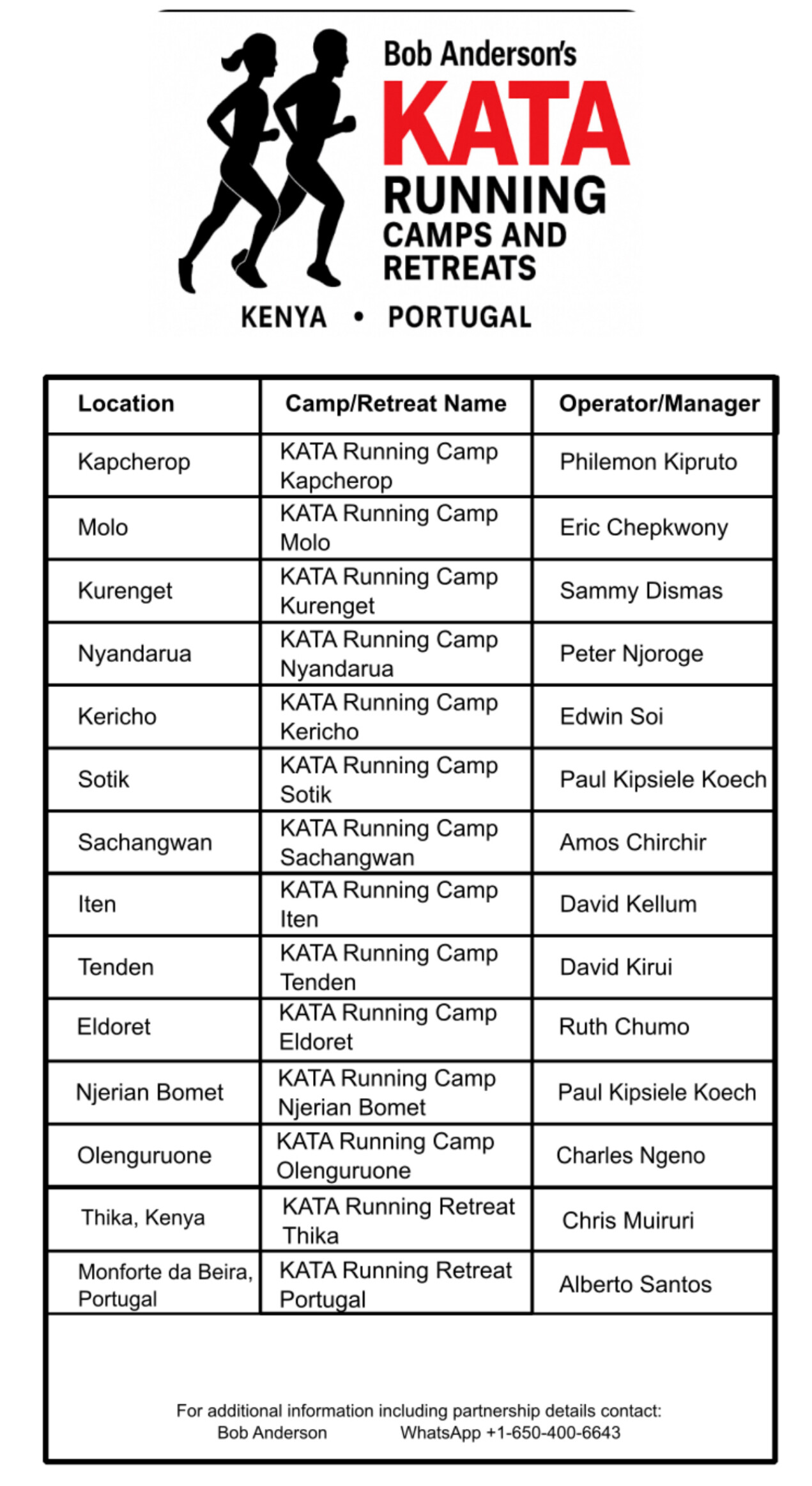
by Boris Baron
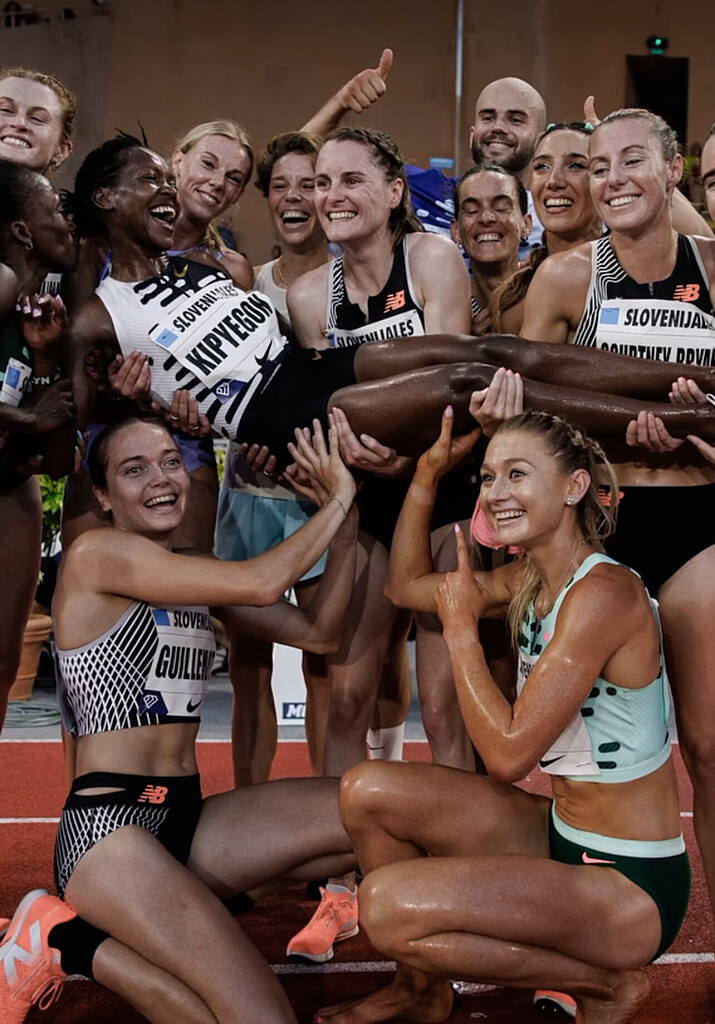
Faith Kipyegon Clocked 3:48.8 at 1500m During #Breaking4 Attempt—Eyes Another World Record at the Prefontaine Classic on July 5
Faith Kipyegon, the reigning queen of middle-distance running, continues to stretch the boundaries of what’s possible on the track. During a high-profile #Breaking4 mile time trial, the Kenyan superstar clocked a blistering 3:48.8 at the 1500-meter mark—faster than her official world record of 3:49.04, set in Florence in 2023.
Although the time trial format means the result won’t be ratified as an official record, the performance sent a clear message: Kipyegon is still getting faster.
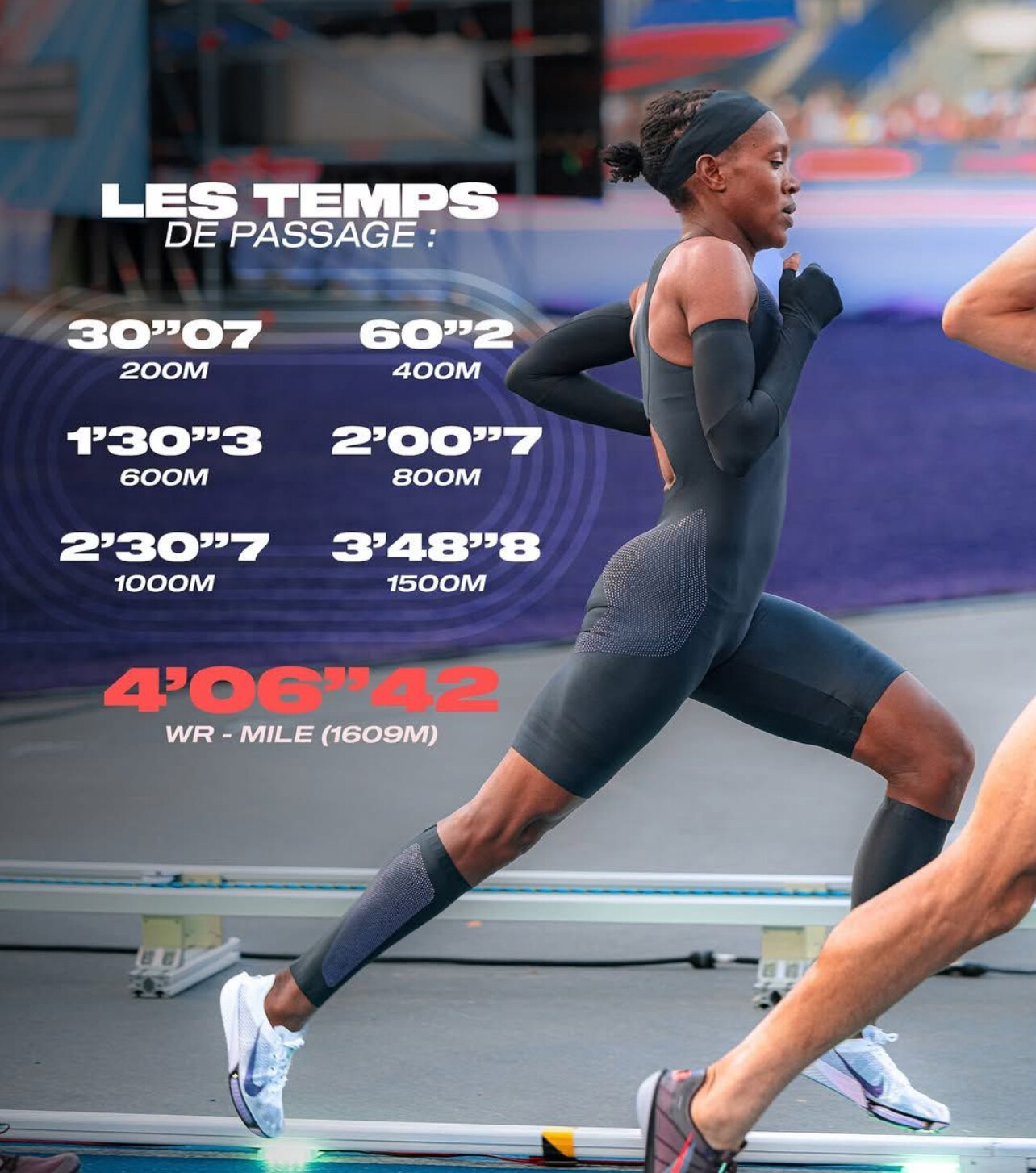
“This performance gives me great hope,” Faith said after the run. “To see 3:48.8 on the clock at 1500m confirms that sub-3:49 is within reach.”

She’ll have her next big chance at the Prefontaine Classic in Eugene, Oregon, on July 5, 2025, where she’s planning a serious assault on the record books. Known for producing fast times at Hayward Field, the meet could see Faith rewrite history once again.
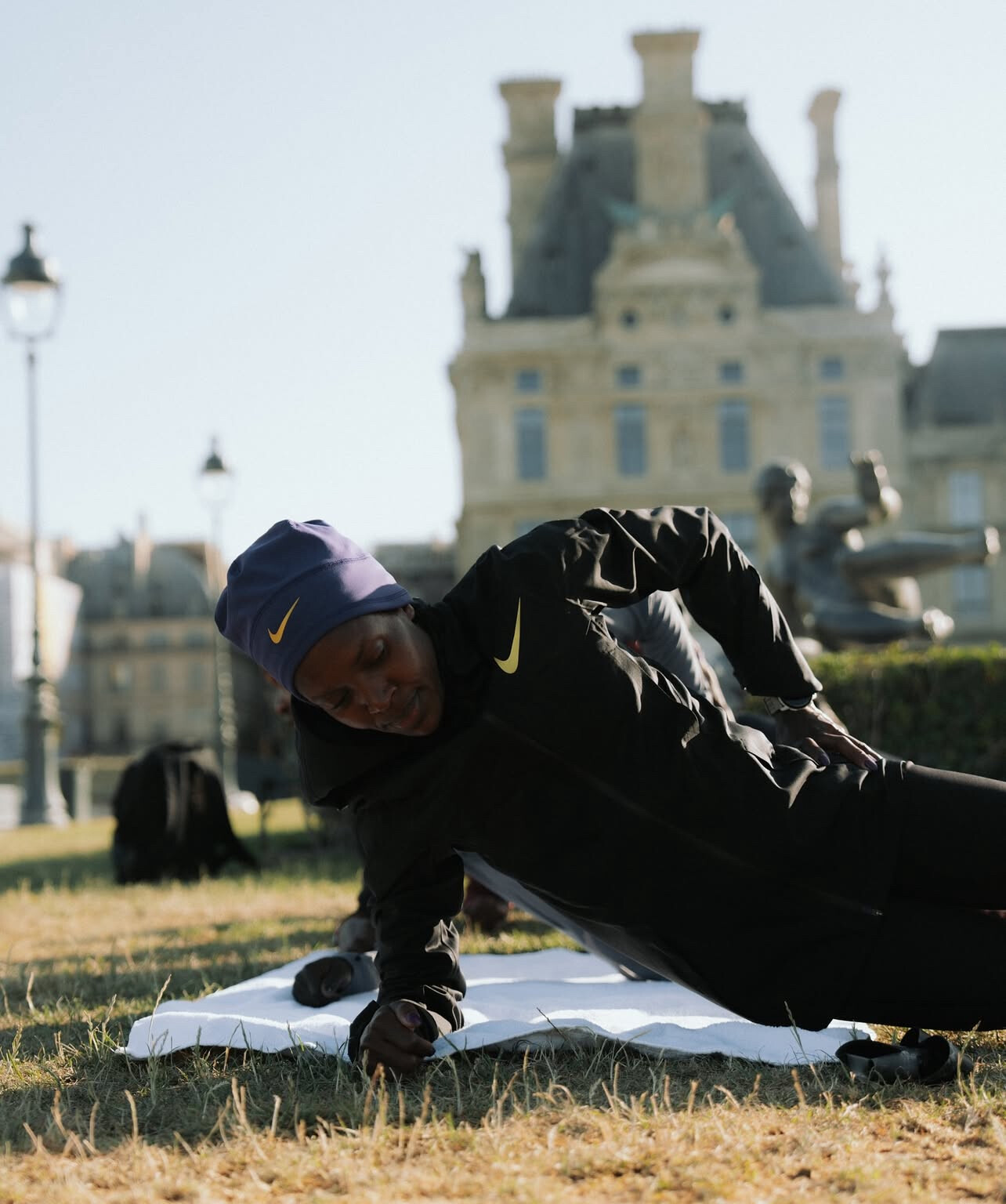
The Breaking4 attempt was designed to chase a barrier no woman has yet achieved under standard conditions: running a sub-four-minute mile. While Kipyegon ultimately finished the mile in 4:06.42, her 1500m split electrified fans and analysts alike.
Already the world record holder at 1500m, the mile, and 5000m, Kipyegon’s consistency and fearless racing continue to define this golden era in women’s distance running. Her run at the Pre Classic could mark the third time she’s broken the 1500m world record since 2023.
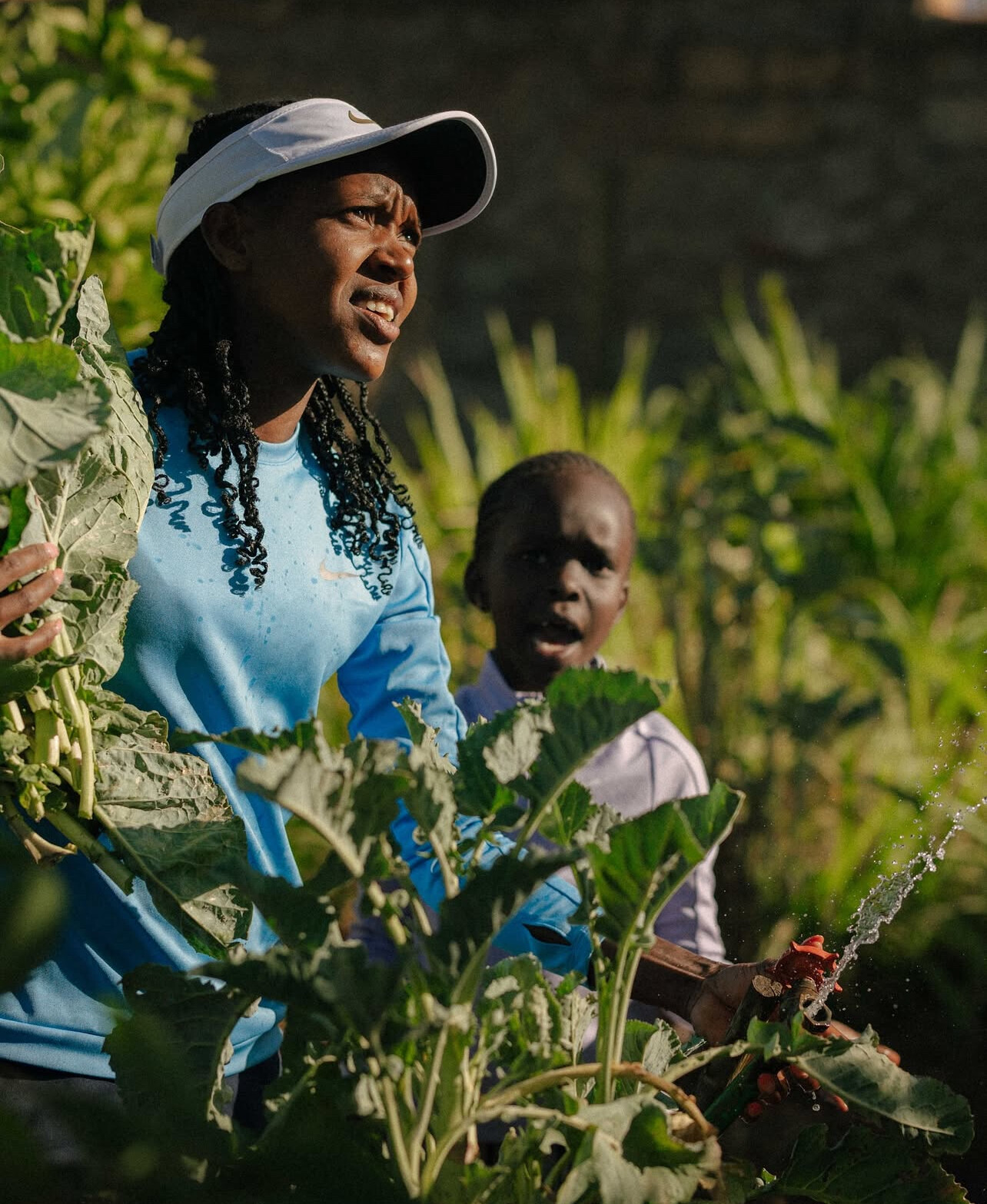
With the 2024 Paris Olympics now behind her, Kipyegon appears focused on cementing her legacy and pushing toward times no woman has ever reached.
The countdown to July 5 has officially begun.
My Best Runs
Follow us for full coverage of the Prefontaine Classic and the next chapter in Faith Kipyegon’s extraordinary journey.
(06/28/2025) ⚡AMPby Boris Baron
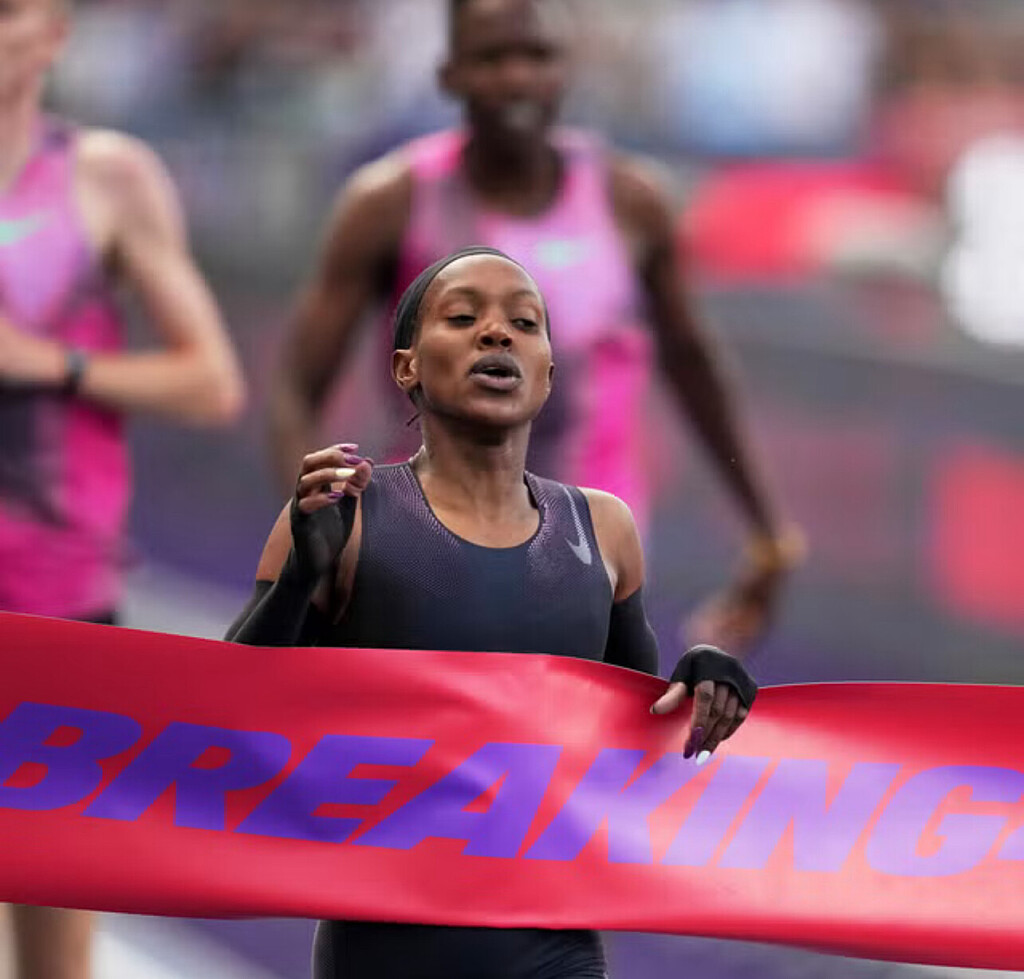
Too Many Pacers and a Missed Opportunity: Why Faith’s Sub-Four Mile Attempt Fell Short
By Bob Anderson
I watched with high hopes as Faith Kipyegon attempted to become the first woman to break four minutes for the mile—this time on the track in Paris. Nike clearly spent millions putting this event together. The lights, the controlled environment, the precision pacing system, the high-tech spikes—it was all there. Faith is one of the greatest middle-distance runners in history. If anyone could do it, she could. But what unfolded wasn’t the historic breakthrough it could have been. It was, frankly, a case study in poor execution.
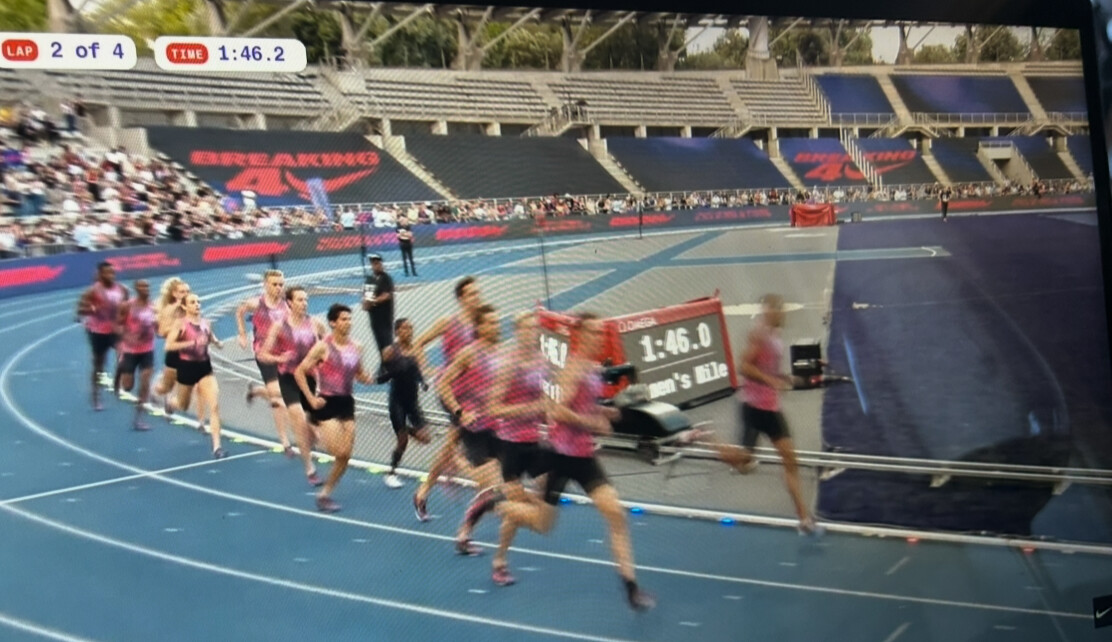
Let’s talk about the pacers. Whoever made the decision to assign thirteen of them made a fundamental error. A great runner doesn’t want five or six athletes stacked in front of her. It’s not just about drafting—it’s about mental clarity, rhythm, and feeling in control. Instead of creating an ideal pacing setup, they created visual and physical chaos. It didn’t feel like Faith was on the hunt for history—it felt like she was caught in someone else’s traffic jam.

The strategy should have been simple: three pacers. That’s it. Three men capable of running 3:58 for the mile. One slightly ahead of her to cut the wind and manage the pace. One at her side to maintain tempo. One behind to steady and support. And critically, with 400 meters to go, they should have faded and let her take the lead—let her own the moment and drive the finish.
This wasn’t a Diamond League race or a championship final. It was a fully staged time trial. Nike had total control over every variable—from the lighting system and pacing software to Faith’s state-of-the-art shoes, designed to give her the maximum mechanical advantage. The shoes themselves—part of Nike’s elite spike line—were made for moments like this. But even the best gear in the world can’t fix a flawed race plan.
Faith needed to feel like the leader. She needed space to surge and the right psychology. Instead, it looked and felt more like a corporate production than a runner-centric event. Too many distractions, too little intuition.
After the race, I reached out to Charles Ngeno, Faith’s former childhood coach and now a KATA Running Camp operator in Olenguruone, Kenya. He said it best:
“Faith is one of the most disciplined and gifted athletes I’ve ever worked with. She has what it takes to run under four minutes. But this wasn’t the way. She needs a setup that gives her space, rhythm, and control—not distraction. I believe she can do it, but next time the race must be for her, not for the cameras.”
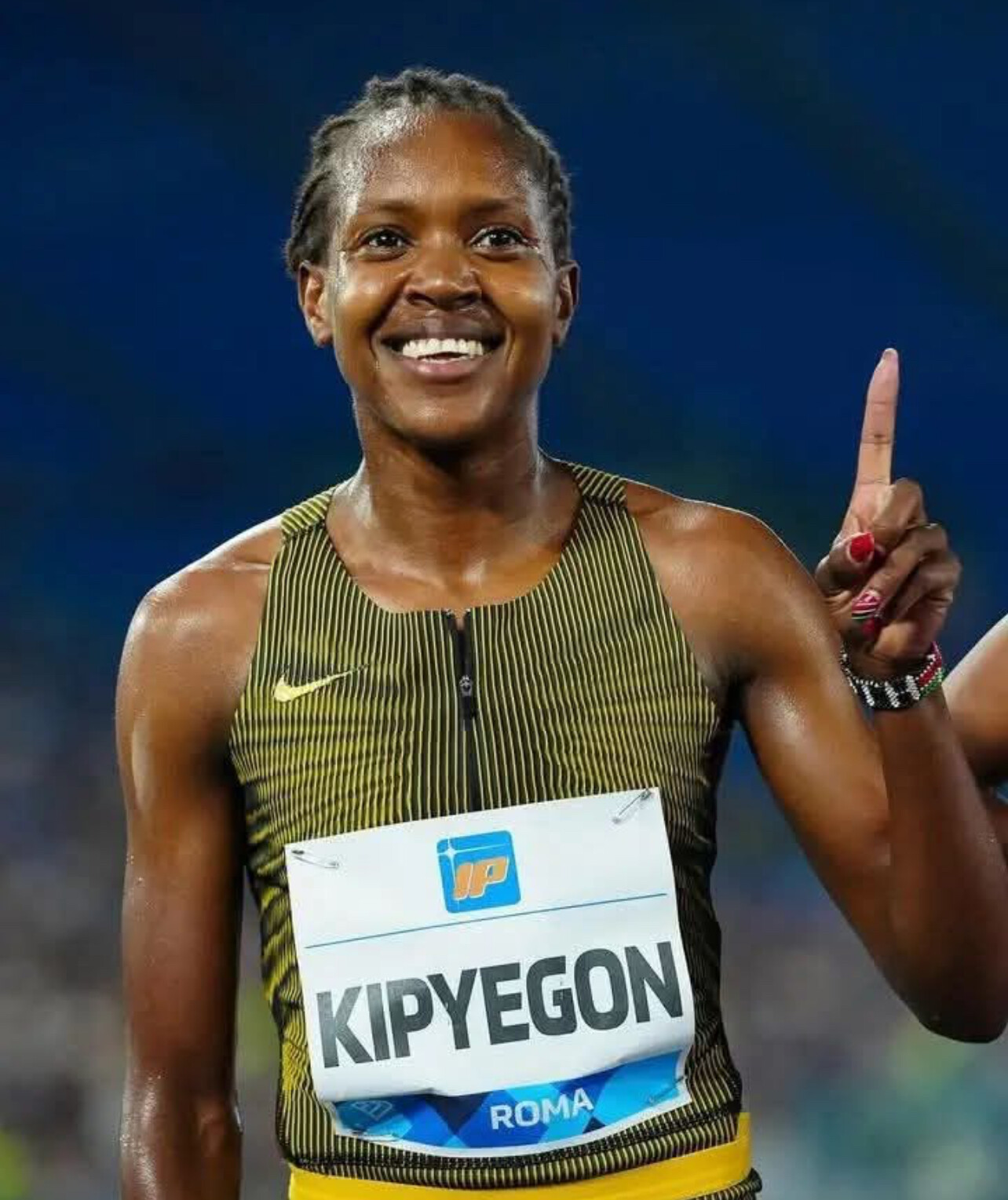
He’s right. Faith will have more chances. She’s too talented not to. But next time, I hope the planners listen—to athletes, to coaches, to those who understand what’s required to break barriers. High-tech shoes and flashing lights don’t make history. Precision, psychology, and smart pacing do.
This was a missed opportunity. Let’s not miss the next one.
(06/26/2025) ⚡AMPby Bob Anderson
Charles Ngeno Joins KATA to Help Build Kenya’s Next Champions
With more than 15 years of experience coaching distance runners at the highest level, Charles Ngenohas dedicated his life to unlocking the potential of Kenyan athletes. Now, as a KATA Running Camp operator, he brings that expertise to one of the country’s most innovative athletic development programs—combining elite coaching with a sustainable, community-driven model.
“I’m thrilled to join the KATA Running Camp program, where I’ll share my expertise and passion for athletics with talented young runners,” Ngeno says. “With over 15 years of coaching experience and a proven track record of developing world-class athletes, I’m confident in my ability to contribute to the program’s success. I’m excited to work with the KATA team to identify and nurture emerging talent, and to help athletes achieve their full potential. Together, we’ll take Kenyan athletics to new heights and inspire a new generation of runners.”

Ngeno’s coaching career has included mentoring both junior and senior athletes—many of whom have risen to national and international prominence. One of the most notable names he worked with early on is Faith Kipyegon, now a two-time Olympic champion and world record holder in the 1500m. Ngeno played a role in her formative development, helping guide her at a key moment in her youth when she was discovered near Keringet Township.
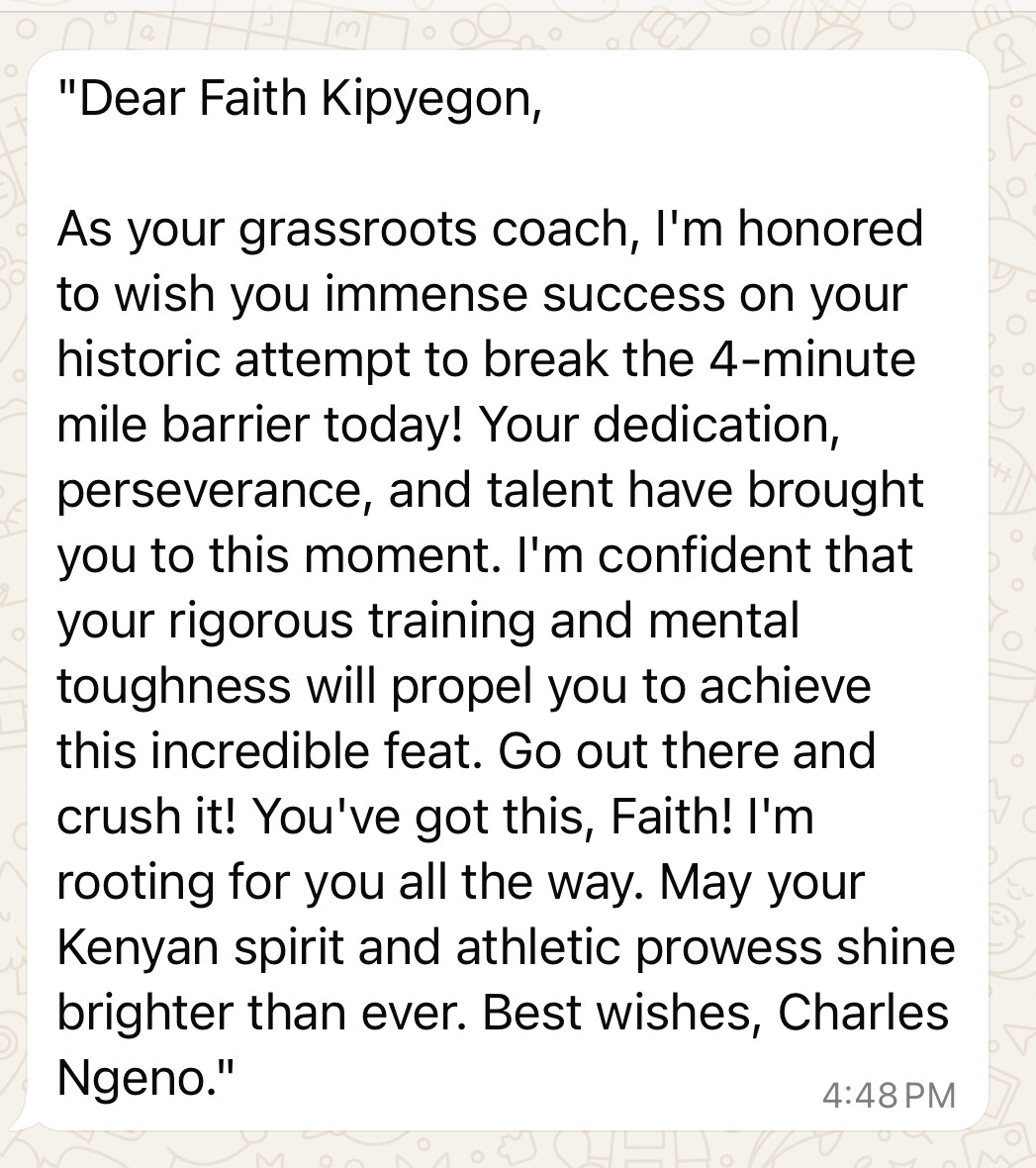
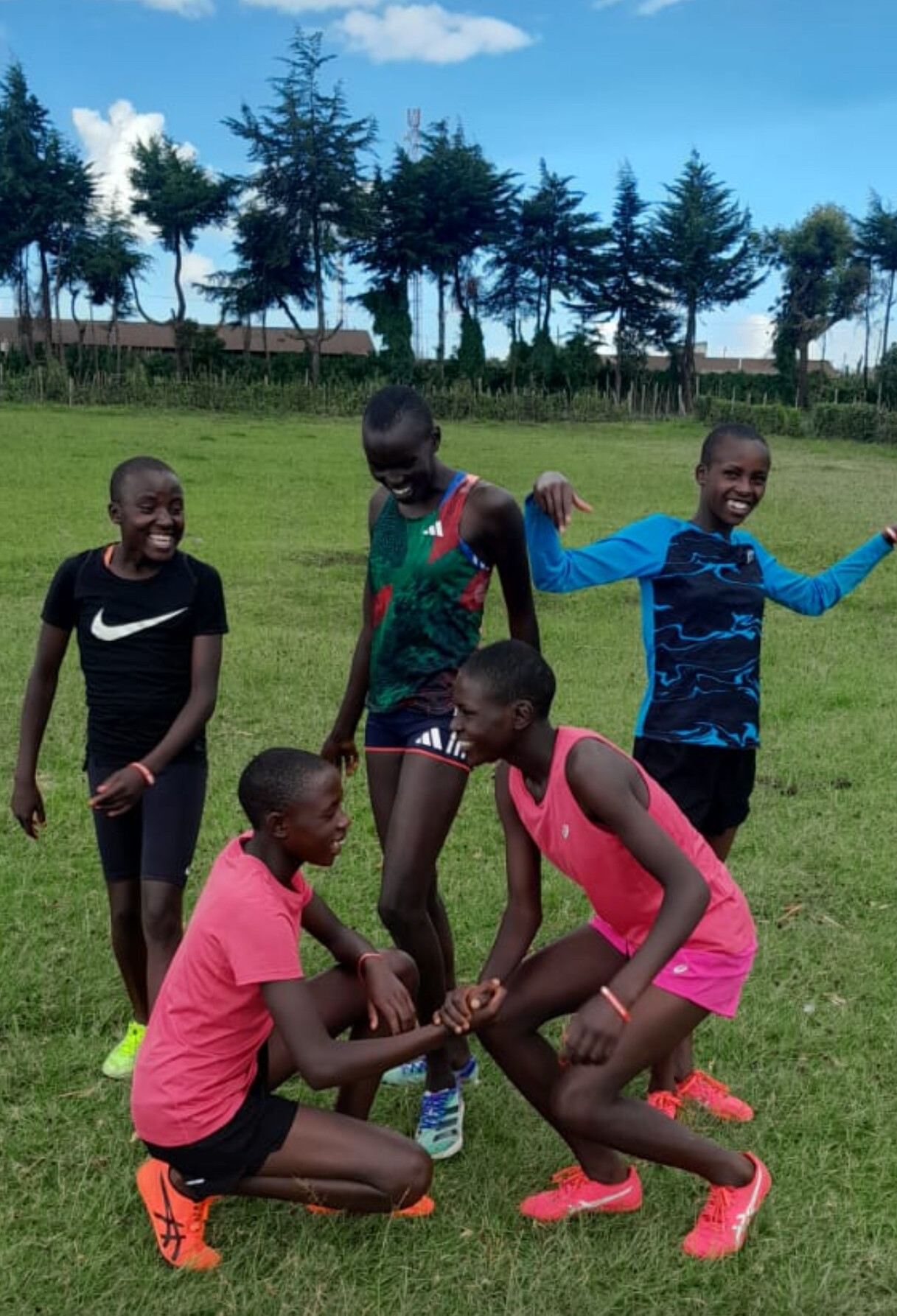
That early influence continues to resonate. Kipyegon is now attempting to do what no woman has ever done—break the four-minute barrier for the mile. The historic run is scheduled for June 26 in Paris as part of Nike’s “Breaking4” project, with the global running world watching closely. Ngeno, meanwhile, is back where his heart has always been: coaching on the ground in Kenya and building future champions.
The KATA model is unlike any other. Each camp is linked with a three-acre potato farm, where athletes work part-time—25 hours a week—in exchange for full room, board, and expert coaching. The combination of structured training and sustainable agriculture allows athletes to focus entirely on their development, while also contributing to the local economy.
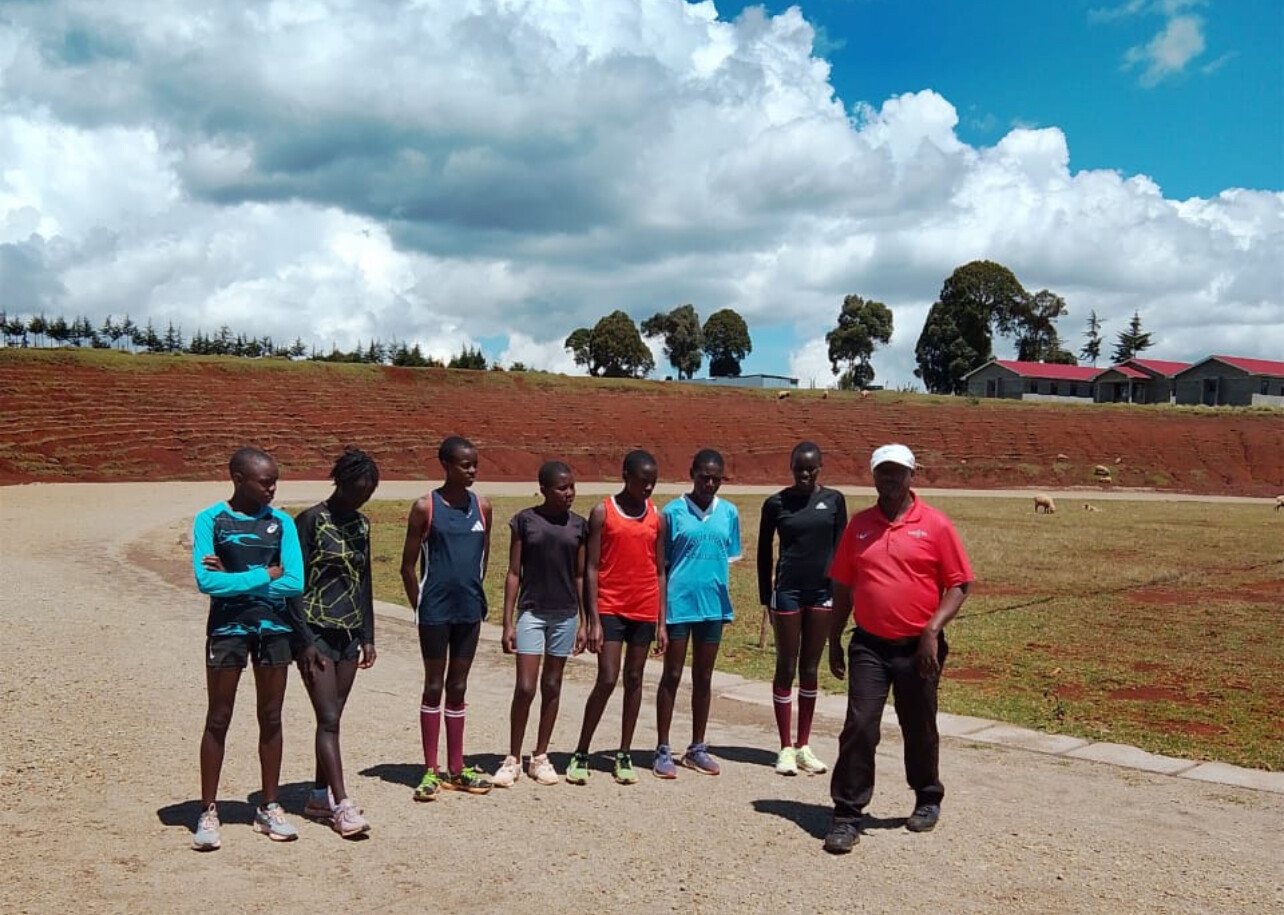
As a camp operator in Olenguruone, Ngeno oversees not only the athletic training but also the day-to-day structure of the farm program. His hands-on approach, deep knowledge, and commitment to discipline and consistency make him the ideal leader for this environment.
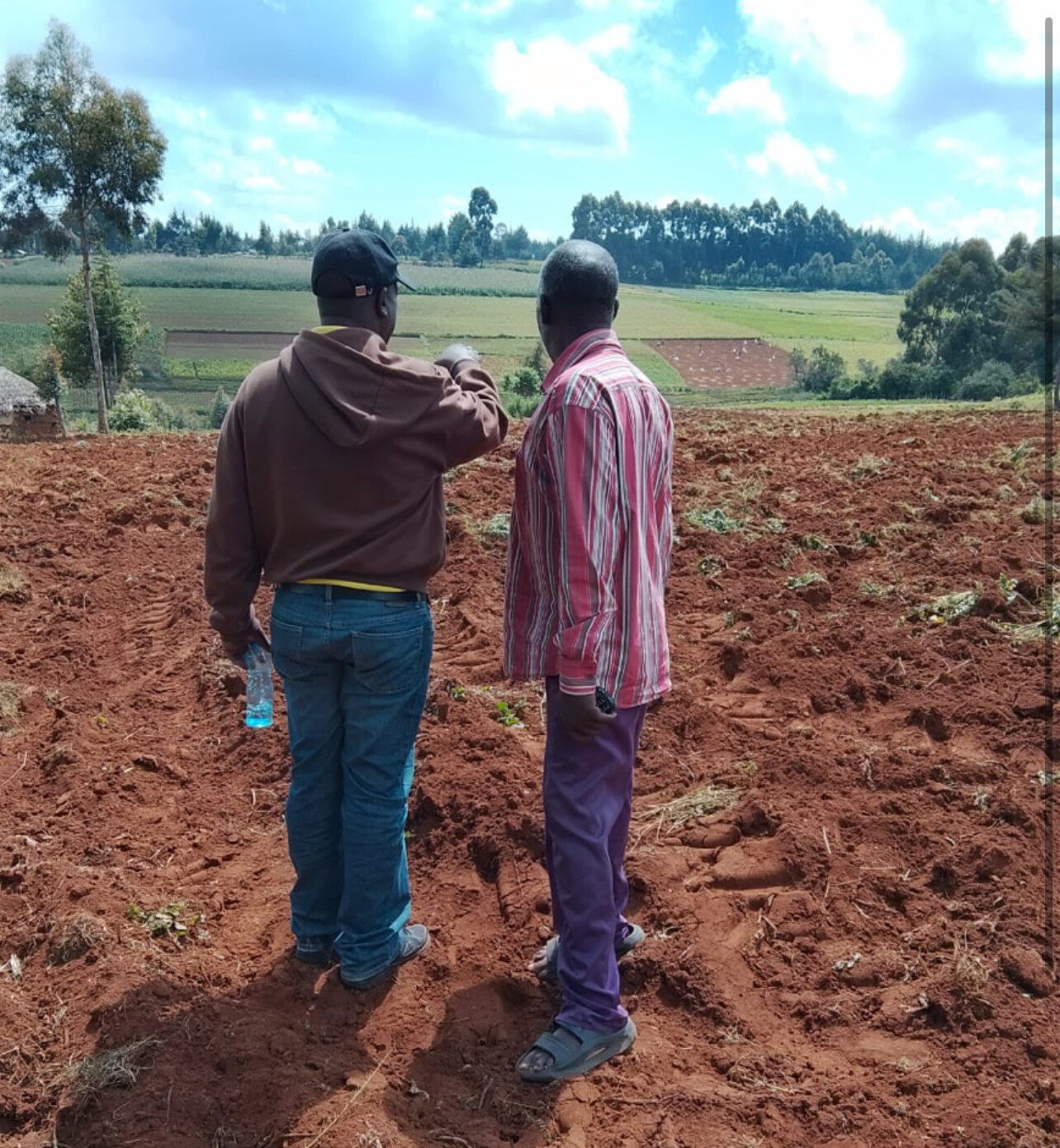
“This isn’t just another training camp,” he says. “This is a platform for real opportunity. We’re giving athletes who might otherwise be overlooked the chance to build something—to compete, to grow, and to give back. I’ve seen what’s possible when someone believes in you. I want to be that person for these runners.”

With camps already in operation across Kenya, and more launching every month, KATA is expanding rapidly under the leadership of founder Bob Anderson, who launched the original KATA in Thika in 2019. All camps follow the same guiding philosophy: develop talent locally, create economic opportunity, and prepare runners for the world stage.

Charles Ngeno’s presence adds serious strength to that mission. His career, his values, and his passion align perfectly with the vision of KATA. And for the athletes training under his guidance today, the path forward has never looked more promising.
(06/26/2025) ⚡AMPby Boris Baron
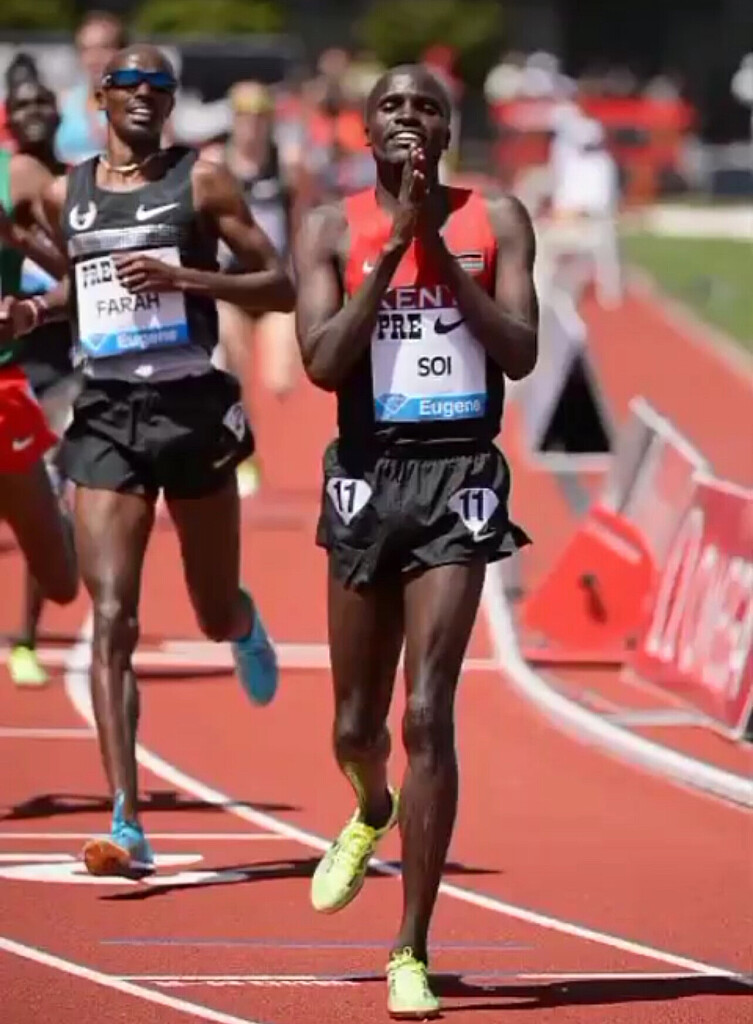
Support Athletes. Uplift Communities. Help Shape the Future of Kenyan Running
.For decades, Bob Anderson—founder of Runner’s World and a lifelong champion of distance running—has believed in the transformative power of athletics. In 2019, inspired by visits to Kenya dating back to 1987, he launched the Kenyan Athletics Training Academy (KATA) in Thika to give promising athletes the opportunity to rise. In 2024, Anderson expanded the vision internationally, opening a second training retreat in Portugal.
Until now, every KATA camp and retreat has been fully funded by Bob himself. But as momentum builds, he’s extending an invitation: become a KATA Partner and help expand this game-changing model—while earning a meaningful return on your investment.
“We’ve proven the model works,” says Anderson. “Now we want visionary partners to help take KATA to the next level. This isn’t charity—it’s an investment in performance, purpose, and people.”
What Is the KATA Partner Program?
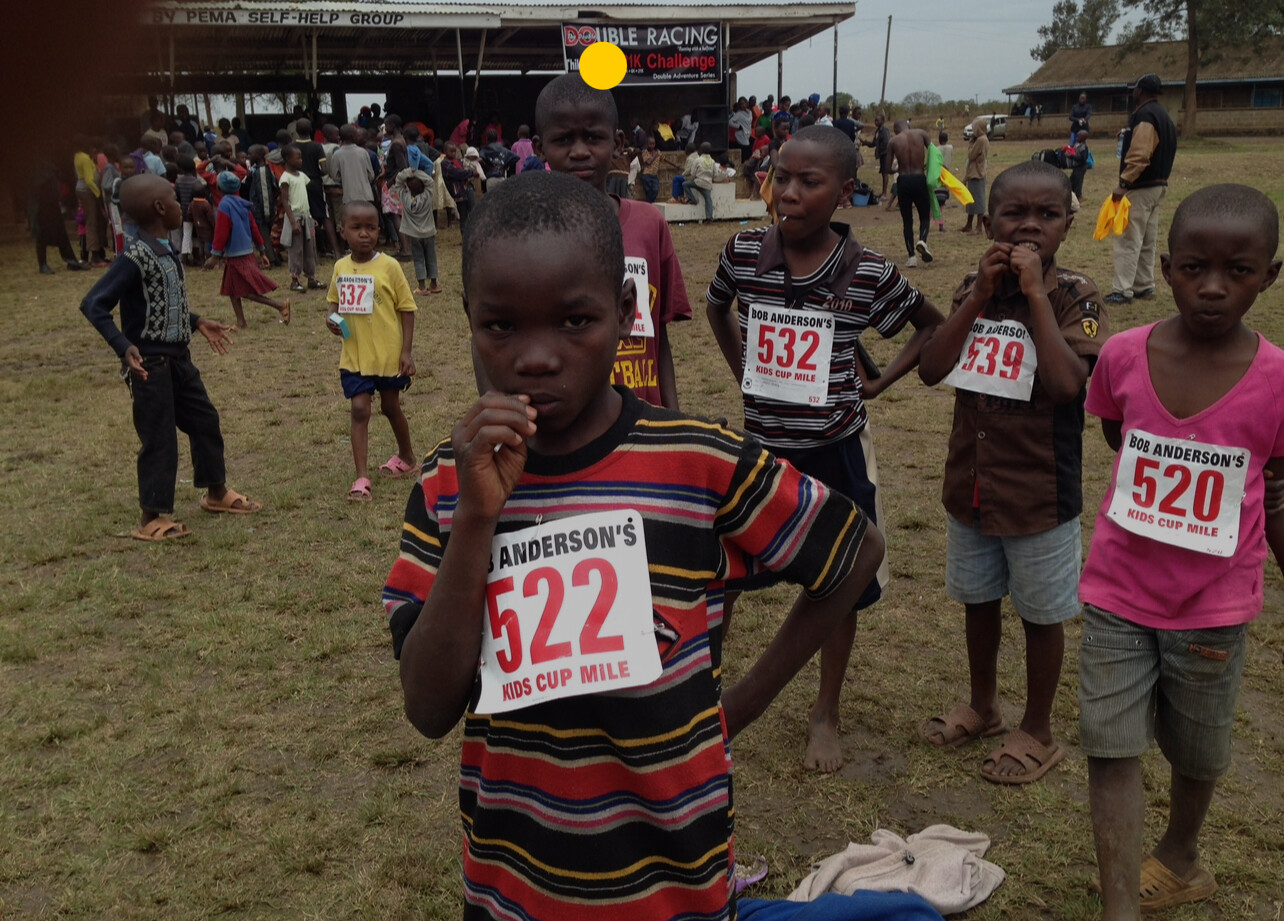
The KATA Partner Program offers a ground-floor opportunity to support elite athlete development and rural progress through a unique model that combines world-class coaching with sustainable agriculture.

Each KATA Running Camp is paired with a three-acre KATA Potato Farm. Athletes live, train, and work part-time on the farm—25 hours per week—in exchange for full room and board plus expert coaching. In return, they contribute 15% of any prize money they earn back to their camp. The rest is theirs to keep.

As a KATA Partner, you help fund and launch a new camp. In return, you:

• Earn a share of revenue from potato farm sales and athlete prize winnings
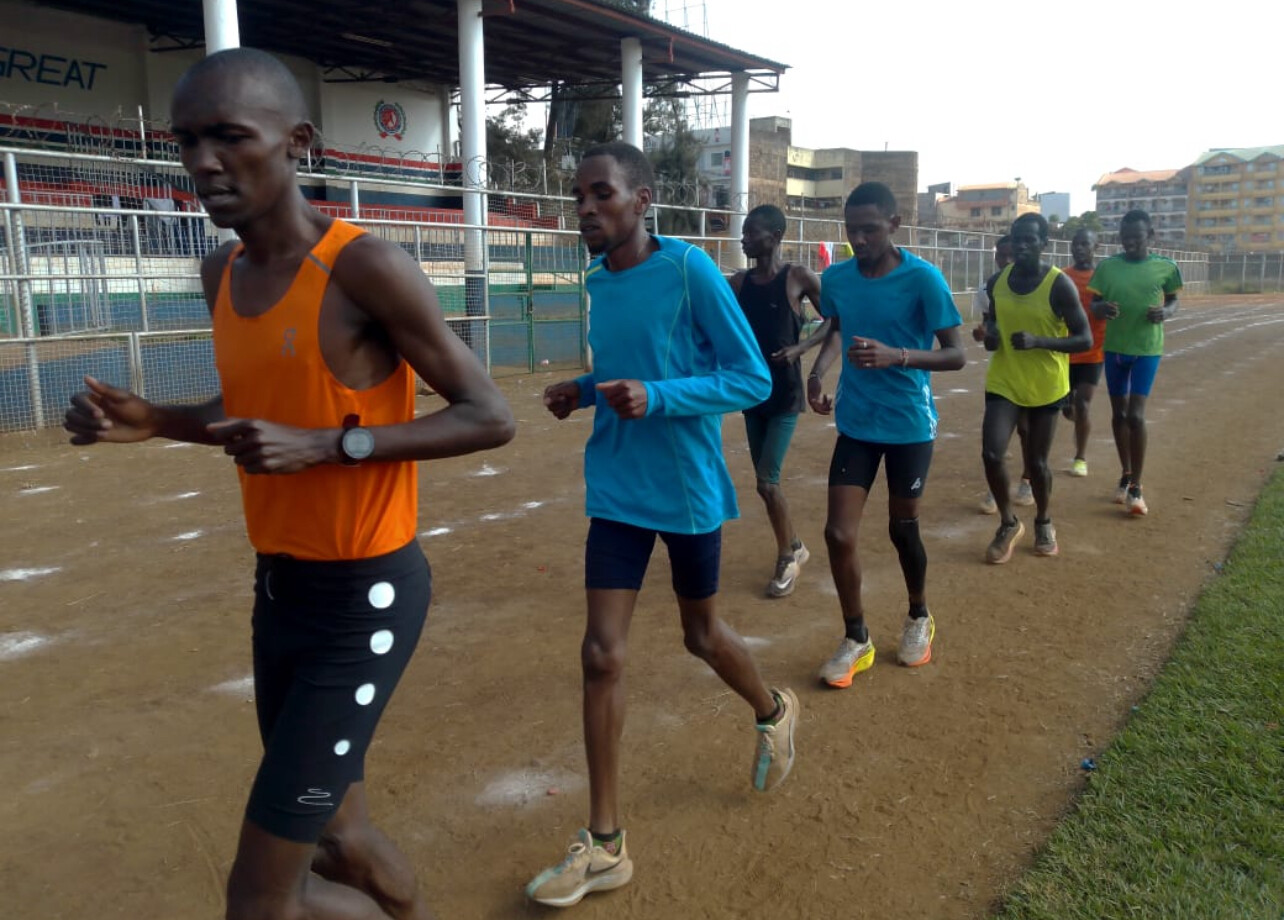
• Gain naming rights to the camp (e.g., [Your Name or Organization Name] KATA Running Camp)
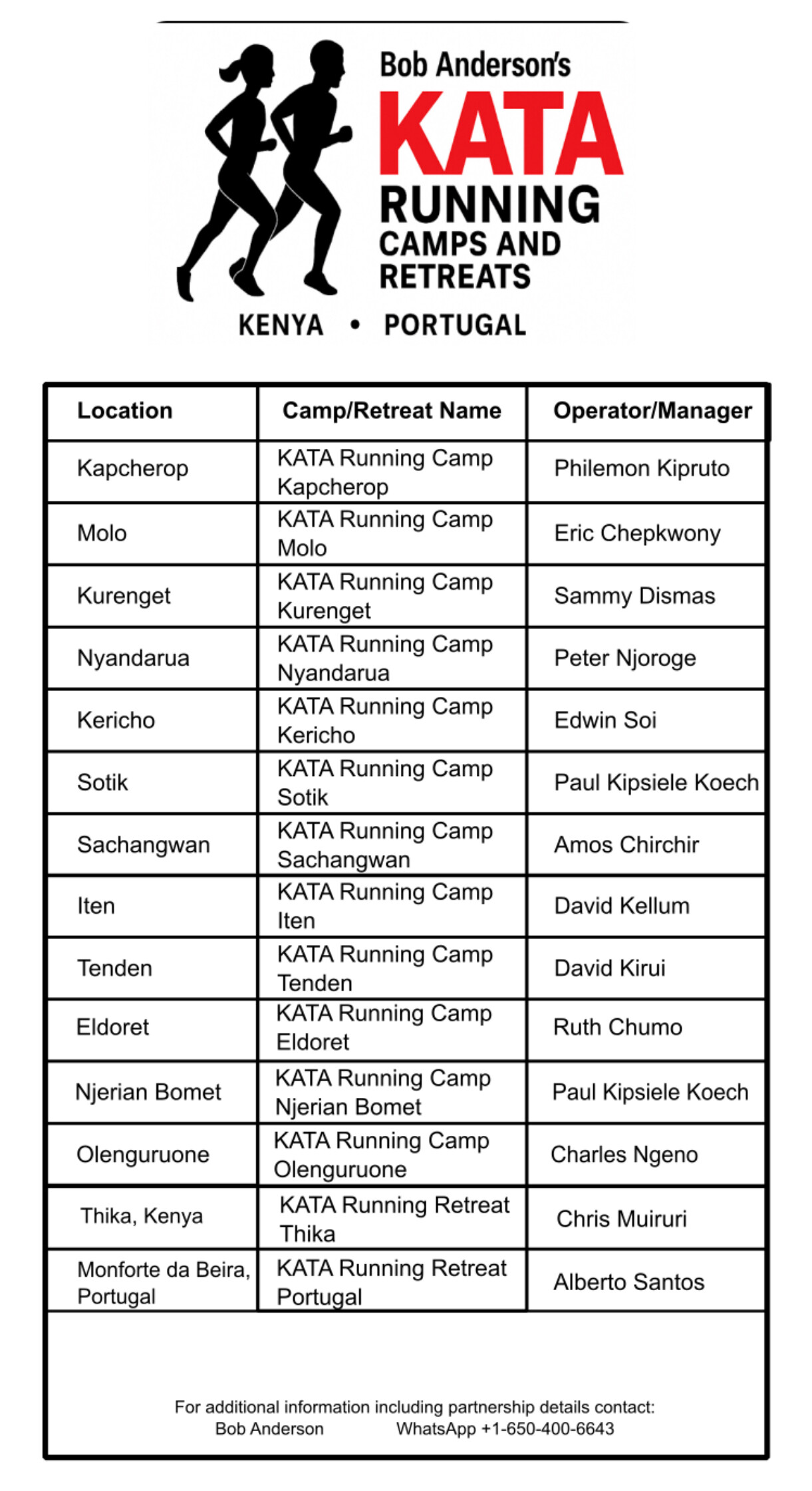
• Empower athletes and uplift local communities through long-term partnership
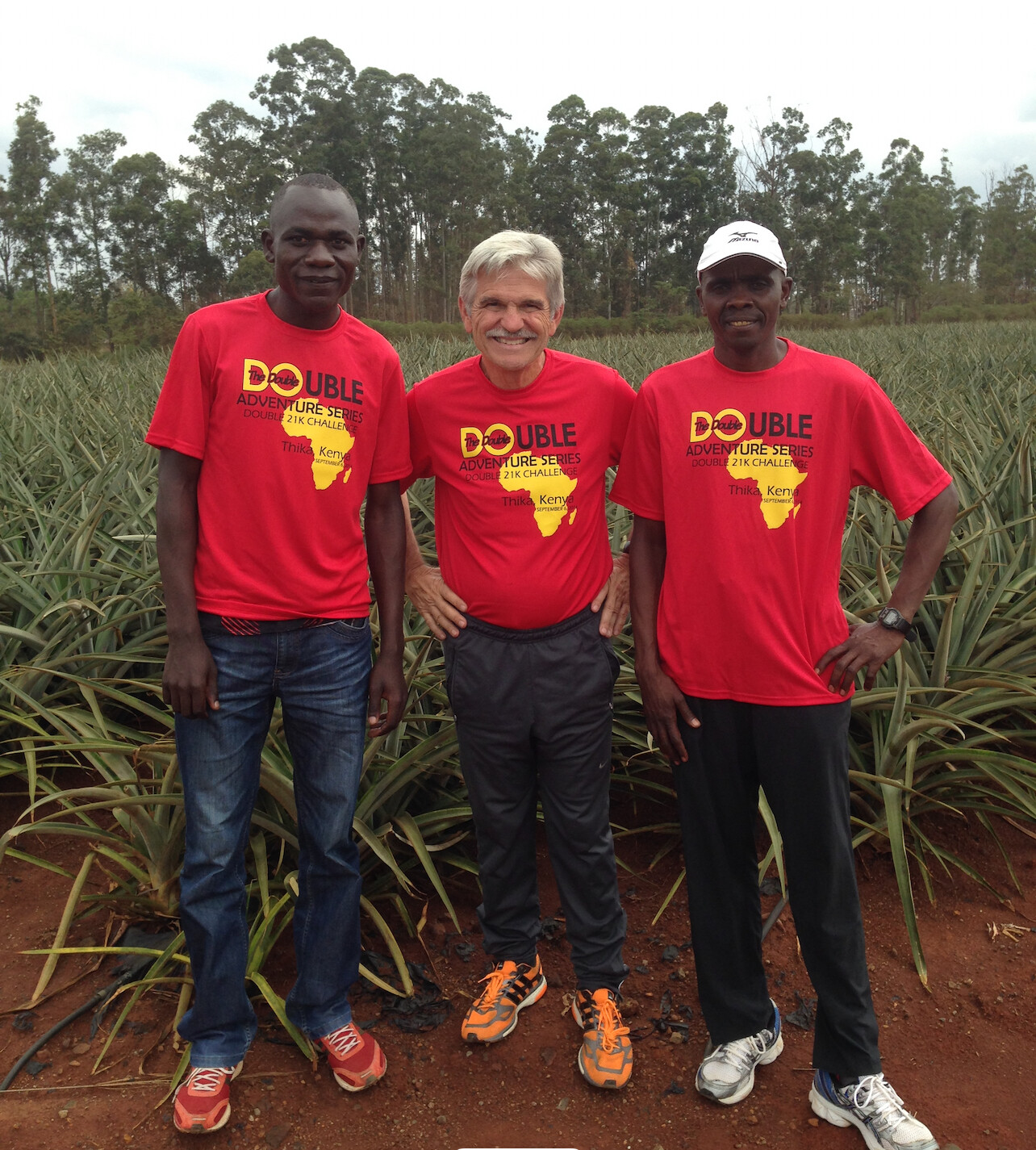
Two Pathways to Partnership
International Partner Program
• One-time KATA membership fee: $5,000 USD in 2025
• Fee increases to $6,500 USD starting January 1, 2026
• Annual dues: $1,000 USD (starting year two)
• Share of revenue:
• 15% of potato farm revenue
• 15% of athlete prize money
Kenyan National Partner Program
• One-time KATA membership fee: KES 900,000
• Annual dues: KES 50,000 (starting year two)
• Each additional acre: KES 100,000 (plus KES 25,000 in annual dues)
• Share of revenue:
• 10% of potato farm revenue
• 10% of athlete prize money
This is not a donation—it’s a purpose-driven investment with a guaranteed revenue share. You’re helping athletes succeed and communities thrive, while building your own legacy.
KATA Handles Everything
Whether you want to be hands-on or prefer a passive role, KATA takes care of:
• Finding and securing land and housing
• Recruiting qualified operators (often Olympic medalists and elite coaches)
• Setting up the farm and camp
• Managing all agricultural operations and logistics
Current camps are operated by respected figures like Olympic medalists Paul Kipsiele Koech and Edwin Soi, coaching veterans such as Charles Ngeno, and long-time team members like Elam Wangerwo, who has worked with KATA since 2014.
Why It Matters
This program isn’t just about running—it’s about changing lives. KATA gives talented young runners the platform to pursue greatness while bringing food security and economic opportunity to rural Kenya.
“If you’ve ever wanted to be part of something that matters—something that delivers both impact and return—this is your moment,” says Anderson.
Join the KATA Movement
To learn more or become a KATA Partner, contact:
Bob Anderson via WhatsApp: +1 (650) 400-6643
The next great Kenyan runner is already out there. Let’s make sure they have a place to grow—on the track and in their community.
(06/25/2025) ⚡AMPby Bob Anderson
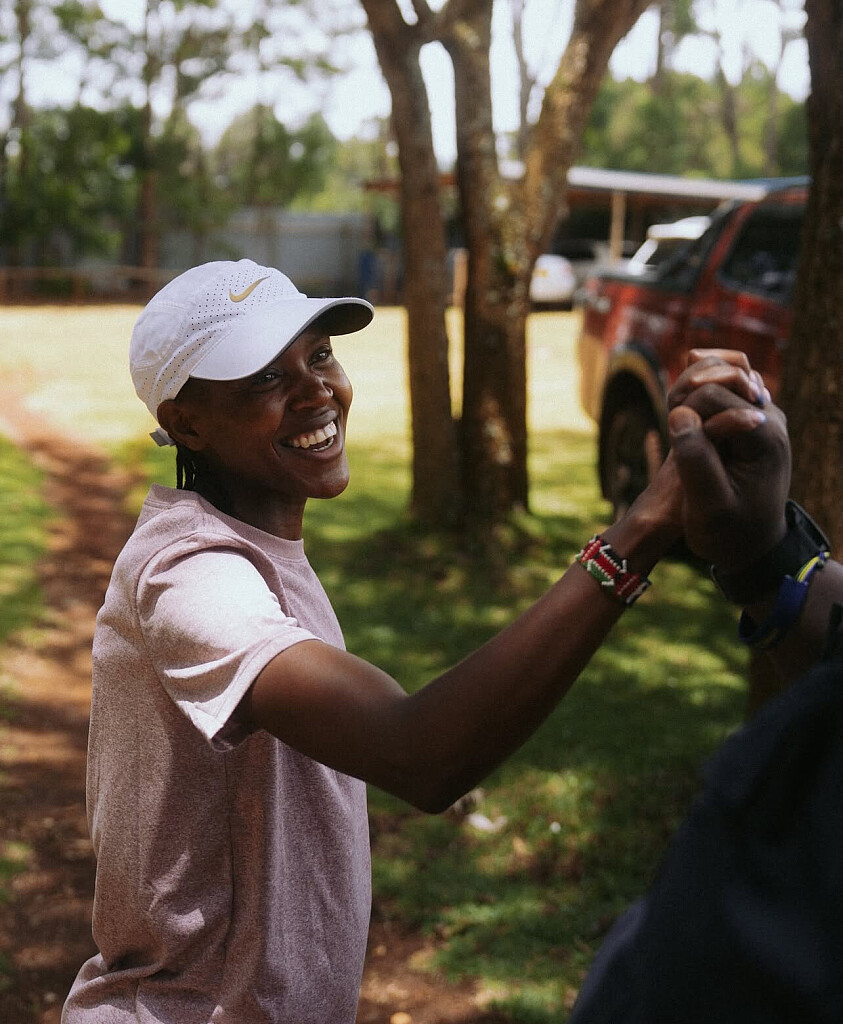
Faith Kipyegon vs. the Clock — Can She Become the First Woman to Break the Four-Minute Mile?
Faith Kipyegon, the reigning world and Olympic champion and current world record holder in both the 1500m and the mile, is preparing for one of the most audacious feats in track and field history—breaking the four-minute barrier in the mile.
The attempt will take place on Wednesday, June 26, 2025, at Stade Charléty in Paris as part of Nike’s “Breaking4” initiative. The race is scheduled for the late afternoon, optimized for cooler weather and ideal pacing conditions.

While the attempt will not be eligible for official world record ratification—due to likely use of rotating pacers, pacing lights, and other technological aids—it is poised to become a defining moment in women’s middle-distance running.
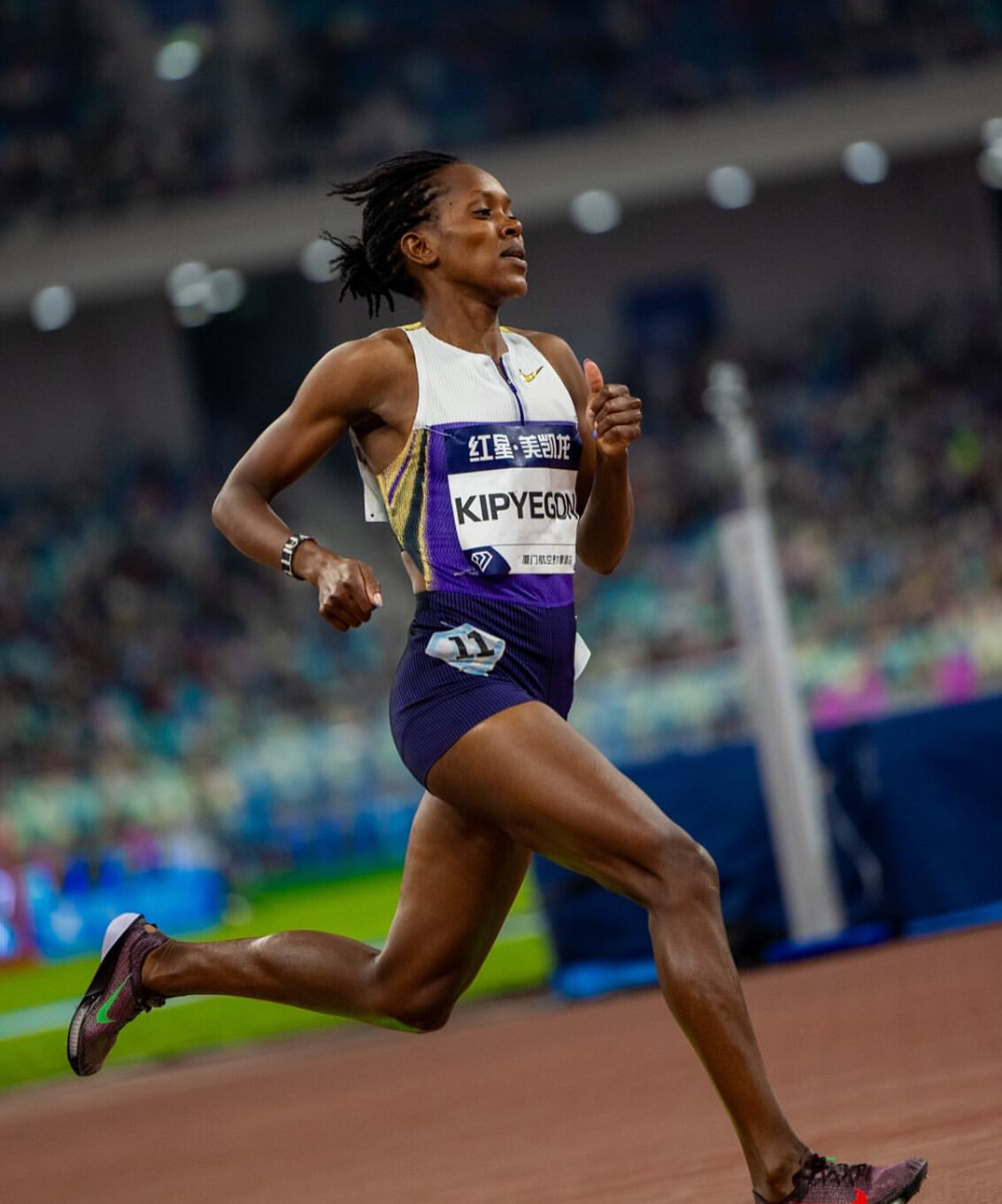
Faith Speaks: “We Have to Dream Big”
Kipyegon has never been one to back down from a challenge. In a recent press conference, she addressed the enormity of the task ahead.
“I think breaking four will really cement my legacy… Everything we do, we have to dream big and just believe in ourselves that we could do it,” Faith said.
She emphasized the importance of mindset over mechanics:
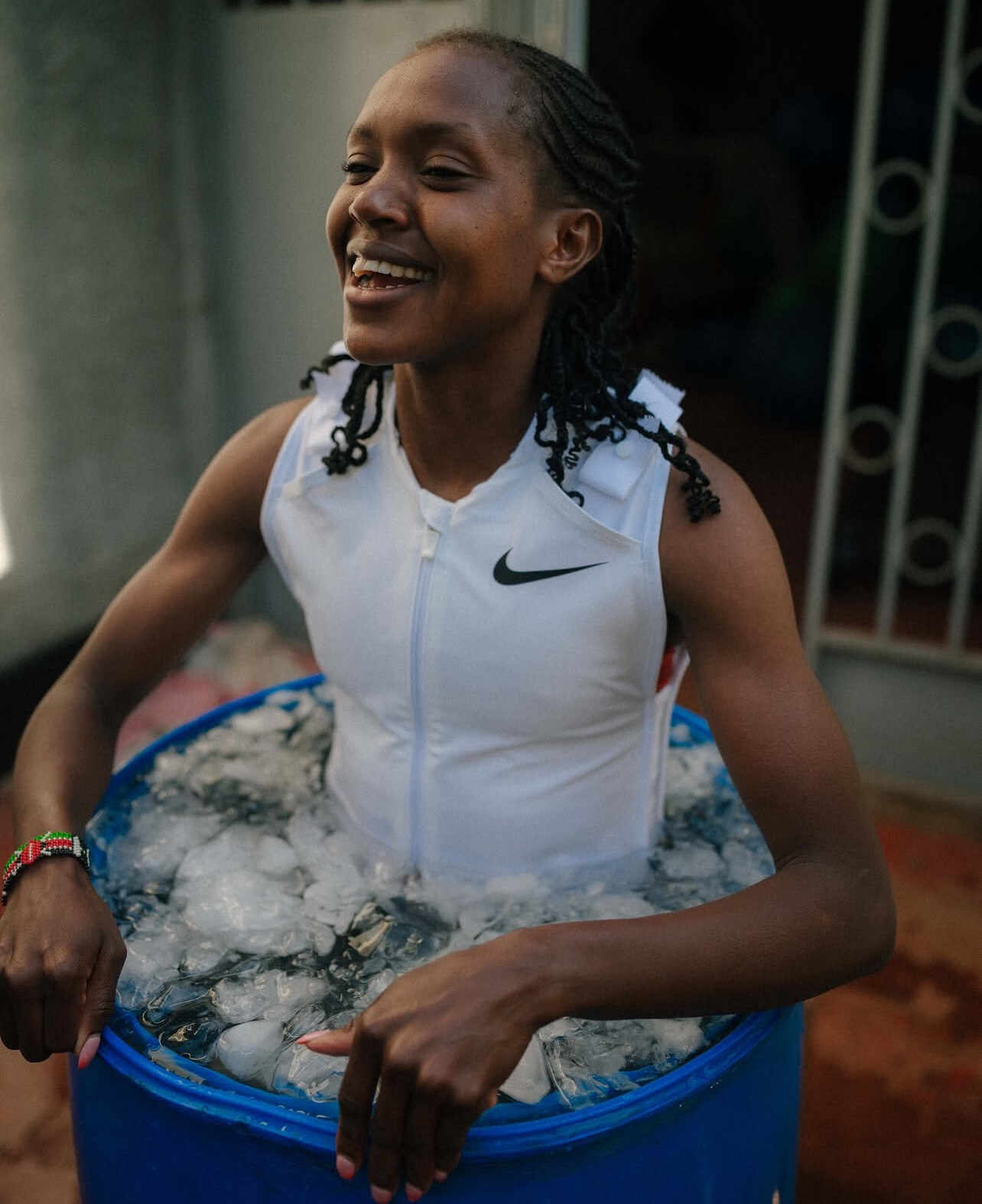
“It’s all about the mind… If you keep on telling yourself that you can do it, you can do it.”
How Big Is the Leap?
Kipyegon set the current women’s mile world record of 4:07.64 in Monaco in 2023. To go under four minutes, she would need to shave over seven seconds off that performance—a massive leap in elite middle-distance running.
For context, Roger Bannister’s famous sub-four in 1954 was just a 2-second drop from the previous best. Kipyegon would be attempting more than three times that.
Beatrice Chebet Shows Support

Fellow Kenyan and World Cross Country champion Beatrice Chebet has shown her full support for Faith ahead of the Paris attempt, applauding the courage it takes to take on such a goal and calling the moment “a powerful example for all athletes, especially young women.”
Doubters Remain
Not everyone believes the time is ripe for this breakthrough.
“I wish I was more positive, but I just don’t think it is going to happen,” says My Best Runs founder Bob Anderson. “Even with pacing and super shoes, it’s just too many seconds to knock off. She is an amazing athlete, and I’m sure Nike would pay an amazing amount of money to her if she does it. But to be the first woman to go under four minutes—even though it would not be official—is not going to happen now.”
Anderson adds,
“If she does do it, it would be an amazing moment in history. I’m old enough to remember when Roger Bannister accomplished this feat. That changed everything in men’s middle-distance running. If Faith does this, it would be the same for women.”
Why It Matters
• Historical Impact: A woman breaking the 4-minute barrier, even unofficially, would redefine what’s considered possible in the sport.
• Symbolism: It mirrors the legacy of Roger Bannister’s run, showing how mental and physical limits can be challenged.
• Inspiration: Nike’s Breaking4 project is about more than just time—it’s about belief. As Faith put it, “Dream big.”
All eyes now turn to Paris. Faith Kipyegon is more than just chasing a number—she’s chasing a legacy. Whether she cracks the four-minute mark or not, her attempt stands as a bold declaration: the future of women’s running is limited only by the size of the dream.
My Best Runs will be following the June 26 race closely. Stay tuned for full coverage.
(06/23/2025) ⚡AMPby Boris Baron
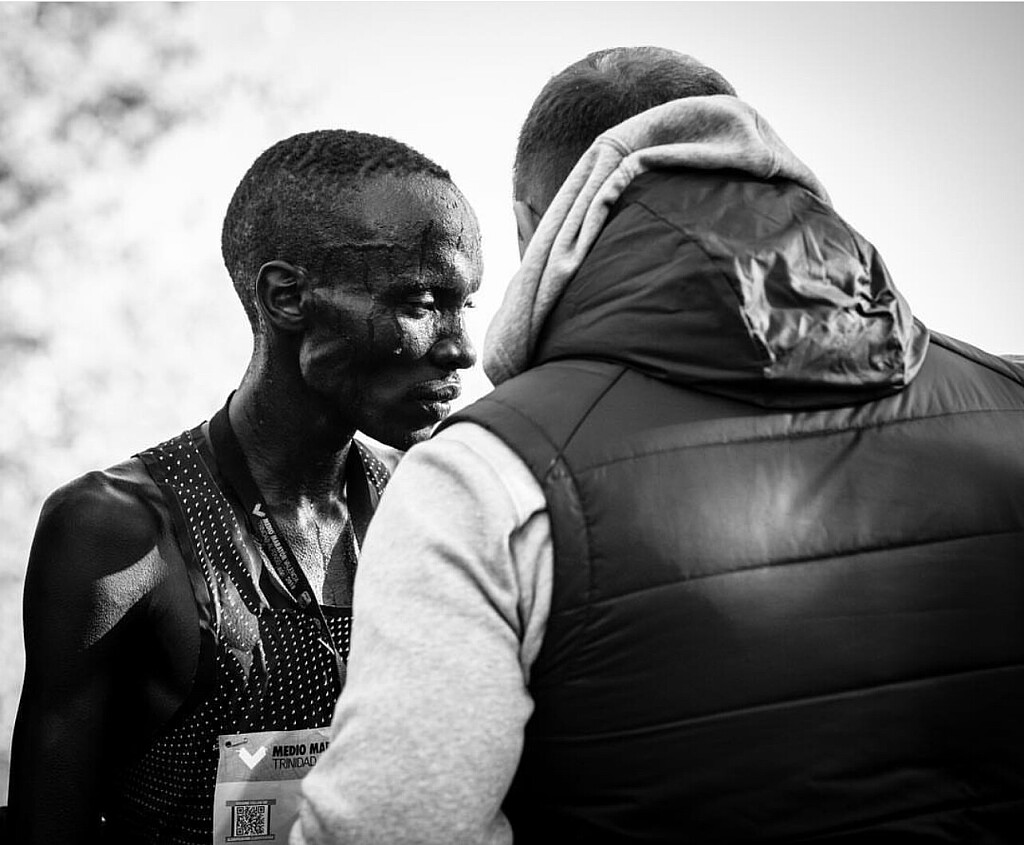
Is There A Running Life After a Ban? Abraham Kiptum Hopes His Comeback Tells a New Story
After nearly six years out of competition, former world half-marathon record holder Abraham Kiptum is preparing to make a dramatic return to the sport that once made him a star. The 34-year-old Kenyan, who was banned for four years in 2019 due to irregularities in his Athlete Biological Passport (ABP), has set his eyes on two major races: the Nairobi City Marathon and the Kericho Half Marathon.
But his path back has been anything but easy.
A Record-Breaking Rise
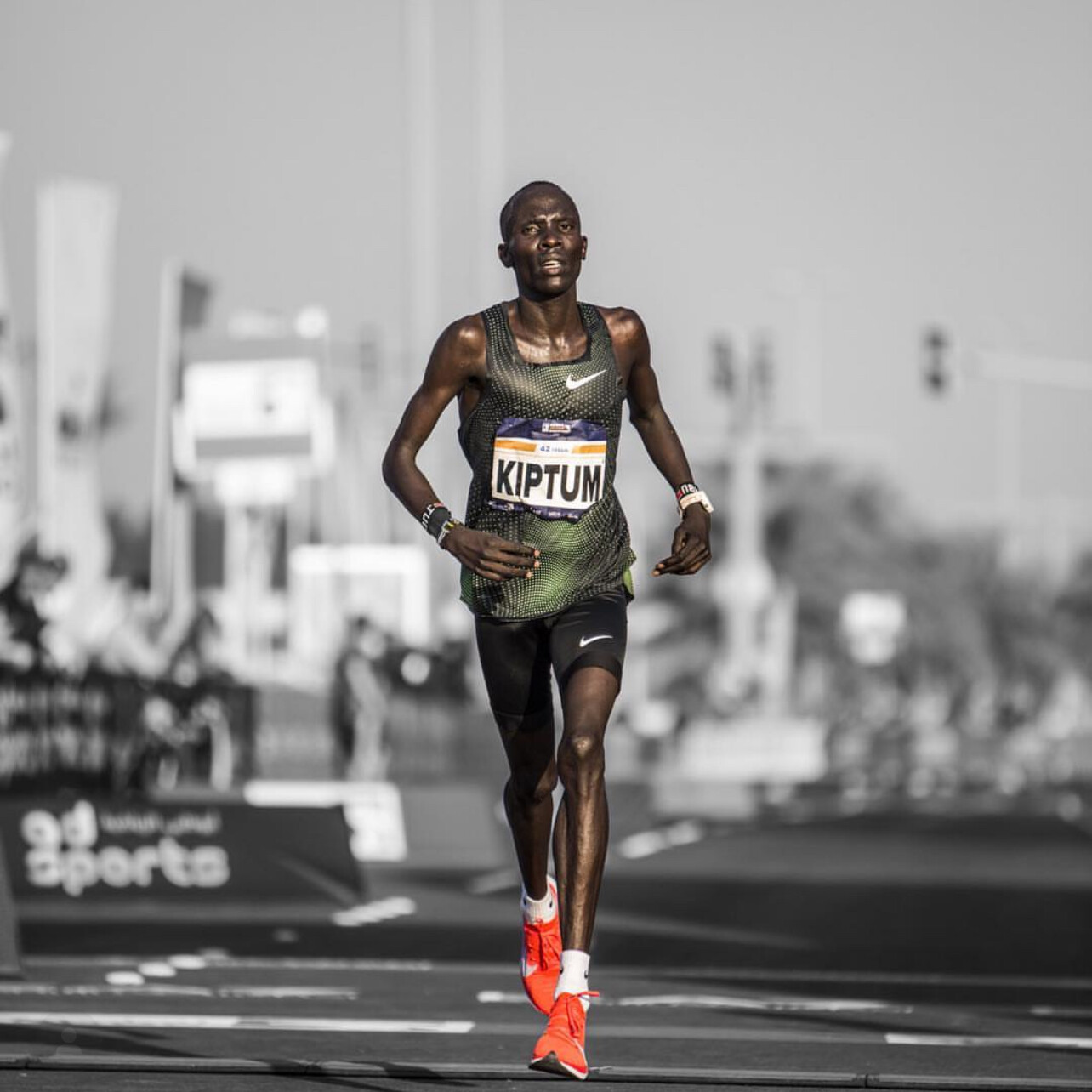
Kiptum’s running career took off like a rocket. After early days pacing elite women’s marathons while still in high school, he racked up victories in Lagos, Casablanca, and Madrid. At the 2017 Amsterdam Marathon, he ran a personal best of 2:05:26. Then in 2018, Kiptum stunned the running world by setting a new half-marathon world record at the Valencia Half Marathon, clocking 58:18—breaking a record that had stood since 2010.
But that triumph would soon be erased.
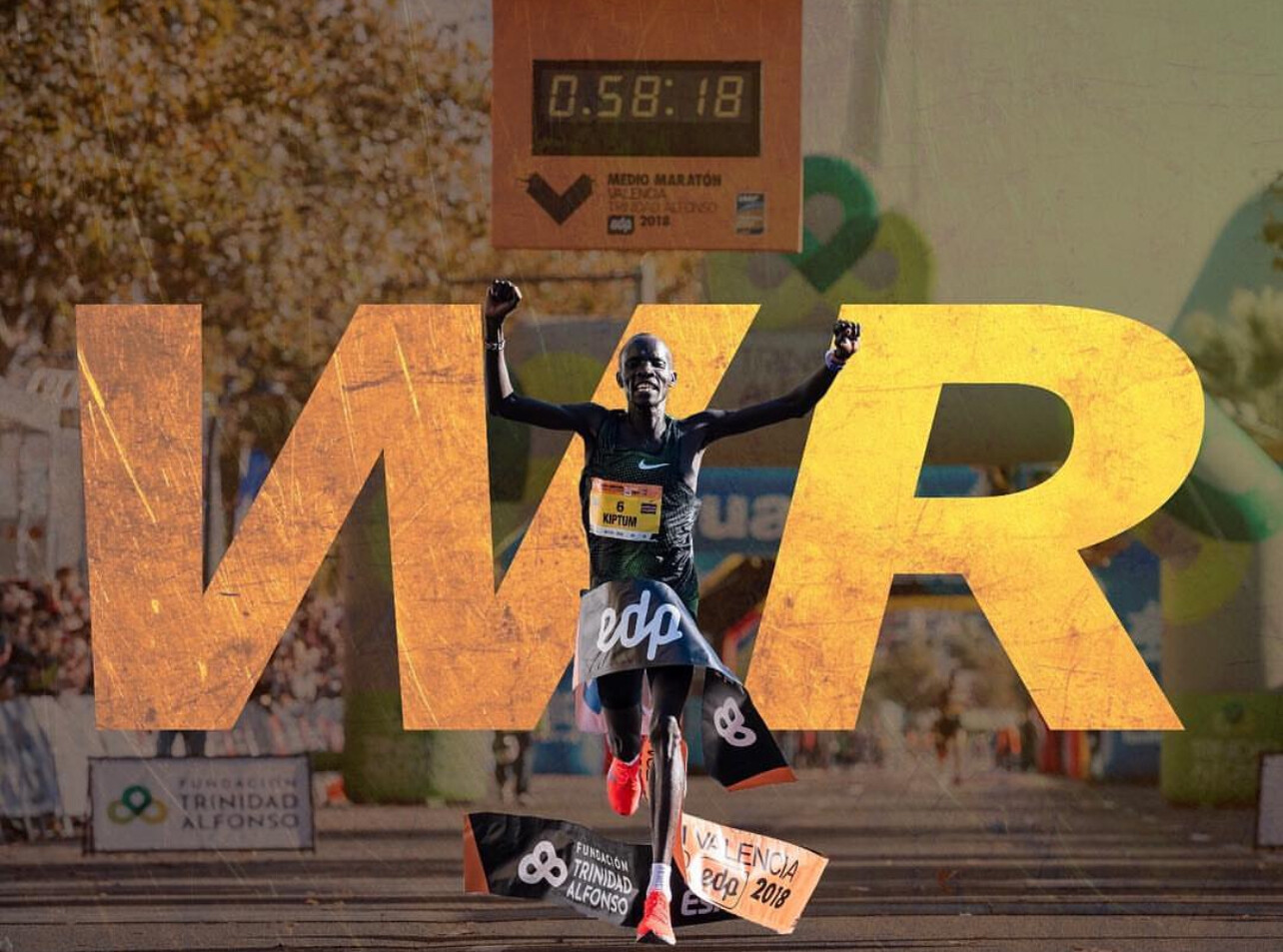
The Fall from Grace
Just one day before he was scheduled to compete in the 2019 London Marathon, everything unraveled. On April 26, 2019, the Athletics Integrity Unit (AIU) provisionally suspended Kiptum for ABP violations. The ABP doesn’t detect banned substances directly, but rather monitors biological markers over time—looking for signs of manipulation.
“I was so surprised about ABP because I had never heard about it in my entire life,” Kiptum said.
Not only did he miss London, but all of his results after October 13, 2018—including his world record—were nullified.
A Life Unraveled
Returning to his hometown in Nandi County, Kiptum didn’t just lose races—he lost his sense of purpose, his reputation, and many of his relationships.
“I was sent back home, and I stayed there until I completed my ban,” he recalled. “To make matters worse, my wife and friends deserted me. I was only left with my parents and brothers.”
With no races, no income, and little support, he turned to farming and herding animals to survive. For years, he lived in isolation, his name a shadow of its former glory.
A Second Chance
After completing his suspension, it was his younger brother who pushed him to rejoin the sport. He brought Kiptum to a training camp to reignite the flame.
“After serving four years, I have returned to action, doing what I know best—running,” he said. “My body is responding well, and I feel ready.”
Now, he’s training hard with hopes of reaching the podium at the 2025 Nairobi City Marathon, slated for Sunday, July 5 at Uhuru Gardens.
Lessons from the Abyss
Kiptum doesn’t shy away from admitting the ban taught him hard truths.
“Yes, I had money when I set the world record. I even bought land and helped change the lives of my family,” he said. “But I’ve learnt that money comes and goes. What matters most is staying around the right people.”
As he builds toward redemption, Kiptum carries both scars and lessons—reminders of a fall that nearly ended it all, and a second chance that might redefine him.
Can Abraham Kiptum reclaim his place among the world’s best distance runners? No one knows. But what’s clear is that he’s not giving up.
There may just be life—and speed—after a ban.
(06/22/2025) ⚡AMPby Boris Baron
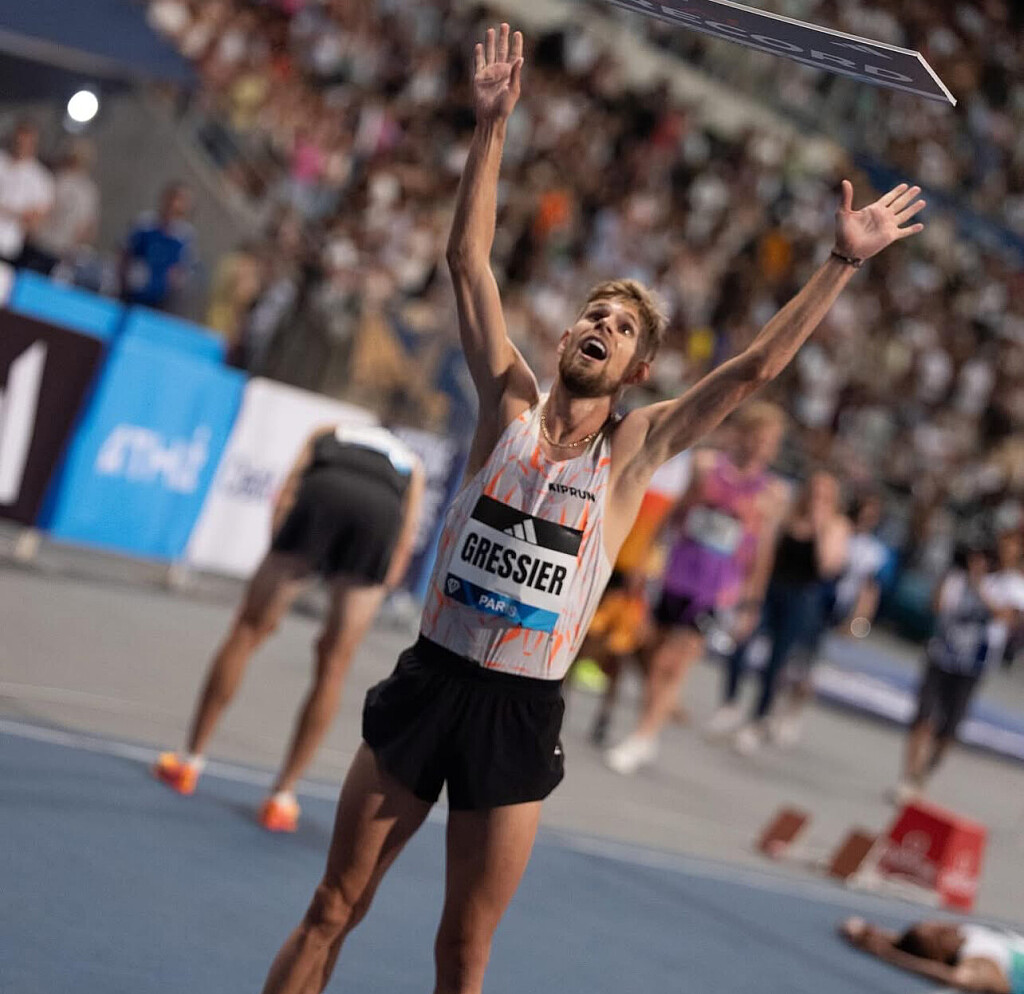
Jimmy Gressier Breaks French 5000m Record at Paris Diamond League
Paris, June 20, 2025 – In front of an electric home crowd at the Wanda Diamond League Meeting de Paris, Jimmy Gressier delivered the race of his life. The 28-year-old French distance star shattered his own national record in the 5000m, crossing the line in 12:51.59 to finish fourth in a stacked international field.
This performance not only marked a personal best for Gressier, but also cemented his place among the world’s elite, as one of only a handful of Europeans to run under 12:52 in the event.
“I might not be at 100%, but I didn’t want to miss out on being part of the celebration,” Gressier said before the race. That mindset paid off.
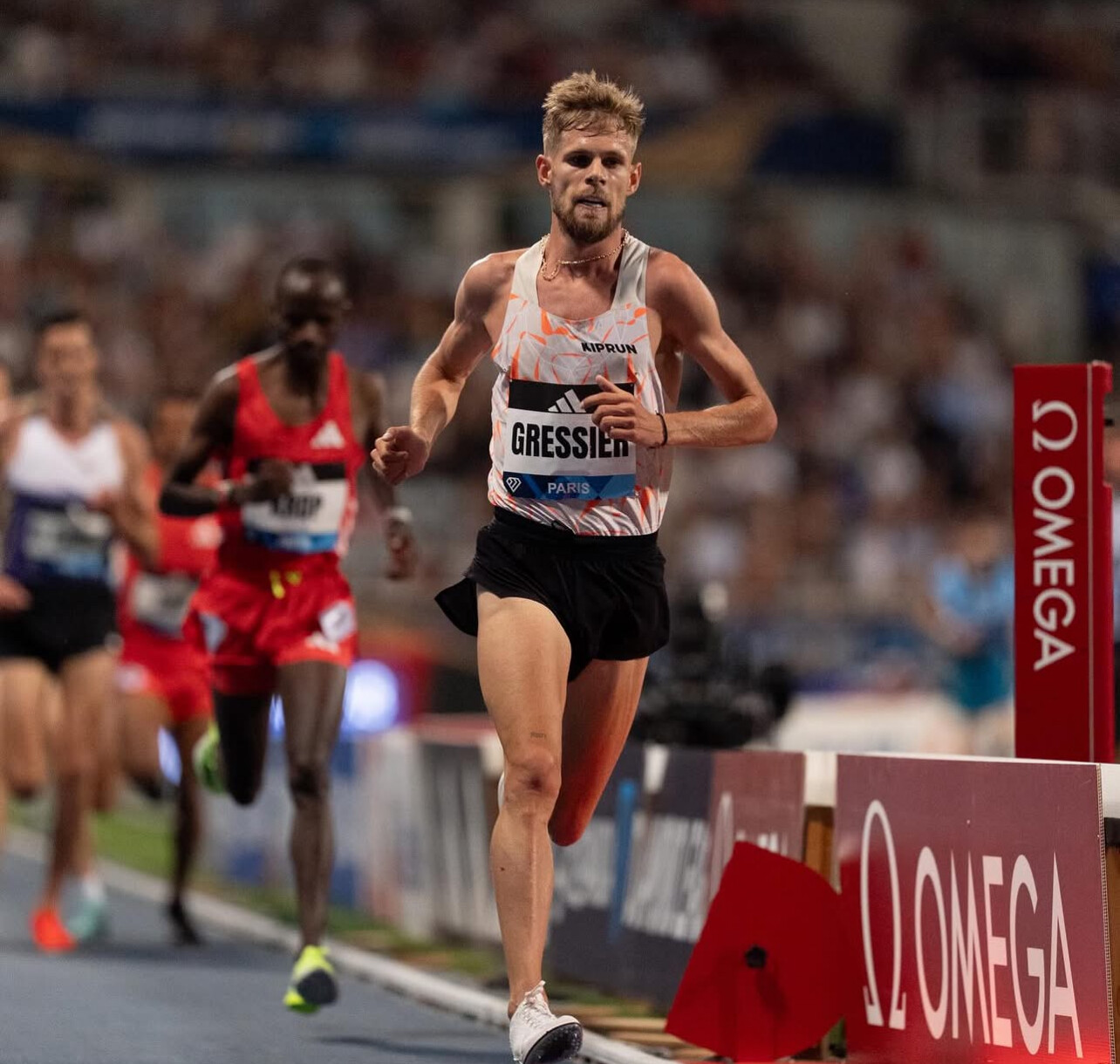
Racing Against the Best in the World
The race was won by Ethiopia’s Yomif Kejelcha, who clocked 12:47.84, followed closely by America’s Graham Blanks in 12:48.16 and Kenya’s Jacob Krop in 12:49.71. Gressier held his own against the top-tier field, surging in the final laps to break his previous French record of 12:54.92 (set indoors in 2024) by more than three seconds.

His fourth-place finish came with style and grit, as he crossed the line visibly elated, later holding up a large sign reading “National Record” to the roaring approval of the French fans at Stade Charléty.
A Milestone on the Road to Tokyo

Gressier’s record-setting run is a timely confidence boost ahead of the upcoming World Championships in Tokyo. A consistent performer on the European road and cross-country circuits, he now proves he can contend with the world’s best on the track as well.
Already the European 5 km road record holder and a multi-time national champion, Gressier is building one of the most versatile résumés in distance running today. His strength across surfaces and distances—from indoor tracks to rolling road courses—positions him as a serious contender for a medal on the global stage.
“Breaking the national record by over three seconds against this level of competition shows I’m on the right path,” Gressier said after the race.
What’s Next for Gressier?
With this new national record under his belt, Gressier’s focus now shifts to Tokyo, where the French star hopes to translate his breakthrough into a podium finish. He remains committed to a robust training block under longtime coach Dinielle Arnaud, with fine-tuning to be done before the biggest race of his life.
The Rise of French Distance Running
Gressier’s performance isn’t just personal—it’s symbolic. For French athletics, his record represents a resurgence in elite distance running. With Paris having hosted the Olympics just a year earlier, the momentum behind the sport in France is real. Gressier’s run serves as inspiration to a new generation of French runners aiming to follow in his fast footsteps.
Jimmy Gressier’s 12:51.59 at the 2025 Paris Diamond League is more than a national record—it’s a bold message to the world. He’s not just running with the best—he’s becoming one of them.
(06/21/2025) ⚡AMPby Boris Baron
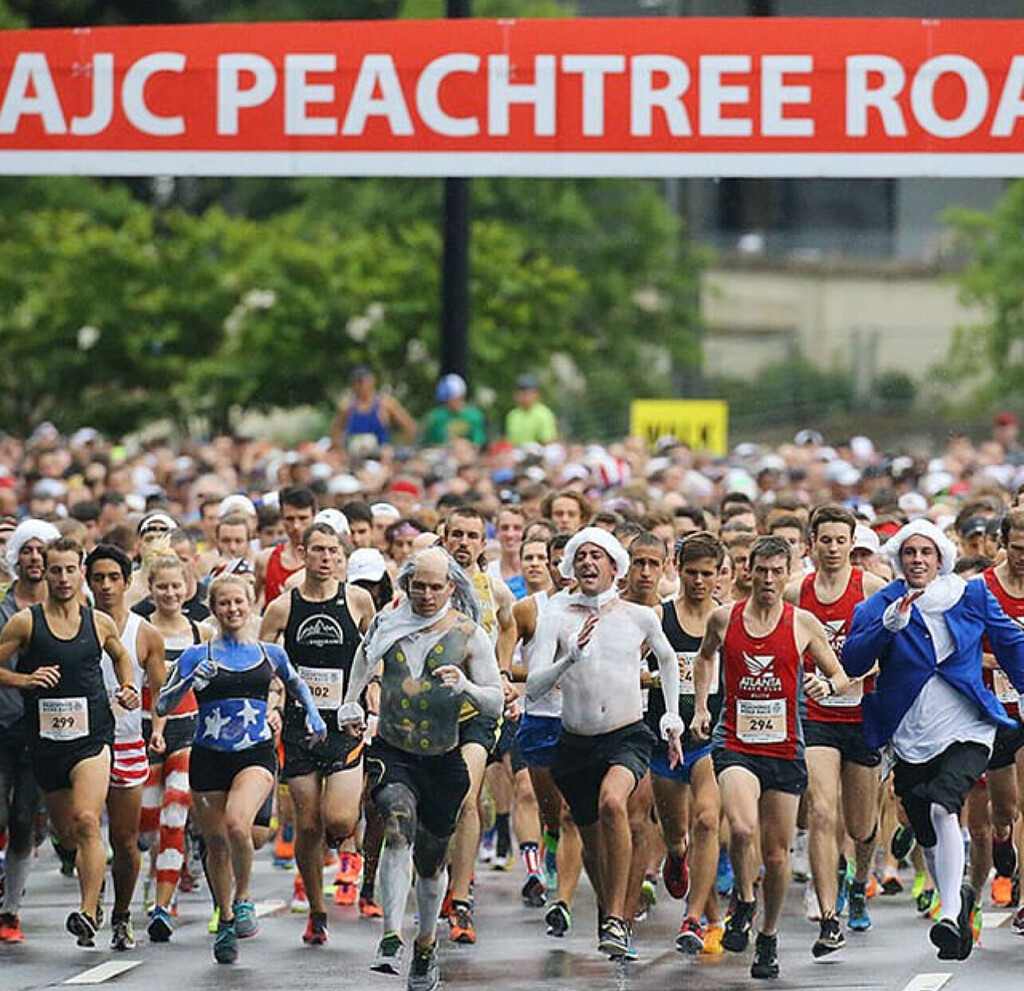
The Peachtree Road Race Returns July 4 with a Legacy of Speed and Celebration
On Friday, July 4, 2025, the streets of Atlanta, Georgia, will once again come alive with the thunder of footsteps, cheers, and celebration as tens of thousands take part in the AJC Peachtree Road Race—the largest certified 10K road race in the world.
Organized by the Atlanta Track Club and now in its 48th running, Peachtree isn’t just a race—it’s a Fourth of July tradition. Capped at 60,000 runners, it’s long been known as one of the most competitive and beloved road races in the U.S., earning a five-star rating and a coveted spot on My Best Runs World’s Best 100 Races list.

Whether you’re toeing the line in search of a personal best or simply soaking in the patriotic spirit with friends and family, Peachtree delivers an experience like no other.

Certified and Celebrated
The Peachtree 10K is USATF-certified and record-eligible, making it one of the premier venues for fast times on American soil. The course stretches from Lenox Square to Piedmont Park, with rolling hills, lively crowds, and the buzz of holiday energy propelling runners forward.
Historic Records That Still Inspire
Peachtree has hosted some of the fastest 10K performances ever run on U.S. soil:
• Men’s Course Record:
Rhonex Kipruto (Kenya) – 27:01 (2019)
A blazing effort that still stands as one of the fastest 10Ks ever run in America.
• Women’s Course Record:
Brigid Kosgei (Kenya) – 30:21 (2019)
The reigning Olympic silver medalist and former world record holder delivered a dominating run.
• Wheelchair Division Records:
Daniel Romanchuk – 19:37
Susannah Scaroni – 21:14.71 (2022)
Notably, in 1996, Kenyan legend Joseph Kimani clocked 27:04, a time that stood as the fastest ever 10K on U.S. soil until Kipruto’s run in 2019.
A Legacy of Legends
Peachtree began humbly in 1970, with just 150 registered runners. Only 110 finished—and instead of medals, finishers received MARTA bus tokens. From those humble beginnings, the race grew into a world-class showcase of talent.
American Craig Virgin set the national bar high in 1981 with his 28:03 finish. For women, Mary Decker ran a then-stunning 33:52 in 1978. Over the years, Peachtree has attracted the sport’s top names—Olympians, national champions, and wheelchair racing pioneers.
More Than a Race
What makes Peachtree iconic isn’t just the elite times. It’s the celebration. The crowds. The coveted finisher’s T-shirt designed by the public. The flags waving. The shared spirit of tens of thousands on Independence Day morning.
“The energy in Atlanta on race morning is unlike anything else,” says My Best Runs founder Bob Anderson. “It’s electric. The Peachtree isn’t just a race—it’s a national treasure.”
Join the Tradition
Whether you’re aiming for a personal best or just running to celebrate freedom, fitness, and fun, the AJC Peachtree Road Race is the place to be on July 4.
(06/19/2025) ⚡AMPby Boris Z Baron
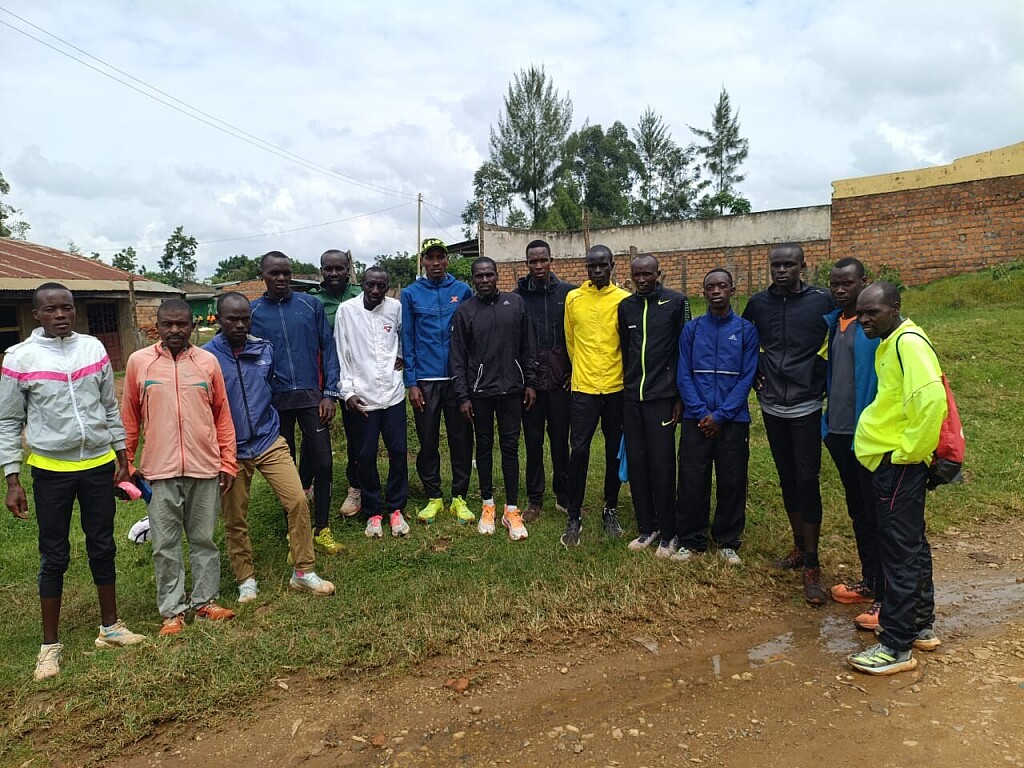
Become a KATA Running Camp Operator
Are you a passionate coach or committed athlete ready to lead the next generation of distance running talent in Kenya?
KATA (Kenyan Athletics Training Academy) is looking for motivated individuals to operate their own KATA Running Camp—a purpose-driven program that helps young athletes thrive both on the track and in the community.
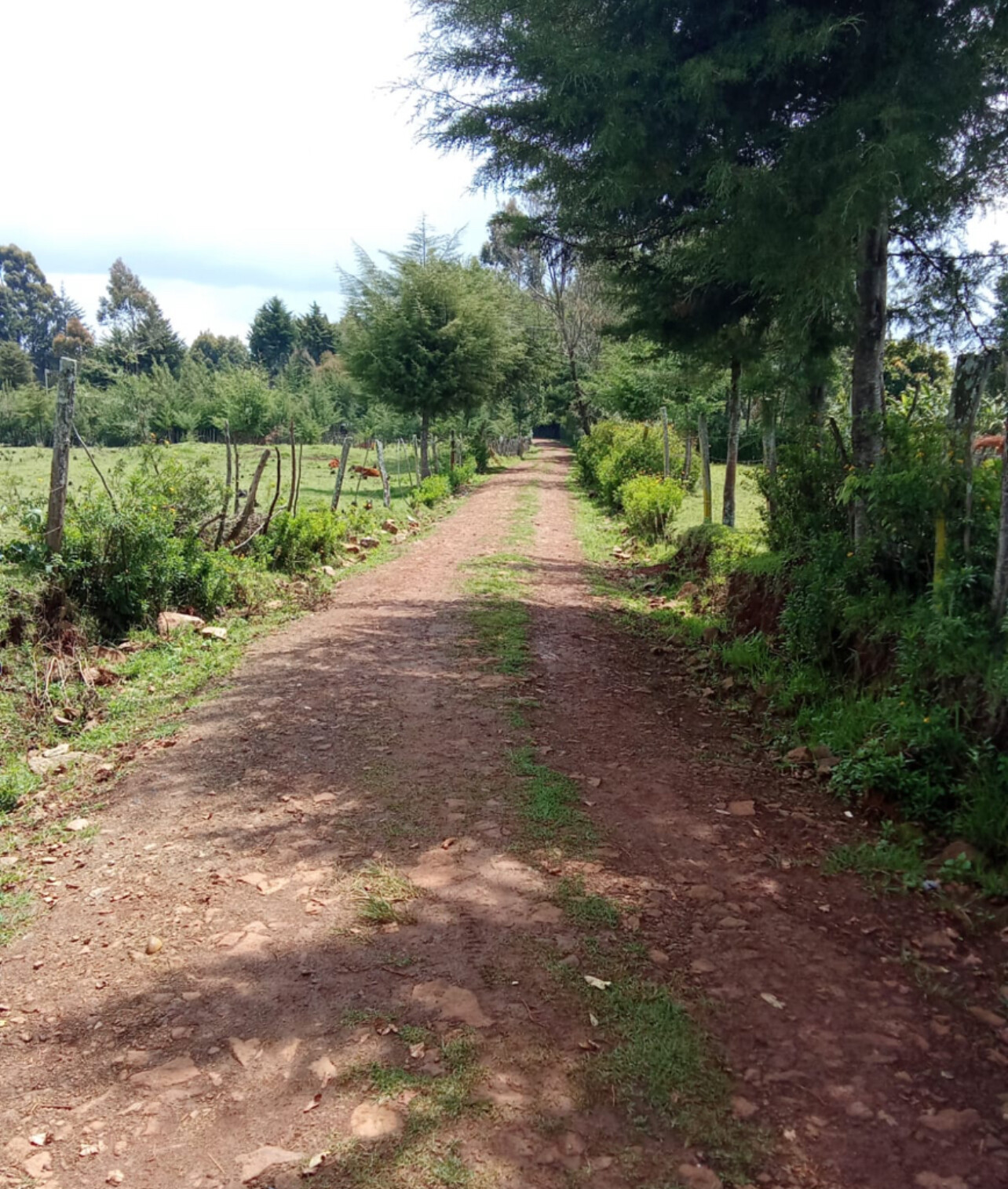
As the operator of your KATA Running Camp, you will:
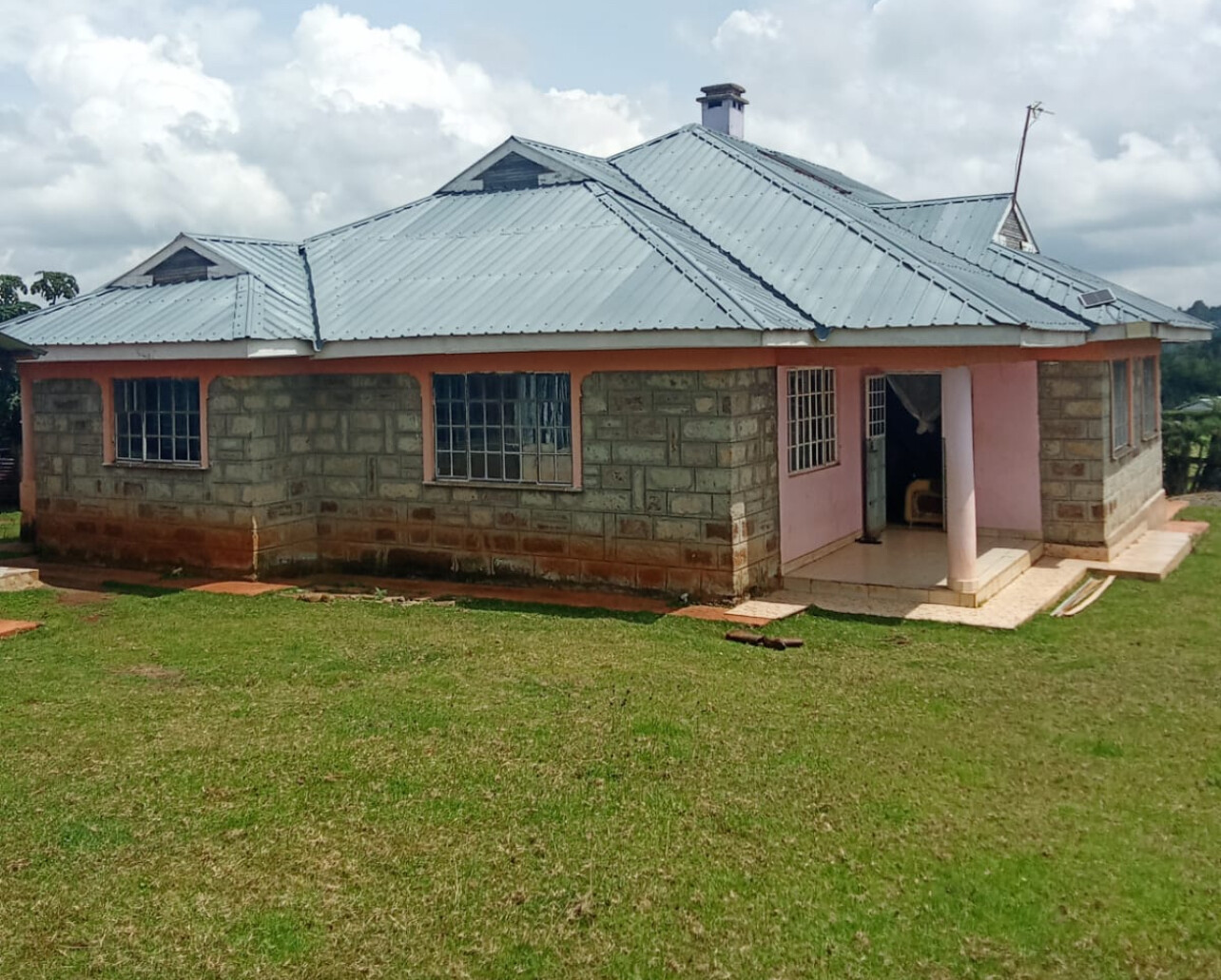
• Run the daily operations of your camp
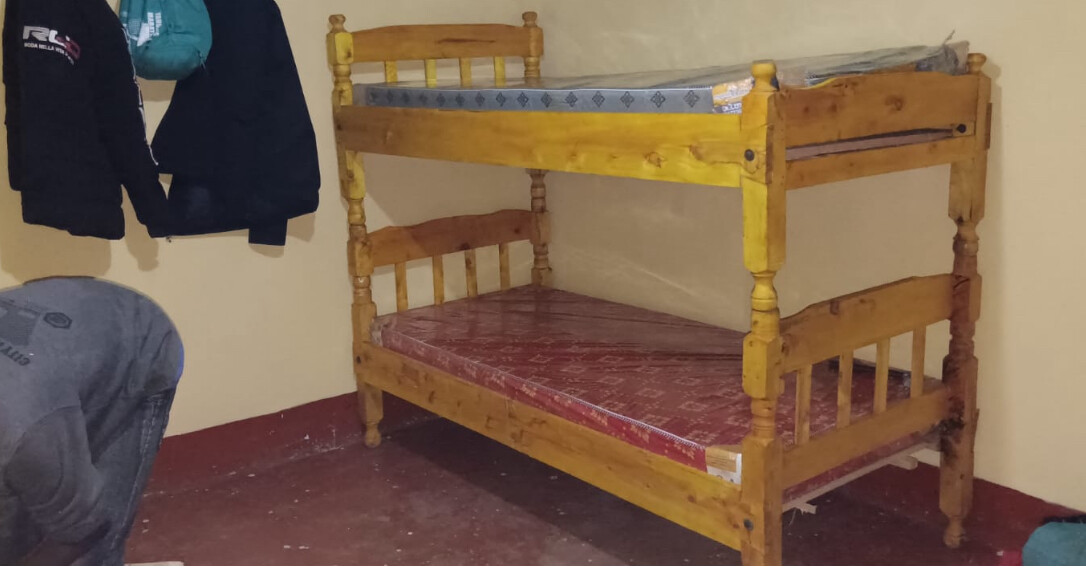
• Coach your athletes directly or work alongside a head coach

• Oversee a 3-acre potato farm (rain-fed, no irrigation needed)
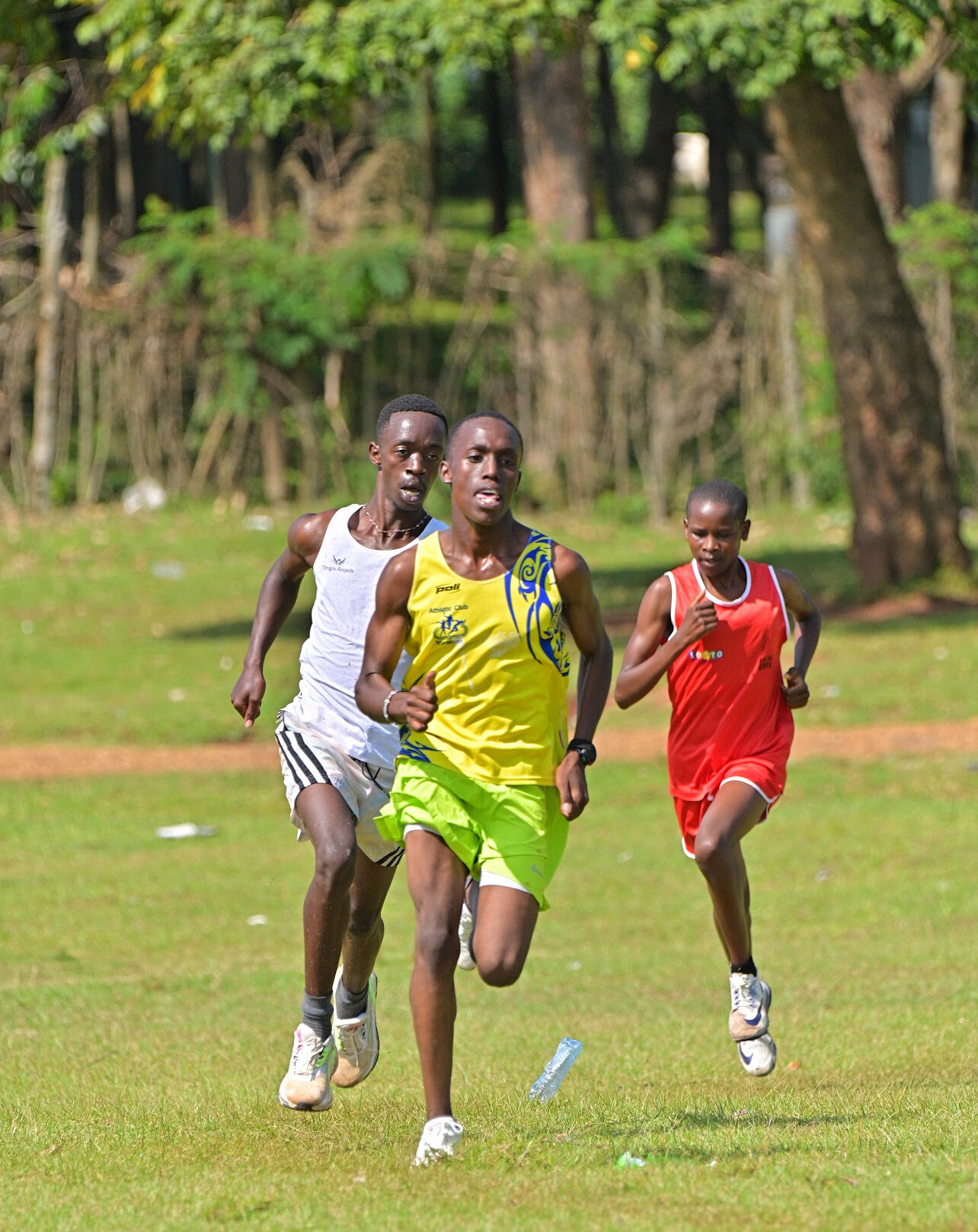
• Manage the camp’s budget and resources
• Ensure athletes work 25 hours per week on the farm
• Help shape champions while building a self-sustaining program
To help jump-start your camp, KATA provides an interest-free loan to cover the initial setup—housing, food, beds, utensils, planting, and basic operations—so you can focus on building a strong foundation from day one.
This is a revenue-sharing program: in return for the support provided, KATA receives 15% of any prize money earned by athletes from your camp. The remaining prize money belongs to the athletes themselves.
You’ll receive ongoing support, visibility, and the chance to lead a long-term performance and development initiative.
This is more than a coaching job—it’s your camp, your team, and your opportunity to make a real impact.
Join KATA. Lead with purpose. Grow with us.
Preferred Contact: WhatsApp
If you’re interested, message Bob Anderson directly on WhatsApp at +1 650-400-6643. text only right now
(06/19/2025) ⚡AMPby Boris Baron

Grand Slam Track Stumbles After Strong Start, Leaving Top Athletes Asking: Where’s the Money?
When Olympic legend Michael Johnson launched Grand Slam Track (GST), the vision was bold: reinvent the sport with an athlete-first approach, big prize purses, and a reimagined global format. With a $30 million launch budget and promises to reward performance like never before, GST quickly gained traction. But after the abrupt cancellation of its final event in Los Angeles, questions are swirling—and athletes are asking where their promised money is.
The LA meet, originally scheduled for June 28–29, was expected to close out GST’s four-meet pilot season. Instead, the cancellation reportedly saved the organization upwards of $3 million, and left some top athletes publicly wondering when—or if—they’ll get paid.

Brazil’s Alison dos Santos, the 2022 world champion in the 400m hurdles, told Norwegian outlet NRKthat he is still waiting on his $250,000 prize check. He said the cancellation came as a surprise but remains hopeful that the money will arrive later this year.
Others were more skeptical. Emmanuel Wanyonyi, Kenya’s Olympic 800m champion and winner of the short-distance event at GST Kingston, admitted after his victory at the Bislett Games that he hadn’t been paid either. “It might come. Why shouldn’t it come?” he said. “They have to pay us. I’ll be patient and wait.”
American distance phenom Nico Young, who won the 3,000m at the Philadelphia Slam and followed that performance with a U.S. record in the 5,000m (12:45.27) in Oslo, offered a more cautious response: “I don’t know if I’m supposed to say anything about it. We’re working on it.”
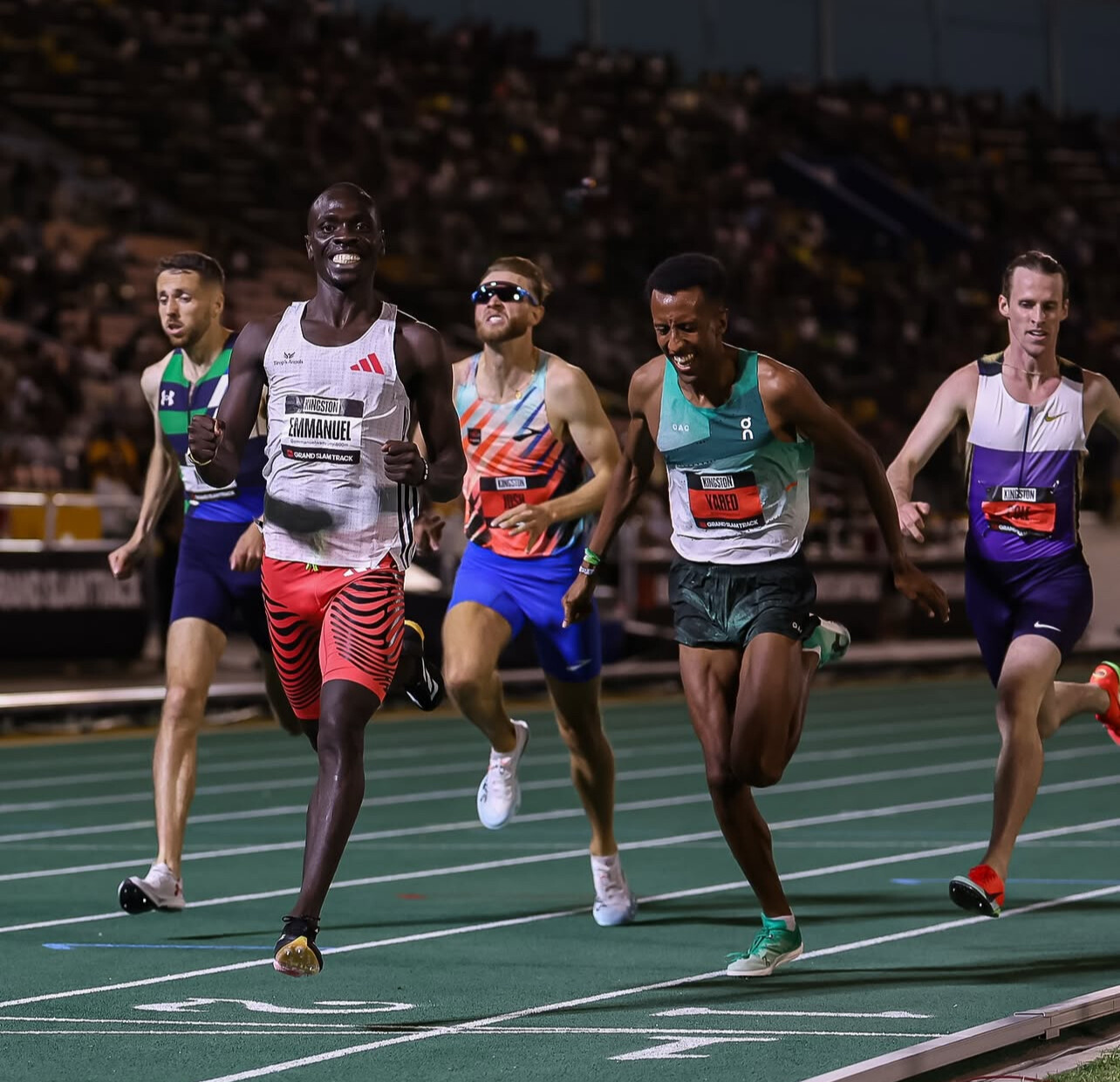
Even those with positive experiences are waiting. Charles Philibert-Thiboutot, a two-time Olympian for Canada, praised GST after competing in Kingston. “Grand Slam Track was one of the best experiences I’ve had as a pro,” he told Canadian Running. “I’m sad to see it struggle, because I do think that’s the way athletes should be treated at the highest level.” Still, he acknowledged he hasn’t been paid yet—but was told the money is on the way.
An agent representing multiple GST athletes confirmed that only half of the prize money from Kingston has been paid, and that winners from Miami and Philadelphia are still waiting. Delays in payout aren’t uncommon in professional track, with 6–12 week lags the norm—but with Kingston now 11 weeks in the rearview, patience is thinning.

GST was originally backed by a $30 million budget, with $12.6 million earmarked for prize money—$3.15 million per event. The league also supported athlete contracts and high-end production values across its three completed events in Kingston, Miami, and Philadelphia.
In an email to NRK, GST spokesperson Callum Squires cited poor financial conditions at the LA venue as the reason for the cancellation. “The success of our three previous events has led us to make the difficult choice to end the pilot season and set our sights on 2026,” he wrote. “We will announce investors and new partnerships next week.”
Whether Grand Slam Track can recover and return stronger in 2026 may hinge on what happens next—and especially whether the league delivers on its most essential promise: paying the athletes who brought their best to the track.
(06/18/2025) ⚡AMPby Boris Baron
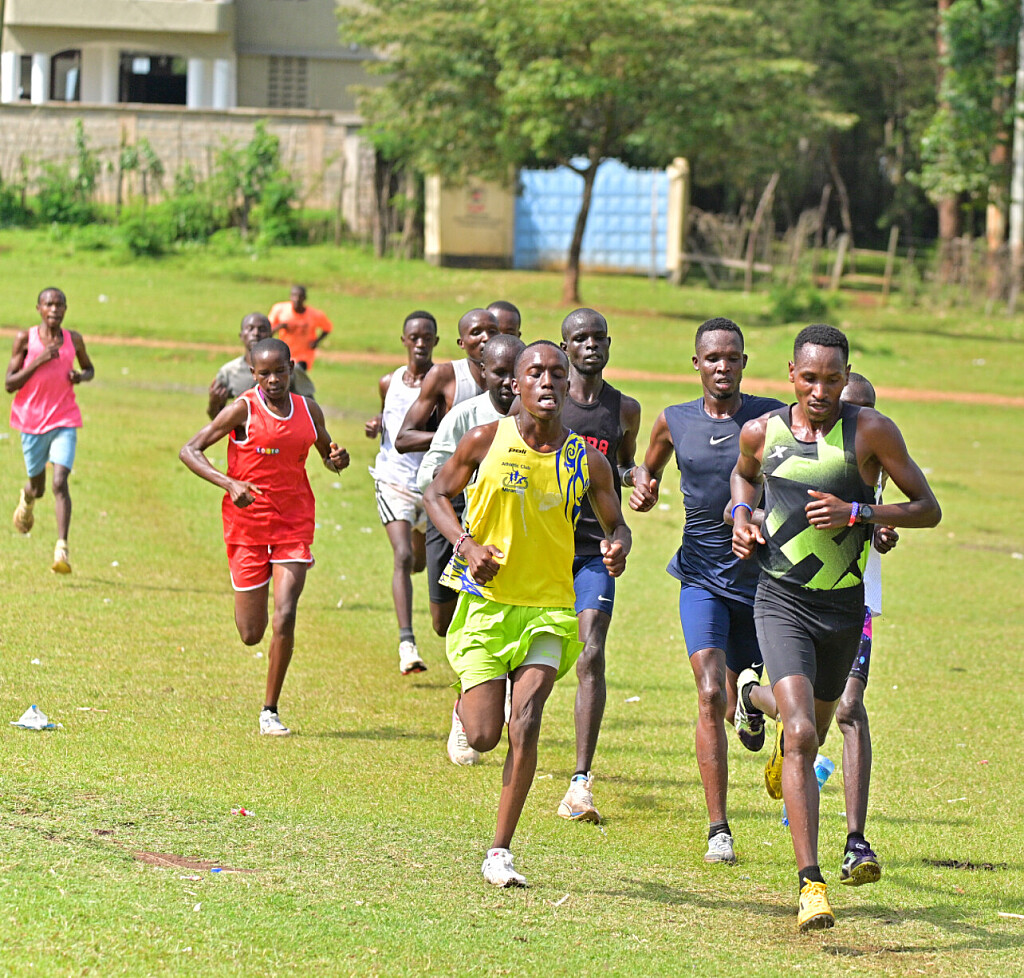
KATA Running Camps Expand to 10 Locations in Kenya with Ruth Chumo Leading New Site in Eldoret
The Kenyan Athletics Training Academy (KATA) has reached a major milestone with the launch of its 10th KATA Running Camp, as the movement continues to grow rapidly across Kenya. This bold initiative, which blends elite athletic training with sustainable agriculture, is transforming the future of distance running.
The two newest camps are now confirmed:
• KATA Camp 9 in Kamoi, led by coach David Kirui
• KATA Camp 10 in Eldoret, operated by Coach Ruth Chumo
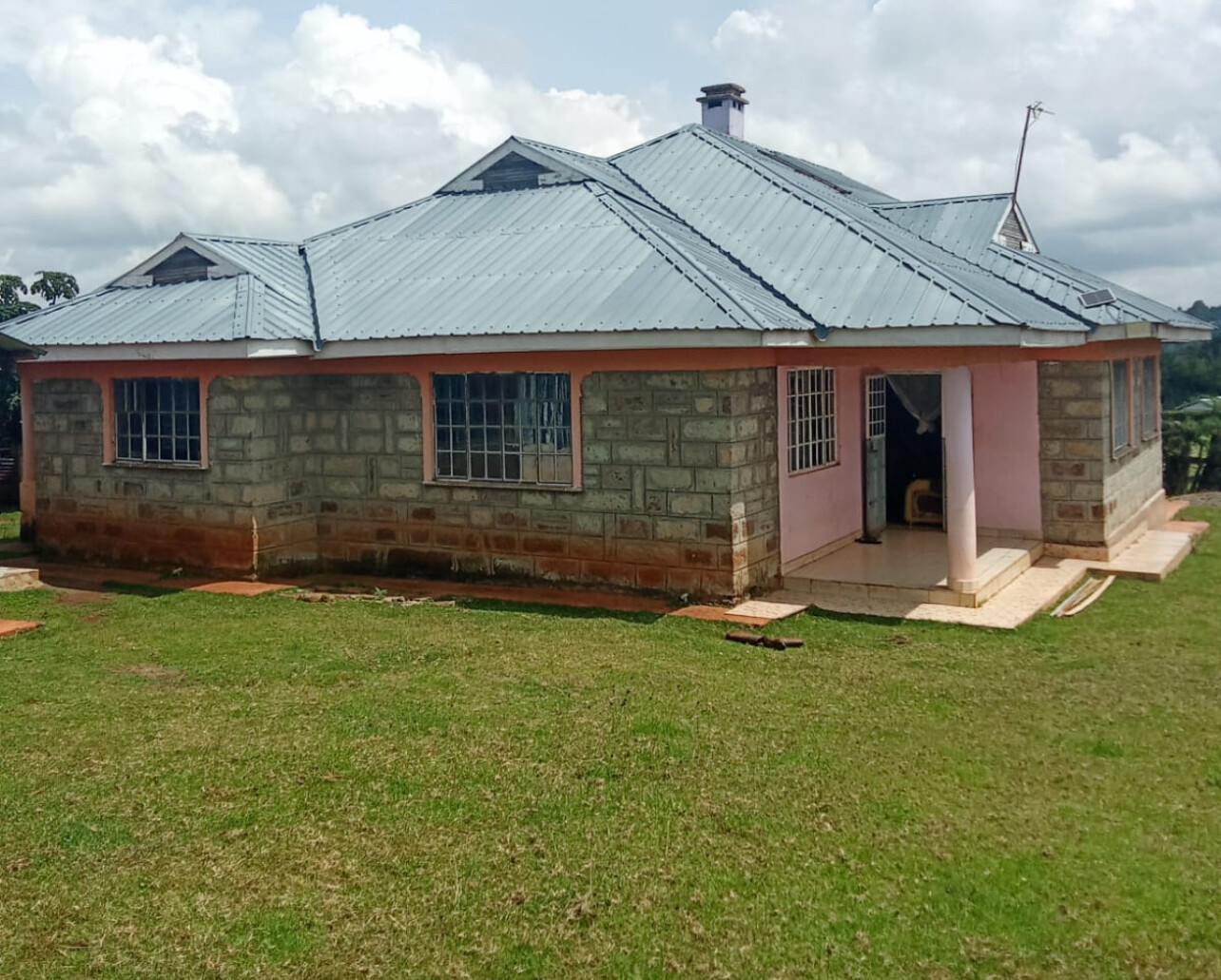
Coach Ruth Chumo brings exceptional experience to the program. Based in Eldoret—the heart of Kenyan distance running—she has built her reputation training both abled and para-athletes at the highest level. Her deep commitment to athlete development and her proven leadership make her a vital addition to the KATA family.
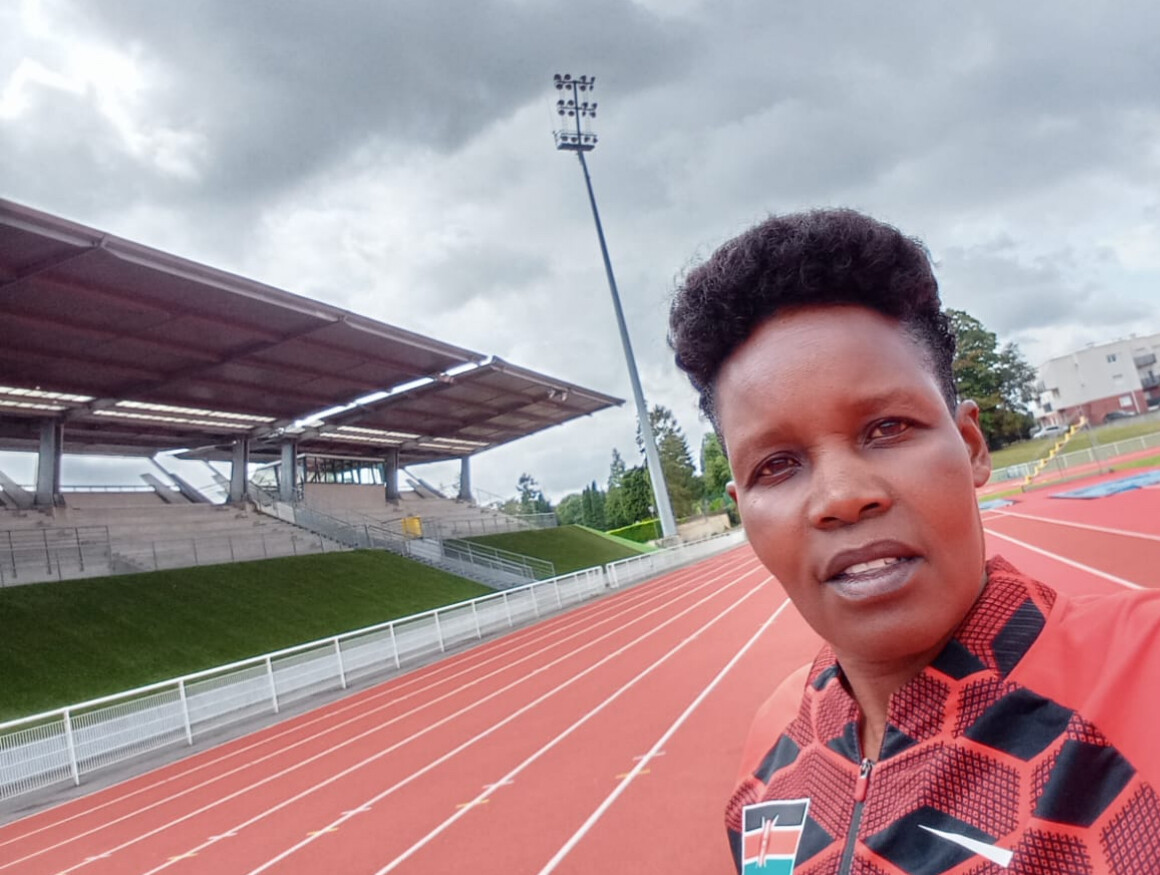
“I am so excited about the group of operators we have put together,” says KATA Director Bob Anderson, founder of Runner’s World magazine. “Each of our operators is fully committed to the program and understands the importance of our KATA Potato Farm component. This provides year-round revenue that allows us to sustain and grow. Every camp already includes top-level athletes, and we’re going to achieve big things.”

Two of the current camps have already planted their first acre of KATA potatoes, marking an important step forward in the program’s sustainability model. These three-acre farms, tied to each running camp, are a core part of the KATA mission—providing food, responsibility, and revenue that keep the entire system running year-round.
The program is also delivering results on the track. Just last weekend, Olympic bronze medalist Edwin Soi, operator of the Kericho KATA Camp, ran an astonishing 27:30 for 10,000 meters, dominating his race and sending a strong message about the level of athletes being developed within the KATA system.
KATA’s leadership includes two Olympians:

• Edwin Soi, 5000m bronze medalist from the Beijing Olympics
• Paul Kipsiele Koech, one of the most accomplished steeplechasers in history, now operating the KATA Camp in Sotik
Their presence brings unmatched experience, mentorship, and international credibility.
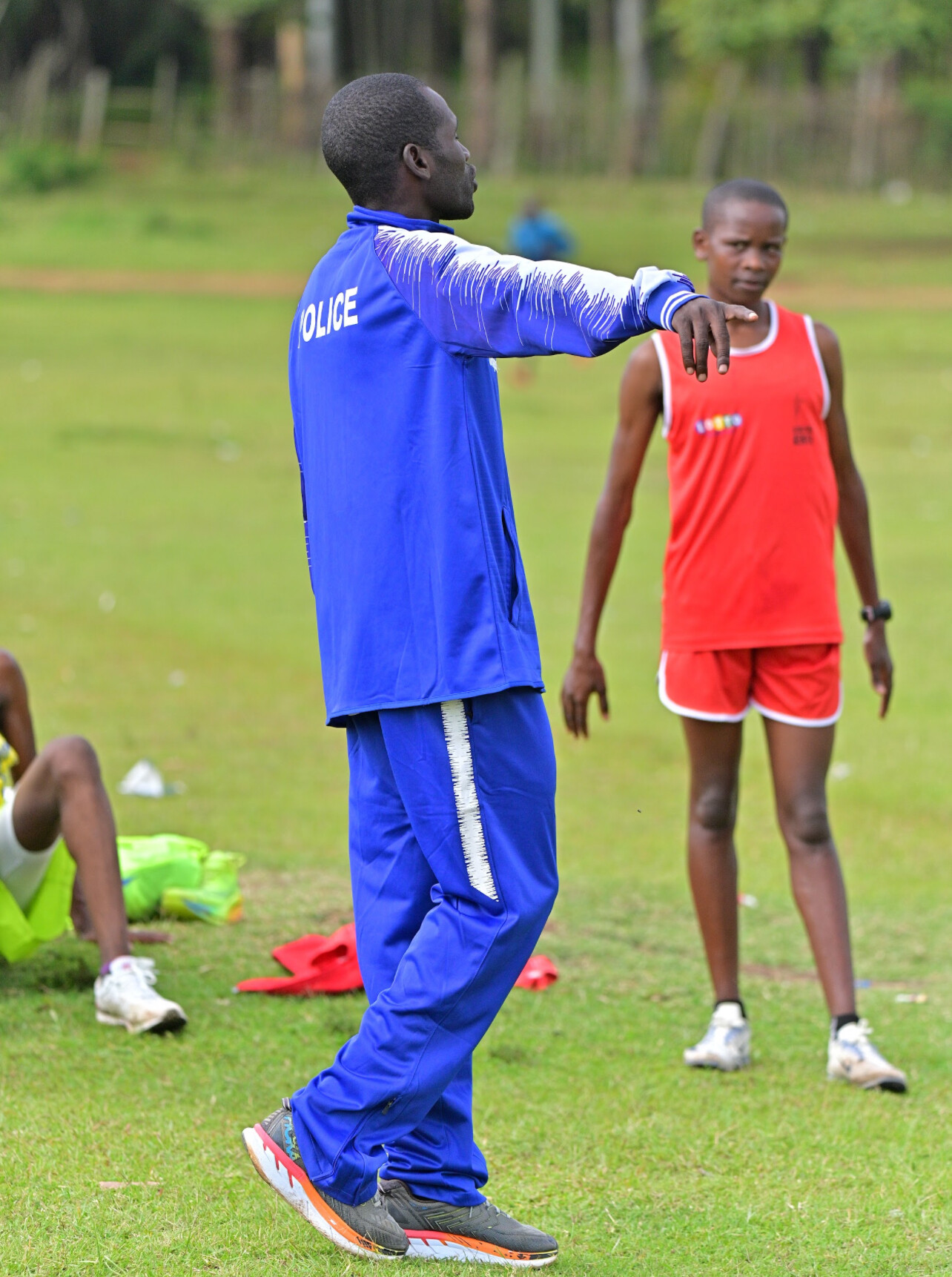
At the heart of KATA is a powerful, dual-purpose model: athletes receive world-class training while also helping manage a working farm. The result is a program that builds champions and sustains itself through community-driven agriculture.
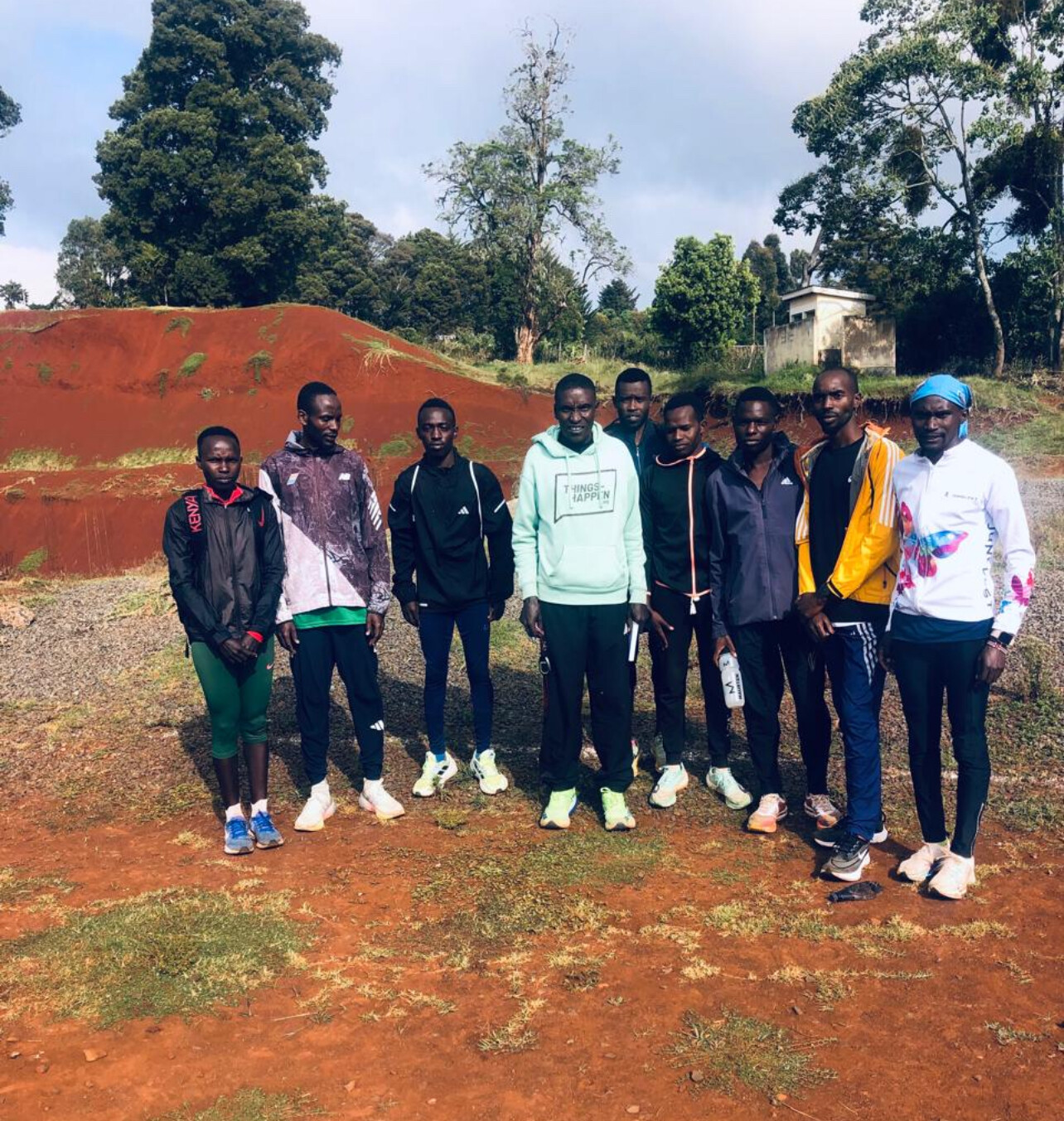
Round Two Begins October 1
The momentum is building. On October 1, KATA will launch Round Two of its program, aiming to establish 10 additional camps by November 1—doubling the total to 20.
“This is only the beginning of our aggressive, unique program,” says Anderson.

The long-term vision: 50 fully operational KATA Running Camps within three years, directly supporting nearly 1,000 elite Kenyan runners.
The KATA Partner Program
To help reach that goal, KATA is inviting select partners to be part of the movement and make a lasting impact.
Each partner:
• Can have their name on a camp. You too can now have your own training camp in Kenya under the umbrella of KATA.
• May choose to be actively involved (like coaching and selecting your own athletes) or take a passive role. (KATA will set everything up.)
• Will share in the gross revenue from the sale of KATA potatoes
• Will also participate in a percentage of prize money earned by athletes at their partnered camp
This is a rare opportunity to support a program built on performance, purpose, and sustainability—while being directly connected to the success of the next generation of Kenyan champions.
Want to get involved?
WhatsApp Bob Anderson at +1-650-400-6643 to learn how you can support or partner with KATA today.
Photos: Paul Kipsiele Koech KATA team in Sofia 2. Ruth Chumo 3. Ruth's KATA Camp outside of Eldoret 4. KATA athletes planting potatoes in Molo under the direction of camp operator Eric 5. KATA ten camps 6. KATA athletes in Iten 7. Preparing potatoes in Kapcherop 8. Paul Kipsiele Koech coaching his KATA athletes in Sotik.
(06/18/2025) ⚡AMPby Boris Baron
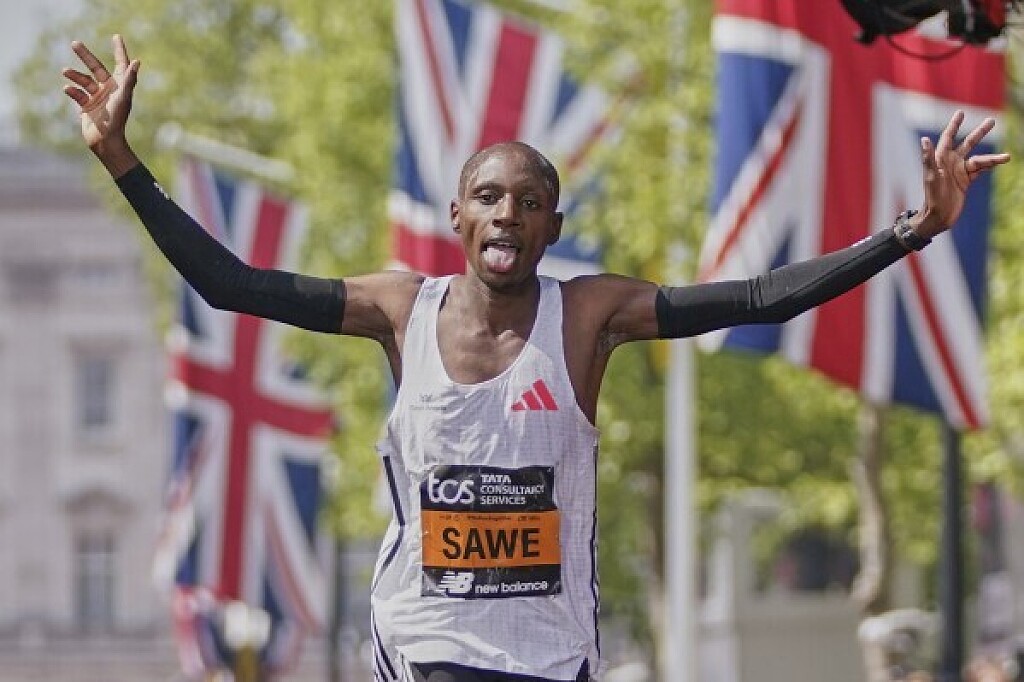
Sebastian Sawe Chooses Berlin Over World Championships, Eyes Fast Time on Record-Breaking Course
Kenya’s marathon sensation Sebastian Sawe has confirmed he will compete in the 2025 Berlin Marathon this September, opting out of the World Athletics Championships in Tokyo.
The decision comes after a remarkable start to Sawe’s marathon career, where he has already posted two of the fastest times in history. He won his debut in Valencia in December 2024 with a world-leading 2:02:05, then followed it up with another dominant victory at the 2025 London Marathon, clocking 2:02:27.
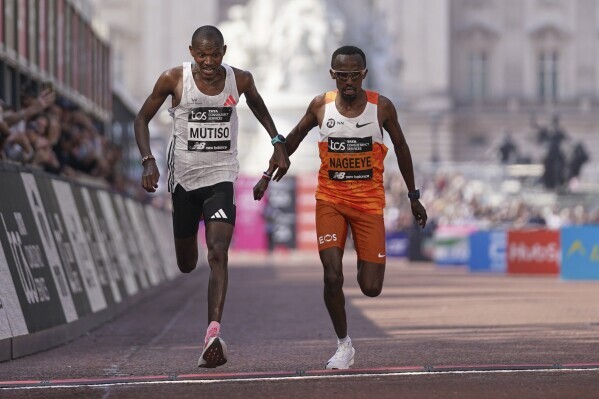
Many had expected Sawe to headline Kenya’s men’s team for the marathon at the World Championships in Tokyo on September 15. However, with the Berlin Marathon scheduled just six days later, the 30-year-old confirmed he is focusing solely on Berlin.

“I am preparing for Berlin,” Sawe stated, noting that while he aims to run a fast time, chasing a world record is not currently the goal. “It’s too early to talk about a world record. It takes time and clear planning to achieve it.”
The Berlin course is renowned as the fastest in the world, with 13 world records set on its streets. The current men’s marathon world record is 2:00:35, set by the late Kelvin Kiptum at the 2023 Chicago Marathon. Kiptum broke the previous record of 2:01:09 set by Eliud Kipchoge—who himself has won Berlin five times.
Like Kiptum, Sawe burst onto the marathon scene with a historic debut. Their similarities have drawn comparisons, especially with Sawe’s smooth transition from half marathon success to world-class marathon victories.
All eyes will now be on Berlin to see just how fast Sawe can go on a course that has repeatedly rewritten the marathon history books.
(06/18/2025) ⚡AMPby Boris Baron
BMW Berlin Marathon
The story of the BERLIN-MARATHON is a story of the development of road running. When the first BERLIN-MARATHON was started on 13th October 1974 on a minor road next to the stadium of the organisers‘ club SC Charlottenburg Berlin 286 athletes had entered. The first winners were runners from Berlin: Günter Hallas (2:44:53), who still runs the BERLIN-MARATHON today, and...
more...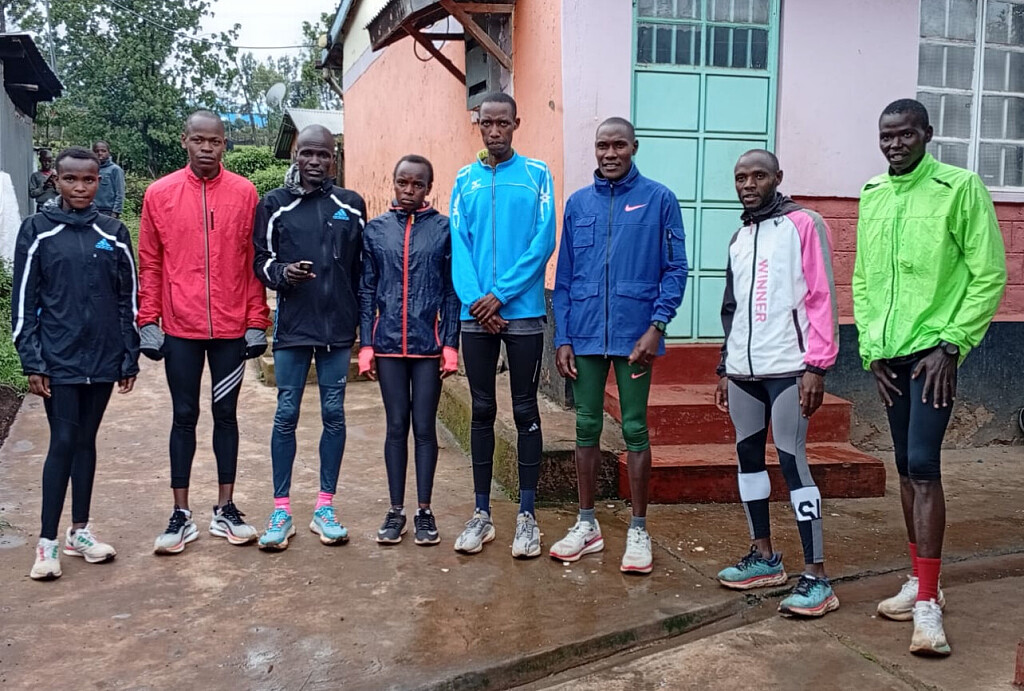
KATA Running Camps Launch a Bold New Era for Distance Running in Kenya
In a bold move to reshape the future of distance running, Bob Anderson, the legendary founder of Runner’s World and lifelong runner, has launched a groundbreaking initiative that’s taking root across Kenya. What began in 2019 with the Kenyan Athletics Training Academy (KATA) in Thika, and expanded to Portugal earlier this year, is now flourishing into a national movement—with eight KATA Running Camps already confirmed, and ten expected by July 1, plus two full-service KATA Retreats in Thika and Monforte da Beira, Portugal.
photos: 1. Edwin's KATA team reporting to his camp today in Kericho. 2. Eric's KATA in Molo will be planting their first acre of KATA potatoes tomorrow.

"As far as I know, there’s nothing like what we are doing,” says Bob Anderson. “My team and I believe we’re going to make a big difference in the running world. We’ll have nearly 200 KATA athletes by July. We have so much talent, and with strong leadership and support, we can help them become world-class stars
A Sustainable Model with a Powerful Vision
What sets KATA apart is its innovative self-sustaining model that combines elite athletic training with agriculture and community building.
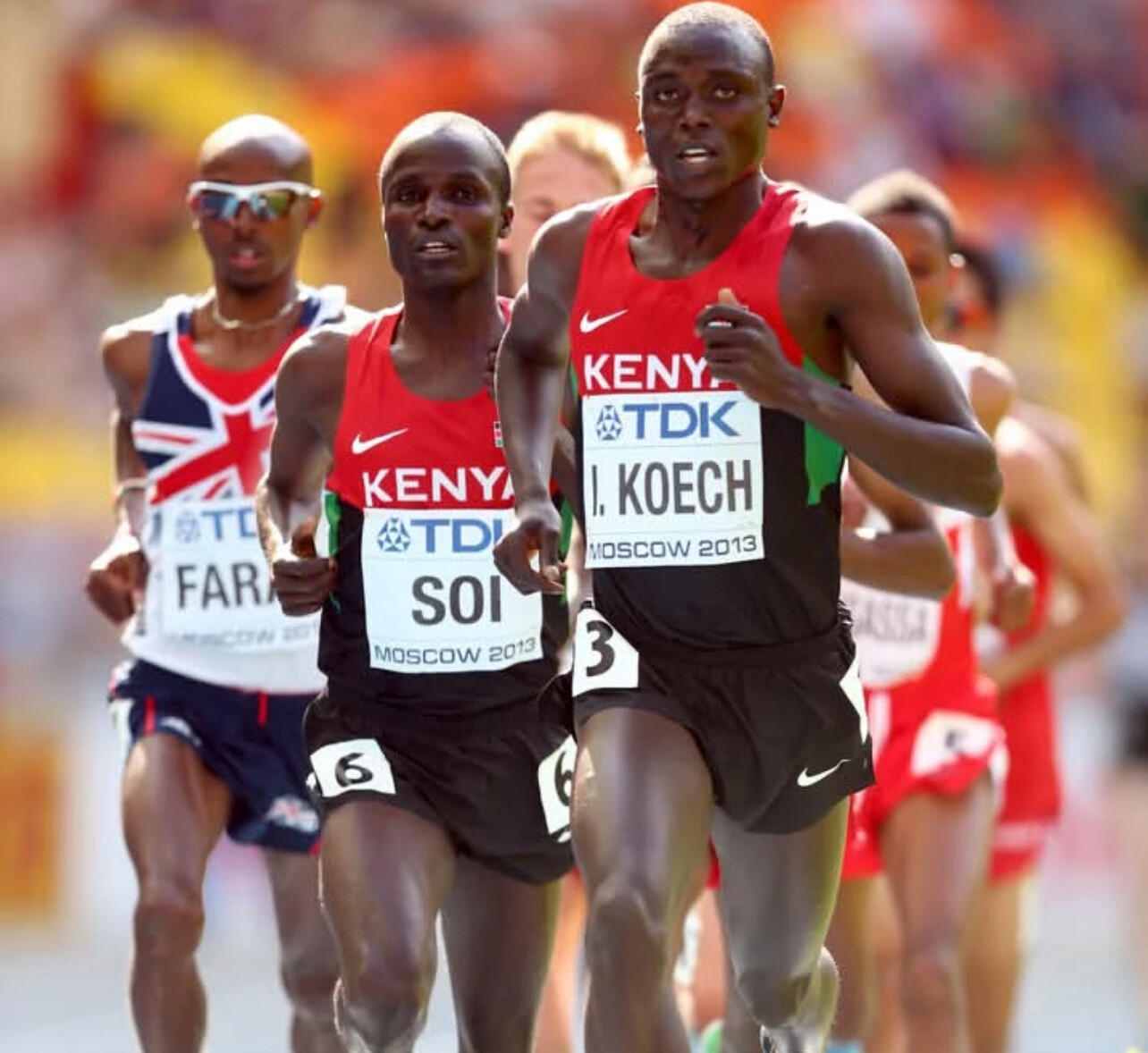
Each KATA Running Camp:
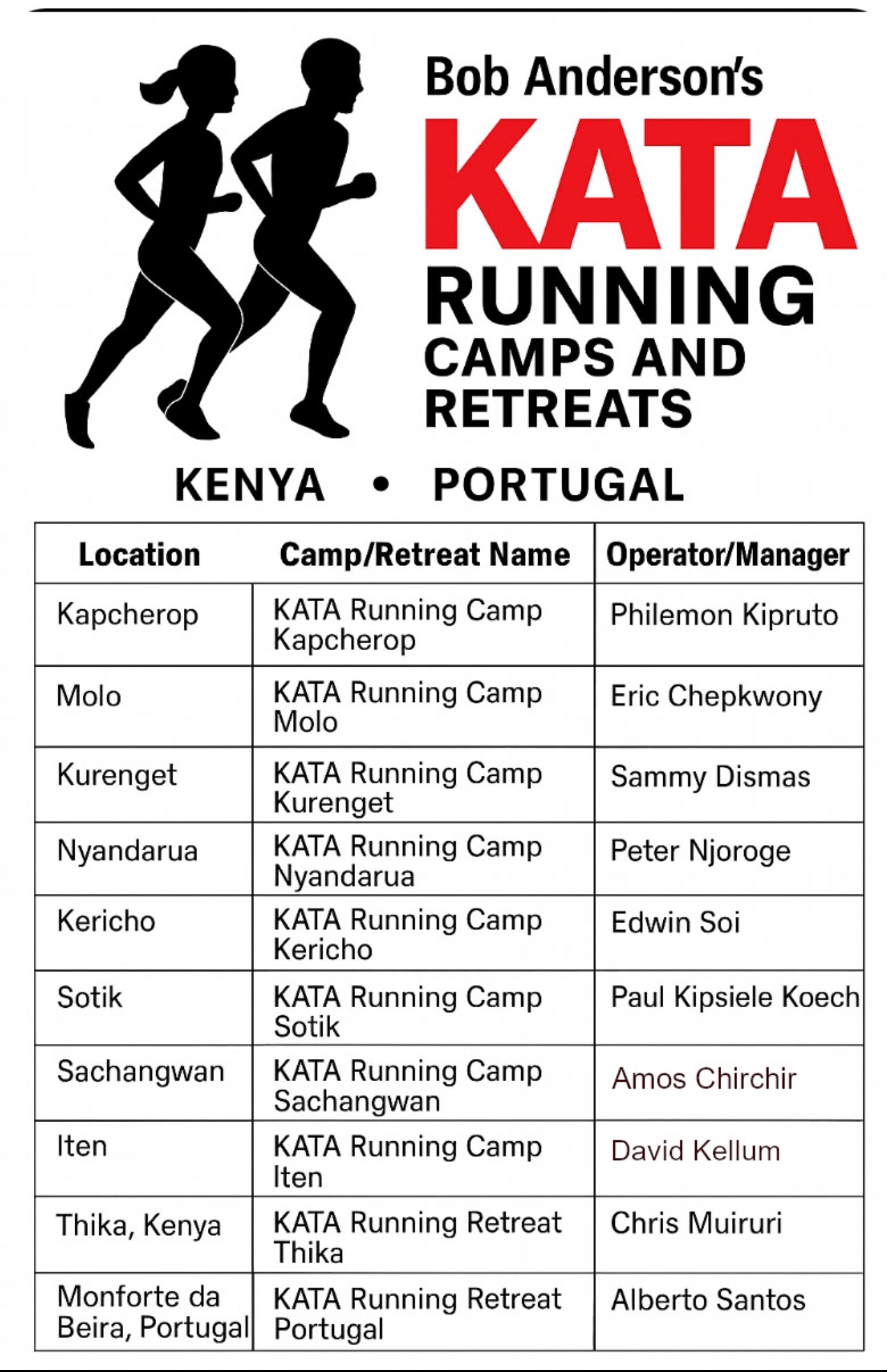
• Supports 3 acres of KATA potato farms
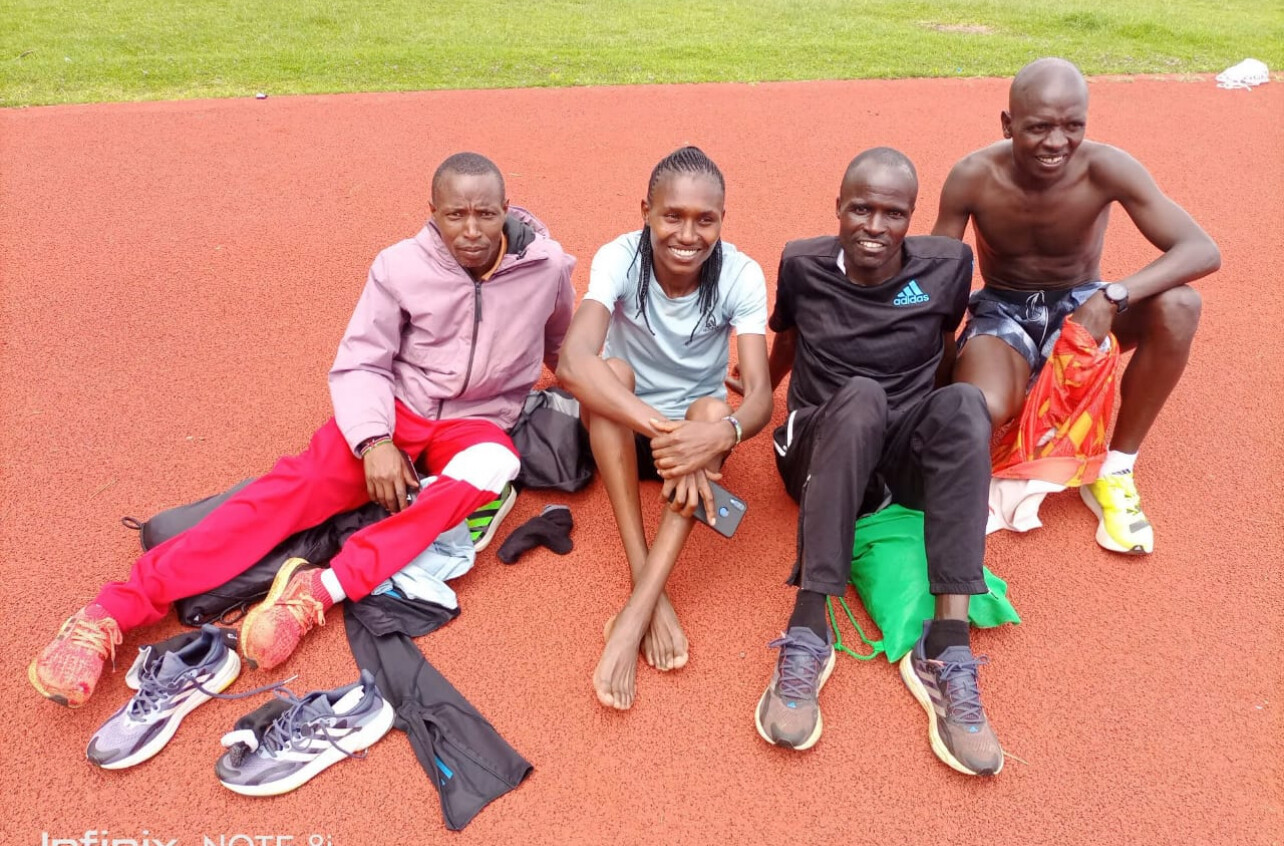
• Requires athletes to work 25 hours per week on the farm
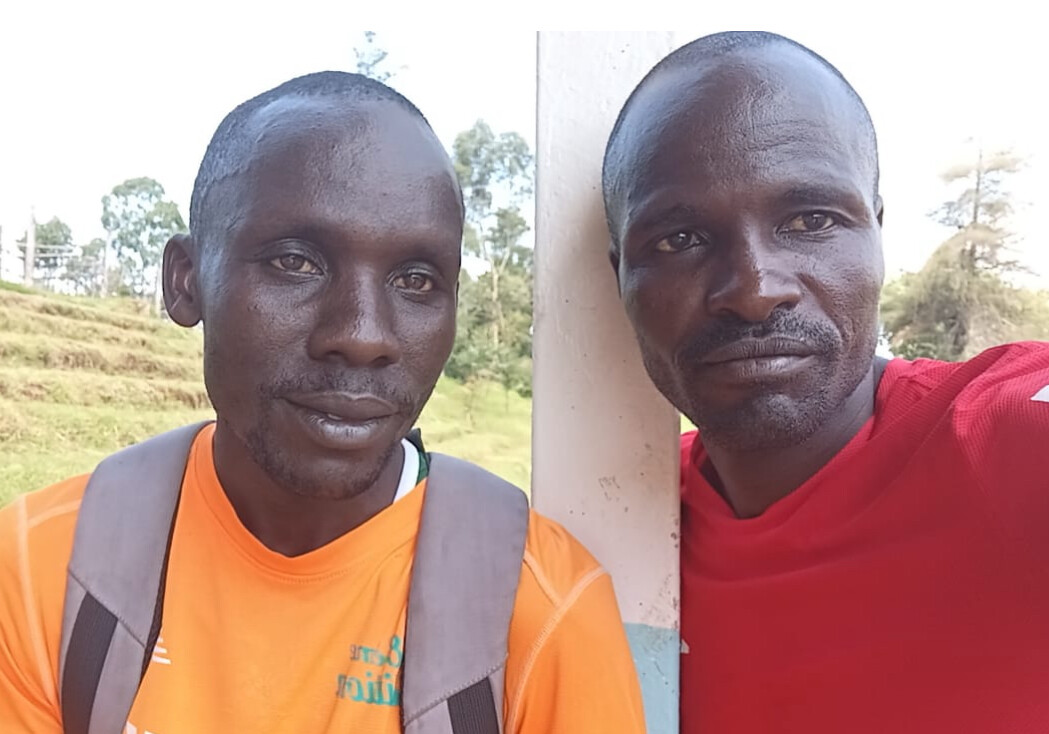
• Asks athletes to contribute 15% of any prize money earned to support their camp
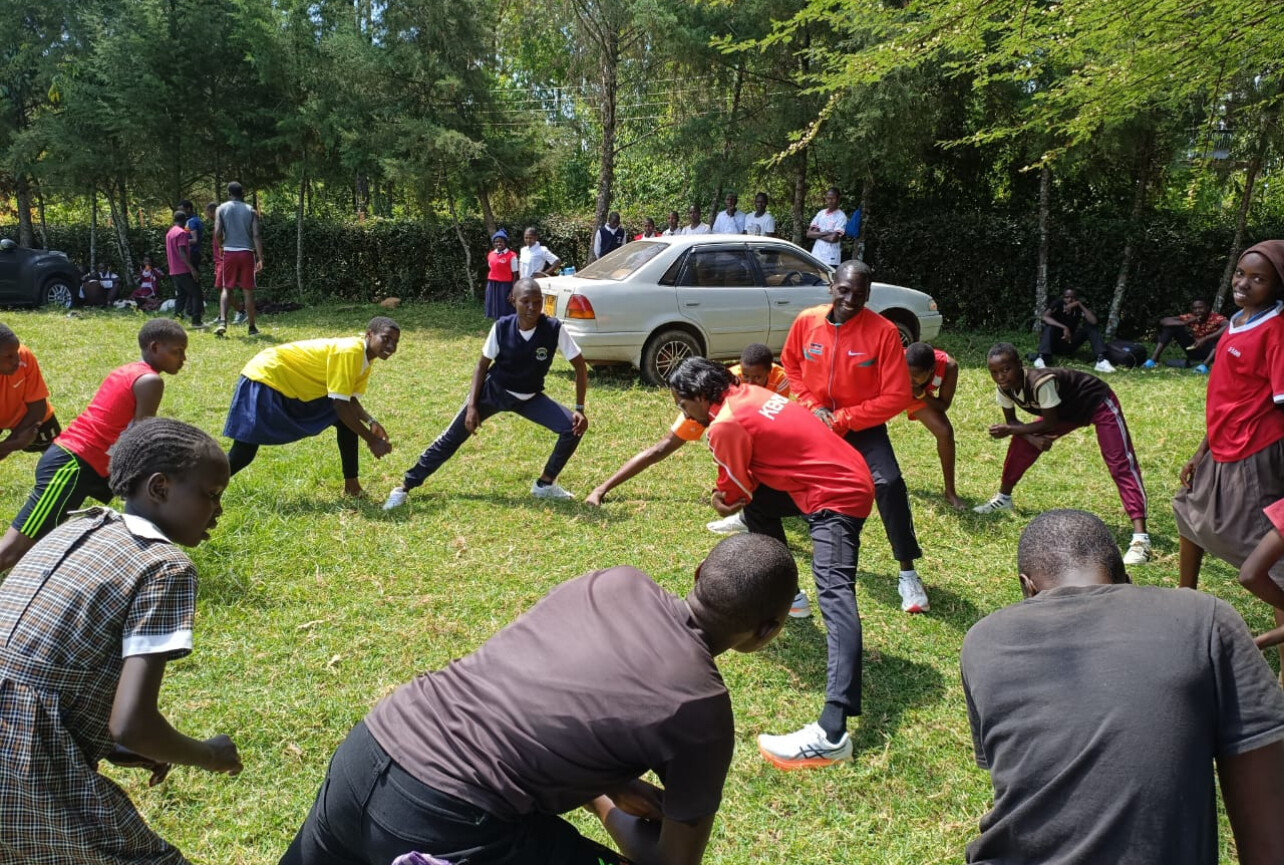
In return, every KATA athlete receives:
• Free lodging
• Three nutritious meals daily
• World-class coaching
“Within six months, all camps will be fully self-sustaining,” Anderson says. “This is not just a running camp—it’s a lifestyle, a community, and a path to opportunity.
Powered by Champions
Two of KATA’s confirmed camp operators are Olympic medalists who bring unmatched experience to the program:
• Edwin Soi, bronze medalist in the 5000m at the 2008 Olympics, now leads KATA Kericho. He’s still racing—and proving his form. On June 15, he clocked a blazing 27:30 for 10,000 meters on the track.
• Paul Kipsiele Koech, bronze medalist at the 2004 Olympics in the 3000m steeplechase, heads KATA Sotik, bringing leadership, discipline, and deep tactical knowledge.
A Vision for 50 Camps, 1,000 Athletes
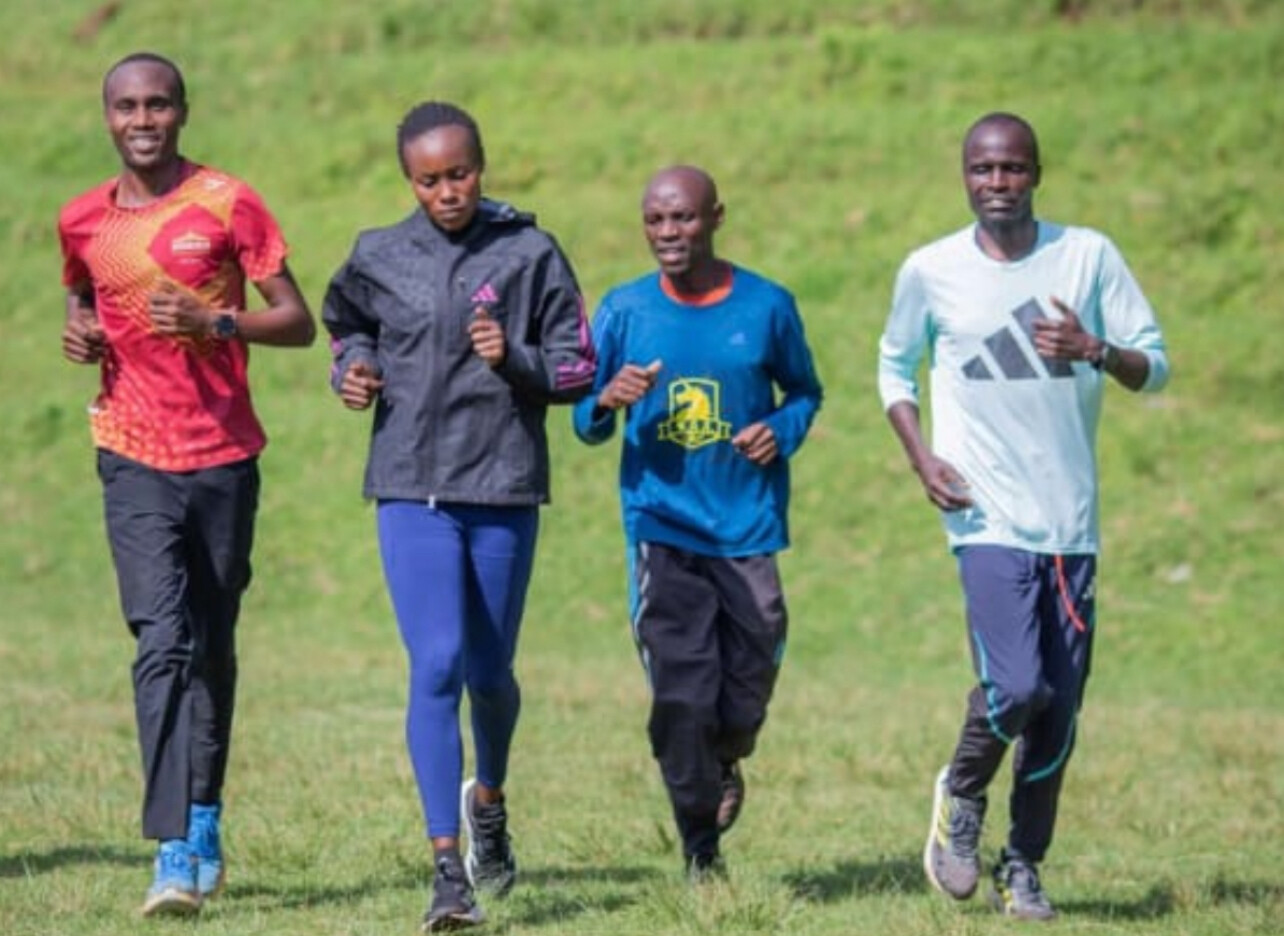
Anderson’s vision is as ambitious as it is inspiring:
“We hope to build a network of 50 KATA Running Camps to train nearly 1,000 athletes. At the same time, we’re working closely with local communities to promote healthier lifestyles through running, nutrition, and education.”
Each camp is embedded within its local area—supporting food security through farming, developing young talent, and strengthening communal ties.
More Than a Camp. A Movement.
KATA is not just about producing the next world record holder. It’s about giving hundreds of athletes the opportunity to reach their full potential—on the track, in life, and within their communities.
By combining sport with sustainability, and elite training with grassroots outreach, Bob Anderson’s KATA is poised to become one of the most impactful distance running projects in the world.
(06/16/2025) ⚡AMPby Boris Baron
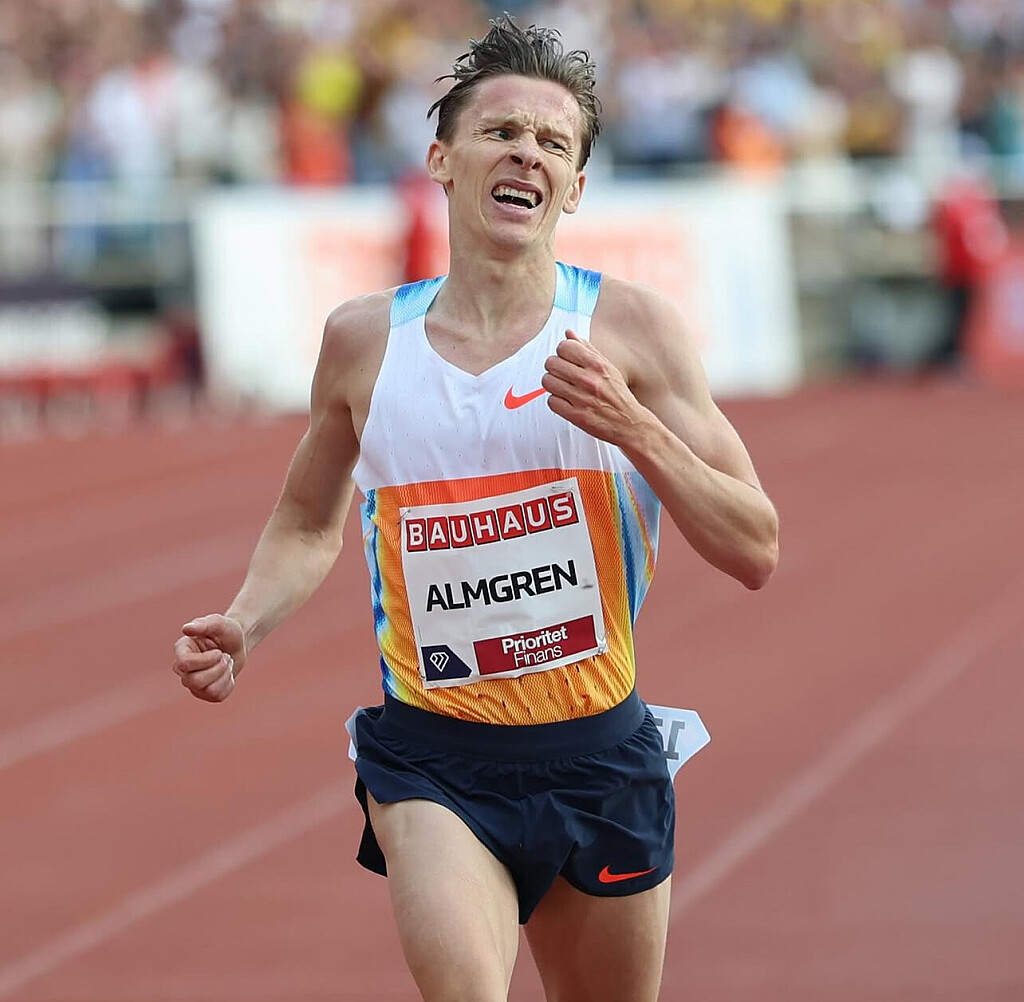
Andreas Almgren Stuns the World with 12:44.27 in Stockholm 5000m, Smashing European Record and Entering All-Time Top 10
Swedish distance star Andreas Almgren delivered the race of his life at the Stockholm Diamond League, clocking a breathtaking 12:44.27 to win the men’s 5000m and send shockwaves through the global distance running world. His time not only shattered the European Record (ER) and the meet record, but it also catapulted him into the top 10 fastest performers in history, now ranking #8 all-time.
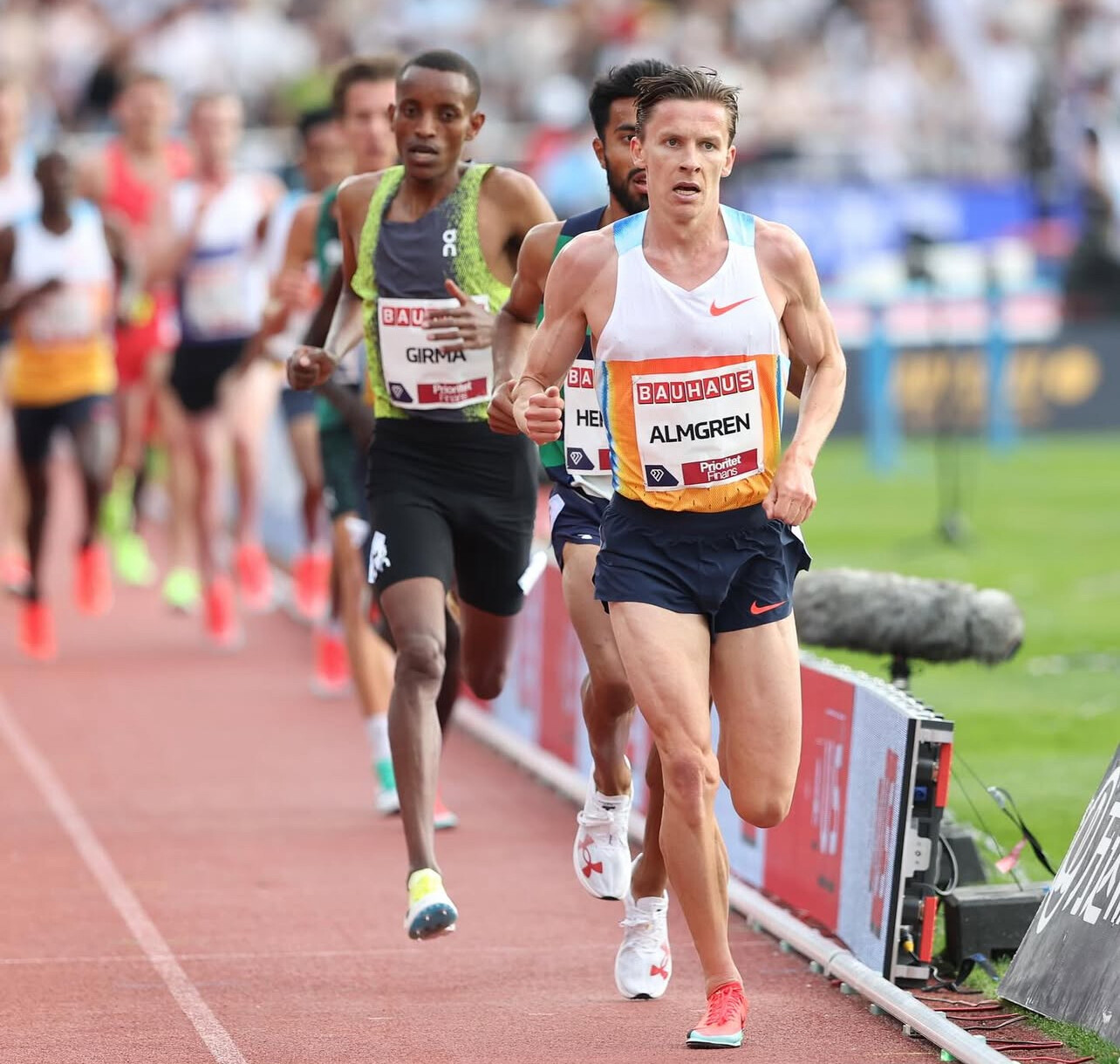
The home crowd in Stockholm witnessed a historic moment as Almgren, traditionally known for his prowess over 800m and 1500m, made a stunning statement in the long-distance arena. He became the first European ever to dip under 12:45 and now holds the fastest 5000m time ever run by a European athlete, surpassing Spain’s Mohamed Katir (12:45.01 from 2023).


? Top Results – Men’s 5000m (Stockholm Diamond League)
1. Andreas Almgren (Sweden) – 12:44.27 ?? ER MR
2. Kama Girma (Ethiopia) – 12:57.46 ??
3. Ky Robinson (Australia) – 12:58.38 ??
4. Mike Foppen (Netherlands) – 13:02.43 ??
5. Kenneth Kiprop (Uganda) – 13:02.69 ??
6. Denis Kipkoech (Kenya) – 13:07.02 ??
All-Time Men’s 5000m Rankings (As of June 2025)
Andreas Almgren now stands 8th on the all-time global list, behind legends like Cheptegei, Bekele, and Gebrselassie.
|
Rank |
Athlete |
Country |
Time |
Year |
|
1 |
Joshua Cheptegei |
UGA |
12:35.36 |
2020 |
|
2 |
Kenenisa Bekele |
ETH |
12:37.35 |
2004 |
|
3 |
Haile Gebrselassie |
ETH |
12:39.36 |
1998 |
|
4 |
Daniel Komen |
KEN |
12:39.74 |
1997 |
|
5 |
Hagos Gebrhiwet |
ETH |
12:42.18 |
2023 |
|
6 |
Selemon Barega |
ETH |
12:43.02 |
2018 |
|
7 |
Mohamed Katir |
ESP |
12:45.01 |
2023 |
|
8 |
Andreas Almgren |
SWE |
12:44.27 |
2025 ✅ |
|
9 |
Yomif Kejelcha |
ETH |
12:46.79 |
2023 |
|
10 |
Berihu Aregawi |
ETH |
12:46.91 |
2021 |
Pace Breakdown – Almgren’s 12:44.27
• Per kilometer: 2:32.85/km
• Per mile: 4:05.57/mile
(12:44.27 = 764.27 seconds total
5000 meters = 5 kilometers or 3.10686 miles)
A New Era in Distance Running?
The Stockholm performance underscores a growing shift in elite distance running. For decades, Kenya, Ethiopia, and Uganda have been dominant in the 5000m and 10,000m, but Almgren’s performance—alongside strong finishes by Australia’s Ky Robinson and the Netherlands’ Mike Foppen—suggests a broader international resurgence.
As the World Championships in Tokyo loom, Almgren’s breakout raises the stakes. Can the Swede replicate this form against the likes of Cheptegei and Barega on the biggest stage of all?
One thing is clear: the race to the podium in global distance running is no longer limited to East Africa. Andreas Almgren has kicked open the door—and the world is watching.
(06/16/2025) ⚡AMPby Boris Baron
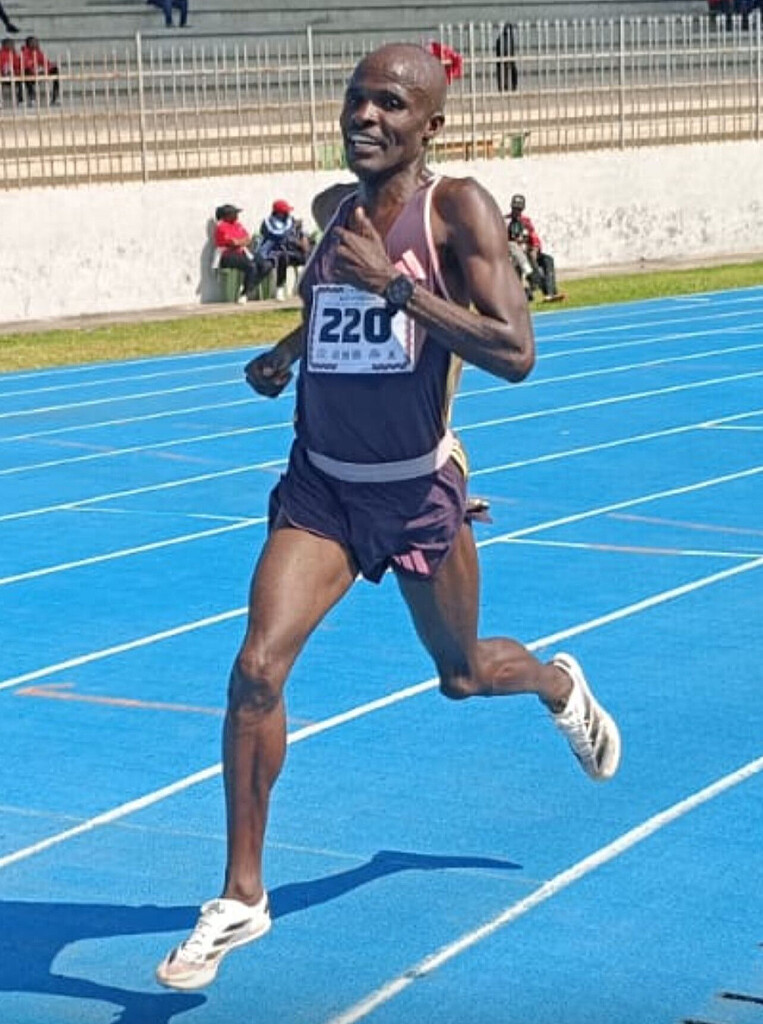
Edwin Soi Blazes 27:30 for 10,000m at South Rift Regional Meet in Nakuru
Veteran Olympian Edwin Soi made a powerful statement in Nakuru County on June 15, dominating the 10,000m at the South Rift Region athletics qualification meet with a stunning time of 27:30. The race, held at Afraha Stadium, served as a regional qualifier for the Kenyan National Trials, which take place July 9 in Nairobi and will determine the team for the World Championships.
Soi, the newly appointed operator of the KATA Running Camp and KATA Potato Farm in Kericho, blew away the field with his performance—remarkable not only for the result but for the circumstances behind it.
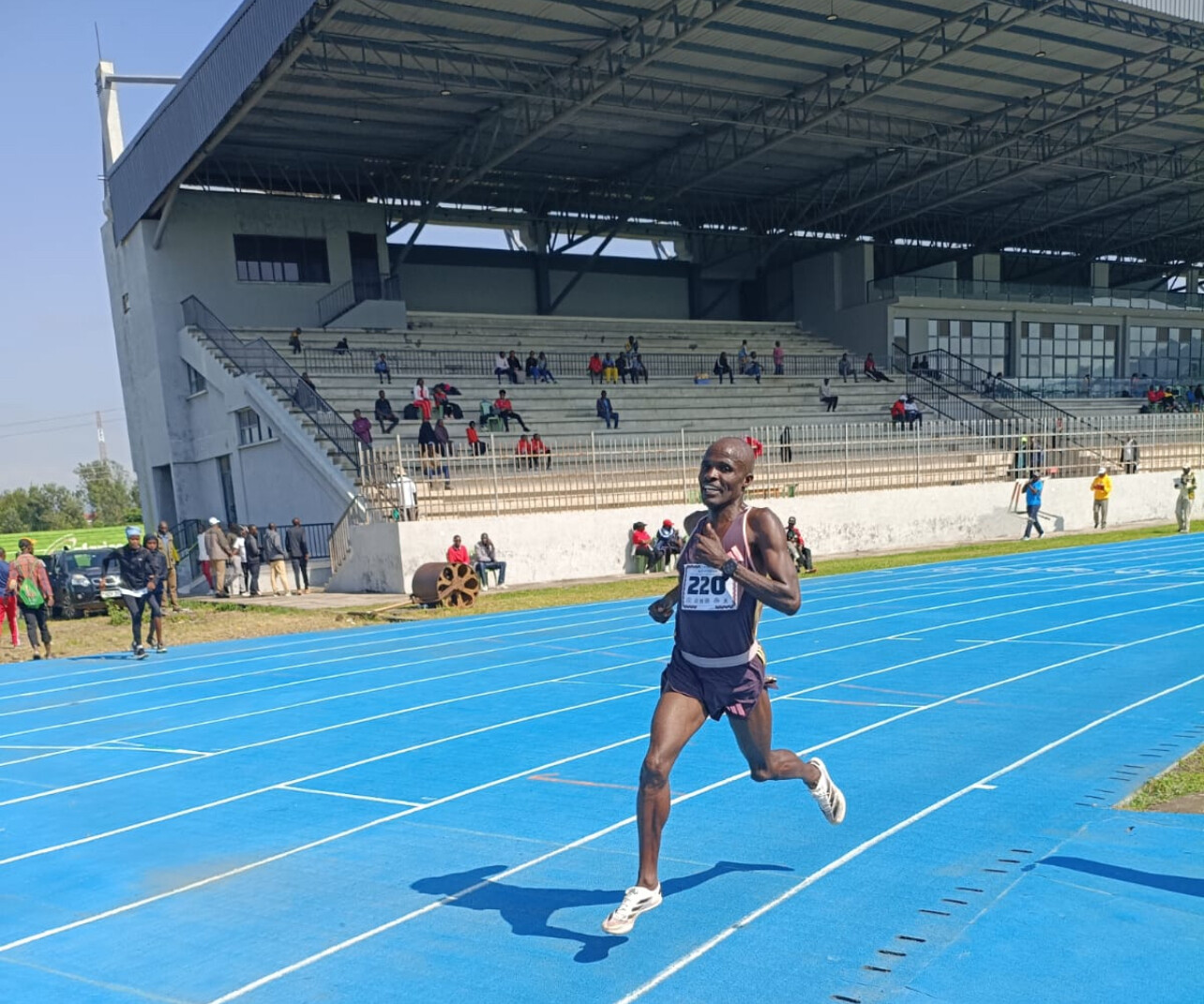
“I’m pleased with my time,” Soi said. “I’ve only been doing marathon training and no speed work. When Bob [Anderson], our KATA Running Camps founder and director, asked me a few days ago what I thought I could run, I told him sub-28—and I did.”
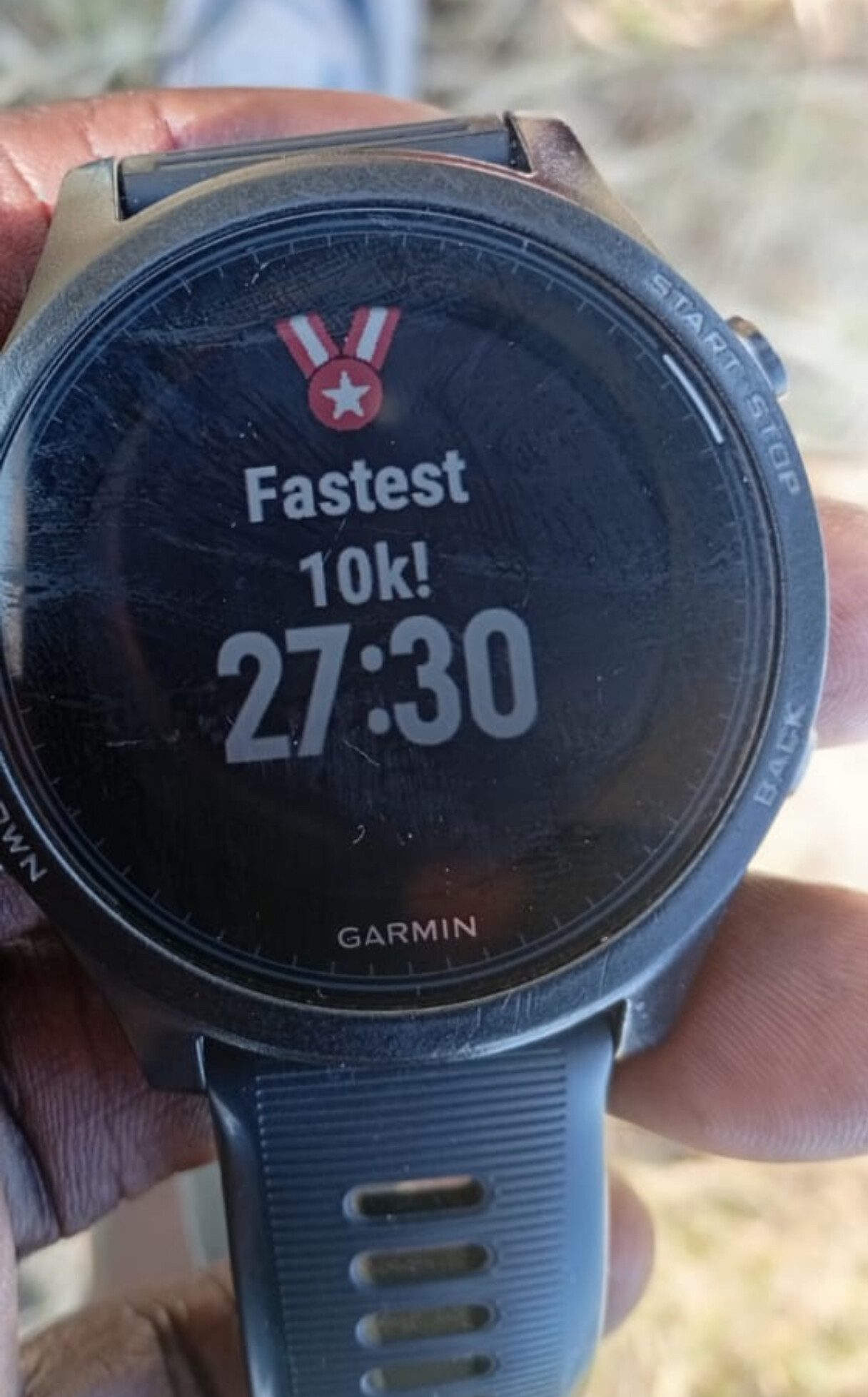
Soi’s effort drew praise from Bob Anderson, the founder of Runner’s World and director of the KATA Running Camps initiative. “Edwin just signed on to operate KATA Running Camp - Kericho and has been preparing to officially open his camp on Monday,” Anderson said. “I was very excited to hear of his time this morning. He will be ready to make the Kenya national team.”
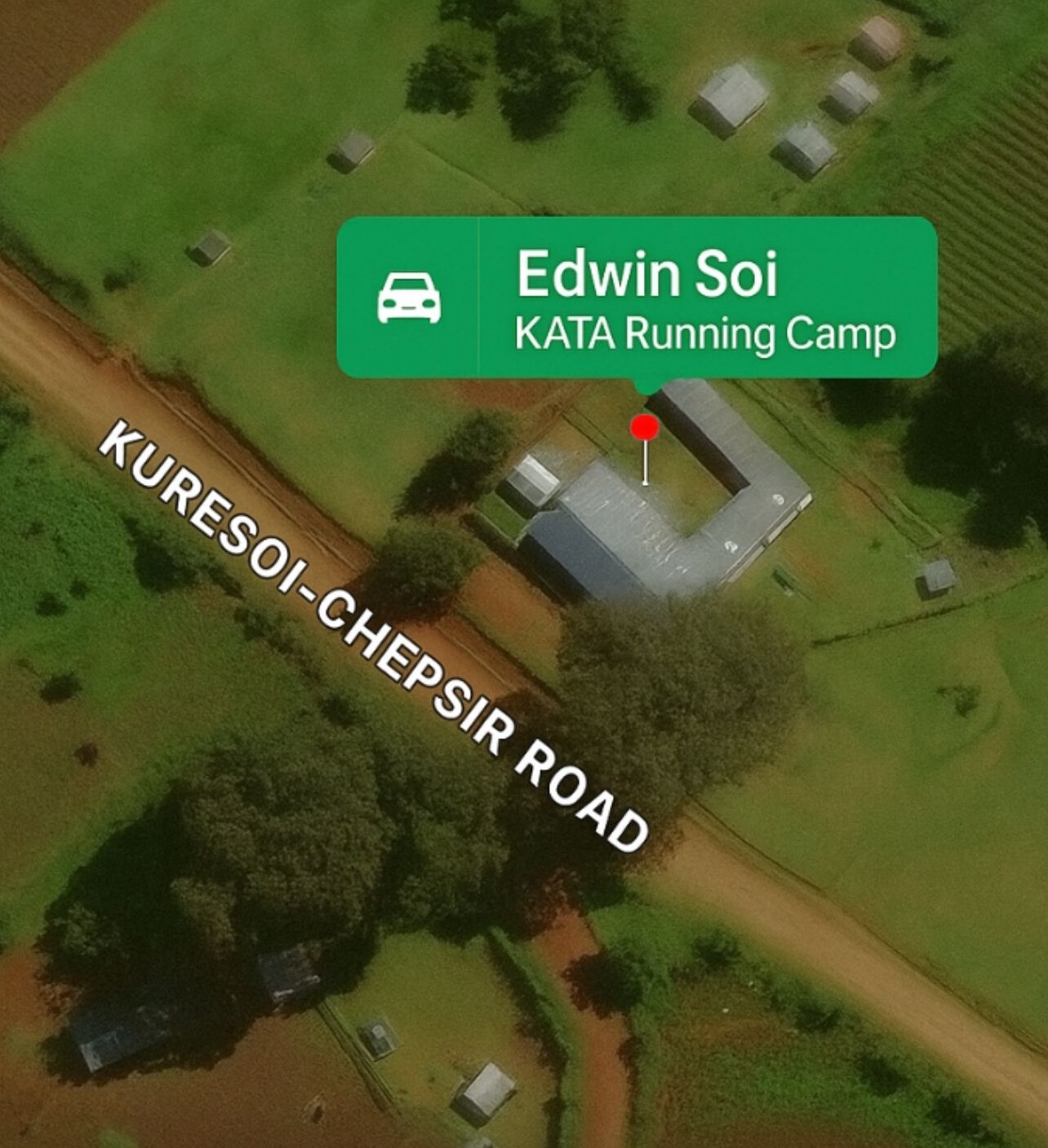
Photo five is Edwin visiting with Job at the KATA Running Camp - Molo. Photo six is Edwin transporting beds to his camp in Kericho earlier in the week.
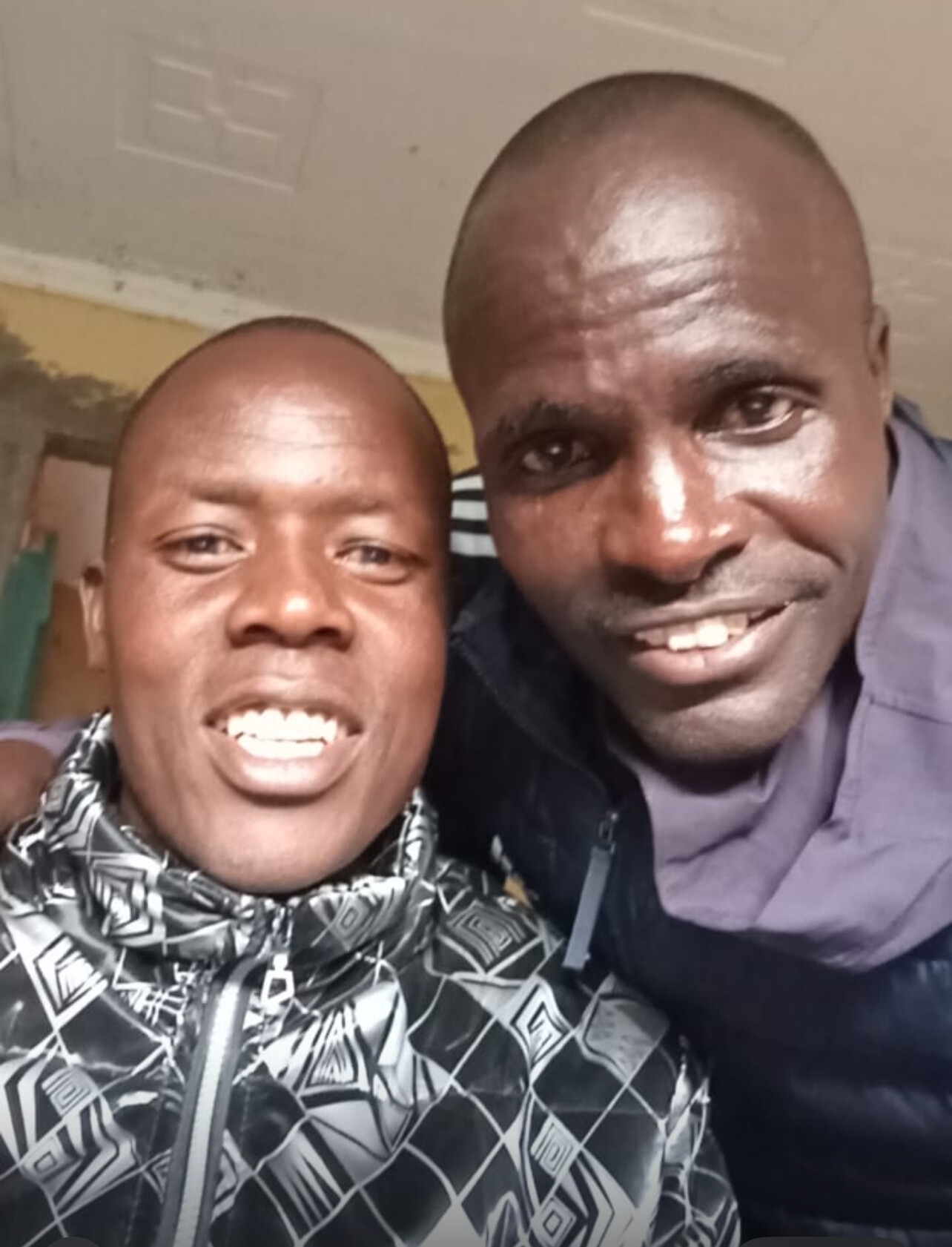
Soi, who won the bronze medal in the 5,000m at the 2008 Beijing Olympics, has been transitioning to longer distances in recent years, including the marathon. His performance in Nakuru indicates he still has world-class speed and may be poised for another major appearance on the global stage.


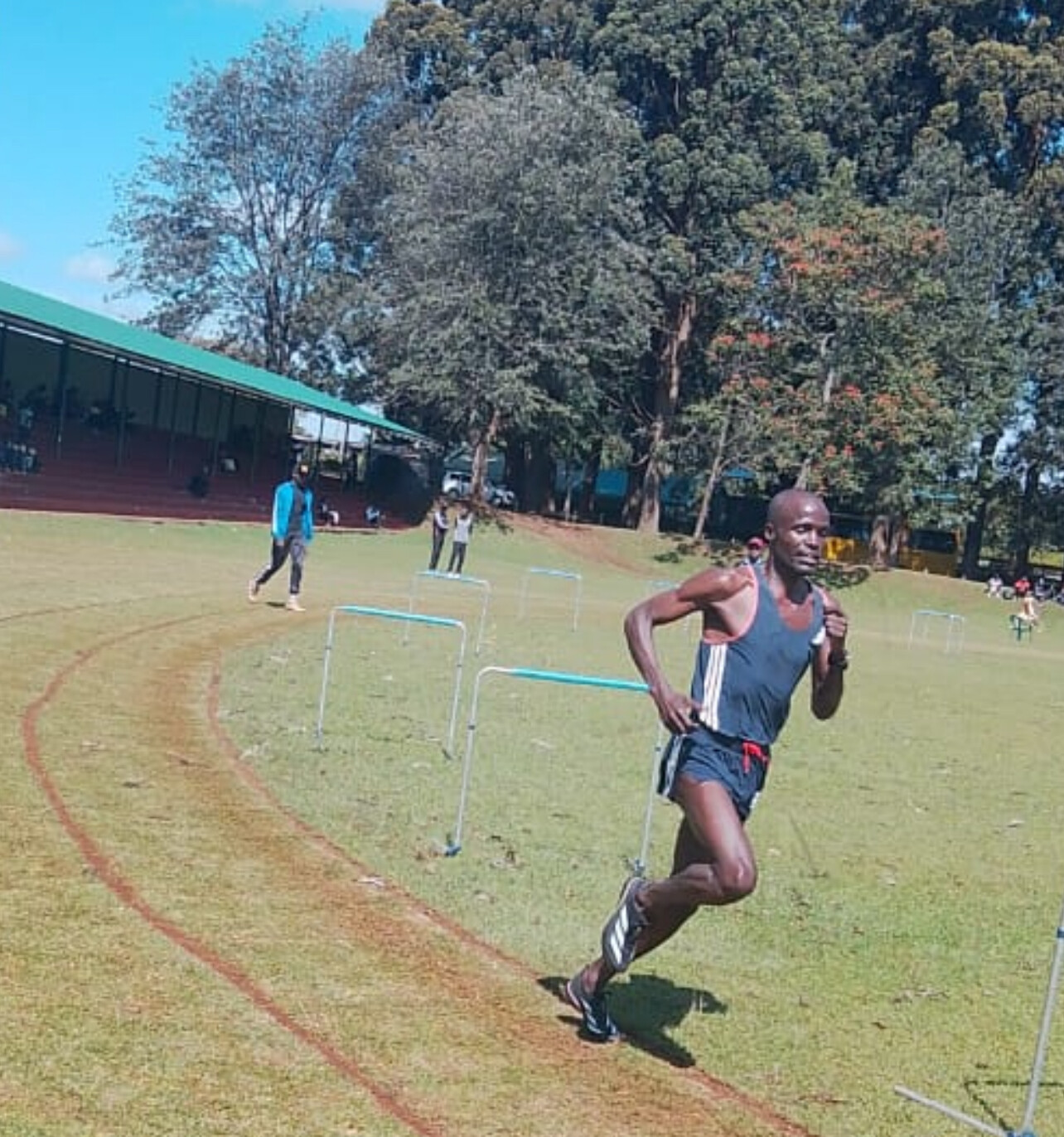
by Boris Baron
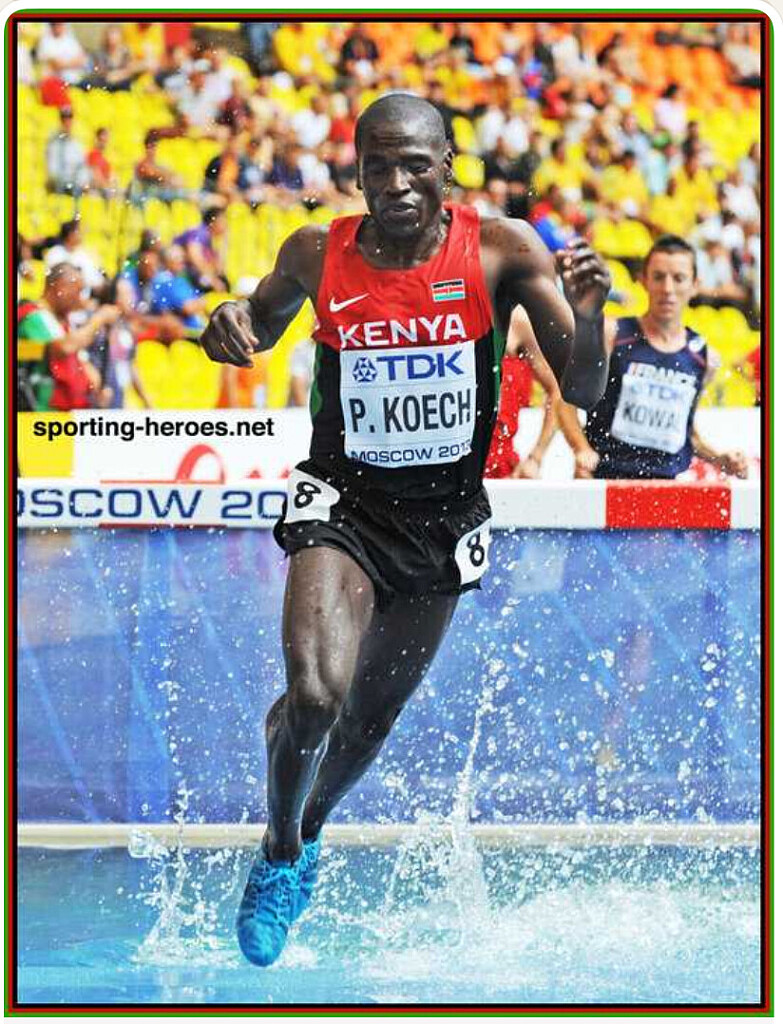
Olympic Medalist Paul Kipsiele Koech to Lead KATA Running Camp in Sotik
Paul Kipsiele Koech, one of Kenya’s most decorated distance runners, has officially joined the growing KATA Running Camp network as the operator of the new satellite camp in Sotik, Kenya.
Koech won the bronze medal in the 3000m steeplechase at the 2004 Olympic Games in Athens and remains one of the most accomplished athletes in the history of the event. His personal best of 7:54.31 still ranks as the 4th fastest time ever run in the 3000m steeplechase.
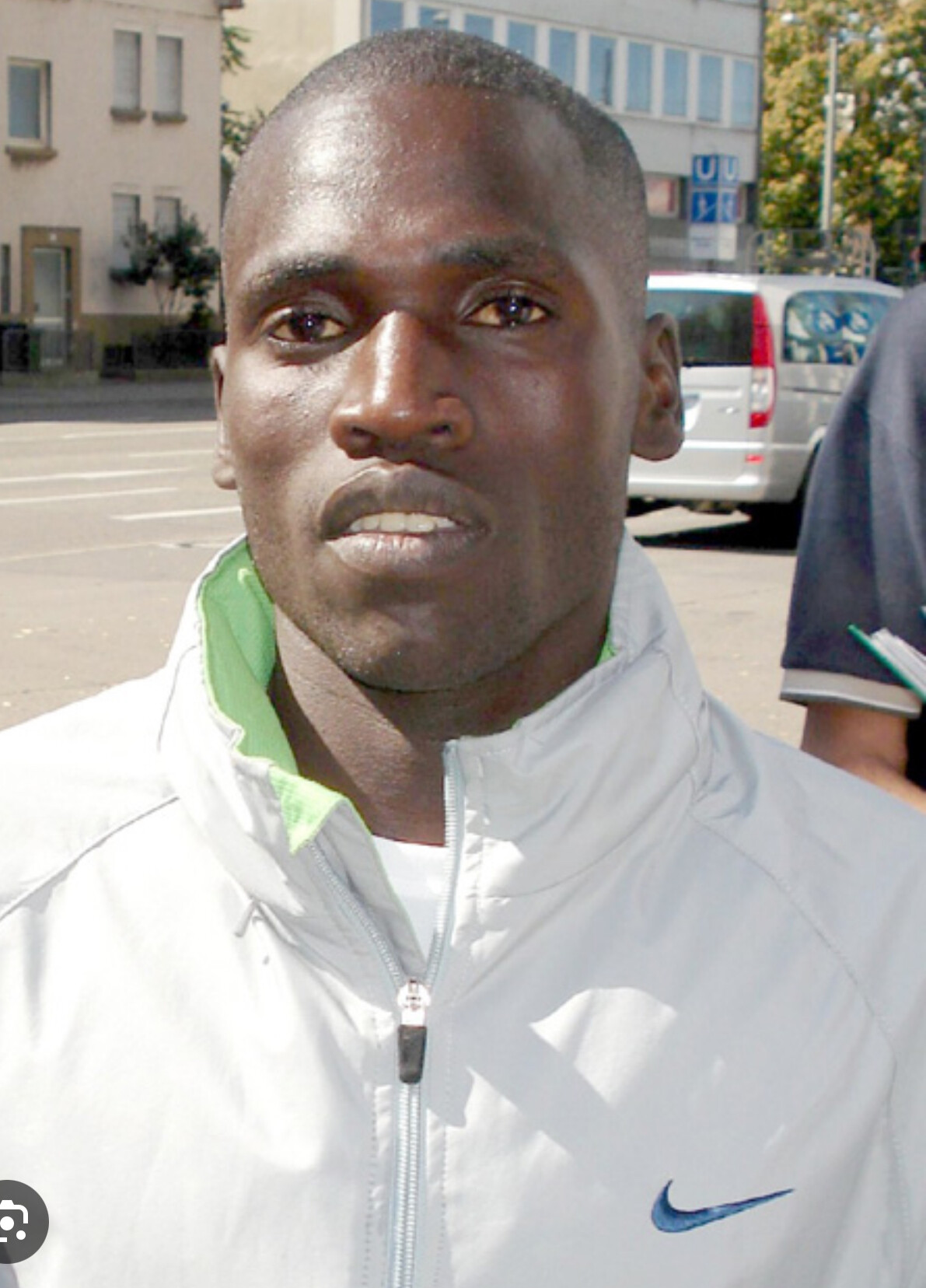
Even more impressively, Paul has run more sub-8:10 steeplechase races than any other athlete in history, with 110 such performances—a level of consistency that showcases his incredible fitness and longevity in one of the sport’s most grueling disciplines.
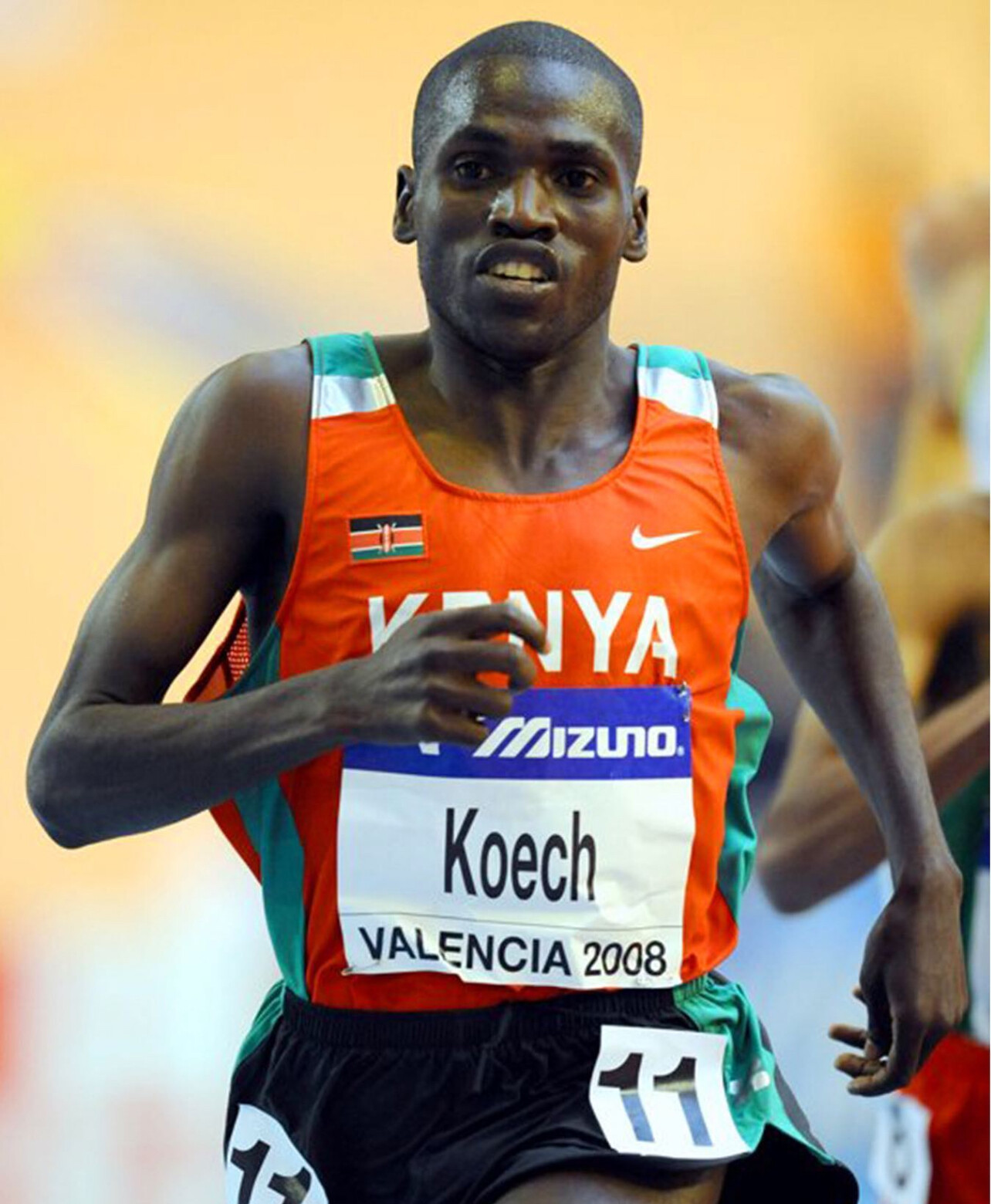
Now a world-class masters runner, Koech continues to train and inspire. But his talents extend beyond the track: he’s a successful dairy farmer with his own milk company and has extensive experience growing potatoes across the Rift Valley.
His deep agricultural background makes him the perfect fit for KATA’s innovative model, which combines elite running with sustainable farming. The KATA Running Camp Sotik will provide athletes with top-tier coaching and facilities, as well as hands-on experience in potato farming—a dual focus designed to build both athletic and life skills.
“I am so excited to be part of the KATA Running Camp program Bob has put together,” says Paul. “We are going to make a difference.”
Top five all-time best times for 3000m Steeplechase:
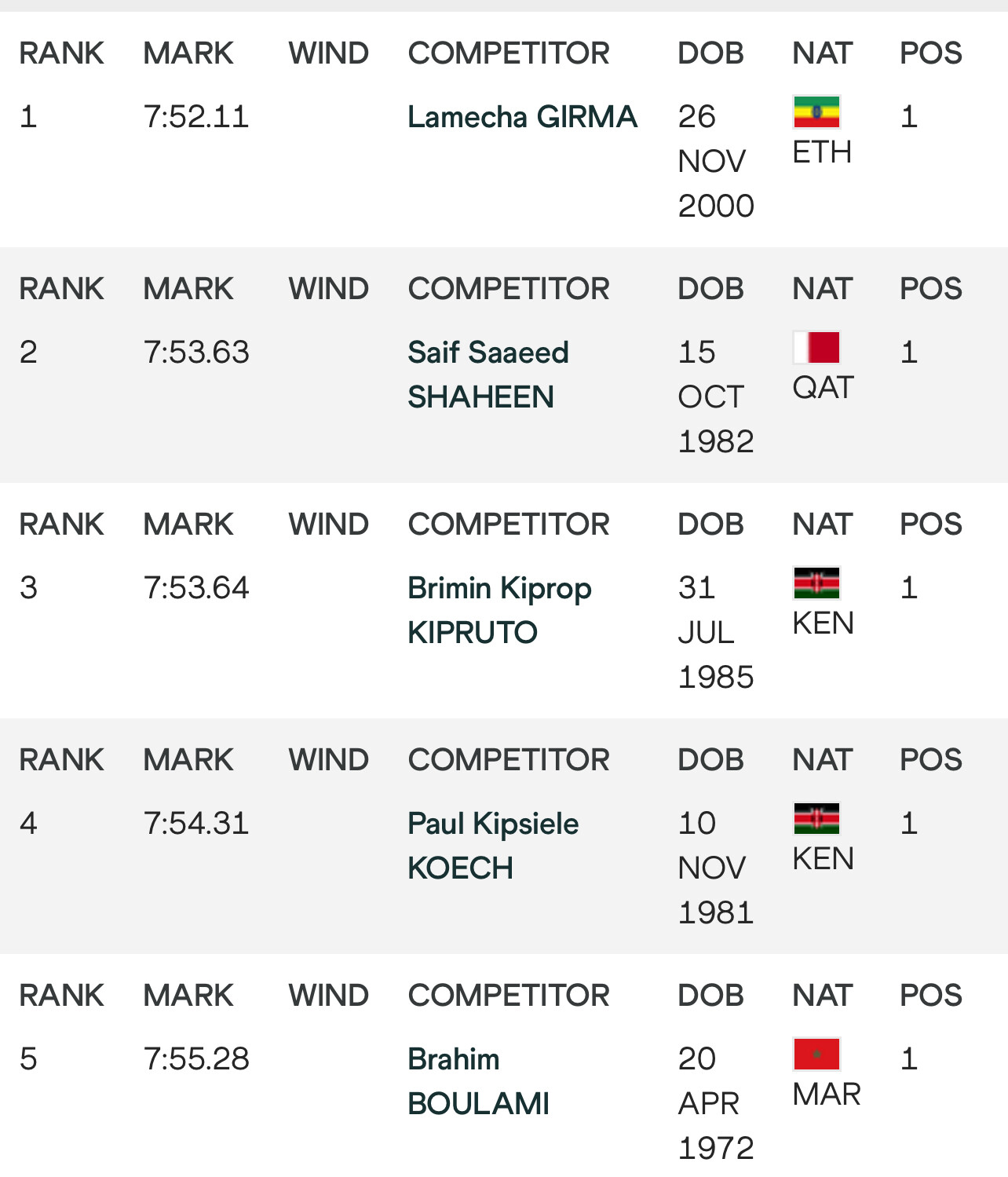
With Paul Kipsiele Koech at the helm, the Sotik camp becomes a powerful addition to the KATA mission: helping uncover new talent, supporting athlete development, and strengthening local communities—one stride at a time.
(06/14/2025) ⚡AMPby Boris Baron
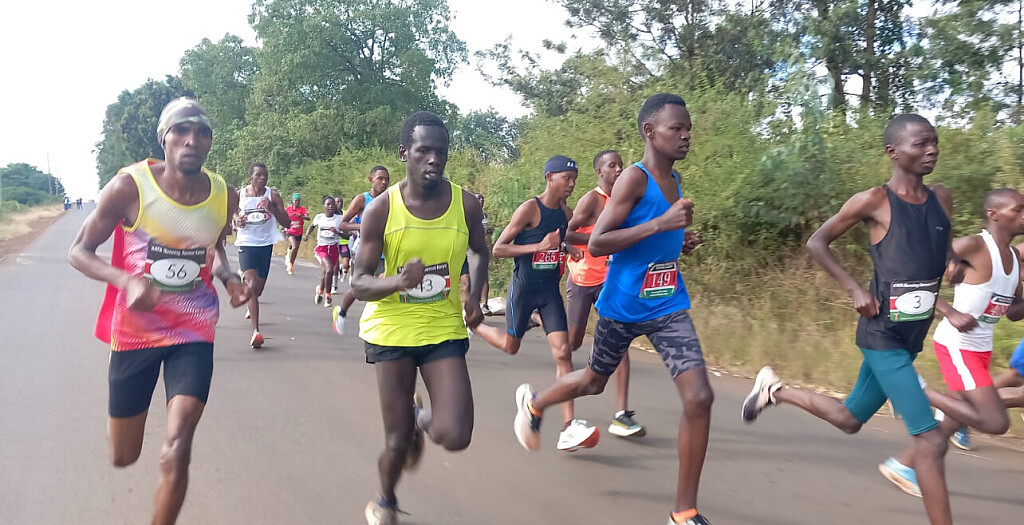
Strong Performances Highlight KATA 5K & 10K Time Trials in Thika Kenya
It was a good morning for a competitive and inspiring KATA monthly time trial number 46, featuring both 5km and 10km distances for men and women. The event showcased rising talent, strong comebacks, and several personal bests.
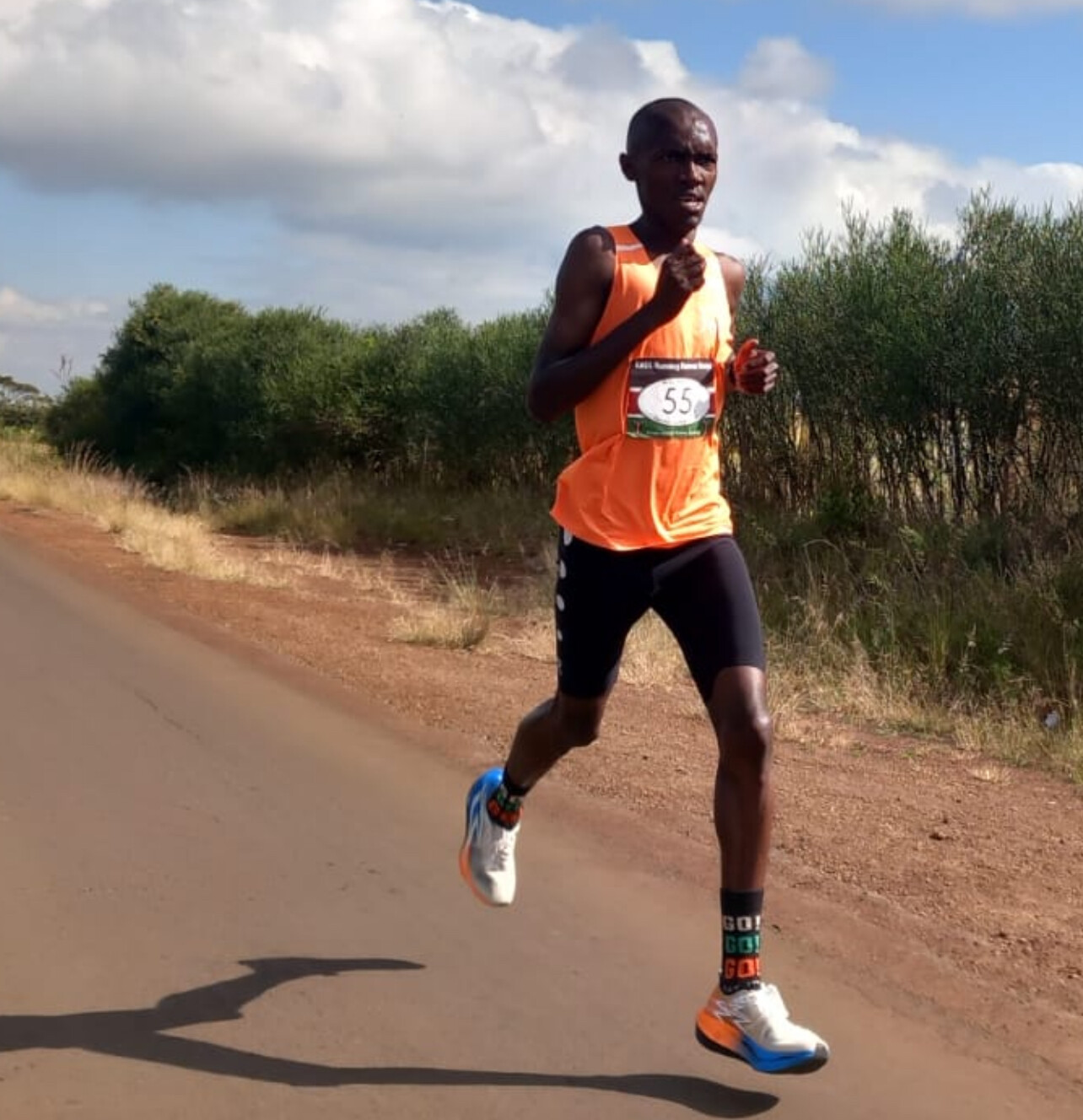
In the men’s 5km, 19-year-old Godfrey Kahora led the charge, clocking a swift 15:45 to secure the top spot. Justus Nyamai, only 17, returned from a two-month injury break to run a personal best of 16:42, showing immense promise for the future. Fellow 17-year-old Collins Mutungi, new to competitive running, impressed in third with a solid 17:32.
On the women’s side, Anastasia Muthoni took a well-earned win in 19:29, edging out 15-year-old Ann Karanja, who finished just a second behind in 19:30, setting a new personal best. Tabitha Wanjiru, also 15, placed third.
The 10km men’s race was tightly contested, with Zachary Kirika (24) prevailing in a sharp 29:45 (second photo), closely followed by Kelvin Kemoi (23) in 29:57. In the women’s 10km, Jacinta Kamau (24) took top honors in 36:08 (third photo), ahead of Caren Kipcoech (24) in 37:09 and Caren Chepkemoi (23) in 38:09.
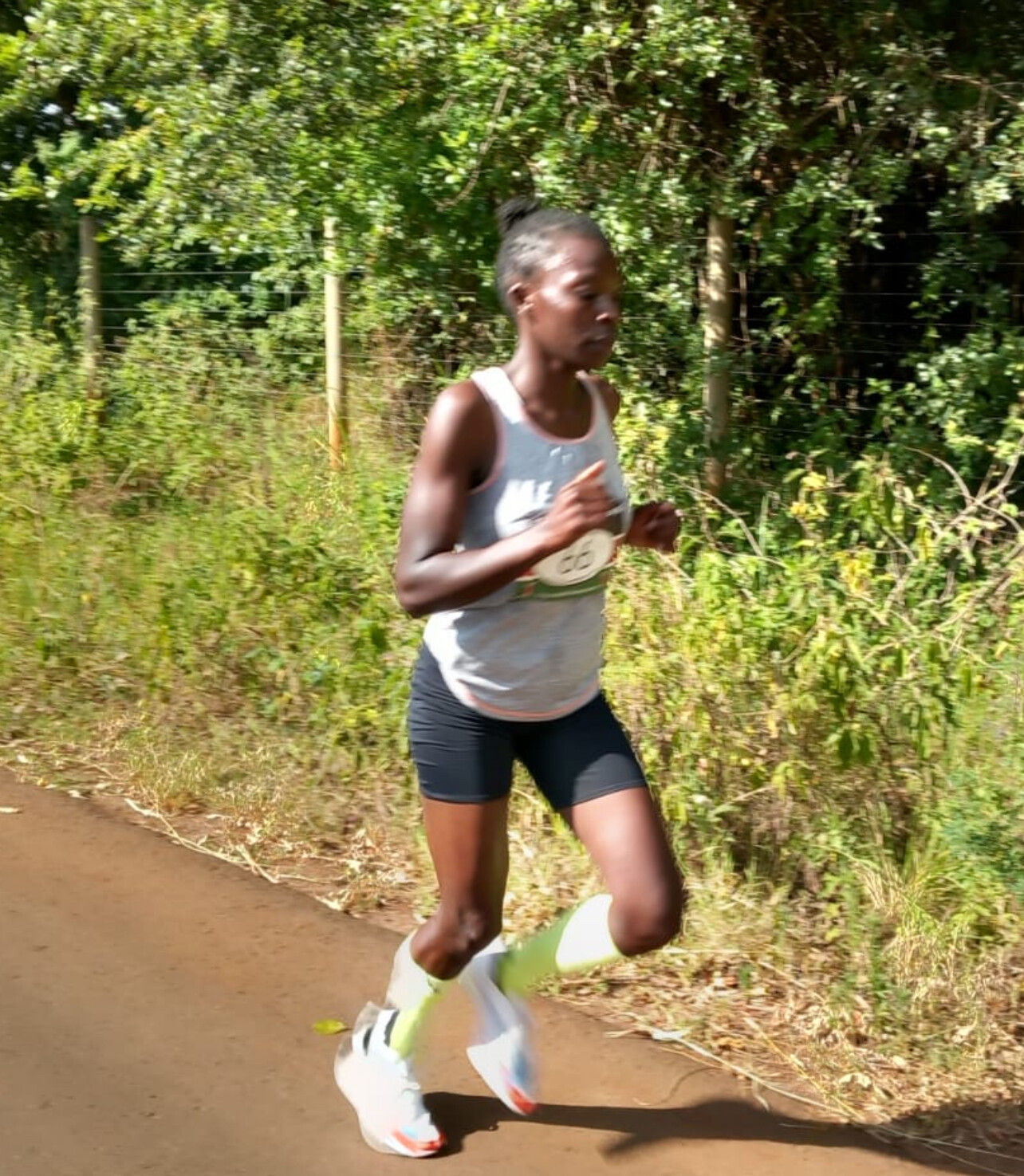
Full Results
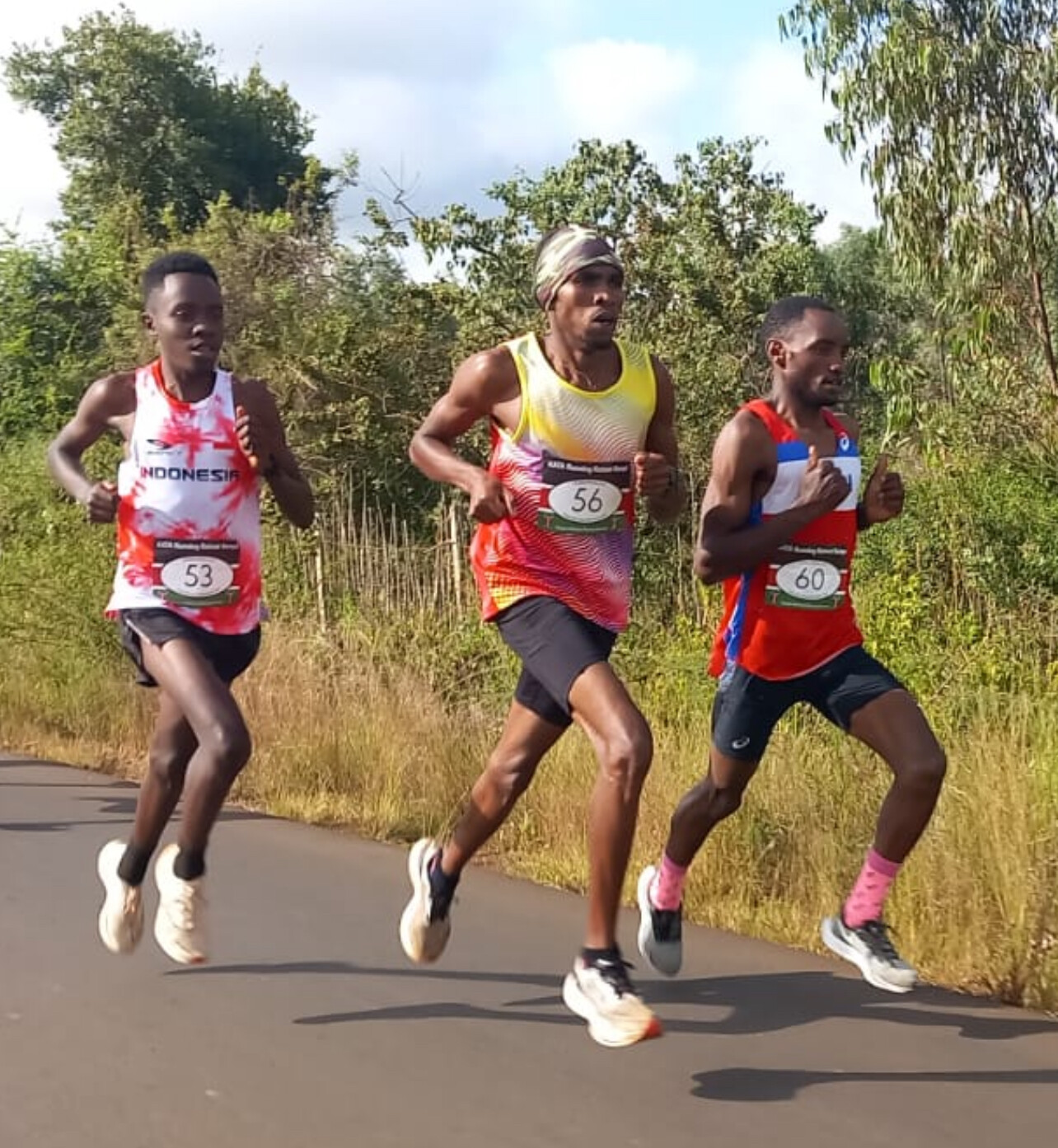
5km Women
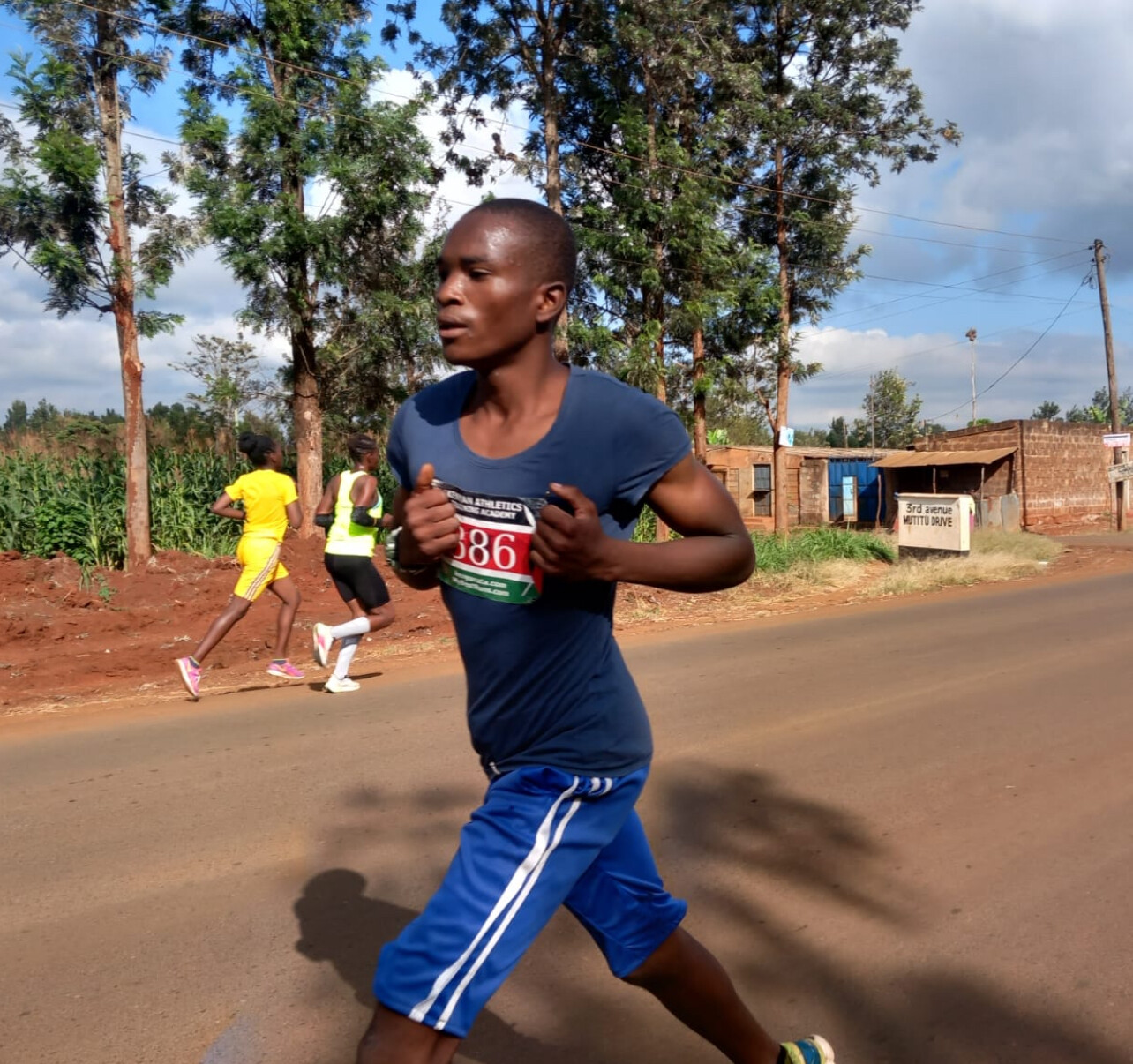
1. Anastasia Muthoni – Age 23 – Bib 464 – 19:29
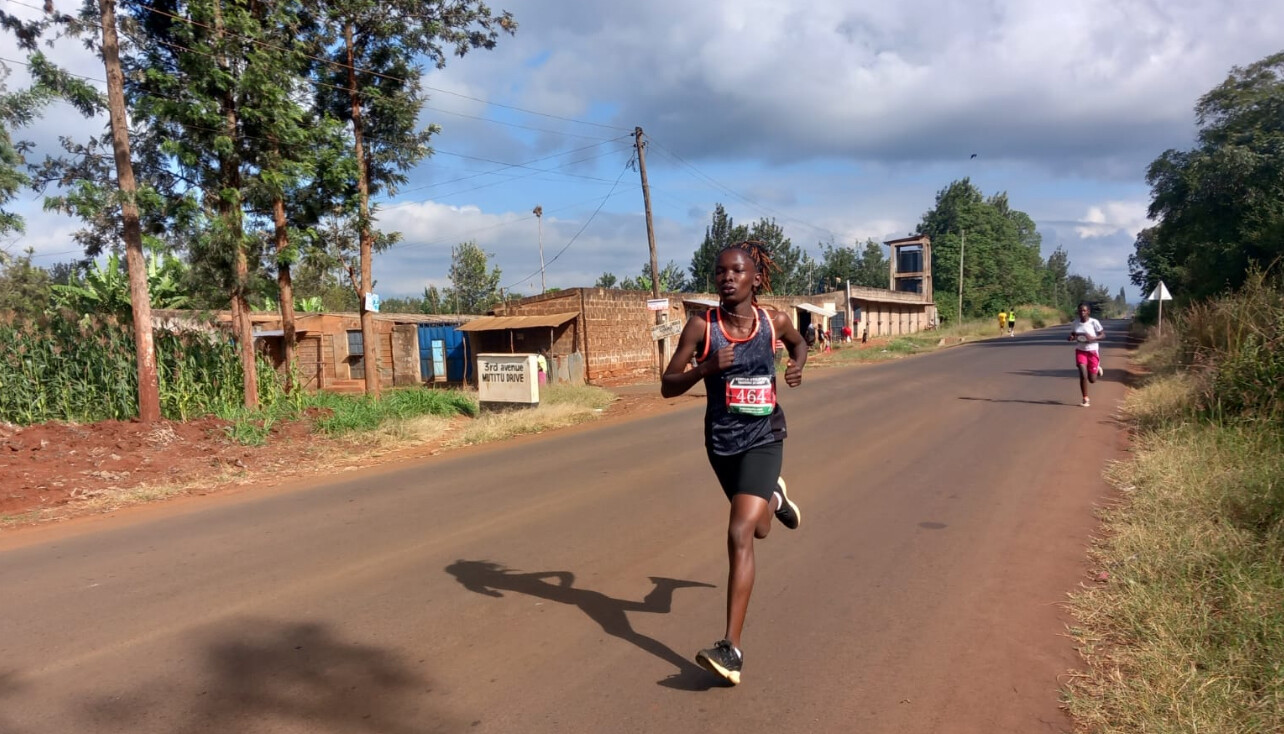
2. Ann Karanja – Age 15 – Bib 29 – 19:30
3. Tabitha Wanjiru – Age 15 – Bib 63 – 23:51
5km Men
1. Godfrey Kahora – Age 19 – Bib 409 – 15:45
2. Justus Nyamai – Age 17 – Bib 265 – 16:42
3. Collins Mutungi – Age 17 – Bib 51 – 17:32
4. Peter Waititu – Age 17 – Bib 243 – 17:41
5. Brandon Mutungi – Age 17 – Bib 149 – 17:44
6. Eric Mwaura – Age 18 – Bib 256 – 18:38
7. Kelvin Musila – Age 18 – Bib 386 – 20:15
10km Women
1. Jacinta Kamau – Age 24 – Bib 66 – 36:08
2. Caren Kipcoech – Age 24 – Bib 14 – 37:09
3. Caren Chepkemoi – Age 23 – Bib 261 – 38:09
4. Lucy Muritu – Age 40 – Bib 431 – 44:16
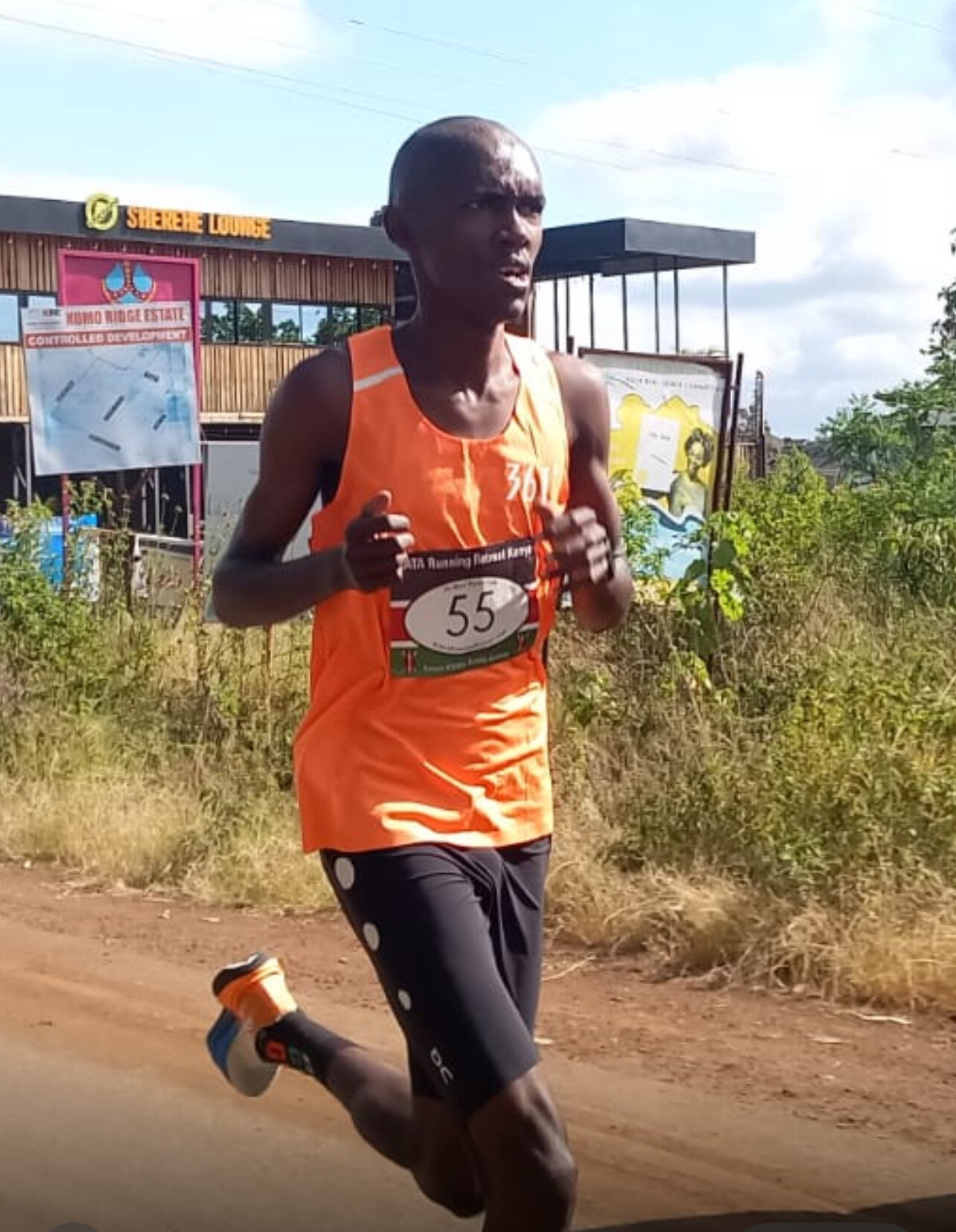
10km Men
1. Zachary Kirika – Age 24 – Bib 55 – 29:45
2. Kelvin Kemoi – Age 23 – Bib 56 – 29:57
3. Enoch Cherioyot – Age 20 – Bib 257 – 30:34
4. John Chege – Age 19 – Bib 40 – 30:36
5. Kelvin Ragui – Age 22 – Bib 53 – 30:59
6. Charles Ndirangu – Age 24 – Bib 1 – 31:18
7. Joseph Karanja – Age 42 – Bib 378 – 32:38
8. David Muriuki – Age 39 – Bib 3 – 32:54
9. Enoch Kipngeno – Age 22 – Bib 57 – 33:16
10. Vincent Kiprotich – Age 23 – Bib 43 – 34:18
11. Benson Gicheha – Age 34 – Bib 49 – 35:09
12. Harrison Mwangi – Age 21 – Bib 44 – 35:44
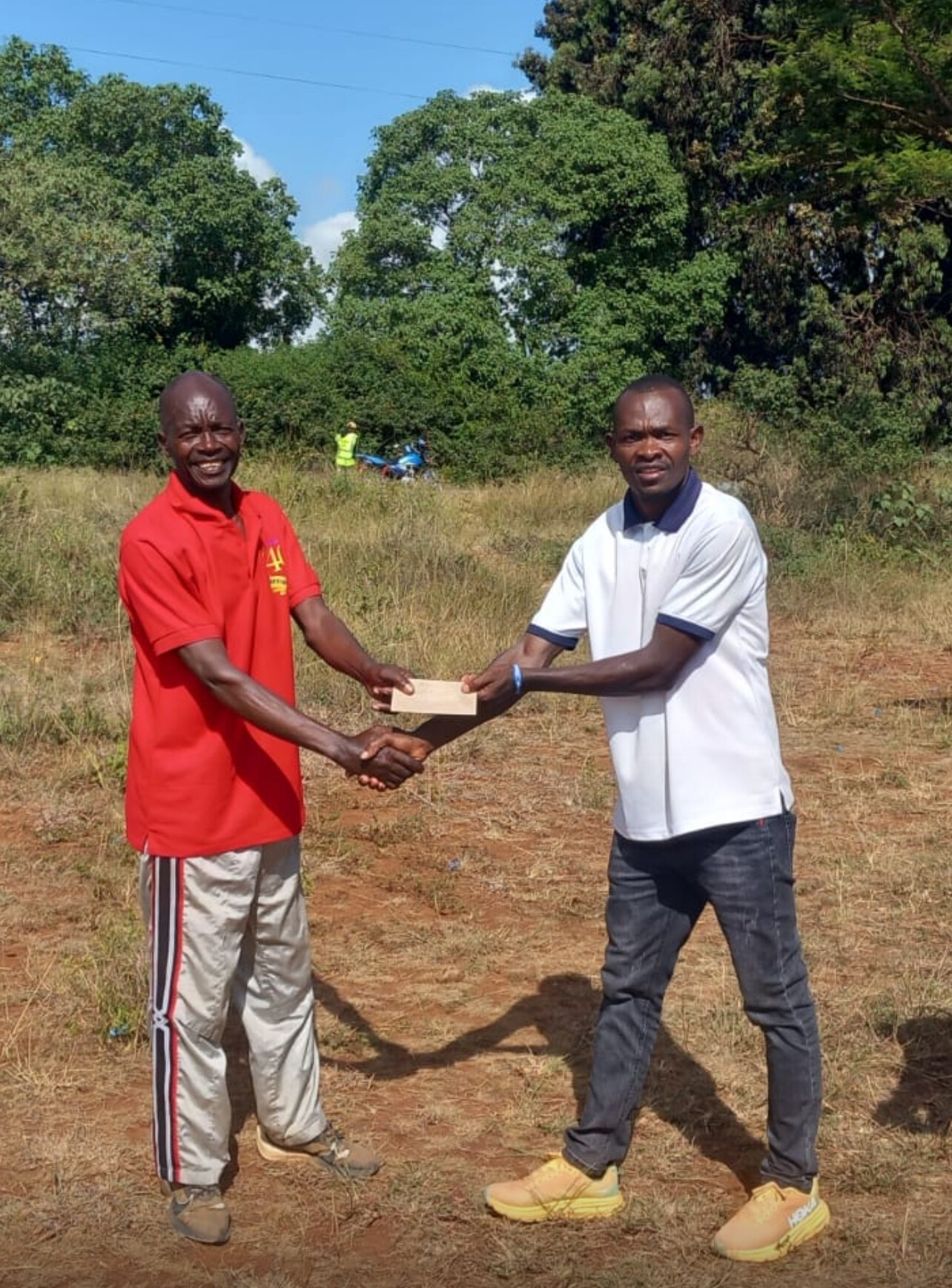
13. Charles Ndirangu – Age 67 – Bib 399 – 38:28
(06/11/2025) ⚡AMPby Boris Baron
KATA Time Trial Series
Welcome to the KATA Monthly Time Trial Held at the Kenyan Athletics Training Academy in Thika, Kenya, the KATA Monthly Time Trial is a unique and inclusive event designed to support runners of all levels in achieving their goals and showcasing their fitness. This event offers both 10K and 5K distances on an accurate, certified course, providing participants with...
more...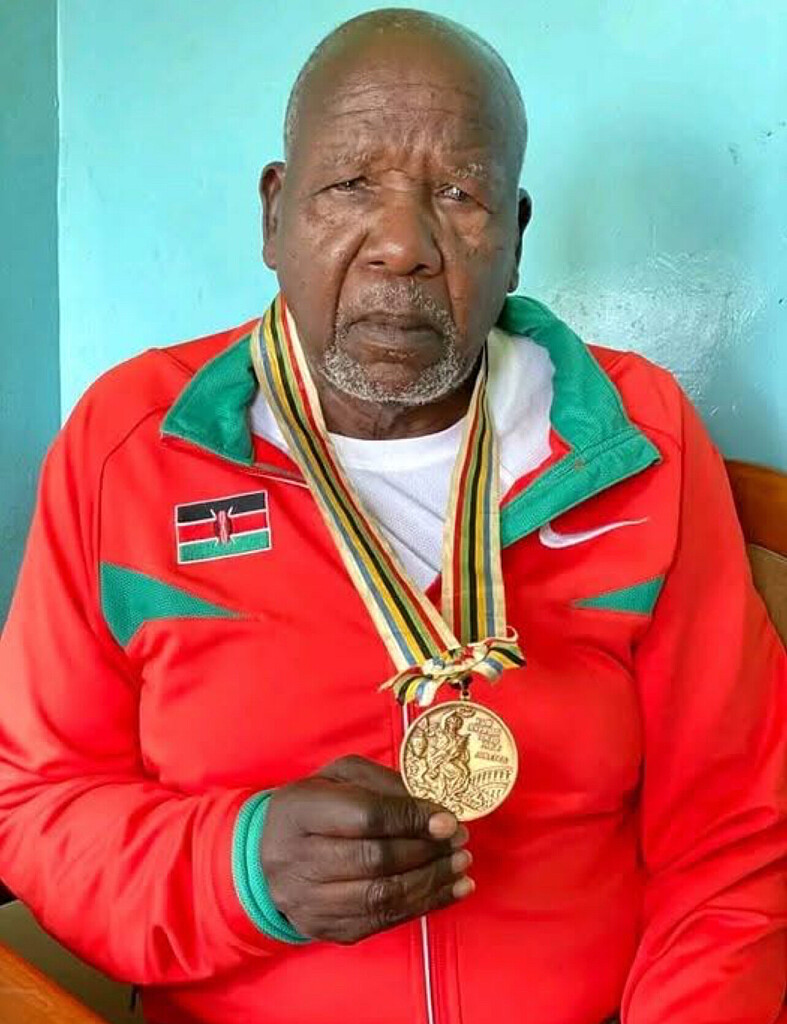
Wilson Kiprugut Chumo: Kenya’s First Olympic Medalist Who Opened the Door for a Nation of Champions
When Wilson Kiprugut Chumo crossed the finish line of the 800 meters at the 1964 Tokyo Olympic Games, he wasn’t just securing a bronze medal—he was making history. As the first Kenyan and the first African to ever win an Olympic medal, Kiprugut laid the foundation for generations of middle- and long-distance dominance by Kenyan athletes on the global stage.
Born in 1938 in Kericho, Kenya, Kiprugut’s journey to Olympic glory began humbly. A natural athlete, he served in the Kenyan Army where his running talent was noticed and nurtured. With limited access to elite training or facilities, Kiprugut relied on raw talent, discipline, and sheer determination.
At the 1964 Tokyo Games, he surged into the international spotlight with his brilliant bronze in the men’s 800 meters. Four years later, at the 1968 Olympics in Mexico City, he returned even stronger, earning a silver medal and further establishing Kenya as a rising force in athletics.
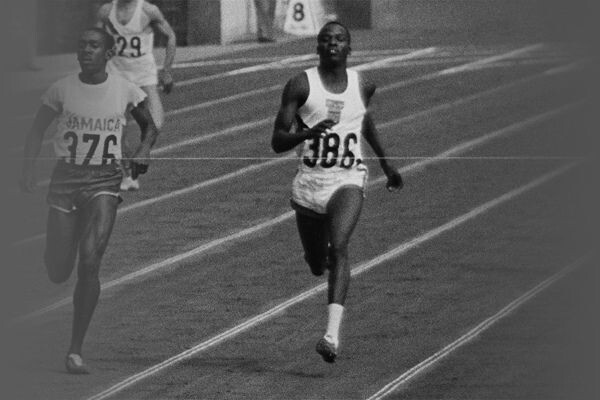
Kiprugut’s pioneering legacy is profound. His breakthrough showed that athletes from Kenya—and Africa at large—could not only compete but thrive on the world stage. The floodgates opened. Just a decade later, names like Kip Keino, Henry Rono, and eventually Eliud Kipchoge would become synonymous with distance running greatness.
Today, Kiprugut is celebrated not only for his historic medals but for what they represent: the birth of Kenya’s unparalleled Olympic legacy. More than 60 years after Tokyo 1964, his influence continues to ripple across tracks around the world.
(06/11/2025) ⚡AMPby Boris Baron

Team USA Names Marathon Stars for Tokyo 2025
USA Track & Field has officially announced its six-member marathon team for the 2025 World Athletics Championships, set for September 13–21 in Tokyo, Japan. This global event brings together the top track and field athletes from over 200 countries, with the marathon races scheduled for the final weekend and expected to be among the most anticipated events of the Championships.
With a challenging course, warm and humid conditions, and the return to a city steeped in marathon history, Tokyo 2025 is shaping up as a true test of strategy, stamina, and speed. Team USA’s roster features a mix of proven veterans and breakthrough performers, all poised to take on the world.
USA Men’s Marathon Team
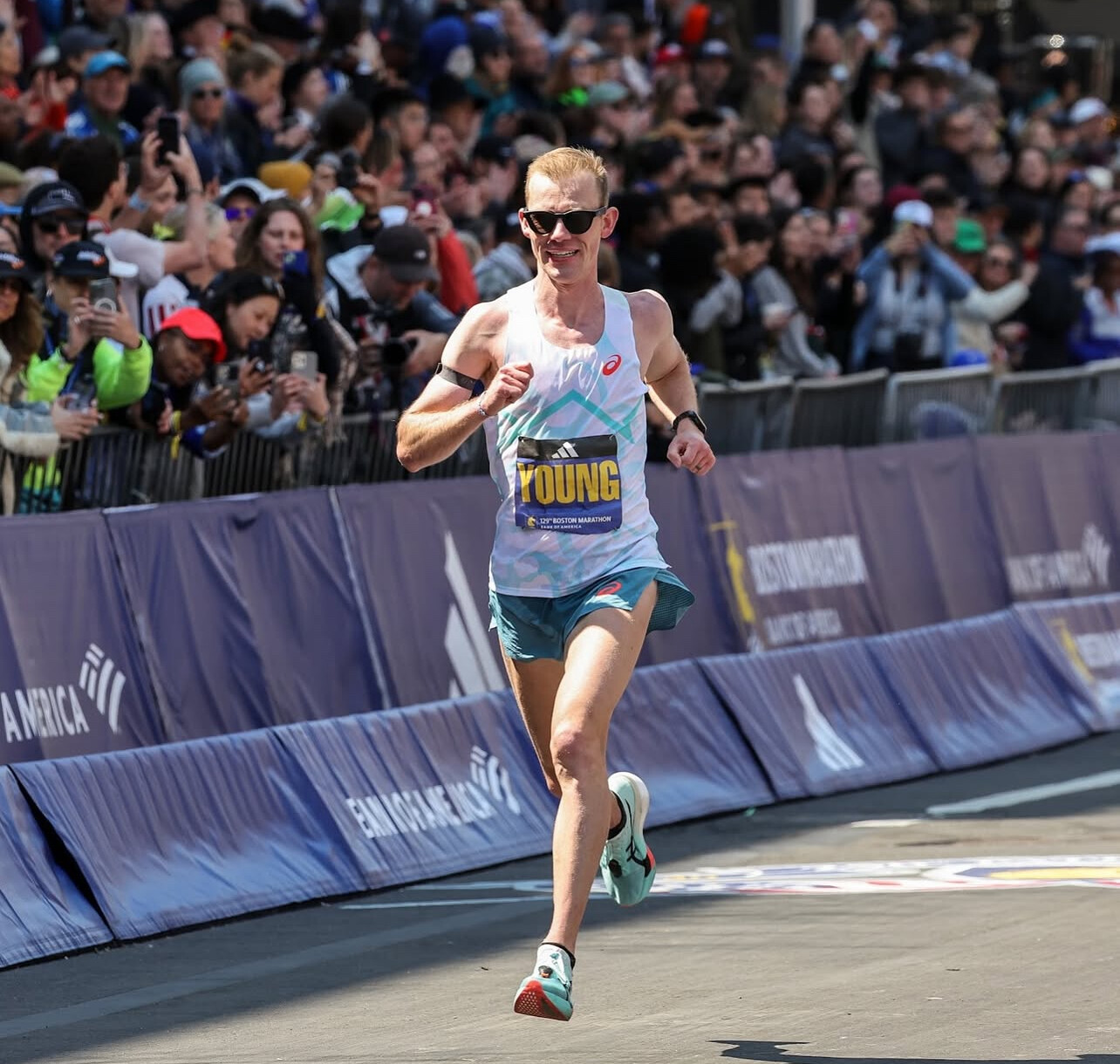
Clayton Young headlines the team following a standout 2:07:04 performance at the 2025 Boston Marathon. After placing 9th at the 2024 Paris Olympics, Young’s Boston result marked a significant leap forward and positioned him as a top contender in Tokyo.
Joining him is CJ Albertson, known for his bold tactics and relentless pacing. He set a personal best of 2:08:17 in Chicago and brings a fearless approach to championship racing.
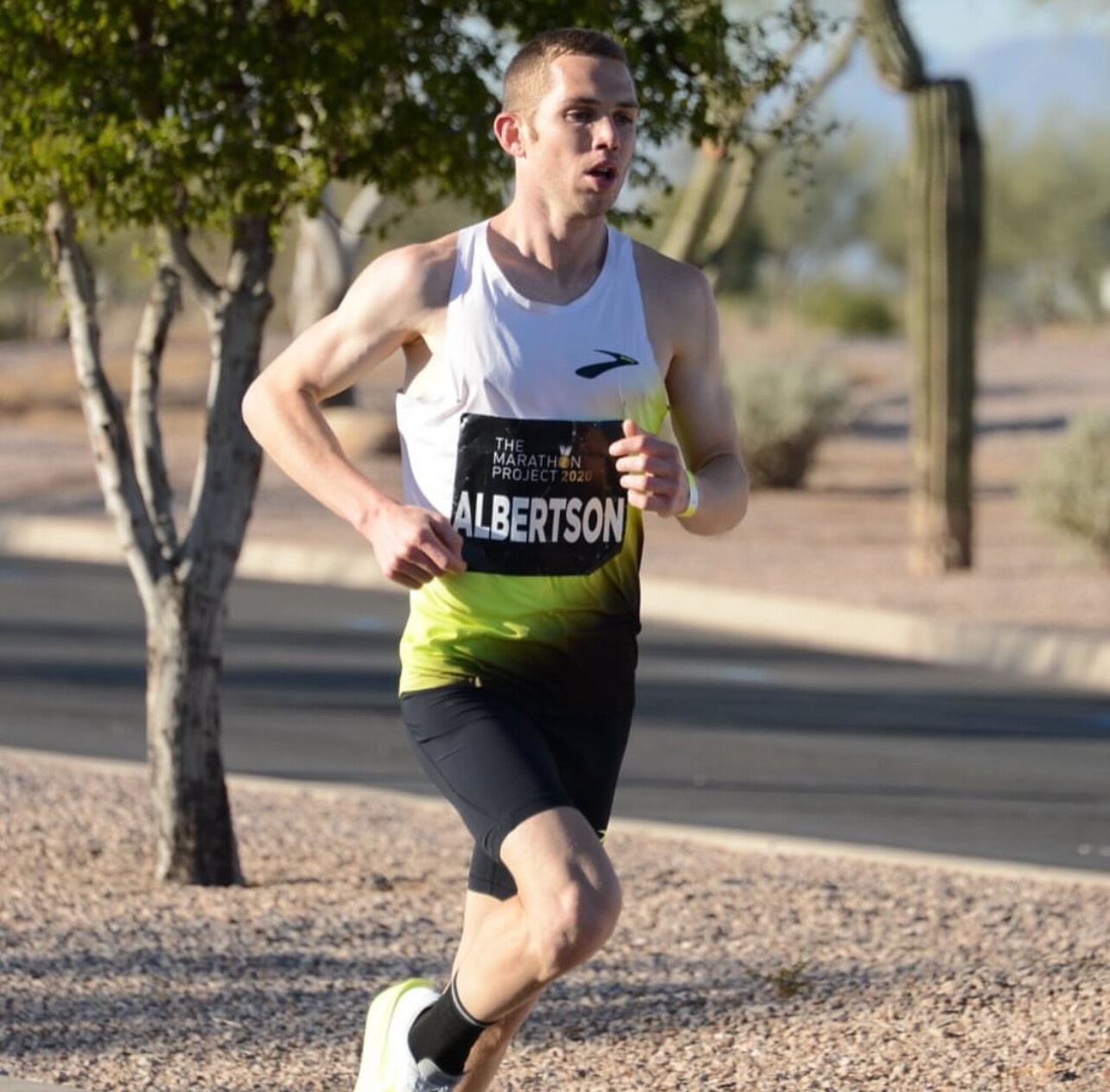
Reed Fischer rounds out the men’s trio, earning his spot through consistent performances and a 2:10:14 finish in Chicago. His steady progression and racing smarts add valuable depth to the squad.
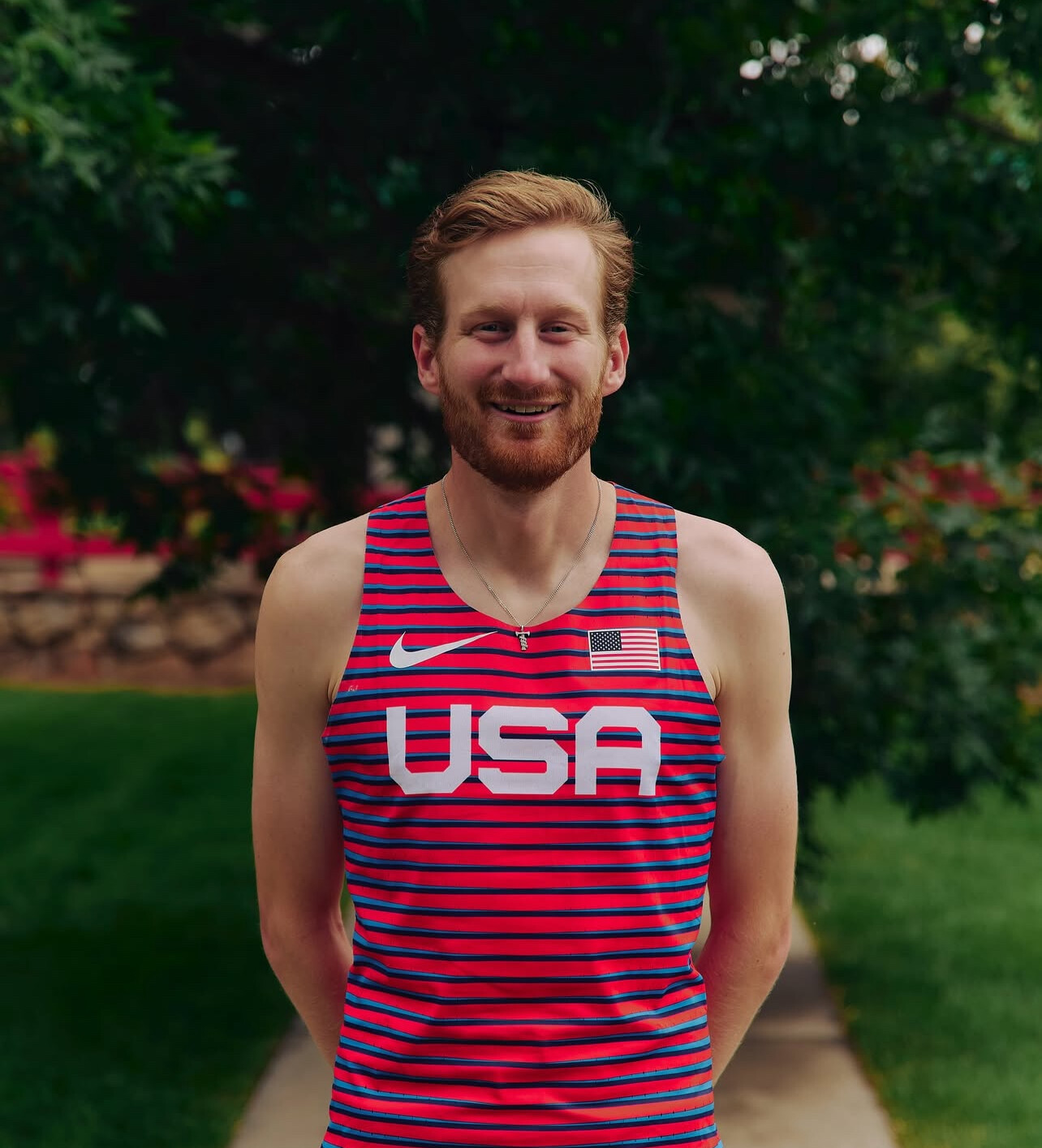
USA Women’s Marathon Team

Betsy Saina, the fastest U.S. marathoner this year with a 2:19:17 at the Tokyo Marathon, leads the women’s lineup. The former Kenyan Olympian, now representing the U.S., brings international experience and high expectations into this championship season.
Susanna Sullivan has been one of America’s most consistent distance runners, clocking a 2:21:56 in Chicago and placing high in multiple national events. She’s known for her tactical strength and steady pacing.
Erika Kemp, a former track standout, continues her successful transition to the marathon with a personal best 2:22:56 from Houston. Her rise in the U.S. distance scene adds fresh energy to the team.

Marathon Schedule – World Championships, Tokyo 2025
• Women’s Marathon: Saturday, September 14 at 8:00 AM JST
• Men’s Marathon: Sunday, September 15 at 8:00 AM JST
The marathon course will take runners through central Tokyo, starting and finishing at the National Stadium. The route is expected to be spectator-friendly but physically demanding, with rising humidity levels adding to the challenge.
This will mark Tokyo’s second time hosting the World Championships (after 1991) and its first major global track event since the 2021 Olympic Games.
Spotlight on Clayton Young
Clayton Young continues to build momentum on the world stage. After placing 9th at the Paris Olympics, his 2:07:04 in Boston this spring confirmed his place among America’s elite. That time ranks as one of the fastest ever by a U.S. marathoner and reinforces his role as a leading medal hopeful.
In announcing his selection, Young wrote:
“I am honored… 101 days. Let the build begin.”
Now with major championship experience and peak form, Young will lead Team USA’s charge in Tokyo.
Why This Year Matters
• Historic Depth: For the first time, Team USA sends multiple sub-2:08 men and three sub-2:23 women to a World Championship marathon.
• Olympic Implications: Performances in Tokyo could shape strategies and selections for Los Angeles 2028.
• Global Showdown: With defending champions, Olympic medalists, and national record holders from around the world competing, the marathon fields will be among the strongest ever assembled.
Team USA’s marathon lineup for the 2025 World Championships reflects both strength and balance. With Clayton Young and Betsy Saina leading the charge, and a deep roster behind them, the Americans are ready to compete at the highest level.
As Tokyo prepares to welcome the world, this year’s marathon is more than a race — it’s a proving ground for the next generation of distance legends.
(06/10/2025) ⚡AMPby Boris Baron
Dijana and Steyn Triumph Again at 2025 Comrades Marathon
South African stars Tete Dijana and Gerda Steyn solidified their places among the world’s best ultra runners with commanding victories at the 2025 Comrades Marathon, held Sunday, June 8. Dijana, now a three-time champion, won the men’s race in 5:25:27, edging out defending champion Piet Wiersma by just five seconds in a thrilling repeat of last year’s finish.
Steyn claimed her fourth Comrades title, joining elite company as only the second woman to win the race more than three times. Her time of 5:51:18 put her nearly five minutes ahead of runner-up Alexandra Morozova.

Race Distance and Pace
• Distance: 89.98 kilometers (55.9 miles)
• Tete Dijana’s average pace:
• 3:37 per km
• 5:50 per mile
• Gerda Steyn’s average pace:
• 3:54 per km
• 6:17 per mile
Innovations and Historic Field
The 98th edition of the Comrades, run from Pietermaritzburg to Durban, featured a record Down Run field of 22,677 qualified entrants. For the first time in event history, organizers introduced a split start for safety and improved flow, with two groups starting 15 minutes apart.
The new finish line on Masabalala Yengwa Avenue, adjacent to Durban’s People’s Park, added a festive atmosphere with expanded hospitality and club support zones.
Elite Race Highlights
In the men’s race, Onalenna Khonkhobe led early before Dijana surged with 20km to go. Dutchman Piet Wiersma closed the gap late, but Dijana stayed strong to win in a near repeat of 2023.
“I came prepared and stuck to my race plan. When I saw Piet closing, I pushed and opened the gap,” said Dijana.
Nikolai Volkov finished third in 5:29:41, followed by Edward Mothibi and Joseph Manyedi. South Africans claimed six of the top 10 spots.
In the women’s race, Elizabeth Mukoloma led early, but once Steyn took over, the outcome was never in doubt. Despite a late surge from Morozova, Steyn pushed ahead to win by nearly five minutes.
“It’s always an honor to be part of this race. I ran conservatively early to run my best race today—and it paid off,” said Steyn.
Kenya’s Shelmith Muriuki, in her Comrades debut, finished third, while Olympic marathoner Irvette van Zyl impressed with a strong fourth-place debut.
Building Toward the 100th
Comrades General Manager Alain Dalais praised the success of this “dress rehearsal” for the 100th edition in 2027:
“We’re thrilled with how well the split start worked and with the positive feedback on the new finish zone. We’re on the right path.”
Dalais also celebrated personal milestones, including Louis Massyn’s 50th Comrades finish, making him the first runner to earn a Quintuple Green Number.
Top Finishers
Men’s Top 3:
1. Tete Dijana – 5:25:27
2. Piet Wiersma – 5:25:32
3. Nikolai Volkov – 5:29:41
Women’s Top 3:
1. Gerda Steyn – 5:51:18
2. Alexandra Morozova – 5:55:55
3. Shelmith Muriuki – 6:07:55
(06/09/2025) ⚡AMPby Boris Baron

Comrades Marathon
Arguably the greatest ultra marathon in the world where athletes come from all over the world to combine muscle and mental strength to conquer the approx 90kilometers between the cities of Pietermaritzburg and Durban, the event owes its beginnings to the vision of one man, World War I veteran Vic Clapham. A soldier, a dreamer, who had campaigned in East...
more...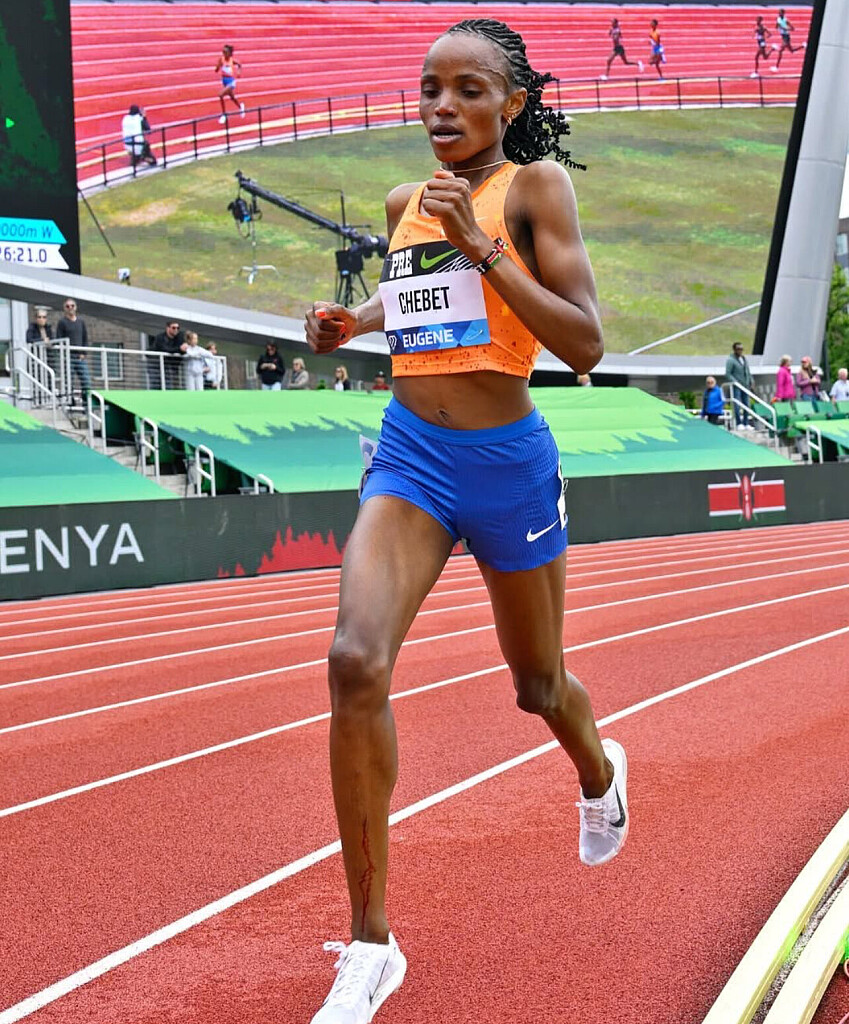
Beatrice Chebet Runs 14:03.69 — Second-Fastest 5000m in Track History
Kenya’s Beatrice Chebet continued her incredible run of form by clocking 14:03.69 in the women’s 5000m at the 2025 Diamond League meeting in Eugene. Her time is the second-fastest in history on the track, trailing only Gudaf Tsegay’s world record of 14:00.21 set in 2023.
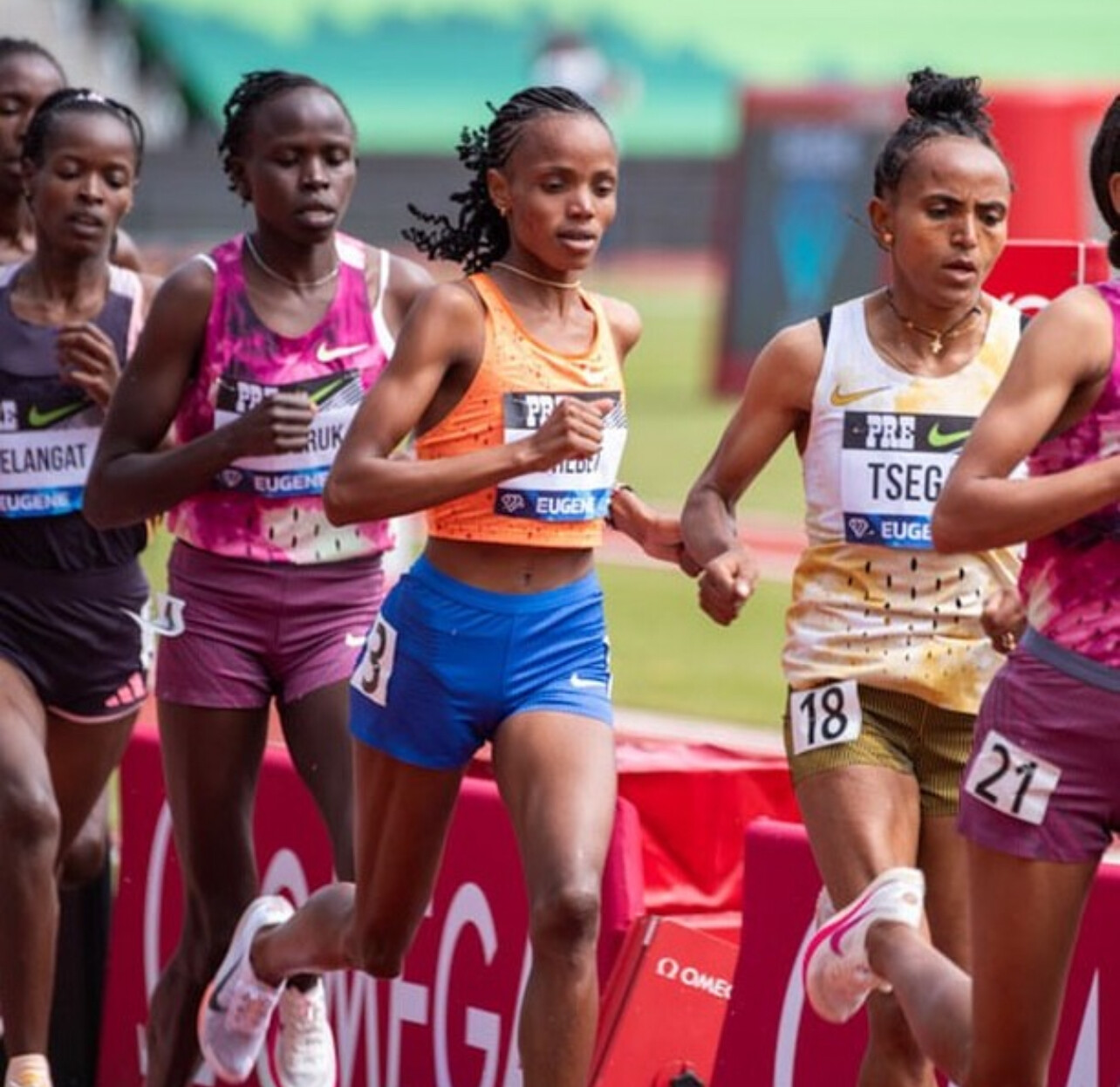
This marks Chebet’s third Diamond League appearance of the season, and for the third time, she set a new meeting record—a remarkable streak of consistency and dominance on the global stage.
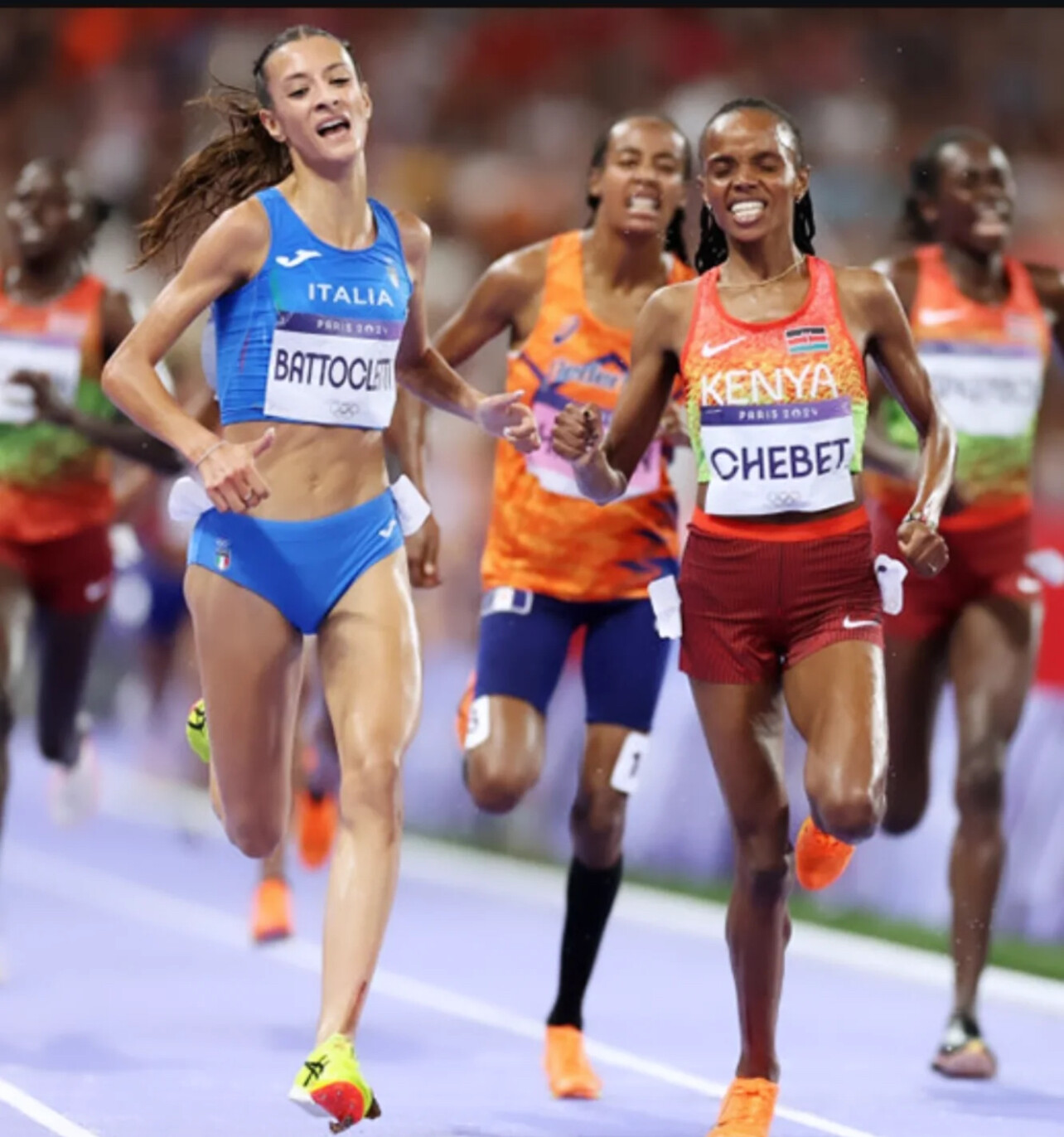
Fastest Women’s 5000m Performances (Track – All-Time)
|
Rank |
Time |
Athlete |
Country |
Year |
|
1 |
14:00.21 |
Gudaf Tsegay |
ETH |
2023 |
|
2 |
14:03.69 |
Beatrice Chebet |
KEN |
2025 |
|
3 |
14:05.20 |
Letesenbet Gidey |
ETH |
2020 |
What makes Chebet’s 2025 season even more impressive is that she’s also the current world record holder in the 5K on the roads, running 13:54 at the Cursa dels Nassos in Barcelona on December 31, 2023. That road performance was historic—she became the first woman to break the 14-minute barrier over 5 kilometers in any setting.
Chebet’s Rising Legacy
At just 25 years old, Chebet has now cemented her status as one of the fastest women to ever race 5000 meters—on both track and road. Her combination of raw speed, finishing power, and race intelligence makes her a major threat at every global championship and on the Diamond League circuit.
With her eyes now set on the World Championships later this year, Chebet is showing no signs of slowing down.
(06/08/2025) ⚡AMPby Boris Baron
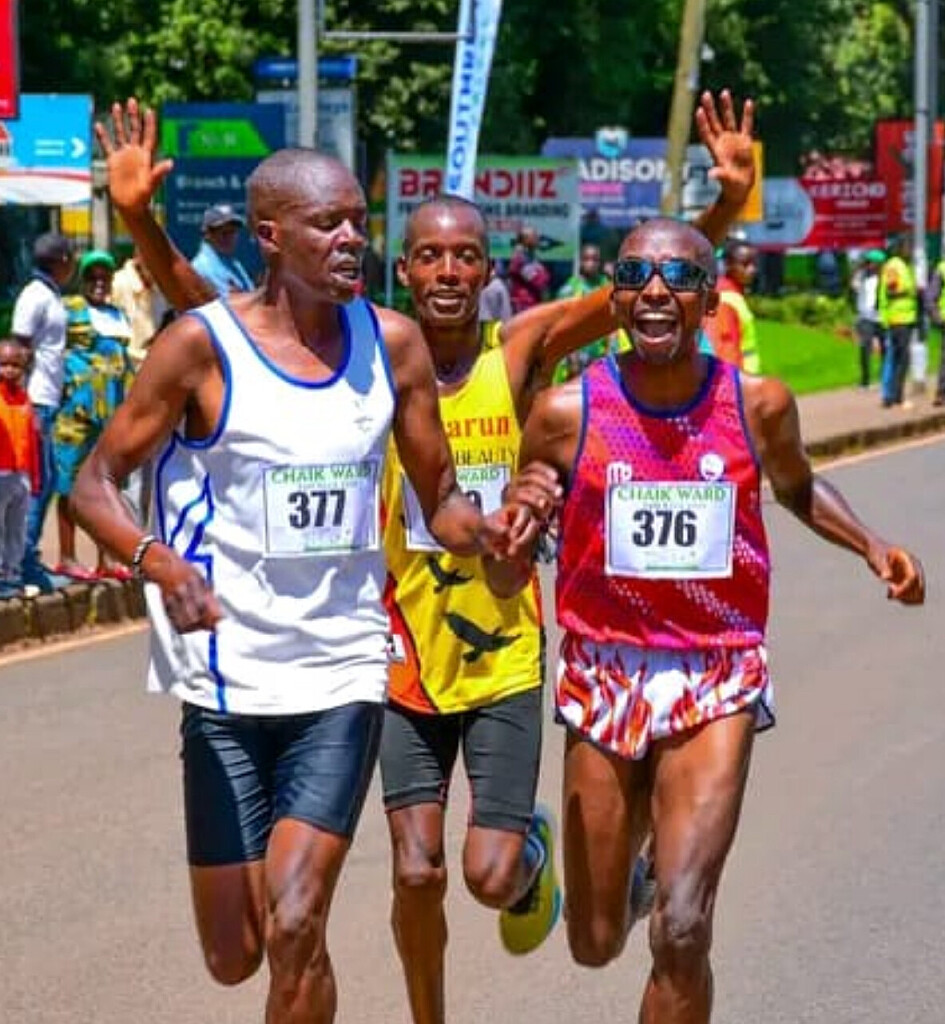
Blind Champion Wilson Bii to Open 2025 Season at KATA Time Trial
Four-time Paralympian Wilson Bii will launch his 2025 racing season at the KATA Monthly 10K Time Trial, scheduled for June 11 at the KATA Running Retreat in Thika, Kenya. Though Bii now trains at the newly opened KATA Running Camp in Molo, he’ll return to Thika to test his fitness in a race setting for the first time this year.
A T11-class athlete (completely blind), Bii has represented Kenya in four Paralympic Games, earning multiple medals and worldwide recognition. He won bronze in the 5000m T11 at the Rio 2016 Paralympics and remains one of Kenya’s most accomplished para-athletes.
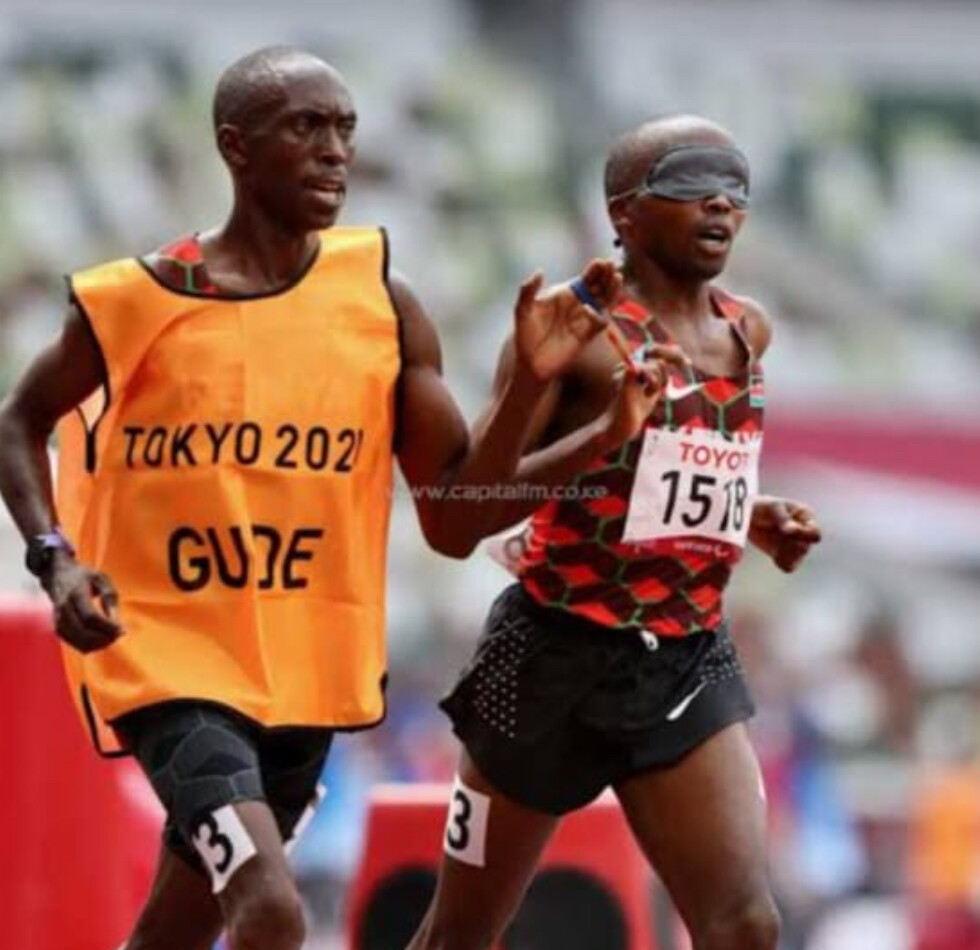
Aiming High: Sub-35 in the 10K, Sub-2:30 in the Marathon
This 10K time trial marks an important checkpoint as Bii builds toward his ambitious goal of running a sub-2:30 marathon, with a possible target at the Chicago Marathon later this year. For this first effort of the year, he’s aiming to break 35 minutes for 10K—a notable time given the altitude.
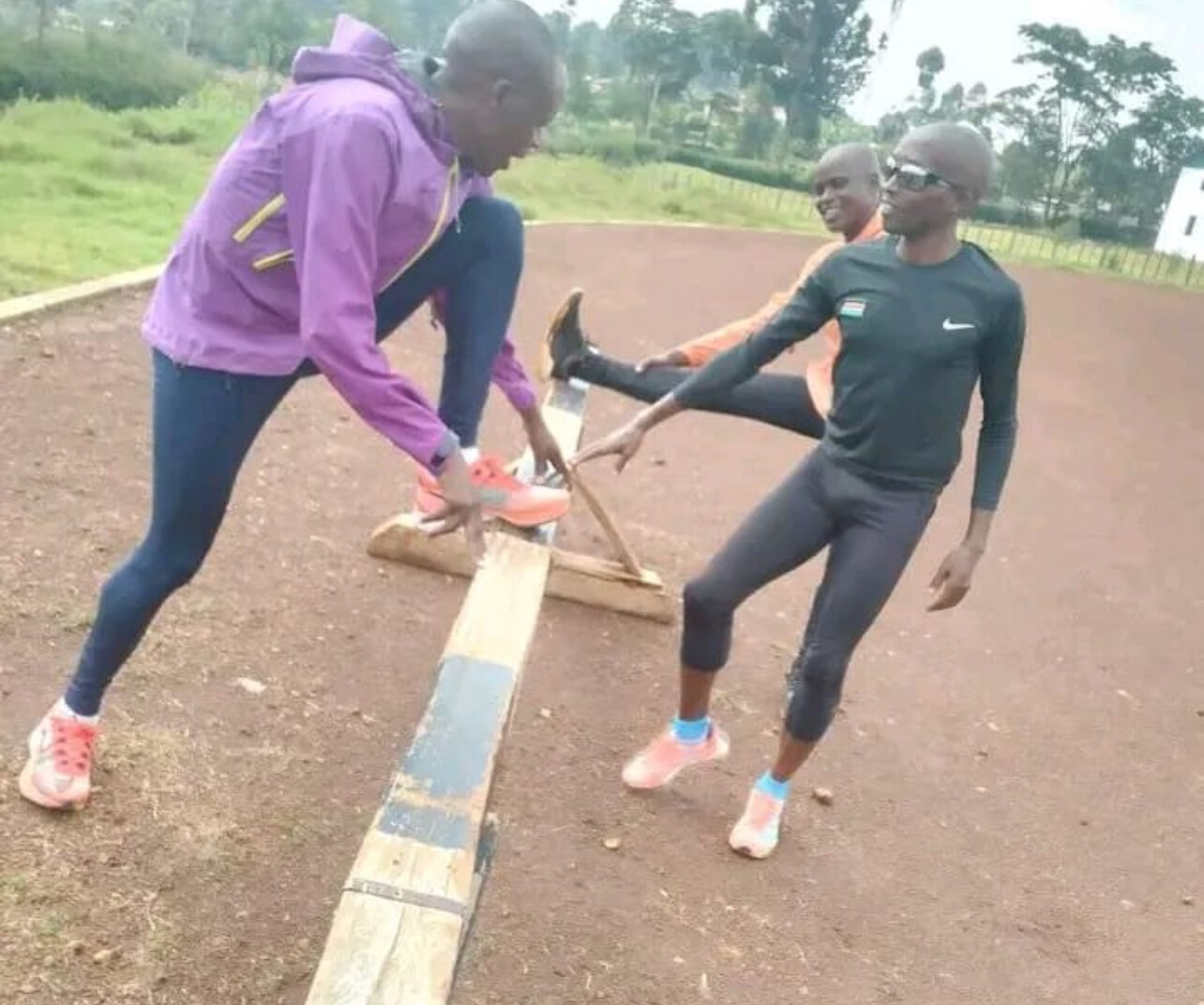
Bii will be guided by Job Kiprono Langat, who also serves as Assistant Coach at the KATA Molo Camp. Job has trained closely with Wilson and previously paced him in workouts, making their partnership on race day smooth and deeply synchronized.
“We are very proud to have Wilson now training with us in Molo,” said KATA Director Bob Anderson. “He is hoping to run a sub-35 minute 10K. This is the start of what we believe will be an exciting year for him.”
From Molo to Thika: Racing at Altitude
While Molo is located at a higher elevation, Thika still sits at approximately 5,000 feet (1,525 meters)—offering the kind of thin air that tests an athlete’s endurance and grit. A sub-35-minute 10K at this altitude would show that Bii is on track for a strong marathon season.
The KATA Molo camp, where Bii now trains, is designed for altitude adaptation and athlete development. With Job serving as both assistant coach and guide, Bii has found the structure and support needed to thrive.
Looking Ahead
With elite guidance, the backing of the KATA community, and his own determination, Wilson Bii is ready to make 2025 a breakout year. The June 11 time trial in Thika is more than a rust-buster—it’s a statement that one of Kenya’s most inspiring runners is back on the road, chasing new goals.
(06/08/2025) ⚡AMPby Boris Baron
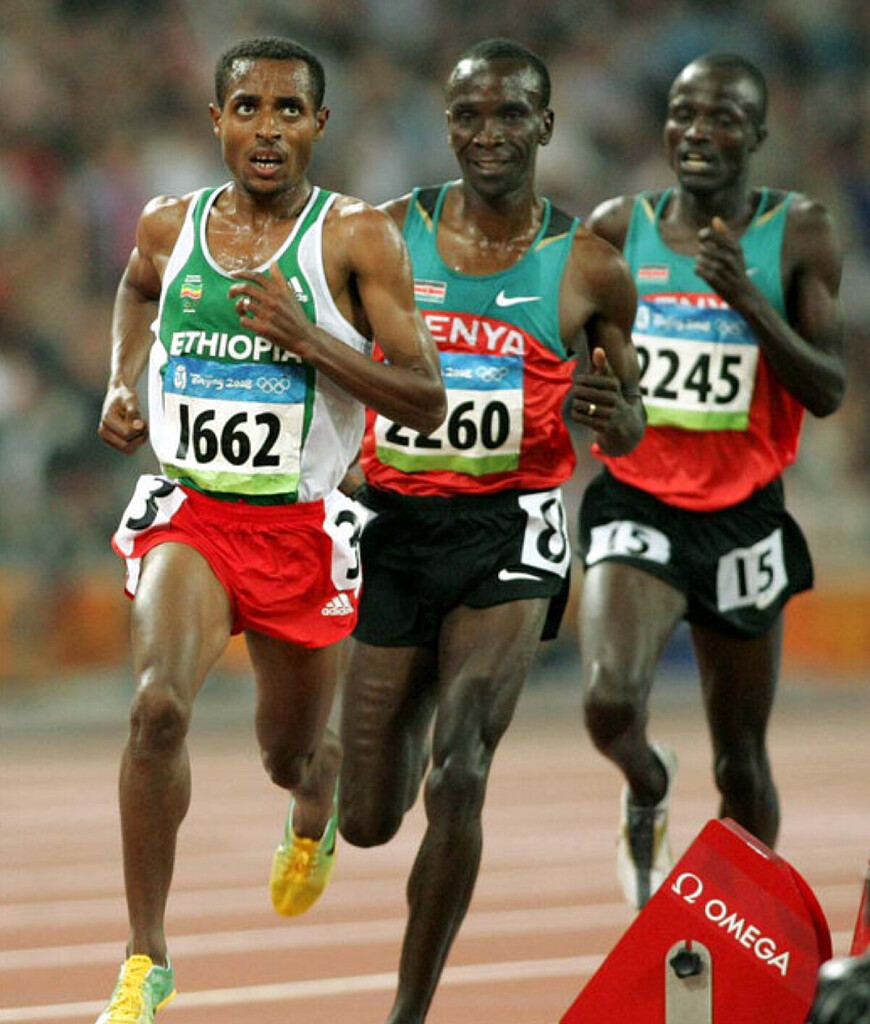
Olympic 5000m medalist Edwin Soi joins new KATA Running Camp in Kericho — a unique Kenyan training program blending elite coaching and community impact.
From Olympic bronze to farming for the future, Edwin Soi’s journey reflects both speed and sustainability.
In the world of distance running, Edwin Soi is a name etched in excellence. At the 2008 Beijing Olympics, Soi captured the bronze medal in the 5000 meters, finishing with a time of 13:06.22behind Kenenisa Bekele and Eliud Kipchoge—an iconic race that cemented his place among the greats of Kenyan running.
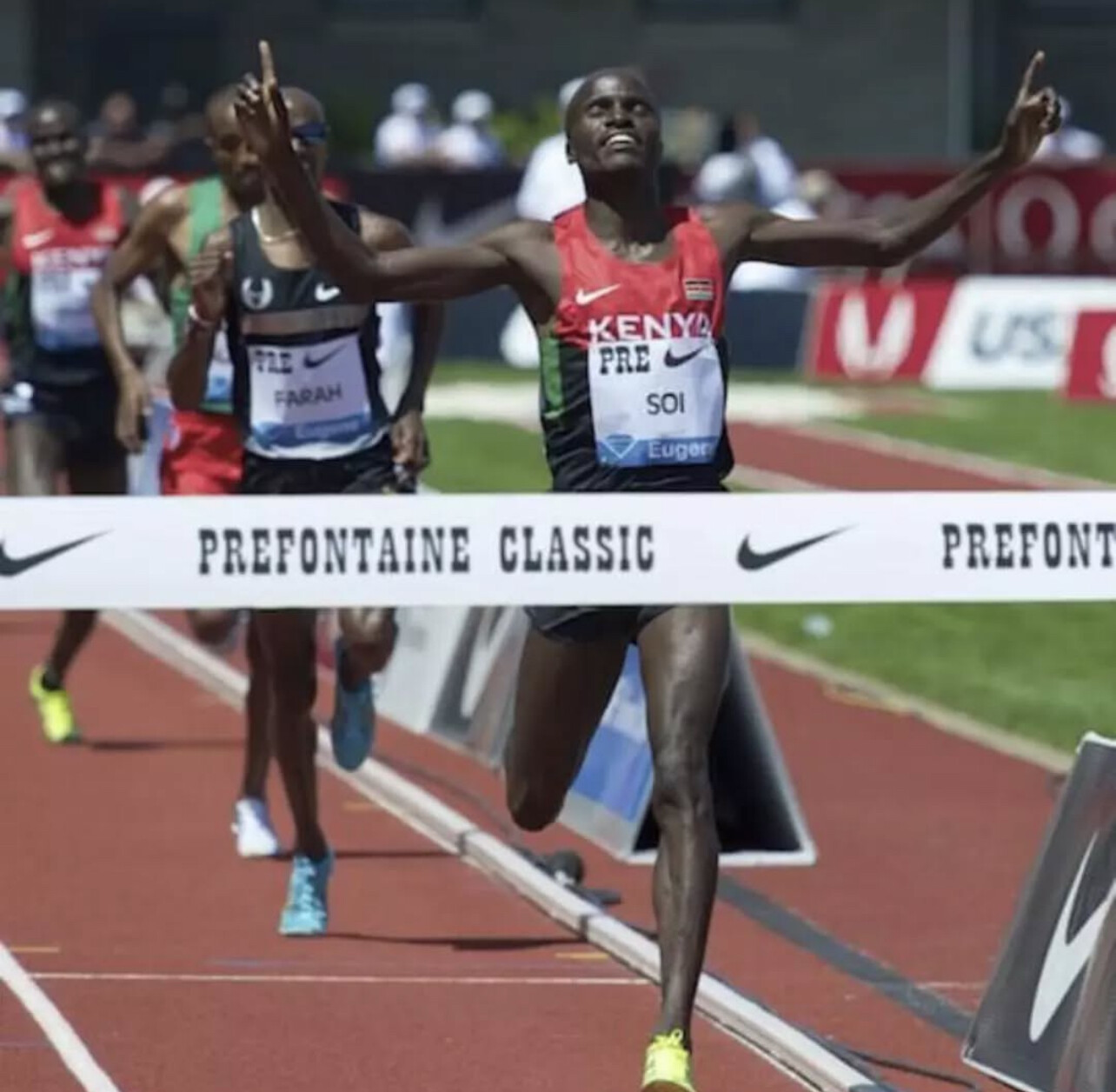
Now, over 15 years later, Soi continues to perform at an elite level. In early 2025, he placed on the podium at a major half marathon in Poland, proving that his speed and endurance have stood the test of time. But the accomplished Olympian is now expanding his impact beyond the track.
This year, Soi has teamed up with Bob Anderson, the founder of Runner’s World and the visionary behind the Kenyan Athletics Training Academy (KATA). Together, they are launching a unique initiative in Kericho, Kenya that combines world-class training with sustainable farming.
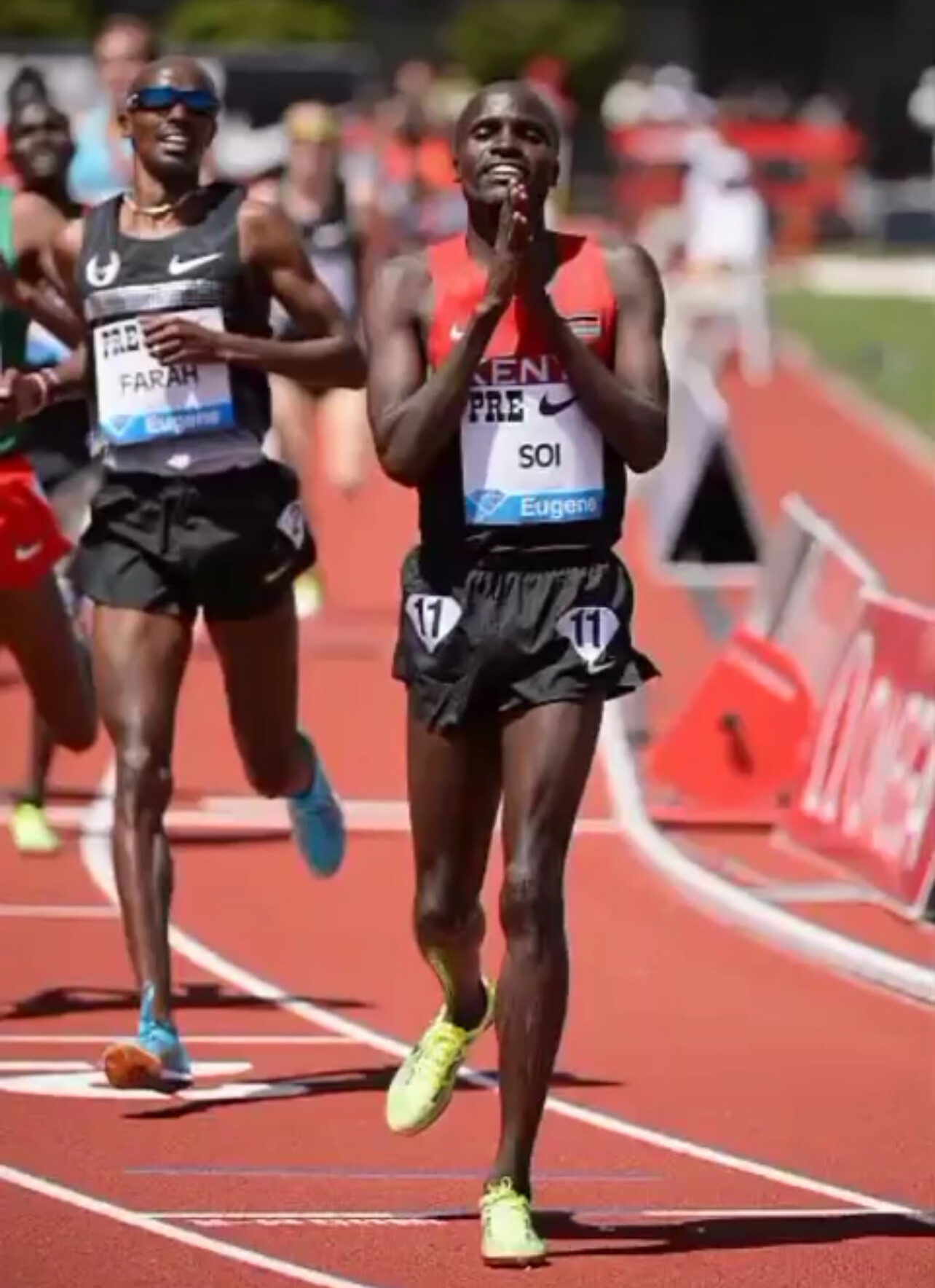
“I am very excited to be working with Bob Anderson on this new, unique program,” says Soi. “Bob has created something very special for athletes, and combining it with his ideas about farming KATA Potatoes gives us the opportunity to be sustainable. It’s perfect.”
A Vision Rooted in History
Bob Anderson’s connection to Kenyan running spans nearly four decades.
“I first traveled to Kenya in 1987 and saw and met many runners. I knew then that a program like what we have now set up was needed,” Anderson explains. “I returned with my wife Catherine in 2014 and met Elam and Joel. That’s when the idea for the Kenyan Athletics Training Academy (KATA) in Thika really started to take shape.”
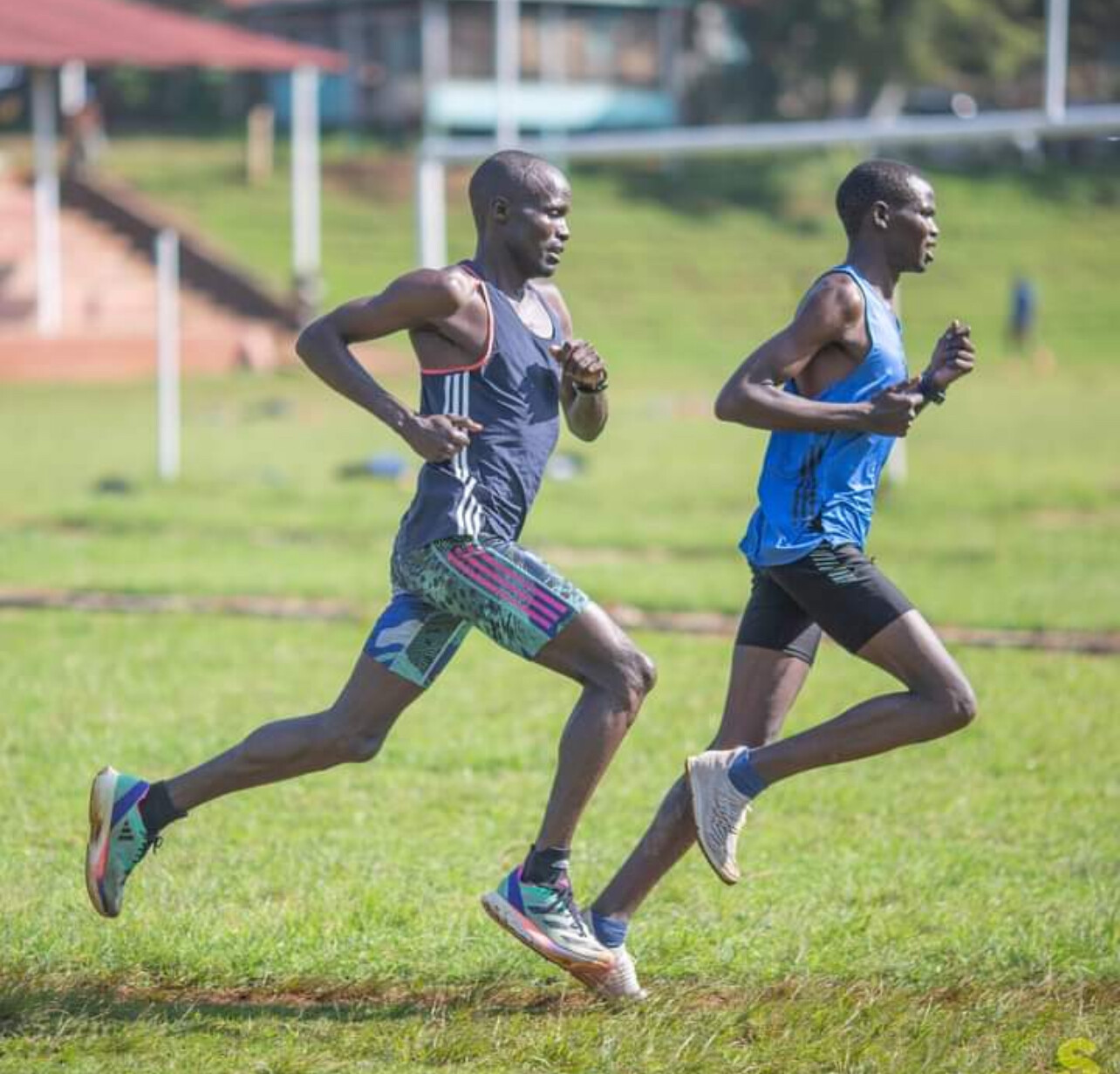
KATA officially opened in 2019, offering elite Kenyan athletes a base to train and grow. But the vision didn’t stop there.
In 2023, Anderson and longtime friend Brock Hinzmann (last photo) a 2:19 marathoner from Los Altos Hills, California, piloted the first KATA farm. The goal was to integrate agriculture into athlete development—creating a model where training and sustainability go hand in hand.
“We established a KATA farm in 2023 working with Brock, but the program needed some refinements. I finalized our new format in May of 2025. I told Edwin Soi about our program and he told me he loved the idea and jumped right on it,” says Anderson.
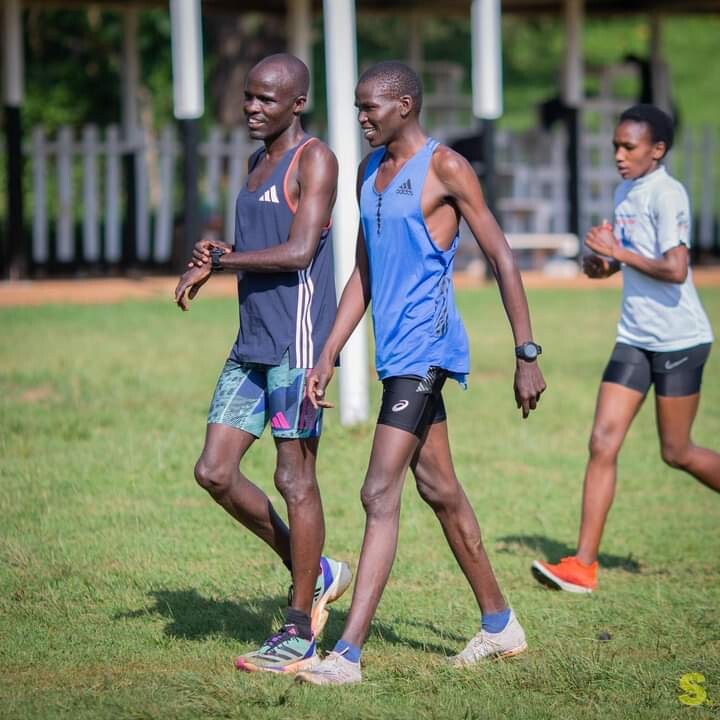
Kuresoi: A New Chapter
Now, with Soi’s leadership, the KATA Running Camp and Potato Farm in Kuresoi is set to become a flagship model for the future. Athletes will not only receive top-level training from one of the greatest distance runners of his generation, but they’ll also participate in sustainable farming practices—planting, maintaining, and harvesting KATA-branded potatoes.
The program provides housing, coaching, food, and competition opportunities—with the added benefit of long-term revenue from agriculture. It’s a model designed not just to develop athletes, but to support their lives beyond running.
“Edwin Soi brings credibility, passion, and wisdom to this project,” says Anderson. “It’s not just about winning races anymore—it’s about building something that lasts.”
Looking Ahead
With KATA camps now expanding across Kenya—including recent launches in Kapcherop, Molo, Nyandarua, and Kuresoi—the partnership between Bob Anderson and Edwin Soi represents a new chapter in Kenyan running. One where elite performance and local empowerment go hand in hand.
Soi’s journey—from Olympic bronze to coaching, mentoring, and planting the seeds of a new future—demonstrates what’s possible when world-class talent meets a visionary purpose.

by Boris Baron
