

Running News Daily
Running News Daily is edited by Bob Anderson and team. Send your news items to bob@mybestruns.com Advertising opportunities available.
Index to Daily Posts · Sign Up For Updates · Run The World Feed
Search Results for Kenya
Today's Running News
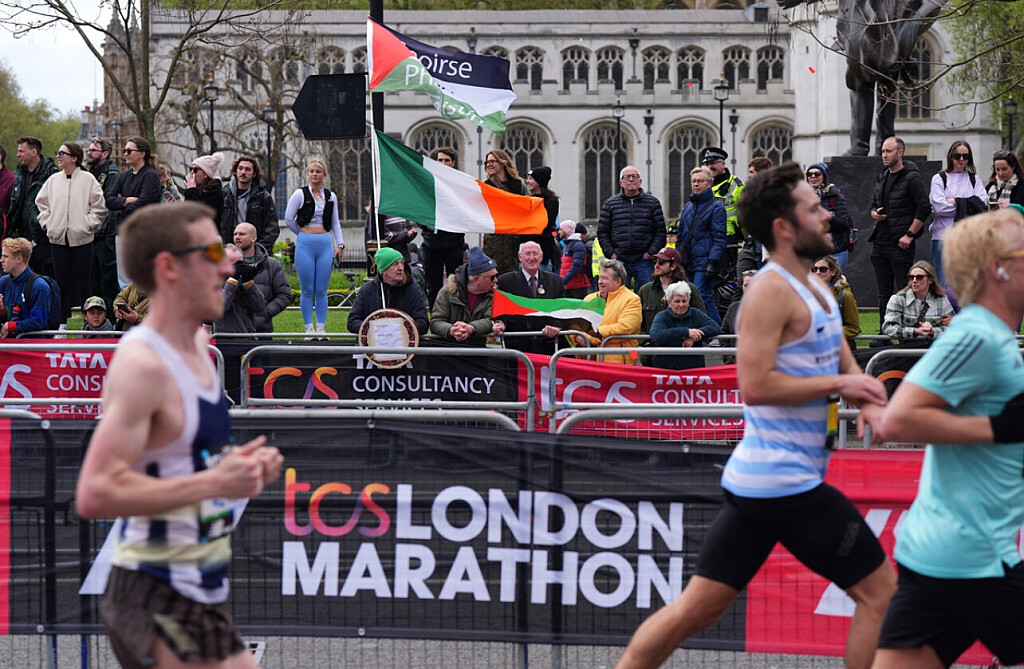


Marathon Momentum: Why the Next 30 Days Are the Biggest in Distance Running
From the cobblestones of Prague to the iconic slopes of Heartbreak Hill, mid-April to early May marks one of the most exhilarating periods on the global running calendar. During this time, the world’s most prestigious and scenic marathons take center stage, with tens of thousands of runners lacing up for career-defining performances and unforgettable experiences.
2025 Spring Marathon Highlights

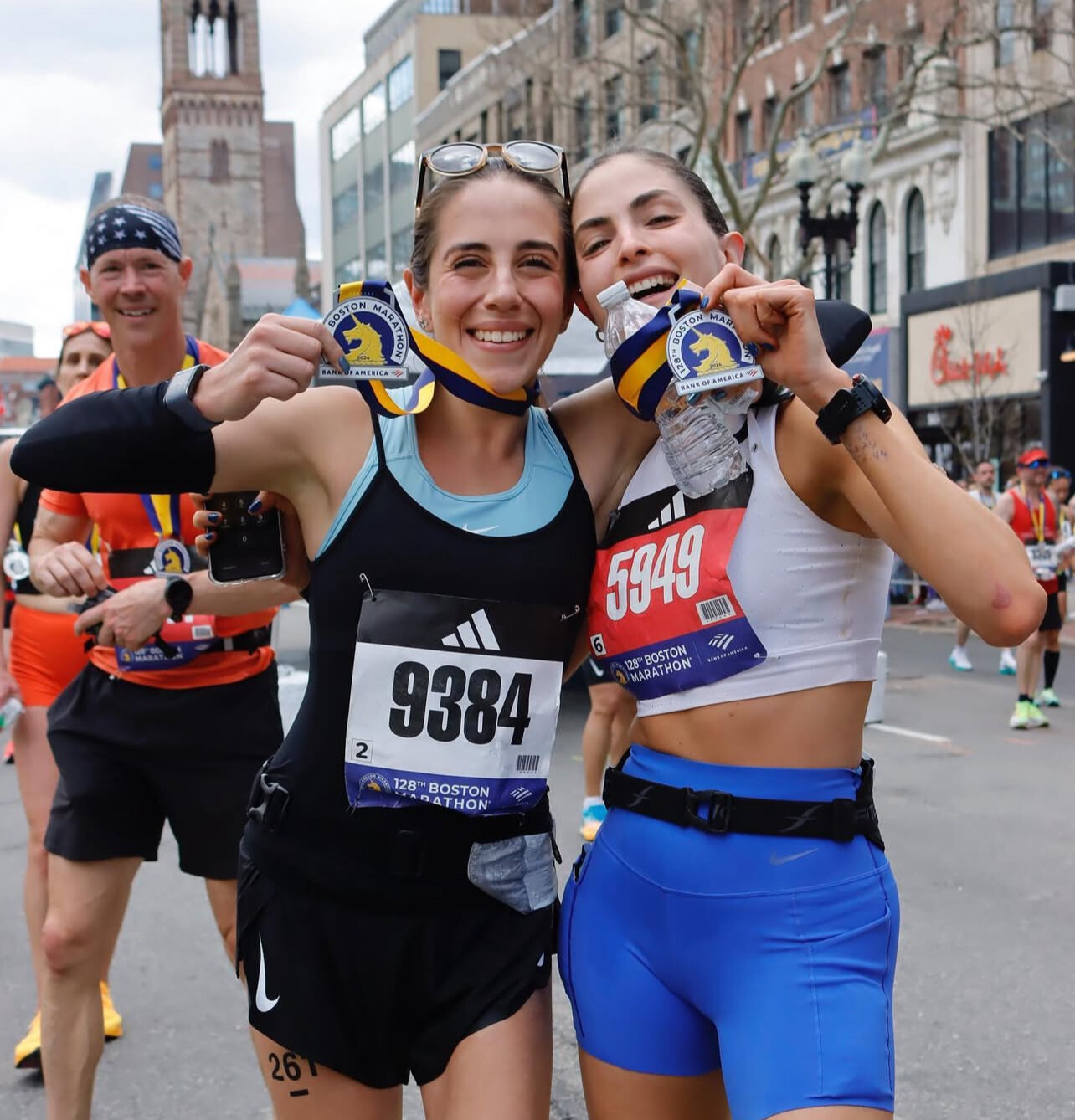
April 21 – Boston Marathon (USA)
The 129th Boston Marathon delivered historic performances. Kenya’s John Korir overcame an early fall to win the men’s race in 2:04:45, the second-fastest time in event history. His victory, following his brother Wesley’s 2012 win, marks the first time siblings have both claimed Boston titles. In the women’s race, Sharon Lokedi set a new course record of 2:17:22, defeating two-time defending champion Hellen Obiri. The event also commemorated the 50th anniversary of the first wheelchair division, with Marcel Hug and Susannah Scaroni winning their respective races .
April 27 – London Marathon (UK)
The TCS London Marathon is renowned for its flat course and elite competition. This year’s race featured a deep field of Olympic hopefuls and major contenders, making it one of the most anticipated editions in recent history .
April 27 – Big Sur International Marathon (USA)
On the same day, the Big Sur Marathon offered runners a contrasting experience with its scenic route along California’s Highway 1. Known for its challenging hills and breathtaking ocean views, Big Sur remains a bucket-list race for many .
May 4 – BMO Vancouver Marathon (Canada)
Vancouver’s marathon combines urban landscapes with natural beauty, featuring routes through city streets, along the coastline, and through forested areas. The event continues to grow in popularity, attracting runners from around the world .
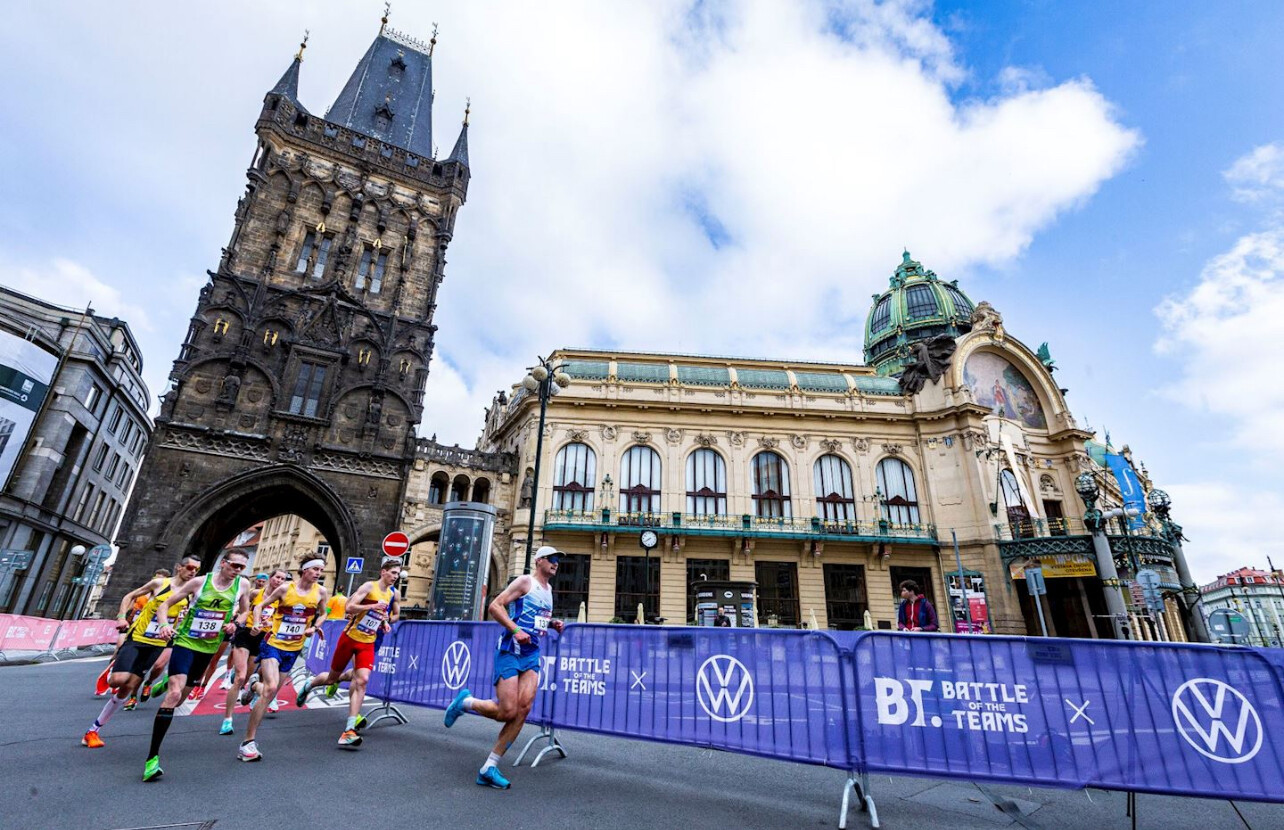
May 4 – Generali Prague Half Marathon (Czech Republic)
The Prague Half Marathon showcased impressive performances, with Rodrigue Kwizera of Burundi winning the men’s race in 58:54, becoming the first winner from his country. In the women’s race, Lilian Kasait Rengeruk of Kenya claimed victory with a time of 1:05:27 .
Why This Month Matters
These next 30 days represent the peak of spring racing season. Elites are using these events to fine-tune Olympic campaigns or solidify sponsorships. Everyday runners are chasing PRs, qualifying times, or simply the thrill of a world-class course.
Spring weather, fresh fitness, and the return of major in-person races make this stretch a celebration of everything running stands for: discipline, joy, and community.
Are You Racing This Spring?
We want to hear from you! Tag @MyBestRuns or send us your photos and stories—whether you’re running in Boston, Big Sur, or your own local race. This is the season that keeps the running world turning.
(04/17/2025) ⚡AMPby Boris Baron
Racing on Empty: How Runners Stay Fast During Ramadan
What it takes to train—and sometimes race—without food or water
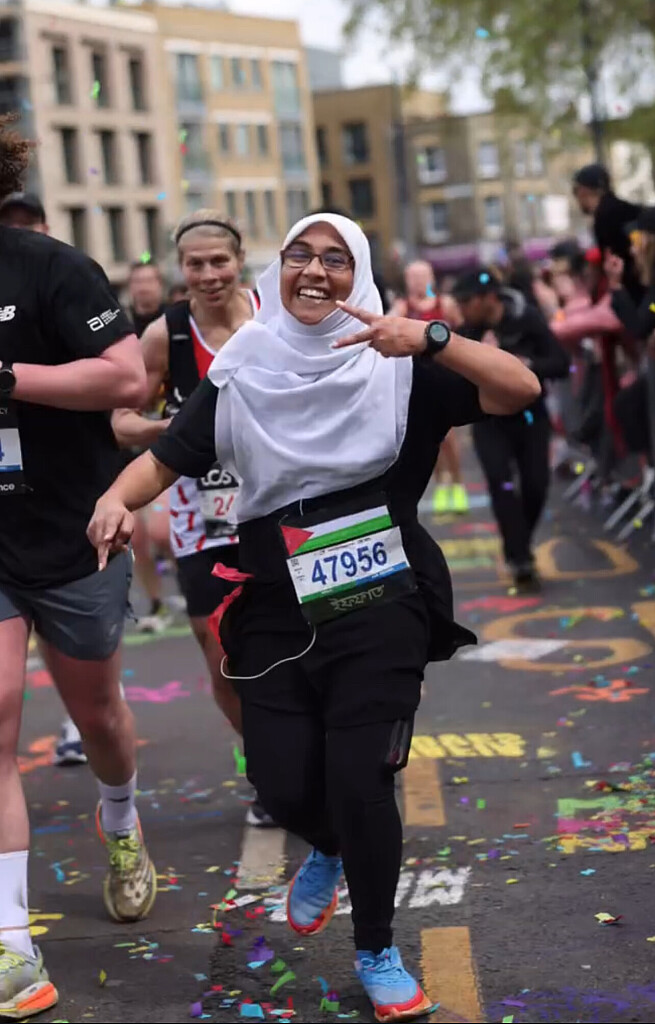
While most runners debate fueling strategies and hydration packs before long runs, Muslim athletes around the world face an even more complex challenge each spring: training and racing during the holy month of Ramadan.
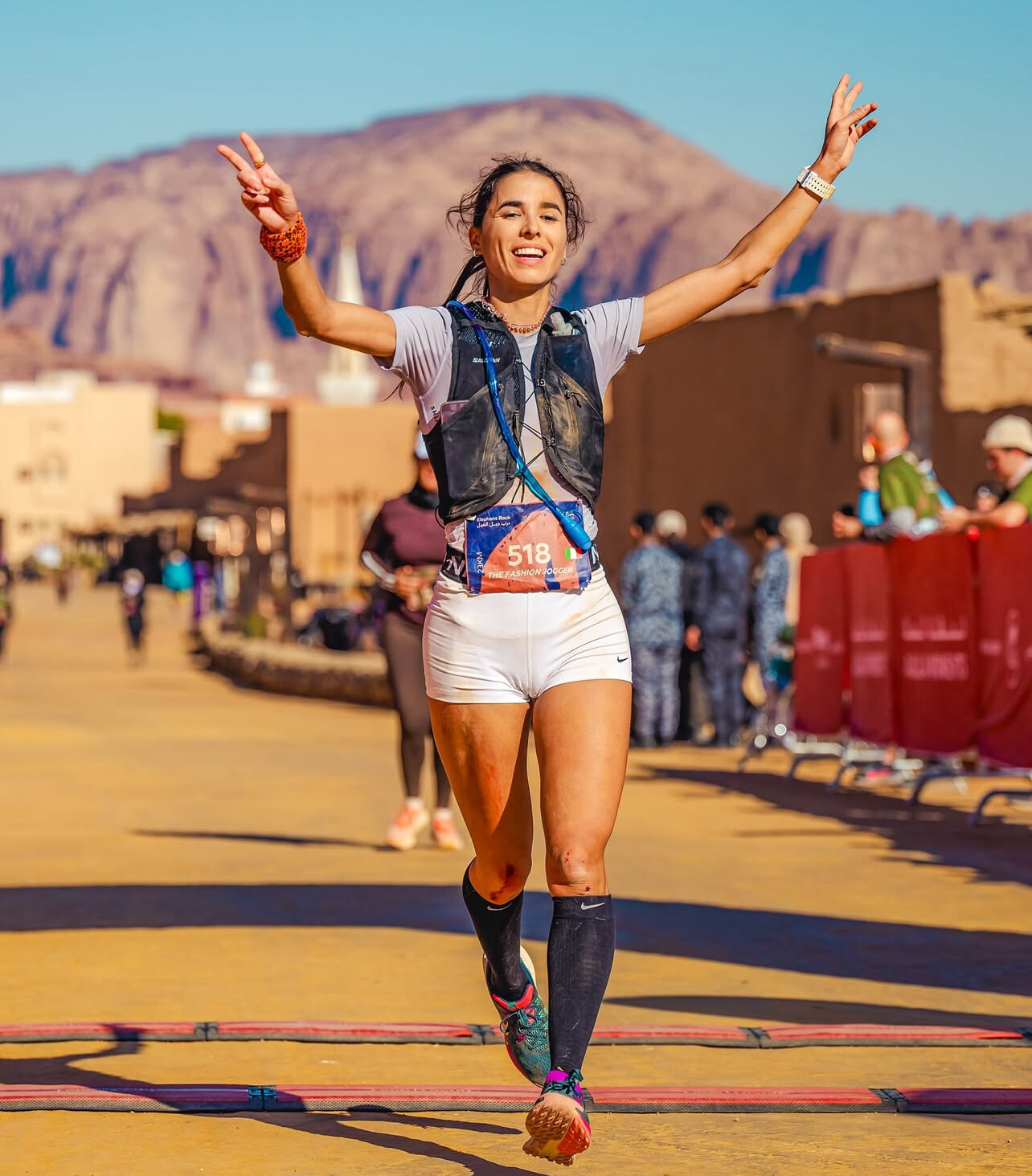
From sunrise to sunset, observant Muslims abstain from all food and drink, even water. Yet in Kenya, Morocco, Turkey, the U.S., and beyond, dedicated athletes continue to log miles, build fitness, and even compete at elite levels—all while fasting.

A Test of Faith and Focus
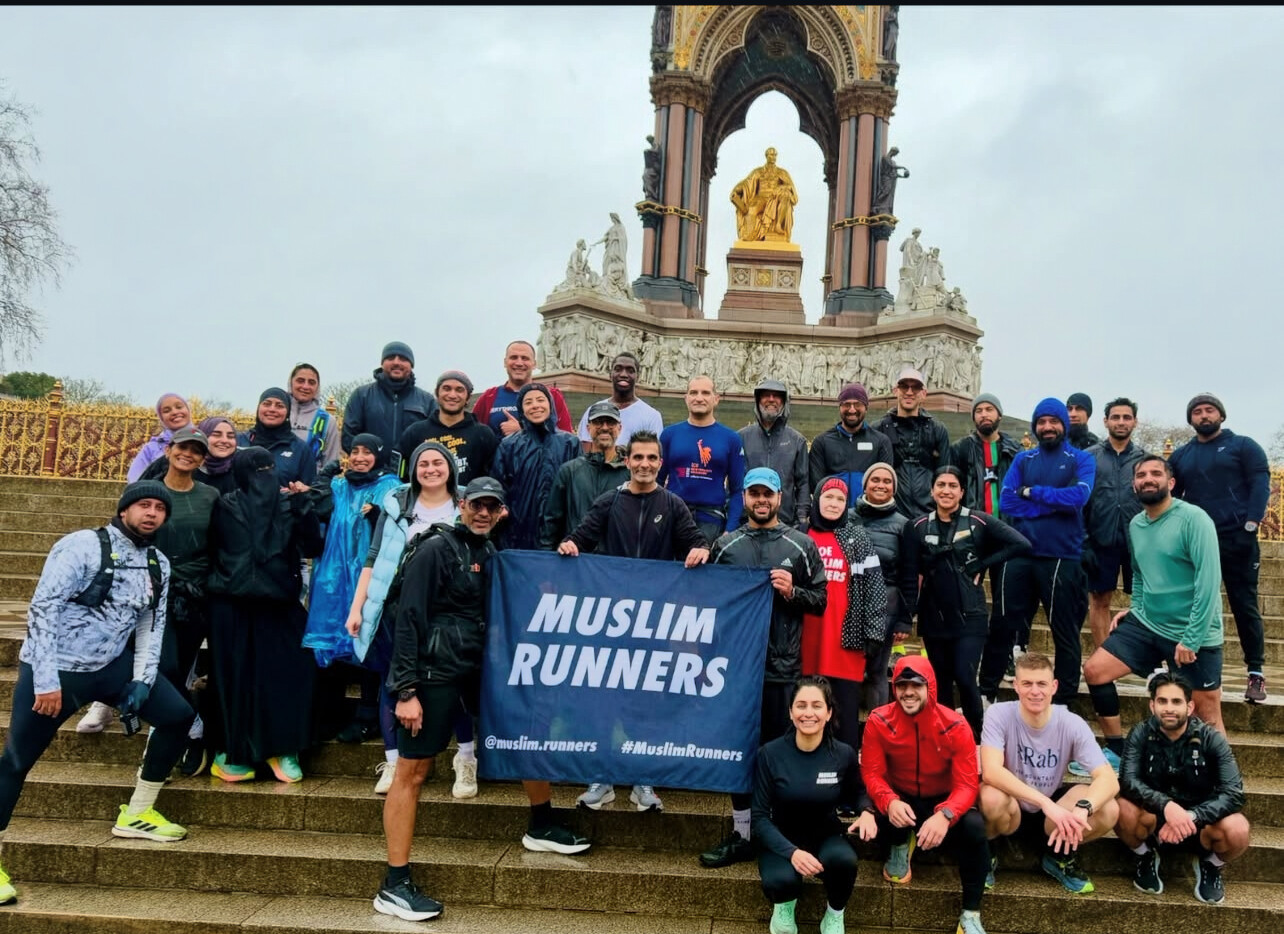
“Training during Ramadan is not just physical—it’s deeply spiritual,” says Mohamed Reda El Aaraby, a Moroccan Olympic marathoner who has trained through Ramadan for most of his professional career. “You learn to listen to your body differently. You train with more intention.”
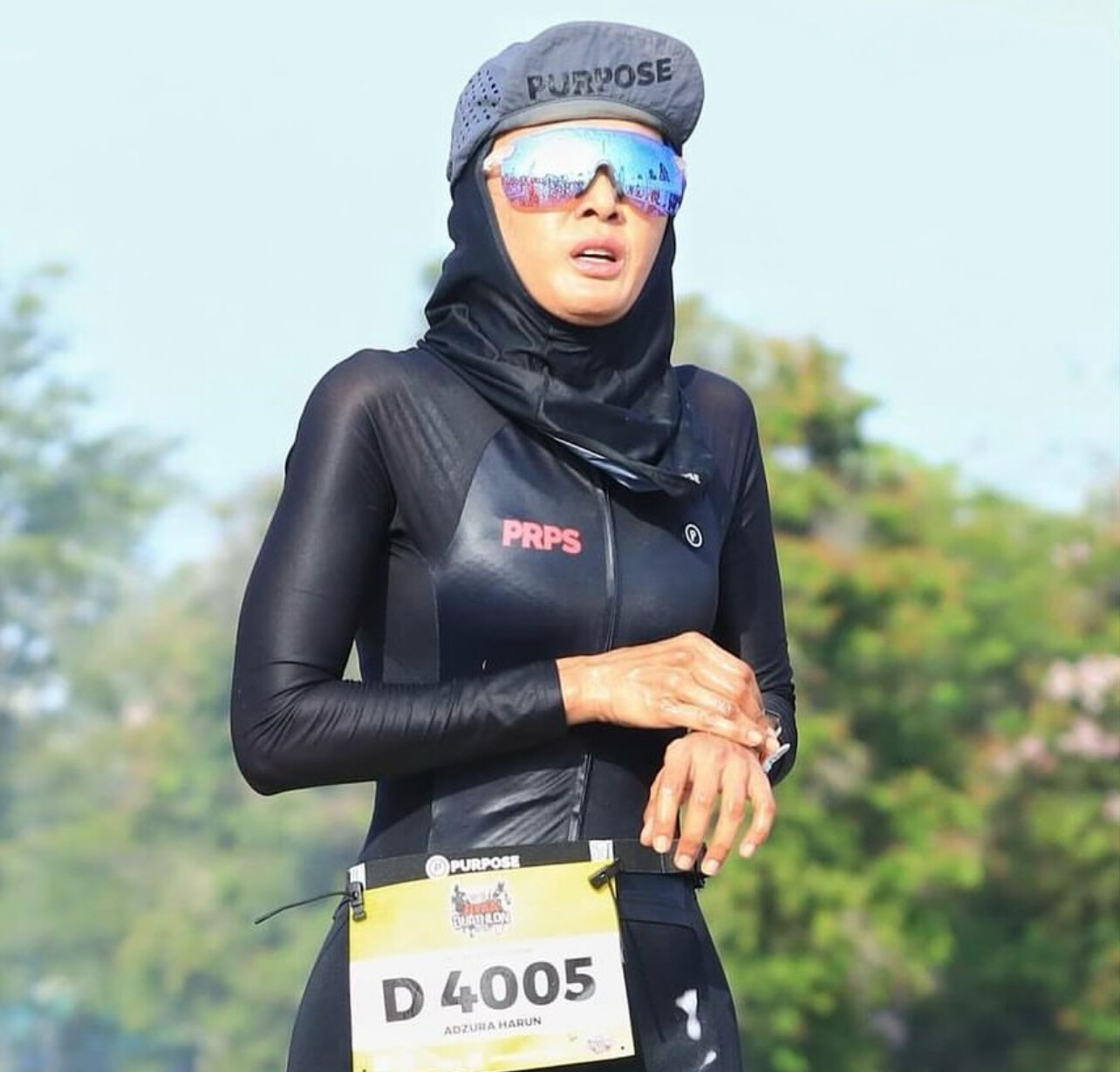
While the demands of elite-level training don’t stop, the timing and structure of workouts shift drastically. Many athletes choose to run early before sunrise (Suhoor) or in the evening after breaking their fast (Iftar). Others, especially distance runners in warm climates, reduce volume and intensity, then rebound post-Ramadan with sharper sessions.
Racing While Fasting
Some athletes even choose to race while still fasting. In 2021, Hassan Chahdi, a French marathoner of Moroccan descent, raced a half marathon while observing Ramadan—and ran under 1:04. In the Middle East and parts of North Africa, entire race calendars are adjusted to night races to accommodate Ramadan schedules.
Though rare, there are also instances of runners competing in daytime races without breaking their fast—relying entirely on mental discipline and spiritual focus to get them to the finish.
Science and Strategy
While the idea of running long distances without hydration might sound dangerous, elite athletes prepare carefully. Key strategies include:
• Hydrating strategically between Iftar and Suhoor
• Front-loading calories before sunrise to sustain energy
• Running in cooler hours (early morning or post-sunset)
• Listening to the body and avoiding overtraining
• Using Ramadan as a time for maintenance and recovery instead of peak performance
A 2022 study from the Journal of Sports Science and Medicine found that athletes observing Ramadan maintained their VO2 max and performance if training was adjusted smartly.
More Than Running
For many Muslim runners, the month offers a unique time of reflection. “Fasting teaches patience, restraint, and gratitude,” says one runner from the UAE. “These are lessons that carry into running and life.”
As Ramadan 2025 ends, many Muslim athletes are now ramping back up into full training—and even entering peak racing season. But for 30 days, they trained not for medals, but for something deeper.
Running Takeaways for All Athletes
• Be intentional with your schedule and recovery
• Periodization matters: not every month needs to be peak training
• Respect the body’s signals—and know when to push or hold back
• Mental focus can often outperform physical fuel
Even if you don’t fast, there’s something universally powerful in the way these athletes approach their training during Ramadan: with purpose, patience, and unwavering discipline. That’s something every runner—no matter their background—can admire and learn from.
(04/16/2025) ⚡AMPby Boris Baron
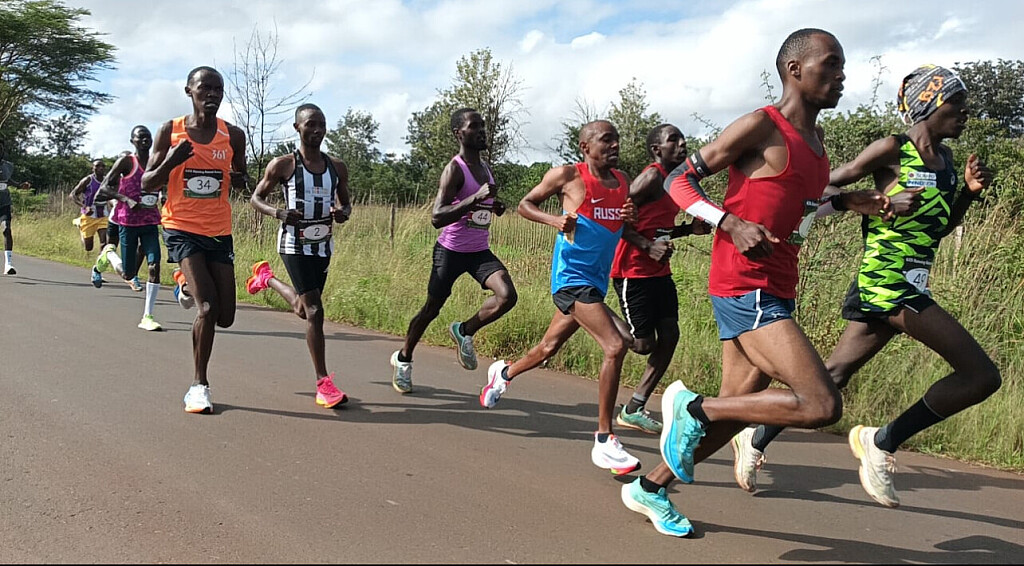
Kelvin Lagui and Nymph Kiteta Dominate at KATA Monthly Time Trial
The latest KATA Time Trial No 44 was held this morning (April 16) at the Kenyan Athletics Training Academy (KATA) in Thika, Kenya, with 27 athletes lining up across 10K and 5K distances. The event showcased elite-level efforts and exciting breakthroughs from developing runners—including multiple personal bests and promising performances from junior athletes.
Men’s 10K: Kelvin Lagui Holds Off Ngigi in Close Finish
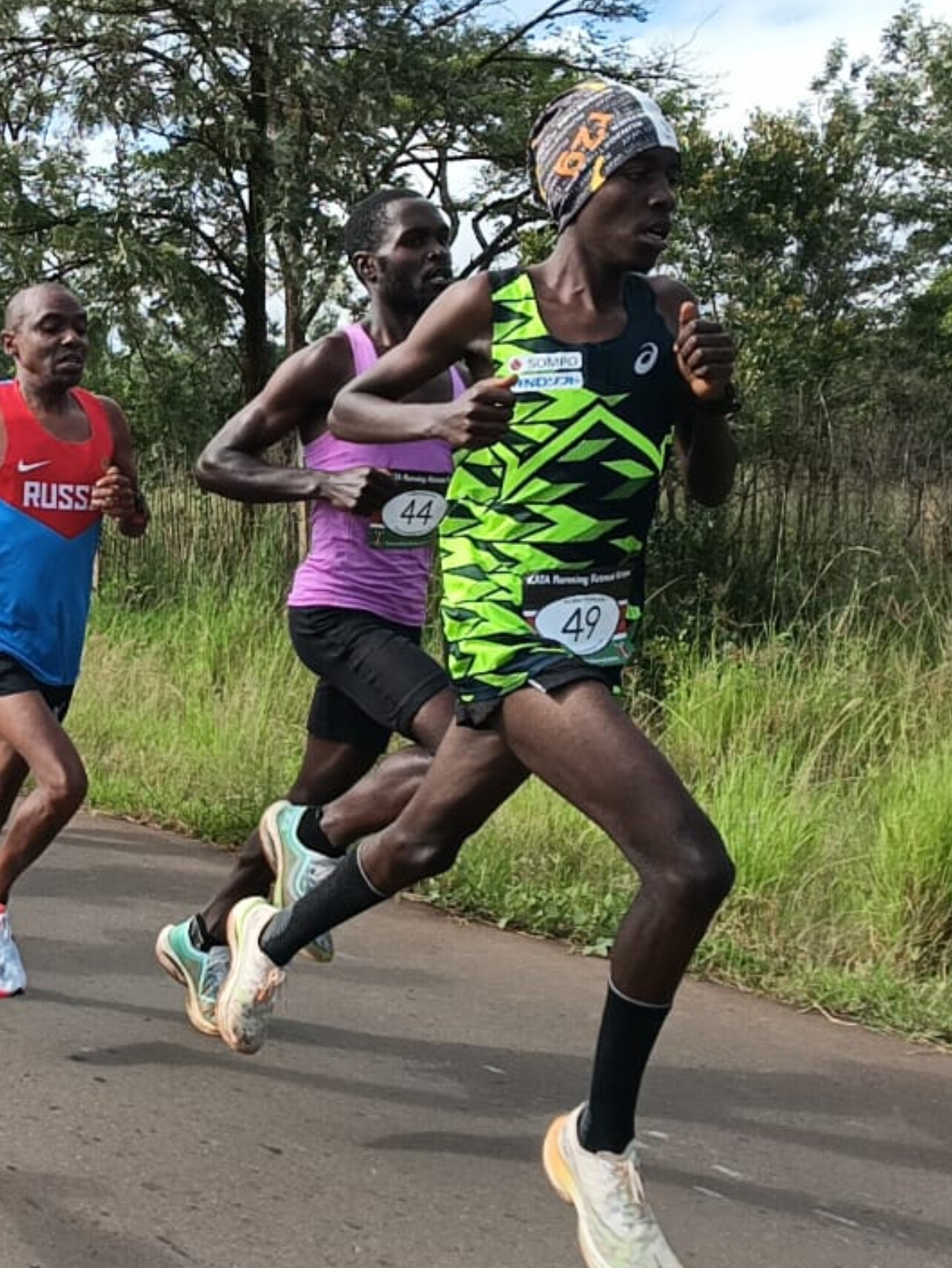
Kelvin Lagui (age 22, bib #49) led the men’s field with a time of 30:37, just five seconds ahead of Stephen Ngigi (age 20, bib #11), who clocked 30:42.
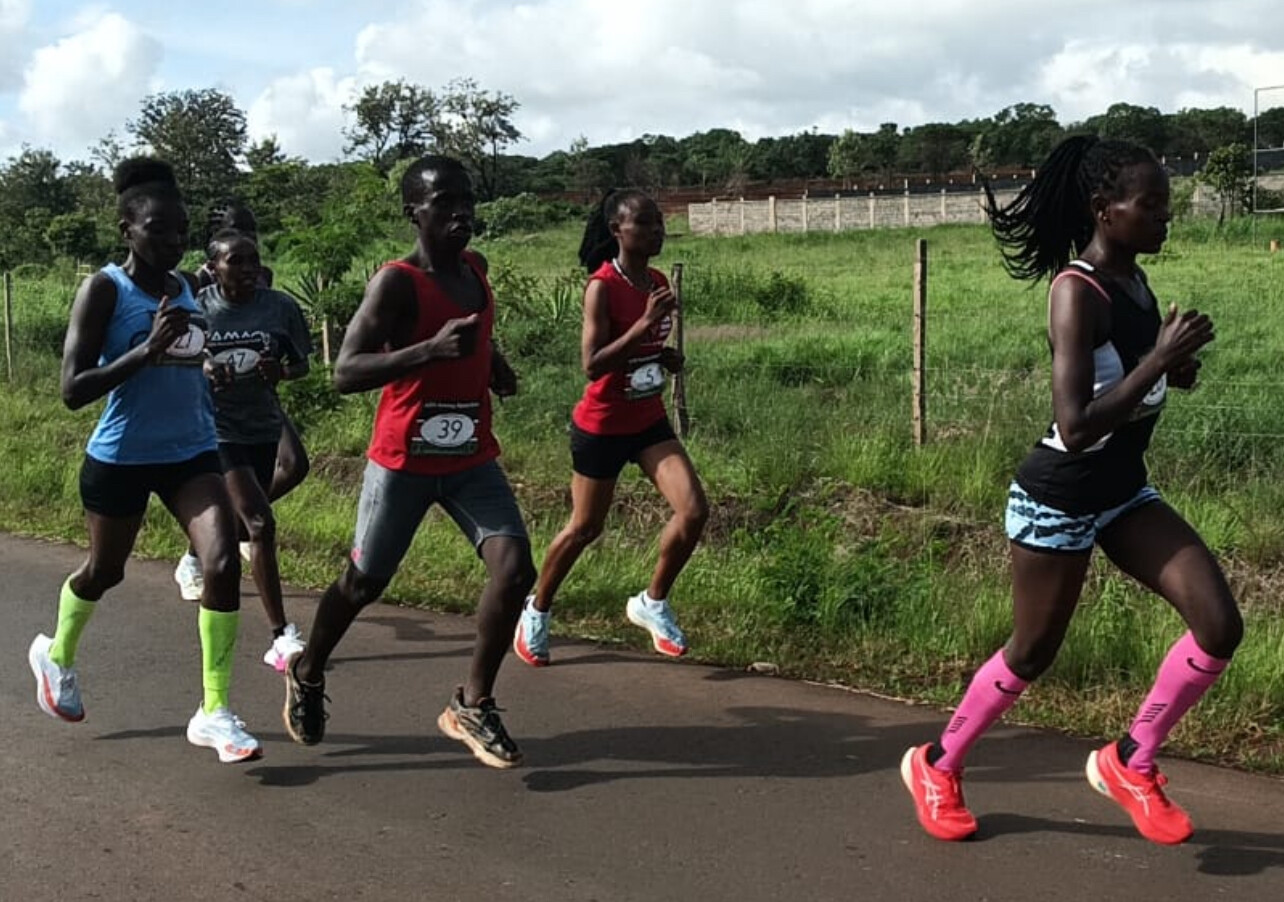
KATA’s rising star Charles Ndirangu (age 24, bib #3) finished 4th in 31:20, slicing 20 seconds off his previous personal best set last month. Having transitioned from sprinting, Ndirangu continues to impress.
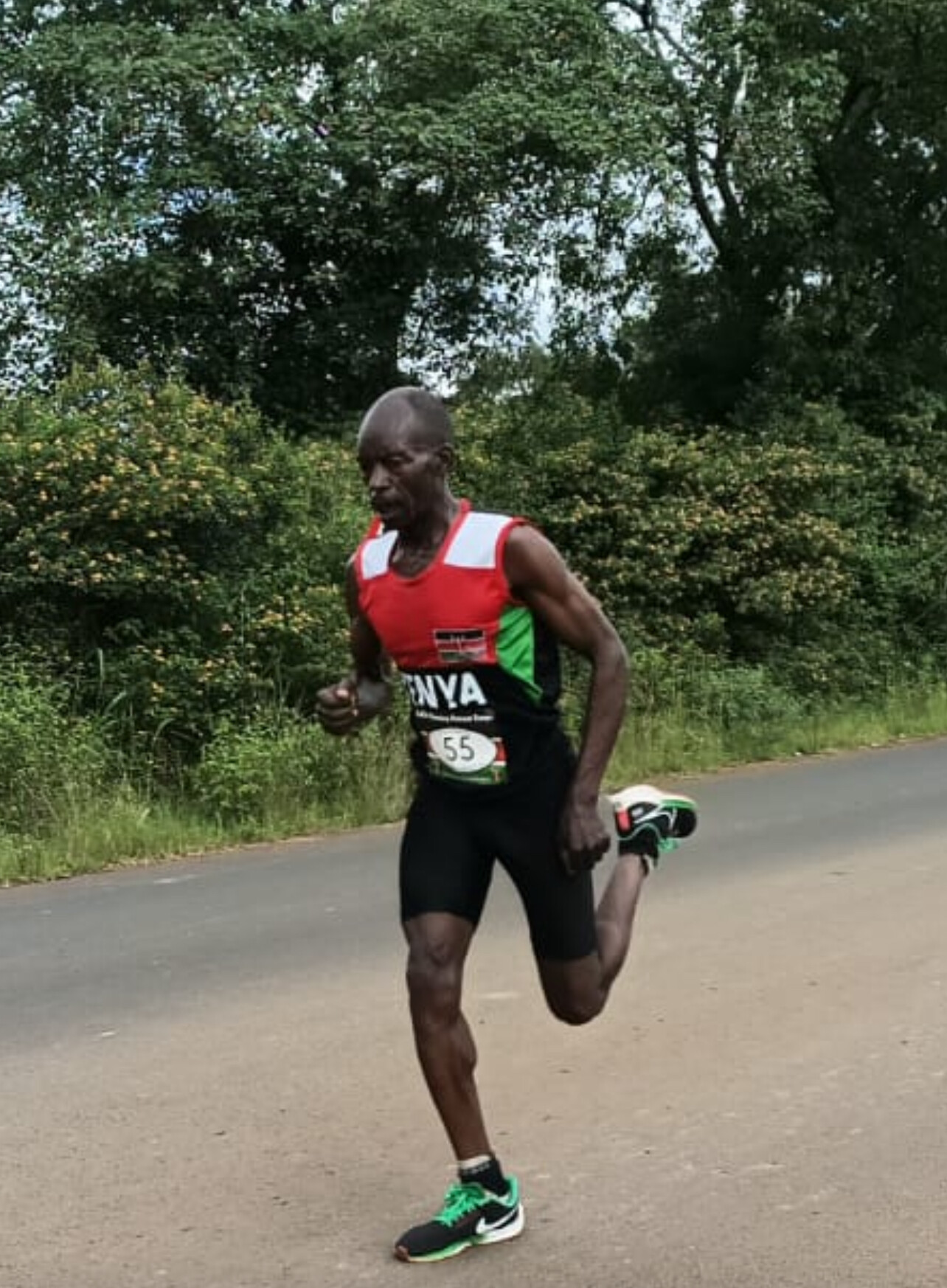
“Charles is developing exactly how we hoped,” said Coach John. “He came in with sprinting form and raw power—now he’s learning how to pace, hold rhythm, and finish strong over distance. We really believe in him.”
Top 10 Men’s 10K Results
1. Kelvin Lagui – 22 yrs – Bib 49 – 30:37
2. Stephen Ngigi – 20 yrs – Bib 11 – 30:42
3. Robert Ndegwa – 20 yrs – Bib 32 – 31:19
4. Charles Ndirangu – 24 yrs – Bib 3 – 31:20 (PB)
5. Zachariah Kirika – 24 yrs – Bib 34 – 32:27
6. Joseph Wanjiru – 39 yrs – Bib 2 – 32:36
7. Joseph Karanja – 42 yrs – Bib 19 – 33:04
8. Ali Rashid – 22 yrs – Bib 223 – 33:16
9. Ishmael Mburu – 26 yrs – Bib 27 – 33:30
10. David Muriuki – 39 yrs – Bib 77 – 34:03
Other finisher:
11. Bernard Gicheha – 34 yrs – Bib 18 – 34:28
12. Charles Ndirangu – 67 yrs – Bib 55 – 37:32
Women’s 10K: Kiteta Cruises to Victory
Nymph Kiteta (age 20, bib #22) set the pace in the women’s 10K, finishing in 34:02. Lois Karie (age 24, bib #26) followed in 35:55, with consistent performances by KATA athletes throughout the field.
Top Women’s 10K Results
1. Nymph Kiteta – 20 yrs – Bib 22 – 34:02
2. Lois Karie – 24 yrs – Bib 26 – 35:55
3. Jacinta Kamau – 24 yrs – Bib 27 – 37:02
4. Karen Chepkoech – 24 yrs – Bib 53 – 37:59
5. Ruth Maina – 22 yrs – Bib 4 – 40:29
6. Lilian Nyamai – 24 yrs – Bib 5 – 45:46
7. Lucy Muritu – 39 yrs – Bib 13 – 48:03
Men’s 5K: Frendric Wambua Leads Juniors with PB
Former sprinter Frendric Wambua (age 20, bib #1) broke new ground with a 15:42 finish in the men’s 5K. His performance highlighted the depth and promise of KATA’s junior ranks.
“Frendric is hitting a new level,” said Coach John. “He leads a group of juniors who are serious, consistent, and motivated. These young athletes are the future.”
Men’s 5K Results
1. Frendric Wambua – 20 yrs – Bib 1 – 15:42
2. Godfrey Kahura – 17 yrs – Bib 66 – 16:07
3. Peter Waititu – 17 yrs – Bib 51 – 17:03
4. Justus Nyamai – 17 yrs – Bib 42 – 17:13
5. Branton Mutungi – 17 yrs – Bib 28 – 17:47
6. Collins Mutungi – 18 yrs – Bib 10 – 17:53
7. Eric Mwaura – 18 yrs – Bib 39 – 18:39
Women’s 5K: Ruth Wambua Sets the Bar
In the women’s 5K, Ruth Wambua (age 17, bib #40) ran a confident race to claim the win in 18:39—a strong marker of her growing talent in the sport.
Women’s 5K Result
1. Ruth Wambua – 17 yrs – Bib 40 – 18:39
Looking Ahead: May 14th Time Trial
The next KATA Time Trial is proposed for May 14th, with continued 10K and 5K events expected. The April time trial affirmed that the depth of talent at KATA continues to grow, with performance breakthroughs coming from both veteran athletes and rising stars.
(04/16/2025) ⚡AMPby Boris Baron

KATA Time Trial Series
Welcome to the KATA Monthly Time Trial Held at the Kenyan Athletics Training Academy in Thika, Kenya, the KATA Monthly Time Trial is a unique and inclusive event designed to support runners of all levels in achieving their goals and showcasing their fitness. This event offers both 10K and 5K distances on an accurate, certified course, providing participants with...
more...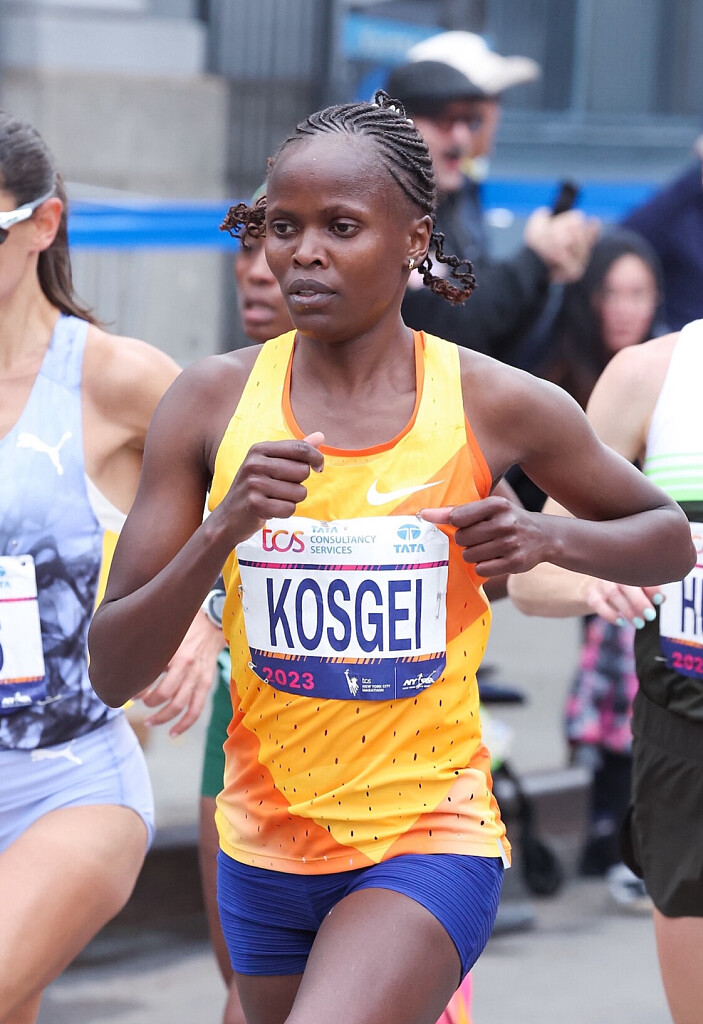
Brigid Kosgei Joins Elite Field for Haspa Marathon Hamburg on April 27
The 39th edition of the Haspa Marathon Hamburg, set for April 27, is shaping up to be the fastest in the race’s history. Former world record holder Brigid Kosgei of Kenya has been added to an already stacked women’s elite field. With her 2:14:04 personal best, set in Chicago in 2019, Kosgei remains the fourth fastest woman of all time.
Her participation brings the total to three women with sub-2:19 credentials on the start list. Kosgei, the 2021 Olympic silver medalist, will face stiff competition from Ethiopia’s Roza Dereje (2:18:30) and Workenesh Edesa (2:18:51).
“This is the strongest field we’ve ever assembled,” said race director Frank Thaleiser. “We expect some thrilling, fast racing on April 27.”
Kosgei, now 31, has consistently run under 2:20 every year since her world record. She is a two-time London Marathon winner (2019, 2020) and took the crown at the Tokyo Marathon in 2022. Hamburg will be her first marathon since finishing fifth in London last year (2:19:02), and it marks her debut in a German-speaking country — making her the fastest woman ever to toe the line on such ground.
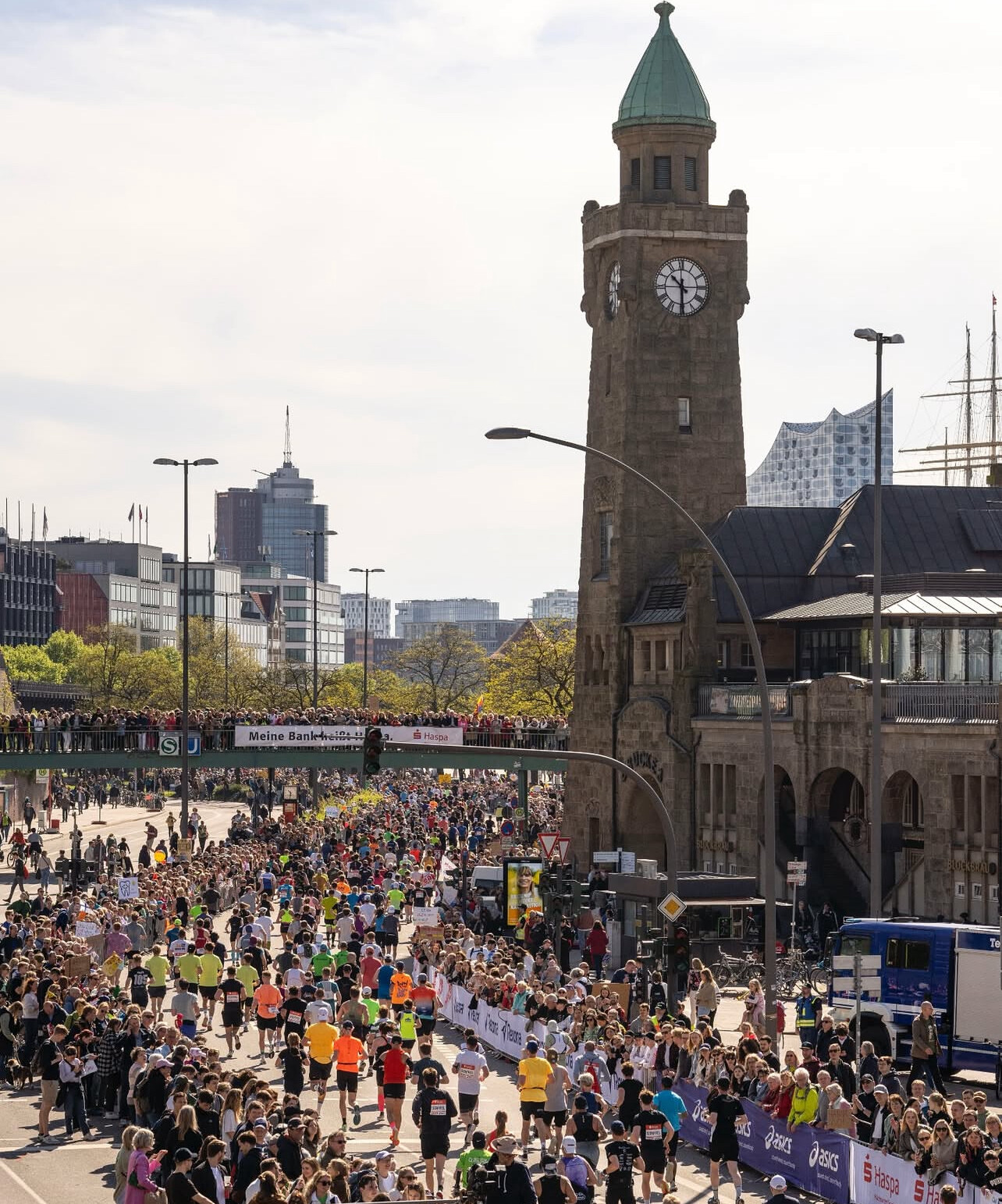
Deep Men’s Field Led by Amos Kipruto
On the men’s side, Amos Kipruto leads the charge with his blazing 2:03:13 PB. He’ll be joined by fellow sub-2:04 runners Guye Adola (2:03:46) and Kinde Atanaw (2:03:51), along with Bethwel Chumba (2:04:37) and Philemon Kiplimo (2:04:56).
Germany’s own Richard Ringer, the 2022 European Marathon Champion, will also be one to watch. He lowered his PB to 2:05:46 at Valencia last December and will be racing on home soil in what may be one of the deepest fields he’s faced yet.
Elite Field – Haspa Marathon Hamburg 2025
Men:
Amos Kipruto (KEN) – 2:03:13
Guye Adola (ETH) – 2:03:46
Kinde Atanaw (ETH) – 2:03:51
Bethwel Chumba (KEN) – 2:04:37
Philemon Kiplimo (KEN) – 2:04:56
Richard Ringer (GER) – 2:05:46
Cyrus Mutai (KEN) – 2:06:11
Awet Habte (ERI) – 2:06:25
Felix Kibitok (KEN) – 2:06:28
Abay Alemu (ETH) – 2:06:50
Samuel Tsegay (SWE) – 2:06:53
Erick Sang (KEN) – 2:07:50
Julien Wanders (SUI) – 2:11:52
Women:
Brigid Kosgei (KEN) – 2:14:04
Roza Dereje (ETH) – 2:18:30
Workenesh Edesa (ETH) – 2:18:51
Etagegn Woldu (ETH) – 2:20:03
Sichala Kumeshi (ETH) – 2:20:42
Waganesh Mekesha (ETH) – 2:20:44
Shitaye Eshete (BRN) – 2:21:33
Fozya Jemal (ETH) – 2:21:53
Tsige Haileslase (ETH) – 2:22:10
Muluhabt Tsega (ETH) – 2:22:21
Karoline Grovdal (NOR) – Debut
Stay tuned to My Best Runs for full coverage of the Haspa Marathon Hamburg.
(04/15/2025) ⚡AMP
by Race News Service with Boris Baron
Haspa Marathon Hamburg
The HASPA MARATHON HAMBURG is Germany’s biggest spring marathon and since 1986 the first one to paint the blue line on the roads. Hamburcourse record is fast (2:05:30), the metropolitan city (1.8 million residents) lets the euphoric atmosphere spill over and carry you to the finish. Make this experience first hand and follow the Blue Line....
more...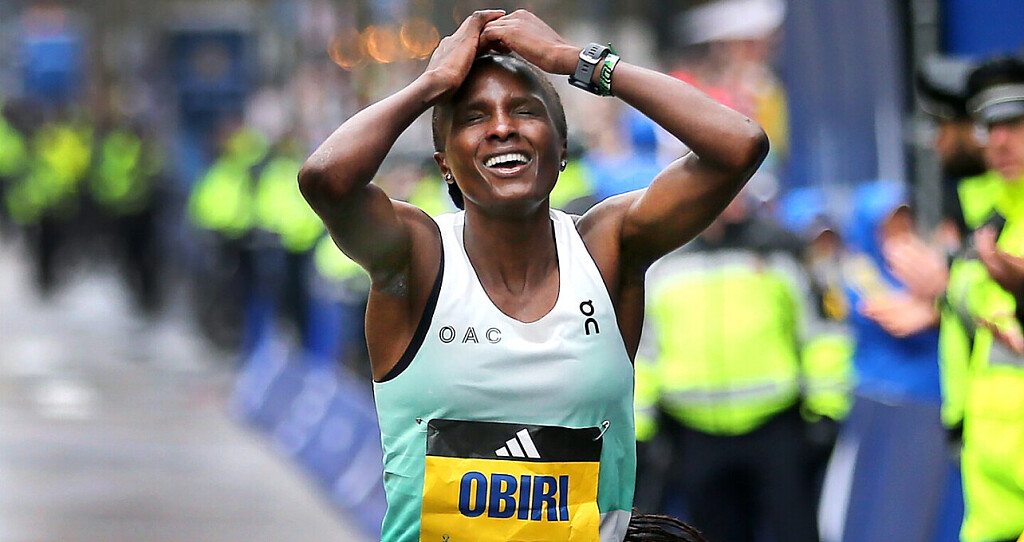
Hellen Obiri’s Pursuit of a Historic Three-Peat at the Boston Marathon
As the 2025 Boston Marathon approaches on April 21, Kenya’s Hellen Obiri stands on the brink of making history. With victories in 2023 and 2024, Obiri aims to secure her third consecutive win, a feat that would place her among an elite group of women who have achieved a “three-peat” at Boston.
From Track Star to Marathon Champion
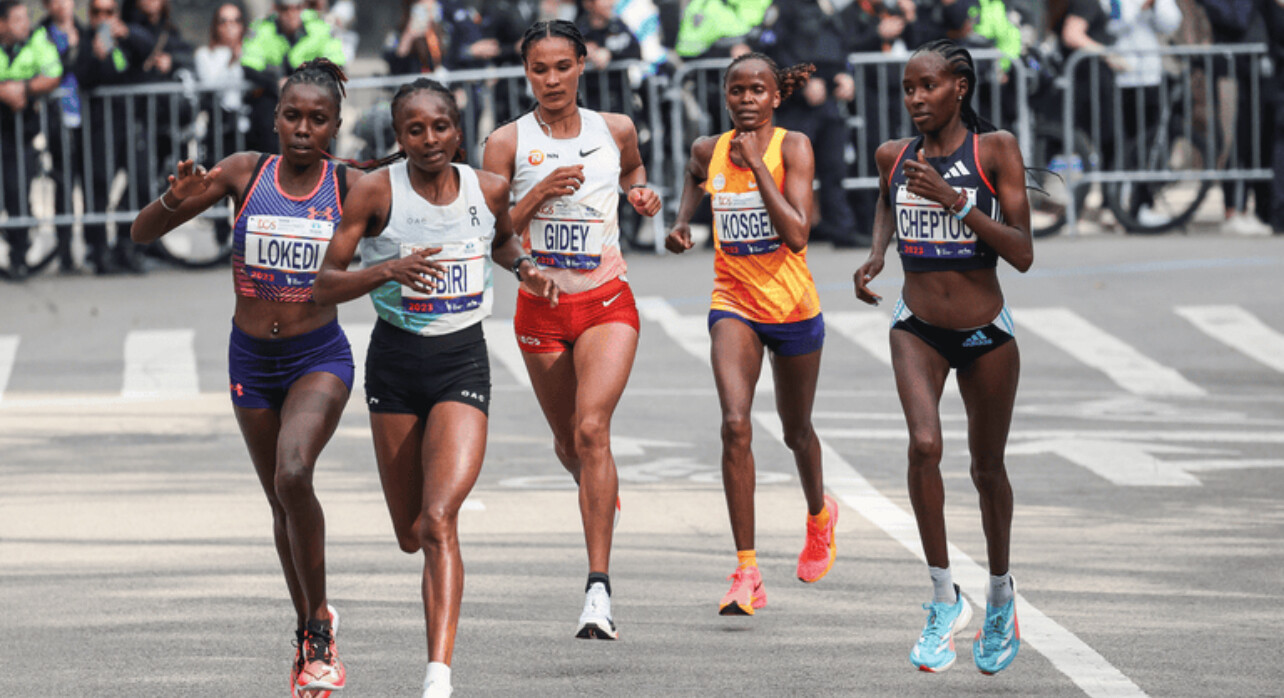
Born on December 13, 1989, in Kisii, Kenya, Hellen Obiri began her athletic career specializing in middle- and long-distance track events. She is the only woman to have won world titles in indoor track, outdoor track, and cross country. Obiri is a two-time Olympic silver medalist in the 5,000 meters (2016 Rio and 2020 Tokyo) and has multiple World Championship medals to her name.
In 2022, Obiri transitioned to road racing, making an immediate impact by winning the 2023 Boston Marathon in her second marathon attempt. She defended her title in 2024, showcasing her versatility and endurance.
The Exclusive Club of Boston Marathon Three-Peaters
Achieving three consecutive victories at the Boston Marathon is a rare accomplishment. In the women’s open division, only four athletes have done so:
• Bobbi Gibb (1966–1968)
• Sara Mae Berman (1969–1971)
• Uta Pippig (1994–1996)
• Fatuma Roba (1997–1999)
Obiri’s potential third win would make her the fifth woman to join this distinguished group.
Aiming for Glory on Patriots’ Day
Obiri’s pursuit of a third consecutive Boston Marathon title is not just a personal milestone but also a significant moment in the event’s storied history. Her consistent performances and rapid ascent in marathon running underscore her determination and athletic prowess. As she prepares for the 2025 race, Obiri stands on the cusp of joining the legends of the Boston Marathon.
The legends:
Bobbi Gibb (1966–1968)
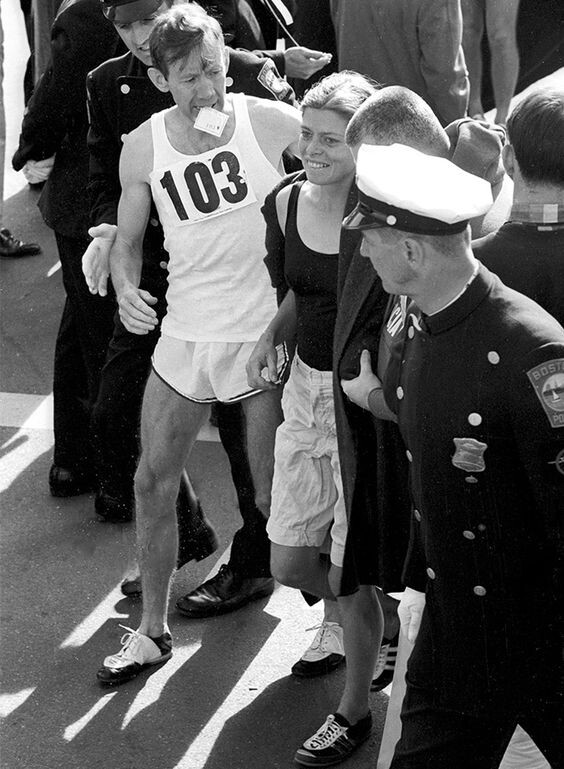
In 1966, Bobbi Gibb became the first woman to run and complete the Boston Marathon, doing so unofficially as women were not allowed to officially compete at the time. She repeated her unofficial victories in 1967 and 1968. Gibb’s pioneering efforts challenged prevailing gender norms and paved the way for the inclusion of women in long-distance running events.
Sara Mae Berman (1969–1971)
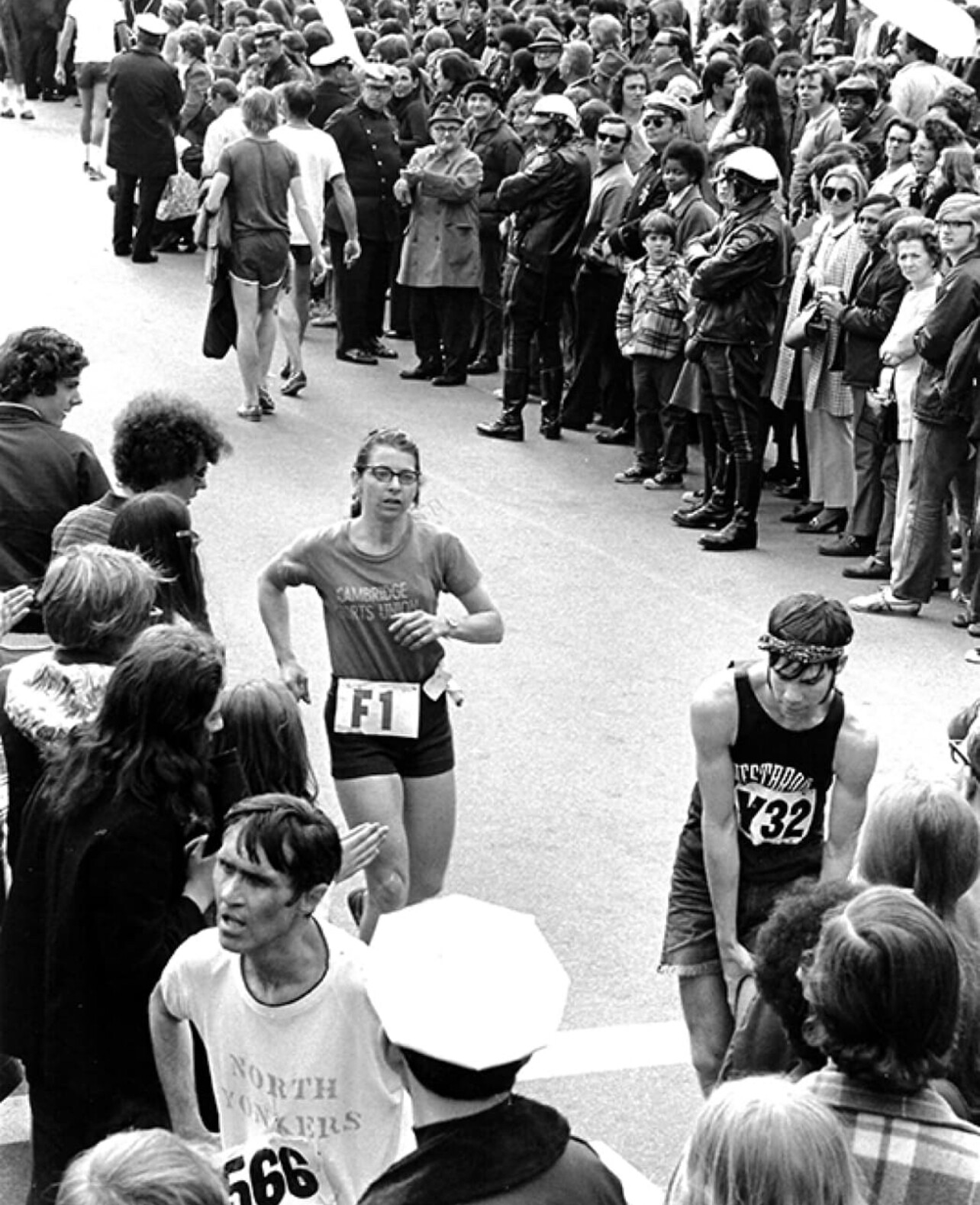
Sara Mae Berman was the first woman to cross the finish line at the Boston Marathon for three consecutive years from 1969 to 1971, during a time when women were still not officially recognized in the race. Her victories were instrumental in advocating for the official inclusion of women in the marathon, which was realized in 1972.
Uta Pippig (1994–1996)
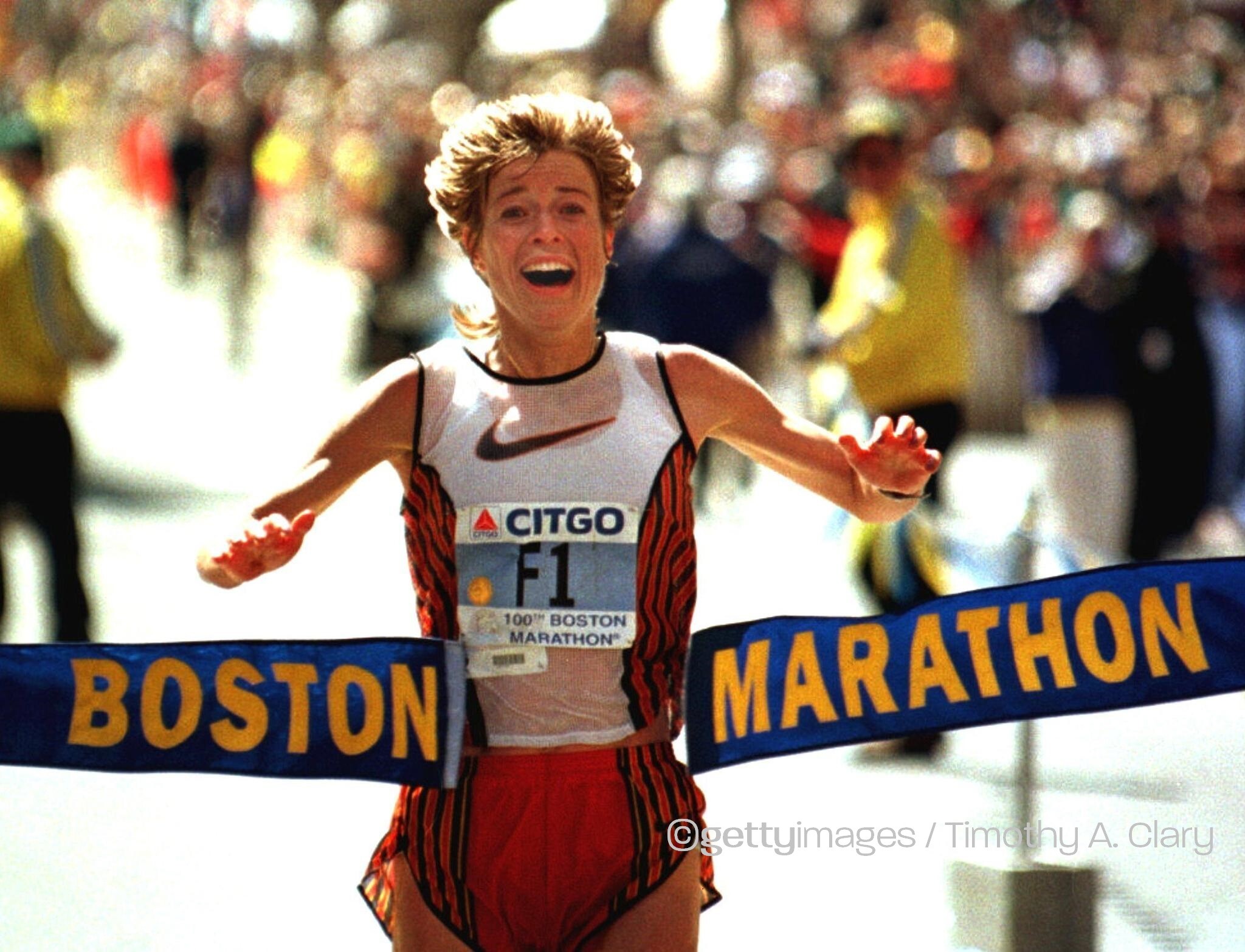
German runner Uta Pippig achieved three consecutive official victories at the Boston Marathon from 1994 to 1996. Her 1994 win set a then-course record of 2:21:45. Pippig’s 1996 victory was particularly notable as she overcame significant physical challenges during the race, demonstrating remarkable resilience and determination.
Fatuma Roba (1997–1999)
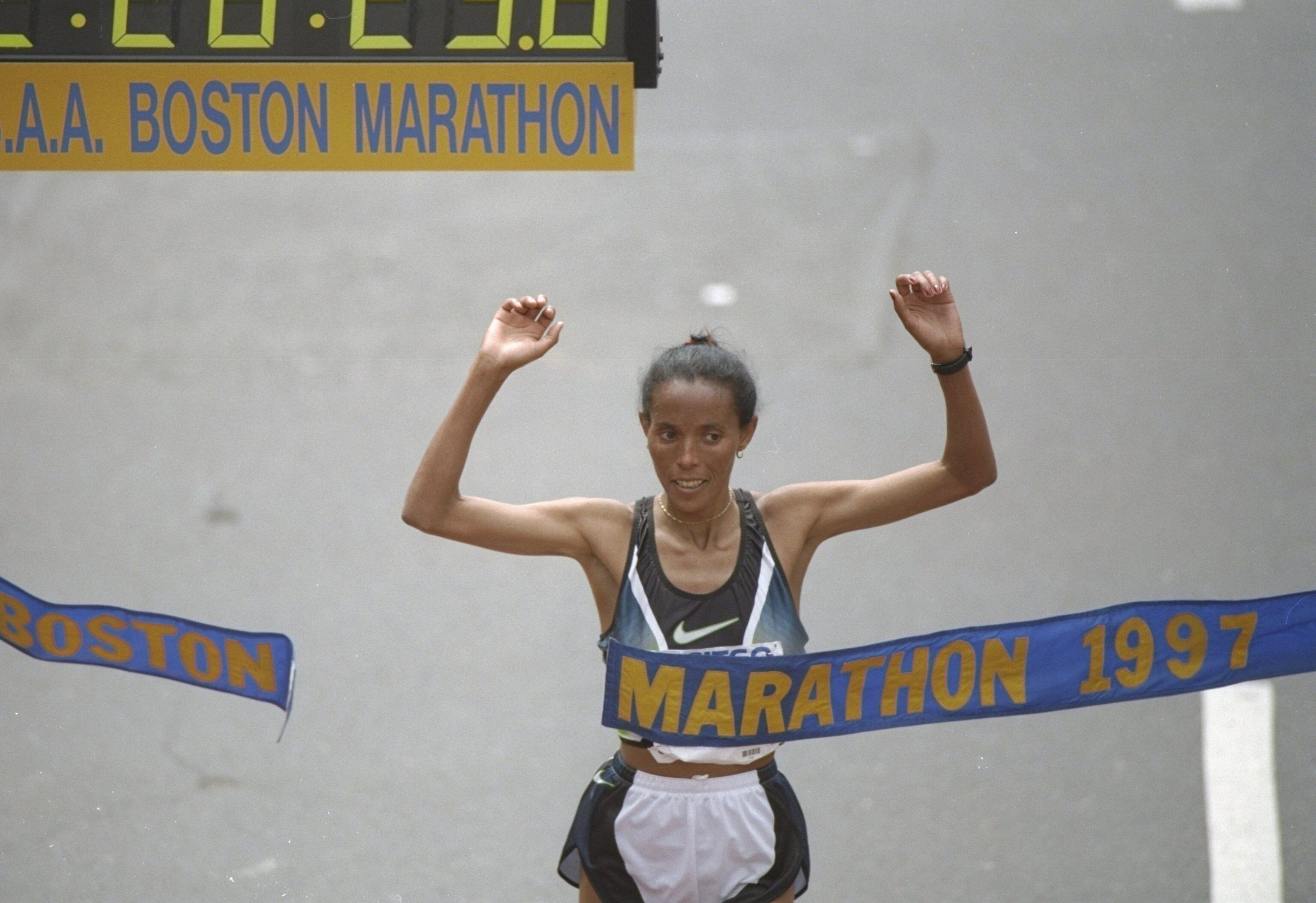
Ethiopia’s Fatuma Roba secured three consecutive Boston Marathon titles from 1997 to 1999, becoming the first African woman to win the event. Her victories followed her gold medal performance in the marathon at the 1996 Atlanta Olympics, solidifying her status as one of the premier long-distance runners of her time.
(04/15/2025) ⚡AMPby Boris Baron
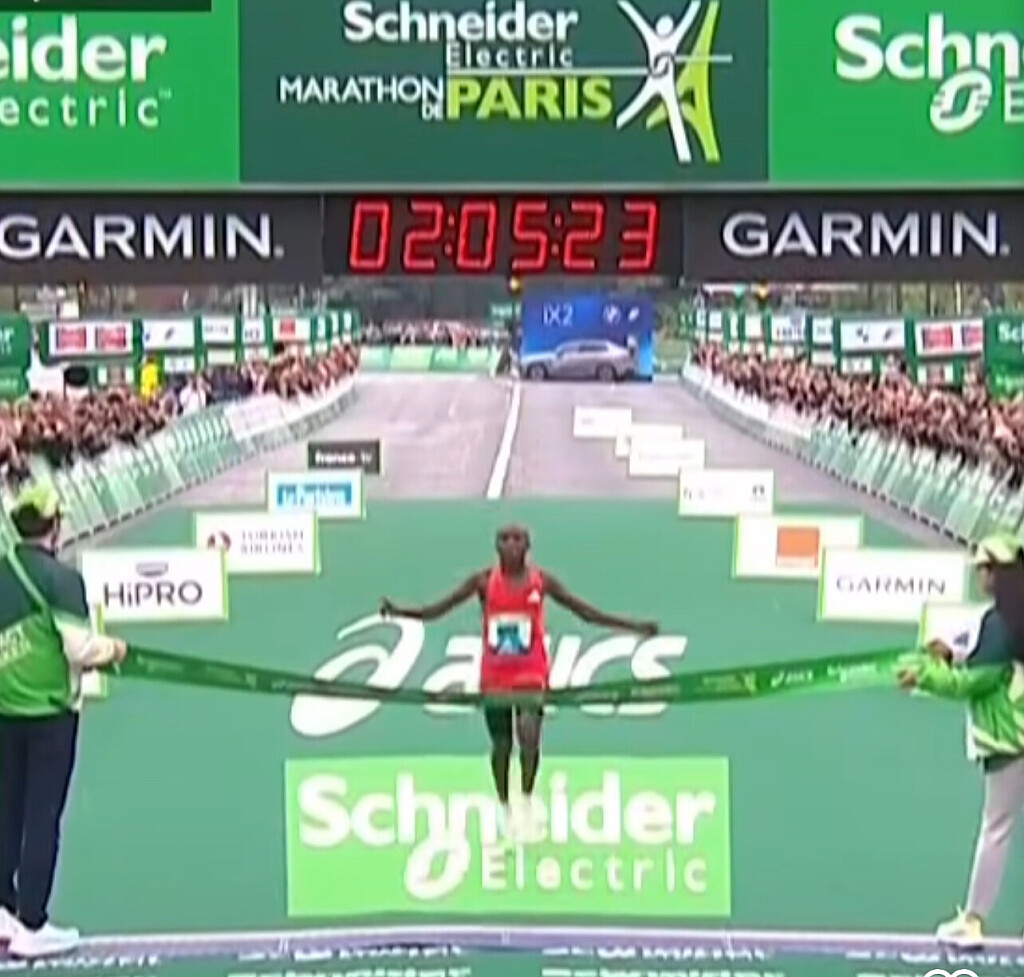
Biwott and Hirpa Dominate 2025 Paris Marathon with Commanding Victories
The 2025 Schneider Electric Paris Marathon, held on Sunday, April 13, showcased remarkable performances from East African athletes, with Kenya’s Benard Biwott and Ethiopia’s Bedatu Hirpa clinching the men’s and women’s titles, respectively.
Men’s Elite Race
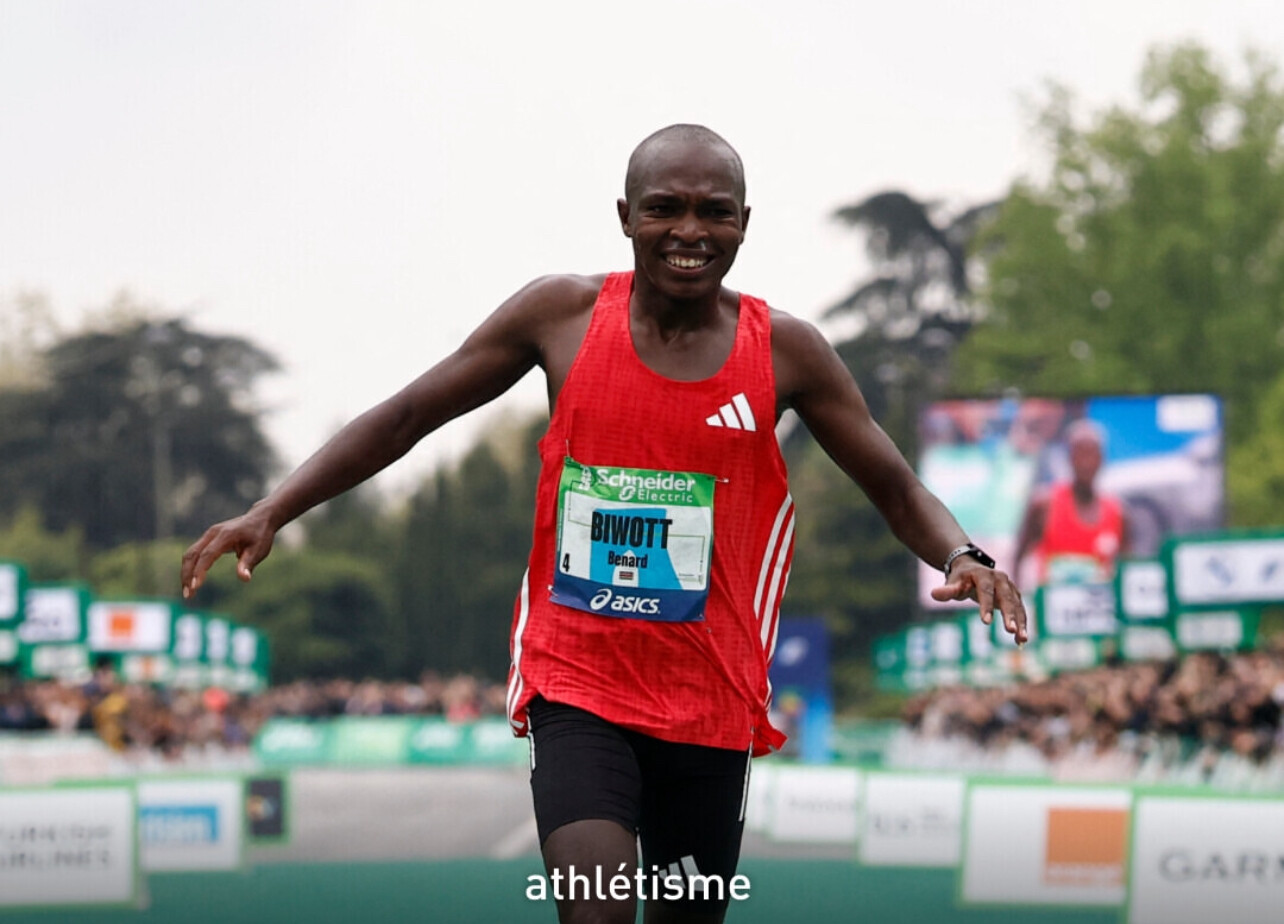
Benard Biwott, 22, delivered an impressive performance, breaking away from a lead group of nine runners with approximately 10 kilometers remaining. He crossed the finish line in 2:05:25, improving upon his marathon debut time from Frankfurt last October by 29 seconds. Djibouti’s Ibrahim Hassan secured second place in 2:06:13, followed closely by Kenya’s Sila Kiptoo, who finished third in 2:06:21.
Top 10 Men’s Results:
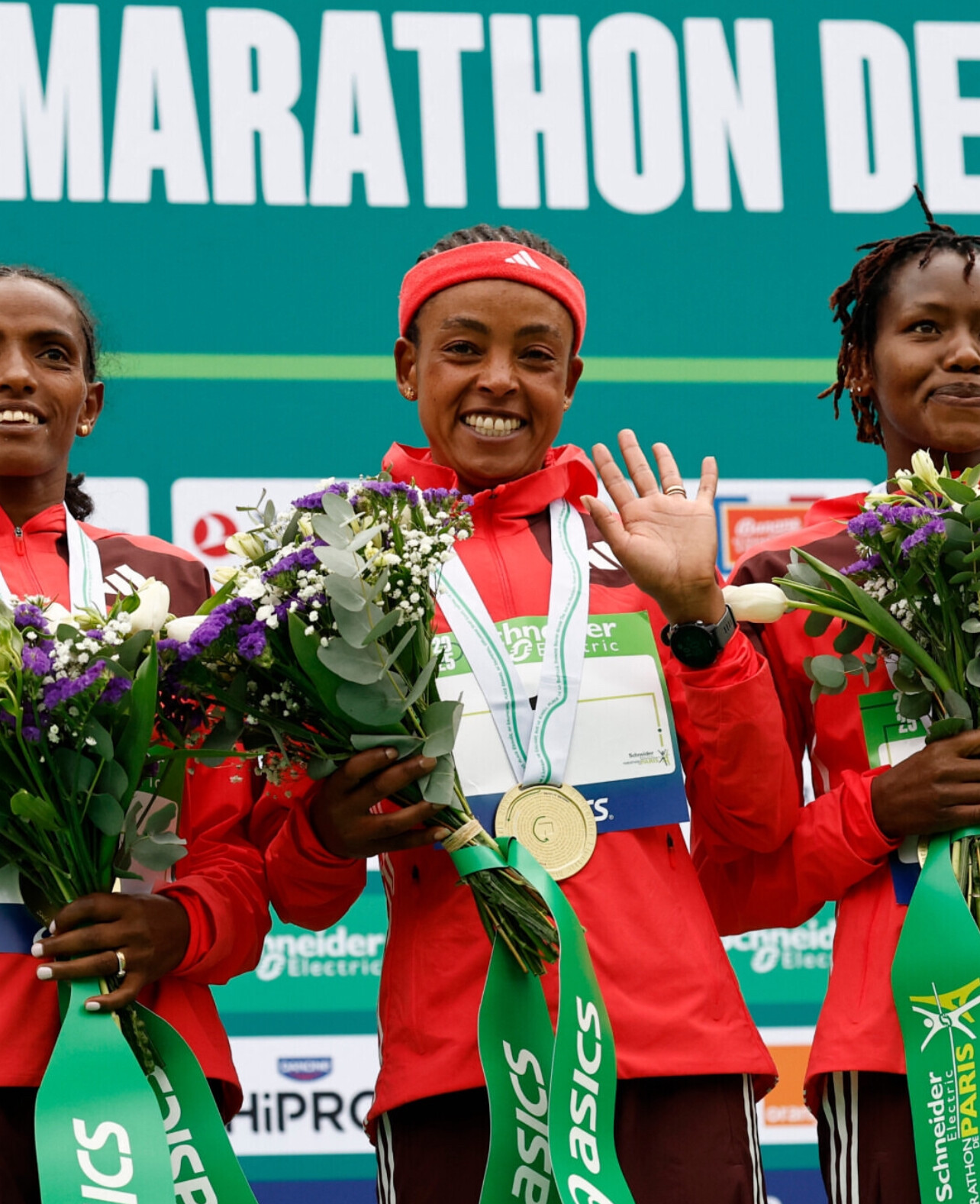
1. Benard Biwott (KEN) – 2:05:25
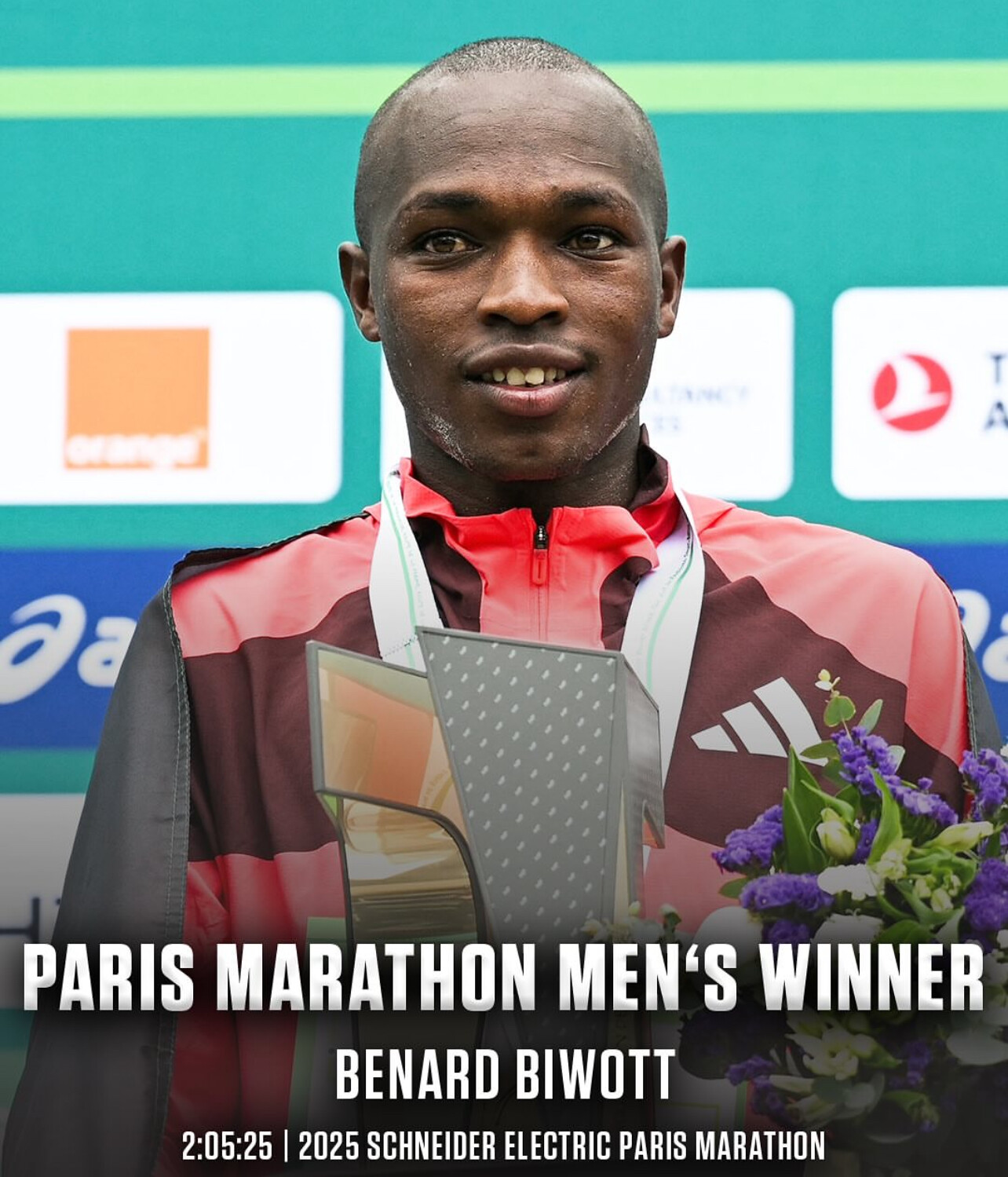
2. Ibrahim Hassan (DJI) – 2:06:13

3. Sila Kiptoo (KEN) – 2:06:21
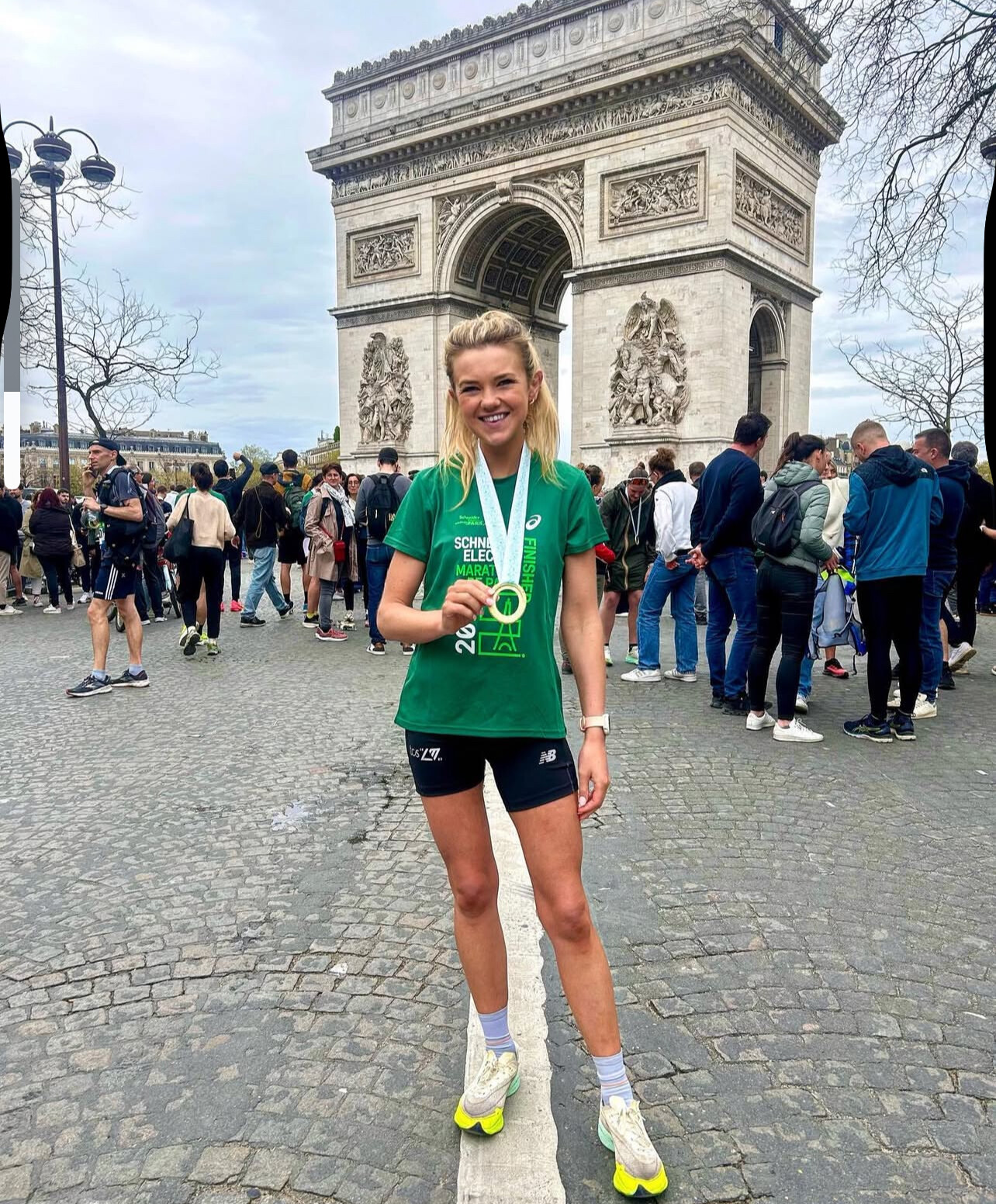
4. Enock Kinyamal (KEN) – 2:06:32
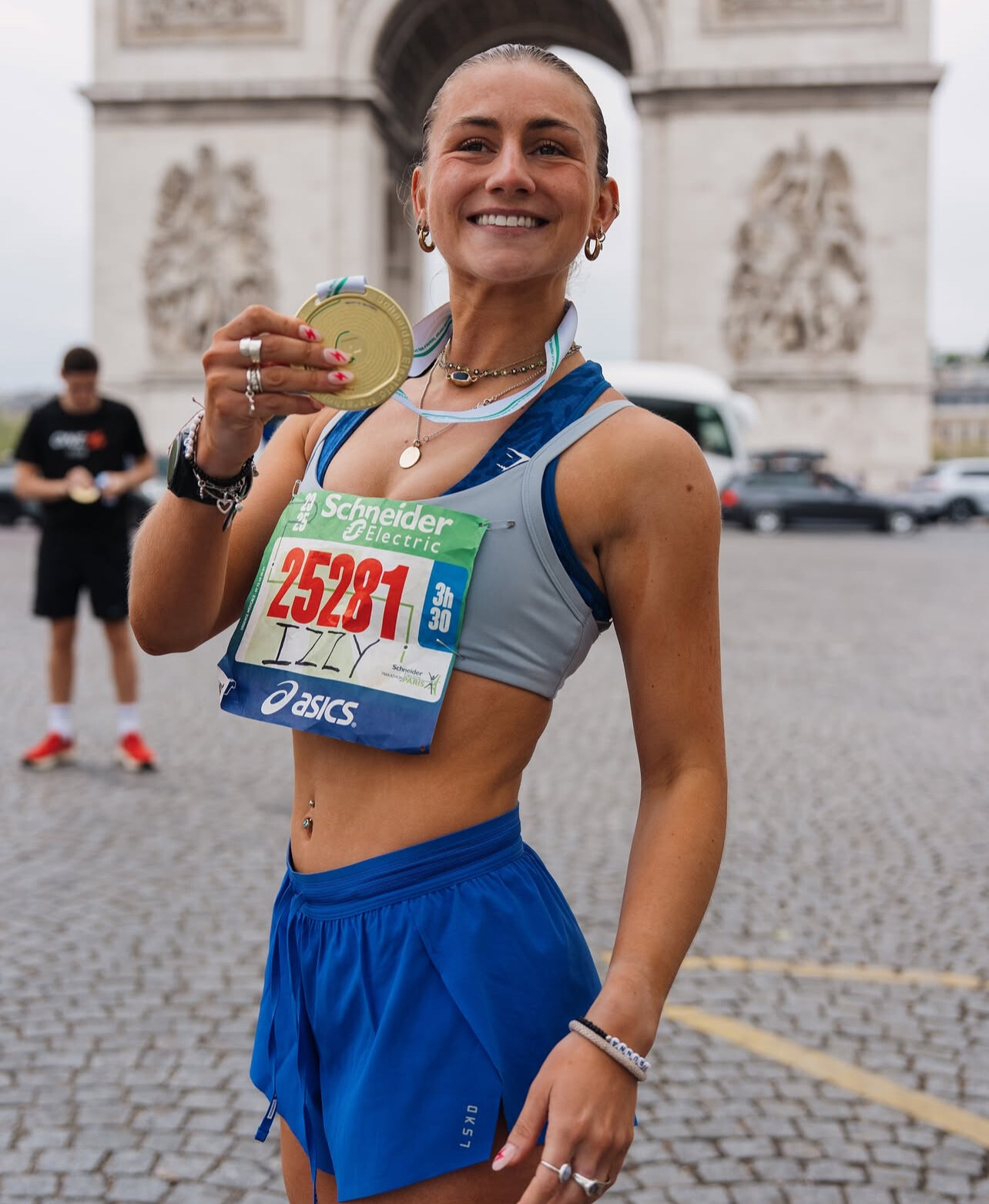
5. Dominic Ngeno (KEN) – 2:06:37
6. Dinkalem Ayele (ETH) – 2:07:54
7. Tsedat Ayana (ETH) – 2:08:19
8. Edwin Kibichy (KEN) – 2:08:29
9. Timothy Kibet (KEN) – 2:08:38
10. Haile Zeru (ETH) – 2:09:02
Women’s Elite Race
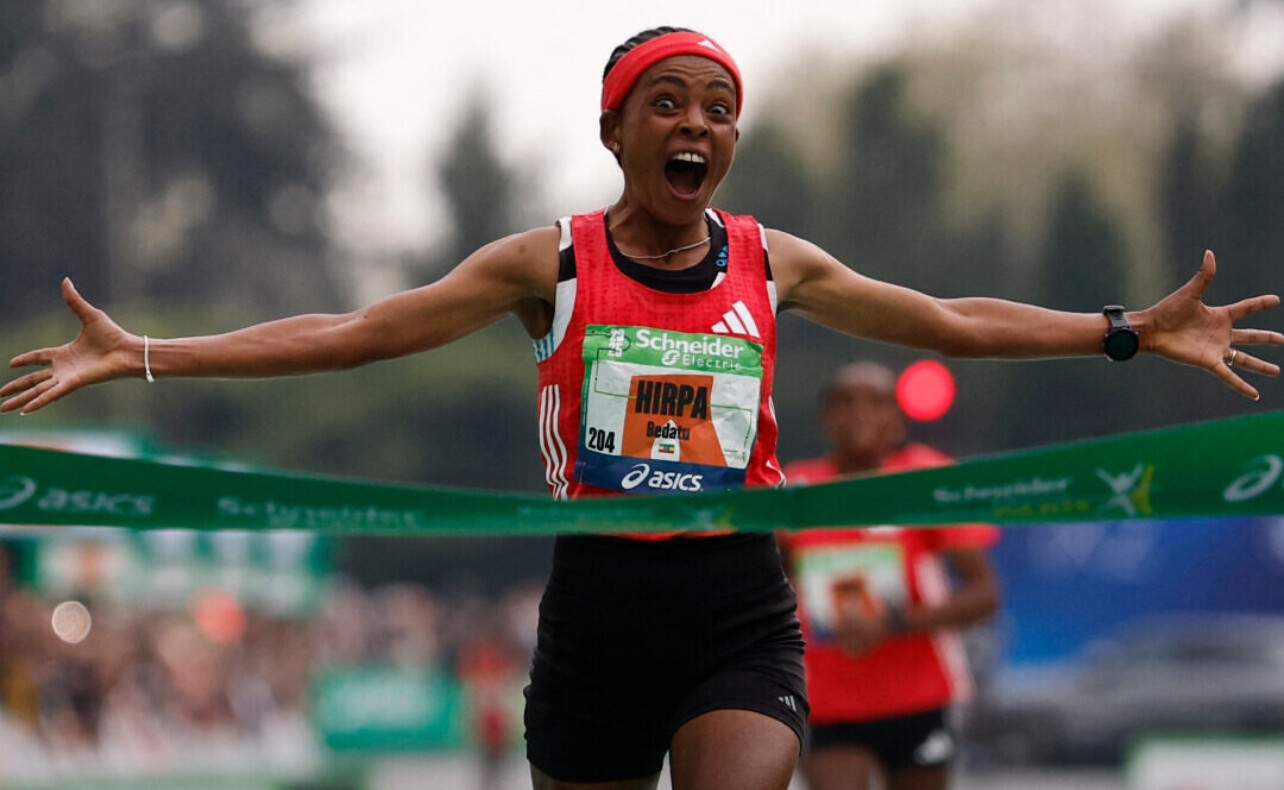
In a thrilling finish reminiscent of their encounter at the Dubai Marathon earlier this year, Ethiopia’s Bedatu Hirpa edged out compatriot Dera Dida to win the women’s race. Hirpa completed the course in 2:20:45, just four seconds ahead of Dida. Kenya’s Angela Tanui secured third place with a time of 2:21:07.
Top 10 Women’s Results:
1. Bedatu Hirpa (ETH) – 2:20:45
2. Dera Dida (ETH) – 2:20:49
3. Angela Tanui (KEN) – 2:21:07
4. Magdalena Shauri (TAN) – 2:21:31
5. Kasanesh Baze (ETH) – 2:24:35
6. Janet Ruguru (KEN) – 2:24:36
7. Kidsan Alema (ETH) – 2:25:22
8. Judit Jeptum (KEN) – 2:25:30
9. Agnes Keino (KEN) – 2:26:09
10. Zerihun Alemtsehay (ETH) – 2:27:39
Notable Masters Performances – Men
• Yohan Durand (FRA): At 40 years old, Durand finished 17th overall with a time of 2:14:44, showcasing his enduring competitiveness.
• David Gosse (FRA): Also 40, Gosse secured 18th place, clocking in at 2:19:35, demonstrating the depth of talent among masters athletes.
Notable Masters Performances – Women
• Jane Fardell (AUS): At 42, Fardell achieved a time of 2:53:16, placing 17th among women and highlighting her sustained excellence.
• Charline Heu (FRA): Aged 41, Heu completed the marathon in 2:53:39, securing 18th place and underscoring the competitive spirit of masters runners.
The 2025 Paris Marathon highlighted the dominance of East African runners, with both the men’s and women’s podiums featuring athletes from Kenya and Ethiopia. The event continues to be a significant fixture in the international marathon calendar, attracting top talent from around the world.
(04/14/2025) ⚡AMPby Boris Baron

Schneider Electric Paris Marathon
The Schneider Electric Marathon de Paris offers a unique opportunity to make the city yours by participating in one of the most prestigious races over the legendary 42.195 km distance. The Schneider Electric Marathon de Paris is now one of the biggest marathons in the world, as much for the size of its field as the performances of its runners....
more...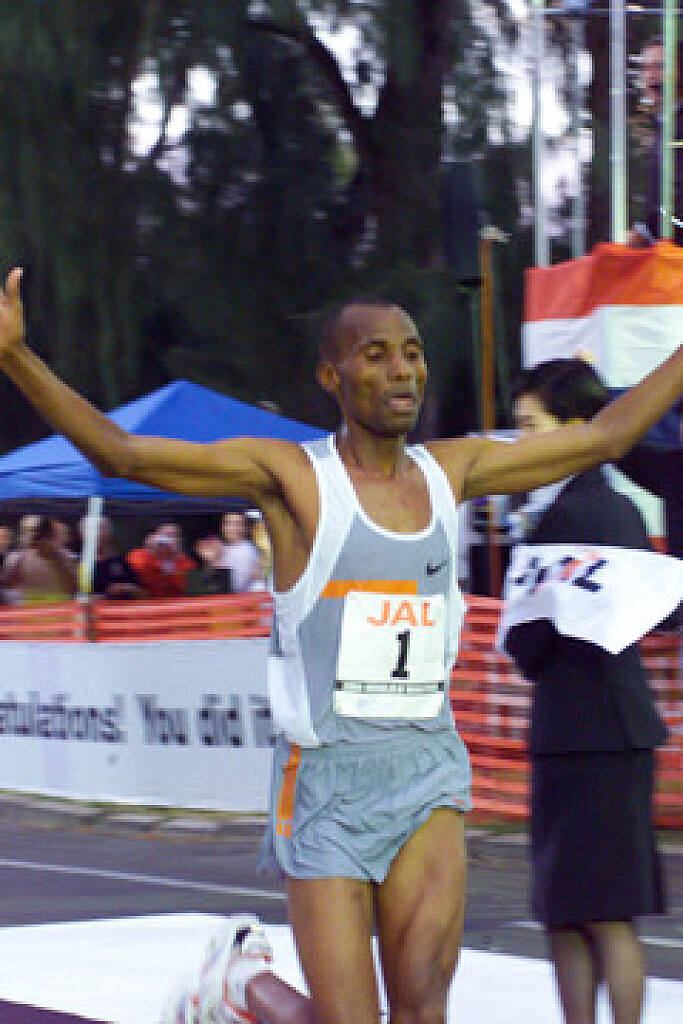
Recovery After the Marathon: Coach Jimmy Muindi’s Guide to Coming Back Strong
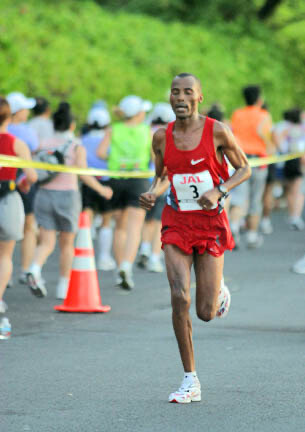
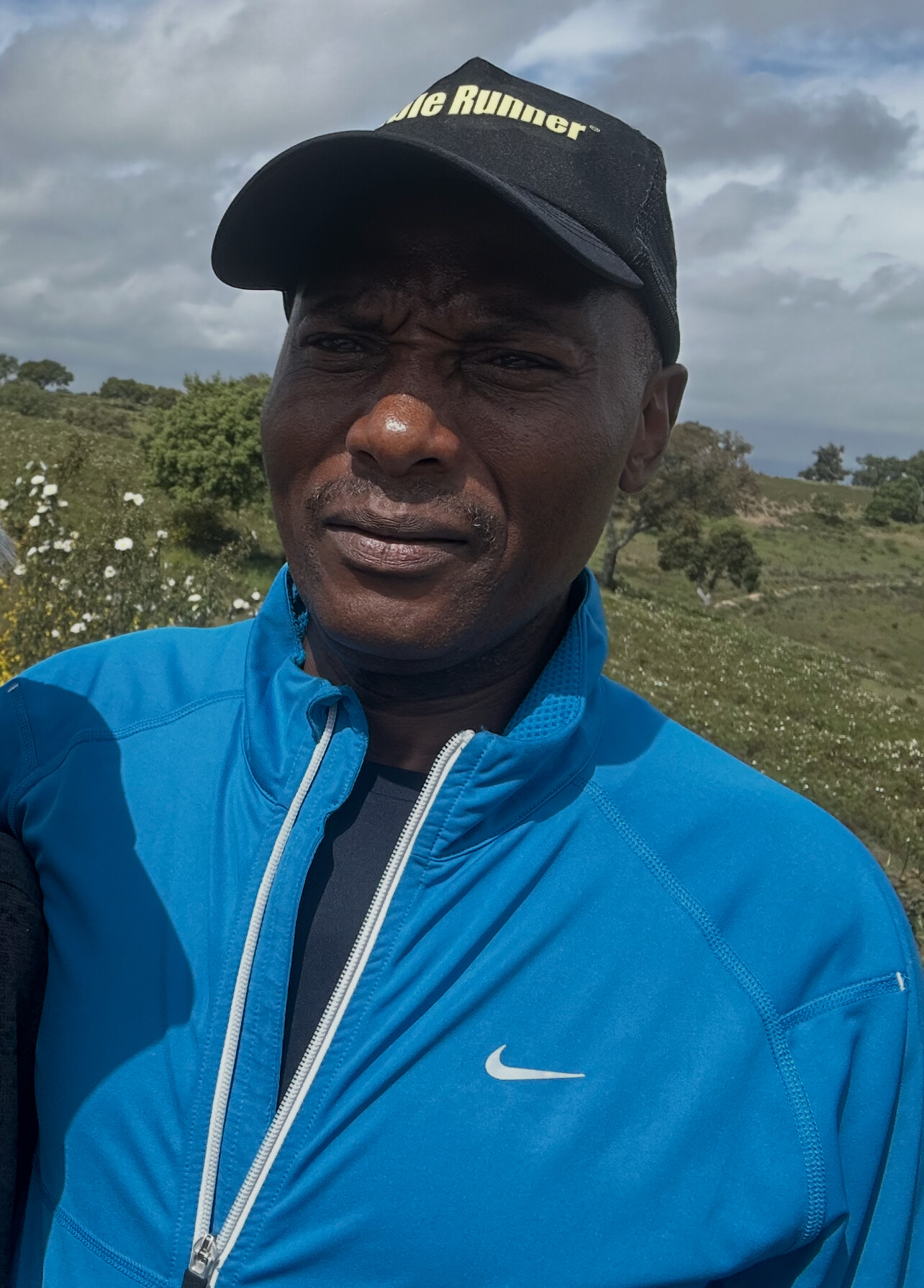
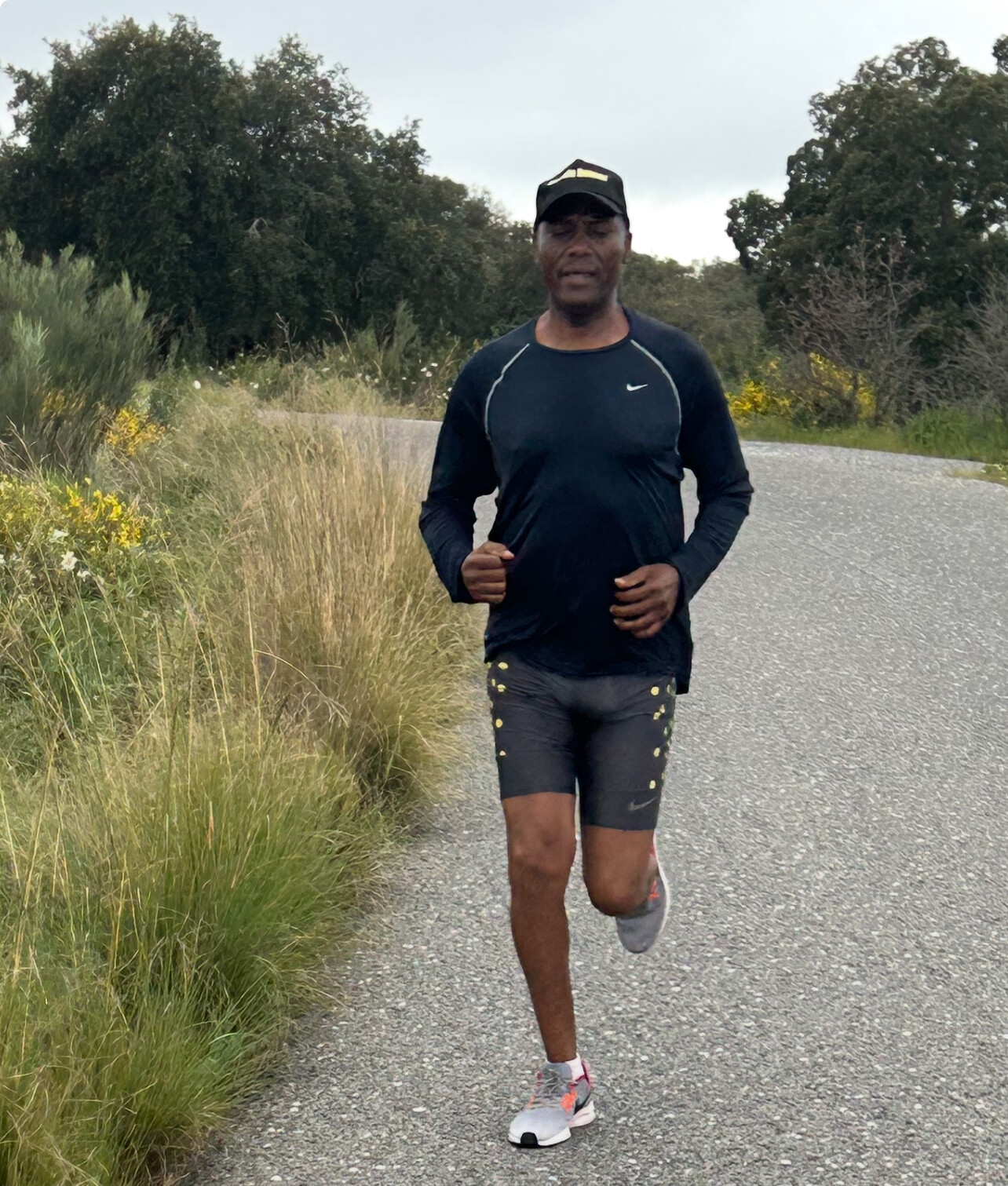
Coach Jimmy Muindi knows what it takes to go fast—and what it takes to recover. A world-class marathoner with a personal best of 2:07:50 (run in 2005), Muindi has competed at the highest level and now coaches runners at KATA Portugal (photo three and four). His approach to recovery is based on decades of elite training, racing, and learning what truly allows the body to rebuild.
According to Muindi, recovery is just as important as the buildup to a marathon. “If you don’t give your muscles and systems time to heal, you’re only going to dig yourself into a hole,” he says.
The 3-Week Elite Recovery Plan
For elite runners—or anyone chasing their best possible performance—Muindi recommends a minimum of three weeks of focused recovery after a full marathon.
Week 1: Gentle Jogging
• Run 10K per day, very easy pace
• One run per day, no double sessions
• Take Sunday completely off
• No workouts, no long runs—just movement and blood flow
Week 2: Slight Build
• Run 10K to 15K per day, still easy and relaxed
• Continue listening to the body—no intensity yet
• Goal is to feel normal again, not to train
Nutrition Focus (Week 1 and Beyond):
• Bone marrow broth for joint and tissue recovery
• Plenty of fruit, including avocados, for healthy fats and micronutrients
• Complex carbs like bread and ugali (a Kenyan staple) to replenish energy stores
Week 3: Resume Light Training
• Start to reintroduce your normal training schedule, gradually
• No sharp intervals yet, but strides and rhythm-based runs are okay if body feels ready
Don’t Race Too Soon
Coach Muindi believes that your next serious marathon effort should be no sooner than four months after your last, especially if you gave a maximum effort.
“You can’t rush the process. You might feel good after a few weeks, but deep recovery takes time,” he explains.
Advice for the Average Runner
While most runners aren’t chasing sub-2:10 finishes, the principles still apply. Even recreational and club runners need at least one month of recovery after a marathon before considering hard training or racing again.
“Some people love to race often, and that’s okay if the goal is just to finish,” Muindi says. “But if you’re pushing for time, you’ve got to respect the distance—and your body.”
Read Your Body
Above all, Muindi emphasizes the importance of self-awareness:
“The bottom line is this: the body does have limits. You must listen to your body before you race again—at any distance. Just because someone else is racing doesn’t mean you should. Know yourself.”
Coach Muindi’s approach is grounded in experience, not just theory. He’s walked the path, and now he’s helping others walk—and run—it wisely.
(04/12/2025) ⚡AMPby Boris Baron
The Global Sub-60 Chase: Why Breaking 60 Minutes in the Half Marathon Is the New Benchmark
In the world of distance running, certain time barriers carry iconic weight: the four-minute mile, the two-hour marathon, and now, perhaps more than ever before, the sub-60-minute half marathon.
Running 13.1 miles at an average pace of under 4:35 per mile (approximately 2:50 per kilometer) was once a feat reserved for only a handful of legends. Today, more than 100 men have accomplished the mark—transforming what was once historic into a new global benchmark. From the streets of Valencia to the avenues of Houston, the sub-60 chase has reshaped the competitive landscape.
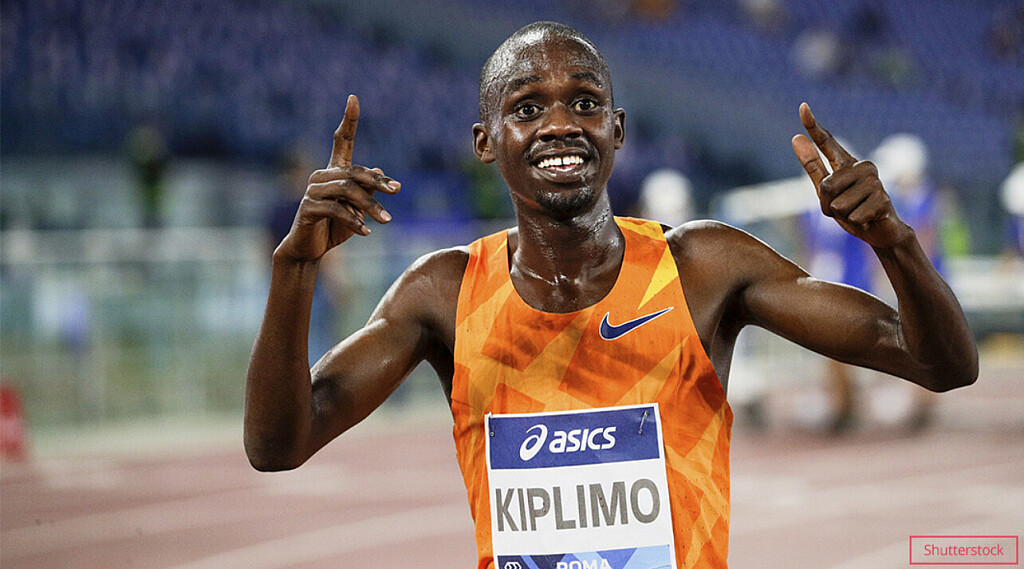
At the heart of this movement is Uganda’s Jacob Kiplimo, arguably the most exciting half marathoner on the planet. In 2021, Kiplimo smashed the world record by clocking 57:31 in Lisbon, Portugal—a performance that combined raw power, impeccable pacing, and near-perfect weather. His fluid stride and ability to surge at will have made him the gold standard for half marathon excellence.
Kiplimo’s brilliance lies not just in his times, but in his consistency. He’s one of the few runners who can deliver near-world-record performances while battling the best in championship-style races, such as his victory at the 2020 World Half Marathon Championships in Gdynia, Poland.
So, what does it take to go sub-60? It’s more than just genetic talent. Athletes training at the Kenyan Athletics Training Academy (KATA) in Thika and at the KATA Retreat in Portugal are learning that going under an hour requires a perfect storm of speed, endurance, tactical racing, and recovery. Former 2:07 marathoner Jimmy Muindi, now coaching at KATA Portugal, emphasizes the importance of training specificity: “It’s not just about the miles—it’s about the right workouts, at the right time, and the right rest.”
Technology has also played its part. Super shoes, optimized pacing, and faster courses have contributed to faster times, but the core remains the same: the athlete. And sub-60 remains a sacred number—an invisible finish line that continues to pull the best out of the world’s elite.
American Runners Breaking the Sub-60 Barrier
For years, American distance running lagged behind East African dominance in the half marathon. However, significant breakthroughs have occurred over the past two decades:
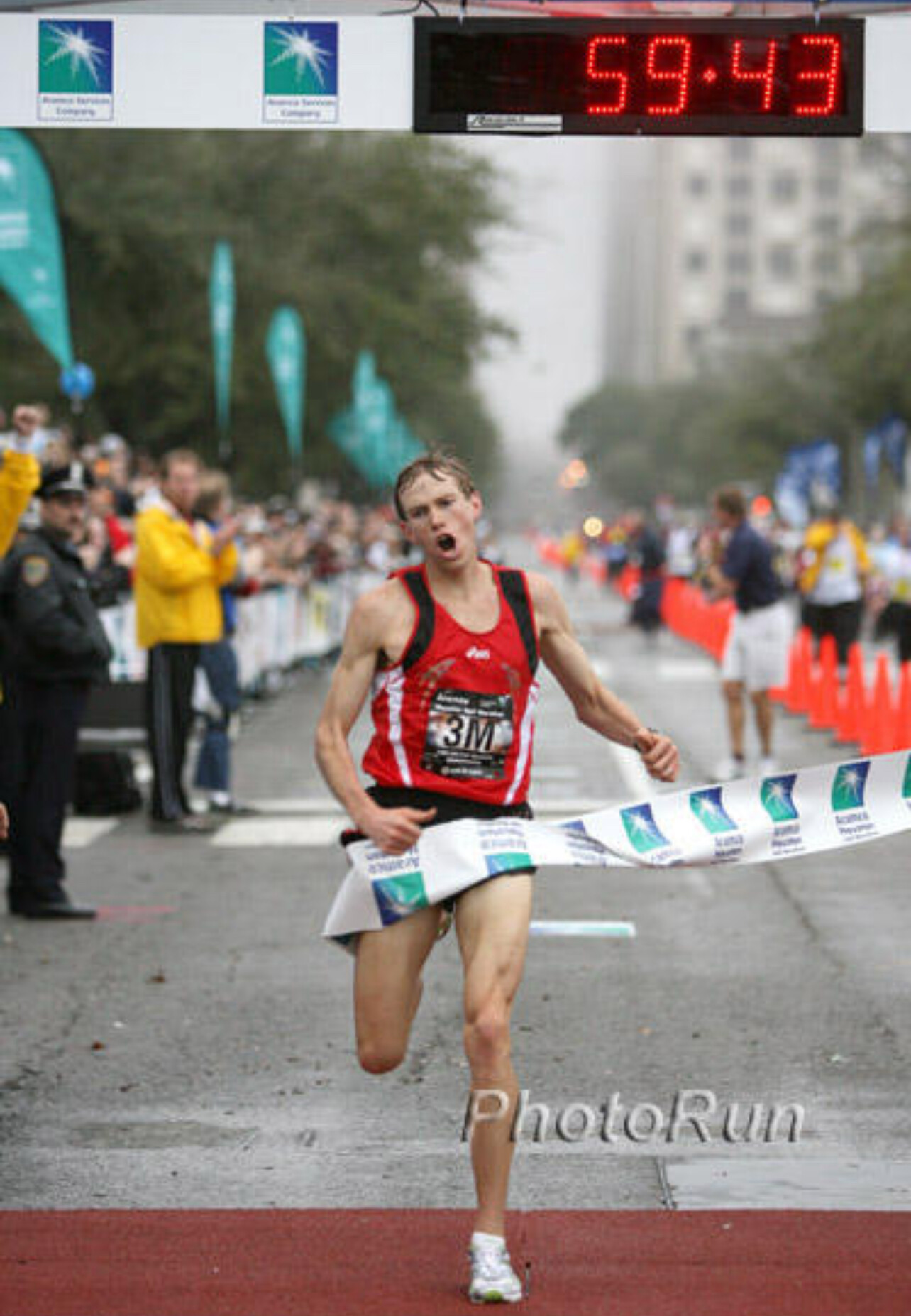
• Ryan Hall made history in 2007 by becoming the first American to break the one-hour barrier, finishing the Houston Half Marathon in 59:43. This performance stood as the American record for 18 years.
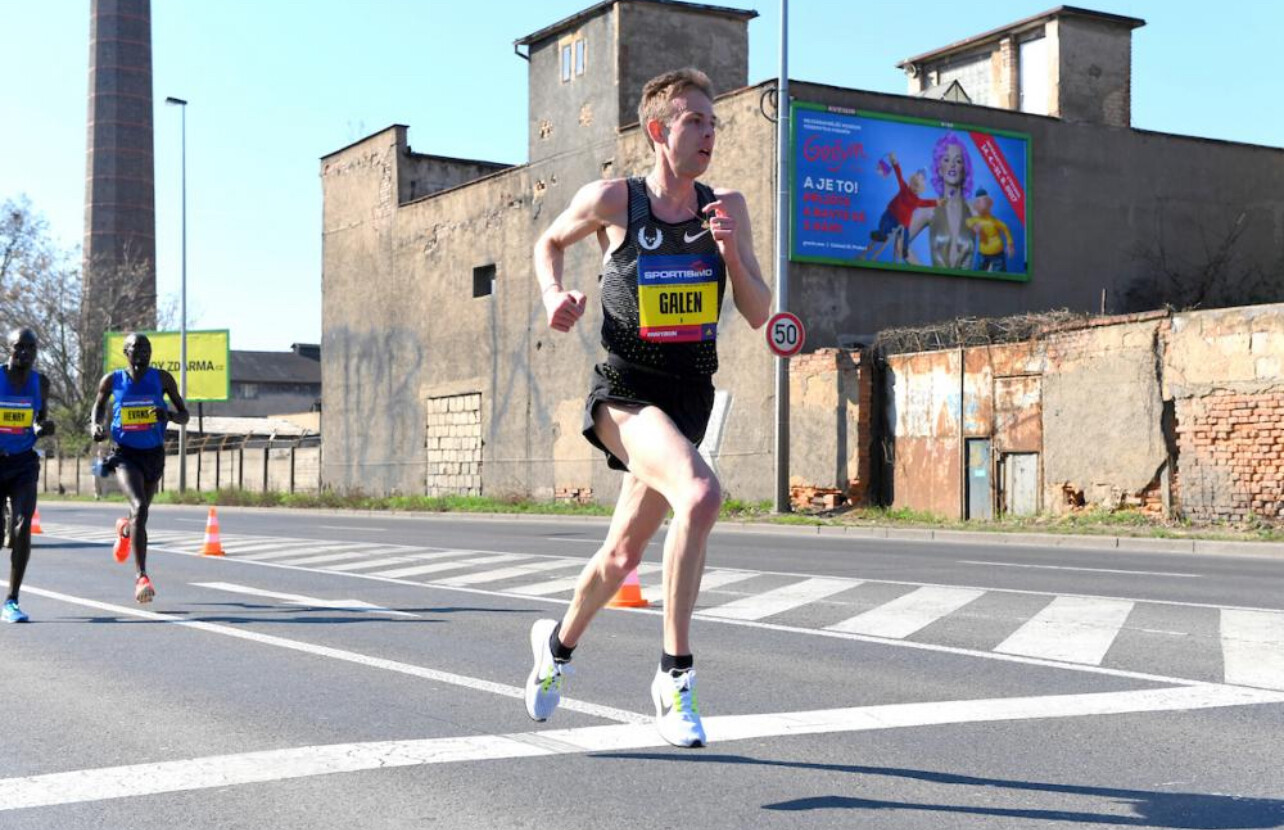
• Galen Rupp, a two-time Olympic medalist, joined the sub-60 club in 2018 with a time of 59:47 at the Roma-Ostia Half Marathon, showcasing his versatility across distances.
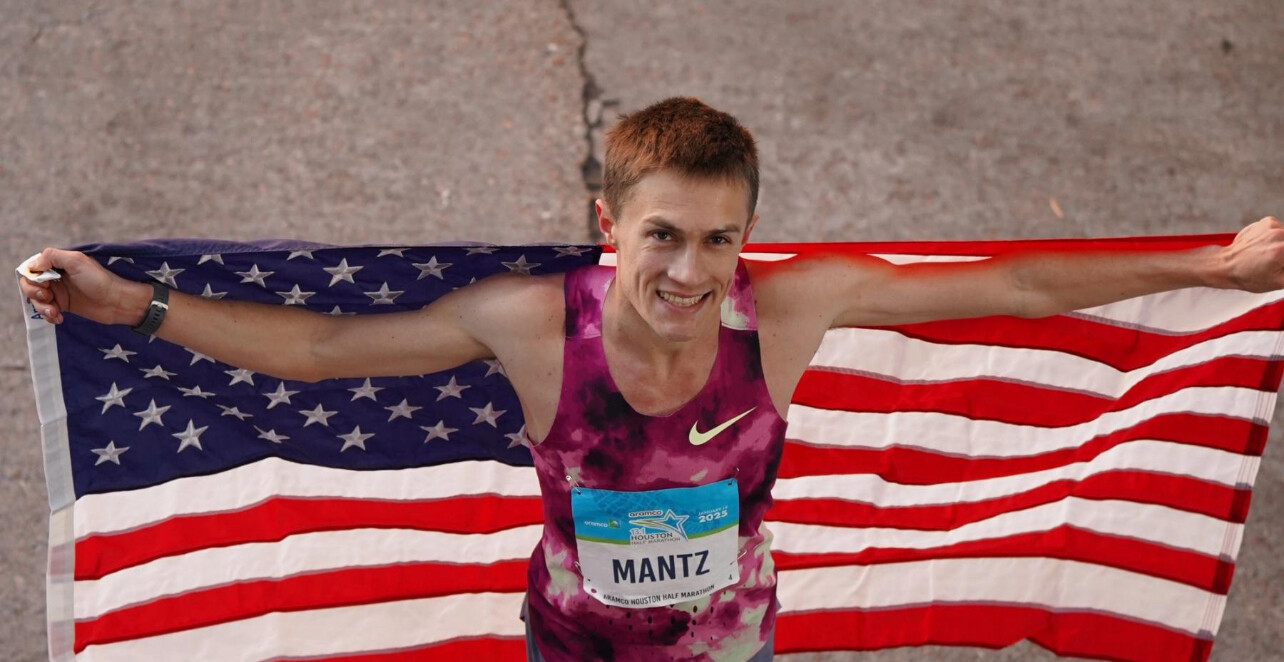
• Conner Mantz recently set a new American record by completing the Houston Half Marathon in 59:17, demonstrating the rising talent in U.S. distance running.
These achievements signify a new era for American distance runners, who are now competing at the highest levels on the global stage.
“The new super shoes have helped runners from at least 10 countries achieve a sub-60-minute half marathon,” says MBR editor Bob Anderson.
This surge in international performances underscores the evolving landscape of elite distance running, where advancements in technology and training are enabling athletes worldwide to reach new milestones.
With the 2025 racing calendar heating up, all eyes will be on the next generation of half marathoners. Who will be the next to join Kiplimo in the sub-58 club? And how long until sub-59 becomes the norm?
As the sport evolves, one thing is clear: the chase for sub-60 isn’t just about times—it’s about what’s possible.
(04/11/2025) ⚡AMPby Bob Anderson with Boris Baron
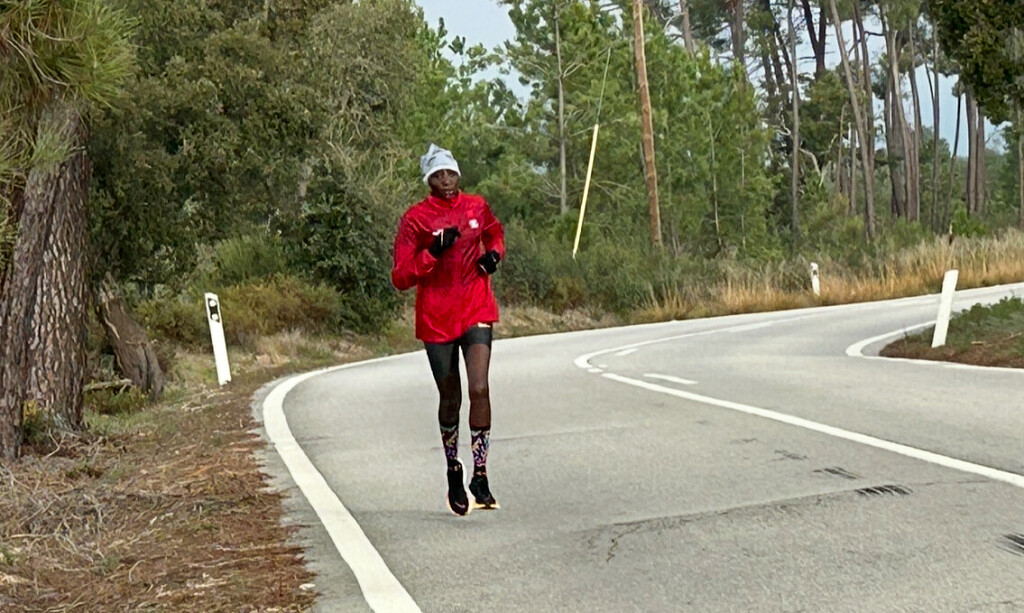
Why Strides Still Matter: The Overlooked Secret to Race Day Speed
When it comes to serious training, most runners focus on mileage, tempo runs, intervals, and long runs. But one of the most effective tools for sharpening speed, improving form, and building race-day confidence takes just a few minutes and requires no extra gear or recovery: strides.
Too often overlooked or treated as an afterthought, strides are short accelerations—usually about 20 to 30 seconds—that are done at roughly 85–95% of maximum effort. They’re not sprints, but smooth, fast, controlled efforts designed to reinforce good mechanics and quick leg turnover.

What Makes Strides So Effective?
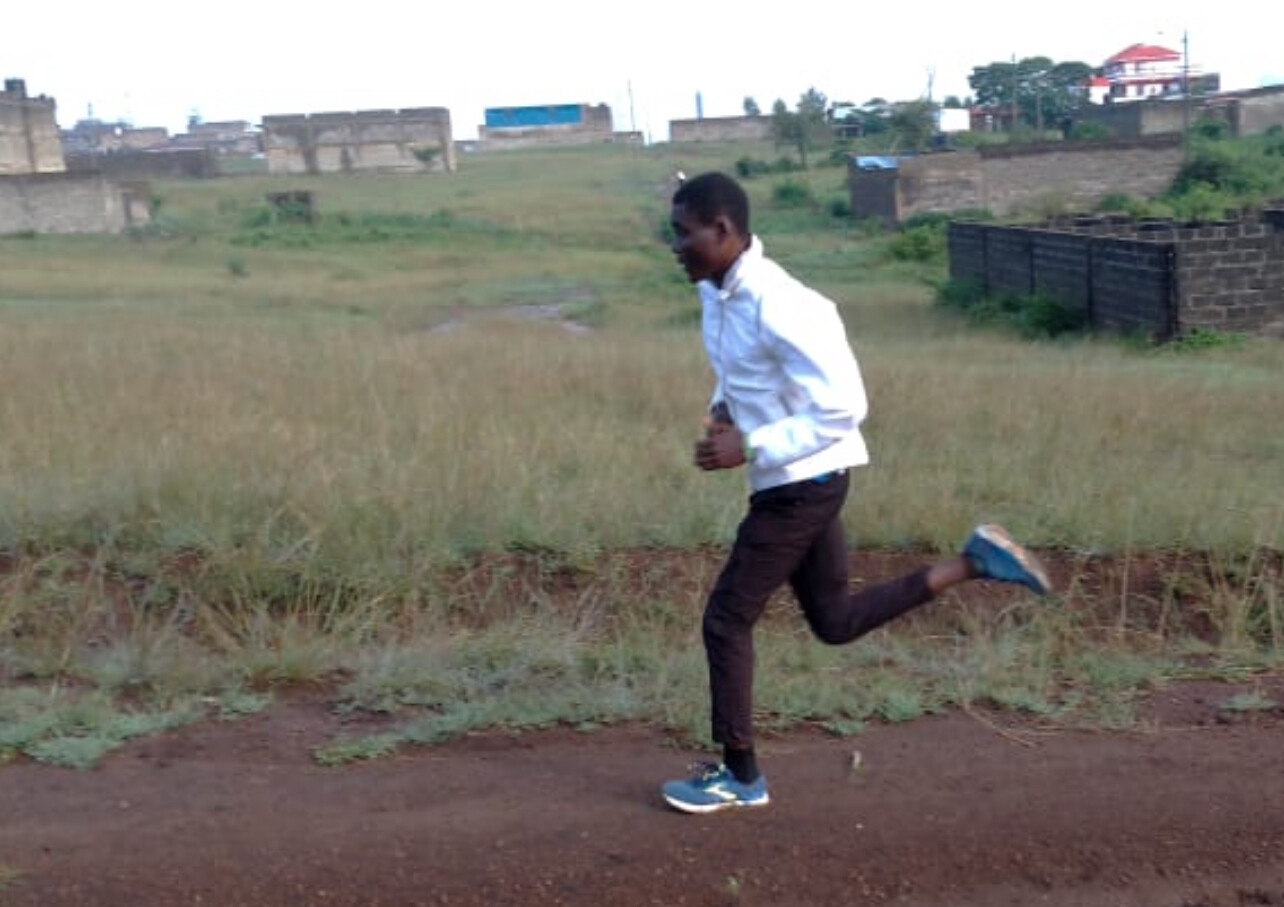
Strides activate fast-twitch muscle fibers, promote proper running form, and increase neuromuscular coordination. In short: they help your body remember how to run fast efficiently. For long-distance runners, this is especially important because most of your training is done at slower paces. Without strides, your body might forget how to shift gears.
Elite runners know this. You’ll rarely find a top athlete who doesn’t include strides several times per week. They may not log them in the training log as a “hard workout,” but they’re part of the secret sauce.
When and How to Do Strides
• After Easy Runs: Add 4–6 x 20–30 second strides at the end of an easy run, with full recovery (walk or jog) between.
• Before Workouts: A few strides can help prep your body and mind for faster work ahead.
• Before Races: Strides are a must before toeing the line. They help get your legs feeling sharp and ready to roll.
• Race Week: When tapering, strides are a great way to maintain speed without adding fatigue.
Tips for Making Strides Work for You
1. Focus on Form. Stay relaxed, upright, and quick off the ground.
2. Build, Don’t Blast. Ease into the stride, accelerating smoothly to 90% effort, then decelerate gradually.
3. Keep it Short. 80–100 meters or about 20–30 seconds is perfect.
4. Stay Consistent. Even twice a week can make a difference.
Real-World Example: KATA Portugal
At the KATA Portugal Retreat, Kenyan coach Jimmy Muindi builds strides into every runner’s week, whether they’re training for a 5K or a marathon. “You don’t need to hammer every session to get faster,” he says. “You just need to teach your body how to move fast with rhythm and flow.”
Coach Dennis adds, “Strides keep your engine ready. Especially as you taper or come off base training, they reintroduce speed without stress.”
Final Thought
Strides are simple, quick, and deceptively powerful. If you’re serious about running your best, whether you’re chasing a new 5K PR or lining up for Boston, don’t skip the strides. They might just be the missing link to your next breakthrough.
(04/10/2025) ⚡AMPby Bob Anderson
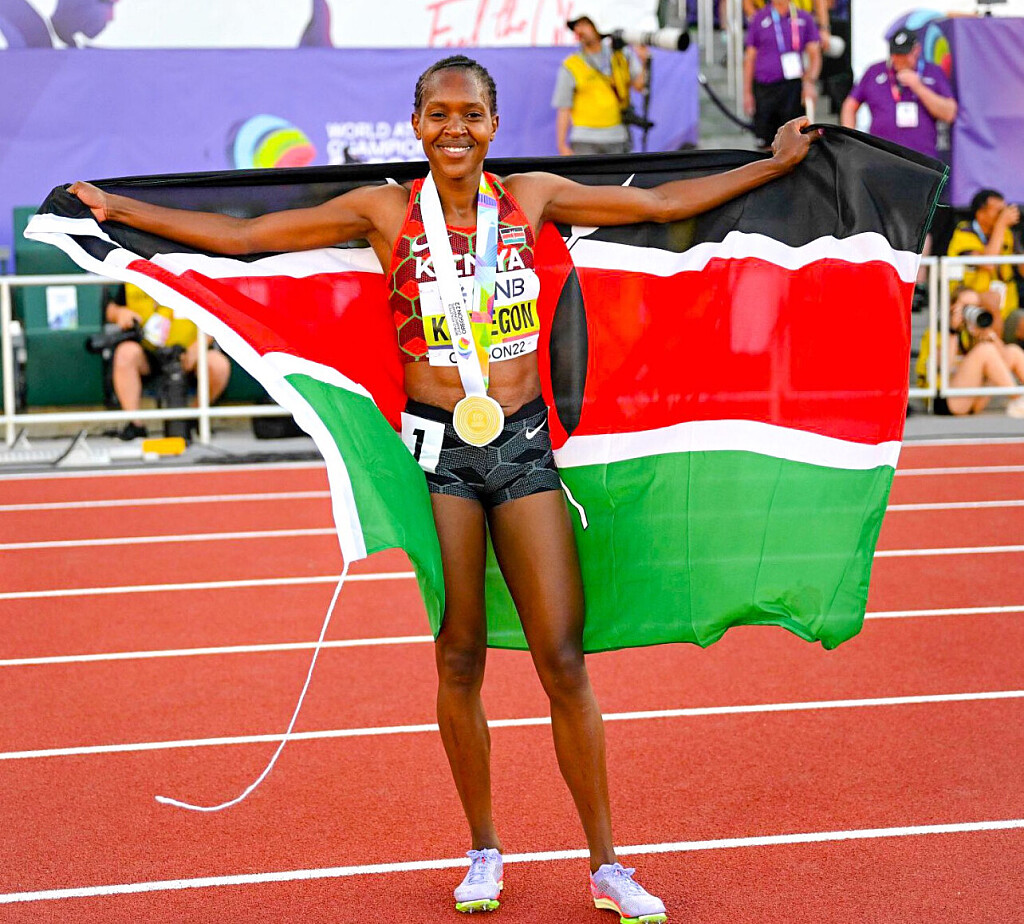
Kenyan Athletes Nominated for Africa Golden Awards 2025
Kenyan athletes Ferdinand Omanyala, Eliud Kipchoge, and Faith Kipyegon have been nominated for the prestigious Africa Golden Awards’ Best Athlete of the Year 2025. The awards ceremony is scheduled to take place in Nairobi on April 27, 2025.
Ferdinand Omanyala
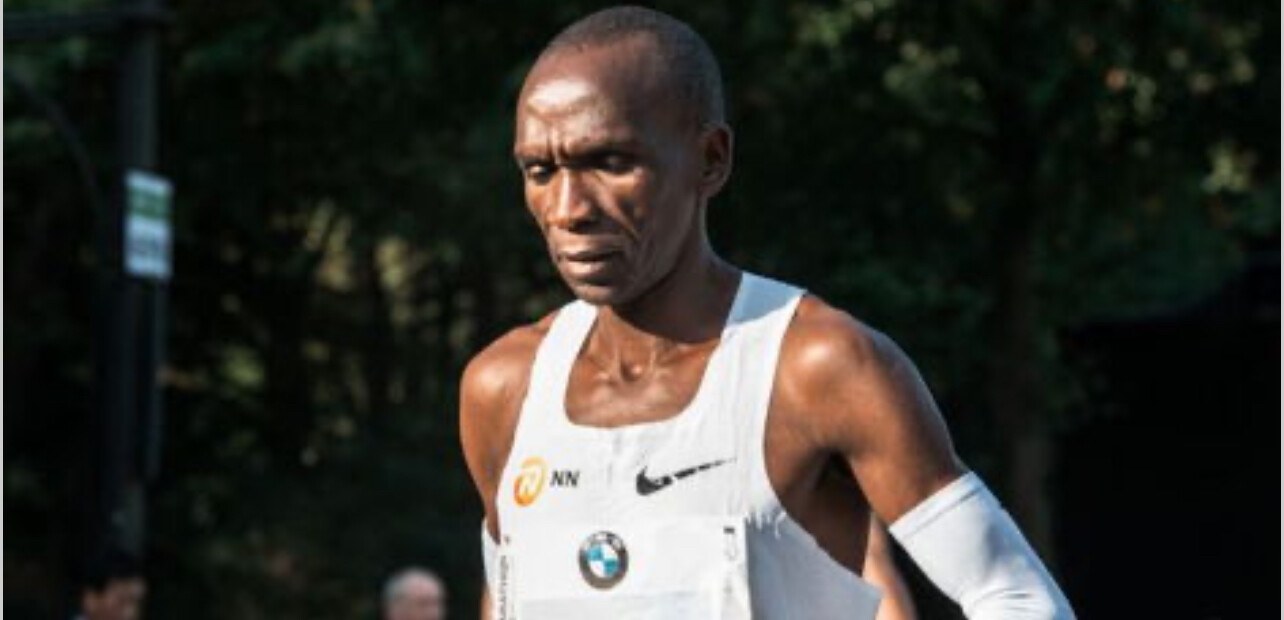
Renowned for his sprinting prowess, Omanyala had a mixed 2024 season. He secured a fourth-place finish at the World Athletics Indoor Championships and reached the semi-finals at the Paris Olympics, finishing eighth. Despite these challenges, his nomination underscores his significant impact on African sprinting.
Eliud Kipchoge
The marathon legend faced a challenging 2024, finishing 10th at the Tokyo Marathon and recording a Did Not Finish (DNF) at the Paris Olympics. Nonetheless, his enduring legacy in long-distance running and his influence on the sport have earned him a place among the nominees.
Faith Kipyegon
Middle-distance runner Kipyegon had a stellar 2024 season, highlighted by her third consecutive Olympic gold in the 1500m at the Paris Olympics. She also secured a silver medal in the 5000m, further cementing her status as one of the year’s top athletes.
Voting and Awards Ceremony
Voting for the Best Athlete of the Year award commenced on March 9 and will continue until April 21. The athlete receiving the highest number of votes will be honored at the awards gala on April 27 in Nairobi. The winner will receive Ksh4.5 million (USD 35,000), with the first and second runners-up earning Ksh2.5 million (USD 20,000) and Ksh1.2 million (USD 10,000), respectively.
The Africa Golden Awards aim to recognize and celebrate the exceptional achievements of African athletes, highlighting the continent’s growing prominence in the global sports arena.
(04/08/2025) ⚡AMPby Boris Baron
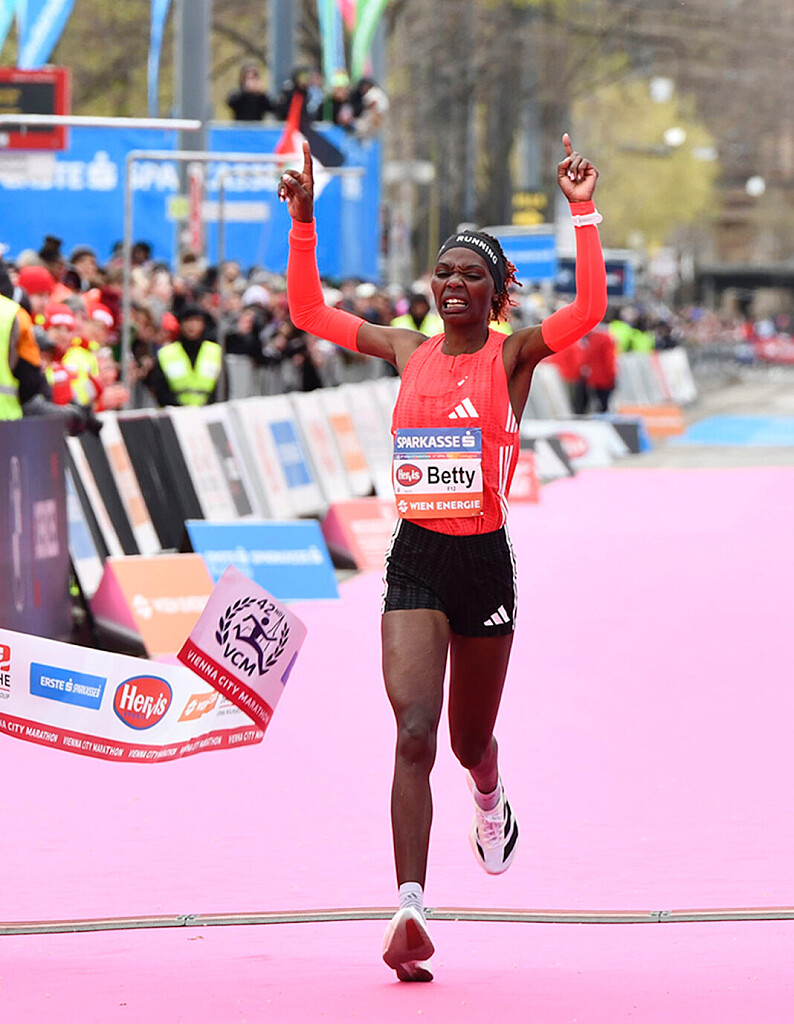
Surprise Wins and Record Turnout at the Vienna City Marathon
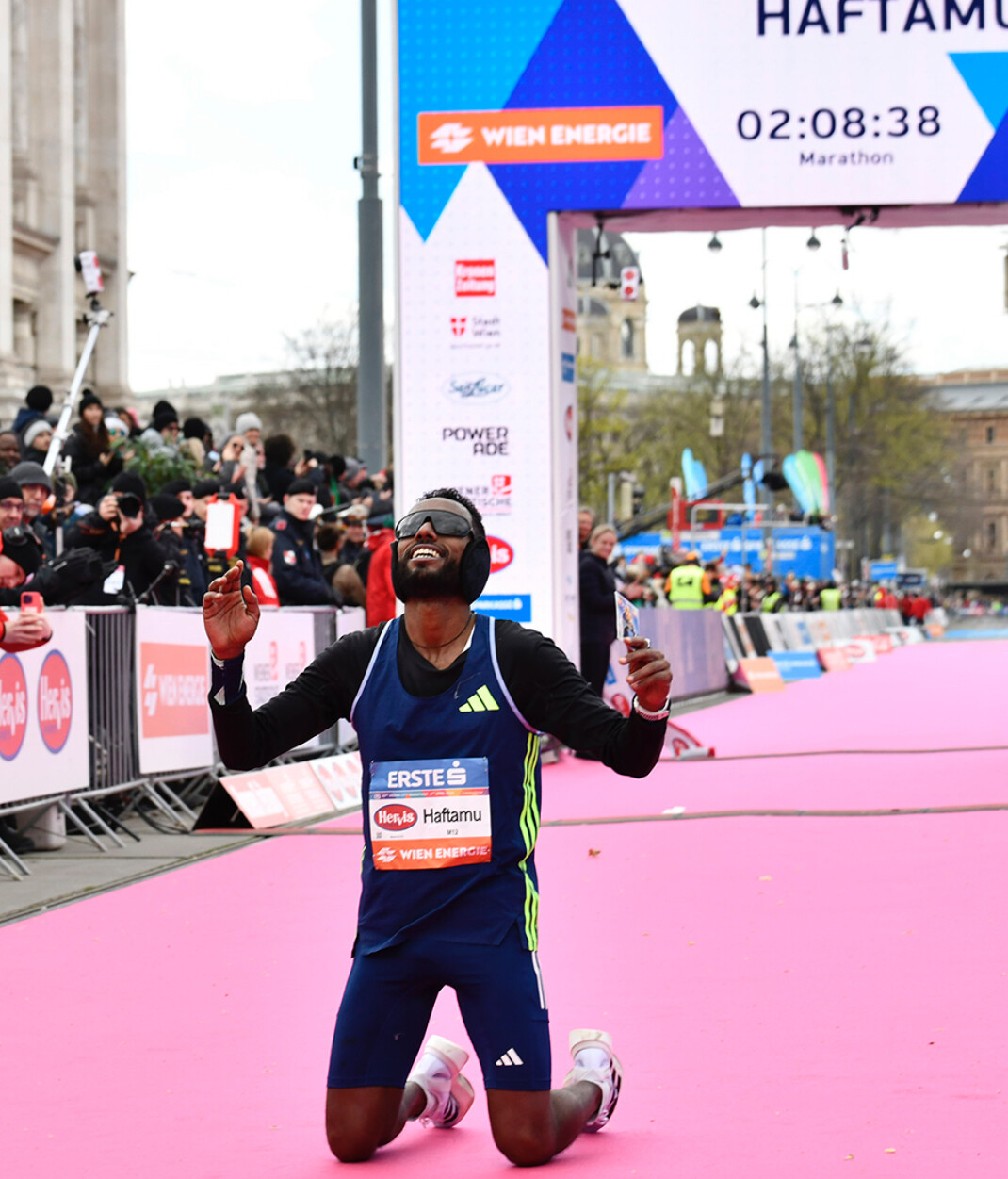
The 42nd Vienna City Marathon delivered icy conditions, personal bests, and breakout victories for two rising stars: Haftamu Abadi of Ethiopia and Betty Chepkemoi of Kenya. Both marathoners were competing in only their second career marathon, and both crushed their previous bests in a race that saw record participation.
Abadi, just 21 years old, broke away late in the race to win in 2:08:28, improving by more than two minutes from his debut in Berlin last year. Kenya’s Mica Cheserek took second in 2:10:23, followed closely by Ethiopian debutant Mogos Tuemay in 2:10:33.
In the women’s race, Betty Chepkemoi made a massive leap forward, chopping over ten minutes off her personal best to win in 2:24:14. Fellow Kenyans Rebecca Tanui (2:25:18) and Catherine Cherotich (2:25:45) rounded out the podium, while Germany’s Fabienne Königstein placed fourth in 2:28:49, just weeks after her Nagoya Marathon performance.
Record-Breaking Participation
Despite near-freezing temperatures at the start — the coldest in race history since 1986 — the Vienna City Marathon attracted a record field of 46,083 participants from 146 nations, including 12,968 marathoners, the most ever for the event.
Challenging Conditions, Slower Pacing
The cold (just 2°C at the start, with a “feels like” of -5°C) prevented any record-breaking times. The men’s lead pack passed halfway in 63:32, staying within range of a 2:07–2:08 finish before Abadisurged away near 29K. Notably, Abadi ran in full cold-weather gear — gloves, ear protection, and a long-sleeved shirt — while the others opted for lighter kits.
“I had hoped to run 2:05–2:06, but that wasn’t possible today,” Abadi said. “I’m happy with the win and I know I can go faster in better conditions.”
The women’s race began cautiously, with a 5K split of 17:24 pointing toward a 2:27 finish. But the Kenyan trio pulled away before halfway and Chepkemoi made her move with 6K to go, running solo to the finish.
“I’m so happy,” she said. “It was cold, and there were no pacemakers after halfway, but I know I can go faster next time.”
5K City Race Shines on the Eve of the Marathon
Vienna’s growing 5K race, held the day before the marathon on the iconic Ringstraße, also saw standout performances. Timo Hinterndorfer battled strong winds to set a course record of 14:17, with Markus Reißelhuber (14:51) and Thys Moreau of Belgium (15:00) finishing second and third.
In the women’s 5K, Sophie Hicks of New Zealand topped a strong Austrian field in 16:20, followed by Cordula Lassacher (16:27) and defending champion Lena Millonig (16:35).
Top 8 Marathon Results
Men:
1. Haftamu Abadi (ETH) – 2:08:28
2. Mica Cheserek (KEN) – 2:10:23
3. Mogos Tuemay (ETH) – 2:10:33
4. Asbel Rutto (KEN) – 2:11:37
5. Edward Koonyo (KEN) – 2:12:29
6. Geoffrey Koech (KEN) – 2:12:31
7. Justus Kangogo (KEN) – 2:13:25
8. Felix Kurui (KEN) – 2:14:36
Women:
1. Betty Chepkemoi (KEN) – 2:24:14
2. Rebecca Tanui (KEN) – 2:25:18
3. Catherine Cherotich (KEN) – 2:25:45
4. Fabienne Königstein (GER) – 2:28:49
5. Faith Chepkoech (KEN) – 2:30:00
6. Nora Szabo (HUN) – 2:30:31
7. Risper Chebet (KEN) – 2:32:39
8. Eva Wutti (AUT) – 2:37:43
(04/06/2025) ⚡AMPby Race News Service

Vienna City Marathon
More than 41,000 runners from over 110 nations take part in the Vienna City Marathon, cheered on by hundreds of thousands of spectators. From the start at UN City to the magnificent finish on the Heldenplatz, the excitement will never miss a beat. In recent years the Vienna City Marathon has succeeded in creating a unique position as a marathon...
more...
Why the Second Half of 2025 Could Be the Fastest Yet: Races, Records, and Rising Stars to Watch
The energy from the 2024 Paris Olympics hasn’t faded—if anything, it has fueled a fire that’s burning brighter than ever. As we move into the second half of 2025, the global running community is gearing up for one of the most exciting stretches in recent road racing history. From world record attempts to rising stars chasing breakthrough performances, the stage is set for something special.
The Fall Racing Boom
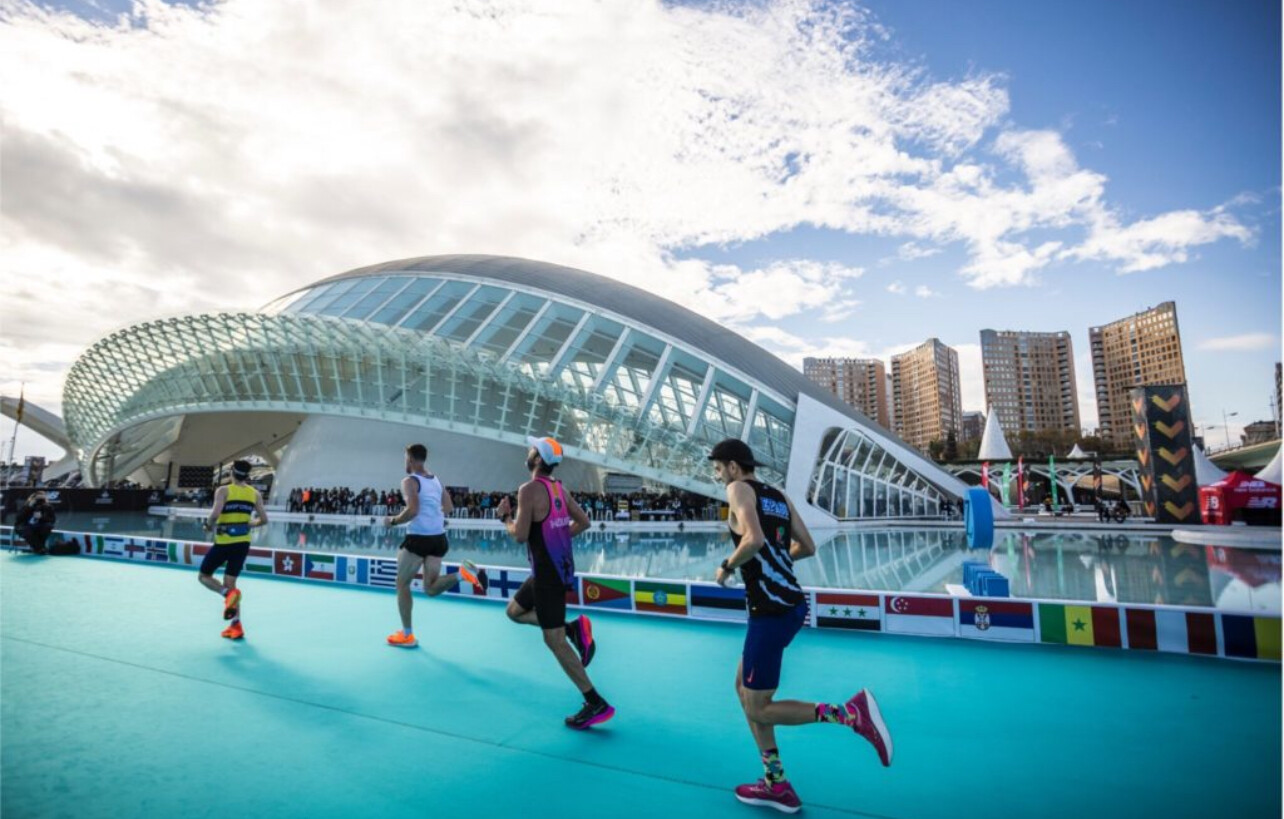
Major marathons like Berlin, Chicago, New York City, and Valencia are stacked with elite fields, deeper than we’ve seen in years. Berlin, known as the flattest and fastest, has quietly become a go-to course for record-chasers. Rumors are already swirling about a possible sub-2:00 marathon attempt under officially ratified conditions.
Valencia, with its blazing-fast course and near-perfect weather, is also primed for records—not just among elites but also among age-groupers and masters. If you’re looking to break your personal best, this fall might offer the best shot in years.
Rising Stars to Watch
Several names are emerging from training camps in Kenya and Ethiopia, and young runners from the U.S., Japan, and Europe are closing the gap quickly.
Cynthia Kiprotich (KEN), just 22 years old, finished 4th in Tokyo earlier this year and is targeting Chicago as her major breakthrough. Her stride and pacing discipline are reminiscent of a young Brigid Kosgei.
Eli Navarro (ESP) has quietly put together a string of 1:01 half marathons and recently clocked 27:45 for 10K on the roads. He’ll toe the line in Valencia with serious sub-2:05 intentions.
Katie Hensley (USA), a former NCAA standout, just won the Grandma’s Half in 1:08:30 and will debut in Berlin. Her aggressive style and fearless racing could make headlines.
Training to Peak This Fall
We spoke with Jimmy Muindi, 2:05 marathoner and head coach at KATA Portugal, about what it takes to time your peak for October or November.
“You’ve got to build strength now, not speed. July and August are about grinding, getting strong through hills and longer tempos,” Muindi advises. “In September, you sharpen. That’s how the Kenyans do it. We build the engine, then polish it.”
For those training through the heat of summer, Jimmy suggests early morning runs, easy doubles, and one hard workout per week to keep fitness progressing without overheating.
Age-Groupers on the Rise
It’s not just the elites aiming big this fall. Many age-group runners are setting ambitious goals, inspired by Olympic performances and the ever-growing community of masters athletes breaking new ground.
At My Best Runs, we’re tracking dozens of 40+, 50+, and 60+ runners targeting Berlin, Chicago, and Valencia as their “A” race. We’ve seen 55-year-olds run sub-3:00, 70-year-olds crack 3:30, and 77-year-olds (like myself) still pushing to go sub-53 for the 10K.
If you’re consistent, focused, and smart with your training, there’s no reason your next personal best can’t be set this year.
10 Fastest Fall Courses Left in 2025
1. Berlin Marathon (Germany)
2. Valencia Marathon (Spain)
3. Amsterdam Marathon (Netherlands)
4. Chicago Marathon (USA)
5. Frankfurt Marathon (Germany)
6. Lisbon Half Marathon (Portugal)
7. Toronto Waterfront Marathon (Canada)
8. Istanbul Half Marathon (Turkey)
9. New York City Marathon (USA) – challenging but iconic
10. Monterey Bay Half Marathon (USA) – for the scenery and cool temps
Final Thoughts
Whether you’re chasing a world record or your own best time, the second half of 2025 offers a golden window. With smart training and the right race, you just might run faster than you ever thought possible.
(04/06/2025) ⚡AMPby Boris Baron
Kenyan Elites Eye Fast Times at Sunday’s Vienna City Marathon
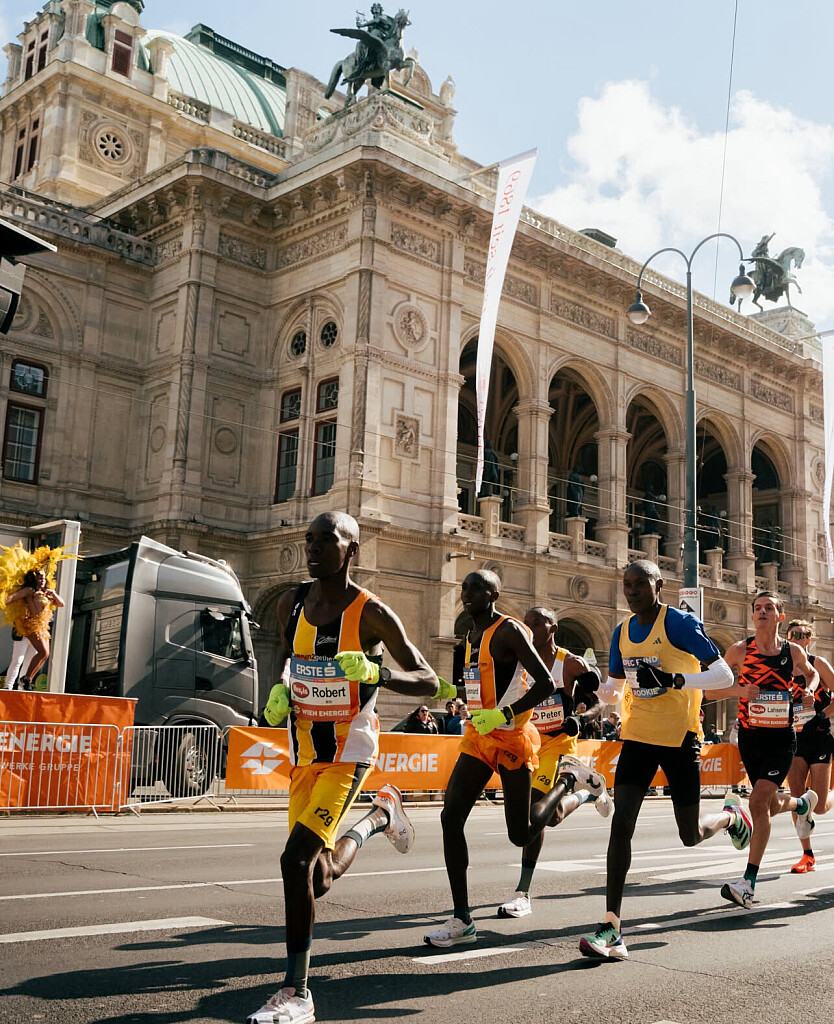
The 42nd edition of the Vienna City Marathon, Austria’s premier road racing event and a World Athletics Elite Label race, is set to unfold this Sunday with over 45,000 participants—including a record 13,000 marathoners. A strong Kenyan contingent is expected to set a blistering pace as they aim for personal bests on the historic streets of Vienna.
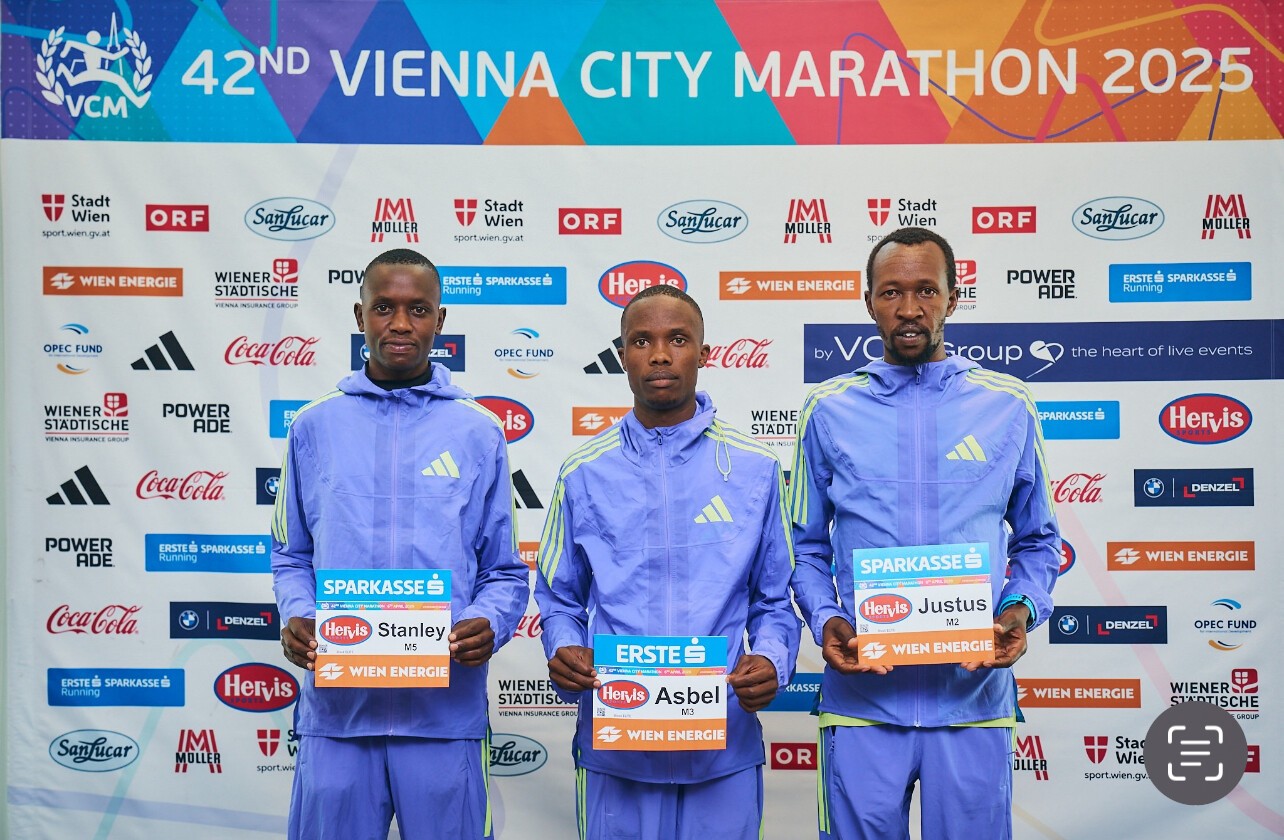
Kenya’s Justus Kangogo (PB 2:05:57), Asbel Rutto (2:06:24), and Stanley Kurgat (2:07:05)headline a deep elite field. All three confirmed at Friday’s press conference that they’re not just here to win—they’re here to run fast.
“We have an interesting elite field that should provide a thrilling race,” said Johannes Langner, elite coordinator. “Our target for the lead group is a half marathon split between 62:30 and 62:45, with a second group about a minute behind.”
Though the forecast calls for dry but cold weather, with temperatures just above freezing at the 9 a.m. start, the elite field still has its sights set on the 2:05:08 course record.
Kangogo, who ran his PB in Berlin, said he’s eager to team up with Rutto: “I am a frontrunner as well, so we will work together. And once we finish, we will celebrate.”
Rutto made headlines with his course record victory in Rome last year, running solo to a 2:06:24 finish. “I am a frontrunner,” said the 23-year-old. “If you stay behind, you can’t win. On Sunday, I’m going for a personal best.”
Stanley Kurgat brings a strategic edge, having paced Vienna last year up to 32K. “Now I’ll go the full distance. I know this course, and even if it’s cold, it will still be a good race.”
Other strong contenders include Douglas Chebii (2:06:31), Charles Ndiema (2:08:12), and Benard Kimeli (2:08:34). Keep an eye on Bernard Muia, last year’s runner-up in Vienna, who comes in with a 2:09:17 PB from Munich. Meanwhile, Wisley Kibichii, a 59:57 half marathoner, will make his highly anticipated marathon debut.
Vienna City Marathon General Manager Dominik Konrad, son of longtime race director Wolfgang Konrad, emphasized the event’s growing impact: “We’re seeing another running boom. Entries came early and never stopped. This year’s marathon is not only a celebration of sport but also a huge boost to Vienna’s economy, with runners from 146 nations—a record.”
Top Men’s Elite Field – Personal Bests
• Justus Kangogo (KEN) – 2:05:57
• Asbel Rutto (KEN) – 2:06:24
• Douglas Chebii (KEN) – 2:06:31
• Stanley Kurgat (KEN) – 2:07:05
• Charles Ndiema (KEN) – 2:08:12
• Benard Kimeli (KEN) – 2:08:34
• Bernard Muia (KEN) – 2:09:17
• Mica Cheserek (KEN) – 2:09:26
• Kipsambu Kimakal (KEN) – 2:09:41
• Geoffrey Koech (KEN) – 2:10:12
• Haftamu Abadi (ETH) – 2:10:33
• Lemawork Ketema (AUT) – 2:10:44
• Gadisa Tajebe (ETH) – 2:11:02
• Edward Koonyo (KEN) – 2:11:24
• Evans Yego (KEN) – 2:12:56
• Henry Kichana (KEN) – 2:13:06
• Andreas Vojta (AUT) – 2:13:43
• Andrew Davies (GBR) – 2:14:23
• Daverso Ramos (PER) – 2:14:25
• Wisley Kibichii (KEN) – Debut
• Mogos Tuemay (ETH) – Debut
(04/04/2025) ⚡AMPby Race News Service
Vienna City Marathon
More than 41,000 runners from over 110 nations take part in the Vienna City Marathon, cheered on by hundreds of thousands of spectators. From the start at UN City to the magnificent finish on the Heldenplatz, the excitement will never miss a beat. In recent years the Vienna City Marathon has succeeded in creating a unique position as a marathon...
more...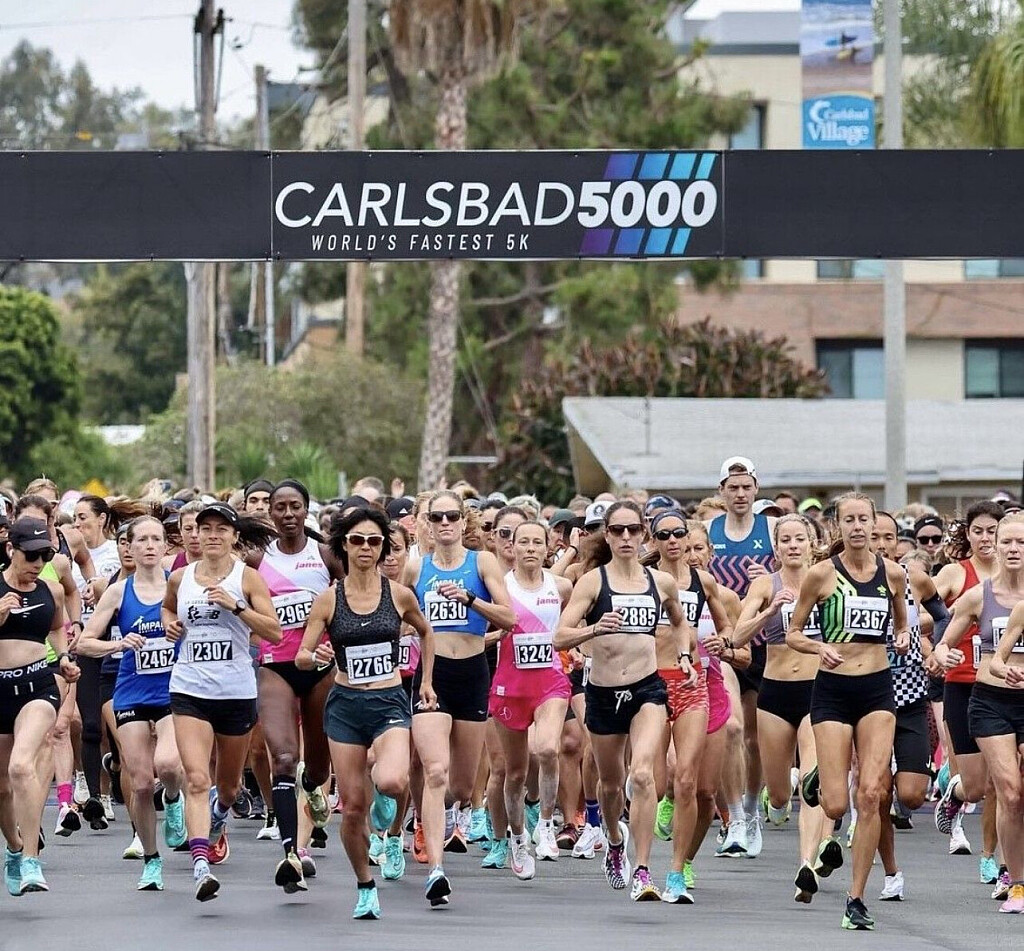
Carlsbad 5000: Striving to Reclaim Its World-Class Status Amidst Challenges
The Carlsbad 5000, once celebrated as the “World’s Fastest 5K,” has experienced significant transformations over the past two decades, leading to concerns about its diminished prominence on the global stage. The men’s course record of 12:59, set by Kenya’s Sammy Kipketer in 2000, stands as a testament to the event’s former prestige. However, subsequent changes in ownership and reductions in prize money have impacted the race’s ability to attract elite international talent.
Ownership Transitions and Their Impact
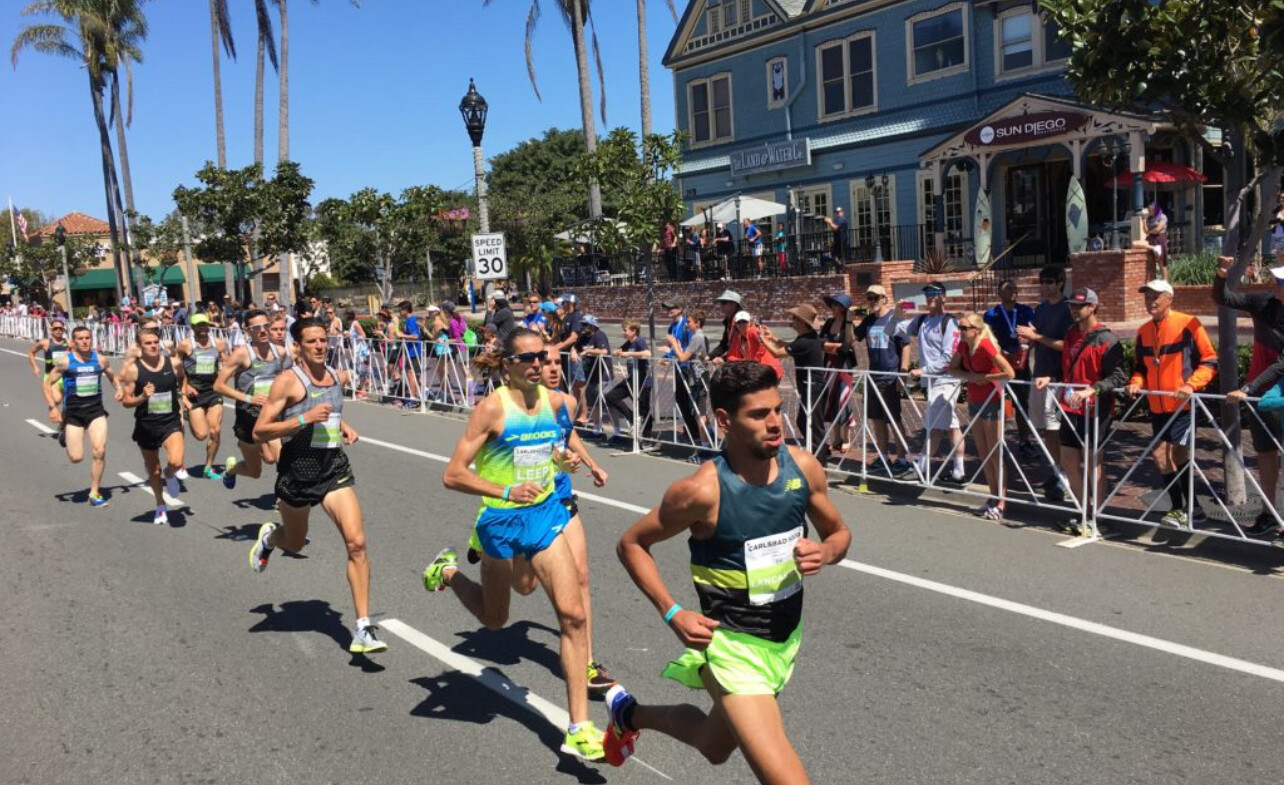
In June 2017, the Ironman Group, a subsidiary of China’s Wanda Sports Holdings, acquired the Carlsbad 5000. This transition led to shifts in race management and strategic direction, which some participants felt altered the event’s unique character. Concerns were raised about reduced prize money and a perceived decline in the overall participant experience. Recognizing these challenges, Groundwork Endurance, a San Diego-based company, acquired the Carlsbad 5000 in December 2018. The new ownership group includes U.S. Olympian Meb Keflezighi, who expressed enthusiasm for revitalizing the event and preserving its legacy. Keflezighi stated, “I am delighted to join the local ownership team in building upon the legacy of the Carlsbad 5000.”
Prize Money and Elite Participation
Historically, substantial prize purses attracted top-tier athletes to the Carlsbad 5000. For instance, in 2014, the event offered a guaranteed prize pool of $50,000, with $5,000 awarded to the overall champion. In contrast, the 2024 edition featured a total professional prize purse of $16,000, with $5,000 awarded to the first-place male and female finishers.
Additionally, amateur divisions offered a combined purse of $2,400, with $300 for first-place finishers in both the 40+ and 39-and-under categories. While these amounts demonstrate a commitment to rewarding athletic excellence, they may not be sufficient to attract the caliber of elite competitors necessary to restore the event’s world-class status.
Race Categories and Start Times
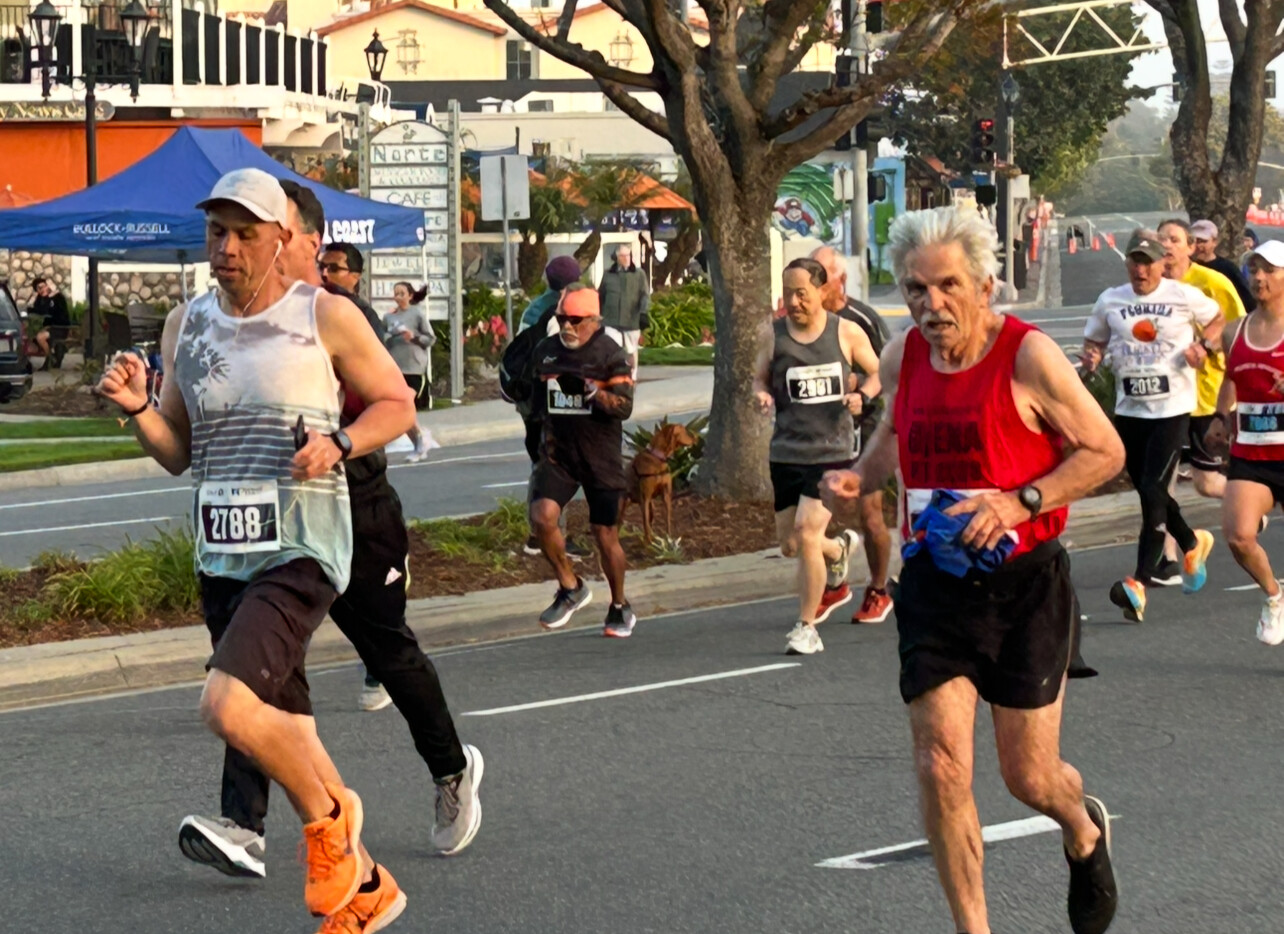
Traditionally, the Carlsbad 5000 features individual 5K races segmented by age and gender, each with its own start time. The categories include:
• Masters Men (Ages 40 & Above): This division caters to male runners aged 40 and over, providing a competitive environment among seasoned athletes.
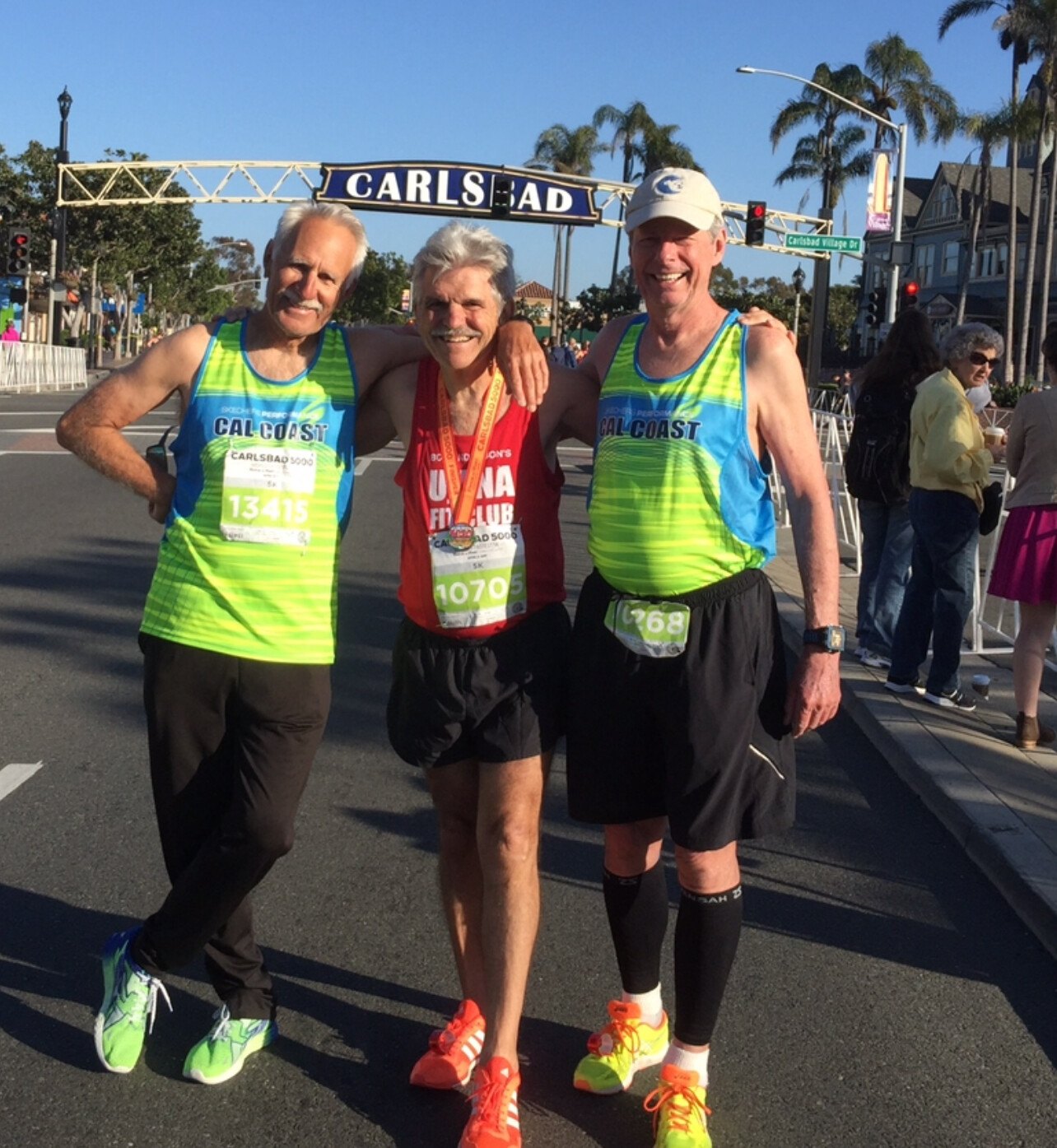
• Masters Women (Ages 40 & Above): Female runners aged 40 and above compete in this category, fostering a supportive atmosphere for experienced female athletes.
• Open Men (Ages 39 & Under): Younger male participants, up to age 39, race in this division, promoting competition among emerging runners.
• Open Women (Ages 39 & Under): This category is designed for female runners aged 39 and under, encouraging participation among younger women.
• People’s Race (All Ages & Abilities): A non-competitive race open to all genders and ages, welcoming joggers, walkers, and those seeking a more relaxed race experience.
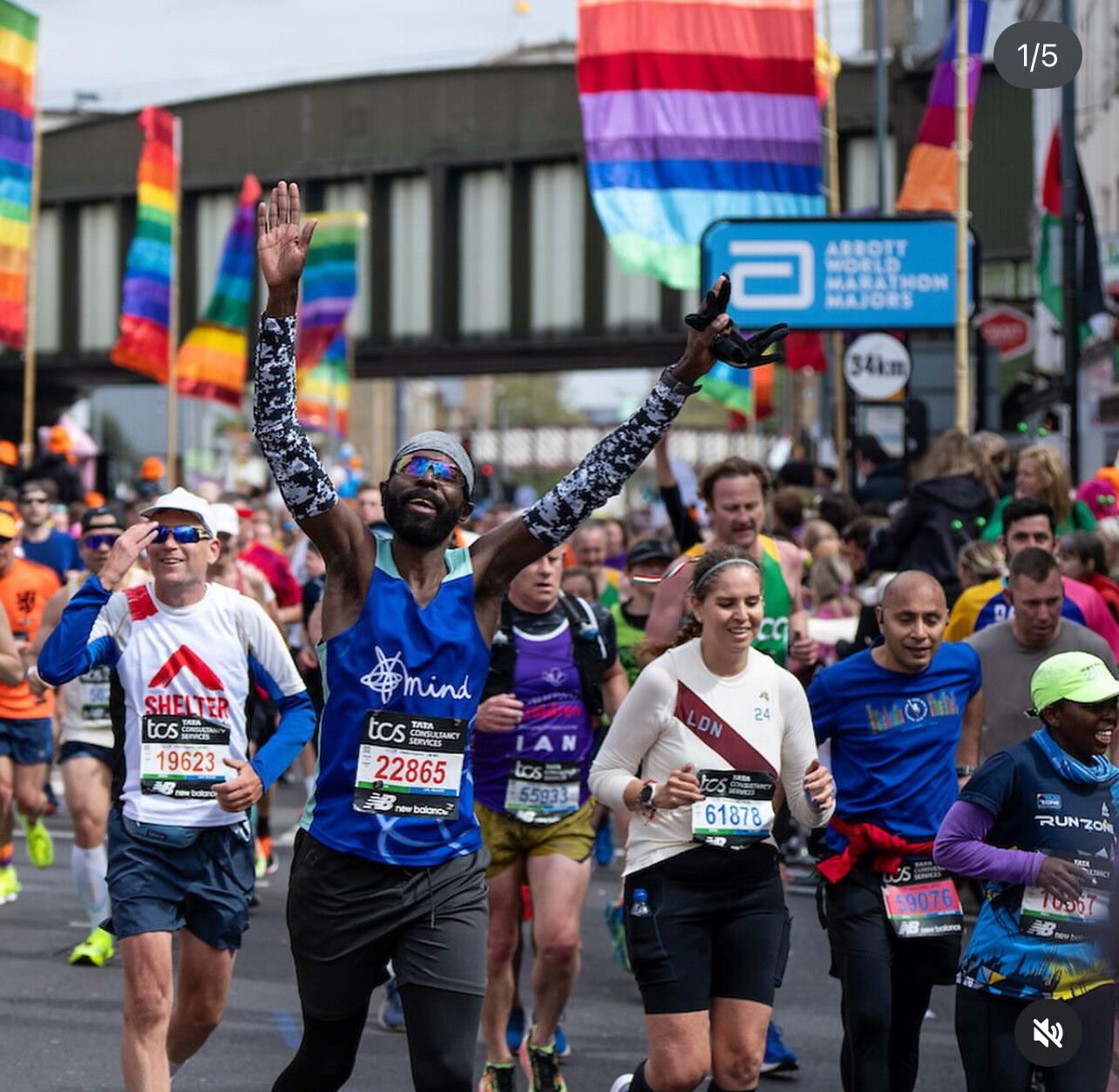
"I ran the the Carlsbad 5000 for 25 straight years," says MBR editor Bob Anderson, "mostly because it had a master only race. I clocked 17:09 there when I was 49. It was such an exciting event." (Photos three and four)
This segmentation allows runners to compete alongside peers in similar life stages, enhancing the race’s appeal to a broad demographic.
Path Forward
To reclaim its position as a premier international road race, the Carlsbad 5000 may need to consider increasing its prize offerings to attract elite talent. Balancing financial incentives with the event’s rich history and community engagement will be crucial in revitalizing the race and restoring its reputation as the “World’s Fastest 5K.”
(04/01/2025) ⚡AMPby Boris Baron with Bob Anderson

Carlsbad 5000
The Carlsbad 5000 features a fast and fun seaside course where 16 world records have been set. Both rookie runners and serious speedsters alike enjoy running or walking in Carlsbad. Weekend festivities kick off Saturday morning with the beloved Junior Carlsbad, a kids-only event in the heart of Carlsbad Village featuring fun runs, toddler trots, and diaper dashes! On Sunday,...
more...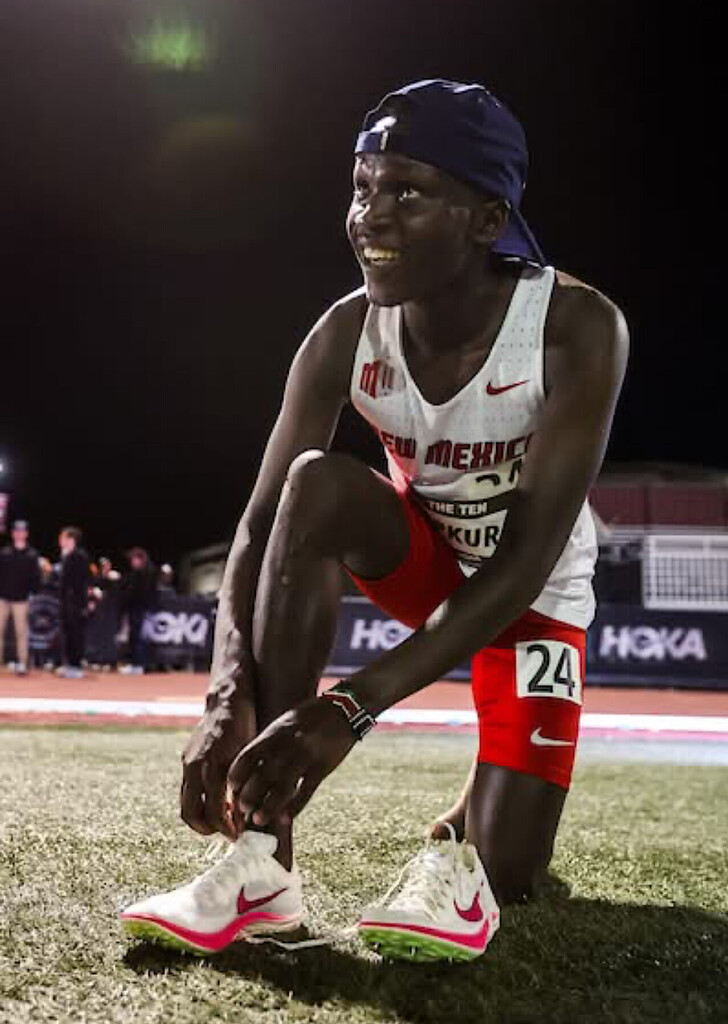
Ishmael Kipkurui: From Kenyan Highlands to NCAA Record-Breaker
Ishmael Rokitto Kipkurui, born on February 10, 2005, in Baringo County, Kenya, has rapidly ascended in the world of long-distance running, culminating in his recent NCAA 10,000-meter record-breaking performance.
Early Life and Passion for Running
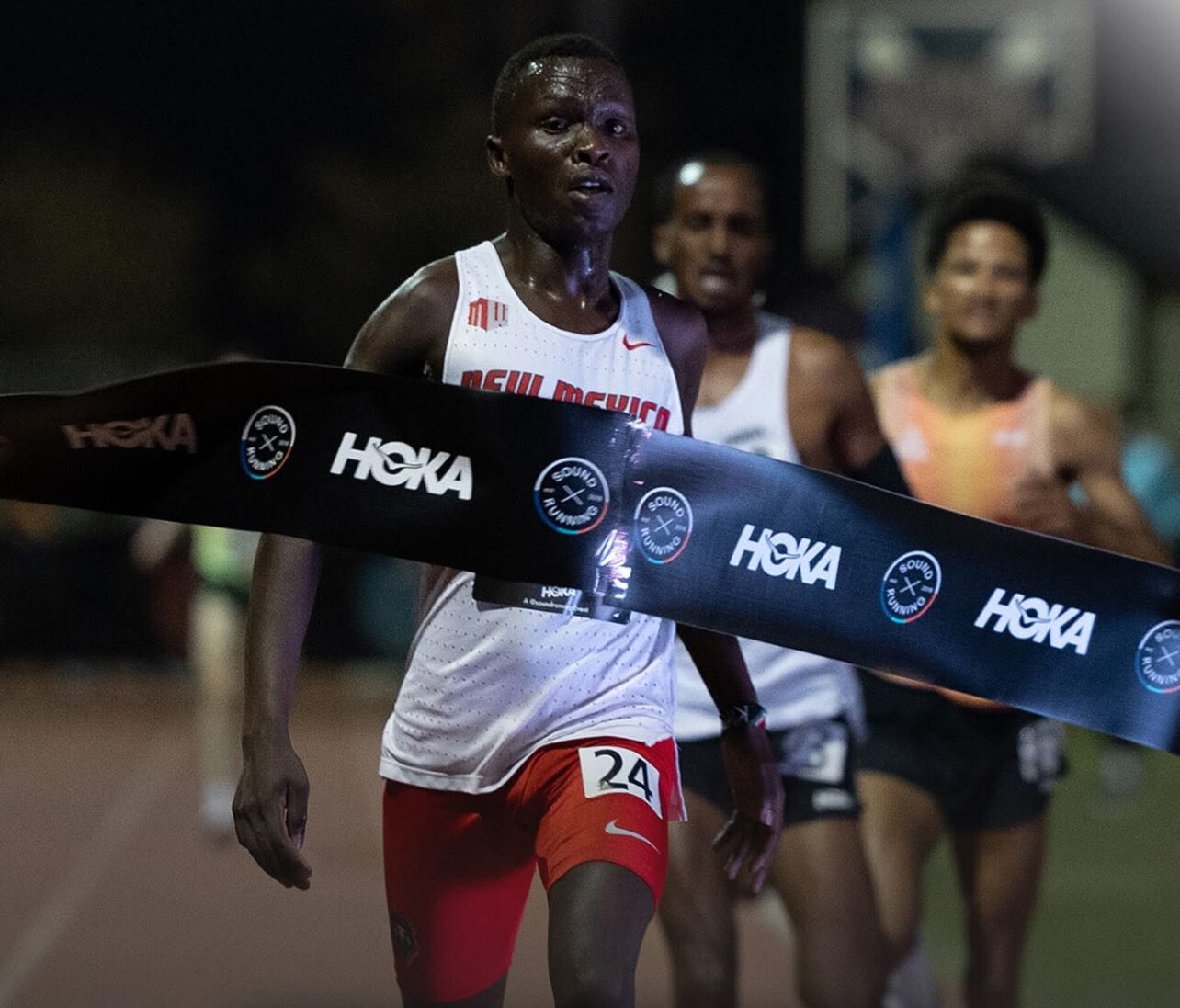
Growing up in Mochongoi near Marigat, Kipkurui was the third of five children. His passion for athletics was evident early on, often training at 4 a.m., illuminating his path with a torch before attending classes at Sinonin Secondary School by 6 a.m. This unwavering dedication allowed him to balance academic responsibilities with rigorous training sessions. Even during training camps, he carried school textbooks to ensure he remained on top of his studies.
Athletic Development and Training
Under the guidance of coaches Julius Kirwa and Barnaba Kitilit, Kipkurui’s talent flourished. His training regimen, characterized by early morning runs and consistent discipline, laid the foundation for his future successes. In 2023, he clinched the U20 title at the World Cross Country Championships in Bathurst, Australia, finishing the 8-kilometer race in 24:29.
Transition to the United States
Kipkurui’s exceptional performances caught the attention of international scouts, leading to his recruitment by the University of New Mexico (UNM). In December 2024, shortly after graduating from Sinonin Secondary School, he committed to joining the UNM Lobos track and field team. This decision was influenced by UNM’s strong track program and its history of nurturing international talent.
Collegiate Career and Record-Breaking Performance

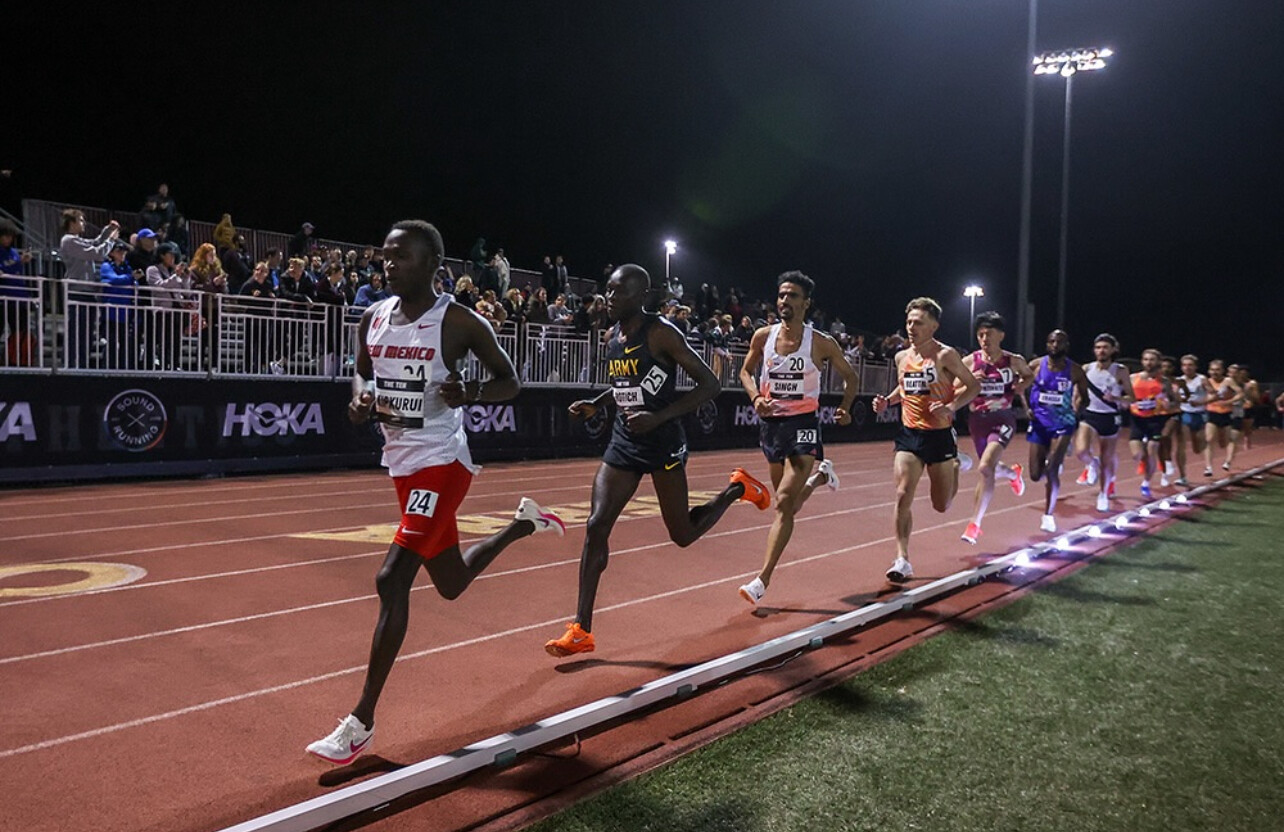
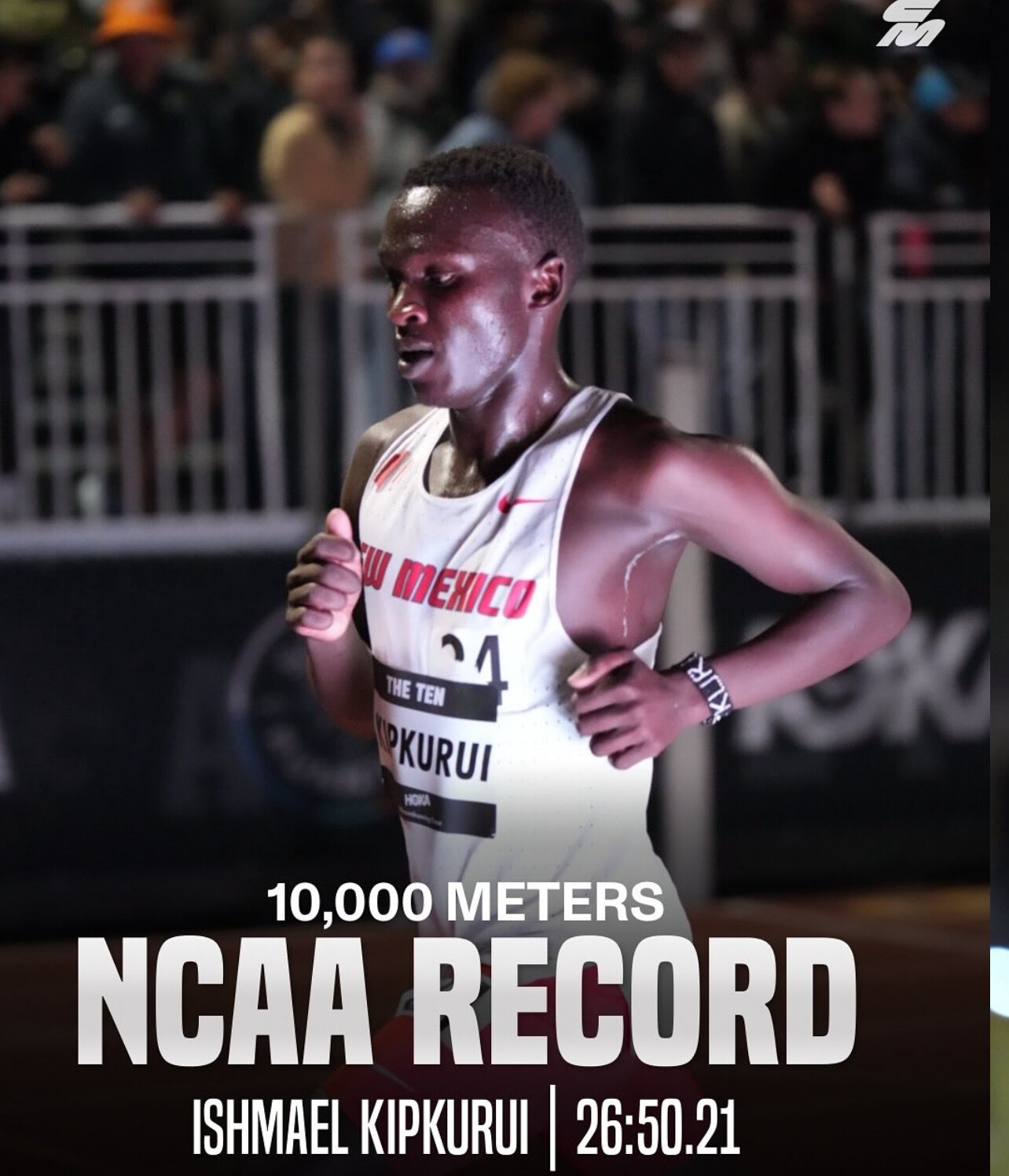
Since enrolling at UNM, Kipkurui has continued to excel. On March 29, 2025, at Sound Running’s The TEN in San Juan Capistrano, California, he set a new NCAA 10,000-meter record with a time of 26:50.21, surpassing the previous record of 26:52.72 set by Nico Young in 2024. His teammate, Habtom Samuel, finished closely behind with a time of 26:51.06.
Personal Bests and Achievements
• 3000 meters: 7:38.06 (June 9, 2023, Paris)
• Two miles: 8:09.23 (June 9, 2023, Paris)
• 5000 meters: 13:05.47 (June 15, 2023, Oslo)
• 10,000 meters: 26:50.21 (March 29, 2025, San Juan Capistrano)
On June 9, 2023, at the Meeting de Paris held at Stade Charléty in Paris, France, Ishmael Kipkuruiset personal bests in both the 3000 meters (split) and the two-mile. He clocked 7:38.06 in the 3000 meters and 8:09.23 in the two-mile race. Notably, his two-mile time established a new Kenyan U20 record.
Kipkurui’s journey from the highlands of Kenya to breaking collegiate records in the U.S. exemplifies his dedication and potential in long-distance running. As he continues to develop, the athletics community eagerly anticipates his future accomplishments on the global stage.
(03/31/2025) ⚡AMPby Boris Baron
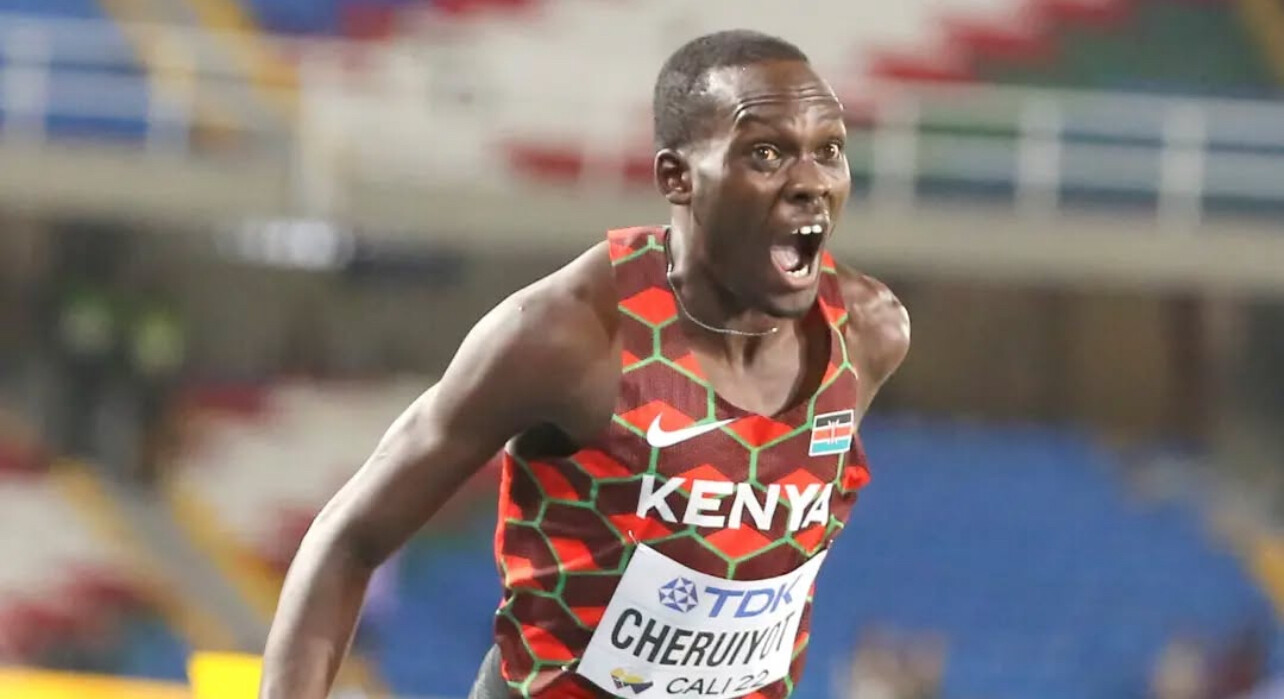
Can a Woman Legally Break the Four-Minute Mile?
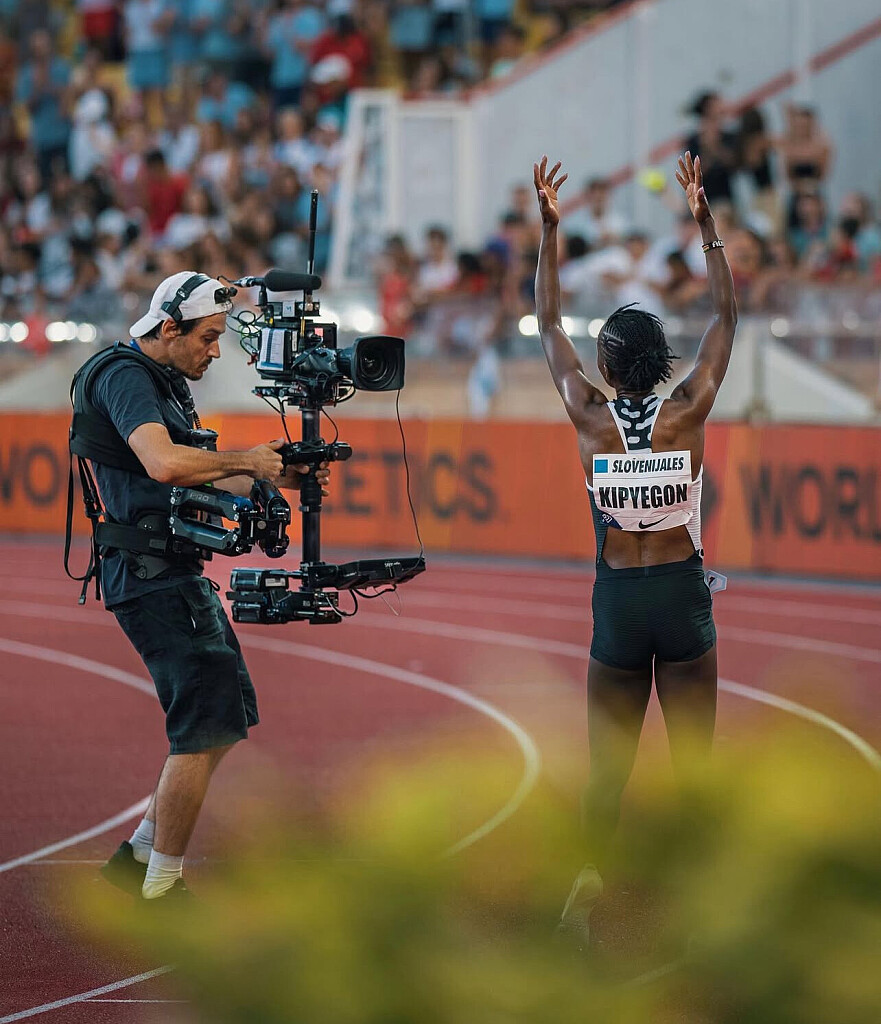
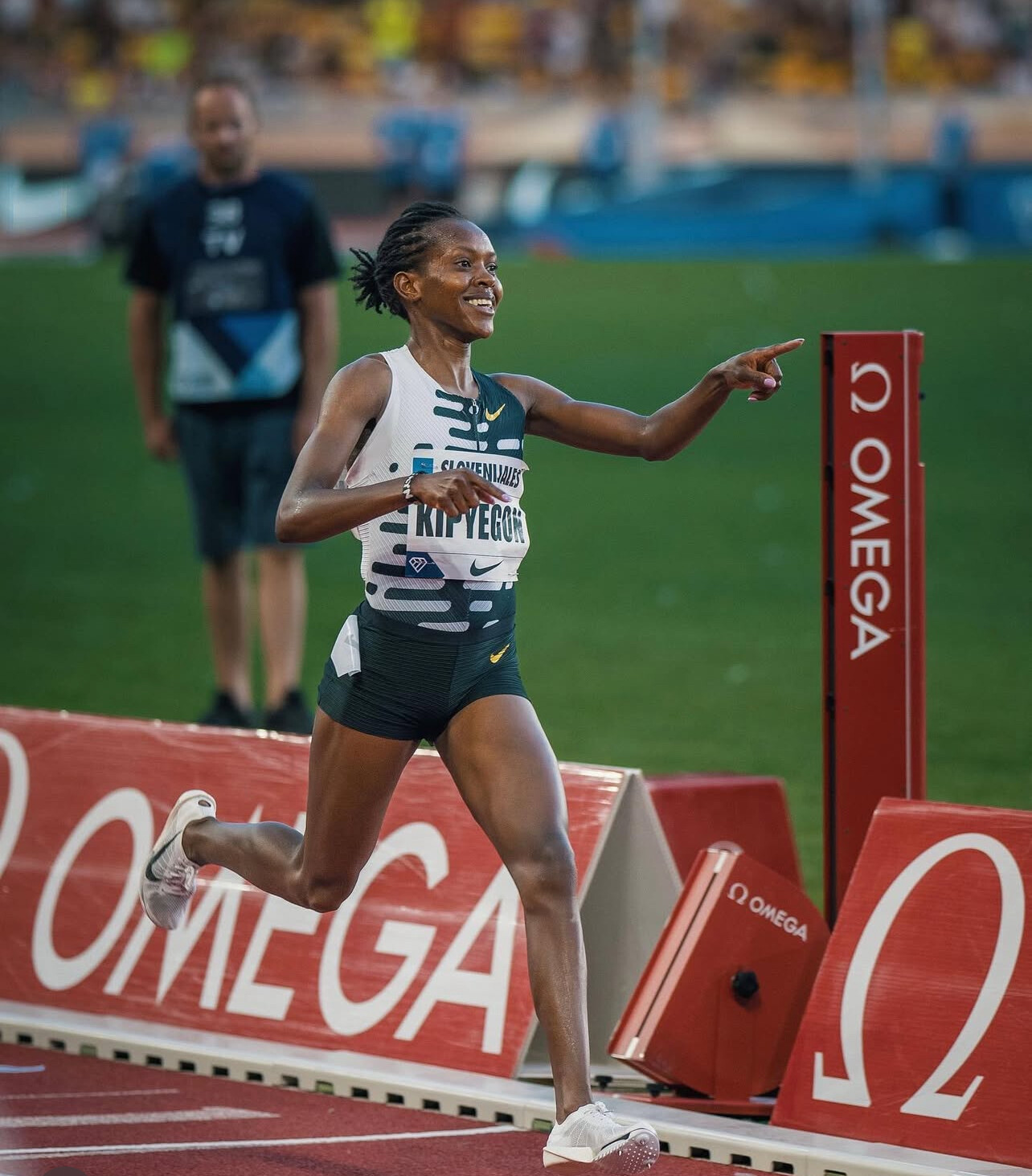
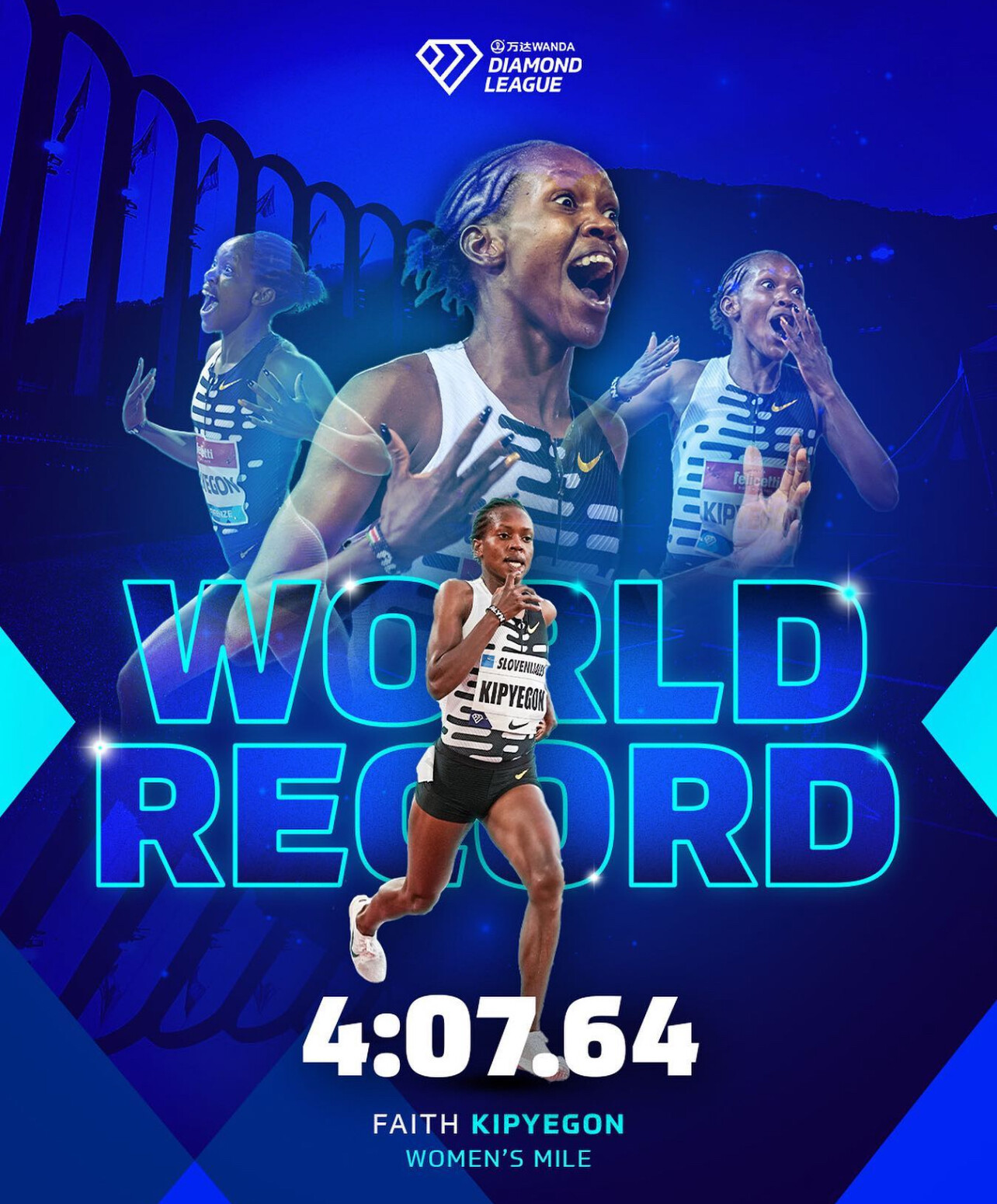
The men’s four-minute mile barrier was once considered impossible—until Roger Bannister broke through on May 6, 1954, clocking 3:59.4. It marked a seismic shift in the world of athletics, changing not only what runners believed was possible, but what the sport expected from its best. Seven decades later, that milestone remains sacred in the women’s mile. The closest anyone has come is Faith Kipyegon of Kenya, who ran 4:07.64 at the Monaco Diamond League on July 21, 2023, smashing the previous world record.
But is a sub-four-minute mile for women still a distant dream—or are we on the cusp of another historic breakthrough?
“I remember when Roger Bannister broke four minutes for the mile,” says My Best Runs founder Bob Anderson. “It was such an exciting moment in history. I think it will be even more exciting when a woman joins the club.”
Faith Kipyegon: The Closest So Far
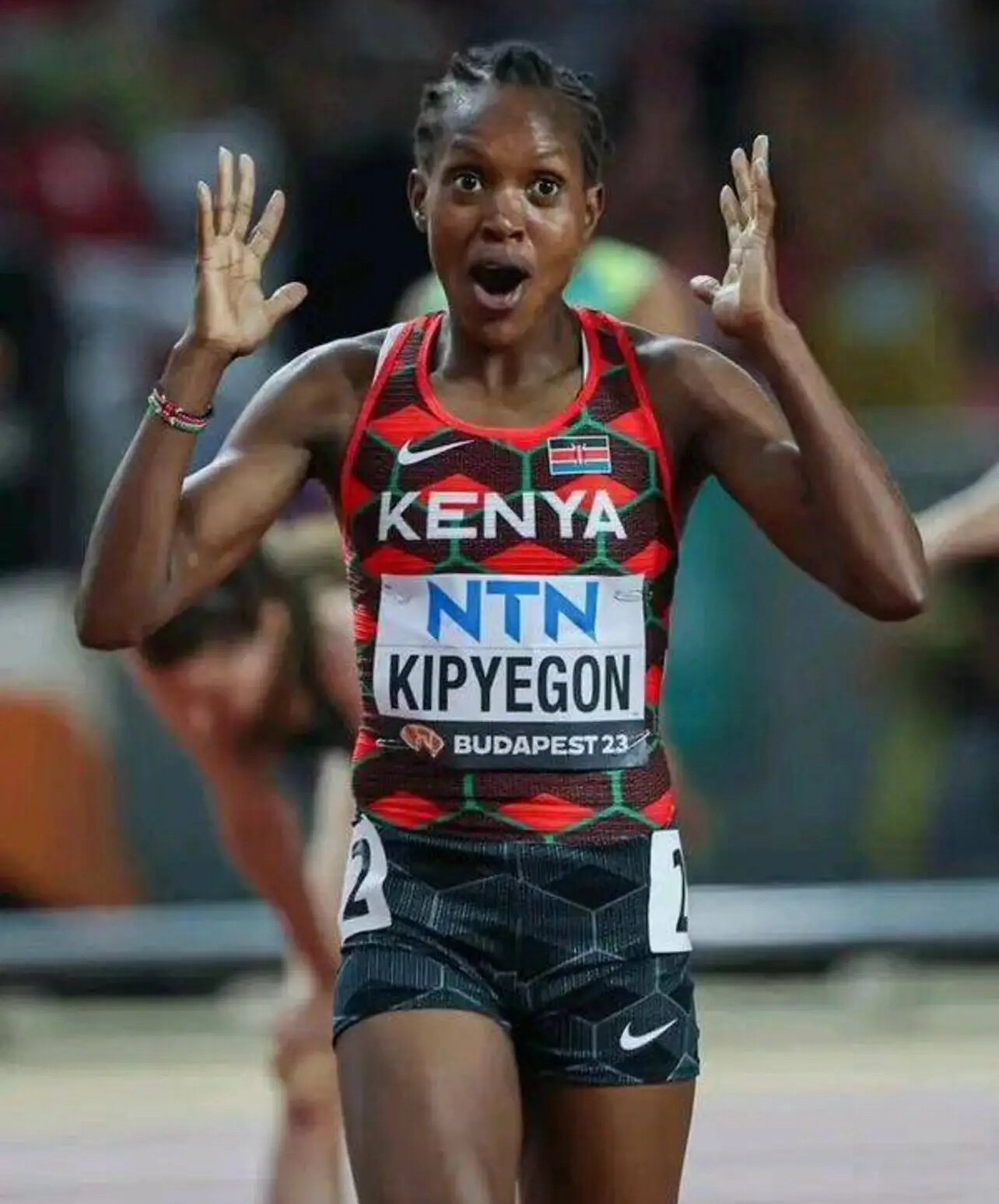
Faith Kipyegon has redefined what’s possible in women’s middle-distance running. Her 4:07.64 run in Monaco wasn’t just a world record—it was a display of precision pacing, power, and race execution. In that race, every single runner set a personal best, national record, or season best. But for Kipyegon to cut another 7+ seconds from that time—down to 3:59.9—would take another leap forward.

She’s already run a 3:49.11 in the 1500m, the fastest time in history. Converted directly, that performance suggests a mile potential close to 4:07–4:05, but a sub-4:00 mile would require averaging approximately 59.8 seconds per 400 meters—four consecutive laps at a pace that currently no woman in history has sustained.

Legality Matters: What the Rules Allow
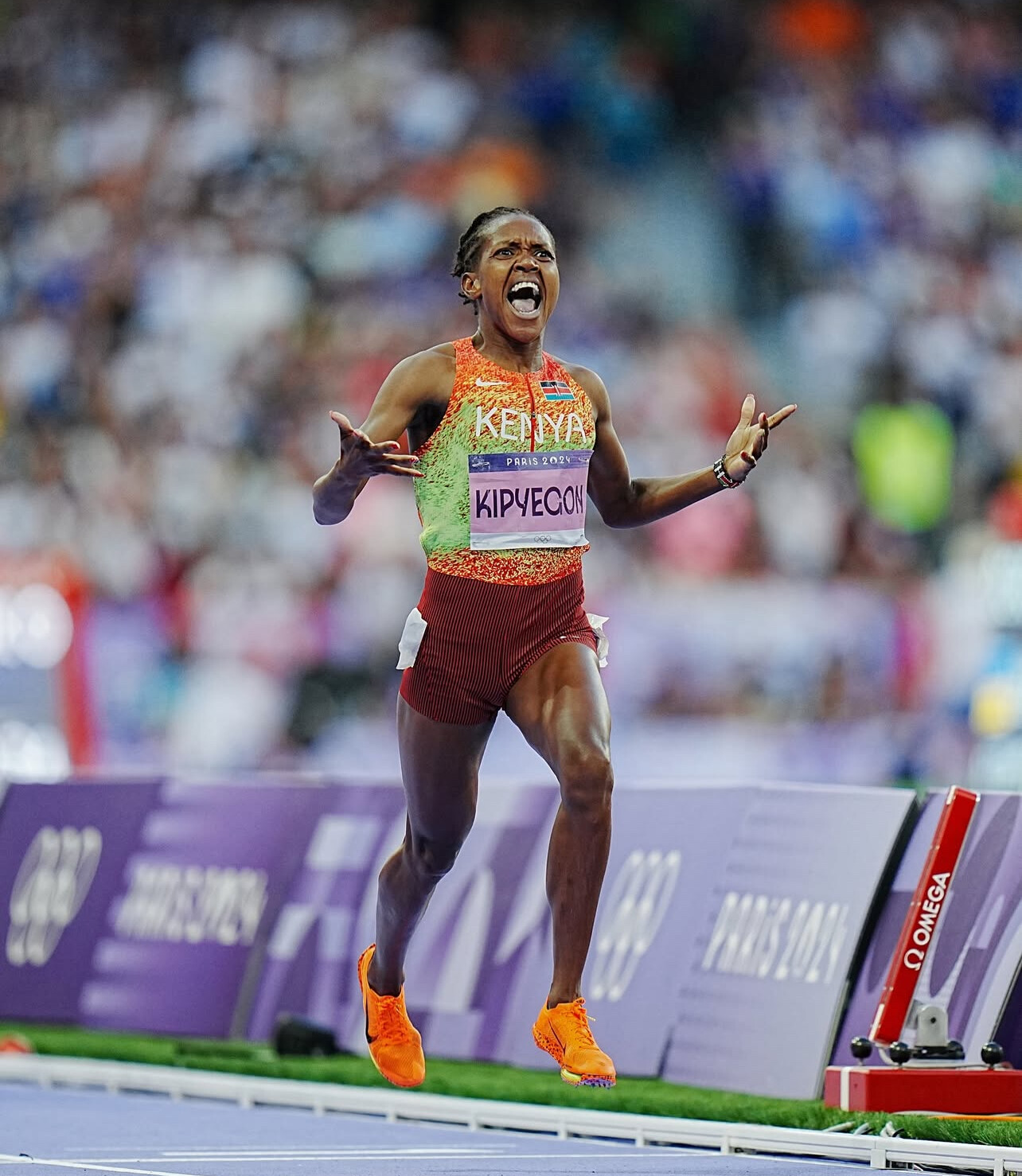
There has been plenty of discussion about whether women might break four minutes with the help of male pacemakers, similar to what’s been done in mixed road races. But here’s the reality: if a performance is going to count as a world record—or even be considered legitimate in top-level track competition—it must be done in a women-only race.
That means:
• Pacemakers must be female.
• They must be officially entered in the race.
• They must start with the field and not enter partway through.
These rules, established by World Athletics, ensure a level playing field and maintain the legitimacy of records. Male pacers are sometimes used in road races (like marathons and half marathons), particularly in mixed-gender fields, but their use invalidates a performance for women’s-only world record purposes.
So while some researchers have speculated that aerodynamic drafting with perfectly placed pacers could help a woman run 3:59, such scenarios often suggest using alternating pacers (ahead and behind) or male runners, neither of which is legal in women-only track events.
So How Could It Happen—Legally?
If it’s going to happen the right way, the most likely path forward includes:
• Female pacemakers: Even if a sub-four-mile requires a woman to finish the job solo, having another woman help with the first two or even two-and-a-half laps is still legal and useful. But that pacer would have to run the first 800–1000 meters at 4:00 mile pace—meaning 2:00–2:30 for 800–1000 meters. That’s a world-class performance on its own.
• Smart pacing and preparation: The sub-four will take near-perfect training, likely at altitude or with world-class facilities and recovery. It may require peaking for just one race with laser-focused timing.
• Technological and environmental optimization: Legal shoe tech, fast track surfaces, calm weather (for outdoor races), and ideal pacing rhythm will all play a role.
Who Might Do It?
Faith Kipyegon is the leading candidate today. She has shown the range, consistency, and drive needed to make history. But others may be in the wings—young talents with 1500m PRs in the low 3:50s and raw speed over 800 meters could have the perfect blend of endurance and turnover.
It’s also likely that, like Bannister’s 1954 run, the moment will come with the help of a team: pacemakers who understand their job, a well-timed race, and a field that pushes the pace without hesitation.
Final Thoughts
A sub-four-minute mile by a woman is not just a mathematical milestone—it’s a cultural one. It would mark the end of one of the last iconic gender-separated barriers in track and field. It would also be a celebration of decades of progress in training, physiology, opportunity, and competition.
The question is no longer “if,” but “when.”
And when it happens, it might just be one of the greatest moments in the sport’s history.
(03/31/2025) ⚡AMPby My Best Runs Editorial Team
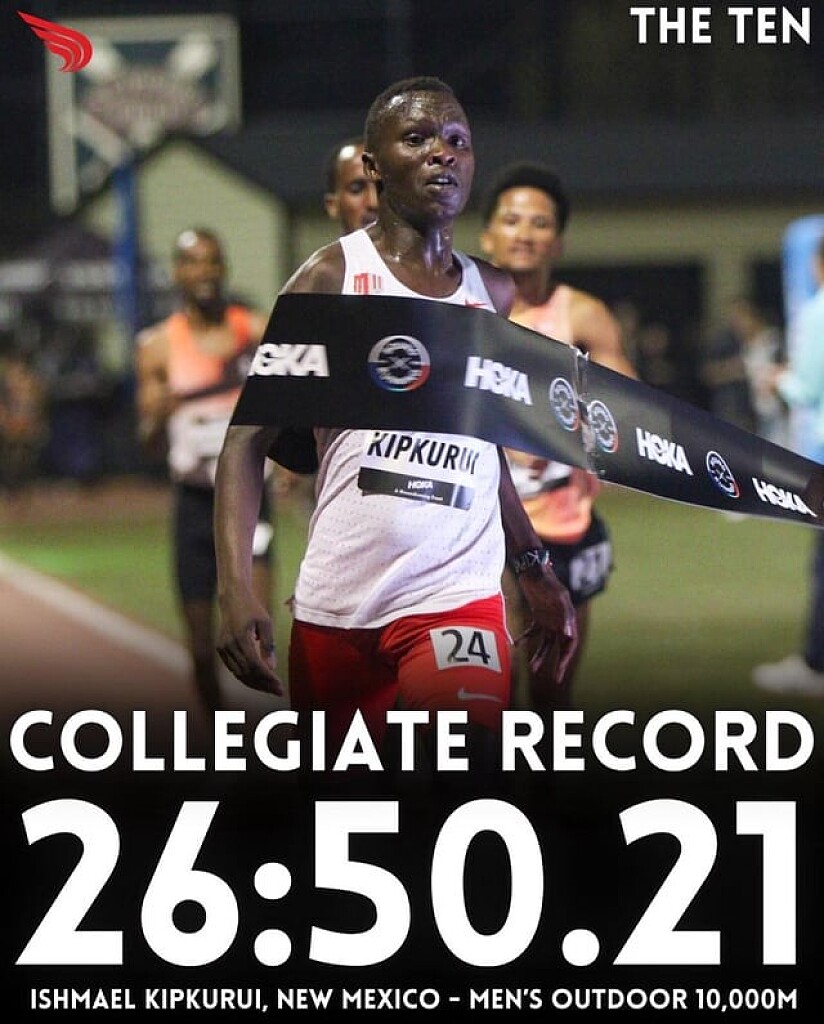
Ishmael Kipkurui Sets New NCAA 10,000m Record at The TEN 2025
In a remarkable performance at The TEN 2025 meet on March 29 in San Juan Capistrano, California, University of New Mexico freshman Ishmael Kipkurui set a new NCAA 10,000-meter record with a time of 26:50.21 which is 4:19 per mile pace. This achievement surpasses the previous record of 26:52.72, set by Northern Arizona’s Nico Young at the same event in 2024.
Kipkurui’s teammate, Habtom Samuel, also delivered an impressive performance, finishing second with a time of 26:51.06, placing both runners under the former collegiate record. South African athlete Adrian Wildschutt of HOKA NAZ Elite secured third place, clocking 26:51.27.
Ethiopian runner Telahun Haile Bekele faced an unusual challenge, missing the official start and beginning approximately 90 meters behind the field. Despite this setback, he finished fourth with a time of 26:52.79. American athlete Graham Blanks, representing New Balance, rounded out the top five, finishing in 26:57.30 and achieving the World Championships qualifying standard.
The race conditions were ideal, with temperatures around 55°F and minimal wind, contributing to the evening’s exceptional performances.
Kipkurui’s achievement adds to his growing list of accolades. Prior to this record-breaking run, he secured the individual title at the 2024 World U20 Cross Country Championships, leading the Kenyan team to a gold medal finish.
The TEN meet continues to solidify its reputation as a premier event for distance runners aiming for exceptional performances and records on U.S. soil.
(03/30/2025) ⚡AMPby Boris Baron

The Ten
The world's fastest 10,000m races each year have taken place in a sleepy little coastal town in southern California. More national records were broken in 2022 than any other race on the planet as the best in the western hemisphere launched into rarified zones of time and space. The best return to San Juan Capistrano this year to cap off...
more...
Julien Wanders Announces Return to Marathon Racing at Haspa Marathon Hamburg
Swiss long-distance runner Julien Wanders has declared his return to marathon competition after a three-year hiatus. In a recent Instagram post, Wanders expressed his enthusiasm:
“I’m happy to announce that I will run the haspamarathonhamburg on 27th of April. After 3 years, it’s time for me to go back to marathon.”
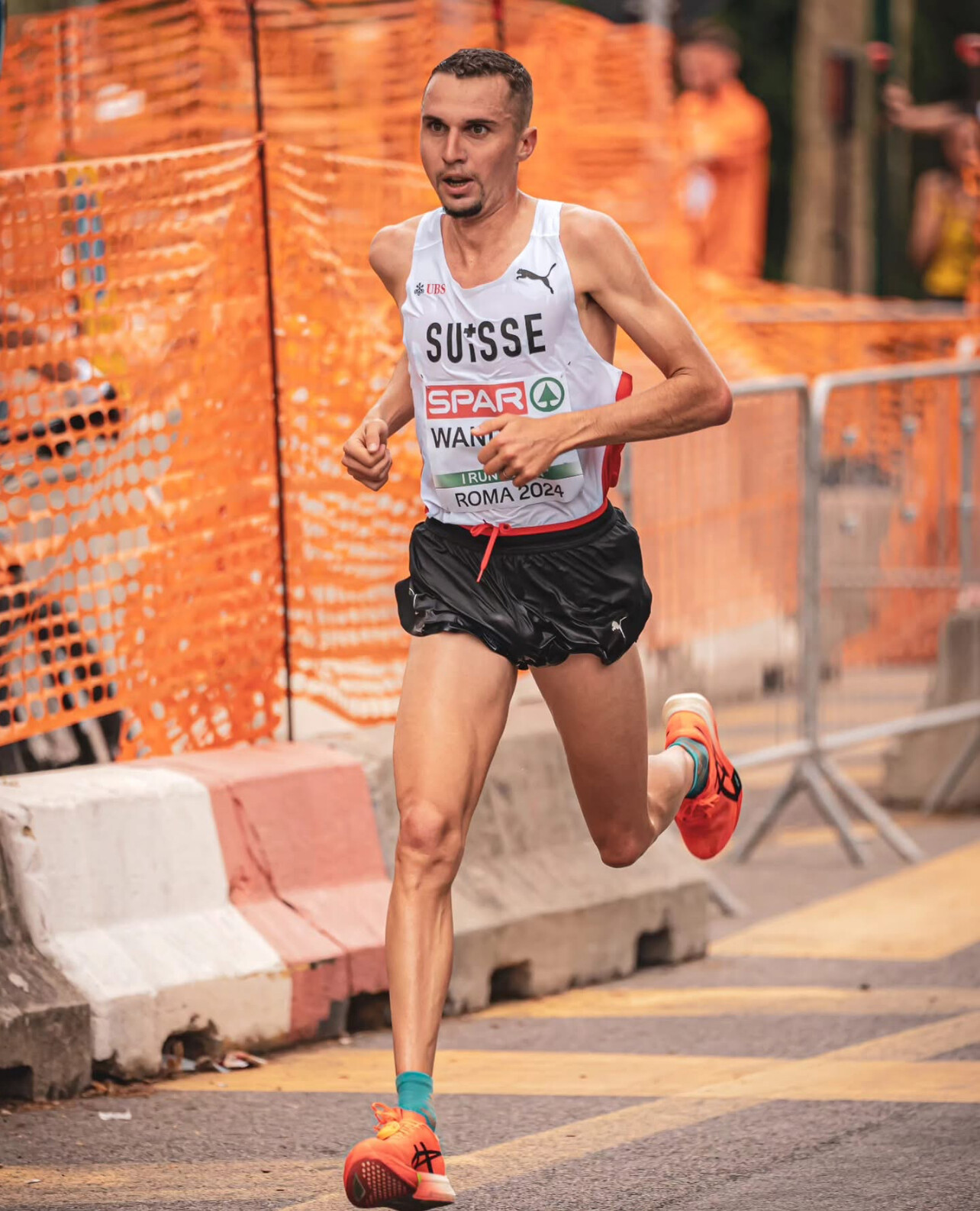
Born on March 18, 1996, in Geneva, Switzerland, Wanders has made significant strides in long-distance running. He set the European record for the half marathon with a time of 59:13 at the Ras Al Khaimah Half Marathon in 2019 I and holds the European 10 km road race record with a time of 27:13, achieved in Valencia in 2020.
Challenges Leading to Hiatus
Wanders’ absence from marathon events over the past three years stems from a series of health challenges and injuries:
• 2021: In early 2021, Wanders suffered a hamstring injury, which, coupled with a bout of pneumonia, hindered his performance. Despite participating in the Tokyo Olympics, he finished 21st in the 10,000 meters. Post-Olympics, an MRI revealed significant hamstring irritation, necessitating a break from running.
• 2022: Wanders debuted in the Paris Marathon but faced digestive issues, leading to multiple stops and a finish time of 2:11:52. In May, he was diagnosed with a sacral stress fracture, sidelining him for the track season. His return at the Copenhagen Half Marathon in September was marred by illness, resulting in a time of 1:03:47. Later that year, he attempted the Valencia Marathon but withdrew after 31 kilometers due to illness.
Training in Kenya
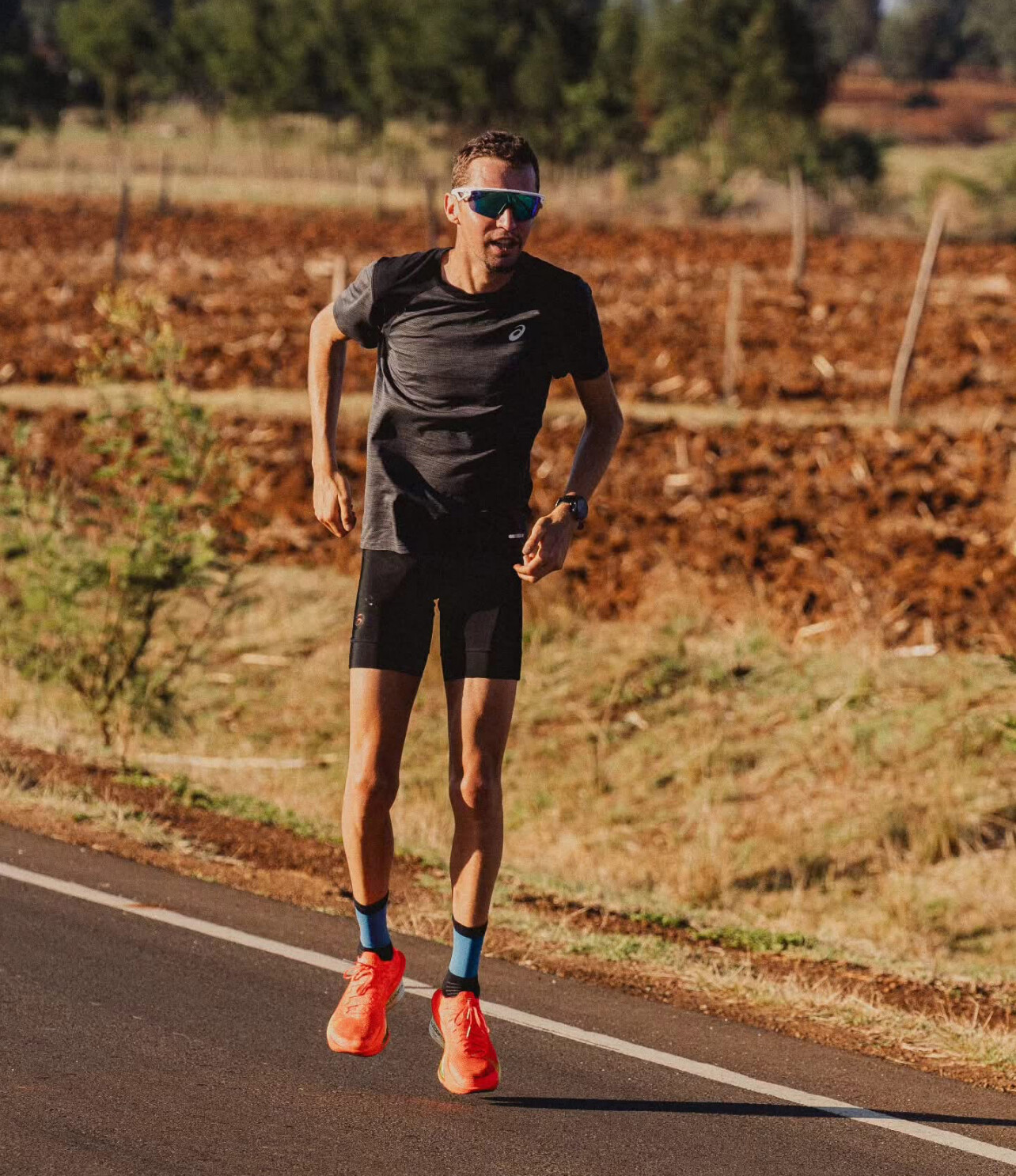
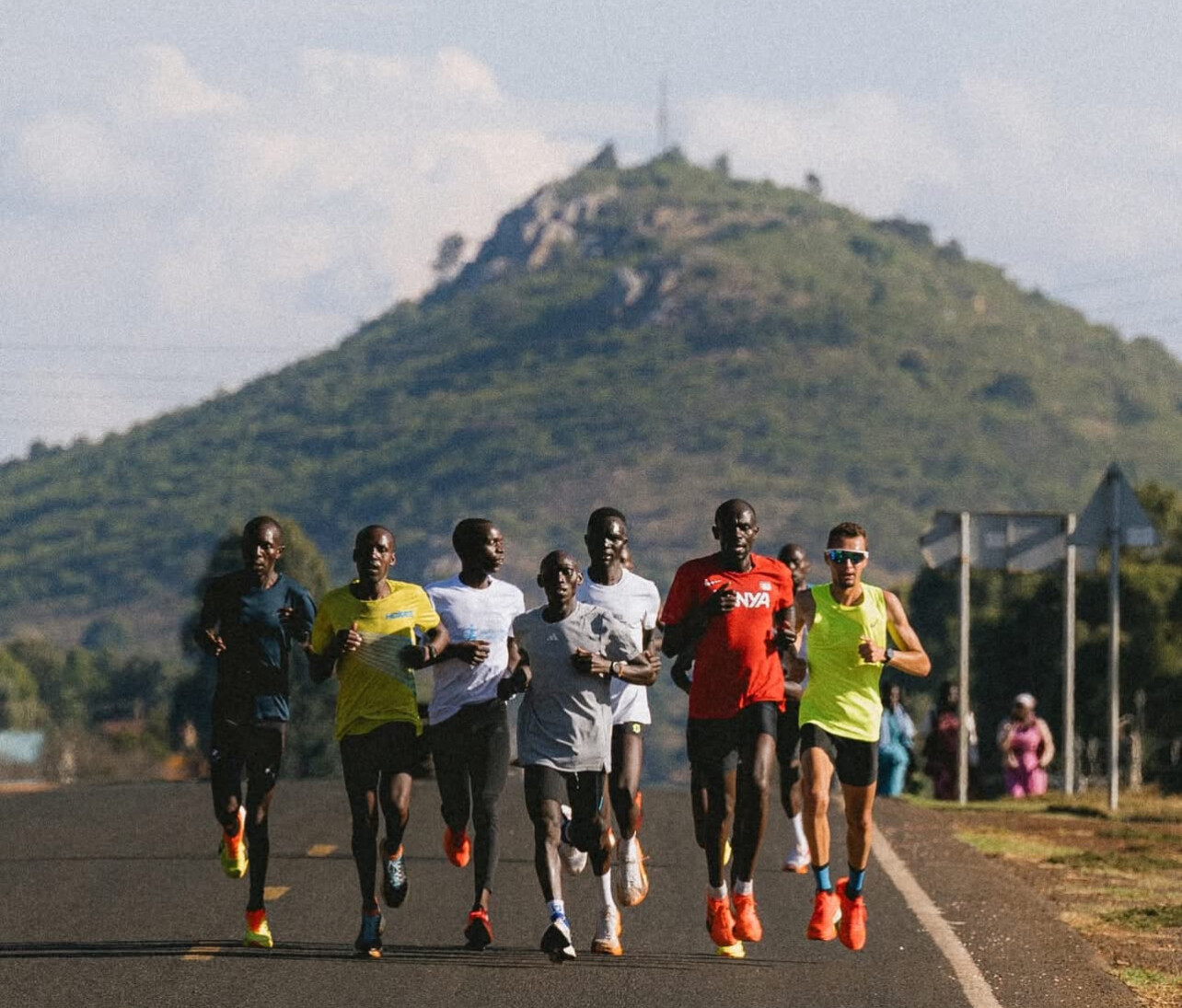
A pivotal aspect of Wanders’ training regimen involves extensive periods in Iten, Kenya, a renowned high-altitude training hub. Drawn by the area’s reputation and inspired by his research on Kenyan running culture, he first visited Iten in 2014. Despite initial challenges, including adapting to the altitude and local conditions, Wanders found the environment conducive to his growth. He now spends about half the year training in Kenya, benefiting from the high-altitude conditions and the opportunity to train alongside elite athletes.
Wanders’ commitment to rigorous training is evident in his regimen, which includes 13 sessions per week, covering 170-190 km, along with core stability and weight training sessions.
As Wanders prepares for his marathon return in Hamburg, the running community eagerly anticipates his performance and potential resurgence on the international stage. His journey underscores the resilience and determination required to overcome setbacks and pursue excellence in long-distance running.
(03/29/2025) ⚡AMPby Boris Baron

Experience the Magic of Paris: Your Guide to the 2025 Schneider Electric Marathon de Paris
The 48th edition of the Schneider Electric Marathon de Paris is set for Sunday, April 13, 2025. This iconic event offers runners a unique opportunity to traverse the heart of Paris, passing by its most renowned landmarks.
Course Overview

The marathon begins on the famed Avenue des Champs-Élysées, providing participants with a breathtaking view of the Arc de Triomphe. Runners will then proceed past notable sites including the Palais Garnier, Place de la Bastille, Notre-Dame Cathedral, and the Eiffel Tower. The course also features scenic stretches along the Seine River and through the Bois de Vincennes and Bois de Boulogne parks, culminating near the Arc de Triomphe on Avenue Foch.

Registration Status
As of now, general entries for the 2025 marathon are fully subscribed. However, prospective participants still have options to secure a spot:
• Charity Entry: Run for a charitable cause by committing to fundraising efforts.
• Hospitality Program: Enhance your marathon experience with exclusive amenities through the hospitality package.
• Tour Operators: Book a travel package that includes race entry via authorized tour operators.
Detailed information on these alternatives is available on the official marathon website.
Course Records
The current course records stand as a testament to the marathon’s competitive spirit:
• Men’s Record: Elisha Rotich (Kenya) set a time of 2:04:21 in 2021.
• Women’s Record: Judith Korir (Kenya) achieved a time of 2:19:48 in 2022.
Elite Runners and Prize Money
The Paris Marathon consistently attracts a competitive field of elite runners vying for substantial prize money. Both the male and female winners receive €50,000, provided they meet specific time requirements: under 2:11:45 for men and under 2:23:15 for women. Second-place finishers earn €30,000, and third place receives €20,000, with monetary awards extending to the top 10 finishers who achieve the designated qualifying times.
Whether you’re a seasoned marathoner or seeking an unforgettable running experience, the Schneider Electric Marathon de Paris promises a blend of athletic challenge and cultural immersion through one of the world’s most beautiful cities.
(03/28/2025) ⚡AMPby Boris Baron
Schneider Electric Paris Marathon
The Schneider Electric Marathon de Paris offers a unique opportunity to make the city yours by participating in one of the most prestigious races over the legendary 42.195 km distance. The Schneider Electric Marathon de Paris is now one of the biggest marathons in the world, as much for the size of its field as the performances of its runners....
more...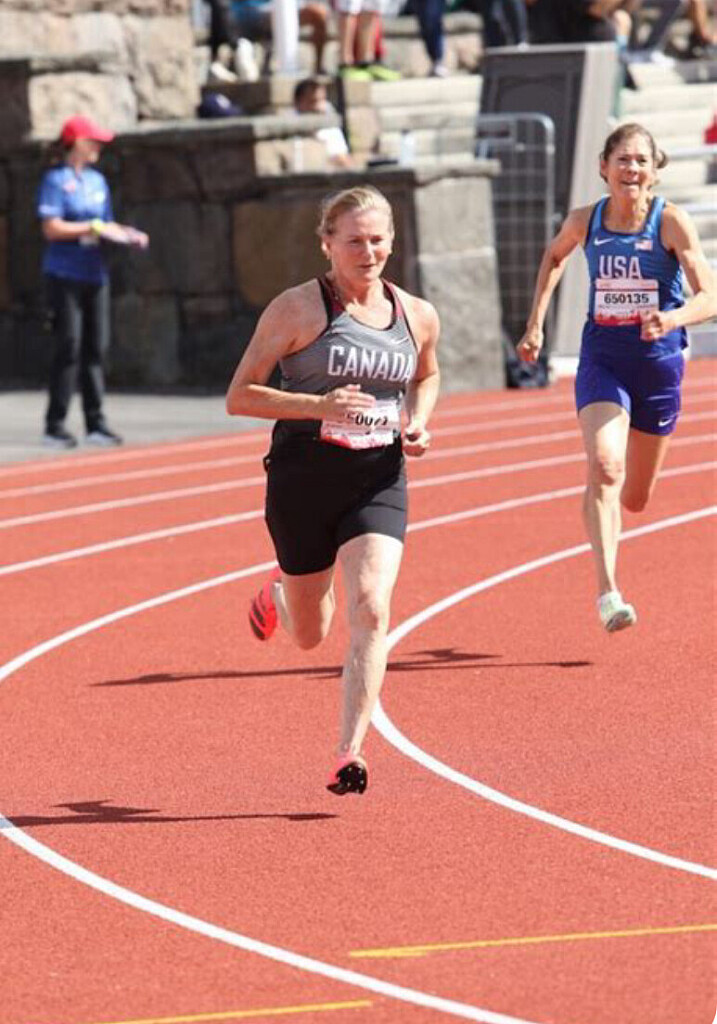
70-Year-Old Canadian Wendy Alexis Shatters 200m World Record at World Masters Championships
In a remarkable display of speed and determination, Wendy Alexis, a 70-year-old sprinter from Ottawa, Canada, set a new world record in the women’s 70-74 age category for the 200-meter dash at the World Masters Athletics Indoor Championships in Gainesville, Florida. Alexis clocked an impressive 30.68 seconds in her heat, surpassing the previous record of 31.17 seconds by nearly half a second.
This achievement adds to Alexis’s distinguished career in masters athletics. Earlier in the competition, she secured the W65 60m title with a time of 8.95 seconds. At the 2024 World Masters Athletics Championships in Sweden, she became the 100-meter world champion with a time of 14.46 seconds and earned silver in the 200-meter final with a wind-aided 30.81 seconds.
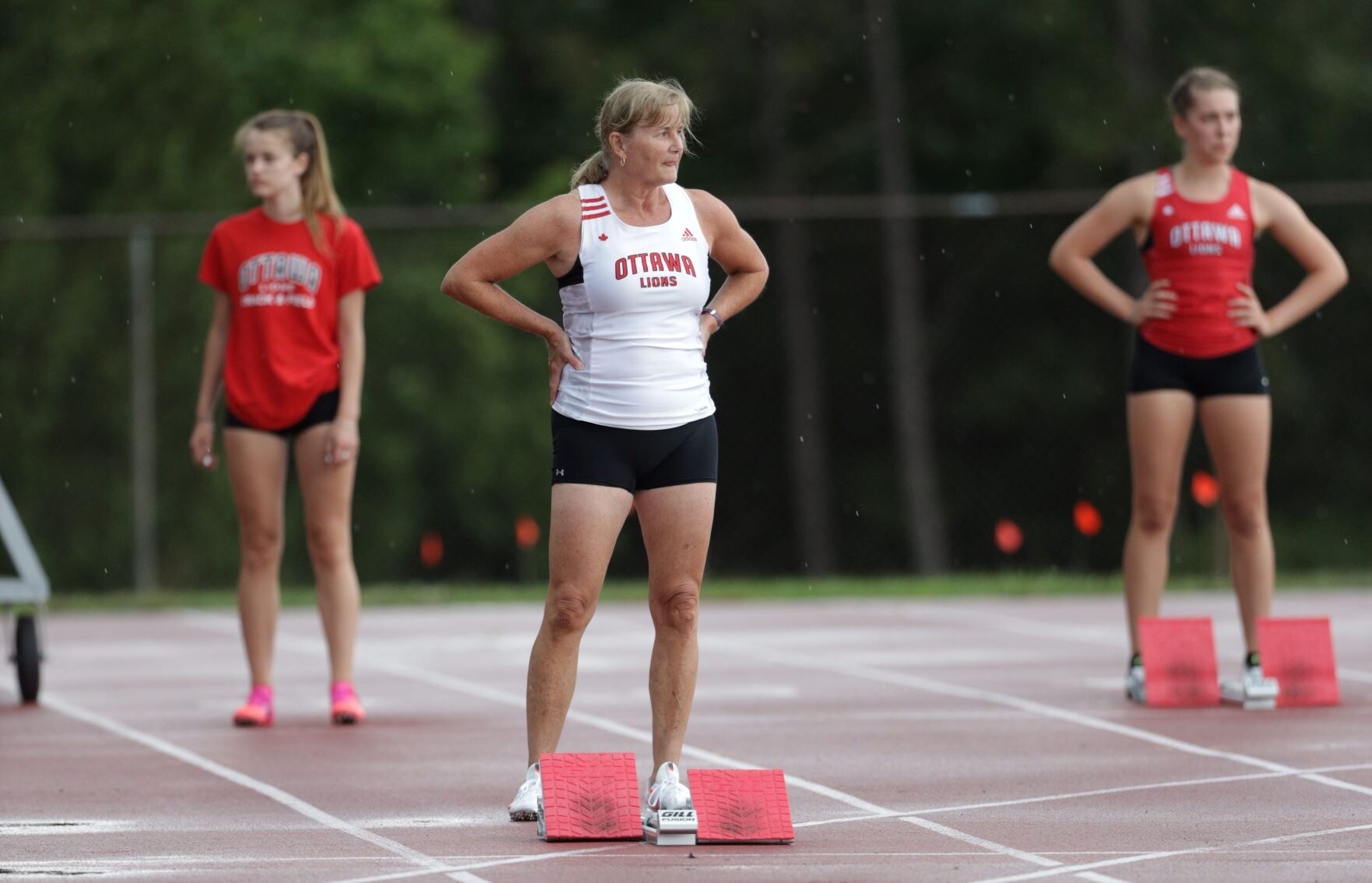
Masters athletics features age-group competitions in five-year increments, allowing athletes to compete against peers of similar age. The World Masters Athletics organization maintains records for these age groups, highlighting the ongoing competitiveness and dedication of senior athletes.
Wendy Alexis’s record-breaking run serves as an inspiring example of athletic excellence and perseverance, demonstrating that age is not a barrier to achieving world-class performance.
Distance Event Highlights at the World Masters Athletics Indoor Championships:
• Michael Kiely (Ireland): The 80-year-old from Cork clinched gold in the Men’s 800m (80-84 age category) with a time of 3:09.35. Remarkably, Kiely trains on a makeshift track mowed by his wife, showcasing his dedication to the sport.
• Francis Kipkoech Bowen (Kenya): In the Men’s 50-54 category, Bowen set a new world record in the 3000m, finishing in 8:36.23 and winning gold by over half a minute.
• Inocencio Cantu (USA): The 91-year-old American rewrote history with a time of 21:29.65 in the Men’s 90-94 category 3000m, setting a new world record.
(03/28/2025) ⚡AMPby Boris Baron
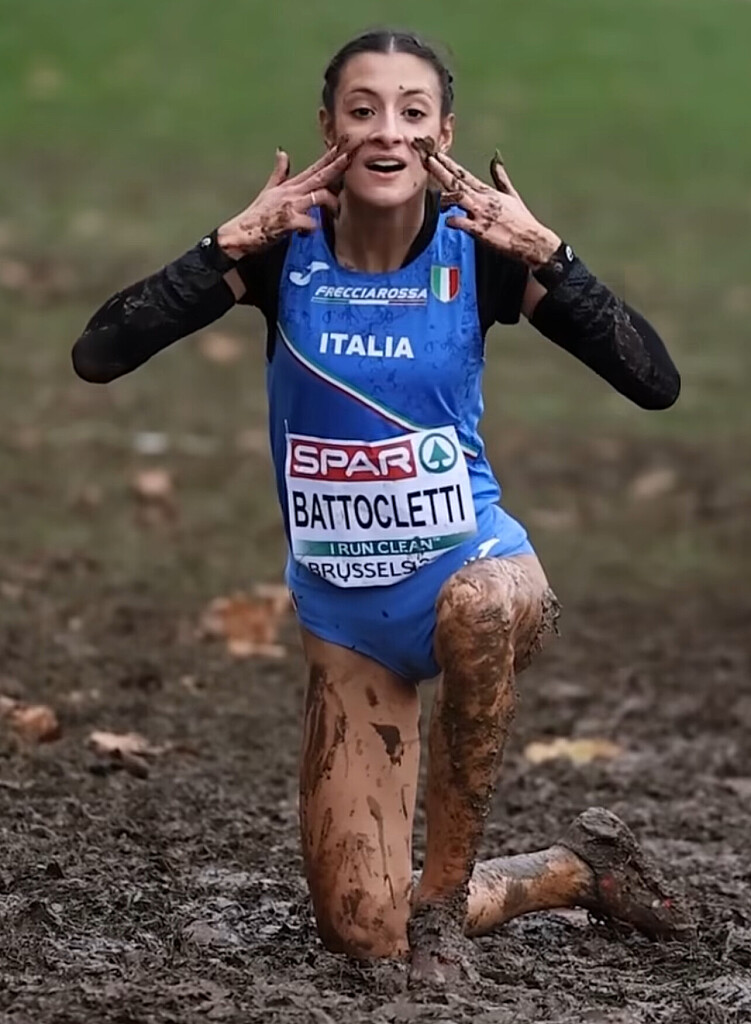
Battocletti and Kwizera Crowned 2024–2025 World Cross Country Tour Champions
Italy’s Nadia Battocletti and Burundi’s Rodrigue Kwizera emerged as the top athletes of the 2024–2025 World Athletics Cross Country Tour, each earning the highest ranking in the final standings after a season of consistent excellence across the global circuit.
Athletes earned points based on their best three performances between September 2024 and March 2025, with at least two results coming from official World Cross Country Tour events.

Battocletti Claims Women’s Title with European Gold and Two Tour Wins
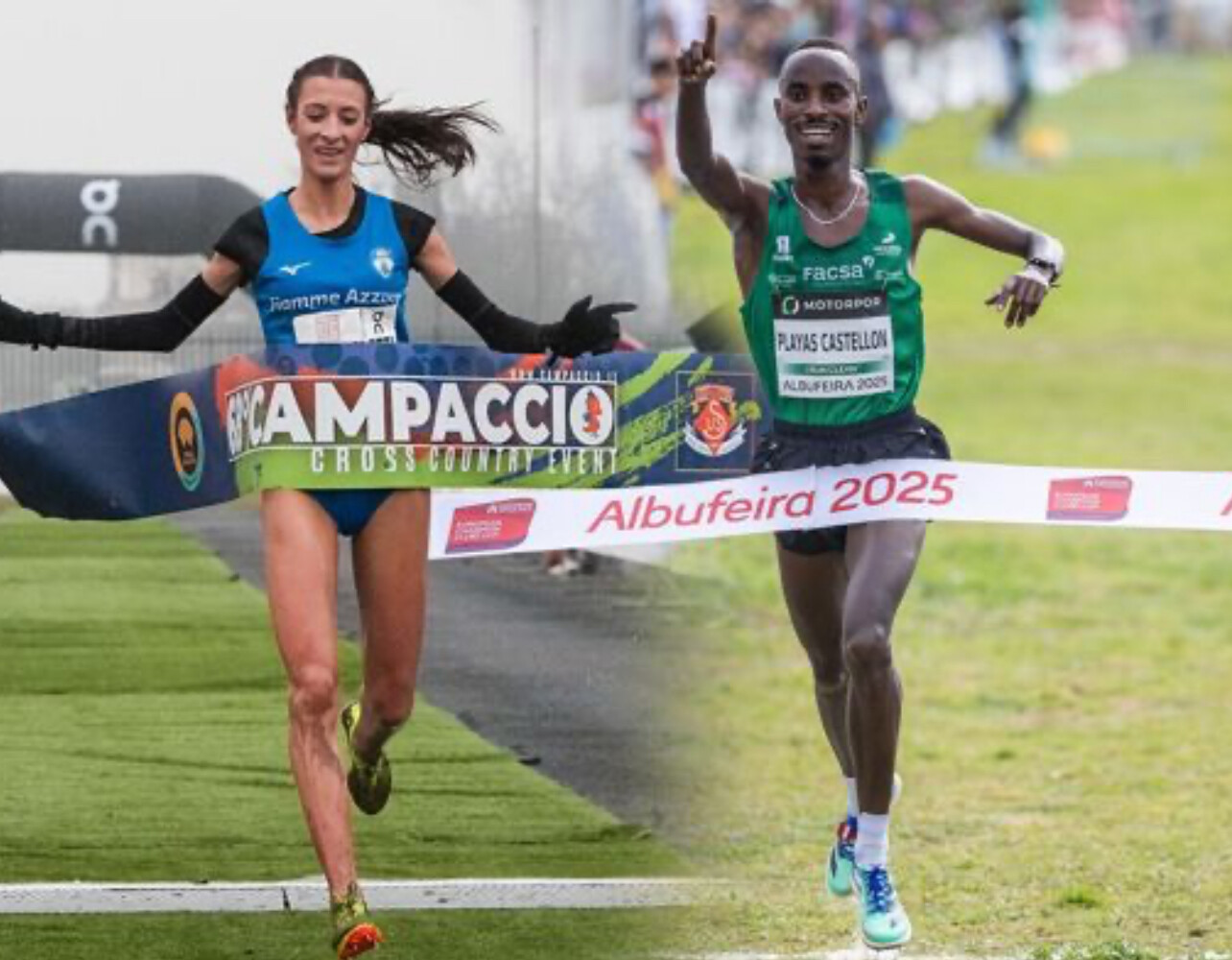
Nadia Battocletti capped a stellar season by finishing atop the women’s leaderboard with 3720 points. Her campaign began with a third-place finish at the iconic Cinque Mulini race in mid-November. A week later, she stormed to victory in Alcobendas, Spain, and followed that with a gold medal at the European Cross Country Championships in Antalya in December. She sealed her Tour triumph with a win on home soil at Campaccio in January.
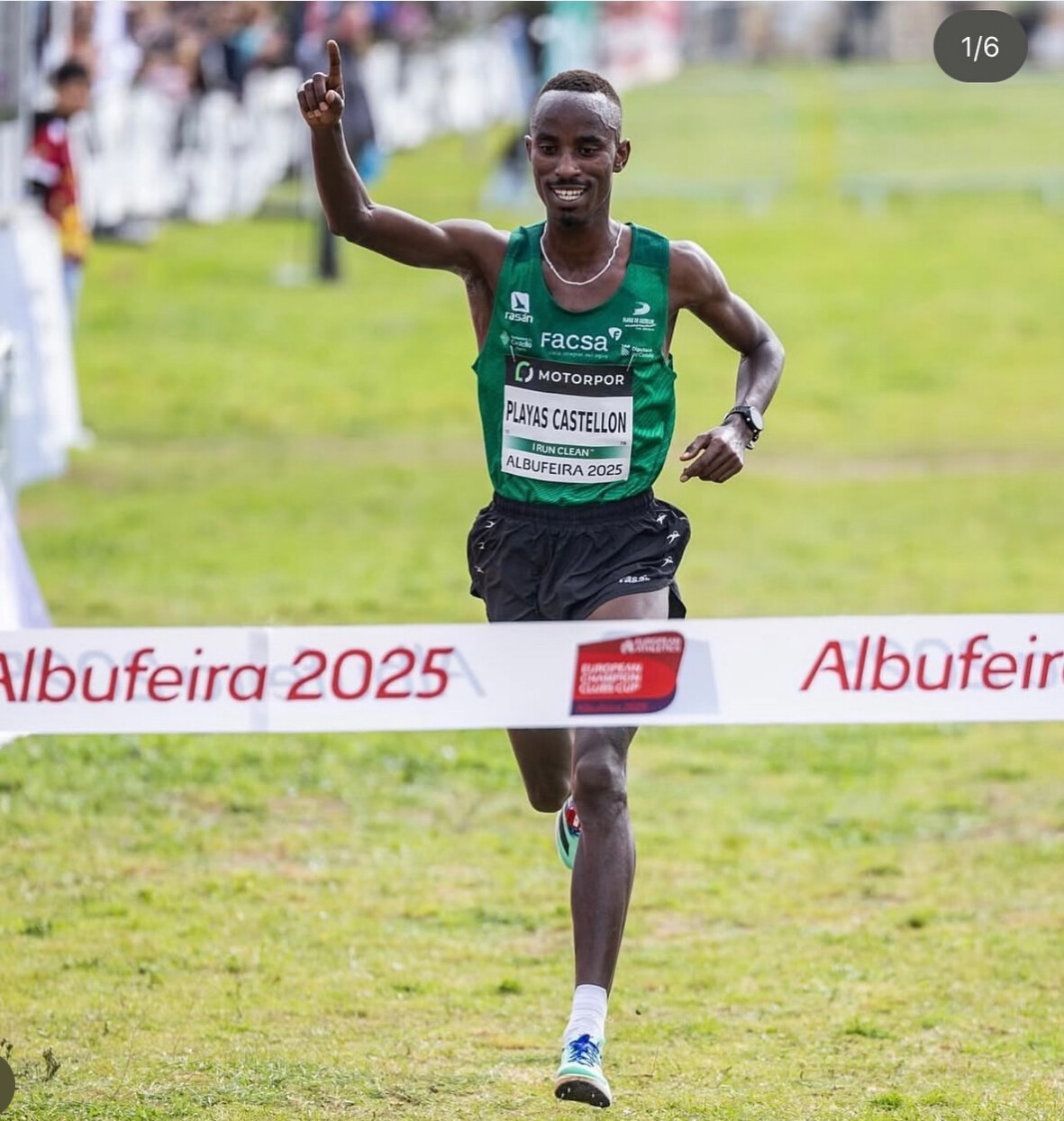
Burundi’s Francine Niyomukunzi—winner in Amorebieta and Albufeira—secured second place with 3700 points, followed closely by Kenya’s Sheila Jebet, who earned 3680 points across the series.
Kwizera Clinches Third Consecutive Men’s Title
In the men’s division, Rodrigue Kwizera continued his dominance on the cross-country scene by winning five races in the Tour—Amorebieta, Atapuerca, Soria, Alcobendas, and Albufeira—matching Battocletti’s final score of 3720 and securing his third straight overall title.
Kenya’s rising star, 18-year-old Matthew Kipkoech Kipruto, impressed with victories at Cinque Mulini and Carhaix to finish second overall with 3680 points. Spain’s Thierry Ndikumwenayo rounded out the top three with 3660 points.
Prize Payouts for Top Finishers
The World Cross Country Tour rewards consistency and performance, with the top six athletes in each category receiving prize money. Both Battocletti and Kwizera earned €10,000 for their overall victories.
Final Standings
Women’s Top Six:
1. Nadia Battocletti (ITA) – 3720
2. Francine Niyomukunzi (BDI) – 3700
3. Sheila Jebet (KEN) – 3680
4. Charity Cherop (UGA) – 3640
5. Carolina Robles (ESP) – 3620
6. Daisy Jepkemei (KAZ) – 3610
Men’s Top Six:
1. Rodrigue Kwizera (BDI) – 3720
2. Matthew Kipkoech Kipruto (KEN) – 3680
3. Thierry Ndikumwenayo (ESP) – 3660
4. Oscar Chelimo (UGA) – 3640
5. Celestin Ndikumana (BDI) – 3620
6. Robert Kiprop Koech (KEN) – 3600
The 2024–2025 Tour not only highlighted emerging stars but also cemented the status of elite veterans, with performances across varied terrains and countries showcasing the global appeal and competitive depth of cross-country running.
(03/28/2025) ⚡AMPby World Athletics
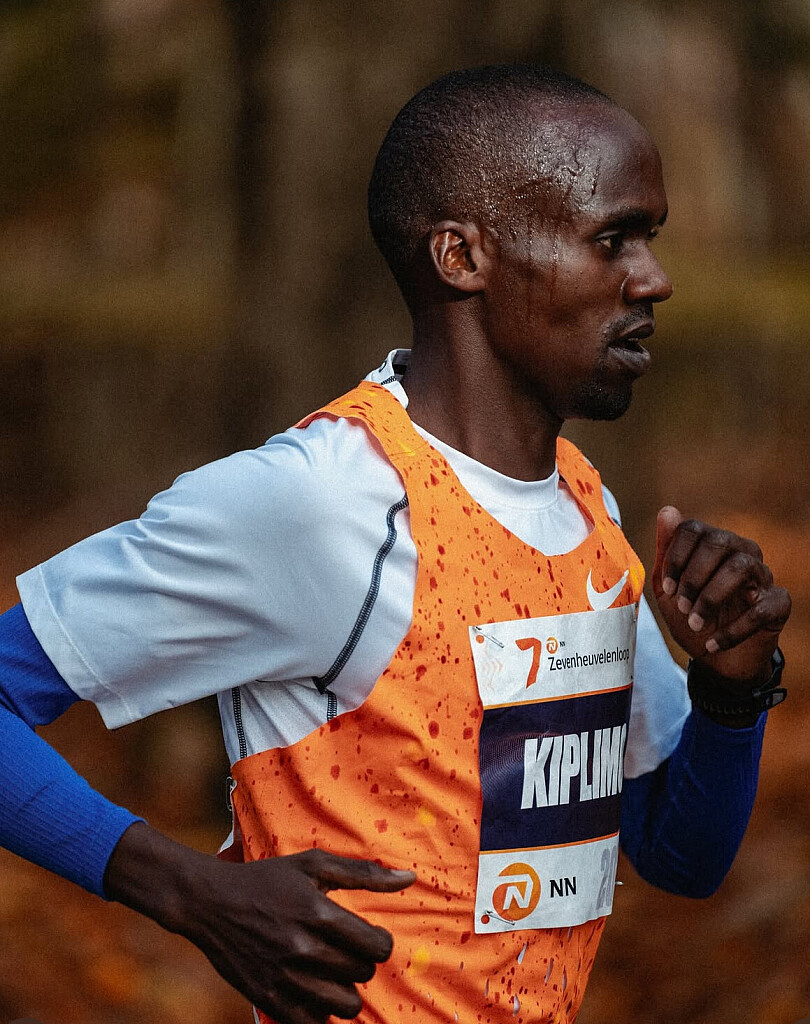
Jacob Kiplimo’s Marathon Debut: Pursuing the Sub-Two-Hour Barrier at the London Marathon
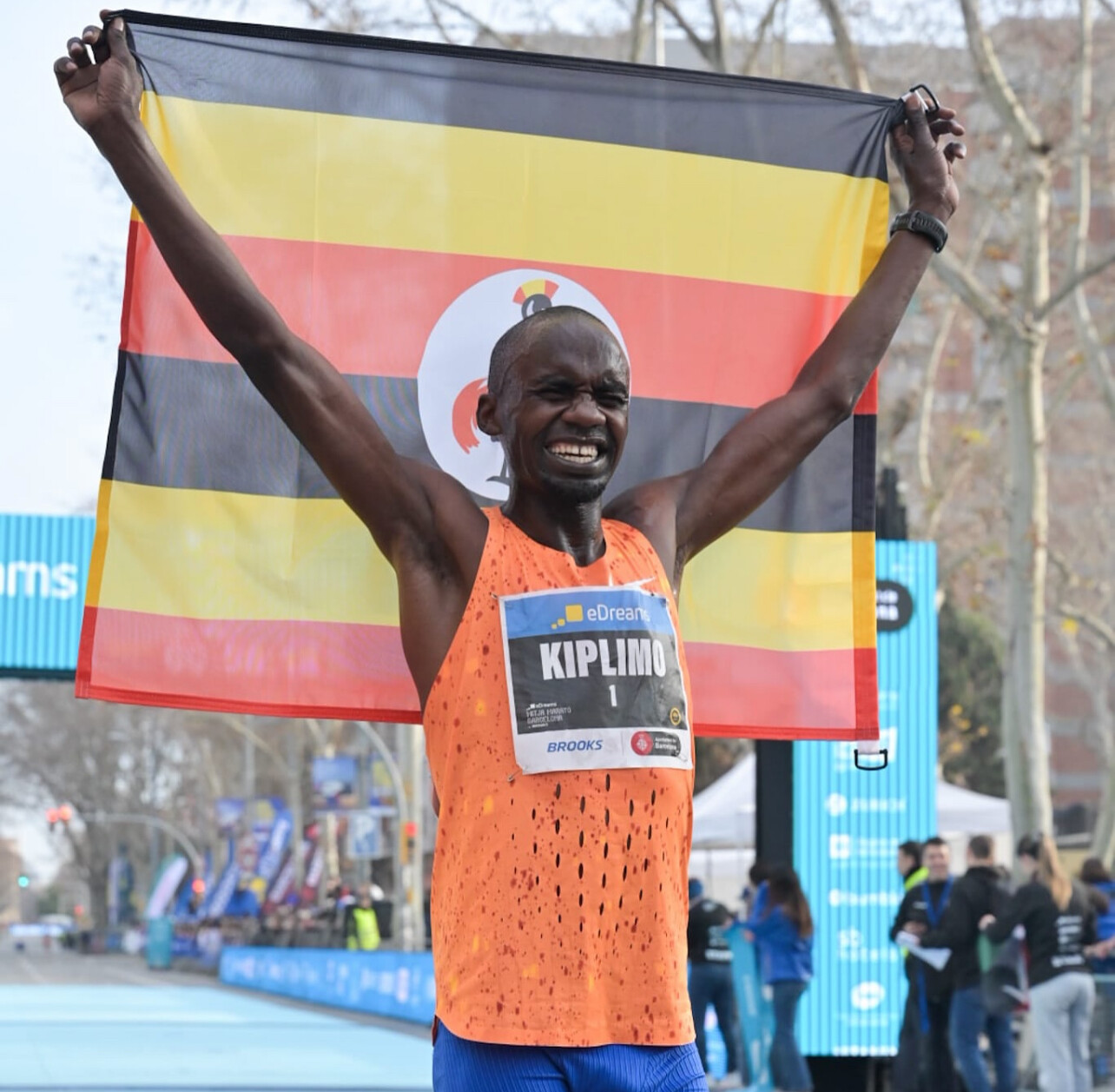
Jacob Kiplimo, the 24-year-old Ugandan distance running sensation, has recently captured global attention with his record-breaking performances. His upcoming marathon debut at the 2025 London Marathon has sparked widespread speculation: Could Kiplimo be the first to officially break the elusive two-hour marathon barrier?
A Record-Breaking Prelude
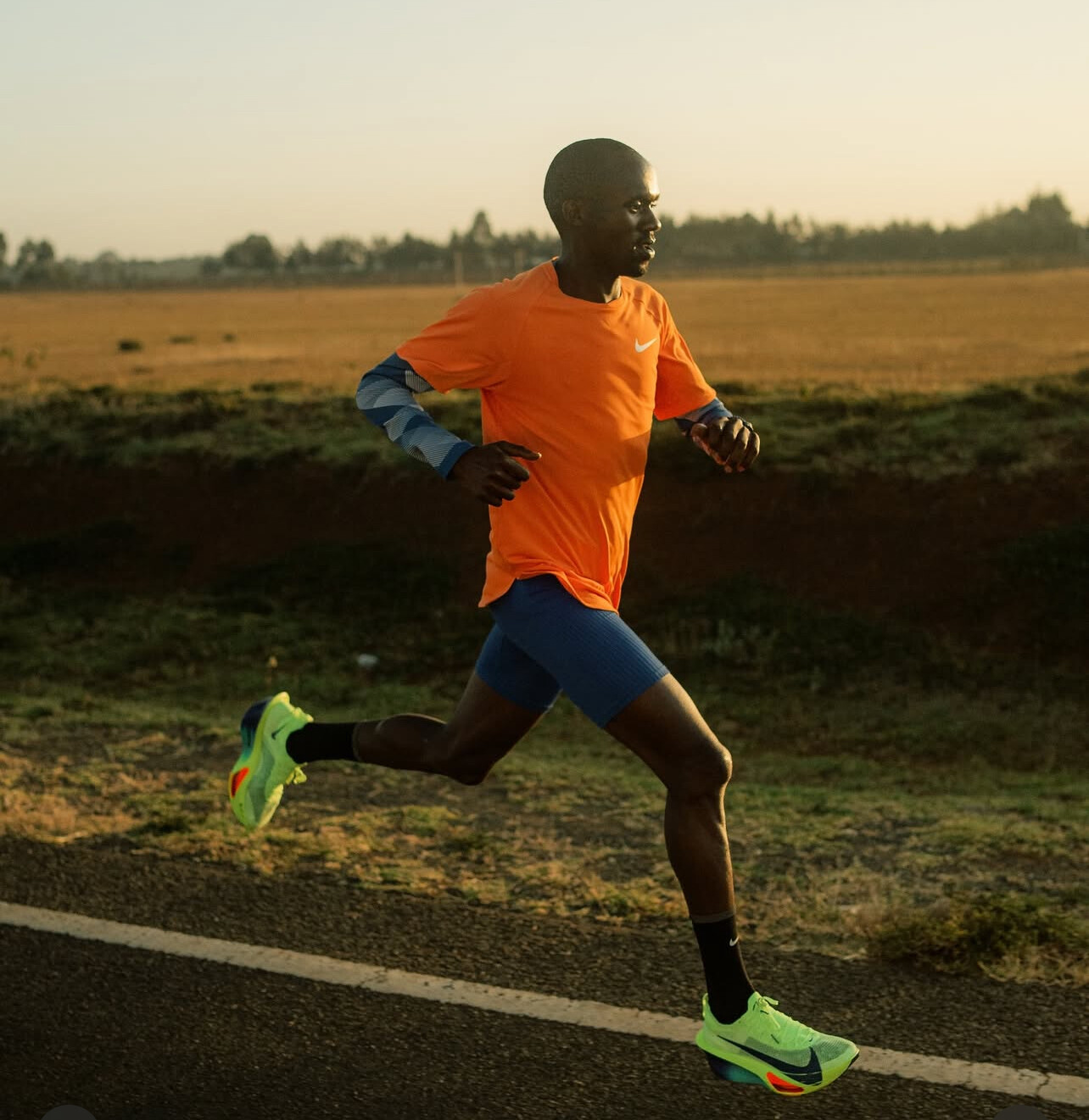
In February 2025, Kiplimo shattered the half marathon world record at the Barcelona Half Marathon, clocking an astonishing 56 minutes and 42 seconds. This feat not only eclipsed the previous record by 48 seconds but also showcased his exceptional endurance and speed. Reflecting on his performance, Kiplimo remarked, “I didn’t expect to break the world record… I told myself that I had to maintain that pace no matter what it took.”
Training Regimen: Balancing Quality and Volume
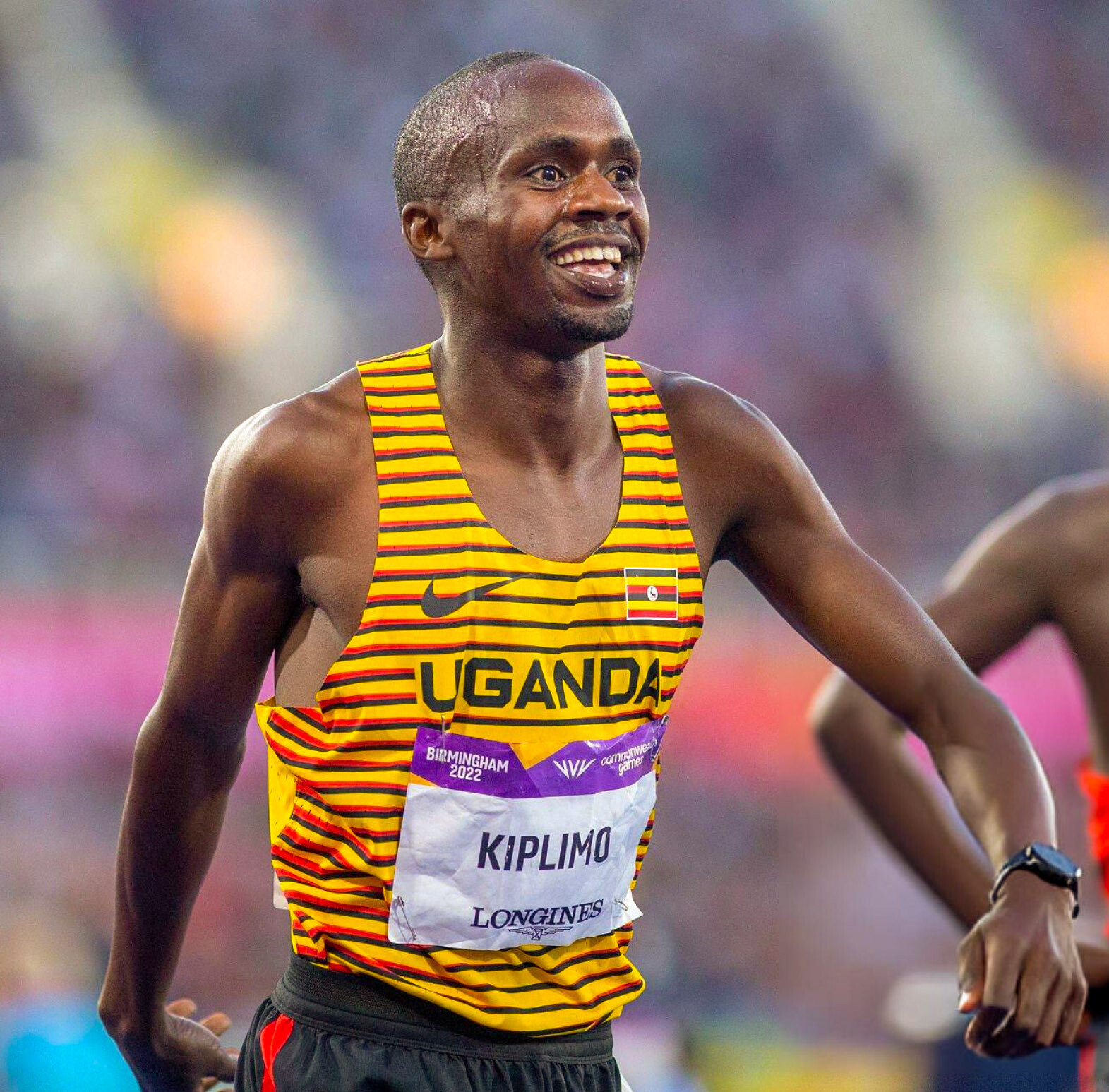
Kiplimo’s training approach emphasizes quality over sheer volume. Reports indicate that he typically runs between 80 to 95 miles per week, incorporating fartlek sessions, hill workouts, and threshold runs. His coach prioritizes structured, scientifically-based training, focusing on improving speed and personal bests before transitioning fully to marathon distances.
Assessing the Sub-Two-Hour Possibility
While Kiplimo’s half marathon performance suggests immense potential, translating that success to a full marathon presents distinct challenges. The physiological demands of 42.195 kilometers require not only speed but also exceptional endurance and energy management. Historically, even elite half marathoners have faced hurdles when moving up to the marathon distance. As noted in discussions about his transition, “His potential over 42.2km is massive, but marathon success isn’t just about being fast over 21.1km and doubling the effort.”
Strategic Considerations for London
Kiplimo’s race strategy for the London Marathon remains a topic of speculation. Given his aggressive approach in Barcelona, where he took the lead early and maintained a blistering pace, it’s plausible he might adopt a similar tactic in London. However, the marathon’s extended distance and the presence of seasoned competitors like Eliud Kipchoge and Kenenisa Bekele may influence a more measured strategy. Experts suggest that starting with a conservative pace could be advantageous, allowing Kiplimo to conserve energy for the latter stages of the race. Bob Anderson, founder of Runner’s World magazine and the Kenyan Athletics Training Academy, emphasizes the importance of early pacing:
“The marathon is twice the distance as the half, but to go under two hours Kiplimo has to be in good enough shape to push early,” says Bob Anderson. “He showed us in Barcelona he has the guts to do it. However, he has to be on that day, the temperature has to be perfect and with no wind. It can happen.”
Community and Expert Insights
The running community is abuzz with predictions. Some enthusiasts believe that with optimal conditions, Kiplimo could achieve a sub-two-hour marathon. One commentator expressed, “With the right course and good weather, this guy is going to do a sub 2 hour marathon. Amazing!” However, others urge caution, emphasizing the unpredictability of marathon debuts and the need for experience over the full distance.
Looking Ahead to London
As the London Marathon approaches, all eyes will be on Kiplimo. His performance will not only provide insights into his marathon potential but also indicate whether the sub-two-hour barrier can be breached in an official race setting. While optimism surrounds his debut, the marathon’s unique demands mean that even athletes of Kiplimo’s caliber must approach the challenge with respect and strategic preparation.
While Jacob Kiplimo’s transition to the marathon is highly anticipated, breaking the two-hour barrier in his debut remains a formidable challenge. His journey will undoubtedly captivate the running world, offering a compelling narrative of talent, preparation, and the relentless pursuit of athletic excellence.
(03/27/2025) ⚡AMPby Boris Baron
TCS London Marathon
The London Marathon was first run on March 29, 1981 and has been held in the spring of every year since 2010. It is sponsored by Virgin Money and was founded by the former Olympic champion and journalist Chris Brasher and Welsh athlete John Disley. It is organized by Hugh Brasher (son of Chris) as Race Director and Nick Bitel...
more...
Jackie Holman Claims Double Victory Cup at the 2025 Marina Double 15K
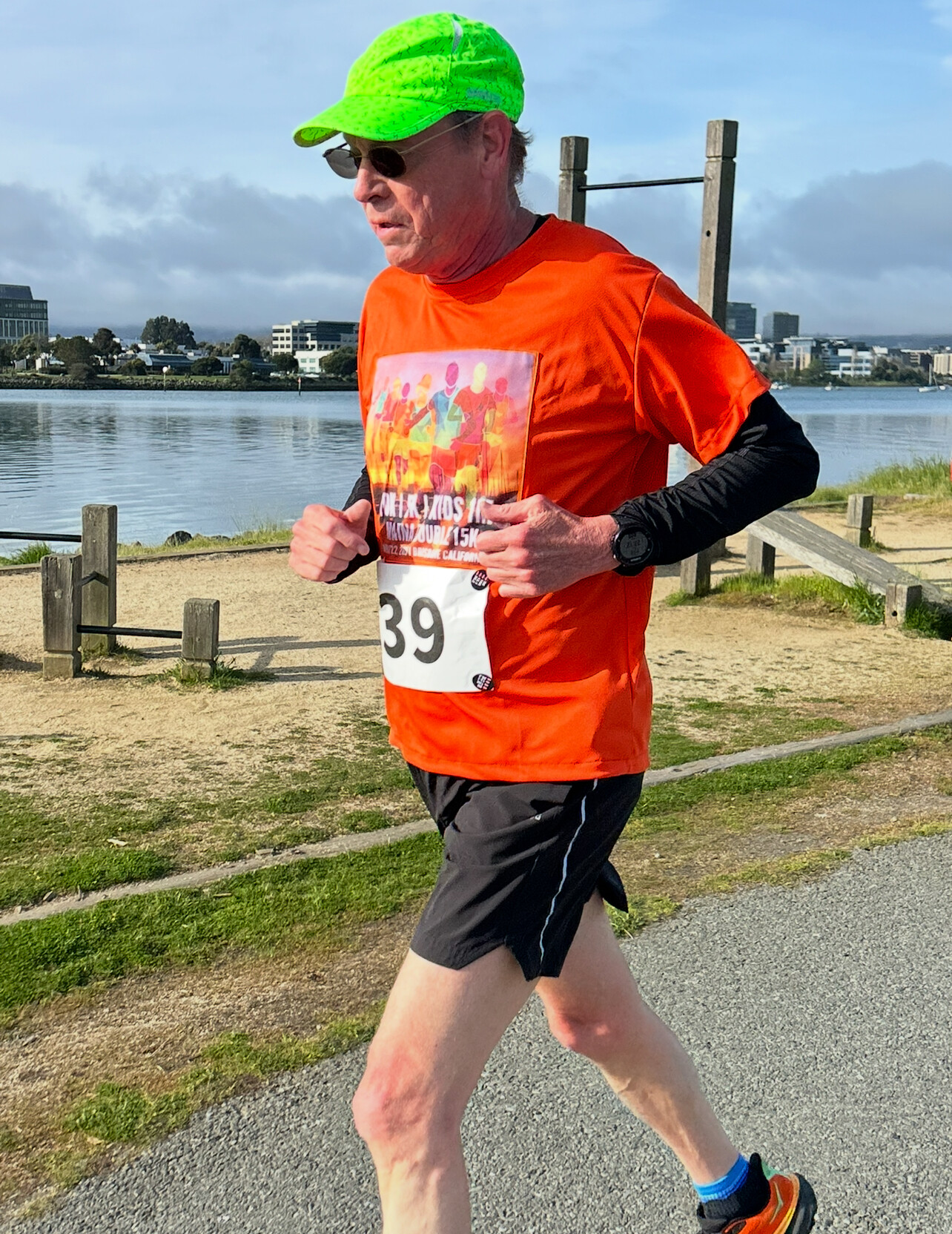
Runners gathered at the scenic Brisbane, California Marina March 22 for the annual Marina Double 15K, a one-of-a-kind event featuring a two-stage race: a 10K followed by a 5K, with combined times determining the overall results. In true Double Racing fashion, the 5K starts exactly 1 hour and 45 minutes after the start of the 10K, putting athletes to the test both physically and mentally.
The Marina Double 15K is an official event of the Double Road Race Federation (DRRF), the governing body of the sport of Double Racing. The sport was created by Bob Anderson, founder of Runner’s World magazine. The first official Double race was held in Mexico in 2010, and the format has since grown internationally.
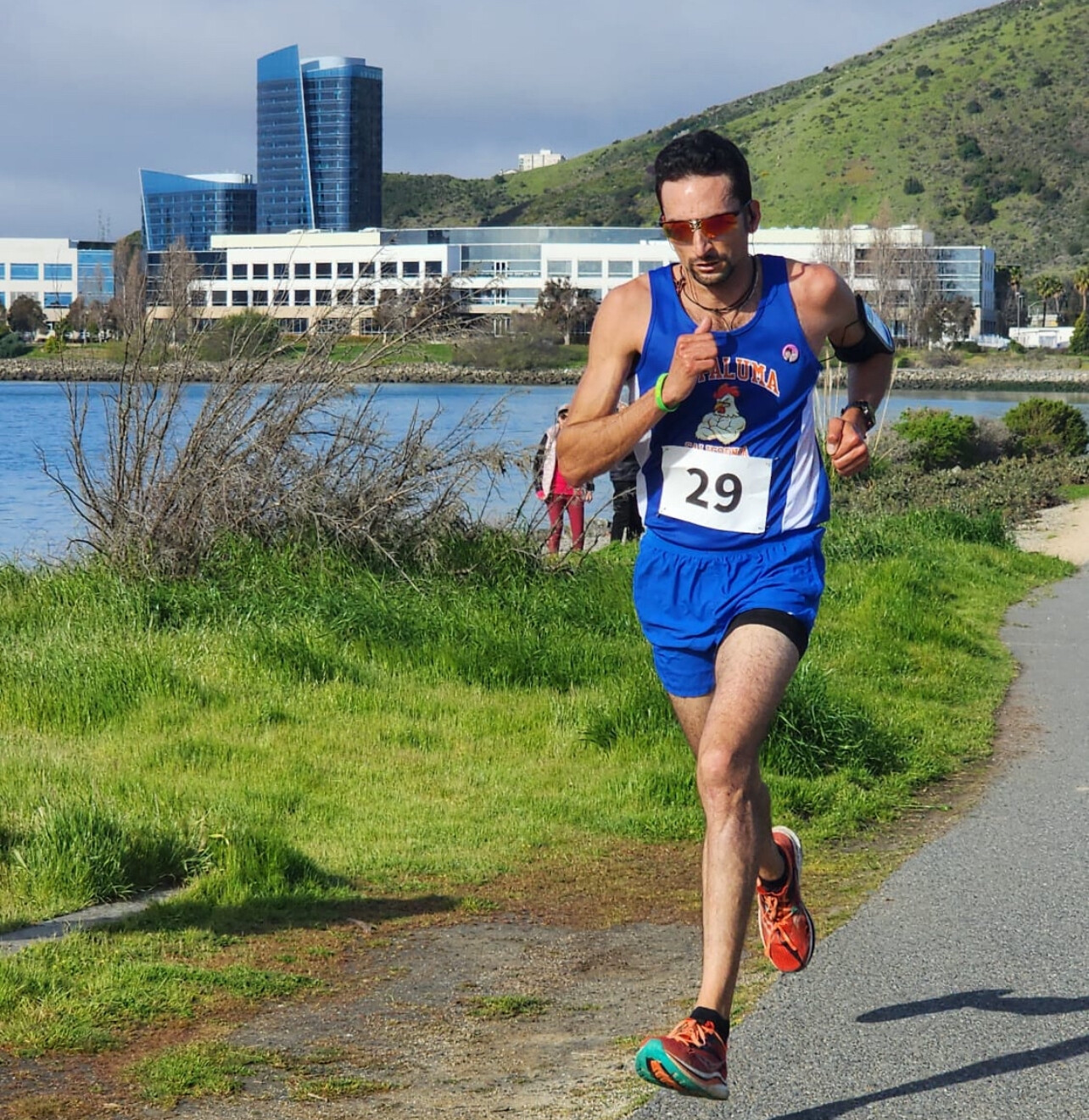
In this unique format, the top honor—the Double Victory Cup—is awarded to the runner with the best age-graded score over the full 15K. This year, 19-year-old Jackie Holman earned the top distinction with an age-graded score of 83.48%. She ran the 10K in 37:49 and the 5K in 17:46, giving her a combined time of 55:35 and the overall win. This shattered the best time ever for females 19 and under. The previous record was 57:22 set Dec 22, 2013 in Pleasanton, ca by 19 year old Natalie Dimits.

Anthony Cortes posted the fastest overall time of the day with a 33:23 in the 10K and a 16:46 in the 5K, totaling 50:09. His age-graded score was 82.12%.
Other Race Highlights
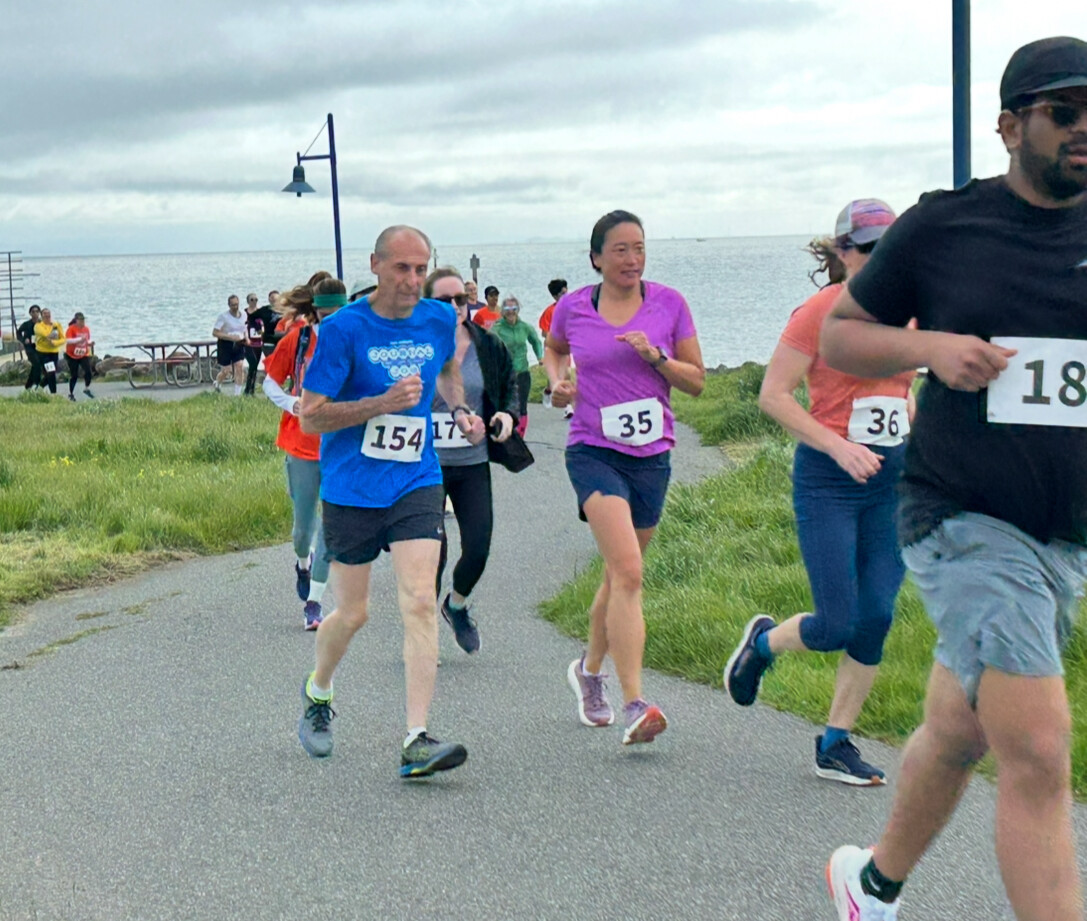
The Marina event also featured three additional races open to the public.
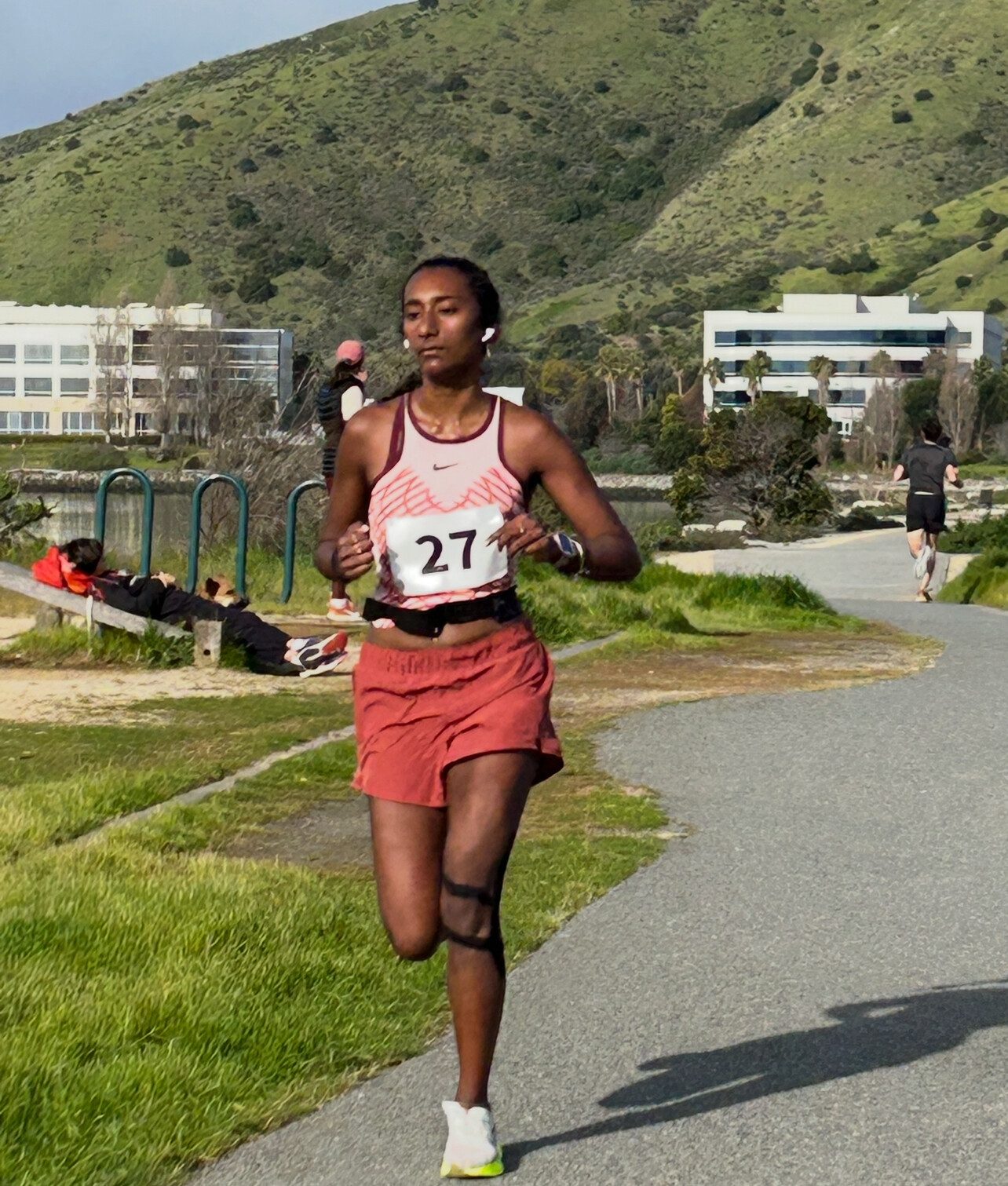
In the 10K Open, Andrew Elder (age 31) finished first among the men with a time of 36:46, and Maya Rossin-Slater (age 38) led the women with a time of 41:47.
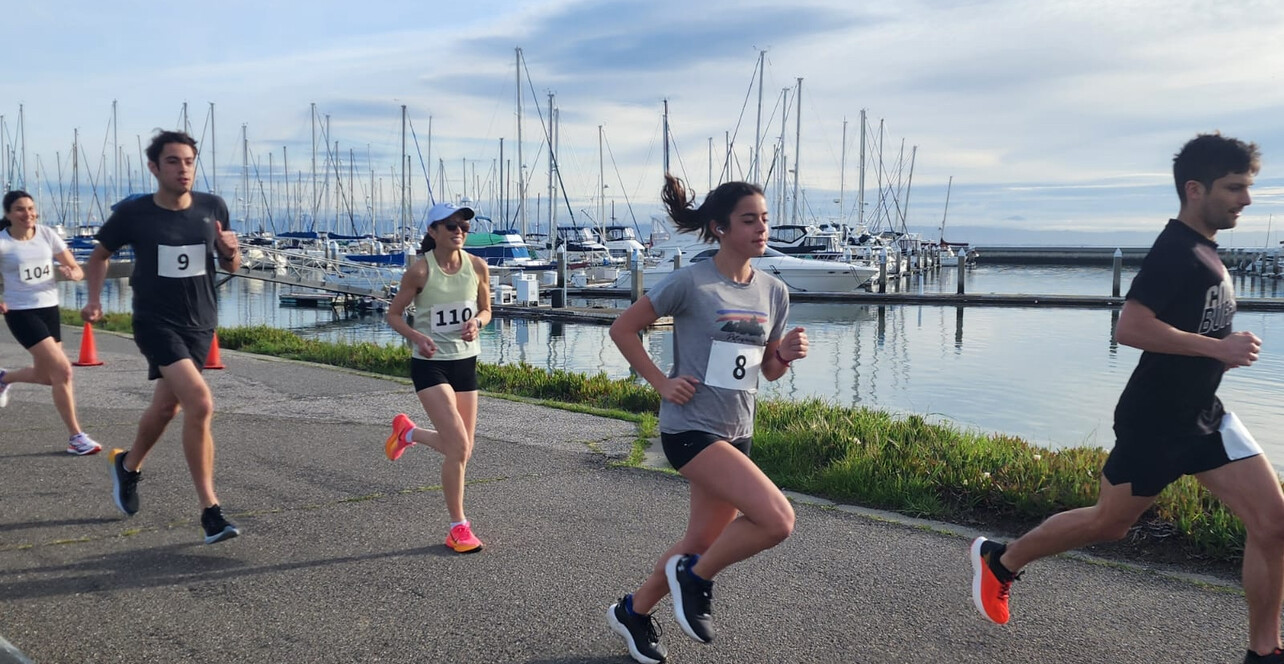
In the 5K Run/Walk, Joji Morikawa (age 21) won the men’s division with a time of 18:04, and Yannan Xi (age 38) was the first female finisher in 21:02.
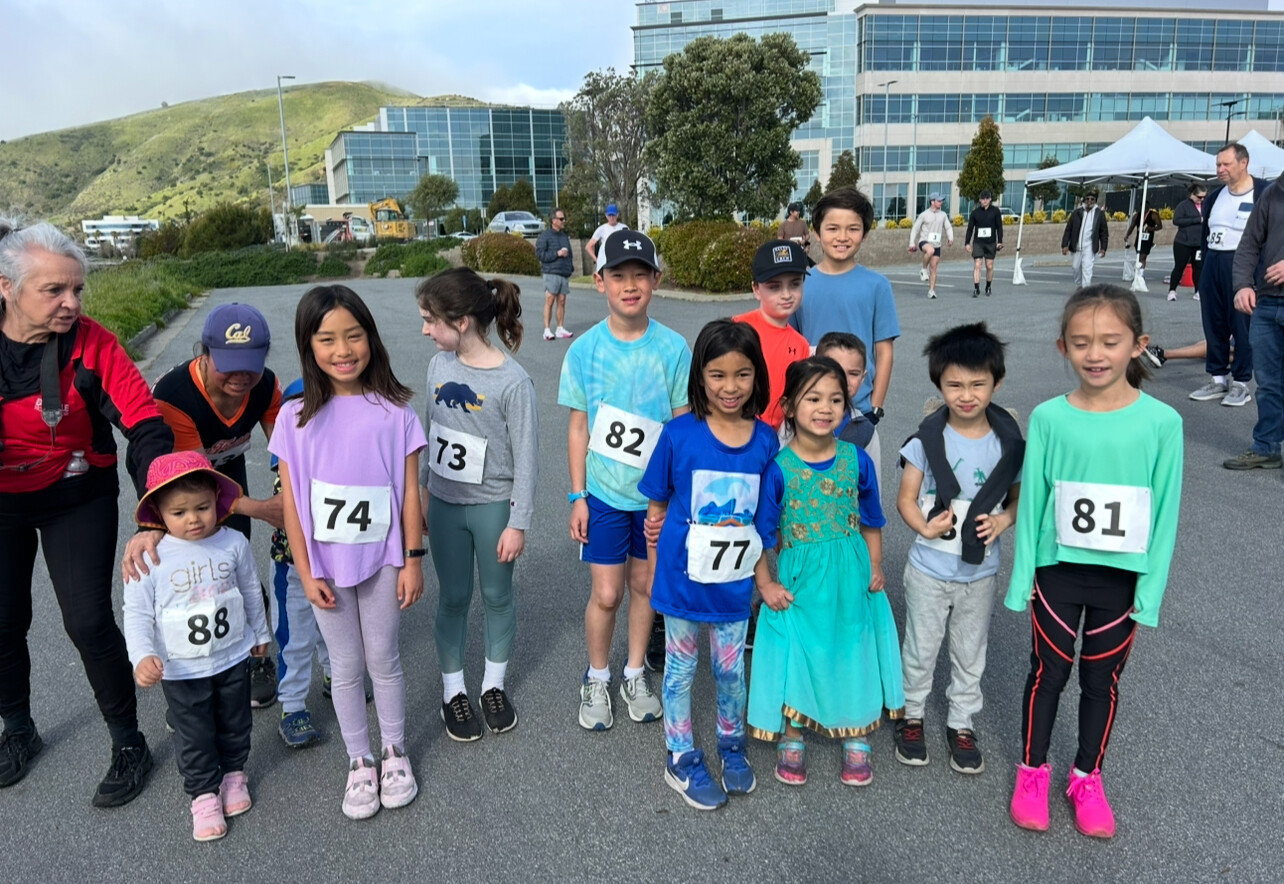
The Bob Anderson’s Kids Mile, open to children 13 and under, brought smiles and strong performances. Dylan Nichol (age 11) was the fastest boy with a time of 6:43, and Nadia Slater (age 9) finished first among the girls in 7:54.
Held along the waterfront paths of Harbor Park in Brisbane, California, the Marina Double featured stunning views of the bay, mild spring weather, and a welcoming, community-driven atmosphere that brought together competitive runners and families alike.
World Records for the Double 15K
• Men’s Record: Shadrack Kendulywo – 42:34 (10K: 28:33, 5K: 13:59), set in Thika, Kenya on September 14, 2024
• Women’s Record: Risper Gesabwa – 48:45 (10K: 32:55, 5K: 15:49), set on December 21, 2014
Save the Date
The next Marina Double 15K and companion events will return to Brisbane on Saturday, March 21, 2026. Whether you’re racing both legs or cheering on your kids in Bob Anderson’s Kids Mile, there’s something for everyone at this one-of-a-kind running festival.
(03/27/2025) ⚡AMPby Boris Baron

Marina Double 15k & 10k/5k
2027will be our 8th year at this location for the Double 15K (10K+break+5K), 10k, 5k the new 1-Mile for all ages and kids mile (13 and under). You are going to love our flat and fast course. All participants will receive an official shirt, tote bag and all finishers will receive a big medal. Brisbane is just 20 minutes from...
more...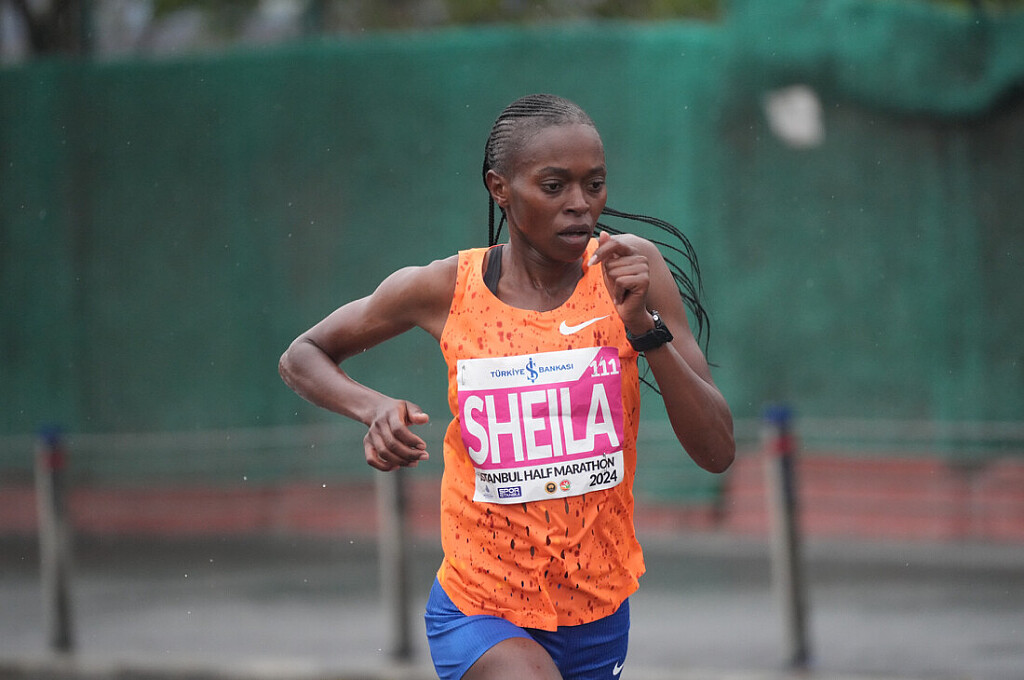
Defending Champion Sheila Chelangat Returns for the 2024 Türkiye İş Bankası Istanbul Half Marathon – April 27
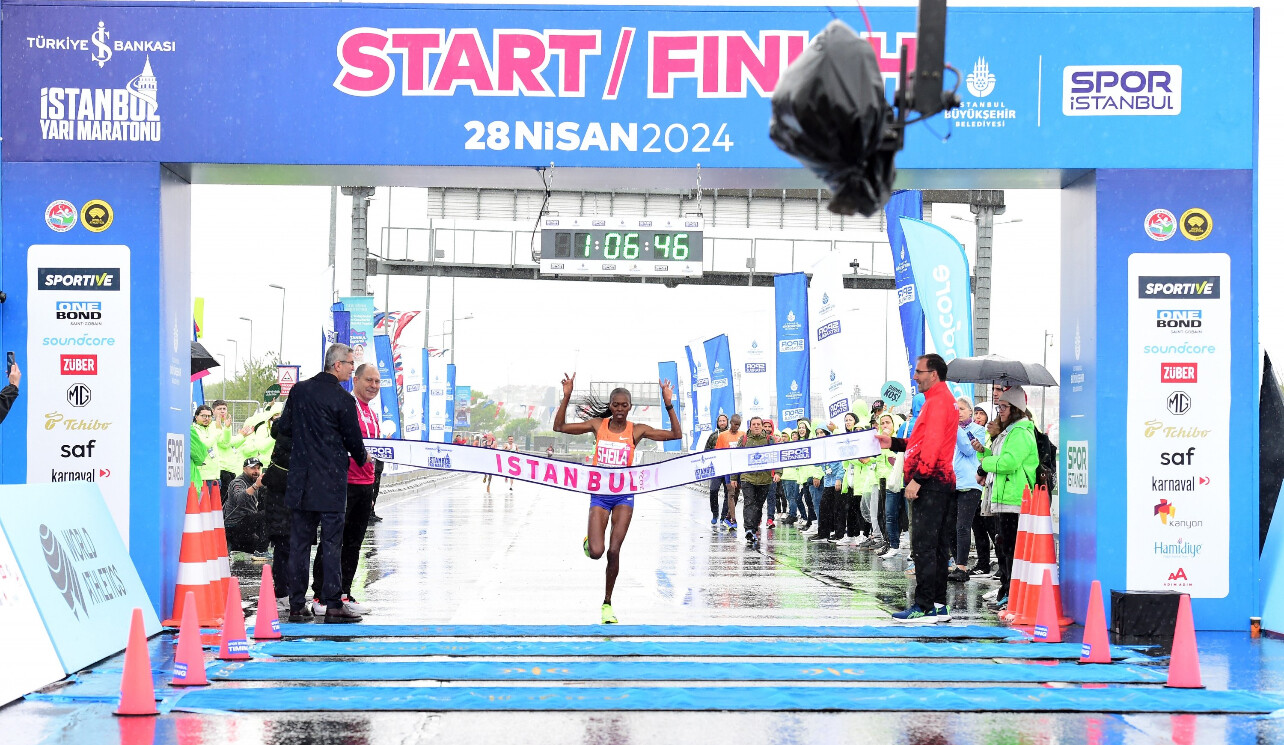
Sheila Chelangat (first two photos) is set to defend her title at the 20th edition of the Türkiye İş Bankası Istanbul Half Marathon on April 27. The 26-year-old Kenyan, who claimed her biggest career win on this same course last year, headlines a deep elite field featuring several of Africa’s top distance runners.
Chelangat made headlines in 2023 when she dropped nearly three minutes from her personal best to clock 66:47 in Istanbul. She continued to shine in 2024, running 66:42 in Copenhagen and a new PB of 66:06 in Valencia. But despite her strong form, she’s not the fastest woman in the field this year.
Fellow Kenyan Judy Kemboi, 25, enters as the top seed with a personal best of 65:43, set in Copenhagen. In just over a year, Kemboi has completed seven half marathons—winning five of them—including a strong second-place finish at this year’s Ras Al Khaimah Half Marathon (66:34) and a win in Guadalajara at altitude.
Another top contender is 29-year-old Winfridah Moseti, who recently proved her marathon strength with a 2:16:56 runner-up finish in Tokyo. Her half marathon PB stands at 65:59 from Malaga, but her recent form suggests she’s ready for more.
In the men’s race, Ethiopia’s Haftu Teklu and Kenya’s Alex Matata are expected to battle for the title. Teklu brings a 59:06 best and course experience—he finished third in Istanbul two years ago. Just days ago, he also won the Seoul Marathon in 2:05:42, confirming his top form.
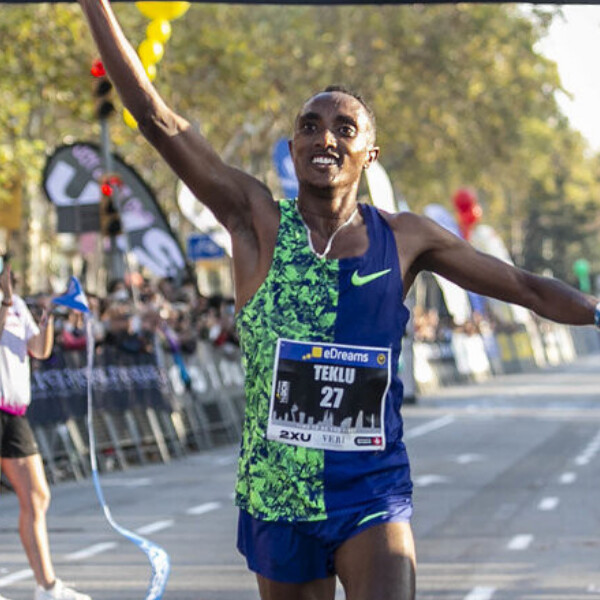
Matata, 27, is one of Kenya’s fastest-rising stars. He won the Ras Al Khaimah Half Marathon in February with a personal best of 59:20, despite headwinds. In just one year of international competition, he’s already won six of his seven half marathons.
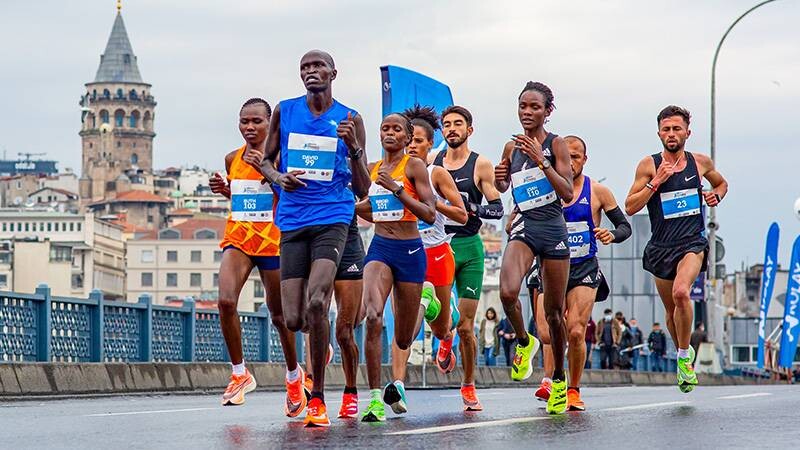
Not to be overlooked is Great Britain’s Callum Hawkins. A two-time World Championship marathon fourth-place finisher, Hawkins is returning to form and holds a half marathon PB of 60:00 from 2017.
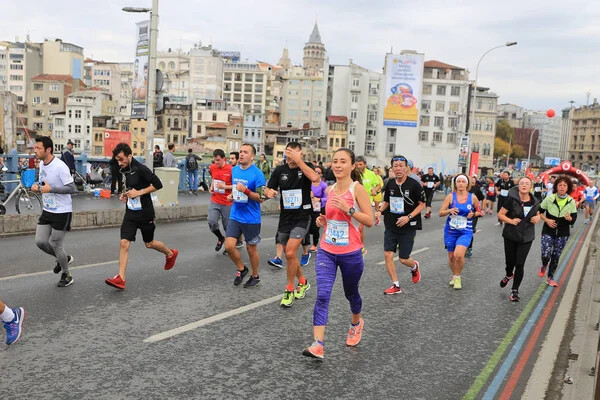
Organizers expect around 17,000 runners across both the half marathon and parallel 10K event, making it Turkey’s largest and fastest half marathon. Entries are still open.
“Running around the historic city once ruled by three empires—and along the Golden Horn—is a priceless experience,” said Race Director Renay Onur. “Every runner should experience this event. And when champions return, it shows that Istanbul is one of the best places in the world to run.”
(03/26/2025) ⚡AMP
Istanbul Half Marathon
The Türkiye İş Bankası Istanbul Half Marathon is one of the fastest and most scenic races in the world, taking runners along the historic Golden Horn in Istanbul—once the heart of three great empires. Held annually in April, it attracts a world-class field and thousands of amateur runners. The flat, fast course makes it ideal for personal bests. The current...
more...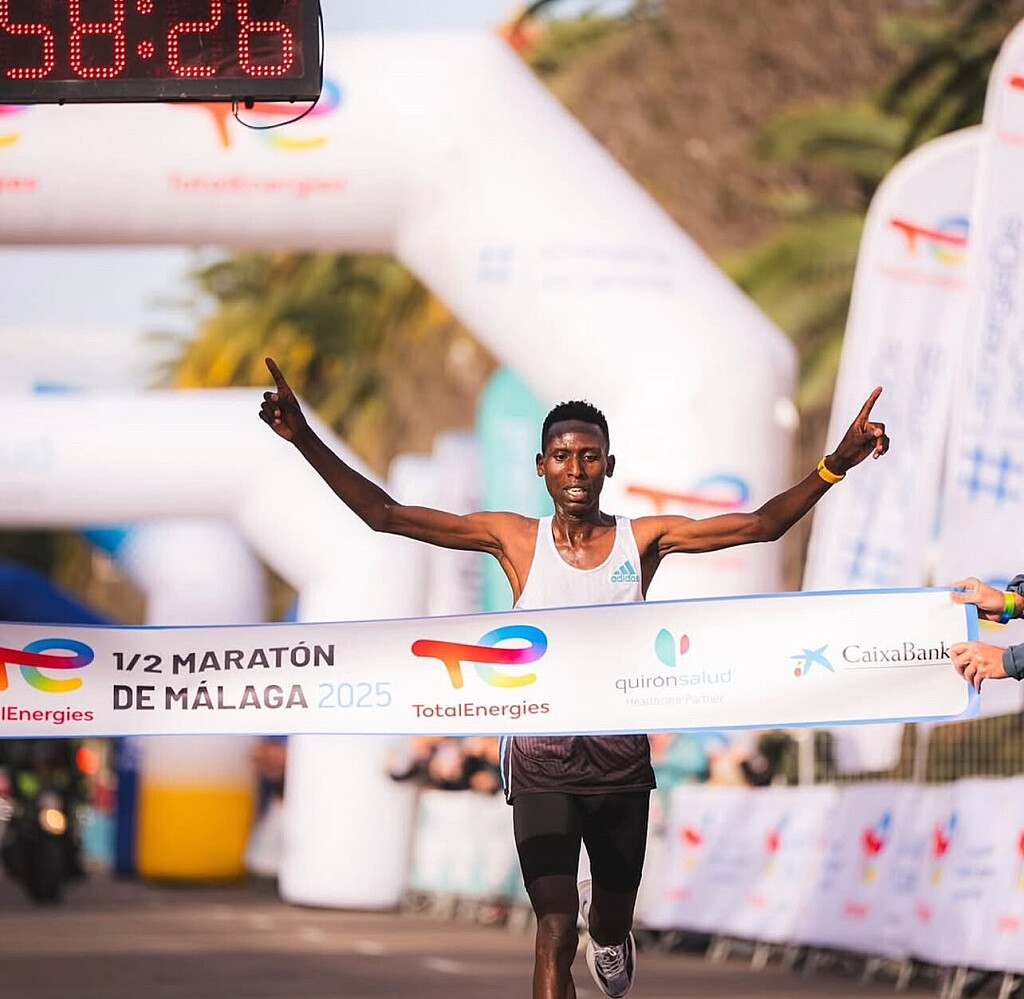
TotalEnergies Malaga Half Marathon Delivers Record Breaking Performances in 2025
The 2025 TotalEnergies Malaga Half Marathon cemented its status as one of the world’s fastest road races as both the men’s and women’s course records were smashed on the streets of this vibrant southern Spanish city. With over 8,000 participants taking part in a mass start, the race delivered a perfect blend of elite competition and community spirit.
Set against the stunning backdrop of the Costa del Sol, the course — famous for its lightning-fast profile with only 7 meters of elevation difference and just 7 curves — lived up to its billing, helping athletes produce remarkable times under near-perfect weather conditions.
Men’s Top Three: Blazing Speed from Start to Finish
1. Gilbert Kipkosgei Kiprotich (Kenya) – 58:27
Shattered the course record and established himself as one of the fastest half marathoners in Europe this year.
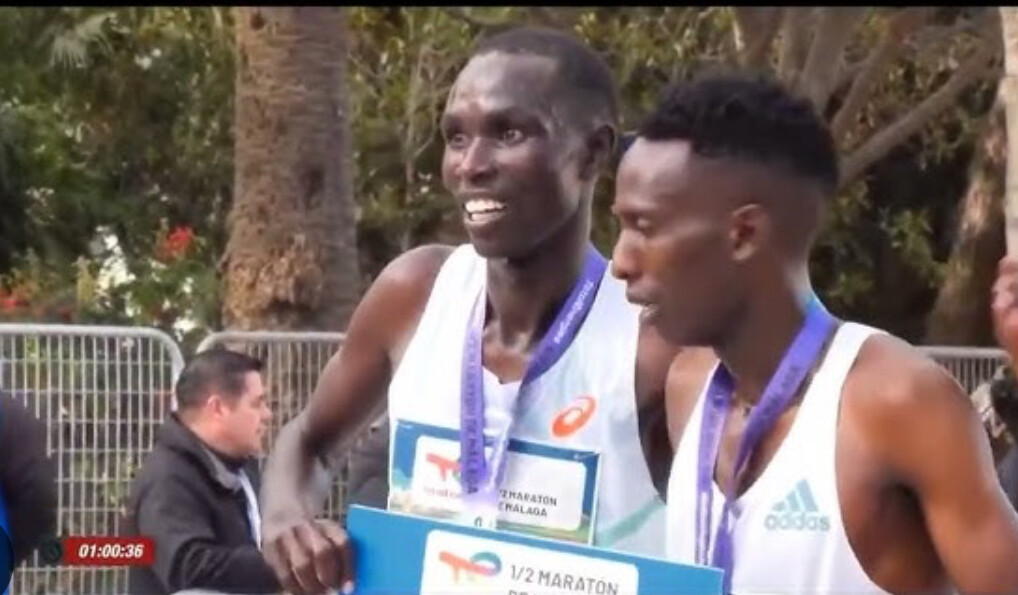
2. Patrick Kabirech Mosin (Kenya) – 58:44
Ran a smart and aggressive race, pushing Kiprotich until the final stretch.
3. Richard Yator Kimunyan (Kenya) – 1:01:21
Rounded out a Kenyan sweep with a strong finish in a tightly contested pack.
Women’s Top Three: Chemnung Defends and Dominates
1. Loice Chemnung (Kenya) – 1:05:46
Smashed her own course record from 2023 and claimed her second consecutive Málaga title.
2. Miriam Chebet (Kenya) – 1:07:01
Challenged early and held on for a solid second-place finish.
3. Joy Cheptoyek (Uganda) – 1:08:00
Delivered a breakout performance to claim third in a competitive field.
Mass Start Brings Community Together
The energy was high as over 8,000 runners began together in a mass start, creating an electric atmosphere along the palm-lined streets of Málaga. From elite athletes chasing world-class times to everyday runners aiming for personal bests, the shared start added unity and excitement to one of Europe’s top road racing events.
Whether you’re targeting a sub-60-minute finish or looking for your next destination race, the TotalEnergies Malaga Half Marathon offers one of the best racing experiences in the world — with sun, speed, and Spanish charm to match.
(03/23/2025) ⚡AMPby Boris Baron

Malaga Half Marathon
TheTotalEnergies Málaga Half Marathonis one of Europe’s premier road racing events, held annually in the sun-drenched coastal city ofMálaga, Spain. Known for its lightning-fast course and ideal racing conditions, this half marathon attracts elite athletes and recreational runners from around the world. Set along the scenicCosta del Sol, the route is celebrated for itsultra-flat profile, featuring just a7-meter elevation...
more...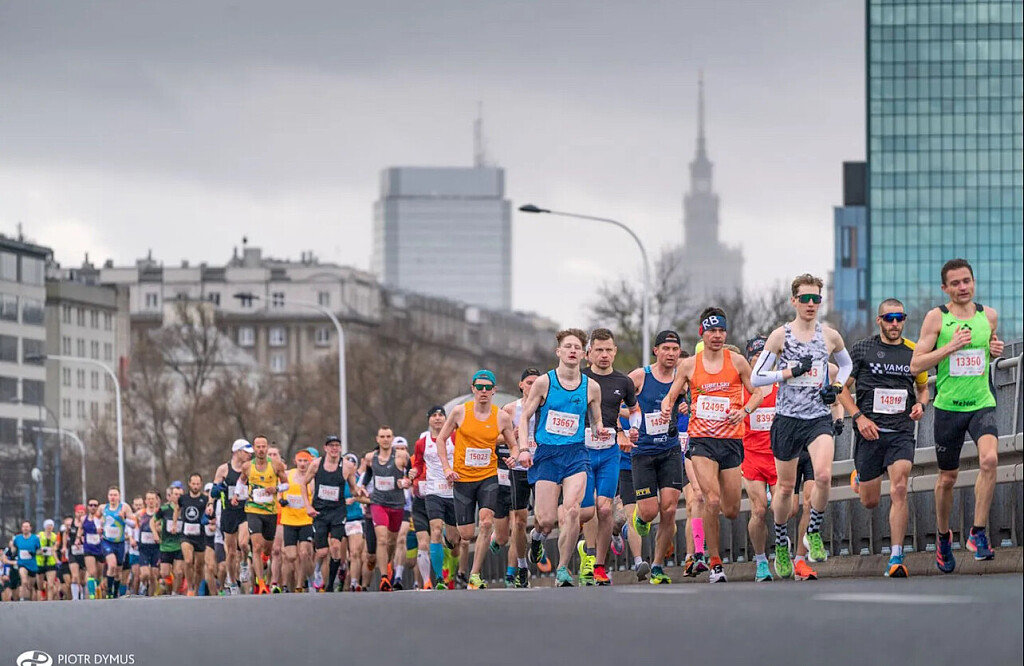
Race to the Heart of Warsaw: The 19th Warsaw Half Marathon on March 30, 2025
The 19th Nationale-Nederlanden Warsaw Half Marathon is set to take place on March 30, 2025, inviting runners from around the globe to experience a scenic 21.0975 km (13.1 miles) course through Poland’s vibrant capital.
Course Highlights:
The race begins on the Poniatowski Bridge near the PGE Narodowy stadium. Participants will traverse iconic landmarks such as Marszałkowska Street, Krakowskie Przedmieście, and the historic Old Town, experiencing Warsaw’s rich history and modern energy. The route crosses the Vistula River twice, offering scenic views of the city, before finishing near the stadium.
Course Records:
• Men’s Record: Emanuel Giniki Gisamoda (Tanzania) set the course record with a time of 1:00:30 in 2022.
• Women’s Record: Pauline Njeru (Kenya) established the women’s course record at 1:09:06.
Event Significance:
The Warsaw Half Marathon has grown significantly since its inception. The 18th edition in 2024 attracted nearly 13,500 participants, making it the largest half marathon in Polish history. The event also hosted the 33rd Polish Half Marathon Championships, where national records were set by Monika Jackiewicz and Mateusz Kaczor.
(03/22/2025) ⚡AMPby Boris Baron

PZU Polmaraton Warszawski
Warsaw Half Marathon: A Premier Running Event in Poland TheWarsaw Half Marathon, officially known as thePółmaraton Warszawski, is an annual road race held in Warsaw, Poland. Since its inception in 2006, it has grown to become one of the country’s largest and most prestigious running events, attracting thousands of participants each year. Course Overview: The half marathon...
more...
Distance Running Takes the Spotlight at the World Indoor Championships in China
After years of delays and anticipation, the 2025 World Athletics Indoor Championships will finally unfold in Nanjing, China, from March 21 to 23. While sprints and field events always generate buzz, this edition promises to be a landmark for distance running—with some of the world’s best athletes converging to test themselves against the clock, the field, and history.
At the center of it all is Jakob Ingebrigtsen, Norway’s Olympic gold medalist and world champion, who will attempt an ambitious and rare double in the 1500 meters and 3000 meters. If successful, he will join Ethiopian legend Haile Gebrselassie, who last accomplished the feat in 1999. Ingebrigtsen’s smooth stride, iron pacing, and fierce final kick have made him one of the most dominant middle-distance runners of the past decade. But with Ethiopian and Kenyan contenders lining up with fast times and bold strategies, neither race will be a solo effort.
The 3000 meters is shaping up as one of the most exciting events of the meet. Alongside Ingebrigtsen, Ethiopia’s Selemon Barega—Olympic 10,000m champion—and Kenya’s Jacob Kropbring serious range and championship pedigree. With indoor tracks amplifying the tactical element and crowd energy, fans can expect a thrilling mix of surges, positioning, and all-out finishing kicks in the final laps.
In the 800 meters, the men’s race is wide open. With no clear dominant figure, the door is open for rising stars from Spain, Algeria, and the United States to make a breakthrough. Indoors, the 800 is a physical, high-stakes affair, with tight turns and strategic jostling—where positioning is just as important as speed. The women’s 800 features a mix of veterans and rising talent, with sub-2:00 runners all seeking to time their peak perfectly for Nanjing.
The women’s 1500 meters could become a showcase for a new era of stars. While no single name stands above the rest going in, there are multiple women capable of taking the crown, including contenders from Great Britain, Ethiopia, and Australia. As with the men’s race, the tight indoor track places a premium on tactical patience and decisive moves.
Also featured is the distance medley relay, a relatively new but fan-favorite event that brings a unique blend of speed and endurance. Countries with depth across the 400, 800, 1200, and 1600-meter legs will have the advantage, and the energy in the building is expected to be electric when teams hand off for the final mile leg.
Nanjing’s fast indoor surface and tightly packed arena create the perfect environment for records, surprises, and heroic runs. After years of waiting, the distance events at these World Indoor Championships promise to be the heart of the competition—where strategy, stamina, and raw speed will collide on the world stage.
(03/20/2025) ⚡AMPby Boris Baron

World Athletics Indoor Championships
World-Class Competition Lands in Poland: 2026 World Athletics Indoor Championships The 21stWorld Athletics Indoor Championshipsare being held from 20 to 22 March 2026 at theKujawsko-Pomorska Arena ToruńinToruń,BiT City,Kuyavian–Pomeranian,Poland. It is the second time the country has held the event after the2014 editioninSopot. The venue previously hosted the2021 European Athletics Indoor Championships. On 22 March 2023, the World Athletics Council...
more...
Agnes Ngetich’s 10K World Record: A Defining Moment in Women’s Road Racing
Agnes Ngetich’s remarkable 28:46 performance at the 10K Valencia Ibercaja remains one of the most groundbreaking moments in women’s distance running. When she crossed the finish line in Valencia, Spain, she didn’t just set a world record—she redefined what was possible for female road runners.
A Historic Run That Shattered Barriers

Ngetich’s record-breaking run cemented her place in history as the first woman to break 29 minutes in a women-only 10K road race. The achievement shattered the previous record of 29:14, held by Ethiopia’s Yalemzerf Yehualaw, and raised the bar for elite road racing.
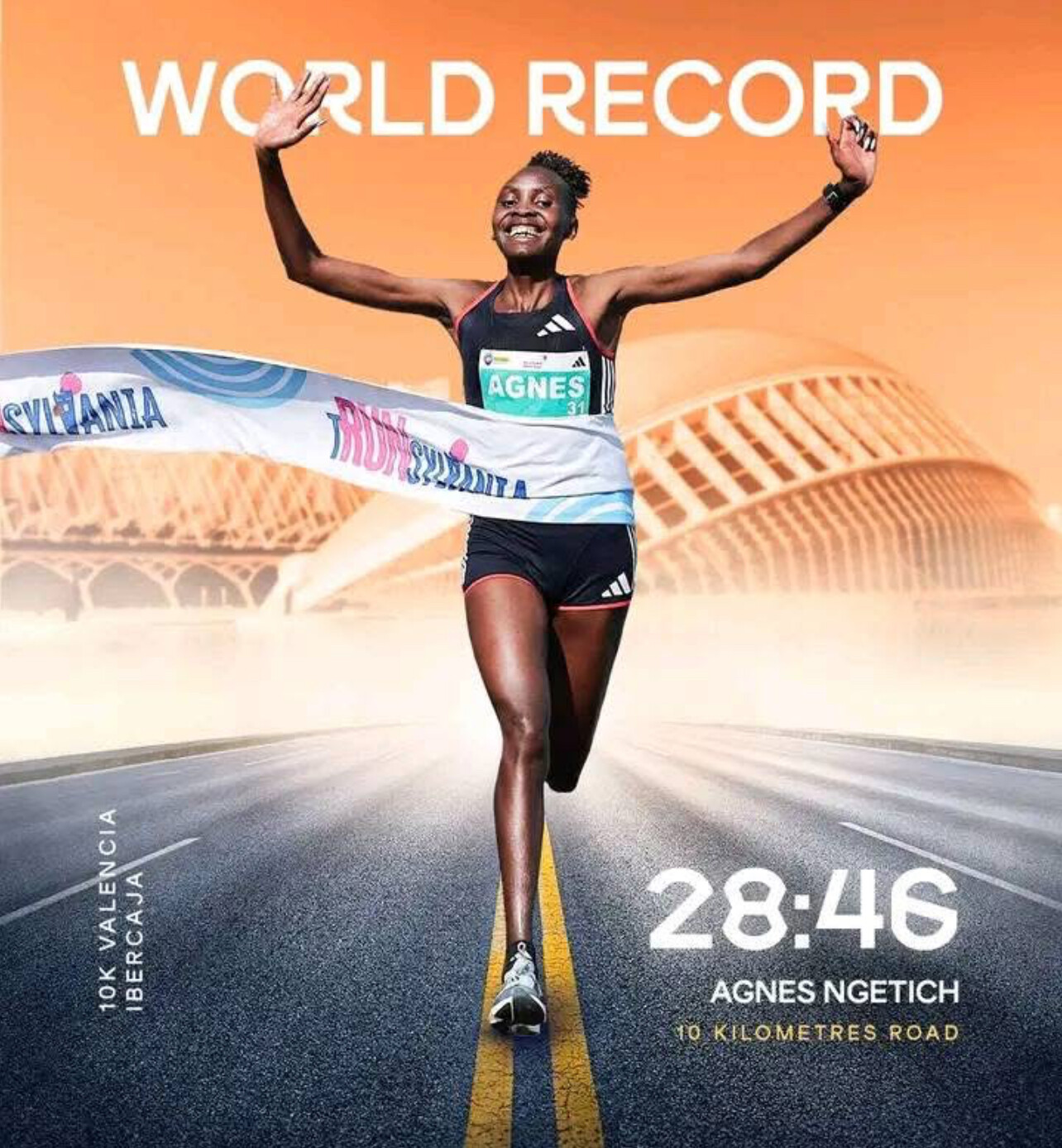
Clocking an astonishing average pace of 2:52 per kilometer (4:37 per mile), Ngetich proved that women’s distance running was entering a new era—one where sub-29-minute 10Ks were no longer just a dream but an achievable reality.

Kenya’s Dominance in Distance Running
Her performance reinforced Kenya’s reputation as a powerhouse in long-distance running. Following in the footsteps of legendary Kenyan athletes like Tegla Loroupe, Vivian Cheruiyot, and Joyciline Jepkosgei, Ngetich’s record stood as yet another testament to the country’s deep talent pool and rigorous training culture.
Her world record also came at a time when women’s road racing was experiencing a surge in breakthrough performances. With advancements in training, pacing strategies, and race conditions, female athletes were shattering records that once seemed untouchable.
The Evolution of the Women’s 10K
In the time since Ngetich’s stunning run, the world of distance running has continued to evolve. More women are now targeting sub-29-minute performances, and the benchmark she set has inspired a new wave of elite road racers.
Her performance in Valencia wasn’t just about one race—it was about rewriting history and opening doors for future athletes. It sparked discussions about how fast women could go on the roads and what the next frontier in distance running might be.
Looking Back at a Defining Moment
While records may eventually be broken, Agnes Ngetich’s 28:46 will always be remembered as a turning point in women’s road racing. It was a race that challenged expectations, inspired the next generation, and reminded the world that in distance running, barriers exist only to be shattered.
Her name remains etched in the sport’s history, and as women’s running continues to push forward, her performance serves as a powerful reminder of just how far the sport has come—and how much further it can go.
(03/19/2025) ⚡AMPby Boris Baron

Conner Mantz Prepares for Boston Marathon with Strong NYC Half Marathon Performance
Conner Mantz, the former BYU NCAA champion, continues to solidify his status among elite long-distance runners as he gears up for the 2025 Boston Marathon. His recent performance at the New York City Half Marathon on March 16, 2025, underscores his exceptional form and dedication.
Impressive Showing in New York
At the 2025 United Airlines NYC Half Marathon, Mantz delivered a remarkable performance, finishing second overall and emerging as the top American finisher. He completed the 13.1-mile course in 59 minutes and 15 seconds, averaging a pace of 4:32 per mile. This time was just six seconds behind Kenya’s Abel Kipchumba, who clinched the victory with a time of 59:09.
Notably, Mantz’s time in New York was two seconds faster than his previous American record of 59:17, set at the Houston Half Marathon in January 2025. However, due to the point-to-point nature of the NYC course, this performance does not qualify as a new record.

Strategic Preparation for Boston
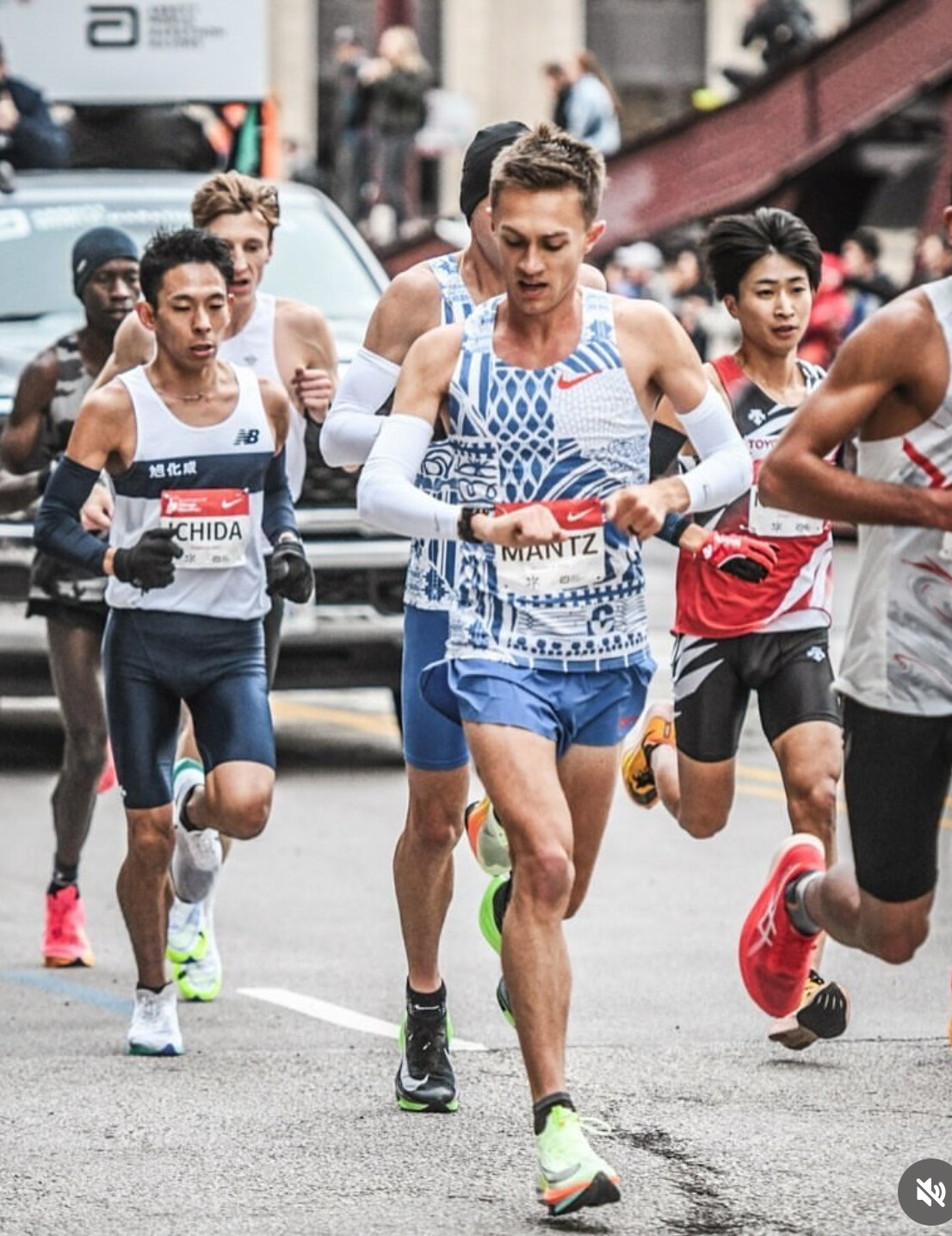
Mantz’s impressive showing in New York is a strategic component of his preparation for the upcoming Boston Marathon, scheduled for April 21, 2025. Under the guidance of his coach, Ed Eyestone, Mantz has been meticulously tailoring his training regimen to peak at the right moment. In the week leading up to the NYC Half Marathon, Mantz maintained a high training volume, logging approximately 115 miles, before tapering down to around 90 miles to ensure optimal performance.
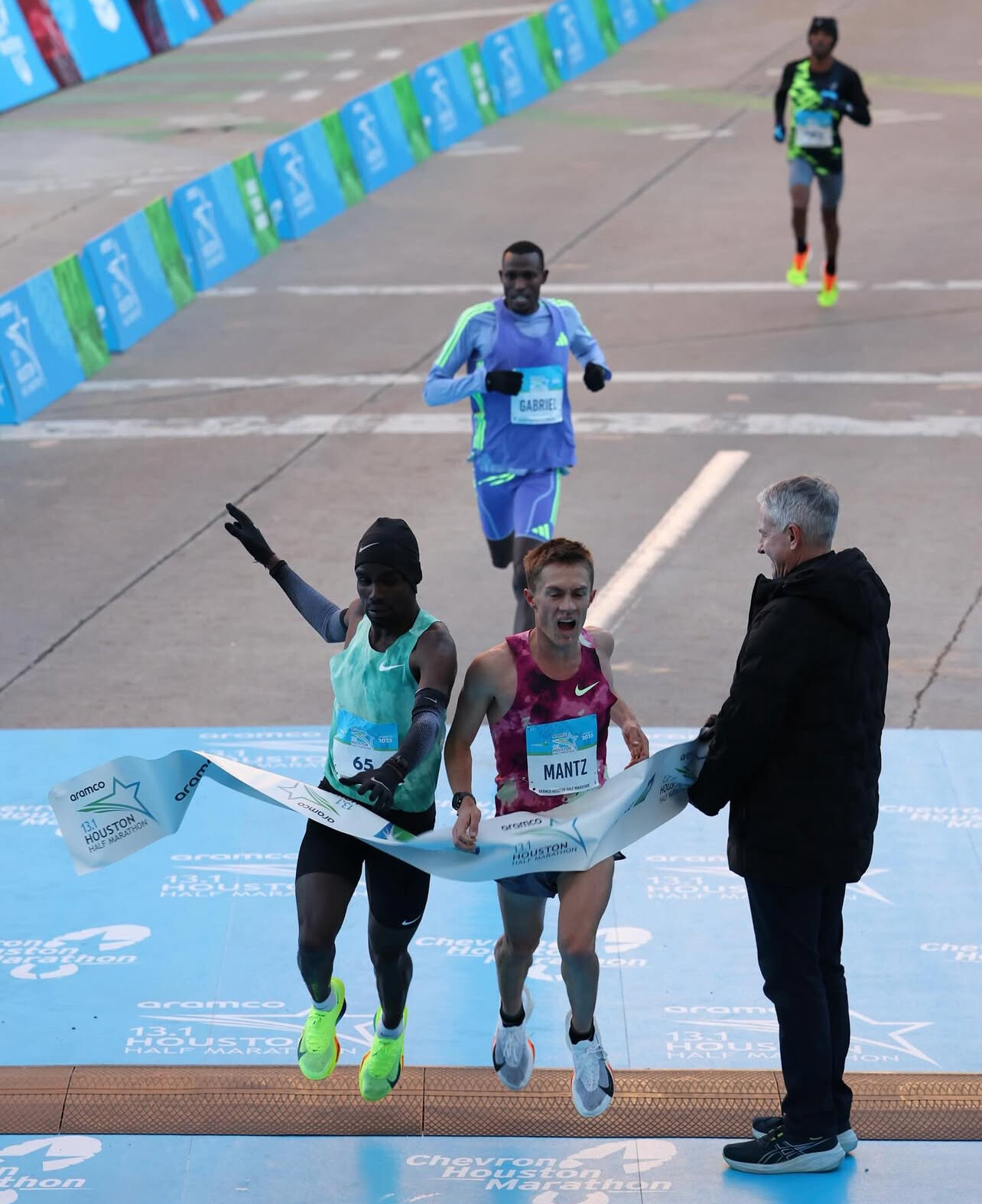
This approach underscores Mantz’s commitment to balancing rigorous training with strategic rest, a crucial factor in marathon preparation. His recent performances reflect not only his physical prowess but also a resilient mindset, essential for tackling the challenges of the Boston Marathon.
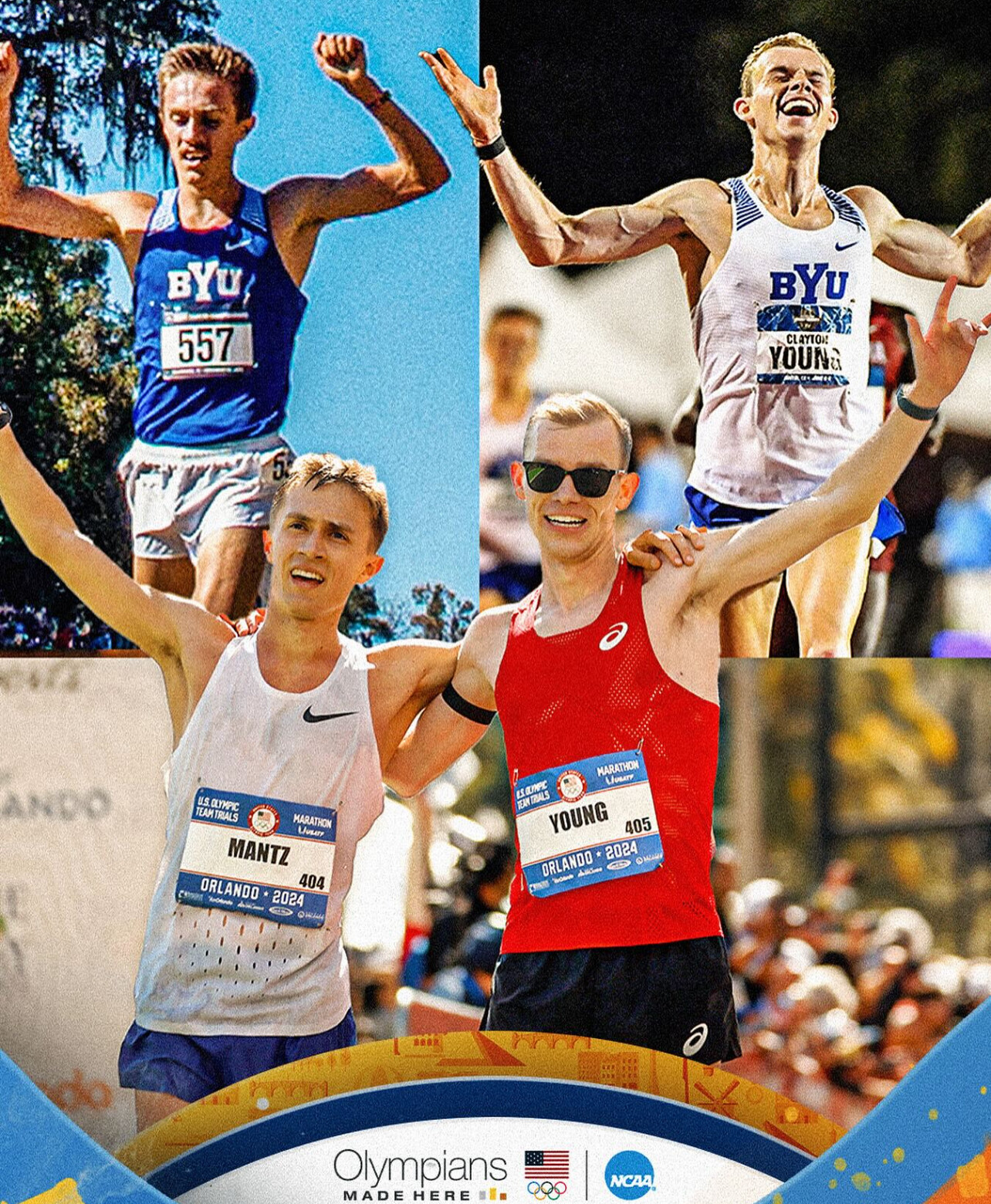
Looking Ahead
As Mantz transitions his focus to Boston, his recent accomplishments have positioned him as a formidable contender. His ability to consistently perform at a high level, coupled with a disciplined training strategy, suggests that he is well-prepared to take on the Boston course.
(03/17/2025) ⚡AMPby Boris Baron
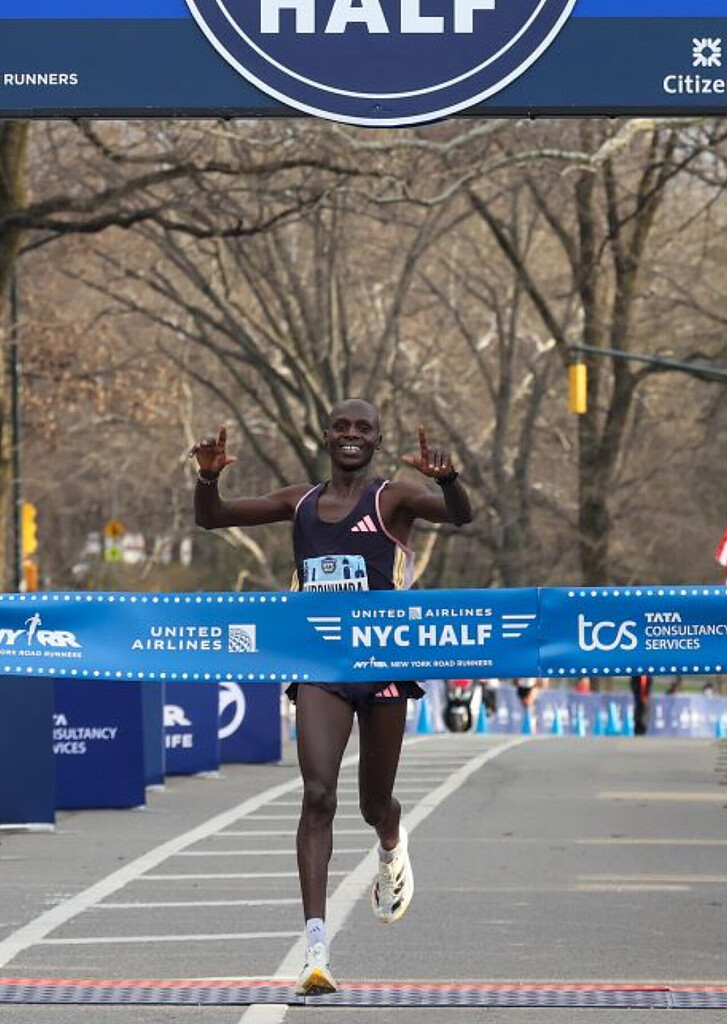
Record-Breaking Performances at the 2025 United Airlines NYC Half Marathon
The 2025 United Airlines NYC Half Marathon, held on March 16, witnessed remarkable performances as both men’s and women’s course records were shattered. The event attracted over 28,500 participants, marking it as the largest half marathon in New York Road Runners’ history.
Men’s Race Highlights
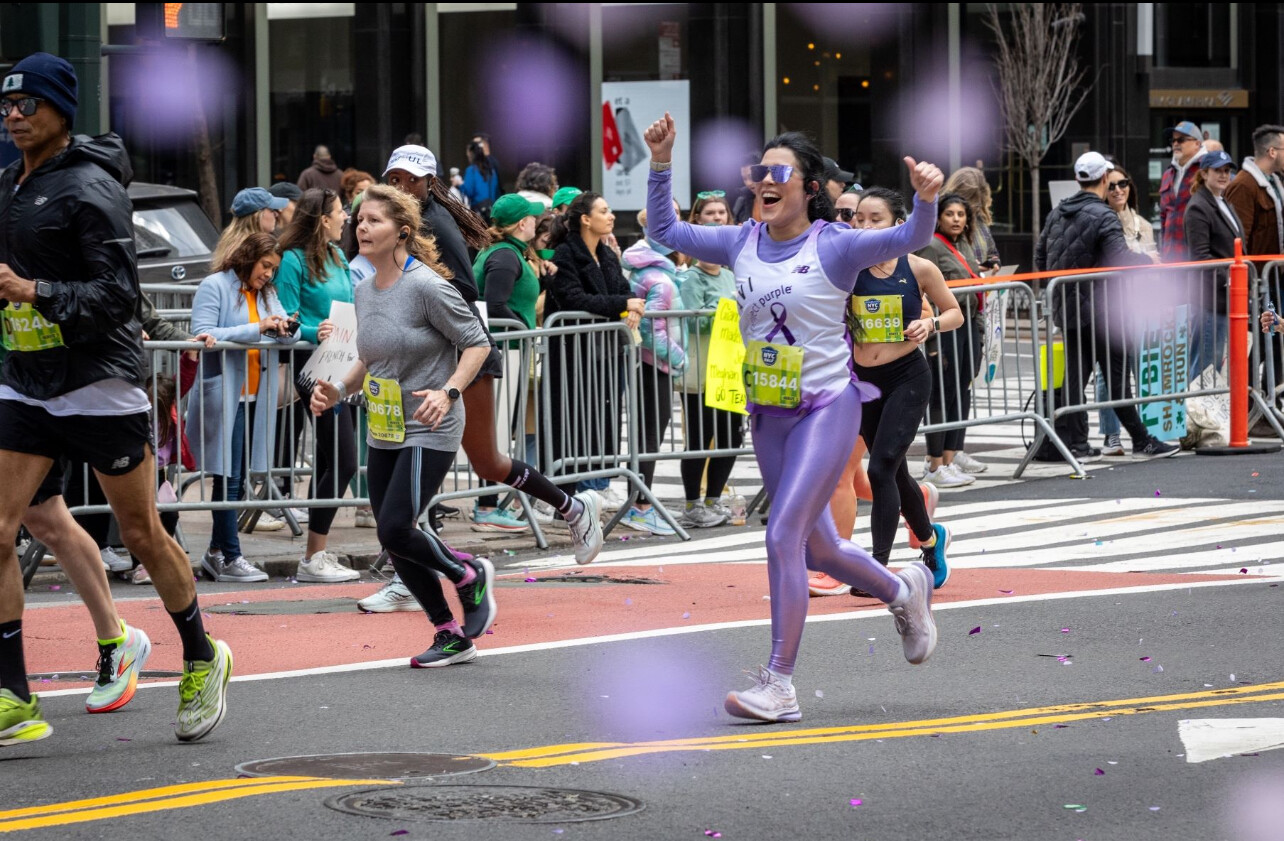
Kenya’s Abel Kipchumba defended his title with a stellar performance, setting a new event record of 59:09. He broke away from U.S. Olympians Conner Mantz and Hillary Bor in the final miles. Mantz secured second place with a personal best of 59:15—the fastest time by an American in the event’s history—while Bor finished third in 59:55.
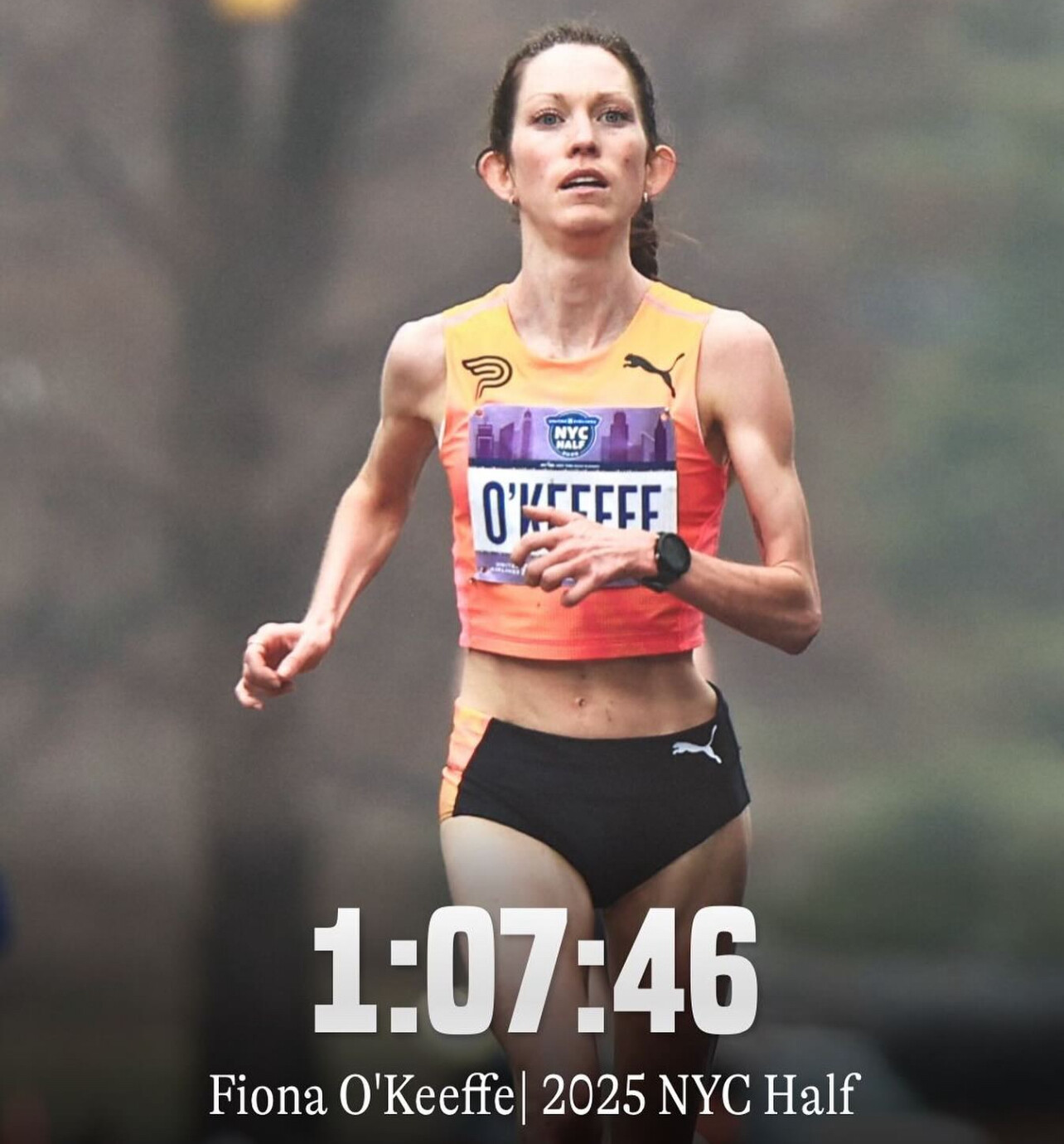
Women’s Race Highlights

Sharon Lokedi of Kenya, the 2022 TCS New York City Marathon champion, claimed victory in the women’s division with a new event record of 1:07:04. She surged ahead in the final miles, outpacing U.S. Olympian Fiona O’Keeffe, who finished second in 1:07:46, and British Olympian Calli Hauger-Thackery, who took third in 1:07:49.

Notable Achievements
• Men’s Top Finishers:
1. Abel Kipchumba (KEN) – 59:09
2. Conner Mantz (USA) – 59:15
3. Hillary Bor (USA) – 59:55
4. Patrick Dever (GBR) – 1:00:19
• Women’s Top Finishers:
1. Sharon Lokedi (KEN) – 1:07:04
2. Fiona O’Keeffe (USA) – 1:07:46
3. Calli Hauger-Thackery (GBR) – 1:07:49
4. Diane van Es (NED) – 1:08:03
This year’s race featured a new course that crossed the Brooklyn Bridge for the first time in NYRR history, symbolizing the event’s evolution and the city’s resilience. The record-breaking performances and increased participation underscore the growing prominence of the NYC Half Marathon on the global running calendar.
(03/16/2025) ⚡AMPby Boris Baron b
United Airlines NYC Half-Marathon
The United Airlines NYC Half takes runners from around the city and the globe on a 13.1-mile tour of NYC. Led by a talent-packed roster of American and international elites, runners will stop traffic in the Big Apple this March! Runners will begin their journey on Prospect Park’s Center Drive before taking the race onto Brooklyn’s streets. For the third...
more...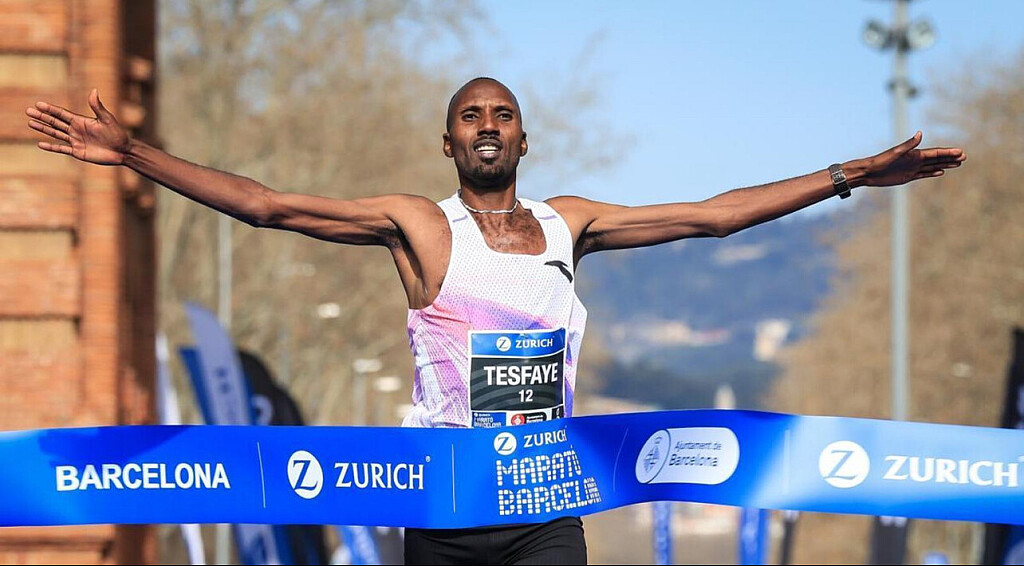
Course records shattered at the Zurich Barcelona Marathon 2025
The 2025 Zurich Barcelona Marathon witnessed historic performances on Sunday, March 16, as both the men’s and women’s course records were shattered. Ethiopia’s Tesfaye Deriba Ketema claimed the men’s title with a time of 2:04:13, while Kenya’s Sharon Chelimo won the women’s race in 2:19:33.
Men’s Race Highlights
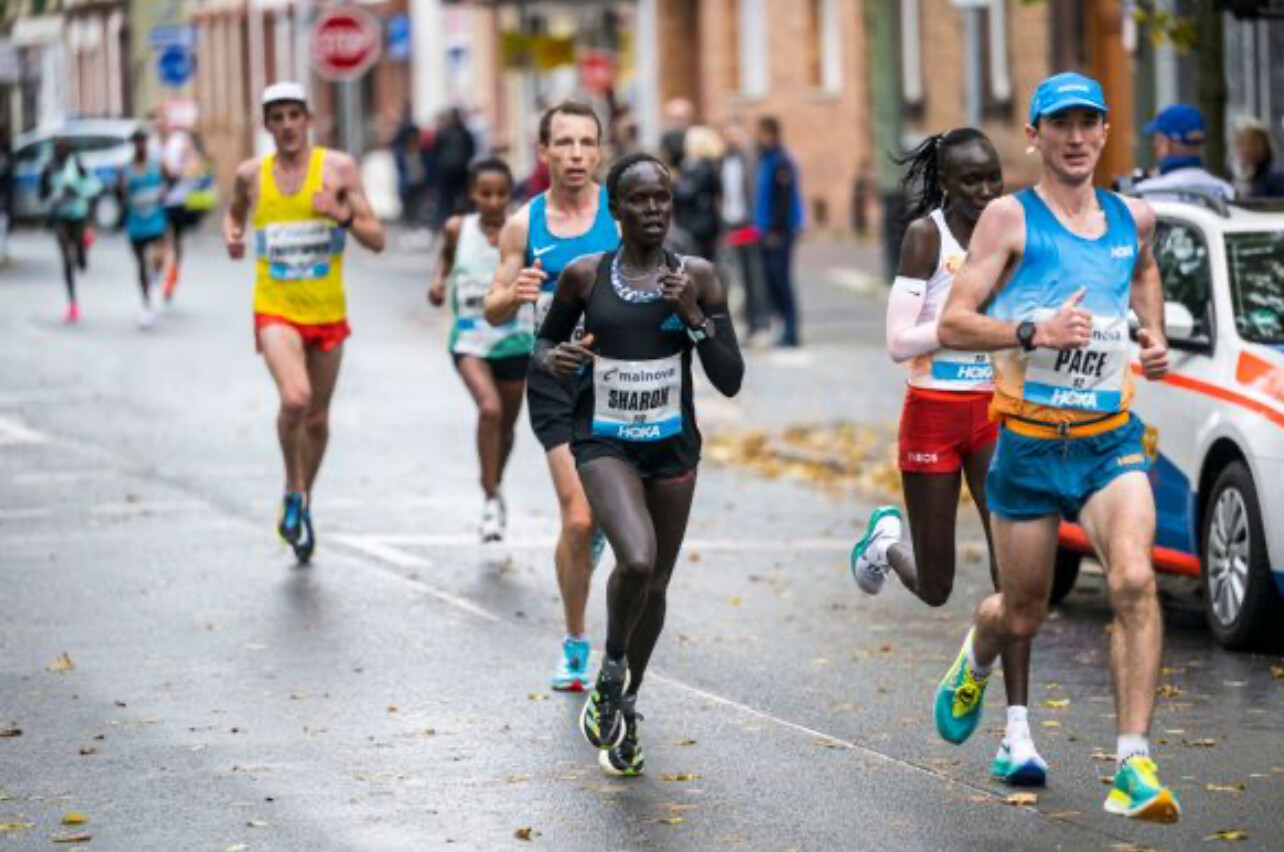
Tesfaye Deriba Ketema’s remarkable run broke the previous course record of 2:05:01, set by Tadesse Abraham in 2024, by nearly a minute. Deriba made a decisive move at the 36-kilometer mark, breaking away from the lead pack and maintaining his lead to the finish. This victory marked a significant improvement from his previous personal best of 2:07:52, achieved in Hangzhou in 2024.
The men’s podium was completed by Kenyan runners Cornelius Kibet Kiplagat, who finished second in 2:04:54, and Enock Onchari, who secured third place with a time of 2:05:20.
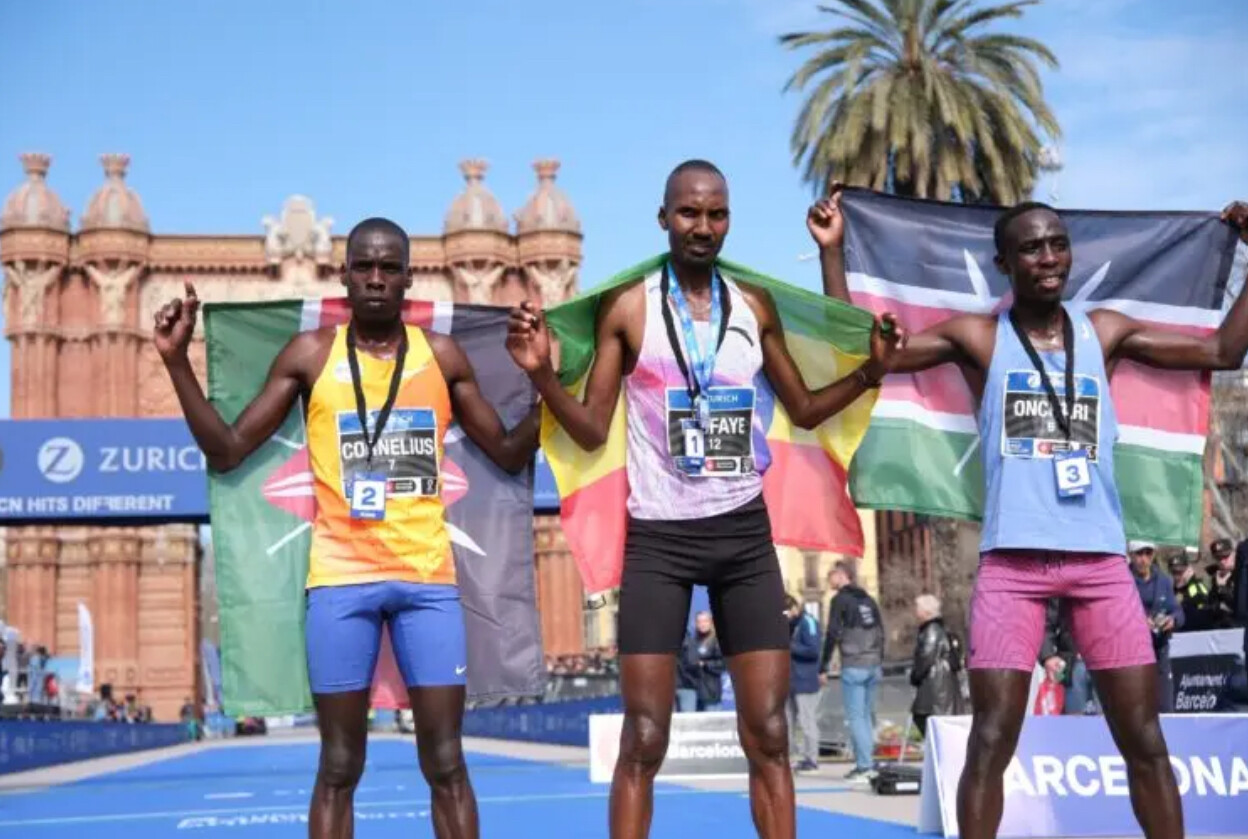
Women’s Race Highlights
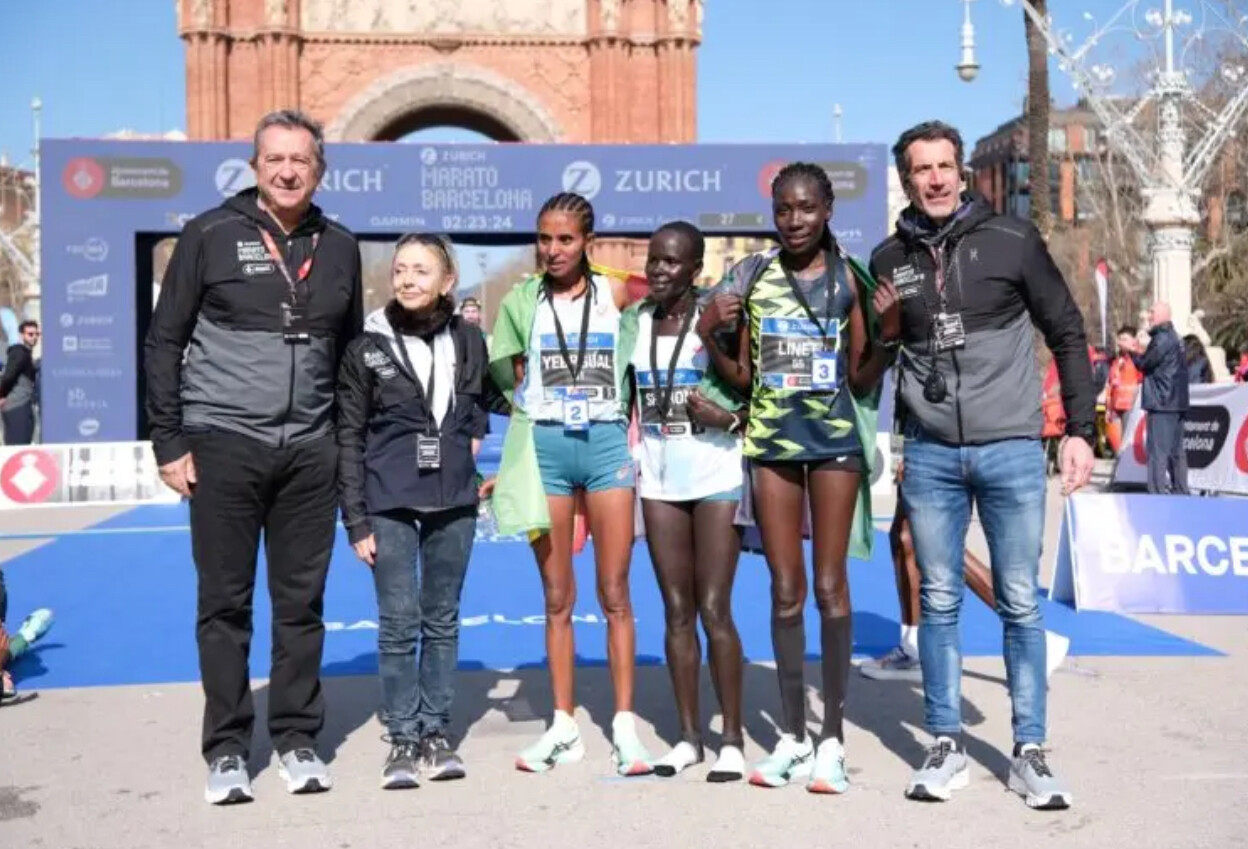
Sharon Chelimo delivered an outstanding performance, breaking the previous course record of 2:19:44 set by Zeineba Yimer in 2023 by 11 seconds. Chelimo’s strategy involved staying with the lead pack through the halfway point, after which she gradually increased her pace, ultimately breaking away in the final kilometers to secure her victory.
Chelimo was followed by Ethiopia’s Yebrgual Melese, who finished second in 2:20:47, and Kenya’s Linet Masai, who took third place with a time of 2:21:01.
Event Significance
This year’s marathon was the largest in its history, with over 27,000 participants from 109 countries, marking a significant increase from the previous record of 20,382 in 2016. Notably, female participation reached a new high, with more than 6,500 women runners, accounting for 25% of the total participants.
The record-breaking performances by Tesfaye Deriba Ketema and Sharon Chelimo have set a new standard for the Zurich Barcelona Marathon. Their achievements not only highlight individual excellence but also underscore the marathon’s growing prominence on the global stage.
(03/16/2025) ⚡AMPby Boris Baron

Zurich Marato Barcelona
The race is a favorite among both professional athletes and amateur runners, offering a unique running experience in and around Zurich. The scenic course follows the shores of Lake Zurich for much of the route, making it not only a thrilling sports event but also a visually stunning one. The start and finish lines are located at the upper lake...
more...
Stephen Kiprotich From Humble Beginnings to Marathon Glory
Stephen Kiprotich’s journey from a small village in Uganda to Olympic and World Championship marathon victories is a testament to his dedication and perseverance.
Early Life
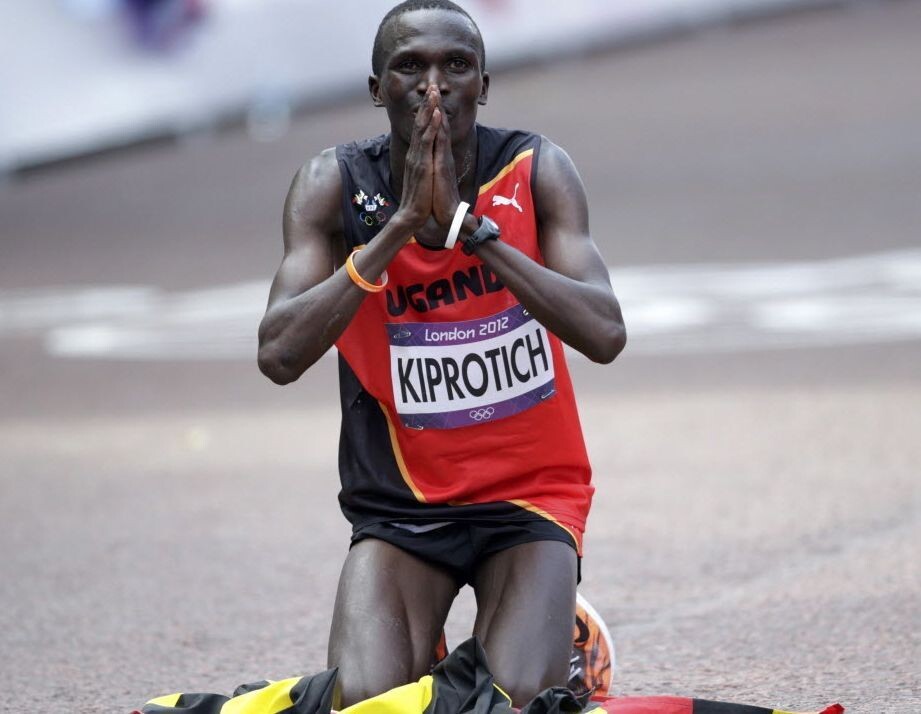
Born on February 27, 1989, in Cheptiyal, Kapchorwa District, Uganda, Kiprotich was the youngest of seven children in a farming family. During his childhood, he faced health challenges that kept him out of school for three years. Despite these setbacks, he developed a passion for running, inspired by Uganda’s strong tradition in cross-country events.
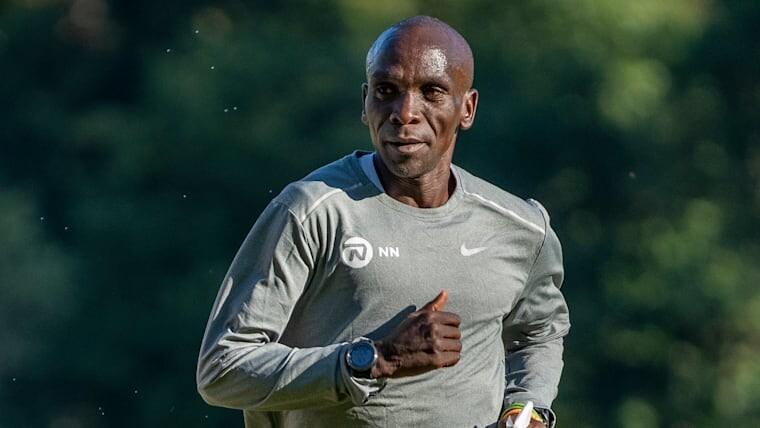
Transition to Competitive Running
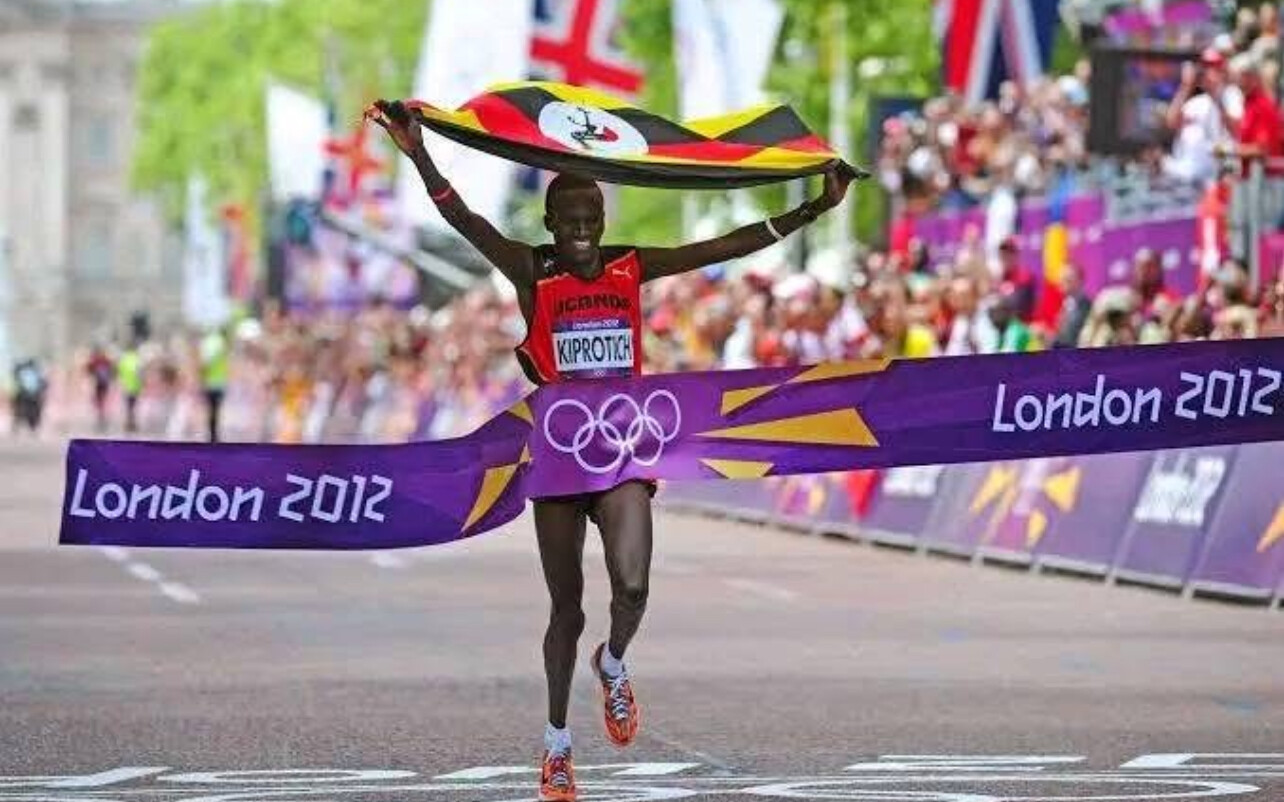
At 17, Kiprotich made a pivotal decision to pursue running seriously. He moved to the Eldoret region of Kenya, renowned for producing elite long-distance runners, to train alongside athletes like Eliud Kipchoge. This move allowed him to refine his skills and gain valuable experience in competitive running.
Marathon Success
Kiprotich’s marathon debut came in 2011 at the Enschede Marathon in the Netherlands, where he set a new Ugandan record with a time of 2:07:20. He continued to improve, finishing third at the 2012 Tokyo Marathon with a time of 2:07:50.
Olympic Gold in 2012
The pinnacle of Kiprotich’s career came at the 2012 London Olympics. In the marathon event, he faced strong competition from Kenyan athletes but managed to break away in the final stages, winning gold with a time of 2:08:01. This victory marked Uganda’s first Olympic gold medal since 1972 and elevated Kiprotich to national hero status.
World Championship Victory
In 2013, Kiprotich solidified his status as one of the world’s top marathon runners by winning gold at the World Championships in Moscow with a time of 2:09:51. He became only the second person to win both the Olympic and World Championship marathons consecutively.
Continued Dedication
Beyond his athletic achievements, Kiprotich serves as an assistant superintendent in the Uganda Prisons Service, reflecting his commitment to public service. His journey from humble beginnings to international acclaim continues to inspire many in Uganda and around the world.
Stephen Kiprotich’s story exemplifies the impact of determination and hard work, showcasing how one individual’s dedication can bring pride to a nation.
(03/16/2025) ⚡AMPby Boris Baron

Who Had the Best Era in Track & Field? A Generational Showdown
Track and field has long been the stage for some of the most electrifying athletic performances in history. Each generation has produced legends who have redefined what is possible in sprinting, distance running, and field events. But which era stands above the rest?
From the Silent Generation pioneers to the Gen Z record-breakers, every period has contributed to the evolution of the sport. Let’s break down each era’s greatest stars and their lasting impact on track and field.
Gen Z (Born 1997 - 2012): The Future of Track & Field
The newest generation of elite athletes is already making waves on the world stage. With the benefit of cutting-edge training, nutrition, and recovery techniques, these young stars are smashing records at a rapid pace.
Notable Sprinters & Field Athletes:
• Sydney McLaughlin-Levrone (USA) – 400m hurdles world record holder and Olympic champion
• Mondo Duplantis (Sweden) – Pole vault world record holder
• Erriyon Knighton (USA) – One of the fastest teenagers ever in the 200m
Notable Distance Runners:
• Jakob Ingebrigtsen (Norway) – Olympic 1500m champion, European mile record holder
• Joshua Cheptegei (Uganda) – 5000m and 10,000m world record holder
• Jacob Kiplimo (Uganda) – Half marathon world record holder (57:31)
• Gudaf Tsegay (Ethiopia) – World champion in the 1500m, dominant in middle distances
Gen Z athletes are not only breaking records but also shaping the future of the sport through their influence on social media and global visibility. With their combination of speed, endurance, and access to modern sports science, they may soon surpass all who came before them.
Defining Traits: Explosive, record-breaking, tech-savvy
Millennials (Born 1981 - 1996): The Superstars of the Modern Era
No discussion of dominant track and field generations is complete without mentioning Usain Bolt. The Jamaican sprinting legend captured the world’s attention with his charisma and untouchable world records.
Notable Sprinters:
• Usain Bolt (Jamaica) – Fastest man in history (100m: 9.58, 200m: 19.19)
• Allyson Felix (USA) – Most decorated female Olympian in track history
• Shelly-Ann Fraser-Pryce (Jamaica) – One of the most dominant sprinters of all time
Notable Distance Runners:
• Eliud Kipchoge (Kenya) – The greatest marathoner of all time, first to break two hours in a marathon
• Mo Farah (UK) – Dominated the 5000m and 10,000m at two Olympic Games
• Genzebe Dibaba (Ethiopia) – 1500m world record holder
• Ruth Chepngetich (Kenya) – First woman to break the 2:10 barrier in the marathon, setting a world record of 2:09:56 at the 2024 Chicago Marathon
Millennials excelled across all track and field disciplines. They ushered in an era of professional distance running dominance, with African runners setting standards in middle and long distances. Meanwhile, Kipchoge’s sub-2-hour marathon attempt was a historic milestone in human endurance.
Defining Traits: Charismatic, dominant, endurance revolutionaries
Gen X (Born 1965 - 1980): The Tough and Versatile Competitors
Gen X athletes were the bridge between the amateur days of track and the fully professional era. They pushed the sport forward with fierce rivalries and new records, while also seeing the globalization of track and field.
Notable Sprinters:
• Maurice Greene (USA) – Former world record holder in the 100m (9.79)
• Marion Jones (USA) – One of the most dominant sprinters of the late ‘90s
Notable Distance Runners:
• Haile Gebrselassie (Ethiopia) – Olympic and world champion, former marathon world record holder
• Paul Tergat (Kenya) – Pioneered marathon running dominance for Kenya
• Tegla Loroupe (Kenya) – First African woman to hold the marathon world record
This era marked a golden age for distance running, with Gebrselassie and Tergat setting the stage for the marathon revolution that would come in the next generation. With increased sponsorships, the road racing circuit became more competitive, and Kenyan and Ethiopian dominance solidified.
Defining Traits: Tough, globalized, long-distance pioneers
Baby Boomers (Born 1946 - 1964): The Golden Age of Track & Field
The Baby Boomers took track and field into the modern Olympic era, producing some of the most iconic figures in the sport’s history.
Notable Sprinters:
• Carl Lewis (USA) – Nine-time Olympic gold medalist across sprints and long jump
• Florence Griffith-Joyner (USA) – 100m (10.49) and 200m (21.34) world record holder
Notable Distance Runners:
• Sebastian Coe (UK) – 800m and 1500m Olympic champion, middle-distance legend
• Steve Prefontaine (USA) – One of the most influential distance runners in history
• Miruts Yifter (Ethiopia) – 5000m and 10,000m Olympic champion
This era brought middle and long-distance running into the mainstream, with rivalries like Coe vs. Ovett and Prefontaine vs. the world captivating fans. The Baby Boomers were the first generation of professional-level training and saw athletes truly dedicated to their craft year-round.
Defining Traits: Bold, revolutionary, multi-talented
Silent Generation (Born 1928 - 1945): The Pioneers of Kenya’s Dominance
This generation laid the foundation for modern track and field, producing legends whose influence still resonates today.
Notable Distance Runners:
• Kip Keino (Kenya) – The pioneer of Kenya’s dominance in distance running, winning Olympic gold in the 1500m (1968) and 3000m steeplechase (1972)
• Emil Zátopek (Czechoslovakia) – Triple gold in 5000m, 10,000m, and marathon at the 1952 Helsinki Olympics
• Paavo Nurmi (Finland) – Nine-time Olympic gold medalist in long-distance events
Kip Keino’s triumph over Jim Ryun in the 1500m final at the 1968 Mexico City Olympics is considered one of the greatest upsets in Olympic history. Competing at high altitude, Keino used a fast early pace to break Ryun, ushering in an era of Kenyan middle-distance dominance that continues today.
Defining Traits: Groundbreaking, resilient, visionary
Which Generation Had the Greatest Impact?
Each generation of track and field athletes has contributed to the sport’s evolution in unique ways:
• Millennials brought global superstardom (Bolt, Felix, Fraser-Pryce, Kipchoge, Chepngetich)
• Gen X athletes were fierce competitors in a rapidly changing sport (Greene, Gebrselassie, Tergat)
• The Baby Boomers set records that still stand today (Carl Lewis, Flo Jo, Coe, Prefontaine)
• The Silent Generation laid the foundation for modern track and field (Owens, Zátopek, Kip Keino)
• Gen Z is already breaking records and shaping the future of the sport (McLaughlin-Levrone, Ingebrigtsen, Cheptegei)
While it’s hard to declare one era the best, one thing is certain: the sport of track and field continues to evolve, with each generation pushing the limits of human performance.
Which generation do you think is the greatest? Let us know in the comments!
(03/14/2025) ⚡AMPby Boris Baron
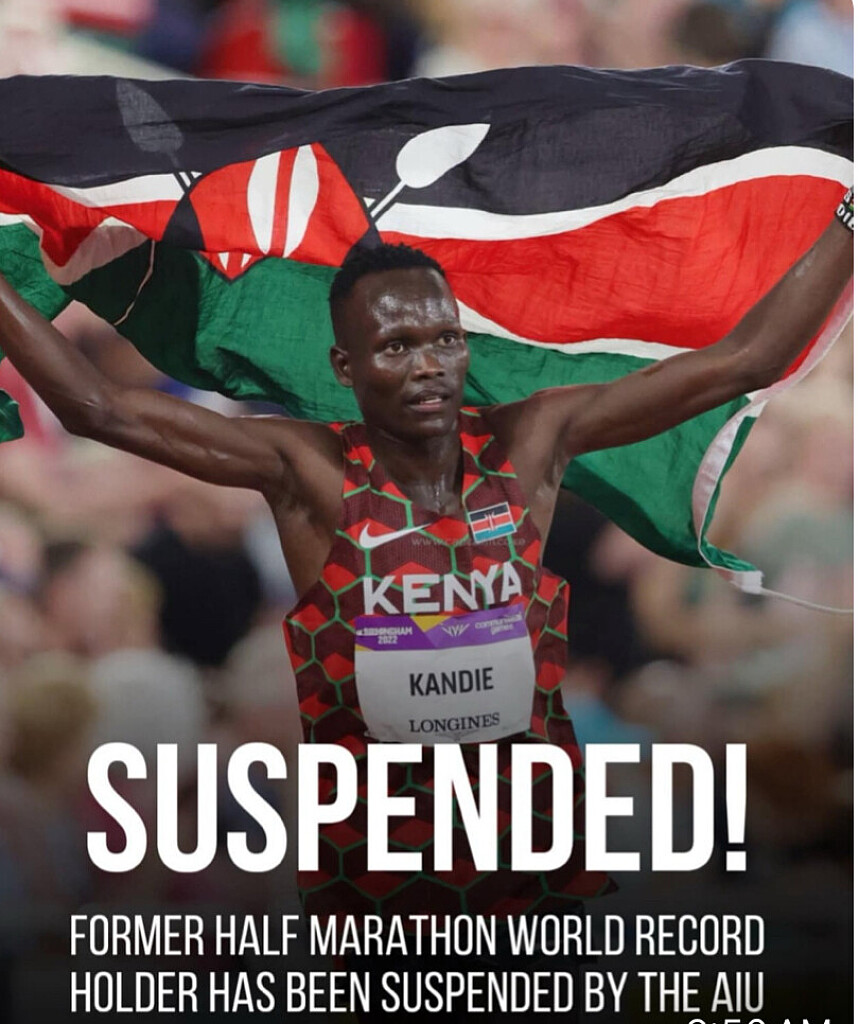
Kenyan Runner Kibiwott Kandie Provisionally Suspended by Athletics Integrity Unit
Kenyan long-distance runner Kibiwott Kandie has been provisionally suspended by the Athletics Integrity Unit (AIU) for “evading, refusing, or failing to submit to sample collection.” The AIU, which oversees anti-doping efforts in athletics, made the announcement ahead of Kandie’s scheduled participation in the Zurich Barcelona Marathon, set to take place this Sunday.
A Decorated Career in Distance Running
Kandie is a well-established name in the world of long-distance running, particularly in the half marathon. He won a silver medal at the 2020 World Half Marathon Championships in Gdynia, Poland, and later that year set a world record of 57:32 at the Valencia Half Marathon. His record stood until November 2021, when Jacob Kiplimo of Uganda broke it.
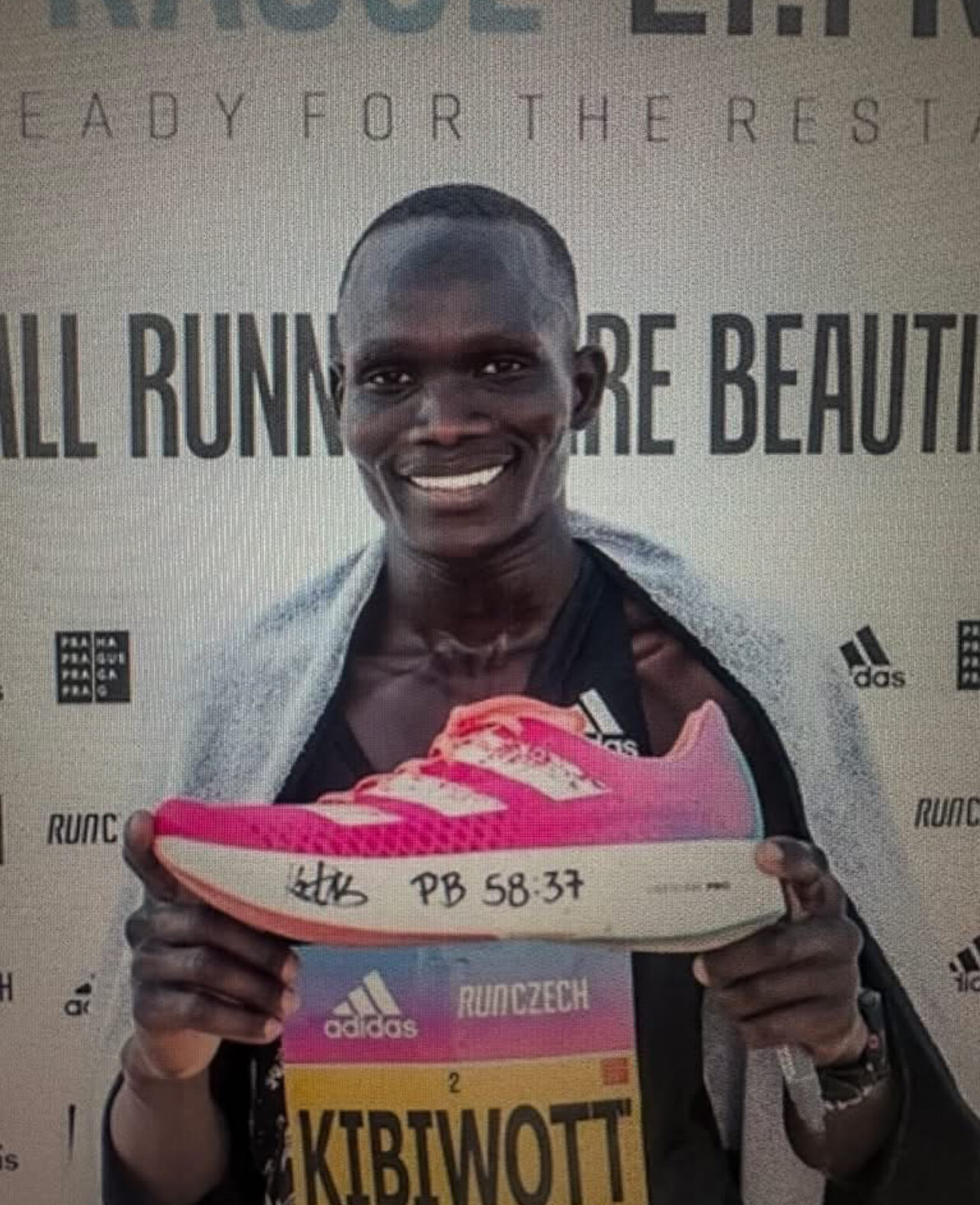
Transitioning into the marathon distance, Kandie set a personal best of 2:04:48 in the Valencia Marathon in 2023, further cementing his reputation as one of Kenya’s premier distance runners.
The Suspension and Its Implications
The provisional suspension means that Kandie is currently barred from competing in any sanctioned races until the matter is resolved. According to AIU regulations, evading or refusing a doping test is treated as a serious violation, often resulting in multi-year bans if found guilty.
With Kandie set to compete in the Zurich Barcelona Marathon, his suspension disrupts not only his own plans but also the expectations of race organizers and fans. The AIU has yet to release further details on the circumstances surrounding his alleged failure to comply with sample collection procedures.
What Happens Next?
Kandie has the right to respond to the charges, which could lead to an appeal process or a full hearing if he chooses to contest the allegations. If found guilty, he could face a suspension ranging from two to four years, depending on the severity of the violation and whether it is a first-time offense.
The case raises further concerns about doping regulations and enforcement in elite long-distance running, as Kenya has faced multiple high-profile doping suspensions in recent years.
For now, the running world waits to see how Kandie’s case unfolds and what it means for his future in professional racing.
(03/14/2025) ⚡AMPby Boris Baron
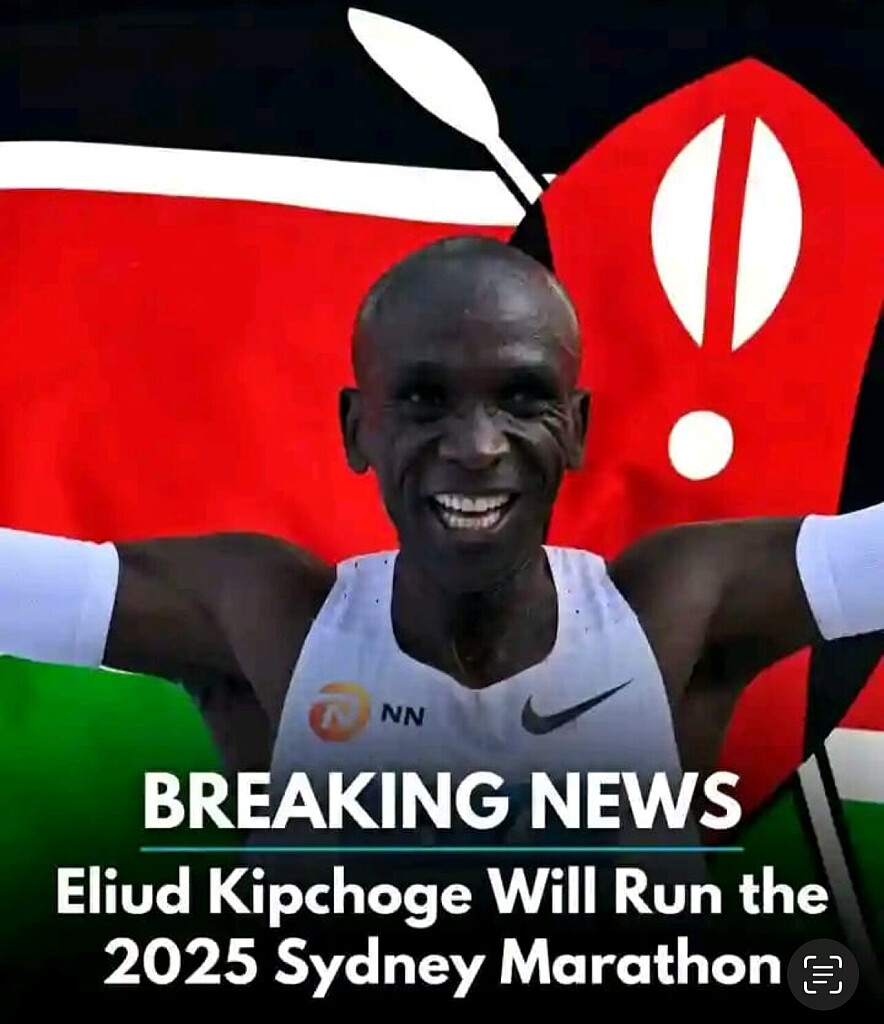
Eliud Kipchoge to Race the 2025 Sydney Marathon in Historic First
Marathon legend Eliud Kipchoge has officially confirmed his participation in the 2025 Sydney Marathon, set for August 31. This marks the first time the Kenyan great will compete in Oceania, a significant milestone in his illustrious career.
The Sydney Marathon, which is in contention to become the seventh Abbott World Marathon Major, gains immense prestige with Kipchoge’s inclusion. Organizers expect over 300,000 spectators, making it one of the biggest marathon events in Australia’s history.
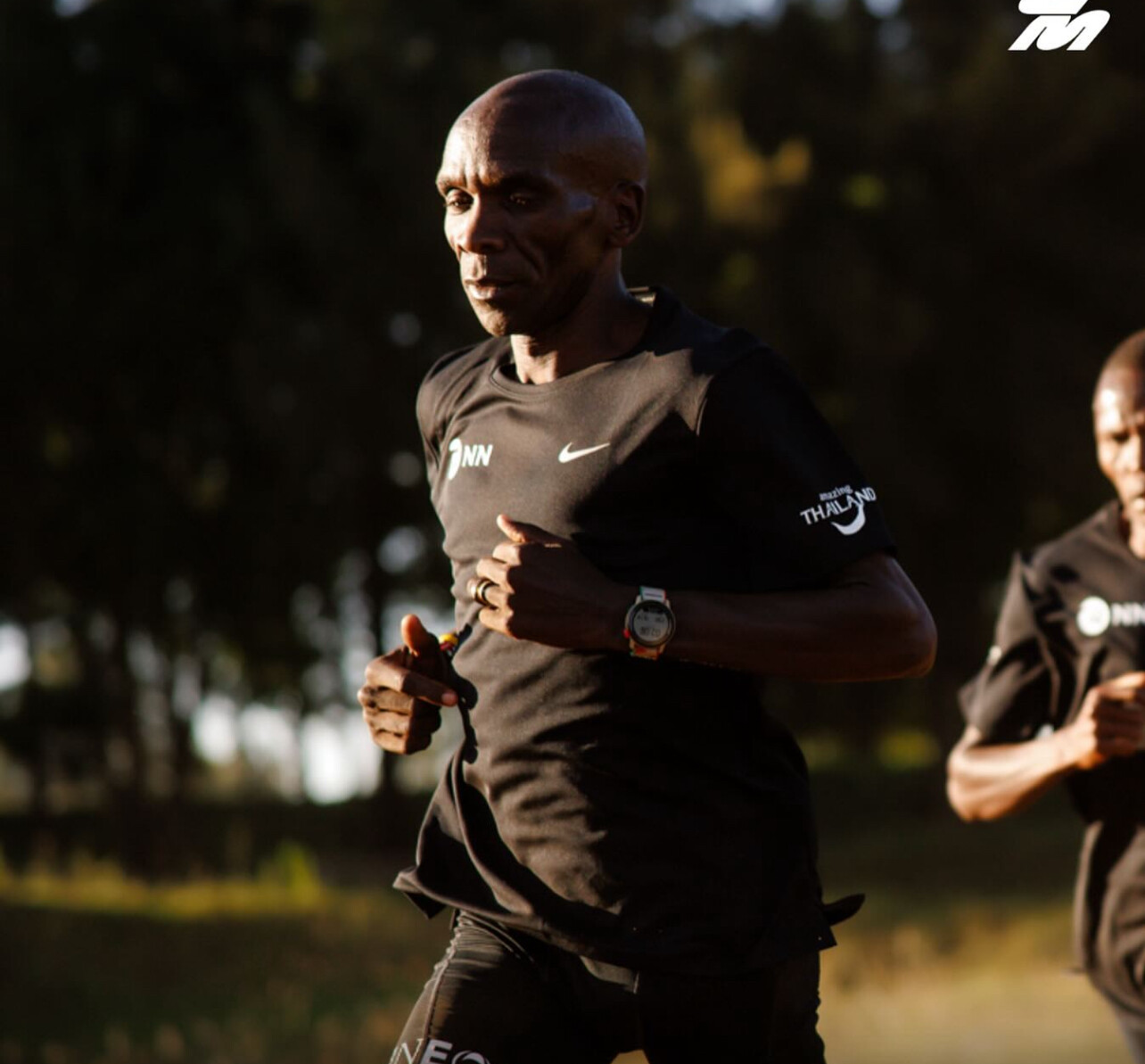
Kipchoge’s Legacy and Why Sydney Matters
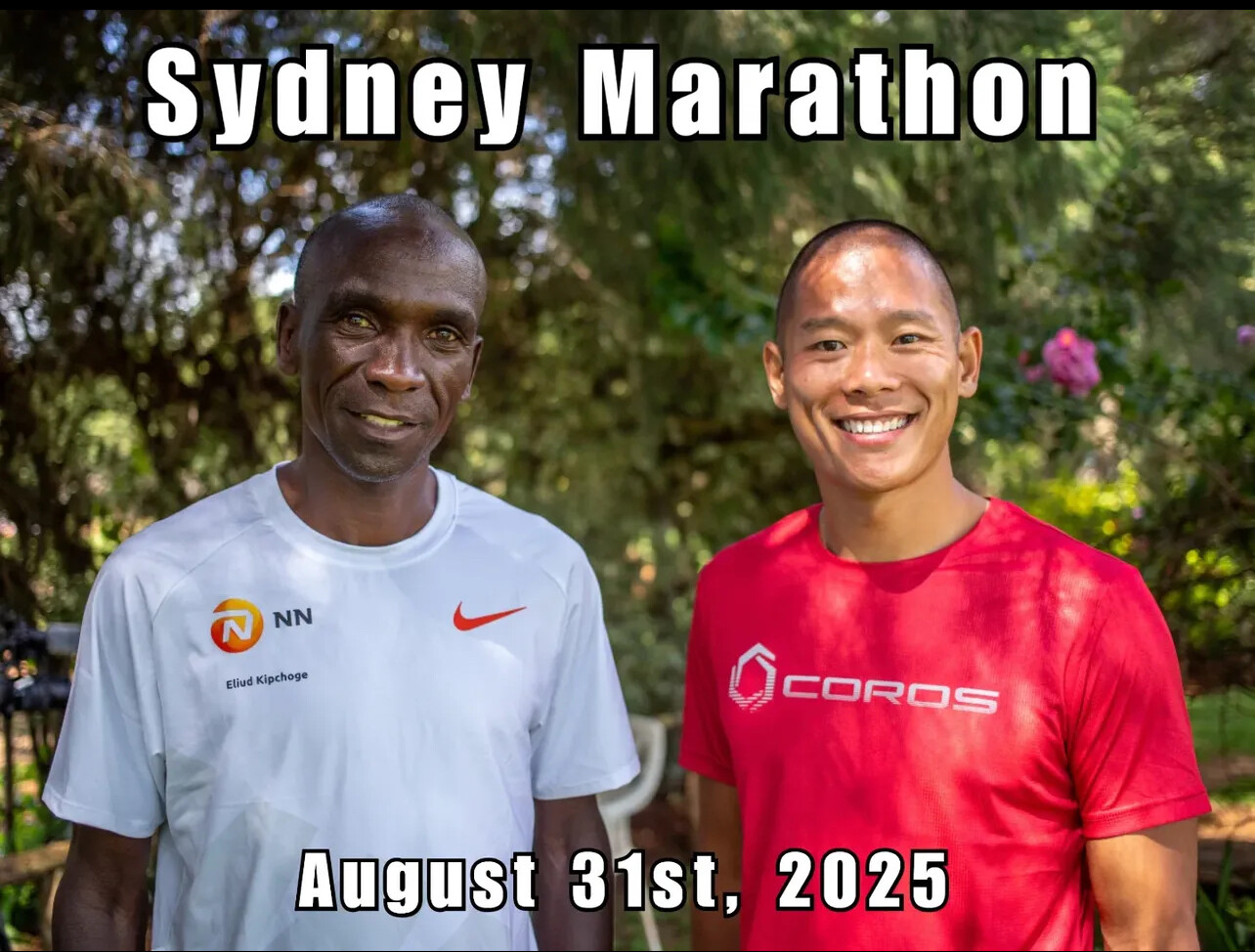
With 16 victories in 21 official marathons, Kipchoge is widely regarded as the greatest marathoner of all time. His historic achievements include:
• Back-to-back Olympic gold medals in the marathon at Rio 2016 and Tokyo 2020.
• A 10-marathon win streak from 2014 to 2019, a feat unmatched in modern distance running.
• A world-first sub-two-hour marathon, clocking 1:59:40 at the INEOS 1:59 Challengein 2019 (not an official record due to controlled conditions).
• The second-fastest marathon ever recorded, 2:01:09 at the 2022 Berlin Marathon.
With the Sydney Marathon aiming for World Major status, Kipchoge’s participation signals the event’s growing significance in the global running calendar. Race Director Wayne Lardencalled it a dream come true, emphasizing the impact Kipchoge’s presence will have on Australia’s running community.
The Road to Sydney: London Marathon First
Before taking on Sydney, Kipchoge is set to compete in the London Marathon on April 27, 2025. London has been one of his most successful races, and his performance there will be closely watched as he continues to chase new milestones.
A Race That Will Inspire a Nation
Kipchoge’s presence in Sydney is expected to elevate the marathon’s status, attract elite competitors, and inspire thousands of runners. Known for his mantra, “No human is limited,” his participation will shine a global spotlight on Sydney, drawing both elite athletes and everyday runners to the race.
As August 31 approaches, all eyes will be on Sydney to see if the greatest marathoner of all timecan add another historic victory to his legacy.
(03/13/2025) ⚡AMPby Boris Baron

Sydney Marathon
The Sydney Marathon is a marathon held annually in Sydney, Australia. The event was first held in 2001 as a legacy of the 2000 Summer Olympics, which were held in Sydney. In addition to the marathon, a half marathon, 9 kilometres (5.6 mi) "Bridge Run", and a 3.5 kilometres (2.2 mi) "Family Fun Run" are also held under the banner...
more...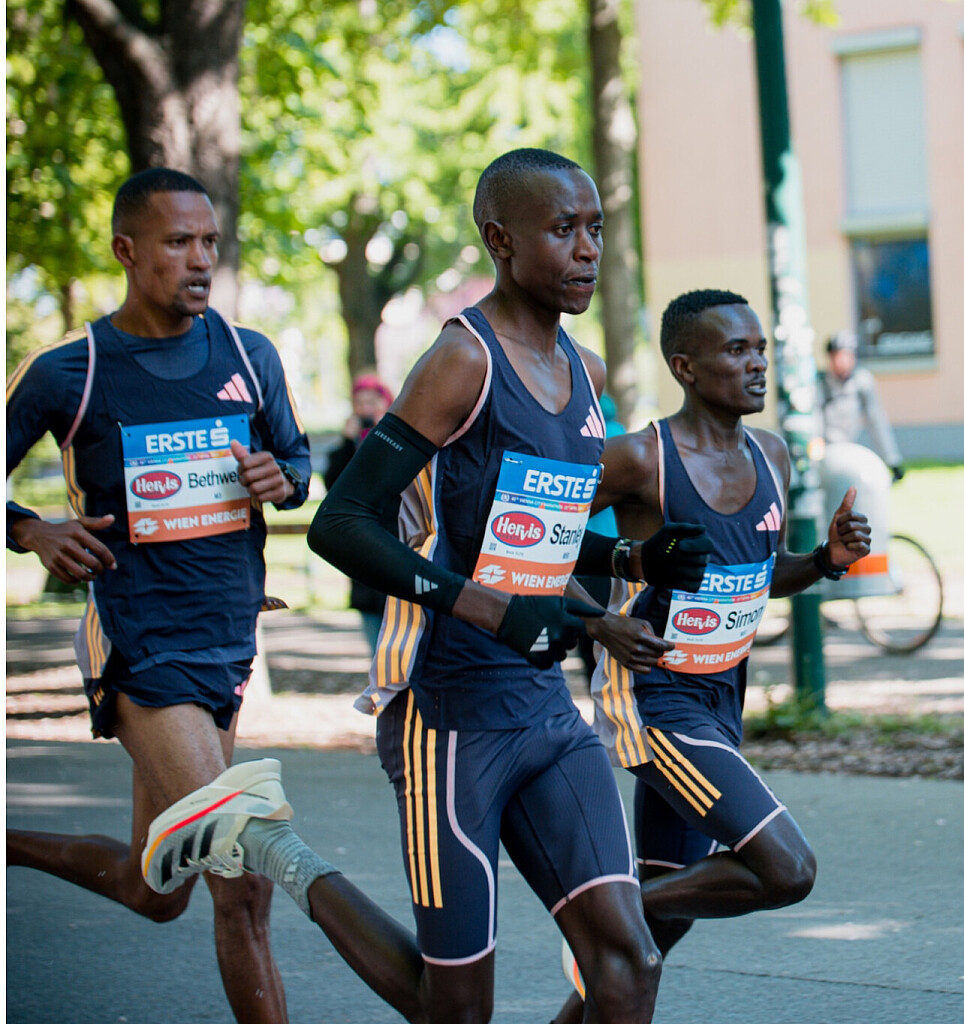
Kenyans Set Their Sights on Regaining Vienna City Marathon Crown
This year’s Vienna City Marathon will form a unique bond with the classical music Austria’s capital is known for. Celebrating Johann Strauss’ 200th birthday, his Danube Waltz will be played before the start of the race. While the music will be soft and flattering, once the runners get on their way, the battle for victory is expected to be thrilling and fierce, with no clear favorite.
The Kenyan trio of Justus Kangogo, Douglas Chebii, and Stanley Kurgat lead the men’s elite field on April 6. With personal best times ranging from 2:06 to 2:07, they will be joined by two more athletes who have run under 2:09. The organizers of Austria’s premier road race event have officially announced the men’s top contenders.
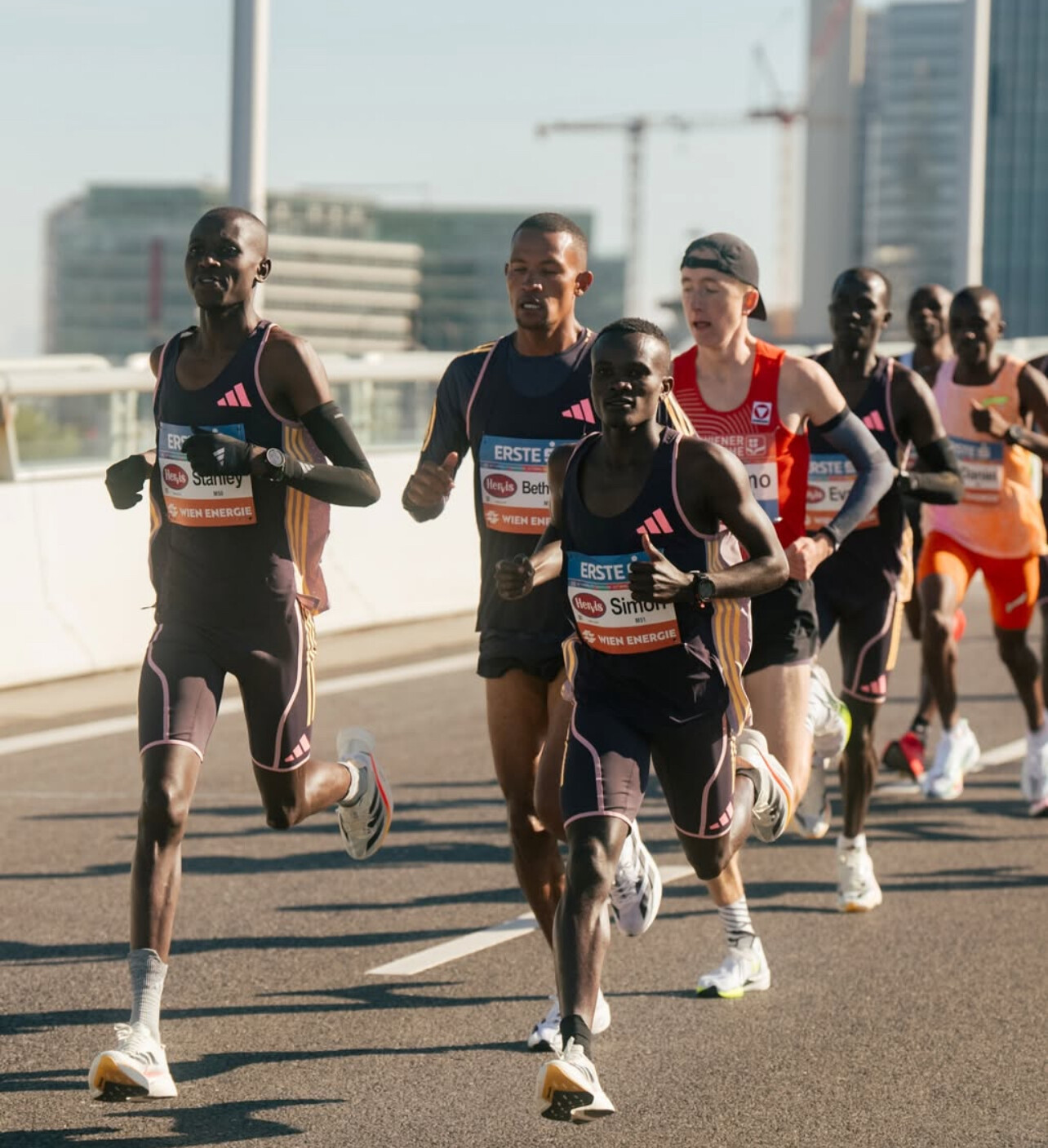
A record-breaking field of nearly 13,000 marathoners has been registered for the 42nd edition of the Vienna City Marathon, a World Athletics Elite Label Race. With shorter-distance events included, the total number of participants will exceed 45,000.
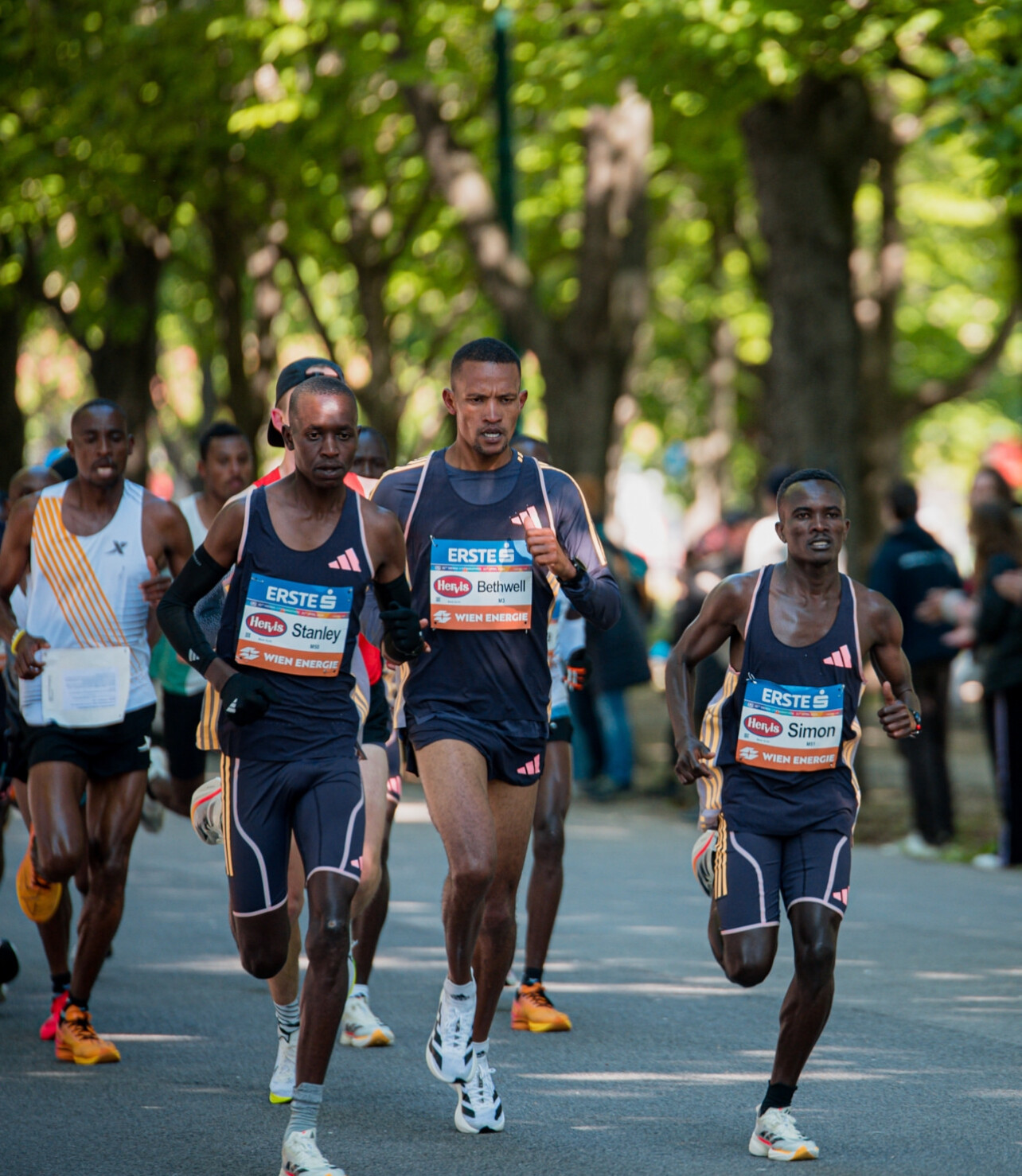
Kenya’s elite runners are eager to reclaim the men’s title after losing it last year to Ethiopia’s Chala Regasa. Prior to that, Kenya had dominated the event, securing four consecutive victories, culminating in Samwel Mailu’s record-breaking 2:05:08 win in 2023.
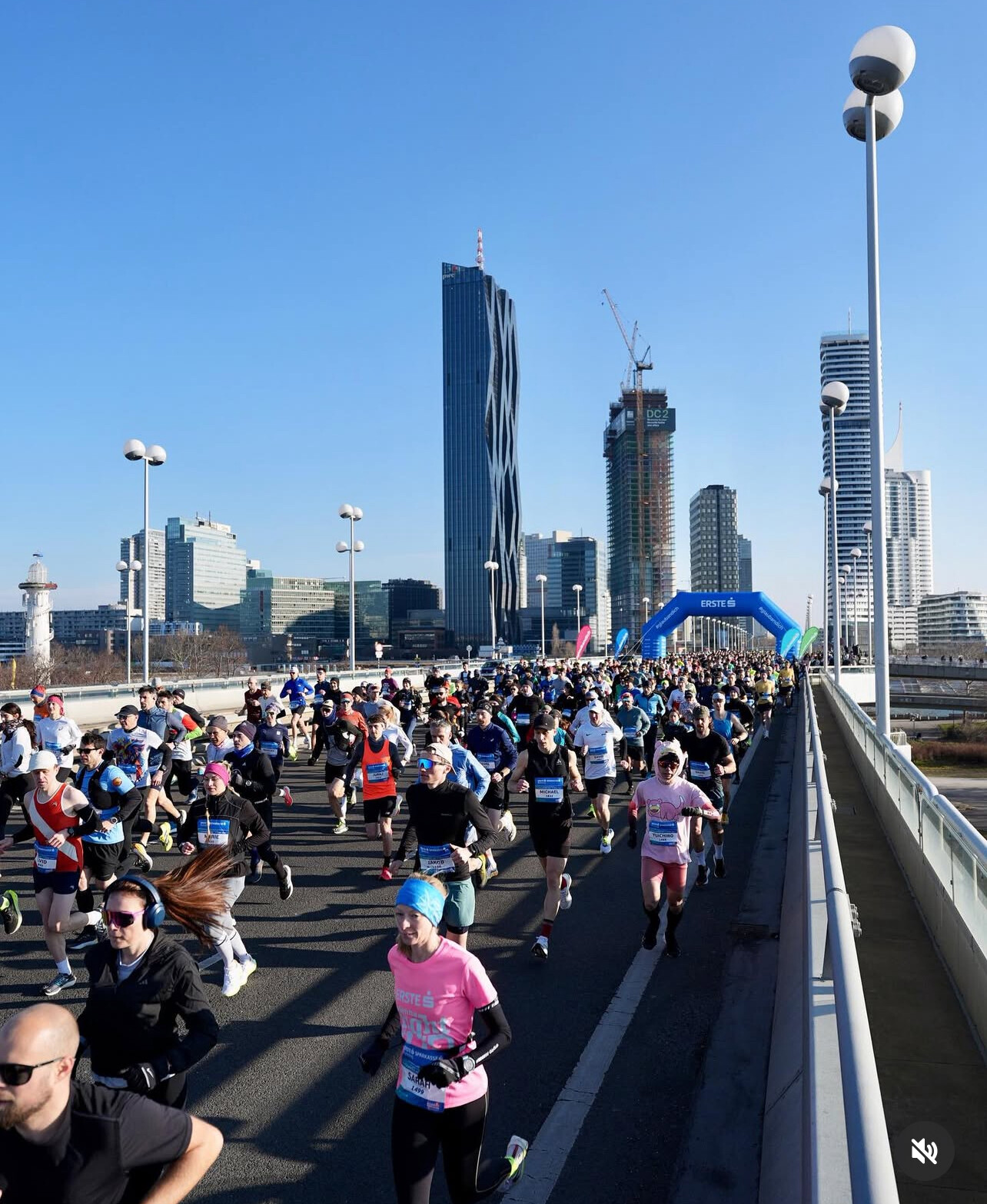
The three leading Kenyan contenders arrive in Vienna with strong credentials. Justus Kangogo, 29, clocked 2:06:45 for fourth place in Amsterdam last October. His personal best of 2:05:57 was set in Berlin in 2022. Douglas Chebii, 31, has demonstrated remarkable consistency, running 2:06:31 in Linz in 2022, 2:07:11 in Seville in 2023, and placing seventh in the highly competitive Dubai Marathon in 2024 with 2:08:15—making him the fastest Kenyan in Dubai that year.
The youngest of the trio, 25-year-old Stanley Kurgat, made a significant breakthrough just six months ago, improving his marathon time from 2:11:50 in his Valencia debut to 2:07:05 in Berlin. Though he finished 15th in that deep field, he now has a real shot at claiming his biggest career victory in Vienna. He also holds an advantage, having paced the race up to the 30K mark last year, giving him valuable experience on the course.
Other Kenyan hopefuls include Charles Ndiema and Benard Kimeli, both boasting sub-2:09 personal bests. Ndiema, who finished fourth in Vienna in 2022 with a time of 2:08:12, will look to improve on that performance. Kimeli ran 2:08:34 in Tokyo last year. Meanwhile, Bernard Muia is a potential dark horse. The Kenyan finished runner-up in Vienna last year with 2:10:42, surging from fourth to second place in the final two kilometers, closing a 48-second gap. Muia ran his PB of 2:09:17 when he won the Munich Marathon in 2023.
Austrian record holder Peter Herzog, who clocked 2:10:06 at the 2020 London Marathon, will lead the national elite field, aiming for a time around 2:12. Former Austrian record holder Lemawork Ketema (2:10:44) is also set to compete, hoping for a strong comeback after a long injury layoff.
With a highly competitive field and no clear frontrunner, the Vienna City Marathon promises an exciting showdown, as Kenya’s top athletes aim to reclaim the crown.
(03/13/2025) ⚡AMPby Boris Baron
Vienna City Marathon
More than 41,000 runners from over 110 nations take part in the Vienna City Marathon, cheered on by hundreds of thousands of spectators. From the start at UN City to the magnificent finish on the Heldenplatz, the excitement will never miss a beat. In recent years the Vienna City Marathon has succeeded in creating a unique position as a marathon...
more...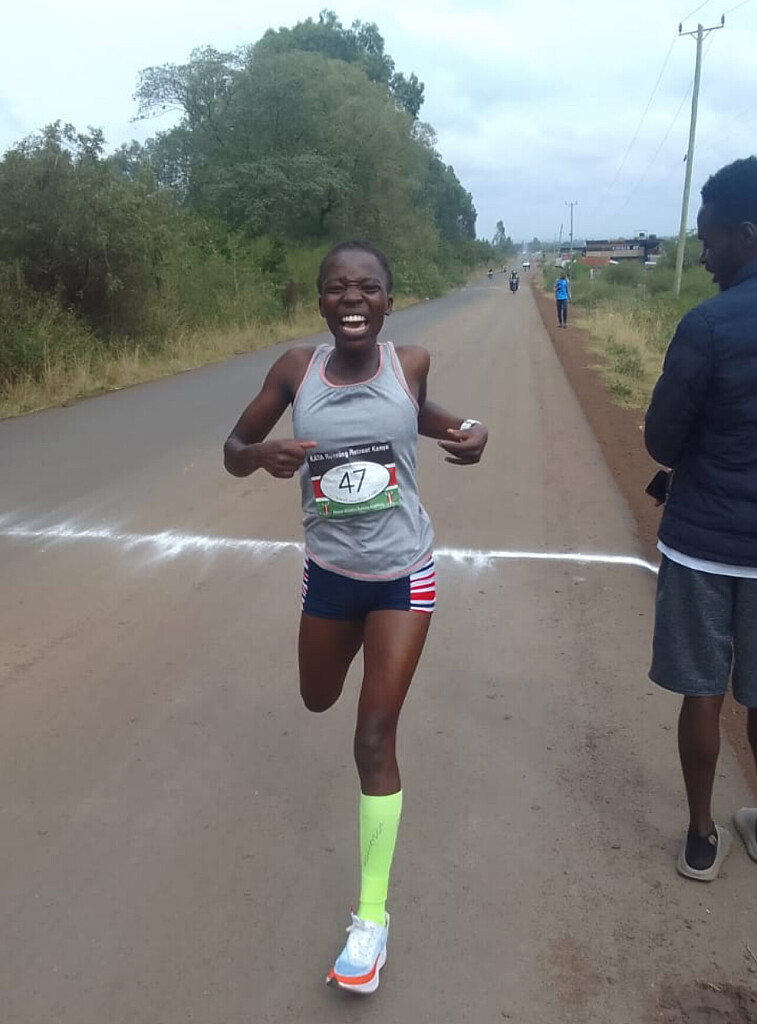
KATA Monthly Time Trial in Thika Challenged by Chilly, Humid Conditions
The KATA (Kenyan Athletics Training Academy) Monthly Time Trial took place in Thika, Kenya this morning March 12, with dedicated athletes braving challenging weather conditions to test their fitness and racing form. The event, which featured a 10K race for both men and women, was held under chilly and humid conditions making fast times difficult to achieve.
The past three days of heavy rain left the course damp and the air thick with moisture, posing an extra challenge for competitors. Despite this, the athletes pushed through, showcasing their resilience and determination in the demanding conditions.
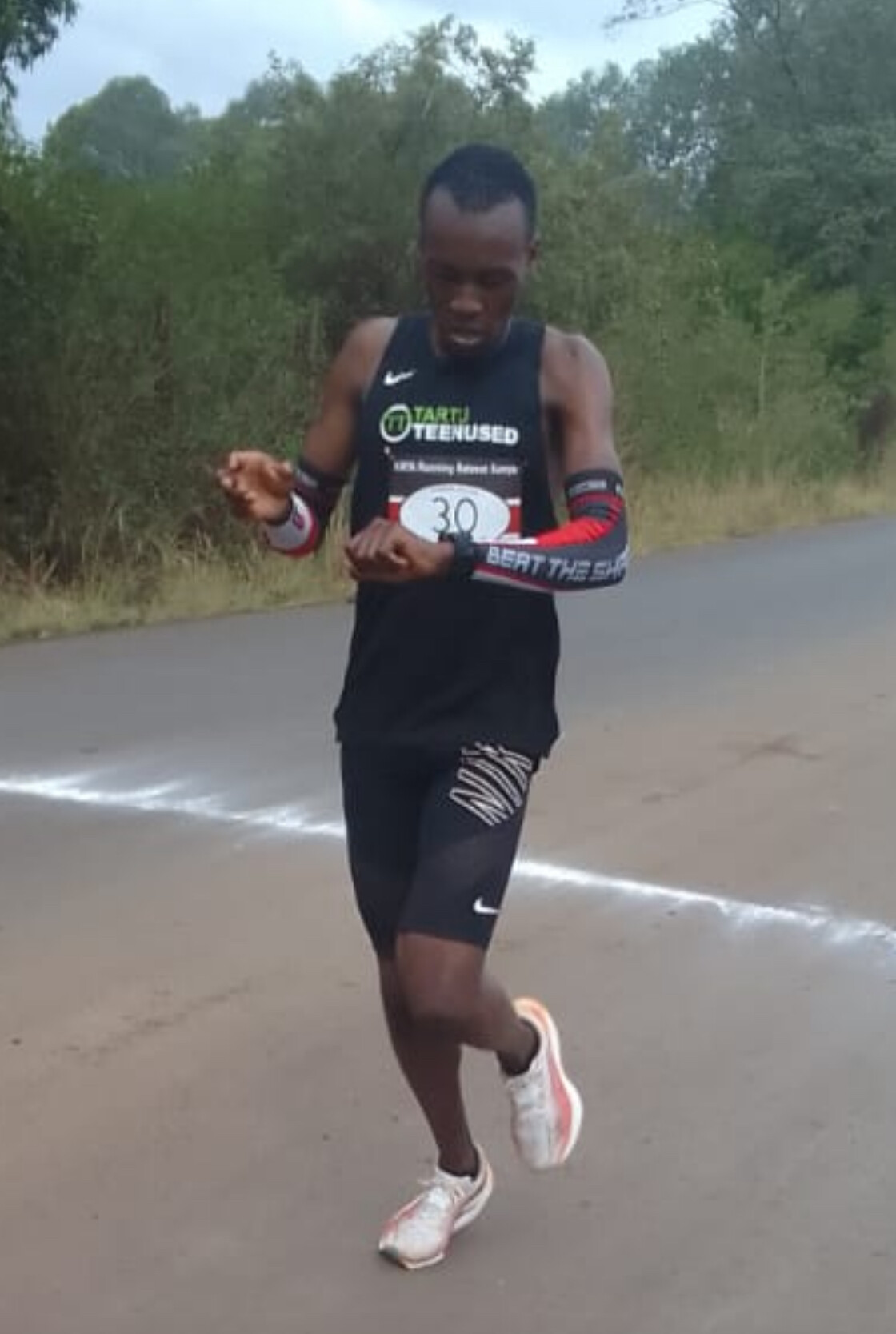
In the men’s 10K, Stephen Ngigi (second photo) emerged victorious, crossing the line in 30:04, holding off John Kuria, who finished just 11 seconds behind in 30:15. John Chege completed the podium with a time of 30:58.
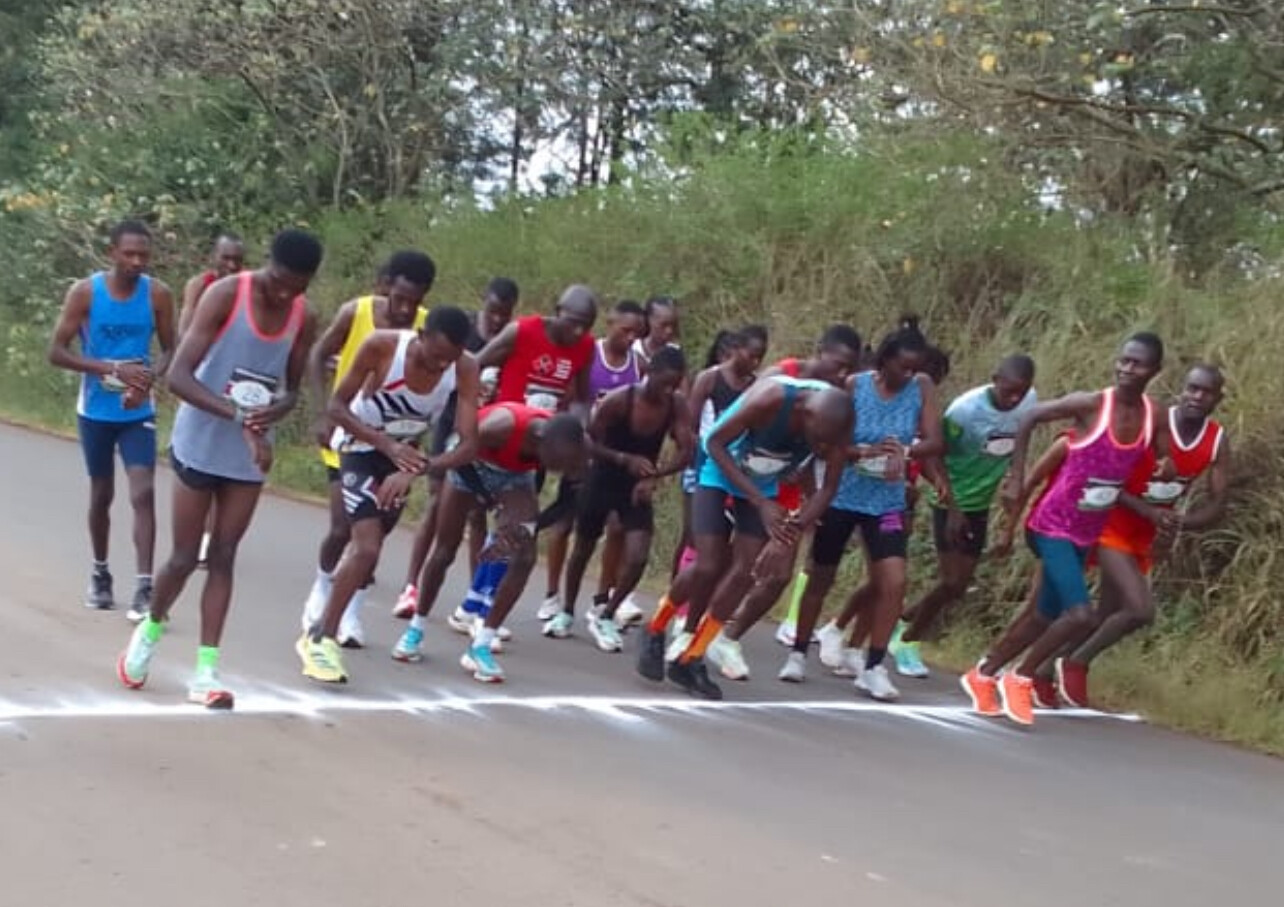
Other notable performances included Gabriel Kahura (31:03) and Elijah Mwangi (31:08), both staying competitive despite the humid conditions.
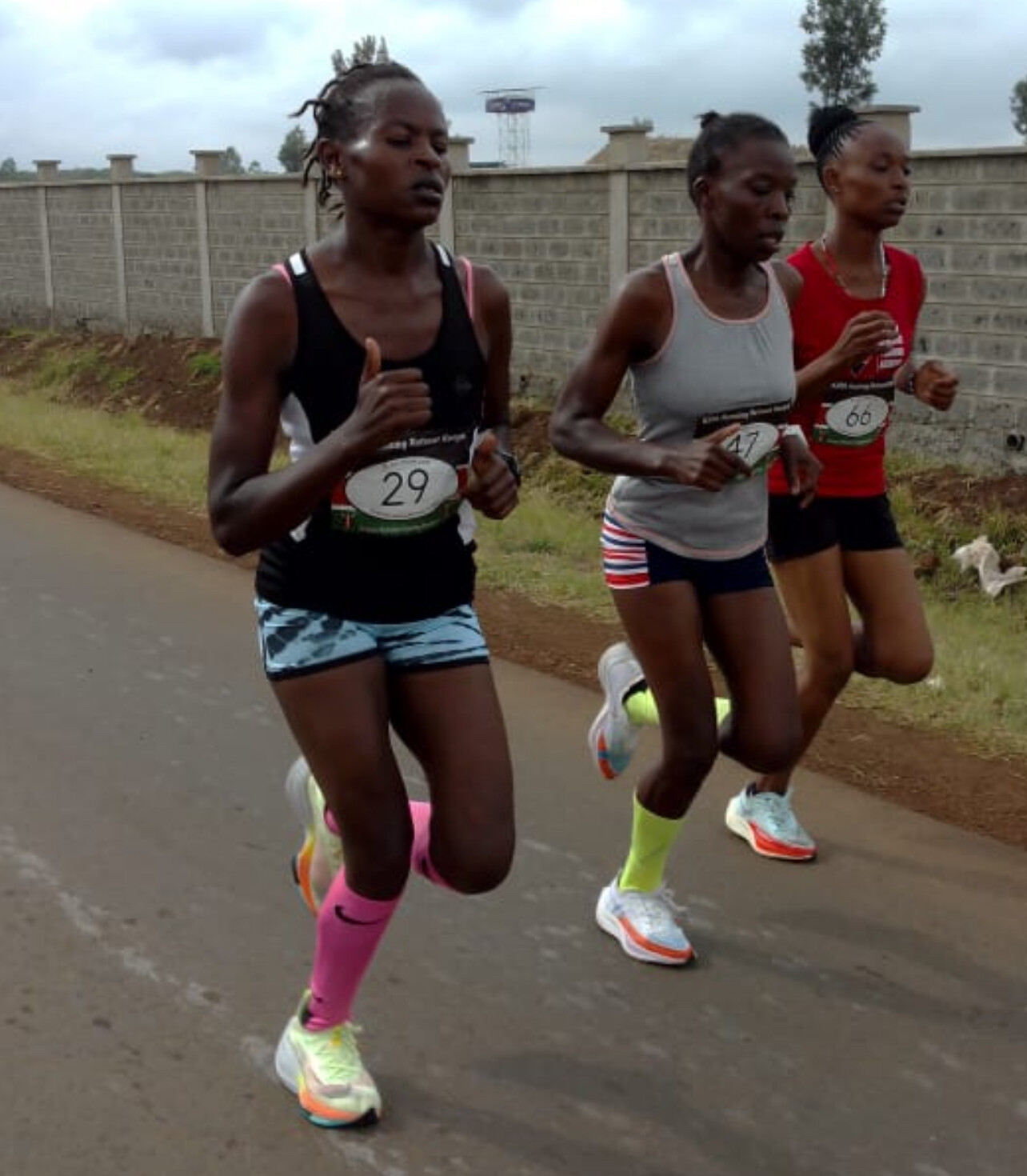
In the women’s race, Jacinta Kamau (first photo) delivered a commanding performance, winning in 34:45. Lois Karie (35:28) and Lilian Nyamai (36:34) rounded out the podium, both delivering strong runs in the difficult conditions.
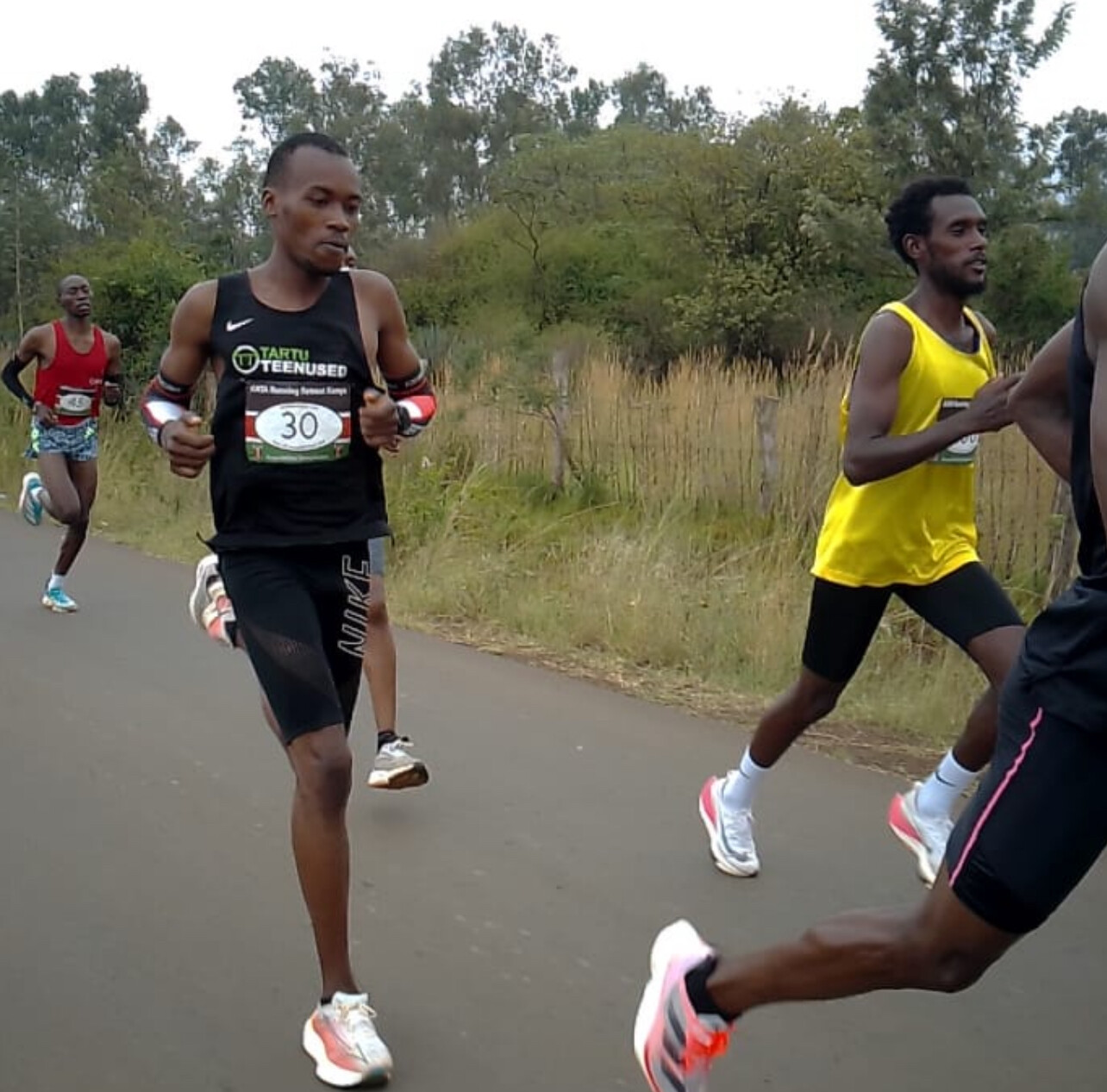
Men’s 10K Results
1. Stephen Ngigi (20) – 30:04
2. John Kuria (30) – 30:15
3. John Chege (19) – 30:58
4. Gabriel Kahura (42) – 31:03
5. Elijah Mwangi (31) – 31:08
6. Charles Ndirangu (24) – 31:40
7. Joseph Kuria (21) – 32:05
8. Elvis Oyweri (21) – 32:41
9. Kariuki Wangari (25) – 32:59
10. Ali Rashid (22) – 33:01
11. Daniel Muriuki (39) – 33:30
12. John Wekesa (28) – 33:45
13. John Ndung’u (21) – 35:36
14. Harrison Mwangi (21) – 36:21
15. Charles Ndirangu (65) – 37:43
16. Peter Waititu (17) – 38:07
Women’s 10K Results
1. Jacinta Kamau (24) – 34:45
2. Lois Karie (24) – 35:28
3. Lilian Nyamai (24) – 36:34
4. Susan Njuu (37) – 38:09
5. Pauline Wanjiku (17) – 38:46
6. Evarylin Wanjiku (27) – 40:04
7. Lucy Muritu (39) – 49:09
Looking Ahead
With this month’s time trial in the books, KATA athletes now turn their focus to the next edition, scheduled for April 16th. As always, the event will serve as a valuable opportunity for runners to gauge their fitness, fine-tune race strategies, and prepare for upcoming competitions.
While this month’s humid and rainy conditions presented a test of endurance and mental strength, the determination of KATA’s athletes remained unwavering. With clearer conditions ahead, the next time trial promises to deliver even faster performances and exciting competition.
(03/12/2025) ⚡AMPby Boris Baron
KATA Time Trial Series
Welcome to the KATA Monthly Time Trial Held at the Kenyan Athletics Training Academy in Thika, Kenya, the KATA Monthly Time Trial is a unique and inclusive event designed to support runners of all levels in achieving their goals and showcasing their fitness. This event offers both 10K and 5K distances on an accurate, certified course, providing participants with...
more...
Stramilano Half Marathon Honored with World Athletics Heritage Plaque Ahead of 2025 Race
The Stramilano Half Marathon, one of Italy’s most prestigious road races, is set to celebrate its 52nd edition on Sunday, March 23, 2025. This year, the event will be marked by a historic recognition, as it has been awarded the World Athletics Heritage Plaque in the category of ‘Competition.’ This prestigious honor highlights Stramilano’s exceptional contribution to the global history of road running and its impact on the sport over the past five decades.
Stramilano’s Storied Legacy
First held in 1976, the Stramilano Half Marathon has been a stage for legendary performances, earning a reputation as the fastest course in Italy. In 1993, Moses Tanui became the first runner in history to break the one-hour barrier for the half marathon, clocking 59:47 on this very course. The event has consistently attracted the world’s best runners, many of whom have gone on to achieve global dominance in long-distance running.
Notable past champions include:
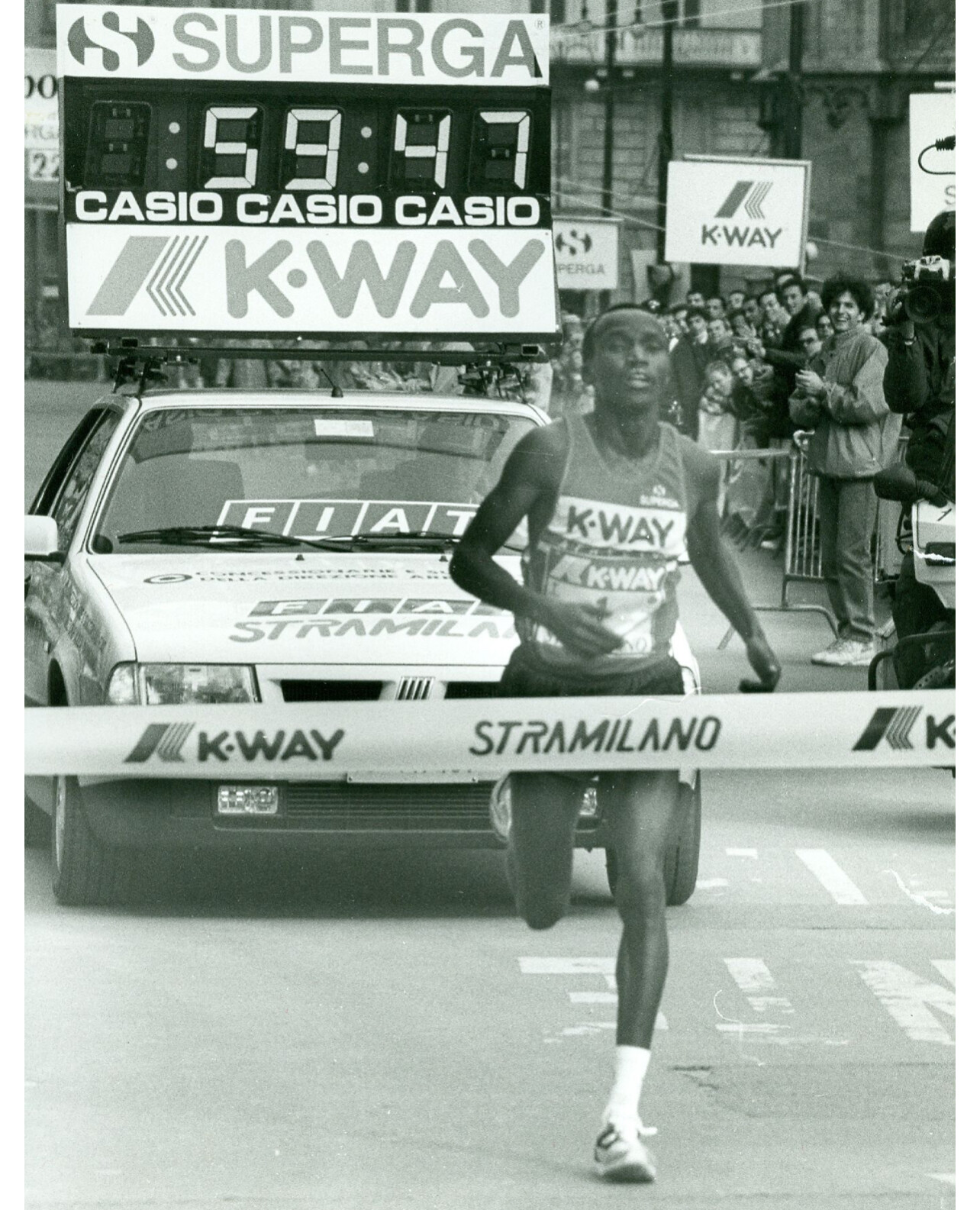
• Moses Tanui (Kenya) – First runner to break 60 minutes for the half marathon (1993)
• Paul Tergat (Kenya) – Six-time Stramilano winner (1994-1999), former half marathon world record holder (59:17, 1998)
• Grete Waitz (Norway) – Nine-time New York Marathon winner
• Rosa Mota (Portugal) – Olympic and World Marathon Champion
• Priscah Jeptoo (Kenya) – London Marathon winner and Olympic silver medalist
• Ruth Chepngetich (Kenya) – Former Half Marathon World Record Holder
• Rob de Castella (Australia) – Former Marathon World Champion
• Gelindo Bordin (Italy) – Olympic Marathon Gold Medalist
2025 Stramilano Half Marathon Details
This year’s edition will once again take runners through the iconic streets of Milan, starting at Piazza Castello and finishing inside the historic Arena Civica, an 18th-century Napoleonic stadium. The event offers different race categories to cater to runners of all levels:
• Half Marathon (21.097 km) – Competitive race featuring elite and amateur athletes
• 10 km Run – Non-competitive fun run starting from Piazza Duomo
• 5 km Run – Family-friendly race also starting from Piazza Duomo
The World Athletics Heritage Plaque will be permanently displayed at the Arena Civica, Viale Giorgio Byron, the race’s headquarters, following the conclusion of this year’s event.
(03/11/2025) ⚡AMPby Boris Baron

Stramilano Run Generation
All ages, all genres and all preparations’ levels: Stramilano is everyone’s race, the race for whom love sport and want to live unforgettable moments. Both if you’ve been preparing with months of traning or you just want to walk through Milano’s streets, you’re all a part of the big sports people “family” that put on a unique sunday. Like any...
more...
The Fueling Strategy of a Champion—Jimmy Muindi’s Approach to Nutrition and Race Preparation - Part three
In Parts One and Two, we explored Jimmy Muindi’s remarkable journey from a young barefoot runner to an elite marathoner, and his transition into coaching at the Kenyan Athletics Training Academy (KATA) in Portugal (all photos taken at KATA located at Anderson Manor Retreat in Monforte da Beira Portugal). Now, in Part Three, we delve into a critical element of running success—nutrition and hydration.
Training alone isn’t enough to maximize performance. Proper fueling and strategic race preparation play a major role in an athlete’s ability to perform at their best. Muindi has learned firsthand, through years of competing at the highest level, that what and when you eat can make or break a race.
At KATA Portugal, Muindi applies these same principles to his coaching, ensuring that runners understand not just how to train, but also how to eat and hydrate for peak performance.

The Key to Fueling: Why Two Nights Before the Race Matters Most
Many runners focus on carb-loading the night before a race, but Muindi emphasizes that the most important meal happens two nights before the race.

“If you eat too much the night before, your body doesn’t have enough time to fully process and store the energy properly,” Muindi explains. “Instead, it’s two nights before when you need to eat your biggest meal. That’s when your body is in the best position to absorb the nutrients and store glycogen for race day.”
This strategy is a hallmark of elite Kenyan runners. While they do eat a balanced meal the night before, it’s more about maintaining energy stores rather than overloading.

The Kenyan Runner’s Diet: Simple, Natural, and Effective
For decades, Kenyan distance runners have followed a diet that is both simple and highly effective. Muindi is no exception.

At the core of this diet are:
• Carbohydrates (about 75-80% of daily intake)– Ugali (a maize-based staple), rice, and potatoes provide the primary energy sources.

• Vegetables– Greens such as sukuma wiki (collard greens), spinach, and cabbage are common.
• Proteins (about 10-15%)– Beans, lentils, eggs, and occasionally meat (usually chicken, goat, or beef, but not in excess).

• Healthy fats– Avocados, nuts, and milk from cows or goats.
• Tea with milk and sugar– This is an important part of a Kenyan runner’s daily routine. Tea is consumed multiple times a day, often before and after training sessions. The combination of milk and sugar provides quick energy while keeping hydration levels up.

What’s notably absent from the traditional Kenyan diet is excessive processed foods. While sugar is used in tea, highly refined snacks and artificial ingredients are avoided. Instead, the focus is on whole, home-cooked meals with natural ingredients.
Pre-Race Nutrition Strategy
Muindi breaks his pre-race nutrition plan into three key phases:
1. Two Nights Before the Race – The Most Important Meal
• Large serving of ugali or rice for carbohydrates
• Protein source (beans, lentils, or chicken)
• Cooked greens for vitamins and minerals
• Hydration: Water and tea with milk and sugar
2. The Night Before the Race – Keeping It Light
• A smaller portion of carbohydrates (usually rice)
• Light vegetables
• Minimal protein (to avoid digestion issues the next morning)
• Hydration: Water, tea with milk and sugar, no heavy or fatty foods
3. Race Day Morning – Quick, Easily Digestible Energy
• A slice of bread with honey
• A banana for quick energy
• Black tea or tea with milk and sugar
• No heavy meals—just enough to keep energy levels stable without causing stomach discomfort
Hydration Strategy: Timing Matters
Muindi's approach to hydration during a marathon is disciplined and strategic. Unlike recreational runners who may sip water frequently, he does not take any water until after the 5K mark. From that point onward, he drinks water every 5K, adjusting based on weather conditions.
“For me, being out there for just over two hours, I don’t need to drink too much,” Muindi explains. “I know my body, and I hydrate well before the race, so I only take small amounts of water every 5K.”
However, Muindi acknowledges that this approach isn’t suitable for everyone.
“If you are running at a four-hour pace or longer, your hydration needs change. For runners expecting to be on the course for four, six, or even eight hours, regular hydration is critical. In these cases, you need to take in more fluids and also consume calories—things like bananas or energy gels—to maintain energy levels.”
Muindi emphasizes that each runner should plan their hydration strategy according to their race pace, experience, and the race-day conditions.
At KATA Portugal, Muindi teaches runners how to fine-tune their hydration plans so they don’t overhydrate but also don’t risk dehydration. He helps runners determine when and how much to drink based on their training intensity and expected race time, ensuring they develop an optimal balance of water intake, electrolyte replenishment, and fuel consumption.
Collaborative Coaching at KATA Portugal
Muindi works closely with Bob Anderson, a lifetime runner and the founder of KATA. Anderson, who started Runner’s World magazine in 1966 at the age of 17, has dedicated his life to the sport of running. His passion led him to establish KATA in Kenya in 2019, and subsequently, KATA Portugal in 2024. Anderson and his wife, Catherine, spend approximately 45% of their time at KATA, actively engaging with the running community and supporting the academy’s mission.
The academy ensures that there is always a certified Kenyan coach available, providing authentic training experiences rooted in Kenyan running culture. This collaborative environment fosters a holistic approach to training, combining Muindi’s expertise with the rich traditions of Kenyan athletics.
Beyond Running: A Retreat for All
KATA offers more than just a running camp. It also caters to hikers, walkers, and individuals seeking relaxation and a respite from the hectic world. Nestled in the village of Monforte da Beira in central Portugal, with a population of just 310 people, KATA provides the quiet environment that many people seek. This tranquil setting allows guests to unwind, explore scenic trails, and immerse themselves in the local culture, making it an ideal destination for both active and leisure pursuits.
How Muindi Teaches Nutrition at KATA Portugal
At KATA Portugal, Muindi ensures that guests learn by doing. The training program isn’t just about running—it’s also about understanding how to fuel like a champion.
• Meals at KATA Portugal follow the same principles as the Kenyan elite training camps. Guests experience a diet that emphasizes complex carbohydrates, natural proteins, and proper hydration.
• Workshops and discussions provides insight into meal timing, nutrient absorption, and the importance of eating for recovery.
• Pre-race meal planning helps runners adjust their own routines based on what has worked for world-class marathoners.
One of the most valuable lessons Muindi imparts is that nutrition is about consistency, not last-minute changes. Runners at KATA Portugal learn how to eat for performance long before race week, making proper fueling a habit rather than a stress factor.
(03/08/2025) ⚡AMPby Boris Baron
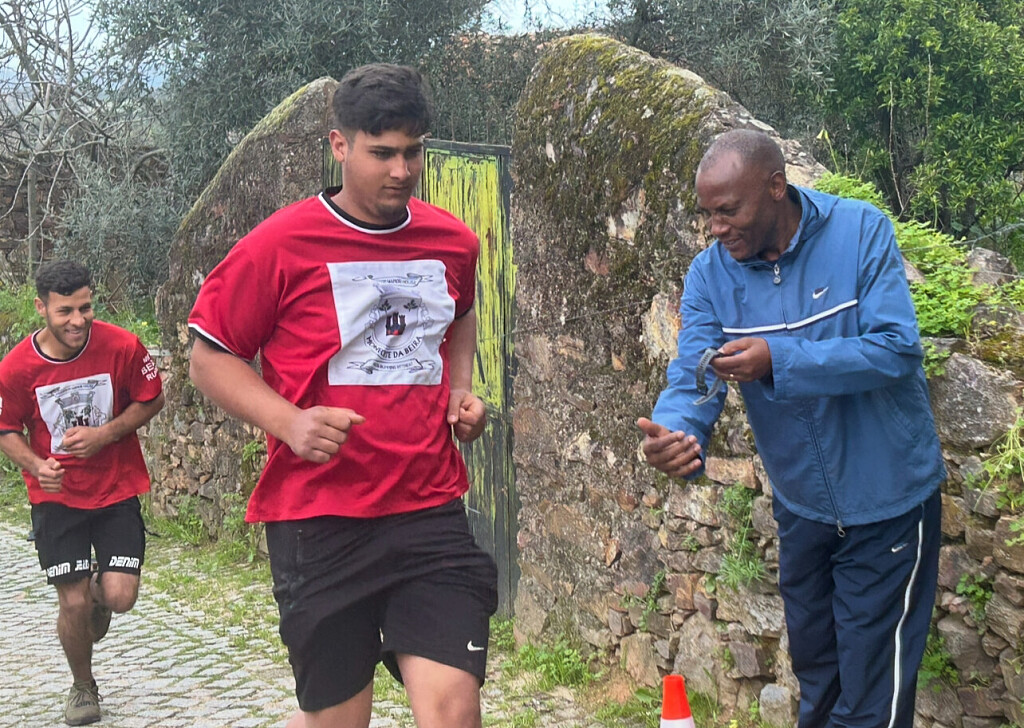
Part Two: Training the Kenyan Way—Jimmy Muindi’s Coaching Success and Impact at KATA Portugal
In Part One, we explored Jimmy Muindi’s remarkable journey from a young barefoot runner to an elite marathoner, winning the Honolulu Marathon six times and running a personal best of 2:05:24. Now, in Part Two, we dive into his success as a coach, both in Kenya and now at KATA Portugal.
Muindi has been deeply involved in training athletes back home for many years. After his own marathon wins, he set up a youth training camp in Ngong, on the outskirts of Nairobi, where he began mentoring promising runners. One of his most famous protégés is Patrick Makau.
Around 2005, Muindi—then fresh off his Rotterdam Marathon victory—heard about a talented young runner from his home area. He sought out Makau, offered guidance and encouragement, and after Makau finished high school, Muindi brought him into his camp in Ngong and trained him for two years.
Under Muindi’s tutelage, Makau developed from a schoolboy star into a world-class road racer, even winning a 25K race in Berlin as his first international competition. The pinnacle of their mentor-student relationship came in 2011, when Patrick Makau broke the marathon world record in Berlin, a testament to the solid foundation and focus Muindi helped instill early on. This example highlights Muindi’s overall impact—he has a keen eye for talent and the ability to nurture it to the highest level.
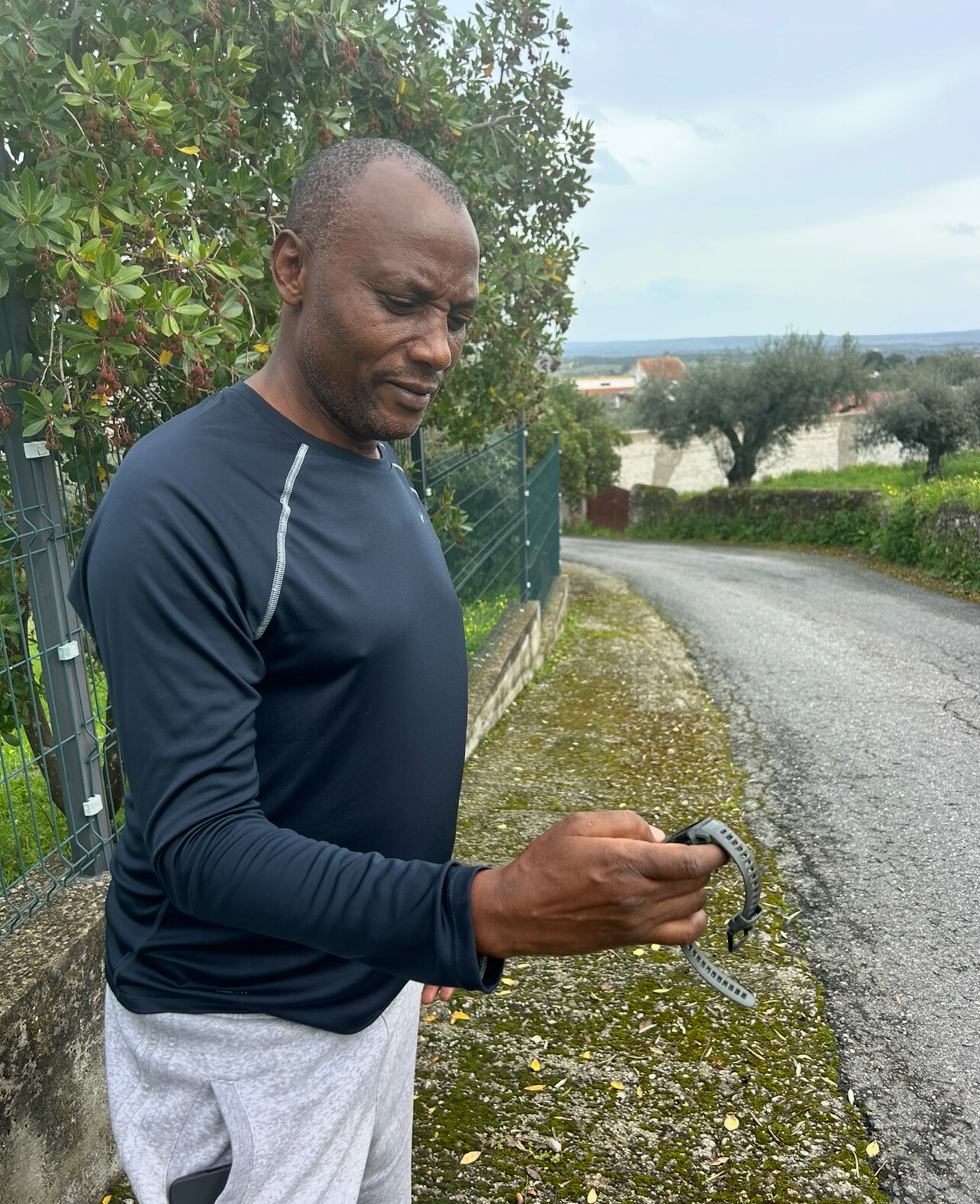
Muindi’s coaching reach doesn’t stop with Makau. Over the years, he has worked with and inspired many Kenyan athletes, as well as athletes from South Africa and Zimbabwe. He even coached and paced his younger brother, Nicholas Muindi, who himself became a 2:15 marathon runner. Training side by side with Jimmy, Nicholas and others like teammate Eric Nzioki benefited from Jimmy’s experience and training methods.
In Kenya’s running culture, group training and mentorship are key, and Muindi has been at the heart of such groups—whether informally bringing up younger runners in his home region or mentoring elite athletes at training camps. Dozens of runners have shown marked improvement under his guidance.
It’s common to hear of a runner joining a group with modest personal bests and, after months of hard training, cutting down their times significantly. This kind of progress speaks to Muindi’s effective coaching style and the training environment he helps cultivate. His approach is very much about training the Kenyan way, a philosophy he exemplifies.
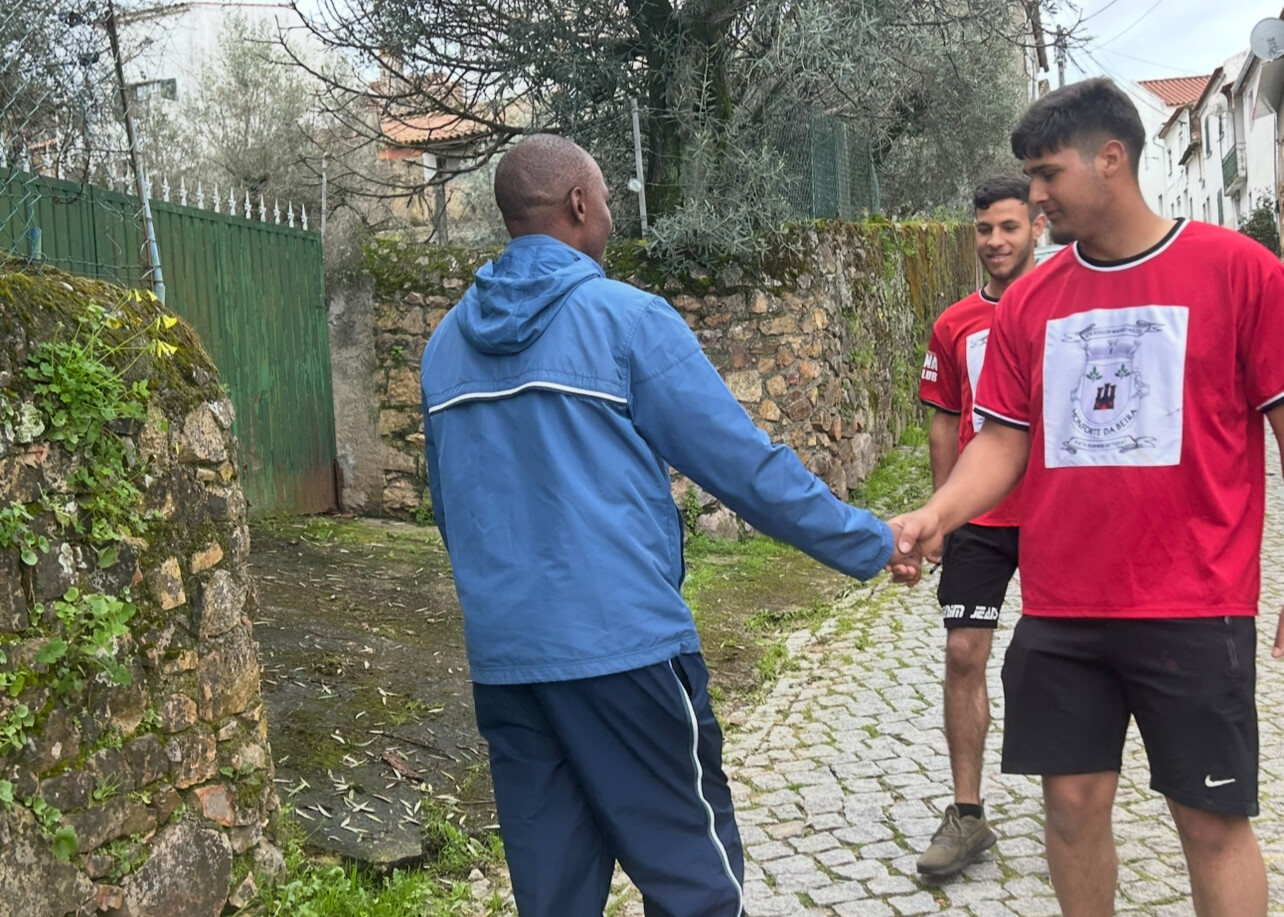
The Muindi Coaching Method: Training the Kenyan Way
What is Muindi’s coaching philosophy and method? In large part, it mirrors the proven Kenyan training principles that brought him success in his own career.
Muindi emphasizes high-mileage, high-quality training weeks. His athletes run twice a day, six days a week—a harder workout in the morning and an easy run in the evening—allowing for both intensity and active recovery.
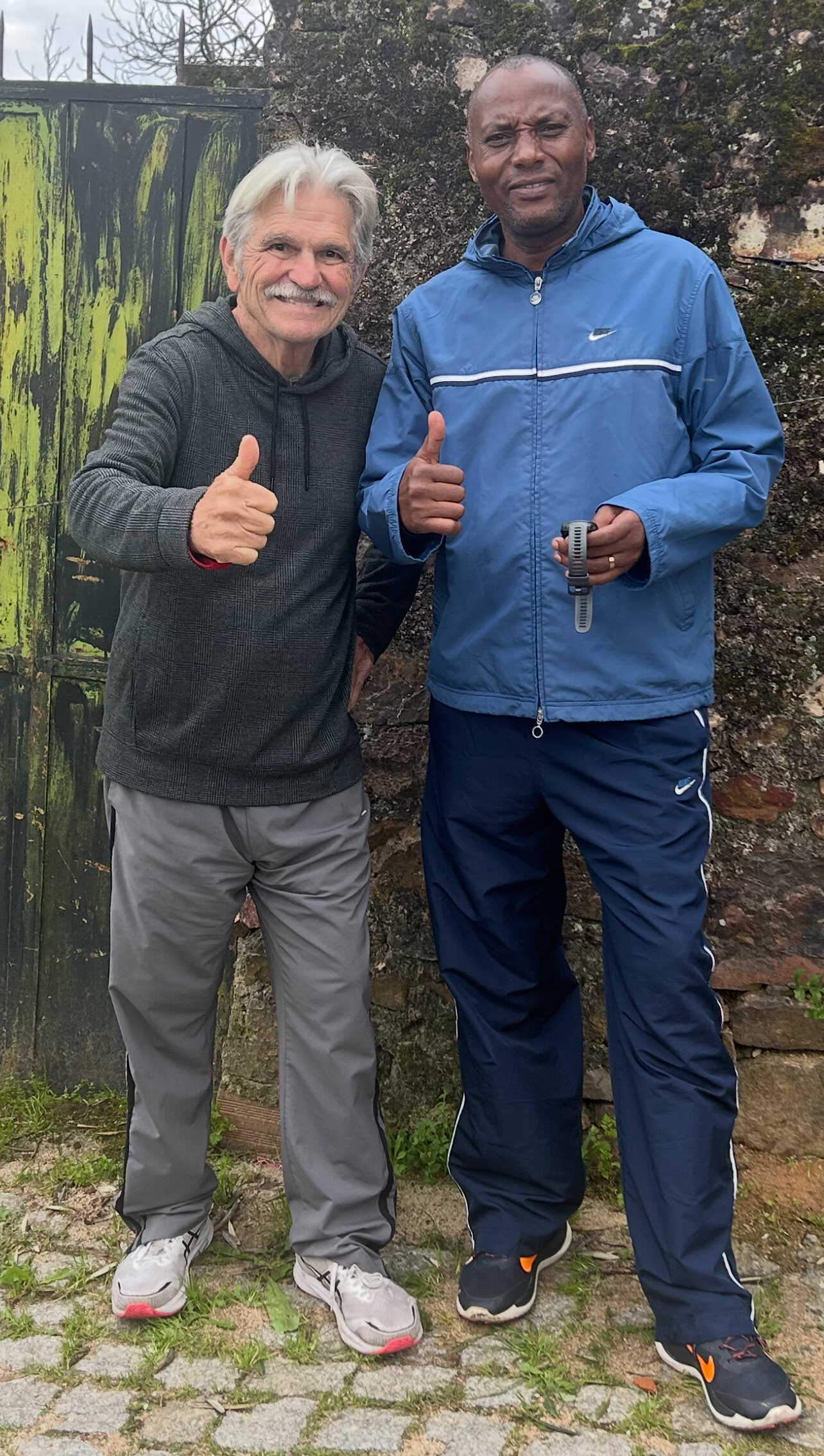
His training follows a simple but effective structure: one hard day followed by an easy day. The hard days vary and can include:
• Fartlek training—alternating between hard efforts and recovery paces over various distances
• Interval training on the track—structured repetitions such as 6 × 1,000m, 10 × 400m, or 4 × 2K at race pace
• Hill work—shorter, explosive hill sprints or longer sustained uphill efforts
• Tempo runs—steady-state efforts at or slightly above lactate threshold
On easy days, Muindi ensures that his runners focus on recovery, maintaining a relaxed effort to allow the body to adapt and rebuild.

He also incorporates a mix of workouts that have long been secrets of Kenyan distance running, including:
• Strength and form drills to improve efficiency and prevent injuries
• Diagonal runs—a drill that involves running across a grass field or from one corner of a track to the opposite corner. The effort is 100 to 120 meters, followed by a jog, then repeated ten times or more. This is often done after a long run or a few days before a major race to reinforce good form and maintain leg turnover without overstressing the body.
This structured approach has allowed many of his athletes to break through to the next level.
Bringing Kenyan Training to Portugal
Now, Muindi is bringing this train the Kenyan way experience to international guests at KATA Portugal, the academy’s new European location. Opened in 2024 at the historic Anderson Manor Retreat in central Portugal, KATA Portugal offers runners from around the world a chance to train under Kenyan coaches like Muindi without traveling all the way to East Africa.
As one of the lead coaches for KATA Portugal, Muindi provides the same level of world-class guidance that he has applied in his previous coaching experiences. Visitors can expect an immersive training week that closely models a Kenyan training camp—right down to the daily schedule and philosophy.
Runners joining KATA Portugal can look forward to personalized coaching from Muindi. He begins by evaluating each guest’s fitness and goals, then tailors the training accordingly. A day might start at dawn with an endurance run through the scenic trails around Monforte de Beira, where the retreat is located. Muindi will lead or cycle alongside, monitoring paces and offering tips on form. The morning session could be a long run or a hard workout, depending on the plan—for example, interval repeats on a nearby all-weather track or a fartlek on the rolling country roads.
His approach to guests is hands-on and encouraging. He runs some easy miles with less experienced runners, challenges the faster ones with appropriate paces, and creates an atmosphere where everyone, regardless of level, feels like part of the team.
In the afternoons, he conducts a second, lighter session—this could be an easy shakeout jog, mobility drills, or even a fun group run to explore the area.
Muindi also integrates supplemental training into the program:
• Core strength exercises
• Stretching routines
• Yoga sessions (the Portugal retreat has yoga and massage amenities on site)
All of this mirrors the components of training he used as an elite.
The Kenyan Approach to Recovery and Nutrition
Guests at KATA Portugal will quickly notice Muindi’s attention to recovery. Between runs, he stresses rest, proper hydration, and nutrition. In line with the Kenyan tradition, the meals at KATA Portugal are inspired by the Kenyan runner’s diet—simple, hearty, and rich in carbohydrates. Muindi often dines with the participants, informally sharing stories from his racing days and advice on topics like race strategy or injury prevention.
This personal touch is a huge part of what he brings to the table: you’re not just following a training schedule—you’re learning directly from someone who competed at the highest level.
Why Train with Muindi? A Champion’s Perspective
What truly sets Muindi apart as a coach at KATA Portugal is how his professional background shapes his philosophy in training others.
Having been a world-class marathoner, Muindi understands the dedication required to reach one’s potential. He approaches each runner as an individual, cognizant that everyone has their own journey.
Because he’s been through the highs and lows of competitive running—from winning major races to the grind of daily training—he can relate to the struggles his trainees face. This empathy makes him a patient and motivating coach.
Muindi’s own career was marked by consistency and longevity (he remained competitive for over two decades), and he emphasizes the same long-term approach to his trainees, preaching that improvement comes through gradual progress and consistent effort.
Under his guidance, runners at KATA Portugal gain a rare window into the mindset of a champion. Muindi teaches them to plan their races, listen to their bodies, and cultivate the confidence that comes from thorough preparation.
Coming Next in Part Three
Training is only part of the equation when it comes to running success. Nutrition and strategic race fueling play a major role in performance.
In Part Three, we will explore Muindi’s approach to diet, emphasizing why the most important meal happens two nights before a big race. His personal experience and insights will reveal how proper fueling can make or break a performance.
Stay tuned for the next installment as we dive into the nutrition strategies of elite Kenyan runners and how Muindi applies them to his coaching at KATA Portugal.
(03/06/2025) ⚡AMPby Boris Baron

EDP Lisbon Half Marathon Set for March 9: Elite Runners Aim for Fast Times
The EDP Lisbon Half Marathon, one of the most prestigious road races in the world, is set to take place on Sunday, March 9, 2025. Held annually in the Portuguese capital, the event is part of the SuperHalfs series and carries a World Athletics Gold Label status. Known for its fast and scenic course, Lisbon has been the site of multiple world records, including the men’s half marathon record of 57:31 set by Jacob Kiplimo in 2021.
This year’s race is expected to attract over 35,000 runners, including some of the world’s top elite athletes. The course offers a unique experience, starting on the 25 de Abril Bridge—an iconic suspension bridge normally closed to pedestrian traffic—and finishing at the historic Jerónimos Monastery, a UNESCO World Heritage Site. Runners will pass by landmarks such as the Belém Tower, making the race both visually stunning and highly competitive.

Elite Runners to Watch
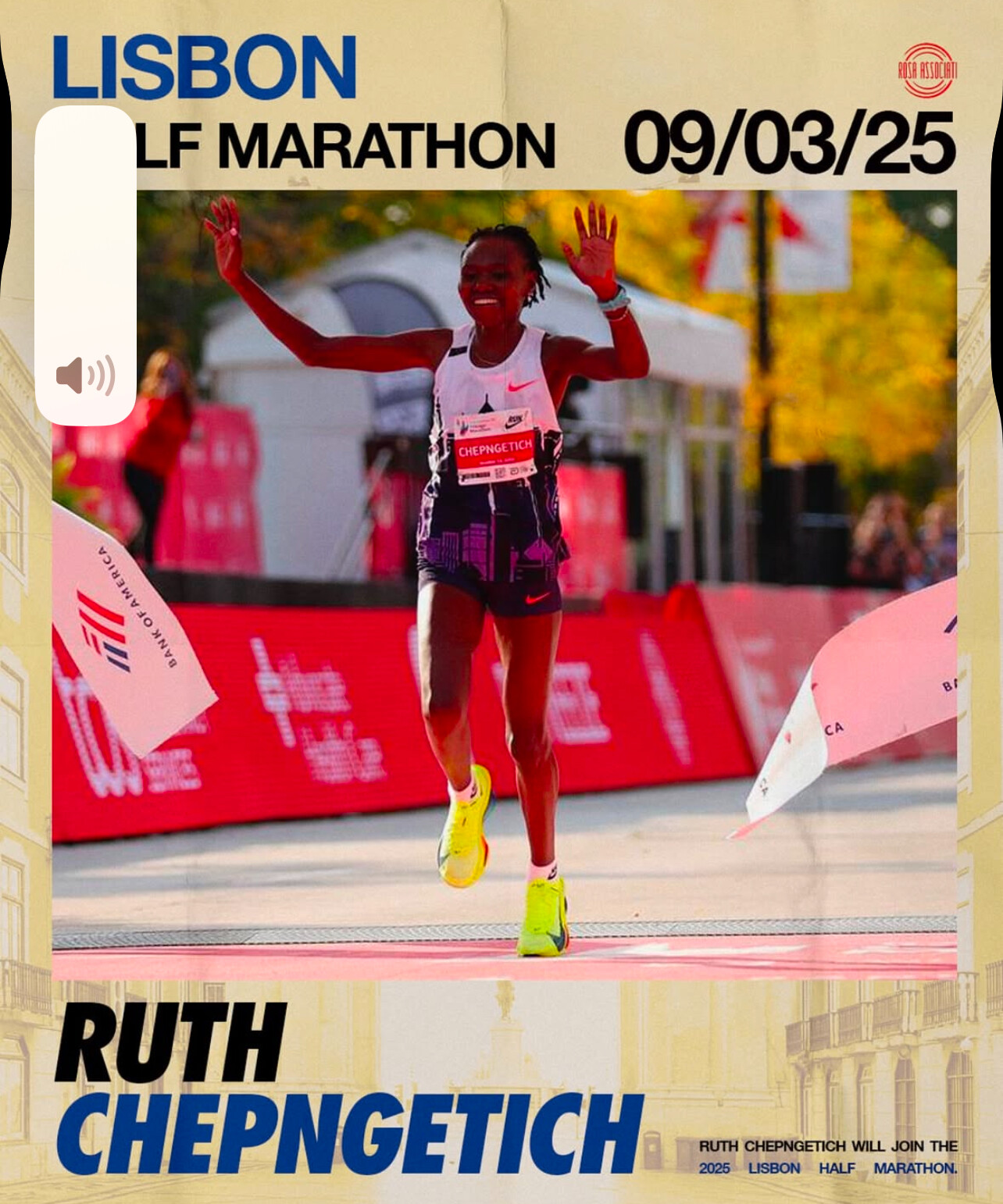
The 2025 edition of the EDP Lisbon Half Marathon features an exciting elite lineup with several high-profile athletes expected to compete.

Ruth Chepngetich, the Kenyan marathon world record holder and 2019 World Champion, is headlining the women’s elite field. With a half marathon personal best of 1:04:02, she is one of the fastest women ever at this distance and will be looking to challenge the course record.
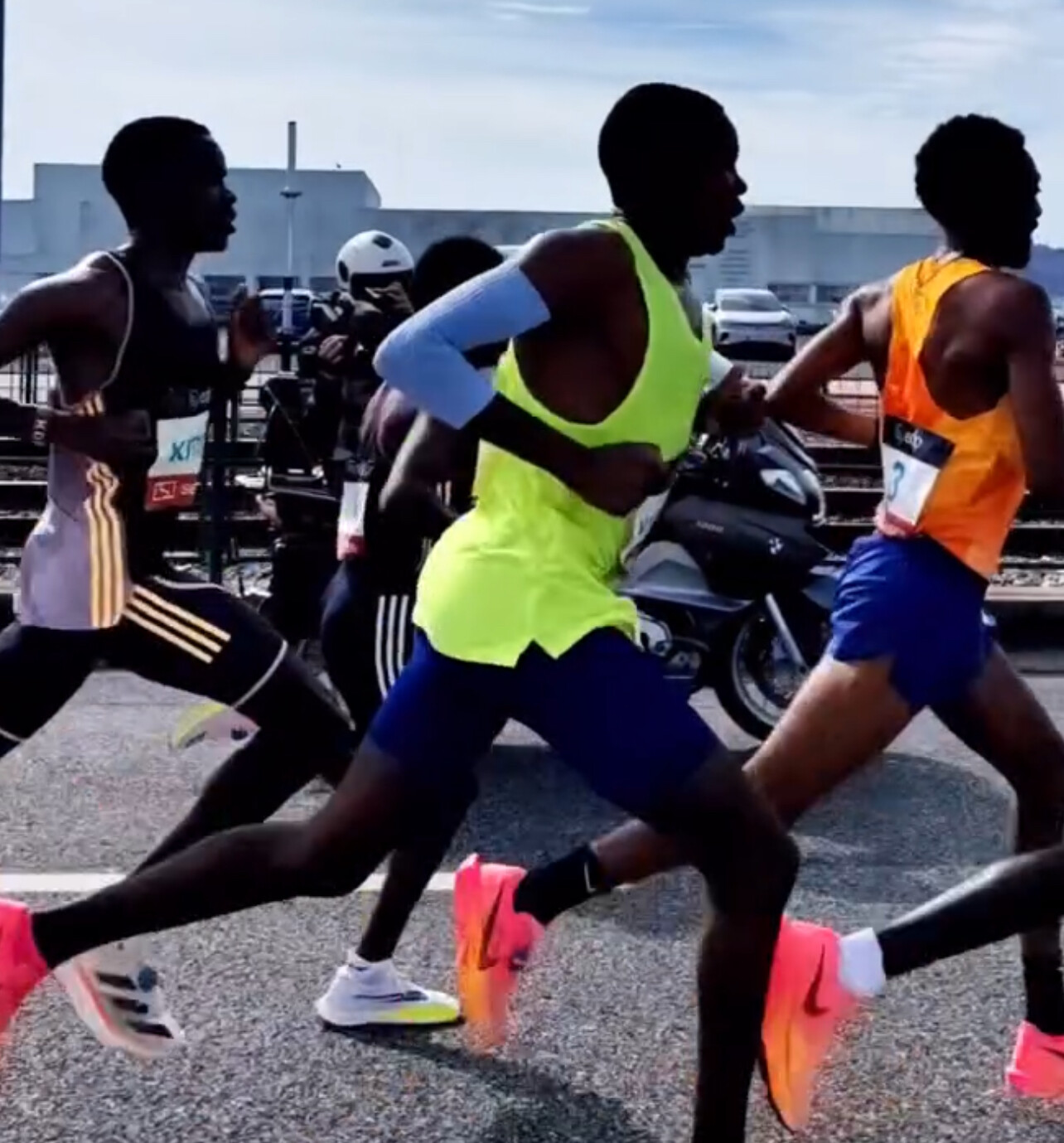
Berihu Aregawi, Ethiopia’s 5K world record holder and an Olympic silver medalist, has chosen Lisbon for his half marathon debut. Given the course’s reputation for speed, Aregawi’s entry adds an extra level of anticipation, as he may be capable of running one of the fastest debut half marathons in history.
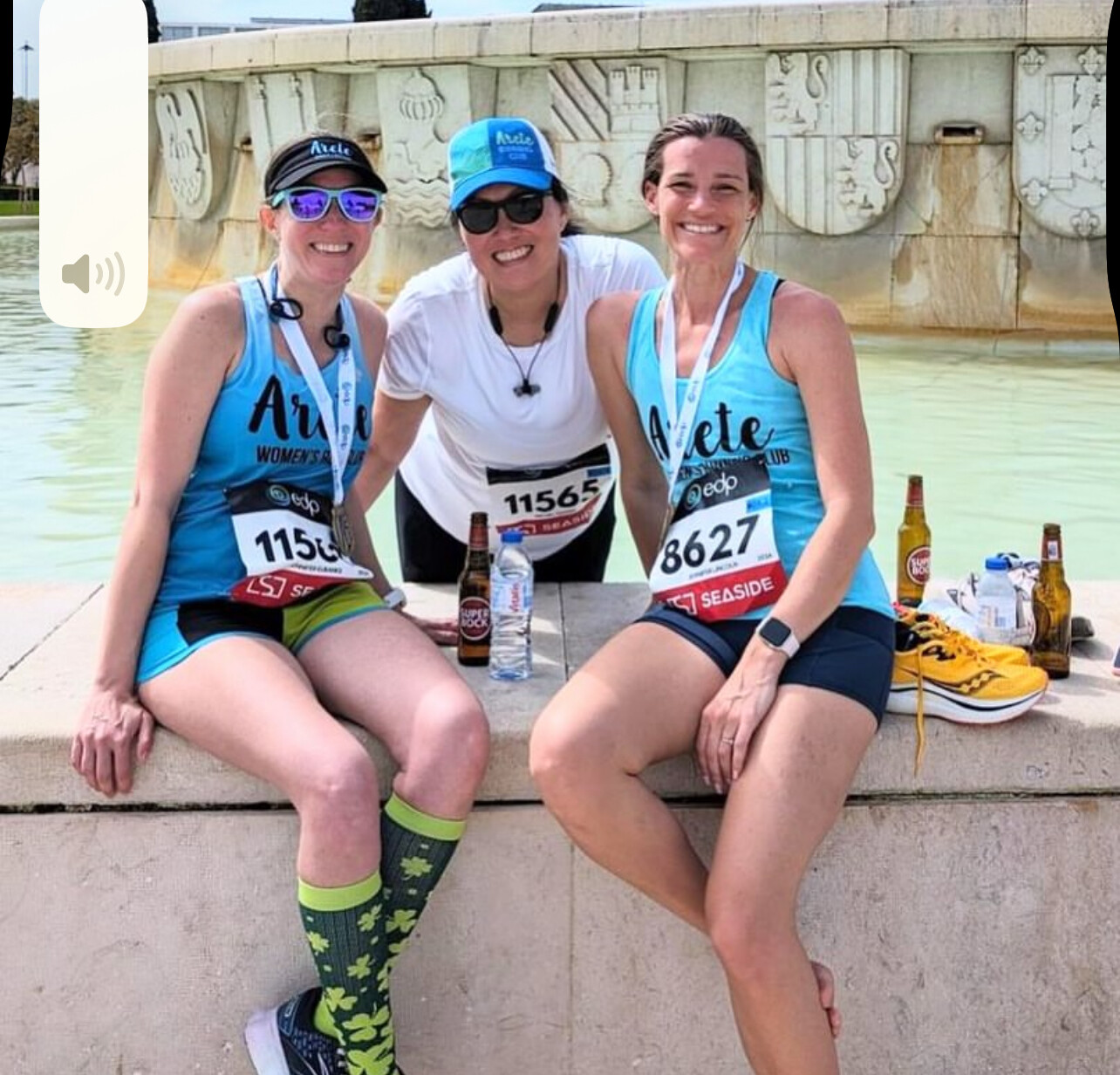
The men’s elite field is expected to feature additional world-class talent, including top Kenyan and Ethiopian athletes aiming to break the 59-minute barrier.
Course and Event Details
The EDP Lisbon Half Marathon is known for its flat and fast course, making it a prime location for personal bests. Runners start with a stunning view from the 25 de Abril Bridge before descending toward the city center, where the race follows the Tagus River.
Race weekend will feature several events:
• Thursday, March 6 to Saturday, March 8: SportExpo at Sala Tejo, MEO Arena, where participants can collect race kits
• Saturday, March 8: Hyundai 7K, Mimosa Family Walk, and EDP New Generation races
• Sunday, March 9: EDP Lisbon Half Marathon at 9:30 AM, followed by the Vodafone 10K at 10:05 AM
Runners must collect their bibs and race kits before race day, as there will be no pickup available on Sunday. Access to the starting line is through the Fertagus Pragal train station, with free transportation provided to registered participants.
A Race Built for Speed
The Lisbon Half Marathon has a history of producing fast times, thanks to its favorable course and elite competition. In recent years, it has been a top choice for runners looking to set records and achieve personal bests. With Ruth Chepngetich, Berihu Aregawi, and a deep field of elite athletes, this year’s race promises to be another thrilling edition.
Whether chasing a fast time or soaking in the beauty of Lisbon, the 2025 EDP Lisbon Half Marathon will be an unforgettable event for all who take part.
(03/05/2025) ⚡AMPby Boris Baron
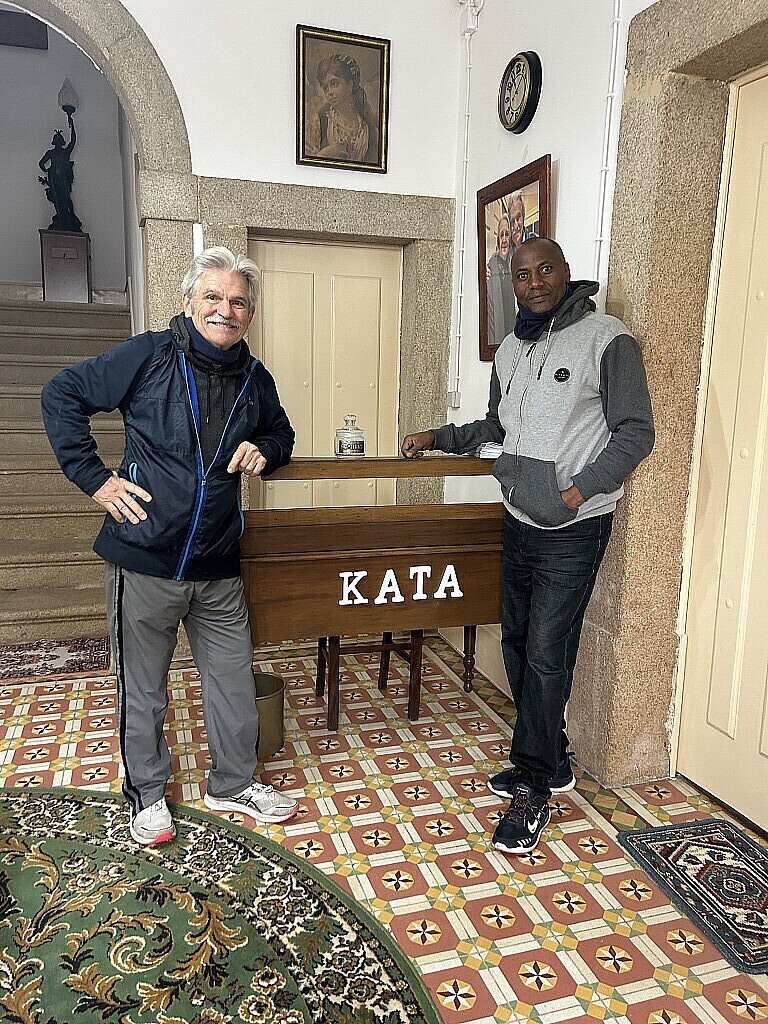
From Barefoot Champion to Marathon Legend: The Journey of KATA Coach Jimmy Muindi
Jimmy Muindi’s journey from a young barefoot runner in Kenya to an elite marathoner is a testament to perseverance, adaptability, and the drive to push beyond limitations. His incredible career includes winning the Honolulu Marathon six times, running a 2:05:24 marathon, and playing a key role in pacing Paul Tergat to a world record 2:04:55 at the 2003 Berlin Marathon.
Now, Muindi is bringing his experience to KATA Portugal as a coach, offering training, insights, and mentorship to runners of all levels. His coaching philosophy is deeply rooted in his own experience as a professional runner, ensuring that guests at KATA Portugal will learn from someone who has lived the life of a world-class athlete.
This three-part series will explore Muindi’s remarkable career and his transition to coaching:
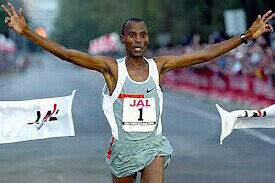
• Part One: His journey from humble beginnings to becoming an elite marathoner and record-setting athlete.
• Part Two: His coaching success in Kenya and what he brings to guests at KATA Portugal.
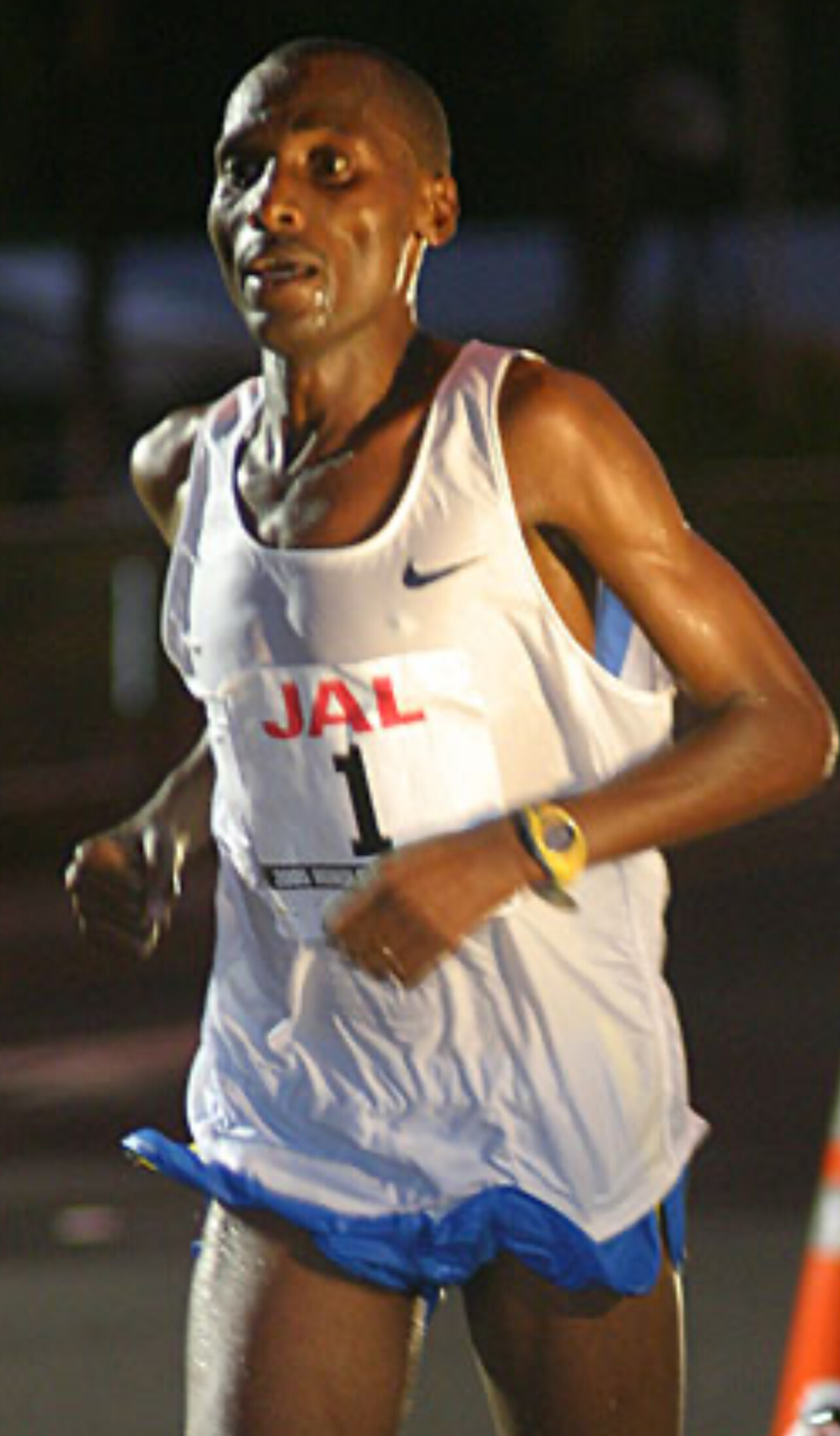
• Part Three: Nutrition and race preparation—why the most important meal for a big race happens two nights before and how Muindi’s personal approach to fueling has helped him perform at the highest level.
Humble Beginnings and Early Inspiration
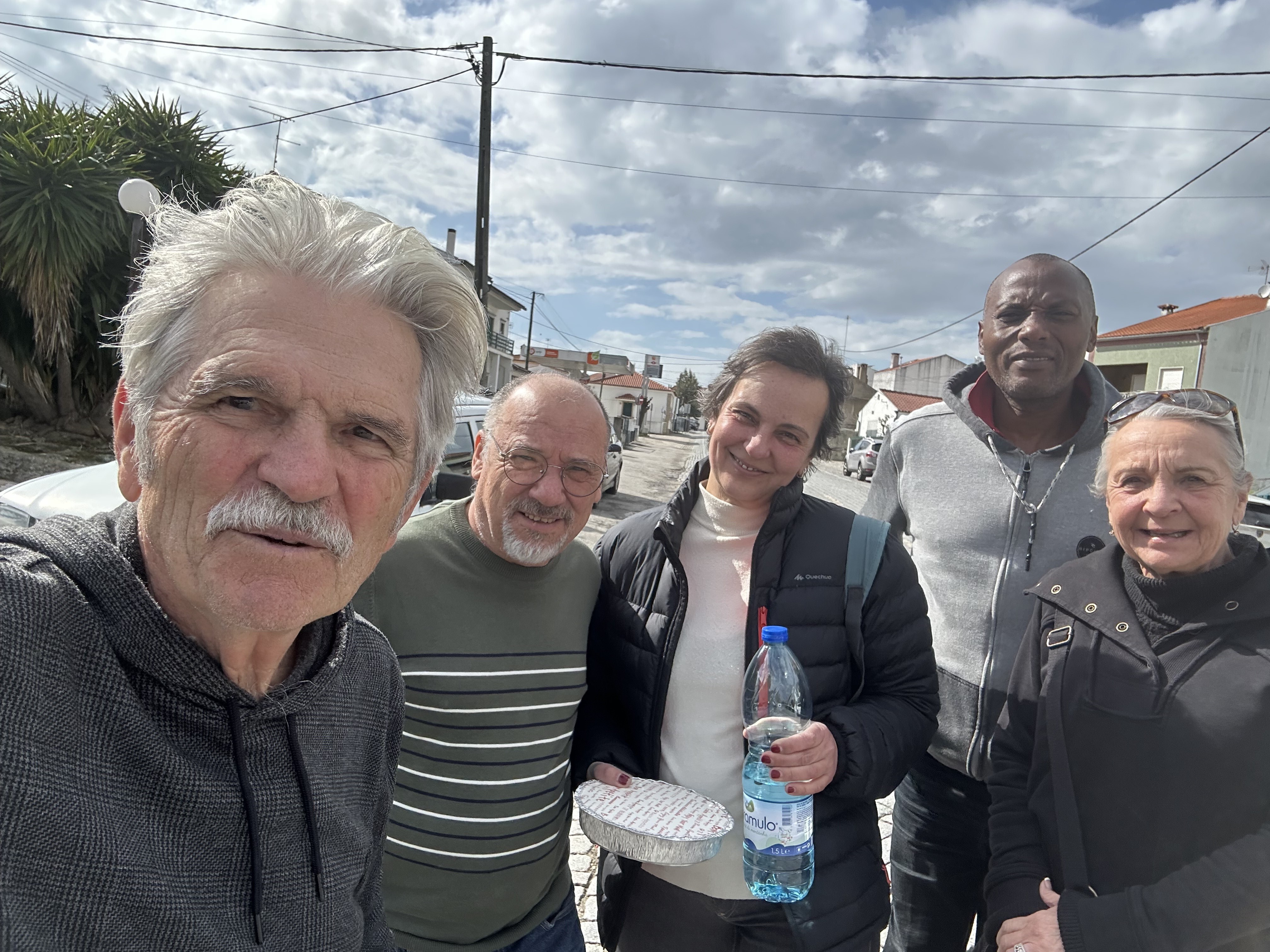
Born into a family of eight children, Muindi was the firstborn and grew up in modest conditions. Food was scarce, and life was challenging, but his mother, was a runner who competed only in school-level races, became his first source of inspiration. At age 15, his mother encouraged him to start running, recognizing his potential.
Then, in 1988, Muindi’s cousin qualified for the World Junior Cross Country Championships. Seeing someone from his own family reach the international stage ignited his dream. Despite his family’s simple way of life, Muindi was determined to see what he could achieve.
High School Breakthrough and First Steps to Elite Running
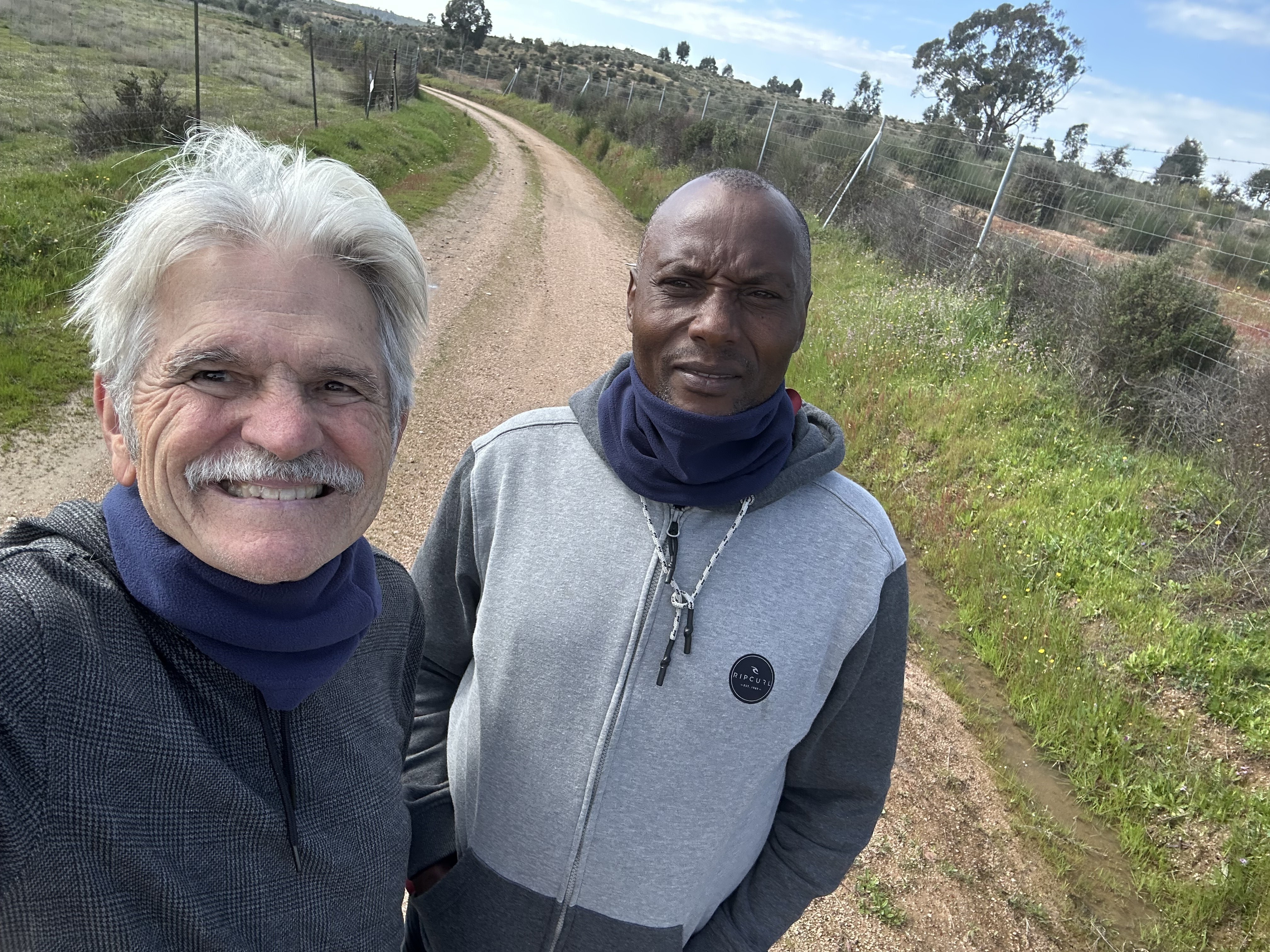
Even without structured coaching, Muindi trained on his own and quickly became the best runner in his school. He performed exceptionally well in long-distance events, often lapping other runners in the 10,000 meters. His talent caught the attention of a national coach, who invited him to a training camp—a turning point that would take his career to the next level.
The training camp was six kilometers from Muindi’s home, and without access to transportation or proper gear, he ran there barefoot to train with the coach who recognized his talent. The camp had about 15 to 20 athletes, and when he joined, he could beat everyone except for two runners—both of whom had running shoes and proper training gear.
Determined to improve, Muindi trained at the camp twice per week under the coach’s guidance. On the other days, he trained on his own four times per week, but because he lacked proper training knowledge, he simply ran miles and miles barefoot, unknowingly building his endurance and toughness.
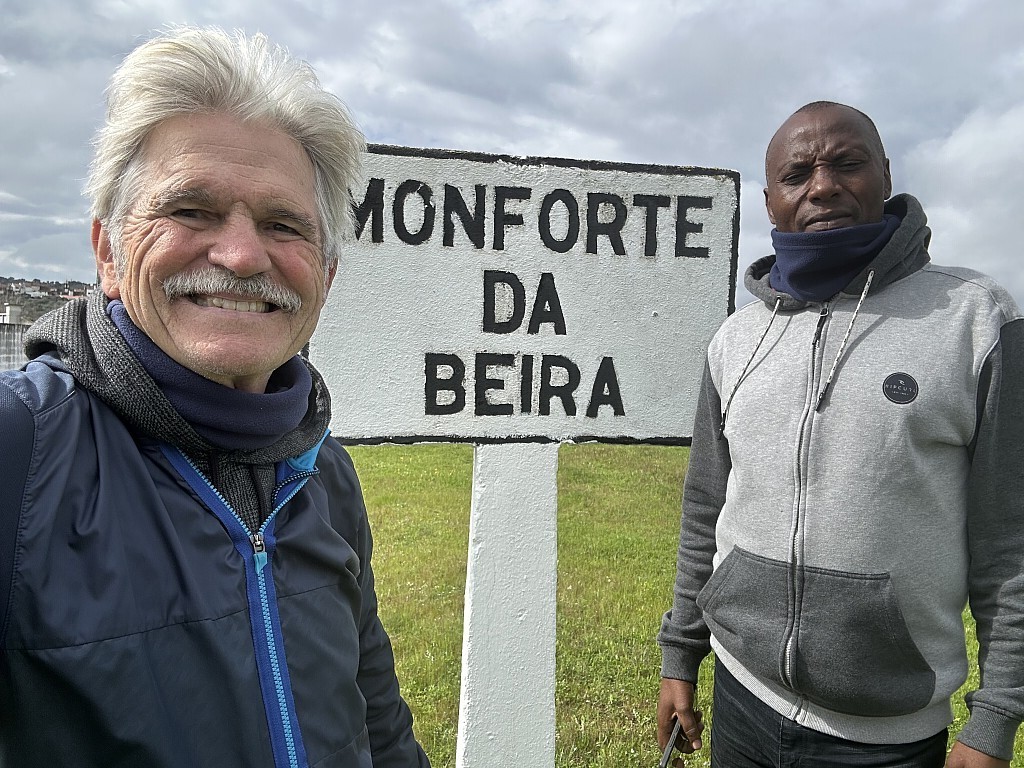
Rapid Improvement and a Life-Changing Connection
The training at the camp was intense. After running six kilometers as a warm-up just to get there, Muindi and the group would do a 6K to 10K hard effort, often running at a 4:00 to 4:30 per kilometer pace at 2,400 feet elevation.
In addition to tempo efforts, they incorporated hill training and track workouts on alternate days. A typical track session included: 4x800 followed by 6x400 and finishing with 4x200.
Muindi made rapid progress. Within two months, he became the best runner in the group, surpassing even those who had more experience and better gear. Recognizing his potential, his coach reached out to Cosmas Ndeti, a rising Kenyan marathoner who was competing internationally, particularly in Japan.
Breakthrough on the World Stage
After meeting Cosmas Ndeti, Muindi’s career took off. Within two months, he became the top junior athlete in Kenya for the 3000m steeplechase and qualified for the World Junior Athletics Championship in South Korea. His rapid rise earned him his first pair of training shoes, a reward that symbolized his status as an emerging talent.
However, when Muindi arrived in South Korea for the World Junior Championships, he faced an unexpected challenge. He was given racing spikes for the first time in his life, but having never worn them before, he struggled to run in them. Instead of risking discomfort or injury, he made the bold decision to compete barefoot, just as he had trained back home.
Against all odds, Muindi won the gold medal, officially launching his international running career.
"So here I was—my first time on an airplane, traveling to South Korea, and winning the gold,” Muindi recalls. “But as a junior, there was no financial benefit. I arrived back home to the same place I left.”
Unlike today, where young athletes receive government incentives for international success, Muindi returned home without financial support. “In today’s world, the government would have given me 1 million KES ($7,700 USD) for that gold medal,” he says. But back then, he had to continue training, hoping his talent would eventually open doors.
A New Opportunity in Yugoslavia
Because of his gold medal, Muindi received a lot of exposure, and just six months later, he was invited to run a half marathon in Yugoslavia. He made the most of the opportunity, finishing second with a time of 1:02:42.
This was not just a breakthrough in racing—it was also Muindi’s first real financial reward from running. “I won $800 USD. Wow, I was excited and had never seen that much money before!” he remembers. This prize money gave him a glimpse of what running could do for his future, motivating him to keep pushing forward.
Honolulu Domination and Marathon Success
Muindi launched his marathon career with a runner-up finish at the 1997 Honolulu Marathon. He quickly made the Honolulu race his race in the years to follow. In an era when Kenyan athletes were dominating distance running, Muindi became a legend in Honolulu – he went on to win the Honolulu Marathon an astonishing six times (1999, 2000, 2003, 2004, 2005, 2007) . In 2004, he set a course record of 2:11:12, a mark that remained unbroken for four years . This string of victories, including three straight from 2003 to 2005, made him inseparable from Honolulu’s running lore. "The course has challenging hills and the weather is hot and humid," he remembers "but the race became part of my life and my family."
His success wasn’t confined to one event, either. Muindi proved his prowess on the global stage by capturing the Rotterdam Marathon title in 2005 with a personal best time of 2:07:50 . He also earned podium and top-five finishes at other major marathons – for instance, placing 3rd at the 2006 Chicago Marathon and 5th at Berlin in 2002 . These achievements against world-class fields reaffirmed his status among the elite marathoners of his era.
Such professional success afforded Muindi not only international experience but also a platform for the next phase of his life. After years of training alongside and against some of the world’s best, Muindi had accumulated a wealth of knowledge about endurance training, strategy, and the “Kenyan way” of running.
Now in his fifties, he has transitioned into coaching, eager to share that hard-earned expertise. He joined KATA in Thika, Kenya – a running academy founded in 2019 by Runner’s World founder Bob Anderson – as one of its expert coaches. In this role, Muindi’s daily lifestyle still revolves around running, from sunrise training runs to mentoring athletes, very much a continuation of the regimen he followed as a pro.
The difference is that today he channels his energy into developing others. His success as a professional runner paved the way for this career: it gave him credibility and a passion he now imparts to up-and-coming runners. In essence, Muindi has parlayed his storied racing career into a thriving vocation as a coach – and his identity as an athlete-turned-coach is a direct product of the triumphs and lessons of his competitive years.
Giving Back: Family and Coaching
Muindi always believed in taking care of his family first. In 1996, using prize money, he bought 10 acres of farmland for his father. Two years later, he built a house for his parents, ensuring their long-term stability. With his family secure, he focused on his own future, purchasing five acres of prime land and building his own house. Today, he uses his land to grow green vegetables, avocados, and raise chickens.
Now, Muindi is giving back to the next generation of runners. He has joined KATA Portugal as a KATA coach, where he shares his expertise and experience, helping others chase their own dreams. His lifestyle today is a direct result of his success as a professional runner, and now he is using that knowledge to guide others.
Coming Next in Part Two
Jimmy Muindi’s success as a professional runner has shaped his coaching philosophy, and now, as a KATA Portugal coach, he is offering world-class training to runners from all backgrounds.
In Part Two, we will explore his coaching success in Kenya and what he brings to guests at KATA Portugal. We’ll take a closer look at the training programs he has developed, the athletes he has worked with, and what runners can expect when training under his guidance.
Stay tuned for the next installment as we dive into Muindi’s transition from elite marathoner to an elite coach and how he is bringing the Kenyan way of training to Portugal.
(photos: 1. Muindi setting the course record in 2004. 2. At KATA with Bob Anderson. 3. Racing in Honolulu 4. Muindi with some of KATA Portugal staff with Bob and Catherine Anderson.
(03/04/2025) ⚡AMP
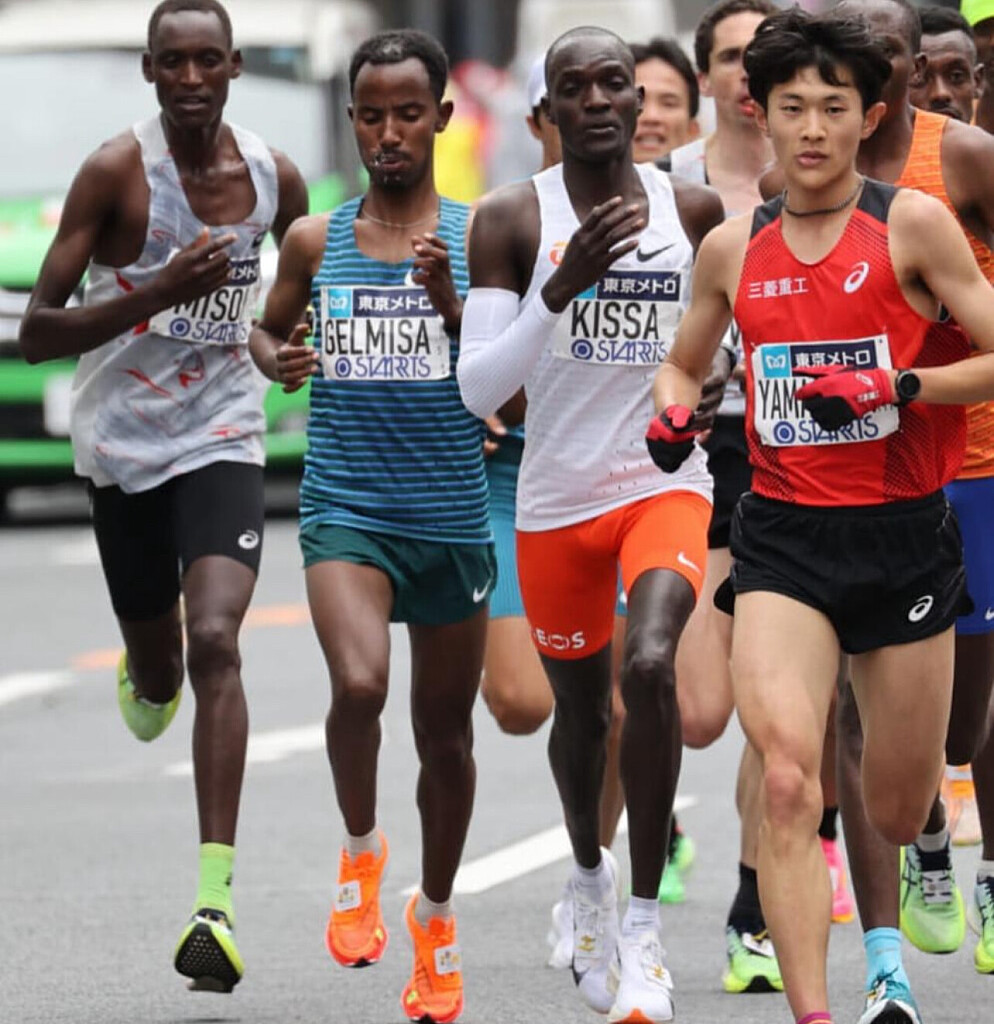
Ethiopian Athletes Shine at the 2025 Tokyo Marathon
The 2025 Tokyo Marathon, held on March 2, showcased remarkable performances, particularly from Ethiopian runners who dominated both the men’s and women’s categories. The event also featured a diverse mass participation, highlighting the marathon’s global appeal.
In the men’s division, Tadese Takele of Ethiopia delivered an outstanding performance, securing first place with a personal best time of 2:03:23. His compatriot, Deresa Geleta, followed in second place, finishing in 2:03:51. Kenya’s Vincent Kipkemoi Ngetich claimed third with a time of 2:04:00. The fourth and fifth positions were taken by Kenya’s Titus Kipruto (2:05:34) and Ethiopia’s Mulugeta Asefa Uma (2:05:46), respectively.
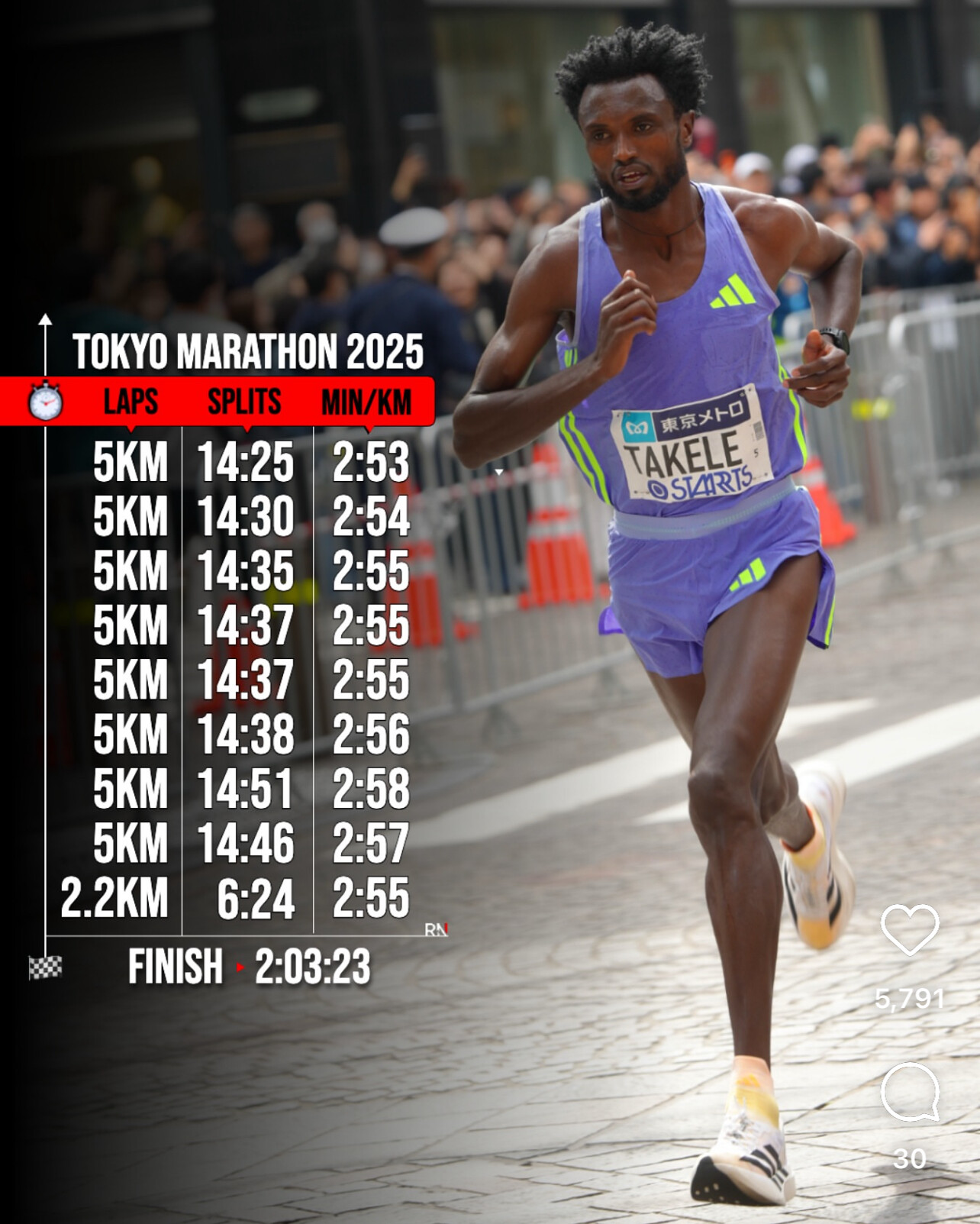
The men’s race began with a swift pace, with a leading pack maintaining a competitive tempo. Takele made a decisive move in the latter stages, breaking away to secure his victory.

The women’s marathon saw defending champion Sutume Asefa Kebede of Ethiopia retain her title, finishing with a time of 2:16:31. Kenya’s Winfridah Moraa Moseti secured second place, clocking in at 2:16:56, while Ethiopia’s Hawi Feysa finished third with a time of 2:17:00. Kenya’s Magdalyne Masai (2:19:28) and Rosemary Wanjiru (2:19:57) completed the top five.
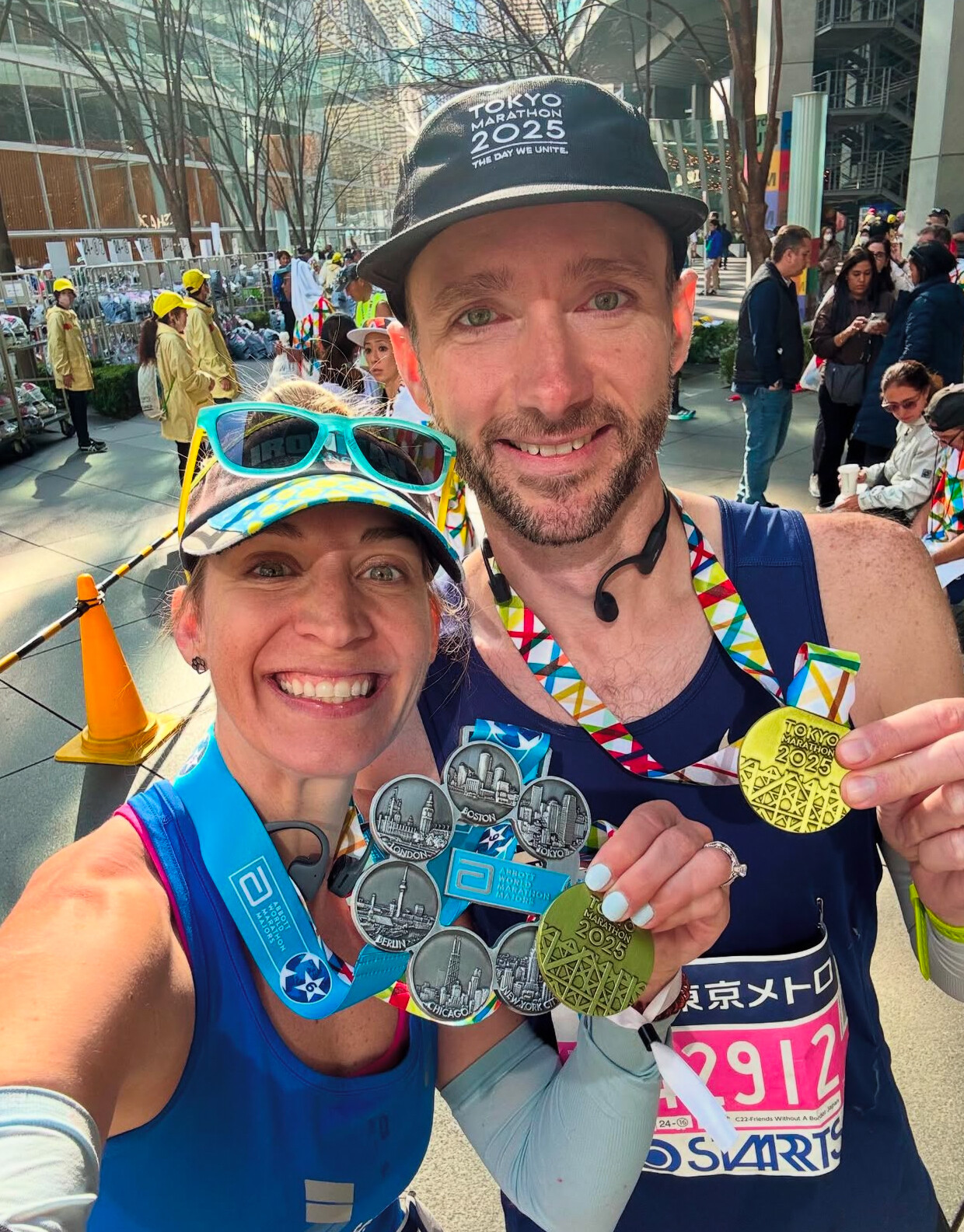
Kebede established an early lead, maintaining a strong pace throughout. Despite challenges in the final kilometers, she held on to her lead, showcasing resilience and determination.
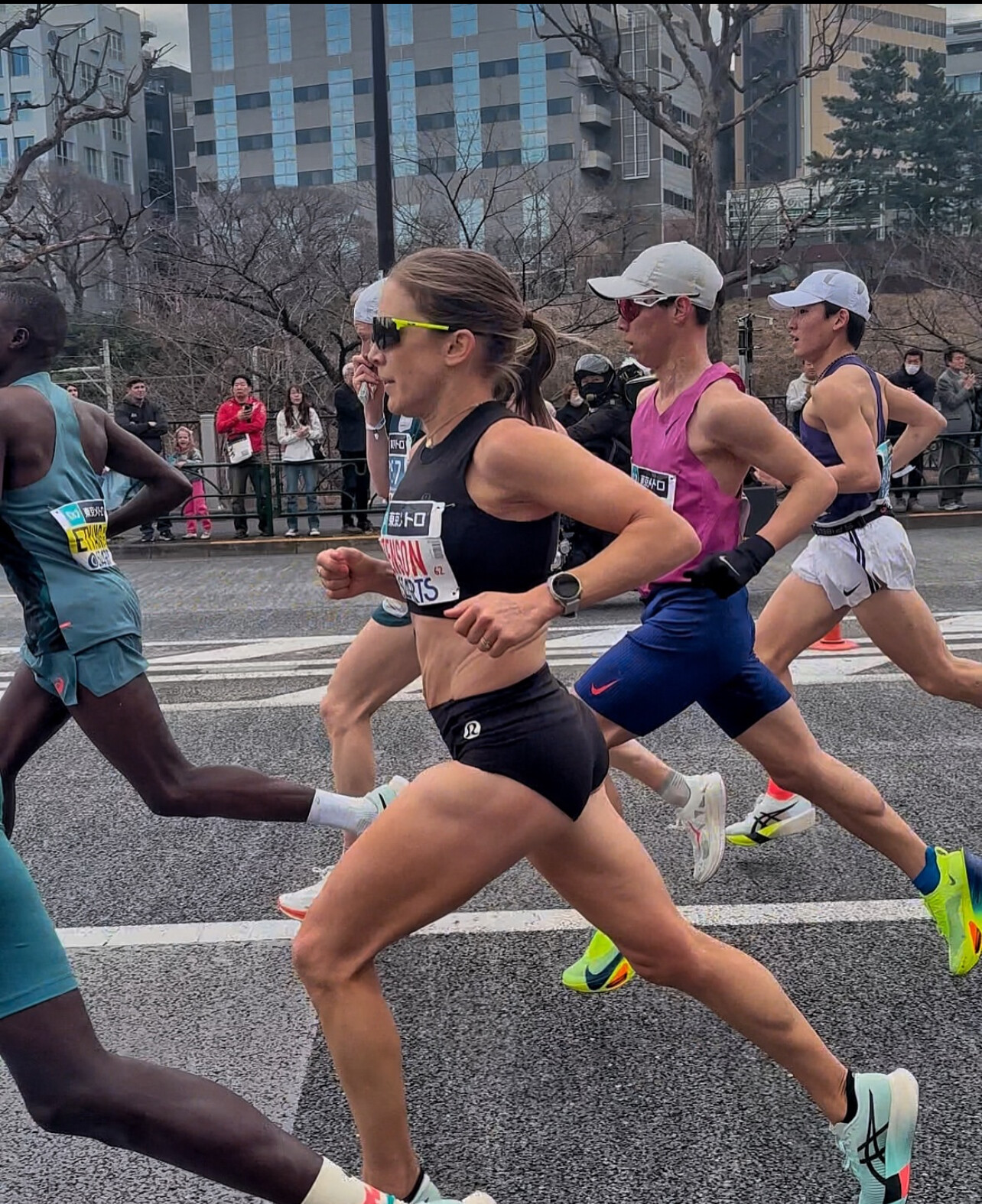
The Tokyo Marathon is renowned for its vast participation, and the 2025 edition was no exception. Over 26,000 runners completed the course, reflecting the event’s inclusivity and global appeal.
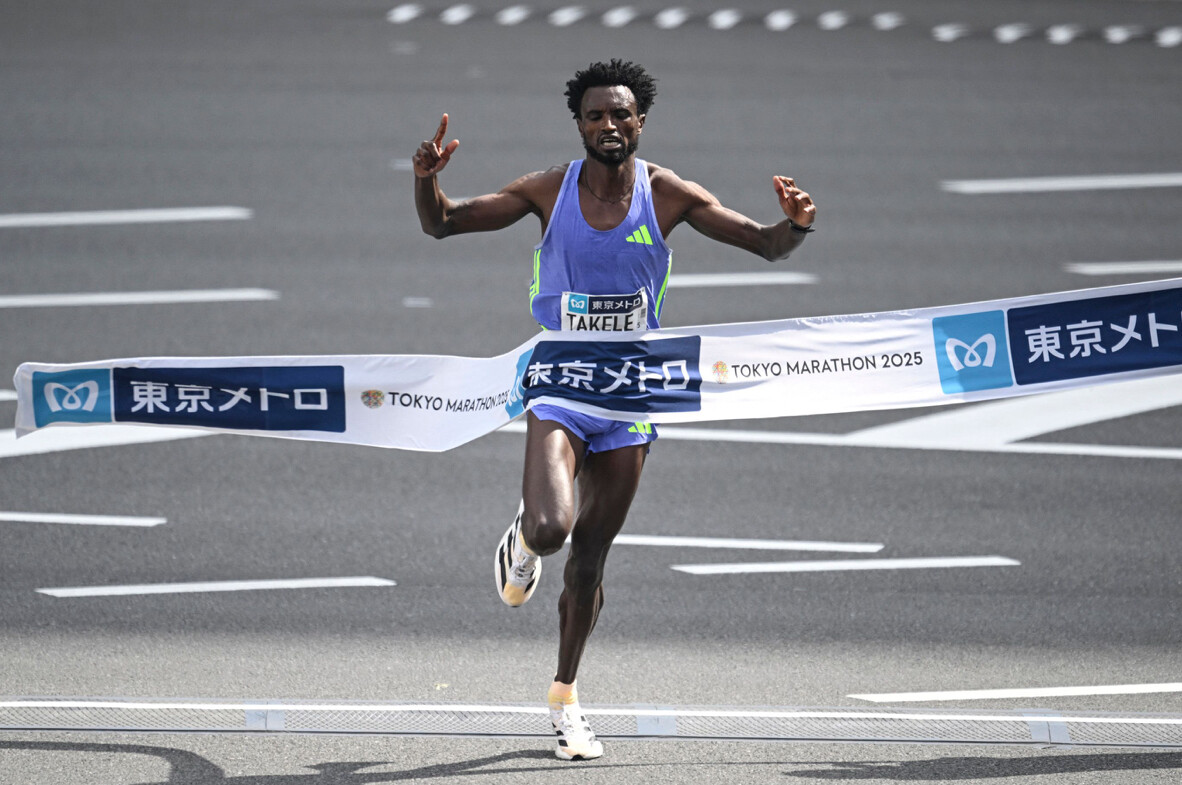
Among the participants was musician Harry Styles, who completed the marathon in an impressive time of 3:24:07, finishing 6,010th overall. Styles’ participation garnered significant media attention, highlighting the marathon’s wide-reaching allure.
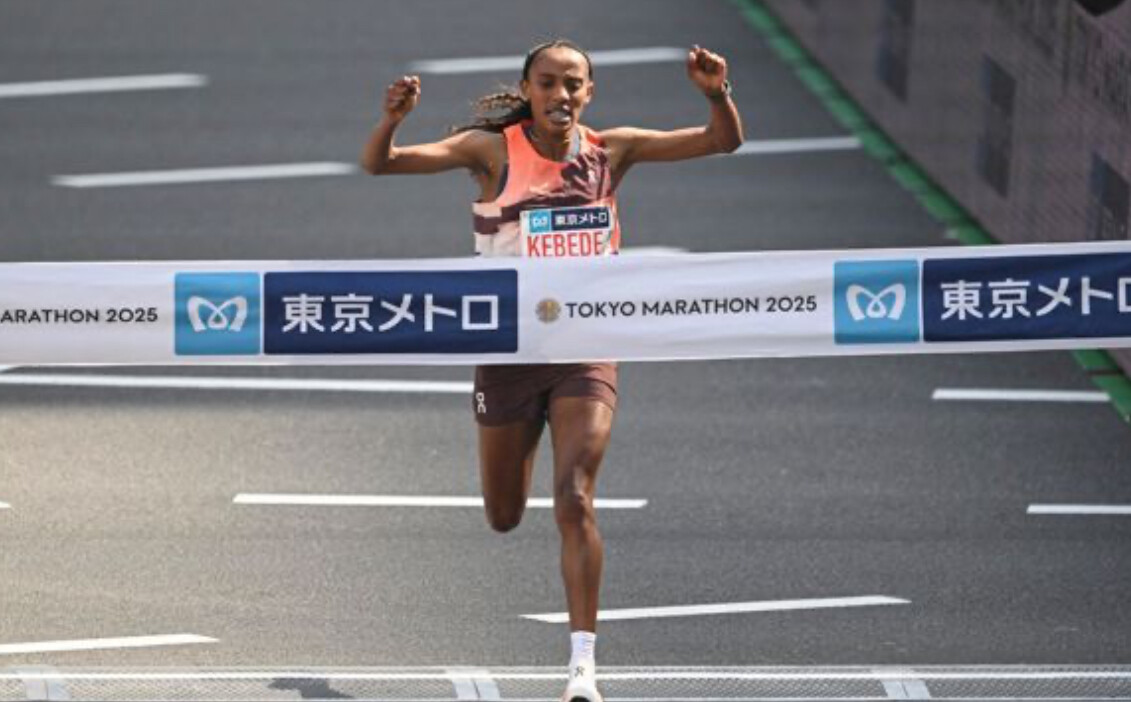
Established in 2007, the Tokyo Marathon has rapidly ascended in prominence, becoming one of the six World Marathon Majors. The inaugural event attracted approximately 30,870 participants, and the marathon has continued to grow, with recent editions seeing over 36,000 finishers.
The marathon’s course offers runners a unique tour of Tokyo, starting at the Tokyo Metropolitan Government Building and passing landmarks such as the Imperial Palace and Tokyo Tower, before finishing near Tokyo Station.
The 2025 Tokyo Marathon not only highlighted the dominance of Ethiopian athletes but also underscored the event’s status as a premier global running festival, uniting elite competitors and amateur runners from around the world.
(03/02/2025) ⚡AMPby Boris Baron

Tokyo Marathon
The Tokyo Marathon is a world-renowned annual marathon held in Tokyo, Japan. As one of the prestigious Abbott World Marathon Majors, it attracts elite and amateur runners from around the globe. The race holds World Athletics Platinum Label status, recognizing its high competitive standards, top-tier organization, and international appeal. Sponsored by Tokyo Metro, the Tokyo Marathon has grown into one...
more...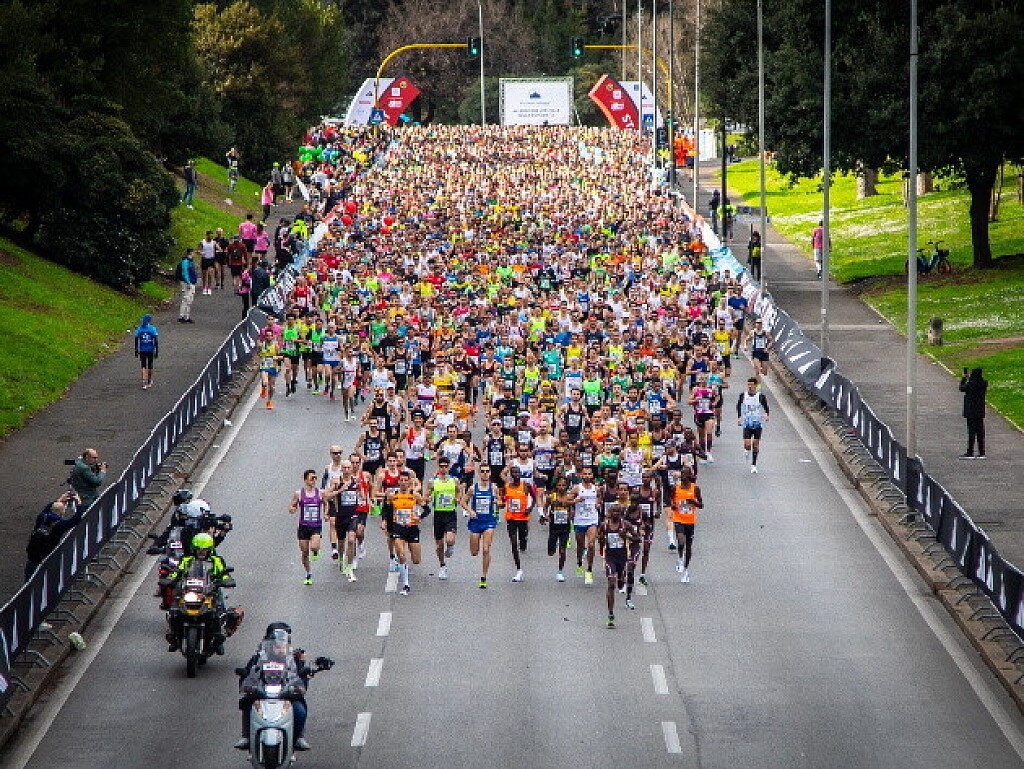
Roma-Ostia Half Marathon Celebrates 50th Edition
The Roma-Ostia Half Marathon, Italy’s premier half marathon event, celebrated its 50th edition on Sunday, March 2, 2025, attracting nearly 13,000 runners from around the globe. The event showcased exceptional performances, particularly among the elite athletes.
In the men’s category, Kenyan athletes dominated the podium:

1. Gideon Rop (Kenya) – Rop clinched the title with a remarkable time of 58:49, showcasing his endurance and speed.

2. Cosmas Boi (Kenya) – Boi secured second place, finishing in 59:27, demonstrating consistent pacing throughout the race.

3. Soufiyan Bouqantar (Morocco) – Bouqantar completed the podium, crossing the line in 1:00:37, marking a strong performance for the Moroccan contingent.
The men’s race was characterized by a swift start, with Rop and Boi breaking away early. Rop maintained his lead, finishing comfortably ahead of his competitors.
The women’s competition was equally compelling:
1. Ludwina Chepngetich (Kenya) – Chepngetich emerged victorious with a time of 1:08:20, reflecting her tactical prowess and stamina.
2. Monica Chebet (Kenya) – Chebet claimed second place, finishing in 1:09:07, underscoring the depth of Kenyan talent.
3. Isabella Caposieno (Italy) – Caposieno delighted the home crowd by securing third place with a time of 1:16:46, marking a significant achievement in her running career.
The women’s race saw Chepngetich and Chebet setting a brisk pace from the outset. Chepngetich’s decisive surge in the latter stages secured her victory, while Caposieno’s performance highlighted her resilience and determination.
The 50th Roma-Ostia Half Marathon not only celebrated a significant milestone but also reinforced its status as a premier event in the international running calendar, delivering thrilling races and memorable performances.
(03/02/2025) ⚡AMPby Boris Baron

California Classic Half-Marathon
This exciting half-marathon has many unique features. It starts and finishes inside Chukchansi Park in downtown Fresno. Runners will experience running through the newly renovated downtown areas, passing City Hall, the newly built Federal Court House, the Granville Lofts, Eaton Plaza and the historic Water Tower. Runners will then head to the Fresno Chaffee Zoo, where they will run past...
more...
Doping Dilemma: How WADA's Policies Are Failing Our Sport
I am alarmed by how the World Anti-Doping Agency (WADA) is policing our sport. It's disheartening to see athletes win races only to be stripped of their titles months later due to delayed doping allegations. This approach undermines the integrity of athletics and, in the long run, does more harm than good.
Having dedicated my life to running—I ran my first mile on February 16, 1962, and I discovered my passion for our sport after clocking a 2:08.5 in a 880-yard race JUne 1, 1963—I've witnessed the sport's evolution firsthand. As the founder and publisher of Runner’s World for 18 years and, since 2007, the editor and publisher of My Best Runs, I am concerned about the professional side of athletics.

The Flaws in WADA's Zero-Tolerance Policy
WADA's strict liability standard holds athletes accountable for any prohibited substance in their system, regardless of intent. This has led to controversial sanctions, such as the four-year ban of American runner Shelby Houlihan. She tested positive for the steroid nandrolone, which she attributed to consuming a pork burrito. Despite her defense, the ban was upheld, raising questions about the fairness of such rigid policies.
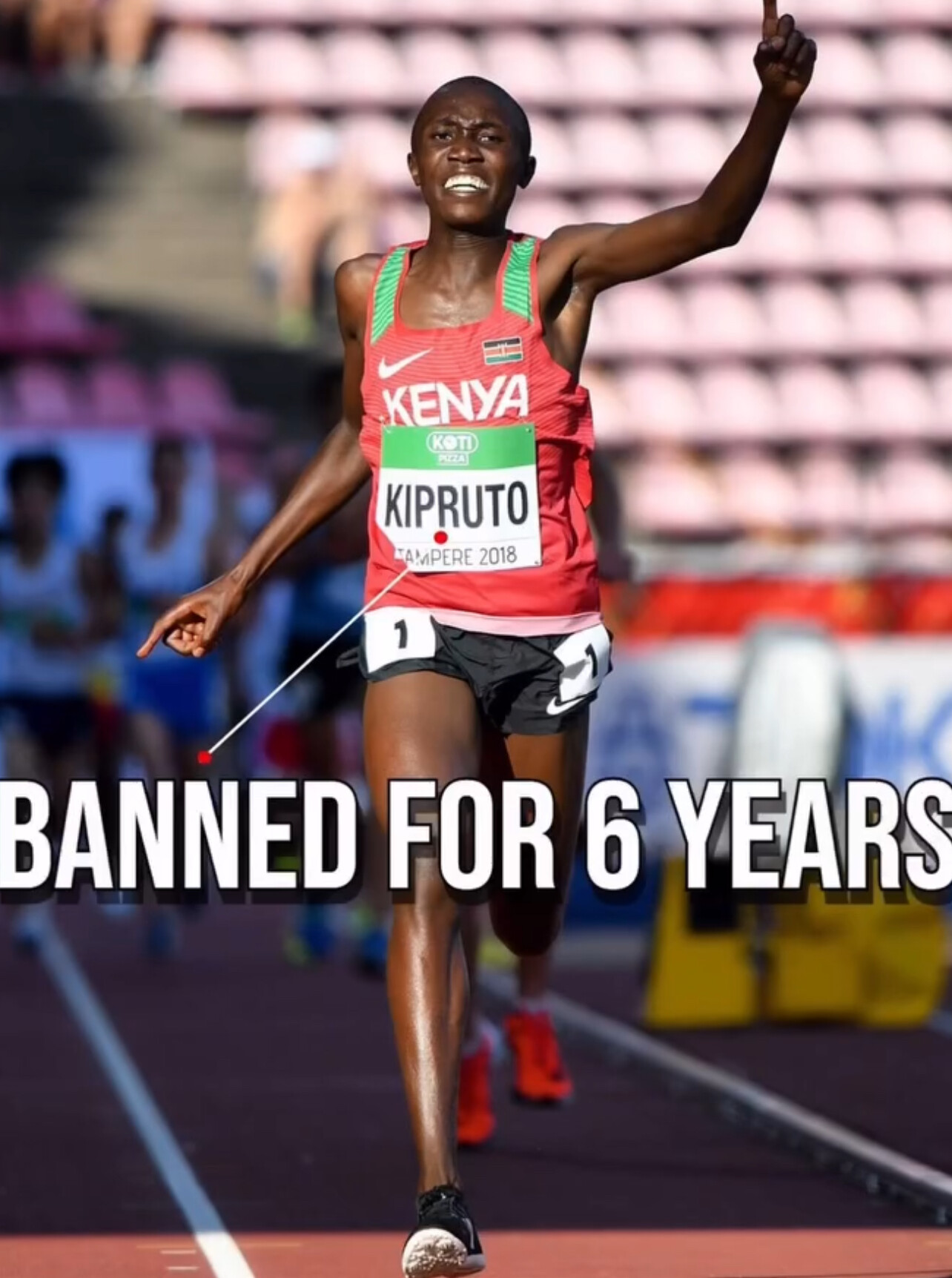
Overhauling the Banned Substances List
The extensive list of prohibited substances maintained by WADA includes compounds with minimal or no performance-enhancing effects. By focusing on substances with proven performance benefits, we can prevent athletes from being unjustly penalized for trace amounts of inconsequential substances.

The Problem with Retroactive Disqualifications
Delayed disqualifications due to retroactive positive tests cause significant disruptions. Athletes are stripped of titles months or even years after competitions, leading to uncertainty and diminished trust in the sport. Investing in faster, more sensitive testing methods is crucial to detect violations promptly, ensuring that competition results are reliable and fair.
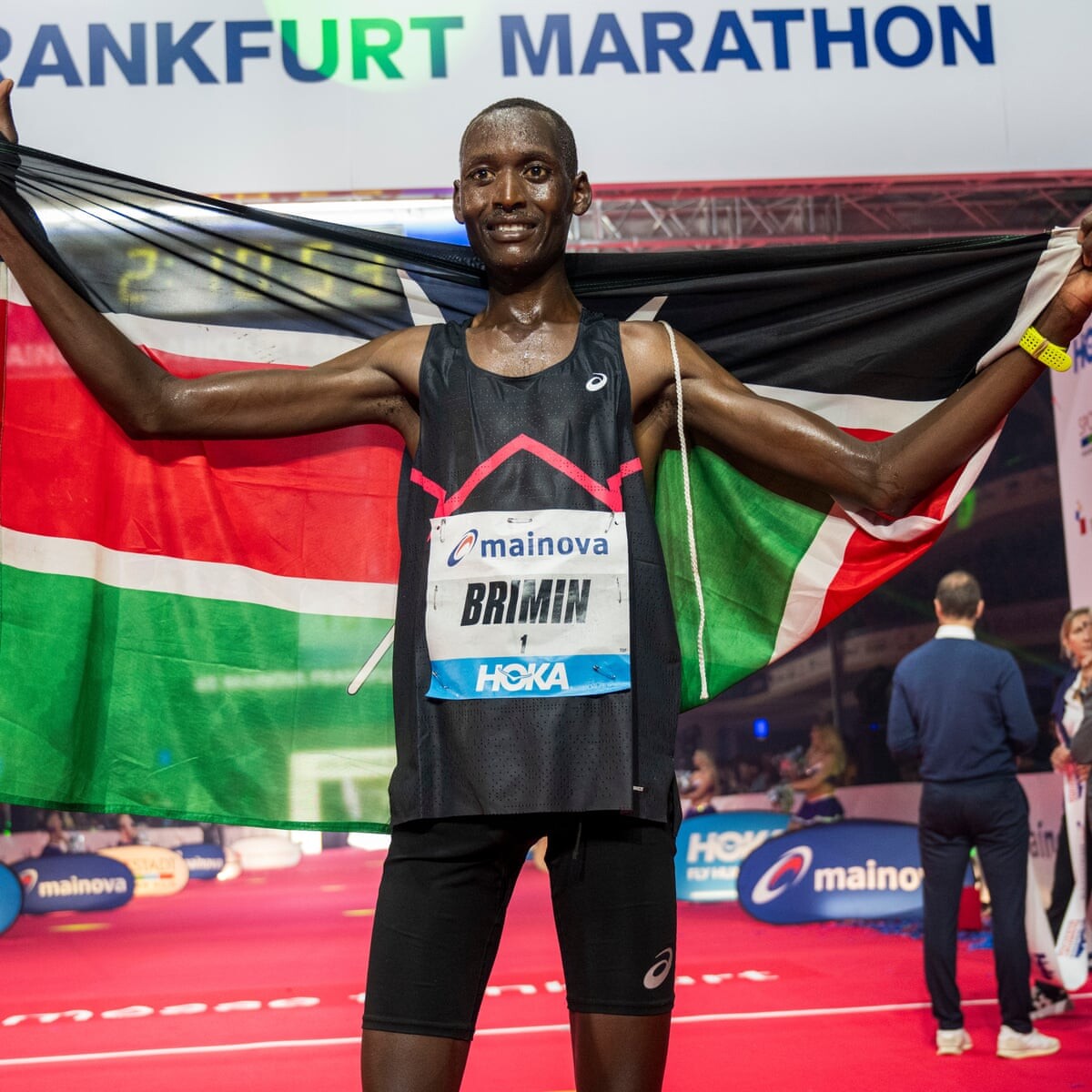
Rethinking the "Whereabouts" Requirement
WADA's "whereabouts" rule mandates that athletes provide their location for one hour each day to facilitate out-of-competition testing. This constant monitoring infringes on athletes' privacy rights and imposes an unreasonable burden. Reevaluating this policy could help balance effective anti-doping measures with respect for personal freedoms.
Understanding Blood Doping and Its Implications
Blood doping, which involves increasing red blood cells to enhance performance, poses significant health risks, including blood clots, stroke, and heart attack. While it's linked to deaths in sports like cycling, there is no documented case of a runner dying directly from blood doping.
Interestingly, many doping violations involve substances like erythropoietin (EPO), which, despite health risks, haven't been directly linked to fatalities among runners. In contrast, alcohol—a legal substance—is responsible for approximately 3 million deaths worldwide annually. This disparity raises questions about the consistency of current substance regulations in sports.
The Business of Anti-Doping
Established in 1999 with an initial operating income of USD 15.5 million, WADA's budget has grown significantly, reaching USD 46 million in 2022. This increase reflects the expanding scope of WADA's activities, including research, education, and compliance monitoring.
Funding is primarily sourced from public authorities and the sports movement, with the International Olympic Committee (IOC) being a major contributor. Notably, in 2024, the United States withheld over USD 3.6 million—about 6% of WADA's annual budget—due to disputes over the agency's handling of doping cases.
EPO's Prevalence in Doping Cases
Erythropoietin (EPO) has a history of abuse in endurance sports due to its performance-enhancing capabilities. For example, Kenyan marathon runner Brimin Kipkorir was provisionally suspended in February 2025 after testing positive for EPO and Furosemide. This suspension adds to a series of high-profile doping cases affecting marathon running, especially among Kenyan athletes.
Adapting Governance and Policies to Maintain Trust
High-profile doping scandals have exposed flaws in the governance of athletics. The case of coach Alberto Salazar illustrates the challenges in enforcing anti-doping regulations. Salazar, who led the Nike Oregon Project, was initially banned for four years in 2019 for multiple anti-doping rule violations, including trafficking testosterone and tampering with doping control processes.
In 2021, he received a lifetime ban for sexual and emotional misconduct. His athlete, Galen Rupp, never tested positive for banned substances, yet his reputation suffered due to his association with Salazar. This situation underscores the importance of independent and transparent governance in maintaining the sport's integrity.
The banned drug list
The World Anti-Doping Agency (WADA) maintains a comprehensive list of substances and methods prohibited in sports to ensure fair competition and athlete health. This list is updated annually and includes categories such as:
· Anabolic Agents: These substances, including anabolic-androgenic steroids, promote muscle growth and enhance performance.
· Peptide Hormones, Growth Factors, and Related Substances: Compounds like erythropoietin (EPO) and human growth hormone (hGH) that can increase red blood cell production or muscle mass.
· Beta-2 Agonists: Typically used for asthma, these can also have performance-enhancing effects when misused.
· Hormone and Metabolic Modulators: Substances that alter hormone functions, such as aromatase inhibitors and selective estrogen receptor modulators.
· Diuretics and Masking Agents: Used to conceal the presence of other prohibited substances or to rapidly lose weight.
· Stimulants: Compounds that increase alertness and reduce fatigue, including certain amphetamines.
· Narcotics: Pain-relieving substances that can impair performance and pose health risks.
· Cannabinoids: Including substances like tetrahydrocannabinol (THC), which can affect coordination and concentration.
· Glucocorticoids: Anti-inflammatory agents that, when misused, can have significant side effects.
Additionally, WADA prohibits certain methods, such as blood doping and gene doping, which can artificially enhance performance. It's important to note that while substances like alcohol are legal and widely consumed, they are not banned in most sports despite their potential health risks.
In contrast, substances like EPO, which have not been directly linked to fatalities among runners, are prohibited due to their performance-enhancing effects and potential health risks. This raises questions about the consistency and focus of current substance regulations in sports..
Regarding the percentage of doping violations involving EPO, specific statistics are not readily available. However, EPO has been a focal point in numerous high-profile doping cases, particularly in endurance sports. For detailed and up-to-date information, consulting WADA's official reports and statistics is recommended
Blood Doping Across Sports
Blood doping is prohibited across various sports, particularly those requiring high endurance. The International Olympic Committee (IOC) banned blood doping in 1985, and since then, numerous sports organizations have implemented similar prohibitions. Cycling has been notably affected, with many major champions associated with or suspended for blood doping.
In conclusion, while the fight against doping is essential to maintain fairness in athletics, the current methods employed by WADA may be causing more harm than good. It's imperative to develop more nuanced, fair, and effective anti-doping policies that protect both the integrity of the sport and the rights of its athletes.
(02/27/2025) ⚡AMPby Bob Anderson
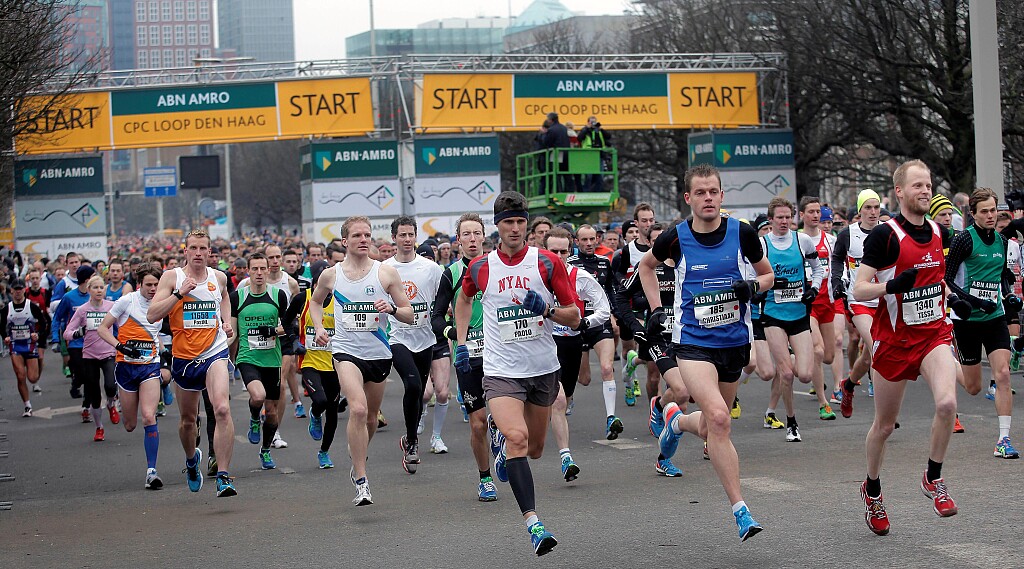
2025 City-Pier-City Half Marathon The Hague – Flat, Fast, and World-Class
The City-Pier-City (CPC) Half Marathon in The Hague is set for its 49th edition on March 9, 2025. Recognized as one of “My Best Runs: World’s BEST 100 Races,” this event offers a flat and fast course, ideal for personal bests.
Runners will start and finish at the Malieveld, traversing The Hague’s city center to the Scheveningen boulevard and back. The course is known for its speed; in 2023, Abdi Nageeye set the Dutch half marathon record here. The men’s course record is 58:33, set by Samuel Wanjiru (third photo) in 2007, and the women’s record is 1:06:56, set by Lornah Kiplagat in 2000.
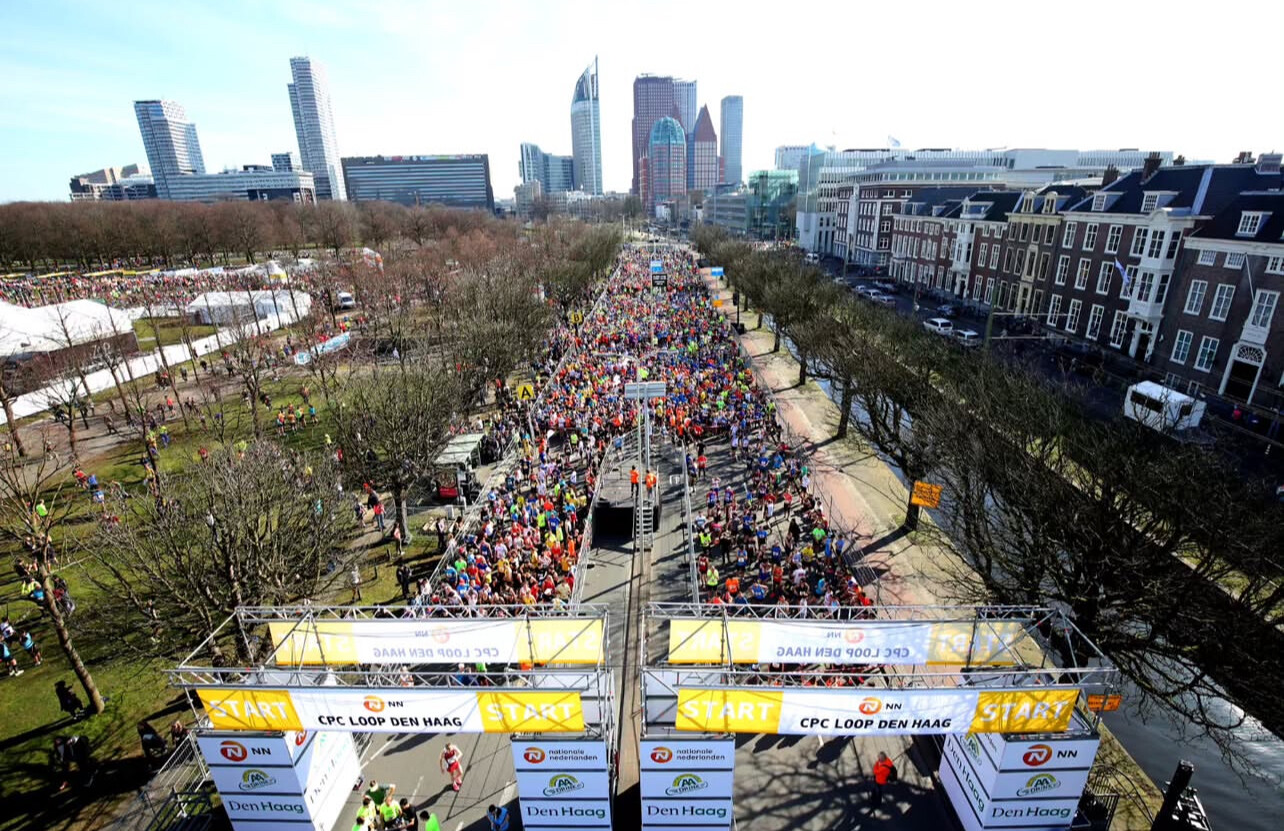
The NN Half Marathon is sold out for 2025, with approximately 30,000 participants expected across various events, including the 10 km Loop, 5 km Loop, and youth runs. The event also supports the Dutch Cancer Society (KWF), encouraging participants to fundraise for cancer research.
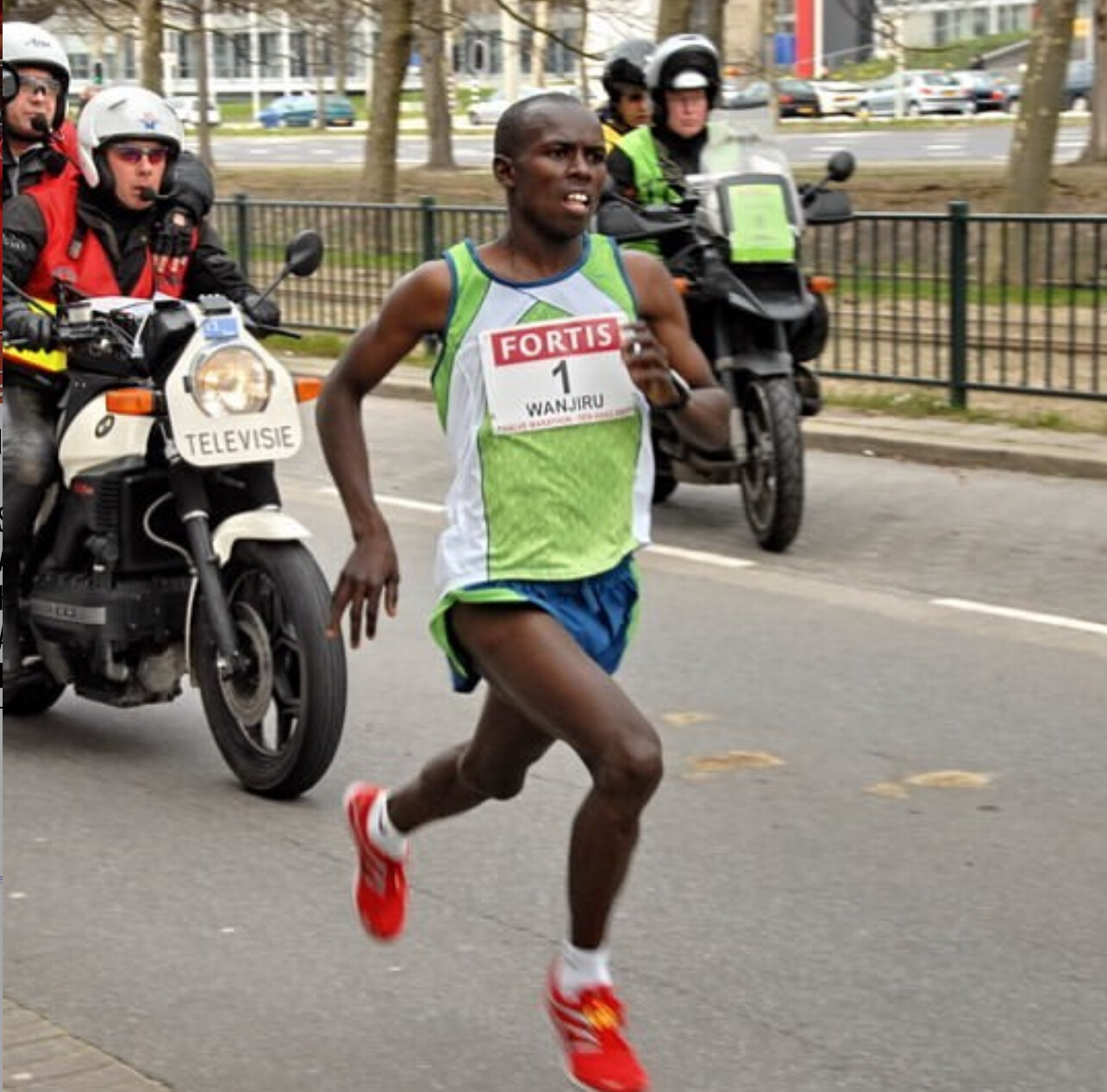
In the men’s race, Ethiopian runner Mustafa Kedir, who finished second in 2024 with a personal best of 1:00:48, returns aiming for victory. He will compete against Kenya’s Erick Sang, who has a personal best of 59:50, making him a strong contender for a sub-hour finish. Race director Marc Corstjens has indicated that the men’s field aims to break the one-hour barrier.
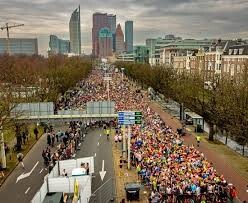
The women’s race features a matchup between Ethiopia’s Aberash Shilima and Kenya’s Emily Chebet, both targeting the longstanding course record. With personal bests in the 1:07 range, their competition could lead to one of the fastest half marathon times of the year.
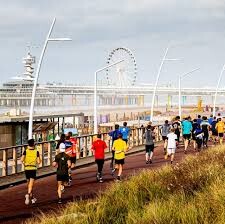
Dutch athletes Jacelyn Gruppen, with a personal best of 1:10:35, and Olympians Anne Luijten and Jill Holterman are set to compete, adding local interest to the event.
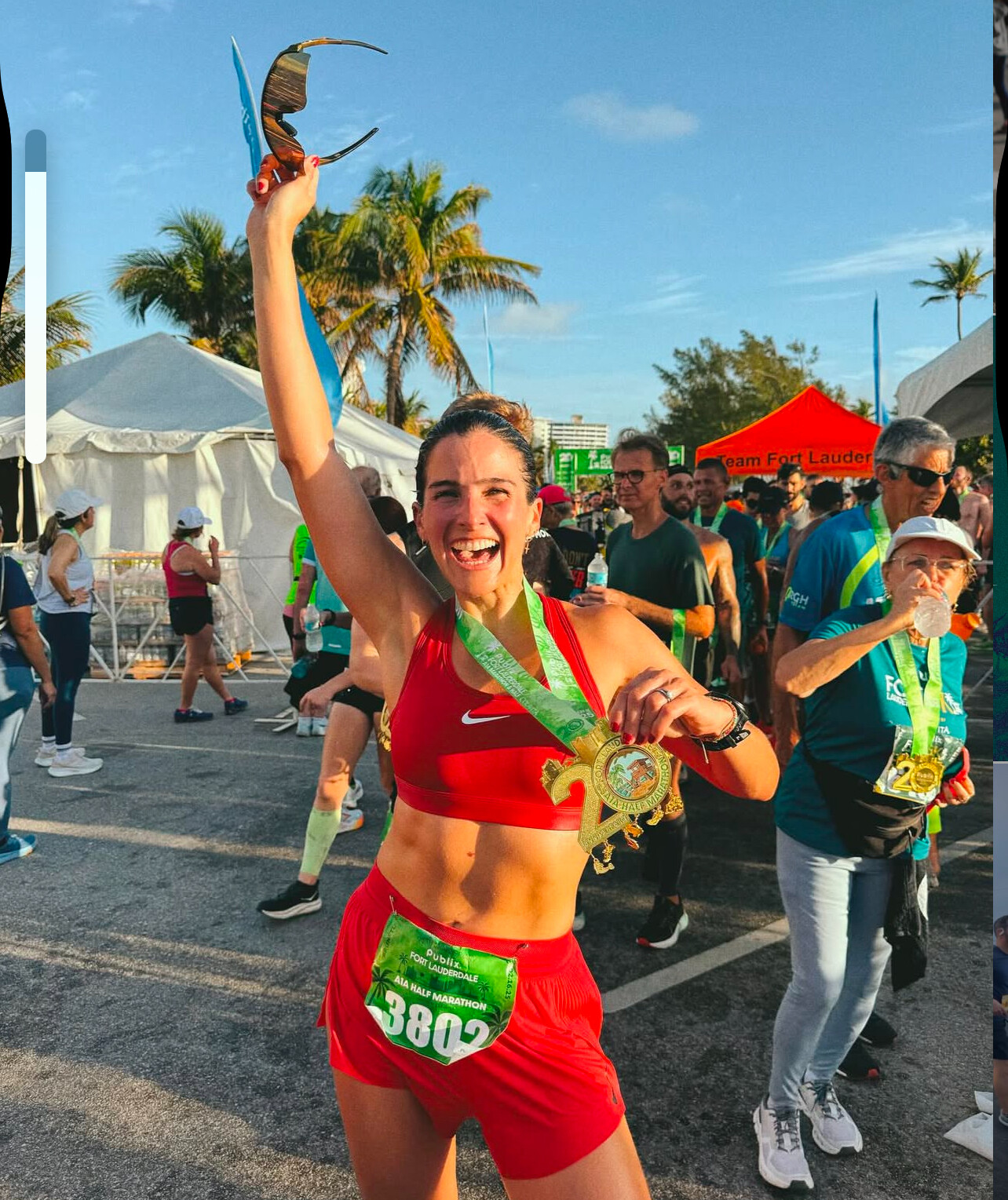
by Boris Baron

NN CPC Loop Den Haag
The City-Pier-City Half Marathon (NN CPC Loop Den Haag) was first held in 1975 and featured a 14.5km course. This was extended to the half marathon distance the following year. The competition has been used as the Dutch half marathon championships on a number of occasions. The course is a relatively flat one, which lends itself to fast times for...
more...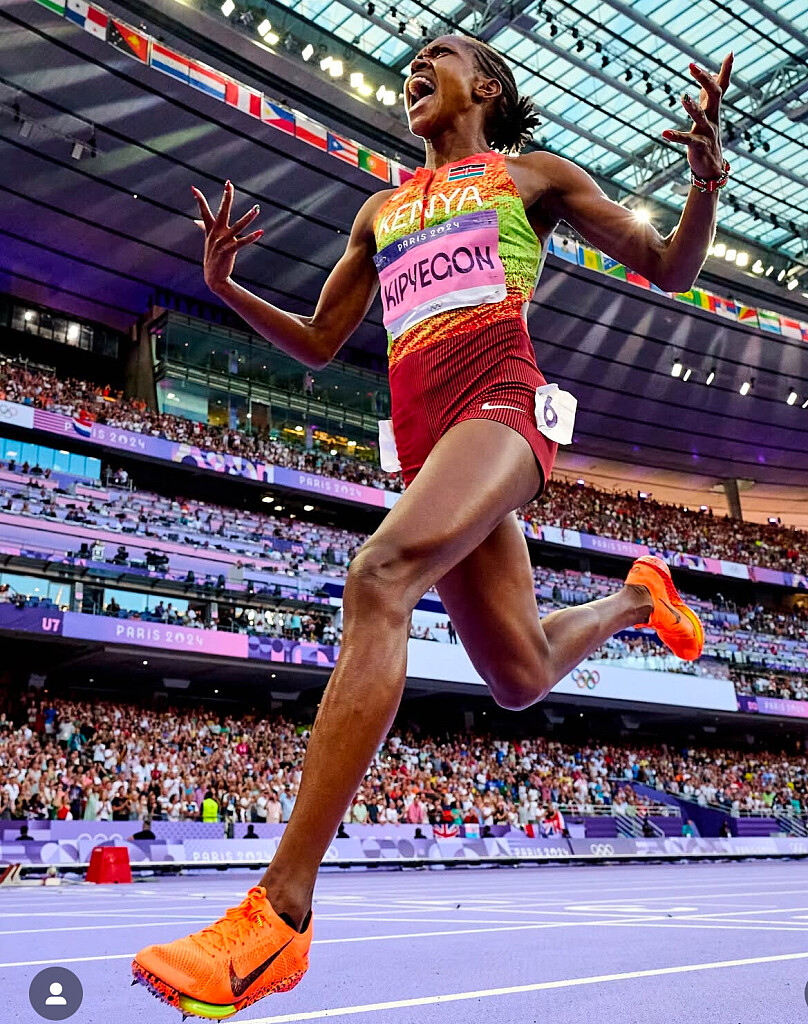
Faith Kipyegon Eyes Historic Sub-Four-Minute Mile
Faith Chepngetich Kipyegon has cemented herself as one of the greatest middle-distance runners of all time, rewriting records and redefining what is possible in women’s athletics. With multiple Olympic and World Championship titles to her name, she continues to push the boundaries of human performance. Now, she stands on the brink of making history again—becoming the first woman to break the elusive four-minute mile barrier.
Born on January 10, 1994, in Bomet, Kenya, Kipyegon’s journey to greatness began in the Rift Valley, a region known for producing world-class distance runners. Initially a soccer enthusiast, her raw talent for running became evident when she effortlessly won a school race at age 14. That moment set her on a path that would lead to global dominance.
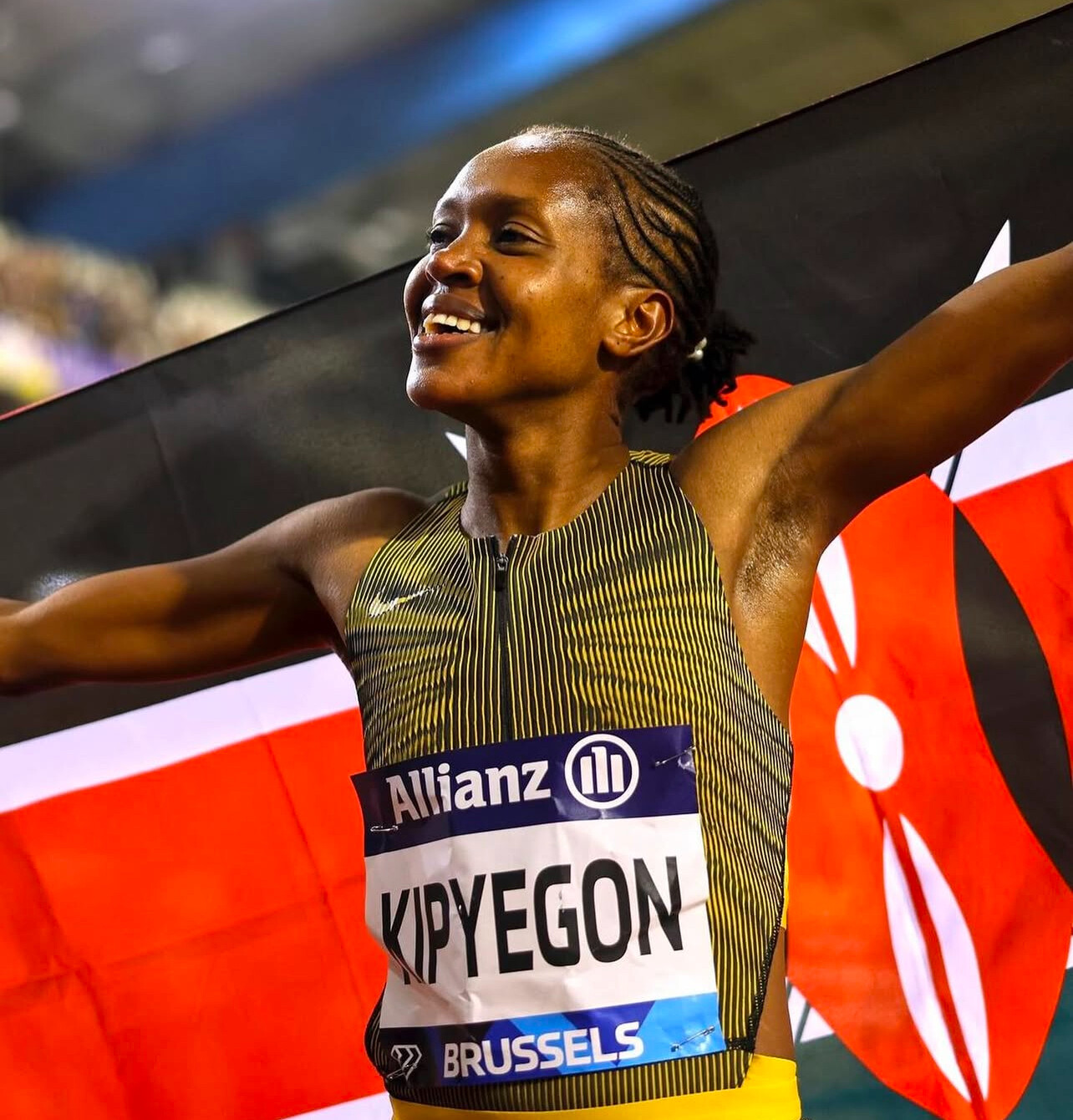
Kipyegon burst onto the international stage at the 2010 World Cross Country Championships in Poland, where she competed barefoot and finished fourth in the junior race. She quickly ascended the ranks, winning gold at the 2011 and 2013 World Cross Country Championships, as well as titles in the 1500m at the 2011 World Youth Championships and the 2012 World Junior Championships.

Her Olympic career is nothing short of legendary. She won her first 1500m gold at the 2016 Rio Games and defended her title in Tokyo in 2021. At the 2024 Paris Olympics, she made history by securing a third consecutive gold medal in the event, setting an Olympic record of 3:51.29. In World Championship competition, she has claimed multiple titles, including a remarkable double victory in the 1500m and 5000m at the 2023 Budapest World Championships.
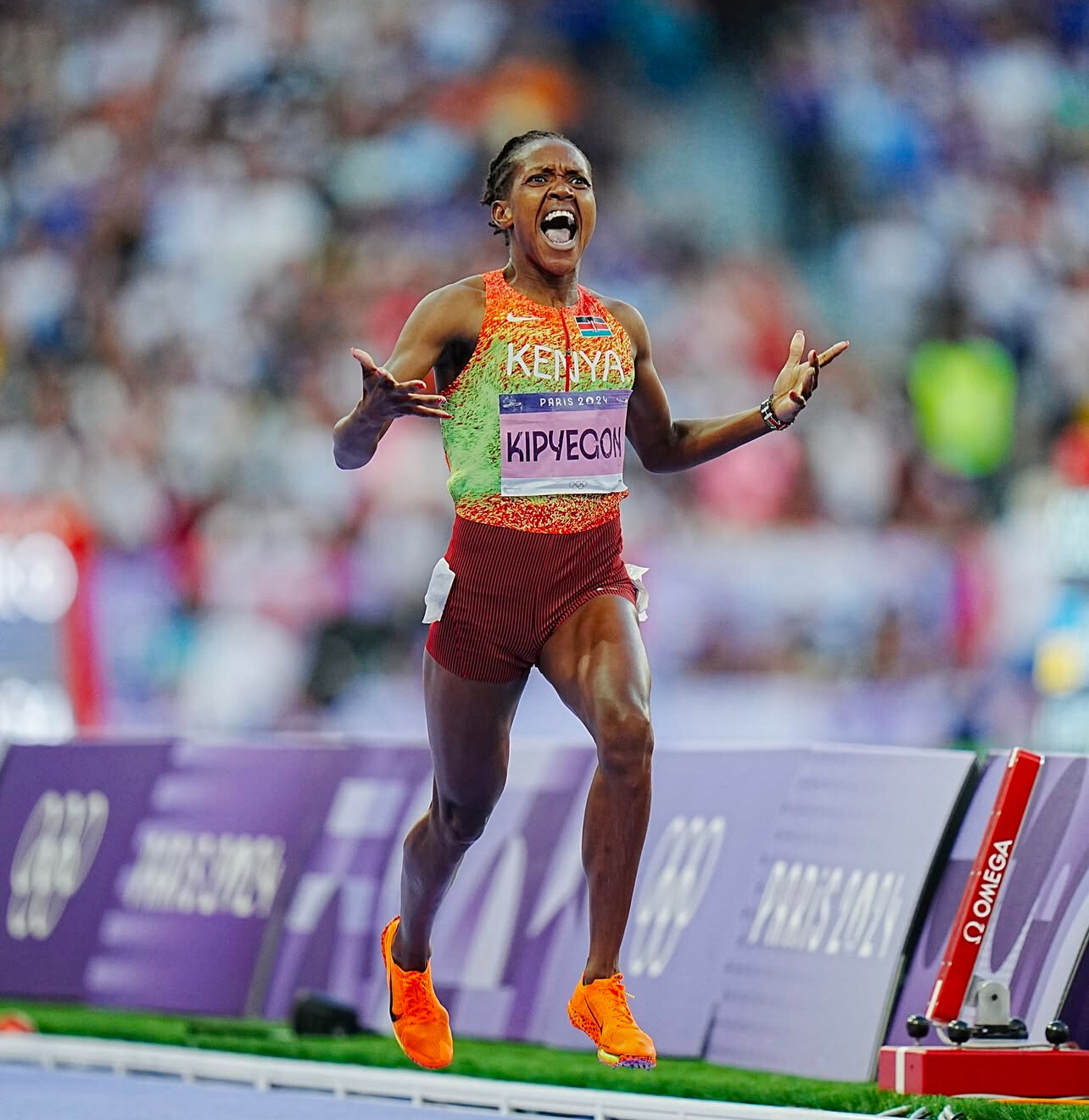
Kipyegon’s dominance extends beyond championship racing—her record-breaking performances on the track are rewriting history. The year 2023 was a defining one for her career. On June 2, she shattered the 1500m world record with a time of 3:49.11 at the Florence Diamond League. Just a week later, she broke the 5000m world record in Paris, running 14:05.20. On July 21, she delivered yet another groundbreaking performance by setting a new world record in the mile, clocking 4:07.64 at the Monaco Diamond League.
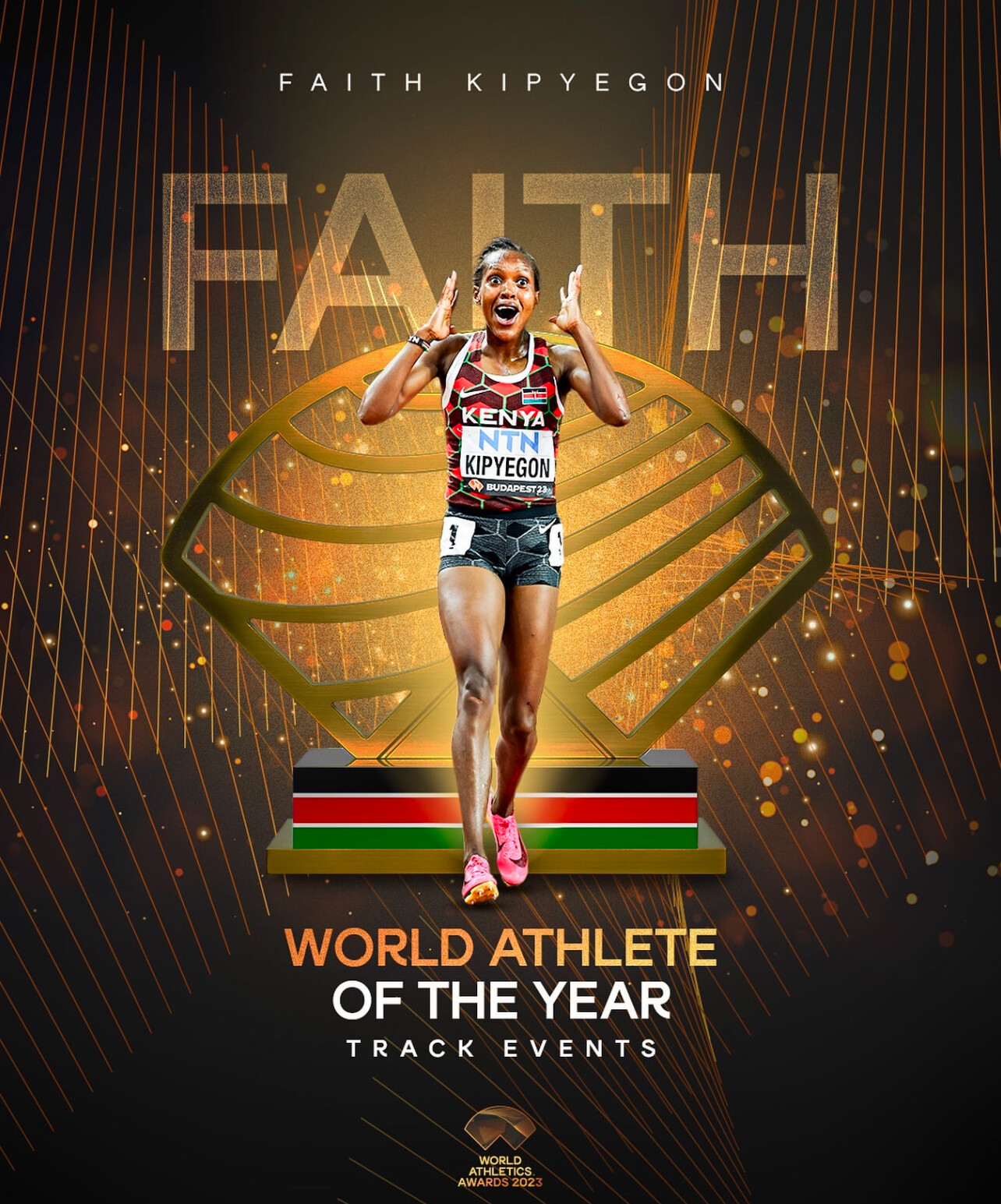
Her mile world record surpassed the previous mark of 4:12.33, set by Sifan Hassan in 2019. This extraordinary feat has sparked conversations in the running world about whether Kipyegon could be the first woman to break the four-minute mile barrier. Experts suggest that with optimal pacing, drafting, and race conditions, she has the potential to achieve what was once thought impossible.
In February 2025, Kipyegon had an uncharacteristic setback at the Sirikwa Cross Country Classic in Eldoret, where she failed to finish the 10km race. Despite this rare off day, she remains focused and determined, with her eyes set on another historic season. With her current trajectory, breaking four minutes in the mile is no longer a question of if, but when.
Beyond her achievements on the track, Kipyegon is also a devoted mother and wife. She is married to Timothy Kitum, the 2012 Olympic 800m bronze medalist, and together they have a daughter, Alyn, born in 2018. Balancing motherhood and elite competition, she continues to inspire millions with her work ethic and determination.

Faith Kipyegon is not just a champion—she is a trailblazer. As she continues to push the limits of middle-distance running, the world watches in anticipation. If there is one athlete capable of redefining history and shattering the four-minute mile, it is Faith Kipyegon.
(02/26/2025) ⚡AMPby Boris Baron
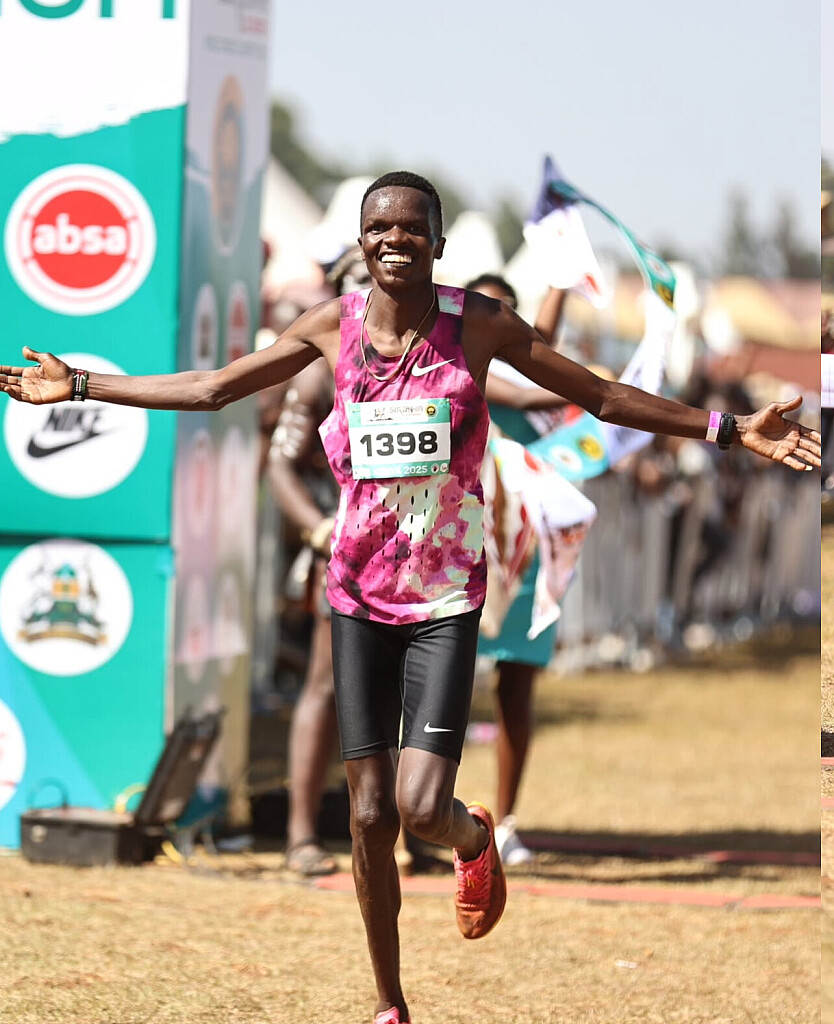
Daniel Simiu Ebenyo Sets Sights on 2025 Seoul Marathon After Dominating Cross Country Season
Reigning World 10,000m silver medallist Daniel Simiu Ebenyo has officially set his sights on the 2025 Seoul Marathon, scheduled for March 16. Fresh off a series of impressive victories, the Iten-based star is determined to translate his cross-country dominance into success on the streets of Seoul.
Ebenyo, a standout performer this season, recently captured the title at the National Cross-Country Championships held at the Eldoret Sports Club. He quickly followed up that victory with another commanding performance at the Absa Sirikwa Classic Cross Country Continental Tour, hosted at Lobo Village in Eldoret. In a tightly contested race, Ebenyo clocked an impressive 29:57 to claim the win, finishing ahead of Gideon Rono (30:07) and Nicholas Kimeli (30:15).
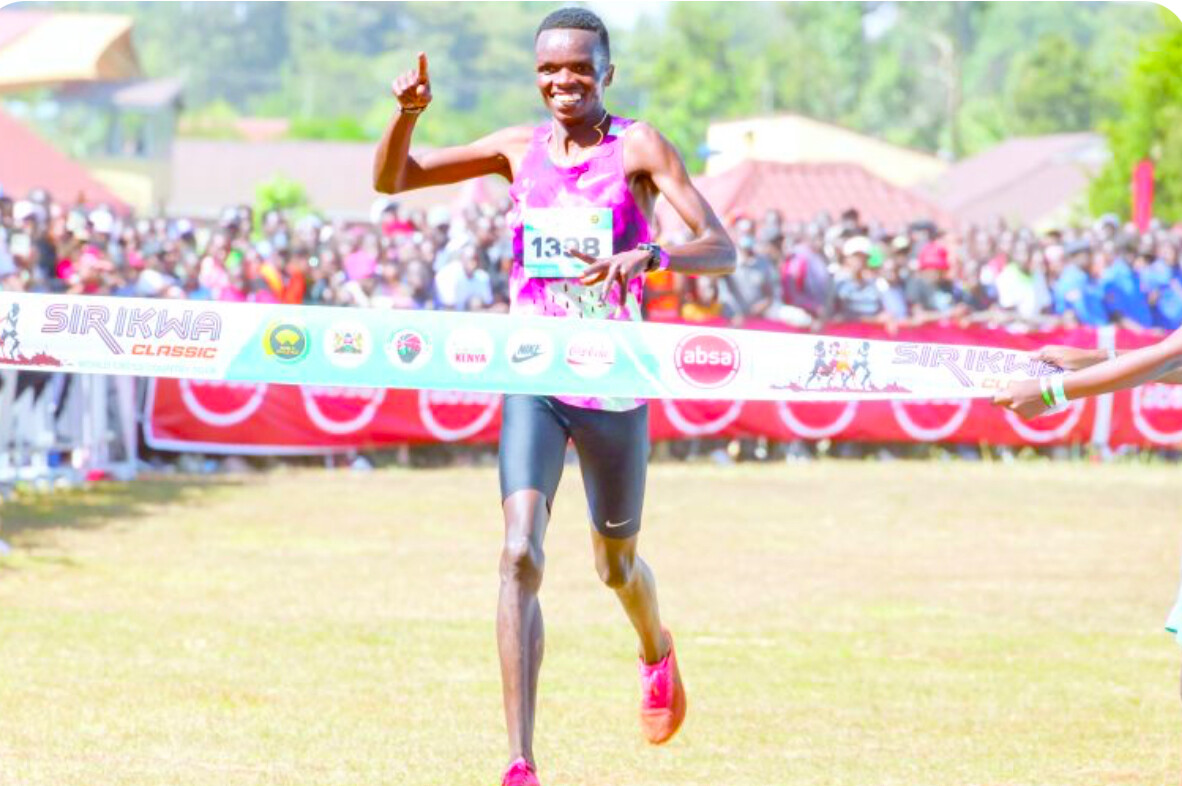
A National Police Service officer, Ebenyo made his marathon debut at the 2023 Chicago Marathon, where he finished fifth in 2:04:23—an impressive showing for his first 26.2-mile (42.195 km) challenge. Since then, he has successfully balanced his track and road racing career, and now, all eyes are on his upcoming performance in Seoul.
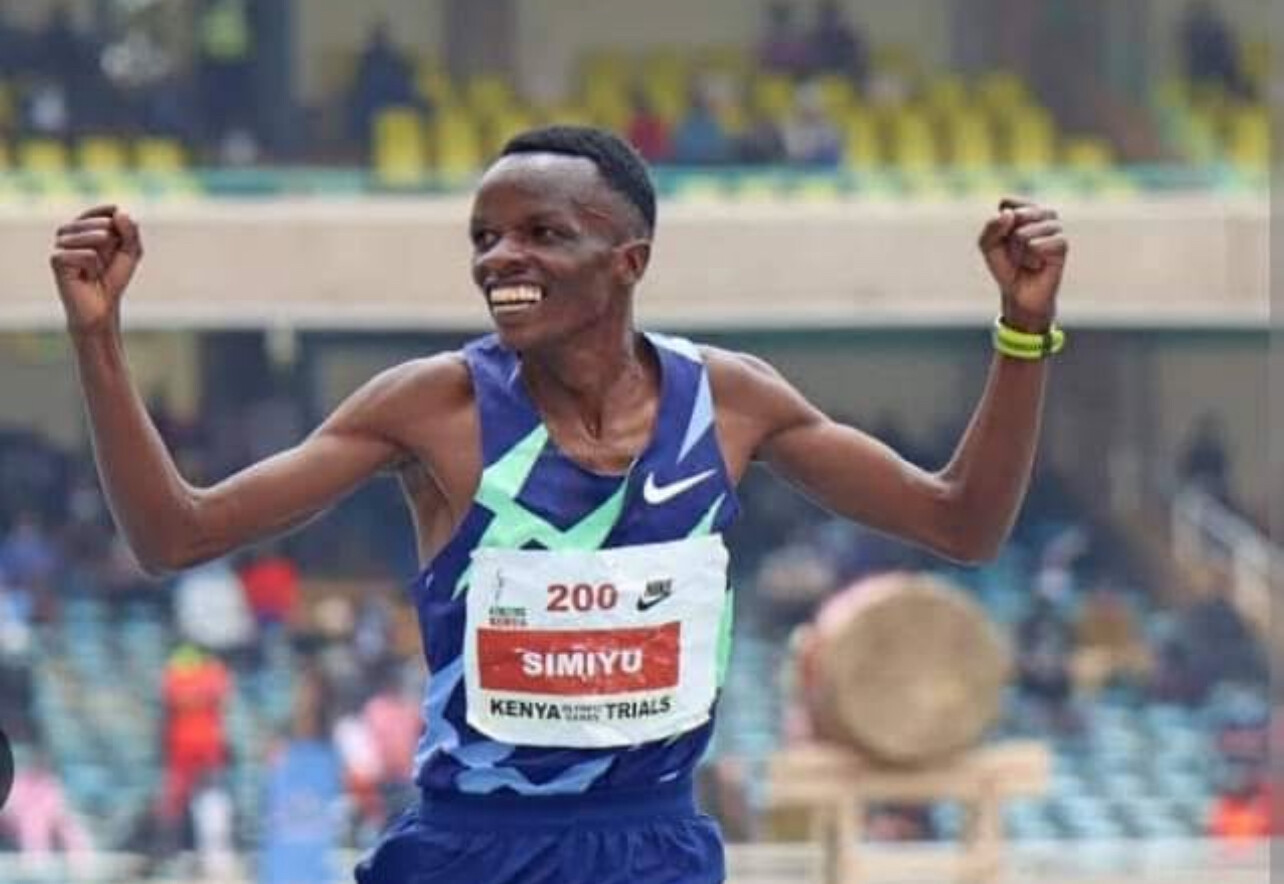
“I strongly believe I will perform well in the race and secure a podium finish,” Ebenyo said confidently. “Nobody knows what tomorrow holds, so let’s focus on the present.”

Ebenyo’s path to the marathon spotlight hasn’t been without challenges. The former African 5000m silver medallist endured a difficult 2023 season, missing out on the Paris Olympic Games after an unfortunate fall during the national trials. He finished eighth in that race, narrowly missing the chance to represent Team Kenya on the world’s biggest stage.
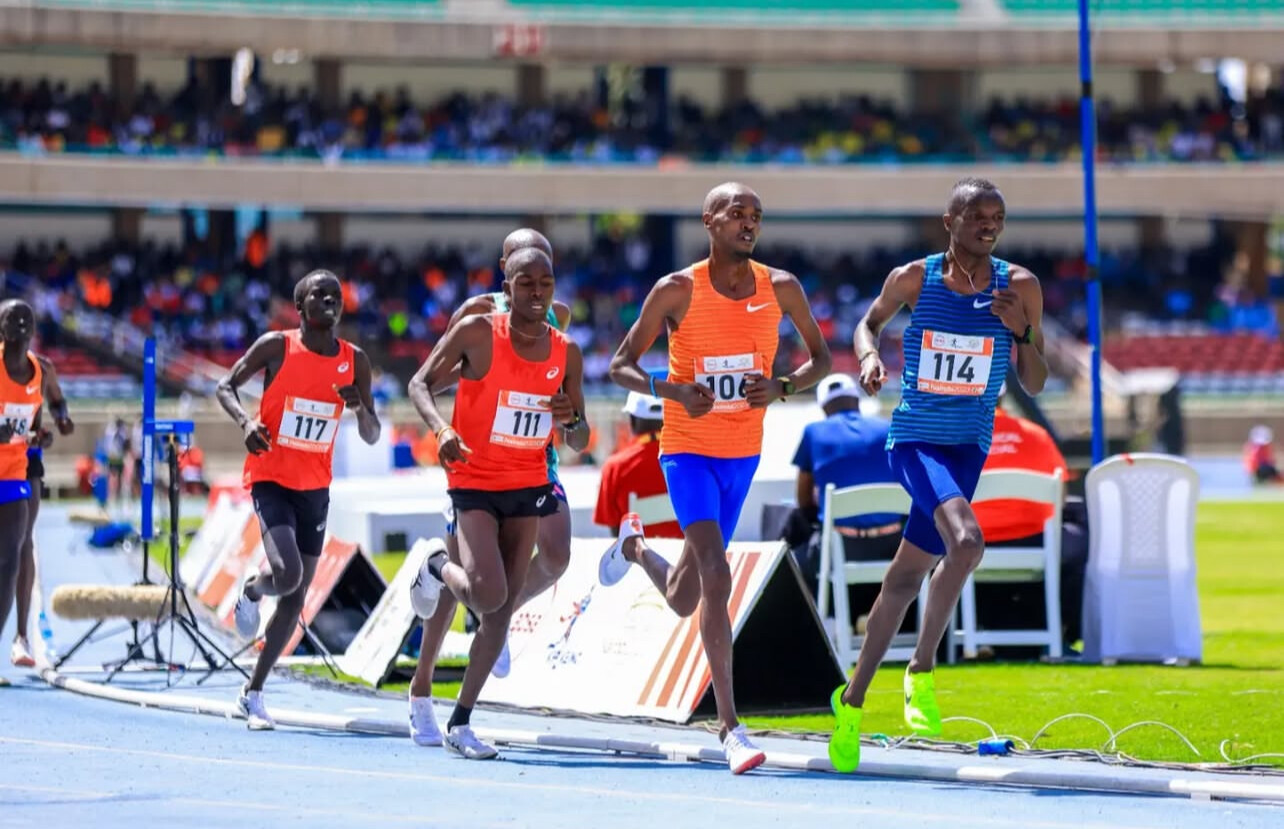
However, the resilient athlete quickly bounced back, proving his mettle both locally and internationally. In early 2024, he claimed victory at the prestigious Berlin Half Marathon, crossing the finish line in a swift 59:30. This win added to his growing list of accolades, including his standout performance at the 2023 World Athletics Championships in Budapest, where he secured the silver medal in the 10,000m.
As the countdown to the Seoul Marathon begins, Ebenyo’s rigorous training regimen in the high-altitude hills of Iten has intensified. He remains laser-focused on achieving his ultimate goal: standing atop the podium in Seoul.
About the Seoul Marathon
First held in 1931, the Seoul Marathon is the oldest continuously held marathon event in Asia and the second oldest in the world, following the Boston Marathon. The race starts at Gwanghwamun Square, a historic and cultural landmark in the heart of Seoul, and finishes at the Jamsil Sports Complex, offering runners a scenic route that showcases both the traditional and modern facets of the city. Known for its flat and fast course, the Seoul Marathon has been the stage for numerous record-setting performances and holds World Athletics Platinum Label Road Race status, attracting elite runners from around the globe.
As of now, specific details regarding other elite runners confirmed for the 2025 Seoul Marathon have not been publicly disclosed. However, given the event’s prestigious status, it is anticipated that a competitive field of top international athletes will participate, promising an exciting and high-caliber race.
With his current form and unwavering determination, Daniel Simiu Ebenyo is undoubtedly a contender to watch. If his recent performances are any indication, the streets of Seoul may very well witness another spectacular chapter in the career of one of Kenya’s finest distance runners.
(02/25/2025) ⚡AMPby Boris Baron

Seoul International Marathon
The only marathon hosted in the heart of the Korean capital. Seoul marathon is the oldest marathon race hosted in Asia andis one of the fastestmarathon in the world. First held in 1931, Seoul marathon is the oldest marathon eventcontinuously held in Asia, and the second oldest in the world followingthe Boston Marathon. It embodies modern history of Korea, also...
more...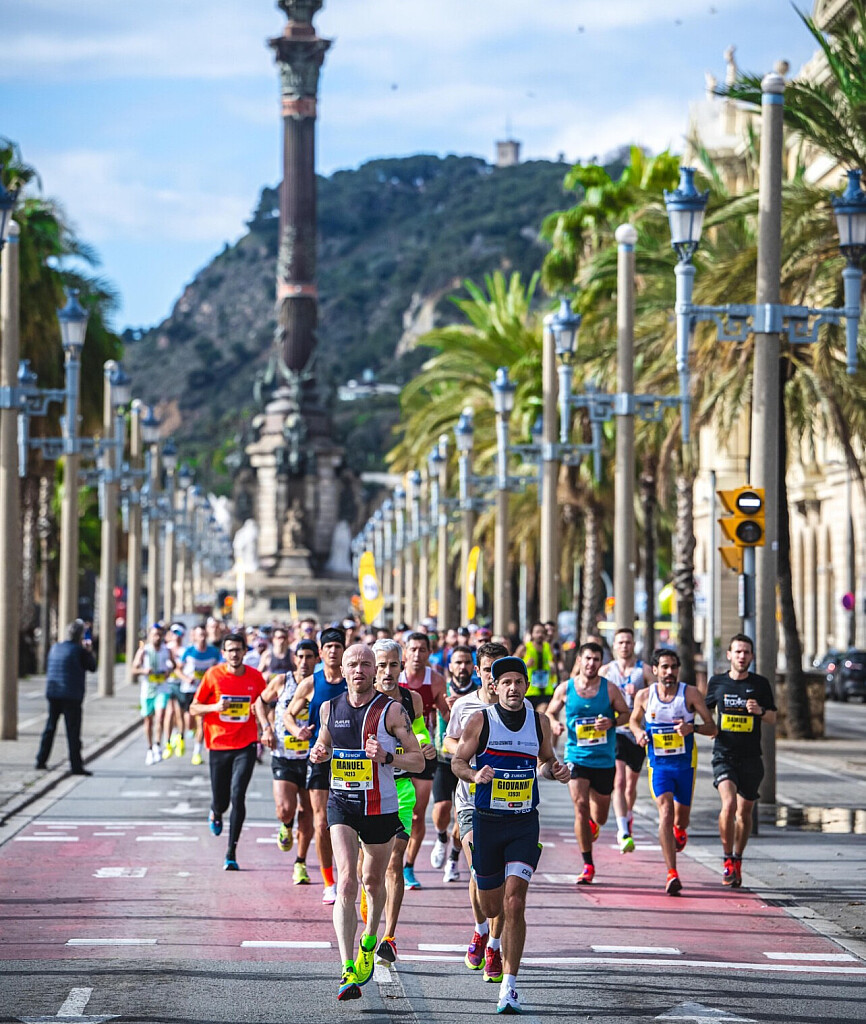
Olympic 10000m Champion Selemon Barega Wins Seville Marathon with a 2:05:15 debut
The 2025 Zurich Maratón de Sevilla delivered unforgettable performances on Sunday, February 23, as Ethiopia’s Selemon Barega stormed to victory in his marathon debut with an impressive time of 2:05:15, This marks the third-fastest marathon time of the year and continues Ethiopia’s dominance in the prestigious event.
Barega’s Marathon Debut: A Statement Victory
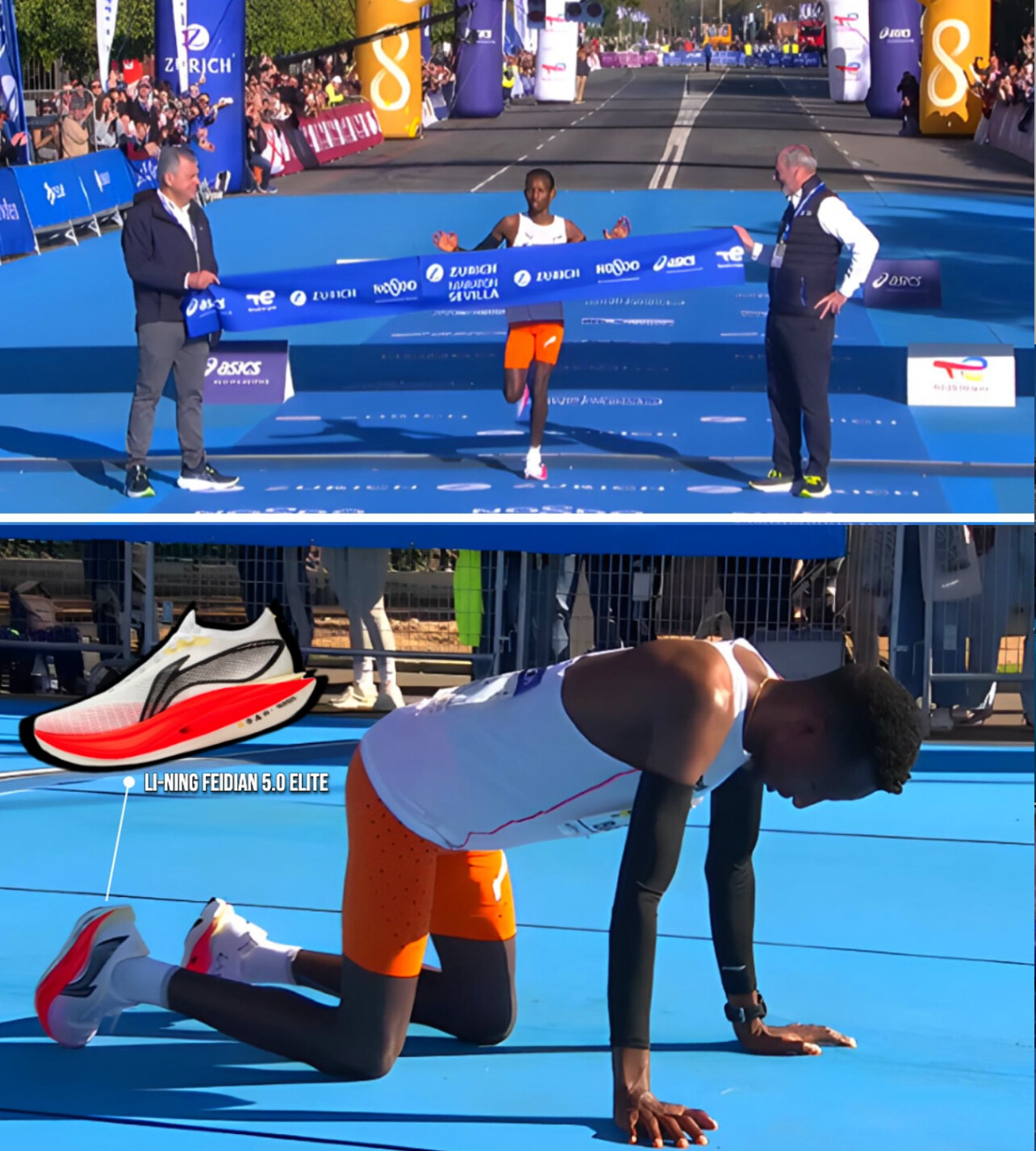
Selemon Barega, the reigning 10,000m Olympic champion, transitioned seamlessly to the marathon distance, showcasing his endurance and tactical brilliance. Running much of the second half alone, Barega maintained composure to cross the line well ahead of the field.

He was followed by compatriot Adisu Tesfahun, who finished second in 2:06:27, and Mohamed Reda of Morocco, clocking 2:06:45 for third place.
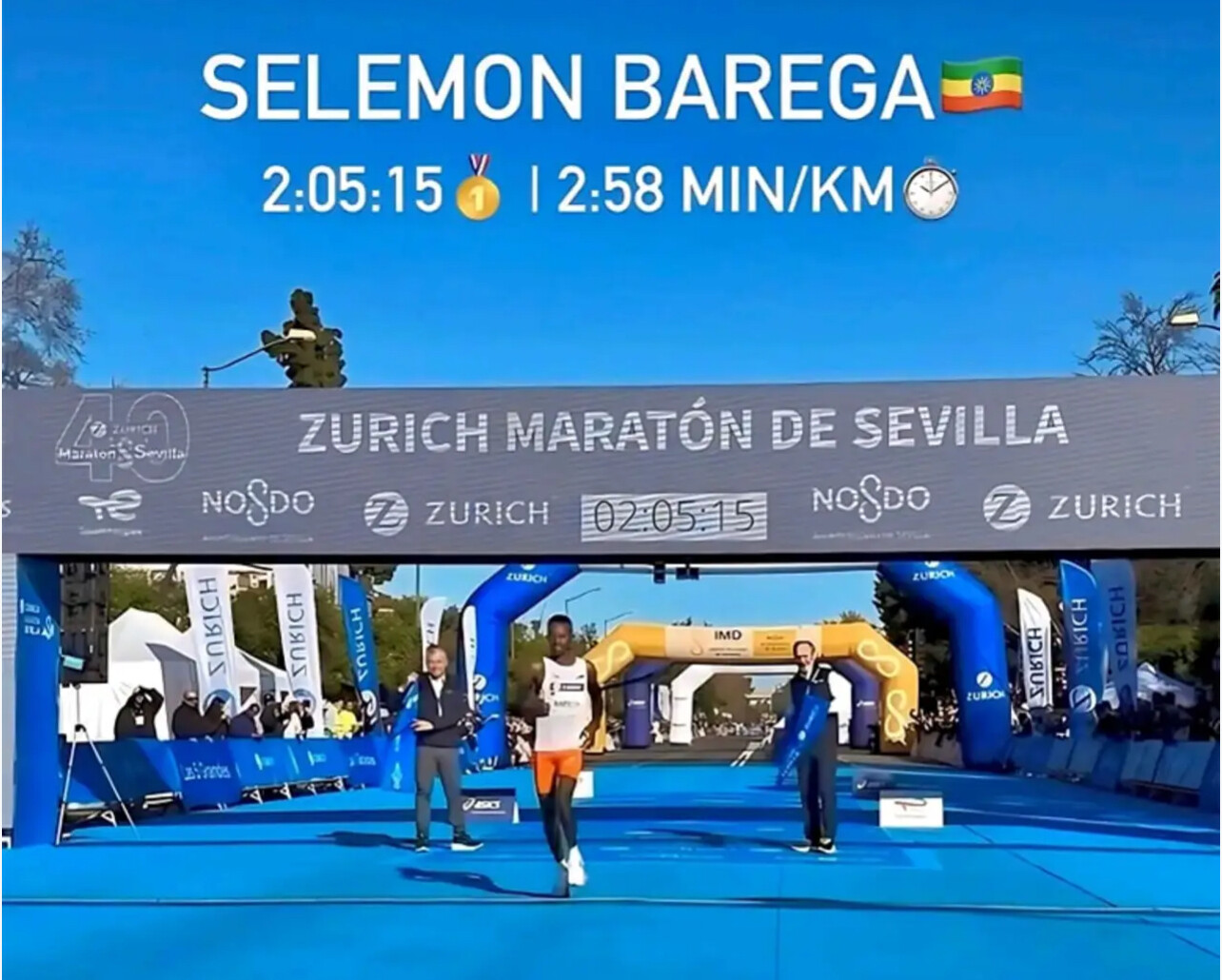
Barega’s performance not only secured his place among the marathon elite but also extended Ethiopia’s winning streak to six consecutive victories at the Seville Marathon.

“I’m proud of this result. My training for the marathon has been intense, and Seville was the perfect place to debut. I hope to build on this and aim for even faster times,” Barega said after the race.
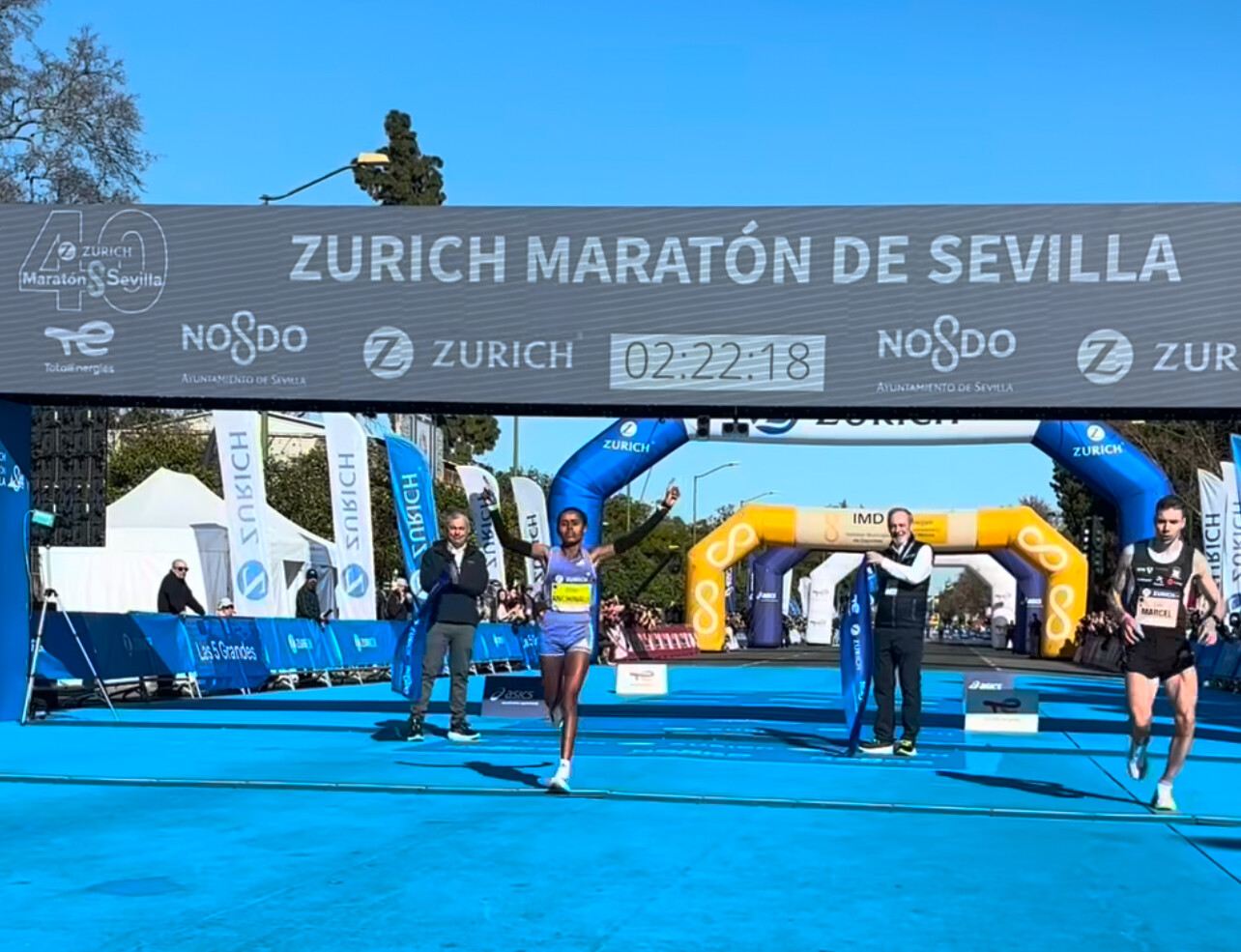
Women’s Race: Anchinalu Dessie Genaneh Triumphs
In the women’s race, Ethiopia’s Anchinalu Dessie Genaneh delivered a dominant performance, breaking the tape in 2:22:17. This victory further cemented Ethiopia’s success in Seville, with Dessie Genaneh holding off a strong international field.
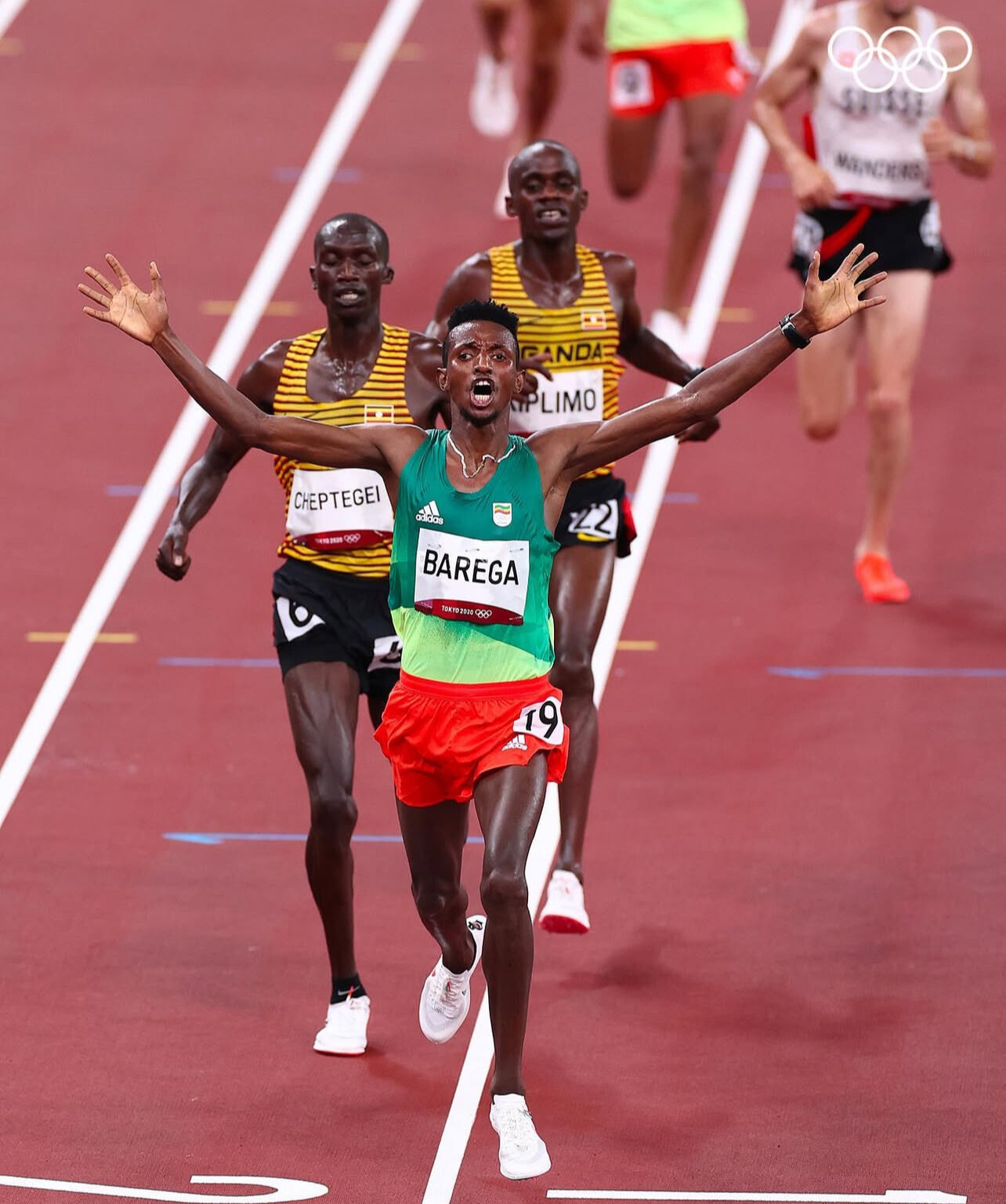
France’s rising star Manon Trapp took second place in 2:23:38, while Cynthia Chepchirchir Kosgei of Kenya secured third in 2:23:43.
Dessie Genaneh, already known for her strong half-marathon performances, proved she has the strength and speed to excel over the full 26.2 miles.
Selemon Barega: From Track Star to Marathoner
Born on January 20, 2000, in the Gurage Zone of Southern Ethiopia, Selemon Barega rose to prominence as a middle-distance prodigy. He clinched gold in the 5000 meters at the 2016 World U20 Championships and 3000 meters at the 2017 World U18 Championships.
In 2018, he set a world U20 record in the 5000 meters, clocking 12:43.02, one of the fastest times in history. His crowning achievement came at the 2020 Tokyo Olympics, where he won the 10,000 meters gold medal, solidifying his place among the sport’s elite.
Now, with a 2:05:13 marathon debut, Barega has proven that his talents extend far beyond the track. The running world will be watching closely as he targets future marathons and, possibly, world record attempts.
Record Participation and Global Appeal
The 2025 Zurich Maratón de Sevilla also witnessed record participation, with 14,000 runners from around the world lining up to tackle the fast, flat streets of Seville. Known for its ideal conditions and scenic course, the race continues to attract elite athletes and passionate amateurs alike.
With Selemon Barega’s stunning debut and Anchinalu Dessie Genaneh’s commanding victory, the 2025 Seville Marathon has once again proven itself as a stage for breakthrough performances. Both champions are now firmly on the radar as contenders for future World Marathon Majors and Olympic glory.
(02/23/2025) ⚡AMPby Boris Baron

Zurich Marathon Sevilla
This urban, flat, fast and beautiful brand new race course will drive athletes through the most beautiful monuments of the city. Zurich Maraton de Sevilla brings the unique opportunity to brake the Best personal result over the mythical distance to all the athletes, professional or age groupers, in one of the most perfect international marathon circuits. This fast marathon takes...
more...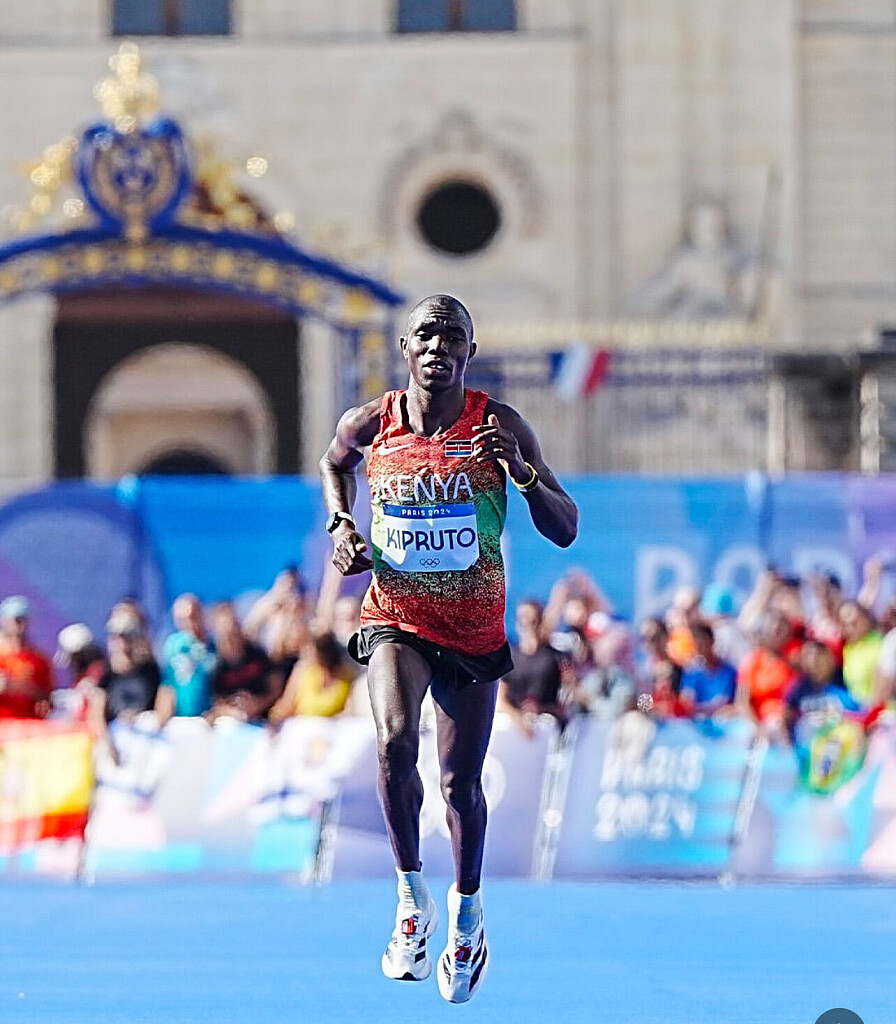
Tokyo Marathon 2025 Elite Runners Set for Epic Battle in the Streets of Japan’s Capital
The Tokyo Marathon 2025, set for Sunday, March 2, promises to be a thrilling contest as some of the world’s fastest distance runners converge on one of the flattest and fastest courses in the marathon circuit. As the opening race of the expanded Abbott World Marathon Majors series, now featuring seven races with the addition of the Sydney Marathon, Tokyo will set the tone for the global marathon season.
The men’s field features a star-studded lineup, headlined by Benson Kipruto of Kenya, who returns to defend his title after setting a Japanese all-comers record of 2:02:16 last year. Kipruto, known for his tactical racing style and strong finishing kick, will face fierce competition from Uganda’s Joshua Cheptegei, the world record holder in the 5000m and 10000m. Cheptegei’s marathon debut has generated significant buzz, as he transitions from dominating the track to testing his endurance over 42.195 kilometers. Ethiopia’s Deresa Geleta, who clocked an impressive 2:02:38 in Valencia last year, is another serious contender. Meanwhile, Japan’s Akira Akasaki and Yohei Ikeda, both fresh from breakthrough performances in 2024, will look to shine on home soil and challenge the international elites.
On the women’s side, Ethiopia’s Sutume Asefa Kebede returns after her dominant win in Tokyo last year, where she clocked 2:15:55—the fastest time ever run on Japanese soil. She’ll face stiff competition from Kenya’s Rosemary Wanjiru, the 2023 Tokyo Marathon champion, and Brigid Kosgei, the former world record holder and 2022 Tokyo winner. Ethiopia’s rising stars Tigist Ketema, who claimed victory in Berlin last fall, and Hawi Feysa, winner of the Frankfurt Marathon, add further intrigue to an already stacked field. Japan’s Ai Hosoda, with a personal best of 2:20:31 from Berlin, and Yuka Ando, the 2024 Nagoya Women’s Marathon champion, will be eager to make an impact in front of their home crowd.
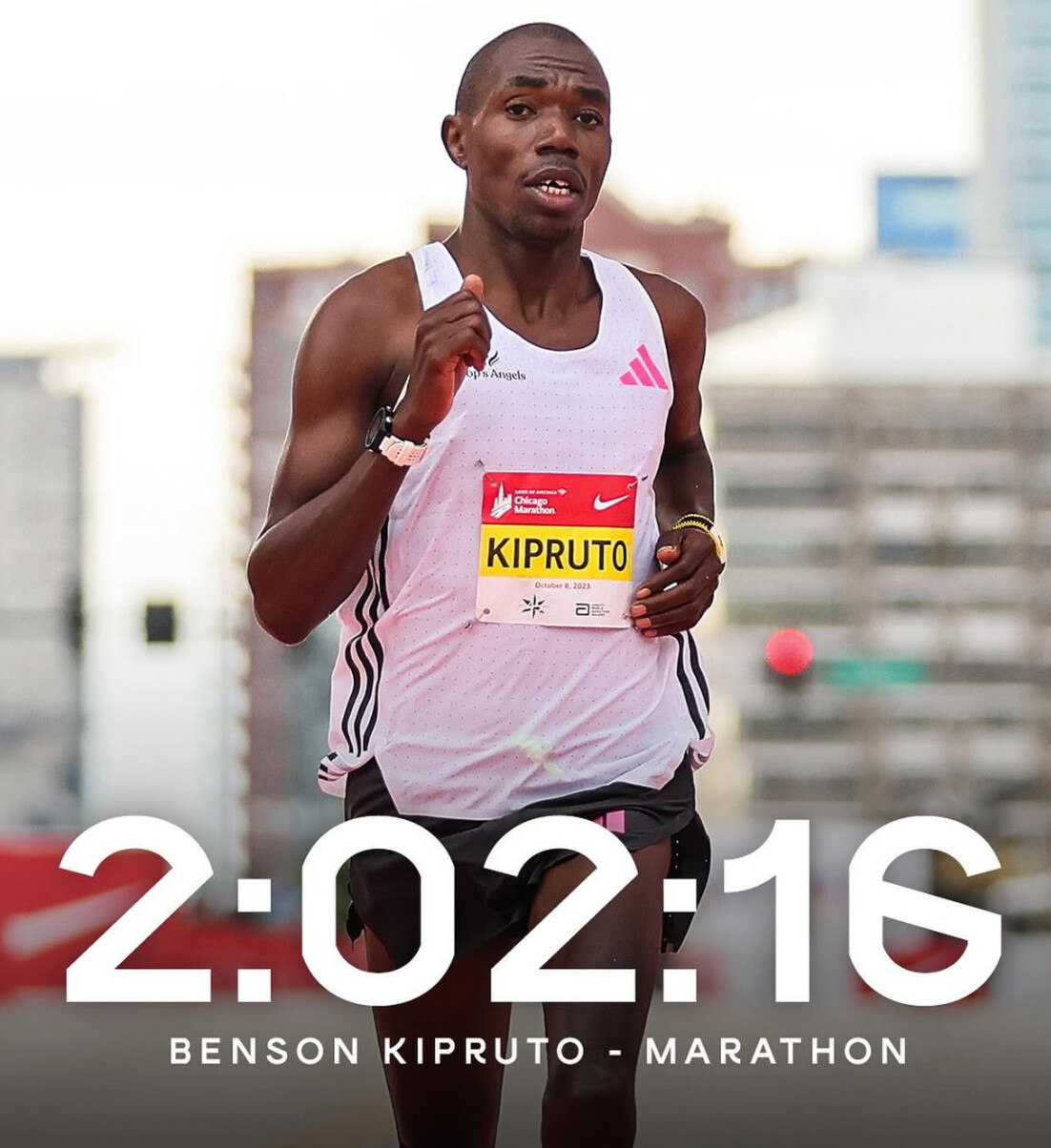
The Tokyo Marathon course offers a scenic and historically rich route through the heart of Japan’s capital. Starting at the towering Tokyo Metropolitan Government Building in Shinjuku, runners will weave through iconic districts such as Asakusa, Ginza, and Ueno. The course includes long, flat stretches with minimal turns, creating ideal conditions for fast times. The final kilometers will lead runners past Tokyo Tower and along the Imperial Palace moat, culminating near Tokyo Station on Gyoko-dori Avenue. Known for its efficiency and vibrant atmosphere, Tokyo’s marathon route consistently attracts runners chasing personal bests and national records.

While the official prize structure for the 2025 edition has not yet been announced, historical trends suggest a total purse of around 40.3 million Japanese Yen (approximately $286,000 USD). Both the men’s and women’s champions are expected to earn 11 million Yen each (approximately $78,100 USD), with additional payouts for podium finishes and record-breaking performances. Special awards will also be presented to top finishers in the semi-elite and university-affiliated categories, ensuring a broad distribution of recognition across all competitive levels.
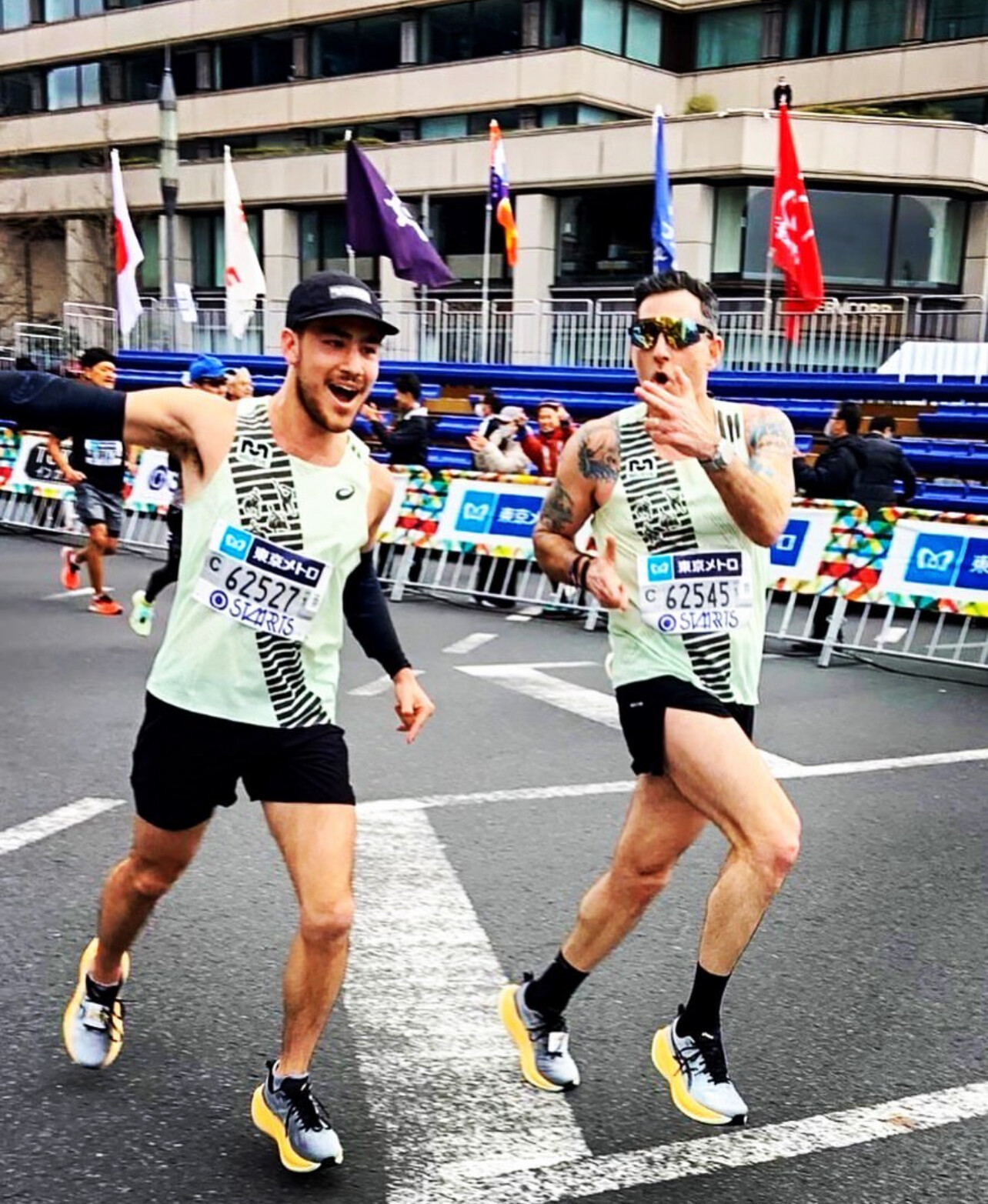
Beyond the competition itself, the Tokyo Marathon is known for its electric atmosphere and world-class organization. Thousands of volunteers and enthusiastic spectators line the streets, while the pre-race expo offers participants and visitors a chance to engage with brands, explore new running gear, and celebrate the spirit of the sport. The race also continues its commitment to sustainability and inclusivity, with initiatives aimed at reducing environmental impact and promoting running as a global community sport.

As the countdown to race day continues, all eyes will be on Tokyo to see who emerges victorious in what promises to be an unforgettable showdown of endurance, strategy, and speed. For elite runners, Tokyo offers not just a chance to claim victory but to set the tone for the year ahead in the ever-competitive world of distance running.
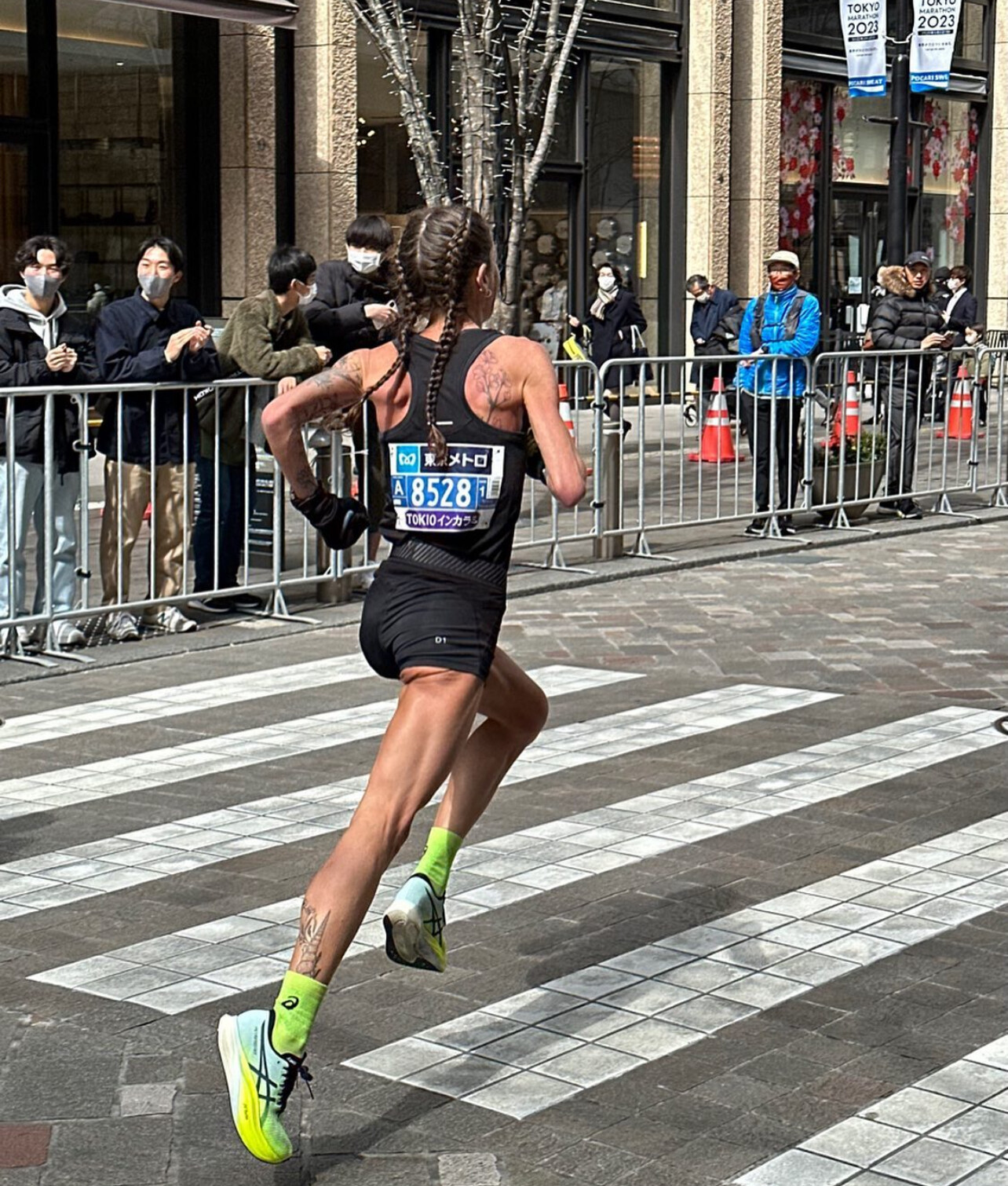
by Boris Baron
Tokyo Marathon
The Tokyo Marathon is a world-renowned annual marathon held in Tokyo, Japan. As one of the prestigious Abbott World Marathon Majors, it attracts elite and amateur runners from around the globe. The race holds World Athletics Platinum Label status, recognizing its high competitive standards, top-tier organization, and international appeal. Sponsored by Tokyo Metro, the Tokyo Marathon has grown into one...
more...