

Running News Daily
Running News Daily is edited by Bob Anderson and team. Send your news items to bob@mybestruns.com Advertising opportunities available.
Index to Daily Posts · Sign Up For Updates · Run The World Feed
Articles tagged #Chamonix
Today's Running News
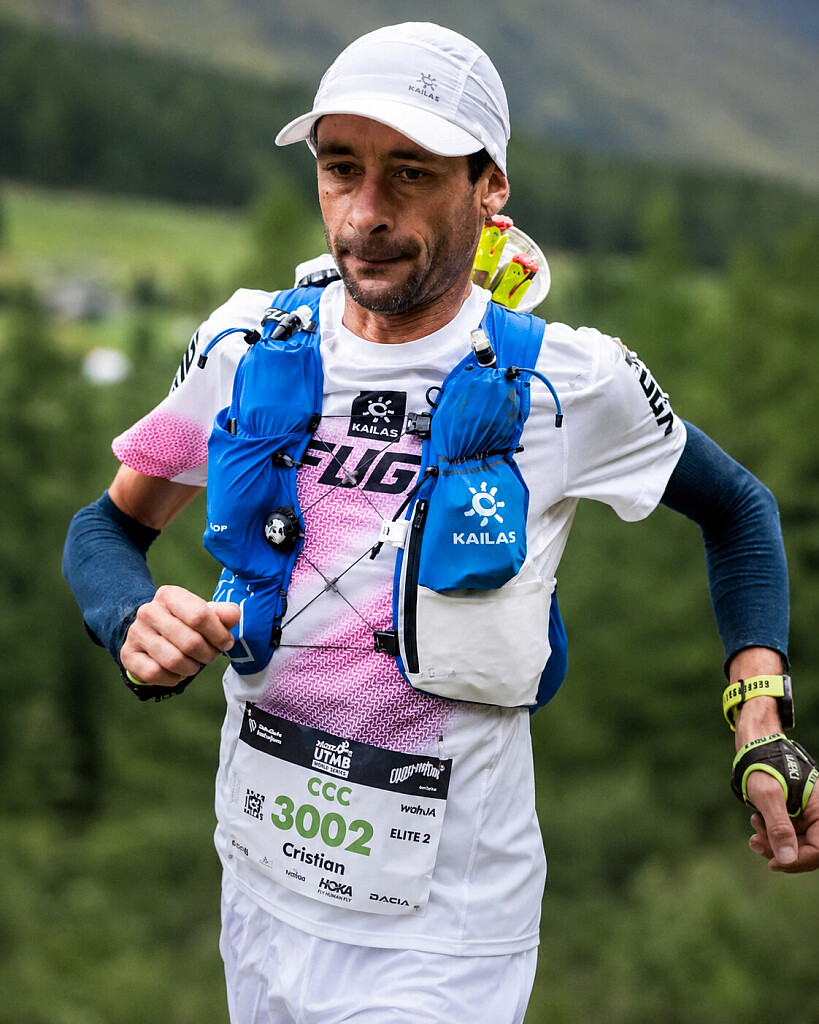


Cristian Minoggio Conquers the CCC in Chamonix as 42-Year-Old Italian Claims Career-Best Triumph
Cristian Minoggio produced the biggest victory of his career on Friday, mastering the demanding conditions of the 2026 CCC to claim a remarkable triumph in Chamonix.
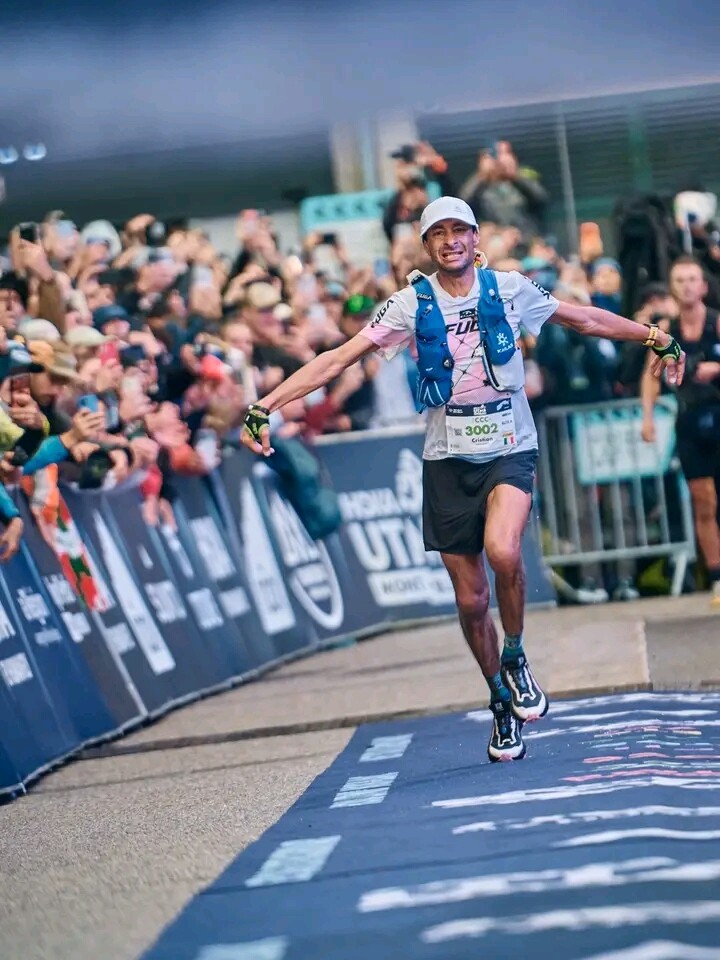
The 42-year-old Italian crossed the finish line in 10:21:48, completing the revised 107-kilometre course in a race reshaped by severe storms that forced organisers to remove the final major climb towards La Flégère.
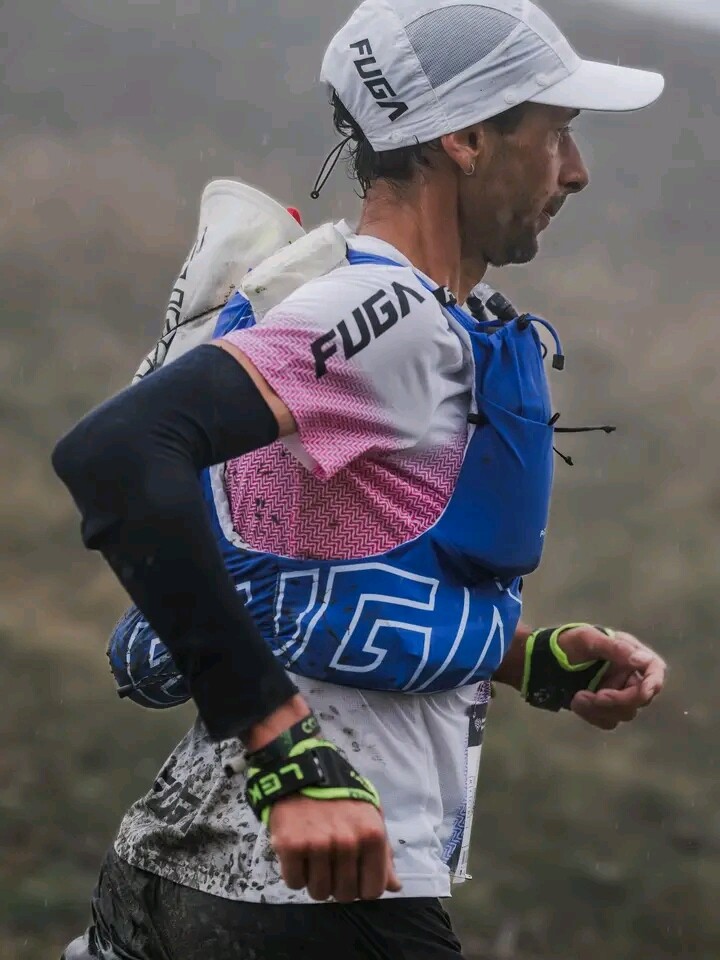
Minoggio made his decisive move on the climb towards Trient, roughly 80 kilometres into the shortened route. While others began to fade under the relentless demands of the course, the experienced Italian found another gear and gradually established the advantage that would ultimately carry him to victory.
For much of the middle stages, American Hans Troyer controlled the race from the front, but the closing kilometres brought a dramatic change. Portugal’s Miguel Arsenio surged late to overtake Troyer and secure second place in 10:27:25, while Troyer fought his way to the final podium position in 10:33:29.
For Minoggio, however, the day belonged entirely to him.
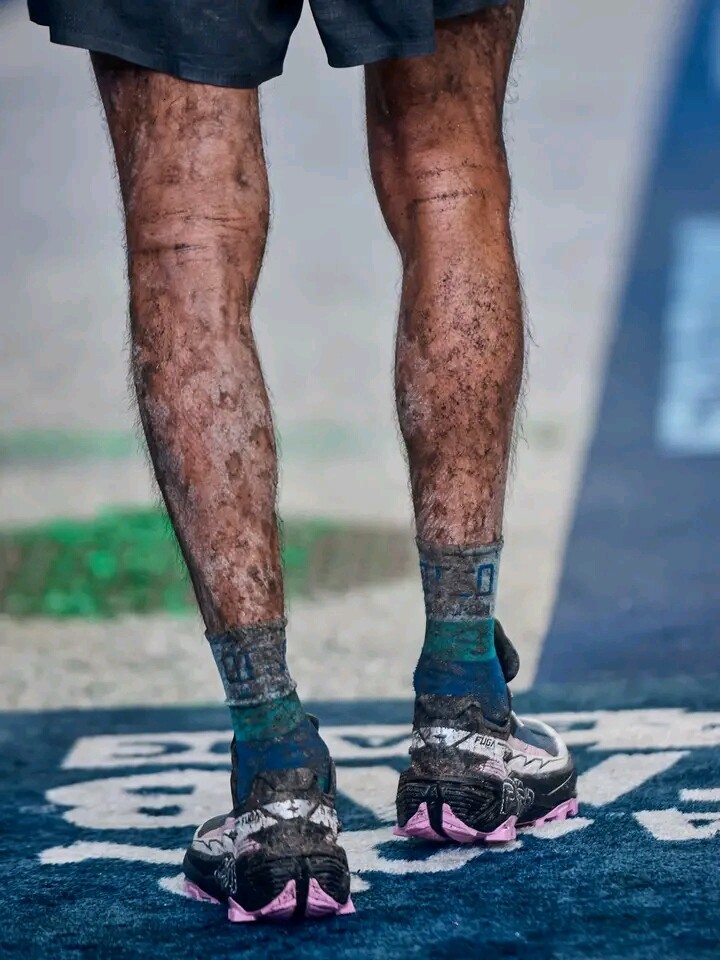
A runner with a strong Ultra SkyMarathon background, the Italian had already demonstrated his ability to compete at the highest level of mountain ultra-running. He finished second at the OCC last year, but the CCC victory in Chamonix represented a defining moment in his career.
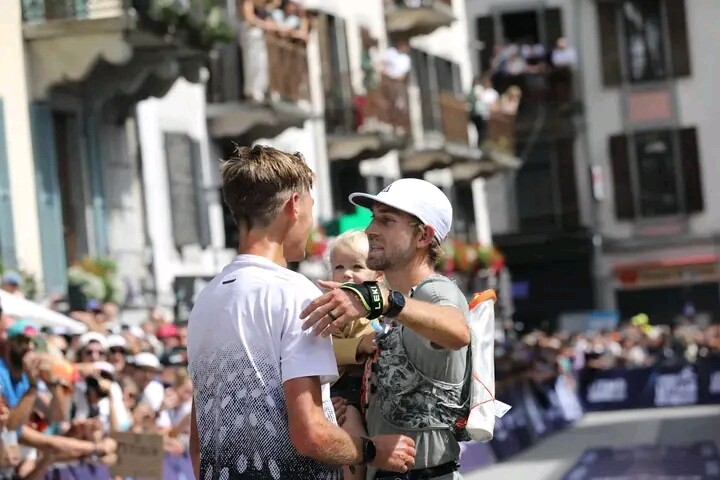
His arrival at the finish carried the emotion of a dream finally realised. Mud-splattered after hours on the mountain, Minoggio crossed the line visibly overwhelmed by what he had accomplished. He removed his cap and, in a deeply symbolic gesture, placed it on the head of UTMB co-founder Catherine Poletti, creating one of the most touching scenes of the day.
His victory also came at a remarkable moment in the UTMB week. Minoggio reached the finish just 23 minutes before the delayed start of the UTMB, with thunderstorms having already forced organisers to adjust the schedule and alter the course.
The women's CCC race also produced a familiar champion, as Norway’s Yngvild Kaspersen successfully defended her title, winning in 12:01:14 to claim her second CCC crown.
But Friday belonged to Minoggio — an Italian veteran who combined experience, patience and a perfectly timed attack to turn a brutal, weather-disrupted edition of the CCC into the greatest victory of his career.
At 42, Cristian Minoggio has conquered Chamonix.
by Erick Cheruiyot for My Best Runs.
Login to leave a comment
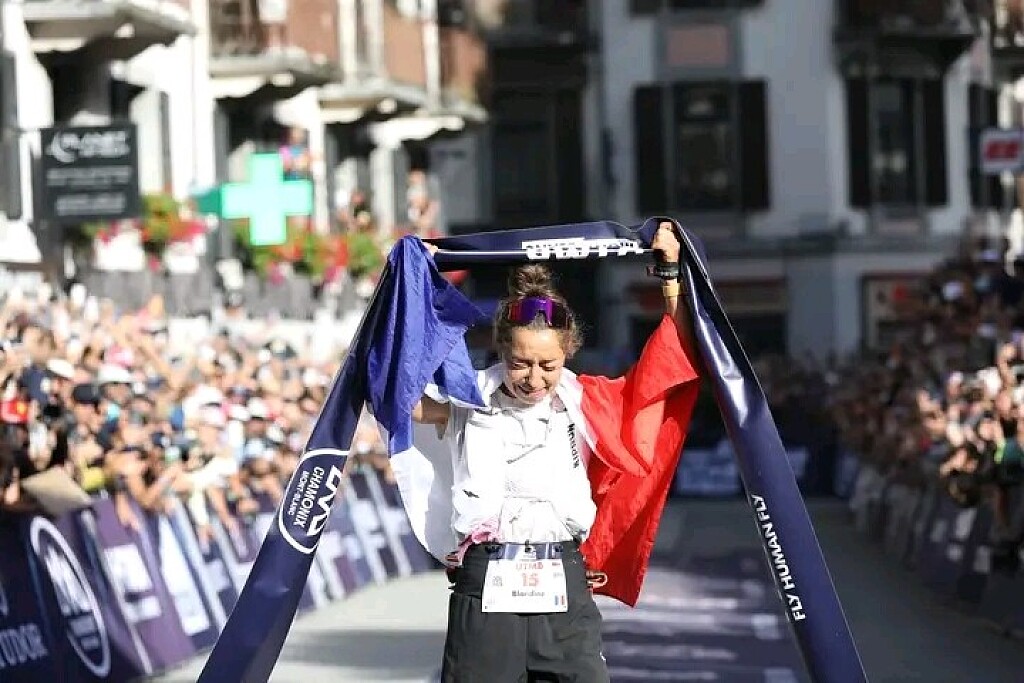
Blandine L’hirondel Creates French Magic In Chamonix With Historic UTMB Triple Crown
Pure goosebumps in Chamonix.
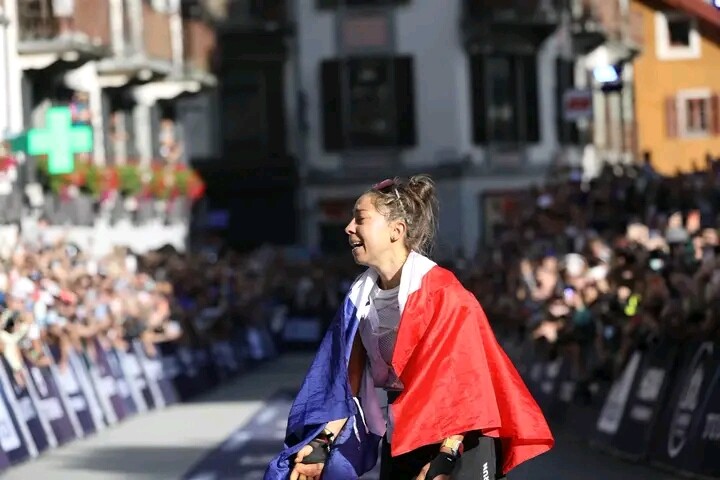
Blandine L’Hirondel has conquered the 2026 UTMB Mont-Blanc in extraordinary fashion, completing one of the rarest achievements in trail running while becoming the first woman ever to break the 22-hour barrier on the iconic 100-mile course.
The French star stopped the clock at a sensational 21:54:49, smashing the previous women’s course record and etching her name into the history of the sport.
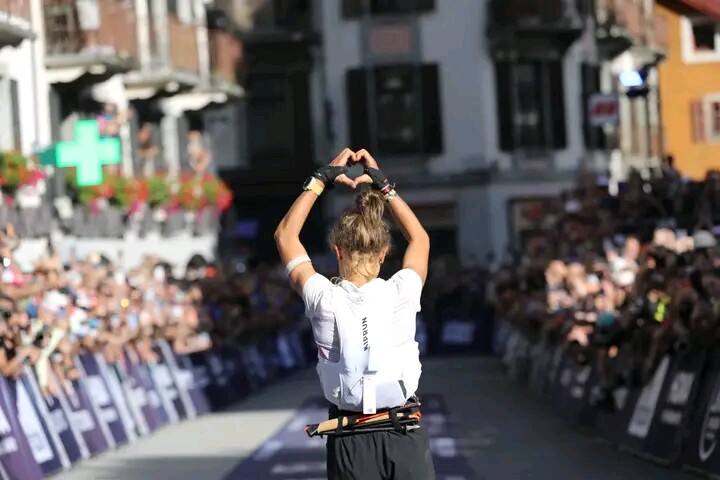
The scale of her performance becomes even clearer when placed alongside the recent record progression. L’Hirondel’s 21:54:49 eclipsed Katie Schide’s 22:09:31 from 2024, Ruth Croft’s 22:56:23 from 2025, Courtney Dauwalter’s 23:29:14 from 2023, and Schide’s 23:15:12 from 2022.
Most significantly, L’Hirondel became the first woman to run under 22 hours at UTMB.
But this was about far more than a number on the clock.
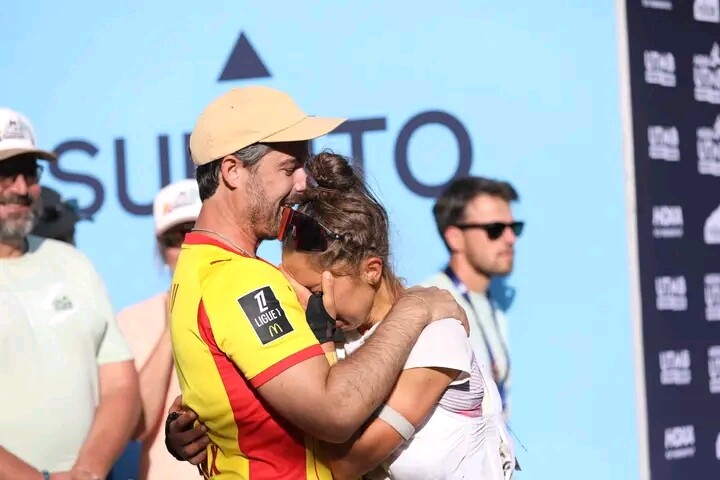
L’Hirondel’s victory was forged through a monumental battle of endurance, pain and determination. In the final kilometres, with exhaustion taking hold, the Frenchwoman suffered several heavy falls. Each time, she picked herself up and continued her relentless charge toward Chamonix.
Nothing was going to take the finish line away from her.
As she finally entered the streets of Chamonix, the home crowd erupted. Surrounded by roaring support, L’Hirondel fought back the emotion, raised her arms and crossed the finish line in 21:54:49, completing an unforgettable victory.
Falling down. Getting back up. Winning. That is trail running.
The achievement becomes even more remarkable because L’Hirondel has now completed a rare UTMB Mont-Blanc triple crown, winning all three of the event’s iconic races: the OCC, CCC and UTMB.
She first triumphed at the OCC in 2021, followed by victory in the CCC in 2022, before finally claiming the ultimate prize at UTMB.
With this achievement, L’Hirondel becomes only the third athlete in history — and the second woman — to complete the OCC, CCC and UTMB sweep.
It is a feat that demands extraordinary versatility, consistency and resilience across different distances and challenges. L’Hirondel has now conquered all three.
Her road to this moment had not been straightforward.
She finished third on her first UTMB appearance in 2023 and returned in 2024 to place fifth. But she kept coming back, determined to go one step further.
In 2026, everything came together.
With patience early in the race, resilience through the toughest sections and an extraordinary fighting spirit when her body was crying out for rest, L’Hirondel produced the performance of her life.
And she did it on home soil.
Ten years after Caroline Chaverot became the last French woman to win UTMB, L’Hirondel has brought the title back to France — and done so by breaking a barrier no woman had ever breached before.
From OCC to CCC to UTMB, Blandine L’Hirondel has completed a journey that very few athletes can even dream of making.
The triple crown is complete.
The 22-hour barrier is broken.
The women’s course record is hers.
And beneath the towering peaks of Mont-Blanc, in front of a roaring Chamonix crowd, L’Hirondel has written another unforgettable chapter in the history of trail running. 21:54:49, a historic triple crown and a record that now belongs to her — a truly remarkable moment for France and a breathtaking triumph on the world’s biggest trail-running stage.
by Erick Cheruiyot for My Best Runs.
Login to leave a comment
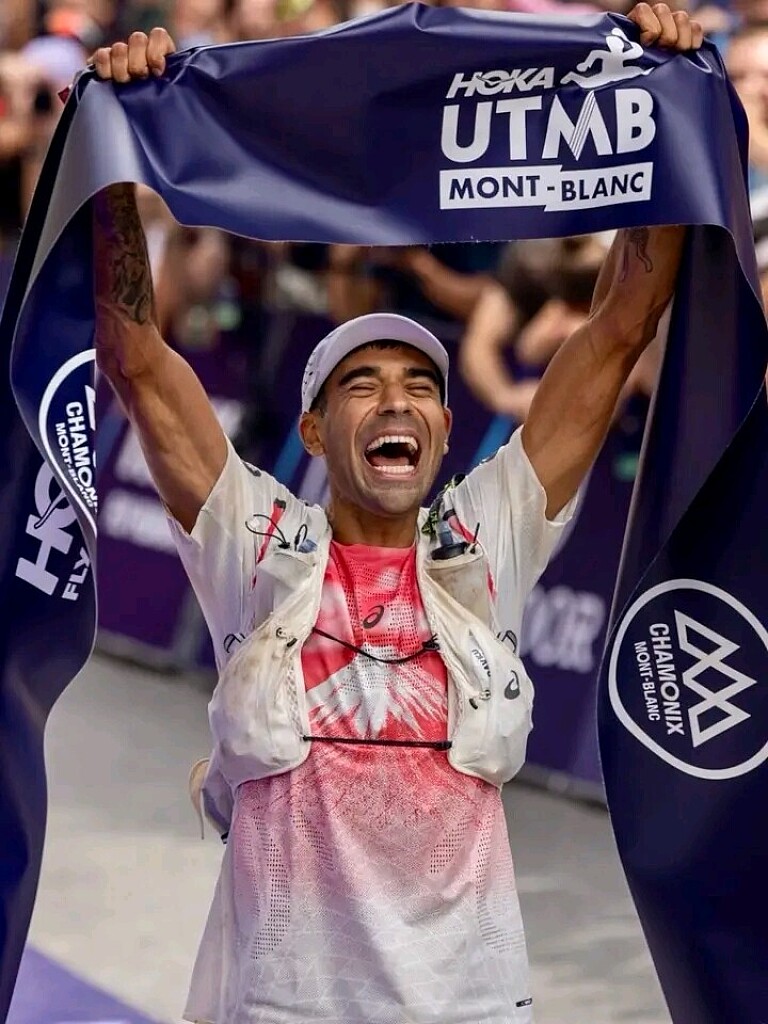
Ben Dhiman Shatters UTMB Course Record As 19-Hour Barrier Falls In Epic Mont-Blanc Triumph
Ben Dhiman has delivered a performance for the ages at UTMB Mont-Blanc, rewriting the history of the iconic 100-mile race with a stunning course-record run of 18:16:29.
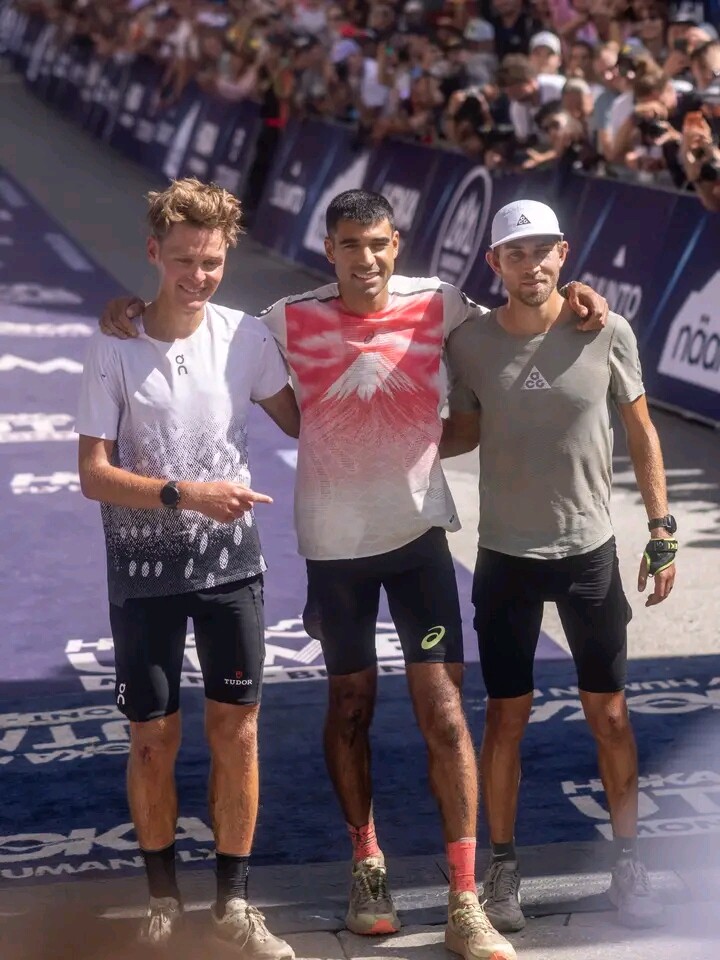
The American ultrarunner took control of the Ultra-Trail du Mont-Blanc at La Balme, 41 kilometres into the race, and once he moved to the front, he never surrendered the lead. More than 130 kilometres later, Dhiman arrived in Chamonix on Saturday afternoon to complete a remarkable journey through the Alps in 18:16:29 — becoming the first man to finish UTMB inside 19 hours.
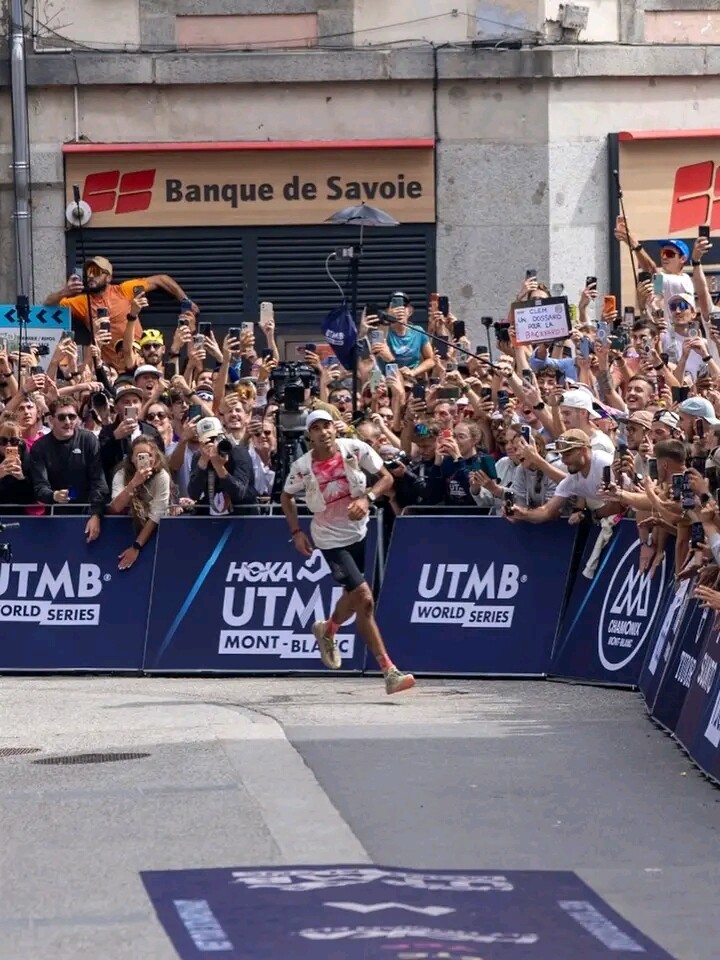
It was an extraordinary display of endurance, strength and determination, but Dhiman’s achievement becomes even more impressive when placed in the context of the conditions surrounding this year’s race. Organizers altered the course on the eve of the event, removing the Pyramides Calcaires section on the Italian side and delaying the start by two hours because of forecast thunderstorms.
Those changes left the field facing a 173.6-kilometre course with approximately 9,700 metres of elevation gain. Despite the demanding terrain and the revised race conditions, Dhiman maintained an astonishing level of consistency from the moment he took control.
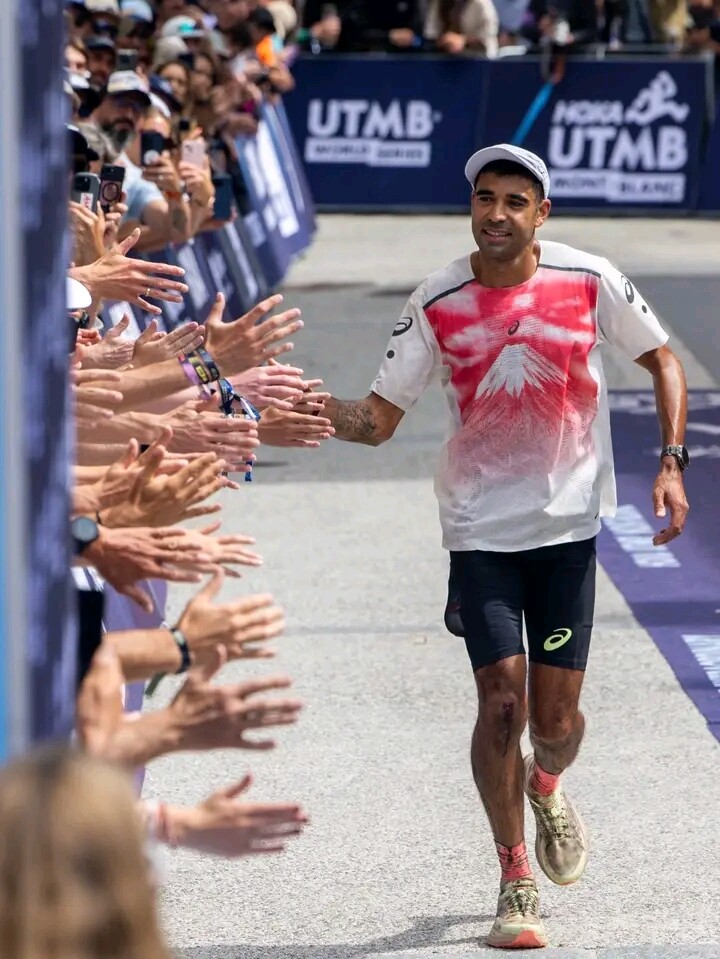
His winning time demolished the previous course record of 19:18:58, set by Britain’s Tom Evans in 2025, by an astonishing 1 hour, 2 minutes and 29 seconds. This was not a marginal improvement to an already formidable mark; it was a seismic leap that has dramatically reset the benchmark for one of the world’s most prestigious and demanding ultramarathons.
The scale of Dhiman’s progression is perhaps best illustrated by what happened 12 months ago. He finished second at UTMB last year in 19:51:37 on a nearly identical course. This time, he returned to Mont-Blanc and was 1 hour, 35 minutes and 8 seconds faster, transforming a runner-up finish into one of the most dominant performances in the race’s history.
Even more remarkable was his efficiency over the enormous distance. Dhiman spent just 9 minutes and 23 seconds stopped across the entire race, allowing him to maintain momentum while his rivals battled the relentless demands of the mountain course.
For years, the UTMB course record has represented the outer limits of human endurance. Vincent Bouillard’s 19:54:23 in 2024 and Jim Walmsley’s 19:37:43 in 2023 demonstrated the extraordinary level required to attack the race at record pace, while Kilian Jornet’s 19:49:30 in 2022 further underlined the rapid evolution of elite trail running.
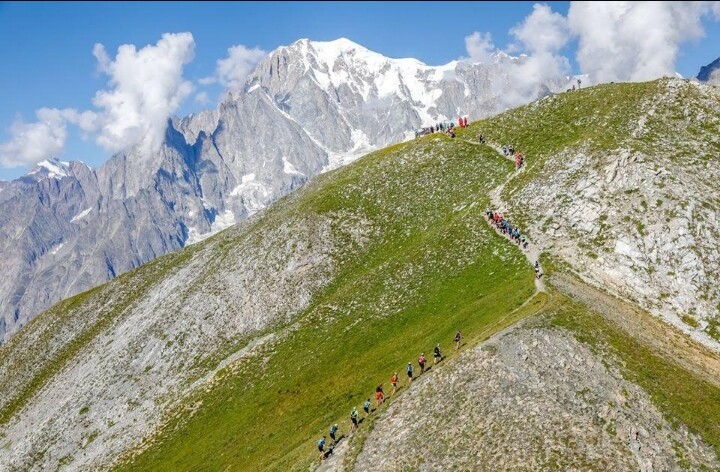
Tom Evans then raised the standard to 19:18:58 in 2025.
Now Dhiman has taken it to an entirely different level.
Behind the runaway winner, Baptiste Chassagne produced a superb performance to finish second in 18:47:38. Caleb Olson completed the podium in 18:48:24, but his fight for second provided one of the race’s most dramatic closing chapters.
Olson was still 6 minutes and 32 seconds behind Chassagne with seven kilometres remaining, yet he unleashed a remarkable final descent, covering the closing section in just 29:08. His late surge brought him within touching distance of second place, ultimately finishing only 46 seconds behind Chassagne.
Beyond the clock and the final standings, Dhiman’s triumph was a powerful demonstration of what it takes to master ultra-trail running. The challenge demanded patience, concentration and an extraordinary ability to keep moving when fatigue was at its most unforgiving. Every climb, descent and technical section tested his limits, but Dhiman remained composed when it mattered most.
For Dhiman, crossing the finish line after such a gruelling Alpine journey represented the culmination of a remarkable transformation. After 18 hours, 16 minutes and 29 seconds of relentless effort, he could finally celebrate not only becoming the 2026 UTMB champion, but also establishing a new benchmark that could stand for years.
And his record-breaking run has immediately opened another fascinating chapter for the sport.
Can anyone break the 18-hour barrier?
With more than an hour removed from a record that had stood at 19:18:58, the once-unthinkable 18-hour mark suddenly feels closer than ever. Yet breaking it would require another extraordinary combination of sustained speed, climbing power, descending skill, nutrition, favourable weather and near-perfect execution across the immense Alpine course.
Dhiman has set the bar exceptionally high.
The 19-hour barrier has fallen.
The 18-hour barrier is now the next frontier.
Dhiman’s historic victory brought the men’s race to a spectacular conclusion, capping an extraordinary day of ultra-trail running in which the American not only claimed the UTMB crown but also shattered a record that had appeared almost untouchable. His 18:16:29 will now stand as the new benchmark at Mont-Blanc, setting an imposing challenge for the elite field that will return in search of glory in the years ahead.
Mont Blanc has a new king, and the next chapter of UTMB history has already begun.
by Erick Cheruiyot for My Best Runs.
Login to leave a comment
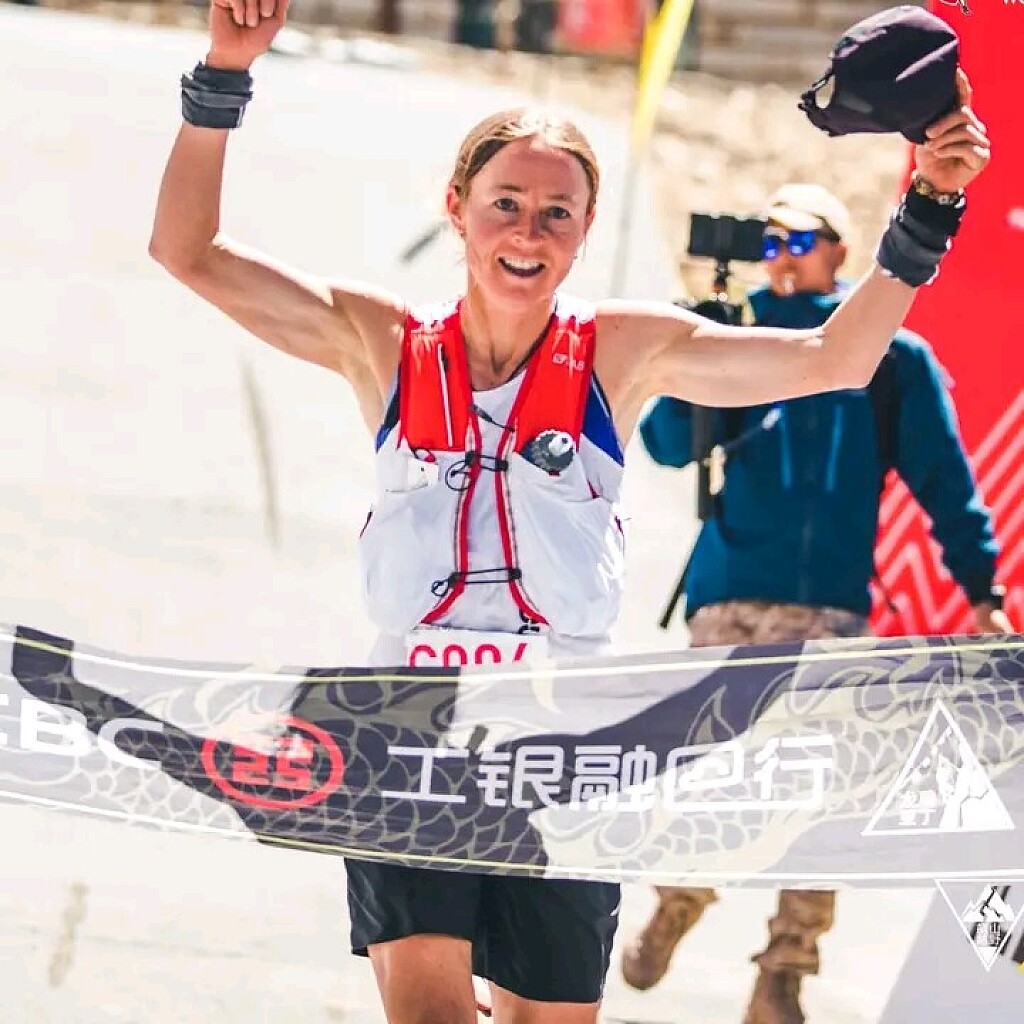
Megan Kimmel: The Mountain Running Icon Whose Legacy Will Echo Through the Peaks Forever
The global mountain running community is mourning the loss of one of its most admired champions. American skyrunning legend Megan Kimmel, the 2016 Skyrunner World Series champion and one of the sport’s most accomplished athletes, has passed away at the age of 46.
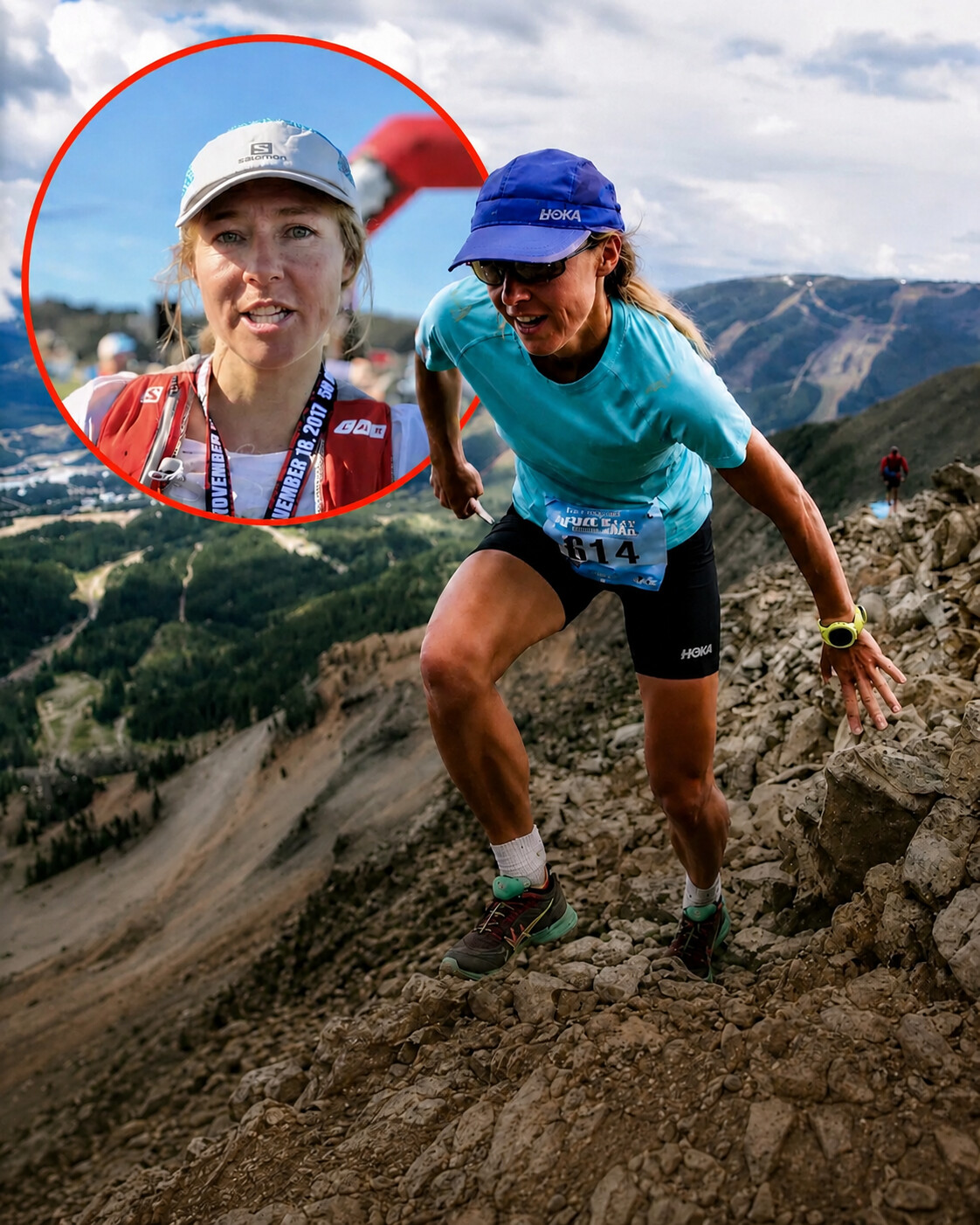
Kimmel leaves behind a remarkable legacy that helped shape modern mountain running. Renowned for her fearless racing style, resilience on the toughest terrain, and unwavering passion for the sport, she inspired athletes around the world both on and off the trails.
Her competitive achievements placed her among the greatest mountain runners of her generation. In 2014, she captured a silver medal at the Skyrunning World Championships in Chamonix, announcing herself on the global stage. A year later, she delivered one of the most memorable performances in skyrunning history by setting a course record at the prestigious Dolomites SkyRace—a mark that remains unbeaten to this day.
Throughout her career, Kimmel amassed victories at some of the world's most demanding mountain races, including Matterhorn Ultraks, The Rut, Yading Skyrun, and Broken Arrow. Whether climbing steep alpine ascents or descending technical trails, she consistently demonstrated the strength, skill, and determination that defined her career.
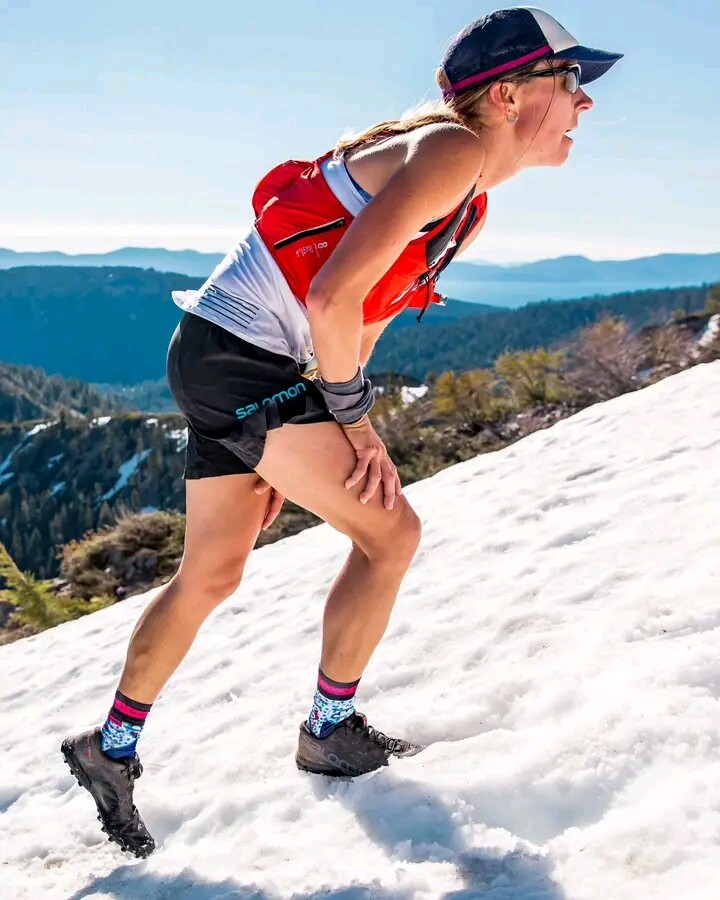
One of her most iconic moments came in 2018 at the legendary Pikes Peak Marathon. Kimmel crossed the finish line in 4:15:04, breaking Lynn Bjorklund’s long-standing 37-year-old course record by 14 seconds. The achievement cemented her status as one of the finest mountain athletes of her era and added another historic chapter to an already extraordinary career.
Yet those who knew Kimmel often spoke less about her victories and more about her character. Living in Silverton, Colorado, she became a beloved figure within the trail-running community, known for encouraging younger athletes, sharing her experience freely, and bringing warmth and positivity wherever she went.
Perhaps nothing captured her relationship with running better than her own words following her Pikes Peak triumph:
“I have always viewed running as a form of therapy rather than pressure. Even on days when I didn't feel like running or racing, those moments often became some of the most rewarding. That is why I am most grateful for running and why it will always be part of my life.”
Those words reflected the philosophy that guided her journey—a belief that running was not merely about competition, but about personal growth, joy, and connection.
Today, the trails she loved remain, stretching across the rugged landscapes that shaped her career. But for countless runners, competitors, and friends, those mountains will never feel quite the same. Megan Kimmel's achievements will endure in record books, yet her greatest legacy may be the inspiration she provided to generations of athletes who dared to chase summits because she showed them what was possible.
The mountain running world has lost a champion, a mentor, and a cherished friend. Her footprints may fade from the trails, but her influence will continue to rise with every runner who follows the path she helped create.
by Erick Cheruiyot for My Best Runs.
Login to leave a comment
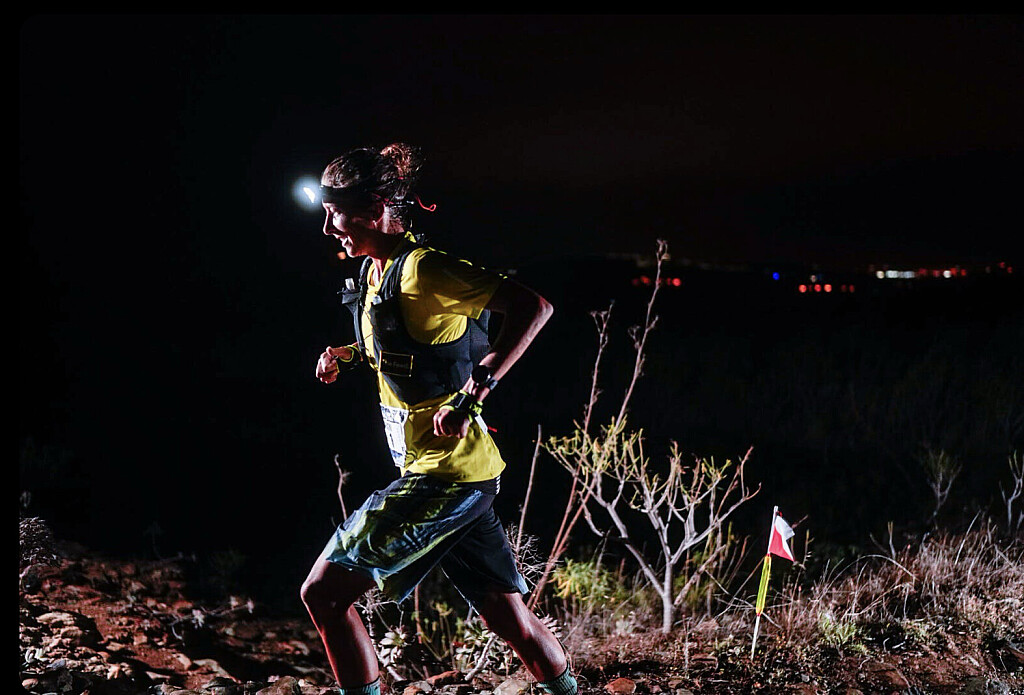
How Did Courtney Dauwalter Get So Damn Good?
If Courtney Dauwalter could travel back in time, this is what she would do: She’d join a wagon train crossing the American continent, Oregon Trail-style, for a week, maybe more, just to see if she could swing it. It would be hard, and also pretty smelly, but Dauwalter wonders what type of person she’d be if she deliberately decided to take that journey. Would she stop in the plains and build a farm? Could she make it to the Rocky Mountains? How much suffering could she take, and how daunted might she be by the terrain ahead of her?
“If you get to Denver and this huge mountain range is coming out of the earth, are you the type of person who stops and thinks, ‘This is good’?” she wonders. “Or are you the person who’s like, ‘What’s on the other side?’ ”
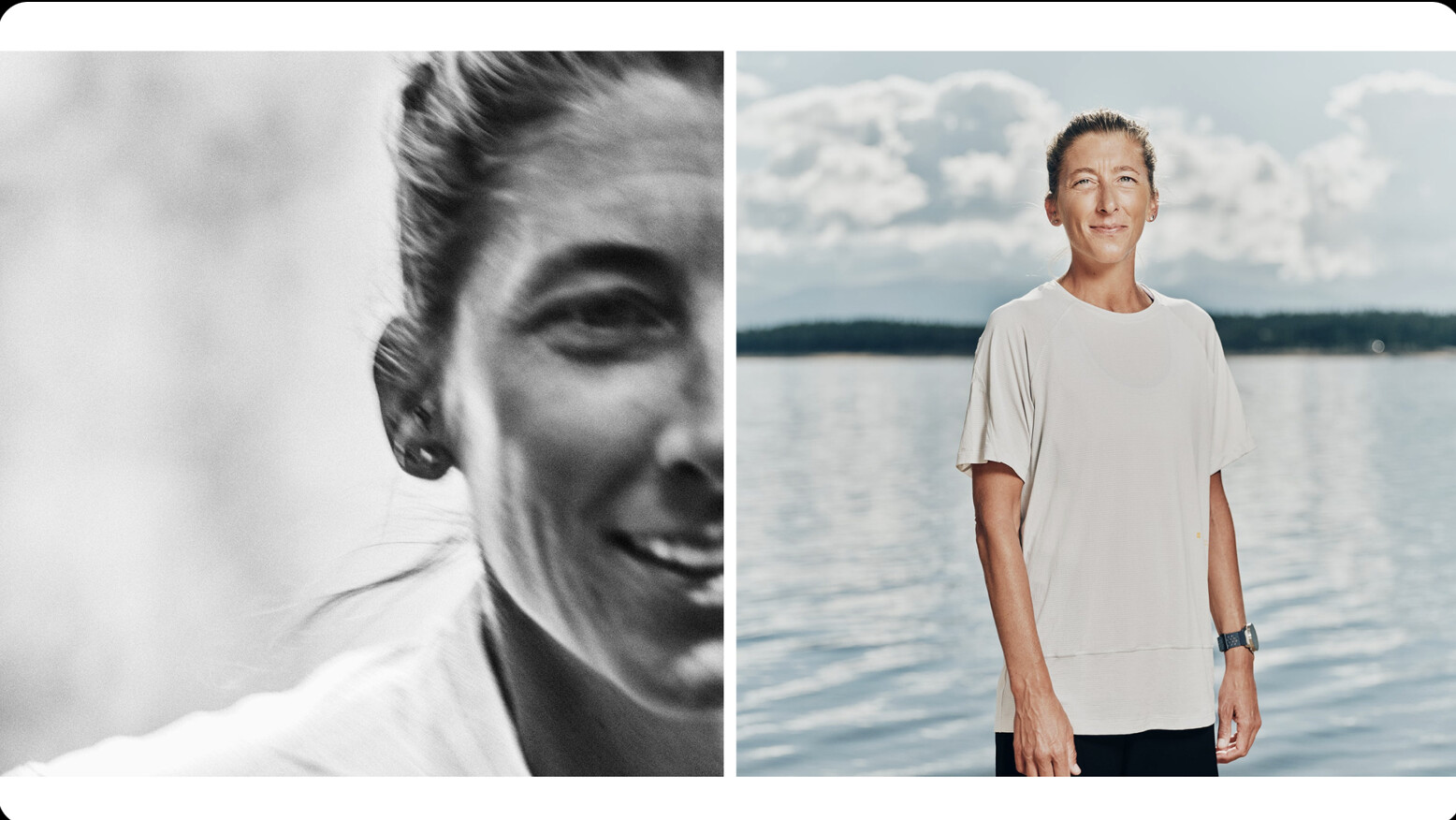
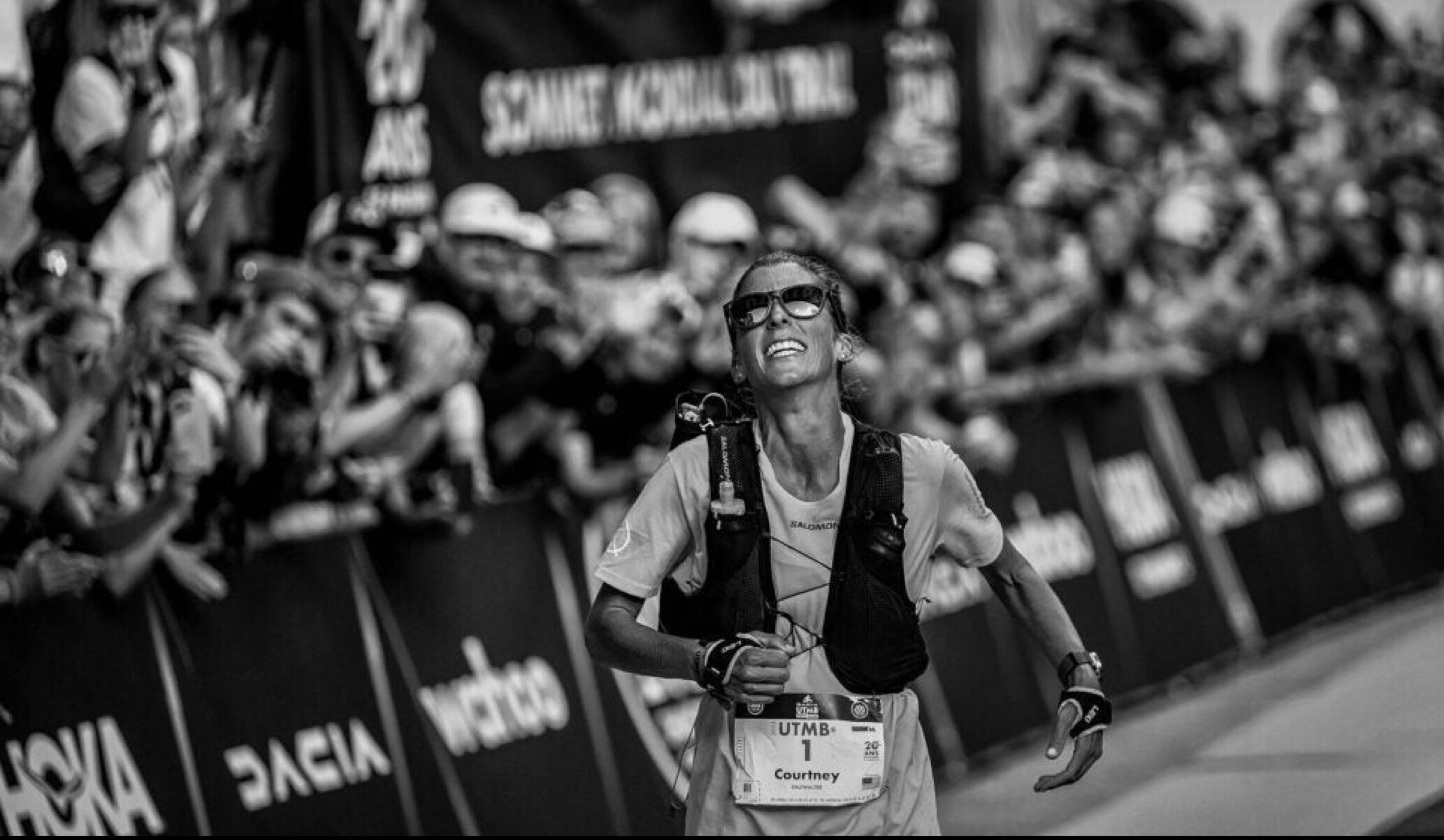
Dauwalter is probably (definitely) the best female trail runner in the world—a once-in-a-generation athlete. She’s hard to miss at the sport’s most famous races, and not just because of the nineties-style basketball shorts she prefers. (Her explanation: she just likes them.) It’s because she’s often running among the leading men in the sport, smiling beneath her mirrored sunglasses. The 39-year-old is five foot seven and lean, with smile lines and hair streaked with highlights from abundant time spent in high-altitude sun.
Dauwalter shared her historical daydream with me while sipping a pink sparkling water at her house in Leadville, Colorado, after a four-hour morning training run. Her cross-country wagon musings get at why she’s the best female ultrarunner ever to live: Dauwalter is curious. She’s curious about pain, about limits, about possibility. This quality is fundamental to what makes her so good.
Over the past eight years, Dauwalter has won almost everything she’s entered. In 2016, she set a course record at the Javelina Jundred—an exposed, looped route through the Sonoran Desert of Arizona. That same year she won the Run Rabbit Run 100-miler in Steamboat Springs, Colorado, by a margin of 75 minutes, despite experiencing temporary blindness for the last 12 miles (she could only see a foggy sliver of her own feet). Because of ultrarunning’s huge distances, it’s not unheard of to beat the competition by so much, but it doesn’t happen with the frequency that Dauwalter manages.
In 2018, she won the extremely competitive Western States 100 in California; it was her first time on the course. A year later, she set a new course record while winning the prestigious Ultra-Trail du Mont-Blanc (UTMB), besting the second-place finisher by just under an hour. In 2022, she set the fastest known time on the 166.9-mile Collegiate Loop Trail in her backyard in Colorado, and she won (and set a new course record at) the Hardrock 100, a grueling high-altitude loop through the state’s San Juan Mountains.
Dauwalter is also one of the few runners of her caliber to seriously dabble in the really long distance races. In 2017, she won the Moab 240—yes, that’s 240 miles—in two days, nine hours, and fifty-five minutes, ten hours ahead of the second-place finisher. She ran even farther at Big’s Backyard Ultra in 2020, a quirky test of wills where athletes complete a 4.167-mile course every hour on the hour until only one runner is left. Dauwalter set a women’s course record of just over 283 miles.
Given everything she’s accomplished, it’s hard to believe that the past two summers have been her most successful yet. In 2023, she returned to Western States, where she smashed the women’s course record by more than an hour and finished sixth overall. When she passed Jeff Colt, who finished ninth, he remembers how calm and collected she looked, running all alone. “My pacer looked back at me and said, ‘Jeff, I can’t even keep up with her right now,’ ” he says. Less than three weeks later, she won Hardrock again, taking fourth place overall and setting a new women’s course record. The race changes direction on the looped course each year, and she now holds both the clockwise and counterclockwise records.
In the interest of testing herself one more time, in late August she traveled to France to run UTMB again. She won that race too, becoming the first person in history to win all three races in a single summer. “She’s one of those humans who defy even the concept of an outlier,” says Clare Gallagher, a former Western States winner who has raced against Dauwalter. “I look at her summer and I have no words. It’s truly hard to conceptualize.”
Dauwalter led UTMB from the start, and she finished more than an hour ahead of the woman in second place. As she descended the final stretch of trail, she was followed by a barrage of cameras and a handful of people who looked like they just wanted a bit of her magic to rub off on them. As crowds roared on either side of the finish line in Chamonix, she looked back at the spectators and clapped in their direction, never raising her hands above her head or pumping her fists in the air. After hugging her parents and her husband, 39-year-old Kevin Schmidt, she jogged back in the direction she’d just come to high-five hundreds of fans.
Dauwalter grew up in the suburbs of Minneapolis, in a tight-knit family that was always active. The kids all played soccer, and when they weren’t at practice they were busy building tree forts or making up games at the local park. In seventh grade, she started running cross-country, and in eighth grade she joined the nordic ski team. She claims to have spent the first years just trying to stay upright, but in high school she went on to be a four-time state nordic ski champion and attended the University of Denver on a cross-country-skiing scholarship. She says that her parents, who now frequently crew and support her at races, led by example. “You work hard, you give everything you’ve got, you don’t forget to have fun,” she says.
Minnesota winters are notoriously cold, and she credits her ability to dig deep within herself to the unforgiving conditions. “Growing up there, you just learn to do stuff, regardless of the weather,” she says. She also points to a cross-country coach who taught her to think differently about pain. “He laid the groundwork for understanding that our bodies are capable of so much,” she says. “We can push past those initial signals saying that’s all I have and turn the knob, and there’s always one more gear.”
After college, Dauwalter taught middle and high school science in Denver, which is where she met Schmidt. “A woman I worked with and a guy he worked with were married, and they just kept putting us in the same places,” she says. “I didn’t know they were meddling!” Schmidt, who works as a software engineer, is also a competitive runner. He and Dauwalter train together—sometimes he’ll join in for her second run of the day—and they trade off supporting each other during races. When I met up with them in Leadville, Dauwalter had just finished crewing for Schmidt at a 100-miler in Switzerland. During her races, he maps her splits, takes care of her aid-station needs, and serves as crew captain. He’s the “spreadsheet brain” to her “tie-dye brain,” as he puts it, and he provides emotional support too.
“Its clear to me when she has taken up residence in the pain cave, so I try my best to fill it with snacks and encouragement,” says Schmidt. One time, while driving to an aid station during a race, Schmidt got a flat tire while carrying everything Dauwalter needed for the night. He wound up sprinting the final three miles to catch her in time.
When Dauwalter started racing more competitively and winning, she and Schmidt had a series of discussions about what they wanted their lives to look like. Ultimately, they decided that she should try to give professional running a shot. In 2017, without a sponsor and with a lot of unknowns still ahead, she left teaching to run full-time. “What we wanted was to look back when we were 90 years old and not wonder what if? about anything,” she says.
Mike Ambrose, the former team manager at Salomon, offered Dauwalter her first sponsorship as a trail runner that same year. She was still new on the scene, but Ambrose could see that she was driven, and the talent was there. “She’s super curious about pushing herself,” he says. “She had this huge engine coming from nordic skiing, and her 24-hour time was really crazy. I thought, well, if she just figures it out and gets more trail experience, she obviously has the mental and physical capacity.”
Despite her nearly superhuman athleticism and mental fortitude, Dauwalter is also very normal. She likes nachos, candy, and beer. She watches sports (the Vikings are her NFL team, even though she’s been in Broncos territory for years), and she wants to spend time with the people she loves, including her parents, and the friends who often crew for her.
Ultrarunning frequently sees short-lived stars, runners who dominate for a couple of years before burning out or slowing down, either from overtraining or simply from the passage of time and the wear on their bodies. Dauwalter, however, seems to have a rare capacity to push against her own limits without tipping over the edge. She’s been running long distances at an elite level for seven years now. Gallagher wonders how she’s managed to avoid injury, given Dauwalter’s volume of physically demanding races.
Login to leave a comment
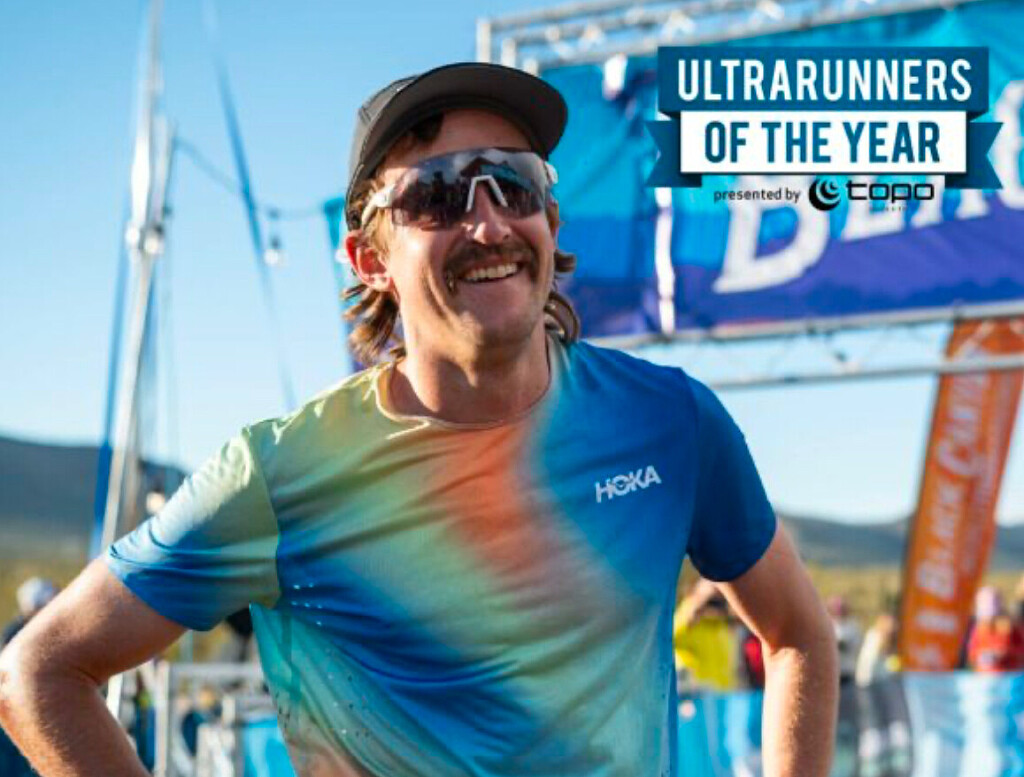
Hayden Hawks Named 2024 UltraRunner of the Year
Hayden Hawks has been named the 2024 UltraRunner of the Year, cementing his status as one of the most accomplished athletes in ultrarunning. The recognition comes after a stellar season highlighted by victories in some of the world’s most prestigious ultra-distance races.
The Cedar City, Utah native delivered standout performances, including a victory at the Courmayeur-Champex-Chamonix (CCC) 101K on Mont Blanc. Known as one of the toughest races in the Ultra-Trail World Tour, the CCC is a proving ground for elite ultrarunners, and Hawks’ 10:20:11 finish solidified his dominance on the global stage.
He also claimed victory at the highly competitive Black Canyon 100K in Arizona, where he not only won but set a new course record with a time of 7:30:18. His season was rounded out with podium finishes at races like the Western States 100, where he placed third in 14:24:31, and the Julian Alps Ultra-Trail in Switzerland, where he finished second.
Hawks lives in Cedar City with his wife, Ashley, and their two children. Balancing a demanding training schedule with family life, he credits his support system for his success, calling his family his “greatest motivation.”
Hawks’ achievements in 2024 highlight his versatility across different terrains and conditions. Whether racing on the mountainous trails of Europe or the arid landscapes of the American West, Hawks has consistently demonstrated his ability to adapt and excel. His Black Canyon course record and CCC triumph underscore his speed, endurance, and tactical prowess.
As the 2024 UltraRunner of the Year, Hayden Hawks has not only etched his name into the sport’s history but also inspired countless runners worldwide to push their limits. With a career that continues to rise, the running community eagerly awaits what 2025 will bring for this ultrarunning star.
Login to leave a comment
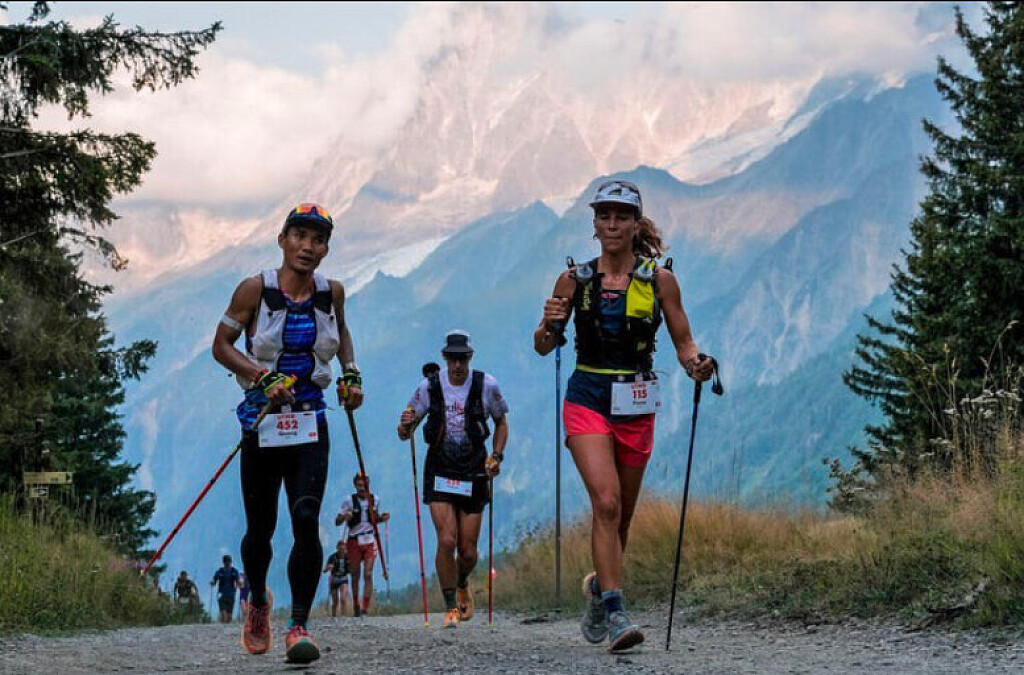
How Recreational Runners Get Through UTMB: 'It's All About Digging Deep into Yourself'
Wearing purple shorts, a blue and white tie-dyed T-shirt, a bright pink hat, a light blue Salomon hydration pack, fluorescent yellow-rimmed Oakley sunglasses, and a pair of Hoka Speedgoat 5 shoes, Chaiwen Chou was a vibe as she crossed the finish line of Ultra-Trail du Mont-Blanc (UTMB) on Sunday afternoon in Chamonix, France.
Chou, who had also freshened up the pink and purple tint of her hair before the race, stood out among the numerous other dusty and weary runners clad in more traditionally colored trail garb as they took their final strides in the epic 106-mile race around the Mont Blanc massif.
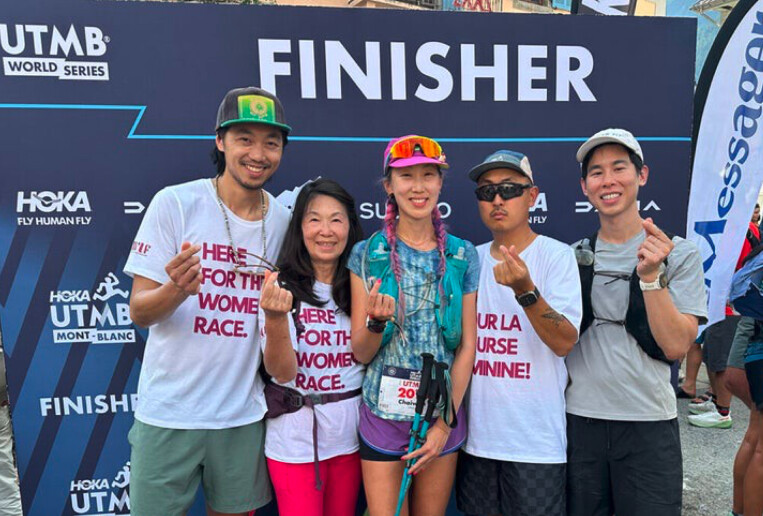
But what was most remarkable about the 41-year-old software developer from New York City was the huge smile on her face and expression of pure joy that emanated from her. When she arrived at the finish line after 45 hours and 15 minutes of running-about 75 minutes before the cutoff-she was beaming ear to ear and greeted with big hugs from her mom, brother, partner, and a good friend who helped crew her on her journey.
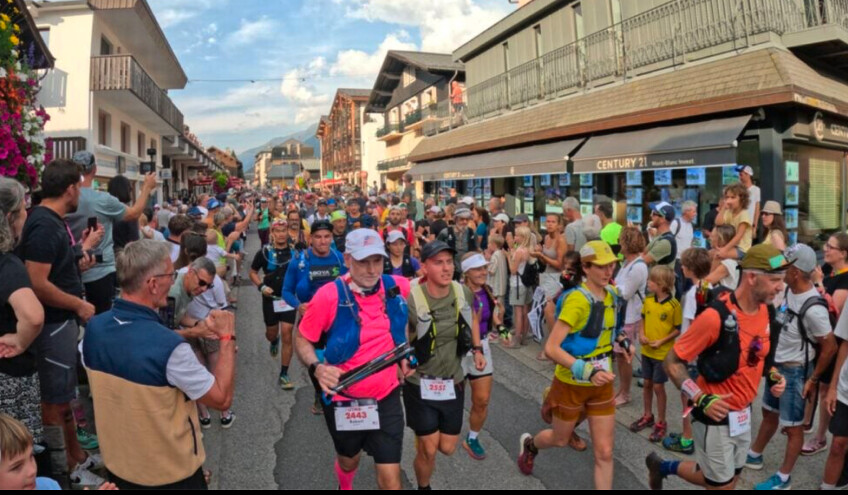
While her interest in running started on a bit of a whim a decade ago, her continued passion and progression have led her to run more than 30 trail running races, including the biggest and most celebrated one in the world. On Sunday, she was one of 95 American runners to complete the grueling UTMB course.
"So when I turned 30, I had this typical New Year's resolution, like, I want to get fit, I want to learn how to run," said Chou, who grew up in Massachusetts. "And then I met a friend who ran, and I started running with him and doing group runs. And then we started running trails, and we specifically entered The North Face Endurance Challenge, and that's where I ran my first marathon, and fell in love with trail running and then learned about ultrarunning and this whole world that I never even knew existed."For many recreational ultrarunners from around the world like Chou, UTMB sits at the top of their lifelong bucket list. It means starting at the same time as the elite professional runners on Friday evening in Chamonix, and maneuvering through the same rugged and aesthetic 106-mile loop with a daunting 32,000-feet plus of climbing and descending. It's historic, and the crowds and the energy around it are unparalleled.
It's also a monumental challenge to complete.
Trail Running's Infectious Buzz
Ultra-trail running is having a moment right now-especially since the end of the Covid pandemic-but it probably started a decade ago as the urge to run beyond the marathon gained mainstream traction and destination races around the world started to become desirable goal races for recreational runners.The North Face Endurance Challenge began as a singular 50-mile championship-style trail race near San Francisco in 2006 with a $30,000 prize purse, but it evolved into a multi-distance race weekend (from 10K to 50 miles) aimed at encouraging runners of all abilities to immerse themselves in the sport. After a few successful years of the event in Mill Valley, California, it expanded to several locations across the U.S.-upstate New York, Madison, Wisconsin, and Washington D.C., among others-and around the world.
Although The North Face pulled the plug on the series in late 2019 with a suggestion that it was going to reimagine the event format, nothing ever materialized after the Covid-19 pandemic temporarily disrupted the world-and specifically running events-in 2020. But those events played a big role in introducing runners and non-runners alike to the unique aspects of trail running, and many of those who caught the bug-like Chou-have continued to chase their passion in global events like the UTMB World Series.
Chou and her friends returned to The North Face Endurance Challenge four years in a row and she upped the ante each time, going from the marathon to the 50K and finally to consecutive finishes in the 50-miler. She competed in the 50-mile race in San Francisco in 2017 and 2019 and then started traveling to other races around the U.S. and eventually around the world. By 2020, she had completed the Madeira Island 115K race in Portugal and the Tarawera Ultramarathon 100-miler in New Zealand.
Once Covid subsided, Chou set her sights on trying to get into UTMB, which she did by collecting running stones and finishing seventh at the Grindstone 100 amid torrential rain storms last September in northwest Virginia. Her training for UTMB was interrupted in February when, just a week after she found out she secured an entry into UTMB through the lottery, she broke her ankle. Then once she got to Chamonix a week before the race, she smashed her left knee on a shakeout run and it swelled up pretty badly.
As such, her UTMB experience was rougher than she had hoped-the 80-degree heat and the 32,000 feet of vertical gain and descent pushed her to her limits-as she had challenges fueling consistently and also got sick several times. But she persevered and reached her primary goal of finishing.
Officially, she was the 1,542nd finisher out of 1,760 runners who completed the full loop. (A total of 1,001 runners started but did not finish.) She did whatever it took and she crossed the finish line.
"So this is the first time I've been in the Alps, and I'm just blown away by how beautiful it is," she said. "Even though I was in pain pretty much the whole race because the climbing and the elevation gain here are insane compared to the East Coast! But it was just so beautiful everywhere. It's pretty crazy. But you get to be out there all day though, so that's fun."Every Runner Has a Story
Becky Convery only started running four years ago in the middle of the Covid lockdown. What started as short, occasional runs turned into a passion for trail running that was fueled, in part, by doing group runs with the Virginia Happy Trails Running Club.
Like Chou, Convery also qualified for UTMB through the Grindstone 100. The 58-year-old Washington D.C. attorney almost quit that race, but she dug deep to finish. During UTMB, Convery dealt with GI issues from early on in the race and couldn't keep any food down. It was so bad, she almost dropped out at the 51.5-mile aid station in Courmayeur, Italy. But then she thought of Wayne Chang, a running buddy from Virginia, who did just that last year and immediately regretted it. With her friend's experience top of mind as she struggled, Convery persevered and finished in 45:27 with an hour to spare."I wanted to quit at Grindtone last fall. I was miserable and just wanted to go to bed, but he wouldn't let me quit," Convery said. "He's like, 'Look, I quit UTMB and I woke up a couple hours later, and I was like, 'Oh my God, what have I done?' So when it got hard out there (during UTMB), I thought of Wayne, and even though I couldn't keep food down, I said to myself, 'What would Wayne do?' He'll kill me if I quit, so I knew I couldn't quit. So I just kept going."
As much as UTMB gets considerable international notoriety for the livestream and media coverage around the elites-and understandably so, it draws many of the world's best runners-at the heart, UTMB is a personal journey of courage, commitment, and hope for most of the 2,800 runners who toe the starting line.
And really, that's what the entire sport of ultra-trail running is all about and what differentiates it from road racing. For many, it's not about racing at all-competing against other runners or even the clock-it's about challenging yourself and the natural terrain in pursuit of a dream that might seem like it's on the realistic edge of your abilities.
"It's all about digging deep into yourself," Convery said. "With this race, it's so international and there are so many nations represented, it's just an amazing time up there. Even though most people don't speak each other's language, everybody gets it. Everyone is pulling for each other. It's a great environment out there. I'm glad I made it."
Going the Distance
That's always been the case for 67-year-old Mike Smith, a retired resident of Santa Fe, New Mexico, who reached the finish line 15 minutes after Convery. It was Smith's second year in a row finishing UTMB, and because he won his age group at the Canyons 100K in April, he'll likely be back next year.
"The best part about it is always the people," Smith says. "But, oh gosh, chasing the time cutoff at that last aid station, that hike up to the La Flegere ski area, that's always a challenge."Smith relishes in those kinds of ultra-trail challenges. By reaching the finish line in Chamonix, he recorded the 224th 100-mile trail race finish of his career dating back to the mid-1990s. According to an ultrarunning history site, he ranks No. 2 in the world in all-time 100-mile finishes and first among 100-mile trail races. (Last year's UTMB was his 205th finish, which means he completed 18 100-mile ultra-trail races in the interim.
"This is always a spectacular finish," said his wife, Sandra, who wrote a book about what it's like to crew her husband at races. "This is one of the most exciting finish lines there is. The finish lines at smaller races are exciting because there's such a close community of people, but here, there are so many people from around the world, and that's just wonderful."
In all, 2,761 runners started this year's UTMB and 1,760 finished, including 95 U.S. runners who reached the finish line (out of 152 American starters) under the cutoff. Frenchman Vincent Bouillard was the overall winner in 19:54:23 on Saturday afternoon, but 20 hours later there were still about 1,000 runners moving toward the finish line and trying to beat the 46.5-hour cutoff on Sunday afternoon. Among the 95 U.S. finishers, 41 completed the course after the 40-hour mark.
Lamont King, 51, a runner from Roseville, California, has watched and been inspired by runners finishing in the golden hour of the Western States 100 as a fan and as a board member of the race for years. So finishing UTMB on his first try in 45:59-about 30 minutes before the cutoff-was a special moment for him.
"The race was very, very tough. We just don't have that kind of vertical in California where I'm from," said King, who has been trail running for 20 years. "But it's just amazing to be in this scenery in the mountains. It's just fantastic, and it makes up for a little bit of pain. I did have to push a little bit more than I probably would've liked, but I got it done. Coming in with all those people cheering for you in that final finish is almost overwhelming. It's just beautiful."
by Trail Runner Magazine
Login to leave a comment
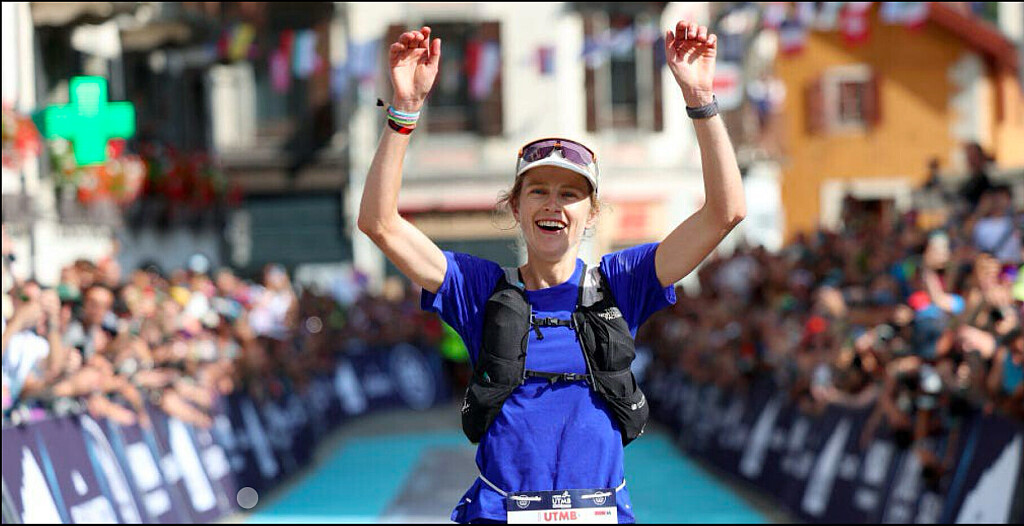
American Katie Schide Shatters Courtney Dauwalter’s Course Record to Win UTMB
She’s now the third woman to win both Western States and UTMB in the same year.
Katie Schide is on a tear.
On Saturday, the American won the women’s race at the Ultra-Trail du Mont-Blanc (UTMB) in dominant fashion, finishing the 109-mile race in 22 hours, 9 minutes, and 31 seconds. Her time is 21 minutes faster than Courtney Dauwalter’s course record of 22:30:54 from 2021.
Schide, 32, is undefeated this year, winning the Canyons 100K in April and the prestigious Western States 100 in June.
Ruth Croft of New Zealand was 39 minutes behind Schide in second place (22:48:37). She passed Canada’s Marianne Hogan—who would finish third in 23:11:15—just after the 100-mile mark. Dauwalter, who won the Hardrock 100 on July 12, did not compete in this year’s edition.
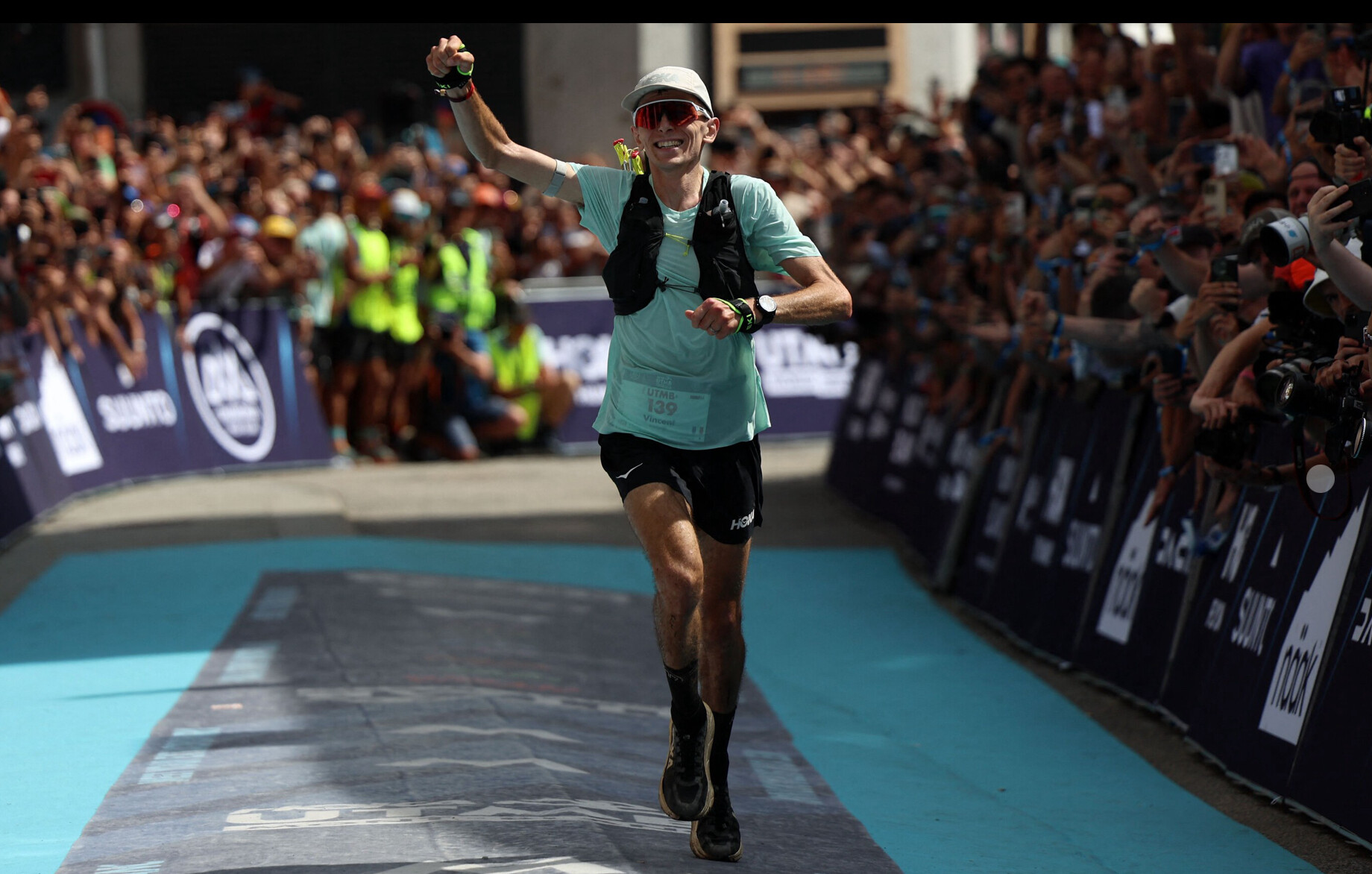
In the men’s race, Vincent Bouillard of France was not favored to win, but he ultimately took the crown. He went to the lead after 48 miles and never relinquished it, crossing the finish line in Chamonix in 19:54:23. His compatriot, Baptiste Chassagne, was next to finish in 20:22:45, while Ecuador’s Joaquin Lopez placed third (20:26:22).
Last year’s champion, Jim Walmsley of the U.S., withdrew just after 50 miles because of a knee issue, according to a post on his Instagram story. He remains the only American man to win the race.
UTMB has been contested since 2003. The course—which slightly changes year-to-year—starts and ends in the French Alpine town of Chamonix and traverses through Italy and Switzerland along the way, covering over 30,000 feet of elevation gain.
This is Schide’s second time winning the event after taking top honors in 2022. Originally from Maine, Schide now trains in France and is sponsored by The North Face.
In the final 7 kilometers, a downhill section, she was over 20 minutes ahead of course record pace, but she started limping. The buffer, however, was enough, and by the end, the hitch in her stride had mostly dissipated.
Schide said in a post race interview on the UTMB broadcast that her main goal was to dip under the 22-hour barrier, followed by a secondary goal breaking Dauwalter’s time from 2021. Schide went out hard in the first half—like she did in 2022—but she said winning two years ago gave her some much-needed context.
“I think this race, I just went in more confident in myself and I wasn’t surprised that I was fast,” she said. “Whereas in 2022, I was kind of freaking out because I was like “Oh, I didn’t really mean to do that.’ But this time, I meant to do it, and I was just focused on trying not to die too hard at the end.”
Schide now joins Dauwalter (2023) and Nikki Kimball (2007) as the third woman to win both Western States and UTMB in the same year.
Login to leave a comment
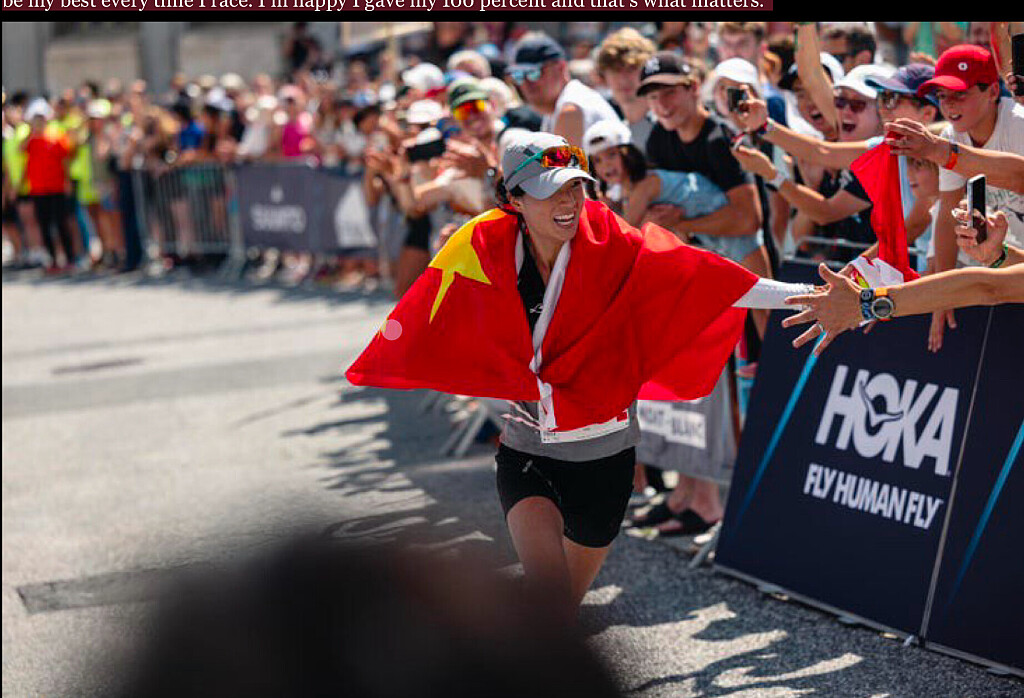
USA’s Eli Hemming and China’s Miao Yao Make History at 2024 OCC
It’s the first time an American or Chinese runner has won the prestigious 57K trail race that serves as a de facto global trail running championship. All year, Eli Hemming said his primary focus was charging up and over the La Flégère ski resort on the last climb of the Orsières-Champex-Lac-Chamonix (OCC) race at the UTMB World Series Finals to then break the finish line tape in Chamonix, France, as the champion.
That’s almost exactly how it played out on Thursday afternoon. The 29-year-old runner from Kremmling, Colorado, fended off the world closing in around him as he overheated under a humid, sunny 80 degree day, as well as a hard-charging Francesco Puppi, to win the 57K (36-mile) race in 5 hours, 11 minutes in 48 seconds. In doing so, he not only claimed a UTMB-Mont Blanc Finals title and the 13,000 euro (about $14,400) prize, he became the first American ever to win the prestigious race that serves as the de facto global championship at the shorter ultra distances.
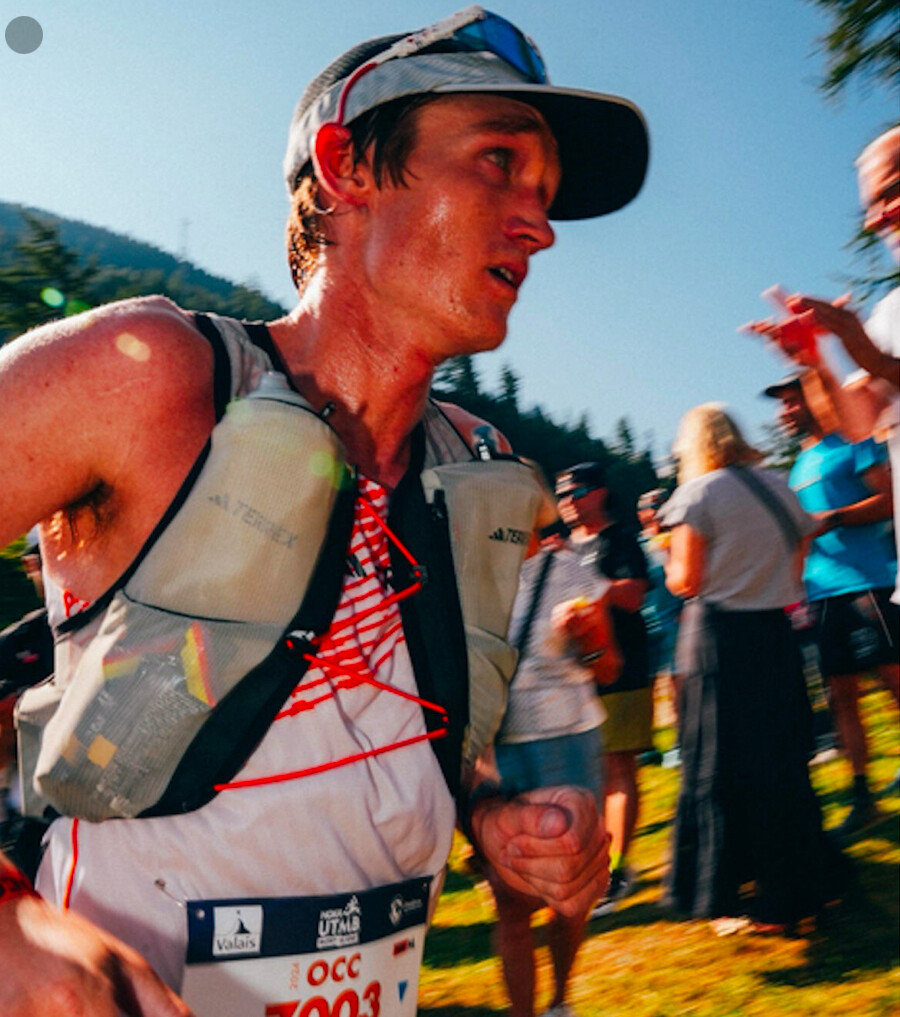
But the race was a dastardly tilt, and Hemming had to turn himself inside out to get the win. It figured to be a grueling battle, both because of the 11,500 feet of elevation gain and descent but also because of the strong field of international runners and hot, humid weather with sunny skies soaring into the 80s under the early afternoon sun. Hemming went out hard early in the race, but he didn’t feel compelled to challenge for the lead up the first two climbs over the first 9 miles. That’s because fellow American Christian Allen was absolutely flying off the front, as the 26-year-old runner from Orem, Utah, surged to the lead from the gun and led by more than 2 minutes through the 15-mile mark as he passed through Swiss the village of Trient. But that’s where the runners faced the toughest test of the race, a spikey 4-mile, 2,300-foot technical climb to the Chalet des Grands before continuing upward on slightly less steep terrain to the Col de Balme mountain pass. In all, it’s a 3,000-foot ascent over about 6 miles to the 7,200-foot high point on the course.
That was the first crux of the race, and that’s where Hemming took charge. As Allen faded, Hemming surged up the big climb as several other speedy runners gave chase, including Swiss runner Remi Bonnet who is known for his uphill running abilities. But Hemming had been waiting for this all year and specifically trained on long mountain ascents near Breckenridge, Colorado. He continued to surge across the Swiss-French border and up to the pass, building a nearly 7-minute lead over Spanish runner Antonio Martinez Perez.
From there, Hemming extended his lead to 10 minutes on the 7-mile, 3,000-foot descent to the French village of Argentière. But with one more big climb—a 3.5-mile, 2,000-foot technical grind to 6,200 feet atop the ski resort—he was anything but home free. Early in the climb, he slowed from a run to a walk, and even stopped at one point midway through the climb, bent over and rested his hands on his knees. He looked in distress, but eventually gathered himself and started running slowly up the hill again.
Perez had been charging up the mountain behind him and there was a brief moment where it looked like Hemming’s lead might be in jeopardy. But he managed to reach the final checkpoint at the 50K La Flégère aid station in first, and immediately looked better as he began the 4-mile descent down to Chamonix. Although he had gained ground, Perez felt the impact of the climb, too, and was caught by Italian runner Francesco Puppi before reaching the ski resort aid station. After a cordial acknowledgement as he passed, Puppi suddenly had a new spring in his step. He surged up the final 200 meters to reach the checkpoint about 4 minutes after Hemming then began bombing down the rocky, rooty dirt trail in pursuit of the leader.
Up front, Hemming had recovered slightly, running smoothly albeit without the intensity of a couple hours earlier. Puppi was clearly running faster. What had been a 10-minute lead at the 28.2-mile mark had greatly diminished with less than 3 miles to go. But with every stride, Hemming was one step closer to his year-long goal of winning OCC and he wasn’t going to let it slip away.
When he reached the edge of the Chamonix pedestrian village, he was quickly re-energized by the throngs of cheering spectators and increased his pace briefly as he dashed through the winding 200-meter section before slowly slightly on the final blue-carpeted approach to the finish line.
“I was trying to pace it as well as I could, and I knew if I made it over Col de Balme with a good gap, unless I blow up—which I did a little bit—I knew I could hold up pretty well to the end,” Hemming said. “It ended up being a bit of a grind. I knew I had about a 10-minute lead at Argentière, but I was very much overheated and the walls started closing in a bit. I tried to take a little time to cool down, but I knew I had to keep moving and just make it to the top.”
Still running hard, Puppi dashed through the village three minutes later to finish second in 5:14:46, followed by Perez in third at 5:17:56, China’s Juwei Zi in fourth (5:22:17), and Aritz Egea Caceres in 5th (5:27:07). Nick Handel, a 32-year-old runner from San Francisco, was the second American runner in the men’s race, finishing 13th in 5:41:08. The victory is the first big international win for Hemming, who transitioned into trail running in 2021 after several years as a professional triathlete. Hemming has won several domestic 50K races in the US, including the Canyons Endurance Runs 50K on April 26 in Auburn, California. Last year, he placed second to Bonnet in the Mont-Blanc Marathon and also finished fifth in the Golden Trail World Series Final 20K championship in Noli, Italy. For a while, it looked like Hemming, and his 27–year-old wife, Tabor, might be on the verge of one of the best trail running stories of the year. They decided to part ways with sponsor Salomon, in the offseason, and sign with the Adidas-Terrex team at the start of the year. While they both raced well early in the season—Tabor took third at the Canyons 50K in April and third at the Broken Arrow Skyrace 25K in June—they opted not to race as much this year as they’ve been known to. They also decided not to join their new teammates at an extended Chamonix training camp in late July and instead stay home and train at high-altitude in central Colorado.
Knowing what they’d be facing on the course, they sought out long climbs near Breckenridge and Frisco that topped out between 12,000 and 13,000 feet—including Wheeler Pass between Copper Mountain ski resort and the community of Blue River. “The course is fast and steep, but it’s also very runnable,” Tabor said. “We knew we could get quality training at home, so we used those climbs to train, so we were happy to stay at home and run the places we know best.”
Tabor looked great early in the race, running with a strong pack of lead women that included Judith Wyder of Switzerland, Clementine Geoffray of France, and Miao Yao of China, plus Spain’s Sara Alonso, New Zealand’s Caitlin Fielder, and fellow Americans Dani Moreno and Allie McLaughlin.
Wyder was the early leader and figured to be tough to beat—despite a recent bout of COVID. She had earned the silver medal in the 50K race at last year’s World Mountain and Trail Running Championships in Austria, and more recently took second in the 20K mountain running race at the European Championships and first at the Mont-Blanc Marathon in early July. Wyder led Geoffray, Moreno, McLaughlin, and Yao through the initial 4.5-mile climb to Champex, then expanded her lead to the top of the second climb at the 6,200-foot summit of La Giete as Yao and Alonso maneuvered into the second and third spots. But following a similar strategy as her husband, Tabor took the lead on the long downhill into Trient and began to surge on the technical climb up to Chalet des Grands with Yao, Wyder, Alonso and McLaughlin in tow. Hemming ran in the lead for part of the climb, but she paid for the aggressive move. Wyder and Yao overtook her and those two separated from the rest of the field. They dueled back and forth but Yao took the lead over Col de Balme and would never relinquish it. She seemed to get stronger as the race went on and she extended the gap on Wyder to 4 minutes at La Flégère ski resort.
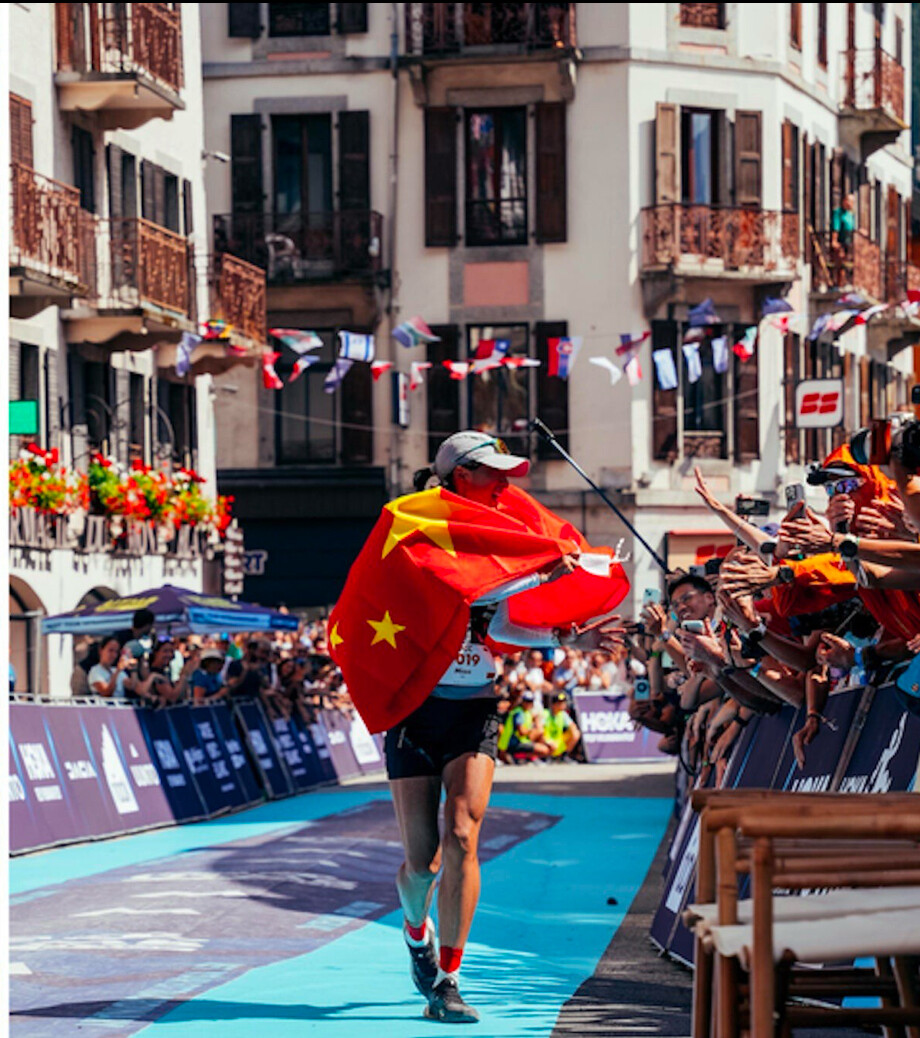
From there, Yao cruised into Chamonix to secure the first win by a Chinese athlete at OCC in 5:54:03. With a 2018 CCC win already under her belt, she also enters the rarified air of having two UTMB World Series Finals championship titles to her name. Wyder was second in 6:00:05, followed by Geoffray in third at 6:02:10, Alonso in fourth (6:05:15), and Fielder in fifth (6:05:46). Moreno, who was third in the OCC in 2022 and dropped out last year, ran a strong second half to finish sixth as the top American in 6:06:59. Tabor Hemming continued up and over Col de Balme but slowed significantly and eventually dropped out at Argentière.
“I’m really happy about my race. It was really fun out there to compete with such strong ladies,” Wyder said, “Miao Yao was flying in the end. I’m so proud of myself to be back and to be able to be racing healthy. I didn’t think about [having COVID recently]. Today I was really happy with my performance and with my legs today.”
Login to leave a comment
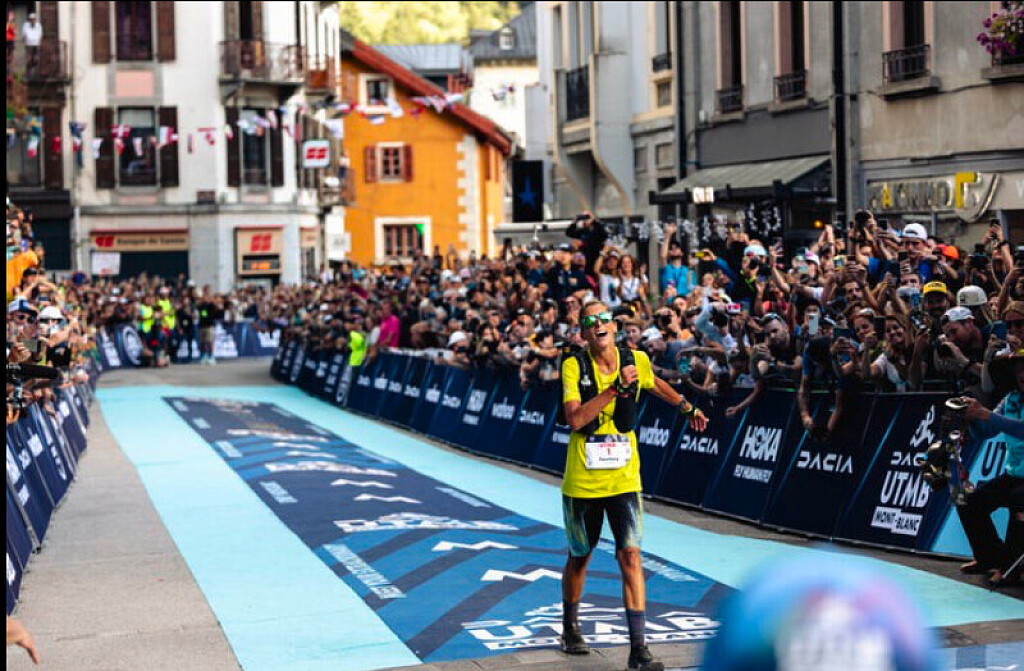
UTMB Is Having a Golden Moment. But It’s Delicate.
After a year that included a maelstrom of controversy, the world’s most prominent ultra-trail running event has righted its path
“It felt like a golden era of trail running.”
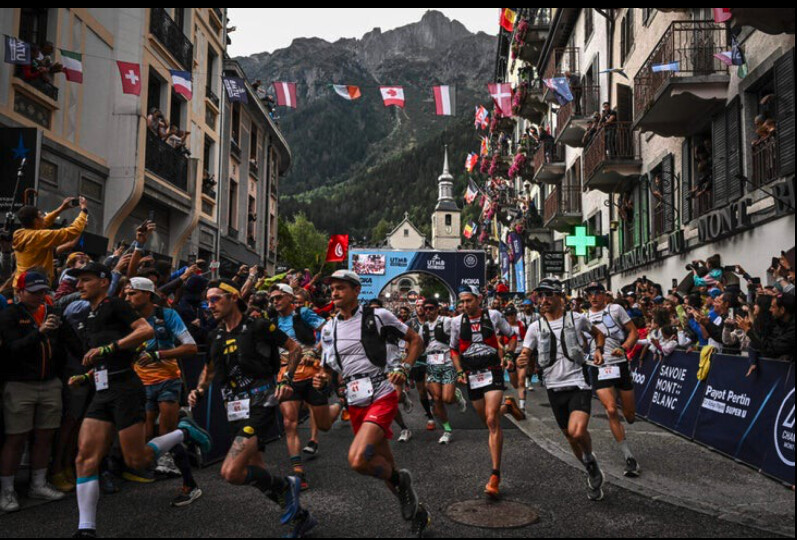
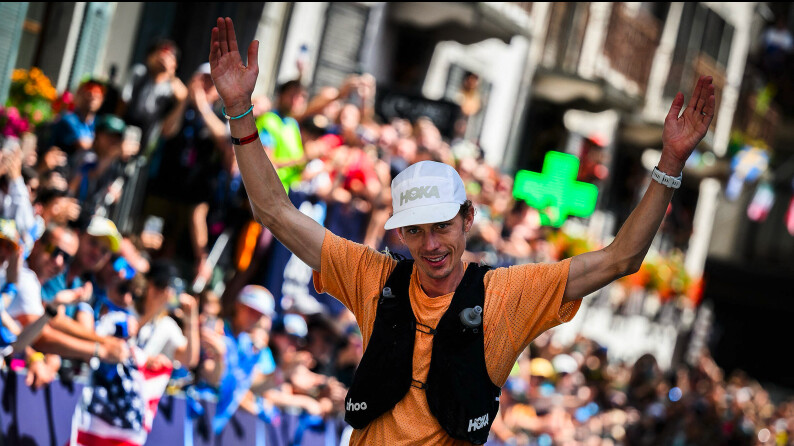
That quote came from Keith Byrne, a senior manager at The North Face and a UTMB live stream commentator for nearly a decade, who was talking about last summer’s UTMB World Series Finals in Chamonix, France.
The UTMB races during the last week of August last summer were, I thought, the most alluring in the event’s 20-year history.
After years of being frustrated by the course, American Jim Walmsley finally put it all together for a victorious lap around Mont Blanc. In doing so he became the first U.S. man to win the race, setting a course record of 19:37:43. He and his wife, Jess, had moved from Arizona to live full-time in France to make it happen. And then there was Colorado’s Courtney Dauwalter, who won the race handily in 23:29:14 to notch her third victory and continue the strong legacy of American women on the course. The win felt extra historic because it made her the first person to win Western States, Hardrock, and UTMB in the same year—arguably the three most legendary and competitive 100-mile events in the world, and she dominated each one.
The events came off without a hitch and included record crowds in Chamonix, plus a record 52 million more tuning into the livestream.
Throughout the fall and winter, harmony and happiness seemed to give way to chaos and discontent. But a year later, as the UTMB Mont Blanc weeklong festival of trail running kicks off on August 26, everything seems back to normal in Chamonix. What happened along the way is a tale of drama, perhaps both necessary and unnecessary, all of it culminating in course corrections by the multinational race series.
In short, what a year it has been for UTMB.
And now, hordes of nervous and excited runners from all corners of the globe are descending on Chamonix for this year’s UTMB Mont-Blanc races. Registration for UTMB World Series events is reportedly up about 35 percent year over year with even greater growth in interest for OCC, CCC and UTMB race lottery applications. There is more media coverage, more pre-race hype, and more excitement than ever before. More running brands are using the UTMB Mont Blanc week to showcase their new running gear with media events, brand activations, and fun runs. Even The Speed Project—although entirely unrelated to UTMB—chose Chamonix as the starting point of its latest so-called underground point-to-point relay race to try to catch some of the considerable buzz UTMB is generating.
So what happened? Did the UTMB organization do its due diligence and make amends with several significant changes in the spring? Was the angst and stirring of emotions just not as widely felt as the fervent bouts of Instagram activism claimed it to be? Have the participants and fans of the ultra-trail running world suffered amnesia or become ambivalent? Or is it all a sign of the race—and the entire sport of trail running—going through growing pains as it adjusts to the massive global participation surge, increased professionalism, and heightened sponsorship opportunities?
On the eve of another 106-mile lap around the Mont Blanc massif, I wanted to take a look at what happened and the current state of UTMB’s global race series that culminates here in Chamonix this week.
We caught a glimpse of what was to come shortly before UTMB last year, when the race organization announced the European car company Dacia as its new title sponsor. A fossil-fuel powered conglomerate didn’t sit well with some fans of the event, coming amid an era of widespread climate doom (even though the brand would be highlighting its new Spring EV at the UTMB race expo.) The Green Runners, an environmental running community co-founded by British trail running stars Damian Hall and Jasmin Paris, called it an act of “sportswashing” and released a petition calling on UTMB to denounce the partnership. (Hall even traveled all the way to Chamonix to deliver the petition in person.)
These grumblings of discontent and others that followed exploded into a social media firestorm shortly after UTMB. In October, it became public that UTMB had moved to launch a race in British Columbia, Canada, just as a similar event in the same location was struggling with permitting. A he-said, she-said back-and–forth left onlookers with whiplash. Then on December 1, UTMB livestream commentator Corrine Malcolm announced on Instagram that she had been fired and in late January, a leaked email from elite runners Kilian Jornet and Zach Miller to fellow athletes called for a boycott of the race series. All of it, jet fuel for social media algorithms.
“We’re at a turning point in trail running, but we can keep the core values if the community stands up,” the Pro Trail Runners Association secretary, Albert Jorquera, told me at the time.
In the midst of these dramas, I interviewed race founders Catherine and Michel Poletti over lunch at a Chamonix cafe. For nearly a decade now, I have met with the couple for candid conversations that helped frame online articles and magazine stories, and most recently for the book, The Race that Changed Running: The Inside Story of UTMB.
I plunged headlong into two articles with hopes of explaining it all. There was so much heat swirling around the UTMB stories, and so little light.
“The very thing that made ultrarunning so bonding was being torn apart by the community itself through social media,” said Topher Gaylord. A former elite runner who tied for second in the inaugural UTMB in 2003, Gaylord engineered UTMB’s first title sponsorship with The North Face and has been a close supporter of the Polletis for 20 years. “Some players are using social media to divide the community. That’s super disappointing.”
To me, it felt like the aggressive online activists were winning the day. Trail running suddenly seemed polarized, infected with the intertwined social media viruses of false indignation and close-mindedness. Twice, I deep-sixed my article drafts. Friends and editors convinced me they wouldn’t be read dispassionately. Who wants to be handed a fire extinguisher, when your goal is to torch the house?
Well, what a difference eight months can make. We now have some perspective and, with it, some answers.
Since its earliest days, UTMB’s volunteer founding committee believed in the values of the sport. The very first brochure produced for the race—a mere sheet of paper—featured a paragraph on values. In later years that statement became much more comprehensive, expanding to cover a wide range of topics and the race’s mission to support and protect them.
But maintaining those values in an organization that has gone from a singular race with a literal garden-shed office to a 43 global event series with a staff of more than 70 full-time employees is tricky at best. In an interview once, Michel Poletti paused, asking if I had seen a photo of a mutual friend that was making the rounds. He was climbing one of Chamonix’s famed needle-sharp aiguilles, one foot on each side of a razor sharp ridge—a perilous balancing act, big air on each side. It was his metaphor for trying to move ever up, while balancing business growth and heartfelt values.
Over the course of dozens of hours of interviews with the Polettis, I came to learn one thing: UTMB always moves forward up the ridge. In the process, UTMB corrects its course. It starts with a careful analysis after each edition, evaluating pain points in areas such as logistics, security, media, traffic, and others, discussing how they can be addressed. Historically, those course corrections haven’t been at the pace others might want—especially since the social unrest that developed during the Covid pandemic—but the organization has a reliable pattern of steadily addressing concerns.
And so, not too many weeks after that lunch meeting, UTMB set to work. First came a heartfelt effort they kept under the radar—traveling around the U.S. to listen and learn. They spent two weeks in the U.S. in February, visiting with American athletes, race directors, journalists, consultants, and their Ironman partners. “We need to learn from our mistakes and from this crisis,” Michel said.
Methodically over the ensuing months, UTMB rolled out a series of changes. Some were aimed at directly addressing the controversies, others were overdue for what is, by any metric, the world’s premier ultra-trail running event.
“My hope is that the trail running community understands that we are human,” Catherine had told me over the winter.
Four months ago, at the end of April, the race organization announced that Hoka would become the new title sponsor of UTMB Mont-Blanc and the entire UTMB World Series through 2028. It was a huge move because Hoka, one of the biggest running brands in the world, essentially doubled-down on its support of UTMB and trail running in general. The five-year deal brought benefits other than cash, too. Hoka has a strong history of inclusivity and growing representation among marginalized communities, an area UTMB has announced it intends to focus more on beginning this year. The deal also moved Dacia out of the title sponsor limelight, instead bringing a brand with a strong reputation in trail running to the fore.
Dacia was shifted to the role of a premier partner in Europe, and now plays an integral part in a new eco-focused mobility plan UTMB updated in July. Fifty of their cars can be signed out for use by over 70 staff and 2,500 volunteers, encouraging them to arrive in Chamonix using public transportation instead. The move is estimated to eliminate 200 vehicles driving into the valley. (The organization’s new mobility plan will transport an estimated 15,000 runners and supporters, eliminating the need for approximately 6,000 cars during the UTMB Mont-Blanc week. On average, a bus will run every 15 minutes between Chamonix and Courmayeur, Italy, and Chamonix and Orsières, Switzerland.)
In May, UTMB announced a new anti-doping policy it had developed with input from PTRA. The organization committed to spending at least $110,000 per year, money that will be allocated to test all podium finishers and a randomized selection of the 687 elite athletes in attendance. The new policies will be implemented by the International Testing Association, an independent nonprofit that has also conducted two free informational webinars for the 1,400 UTMB Mont Blanc elite runners.
Not long after the announcement, Catherine Poletti suggested this was just a start. Speaking at TrailCon, a new conference held in Olympic Valley, California, on June 26, she said, “It’s a first big step for us. And we’ll continue to develop this policy.” (The most important anti-doping protocol may still be beyond UTMB, however. “The elephant in the room is that we need a coordinated approach to establish out-of-competition testing,” Tim Tollefson, an elite U.S. runner and director of the Mammoth TrailFest in California, who spearheaded independent testing at his event in 2023. “Individually, we’re just lighting our money on fire.”)
In mid-June, UTMB addressed a longtime issue with top runners—prize money. A chunk of the funding from the ratcheted-up Hoka sponsorship was directed to supporting the bigger prizes for the OCC, CCC and UTMB races in Chamonix—about $300,000 this year, nearly double of 2023—as well as more prize money for the three UTMB World Series Majors. (The sequence was intentional. The organization wanted a new doping policy in place before increasing prize purses, since large cash awards are often thought to lead to a growth in doping.)
It’s a move that was long overdue—the most celebrated marquee event in any sport should reward its top athletes more than any other event—but not possible without Hoka’s increased involvement. The proposal was shared with PTRA in advance of the announcement, and the group provided feedback that was incorporated into the final divvying up of the purse. The total amount spent on prize money across all UTMB races is now more than $370,000.
“We increased the prizes quite dramatically,” said UTMB Group CEO Frédéric Lenart. “It’s very important for us to support athletes in their living.”
Finally, just last week, UTMB announced a new department within the company called “Sport and Sustainability.” The group is headed by longtime UTMB staffer Fabrice Perrin. He was a driving force behind the creation of UTMB’s live coverage back in 2012. Heading up relations with the pro athletes will be longtime elite trail runner Julien Chorier. Nicolas LeGrange, UTMB’s Director of Operations, will be in charge of sustainability and DEI, Diversity, Equity Inclusion.
On the DEI front, UTMB is calling its strategy “leave no one behind,” and they promise new initiatives coming this fall so that, according to Perrin, “every athlete feels a sense of belonging within our community,” he says. “I am committed to ensuring that we perfect symbiosis with the entire community of trail running.”
UTMB has already begun to embrace adaptive athletes, something it was criticized for lacking as recently as last year. This year’s UTMB Mont Blanc races will feature a team of 12 adaptive athletes who will be participating in the MCC, OCC and UTMB races. Under the direction of adaptive athlete and team manager Boris Ghirardi, who lost his left foot and part of his left leg after a motorcycle accident in 2019, the race organization recruited the athletes from around the world to showcase how adaptability and resilience are key elements of the UTMB values.
“I proposed this program to make a concrete action around adaptive athletes and the inclusion policy, and to prove that it was possible,” he said this weekend. “If you really get everyone working on this, you can change the game.”
And with that, UTMB Mont-Blanc 2024 is underway, resuming the golden era status that Byrne raved about last August. Starting this past weekend, banners have been unfurled over Place du Triangle de l’Amitié in the heart of Chamonix, kicking off the carefully choreographed trail running Super Bowl that is UTMB. The excitement begins on August 26 and culminates as the race for UTMB individual crowns reach a tipping point on August 31. (The golden hour of the final finishers on September 1 will be something to behold, too.)
“It’s like wrapping the Tour de France, Burning Man, and the biggest industry trade show into one giant, week-long festival,” Gaylord says. “It’s an amazing week for our sport, one of the biggest showcases we have.”
The aura of Chamonix and the opportunity to run a race there is drawing as much or more interest than ever before. It is perhaps the essence of what will keep the UTMB World Series afloat into the distant future. Runners will continue to chase Running Stones at qualifying events around the world, knowing the carrot of running one of the races around the Mont Blanc massif is second to none.
Trail running is booming on a global scale, and it’s not just UTMB shouldering the burden or reaping the benefits. The Golden Trail World Series, Spartan Trail Running, Xterra Trail Running—and even the World Trail Majors, Western States 100, and dozens of other more prominent trail races—are all trying to get a bigger piece of the pie, either by way of money or relevance.
UTMB Mont Blanc, as trail running’s most important race, is at the very beating heart of it all. And trail running is a soul sport, so when change and growth happen, it can feel threatening to all of us whose lives have been changed for the better by time spent with dirt underfoot and blue sky above. UTMB is big enough now that it’s urgently important that it make changes judiciously and preemptively.
As the world’s most significant trail race, the consequences of UTMB’s choices will ripple throughout the ecosystem. UTMB understands this. “Do we owe something to trail running? Yes, of course we do,” Michel Poletti once told me. That’s truer than ever now.
At TrailCon in June, Catherine Poletti summed up UTMB’s challenge. “Trail running is changing around the world. We’ve seen that evolution over 20 years. We need to adapt, to find a good balance, to accept different models and ways of organizing.”
Back in August 2021, I wrote an article here called, “UTMB, Don’t Break Our Hearts.” It came the summer after the organization announced its investment from the Ironman Group. Change– big change– was everywhere. Could the race around Mont Blanc maintain its soul and passion amid talk of multinational sports marketing, we all wondered? Michel Poletti closed the interview by saying, “Nous prenons un rendez-vous dans trois ans.” Simply translated: “We’ll schedule an interview in three years.”
Three years is now, and both UTMB and trail running’s landscape have changed dramatically, if not literally then certainly figuratively. We’ve seen UTMB adjust its rudder this past year, responding to concerns. Perhaps not at the pace any individual or specific group would like, and not to the extent some would wish. But it’s happening, and for that we should all breathe a cautious sigh of relief. Because if you love trail running, you have to care about what happens at the world’s biggest trail race.
As I write this in Chamonix very early on the morning of August 26, overcast skies are parting and blue skies are in the offing. The forecast for the week ahead is for bright sun with a few clouds. It’s a workable enough metaphor for trail running’s future. But one thing has to happen for it to come true. The race that changed running needs to continue to listen to its stakeholders around the world, and engage with them as it grows and develops in the days ahead. If that happens, Byrne’s vision of the golden age of our sport just might linger on. I can hope.
by Outside Online
Login to leave a comment
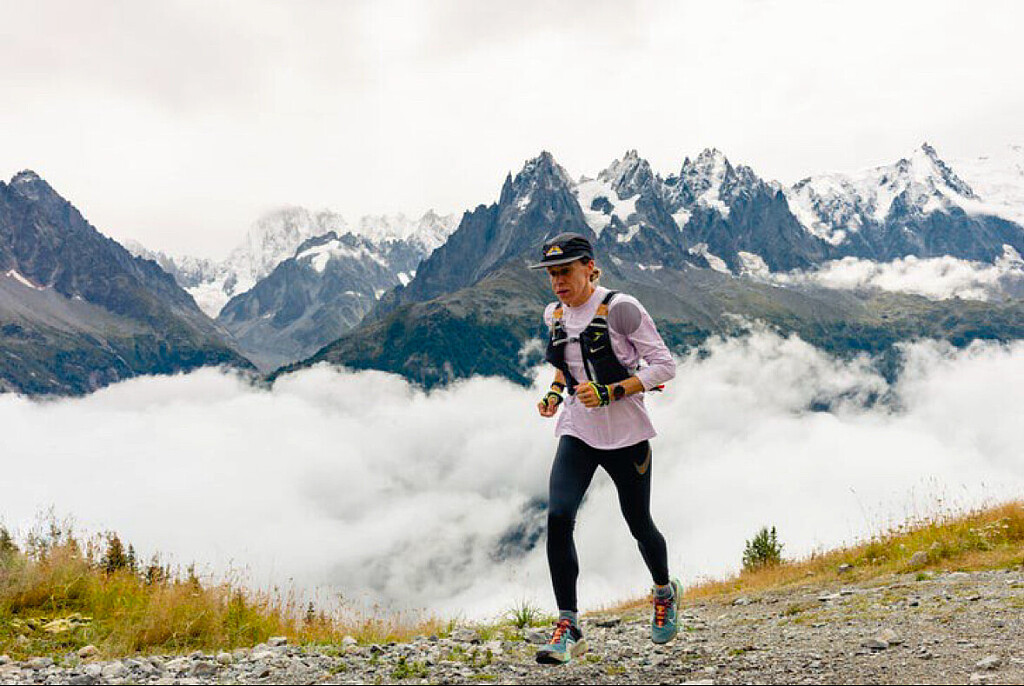
How To Watch the 2024 Ultra Trail du Mont-Blanc Races
The most-anticipated annual event of the trail running universe takes place from August 26 to September 1
This year’s Ultra-Trail du Mont-Blanc is right around the corner—which means some of the best athletes in the trail-running universe will be meeting up in Chamonix, France, to test their mettle on one of the sport’s biggest stages.
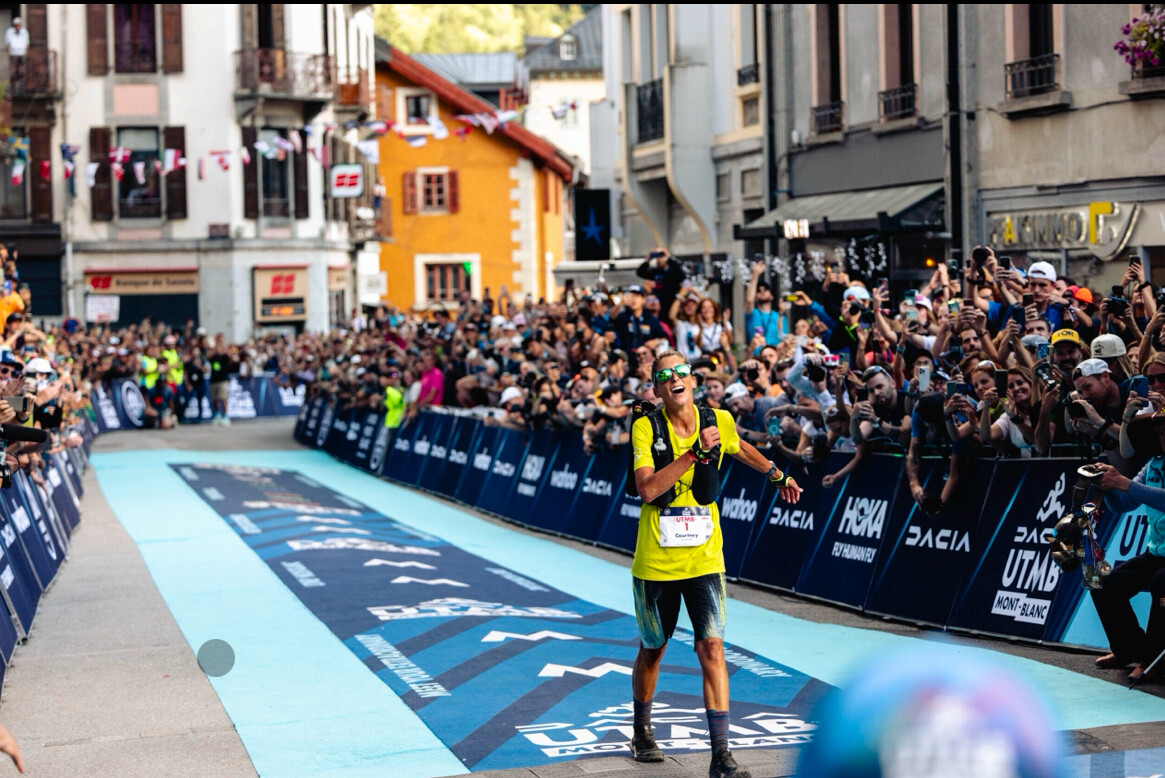
With double the prize money on the line this year, athletes will have more to fight for than ever. And you can get a front seat to the action without leaving home. Here’s how to watch the 2024 UTMB World Series Finals, including the 50K championship, OCC, the 100K championship, CCC, and the grand finale 100-mile championship, the 106-mile Ultra-Trail du Mont-Blanc (UTMB), from August 29-September 1.
What started as a stand-alone race has transformed into a weeklong festival of alphabet soup acronyms. There are eight total races during the week from August 26-September 1, but the three races that make up the official UTMB World Series Final—the OCC, CCC, and UTMB—will all be brought to you via drones, bike and runner follow cams, and non-stop commentary.
Last year, Outside and UTMB World Series teamed up to make it easier to stream the UTMB’s top trail-running events. This year, the partnership continues—which means you can watch 10 of the series’s best events live on Outside TV.
The championships racing action starts on Thursday, August 29 with the OCC as runners start from Orsières, Switzerland (and race the final third of the loop to Chamonix). The action continues straight into Friday morning with the start of CCC in Courmayeur, Italy (which sends runners along two thirds of the loop to Chamonix), and culminates with the crème de la crème, the full-loop UTMB, which kicks off in downtown Chamonix that evening at 6 P.M. local time. The 106-mile race with roughly 32,800 feet of climbing and descending is a time-honored test piece for lifelong ultrarunners, up-and-coming rookies, and elite-level pros alike. For many, it’s the most anticipated trail race of the year.
All three races, OCC, CCC, and UTMB, will be available to watch for free on Outside TV. If you’re sleeping and miss the action live, no sweat. Outside+ members will also be able to watch on demand after the finish anytime, on any device.
Login to leave a comment

The Incredibly Specific, Occasionally Gross Food We Eat to Fuel Our Ultras
The strangest and most distinct snacks we can’t live without when we’re on the trail all day The Ultra-Trail du Mont-Blanc (UTMB) World Series Finals kick off on August 26 and run through September 1. The annual finale is made up of three races: the Ultra Trail du Mont Blanc Orsières-Champex-Chamonix (50K), the Ultra Trail du Mont Blanc Courmayeur-Champex-Chamonix (100K), and the classic UTMB (100M), across France, Italy, and Switzerland.
Sure, crowds come for the world-class athletes and spectacular views of the Alps, but, some might argue, another big draw is the food—and even the race participants get a taste on the course. Much of the fuel at aid stations are sourced from nearby communities, who bring their best. Think: locally made croissants, bread, cheese, and prosciutto.
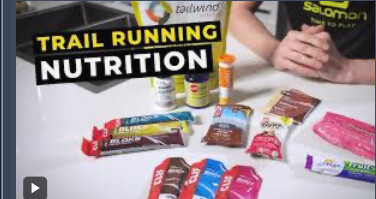
But for those of us who haven’t had the pleasure of running by tents filled with freshly baked French baguettes on our long runs, here’s the weird, the specific, and the sometimes gross on how we fuel our adventures.
On a 13-hour, nearly 10,000-vertical foot ridge scramble/romp through the high peaks in New Mexico a few years ago, I fueled with the food of the gods: birthday cake in a bag. I had somehow scammed my way into having three cakes at my birthday dinner a few nights prior and figured the calorie-to-weight ratio of buttercream frosting couldn’t be far off from Gu. So I cut a generous piece of birthday cake, put it in a Ziploc, and stashed it in my pack. By the time I went to eat it, it had lost all structure and I could easily squeeze it directly into my mouth from a hole —Abigail Barronian, senior editor, Outside
The last time I ran 100 miles, it was a self-supported multi-day journey through the English countryside. The bad news: no aid stations. The good news: pubs and cafes at far greater frequency. I was able to refill my vest with raisin scones and coffee every ten miles. By itself, a scone is pretty dry. But combined with a mouthful of coffee (or even water), it becomes an easy-to-digest, carby snack that’s just the right amount of sweet. Plus, it’s perfectly sized to fit in a chest pocket.
—Corey Buhay, interim managing editor, Backpacker
I have been blessed with a rock-solid stomach and have never had gastrointestinal issues during any run or race. That gives me the freedom to consume just about anything, but I notably veer away from energy gels and opt for real food—either the breakfast burritos or ramen noodles available at aid stations or peanut butter tortilla wraps (sometimes with Nutella) and Pay Day candy bars (because they don’t melt and have a good blend of calories, carbs, fat and protein). I have also been known to drink pickle juice straight from the jar for the sodium content. I love the taste!
—Brian Metzler, editor-in-chief, RUN
I’m all about having a variety of guilty pleasure snacks on hand during an ultra! My favorite is a specific mix from Trader Joe’s called Many Things Snack Mix, with honey-roasted peanuts, sweet and spicy Chex-like cereal squares, pretzel sticks, and bread chips. It’s basically Chex mix. I put it in a Ziploc bag and relish being able to eat it without guilt during my run (because when I eat it at home, it’s never really fulfilling any kind of nutritional need and I always eat too much of it!).
I’ll also pack a Ziploc bag with gummy bears, and then another one with half of a peanut butter and jelly sandwich. Peanuts and peanut butter go down easy for me while also providing a bit of a “stick to your ribs” satiety, while the gummy bears have a fun texture and come with a sugar rush. A PB&J sandwich kind of combines both sides of that, and then the Chex mix—as long as it has some spicy pieces—wakes up my taste buds.
Login to leave a comment
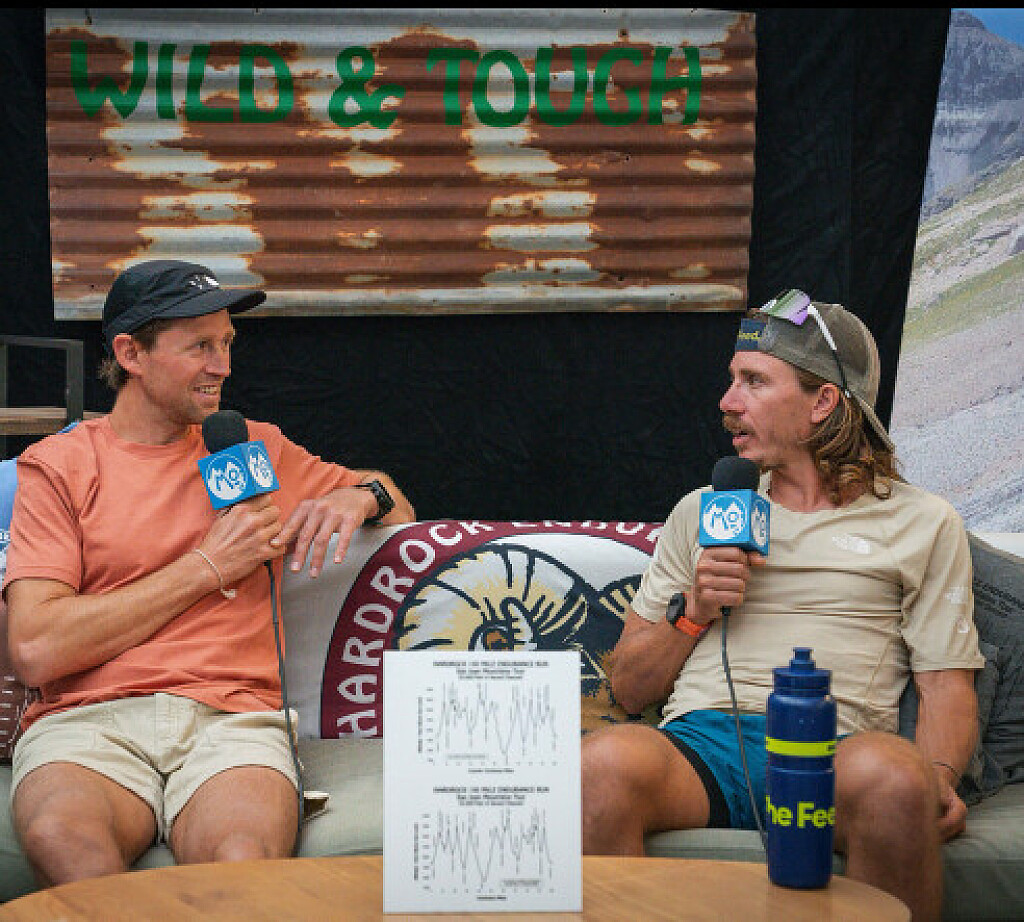
Hardrock 100 Denies Zach Miller’s Attempt to Race After Appendectomy
After recovering quickly from the emergency surgery on July 5, Miller was hopeful to start the 100-mile race through Colorado's San Juan MountainsZach Miller had been looking forward to running the Hardrock Hundred Mile Endurance Run in southwestern Colorado for years.
The 35-year-old runner sponsored by The North Face received entry into the 2024 event via one of race director Dale Garland’s six personal picks, and with a solid regimen of training under his belt, Miller appeared to be one of the favorites for this year’s event on July 12-13. But on July 5, he woke up in Silverton, Colorado, with considerable abdominal pain. Doctors in Durango, Colorado, initially thought he might have been suffering from kidney stones—the pain was consistent to a 25-hour episode he said he suffered in mid-June—but a few hours later, he had an emergency appendectomy via a laparoscopic surgical procedure.
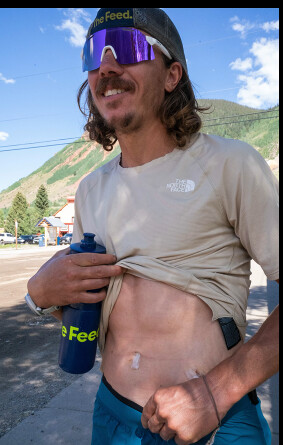
Miller’s appendix didn’t burst, but doctors removed it because they believed it was imminent. But soon after the procedure, he said he started thinking about the chance to be on the Hardrock starting line. He said he was walking around the hospital later in the evening after the procedure, and the next day, after he was released from the hospital, he walked about 3 miles in Durango. The following day, he rode his gravel bike in Silverton without any pain, and the the day after that—three days after the surgery—he was back running the trails around Silverton with mild post-surgical discomfort.
By Wednesday of this week, after running 8 miles and 6 miles on back-to-back days, Miller said he had hoped to start the 100.5-mile event and received verbal consent from his doctor. By Thursday morning, that consent came in written form, which he then submitted to Hardrock officials.
Miller said he had consulted with his doctor, his girlfriend, Jess, and several other people close to him and decided he wanted to continue with his intent to run. He said he didn’t feel any pain running this week, only some slight discomfort from the suture closures at the three point-of-entry holes in his abdomen that provided access for the laparoscopic procedure.
However, the Hardrock board of directors met with its medical advisors on Thursday and decided Miller would be ineligible to start the event. (Hardrock officials did not respond to RUN’s request for an interview or statement about the situation.)
“The recovery’s been really smooth, every day’s been better,” Miller said Thursday afternoon. “I ran the past four days and biked the other, and I felt surprisingly good. Honestly, I felt like I could go out there and give it a good hard go. Would I have? I don’t know, but I felt like there was a shot.”Miller said he understands the liability and safety concerns—both for his health and for the heightened potential of on-course evacuation if a problem did arise—and respects Hardrock’s decision.
“I think if they gave me the green light, it was pretty much decided I was going to go for it,” said Miller, who finished second at the Ultra-Trail du Mont-Blanc in Chamonix, France, last summer. “But we didn’t get it, and that’s just the way it is, so I’ll just move on from here. There’s definitely some disappointment, but it was a difficult and unexpected situation, and nobody wanted to be in that situation and making those decisions. As much as it hurts, it’s understandable, and it’s the responsible thing to do.”
In the months leading up to Hardrock, Miller had been running 140-150 miles per week between 40,000 and 56,000 vertical feet of gain training in Bend, Oregon, Manitou Springs, Colorado, and eventually Silverton. He said he hopes to maintain his fitness and then pivot to another event or a potential fastest known time attempt in the near future, but said on Thursday he hadn’t yet thought about that in detail.
On Thursday evening, after learning he wasn’t going to be able to run, he went on a two-hour run near Silverton that covered 12 miles with 1,200 feet of vertical gain.
“There are still some good races left for the year and there’s always plenty of projects and FKTs to consider so the fitness I’ve enjoyed from the training doesn’t have to be wasted,” he says. “It’s still there and I can hopefully go use it somewhere else.”
Login to leave a comment
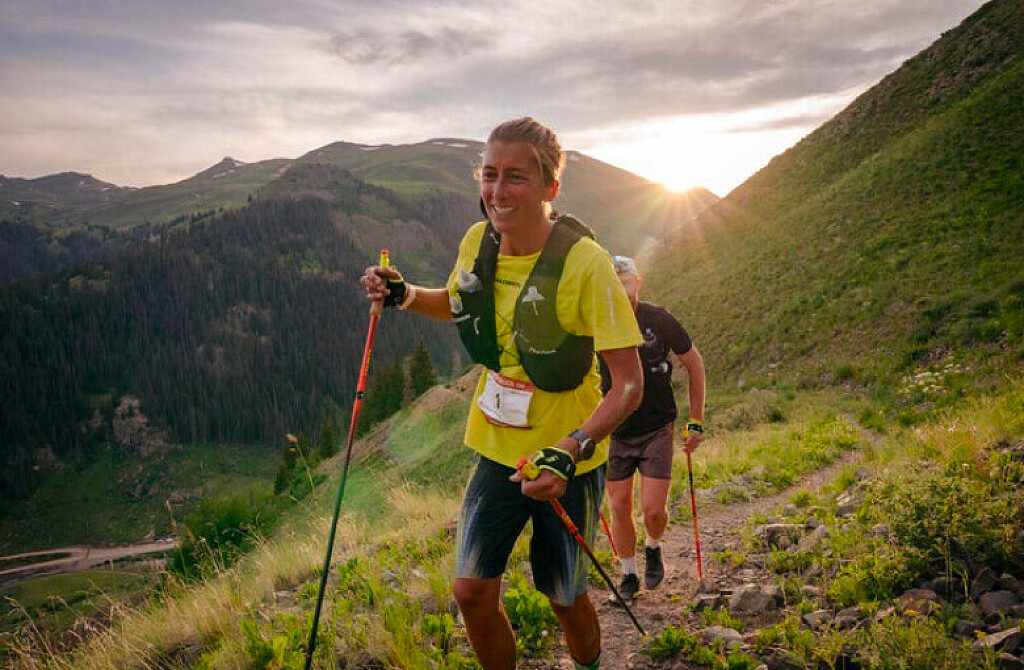
Ludovic Pommeret Wins Hardrock 100 in Course-Record Time Courtney Dauwalter is on course-record pace, trying to win the race for a third consecutive year
This is an ongoing story that will continue to be updated as more runners reach the finish line in Silverton, Colorado.]
Maybe you forgot that Ludovic Pommeret was the 2016 Ultra-Trail du Mont-Blanc champion. Or that he was the fifth-place finisher in Chamonix, France, just last year. Or maybe you thought the 49-year-old Frenchman was past his prime. Either way, he reminded us all he’s at the top of not only his game, but the game at the 2024 Hardrock 100.
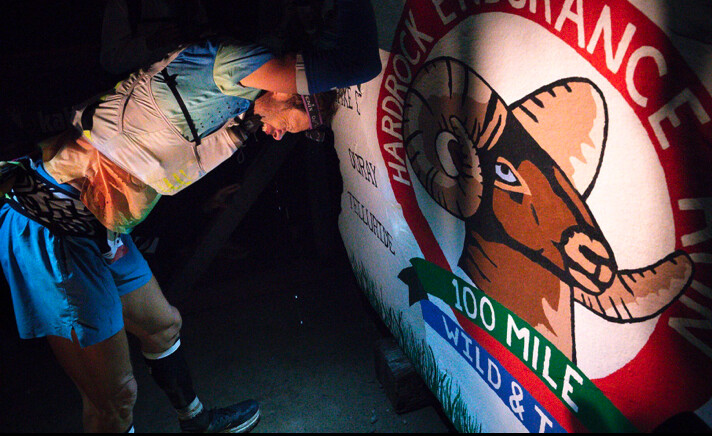
The Hoka-sponsored runner from Prevessin, France, took the lead less than a third of the way into the rugged 100.5-mile clockwise-edition of the course after separating from countryman François D’Haene, the 2021 Hardrock champion and 2022 runner-up, and never looked back. Pommeret progressively chipped away at the course record splits—a course record, mind you, set by none other than Kilian Jornet in 2022—to win this year’s event in 21:33:12, the fastest time in the race’s 33-year history. Jornet set the previous overall course record of 21:36:24, also in this clockwise direction in 2022.
(Pommeret kissed the rock in to complete the course in 21:33:07 at 4:33 A.M. local time, but race officials credited him with the slightly slower official time.)
“It was my dream (to win it),” Pommert told a small collection of fans and media after winning the race at 3:33 A.M. local time. “I was just asking ‘when will there be a nightmare?’ But finally, there was no nightmare. Thanks to my crew. They were amazing. And thanks to all of you. This race is, uh, no word, just so cool and wild and tough.”
On Friday, July 12, 146 lucky runners embarked on the 2024 Hardrock 100. Run in the clockwise direction this year, it was the “easy” way for the course with a staggering 33,000 feet of climbing and an average elevation over 11,000 feet thanks to the steep climbs and more tempered, runnable descents.
Combined with relatively cooperative weather (hot during the day on Friday, but no storms) and a star-studded front of the pack headlined by Courtney Dauwalter and D’Haene, the tight-knit Hardrock 100 community was on course record watch.
And the event delivered—along with a whole lot more.
On the men’s side, the front of the race took a blow before the gun even went off when Zach Miller, last year’s Ultra-Trail du Mont Blanc runner-up, was denied entry after undergoing an emergency appendectomy the weekend before.
Despite the heartbreak of being forced to wait another year to participate in this hallowed event, Miller was very much a presence in the race, most notably for slinging fastnachts (Amish donuts) from his van in Ouray for race supporters and fans.
Such is the spirit of this event, deemed equally as much a run as a race.
The men’s race was further upended when D’Haene, in tears surrounded by his wife, three children, and friends, dropped from the race at the remote Animas Forks aid station (mile 58). An illness from two weeks before proved insurmountable for the challenge ahead. That blew the door wide open for the hard-charging leaders ahead.
Pommeret had built a 45-minute lead over Jason Schlarb, an American runner who lives locally in Durango, and Swiss runner Diego Pazosby, the time he had left the 43.9-mile Ouray aid station amid 85-degree temperatures. His split climbing up and over 12,800-foot Engineer Pass (mile 51.8) extended his lead to more than an hour over Schlarb and nearly 90-minutes at the Animas Forks aid station.
“I thought it was great. To run off the front like he did, and then just hold that all day and get the overall course record is pretty awesome,” Miller said. “When Killian did it, two years ago, it was a, it was a track race between him, Dakota, and François, after they got some separation from Dakota, it was Kilian and and François, all the way to Cunningham Gulch (the mile 91 aid station) and then Kilian just torched it on the way in. So yeah, it was super, super impressive for Ludo to do that. That’s a very impressive effort.”
The sleepy historic mining town of Silverton, Colorado was unusually hectic at 6 A.M. on Friday. In the blue hour before the sun poked over the San Juan Mountains looming above, 146 runners toed the start line of the Hardrock 100, marked by flags from the countries represented by competitors on either side of the dirt road.
With the sound of the gun, runners jogged off the start line—their caution a tacit sign of respect for the monumental challenge of what was to come. As the runners passed through town to the singletrack wending its way up to Miner’s Shrine, group of men headlined by D’Haene, Ludovic Pommeret, Diego Pazos, and Jason Schlarb quickly took command of the front, the bright yellow t-shirt of Courtney Dauwalter was easy to spot just behind, along with Katharina Hartmuth and Camille Bruyas.
If they weren’t awake already, runners certainly were after crossing the ice-cold Mineral Creek two miles into their journey before starting the grunt up to Putnam Basin. At the top of a sunny, grassy Putnam Ridge (mile 7) 1:34 into the race, the lead pack of men remained, while Dauwalter had made a statement solo just three minutes back from the men and four minutes up on Hartmuth.
Dauwalter was smiling and chatty when she reached the KT aid station at mile 11.5, in 2:24 elapsed. By Chapman (mile 18.4), four hours in and 10 minutes under her own course record pace, she was pouring water on her head under the blazing sun. Things were heating up—in more ways than one.
When Pommeret galloped into Telluride (mile 27.7) after 5:37 of elapsed time in the lead, he was right on Jornet’s course record pace. One minute, some fluids and restocking later, and he was gone.
But wait, it was still a close race! D’Haene charged into Telluride just two minutes later and hardly stopped before continuing on through downtown before busting out the poles and starting the steep, steep 5,000-foot climb up Virginius Pass to the iconic Kroger’s Canteen aid station nestled into a notch of rock at the top at 13,000 feet.
Not to be outdone, the women’s race proved equally thrilling coming into Telluride. Bruyas bridged the gap up to Dauwalter, and the two ran into town together in 6:25 elapsed. Both took three minutes in the aid station, although that must have been enough social time for Dauwalter, as she pulled ahead marching up the climb, poles out and head down. A bouncy Bruyas alternated between hiking and jogging just behind.
But time again again, Dauwalter’s long, powerful stride simply proved unparalleled. By Kroger’s (mile 32.7) Dauwalter had reestablished her lead by five minutes over Bruyas and 17 ahead of Hartmuth in third. She’d built that gap to 10 minutes in Ouray at mile 43.9, but she left that aid station in less than two minutes with a stern, serious look on her face. But as she crested Engineer Pass at the golden hour, wildflowers blanketing the vibrant green hillsides basking in the setting sun, she enjoyed a 30-minute lead in the women’s race and was knocking at the door of the men’s podium.
While Dauwalter forged ahead with her unforgiving campaign for a third straight win, the men’s race started to rumble. Like Dauwalter, Pommeret continued to blaze the lead looking strong as he trotted down Engineer to the Animas Forks aid station at mile 57.9 in 11:39 elapsed. He hardly stopped before continuing on to Handies Peak, which at 14,058 feet marks the high point of the race. He had blown the race wide open.
An hour and 15 minutes later, Schlarb, looking a bit more beleaguered, ran into Animas Forks with his pacer, where he sat down and changed his shirt while receiving a pep talk from his partner and son. But he made quick work of the time off feet nonetheless, and three minutes later he was back at it, seven minutes before Pazos appeared.
While D’Haene arrived just 10 minutes later, he did so in tears, holding the hand of his youngest son. After a considerable amount of time sitting in the aid station, surrounded by his family and crew, he called it quits. The lingering effects of an illness from just 10 days before proved too much to overcome as the hardest miles of the race loomed ahead.
While D’Haene pondered his fate, Dauwalter blitzed into Animas Forks in 13:26 with that same look of determination, 16 minutes ahead of course-record pace. She briefly stopped to prepare for the impending night, picking up her good friend and pacer Mike Ambrose to leave the aid station in fourth overall. Bruyas maintained her second place position 30 minutes back, with Hartmuth in third about 20 minutes behind her.
Pommeret continued charging ahead solo, increasing over Schlarb and Pazzos by more than two hours late in the race. When Pommeret passed through the 80.8-mile Pole Creek aid station at 10:44 P.M., it shocked the small group of race officials, media and fans watching the online tracker from the race headquarters in Silverton. Based on that split, it was originally calculated that Pommert could arrive as early as 2:34 A.M.—which would have been a finishing time of 20:34—but he didn’t run the final 20 miles quite as fast as Jornet did in 2022.
Behind him Pazos caught Schlarb to take over second place before Pole Creek and increased the gap to four minutes by the Cunningham aid station (mile 91.2).
Pommeret, who develops training software for air traffic controls in Geneva, Switzerland, didn’t break into ultra-trail running until 2009 when he was 34 years old. He was third in UTMB that year—behind a 20-year-old Jornet, who won for the second straight year—the first of seven top-five finishes in the marquee race in Chamonix. (He was third in 2017 and 2019 and fourth in 2021 and 2023.) He also won the 90-mile TDS race during UTMB week in 2022, and the 170-kilometer Diagonale des Fous race (Grand Raid La Reunion) on Réunion Island in the Indian Ocean in 2021 and placed sixth in his first attempt at the Western States 100 in California in 2022.
Last year, Pommeret placed 13th overall in the Western States 100 and nine weeks later finished fifth at UTMB behind Jim Walmsley, Miller, Germain Grangier, and Mathieu Blanchard.
“We know Ludo is a beast, but to be a beast for so long, for so long is so impressive,” Miller said. “He’s 49, which by all means is a capable age in this endurance world. But I think anytime someone 49 does something like that, it’s gonna turn some heads because that would’ve been a really good performance for anyone. To have the track record he’s had—winning Diagonale des Fous, UTMB and Hardrock, that’s pretty impressive.”
Courtney’s Final
By the time Dauwalter was pushing her way up Handies Peak, she had a smile on her face and engaged in playful conversation with media and spectators on the course. She had good reason to smile: she was feeling good and she had increased her 10-minute lead at Ouray to more than 60 minutes. Dauwalter went through the Burrows aid station (mile 67.9) in less than a minute, while Bruyas came in an hour later and spent four minutes refueling before heading out again.
Three hours after Pommeret had passed through the Pole Creek aid station (mile 80.8), Dauwalter arrived at 1:54 A.M., still in fourth place overall about 50 minutes behind Pazos and Schlarb. She took a little more time there, but was back on her feet in four minutes and running strong again and still on record pace. Bruyas walked in to Pole Creek at 3:08 A.M. in sixth overall, but the gap behind Dauwalter continued to widen.
Dauwalter was in and out of the Maggie aid station (mile 85.1) in two minutes and blazed through the Cunningham aid station (mile 91.2) even faster. The race seemed to be in hand at that point with Bruyas more than 90 minutes behind (in fact, someone updated Wikipedia and declared her the winner not long after Pommeret finished), it was just a matter of how fast she could finish.
Login to leave a comment
Walmsley and Schide favorites as Western States line-ups are finalized
Americans Jim Walmsley and Katie Schide, both UTMB winners, will head the finalized fields for the 51st edition of Western States 100 Endurance Run at the end of this month.
Western States is the oldest and arguably the most iconic 100-mile trail run in the world and the stars are again out in force Auburn on June 29-30.
Can Walmsley make it four?
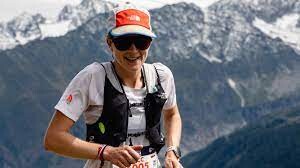
Last year Walmsley memorably ended his quest to finally add a UTMB title in Chamonix to his CV and he’s the current course record holder at Western States, which he’s already won three times.
His time of 14:09:28 from 2019 hasn’t been bettered since and he’s the highest-ranked runner in terms of the UTMB index at 934 (Kilian Jornet is top on 941).
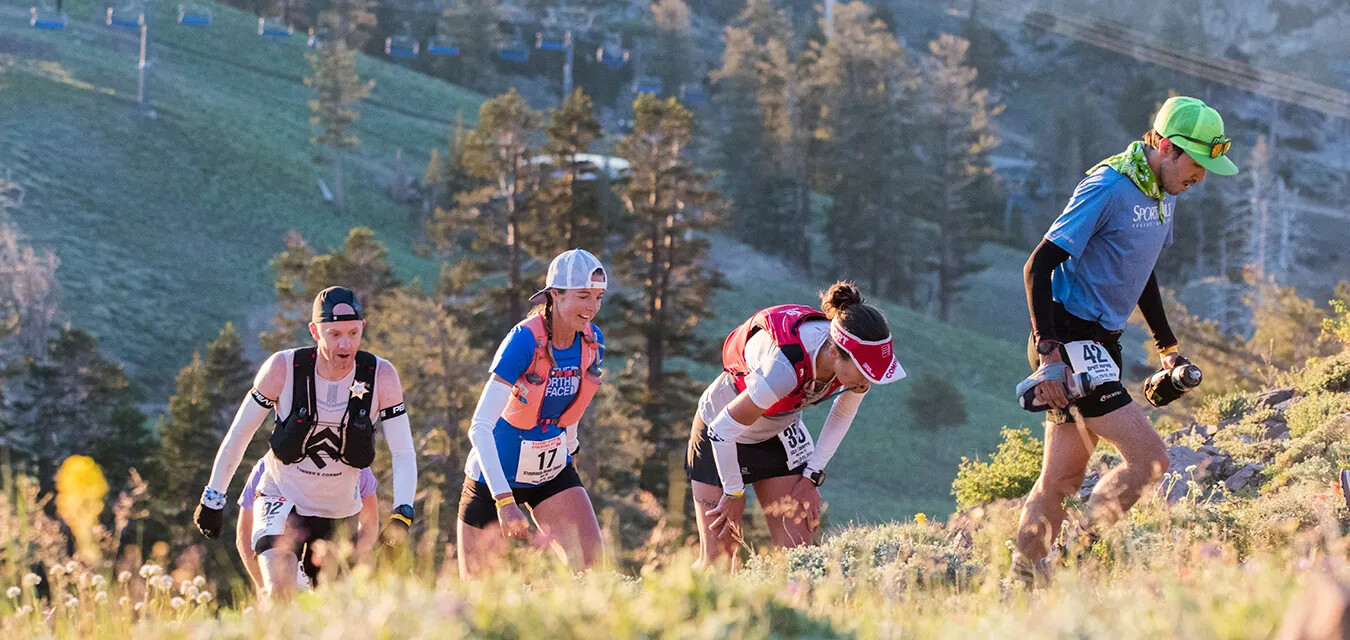
But he’ll face a raft of strong rivals including the 2023 runner-up Tyler Green (USA, UTMB Index 880) and several other top finishers from 2023, including fourth-placed Jiasheng Shen (CHN, UTMB Index 906).
Dakota Jones (USA, UTMB Index 902), Ji Duo (CHN, UTMB Index 889) and Hayden Hawks (USA, UTMB Index 910) booked their spots alongside Walmsley via Golden Tickets from top-three performances at other big events.
Schide the one to beat
And on the women’s side the 2022 UTMB winner Katie Schide (UTMB Index 825) will be looking to go one better than last year’s second place at Western States.
Only superstar Courtney Dauwalter on 847 is ahead of Schide on the UTMB Index but the reigning Western States champion (who smashed the course record time when beating Schide) won’t be back to defend her title.
That means that Schide, who underlined her form with victory at the Canyons Endurance Runs by UTMB at the end of April, starts as the clear favourite.
But she too will face tough opposition from the likes of Eszter Csillag (HUN, UTMB Index 768), who finished third 12 months ago, and three-time finisher Emily Hawgood (ZWE, UTMB Index 757).
Other big names lining up include former professional IRONMAN athlete Heather Jackson (USA, UTMB Index 764), Eleanor Davis (GBR, UTMB Index 753) and Emily Schmitz (USA, UTMB Index 736).
Jackson recently advertised her gravel racing prowess in a thrilling sprint finish at the famed Unbound event.
We’ll build up to the big event over the next couple of weeks here at RUN247.
by Jonathan Turner
Login to leave a comment

Western States 100
The Western States ® 100-Mile Endurance Run is the world’s oldest and most prestigious 100-mile trail race. Starting in Squaw Valley, California near the site of the 1960 Winter Olympics and ending 100.2 miles later in Auburn, California, Western States, in the decades since its inception in 1974, has come to represent one of the ultimate endurance tests in the...
more...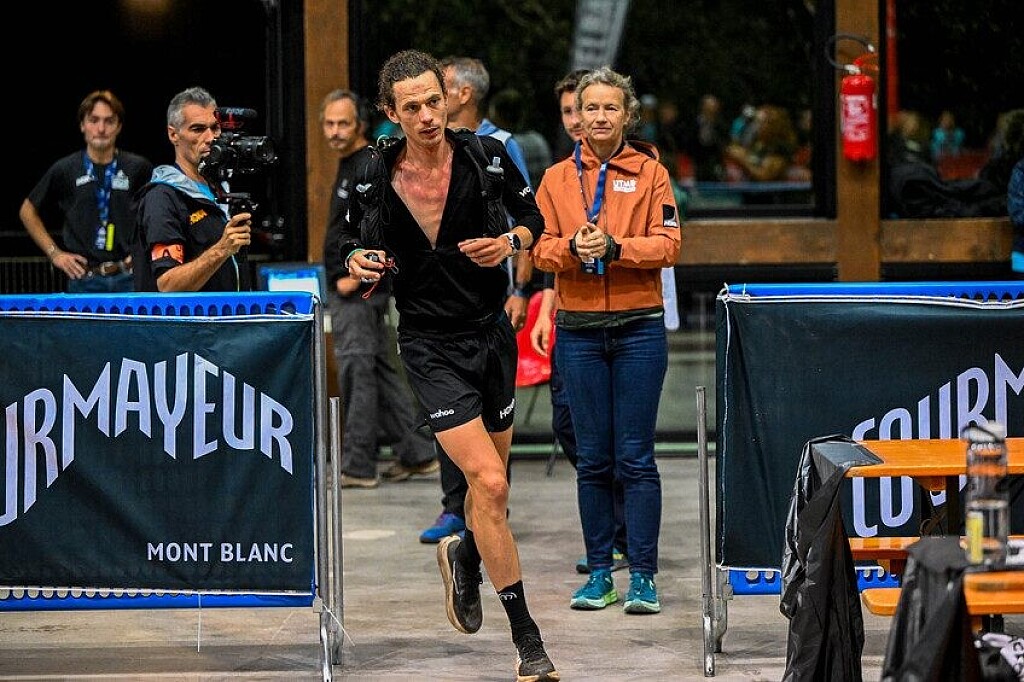
Jim Walmsley, Mathieu Blanchard will return to UTMB in 2024
2023 UTMB champion Jim Walmsley and 2022 second-place finisher Mathieu Blanchard have confirmed they will appear at this year’s Ultra-Trail du Mont-Blanc (UTMB) final, which takes place in Chamonix, France on Aug. 30, according to a report by iRunFar. A number of other ultratrail elites have also been announced, including the U.K.’s Tom Evans, who finished third in 2022 and who won Western States 100 in 2023, and Canada’s Christian Meier, the former pro cyclist who won the 145-km TDS race last year.
On the women’s side, Canada’s Marianne Hogan (who finished second in 2022) is confirmed, as are 2022 champion Katie Schide of the U.S., France’s Claire Bannwarth and New Zealand’s Ruth Croft (who won Western States in 2022). (Three-time UTMB champion and course record holder Courtney Dauwalter does not appear on the list.)
Four-time champion Kilian Jornet and 2023 second-place finisher Zach Miller will also not be returning. After the October, 2023 announcement by UTMB and its minority partner, the Ironman Group, of a new race in Whistler, B.C. in 2024, and the Dec. 1 announcement that UTMB livestream announcer Corrine Malcolm had been fired, the two publicly questioned the organization’s decisions and its treatment of athletes. There was talk of a boycott, though Jornet and Miller dispute this; in the wake of all of this, regular discussions between UTMB and the Pro Trail Runners Association (PTRA), of which Jornet is a founding member, became more frequent, with a view to smoothing relations between athletes and the race.
Walmsley moved to France for two years to hone his mountain-running skills before finally winning UTMB on his fifth try in 2023 (he Walmsley first ran UTMB in 2017, finishing fifth; he DNF’d in 2018 and again in 2021, then finished fourth in 2022). Blanchard, who has returned to France after living in Montreal for a few years (and taking out Canadian citizenship), finished fourth last year after following Jornet onto the podium in 2022. Hogan has been dealing with injuries for much of the last year and a half since her podium finish in 2022.
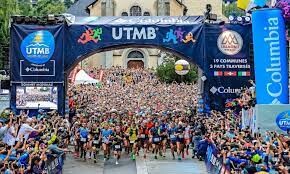
by Anne Francis
Login to leave a comment
North Face Ultra Trail du Tour du Mont-Blanc
Mountain race, with numerous passages in high altitude (>2500m), in difficult weather conditions (night, wind, cold, rain or snow), that needs a very good training, adapted equipment and a real capacity of personal autonomy. It is 6:00pm and we are more or less 2300 people sharing the same dream carefully prepared over many months. Despite the incredible difficulty, we feel...
more...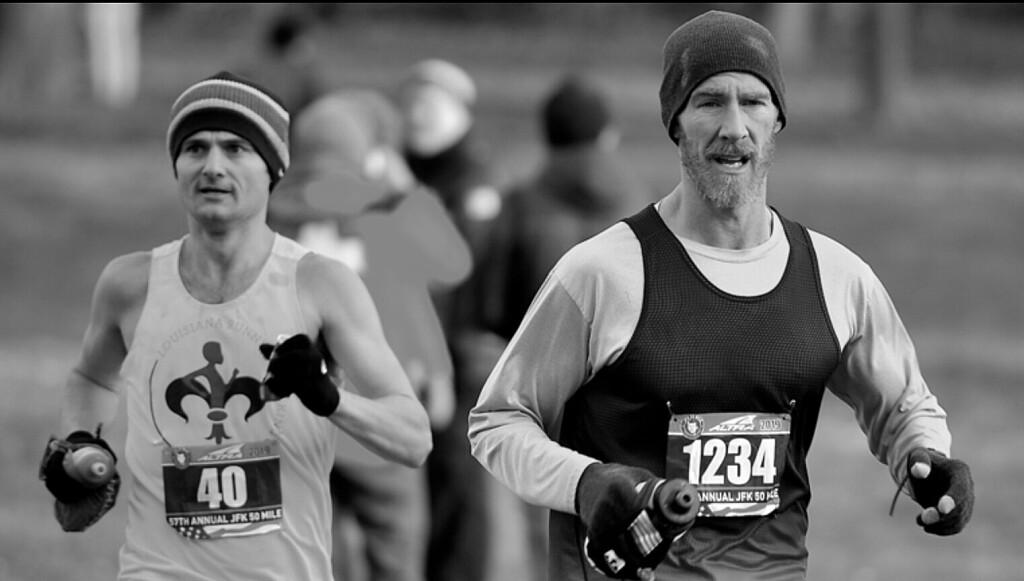
America’s Oldest Continuously-Held Ultramarathon Is Only Looking Forward
After 60 years, the JFK 50 Mile Race is sticking to its community-centered approach, and people keep showing up
Mike Spinnler cries nearly every time he recounts memories as a runner and long-time race director of the JFK 50, the oldest continuously run ultra in the country.
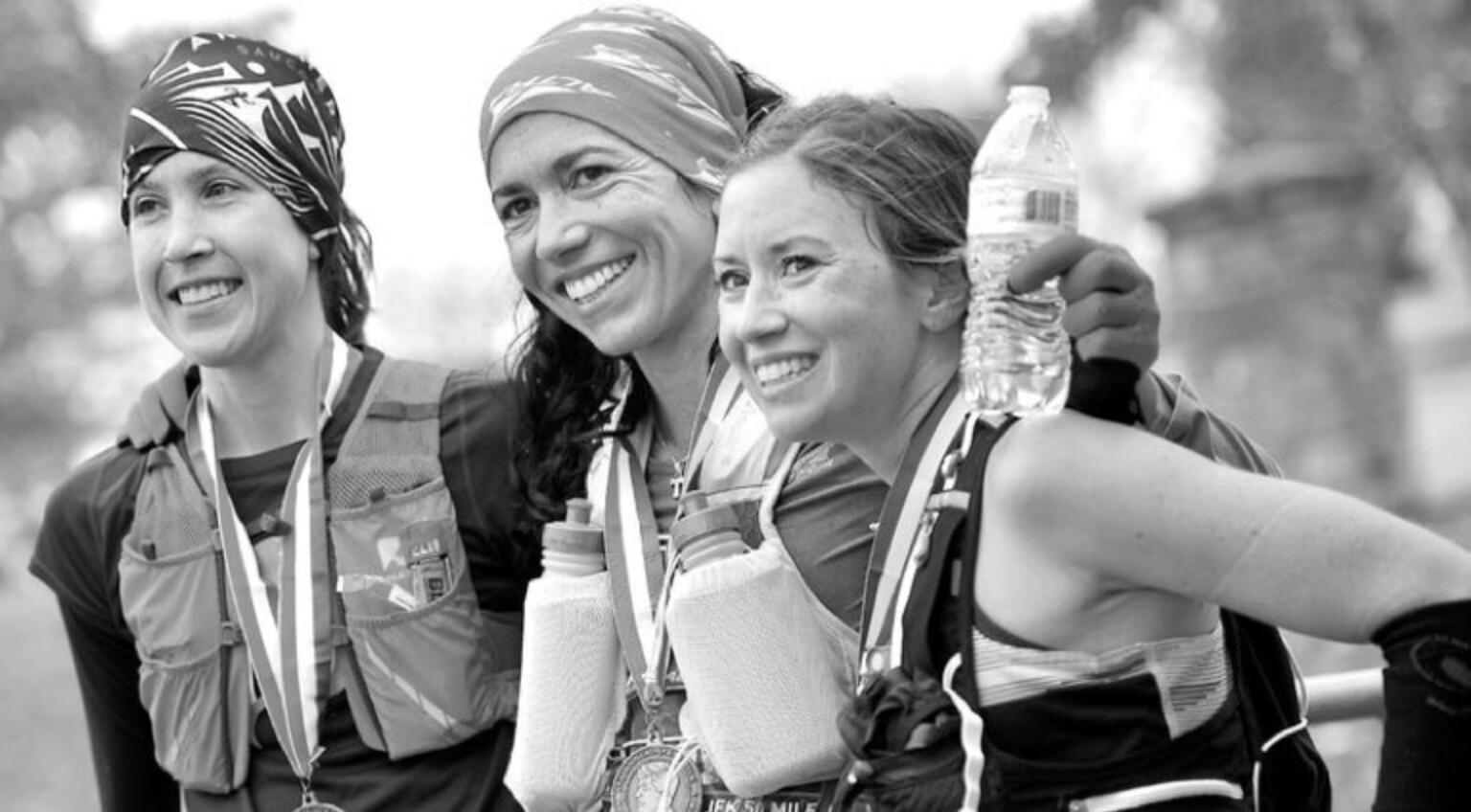
Such memories include the time he first ran the iconic Maryland race when he was 12 years old, or the year he cheered on his 60-year-old wife as she crossed the finish, or memories of watching his two sons racing. For him, this race is a member of the family.
In 1993, five years after his tenth JFK finish, Spinnler became the race’s second race director, where he’s been ever since. By then, he’d set the course record (5:53:05) in 1982, and added another win in 1983, for a total of five top-five and six top-ten finishes.
Thirty years later, it’s still his pride and joy. He’ll immerse in the magic of the event again on Saturday, November 18, as more than 1,000 runners take the journey through the historic route that’s so dear to his heart.
“It just keeps growing in its prestige,” he says.
The JFK 50 started in 1963, the same year President John F. Kennedy was assassinated. The president had instituted a public health program to improve the nation’s fitness, supporting the launch of a series of 50-mile races around the country. But as years went on, the only one that stuck around was the JFK 50.
“Kennedy’s mission was this: Improve your physical fitness, improve your lifestyle, improve your country,” says Spinnler. “We heeded his call and have been doing it for 60-plus years.”
The JFK 50 course is located about an hour northwest of Washington D.C., covering traditional lands of the Indigenous Massawomek and Shawandassee Tule (Shawanaki/Shawnee). One of the race’s primary appeals is that it’s a horseshoe-shaped, point-to-point course with three distinct sections: The Appalachian Trail (miles 0-15), the Canal/Tow Path (miles 15-42), and the rolling finish (miles 42-50).
The race starts in Boonsboro, Maryland, follows a few miles of paved roads before connecting with the Appalachian Trail (AT), where the course climbs more than 1,000 vertical feet in five miles, crests to the high point, and follows rocky singletrack before dropping 1,000 vertical feet halfway into the race (mile 14.5), to connect with a flat marathon distance along the C&O Canal Tow Path. The last several miles are rolling country roads, where it finishes at Springfield Middle School in Williamsport.
In 2019, Seth Ruhling, an unsponsored athlete, showed up to the JFK 50, slept in his car the night before, and won the race in a blistering 5:38:11, his debut 50-miler. Within hours of winning, he sealed a sponsorship with The North Face.
Ruhling, 29, now lives and trains in Boulder, Colorado, and he’ll be returning for his second JFK 50. Since Ruhling’s 2019 win, he has made a name for himself with a sixth place finish at the Pikes Peak Marathon in 2021, second place at Montana’s Rut 50K, first place at the Broken Arrow Skyrace 46K, and most recently, sixth at CCC 100K during the week of UTMB in Chamonix, France.
In 2020, JFK 50 was one of the only races in the country that didn’t shut down with the pandemic. Ruhling had planned on racing, but got injured. “I always wanted to go back,” he says.
Ruhling was particularly drawn into this year’s race because of its deep field of registered elites, which had at one point included 2023 Western States winner Tom Evans, Matt Daniels, Adam Merry, and Sean Van Horn—all of whom have since dropped.
His strategy for the mixed course, which requires technical trail chops as well as fast road turnover, is to attack every single section. He says that, while the JFK 50 is known more as a “track race,” it’s a mistake to discount the early trail miles. “The record is going to happen on the towpath, sure, but only if it’s set up with efficient running on the AT section,” he says.
by Outside Online
Login to leave a comment
30 Hours at Javelina Jundred, the Burning Man of Trail Running
Inside the spectacle of ultrarunning’s most festive top-tier 100-mile race
It’s a hot, sunny Saturday afternoon in the desert northeast of Phoenix, and Lindsay DesRochers is being chased by a dinosaur—as if 85-degree heat, a creaky left knee, and a hot spot on her right big toe aren’t enough to worry about during her first attempt at running 100 miles.
The 44-year-old senior creative recruiter from Scottsdale is 41 miles into the Javelina Jundred, and she also has to contend with a Tyrannosaurus rex who’s making her giggle. The dinosaur is, in fact, local trail running legend, Jerry Bloom, who is sweating and gasping for air inside an inflatable costume that’s kept afloat with a tiny battery-operated fan. He is dressed up as the dino-in-residence and runs alongside DesRochers briefly as she finishes the second loop of the five-lap course before sitting down to refuel and rehydrate in her crew tent.
“The problem with this thing isn’t the heat. It’s just that there’s no oxygen in here. If you run very far, you get oxygen deprivation,” says Bloom, 70, a three-time Western States and Hardrock 100 finisher who’s also run Javelina twice. “For me it’s all in good fun to support Lindsay. I’ve given up trying to be fast a long time ago. But what I’ve learned is that it’s not how far you go and it’s not how fast you go, it’s how you look while you’re doing it.”
Welcome to the Javelina Jundred—the biggest, wildest party in the trail running world.
It’s pretty obvious that the Javelina Jundred is the zaniest event in trail running and, to be frank, nothing even comes close to this dusty desert cavalcade of curiosities. It’s not quite the Burning Man of running, but it might just be better because, first and foremost, it’s a legit ultrarunning event.
More than 850 enthusiastic runners toed the starting line at 6 A.M. to begin the five-lap 100-miler, and about 400 more began the three-lap 100K an hour later. There’s also a single-loop, 19-mile nighttime race called the Jackass Night Trail for about 200 runners that includes a wild DJ’ed party at the Jackass Junction aid station and finishes as the Saturday night revelry is still going strong back at the race compound.
But because Javelina always happens on the weekend before Halloween, there’s a natural party vibe and a non-mandatory-yet-compelling reason for runners, pacers, and support crew to wear costumes. And, let’s face it, Halloween gives everyone license to fly their freak flag, so when you mix that with ultrarunning, just about anything goes. Only here it’s known as Jalloween.
This year’s most popular dress-up themes seem to be tropical and western, but, almost predictably, there are quite a few Barbie and Taylor Swift cosplayers, as well as a few heavy metal rock stars, glow-in-the-dark skeletons, and several very creepy clowns. Dozens more runners race through the desert wearing bunny ears, fox tails, and devil horns.
“This is a safe space for everyone to have fun in their own unique way,” adds Dan Gampon, a Hoka sports marketing representative from Hawaii. “It’s a fun way to give the people a chance to be weird and bring a part of themselves that they might have been wanting to bring out, and give them the opportunity just to have fun anyway they want to.”
Some crew tents are decorated with accouterments to match a particular theme, but most feature colorful holiday twinkle lights, camping chairs, sleeping bags, and coolers full of adult beverages. While there’s a stash of fancy engineered nutrition supplements and electrolyte drinks in every tent, there’s also the widest range of healthy and not-so-healthy snack food you can imagine. (I’m looking at you, guy simultaneously drinking a Red Bull and eating a handful of marshmallow Peeps.)
The Javelina staff and volunteers are fully into the Jalloween theme, too, especially race director Jubilee Paige, who dons several costumes during the 30-hour event—including getups she calls Race Director Barbie, Weird Barbie, The Dude, Cousin Eddie, Chef’s Kiss, and A Macaroni Penguin. She once again ends the event dressed as the Pope—a.k.a., “her Joliness”—because she considers Sunday “Jallelujah Javelina,” a day of celebration.
The Javelina Jundred was founded in 2003 by Phoenix ultrarunner Geri Kilgariff as an irreverent, party-oriented run on a multi-loop course, and gradually gained regional and then national popularity as word spread through the ultrarunning community about how much fun it was. Local ultrarunner Jamil Coury took over as race director in 2008. The next year he started Aravaipa Running, a Phoenix-based company that bought and now owns 75 other running events in Arizona, Colorado, Utah, Nevada, and New Hampshire.
Despite increased popularity and significant growth, Coury, Paige, and the rest of the Aravaipa crew have been able to maintain Javelina’s grassroots experience while growing it to about 1,500 runners in three events with at least that many pacers, crew, and family members hanging around the race compound. In many ways, it represents the best of both where trail running has been, but also where it could be heading.
“The race was born from a fun spirit of running with friends and looping in the desert—shout-out to Geri Kilgariff for her creation of the event in 2003,” Paige says. “But as it’s evolved, we saw opportunities to elevate the race to an ‘event’ experience for runners and crews—an ultra festival—the music and lights and entertainment just enhances that experience. However you experience Javelina, I just want you to have fun!”
As the sun begins to set, several top competitors in the 100-miler are scattered out on the remote sections of the course in hot pursuit of four Golden Ticket entries into next summer’s Western States 100. (Two tickets each for the men’s and women’s races.) That includes Boulder, Colorado, runner Jonathan Rea, who is back after a second-place finish a year ago, and—with newfound confidence from a fourth-place finish at the CCC 100K in Chamonix, France—is tearing up the desert trails on course-record pace. Triathlete-turned-ultrarunner Heather Jackson, who splits time between Bend, Oregon, and Tucson, Arizona, also takes it out hot, hoping to make up for a frustrating fifth-lap fade last year after unbearable quad pain reduced her to a walk and forced her to settle for a fifth-place finish in her 100-mile debut.
Earlier in the day, Denver’s Rajpaul Pannu and San Francisco’s Anna Kacius made quick work of the less-competitive, three-lap 100K race, finishing first and second overall, respectively, and setting new men’s (7:15:53) and women’s (8:13:07) course records in the process, while winning by more than an hour over their nearest competitors.
Ultrarunning GOAT Courtney Dauwalter from Leadville, Colorado, is out there, too, but she’s not racing for the win. She’s running the 100K with her mom, Tracy, a 66-year-old avid trail runner from Edina, Minnesota. They attempted a 50-miler in Minnesota last fall, but were timed out before the finish, so this year they chose the big party race in the desert where Courtney set a course record in 2016 before she became a household name. They’re not in costumes, but they’re running as Team Bucket List and wearing matching white shirts, cactus-themed socks, and olive-green-and-black shorts.
Because runners constantly revolve through the turnaround point at the start/finish area, everyone else is always on the move throughout the race compound. Some are drinking craft beers and mingling as they wait for their runners, while others are watching the race livestream on their phones or from the jumbotron in the Javelina Jeadquarters circus tent. Still others are devouring freshly cooked artisan pizzas made to order in the Freak Brothers Pizza mobile brick wood-fired oven.
Rousing cheers and applause catch everyone’s attention every few moments as an elite runner arrives—including the ever-smiling Jackson, who quickly heads out on her fifth and final lap with a 30-minute lead in the women’s 100-miler.
“Heather is just amazing,” says Troy Brown, 48, a trail runner from Coto de Caza, California. “She’s always smiling. I’m just a fanboy, but I like anyone who can smile that much through pain.”
After Jackson runs out of sight, Brown quickly shifts his focus to getting his feet into an inflatable T-Rex costume so he can participate in the costume contest, an informal event that brings out a sheriff riding an inflatable rooster, Minnie Mouse, a foursome of Teletubbies and, of course, several dinosaurs. There’s also a guy dressed as Aladdin wearing a large golden lamp around his waist who is joined by a scantily clad Jasmine character who not-so-discreetly rubs the lamp in a Not Suitable for Work (NSFW) scene that draws both raucous laughs and shocked gasps from the crowd.
One of the best dressed-up groups of the event is a foursome of women from California’s Healdsburg Running Company: Dominique Chevalier (“Western Barbie”), Krista Kappus (“Alien Barbie”), Saddie Alloway (“Rootin’ Tootin’ Diva Barbie”), and Susan Oh (“Disco Bob Ross”). But the costume contest winners are the Montana Mermaids, a bikini-and-grass-skirt trio from Bozeman—Lena Romeo, Kara Haskell, and Liv Bleskin—who were there to crew and support elite runners Rachael Norfleet of Montana in the 100K and Utah’s Ryan Montgomery in the 100-miler.
The sun begins to set, but the party’s just getting started as DJ Colter Stillwell pumps tracks through the sound system as a full moon rises in the eastern sky. One of the rowdiest dancers is Brendan O’Hara, a Colorado trail runner who’s dressed up in a red-and-white mouse outfit with flashing lights similar to what popular Canadian electronic musician Deadmau5 wears on stage. As lots of energized runners entered in the Jackass race are about to head out into the night, two professional fire dancers perform a mesmerizing routine adjacent to the start line.
Just after dark, Rea comes flying into the finish area, stopping just short of the finish line to pantomime deadlifting a colossal barbell before crossing the line in a new course record of 12:43:10. Seattle runner Blake Slattengren stopped the clock next in 12:58:07 to claim the second Golden Ticket, while Montgomery ran another strong race to take the final podium spot in 13:01:14.
Redeeming herself from last year, Jackson finishes strong to win the women’s race and finish sixth overall, thanks in part to the aggressive pacing of Devon Yanko. Jackson’s time of 14:24:47 is the second-fastest women’s time ever behind Camille Herron’s 14:03:23 course record from 2021. Spain’s Ragna Debats (14:55:27) outran Riley Brady (15:29:17) to earn the second women’s Golden Ticket.
Not long after midnight, the Dauwalters finish, too. Covered in dust, sweat, and even a little bit of blood—Tracy took a tumble on the first lap early the previous morning—they cross the finish line after 17 hours of running with big smiles and hug in a classic mother-daughter moment. Late Sunday morning, DesRochers makes it to the finish line, too, in 27:31:41, battling hard to overcome dehydration, an upset stomach, and nagging hip flexor pain at various points during the race.
“I was prepared for it to be hard, and I knew I was going to hurt. At some point, I was like, Oh, right, this is what running 100 miles feels like,” DesRochers says. “It was difficult, but I kept my positive mental attitude the whole way. I have a buddy who has a saying, ‘Forward is a pace,’ so I kept repeating that and kept putting one foot in front of the other and I didn’t quit.”
Something that’s especially apparent at Javelina is that everyone is celebrated as an equal, regardless of finishing times, trail running experience, athletic ability, age, or any other dissimilar details. The event goes out of its way to create an environment that promotes visibility and inclusion for everyone, and the community of participants seems to embrace it by cheering and encouraging for everyone the same.
It has partnered with Native Women Running, Latinos Run, and Black Men Run each of the past several years to bring their runners to the race, and it was also one of the first ultra events to offer a non-binary category. This year there were six non-binary runners racing over its three races, led by Willow Dolde in the 100-miler (20:01:29), Andreas Anderson in the 100K (13:54:30), and Tasha Hartwig in the Jackass 31K (6:42:07). (Although Brady, a non-binary runner from Boulder, was competing in the women’s division because they were racing for a Golden Ticket, they were also, unofficially, the top non-binary runner in the race.)
As the golden hour comes and goes early Sunday afternoon—and final finishers Holly Sitzmann, Jim Buckley, Brittany Edmiston, and Leslie Astle squeeze under the 30-hour cutoff with help from their pacers and crew—it’s clear that everyone at Javelina is celebrated equally and enthusiastically. That also includes two unofficial finishers—Rayna Rodriguez and Tatiana Orozco—who complete the 100-mile course just outside of the time cutoff, but are welcomed by a scream tunnel of remaining spectators and the adulation of Paige even though neither will receive a finisher’s buckle.
“Javelina is a celebration, and the invitation to run and participate at Javelina extends to everyone,” Paige says. “I want to ultimately show how amazing the community is and that this sport is for everybody and every body—the spirit of ultra is diverse and should be celebrated.”
by Outside online
Login to leave a comment
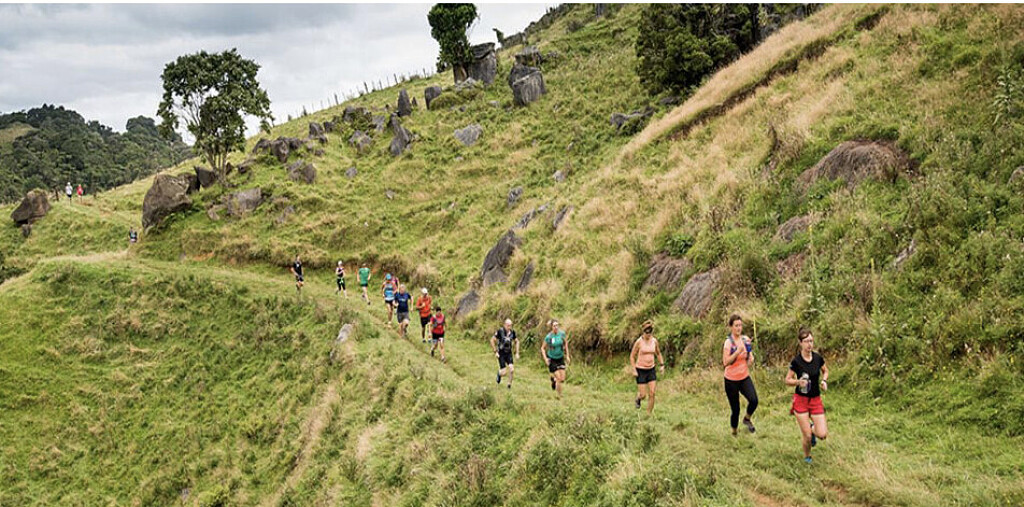
Beyond Marathons: Uncovering the World’s Most Scenic Trail Runs
For experienced trail runners searching for their next trail marathon and newcomers to the sport who are researching trail run events for the first time, we have compiled a list of the top destinations for trail running
These races are renowned and provide breathtaking scenery, making them a must-have addition to your race calendar. Our selection deliberately combines well-known races with hidden gems you may not be familiar with. These hidden gems offer a unique sense of adventure and excitement, going beyond the usual races that everyone knows about.
WaitomoTrailRun,New Zealand
The Waitomo Trail Run, a one-of-a-kind event located in New Zealand's North Island, offers a unique and unforgettable experience. Now in its third year, this trail run has quickly become the largest of its kind in the country.
Participants find themselves immersed in the stunning landscape of Hobbit country, with its picturesque rolling hills adorned with vibrant green grass. As you traverse the course, you'll also have the opportunity to explore captivating limestone caves illuminated by the enchanting glow of glowworms.
It's important to note that littering is strongly discouraged, as there is a peculiar consequence for those who discard their energy gel wrappers. Participants may find themselves tasked with clearing gorse from the hills above Te Anga road while sporting nothing but jandals, shorts, and a singlet. However, they will be rewarded with warm cordial for sustenance and have the opportunity to partake in the wet Perendales crutching experience for several days.
Lavaredo Ultra Trail, Northern Italy
Located in central-eastern Italy, the Dolomites showcase breathtaking rock formations that are truly remarkable. The Lavaredo Ultra Trail takes place within this distinctive lunar landscape, ranking as one of the most exquisite races worldwide. Only by participating in this event will you truly grasp why this place holds a magical allure, much like Venice.
Even the world’s best sportsbooks that cover marathon odds would struggle to conjure up the necessary prices due to the distraction this location's beauty presents.
As part of the UTWT competitions, the race unfolds amidst the majestic Dolomite mountains, running alongside the picturesque Misurina Lake and at the base of the renowned Tre Cime of Lavaredo, a symbol of global mountaineering. The beauty of this location stems from the striking contrast between the lush alpine forests, the rugged gray rocks, and the vivid blue skies and lakes.
While the race offers fast sections, it is also technically demanding, requiring attentiveness to the rocky terrain and tree roots along the course. This is an event that should not be missed, although securing a spot through the registration draw is essential. Be sure to mark it on your agenda, as the experience is bound to be unforgettable!
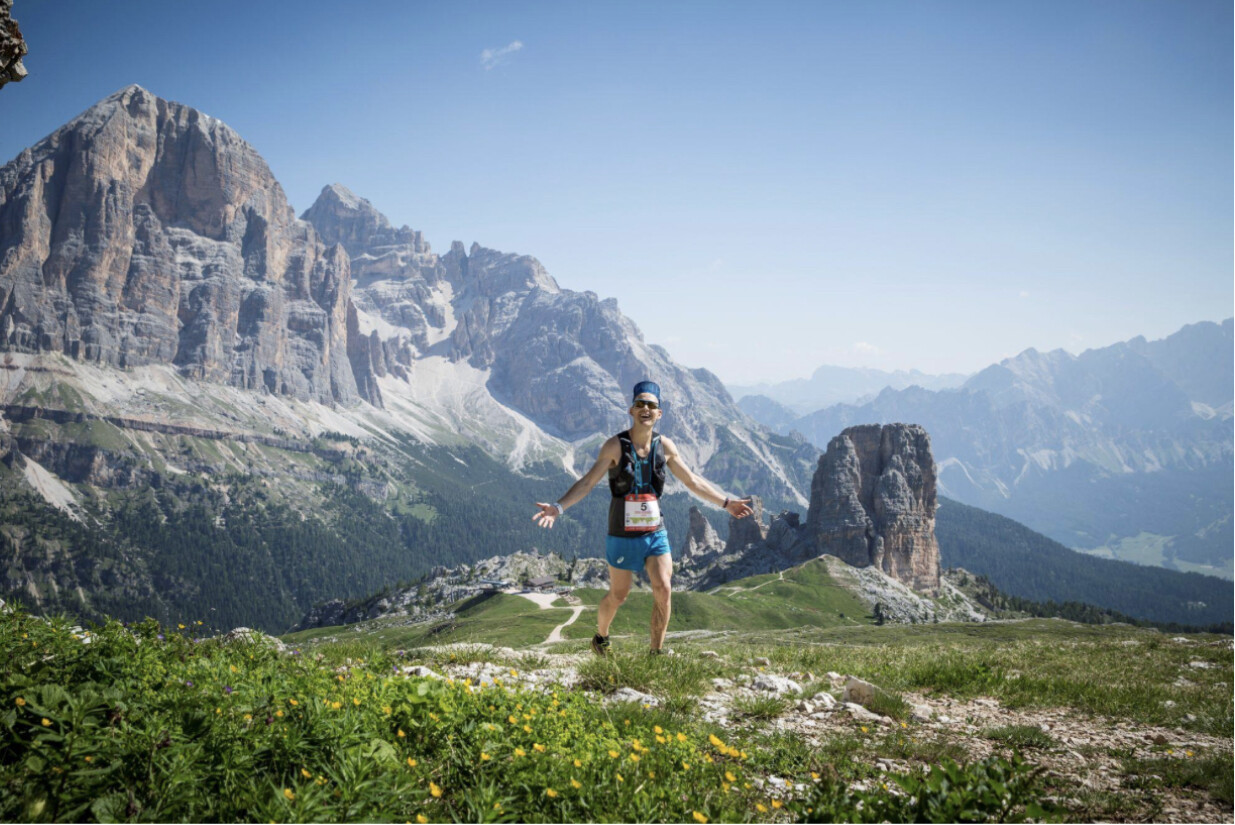
Vallee Du Trail, Chamonix, France
Chamonix, renowned as the valley for trail running and the official host of the prestigious Ultra Trail du Mont Blanc, embodies the essence of the trail running community. Chamonix is a paradise for trail runners, as it offers a remarkable collection of 18 well-marked running routes that meander through picturesque mountain trails, enchanting forests, and serene alpine meadows, all while providing breathtaking panoramas of majestic mountains and icy peaks.
What sets Chamonix apart is its inclusive and hospitable trail running community, which caters to elite athletes and anyone who possesses a deep affection for the mountains and the exhilarating outdoors.
MatterhorUltraks, Switzerland
The Matterhorn, the ultimate representation of a picturesque alpine setting and alpine skiing, takes center stage for trail running during the summer. In Switzerland's Matterhorn Ultraks event, this majestic peak is visible from all directions and can be encircled through various routes ranging from 16 to 46 km.
One particularly remarkable feature is the K30 trail, which spans 31.5 km and includes a thrilling highlight: a suspension bridge crossing the glacier gorge. Zermatt serves as the starting point for all the trails.
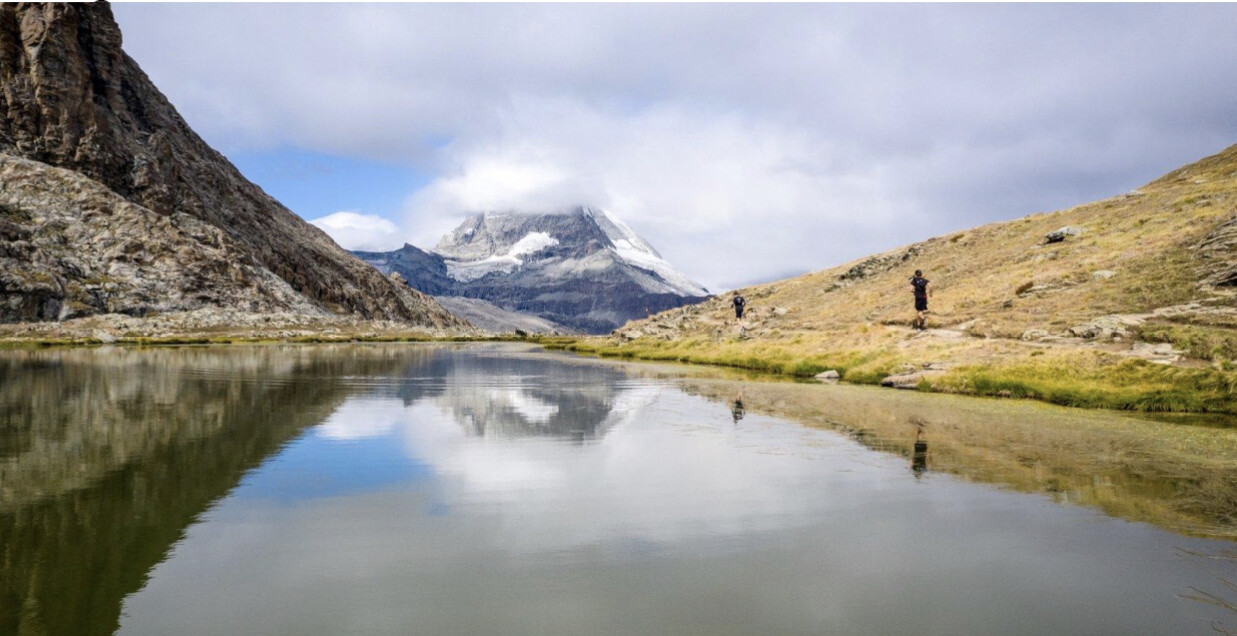
By the way, "Ultraks" represents a series of trail running events at the most awe-inspiring mountain peaks across Europe.
X-TerraTrailRunWorld Championship, Hawaii
The X-Terra Trail Run World Championship is held at Kualoa Ranch, located in Hawaii. This ranch is famously known as Jurassic Valley, as it served as the backdrop for the iconic dinosaur movies.
The trails used in the X-Terra Trail Run World Championship are typically inaccessible to the general public. Therefore, this race offers a unique opportunity for runners to explore and appreciate the natural beauty of this area.
The terrain itself is diverse and awe-inspiring. Participants will have the chance to run alongside cliffs and white sand beaches and navigate their way through dense rainforests.
No prior qualifications are required to participate in the 21-kilometer championship course. This event also includes a 10-kilometer race, a five-kilometer race, and an "adventure walk," making it accessible to runners of all ages and skill levels, from beginners to elite athletes.
Login to leave a comment
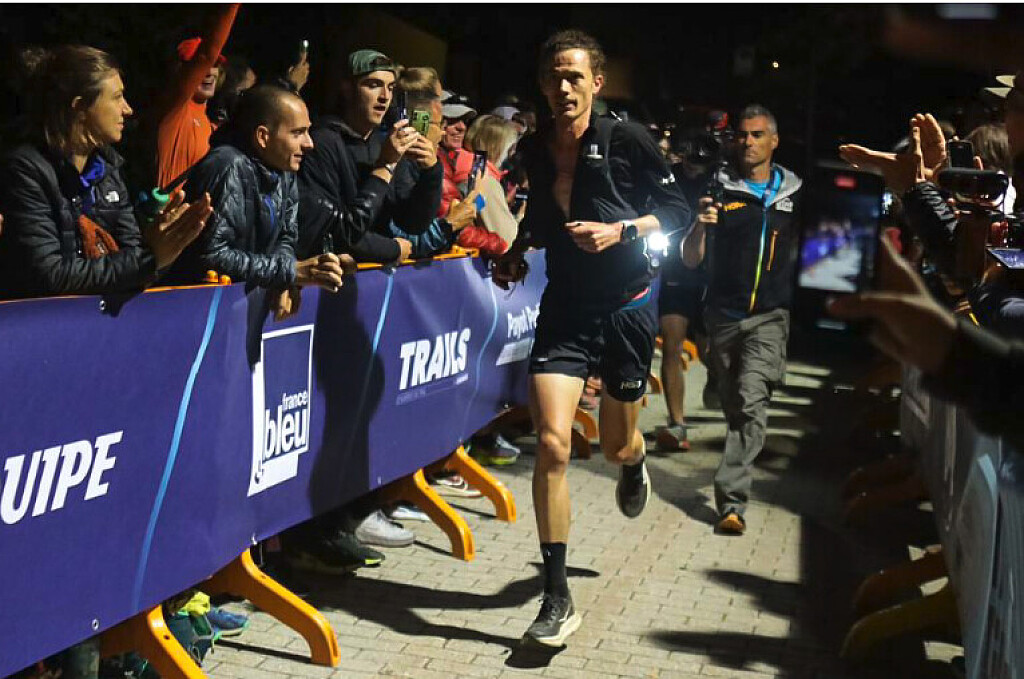
2023 UTMB Men’s Race
After a history of struggling with UTMB, the American men showed up this year with Jim Walmsley and Zach Miller (pre-race interview) taking the top two-spots on the podium. Two vastly different racers with different approaches to the event, the two were able to push each other from start to end, with Walmsley’s ever-consistent pace finally winning out in the end with a new course-record time of 19:37:43. But with a stacked field, with nine of last year’s top 10 back for another crack at the race, and last year’s champion Kilian Jornet out with injury, it was anyone’s bet throughout most of the race of who would come out on top.
There’s never a non-chaotic start to UTMB, and this year was no different. With nerves and excitement running high, it was France’s Arthur Joyeux-Bouillon (pre-race interview) who led at Saint-Gervais, 21 kilometers in, with the entire rest of the field hot on his heels. But as darkness fell on the race and the kilometers ticked by, several distinct groups began to form. Coming into Les Contamines, 32 kilometers in, it was Zach Miller, Jim Walmsley, and the U.K.’s Tom Evans (pre-race interview) bunched up and running together. It looked like there would be the potential of a repeat of the Miller-Evans bromance from 2022, with the addition of Walmsley as a third. Frenchman Mathieu Blanchard (pre-race interview) and Petter Engdahl (pre-race interview), a Swede who lives in Norway, teamed up just a minute behind the leading trio, and the rest of the top-10 men came in within five minutes of the leaders.
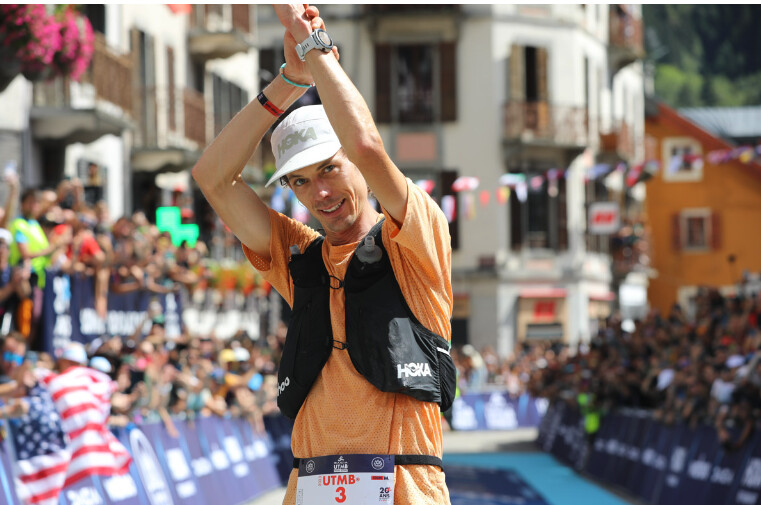
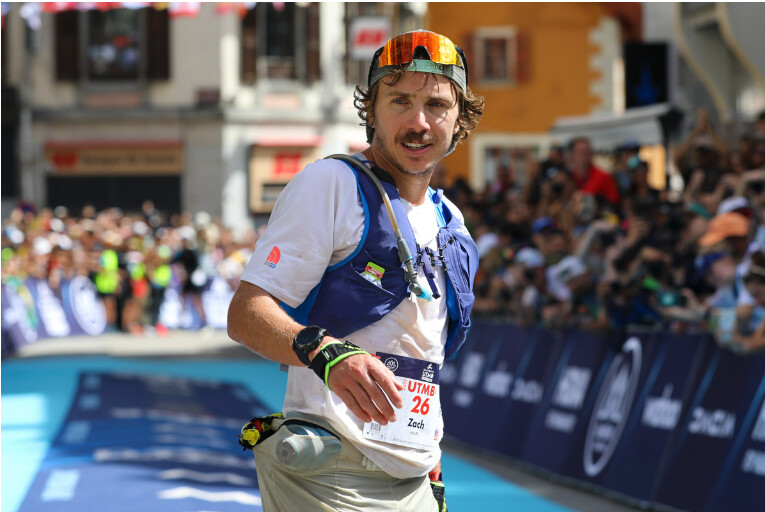
By Col du Bonhomme at 44 kilometers, it was clear that Walmsley was there to put his mark on the race. Miller doggedly hung on 30 seconds back, and Evans came through another 30 seconds in arrears, looking decidedly worse than the two men in front of him. France’s Germain Grangier (pre-race interview), Blanchard, Engdahl, and Joyeux-Bouillon continued to run together just eight minutes off the lead.
The head of the race remained amazingly consistent over the coming kilometers to Courmayeur, 81 kilometers into the race. Walmsley led Miller by a handful of minutes, Engdahl and Grangier followed, running close to each other in third and fourth, at under 20 minutes back after Evans decided to call it a day. Joyeux-Bouillon and Blanchard stayed within half an hour of the leader in fifth and sixth.
Ever the aggressive racer, Miller made his move before Arnouvaz, 99 kilometers in. He came through the checkpoint leading a fatigued-looking Walmsley by two-and-a-half minutes. Many wondered if this was just another instance of Walmsley taking the early race out too hard and paying for it later. Grangier, Joyeux-Bouillon, and Engdahl all came through the checkpoint within 30 minutes of Miller, still well within striking distance if either of the two Americans fell back. The rest of the top-10 men also remained close, with a large group containing New Zeakland’s Scotty Hawker, France’s Thibaut Garrivier, Blanchard, Switzerland’s Jean-Philippe Tschumi, and Germany’s Hannes Namberger coming in hot and fast.
Coming over a dark and foggy Grand Col Ferret at 103 kilometers, Miller extended his lead to nearly four minutes, but Walmsley looked determined and seemed to have found a second wind. Grangier continued to hold strong just 12 minutes behind the leader, and the chase pack of the rest of the top 10 remained relatively unchanged with several of the men teaming up to run the final kilometers to daybreak together.
It’s always a question of when the actual racing at UTMB starts. That is, when do runners make their move and hope that it sticks? Coming into Champex-Lac at kilometer 126 on Saturday morning, it was starting to seem like perhaps Miller’s early move might be the one that worked for the American. With an 11-minute gap over Grangier and Walmsley, who were now running together, Miller looked strong and focused. But there was still a lot of racing to do, and a lot of mountains between him and the finish.
Whether Walmsley was actually in a spot of bother in the later hours of the night, or if it was all part of his strategy to hold back until daylight, everything changed when the sunlight lit up the Alps. By kilometer 139 at La Giète, he’d whittled his gap to Miller down to two minutes, and by Trient six kilometers later, he’d moved back into the lead of the race, a position he wouldn’t relinquish. Grangier continued to run in third, with fourth, fifth, and sixth place, Joyeux-Bouillon, Blanchard, and France’s Ludovic Pommeret, all moving together 44 minutes back from the battle up front.
With the kilometers ticking by, Walmsley’s lead only continued to grow. At kilometer 154 at Vallorcine, he was more than 13 minutes ahead of a struggling Miller. Seven kilometers later at Tête de Béchar, the gap was up to 16 minutes. From here, it would be just one more climb up to La Flégère before the course tipped downward to Chamonix. Grangier maintained his third place up the final climb, with Blanchard in fourth and Pommeret in fifth, more than an hour back on the leader. Garrivier ran in sixth, while Hawker and Joyeux-Bouillon were seventh and eighth, 92 minutes back from the lead.
Once on the final descent, there was no touching Walmsley, and one can only imagine the thoughts and emotions that must have been going through his head. After five attempts at the race, the ultimate student of the course had finally figured out how to put together the race everyone thought he was capable of. He crossed the finish line to huge cheers from the crowd with a time of 19:37:43, breaking Kilian Jornet’s course record of 19:49:30. Wiping away tears while receiving congratulations from past UTMB champion François D’Haene, it was clear how much this victory meant to him.
Fellow American Miller came across the line in second with a time of 19:58:58, looking completely spent. This was his best finish during what can only be called an extended relationship with UTMB starting in 2016. Granger completed the podium with a 20:10:52.
Blanchard, last year’s second-place UTMB finisher, ended just off the podium in fourth. Maybe one of the more impressive results of this years race was of Pommeret in fifth. The 48-year-old masters athlete, who was the 2016 UTMB champion and 2022 TDS winner, showed that age really is just a number. The other surprise in the top 10 has to be Tyler Green, the American who made a late race move to finish in seventh. He didn’t move into the top 10 until Tête de Béchar, 161 kilometers in.
Race favorite Petter Engdahl withdrew at Champex-Lac, 126 kilometers into the race.
by Eszter Horanyi I run far
Login to leave a comment
North Face Ultra Trail du Tour du Mont-Blanc
Mountain race, with numerous passages in high altitude (>2500m), in difficult weather conditions (night, wind, cold, rain or snow), that needs a very good training, adapted equipment and a real capacity of personal autonomy. It is 6:00pm and we are more or less 2300 people sharing the same dream carefully prepared over many months. Despite the incredible difficulty, we feel...
more...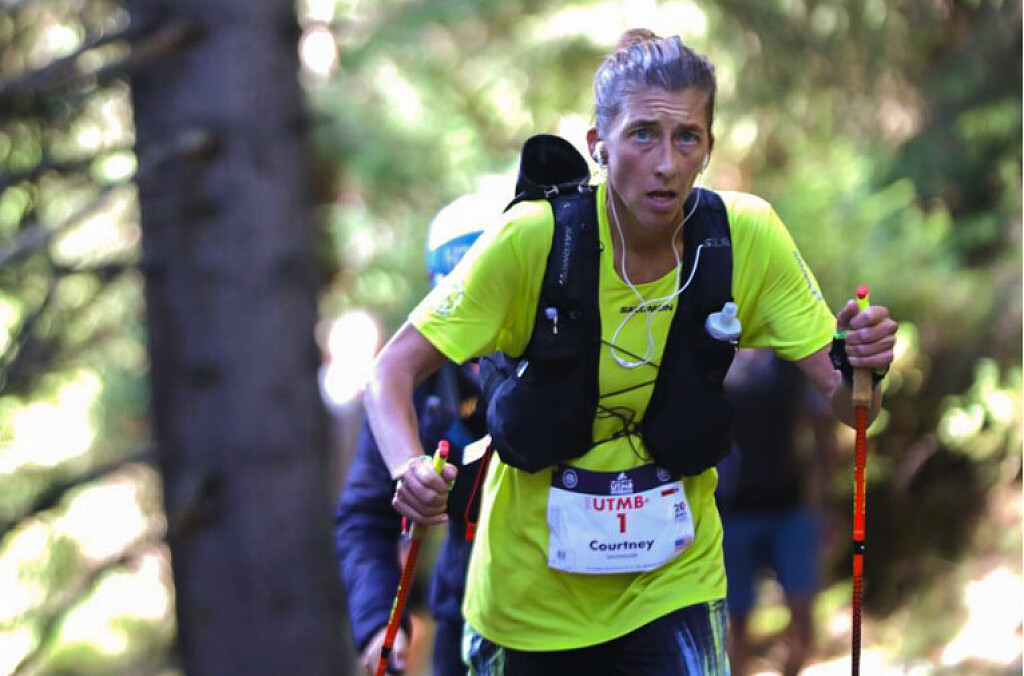
2023 UTMB Women’s Race
Was there actually any doubt that American Courtney Dauwalter (pre-race interview) would actually win UTMB? If her performances throughout the summer were any indication, it would have been foolish to bet against her. After winning and setting course records at both Western States 100 and Hardrock 100 earlier this summer, this win might just be the cherry on the cake, or the cerise sur la gateau, as the French would have it.
The legend of the sport led from the early miles, and in typical Courtney fashion, smiled and joked her way to the win with a time of 23:29:14.While Emma Pooley, of Switzerland, led for the initial kilometers of the race, it didn’t take long for Dauwalter to move to the front. Sporting her trademark smile and happily interacting with volunteers at aid stations whenever the opportunity presented itself, Dauwalter simply makes it look good.
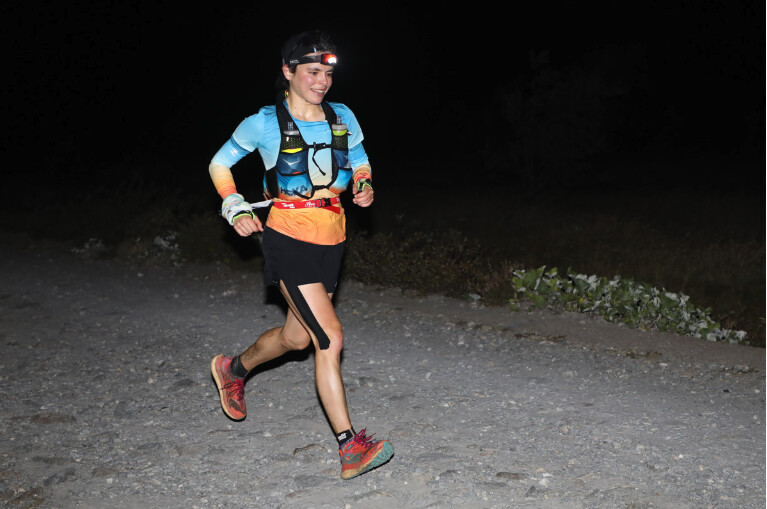
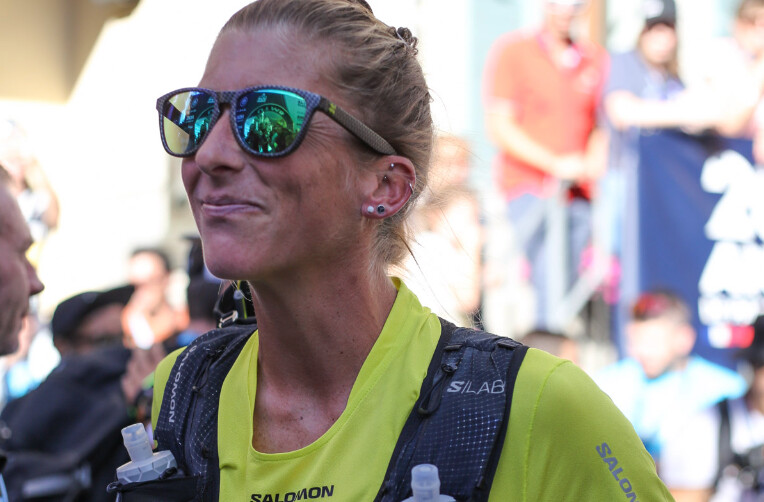
The top three women, Dauwalter, Pooley, and France’s Blandine L’Hirondel, came into Les Contamines, 32 kilometers into the race, within seconds of each other. It would be the last time we would see the front of the race together, as by Col du Bonhomme, 12 kilometers later, the gap between Dauwalter and second-place Manon Bohard Cailler, of France, was nearly 10 minutes. L’Hirondel and Chiina’s Fu-Zhao Xiang (pre-race interview) came through another two minutes later. Germany’s Katharina Hartmuth (pre-race interview) came over the dark col another five minutes in arrears. The situation remained essentially unchanged through Les Chapieux at 51 kilometers and Lac Combal at 69 kilometers, except the gaps were growing.
Nearly 10 hours into the race, Dauwalter came through Courmayeur at 81 kilometers, not even bothering to stop at the aid station. Bohard continued to keep the gap manageable at 18 minutes, but it was really starting to look like another runaway victory for the American for the top step of the podium. But the race for the rest of the top spots was just starting to get interesting. L’Hirondel and Xiang remained close in third and fourth, just a few minutes back of Bohard, and Hartmuth continued to lurk another 20 minutes back. This early in the race, there were still many within striking distance. Coming through Refuge Bertone at 86 kilometers, the top five remained unchanged and Canada’s Ailsa McDonald, Poland’s Katarzyna Solińska, the U.S.’s Sabrina Stanley and Leah Yingling, and Claudia Tremps of Spain filled out the top 10.
Somewhere before Arnouvaz at kilometer 99, Bohard took a fall that would ultimately take her out of the race. She entered the aid station walking gingerly, but was determined to keep going. This development opened up podium possibilities even further, and Xiang and L’Hirondel continued to run together at Grand Col Ferret, 50 minutes behind the ever-steady, smiling, and happy Dauwalter. Hartmuth was just 15 minutes off a podium position.
With the arrival of Saturday morning came renewed spirits for many. Dauwalter arrived to sun at La Fouly running 26 minutes under her own course-record pace. L’Hirondel and Xiang came in just under 50 minutes back, but now there was daylight, in the form of a couple of minutes, between the women. Hartmuth remained in fourth, 65 minutes down, Solińska in sixth, Yingling in seventh, and Spain’s Maite Maiora came through in eighth looking relaxed and focused. Stanley remained in the top 10. Bohard finally succumbed to injuries from her fall and would withdraw from the race.
By La Giète, 130 kilometers in, the gap between Dauwalter and second place was over an hour, but the fight between the rest of the top five remained tight. Xiang moved into second and Hartmuth third, just minutes apart, as L’Hirondel began to feel the distance and time in her legs and dropped back. Solińska and MacDonald continued in fourth and fifth, running together almost two hours behind Dauwalter and nearly 50 minutes behind second and third places. Things remained relatively unchanged at Trient at 144 kilometers. Dauwalter looked good, Xiang was 66 minutes back, and Hartmuth was a mere minute behind her. Solińska and MacDonald followed another 50 minutes back, with Maiora trailing them by 15 minutes.
With victory seemingly all but assured for the American, the battle for the other two podium spots started to get heated on the closing climbs and kilometers. Through Vallorcine at the base of the final major series of climbs, Hartmuth moved up into second after biding her time the entire race, now seven minutes ahead of third-place Xiang and fourth-place L’Hirondel, a further nine minutes back. Maiora led Solińska in fifth and sixth just under two hours behind the leader.
Near the top of the final climb at Tête de Béchar, 161 kilometers in, it was Hartmuth in second, 56 minutes down. L’Hirondel moved into third 15 minutes back and Xiang kept the pressure on for the final podium spot, trailing by just four minutes. The next gap to Maiora remained about 30 minutes.
Meanwhile, Dauwalter made short work of the final descent to the finish line in Chamonix, finishing in 23:29:14 and completing the ultimate trifecta of ultrarunning, winning the Western States 100, Hardrock 100, and UTMB all in one year. “Anytime you have a chance to take on a crazy challenge, I think we should,” she said afterward.The battle for the final two podium spots didn’t let up until the very end. Coming through La Floria, just four kilometers from the finish, Hartmuth led L’Hirondel by a mere nine minutes, and both women looked strong all the way to the finish. They would finish just over 40 minutes behind Dauwalter, Hartmuth in second at 24:10:52. L’Hirondel, the multi-time trail world champion, finished in third at 24:22:50 for her debut 100 miler.Xiang would fade away from podium contention in the final kilometers but held on for an incredible fourth-place finish, improving on her seventh place in 2022. But really, the excitement of her race finish was only added by receiving a marriage proposal on the finish line. Having met her now-fiancé — she said yes! — four years ago at UTMB, the proposal really was a perfect ending to her race.
Maiora finished fifth, an impressive result after her DNF in the race in 2021.
by Eszter Horanyi I run far
Login to leave a comment
North Face Ultra Trail du Tour du Mont-Blanc
Mountain race, with numerous passages in high altitude (>2500m), in difficult weather conditions (night, wind, cold, rain or snow), that needs a very good training, adapted equipment and a real capacity of personal autonomy. It is 6:00pm and we are more or less 2300 people sharing the same dream carefully prepared over many months. Despite the incredible difficulty, we feel...
more...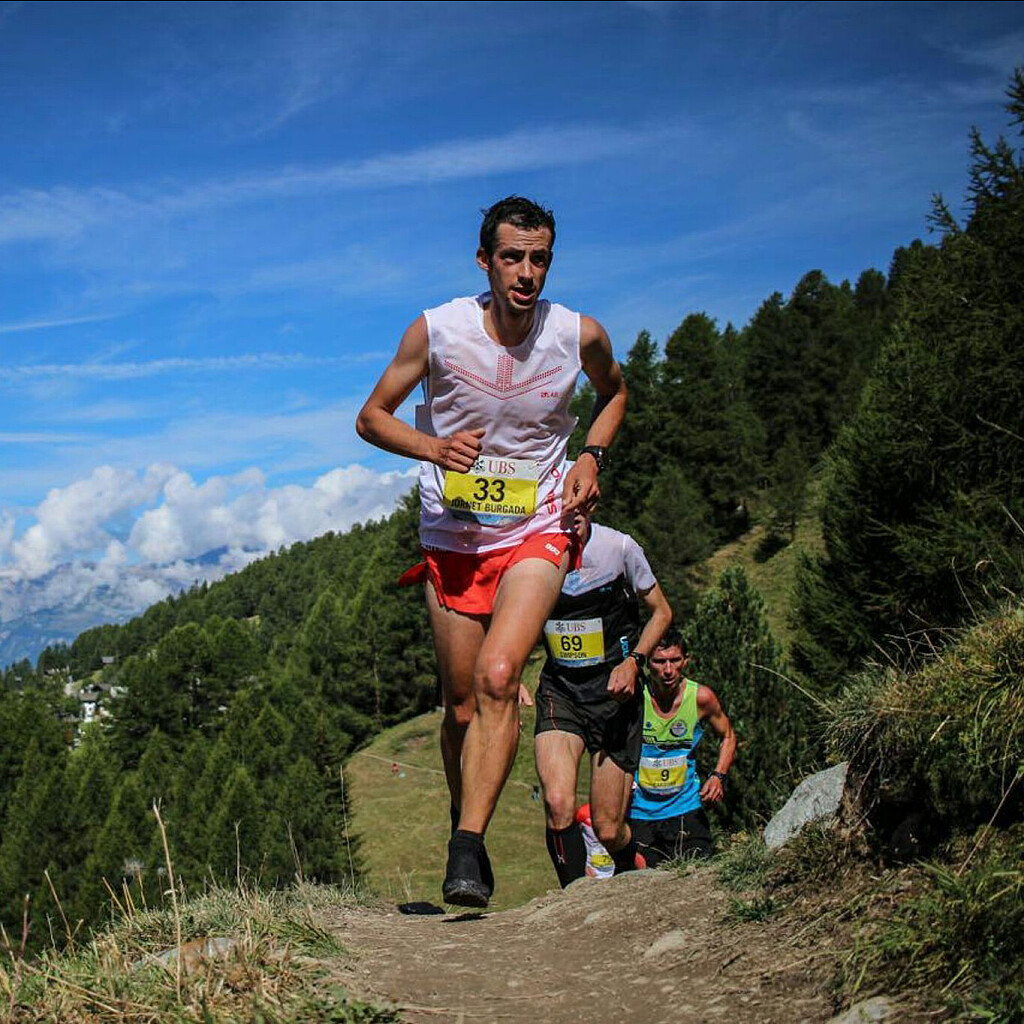
Kilian Jornet pulls out of UTMB with injury
While the roster of talented athletes ready to jostle for the win at the 171-km Ultra Trail du Mont Blanc (UTMB) on Sept. 1 is still ridiculously deep, one notable competitor will be absent: four-time winner and course record holder Kilian Jornet.
The athlete announced on social media Thursday that he would not be attending due to an injury that hasn’t healed. “No UTMB for me this year,” Jornet shared. “I still can’t run due to the sacrum injury so we decided it was better to prioritize a good recovery and try to do something fun when the pain disappears.”
Fans were eager for a rematch between Jornet and Canadian Mathieu Blanchard, who will be vying for his third consecutive podium finish in Chamonix. Blanchard ran last year’s race in 19 hours, 54 minutes and 50 seconds to finish a close second behind Jornet, who ran 19:49:30, setting a new course record.
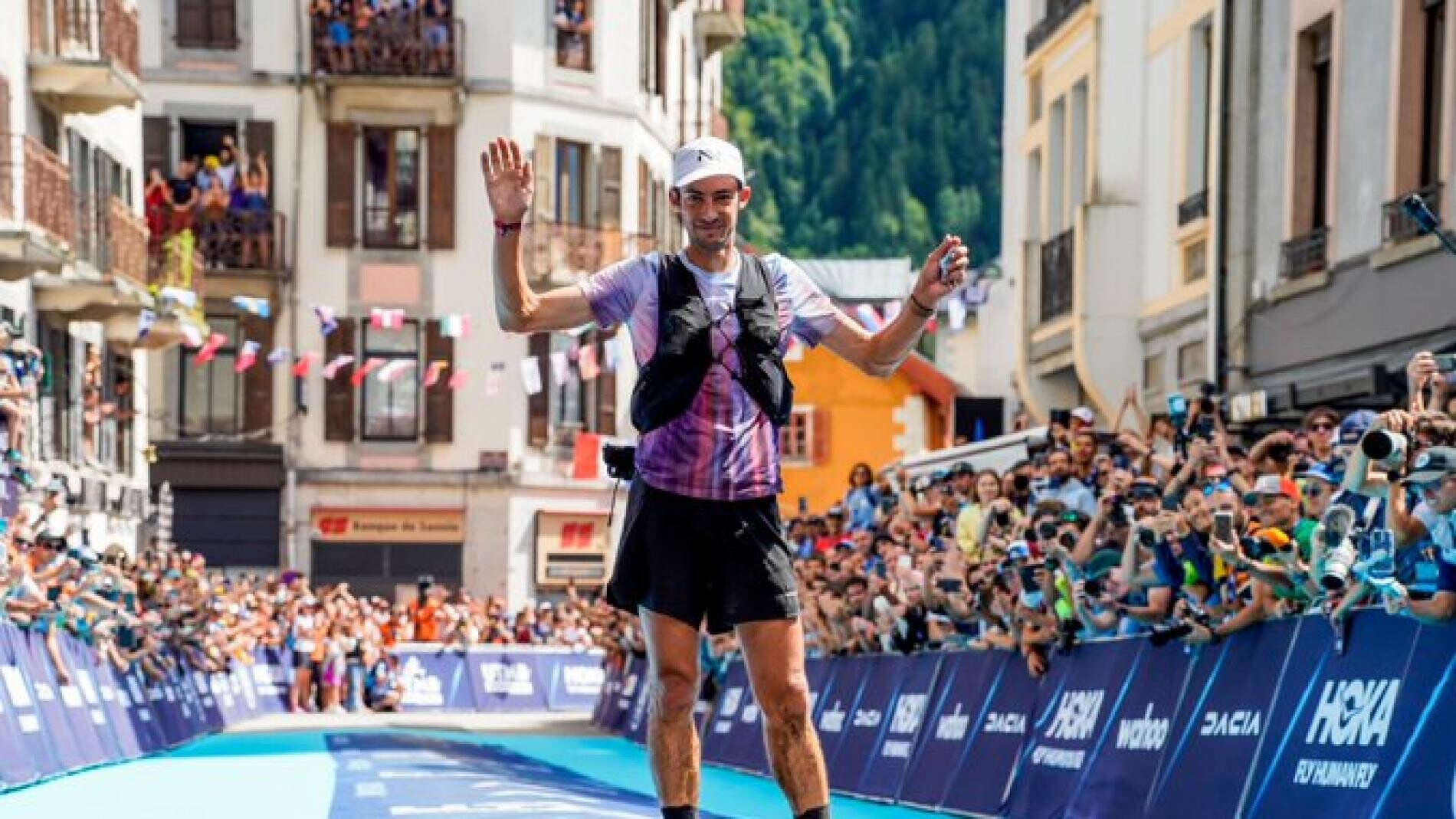
Jornet battled through injury in the Eiger Ultra Trail by UTMB, vying for a UTMB Running Stone that would allow him to compete in the final UTMB event in Chamonix. While Jornet leads the UTMB Index with a 945 rating, he needed to finish the race to become a contender in the final. The athlete injured his sacrum in training two days before Eiger Ultra, but fought through to finish in 48th place in a race won by 16-year-old Swiss athlete Lorick Buclin (1:21:26).
“Some days before Eiger Ultra trail I started to feel pain in my right hip, Jornet shared on Instagram. “I thought it was a muscle problem or tendinitis that would go away with some easy days, but after a check we found out it’s a bone edema.” The multi-sport mountain athlete explained that he suspected the cause was returning to big running weeks too quickly after a Himalayan expedition that left him with broken ribs and a hip injury.”It feels it’s a bad timing to get this injury so close to the races but managing injuries and recovery is part of an athlete’s life,” he said.
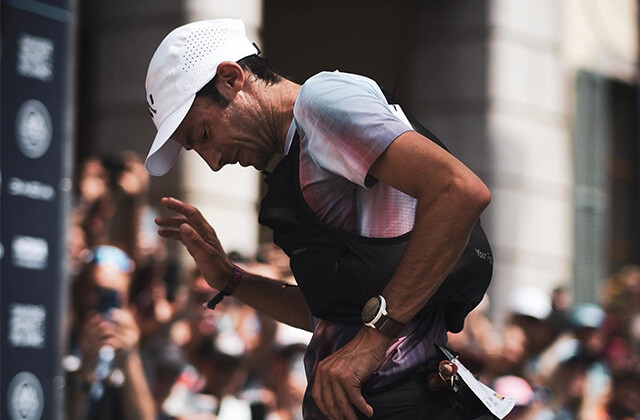
While Jornet expressed hopes in late July that he would be able to line up along the likes of Americans Jim Walmsley and Courtney Dauwalter, British ultrarunner Tom Evans and Canadian Blanchard, the athlete decided against it. Fans can hope to see him crewing his wife, Swedish ultrarunner and ski mountaineer Emelie Forsberg, who will be lining up at CCC (Courmayeur–Champex–Chamonix), the 100K race at the UTMB World Series Finals.
Jornet is somewhat of a legend at UTMB, first winning the race in 2008 as a 20-year-old and returning to win 2009, 2011 and 2022. Jornet has a long list of accomplishments and holds the fastest known time speed record for the ascent and descent of major mountains, including the Matterhorn and Mont Blanc.
by Keeley Milne
Login to leave a comment
North Face Ultra Trail du Tour du Mont-Blanc
Mountain race, with numerous passages in high altitude (>2500m), in difficult weather conditions (night, wind, cold, rain or snow), that needs a very good training, adapted equipment and a real capacity of personal autonomy. It is 6:00pm and we are more or less 2300 people sharing the same dream carefully prepared over many months. Despite the incredible difficulty, we feel...
more...
Martina Valmassoi ‘building up the excitement’ as she takes on 100 miles for the first time at UTMB
Martina Valmassoi will make her 100-mile debut on the biggest stage of all when she takes on the 2023 Ultra Trail du Mont Blanc (UTMB).
The Italian has enjoyed a stellar year, winning at Transvulcania La Palma Island by UTMB in May – which she credited to a change in mindset.
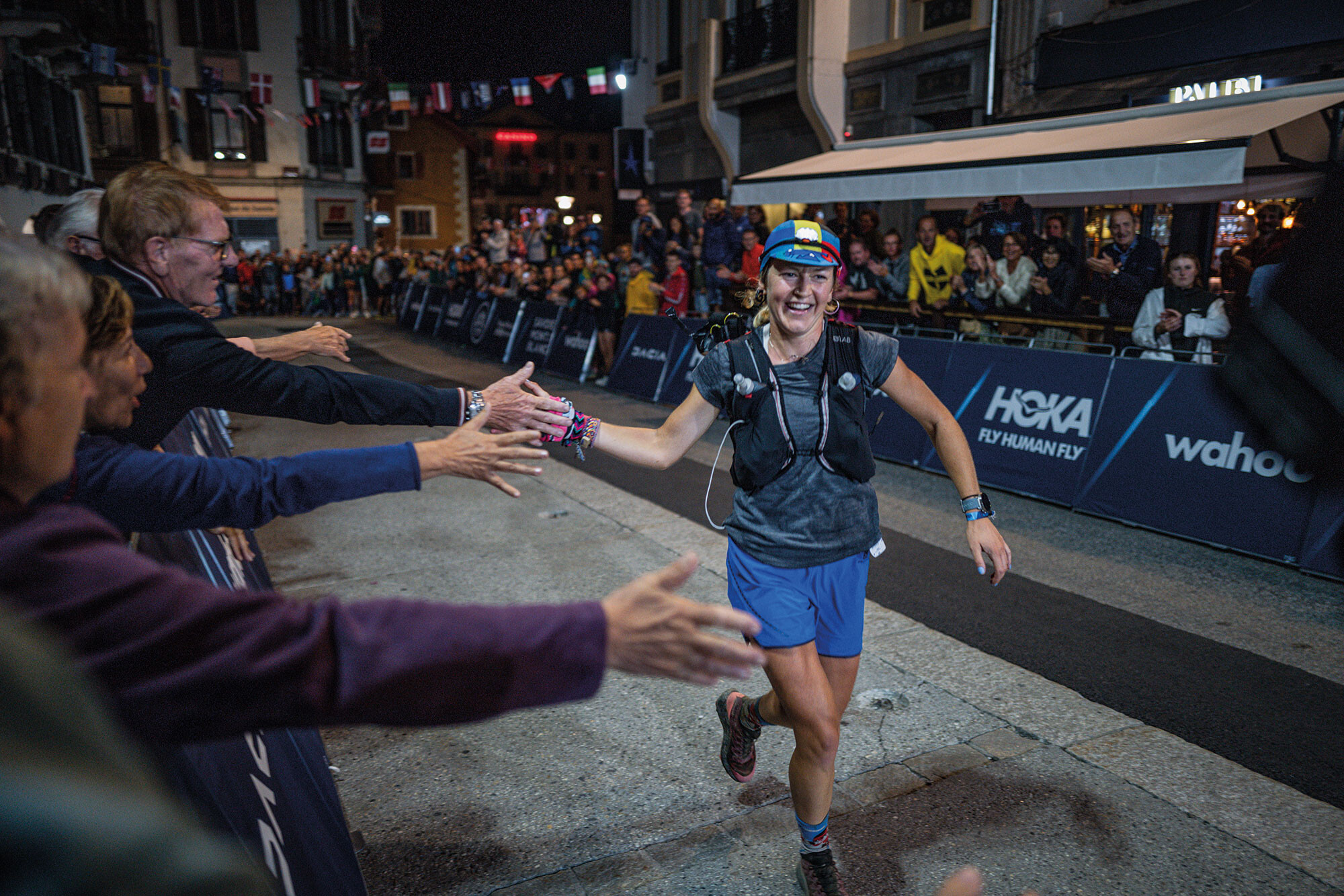
That triumph came a month on from victory at the Genova Trail Marathon and formed part of her recovery from a lengthy injury lay-off.
She has also since picked up fourth at the World Mountain and Trail Running Championships (WMTRC) Long Trail and third at the Marathon du Mont-Blanc.
TDS triumph
Though she has never tackled the flagship race, Valmassoi has history at the UTMB event in Chamonix, having triumphed in the TDS in 2022.
She finished in 22:42:47, over 16 minutes clear of Spaniard Claudia Tremps as she bounced back from a DNF in the 2021 race.
At 91 miles, the TDS is a strong indicator of Valmassoi’s potential over the 100-mile distance, though she will be up against a stellar field in the UTMB, in addition to the added mileage.
“Less than a month until the big dance at the UTMB, my first 100-miler,” she wrote on Instagram.
“Building up the excitement as I’m building up the fitness.
“Is never easy to know if you are training properly, enough or too much but for sure listening at the signs that the body gives you is a great start.”
500km racked up
Valmassoi says her adaptation to the longer distance is going to plan as the weeks tick down to the UTMB World Series Finals and the UTMB itself, which starts on September 1.
“Training has been going pretty good lately,” she added in a recent post.
“About 500km and 30,000 meters on foot in the past three weeks and no majors problems.
“Now is time cut the runs short and focus on picking berries more!
by Olly Green
Login to leave a comment
North Face Ultra Trail du Tour du Mont-Blanc
Mountain race, with numerous passages in high altitude (>2500m), in difficult weather conditions (night, wind, cold, rain or snow), that needs a very good training, adapted equipment and a real capacity of personal autonomy. It is 6:00pm and we are more or less 2300 people sharing the same dream carefully prepared over many months. Despite the incredible difficulty, we feel...
more...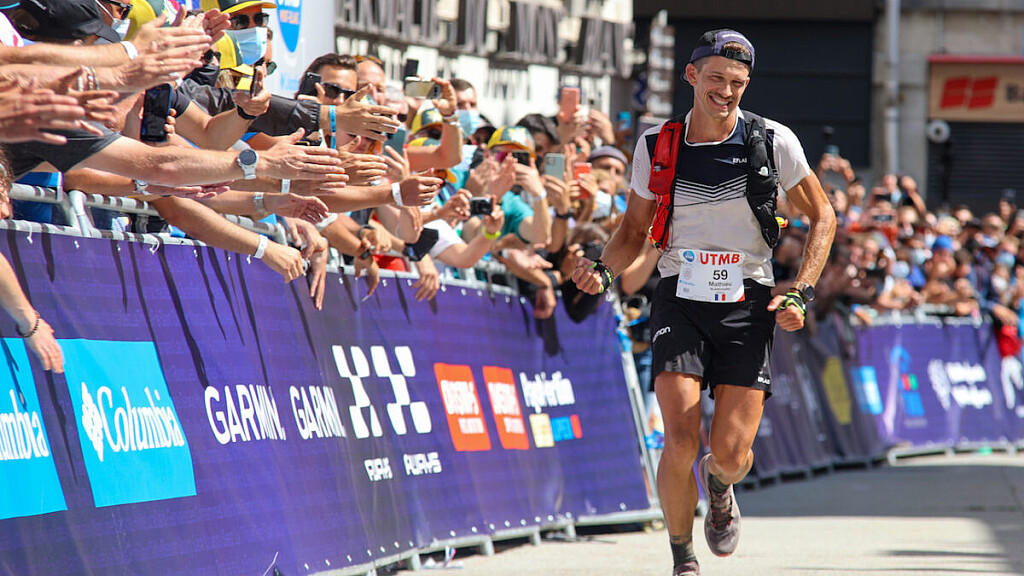
Montreal ultrarunner Mathieu Blanchard to join star-studded UTMB field
Montreal’s Mathieu Blanchard has confirmed he will toe the start line at Ultra Trail du Mont-Blanc in two weeks, joining an elite lineup that organizers of the 171-km race are billing the strongest elite field since the race began 20 years ago.
Blanchard will be vying for his third consecutive podium finish in Chamonix on Sept. 1. He ran last year’s race in 19 hours, 54 minutes and 50 seconds to finish a close second behind Spain’s Kilian Jornet, who ran 19:49:30 for a new course record. In 2021, Blanchard finished third behind French runners François D’haene (20:45:59) and Aurélien Dunand-Pallaz (20:58:31).
In June, Blanchard ran 15:37:02 to finish sixth in his Western States Endurance Run debut. He told Canadian Running after the race that Western States presented a uniquely difficult challenge: “I pushed through, I fought hard, my body was super painful like never before,” he said, adding he was proud to earn the “mythic buckle” awarded to Western States winners.
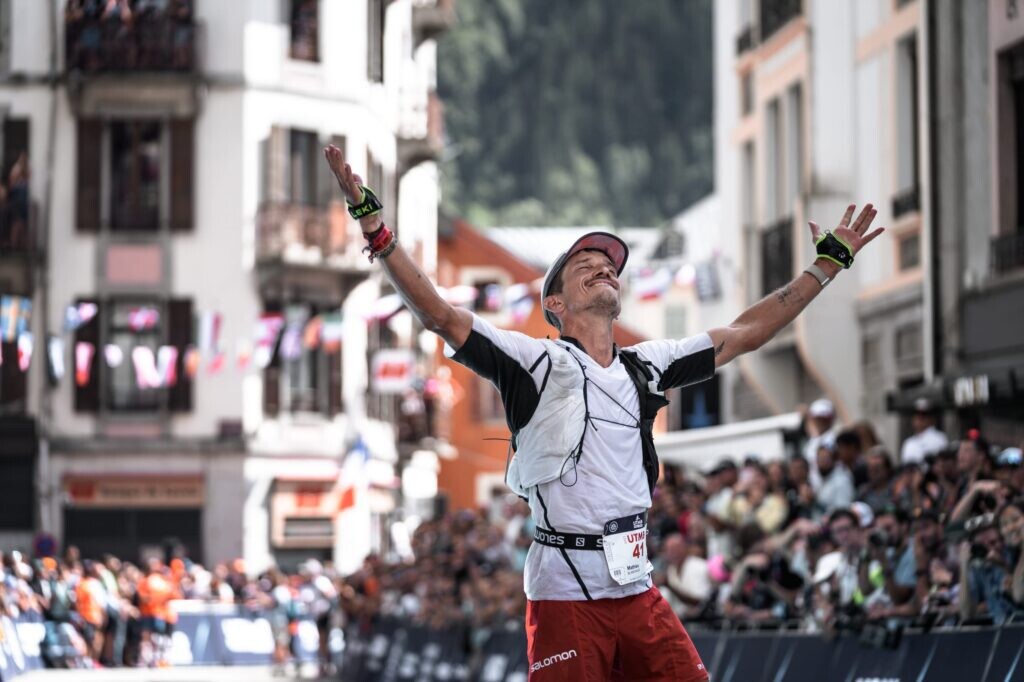
Among the giants of trail running Blanchard will be up against at UTMB is British runner Tom Evans, who ran the fourth-fastest time in Western States history (14:40:22) to win this year’s men’s race, and who finished behind Blanchard at last year’s UTMB to place third (20:34:35).
“I’m incredibly enthusiastic about the idea of taking part in the UTMB this year,” Evans recently told UTMB. “I’m coming into the event in a much better position than last year when I was fresh from a knee operation. The race is so full of history and for the 20th anniversary, I want to be part of the story by doing a Western States 100 Endurance Run and UTMB double. It’s a big challenge and with the strength of the peloton, it won’t be easy, but it’s a contest I’m looking forward to and believe I can achieve.”
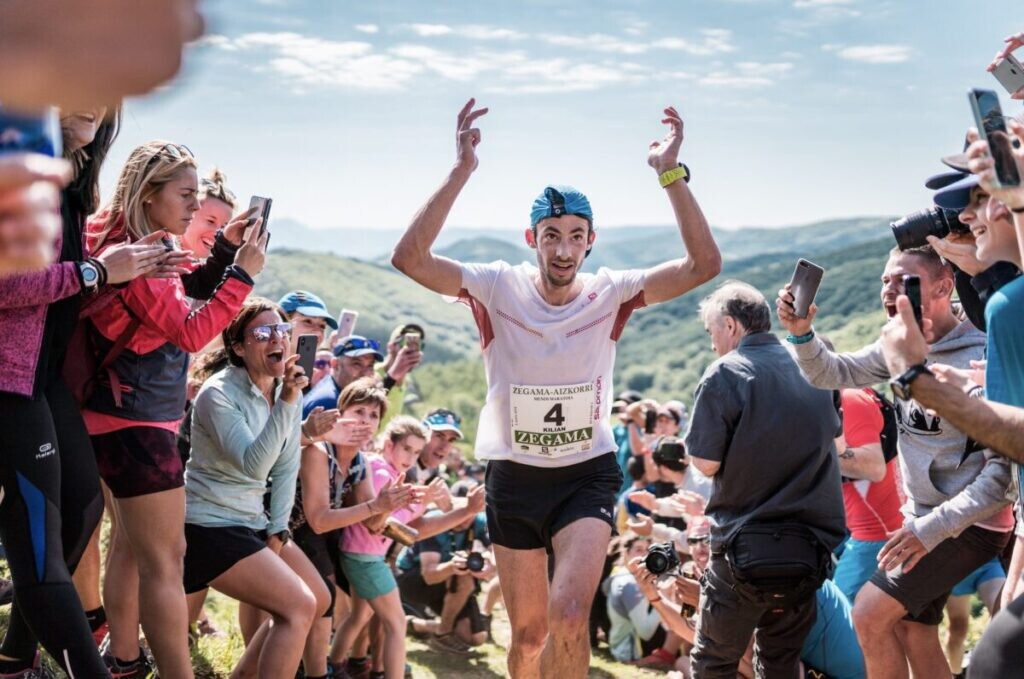
In addition to Jornet, this year’s men’s field will see the return of American Jim Walmsley, who finished fourth in last year’s race (21:12:12) and who has held the Western States course record (14:09:28) since 2019.
Other notable entries in the men’s field include Swiss runner Jonas Russi (winner of the Lavaredo Ultra Trail by UTMB 2023), fellow Swiss runner Jean-Philippe Tschumi (who shared victory at the 100K Trail 100 Andorra by UTMB with the American Ben Dhiman) and Sweden’s Petter Engdahl.
Arguably the most compelling storyline from this year’s UTMB will be American trail running phenom Courtney Dauwalter‘s quest for the triple crown following her resounding victories at Western States (where she ran 15:29:33 to smash the 16:47:19 course record set by Canadian Ellie Greenwood in 2012) and Hardrock 100 (where she set a new course record in 26:14:08). The Golden, Colo.-based runner won UTMB in 2019 (24:34:26) and again in 2021, when she set the current women’s course record (22:30:54).
She stands to face fierce competition from an elite field that includes New Zealand’s Ruth Croft (who finished second at Western States last year), Germany’s Katharina Hartmuth (winner of this year’s Eiger Ultra Trail by UTMB), Italy’s Martina Valmassoi (winner of the 2022 TDS in Chamonix) and Hungary’s Eszter Csillag, who finished fifth at last year’s UTMB.
by Paul Baswick
Login to leave a comment
North Face Ultra Trail du Tour du Mont-Blanc
Mountain race, with numerous passages in high altitude (>2500m), in difficult weather conditions (night, wind, cold, rain or snow), that needs a very good training, adapted equipment and a real capacity of personal autonomy. It is 6:00pm and we are more or less 2300 people sharing the same dream carefully prepared over many months. Despite the incredible difficulty, we feel...
more...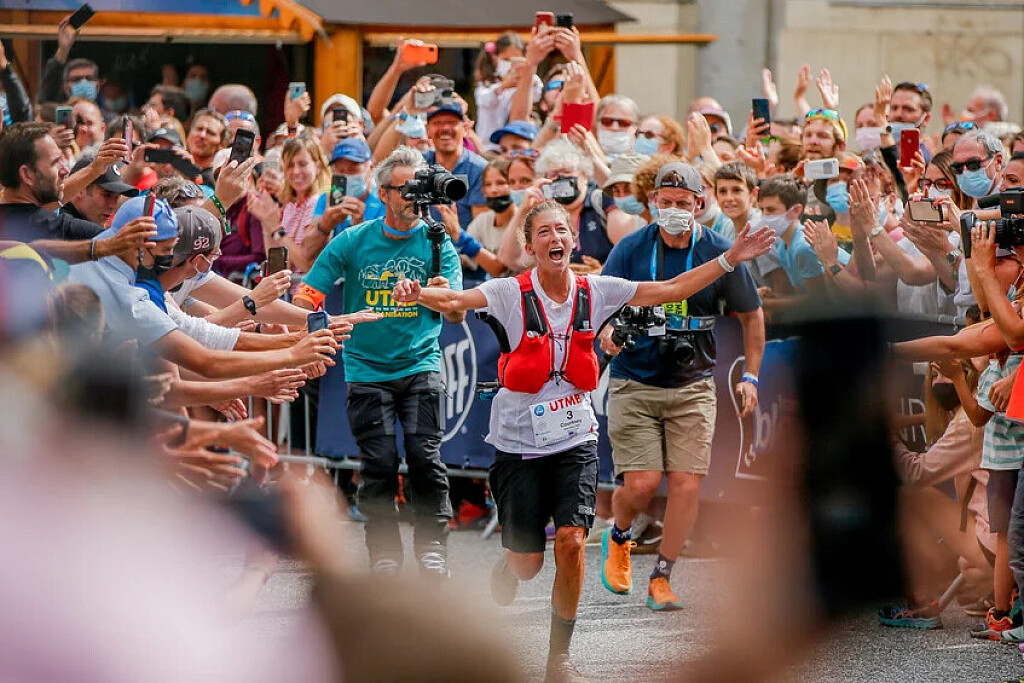
Courtney Dauwalter to race UTMB this year
The U.S. ultrarunning phenom, hot off her record-breaking finishes at Western States and Hardrock 100, will be looking to best her own course record in Chamonix in September.
Ultrarunning sensation Courtney Dauwalter has announced she’ll be toeing the start line at Ultra Trail du Mont-Blanc (UTMB) in Chamonix, France on Sept. 1, setting the stage for what is sure to be one of this year’s most highly anticipated ultras, following her recent record-breaking wins at the Western States 100-mile Endurance Run and the Hardrock 100.
The 38-year-old shared on social media Friday morning—with an apparent mix of excitement and trepidation—her decision to take on the famed 170-km course, which features 10,000m of vert around the base of Mont Blanc.
“We decided to do UTMB!” she wrote. “I have no idea how this will go, or what I’ll be able to squeeze out of my body & brain in one more 100 mile race this summer, but that makes it even more interesting to try! Mont Blanc, here we come! Race date: Sept 1”
The big question surrounding the September race will be whether Dauwalter, who holds the UTMB course record following her 22:30:54 finish in the race two years ago, will be able to best herself to claim the championships and course records at Western States, Hardrock and UTMB within a span of less than three months.
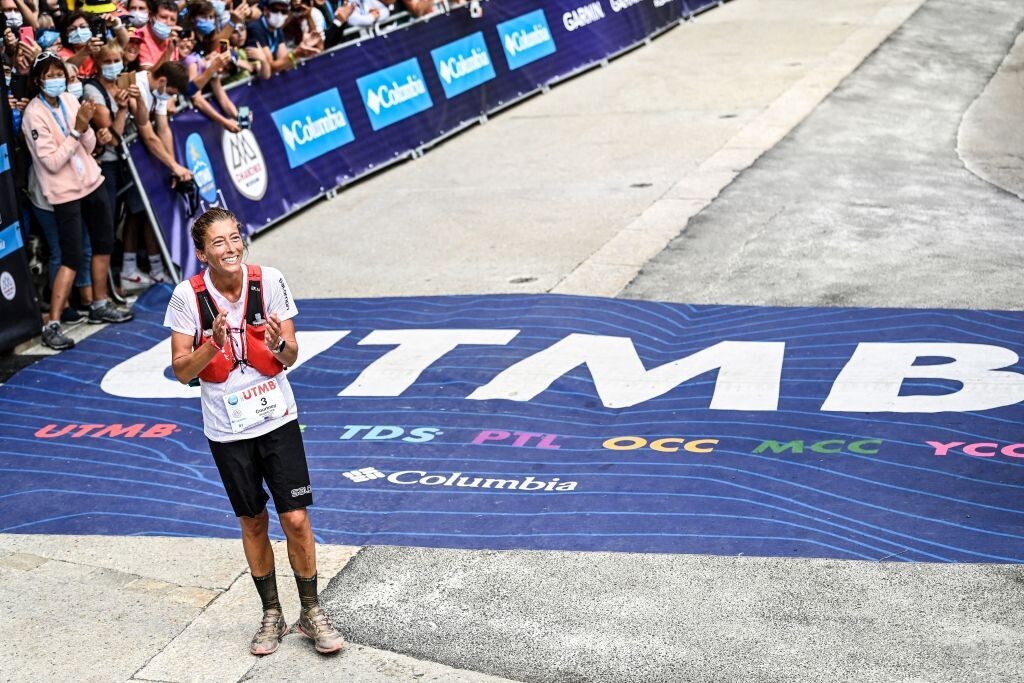
On June 24, Dauwalter not only demolished the Western States women’s course record that had stood for more than a decade (16:47:19 set by Canadian Ellie Greenwood in 2012), but beat most of the men, finishing in 15:29:33 and sixth overall.
Just three weeks later, she turned in another mind-blowing performance at the Hardrock 100 in Silverton, Colo., crossing the finish line in fourth place overall in 26:14:08. Dauwalter’s run was more than an hour faster than the counter-clockwise record set by Diana Finkel of South Fork, Colo., in 2009, and 30 minutes faster than Dauwalter’s own overall women’s course record set last year.
In addition to holding the course records at UTMB, Western States and Hardrock 100, Dauwalter, who is based in Golden, Colo., holds the record at Diagonale des Fous on Reunion Island.
by Paul Baswick
Login to leave a comment
North Face Ultra Trail du Tour du Mont-Blanc
Mountain race, with numerous passages in high altitude (>2500m), in difficult weather conditions (night, wind, cold, rain or snow), that needs a very good training, adapted equipment and a real capacity of personal autonomy. It is 6:00pm and we are more or less 2300 people sharing the same dream carefully prepared over many months. Despite the incredible difficulty, we feel...
more...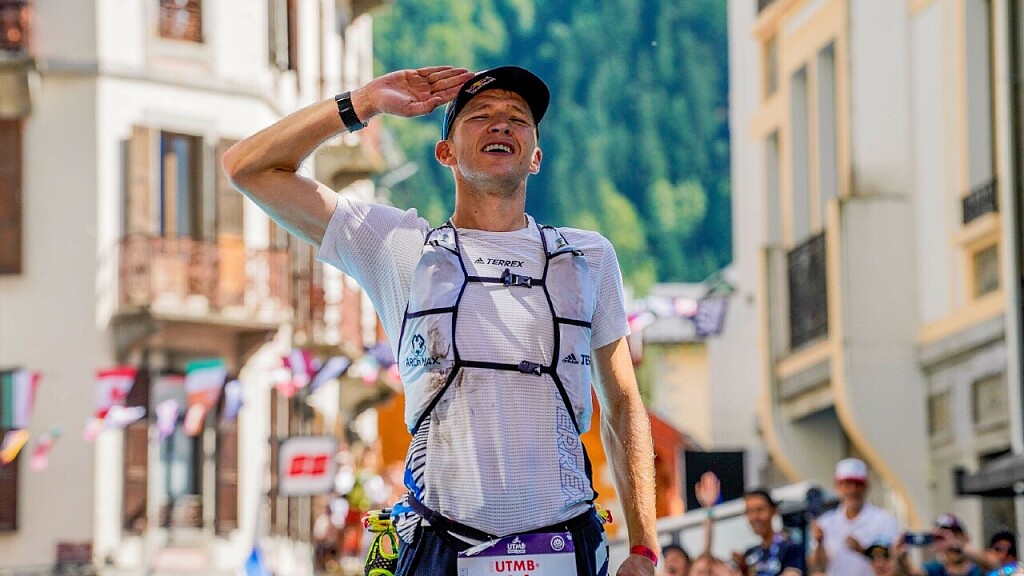
Don’t tell me what’s impossible – Tom Evans confirms UTMB is up next
Tom Evans has announced that he will run at this year’s Ultra Trail du Mont Blanc (UTMB) after a late alteration to his 2023 plans.
The British runner claimed a “dream” victory at Western States last month to add to his “super fun” Ultra-Trail Snowdonia win in May and second place at Black Canyons 100K in February.
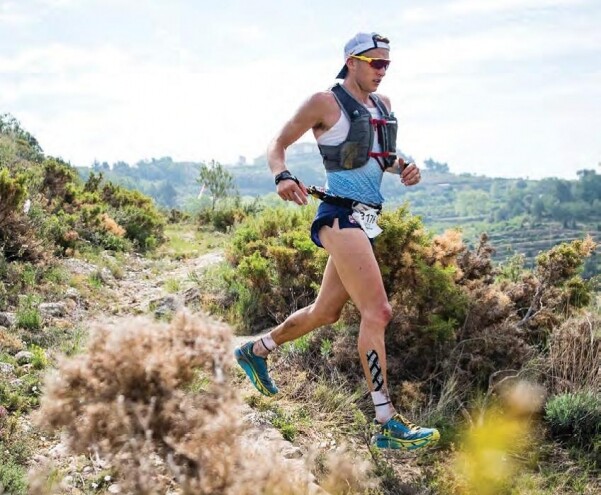
Evans crowned his return from knee surgery to finish third behind Kilian Jornet at last year’s UTMB, but had not scheduled in the iconic Chamonix race for 2023.
Western States recovery
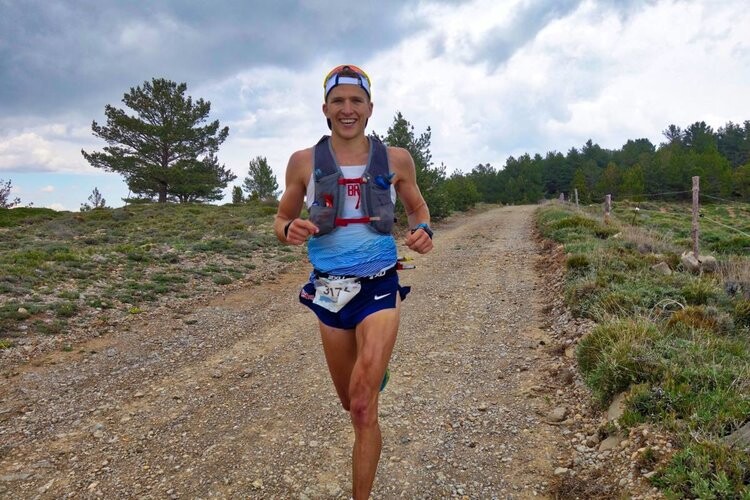
His race calendar for this year, which he shared on Instagram in January, included a Fastest Known Time (FKT) attempt of the Bob Graham Round in September, but there was no mention of UTMB following Western States.
However, after his dominant win in California’s Sierra Nevada Mountains, a defiant Evans suggested that UTMB could still be on the cards.
“If I recover well from this, I’ll race UTMB this year,” Evans said at the end of adidas TERREX’s documentary on his Western States win.
“People have said it’s impossible to do. Don’t tell me what’s impossible or not.
Irresistible challenge
Over the next three weeks, Evans’ recovery clearly went to plan and yesterday he revealed that he was unable to resist the allure of UTMB, which takes place next month.
“Couldn’t resist the chance to make more memories like this,” he wrote on Instagram. “See you in Chamonix!
“Next up… UTMB.
“The Western States 100 / UTMB double is something that has always interested me. It wasn’t on my original plan but things have to change with how you’re feeling!
“And now, I can’t wait for the challenge!”
by Olly Green
Login to leave a comment
North Face Ultra Trail du Tour du Mont-Blanc
Mountain race, with numerous passages in high altitude (>2500m), in difficult weather conditions (night, wind, cold, rain or snow), that needs a very good training, adapted equipment and a real capacity of personal autonomy. It is 6:00pm and we are more or less 2300 people sharing the same dream carefully prepared over many months. Despite the incredible difficulty, we feel...
more...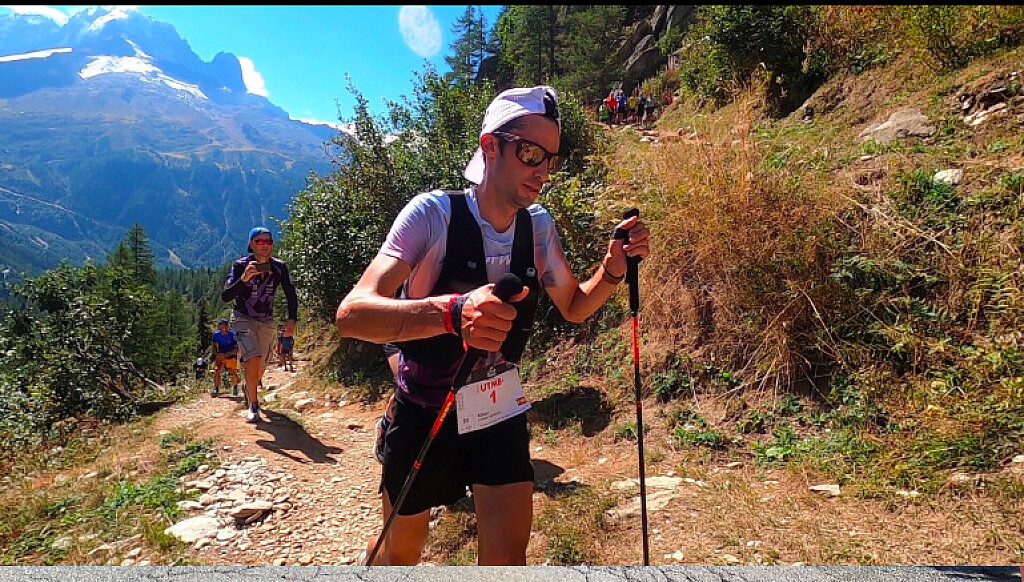
What is the UTMB? Meet trail running’s most difficult race
We answer all of your questions about this hellacious footsport event
If you’re starting to dip your toes into the crazy sport of ultrarunning, a couple of things will happen. First, you’re going to need several pairs of the best trail running shoes in rotation at any given time to put up with all those miles pounding rocky trails, and second, it won’t be long before you hear mention of the UTMB.
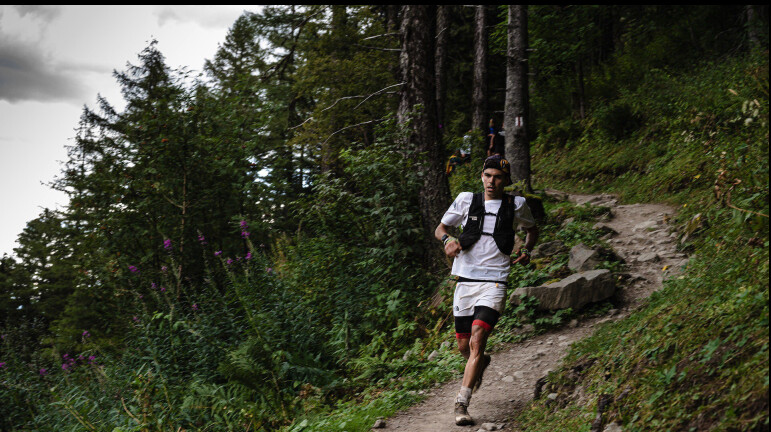
In fact, I recently attended the Arc’teryx Alpine Academy in Chamonix which holds a number of trail running clinics, and over the course of four days it was rare to have a conversation where the UTMB didn’t come up. Other participants in the academy wanted to know if our mountain guides had run it, how many times and whether they liked it (they don’t, considering it a tourist event) and mountain guides were keen to complain about how busy it made their favorite running trail.
But what is the UTMB exactly? Is it the ultimate goal for all trail runners? Why is it so hard? Here, we answer all of your questions about this hellacious footsport event.
What is the UTMB race?
UTMB stands for Ultra-Trail du Mont Blanc and is considered one of the world's premier trail ultra marathons. This demanding annual event follows the route of the Tour du Mont Blanc, a classic long distance hiking trail which circles the Mont Blanc Massif over 106 miles and passes through France, Switzerland and Italy. The UTMB begins and ends in Chamonix and is regarded as one of the most difficult races in the world.
The race takes place on the last weekend of August or first weekend of September and is today the ultimate in a series of events that take place around the world. Runners from all over the world aspire to compete in the UTMB. In the first year of the race, there were 700 participants, but these days, participation is capped at around 2,300 runners and other events have been created to allow for more participation.
The maximum cutoff for the race is 46.5 hours. In 2022, Kilian Jornet became the first to complete the UTMB in less than 20 hours (check out his race data to find out how he managed it) but most mere mortals can expect to have to run for two days and two nights to complete the race. Better bring some running gels then!
How does the UTMB race work?
Due to the event’s extreme popularity, you need to qualify to run the UTMB. That involves accumulating points through qualifying trail races over a two-year period. Qualifying races take place all over the world, from elsewhere in the Alps to Snowdonia, California, Mexico, Hong Kong and Australia. So if you’re serious about participating, you’ll have lots of time to train.
For each event you participate in and complete you’ll receive one running stone, which you can then enter into the lottery to be selected. You can enter the lottery at the UTMB website.
Why is UTMB so hard?
Besides the fact that at over 100 miles, it’s very long, competitors in the UTMB are also looking at 32,940 feet of elevation gain. In comparison, over roughly the same distance you could run the Leadville 100 in Colorado and gain only 11,000 feet (though at much higher altitude) or the West Highland Way in Scotland where you’d gain 10,300 feet.
The highest point of the route is 8,743 feet, which you’ll reach twice, in both Switzerland and France. That’s not extremely high altitude and it’s unlikely you’d experience altitude sickness at that height, but you’ll definitely notice shortness of breath and more challenging conditions, especially if you’re not already used to this altitude.
What you can also expect is more extreme conditions that come with trail running in the Alps. The altitude combined with the season means that the days might be swelteringly hot, while the temperatures at night could drop down around freezing at night.
How much does it cost to enter UTMB?
In 2023, the UTMB itself cost €335 to enter, plus administration fees. Of course, you’ll also have to pay registration fees for your qualifying events too. Your race will also include the cost of traveling to and from Chamonix, and accommodation while you’re there, but on the plus side the aid stations will be on hand to feed you during the race so you can save a little on those pricey Chamonix restaurants.
How many people have died in UTMB?
Sadly, deaths do occur in ultrarunning events and it’s perhaps more remarkable that for 17 years, no fatalities occurred during the UTMB, which not only places runners’ under extreme physical stress but entails a lot of night running. There have now been two deaths of runners in the UTMB, occurring in 2021 and 2022, both as the result of falls.
Do people sleep during UTMB?
Some runners somehow manage to do the UTMB without sleeping at all while others do sleep, but they’re not carrying a bivy sack and grabbing eight hours if that’s what you’re wondering. Sleeping during the UTMB looks like cat napping, and according to a 2015 study of 17 UTMB runners, the average time spent resting was between 12 and 17 minutes in total, and hallucinations were a common complaint, understandably.
Can you walk the UTMB?
Can you walk the UTMB? Well, yeah you could. Since the race is 106 miles and you have 46.5 hours to complete it, you technically could walk at a 2.3 mile per hour pace without any breaks and make the cutoff. Obviously though, you could just walk it at a time when the race isn't going on, save yourself €335 and enjoy far fewer people on the trail.
In all seriousness though, if you don’t already know, ultrarunning is actually hiking, and you’re not going to be running at the same pace you do on the tarmac back home. Even Jornet ran at an adjusted pace of around five miles per hour which isn’t exactly turbo speed (though it is if you maintain that for 20 hours). You’ll most likely walk the uphills and slow down or walk for rest periods, making up time on the downhills. And sorry, there aren’t many flats to speak of.
Login to leave a comment
Kilian Jornet confirms UTMB plan with entry into Eiger Ultra Trail
Kilian Jornet has confirmed he plans to be in Chamonix at the end of August to defend his UTMB title.
And he will race at this weekend’s Eiger Ultra Trail with the aim of securing the single running stone he needs to qualify for UTMB.
Return from Himalayas
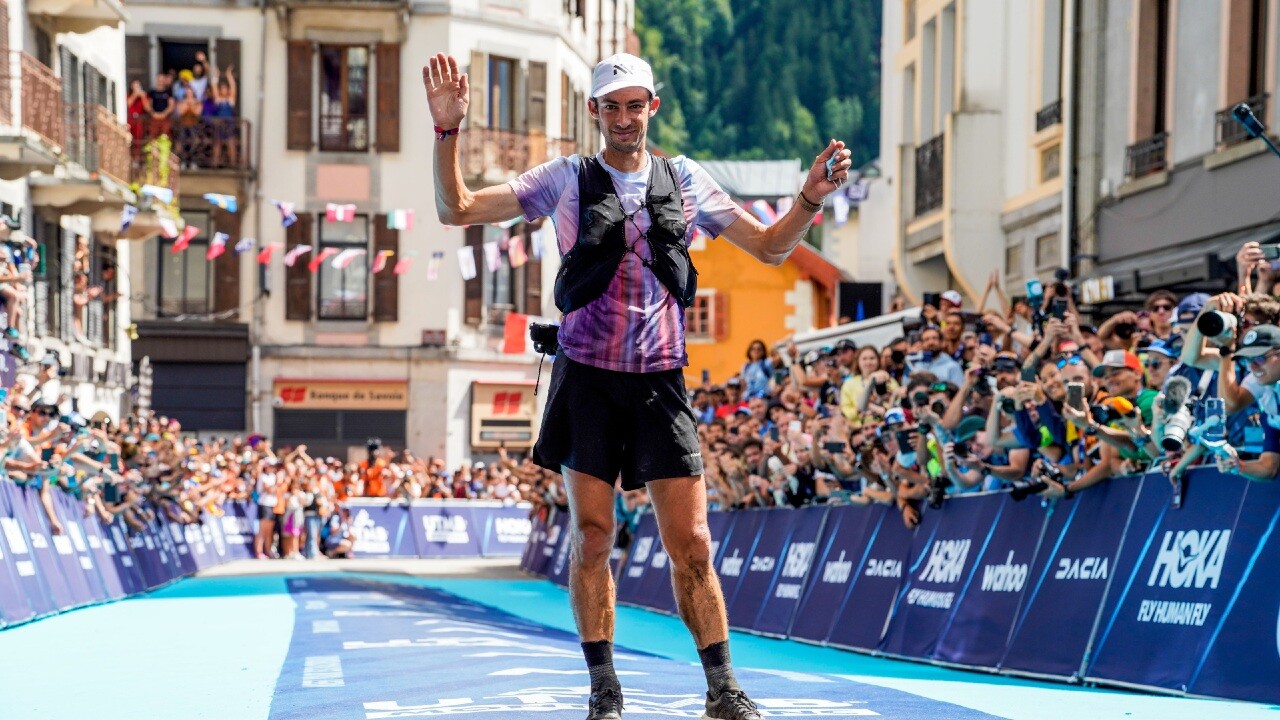
Kilian Jornet is only recently back from a trip to the Himalayas, a trip that saw him survive an avalanche that carried him for 50 metres during a solo attempt on the West Ridge of Everest, and the legendary trail runner and mountaineer has told his Instagram followers that he wanted to be sure he was fully recovered.
”I wanted to see how I was feeling, how I was in my body [after the trip to the Himalayas],” he said.
‘’I have mentioned I wanted to do some long distance at the end of the season and actually I am kind of looking like I would like to do UTMB.
‘‘But I need to classify first and I need to have some points so I will try to get them this weekend at Eiger and see if I can be at Chamonix at the end of August.’’
Eiger E16 Pleasure Trail
Jornet will be taking on the E16 Pleasure Trail race on Saturday – a 16k race that is described by the UTMB as ‘perfect for short distance specialists, and for those wishing to enjoy a shorter trail at their leisure.’
Although that race may not be the most likely to feature a runner of Jornet’s calibre, as one of the top-three UTMB finishers last year he has a priority for registration for this year’s event, but he must have at least one running stone and he has chosen Eiger to achieve it.
Last year’s UTMB saw Jornet at his very best as he took his fourth race victory, set a new course record and became the first person to cover the famous course in under 20 hours.
When Jornet announced his 2023 schedule earlier in the year, the only defined race was a return to Sierre-Zinal on August 12th – a race he’s won nine times, setting the course record of 2:25:36 in 2019.
Alongside a ‘trip to the Himalayas’ Jornet said he was considering a ‘Long-distance project/race’ later in the season. That race now looks most likely to be UTMB.
by Chris Buckley
Login to leave a comment
North Face Ultra Trail du Tour du Mont-Blanc
Mountain race, with numerous passages in high altitude (>2500m), in difficult weather conditions (night, wind, cold, rain or snow), that needs a very good training, adapted equipment and a real capacity of personal autonomy. It is 6:00pm and we are more or less 2300 people sharing the same dream carefully prepared over many months. Despite the incredible difficulty, we feel...
more...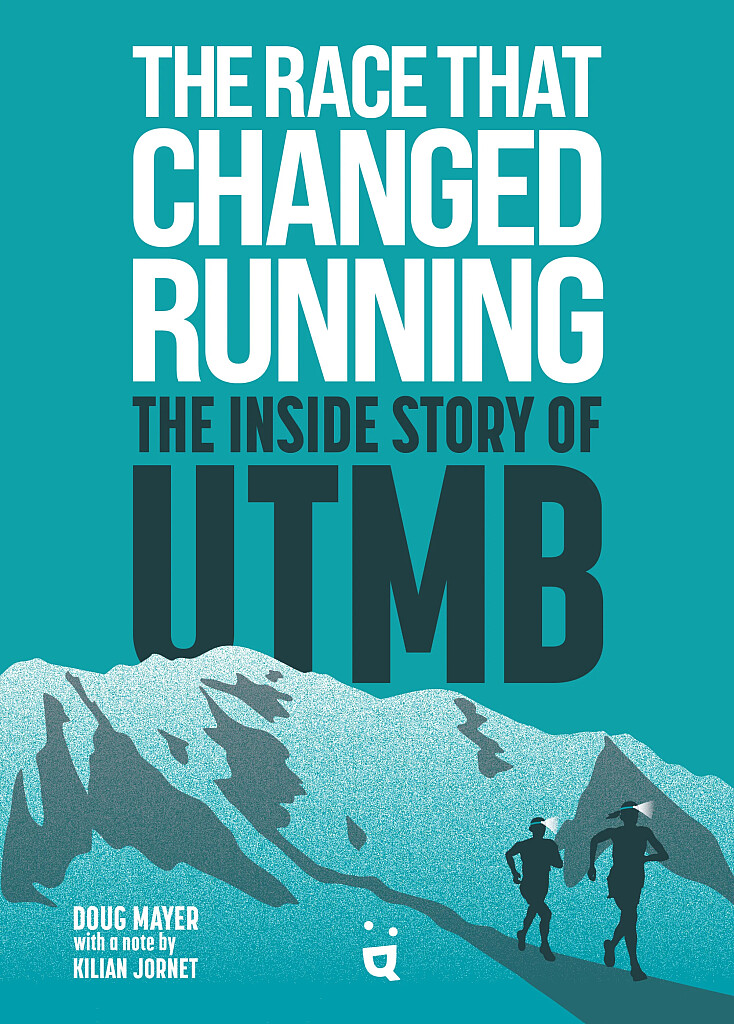
UTMB book reveals the history of the famous event delving into controversy over prize money and the people behind the race
A new book to mark the 20-year anniversary of the Ultra Trail du Mont Blanc (UTMB) highlights the human story behind the event, contextualising controversies such as prize money.
“I don’t always agree with the founders’ decisions personally but I always found the answers very interesting and it gave me more perspective and understanding,” said Doug Mayer, 58, the book’s author.
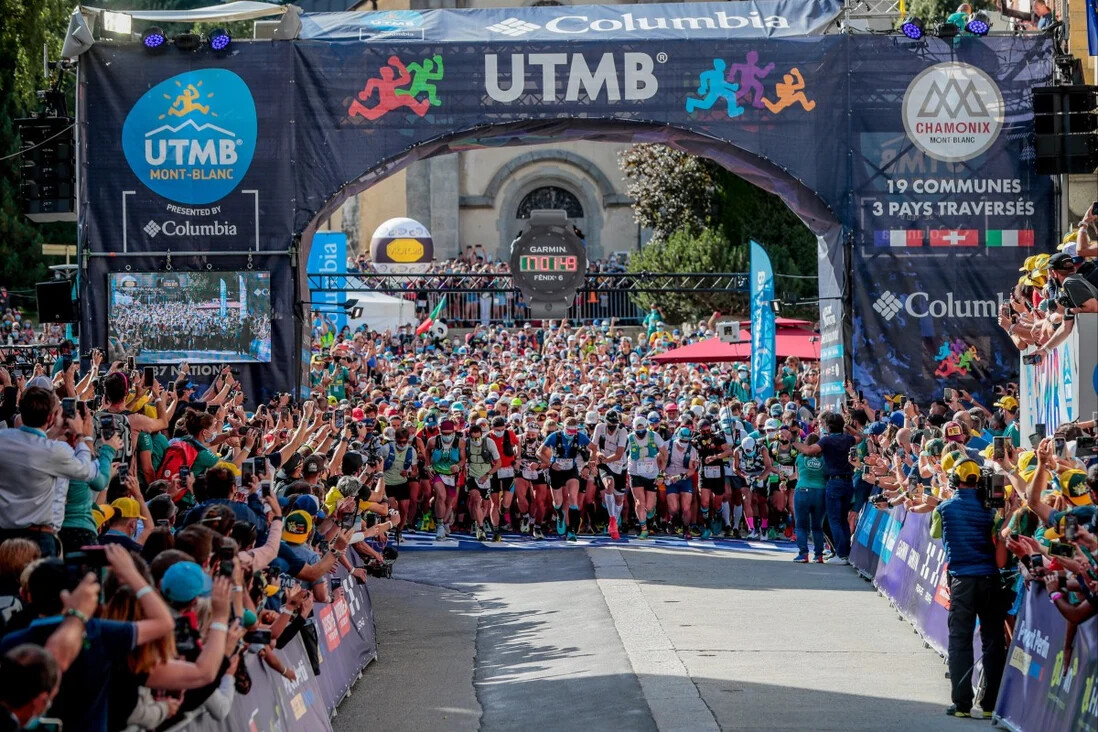
The book – The Race that Changed Running: The Inside Story of the Ultra Trail du Mont Blanc – details the history of the UTMB with interviews with the founders Michel and Catherine Poletti.
The race is the most high-profile event in trail and ultra running. The main event is the 171km race from Chamonix, all the way around the Mont Blanc Massif, through Italy and Switzerland and back to Chamonix in France.
During the week, there are also other races: the 145km TDS, the 100km CCC and the 56km OCC.
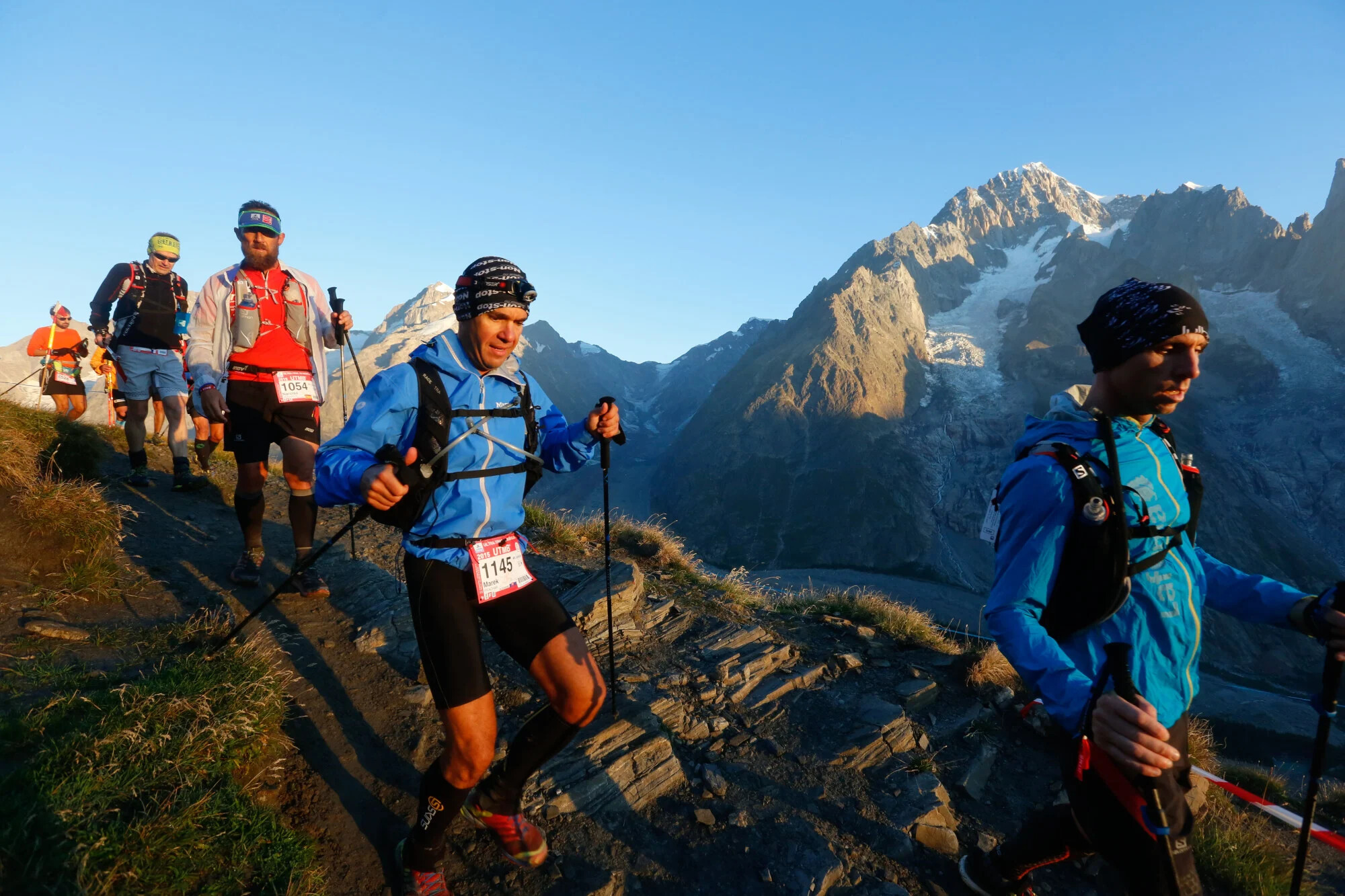
The UTMB has often been criticised for being too commercial. They have expanded to different countries with races “by UTMB” and recently partnered with Iron Man to make a world series, through which runners can qualify for the main event in Chamonix.
The founders of the UTMB check the book for accuracy, but they were not allowed to change anything, and had no editorial control.
He did not shy from asking controversial questions. Some of his critical views of the race have been softened by the human side of the answers.
For example, the UTMB seemed to be making money, but offering little or no prize money to its runners, attracting a lot of controversy.
“It turns out that Catherine had been the treasurer of the Marathon Mount Blanc [a different race] many years ago at a time when East African runners were winning and she was writing cheques out to their managers,” Mayer said.
“She knew exactly what was going on – the money wasn’t going to the athletes, it was going to the managers. That horrified her. When she talks about that today, you can hear the indignant tone in her voice.
“That informed their thinking about prize money. For years, they saw prize money as corrupting.”
Since then, trail running has become increasingly professional. Runners and critics, including the Post, called for the UTMB to offer prize money. In 2018, they did. There were calls to give more than a token amount, to recognise that the athletes are professional runners who need to make a living.
Major publications like Outside Magazine had headlines such as “UTMB and ultrarunning’s amateurism problem”.
As of 2022, the UTMB offered US$10,400 to the winners of the UTMB, CCC and OCC, around US$5,200 for second place and US$3,125 for third. Fourth and fifth places got around US$1,500, while sixth to 10th earned US$1,000.
“I think one of their human faults is that they’re slow to change,” Mayer said, adding that he hoped people would be more forgiving of it.
One of the sources of the problems is that people have suggested the Polettis are in it for the money. In the book, the Polettis pointed out that they could have cashed out years ago. They said they wanted to pass the race on to their children.
Even the 40 per cent sold to Iron Man was not the 40 per cent they owned. It was sold to Iron Man by Group Telegram, although Iron Man did buy 5 per cent from the Polettis.
Mayer is American, but lives in Chamonix and speaks French. He has interviewed the Polettis many times but even he was taken on a journey.
“I learned a lot about them and that made them more human,” he said. “They’ve had their struggles, like all of us.”
Michel grew up in Chamonix. After university, he went to Paris to become a computer programmer.
“And he was miserable about it,” Mayer said. “A friend of Catherine said, ‘Well, you guys have a choice. It’s Paris and antidepressants, or it’s back to Chamonix.’ And they went back to Chamonix and moved into the garage of his father.”
They renovated the chalet, and it’s where they still live.
“They’re not the people that a lot of people think they are,” Mayer said. “The race is not entirely the race we think it is.”
Login to leave a comment
Here's Why It Feels Like Every Elite Runner Is Changing Sponsors Right Now
Tim Tollefson celebrated the new year shoveling a lot of snow, dreaming about a summer of possibility, and changing his shoes.
After six years with Hoka, Tollefson, 37, the well-known elite American ultrarunner from Mammoth Lakes, California, signed a new multi-year sponsorship deal with Craft. It might seem like a curious move this time of the year, but, in reality, most athlete sponsorship contracts in running are one-year partnerships that end on December 31. That typically gives brands the upper hand in these situations because they can have an easy out whenever an athlete doesn't have a great year of results, or they no longer fit with their marketing goals. It always comes down to the money, though sometimes it's in the athlete's best interests to start fresh, to leverage their recent results and social media platform to find a better deal with a brand that better fits their racing goals.
Because there are more brands partnering runners than ever before, and presumably more sponsorship money available, top-tier distance runners who are still at the top of their game-like Tim Tollefson, Allie McLaughlin, Josette Norris, Paige Stoner, David Ribich, Dani Moreno, Erin Clark, Natosha Rogers, Colin Bennie, Dillon Maggard, Camille Herron, and others-have been able to seek out new opportunities to continue their careers with the necessary support.
The terms of the newly signed deals haven't been disclosed, but there is a huge range in pay for professional distance runners-roughly $15,000 on the low end for a partially sponsored trail runner without significant international results, to $300,000 at the high end for a top-tier marathoner with Marathon Majors podium results. Certainly that means some live a life of luxury, while others are forced to work part-time jobs and pinch pennies to get by.
But there are also often signing bonuses, as well as premiums paid for earning appearance fees, major victories, global medals, podium finishes, breaking records, and other incentives, so running faster can be a fast track to a boost in income. However, most athletes are considered independent contractors, and many have to pay for their own healthcare, body work, and travel, depending on the details of their brand partnership.
"You start getting an idea of who's going to be available, for one reason or other, in the last few months of the year, and that's when brands and athletes start talking," said Mike McManus, Hoka's global sports marketing director. "As an athlete, you're as valuable as whatever money anyone wants to give you, but it's a process and all about negotiating. Sometimes you can match the money being offered; sometimes it just doesn't make sense for the partnership."
What Tollefson liked about Craft was similar to what he liked about Hoka six years ago-an upstart brand ready to make an impact in trail racing, its new line of trail shoes, and the trail community overall. Craft sees Tollefson as a runner with name recognition and several significant race wins in the past three years, not to mention a leader in the sport who started the Mammoth Trail Fest last year.
"This [new partnership with Craft] has reignited my deep passion for the sport and has reminded me of the things I want to accomplish," he said. "It's almost like a start-up situation led by passionate people who are excited to make an impact and want to support the people who are along for the journey. Curiosity drives me and I like a challenge. I know I am going to have some lifetime achievements ahead."
More Big Moves in Trail and Ultra
After an extraordinary year of racing on the trails, Allie McLaughlin changed from On to Hoka as her primary sponsor. The charismatic 32-year-old from Colorado Springs won the daunting Mount Marathon race in Alaska, placed among the top five in several Golden Trail Series races, and won both gold and bronze medals in the inaugural World Mountain and Trail Running World Championships in Thailand. She'll be representing the U.S. in this year's World Championships in Austria, in June, while also returning to the OCC 54K race, as part of the Ultra-Trail du Mont-Blanc (UTMB) festival in Chamonix, in August.
"It was really interesting to see how much trail means to them [Hoka], not only with their sponsorship of UTMB, but in general how they're helping push the sport forward," said McLaughlin, who had been with On since 2021. "There are a lot of reasons I like what Hoka is doing, but ultimately, the emphasis they're putting on the team and their athletes is really exciting."
Other trail and ultrarunners who have switched brands include Erin Clark, who finished 7th at last year's CCC, who left Hoka to sign with Nike, even though her partner, Adam Peterman, the 2022 Western States 100 champion and ultrarunning world champion, re-signed with Hoka.
Spanish trail runner Sara Alonso has changed from Salomon to ASICS, while Craft also signed Arlen Glick, a prolific 100-mile specialist from Ohio, and Mimmi Kotka, a Swedish runner with numerous podium finishes in Europe, to its team. Meanwhile, previously unsponsored American trail runners Tabor Hemming (Salomon) and Dan Curts (Brooks) are among those who have signed new deals.
Meanwhile, Dani Moreno, a world-class mountain runner from Mammoth Lakes, California, and Camille Herron, a record-setting ultrarunner from Warr Acres, Oklahoma, are both also leaving Hoka for yet-to-be-announced brands that offered better deals.
Bigger Transitions for Road and Track Runners
For track athletes and marathon runners, a change of shoe brands is often a more involved change, mostly because it often means changing training groups and coaches, too.
For example, Josette Norris, the fifth-place finisher in the 1,500m at the 2022 World Athletics Indoor Championships, not only switched from Reebok to On, but she left Reebok's Virginia-based Boston Track Club, and coach Chris Fox, and moved west to Boulder, Colorado, to join the On Athletics Club under Dathan Ritzenhein.
Similarly, David Ribich, one of the best American mile runners on the track last year, switched from the Seattle-based Brooks Beasts track club to the Nike-backed Union Athletics Club under Pete Julian.
Colin Bennie, the top American finisher in the Boston Marathon in 2021-previously with Reebok but unsponsored last year-signed with the Brooks Beasts but will be training on his own in San Francisco. Dillon Maggard, who was second at the U.S. cross country championships and ninth in 3,000m at the indoor world championships in 2022, is returning to Seattle to train with the Brooks Beasts, after being unsponsored last year. Natosha Rogers, who was a finalist in the 10,000m at last summer's World Athletics Championships in Eugene, Oregon, has changed from Brooks to Puma, but will continue to train on her own in Colorado. Middle-distance runner Cruz Culpepper, after short stints at the University of Washington and the University of Mississippi, gave up his remaining college eligibility to sign with Hoka and its NAZ Elite (NAZ) team.
Last summer, Paige Stoner left the Virginia-based Reebok group and Fox, her longtime coach, to train in Flagstaff, Arizona, partially because she didn't have other marathoners to train with on a regular basis in Charlottesville. She increased her volume last fall training with Sarah Pagano and Emily Durgin and won the U.S. championship at the California International Marathon in December with a course record of 2:26:02, her debut at the distance.
In January, Stoner parlayed that into a new deal with Hoka, as she also joined the Flagstaff-based Northern Arizona Elite and will be training with a group of strong marathoners-including Aliphine Tuliamuk, Alice Wright, Kellyn Taylor, and the recently unretired Stephanie Bruce-under the guidance of coaches Alan Culpepper, Ben Rosario, and Jenna Wreiden.
"I was especially drawn to NAZ because they have proven to be a powerhouse in the marathon, which will likely be my primary focus in the years to come," Stoner said. "I believe the team has all of the tools it takes to compete at the highest level in the sport, and I am eager to begin this new chapter."
Learning the Ropes
For track and road running, the path to success for elite-level, post-collegiate athletes typically includes earning a sponsorship right after the track season in June and joining a sponsored training group and coach. From there, it's all about improving times and placing high in U.S. championship races, with hopes of becoming fast enough to earn a spot in elite track meets in Europe or one of the World Marathon Majors.
But most road and track runners have agents to help smooth out those transitions, whereas most trail runners do not. Plus, trail running is considerably more unstructured, with a greater range of race distances and a lot more unknown variables. That means the challenge of figuring out what opportunities exist on the trails-what races to run, how to train on trails, what gear is needed, how to race considerably longer distances, and how to attract sponsors-often requires them to learn on the fly.
Those are all reasons professional trail runner Andy Wacker recently formed The Trail Team, a non-profit organization that will help guide young runners along the path becoming successful, potentially sponsored trail runners, while also playing a role in boosting the level of competitive trail running in the U.S.
The Trail Team put out a call for candidates to become one of six inaugural team members in 2023. Once selected this spring, those athletes will go through a training camp, receive a stipend, get continued mentorship from Wacker, McLaughlin, Adam Peterman, and Grayson Murphy, and prepare for a variety of U.S. races.
"I've reached out to a lot of young athletes and the main thing I found is they need a mentor," said Wacker, a Salomon-sponsored athlete. "They don't necessarily need a coach-a lot of them have a college coach that they might continue working with-but they need someone who is going to help them with all of their questions and translate everything to trail running.
"It's still really hard to be an individually sponsored athlete, and I think it's hard for a young athlete to get recognition and build their brand, so we're hoping to help with that," he added. "There are more participants and more excitement than ever in trail running, but there are also growing pains. So there are a lot of ways we think we can help so they don't have to figure it out on their own."
Like Wacker, Tollefson is one of those athletes who did have to figure it out on his own. He was a good runner in high school and college, but he never qualified for the state meet and never earned All-American honors. But, with a relentless work ethic, he's become one of the most successful American trail runners of the past decade, having placed second at the CCC 100K in Chamonix, in 2015, and twice placed third in the Ultra-Trail du Mont-Blanc 171K in 2016 and 2017.
Although his personal race plans aren't finalized yet, those deals are allowing him to step away from his career as a physical therapist and become fully immersed in running for the first time in his career.
"All of us athletes are multidimensional; we're more than just a pretty face rocking a bib," Tollefson said. "Everyone has a unique story. I think there are more brands interested in telling those stories, and Craft is definitely one of them. Some people have written me off, but I'm confident my best races are ahead of me. Craft believes in me, and I feel like I need that belief to get the best out of myself."
by Trail Runner Magazine
Login to leave a comment
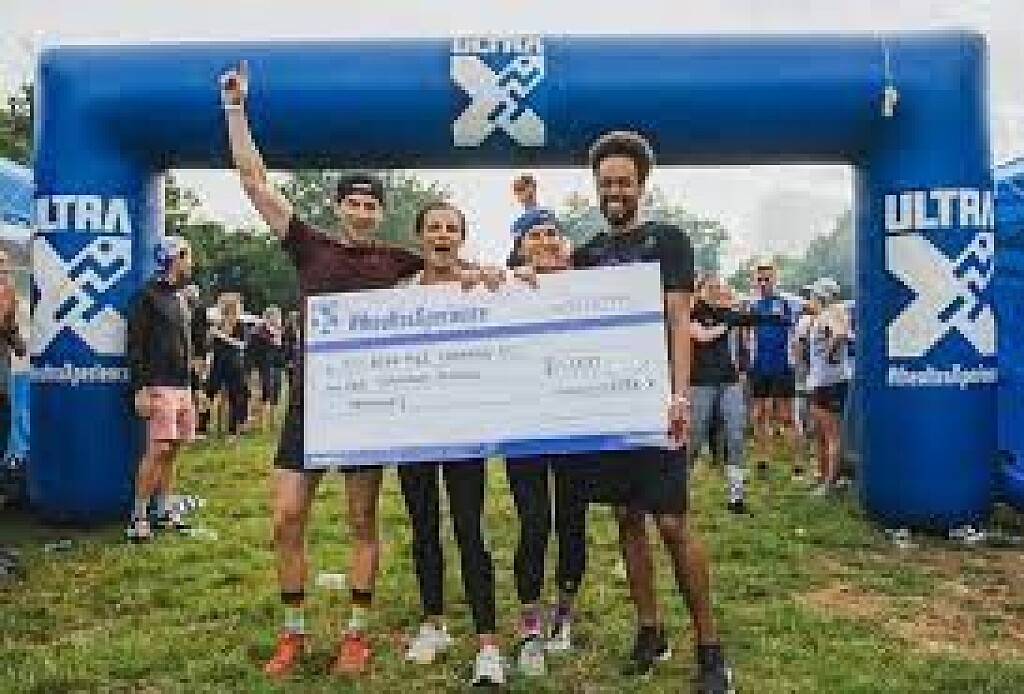
More Prize Money Is Flowing Into Trail Running. What Does That Mean for the Sport?
Annie Hughes, one of the top trail runners in the U.S. for the past two years, had another amazing season running ultra-distance races in 2022. On September 17, the 24-year-old Hoka-sponsored runner and part-time college student won the Run Rabbit Run 100 in Steamboat Springs, Colorado, her fourth win of 100 miles or longer since April. Earlier this year, she won the Coldwater Rumble 100 in January, Cocodona 250 in April and the High Lonesome 100 in July.
Those were all exceptional efforts in really challenging races, but the big difference she experienced after crossing the Run Rabbit Run finish line, 21 hours and 26 minutes later, was that she won $17,500. (And yes, she was handed one of those cartoonish, oversized checks at the awards ceremony.)
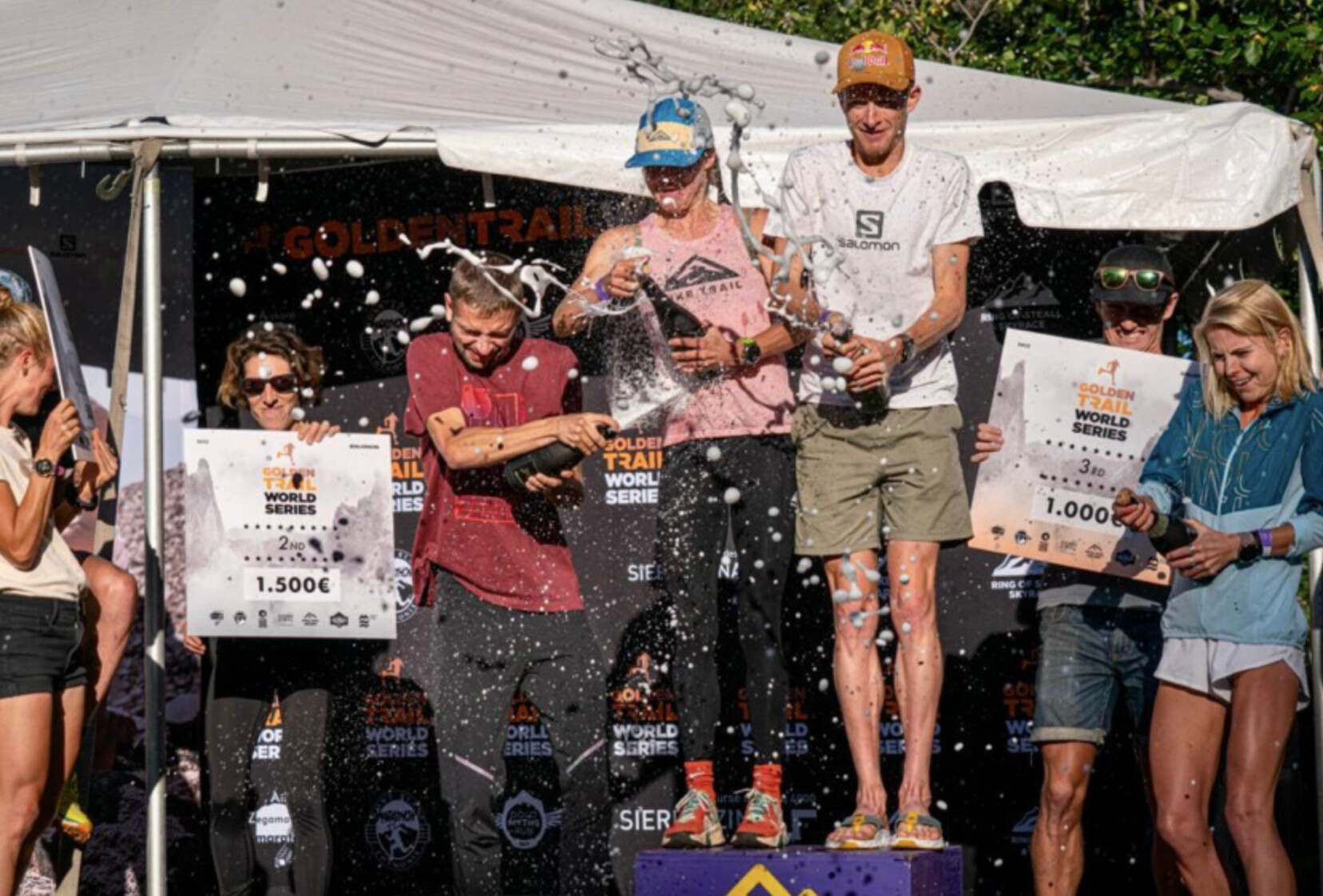
Run Rabbit Run is one of the rare American trail races that offers a relatively large prize purse, and for a decade, it's been the largest in the sport. Hughes earned $15,000 for winning the women's race and split another $5,000 with Arizona trail runner Peter Mortimer (who placed 12th overall) as part of the event's new team competition.
"That wasn't the reason I was drawn to the race, but it was definitely pretty cool to win that much money," Hughes said. "I'm glad I did it, because it wound up being a really great race with an amazing course on a beautiful day."
The origins of trail running were always more about the joy and freedom of ambling through the natural world, and less about the specific time and pace of any run or race, which is why winning big cash prizes is mostly uncommon in the sport, even for top-tier runners like Hughes. Over the past two years, Hughes has won 10 races of 50 miles or longer, yet her Run Rabbit Run victory was the first time she's ever earned money for her efforts.
More sponsorship money and bigger cash prizes are flowing into the sport, helping the top athletes earn a full-time living in the sport and become global stars. But that evolution has also created a desperate need for a unified governing body and more consistent drug-testing as doping becomes a more acute concern.
A Windfall of Prize Money
Historically, America's biggest and most notable trail running races haven't offered any prize money at all-Western States 100, Hardrock 100, Dipsea Trail Race, Leadville 100, Mount Marathon Race, Seven Sisters, Black Mountain Marathon/Mount Mitchell Challenge-partially because races simply couldn't afford to pay it, and also because, at the soul of the sport, that's not what the races were historically about or why most top runners were competing.
But with the continued growth of the sport-trail running has grown by 231 percent over the past 10 years, according to one report-and the dawn of a new level of professionalization over the past decade, there is a lot more money being injected into the sport. That includes more high-profile events and race series, more brands investing in the sport, more sponsored runners and trail running teams, as well as a growing expectation that prize money should be part of the equation as it is in road running, triathlon, and even obstacle course racing.
For many years, The North Face 50 near San Francisco was one of the only ultra trail races in the world to offer a significant prize purse. From its inception in 2006, until it disappeared after 2019, that race famously awarded $30,000 in prize money, which included $10,000 to the top finishers in the men's and women's races, plus $4,000 for second and $1,000 for third. It was a race to look forward to at the end of the calendar year, both for the cash awards and the prize-induced competition that drew top runners from around the world.
During that span, Run Rabbit Run, though a lower-profile race, quietly began dishing out some of the biggest payouts in the sport, in part because race organizers Fred Abramowitz and Paul Sachs believe in rewarding its top athletes for their efforts (as well as giving back to the community via even bigger charitable contributions). The race winnings come primarily from entry fees of the 600-runner event and sponsors, if and when the race has them. That wasn't possible back in the early days of the sport, when entry fees were minuscule and cash sponsors were mostly non-existent, but things have started to change.
Abramowitz and Sachs, who both earn their living as attorneys, are unique in that they want to give back to the elite athletes and the Steamboat Springs community, but they also want to help grow the sport. Abramowitz outlined what he calls "A Blueprint for Sponsors of Ultra Running," a three-page document that explains how and why trail ultrarunning-both as a sport and as individual races-can connect to more casual runners, sports fans, and the general public.
He points to the rampant growth of NASCAR, Professional Bull Riding, and professional poker over the past 20 years from their roots as fringe sports, relatively speaking, to mainstream spectacles with massive fan bases, TV contracts, and social media followings. Trail and ultrarunning aren't there yet, Abramowitz has noted, but they've certainly been growing rapidly.
"Today millions watch those events, though the actual number of participants is minuscule," Abramowitz wrote in his missive. "Ultrarunning can learn from these events: it needs new ideas, new ways of attracting the already committed runners and the casual sports fan to our terrific sport. Fields need to be competitive and races [need to be] dramatic; there are hundreds of 100-mile races, but those that offer competitive fields are a handful at most. Most ultra-races offer spectacular scenery in interesting venues."
Abramowitz said sponsors should support races such as Run Rabbit Run that offer prize money not merely because it's good for sport, but also because prize money can attract competitive fields, and competitive fields attract interest-from spectators, participants, potential sponsors, and the general public. He also points out that having prize money at more domestic races is a way to keep the sport from becoming entirely Euro-centric, which has been an increasing trend in the past several years.
The trend of cash purses seems to be increasing, and on the face of it, that's good for elite athletes capable of podium finishes. But it's a complex topic and one that certainly will simultaneously increase the competitiveness of the sport while, some argue, continue to pull the sport away from its organic, racing-in-nature roots that was mostly viewed as the antithesis of competitive road racing.
On the same day Run Rabbit Run paid out $75,000 in total prize money, the Pikes Peak Ascent awarded $18,000 in prize money for its top 10 finishers-including $3,000 apiece to the men's and women's winners-while the Pikes Peak Marathon, on September 18, had an additional $10,500 in total prize money for the top five runners. The races also offered $2,000 (Ascent) and $4,000 (Marathon), respectively, as course-record bonuses, and a $10,000 premium to any runner surpassing a pie-in-the-sky time well ahead of the course records. None of those records were broken, but the $28,500 in total prize money-partially backed by the Salomon-sponsored Golden Trail Series-was one of several large prize purses offered at U.S. races this year.
Other big American prize purses were also primarily tied to the Golden Trail Series events-the $50,000 spread over four races at the mid-June Broken Arrow Sky Races in Olympic Valley, California, and the September 25 Flagstaff Sky Peaks 26K race in Flagstaff, Arizona, where runners competed for $18,000 in prize money and a chance to compete at the Golden Trails World Series Final, and the $15,000 winner's earnings at the Madeira Ocean & Trails 5-Day Stage Race in October.
Also of note, the November 18-20 Golden Gate Trail Classic paid out $25,000 in total prize money to the top five finishers in both the 100K and half-marathon races, which were part of this year's nine-race $270,000 Spartan Trail World Championship Series.
Meanwhile, the Cirque Series, sponsored by On, paid out $3,600 in total prize money at each of its six sub-ultra mountain running races in the U.S., including $1,000 for the men's and women's winners. The Mt. Baldy Run-to-the-Top on September 5 in Southern California offered $3,000 to runners who broke the event's longstanding course records, and Joe Gray and Kim Dobson obliged by taking down each mark.
Most U.S. Trail and Mountain Running Championships have a minimum of $2,000 in prize money. Typically that comes from regional sponsors eager to support the local race organizations, such as the case with Northeast Delta Dental's contributions behind this year's Loon Mountain Race in Lincoln, New Hampshire, which hosted the U.S. Mountain Running Championships. That event had a $1,500 total prize purse that was paid out to the top three men and women in each race, but it also had an additional $1,500 for an Upper Walking Boss premium that was spread among the top three fastest times in each gender on the super-steep upper part of the course.
Meanwhile, the 2022 World Mountain and Trail Running Championships in Thailand paid out $66,000 to the top five finishers over four races, including $4,000 to the winners of each event.
"(The prize money) is way better than it's ever been, both for the athletes earning it and the number of sponsors who are contributing to it," says Nancy Hobbs, executive director of the American Trail Running Association and the chairperson of the USATF Mountain Ultra Trail Council that oversees national championship races and the U.S. Mountain Running Team.
From a longer view over the past decade or so, Joe Gray agrees there is more money coming into the sport than ever before. As a top-tier pro since 2008 and 21-time U.S. champion, he's regularly won more prize money at high-level races in Europe for more than a decade. But more than the growth of prize money, he has seen more brands interested in putting money behind athletes, races, and the sport in general.
"I think there has always been prize money there, and if you're successful you could make a lot more money really quickly," said Gray, a two-time World Mountain Running Champion. "I do think there is more money coming from the sponsors paying out better contracts and bigger bonuses, which I think will wind up being more beneficial to athletes overall."
Most elite trail runners get annual stipends from their sponsoring brands and bonus money for top performances. Gray is backed by Hoka, but he also has sponsorship deals with Fox River Socks, Kriva, Never Second, Knockdown, Tanri, Momentous, Casio, and GoSleeves. In addition to Hoka, Annie Hughes gets additional support from Ultraspire, Coros, and Tailwind Nutrition. But the life of professional trail runners-independent contractors who don't get healthcare and retirement program benefits-can get expensive with the growing cost of travel, regular bodywork/physio treatments, and private health insurance.
The sport's top-tier elite athletes-Joe Gray, Kilian Jornet, Courtney Dauwalter, Jim Walmsley, Maude Mathys, and Scott Jurek, among others-make a good living from their sponsorships. But there are really only a handful American trail runners making more than about $50,000 a year from shoe brand sponsorships. (Most "sponsored" trail runners are making somewhere between $10,000 to $30,000 per year.) The bottom line is that winning prize money, for those who are fast enough to consistently finish on the podium in big races, certainly helps make ends meet and is necessary to keep the sport's top athletes from having to work other jobs so they can focus entirely on training, recovery, and racing.
"This [2022] is the first year I've gone all-in on trail running," said Hughes, who worked as a waitress in Leadville the previous two years. "I'm able to live off what I make, but I'm not really saving anything. So it was really nice to win that money because then I can put some away in savings."
Higher European Standards
So far, Abramowitz appears to be right about the sport shifting to more of a European focus, and it's, at least in part, tied to the increased prize money that has attracted competitive athletes. While many top-tier European events have paid out modest prize purses for years, some of those races have also helped out visiting runners by way of travel stipends, hotel accommodations, or appearance fees. That's partially because European races are generally larger (500 to 1,000 participants or more) than U.S. races (typically fewer than 500 participants).
Unlike Hughes, who only raced in the U.S. this year, American runner Abby Hall, who runs for the Adidas-Terrex team, raced three times in Europe and earned prize money each time. She placed second in the Transgrancanaria 126K in the Canary Islands in March (which doubled as the Spartan Trail World Championship), finished third in the CCC 100K in Chamonix in August, and won the Transvulcania by UTMB 72K back in the Canary Islands in October.
Like Hughes, Hall receives an annual stipend and race bonuses from her sponsor, but admits it's been nice to have more opportunities to win money-both because it helps her make a living wage and because it's consistent with other professional endurance sports.
"In the past, it hadn't even been a consideration before, for how income would work out as an athlete," Hall said. "But this year it actually added up to be a decent amount. I'm grateful for the opportunities."
In 2022, American runner Hayden Hawks won an off-the-radar 100K a race in Krynica, Poland, and brought home the 100,000 zloty winner's prize ($26,000), one of the bigger individual purses ever awarded in trail running. In 2017, when Hawks won the CCC race, he didn't win anything because UTMB had refused until 2018 to offer prize money at its races, partly because race founders Catherine and Michel Poletti have believed that increased prize money will bring more incentive for some athletes to consider doping or that agents would take too big of a cut.
UTMB finally began offering prize money to podium finishers in 2018 with a total purse of about $34,000 (35,000) and continued that through 2021. But after forging a business relationship with Ironman and launching the new UTMB World Series, it has increased the prize money awarded in Chamonix. In 2022, UTMB said it paid out about $162,000 in total prize money (the approximate equivalent of its stated 156,000 prize purse) to the top 10 men and women finishers of the UTMB, CCC, and OCC races.
That includes $10,400 to the winners of each of those races, with approximately $5,200 going to second-place finishers and $3,125 for third. Fourth- and fifth-place finishers in each of those races earned about $1,500, while 6th through 10th took home $1,000.
While those more notable ultrarunning paydays can be big windfalls for a trail runner, they still pale in comparison to what elite-level road marathoners and triathletes earn at the biggest races that have a much larger audience, including live TV coverage. For example, the 2022 Boston Marathon awarded $876,500 in prize money and $150,000 to the winners, while New York City Marathon paid out $530,000 in total prize money at its November 6 race, including $100,000 to the men's and women's winners. The 2021 Ironman World Championships in St. George, Utah, had a $750,000 prize purse, including $125,000 to the winners, similar to what was awarded at the 2022 Ironman World Championships October 6-8 in Hawaii.
While only a few top trail runners could have opted to pursue a marathon or triathlon career instead of trail running, what's more relevant is the spike of growth trail running. Although it is not yet internationally televised as major marathons and triathlons are, the surge in participation and livestream viewing options is starting to bring in more media attention and sponsorship money than ever before. And more media attention begets more participation and professionalization.
"I think we'll definitely see ultra-trail running continue to grow for years to come," says Mike McManus, director of global sports marketing for Hoka. "I think it's at a point where it's just on the cusp of the real growth that's coming and all that will come with it, similar to where the marathon was in the 1980s and triathlon in the 1990s. It might never be as big as marathoning, but trail running will definitely get more built out as it continues to grow."
"It's nice to make some money for the sport we do. This is my job, and being able to support my family with a decent chunk of money is pretty nice," Hawks says. "I definitely don't go after races just for money, but if there is a gap in my schedule where I can win a little bit of money, I am definitely going to take advantage of that for sure. I want to continue to be in this sport and live this lifestyle as long as I can, so knowing that there are sponsors and races investing more in runners is something I am really grateful for."
The Ongoing Dilemma
While Abramowitz and Sachs have been eager to give out prize money at Run Rabbit Run, not all races are equipped to do so. Many U.S. races are garage-shop operations that barely break even, while some are just too small to make it happen. The Western States 100-Mile Endurance Run (WSER) is operated by a non-profit organization, and offering prize money goes against the mission of the race, says race director Craig Thornley.
The biggest concern that race directors have, including Thornley, is that prize money attracts athletes willing to use performance-enhancing drugs because the sport lacks a comprehensive anti-doping strategy that includes both post-race testing and out-of-competition testing.
"In general, I think the prize money is probably a good thing because professional athletes are able to make a living," Thornley said. "But I think, as a sport, we'll probably have to be more aware of people trying to use drugs or some other ways to get that prize money."
A few years ago, the Western States 100 famously announced its zero-tolerance policy regarding the use of performance-enhancing drugs (PEDs) that prohibits any athlete who has been determined to have violated anti-doping rules or policies-by World Athletics, World Anti-Doping Agency (WADA), U.S. Anti-Doping Agency (USADA), or any national sports federation-is ineligible for entry into the WSER. Although Western States has regularly drug-tested its top finishers, only a few other big trail or ultra-distance races test its finishers with a WADA-sanctioned program.
Thornley believes the incentive to cheat has probably increased as more brands have stepped up to sponsor athletes, but the increase in prize money probably makes it more tangible.
He's not the only one. Ultrarunning coach and podcaster Jason Koop, an outspoken proponent for authentic drug-testing in the sport, agrees, saying that it's time for the sport to collectively start developing mandatory drug-testing protocols, even on a small scale. While he doesn't believe doping is prevalent in trail running, he believes it's definitely already an issue.
"People would be fooling themselves if they thought that every trail running performance was clean. If you think that that's the case, then I have a bridge to sell you," Koop says. "Prize money or no prize money, I think the bigger thing is that the ecosystem is developed enough and there is enough financial reward at stake to where everyone kind of owes it to everybody else to get something done."
In other words, it's time for the sport to take some next steps-either by big governing bodies or small factions of people interested in the long-term health of the sport-to develop more structure and universal anti-doping policies.
by Trail Runner Magazine
Login to leave a comment
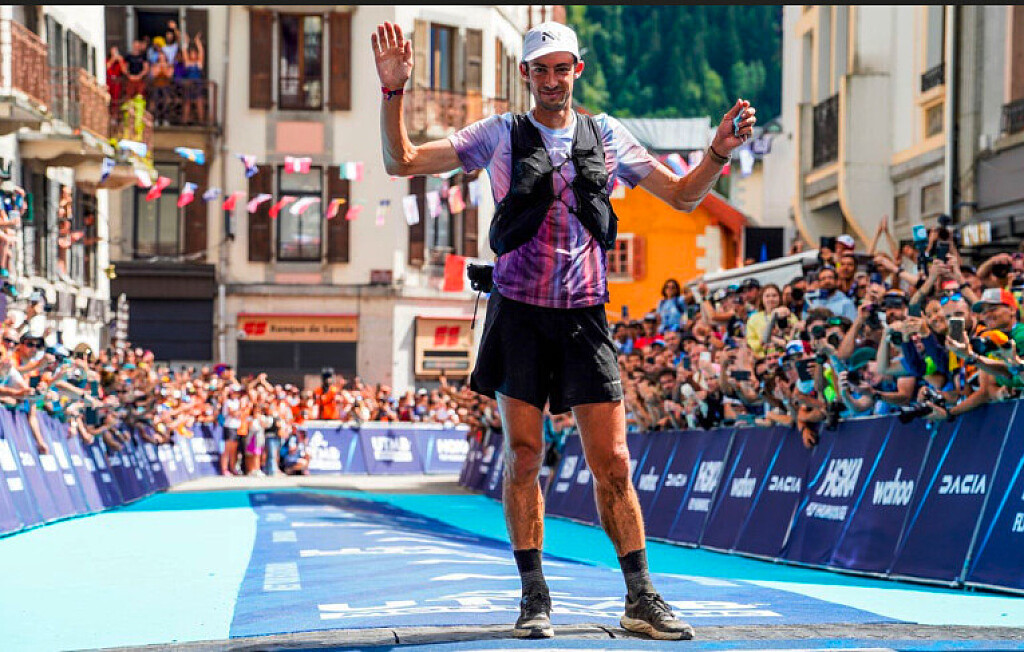
Kilian Jornet Isn't The G.O.A.T. of Trail Running Just Because He Wins Big Races
After Kilian Jornet won the Ultra-Trail du Mont-Blanc (UTMB) for a record-tying fourth time on August 27, it was easy to assume that running 100 miles is something that comes easy to him.
It doesn't, but it would be easy to think that because, well, it sure looked that way.
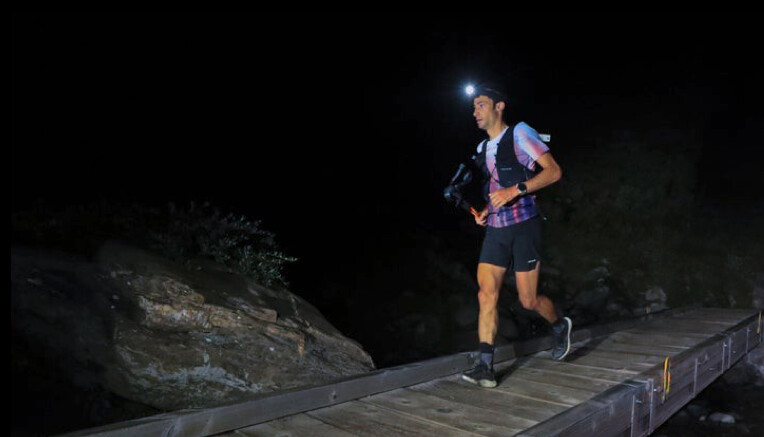
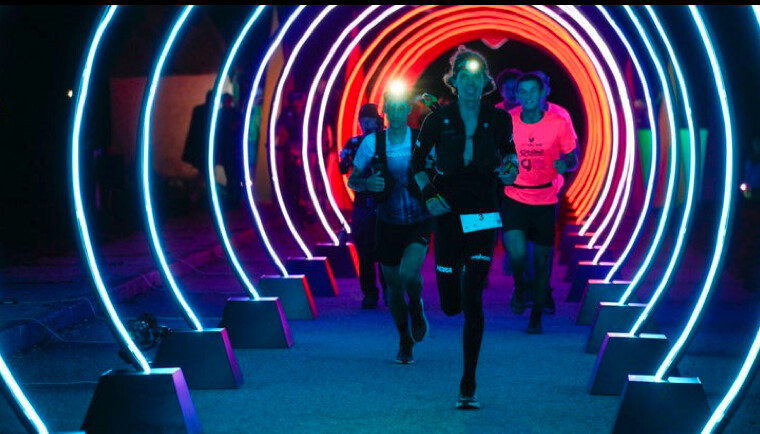
While the 34-year-old who hails from the Catalan region of Spain has long ago established himself as the G.O.A.T. of ultra-distance trail running in the mountains, he's as human as each of the other 2,300 runners who toed the line at this year's UTMB. Like his fellow competitors, Jornet felt fatigue in his legs from grinding through the 171.5km (106.5-mile) course and its 33,000 feet of elevation gain. He said he had difficulty breathing when he ran too fast or climbed too abruptly, likely the lingering effects of having just overcome Covid-19 earlier in the month.
And, like everyone else, he had to fight off low moments of mental torment, and maybe even a tiny trace of self-doubt-remember, he's human-as American rival Jim Walmsley opened up a big lead on him over the Grand Col Ferret as the course passed from Italy to Switzerland.
But what sets Jornet apart, and what has always distinguished him as an athlete, is a unique combination of physical ability, smart racing strategy and a deep connection to the mountains that allows him to move joyfully, patiently and, at times, seemingly with relative ease amid the physical anguish that comes with running such a grueling race.
But make no mistake, he suffered enroute to winning UTMB in a course-record 19 hours, 49 minutes, even if he made it look easy overcoming Walmsley and dispatching competent French contender Mathieu Blanchard.
"Since the start there has not been a single moment in which I didn't suffer," Jornet said after the race. "I knew that I needed to keep my intensity under a certain threshold where it can be heavy for the lungs, but it was no problem. But muscularly it was very hard from the start of the race."
Jornet is human, even if it took a debilitating illness to show it. But as he turned in yet another masterwork performance on the world's biggest stage, Jornet gave glimpses of what has made him so otherworldly for so long. Perhaps surprisingly, superior physicality is only a small part of it.Patience and Respect
Having already won UTMB three times and Hardrock a record-tying five times-most recently just six weeks earlier-Jornet had nothing to prove in Chamonix. In fact, if he had never toed the line or for that matter retires from competition, his legacy of epic race victories and Fastest Known Time (FKT) records on some of the most difficult trails and biggest mountains around the world would stand the test of time.
But that brings up another element that makes Jornet great is that he has always run as if he had nothing to prove. Sure, he's a competitive athlete, but his focus seems to be more about immersing in the zest of competition and the life-affirming bliss he's always felt in the mountains.
For Jornet, the destination truly is the journey, not the outcome. That adventure-oriented focus was something he learned in his youth growing up in the high-alpine environment of the Cap de Rec mountain refuge in the Spanish Pyrenees, where his dad was a mountain guide and his mom was a ski instructor. He climbed his first peak at age 3 and started competing in ski mountaineering races at 12.
Along the way, he developed a grounded sense of presence in the mountains that has allowed him to remain calm and bide his time in ultra-distance races-especially more rugged mountain races like UTMB and Hardrock. Instead of going all-out from the front, he typically follows a more fluid strategy of just staying in contact with the lead group and letting the race play out a bit as the terrain dictates before becoming hyper-competitive.
Contrast that to Walmsley, who has been hellbent on becoming the first American man to win the race with a front-running mentality, countryman Zach Miller, who returned after injuries and Covid-19 kept him away from continuing the same pursuit for three years, and the hard-charging Blanchard, who was eager to steal the show and make a name for himself in front of a supportive mostly French crowd after a robust third-place finish in 2021.
Even when Jornet was younger, he ran with maturity and wisdom beyond his years, always earnestly clinging to the premise that the experience of racing-and sharing it with his competitors, not to mention spectators and volunteers when possible-is always more important than the actual race itself.
When Walmsley built a big lead with a strong power-hiking surge up the Grand Col Ferret, Jornet was seemingly content, at that moment, to ease through the highest point of the course, chatting at times with volunteers, fans and videographers in French, Spanish or English as he had done at times earlier in the race. In previous UTMB races, he's burst ahead on the switchbacks up Grand Col Ferret and other steep climbs on that course, only to stop on top and wait for his competitors to catch up while gazing at the stars or picking mushrooms with children.
"At Hardrock this year, when I saw him on top of Grant Swamp Pass, he stopped in the middle of the race just to chat with me because we hadn't seen each other in a while," Miller says. "That's just the way Kilian is."A Versatile Mountain Athlete
Jornet has a much more diverse set of athletic skills and abilities than most ultrarunners. In addition to winning ultras, Jornet was a multiple world champion in ski mountaineering and SkyRunning in his twenties. He also set a host of new speed ascent marks and roundtrips on Mt. Kilimanjaro (Tanzania), Aconcagua (Argentina), Mont Blanc (France) and the Matterhorn (Switzerland). Although he missed in his attempt to set a new FKT on 29,032-foot Mt. Everest in 2017, he actually summited the world's highest mountain twice in six days without supplemental oxygen.
When he was a few years younger, he set a new record on the 171-mile Tahoe Rim Trail in California and Nevada and posted the fastest-ever time up the steep, rocky 1.3-mile Mt. Sanitas Trail in Boulder, Colorado.
"Kilian is a beast," says Francois D'Haene, the other four-time UTMB winner who last year became the first to win Hardrock and UTMB in the same summer. "When it comes to Vertical K races and distances from 40K to 100K, I think there is no competition between us. He's faster than me and stronger than me, especially on technical terrain."
Aside from long-and-rugged Hardrock and UTMB, Jornet won the shorter and much faster 42km Zegama Alpine Marathon in Spain and placed fourth in the 31km Sierre-Zinal village-to-village race in Switzerland in August. A lot of it has to do with the fact that he still trains in much of the same fashion as he did as a kid, often focusing more on fun, hard, playful days of adventure on foot or on skis as much as he does structured high-performance workouts.
"Kilian is unique in the range that he can cover," Miller says. "As a runner, his ability to switch back and forth from something like Zegama to Hardrock to Sierre-Zinal to UTMB is just incredible. And because of that ability, I think he's a bit of a mad scientist when it comes to training. He kind of turns himself into a guinea pig and trains in ways other guys might not be willing to for fear of overtraining."
All of that translated into Jornet's ability to win this year's UTMB despite trailing Walmsley by about 15 minutes at the 126km aid station at Champex. When the surging Blanchard caught him and quickly left the aid station, Jornet's competitiveness and mountain practicality started to fire up. They passed Walmsley and gapped him and then ran stride for stride over the ensuing 2,300-foot climb from the village of Trient down into the ski town of Valloricine.
Finally, after leaving the 153km aid station at the same moment as Blanchard, Jornet surged on a gently sloped 4km section of trail to the base of the final 2,600-foot climb up Tte aux Vents. Blanchard got a first-hand view of the master at work and all he could do was watch him run away to victory and hold on for second place.
"Running from Champex with Mathieu, I knew I was stronger going up but that he was catching on the downhills," said Jornet, who has lived in Norway for the past several years with his wife, Emelie Forsberg, and their two young children. "Once we got to Valloricine, the strategy was to push very hard up the final climb to Tte aux Vents and then manage the lead. I had about an 8-minute lead and I was feeling comfortable with it, but in a ultra race you never know, many things can happen."A Transcendent Athlete
At some point a conversation about Jornet should transcend trail running and include the similarities he shares with other great athletes who have had a similarly dominant presence in other sports. And yes, that means Tom Brady, Michael Jordan, Lindsay Vonn, Eddie Merckx, Michael Phelps, Ann Trason, Lynn Hill, Kelly Slater and Eliud Kipchoge.
Why not? Like each of those all-time athletes, Jornet has consistently risen to the occasion at the biggest moments of his career, not only because he physically outclasses the competition, but also because his intellectual prowess as an athlete and his ability to outthink, outwit and outlast them. It's not that he wins everything-although he's won the vast majority of his races since winning UTMB as a 20-year-old in 2008-it's more that he's been competing at the highest level for 15 years and hasn't regressed and has rarely had bad days.
In 2017, he had a rough go of it in the UTMB and finished second to D'Haene and in 2018 he dropped out after inflammation and pain caused by a pre-race bee sting made it difficult to keep running.
"Even his bad races he performs well, and I think that's what makes Kilian special," says Walmsley, who finished fourth at UTMB this year. "Whether it's a bad moment or a bad race, he's always still competing at a really high level. I have raced him twice at UTMB and both times I have thought I have found a crack, but I haven't been able to hold onto it."
Until recently, Jornet might have been viewed solely for his athletic. But with his bold move this year to break away from longtime sponsor Salomon and begin a new environmentally friendly trail running shoe brand called NNormal (with Spanish footwear brand Camper), he's not only begun to hone his entrepreneurial spirit in the world of business but also to make an impact as the environmental steward he's always been.
It's a path only a handful of high-level outdoor athletes achieved success at after making their mark in their sport disciplines, most notably Yvon Chouinard, a climber, surfer and kayaker who founded Patagonia in 1970.
Jornet ran all of his races this year in the same model of NNormal shoes that will be available at running shops and online this fall. It's a uniquely designed shoe that's balanced under the midfoot to promote midfoot and forefoot running gaits, but with enough cushioning to run with a heel-striking stride, especially on downhill sections of a trail. A thin polyurethane plate provides protection from rocks and some energy return, while a proprietary version of a Vibram Litebase Megagrip outsole serves up secure traction.
That all might sound pretty standard, but Jornet really wants his NNormal shoes to stand out for their durability. He and his colleagues have gone to great lengths to source long-lasting components, but they've also designed the shoe to be deconstructed so it will be easy to re-sole, repair or recycle it after hundreds of miles of wear and tear. It's all part of NNormal's No Trace philosophy that is all aimed at transparently designing gear with the smallest carbon footprint possible.
"There are a lot of good guys in the sport, but in [my] mind, Kilian is the king of the sport," says Miller, who was the fifth finisher at UTMB this year. "He sets the tone for the entire sport and [is] a great representative of the sport."
by Trail Runner Magazine
Login to leave a comment
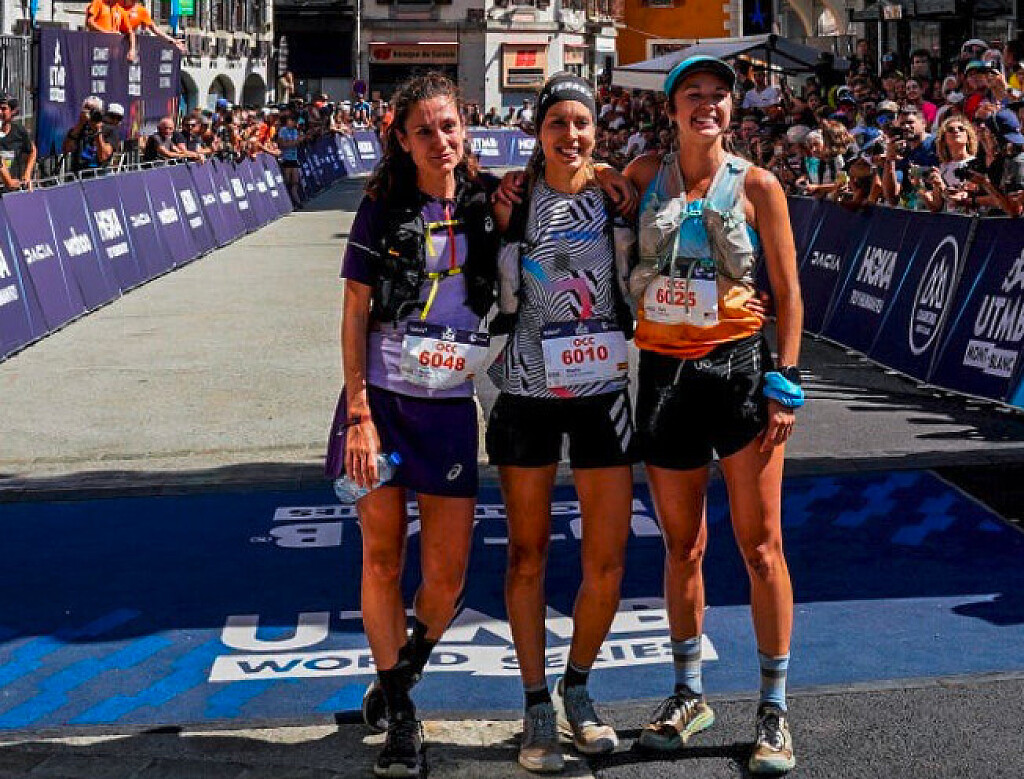
How Dani Moreno Became the First-Ever American Woman to Podium at the OCC Race at UTMB
"How far is the podium?!" Dani Moreno yelled to her French friend as she crested a high point in the race at this week's hyper-competitive OCC race, based in Chamonix, France.
"Too far!" her friend responded.
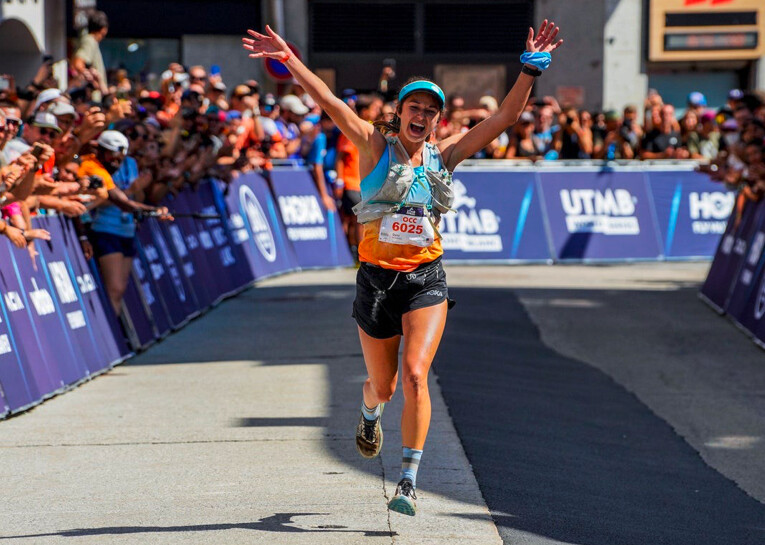
He would later regret saying that. Why? Because 6 hours and 17 minutes after starting, Dani Moreno, 30, from the Mammoth Lakes, California, secured her spot on the podium to finish in third place, the first-ever American woman to reach this level at OCC.
The OCC (Orsieres-Champex-Chamonix) race is a 56km (35 mile) option with 3500 m (11,500 feet) of elevation gain. Unlike the UTMB 100-mile race that circumnavigates Mount Blanc, starting and finishing in Chamonix, France, the OCC option begins in Switzerland and stays in the Valais region, until the finish, where it drops into the Chamonix valley. Winners expect to arrive at the finish in under six hours, while the cutoff is 14 hours, 30 minutes.
Weeks prior to OCC, Moreno experienced an unusually difficult race at Sierre-Zinal, in Switzerland. Before the race, she lost someone close to her back at home and a funeral service was the week of the race. She thinks the emotion caught up with her.
"I went into that race realizing I hadn't fully grieved," said Moreno. "I didn't represent myself and all this work I'd done." But after overwhelming support from friends and family, she recalibrated for OCC and showed up ready to compete. Her fiance traveled to Chamonix to help crew, along with a couple of friends.
Early in the race, Moreno would pass competitors on the ups and get passed on the downs, and yet she kept saying to herself: trust, trust, trust. Trusting in her strengths and pacing was critical, and it paid off halfway into the race.
"I passed five girls and moved into fourth at the halfway point," she said. "I could see the third-place woman but didn't know what was happening in front of them. Then third place and I were battling it out."
"You are As Strong As You Think You Are"
Moreno's secret weapon? Having fun-no matter what.
"It was fun the whole time," said Moreno. "Well, maybe the last downhill was agonizing because I was really trying to see if I could catch second place." She would make airplane arms, pretending to fly, while high-fiving spectators, always with a smile. "It felt like a fun day out with my friends."
Before the last descent, she received a huge boost after seeing her ultrarunning hero, Ruth Croft, who offered her words of encouragement. And at one of the last spots along the course, she remembers her fiance yelling to her: "You are as strong as you think you are!"
"Those last 90 minutes I sort of blacked out," said Moreno, digging deep to try and catch up to the second place woman. A few hundred yards from the finishing chute, she knew she'd done it, and the joy of her last few hundred yards was palpable. "It was a lot. First, I was like, I did it, but then I was like we did it. My coach, my family, everyone that believed in me."
Moreno finished in 6 hours and 17 minutes, only 7 minutes off the winning woman, Sheila Aviles, from Spain. The second-place woman, Nria Gil, finished only one minute ahead. Other American women in the top ten were Kimber Maddox (4th) and Allie McLaughlin (6th).
Running As Expression, Running As Order.
Dani Moreno moved to the eastern slope of California's Sierra Nevada Mountains after living and attending university at UCSB, where she ran cross country. Moreno is a four-time member of Team USA and a two-time USA champion. In addition to competing at the highest levels of the sport, Moreno maintains a full-time job at a construction firm, working in mergers and acquisitions.
"First, I was like, I did it, but then I was like we did it."
OCC was the longest race-both time and distance-that Moreno had ever pursued. But on her website, she writes that her goal is "to solidify myself as one of the best mountain runners in the world at the sub-ultra-distances." Refreshingly, she appears content with fine-tuning her performances in shorter trail races. So often in this sport, athletes feel pressure to level up to increasingly longer distances. For the next couple years, Moreno hopes to focus on marathon trail distances. However, more ultras are very much on the horizon.
"My plan is to do a 100K in the next year and a half, nestled between other shorter races, and keep inching my way up," she said. Moreno mentioned not wanting to do the CCC yet, the 101K option at UTMB. Yet.
"I'd like to do OCC again, and go about a little more aggressively this time." She plans to finish the Golden Trail Series, too, which she did last year.
Want to Run a UTMB Race? Here are Moreno's Three Rules:
Respect the weather. The weather in this dramatic region can change in an instant. Be ready for anything. "Practicing with your equipment is key," she says.
Learn how to move and fuel. Moreno is strict about practicing eating and drinking while training. During her OCC race she mixed up sports drinks and foods, things she was familiar with. The best place to learn what works-and what doesn't-is during training. "It's okay to fail during training," she said. Better to fail in training than in a race.
Be prepared for undulations. Constant ups and downs. "The undulations. Sometimes in the U.S. we tend to only go up and then down, and that's it. Here, there are multiple [big] ups and downs."
Beyond the competition, Moreno seeks trails not only as an elite athlete, but as a way of becoming a whole person, of building order and resiliency into her life.
"It helps me get through a lot of stuff," said Moreno. "It helps me organize and compartmentalize stuff in my life. Sometimes in life I can get overwhelmed by my emotions, Running provides important guidelines for that."
Login to leave a comment
North Face Ultra Trail du Tour du Mont-Blanc
Mountain race, with numerous passages in high altitude (>2500m), in difficult weather conditions (night, wind, cold, rain or snow), that needs a very good training, adapted equipment and a real capacity of personal autonomy. It is 6:00pm and we are more or less 2300 people sharing the same dream carefully prepared over many months. Despite the incredible difficulty, we feel...
more...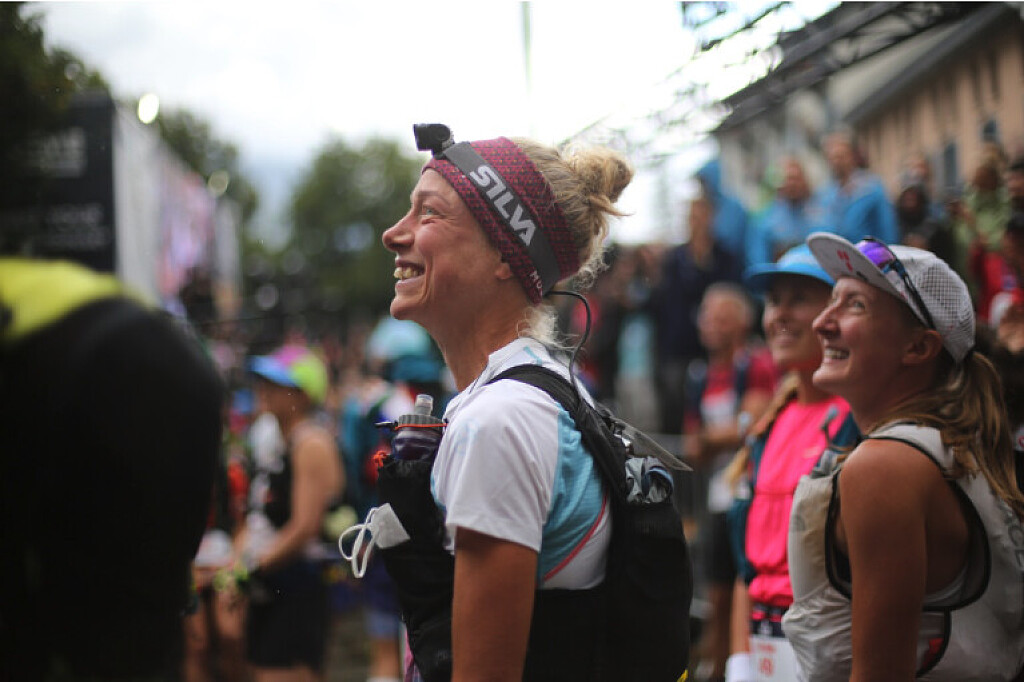
2022 UTMB Women’s Race
An American living in France and eighth-place finisher at UTMB in 2021, Katie Schide set out to make her mark on the race from the beginning, leading the women’s field after seven kilometers into Les Houches while being trailed closely by the trio of Marianne Hogan from Canada, Kaytlyn Gerbinfrom the USA, and Hillary Allen from the USA.
Schide grew the gap over the next 13 kilometers into Saint-Gervais. With only one hour and 48 minutes on the race clock, a truly raw opening effort, her lead over second place Hogan was already five minutes, and she had eight minutes on third place Audrey Tanguy (pre-race interview) of France. Jocelyne Pauly and Manon Bohard, both from France also, came through in fourth and fifth with Mimmi Kotka (pre-race interview), a Swede living in Chamonix, just behind them in sixth.
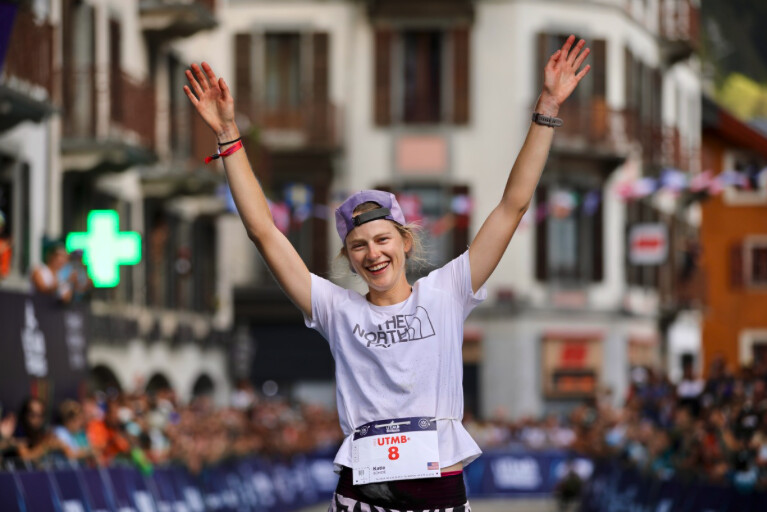
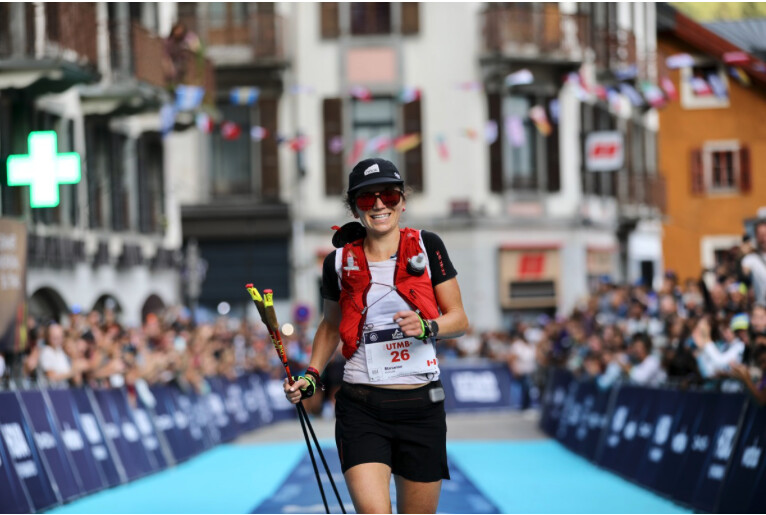
Fu-Zhao Xiang (pre-race interview) of China, Ragna Debats (pre-race interview), who is Dutch but lives in Spain, and Azara García (pre-race interview) of Spain rounded out the top 10, running together 13 minutes behind Schide.Keeping up her consistent and strong pace, Schide continued to increase her lead on the rest of the women’s field, coming into Les Contamines at 31 kilometers with 2:50 on the race clock.
By then, she’d extended her lead on Hogan to over nine minutes, Tanguy to 12 minutes, and Bohard and Pauly to 15 minutes. Tanguy was probably relieved to make it past Les Contamines where she had dropped last year from severe stomach cramps. A visibility limping Kotka, who had challenged Courtney Dauwalter during last year’s UTMB during the early miles of the race before finishing third as Dauwalter won, came into Les Contamines nearly 20 minutes off the lead in sixth and would not continue.
Schide continued to smile coming through the Col du Bonhomme, at about a marathon’s distance into the race, clearly enjoying her run through the night and appreciating the cheers of the spectators. Climbing one of the largest passes of the race only seemed to make her stronger. Her gap to Hogan and Tanguy had grown to about 20 minutes as the two chasers crested the col.
The cheers from the enthusiastic French crowd brought smiles to both women’s faces as they passed through. The cheers continued for Bohard and Pauly, who were still running together.
The crowd at Les Chapieux, 50 kilometers in, was enthused to see Schide, erupting in huge cheers as she came in. While the gaps between the women in second through 10th grew and shrunk over the kilometers, Schide’s gap on the field had only gone one direction so far: up. She was now more than 22 minutes up on second place Hogan. By the time Schide got to Lac Combal, 66 kilometers into the race, the gap was up to 25 minutes, and it would be an additional 20 minutes for Tanguy to arrive after that.With 80 kilometers run, Schide came into Courmayeur flying, spending only eight minutes at the aid station approximately halfway into the race.
The crowds were thrilled to see her, providing a warm and raucous welcome as she ran into the aid station looking smooth. But for the first time in the race thus far, Hogan had started to close the gap to the leader, whittling it down to just over 20 minutes. Smiling but with a stomach that couldn’t handle gels any more, she quickly drank a Coke and opted for pizza for fuel. The gap between the top two women and the rest of the field continued to grow, and it was over an hour before Tanguy, Pauly, and Gerbin ran through, and a few more minutes after them to the sixth woman, Emily Hawgood, of Zimbabwe, who lives in the USA.
While Schide had seemed unstoppable before Courmayeur, the tables seemed to turn over the next 17 kilometers to Arnouvaz as night turned to day. Schide came in with stomach issues, clearly in a rough spot, with Hogan hot on her heels, now only two minutes behind. Closing a gap of more than 18 minutes is a feat to be acknowledged, and a feisty and strong Hogan seemed energized by the coming of the day and the idea of leading the race for the first time.
A struggling Schide maintained her lead over the Grand Col Ferret at 102 kilometers, but it was down to a minute, and when the women’s leader arrived at La Fouly at 112 kilometers, it was Hogan instead of Schide for the first time, with a sizable six-minute gap.
By Champex-Lac at 125 kilometers, it was still Hogan in the lead and well under course record pace, now with a 10-minute gap to second. But Schide wasn’t about to give up, slowing down to let her stomach recover from its previous rough spell, and finally eating a cheese sandwich and starting to move well again.
One hundred miles is a long distance to race, long enough that runners can get through rough spells and rebound. And that’s exactly what Schide did, regaining the lead in Trient at kilometer 142, not only eliminating the 10-minute gap but putting an additional 10 minutes on Hogan. By Vallorcine at 153 kilometers, the gap between the top two was up to 41 minutes, with Hogan nursing a hurt left leg.
By the time the pair reached the finish line in Chamonix, they maintained their one-two position with Schide having extended the gap to some 75 minutes.It was another 35 minutes later that we saw the final member of the women’s podium arrive, Gerbin, who ran for much of the second half of the race in what she described as “no woman’s land,” well in front of those behind her but out of contact with the lead.
It was apparently a comfortable spot for her, though, as she held her position strongly, and crossed the finish line back in Chamonix like she could run plenty more kilometers if needed.
Pauly finished fourth, the successful conclusion of a focused day of racing. Eszter Csillag, who is from Hungary but lives in Hong Kong, moved up later on to take fifth. Emily Hawgood ran strong all day to set and maintain a very similar position of sixth place. Xiang held tight to seventh place with Spain’s Aroa Sio just behind in eighth. Italy’s Francesca Pretto and Eva-Maria Sperger of Germany moved up into the top 10 in the last 50 kilometers.
Login to leave a comment
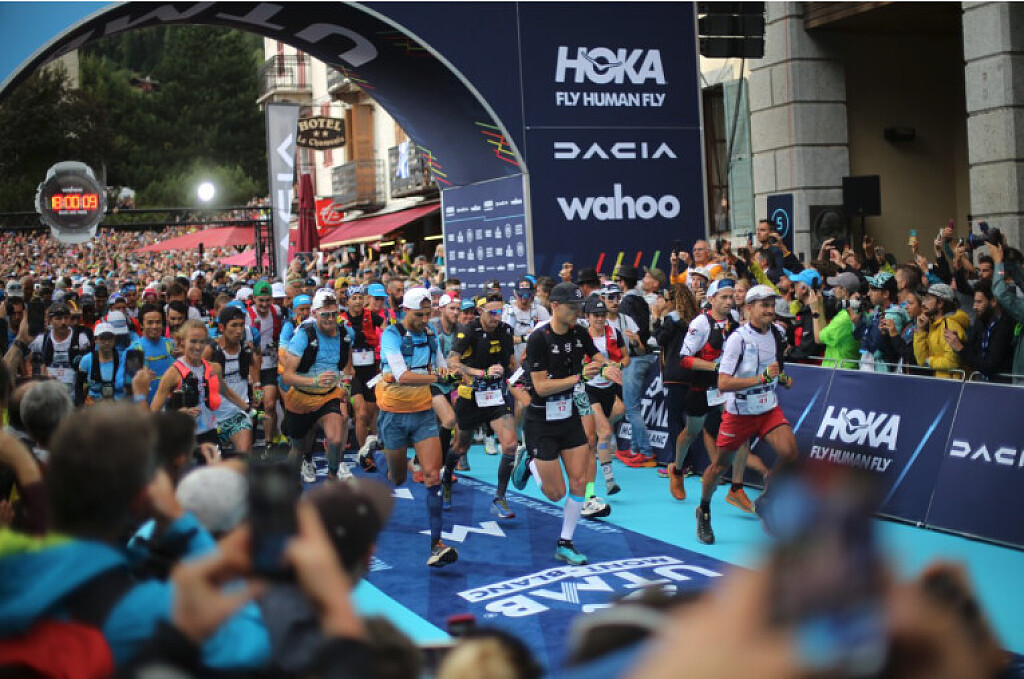
2022 UTMB Men’s Race
As expected, the men took the race out fast from the start on the relatively flat roads and trails from Chamonix to the village of Les Houches. Spain’s Pau Capell, the 2019 UTMB winner, led a charging group through Les Houches, seven kilometers into the race, followed closely by Mathieu Blanchard, a Frenchman living in Canada, and Jia-Ju Zhao and Guo-Min Deng, both of China. All the top contenders were in a massive chase pack, settling in for the long night and day ahead.
It didn’t take long for Jim Walmsley (pre-race interview) of the USA to make his intentions for this year’s race clear, coming into Saint-Gervais, at 20 kilometers into the race, in the lead, looking strong and relaxed. Kilian Jornet and Capell were just seconds behind with Deng, Zhao, and American Zach Miller making up a chase group half a minute in arrears. They were followed by Frenchman Germain Grangier, Blanchard, Frenchman Thibaut Garrivier, and Yan-Qiao Yun of China.
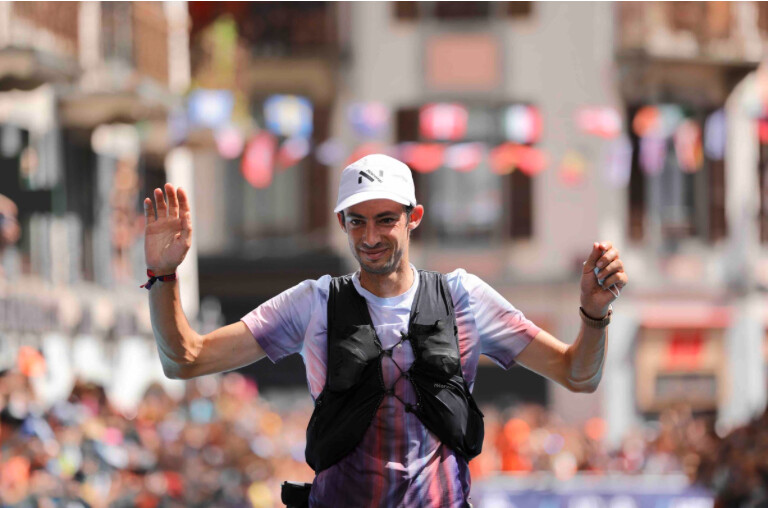
Unsurprisingly, by Les Contamines, 31 kilometers into the race, it was shaping up to be a showdown between Walmsley and Jornet. They came into the aid station together looking relaxed, Walmsley taking the time to high-five fans, and were shortly on their way into the night together. Capell and Miller came in just 30 seconds back, and Grangier rounded out the top five, just a minute behind them.
A notable withdrawal around this time due to physical issues is last year’s second place finisher, Frenchman Aurélien Dunand-Pallaz (pre-race interview).
Climbing over the high Col du Bonhomme, 43 kilometers in, Walmsley, Miller, Jornet, and Tom Evans (pre-race interview) of the U.K. shared the lead. With 1,160 meters (3,800 feet) of climbing down just on this one climb, everyone in the group looked relaxed and was moving well. Capell was just 90 seconds back, trying not to let the elastic to the front group snap in the dark of the night on the run over to Col du Bonhomme before the long descent into the remote French outpost of Les Chapieux.
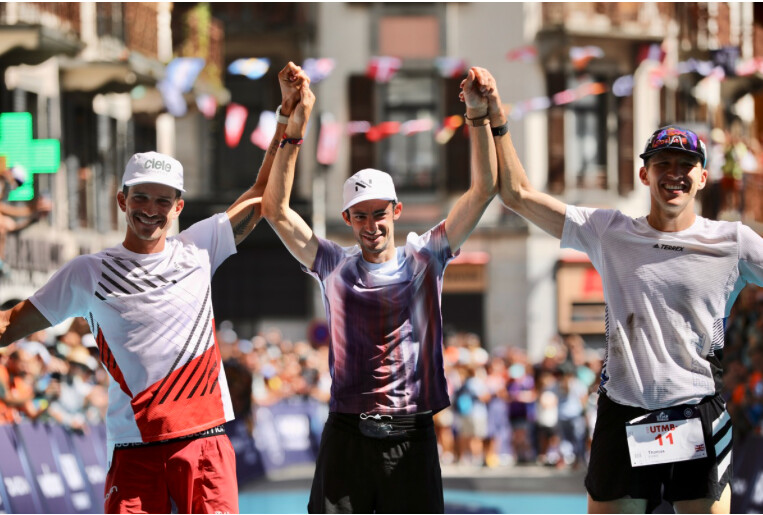
The four leaders stayed together down to Les Chapieux, 50 kilometers into the race, where last year’s winner, François D’Haene — not participating this year — was spectating and cheering on runners. Unfortunately, Capell had lost contact with the lead group over the previous section, coming into the aid station more than two minutes back. The rest of the top nine stayed relatively the same with Erik Sorenson of the USA slotting in 10th for the first time.Coming into Lac Combal, 66 kilometers into the race, after crossing country borders into Italy and traversing the most remote part of the course, Walmsley and Jornet had only slightly pulled away, their gap to Miller and Evans hung at a tenuous minute. All four looked strong, but it seemed like pre-race predictions of a two-man showdown were about to be realized.
Walmsley, with his arms and legs fully covered from the cold of the night but shirt front open, came into the town of Courmayeur, 80 kilometers in, solo and in the lead, but his gap on Jornet just 80 seconds.
Both men were moving well and left the aid station together after only a few minutes. It was a significant 12 minutes before Evans and Miller came through, staying in Courmayeur for under three minutes. Blanchard, looking more relaxed than any of the previous four, was also in and out of the aid station quickly, 18 minutes off the lead. Known for his slower starts and late race surges, Blanchard appeared to know exactly what he was doing.
It was never a question of if Walmsley or Jornet would strike out on their own, it was just a matter of when. Walmsley was the first to throw down a serious acceleration, coming into Arnouvaz (97 kilometers) solo and with a 2.5-minute gap on Jornet. Both were in and out of the aid station quickly, looking strong and motivated. Blanchard also chose the trail between Courmayeur and Arnouvaz to make his move, coming into the Arnouvaz aid station in third, looking very controlled and 14 minutes behind the leaders.
He was familiar with that position in the race, having finished third in UTMB in 2021. He was also familiar with the race tactic of starting slower, letting the leaders fight it out early and tire themselves out, and then moving up as the fast starters dropped back. It had brought him success the previous year, and he was seemingly employing the strategy again. Miller and Evans continued to run near each other, what Evans would later refer to as a “bromance” that lasted over half the race, and both looked like they had less spring in their step than the men ahead of them.
Committed to making the move stick, Walmsley climbed the Grand Col Ferret at 102 kilometers with a strong powerhike and held a five-minute gap over Jornet. Seemingly unconcerned with his position, Jornet chatted in French with both spectators and volunteers before vanishing into the night. Moving faster and looking stronger over the col than the previous two men, Blanchard continued the chase in third 17 minutes back. Miller and Evans continued to work together to keep the gap manageable.
The gap between Walmsley and Jornet stretched even further to 14 minutes by the sleepy Swiss village of La Fouly, 112 kilometers into the race. Both men were running under course-record pace, and both looked calm and collected. Still running strong into La Fouly, Blanchard kept the leaders within reach.
But Walmsley was committed to stretching the elastic on the field as much as he could, coming through Champex-Lac at 125 kilometers with 13 hours and 40 minutes on the race clock, gaining even more time on the course record and moving strongly. It’s generally a bad idea to bet against Walmsley after he’s put his mind to something, and after a fifth place finish in 2017 and DNF in 2018 and 2021 at UTMB, his commitment to the race and move to Europe to train on the trails seemed to be paying off.
But Walmsley is also known for going out fast and strong, and it doesn’t always stick.One could argue that Jornet was just biding his time, letting Walmsley burn his matches out front. However, there were times around this point in the race where Jornet just plain looked like he was working, enough so that we all began to wonder if the GOAT of trail running would have a crack in his armor today. However, by Trient at 142 kilometers, Jornet had decided to make his move, coming into the aid station in the lead. But instead of seeing Walmsley behind him, it was a surging Blanchard, less than a minute back that Jornet would have to now battle.
It was a long 19 minutes before Walmsley would arrive, appearing to be in discomfort. The dynamic duo of Evans and Miller continued to run together, still holding the gap to the race leader at just over 30 minutes, as they had for much of the race.As the kilometers ticked down, it was indeed a showdown between two men, except it was Blanchard challenging Jornet, with both men coming into Vallorcine at 153 kilometers together, well ahead of the course-record pace.
With Walmsley slowly losing time to the leaders but still in third, eyes moved to Evans who’d finally dropped Miller after nearly a night and a day of racing side by side to see if he could make the pass.By this time, it felt nearly inevitable that Jornet would run to the win and it was no surprise when he came into Tete aux Vents solo looking focused and fast with an 11-kilometer downhill run to the finish. Blanchard never gave up the chase, seven minutes back, while Evans passed a tired but “pumped” Walmsley to slot into third for the first time.
Jornet would finish with a course-record time of 19:49:30, besting both François D’Haene’s 2014 record time (20:11:44) on a course which did not include the Pyramides Calcaires, a gnarly little climb and descent added to the UTMB course a few years back, and Capell’s 2019 time (20:19:09), which did include those extra kilometers.
This is his fourth win at UTMB. Just five minutes back, Blanchard would also come into the finishing chute under the previous course record in second place. An elated Evans rounded out the podium, a stellar finish for his first UTMB.
Walmsley came across the line in fourth, releasing the two DNF monkeys on his back and finishing the next step in his goal of ultimately winning this race someday. Miller, no longer on the comeback trail following surgery and recovery, but fully back, crossed the line in fifth place.
Most of the back half of the men’s top 10 are runners who started slower and bided their time, moving up in the race’s second half, including France’s Beñat Marmissolle, France’s Arthur Joyeux-Bouillon,Jonas Russi of Switzerland, and Romania’s Robert Hajnal. The final member of the men’s top 10, however, is France’s Thibaut Garrivier, who went out hot and looked like he paid for it later, but ultimately holding onto 10th place.
Login to leave a comment
North Face Ultra Trail du Tour du Mont-Blanc
Mountain race, with numerous passages in high altitude (>2500m), in difficult weather conditions (night, wind, cold, rain or snow), that needs a very good training, adapted equipment and a real capacity of personal autonomy. It is 6:00pm and we are more or less 2300 people sharing the same dream carefully prepared over many months. Despite the incredible difficulty, we feel...
more...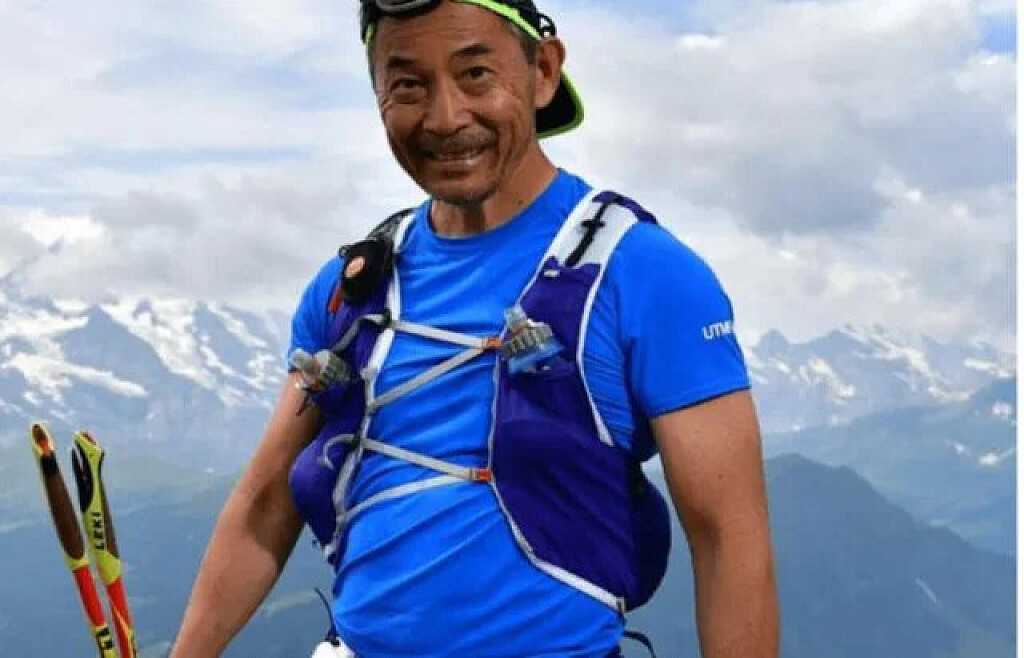
Brazilian Runner Dies After Fall During UTMB Team Event
A Brazilian runner, 40, was fatally injured at the Petite Trotte à Léon, part of the UTMB ultra, earlier this week.
The unidentified man fell 30-50 feet around 1:30 a.m., only 23 miles into the race.
The Ultra Trail du Mont Blanc (UTMB) got off to a tragic start following the death of a Brazilian runner earlier this week. The 40-year-old runner, whose identity remains anonymous, was fatally injured on the first night of the 300K (186-mile) Petite Trotte à Léon (PTL) team event.
“The runner was with his team on an official trail, which is secured for the PTL and marked throughout the year, between the Col de Tricot and the Refuge de Plan Glacier,” UTMB officials said about the accident, which occurred about 23 miles into the race.
At around 1:30 a.m. CET, the two-person Brazilian team was in a remote portion of the course with loose stones. It was there, above the French village of Les Contamines, that the victim fell an estimated 30 to 50 feet.
An Italian team, which was pacing behind the Brazilians, reported the incident after discovering the victim’s teammate safe, but in shock. A helicopter team responded shortly after and pronounced the runner dead before flying his body and teammate to a local hospital.
“It’s so very sad, but it was an accident,” Catherine Poletti, cofounder of the UTMB and president of the UTMB Group, told Outside. “When you go into nature for adventure—it may be the mountains, it may be the sea—but all the time there is a risk. We cannot provide something with zero risk. It’s impossible. I think that’s a good thing because when you want to have an experience or adventure, you absolutely need to know where the limits are, what your experience is.”
The remaining 104 teams could choose whether they wanted to finish the race—all decided to keep running.
Approximately 240 participants began this year’s PTL in Chamonix, France, on August 22. They will cover 82,000 feet of elevation gain within the Mont Blanc massif, traversing France, Switzerland and Italy.
To enhance runner safety, the race has instituted specific protocols, like selecting athletes based on criteria meant to ensure their successful completion. Runners are required to possess sound knowledge of the mountain environment, since they will likely encounter precarious weather conditions while also navigating steep slopes, falling stones, narrow paths, and glaciers. Due to a lack of marked trails, participants must be able to read a map and use a compass and altimeter, too.
While the PTL must be completed in autonomy, there are aid stations where participants can sleep and eat by cashing in one of their four meal tickets. While on course, runners are tracked with GPS beacon and required to carry mountaineering helmets—which the Brazilian victim was not wearing at the time of his death.
This is not the first time a runner has died during the UTMB since the event was founded in 2003. In August 2021, a 35-year-old Czech runner fell to his death during the Sur les Traces des Ducs de Savoie (TDS) race.
Despite the inherent risk involved, approximately 10,000 runners are expected to compete in one of this year’s eight UTMB races, held from August 22-28.
by Runner’s World
Login to leave a comment
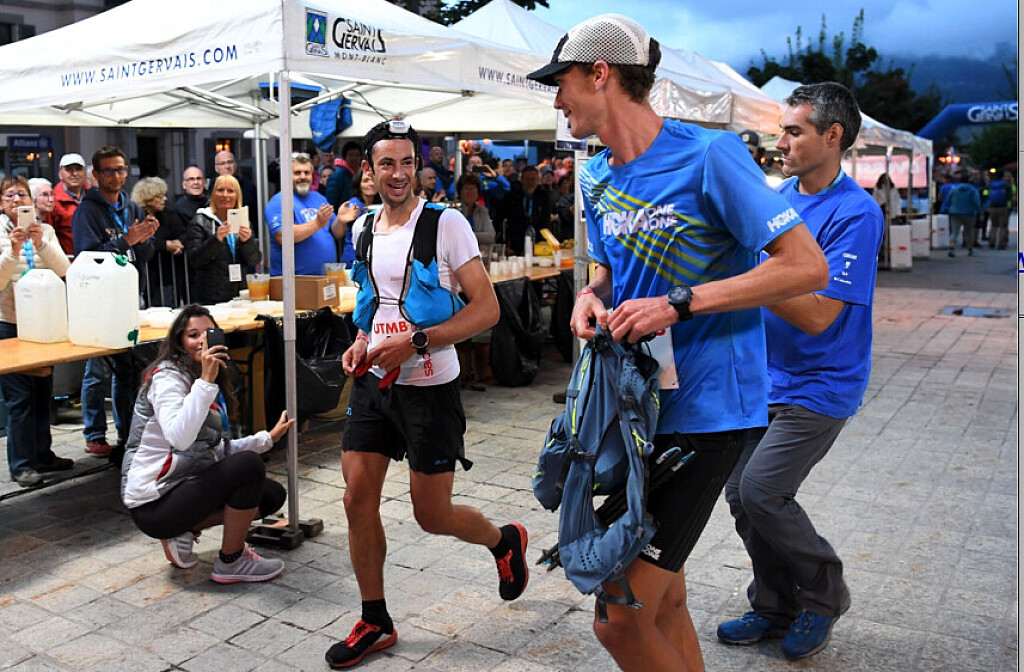
Will Jim Walmsley Be the First American Man to Win UTMB?
Jim Walmsley has always been an outlier among American trail runners.
Not only is he as fast and talented as any ultrarunner the U.S. has ever produced, but he's also been bold and even a little brash about his intentions. His off-the-front racing style is something to be revered-and respected if you're one of his competitors -because the lanky 32-year-old Hoka-sponsored runner from Flagstaff, Arizona, has proven time and time again that it works for him.
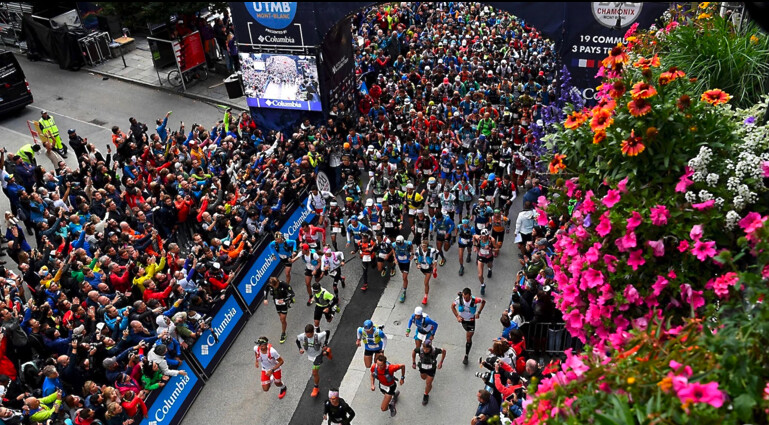
On August 26 in Chamonix, France, Walmsley will embark on his latest and most prodigious quest yet: to win Ultra-Trail du Mont-Blanc (UTMB). It's his fourth attempt at trying to follow up on his stated intention of becoming the first American man to win the race, but he's gone to extra lengths this year to prepare for it. It would certainly add to what has already been a great year, given that he and longtime girlfriend Jessica Brazeau got married on May 4 in Silverton, Colorado.
But if Walmsley is going to pull it off this year, he will have to fend off three-time UTMB winner and 2022 Hardrock champion Kilian Jornet, of Spain, among other strong runners in the talent-loaded field.
UTMB has been one of the pinnacle events in the sport of trail running since its inception in 2003. Not only does the course send runners on a grueling 171.5K loop (106.5 miles) around the Mont Blanc massif with nearly 33,000 feet of vertical gain, it also brings together the deepest international field of the year and more hype and media attention-including epic coverage and commentary via livestream-than any other event in the world by far.
One of several top-tier Americans in this year's UTMB field, Walmsley skipped the Western States 100 this year and since June has been living and training in the mountains of the Rhne Alpes region of France near Beaufort, not far from good friend Franois D'Haene, who knows a thing or two about training for big mountain ultras.
Last year, D'Haene not only became the first male runner to win UTMB for a fourth time, but he also became the first runner to win both Colorado's Hardrock 100 and UTMB in the same year.
The Frenchman was crewed and paced by Walmsley at Hardrock in 2021 and was one of the first people to suggest that Walmsley spend a summer training in the French Alps in order to best prepare for UTMB, rather than showing up in Chamonix 7-10 days before as he-and many other American men-have in the past.
Aside from Jornet, who won this year's Hardrock 100 for the fifth time on July 16, the top international runners include Frenchman Aurelien Dunand-Pallaz, the runner-up at UTMB last year; Germany's Hannes Namberger; New Zealand's Scott Hawker; and Spain's Pau Capell, who won the race in 2019.
D'Haene certainly thinks Walmsley is capable of winning UTMB, but points out that there are always numerous capable runners who are contenders and it all depends on how the race plays out. The idea of Walmsley stating his intent out front-that he wants to win UTMB-is more of a bold American approach, D'Haene says, as opposed to a more subtle European style he prefers.
"Just to explain to people, 'I am here to be the first American to win the UTMB,' puts a lot of pressure on him," D'Haene says. "He thinks UTMB, he sleeps UTMB, he eats UTMB, so it's a lot of pressure. If you take the approach that I just want to smash that course and win that race, then it's a lot of pressure. I'm not sure if he'll win or not win, but at least he's training well in the Alps and his confidence is up."
Walmsley has raced UTMB three times already-taking fifth in 2017 but DNF-ing in 2018 and 2021. The fact that no American man has ever won UTMB is irrelevant in the scope of this year's race, but it certainly adds a heightened focus in Walmsley's quest and a brighter spotlight on him before and during the race.
Whereas four American women have won the women's UTMB race a total of seven times-including the 2019 and 2021 champion Courtney Dauwalter-only a handful of U.S. men have made it to the UTMB podium. The highest finish came when when Topher Gaylord and Bradon Sybrowsky tied for second in the inaugural race in 2003.
While Walmsley appears to be the top American this year, it would be foolish to focus on him as the only American capable of winning. Other U.S. runners with momentum and motivation heading into UTMB include Tim Tollefson, who finished second at CCC in 2015 and third in UTMB in 2016 and 2017; Tyler Green, fourth at Western States 100 this year and 10th in the TDS 145K in Chamonix last year; Zach Miller, winner of the CCC 100K in 2015 and sixth and ninth, respectively, in UTMB in 2016 and 2017.
Miller went for broke trying to win UTMB in 2016 and held a 35-minute lead beyond the halfway point. He still led at the 100K mark, only to struggle over the final 50K and wind up sixth. What makes UTMB different, he says, is that the endless string of long climbs and descents demands a more moderate rhythm and effort over the first half of the course so you don't blow up before the race really begins.
"I don't think there's a super-secret code to crack. We've had a number of really good American men run there, it's just we have to have one of them have a good day all day one of these years," Miller says. "It's not anything we can't figure out or accommodate for. I think we've done it in other European-style races. It's just this one has kind of eluded us. I think it's possible that someone is going to have that 'right' day, but you almost have to have to get a little lucky, too."
Tollfeson is coming off three DNFs at UTMB in 2018, 2019, and 2021, and had a tough Western States this year (21st). Miller also DNF'ed at UTMB in 2018 and 2019 and then was away from racing because of injuries. He finished his first long ultra in several years in late June, winning the Andorra 100K to earn his place in Chamonix.
Other Americans in the field include David Laney (third at UTMB in 2015), Jason Schlarb (fourth in 2014), Seth Swanson (fourth in 2015 and seventh at TDS last year) and Sage Canaday (48th at UTMB in 2017), who is back after suffering a pulmonary embolism and a devastating house fire in 2021.
As for Walmsley, his front-running style has helped him snag three Western States 100 titles, three JFK 50 wins, a 50-mile world-best time, a 100K American record and the Fastest Known Time running across the Grand Canyon and back. It also helped him produce a solid 2:15:05, 22nd-place effort at the 2020 U.S. Olympic Marathon Trials.
Most recently, he tore up the trails (and the competition) at the rough and rugged Madeira Island Ultra Trail 115K in Portugal in April. Otherwise is been running in the Beaufortain Mountains with D'Haene and training a lot on a Wahoo bike trainer in France. Two weeks ago, he completed the arduous 114K (71-mile) Ultra Tour du Beaufortain loop with 7,300 meters (25,000 feet) of vertical gain as one of his last big training days.
"I hope Jim can change it this year," D'Haene says. "I hope he will be OK and can run a good race, of course, but it's UTMB and, of course, it's always difficult."
by Trail Runner Magazine
Login to leave a comment
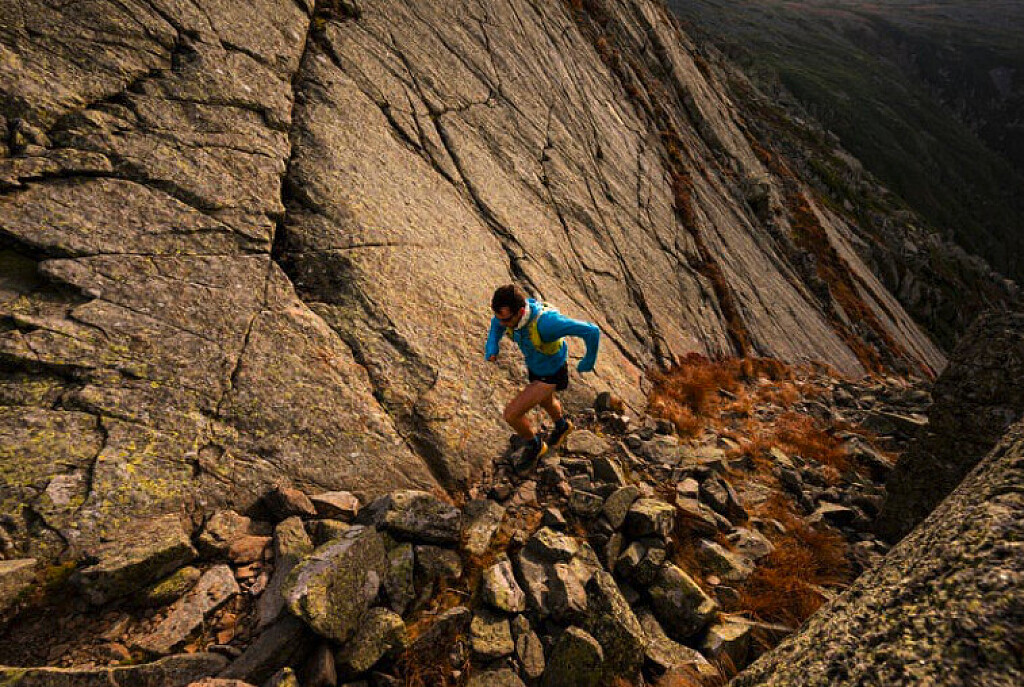
Elite Runners and Coaches Bust Six Major Training Myths
Let's be honest. There's a ton of bad training advice out there. Heck, there's just unchecked advice flung here and there and everywhere these days, on all topics of living and being.
So how do you best navigate these thickets of often dubious recommendations? How do you validate what's solid, and what's not? At Trail Runner, we turn to the experts. We turn to well-respected coaches and the most consistent and high-performing elites in the business. We turn to science.
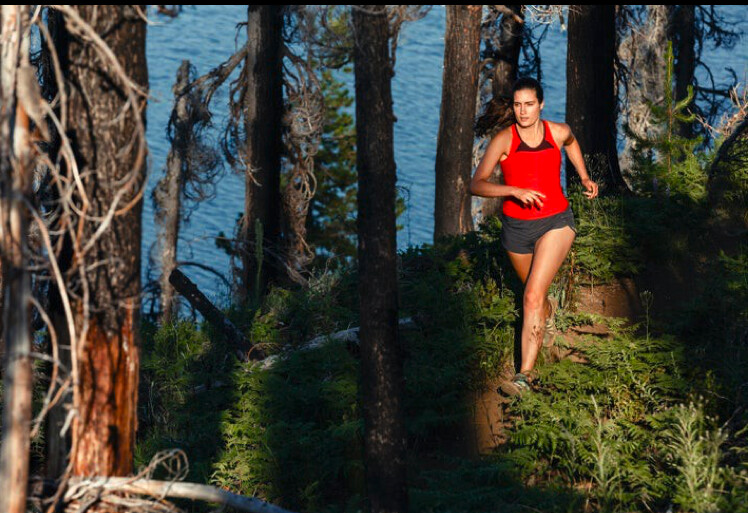
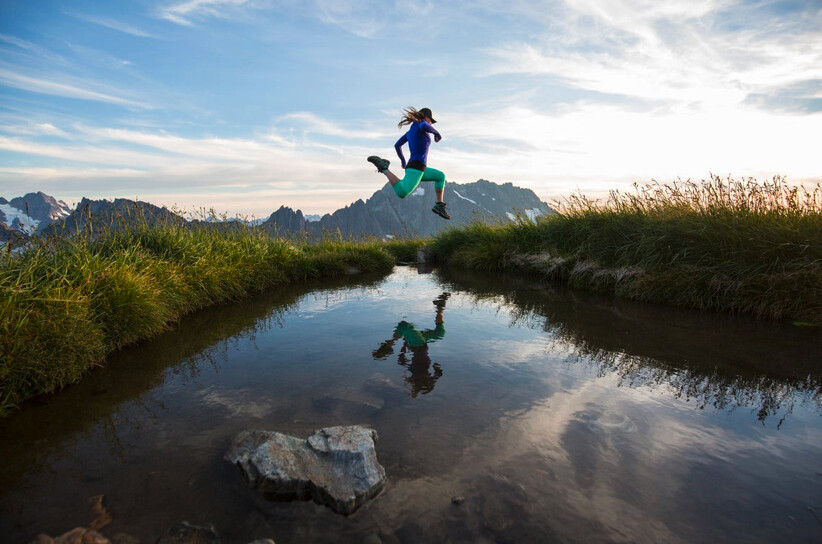
From bro science to outdated training methods, here are eight stubborn training myths that just won't go away, and some proactive solutions to keep you tacking in the right direction.
Myth #1: Always Run High Mileage
It's tempting to think the only way to improve is to run more and more and to keep piling on the miles. But, high-volume training can have diminishing returns for many athletes.
"Running more miles isn't always the answer and comes with a laundry list of disclaimers: injury, sickness, burnout. Instead of adding more miles, fold in a form of cross-training. This helps keep training fresh, the body happy, and it's still stoking that aerobic engine," says coach and elite mountain runner Tabor Hemming.
However, it's also not never the answer. Less isn't always more.
"Adapting over many training cycles usually requires alterations in stress across years, so the best volume an athlete can do is often the least they can do while still adapting consistently, as long the total is within the general range that is needed to spur high-performance in their events for their physiology and load capacity," says coach and Trail Runner columnist David Roche.
"The long-term approach to volume increases leaves room for growth, prevents stagnation, and limits breakdown that can stop an athlete in their tracks long before they figure out where their true ceiling is."
To advance and adapt, you do, in fact, need additional training stress as you progress. Just don't jump into triple-digit miles right off the bat.
Remember that running is different from other sports like cycling because repeated impact leaves athletes more injury-prone. Build up your volume over time, and back off (here's a handy guide) if you're feeling excessively fatigued or if soft tissue injuries occur. Myth #2: Always Give 110%
Elite mountain runner and coach Mason Coppi was hard on himself, always pushing his body to the limit in training and racing.
"No matter what races I won or what times I ran, it was never enough. In my mind, there was always something I could have done differently. I could have always just given a little more effort. Every race and workout I ran I tried to give 110% effort. But here's the thing about 110% effort: it doesn't exist," says Coppi.
Coppi tried to just work harder, to effort more in an attempt to reach his potential. But his performance in races declined steadily as Coppi ignored the signs his body was giving him to loosen up and rest. The more tired he felt, the harder he tried. The harder he tried, the more tired he felt. That feedback loop led to burnout, and Coppi is now taking a temporary step back from running. "You can only give what you have on that day, nothing more," says Coppi. Now, he's working to destigmatize the concept of taking easy days really easy. He works with other runners to help them understand that mental toughness is learning to listen to your body, to assess what your mental and physical needs are on a particular day and respond accordingly.
"Once I realized my best on a given day was my best, a weight was lifted off me," says Coppi. "I knew my all-out effort was enough whether I was limited by something physical or mental."
Now, he no longer chases PRs and fast times on every run and instead works on flexing his adaptability muscle in training. To quote Coach Ted Lasso, "I want 60% effort, 1000% of the time."
Consistency beats intensity when it comes to reaching your athletic potential, and enjoying the process.
Myth #3: Don't Worry About Speedwork
Speedwork is a trail runner's best friend.
"It's a myth that you have to train for ultras very slow, via many, many miles. High-intensity work is an ultrarunner's friend and diminishes the need to run 100+ mile weeks," says Jessica Riojas Schnier of Smiles and Miles Coaching. Use high and moderate-intensity workouts to train smarter and more efficiently. You'll reduce your risk of injury and burnout if you are more efficient with your training, which then makes us happier runners, for longer!"
Start by integrating 15-30 second strides at the fastest pace you can go without straining with one to two minutes of easy, recovery-effort running in between. Do four to eight sets, two to three times a week throughout your runs.
Then, you can start integrating more structured workouts into your training. We recommend beginners start with these looser, more relaxed trail workouts. More advanced runners can skip right to these race-oriented workouts, or even get into some fun, combo workouts.
Don't be afraid of a little speedwork. It'll help you train smarter, faster - and maybe you'll even have more fun. Myth #4: You Must Move to Boulder
While many top trail runners live in mountain Meccas like Boulder or Flagstaff, there are plenty of folks who live and train far from the Rocky Mountains and still compete at a high level. Take Ohio-native Arlen Glick, for example, who finished third at this year's Western States Endurance Run.
"There is still a myth that if you do not live near mountains, you can't do well or complete mountainous races. I have seen numerous athletes repeatedly train in the prairies (flat flat flat lands) of Canada and crush some of the most technical trails and races with incredible vertical gain and loss," says coach Jenny Quilty.
There's plenty you can do to prepare for steep races, even if you don't live in Chamonix. Functional leg strength, like Mountain Legs, can help build strength and resilience through specific movement patterns. Improving your running economy through speedwork and hill strides is also key for mountain adventures and competition.
Also, don't fear the dread-mill. Treadmills can help you practice power hiking, and just a few concentrated sessions are enough for some mega-mountain adaptations. Uphill treadhill doubles are also a great way of getting some vert in, all while reducing impact. Don't overlook the eccentric strength required to rock downhills, though, as many runners' legs are more affected by descents than the climbing.
Myth #5: Run a Metric-Ton of Vert
While you'll want to do some vert-specific work to get better at climbing, overdoing it can lead to slow-downs and stagnation.
"You don't have to run a ton of vert to get better at climbing," says Nike pro athlete Matt Daniels. "I have seen with many athletes that the ones who have developed more speed and better running economy without hundreds of miles in the mountains are the ones who end up handling the vert better on race day. There has to be a fine balance between vert-heavy runs and economy build-in training to be a good climber on race day."
Work on improving overall fitness without overemphasizing vert. According to coach and columnist David Roche, "The best climber is usually the best runner with just enough specific training on climbs." Focus on improving your running in training, while mixing in strength work (like mountain legs) and incorporating more vert as you get closer to your goal event.
Try to get out on trails with race-similar terrain on the weekends leading up to your event, and mix in some mid-week vert during workouts and easy runs, too. Try to run the downhills with intention to get your legs ready for the muscle breakdown they'll incur on race day.
Myth #6: Don't Race Until Perfectly Trained
Curious about diving into your first trail race? Don't wait!
"It's a myth that you have to already be an accomplished trail runner to register for a trail race. Most trail races are not that much different than road races (except if you're racing in the mountains, of course) in terms of their footing," says Denver-based Strength Running Coach Jason Fitzgerald. "Get a good pair of trail running shoes, get comfortable on all kinds of surfaces, and you'll have a blast at your first trail race!"
If you're curious about jumping into a trail race, reaching out to the race director can help determine if you're ready for and interested in a particular event. Researching past participants' race reports can help, too. (Remember to always take race reports with a grain of salt, since it's just one person's experience and perspective.) It doesn't hurt to have a friend sign up for the event with you for moral support and training accountability.
Our advice? Start small. Find an event that's short enough that it sounds fun, rather than a huge stretch for your first race.
Also, make sure you have a solid, consistent base of miles and you're not jumping into something that's hugely above your pay grade. We recommend at least six hours a week of training before jumping into a 50K, and closer to nine hours a week when you're looking at the 50-mile distances and up. If you're not sure where to start, check out our full catalog of training plans here.
by Trail Runner Magazine
Login to leave a comment
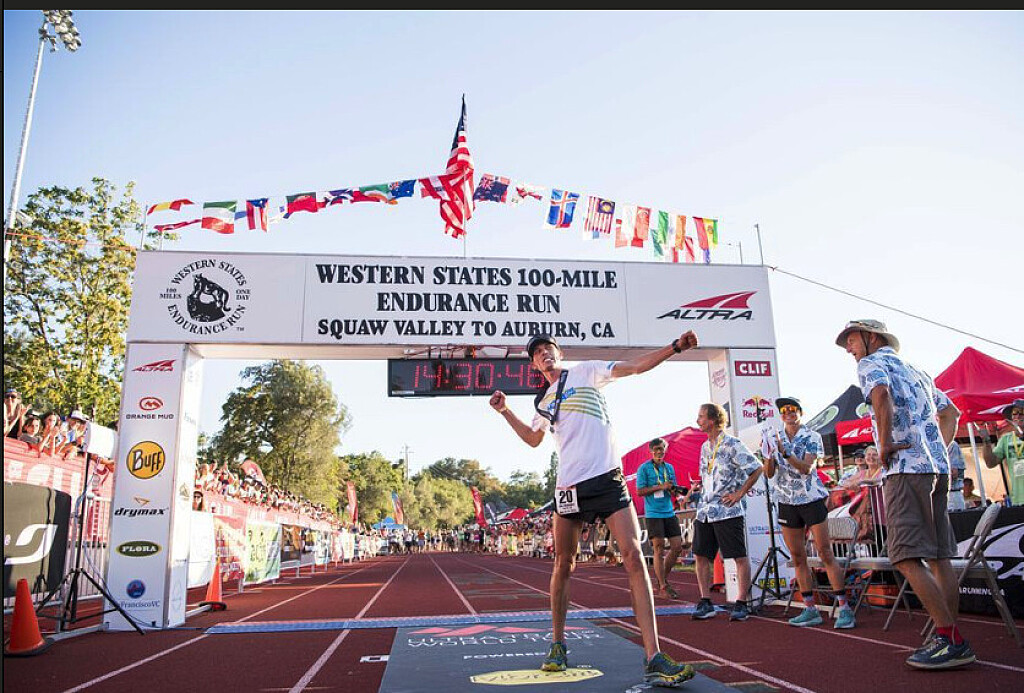
Western States Endurance Run Announces This Year's Golden Ticket Races
On August 9th, 2022, the Western States Endurance Run (WSER) updated its schedule and criteria for the 2022-2023 Golden Ticket races. For the second consecutive year, the lineup will include three international races, including UTMB, and the first-ever Golden Ticket event in Asia.
The Western States Endurance Run is the U.S.'s oldest and most competitive 100-mile race and has long depended on a lottery system to modulate the number of runners on the start line. Golden Ticket events give the top two runners automatic entry into the race, allowing them to bypass the competitive lottery. In this system, 28 spots are reserved for Golden Ticket winners in WSER. If the recipient of the Golden Ticket winner already has an entry (either through the lottery or another Golden Ticket event) the ticket rolls down to the next runner without entry. All runners who finish in the top ten at Western States also get automatic entry the next year.
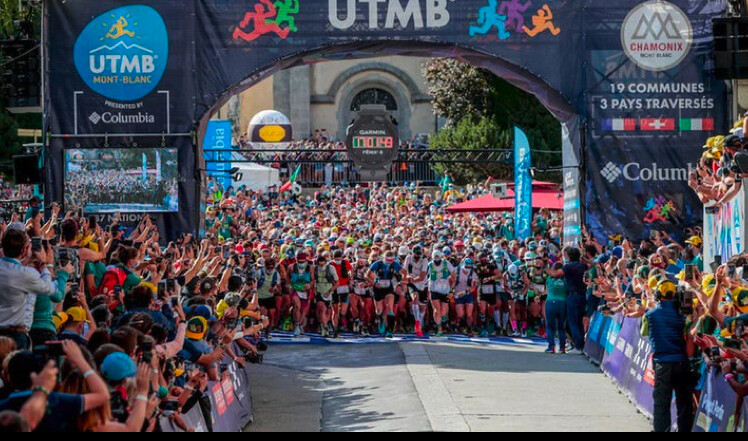
Like last year, the list includes Ultra Trail Mont Blanc (France, Italy and Switzerland) and Tarawera by UTMB (New Zealand). However, the Endurance Trail des Templiers (France) has been replaced with the Doi Inthanon Thailand by UTMB 100M. This is the second year that international races have been Golden Ticket events, and the first year that features an event in Asia, which spreads out and diversifies opportunities for international elites to gain entry to WSER.
There are still only four Golden Ticket races in the U.S., and each year these events get even more competitive. Historically, there have been five to six Golden Ticket events in the U.S. Notably, the Lake Sonoma 50 is no longer on the docket, which was the only sub-100k chance at a Golden Ticket. All the remaining events are now at least 100k, which is WSER's current qualifying distance. There are now three 100-mile qualifiers: UTMB, Doi Inthanon Thailand 100M, and Javelina Jundred (Arizona).
The inclusion of four UTMB-branded events signals the coalescing of trail running's most competitive events under a single UTMB banner. Additionally, if runners want to run at the UTMB main event in Chamonix, France, they need to first run a UTMB-branded race to collect sufficient running stones to qualify.
by Trail Runner Magazine
Login to leave a comment

How to talk to a runner
Talking to runners can be intimidating. I have been running for decades and I still find myself occasionally searching up terms I overhear fellow-athletes use in casual conversation.
We’ve defined some commonly used acronyms so that you can throw around your running lingo like you’re the GOAT.
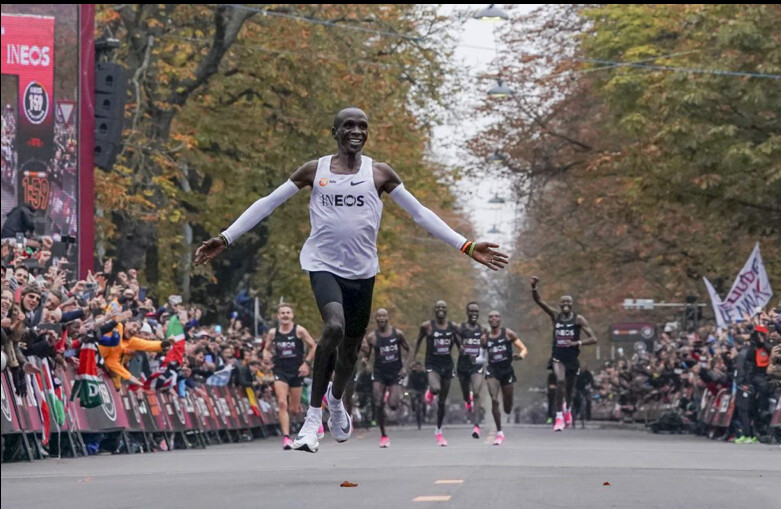
Running basics: I was wearing my HRM, but my HR was wonky for my entire LSD
HMP: half-marathon pace HR: heart rate HRM: heart rate monitor HRV: heart rate variability (the fluctuation in the time intervals between adjacent heartbeats) KOM/QOM: king of the mountain/queen of the mountain (a badge on Strava) LR: long run ER: easy run LSD: long slow distance MP: marathon pace FOMO: fear of missing out (if I’m an IPSOS I have to miss all the races and I’ll be stuck at home with FOMO) XT: cross train XC: cross country VO2 max: the maximum (max) rate (V) of oxygen (O₂) your body is able to use during exercise FKT: fastest known time
Racing terms: “You had better start training for WSER or you’ll finish DFL”
BQ: Boston qualifier (or Boston qualified) CR: course record (or Canadian record) DFL: dead f*cking last DMR: distance medley relay (a four-person event on the track, consisting of a 1,200m leg, a 400m leg, an 800m leg and a 1,600m leg) DNF: did not finish DNS: did not start GOAT: greatest of all time NR: national record OCR: obstacle course race PB: personal best (used in Canada) PR: personal record (used in the U.S.) PW: personal worst
RD: race director SB: season’s best SC: steeplechase UTMB: Ultra-Trail du Mont-Blanc (one of the most challenging ultratrail races, held in Chamonix, France) WL: world lead WR: world record WSER: Western States Endurance Run (as in ‘see you at states’ aka one of the most challenging ultratrail races, held in Auburn, Cali.)
Reovery and injuries: “I went out too hard in my BQ attempt, ran a PW, and now I’m an IPOS with FOMO”
DOMS: delayed onset muscle soreness (why an easy run the day after a hard workout doesn’t hurt as much as expected) IPOS: injured piece of sh*t IT band: iliotibial band (the band of tissue that starts at the hip and runs down the outside of the thigh) ITBS: iliotibial band syndrome LEA: low energy availability RED-S: relative energy deficiency in sport RICE: rest, ice, compression, elevation (common injury-treatment advice) IYNYN: If you know, you know (sometimes only those who have been there can truly understand)
by Running Magazine
Login to leave a comment
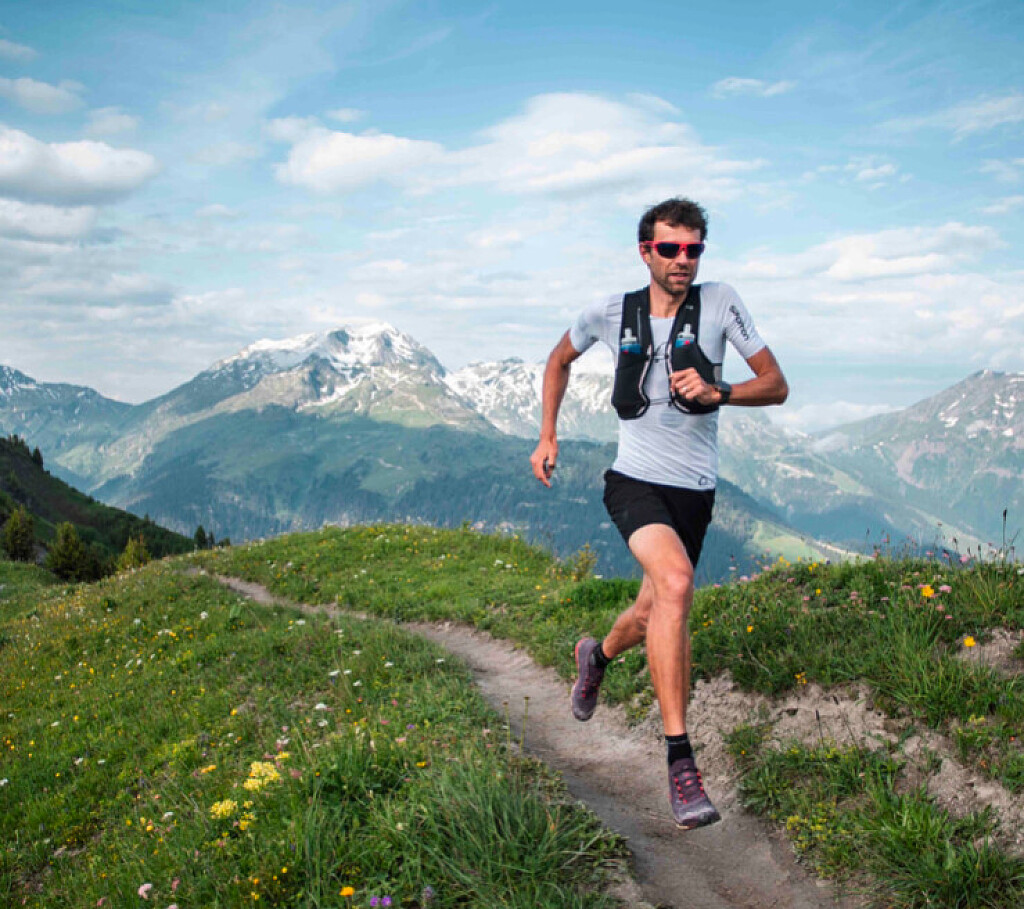
The Real-Life Diet of Ultramarathoner François D'Haene, Who Makes Dominating 100-Mile Races Sound Low-Key
France’s François D’haene is one of the best ultrarunners in the world. He’s won some of the hardest 100-mile foot races out there like the Ultra Trail du Mont Blanc in Chamonix (3-time winner) and the Hardrock 100 in Silverton, Colorado (he's the 2021 champion and course record holder). But he’s not a one-dimensional athlete, he’s stood atop over 50 podiums in both running and ski mountaineering. And in addition to being a freakishly good athlete, he’s also a wine producer in Beaujolais.
But the father of three children and takes a refreshingly chill approach to his success: there’s no rules, no training plans, no strict diet. We chatted with D’Haene as he was gearing up for the 2022 Hardrock this weekend.
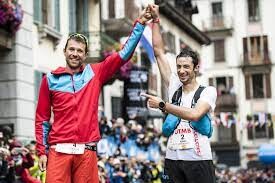
For Real-Life Diet, GQ talks to athletes, celebrities, and other high performers about their diet, exercise routines, and pursuit of wellness. Keep in mind that what works for them might not necessarily be healthy for you.
GQ: When you’re training for a big event, like the Hardrock 100, what time do you usually wake up? What’s the first thing you do?
François D'Haene: When I’m training for a big event, what time I wake up is different every day because I have to adapt every day—I also have a job and a family. I don’t have a regular plan!
Can you walk us through what a typical day looks like?
There is no typical day for me, but I always have something to do. This week I was cycling on Saturday (a casual 230-mile bike ride that took nearly 19 hours), with my children on Sunday, and wasn’t able to train on Monday because I had to deliver some wine to a few huts in the mountains by foot. Each day is totally different.
How do you balance training, raising three kids, and your wine business? Is it difficult to do all those things well?
It’s hard to manage it and get everything done, but I don’t want to make any compromises so I try to do as good as possible. I train when I can. I try to get some long days in the mountains and keep some moments for training, some moments for the business, and some for family. I work on my calendar with my wife. Of course, I don’t have so many moments for rest but I have to make room for the things I love.
What kind of workouts are you doing each week? How much mileage or how many hours do you spend training? How much vert are you getting in? Are you self-coached? Has your training in physiotherapy helped you develop your training plan?
I don’t have any regular training and I don’t want to have any regular training or workouts. I really just try to adapt myself and be happy with that and play in the mountains when I can. Because of my schedule, I don’t have a coach. I discuss my race calendar a lot with my team manager and we try to make it as good as possible. I just have to adapt.
Do you remember when you first fell in love with trail running or racing ultramarathons? Was there a specific moment?
It’s something that built up slowly over many years. I remember when I was a kid I always loved being in the mountains. For me it was a dream to understand what happened between the earth and the top of a mountain. I started to build my relationship with the mountain and adventure and trail running. When I was finally able to go by myself with friends (at around 16 or 17 years old when we had a car) I was so happy. The adventures became longer and longer and I fell in love with trail running. That was in 2002, so 20 years ago, and I’m still passionate about it.
What’s the most fun race or run that you’ve ever done? Why?
There are many many racing projects that are very fun. I like to do official races with bib numbers but I also like to do my own projects. I think that’s really cool and interesting. Doing the 211-mile John Muir Trail with friends was a nice experience and I think it’s one of the best memories I have in my trail running experience.
You say on your website that you are careful about keeping a healthy lifestyle. Can you expand on that? What does that mean for you, and what does it look like in your daily life?
For it’s more about longevity, about practicing activities that I love and being okay socially and with my job. This is my way to stay healthy: I ski a lot during winter, I try to do cycling too and not only running. I try to figure out my body and reset my body. When I have pain, I try not to run. Of course, you have some pain every day and every time, but it’s important to make the good choice sometimes and rest a bit. My way to stay healthy is to try to live a normal and well-balanced life and to think about it in terms of longevity. If it’s too stressful for you you won’t be able to do it for long, but if it’s okay in your life you can do it as long as you want.
Can you walk us through what you typically eat for each meal?
I think I won’t tell you because you will get afraid! No, I just try to eat normal. I mainly just eat by feel. I have some children and try to educate them about eating seasonally and locally. I like food and I like fat and I like to play with my food. I try to eat what I want and just try to think about what’s good for my body and for my children and the planet.
What do you eat and drink while running and what’s your strategy with that? How often do you eat or drink while training and racing?
There’s not one right strategy for this so it’s important that people figure out what works for their body. It is crucial to test everything out before the race. For me, I never drink water. I only drink nutrition drinks and I always drink the same one. For food, every hour I eat some sort of gel.
You’re a wine lover—do you drink wine at night during training periods or no?
During training, no! I try not to drink wine or beer. I’m not just a wine lover, I drink anything. I have a normal social life and I’m so happy to share beer with my friends, or a glass of wine. If you run 10 hours with friends then you are so happy to share beer or coffee or wine with them after. Do what you want—take pleasure in that. I think my best advice is to make sure you have longevity and continue to perform.
Can you talk to us about your work as a wine producer? How did you get started doing that and what kind of wine do you make?
It was a project with my wife so we could be together more and spend more time together. We were interested to spend some time in nature. Wine is something very interesting in France and all over the world because it’s always different from area to area, with the taste, the production, and the history. It’s a very interesting thing and to be a wine producer is a very complex job. You have many things to do. Of course we like the taste of wine and the moment when you drink wine. The kind of wine that we did in Beaujolais is a Gamay wine, 100%. It’s very social and fruity so I'm sure you should enjoy it.
Why do you want to go back to the Hardrock 100? What do you like about that race and what are your goals this year?
Just because I won last year and got the opportunity to come back! No, what I like about the race is it’s an interesting race and an iconic race. It’s 160 people and a very strong and deep community. It’s a very nice place and the mountains are amazing. It’s a mix between the altitude and technical trail and easy trail, and it’s just a perfect mix of everything for me to combine strategic training. I have very nice memories from the race and I hope we can build some new good memories this year.
Login to leave a comment
Kilian Jornet partners with Coros wearables
The world-class GPS watch company Coros has partnered with two new athletes to expand their trail and mountain running audience. World sky-running champions Kilian Jornet and Emelie Forsberg are the newest pro-athletes to represent the company.
The strategy behind the partnership is Coros’ commitment to helping athletes train and perform at the highest levels. Coros continues to cement itself as the leader in athletic performance-focused wearables, as Jornet and Forsberg join a growing roster of truly world-class athletes that include marathon world record holder Eliud Kipchoge and Olympic bronze medallist Molly Seidel.
Jornet has significant goals for 2022, as the three-time UTMB champion to returns Chamonix, France, for another crack at glory. Jornet, who recently left his sponsor Salomon, will also be competing at Hardrock, where he is a four-time champion, and Sierra-Zinal, which he has won nine times (including the last five editions).
Forsberg, who is Jornet’s partner, has the women’s FKT up and down from Mont Blanc in 7:53:12. Forsberg was the world sky-running champion in 2014 and is making a comeback to the sport after the birth of her second daughter in April 2021.
Drawn by its light weight, size and the inclusion of mountain-compatible features, both Jornet and Forsberg will wear the Coros Apex Pro as their primary GPS watch. The Coros Apex Pro features Ski Touring mode with auto ascent/descent detection, SpO2 (pulse oximeter) sensor with specially designed altitude mode, trail running mode and more…
by Running Magazine
Login to leave a comment
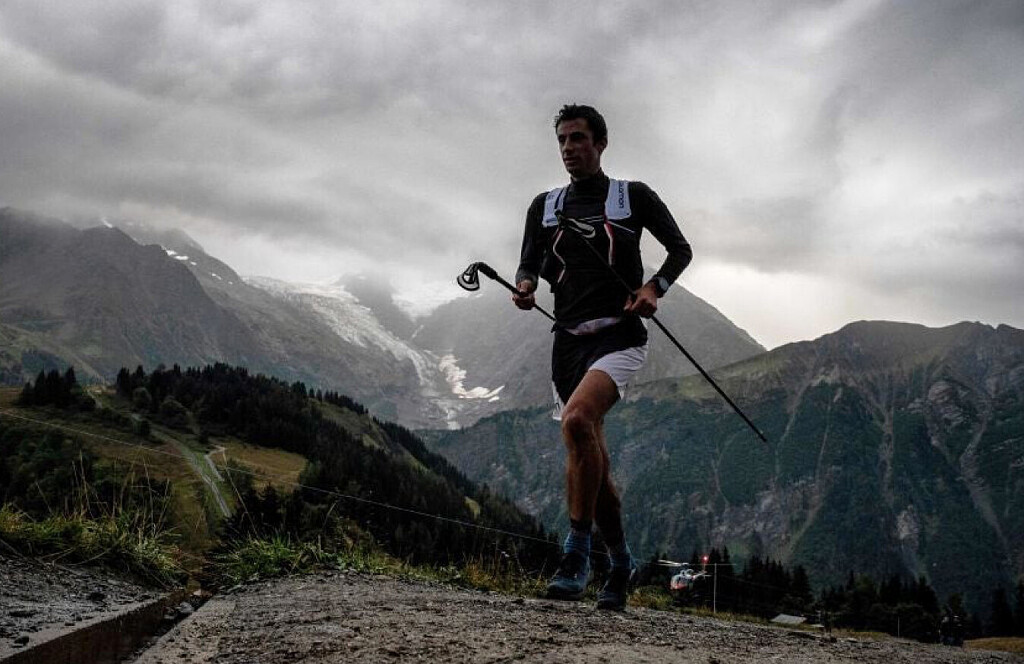
Kilian Jornet Announces Return to UTMB for 2022
"Return of the King."
That was the title of a YouTube video tweeted out by UTMB on February 23 to announce Kilian Jornet's return to the legendary race in Chamonix.
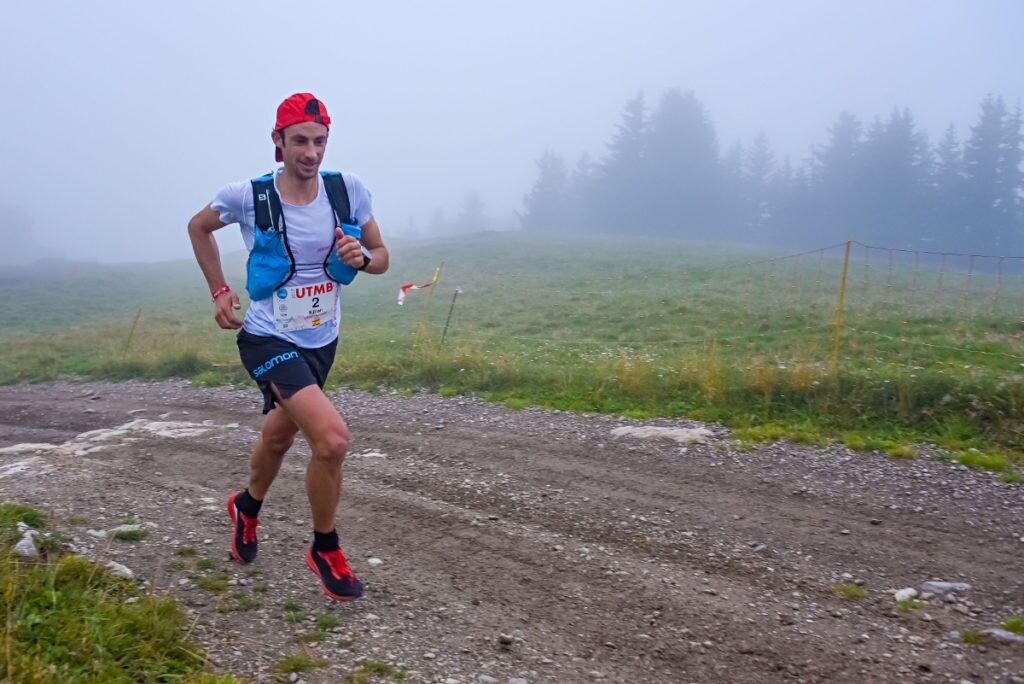
"This year I'm coming back to UTMB," said Jornet, in a clip sprinkled with quotes touting him as the sport's greatest of all time. "Why, you will ask me: it's because I really love to suffer. I really love the pain in the legs, the feet, and everywhere in the body. That's what long distance is about. To enjoy the pain!"
It will be Jornet's first time back at the 105-mile (170K) race since 2018, when he dropped 11 hours in. He has raced UTMB six times since 2008, including victories in 2008, 2009, and 2011. In 2017, he broke the race's course record while finishing second to Francois d'Haene's 19:01:54 and becoming the second man ever to break 20 hours on the course in 19:16:59.
The 2022 edition of UTMB is slated for August 21-28, with the 105-mile flagship race kicking off on Friday, August 26. It will come just six weeks after Jornet's appearance at the Hardrock 100 on July 15, where he will go after another win to complement those from 2014, 2015, and 2017 (as well as a co-victory with Jason Schlarb in 2016, when the two finished hand-in-hand).
Other athletes expressed their excitement for Jornet's return in the Twitter video.
"It would be a bit empty if Kilian wasn't there, to be honest," said Tim Tollefson, who will also race UTMB in August. "He is the king of the sport, so it just feels right to have him on the line."
Once August rolls around, Jornet will compete against one of the strongest fields UTMB has ever seen. Two-time champion Xavier Thevenard of France and an American contingency including Tollefson, Jim Walmsley, Jared Hazen, Sage Canaday, Dylan Bowman, Jason Schlarb, and Cody Reed will all be aiming for a podium finish. On the women's side, Americans Camille Herron, Brittany Peterson, and Hillary Allen will be in attendance, as well as Beth Pascall of the U.K., Audrey Tanguy of France, and Ragna Debats of the Netherlands.
"UTMB always has such a big level, so many good athletes, so I really love this competition," said Jornet in the video announcement. "I'm really looking forward to being at UTMB again this year."
by Trail Runner Magazine
Login to leave a comment
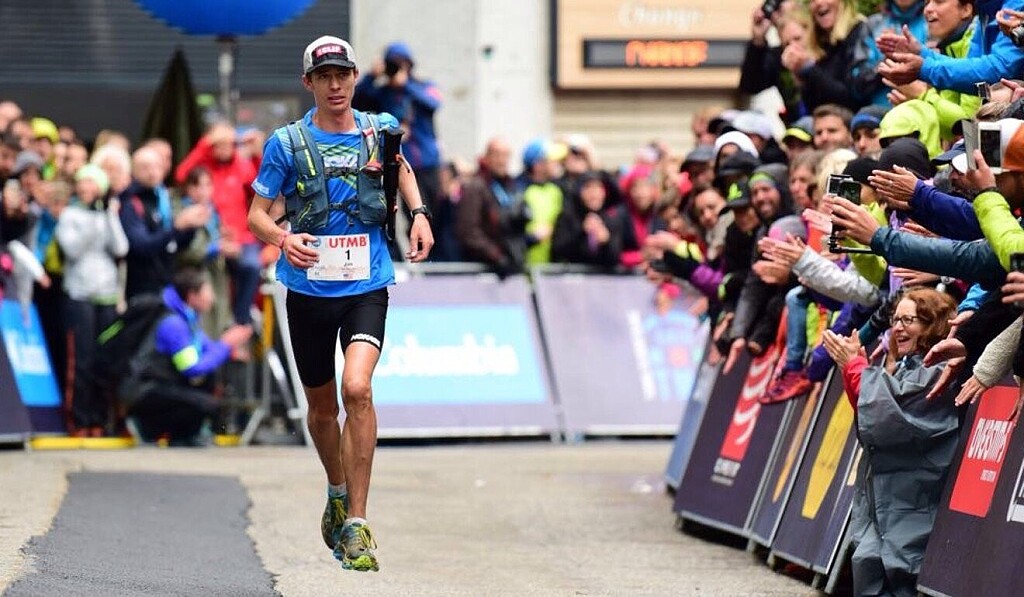
American Jim Walmsley will be taking another stab at UTMB
The 2022 edition of the Ultra-Trail du Mont-Blanc (UTMB) is seven months away, but the elite fields have been made official. Although he has never done better than fifth (and that was back in 2017), American Jim Walmsley will be gunning for a podium finish again on Aug. 28, along with seven of Canada’s top ultrarunners, including last year’s third-place finisher, Mathieu Blanchard. Check out the top athletes who will be racing this year.
UTMB — men
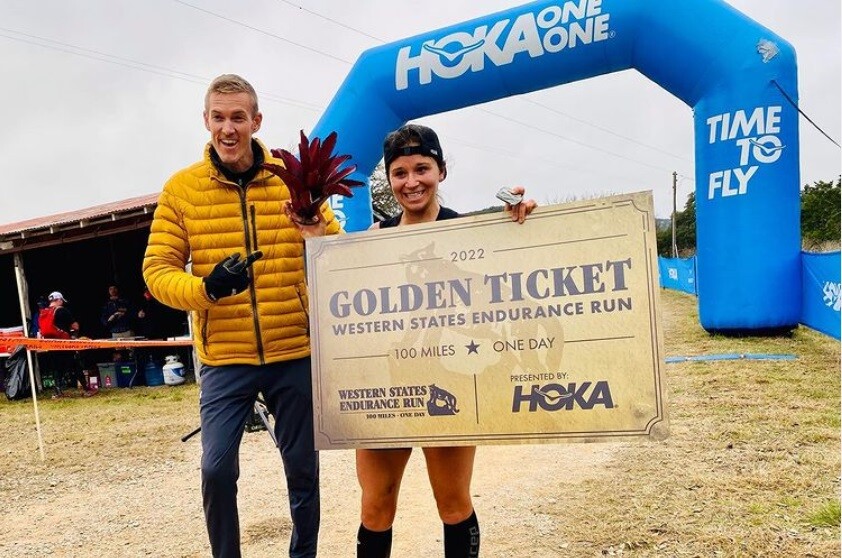
Blanchard, who is from France but lives and trains in Montreal, is among the top men who will be competing this year. Going into the race, Blanchard says his goal is to win the race, and he’ll have two main focuses for his training: “the first will be to prepare myself mentally, to visualize, to accept this possibility of a big goal because I still have trouble believing it today,” he says. “The second will be to build a logical race path to prepare for this race, choices of reason rather than choices of the heart.”
Last year’s second-place finisher, Aurélien Dunand-Pallaz of France will be returning, along with 2019 UTMB winner, Pau Capell of Spain. Walmsley, whose top finish was fifth in 2017 but who has won the Western States 100 for three consecutive years (2021, 2019, 2018) will also be challenging for a podium spot, as will France’s Xavier Thévenard, who has won UTMB three times (2018, 2015, 2013) and placed second in 2019. Nine other recent top-five finishers will also be joining them on the start line.
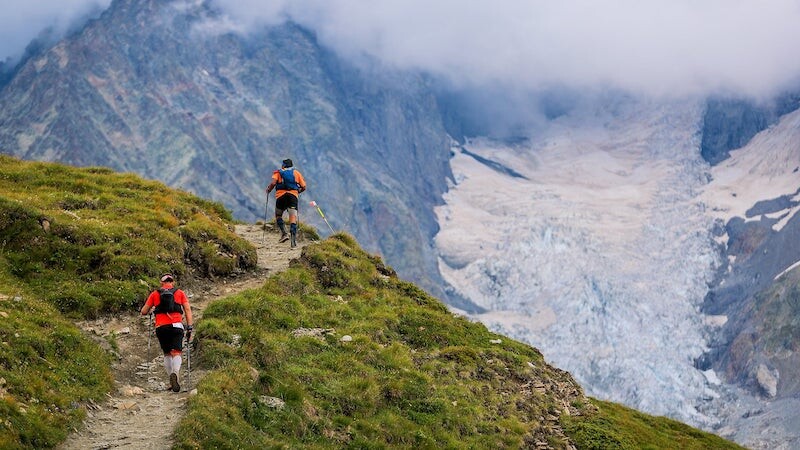
Notably absent from the start list is last year’s winner, François D’Haene and three-time UTMB champion, Kilian Jornet.
UTMB – women
Canadian ultrarunning fans will have plenty to cheer about in the women’s race in August. Three top Canadians will be on the start line, including Montreal’s Marianne Hogan, who won the 2022 Bandera 100K and placed second at the Ultra-Trail Cape Town 100k. Toronto’s Claire Heslop, Canada’s top finisher in 2021, will be joining Hogan, along with Alissa St. Laurent of Moutain View, Alta., who placed fifth in the 2018 UTMB TDS 145K in 2018 and sixth at UTMB in 2017.
“My dream result would be a top 10 at UTMB,” says Hogan, “so I will definitely shoot for that. A lot can happen come race day, so I will make sure to show up to the start line as ready as possible.”
Other top contenders on the women’s side include Camille Herron, who won the 2021 Javelina Jundred Mile (and broke the course record) in 2021 and set the 24-hour world record in 2019, Anna Troup, who won the 2021 Lakeland 100 Mile and the 2021 Spine Race Summer Edition 268 Mile, Sabrina Stanley, two-time winner of the Hardrock 100 and Beth Pascal, winner of last year’s Western States and two-time top-five finisher at UTMB.
There will be five other recent top-five finishers on the start line as well, but running fans will be disappointed to hear the two-time winner Courtney Dauwalter, 2019 third-place finisher Maite Maiora, among several other past winners, will not be in Chamonix on August 28.
CCC — women
There will be three elite Canadian women in the 100K CCC, including Victoria’s Catrin Jones, who placed in the top-10 at the 2019 Comrades Marathon 90k and holds the Canadian 50-mile and six-hour records. She will be joined by Ailsa MacDonald of St. Albert, Alta., who won the 2020 Tarawera 100 Mile and the Hoka One One Bandera 100K, and placed sixth in the CCC in 2019. Rounding out the Canadian squad will be Vancouver’s Kat Drew, who was third at the 2019 Bandera 100K, first at the Canyons 100K and eighth at Western States in 2019.
Other notable runners in the CCC include New Zealand’s Ruth Croft, who won the 2021 Grand Trail des Templiers 80k, placed second at the 2021 Western States 100 and won the UTMB 55K OCC in 2018 and 2019. France’s Blandine L’hirondel will also be looking to land on the podium after winning the OCC last year.
by Brittany Hambleton
Login to leave a comment
North Face Ultra Trail du Tour du Mont-Blanc
Mountain race, with numerous passages in high altitude (>2500m), in difficult weather conditions (night, wind, cold, rain or snow), that needs a very good training, adapted equipment and a real capacity of personal autonomy. It is 6:00pm and we are more or less 2300 people sharing the same dream carefully prepared over many months. Despite the incredible difficulty, we feel...
more...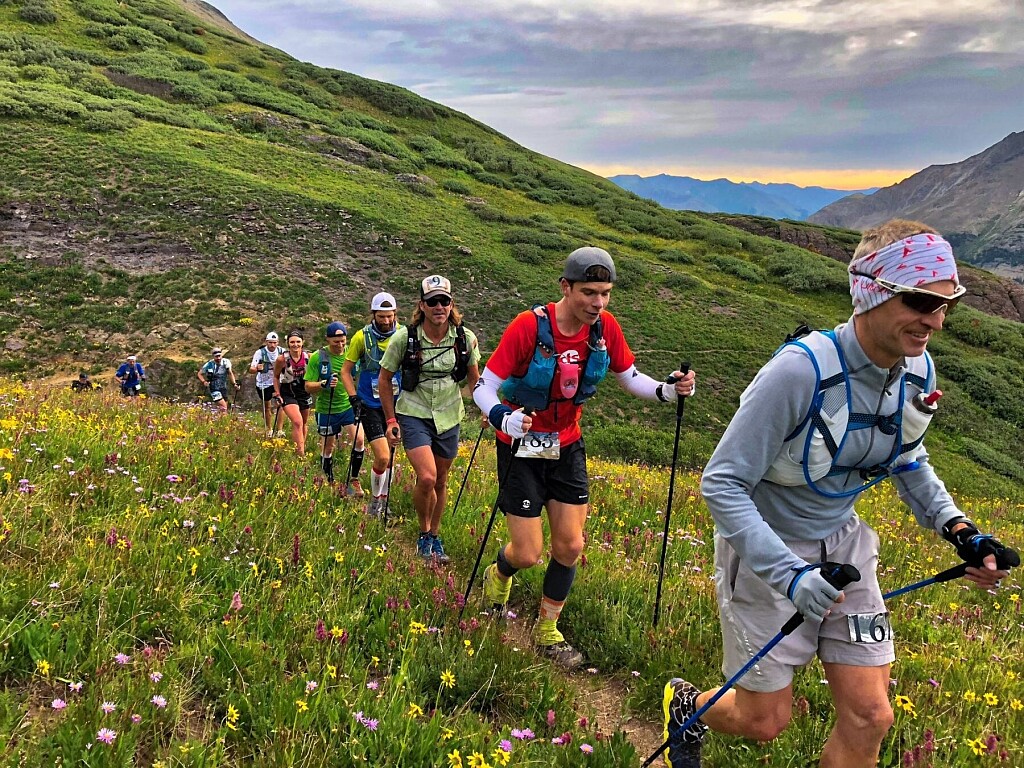
Strong field will be competing in 2022 Hardrock 100, with a lottery narrows field to 145
The Hardrock 100 ultramarathon held its lottery on Saturday to select runners to fill out its field of 145.
The race had 1,916 runners apply from 46 states and 50 foreign countries this year, which is slightly down from the roughly 2,200 applicants in 2019. The ages of the applicants ranged from 19 to 73, and the largest group was 40 to 49 years old, or 43% of the total.
New this year is a gender-equity provision, guaranteeing the percentage of women in the field at least equals the percentage of women who applied. So, since 345 women applied, representing 18% , 27 women were selected to participate.
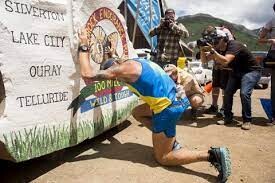
“I thought the gender equity worked out well,” said race director Dale Garland. “The lottery is designed for gender equity and also to make it accessible to new runners and people who have been here before. Both are important.”
Because of COVID-19, international runners who were chosen for the previous year’s event but were unable to travel in 2021 gained an automatic entry for the 2022 race, which includes 16 men and two women.
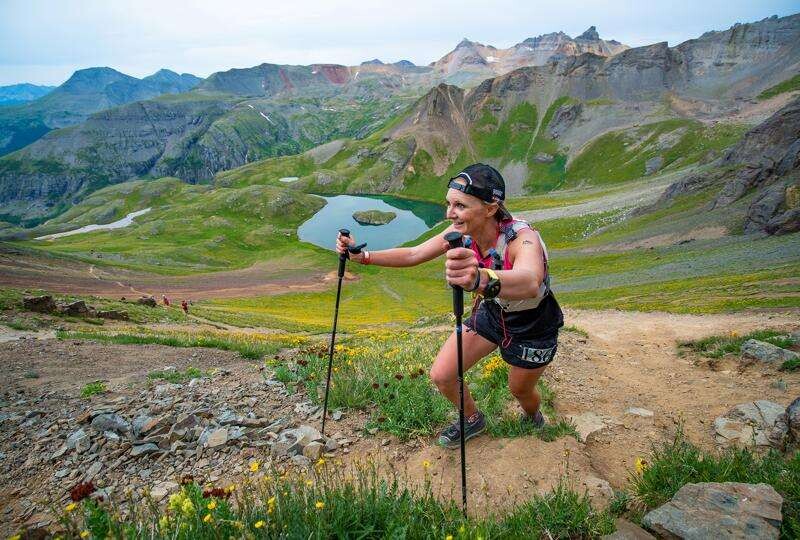
Automatic entry goes to last year’s winners – Sabrina Stanley, a two-time champ, and Francois D’Haene, who set a course record last year. D’Haene also won the Ultra Trail du Mont Blanc last year in Chamonix, France.
Garland also got to choose six entries, which are kept secret. He said, however, that his picks this year are elite runners, some runners who have provided service for the event and two with good storylines.
After that, 119 runners were selected in the lottery. To be eligible for the lottery, the athletes had to complete one of 30 qualifiers around the world that are all at least 100 miles long.
“I’m really happy with it,” Garland said this year’s field of athletes. “There’s some interesting competitive story lines, some competitive longevity story lines, and we’re seeing some people who have run in 10 or 15 Hardrocks.
Killian Jornet, a four-time Hardrock champion, will race again this year. Aurélien Dunand-Pallaz, who finished second at the Ultra-Trail du Mont-Blanc last year, also is expected to compete for the title.
In the women’s race, Courtney Dauwalter, an Ultra Trail du Mont Blanc winner in 2019 and 2021, will challenge Stanley. “It will be an interesting dynamic to have those two run,” Garland said.
Darcy Piceu, an eight-time Hardrock finisher with three wins, also will be in contention, as will Meghan Hicks, a top-three finisher from last year who lives in Silverton, like Stanley.
Neal Matosky of Durango and Durango High School graduate Dakota Jones also will compete.
“I wouldn’t be surprised to see (Jones) in the top 10,” Garland said.
The race takes place July 15-17. It will start at 6 a.m. on July 15, and the runners will have 48 hours to complete the race. It will start at Silverton and go to Telluride first this year, then Ouray, close to Lake City and finish in Silverton. The first race was held in 1992 and this will be the 27th running of the event. Snow and fires caused a few to be canceled.
Volunteers are needed for the event. For information, visit hardrock100.com.
by Cody Olivas
Login to leave a comment

Hardrock 100
100-mile run with 33,050 feet of climb and 33,050 feet of descent for a total elevation change of 66,100 feet with an average elevation of 11,186 feet - low point 7,680 feet (Ouray) and high point 14,048 feet (Handies Peak). The run starts and ends in Silverton, Colorado and travels through the towns of Telluride, Ouray, and the ghost town...
more...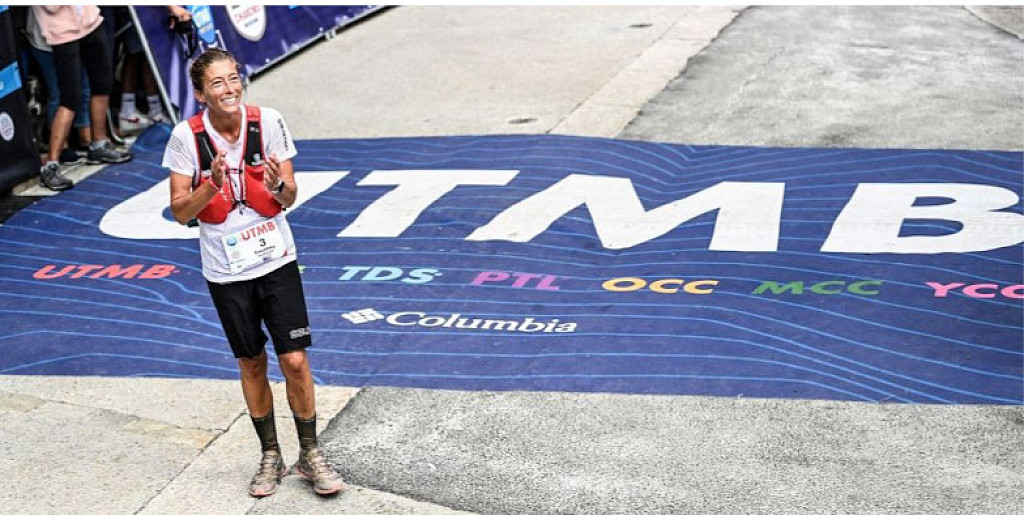
Courtney Dauwalter Smashed the Women’s Record at UTMB and Knocked Over 2 Hours Off Her Previous Best
In her second appearance at the French race, she knocked over two hours off her previous best and placed 7th overall.
Courtney Dauwalter returned to the 106-mile Ultra-Trail du Mont-Blanc (UTMB) to defend her 2019 crown and did not disappoint in her second appearance in Chamonix, France.
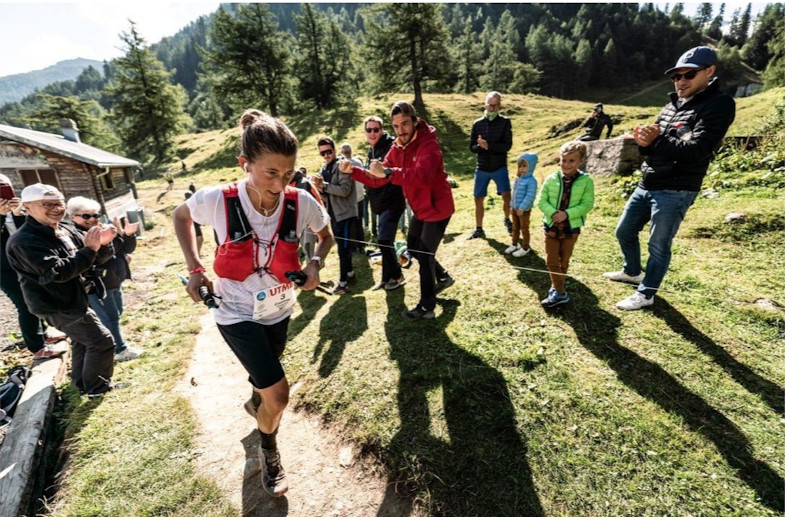
The 36-year-old from Golden, Colorado, led wire to wire in the women’s race, running into only a few minor issues along the way to set a new course record in 22:30:54 and finish seventh overall.
“It was an incredible experience again, and we were so excited to be back, immersed in that community,” Dauwalter told Runner’s World. “I didn’t know what to expect from the race, but I knew that I was lining up healthy and physically and mentally as ready as I could be.”
UTMB was a redemption race for Dauwalter, who was forced to drop out at mile 62 of the Hardrock 100 in July because of stomach issues.
Since then, Dauwalter said she has been tweaking her fueling strategy with her husband and crew chief, Kevin Schmidt. With solid foods causing issues at a certain point, she found that she should take in liquids only.
What happened at Hardrock turned out to be a blessing for her second time through the Alps. Similar problems arose around mile 50 at the Courmayeur aid station. Dauwalter was well ahead with only Mimmi Kotka of Sweden near her, but solid food wasn’t going down. Though she initially planned to switch to liquids only at mile 70, she and Schmidt opted to make the change earlier.
This meant Dauwalter relied on drinking a lot at aid stations and only fueling with the single liter she carried with her between aid stations.
“Climbing out of Courmayeur and coming to the top, I lost my lunch a little bit,” Dauwalter said. “But once it happened, it never happened again and I felt fine. I don’t know if my body was rejecting the fluids I put into it, but it ended up not being a big deal.”
Dauwalter then opened up a massive lead in the women’s race, picking off male competitors one by one. She said there were still low points in the latter part of the race—her legs felt shredded with each climb—but in those moments, she turned to her old friend, the iPod Shuffle.

“It literally has just the play button,” Dauwalter said. “It’s the best. Helps occupy my brain space with upbeat music. It basically has a playlist that started in 2010 and has just been added to since. So an eclectic mix of country music, Michael Jackson, Prince, some early 2010s pop and rap, and Taylor Swift.”
Dauwalter led the women’s race by over an hour as she made the final climb out of Vallorcine at mile 93 and descended back into Chamonix. Dauwalter found herself overjoyed upon seeing the mass of spectators welcoming her back into town.
As she ran through the streets and across the line, Dauwalter said she had no idea her time of 22:30:54 had set a new course record. Her time bested fellow American Rory Bosio, who set the previous record in 2013 (22:37:26) on a course that was three kilometers shorter.
“I feel very happy to have made the entire loop,” Dauwalter said. “After DNFing Hardrock, I wanted to finish UTMB no matter what it took. I’m grateful to my legs, my body, and Kevin and I were able to make the whole 100-mile adventure together. It’ll make for another great memory.”
Not only did Dauwalter make history with her time, she also finished seventh overall in the race. The rest of the women’s podium rounded out with French runner Camille Bruyas taking second (24:09:42) and Kotkas taking third (25:08:29). You can find the full results here.
“It’s a very cool time in the sport,” Dauwalter said. “There’s a lot of women pushing the limits and seeing what is possible. I feel lucky to be in this sport right now and sharing miles with those women and sharing races with these women.”
Dauwalter celebrated at the finish with Schmidt and her Salomon team. Having a beer was her top priority, so she grabbed a light beer that was handed to her. The next event on her race calendar is Big’s Backyard in October.
In the men’s race, French runners took the top five spots, led by now four-time champion Francois D’haene (2012, 2014, 2017, and 2021), who finished in 20:45:59.
American men continued their struggles at the event with Jim Walmsley and Tim Tollefson dropping out. The top American male was Luke Jay, who finished as the second American and 34th overall in 25:54:40. No American man has ever won UTMB.
Login to leave a comment
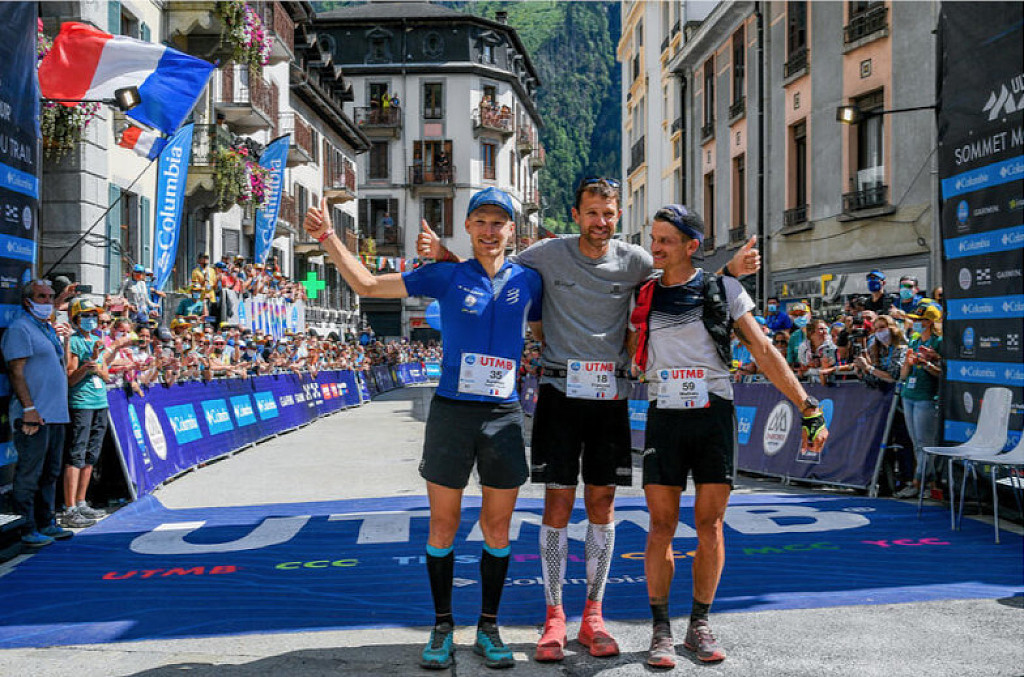
The world's best finish lines
Whether you are running your first or 50th race, there is no better feeling than crossing the finish line. We appreciate all finish lines in life no matter your goals, but we take a look at some of our favourite finish lines in races across the running world.
Boston Marathon (U.S.)
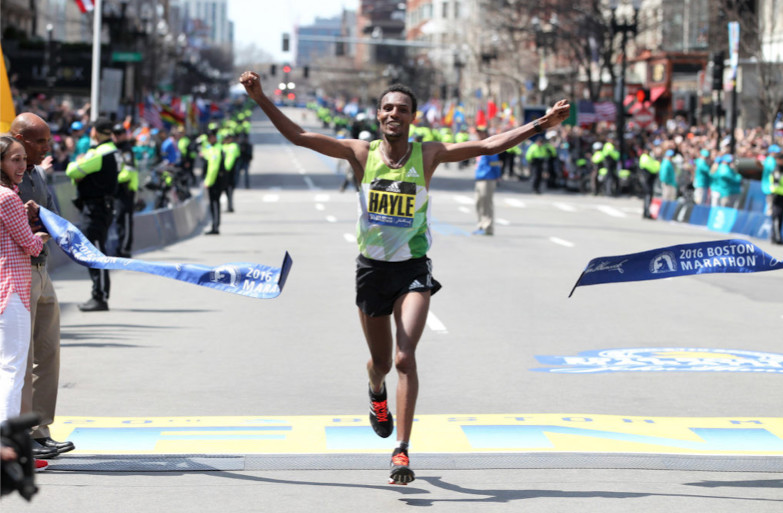
It would be hard to leave the finish line of the prestigious Boston Marathon off the list. Right on Hereford, left on Bolyston and you can see the finish line, with 500m to go. It’s a memory Boston marathoners remember forever. To hear fans, family members and Bostonians screaming at you as you run toward the line certainly gives you a final push to the finish.
Ultra de Trail Mont-Blanc (France)
This UTMB finish line sits right in the heart of Chamonix, surrounded by picturesque views of the French Alps. Ultrarunners descend from the mountain into the village after 171 km of racing, and hear the roar of the crowd as they run through narrow cobblestone streets toward the finish.
Olympic Marathon (Various)
The Olympic marathons always take place on the final two days of athletic events at the Games. Although fans were not allowed in the stadium in Tokyo, there were people lining the marathon course in Sapporo, which was one of the advantages of it being moved to that city. The raw emotion of athletes celebrating as they complete the Olympic marathon is a moment like no other.
Around the Bay 30 km (Canada)
Canada’s Around the Bay 30 km road race has a unique finish line, in which runners finish go through the lower level of a hockey arena to finish at centre ice of Hamilton’s FirstOntario Centre. Friends and families sit inside the arena to watch runners cross the line. Spectators will also sit inside to avoid the freezing temperatures of the March race.
Melbourne Marathon (Australia)
Similar to Canada’s Around the Bay race, the Melbourne Marathon finishes inside one of the world’s top 10 largest stadiums: the Melbourne Cricket Ground (MCG). The MCG has a seating capacity of 100,000 people and is home to the AFL Grand Final and Australia’s cricket team. Runners enter the MCG after completing 41 kilometres around the streets of Melbourne, to finish the marathon at midfield.
Great Wall Marathon (China)
The Great Wall of China Marathon starts and finishes inside the village of Huanyaguang’s Yin & Yang Square. Despite the steep climbs on the iconic Great Wall of China, runners are rewarded by the breathtaking views along the course. In the last two kilometres, as you reach the village from the wall, spectators will be cheering as they have a traditional festival for runners.
Comrades Ultra Marathon (South Africa)
The Comrades Marathon is a point-to-point 90 km ultramarathon in South Africa, starting at City Hall in Pietermaritzburg and finishing at the Sahara Kingsmead Cricket Stadium in Durban. Race spectators wait at the finish in Durban in front of a big screen, waiting for entrants to cross the line. The race has a challenging time limit, as runners must complete the distance in less than 12 hours.
Login to leave a comment
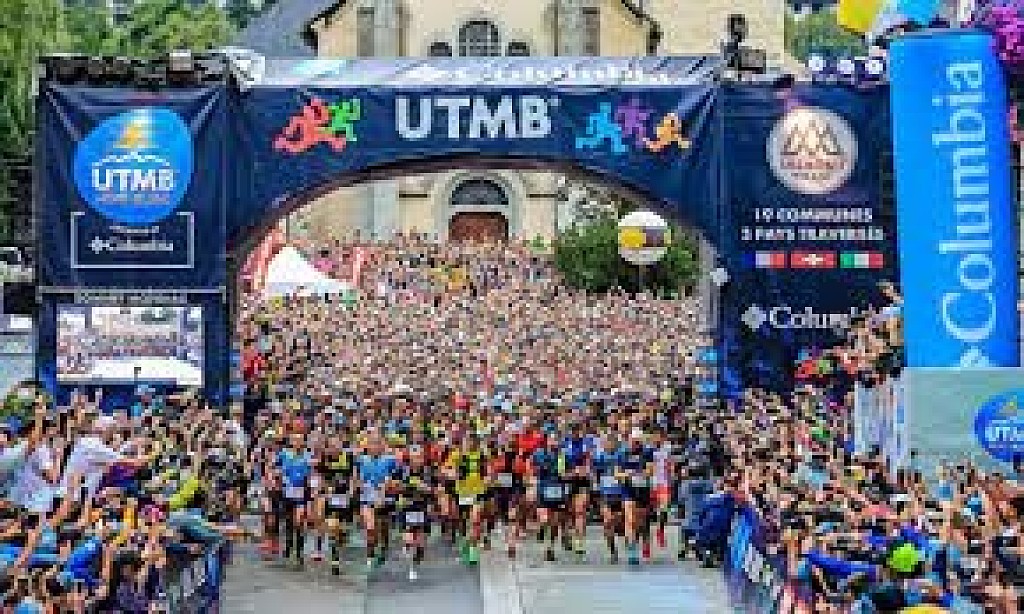
So You Want To Run UTMB. Here's How To Qualify.
The trail and ultra world was rocked this spring when the Ultra-Trail du Mont-Blanc announced a partnership with Ironman, the global triathlon brand. Aside from the inevitable financial questions that pop up with such an acquisition, many trail runners were left wondering how am I going to get into UTMB?
To compete at the UTMB World Series Finals in Chamonix, runners must compete in at least one of the 30 UTMB World Series Events or one of the three UTMB World Series Majors, where they can collect Running Stones for use in the lottery or be rewarded for their performance with direct access. Men's and women's champions will be crowned for each of the three key distances of the UTMB race week in Chamonix: the OCC (50K), CCC (100K) and UTMB (100 miles).
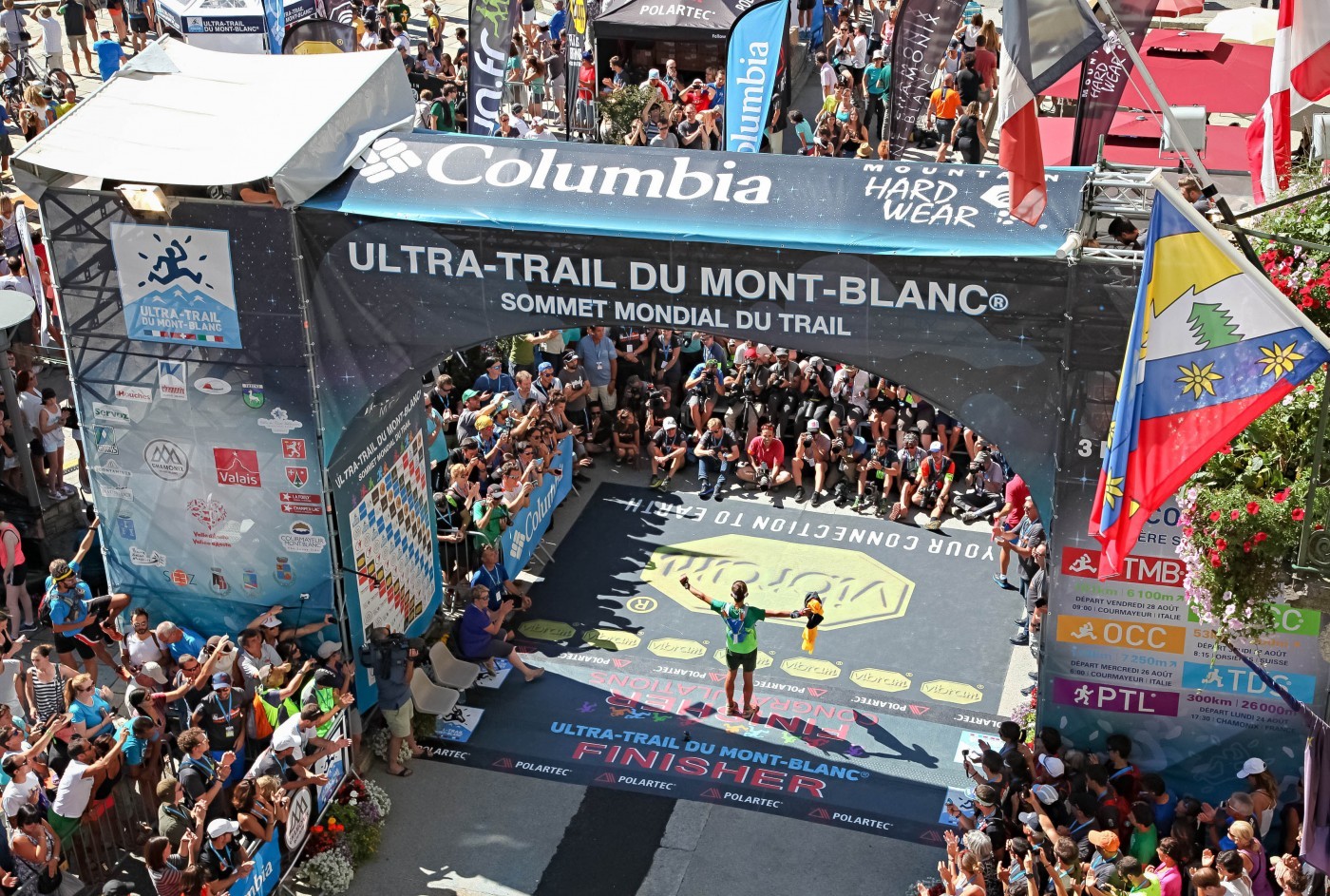
The full UTMB World Series calendar will be announced sometime this fall, including several UTMB World Series Events and one UTMB World Series Major in the U.S.
"Trail running was born in the USA [but] it's not easy for a French company to develop something [there]," said UTMB Co-Founder and Co-Owner Michel Poletti, in an interview with Trail Runner columnist Doug Mayer. "That's part of our decision to partner with Ironman, is that it will be easier for them to develop the sport in the U.S. than for us in France." Poletti noted they are talking with "many other races in the world, including the United States."
What The Heck Is A Running Stone?
A Running Stone is like a lottery ticket. It's your entry into the lottery to compete at UTMB, CCC, TDS and OCC. If you have seven stones, that means your name is in the lottery seven times, giving you a higher chance of being selected than someone with only three stones.
You can earn stones by competing in UTMB associated races. For example, competing in a 50k+ race "by UTMB" will earn you nine stones. Competing in an Ultra-Trail World Tour (UTWT) race over 50k will earn three stones. Western States Endurance Run finishers and Javelina Jundred runners can earn three stones. UTMB is now a Western States Golden Ticket Race, as is Javelina. You can see the full list of qualifying races here.
UTMB, CCC, TDS and OCC do not earn runners Running Stones.
UTMB Qualifying Points
Runners who haven't collected Running Stones can enter the lottery if they have the required number of qualifying points from no more than two races.
Elite Runners
UTMB races save spots for elite runners according to the number of ITRA points a runner has. For men, anyone with an ITRA score over 880 can skip the lottery and entry fee. Elite men with scores between 800-880 can skip the line but still pay an entry fee. Women with an ITRA score over 760 get free entry and no lottery, while women with a score between 760 and 675 skip the lottery, but pay the entry fee. The top three runners from any given country get in free. Easy!
All Roads End In Chamonix
UTMB is calling its new global race series the "UTMB World Series," which breaks down into four categories of races: World Series Qualifiers, Events, Majors and Finals. Qualifier races, whose numbers will apparently be in the thousands, give "privileged access" to World Series Events and World Series Majors, both of which feature 50K, 100K and 100-mile distances. Each World Series race gives a participant one lottery entry (UTMB calls them "stones") to the finals in Chamonix. The World Series Majors are the flagship races on each continent, with two entries to the Chamonix lottery. Between the Majors and Events categories, UTMB expects to have 30 to 40 races take part.
Everything points toward Chamonix and the World Series Finals-and the only way to get there will be through the new race series. To get to Chamonix, runners will also need to finish a race of comparable difficulty in one of the other UTMB race series.
by Trail Runner Magazine
Login to leave a comment
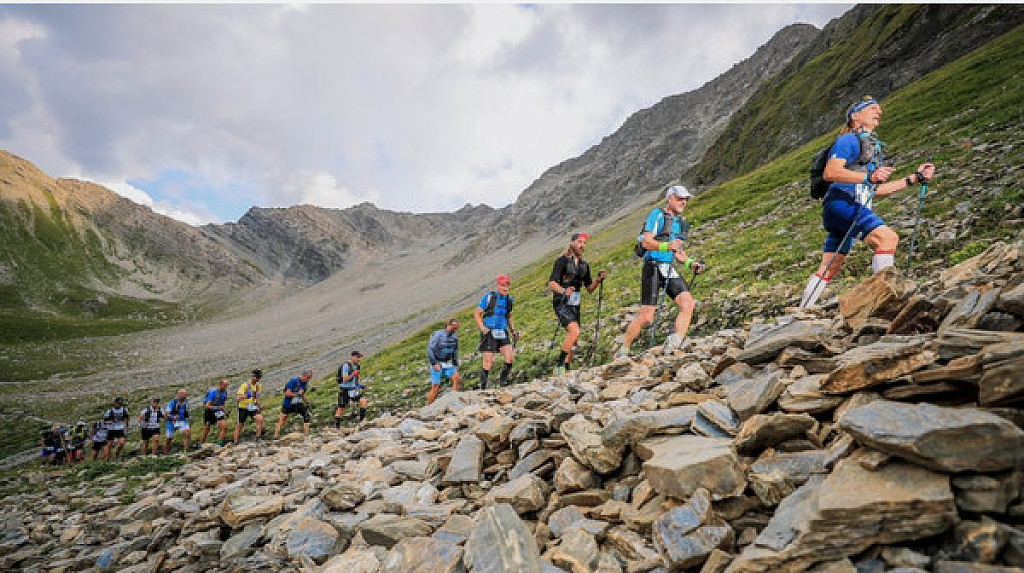
Czech Runner Dies from Falling During UTMB’s TDS Race in Chamonix
It is believed to be the first death in the 19-year history of the Ultra-Trail du Mont-Blanc races in and around Chamonix
There was sad news coming out of Chamonix, France, early on the morning of August 25.
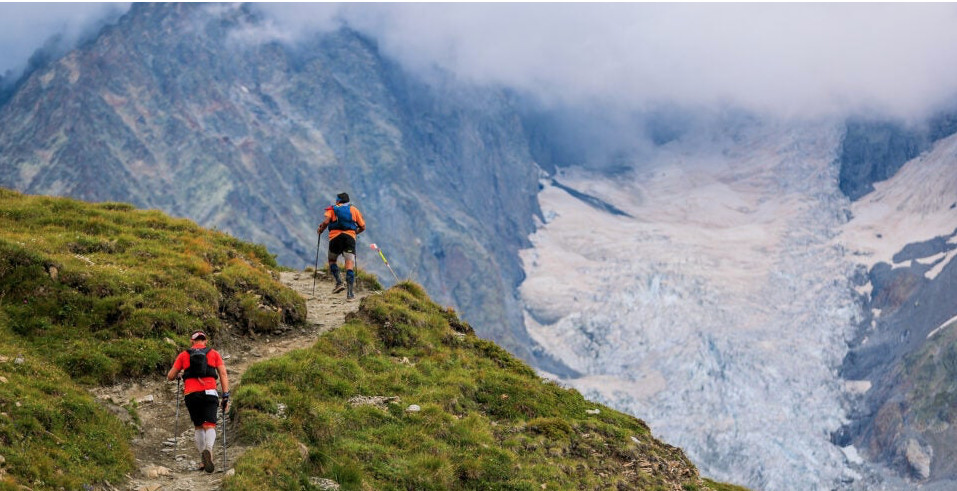
The Ultra-Trail du Mont-Blanc race organization reported that a male runner from the Czech Republic competing in the 145-km TDS race died after suffering a bad fall and serious injuries. The accident occurred at the 62.3 km mark on the descent of the Passeur de Pralognan, an 8,421-foot mountain pass west of Chamonix, France.
It is believed to be the first death in the 19-year history of the Ultra-Trail du Mont-Blanc races in and around Chamonix.
A spokesperson for the race said the UTMB race organization is deeply saddened and wished the international trail running community to join in offering condolences to the family and friends of the victim.
When the accident occurred at 12:25 a.m. CET, the rescue team stationed on the course responded to the scene immediately and additional emergency personnel was called into action via helicopter support. Despite life-saving treatments, the runner (who is being kept anonymous until all family members have been notified) succumbed to his injuries. Because of the remote and complex nature of the rescue operations, the race was partially halted and the runners located at the Passeur de Pralognan, and further back, were instructed by the race committee to turn around and go back down to Bourg Saint-Maurice, where they were met and transported back to Chamonix.
The race began on Tuesday afternoon in Courmayeur, Italy, and runners experienced clear skies and cool temperatures through the night and into the early morning. The 293 runners who had already run through Passeur de Pralognan were allowed to continue on to finish the race, but the remainder of the approximately 1,200 runners who were turned back will not be able to continue.
Norway’s Erik-Sebastian Krogvig was the eventual winner of the TDS, making it back to Chamonix after 18 hours, 49 minutes, 58 seconds. The TDS race, officially known as the Sur les Traces des Ducs de Savoie, is the most technically challenging race during the UTMB week, with several craggy climbs and descents that require precise footing and balance.
“This is a tough section of the course,” reports Trail Runner Magazine contributor Doug Mayer, who lives in the Chamonix area. “You’ve just climbed 2,000 meters in about 10 km, then need to hold on to chains on the other side. They have a rescue group right there at this spot, always. It’s the most technical moment of the race.
Login to leave a comment
North Face Ultra Trail du Tour du Mont-Blanc
Mountain race, with numerous passages in high altitude (>2500m), in difficult weather conditions (night, wind, cold, rain or snow), that needs a very good training, adapted equipment and a real capacity of personal autonomy. It is 6:00pm and we are more or less 2300 people sharing the same dream carefully prepared over many months. Despite the incredible difficulty, we feel...
more...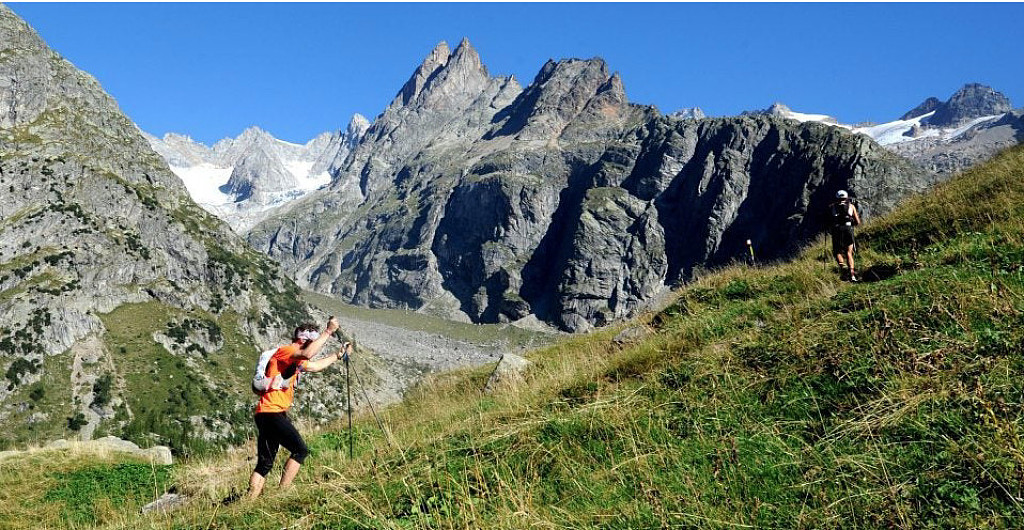
What It Takes to Run a Mountain-Ultra-Trail Race
The physiology of events like the Ultra-Trail du Mont-Blanc is radically different from “short” events like the marathon
Immediately after stumbling across the finish line of the 2019 Ultra-Trail du Mont-Blanc, the legendarily punishing mountain-ultra-trail event, 56 runners hobbled over to the National Ski and Mountaineering School in the French resort town of Chamonix. Waiting there was a team of scientists with a roomful of lab equipment to measure the precise physiological toll of their exertions. The problem: one of the tests required them to run on a treadmill for four minutes while their breathing was measured. Many of the super-fit ultrarunners couldn’t stay on the treadmill for that long, so the scientists altered the protocol on the fly and shortened the treadmill run to three minutes.
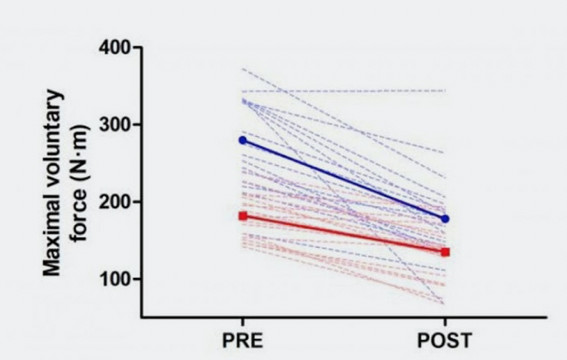
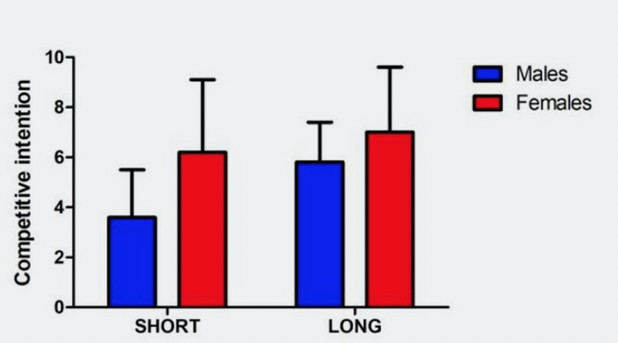
Running ultras is hard; so is studying them. Can you really get volunteers to run on a laboratory treadmill for 24 hours? Well, yes, you can—and Guillaume Millet, a researcher at the Université Jean Monnet Saint-Etienne in France (and himself an accomplished ultrarunner) has been there, done that, and published the paper. But you get more plentiful and realistic data by studying ultrarunners in the wild. So Millet and his colleagues recently published the sixth in a series of studies from that 2019 UTMB. Here are some of the insights from those studies about what it takes to run through the mountains for hours on end, and how your body responds to the challenge.
Long and Short
This year, about 10,000 runners will participate in seven different UTMB races over the course of a week in late August. The runners studied in 2019 ran one of two “short” distances (25 and 34 miles) or three “long” ones (62, 90, and 105 miles). The distance is just part of the story: the longest race, for example, also includes almost 33,000 feet of climbing and descending. The men’s winning time in 2019 was over 20 hours.
The range of distances provided a perfect opportunity to test how leg muscle fatigue responds to different durations of running. It’s pretty obvious that your quadriceps and calves will be weaker right after you run 100 miles. But it’s less clear where that fatigue originates. Is it your muscles? Your brain? The signaling pathway along your spinal cord that sends messages from the brain to the spinal cord? Millet and his colleagues put the runners through a series of neuromuscular strength tests before and after the races. There was a test of voluntary strength, but they also used magnetic stimulation of the brain and electric stimulation of the nerves to elicit involuntary muscle contractions, in order to tease out exactly where strength was lost.
After the long races, voluntary quad strength decreased by 38 percent, compared to just 27 percent in the short races. Part of the fatigue arose in the brain: even though the subjects were trying to push as hard as possible, the outgoing signal from their brains was smaller. The muscles themselves were also weaker: for a given level of electric stimulation, they produced less force. (The spinal cord played only a minor role.) In the quads, the difference between short and long races was explained by more muscle fatigue, rather than more brain fatigue.
Surprisingly, though, calf strength declined by 28 percent after both the short and long races: in this case, the extra distance didn’t seem to make a difference. When you compare these results to previous ultrarunning studies, a somewhat confusing picture emerges. Beyond a certain point—about 15 hours of racing, the data suggests—longer races don’t seem to make your muscles more tired. That may be because you can go faster in shorter races, and intensity is a key cause of fatigue—particularly if you’re hammering down quad-busting mountainsides. The scientific picture remains murky, but if you happen to run one of these races, you might want to adopt “After 15 hours, it won’t get any worse!” as an encouraging mantra.
Men and Women
Ultrarunning is one of the rare sports where top women sometimes beat top men—a feat that always prompts discussion about the physiological differences between sexes, and whether women have ultra-friendly characteristics that help them overcome the edge in muscle strength and red blood cell count that men get from testosterone. That’s a long and involved debate, but one of the hypotheses is that women’s muscles fatigue more slowly than men’s. It does appear that women have, on average, a higher proportion of endurance-linked slow-twitch muscle fibers, and better blood flow to feed those fibers.
In the UTMB data, women did indeed seem to show less muscle fatigue after the race. Here, for example, is the individual (dashed lines) and average (solid lines) data for quadriceps strength in men (blue) and women (red), before (PRE) and after (POST) the races:
The men were stronger before the race and stronger after the race—which makes sense because they had to propel bigger and heavier bodies through the mountains—but they had a bigger strength decline. This fits with previous research showing better muscular endurance in women.
There’s a twist, though. The researchers also asked each runner to rate their “competitive intentions” on a scale of 0 to 10, with 0 corresponding to “I tried to do the best time possible” and 10 corresponding to “Fun mode: my only goal was to finish the race.” Here’s what those scores looked like in the short and long races:
In this case, the men seemed to be more focused on their time, particularly in the short races—which, it turns out, is where the differences in muscle fatigue were most pronounced. This opens a different can of worms regarding potential sex differences in competitiveness. On one hand, this idea seems irrelevant to the question of why top women can compete with top men in ultra races, because the women who win races are clearly not in “fun mode.” On the other hand, women have repeatedly been shown to pace themselves better in endurance events, an observation that may be linked to overly competitive (or, to use the technical term, “stupid”) early pacing by men.
Millet’s new data can’t answer these questions, but it adds to the evidence that patterns of fatigue tend to be different in men and women. The elephant in the room, though, is participation rates. Only 257 of the 2,543 starters in 2019 were women. Until the numbers are more even, it’s risky to draw any general conclusions about sex differences.
Flat and Hilly
There have been numerous attempts to figure out which physiological traits predict how you’ll do in an ultra trail race. For ordinary road marathons, the three key parameters are VO2 max (the size of your aerobic engine), lactate threshold (which roughly tells you how much of your engine capacity you can use over a long period of time), and running economy (the efficiency of the engine). But those three factors are less useful in trail ultras: a study I wrote about a few years ago found that standard lab tests had decent predictive ability over 50K, less value over 80K, and no use at all over 160K.
Two of the things that make trail ultras so different are (as the name suggests) the terrain and the distance. It’s one thing to measure running economy on a treadmill in the lab. But how much does your running economy change when you’re climbing a steep hill? Or when your legs are rubberized by 20 hours of running? Millet and his colleagues explored both those questions: they tested running economy on a level treadmill, and also at an uphill gradient of 15 percent, before and immediately after the races.
Here again there was a counterintuitive result: running economy got worse (meaning the runners had to spend more energy to cover a given distance) after the short races, but not the long races. Previous research has shown that both intensity and duration of exercise can hurt running economy, but there seems to be a threshold where if you’re going slow enough, your running economy won’t suffer no matter how long you’re out there. In fact, an earlier study found that running economy actually improved after the 200-mile Tor des Géants race, perhaps because an ordeal that brutal trims any wasted motion from your stride.
As for the effect of slope, previous research has found that the most efficient runners on level ground aren’t necessarily the most efficient going uphill: running up mountains is a unique and specific skill. But the new data found that post-race changes in efficiency on level ground were strongly correlated with changes in uphill efficiency, which suggests that the underlying cause—mostly likely stride-altering fatigue in the muscles, rather than changes in your metabolism—affects your stride whatever the terrain.
For better or worse, none of this makes UTMB any easier. Millet even co-wrote a whole book called How to Succeed at UTMB (the English translation is unfortunately out of print), collecting the accumulated scientific research and practical wisdom from runners and coaches who specialize in mountain trail ultras. It’s a hefty read, and drives home the point that, from a physiological point of view, these races are not simply extra-long marathons. “It’s more complicated,” Millet told me at a conference a few years ago. “That’s probably why I like it so much: it’s more interesting.”
by Outside Online
Login to leave a comment
