

Running News Daily
Running News Daily is edited by Bob Anderson and team. Send your news items to bob@mybestruns.com Advertising opportunities available.
Index to Daily Posts · Sign Up For Updates · Run The World Feed
Articles tagged #UTMB Mont-Blanc
Today's Running News
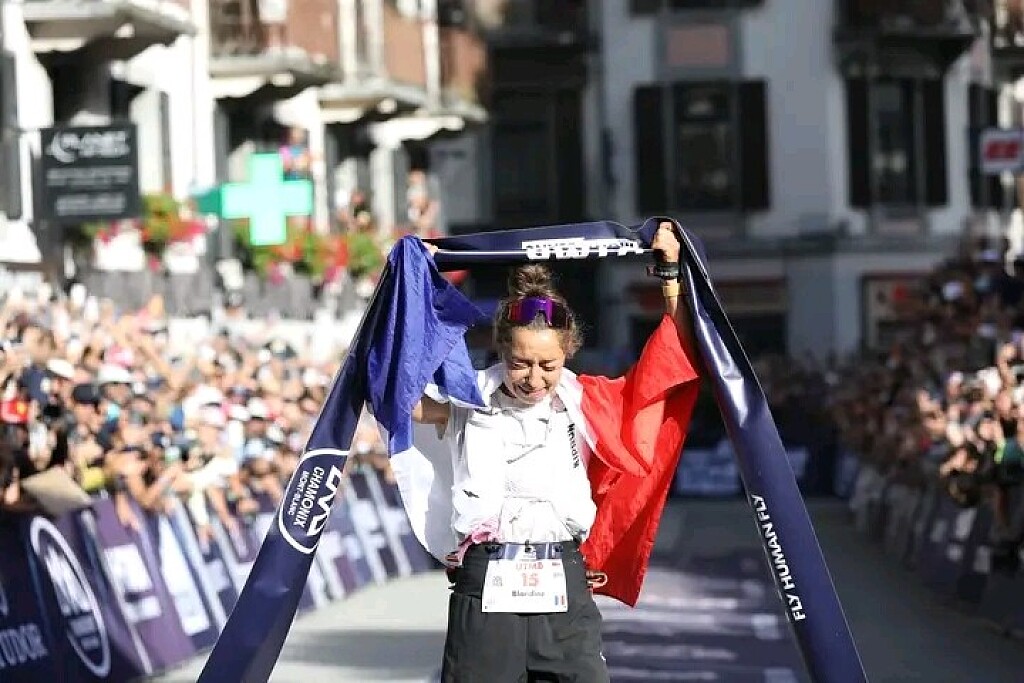


Blandine L’hirondel Creates French Magic In Chamonix With Historic UTMB Triple Crown
Pure goosebumps in Chamonix.

Blandine L’Hirondel has conquered the 2026 UTMB Mont-Blanc in extraordinary fashion, completing one of the rarest achievements in trail running while becoming the first woman ever to break the 22-hour barrier on the iconic 100-mile course.
The French star stopped the clock at a sensational 21:54:49, smashing the previous women’s course record and etching her name into the history of the sport.
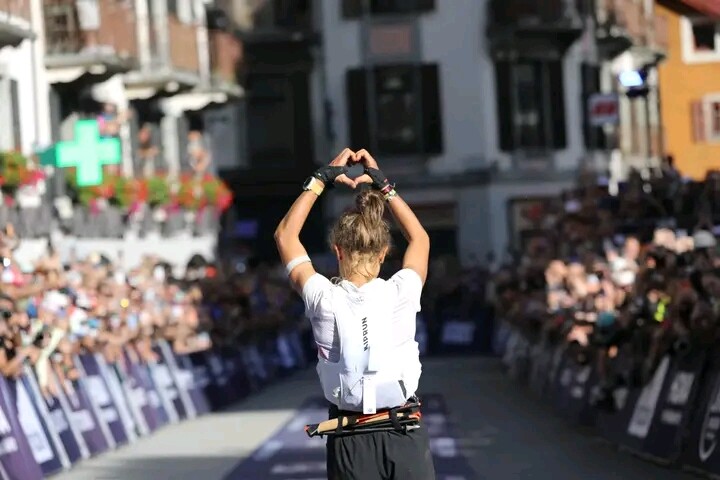
The scale of her performance becomes even clearer when placed alongside the recent record progression. L’Hirondel’s 21:54:49 eclipsed Katie Schide’s 22:09:31 from 2024, Ruth Croft’s 22:56:23 from 2025, Courtney Dauwalter’s 23:29:14 from 2023, and Schide’s 23:15:12 from 2022.
Most significantly, L’Hirondel became the first woman to run under 22 hours at UTMB.
But this was about far more than a number on the clock.
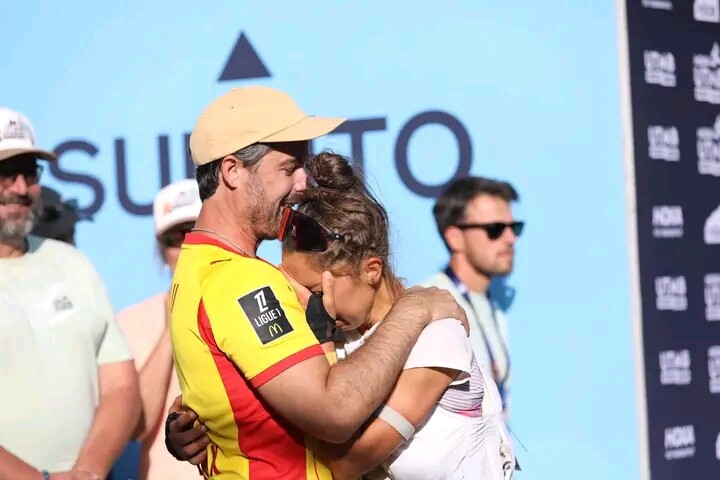
L’Hirondel’s victory was forged through a monumental battle of endurance, pain and determination. In the final kilometres, with exhaustion taking hold, the Frenchwoman suffered several heavy falls. Each time, she picked herself up and continued her relentless charge toward Chamonix.
Nothing was going to take the finish line away from her.
As she finally entered the streets of Chamonix, the home crowd erupted. Surrounded by roaring support, L’Hirondel fought back the emotion, raised her arms and crossed the finish line in 21:54:49, completing an unforgettable victory.
Falling down. Getting back up. Winning. That is trail running.
The achievement becomes even more remarkable because L’Hirondel has now completed a rare UTMB Mont-Blanc triple crown, winning all three of the event’s iconic races: the OCC, CCC and UTMB.
She first triumphed at the OCC in 2021, followed by victory in the CCC in 2022, before finally claiming the ultimate prize at UTMB.
With this achievement, L’Hirondel becomes only the third athlete in history — and the second woman — to complete the OCC, CCC and UTMB sweep.
It is a feat that demands extraordinary versatility, consistency and resilience across different distances and challenges. L’Hirondel has now conquered all three.
Her road to this moment had not been straightforward.
She finished third on her first UTMB appearance in 2023 and returned in 2024 to place fifth. But she kept coming back, determined to go one step further.
In 2026, everything came together.
With patience early in the race, resilience through the toughest sections and an extraordinary fighting spirit when her body was crying out for rest, L’Hirondel produced the performance of her life.
And she did it on home soil.
Ten years after Caroline Chaverot became the last French woman to win UTMB, L’Hirondel has brought the title back to France — and done so by breaking a barrier no woman had ever breached before.
From OCC to CCC to UTMB, Blandine L’Hirondel has completed a journey that very few athletes can even dream of making.
The triple crown is complete.
The 22-hour barrier is broken.
The women’s course record is hers.
And beneath the towering peaks of Mont-Blanc, in front of a roaring Chamonix crowd, L’Hirondel has written another unforgettable chapter in the history of trail running. 21:54:49, a historic triple crown and a record that now belongs to her — a truly remarkable moment for France and a breathtaking triumph on the world’s biggest trail-running stage.
by Erick Cheruiyot for My Best Runs.
Login to leave a comment
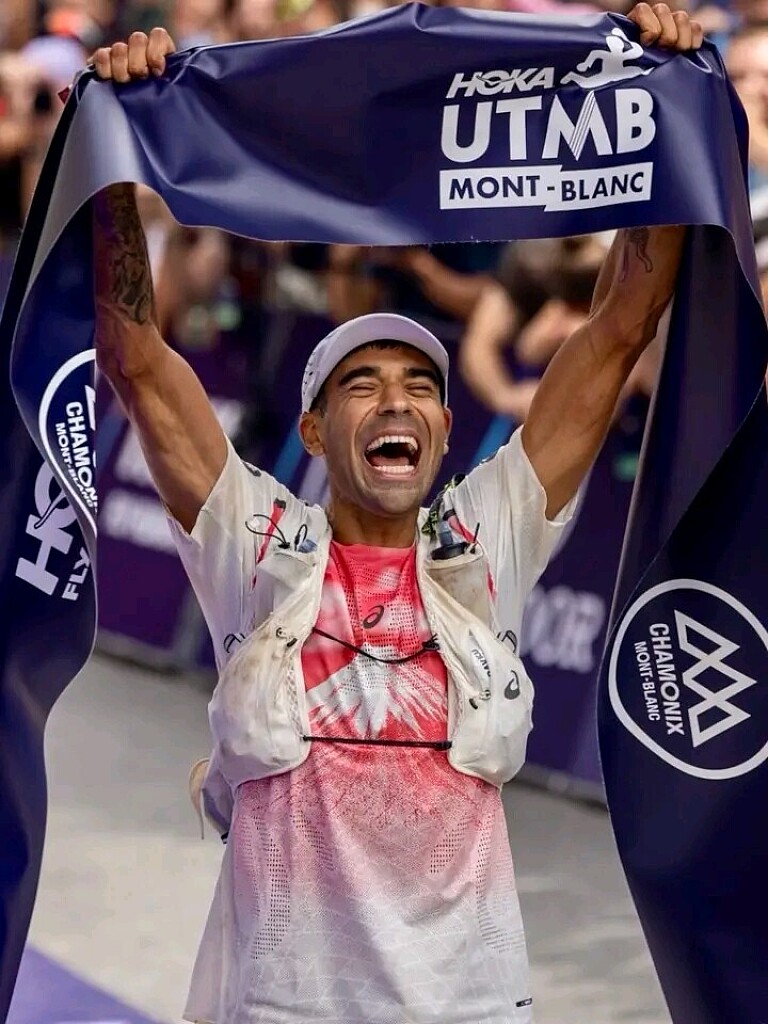
Ben Dhiman Shatters UTMB Course Record As 19-Hour Barrier Falls In Epic Mont-Blanc Triumph
Ben Dhiman has delivered a performance for the ages at UTMB Mont-Blanc, rewriting the history of the iconic 100-mile race with a stunning course-record run of 18:16:29.
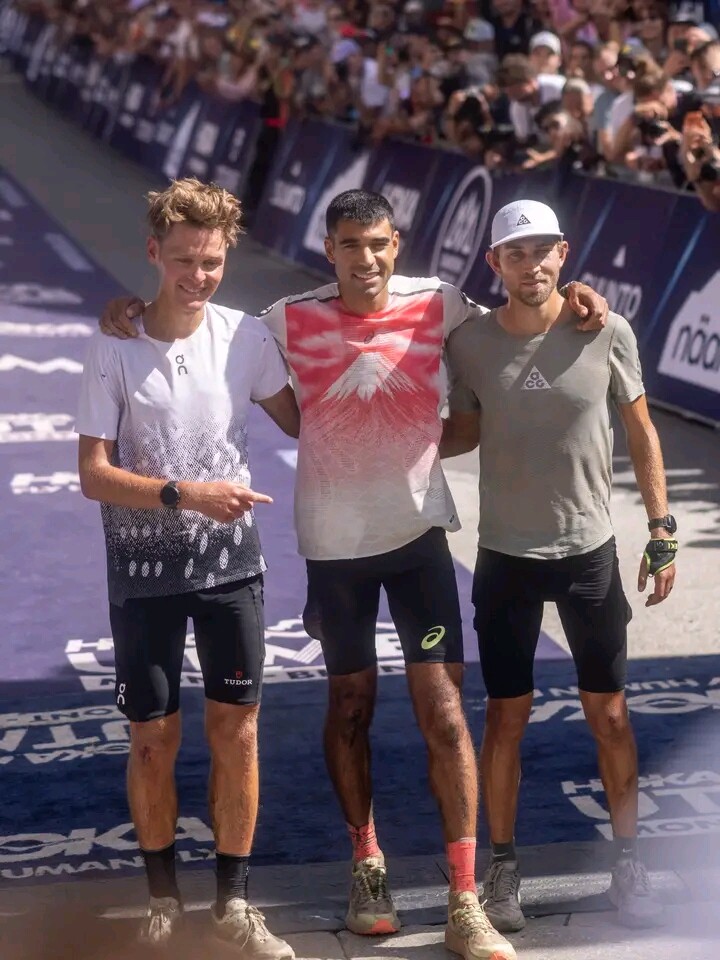
The American ultrarunner took control of the Ultra-Trail du Mont-Blanc at La Balme, 41 kilometres into the race, and once he moved to the front, he never surrendered the lead. More than 130 kilometres later, Dhiman arrived in Chamonix on Saturday afternoon to complete a remarkable journey through the Alps in 18:16:29 — becoming the first man to finish UTMB inside 19 hours.
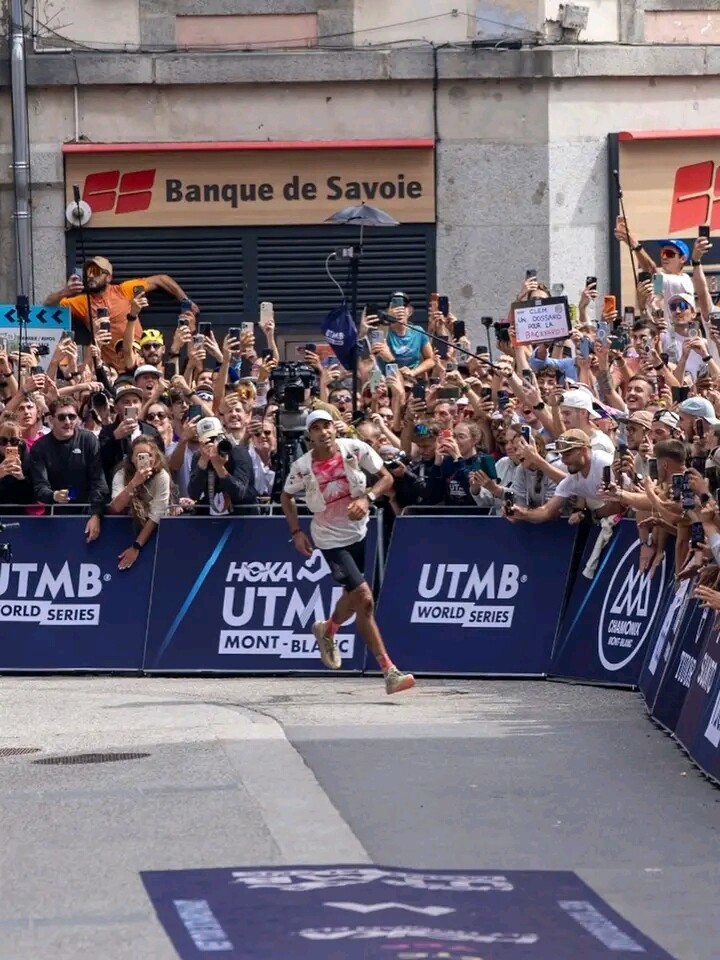
It was an extraordinary display of endurance, strength and determination, but Dhiman’s achievement becomes even more impressive when placed in the context of the conditions surrounding this year’s race. Organizers altered the course on the eve of the event, removing the Pyramides Calcaires section on the Italian side and delaying the start by two hours because of forecast thunderstorms.
Those changes left the field facing a 173.6-kilometre course with approximately 9,700 metres of elevation gain. Despite the demanding terrain and the revised race conditions, Dhiman maintained an astonishing level of consistency from the moment he took control.
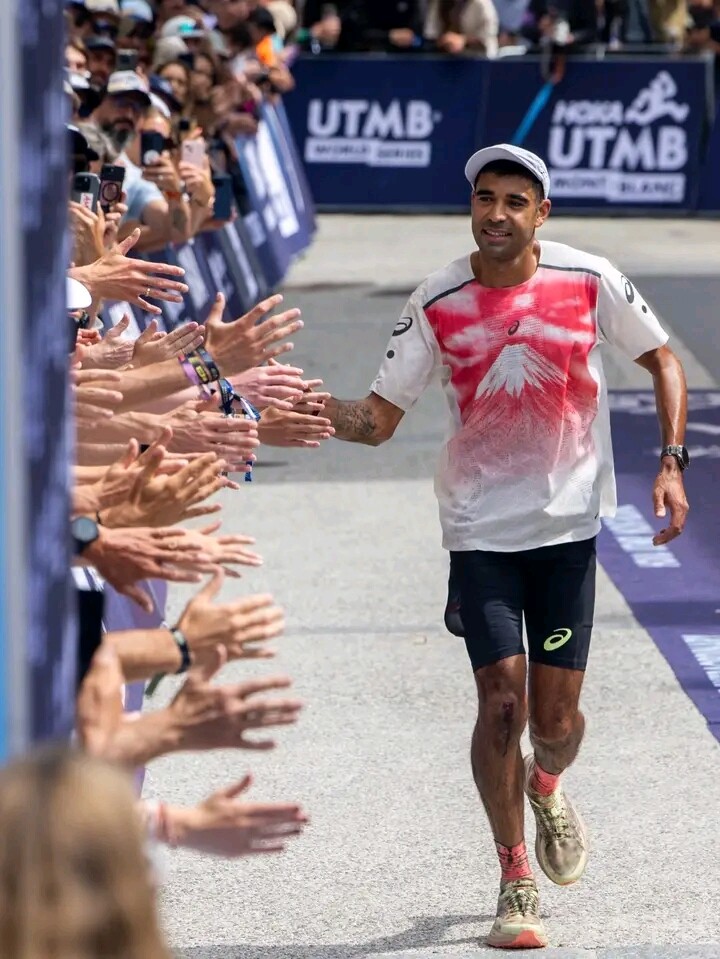
His winning time demolished the previous course record of 19:18:58, set by Britain’s Tom Evans in 2025, by an astonishing 1 hour, 2 minutes and 29 seconds. This was not a marginal improvement to an already formidable mark; it was a seismic leap that has dramatically reset the benchmark for one of the world’s most prestigious and demanding ultramarathons.
The scale of Dhiman’s progression is perhaps best illustrated by what happened 12 months ago. He finished second at UTMB last year in 19:51:37 on a nearly identical course. This time, he returned to Mont-Blanc and was 1 hour, 35 minutes and 8 seconds faster, transforming a runner-up finish into one of the most dominant performances in the race’s history.
Even more remarkable was his efficiency over the enormous distance. Dhiman spent just 9 minutes and 23 seconds stopped across the entire race, allowing him to maintain momentum while his rivals battled the relentless demands of the mountain course.
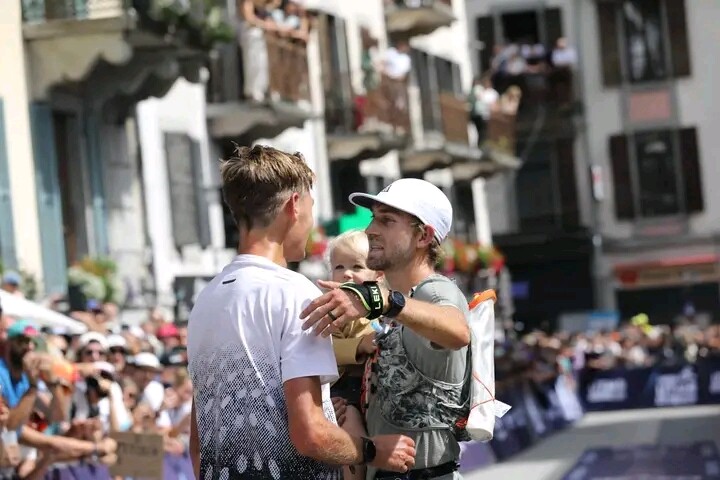
For years, the UTMB course record has represented the outer limits of human endurance. Vincent Bouillard’s 19:54:23 in 2024 and Jim Walmsley’s 19:37:43 in 2023 demonstrated the extraordinary level required to attack the race at record pace, while Kilian Jornet’s 19:49:30 in 2022 further underlined the rapid evolution of elite trail running.
Tom Evans then raised the standard to 19:18:58 in 2025.
Now Dhiman has taken it to an entirely different level.
Behind the runaway winner, Baptiste Chassagne produced a superb performance to finish second in 18:47:38. Caleb Olson completed the podium in 18:48:24, but his fight for second provided one of the race’s most dramatic closing chapters.
Olson was still 6 minutes and 32 seconds behind Chassagne with seven kilometres remaining, yet he unleashed a remarkable final descent, covering the closing section in just 29:08. His late surge brought him within touching distance of second place, ultimately finishing only 46 seconds behind Chassagne.
Beyond the clock and the final standings, Dhiman’s triumph was a powerful demonstration of what it takes to master ultra-trail running. The challenge demanded patience, concentration and an extraordinary ability to keep moving when fatigue was at its most unforgiving. Every climb, descent and technical section tested his limits, but Dhiman remained composed when it mattered most.
For Dhiman, crossing the finish line after such a gruelling Alpine journey represented the culmination of a remarkable transformation. After 18 hours, 16 minutes and 29 seconds of relentless effort, he could finally celebrate not only becoming the 2026 UTMB champion, but also establishing a new benchmark that could stand for years.
And his record-breaking run has immediately opened another fascinating chapter for the sport.
Can anyone break the 18-hour barrier?
With more than an hour removed from a record that had stood at 19:18:58, the once-unthinkable 18-hour mark suddenly feels closer than ever. Yet breaking it would require another extraordinary combination of sustained speed, climbing power, descending skill, nutrition, favourable weather and near-perfect execution across the immense Alpine course.
Dhiman has set the bar exceptionally high.
The 19-hour barrier has fallen.
The 18-hour barrier is now the next frontier.
Dhiman’s historic victory brought the men’s race to a spectacular conclusion, capping an extraordinary day of ultra-trail running in which the American not only claimed the UTMB crown but also shattered a record that had appeared almost untouchable. His 18:16:29 will now stand as the new benchmark at Mont-Blanc, setting an imposing challenge for the elite field that will return in search of glory in the years ahead.
Mont Blanc has a new king, and the next chapter of UTMB history has already begun.
by Erick Cheruiyot for My Best Runs.
Login to leave a comment
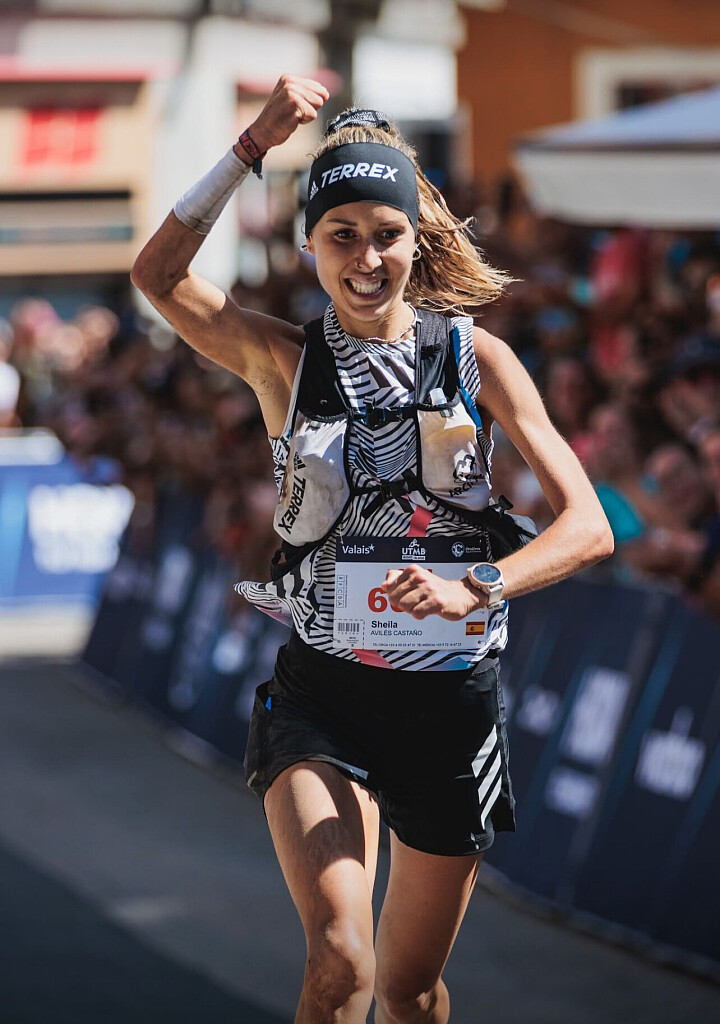
Sheila Avilés Castaño Lives for Peaks and Nature
Sheila Avilés Castaño, born on July 7, 1993, in Santa Margarida de Montbui, Spain, is a trail and skyrunning athlete whose passion for nature and sport has propelled her to remarkable achievements on the global stage. From a young age, Sheila found joy in the outdoors, combining her athletic talent with her love for the mountains. Trail running became her sanctuary, offering the perfect balance between physical challenge and the beauty of nature.
Over the years, Sheila has built an impressive career, winning major titles and captivating fans around the world. In 2017, she claimed the Sky Classic category of the Skyrunning World Cup and earned a bronze medal at the European Skyrunning Championships. Two years later, she added another Skyrunning World Cup title to her name, proving her consistency and determination at the highest level of competition. Her crowning achievement came in 2022 when she triumphed at the OCC race of the UTMB Mont-Blanc, a victory that cemented her status as one of the top athletes in her discipline.
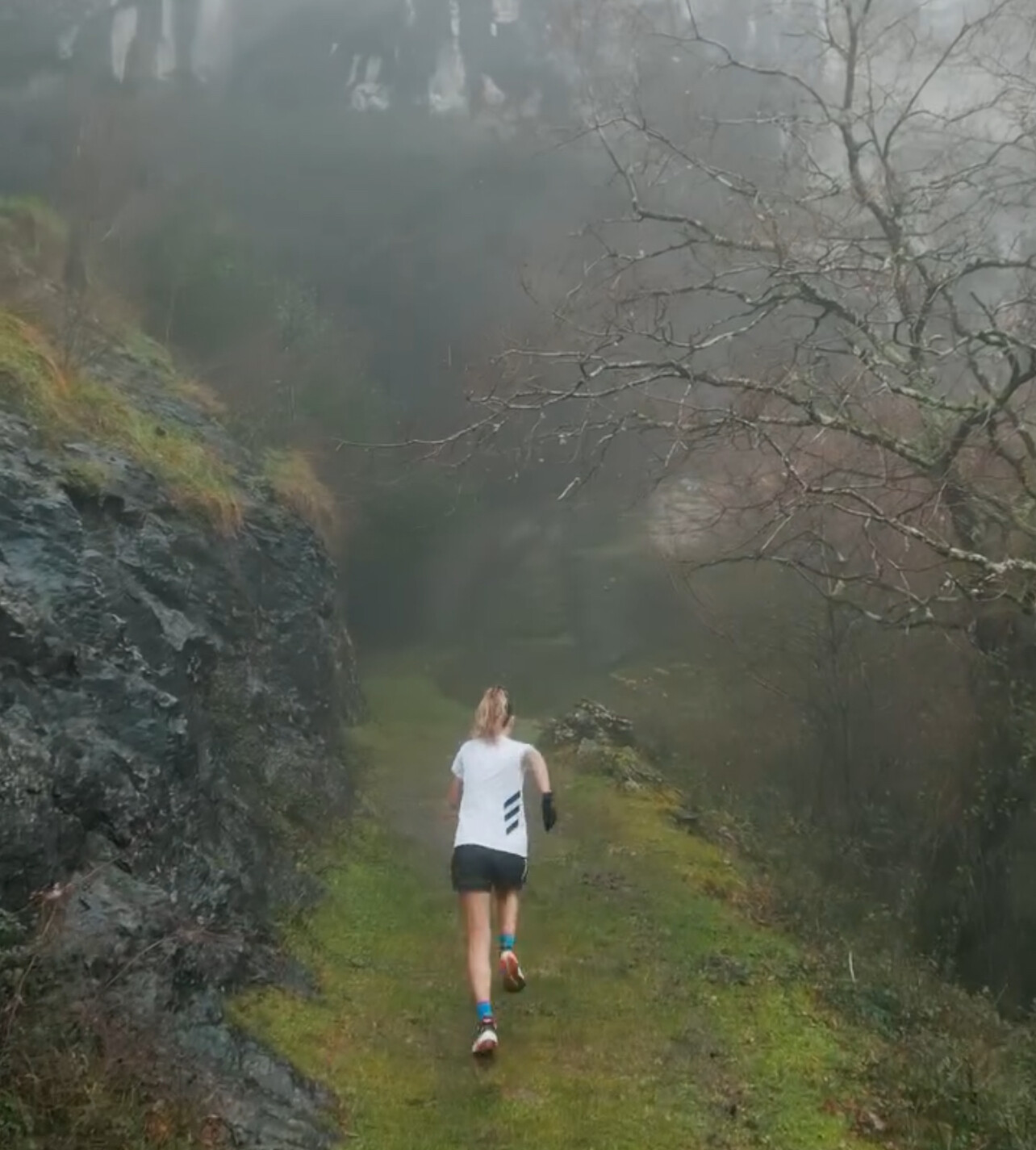
In 2024, Shella continued to showcase her extraordinary talent and resilience. At the HOKA Val d'Aran by UTMB®, she completed the 18 km course with 465 meters of elevation gain in 1:32:07, placing 3rd among women. Later in the year, she dominated the adidas TERREX INFINITE TRAILS 30K Individual race, finishing in 3:25:08 and securing 1st place in the women's category.
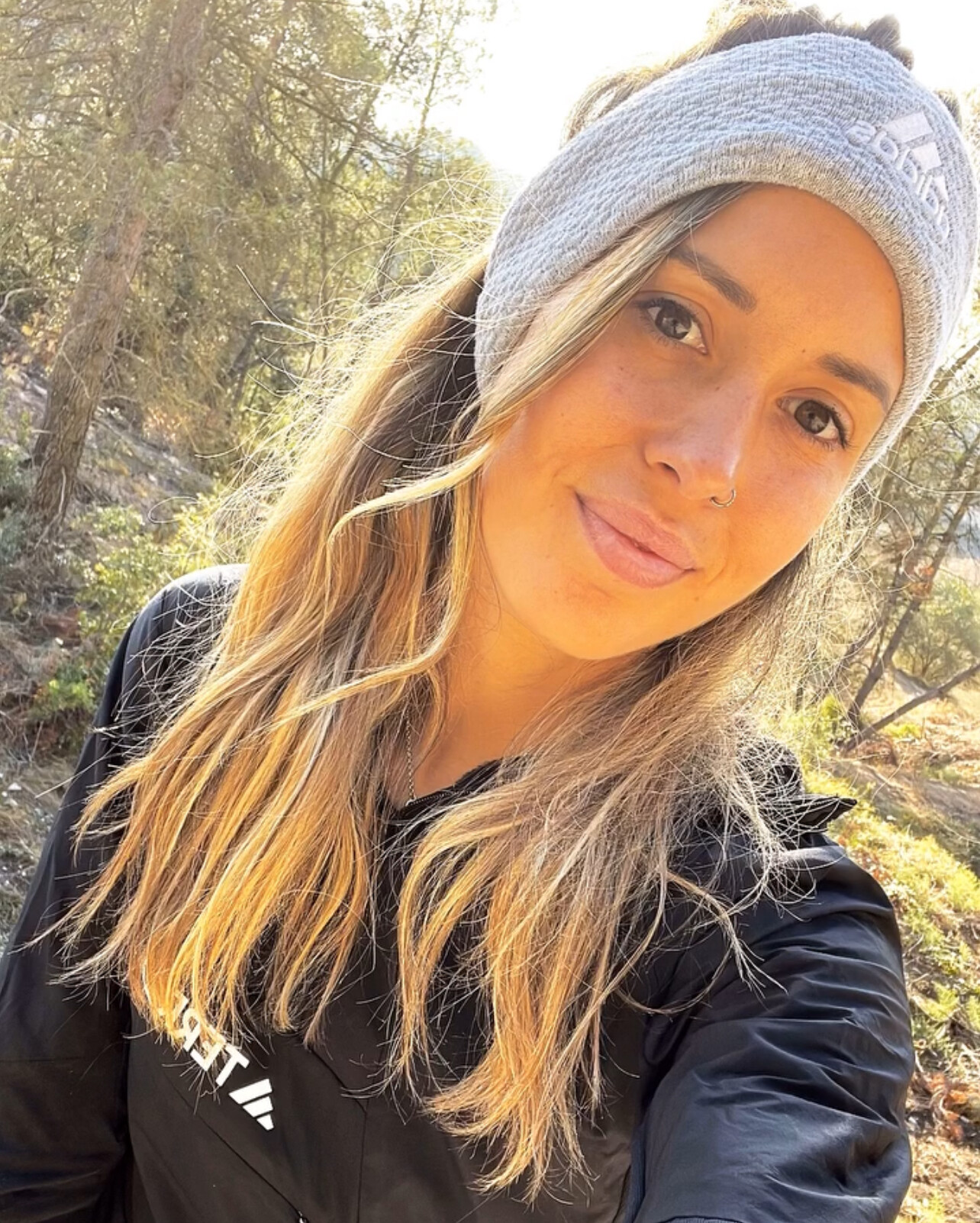
She also put in a strong performance at the Salomon Ultra Pirineu's Mitja Pirineu 21k, covering the challenging 21 km course with 1,200 meters of elevation gain in 1:50:05, finishing 6th among women. Her consistency across diverse events reflects her adaptability and unwavering commitment to the sport.
Beyond her racing accomplishments, Sheila is an ambassador for the beauty of trail running and the deep connection it fosters with nature. Through her social media and public appearances, she inspires runners and outdoor enthusiasts worldwide to embrace the mountains and push their limits.
For Sheila, running is more than a sport-it's a way of life, a celebration of the human spirit, and a testament to what can be achieved with passion and dedication.
Sheila Avilés Castaño continues to conquer peaks and inspire others, reminding the world that no summit is too high when approached with determination and love for the journey.
Login to leave a comment
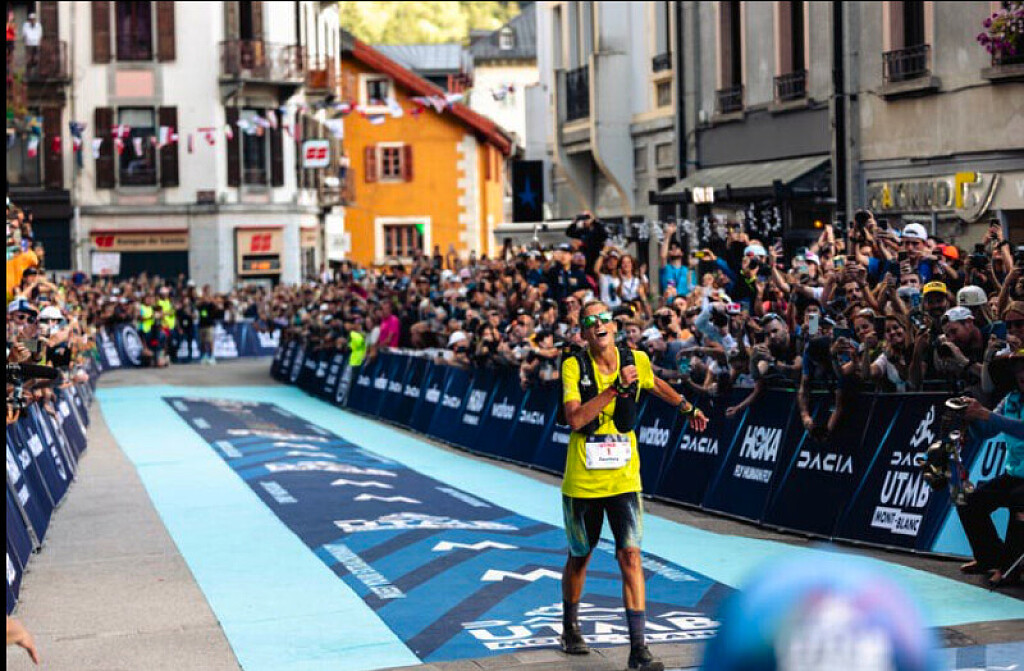
UTMB Is Having a Golden Moment. But It’s Delicate.
After a year that included a maelstrom of controversy, the world’s most prominent ultra-trail running event has righted its path
“It felt like a golden era of trail running.”
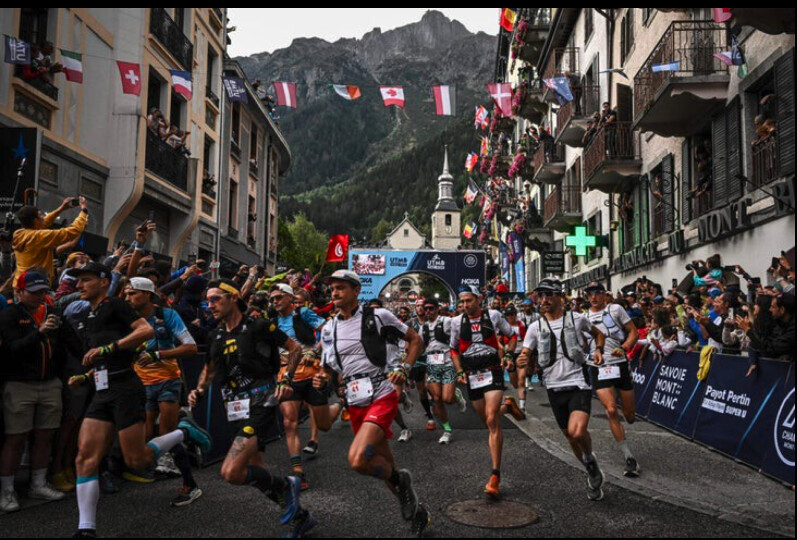
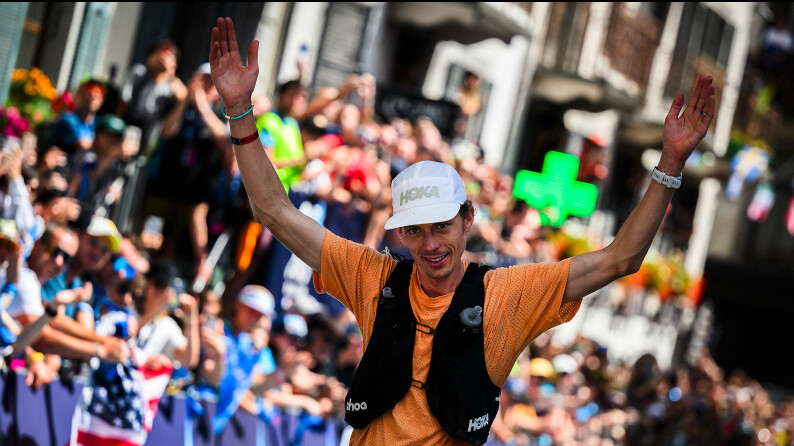
That quote came from Keith Byrne, a senior manager at The North Face and a UTMB live stream commentator for nearly a decade, who was talking about last summer’s UTMB World Series Finals in Chamonix, France.
The UTMB races during the last week of August last summer were, I thought, the most alluring in the event’s 20-year history.
After years of being frustrated by the course, American Jim Walmsley finally put it all together for a victorious lap around Mont Blanc. In doing so he became the first U.S. man to win the race, setting a course record of 19:37:43. He and his wife, Jess, had moved from Arizona to live full-time in France to make it happen. And then there was Colorado’s Courtney Dauwalter, who won the race handily in 23:29:14 to notch her third victory and continue the strong legacy of American women on the course. The win felt extra historic because it made her the first person to win Western States, Hardrock, and UTMB in the same year—arguably the three most legendary and competitive 100-mile events in the world, and she dominated each one.
The events came off without a hitch and included record crowds in Chamonix, plus a record 52 million more tuning into the livestream.
Throughout the fall and winter, harmony and happiness seemed to give way to chaos and discontent. But a year later, as the UTMB Mont Blanc weeklong festival of trail running kicks off on August 26, everything seems back to normal in Chamonix. What happened along the way is a tale of drama, perhaps both necessary and unnecessary, all of it culminating in course corrections by the multinational race series.
In short, what a year it has been for UTMB.
And now, hordes of nervous and excited runners from all corners of the globe are descending on Chamonix for this year’s UTMB Mont-Blanc races. Registration for UTMB World Series events is reportedly up about 35 percent year over year with even greater growth in interest for OCC, CCC and UTMB race lottery applications. There is more media coverage, more pre-race hype, and more excitement than ever before. More running brands are using the UTMB Mont Blanc week to showcase their new running gear with media events, brand activations, and fun runs. Even The Speed Project—although entirely unrelated to UTMB—chose Chamonix as the starting point of its latest so-called underground point-to-point relay race to try to catch some of the considerable buzz UTMB is generating.
So what happened? Did the UTMB organization do its due diligence and make amends with several significant changes in the spring? Was the angst and stirring of emotions just not as widely felt as the fervent bouts of Instagram activism claimed it to be? Have the participants and fans of the ultra-trail running world suffered amnesia or become ambivalent? Or is it all a sign of the race—and the entire sport of trail running—going through growing pains as it adjusts to the massive global participation surge, increased professionalism, and heightened sponsorship opportunities?
On the eve of another 106-mile lap around the Mont Blanc massif, I wanted to take a look at what happened and the current state of UTMB’s global race series that culminates here in Chamonix this week.
We caught a glimpse of what was to come shortly before UTMB last year, when the race organization announced the European car company Dacia as its new title sponsor. A fossil-fuel powered conglomerate didn’t sit well with some fans of the event, coming amid an era of widespread climate doom (even though the brand would be highlighting its new Spring EV at the UTMB race expo.) The Green Runners, an environmental running community co-founded by British trail running stars Damian Hall and Jasmin Paris, called it an act of “sportswashing” and released a petition calling on UTMB to denounce the partnership. (Hall even traveled all the way to Chamonix to deliver the petition in person.)
These grumblings of discontent and others that followed exploded into a social media firestorm shortly after UTMB. In October, it became public that UTMB had moved to launch a race in British Columbia, Canada, just as a similar event in the same location was struggling with permitting. A he-said, she-said back-and–forth left onlookers with whiplash. Then on December 1, UTMB livestream commentator Corrine Malcolm announced on Instagram that she had been fired and in late January, a leaked email from elite runners Kilian Jornet and Zach Miller to fellow athletes called for a boycott of the race series. All of it, jet fuel for social media algorithms.
“We’re at a turning point in trail running, but we can keep the core values if the community stands up,” the Pro Trail Runners Association secretary, Albert Jorquera, told me at the time.
In the midst of these dramas, I interviewed race founders Catherine and Michel Poletti over lunch at a Chamonix cafe. For nearly a decade now, I have met with the couple for candid conversations that helped frame online articles and magazine stories, and most recently for the book, The Race that Changed Running: The Inside Story of UTMB.
I plunged headlong into two articles with hopes of explaining it all. There was so much heat swirling around the UTMB stories, and so little light.
“The very thing that made ultrarunning so bonding was being torn apart by the community itself through social media,” said Topher Gaylord. A former elite runner who tied for second in the inaugural UTMB in 2003, Gaylord engineered UTMB’s first title sponsorship with The North Face and has been a close supporter of the Polletis for 20 years. “Some players are using social media to divide the community. That’s super disappointing.”
To me, it felt like the aggressive online activists were winning the day. Trail running suddenly seemed polarized, infected with the intertwined social media viruses of false indignation and close-mindedness. Twice, I deep-sixed my article drafts. Friends and editors convinced me they wouldn’t be read dispassionately. Who wants to be handed a fire extinguisher, when your goal is to torch the house?
Well, what a difference eight months can make. We now have some perspective and, with it, some answers.
Since its earliest days, UTMB’s volunteer founding committee believed in the values of the sport. The very first brochure produced for the race—a mere sheet of paper—featured a paragraph on values. In later years that statement became much more comprehensive, expanding to cover a wide range of topics and the race’s mission to support and protect them.
But maintaining those values in an organization that has gone from a singular race with a literal garden-shed office to a 43 global event series with a staff of more than 70 full-time employees is tricky at best. In an interview once, Michel Poletti paused, asking if I had seen a photo of a mutual friend that was making the rounds. He was climbing one of Chamonix’s famed needle-sharp aiguilles, one foot on each side of a razor sharp ridge—a perilous balancing act, big air on each side. It was his metaphor for trying to move ever up, while balancing business growth and heartfelt values.
Over the course of dozens of hours of interviews with the Polettis, I came to learn one thing: UTMB always moves forward up the ridge. In the process, UTMB corrects its course. It starts with a careful analysis after each edition, evaluating pain points in areas such as logistics, security, media, traffic, and others, discussing how they can be addressed. Historically, those course corrections haven’t been at the pace others might want—especially since the social unrest that developed during the Covid pandemic—but the organization has a reliable pattern of steadily addressing concerns.
And so, not too many weeks after that lunch meeting, UTMB set to work. First came a heartfelt effort they kept under the radar—traveling around the U.S. to listen and learn. They spent two weeks in the U.S. in February, visiting with American athletes, race directors, journalists, consultants, and their Ironman partners. “We need to learn from our mistakes and from this crisis,” Michel said.
Methodically over the ensuing months, UTMB rolled out a series of changes. Some were aimed at directly addressing the controversies, others were overdue for what is, by any metric, the world’s premier ultra-trail running event.
“My hope is that the trail running community understands that we are human,” Catherine had told me over the winter.
Four months ago, at the end of April, the race organization announced that Hoka would become the new title sponsor of UTMB Mont-Blanc and the entire UTMB World Series through 2028. It was a huge move because Hoka, one of the biggest running brands in the world, essentially doubled-down on its support of UTMB and trail running in general. The five-year deal brought benefits other than cash, too. Hoka has a strong history of inclusivity and growing representation among marginalized communities, an area UTMB has announced it intends to focus more on beginning this year. The deal also moved Dacia out of the title sponsor limelight, instead bringing a brand with a strong reputation in trail running to the fore.
Dacia was shifted to the role of a premier partner in Europe, and now plays an integral part in a new eco-focused mobility plan UTMB updated in July. Fifty of their cars can be signed out for use by over 70 staff and 2,500 volunteers, encouraging them to arrive in Chamonix using public transportation instead. The move is estimated to eliminate 200 vehicles driving into the valley. (The organization’s new mobility plan will transport an estimated 15,000 runners and supporters, eliminating the need for approximately 6,000 cars during the UTMB Mont-Blanc week. On average, a bus will run every 15 minutes between Chamonix and Courmayeur, Italy, and Chamonix and Orsières, Switzerland.)
In May, UTMB announced a new anti-doping policy it had developed with input from PTRA. The organization committed to spending at least $110,000 per year, money that will be allocated to test all podium finishers and a randomized selection of the 687 elite athletes in attendance. The new policies will be implemented by the International Testing Association, an independent nonprofit that has also conducted two free informational webinars for the 1,400 UTMB Mont Blanc elite runners.
Not long after the announcement, Catherine Poletti suggested this was just a start. Speaking at TrailCon, a new conference held in Olympic Valley, California, on June 26, she said, “It’s a first big step for us. And we’ll continue to develop this policy.” (The most important anti-doping protocol may still be beyond UTMB, however. “The elephant in the room is that we need a coordinated approach to establish out-of-competition testing,” Tim Tollefson, an elite U.S. runner and director of the Mammoth TrailFest in California, who spearheaded independent testing at his event in 2023. “Individually, we’re just lighting our money on fire.”)
In mid-June, UTMB addressed a longtime issue with top runners—prize money. A chunk of the funding from the ratcheted-up Hoka sponsorship was directed to supporting the bigger prizes for the OCC, CCC and UTMB races in Chamonix—about $300,000 this year, nearly double of 2023—as well as more prize money for the three UTMB World Series Majors. (The sequence was intentional. The organization wanted a new doping policy in place before increasing prize purses, since large cash awards are often thought to lead to a growth in doping.)
It’s a move that was long overdue—the most celebrated marquee event in any sport should reward its top athletes more than any other event—but not possible without Hoka’s increased involvement. The proposal was shared with PTRA in advance of the announcement, and the group provided feedback that was incorporated into the final divvying up of the purse. The total amount spent on prize money across all UTMB races is now more than $370,000.
“We increased the prizes quite dramatically,” said UTMB Group CEO Frédéric Lenart. “It’s very important for us to support athletes in their living.”
Finally, just last week, UTMB announced a new department within the company called “Sport and Sustainability.” The group is headed by longtime UTMB staffer Fabrice Perrin. He was a driving force behind the creation of UTMB’s live coverage back in 2012. Heading up relations with the pro athletes will be longtime elite trail runner Julien Chorier. Nicolas LeGrange, UTMB’s Director of Operations, will be in charge of sustainability and DEI, Diversity, Equity Inclusion.
On the DEI front, UTMB is calling its strategy “leave no one behind,” and they promise new initiatives coming this fall so that, according to Perrin, “every athlete feels a sense of belonging within our community,” he says. “I am committed to ensuring that we perfect symbiosis with the entire community of trail running.”
UTMB has already begun to embrace adaptive athletes, something it was criticized for lacking as recently as last year. This year’s UTMB Mont Blanc races will feature a team of 12 adaptive athletes who will be participating in the MCC, OCC and UTMB races. Under the direction of adaptive athlete and team manager Boris Ghirardi, who lost his left foot and part of his left leg after a motorcycle accident in 2019, the race organization recruited the athletes from around the world to showcase how adaptability and resilience are key elements of the UTMB values.
“I proposed this program to make a concrete action around adaptive athletes and the inclusion policy, and to prove that it was possible,” he said this weekend. “If you really get everyone working on this, you can change the game.”
And with that, UTMB Mont-Blanc 2024 is underway, resuming the golden era status that Byrne raved about last August. Starting this past weekend, banners have been unfurled over Place du Triangle de l’Amitié in the heart of Chamonix, kicking off the carefully choreographed trail running Super Bowl that is UTMB. The excitement begins on August 26 and culminates as the race for UTMB individual crowns reach a tipping point on August 31. (The golden hour of the final finishers on September 1 will be something to behold, too.)
“It’s like wrapping the Tour de France, Burning Man, and the biggest industry trade show into one giant, week-long festival,” Gaylord says. “It’s an amazing week for our sport, one of the biggest showcases we have.”
The aura of Chamonix and the opportunity to run a race there is drawing as much or more interest than ever before. It is perhaps the essence of what will keep the UTMB World Series afloat into the distant future. Runners will continue to chase Running Stones at qualifying events around the world, knowing the carrot of running one of the races around the Mont Blanc massif is second to none.
Trail running is booming on a global scale, and it’s not just UTMB shouldering the burden or reaping the benefits. The Golden Trail World Series, Spartan Trail Running, Xterra Trail Running—and even the World Trail Majors, Western States 100, and dozens of other more prominent trail races—are all trying to get a bigger piece of the pie, either by way of money or relevance.
UTMB Mont Blanc, as trail running’s most important race, is at the very beating heart of it all. And trail running is a soul sport, so when change and growth happen, it can feel threatening to all of us whose lives have been changed for the better by time spent with dirt underfoot and blue sky above. UTMB is big enough now that it’s urgently important that it make changes judiciously and preemptively.
As the world’s most significant trail race, the consequences of UTMB’s choices will ripple throughout the ecosystem. UTMB understands this. “Do we owe something to trail running? Yes, of course we do,” Michel Poletti once told me. That’s truer than ever now.
At TrailCon in June, Catherine Poletti summed up UTMB’s challenge. “Trail running is changing around the world. We’ve seen that evolution over 20 years. We need to adapt, to find a good balance, to accept different models and ways of organizing.”
Back in August 2021, I wrote an article here called, “UTMB, Don’t Break Our Hearts.” It came the summer after the organization announced its investment from the Ironman Group. Change– big change– was everywhere. Could the race around Mont Blanc maintain its soul and passion amid talk of multinational sports marketing, we all wondered? Michel Poletti closed the interview by saying, “Nous prenons un rendez-vous dans trois ans.” Simply translated: “We’ll schedule an interview in three years.”
Three years is now, and both UTMB and trail running’s landscape have changed dramatically, if not literally then certainly figuratively. We’ve seen UTMB adjust its rudder this past year, responding to concerns. Perhaps not at the pace any individual or specific group would like, and not to the extent some would wish. But it’s happening, and for that we should all breathe a cautious sigh of relief. Because if you love trail running, you have to care about what happens at the world’s biggest trail race.
As I write this in Chamonix very early on the morning of August 26, overcast skies are parting and blue skies are in the offing. The forecast for the week ahead is for bright sun with a few clouds. It’s a workable enough metaphor for trail running’s future. But one thing has to happen for it to come true. The race that changed running needs to continue to listen to its stakeholders around the world, and engage with them as it grows and develops in the days ahead. If that happens, Byrne’s vision of the golden age of our sport just might linger on. I can hope.
by Outside Online
Login to leave a comment
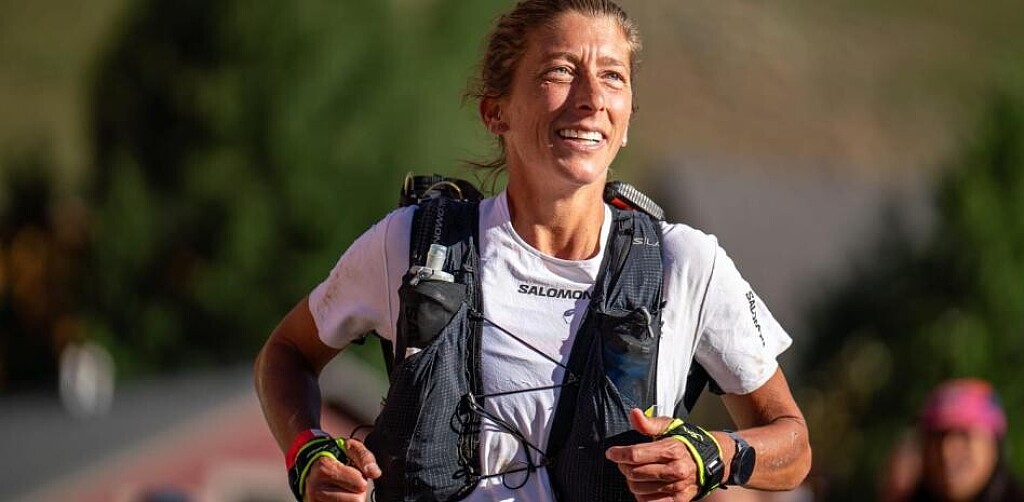
The queen of ultradistance Courtney Dauwalter is set to defend her Hardrock 100 crown
Courtney Dauwalter , the queen of ultra-distance running, will once again put on trail running shoes this Friday to compete in the Hardrock 100 , the prestigious 165-kilometer mountain race with 10,000 meters of positive elevation gain that takes place in the San Juan Mountains in Colorado, United States.
The American runner will try to defend the title she won in 2023, when she won the race with a record time of 26h14:08 , although this year, unlike last year, the race will be run clockwise.
"It's a great race, very tough and difficult. I'm coming back because all my participations here have had very tough moments, and I hope to be able to soften those moments a bit and finish the race without so many difficulties," said Dauwalter in an interview with iRunFar.
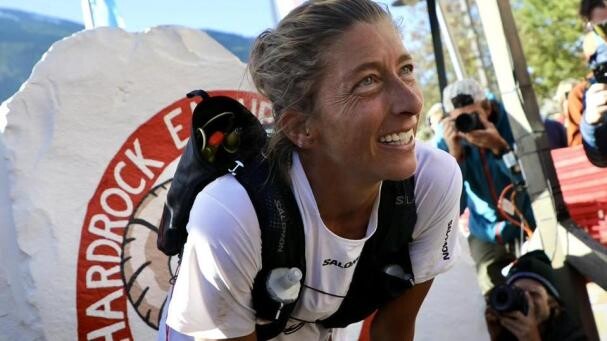
The reigning Transgrancanaria and Mt. Fuji 100 champion will face her main opponents in Germany's Katharina Hartmuth and France's Camille Bruyas , second in the UTMB Mont-Blanc in 2023 and 2021, respectively.
On the men's side, the main figure will be the French runner François D'Haene , who wants to repeat his victory from 2021 and, why not, beat the circuit record belonging to the Spaniard Kilian Jornet (21h36:24).

American Zach Miller is on the roster, although he is likely to miss the event due to recent appendix surgery.
The Hardrock 100 begins and ends in the town of Silverton and passes through some of the most spectacular mountain scenery in the United States, home to elk, bears and cougars. The highest point is Handies Peak, at 4,200 meters.
The race will start on Friday 12th July at 6am (2pm in Spain) and can be followed live on YouTube .
by Matias Camenforte
Login to leave a comment

Hardrock 100
100-mile run with 33,050 feet of climb and 33,050 feet of descent for a total elevation change of 66,100 feet with an average elevation of 11,186 feet - low point 7,680 feet (Ouray) and high point 14,048 feet (Handies Peak). The run starts and ends in Silverton, Colorado and travels through the towns of Telluride, Ouray, and the ghost town...
more...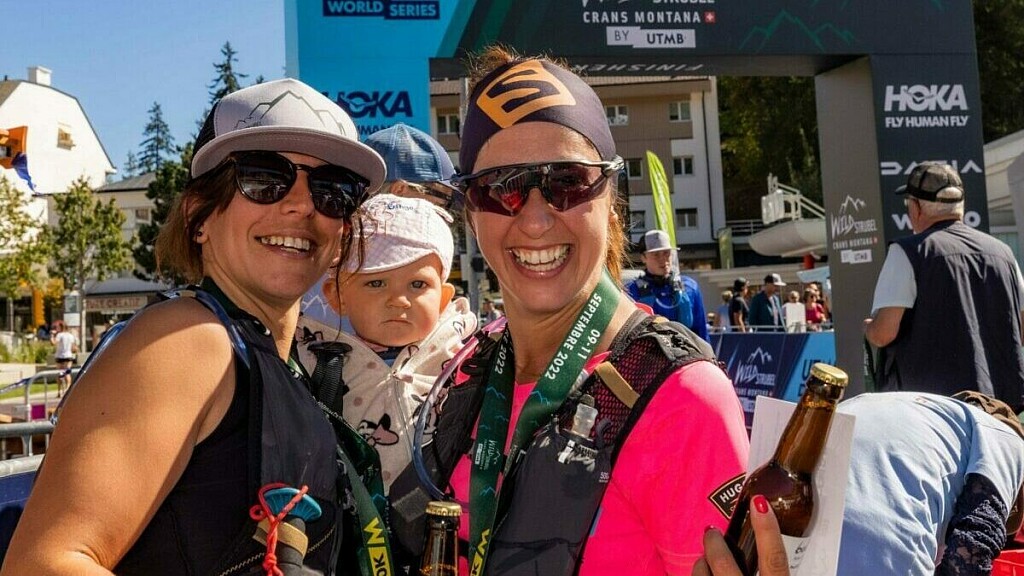
UTMB World Series introduces new pregnancy policy
Organizers of the UTMB World Series—billed as the world’s ultimate trail-running circuit—say they have committed to supporting mothers and their partners by introducing a new pregnancy policy that will apply to UTMB World Series events in the 2023 season.
The policy (which includes deferral and priority entry guidelines for athletes who are pregnant, athletes with a partner who is pregnant and athletes who are adopting or birthing via surrogacy) encourages runners to return to the trails in a safe way and within a timeframe that is considerate of individual circumstances following birth.
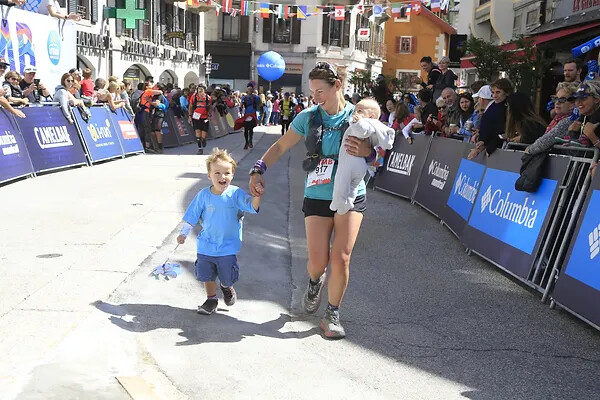
For events with an entry lottery, including UTMB Mont-Blanc, Lavaredo Ultra Trail by UTMB and Eiger Ultra Trail by UTMB, the policy states women will be given a full refund and priority entry to be used within five years for races in the 50K, 100K and 100M categories, and within two years for 20K races.For all other events, the policy allows for women who become pregnant after registration to defer their entry for up to two years for the same race, or receive a full refund.
Partners of pregnant women as well as parents who are adopting or birthing via surrogacy will have the option to defer their entry for up to two years or receive a full refund.
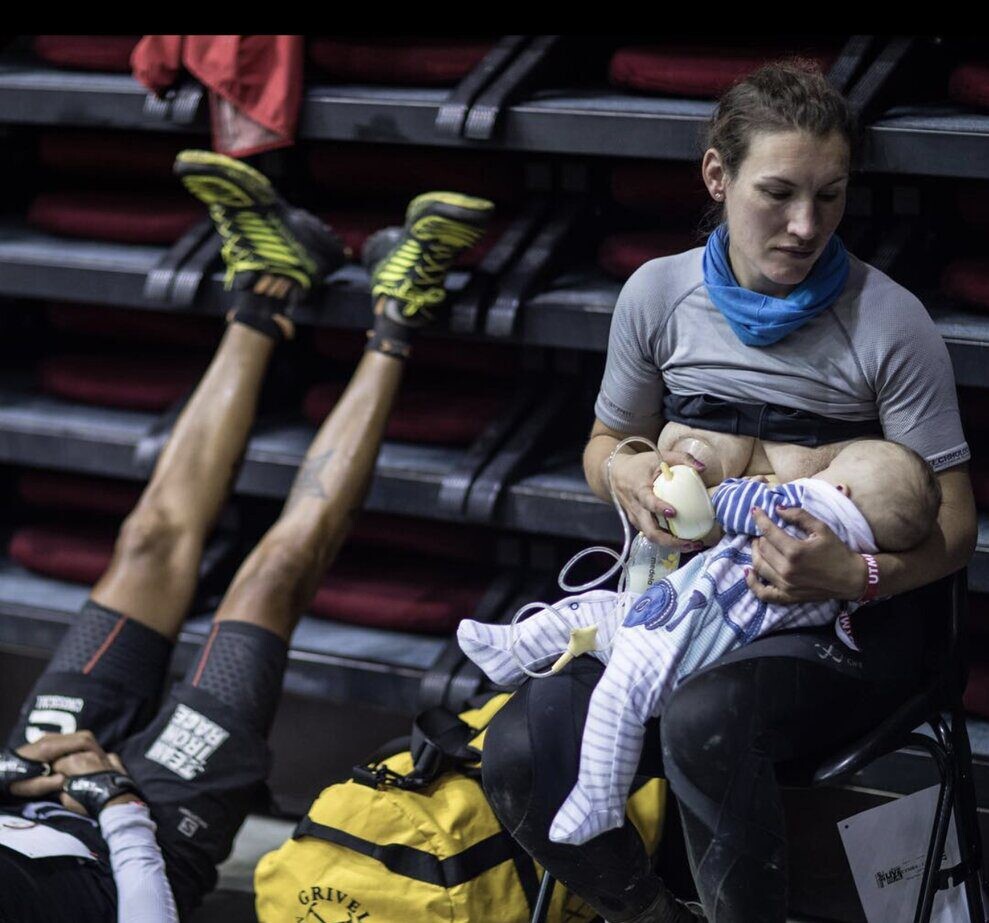
Organizers say the policy was created following a lengthy consultation process, which included gathering expertise from sports and medical professionals, the Pro Trail Runners Association, and athletes such as Sophie Power, who made headlines in 2018 when a photo of her breastfeeding midway through UTMB went viral.
“I’m delighted that UTMB World Series is launching a world-leading pregnancy deferral policy that supports all women to return to racing when they are ready,” said Power, founder of SheRACES. “At SheRACES we look forward to continuing to work with UTMB World Series going forward, sharing our insights to ensure more women from all backgrounds participate in these iconic events.”
UTMB World Series organizers say the new policy comes as part of an effort to encourage more women into the sport and to build on UTMB Group’s commitment to equal opportunities. In line with the actions put in place in previous years, in 2023, male and female elite athletes will be equally represented on the start line of all three UTMB World Series Finals races at the sports pinnacle event UTMB Mont-Blanc, thanks to the new sports system, which sees elite athletes qualify through a series of events throughout the year.
UTMB World Series adds it also remains committed to equal media coverage and representation on communication platforms including UTMB Live, as well as equal prize money for male and female athletes.
UTMB is one of several prominent races—including Western States, the London Marathon and the Calgary Marathon—to have recently introduced policies aimed at supporting mothers and pregnant athletes.
by Paul Baswick
Login to leave a comment
North Face Ultra Trail du Tour du Mont-Blanc
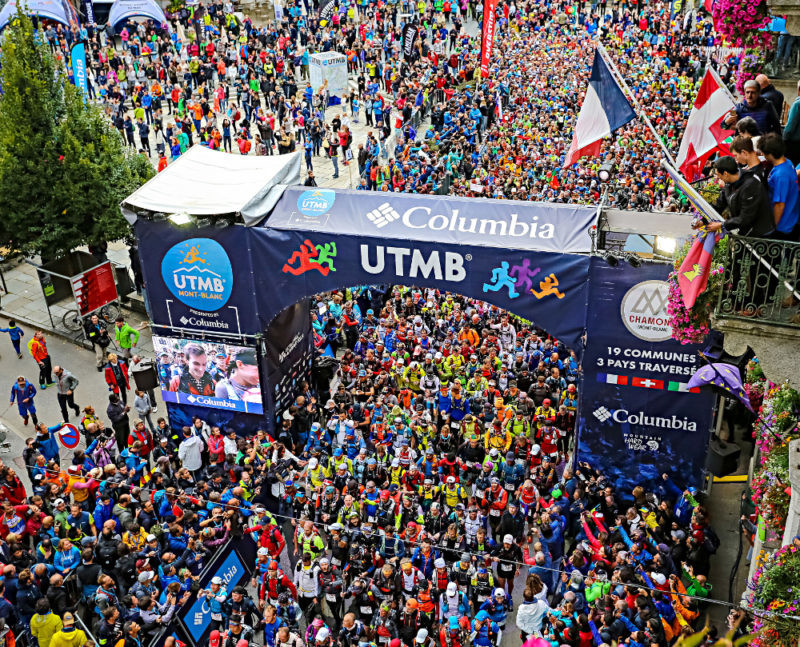
Mountain race, with numerous passages in high altitude (>2500m), in difficult weather conditions (night, wind, cold, rain or snow), that needs a very good training, adapted equipment and a real capacity of personal autonomy. It is 6:00pm and we are more or less 2300 people sharing the same dream carefully prepared over many months. Despite the incredible difficulty, we feel...
more...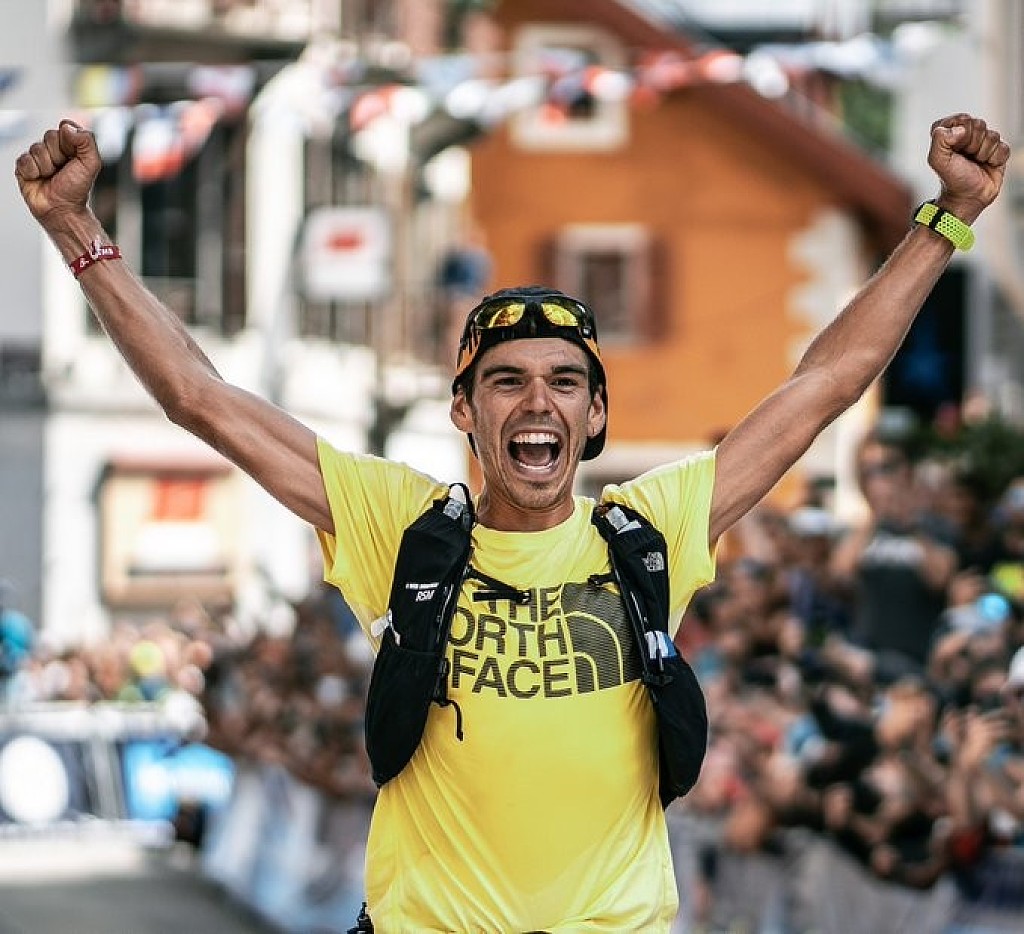
2019 champion is running UTMB anyway
Spanish ultrarunner Pau Capell says he plans on running the 171K UTMB Mont-Blanc route even though the race is cancelled
On May 20, race organizers for the Ultra-Trail du Mont-Blanc announced that the 2020 edition was officially cancelled. The UTMB features seven events (all of which start in Chamonix every August), the most famous being the gruelling 171K ultra that takes runners through the Alps in France, Italy and Switzerland. Runners around the world were of course disappointed when the race was called off, no matter how inevitable that cancellation seemed to be. The men’s champion from 2019, Pau Capell of Spain, isn’t accepting the cancellation, and he has announced that he will be running the route on his own in late August.
Capell made this announcement soon after the UTMB was officially cancelled (just two days later), posting on Twitter and Instagram to say, “I will run UTMB! Alone, without a bib and with my support team.” He also posted that he plans to start the run at 6 p.m. on August 28, four days after the event was set to officially start.
There are many issues that could arise and ruin Capell’s plan, including potential travel restrictions and further lockdowns in his home country of Spain or in France. Both countries were under strict lockdowns for the past two months, and restrictions have only recently been loosened in each country. Many public health officials around the world have forecast a second wave of the coronavirus, so by August, Spain, France and the rest of the world could be back in lockdown, which would stop Capell from going.
There’s also the moral question of whether it’s OK to go and do this race when it’s been cancelled. UTMB organizers called the race off because it was the best way to keep everyone safe, and although Capell running on his own with a small support crew is much different than thousands of runners coming to race the UTMB events, it’s still a questionable decision.
Capell is an experienced ultrarunner, and he will undoubtedly come well prepared with enough supplies and a good crew, but there’s the possibility that people will follow in his footsteps and take on the UTMB solo as well. If this happens, it’s very possible that other runners won’t be as well prepared as Capell, and that could create issues for themselves and other runners around them.
If Capell is able to go through with his solo run, it will be interesting to see how it goes. When he won the race in 2019, he covered the 171K course in 20:19:07. It’s hard to imagine that he could beat that time without the adrenaline shot delivered from a real race with cheering spectators and other competitors, but we’ll just have to wait and see what type of run he can produce if the time comes.
by Running Magazine
Login to leave a comment
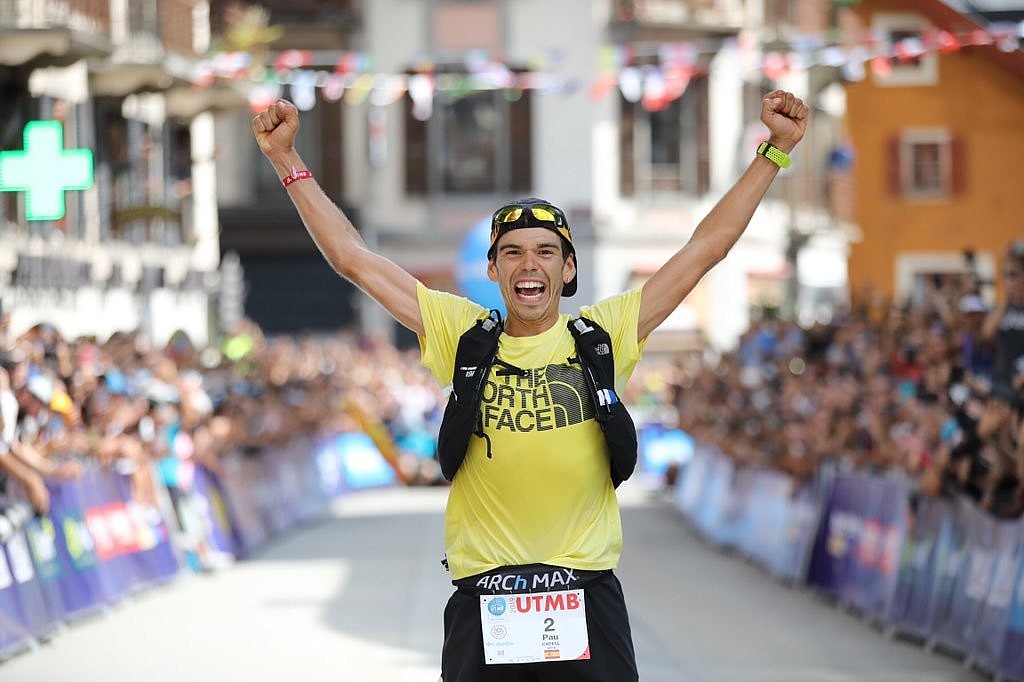
Spanish ultrarunner Pau Capell says he plans on running the 171K UTMB Mont-Blanc route even though the race is cancelled
On May 20, race organizers for the Ultra-Trail du Mont-Blanc announced that the 2020 edition was officially cancelled. The UTMB features seven events (all of which start in Chamonix every August), the most famous being the gruelling 171K ultra that takes runners through the Alps in France, Italy and Switzerland.
Runners around the world were of course disappointed when the race was called off, no matter how inevitable that cancellation seemed to be. The men’s champion from 2019, Pau Capell of Spain, isn’t accepting the cancellation, and he has announced that he will be running the route on his own in late August.
Capell made this announcement soon after the UTMB was officially cancelled (just two days later), posting on Twitter and Instagram to say, “I will run UTMB! Alone, without a bib and with my support team.” He also posted that he plans to start the run at 6 p.m. on August 28, four days after the event was set to officially start.
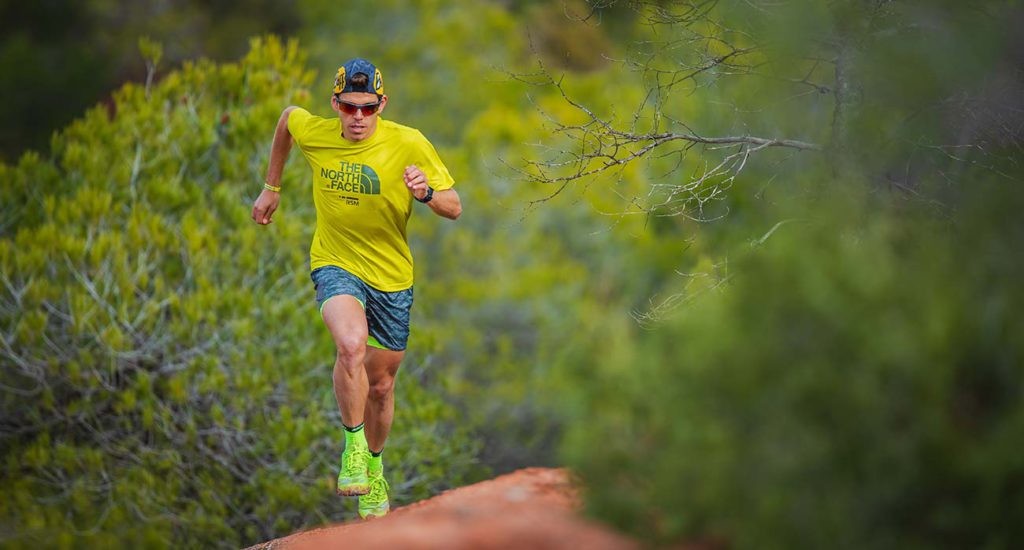
There are many issues that could arise and ruin Capell’s plan, including potential travel restrictions and further lockdowns in his home country of Spain or in France. Both countries were under strict lockdowns for the past two months, and restrictions have only recently been loosened in each country.
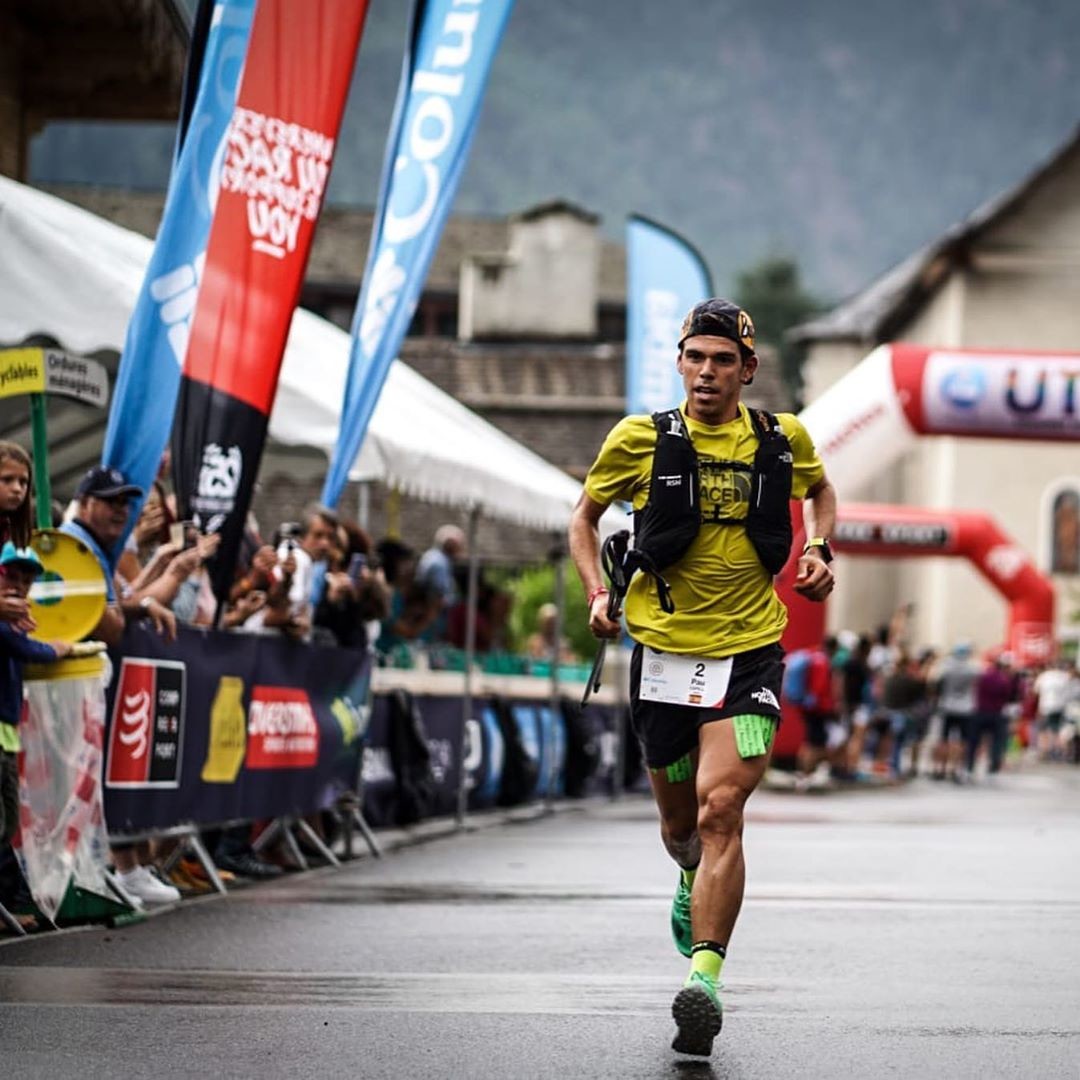
Many public health officials around the world have forecast a second wave of the coronavirus, so by August, Spain, France and the rest of the world could be back in lockdown, which would stop Capell from going.
There’s also the moral question of whether it’s OK to go and do this race when it’s been cancelled. UTMB organizers called the race off because it was the best way to keep everyone safe, and although Capell running on his own with a small support crew is much different than thousands of runners coming to race the UTMB events, it’s still a questionable decision.
Capell is an experienced ultrarunner, and he will undoubtedly come well prepared with enough supplies and a good crew, but there’s the possibility that people will follow in his footsteps and take on the UTMB solo as well. If this happens, it’s very possible that other runners won’t be as well prepared as Capell, and that could create issues for themselves and other runners around them.
If Capell is able to go through with his solo run, it will be interesting to see how it goes. When he won the race in 2019, he covered the 171K course in 20:19:07. It’s hard to imagine that he could beat that time without the adrenaline shot delivered from a real race with cheering spectators and other competitors, but we’ll just have to wait and see what type of run he can produce if the time comes.
by Ben Snider-McGrath
Login to leave a comment
North Face Ultra Trail du Tour du Mont-Blanc
Mountain race, with numerous passages in high altitude (>2500m), in difficult weather conditions (night, wind, cold, rain or snow), that needs a very good training, adapted equipment and a real capacity of personal autonomy. It is 6:00pm and we are more or less 2300 people sharing the same dream carefully prepared over many months. Despite the incredible difficulty, we feel...
more...
The 2020 edition of the UTMB might be cancelled, but now you can look back and enjoy the 2019 race coverage for free
This week, the Ultra Trail du Mont-Blanc was officially cancelled for 2020, and as a result, race organizers are releasing the 2019 event footage to runners and fans for free. This would have been the eighteenth edition of the trail race, but athletes will have to wait until 2021 to race through France, Italy and Switzerland again.
Luckily, fans of the event can rewatch last year’s run, and although it’s not as good as the 2020 race going ahead as planned, it’s still some good news in these hard times. The race footage can be viewed at the Endurance Sports TV website.
The UTMB is an event with seven different races, all of which take place in Chamonix, France, each August. The biggest of these events is the 171K UTMB Mont-Blanc race, which takes runners through the the Alps in France, Italy and Switzerland. Runners also have to climb more than 10,000m over the 100-mile event, which is higher than Mount Everest.
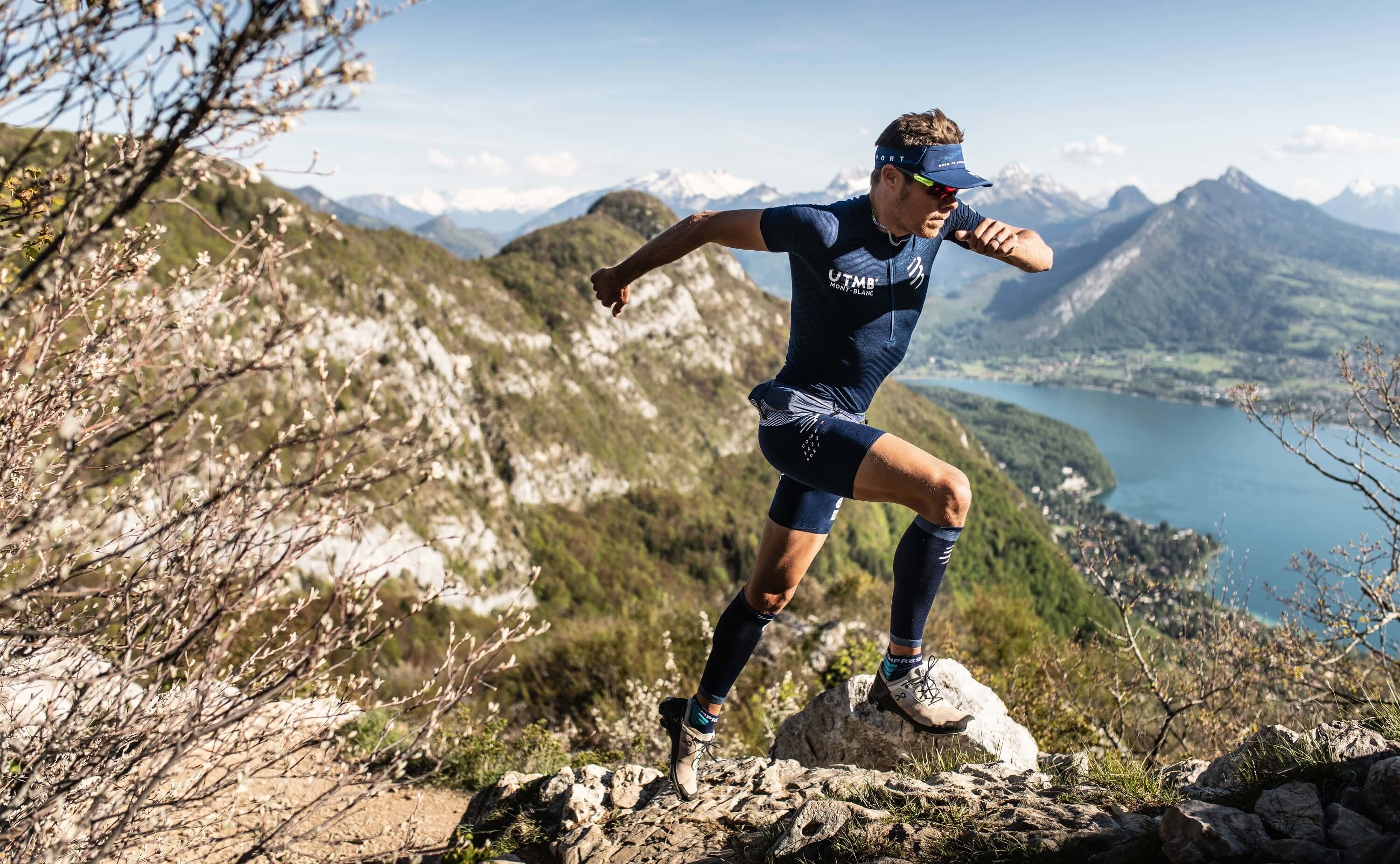
It is an epic race and challenge, and each year thousands of runners travel to France to see how they fare in one of the seven races (although a third of the UTMB Mont-Blanc runners don’t make it to the finish line). If you’ve never watched this event, you’ll definitely want to check it out.
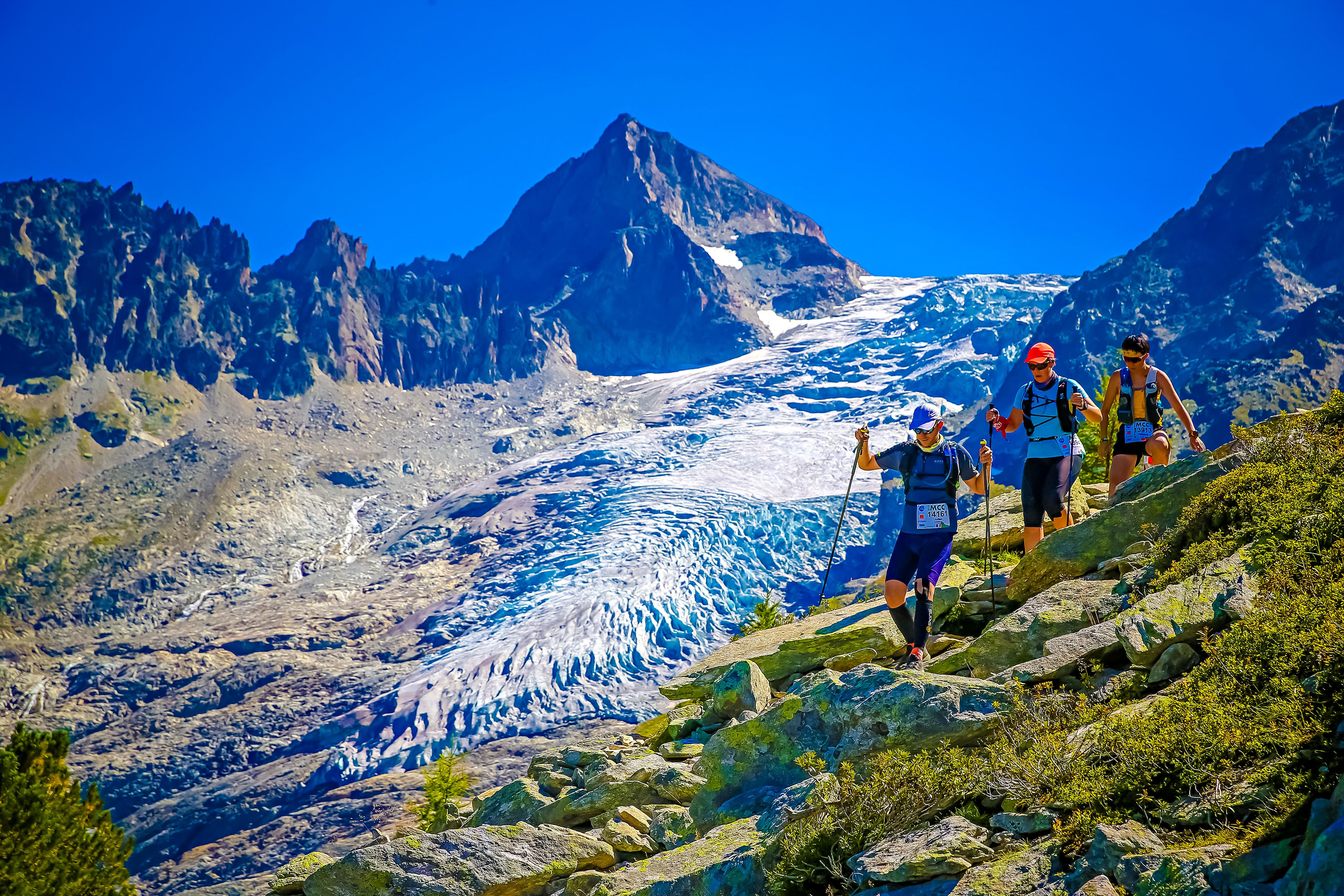
“The UTMB is a huge event to be cancelled this year, yet we don’t want fans to miss out, and have therefore opened up all of last year’s content for free,” said co-founder of Endurance Sports TV Paul Shanley. “We hope that this will give runners the next best thing to look back on all of the action from 2019.”
The 2019 edition of the UTMB saw thrilling results, including American Courtney Dauwalter‘s win in 24 hours, 34 minutes and 26 seconds. This was Dauwalter’s first try at the UTMB, and she nailed it, beating the second-place female, Kristin Berglund of Sweden, by almost exactly an hour. Dauwalter finished in 21st place overall, and she was the second American finisher, crossing the line just seven minutes after fellow American Jason Schlarb.
Rewatching this event, or watching it for the first time, is a great way to get motivated for your own training. It can be tough to find inspiration to train right now during COVID-19 with no races to work toward, but watching UTMB 2019 will certainly give you the boost you need to get back into action.
by Madeleine Kelly
Login to leave a comment
North Face Ultra Trail du Tour du Mont-Blanc
Mountain race, with numerous passages in high altitude (>2500m), in difficult weather conditions (night, wind, cold, rain or snow), that needs a very good training, adapted equipment and a real capacity of personal autonomy. It is 6:00pm and we are more or less 2300 people sharing the same dream carefully prepared over many months. Despite the incredible difficulty, we feel...
more...