

Running News Daily
Running News Daily is edited by Bob Anderson and team. Send your news items to bob@mybestruns.com Advertising opportunities available.
Index to Daily Posts · Sign Up For Updates · Run The World Feed
Articles tagged #1:59:40.2
Today's Running News
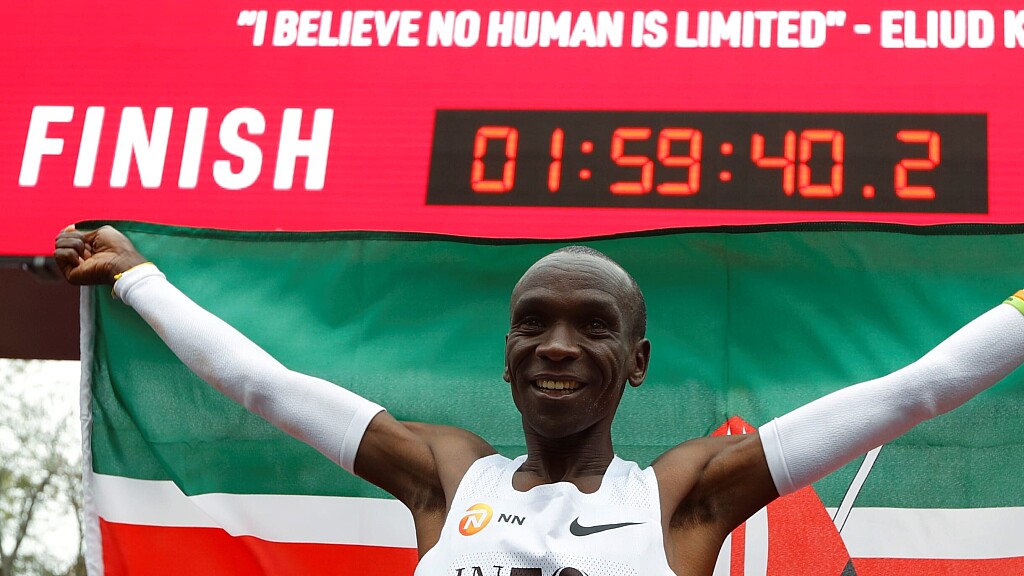


From Kipchoge’s Impossible Dream to Sawe’s Historic Reality: Kenya Redefines Marathon Running
Seven years after Eliud Kipchoge challenged the limits of human endurance in Vienna, fellow Kenyan Sabastian Sawe has transformed that extraordinary vision into a landmark achievement in competitive marathon running, becoming the first man to complete the 42.195-kilometre distance in under two hours under record-eligible race conditions.
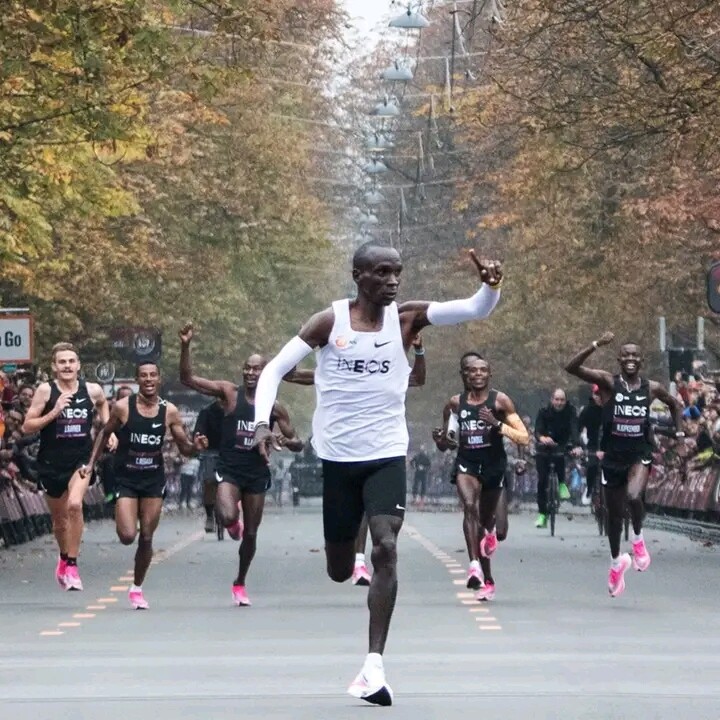
On October 12, 2019, Kipchoge etched his name into sporting history when he completed the INEOS 1:59 Challenge in Vienna, Austria, in an astonishing 1:59:40.2. Although the performance could not be recognised as an official world record because of the controlled conditions under which it was staged, it demonstrated that the seemingly impossible barrier was within human reach.
Kipchoge’s achievement carried a powerful message that resonated far beyond athletics: “No human is limited.” His words became a symbol of determination, ambition and the courage to challenge established boundaries.
However, the dream of breaking two hours in an official marathon remained unfinished.
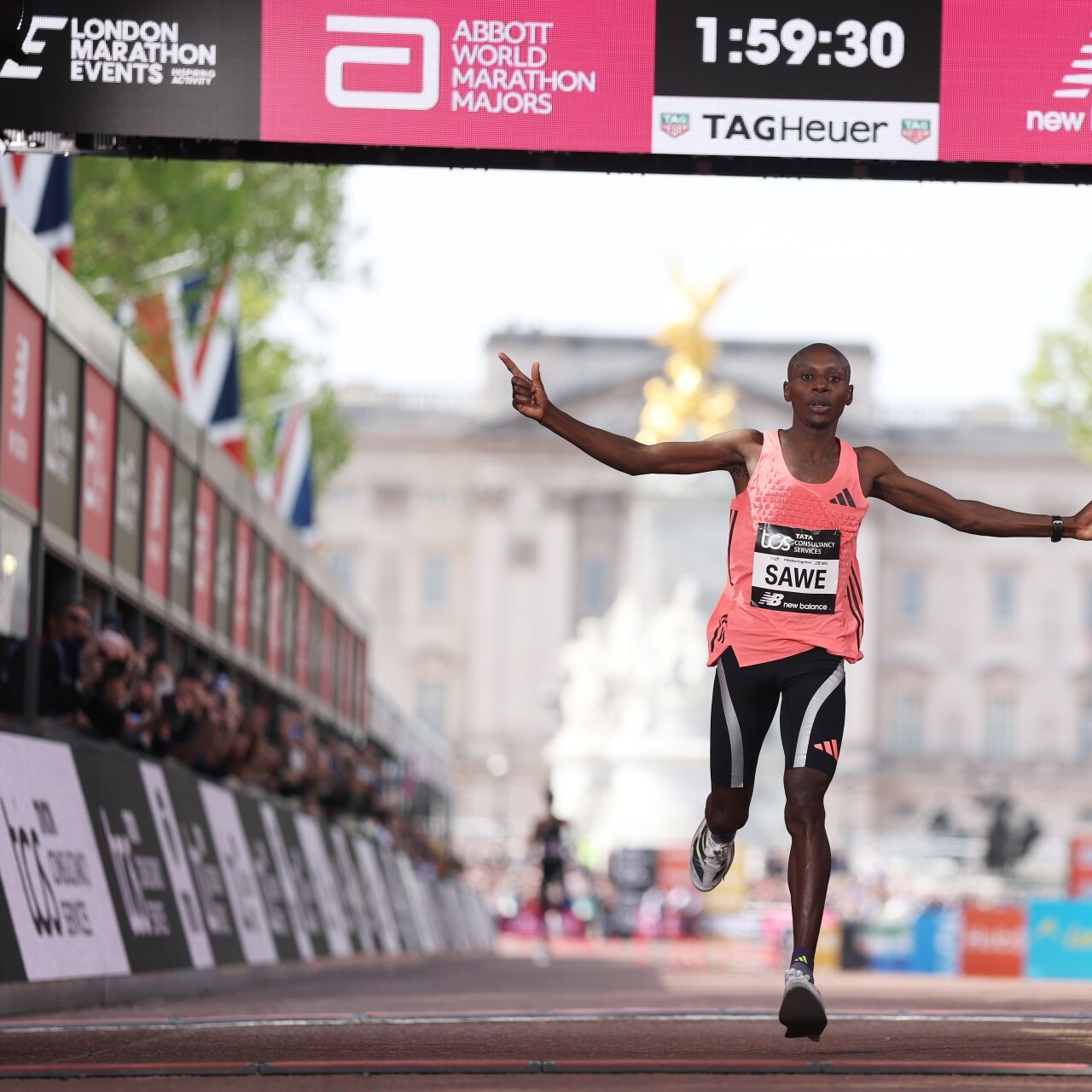
That changed on April 26, 2026, when Sawe delivered a breathtaking performance at the TCS London Marathon, stopping the clock at 1:59:30 to claim victory and establish a new men's marathon world record. The Kenyan took an astonishing 65 seconds off the previous record of 2:00:35, set by the late Kelvin Kiptum at the 2023 Chicago Marathon.
Sawe’s achievement was historic not simply because he ran faster than Kipchoge’s celebrated Vienna time, but because he accomplished the feat in an official, competitive marathon eligible for world-record recognition. The distinction elevated his performance into an entirely new chapter of distance-running history.
Remarkably, Sawe was not the only athlete to challenge the two-hour barrier that day. Ethiopia’s Yomif Kejelcha finished second in 1:59:41, becoming the second man to run under two hours in a competitive marathon. Uganda’s Jacob Kiplimo completed the podium in 2:00:28, also finishing inside Kiptum’s previous world record.
The extraordinary results underlined how dramatically the boundaries of marathon running have shifted in a sport where even a few seconds can separate an athlete from immortality.
For Kenya, Sawe’s triumph represents another defining moment in a remarkable tradition of distance-running excellence. From the groundbreaking achievements of Kipchoge to Kiptum’s world-record performance and now Sawe’s sub-two-hour marathon, Kenyan athletes have continued to shape the evolution of the sport.
Yet the connection between Kipchoge and Sawe goes beyond nationality. Kipchoge demonstrated that the marathon distance could be covered in less than two hours under specially controlled conditions. Sawe carried that vision into open competition, where the challenge had to be conquered within the demands of an official race.
Their achievements tell a compelling story of how sporting dreams can inspire future generations to pursue what once appeared unattainable.
On October 12, 2026, exactly seven years after Kipchoge’s landmark run in Vienna, the anniversary offers a powerful opportunity to reflect on how far marathon running has progressed. What began as a demonstration of human potential has become an officially recognised world-record achievement.
Kipchoge opened the door to a new era of possibility. Sawe ran through it and changed marathon history forever.
One dream. Two Kenyan legends. A new definition of human endurance.
The message remains as powerful as ever: No human is limited.
by Erick Cheruiyot for My Best Runs.
Login to leave a comment
The Statue That Predicted History: How Kipchoge’s ‘No Human Is Limited’ Became Reality
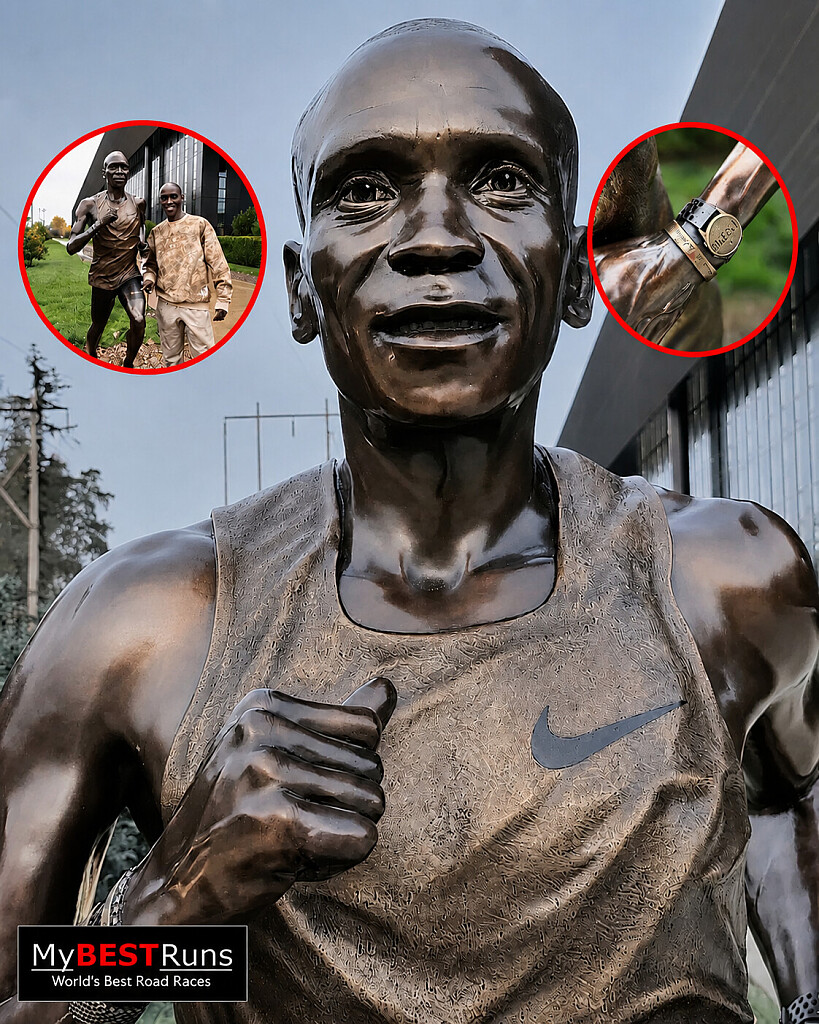
Inside Nike’s World Headquarters in Beaverton, Oregon, a bronze figure stands frozen in motion.
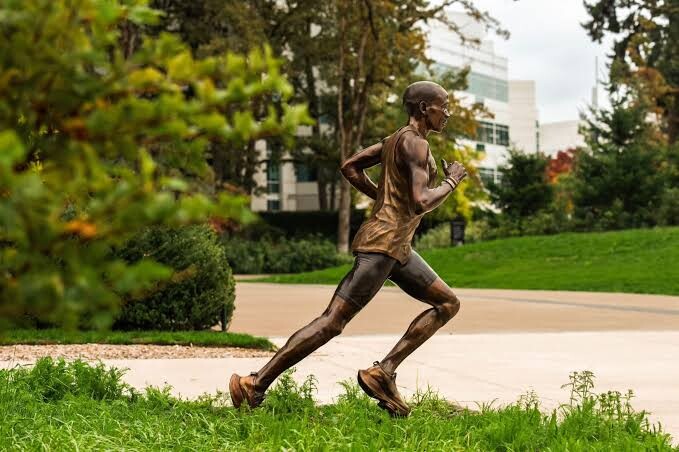
It is Eliud Kipchoge — captured in his unmistakable running posture, every detail carefully sculpted to resemble the Kenyan marathon legend at full stride. But this is more than a statue. It is a permanent reminder of a barrier that once seemed beyond human reach.
Created by Oregon artist Alison Caswell and commissioned by Nike, the life-size bronze sculpture was unveiled in October 2023 as part of the company’s celebration of its 20-year partnership with Kipchoge. Nike described the statue as a tribute to his signature gait and unique running style.
Look closely, however, and the sculpture tells an even deeper story.
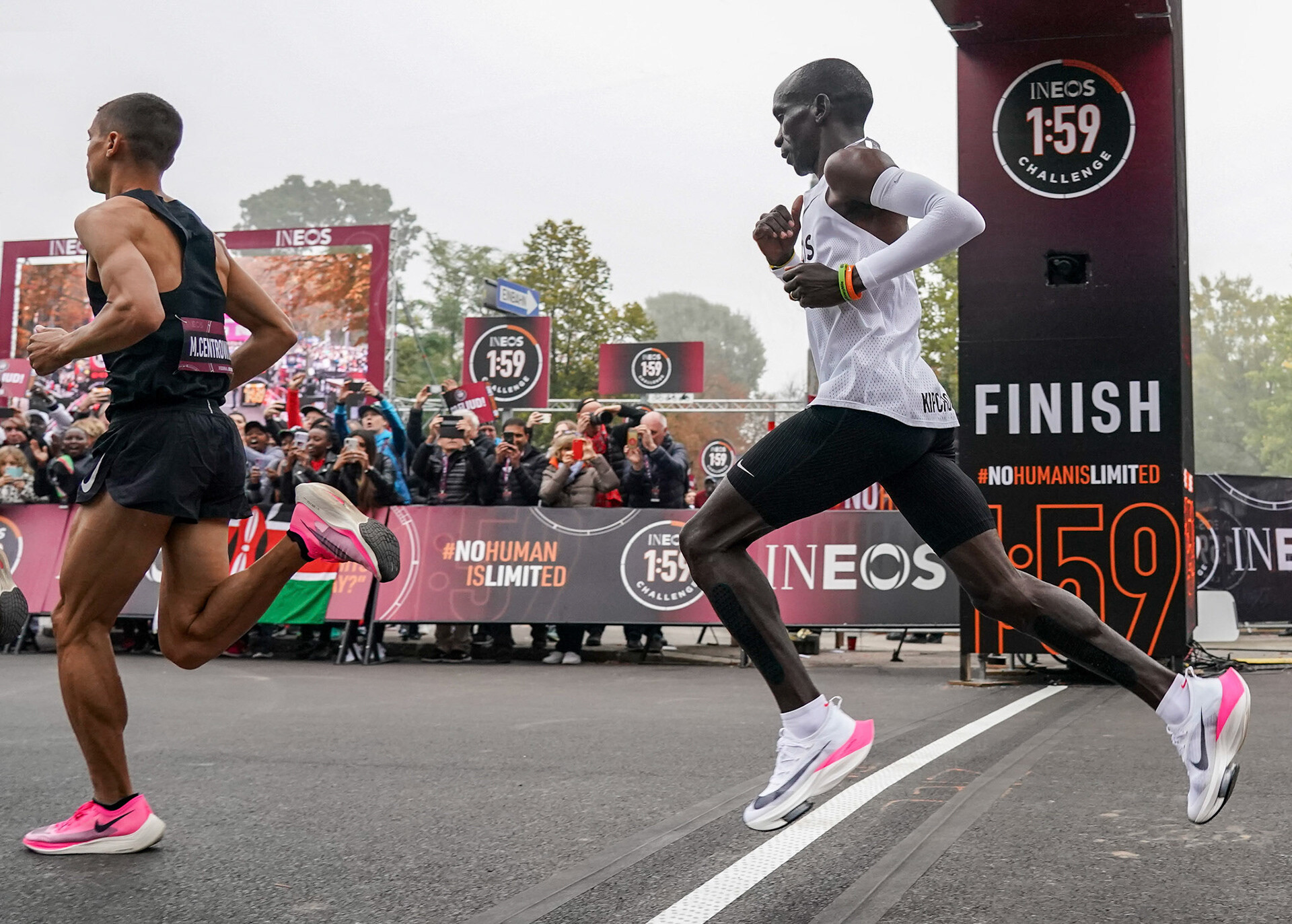
The watch on Kipchoge’s wrist displays 1:59:40, recalling the extraordinary morning of October 12, 2019, when he became the first person to run the marathon distance in under two hours during the INEOS 1:59 Challenge in Vienna.
His official recorded time was 1:59:40.2.
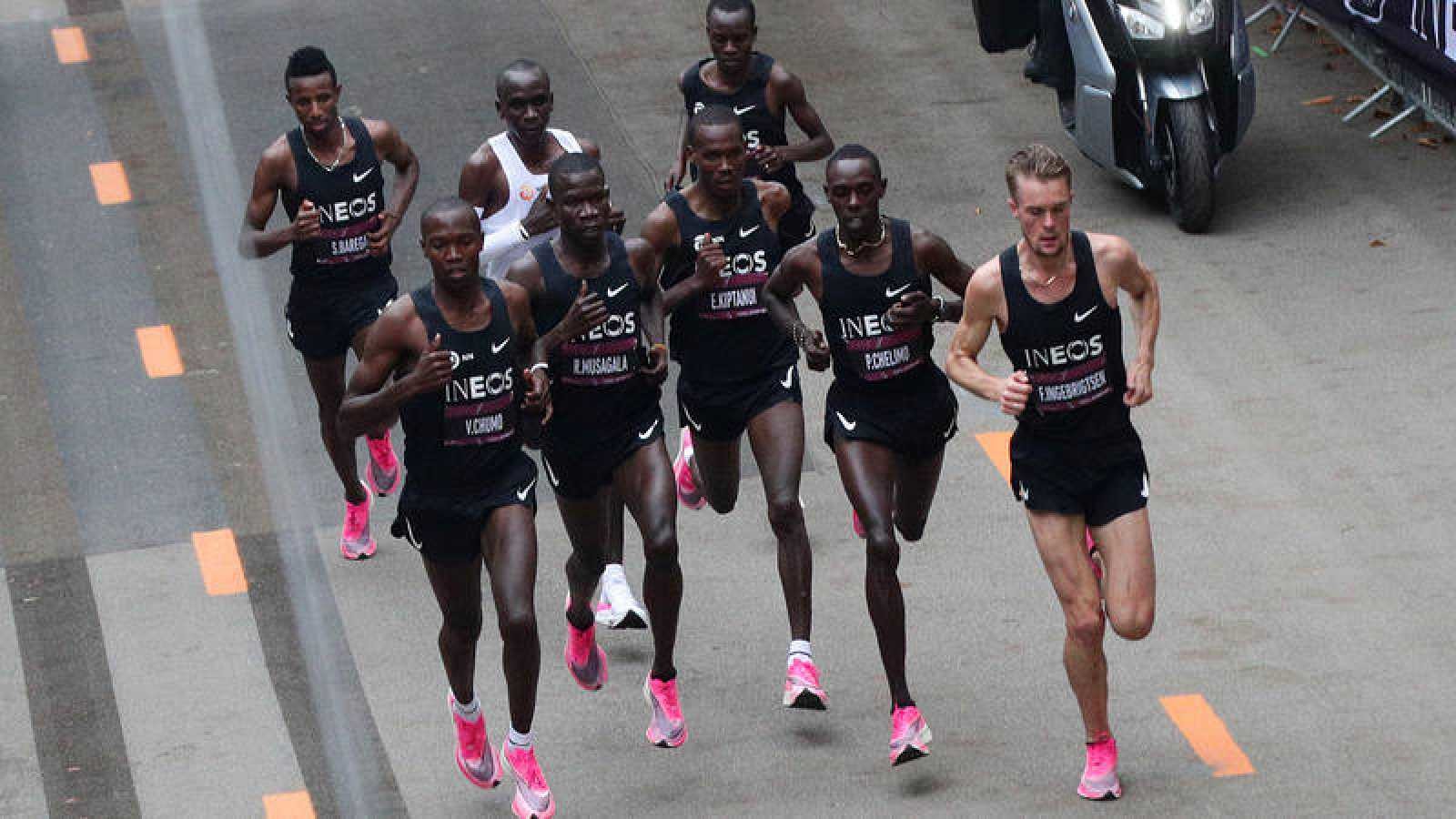
The achievement came under specially controlled conditions, with 41 pacemakers rotating in formations around him and extensive logistical support designed specifically for the attempt. Because it was not a standard record-eligible marathon, the performance was not recognized as an official world record. But its significance went far beyond the record books.
On the statue's left wrist is another detail that carries perhaps even greater meaning.
The wristband bears Kipchoge's famous philosophy:
“No human is limited.”
Those four words became synonymous with his pursuit of the impossible. In Vienna, they were no longer simply a slogan. Kipchoge had demonstrated that a boundary which had appeared almost untouchable could, under the right circumstances, be broken.
Four years later, the bronze figure remained in place at Nike's headquarters — but the marathon world had changed dramatically.
In October 2023, Kelvin Kiptum lowered the official men's marathon world record to 2:00:35 in Chicago, bringing the sport closer than ever to the barrier Kipchoge had already conquered unofficially in Vienna.
Then came April 26, 2026.
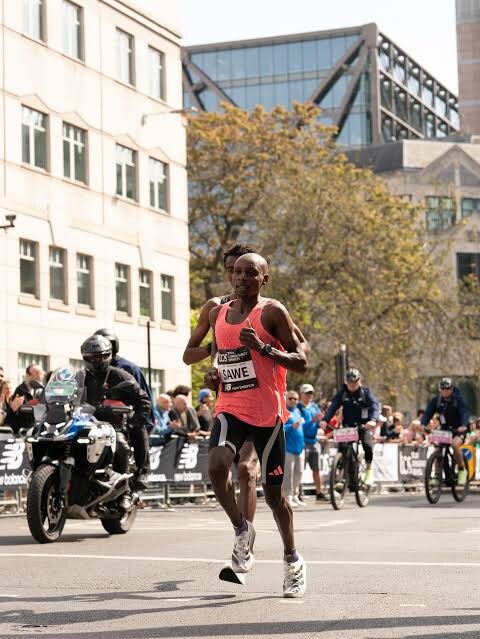
On the streets of London, Kenya's Sabastian Sawe entered territory that had previously belonged only to Kipchoge's extraordinary exhibition achievement.
Sawe won the London Marathon in 1:59:30, becoming the first man to officially complete a record-eligible marathon in under two hours. He also erased Kiptum's world record by 65 seconds. World Athletics subsequently ratified the performance as the official men's marathon world record.
And remarkably, Sawe did it in an ordinary competitive marathon — not on a specially designed course, not with rotating pacemakers, and not under the unique conditions of the 2019 INEOS challenge.
The symbolism is difficult to miss.
When Nike unveiled Kipchoge's statue in 2023, the 1:59:40 engraved on its wrist represented a moment when humanity had first stepped beyond the two-hour marathon barrier.
Today, that number represents something different.
It is no longer the fastest anyone has ever run 42.195 kilometres.
Instead, it has become part of the history that led to something even greater: the first officially recognized sub-two-hour marathon.
Kipchoge opened the door in Vienna.
Kiptum pushed the official world record closer.
And Sawe eventually walked — or rather, ran — through the door.
The bronze statue in Beaverton has not moved. Its watch still points to 1:59:40, and its wristband still carries the words “No human is limited.”
But the meaning of those words has grown.
What once looked like a statement of belief now reads like a prediction.
The statue was built to celebrate what Kipchoge had already achieved.
History has since given it another purpose: to remind the world that yesterday's impossible can become tomorrow's starting point.
by Erick Cheruiyot for My Best Runs.
Login to leave a comment
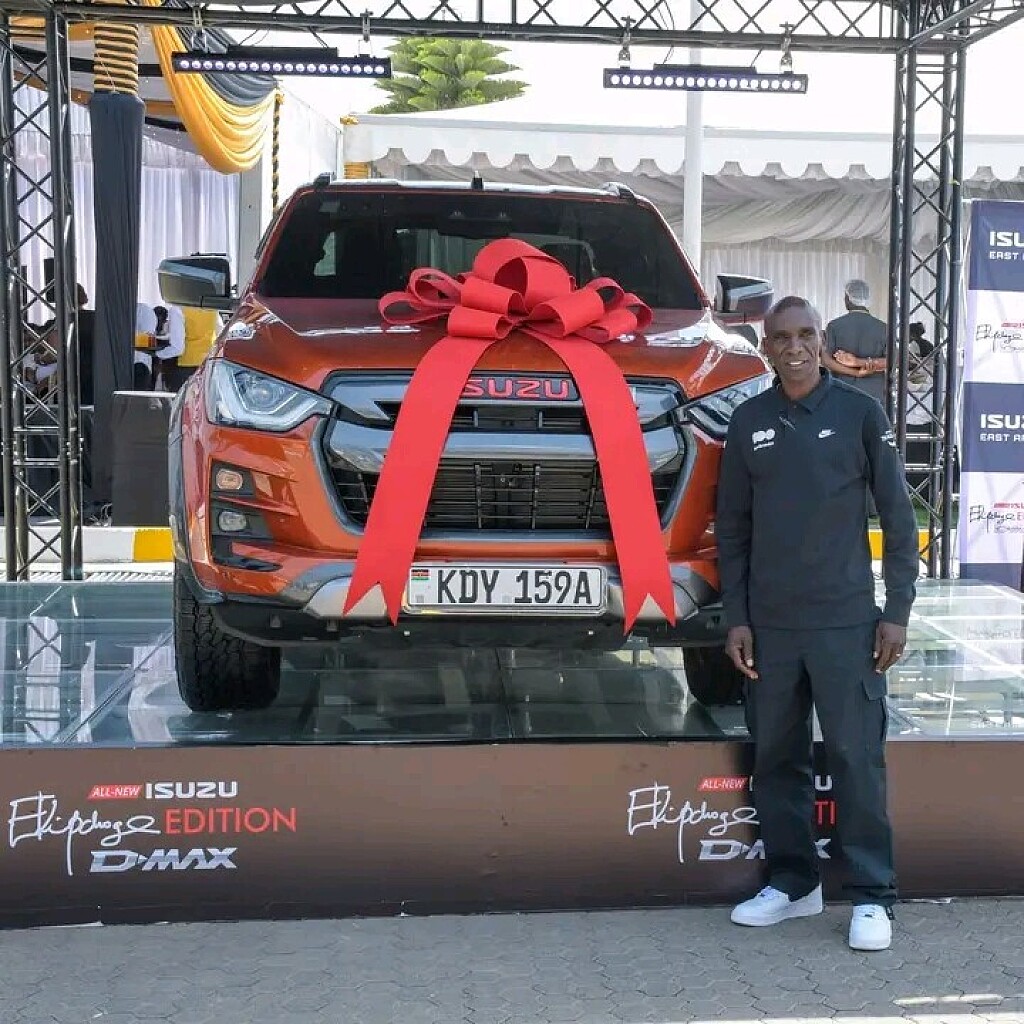
The Final 1:59 D-Max: Eliud Kipchoge Celebrates a Legacy of Breaking Limits
Eliud Kipchoge has marked another memorable chapter in his remarkable journey after receiving the 159th and final Isuzu D-Max 1:59 Limited Edition vehicle, completing a unique partnership that celebrates one of the greatest achievements in marathon history.
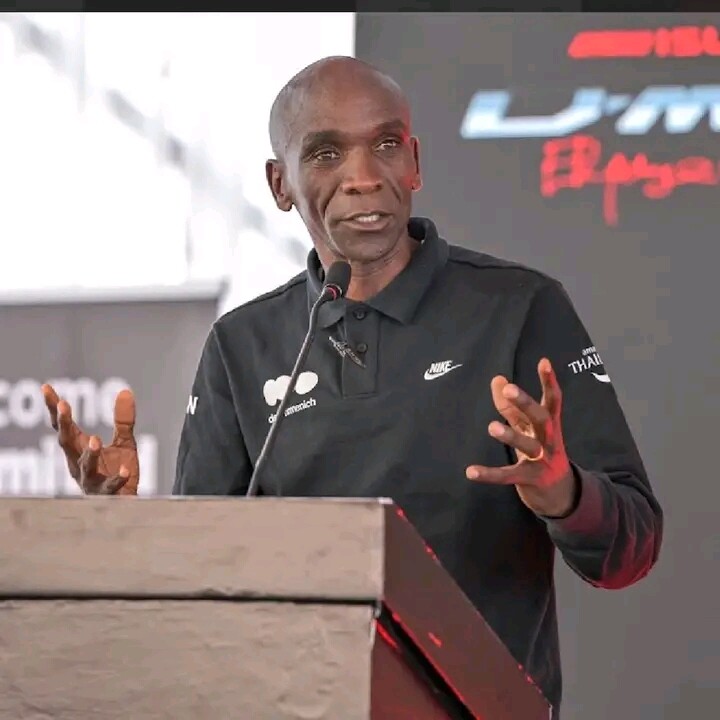
The legendary Kenyan marathoner expressed his appreciation to his Isuzu East Africa family after taking delivery of the final vehicle in a special series of just 159 units produced to commemorate his historic sub-two-hour marathon achievement.
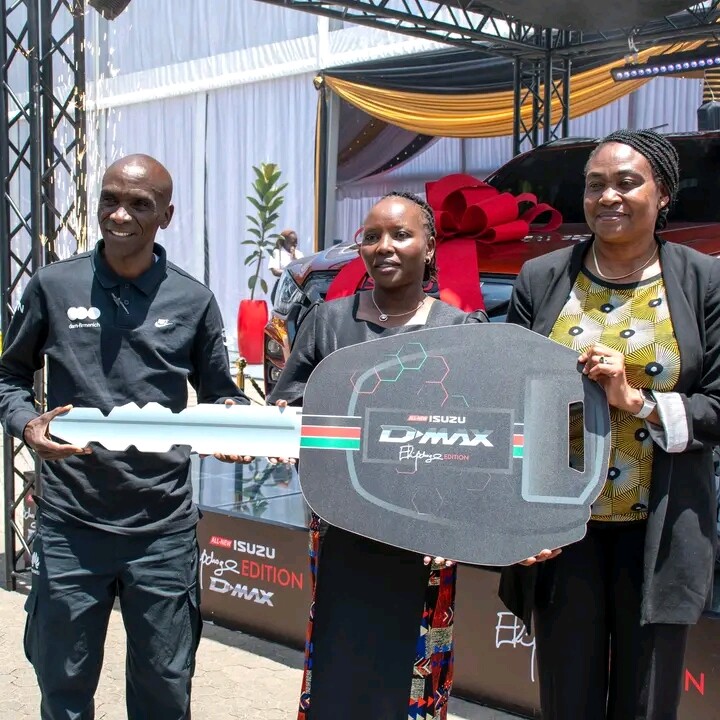
Each of the limited-edition D-Max vehicles carries Kipchoge’s name and signature, transforming the collection into more than a series of exclusive vehicles. It represents a story built around ambition, discipline, perseverance and the belief that seemingly impossible goals can be achieved through commitment and trust in the process.
The inspiration for the special edition dates back to October 12, 2019, when Kipchoge made history in Vienna, Austria, becoming the first person to run a marathon distance in under two hours in a controlled event. He completed the 42.195-kilometre distance in 1:59:40.2, a landmark moment that redefined the boundaries of human endurance.
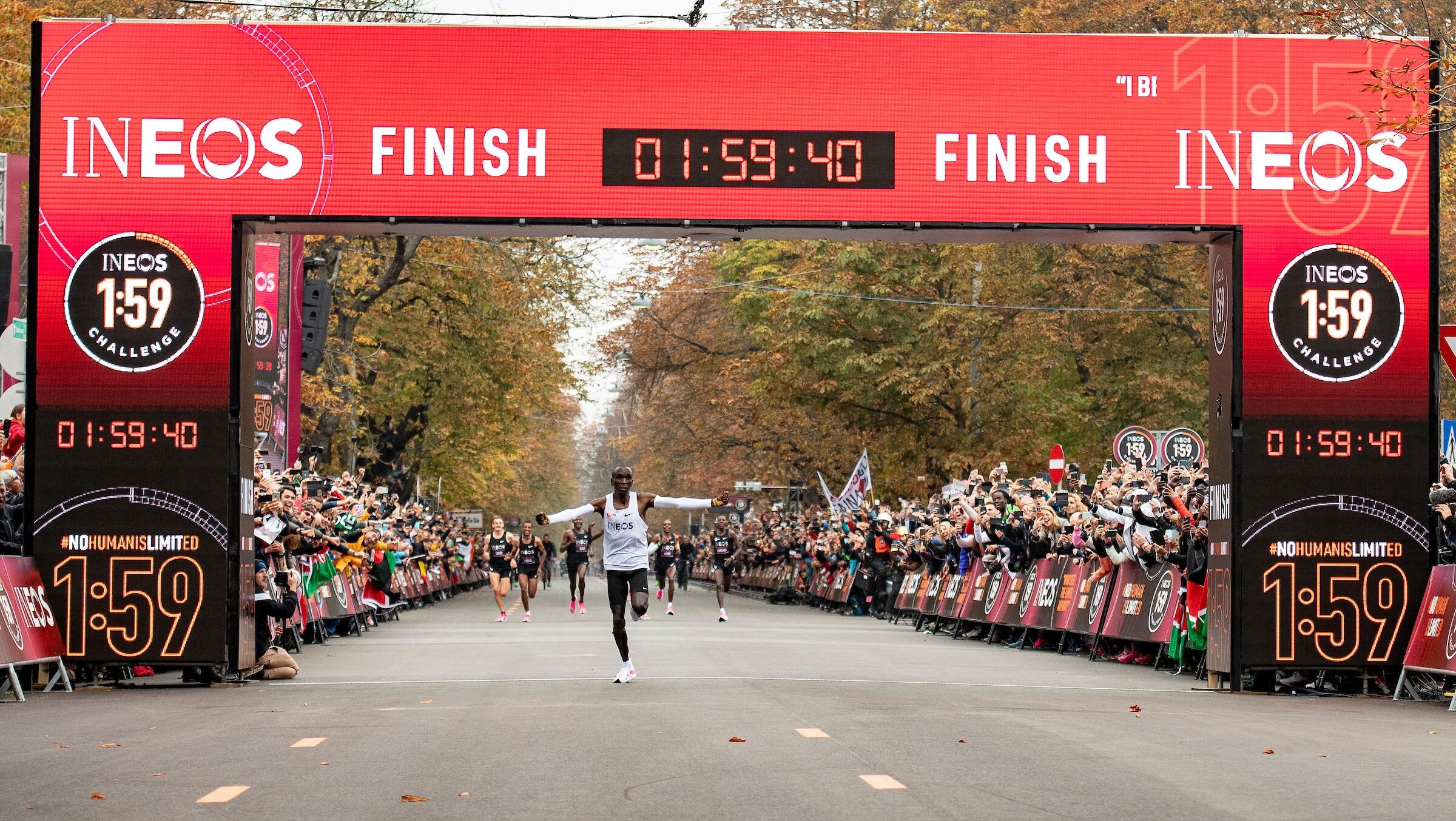
What began with that extraordinary morning in Vienna has since evolved into a lasting legacy on Kenyan roads, with 159 limited-edition vehicles now representing a shared connection between Kipchoge and their owners.
For Kipchoge, the final D-Max is therefore not simply the last vehicle to leave the production line. It is a symbolic conclusion to a story that connects his historic achievement with the values that have defined his career.
The number 159 carries particular significance, linking the limited production run to the historic 1:59 achievement while giving each owner a small piece of the story.
As he received the final unit, Kipchoge reflected on the journey from the streets of Vienna to the roads of Kenya, describing the 159 vehicles as a story shared by 159 owners who believe in the possibilities that emerge when people remain committed to their goals and trust the process.
The final D-Max consequently becomes another tangible reminder of a philosophy Kipchoge has carried throughout his career: no human is limited by the boundaries we initially believe exist.
From a historic morning in Vienna to a limited-edition collection spread across Kenya, the 1:59 legacy continues to inspire far beyond the marathon course.
by Erick Cheruiyot for My Best Runs.
Login to leave a comment
The Best Marathon Racing Shoes (2024)
After a year of testing, we've identified 12 marathon shoes that will boost your performance and make the race more enjoyable
While training undeniably has the biggest impact on your marathon performance, there’s one more thing you can do to ensure you’re ready to give your best on race day: invest in a pair of marathon racing shoes.
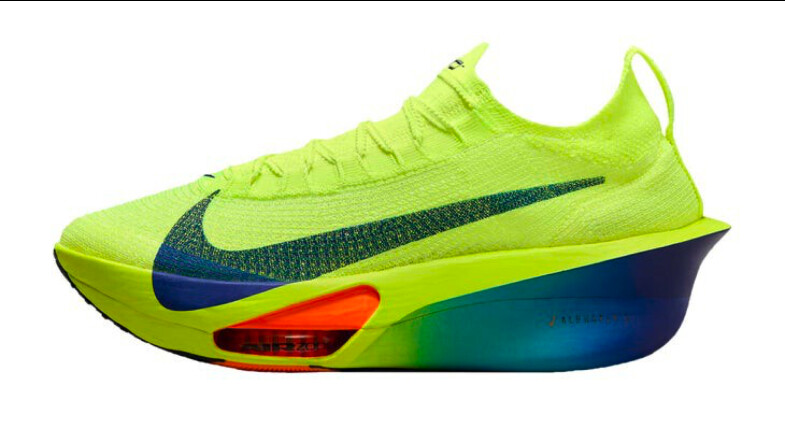
An effective marathon racing shoe can help reduce the repeated impact that miles after miles put on your legs while allowing you to get more energy out of each footstrike. Even more importantly, the right marathon racing shoe will provide you with a platform that is stable and cushioned enough to carry you through 26.2 miles in security and comfort. We’ve spent the last year rigorously testing every option on the market to help you easily pick the perfect pair for you.
Seven years after the debut of the first super shoe, the thick-stacked, carbon-plated racers are ubiquitous at the front of every marathon and increasingly common among runners in the pack looking to optimize their performance. These shoes have been lab-proven to improve running economy by a few percentage points, making it easier to maintain a faster pace. Runners also report that, when running in a super shoe that complements their stride, they experience less muscular fatigue as well.
These are some of the super shoes that our testers found most comfortable and effective at marathon pace, but your experience may vary (as we found when we had three testers compare 16 super shoes. Every super shoe boasts some sort of ultralight, hyper-responsive foam with an embedded, curved carbon-fiber plate—but each delivers a surprisingly unique ride. You’ll have to experiment to find one that gives you wings.
See our “How to Choose Marathon Shoes” section at the bottom of this article for more guidance on whether you should consider a super shoe and how to select a pair that works for your stride.
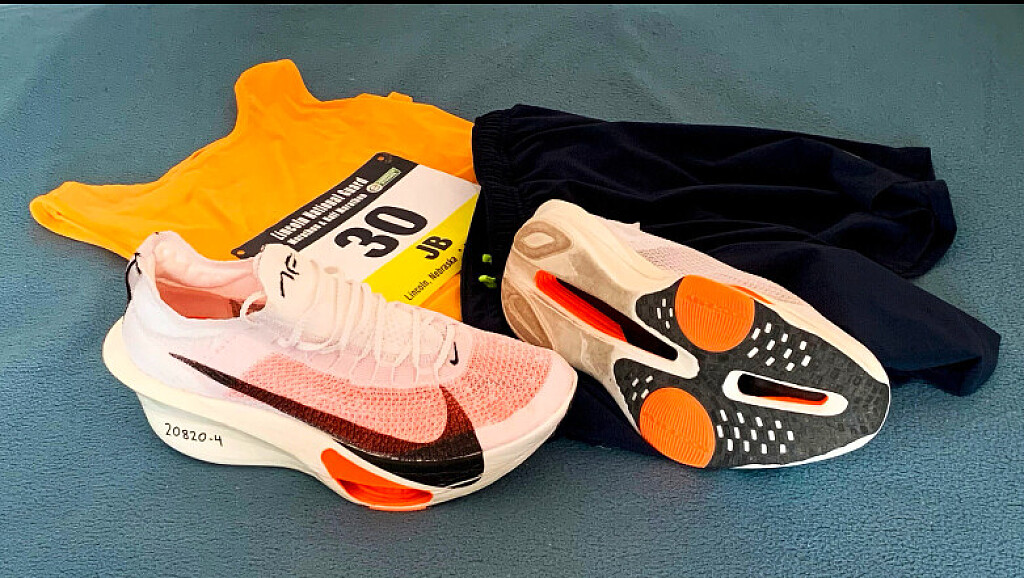
Designed specifically for marathons, the Alphafly set a new standard as the fastest marathon shoe ever when Eliud Kipchoge wore them while breaking the 2-hour barrier in a staged marathon, clocking 1:59:40.2 in October 2019.
Now, in its third iteration, the Alphafly 3 continues to dominate as the ultimate marathon racing shoe. Designed with Nike’s Air Zoom Units in the forefoot and a PEBA-based midsole, our more competitive, efficient testers praised the Alphafly 3 for its bouncy, energy-efficient ride.
Subtle adjustments to the shoe’s geometry, including a wider footprint and carbon fiber plate, paired with repositioned Air Zoom Units and strategically sculpted midsole, give the Alphafly 3 a distinctly different feel from its predecessor. These changes effectively address some of the issues found in the Alphafly 2, which many felt was heavy and clunky compared to the original.
The new Alphafly 3 is surprisingly nimble, weighing in as the lightest Alphafly to date. Even running as fast as 5k pace, I found the Alphafly responded quickly, encouraging a fast turnover. That said, it may be too sharp of a tool for some runners, as those who require a stable stance may find it a bit wobbly, especially in the heel.
The redesigned Atomkit 3.0 upper is about as race-y as you can get—extremely light and airy. Though a bit tough to put on because of its tightly woven mesh (like previous models), the new upper is highly breathable and secure, with sawtooth laces that stay tied tight throughout the marathon. You can read our full Alphafly 3 review and how it compared to other racers in our .
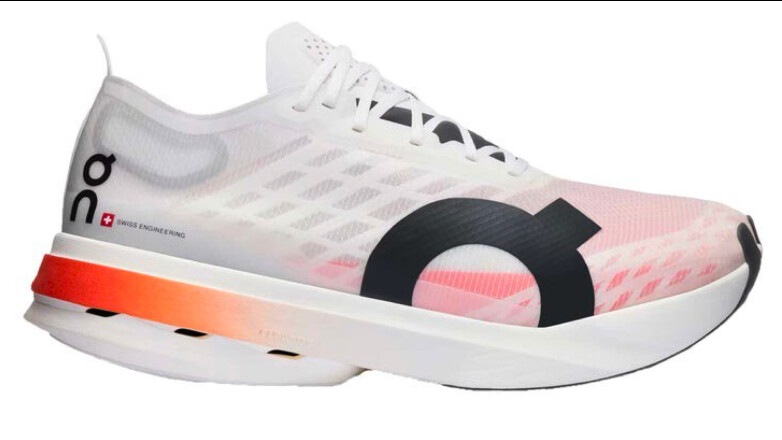
A stark contrast to On’s previous carbon fiber racing shoe, the firm-feeling Cloudboom Echo, the Cloudboom Strike is soft, bouncy, and fun to run in. Runners who can maintain their balance on what is a fairly unstable platform are rewarded with a lively, highly cushioned ride that’s comfortable and responsive, making it ideal for long-distance efforts.
The secret to the Strike’s sweet ride lies with the insole. On swapped out the traditional Strobel (a thin layer connecting the upper to the sole) and sockliner for a thick, removable layer of high-energy PEBA foam, thus increasing the amount of performance-enhancing foam underfoot. The result is a legal racer with cushioning that feels like it exceeds the World Athletics’ maximum stack height.
The smooth, ultra-cushioned ride is surprisingly quick for such a thick shoe, responding nimbly even when exceeding 5k pace. The shoe accommodated both long-striding testers and those who prefer to turn over faster.
The Cloudboom Strike fit runs long enough that you might consider sizing down by half a size. However, the one-piece mesh upper, which breathes well and effectively repels moisture, easily cinches down for a secure foot hold. You can read our full Cloudboom Strike review.
The Asics Metaspeed Sky Paris gives runners the best of both worlds—a highly energetic, cushioned feel and a stable ride. Super shoes’s tall, thick midsoles often create a wobbly sensation, forcing your stabilizing muscles to work harder to maintain balance.
The key to the Metaspeed Sky Paris’s stability is its wide base under the forefoot, coupled with an updated, wider carbon fiber plate. This makes the Metaspeed Sky Paris an excellent choice for beginner, intermediate, or unstable runners who want to enjoy the benefits of super shoe technology while still having a supportive, predictable platform. One back-of-the-pack tester noted that the broad base provided a “smooth ride, and the running dynamics worked extremely well with my foot and my own personal gait.”
The shoe’s stability, however, doesn’t compromise its stride-lengthening performance for experienced, efficient marathoners. Testers found that the Metaspeed Sky had the ability to work well for a wide range of runners and paces.
The shoe also has a new, more pliable and comfortable mesh upper and midsole foam that’s approximately 8 percent lighter and, Asics says, has an 8.2 percent better energy return over the previous model. The best part: The shoe got nearly an ounce lighter, making it one of the lightest marathon-racing options. You can read more about the Asics Metaspeed Sky Paris in our .
The groundbreaking adidas Adizero Adios Pro Evo 1 shatters the mold as the lightest super shoe ever made, weighing nearly 2 ounces less than the next lightest super shoe. Yet from the outset, I was amazed that a shoe this light could have this much cushioning.
The Pro Evo 1’s rocker is long and aggressive, curving up to a high toe spring (elevation of the toe box). Initially, at well-below marathon speeds, it felt forced and unnatural. However, once I picked it up to around marathon pace and my toes engaged with the steep curve, I sensed a smooth rolling action that energetically pushed me forward. I believe marathoners averaging seven-minute miles or faster will see the most benefit from these.
Besides being the lightest super shoe on the market, the Evo 1 also claims the title of the most expensive. That, coupled with initial talk of the shoe only working for a single marathon, makes the Evo 1 a big investment. Our test pair, however, lasted nearly 200 miles before the midsole showed signs of wear. While not every runner can expect similar durability, those with an efficient stride should enjoy everything the Evo 1 has to offer much longer than a single marathon. You can read our full review and durability test.
The challenge with super-soft, highly responsive cushioning in super shoes is that they often lack stability, demanding an efficient stride to maintain control as they first squish, then bounce back strongly, magnifying forces—whether propulsive or unbalanced. For runners seeking a more stable carbon fiber shoe without losing the performance benefits, the Brooks Hyperion Elite 4 offers a firmer underfoot feel than most.
Instead of the heavily cushioned sink and trampoline-like bounce of many of today’s super shoes, the nitrogen-infused DNA Flash V2 midsole is extremely responsive, pushing back against the foot immediately and ready to pounce on the pace when needed. That lively firmness, combined with a curved carbon fiber plate embedded in the rockered midsole, gives the Brooks Hyperion Elite 4 a smooth, stable, and forward-propelling ride.
In terms of fit and feel, Brooks nailed the basics. The thin, breathable mesh upper perfectly embodies a racing shoe’s ideal—minimalistic, with a secure midfoot lockdown that makes you feel firmly in control.
These are not for you if you prefer a highly cushioned, springy running experience. However, if you feel bounced around by most super shoes and want a firmer-feeling shoe that offers a good mix of stability and fast-rolling performance, the Brooks Hyperion Elite 4 is the shoe you’re looking for. You can read more about the Brooks Hyperion Elite 4.
With a ride that feels like bouncing on a pogo stick, the Hoka Cielo X1 delivers unmatched spring with every stride. Designed with two layers of über-responsive PEBA foam separated by a winged carbon fiber plate and a severe, heel-to-toe rocker profile, testers marveled at how much fun these shoes were. One tester described running in them as “feeling effortless,” adding, “It almost feels like you’re cheating when you’re wearing these shoes.”
However, a few testers had mixed reactions to the shoe’s prescriptive geometry. The stiff platform and aggressive rocker design seemed most effective for a midfoot strike and within a narrow pace range, specifically around six to eight minutes per mile for our testers.
Another knock concerned the shoe’s stiff, ribbon-like shoe laces. Nearly every tester commented on how difficult it was to get a tight, dialed-in knot. Still, if you can get past the less-than-ideal lacing—or choose to swap them out entirely—and are comfortable in the pace range sweet spot, the ride is worth it and could deliver a fun, fast marathon.
Cielo X1 clocks in at a hefty 9.3 ounces for mens size 9 and for womens size 10, making it the heaviest super shoe on the market. Thanks to the high-energy foam, however, we still found it held its own in the super shoe pack when it came to performance. You can read more about the Hoka Cielo X1.
Unfortunately, there are not a ton of options when it comes to highly cushioned zero drop racing shoes. Fortunately, the only option is a really good one. Now in its second iteration, the Altra Vanish Carbon 2 features three more millimeters of softer, more flexible underfoot cushioning heel to toe. Embedded in the soft, nitrogen-infused, TPE-based midsole is a full-length carbon fiber plate that adds a bit of stabilizing and propulsive stiffness without feeling controlling.
The Vanish Carbon 2’s midsole doesn’t have as dramatic a trampoline sensation as some other marathon racing shoes, but it delivers a smooth, cushioned ride that’s hard to beat. Even as someone who typically struggles with zero-drop shoes, I found the Vanish Carbon 2 enjoyable and surprisingly easy to run in, thanks to the high stack and rockered profile. Testers said the low heel helped increase their cadence and kept them more on their toes.
Despite not having a ton of structure, the lightweight, breathable mesh upper does a surprisingly good job of securing your midfoot while your toes have room to splay in Altra’s signature wide toe box. You can read more about the Altra Vanish Carbon 2.
When it comes to replicating the performance benefits of road super shoes for the trail, shoemakers have struggled to achieve the same level of success. The adidas Terrex Speed Ultra is a standout exception. Designed with one of the most aggressive rockered profiles on a trail running shoe, the Terrex Speed Ultra feels awkward initially, almost like you’re walking downhill.
However, once you get accustomed to the unique profile that wants to push you forward, you’re rewarded with a propulsive ride unlike any other trail running shoe. Inside, the high-performance TPEE (Thermoplastic Polyester Elastomer) midsole incorporates a four-pronged, slightly flexible PEBA-based rod system, providing extra stiffness to the soft foam without creating instability on technical terrain. While it manages well on groomed or rocky sections, like most highly cushioned trail shoes, it’s not designed for prolonged precise technical maneuvering.
Staying true to its race-ready design, the upper is razor-thin and slightly padded to keep weight at a minimum. The quick-drying synthetic material, combined with a gusseted tongue and sawtooth lacing that bites like a threatened rattlesnake, provides excellent midfoot lockdown. The only drawback is the unstructured heel counter, which can cause some heel lift if the laces aren’t pulled extra tight. You can read our full review of the Adidas Agravic Terrex Speed Ultra.
Not everyone wants or needs a super shoe when covering 26.2 miles. Here are some top options without a rigid carbon-fiber plate, sorted with consideration for specific needs and preferences.
Supershoes’ tall, highly cushioned soles create an unstable and wobbly platform, especially for beginner runners who spend more time in contact with the ground than their faster counterparts. Plus their rigid, curved plates dictate how the foot rolls, and are tuned to be optimal for fast, efficient runners.
Puma’s Deviate Nitro 3 combats these issues by combining two foams, a softer one closer to the foot with a firmer one closer to the ground, separated by a semi-flexible carbon-fiber composite plate. This design offers most of the cushioning and propulsive benefits of a super shoe, without the instability or the prescriptive stride control.
What sets the Deviate Nitro 3 apart most, however, is its remarkable ability to deliver a smooth ride at any pace. There’s nothing restrictive about the shoe—it adapts to your running speed and performs effortlessly, making it double as a great everyday trainer as well as a racing shoe.
Keeping comfort in mind, the upper features an engineered knit mesh with moderately padded heel collar. Testers felt the fit was true to size with a small amount of stretch throughout the upper to accommodate foot swelling or irregularities, such as bunions. The stretchy laces received mixed reviews, as one found he needed to keep tightening them to feel secure during the run. You can read our full review of the Puma Deviate Nitro 3.
When the Saucony Tempus first came out, we were blown away by its ability to control the soft, unstable nature of a PEBA midsole without taking away its high-energy, performance-enhancing benefits. Keeping everything the same underfoot, but adding a better fitting, more breathable mesh upper, the Tempus 2 continued to wow us with its supportive, yet lively ride.
The combination of soft, bouncy PEBA foam and a firmer EVA frame that uniquely wraps over and under the high-performance core helps guide the foot into a more stable position, making it perfect for beginners, or any runner, who may struggle with foot alignment, particularly during a long and exhausting marathon. The moderate stack height of 33mm in the heel and 25mm in the forefoot strikes a perfect balance—not so thick and cushioned that you can’t push off effectively, yet not so thin that it compromises comfort. The dual foam midsole, without a plate, provides ample underfoot protection while still allowing for a good sense of ground feel and accommodates any stride pattern.
The main drawback is that it’s relatively heavy for a racing shoe (while light for a trainer). Weighing 9.4 ounces for men and 8.2 ounces for women, it’s the heaviest shoe on our list. However, if you prioritize stability and want to tap into the performance benefits of PEBA in a supportive but not prescriptive shoe, this is still the top choice on the market.
Known for its wide toe box designs, Topo has mastered the balance of offering plenty of space for your toes while ensuring a secure midfoot lockdown. One of only four shoes in this roundup without a plate in the midsole, the Topo Specter 2 delivers a more natural and flexible experience than your stiff-plated super shoe or super trainer. A generous layer of Pebax foam underfoot is tuned firmer than usual, but still delivers its signature bouncy ride. One tester described the midsole as “firm and springy with a lot of response,” adding, “the shoe feels airy and fast with the perfect balance of stiffness versus flex.”
Testers found the Specter 2 incredibly versatile. It delivers the same ease and comfort on easy run days as it does on uptempo runs or races, thanks to its highly cushioned, responsive, and adaptable sole, and low overall weight.
Where the shoe truly stands out, however, is in its fit. One tester said about Topo shoes, “They’ve gone from being one of my least favorite brands to offering some of the best-fitting shoes I’ve tested.” The wide toe box isn’t just for runners with wide feet. Even our runners with regular-width feet appreciated the extra space, once they got used to their toes having room for their natural positioning and splay.
As foams have evolved to be increasingly lighter, marathon racing shoes are getting thicker and more cushioned. Rather than allowing your foot to react to the ground and move naturally, these thick-soled shoes blunt the underfoot feel and dictate how your foot moves through the gait cycle to various degrees. While this works well for some runners, others prefer a more minimalist ride.
If you’re the kind of runner who finds today’s cushioned shoes cumbersome and as restrictive as a stiff suit of armor, look no further. The Topo Cyclone 2 is a free and flexible lightweight racer that lets your foot control the shoe, not the other way around. Testers described the ride as “nimble” and “flexible” with a “slipper-like” feel.
The Cyclone 2’s Pebax midsole delivers the soft feel and springy response of a super shoe, but the comparatively thin stack height (28mm/23mm) keeps the squish and bounce moderate, and lets you feel the ground under the cushioning. You won’t find a plate embedded in the flexible midsole; instead there’s a slight rocker profile to help smooth the transition from stance to toe-off.
We’ve always found Topo Athletic makes some of the best-fitting shoes on the market, and the Cyclone certainly follows suit. A tailored midsection with excellent lockdown gives way to a roomy anatomical toe box. You can read our full review of the Topo Cyclone 2
There are a few factors beginner runners should consider before choosing a carbon fiber shoe. First, most carbon fiber running shoes are designed with fast, efficient runners in mind. Studies have shown that slower runners get less improvement in their running economy from the shoes, and the shoes actually make running harder for a significant number.
If you have developed solid mechanics, you may benefit from a carbon fiber shoe. However, if your form is still a work in progress, the stiffness of the carbon plate and the hyper-responsiveness of the foam could actually magnify poor mechanics, reduce your performance, and increase the risk of injury.
Additionally, every carbon fiber shoe is built differently—the placement and shape of the carbon plate, geometry of the midsole and properties of the foam all are different, model to model. This means no two carbon plated shoes will run exactly the same. It’s important to match your individual gait to a carbon fiber shoe by testing several options for the one that feels the best. In general, beginners should be cautious and make sure they’re fully comfortable in carbon fiber shoes before racing in them.
Our exhaustive testing process involves evaluating every marathon racing shoe on the market, sometimes as long as over a year, with input from more than 20 experienced wear-testers. They each fill out a detailed testing questionnaire evaluating key points such as fit, comfort, cushioning, and speed. The completed questionnaires are compiled and combined with testing feedback from lead tester Cory Smith, who brings over a decade of experience testing running shoes for Outside. Shoes that excel in specific areas are then ranked and categorized in relation to their strengths.
Cory Smith, a former Division One runner at Villanova University, has been running since the mid-1990s. With over a decade of experience testing and reviewing running apparel and shoes for publications like Outside and Runner’s World, he continues to compete as a masters athlete, boasting a masters personal best of 4:31 in the mile at the age of 44. He consistently logs 30 to 40 miles per week on roads, trails, and the track.
.Those looking for a low-profile, flexible ride with some support might consider the Brooks Hyperion 2 GTS, which has a moderate stack height (31.5–23.5mm), responsive cushioning, and gently guides the gait with firmer, raised sidewalls alongside the rearfoot.
After dedicating countless hours to marathon training, it’s just as crucial to invest time and effort into choosing the right running shoe for race day. Unlike your everyday trainer, a marathon racing shoe must strike a balance between providing enough stability to maintain your form over 26.2 miles and offering sufficient cushioning to protect your legs from the constant impact, while not weighing you down or holding you back. Here’s what you must consider when buying the ideal marathon racing shoes.
As running shoes become thicker and softer, they can start to feel unstable and wobbly. This instability forces the stabilizing muscles in your feet and legs to work harder, which can lead to premature fatigue and even injury. To prevent this, it’s crucial to choose a marathon racing shoe that provides a stable enough platform for your stride, ensuring consistent support throughout the race, even when you grow tired and your stride becomes less efficient. Stability is built into a marathon racing shoe by using embedded plates, firmer midsoles, a widened base, and a more structured heel counter and rearfoot hold.
Cushioning refers to the perceived underfoot firmness of a running shoe. While cushioning levels are a matter of personal preference, wearing softer running shoes during the marathon can be beneficial. One 2022 study with 32 recreational runners found that wearing highly cushioned running shoes improved performance by 5.7 percent and reduced oxygen consumption by 3.2 percent during incremental treadmill tests. However, runners must balance cushioning benefits with stability and propulsion needs.
Given the length of the marathon it’s crucial to make sure your marathon racing shoes fit well. Since over the course of the 26.2 miles your feet may swell, you should make sure you have enough room in the toe box to accommodate this swelling. A good general rule of thumb is to make sure you have at least a thumb’s width of space between your longest toe and the front of the shoe. You should be able to wiggle your toes without them bumping up against the front of the shoe. While you want space for your toes to splay, the upper should hold your foot securely around the heel and instep.
While this is a highly debated topic, the current thinking is to limit the amount of time spent training in carbon fiber plated shoes. These shoes are built with a thick, highly cushioned, and unstable platform, and a rigid rocker profile. Unlike more flexible running shoes that allow your foot to move naturally, carbon fiber shoes dictate the way your feet strike the ground and roll forward, potentially altering your natural gait, which can lead to injury. In addition, the powerful bounce magnifies any instability, causing more stress on your muscles, tendons, and joints. Ideally, limit your carbon-plated shoes to race day and a few speed sessions. Super trainers—with the same high-end foams but more flexible plates—can be a great alternative for weekly speed sessions or fast-finish long runs.
The length of marathon racing shoes varies on a runner’s weight, stride efficiency, and model of shoe. Typically, lighter runners who have an efficient stride will realize longer shoe lifespans, while heavier runners who spend more time on the ground will see less. Generally speaking, you should get somewhere around 100 to 200 miles from your marathon racing shoes before the midsole begins to decompress. Visual cues, such as worn down outsole, uneven midsole compression, or holes in the upper, can be your best indicator of it being time to replace your marathon shoes. Outside of that, I’ve found if you start to question whether it’s time to replace your shoes, it’s usually time.
by Outside Online
Login to leave a comment
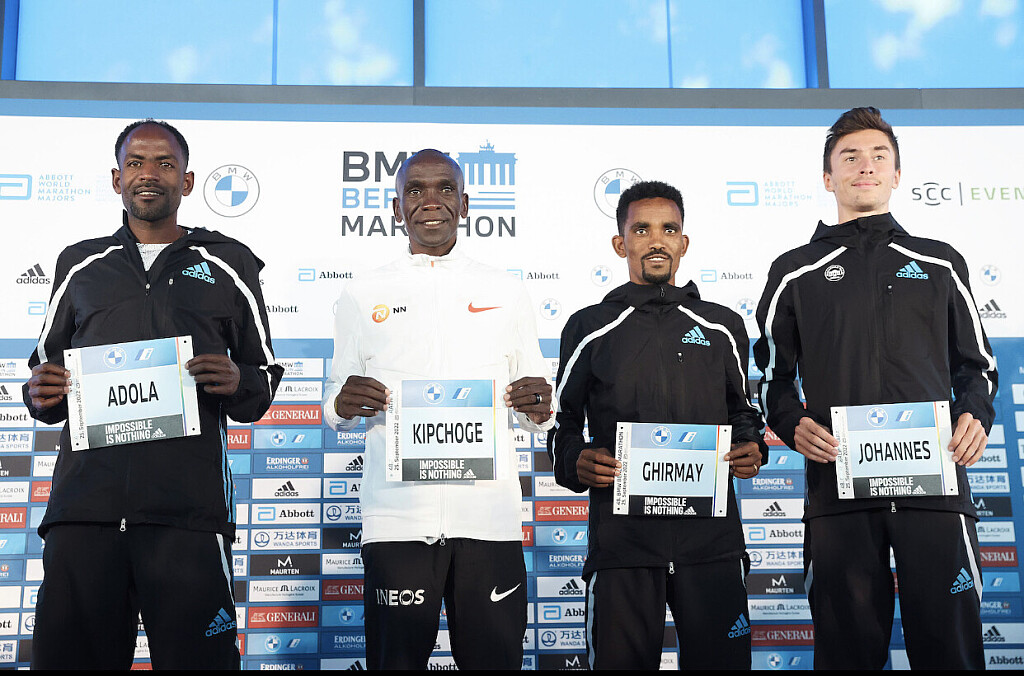
Eliud Kipchoge ready for fast times in Berlin
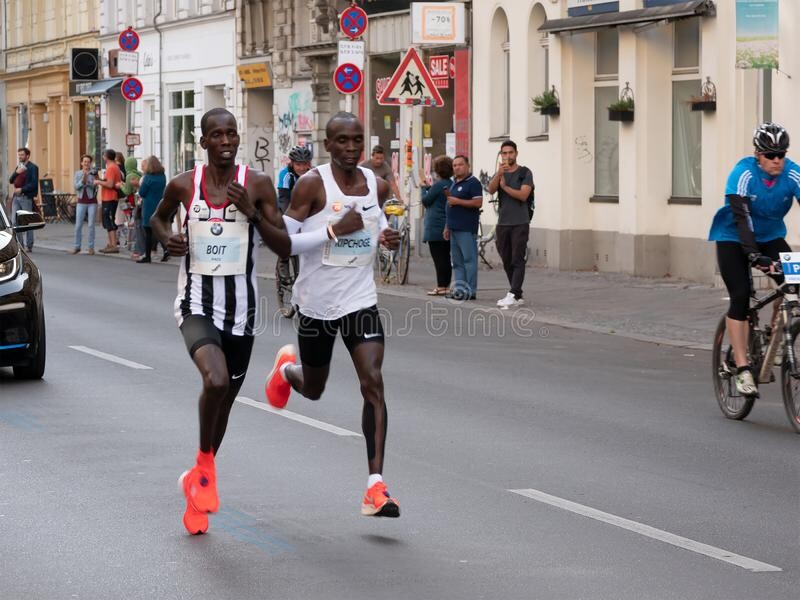
Eliud Kipchoge is ready for a very fast race in the BMW BERLIN-MARATHON on Sunday which may well lead him to break the world record here for the second time.
The double Olympic champion, who set the current world record of 2:01:39 in Berlin four years ago and also broke the two-hour barrier when he ran 1:59:40.2 in a race in Vienna in 2019 which did not conform to regulations, will start as the clear favourite.
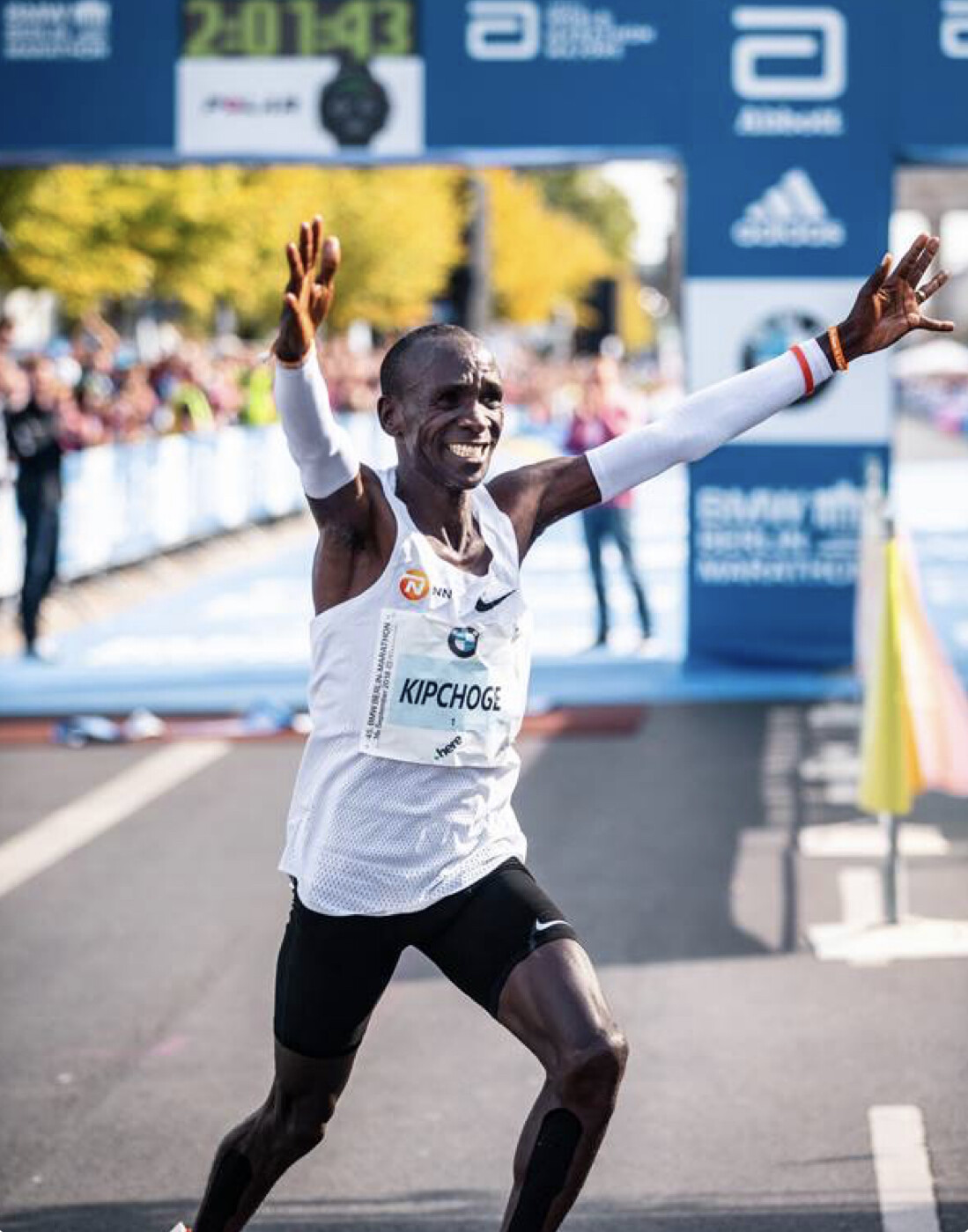
Organisers of the BMW BERLIN-MARATHON have registered 45,527 runners from 157 nations for the 48th edition of the event. Germany’s most spectacular road race is part of the Abbott World Marathon Majors (AWMM) and is also a Platinum Label Road Race of the international athletics federation, World Athletics.
The 37-year-old Kenyan held back from making any hard and fast promises when he spoke two days before the BMW BERLIN-MARATHON. “I’d like to thank the organisers for letting me race again in Berlin after four years and expect a very good race. I’ve trained well as usual – every training day is a challenge.”In response to the question at the press conference, what would be “a very good race” for him, Eliud Kipchoge answered: “A very good race is a good race.”
That got the audience on his side before he added: “I want to inspire people and if a course record comes out of this at the end, I will appreciate it,” added this outstanding athlete. It should be noted that the course record is, of course, the world record, but Eliud Kipchoge was careful not to utter these words.
The world record holder, whose career so far has brought him victory in all but two of his 18 marathons, could well achieve his fourth win in Berlin after taking the title in 2015, 2017 and 2018. That would bring him equal with the Ethiopian legend Haile Gebrselassie as the two men with most wins in Berlin. If the world athlete of the year for 2018 and 2019 is in world record form, Eliud Kipchoge should prove unbeatable on Sunday.
On the other hand, the elite field has plenty of strength in depth. Heading the list of challengers is last year’s champion Guye Adola from Ethiopia, winning the title in unseasonably warm conditions in 2:05:45 and beating the Ethiopian superstar Kenenisa Bekele into the bargain.
It was in Berlin in 2017 that Guye Adola ran what remains his personal best of 2:03:46 and on his debut at the distance. Only Eliud Kipchoge finished ahead of him though from time to time Adola took the lead. “I have prepared well and look forward to the race,” said the 31-year-old, who described Kipchoge as “a hero.”
The BMW BERLIN-MARATHON has greater strength in depth among the men’s elite field than ever before. As many as 18 runners have personal bests under 2:08. Among them is Ghirmay Ghebreslassie who caused a surprise when winning the world title in 2015 and also won in New York the following year. The Eritrean athlete has a best of 2:05:34 which he set in finishing third in Seville in February.
“It’s a big challenge to run in such a field and against Eliud Kipchoge. I’ll do my best and my aim is a place on the podium,” said Ghirmay Ghebreslassie.
An unusually large number of Japanese runners will be among the elite starters, the reason being that they are trying to qualify for the 2024 Olympics. There will be 13 of them with personal bests of under 2:10 in the BMW BERLIN-MARATHON. The fastest of them is Ryu Takaku with a best of 2:06:45.
The leading German in the field is Johannes Motschmann, who was a member of the German team at the European Championships which won the silver medal in Munich. Despite a short recovery time of six weeks since that competition, the 28-year-old wants to improve his personal best of 2:12:18 in the direction of 2:10.
The race in Berlin is the biggest of my career so far. Since I’m a hometown boy here, I’d even rate it above the European Championship marathon,” said Motschmann, who runs for the Marathon Team Berlin.
The Austrian record holder, Peter Herzog, will also be aiming to take advantage of conditions at the BMW BERLIN-MARATHON and run faster than ever before. His current best is 2:10:06 and his ambition is to become the first Austrian.
While a double world athlete of the Year in Eliud Kipchoge will take centre stage, a former star of world sport will be running some way behind him: the Brazilian football legend Kaká, a member of the team which won the World Cup in 2002, and also a Champions League winner and Footballer of the Year.
“I definitely wanted to run a major marathon and asked friends who recommended Berlin to me. That’s why I’m here. On Sunday I want to run 3:40. The marathon is something very special in that we, as mass runners, run together with the elite. I’m very excited,” admitted Kaká at the press conference.
Elite runners with personal bests
Eliud Kipchoge KEN 2:01:39
Guye Adola ETH 2:03:46
Ghirmay Ghebreslassie ERI 2:05:34
Dejene Debela ETH 2:05:46
Mark Korir KEN 2:05:49
Ashenafi Moges ETH 2:06:12
Tadu Abate ETH 2:06:13
Bethwel Yegon KEN 2:06:14
Awet HabteERI2:06:25
Ryu TakakuJPN2:06:45
Limenih Getachew ETH2:06:47
Hiroto InoueJPN2:06:47
Zablon Chumba KEN 2:07:18
Kenya Sonota JPN 2:07:23
Kento Kikutani JPN 2:07:26
Kazuki Muramoto JPN 2:07:36
Tadashi Isshiki JPN2:07:39
Atsumi Ashiwa JPN 2:07:54
Daisuke DoiJPN2:08:13
Rintaro TakedaJPN2:08:48
Yuki Matsumura JPN 2:09:01
Peter Herzog AUT 2:10:06
Johannes Motschmann GER 2:12:18
Third photo: Kipchoge's first run in Berlin
Login to leave a comment

BMW Berlin Marathon
The story of the BERLIN-MARATHON is a story of the development of road running. When the first BERLIN-MARATHON was started on 13th October 1974 on a minor road next to the stadium of the organisers‘ club SC Charlottenburg Berlin 286 athletes had entered. The first winners were runners from Berlin: Günter Hallas (2:44:53), who still runs the BERLIN-MARATHON today, and...
more...
Kipchoge underlines Paris 2024 ambition, says world record could be broken in Berlin
Marathon world record-holder Eliud Kipchoge has hinted he might break that mark when he runs his sixth Berlin Marathon next Sunday (September 25) - and has also renewed his vow to seek a record third Olympic title at Paris 2024.
Speaking by videolink from his Kenyan training base, the 37-year-old - who set the world record of 2 hours 1min 39sec the last time he ran in Berlin four years ago - was reluctant to be specific, but insisted with one of his enigmatic smiles: "I'm thinking of running a very good race."
"And if it is my personal best, I will accept it," Kipchoge continued.
"But I don't want to commit to a time.
"I will try to push myself.
"I always say, if you want to push yourself, come to Berlin."
Each of the last seven lowerings of the men's world record have occurred at the Berlin Marathon.
In the more distant future, Kipchoge plans to add the Paris 2024 Olympic title to the ones he has already secured in Rio de Janeiro and Tokyo.
"That’s a very important thing to me," Kipchoge said.
"Because I am running to make history.
"I am running to tell young people that consistency is what we need, for performing at a high level.
"It's what the world needs.
"I trust I will be lining up in Paris 2024 and having a lot of energy to run to the gold medal."
Nobody has ever won three Olympic marathon gold medals.
In 2019, Kipchoge became the first person to run a marathon in less than two hours as he clocked 1:59:40.2 in Vienna in a specially-constructed event, although this did not count as a world record because standard competition rules regarding pacing and the provision of fluids did not apply and it was not an open race.
Kipchoge refuted the idea that it was not "a real race" today.
"What was in Vienna was a real race," Kipchoge insisted.
"If you run the marathon in sub-two hours it is a real race!
"In Vienna I was making history, and in Berlin, when I ran 2:01.39, I was making a world record.
"I trust that I have showed the way to many athletes of the next generation that one day a human being will run under two hours in a normal course, like Berlin or somewhere."
Turning his attention back to his next race, he added: "I don’t say I am going to run under two hours but I am going to run a very good race.
"I don’t like to commit myself.
"Let us call it a good race.
"And what I trust is, one of these fine days I might even run under two hours…"
by Mike Rowbottom
Login to leave a comment
BMW Berlin Marathon
The story of the BERLIN-MARATHON is a story of the development of road running. When the first BERLIN-MARATHON was started on 13th October 1974 on a minor road next to the stadium of the organisers‘ club SC Charlottenburg Berlin 286 athletes had entered. The first winners were runners from Berlin: Günter Hallas (2:44:53), who still runs the BERLIN-MARATHON today, and...
more...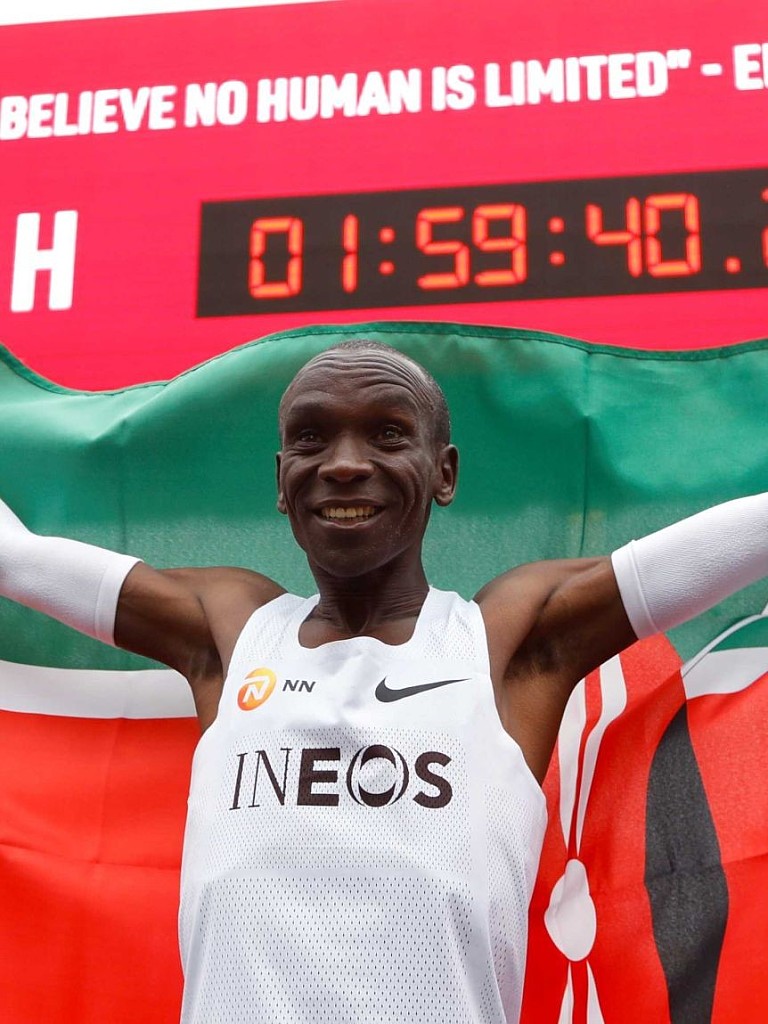
Elite runners need a specific combination of physiological abilities to have any chance of running a sub-two-hour marathon, new research shows
The study is based on detailed testing of athletes who took part in Nike's Breaking2 project -- an ambitious bid to break the two-hour barrier.
Professor Andrew Jones, of the University of Exeter, said the findings reveal that elite marathon runners must have a "perfect balance" of VO2 max (rate of oxygen uptake), efficiency of movement and a high "lactate turn point" (above which the body experiences more fatigue).
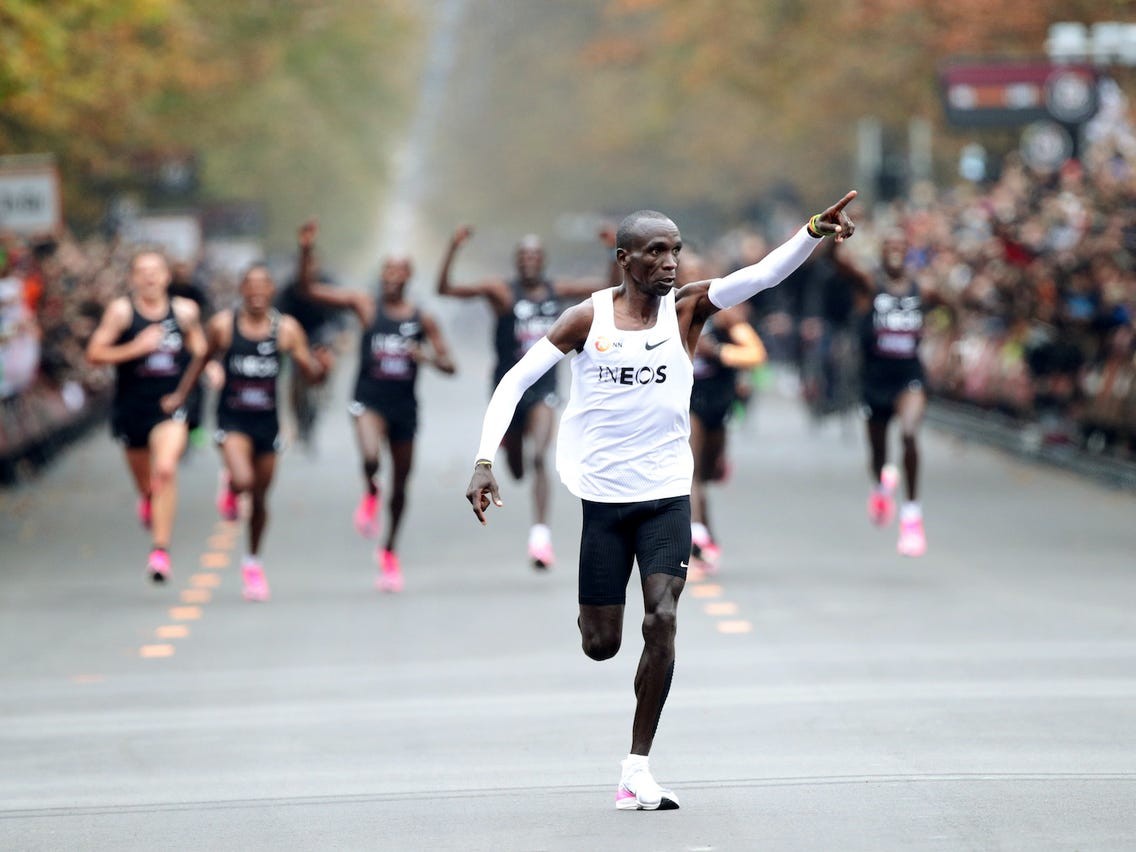
The VO2 measured among elite runners shows they can take in oxygen twice as fast at marathon pace as a "normal" person of the same age could while sprinting flat-out.
"Some of the results -- particularly the VO2 max -- were not actually as high as we expected," Professor Jones said.
"Instead, what we see in the physiology of these runners is a perfect balance of characteristics for marathon performance.
"The requirements of a two-hour marathon have been extensively debated, but the actual physiological demands have never been reported before."
The runners in the study included Eliud Kipchoge, who took part in Breaking2 -- falling just short of the two-hour target -- but later achieving the goal in 1:59:40.2 in the Ineos 1:59 challenge.
Based on outdoor running tests on 16 athletes in the selection stage of Breaking2, the study found that a 59kg runner would need to take in about four litres of oxygen per minute (or 67ml per kg of weight per minute) to maintain two-hour marathon pace (21.1 km/h).
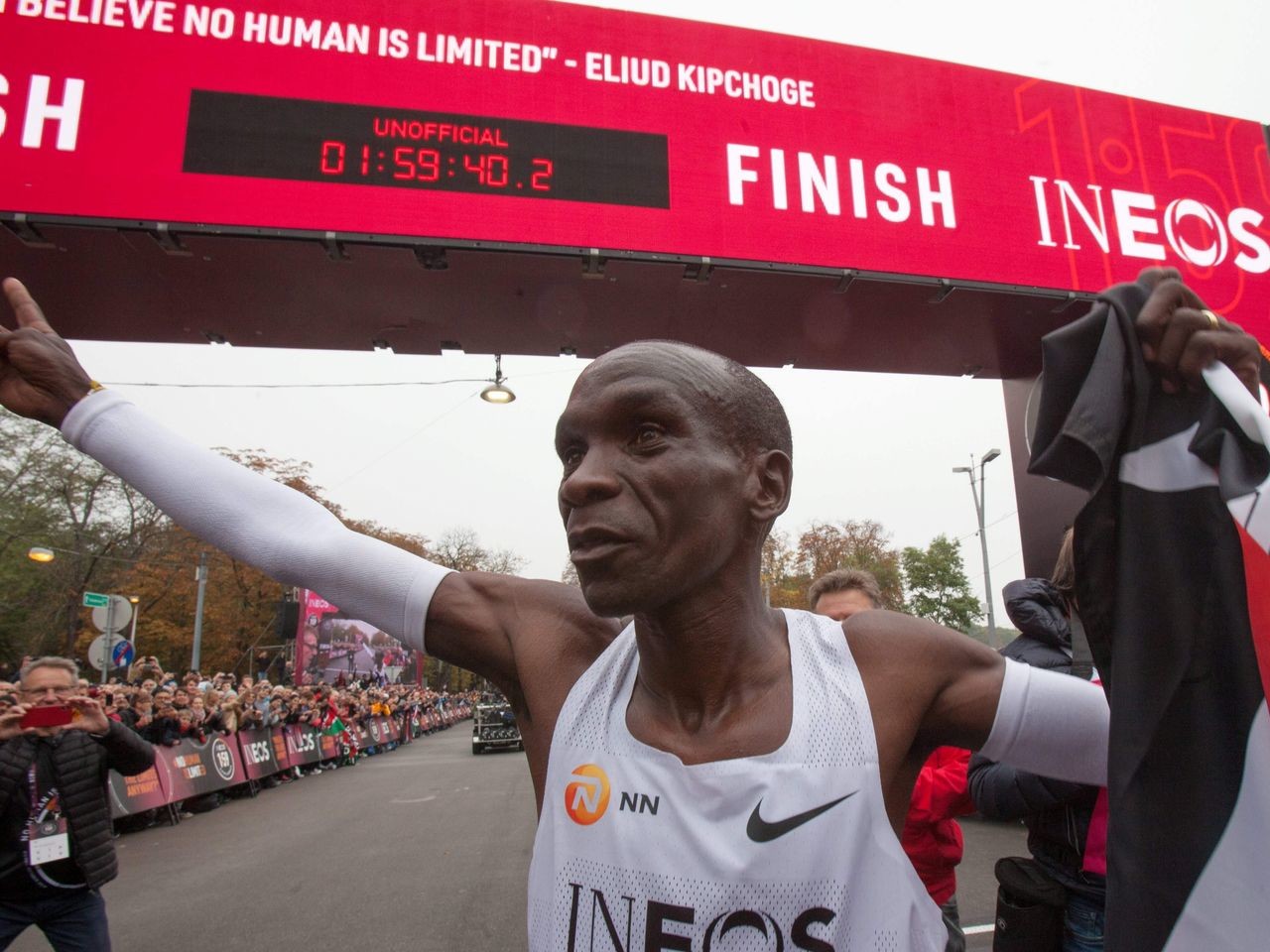
"To run for two hours at this speed, athletes must maintain what we call 'steady-state' VO2," Professor Jones said.
"This means they meet their entire energy needs aerobically (from oxygen) -- rather than relying on anaerobic respiration, which depletes carbohydrate stores in the muscles and leads to more rapid fatigue."
In addition to VO2 max, the second key characteristic is running "economy," meaning the body must use oxygen efficiently -- both internally and through an effective running action.
The third trait, lactate turn point, is the percentage of VO2 max a runner can sustain before anaerobic respiration begins.
"If and when this happens, carbohydrates in the muscles are used at a high rate, depleting glycogen stores," Professor Jones explained.
"At this point -- which many marathon runners may know as 'the wall' -- the body has to switch to burning fat, which is less efficient and ultimately means the runner slows down.
"The runners we studied -- 15 of the 16 from East Africa -- seem to know intuitively how to run just below their 'critical speed', close to the 'lactate turn point' but never exceeding it.
"This is especially challenging because -- even for elite runners -- the turn point drops slightly over the course of a marathon.
"Having said that, we suspect that the very best runners in this group, especially Eliud Kipchoge, show remarkable fatigue resistance."
The testing, conducted in Exeter and at Nike's performance centre in Oregon, USA, provided a surprising experience for a group of amateur runners in the UK.
"We tested 11 of the 16 runners at Exeter Arena a few years ago," Professor Jones said.
"Some local runners were there at the time, and it was a real eye-opener for them when a group of the world's best athletes turned up.
"The elite runners were great -- they even joined in with the local runners and helped to pace their training."
Story Source:
Materials provided by University of Exeter.
by University of Exeter
Login to leave a comment
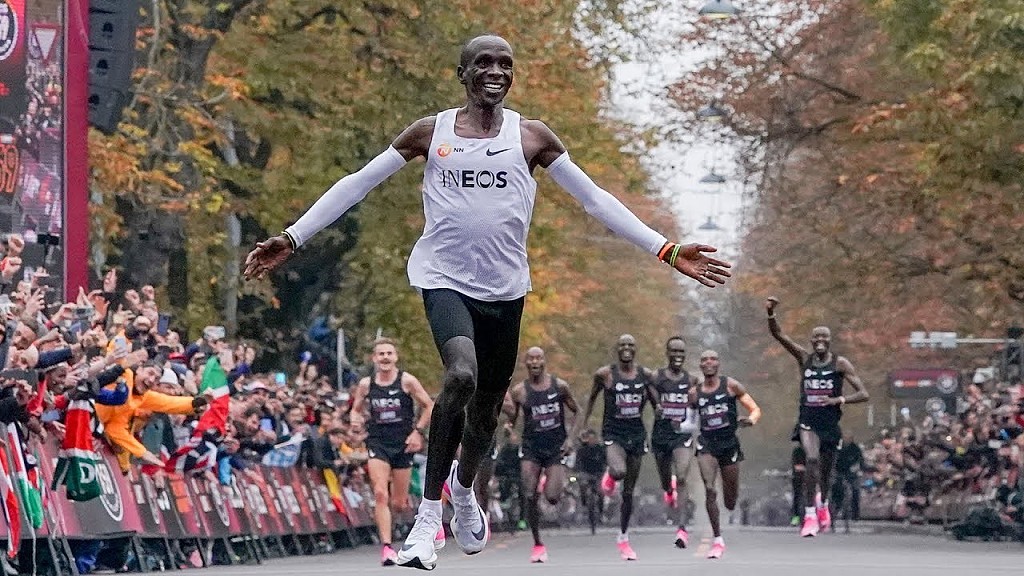
2020 Vienna City Marathon will celebrate the anniversary of the INEOS 1:59 Challenge and Eliud Kipchoge’s historic marathon in Vienna on Monday
The Vienna City Marathon will celebrate the first anniversary of the INEOS 1:59 Challenge and Eliud Kipchoge's historic marathon in Vienna during this weekend and on Monday. The Kenyan became the first athlete to break the two hour marathon barrier a year ago in Vienna. He clocked 1:59:40.2 on the Prater Hauptallee on 12th October 2019. His race still inspires and excites people throughout the world today.
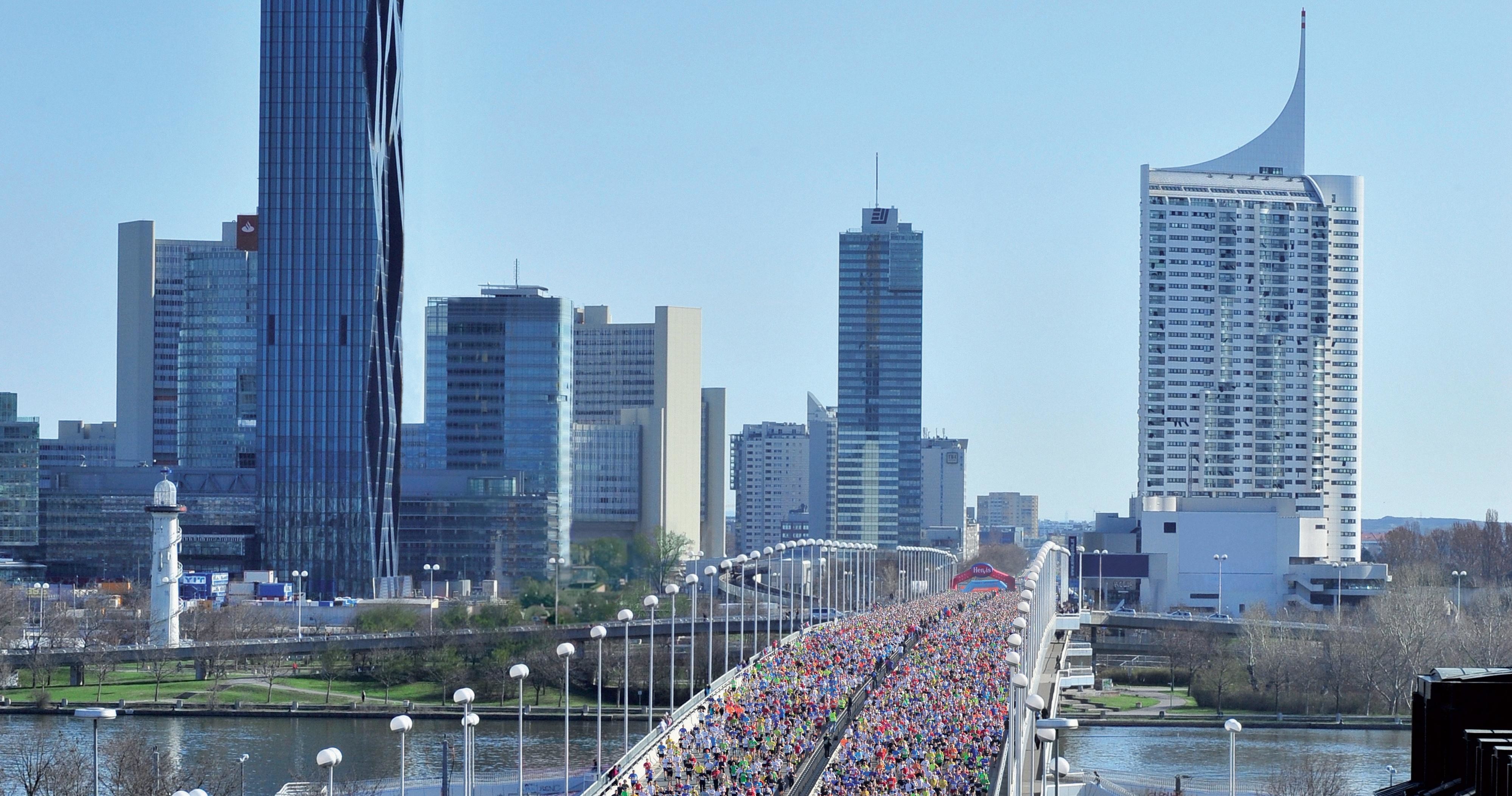
The Vienna City Marathon (VCM) will organize the "VCM Tribute to Eliud Race" on Monday, 12 October. The challenge is to cover as much distance as possible during a set time of 1:59:40.2. There will be two separate races during the afternoon and in early evening in the Prater Park, the venue of Kipchoge’s unique race. While these races are almost sold out runners all over the world have the opportunity to participate in a virtual event which runs from Saturday until Monday.
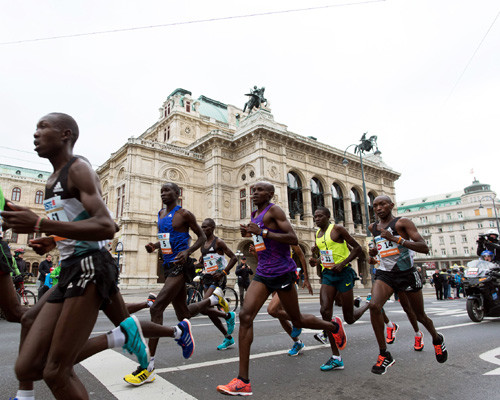
You can run or walk for 1:59:40.2 with family, friends or alone wherever you are. Whether it is a half marathon or an even longer distance, you can track your activity and upload your distance with a GPS sports watch or a running app. The challenge ends on Monday at 8.30 pm (Central European Time). At this time you will need to have entered the distance you have covered. Please follow your local Covid-19 rules when you choose the location of your race.
By taking part in the "VCM Tribute to Eliud Race" runners will support a VCM charity project. The organizers support the running and health initiative "The Daily Mile Austria", which is active in primary schools and kindergardens. Runners who enter the virtual race will receive an individual start number with their name and the signature of Eliud Kipchoge to download and print. They will also receive a certificate with a signature of Eliud Kipchoge to download and print. While they will be included in the results list of the "Tribute to Eliud - Global Race" they also become part of the "Tribute to Eliud" community.
Next year’s Vienna City Marathon, a World Athletics Gold Label Road Race, will take place on 12 September.
Login to leave a comment

Vienna City Marathon
More than 41,000 runners from over 110 nations take part in the Vienna City Marathon, cheered on by hundreds of thousands of spectators. From the start at UN City to the magnificent finish on the Heldenplatz, the excitement will never miss a beat. In recent years the Vienna City Marathon has succeeded in creating a unique position as a marathon...
more...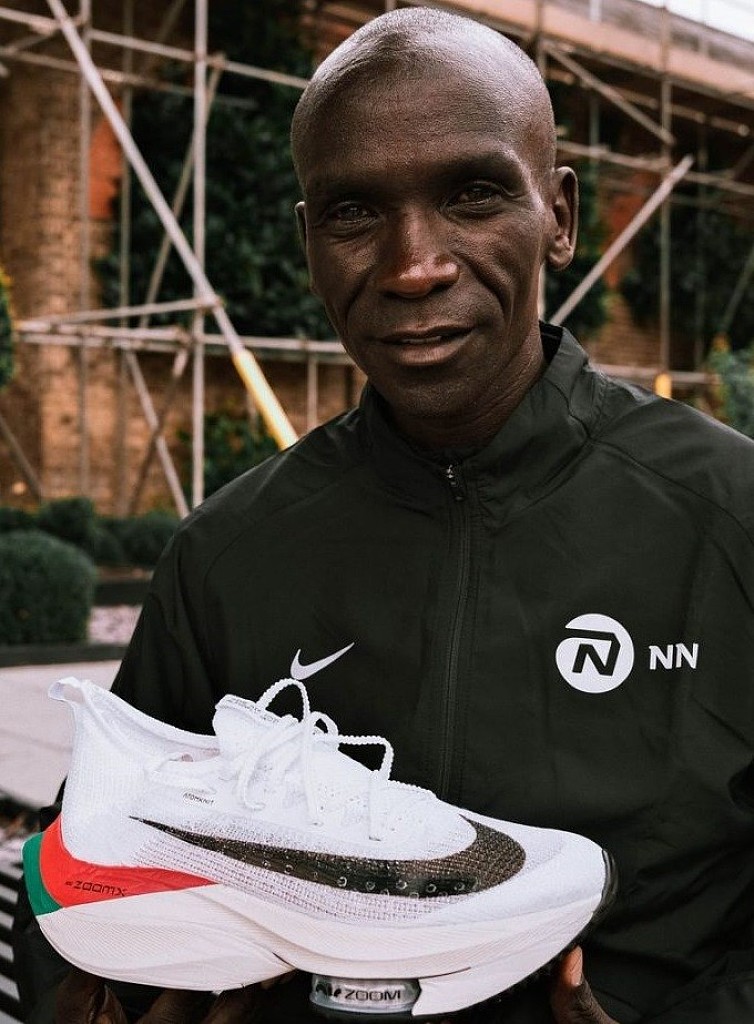
Eliud Kipchoge has unveiled the shoes he will use for London Marathon this Sunday, inspired by Kenyan flag
Eliud Kipchoge, the world marathon record holder, will be cladding a Kenyan flag-inspired Nike “Alpha fly N% Kenya”, custom made for him for this race.
"The shoes for Sunday's competition. Inspired by colours of the Kenyan flag, representing (the) great people of this beautiful country and to celebrate one year anniversary of the achievement 1:59:40 in marathon distance by EK," Kipchoge posted in his official Facebook page.
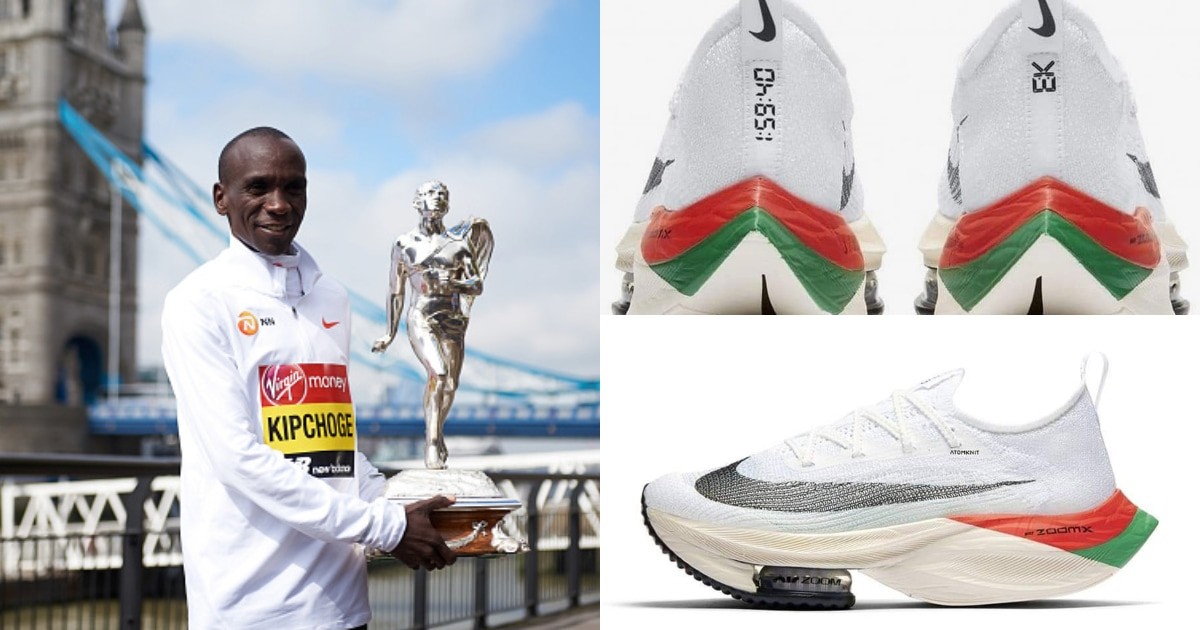
It is an Alpha fly N% shoe, just like the one he used during the Ineos 1:59 Challenge in Vienna last year.
The personal details include a green-and-red colourway – a nod to the national flag of Kenya. The shoes also feature the runner’s initials and 1:59:40 – the time he ran in Vienna.
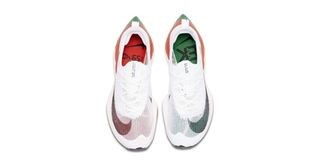
The Kenyan distance running legend became the first man to run the marathon in under two hours after clocking 1:59:40.2 in Vienna.
This Sunday, Kipchoge comes face-to-face with Ethiopia's distance running great Kenenisa Bekele, who is also the second fastest man in marathon.
There were some complaints after the Ineos 1:59 Challenge with ritics claiming that the shoe had multiple carbon plates and there were calls for it to be banned from competition.
However, Kipchoge and Nike have always insisted that it’s not about the shoes but the person using them.
“The shoes have not been banned hence I am looking forward to another great show on them as I seek my fourth victory on the course,” said Kipchoge during the launch of domestic tourism at the Serena Mara in the Maasai Mara, Narok County in August.
Defending women’s London Marathon champion Brigid Kosgei also used similar shoes when she set the women’s world marathon record in winning the Chicago Marathon in 2:14:04, just a day after Kipchoge’s exploits in Vienna.
Then Bekele would come close to breaking Kipchoge’s world marathon record of 2:01:39 set by Kipchoge in Berlin in 2018 by two seconds when he won in Berlin in 2:01:41 last year.
Nike's Vaporfly range was the talk around the world with the feeling that it gave undue advantage to other runners owing to its sole technology.
However, World Athletics — the global athletics governing body — said it will not ban the shoes but would instead institute tighter regulations around high-tech running shoes.
by Ayumba Ayodi
Login to leave a comment
TCS London Marathon
Since its inaugural edition on March 29, 1981, the TCS London Marathon has grown into one of the world's most prestigious road races, blending elite competition with an extraordinary charitable legacy. Founded by former Olympic champion and journalist Chris Brasher alongside Welsh athlete John Disley, the event has been staged every year and has been held in the spring annually...
more...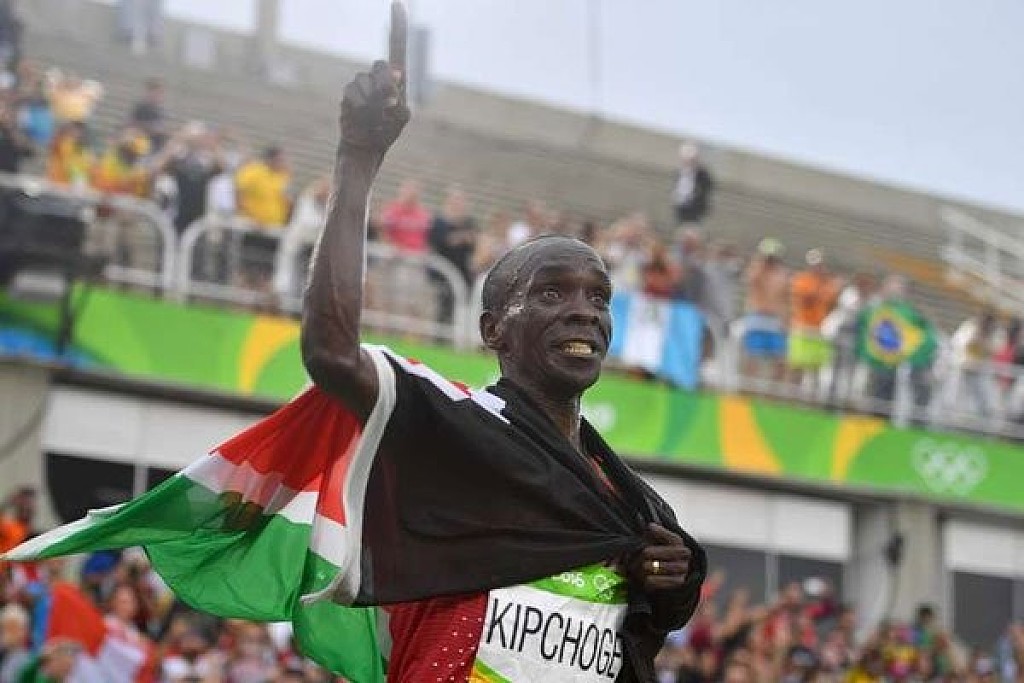
Eliud Kipchoge says the IOC and the Japanese government made the right decision to postpone the Tokyo Olympic Games and move it to 2021
Marathon great Eliud Kipchoge, who was due to defend his Olympics marathon title in the 2020 Tokyo Games later this year, said the decision by the IOC and the Japanese Government was the right one as the world battles to curb the spread of the coronavirus pandemic.
"All in all a very wise decision to postpone the Olympics until 2021. I look forward to come back to Japan to defend my Olympic title next year and look forward to witness a wonderful event. I wish everybody good health in these challenging times," the world marathon record holder tweeted.
Kipchoge, who is in the Kenyan men's marathon team along side Boston and Chicago marathons champion Lawrence Cherono and World Championships marathon bronze medalist Amos Kipruto, won the 2016 Rio Olympics gold medal in 2 hours 8 minutes 44 seconds.
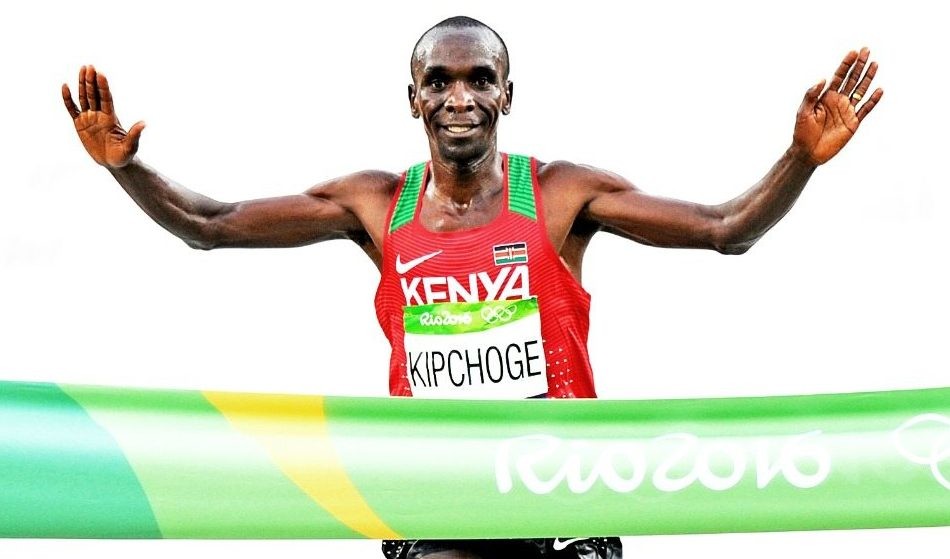
Kipchoge became the first man to run the full marathon in under two hours after his 1:59:40.2 feat during the Ineos Challenge in Vienna last year.
Olympics javelin silver medalist Julius Yego also took to his Instagram account to express his views over the postponement of the Games to 2021.
"It's been all fun and smiles and happiness in preparation for this year's Tokyo Olympics but then the unexpected came!#Covid-19!! Terrible and scaring respiratory disease! But it's all upon us to compete against our dear opponents, we together on this fight to overcome the world pandemic, see you next year in Tokyo at the very least, stay safe and stay home," said Yego.
by Japheth Mutinda
Login to leave a comment

Tokyo 2020 Olympic Games
Fifty-six years after having organized the Olympic Games, the Japanese capital will be hosting a Summer edition for the second time, originally scheduled from July 24 to August 9, 2020, the games were postponed due to coronavirus outbreak, the postponed Tokyo Olympics will be held from July 23 to August 8 in 2021, according to the International Olympic Committee decision. ...
more...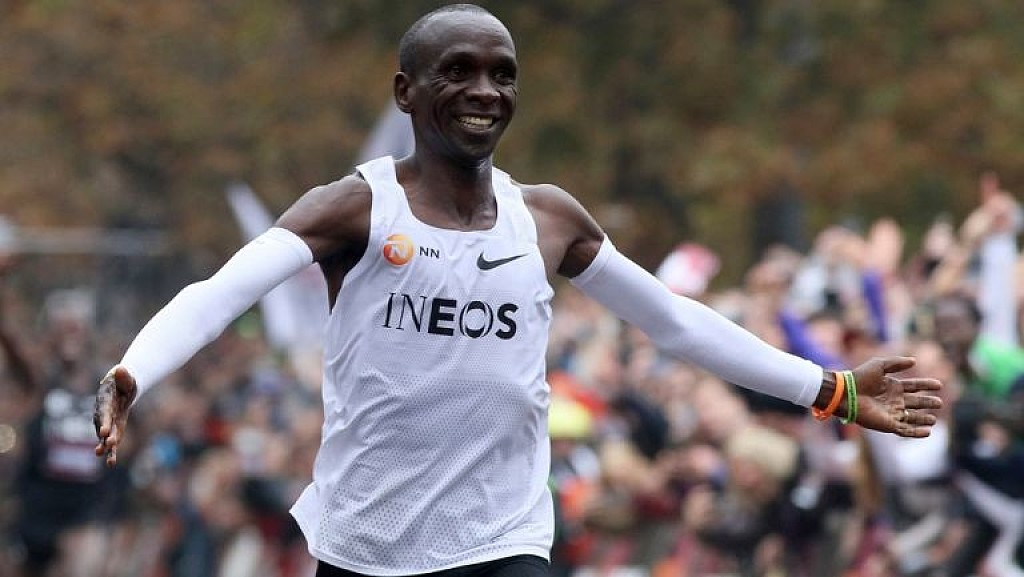
What is Eliud Kipchoge secrets for being one of the best runners in the world ever
Consistency, self-discipline and hard work are the ingredients that made him retain the World Athletics Male Athlete of the Year title, Olympic marathon champion Eliud Kipchoge said on Sunday.
The world marathon record holder, who tuned 35 on November 5, edged out four other contestants to retain the award during the World Athletics gala in Monaco on Saturday night.
Kipchoge, who was not at the gala but accepted the accolade in a telecast interview, won the London Marathon on April 28 in a course record of two hours, two minutes and 37 seconds.
It was Kipchoge’s fourth victory in London, having staged similar exploits in 2015 (2:04:42), 2016 (2:03:05) and 2018 (2:04:17).
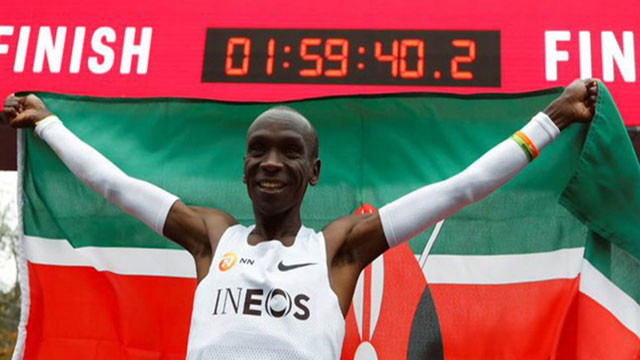
However, what perhaps engrossed the world was when he made history as the first man to run a marathon under two honors, completing the “Ineos 1:59 Challenge” in 1:59:40.2 on October 12 in Vienna, Austria.
This was the second time Kipchoge, the 2016 Rio Olympic Games marathon champion, was attempting to run a marathon under two hours, having fallen short by 26 seconds during the Nike Breaking2 on May 6, 2017, in Monza, Italy.
“Consistency is the key in sport while self-discipline is the mother and father of not only sports but any other undertaking,” said Kipchoge. “Working hard is recognizable in the world of sports.”
The athlete said that breaking the two-hour barrier was the true inspiration to the generation, what with 500 million people having watched the race live in the duration of 1:59.40.
“One billion people had watched by the end of the day on October 12. It goes further to affirm that no human is limited. It was truly historic for me since I’m sure I’ve helped some people kick out the limitations in their mind to achieve what they had deemed impossible,” he said.
by Ayumba Ayodi
Login to leave a comment
INEOS 1:59 Challenge
Mankind have constantly sought to reach new frontiers and to achieve the impossible. From Edmund Hillary reaching the summit of Mount Everest to Roger Bannister’s four-minute mile to Felix Baumgartner jumping from space we have frequently redefined the limits of human achievement and broken new barriers previously seen as simply impossible. After the four-minute mile and the ten second 100m...
more...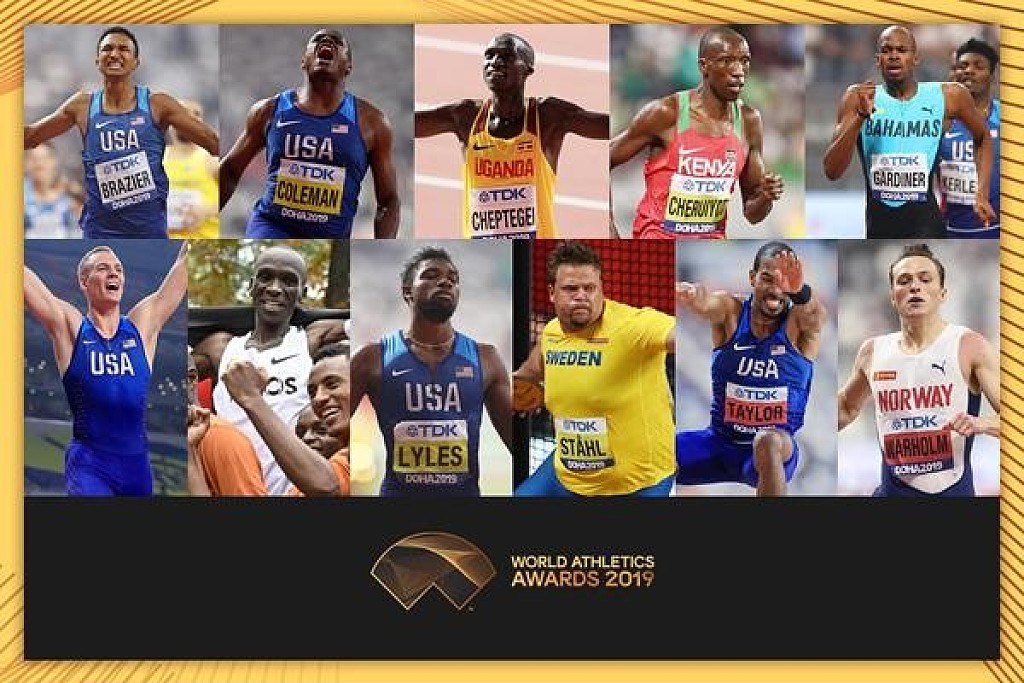
NOMINEES ANNOUNCED FOR MALE WORLD ATHLETE OF THE YEAR 2019
This week marks the opening of the voting process for the 2019 World Athletes of the Year ahead of the World Athletics Awards 2019 in Monaco on Saturday 23 November.
The IAAF is pleased to confirm a list of 11 nominees for Male World Athlete of the Year who were selected by an international panel of athletics experts, comprising representatives from all six continental areas of the IAAF. The nominations of 11 athletes reflects the remarkable range of exceptional performances that the sport has witnessed this year, at the IAAF World Athletics Championships in Doha, and in the Diamond League and in road and cross country events. The IAAF’s Competition Performance Ranking show that the World Championships in Doha was the highest quality competition in the history of the event.
The nominees for 2019 Male World Athlete of the Year are (in alphabetical order):
Donavan Brazier (USA) - won world 800m title in a championship record of 1:42.34, won Diamond League title, won four of his five outdoor 800m races
Christian Coleman (USA) - won world 100m title in a world-leading 9.76, won world 4x100m title in a world-leading 37.10, won four of his five races at 100m
Joshua Cheptegei (UGA) - won world cross-country title in Aarhus, won world 10,000m title in a world-leading 26:48.36, won Diamond League 5000m title
Timothy Cheruyiot (KEN) - won world 1500m title, won Diamond League 1500m title, won 10 of his 11 outdoor races across all distances,
Steven Gardiner (BAH) - won world 400m title in 43.48, undefeated all year over 400m, ran world-leading 32.26 indoors over 300m
Sam Kendricks (USA) - won world pole vault title, cleared a world-leading 6.06m to win the US title, won 12 of his 17 outdoor competitions, including the Diamond League final
Eliud Kipchoge (KEN) - won London Marathon in a course record of 2:02:37, ran 1:59:40.2 for 42.195km in Vienna
Noah Lyles (USA) -won world 200m and 4x100m titles, ran a world-leading 19.50 in Lausanne to move to fourth on the world all-time list, won Diamond League titles at 100m and 200m
Daniel Stahl (SWE) - won the world discus title, threw a world-leading 71.86m to move to fifth on the world all-time list, won 13 of his 16 competitions, including the Diamond League final
Christian Taylor (USA) - won the world triple jump title, won Diamond League title, won 10 of his 14 competitions
Karsten Warholm (NOR) - won the world 400m hurdles title, undefeated indoors and outdoors at all distances, including at the Diamond League final and the European Indoor Championships, clocked world-leading 46.92, the second-fastest time in history, A three-way voting process will determine the finalists.
The IAAF Council and the IAAF Family will cast their votes by email, while fans can vote online via the IAAF's social media platforms. Individual graphics for each nominee will be posted on Facebook, Twitter and Instagram this week; a 'like' on Facebook and Instagram or a retweet on Twitter will count as one vote.
The IAAF Council’s vote will count for 50% of the result, while the IAAF Family’s votes and the public votes will each count for 25% of the final result.
Voting for the Male World Athlete of the Year closes on 4 November. At the conclusion of the voting process, five men and five women finalists will be announced by the IAAF.
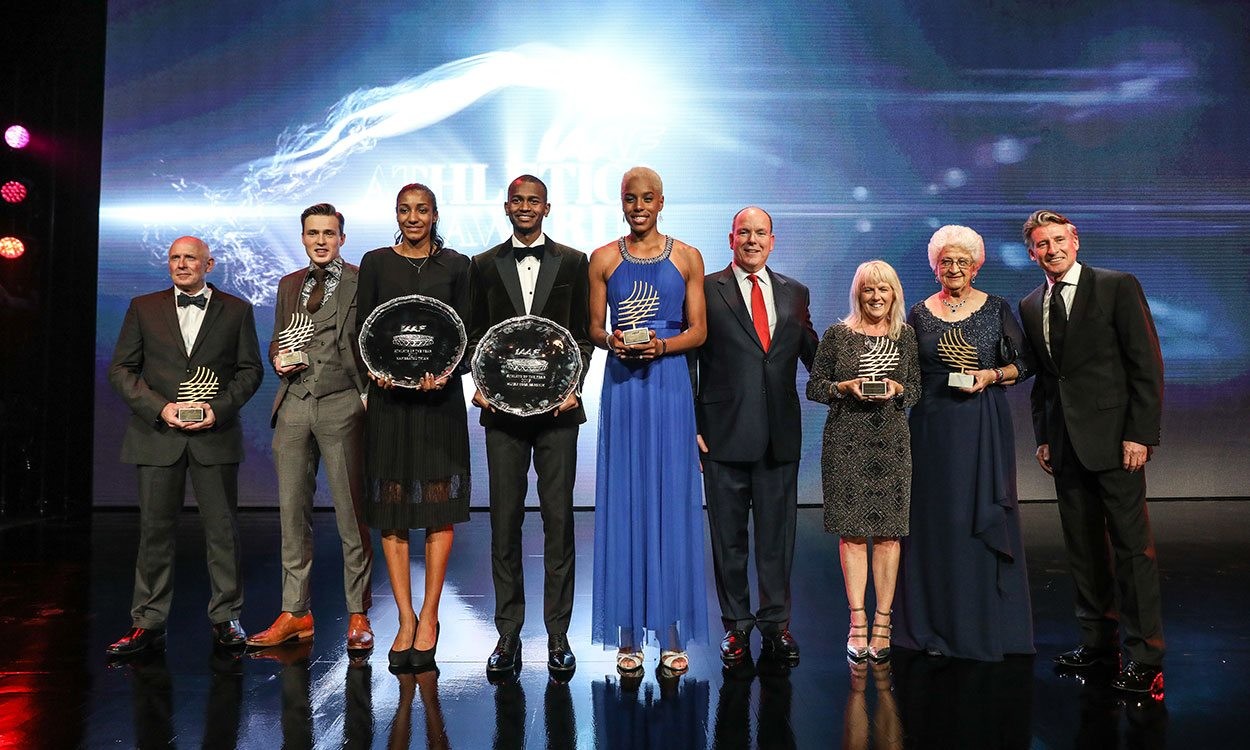
The male and female World Athletes of the Year will be announced live on stage at the World Athletics Awards 2019.
by IAAF
Login to leave a comment
