

Running News Daily
Running News Daily is edited by Bob Anderson and team. Send your news items to bob@mybestruns.com Advertising opportunities available.
Index to Daily Posts · Sign Up For Updates · Run The World Feed
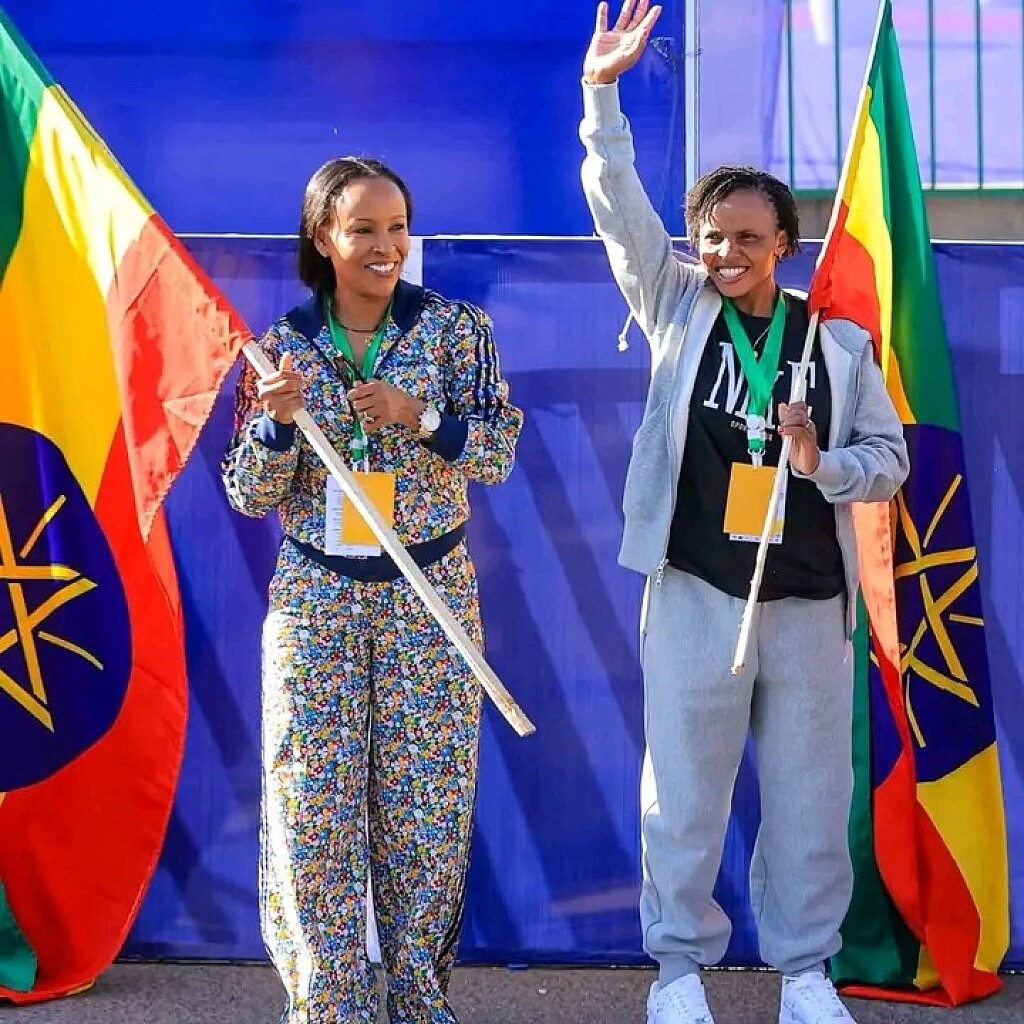


Meseret Defar And Beatrice Chebet Unite Two Generations Of 5,000m Greatness In Addis Ababa
Two remarkable champions from different generations of distance running came together in Addis Ababa as Ethiopia's legendary Meseret Defar and Kenya's Beatrice Chebet shared a special moment during the 26th edition of the Great Ethiopian Run on November 22, 2026.
The meeting brought together two athletes whose achievements have helped define the history of women's long-distance running, highlighting the extraordinary legacy of the 5,000m and the champions who have continued to push its boundaries.
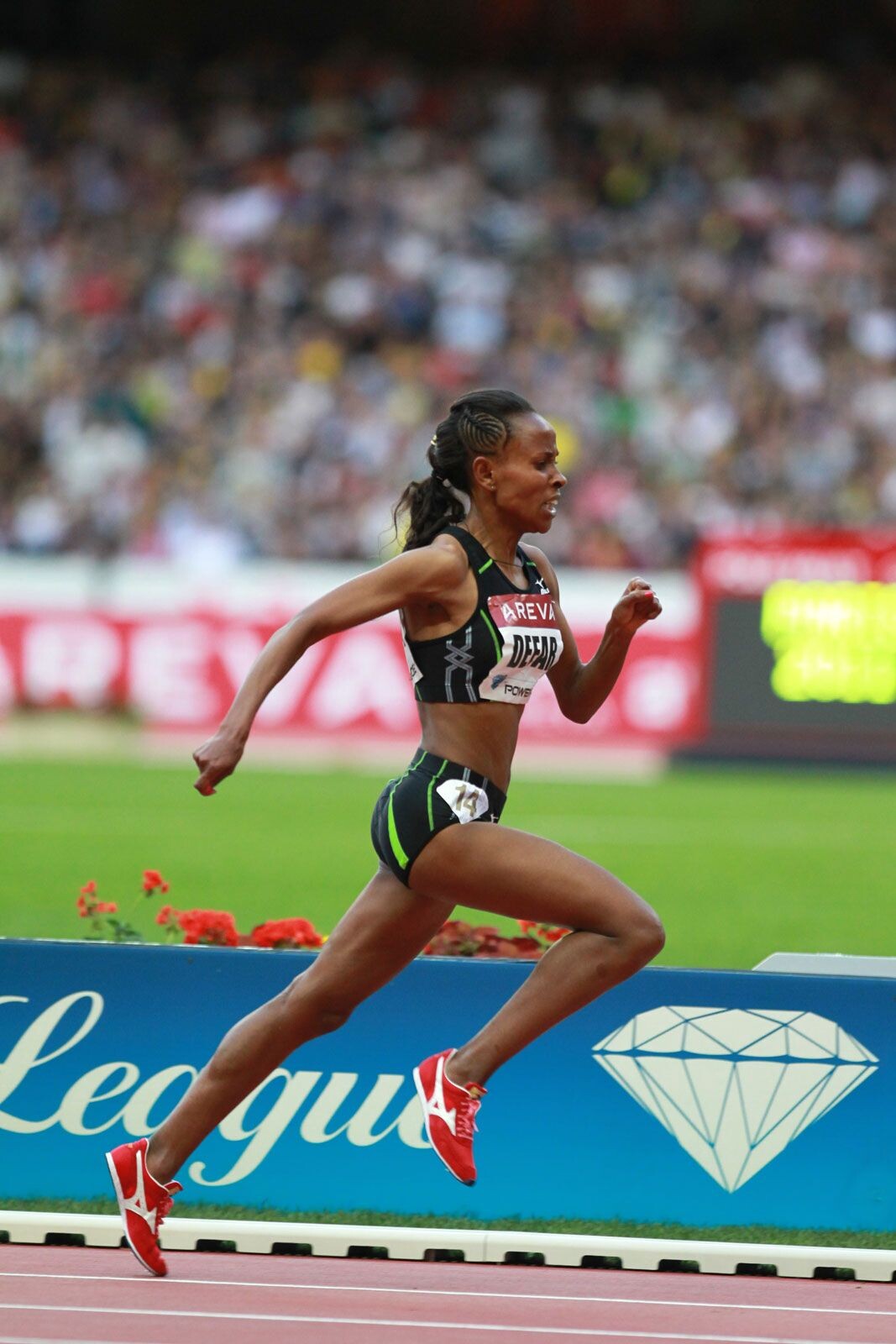
Defar, one of Ethiopia's greatest distance runners, built an illustrious career highlighted by two Olympic 5,000m titles and two World Championship gold medals. She also held the world record in the event with an outstanding time of 14:16.63, establishing herself as one of the defining figures of her generation.
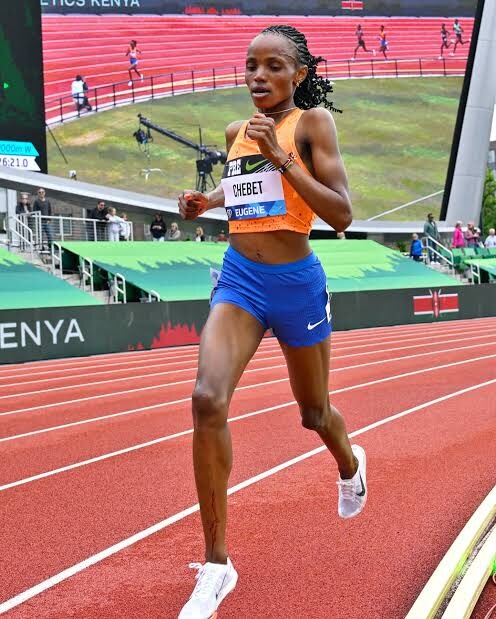
More than a decade later, Chebet has taken the event to unprecedented heights. The Kenyan superstar made history in July 2025 by becoming the first woman to break the 14-minute barrier, setting a remarkable world record of 13:58.06. Her achievements also include Olympic and World Championship titles in the 5,000m, alongside 10,000m gold medals at both championships.
Their meeting was particularly special as Chebet attended the celebrated Ethiopian road race as Guest of Honour, marking her first visit to Ethiopia and her first major public appearance since becoming a mother in June 2026. Her presence added further significance to an occasion celebrating the sport's finest achievements and the enduring connections between its greatest athletes.
Defar was also among the distinguished personalities at the celebrations, joining fellow athletics champions and Great Ethiopian Run founder Haile Gebrselassie in marking another memorable edition of the event.
Although their greatest achievements came in different eras, Defar and Chebet share something much bigger than their impressive records: they have both helped shape the evolution of women's distance running, inspiring generations of athletes to believe that even the most extraordinary performances can be surpassed.
From Defar's dominance on the global stage to Chebet's historic assault on the 14-minute barrier, their meeting in Addis Ababa was a powerful reminder that greatness does not belong to one generation alone. It is built, carried forward and redefined by those who follow.
by Erick Cheruiyot for My Best Runs.
Login to leave a comment
Latest Running News

Filipino Runner Turns Dubai Run Into a Powerful Reminder of Life in Shared Accommodation With Hilarious Bathroom-Themed Costume
A Filipino runner brought laughter and plenty of attention to the 2026 Dubai Run on Sunday after appearing in an unusual costume that turned an everyday struggle into one of the event’s most memorable moments.
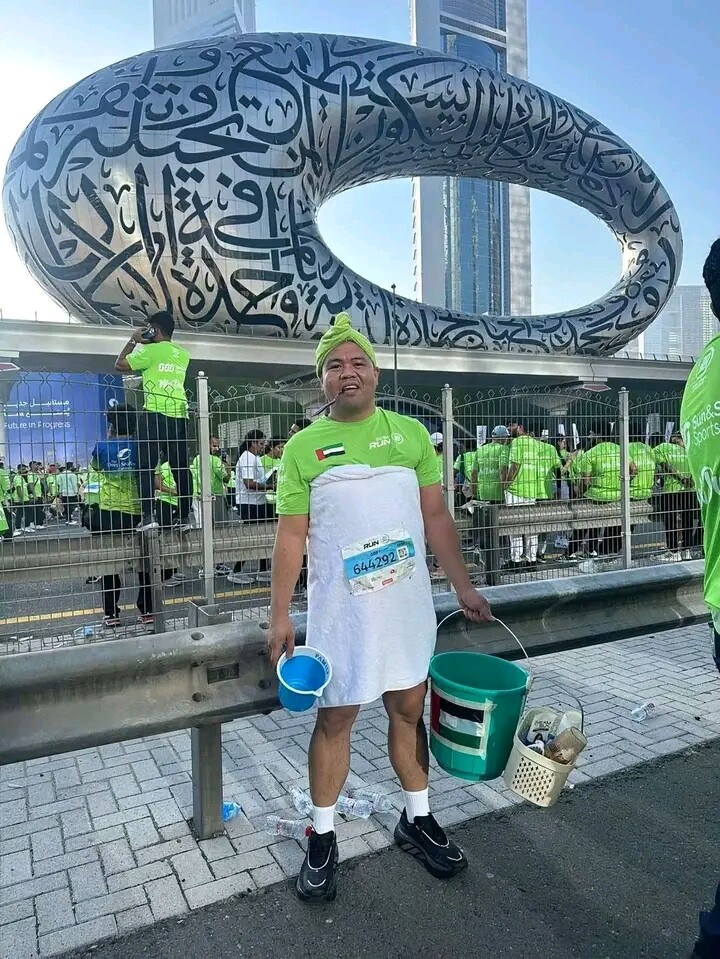
Known as Ang Less, the runner stood out from the thousands of participants by carrying an entire collection of bathroom essentials, including a towel, toothbrush, bucket, toiletries basket and a traditional Filipino water dipper known as a tabo.
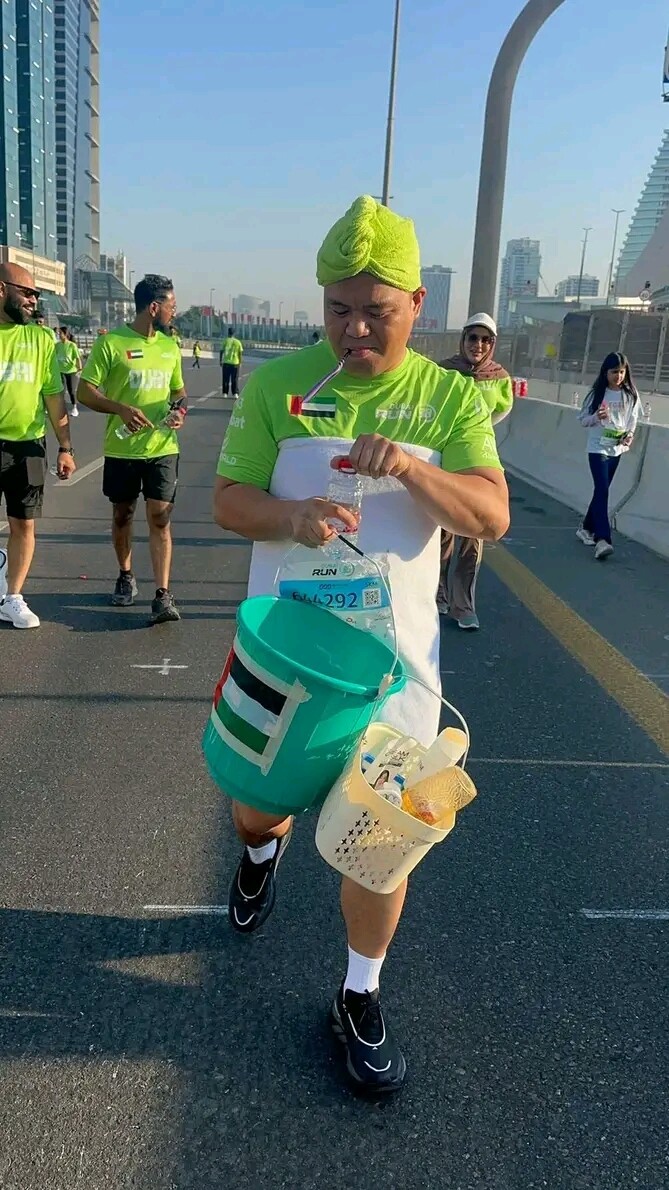
While the outfit looked humorous at first glance, it carried a much deeper meaning, reflecting a chapter of her life that many migrant workers in Dubai can easily relate to.
Ang Less used the costume to recreate her past experience of living in shared bed-space accommodation, where several people often share limited bathroom facilities. In such arrangements, getting ready for work can mean waiting in a long queue for a shower, carrying personal toiletries back and forth and patiently taking turns with other residents.
For her, the costume was more than just a creative outfit designed to entertain fellow runners. It was a personal reflection of the challenges she had experienced while navigating everyday life in Dubai.
Adding another humorous twist to her appearance, the costume also inspired the playful suggestion that even when you are running late, the opportunity to compete for the AED 10,000 prize money is simply too important to miss. It perfectly captured the spirit of Dubai Run 2026, where determination, creativity and a sense of humour came together.
Her unusual appearance also sparked a conversation about the creativity participants bring to the event, with many likely wondering what could be more memorable than turning an ordinary bathroom routine into a running costume.
Her appearance offered a refreshing reminder that behind the smiles, celebrations and colourful costumes at mass-participation events, there are often meaningful personal stories waiting to be told.
What initially looked like a funny bathroom-themed costume became a powerful tribute to humble beginnings, resilience and personal growth.
Sometimes, the greatest achievement is not simply how far you run, but how far you have travelled in life. And for Ang Less, the Dubai Run provided the perfect opportunity to celebrate that journey while making thousands of people smile.
by Erick Cheruiyot for My Best Runs.
Login to leave a comment
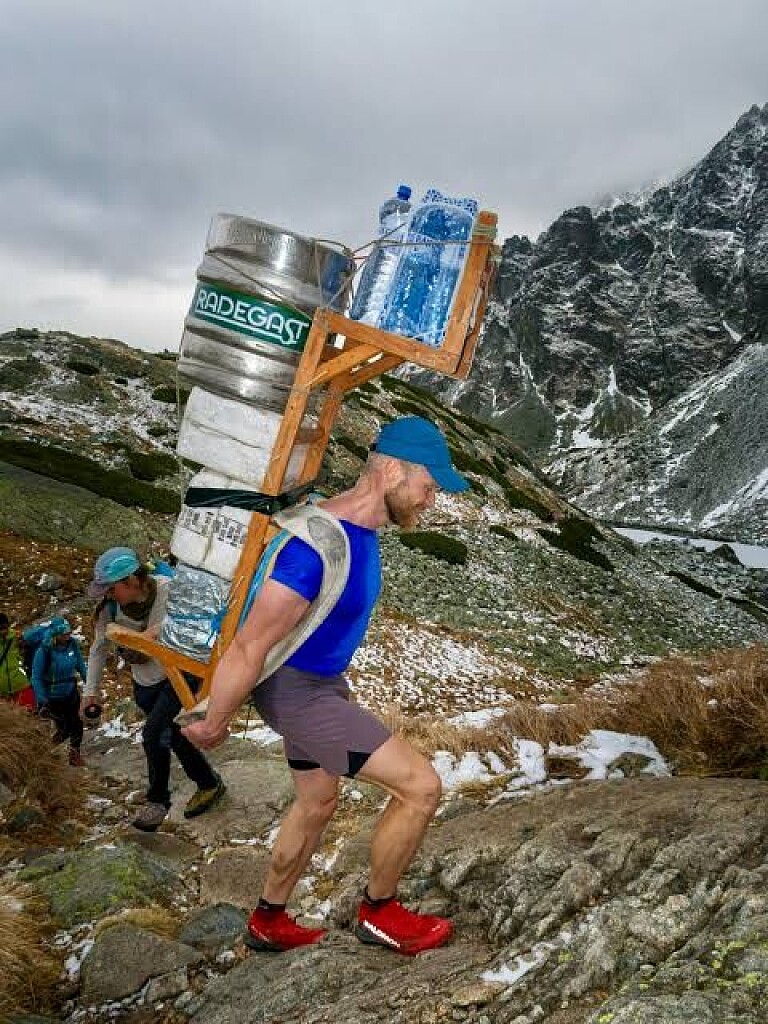
The World’s Toughest Beer Run? Runners Battle Steep Mountain Terrain Carrying Up To 60kg Of Supplies
Running up a steep mountain trail is already a demanding physical challenge, but imagine tackling the same terrain with a heavy keg of beer strapped to your back. That is the extraordinary test awaiting competitors at Slovakia’s annual Sherpa Rallye, one of the most unusual and physically demanding mountain races in the world.
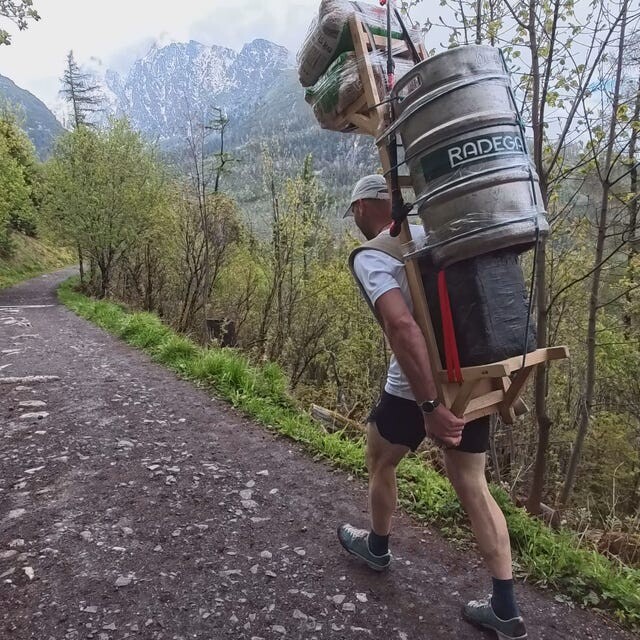
Held on October 24, the traditional event once again brought together mountain porters and endurance enthusiasts for a gruelling uphill journey through the rugged High Tatras mountain range, where strength, stamina and determination are pushed to their limits.
Unlike conventional running competitions, participants do not race empty-handed. Male competitors carry traditional wooden backpack frames loaded with supplies, including a 30-litre keg of beer, weighing more than 60 kilograms (130 pounds) in total. Female participants typically transport cases of beer and other supplies, with their loads weighing approximately 20 kilograms (44 pounds).
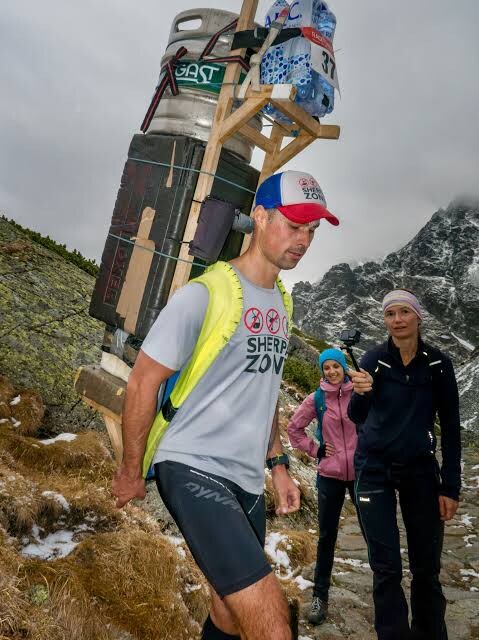
The challenge begins just above the mountain town of Starý Smokovec and follows a steep, rocky and technically demanding trail for approximately 3.5 miles (5.6 kilometres), finishing at Zbojnícka chata, a mountain refuge situated high in the High Tatras, more than a mile above sea level.
First organised in 1985, the Sherpa Rallye celebrates Slovakia’s remarkable tradition of mountain porters, locally known as horský nosi. These workers have spent generations transporting essential supplies to remote mountain huts, shelters and chalets that cannot be reached by conventional delivery vehicles.
The competition was founded by mountain porter Viktor Beránek as a way of bringing together people involved in this demanding profession and celebrating their unique contribution to life in the mountains.
Although commonly referred to locally as mountain sherpas, Slovakia’s porters have no ethnic or historical connection to the Sherpa people of the Himalayan region. Their work, however, reflects a similarly extraordinary commitment to carrying heavy loads through challenging mountain environments.
For these experienced porters, transporting food, beverages, equipment and other essential supplies is not simply a sporting challenge but part of their everyday responsibility. The Sherpa Rallye offers an opportunity to demonstrate the physical demands of a profession that remains an important part of the High Tatras' mountain culture.
Perhaps the most surprising part of the competition is what happens at the finish line. Despite carrying heavy kegs of beer and other supplies up the mountain, competitors do not get to celebrate by enjoying their precious cargo. Instead, everything they deliver is placed into storage at the mountain refuge for use during the winter season.
It is a remarkable combination of endurance sport, mountain tradition and sheer physical strength, making the Sherpa Rallye a race unlike almost any other in the world.
by Erick Cheruiyot for My Best Runs.
Login to leave a comment
Jimmy Gressier Breaks Silence on Kenyan Doping Scandals, Points Finger at Athlete Agents
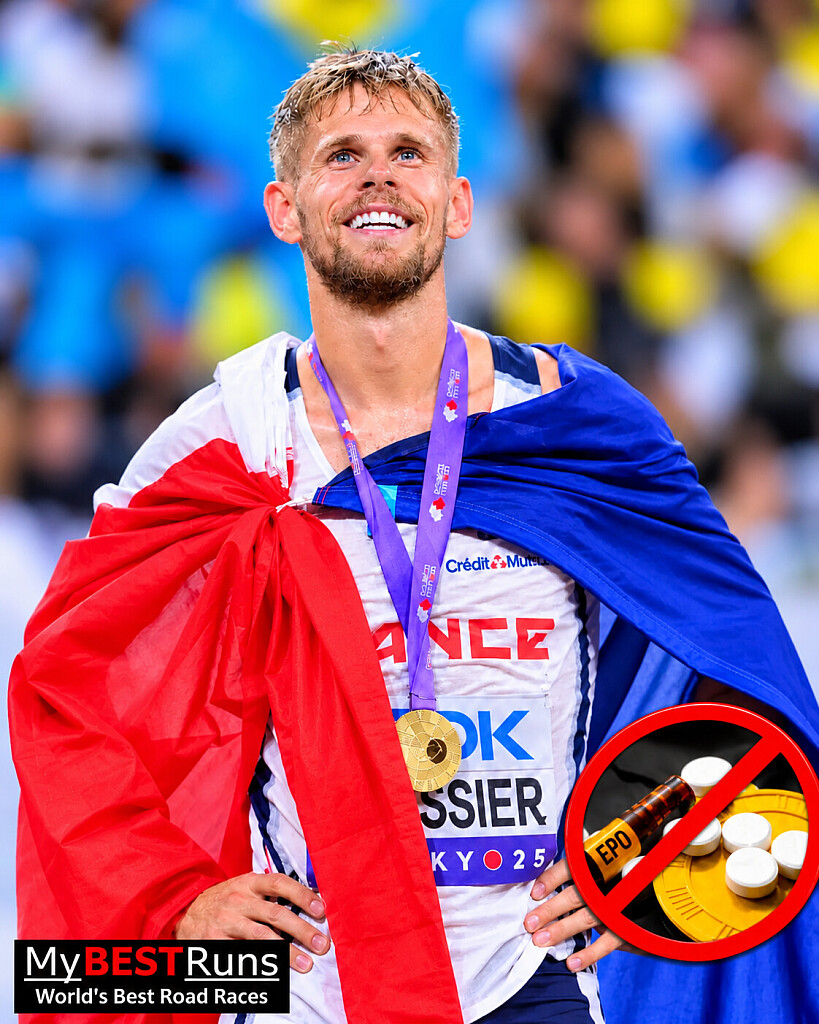
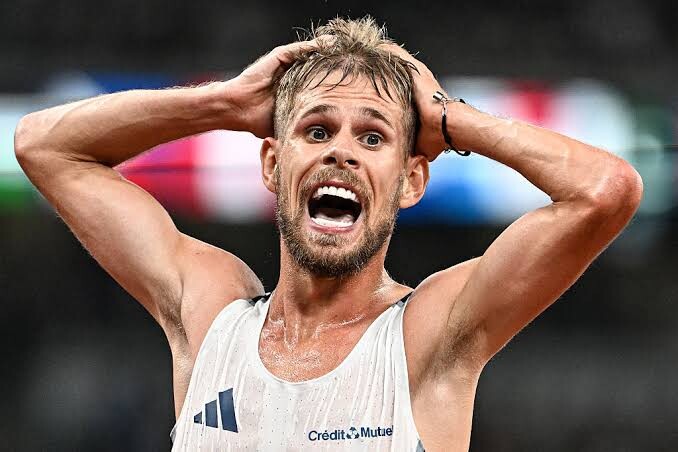
French distance-running star Jimmy Gressier has delivered a strong message on doping in athletics, arguing that the sport has been deceived for years by cheating among some Kenyan athletes while questioning the role played by those managing their careers.
The reigning world 10,000m champion took to Instagram on November 19, following the announcement of sanctions against three Kenyan athletes by the Athletics Integrity Unit (AIU). His comments reignited an increasingly important debate about doping in distance running, extending beyond individual athletes to the wider structures surrounding the sport.
Gressier expressed his frustration at what he believes has been a prolonged problem, suggesting that the athletics community had been misled by athletes who competed while violating anti-doping rules.
"I think that for a good number of years, we were duped by these athletes' cheating," he said.
However, the Frenchman also directed attention towards athlete agents, accusing some of exploiting the financial vulnerability of runners from Kenya. He argued that individuals who profit from managing athletes can contribute to an environment in which vulnerable competitors are exposed to pressure and questionable decisions.
Gressier acknowledged that poverty can help explain why some athletes might be tempted to turn to prohibited substances, particularly when they come from difficult economic backgrounds. Nevertheless, he made it clear that financial hardship cannot be used to justify doping.
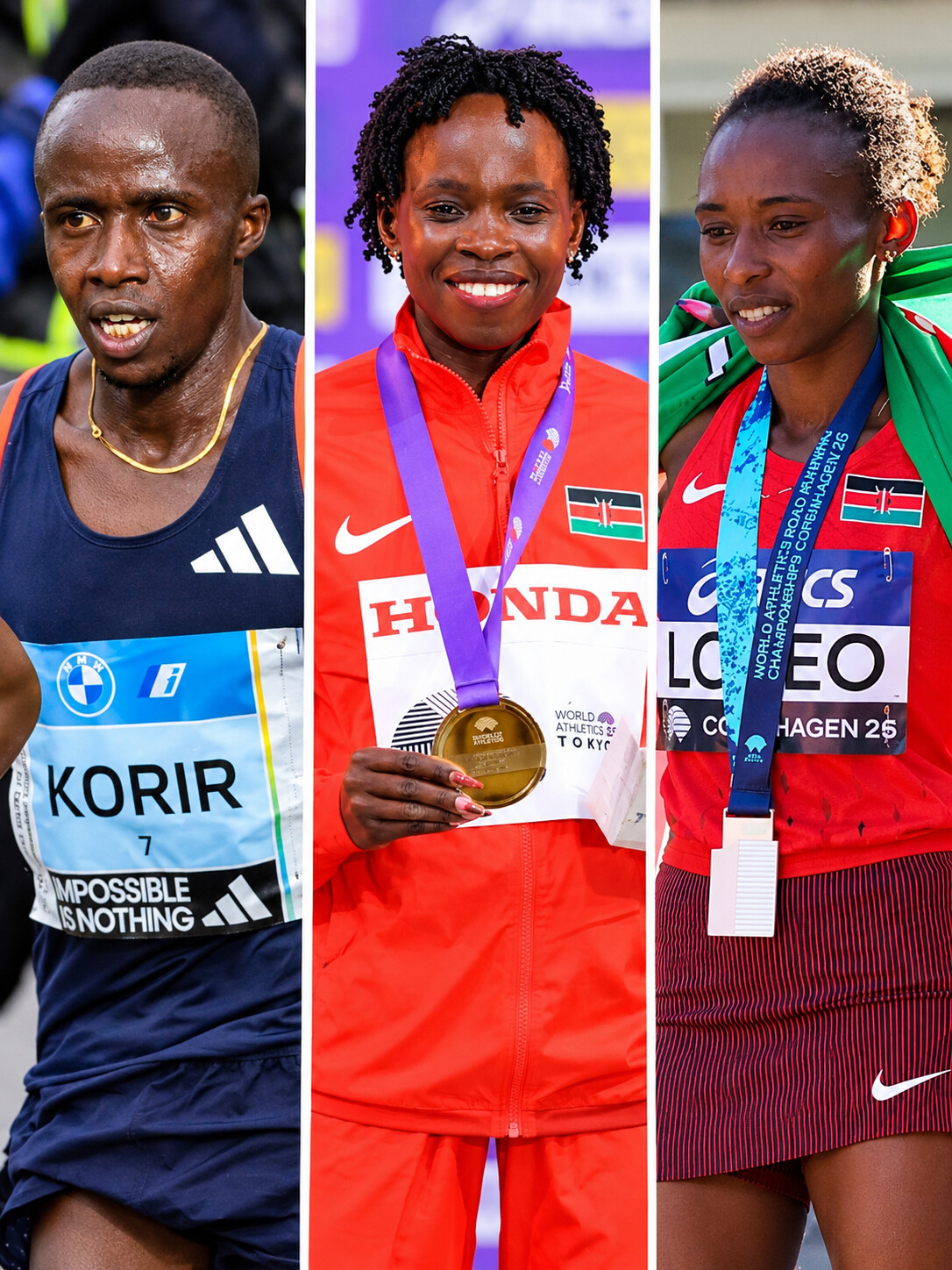
His remarks came on a particularly significant day for Kenyan athletics. The AIU announced three separate sanctions involving prominent Kenyan distance runners, including former world marathon champion Peres Jepchirchir, world half-marathon silver medallist Veronica Loleo and marathoner Ronald Korir.
Jepchirchir and Loleo each received three-year bans after committing EPO-related anti-doping violations, while Korir was handed a six-year suspension following an adverse finding connected to his Athlete Biological Passport.
The latest cases have once again placed Kenya's anti-doping efforts under scrutiny, with questions being raised about athlete management, education, testing and accountability across the sport.
However, Kenya's anti-doping leadership has pushed back against attempts to associate individual violations with the entire country's athletics community.
Peninah Wahome, head of the Anti-Doping Agency of Kenya (ADAK), told AFP that doping remains an individual decision and urged the public not to generalise the actions of a few athletes.
"It’s an individual decision by an athlete to dope, and let’s not condemn all the athletes," Wahome said.
Her response highlights an important distinction in the ongoing debate: while doping cases involving Kenyan athletes must be addressed firmly, they should not overshadow the achievements and integrity of the many clean competitors representing the country.
Gressier's intervention adds another prominent voice to the growing calls for greater accountability in athletics. Beyond suspensions and positive tests, the sport must also examine the networks surrounding athletes, including the agents and management structures that influence their careers.
Ultimately, protecting the credibility of athletics will require more than punishing those who break the rules. It will also mean strengthening anti-doping education, protecting vulnerable athletes and ensuring that everyone who profits from the sport contributes to keeping competition fair.
by Erick Cheruiyot for My Best Runs.
Login to leave a comment
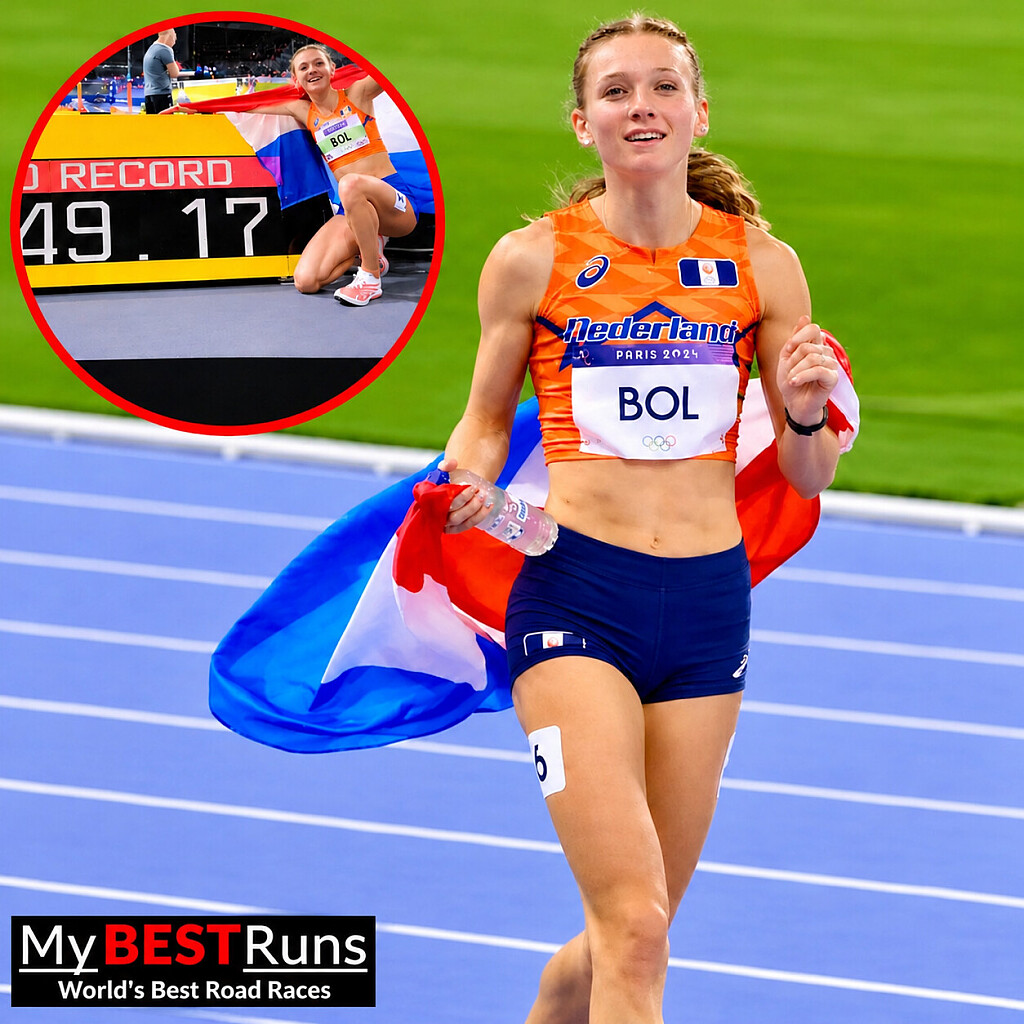
Is Femke Bol’s 400m Hurdles Career Over Forever? The Dutch Superstar’s Remarkable 800m Transformation Raises Big Questions Ahead Of LA 2028!
Could we have witnessed the final chapter of Femke Bol’s extraordinary career in the 400m hurdles? The two-time world champion has opened the door to the possibility that she may never return to the event that established her as one of the biggest stars in global athletics.
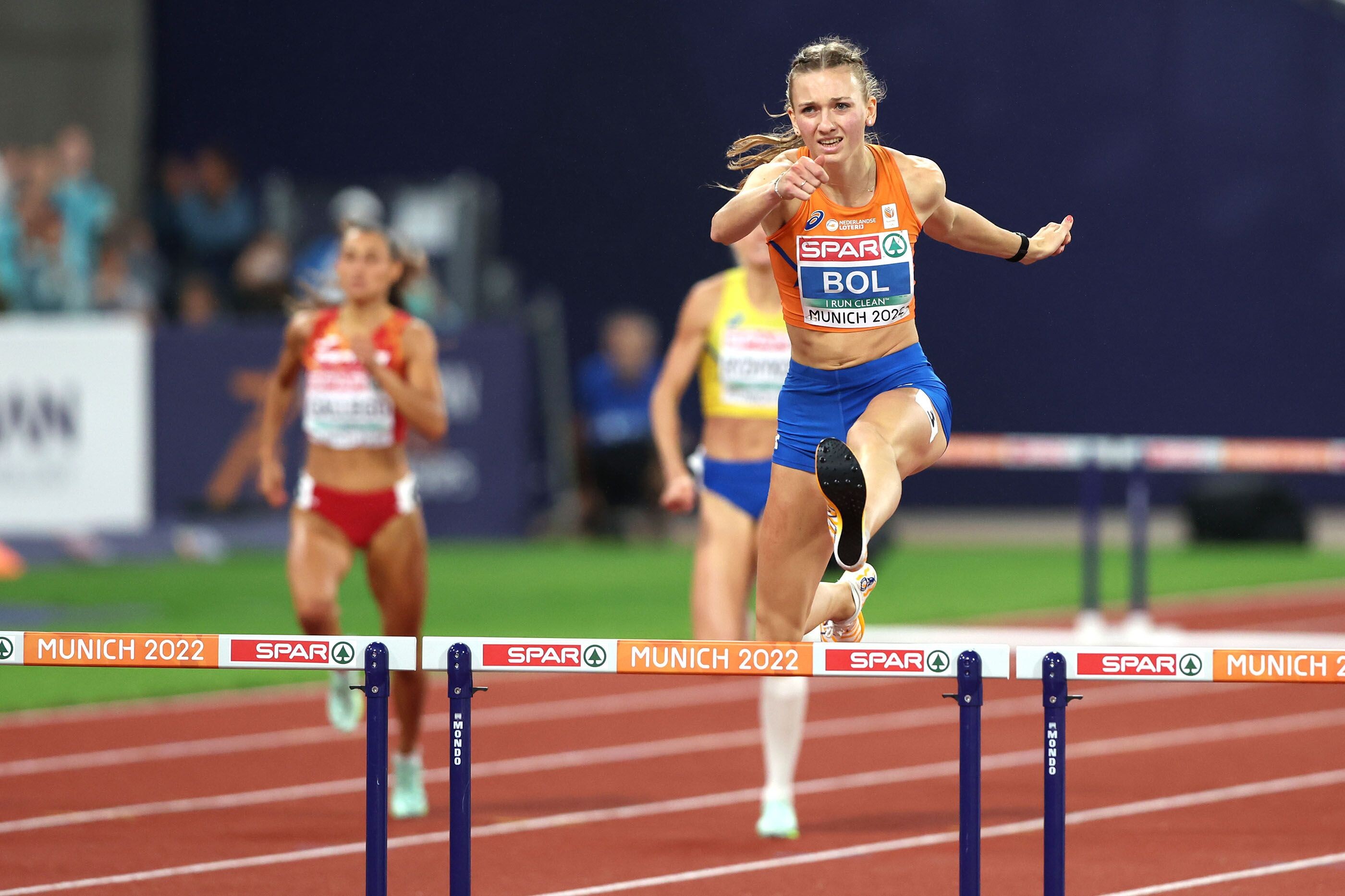
After successfully defending her 400m hurdles world title at the 2025 World Athletics Championships in Tokyo, the Dutch sensation made one of the boldest decisions of her career, announcing in October 2025 that she would move to the 800m in search of a new challenge.
It was a surprising change for an athlete who had spent years mastering the barriers, but her first full season over two laps in 2026 has demonstrated that she possesses the talent and determination to compete among the world's best in an entirely different discipline.
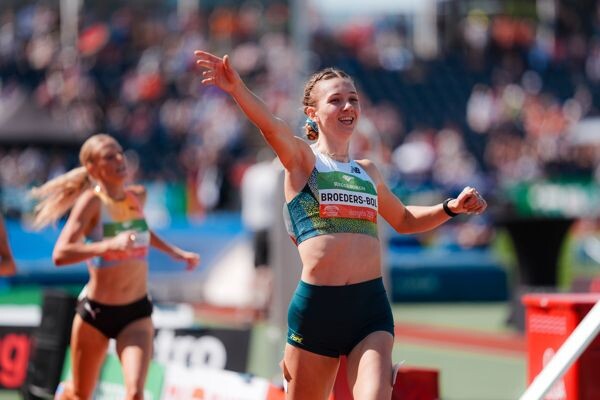
Bol's transition has already produced remarkable results. She claimed bronze at the European Athletics Championships in Birmingham, clocking 1:55.54, before securing another bronze medal at the World Athletics Ultimate Championships in Budapest with 1:56.74.
Her progress reached another level in August when she stormed to a Dutch national record of 1:54.71 in Zurich, establishing herself among the fastest women in the history of the event. The performance underlined just how quickly she has adapted to the demands of middle-distance running.
However, moving from the 400m hurdles to the 800m is about much more than simply running an additional lap. The event requires a different approach to pacing, tactical awareness, endurance and positioning, all of which Bol continues to develop as she gains experience against established middle-distance specialists.
Despite her impressive progress, the question surrounding her future in the 400m hurdles remains intriguing. Having already achieved almost everything there is to accomplish in her former speciality, Bol appears increasingly committed to discovering just how far her abilities can take her over 800 metres. Although a return to the hurdles has not been completely ruled out, the possibility of seeing her compete in the event again remains uncertain.
Her long-term ambitions are now firmly connected to the 2028 Los Angeles Olympic Games, where she will hope to transform her promising start in the 800m into a genuine challenge for Olympic gold.
The challenge will be enormous, particularly with established stars such as Keely Hodgkinson and rising Swiss sensation Audrey Werro setting the standard. Nevertheless, Bol's rapid improvement suggests that she should not be underestimated.
From conquering the barriers to embracing the tactical battles of two-lap racing, the Dutch superstar is proving that even the most successful athletes can reinvent themselves and pursue new ambitions.
Could Femke Bol become an Olympic 800m champion at Los Angeles 2028, or will we one day see her return to the 400m hurdles? One thing is certain: her next chapter promises to be fascinating.
by Erick Cheruiyot for My Best Runs.
Login to leave a comment
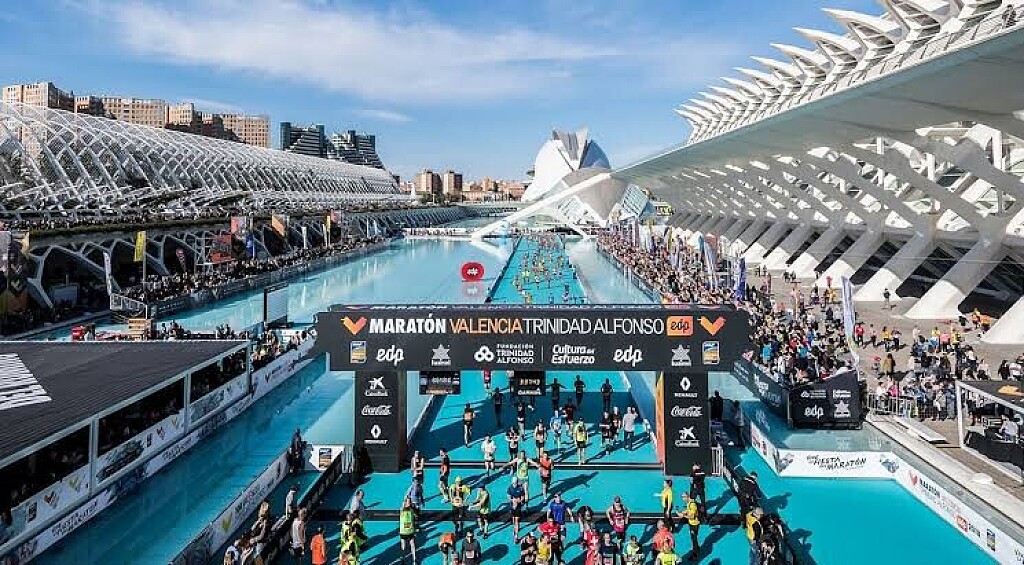
The Valencia Crown Is Up For Grabs! John Korir’s Withdrawal Opens The Door For A New Marathon King In A Star-Studded Showdown!
The 2026 Valencia Marathon is guaranteed to crown a new men's champion after defending champion John Korir of Kenya withdrew from the December 6 race because of injury, bringing an end to his hopes of successfully defending the title he claimed last year in a personal best of 2:02:24.
Korir’s absence is a significant setback for the Kenyan star and a major development in what was shaping up to be another highly competitive edition of the Spanish marathon. His withdrawal follows that of Ethiopian sensation Yomif Kejelcha, who also pulled out because of injury, leaving the men's contest without two of its biggest attractions.
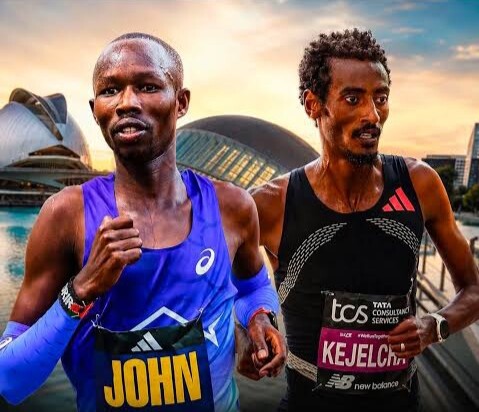
With the two high-profile withdrawals, the battle for the crown has become even more intriguing. Several world-class athletes from Kenya, Ethiopia, Europe, North America, Asia and South America will now have an opportunity to step forward and claim one of the most prestigious marathon victories on the international calendar.
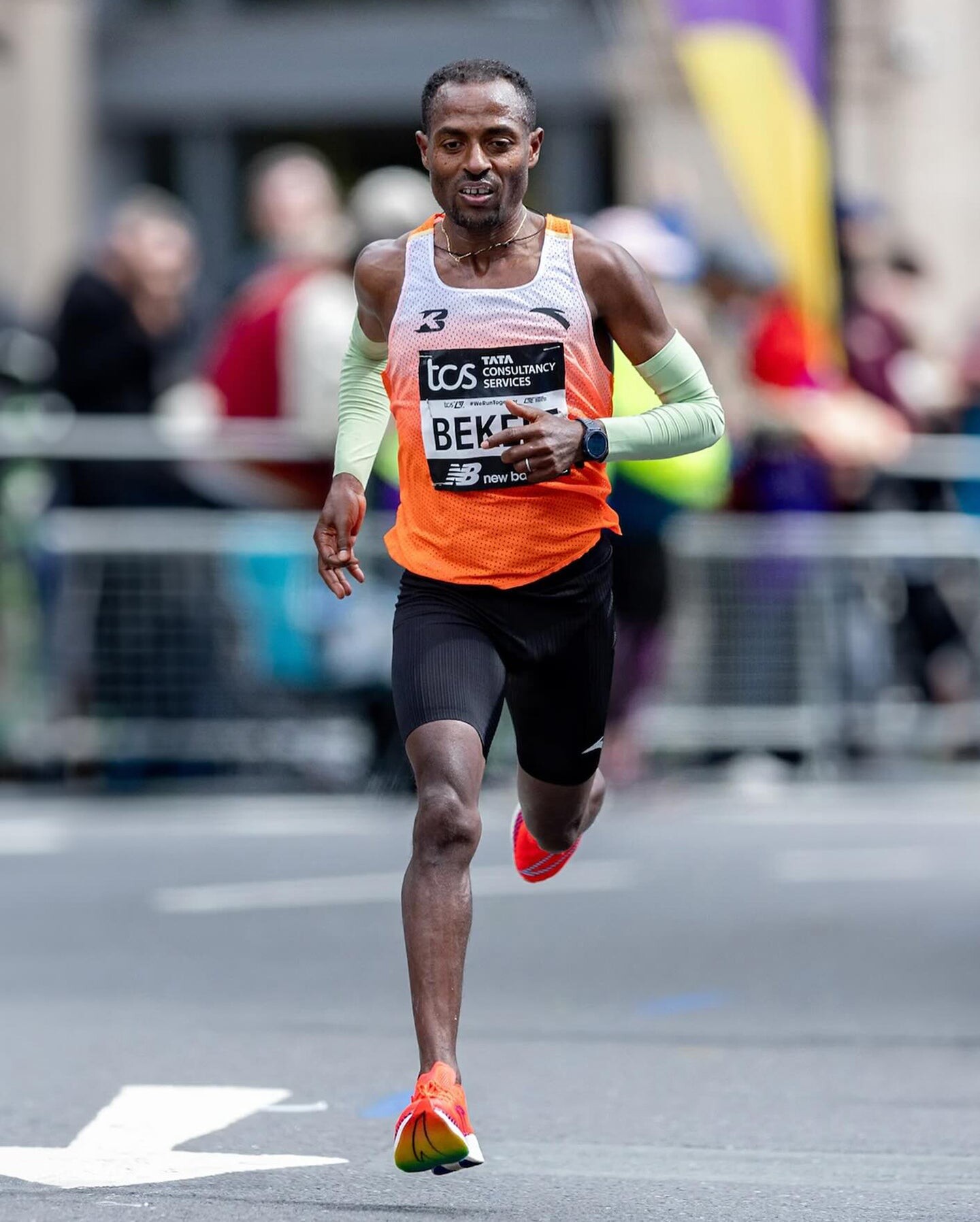
Leading the list of remaining contenders is Ethiopian distance-running legend Kenenisa Bekele, whose extraordinary personal best of 2:01:41 makes him the fastest marathoner among the remaining entrants. The three-time Olympic champion brings an incredible wealth of experience, although questions remain about his current competitive form following recent withdrawals from major races.
Fellow Ethiopian Birhanu Legese, with a personal best of 2:02:48, is another serious contender. A proven performer over the marathon distance, Legese possesses the experience and speed to challenge for victory if he delivers his best performance in Valencia.
Kenya will also have a formidable presence, led by Alexander Mutiso, who boasts a personal best of 2:03:11. Mutiso has established himself as a major force on the global marathon circuit and will be looking to build on his impressive third-place finish at the Tokyo Marathon earlier this year.
Vincent Ngetich of Kenya, another athlete capable of challenging for the podium, arrives with a personal best of 2:03:13. His presence adds further strength to the Kenyan challenge, with the country's athletes expected to play a major role in the battle for the title.
Geofry Toroitich of Kenya, the Amsterdam Marathon course-record holder with a personal best of 2:03:30, will also be one to watch. He will be eager to make a statement in Valencia after failing to finish this year's Amsterdam Marathon.
The Ethiopian challenge extends well beyond Bekele and Legese. Dawit Wolde, with a personal best of 2:03:48, Nibret Melak (2:04:00), Leul Gebreselassie (2:04:02) and Tesfaye Deriba (2:04:13) bring considerable strength to the country's representation. Gebreselassie is particularly interesting, having previously won the Valencia Marathon in 2018, and will be hoping to return to the top of the podium.
Samwel Mailu, with a personal best of 2:05:08, will spearhead another Kenyan challenge alongside Benson Tunyo, whose best stands at 2:06:10. The depth of Kenya's representation gives the country several opportunities to fight for a podium position, even without its defending champion.
The international field also features Canadian record-holder Cam Levins, who arrives with an impressive personal best of 2:05:36. Levins has established himself as one of North America's leading marathoners and will be looking to produce another strong performance against a formidable international opposition.
Djibouti's Mohamed Ismail, with a personal best of 2:05:38, and Sweden's Suldan Hassan (2:05:57) add further quality to the contest. France will be represented by Emmanuel Roudolff, whose best stands at 2:05:58, while Eritrea's Awet Habte brings a personal best of 2:06:25.
Other notable names in this group include Ethiopia's Feyisa Mulu (2:06:34), the Netherlands' Filmon Tesfu (2:06:40), France's Felix Bour (2:06:41), Germany's Hendrik Pfeiffer (2:06:45), Switzerland's Matthias Kyburz (2:06:48), Canada's Rory Linkletter (2:06:49), Sweden's Samuel Tsegay (2:06:51), Rwanda's Felicien Muhitira (2:06:54), China's Jie He (2:06:57), Eritrea's Zerei Kbrom (2:07:00) and Britain's Weynay Ghebresilassie (2:06:59).
The field also boasts a strong collection of athletes with personal bests between 2:07 and 2:08. Turkey's Sezgin Atac and Israel's Yitayew Abuhay both have personal bests of 2:07:26, while France's Hassan Chahdi follows with 2:07:30. Khalid Choukoud of the Netherlands has run 2:07:37, while Israel's Bukayaw Malede and Peru's Christian Pacheco have both recorded 2:07:38.
Bolivia's Héctor Garibay, one of South America's most recognisable marathon performers, brings a personal best of 2:07:44. Spain's Yago Rojo Sancho follows with 2:07:47, while Denmark's Jacob Simonsen has a best of 2:07:51. France's Valentin Gondouin is another strong European representative with 2:07:54.
Further down the entry list, Chile's Carlos Díaz has a personal best of 2:08:04, followed by Spain's Daniel Mateo (2:08:22), China's Erenjia Jia (2:08:32), Spain's Jorge Gonzalez (2:08:34), Italy's Ahmed Ouhda (2:08:37) and the United States' Hillary Bor (2:08:40).
Germany's Simon Boch, with a personal best of 2:08:55, and Canada's Ben Preisner (2:08:58) are also among the athletes capable of making their presence felt. Greece's Christian Zamora has a best of 2:09:04, while Ecuador's Oswaldo Jami Jami follows closely with 2:09:05.
Norway's Weldu Negash (2:09:14), the United States' Zach Panning (2:09:16), Spain's Andreu Blanes Reig (2:09:18) and France's Yohan Durand (2:09:21) add further depth to the international line-up.
China's Jidongzhi Sang has a personal best of 2:09:29, while Poland's Mateusz Kaczor has run 2:09:35. Argentina's Joaquín Arbe (2:09:36) and the United States' Futsum Zienasellassie (2:09:40) will also be looking to make their mark.
Ireland's Hiko Tonosa, with a personal best of 2:09:42, Spain's Chakib Lachigar Latrache (2:09:55), Italy's Badr Jaafari (2:09:58) and Sudan's Yaseen Abdalla (2:11:41) complete the names featured on the professional-field.
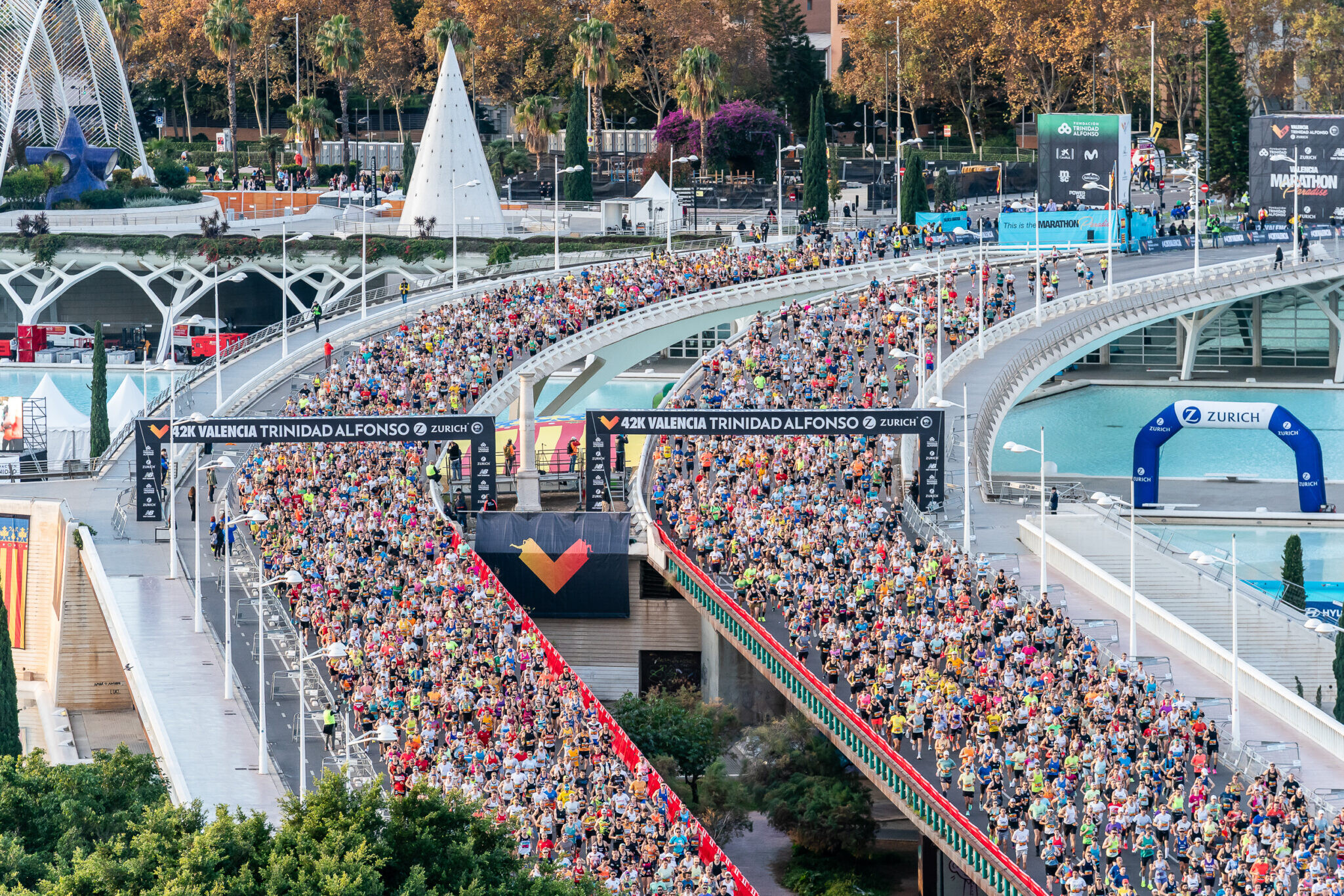
Beyond the battle for the overall victory, Valencia will once again provide an important opportunity for athletes from different countries to chase personal bests, national records and breakthrough performances. Its reputation as one of the fastest marathon courses in the world makes it an attractive destination for both established international stars and emerging marathon talents.
The men's race will also be particularly fascinating because of the contrasting ambitions within the field. Bekele will be chasing another major marathon victory, former champion Leul Gebreselassie will be looking to reclaim his Valencia crown, while Mutiso, Legese and Ngetich will be among those hoping to turn their impressive credentials into a memorable triumph.
For Kenya, the absence of Korir is undoubtedly disappointing, but the country still has several formidable athletes capable of fighting for the title. Ethiopia, meanwhile, will be counting on its experienced marathon stars to maintain its strong presence at the front of the race.
On December 6, all eyes will turn to the streets of Valencia as this remarkable international field takes on the 42.195-kilometre challenge. One thing is certain: a new name will be written into the men's winners' history, but who will rise above the competition and claim the crown remains the biggest question.
by Erick Cheruiyot for My Best Runs.
Login to leave a comment

VALENCIA TRINIDAD ALFONSO
The Trinidad Alfonso EDP Valencia Marathon is held annually in the historic city of Valencia which, with its entirely flat circuit and perfect November temperature, averaging between 12-17 degrees, represents the ideal setting for hosting such a long-distance sporting challenge. This, coupled with the most incomparable of settings, makes the Valencia Marathon, Valencia, one of the most important events in...
more...