

Running News Daily
Running News Daily is edited by Bob Anderson and team. Send your news items to bob@mybestruns.com Advertising opportunities available.
Index to Daily Posts · Sign Up For Updates · Run The World Feed
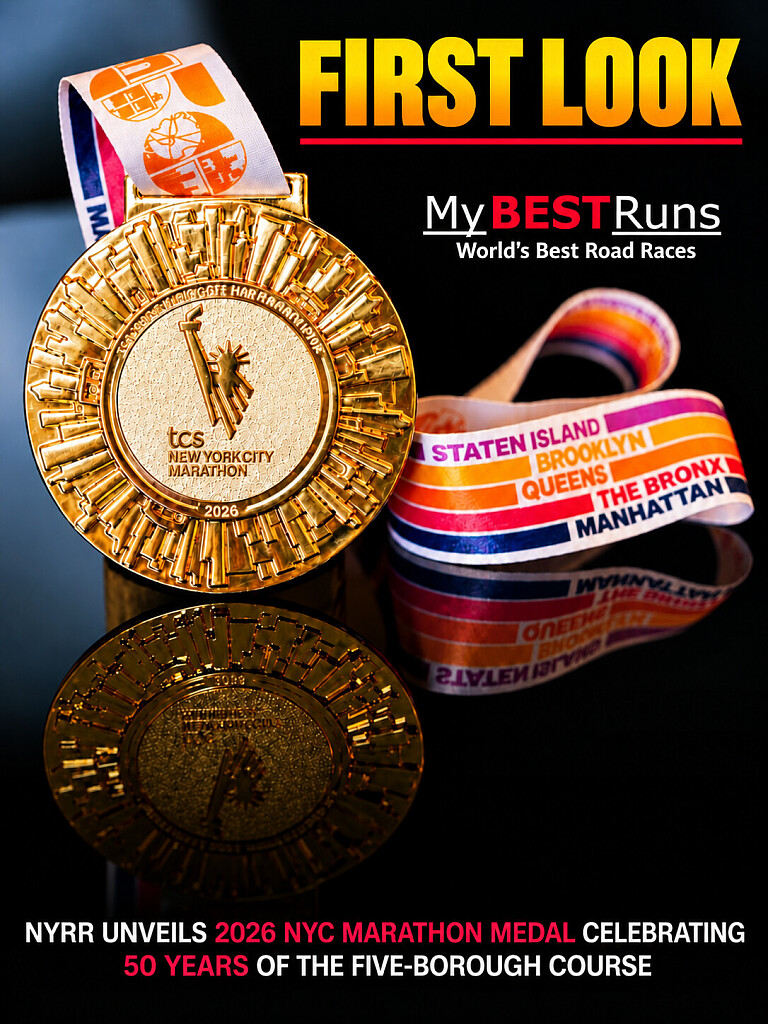


New York City Marathon Unveils Special 50th-Anniversary Finisher Medal

The TCS New York City Marathon is preparing to mark a major milestone in its history, and runners crossing the finish line on November 1 will take home a medal designed to celebrate five decades of the iconic five-borough course.
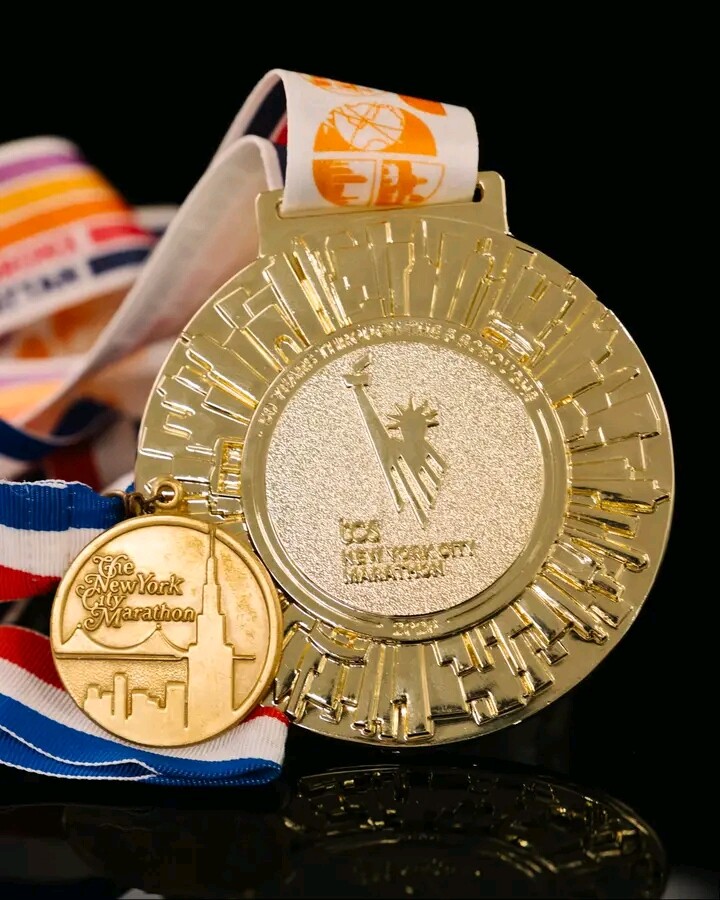
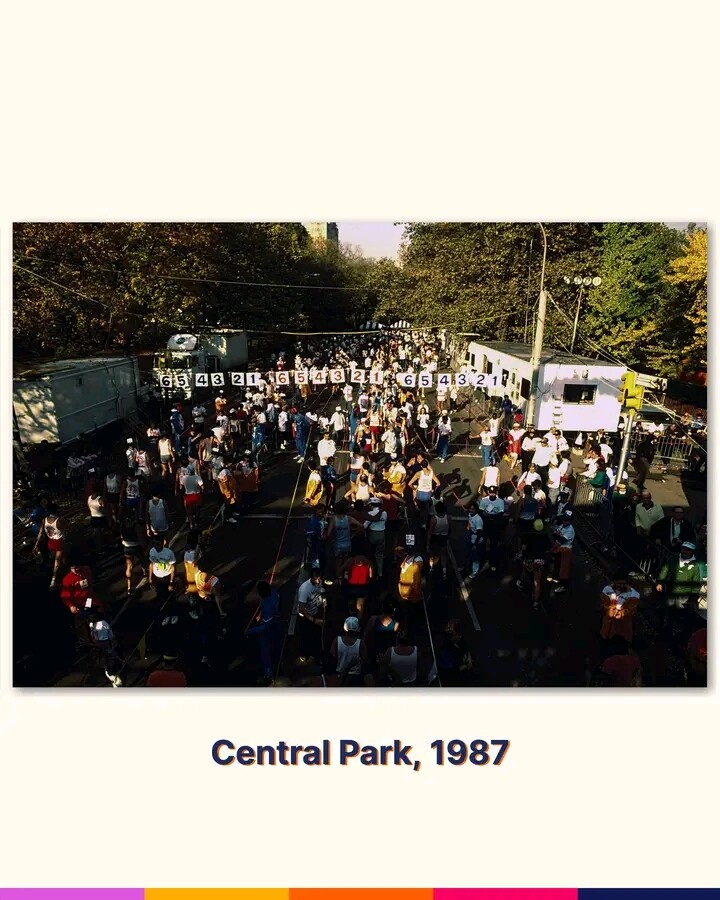
New York Road Runners (NYRR) has unveiled the official 2026 finisher medal, commemorating the 50th anniversary of the course that transformed the race after it moved beyond Central Park in 1976. The anniversary also marks 50 years since NYRR first introduced a finisher medal for the event.
The new medal combines elements of New York City and the marathon into a distinctive sculptural design. An abstract skyline spreads outward in a sunburst pattern, while the five bridges encountered along the marathon route are incorporated into the design, creating a visual connection between the race and the city through which it travels.
At the heart of the concept is an unbroken circular skyline, symbolising the five boroughs coming together as one. It reflects one of the defining characteristics of the New York City Marathon: a single 26.2-mile journey that connects Staten Island, Brooklyn, Queens, the Bronx and Manhattan.
The 2026 medal will be produced in zinc with an electroplated gold finish and measures 3.5 inches across, making it slightly larger than the standard medal in recognition of the anniversary. Despite the larger overall size, the central medallion remains 2.12 inches, the same measurement used for the 2025 edition.
The ribbon also pays tribute to the race's history, drawing inspiration from the visual style of the 1970s. It features the marathon logo, the 50th-anniversary emblem and references to all five boroughs, completing a design that blends the event's past with its present.
For thousands of runners, the medal will represent far more than simply a race souvenir. It will be a lasting reminder of the miles covered through one of the world's most recognisable cities and of the personal achievement of reaching the finish line in Central Park.
NYRR chief marketing and digital officer Juliette Morris said the design was created to capture the unique character of the marathon, from the atmosphere of New York City to the shared experience that brings runners and spectators together every year.
As the 2026 edition approaches, the special medal adds another layer of significance to a race already steeped in history. For those who complete the journey on November 1, it will serve as a tangible symbol of both their individual achievement and the 50-year legacy of the modern New York City Marathon.
by Erick Cheruiyot for My Best Runs.
Login to leave a comment
TCS New York City Marathon
The first New York City Marathon, organized in 1970 by Fred Lebow and Vince Chiappetta, was held entirely in Central Park. Of 127 entrants, only 55 men finished; the sole female entrant dropped out due to illness. Winners were given inexpensive wristwatches and recycled baseball and bowling trophies. The entry fee was $1 and the total event budget...
more...Latest Running News
2027 USATF Marathon Championships Headed To Chicago Marathon
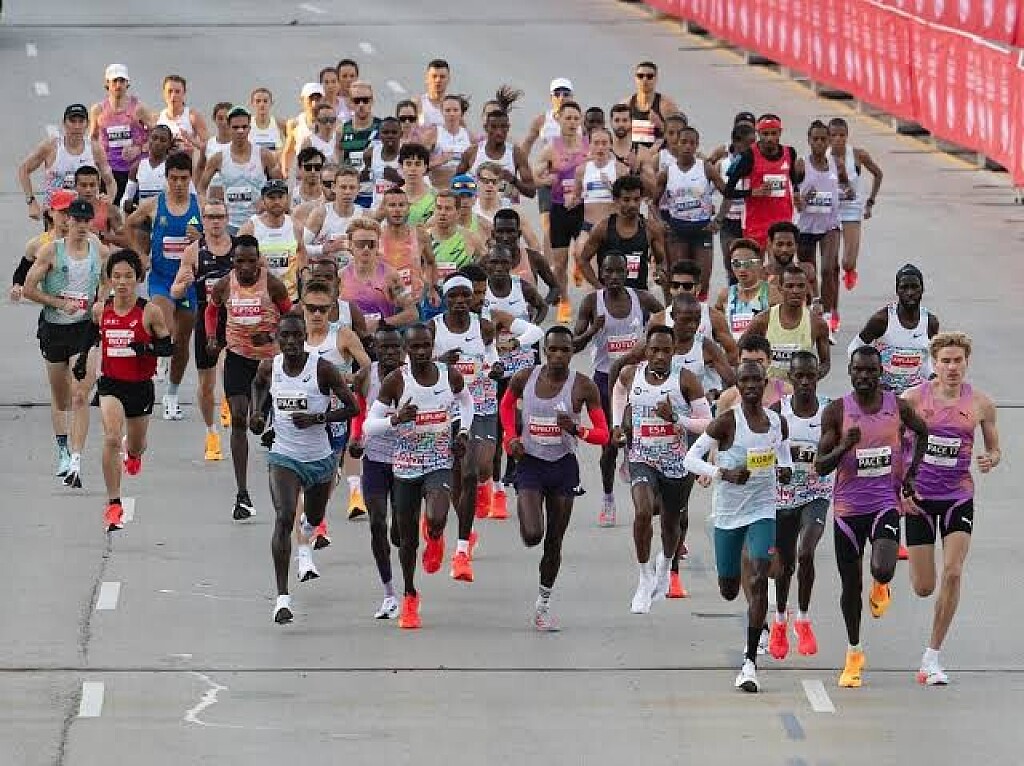
The 2027 Bank of America Chicago Marathon is set to become an even bigger stage for American distance running, with the race selected to host the 2027 USATF Marathon Championships on October 10, 2027.
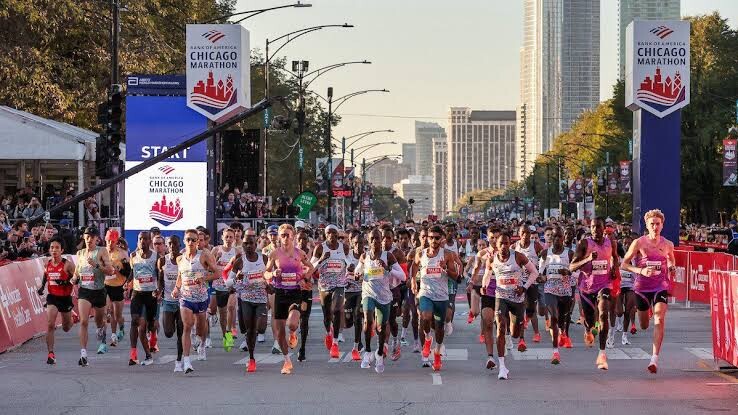
The national championships will be contested directly within the Abbott World Marathon Major, giving American athletes the opportunity to fight for national titles while competing alongside one of the deepest international fields in marathon racing.
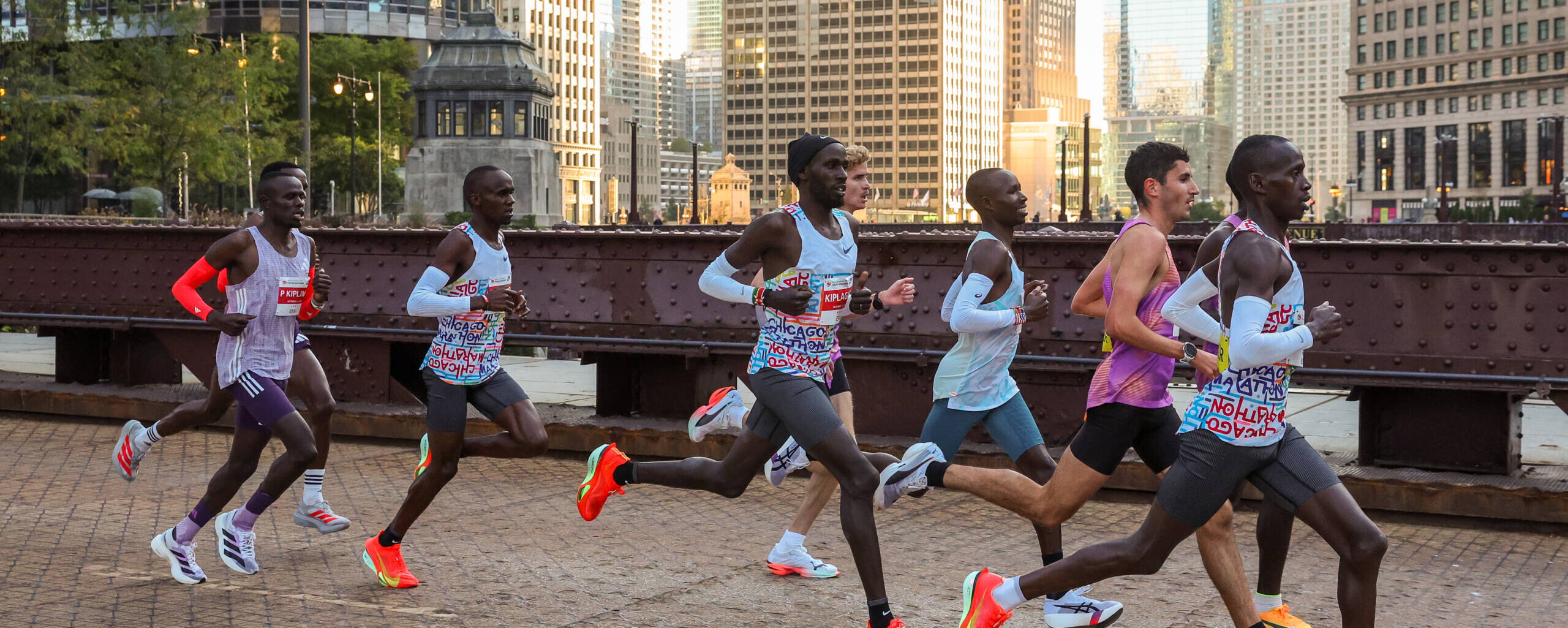
A dedicated championship field will feature 20 American men and 20 American women, creating two highly competitive national title races on the streets of Chicago. Chicago Event Management will serve as the local organizing committee, while USATF will announce the selection criteria and championship entry procedures at a later date.
The decision adds another major layer to what is already one of the world's most prestigious marathons.

More Spotlight For American Marathoners
One of the most significant elements of the announcement is the planned television coverage.

The Chicago Marathon will provide dedicated coverage of the USATF Championship races within the main broadcast, including additional cameras focused on the American men and women. This should give U.S. athletes considerably more visibility throughout the race, particularly when the international leaders begin to separate from the field.
The broadcast will be available on NBC in Chicago and Peacock nationally, bringing the championship battle to a much wider audience.
The national championship will also carry a prize purse of nearly $110,000, with prize money extending through 10th place in both the men's and women's competitions.
Chicago Expands High Performance Program
The 2027 event will also see Chicago expand its High Performance Program to 300 athletes, creating more opportunities for elite and sub-elite American marathoners to compete in a world-class environment while pursuing qualifying performances for the 2028 U.S. Olympic Team Trials – Marathon.
For the wider marathon community, applications for the 2027 Chicago Marathon open at 8:00 a.m. Central Time on Thursday, October 8, 2026, and close at 2:00 p.m. Central Time on Thursday, October 29, 2026.
With a World Marathon Major, a national championship, a substantial prize purse and a growing pathway toward the 2028 Olympic Trials all converging on the same 26.2-mile course, Chicago 2027 is shaping up to be a major date on the American marathon calendar.
by Erick Cheruiyot for My Best Runs.
Login to leave a comment
Bank of America Chicago
Running the Bank of America Chicago Marathon is the pinnacle of achievement for elite athletes and everyday runners alike. On race day, runners from all 50 states and more than 100 countries will set out to accomplish a personal dream by reaching the finish line in Grant Park. The Bank of America Chicago Marathon is known for its flat and...
more...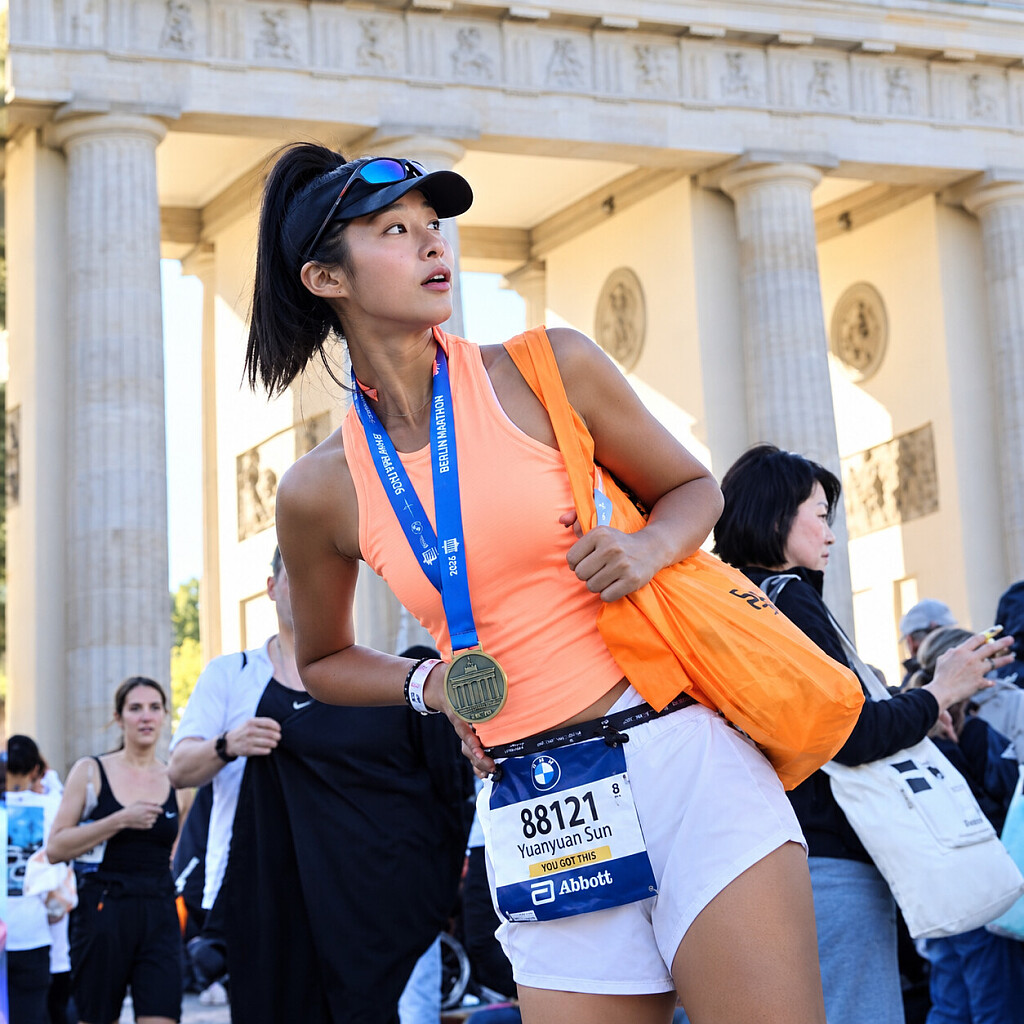
Berlin Marathon Controversy Erupts After Chinese Influencer Admits Bicycle Ride
A controversy has emerged from the 2026 Berlin Marathon after Chinese fitness influencer Yuanyuan Sun, better known online as Abeeeer, admitted that she rode on the back of a bicycle during the closing stages of the race.
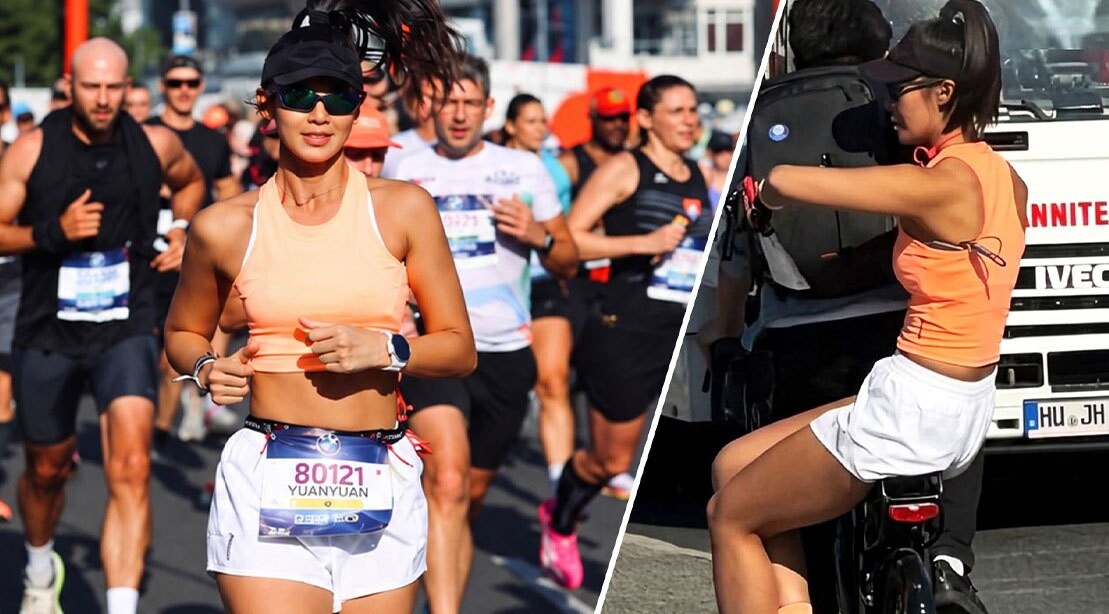
The 30-year-old initially crossed the finish line in 4:53:46, presenting the performance as a personal best. However, questions were later raised about her split times, particularly a significant improvement in her pace between the 35km and 40km marks.
According to the split data that circulated online, Sun’s final kilometres appeared considerably faster than the preceding section, prompting scrutiny from fellow runners and followers.
Sun subsequently acknowledged that she had accepted a ride on a bicycle during the race. She admitted that doing so was against the marathon’s rules and apologised for failing to disclose what had happened when she shared photographs following the event.
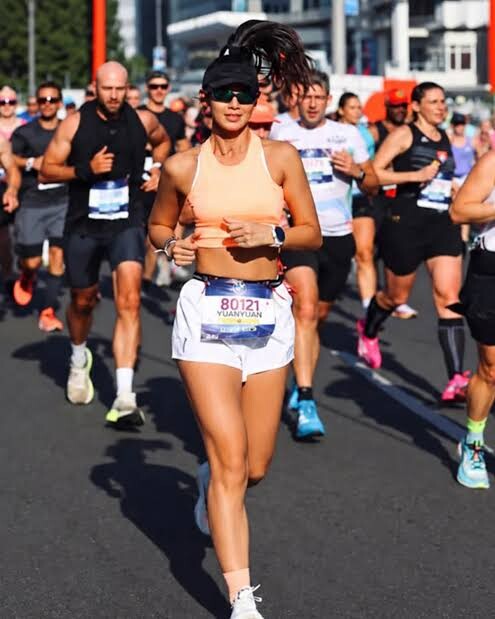
In her apology, Sun said she should not have used feeling unwell as a justification for breaking the rules. She also acknowledged that concealing the incident after the race was wrong.
The controversy quickly moved beyond social media, with Brooks China ending its relationship with Sun following the incident. The brand said the decision reflected its commitment to integrity, fairness and the spirit of running.
The episode has reignited a familiar debate within distance running: where should the line be drawn between simply finishing a race and genuinely completing it according to the rules?
For thousands of marathoners, the attraction of the sport is not only the number displayed on the finishing clock. It is the countless kilometres of training, the physical and mental struggle during the race, and the knowledge that every step toward the finish line was earned.
A marathon medal carries significance because of that journey.
Sun’s case is therefore likely to remain a talking point among runners, particularly because the controversy did not centre on an elite athlete chasing a world-class time, but on the importance of honesty and fair competition at every level of the sport.
Ultimately, a marathon is more than simply reaching the finish line. It is about earning your way there.
by Erick Cheruiyot for My Best Runs.
Login to leave a comment
BMW Berlin Marathon
The story of the BERLIN-MARATHON is a story of the development of road running. When the first BERLIN-MARATHON was started on 13th October 1974 on a minor road next to the stadium of the organisers‘ club SC Charlottenburg Berlin 286 athletes had entered. The first winners were runners from Berlin: Günter Hallas (2:44:53), who still runs the BERLIN-MARATHON today, and...
more...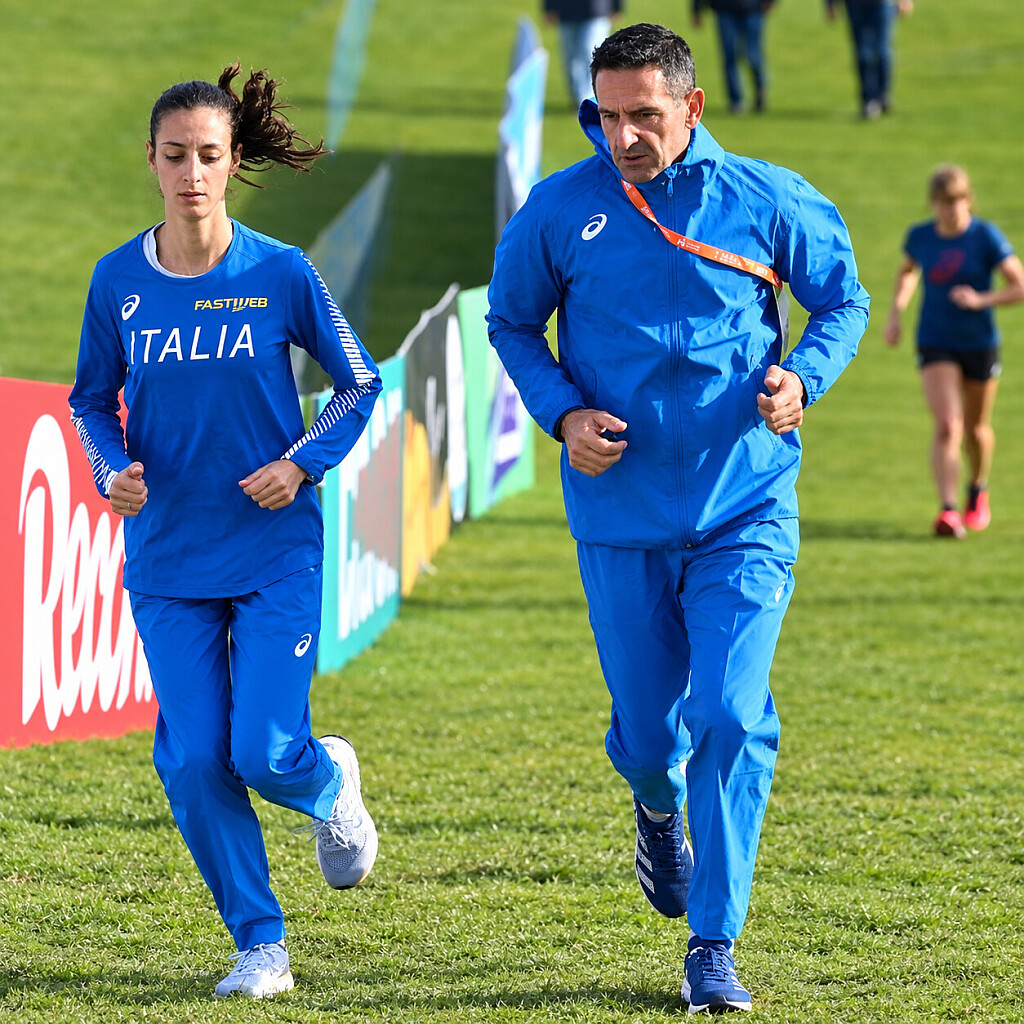
When Your Coach Is Your Dad: The Extraordinary Partnership Behind Nadia Battocletti’s Rise
For most athletes, a coach is someone they meet along the way. For Italian distance-running star Nadia Battocletti, that role has always belonged to someone who has been there from the very beginning — her father, Giuliano Battocletti.
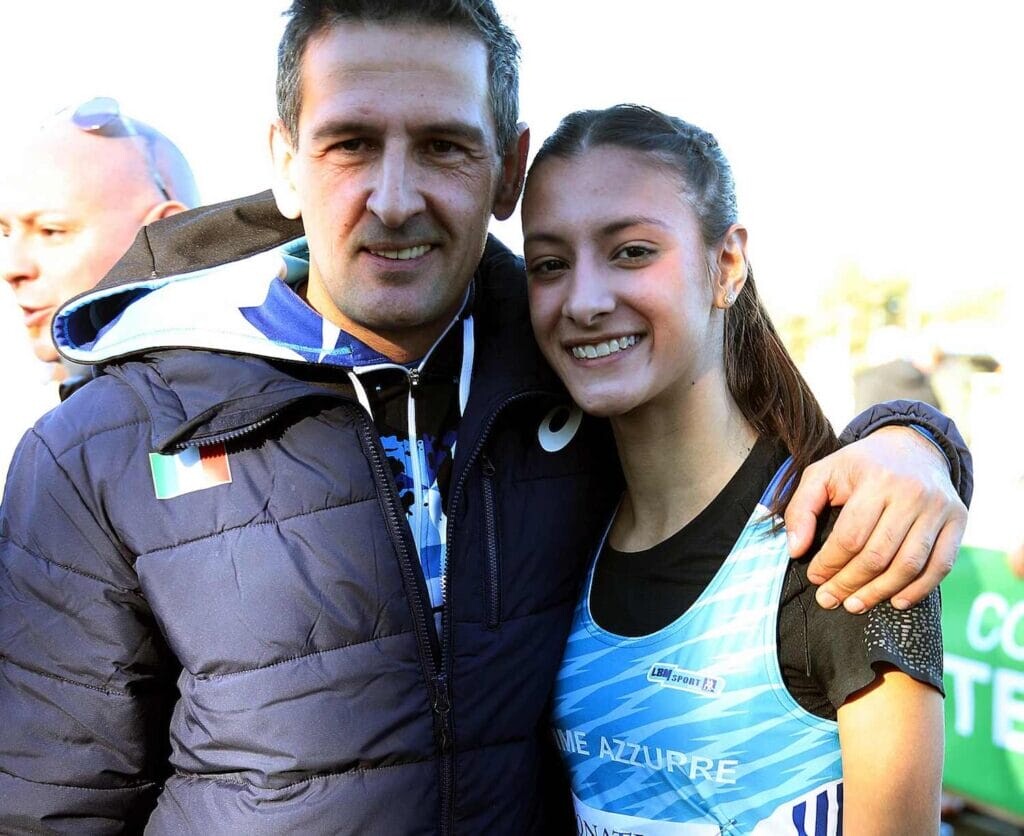
The relationship between the two goes far beyond the traditional athlete-coach partnership. Giuliano, a former Italian middle- and long-distance runner, has guided his daughter throughout her career, helping her develop from a promising young talent into one of the leading figures in international distance running.
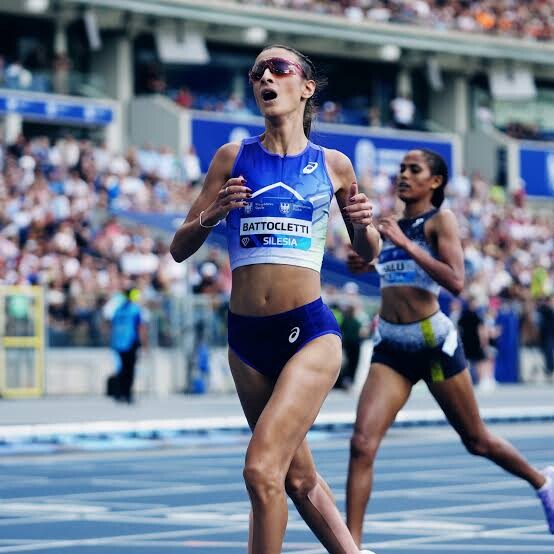
Under his guidance, Nadia has risen to the biggest stages in the sport, becoming an Olympic and World Championships silver medallist while establishing herself as a formidable presence over both track and road distances.
What makes their partnership particularly special is the understanding that comes from spending a lifetime together. Giuliano knows his daughter not simply as an athlete chasing faster times and bigger victories, but as a person — understanding her character, emotions and the demands that come with competing at the highest level.
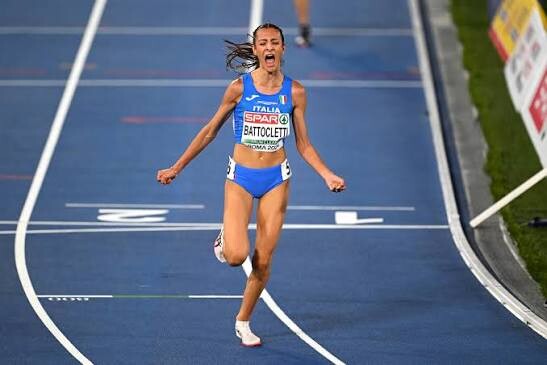
Nadia has previously made it clear that she cannot imagine her career without her father in the coaching role.
“Dad has been my coach all the way. I don't know what it would be like to have another coach, and I wouldn't see another figure in his place.”
That connection is visible in the everyday details of her training. Giuliano remains closely involved in her preparation, often riding a bicycle alongside Nadia during demanding sessions and sharing the long, difficult kilometres that form the foundation of her success.
Their story is also deeply rooted in a family sporting tradition. Nadia's mother, Jawhara Saddougui, was an accomplished middle-distance runner who represented Morocco in the 800 metres. Running, therefore, was not simply introduced into Nadia's life as a career choice — it was part of the environment in which she grew up.
But the success Nadia enjoys today has been built through years of patience, sacrifice and trust. Long before the Olympic stadiums and World Championships, there were ordinary training days, difficult workouts and countless kilometres shared between a father and his daughter.
That makes their partnership one of the more compelling stories in modern athletics. The same person who helped Nadia take her first steps in the sport has remained beside her as she has progressed onto the world's biggest stages.
In elite sport, where athletes often change coaches as their careers evolve, the Battocletti partnership stands apart. It is built on something that cannot easily be replicated: decades of knowing, understanding and believing in one another.
For Nadia Battocletti, the journey to the top has never been a solo effort. Through every demanding session, breakthrough performance and major championship, her father has been there — not only as her coach, but as the person who has known her longer than anyone else.
Sometimes, the most important person in an athlete's corner is also the one who has been there since the beginning.
by Erick Cheruiyot for My Best Runs.
Login to leave a comment
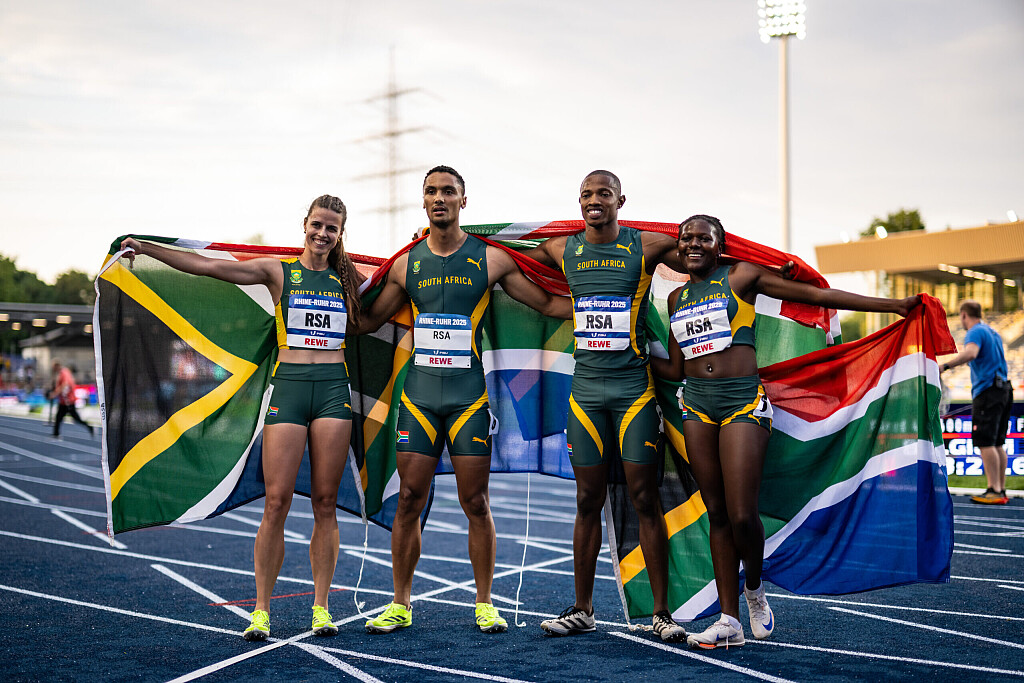
South Africa Enters Race To Bring The Olympics To Africa For The First Time
South Africa has taken a major step towards potentially bringing the Olympic Games to Africa for the first time after formally entering the International Olympic Committee’s process as an interested party for the 2036 Summer Olympics and Paralympics.
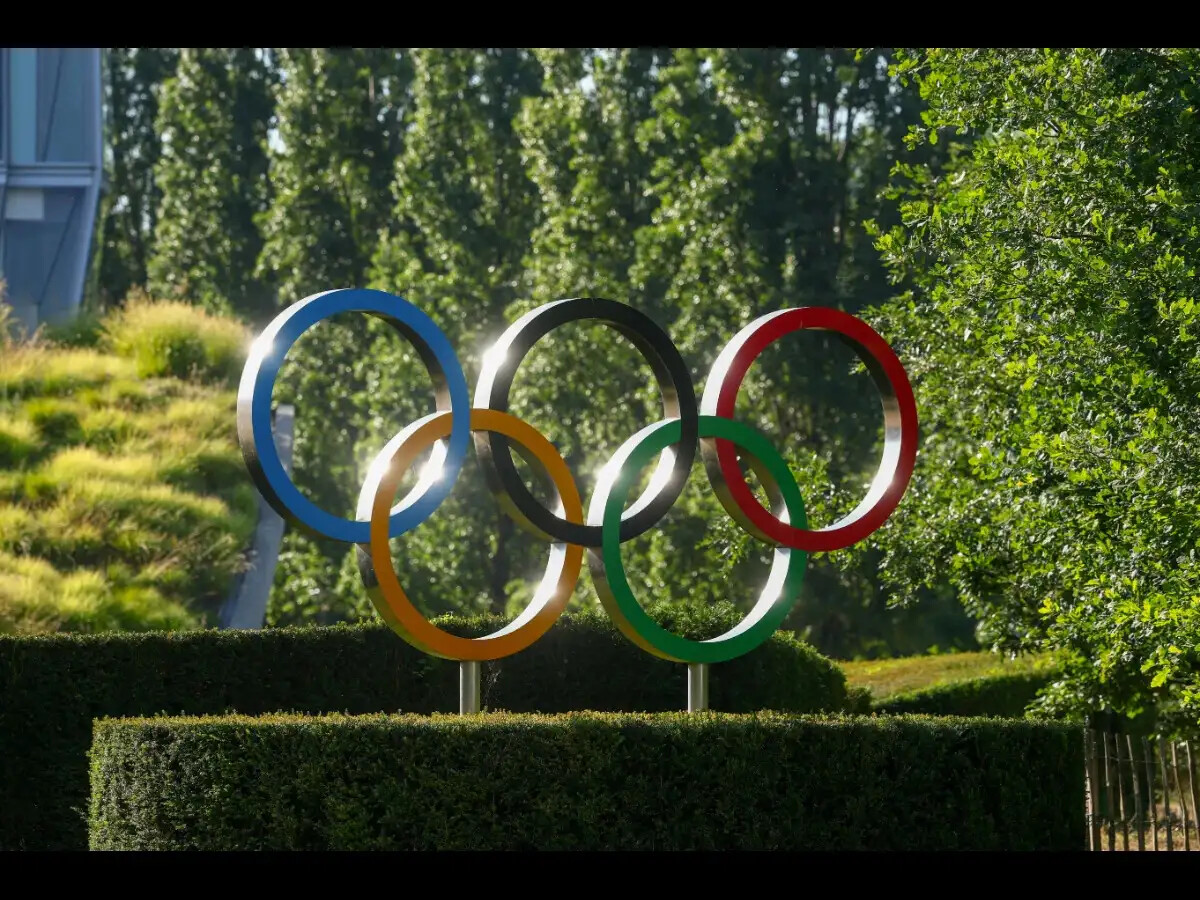
The development could mark a historic moment for the continent, which has never hosted an edition of the Olympic Games despite its long and distinguished sporting tradition. South Africa’s interest now places the country among the potential candidates seeking to convince the IOC that Africa is ready to stage the world’s biggest multi-sport event.
A successful bid would represent a significant expansion of South Africa’s sporting legacy. The country has already demonstrated its ability to host major international competitions, most notably the 2010 FIFA World Cup, which brought football’s biggest tournament to Africa for the first time and showcased South Africa’s stadiums, infrastructure and capacity to welcome visitors from around the world.
The 2036 ambition also arrives at a time when Africa is gaining greater recognition as a destination for major global sporting events.

Kenya has already secured the right to host the 2029 World Athletics Championships in Nairobi, marking the first time the senior global championships will be staged on African soil. The breakthrough followed a competitive bidding process and represents another important milestone for the continent’s athletics movement.
South Africa’s Olympic interest therefore comes against a backdrop of growing confidence in Africa’s ability to organise and deliver events at the highest international level.
For South Africa, however, winning the right to host the Olympics would be a considerably larger undertaking. The Games require extensive sporting venues, accommodation, transportation networks, security arrangements and long-term financial planning, while the host must also present a compelling vision for the event’s wider legacy.
The country’s experience with the 2010 World Cup provides an important foundation, but an Olympic bid would require an even broader national strategy involving multiple sports and venues.
The IOC is expected to make its decision on the host of the 2036 Olympics later in the decade, with several countries expressing interest in entering the race. The process will ultimately determine whether Africa can finally break one of the biggest remaining barriers in the history of the Olympic movement.
For a continent that has produced generations of Olympic champions across athletics, swimming, boxing, cycling and numerous other sports, hosting the Games would carry significance far beyond the competition itself.
South Africa is now putting itself forward for that opportunity.
If the bid eventually succeeds, the 2036 Olympic Games could become a landmark moment — not only for South Africa, but for an entire continent that has waited more than a century to welcome the Olympic movement onto its soil.
by Erick Cheruiyot for My Best Runs.
Login to leave a comment
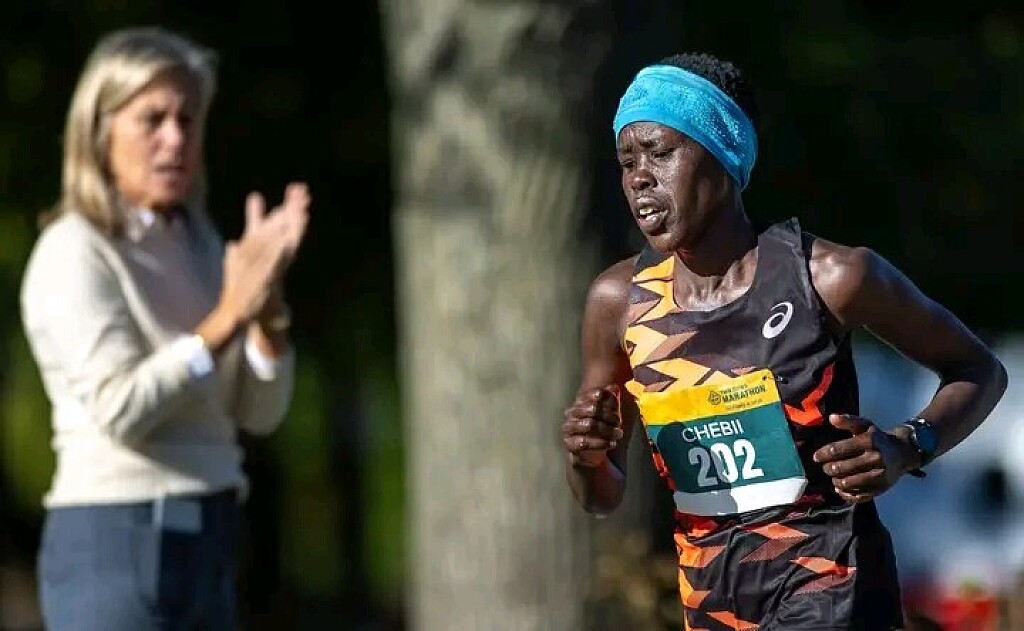
Twin Cities Marathon Turns the Page as Iconic Race Moves to Mid-October in 2027
The Twin Cities Marathon has closed the chapter on one of the longest-running traditions in American marathon racing, with the event set to leave its familiar early-October slot and move to mid-October beginning in 2027.

The 2026 edition marked the final time the race would be held in its traditional early-October window, bringing an end to a calendar tradition that has defined the event for more than four decades.

Beginning in 2027, Twin Cities Marathon Weekend will move to a mid-October date. The decision follows growing concerns over warmer and increasingly unpredictable conditions during the race's traditional weekend, with organisers seeking a better environment for runners, spectators and volunteers.
The change is more than a simple adjustment to the racing calendar. Early October, once synonymous with crisp autumn temperatures in Minnesota, has increasingly brought challenging heat. In recent years, organisers have had to contend with conditions that can place additional stress on marathon runners and increase demands on medical and public-safety teams.
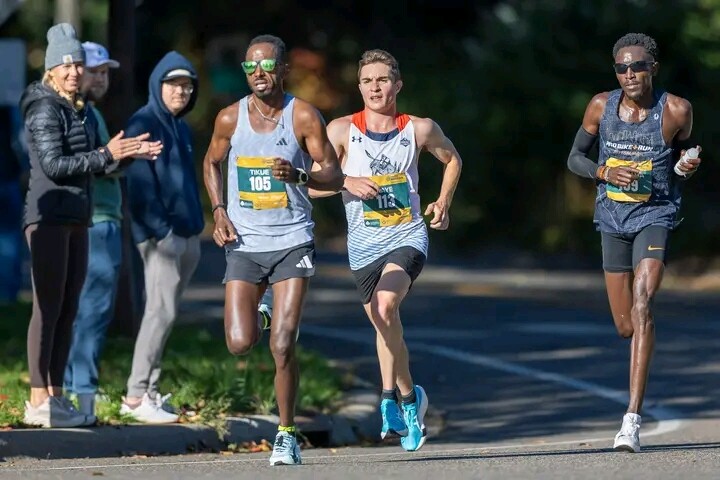
The inaugural Twin Cities Marathon was held on October 3, 1982, attracting 4,563 entrants. What began as a relatively young marathon has since developed into one of the most recognisable road races in the United States, growing alongside the running communities of Minneapolis and St. Paul.
The course itself has long been one of the event's defining features. Runners travel through Minneapolis, pass the city's famous chain of lakes and follow a scenic route toward St. Paul before finishing near the Minnesota State Capitol. The combination of major urban landmarks, parkways, waterways and autumn scenery has helped give the race its distinctive identity.
The 2026 edition continued that long tradition, with roughly 30,000 runners taking part across the various events of Marathon Weekend. The marathon also featured defending champions Will Norris and Jane Bareikis, while favourable temperatures provided runners with much more comfortable conditions than some of the warmer editions in recent years.
Yet even with favourable weather this year, the decision to move the race reflects a longer-term concern. Organisers are looking beyond a single race morning and considering how changing weather patterns could affect the event in the years ahead.
For runners, the move could eventually become one of the most important changes in the marathon's modern history. A later October date offers the possibility of cooler racing conditions while preserving the course, the atmosphere and the traditions that have made Twin Cities Marathon a fixture on the American running calendar.
For more than four decades, the first Sunday of October provided a familiar date for thousands of runners preparing to take on the Twin Cities course.
That tradition has now reached its final chapter.
From 2027, the Twin Cities Marathon will arrive later in the fall — opening a new era for a race whose history remains firmly connected to the streets of Minneapolis and St. Paul.
by Erick Cheruiyot for My Best Runs.
Login to leave a comment
