

Running News Daily
Running News Daily is edited by Bob Anderson and team. Send your news items to bob@mybestruns.com Advertising opportunities available.
Index to Daily Posts · Sign Up For Updates · Run The World Feed
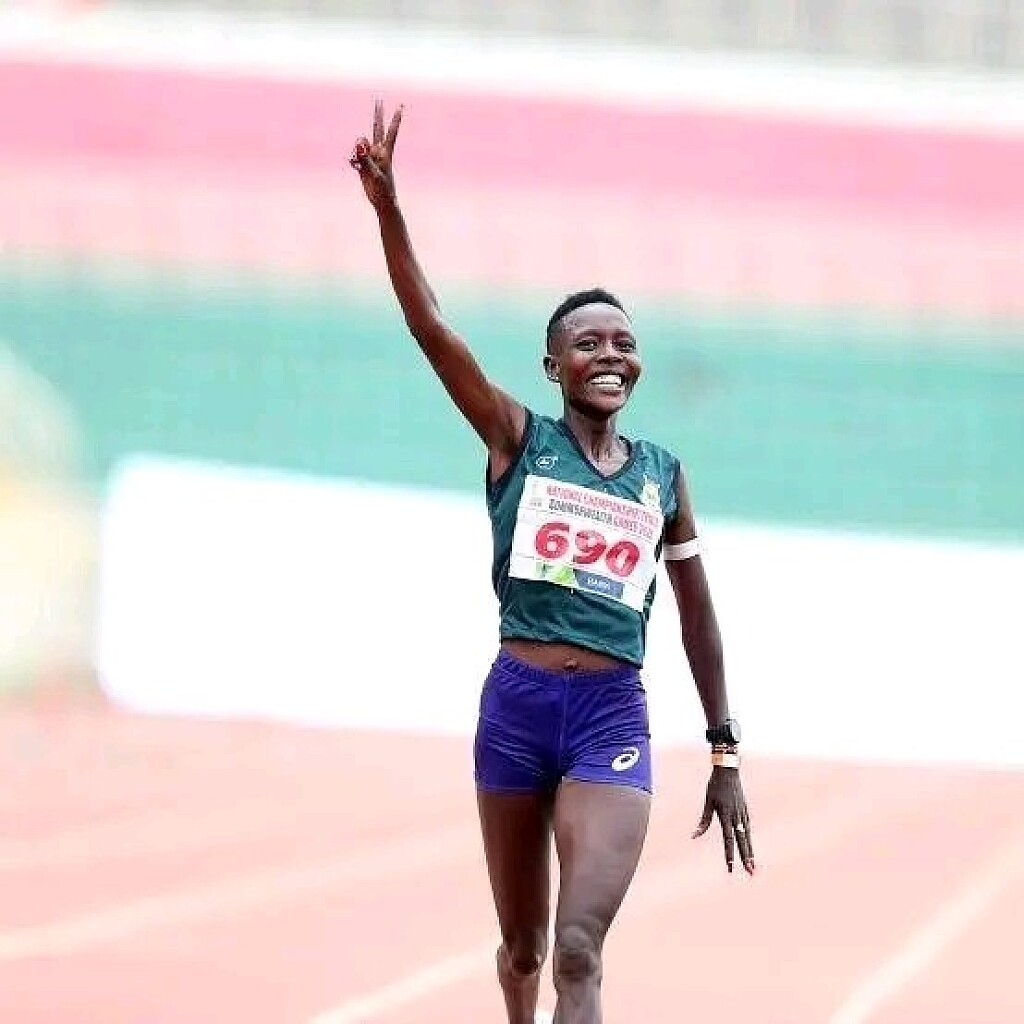


Sharon Lokedi Heads Strong Kenyan Charge Into Chicago Marathon Debut

Two-time Boston Marathon champion Sharon Lokedi is entering the final phase of her preparations for what promises to be a highly anticipated Chicago Marathon debut on Sunday, October 11.
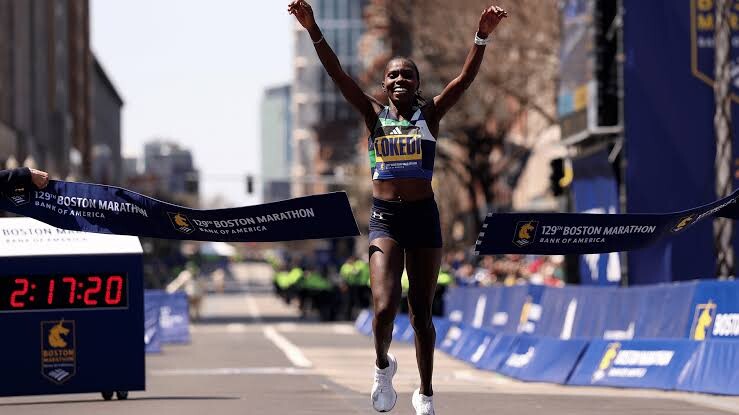
The Kenyan star has completed her demanding training blocks and has now turned her attention to tapering, allowing her body to recover and sharpen ahead of one of the biggest marathon showdowns of the year.
Lokedi will lead an impressive Kenyan women’s contingent in Chicago, bringing together a mixture of proven champions and elite marathon talent. Among those joining her are former world-record holder Brigid Kosgei, Brillian Kipkoech and Loice Chemnung, the runner-up at the 2026 Boston Marathon.
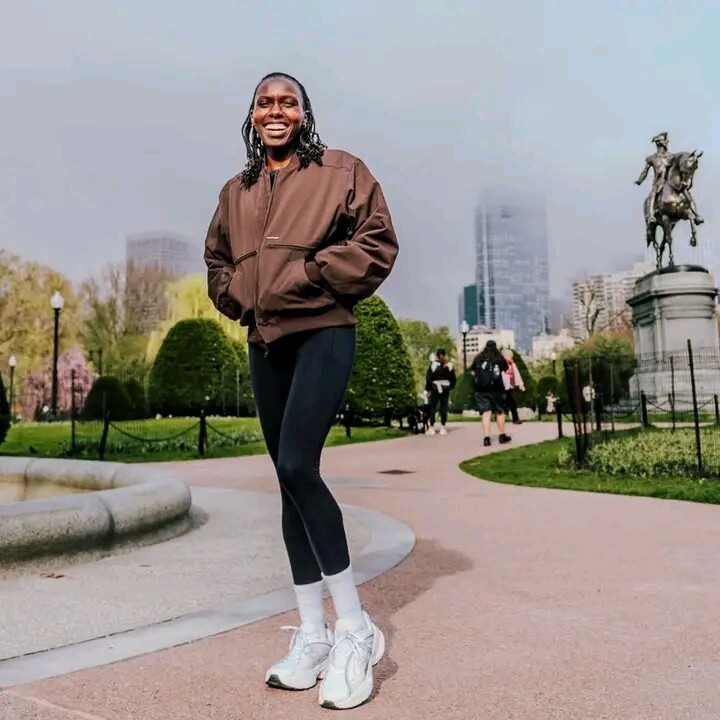
For Lokedi, Chicago represents another major opportunity to strengthen her reputation on the world marathon stage. After establishing herself as a two-time Boston champion, the Kenyan will now take on the famously fast streets of Chicago, where a deep international field is expected to produce an exceptionally competitive race.
However, the Kenyan challenge will face formidable opposition from Ethiopia, led by defending champion Hawi Feysa. The Ethiopian contingent arrives with considerable depth, setting the stage for another compelling Kenya-versus-Ethiopia battle over 42.195 kilometres.
The quality of the field is underlined by the presence of 12 women with personal bests faster than 2:20, highlighting just how fiercely contested the race is expected to be.
With Chicago’s flat course renowned for producing fast times, the conditions could provide the perfect setting for the leading contenders to test their limits. Every tactical decision, surge and late-race move could prove decisive as the elite women battle for victory.
All eyes will now turn to Chicago as Lokedi begins the final countdown to her debut. With her hard work already completed, the Kenyan star will be hoping that a successful taper translates into another memorable performance on one of the world’s fastest marathon stages.
by Erick Cheruiyot for My Best Runs.
Login to leave a comment
Bank of America Chicago
Running the Bank of America Chicago Marathon is the pinnacle of achievement for elite athletes and everyday runners alike. On race day, runners from all 50 states and more than 100 countries will set out to accomplish a personal dream by reaching the finish line in Grant Park. The Bank of America Chicago Marathon is known for its flat and...
more...Latest Running News
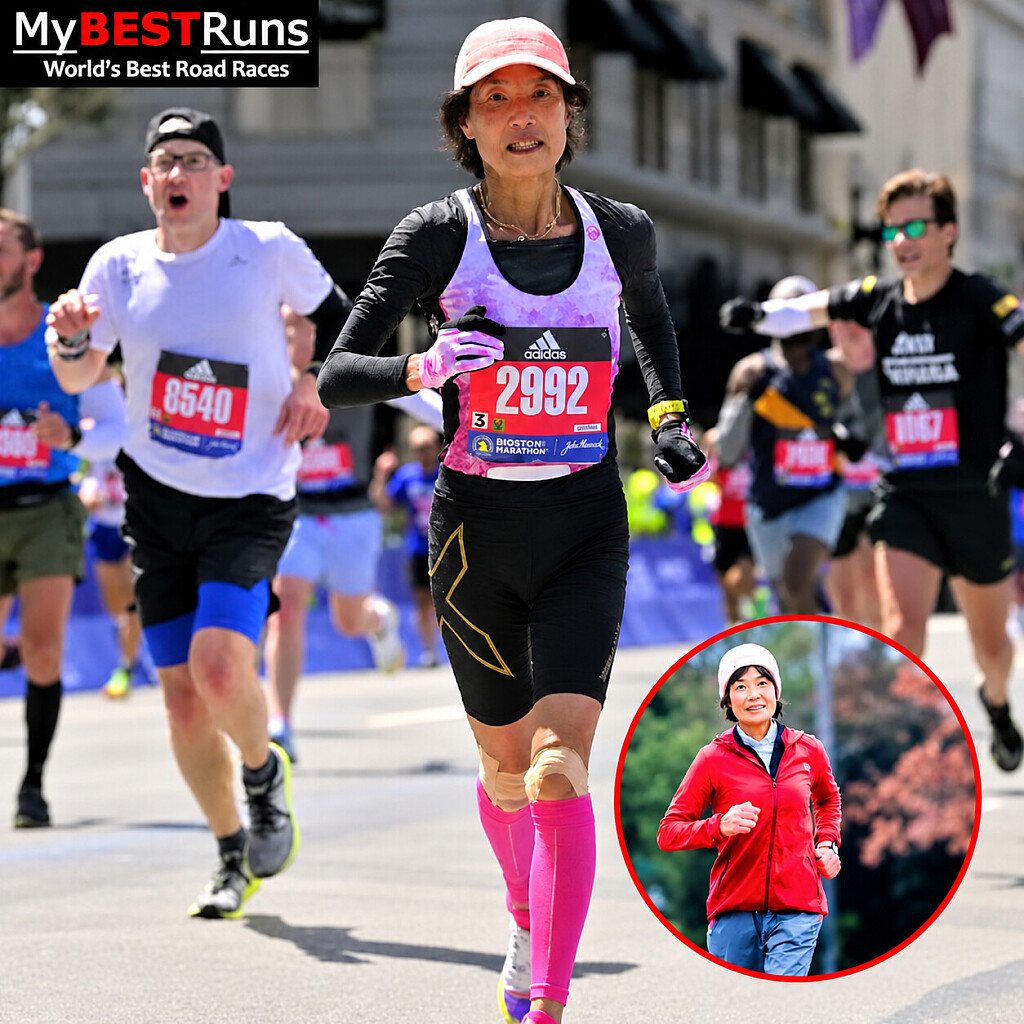
Mariko Yugeta’s 43-Year Marathon Journey Ends With a Historic Sub-Three-Hour Run
For Mariko Yugeta, breaking three hours in the marathon was never simply a time goal. It was a dream that survived more than four decades of life’s responsibilities, setbacks and changing priorities before finally becoming reality.
Yugeta first stepped into marathon racing in 1982 at the age of 24, completing her debut in an impressive 3:09:21. At the time, she could hardly have imagined that her pursuit of the elusive three-hour barrier would stretch across generations.
Life soon took her in a different direction. Yugeta became a high school physical education teacher and devoted much of her time to raising her four children, leaving serious marathon training behind. The demands of family and work meant that the dream had to wait, but it never disappeared.
In her 50s, Yugeta returned to dedicated marathon training, reigniting a goal she had carried with her for decades. Her comeback eventually produced the breakthrough she had been chasing since her twenties, as she became a sub-three-hour marathoner at the age of 58.
But Yugeta was far from finished.
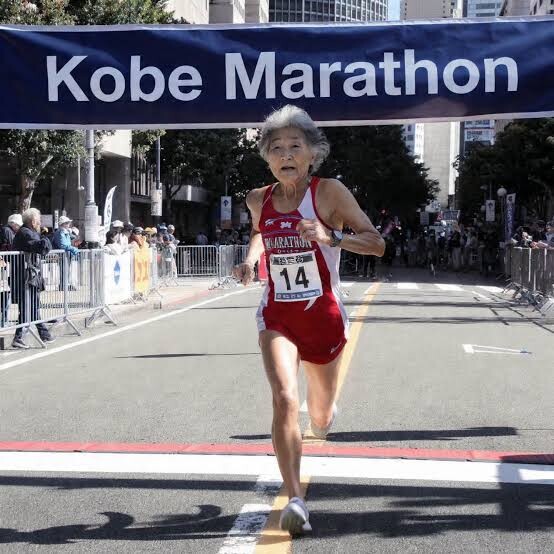
At 67, she produced perhaps the most remarkable chapter of her extraordinary running journey at the Kobe Marathon. She crossed the finish line in 2:58:59, with a net time of 2:59:02, becoming the first woman aged over 65 to complete a marathon in under three hours.
The performance was remarkable not only because of the time on the clock, but because of the journey behind it. More than 40 years separated her first marathon from this historic achievement, demonstrating an extraordinary level of patience, consistency and determination.
Even in her late 60s, Yugeta continues to train at a level that would challenge many much younger runners. She reportedly covers around 100 kilometres each week and remains active in masters marathon competition, continuing to push the boundaries of what is possible with age.
Her story is a powerful reminder that athletic dreams do not always have to follow a conventional timeline. Some ambitions are achieved quickly, while others require years of persistence and the willingness to begin again after life forces you to step away.
For Yugeta, the finish line simply took longer to reach.
Forty-three years after running her first marathon, she finally turned a lifelong ambition into a piece of running history — proving that sometimes the most extraordinary victories are the ones that take the longest to arrive.
by Erick Cheruiyot for My Best Runs.
Login to leave a comment
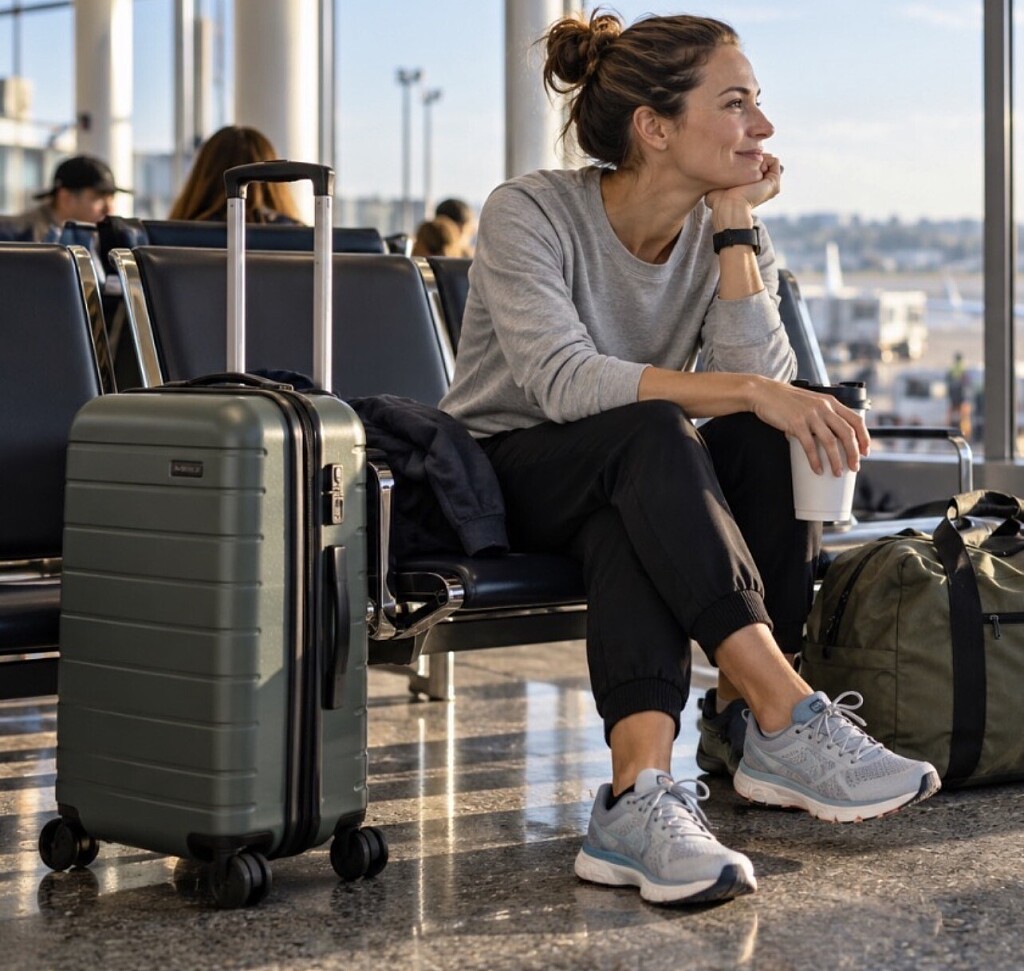
7 Packing Tips for Your First Time Traveling For a Race
Traveling for a race is the perfect excuse to turn a running weekend into an adventure. Perhaps you’re heading to the Tokyo Marathon and already thinking about the sushi and ramen you’ll enjoy afterward. Or maybe your next finish line is beside the beach.
Between training, booking a hotel and planning what to explore, packing can become an afterthought. Then race morning arrives, and your favorite socks are still at home, your race information is buried in your suitcase and your water bottle is nowhere to be found.
A little organization before departure can make the entire trip smoother. These seven packing tips will help you arrive ready to run and enjoy the weekend.
1. Pack Your Race-Day Outfit in Your Carry-On
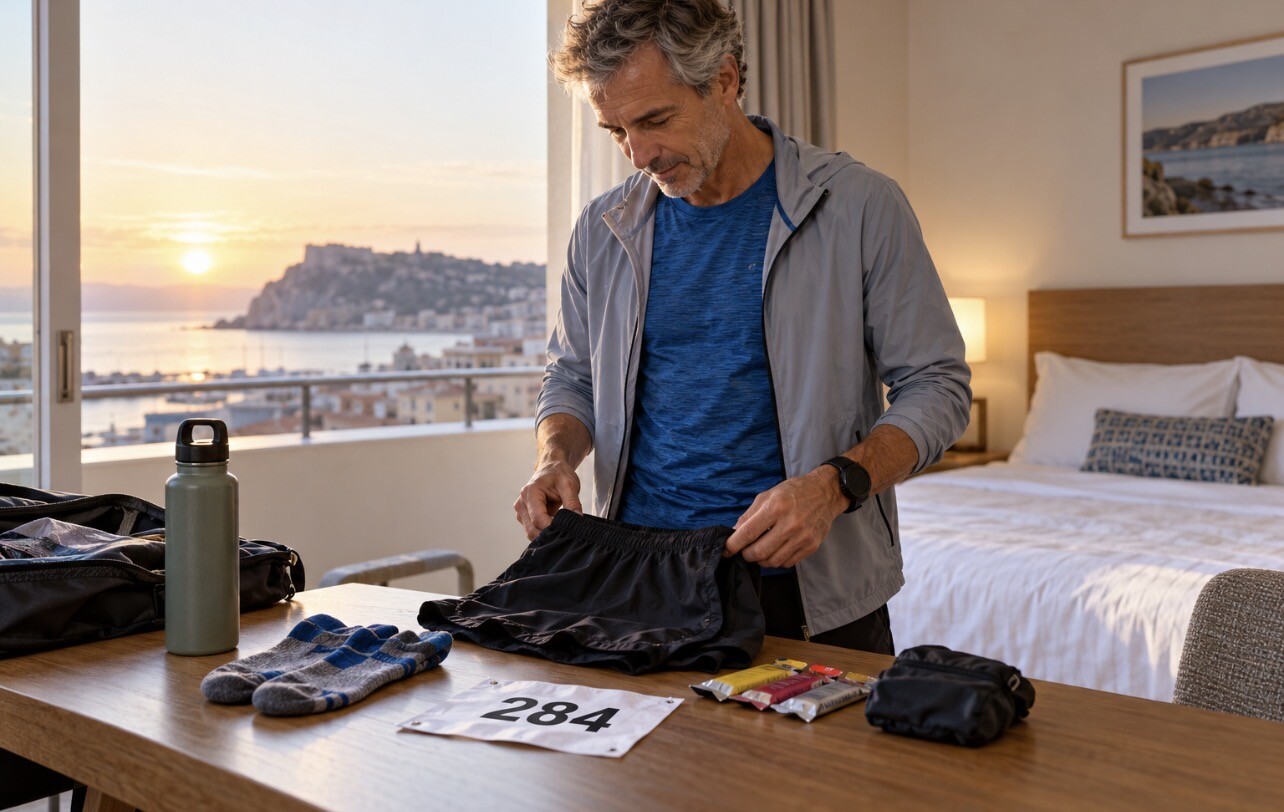
Keep your race-day clothing and essentials in your carry-on. Pack your running top, shorts or tights, socks, sports bra if needed, and the small items you depend on during a race. If your checked luggage is delayed, your key gear will still be with you.

Fold your race outfit together or place it in a packing pouch so everything is easy to find. A smaller zip pouch can hold accessories. Knowing exactly where your race kit is means one less thing to worry about when you arrive.
2. Wear Your Running Shoes on the Plane
Your running shoes deserve the same attention as your race outfit. Wearing them on the plane keeps them out of checked luggage and leaves more room in your suitcase.
Choose a familiar pair you have already used in training. Race weekend is not the time to discover that new shoes rub or fit differently than expected. If you prefer to travel in another pair, keep your race shoes in your carry-on.
3. Bring a Spacious Bag for Your Gear
A race trip often requires more than running clothes. Add a jacket, recovery clothes, snacks and accessories, and your packing list grows quickly. A spacious duffel with sturdy handles and useful pockets can keep those extras organized and serve as a day bag at your destination.
Think about what you’ll do beyond race day. A hike may call for trail shoes and a light layer. If pickleball is part of your plans, you may want a paddle and extra clothes.
The same thinking applies when choosing your bag. If you’re planning a few games on the court during the trip, consider pickleball tour and duffel bags. A backpack may be more practical for hiking or exploring on foot. Choose a bag that suits your itinerary, and check your airline’s size and weight limits before packing.
4. Organize Your Bib and Race Documents
Keep your identification, registration confirmation and race instructions together. A slim document pouch works well for paper copies, while a dedicated folder on your phone can keep digital information easy to access.
Download important details before leaving home, including the race map, confirmation email and packet pickup instructions. Save copies you can open without an internet connection.
If you already have your bib, keep it flat and protected. Otherwise, check where and when you need to collect it and what identification the organizer requires. Handling these details in advance helps keep the pre-race scramble to a minimum.
5. Take Familiar Snacks with You
Race travel can disrupt your usual eating routine. Your preferred breakfast may be unavailable, and the hotel buffet may not offer what you normally eat before a run.
Bring the bars, gels and electrolyte products you have already used in training. Your runner’s diet shouldn’t become a vacation guessing game.
Count what you’ll need for travel and race day, then pack a little extra. Keep some familiar snacks in your carry-on and bring enough race fuel for your planned strategy. Check destination rules before carrying food across international borders.
6. Always Have a Water Bottle
Busy travel days can make it easy to forget your usual drinking habits. A reusable water bottle is a simple item that deserves a place on your packing list.
Carry it empty through airport security, then fill it where drinking water is available. Keep it handy during your journey and when heading out for packet pickup or other race activities.
Staying hydrated is also part of caring for your body while traveling. If an electrolyte mix is already part of your routine, pack your usual product. Having familiar supplies nearby makes it easier to maintain your normal habits while traveling.
7. Pack Layers for Changing Weather
A mild forecast doesn’t always reflect how it will feel while waiting at the starting line early in the morning. Pack a lightweight layer you have already worn while running.
A zip jacket or long-sleeve top can help you stay comfortable before the start. Decide in advance whether you’ll carry it during the race or leave it at an official bag check, following the organizer’s instructions.
For colder conditions, familiar gloves and other tested gear can help. Review this guide to running in cold weather, then check the forecast again before departure and once more before race morning so you can make any final adjustments.
Thoughtful packing helps you get more out of a destination race. Keep essential gear close, choose a bag that works for your plans and organize your documents before you leave. With those details handled, you can spend less time searching through your suitcase and more time enjoying the run—and everything that comes afterward.
Login to leave a comment
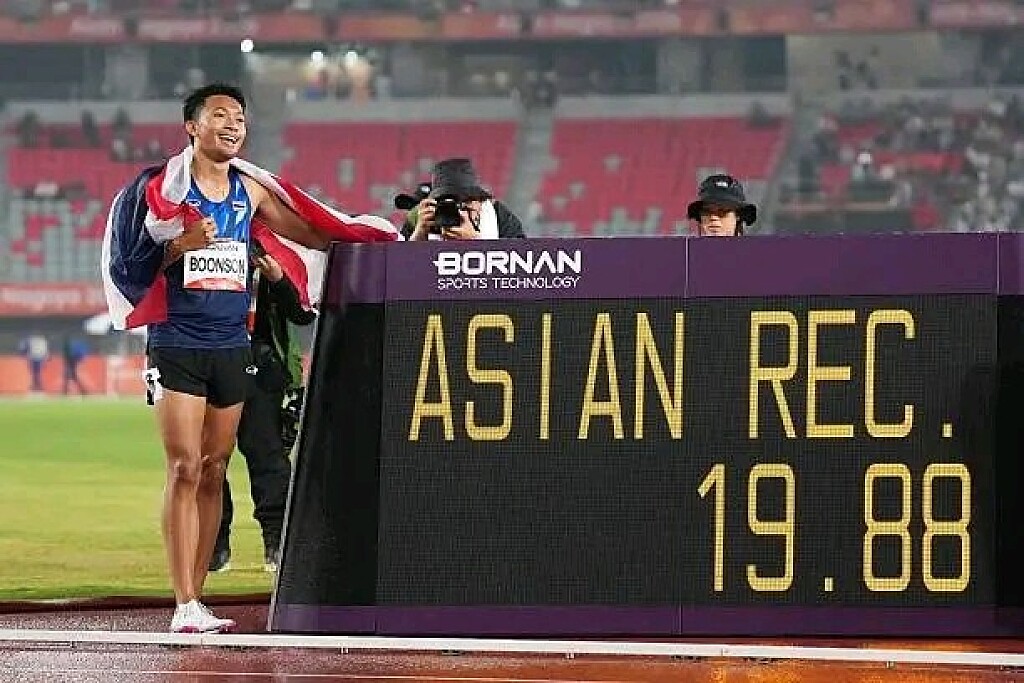
Puripol Boonson Crowned Men’s MVP After Sensational Sprint Double at Asian Games
Thailand’s Puripol Boonson has been named the Men’s Most Valuable Player of the Aichi-Nagoya 2026 Asian Games after producing a remarkable sprint double that further underlined his emergence as one of Asia’s brightest young track stars.
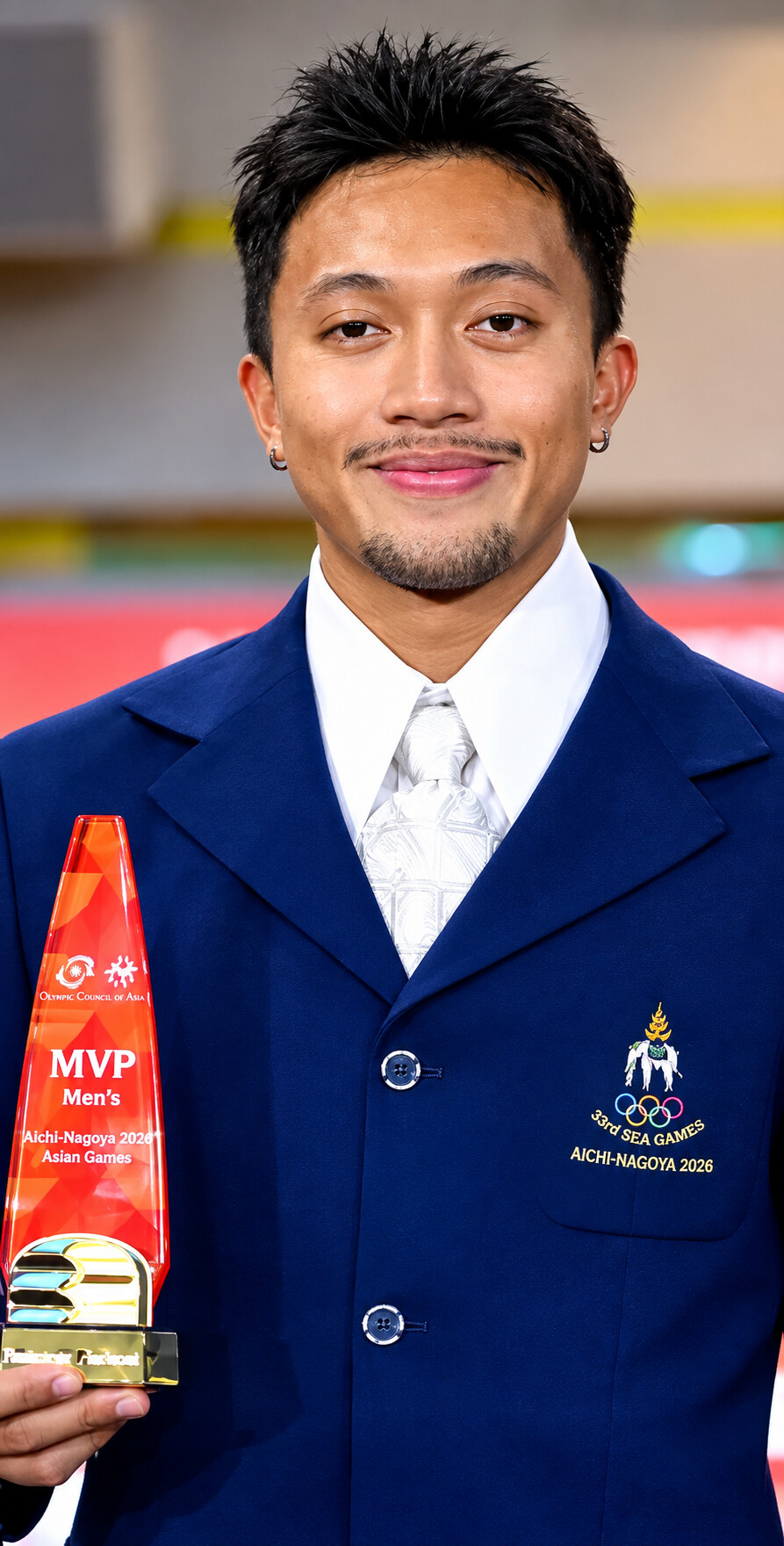
The 20-year-old sprinter delivered two outstanding performances to claim gold in both the men’s 100m and 200m, establishing himself as the dominant individual sprinter of the Games and earning the biggest individual accolade awarded by the Olympic Council of Asia.
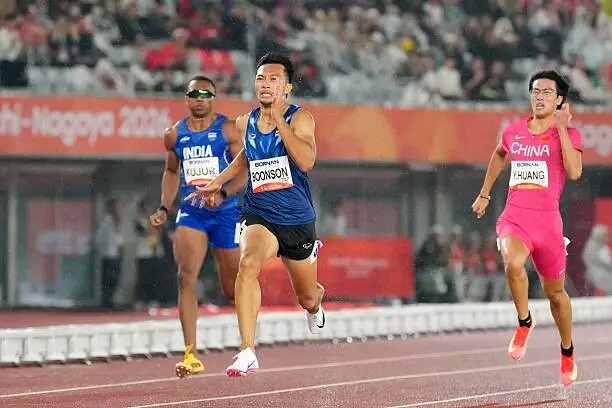
Boonson opened his campaign in spectacular fashion in the 100m, storming to victory in 9.90 seconds. The performance confirmed his exceptional speed and placed him firmly among the continent’s leading sprinters.
He then returned to the track for the 200m and produced another statement performance, crossing the finish line in 19.88 seconds to secure his second gold medal. His time matched the Asian record, adding another significant milestone to an already remarkable Games.
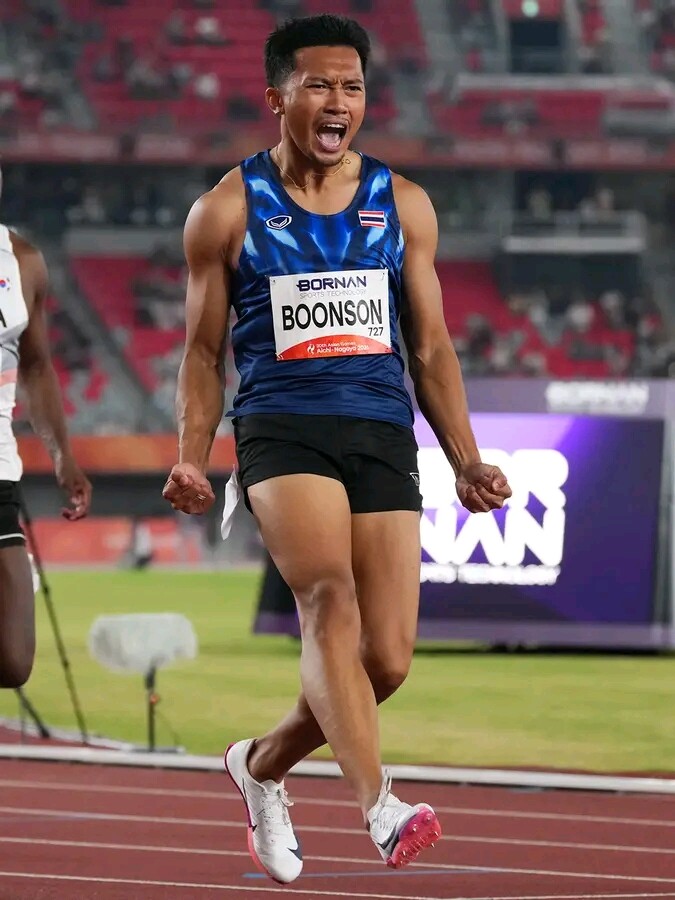
The sprint double is particularly impressive given the depth of talent competing at the continental level, with Boonson managing to combine explosive acceleration in the 100m with the speed endurance required to excel over 200m.
His performances have also strengthened his reputation as one of the most exciting young sprinters in Asia. At only 20, Boonson is already competing at a level that places him alongside some of the continent’s most accomplished sprinting names, while his progression suggests there could be even greater performances ahead.
For Thailand, his success represents a significant moment for the nation’s athletics programme. Boonson has become a leading figure in a new generation of Asian sprinters, and his performances on the biggest continental stage have brought renewed attention to Thailand’s sprinting ambitions.
Winning two individual sprint titles and being selected as the Men’s MVP makes Boonson one of the defining athletes of the Aichi-Nagoya Games. More importantly, his performances have provided a glimpse of what could become a long and highly successful career on the international stage.
With a 9.90-second 100m and a 19.88-second 200m already on his record, Puripol Boonson has made one thing clear: Asia’s sprinting landscape has a new force to watch.
by Erick Cheruiyot for My Best Runs.
Login to leave a comment
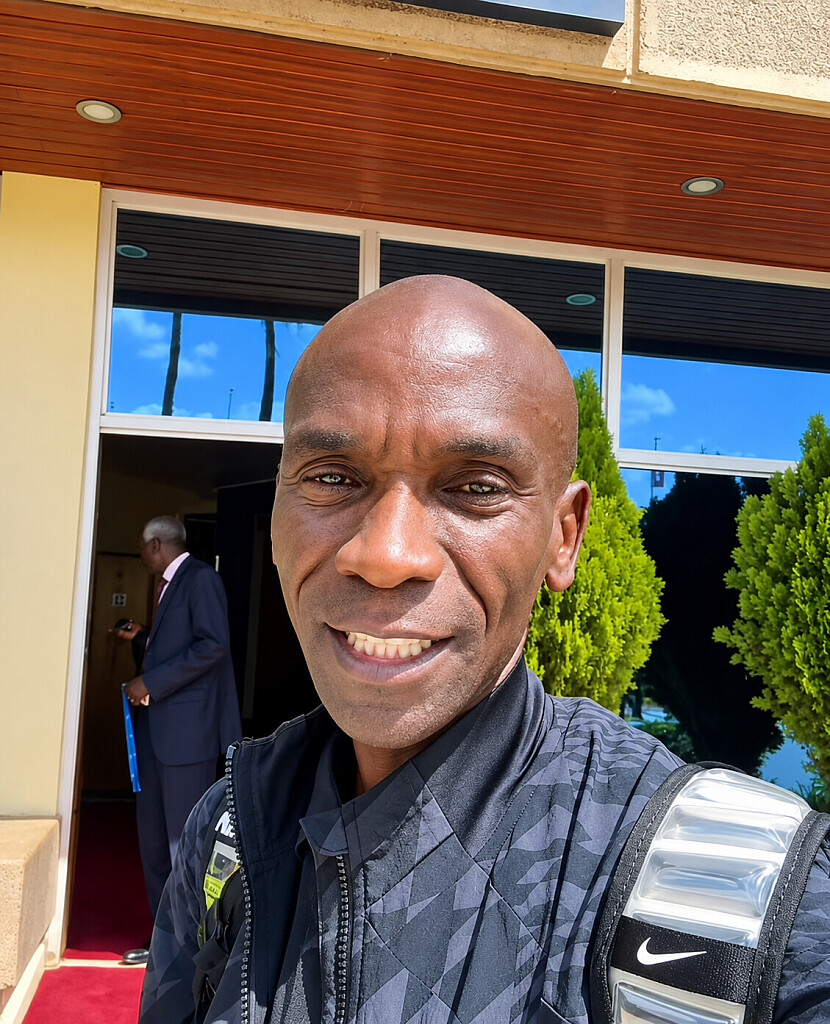
Eliud Kipchoge Brings His Seven-Continent Journey To Melbourne
MELBOURNE, AUSTRALIA — The countdown is almost over. On Sunday, October 11, Eliud Kipchoge will return to marathon racing in Australia as the legendary Kenyan takes the next step in his extraordinary seven-continent world tour.
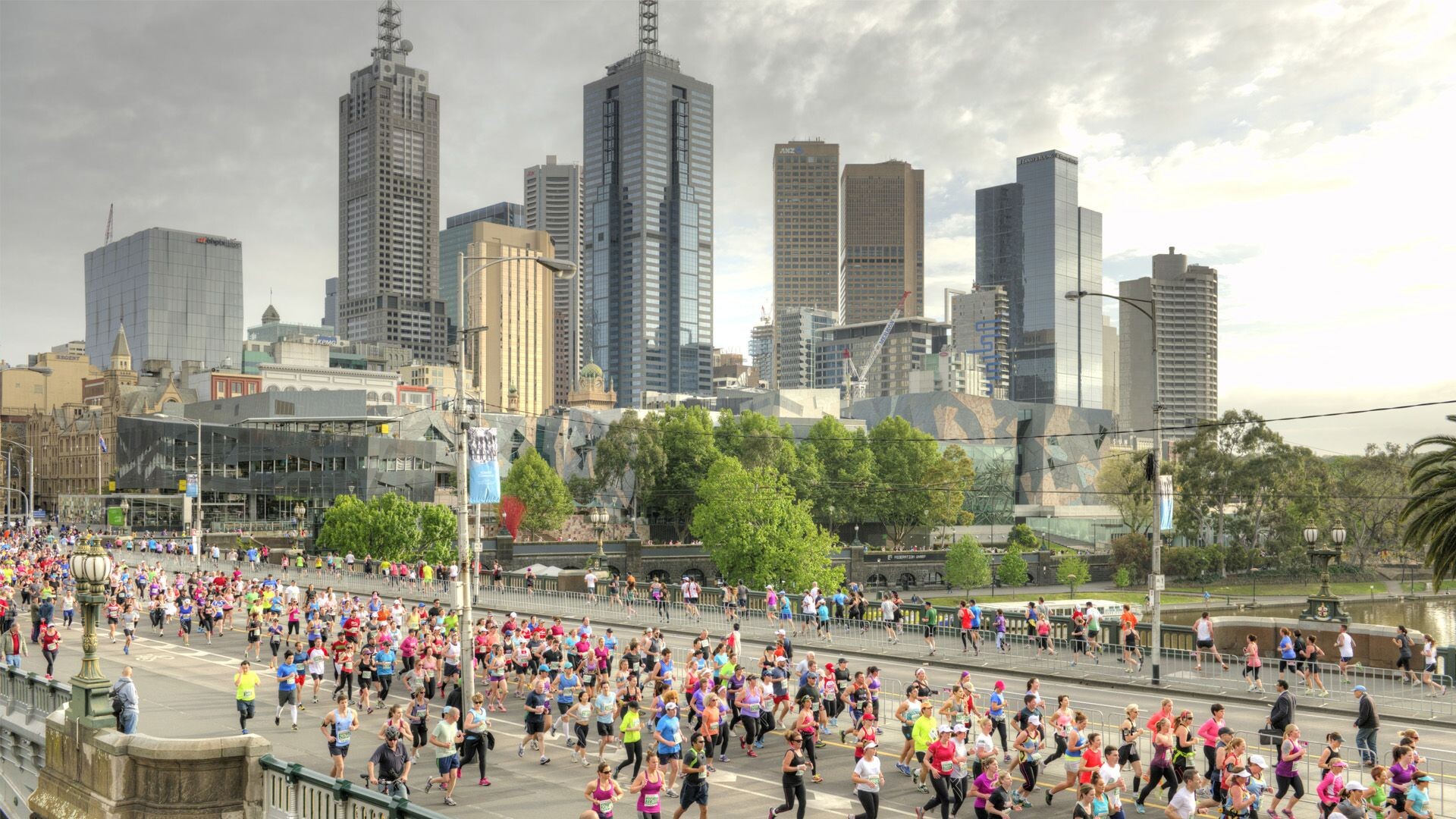
The two-time Olympic marathon champion will headline the 2026 Nike Melbourne Marathon, marking the third stop of his global journey after opening the project in Cape Town in May before travelling to Porto Alegre, Brazil, in July. Melbourne now becomes the next chapter in a remarkable mission designed to take one of the greatest marathoners in history across all seven continents.
And for Kipchoge, the Melbourne visit carries a message that reaches beyond the marathon itself.
Reflecting on the history of the Olympic city, Kipchoge drew inspiration from an extraordinary moment in 1956, when a 17-year-old boy named Ian (John Wing) encouraged Melbourne to come together and walk during the Olympic Games.
“In 1956, a 17-year-old kid called Ian (John Wing) told Melbourne to walk together during the Olympic Games. Seventy years down the line, I am going to tell the people of Melbourne, let us run together,” Kipchoge said.
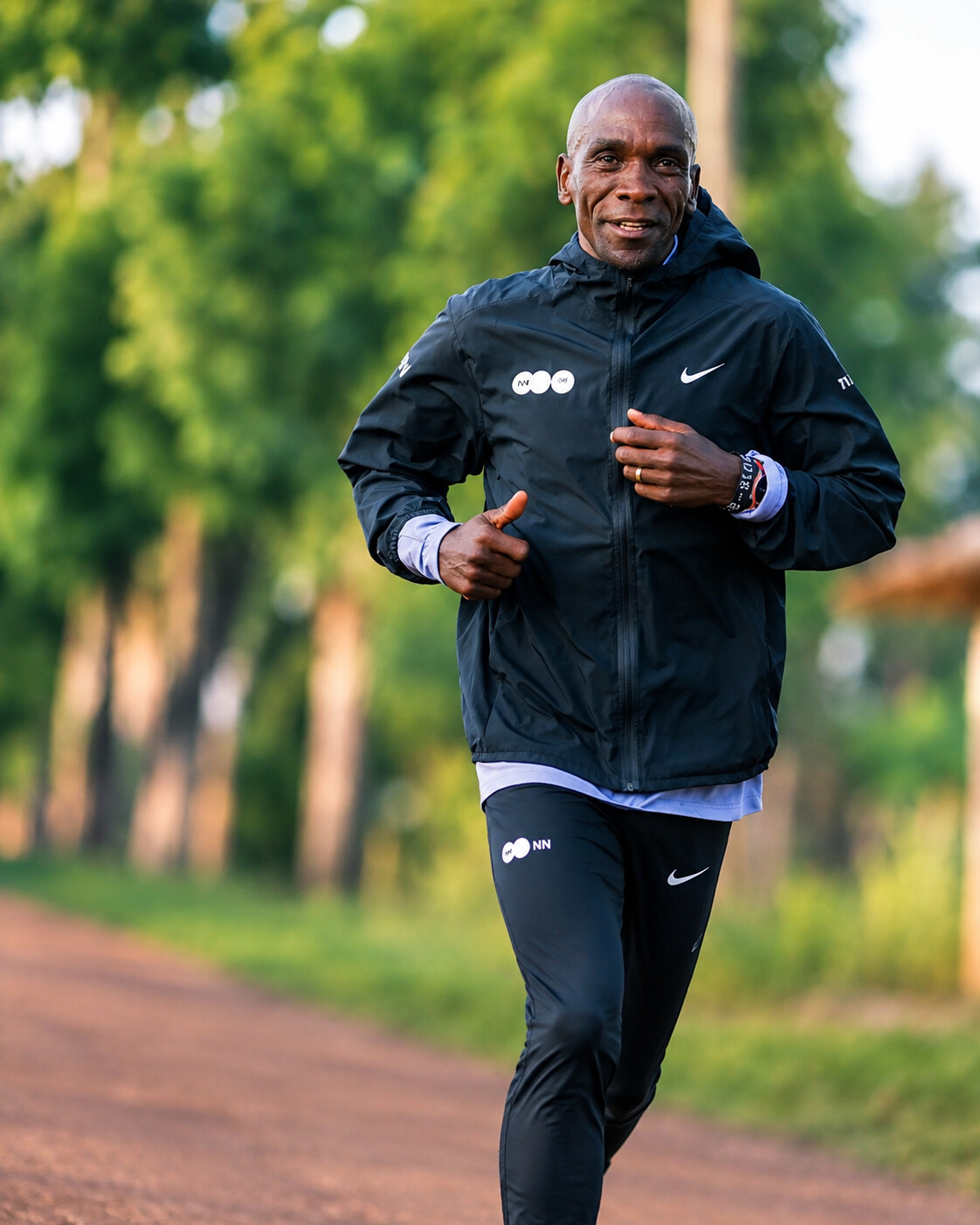
The message perfectly captures the spirit behind his latest global adventure — using running not simply as competition, but as a way of bringing people together, inspiring communities and connecting different parts of the world through the sport he has devoted his life to.
And Melbourne has prepared for the occasion.
The 2026 Nike Melbourne Marathon has undergone one of the most significant course transformations in its history. Organisers have created a faster and flatter route, reducing elevation gain by up to 20 per cent and cutting the number of turns by around 30 per cent. The demanding climb between Birdwood Avenue and Domain Road has also been removed, while the race will once again culminate with the iconic finish inside the Melbourne Cricket Ground.
For Kipchoge, however, this journey is about far more than chasing another fast marathon time.
At 41, the Kenyan legend is at a different stage of his career. The days of relentlessly pursuing world records may be behind him, but his ambition remains unmistakable. This time, the challenge is to take his message of running, unity and inspiration to every corner of the world while sharing the road with runners and communities across seven continents.
The Melbourne appearance also carries a special significance. Kipchoge has never previously raced the Nike Melbourne Marathon, and his arrival has added another layer of excitement to an event already entering a new era. More than 60,000 participants are expected across the festival, while the marathon itself has a capacity of 20,000 runners.
The race will begin at 6:15 a.m. local time on Sunday, with runners setting off from Batman Avenue before making their way through some of Melbourne's most recognisable landmarks. The finish inside the MCG promises to provide a spectacular backdrop for what could become one of the most memorable moments of Kipchoge's global tour.
Kipchoge arrives in Melbourne with a formidable legacy that few athletes in any sport can match. He is a two-time Olympic champion, a former marathon world-record holder and the first man to run a marathon under two hours in a controlled, non-record-eligible event.
Yet his latest challenge is not about adding another number to an already extraordinary list of achievements.
It is about the journey.
From Africa to South America and now Oceania, Kipchoge's seven-continent adventure is allowing fans around the world to see the marathon icon in places where he has never raced before. Each race represents another opportunity to connect with runners, inspire younger generations and celebrate the power of the sport that has defined his life.
And in Melbourne, his message is simple: let us run together.
On Sunday morning, the streets will fill with thousands of runners, spectators will line the course, and one of the most celebrated athletes in the history of distance running will once again stand on a marathon start line.
Seventy years after a teenager encouraged Melbourne to walk together during the 1956 Olympic Games, Kipchoge will return to the city with a new invitation — to run together.
Eliud Kipchoge is coming to Melbourne, and the world will be watching.
by Erick Cheruiyot for My Best Runs.
Login to leave a comment
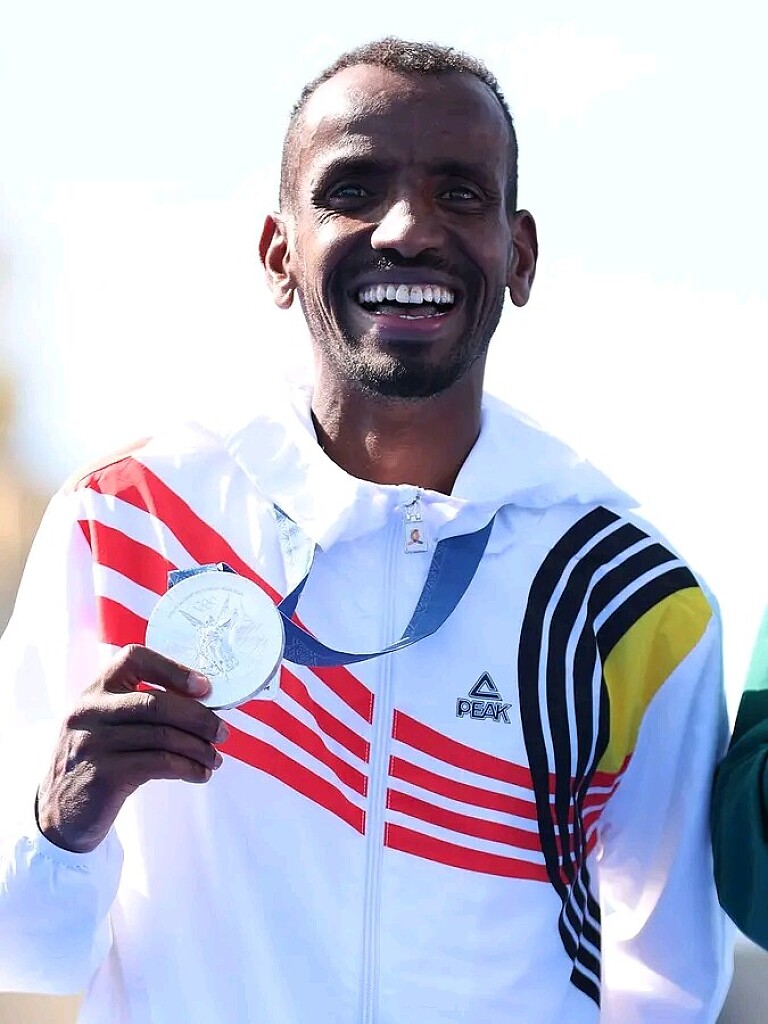
Bashir Abdi Withdraws From Chicago Marathon After Calf Injury
Belgian marathon star Bashir Abdi has been forced to withdraw from the 2026 Chicago Marathon after suffering a calf injury during his final training session in Flagstaff, Arizona.

The two-time Olympic marathon medallist confirmed on Monday that a small tear in his calf has ruled him out of Sunday’s race, bringing an untimely end to months of preparation for one of the biggest marathons of the year.
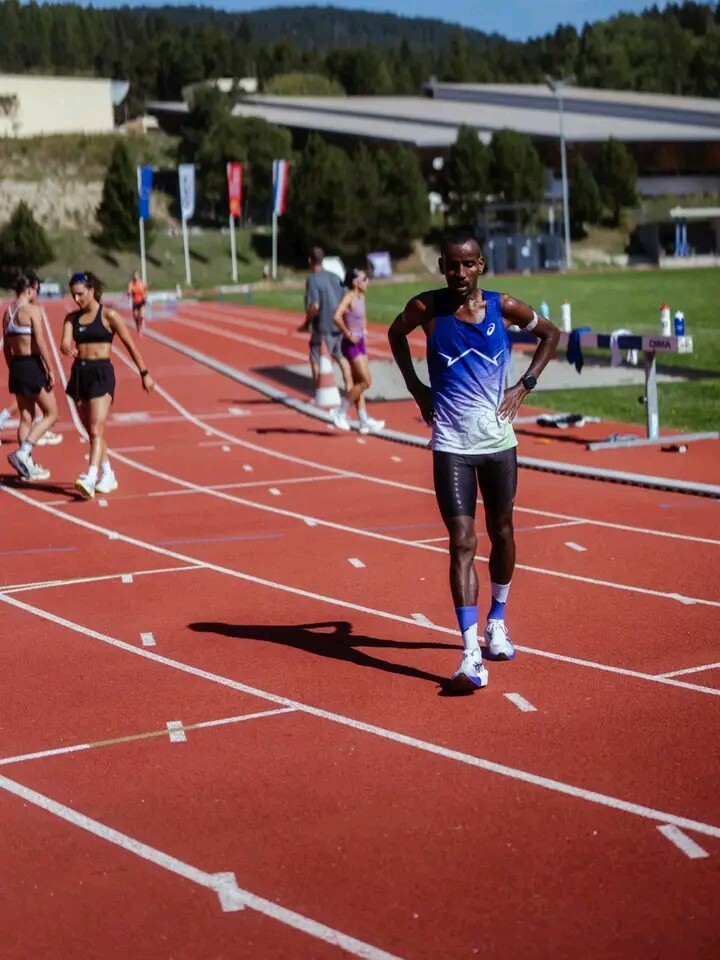
“Unfortunately, I will not be participating in the Chicago Marathon this weekend,” Abdi announced. “During my last training session in Flagstaff, I suffered a small tear in my calf.”
The 37-year-old stressed that the injury is not considered serious, but explained that it is significant enough to prevent him from safely taking his place on the start line. After consulting with his coach and medical team, the decision was made to avoid taking unnecessary risks.
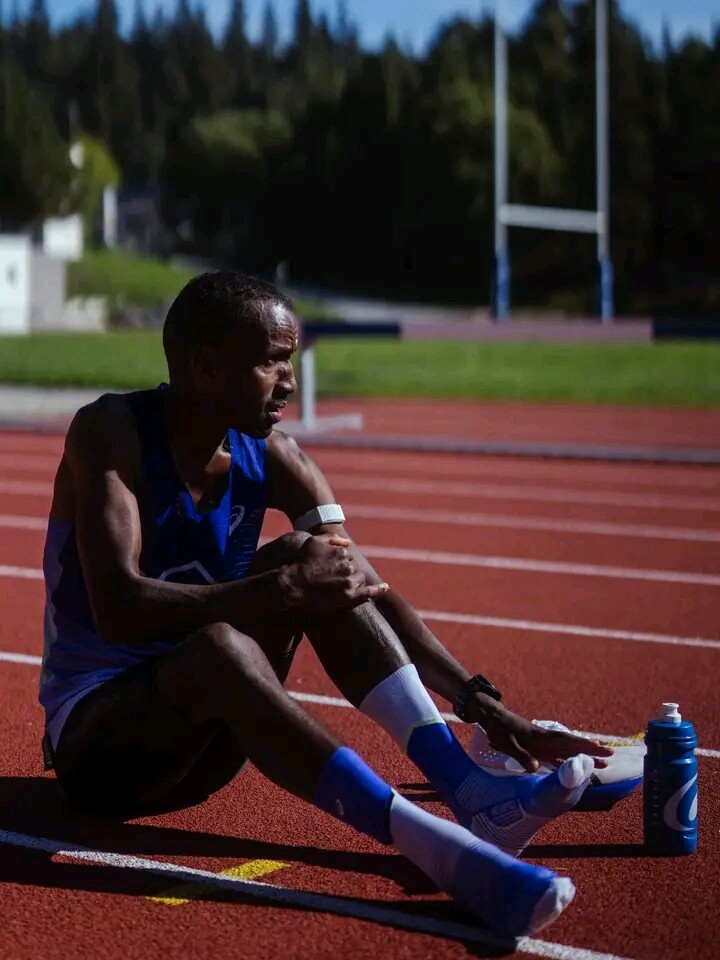
“It’s not a major injury, but enough to keep me from the start line. After consulting with my coach and medical team, we decided not to take any risks,” Abdi said.
The withdrawal is a major disappointment for Abdi, who had been listed among the elite contenders for the 48th edition of the Bank of America Chicago Marathon. The race is scheduled for October 11 and is expected to feature more than 55,000 finishers.
Abdi arrived at the Chicago buildup with an impressive marathon résumé. He won Olympic silver in Paris in 2024 after previously taking bronze at the Tokyo Olympics in 2021, establishing himself as one of the most accomplished marathoners of his generation.
He is also the European marathon record-holder, having clocked 2:03:36 in Rotterdam in 2021 to become the first European athlete to break the 2:04 barrier.
His 2026 season had shown that he remained capable of competing at the highest level. In April, Abdi finished third at the Rotterdam Marathon in 2:04:19, behind Ethiopia’s Guye Adola and Tesfaye Deriba.
For Abdi, the immediate priority is now recovery rather than forcing a return before he is ready. Missing Chicago will undoubtedly be frustrating after months of preparation, but protecting his long-term career is the more important decision.
The Belgian remains determined to move forward, with his focus now shifting toward rehabilitation and preparing for his next opportunity to race.
For one of Europe’s greatest marathoners, Chicago may be off the calendar—but the pursuit of more history continues.
by Erick Cheruiyot for My Best Runs.
Login to leave a comment
