

Running News Daily
Running News Daily is edited by Bob Anderson and team. Send your news items to bob@mybestruns.com Advertising opportunities available.
Index to Daily Posts · Sign Up For Updates · Run The World Feed
Articles tagged #three-hour barrier
Today's Running News



Mariko Yugeta’s 43-Year Marathon Journey Ends With a Historic Sub-Three-Hour Run
For Mariko Yugeta, breaking three hours in the marathon was never simply a time goal. It was a dream that survived more than four decades of life’s responsibilities, setbacks and changing priorities before finally becoming reality.
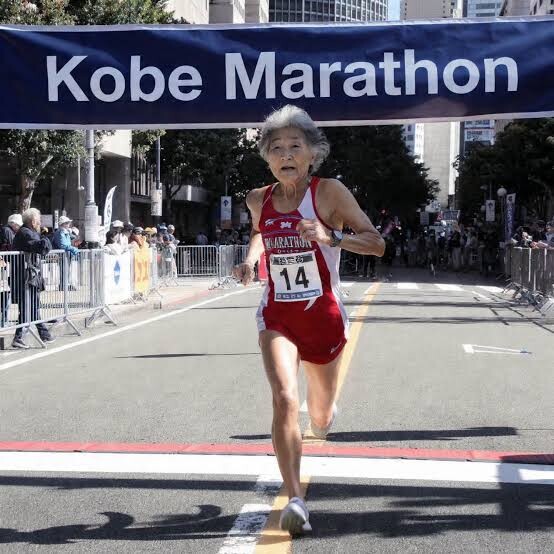
Yugeta first stepped into marathon racing in 1982 at the age of 24, completing her debut in an impressive 3:09:21. At the time, she could hardly have imagined that her pursuit of the elusive three-hour barrier would stretch across generations.
Life soon took her in a different direction. Yugeta became a high school physical education teacher and devoted much of her time to raising her four children, leaving serious marathon training behind. The demands of family and work meant that the dream had to wait, but it never disappeared.
In her 50s, Yugeta returned to dedicated marathon training, reigniting a goal she had carried with her for decades. Her comeback eventually produced the breakthrough she had been chasing since her twenties, as she became a sub-three-hour marathoner at the age of 58.
But Yugeta was far from finished.
At 67, she produced perhaps the most remarkable chapter of her extraordinary running journey at the Kobe Marathon. She crossed the finish line in 2:58:59, with a net time of 2:59:02, becoming the first woman aged over 65 to complete a marathon in under three hours.
The performance was remarkable not only because of the time on the clock, but because of the journey behind it. More than 40 years separated her first marathon from this historic achievement, demonstrating an extraordinary level of patience, consistency and determination.
Even in her late 60s, Yugeta continues to train at a level that would challenge many much younger runners. She reportedly covers around 100 kilometres each week and remains active in masters marathon competition, continuing to push the boundaries of what is possible with age.
Her story is a powerful reminder that athletic dreams do not always have to follow a conventional timeline. Some ambitions are achieved quickly, while others require years of persistence and the willingness to begin again after life forces you to step away.
For Yugeta, the finish line simply took longer to reach.
Forty-three years after running her first marathon, she finally turned a lifelong ambition into a piece of running history — proving that sometimes the most extraordinary victories are the ones that take the longest to arrive.
by Erick Cheruiyot for My Best Runs.
Login to leave a comment
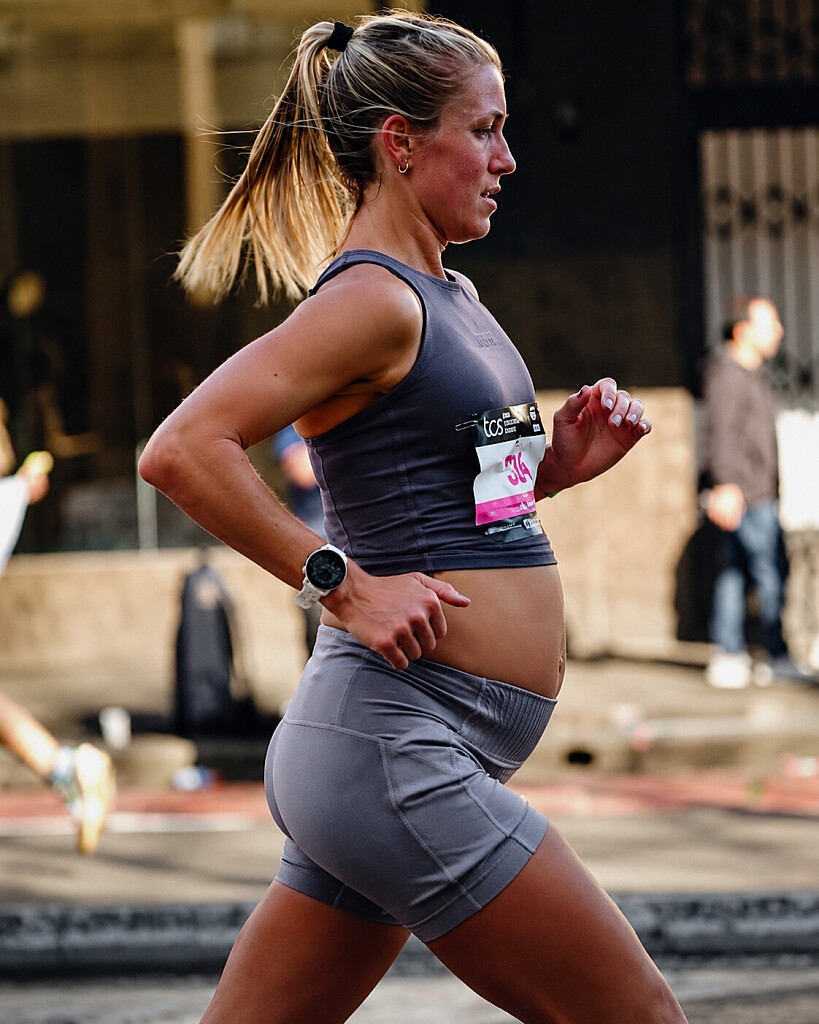
Ali Anderson Defies the Odds to Run Sub-3 Marathon at 32 Weeks Pregnant in Sydney
Ali Anderson produced one of the most remarkable performances of the Sydney Marathon on Sunday, becoming one of the rare women to break three hours for the marathon while 32 weeks into pregnancy.
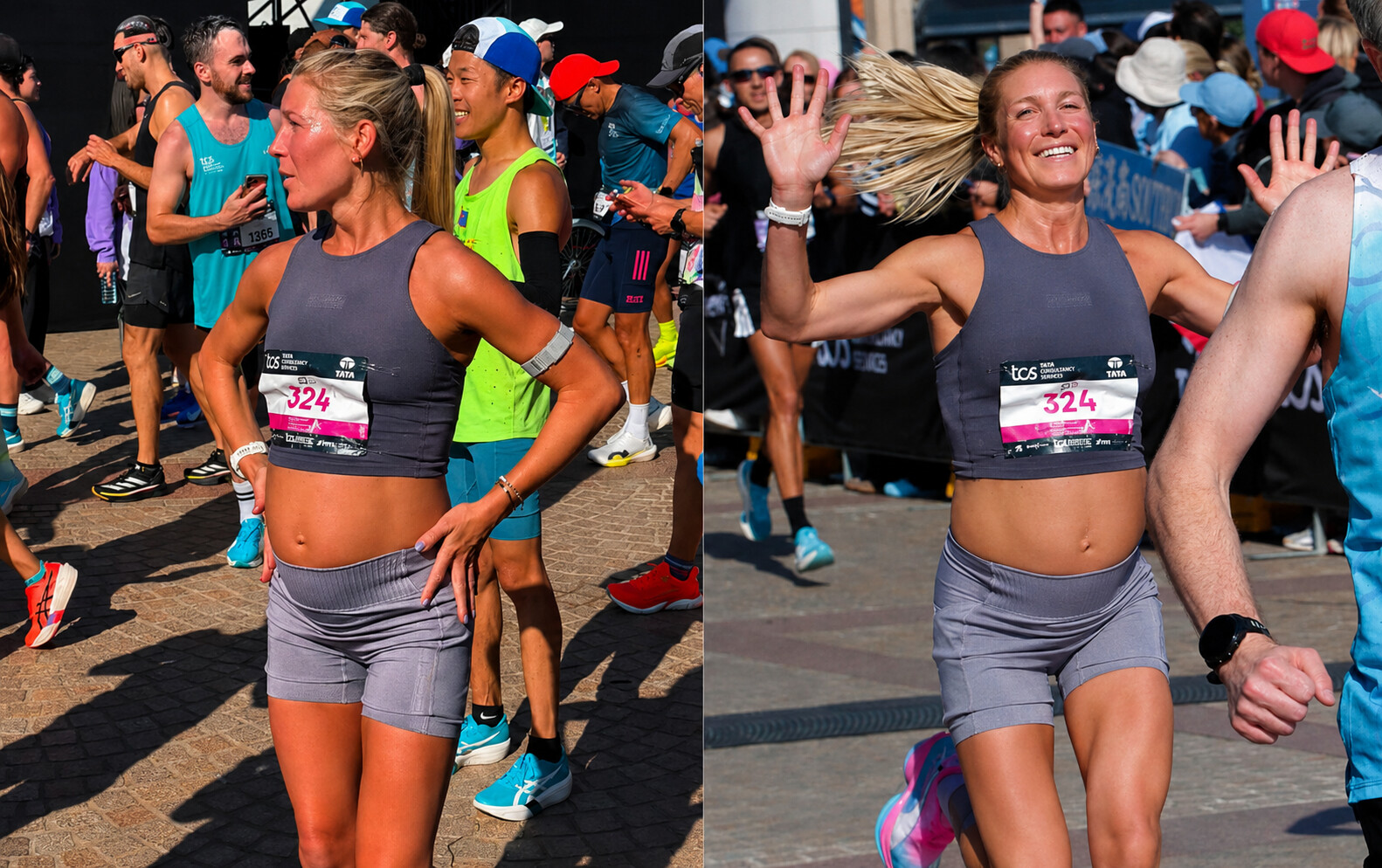
The 29-year-old American from Oklahoma crossed the finish line in 2:59:43, completing the 26.2-mile journey from North Sydney to the Sydney Opera House with just 17 seconds to spare under the three-hour barrier. Her performance came as part of a record field of around 40,000 runners and marked her seventh marathon, as well as her fourth World Marathon Major.
Anderson had entered the Sydney Marathon before discovering she was pregnant. Rather than withdraw, she decided to continue preparing for the race after consulting her doctor, who told her there was no medical reason to stop her normal training, provided she was no longer pursuing a personal-best effort.

The Sydney performance was particularly striking when compared with her previous marathon earlier in the year. At the Boston Marathon in April, Anderson was just 13 weeks pregnant when she clocked a spectacular 2:41:58, establishing her personal best. Nineteen weeks later in Sydney, the physical demands of late pregnancy were naturally reflected in her pace, but she still managed to produce a sub-three-hour performance.
Her Boston average pace was approximately 6:11 per mile, compared with around 6:52 per mile in Sydney — a difference of roughly 41 seconds per mile. Yet despite the slower pace and the additional demands of carrying a pregnancy into the third trimester, Anderson maintained enough control to finish inside three hours.
Speaking after the race, Anderson acknowledged that the hills felt considerably tougher because of her increased weight, but said she felt good throughout the marathon and was careful not to push herself beyond her limits.
“I'm obviously heavier, so the hills were a little bit more intense. But I felt really good, and I wasn't pushing too hard,” she said.
There was also another challenge that required careful planning: bathroom stops. With pregnancy adding an extra logistical consideration to an already demanding marathon, Anderson had to manage her race differently from a conventional marathon preparation and execution.
Her decision to race came after seeking medical advice. Anderson said her doctor reassured her that she could continue running, while making it clear that the objective should not be chasing another personal best.
Her performance also comes against a growing body of evidence suggesting that exercise during pregnancy can be safe for many women when appropriately managed. Research has generally found reassuring outcomes for continued physical activity during pregnancy, although evidence specifically examining competitive marathon racing in late pregnancy remains much more limited. Individual medical circumstances can vary significantly, making professional medical guidance essential.
Anderson also had the option of postponing her Sydney Marathon entry. The event's rules allowed pregnant runners to defer their places to 2027, 2028 or 2029 with a doctor's letter. She chose not to take that route.
The Sydney Marathon was therefore more than another race on Anderson's résumé. It became a test of how she could adapt her ambitions to an extraordinary stage of her life — maintaining her passion for distance running while putting performance goals into perspective.
Her original plans extended beyond Sydney. She had another marathon scheduled for December and had hoped to pursue the 2:37:00 qualifying standard for the U.S. Olympic Marathon Trials. Her Boston personal best of 2:41:58 currently leaves her 4 minutes and 58 seconds outside that mark.
For now, however, Anderson's achievement in Sydney stands on its own.
A 2:59:43 marathon is impressive under any circumstances. Doing it at 32 weeks pregnant makes Anderson's Sydney Marathon one of the most extraordinary distance-running stories of the year.
by Erick Cheruiyot for My Best Runs.
Login to leave a comment
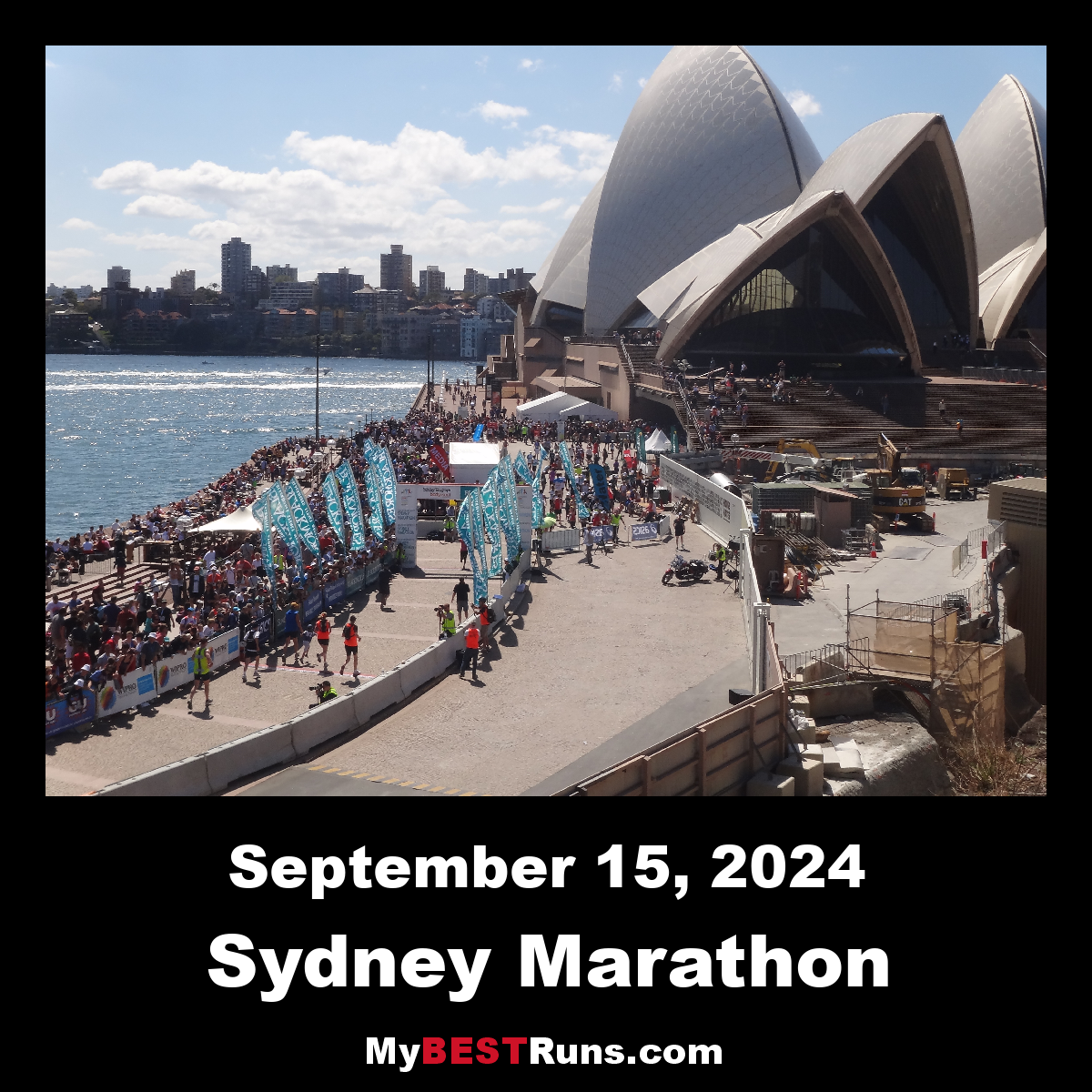
Sydney Marathon
The Sydney Marathon is a marathon held annually in Sydney, Australia. The event was first held in 2001 as a legacy of the 2000 Summer Olympics, which were held in Sydney. In addition to the marathon, a half marathon, 9 kilometres (5.6 mi) "Bridge Run", and a 3.5 kilometres (2.2 mi) "Family Fun Run" are also held under the banner...
more...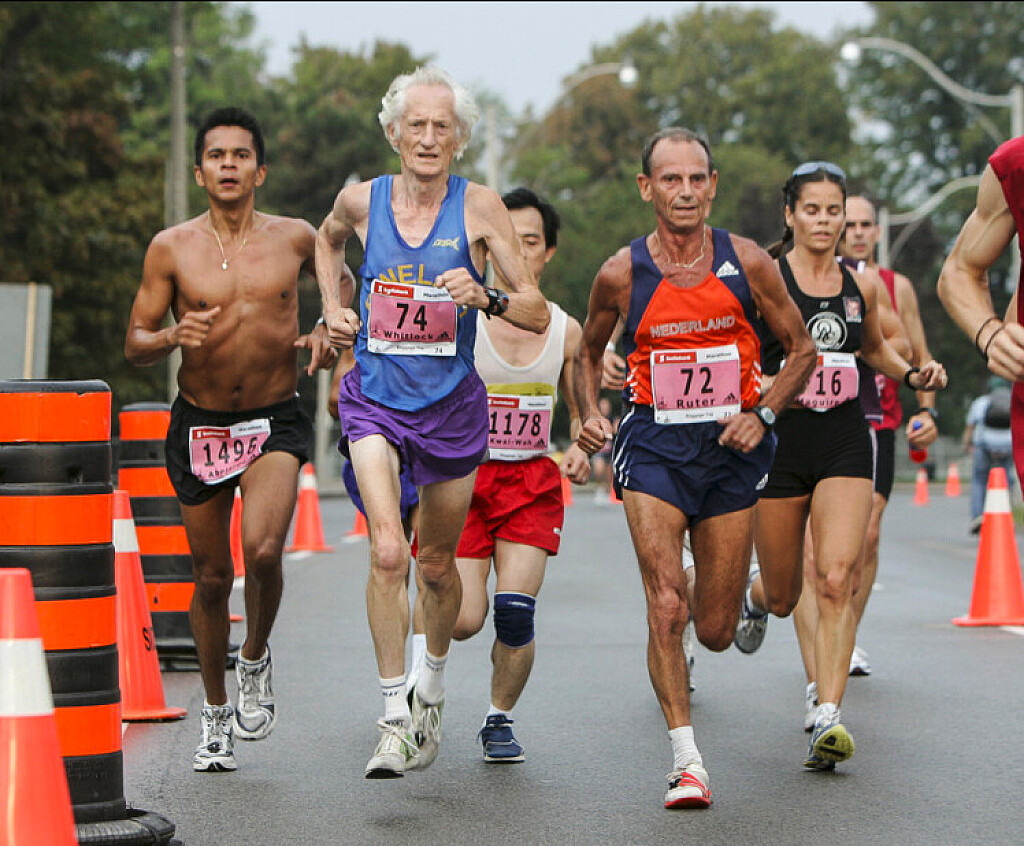
Enhance your training with the Jevitty app for masters runners
A new health and fitness app has been created out of Vancouver to enhance the performance of the current and next generation of masters runners. Jevitty is an app that tracks your progress on essential health metrics like body fat percentage, distribution, lean mass and bone density with one tap of the finger, helping you get the most out of your training while you age
The app takes the user’s current lifestyle and body composition information and provides them with a health score rating out of 200. When the user moves into a healthier way of living, that health score is updated in real-time, giving them a chance to track their progress.
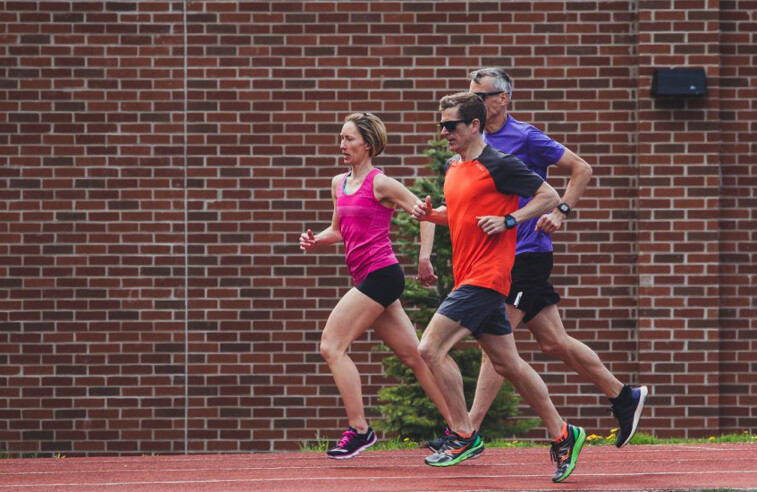

You can also sync the Jevitty app with your fitness tracker or GPS smartwatch and track other metrics like heart rate, sleep quality, activities and even how much oxygen your body uses while running (VO2 max).
The mind behind the app is Jerry Kroll, an experienced masters marathoner who found his inspiration while trying to break the three-hour barrier at the 2005 Toronto Waterfront Marathon at age 42. He was passed in the final few kilometres by the late Canadian running legend, Ed Whitlock, who ran 2:58:40 to become the world’s oldest man to run a sub-three-hour marathon.
“We want to change the way people think about life by giving them access to tools, professionals and services they need to turn the fear of getting older into a dream to be achieved,” says Kroll. “The app is a fun, engaging, research-informed way to create an optimal balance of body and mind and help redefine people’s true potential.”
At the 2022 Vancouver Half Marathon in June, Jevitty teamed up with Canada Running Series to offer a cash prize for the oldest sub-two-hour finisher. Janet Pritchard of Burnaby (W65-69) and Rick Horita of White Rock, B.C., (M70-74) won the inaugural Golden Shoe Award.
“We hope the award inspires younger athletes to live healthier when they are older and keep running,” says Kroll.
The company plans to reach out and partner up with more races around Canada to bring more awareness to Jevitty’s mission. “We want to ensure people are getting out to exercise regardless of age,” says Kroll.
The Jevitty app just launched for iOS users and will soon be available for Android.
by Running Magazine
Login to leave a comment
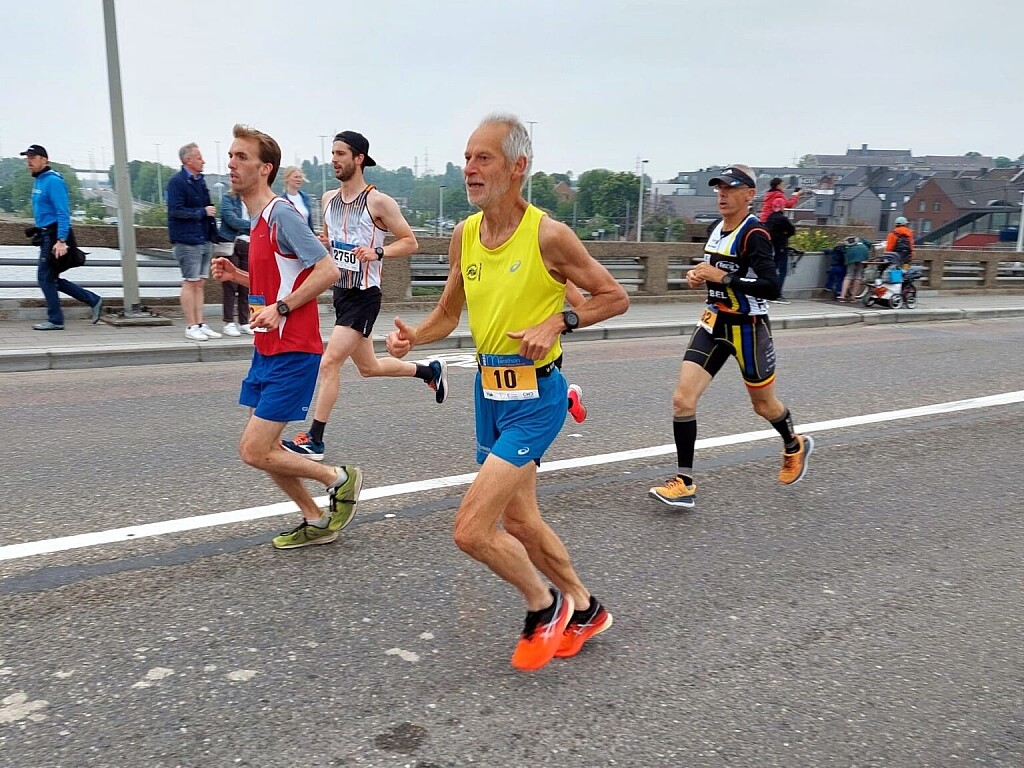
71-year-old Jo Schoonbroodt ran 2:54:19 at Maasmarathon in Belgium to break the M70+ world record by 29 seconds
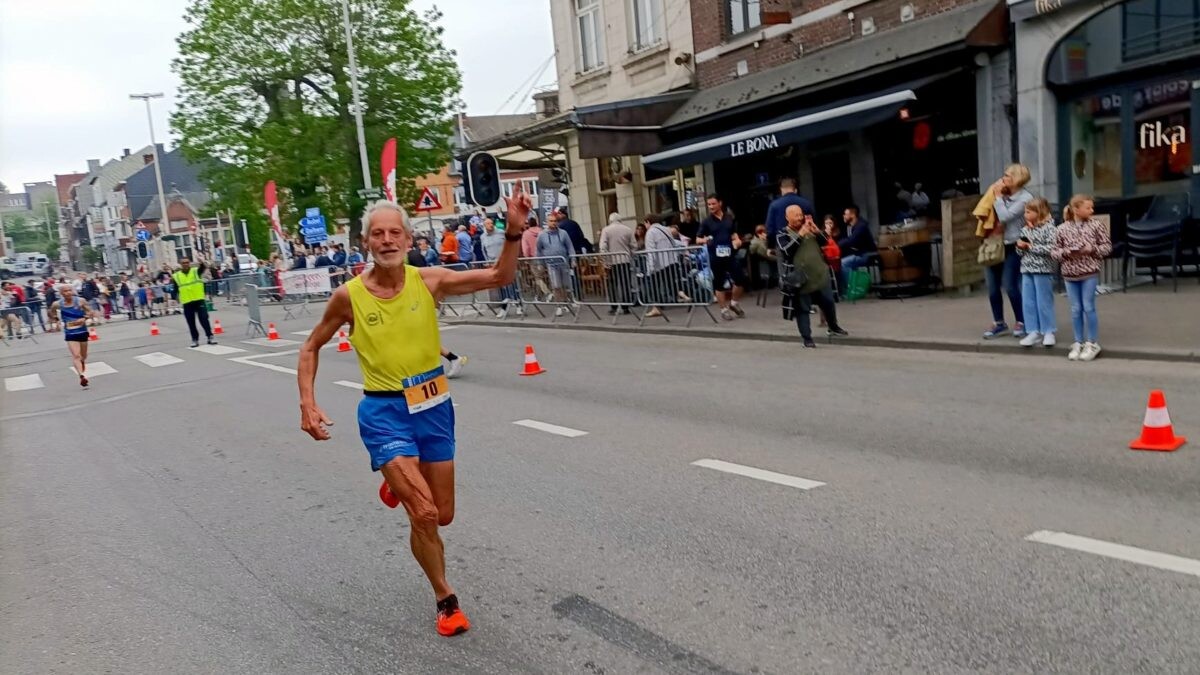
Over the weekend (May 8, 2022) at the Maasmarathon of Visé in Belboom, Belgium, Jo Schoonbroodt of the Netherlands broke Ed Whitlock’s M70+ marathon world record of 2:54:48 by 29 seconds. Schoonbroodt ran 2:54:19 to win the men’s 70-74 age category (by an hour and a half) and also set the M70+ world record.
Schoonbroodt set out with the a goal of running under three hours to complete the 75th marathon he has run under the three-hour barrier, but he had a slight tailwind in the first half of the course, covering it in 1:26:18. The second half was into the wind, but Schoonbroodt tucked in behind another runner to help mitigate the effect.
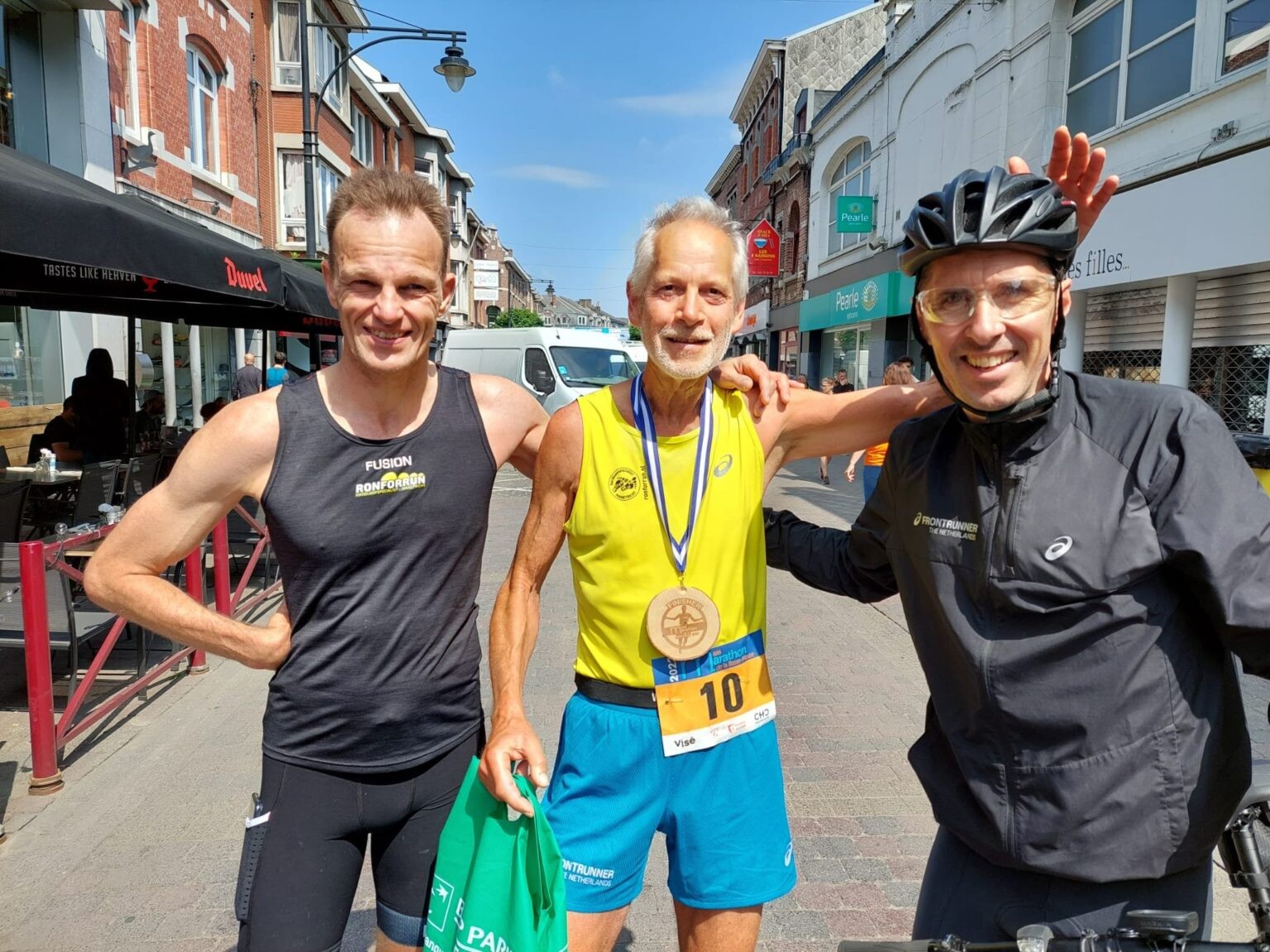
His time not only beat Whitlock’s official record of 2:54:48, but also U.S. masters runner Gene Dykes unofficial record time of 2:54:23 by four seconds; Dykes ran this time at the Jacksonville Marathon in 2018, only to discover the course was not sanctioned by USATF.
We reached Dykes for a comment: “I’ve been watching with anticipation for Jo to break the record!” he told us in a Facebook message. “My odds of retaking the lead this fall are extremely long–I’m looking forward to tussling with Ed at M75 next year. It would appear that Jacob Nuris going to wipe out the M70 records three years from now.”
According to Strava, Nur is a runner from Elk Grove, Calif. He is 66. And according to USATF, he broke the M65-69 American record in the 10K in November in Sacramento (35:42), as well as the 10-mile American record in 59:11 at the NorCal John Frank Memorial 10-Mile in March.
Schoonbroodt said on his Instagram page that he was not fixated on breaking the record before the race. “A time under three hours was my goal, but I am now happy I can call myself the fastest 70+ runner on the planet.”
This record is not Schoonbroodt’s first, as the Maastrict, Netherlands, resident ran the M60+ six-hour world record in 2012, covering almost 79 kilometres. “I have always been inspired to run by others,” Schoonbroodt says. “Hopefully this record inspires others around my age to start running.”
When the 71-year-old marathoner isn’t running, he is usually playing with his grandkids or hiking in the Dutch countryside. According to his website, he likes to live according to the motto of enjoying every day and being present in the moment.
by Running Magazine
Login to leave a comment

Maas Marathon De La Basse-Meuse
Ever since the initial steps, in 1999, all the organizers, the towns, cities and municipalities involved in this 26.2 mile challenge have constantly been expressing their delight at their investment. Over the years, we have noticed the marathon participants looking for races that are able to offer an extra and original dimension in terms of the circuit and activities. We...
more...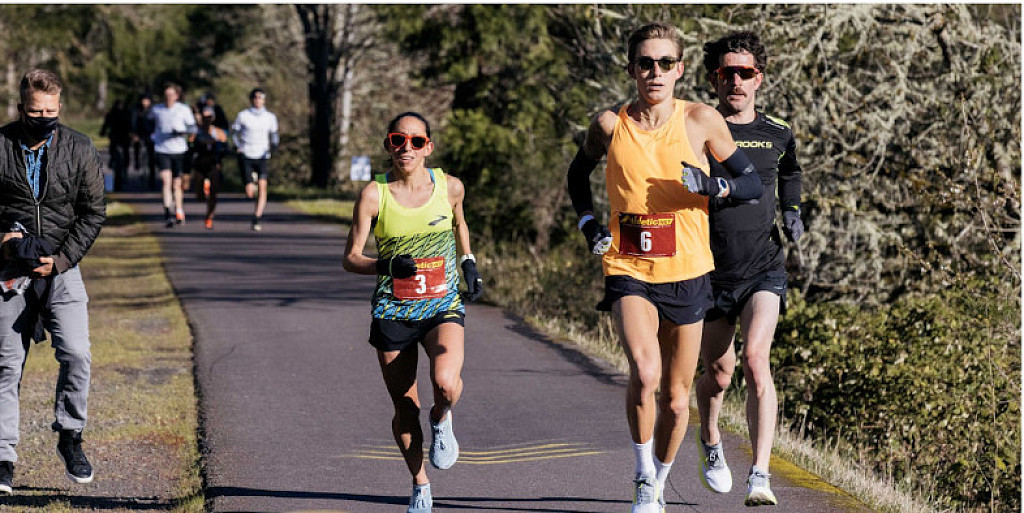
What’s It Like to Run Ahead of Des Linden for 50K? Her Pacer Can Tell You
Charlie Lawrence had the task of keeping the marathoner hitting her splits for 31 miles.
Des Linden is a master of marathon pacing—that’s no secret at this point in her career.
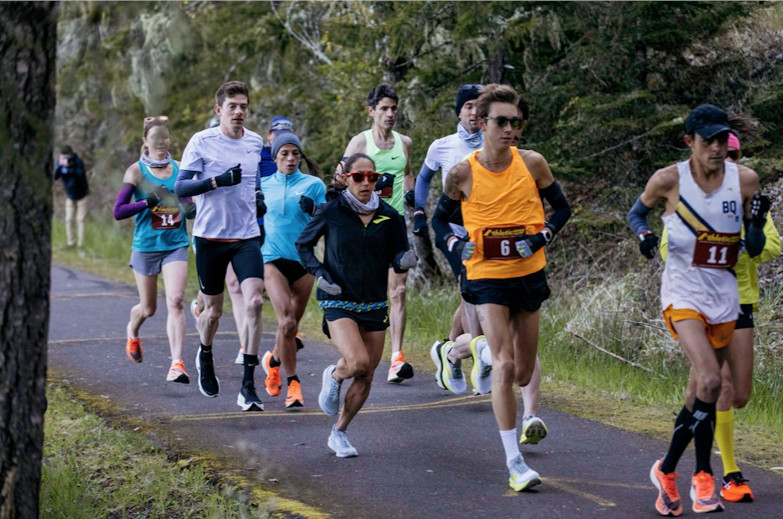
But for her first 50K—on a deserted bike path alongside Dorena Lake outside of Eugene, Oregon—the scene was different. She had no competitors, no screaming fans, and she was running almost 5 miles longer than the distance she usually races. Plus, she was making a world record attempt.
For that, she brought in a pacer.
Who was the guy? His name is Charlie Lawrence, he’s 26, and he lives in Boulder, Colorado. Lawrence, who ran at the University of Minnesota, made his marathon debut in 2018 at Cal International, where he ran 2:16:13 and qualified for the 2020 Olympic Marathon Trials. He got to know Linden when he was running for Hansons-Brooks Distance Project, Linden’s former team, in Michigan. 

In Boulder, Lawrence works part time for a Minneapolis-based app development consulting company and is training for the U.S. 50K road championships in June. (A win there would give him an automatic berth on the U.S. team for the world 50K championships in October in Chinese Taipei.) So when Josh Cox, Linden’s agent, called Lawrence in March and asked if he would be interested in pacing her, Lawrence was excited to be a part of it, and get a solid training run in at the same time.
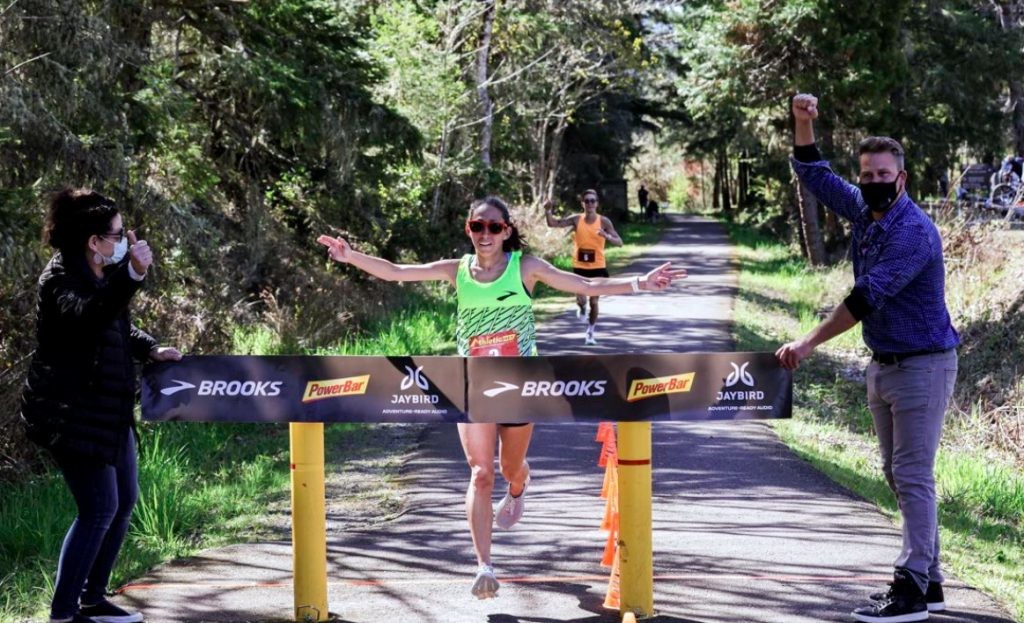
By now, the results are well known. Linden, 37, ran 2:59:54 and lowered the world best for 50K by more than 7 minutes. She also broke the three-hour barrier.
“Charlie is a such a great guy,” Linden told Runner’s World after the race. “I’m not a big fan of pacers but I knew he’d be great at the job and absorb a lot from the experience. Plus, I knew I could hang out with him for three hours and not get irritated.”
Linden added that they didn’t chat much but they worked well together. “Having him as a bit of a moving target late in the race was definitely what got me under 3.”
Lawrence answered a few questions from Runner’s World about what it was like to be there every step of the way.
Runner’s World: How did this come about?
Charlie Lawrence: It was January 2021. Des and I were just texting about what’s on the calendar this year, with so many things gone because of Covid. She said, off the record, “I think I want to go for the 50K world record.”
The biggest thing on my calendar was I wanted to try to make the U.S. team for the world 50K champs. I told Des that if I can help in any way, I’d love to help. She said, “Absolutely, we’ll follow up.”
About a month ago, I was down in Scottsdale, Arizona, for a race, and Des was there. We were talking about it and she said it was going to be mid-April. The next week Josh texted me and let me know that if I wanted to do it, I’ve got first dibs.
I went to Cory Leslie, my coach. He said it makes sense—it’s eight weeks out from the U.S. 50K road champs. I could get an awesome long run in, and learn from Des and practice bottles and fluids. It was a perfect storm to help a friend and mentor break a world record.
I have run with Des a handful of times in the past few years, but to be honest, we have probably had more coffee and beer together.
How did you work out where you would be running?
It was myself and Ryan [Linden, her husband] helping pace her. I was off her shoulder. It was very calm at the start. She said, “Run at the side, it feels easier and more natural.” That’s what we did the whole way out to the first turnaround. At 15 or 16 miles, the wind picked up a bit. It was swirling. There was a cross wind, so I went to either side of her, depending on which side the wind was coming from. When it was a headwind, I’d get in front of her.
I was getting the splits on my watch and I’d say, “5:45—right on the money,” just talking to her. There was a mile early on that was 5:38. I was like, “All right, we’ll dial it back. We just need to be running 5:45, 5:50.” She goes, “Yup, sounds good.”
Were you nervous at all heading in?
It was more like nervous excitement. Let’s do this thing. It was a cool opportunity for Des. My strong suit is I’ve been able to string together some awesome long runs, some 25-milers, sub-5:40 pace, at altitude. That’s the reason why I’m going for 50K. And this was a chance to get an awesome workout in and help Des achieve a goal of hers. I knew I could handle it. The pressure was just on me to do everything I possibly could to help Des break the record.
We had a pace goal going into the race, so the goal was to be as even as possible and just click off splits as close to that goal. Coach Drenth [Walt Drenth, Linden’s coach] gave Des splits he thought she could run. Josh talked us though some pacing as well. [Linden ended up averaging 5:47 pace.]
Did she hit any rough patches?
She was definitely feeling it a little bit the last 5K. I felt kind of bad, in the last two miles, I was out in front of her, and I got a few too many steps in front of her. Instead of 5 feet it was about 5 yards. So I said, “Let’s go, Des, finish this, finish this.” She kept it all together just like a pro. She hung together. When we were at about 2:59, she’s was like, “Awesome, let me take it.” I said, “ Finish it off, champ,” and I pulled off. You can see me in some of the photos in the background with my finger pointing, throwing up a one. To be able to play a small role in helping her, it’s one of the biggest highlights in my running career thus far.
Did Des pay you for this?
No, but they covered everything for the trip. After the race was over, we went to The Allison in wine country and stayed up there. They took awesome care of me. I tried paying for stuff and got harassed.
So it was an all-expenses-paid trip to Eugene and wine country and all you had to do was run 50K?
Exactly. Don’t screw up. Let’s get Des a world record.
How did you feel physically after?
The legs feel awesome. I woke up the next day, got an easy hour run in, got some core in. Legs feel like I’m coming off a hard long run in Boulder. My body responds well to it. It’s business as usual. I’m back to training.
Would you have any advice for middle-of-the-pack runners who are pressed into pacing duties?
My best advice to anyone who might pace friends is to absolutely do it. This sport is so great because of the people. What better way to spend time with someone than very high-quality miles, either pacing or just on everyday runs?
by Runner’s World
Login to leave a comment
