

Running News Daily
Running News Daily is edited by Bob Anderson and team. Send your news items to bob@mybestruns.com Advertising opportunities available.
Index to Daily Posts · Sign Up For Updates · Run The World Feed



From Bolt To Seville: Jamaica’s Sprinting Torch Enters A New Era
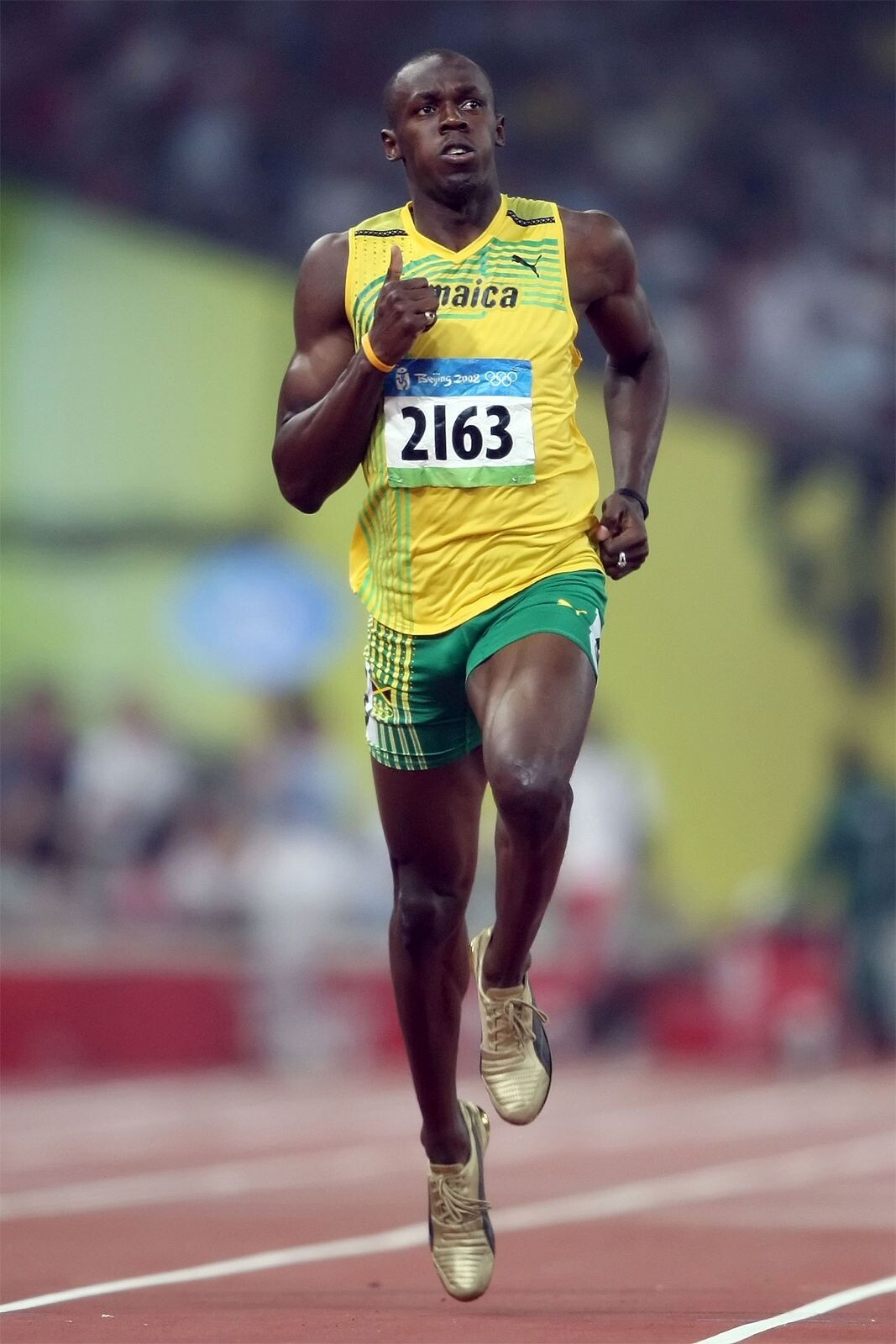
For more than a decade, Usain Bolt defined Jamaican sprinting on the world stage. Now, a new generation is beginning to write its own chapter — and at the centre of that transition stands Oblique Seville, a sprinter whose journey is closely connected to the very people who shaped Bolt’s legendary career.
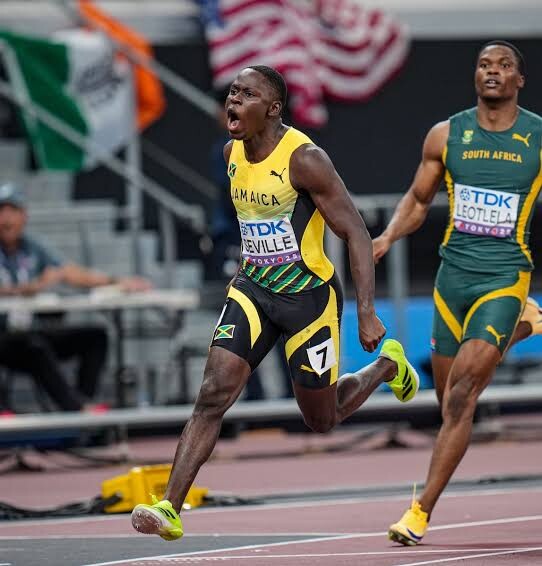
Seville announced himself as Jamaica’s new 100m champion in spectacular fashion at the 2025 World Athletics Championships in Tokyo. Running a lifetime best of 9.77 seconds, he captured the world title ahead of compatriot Kishane Thompson, who clocked 9.82, giving Jamaica a memorable one-two finish.
The significance of the victory was enormous. Seville became the first Jamaican man since Bolt to win the World Athletics Championships 100m title. And watching from the stands was Bolt himself, who celebrated enthusiastically as his compatriot delivered one of the biggest victories of his career.
But the connection between the two generations goes far beyond that unforgettable night in Tokyo.
A Dream That Began At 10
Long before Seville became a world champion, he already knew exactly who he wanted to coach him.
When he was around 10 years old, Seville reportedly told his mother that he wanted to train under Glen Mills — the renowned Jamaican coach who guided Bolt during the most dominant period of his career.
That childhood ambition eventually became reality. Seville joined the Racers Track Club and came under the guidance of Mills, establishing a relationship that has played a major role in his development as an elite sprinter.
Mills had already helped shape one of the greatest sprinters in history. Now, years later, he was helping another Jamaican talent reach the summit of the 100 metres.
Bolt Became More Than An Inspiration
Seville has also spoken about the influence Bolt has had on his life away from the track.
Following the death of his father, Gerald Seville, Bolt became an important source of encouragement and motivation for the young sprinter. Seville has described Bolt as a major motivator, adding another deeply personal dimension to a relationship that began with admiration from afar.
That makes the scene in Tokyo even more powerful: the athlete Seville grew up watching was there as he achieved the breakthrough that could define his own generation.
Bolt's presence was not simply symbolic. Before the final, he had spoken about Seville and Thompson as athletes capable of challenging for the gold medal. Seville ultimately delivered when the pressure was greatest.
From 9.77 To A New Challenge
Seville's Tokyo triumph was not the end of the story.
In 2026, he continued to establish himself among the world's leading sprinters, eventually claiming the men's 100m Diamond League title at the series final in Brussels. He also produced a season-best 9.82 in Kingston and recorded several victories during the Diamond League campaign.
The progression is significant. From an ambitious youngster dreaming of being coached by Glen Mills, to a World Championships gold medallist, and now a Diamond League champion, Seville is steadily building a career that belongs to him.
Yet he remains deeply respectful of the athlete whose footsteps he is following.
Seville has repeatedly acknowledged Bolt's greatness, while also believing that the next generation of Jamaican sprinters can push the event to another level. The ambition is clear: the future may eventually demand performances in the 9.6-second range.
For now, however, Seville's focus is not on becoming another Usain Bolt.
It is on becoming the best version of Oblique Seville.
The Torch Has Been Passed — But The Story Is Still Being Written
Jamaica's sprinting tradition has produced some of the most extraordinary athletes the sport has ever seen. Bolt took that tradition to an unprecedented level. Seville now represents a new generation determined to keep it alive.
The symbolism is difficult to miss.
The coach who helped guide Bolt is now guiding Seville. The champion who once inspired Seville as a young boy was there to watch him become a world champion. And the young Jamaican who once dreamed of joining Glen Mills is now collecting major titles of his own.
Seville has already secured a World Championships 100m title, a 9.77 personal best and a Diamond League crown.
The next chapter of Jamaican sprinting is no longer waiting to begin.
It is already underway.
And with Glen Mills in his corner and Usain Bolt among those who have helped inspire him, Oblique Seville is carrying the Jamaican sprinting tradition forward — while creating a legacy of his own.
by Erick Cheruiyot for My Best Runs.
Login to leave a comment
Latest Running News
The Valencia Crown Is Up For Grabs! John Korir’s Withdrawal Opens The Door For A New Marathon King In A Star-Studded Showdown!
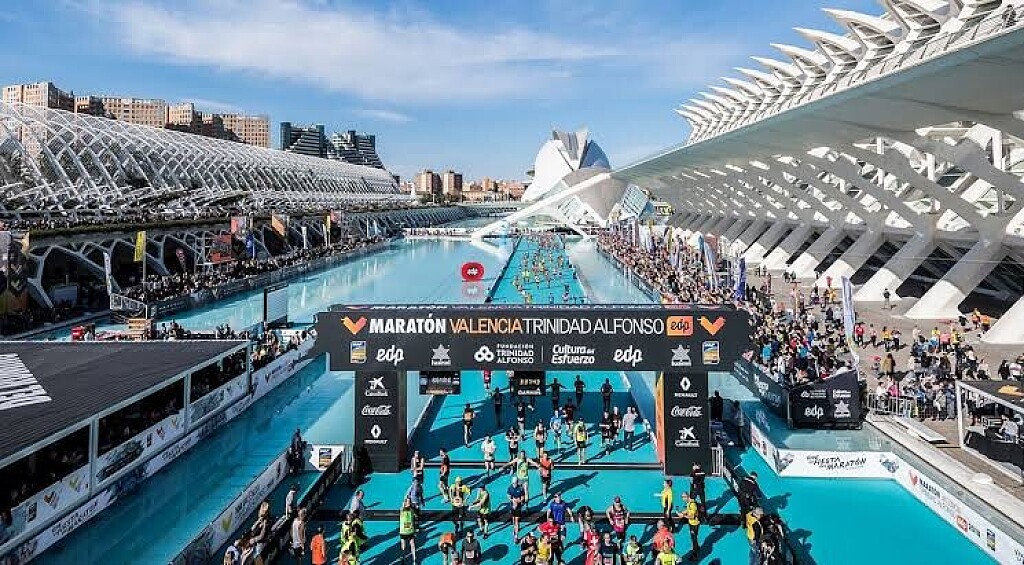
The 2026 Valencia Marathon is guaranteed to crown a new men's champion after defending champion John Korir of Kenya withdrew from the December 6 race because of injury, bringing an end to his hopes of successfully defending the title he claimed last year in a personal best of 2:02:24.
Korir’s absence is a significant setback for the Kenyan star and a major development in what was shaping up to be another highly competitive edition of the Spanish marathon. His withdrawal follows that of Ethiopian sensation Yomif Kejelcha, who also pulled out because of injury, leaving the men's contest without two of its biggest attractions.
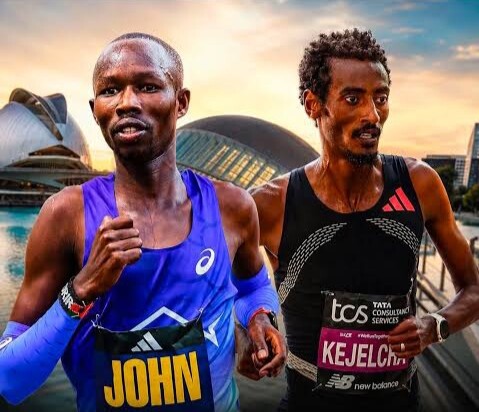
With the two high-profile withdrawals, the battle for the crown has become even more intriguing. Several world-class athletes from Kenya, Ethiopia, Europe, North America, Asia and South America will now have an opportunity to step forward and claim one of the most prestigious marathon victories on the international calendar.
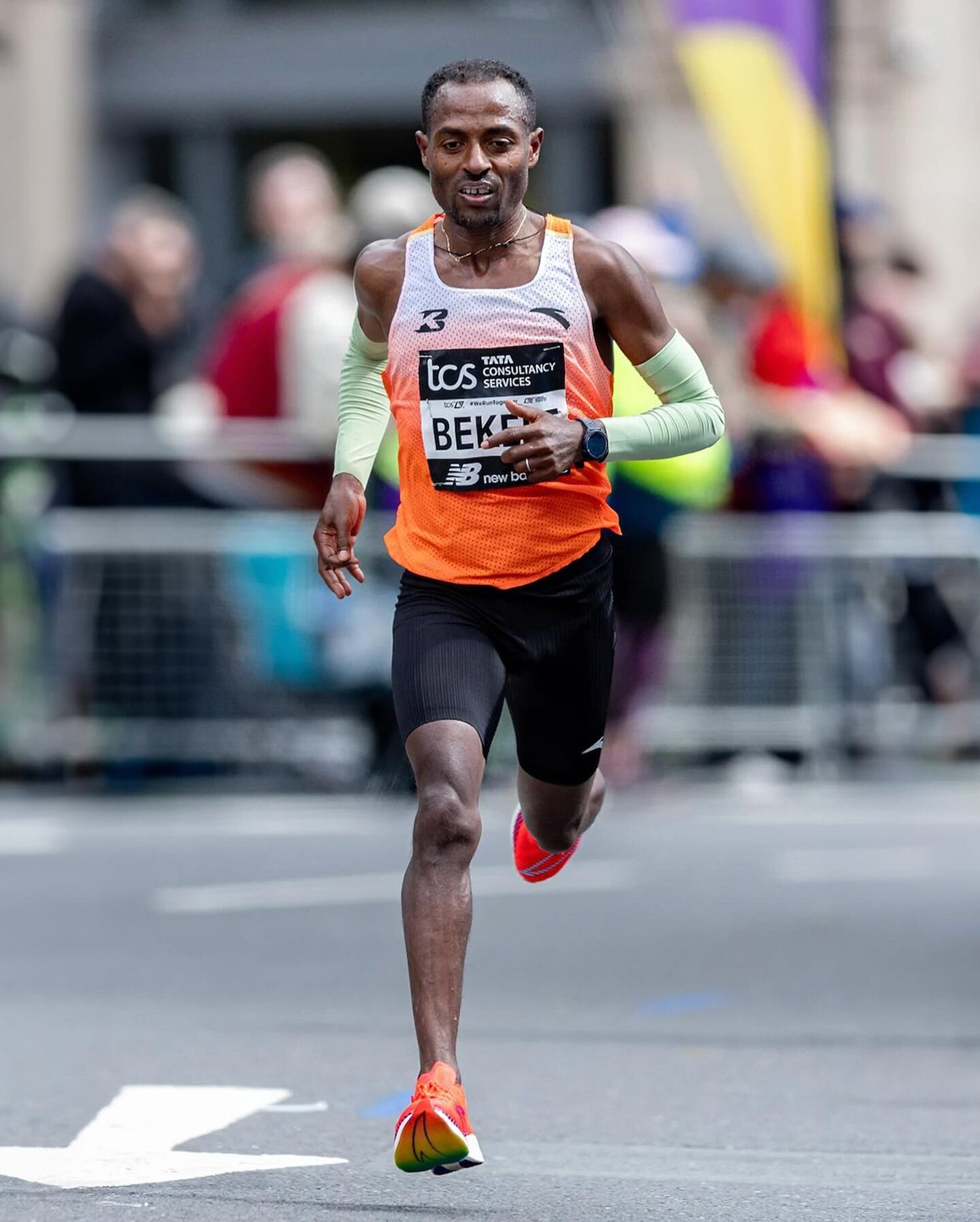
Leading the list of remaining contenders is Ethiopian distance-running legend Kenenisa Bekele, whose extraordinary personal best of 2:01:41 makes him the fastest marathoner among the remaining entrants. The three-time Olympic champion brings an incredible wealth of experience, although questions remain about his current competitive form following recent withdrawals from major races.
Fellow Ethiopian Birhanu Legese, with a personal best of 2:02:48, is another serious contender. A proven performer over the marathon distance, Legese possesses the experience and speed to challenge for victory if he delivers his best performance in Valencia.
Kenya will also have a formidable presence, led by Alexander Mutiso, who boasts a personal best of 2:03:11. Mutiso has established himself as a major force on the global marathon circuit and will be looking to build on his impressive third-place finish at the Tokyo Marathon earlier this year.
Vincent Ngetich of Kenya, another athlete capable of challenging for the podium, arrives with a personal best of 2:03:13. His presence adds further strength to the Kenyan challenge, with the country's athletes expected to play a major role in the battle for the title.
Geofry Toroitich of Kenya, the Amsterdam Marathon course-record holder with a personal best of 2:03:30, will also be one to watch. He will be eager to make a statement in Valencia after failing to finish this year's Amsterdam Marathon.
The Ethiopian challenge extends well beyond Bekele and Legese. Dawit Wolde, with a personal best of 2:03:48, Nibret Melak (2:04:00), Leul Gebreselassie (2:04:02) and Tesfaye Deriba (2:04:13) bring considerable strength to the country's representation. Gebreselassie is particularly interesting, having previously won the Valencia Marathon in 2018, and will be hoping to return to the top of the podium.
Samwel Mailu, with a personal best of 2:05:08, will spearhead another Kenyan challenge alongside Benson Tunyo, whose best stands at 2:06:10. The depth of Kenya's representation gives the country several opportunities to fight for a podium position, even without its defending champion.
The international field also features Canadian record-holder Cam Levins, who arrives with an impressive personal best of 2:05:36. Levins has established himself as one of North America's leading marathoners and will be looking to produce another strong performance against a formidable international opposition.
Djibouti's Mohamed Ismail, with a personal best of 2:05:38, and Sweden's Suldan Hassan (2:05:57) add further quality to the contest. France will be represented by Emmanuel Roudolff, whose best stands at 2:05:58, while Eritrea's Awet Habte brings a personal best of 2:06:25.
Other notable names in this group include Ethiopia's Feyisa Mulu (2:06:34), the Netherlands' Filmon Tesfu (2:06:40), France's Felix Bour (2:06:41), Germany's Hendrik Pfeiffer (2:06:45), Switzerland's Matthias Kyburz (2:06:48), Canada's Rory Linkletter (2:06:49), Sweden's Samuel Tsegay (2:06:51), Rwanda's Felicien Muhitira (2:06:54), China's Jie He (2:06:57), Eritrea's Zerei Kbrom (2:07:00) and Britain's Weynay Ghebresilassie (2:06:59).
The field also boasts a strong collection of athletes with personal bests between 2:07 and 2:08. Turkey's Sezgin Atac and Israel's Yitayew Abuhay both have personal bests of 2:07:26, while France's Hassan Chahdi follows with 2:07:30. Khalid Choukoud of the Netherlands has run 2:07:37, while Israel's Bukayaw Malede and Peru's Christian Pacheco have both recorded 2:07:38.
Bolivia's Héctor Garibay, one of South America's most recognisable marathon performers, brings a personal best of 2:07:44. Spain's Yago Rojo Sancho follows with 2:07:47, while Denmark's Jacob Simonsen has a best of 2:07:51. France's Valentin Gondouin is another strong European representative with 2:07:54.
Further down the entry list, Chile's Carlos Díaz has a personal best of 2:08:04, followed by Spain's Daniel Mateo (2:08:22), China's Erenjia Jia (2:08:32), Spain's Jorge Gonzalez (2:08:34), Italy's Ahmed Ouhda (2:08:37) and the United States' Hillary Bor (2:08:40).
Germany's Simon Boch, with a personal best of 2:08:55, and Canada's Ben Preisner (2:08:58) are also among the athletes capable of making their presence felt. Greece's Christian Zamora has a best of 2:09:04, while Ecuador's Oswaldo Jami Jami follows closely with 2:09:05.
Norway's Weldu Negash (2:09:14), the United States' Zach Panning (2:09:16), Spain's Andreu Blanes Reig (2:09:18) and France's Yohan Durand (2:09:21) add further depth to the international line-up.
China's Jidongzhi Sang has a personal best of 2:09:29, while Poland's Mateusz Kaczor has run 2:09:35. Argentina's Joaquín Arbe (2:09:36) and the United States' Futsum Zienasellassie (2:09:40) will also be looking to make their mark.
Ireland's Hiko Tonosa, with a personal best of 2:09:42, Spain's Chakib Lachigar Latrache (2:09:55), Italy's Badr Jaafari (2:09:58) and Sudan's Yaseen Abdalla (2:11:41) complete the names featured on the professional-field.
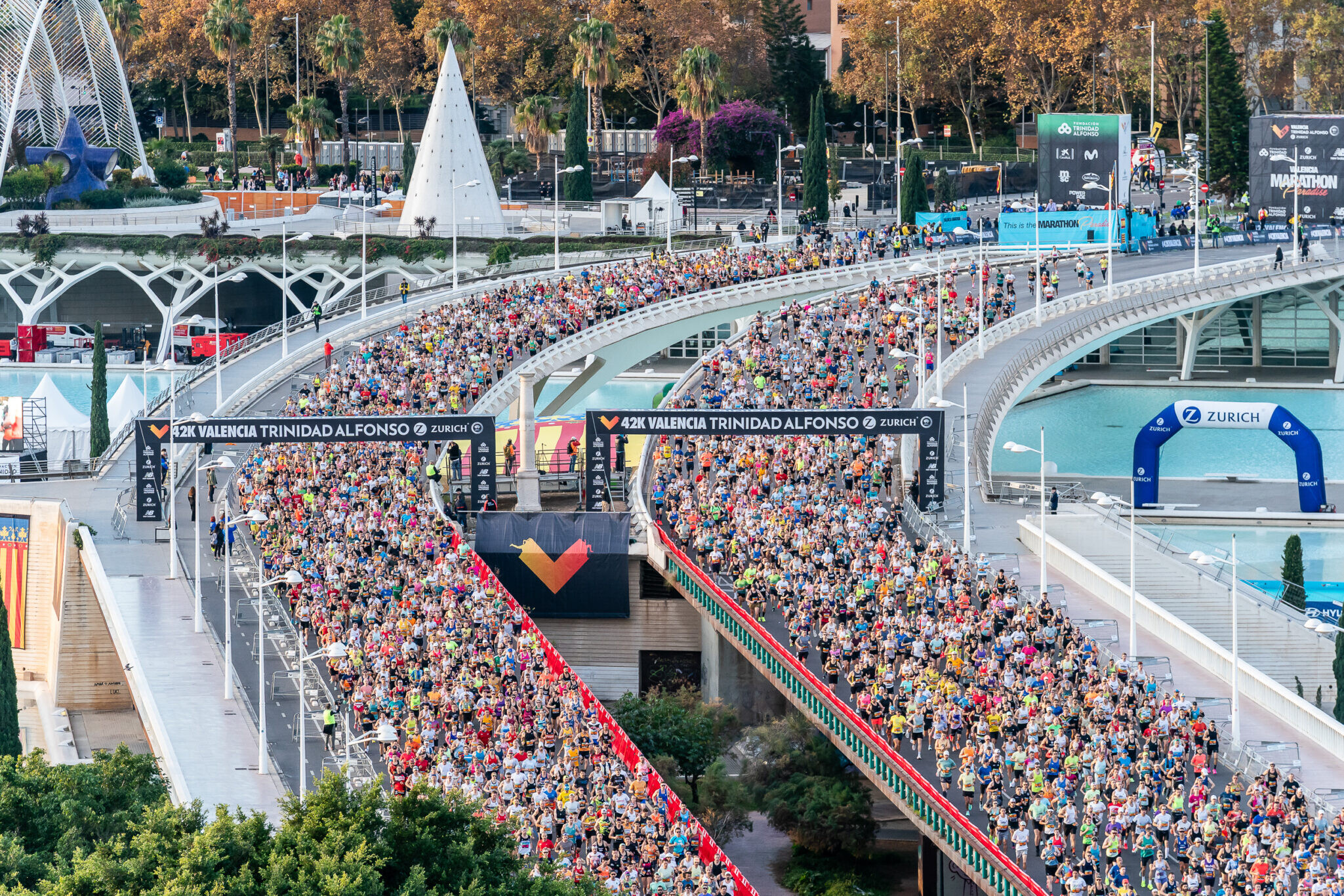
Beyond the battle for the overall victory, Valencia will once again provide an important opportunity for athletes from different countries to chase personal bests, national records and breakthrough performances. Its reputation as one of the fastest marathon courses in the world makes it an attractive destination for both established international stars and emerging marathon talents.
The men's race will also be particularly fascinating because of the contrasting ambitions within the field. Bekele will be chasing another major marathon victory, former champion Leul Gebreselassie will be looking to reclaim his Valencia crown, while Mutiso, Legese and Ngetich will be among those hoping to turn their impressive credentials into a memorable triumph.
For Kenya, the absence of Korir is undoubtedly disappointing, but the country still has several formidable athletes capable of fighting for the title. Ethiopia, meanwhile, will be counting on its experienced marathon stars to maintain its strong presence at the front of the race.
On December 6, all eyes will turn to the streets of Valencia as this remarkable international field takes on the 42.195-kilometre challenge. One thing is certain: a new name will be written into the men's winners' history, but who will rise above the competition and claim the crown remains the biggest question.
by Erick Cheruiyot for My Best Runs.
Login to leave a comment

VALENCIA TRINIDAD ALFONSO
The Trinidad Alfonso EDP Valencia Marathon is held annually in the historic city of Valencia which, with its entirely flat circuit and perfect November temperature, averaging between 12-17 degrees, represents the ideal setting for hosting such a long-distance sporting challenge. This, coupled with the most incomparable of settings, makes the Valencia Marathon, Valencia, one of the most important events in...
more...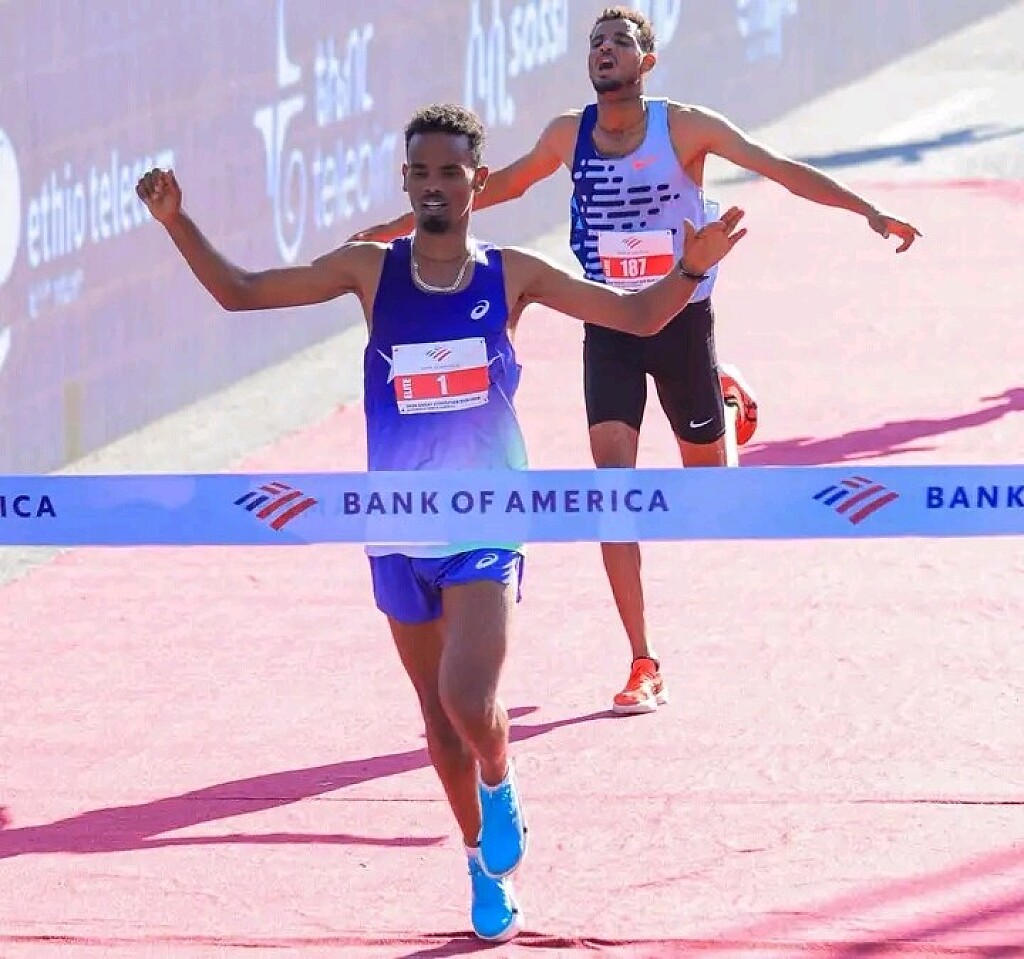
Ethiopian Distance Running At Its Finest! Yismaw Dilu And Yenawa Nibret Lead Home All-Ethiopian Podium Sweeps At The 2026 Great Ethiopian Run!
Ethiopia once again demonstrated its extraordinary depth of distance-running talent as home athletes dominated both the men's and women's 10km races at the 2026 Great Ethiopian Run in Addis Ababa on Sunday, November 22.
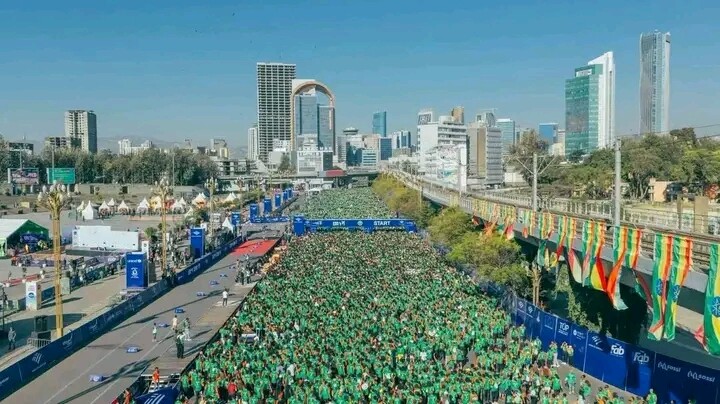
In front of an enthusiastic home crowd, Yismaw Dilu produced a thrilling performance to claim victory in the men's race, clocking an impressive 28:33 after a fiercely contested battle that went down to the closing stages. The competition remained remarkably tight, with the leading athletes pushing one another all the way towards the finish.
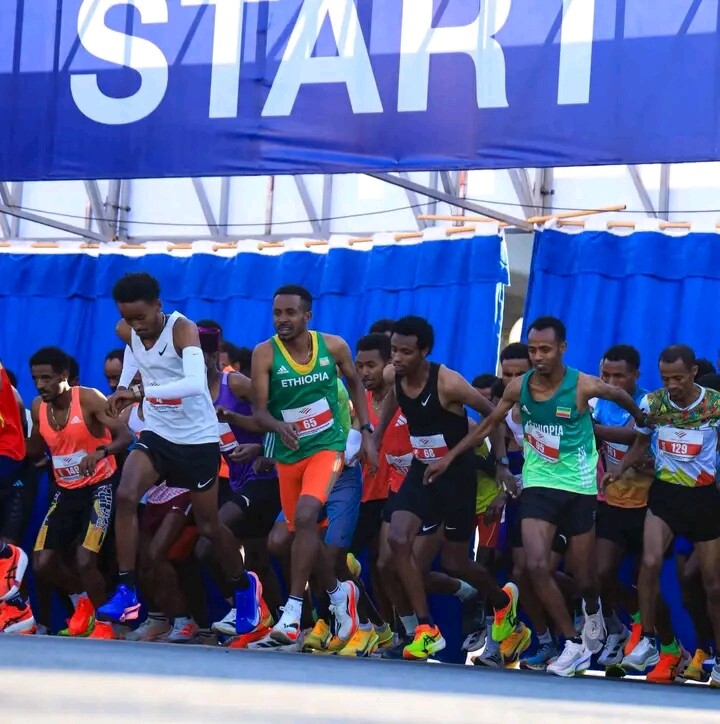
Takele Mose came agonisingly close to the title, finishing just one second behind the winner in 28:34, while Roba Merga secured third place in 28:36. The exceptionally close margins highlighted the intensity of the contest and completed a remarkable all-Ethiopian podium.
Zenebe Ayele finished fourth in 28:39, followed by Alemu Belay in fifth with 28:41. Yibeltal Gashahun placed sixth in 28:42, Chala Gudeta was seventh in 28:43, Sewmehon Anteneh finished eighth in 28:46, Bamlak Yitayih took ninth in 28:48, and Gelana Teshome completed the men's top 10 in 28:49.
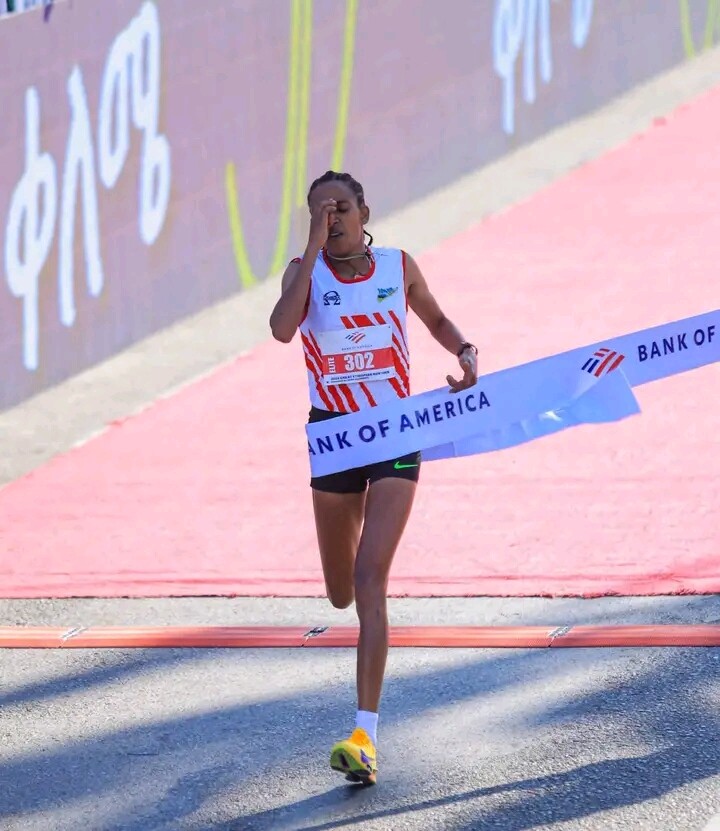
The women's race delivered another impressive display of Ethiopian dominance, with Yenawa Nibret emerging victorious after a commanding performance over the 10km distance. She crossed the finish line in 32:49, establishing a clear advantage over her closest challengers to secure the women's crown.
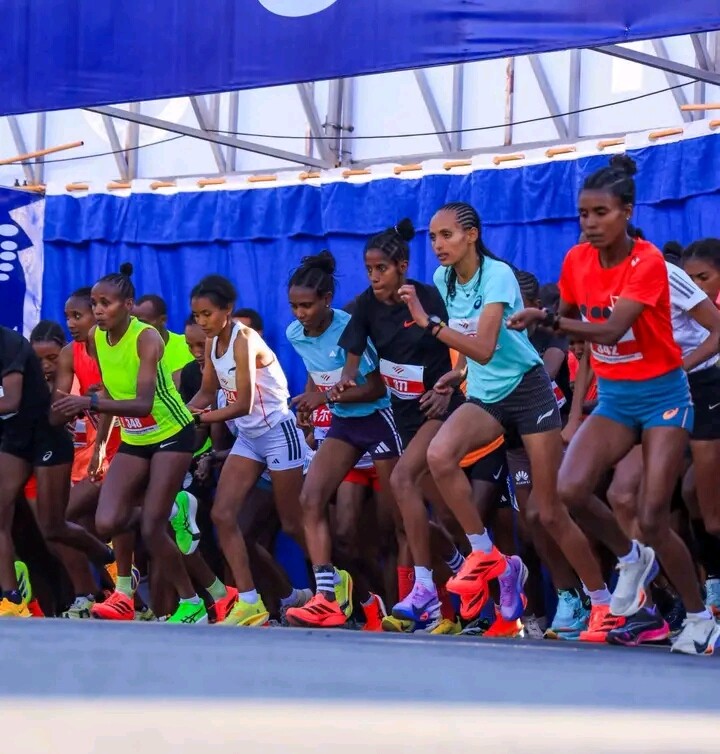
Almaz Yohannes claimed second place in 33:02, while Alemnesh Tilaye completed the podium in third with 33:09, ensuring another Ethiopian clean sweep of the top three positions.
Martha Gebremichael finished fourth in 33:21, followed by Alemitu Aderaw in fifth with 33:26. Fantaye Adane secured sixth in 33:36, Zeritu Daba was seventh in 33:42, Plow Tolosa finished eighth in 33:51, Yetmwork Anmaw placed ninth in 33:52, and Birtukan Tola rounded out the top 10 in 33:53.
Beyond the individual victories, the results offered another reminder of Ethiopia's remarkable strength in distance running, with the country's athletes occupying all six podium positions across the two races.
The Great Ethiopian Run remains a major celebration of running culture in the country, bringing together elite competitors and thousands of running enthusiasts in the Ethiopian capital. This year's edition once again provided a spectacular showcase of homegrown talent, fierce competition and the enduring passion for athletics that continues to define Ethiopia's sporting identity.
by Erick Cheruiyot for My Best Runs.
Login to leave a comment

the Great ethiopian 10k run
The Great Ethiopian Run is an annual 10-kilometerroad runningevent which takes place inAddis Ababa,Ethiopia. The competition was first envisioned by neighbors Ethiopian runnerHaile Gebrselassie, Peter Middlebrook and Abi Masefield in late October 2000, following Haile's return from the2000 Summer Olympics. The 10,000 entries for the first edition quickly sold out and other people unofficially joined in the race without...
more...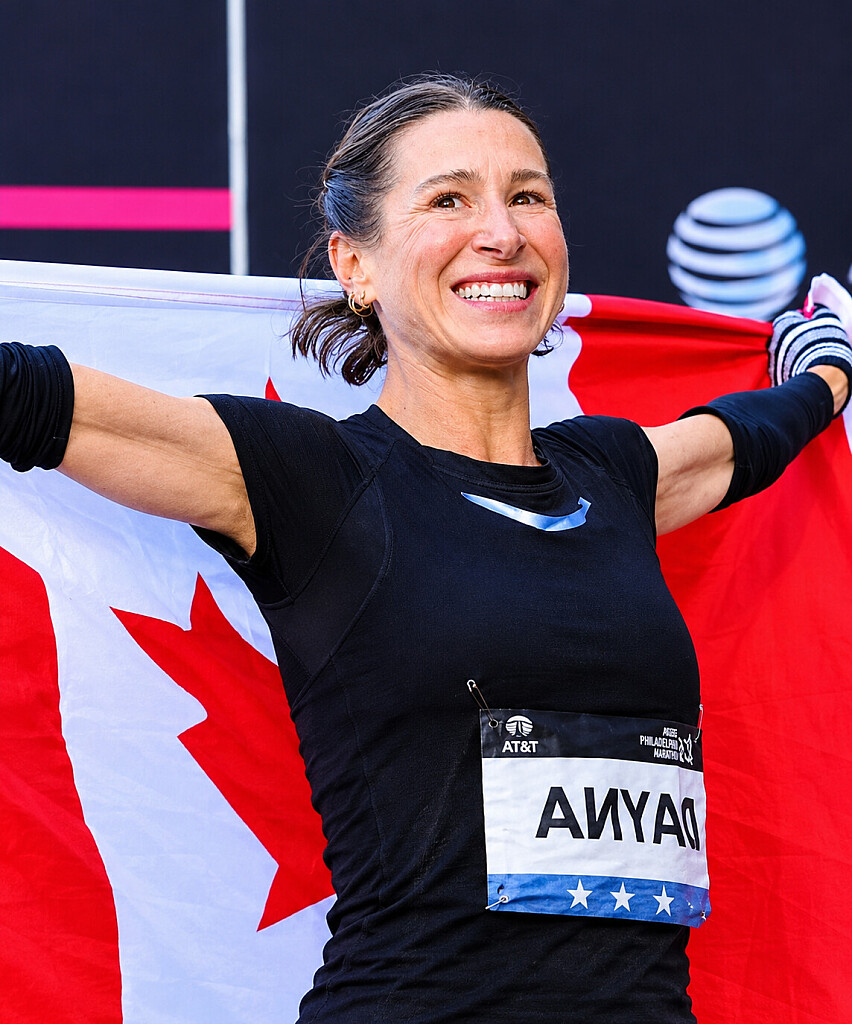
Forty And Faster Than Ever! Dayna Pidhoresky Smashes Philadelphia Marathon Women’s Course Record Just Four Days After Turning 40!
Canadian distance-running star Dayna Pidhoresky has delivered another extraordinary performance, proving that age is no obstacle to continued improvement after storming to a new women's course record at the 2026 Philadelphia Marathon on Sunday, November 22.
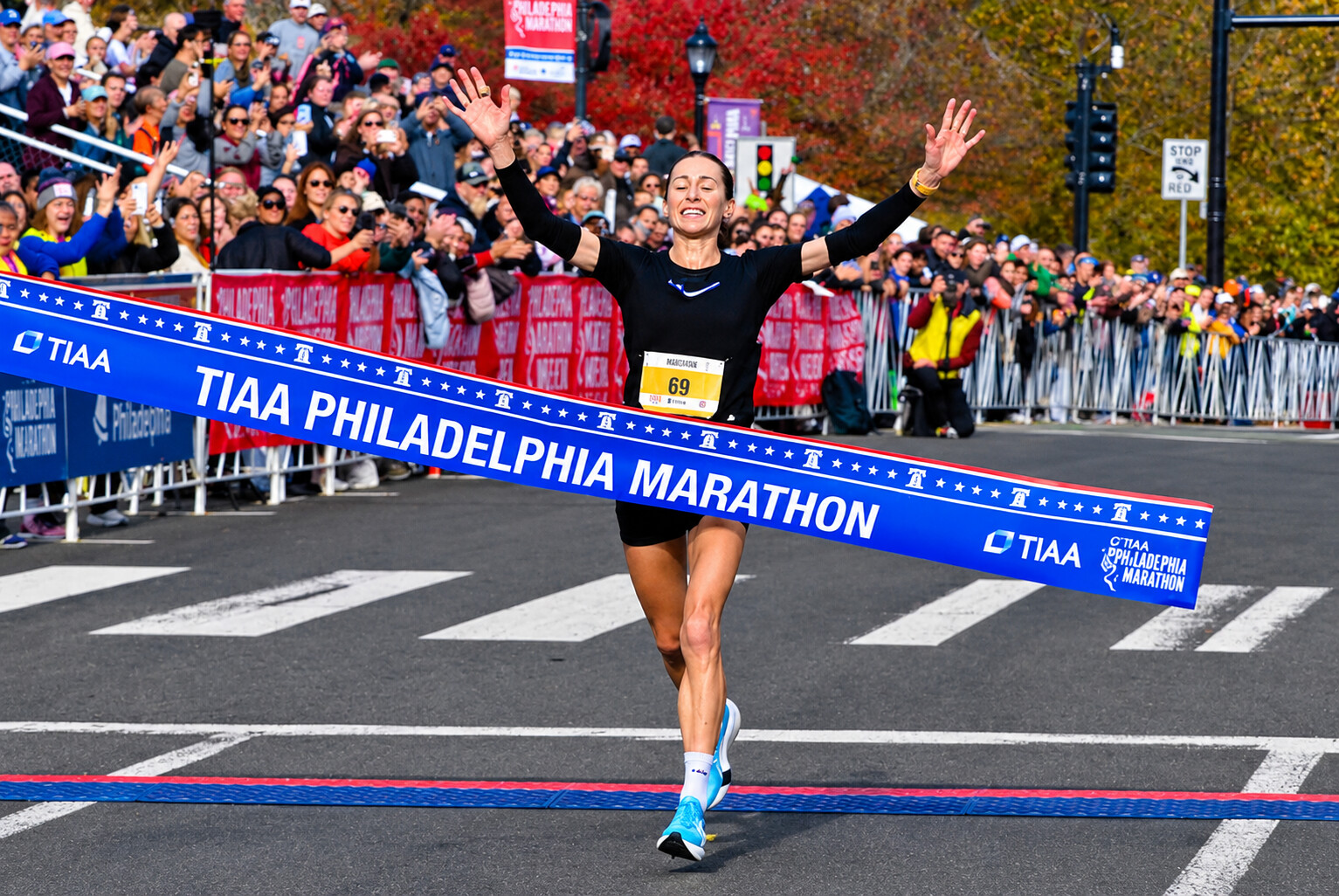
Just four days after celebrating her 40th birthday, the Canadian Olympian produced a remarkable run of 2:26:35, rewriting the women's course record and adding another outstanding achievement to an already impressive career.
For Pidhoresky, this was much more than another successful marathon. It was a powerful statement about longevity, consistency and the ability to keep reaching new heights long after many athletes are expected to have passed their competitive peak.
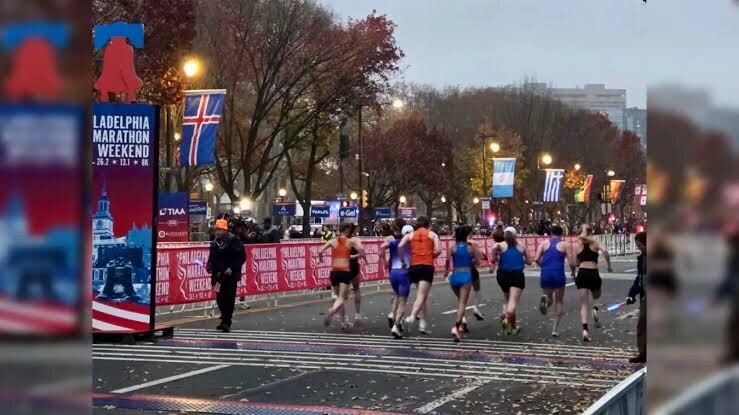
Having competed at the highest level for well over a decade, the Canadian has shown no signs of slowing down as she enters her forties. Instead, she continues to challenge expectations, produce exceptional performances and demonstrate that experience can be just as valuable as youth in elite distance running.
Her Philadelphia triumph also capped an impressive autumn campaign. In October, Pidhoresky was the fastest Canadian woman at the Toronto Waterfront Marathon, where she delivered a huge personal best just weeks before entering a new decade of her life. Rather than taking a step back after that demanding performance, she returned five weeks later and found another level in Philadelphia.
What makes her latest achievement particularly remarkable is the timing. Having only just turned 40, Pidhoresky has immediately made her mark in the masters age category by setting a new course record against a competitive field of athletes.
Her performance is another reminder that a long career in distance running does not necessarily mean a gradual decline. With the right combination of dedication, discipline, experience and consistency, athletes can continue improving and achieving extraordinary things well into their forties.
At an age when many runners are considering how to preserve their performances, Pidhoresky is showing that there can still be new records to chase, personal bests to break and new milestones to celebrate.
At 40, Dayna Pidhoresky is not simply holding on to her place among the elite. She is continuing to move forward, and her latest Philadelphia triumph has sent a powerful message to the running world: age is not the finish line, and her fastest chapters may not be behind her.
by Erick Cheruiyot for My Best Runs.
Login to leave a comment
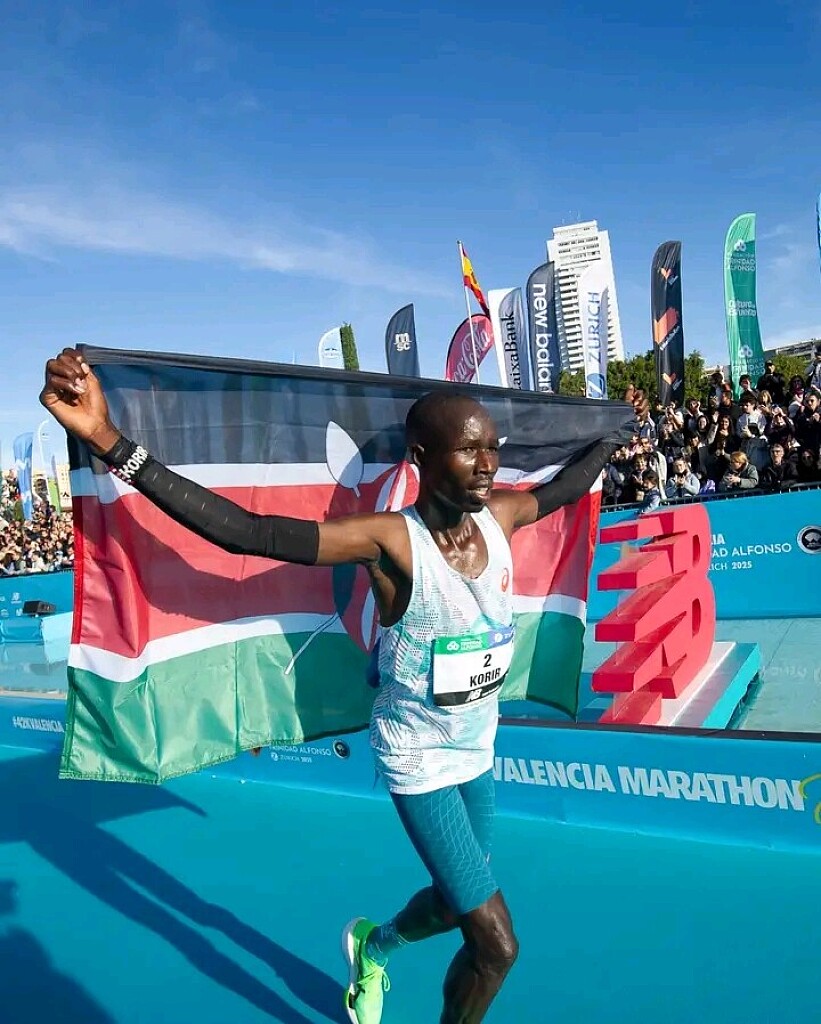
Major Blow For Valencia! Defending Champion John Korir Withdraws From 2026 Marathon After Injury, Joining Yomif Kejelcha On The Sidelines!
The 2026 Valencia Marathon has suffered another major setback following the withdrawal of defending champion John Korir, who has been forced to abandon his title defence because of injury.
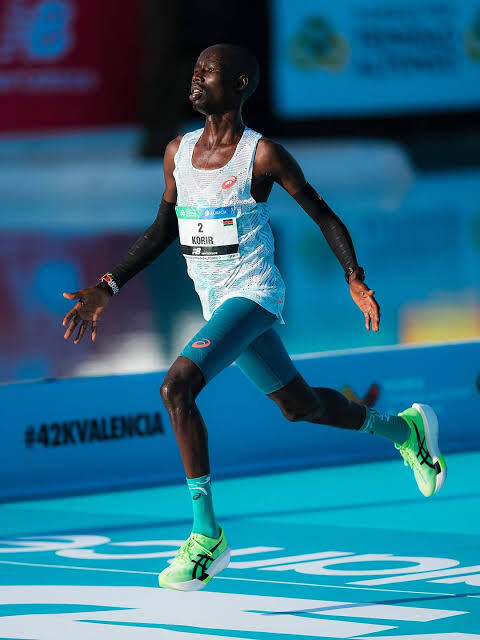
The Kenyan marathon star was scheduled to return to Spain on December 6, hoping to successfully defend the crown he claimed in spectacular fashion last year. Korir produced a phenomenal performance at the 2025 edition, storming to victory in 2:02:24 and establishing himself as one of the leading marathon runners in the world.
His withdrawal is particularly disappointing given the exceptional form he has demonstrated throughout 2026. Earlier this year, Korir delivered a breathtaking performance at the Boston Marathon, securing victory in a course-record time of 2:01:52 and further strengthening his reputation as one of the most formidable competitors on the international marathon circuit.
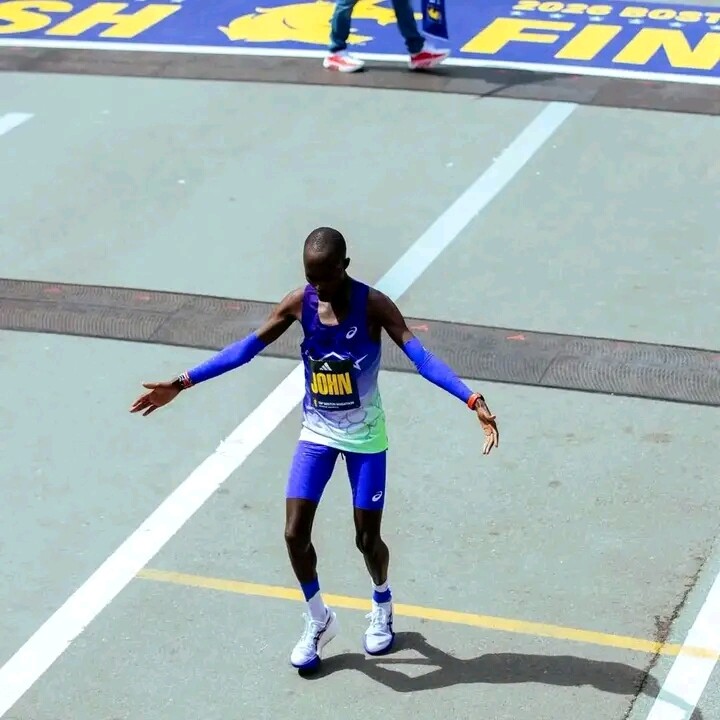
Taking to social media, Korir personally announced the unfortunate news, expressing his disappointment at missing the opportunity to return to Valencia and defend his title. He wrote: “It is unfortunate that I will not be able to defend my title at the Valencia Marathon on 6th December due to injury.”
The announcement means athletics fans will miss the opportunity to witness another showdown featuring the reigning champion on one of the world's fastest marathon courses. After his remarkable performances in Valencia and Boston, expectations had been high for another outstanding display from the Kenyan star.
The Valencia Marathon organisers also expressed their disappointment at losing the defending champion, wishing him a speedy recovery and hoping to welcome him back to the Spanish city in the near future. In their message, they reaffirmed Valencia's identity as the "City of Running", while sending their best wishes to Korir during his recovery.
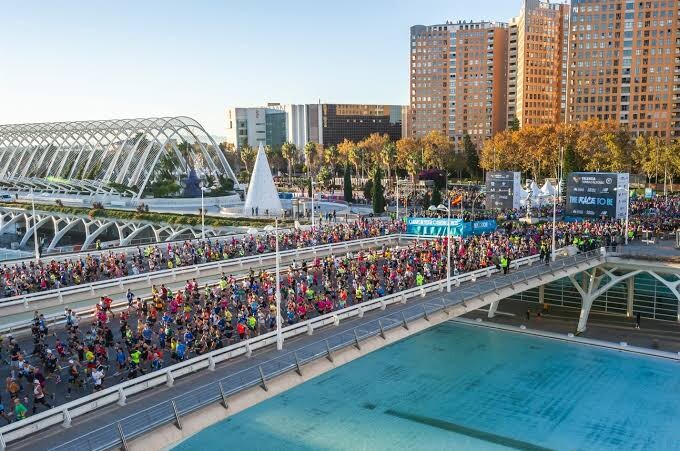
His absence comes as another significant blow to the men's elite field, following the earlier withdrawal of Ethiopian distance-running sensation Yomif Kejelcha, who was also ruled out through injury. Losing two major contenders in the build-up to the race has considerably changed the outlook of what had promised to be one of the most exciting marathon contests of the year.
For Valencia, the successive withdrawals are undoubtedly disappointing, particularly with the race renowned for attracting world-class athletes and producing exceptional performances. Nevertheless, their absence creates an opportunity for other elite contenders to step forward, challenge for the title and make their own mark on the prestigious Spanish course.
Korir's withdrawal leaves a significant void in the Valencia Marathon's men's elite field, with the defending champion now turning his attention towards recovery rather than competition. His absence will undoubtedly reshape the race, opening the door for other leading contenders to emerge as potential title challengers when the event takes place on December 6.
With two major names, Korir and Kejelcha, now out of contention, attention will shift to the remaining elite athletes as Valencia prepares for another major marathon showdown. For the Kenyan star, the focus will be on recovering fully and making a strong return to competition in the months ahead.
by Erick Cheruiyot for My Best Runs.
Login to leave a comment
VALENCIA TRINIDAD ALFONSO
The Trinidad Alfonso EDP Valencia Marathon is held annually in the historic city of Valencia which, with its entirely flat circuit and perfect November temperature, averaging between 12-17 degrees, represents the ideal setting for hosting such a long-distance sporting challenge. This, coupled with the most incomparable of settings, makes the Valencia Marathon, Valencia, one of the most important events in...
more...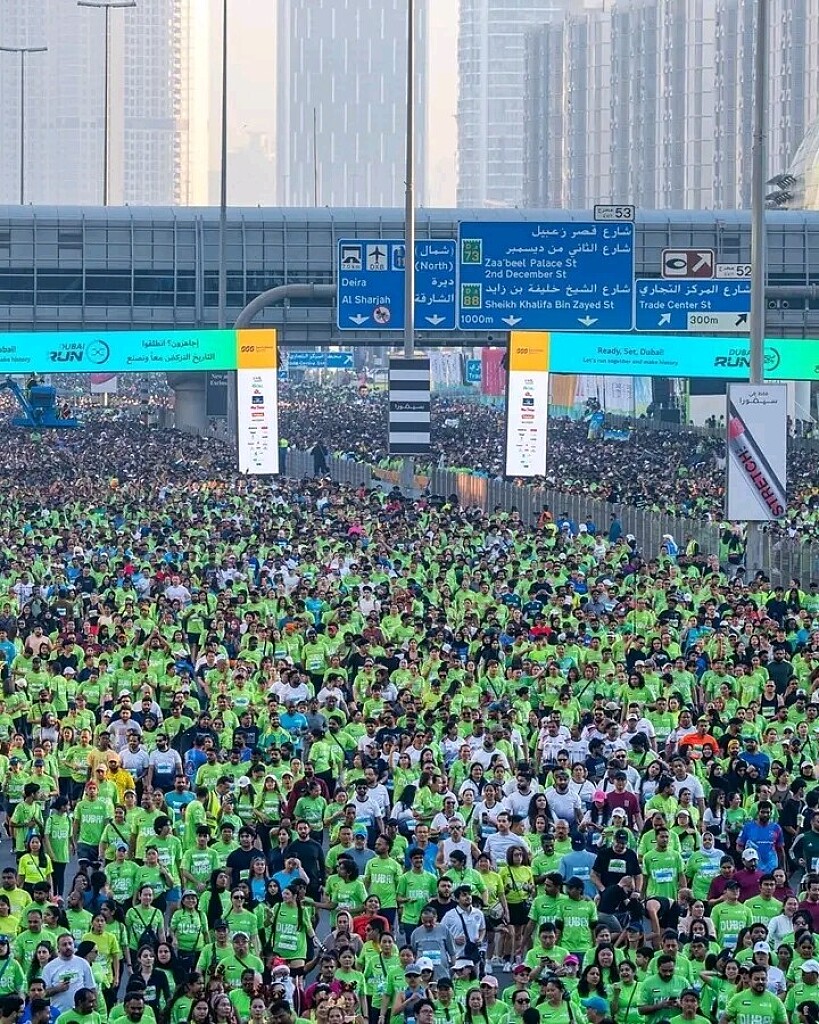
Running Is Taking Over The World! Dubai Run 2026 Attracts More Than 310,000 Participants As The Global Running Revolution Reaches New Heights!
Running is rapidly becoming one of the world's most powerful social and lifestyle movements, and the latest edition of Dubai Run 2026 has provided another remarkable illustration of just how far the sport has grown.

More than 310,000 participants reportedly took to the streets of Dubai, transforming the city's major roads into a spectacular celebration of fitness, togetherness and community spirit. The extraordinary turnout reflects a growing global appetite for running, with people from different nationalities, ages and fitness levels embracing an activity that continues to unite millions across the world.

What makes this running revolution particularly fascinating is that the appeal of the sport is no longer defined exclusively by competition, personal bests or podium finishes. Increasingly, people are discovering running as a way to build friendships, strengthen social connections, improve their health and become part of something bigger than themselves.
The remarkable growth of Dubai Run becomes even more impressive when viewed against its humble beginnings. Launched in 2019 as part of the Dubai Fitness Challenge, the event welcomed approximately 70,000 participants in its inaugural edition. Seven years later, it has grown into one of the world's largest community running events, attracting more than 310,000 participants in 2026. Its extraordinary journey reflects Dubai's commitment to promoting an active and healthier lifestyle while demonstrating how running can bring together people from all walks of life through a shared passion for fitness and well-being.
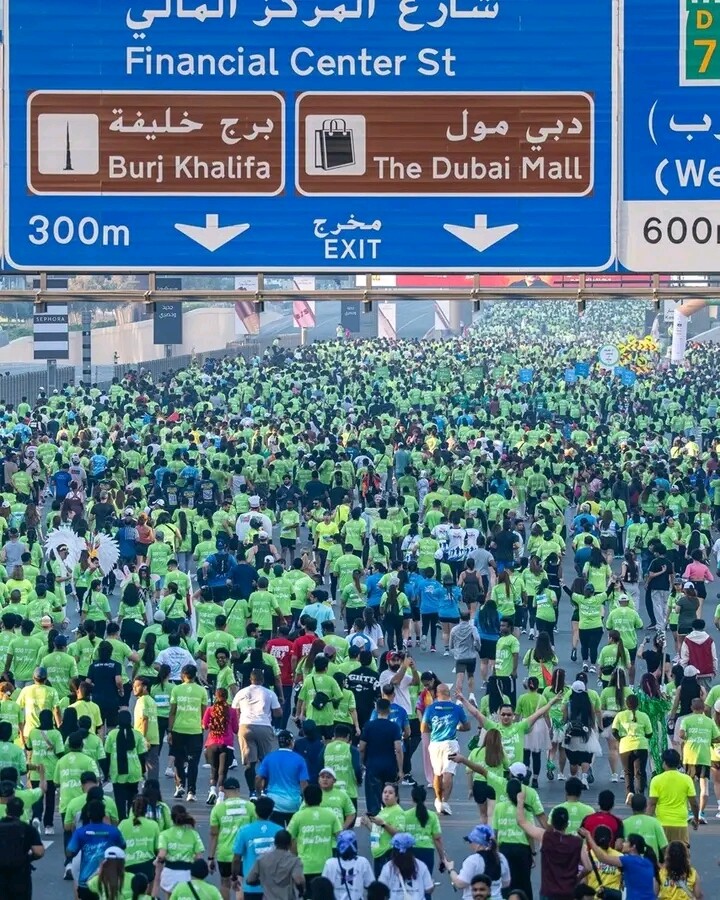
One of the biggest driving forces behind this transformation is the explosive growth of running clubs. From Nairobi to Dubai, London to New York, organised running communities are attracting people who want more than just another workout. They provide opportunities to meet new people, develop friendships, share experiences and find motivation through collective participation. For many, the connections created along the running routes have become just as important as the kilometres covered.
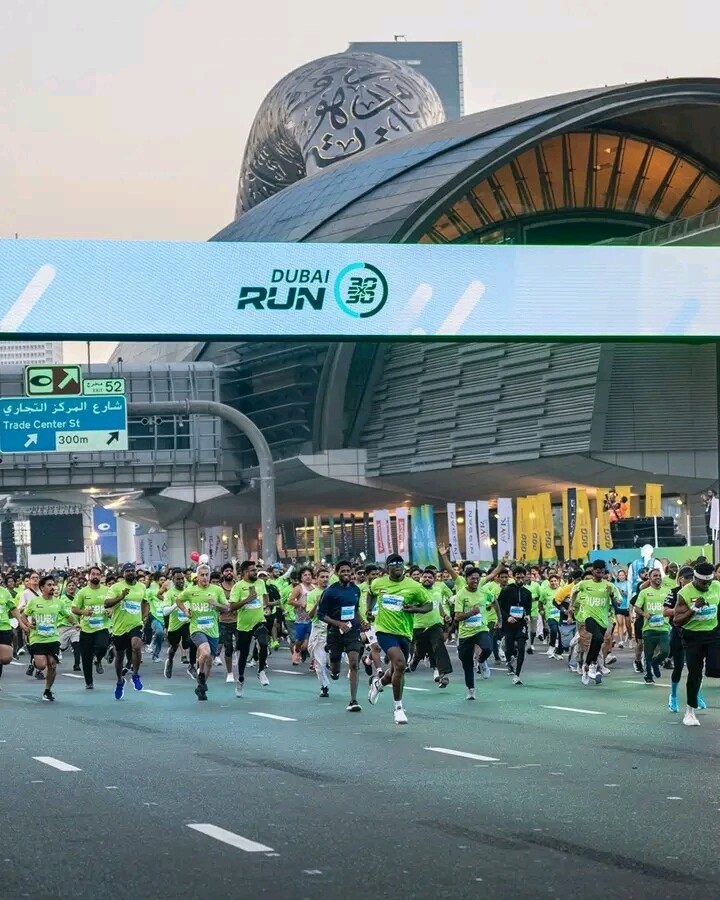
Another reason behind running's growing popularity is its accessibility. Unlike many sporting activities that require expensive equipment, specialised facilities or extensive preparation, running has a relatively low barrier to entry. A suitable pair of running shoes, a safe place to run and the willingness to get started are often enough. Whether someone is chasing an Olympic dream or simply taking their first steps towards a healthier lifestyle, running offers an opportunity for almost everyone.
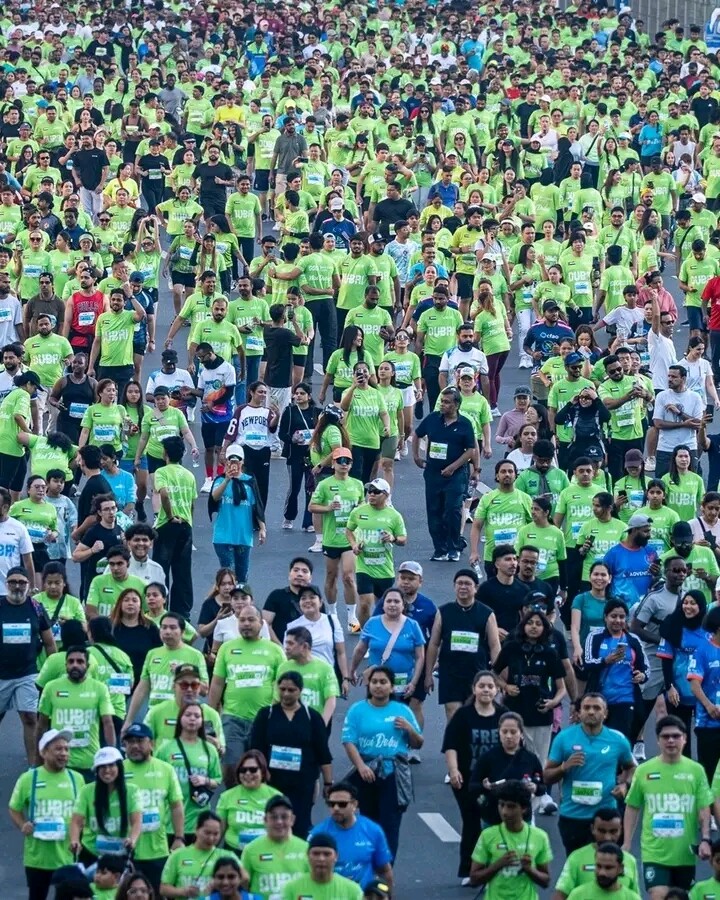
Events such as Dubai Run also demonstrate how the sport is moving beyond the traditional boundaries of competitive athletics. Elite runners share the roads with recreational athletes, families, beginners and people who simply want to enjoy the experience. There is no requirement to run at a particular pace or achieve a specific time. The real achievement is showing up, participating and being part of a collective experience.
Beyond its social appeal, running continues to attract people because of its contribution to physical and mental well-being. Regular participation can improve cardiovascular fitness, build endurance, support overall health and help people manage everyday stress. For many runners, it has also become a valuable opportunity to disconnect from the pressures of daily life, spend time outdoors and enjoy the mental clarity that comes with physical activity.
Perhaps the most beautiful aspect of this movement is its inclusivity. Running creates opportunities for people regardless of age, nationality, background, experience or ability. Everyone has a place, whether they complete a marathon in world-class time, jog around their neighbourhood or walk a few kilometres alongside friends and family.
From the streets of New York, Berlin, London, Tokyo, Sydney, Nairobi and other cities to the spectacular roads of Dubai and beyond, one message is becoming increasingly clear: running is no longer simply a sport; it is a global movement connecting people through a shared passion for fitness, friendship and healthier living.
The future of running should not be measured only by world records, championship medals or the speed of the fastest athletes. It should also be measured by the number of lives inspired, communities strengthened and people encouraged to take their first steps towards an active lifestyle.
And if more than 310,000 participants at Dubai Run 2026 are anything to go by, the running revolution is only getting bigger.
THE WORLD IS NOT JUST RUNNING FASTER. IT IS RUNNING TOGETHER!
by Erick Cheruiyot for My Best Runs.
Login to leave a comment
