

Running News Daily
Running News Daily is edited by Bob Anderson and team. Send your news items to bob@mybestruns.com Advertising opportunities available.
Index to Daily Posts · Sign Up For Updates · Run The World Feed
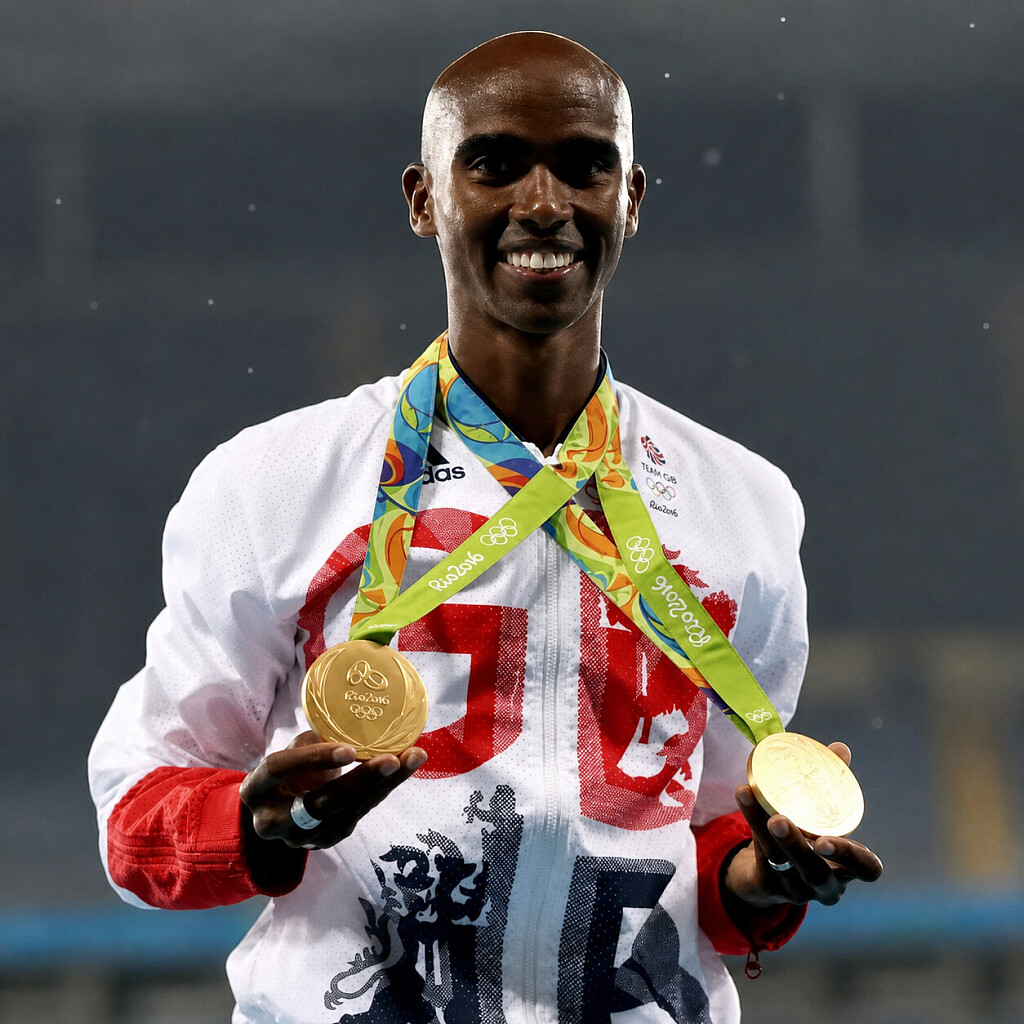


Mo Farah’s Golden Olympic Legacy: The Night a Legend Completed His Double-Double

Ten years ago, on August 20, 2016, Sir Mo Farah cemented his place among the greatest distance runners in Olympic history with another extraordinary triumph in the 5,000 metres at the Rio Olympic Games.
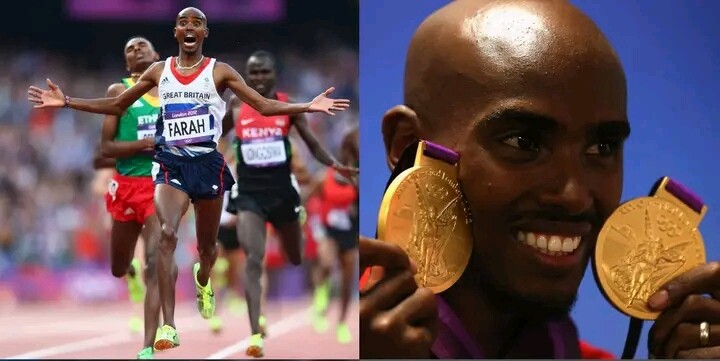
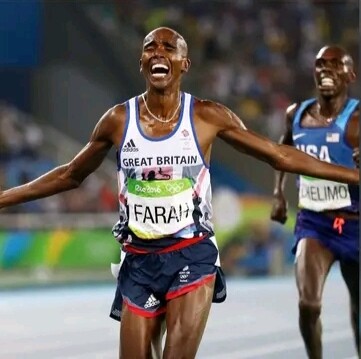
Farah had already secured the 10,000m title in Rio, but victory in the 5,000m delivered something even more significant. By successfully defending both Olympic distance titles he had won four years earlier in London, the British superstar became only the second man in history, after Finland’s Lasse Virén, to complete the remarkable Olympic “double-double” — winning the 5,000m and 10,000m at two successive Games.
His Olympic record was extraordinary.
At London 2012, Farah claimed gold in both the 10,000m and 5,000m, announcing himself as the dominant force in global distance running. Four years later in Rio, he repeated the feat, bringing his Olympic gold medal tally to four.
But Farah’s achievement extended far beyond the Olympic stage.
Between 2011 and 2015, he won six World Championship gold medals across the 5,000m and 10,000m, completing an unprecedented run of dominance. With his Olympic victories in London and Rio added to his World Championship success, Farah became the first man to successfully defend both distance titles at successive Olympic Games and World Championships — a remarkable achievement widely associated with the term “quadruple-double.”
His Rio campaign also produced one of the most memorable images of his career. After falling during the 10,000m final, Farah recovered, charged back into contention and ultimately retained his title, raising his arms in celebration before performing his trademark “Mobot.”
That moment captured the essence of Farah’s career: resilience, confidence, extraordinary endurance and an almost relentless ability to deliver when the stakes were highest.
For more than a decade, Mo Farah was synonymous with British distance running. He transformed major championships into his personal stage, accumulated titles across the biggest competitions in the sport and inspired millions with his distinctive celebrations and unmistakable competitive spirit.
Ten years after that historic night in Rio, the question is no longer whether Farah belongs among the greats. His record has already answered that.
The real debate is where he stands on the all-time list.
Four Olympic gold medals. Six World Championship gold medals. Two Olympic double-doubles. A career defined by championship dominance.
Mo Farah did not simply win races.
He created an era.
by Erick Cheruiyot for My Best Runs.
Login to leave a comment
Latest Running News
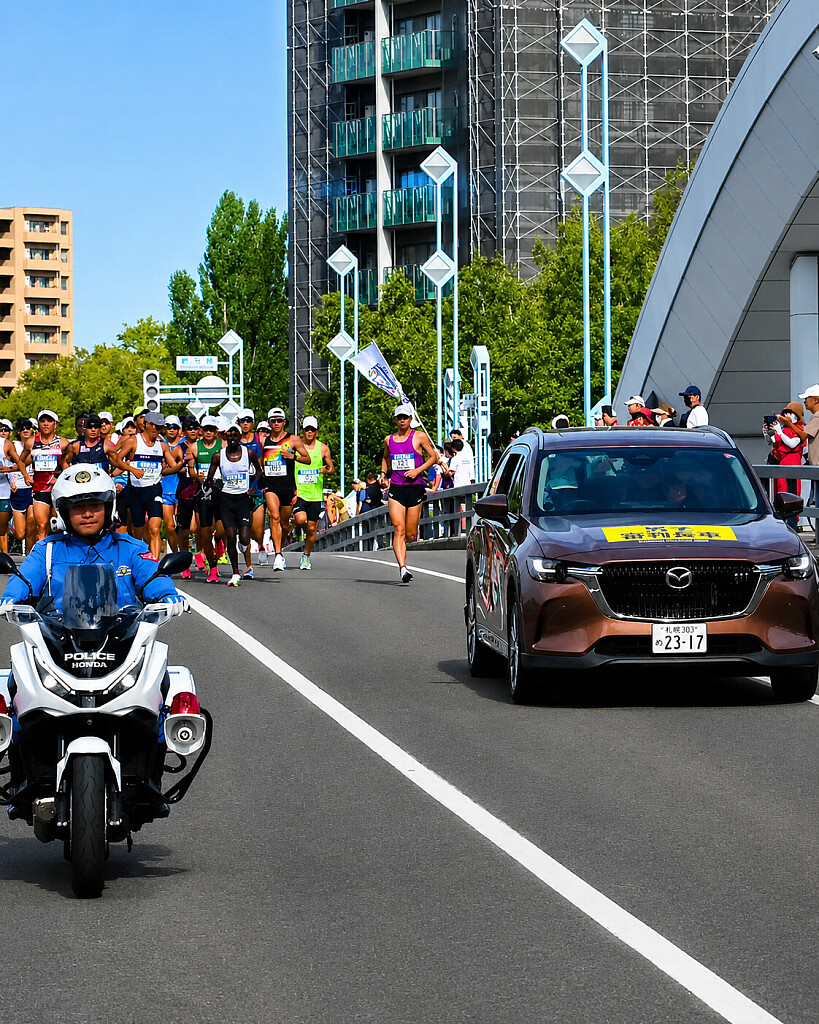
Hokkaido Marathon 2026: A Historic Summer Race Puts Heat Safety First
When thousands of runners line up in the heart of Sapporo on Sunday, August 30, 2026, they will be taking part in one of Japan’s most distinctive marathon traditions — a race where the battle is not only against the clock and the 42.195-kilometre distance, but also against the summer heat.
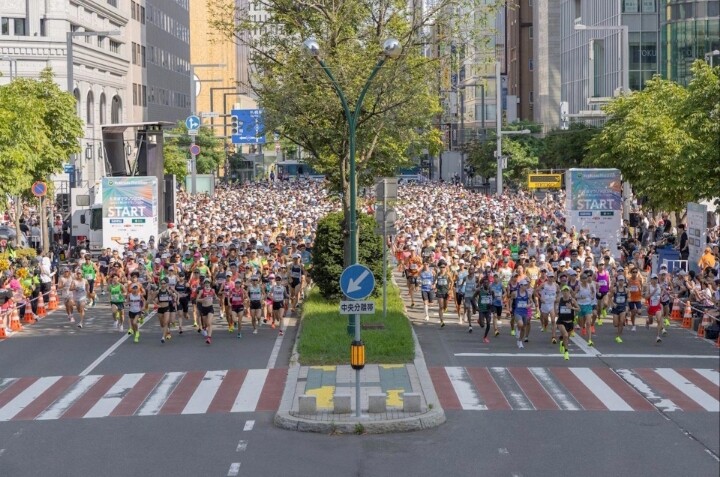
The Hokkaido Marathon traces its roots to 1987, when the inaugural race attracted just 439 entrants. Over nearly four decades, it has grown into a major international marathon, welcoming runners from Japan and around the world while maintaining its unique identity as one of the country’s few major summer marathons.
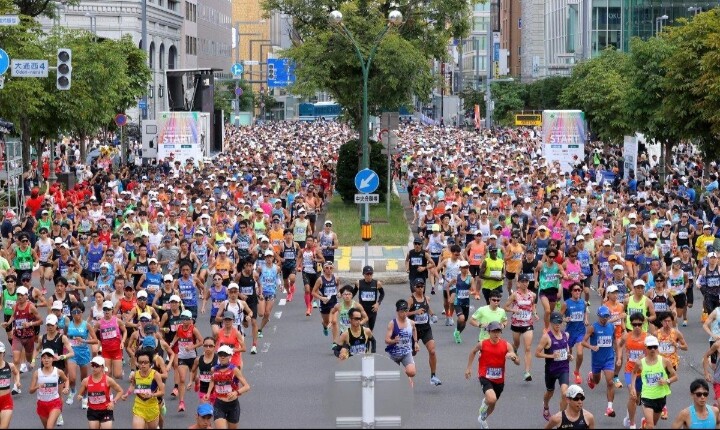
That summer setting is precisely what makes heat management such an important part of the Hokkaido Marathon experience.
The 2026 edition will begin at 8:30 a.m. from Odori Nishi 4-chome, with the course winding through some of Sapporo’s most recognisable landmarks, including Susukino and Hokkaido University. But while the atmosphere will be festive and competitive, organisers are urging athletes to treat heat-related illness with the utmost seriousness.
As one of Japan’s few marathons held during the summer, Hokkaido Marathon carries a heightened risk of heatstroke. Mild heat illness may improve with rest, cooling and appropriate hydration, but severe heatstroke can become life-threatening and demands rapid action to lower body temperature.
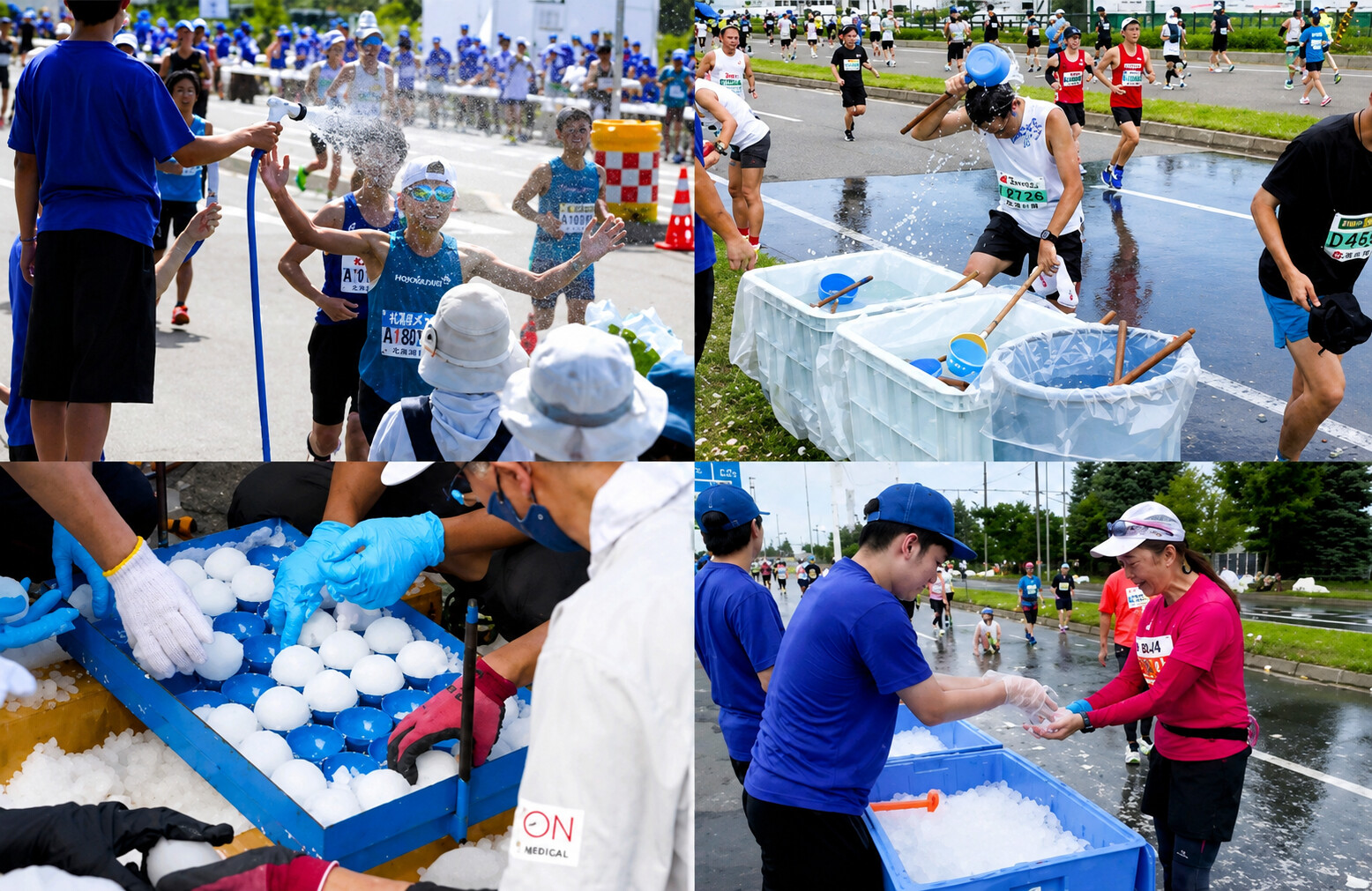
The organisers have therefore placed medical preparedness at the centre of the 2026 event. Since the 2022 Hokkaido Marathon, an ice-bath system has been available for emergency cooling — an approach also used during the marathon and race-walking competitions at the Tokyo 2020 Olympic Games.
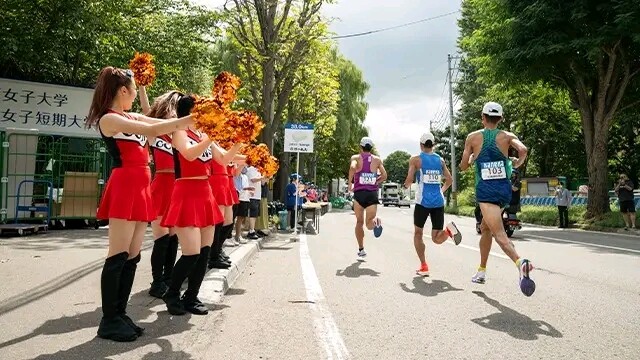
If medical staff suspect severe heatstroke accompanied by impaired consciousness, a doctor may assess the athlete, including measuring rectal temperature when necessary. Where appropriate, the runner can be rapidly cooled using an ice bath before being transported to a medical facility.
For competitors, recognising the warning signs early could make all the difference.
Feeling dazed, unusually confused, mentally foggy or unable to remain fully alert during the race should never be dismissed as ordinary fatigue. Runners experiencing such symptoms are being urged not to force themselves forward. They should stop, rest and seek medical assistance.
The same responsibility applies to fellow runners and spectators. Anyone who notices a competitor appearing confused, disoriented or seriously unwell should immediately alert the nearest medical or first-aid team.
Hydration is another critical part of the organisers’ message — but the advice is not simply to drink as much water as possible.
Both insufficient sodium intake and excessive fluid consumption can contribute to hyponatremia, a potentially dangerous drop in blood sodium levels. Runners should therefore pay attention to both fluid and sodium replacement during the marathon rather than relying solely on water.
The race is also expanding its cooling measures in 2026. An ice distribution point will be available at approximately 13.2 kilometres, while new water-dousing points will be introduced at the end of selected aid stations. These facilities are designed to give runners additional opportunities to cool their bodies as the race progresses.
A cooling spray may also be carried and used as another practical measure against the heat.
Such precautions are particularly significant given the Hokkaido Marathon’s history. From its modest beginning in 1987, the event gradually established itself as an important testing ground for athletes preparing to compete in hot-weather conditions. Japanese and international elites have repeatedly used the race to test their endurance and heat tolerance, while the event has also welcomed some of the world's leading distance runners.
Today, the marathon combines that elite tradition with a huge mass-participation atmosphere. What started with fewer than 500 entrants has evolved into an event capable of attracting around 20,000 runners, turning Sapporo into a celebration of distance running each summer.
But the message for 2026 is clear: finishing the marathon is never more important than protecting your health.
For runners chasing personal bests, international athletes seeking victory and recreational participants simply hoping to complete the distance, knowing when to slow down, stop or seek help is part of racing intelligently.
On August 30, the streets of Sapporo will once again provide a spectacular stage for 42.195 kilometres of running. Yet beneath the excitement, the Hokkaido Marathon is sending an equally important message: run hard when your body allows it, cool down when necessary, stay alert to the heat and never ignore the warning signs.
After nearly four decades of history, the Hokkaido Marathon continues to evolve — and in 2026, protecting the runners who make that history possible is firmly at the heart of the race.
by Erick Cheruiyot for My Best Runs.
Login to leave a comment
Hokkaido Marathon
The Hokkaido Marathon, inaugurated in 1987 with just 439 participants, has evolved into one of Japan's premier marathons, attracting nearly 20,000 runners annually. Held every August in Sapporo, Hokkaido, it stands as the nation's only full-scale summer marathon. The race commences and concludes in Sapporo's Odori Park, offering a scenic course that weaves through the city's landmarks, including the vibrant...
more...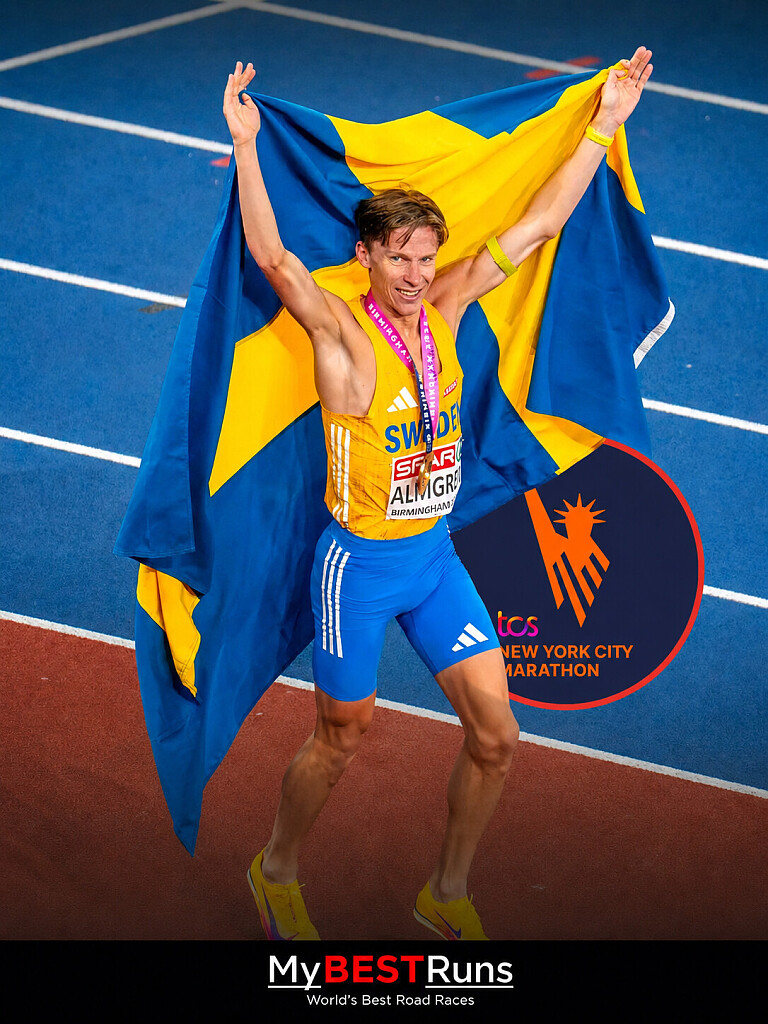
From European Records to 42.195km: Andreas Almgren Takes on New York
Andreas Almgren has spent the past two seasons transforming himself into one of Europe’s most formidable distance runners. Now, the Swedish star is ready to take on an entirely new challenge — the marathon.
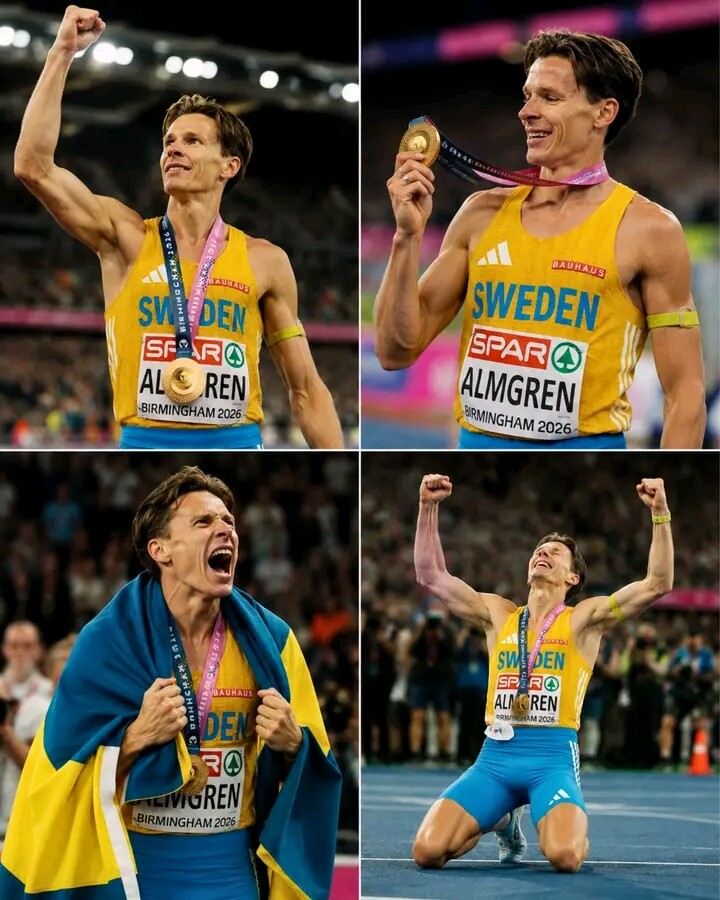
Fresh from a commanding European 10,000m triumph in Birmingham, Almgren has confirmed that he will make his marathon debut at the TCS New York City Marathon on November 1. The decision adds another intriguing chapter to a remarkable rise that has seen him repeatedly rewrite the European record books.
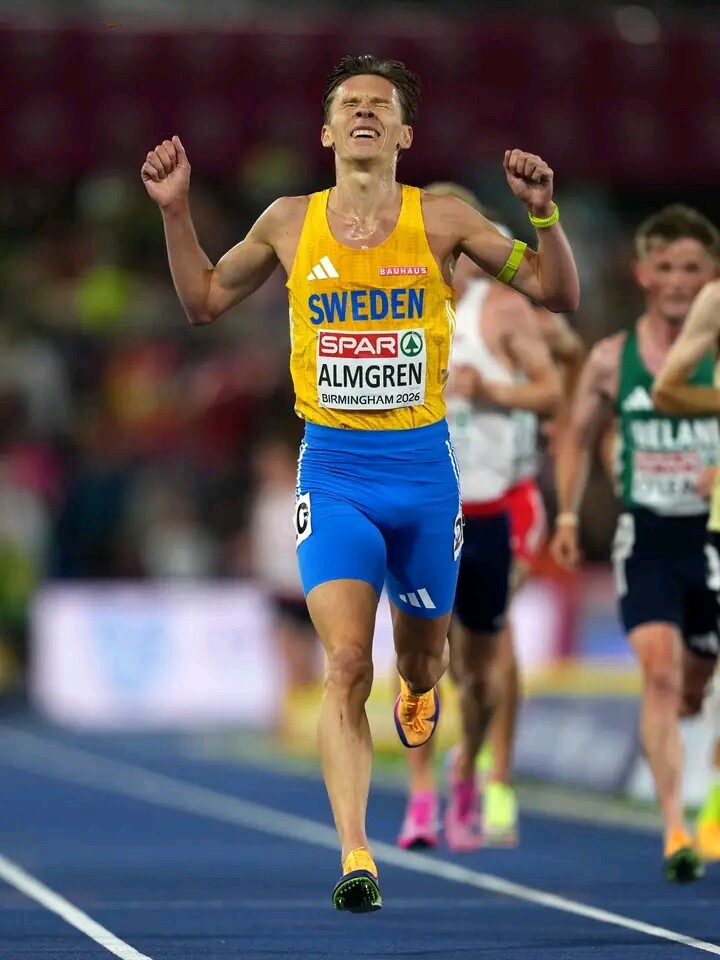
The 31-year-old owns European records of 12:44.27 for 5,000m, 26:45 for 10km on the road and 58:41 for the half marathon — extraordinary marks that underline both his speed and his growing endurance. His 26:45 in Valencia in January 2026 lowered his own European 10km record, while his 58:41 in Valencia last October made him the first European athlete to break the 59-minute barrier for the half marathon.
His latest achievement came in Birmingham, where Almgren produced one of the most dominant performances of the European Championships. He stormed to the 10,000m title in 27:23.44, setting a championship record and adding a major senior title to the World Championships bronze medal he won over the same distance in Tokyo last year.
Yet his choice of New York for his first marathon is what makes the announcement particularly fascinating.
Rather than selecting a traditionally fast, flat course where a debutant can concentrate almost exclusively on the clock, Almgren has chosen one of the most demanding and tactically complex marathons on the calendar. The New York course takes runners through all five boroughs and across five bridges before the finish in Central Park, combining repeated climbs, descents, turns and constantly changing race dynamics.
It is a course that rewards patience, strength and tactical intelligence as much as raw speed. For Almgren, whose career has been built around racing at the highest level rather than simply accumulating fast times, the setting could provide a fascinating test of how his exceptional track and road credentials translate to 42.195 kilometres.
And he will not be entering a quiet debut race. The 2026 field features defending men's champion Benson Kipruto, former champion Geoffrey Kamworor, Dutch star Abdi Nageeye, American contenders Conner Mantz and Zouhair Talbi, as well as several other elite marathoners. Almgren is one of a small group of high-profile athletes making their marathon debuts in New York.
The race will also mark the 50th anniversary of the modern five-borough New York City Marathon course, adding even greater significance to an already prestigious occasion. With Almgren bringing European-record credentials, a fresh continental title and the confidence of a breakthrough period behind him, his first encounter with the marathon promises to be one of the most closely watched stories of the autumn road-racing season.
For a runner who has already conquered the track and rewritten the European road-running record books, New York represents the beginning of another journey.
On November 1, the question will no longer be how fast Andreas Almgren can run 5,000m, 10km or a half marathon.
It will be how far that extraordinary speed and endurance can carry him over 42.195 kilometres through the streets of New York.
by Erick Cheruiyot for My Best Runs.
Login to leave a comment
TCS New York City Marathon
The first New York City Marathon, organized in 1970 by Fred Lebow and Vince Chiappetta, was held entirely in Central Park. Of 127 entrants, only 55 men finished; the sole female entrant dropped out due to illness. Winners were given inexpensive wristwatches and recycled baseball and bowling trophies. The entry fee was $1 and the total event budget...
more...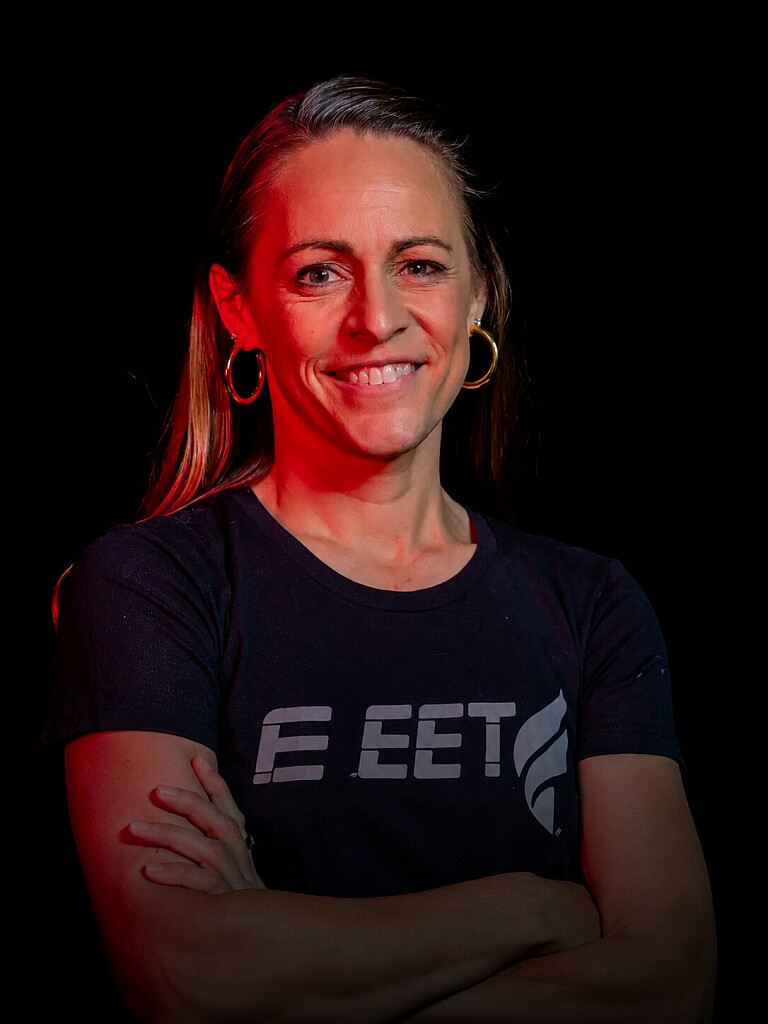
Jenny Simpson Reveals Rare Heart Condition After Surviving Two Cardiac Arrests: “My Story Hasn’t Ended”
Jenny Simpson has broken her silence about the medical emergency that dramatically altered her life, revealing that a sudden cardiac arrest on June 16 was followed by a second cardiac arrest in hospital and the discovery of a rare inherited heart condition.
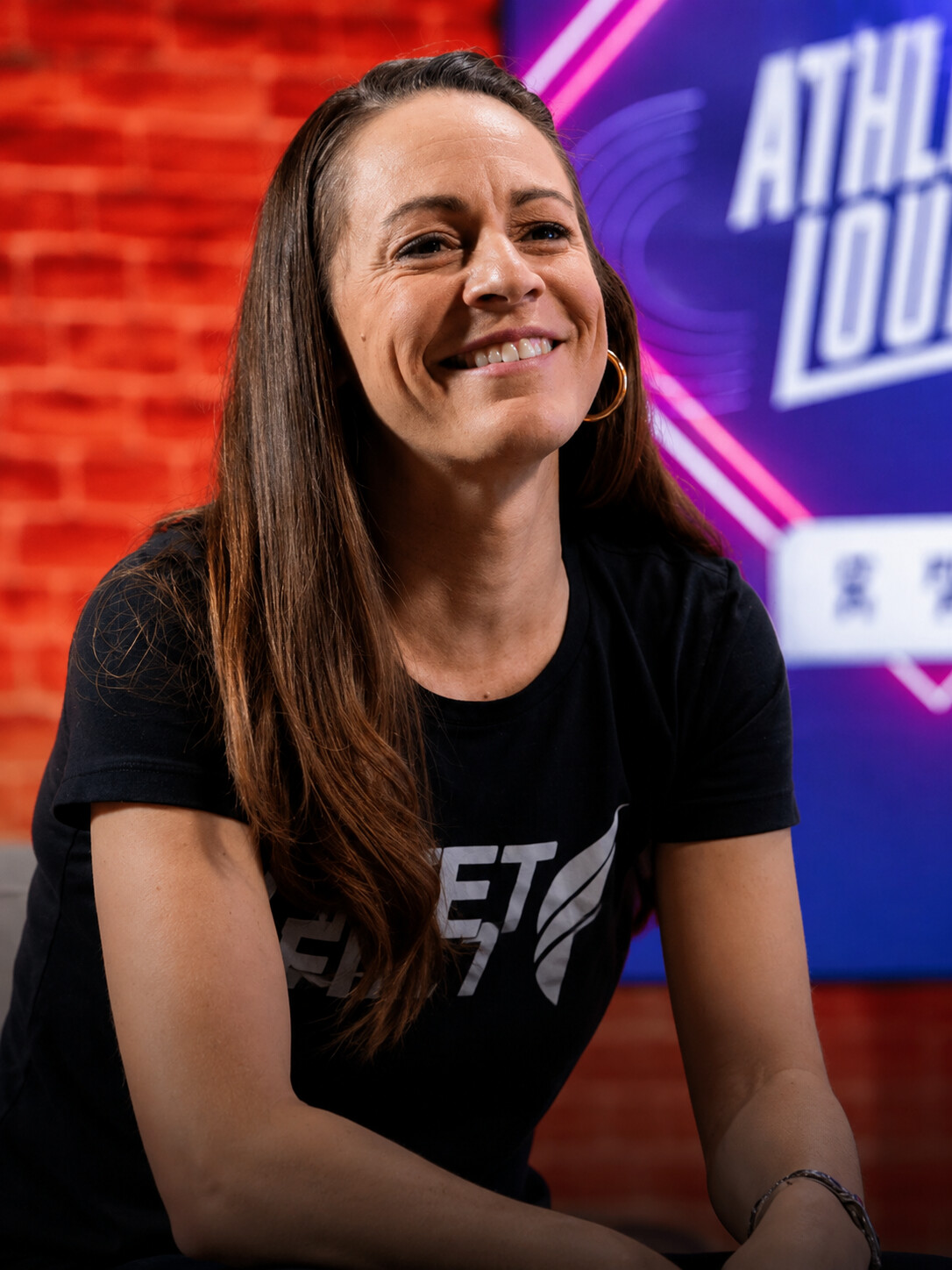
The former world champion and Olympic medallist said it took her time to find the right words before sharing her story publicly, expressing gratitude to everyone who has supported her with prayers, concern and encouragement throughout her recovery.
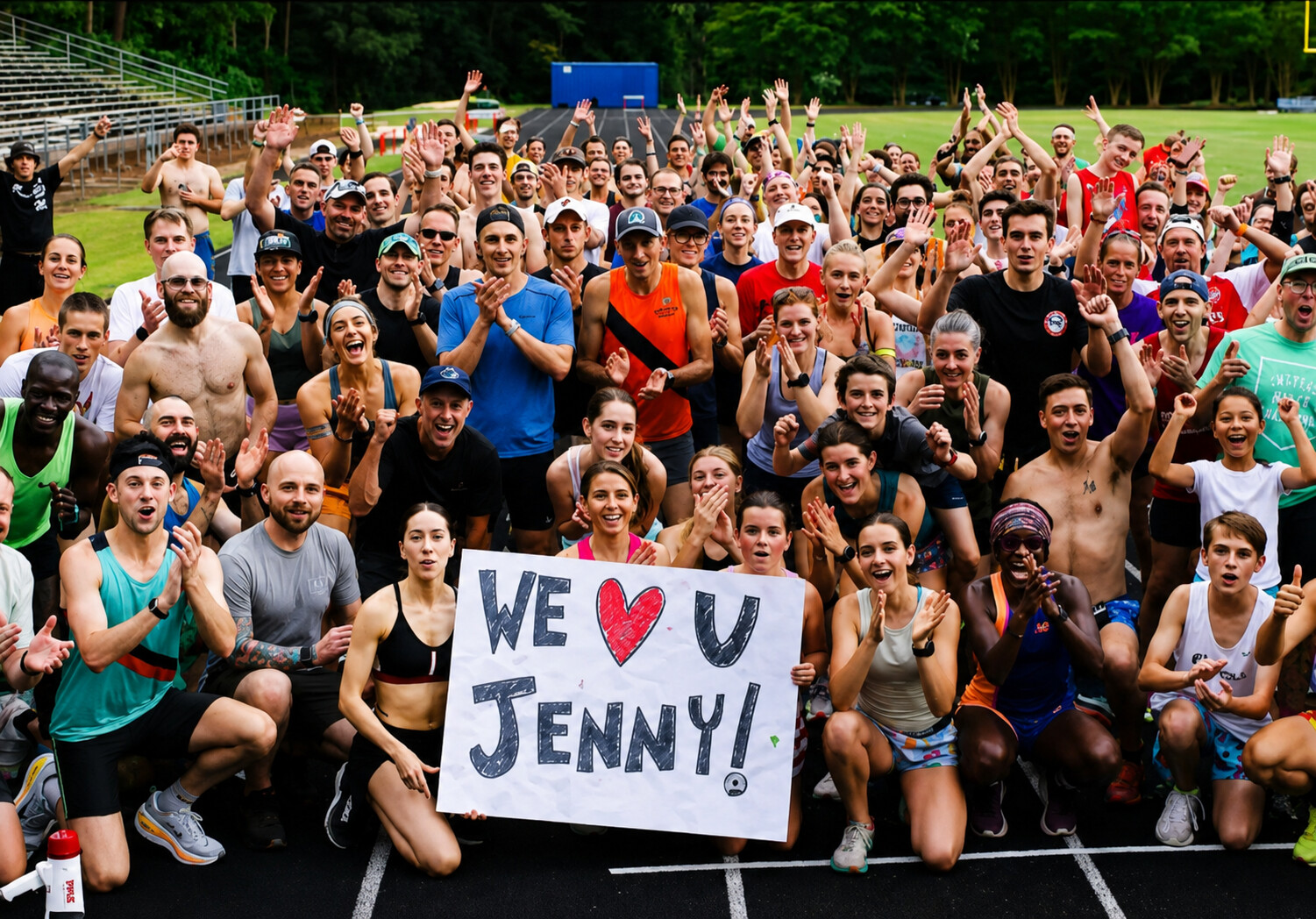
On the evening of June 16, Simpson went into sudden cardiac arrest shortly after running at the Sir Walter Running Pop-Up Mile. Bystanders immediately began CPR and used an automated external defibrillator, providing the lifesaving intervention that kept her alive until emergency medical personnel arrived. After reaching hospital, however, Simpson's heart stopped again. Her heart continued to struggle, and she was placed on life support before being transferred to Duke Hospital for more advanced heart-failure care.
Simpson has since revealed that doctors diagnosed her with arrhythmogenic right ventricular cardiomyopathy (ARVC), a rare inherited heart condition. According to Simpson, scar tissue within her heart disrupted its electrical system and ultimately caused her heart to stop.
“My body was dying, but my spirit wouldn’t give up. I fought for my life,” Simpson said, reflecting on the severity of the ordeal.
She also offered a heartfelt message to the enormous community that rallied around her during the crisis, acknowledging the prayers, messages and support that reached her and the people caring for her. Simpson said she felt the strength of that support when she needed it most, crediting the intervention, intercession and love of others with helping keep her going.
The diagnosis has fundamentally changed her relationship with the sport that has defined much of her life.
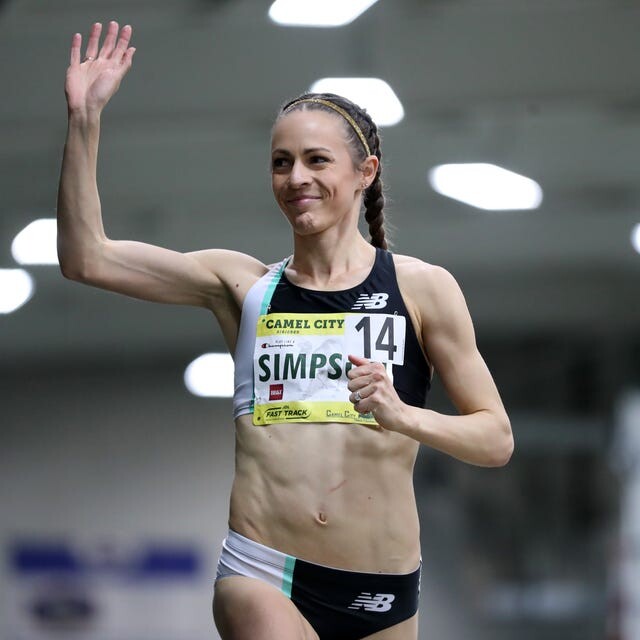
Simpson reflected on a career that allowed her to experience almost every dimension of distance running—from the relentless demands of training to standing on a championship podium as the American national anthem echoed around the stadium.
She raced distances ranging from the mile to the marathon across the world and built a career that established her among America's most accomplished middle-distance athletes.
Yet after everything running gave her, Simpson now faces the painful reality that she can no longer run in the way she once did.
“My relationship with running must change. My love for it is stronger than ever,” Simpson said.
While she will no longer be able to run alongside the athletes and recreational runners who have shared her passion, Simpson made it clear that she has no intention of walking away from the running community.
Instead, she plans to remain deeply involved in the sport through her work as Chief Running Officer at Fleet Feet, using her experience and platform to help others discover what running can offer beyond competition.
She described running as a source of confidence, connection, purpose and joy—and those values, she said, will remain central to her life.
Her message is particularly poignant because running was still at the heart of her life when the cardiac arrest occurred. Rather than ending her connection with the sport, the experience appears to have given her a new perspective on what that relationship can mean.
Simpson also expressed profound gratitude for the career she was fortunate enough to have, acknowledging that she experienced the full spectrum of elite athletics—from the difficult training days to the extraordinary moments on the world's biggest stages.
Her final competitive chapter had already been written before the cardiac arrest. Simpson retired from elite competition in 2024 after an extraordinary career that established her as one of the most accomplished American middle-distance runners of her generation.
She became the first American woman to win the 1,500m world title since Mary Slaney in 1983 to claim the world title in the event when she triumphed at the 2011 World Championships in Daegu. She later added world silver medals in 2013 and 2017 before claiming Olympic bronze in the 1,500m at the 2016 Rio Games.
But perhaps fittingly, Simpson's final run came not under the pressure of a major championship, but while pacing young runners in her local running community.
Her competitive career produced a world championship title, Olympic success and years of representing the United States at the highest level. But now, her greatest victory is no longer measured by medals, times or championship positions.
It is measured by survival, recovery and the opportunity to continue making a difference.
“My future is an incredible gift. It’s hopeful and it will continue to have great purpose.”
Her running career may have entered a profoundly different chapter, but the former champion's connection with the sport remains unbroken.
She may no longer be racing beside the running community—but she intends to remain right where she believes she belongs: supporting, encouraging and inspiring the next generation of runners.
For Jenny Simpson, the finish line has changed. But the journey continues.
by Erick Cheruiyot for My Best Runs.
Login to leave a comment
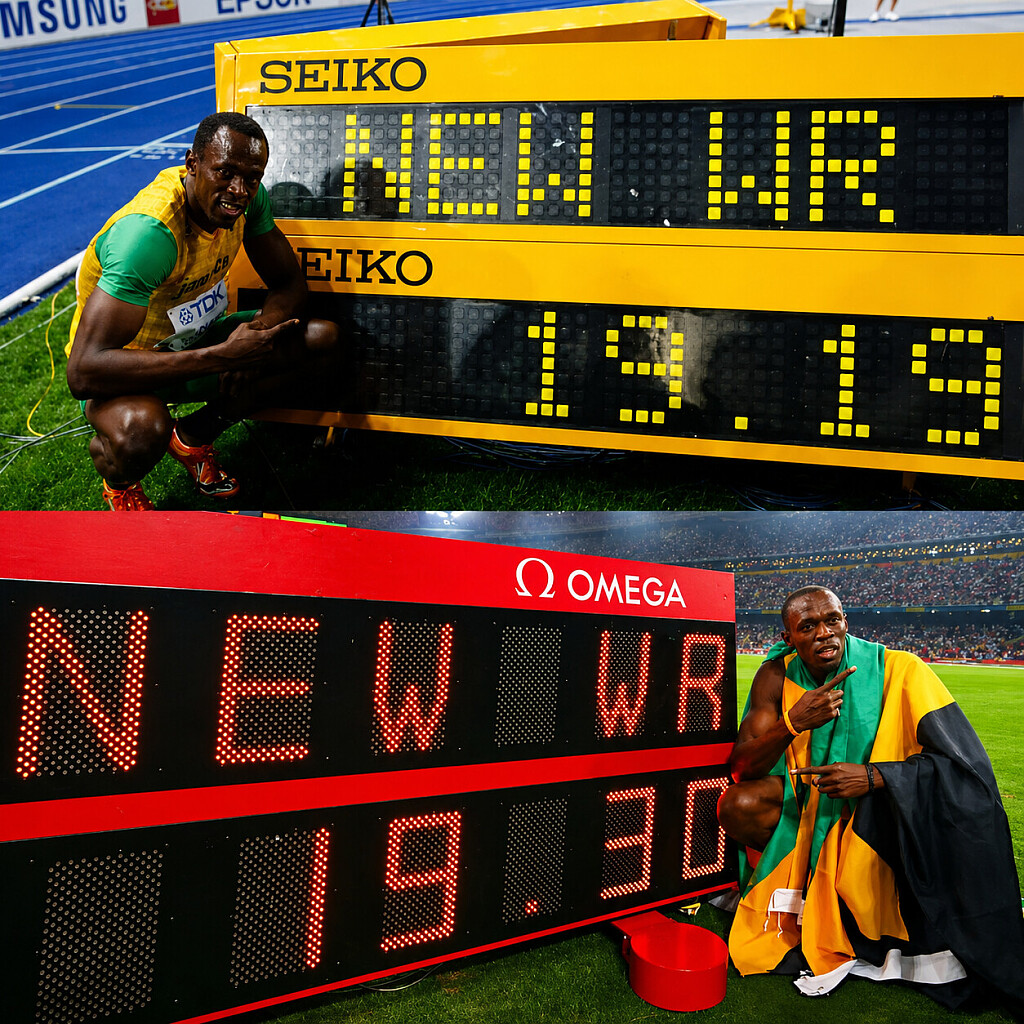
August 20: The Day Usain Bolt Rewrote the 200m Record Book—Twice
Some dates become part of sporting history. August 20 belongs to Usain Bolt.
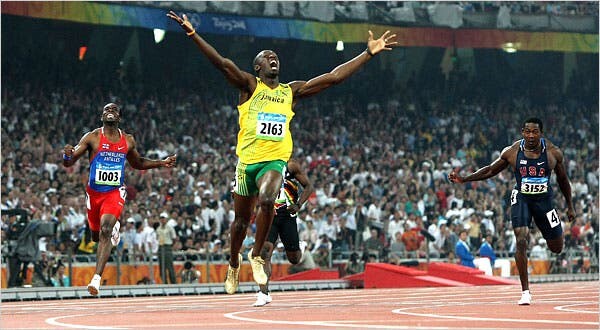
On two consecutive years, the Jamaican sprinting phenomenon transformed the men’s 200 metres, producing performances that seemed almost impossible even by his extraordinary standards.
On August 20, 2008, inside Beijing’s Bird’s Nest, Bolt lined up for the Olympic 200m final carrying enormous expectations. Four days earlier, he had stunned the world by winning the 100m in a then-world-record 9.69 seconds. Yet the 200m was about to become another chapter in his growing legend.
Bolt exploded around the bend before powering down the home straight, crossing the finish line in 19.30 seconds to win Olympic gold and shatter Michael Johnson’s long-standing world record of 19.32, set in Atlanta in 1996. The improvement was only two hundredths of a second, but the significance was enormous: Johnson’s seemingly formidable record had survived for 12 years before Bolt finally brought it down.
And there was another remarkable detail. Bolt’s Beijing record came with a 0.9 m/s headwind, making the performance even more extraordinary.
But Bolt was not finished.
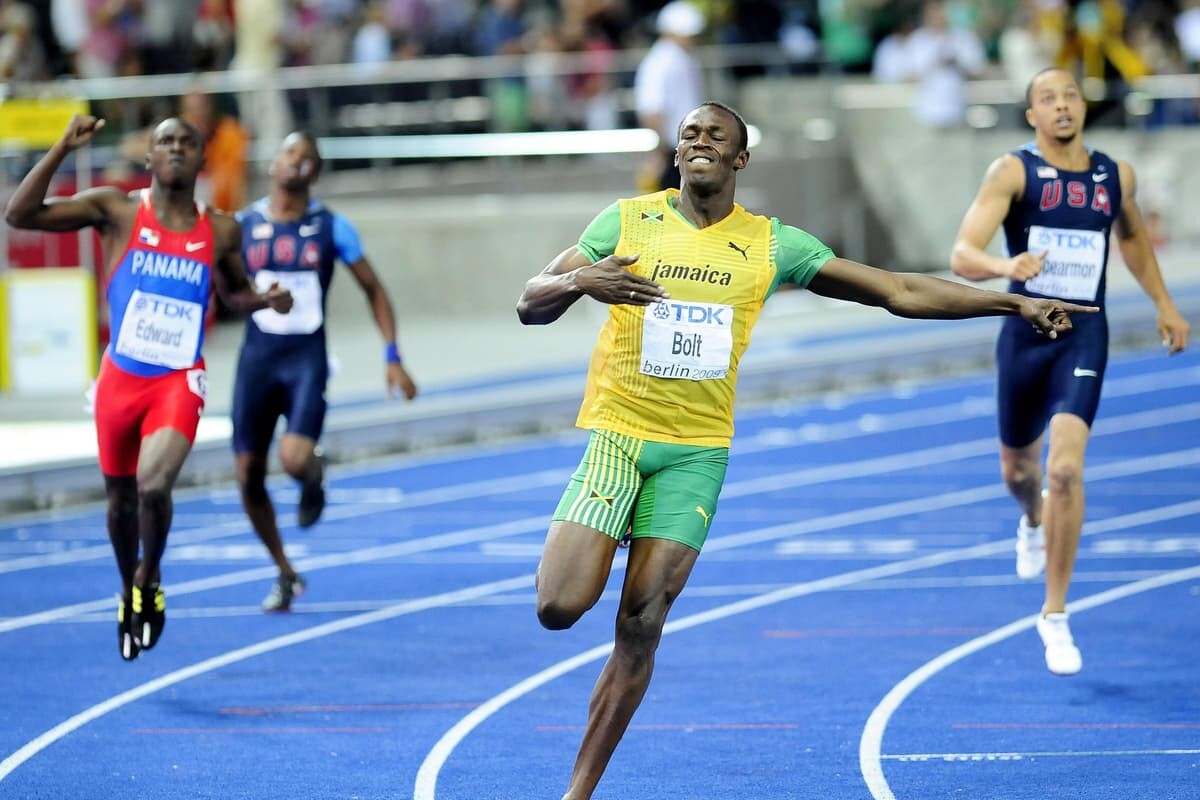
Exactly one year later, on August 20, 2009, he returned to the same event at the World Athletics Championships in Berlin with another opportunity to redefine the limits of speed.
Four days earlier, he had already demolished his own 100m world record, running 9.58 seconds. Now the 200m world record was in his sights.
What followed was extraordinary.
Bolt stormed to 19.19 seconds, taking 11 hundredths off the world record he had established in Beijing. The performance came with a 0.3 m/s headwind, yet he still produced a time that would immediately become one of the most iconic performances in athletics history.
The progression was staggering:
19.30 in Beijing.
19.19 in Berlin.
Michael Johnson’s record had become Bolt’s record—and then, just 12 months later, Bolt destroyed his own mark.
His Berlin victory was also emphatic. Bolt finished more than half a second ahead of Panama’s Alonso Edward, who ran 19.81, while Wallace Spearmon took bronze in 19.85.
What made the achievement even more remarkable was the consistency of Bolt’s record-breaking brilliance. Across the Beijing Olympics and Berlin World Championships, he produced a succession of world records in the 100m and 200m, repeatedly turning major championship finals into historic moments. World Athletics noted after Berlin that Bolt had become the first man to break both the 100m and 200m world records more than once.
And now, 17 years after that unforgettable Berlin night, the 19.19-second world record still stands.
The mark has survived generations of exceptional sprinters, including athletes who have come remarkably close to the 19-second barrier. Yet Bolt’s time remains untouched at the summit of the all-time list.
That is why August 20 is more than a date on the athletics calendar.
It is the anniversary of the day Usain Bolt first broke Michael Johnson’s seemingly untouchable standard—and then returned exactly one year later to make his own record look vulnerable.
Beijing gave the world 19.30.
Berlin gave it 19.19.
Two August 20s. Two world records. One extraordinary sprinter.
Usain Bolt was not simply winning races. He was changing the definition of human speed.
And the question that remains for the next generation is perhaps the most intriguing of all:
Will we ever see another sprinter capable of breaking the 19-second barrier and finally taking down the 19.19 mark that Bolt left behind?
by Erick Cheruiyot for My Best Runs.
Login to leave a comment
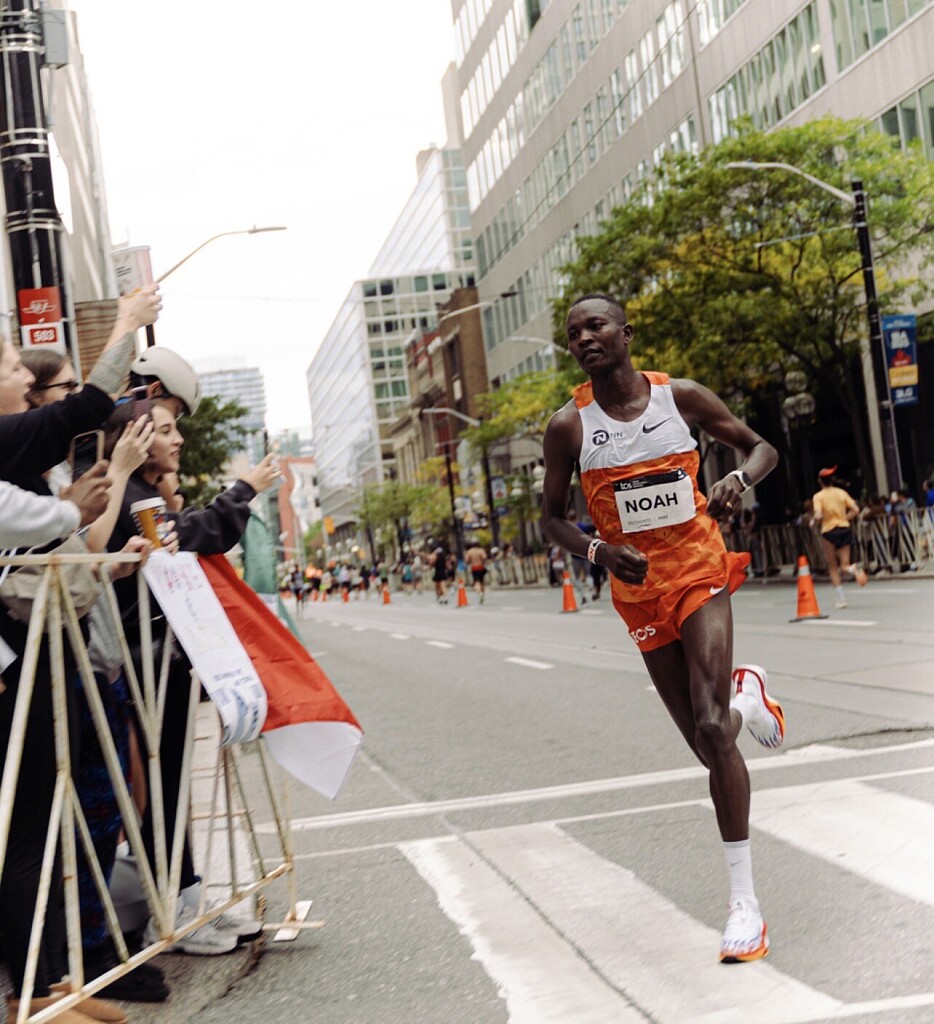
Noah Kipkemboi Hopes It Will Be Third Time Lucky in Toronto
Will it be a case of third time lucky at the TCS Toronto Waterfront Marathon for Noah Kipkemboi?
In his first appearance at the TCS Toronto Waterfront Marathon in 2024, the Kenyan star finished third. Last year, he moved up one place to finish second. Now, with the benefit of knowing the course intimately, he returns intent on reaching the top step of the podium.
“It’s really my hope to run well on the course again and to be on the podium,” he says of the October 18 race. “It is my pleasure if I come position one this time. Now I am in training and preparing for the race.”
Kipkemboi’s personal best remains the 2:07:31 he ran during his initial Toronto appearance, and improving on that time would be especially satisfying. Clearly, his two visits have endeared him to the event and the people he has met in Toronto. At the finish line and during the post-race press conference, he kindly served as an interpreter for 2025 winner Leonard Langat, who is more comfortable speaking Kiswahili than English.
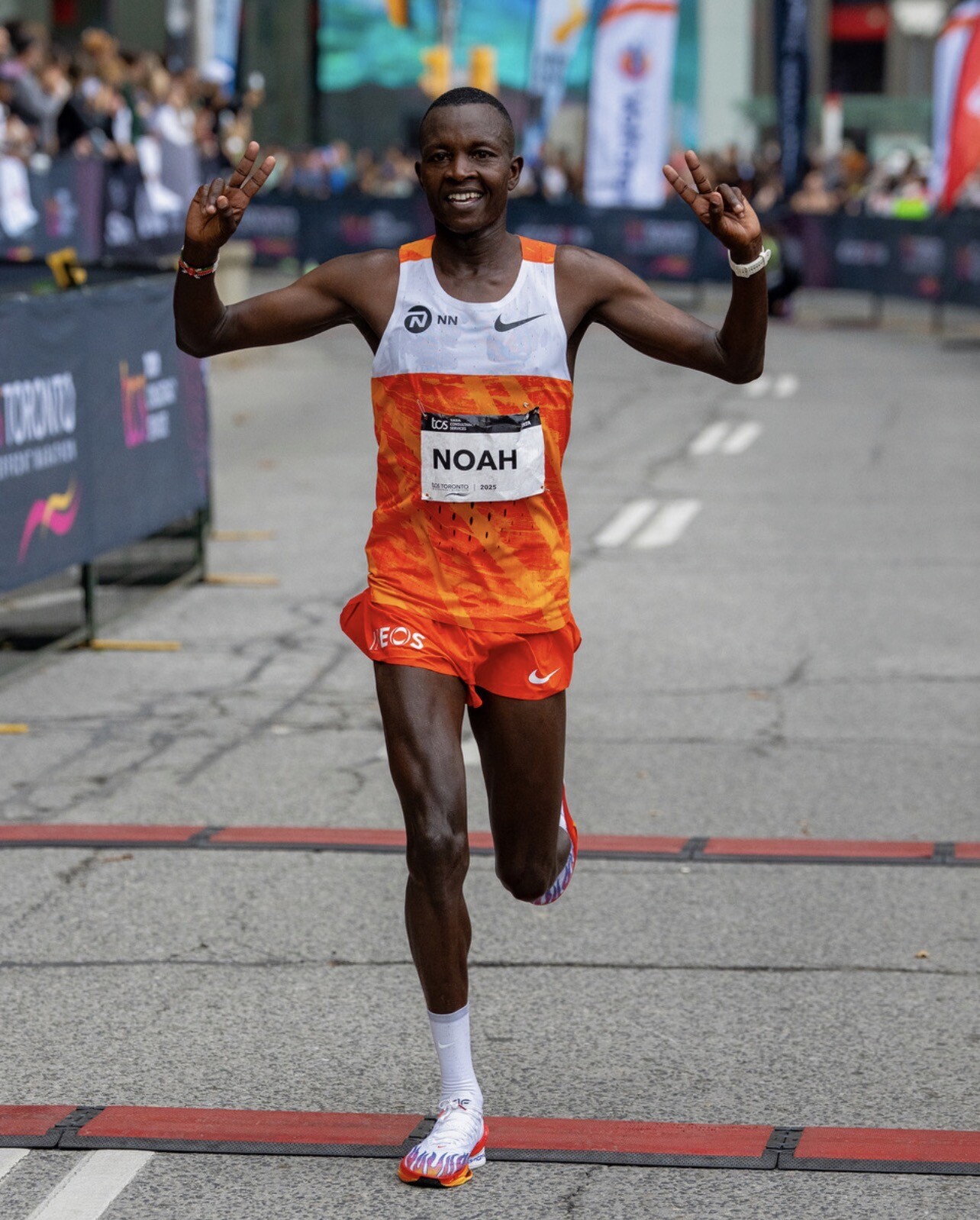
“Please say hello to everyone in Toronto,” he begins during a WhatsApp video interview. “It is a beautiful city, and thank you for inviting me back.
“I really like when people from the Toronto communities where we run through are happy and cheering us. Here, everyone is shouting ‘go,’ giving us motivation. Being cheered, you can get power and keep going better.
As a Christian, Kipkemboi has also been inspired by hearing the Canadian national anthem traditionally sung at the race start, especially the line “God keep our land glorious and free.” But it is the competition that initially attracts world-class runners.
The TCS Toronto Waterfront Marathon serves as both the official Athletics Canada Canadian Marathon Championship and a World Athletics Elite Label race. The $25,000 Canadian prize offered to each winner is especially meaningful to the runners. Kipkemboi has put his earnings to good use, raising three young children of his own while also contributing to the school fees of two other children in his village. There have also been medical expenses to consider.
“During the two times racing in Toronto, I have been having difficulty before the race,” he reveals. “The first Toronto race, my daughter Phoebe was not feeling comfortable, and after the 2025 race, she was having a second kidney operation.
“I was on the start line praying that I would win so my kids would be happy. Now she is okay. My happiness, if I come position one, it will be so beautiful, so my kids will be happy.”
Kipkemboi has been represented by the Dutch-based Global Sports Communication throughout his career. From Monday through Saturday, he lives and trains at the organization’s camp in Kaptagat, while his family remains at their home in Eldoret, 24 kilometres away. Such living arrangements are typical among Kenya’s world-class runners.
Among Kipkemboi’s training partners is the legendary Eliud Kipchoge, the former world marathon record holder and two-time Olympic marathon champion. Kipkemboi served as a pacer during Kipchoge’s 2022 world-record performance in Berlin.
Another close friend and former training partner, Philemon Rono, won the Toronto Waterfront Marathon three times and holds the course record of 2:05:00.
“He has gone to another management group, but we are still friends,” Kipkemboi says of his compatriot. “His camp is not far from our camp. Mostly, when we are training in the forest, we meet them and wave.
“He asked me, ‘Are you going back to Toronto? Can we go together this time?’ We were chatting about Toronto. He said, ‘You go this time and win that race!’”
These days, Kipkemboi is running as much as 200 kilometres a week in preparation for Toronto. Between training sessions, life at the camp consists of daily household chores divided among the runners, physiotherapy and massage sessions, and meals. For relaxation, the runners enjoy watching football together.
“Yes, we normally watch football. Me, I like Arsenal,” he says with a smile. “Most of us in the camp, most of the athletes, are fans of Arsenal. The Commonwealth Games steeplechase champion Edmund Serem likes Arsenal. When he won the gold medal, he did what Arsenal striker Viktor Gyökeres does in celebration.”
With that, Kipkemboi interlocks his fingers to form a mask below his eyes, as the Swedish footballer does after scoring—a reference to the Batman villain Bane in “The Dark Knight Rises.”
Like many successful Kenyan runners, Kipkemboi is planning for life after his competitive career comes to an end. With prize money from his first Toronto appearance, he opened a general store in Eldoret that sells everything from candy and flour to soap and perfume. He also farms a plot of land.
Victory at the TCS Toronto Waterfront Marathon will not come easily. But Kipkemboi feels at home on the streets of Toronto, and that could very well make it third time lucky.
by Paul Gains
Login to leave a comment
TCS Toronto Waterfront Marathon
The Scotiabank Toronto Waterfront Marathon, Half-Marathon & 5k Run / Walk is organized by Canada Running Series Inc., organizers of the Canada Running Series, "A selection of Canada's best runs!" Canada Running Series annually organizes eight events in Montreal, Toronto and Vancouver that vary in distance from the 5k to the marathon. The Scotiabank Toronto Waterfront Marathon and Half-Marathon are...
more...