

Running News Daily
Running News Daily is edited by Bob Anderson and team. Send your news items to bob@mybestruns.com Advertising opportunities available.
Index to Daily Posts · Sign Up For Updates · Run The World Feed
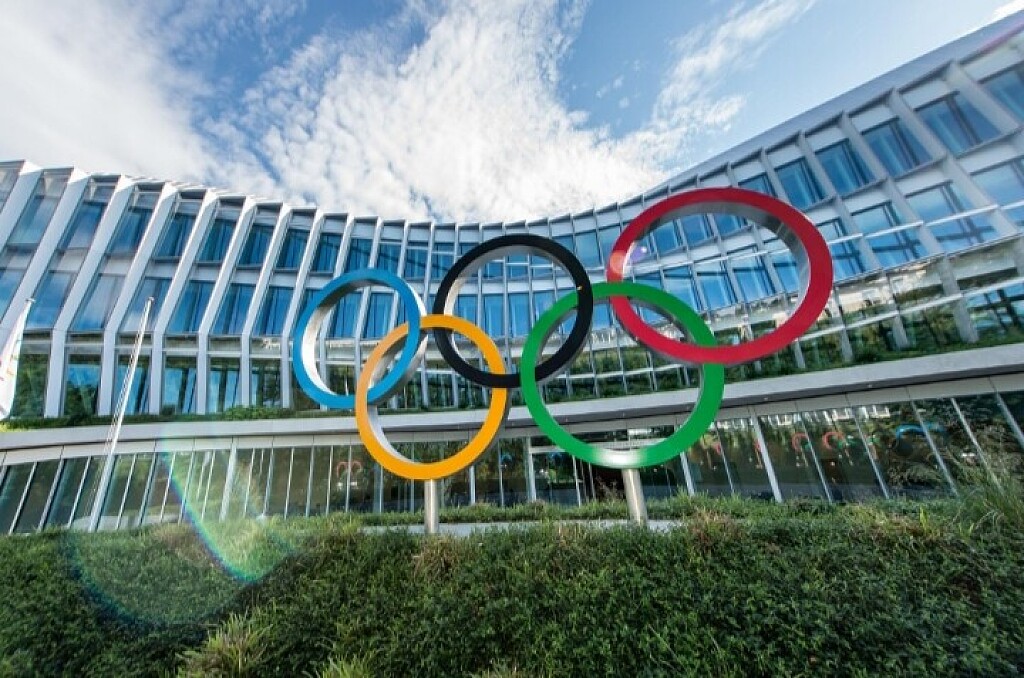


IOC Signals Landmark Shift in Women’s Eligibility Rules Ahead of Los Angeles 2028

The International Olympic Committee has unveiled a significant and highly consequential policy direction for the Los Angeles 2028 Olympics, introducing new eligibility criteria that would restrict participation in the women’s category to biological females.
At the center of the proposed framework is a “once-in-a-lifetime” sex verification process, designed to establish eligibility with scientific certainty. According to the guidelines, this screening would involve testing for the presence of the SRY gene — a genetic marker typically linked to male biological development. The intention, the IOC suggests, is to create a clear and consistent standard that governs entry into women’s competition across all Olympic disciplines.

The policy is expected to apply broadly, encompassing both transgender athletes and competitors with differences in sexual development (DSD). However, the framework does not amount to a blanket exclusion from sport. Instead, athletes who do not meet the specified criteria would remain eligible to compete in alternative categories or classifications aligned with their profiles, though details of these pathways are yet to be fully clarified.
This announcement represents one of the most defining moments in modern Olympic governance, arriving amid an increasingly complex global debate surrounding fairness, inclusion, and competitive integrity. For years, international sport has grappled with how to balance evolving understandings of gender identity with the foundational principles of level competition — a challenge that has produced varied approaches across federations.

By moving toward a standardized model, the IOC appears to be seeking greater uniformity ahead of 2028. Yet, the decision is unlikely to settle the debate. Instead, it is poised to intensify scrutiny from athletes, scientists, human rights advocates, and sporting bodies worldwide, all of whom bring differing perspectives to an issue that sits at the intersection of science, ethics, and identity.
As preparations for Los Angeles continue, attention will now turn to how this policy is implemented in practice — and how it shapes the Olympic landscape. Whether viewed as a step toward clarity or a source of further contention, its impact will be profound, influencing not only who competes, but how the very concept of fairness in elite sport is defined for years to come.
by Erick Cheruiyot for My Best Runs.
Login to leave a comment
Latest Running News

Chelsea Clinton Completes Chicago Marathon in 3:47:55 as Proud Parents Cheer Her Across the Finish Line
Chelsea Clinton, the daughter of former United States President Bill Clinton and former Secretary of State Hillary Clinton, completed the 2026 Chicago Marathon in 3:47:55 on Sunday, combining a major endurance challenge with her commitment to supporting maternal health.
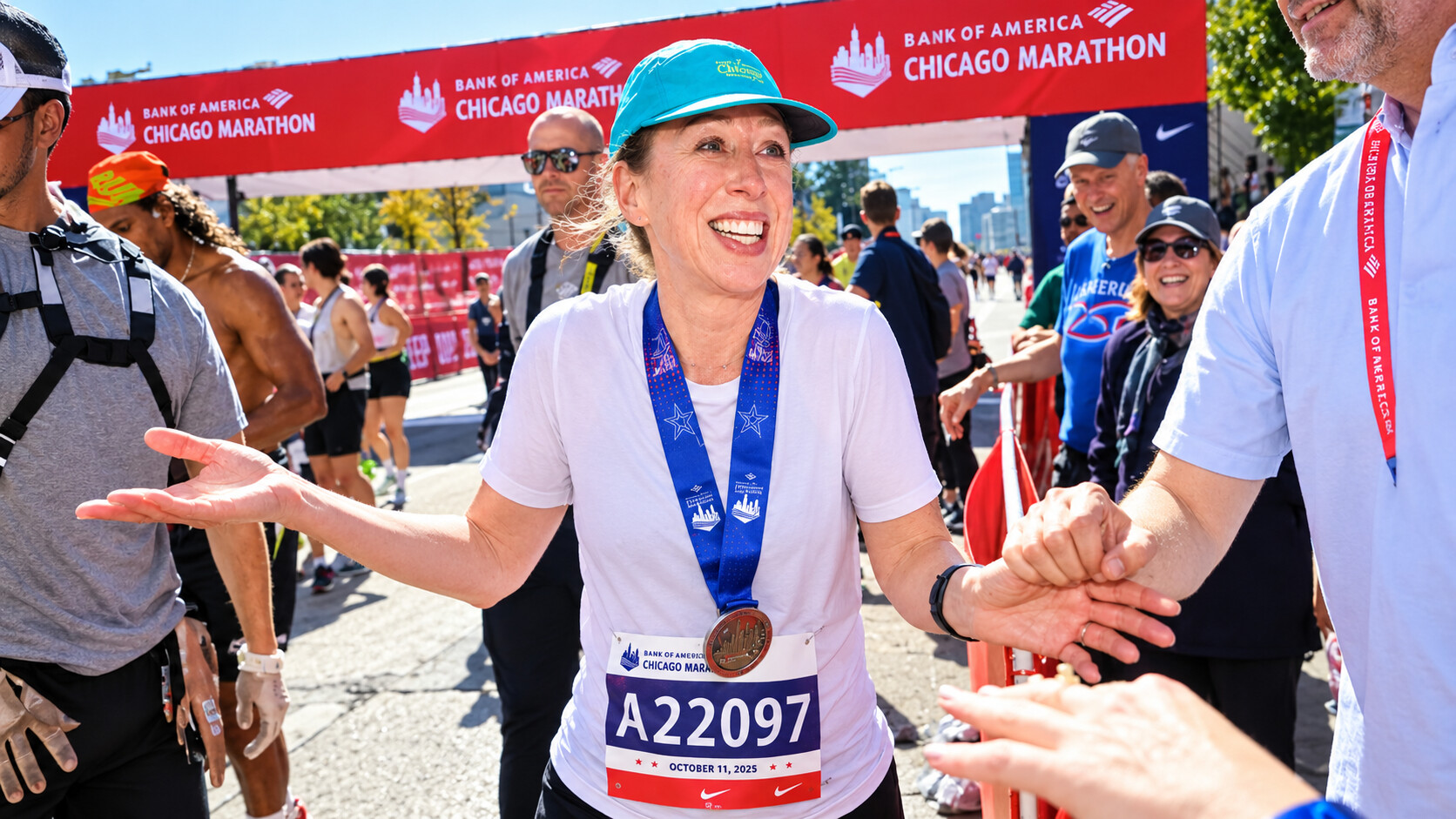
The 46-year-old joined her friend Jen Koss for the 42.195-kilometre race, maintaining a consistent rhythm throughout the streets of Chicago. Clinton reached the halfway point in 1:53:10 before covering the second half in 1:54:45, demonstrating impressive pacing on her way to the finish.
However, beyond the clock and the physical demands of one of the world's most prestigious marathons, her participation carried a deeper purpose. Clinton ran to support Every Mother Counts, a nonprofit organisation dedicated to making pregnancy and childbirth safer for mothers around the world. Through her marathon effort, she helped raise funds and awareness for maternal health, turning every kilometre into an opportunity to advance a cause close to her heart.

The finish line also provided an emotional family moment, with her parents, Bill and Hillary Clinton, waiting to congratulate her after she completed the demanding race. Their presence added a personal touch to an achievement that went beyond the sporting arena.
Chicago represents another significant chapter in Clinton's growing marathon journey. Earlier in 2026, she completed the Boston Marathon in a personal-best time of 3:40:52, finishing ahead of her Chicago performance. She has also taken on the New York City Marathon four times, building a considerable record of participation in some of the world's most celebrated long-distance races.
Although her 3:47:55 finish in Chicago was not a personal best, the result marked another successful completion of the marathon distance while reinforcing the role running can play in supporting charitable causes.
For Clinton, the Chicago Marathon was about more than reaching the finish line. It was an opportunity to challenge herself physically, share the experience with a friend, celebrate a family moment and contribute to a mission aimed at improving maternal health.
Her performance serves as a reminder that a marathon can be measured in more than minutes and seconds. For some runners, the greatest achievement is not simply how quickly they cover 42.195 kilometres, but also the purpose they carry with them every step of the way.
by Erick Cheruiyot for My Best Runs.
Login to leave a comment

Bank of America Chicago
Running the Bank of America Chicago Marathon is the pinnacle of achievement for elite athletes and everyday runners alike. On race day, runners from all 50 states and more than 100 countries will set out to accomplish a personal dream by reaching the finish line in Grant Park. The Bank of America Chicago Marathon is known for its flat and...
more...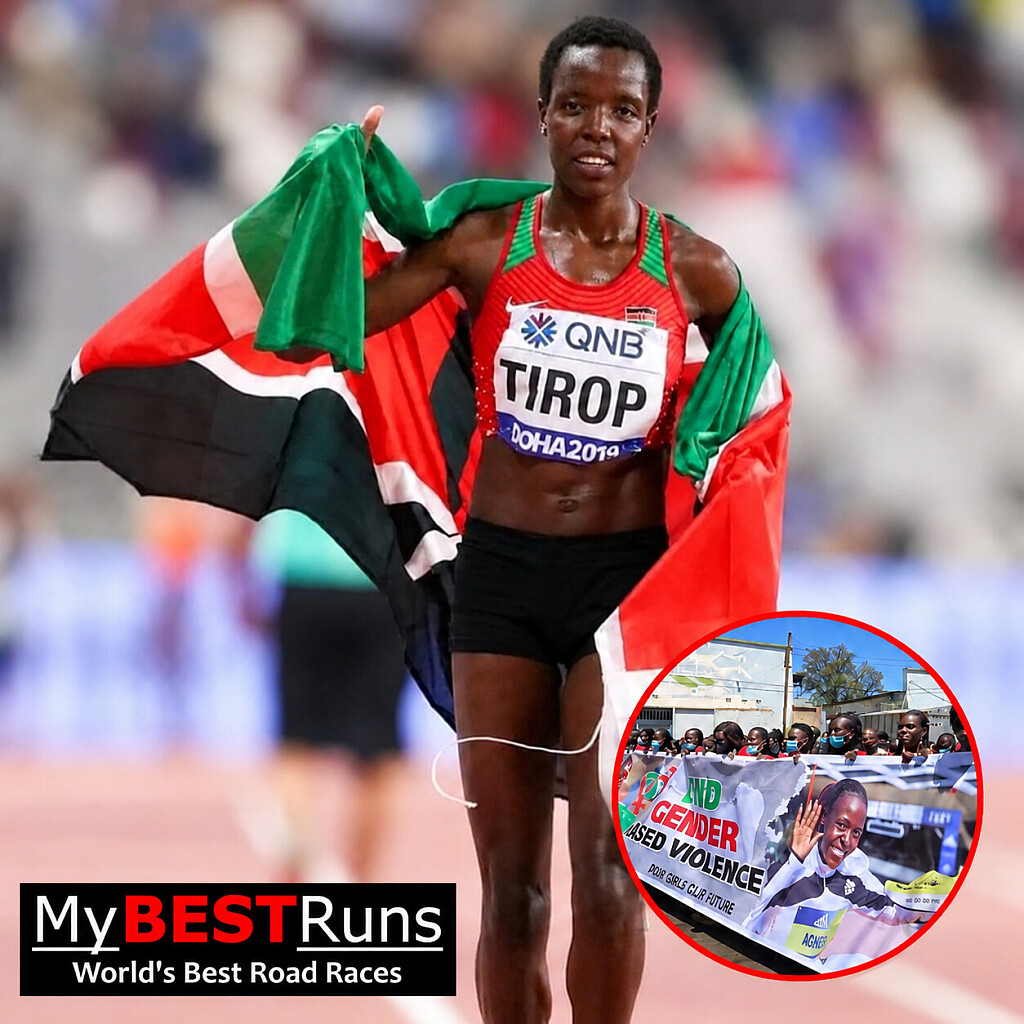
Five Years On, Agnes Tirop’s Light Still Shines in the World of Athletics
Five years after the tragic death of Agnes Jebet Tirop, the Kenyan distance-running star remains a powerful symbol of sporting excellence, unfulfilled potential and the urgent fight against gender-based violence.
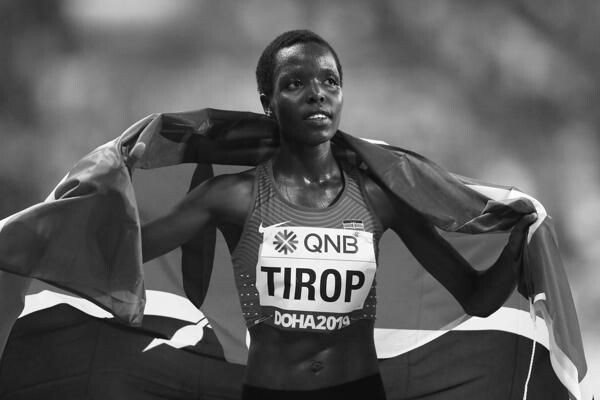
On October 13, 2021, the athletics world was plunged into mourning following the death of Tirop, who was found at her home in Iten, Kenya, at just 25 years old. Her life was cut short at a time when her career was flourishing, leaving behind a legacy that continues to resonate with athletes, fans and the wider community.
For Kenya, a country whose identity is deeply intertwined with distance-running success, Tirop represented a remarkable generation of female athletes taking the sport to new heights. Her achievements on the track, across country and on the roads had already secured her place among the country's outstanding distance runners.
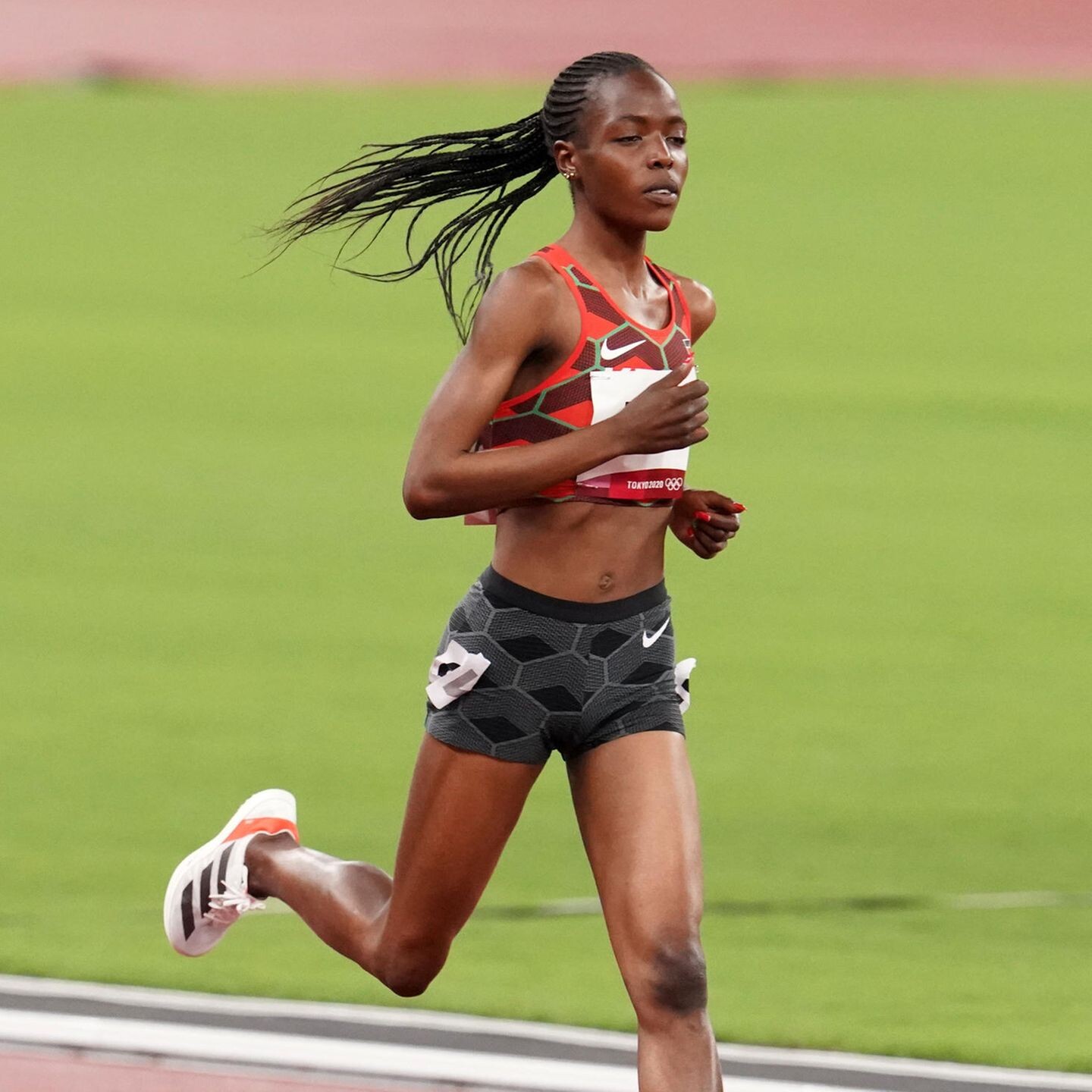
Five years later, the sadness of her loss remains inseparable from the extraordinary story of what she accomplished in her short but memorable career.
A Champion Who Rose to the Top at 19
Tirop announced herself on the global stage in spectacular fashion at the 2015 World Athletics Cross Country Championships in Guiyang, China. At only 19, she won the senior women's race, becoming the youngest champion in the event since Zola Budd in 1985.
Her victory demonstrated not only her natural ability but also the composure and determination that would become defining features of her running career.
She subsequently established herself among the world's leading track athletes, winning bronze medals in the women's 10,000 metres at the 2017 World Athletics Championships in London and the 2019 edition in Doha.
Those back-to-back podium finishes confirmed her consistency at the highest level and underlined her ability to compete against the strongest distance runners in the world.
Tirop also demonstrated considerable versatility at the Tokyo 2020 Olympic Games, held in 2021, where she finished fourth in the women's 5,000 metres. Although she narrowly missed the podium, her performance reinforced her reputation as one of Kenya's most accomplished emerging distance-running talents.
A World Record That Made History
Just weeks before her death, Tirop delivered one of the defining performances of her career.
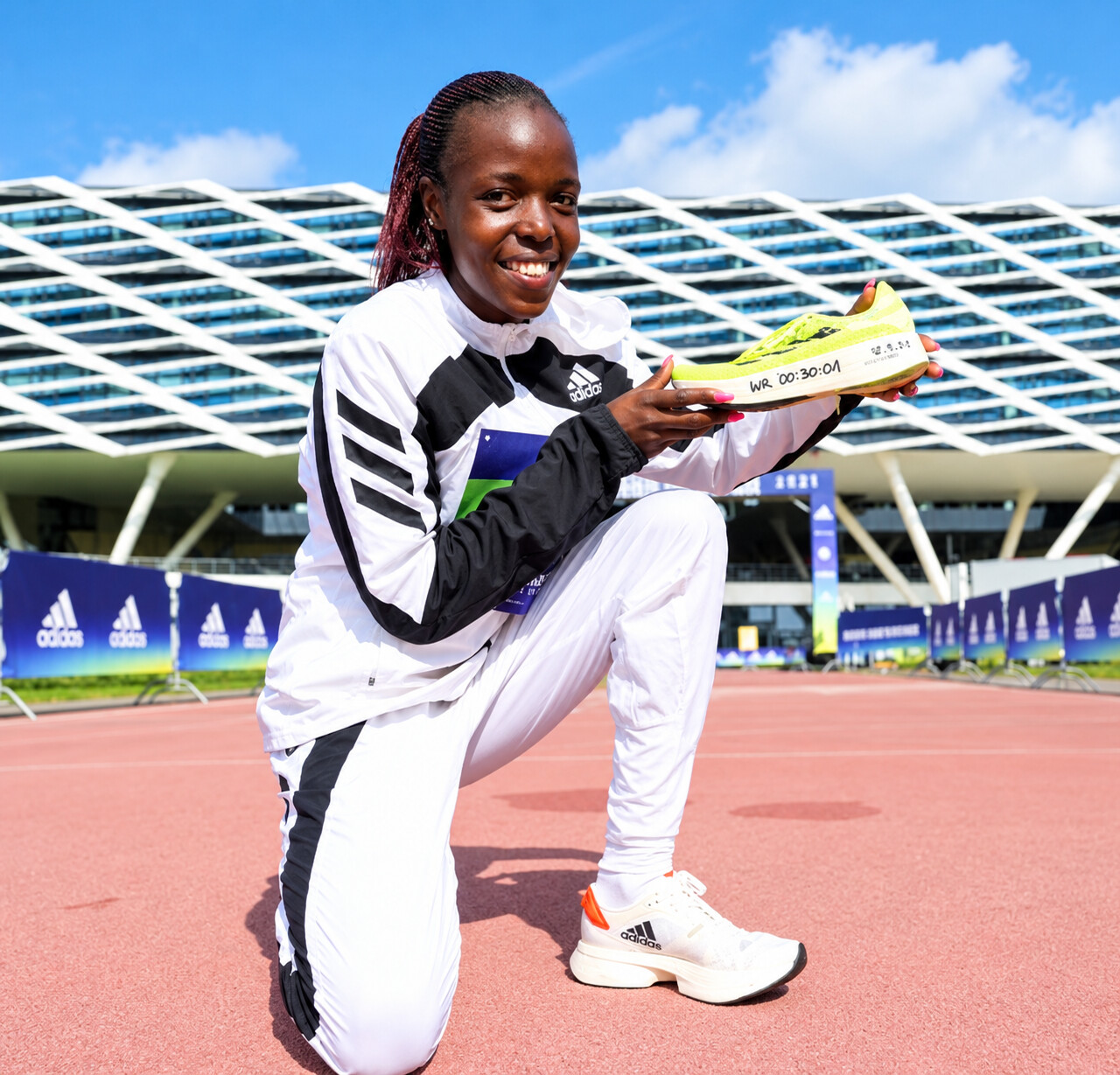
On September 12, 2021, she clocked an astonishing 30:01 to win the women's 10km road race at the adizero Road to Records event in Herzogenaurach, Germany.
Her performance broke the then women's-only world record by 28 seconds, establishing a new benchmark for the distance. The record was subsequently ratified by World Athletics. It was aremarkable achievement that placed her name among the legends of distance running. Although her record has since been broken, the greatness of her achievement remains untouched, and no change in the record books can diminish the extraordinary talent, courage and determination she displayed that day. Time may bring new champions and faster performances, but it can never erase the mark she left on athletics.
In a race that demanded patience, tactical awareness and an exceptional finishing effort, Tirop broke away from compatriot Sheila Chepkirui during the closing stages and powered towards the finish line.
The performance was a remarkable demonstration of her endurance and competitive instinct. It also offered a glimpse of what might have followed had she been given more years to develop her career.
Her final competitive appearance came on October 3, 2021, when she finished second in a 10km race in Geneva, Switzerland. Ten days later, the world learned of her death.
The timing made the tragedy particularly difficult to comprehend: an athlete who had just rewritten the record books and was still competing at the highest level was suddenly gone.
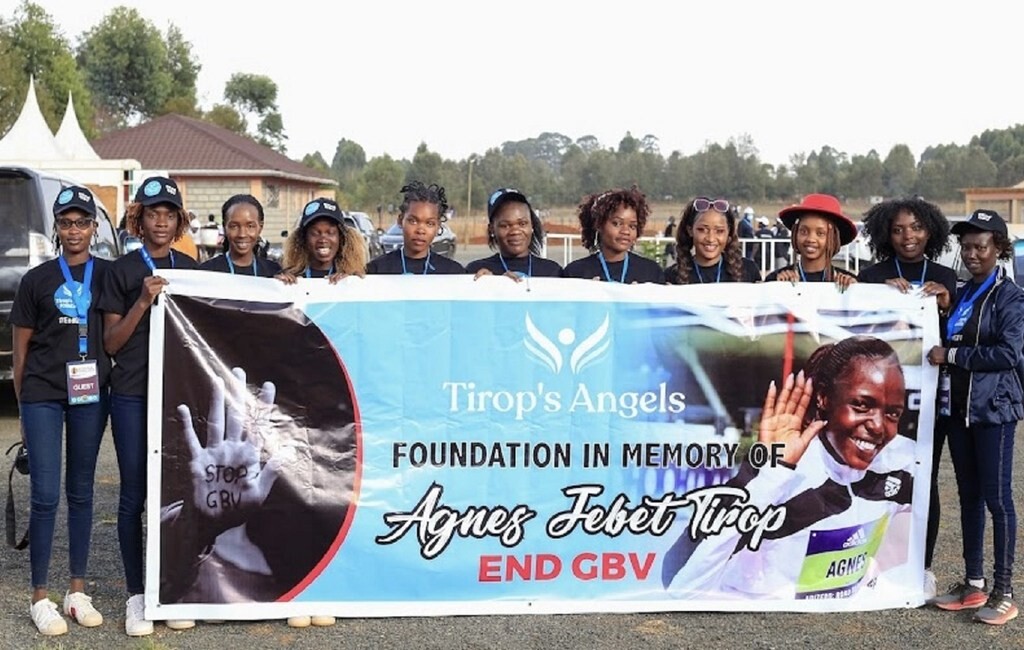
A Tragedy That Reached Far Beyond Sport
Tirop's death was not simply the loss of an elite athlete. It also brought renewed international attention to violence against women and the need to create safer environments in which women and girls can live, train and pursue their ambitions.
Her story became a painful reminder that medals, records and international recognition cannot shield someone from violence in their private life.
In the years since her death, her name has continued to feature in efforts to promote women's empowerment, athlete welfare and the prevention of gender-based violence. Initiatives associated with her legacy, including Agnes Tirop Angels, reflect the continuing determination to transform grief into meaningful action.
Her story remains especially significant within athletics, where the pursuit of excellence must go hand in hand with respect for athletes' safety, dignity and wellbeing.
Five Years Later, Her Legacy Endures
For young runners who dream of representing Kenya on the international stage, Tirop's career remains an example of what dedication, talent and courage can achieve.
She rose from a promising young athlete to a world champion, a two-time World Championships medallist and a world-record holder. She excelled across different distances and surfaces, leaving an impressive body of achievements before reaching her 26th birthday.
Yet her legacy cannot be measured by statistics alone. It also lies in the conversations her death continues to inspire, the women whose safety must be protected and the determination to ensure that sporting success is never separated from human dignity.
Five years on, Agnes Tirop is remembered not only for the records she set or the medals she won, but also for the future that was taken from her.
Her achievements remain part of Kenya's rich athletics history, while her story continues to call for a world in which women can pursue their dreams without fear of violence.
Agnes Tirop's life was tragically short, but her impact reaches far beyond the finish line. Her achievements will remain in the record books, her memory will endure in the hearts of athletics fans, and her legacy will continue to inspire generations to come.
by Erick Cheruiyot for My Best Runs.
Login to leave a comment
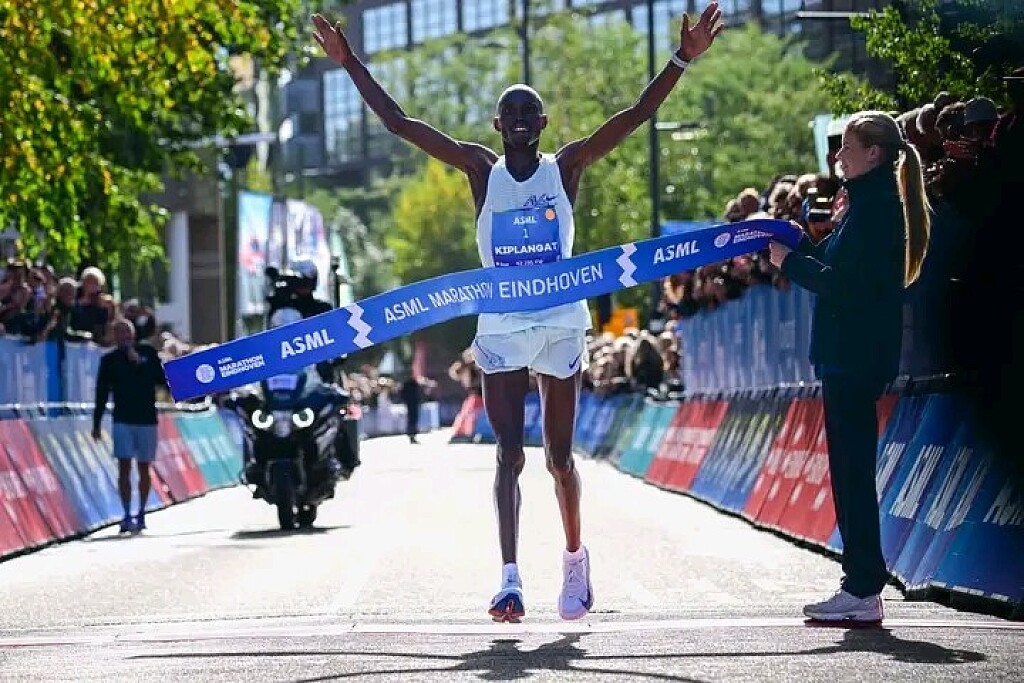
Davis Kiplangat Leads Kenyan Success At Eindhoven Marathon With 2:07:41 Victory As Lidya Cheruto Wins Women's Title
Kenyan distance running enjoyed a successful outing in the Netherlands on Sunday as Davis Kiplangat and Lidya Cheruto claimed victories at the Eindhoven Marathon, delivering impressive performances over the classic 42.195-kilometre distance.
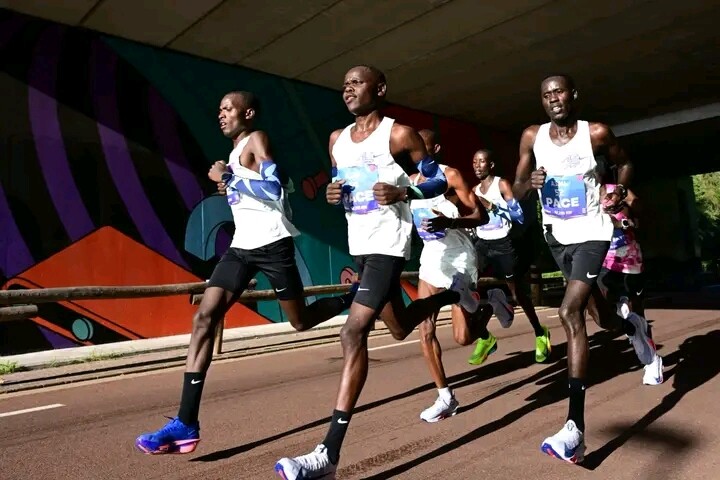
Kiplangat secured the men's title in 2:07:41, while compatriot Cheruto won the women's race in 2:32:46, ensuring Kenya celebrated victories in both categories at the Dutch road-running event.
The men's race was led by Kiplangat, who produced the fastest performance of the day to cross the finish line in 2:07:41. His victory highlighted his strength over the marathon distance and placed him ahead of a competitive international field.
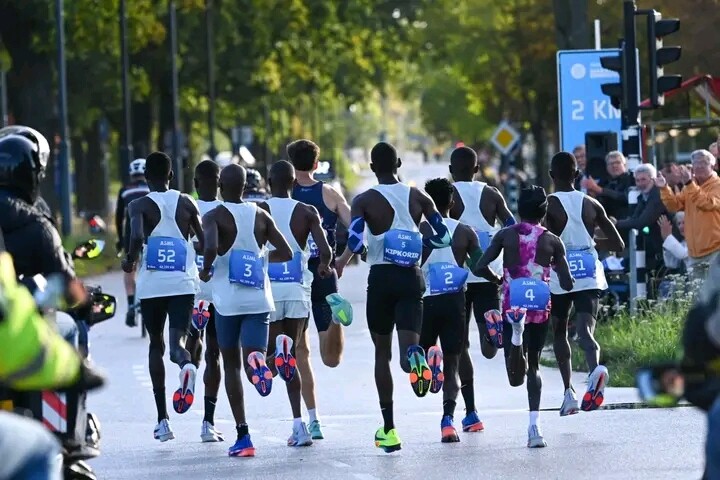
Kenya's Asbel Kipkorir finished second in 2:10:25, completing a strong performance behind the winner. Although he could not match Kiplangat's pace, Kipkorir secured the runner-up position with a time of 2:10:25.
Uganda's Levi Chelangat claimed third place in 2:16:34, giving the East African region two nationalities on the men's podium. His performance ensured that the leading three finishers represented Kenya and Uganda.
Belgium's Diego van Looy finished fourth in 2:18:17, making him the highest-placed Belgian athlete in the men's overall standings shown in the results. He followed the leading trio across the line after a demanding marathon contest.
The men's results also featured Tim Calliauw of Belgium, who recorded 2:20:23 in the men's 40–49 age category. His performance was among the age-group results published alongside the leading overall finishers.
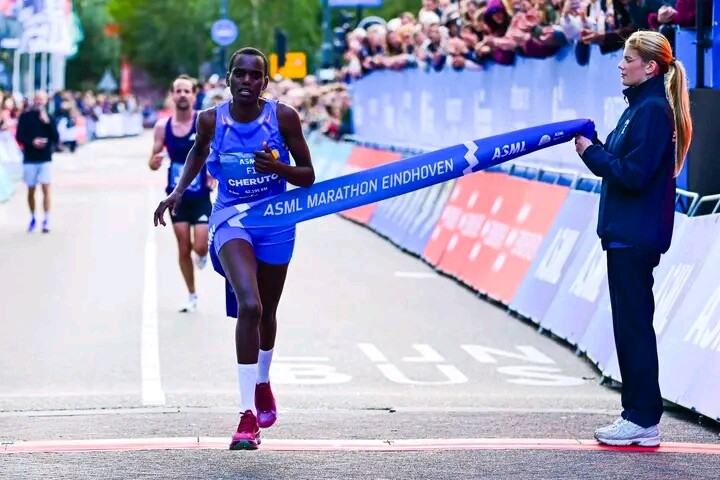
In the women's race, Kenya's Lidya Cheruto delivered another important victory, crossing the finish line in 2:32:46 to secure the title. Her performance placed her ahead of Belgium's Valentine Mathy, who finished second in 2:35:03.
Mathy's runner-up finish was followed by compatriot Elisa Vancolen, who clocked 2:37:44 to claim third place. The result gave Belgium two athletes on the women's podium behind the Kenyan winner.
Belgium's Karen van Proeyen finished fourth in 2:40:31, adding another strong result for the host country's neighbouring European running nation. Her time also appeared among the women's age-group results, where she was the leading finisher in the 40–49 category.
The women's podium therefore featured Kenya and Belgium, with Cheruto taking the overall honours ahead of Mathy and Vancolen. Their performances provided a clear picture of the leading competition in the women's marathon.
The published results also recorded Pawel Wojcik of Poland in the men's 50–59 category with 2:34:39. France's Willie Nijsten finished the men's 60–69 category in 2:57:24, while Gijs van den Hurk, also listed under France, recorded 3:24:44 in the men's 70-plus category.
In the women's age groups, Norway's Helle Blak recorded 2:59:55 in the 50–59 category, while Belgium's Silvia Lenaerts finished in 3:32:04 in the 60–69 category.
The results underline the international character of the Eindhoven Marathon, which brings together elite competitors, experienced club runners and athletes competing across a wide range of age categories.
For Kiplangat, the victory was the standout performance of the men's race, with his 2:07:41 placing him comfortably ahead of Kipkorir and Chelangat. The three leading finishers demonstrated the depth of East African distance running, with Uganda also represented on the podium.
Cheruto's victory was equally significant for Kenya, as she led the women's field in 2:32:46. Her win placed her ahead of two Belgian athletes, with Mathy and Vancolen completing the top three.
Belgium also enjoyed a notable presence among the leading finishers, particularly in the women's race, where its athletes occupied second, third and fourth positions. Van Looy's fourth-place finish in the men's race added to the country's representation among the leading competitors.
The Eindhoven Marathon once again offered a platform for athletes from different countries to test themselves over the marathon distance, while the age-group results highlighted the participation of runners across several generations.
For the Kenyan winners, the Dutch race provided another opportunity to turn preparation into success on the international stage. Kiplangat claimed the men's crown, while Cheruto led the women's field, giving Kenya a double victory.
As the marathon season continues, their performances will add to the growing list of results shaping the international road-running calendar. Eindhoven's latest edition concluded with Kenyan winners in both elite races and a strong showing from Belgian athletes, making it a memorable Sunday for the leading competitors.
by Erick Cheruiyot for My Best Runs.
Login to leave a comment

Marathon Eindhoven
The Eindhoven Marathon is an annual marathon held in the city of Eindhoven every second Sunday of October. It has been an annual race since 1990. There is also a half marathon, 10K and 5k. The 2018 race was the 35th annual event. Dickson Kiptolo Chumba and Georgina Rono are the men's and women's course record holders with times of...
more...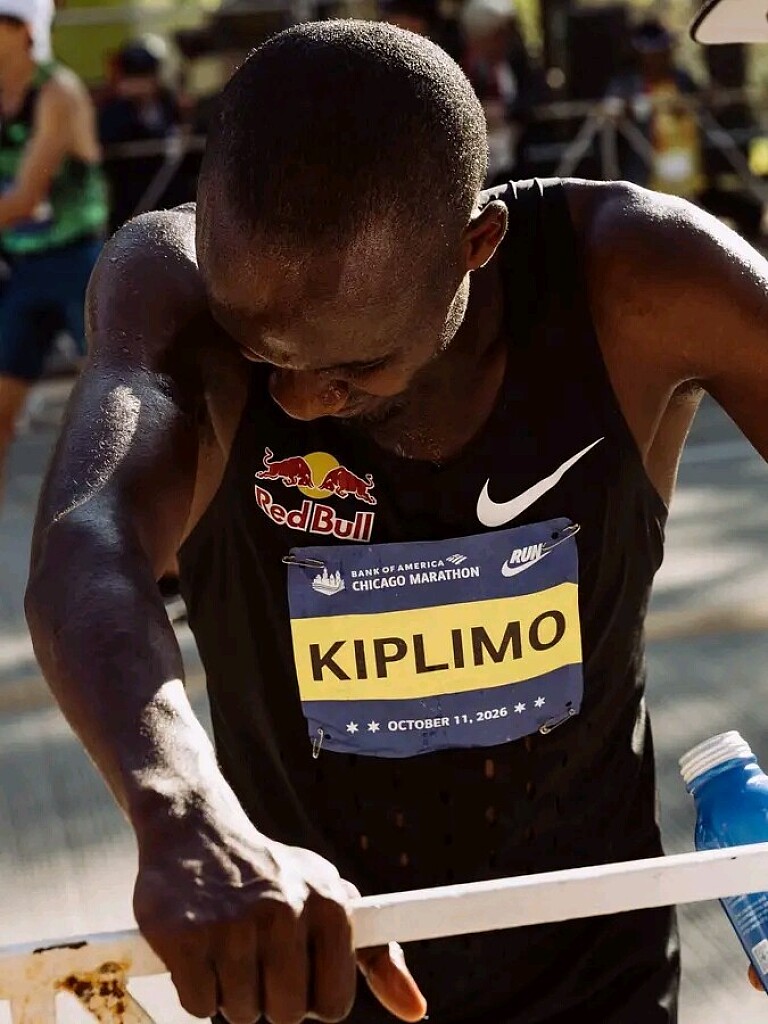
Jacob Kiplimo Reveals Hamstring Injury After Chicago Marathon Struggle, Vows to Return Stronger
Ugandan distance-running star Jacob Kiplimo has revealed that a hamstring problem disrupted his race at the 2026 Chicago Marathon, forcing him to abandon his ambitions of defending his title and settle for fourth place after a challenging final 12 kilometres.
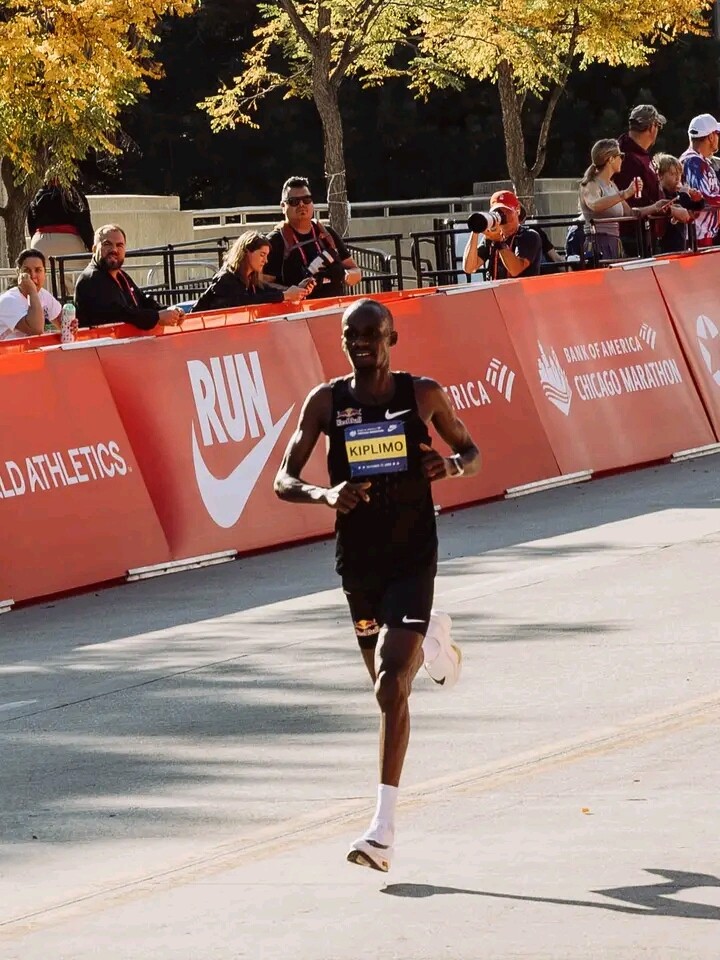
Kiplimo, who entered the race hoping to retain his crown, crossed the finish line in 2:04:18 after initially making encouraging progress through the opening stages. However, his challenge took an unexpected turn around the 30-kilometre mark when he began experiencing discomfort in his hamstring, transforming what had been a promising outing into a difficult test of endurance and determination.
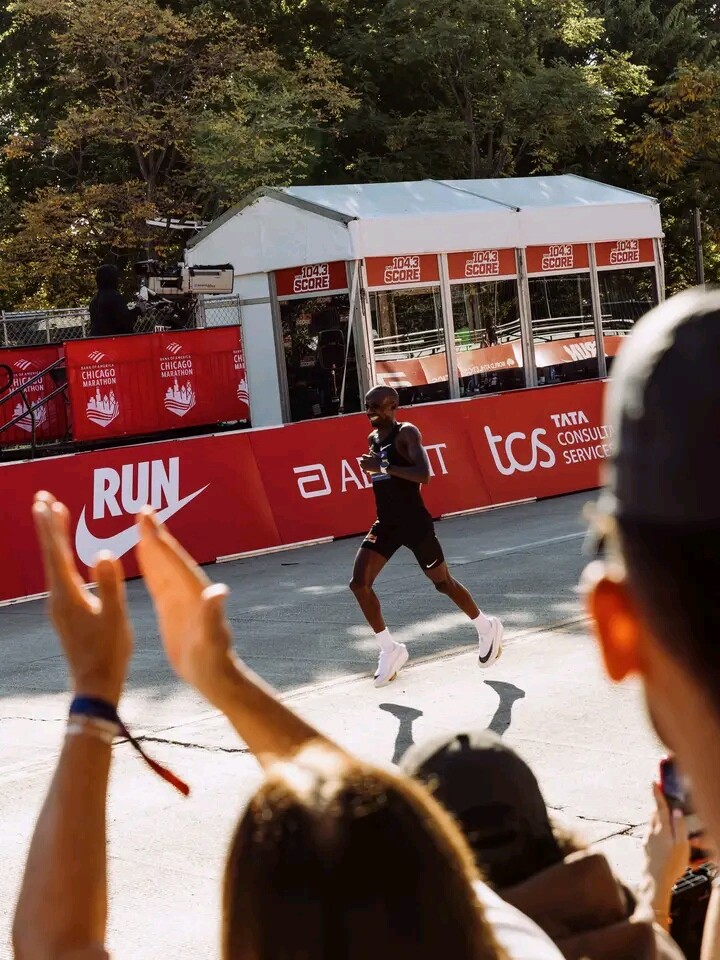
In a statement reflecting on his performance, the Ugandan star explained that his body had been responding well until the problem emerged. The setback significantly changed the nature of his race, leaving him to fight through the remaining distance rather than pursue the victory he had targeted.
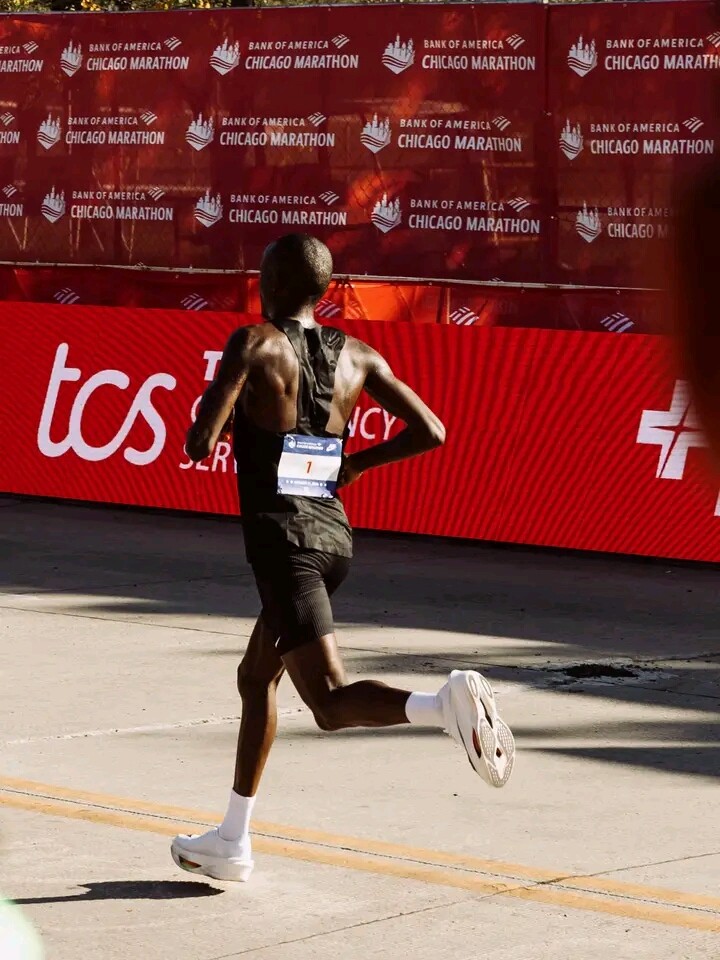
Despite the pain and disappointment, Kiplimo refused to abandon the contest. He battled through the closing kilometres, drawing on his resilience to reach the finish line, although his time was not enough to secure a place on the podium.
“Finishing fourth as the defending champion is not the result I came to Chicago for,” Kiplimo acknowledged, while emphasising the determination required to complete the race after his hamstring problem developed.
The race was ultimately won by Kenya’s Amos Kipruto, who delivered an impressive performance to claim victory in 2:01:09. Ethiopia’s Tadese Bikila finished second in 2:02:56, followed by compatriot Milkesa Mengesha, who secured third place in 2:03:46. Kiplimo completed the top four in 2:04:18.
For the Ugandan star, the immediate priority is now recovery rather than competition. He indicated that he intends to take time away from the demands of professional racing, focus on his rehabilitation and enjoy valuable moments with his family before returning to training and competition.
“This is not the end of the story,” Kiplimo declared, striking a determined tone despite the setback. He added that he would allow himself time to recover before returning to work, expressing confidence that he and his team would come back stronger and be prepared for the next challenge.
Although missing out on the title was undoubtedly disappointing, Kiplimo’s response underlines his determination to move forward rather than allow one difficult race to define his season. His recovery will now be an important factor in determining when he can resume full training and prepare for his next competitive assignment.
For a runner accustomed to competing at the highest level of international distance running, the Chicago experience serves as a reminder of how quickly circumstances can change in a marathon. Kiplimo’s immediate challenge is to address the hamstring problem, regain his fitness and return to competition when he is ready.
His message, however, leaves little doubt about his mindset: Chicago was a setback, not a farewell. The Ugandan star is determined to recover, rebuild and return to the start line ready to challenge once again.
by Erick Cheruiyot for My Best Runs.
Login to leave a comment
From Kipchoge’s Impossible Dream to Sawe’s Historic Reality: Kenya Redefines Marathon Running
Seven years after Eliud Kipchoge challenged the limits of human endurance in Vienna, fellow Kenyan Sabastian Sawe has transformed that extraordinary vision into a landmark achievement in competitive marathon running, becoming the first man to complete the 42.195-kilometre distance in under two hours under record-eligible race conditions.
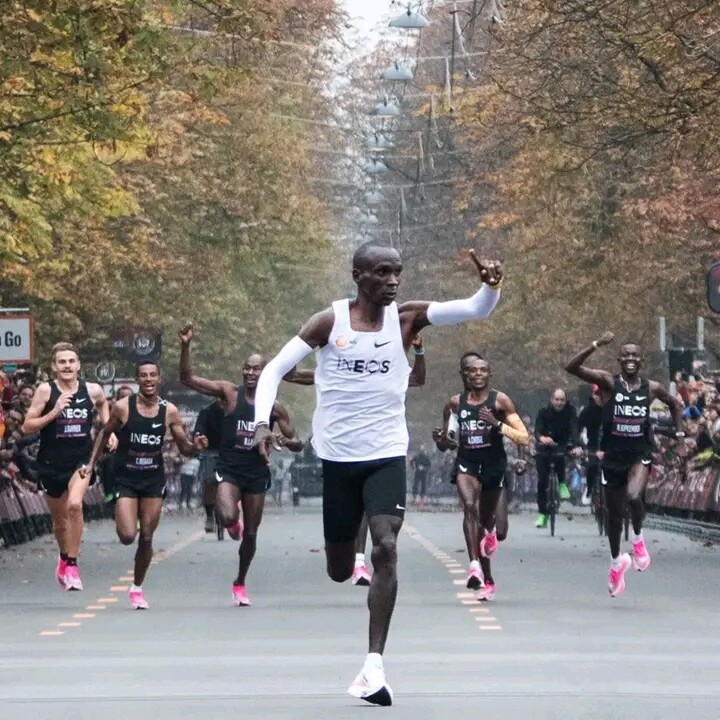
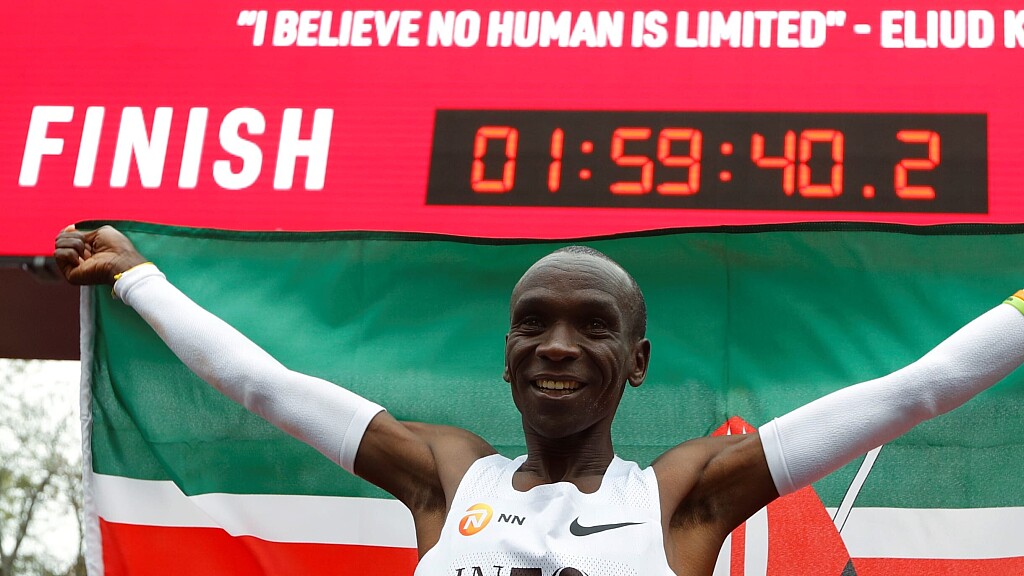
On October 12, 2019, Kipchoge etched his name into sporting history when he completed the INEOS 1:59 Challenge in Vienna, Austria, in an astonishing 1:59:40.2. Although the performance could not be recognised as an official world record because of the controlled conditions under which it was staged, it demonstrated that the seemingly impossible barrier was within human reach.
Kipchoge’s achievement carried a powerful message that resonated far beyond athletics: “No human is limited.” His words became a symbol of determination, ambition and the courage to challenge established boundaries.
However, the dream of breaking two hours in an official marathon remained unfinished.
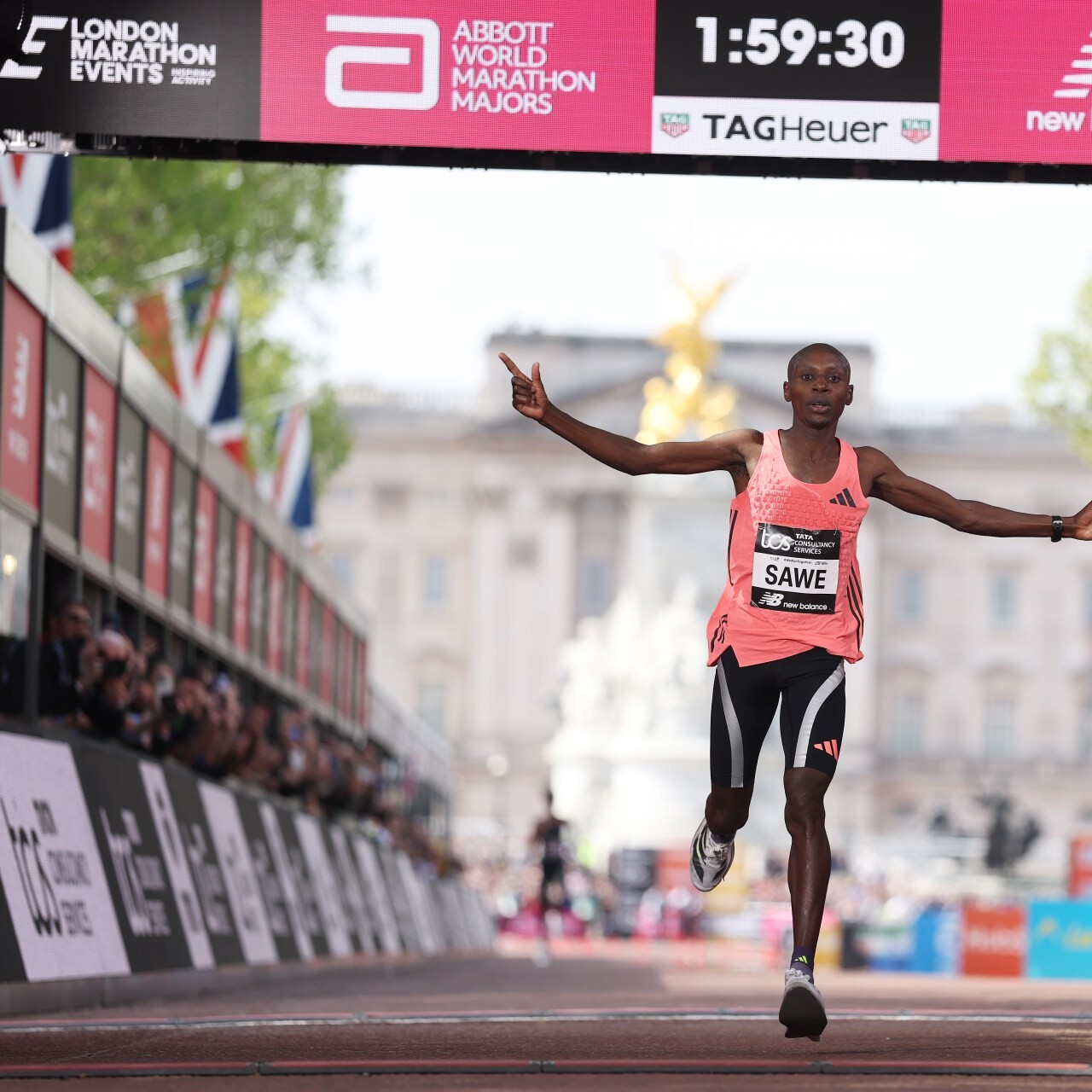
That changed on April 26, 2026, when Sawe delivered a breathtaking performance at the TCS London Marathon, stopping the clock at 1:59:30 to claim victory and establish a new men's marathon world record. The Kenyan took an astonishing 65 seconds off the previous record of 2:00:35, set by the late Kelvin Kiptum at the 2023 Chicago Marathon.
Sawe’s achievement was historic not simply because he ran faster than Kipchoge’s celebrated Vienna time, but because he accomplished the feat in an official, competitive marathon eligible for world-record recognition. The distinction elevated his performance into an entirely new chapter of distance-running history.
Remarkably, Sawe was not the only athlete to challenge the two-hour barrier that day. Ethiopia’s Yomif Kejelcha finished second in 1:59:41, becoming the second man to run under two hours in a competitive marathon. Uganda’s Jacob Kiplimo completed the podium in 2:00:28, also finishing inside Kiptum’s previous world record.
The extraordinary results underlined how dramatically the boundaries of marathon running have shifted in a sport where even a few seconds can separate an athlete from immortality.
For Kenya, Sawe’s triumph represents another defining moment in a remarkable tradition of distance-running excellence. From the groundbreaking achievements of Kipchoge to Kiptum’s world-record performance and now Sawe’s sub-two-hour marathon, Kenyan athletes have continued to shape the evolution of the sport.
Yet the connection between Kipchoge and Sawe goes beyond nationality. Kipchoge demonstrated that the marathon distance could be covered in less than two hours under specially controlled conditions. Sawe carried that vision into open competition, where the challenge had to be conquered within the demands of an official race.
Their achievements tell a compelling story of how sporting dreams can inspire future generations to pursue what once appeared unattainable.
On October 12, 2026, exactly seven years after Kipchoge’s landmark run in Vienna, the anniversary offers a powerful opportunity to reflect on how far marathon running has progressed. What began as a demonstration of human potential has become an officially recognised world-record achievement.
Kipchoge opened the door to a new era of possibility. Sawe ran through it and changed marathon history forever.
One dream. Two Kenyan legends. A new definition of human endurance.
The message remains as powerful as ever: No human is limited.
by Erick Cheruiyot for My Best Runs.
Login to leave a comment
