

Running News Daily
Running News Daily is edited by Bob Anderson and team. Send your news items to bob@mybestruns.com Advertising opportunities available.
Index to Daily Posts · Sign Up For Updates · Run The World Feed
Articles tagged #Los Angeles 2028 Olympics
Today's Running News
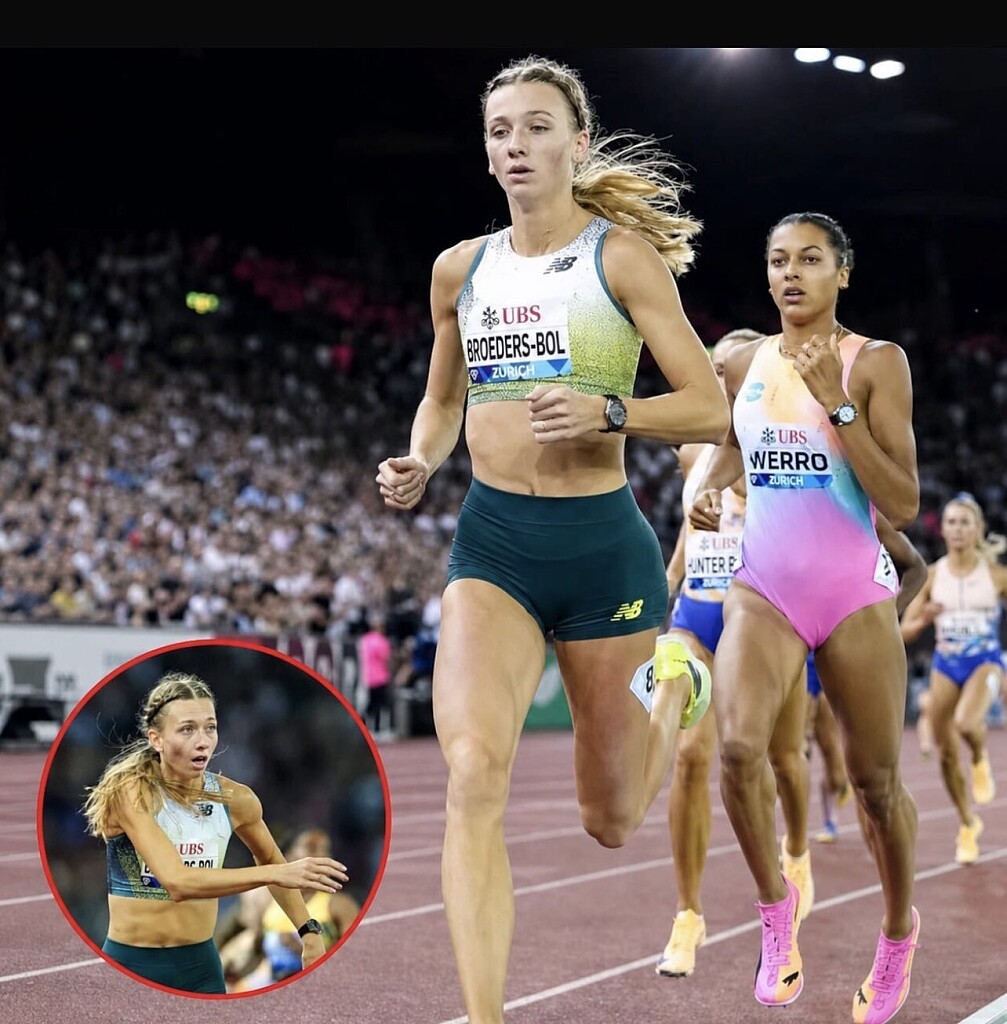


Femke Broeders-Bol’s Stunning 800m Transformation: From Hurdles Star to Dutch Record Breaker
Femke Broeders-Bol has spent much of her career dominating the 400m hurdles, but in 2026 the Dutch star has opened an entirely new chapter — and her transformation into a world-class 800m runner is becoming one of the most fascinating stories in athletics.
What initially looked like an intriguing experiment has rapidly developed into something far more serious.
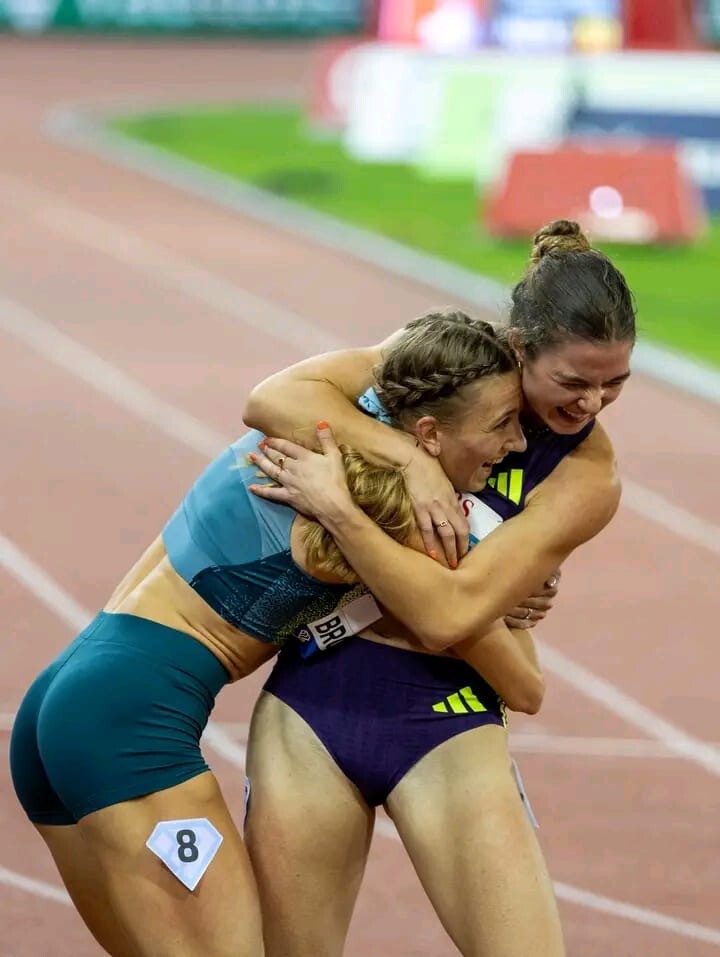
Broeders-Bol is now running times that place her firmly among the elite of the women’s 800m.
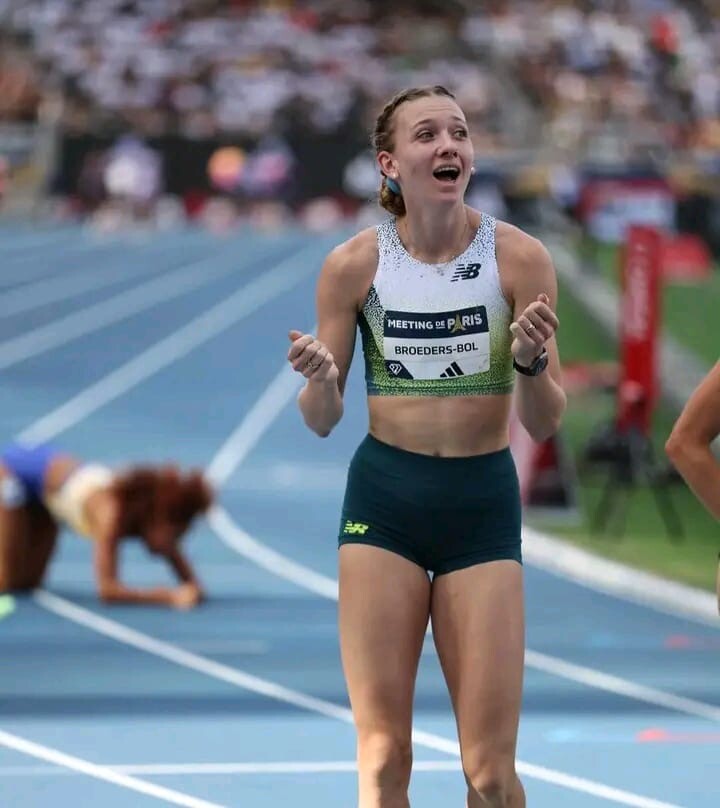
Her breakthrough has been remarkable in both its speed and scale. After making the transition to the two-lap event, she quickly demonstrated that the qualities that made her one of the world’s best 400m hurdlers could be transferred to the longer distance.
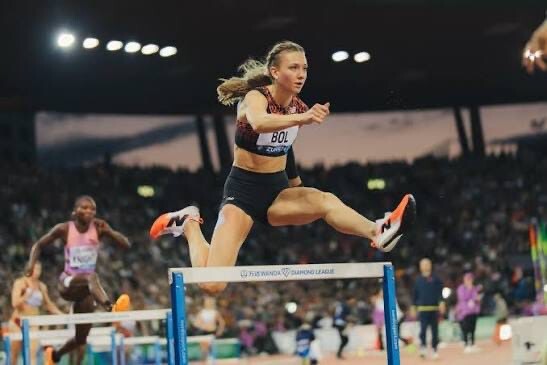
Her 2026 progression tells the story.
She clocked 1:55.60 in Paris on June 28, followed by 1:57.13 in Ostrava, before producing 1:55.54 at the European Championships in Birmingham. That performance equalled Ellen van Langen’s long-standing Dutch record of 1:55.54, a mark that had stood since the 1992 Olympic Games.
Just days later, Broeders-Bol went even faster.
At the Lausanne Diamond League on August 21, she ran 1:55.41, lowering the Dutch record outright and finishing second behind Switzerland’s Audrey Werro.
Then came Zürich.
On August 27, Broeders-Bol produced another extraordinary performance, stopping the clock at 1:54.71 to break her own national record by 0.70 seconds in less than a week. She finished second to Werro, who ran a spectacular 1:53.70 — the third-fastest time ever recorded in the women’s 800m.
For Broeders-Bol, however, the biggest headline was her own transformation.
Her 400m hurdles background has provided an exceptional foundation for the 800m. Years of racing over barriers have developed her speed, strength, rhythm, speed endurance and ability to maintain efficient mechanics when fatigue sets in. Those qualities are particularly valuable over two laps, where the ability to combine raw pace with endurance can separate the very best from the rest.
The challenge has been converting that 400m speed into sustained 800m pace.
And she is doing exactly that.
A 1:54.71 performance is no longer the result of an athlete simply testing herself in another event. It is the mark of a genuine 800m contender.
What makes the development even more intriguing is that Broeders-Bol herself has appeared surprised by just how quickly she has adapted to the distance.
In Zürich, she showed once again that her ceiling over 800m may be considerably higher than anyone initially expected.
At just 26, the Dutch star now finds herself at the beginning of a potentially extraordinary second chapter in her career. Her established reputation as a 400m hurdles powerhouse has already been transformed by a new national record over 800m — and she is continuing to improve at a breathtaking rate. World Athletics lists her 1:54.71 as her current personal best and ranks her among the leading women over the distance.
The question now is no longer whether Broeders-Bol can run the 800m.
It is how fast she can ultimately go.
If this remarkable progression continues, the road towards the Los Angeles 2028 Olympics could become one of the most intriguing storylines in women’s middle-distance running.
Femke Broeders-Bol has already proven that she can conquer the hurdles.
Now, she is showing that two laps of the track may belong to her too.
by Erick Cheruiyot for My Best Runs
Login to leave a comment
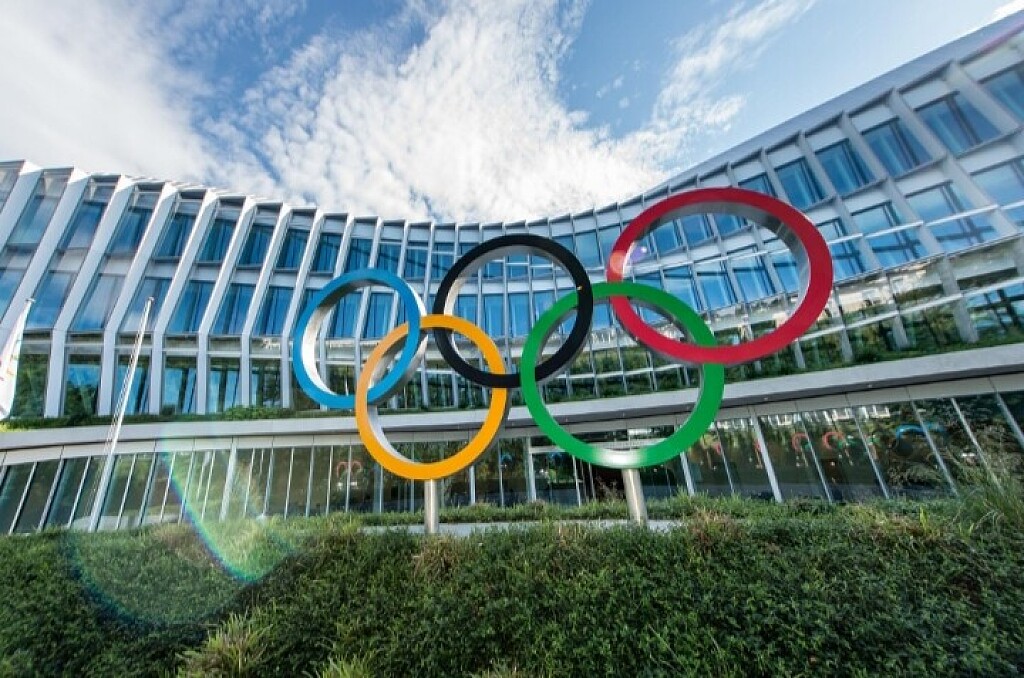
IOC Signals Landmark Shift in Women’s Eligibility Rules Ahead of Los Angeles 2028
The International Olympic Committee has unveiled a significant and highly consequential policy direction for the Los Angeles 2028 Olympics, introducing new eligibility criteria that would restrict participation in the women’s category to biological females.
At the center of the proposed framework is a “once-in-a-lifetime” sex verification process, designed to establish eligibility with scientific certainty. According to the guidelines, this screening would involve testing for the presence of the SRY gene — a genetic marker typically linked to male biological development. The intention, the IOC suggests, is to create a clear and consistent standard that governs entry into women’s competition across all Olympic disciplines.
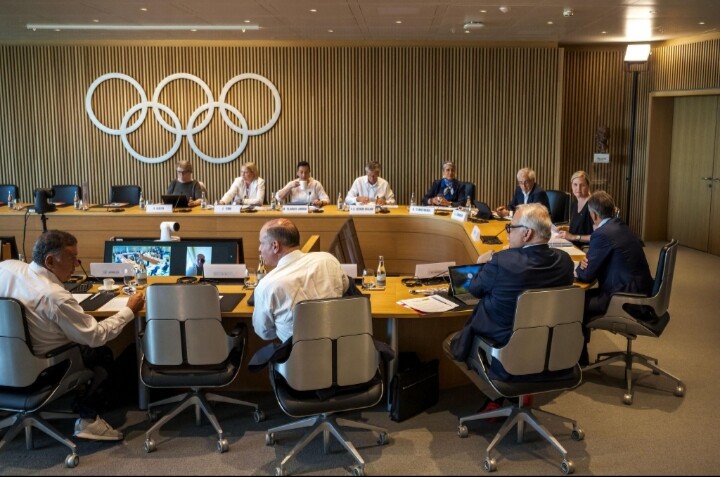
The policy is expected to apply broadly, encompassing both transgender athletes and competitors with differences in sexual development (DSD). However, the framework does not amount to a blanket exclusion from sport. Instead, athletes who do not meet the specified criteria would remain eligible to compete in alternative categories or classifications aligned with their profiles, though details of these pathways are yet to be fully clarified.
This announcement represents one of the most defining moments in modern Olympic governance, arriving amid an increasingly complex global debate surrounding fairness, inclusion, and competitive integrity. For years, international sport has grappled with how to balance evolving understandings of gender identity with the foundational principles of level competition — a challenge that has produced varied approaches across federations.
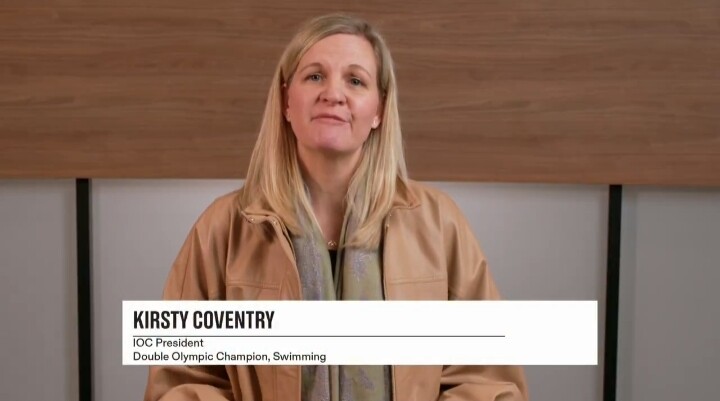
By moving toward a standardized model, the IOC appears to be seeking greater uniformity ahead of 2028. Yet, the decision is unlikely to settle the debate. Instead, it is poised to intensify scrutiny from athletes, scientists, human rights advocates, and sporting bodies worldwide, all of whom bring differing perspectives to an issue that sits at the intersection of science, ethics, and identity.
As preparations for Los Angeles continue, attention will now turn to how this policy is implemented in practice — and how it shapes the Olympic landscape. Whether viewed as a step toward clarity or a source of further contention, its impact will be profound, influencing not only who competes, but how the very concept of fairness in elite sport is defined for years to come.
by Erick Cheruiyot for My Best Runs.
Login to leave a comment
Cole Hocker’s World Championship Dream Ends in Disqualification
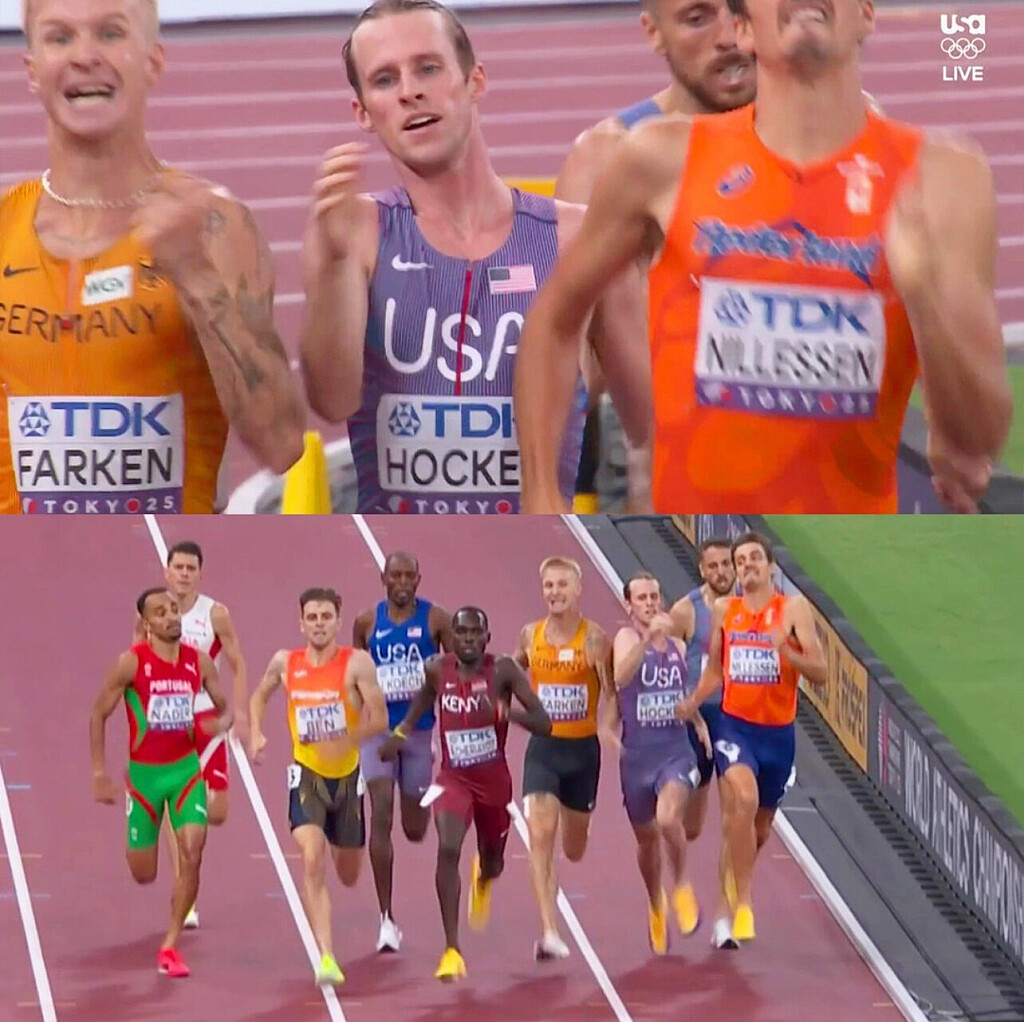
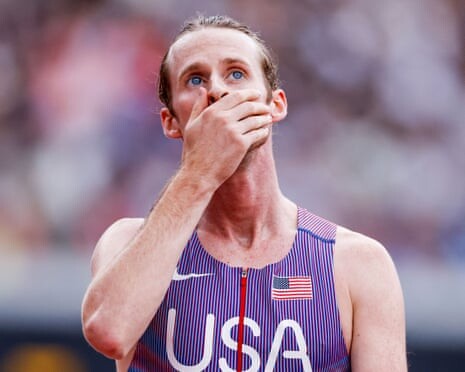
Tokyo, September 15, 2025 — Olympic 1500m champion Cole Hocker saw his World Championship hopes vanish in dramatic fashion after being disqualified in the men’s 1500m semi-final.
The American star, widely considered a contender for gold in Tokyo, found himself boxed in on the rail as the field entered the final straight. Spotting only the slightest opening, Hocker surged forward, leaning hard into the gap between two rivals in a desperate bid to qualify.
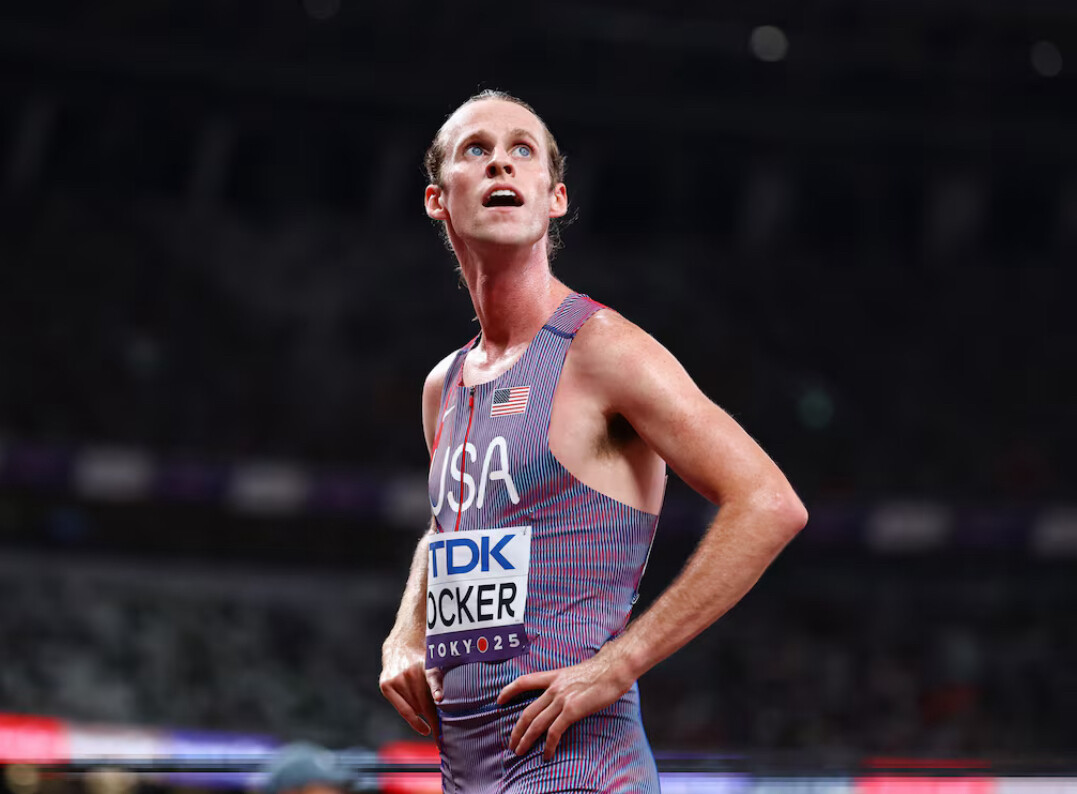
Officials, however, judged his move to be illegal under World Athletics’ jostling rule (TR17.1.2[J]). The ruling meant that Hocker, who crossed the line appearing to have secured advancement, was disqualified from the event. The U.S. team filed an immediate appeal, but it was denied.
A Fine Line in Championship Racing
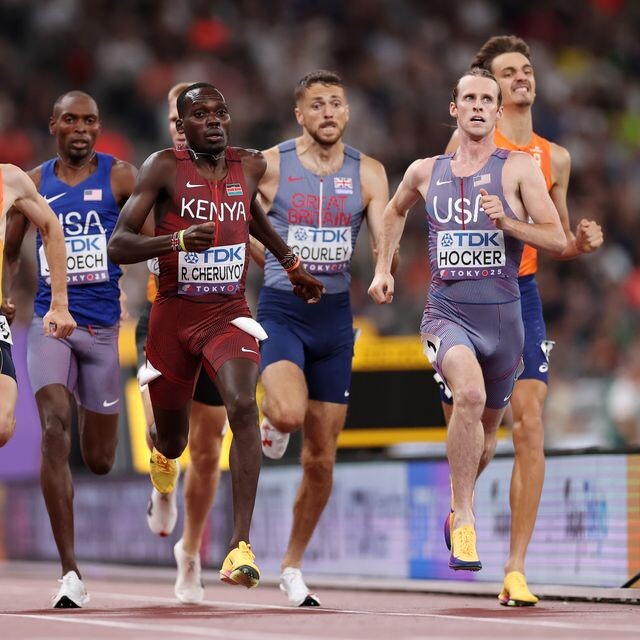
Championship 1500m races often hinge on positioning and split-second decisions. Hocker’s aggressive attempt to escape a tactical trap was the kind of risk seasoned racers often take. This time, it cost him dearly.
For the 24-year-old, who stunned the world by winning Olympic gold in Paris just a year ago, the result was a crushing reminder of how unforgiving middle-distance racing can be.
What's next
Hocker departs Tokyo without the chance to contest the 1500m final, but his career credentials remain undeniable:
• Olympic champion (2024)
• Personal best of 3:27.65, making him one of the fastest Americans in history
• Multiple U.S. titles and international medals
Despite the disappointment, Hocker’s trajectory still points skyward. With the Los Angeles 2028 Olympics on the horizon, this setback may only sharpen his focus for future championships.
by Boris Baron
Login to leave a comment
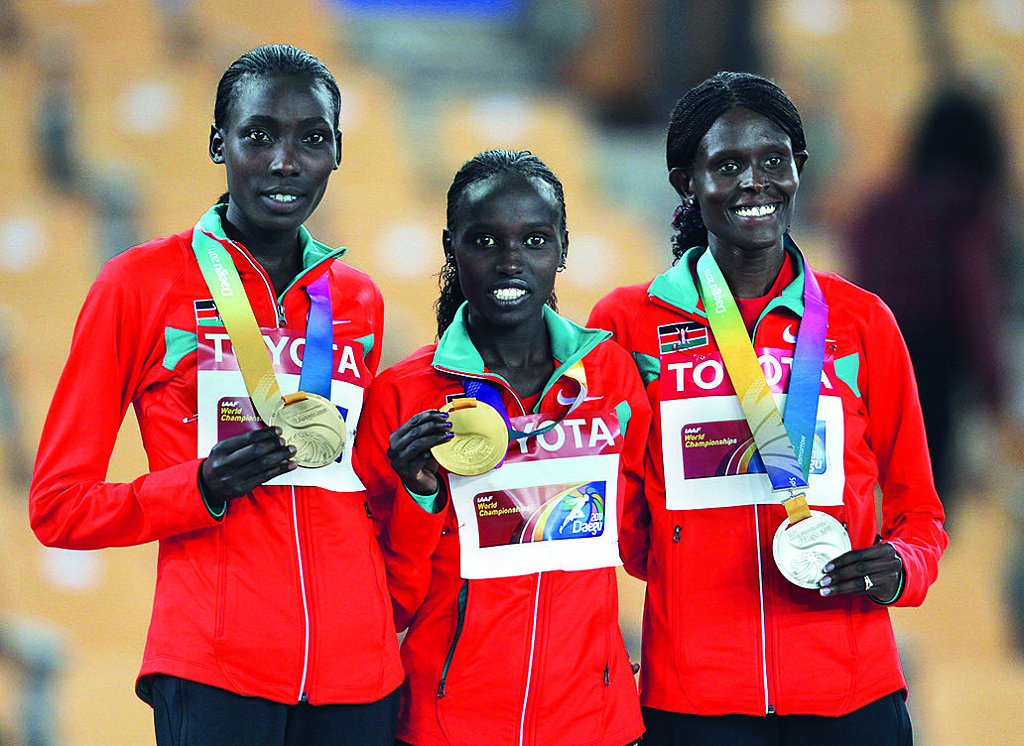
Kenya’s Olympic Reset: Can NOCK’s New Leadership Spark a Golden Era for Runners?
Kenya’s long-distance running legacy is unmatched. From record-breaking marathons to Olympic podiums, the nation’s athletes have long defined global excellence. Yet behind the scenes, organizational chaos—from the Rio 2016 fiasco to logistical stumbles at Paris 2024—has held runners back.
Now, change is in motion.
At a ceremonial handover August 8 at the National Olympic Committee of Kenya (NOC-K) headquarters in Nairobi, outgoing president Dr. Paul Tergat—a former Olympic silver medalist—passed the baton to Shadrack Maluki. The new leadership promises more than a symbolic shift. For many athletes, it’s a chance to finally be heard.
“We must ensure this institution doesn’t remain strong but underutilized,” Maluki declared in his inaugural speech.
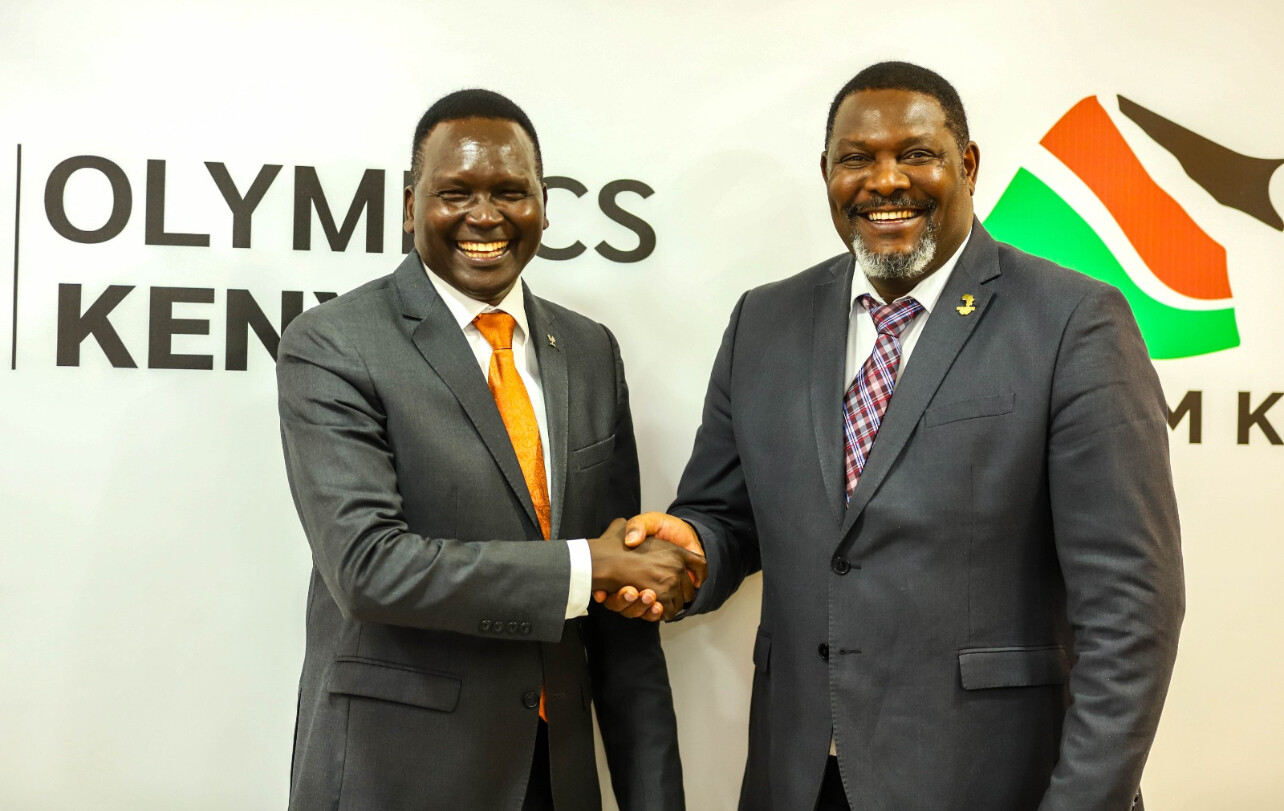
“To our sportsmen and women: we hear you, we see you, and we are here for you. Your welfare, training environments, and post-competition careers are top priorities.”
Paris Lessons, LA Dreams
Kenya’s runners delivered once again in Paris, particularly in the middle- and long-distance events. But that success came despite—rather than because of—the system. Delayed travel, unpaid allowances, and chaotic planning marred preparations.
With the Los Angeles 2028 Olympics just three years away, runners and fans alike are hoping this new leadership shifts Kenya from reactive fixes to long-term strategy.
Maluki says the focus will be on structure, inclusivity, and excellence. As one former elite marathoner told My Best Runs, “Athletes don’t need promises. They need systems that work.”
Barnaba Korir: A Voice from the Track
A key figure in this transition is Barnaba Korir, now First Vice President of NOCK. Known for his role as Director of Youth Development at Athletics Kenya (AK), Korir has helped shape the careers of many emerging talents.
“This is not about power,” Korir said. “It’s about turning sport into an industry. Our athletes should chase medals—but also earn livelihoods, build legacies, and inspire the nation.”
Korir’s grassroots focus has already produced results—several Paris Olympians came through AK’s youth system. His appointment signals a stronger bridge between elite runners and the Olympic bureaucracy.
Tergat’s Legacy: Progress, But Not Perfection
Dr. Tergat, who helped stabilize NOCK during his tenure, reflected on his leadership with pride.
“This is the delivery secret behind our transformation of NOCK into a respected and enviable institution,” he said, while acknowledging that more needs to be done.
He thanked corporate partners like Nike, IOC, Safaricom, and Kenya Breweries—and reminded the country that athletes remain Kenya’s “most successful international brand.”
Still, critics argue that reforms under Tergat moved too slowly—especially around athlete support and coordination with federations.
Not Just a Ceremony—A Mandate
The official handover included Olympic charters, financial instruments, and office keys. But the moment wasn’t just ceremonial—it was a mandate.
“There is no reinventing the wheel,” Maluki said. “Only oiling and reinvigorating the parts that drive our momentum.”
Athletes are now watching to see whether these words turn into action.
What Kenya’s Runners Expect
For the thousands training daily across Kenya’s highlands, this isn’t politics—it’s personal. The hope is simple:
No more last-minute chaos. No missing uniforms. No unpaid dues.
Athletes want elite coaching, consistent support, clean sport policies, and long-term investment. As global rivals close the gap, Kenya must evolve—or risk being outpaced.
The Baton Has Been Passed. Can They Run With It?
Kenya’s runners continue to carry the nation’s Olympic dreams. Now it’s up to NOCK’s new leadership—anchored by Maluki and powered by Korir—to return the favor.
From the heartbreak of Rio to the high points of Paris, Kenya stands at a pivotal moment. The goal ahead is clear: build a system worthy of its champions—and make the road to Los Angeles 2028 one of purpose, preparation, and pride.
by Robert Kibet :
Login to leave a comment
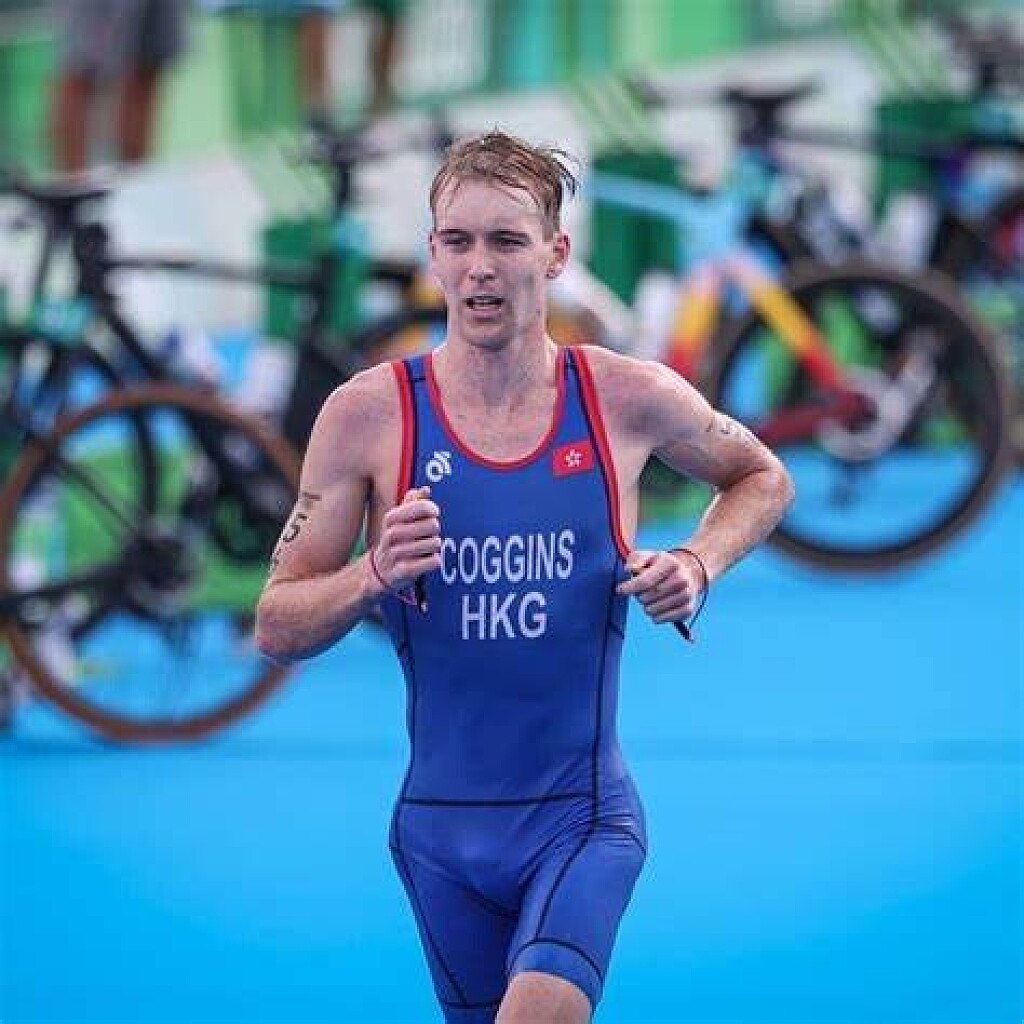
Oscar Coggins returns to competition with LA28 in mind
The Hong Kong triathlete, who participated in the Tokyo 2020 Olympic Games, has overcome a stage of physical and mental challenges that temporarily took him away from competition last year. Now, with renewed passion, he plans a future full of great goals in which Los Angeles shines with intensity.
In statements to the South China Morning Post, Oscar Coggins reflected on his evolution following a self-imposed pause in his career. "I didn't feel bitterness or sadness watching the Paris Games on television. I accepted that my performance level wasn't there," he explained this week. Although he returned to competition this summer after eight months of inactivity, the triathlete did not take part in the Paris event, as it coincided with the early stages of his comeback.

Coggins' return began in May, but it was in September, during his participation in the World Triathlon Championship Series (WTS) in Weihai, that he demonstrated he had completed his recovery process. This achievement marked the start of his comeback to the highest competitive level. "I would have done anything to compete in a WTS again, a year later, against all the best," he admitted, recalling his withdrawal during the 2023 Asian Games.
The athlete also shared how the pause helped him understand the impact of external factors on his performance. As he commented to the South China Morning Post in April, he acknowledged that stress had gone unnoticed for a long time. "If my training had been too intense, the cracks would have shown within weeks, but what I hadn't accounted for was the stress coming from external sources that I was enduring," he explained.
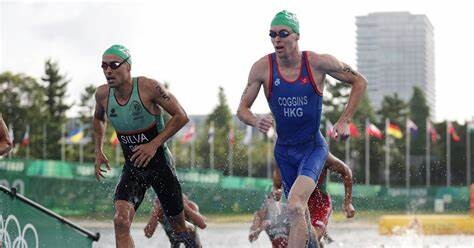
Coggins recounted that reaching this turning point was not easy. During the Asian Games, he abandoned the competition during the swimming stage, realising that his body "just wasn’t there." This episode led him to question his relationship with triathlon. "I thought: 'I hate this sport right now.' But I knew it wasn’t triathlon I hated; it was the negative emotions associated with my recent experiences," he remarked.
The change came alongside seeking professional help, as he turned to a clinical psychologist to manage the expectations he placed on himself and to rediscover his passion for the sport. "Making peace with my failures and mistakes is an ongoing process, but I’m getting better every day," he affirmed.
With a renewed perspective, Coggins is optimistic about both his immediate and long-term goals. Among his aims are participating in next year's National Games and pursuing medals at the 2026 Asian Games. However, his primary focus is on the Los Angeles 2028 Olympics, where he aspires to secure a top-10 finish.
"I'm still in this sport, enjoying it and excited about the competitions, which shows, to some extent, that the process is working," he stated. "I have many years ahead of me and am definitely aiming for Los Angeles 2028."
Coggins' story highlights not only the pressure faced by high-performance athletes but also the importance of addressing mental health. "I recognised there was a problem, and I couldn’t ignore it; I was adding an extra burden that I couldn't bear," he shared.
by Javier Carro
Login to leave a comment

LA 2028 Summer Olympics Games
Discover how the Los Angeles Candidature Committee describes their vision for the Games and the legacy they plan to leave behind: For centuries, people have been following the sun to California – to a coastal paradise of beautiful weather, inspiring landscapes and an ocean of possibilities. Since it was first settled, LA – the City of Angels – has built...
more...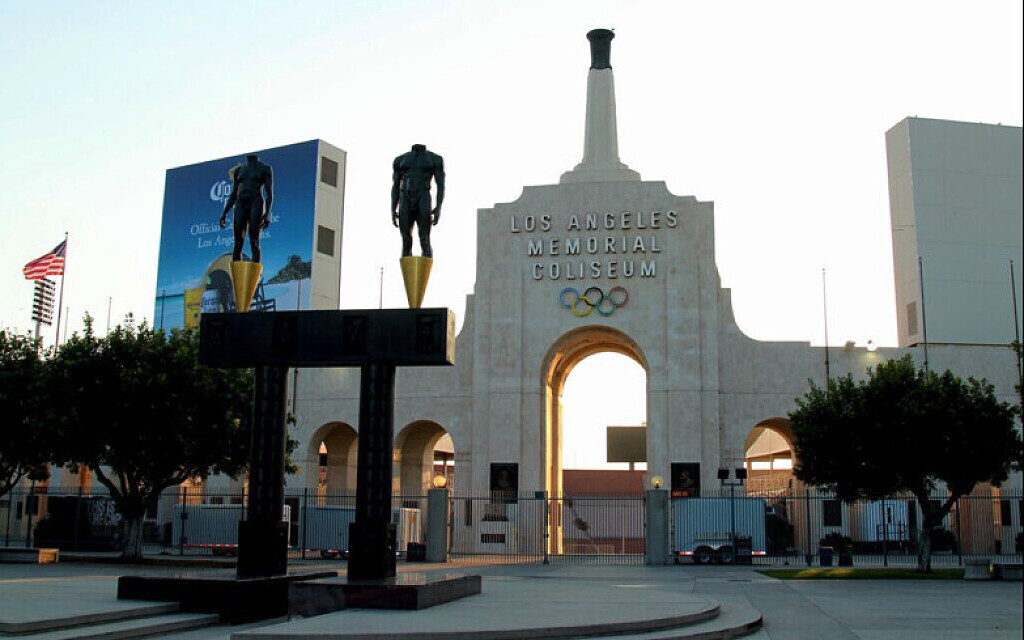
What to expect at the Los Angeles 2028 Olympics
The Paris 2024 Olympics has been under major scrutiny by the public–but mostly by the LA28 Olympic Committee. Los Angeles, the next host of the summer Olympic Games, is set on providing the safest and the greatest experience for the athletes–and has been taking notes on what has and hasn’t worked in Paris.
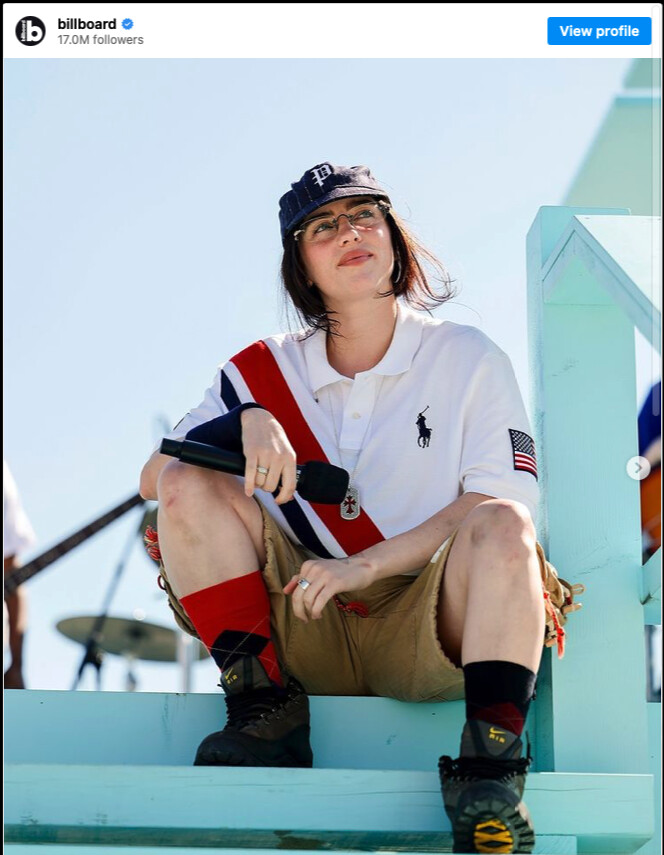
An LA28 sculpture has already taken residence on Long Beach, Calif., where Snoop Dogg, Dr. Dre, Red Hot Chili Peppers and Billie Eilish all performed for the closing ceremonies, celebrating the handover of the Olympic flag that was promptly flown in from Paris.

Transportation
The city of Los Angeles plans to host a no-car, no-build Games. Athletes and tourists will have to rely on public transportation to get between competition venues and the Athletes’ Village. The city will borrow 3,000 buses from around the country, in addition to encouraging businesses to stagger work hours and allow working from home to reduce traffic on the roads.
Venues
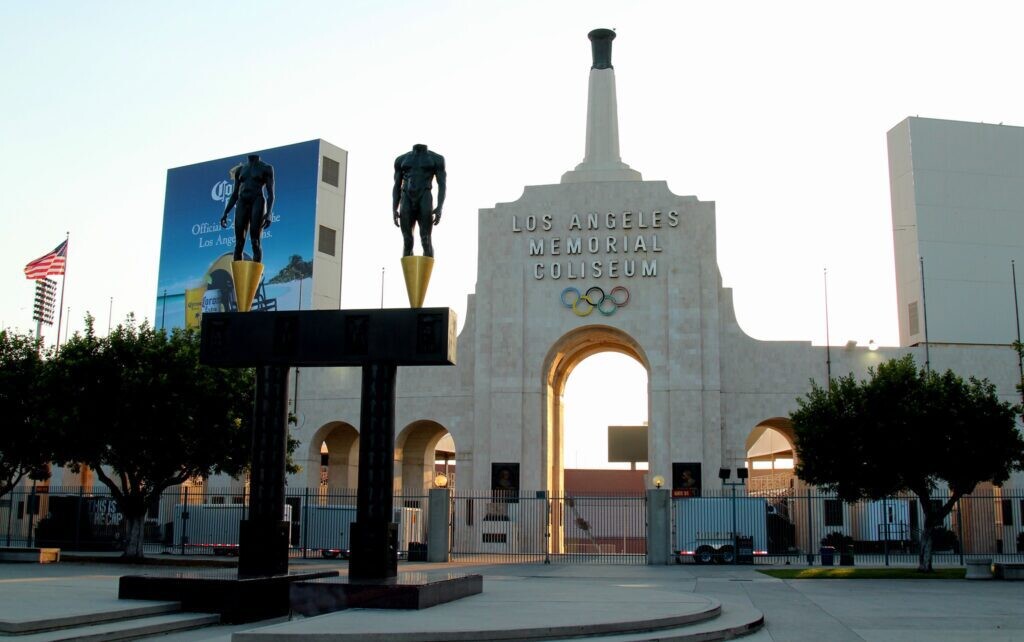
Athletes will be housed in the dorms on the University of California, Los Angeles (UCLA) campus, rather than having the city build an Olympic Village. The city has infrastructure in place from the previous Olympic Games hosted in 1932 and 1984; no new permanent venues will be needed.
Without having to deal with contaminated bodies of water such as the River Seine, the open-water swimming events should run smoothly; they are to take place at the Long Beach waterfront.
New sports
Five sports will be added to the Olympic program in L.A.; lacrosse, cricket, squash, flag football and baseball/softball are all representative of American culture and will make an exciting new part of the Games. Breaking has been dropped from the Olympic program after making its debut in Paris (a decision that was made before the Games even took place). It did end up getting a lot of attention, but for the wrong reasons:
The L.A. 2028 Games begin on July 14, 2028–we still have 1,432 days to go, but the countdown has already begun.
by Running magazine
Login to leave a comment
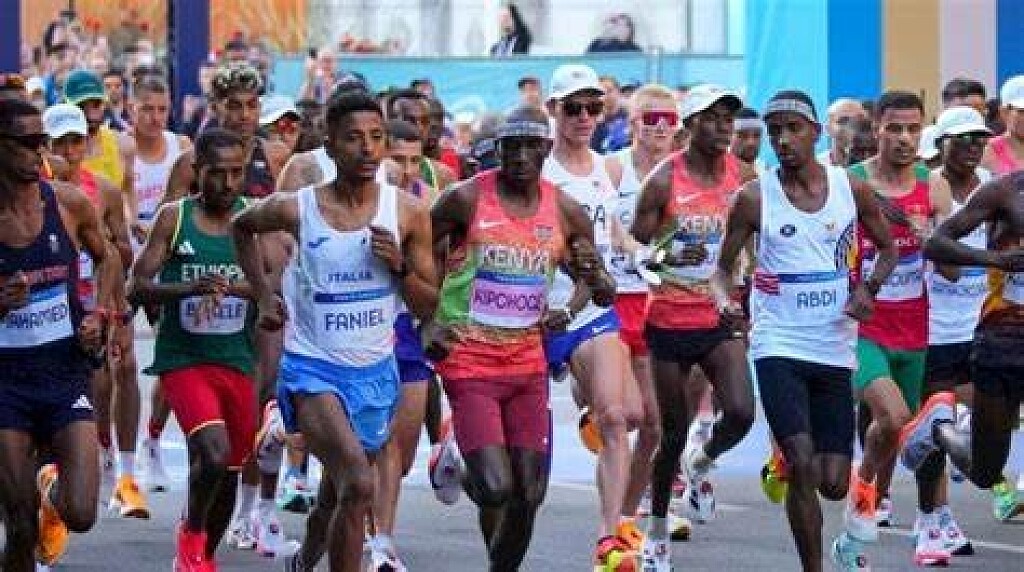
Why Eliud Kipchoge will still be at the Los Angeles Olympics in 2028 following dissapointment in Paris
Kipchoge has confirmed he will be involved in the 2028 Los Angeles Olympics following his unprecedented setback in Paris last Saturday that forced him to withdraw.
Eliud Kipchoge, Kenya's legendary marathon runner and two-time Olympic gold medalist, has set his sights on a new chapter after returning home from the Paris 2024 Olympics.
While the world had high expectations for another podium finish, Kipchoge’s focus has now shifted from competition to inspiring the next generation of athletes and the wider public.
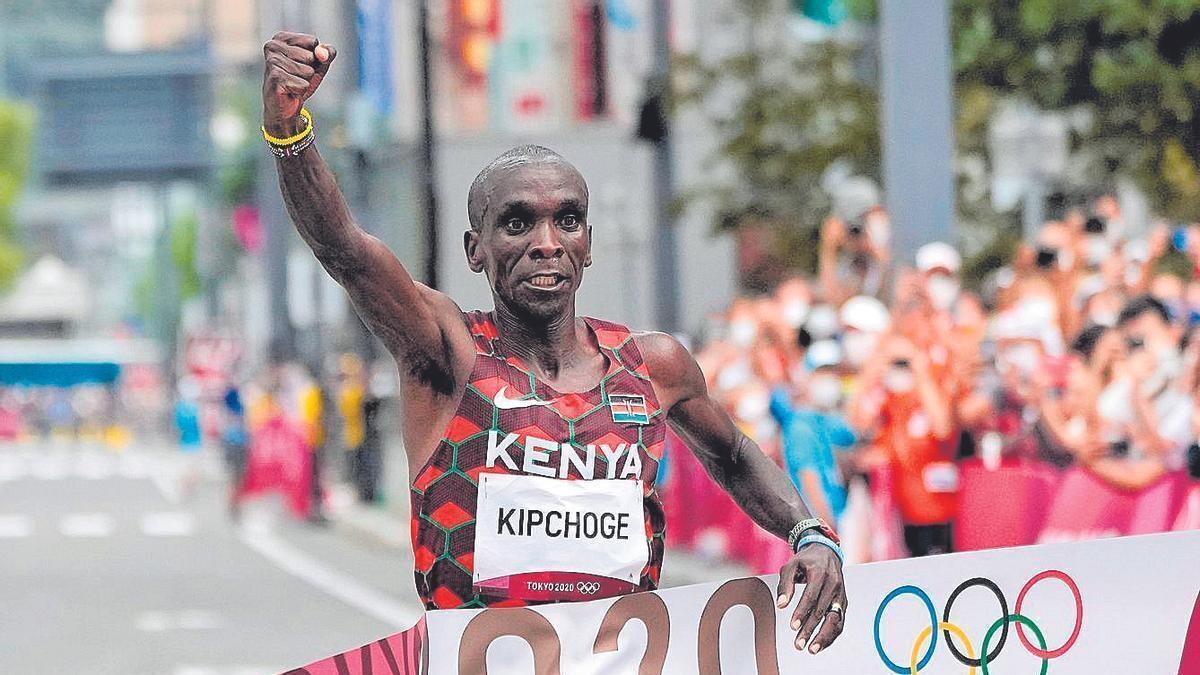
Widely celebrated for his resilience and unparalleled achievements in long-distance running, Kipchoge spoke candidly about his future during a recent interview.
Despite the challenges and the outcome in Paris, Kipchoge emphasized his excitement for the future, particularly with an eye on the Los Angeles 2028 Olympics.
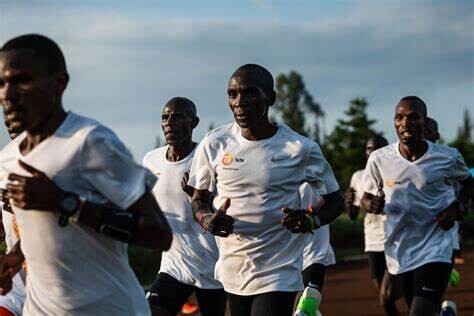
"As an athlete, I will be at the Olympics in another capacity to inspire hope and optimism not just in my country and continent, but across the entire world," Kipchoge stated, as quoted on Citizen Digital.
While he has confirmed that he will not be competing, Kipchoge’s presence at the 2028 Olympics will be one of inspiration rather than competition.
“The future of the marathon in Kenya is bright; it is only a matter of molding the next generation and guiding them on what is needed to excel,” Kipchoge stated on Olympics. Com. His reflections underscore his belief in Kenya’s potential to continue producing world-class marathon runners.
“I will not go into coaching. I have many other things to do. I will travel around the country motivating people,” he revealed, signaling a shift from his active role in competitive sports to one centered on inspiration and mentorship.
Kipchoge's return from Paris marked a moment of introspection for the marathon icon. Having dominated the sport for years, he has now decided to step away from global running competitions.
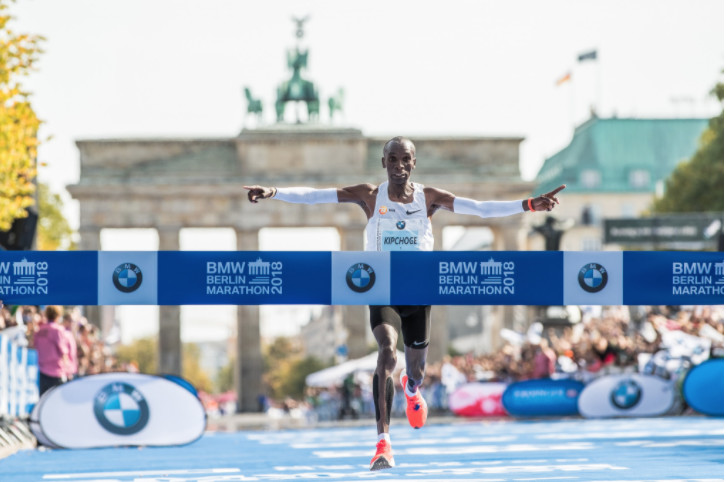
Kipchoge's legacy as a marathon legend is undeniable. Over his career, he has participated in approximately 20 world marathons, securing 15 victories. His 2019 world record of 1:59:40 in Vienna remains unchallenged, a testament to his extraordinary talent and dedication.
However, as he steps off the track, Kipchoge is determined to continue making an impact, this time through motivation and mentorship.
by Mark Kinyanjui
Login to leave a comment
LA 2028 Summer Olympics Games
Discover how the Los Angeles Candidature Committee describes their vision for the Games and the legacy they plan to leave behind: For centuries, people have been following the sun to California – to a coastal paradise of beautiful weather, inspiring landscapes and an ocean of possibilities. Since it was first settled, LA – the City of Angels – has built...
more...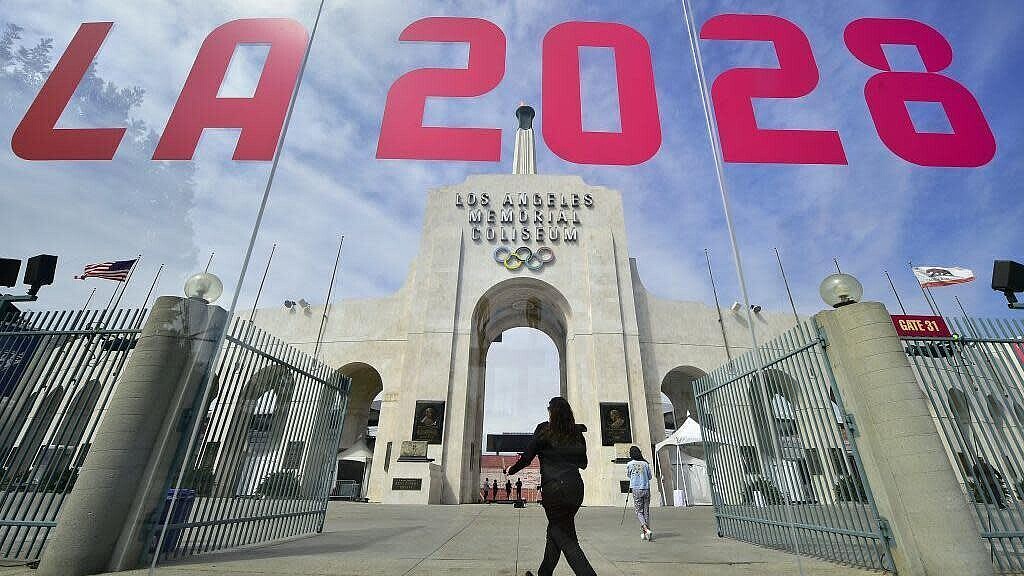
What to expect at the Los Angeles 2028 Olympics
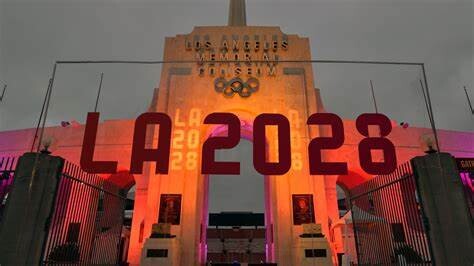
The Paris 2024 Olympics has been under major scrutiny by the public–but mostly by the LA28 Olympic Committee. Los Angeles, the next host of the summer Olympic Games, is set on providing the safest and the greatest experience for the athletes–and has been taking notes on what has and hasn’t worked in Paris.
An LA28 sculpture has already taken residence on Long Beach, Calif., where Snoop Dogg, Dr. Dre, Red Hot Chili Peppers and Billie Eilish all performed for the closing ceremonies, celebrating the handover of the Olympic flag that was promptly flown in from Paris.
Transportation
The city of Los Angeles plans to host a no-car, no-build Games. Athletes and tourists will have to rely on public transportation to get between competition venues and the Athletes’ Village. The city will borrow 3,000 buses from around the country, in addition to encouraging businesses to stagger work hours and allow working from home to reduce traffic on the roads.
Venues
Athletes will be housed in the dorms on the University of California, Los Angeles (UCLA) campus, rather than having the city build an Olympic Village. The city has infrastructure in place from the previous Olympic Games hosted in 1932 and 1984; no new permanent venues will be needed.
Without having to deal with contaminated bodies of water such as the River Seine, the open-water swimming events should run smoothly; they are to take place at the Long Beach waterfront.
New sports
Five sports will be added to the Olympic program in L.A.; lacrosse, cricket, squash, flag football and baseball/softball are all representative of American culture and will make an exciting new part of the Games. Breaking has been dropped from the Olympic program after making its debut in Paris (a decision that was made before the Games even took place). It did end up getting a lot of attention, but for the wrong reasons.
The L.A. 2028 Games begin on July 14, 2028–we still have 1,432 days to go, but the countdown has already begun.
by Cameron Ormond
Login to leave a comment
LA 2028 Summer Olympics Games
Discover how the Los Angeles Candidature Committee describes their vision for the Games and the legacy they plan to leave behind: For centuries, people have been following the sun to California – to a coastal paradise of beautiful weather, inspiring landscapes and an ocean of possibilities. Since it was first settled, LA – the City of Angels – has built...
more...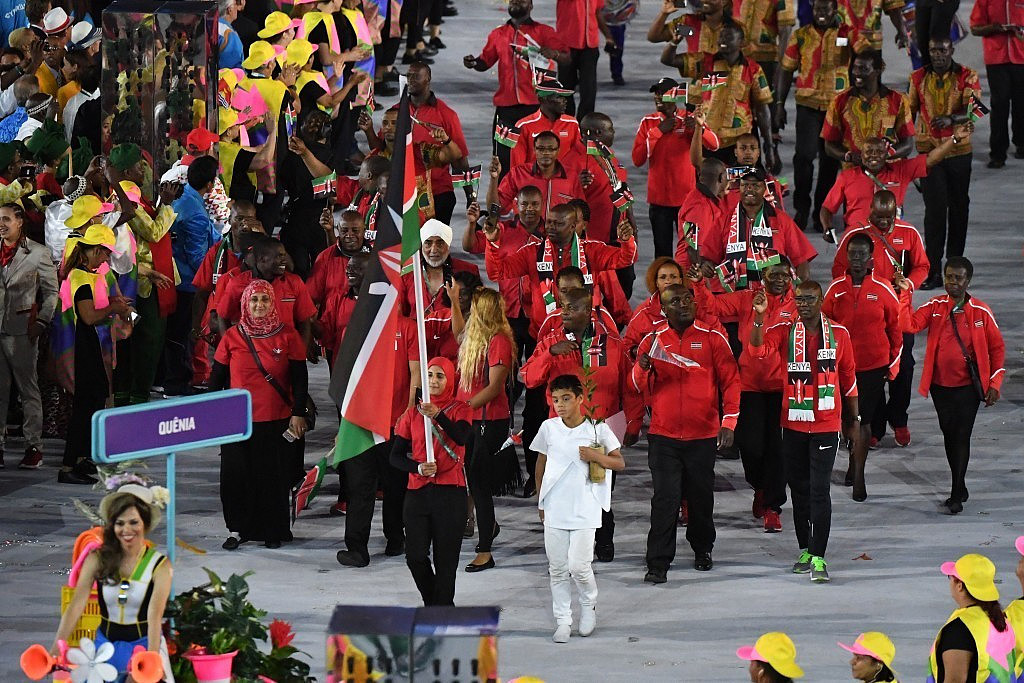
Kenya to take at least 100 athletes to Tokyo 2020 Olympics
The National Olympic Committee of Kenya (NOCK) has said it is expecting to send a record 100 athletes to this year's Tokyo 2020 Olympic Games.
The NOCK has said there are programmes in place already and enough training camps to help with preparations for the Games.
Residential training camps in Kenya are set to start in April.
Kurume on Kyushu island in Japan is due to be the base of the Kenyan team for at least 14 days before the Tokyo 2020 Olympics open on July 23.
NOCK officials are hoping the Tokyo 2020 Games - should the event take place - is free of the scandal which marred the country's team at Rio 2016.
"We expect to take at least 100 participants to the games with an expectation a higher medal haul than ever before," the NOCK said in a statement, Kenyan publication The Standard.
"We also seek to deliver the best-resourced Kenyan team in history.
"We are well set and all processes activated to ensure that we deliver an athlete-focused, well-managed, well-financed Olympic team as well as provide a memorable Olympic experience for all Kenya.
"Our resolve to deliver an exemplary Olympic experience is so strong, that our teams together with the Ministry of Sports, Art and Culture have been burning the midnight oil during the holidays to ensure that everything is set to go."
The NOCK, under the Presidency of former athlete Paul Tergat, has vowed to continue supporting qualified teams and those seeking qualification for the Games, despite the COVID-19 pandemic.
"NOCK is conjunction with the International Olympic Committee and the Association of National Olympic Committees of Africa is providing scholarships to at least 15 athletes to help them prepare for the Olympic Games," the statement added.
"Further, we are providing team preparation grants to the ladies' volleyball team and the ladies' rugby team.
"All the teams currently in the qualification pathways will be supported by the Government and NOCK to ensure that they qualify for the Games."
NOCK claim future programmes to help youth development are in place, looking to make use of sports science and high-performance centres for success at the Paris 2024 and Los Angeles 2028 Olympics.
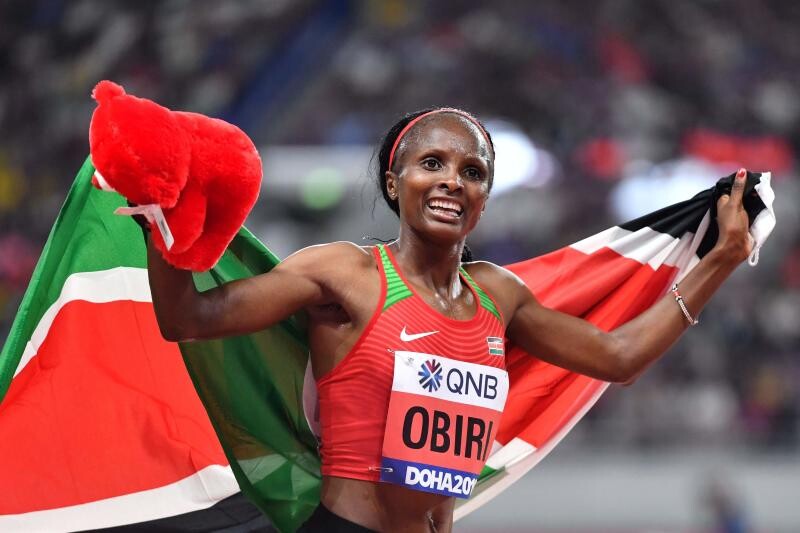
So far, Kenya has 56 confirmed athletes for the Tokyo 2020 Olympics, including men's marathon world record holder Eliud Kipchoge and double world champion Hellen Obiri.
Kenya took a record 89 athletes in seven sports to the Rio 2016 Games, winning their best medal haul to date with six gold, six silver and one bronze medal.
Six Kenyan officials were implicated in a financial scandal at the event in the Brazilian city.
It is alleged the six officials had caused a loss of public funds with their mismanagement of the Kenyan team, with athletes' preparations hampered by their conduct.
Prosecutors also claim those in charge of the Kenyan team allowed unauthorised people to travel to Rio 2016, purchased air tickets which were not utilised and overpaid allowances.
A nation known for its pedigree of distance runners, Kenya has won 96 of its 103 Olympic medals in athletics.
The other seven, including one gold medal, have came in boxing.
Login to leave a comment
