

Running News Daily
Running News Daily is edited by Bob Anderson and team. Send your news items to bob@mybestruns.com Advertising opportunities available.
Index to Daily Posts · Sign Up For Updates · Run The World Feed



The most effective ways to burn fat while running

Are you looking to shed more fat on your next morning jog but aren’t sure how? While running is a great calorie burner on its own, there are a few ways you can tweak your cardio workout to maximize your fat-burning potential while staying fit. With these tricks, you can become the ultimate fat-burning machine that will help you reach your goal weight in no time.
Reduce Snacking Before Workouts
It’s easy to get carried away with carbo-loading before an endurance run. Carbo-loading is the perfect way to fuel your body before a workout, but if you overeat, you won’t be able to burn enough fat. Only carbo-load excessively before a marathon to boost your energy but keep as many calories off your plate as possible to avoid belly bloat and weight gain. On average, runners who have a pre-training snack are more likely to display lower levels of fat metabolism. Eat something in the middle of your run to keep your metabolism in working order.

Use Fat Burning Supplements
With fat-burning supplements, it’s possible to eat reasonable portions while still shedding unwanted pounds. Specific vitamins and nutrients can shift your body from fat-storage mode into fat-melting mode. For example, a vitamin D supplement helps to ensure body cells respond to insulin, which pushes glucose into the cells. A calcium, omega-3, and CLA supplement will help you shed fat faster. Thermogenic fat burners found on Amazon can also support healthy weight loss, especially if they contain the energy-boosting ingredient L-carnitine.
Focus on Running Uphill
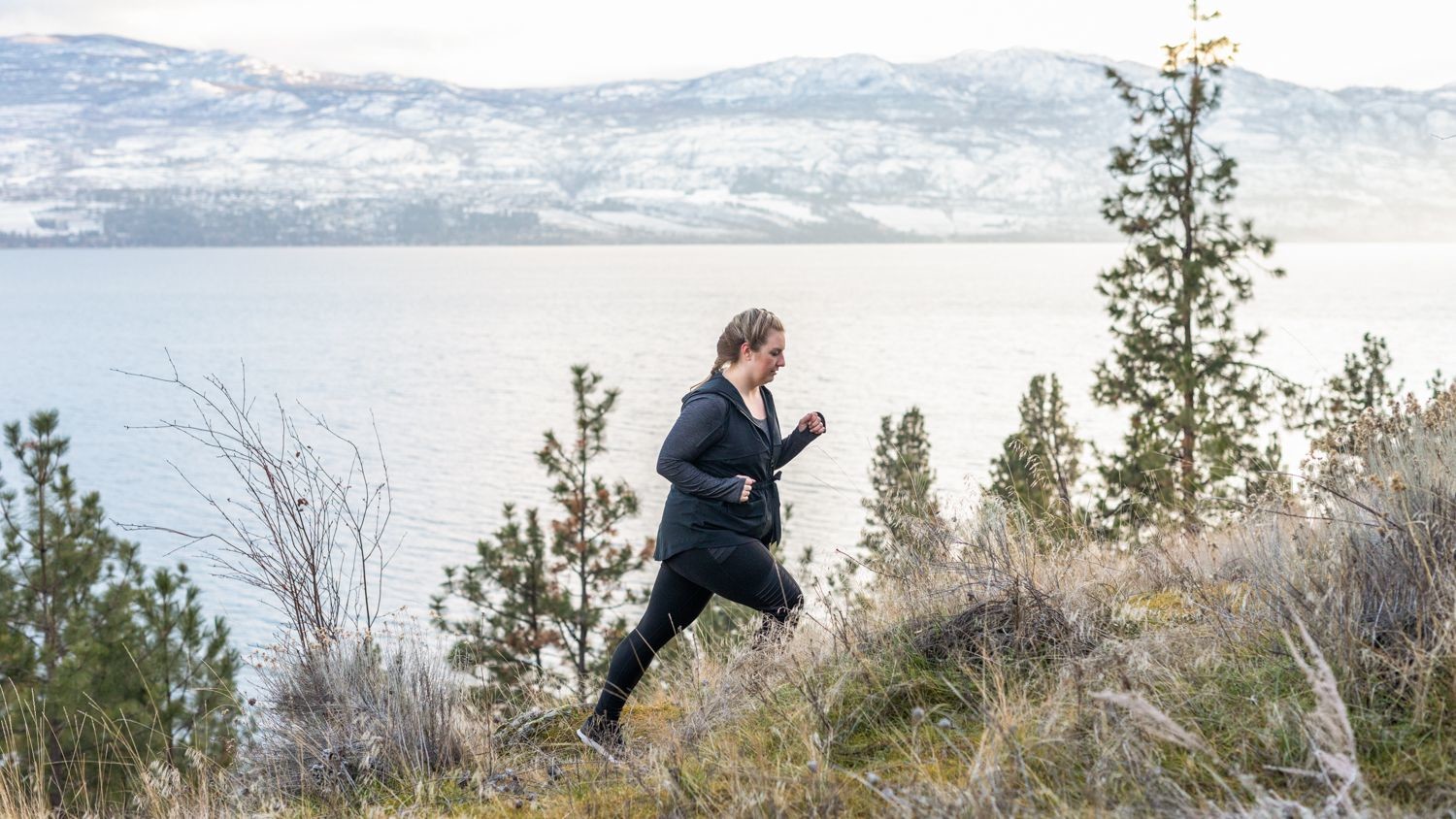
Runners typically jog on flat surfaces because they’re easy to find and simple to train on. However, if you give yourself a bit more of a challenge and run uphill, you’ll quickly notice the benefits of hill training. You’ll feel exhausted at a faster rate than on a flat surface, which is good news for your waistline. Running up a steep hill will land you in the fat-burning zone and increase overall performance in future runs, but be careful not to overexert yourself. After running up the hill, go back down to its base to rest before continuing your workout.
Try High-Intensity Interval Training (HIIT)
High-intensity interval training is a form of exercising that involves getting your heart rate to 90% of its maximum beats per minute. Through HIIT training, runners can instantly propel themselves into the fat-burning zone for a few minutes at a time. To do this, run as fast as you can for 1-2 minutes. Then, slow down to a jog, so your heart rate has the time to stabilize. Since your heart rate spiked quickly, your body’s working overtime to bring it back down. Regulating a quickening heart rate burns significantly more calories in 30 minutes than straight endurance jogging.
Resistance Training
The amount of weight you lose during a workout is directly tied to what you do before you start exercising. Strength or resistance training will improve muscle endurance and strength, but it also helps to burn more calories during a second workout and at rest. Runners with a low resting heart rate have a built-in fat furnace because their muscles require a lot of energy and calories to stay large. Creating a resistance training routine will benefit your overall fitness as well, so start lifting weights and performing squats to burn more fat.
Track Eating Habits
When you start to work out, you tend to consume more calories than you expect. Exercising multiple times a week will put you in a calorie deficit, which sets off an alarm in the part of your brain that regulates hunger. To stay on top of your eating habits, write down everything you eat inside a journal or on your phone. After the first week, examine where the bulk of your calories are coming from. Are you eating more junk food than you realized? Do mornings start well but end in a binge at night? Locate the possible problems of your diet and tackle them quickly.
by Colorado Runner
Login to leave a comment
Latest Running News
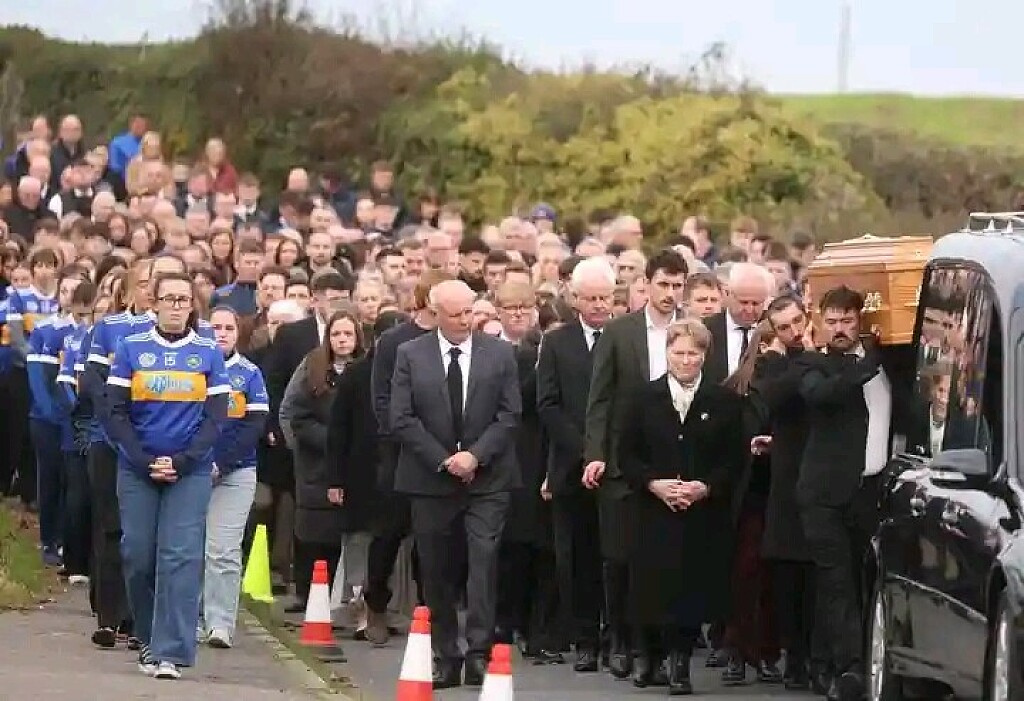
Portaferry Bids A Heartbreaking Farewell To Ciara Mageean: A Final Gesture Of Kindness From The Irish Running Star
The streets of Portaferry fell silent with grief as family, friends, fellow athletes and members of the community gathered to say their final goodbyes to Ciara Mageean, the beloved Irish Olympian whose remarkable life was cut tragically short at the age of 34.

It was an emotional farewell to a woman who had brought immense pride to her country, inspired countless people through her achievements on the track and touched lives through her warmth, courage and generosity.
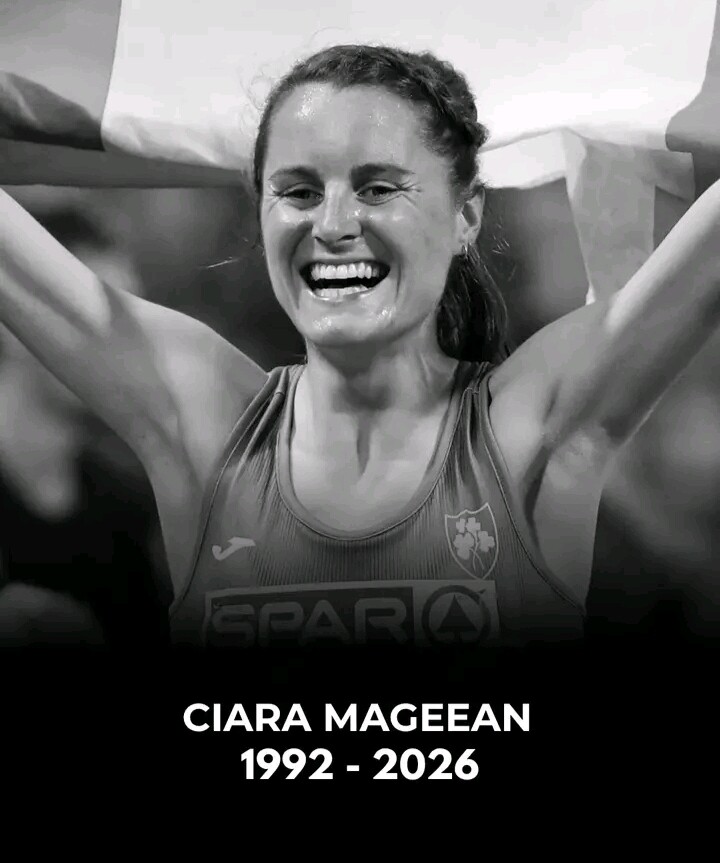
Mageean, who represented Ireland at the Olympic Games and Northern Ireland at the Commonwealth Games, died on Sunday, November 1, following a courageous battle with stage four bowel cancer. She had publicly revealed her diagnosis in 2025 and was facing a likely terminal prognosis.
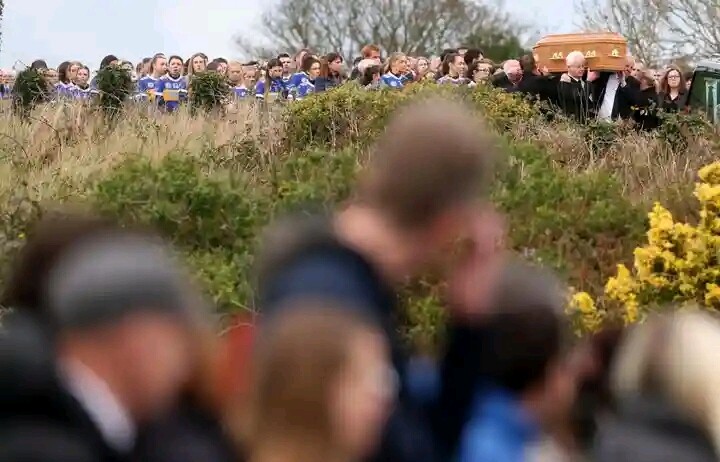
Her death sent shockwaves throughout the athletics community, with tributes pouring in from fellow competitors, sporting organisations, political leaders and admirers around the world.
For Portaferry, however, the loss was deeply personal. The town was not simply mourning a European champion and Olympic athlete; it was saying goodbye to one of its own.
Her funeral brought together a community united in sorrow, celebrating a life that had made an extraordinary impact both on and off the track.
One of the most moving moments came during the funeral service when Fr Martin Kelly shared a touching memory from one of his final visits to Mageean at the hospice.
He recalled visiting her approximately three weeks before her death and accompanying her on a walk. Despite the severity of her illness, the determined athlete still appeared to have enough energy to leave him struggling to keep up.
When Ciara noticed that the priest was finding the walk difficult, she offered him her arm.
"There’s still a bit of 'macho' in me, so I hesitated - linking arms wasn’t me," Fr Kelly recalled. "Then I gave in."
What followed became one of his most treasured memories of the remarkable athlete.
"One of my happiest memories is that of Ciara Mageean linking my arm as we walked back to her room, shortly before she went to Heaven," he said.
"Thank you Ciara from the bottom of my heart."
It was a simple gesture, but one that captured the extraordinary kindness of a woman whose greatness extended far beyond her sporting achievements.
Even while facing the final stages of her illness, Mageean was still thinking about someone else, offering comfort and companionship when she could easily have been the one receiving it.

Her final chapter was also filled with love and precious family moments. Just weeks before her death, she married her longtime partner, Thomas Moran, in a civil ceremony at Belfast City Hall. The couple subsequently celebrated their marriage with family and friends at Darver Castle in County Louth on October 25.
The following day, Mageean shared photographs of the celebration on social media, writing: "I hope you didn’t think we were skipping the party."

She described the occasion as an "incredible day" surrounded by "the most amazing people."
Those photographs, showing her smiling and celebrating with loved ones, have since become particularly emotional reminders of the happiness she experienced during her final days.
Moran had stood beside her throughout her cancer journey, encouraging her to seek medical attention when her symptoms changed in 2025. Mageean had spoken about the future they hoped to build together in Portaferry, including having children and eventually grandchildren.
Tragically, their dreams were cut short. The couple had been married for only 20 days when Mageean passed away.
Among those who travelled to Ireland to celebrate the wedding was British marathoner Phily Bowden, who had trained alongside Mageean in Helen Clitheroe's New Balance Manchester group.
Bowden had flown from Arizona during the final stages of her preparation for the New York City Marathon because she did not want to miss her friend's special occasion.
In a video recorded during a training session in Dublin, she explained the reason for her journey.
"A very special person in my life is getting married this weekend here in Ireland," she said. "So I couldn’t exactly miss it."
Just seven days later, Bowden found herself lining up for the New York City Marathon after receiving devastating news while travelling on the bus to the start.
Her friend had died.
Despite the heartbreak, she went on to complete the 42.195km race, finishing 17th in 2:30:45. She later dedicated her performance to Mageean, turning a day of personal achievement into a deeply emotional tribute.
It was another reminder of how many lives Ciara had touched, and how far her influence extended beyond the athletics track.
Sportingly, Mageean leaves behind an extraordinary legacy. She represented Ireland at the Rio 2016 and Tokyo 2020 Olympic Games, competed for Northern Ireland at the Commonwealth Games and established herself as one of the finest middle-distance runners in Irish history.
Her greatest triumph came at the 2024 European Athletics Championships in Rome, where she captured the women's 1,500m gold medal in 4:04.66, delivering a historic performance that secured her place among Ireland's most celebrated athletes.
But while her medals and achievements will remain part of athletics history, those who knew her will remember something even more valuable: the person behind the champion.
Her courage through cancer, her determination to embrace life, her love for family and friends, and her instinct to extend kindness even during her most difficult moments have become central to the tributes celebrating her life.
As Portaferry said its final goodbye, the streets that once celebrated one of their greatest sporting daughters became a place of reflection, remembrance and heartbreak.
Ciara Mageean's final race was not run on an athletics track. It was a battle fought with extraordinary courage, surrounded by the people she loved.
And perhaps the most powerful image to emerge from her final chapter is not one of her crossing a finish line or lifting a championship medal, but of a woman in a hospice offering her arm to someone else as they walked together.
A small act of kindness. A beautiful final memory. A lasting reminder that true greatness is measured not only by what someone achieves, but also by how they make others feel.
Portaferry has lost a daughter. Irish athletics has lost a champion. And the world has lost a remarkable woman.
As Portaferry laid one of its brightest daughters to rest, the tears, tributes and heartfelt memories told the story of a woman whose impact reached far beyond the finish line. Ciara Mageean may have lost her final battle, but cancer could never take away the courage with which she lived, the love she shared or the countless lives she inspired. Her footsteps may have fallen silent, but her legacy will forever echo through Irish athletics and the hearts of everyone who had the privilege of knowing her story. A champion on the track, a fighter in life and a beautiful soul remembered forever.
by Erick Cheruiyot for My Best Runs.
Login to leave a comment

When Marathon Royalty Met Sprinting Greatness: Kipchoge and Jefferson-Wooden Serve Up a Special NYC Marathon Moment
What happens when one of the greatest marathon runners in history meets an Olympic sprint champion in a school cafeteria?
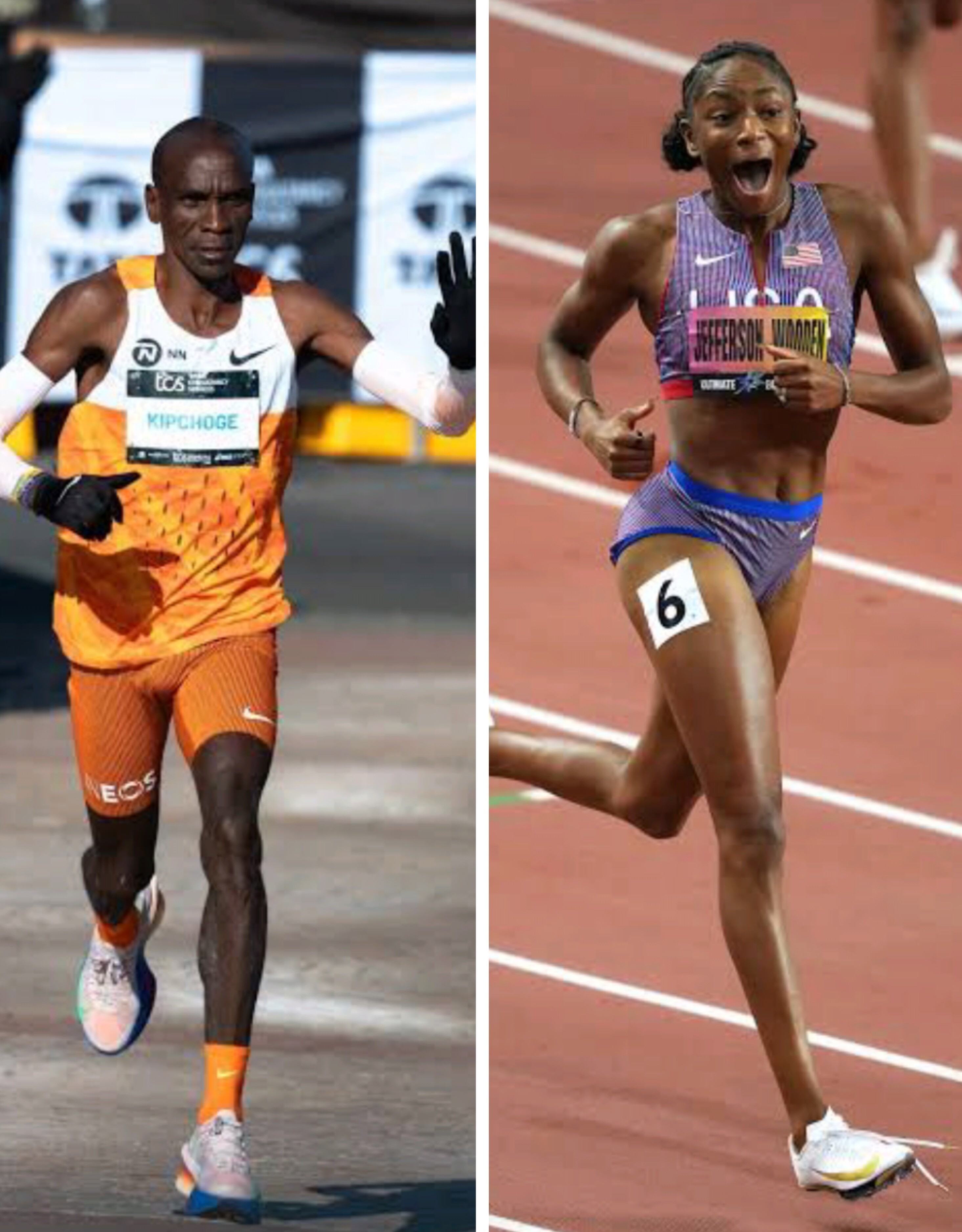
In New York City, it made for an unforgettable evening of athletics, laughter and community ahead of the 2026 TCS New York City Marathon.
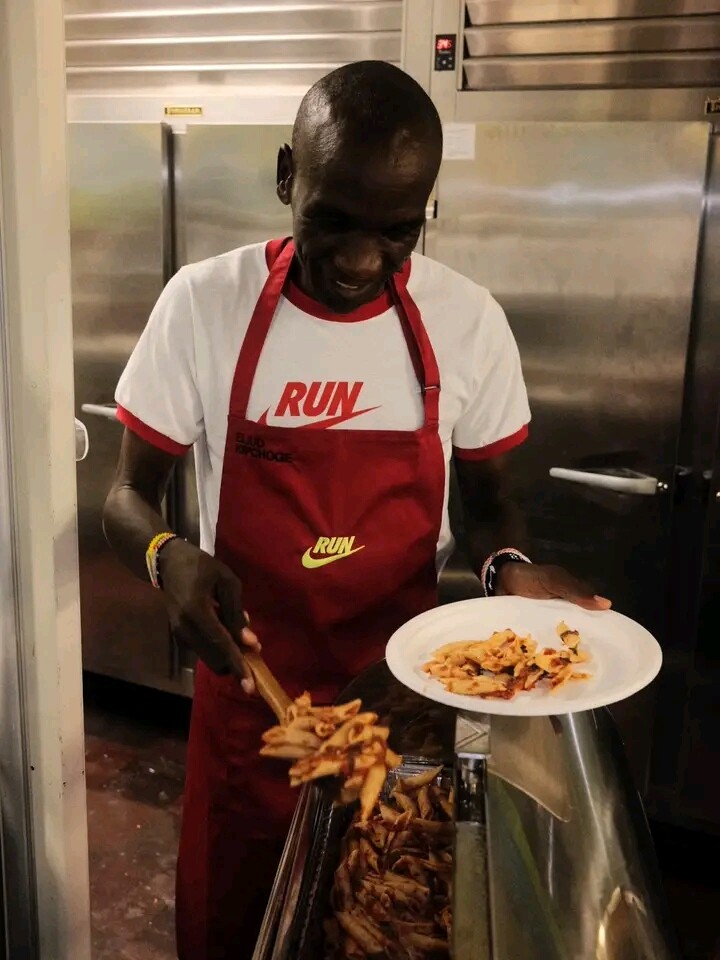
On Friday, October 30, Nike Running transformed the cafeteria at Manhattan’s High School of Fashion Industries into “Cafeteria 26.2,” creating a classic American school-lunchroom atmosphere where runners could gather, enjoy a pre-race pasta meal and soak up the excitement building around one of the world’s most famous marathons.
But the food was not the only attraction.
Among the most memorable moments came when two of athletics’ biggest stars stepped away from the competition arena and behind the serving counter.
Kenya’s Eliud Kipchoge, widely regarded as one of the greatest marathoners of all time, joined American Olympic sprint champion Melissa Jefferson-Wooden to serve pasta to runners preparing for Sunday’s race.

Wearing custom red Nike aprons emblazoned with the word “RUN,” the two champions embraced the unusual roles with plenty of energy, chatting with athletes, signing jackets and sharing smiles and photographs with members of the running community.
For the runners in attendance, it was a rare opportunity to interact with champions who represent two very different sides of the sport.
Kipchoge has built a legendary career around the marathon, winning the Olympic title twice and becoming the first person to complete the distance in under two hours in a specially staged event. Jefferson-Wooden, meanwhile, has established herself among the world’s leading sprinters, bringing explosive speed and Olympic success to the occasion.
Together, they created a striking picture: marathon endurance meeting sprinting speed, all in the most unexpected of places.
The evening also produced plenty of lighter moments. Social media users jokingly focused on Kipchoge’s seemingly careful pasta portions, turning a simple serving moment into another source of entertainment before race day.
But behind the jokes was something more meaningful.
“Cafeteria 26.2” captured the communal spirit that makes major road races so special. Before thousands of runners would take on the bridges, hills and streets of New York, they were given a chance to share a meal, meet fellow athletes and celebrate the sport away from the pressure of competition.
And with Kipchoge and Jefferson-Wooden on the other side of the serving counter, the night offered a reminder that athletics is not only about records, medals and finish lines.
Sometimes, it is simply about bringing people together.
From the explosive world of the 100 metres to the relentless demands of 26.2 miles, different disciplines may require different kinds of greatness—but they are united by the same passion to RUN.
by Erick Cheruiyot for My Best Runs.
Login to leave a comment
Andreas Almgren Ends Decades Of Marathon History With Historic New York Victory
Sweden’s Andreas Almgren has turned his marathon debut into a piece of history.
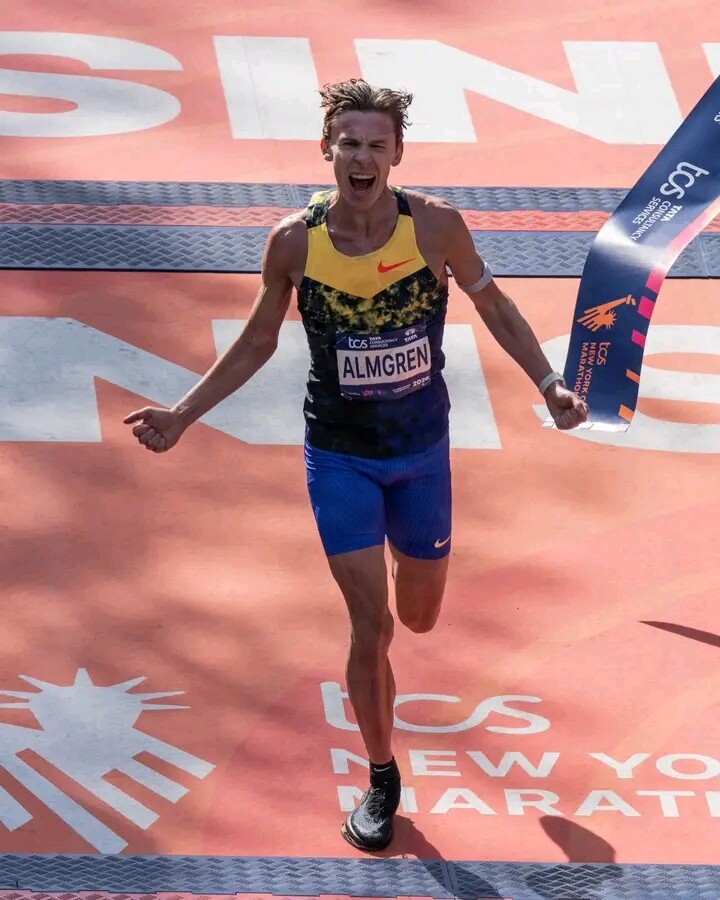
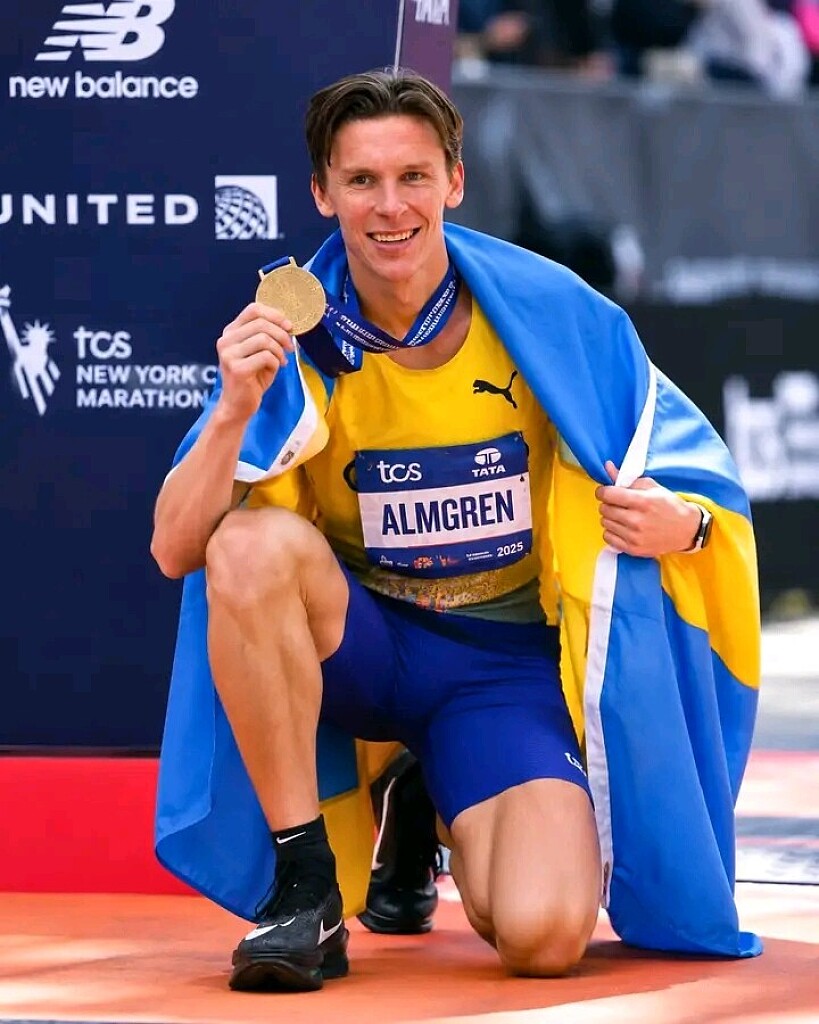
The 31-year-old produced a stunning performance at the 2026 New York City Marathon, winning in 2:06:01 and becoming the first Swedish man to conquer one of the world’s most prestigious marathons.
But Almgren’s breakthrough was about far more than a personal victory. His triumph marked the end of a remarkable era of African dominance in two of the sport’s biggest distance-running competitions.
Almgren became the first non-African-born male winner of the New York City Marathon since Brazil’s Marílson Gomes dos Santos claimed his second title in 2008. For 18 years, the race had remained without another non-African-born male champion.
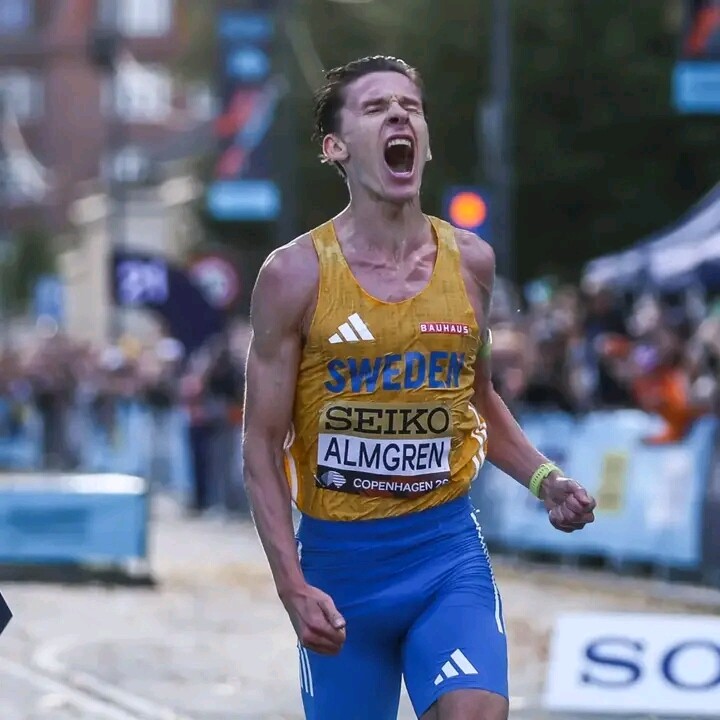
His achievement also added another remarkable chapter to a career that has already produced a major global breakthrough. Almgren had previously become the first non-African man since Italy’s Stefano Baldini in 1996 to win the World Half Marathon title, ending a three-decade wait for another victory of that kind.
His New York triumph was even more unusual because it came on his marathon debut. Almgren became the first man since Ethiopia’s Gebre Gebremariam in 2010 to win the New York City Marathon in his first attempt at the distance.
For Sweden, the significance is even greater.
Almgren is now the first Swedish man to win the New York City Marathon and the first Swedish athlete to claim a men’s World Marathon Major title, placing his name alongside some of the greatest distance runners in history.
New York has long been a stage where experienced marathoners, Olympic medallists and established champions battle for glory. Almgren arrived without a marathon race on his résumé and left with one of the most remarkable debut victories the event has witnessed.
His 2:06:01 was not simply a winning time. It was the performance that transformed an ambitious first marathon into a landmark moment for Swedish athletics.
From the World Half Marathon title to the streets of New York, Almgren has now broken barriers that had stood for decades.
A new chapter in marathon history has begun — and Sweden has found its newest distance-running star.
by Erick Cheruiyot for My Best Runs.
Login to leave a comment
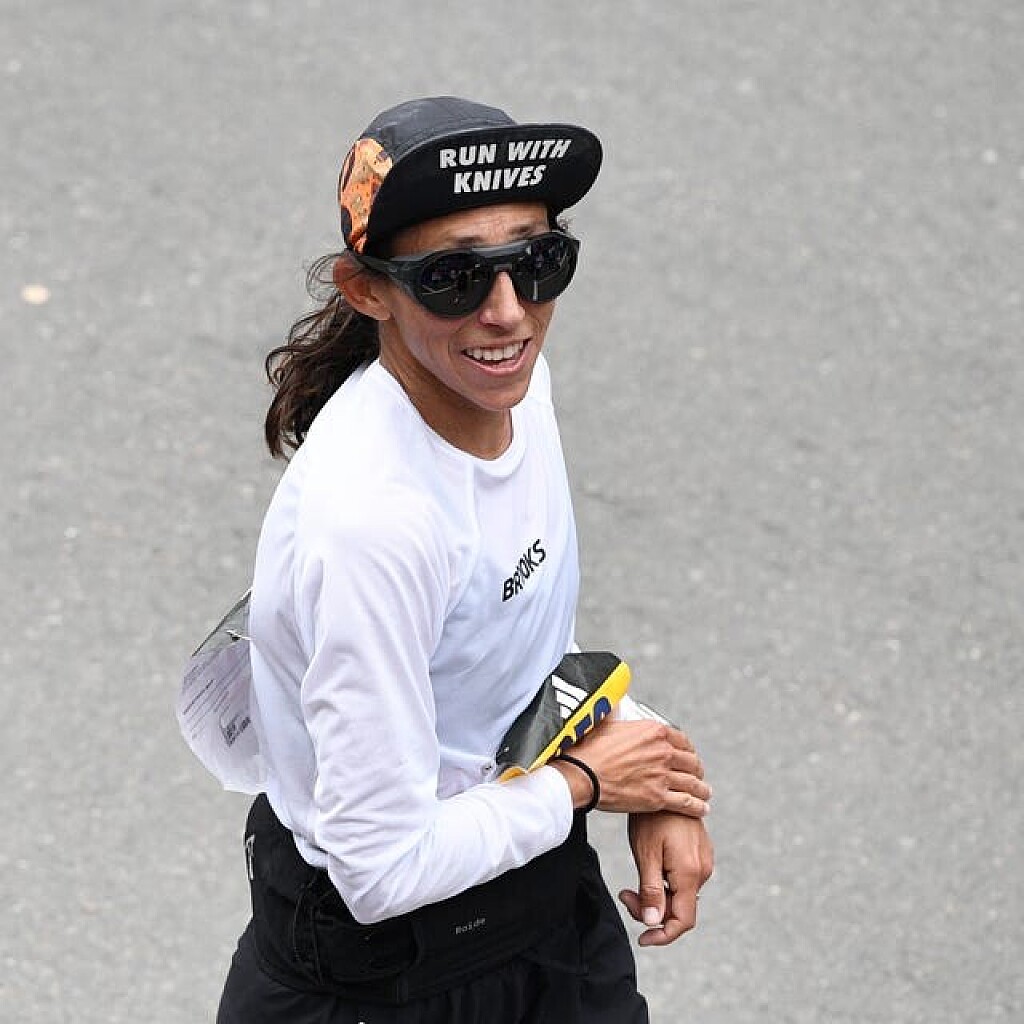
Des Linden Goes the Distance: Boston Champion Conquers Her First 100-Mile
Des Linden has officially gone where the marathon can no longer take her.
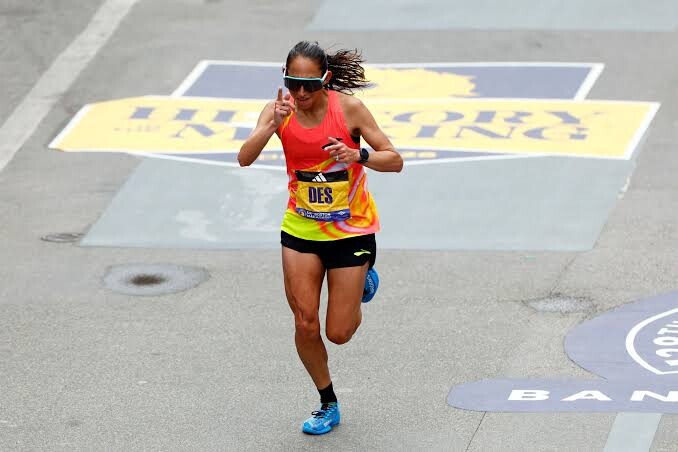
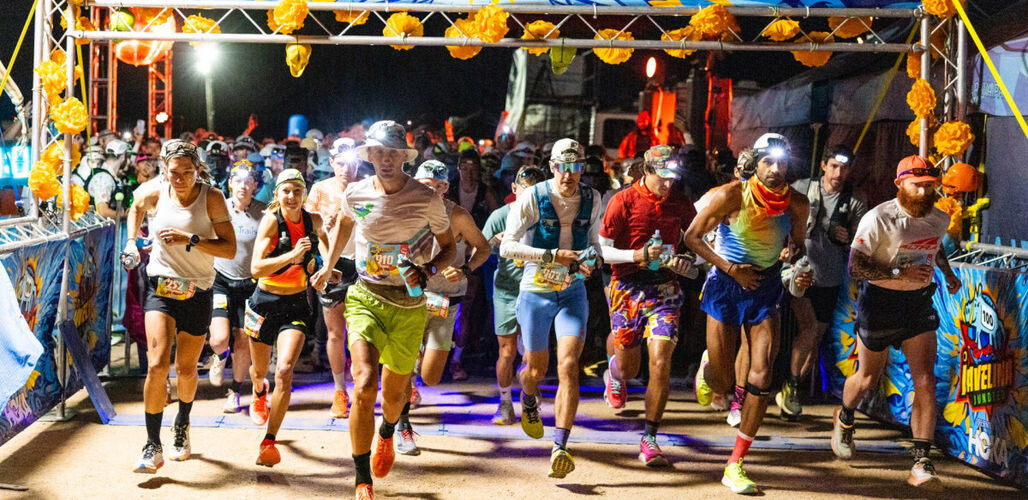
The 2018 Boston Marathon champion completed her first 100-mile race at the Javelina Jundred in Arizona on Saturday, finishing in 16:58:00 to place ninth among the women and 39th overall. It was a demanding debut over 100 miles of desert trail, but for Linden, simply reaching the finish line was another remarkable chapter in a career that continues to evolve beyond the roads.
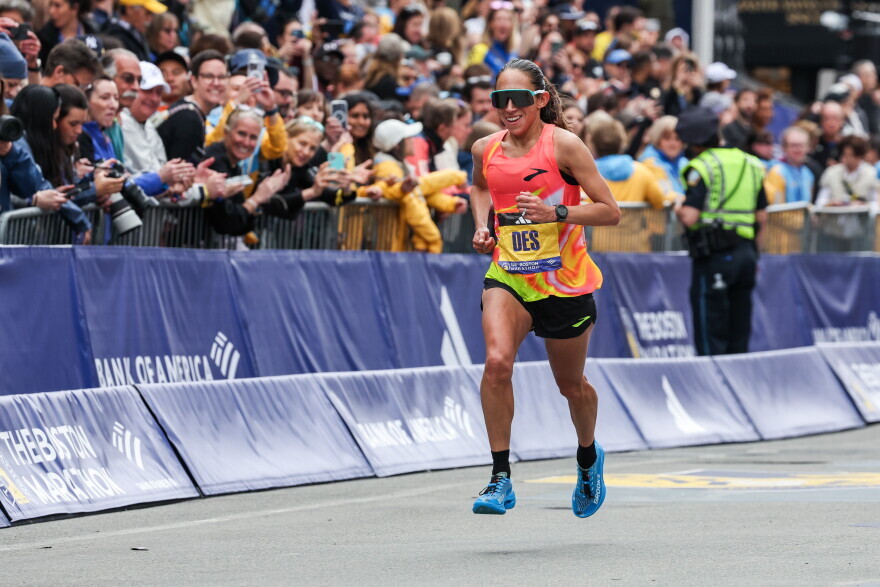
For much of the race, however, Linden looked capable of something far more ambitious than simply finishing.
She began cautiously, gradually working her way through the field before moving from fifth place into the women's lead. By mile 45.3, she was out front in 5:53:12, and she continued to extend her advantage. At mile 56.9, Linden was still leading, carrying a gap of roughly five minutes over Katie Asmuth.
Then came the moment when 100 miles began to feel very different from 26.2.
Linden completed 60.3 miles in 8:01:12, maintaining a remarkably strong pace deep into the race. But after reaching the aid station, she needed significant assistance from her crew, including a shoe change, and the momentum that had carried her into the lead began to disappear.
The change was dramatic.
The 4.3 miles from the 60.3-mile mark to Coyote Camp took Linden 1:22:37. By mile 64.6, she had surrendered the lead and slipped back through the women's field. What had looked like a potential victory challenge had become a battle of survival, patience and determination.
Yet Linden refused to stop.
Her final 39.7 miles took 8:56:48 — nearly an hour longer than the time she needed to cover her opening 60.3 miles. The difference illustrated just how brutally the final stages of a 100-mile race can punish even an experienced marathoner.
And the conditions offered little mercy.
Rain had already affected the course, leaving muddy sections and washouts, while further storms and heavy rain made the later stages particularly difficult. As darkness settled over the Arizona desert, Linden kept moving, adding another layer of difficulty to an already punishing first attempt at the distance.
Heather Jackson ultimately won the women's race in 13:48:29, edging Carla Molinaro by just 55 seconds, with Katie Asmuth third in 14:06:34. Jackson and Molinaro secured the two women's Golden Tickets to the 2027 Western States 100.
Linden's ninth-place finish left her outside those qualifying positions, but the result hardly diminishes what she accomplished. She came to Arizona to discover what 100 miles would demand from her — and she found out the hard way.
The distance was the part that had made her most nervous before the race.
In the end, it was exactly what she feared.
But she faced it anyway.
From winning Boston in 2018 to stepping away from professional road racing and embracing the world of ultrarunning, Linden has continued to challenge herself in ways that few athletes at her level would dare. Earlier this year, she finished third at the Marathon des Sables, a brutal multi-stage desert ultra that included a 100-kilometre long stage.
Now she can add another achievement to that growing trail résumé: 100 miles completed.
It was not the victory she may have glimpsed halfway through the night. It was not the Golden Ticket she might have dreamed about.
It was something perhaps more valuable for a first attempt — a hard-earned lesson in just how unforgiving 100 miles can be, and the satisfaction of knowing she kept going when the race stopped going according to plan.
For Des Linden, the marathon may have been the distance that made her famous.
But 100 miles may be where her next chapter truly begins.
by Erick Cheruiyot for My Best Runs.
Login to leave a comment
Final Stretch”: Rachel Apa’s First Marathon Ends in Heartbreak Just Two Miles From the Finish
The New York City Marathon is celebrated as a day of courage, endurance and achievement — a race where thousands of runners push their limits while families and friends wait eagerly to see them cross the finish line.
For one family, however, November 1, 2026, became a day of unimaginable heartbreak.

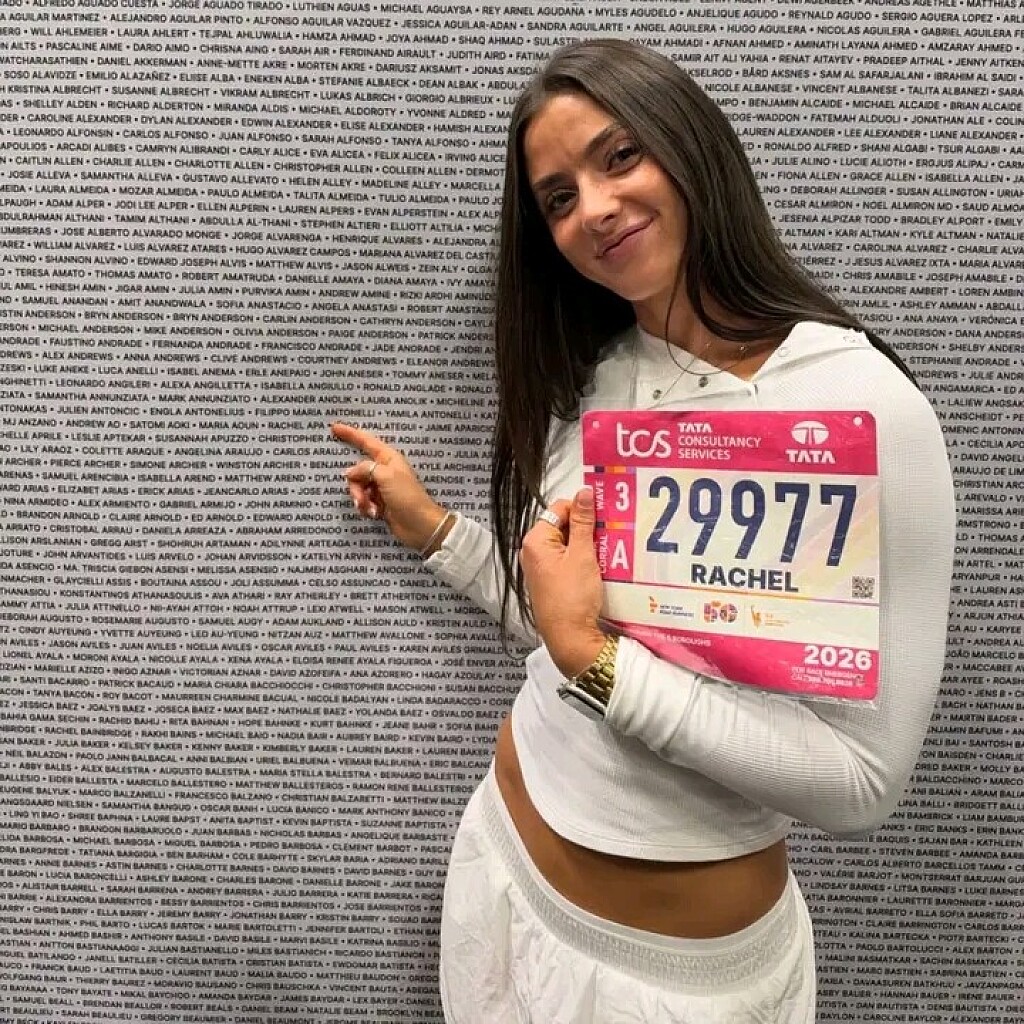
Twenty-four-year-old Rachel Apa, a former Division I field hockey athlete at Bucknell University, was running her first marathon when she collapsed in Central Park with roughly two miles remaining. She never made it to the finish line.
Rachel had entered the race with a deeply personal purpose. She was running in honour of her late grandfather, who had battled Parkinson’s disease, while raising money and awareness for Parkinson’s research and care.
Her family followed her journey closely as she made her way through the five boroughs.
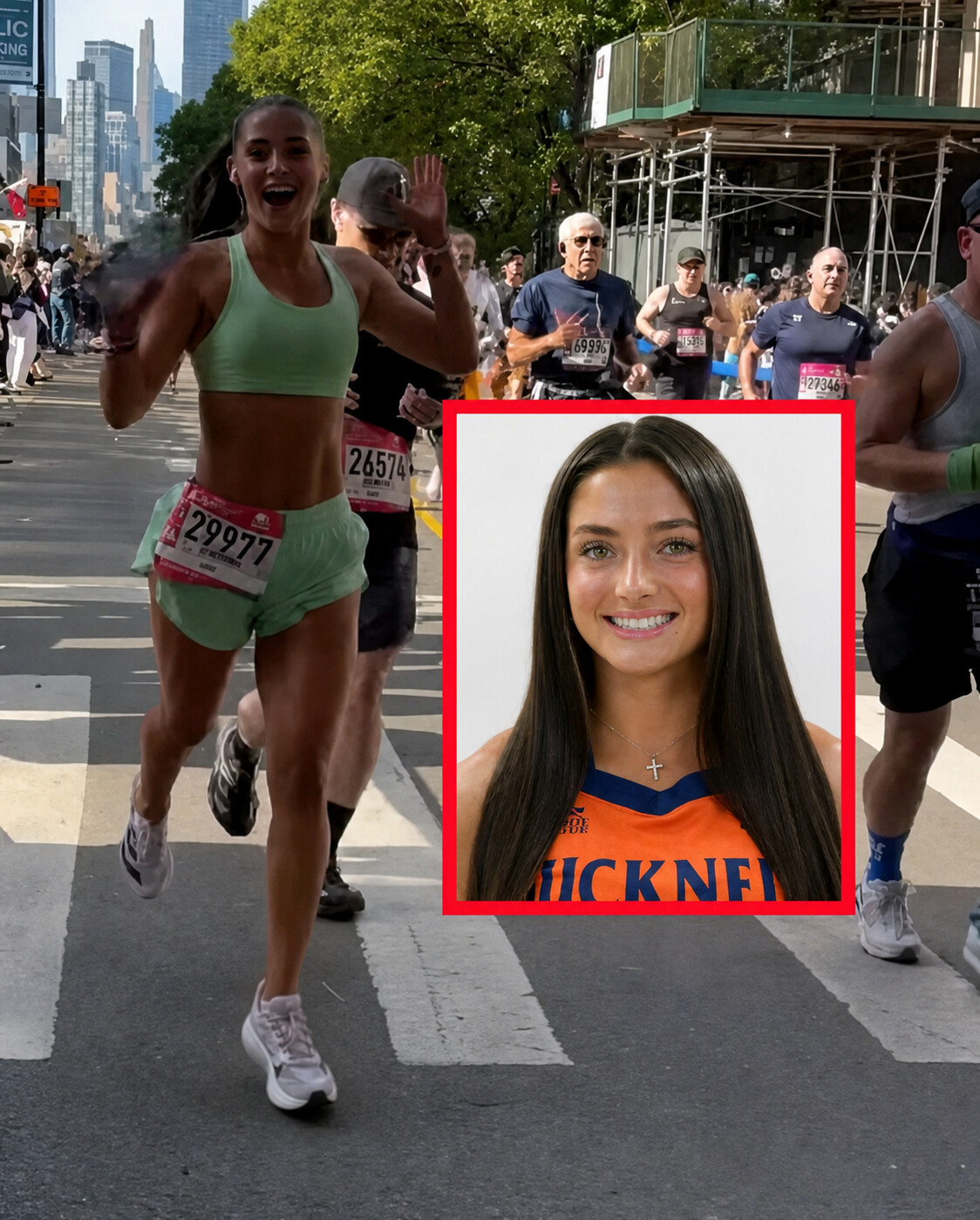
Rachel exchanged messages with her father, Steve, during the race as he monitored her progress remotely. At Mile 18, she sent a brief message: “Ow.”
One mile later, another message arrived: “Ow ow.”
Then, at Mile 23, came her final message: “Final stretch.”
Those words would become heartbreaking in hindsight.
Rachel’s mother, Michelle, was waiting around Mile 25 in Central Park, expecting to see her daughter approaching the finish line. She was preparing for a moment of celebration — to watch Rachel complete the biggest running challenge of her life.
Instead, Rachel’s tracking-app location stopped moving around Mile 24.

At approximately 1:30 p.m., Rachel collapsed near 85th Street in Central Park. Spectators rushed to help, including medical professionals who began performing CPR. New York Road Runners’ medical team soon arrived with a defibrillator, and Rachel was taken to Mount Sinai Medical Center.
Doctors fought for more than six hours to save her life.
But at approximately 9:40 p.m., Rachel was pronounced dead.
According to her father, doctors attributed her death to rhabdomyolysis, a serious medical condition in which damaged muscle tissue breaks down rapidly and releases substances into the bloodstream that can cause severe complications.
The tragedy sent shockwaves through the running community.
New York Road Runners, organisers of the New York City Marathon, expressed deep sadness over Rachel’s death and extended their condolences to her family, friends and everyone affected by the loss.
Rachel’s marathon was never simply about completing 26.2 miles.
It was about family. It was about memory. It was about honouring her grandfather and helping others affected by Parkinson’s disease.
She had already pushed through more than 24 miles of one of the world’s toughest and most demanding marathon courses. She was so close to the finish line that her final message to her father was simply, “Final stretch.”
But the finish line she had spent months preparing for would remain out of reach.
For Rachel’s family, the New York City Marathon will forever be remembered not for the finish line, but for the devastating moment when a day of hope became a night of grief.
Her mother was waiting to celebrate her daughter’s achievement. Instead, she was left facing an unimaginable loss.
Rachel Apa was just 24 years old.
She came to New York chasing a dream, carrying the memory of someone she loved and running for a cause close to her heart. She never got to finish the race, but her story will remain with the people who knew her and with a running community that mourns her loss.
by Erick Cheruiyot for My Best Runs.
Login to leave a comment
