

Running News Daily
Running News Daily is edited by Bob Anderson and team. Send your news items to bob@mybestruns.com Advertising opportunities available.
Index to Daily Posts · Sign Up For Updates · Run The World Feed
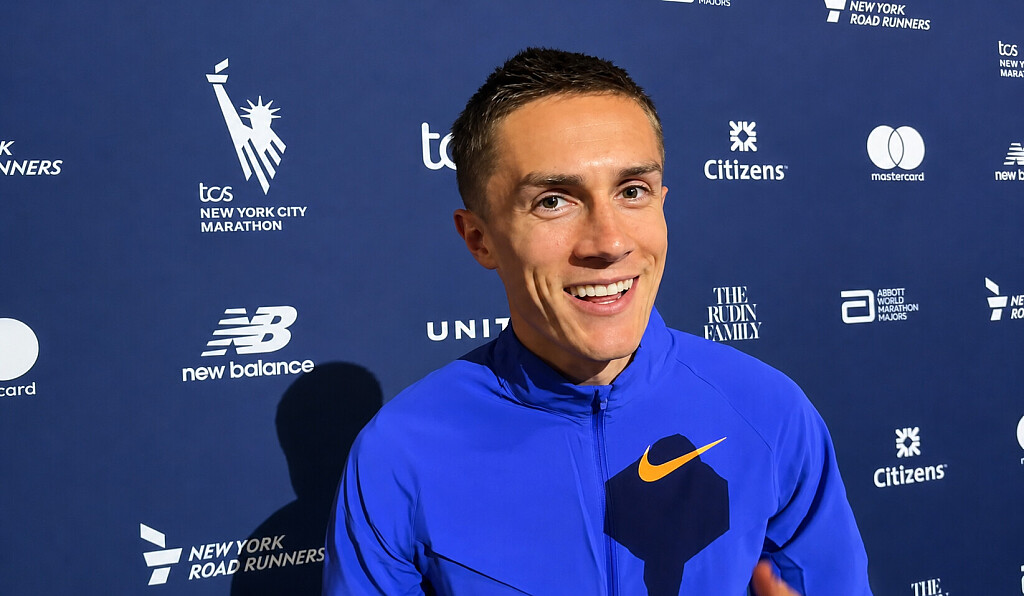


Mantz Names His New York Threats: ‘Hopefully I’m A Little Ahead Of Talbi’

Conner Mantz heads into Sunday’s TCS New York City Marathon with a clear ambition: to be right there with the leading pack when the race reaches its decisive stages.
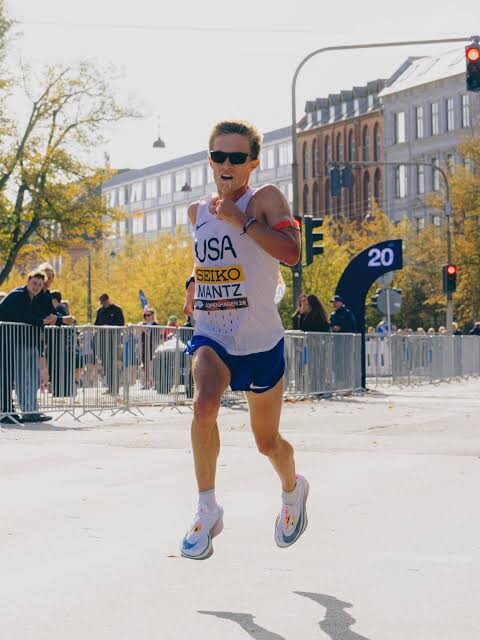
The 29-year-old American is not simply hoping to survive the demanding New York course. He intends to remain among the strongest contenders deep into the race, and he already has a few names in mind when it comes to the athletes he expects to be alongside him.
One of them is Benson Kipruto, the reigning New York City Marathon champion and one of the most consistent marathoners in the world.
“Benson will be there,” Mantz said. “I feel like he’s always there.”
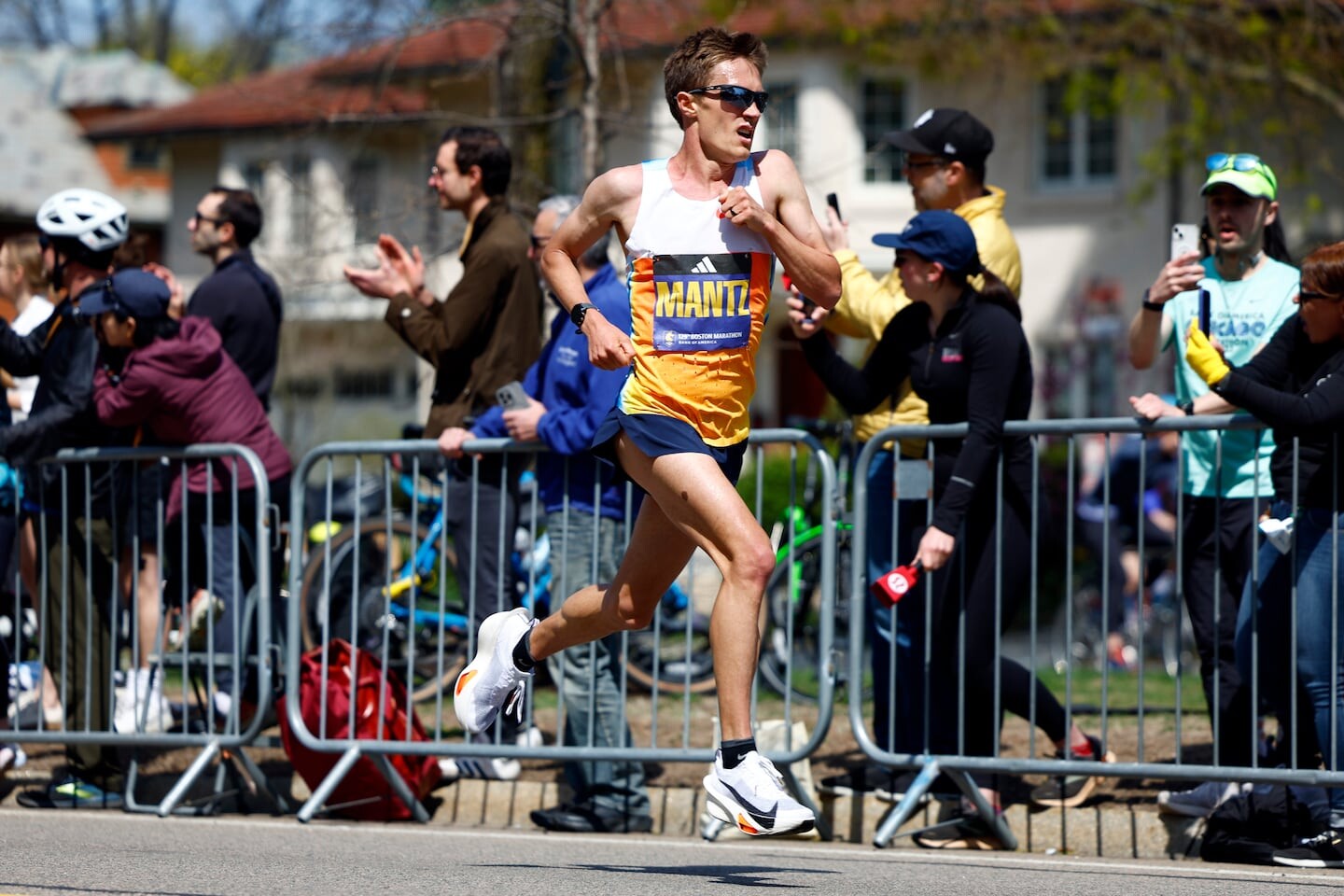
It is difficult to argue with that assessment. Kipruto has repeatedly demonstrated his ability to remain competitive deep into major marathons, making him one of the runners Mantz expects to see when the race begins to take shape.
Mantz also singled out Andreas Almgren, who will make his highly anticipated marathon debut in New York.
“It’s hard to bet against Almgren,” Mantz said, highlighting the Swedish star’s extraordinary range and strength as he steps up to the 42.195-kilometre distance for the first time.
Another athlete on Mantz’s radar is Ethiopia’s Deresa Geleta, who has already established himself as a formidable force over the marathon distance.
“I imagine Deresa will be there,” Mantz added.
But the most intriguing matchup could involve another American: Zouhair Talbi.
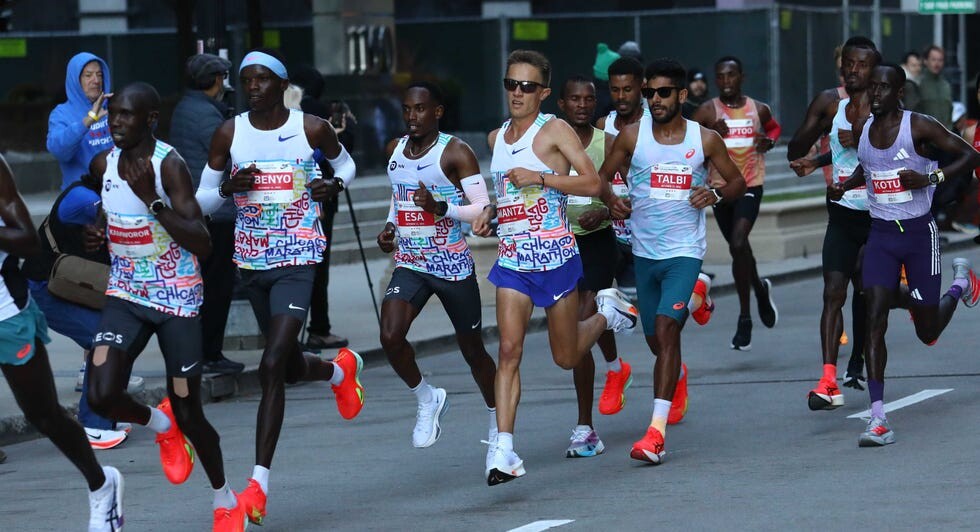
Talbi arrives in New York with impressive credentials of his own. He was the top American at the Boston Marathon and has established himself as one of the fastest marathoners in U.S. history. Mantz, however, is hoping that when the race reaches its closing stages, he will once again have the edge over his compatriot.
“Hopefully I’m a little ahead of him at that point,” Mantz said.
There is already some history between the two Americans. In their previous race together, Mantz and Talbi remained locked together until roughly 600 metres from the finish, when the battle was finally decided. New York could provide another chapter in that developing rivalry, only this time with a major marathon title at stake.
Mantz’s credentials explain why he believes he belongs in the lead-pack conversation. He has already finished inside the top eight at an Olympic Games, won two national titles and recorded five top-eight finishes at major marathons. He has also represented the United States at the World Road Running Championships, giving him valuable experience on some of the biggest stages in the sport.
His marathon progression has been particularly impressive. On October 12, 2025, Mantz clocked 2:04:43 to set the American record and national record, confirming his status as one of the fastest marathoners the United States has ever produced. That breakthrough transformed him from a promising distance runner into a genuine contender on the global marathon stage.
His versatility extends well beyond the marathon, too. Mantz is ranked among the world’s leading athletes in the 10,000 metres and road running, while also sitting inside the global top 60 for the marathon. His combination of speed, endurance and championship experience makes him a dangerous competitor on a course as unpredictable and demanding as New York.
And that is precisely why Mantz is not looking merely to be part of the field on Sunday. He wants to be part of the race.
If his prediction proves correct, Mantz could find himself surrounded by Kipruto, Almgren, Geleta and Talbi as the marathon enters its most critical miles. From there, patience, positioning and the ability to handle the brutal closing stages of New York could determine who remains standing in the fight for victory.
For Mantz, the message is clear: he does not intend to wait for the race to come to him. He plans to be there when the battle begins.
by Erick Cheruiyot for My Best Runs.
Login to leave a comment

TCS New York City Marathon
The first New York City Marathon, organized in 1970 by Fred Lebow and Vince Chiappetta, was held entirely in Central Park. Of 127 entrants, only 55 men finished; the sole female entrant dropped out due to illness. Winners were given inexpensive wristwatches and recycled baseball and bowling trophies. The entry fee was $1 and the total event budget...
more...Latest Running News
Kipchoge’s Simple Marathon Wisdom for Almgren Before His New York Debut
Sometimes, the most powerful marathon advice is simply to stop watching the clock and start living the race.
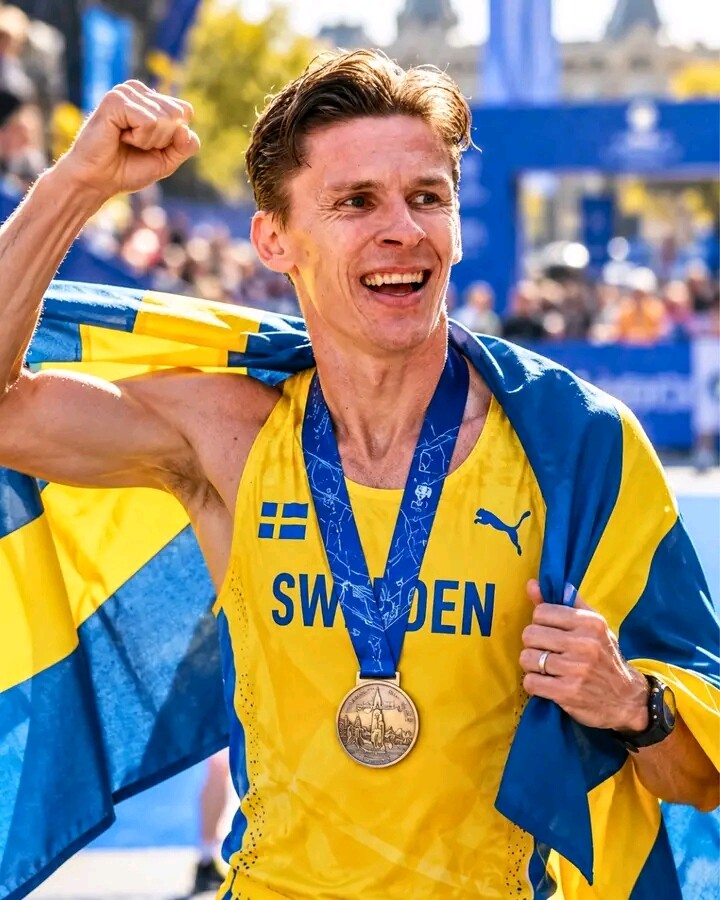
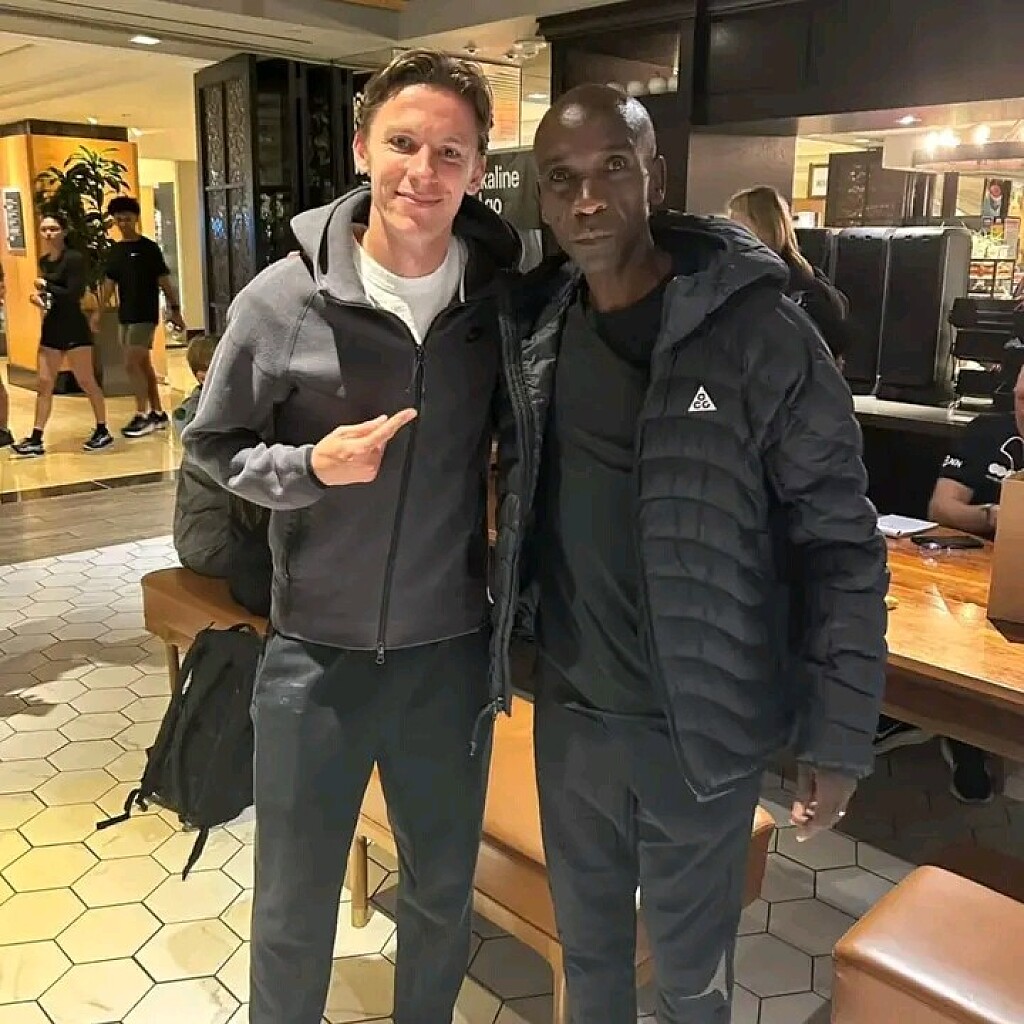
That was the message Eliud Kipchoge shared with Sweden’s Andreas Almgren in New York as the highly anticipated debutant prepares to take on his first marathon at the 2026 TCS New York City Marathon.
With the biggest road race of Almgren’s career just hours away, the Swedish star had the opportunity to speak with one of the greatest marathoners the world has ever produced.
Almgren later shared a glimpse of their meeting on social media, writing: “Getting some last-minute advice from the man himself!”
Kipchoge’s advice was remarkably simple.
“Don’t see the watch, don’t see the kilometers. Just aim at going and going through the finishing line.”
For a marathon debutant, those words carry enormous weight.
Rather than becoming consumed by splits, pace targets or the distance still remaining, Kipchoge encouraged Almgren to focus on the fundamental task: keep moving forward and make it to the finish line.
It is a philosophy that perfectly reflects Kipchoge’s own approach to marathon running. Throughout his extraordinary career, the Kenyan legend has repeatedly emphasized patience, discipline, mental strength and the importance of enjoying the process.
Now, Almgren faces a completely different challenge.
The 29-year-old Swede has established himself as one of Europe’s leading distance runners on the track and road, producing standout performances over 5,000m, 10,000m and longer distances. But the marathon represents an entirely new test — one that demands not only speed, but patience, endurance and the ability to manage the physical and mental demands of 42.195 kilometers.
And there may be no better mentor for that transition than Kipchoge.
The marathon icon has built a career around mastering the very distance Almgren is about to discover for himself. From Olympic triumphs to world records and historic performances, Kipchoge has turned marathon running into an art form.
Yet his advice to Almgren was not complicated.
Forget the watch.
Forget the kilometers.
Keep going.
For Almgren, those words could become more valuable as the race unfolds through the streets of New York.
His marathon journey begins with a lesson from a legend — and perhaps the greatest lesson of all is that the marathon is not simply about chasing a number on a watch. It is about embracing the challenge, trusting the preparation and finding the strength to keep moving toward the finish.
Today, Almgren will finally discover what 42.195 kilometers feels like.
And he will do so carrying a little wisdom from the Marathon King.
by Erick Cheruiyot for My Best Runs.
Login to leave a comment
Habtom Samuel and Rachael Rudel Rule New York With Abbott 5K Victories
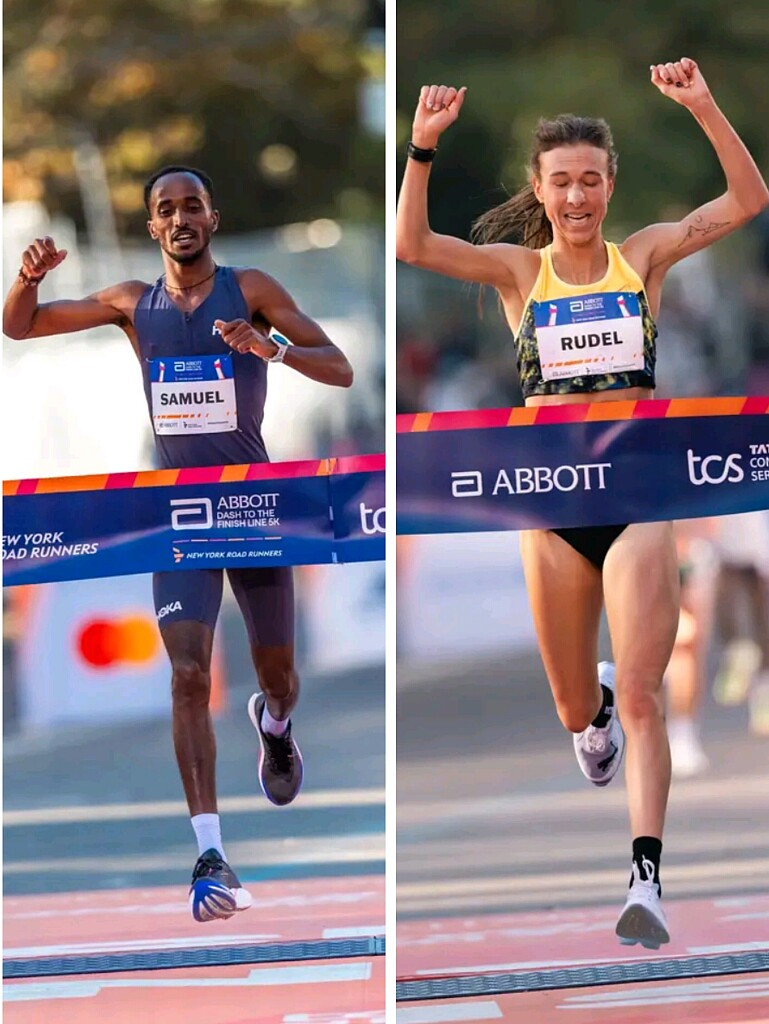
NEW YORK — The streets of the Big Apple produced two compelling champions on Saturday as Habtom Samuel and Rachael Rudel captured the men’s and women’s titles at the 2026 Abbott Dash to the Finish Line 5K, delivering standout performances during New York City Marathon weekend.
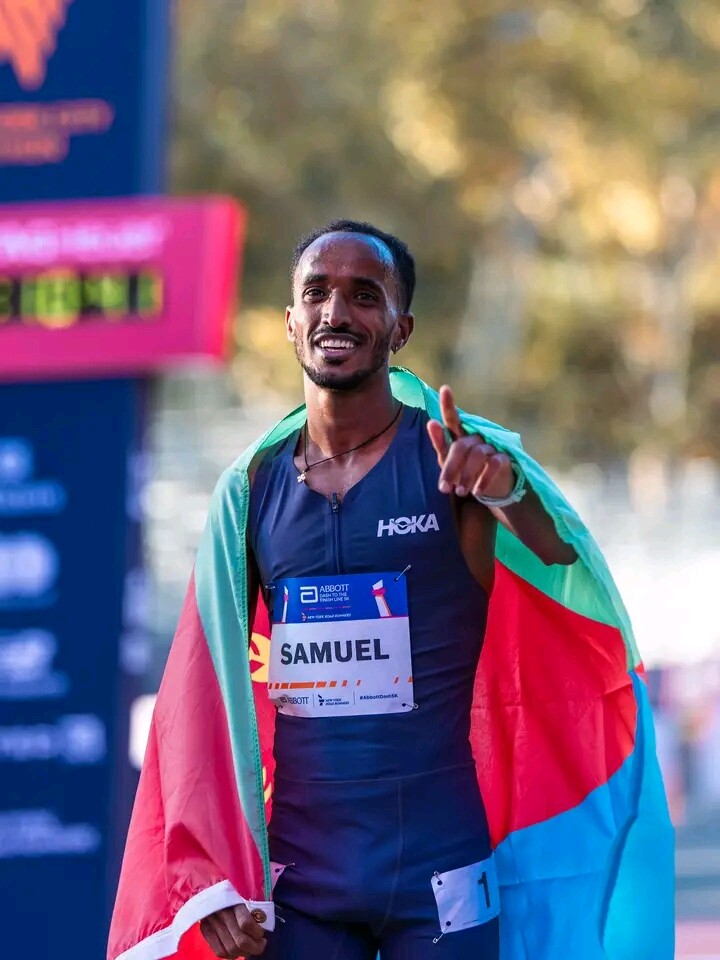
Samuel, representing Eritrea, produced the headline performance in the men's race, storming to victory in 13:31 after making a decisive move with roughly one kilometre remaining. As the course climbed toward the finish, Samuel surged away from the field and created the separation he needed to secure an impressive victory.
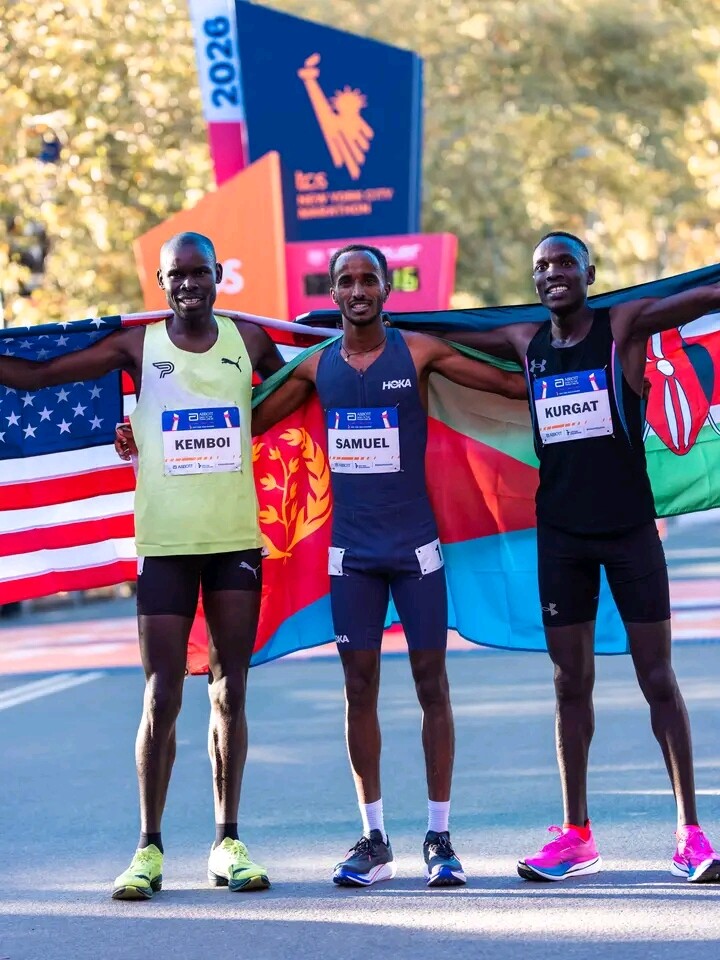
Edwin Kurgat of Kenya finished second in 13:38, while American Amon Kemboi took third in 13:40. Australia's Jackson Sharp was fourth in 13:41, followed by fellow Australian Morgan McDonald in 13:46.
For Samuel, the victory arrived at an important moment in his career. Earlier this week, he announced his signing with HOKA as a professional athlete, and he immediately backed that major career development with a statement performance on one of the biggest weekends on the American road-running calendar.
His decisive late attack demonstrated not only his speed but also his tactical confidence. Rather than waiting for a sprint to the finish, Samuel chose the moment to strike, pushing hard over the final kilometre and forcing his rivals to chase.
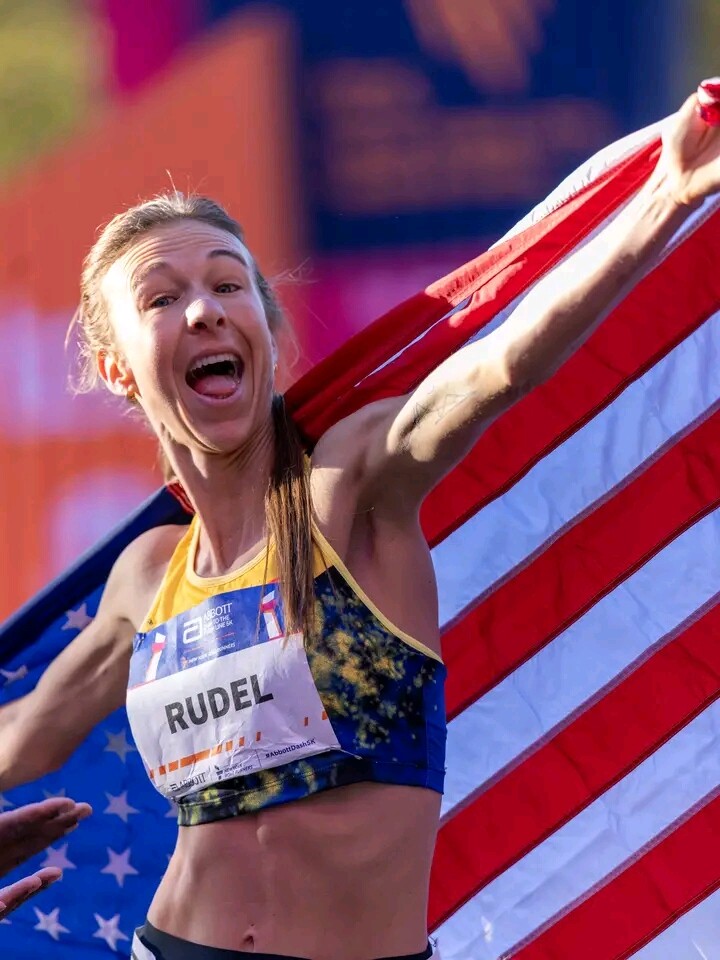
The women's race delivered an equally impressive performance, with Rachael Rudel claiming the title in 15:35. The American gradually worked her way clear of the field and then slowly opened the gap on fellow American Josette Andrews during the closing stages.
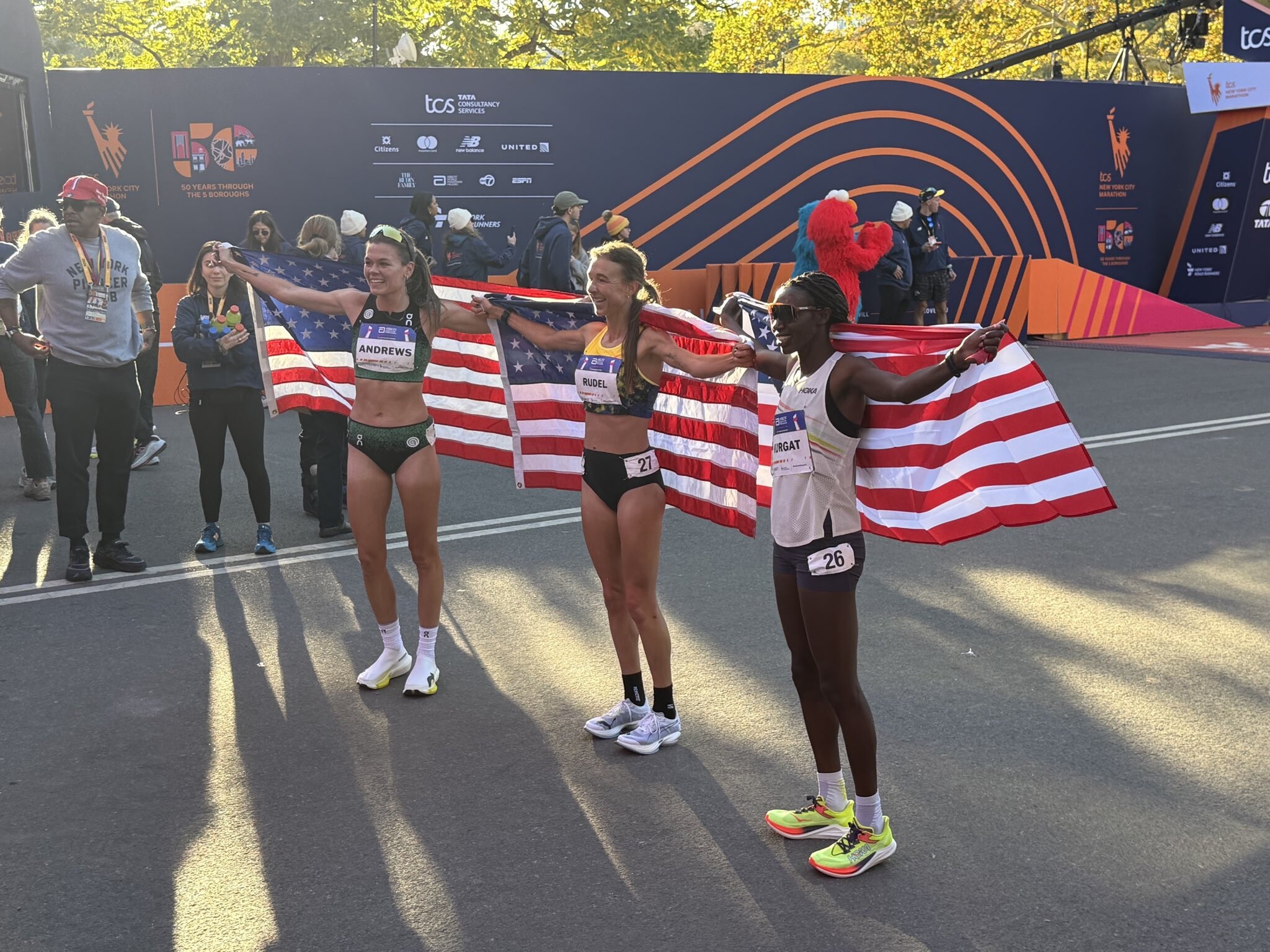
Andrews finished second in 15:41, while Edna Kurgat secured third in 15:42, giving the United States a sweep of the women's podium. Rudel's winning time was also a personal best, adding another milestone to an already impressive season.
Rudel's victory was far from an isolated success. The American arrived in New York carrying considerable momentum after recently winning the B.A.A. 10K and the USATF 20K Championships. Her Abbott 5K victory therefore extends a remarkable run of form and further establishes her as one of the most consistent American road racers of the season.
The way Rudel won was particularly telling. Rather than producing one explosive attack, she patiently created separation from the field before gradually pulling away from Andrews late in the race. That combination of patience, strength and finishing speed proved decisive as she crossed the line in 15:35, six seconds clear of Andrews.
Together, the men's and women's races produced a memorable double victory for two athletes arriving at very different but equally exciting points in their careers. Samuel used New York to announce the beginning of his new professional chapter, while Rudel continued a remarkable streak of success against strong domestic competition.
The international flavour of the event was also reflected throughout the results. Samuel led the men's field ahead of Kenyan Edwin Kurgat and American Amon Kemboi, while Rudel, Andrews and Edna Kurgat dominated the women's podium.
With New York once again transformed into the centre of the running world, the Abbott Dash to the Finish Line 5K provided its own share of drama before the marathon even took centre stage.
For Samuel, it was a powerful declaration that his new professional chapter has begun in style. For Rudel, it was another victory to add to a rapidly growing list of achievements.
Two races. Two champions. One unforgettable New York weekend.
by Erick Cheruiyot for My Best Runs.
Login to leave a comment

Dash to the Finish Line
Be a part of the world-famous TCS New York City Marathon excitement, run through the streets of Manhattan, and finish at the famed Marathon finish line in Central Park—without running 26.2 miles! On TCS New York City Marathon Saturday, our NYRR Dash to the Finish Line 5K (3.1 miles) will take place for all runners who want to join in...
more...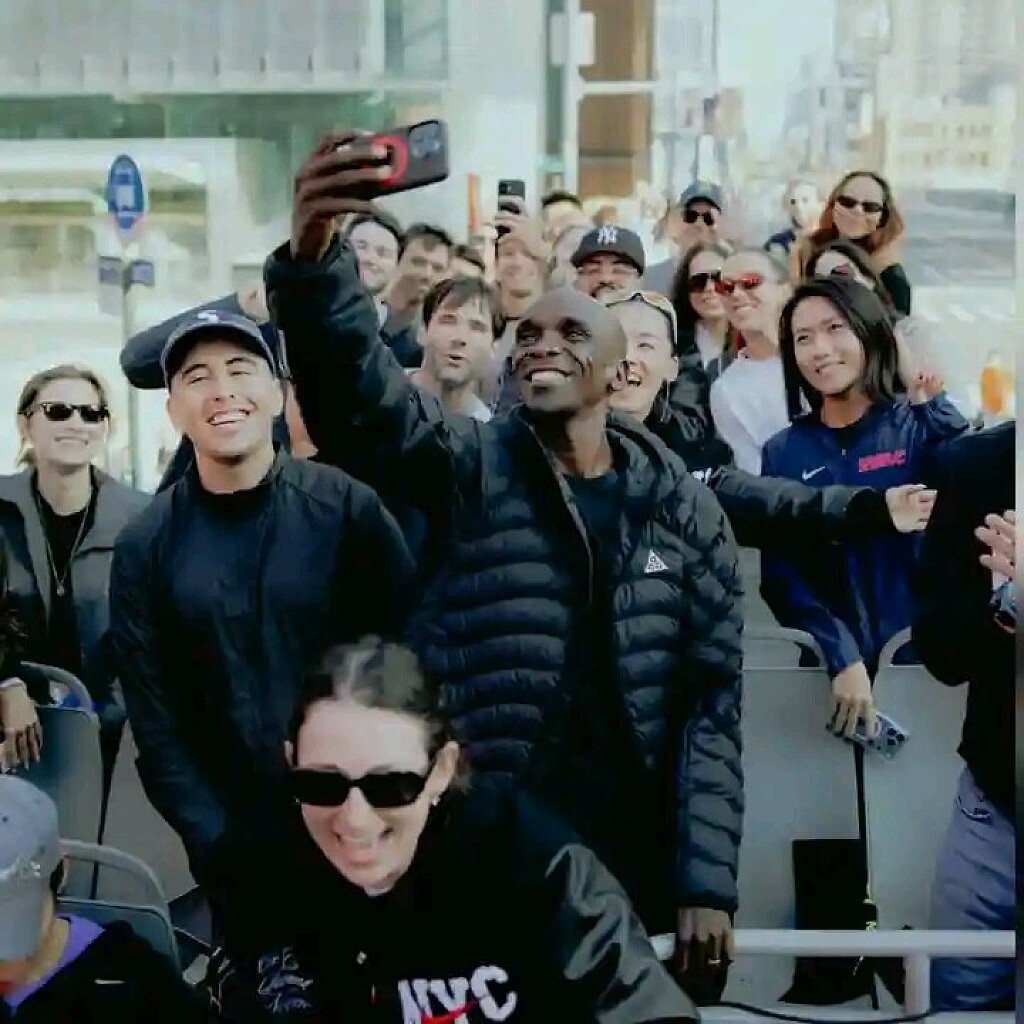
Eliud Kipchoge Returns to New York — This Time to Inspire, Not Race
Eliud Kipchoge is back in New York City, but this time the legendary Kenyan marathoner will experience the TCS New York City Marathon from a very different perspective.

Rather than lining up among the elite contenders for Sunday’s 2026 race, Kipchoge has returned to the Big Apple in an ambassadorial role, reconnecting with runners, fans and the wider running community ahead of one of the world’s most celebrated marathons.
The two-time Olympic marathon champion has already been soaking up the energy of race week, embracing the city and taking part in activities designed to bring elite athletes closer to everyday runners. Among the highlights has been his appearance around Nike’s Volt Bus Tour, which has been moving through New York during marathon week and connecting runners with the sport’s community.
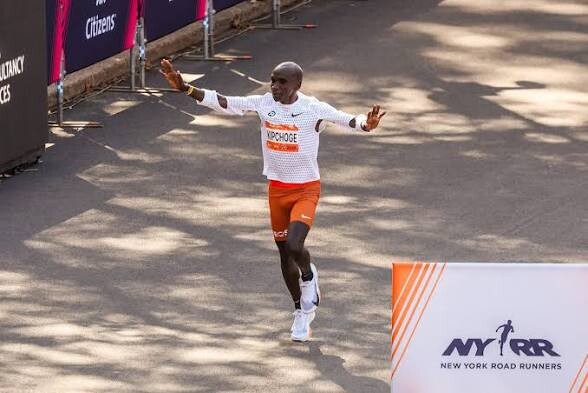
His return inevitably brings memories of November 2, 2025, when Kipchoge finally made his long-awaited New York City Marathon debut. The race represented the last missing piece in his Abbott World Marathon Majors journey, and although he finished 17th in 2:14:36, the significance of the day went far beyond his finishing position.
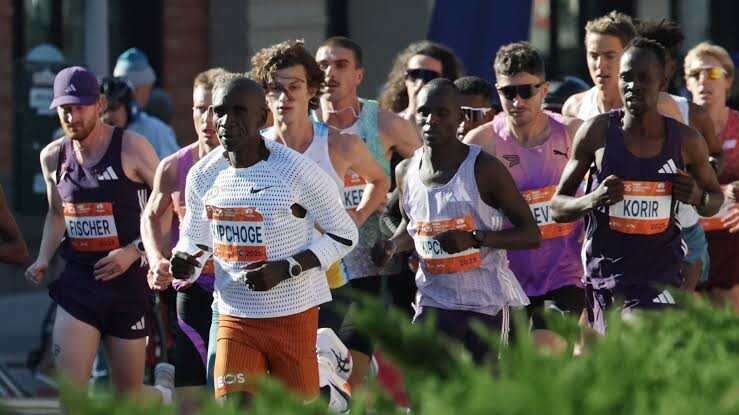
For Kipchoge, New York was never simply another marathon. It was the final major he needed to complete his Six-Star journey, adding another remarkable chapter to a career already filled with Olympic triumphs, world records, major victories and historic breakthroughs.
Now, one year later, his role has changed. He is no longer preparing his body to conquer the five boroughs; instead, he is using his presence to encourage the thousands of runners who will take on their own personal challenges across the streets of New York.
That transition captures something important about Kipchoge’s career. His influence is no longer measured only by medals, victories or times on the clock. Increasingly, it is reflected in the people he inspires, the communities he reaches and the generations of runners who have learned to believe that their own limits can be pushed.
From becoming one of the most decorated marathoners in history to becoming a global ambassador for running, Kipchoge continues to demonstrate that greatness can extend well beyond competition.
New York once welcomed him as a marathon contender. Now, it welcomes him as a symbol of what the sport can become when excellence, humility and inspiration come together.
The race may go on without him on Sunday, but Eliud Kipchoge’s presence will still be felt throughout the Big Apple.
A champion on the starting line, an inspiration beyond it — and a legend whose influence continues to run far beyond the finish line.
by Erick Cheruiyot for My Best Runs.
Login to leave a comment

Nearly 200 Pounds Gone, 26.2 Miles Ahead: Staten Island Runner Takes His Transformation Home
For one Staten Island runner, the 2026 TCS New York City Marathon is about far more than completing 26.2 miles.

It is the latest chapter in a remarkable personal transformation that has seen him lose nearly 200 pounds and discover a completely different relationship with his body, his health and running.
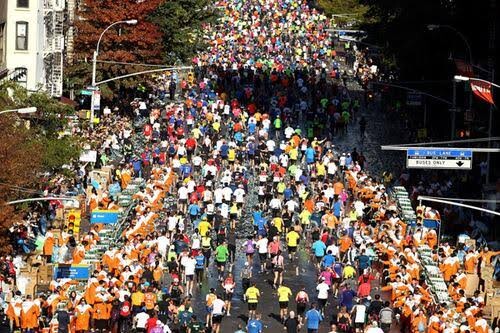
On November 1, he will line up among roughly 50,000 runners at Fort Wadsworth, beneath the Verrazzano-Narrows Bridge, waiting for the signal that will send the world's largest marathon field into the streets of New York.
For most competitors, Staten Island is simply where their marathon journey begins.
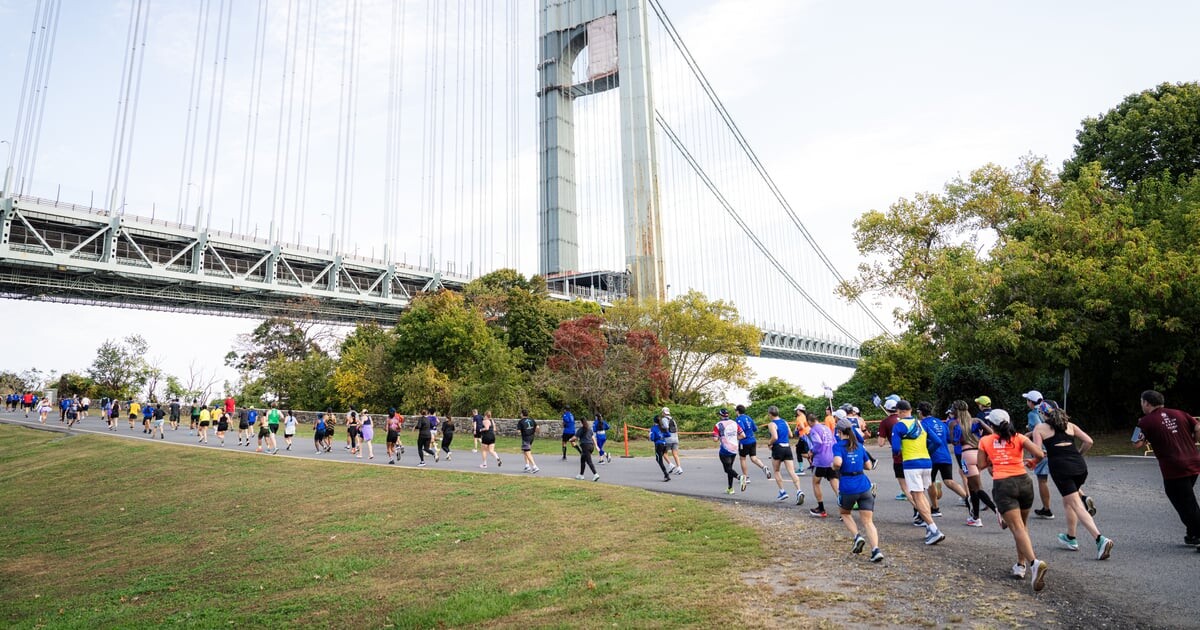
For him, it is home.
That makes those opening miles especially meaningful.
The New York City Marathon has started on Staten Island at the foot of the Verrazzano-Narrows Bridge since 1976, sending runners across the bridge before carrying them through Brooklyn, Queens, the Bronx and Manhattan toward the finish in Central Park.
This year, one hometown runner will make that journey carrying a story that began long before he ever dreamed of standing on the marathon start line.
Not long ago, he was carrying nearly 200 pounds more on his body.
Now, he is preparing to carry himself 26.2 miles through New York City.
The photographs tell part of the story.
In one earlier image, he appears in a blue Giants shirt, smiling at a tailgate. In a later photograph, the transformation is unmistakable: a much leaner runner wearing a racing singlet and bib, pushing through the rain during a tune-up race.
The difference is striking, but the real story is everything that happened between those two photographs.
Losing nearly 200 pounds is not simply about changing appearance. It can mean relearning how to move, rebuilding confidence and discovering physical possibilities that once seemed out of reach.
For someone who has spent years carrying substantial additional weight, everyday movement can itself become a demanding physical task. Walking, climbing stairs and simply staying active can require considerably more effort.
As weight comes off, however, the equation begins to change.
Movement becomes easier. Exercise becomes more accessible. And for some people, activities that once seemed impossible — including long-distance running — gradually become realistic goals.
That journey can be challenging, particularly when the goal eventually becomes a marathon.
The body still has to adapt to thousands upon thousands of running strides, while training must be increased carefully enough to allow the muscles, tendons, bones and cardiovascular system to adjust.
The knees are often one of the biggest concerns for runners returning to exercise after major weight loss.
But the relationship between body weight and running is more complicated than simply asking whether heavier runners should run. Training history, strength, biomechanics, injury history and how quickly mileage is increased all matter.
That is why a marathon transformation is not created in a single dramatic moment.
It is built through hundreds of ordinary decisions — one workout, one walk, one healthier choice and one difficult training day at a time.
And now, after making that transformation, this Staten Island resident is preparing to stand on one of the most recognizable marathon starting lines in the world.
There will be elite athletes chasing victory.
There will be experienced marathoners pursuing personal records.
There will be first-time marathoners simply hoping to reach Central Park.
And among them will be a hometown runner whose greatest race began long before November 1.
His marathon will be measured in miles, minutes and seconds, but those numbers will never tell the whole story.
The most important distance he has already covered is the one between who he was and who he has become.
On marathon morning, Staten Island will once again send thousands of runners toward the Verrazzano-Narrows Bridge.
For this runner, however, the journey will carry an especially powerful meaning.
He is not just running away from where his transformation began.
He is running from home — toward the finish line, toward a new personal milestone and toward the remarkable possibility of becoming a marathoner.
Nearly 200 pounds lighter.
Twenty-six-point-two miles ahead.
And one unforgettable New York City Marathon waiting to be conquered.
by Erick Cheruiyot for My Best Runs.
Login to leave a comment

Mary Kitlowski’s 26.2-Mile Triumph: Finishing New York With Just 34% Lung Capacity
For most marathon runners, completing 26.2 miles is a test of endurance, preparation and mental strength. For Mary Kitlowski, it was something far greater — a battle against the limitations imposed by a rare and progressive lung disease.
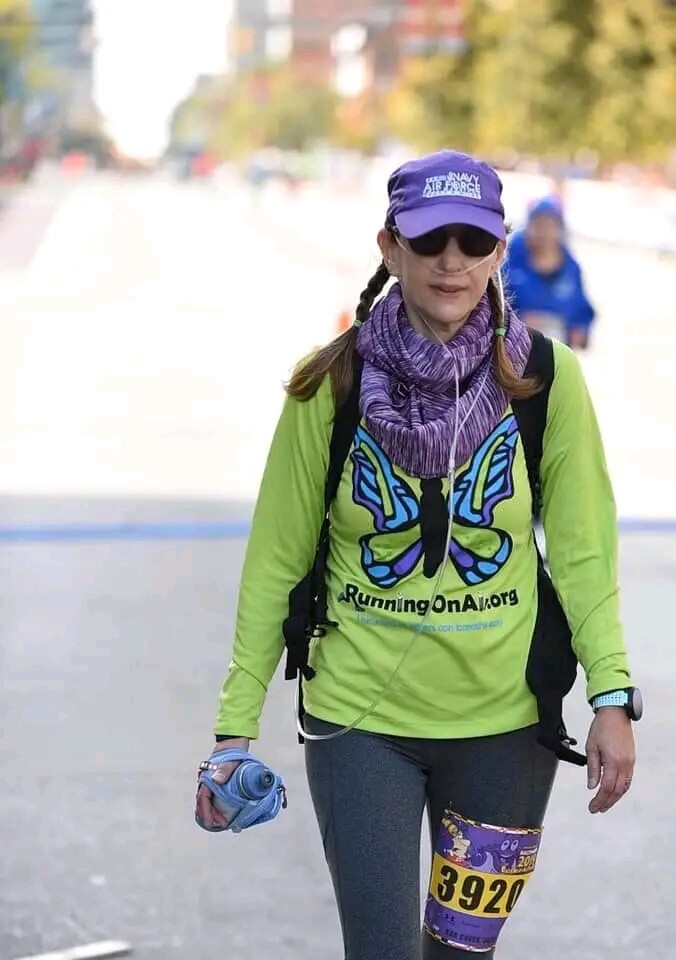
In 2019, Kitlowski finally crossed the finish line of the New York City Marathon after years of determination and preparation. What made the achievement extraordinary was not simply the distance she covered, but the circumstances under which she covered it: Mary was living with primary ciliary dyskinesia (PCD), a rare genetic disorder that had caused significant lung damage, and she required supplemental oxygen during exertion. At the time, reports stated that she had only about 34 percent lung capacity.
Her journey to New York had already included heartbreak.
Two years earlier, in 2017, Mary had attempted the marathon for the first time. But an infection had left her struggling before race day, and she was ultimately forced to stop at mile 18 — just over eight miles from the finish. Rather than allowing that experience to define her, she returned to training with an even greater determination to complete what she had started.
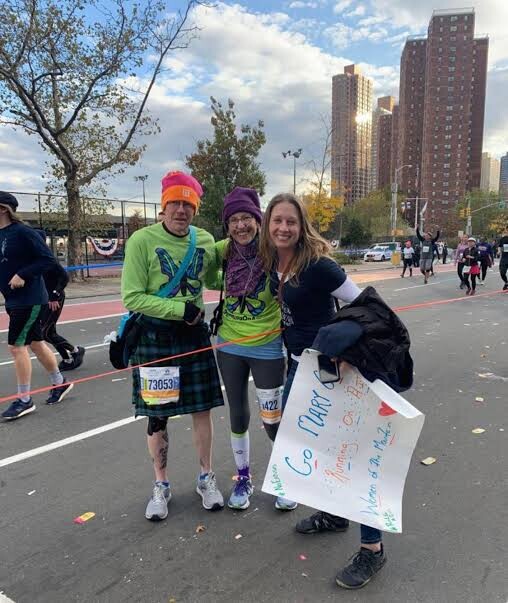
The challenge was unlike that faced by most marathoners.
Mary competed with a portable oxygen concentrator strapped to her, carrying equipment that helped her breathe during exertion. The device weighed around six pounds, while additional batteries were needed because its power would not last throughout the entire marathon. Her husband, Ed, stayed alongside her and carried the extra batteries as they made their way through New York’s five boroughs.
And this was never simply about completing a race.
Mary had become an advocate for people living with lung disease and those who depend on supplemental oxygen. Through her Running On Air initiative, she sought to challenge the perception that needing oxygen should prevent someone from being active, pursuing goals or living an ambitious life. Her marathon became another powerful platform for that message.
On November 3, 2019, after years of preparation and a previous attempt that ended at mile 18, Mary finally completed the 26.2-mile journey.
Her official finishing time was 9 hours, 50 minutes and 26 seconds. She completed the marathon as part of an effort to raise awareness for rare diseases and the National Organization for Rare Disorders, turning every step into a statement about resilience and possibility.
Mary’s achievement was never about how quickly she could reach the finish line. It was about reaching it at all.
With a portable oxygen concentrator on her back, spare batteries carried by her husband and lungs functioning at only a fraction of normal capacity, she walked and ran her way across New York — refusing to let her medical condition decide the boundaries of her life.
Her story is a reminder that sometimes the most remarkable marathon victories are not measured by medals, records or finishing positions.
Sometimes, the victory is simply refusing to stop
by Erick Cheruiyot for My Best Runs.
Login to leave a comment
