

Running News Daily
Running News Daily is edited by Bob Anderson and team. Send your news items to bob@mybestruns.com Advertising opportunities available.
Index to Daily Posts · Sign Up For Updates · Run The World Feed
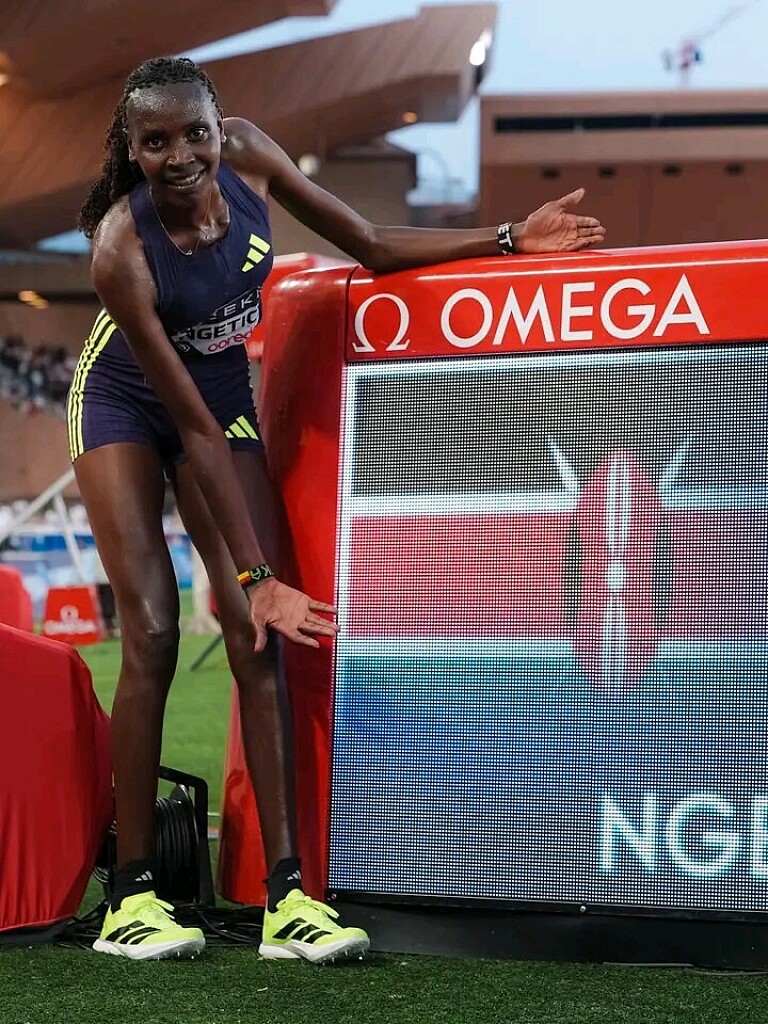


Agnes Ngetich Storms Into History as the Third-Fastest Woman Ever Over 3000m in Monaco Masterclass

Kenya's Agnes Jebet Ngetich delivered the performance of her career at the Monaco Diamond League, producing a breathtaking run that has rewritten the history books and firmly established her among the greatest women's distance runners of all time.
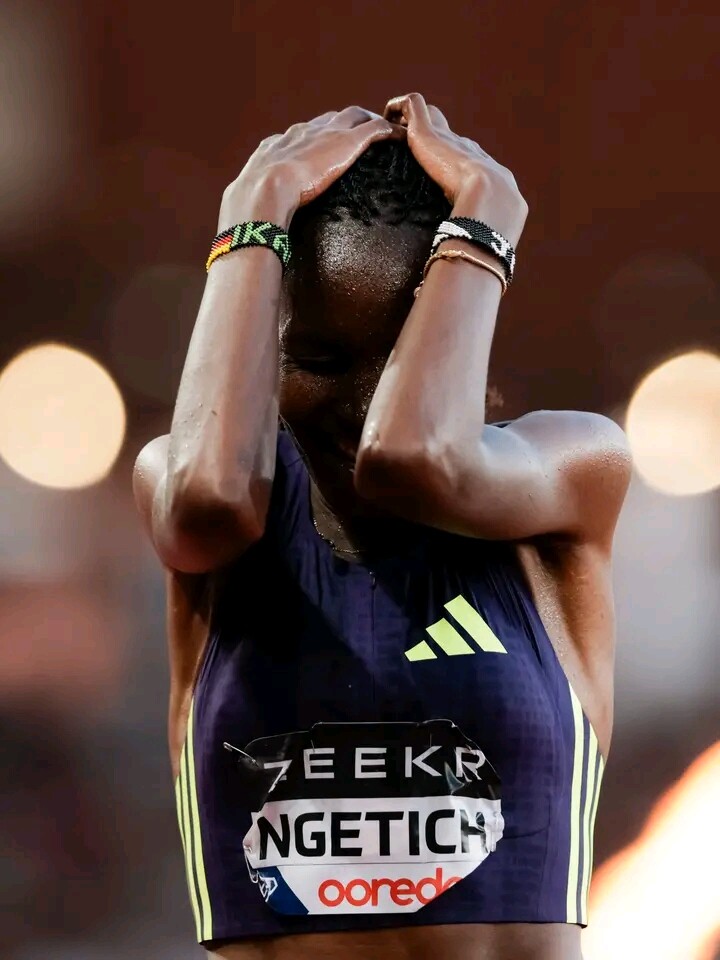
The 25-year-old clocked an astonishing 8:08.95, shattering the meeting record, setting a new personal best by more than 14 seconds, and recording the fastest women's 3000m time in the world this season. It was a sensational display that propelled her to third on the all-time world rankings, behind only China's Wang Junxia and fellow Kenyan Faith Kipyegon.
Ngetich's remarkable performance eclipsed Beatrice Chebet's 8:11.56, moving her onto the all-time podium and underlining her rapid rise as one of the sport's most formidable distance runners. Even more impressive was the fact that Monaco marked her first track race of the season, making her achievement all the more extraordinary.
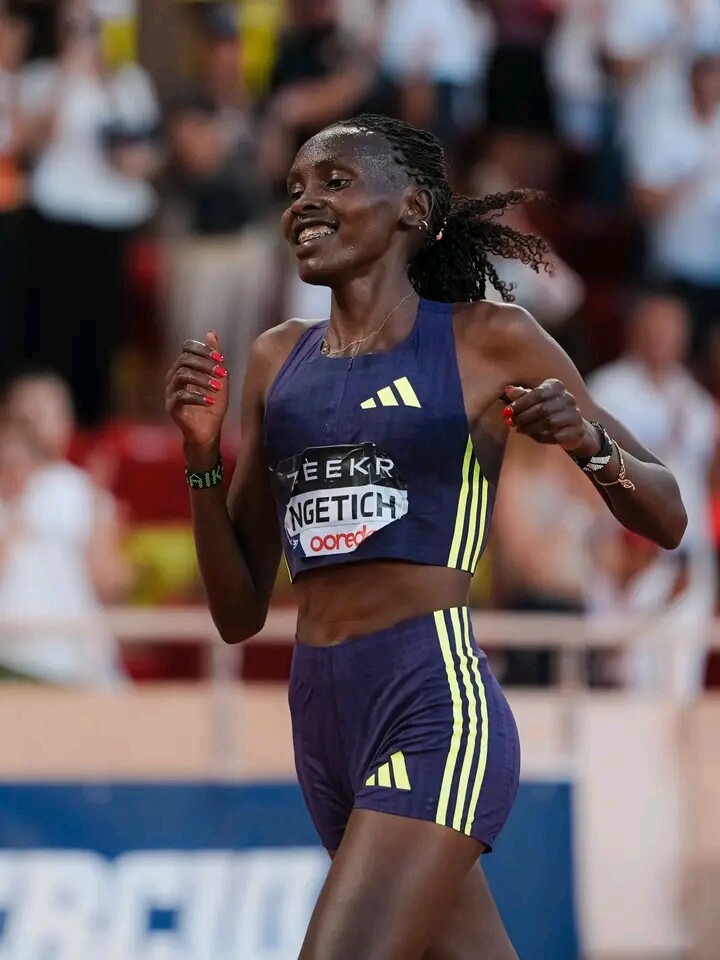
The race also highlighted Kenya's remarkable dominance in the event. For the first time in history, three Kenyan women now occupy three of the top four fastest performances ever recorded over 3000 metres—Faith Kipyegon, Agnes Ngetich, and Beatrice Chebet—cementing the nation's position as the global powerhouse in women's distance running.
Ngetich crossed the finish line alone in 8:08.95, while Ethiopia's Aleshign Baweke finished second in a personal best of 8:23.81, followed by compatriot Senayet Getachew, who also set a lifetime best of 8:24.02. Olympic champion Faith Kipyegon placed fourth in 8:24.21, her fastest performance of the season.
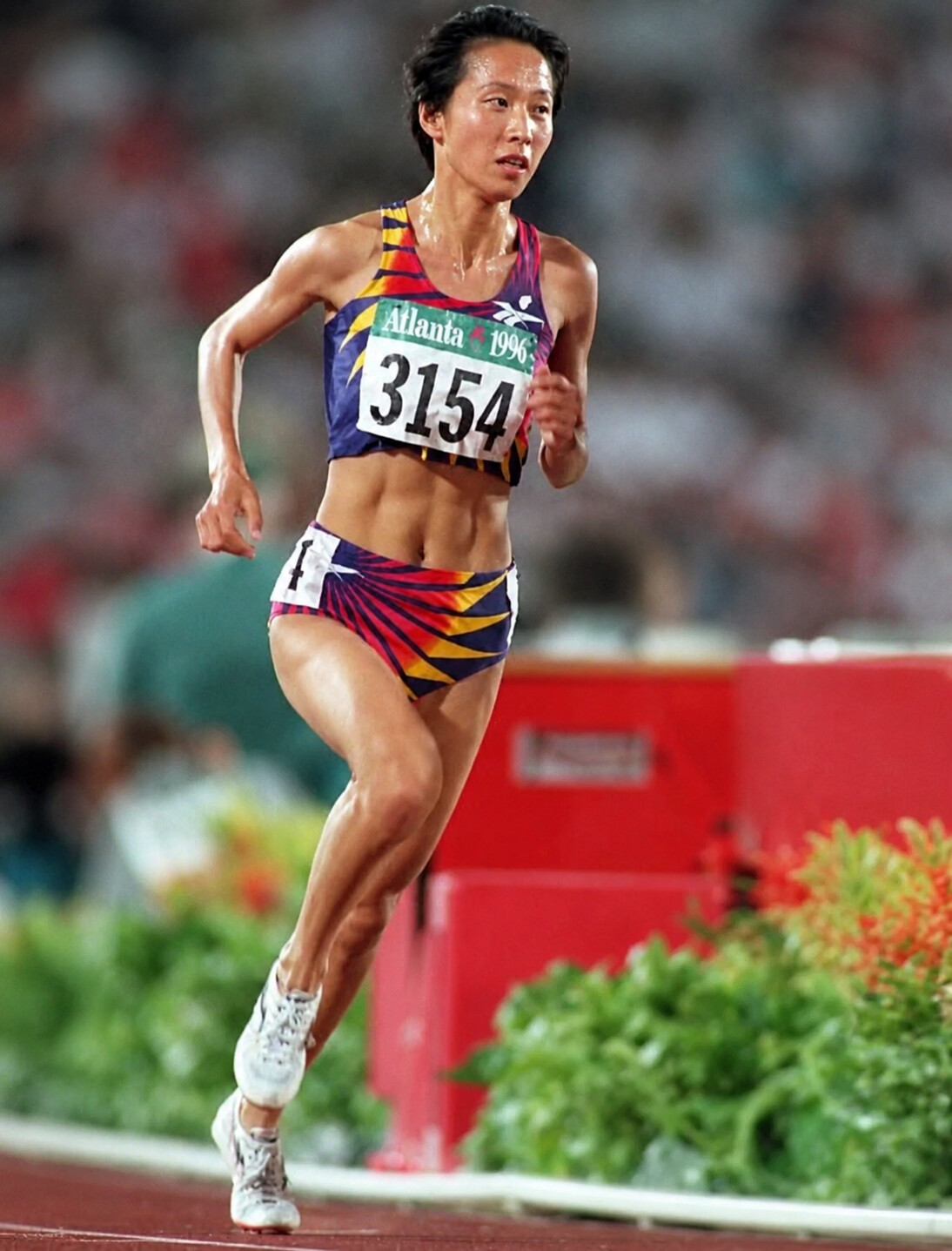
Ngetich's stunning run has also reignited one of athletics' longest-standing discussions—the pursuit of Wang Junxia's legendary world record.
Wang produced her iconic 8:06.11 in Beijing on 13 September 1993, a mark that has now stood for 33 years. It remains tdata:text/mce-internal,higgles,Wang%20Junxiahe oldest women's world record over a major distance still on the books and the final surviving global mark from an extraordinary week at the Chinese National Games.
That championship became one of the most controversial chapters in athletics history. Under coach Ma Junren, six Chinese women combined to produce 14 world-record performances across the 1500m, 3000m, and 10,000m in what became an unprecedented display of dominance. While the performances stunned the sporting world, they also sparked questions that have lingered for decades.
Since then, two of those historic world records have fallen. Ethiopia's Almaz Ayana erased the women's 10,000m record, while compatriot Genzebe Dibaba broke the 1500m world record in Monaco. Wang's 8:06.11 over 3000 metres is now the only record from that remarkable week that continues to stand.
For years, the record appeared untouchable. That perception has changed dramatically over the past 12 months.
Last August in Poland, Faith Kipyegon came within just 0.93 seconds of the record when she stormed to 8:07.04, the closest any athlete has ever come to surpassing Wang's mark. Earlier, Beatrice Chebet had produced 8:11.56 in Rabat to become one of the fastest women in history. Now, Agnes Ngetich has joined them with her sensational 8:08.95, creating an unprecedented era for women's distance running.
Kipyegon has made no secret of her ambition to attack the world record, while Chebet possesses the endurance, speed, and finishing strength to challenge it. With Ngetich now emerging as another genuine contender, the once-daunting gap has virtually disappeared. A record that remained more than ten seconds beyond reach for an entire generation is now separated from the world's best by less than a second.
Some world records survive because they are simply extraordinary. Others endure because the right challengers never arrive. Wang Junxia's 3000m record now faces relentless pressure from an exceptional generation of Kenyan athletes who have transformed the event.
If Monaco was any indication, the countdown has truly begun. After 33 years of survival, one of athletics' most iconic and debated world records has never looked more vulnerable. With Faith Kipyegon, Beatrice Chebet, and now Agnes Ngetich all closing in, the race to rewrite history may soon reach its unforgettable conclusion.
by Erick Cheruiyot for My Best Runs.
Login to leave a comment
Latest Running News

From Sprinting Into History to Running Toward Forever: Usain Bolt Gets Engaged to Kasi Bennett
Usain Bolt has added another unforgettable milestone to an extraordinary life — and this time, there was no finish line, stopwatch or Olympic medal involved.
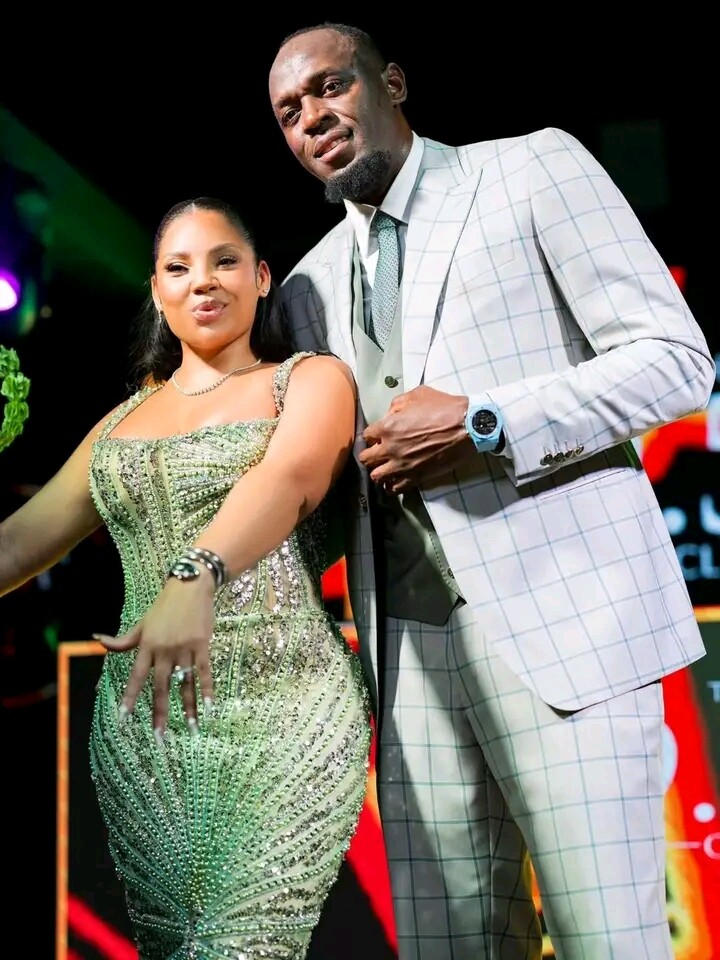
The Jamaican sprinting icon is officially engaged to his longtime partner, Kasi Bennett, after turning his 40th birthday celebration into a deeply personal and romantic moment in Kingston.

Bolt popped the question on Friday, August 21, during his birthday celebrations at One Belmont, where family and close friends gathered to mark the milestone. The eight-time Olympic champion got down on one knee in front of Bennett and asked her to become his wife, transforming an already special evening into a celebration of love and commitment.
And Bolt certainly did not arrive empty-handed.
Bennett was presented with a spectacular five-carat diamond engagement ring, with reports describing the centre stone as pear-shaped. Images from the occasion captured the emotional aftermath as the couple embraced, while Bennett later gave fans a glimpse of the unforgettable moment on social media.
The proposal marks a significant new chapter in a relationship that has lasted for more than a decade.
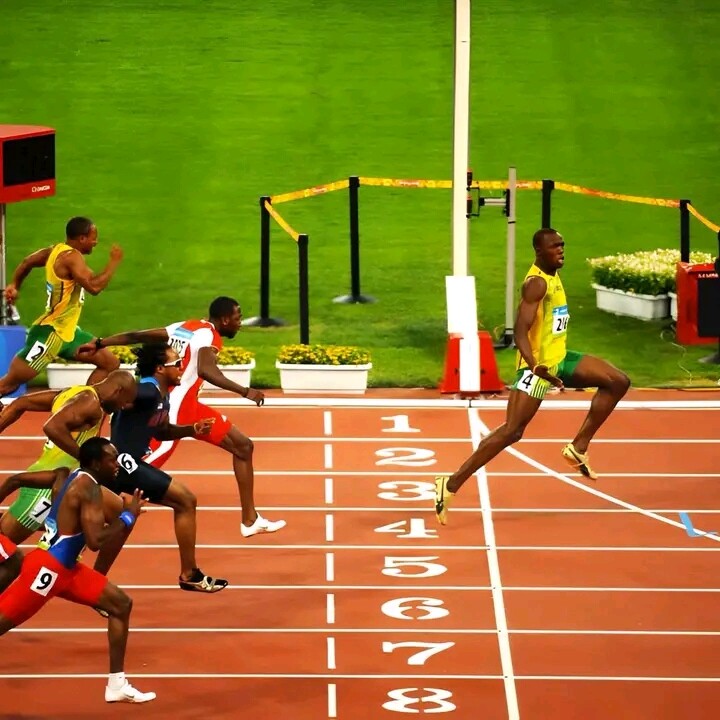
Bolt and Bennett began dating in 2013, eventually becoming one of Jamaica's most recognisable sporting couples. Their relationship became more widely known around the 2016 Rio Olympics, but much of their family life has remained away from the constant glare of the spotlight.
Together, they have built a family of their own, raising three children — daughter Olympia Lightning and twin sons Thunder and Saint Leo. Olympia was born in 2020, while the twins arrived in 2021.
Before the surprise proposal, Bennett had already marked Bolt's 40th birthday with a heartfelt tribute, celebrating not simply the global superstar known for rewriting sprinting history, but the partner and father behind the legend.
She described him as her love, her home and her forever, while expressing pride in the life they have created together.
For Bolt, whose career was defined by spectacular moments under the world's brightest lights, this may be one of his most meaningful victories yet.
He conquered the 100 metres. He dominated the 200 metres. He collected eight Olympic gold medals and established himself as one of the greatest athletes the world has ever seen.
Now, at 40, the world's most famous sprinter has made another decisive move — this time toward forever.
After 13 years together and three children, Usain Bolt and Kasi Bennett are officially taking their love story to its next chapter.
From breaking records to making memories, the fastest man in history has finally found a race he wants to take all the way to the finish.
by Erick Cheruiyot for My Best Runs.
Login to leave a comment
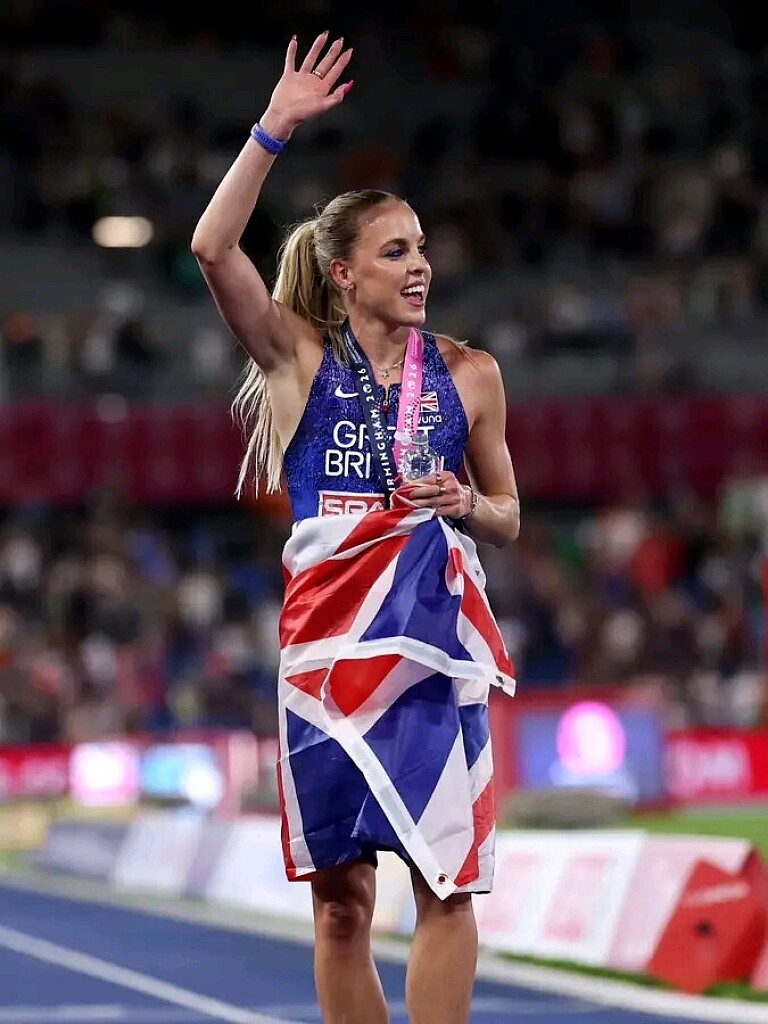
Keely Hodgkinson Withdraws From Zurich Diamond League 800m as Olympic Champion Prioritises Recovery
Olympic champion Keely Hodgkinson has withdrawn from this week’s Diamond League meeting in Zurich, where she was scheduled to headline a star-studded women’s 800m field.
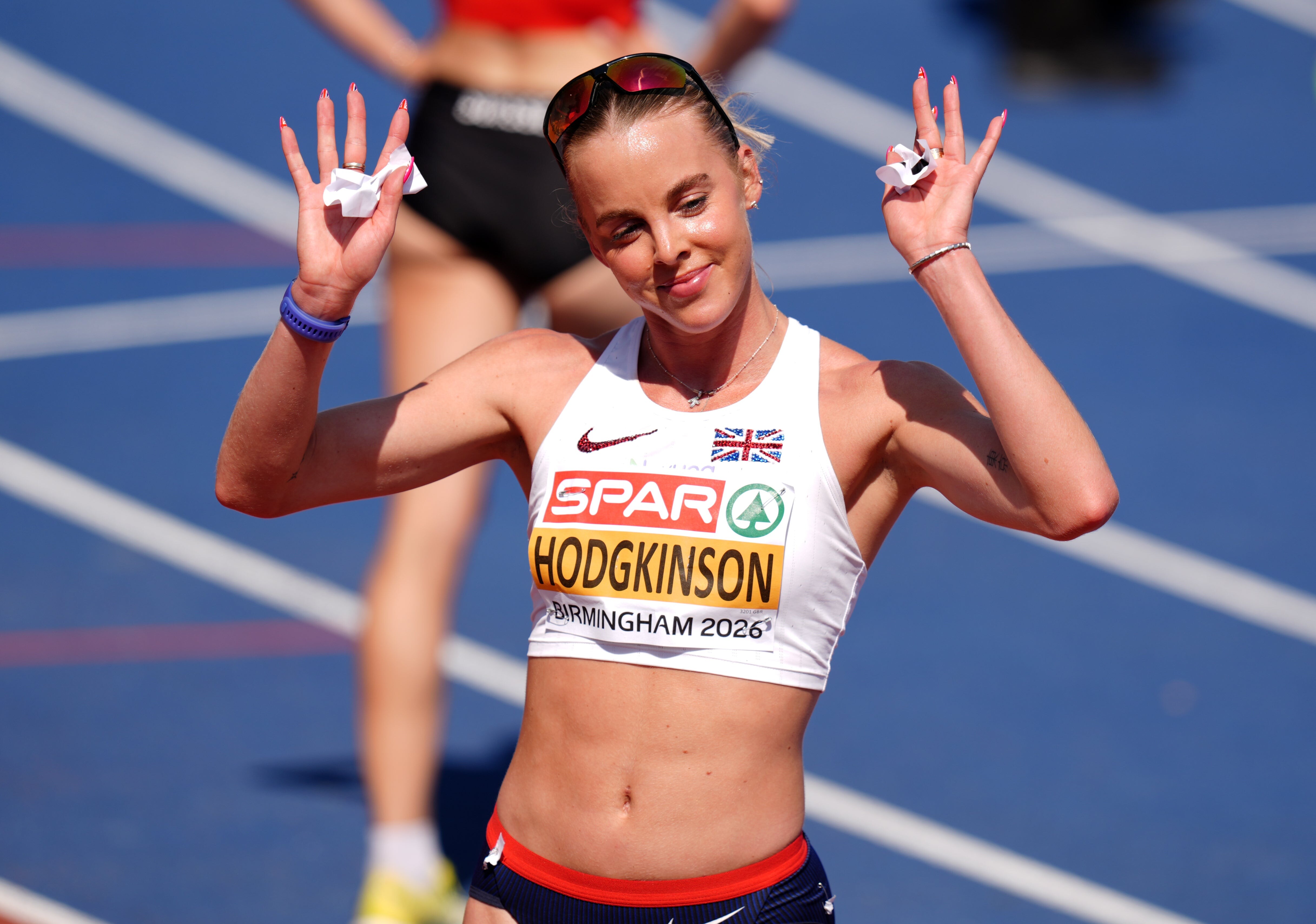
The British middle-distance star confirmed that her body is not yet ready for another race following the European Championships, prompting her and her team to make the decision to skip Thursday’s August 27 meeting and focus on a full recovery ahead of her next outing.
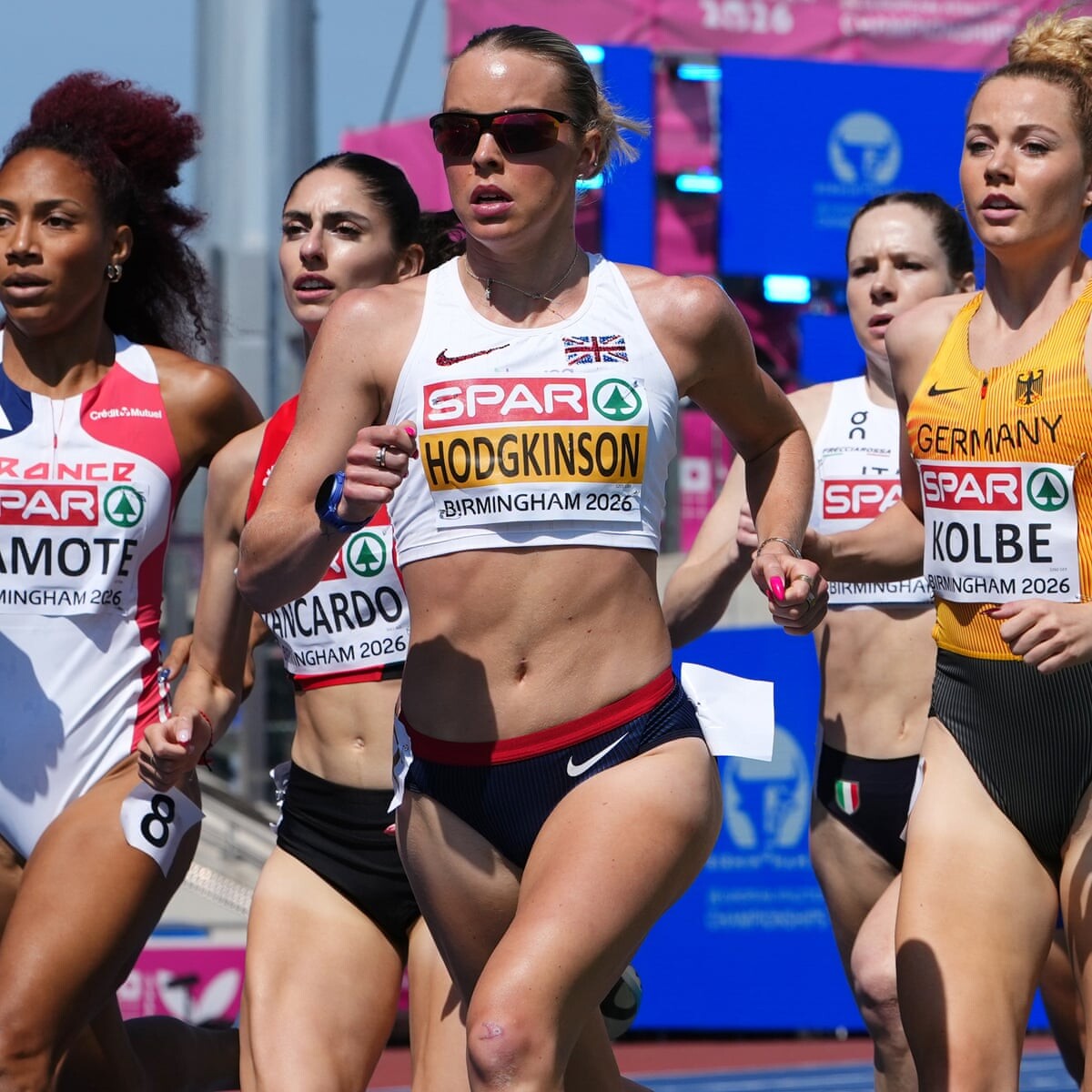
“The body isn't quite ready to race again after the European Championships, so we've made the decision to skip this race and get ready for the next one,” Hodgkinson said.
The decision comes as a disappointment for fans who had been eagerly anticipating Hodgkinson’s return to the track in Zurich, particularly because the race was set to feature a formidable line-up of international 800m talent.
Hodgkinson had been due to face unbeaten European champion Audrey Werro of Switzerland, Commonwealth champion Georgia Hunter Bell of Great Britain, reigning world champion Lilian Odira of Kenya and European bronze medallist Femke Broeders-Bol of the Netherlands.
The meeting had also promised a highly anticipated rematch between Hodgkinson and Werro following the dramatic European Championships in Birmingham, where the Swiss star produced a stunning performance to upset the field and claim the European title.
That result added even more intrigue to their scheduled Zurich showdown, with Hodgkinson expected to have another opportunity to respond on the Diamond League stage. Her withdrawal, however, means that much-awaited battle will have to wait.
Despite missing one of the season’s biggest meetings, Hodgkinson is choosing caution over a rushed return. After the physical demands of championship racing, the Olympic champion believes the right approach is to allow her body sufficient time to recover before stepping back onto the track.
“I’m sad to miss it, hopefully see you next year!” Hodgkinson added.
Her absence will undoubtedly take some of the spotlight away from the Zurich 800m, but the race remains packed with quality. Werro, Hunter Bell, Odira and Broeders-Bol will still provide a compelling contest, with each athlete carrying an impressive championship pedigree into the race.
For Hodgkinson, meanwhile, the focus now shifts away from Zurich and towards making sure she is fully prepared for her next appearance.
The Olympic champion may be missing from Thursday’s start line, but her decision reflects a bigger priority: returning to competition healthy, sharp and ready to perform at her best rather than risking a premature comeback.
And when Hodgkinson does return, the prospect of another clash with Werro—and a renewed battle among the world’s leading 800m runners—will undoubtedly be one of the most anticipated moments of the season.
by Erick Cheruiyot for My Best Runs.
Login to leave a comment
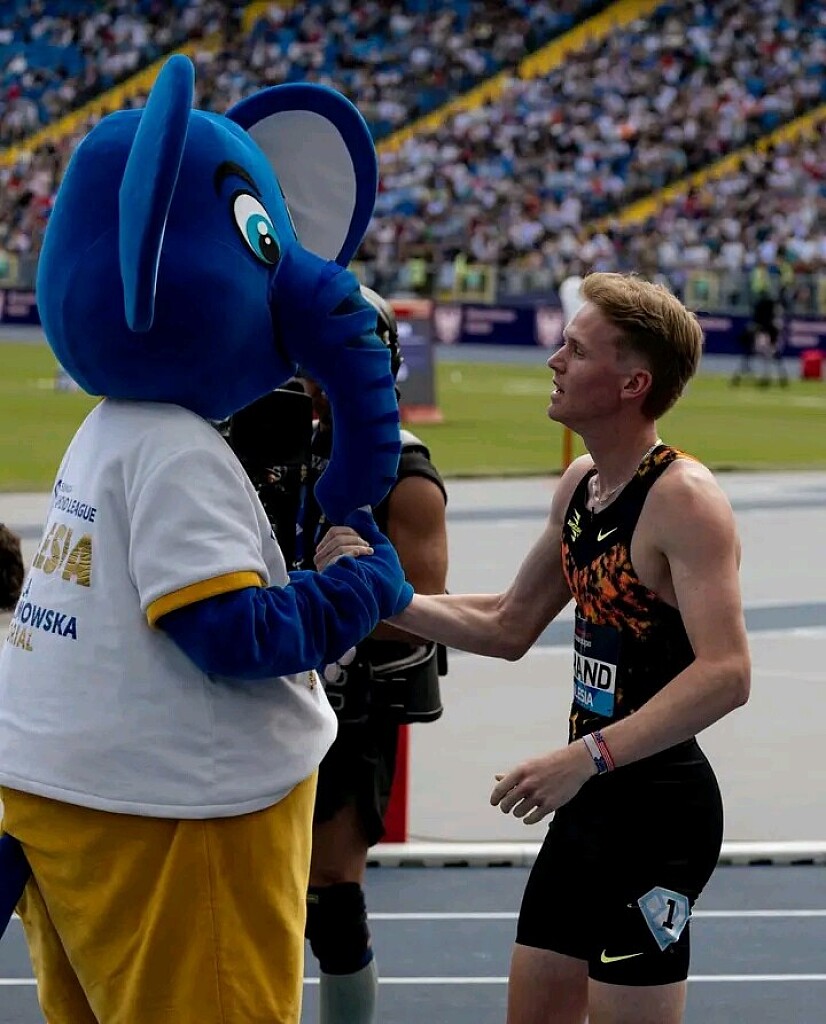
Ethan Strand’s Stunning Silesia Surge: “I Had Enough Left”
Ethan Strand delivered one of the most impressive finishes of the Silesia Diamond League meeting, producing a spectacular final lap to storm to victory in the men’s 1500m in a season-best 3:30.77.
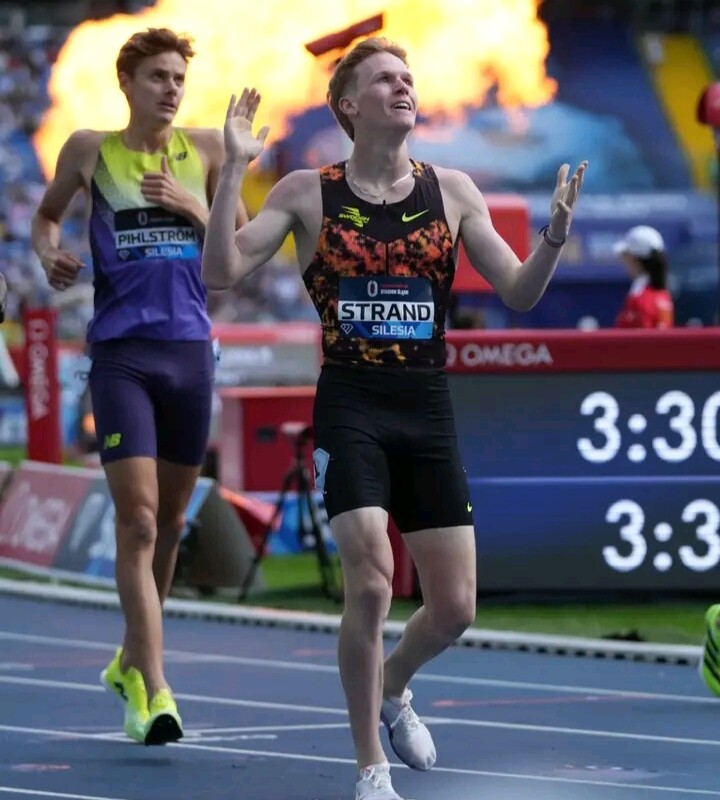
The American’s triumph was not simply about speed—it was a carefully executed comeback built on patience, belief and a powerful reserve of energy saved for the closing stages.
Strand admitted afterwards that he had found himself well back in the field during the race, but remained confident that he had enough left to make his move.
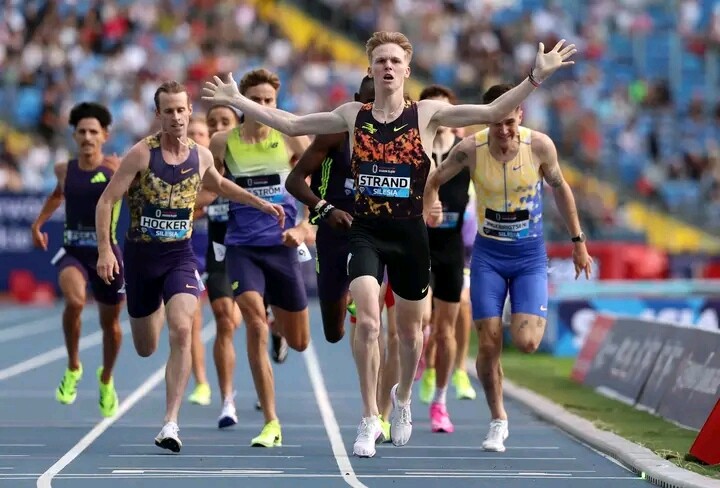
“I was pretty far back and had a lot left, and I had to do a lot of work up through the third lap, and I had enough left,” Strand said after his winning performance.
That reserve proved decisive.
As the race entered its final lap, Strand began to close the gap with increasing urgency. He continued to pick off his rivals before unleashing his biggest acceleration down the home straight, powering away from the chasing pack and crossing the line in style.
His emphatic celebration reflected the significance of the performance—a season's best time and a major victory over a field packed with elite 1500m talent.
Phanuel Koech produced a superb performance of his own to finish second in 3:31.14, narrowly holding off reigning Olympic champion Cole Hocker, who crossed the line third in 3:31.16.
Just behind them was Norwegian superstar Jakob Ingebrigtsen, who made his first 1500m appearance since Tokyo last September. Ingebrigtsen clocked 3:31.19 to finish fourth in a race where less than half a second separated the top four athletes.
The result made Strand the man of the moment in Silesia. While others battled for position throughout the race, the American trusted his strength, stayed composed despite being deep in the field and unleashed his decisive move when it mattered most.
His victory was a powerful reminder that a race can change dramatically in its final 400 metres. Strand may have been “pretty far back,” but he knew he had something left—and when the moment arrived, he produced exactly the kind of finishing speed required to defeat an Olympic champion and some of the world's finest middle-distance runners.
From being buried in the pack to flying down the home straight, Ethan Strand turned patience into victory—and finished the night with a celebration that said it all.
3:30.77. Season’s best. Silesia champion.
by Erick Cheruiyot for My Best Runs.
Login to leave a comment

Jon Strong’s Alphabet Marathon Challenge Comes Down to One Final Letter
At 60, retired Newcastle teacher Jon Strong is preparing to complete a marathon challenge 12 years in the making — and there is just one letter left to tick off.
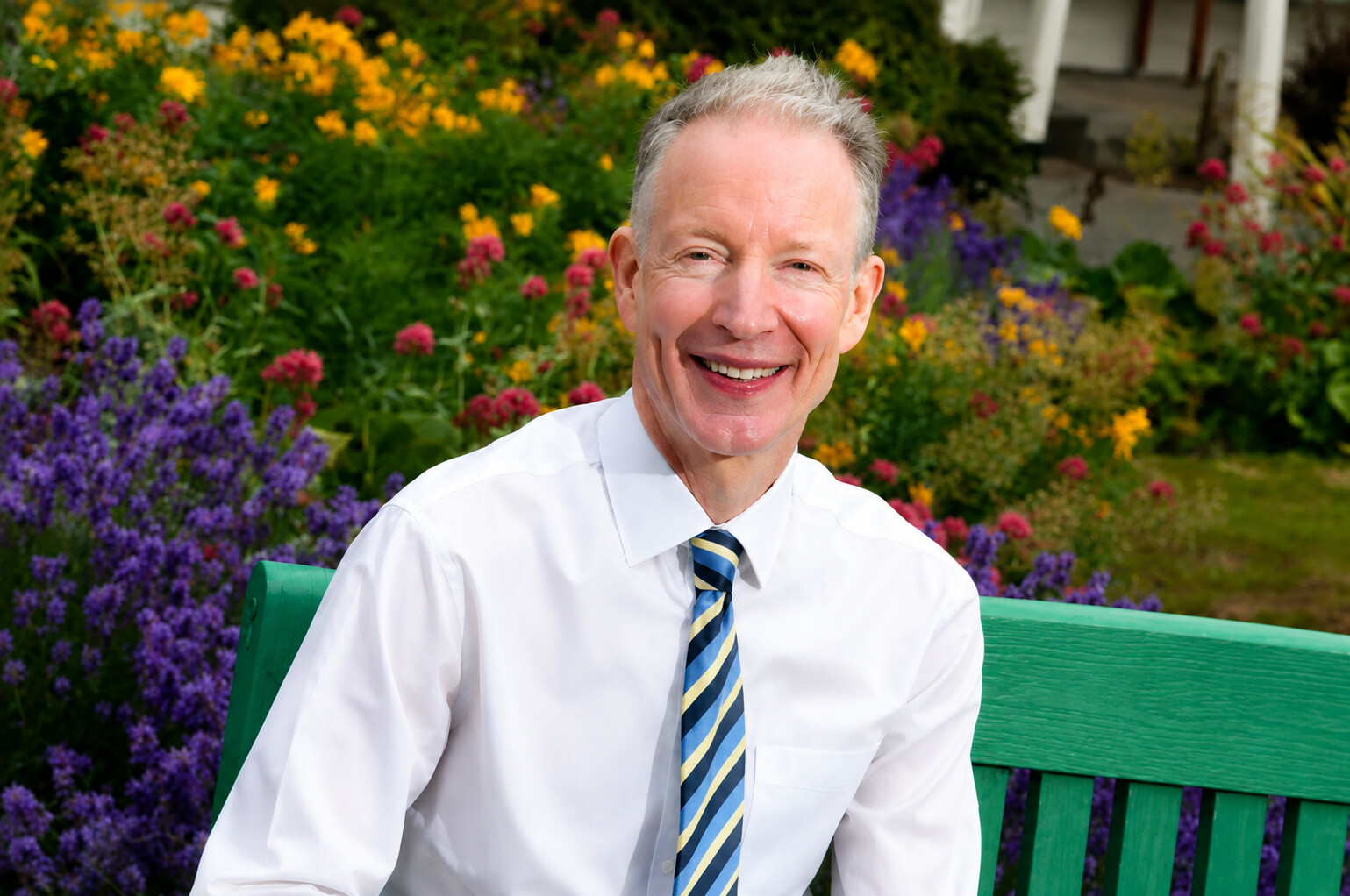
Strong has already completed 25 marathons, with each race beginning with a different letter of the alphabet. Now, only J remains.
The final chapter will be written at the Jersey Marathon on October 4, where Strong will line up for the 26th and final race of his remarkable A-to-Z marathon project, which he began in 2014.
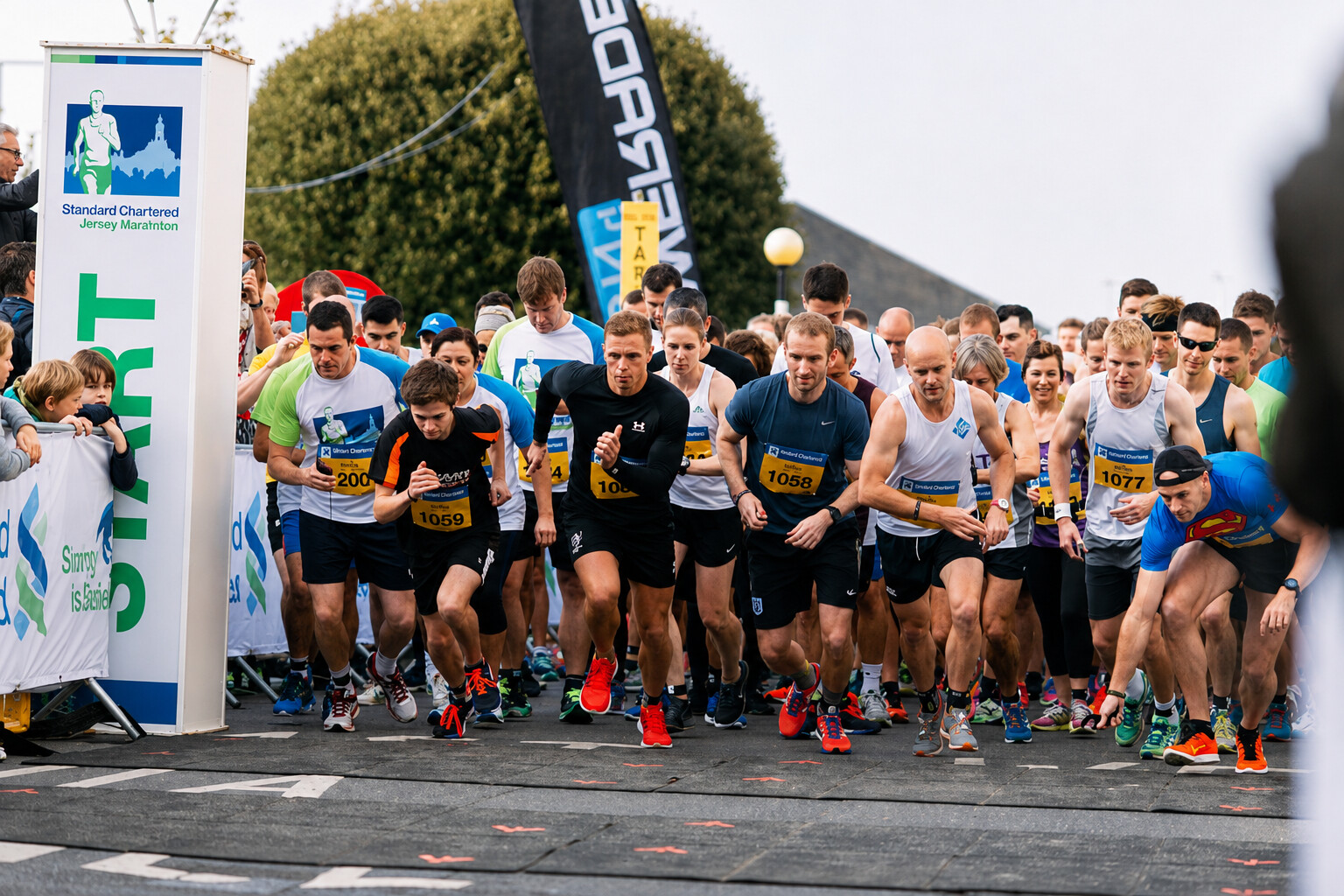
For Strong, however, completing the alphabet has been about more than simply finding 26 races. His commitment to environmentalism means he does not fly, making travel to certain marathons considerably more complicated.
That was precisely why the letter J remained unfinished for so long.
The Jersey Marathon takes place on a Sunday, and for years the ferry schedule made the trip difficult to combine with his teaching commitments. Getting back in time for school on Monday morning was simply not possible.
That changed when Strong retired this summer after an impressive 28-year career teaching French, German and Spanish at Dame Allan’s Schools in Newcastle, where he most recently served as Head of Modern Languages.
With his teaching career now behind him, the final piece of the puzzle could finally fall into place.
His alphabet marathon journey has taken him to races across Europe, including the Venice Marathon, Rotterdam Marathon, Germany’s X-ray Marathon and Spain’s Quijote Marathon, named after the legendary character Don Quixote.
Many of those races have been completed in under three hours and 30 minutes, while Strong’s marathon personal best stands at an impressive 2:58.
There is also one unusual ritual that has accompanied him throughout the journey: beetroot juice.
Strong drinks it three hours before every marathon — a routine he has followed for so long that he jokes he would not dare stop now.
After 25 marathons, countless training miles and years of travelling by ferry rather than plane, the finish line in Jersey will represent far more than the end of another 26.2-mile race.
It will complete an extraordinary 12-year quest to run a marathon for every letter of the alphabet.
On October 4, the long-awaited J will finally be ticked off.
One alphabet. Twenty-six marathons. Twelve years. One final letter.
by Erick Cheruiyot for My Best Runs.
Login to leave a comment

Jersey Marathon
The Standard Chartered Jersey Marathon is an established niche marathon situated on the stunning island of Jersey in the British owned Channel Islands. The race, which is split into three categories, Marathon, Relay Race and 3K Fun Run, attracted some 2,700 entrants in 2017 with over 50% of marathon runners coming from off the Island. With a professional yet friendly...
more...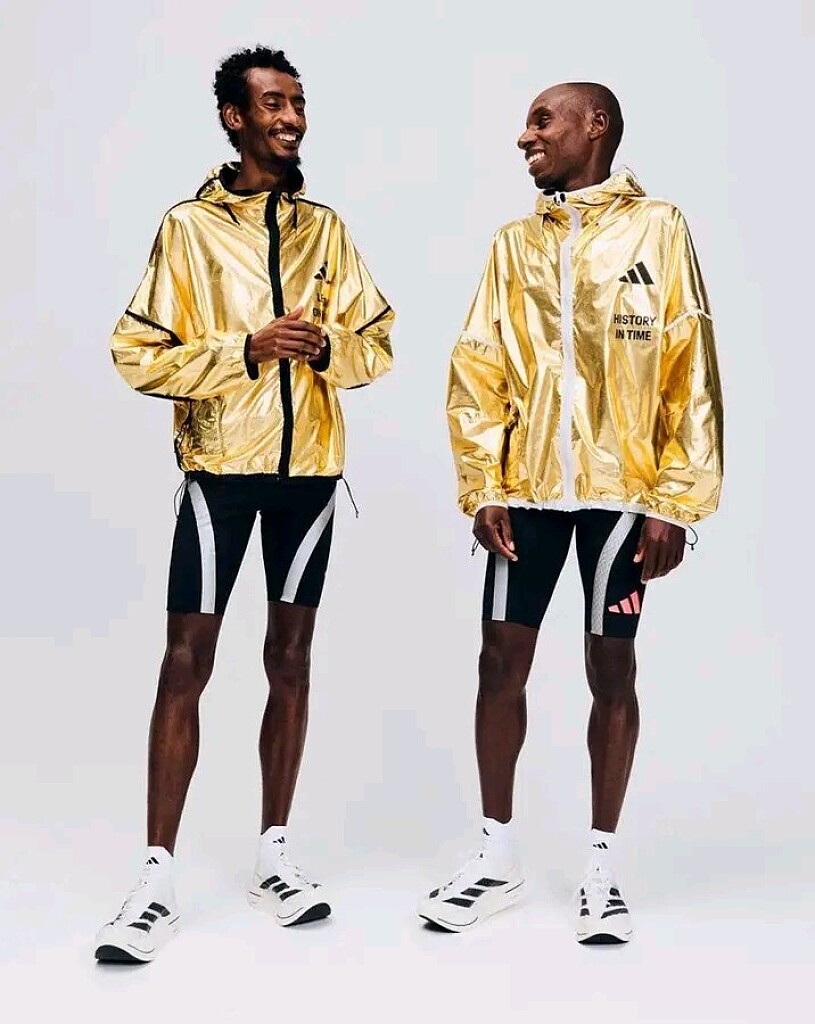
Kejelcha and Sawe: Two Men Driving Road Running Into a New Era
Men's road running is moving into extraordinary territory, and two athletes are increasingly at the heart of its breathtaking evolution: Yomif Kejelcha of Ethiopia and Sabastian Sawe of Kenya.
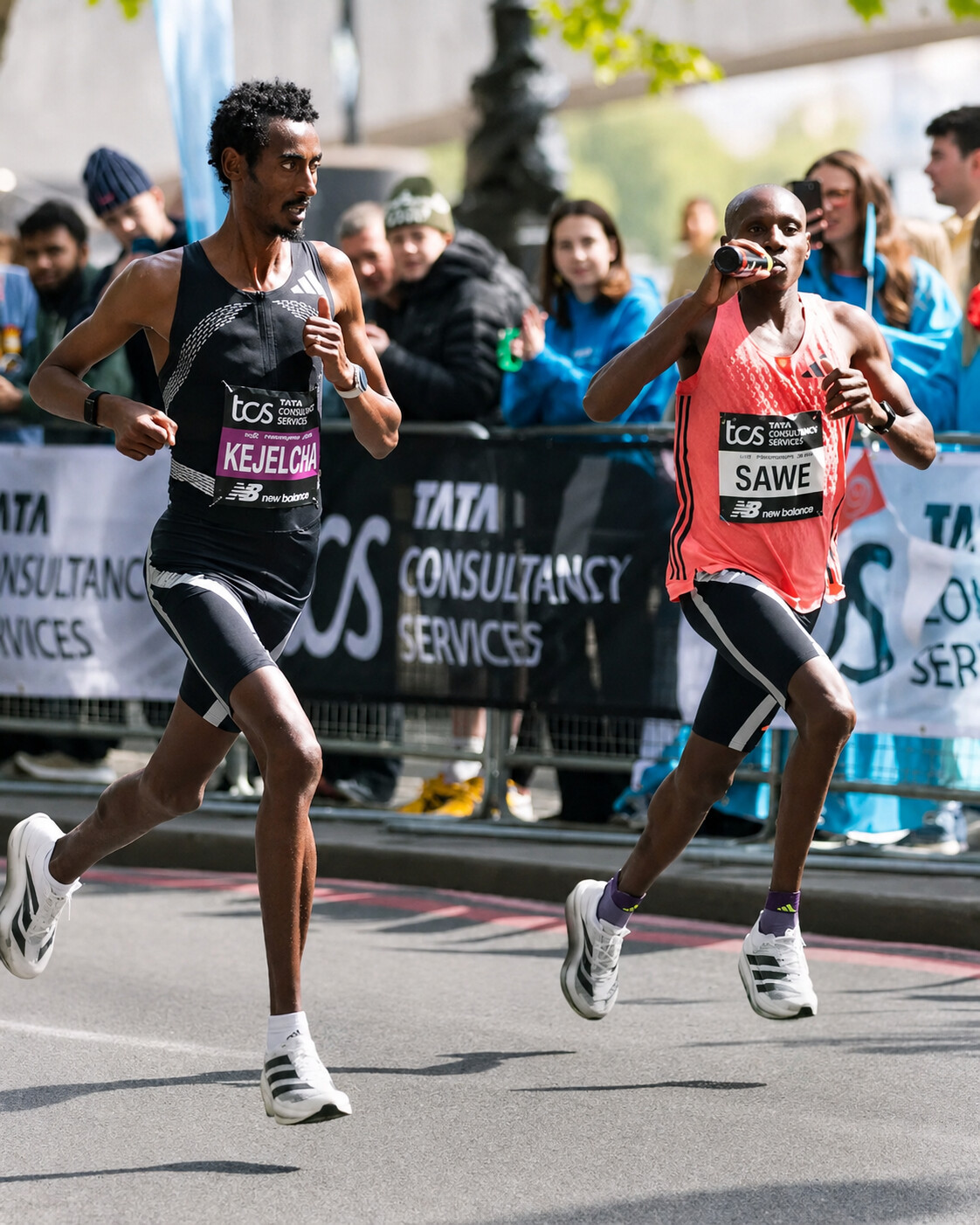
The pair represent the remarkable depth of modern East African distance running, but they are also doing something even more significant: pushing the boundaries of marathon and half-marathon performance to levels that once seemed almost unimaginable. Through their exceptional speed, endurance and ability to perform at the highest level, Kejelcha and Sawe are helping to redefine what is possible on the roads.
Sawe has established himself as one of the most formidable marathon runners in the world. His astonishing 1:59:30 marathon performance at TCS London Marathon on April 26, 2026, marked as a world record, African record and Kenyan record, demonstrated the extraordinary level the marathon has now reached. It also underlined his position at the very top of the men's marathon world rankings.
Kejelcha has been equally sensational, although his journey has highlighted a different kind of versatility. The Ethiopian, whose background includes world-class performances on the track and across shorter road distances, ran 1:59:41 for the marathon debut also at the TCS London Marathon on April 26, 2026, a performance marked as a national record. Just four months later, he delivered another stunning display by clocking 56:51 for the half marathon at the Argentina's capital, Buenos Aires on August 23, 2026, with the performance marked as a pending world record, African record and Ethiopian national record.
That combination of performances illustrates just how exceptional this new generation has become. Kejelcha's ability to threaten the absolute limits over the half marathon while also producing a sub-two-hour marathon performance speaks to his extraordinary range. Sawe, meanwhile, has continued to establish himself as a dominant force over the classic 42.195km distance, combining remarkable efficiency with the strength and speed required to compete at the very highest level.

The two stars are now preparing to take their talents to different stages of the road-running calendar. Kejelcha's next focus is the Valencia Marathon on December 6, where he will once again turn his attention to the marathon distance and look to build on his remarkable breakthrough over 42.195km. Sawe, meanwhile, is set to race the BMW Berlin Marathon on September 27, giving the Kenyan another major opportunity to showcase his extraordinary marathon strength on one of the world's fastest and most prestigious courses.
Those upcoming races add another fascinating dimension to their respective journeys. While Kejelcha heads to Valencia carrying exceptional speed and versatility into another marathon challenge, Sawe will arrive in Berlin with his sights firmly fixed on maintaining his dominance at the highest level of the sport.
What makes their rise particularly exciting is the wider message it sends to athletics. The marathon is no longer progressing only through small margins. The standards at the top are being pushed relentlessly forward, and performances that once appeared impossible are becoming increasingly realistic.
The official sub-two-hour marathon remains one of athletics' ultimate frontiers. Achieving it under standard race conditions would represent one of the greatest endurance breakthroughs in sporting history. Yet with athletes such as Sawe already breaking the two-hour barrier and Kejelcha running only seconds above it while also producing unprecedented half-marathon speed, that frontier appears closer than ever.
Their careers are different, and their strengths are not identical. Sawe has rapidly become a dominant marathon specialist, while Kejelcha brings exceptional versatility from the track to the roads and across multiple distances. But together, they symbolize the relentless progression of men's road running.
Yomif Kejelcha and Sabastian Sawe are not merely among the fastest men of their generation. They are helping to drive the sport toward a future that once seemed unthinkable. With Valencia and Berlin now on their horizons, the next chapter of this remarkable road-running revolution is already waiting to be written.
by Erick Cheruiyot for My Best Runs.
Login to leave a comment
