

Running News Daily
Running News Daily is edited by Bob Anderson and team. Send your news items to bob@mybestruns.com Advertising opportunities available.
Index to Daily Posts · Sign Up For Updates · Run The World Feed
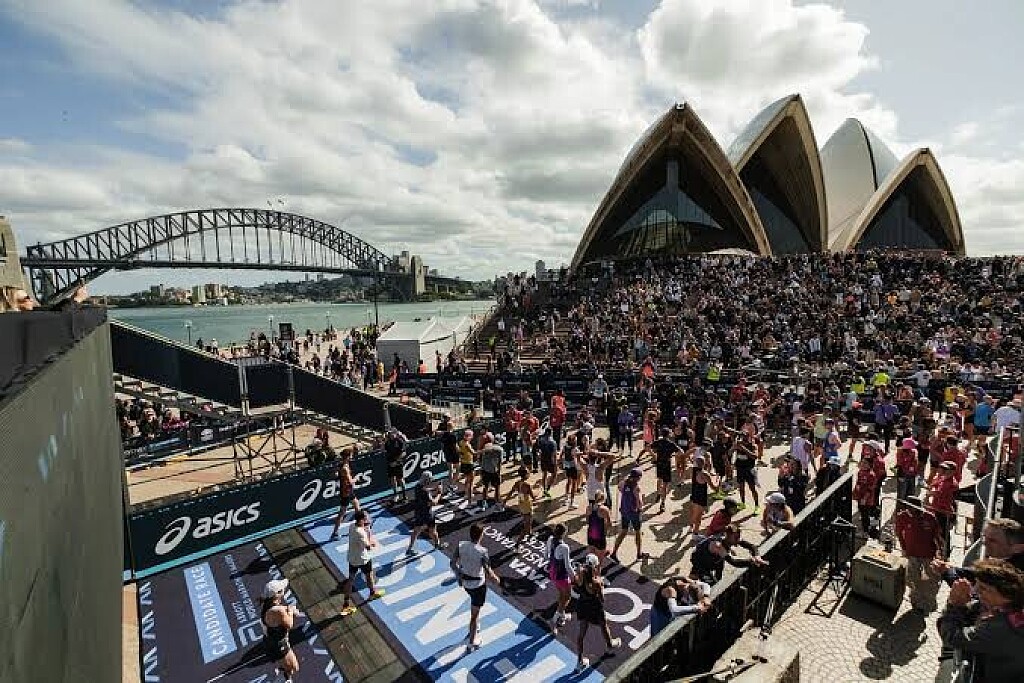


Sydney Marathon Unveils Strongest Elite Field in Australian History as 14 Men Boast Sub-2:05 Personal Bests

The 2026 TCS Sydney Marathon presented by ASICS has raised the bar ahead of its biggest edition yet, unveiling the deepest men's elite field ever assembled on Australian soil. With an astonishing 14 athletes holding personal bests under the 2:05 barrier, this year's race is shaping up to be one of the fastest and most competitive marathons of the season.
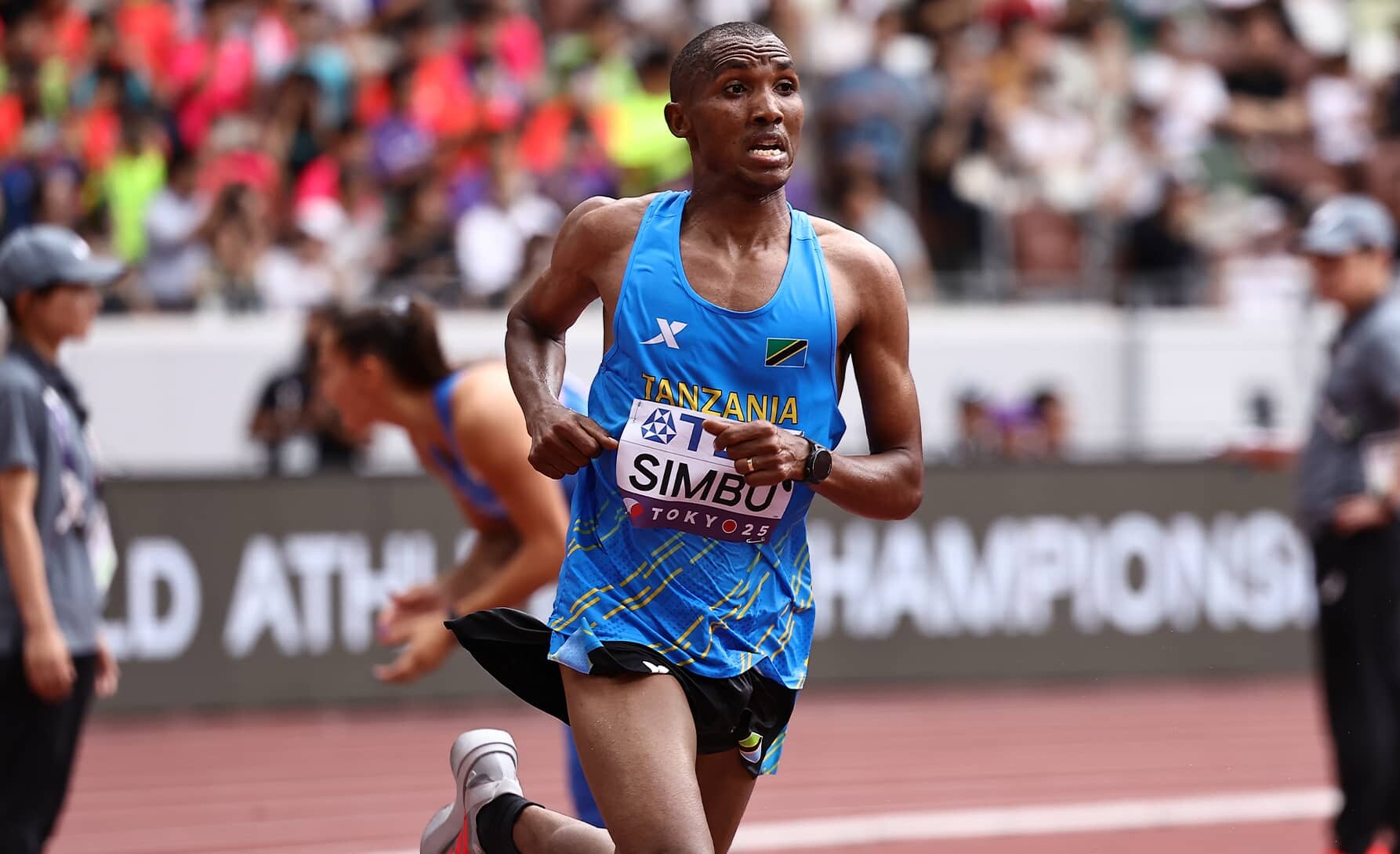
Leading the star-studded lineup is reigning marathon world champion Alphonce Felix Simbu of Tanzania, whose outstanding personal best of 2:02:47 makes him one of the leading contenders for victory. Simbu arrives in Sydney as one of the sport's most accomplished marathoners and is expected to spearhead an elite battle unlike anything previously seen in Australia.
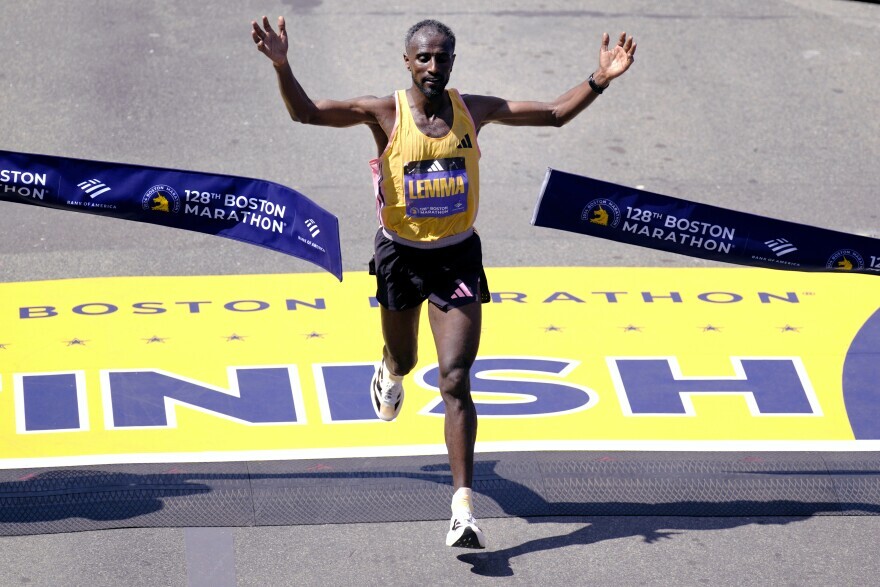
Also among the favourites is Ethiopian standout Sisay Lemma, the fastest man in the field with a remarkable 2:01:48 personal best. Kenya will be strongly represented by Timothy Kiplagat (2:02:55) and Vincent Ngetich (2:03:13), while Ethiopia brings exceptional depth through athletes including Dawit Wolde, Leul Gebresilase, Seifu Tura, Chalu Deso, Addisu Gobena, Chala Regassa, Belay Tilahun, and Melaku Belachew.
South Africa's Tebello Ramakongoana, Djibouti's Ibrahim Hassan, and Australia's leading marathoners, including Andy Buchanan, headline a truly international field featuring elite athletes from Africa, Oceania, North America, and Asia.
The quality of the field is underlined by an extraordinary statistic—14 men have already broken 2:05 for the marathon, a level of depth never before seen at an Australian marathon. With so many proven performers capable of running world-class times, the race promises relentless pace from the opening kilometres to the finish.
As the Sydney Marathon continues to cement its place among the world's premier road races, the 2026 edition marks another major milestone in its rapid rise. With a world champion, multiple athletes with personal bests close to the 2:02 mark, and unprecedented depth across the field, fans can expect an unforgettable contest on the streets of Sydney.
All eyes will now be on race day to see whether this historic field can deliver equally historic performances in what is poised to become one of the most memorable marathons ever staged in Australia.
by Erick Cheruiyot for My Best Runs.
Login to leave a comment

Sydney Marathon
The Sydney Marathon is a marathon held annually in Sydney, Australia. The event was first held in 2001 as a legacy of the 2000 Summer Olympics, which were held in Sydney. In addition to the marathon, a half marathon, 9 kilometres (5.6 mi) "Bridge Run", and a 3.5 kilometres (2.2 mi) "Family Fun Run" are also held under the banner...
more...Latest Running News
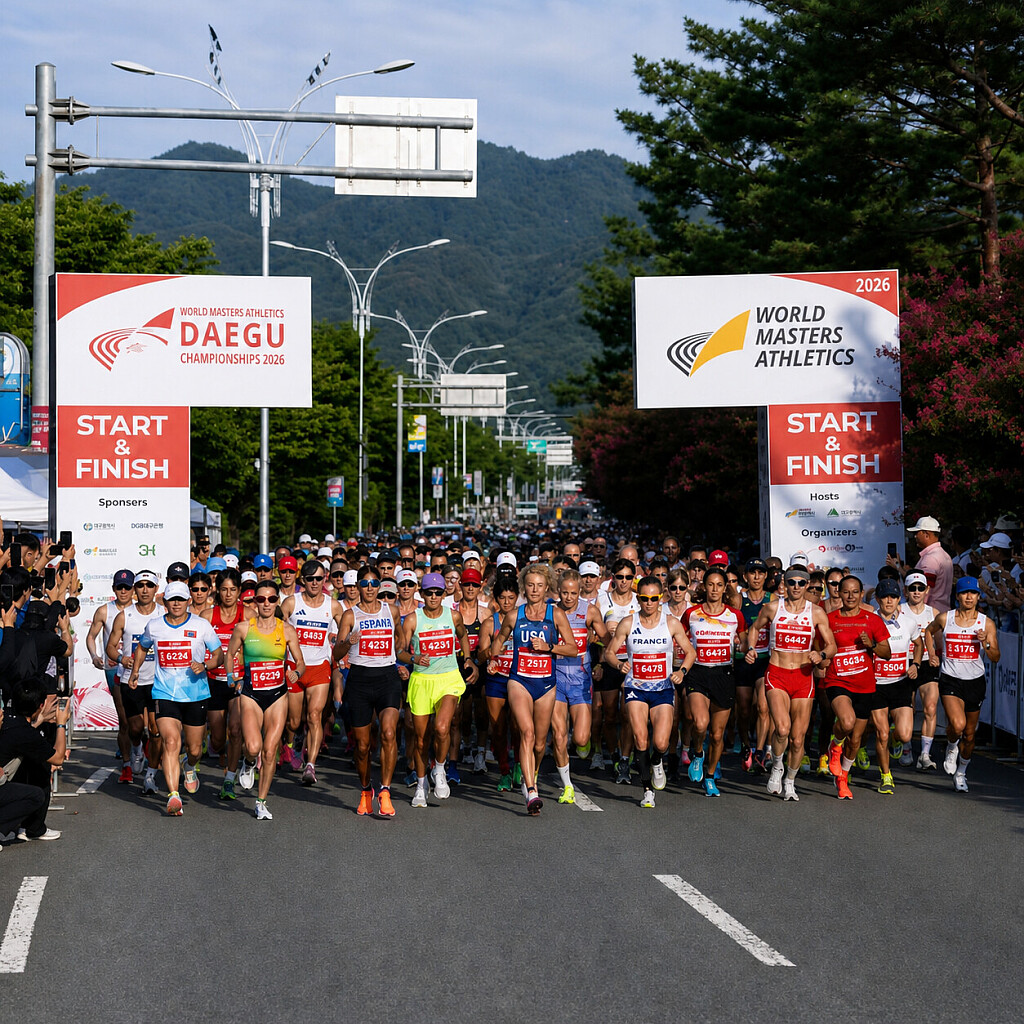
Four World Records Fall as Daegu Masters Championships Explode Into Life
The World Masters Athletics Championships in Daegu, South Korea, are only three days old, but the competition has already produced a remarkable display of speed, endurance and longevity, with four world records shattered and another 10 championship records rewritten.
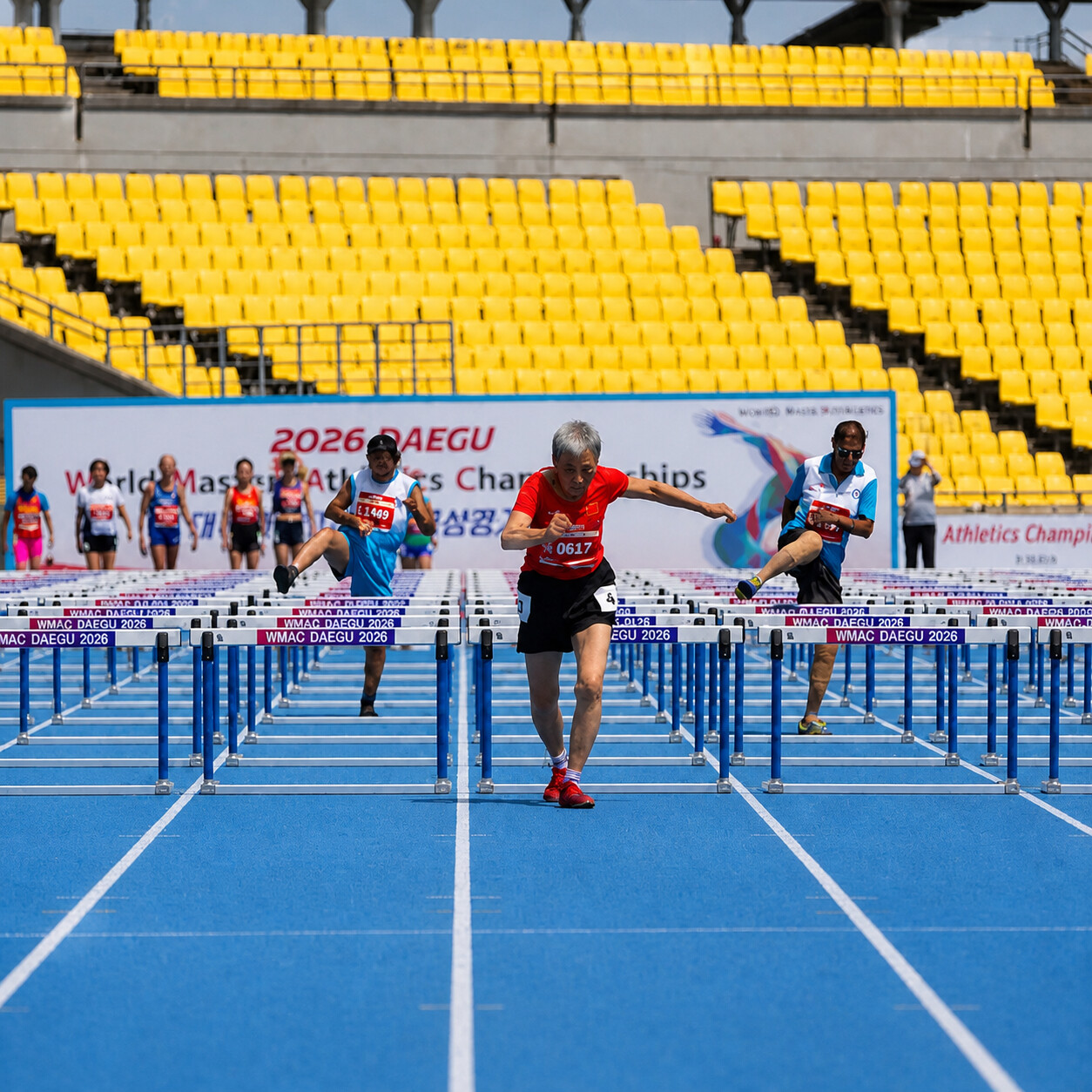
The record-breaking action began on the opening day when the United States’ Richard Lee produced a stunning performance in the M65 2,000m steeplechase. Lee stopped the clock at 7:09.29, winning gold while lowering the existing world record in the age group.
Day two proved even more dramatic, delivering three world records in quick succession.
Great Britain’s John Wright was first to strike, clocking 12.03 seconds to win the M65 100m. In doing so, the veteran sprinter improved his own world record of 12.15, set in 2024, underlining his remarkable consistency at the highest level of masters competition.
Only minutes later, the United States’ Kenton Brown produced another record-breaking run in the M80 100m. Brown crossed the line in 14.16, taking 0.05 seconds off his own previous world record of 14.21, which he established last year.
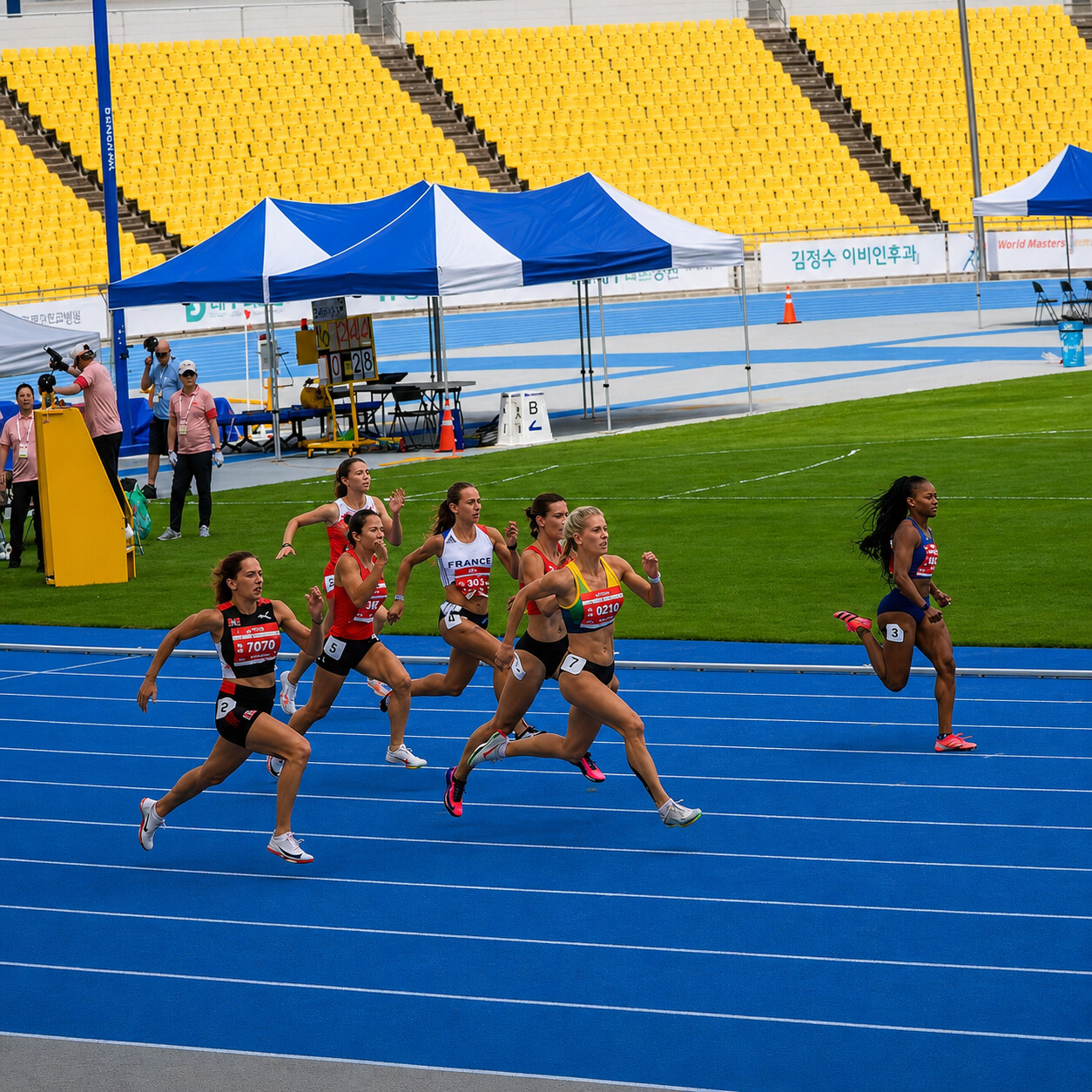
Thailand then added another name to the growing list of Daegu record-breakers. Somsanga Boonnok won the W70 80m hurdles in 15.61, breaking a world record that had belonged to Austria’s Marianne Maier since 2016.
Four world records in just three days tell only part of the story. Across the championships, 10 championship records have already fallen, highlighting the extraordinary standard being produced by athletes competing across the masters age groups.
Canada has also made its presence felt on the medal podium. Johana Flipsen captured W70 10K race walk gold in 1:04:18, while Vern Christensen won the M85 2,000m steeplechase in 14:48.25.
Canadian athletes have continued to add to the medal tally, with Lynne Wawryk Epp taking bronze in the W70 800m in 3:21.04, while Vanessa Johnson secured silver in the W40 race walk after finishing in 1:05:52.
But one of the most intriguing storylines to watch as the championships continue belongs to Canada’s Wendy Alexis.
At 71 years old, Alexis has arrived in Daegu with a world record firmly within reach. She is just 0.04 seconds away from the W70 100m world record of 14.37 seconds, and after targeting the championship throughout the season, she now has the opportunity to turn that ambition into history.
Alexis will contest her semifinal on Tuesday morning, with the final scheduled for later that evening.
With four world records already gone, 10 championship records broken and some of the world’s finest masters athletes still waiting to take to the track, Daegu is proving that age is no barrier to extraordinary performance.
And if the opening three days are anything to go by, the record books may have plenty more rewriting to come.
by Erick Cheruiyot for My Best Runs.
Login to leave a comment

Amanda Marie Grefstad Ends 45-Year Wait With Stunning Norwegian 1000m Record
Amanda Marie Grefstad has written her name into Norwegian athletics history with a remarkable performance at the Folksam Grand Prix in Gothenburg, where she shattered the national women’s 1000m record in spectacular fashion.
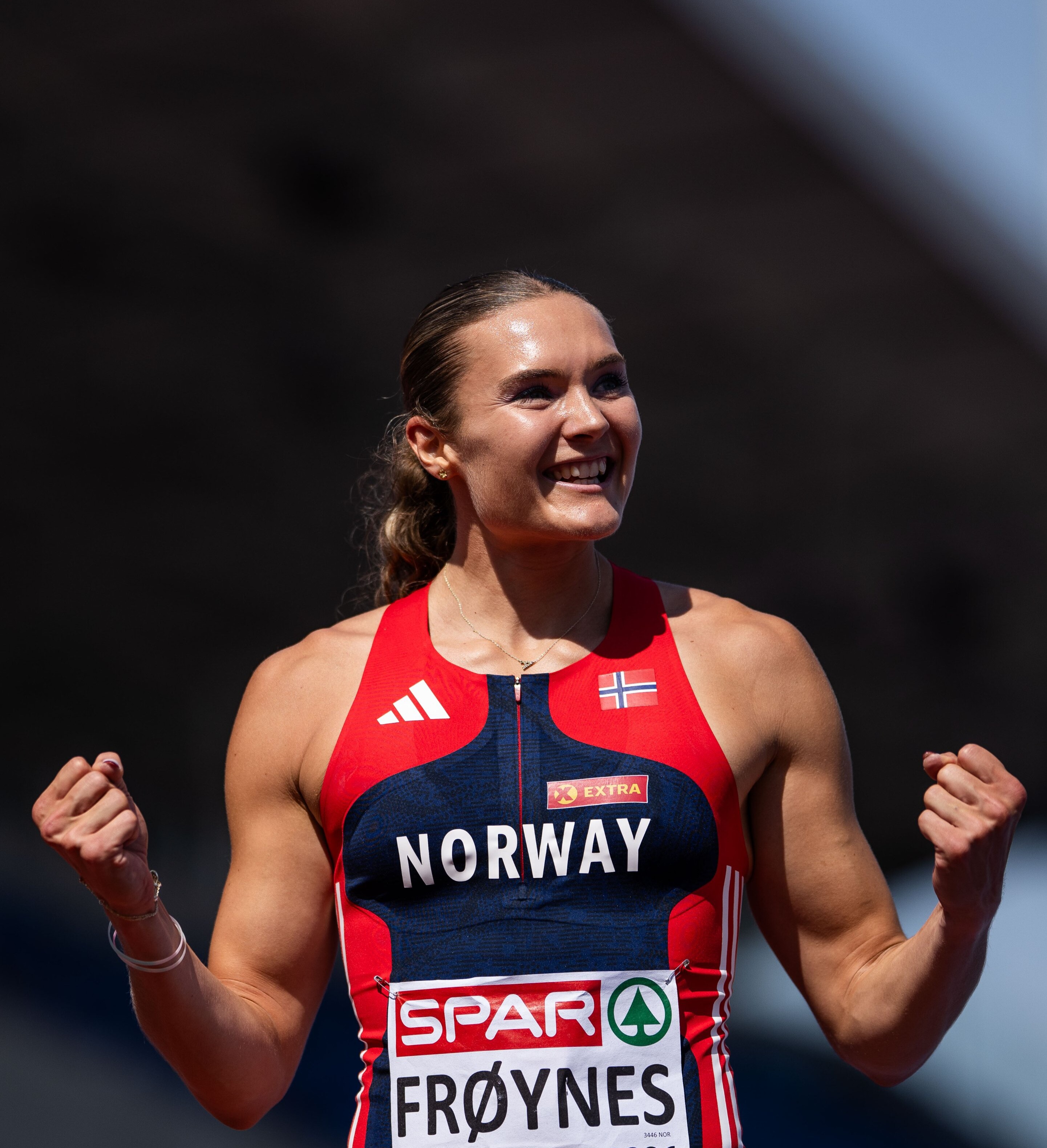
Grefstad stopped the clock at 2:37.19, producing a sensational run that not only delivered a Norwegian record but also brought down a mark that had stood untouched for an astonishing 45 years.
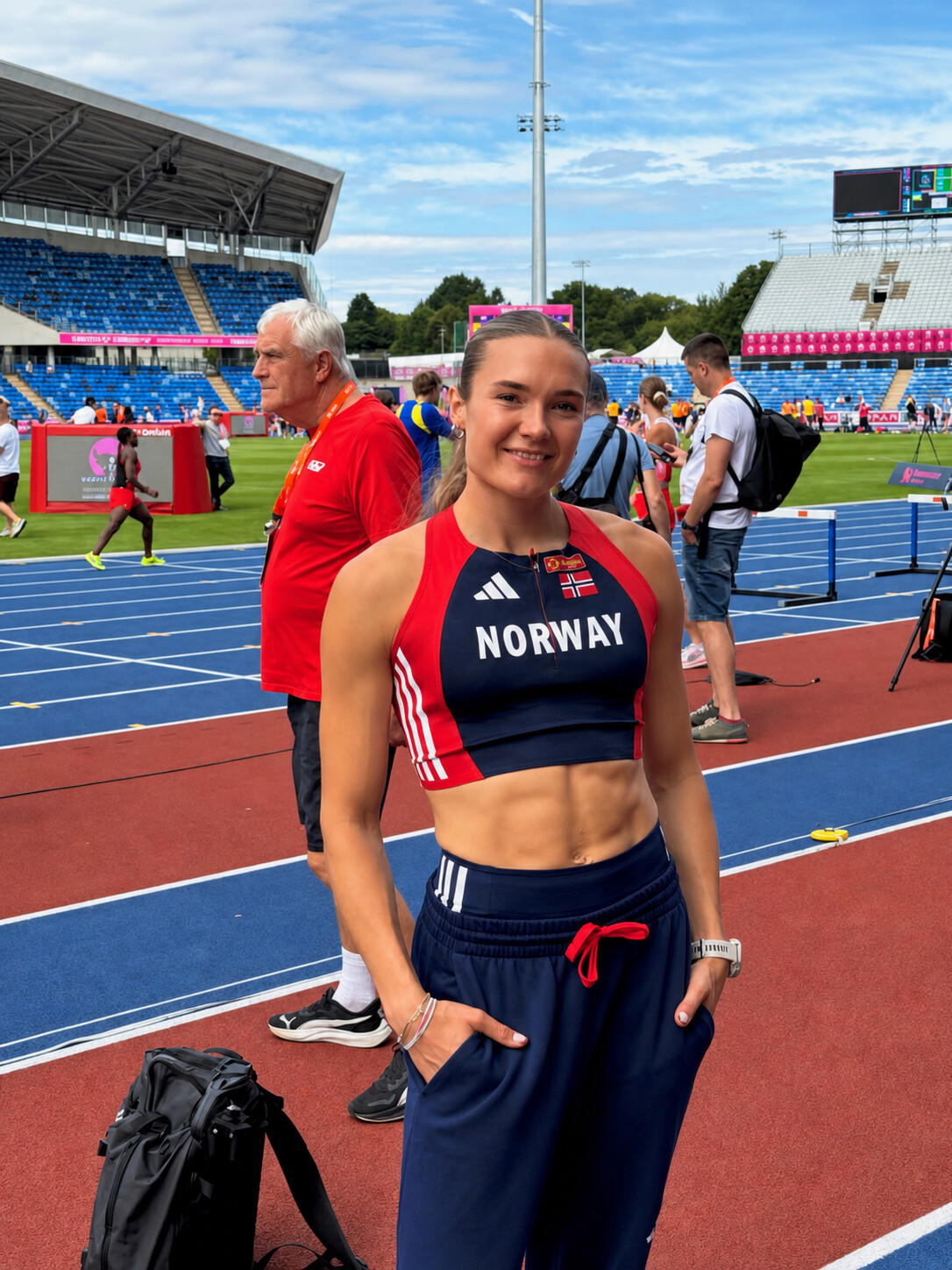
The significance of the performance goes far beyond the numbers. For nearly half a century, the old national record had remained one of the most enduring benchmarks in Norwegian middle-distance running. Now, Grefstad has finally rewritten the record books, replacing a piece of athletics history with her own name.
Her 2:37.19 performance was a powerful demonstration of speed, strength and determination, highlighting the progress she has made and the growing level of Norwegian middle-distance running.
Breaking a record that has survived for 45 years requires something special, and Grefstad delivered exactly that when it mattered most. Her run in Gothenburg marks a defining moment in her career and gives Norwegian athletics another exciting name to watch.
With the record now hers, Grefstad has opened a new chapter in the event’s history. The old mark may have lasted for four and a half decades, but the future now belongs to a new generation.
2:37.19. A new Norwegian record. A historic breakthrough. And a performance that will not be forgotten anytime soon.
Amanda Marie Grefstad has arrived in the record books — and Norwegian athletics has a new 1000m record holder to remember.
by Erick Cheruiyot for My Best Runs.
Login to leave a comment
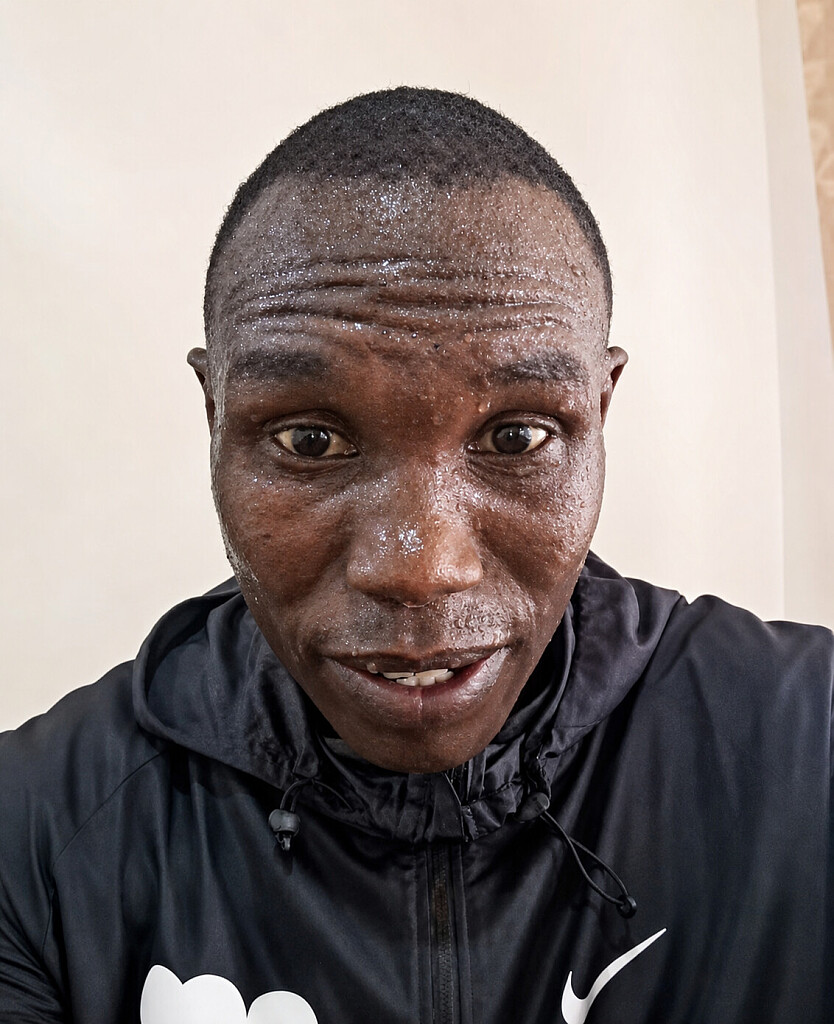
Geoffrey Kamworor Eyes New York Hat-Trick as Kenyan Star Chases Another Major Triumph
Two-time New York City Marathon champion Geoffrey Kamworor is set for another assault on the Big Apple, with the Kenyan distance-running star targeting a historic third victory when the Abbott World Marathon Majors race returns on November 1.
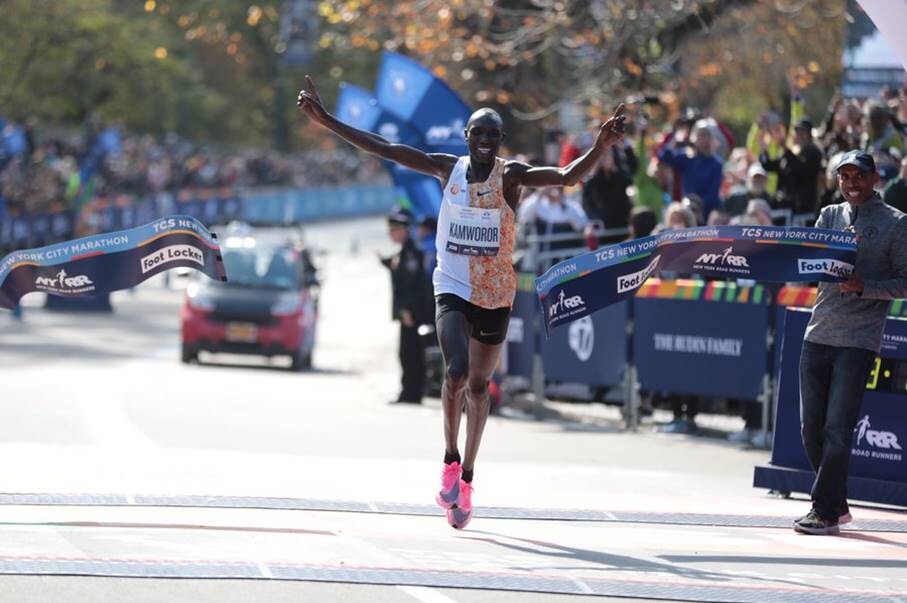
For Kamworor, New York represents much more than another marathon. It is a course where he has already enjoyed some of the defining moments of his illustrious career, and where he will now seek to add another prestigious title to a remarkable collection of achievements.
The 33-year-old has developed a special relationship with the New York course since making his debut there in 2015. On that occasion, he finished runner-up in 2:10:48 behind compatriot Stanley Biwott, who won in 2:10:34.
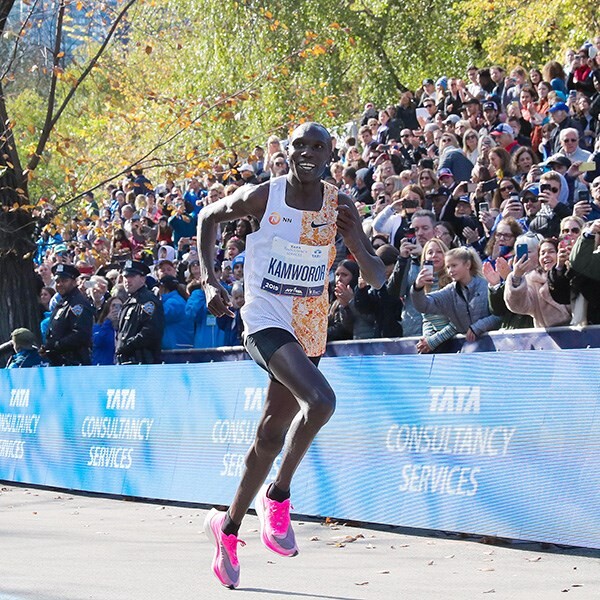
Two years later, Kamworor went one step further.
In 2017, he produced a composed performance to claim his first New York Marathon crown, crossing the finish line in 2:10:53. He held off fellow Kenyan and former world record-holder Wilson Kipsang, who finished just three seconds behind in 2:10:56, while Ethiopia's Lelisa Desisa took third in 2:11:32.

Kamworor returned the following year hoping to defend his title but had to settle for third place. Desisa triumphed in 2:05:59, ahead of Shura Kitata in 2:06:01, while Kamworor clocked 2:06:26.
But the Kenyan refused to stay away from the top for long.
In 2019, he reclaimed the New York crown in emphatic fashion, winning in 2:08:13. Albert Korir followed in second in 2:08:36, with Ethiopia's Girma Bekele completing the podium in 2:08:38.
Those two victories remain Kamworor's only Abbott World Marathon Majors titles, making New York a particularly significant venue in his career.
His latest appearance in the race, however, ended without another podium finish. Returning in 2024, Kamworor placed fifth in 2:08:50 as the Netherlands' Abdi Nageeye won in 2:07:39. Kenya's Evans Chebet was second in 2:07:45, while Albert Korir took third in 2:08:00.
Now, Kamworor is eager to return to the city where he has already tasted victory twice.
“I am very excited to be going back to New York,” Kamworor said, expressing his anticipation ahead of another demanding battle through the streets of the world's most famous city.
For the Kenyan star, the race offers a unique combination of sporting pressure and an atmosphere unlike any other.
“It's always an incredible experience to run the biggest marathon in the world. I'm really looking forward to feeling the energy of the crowd again,” he added.
Kamworor's challenge will be to arrive in New York at his best after a mixed campaign in 2026.
He began the year in spectacular fashion, winning the Ras Al Khaimah Half Marathon on February 14. The Kenyan clocked an impressive 58:14, finishing ahead of Bahrain's Birhanu Balew, who ran 58:23, and compatriot Gideon Rono, who crossed the line in 58:38.
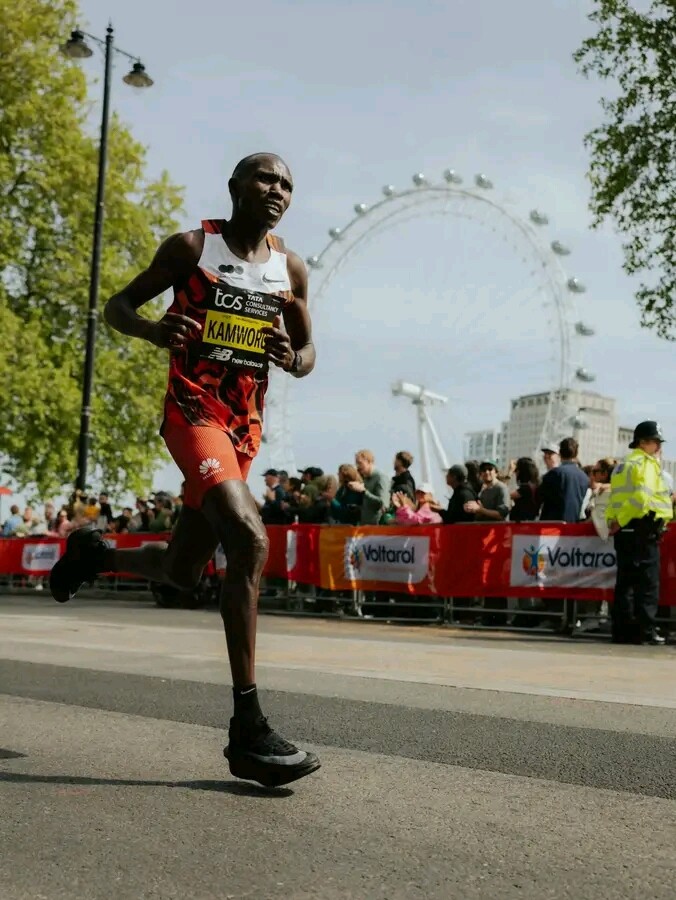
His London Marathon campaign on April 26 proved considerably tougher. Kamworor finished eighth in 2:05:38 in a historic race dominated by Sebastian Sawe, who produced a sensational 1:59:30 to become the first man to break the two-hour barrier in a marathon. Ethiopia's Yomif Kejelcha was second in 1:59:41, while Uganda's Jacob Kiplimo finished third in 2:00:28.
Kamworor will therefore arrive in New York with both experience and motivation on his side. He knows exactly what the course demands, having already navigated its hills, turns and relentless closing stages on multiple occasions.
Beyond the marathon, his career is decorated with major international honours across several disciplines.
Kamworor is a three-time world half marathon champion, winning his first title in Copenhagen in 2014 before successfully defending his crown in Cardiff in 2016 and completing his remarkable hat-trick in Valencia in 2018.
He has also established himself as one of Kenya's finest cross-country runners. He won the world junior cross-country title in Punta Umbria in 2011 before becoming a senior world champion in Guiyang in 2015 and Kampala in 2017. He added a bronze medal at the 2019 World Cross Country Championships in Aarhus.
That versatility has long been one of Kamworor's greatest strengths. From cross country to the half marathon and now the marathon, he has repeatedly demonstrated the endurance, tactical intelligence and competitive resilience required to succeed at the highest level.
Yet New York remains unfinished business.
With two victories already secured and another opportunity waiting on November 1, Kamworor has a chance to strengthen his legacy on one of the sport's most iconic stages.
A third triumph would not only give him a coveted New York hat-trick but would further cement his status as one of Kenya's most accomplished distance runners of his generation.
The Big Apple has already given Kamworor some of the proudest moments of his career. Now, the Kenyan star is returning with one clear ambition — to conquer New York once again.
by Erick Cheruiyot for My Best Runs.
Login to leave a comment

TCS New York City Marathon
The first New York City Marathon, organized in 1970 by Fred Lebow and Vince Chiappetta, was held entirely in Central Park. Of 127 entrants, only 55 men finished; the sole female entrant dropped out due to illness. Winners were given inexpensive wristwatches and recycled baseball and bowling trophies. The entry fee was $1 and the total event budget...
more...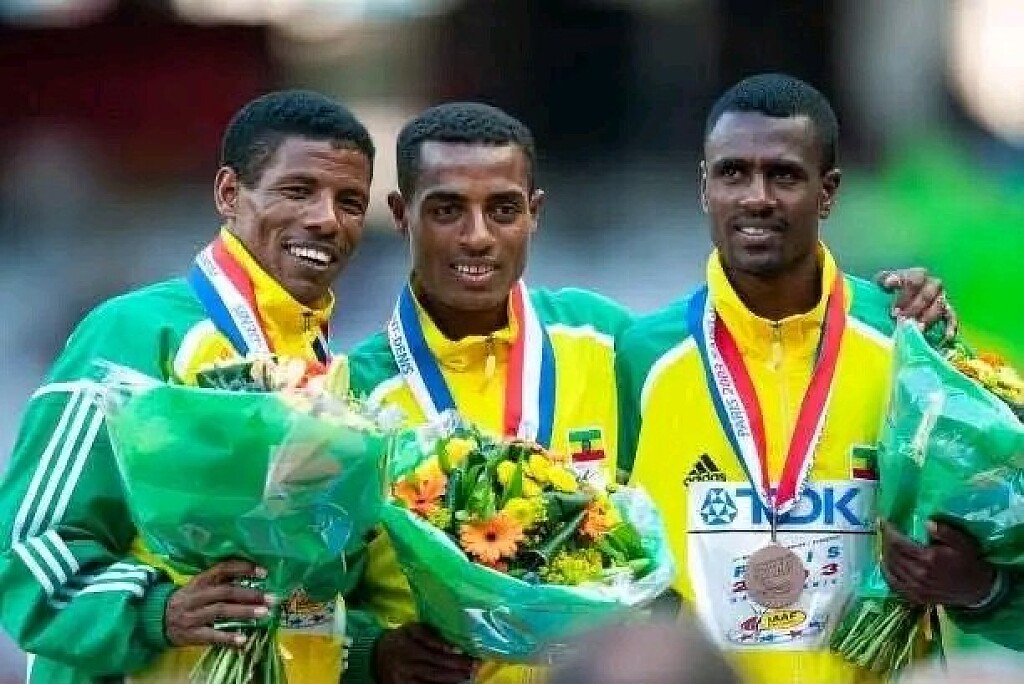
Kenenisa Bekele’s Paris Coronation: The Night Ethiopia’s Distance Running Dynasty Changed Forever
Paris, France — August 24, 2003.
The Stade de France witnessed far more than a World Championship 10,000m final that night. It witnessed the beginning of a new era.
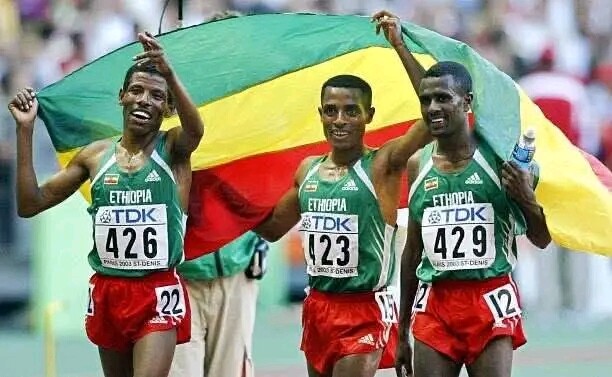
For years, Haile Gebrselassie of Ethiopia had stood virtually untouchable at the summit of world distance running. He arrived in Paris as a two-time Olympic champion and four-time World Champion over 10,000m, carrying the reputation of a man who had dominated the track for much of the previous decade.
But waiting in the same race was a 21-year-old Ethiopian whose running style looked remarkably familiar.
His name was Kenenisa Bekele.
The younger Ethiopian had already shown flashes of extraordinary potential, but Paris was where potential became reality.
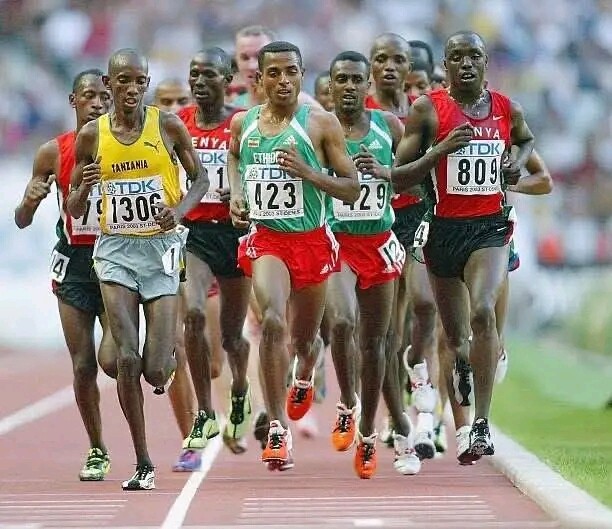
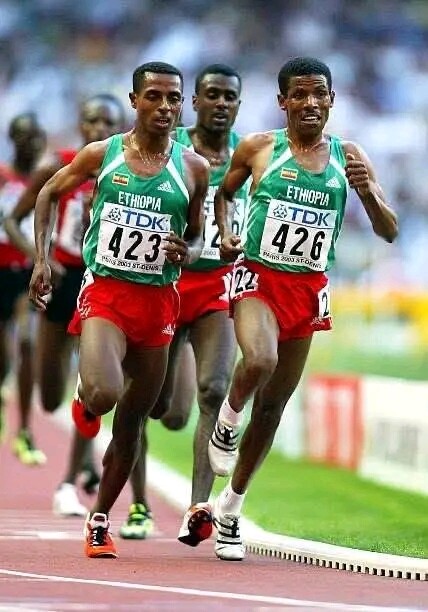
As the race unfolded, Gebrselassie ran aggressively, repeatedly applying pressure in an attempt to break the field and shake off his young compatriot. One by one, the world's best distance runners were dropped, including a strong Kenyan contingent.
Yet Bekele refused to disappear.
He stayed glued to Gebrselassie's shoulder, matching every surge and every change of pace. Behind them, Sileshi Sihine of Ethiopia remained in contention, setting the stage for what would ultimately become a historic Ethiopian sweep.
Then came the decisive moment.
With only 200 metres remaining, Bekele made his move.
Gebrselassie, famous for his devastating finishing speed, tried to respond. But this time, there was no answer. Bekele powered away down the final straight, creating daylight between himself and his legendary compatriot.
The changing of the guard had arrived.
Bekele crossed the finish line in 26:49.57, becoming the first athlete to break 27 minutes at these World Championships and setting a championship record.
Behind him, Gebrselassie finished second in 26:50.77, while Sihine completed an extraordinary Ethiopian clean sweep with 27:01.44.
It was not simply a victory for Bekele.
It was the moment the young star announced that he was ready to inherit the throne.
Paris 2003 — Men's 10,000m Final
1. Kenenisa Bekele — Ethiopia — 26:49.57 CR
2. Haile Gebrselassie — Ethiopia — 26:50.77
3. Sileshi Sihine — Ethiopia — 27:01.44
4. Ahmad Hassan Abdullah — Qatar — 27:18.28
5. John Cheruiyot Korir — Kenya — 27:19.94
6. Wilberforce Talel — Kenya — 27:33.60
7. Charles Kamathi — Kenya — 27:45.05
8. Kamiel Maase — Netherlands — 27:45.46
9. Karl Keska — Great Britain — 27:47.89
10. Ismail Sghyr — France — 27:54.87
11. David Galván — Mexico — 27:55.31
12. John Yuda Msuri — Tanzania — 27:56.21
13. Fabiano Joseph Naasi — Tanzania — 28:06.36
14. Alan Culpepper — United States — 28:14.92
15. Teodoro Vega — Mexico — 28:31.71
16. Mebrahtom Keflezighi — United States — 28:35.08
17. Cathal Lombard — Ireland — 28:36.43
18. Tomoo Tsubota — Japan — 28:37.10
19. Dan Browne — United States — 29:01.60
Bekele's Paris triumph proved to be the beginning of something much bigger. He went on to win Olympic 10,000m gold in Athens the following year and established himself as the dominant track distance runner of his generation.
At the 2008 Beijing Olympics, he completed the extraordinary 5,000m and 10,000m double, cementing his place among the greatest distance runners in history.
Gebrselassie, meanwhile, successfully reinvented himself beyond the track. He turned increasingly toward the 10km, half marathon and marathon, where he continued rewriting the record books and building another extraordinary chapter of his career.
But Paris remains special.
On August 24, 2003, one Ethiopian legend was still fighting to protect his kingdom while another was stepping forward to claim it.
Kenenisa Bekele didn't simply win a World Championship gold medal that night. He announced the arrival of a new era in distance running.
by Erick Cheruiyot for My Best Runs.
Login to leave a comment

From Sprinting Into History to Running Toward Forever: Usain Bolt Gets Engaged to Kasi Bennett
Usain Bolt has added another unforgettable milestone to an extraordinary life — and this time, there was no finish line, stopwatch or Olympic medal involved.
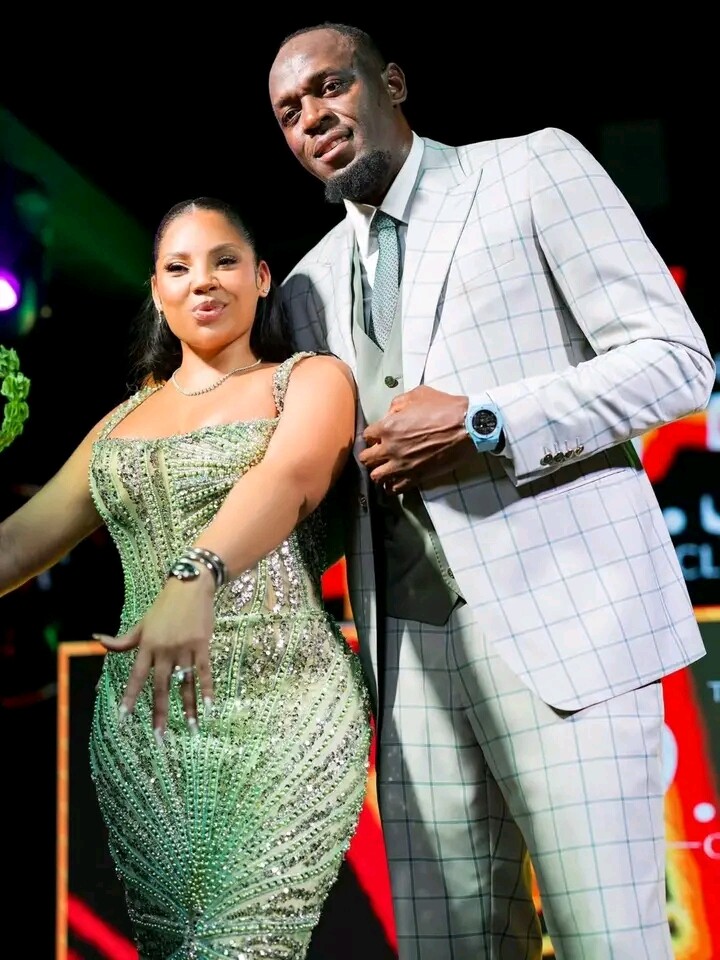
The Jamaican sprinting icon is officially engaged to his longtime partner, Kasi Bennett, after turning his 40th birthday celebration into a deeply personal and romantic moment in Kingston.

Bolt popped the question on Friday, August 21, during his birthday celebrations at One Belmont, where family and close friends gathered to mark the milestone. The eight-time Olympic champion got down on one knee in front of Bennett and asked her to become his wife, transforming an already special evening into a celebration of love and commitment.
And Bolt certainly did not arrive empty-handed.
Bennett was presented with a spectacular five-carat diamond engagement ring, with reports describing the centre stone as pear-shaped. Images from the occasion captured the emotional aftermath as the couple embraced, while Bennett later gave fans a glimpse of the unforgettable moment on social media.
The proposal marks a significant new chapter in a relationship that has lasted for more than a decade.
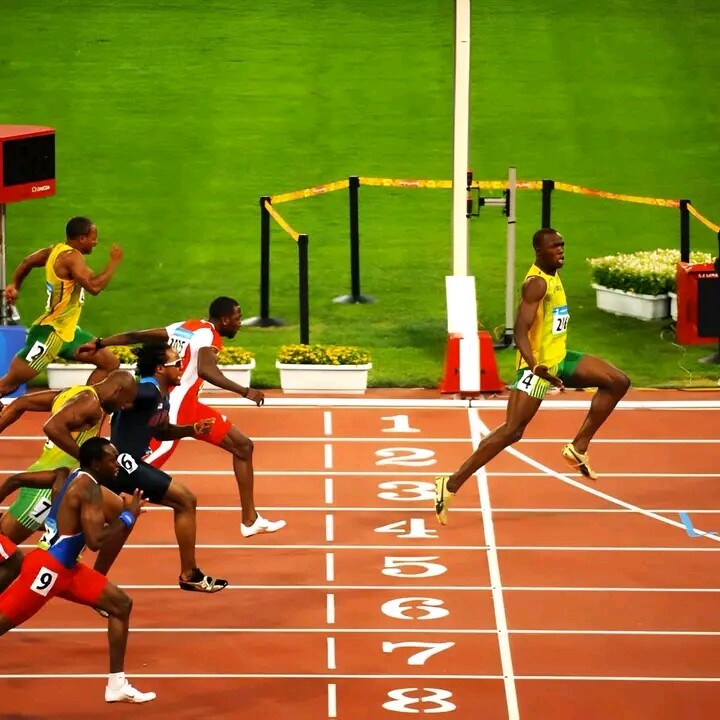
Bolt and Bennett began dating in 2013, eventually becoming one of Jamaica's most recognisable sporting couples. Their relationship became more widely known around the 2016 Rio Olympics, but much of their family life has remained away from the constant glare of the spotlight.
Together, they have built a family of their own, raising three children — daughter Olympia Lightning and twin sons Thunder and Saint Leo. Olympia was born in 2020, while the twins arrived in 2021.
Before the surprise proposal, Bennett had already marked Bolt's 40th birthday with a heartfelt tribute, celebrating not simply the global superstar known for rewriting sprinting history, but the partner and father behind the legend.
She described him as her love, her home and her forever, while expressing pride in the life they have created together.
For Bolt, whose career was defined by spectacular moments under the world's brightest lights, this may be one of his most meaningful victories yet.
He conquered the 100 metres. He dominated the 200 metres. He collected eight Olympic gold medals and established himself as one of the greatest athletes the world has ever seen.
Now, at 40, the world's most famous sprinter has made another decisive move — this time toward forever.
After 13 years together and three children, Usain Bolt and Kasi Bennett are officially taking their love story to its next chapter.
From breaking records to making memories, the fastest man in history has finally found a race he wants to take all the way to the finish.
by Erick Cheruiyot for My Best Runs.
Login to leave a comment
