

Running News Daily
Running News Daily is edited by Bob Anderson and team. Send your news items to bob@mybestruns.com Advertising opportunities available.
Index to Daily Posts · Sign Up For Updates · Run The World Feed



Oslo Showdown: Can Teenage Sensation Cooper Lutkenhaus Challenge Emmanuel Wanyonyi’s Reign?

The men’s 800 metres at the Oslo Diamond League is shaping up to be one of the most anticipated middle-distance races of the season, bringing together a rising teenage sensation and the athlete widely regarded as the king of the event.
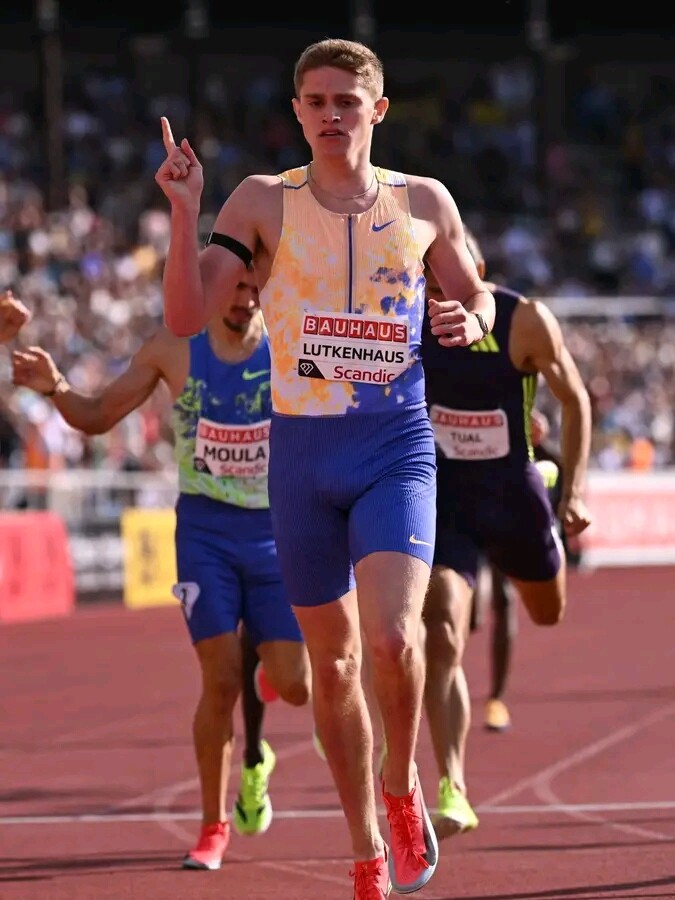
American prodigy Cooper Lutkenhaus arrives in Oslo riding an extraordinary wave of momentum. The 17-year-old has enjoyed a flawless campaign so far, remaining unbeaten over 800 metres while collecting major victories that have elevated his status from promising youngster to genuine international contender. His recent triumph in Stockholm further demonstrated that he possesses not only talent but also the composure required to deliver on the biggest stages.
Yet Oslo presents a challenge unlike any he has faced before.
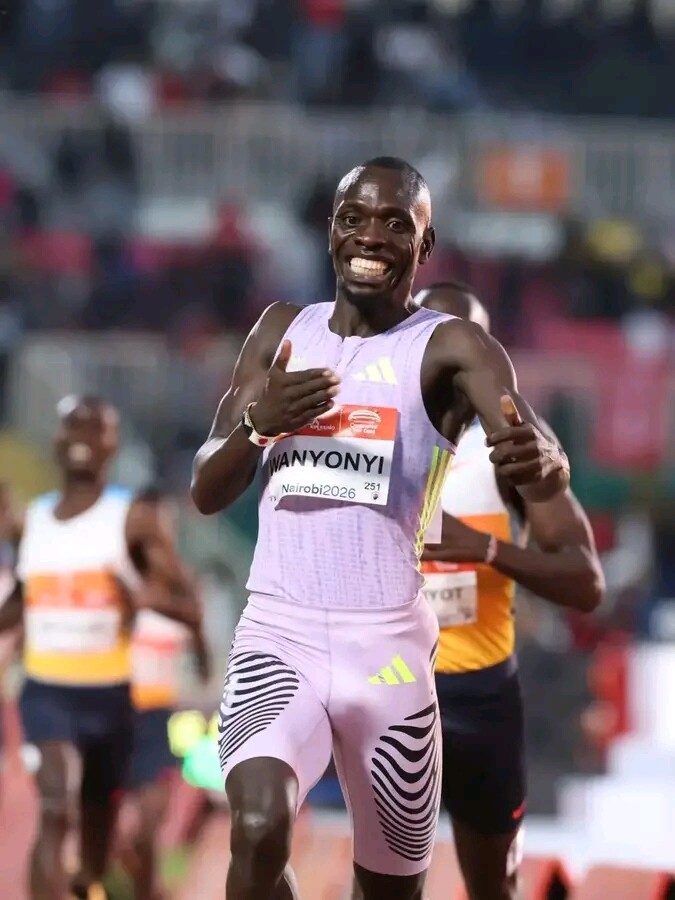
Standing in his way is Kenya’s Emmanuel Wanyonyi, the reigning Olympic and world champion whose dominance has made him the benchmark in global 800-metre running. Wanyonyi has spent the past few seasons establishing himself as the man to beat, combining tactical intelligence, blistering speed and championship experience to consistently outclass some of the world's finest athletes.
For Lutkenhaus, Wednesday’s race offers a rare opportunity to measure himself against the sport’s established elite. While his unbeaten record has captured headlines, facing a champion of Wanyonyi’s calibre is an entirely different test. The Kenyan has repeatedly proven his ability to control races under pressure and produce decisive finishes when titles and victories are on the line.
Adding even more intrigue to the contest is the presence of Marco Arop, one of the strongest 800-metre runners of his generation. Arop’s aggressive racing style and championship pedigree ensure that this will be far more than a two-man battle. With several world-class competitors lining up, the race promises to be a tactical and physical examination from the gun to the finish line.
The matchup symbolizes more than a race for victory. It represents a fascinating clash between youth and experience, ambition and accomplishment. Lutkenhaus carries the excitement of a new generation eager to challenge the established order, while Wanyonyi enters as the proven champion determined to protect his throne.
As the athletes take their marks in Oslo, one question will dominate conversations across the athletics world: can the fearless teenager continue his remarkable rise, or will the reigning king of the 800 metres remind everyone why he remains the standard by which greatness is measured?
Whatever the outcome, fans can expect a spectacular contest worthy of the Diamond League stage, with the possibility of witnessing the next chapter in one of athletics' most compelling emerging rivalries.
by Erick Cheruiyot for My Best Runs.
Login to leave a comment
Latest Running News
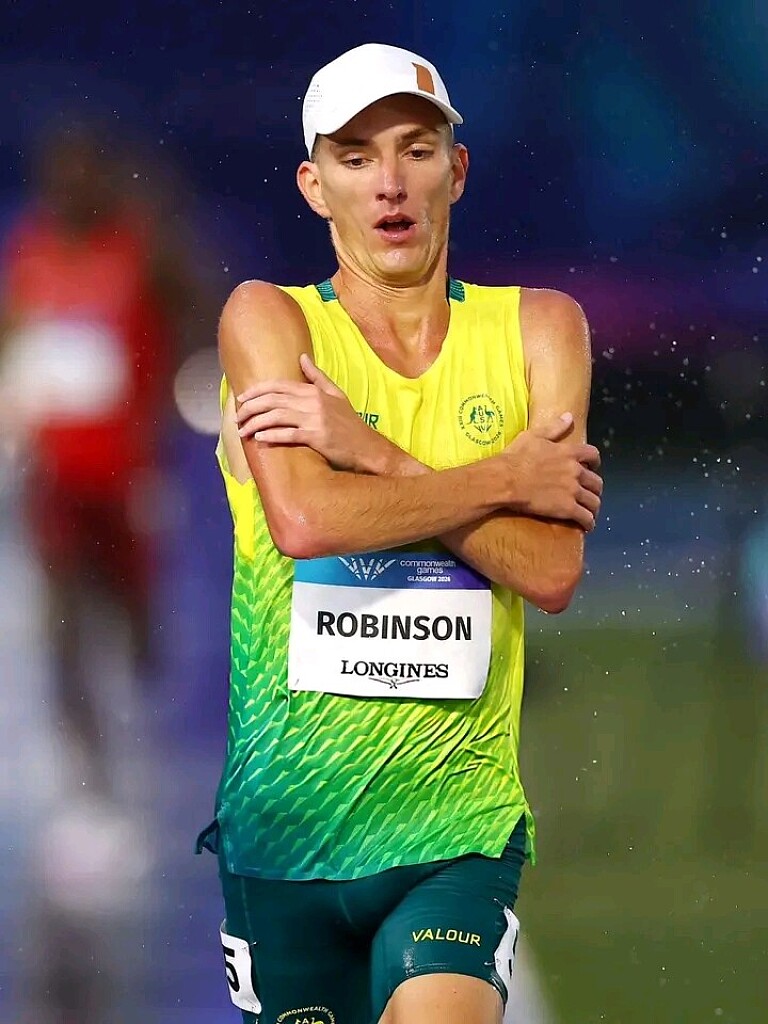
Australia Ends Long Wait as Ky Robinson Claims Historic Commonwealth 10,000m Gold in Glasgow
Australia's Ky Robinson produced the race of his career to capture the men's 10,000m gold medal at the 2026 Commonwealth Games in Glasgow, Scotland, becoming the first Australian ever to win the Commonwealth title in the event.
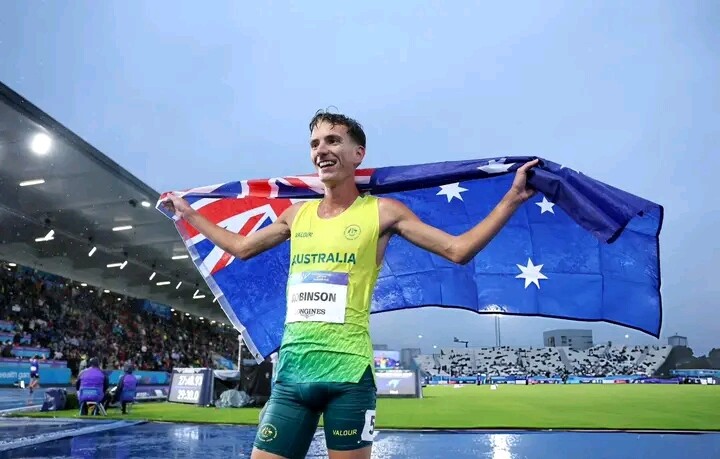
On a cold and rain-soaked night at Scotstoun Stadium, Robinson timed his finish to perfection, crossing the line in 27:48.93 to secure a landmark victory and complete an Australian sweep of the Commonwealth Games 10,000m titles after the nation's success in the women's race.
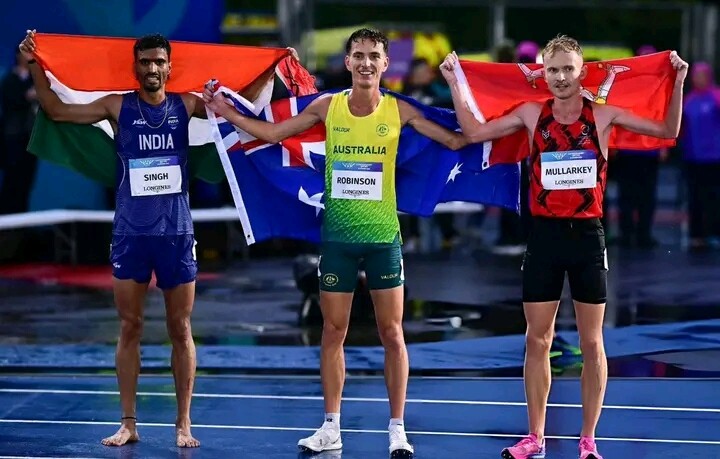
The race unfolded into one of the most dramatic distance finals of the championships. With the rain making conditions treacherous, a tightly packed lead group remained together well into the closing stages as the pace intensified lap after lap. Robinson found another gear in the final stretch to hold off a determined challenge from India's Gulveer Singh, while David Mullarkey unleashed a late surge to secure bronze. Just behind them, Edwin Kurgat fought bravely for Kenya but missed the podium by only 0.70 seconds, highlighting just how fiercely contested the battle for medals was. The top four athletes were separated by barely two seconds, making it one of the closest and most thrilling men's 10,000m finals in recent Commonwealth Games history.
India also celebrated a historic breakthrough as Gulveer Singh delivered the performance of his life to take silver in 27:49.78, earning India's first-ever Commonwealth Games medal in the men's 10,000m. David Mullarkey of the Isle of Man completed the podium in 27:50.28, capping a memorable evening for both nations.
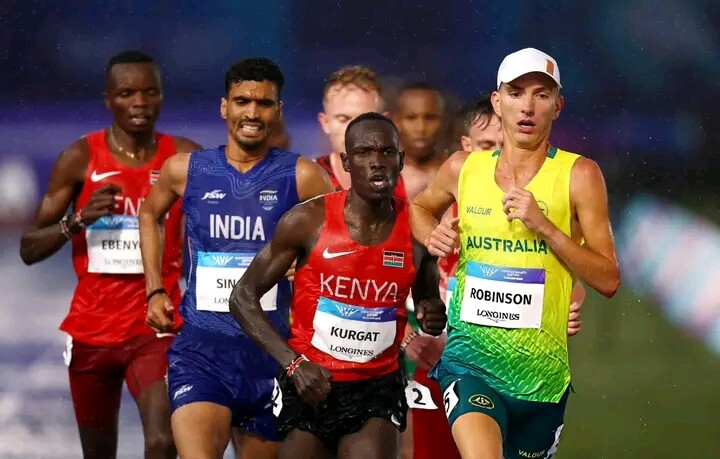
For Kenya, hopes of extending its proud tradition in the event fell agonizingly short. Edwin Kurgat led the Kenyan challenge with a courageous fourth-place finish in 27:50.98, narrowly missing out on a medal. Former world silver medalist Daniel Ebenyo finished sixth in 27:56.35, while Ishmael Kipkurui placed 10th in 28:04.60 as the Kenyan team was left without a podium finish.
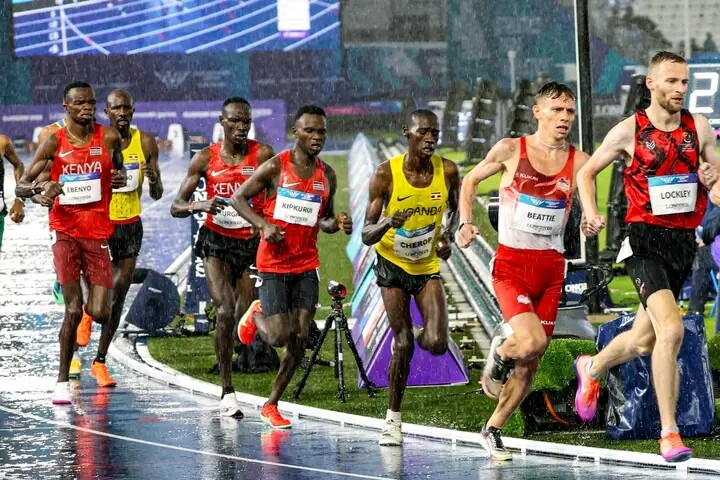
Uganda also came up short despite another determined performance from Samuel Simba Cherop, who clocked a personal best of 27:56.68 to finish seventh. The result ended an extraordinary era of Ugandan dominance in the men's 10,000m at the Commonwealth Games. Since Boniface Kiprop's victory at the 2006 Commonwealth Games in Melbourne, Australia, Uganda had ruled the event for two decades through a succession of outstanding distance runners, making Ky Robinson's triumph the first by another nation since Kiprop's breakthrough gold in Melbourne.
The final also showcased the growing depth of Commonwealth distance running, with athletes from Australia, India, the Isle of Man, Kenya, England, Uganda, Lesotho, Scotland and Tanzania all featuring prominently in a race that demonstrated the event's increasing global competitiveness.
Men's 10,000m Final Results – Glasgow 2026 Commonwealth Games
1. Ky Robinson (Australia) – 27:48.93
2. Gulveer Singh (India) – 27:49.78
3. David Mullarkey (Isle of Man) – 27:50.28
4. Edwin Kurgat (Kenya) – 27:50.98 (SB)
5. Scott Beattie (England) – 27:54.50
6. Daniel Ebenyo (Kenya) – 27:56.35 (SB)
7. Samuel Simba Cherop (Uganda) – 27:56.68 (PB)
8. Benjamin Ratsim (Tanzania) – 27:59.70 (PB)
9. Kamohelo Mofolo (Lesotho) – 28:01.00 (NR)
10. Ishmael Rokitto Kipkurui (Kenya) – 28:04.66 (SB)
11. Dan Kibet (Uganda) – 28:05.84 (SB)
12. Oscar Chelimo (Uganda) – 28:10.60
13. Andrew Butchart (Scotland) – 28:16.70
Robinson's historic triumph not only delivered Australia's first-ever Commonwealth men's 10,000m gold medal but also signaled a changing landscape in Commonwealth distance running, ending Uganda's remarkable 20-year reign and proving that the battle for long-distance supremacy is becoming more competitive than ever.
by Erick Cheruiyot for My Best Runs.
Login to leave a comment

The Commonwealth Games
The Commonwealth Games are coming to Victoria - bringing an action packed sports program to our regional cities and delivering a long-term legacy for our future. From 17 to 29 March 2026, Geelong, Bendigo, Ballarat, Gippsland and Shepparton will be on the world stage, attracting millions of viewers and creating thousands of jobs. The multi-city model will...
more...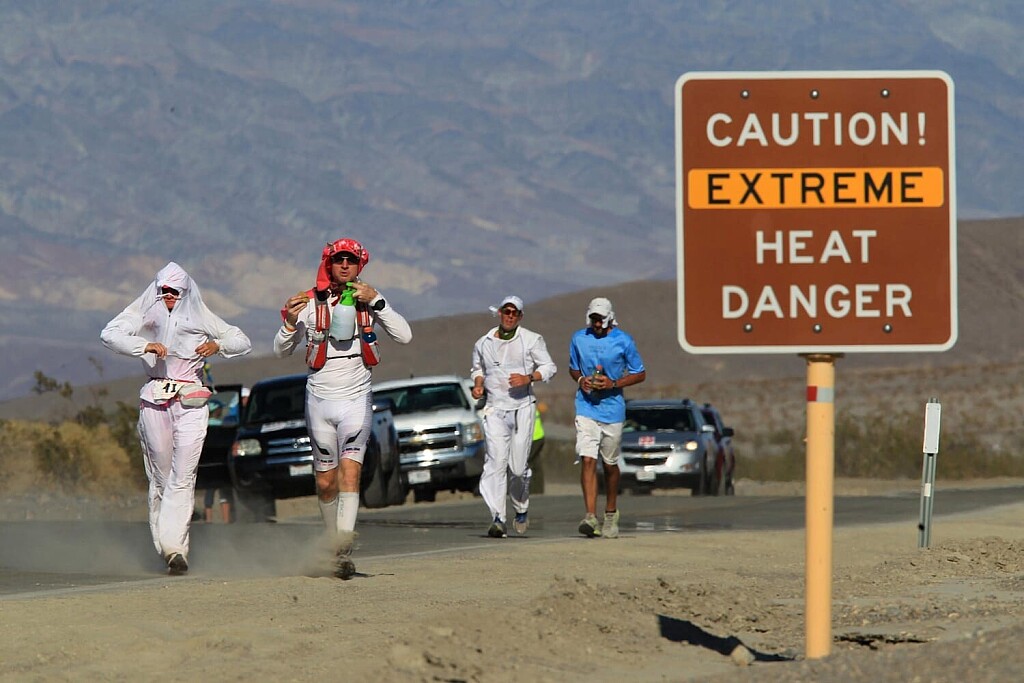
Badwater 135 Pushes Runners to Their Limits as Extreme Heat Engulfs Death Valley
The 2026 Badwater 135 is once again proving why it is regarded as one of the most demanding endurance races on the planet. As nearly 100 ultrarunners make their way across California's Death Valley, they are not only covering an extraordinary distance—they are confronting one of the harshest climates found anywhere on Earth.
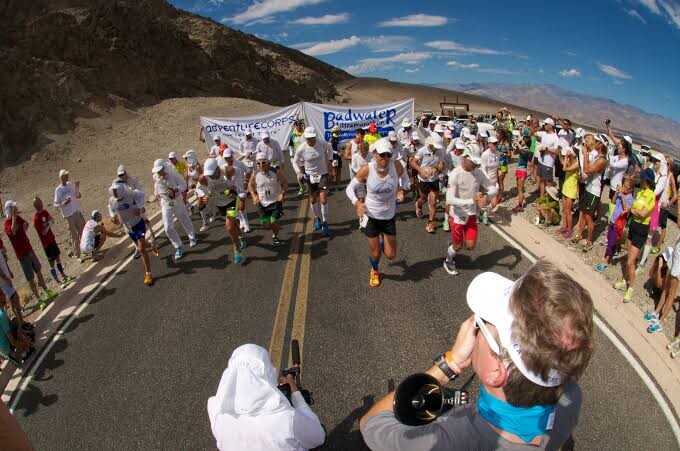
The 39th edition of the legendary ultramarathon began on Monday evening, with 98 athletes from 21 countries setting off from Badwater Basin, the lowest point in North America at 280 feet (86 meters) below sea level. Competitors started in three staggered waves before embarking on a grueling 135-mile (217-kilometer) journey that climbs approximately 14,600 feet (4,450 meters) before reaching the finish at Whitney Portal, 8,360 feet (2,548 meters) above sea level.
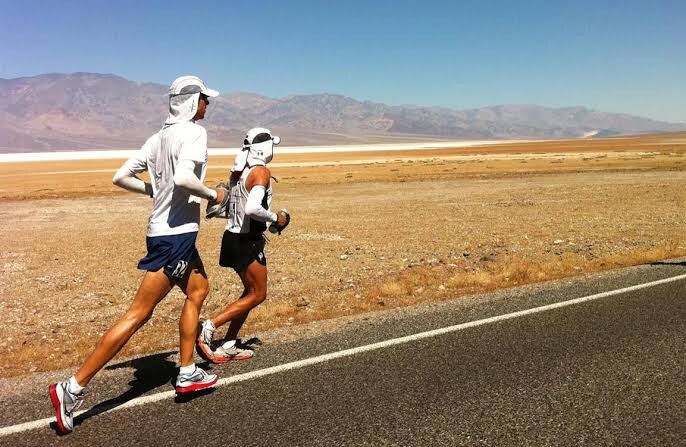
While the course is always unforgiving, this year's race is unfolding under an Extreme Heat Warning issued for Death Valley. Daytime temperatures are expected to hover around 118°F (48°C) during the opening stages, while overnight conditions offer little relief, with temperatures remaining close to 90°F (32°C). Forecasts also suggest that parts of the valley could approach 124–127°F (51–53°C) later in the week, creating an even greater challenge for runners still on the course.
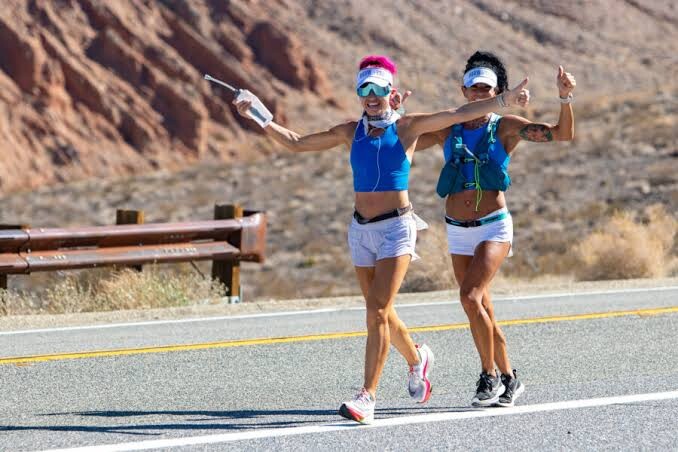
Unlike conventional marathons, where pace and tactics often determine the outcome, Badwater 135 is a relentless battle against the environment. The scorching desert heat can make the asphalt so hot that runners frequently seek the painted white lines along the roadside, where the surface is slightly cooler than the black pavement beneath their feet.
Every athlete is accompanied by a dedicated support crew and vehicle, supplying water, ice, nutrition, and medical assistance throughout the race. With no traditional aid stations available, these crews play a vital role in helping runners safely navigate one of the world's most hostile racing environments. Race regulations also prohibit the use of artificial cooling devices while competitors are actively running, adding another layer of difficulty to an already brutal test.
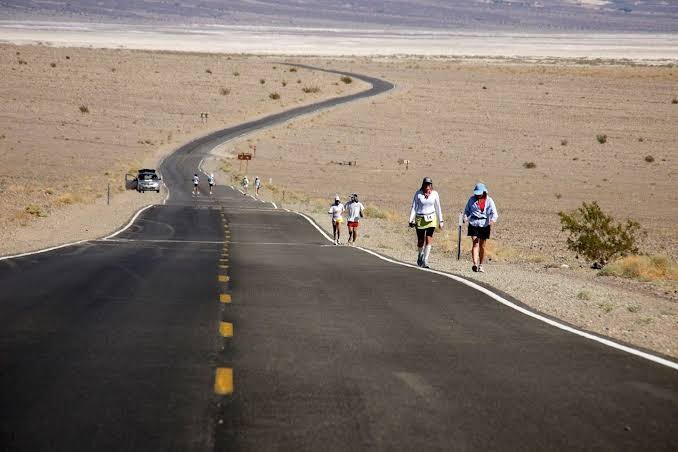
Adding to the challenge in 2026 is a significant rule change. Organizers have reduced the overall race cutoff from 48 hours to 45 hours, leaving runners with less margin for error. While the elite contenders may not be greatly affected, the shorter time limit places additional pressure on those fighting simply to reach the finish line before the clock expires.
Death Valley has become increasingly notorious for its intense summer conditions. Recent years have produced some of the hottest temperatures ever recorded in the region, reinforcing the race's reputation as one of the most physically demanding events in endurance sport. The combination of extreme heat, relentless climbing, and extraordinary distance ensures that every finisher earns their place in ultrarunning history.
As the race continues, the fastest competitors are expected to arrive at Whitney Portal well before many others begin the final mountain ascent. Yet at Badwater 135, speed tells only part of the story. Every athlete who reaches the finish line has overcome a challenge that extends far beyond running—a battle against heat, fatigue, and the limits of human endurance.
In most races, the toughest opponent is the athlete beside you. At Badwater 135, the true rival is the desert itself, and simply crossing the finish line is a victory worthy of celebration.
by Erick Cheruiyot for My Best Runs.
Login to leave a comment

Badwater 135
Recognized globally as "the world’s toughest foot race," this legendary event pits up to 90 of the world’s toughest athletes runners, triathletes, adventure racers, and mountaineers against one another and the elements. Badwater 135 is the most demanding and extreme running race offered anywhere on the planet. Covering 135 miles (217km) non-stop from Death Valley to Mt. Whitney, CA, the...
more...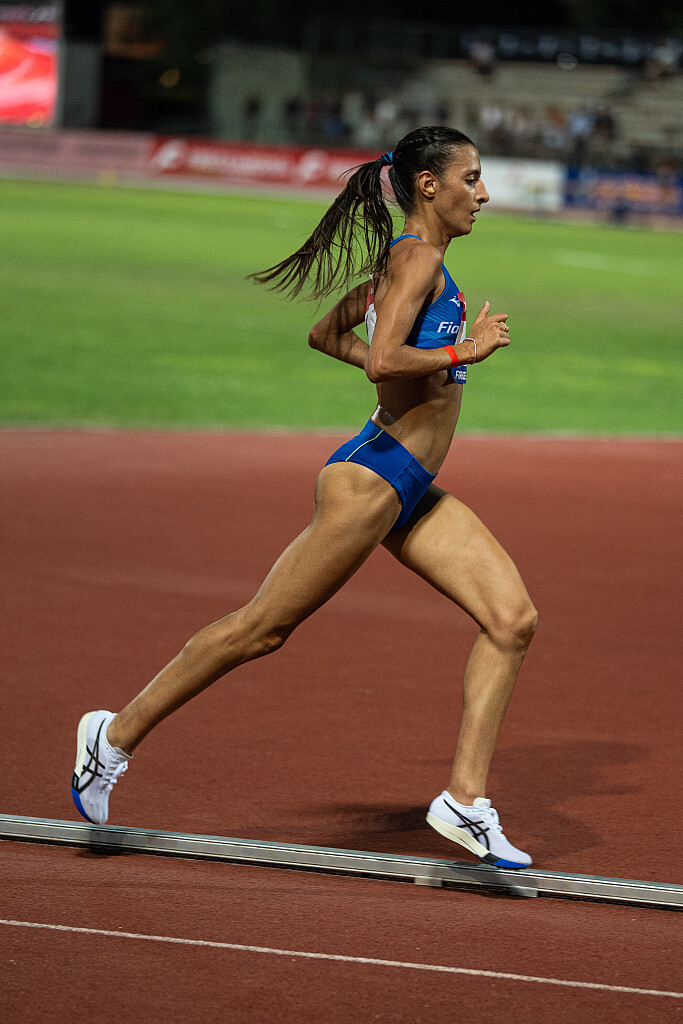
Nadia Battocletti Completes Another Italian Championship Double to Extend Her Domestic Reign
Italy's distance-running queen, Nadia Battocletti, once again proved why she remains the country's dominant force after producing another remarkable championship double at the Italian National Championships.
The Olympic silver medalist successfully defended both her 1,500m and 5,000m national titles, showcasing her impressive range from the middle distances to the longer events. Battocletti first secured victory in the 1,500m, crossing the finish line in 4:17.29, before returning to the track to claim the 5,000m crown in 15:12.65.
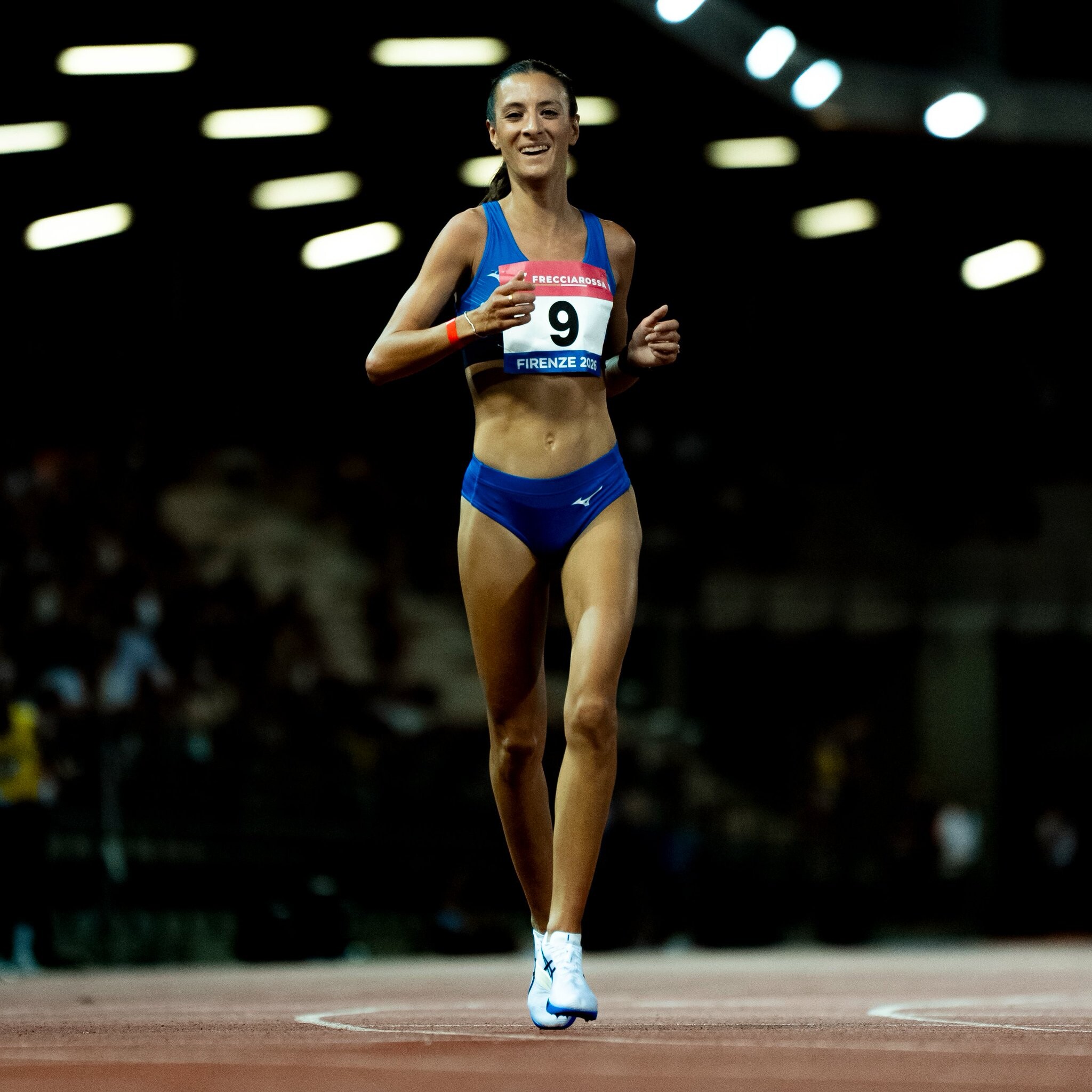
Her latest triumph carries even greater significance in the longer race. By winning the 5,000m title once again, Battocletti completed a hat-trick of consecutive Italian championships over the distance, further cementing her place among the country's finest distance runners. The achievement highlights not only her consistency but also her ability to remain at the top despite the increasing level of competition.
The double victory is another statement of intent as Battocletti continues to build momentum during a crucial stage of the season. Her ability to excel in both events demonstrates the endurance, speed, and tactical awareness that have made her one of Europe's most respected distance athletes.
With another pair of national titles added to her growing collection, Battocletti leaves the championships with renewed confidence and reinforces her status as Italy's leading distance star. Her commanding performances serve as another reminder that she will be one of the athletes to watch on the international stage as the season continues.
by Erick Cheruiyot for My Best Runs.
Login to leave a comment
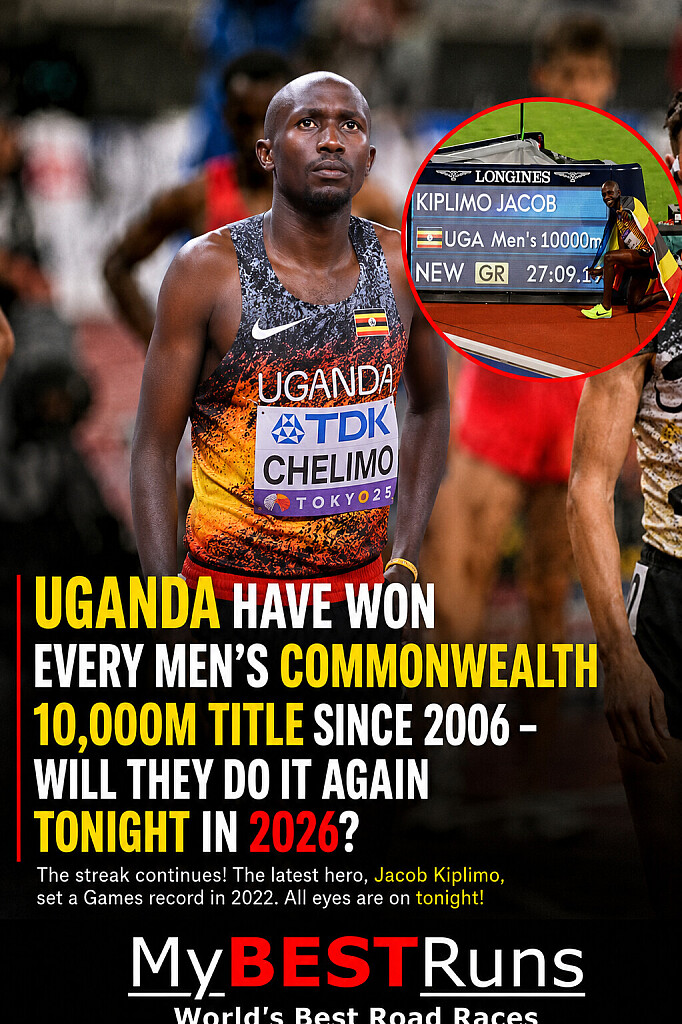
Can Uganda Keep Its Commonwealth 10,000m Crown Alive Tonight? A Historic Streak Faces Its Biggest Test
Tonight, one of the most remarkable legacies in Commonwealth Games history will once again be put on the line as Uganda bids to extend its extraordinary dominance in the men's 10,000m.
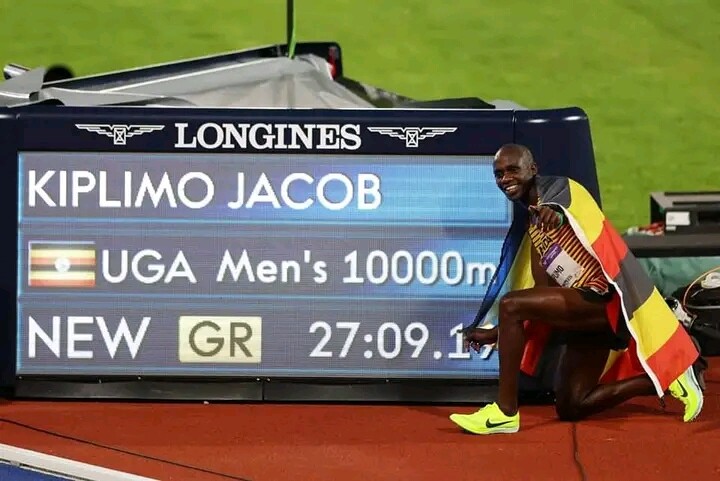
Since 2006, every Commonwealth Games men's 10,000m title has been won by a Ugandan athlete, establishing a remarkable streak that has become a symbol of the nation's excellence in long-distance running. The latest chapter was written by Jacob Kiplimo, who stormed to victory at the 2022 Commonwealth Games in Birmingham, setting a new Games record of 27:09.19 in a commanding performance.
Now, all eyes turn to tonight's final, where Uganda will attempt to continue a reign that has spanned nearly two decades.
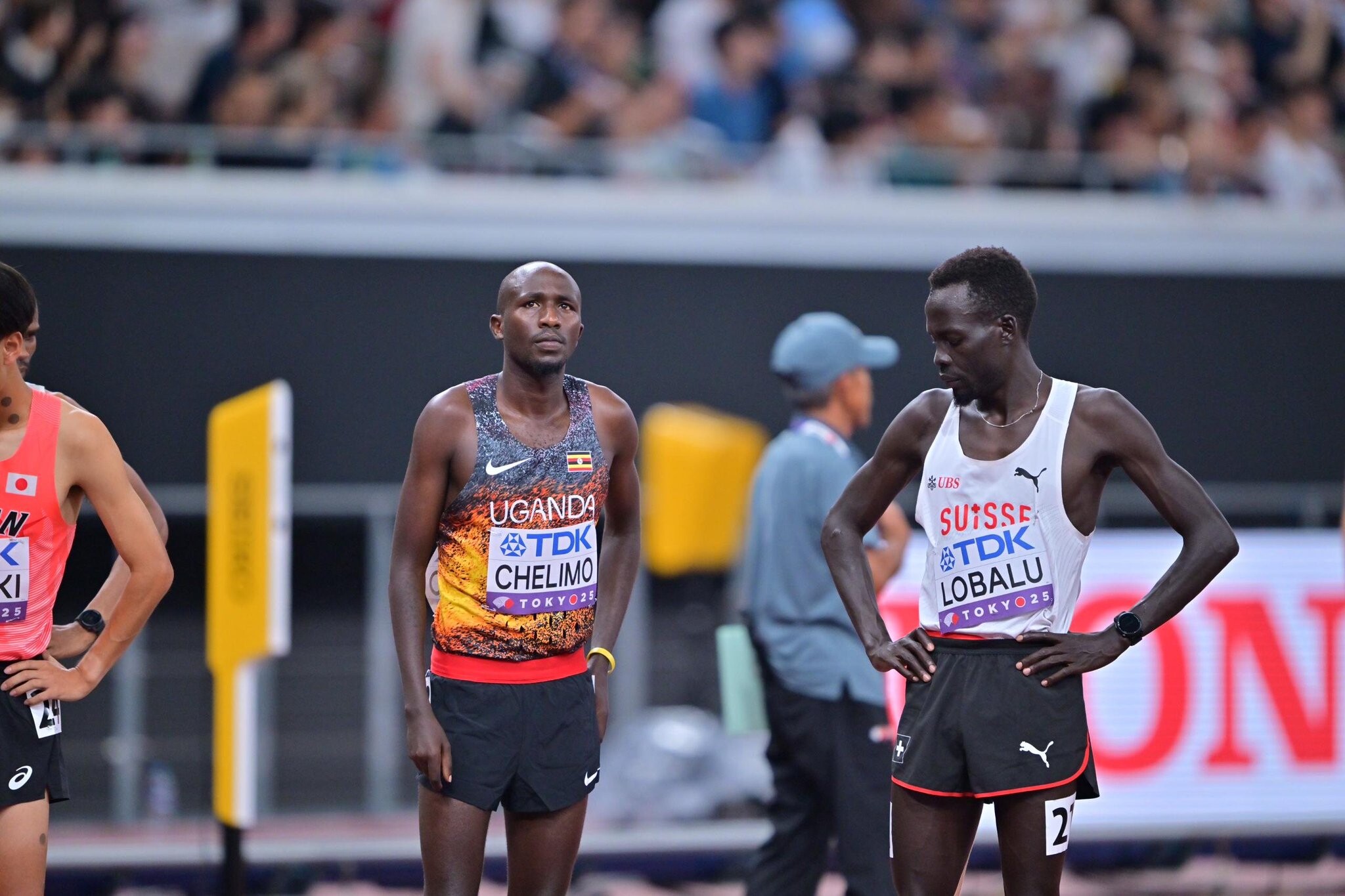
Uganda's hopes of preserving that incredible record will rest on a formidable trio of Dan Kibet, Oscar Chelimo, and Cherop Samuel Simba. Together, they carry the weight of a proud tradition and will be determined to ensure the men's 10,000m title remains in Ugandan hands for another Commonwealth Games.
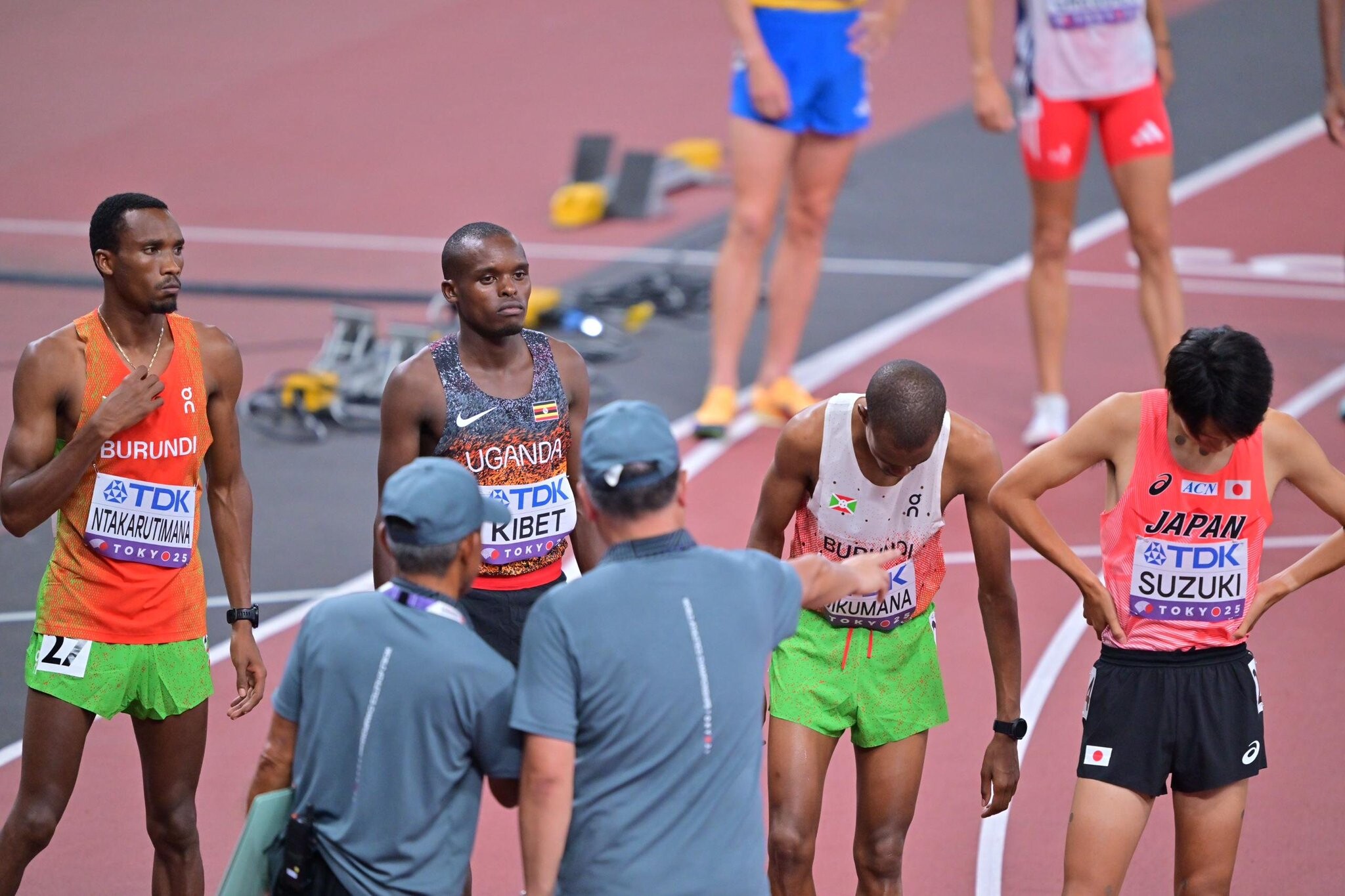
The challenge, however, promises to be fiercer than ever. Some of the Commonwealth's finest distance runners will line up with one goal—to end Uganda's remarkable run and claim one of the most prestigious titles in championship athletics. Every lap will carry the weight of history, with both seasoned stars and emerging talents eager to seize the moment.
For Uganda, this race is about far more than another gold medal. It is an opportunity to protect a legacy built through years of discipline, resilience, and world-class performances on the championship stage. Extending the streak would further strengthen the nation's reputation as one of the greatest forces in distance running.
Yet championship races are rarely decided by reputation alone. Tactical awareness, patience, and the ability to respond when the decisive move is made often separate the champion from the rest of the field. With several accomplished rivals eager to rewrite history, tonight's contest promises to deliver drama from the opening lap to the finish.
Will Uganda celebrate another unforgettable triumph tonight, or will a new champion finally bring an end to one of the longest winning streaks in Commonwealth Games history? By the end of the race, the answer will be written on the track, adding another unforgettable chapter to one of athletics' most enduring traditions.
by Erick Cheruiyot for My Best Runs.
Login to leave a comment
The Commonwealth Games
The Commonwealth Games are coming to Victoria - bringing an action packed sports program to our regional cities and delivering a long-term legacy for our future. From 17 to 29 March 2026, Geelong, Bendigo, Ballarat, Gippsland and Shepparton will be on the world stage, attracting millions of viewers and creating thousands of jobs. The multi-city model will...
more...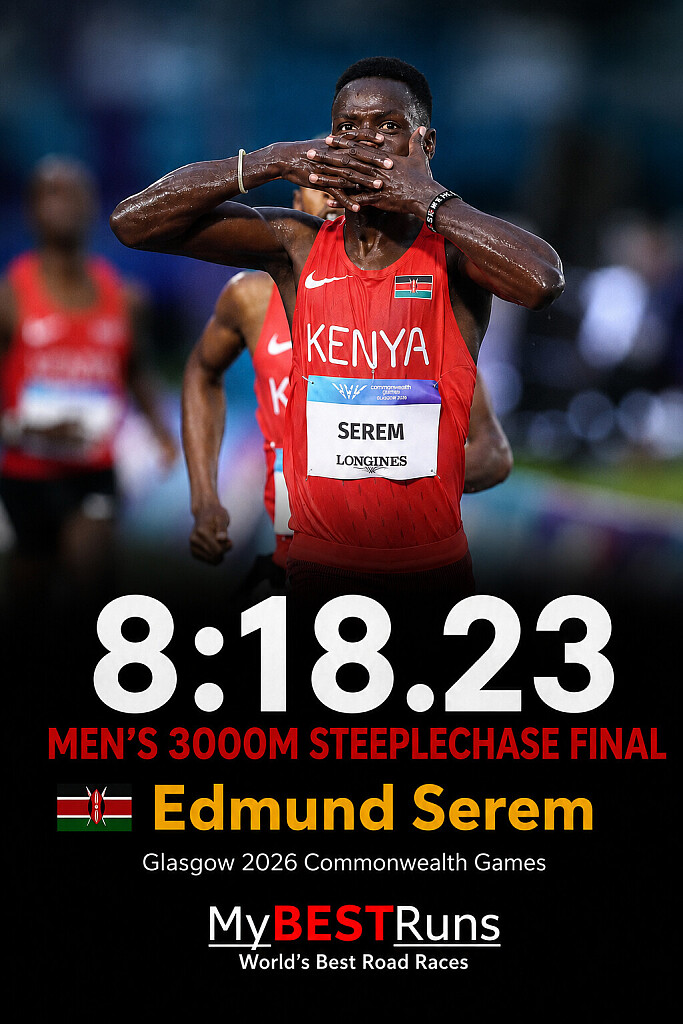
Kenya Reclaims Steeplechase Supremacy with Historic 1-2-3 Sweep at Glasgow 2026 Commonwealth Games
Kenya emphatically reaffirmed its status as the undisputed powerhouse of the men's 3000m steeplechase by producing a sensational podium clean sweep at the 2026 Commonwealth Games in Glasgow. In a commanding display of tactical brilliance, endurance, and finishing speed, Edmund Serem, Simon Kiprop Koech, and Leonard Kipkemoi Bett shut out the rest of the field to secure all three medals in one of Kenya's most treasured athletics events.
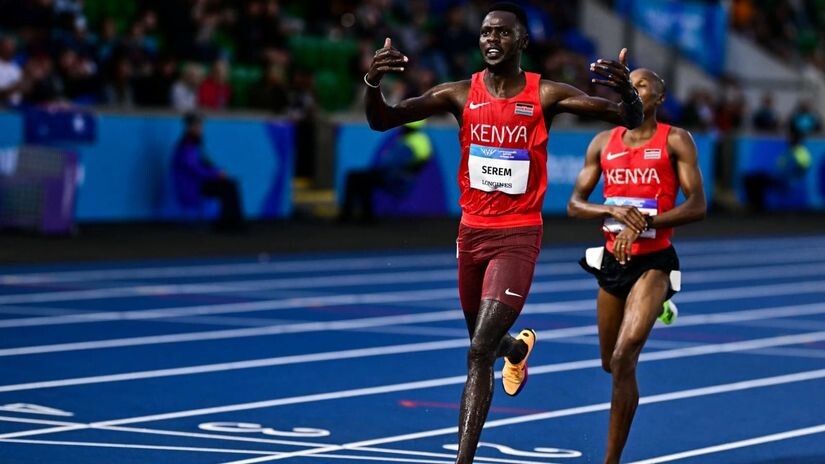
The Kenyan trio remained patient through the early stages before steadily increasing the pace over the closing laps. As the race reached its decisive moments, they broke clear of the chasing pack, leaving reigning world champion Geordie Beamish of New Zealand and the rest of the field unable to match their relentless surge.
Edmund Serem produced the winning move over the final barriers, powering away in the closing metres to capture the Commonwealth title in 8:18.23. Simon Kiprop Koech, who had led the race at the bell, battled all the way to the finish and claimed the silver medal in 8:18.59, while Leonard Kipkemoi Bett completed the historic sweep with bronze in 8:21.63, ensuring an unforgettable day for Team Kenya.
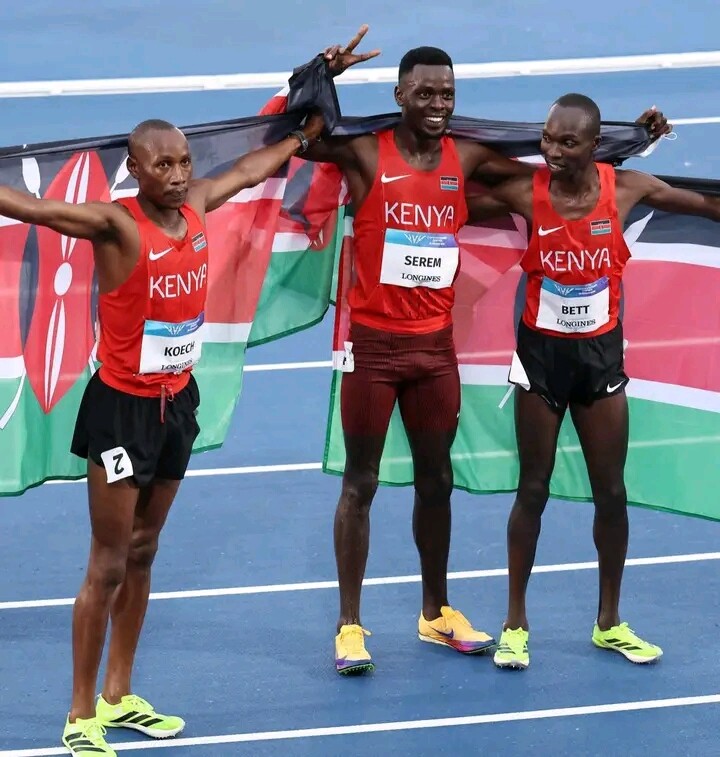
The achievement marks one of Kenya's defining moments of the Glasgow Games and restores the nation's complete dominance in an event that has long been synonymous with Kenyan distance running excellence. It also serves as a powerful response to the 2022 Commonwealth Games in Birmingham, where India's Avinash Sable ended Kenya's remarkable run of podium sweeps by winning the silver medal. Four years later, Serem, Koech, and Bett emphatically returned the men's steeplechase podium entirely to Kenyan hands, reaffirming the country's unrivalled legacy in the discipline.
Behind the Kenyan trio, reigning world champion Geordie Beamish finished fourth in 8:24.09, while Canada's Jean-Simon Desgagnes and Aaron Ahl placed fifth and sixth respectively. England's Kristian Imroth and Mark Pearce completed the top eight.
Men's 3000m Steeplechase Final – Glasgow 2026 Commonwealth Games
1. Edmund Serem (Kenya) — 8:18.23
2. Simon Kiprop Koech (Kenya) — 8:18.59
3. Leonard Kipkemoi Bett (Kenya) — 8:21.63
4. Geordie Beamish (New Zealand) — 8:24.09
5. Jean-Simon Desgagnes (Canada) — 8:25.43
6. Aaron Ahl (Canada) — 8:31.71
7. Kristian Imroth (England) — 8:38.12
8. Mark Pearce (England) — 8:42.39
The performance once again highlighted the extraordinary depth of Kenya's steeplechase talent, proving that a new generation is ready to carry forward one of the nation's greatest traditions in global athletics. Their flawless execution, unwavering composure, and dominant finish left no doubt that Kenya remains the standard bearer in the men's 3000m steeplechase.
by Erick Cheruiyot for My Best Runs.
Login to leave a comment
The Commonwealth Games
The Commonwealth Games are coming to Victoria - bringing an action packed sports program to our regional cities and delivering a long-term legacy for our future. From 17 to 29 March 2026, Geelong, Bendigo, Ballarat, Gippsland and Shepparton will be on the world stage, attracting millions of viewers and creating thousands of jobs. The multi-city model will...
more...