

Running News Daily
Running News Daily is edited by Bob Anderson and team. Send your news items to bob@mybestruns.com Advertising opportunities available.
Index to Daily Posts · Sign Up For Updates · Run The World Feed
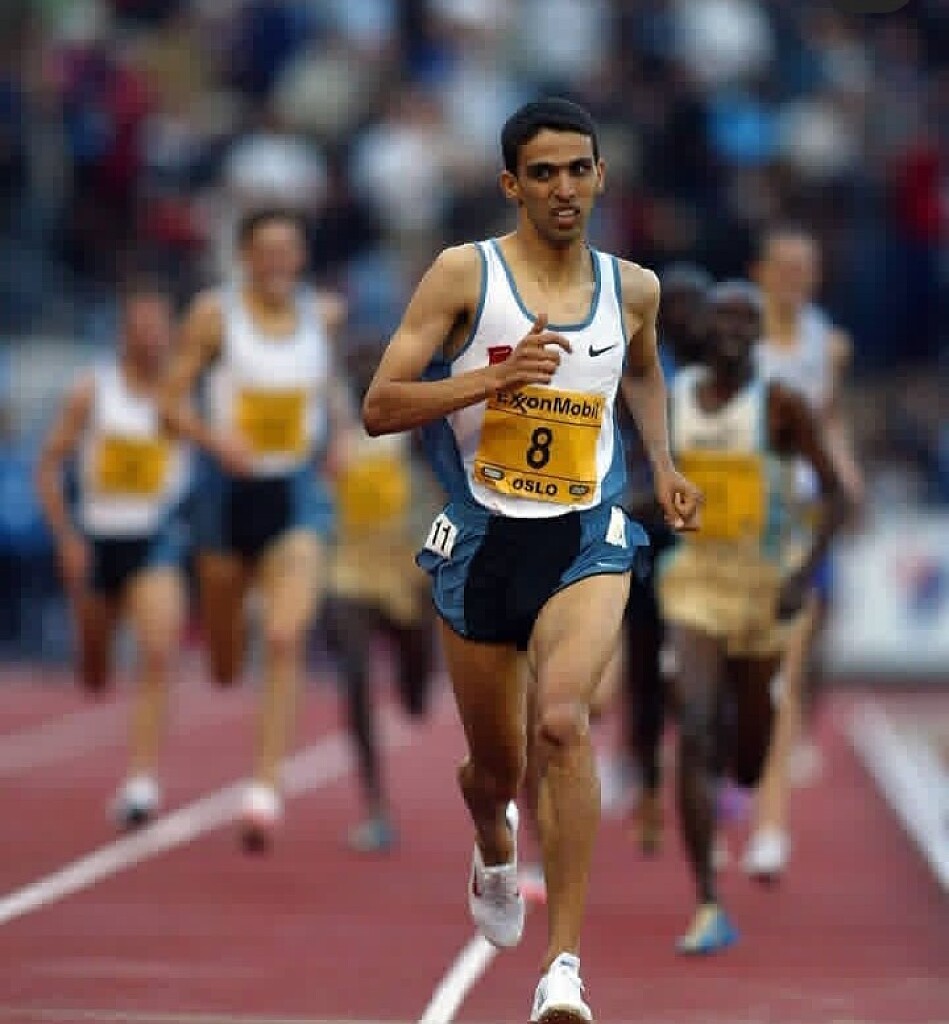


Chasing 3:26 — The Extraordinary Standard Set by Hicham El Guerrouj

For more than a quarter of a century, the men’s 1500 metres world record has stood as one of athletics’ most revered and demanding achievements. The legendary 3:26.00, set by Morocco’s iconic middle-distance master Hicham El Guerrouj in 1998, remains a benchmark of near-perfect racing — a performance that still defines the outer limits of human speed and endurance over the metric mile’s shorter cousin.
Breaking that mark would require far more than raw talent. It demands a rare combination of physiological excellence, tactical brilliance, technological advantage, and the perfect competitive environment.
The Pace of Perfection
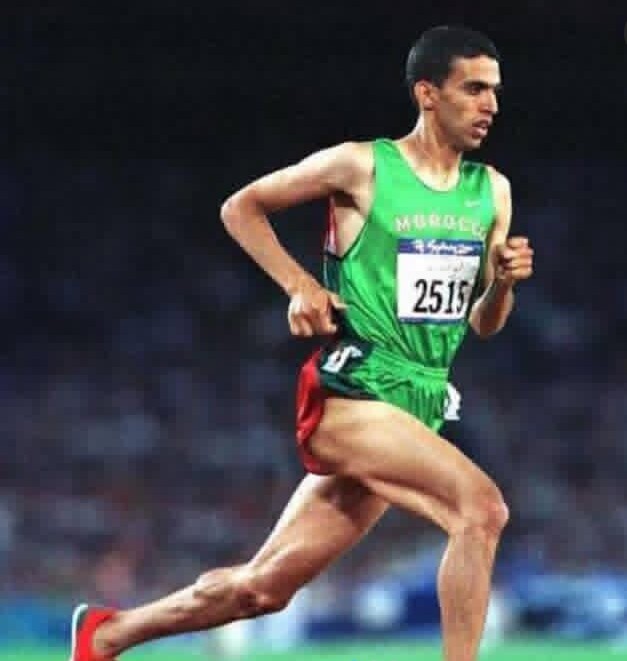
To surpass 3:26.00, an athlete must sustain an astonishing rhythm from start to finish. The record pace translates to roughly 13.7 seconds per 100 metres and about 54.9 seconds per 400-metre lap. Maintaining that speed over three and three-quarter laps of the track means running close to sprint velocity while preserving enough strength for a decisive finish.
What makes the record even more remarkable is how El Guerrouj completed the race. After already covering the first 1100 metres at blistering speed, he unleashed a final lap of approximately 53 seconds, a finishing surge that would be exceptional even in a fresh 400-metre race. Any athlete hoping to rewrite history must produce a similarly devastating closing kick.
The Physiological Equation
The 1500 metres sits at the crossroads between endurance and speed. Success at world-record level requires a finely tuned balance between the aerobic system — which supplies the majority of energy — and the anaerobic system responsible for explosive surges.
Elite training models typically emphasize high-volume aerobic development, often accounting for the majority of an athlete’s preparation, complemented by intense intervals run faster than race pace. This combination builds the stamina required to maintain record tempo while preserving the speed necessary to finish with authority.
The Importance of Perfect Conditions
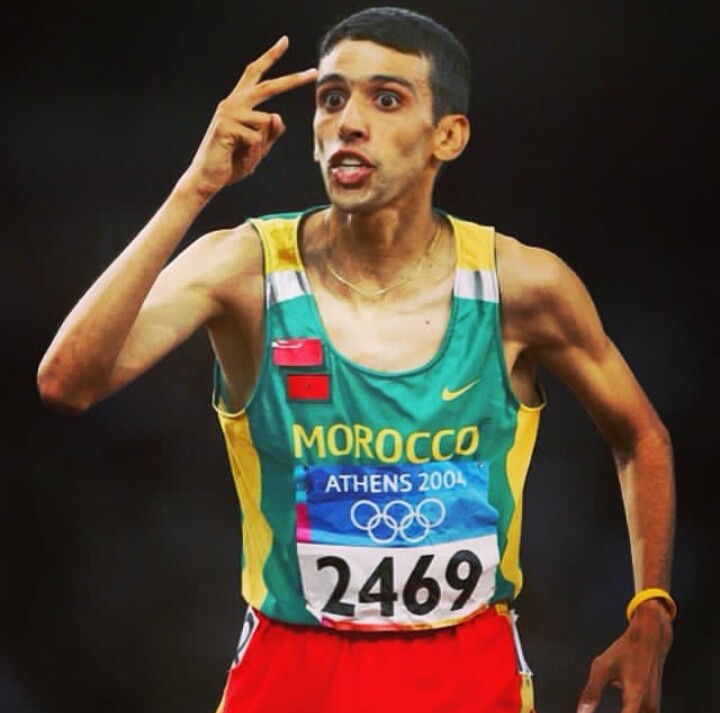
Even the greatest athletes depend on ideal circumstances to produce historic performances.
Pacemakers play a decisive role, guiding the early stages of the race and ensuring a consistent rhythm through the first 800 to 1000 metres. Their presence prevents tactical hesitation and shields the contenders from wind resistance.
Environmental factors also matter. Record attempts usually occur in calm conditions, with moderate temperatures and low wind — elements that minimize energy loss and allow athletes to focus entirely on maintaining pace.
Modern technology has further pushed the limits. Advances in carbon-plated racing spikes and highly responsive synthetic tracks have helped athletes convert effort into forward momentum more efficiently than ever before.
The Pressure of Competition
World records rarely happen in isolation. They emerge when elite competitors push each other relentlessly through the final laps. A fast race requires rivals willing to maintain relentless pace and challenge for victory until the final 200 metres.
Norway’s middle-distance star Jakob Ingebrigtsen, who has already run 3:26.73 — the European record — is among the athletes bringing the barrier closer to reality. His performances demonstrate how narrow the gap has become between the present generation and El Guerrouj’s enduring standard.
The Official Path to History
For any performance to replace the record, it must occur at a competition recognized by World Athletics, with fully certified timing systems and immediate anti-doping verification. Only under these strict conditions can a new mark be ratified as the fastest 1500 metres ever run.
A Record That Still Defines Greatness
More than two decades after it was set, 3:26.00 continues to symbolize the pinnacle of middle-distance running. Breaking it will require flawless pacing, extraordinary physiology, fierce competition, and a moment when every variable aligns.
Until that day arrives, the time produced by Hicham El Guerrouj remains not just a world record — but one of the greatest performances in the history of track and field.
by Erick Cheruiyot for My Best Runs.
Login to leave a comment
Latest Running News
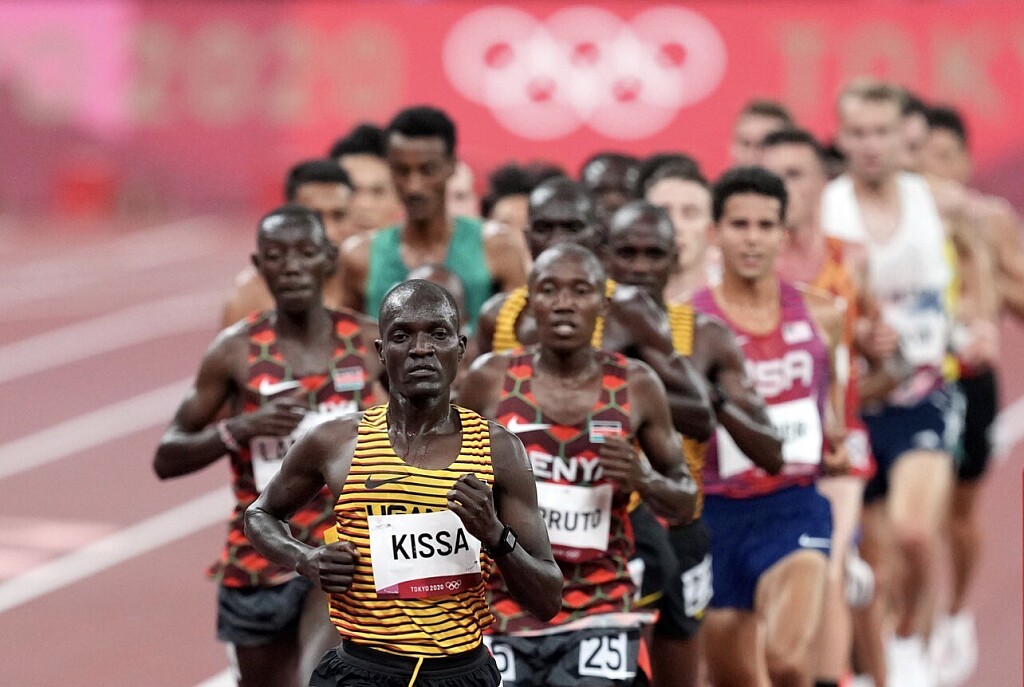
Stephen Kissa Carrying Ugandan Hopes at TCS Toronto Waterfront Marathon
Ugandan long-distance runners have emerged from the shadows of their legendary East African neighbours to earn distinction at the highest level.
Now Stephen Kissa will represent his nation at the 2026 TCS Toronto Waterfront Marathon on October 18 against a strong contingent of Kenyan and Ethiopian athletes. The event is once again a World Athletics Elite Label race.
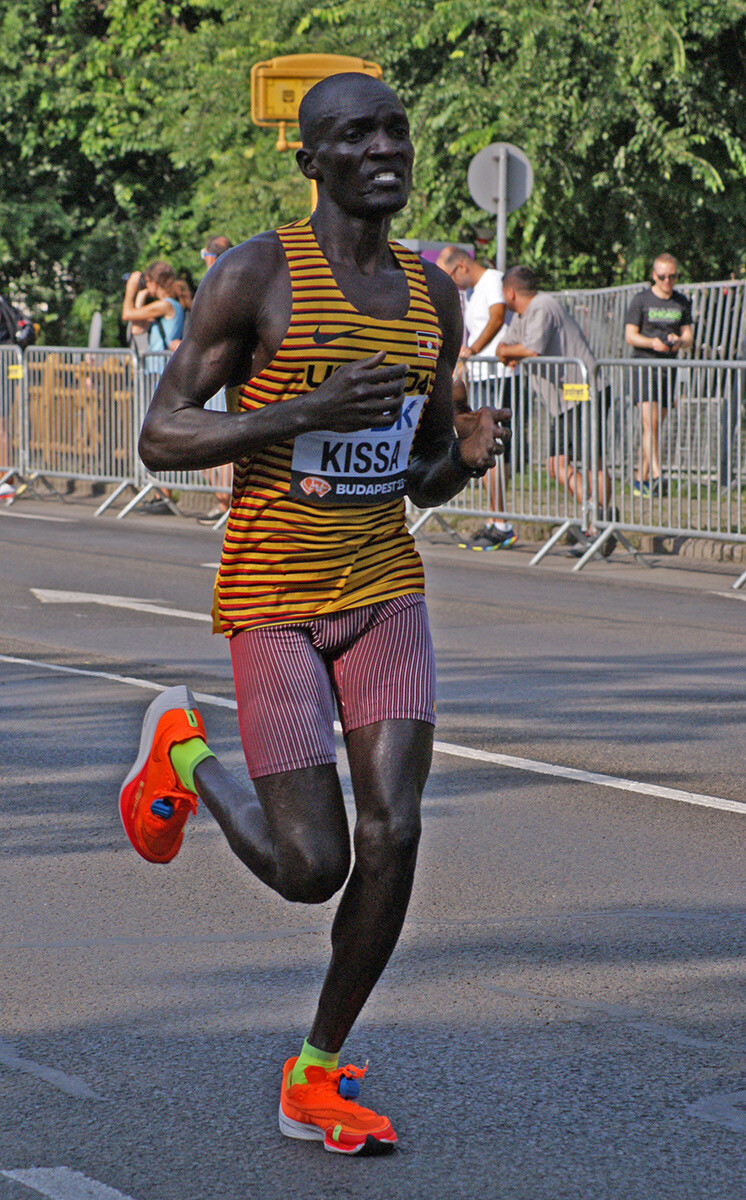
Kissa set a Ugandan national record of 2:04:48 when he finished second in his 2022 marathon debut in Hamburg. That record was only broken this year. He was subsequently selected for Uganda’s 2023 World Championships marathon team, finishing fifth on the streets of Budapest.
He has also represented his country twice at the Olympics and competed at the World Cross Country Championships. With such experience, the 37-year-old is intent on challenging for Toronto’s $25,000 Canadian first-place prize.
“When I come to Toronto, I will do my best,” he declares with a broad smile. “I will be really happy if I can run 2:03 or 2:04.
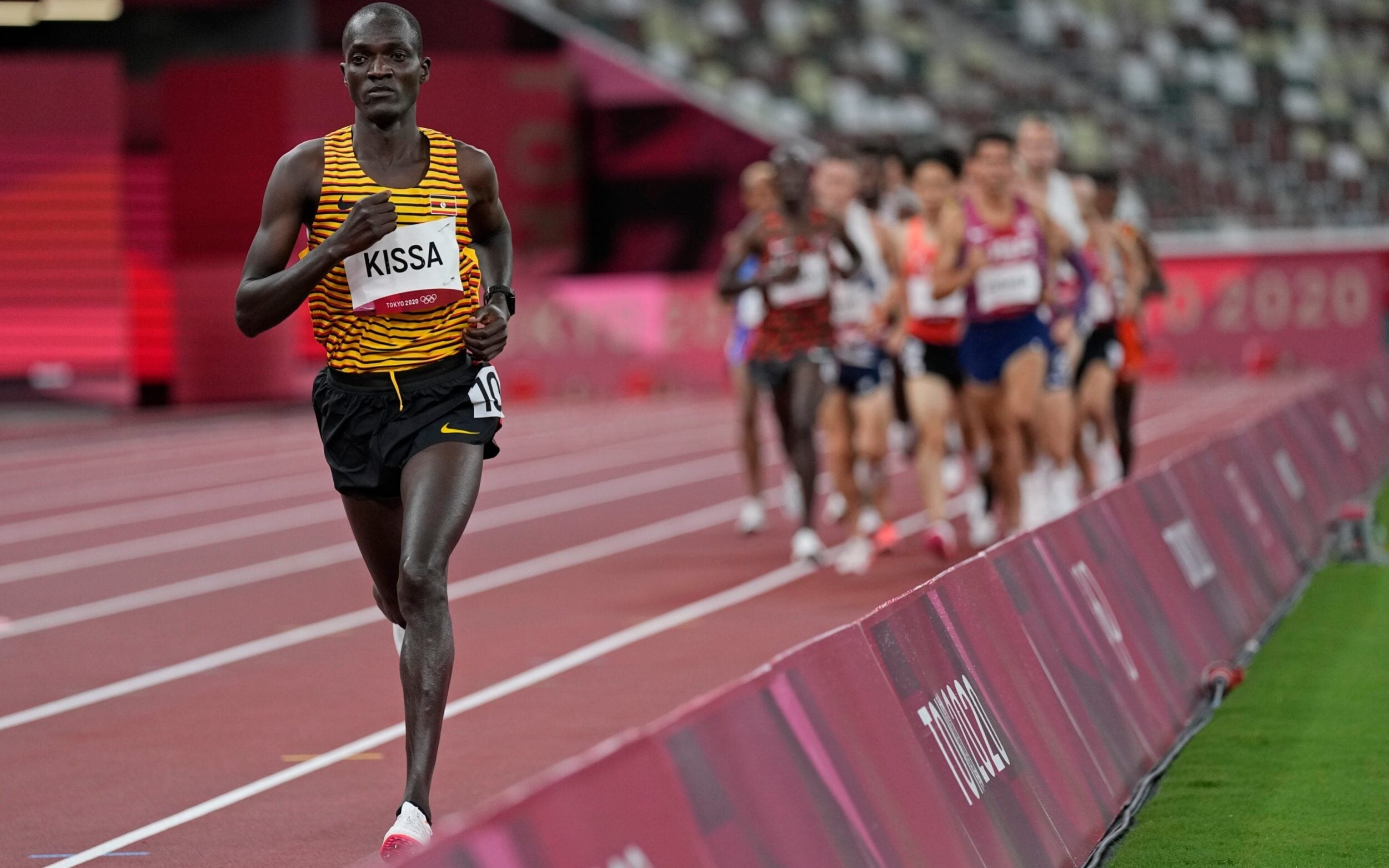
“With training, we have been comparing the past to now, and we have come up with a solution. We do long runs and tempo runs ranging from 25km and 28km to 30km and up to 40km. I am running around 120km a week but will go up closer to 200km.”
Kissa is not the first of his compatriots to compete in the Toronto Waterfront Marathon. Stephen Kiprotich, the 2012 Olympic champion, finished seventh in the 2018 race. Kiprotich remains a national hero in Uganda, and his success has contributed significantly to the nation’s emergence as a distance-running power.
“I was really inspired a long time ago by Stephen Kiprotich,” Kissa admits. “He did some tremendous work, and I can say he is our mentor. We really respect him.
“He has given me advice. He told me, ‘Our sport is not a one-day journey. It is a long journey that takes a lot of patience and commitment. If you have commitment, patience and work hard, you will go far.’”
Kiprotich has been an occasional and welcome visitor to the training camp in Kapchorwa that Kissa calls home for most of the year. It sits at an altitude of 2,500 metres, or 8,200 feet.
From Monday through Saturday, Kissa trains there with a group that includes two-time Olympic champion Joshua Cheptegei, 2023 world marathon champion Victor Kiplangat and 2022 Olympic 3,000m steeplechase champion Peruth Chemutai.
The centre was built by their management company, Global Sports Communications, with a contribution from Cheptegei. The athletes return home to their families on Saturday evenings.
Kissa lives in Kapchorwa’s town centre, about 14 kilometres away, in an area dominated by Mount Elgon, an extinct volcano estimated to be 24 million years old. He lives there with his wife and two young children.
“Right now they are at school,” he says of his children. “They are about to come home for a holiday. That’s when I will meet them. At school, they concentrate on their studies unless there is a problem. Then they will call me.”
The training camp includes a dormitory, dining room, kitchen and recreation room where the group gathers to watch sports. The recent FIFA World Cup generated great interest, and Kissa admits enjoying the play of Spanish winger Lamine Yamal. When asked what he does to relax, he smiles.
“I can play pool. I like that,” he says, adding with a laugh, “Not for money. We also play cards.
“Sometimes, when I have time, I cook chapati. It is made from wheat flour. We also have potatoes and ugali, which is made from corn.”
The group holds a prayer before each workout. Victor Kiplangat is an assistant pastor at a nearby church called Temple of the Most High God, but the others, including Kissa, also take turns leading prayers.
For more than a decade, the group was coached by Addy Ruiter. After the 2024 Paris Olympics, the Dutchman returned home. He continues coaching the athletes remotely through WhatsApp, with an on-site team led by fellow Dutchman Roy Hoornweg.
“Kapchorwa is a hilly, mountainous area,” Kissa explains. “The tempo runs are done on a plateau where it is flat. Our training differs depending on the location. You can’t do long runs in the hilly area, so we go to the plateau. We also have flatlands where we can do long runs and tempo runs.”
Kissa understands that he is approaching the later stages of his running career and must look toward life beyond competition. Still, he laughs when asked how many more years he can compete.
“Maybe 10 years! I will be happy if I can run 2:03 or 2:04,” he says.
“If Toronto goes really well, I will look to invest in assets in town, build apartments and start a business. I can really say thank you for inviting me to Toronto. If it goes well, I will be very proud.”
Kissa won’t be the only Ugandan presence at the TCS Toronto Waterfront Marathon. At the Runner’s Expo on October 16 and 17 at the Better Living Centre, a Uganda Tourism booth will offer information about the Mount Rwenzori Marathon and Great Lakes Safaris.
On the starting line, Kissa can be confident that he has the international experience and talent to compete with anyone. As for his ultimate goals, he is succinct.
“I pray that in the years to come I will stand on the podium at the Olympics or World Championships,” he says. “That is what I am really looking forward to.”
A victory in Toronto would bolster that ambition.
by Paul Gains
Login to leave a comment

TCS Toronto Waterfront Marathon
The Scotiabank Toronto Waterfront Marathon, Half-Marathon & 5k Run / Walk is organized by Canada Running Series Inc., organizers of the Canada Running Series, "A selection of Canada's best runs!" Canada Running Series annually organizes eight events in Montreal, Toronto and Vancouver that vary in distance from the 5k to the marathon. The Scotiabank Toronto Waterfront Marathon and Half-Marathon are...
more...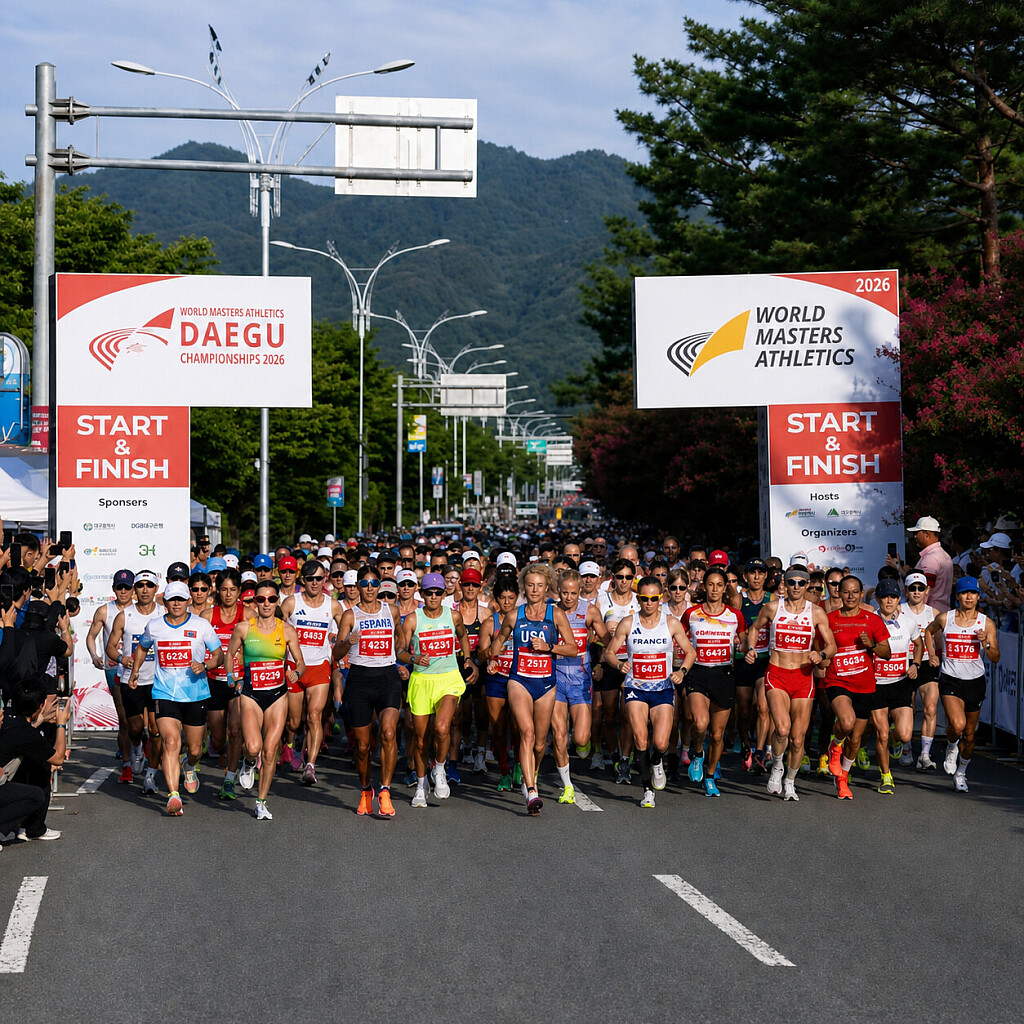
Four World Records Fall as Daegu Masters Championships Explode Into Life
The World Masters Athletics Championships in Daegu, South Korea, are only three days old, but the competition has already produced a remarkable display of speed, endurance and longevity, with four world records shattered and another 10 championship records rewritten.
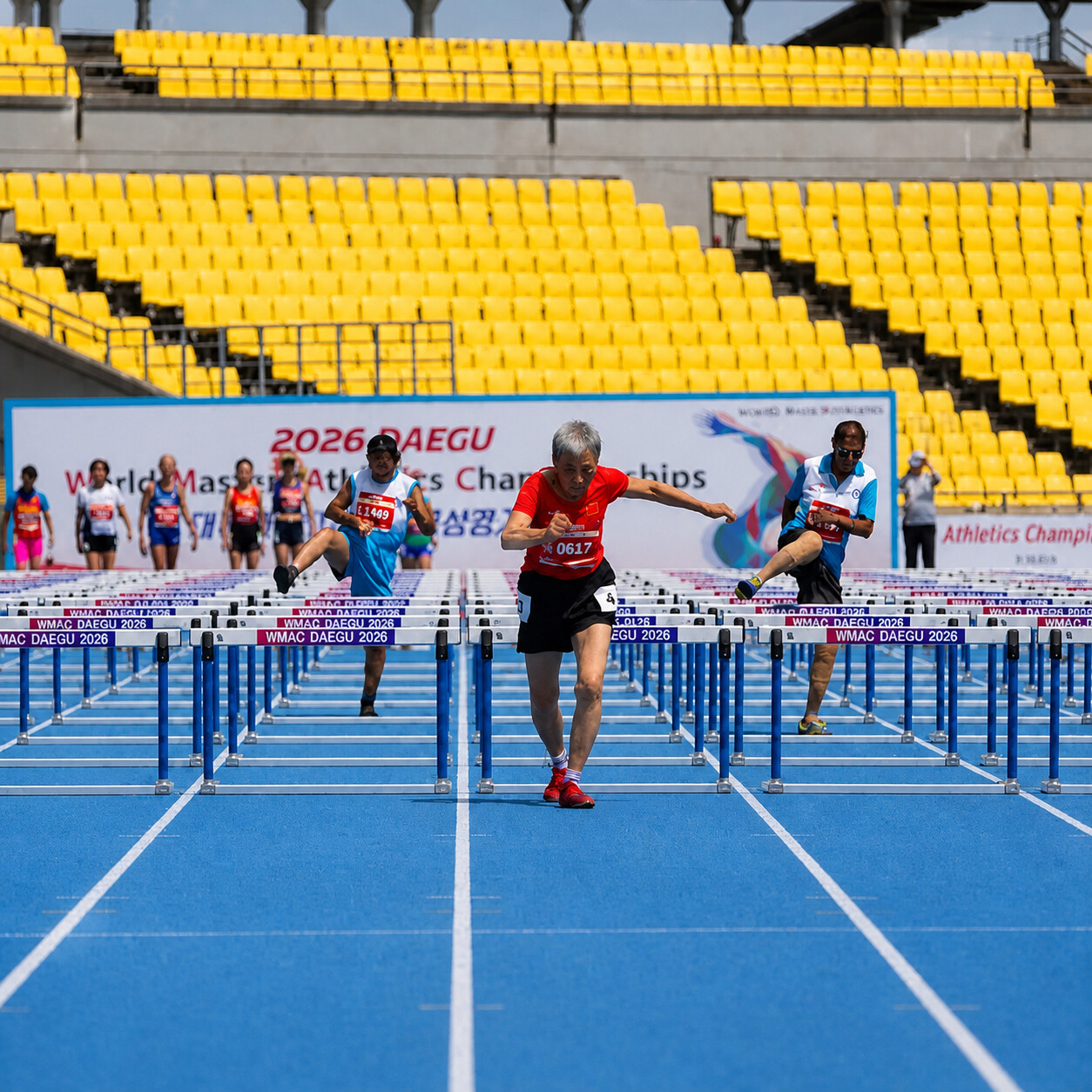
The record-breaking action began on the opening day when the United States’ Richard Lee produced a stunning performance in the M65 2,000m steeplechase. Lee stopped the clock at 7:09.29, winning gold while lowering the existing world record in the age group.
Day two proved even more dramatic, delivering three world records in quick succession.
Great Britain’s John Wright was first to strike, clocking 12.03 seconds to win the M65 100m. In doing so, the veteran sprinter improved his own world record of 12.15, set in 2024, underlining his remarkable consistency at the highest level of masters competition.
Only minutes later, the United States’ Kenton Brown produced another record-breaking run in the M80 100m. Brown crossed the line in 14.16, taking 0.05 seconds off his own previous world record of 14.21, which he established last year.
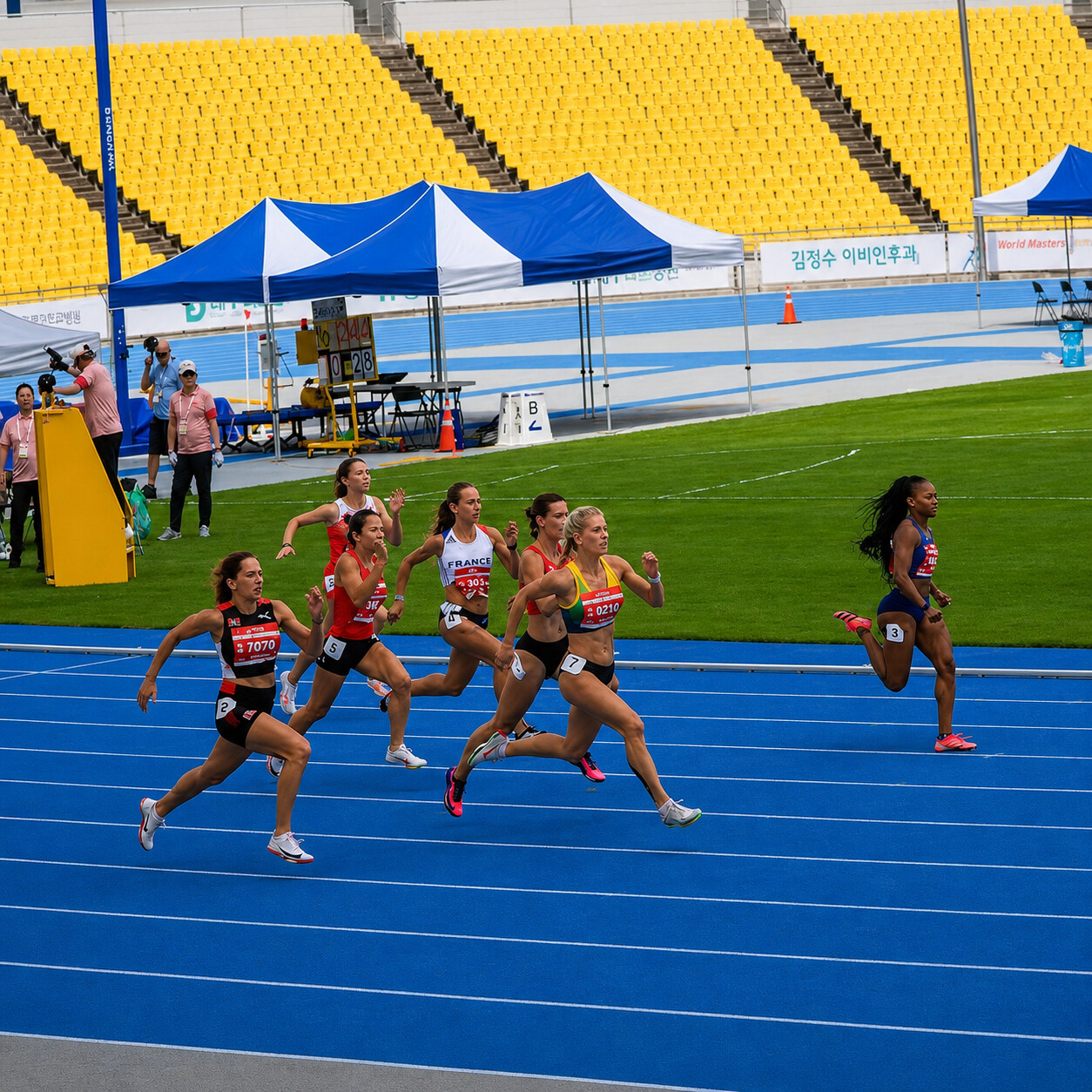
Thailand then added another name to the growing list of Daegu record-breakers. Somsanga Boonnok won the W70 80m hurdles in 15.61, breaking a world record that had belonged to Austria’s Marianne Maier since 2016.
Four world records in just three days tell only part of the story. Across the championships, 10 championship records have already fallen, highlighting the extraordinary standard being produced by athletes competing across the masters age groups.
Canada has also made its presence felt on the medal podium. Johana Flipsen captured W70 10K race walk gold in 1:04:18, while Vern Christensen won the M85 2,000m steeplechase in 14:48.25.
Canadian athletes have continued to add to the medal tally, with Lynne Wawryk Epp taking bronze in the W70 800m in 3:21.04, while Vanessa Johnson secured silver in the W40 race walk after finishing in 1:05:52.
But one of the most intriguing storylines to watch as the championships continue belongs to Canada’s Wendy Alexis.
At 71 years old, Alexis has arrived in Daegu with a world record firmly within reach. She is just 0.04 seconds away from the W70 100m world record of 14.37 seconds, and after targeting the championship throughout the season, she now has the opportunity to turn that ambition into history.
Alexis will contest her semifinal on Tuesday morning, with the final scheduled for later that evening.
With four world records already gone, 10 championship records broken and some of the world’s finest masters athletes still waiting to take to the track, Daegu is proving that age is no barrier to extraordinary performance.
And if the opening three days are anything to go by, the record books may have plenty more rewriting to come.
by Erick Cheruiyot for My Best Runs.
Login to leave a comment

Amanda Marie Grefstad Ends 45-Year Wait With Stunning Norwegian 1000m Record
Amanda Marie Grefstad has written her name into Norwegian athletics history with a remarkable performance at the Folksam Grand Prix in Gothenburg, where she shattered the national women’s 1000m record in spectacular fashion.
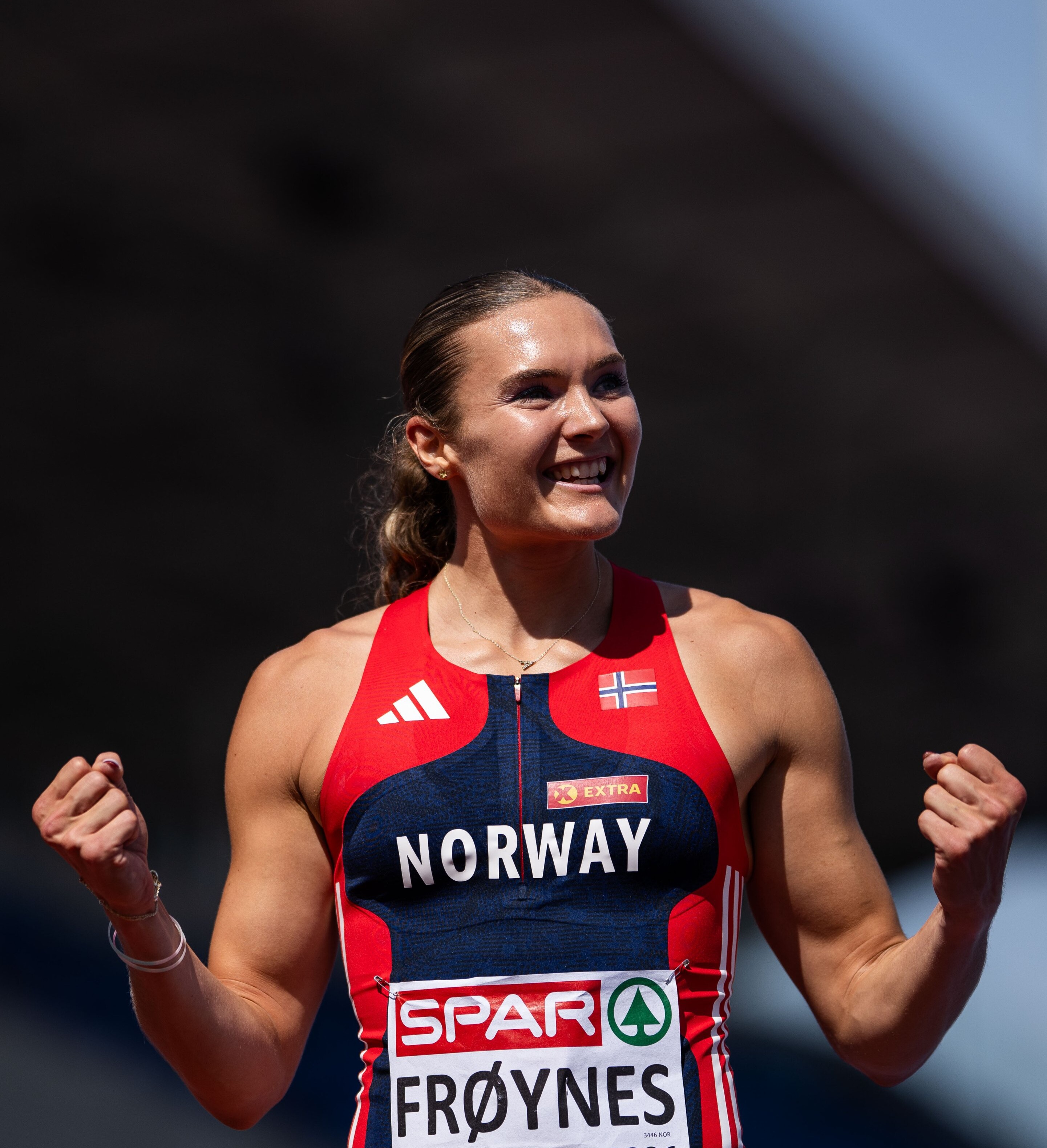
Grefstad stopped the clock at 2:37.19, producing a sensational run that not only delivered a Norwegian record but also brought down a mark that had stood untouched for an astonishing 45 years.
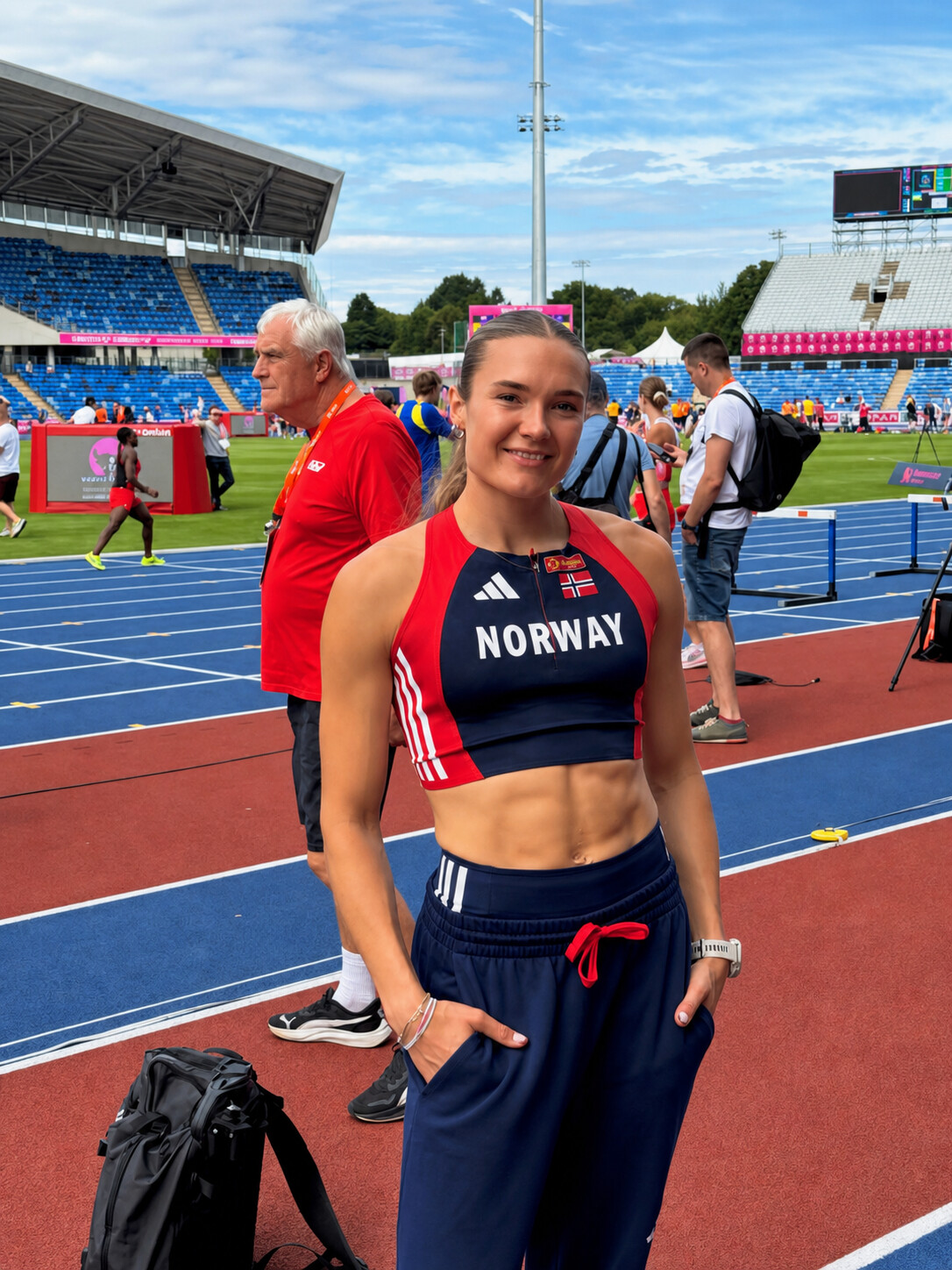
The significance of the performance goes far beyond the numbers. For nearly half a century, the old national record had remained one of the most enduring benchmarks in Norwegian middle-distance running. Now, Grefstad has finally rewritten the record books, replacing a piece of athletics history with her own name.
Her 2:37.19 performance was a powerful demonstration of speed, strength and determination, highlighting the progress she has made and the growing level of Norwegian middle-distance running.
Breaking a record that has survived for 45 years requires something special, and Grefstad delivered exactly that when it mattered most. Her run in Gothenburg marks a defining moment in her career and gives Norwegian athletics another exciting name to watch.
With the record now hers, Grefstad has opened a new chapter in the event’s history. The old mark may have lasted for four and a half decades, but the future now belongs to a new generation.
2:37.19. A new Norwegian record. A historic breakthrough. And a performance that will not be forgotten anytime soon.
Amanda Marie Grefstad has arrived in the record books — and Norwegian athletics has a new 1000m record holder to remember.
by Erick Cheruiyot for My Best Runs.
Login to leave a comment
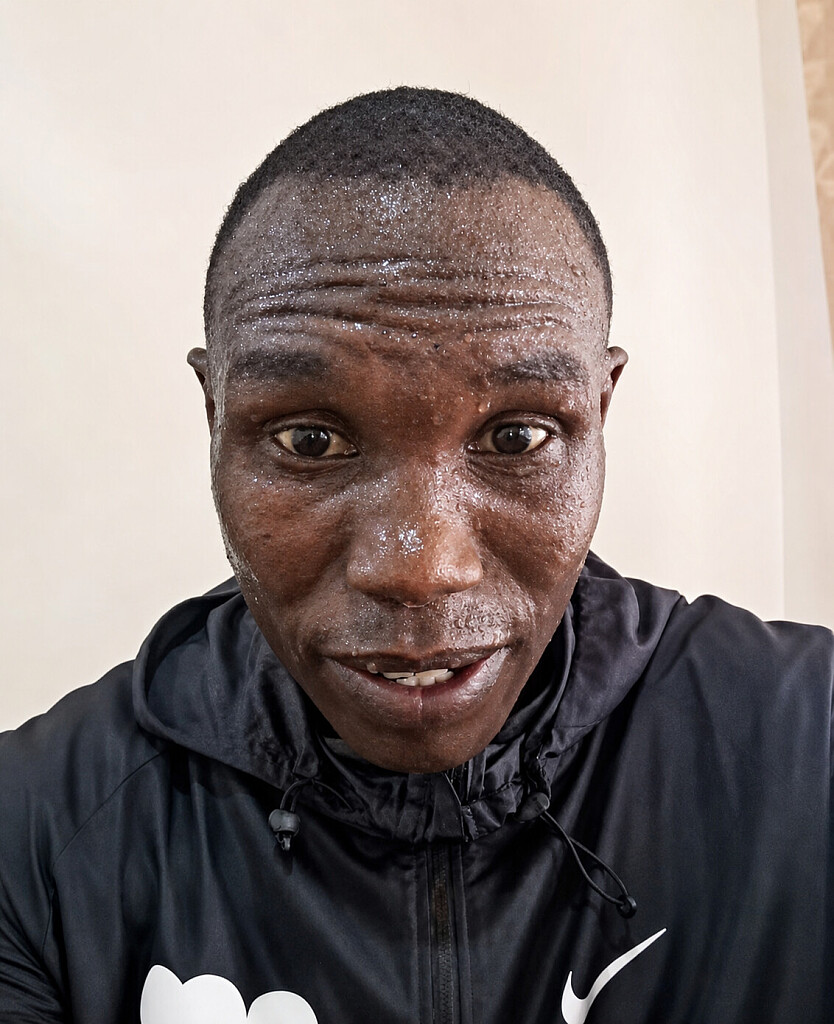
Geoffrey Kamworor Eyes New York Hat-Trick as Kenyan Star Chases Another Major Triumph
Two-time New York City Marathon champion Geoffrey Kamworor is set for another assault on the Big Apple, with the Kenyan distance-running star targeting a historic third victory when the Abbott World Marathon Majors race returns on November 1.
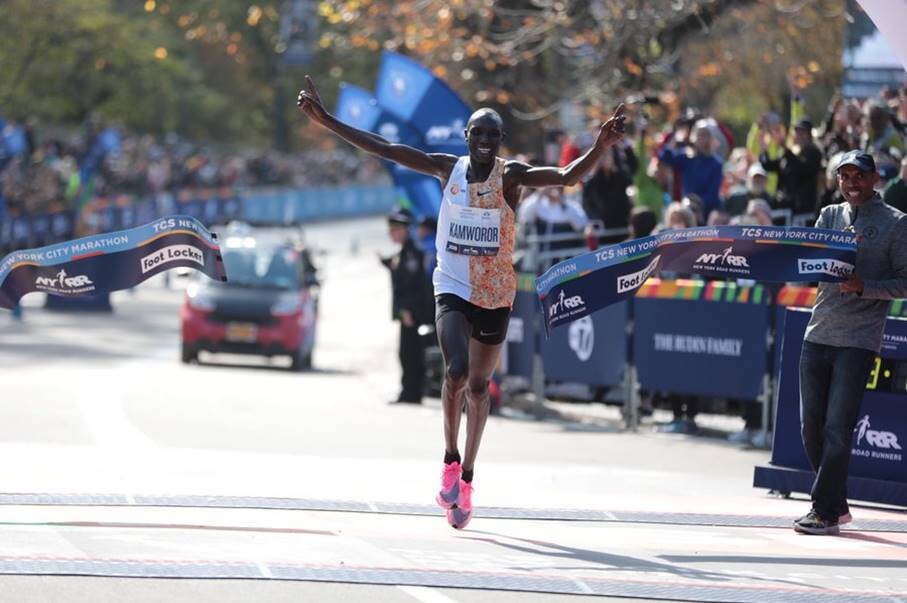
For Kamworor, New York represents much more than another marathon. It is a course where he has already enjoyed some of the defining moments of his illustrious career, and where he will now seek to add another prestigious title to a remarkable collection of achievements.
The 33-year-old has developed a special relationship with the New York course since making his debut there in 2015. On that occasion, he finished runner-up in 2:10:48 behind compatriot Stanley Biwott, who won in 2:10:34.
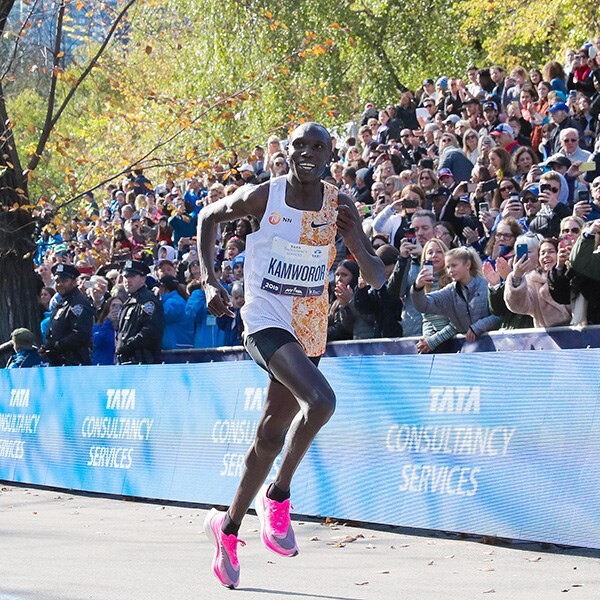
Two years later, Kamworor went one step further.
In 2017, he produced a composed performance to claim his first New York Marathon crown, crossing the finish line in 2:10:53. He held off fellow Kenyan and former world record-holder Wilson Kipsang, who finished just three seconds behind in 2:10:56, while Ethiopia's Lelisa Desisa took third in 2:11:32.

Kamworor returned the following year hoping to defend his title but had to settle for third place. Desisa triumphed in 2:05:59, ahead of Shura Kitata in 2:06:01, while Kamworor clocked 2:06:26.
But the Kenyan refused to stay away from the top for long.
In 2019, he reclaimed the New York crown in emphatic fashion, winning in 2:08:13. Albert Korir followed in second in 2:08:36, with Ethiopia's Girma Bekele completing the podium in 2:08:38.
Those two victories remain Kamworor's only Abbott World Marathon Majors titles, making New York a particularly significant venue in his career.
His latest appearance in the race, however, ended without another podium finish. Returning in 2024, Kamworor placed fifth in 2:08:50 as the Netherlands' Abdi Nageeye won in 2:07:39. Kenya's Evans Chebet was second in 2:07:45, while Albert Korir took third in 2:08:00.
Now, Kamworor is eager to return to the city where he has already tasted victory twice.
“I am very excited to be going back to New York,” Kamworor said, expressing his anticipation ahead of another demanding battle through the streets of the world's most famous city.
For the Kenyan star, the race offers a unique combination of sporting pressure and an atmosphere unlike any other.
“It's always an incredible experience to run the biggest marathon in the world. I'm really looking forward to feeling the energy of the crowd again,” he added.
Kamworor's challenge will be to arrive in New York at his best after a mixed campaign in 2026.
He began the year in spectacular fashion, winning the Ras Al Khaimah Half Marathon on February 14. The Kenyan clocked an impressive 58:14, finishing ahead of Bahrain's Birhanu Balew, who ran 58:23, and compatriot Gideon Rono, who crossed the line in 58:38.
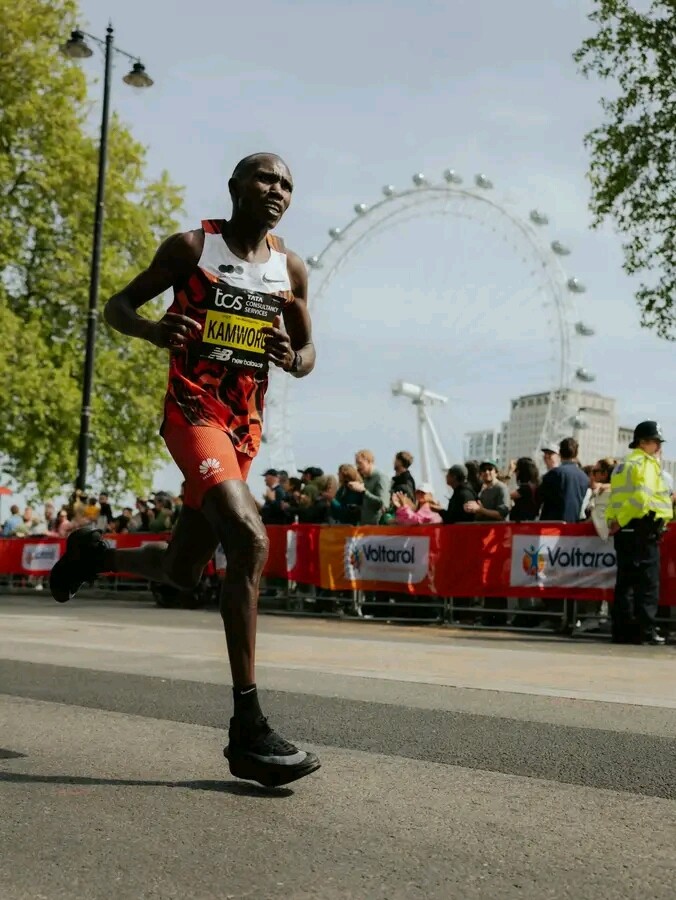
His London Marathon campaign on April 26 proved considerably tougher. Kamworor finished eighth in 2:05:38 in a historic race dominated by Sebastian Sawe, who produced a sensational 1:59:30 to become the first man to break the two-hour barrier in a marathon. Ethiopia's Yomif Kejelcha was second in 1:59:41, while Uganda's Jacob Kiplimo finished third in 2:00:28.
Kamworor will therefore arrive in New York with both experience and motivation on his side. He knows exactly what the course demands, having already navigated its hills, turns and relentless closing stages on multiple occasions.
Beyond the marathon, his career is decorated with major international honours across several disciplines.
Kamworor is a three-time world half marathon champion, winning his first title in Copenhagen in 2014 before successfully defending his crown in Cardiff in 2016 and completing his remarkable hat-trick in Valencia in 2018.
He has also established himself as one of Kenya's finest cross-country runners. He won the world junior cross-country title in Punta Umbria in 2011 before becoming a senior world champion in Guiyang in 2015 and Kampala in 2017. He added a bronze medal at the 2019 World Cross Country Championships in Aarhus.
That versatility has long been one of Kamworor's greatest strengths. From cross country to the half marathon and now the marathon, he has repeatedly demonstrated the endurance, tactical intelligence and competitive resilience required to succeed at the highest level.
Yet New York remains unfinished business.
With two victories already secured and another opportunity waiting on November 1, Kamworor has a chance to strengthen his legacy on one of the sport's most iconic stages.
A third triumph would not only give him a coveted New York hat-trick but would further cement his status as one of Kenya's most accomplished distance runners of his generation.
The Big Apple has already given Kamworor some of the proudest moments of his career. Now, the Kenyan star is returning with one clear ambition — to conquer New York once again.
by Erick Cheruiyot for My Best Runs.
Login to leave a comment

TCS New York City Marathon
The first New York City Marathon, organized in 1970 by Fred Lebow and Vince Chiappetta, was held entirely in Central Park. Of 127 entrants, only 55 men finished; the sole female entrant dropped out due to illness. Winners were given inexpensive wristwatches and recycled baseball and bowling trophies. The entry fee was $1 and the total event budget...
more...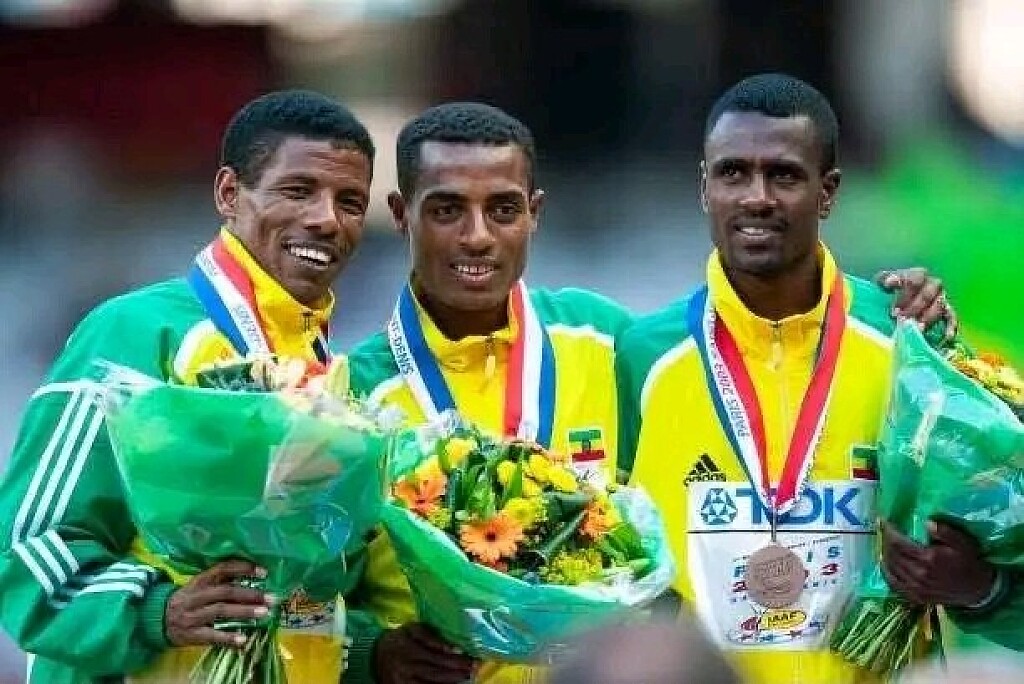
Kenenisa Bekele’s Paris Coronation: The Night Ethiopia’s Distance Running Dynasty Changed Forever
Paris, France — August 24, 2003.
The Stade de France witnessed far more than a World Championship 10,000m final that night. It witnessed the beginning of a new era.
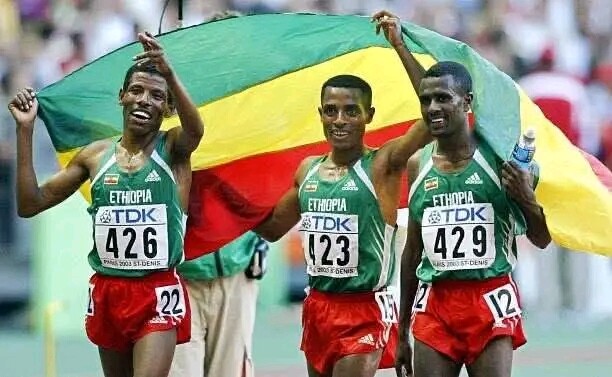
For years, Haile Gebrselassie of Ethiopia had stood virtually untouchable at the summit of world distance running. He arrived in Paris as a two-time Olympic champion and four-time World Champion over 10,000m, carrying the reputation of a man who had dominated the track for much of the previous decade.
But waiting in the same race was a 21-year-old Ethiopian whose running style looked remarkably familiar.
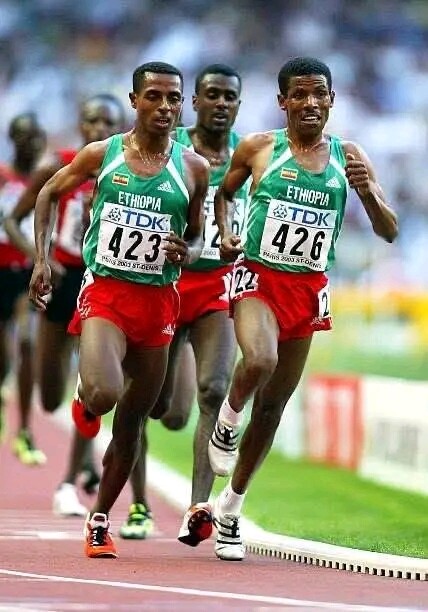
His name was Kenenisa Bekele.
The younger Ethiopian had already shown flashes of extraordinary potential, but Paris was where potential became reality.
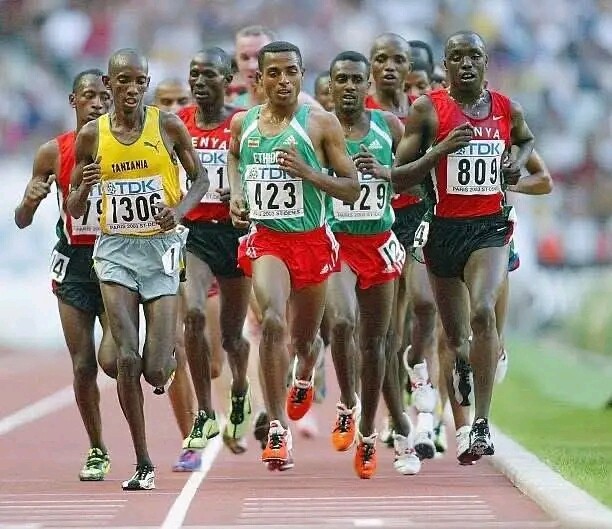
As the race unfolded, Gebrselassie ran aggressively, repeatedly applying pressure in an attempt to break the field and shake off his young compatriot. One by one, the world's best distance runners were dropped, including a strong Kenyan contingent.
Yet Bekele refused to disappear.
He stayed glued to Gebrselassie's shoulder, matching every surge and every change of pace. Behind them, Sileshi Sihine of Ethiopia remained in contention, setting the stage for what would ultimately become a historic Ethiopian sweep.
Then came the decisive moment.
With only 200 metres remaining, Bekele made his move.
Gebrselassie, famous for his devastating finishing speed, tried to respond. But this time, there was no answer. Bekele powered away down the final straight, creating daylight between himself and his legendary compatriot.
The changing of the guard had arrived.
Bekele crossed the finish line in 26:49.57, becoming the first athlete to break 27 minutes at these World Championships and setting a championship record.
Behind him, Gebrselassie finished second in 26:50.77, while Sihine completed an extraordinary Ethiopian clean sweep with 27:01.44.
It was not simply a victory for Bekele.
It was the moment the young star announced that he was ready to inherit the throne.
Paris 2003 — Men's 10,000m Final
1. Kenenisa Bekele — Ethiopia — 26:49.57 CR
2. Haile Gebrselassie — Ethiopia — 26:50.77
3. Sileshi Sihine — Ethiopia — 27:01.44
4. Ahmad Hassan Abdullah — Qatar — 27:18.28
5. John Cheruiyot Korir — Kenya — 27:19.94
6. Wilberforce Talel — Kenya — 27:33.60
7. Charles Kamathi — Kenya — 27:45.05
8. Kamiel Maase — Netherlands — 27:45.46
9. Karl Keska — Great Britain — 27:47.89
10. Ismail Sghyr — France — 27:54.87
11. David Galván — Mexico — 27:55.31
12. John Yuda Msuri — Tanzania — 27:56.21
13. Fabiano Joseph Naasi — Tanzania — 28:06.36
14. Alan Culpepper — United States — 28:14.92
15. Teodoro Vega — Mexico — 28:31.71
16. Mebrahtom Keflezighi — United States — 28:35.08
17. Cathal Lombard — Ireland — 28:36.43
18. Tomoo Tsubota — Japan — 28:37.10
19. Dan Browne — United States — 29:01.60
Bekele's Paris triumph proved to be the beginning of something much bigger. He went on to win Olympic 10,000m gold in Athens the following year and established himself as the dominant track distance runner of his generation.
At the 2008 Beijing Olympics, he completed the extraordinary 5,000m and 10,000m double, cementing his place among the greatest distance runners in history.
Gebrselassie, meanwhile, successfully reinvented himself beyond the track. He turned increasingly toward the 10km, half marathon and marathon, where he continued rewriting the record books and building another extraordinary chapter of his career.
But Paris remains special.
On August 24, 2003, one Ethiopian legend was still fighting to protect his kingdom while another was stepping forward to claim it.
Kenenisa Bekele didn't simply win a World Championship gold medal that night. He announced the arrival of a new era in distance running.
by Erick Cheruiyot for My Best Runs.
Login to leave a comment
