

Running News Daily
Running News Daily is edited by Bob Anderson and team. Send your news items to bob@mybestruns.com Advertising opportunities available.
Index to Daily Posts · Sign Up For Updates · Run The World Feed
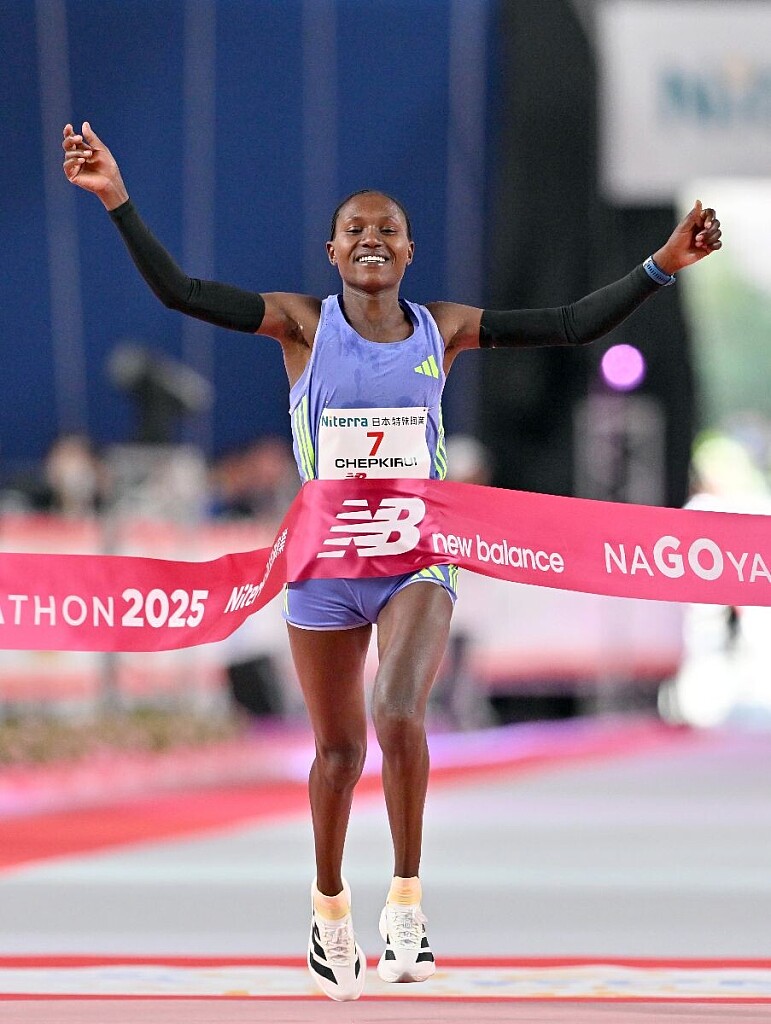


Chepkirui, Desta and Maeda Set the Stage for a High-Stakes Showdown at the 2026 Nagoya Women's Marathon

When the elite field assembles in Nagoya, Japan on March 8, the script already feels charged with anticipation. Last year’s top three — Sheila Chepkirui, Sayaka Sato, and Eunice Chebichii Chumba — are all returning. Yet despite that familiar podium, the 2026 edition appears poised to revolve around a sharper, potentially faster duel featuring Chepkirui, Ethiopia’s Aynalem Desta, and Japanese national record holder Honami Maeda.
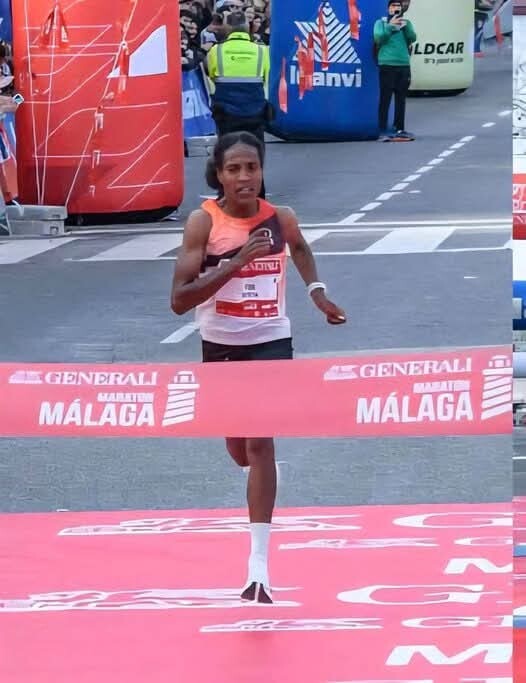
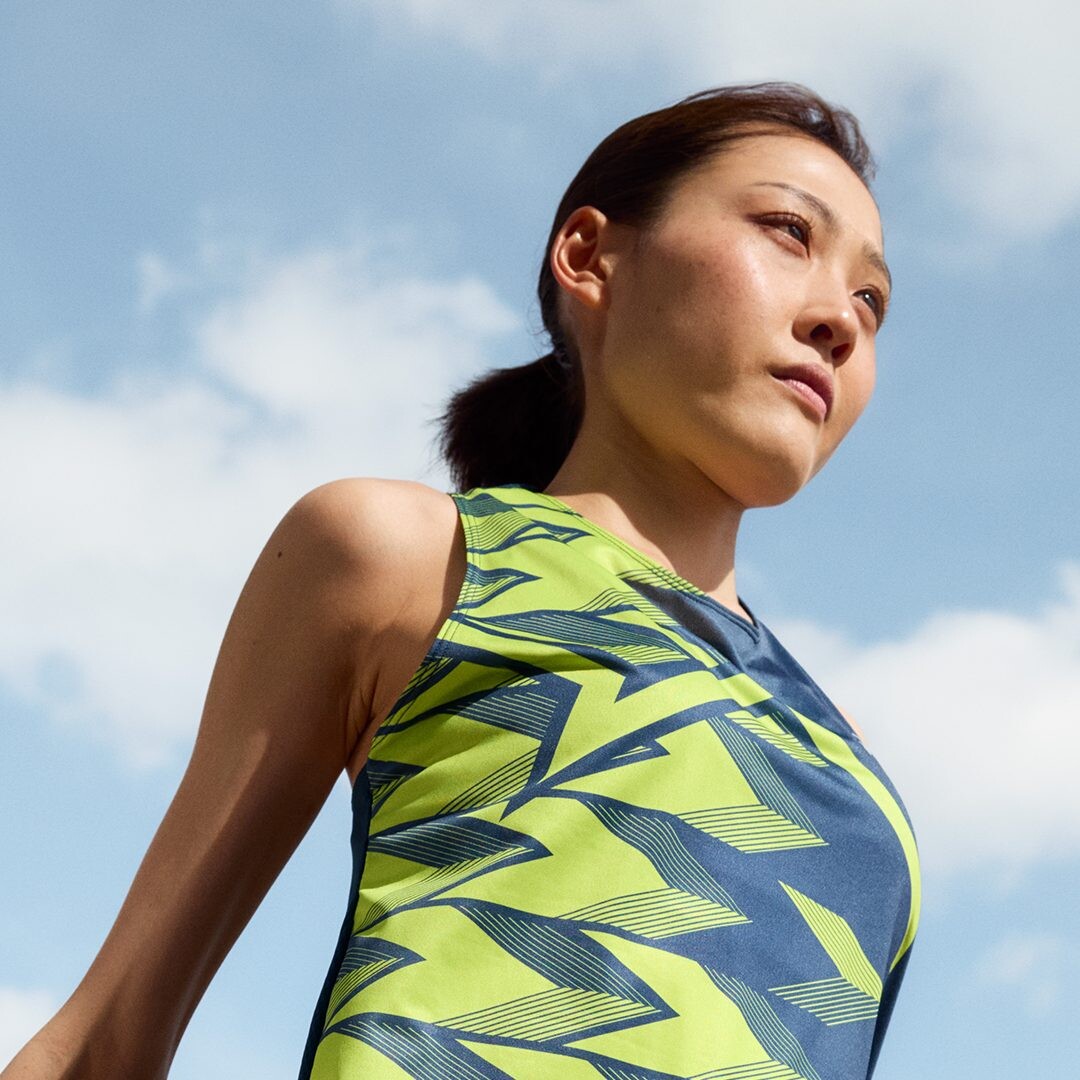
On paper, the margins are razor-thin. Chepkirui boasts a 2:17:49 personal best from Berlin in 2023, while Desta delivered a 2:17:37 performance in Amsterdam last autumn — the most recent sub-2:20 among the leading contenders. Maeda’s 2:18:59 national record at the Osaka International Women’s Marathon in 2024 confirmed her place among the world’s elite, even if her recent racing schedule has been relatively quiet. Her 1:10:07 at the Houston Half Marathon last month offered a glimpse of solid conditioning, though history shows she does not need a flashy buildup to produce something special; when she broke the national record, she arrived without a headline-grabbing tune-up.
If the early pace is ambitious — somewhere in the 2:18 range — it could quickly narrow the contest to those three. Sustaining that rhythm through the final 10 kilometers demands both proven endurance and the courage to commit early. Desta’s freshness gives her a compelling edge, Chepkirui’s championship composure makes her dangerous, and Maeda’s ability to rise on home soil cannot be underestimated.
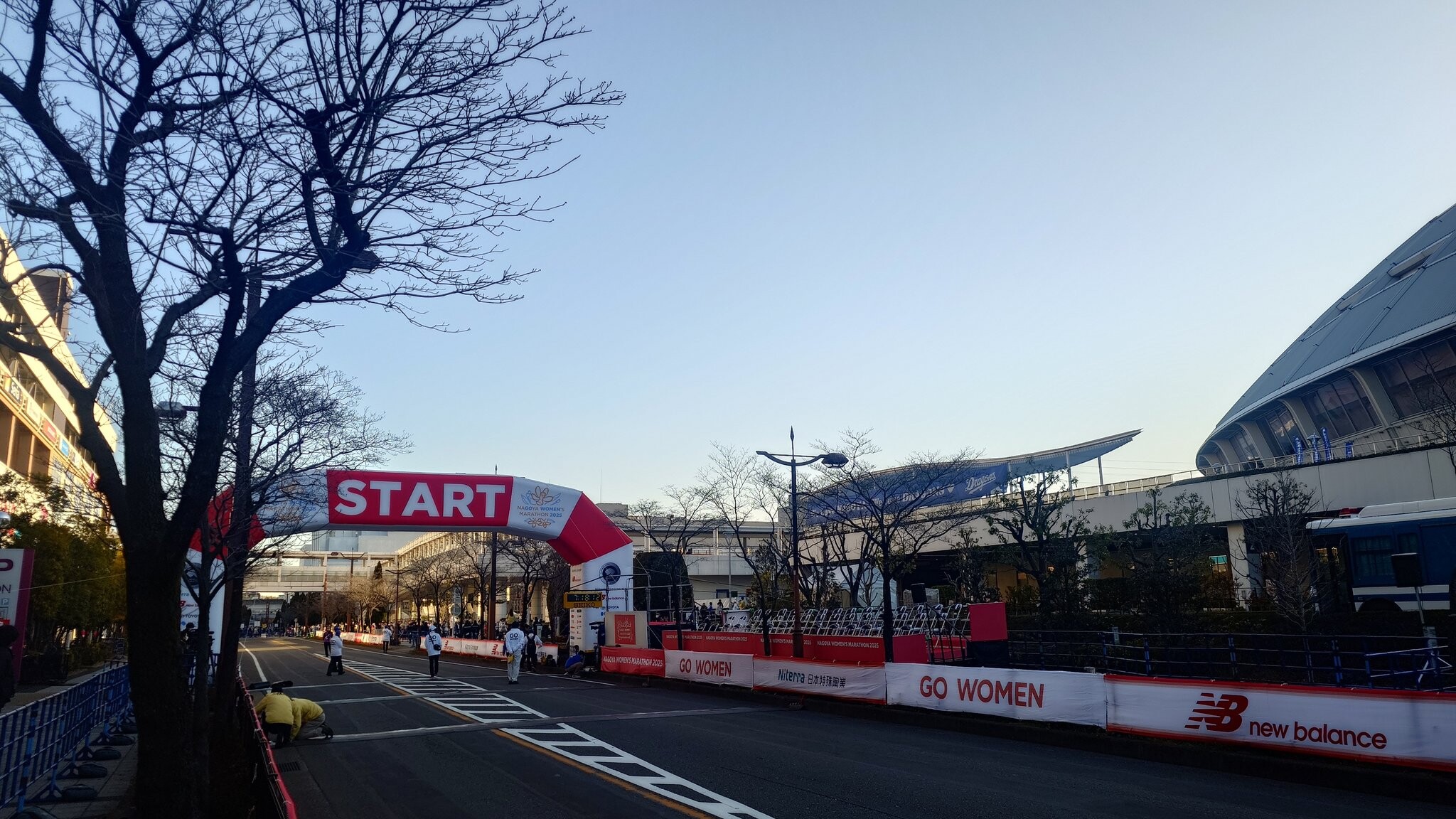
However, Nagoya has often rewarded patience as much as aggression. Should the tempo settle closer to 2:20, the race could expand into a layered battle. Chumba remains a consistent performer at the highest level, while Selly Chepyego Kaptich and Sato sit comfortably within the 2:20–2:22 bracket and would welcome a more measured first half.
There is also quiet intrigue behind the front line. Women-only half marathon national record holder Rino Goshima returns after a 2:26:08 debut here last year and will be aiming to convert her raw speed into a more complete marathon performance. Meanwhile, 2023 World University Games half marathon gold medalist Hikaru Kitagawa arrives buoyed by a 1:10:29 personal best in Marugame earlier this month — a signal that her upward trajectory may continue over 42.195 kilometers.
Adding further unpredictability is a wave of ambitious debutants. Wakana Kabasawa and Yuna Takahashi both enter the marathon distance fresh off sub-1:09:30 half marathon personal bests this season. With that foundation of speed, it would be no surprise to see them commit to at least a 2:20 tempo from the outset.
Ultimately, the shape of the race will be decided by intent. If the leaders choose to be bold, Nagoya could witness a relentless, high-quality confrontation among three women separated by mere seconds in ability. If caution prevails, the contest may unfold as a tactical chess match, with a larger group poised to strike late. Either way, the 2026 Nagoya Women’s Marathon promises not just depth — but genuine, sustained drama from start to finish.
by Erick Cheruiyot for My Best Runs.
Login to leave a comment

Nagoya Women's Marathon
The Nagoya Women's Marathon named Nagoya International Women's Marathon until the 2010 race, is an annual marathon race for female runners over the classic distance of 42 km and 195 metres, held in Nagoya, Japan in early March every year. It holds IAAF Gold Label road race status. It began in 1980 as an annual 20-kilometre road race held in...
more...Latest Running News
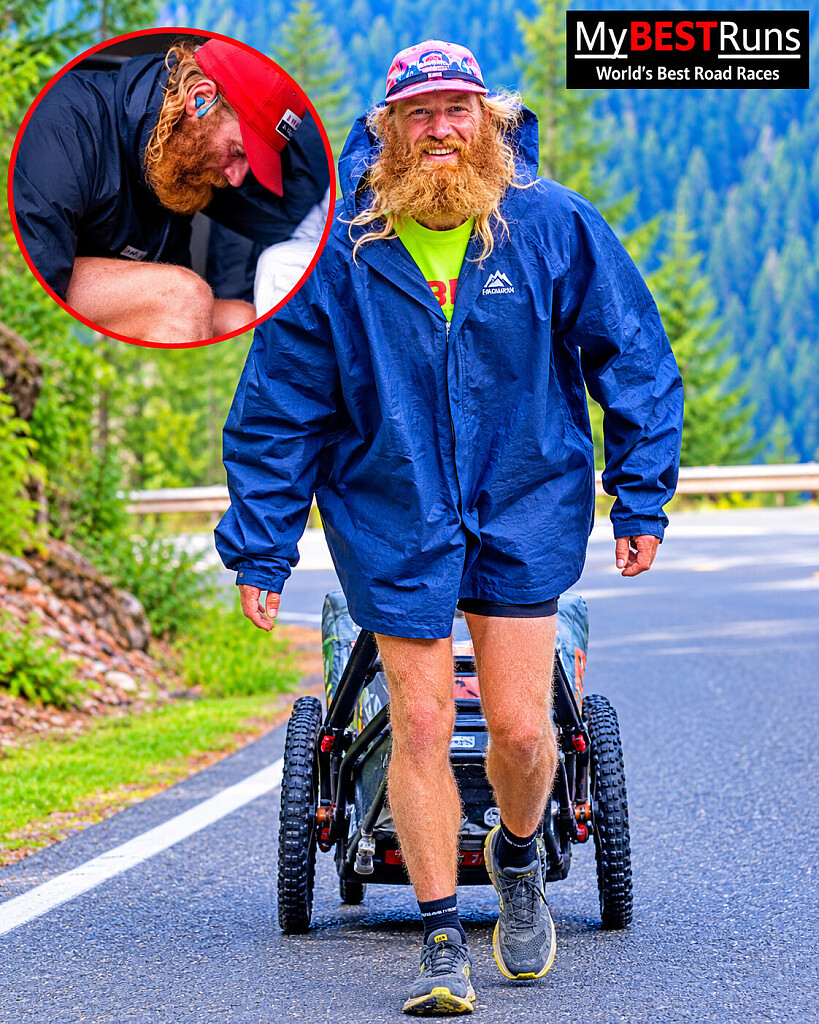
From A Battle With Depression To Running History! Cameron Balser Conquers America In 41 Days, Smashing A 10-Year-Old Record!
In one of the most extraordinary endurance achievements ever witnessed, American ultrarunner Cameron Balser has made history by becoming the fastest person on record to run across the United States, completing an incredible 3,067-mile journey from coast to coast in just 41 days, 16 hours and 45 minutes.
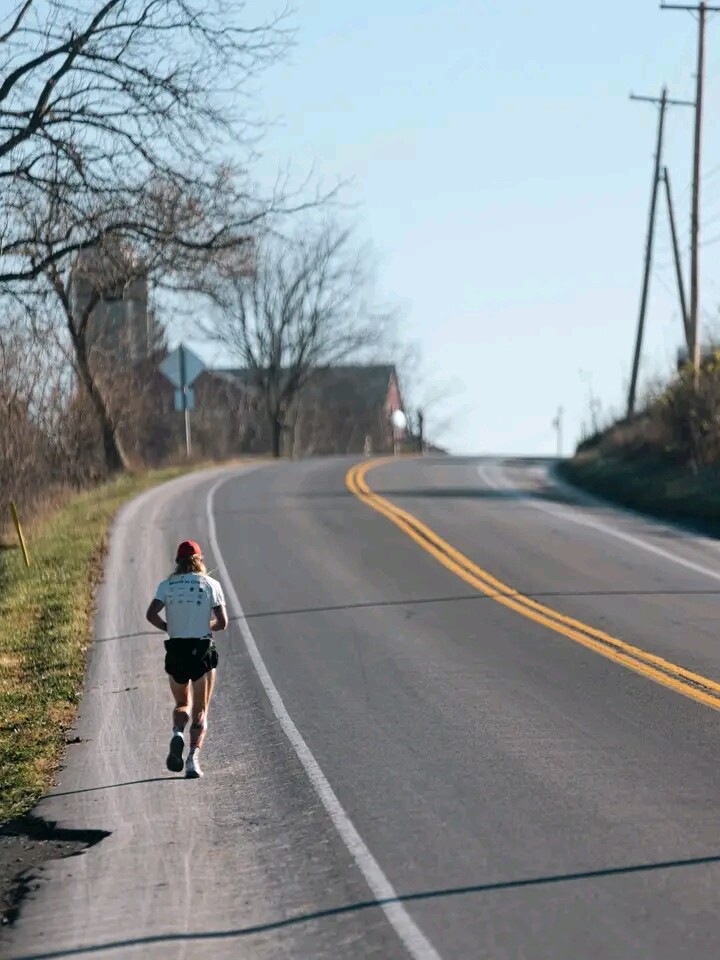
The 35-year-old Indiana native brought his remarkable challenge to an end at New York City Hall at 11:45 p.m. on Friday, November 20, after setting off from San Francisco City Hall at 5:00 a.m. on October 10.
His remarkable performance shattered the previous record of 42 days, 6 hours and 30 minutes, established by fellow American ultrarunner Pete Kostelnick in 2016. Balser finished 13 hours and 45 minutes faster, bringing an end to a record that had stood for a decade.
The numbers behind his achievement are almost difficult to comprehend. Balser averaged approximately 73.6 miles (118.5 kilometres) every day, spending between 15 and 16 hours on the road as he pushed his body across the country. His support crew followed closely, meeting him approximately every five miles to provide essential assistance throughout the demanding journey.
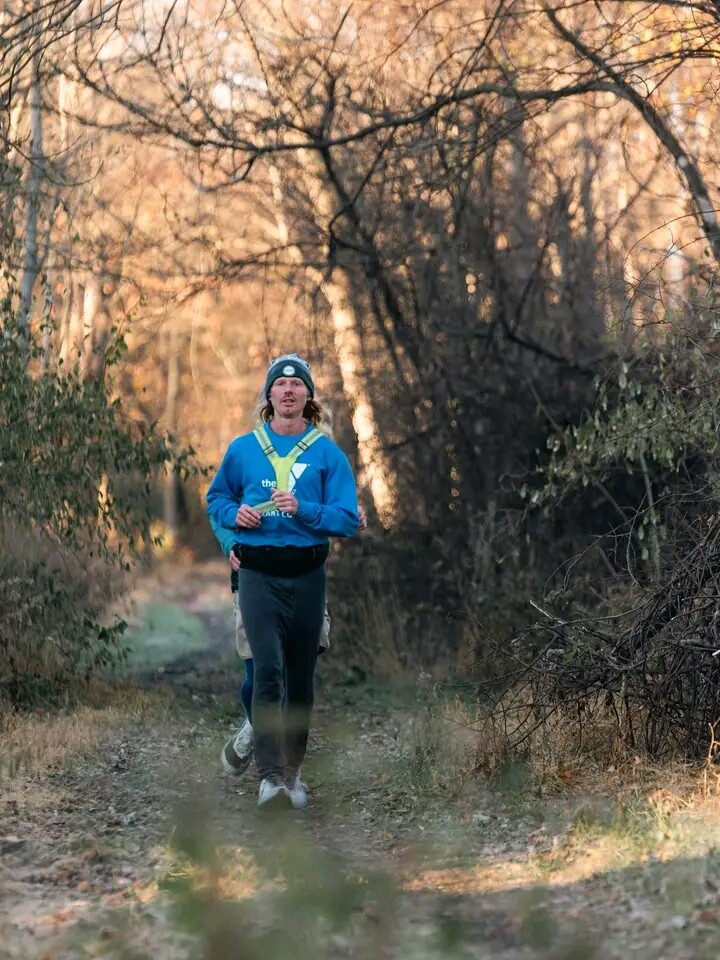
However, the challenge was far from straightforward. He encountered difficult weather conditions in the Rocky Mountains, where heavy rain made a dirt road too soft for his support vehicle, forcing him to cut one day's running short. He also battled through snow while crossing Cameron Pass in Colorado, demonstrating extraordinary determination in the face of unpredictable conditions.
As the miles accumulated, Balser remained committed to his mission, eventually making his way through numerous states before reaching the East Coast. His final kilometres became a celebration of community, with several dozen runners joining him around the George Washington Bridge for the run into Manhattan.
Yet, beyond the extraordinary statistics and record-breaking performance, Balser's journey carries a much deeper personal meaning.
Running has played a significant role in rebuilding his life. In 2017, he experienced a difficult period that led to a hospital stay while battling depression. His subsequent return to running became an important part of his recovery, helping him rediscover purpose, direction and a sense of belonging.
His passion for endurance running has since taken him on remarkable adventures. In 2023 and 2024, he completed an extraordinary 11,170-mile solo journey around the perimeter of the United States, carrying his essential supplies in a cart without the support of a dedicated crew.
This latest challenge, however, was driven by a purpose beyond personal achievement. Through his Breaking 42 project, Balser raised funds for the Grant County Family YMCA in Marion, Indiana, an organisation that supported him during his recovery and holds a special place in his life. He intends for the donations raised through the initiative to benefit the YMCA.
His achievement has also earned admiration from the man whose record he surpassed. Kostelnick publicly congratulated Balser, expressing genuine appreciation for someone willing to pursue a mark that had demanded so much from him to establish. His message reflected the respect that exists within the ultrarunning community, where extraordinary performances often inspire the next generation to push beyond perceived limits.
For Balser, the journey was about much more than taking a record away from another athlete. It was about resilience, gratitude, human connection and demonstrating what determination can accomplish when supported by a community.
Running more than 3,000 miles across an entire country in less than 42 days is an achievement that places extraordinary demands on the human body and mind. But Balser's story also serves as a reminder that running can be much more than a sport; it can become a source of hope, recovery and renewed purpose.
The record-setting performance is still awaiting formal ratification, but his remarkable coast-to-coast achievement has already captured the attention of the running world.
From the streets of San Francisco to the heart of New York, Cameron Balser has delivered a historic performance, proving that sometimes the greatest victories are measured not only by the distance covered or the records broken, but also by the personal battles overcome along the way.
by Erick Cheruiyot for My Best Runs.
Login to leave a comment
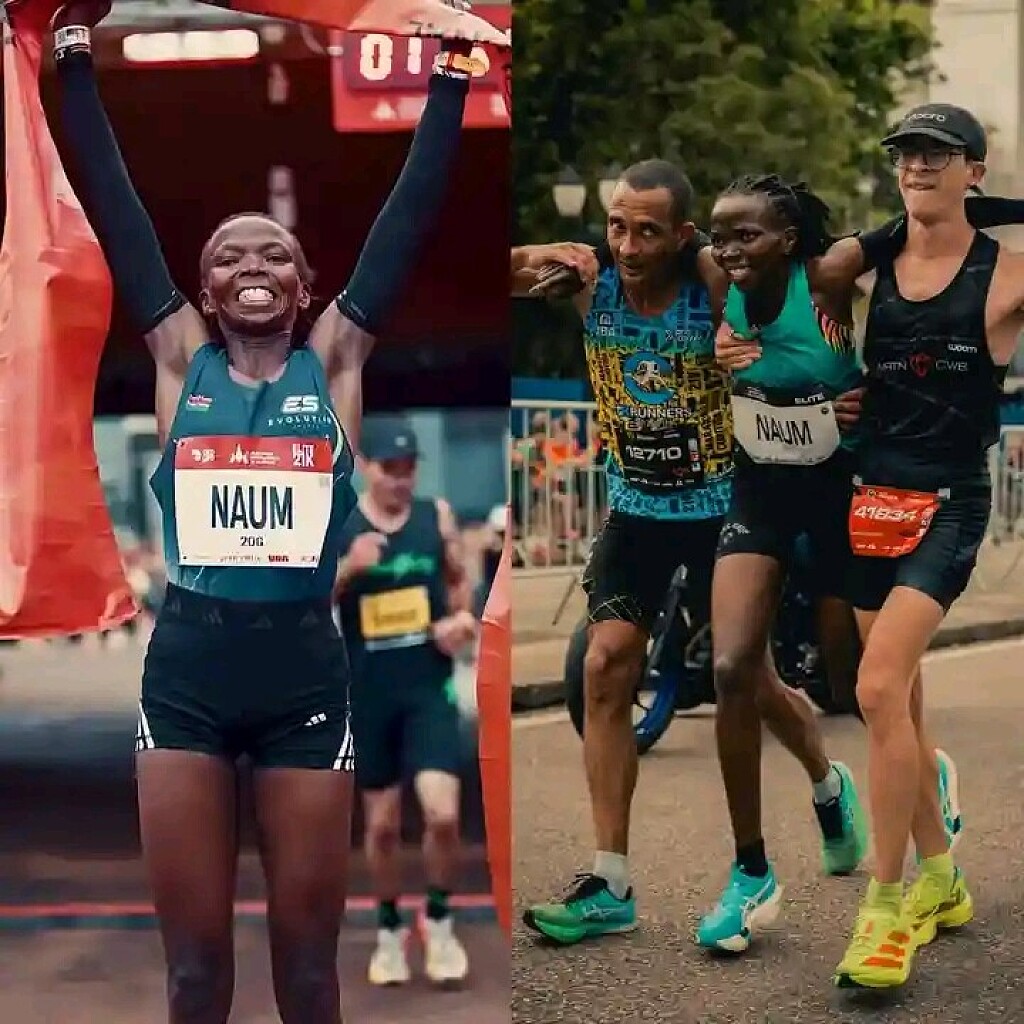
From Heartbreak In Curitiba To Victory In Maringá! Naum Jepchirchir Delivers Stunning Six-Day Comeback In Brazil!
Kenyan distance runner Naum Jepchirchir has produced a remarkable response to one of the most heartbreaking moments of her racing career, returning to competition just six days after a dramatic collapse in Curitiba to claim victory in the women's elite half marathon at the inaugural Maratona Internacional de Maringá in Brazil.
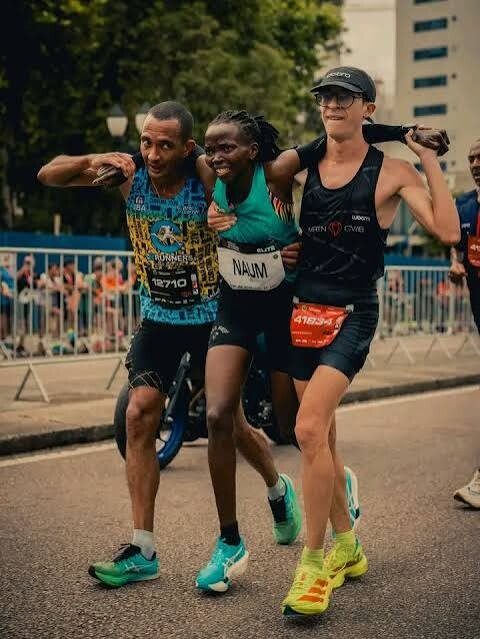
Jepchirchir delivered an impressive performance on November 21, stopping the clock at 1:16:29 to secure the women's 21-kilometre title and provide a memorable answer to the disappointment she experienced less than a week earlier.
Her victory carried added significance given the circumstances surrounding her previous race in Curitiba on November 15. Competing at the Santander Curitiba Marathon, the Kenyan was battling for a leading position when she suddenly collapsed approximately 400 metres from the finish line, reportedly struggling in the challenging combination of extreme heat and humidity.
The dramatic incident brought her race to an unexpected halt and attracted considerable attention from spectators and fellow competitors. Brazilian runners Marcos Braz and Robson Santana immediately stopped to assist her, helping her regain her footing and make her way across the finish line in an extraordinary display of compassion and sportsmanship.
Although Jepchirchir crossed the line in second place, the assistance she received subsequently became the subject of a rules decision. Under World Athletics Technical Rule 6.3.6, athletes are prohibited from receiving physical assistance that provides an advantage or aids their forward progress during competition. Consequently, she was disqualified, losing her official second-place finish and the associated R$66,000 prize money, equivalent to approximately KSh 1.48 million.
It was a particularly difficult outcome for the Kenyan, whose determination to complete the race had initially appeared to offer a positive ending to an otherwise distressing experience.
However, Jepchirchir refused to allow the disappointment to define her season.
Just six days later, she returned to the starting line in Maringá, putting the events in Curitiba behind her and producing a winning performance over 21 kilometres. This time, she needed no assistance to reach the finish, crossing the line independently with both arms raised in celebration after securing the victory in 1:16:29.
The turnaround was remarkable. In less than a week, she had gone from a painful collapse and a disqualification to standing at the top of the podium, demonstrating the mental strength and determination required to overcome setbacks in competitive athletics.
Her victory in Maringá was more than just another race result. It was a statement of resilience from an athlete who had experienced both the physical and emotional challenges of the sport in the space of just six days.
For Jepchirchir, Brazil had offered two dramatically different experiences: heartbreak in Curitiba and redemption in Maringá.
And while the circumstances of her previous race will remain a talking point, her response on the road provided a memorable reminder that setbacks do not always have the final word in an athlete's journey.
by Erick Cheruiyot for My Best Runs.
Login to leave a comment
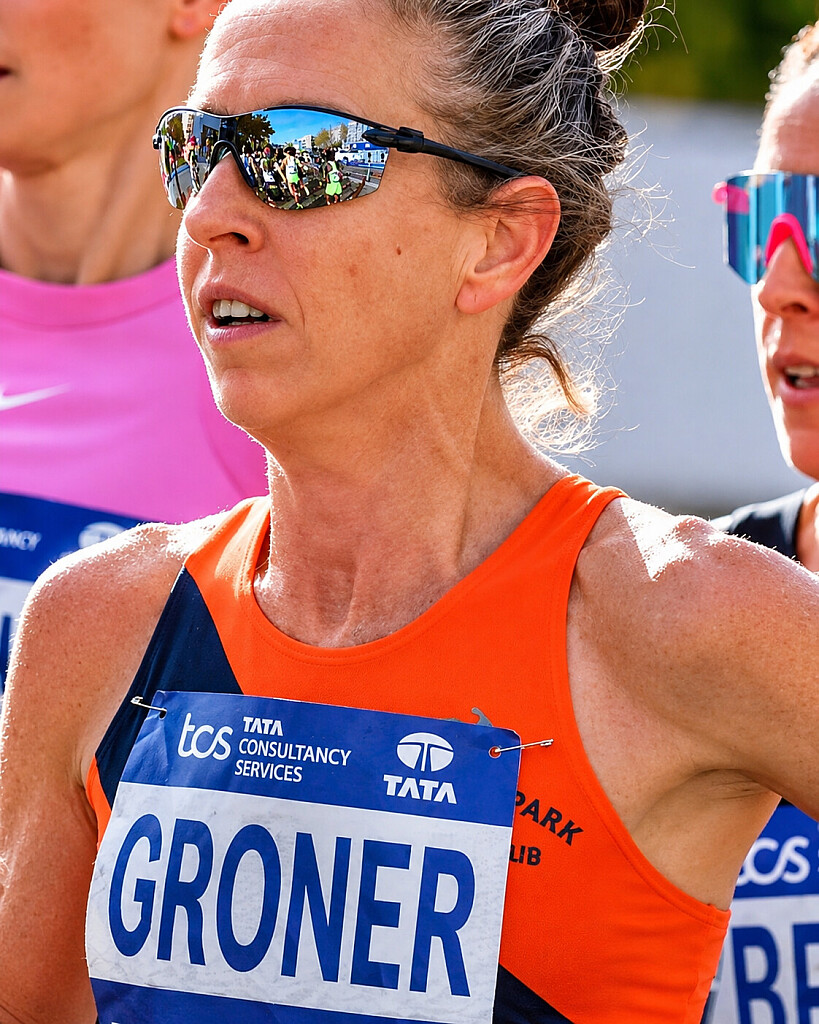
At 48, Roberta Groner Refuses To Give Up! Three Consecutive DNFs Could Not Stop The American Marathon Star From Qualifying For Her Third Olympic Trials!
At an age when many distance runners have already stepped away from elite competition, American marathoner Roberta Groner continues to challenge expectations, proving that determination, patience and an unwavering belief in oneself can keep dreams alive well beyond the conventional limits of professional sport.
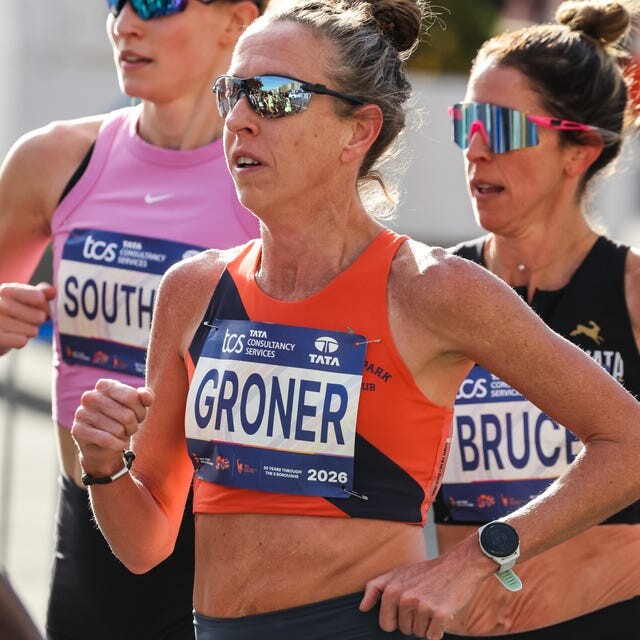
On November 1, in New York City, the 48-year-old produced a remarkable performance at the TCS New York City Marathon, crossing the finish line in 2:35:55 to secure qualification for her third US Olympic Marathon Trials. Her achievement was particularly special after a difficult period that had tested both her physical resilience and mental strength.
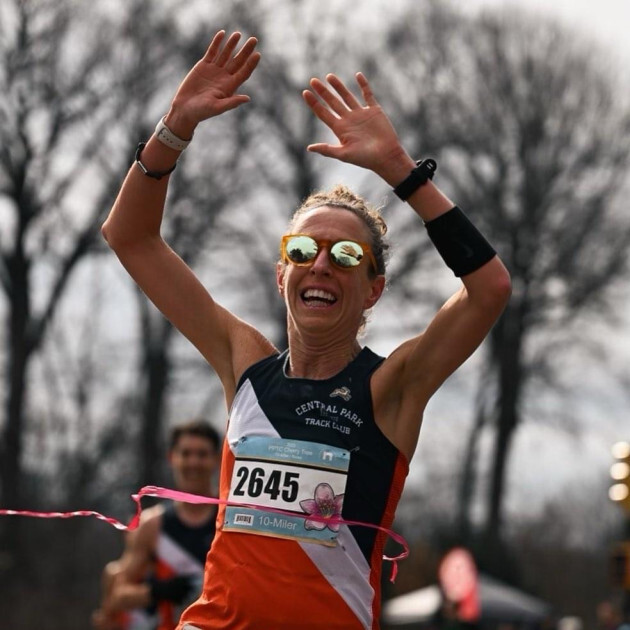
Groner will be 50 years old when she lines up for the 2028 US Olympic Marathon Trials in St. Louis, Missouri, where she will once again compete against some of the country's finest marathoners in pursuit of an Olympic dream.
Her road to qualification, however, was anything but straightforward. The previous year had brought a frustrating sequence of three consecutive marathon withdrawals, leaving her with considerable disappointment despite having the fitness and experience to remain competitive.
At the Valencia Marathon, Groner arrived in excellent shape and appeared comfortably on course to meet the qualifying standard of 2:37:00. However, challenging conditions, with temperatures reaching approximately 75 degrees Fahrenheit, combined with a costly kilometres-to-miles pacing misunderstanding, disrupted her race. She eventually stepped off the course despite having been well within the required pace. According to her coach, she still had approximately seven minutes in hand at the 18-mile mark.
Just two weeks later, she attempted another marathon at The Marathon Project but was forced to withdraw after struggling with accumulated fatigue. Her third setback came at Grandma's Marathon in June, where she again failed to reach the finish as her body adjusted to hormone therapy introduced to manage symptoms associated with perimenopause.
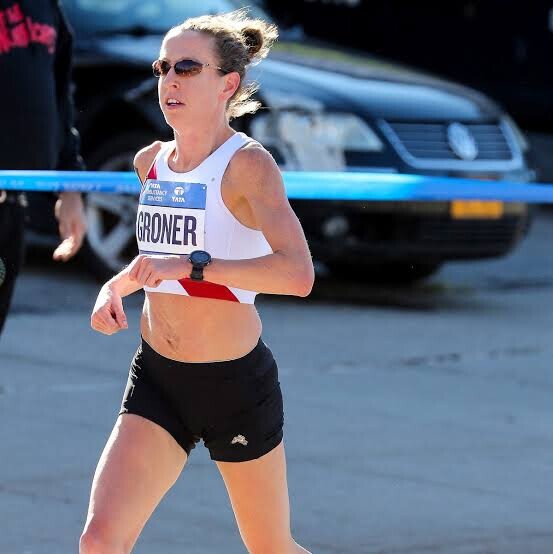
Three unsuccessful attempts could easily have brought an end to her campaign, but Groner chose to keep going.
By the time she returned to New York for her hometown marathon, she acknowledged that the difficult experiences had taken a psychological toll. She had to confront her own doubts and overcome the mental challenges that had developed after repeated disappointments.
This time, however, everything came together.
Running much of the race on her own behind the leading competitors, Groner maintained her composure and continued working towards her target. As the miles unfolded, she refused to surrender, gradually picking off several competitors during the closing stages before eventually crossing the finish line in 2:35:55.
Her 22nd-place finish was more than just another marathon result. It represented a hard-earned return to form, a successful response to adversity and another opportunity to compete at the highest level of American marathon running.
Groner's story is even more remarkable when viewed against the background of her journey in the sport. She took approximately a decade away from competitive running while raising her three sons, returning to serious competition later in life. Much of her finest work has come after the age of 40, challenging conventional assumptions about how long an athlete can remain competitive.
Among her most impressive achievements was a sixth-place finish in the marathon at the 2019 World Athletics Championships in Doha, Qatar, where she demonstrated her ability to compete with the world's best. She has also established 10 American age-group records in the women's 45–49 category, further underlining her extraordinary longevity and consistency.
Even now, her commitment to the sport remains remarkable. Groner reportedly continues to cover approximately 90 miles per week while balancing the demands of full-time coaching at Central Park Track Club.
And she will not be the oldest woman on the starting line in St. Louis in 2028. Fellow American distance runner Dot McMahan has also secured qualification for her sixth Olympic Marathon Trials and is expected to be 51 years old when the event takes place.
For Groner, the achievement in New York is another powerful reminder that age does not automatically determine an athlete's ambitions or potential. Her journey has been defined by motherhood, patience, setbacks, reinvention and an extraordinary willingness to keep pursuing her goals.
At 48, after three consecutive DNFs and a year filled with uncertainty, she has earned another opportunity to chase her Olympic dream.
And with the 2028 US Olympic Marathon Trials approaching, Roberta Groner has once again shown that sometimes the greatest victories come not from avoiding setbacks, but from finding the strength to rise after them.
by Erick Cheruiyot for My Best Runs.
Login to leave a comment

Hannah Gapes Makes History! New Zealand Star Ends 22-Year Wait With NCAA Cross Country Title As Kenyan Runners Make Their Mark!
New Zealand's Hannah Gapes delivered a memorable performance at the NCAA Division I Cross Country Championships, conquering a highly competitive women's field to claim the individual crown in Terre Haute, Indiana, with an impressive time of 18:44.3 over 6km.
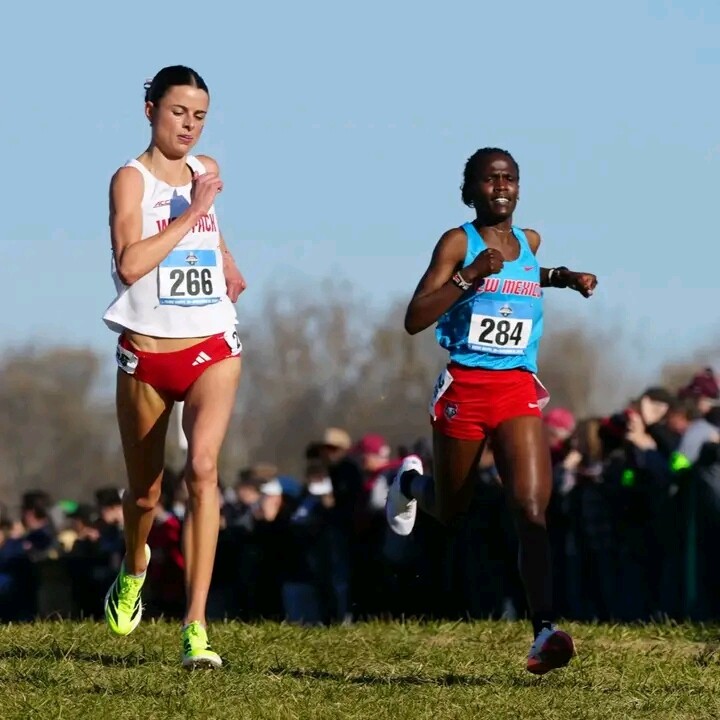
Representing North Carolina State University (NC State), Gapes produced a magnificent performance to bring her collegiate cross country career to a remarkable conclusion, writing her name into the history books with one of the biggest achievements of her running career.
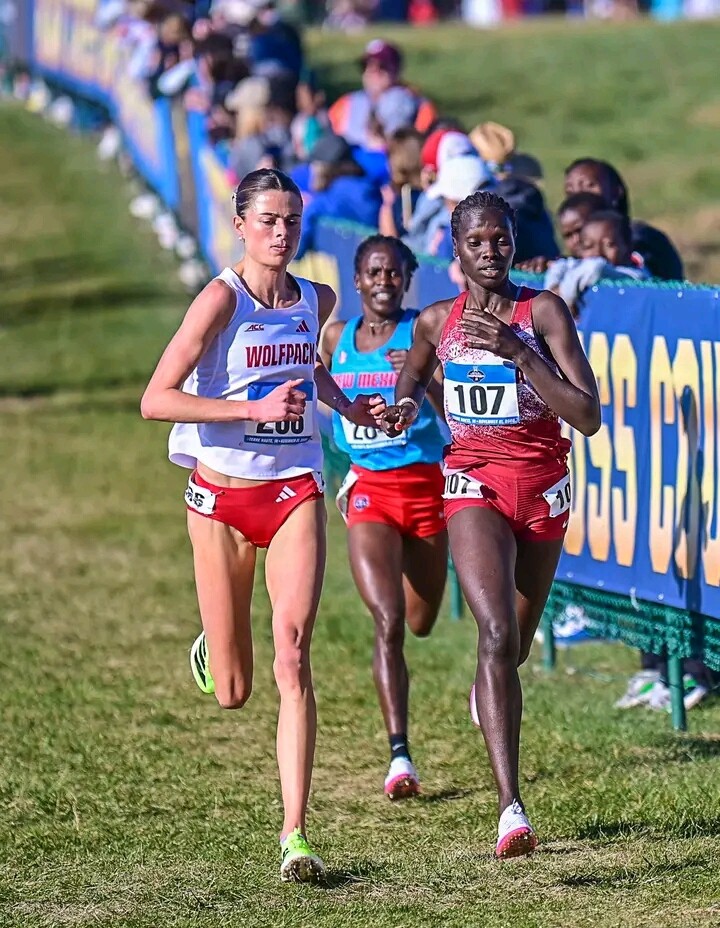
The significance of her triumph was even greater given the history behind it. Gapes became only the second New Zealander ever to win the NCAA Division I women's individual cross country title, ending a 22-year wait since compatriot Kim Smith achieved the same feat in 2004. Remarkably, Smith also claimed her historic victory on the very same LaVern Gibson Championship Cross Country Course in Terre Haute, making Gapes' achievement an extraordinary moment for New Zealand distance running.
Her victory came against a formidable field featuring several outstanding Kenyan distance runners, who once again demonstrated the strength and depth of Kenyan talent on the American collegiate stage.
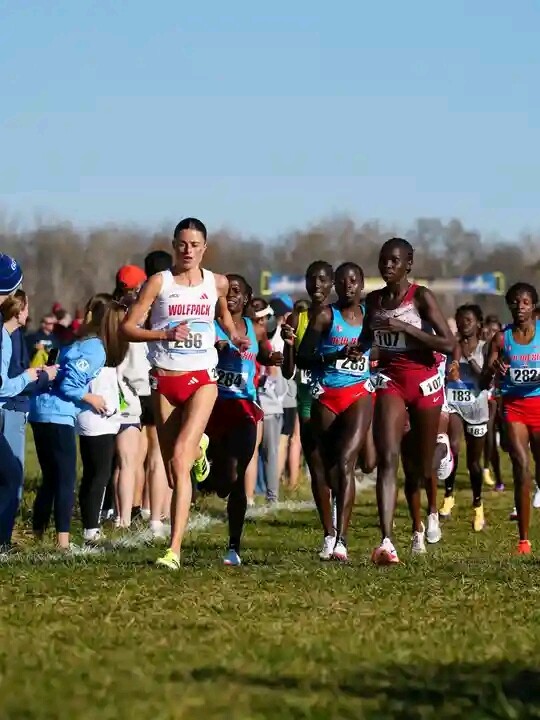
South Carolina's Salma Elbadra secured second place in 18:51.8, while Kenya's Caren Kiplagat of the University of Alabama completed the podium in 18:52.8, finishing just one second behind the runner-up.
Kenyan representation was particularly impressive throughout the top 10. Arkansas' Isca Chelangat finished fourth in 18:56.6, followed closely by West Virginia's Joy Naukot in fifth with 18:56.7. Her teammate Mercy Kinyanjui placed sixth in 18:57.4, while Elizabeth Khatevi of Texas A&M-Corpus Christi finished seventh in 18:57.6.
Billah Jepkirui of Oklahoma State University claimed eighth in 18:59.2, Brighter Jepchumba of Eastern Kentucky University finished ninth in 18:59.4, and Alabama's Cynthia Jemutai rounded out the top 10 in 18:59.8.
The results underlined the remarkable presence of Kenyan distance-running talent in American collegiate athletics, with several Kenyan athletes featuring prominently among the championship's leading finishers.
Beyond the individual celebrations, Alabama enjoyed an unforgettable championship outing, with Kiplagat and Jemutai contributing to the Crimson Tide's historic achievement as the programme secured its first-ever NCAA Division I women's cross country team title.
The championships took place at the renowned LaVern Gibson Championship Cross Country Course in Terre Haute, Indiana, a venue specifically designed for cross country competition and one that has witnessed some of the sport's most memorable collegiate performances.
For Gapes, however, the day belonged to her. She not only secured the NCAA individual crown but also joined Kim Smith in an exclusive chapter of New Zealand sporting history, achieving the feat 22 years after her compatriot conquered the same course.
A historic victory, a remarkable career milestone and another proud moment for New Zealand athletics. Hannah Gapes has officially joined the elite company of NCAA cross country champions.
by Erick Cheruiyot for My Best Runs.
Login to leave a comment

Addis Ababa Erupts In Colour As Record 60,000 Runners Take Over The Streets! Yismaw Dilu And Yenewa Nibret Crowned Champions At The 2026 Great Ethiopian Run!
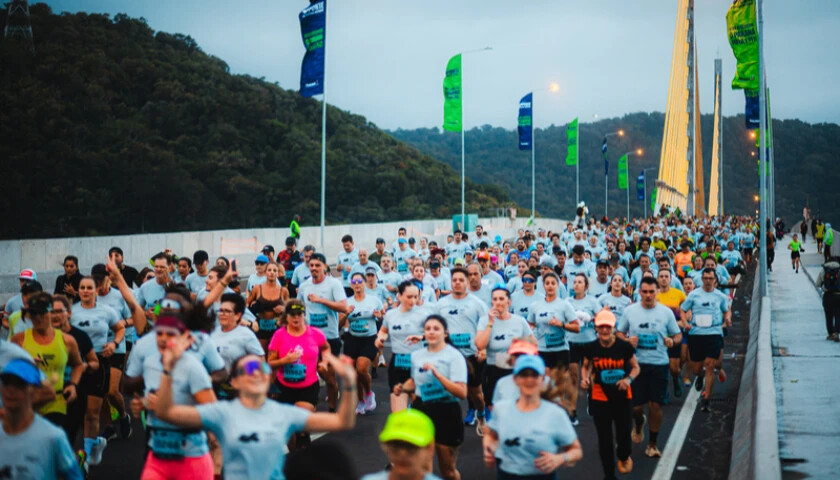
Addis Ababa became the centre of the running world on Sunday, November 22, as a record-breaking 60,000 participants flooded the streets of Ethiopia's capital for the 2026 Great Ethiopian Run, transforming the city into a spectacular celebration of athletics, culture and togetherness.

In an extraordinary display of mass participation, runners of different ages, abilities and nationalities came together for Africa's biggest road race, turning the iconic 10-kilometre event into a sea of colour, excitement and national pride. The 2026 edition also welcomed approximately 200 international participants representing 25 countries, further strengthening the race's reputation as a global celebration of running.

While the streets were filled with thousands of recreational runners and enthusiastic supporters, the elite competitions produced two outstanding champions. Yismaw Dilu claimed victory in the men's 10km race, finishing ahead of Takele Mose, who secured second place, while Roba Merga completed the podium in third.
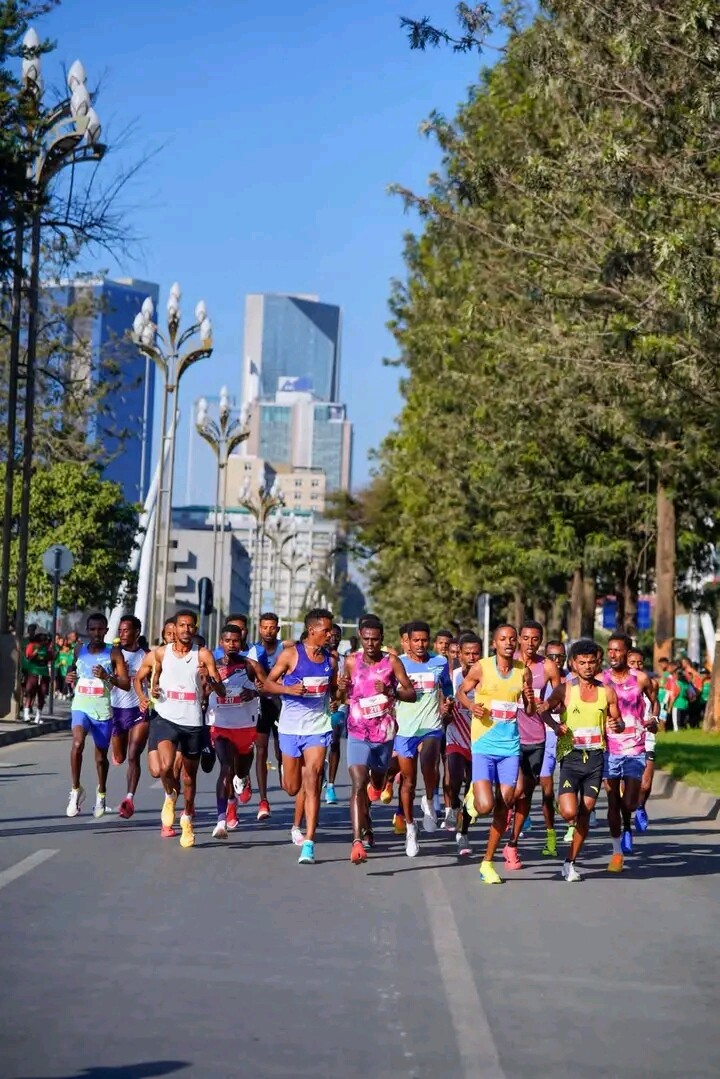
Dilu's triumph was particularly significant as he successfully defended the title he won last year, securing back-to-back victories at one of Africa's most celebrated road-running events. His consecutive triumphs underlined his consistency and ability to deliver on the big stage, further cementing his place among the leading competitors in the race.
In the women's competition, Yenewa Nibret emerged victorious to claim the 2026 title, with Almaz Yohannes finishing second and Alemenesh Tilaye taking third place. Her victory added another memorable chapter to the women's competition and ensured a successful day for Ethiopia's homegrown distance-running talent.
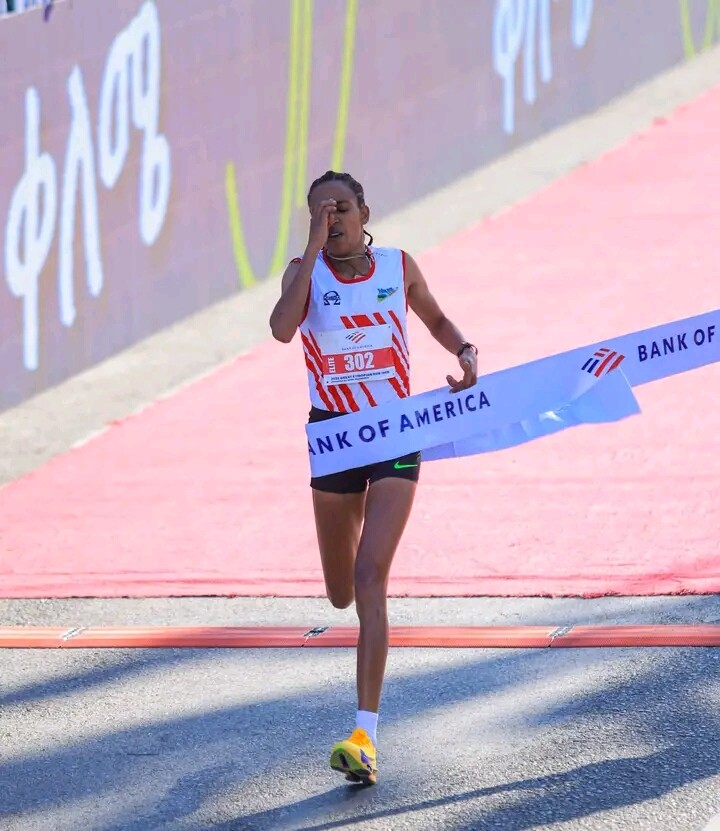
Presented by Bank of America, the 2026 Great Ethiopian Run once again demonstrated the extraordinary power of sport to unite people. From elite athletes chasing victory to recreational runners embracing the experience, participants shared the same streets and celebrated their love for running under the event's vibrant theme, "My Run, My Color."
Beyond the podium celebrations, the significance of the Great Ethiopian Run extends far beyond the finishing line. It is an event that brings together an entire nation, offering professional athletes, emerging talents, recreational runners and international visitors an opportunity to share the same streets and celebrate the universal spirit of sport.
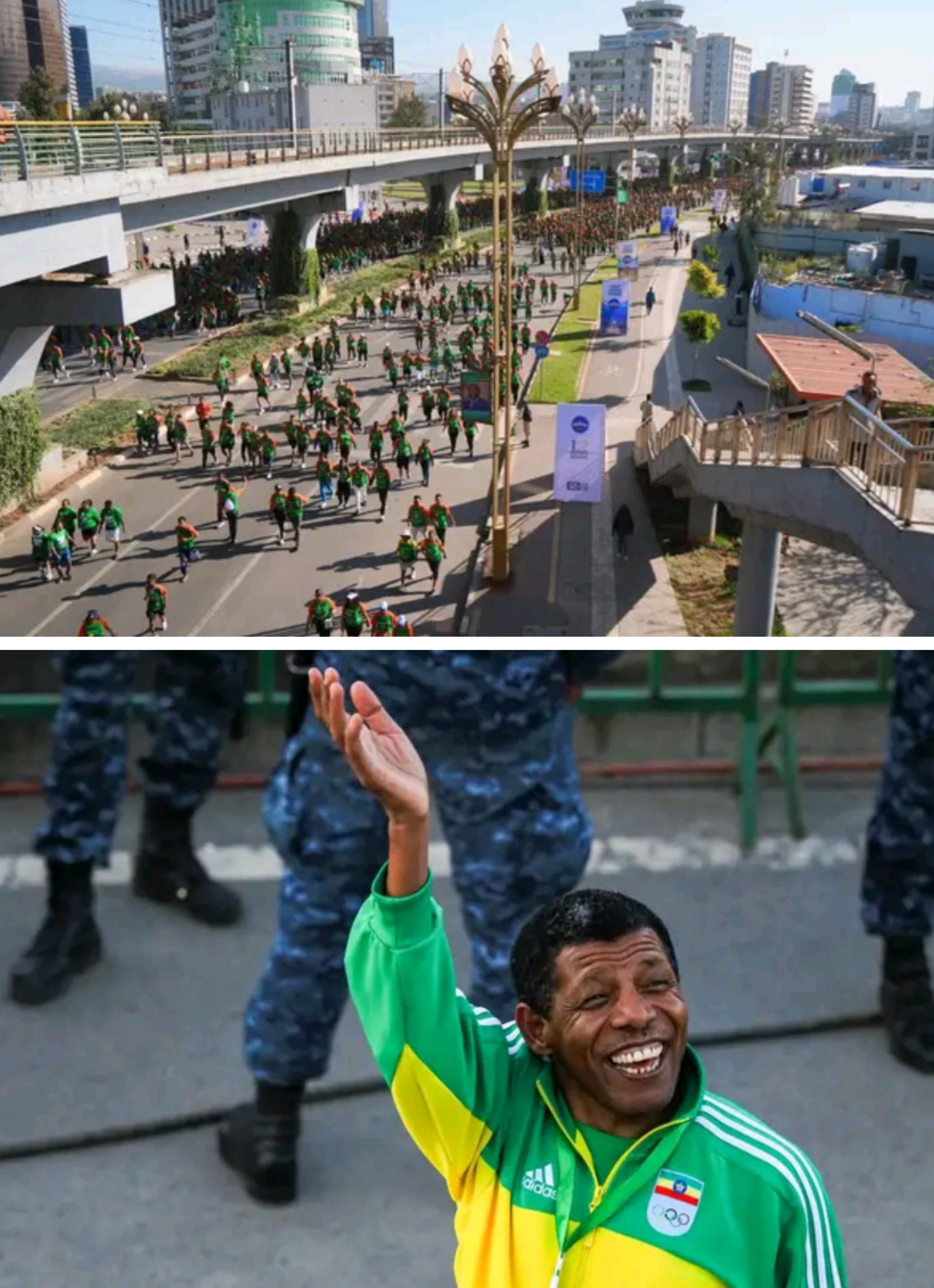
Founded in 2001 by Ethiopian distance-running legend Haile Gebrselassie, the event has grown into one of Africa's most recognisable road-running spectacles. What began as an ambitious initiative to bring people together through running has developed into a major international attraction, showcasing Ethiopia's extraordinary relationship with athletics.
Ethiopia's reputation as a global distance-running powerhouse provides the perfect backdrop for the event. A country that has produced generations of Olympic champions, world-record holders and legendary marathoners continues to use running as a platform for inspiring young athletes and strengthening its sporting identity.
This year's record participation of 60,000 runners represents another remarkable milestone in the event's history, highlighting the growing popularity of mass-participation running and the enduring appeal of the Great Ethiopian Run.
With Yismaw Dilu successfully defending his men's crown, Yenewa Nibret claiming the women's title and tens of thousands of participants creating unforgettable memories across the capital, Addis Ababa once again delivered a spectacular celebration of Ethiopian athletics and African running culture. The 2026 edition was not just about who crossed the finish line first, but also about the unity, colour and shared passion that continue to make the Great Ethiopian Run an extraordinary sporting occasion.
by Erick Cheruiyot for My Best Runs.
Login to leave a comment

the Great ethiopian 10k run
The Great Ethiopian Run is an annual 10-kilometerroad runningevent which takes place inAddis Ababa,Ethiopia. The competition was first envisioned by neighbors Ethiopian runnerHaile Gebrselassie, Peter Middlebrook and Abi Masefield in late October 2000, following Haile's return from the2000 Summer Olympics. The 10,000 entries for the first edition quickly sold out and other people unofficially joined in the race without...
more...