

Running News Daily
Top Ten Stories of the Week
7/27/2019
These are the top ten stories based on views over the last week.
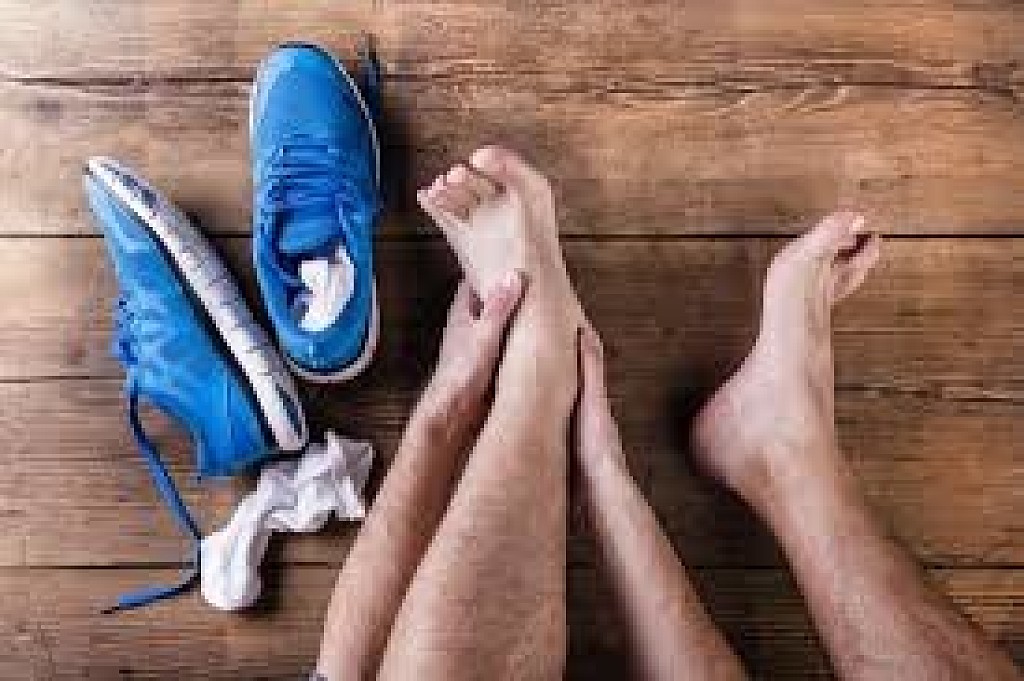


Taking care of your feet is one of the most important things a runner can do
Here are some preventative measures you can take to prevent swelling in your feet as you rack up the miles.
Finding the correct form for your body while running is very important for keeping your run as low impact as possible. There is much debate about what type of strike on the ground is best for your foot and body when you run, but a lot of the conversation has resided on the agreement that it depends on your gait and body type what will work best for you.
If you are a beginner start out with an easy pace until your body becomes more used to the regular motion can help you to control the impact of your run on your body. Practicing different form techniques to see what feels best for your feet and body can help you learn what foot strike causes the least amount of discomfort for you during and after your run.
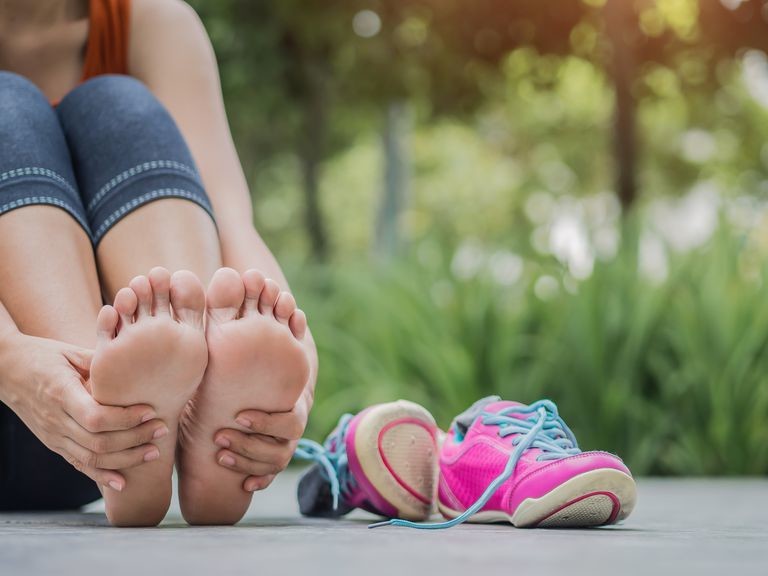
Wearing proper shoes is very important. Make sure they fit your foot correctly. There are many types of running shoes out there that are suitable for varying needs. Going to a running shoe store and having a representative assess your gait and foot strike as you run can help to determine what the best shoe for you.
Finding footwear that is breathable and allows for your feet to remain cool as you run can help prevent foot swelling as well.
Staying hydrated is without question one of the most important things you can do for all of your bodily functions. Our bodies are mostly made of water, and dehydration can occur easily when we’re spending our days sweating it out on a run. The average person needs anywhere from 2 to 2.5 liters of water daily, and if you’re an avid runner, chances are you need more.
Maintaining a balanced diet is essential to healthy living. As a runner, your food is your fuel, and keeping your energy up is important. If you are exhausted, so is your body, and so are your feet. Eating food that is low in sodium can help you to reduce swelling and bloating in your body overall. This includes your feet, which are the furthest point from your heart and need good circulation to stay happy and healthy.
Sodium rich foods are usually processed, and the salt is sneakily hidden amongst the ingredients in the nutrition facts section. Staying away from processed food will help keep your sodium intake low. Try snacking on nuts, fruits, and vegetables instead of grabbing a bag of chips and you’ll notice a difference in how your feet respond to your run.
Your feet have muscles groups like the rest of your body, and they must be properly strengthened to prevent injury and swelling. Using resistance bands or doing toe raises can strengthen weak feet, making them more resistant to the impact of your foot strike when running. Strengthening your feet will also help you improve your gait.
Rest is also important. Marathon running is something a lot of runners enjoy, some like to jog only, or participate in trail running through parks and mountainous areas. No matter where it is you like to run, making sure to take the time to rest your body can help prevent swelling and other complications from running.
Massaging your feet or foot soaks with Epsom salts are excellent ways to care for your feet. Taking the time to raise your legs after you run for 15 to 20 minutes can help improve circulation after a run, helping to prevent or reduce any swelling that might set in after a day of pounding the pavement.
(07/22/19) Views: 161Colorado Runner
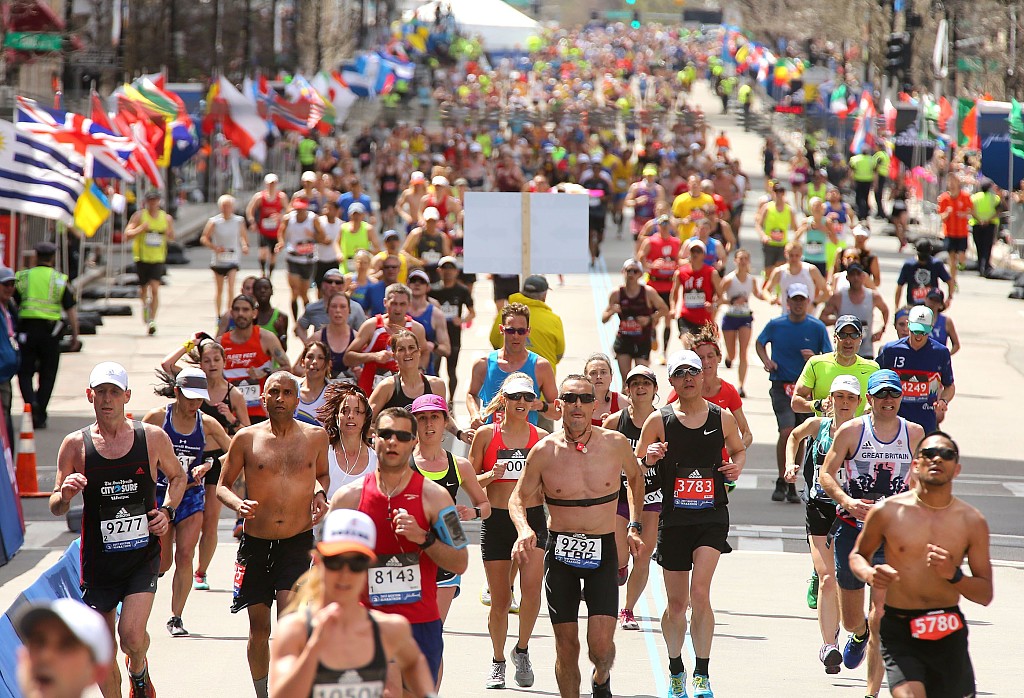
Plenty of runners are qualifying for the 2020 Boston Marathon even though the time standards are five minutes faster across all age groups
Even With Tougher Standards, Plenty Of People Are Qualifying For Boston That makes it likely that not every applicant for the 2020 race will be accepted into the marathon during the annual September registration period.
Instead, runners will be facing what’s become an annual rite: guessing the “cutoff” time—how much faster than their qualifying times they had to be in order to gain entry into the race, because the race field is filled by the fastest runners first.
Last year’s cutoff was 4 minutes and 52 seconds. In all, 7,384 people who qualified were unable to get into the race.
For the past six years, as interest in qualifying for Boston has skyrocketed, not everyone who has qualified for the race has gotten in. The race accepts only about 24,000 time qualifiers. (Another 6,000 run for a charity or have another connection into the race that doesn’t require a qualifying time.) Tom Grilk, the BAA’s chief executive officer, told Runner’s World in February that the field size is unlikely to change soon and would require the cooperation of the eight cities and towns that the race passes through on its way from Hopkinton to Boston.
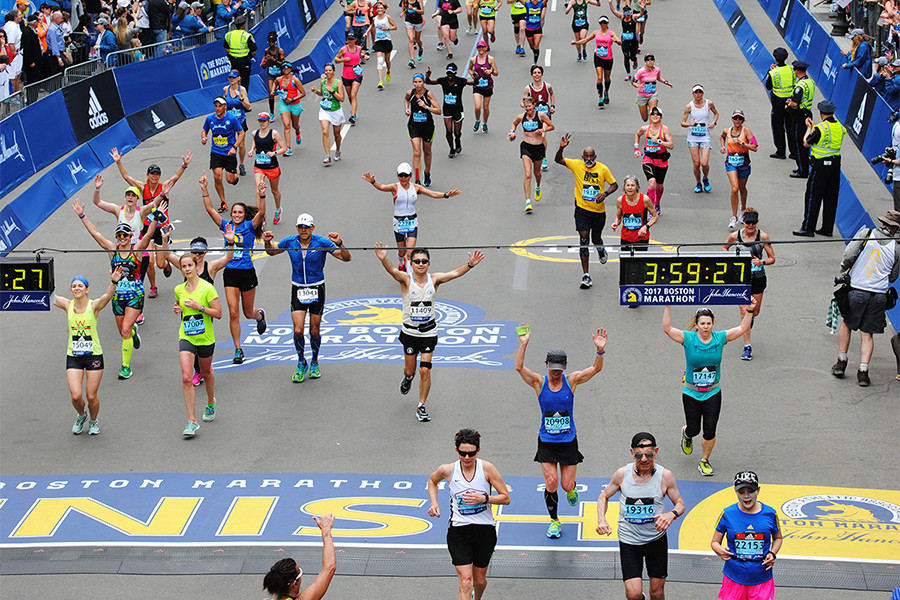
Race organizers had hoped that by tightening the qualifying times, fewer runners would be in the frustrating position of hitting the time needed for their age and gender but not gaining entry to the race.
“We adjusted the times last year, because we wanted to respond to runners and put more stringent qualifying times in effect for 2020, rather than wait longer and have even more runners achieve the standard but then be unable to be accepted due to field size limitations in 2020 and 2021,” a BAA spokesperson wrote in an email to Runner’s World.
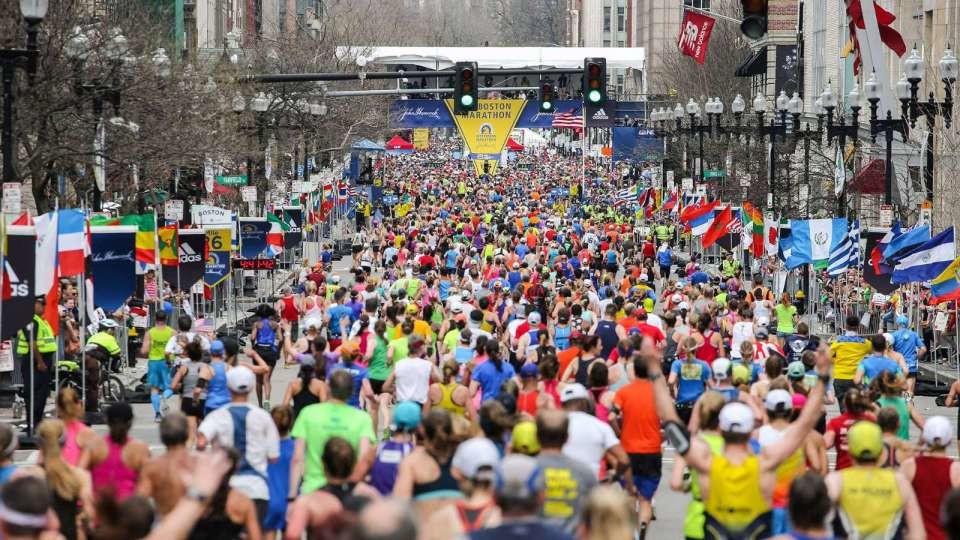
Instead, the stricter time standards seem to have motivated potential Boston runners to train better and race faster. Some of the bigger qualifying races in the first half of 2019 have produced nearly the same number of qualifiers as they produced in 2018. Here’s a look at how some of the biggest feeder races into the Boston field have played out.
At the Boston Marathon this year, which every year qualifies the greatest number of people for the following year’s race, 8,883 bettered the time they needed for the 2020 race, according to data the BAA gave to Runner’s World. Last year, 9,254 hit the standard at Boston for the 2019 event. The decline is less than 4 percent.
(07/20/19) Views: 155Colorado runner
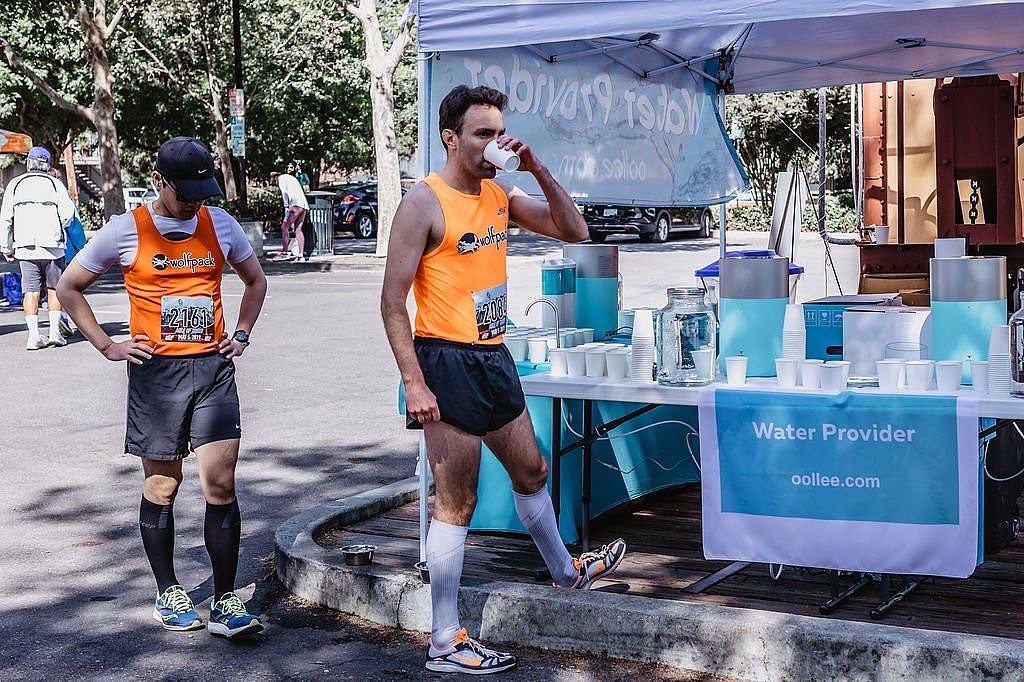
oollee says ditch plastic wáter bottles will be the oficial wáter sponsor for the Golden Gate Double 8K and Golden Gate 10k/5k August 4
Everyone has a right to clean water, no matter what you look like, how much money you make, or which political party you favor. In America, that right is enshrined in law.
oollee water purifier equips homes and businesses with a high-tech reverse osmosis device. Ditch Plastic Bottles Today!
oollee Water Provider will be the official water supplier for the fifth annual Golden Gate Double 8K, UjENA 5k and Golden Gate 10k events being held August 4 in Crissy Field across from Sports Basement in San Francisco.
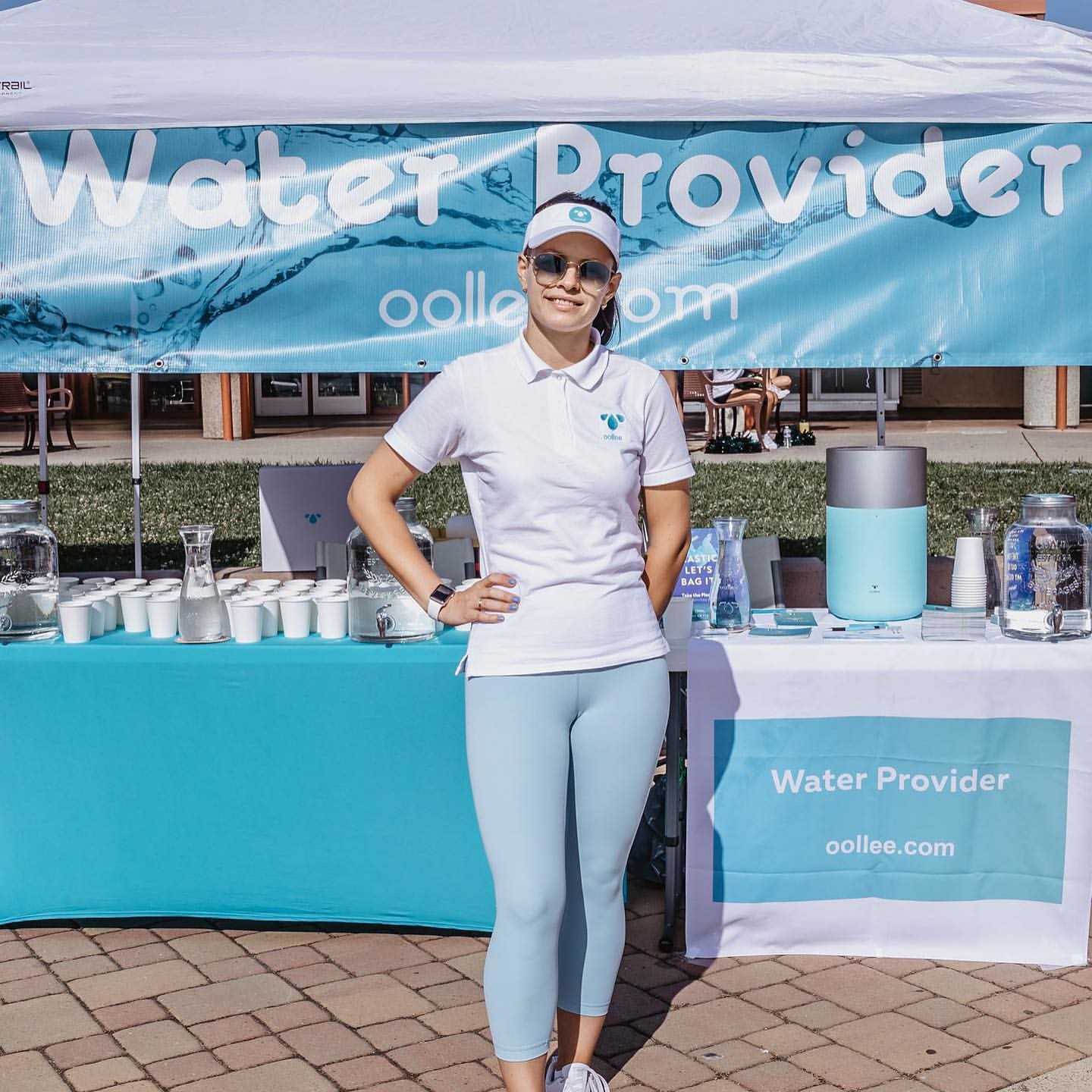
oollee Water Provider located in Menlo Park, California says "Drink your water clean, fresh and free of harmful additives and impurities using oollee services. Limitless clean water in your home every single day."
"We are excited to welcome oollee as our official water provider," says race director Bob Anderson. oollee will also be awarding the male and female 10K winner one of their water purifier system valued at $2199 each.
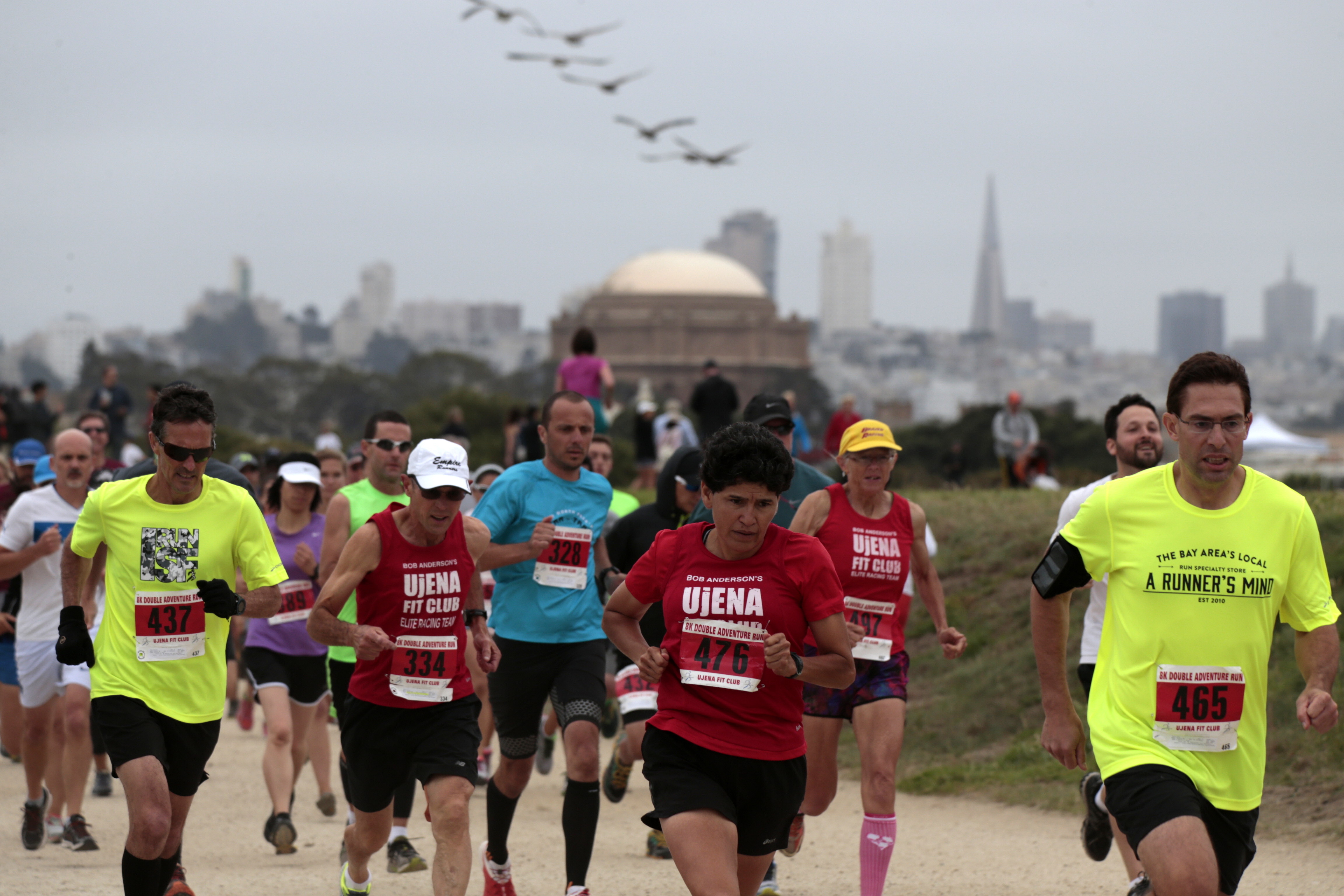
The Golden Gate 10K, UjENA 5K and DOUBLE 8K (5K+3K) courses offer unparalleled views of the Golden Gate Bridge for more than 80% of the course! The course will begin on historic Crissy Field near the Presidio in San Francisco. Runners will enjoy the gorgeous vistas of the Golden Gate National Recreation Area.
These races sponsored by Sports Basement are competitive and fun events. A special Golden Gate finishing medal will be awarded to all 10K and 5K finishers. The featured event is the Golden Gate Double 8K. Participants will race a 5K at 8am, take a break and then race 3K at 9:15am. Times are added together for scoring.
"Double Racing was started in 2010 and nearly 100 events have been staged already," says creator Bob Anderson.
"If you have not done a Double, you need to experience it," says Lisa Wall social media director for My Best Runs. "I have run several and I really like the unique aspect of the event."
The event is almost sold out and most likely will be within the next few days.
(07/19/19) Views: 150
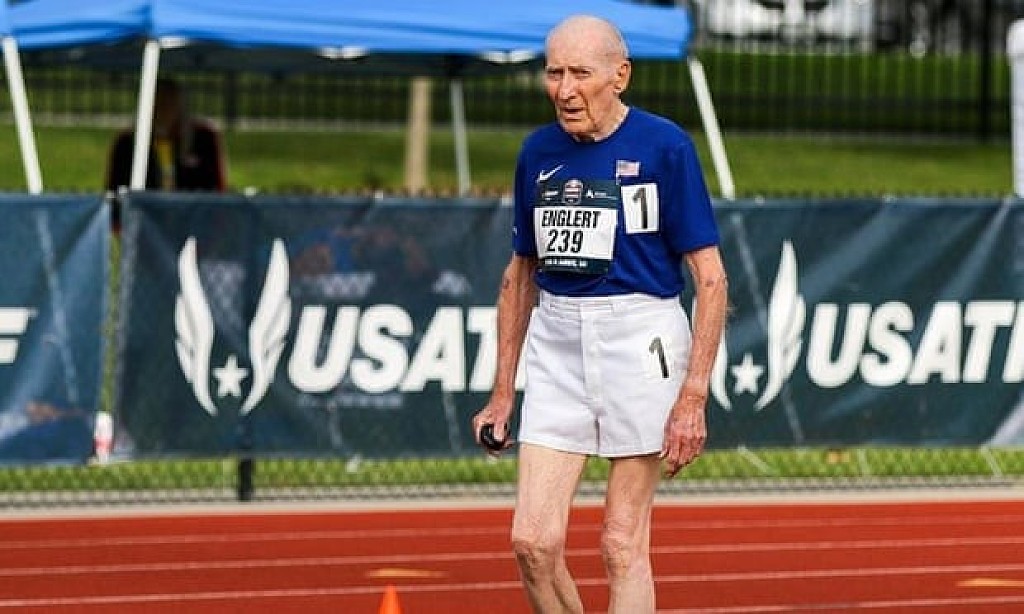
Roy Englert, 96, added yet another world record to his collection at last week’s USATF Masters Outdoor Championships
96-year-old Roy Englert runs 42-minute 5K to shatter age-group world record, running the 5000m in 42:30.23 to shatter the existing age-group mark by nearly eight minutes at the Cyclone Sports Complex in Ames, Iowa.
The Virginia native, who already held the 95 to 99 age group records for the 800m and 1500m and is a member of the world record 4x100, 4x400 and 4x800 relay teams, broke Frank Levine’s decade-old record of 50:10.56.
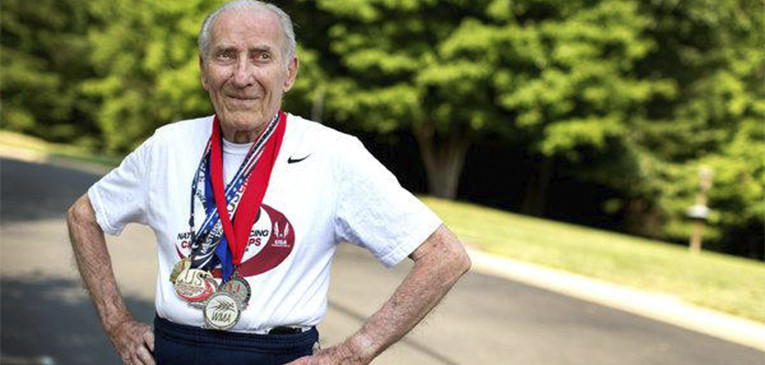
The new mark is still pending approval by USATF.
According to a Run Washington profile, Englert lives at a Lake Ridge retirement community and does most of his running on a treadmill: two to three miles for three days a week, or upping the mileage if a competition is nearing.
“It’s fun. It’s not fun while you’re doing it, but it’s fun when you’re finished,” he said. “It’s hard work, actually.”
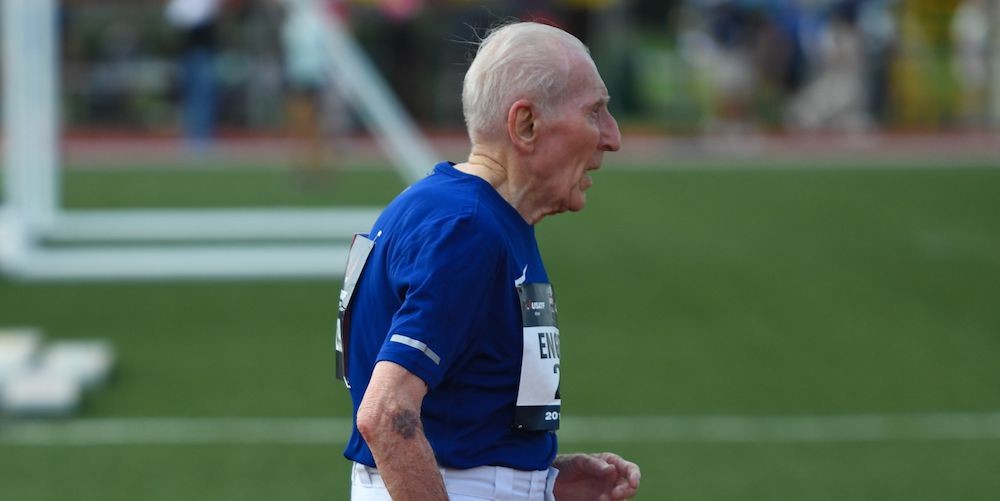
Englert, a retired attorney, credits his late-career success to not to any natural gift but dogged persistence.
“I don’t consider myself that much of an inspiration. I’m a slow runner,” he told Run Washington. “But I guess I’ve outlasted almost everybody. It gets easier to win when there’s not as much competition around.”
(07/19/19) Views: 144
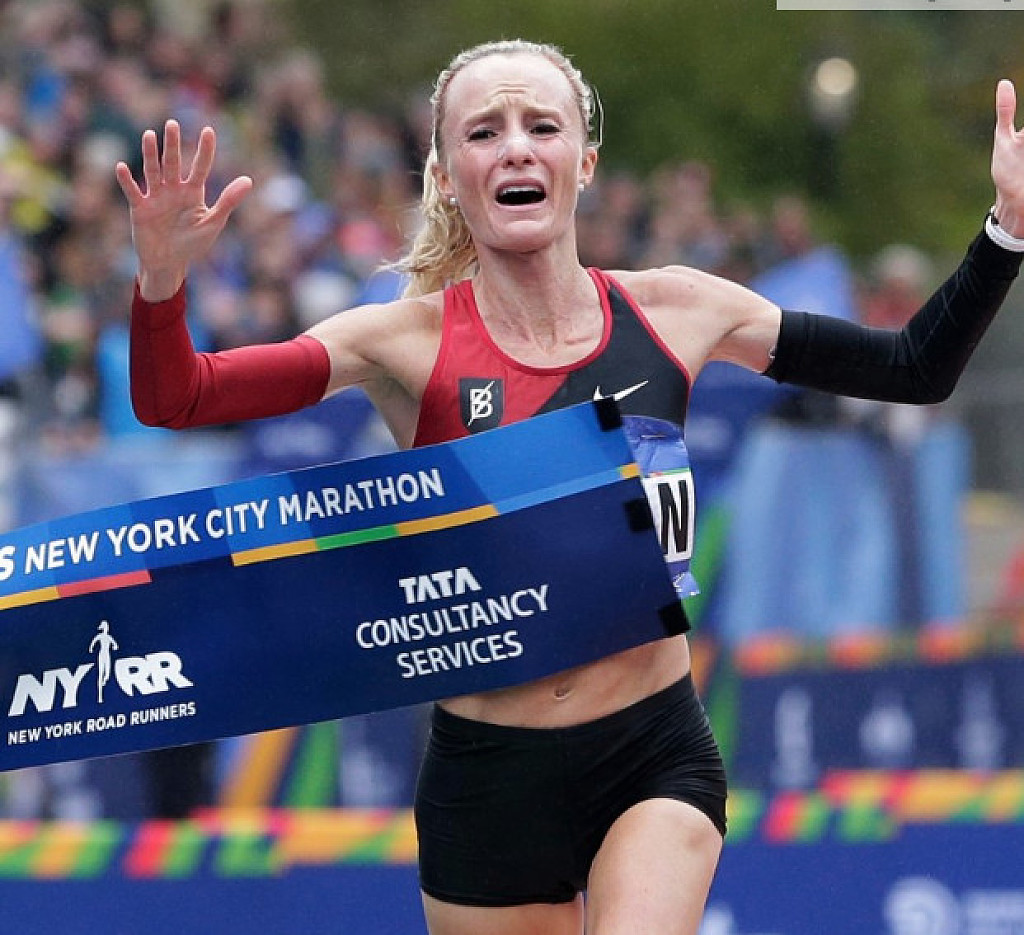
Eight life lessons from one of America's best marathoners - Shalane Flanagan on How to Achieve Peak Performance
In 2017, on November 5, I watched the end of the New York City Marathon on television. I got chills as Shalane Flanagan crossed the finish line, becoming the first American woman to win the race in 40 years. I could only imagine the years of dedication, passion, and resolve behind that extraordinary moment.
(Editor Note - Shalane almost did not run the 2018 New York City Marathon because of pain in her patella tendons. But she was glad she did run placing third. Since then she has had surgery and her recovery is coming along well. Brad spoke with Shalane in 2018 and her advice then is still very timely.)
Trust Your Training
“In the 24 hours prior to the New York race, I had a general calmness about me. I was equipped with fitness and a level of training I’d never achieved before. I didn’t feel worried because I knew deep down inside how prepared I was. I’ve always tried to get so fit that I can’t make a bad decision in my racing because my fitness literally won’t allow me to—it will just carry me. I guess what I’m saying is that the more confident you are in your training, the less nervous you’ll be on race day.”
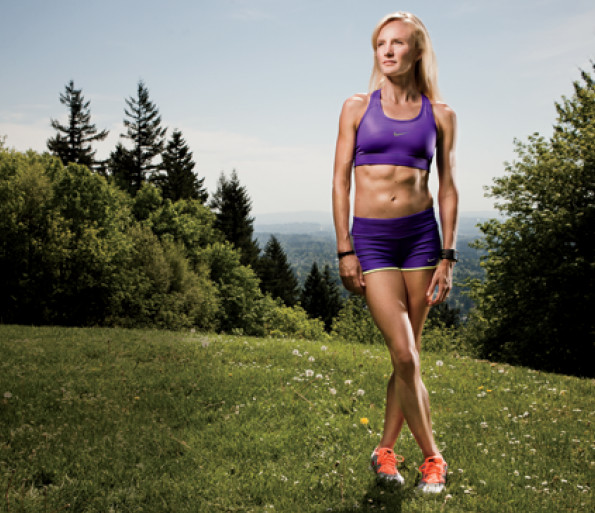
Motivation Is Contagious
“My job is enhanced 100 percent if I’m surrounded by other like-minded athletes who are going to challenge me and hold me accountable to my goals. My teammates inspire me, and I thrive off their energy. I can literally look to my right and left and say to myself, ‘This woman is such a badass.’ I don’t think I’d still be running if not for my training partners. These women support me through both highs and lows.”
Age Is Only a Number
“Even though I’m 36, I decided to come back after New York because I finally felt the accumulation of all the work I’d put in over the past two-plus decades paying off. It’s like I was finally getting to the good stuff, coming around to the type of endurance runner I’d always wanted to be. I feel like I have more to give, and I’m excited by that. I’m in a major competition with myself. I want to explore my limits, to see what I’m fully capable of—and I think I still have a few special performances in me.”
Drive from Within
“When I was a kid, running gave me something to be good at, to build confidence and fit in. I liked the attention that came along with it. However, that’s not at all why I run now. I feel confident in who I am, and I run because I love it and want to pursue self-mastery.”
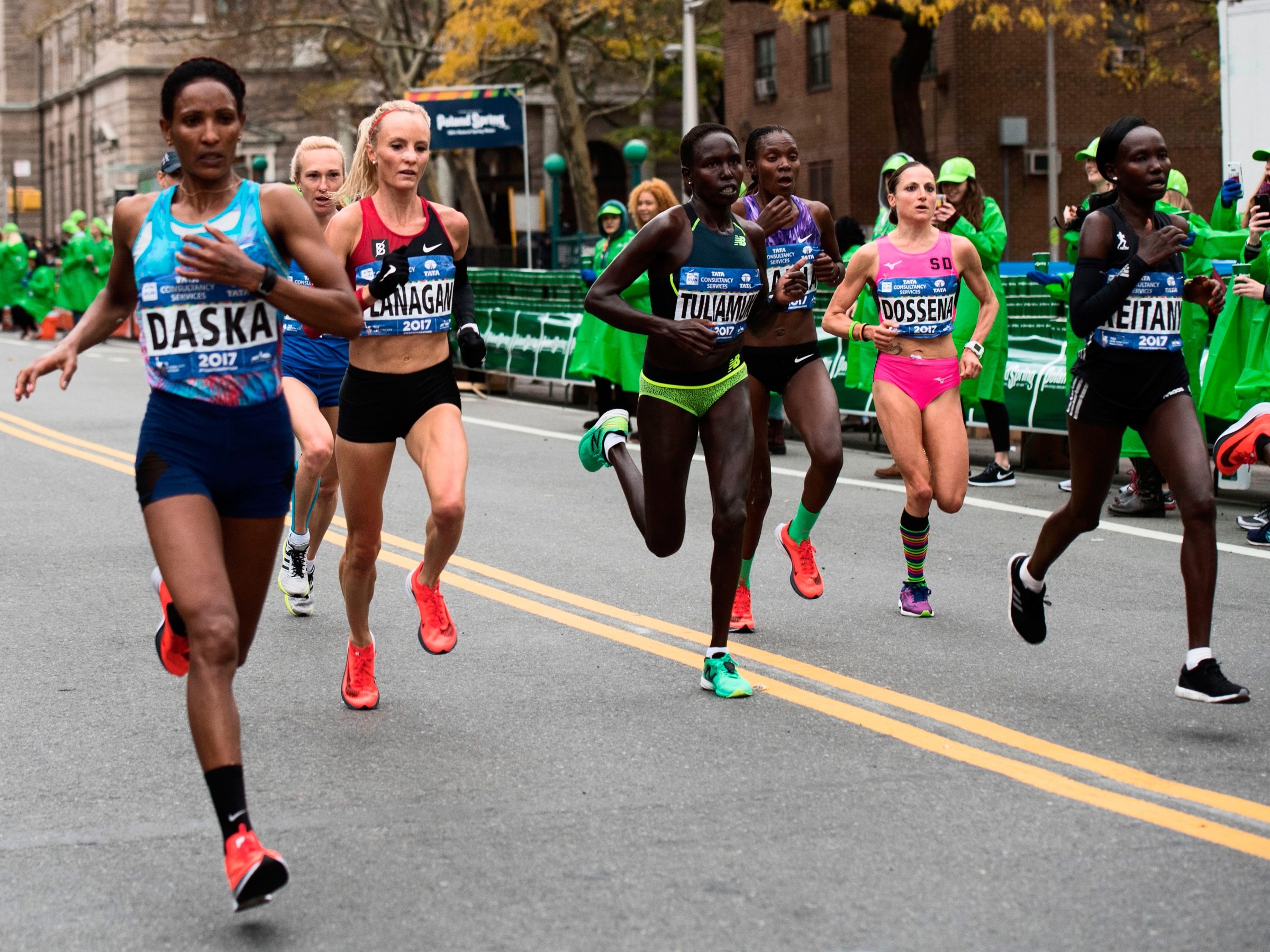
Skip the Diet
“People think eating healthy is bland and boring, but I want to crush that notion. You can eat exceptionally well, and it can be awesome and enhance your life. There is lots of disordered eating with young women. I want to show that, yes, you should try to eat very healthy, but you also need fat and you should derive enjoyment from great-tasting food. I’m not about diets or counting calories or measuring nutrients. That’s too obsessive.”
Don’t Overcomplicate Recovery
“Recovery, to me, means sleeping and eating well. If I’m not feeling recovered, I’ll sleep and eat more, and that usually does the trick. Maybe I’ll get a massage, but that’s it. I don’t use any fancy gadgets or anything like that.”
Go All In
“I like to go all in on one extreme for a period of time and then shift to another extreme. For me, this means going all in on running, and then taking a vacation where I go all in on things like family and other pursuits. It’s too hard—physically and mentally—to try to do everything at once.”
Have an Outlet
“Though I just said I like to go all in, I do think it’s important for all serious athletes to have a nonathletic outlet, too. For me, that’s cooking, which is like my therapy. It calms and relaxes me. I was an art major in school, so perhaps cooking is how I express that.”
(07/22/19) Views: 106Brad Stulberg
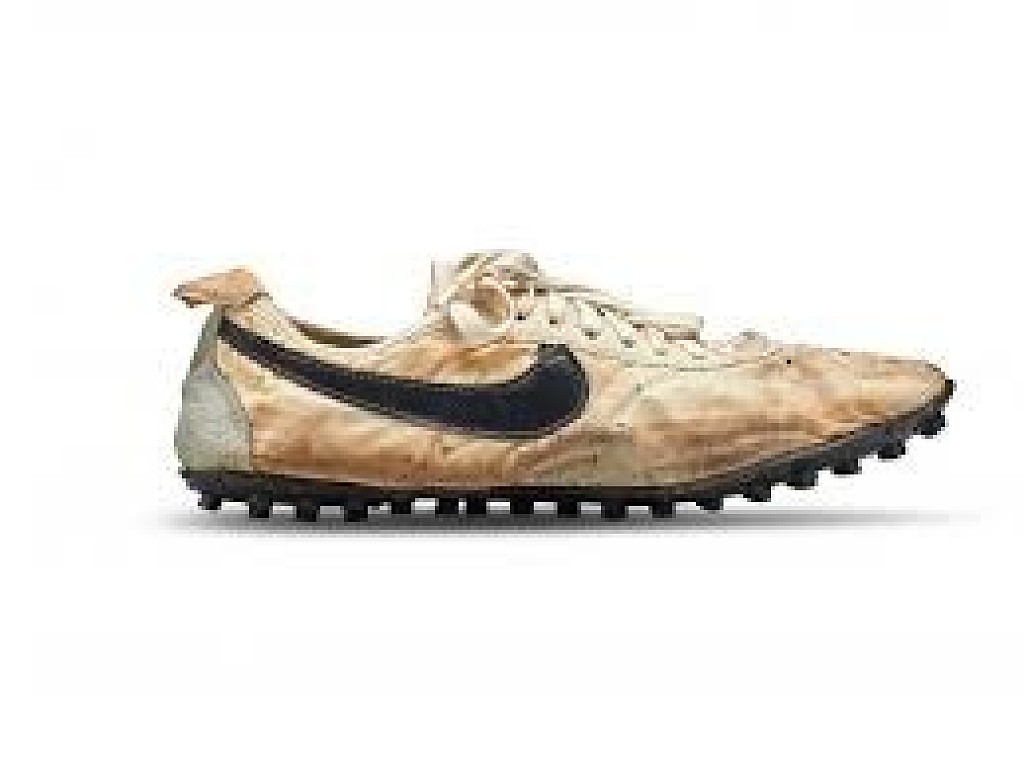
Toronto investor and philanthropist Miles Nadal purchased Nike’s historic 1972 ‘Moon Shoe’ at a public Sotheby’s auction for $437,500US
Sneaker history has been made.
The rarest pair of Nike running shoes in existence, not to mention one of “the most significant artifacts” in the history of the multi-billion-dollar brand has just been sold.
Toronto investor and philanthropist Miles Nadal purchased the Nike’s historic 1972 ‘Moon Shoe’ at a public Sotheby’s auction this week.
The sale of the Moon Shoe set a world record for the most expensive sneakers ever sold at an auction, shattering the previous world auction record set in 2017 when a pair of signed Converse that Michael Jordan wore in the 1984 Olympic basketball final sold for USD $190,373, according to reports.
The Moon Shoe was one of the first pairs of sneakers designed by Nike co-founder and track coach Bill Bowerman for runners during the 1972 Olympic trials, according to Sotheby’s.
Bowerman was inspired to create the waffle sole traction pattern for the running shoes by experimenting with his wife’s waffle iron, pouring rubber into the mould to create the first prototype of the sole, Sotheby’s said.
According to the New York auction giant, this is one of only a handful of pairs is known to exist, making this a remarkable investment for Nadal.
According to Sotheby’s, the Moon Shoe got its name from the resemblance between the impression that the waffle pattern left in dirt and the famous tracks left on the moon by astronauts in 1969.
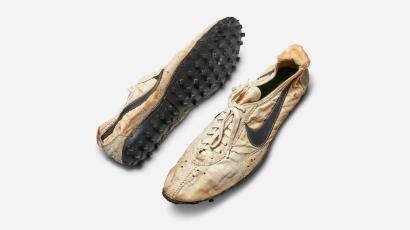
Each pair of runners was hand-cobbled by one of Nike’s first employees, Geoff Hollister, and due to the handmade quality, each pair is irregular and one of a kind.
Only about 12 pairs of the Moon Shoes were created, according to Sotheby’s, and less than that still remain today. This pair sold is the only pair known to exist in unworn, deadstock condition.
Earlier this month, Nadal purchased 99 other pairs of rare sneakers from Sotheby’s in a private sale for USD $850,000 as part of his “newfound passion for sneakers.”
(07/26/19) Views: 74Ainsley Smith
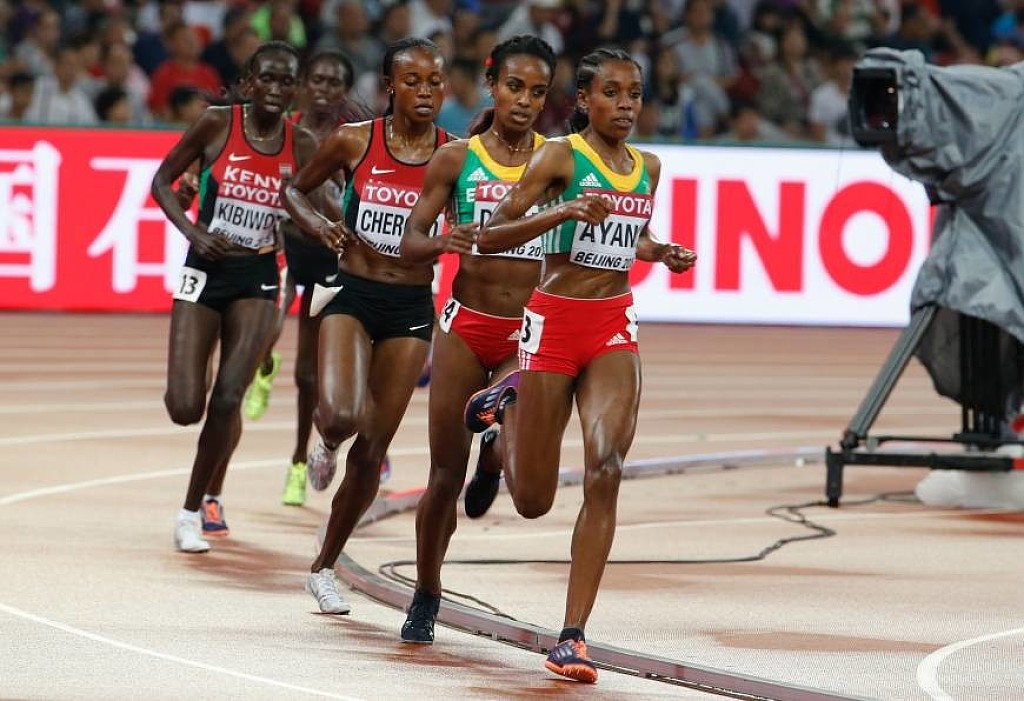
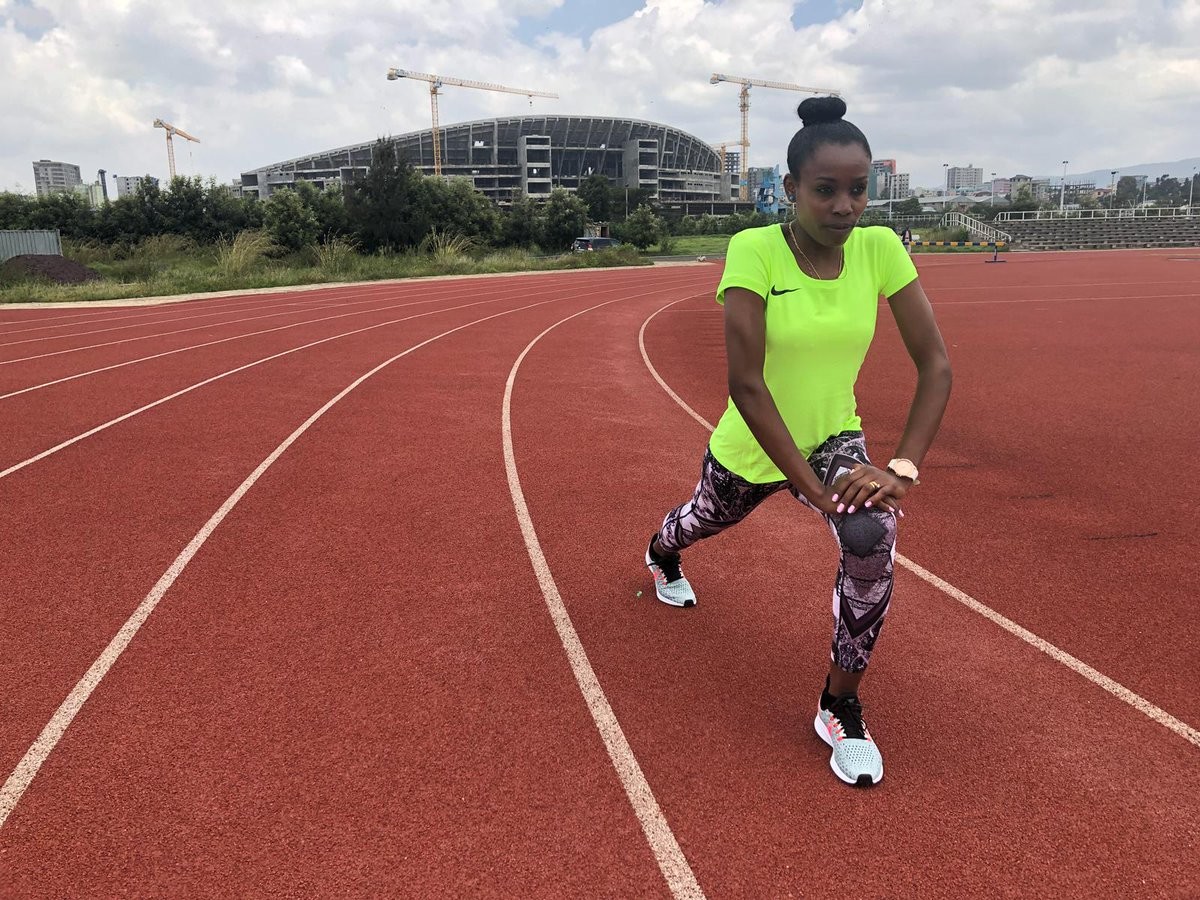
Ethiopia´s Almaz Ayana hopes to be successful in Doha on September 28
The ability to overcome challenges appears to be part of Almaz Ayana’s DNA.
By working hard to climb to the summit of global distance running, despite hailing from a modest rural background, to triumphing in the 10,000m on her season’s debut at the IAAF World Championships London 2017, no challenge appears beyond the capability of the world and Olympic 10,000m champion.
Yet the latest task to return to full fitness after undergoing surgery on both knees is, arguably, Ayana’s greatest obstacle to date as she builds up for what she hope will be a successful defence of her world 10,000m title in Doha on 28 September.
Born the seventh youngest of nine siblings in western Ethiopia, Ayana first engaged in running when registering for a school race at about the age of 13 or 14.
Having no clue as to how she would perform, she recalled finishing “second or third” over 1500m but faced a significant obstacle to her progress.
“When I started racing there was a girl at my school who always finished number one,” explains the quietly-spoken and unfailingly polite Ayana. “I was afraid of that girl but somebody told me that I have to beat her. I listened to that person, beat that girl and later joined a project (a training group for beginners) in my local area.”
Encouraged by how hard work could reap rewards, she moved to Addis Ababa and joined the Defence Force Club. A coach there advised her to try the steeplechase and she quickly advanced to the international level. In 2010 she placed fifth in the steeplechase at the IAAF World U20 Championships in Moncton, Canada and later that year shattered the world U20 record with a stunning 9:22.51 for third in Brussels.
African and Continental Cup 5000m victories followed in 2014 but it was the 2015 campaign when Ayana emerged as a world-class star. In Shanghai she ran a blistering 14:14.32 performance to climb to third on the world all-times list – behind Dibaba and Defar – with the kind of fearless front-running performance which has become her signature.
Then at the World Championships in Beijing later that year, a blistering final 3000m of 8:19 enabled Ayana to quell the considerable threat of compatriot Genzebe Dibaba to bank 5000m gold inside the crucible of the Bird’s Nest Stadium.
In 2016 the Ethiopian then entered another realm by obliterating the 23-year-old world 10,000m record by more than 14 seconds with a jaw-dropping time of 29:17.45 to claim the Olympic title in Rio.
(07/23/19) Views: 58iaaf
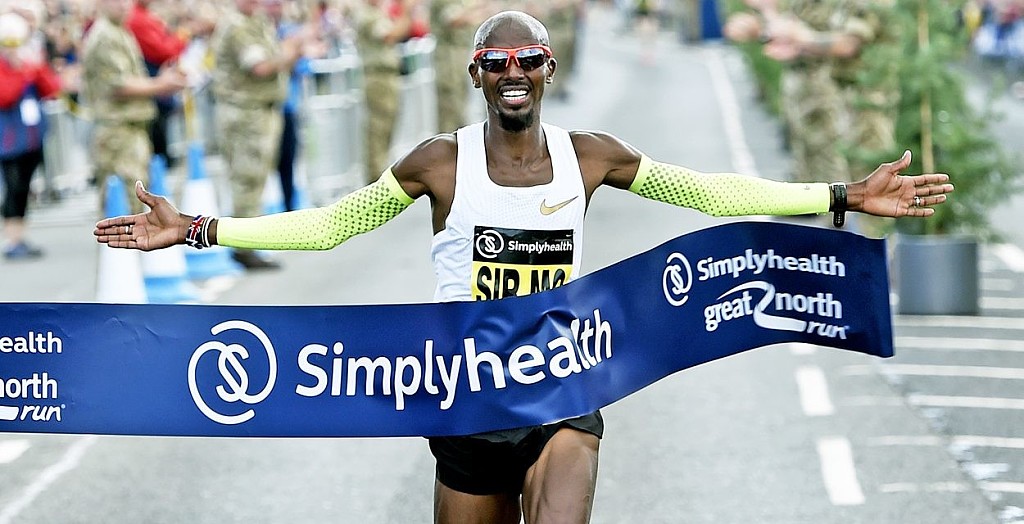
Mo Farah wants to become the first runner to win six consecutive Simplyhealth Great North Run titles
The 10-time global gold medallist will return to the Great Noeth half-marathon in September.
Like last year, the 10-time global gold medallist will again use the event as part of his preparations for the Chicago Marathon, where he will defend his title on October 13.
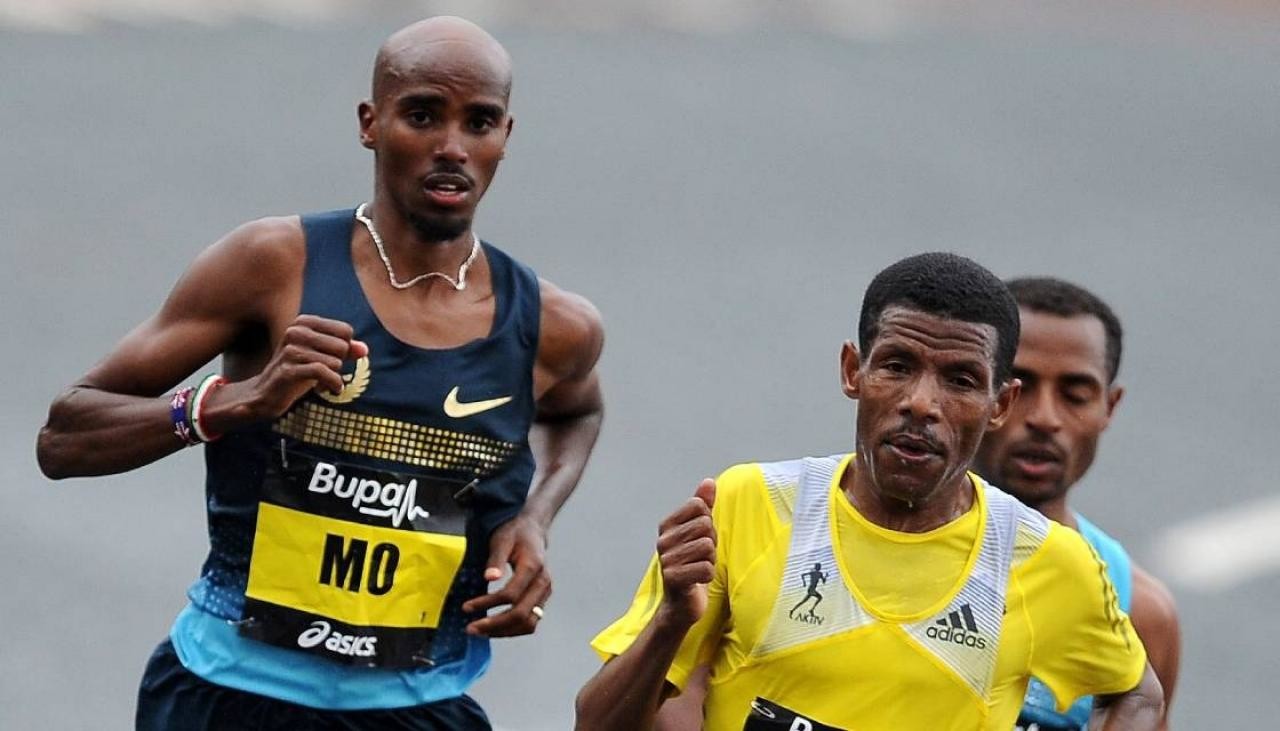
At the 2018 edition of the Great North Run, Farah clocked 59:26 before breaking the European marathon record with his winning time of 2:05:11 in Chicago.
“I’m going to be giving it my best shot,” said Farah, on targeting a sixth victory. “Winning it once was special enough, to win it for the sixth time would be unbelievable.
“It was a massive part of my preparations for Chicago last year and it will be as important this year.
“The Simplyhealth Great North Run is one of my favourite races, it’s something that I always look forward to and I can’t wait to be back on that start line in Newcastle in September.”
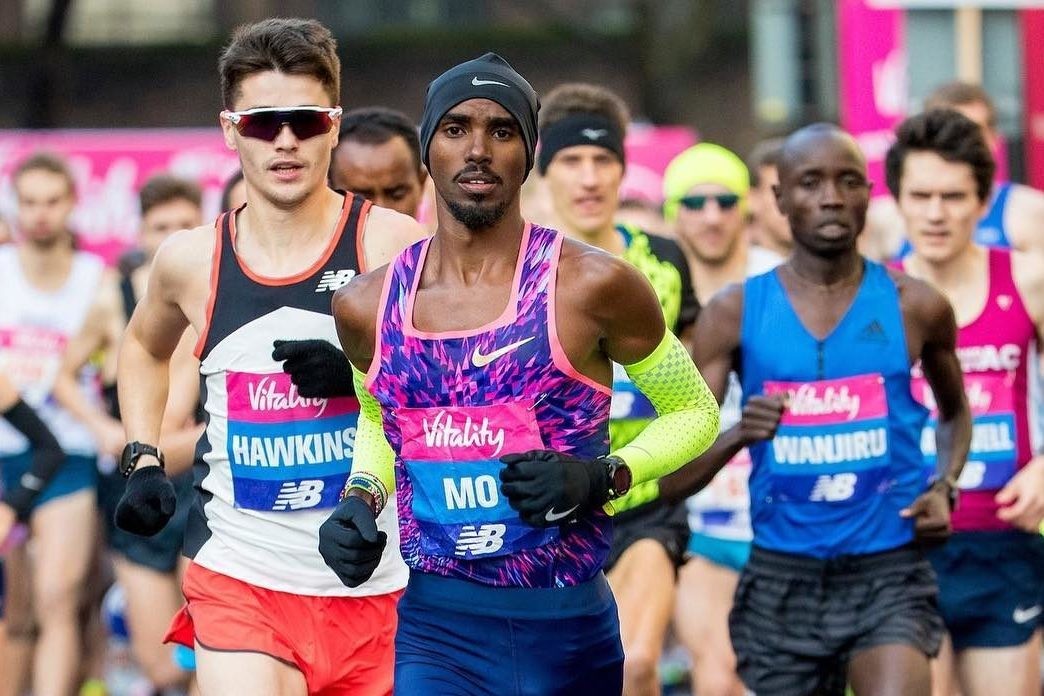
Farah has a winning record dating back to 2014 on the famous 13.1-mile course between Newcastle and South Shields.
Only Farah and Tanni Grey-Thompson have won five consecutive Great North Run races in the event’s 39-year history, with Grey-Thompson’s last victory in the wheelchair event claimed 20 years ago.
(07/24/19) Views: 58Athletics Weekly
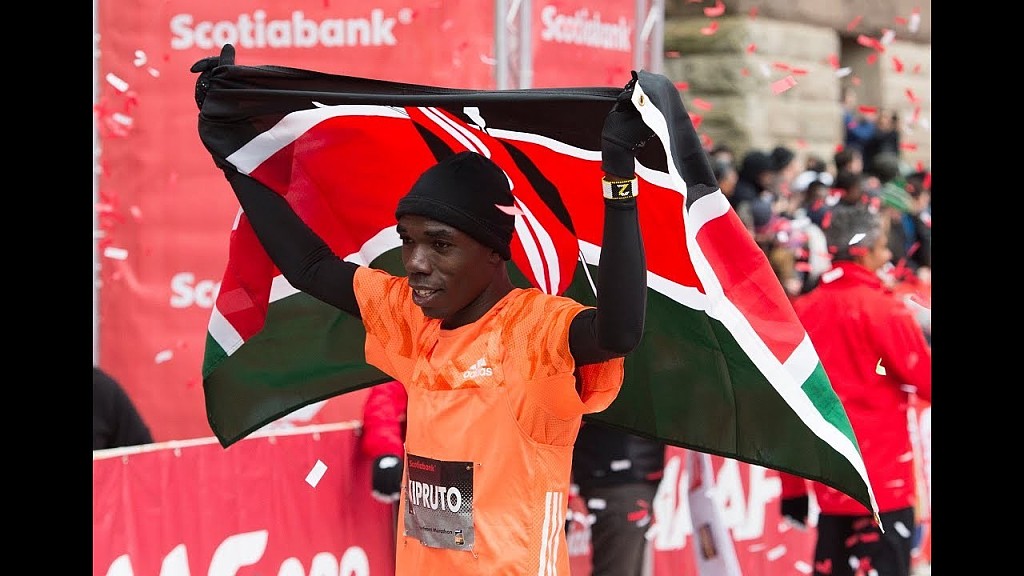
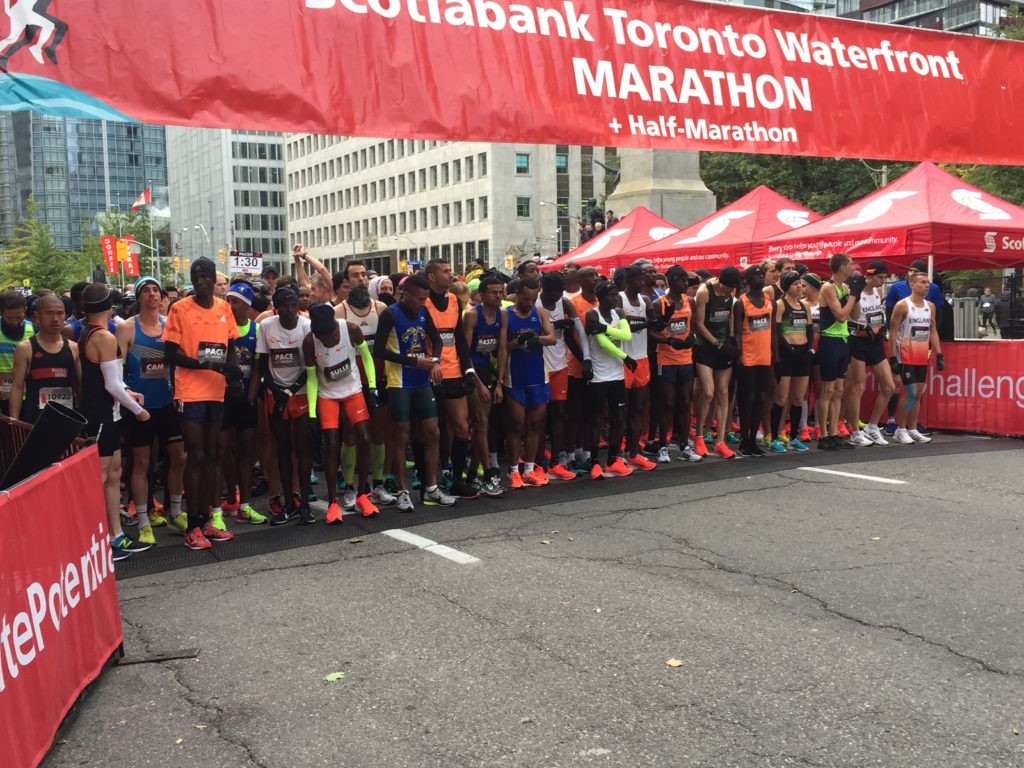
Kenya´s Benson Kipruto will Defend his Scotiabank Toronto Waterfront Marathon Title in October
"If I can defend my Toronto Marathon title it will be very good for me and for my marathon career," he declares with a smile. He remembers well the joy his 2:07:24 performance brought him and the festivities which followed upon his return to Kenya.
"I started the celebration at the (Eldoret) airport with my family, my friends and my training mates and also my coach," he recalls of the celebration which included drinking fermented milk called Mursik in the Kalenjin warriors’ tradition. "We extended the celebration to my camp. We feasted on some goats with my friends and training mates.
"This year I would like to run my personal best in Toronto. Hopefully, if the weather will be good and also, if the pacemakers do a good job, I am hoping to run maybe 2:06 and maybe try to run a course record."
Kipruto’s best is 2:07:11 set in finishing third at the 2018 Seoul Marathon and he also ran 2:07:21 at the 2017 Gongju Dong-A Marathon in Korea. With three recent 2:07 results he is clearly on the verge of another major breakthrough which could see him tackle the current Toronto course record held by his compatriot Philemon Rono (2:06:52 in 2017).
Asked what his greatest impression from last year’s five day visit to Toronto was he is quick to credit the organizers.
"The people I met, they are friendly like the first one, Alan Brookes the Race Director, he is very friendly," he reveals. "The course itself is good. And also, I think the weather that day was not so good."
Last year runners awakened to temperatures hovering near freezing point and also encountered a strong headwind coming off Lake Ontario. Still, winning this IAAF Gold Label race caught the attention of the world’s marathon running aficionados.
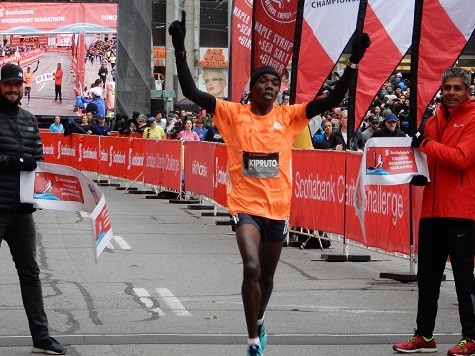
"I would say it opened doors to my future," Kipruto explains. "I was invited to the 2019 Boston Marathon because of Toronto. So my name has grown. (Toronto) was my first victory.
"Boston was a good performance for me; I managed to finish, first of all. I was injured during the race."
Kipruto’s feet were badly blistered during the race. But his coach Claudio Berardelli offers another explanation saying that he pushed Kipruto perhaps too much over the final three weeks of his preparation and so he was also over-trained. Ultimately, he finished a respectable 10th in 2:09:53 within two minutes of the winner Lawrence Cherono, also from Kenya.
Performing at this level has paid dividends for Kipruto. First place in Toronto earns CAD $30,000 while a course record is worth another CAD $40,000. In a country where the per capita income is less than $2,000 it is a lucrative business. He sees it as an investment for the future.
Though he was born in the village of Tolilet he recently bought some land 40 kilometres away in Kapsabet and moved his wife and one-year old daughter, who is called Princess Camille Chemutai, to the place.
Now his family is nearer to the training camp where he resides during the week and where he trains with such elite athletes as Amos Kipruto (2:05:43 personal best), Vincent Kipchumba (2:06:56), Solomon Yego (2:06:23) and Barselius Kipyego (2:07:57). He goes home on weekends.
(07/19/19) Views: 55
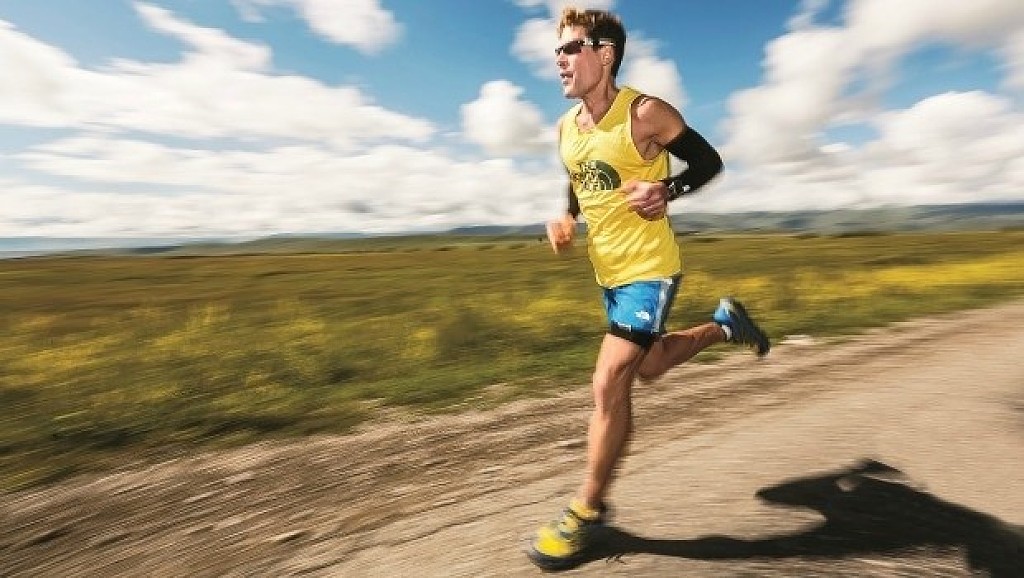
Long Distance Legends Michael Wardian and Dean Karnazes are set for the inaugural MCM50K
The MCM50K is the first of its kind, an urban ultra in Arlington, Virginia and the nation's capital with all the same on-course benefits of a marathon. Event registration sold out in under one hour, attracting enthusiastic runners from all over the US and big names in running. When the runners cross the MCM50K finish line, it will make the event the largest ultra in the United States by nearly double the current record.
“More and more people are looking for what’s next after they’ve run a marathon, and I think this is it,” shares Wardian.
Wardian is hoping to add the MCM50K top finish to his already impressive resume, which includes finishing over 400 marathons and ultras with dozens of top finishes, three 50K and one 100K titles from US Track and Field championships. Wardian is known for outlandish running feats and being a positive character in the running community, most recently running the entire 90-mile Capital Beltway.
“It's an opportunity to put myself out there, have a great experience, get a chance to see even more of beautiful Washington DC, but also to try to get on the podium.” With over a dozen MCM finishes, Wardian hopes this is his time to grasp the lead sharing, “I’m super excited. The Marine Corps Marathon was my first big city marathon I ever did in my life and it’s been a really important part of my career. This is my opportunity to have another chance to win the event, especially with inaugural 50K, a distance I’m quite comfortable with.”
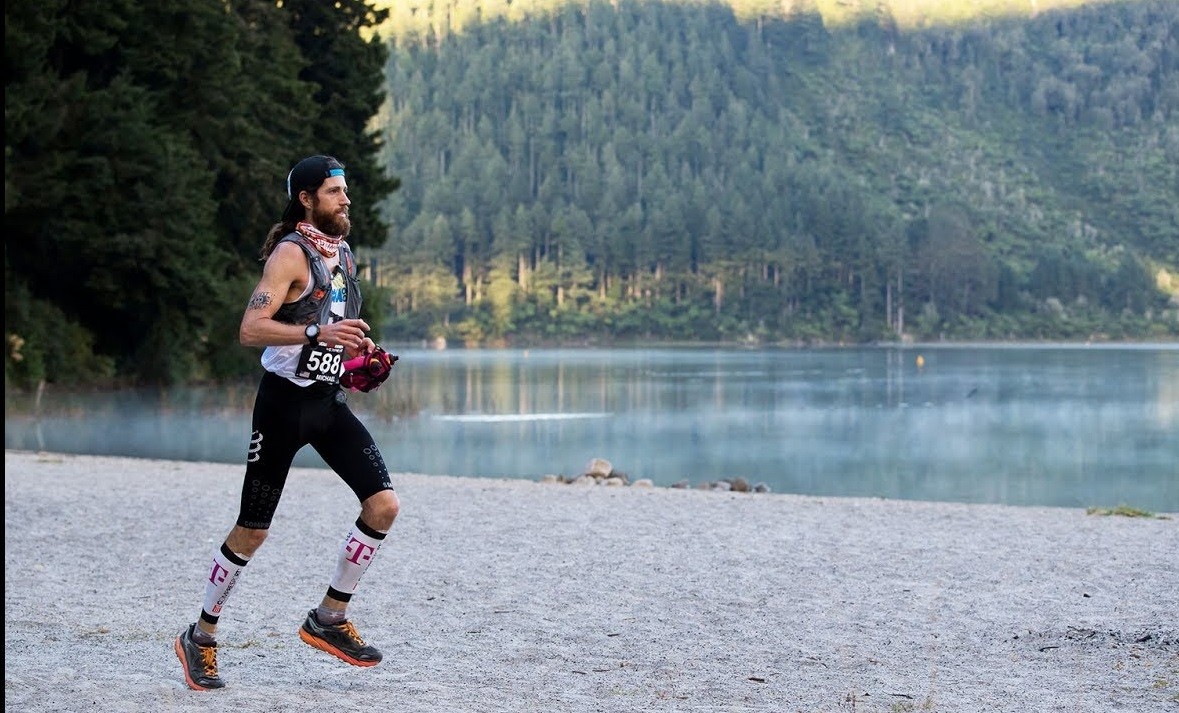
As a northern Virginia native, Wardian hopes to pull from his hometown advantage. “I have a lot of friends and fans who are going to be taking part in the event with me and family that'll be out on the course supporting.”
Standing next to Wardian at the start line will be friend and competitor, Dean Karnazes. “Dean and I have worked and traveled together for nearly a decade. I’m looking forward to hanging out and experiencing this together,” offers Wardian. “I’m sure he’ll be inspiring people to get out there and put their best foot forward.”
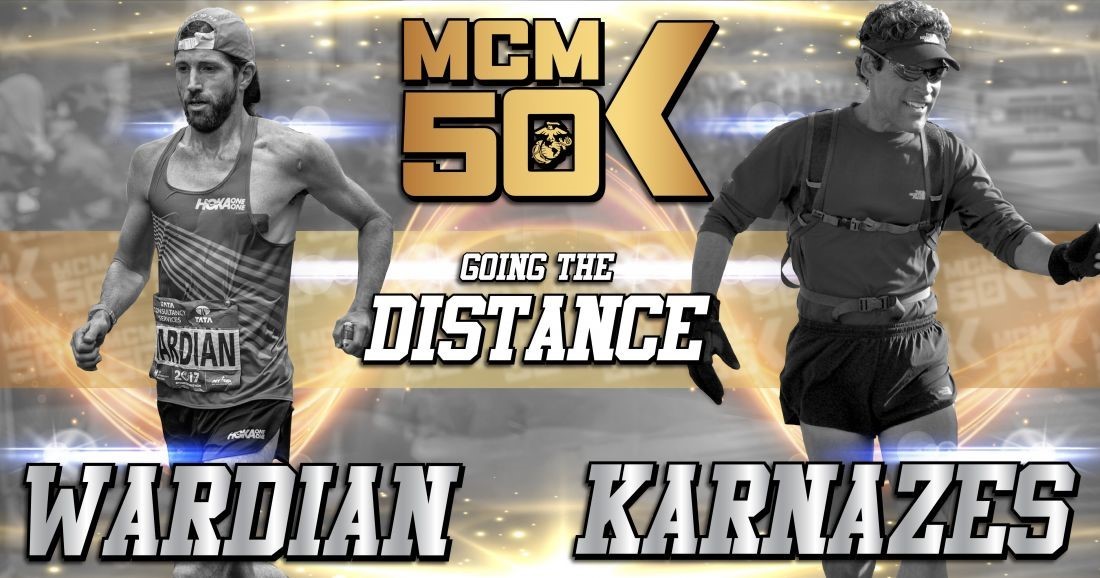
Karnazes is known for being a New York Times bestselling author, named one of TIME magazine’s “Top 100 Most Influential People in the World,” one of the fittest men on the planet according to Men's Fitness, and for accruing a wild list of incredible running accomplishments including running 50 marathons in all 50 states in 50 consecutive days.
“The two of us have a really interesting and very close relationship. It’ll be great to see him on the start line,” shares Karnazes. “Mike and I gravitate towards the same type of events, and from a competitive standpoint it’s unbelievable what he’s accomplished.”
Runners will get to interact with Karnazes during the ultra event. He looks forward to enjoying the ultra at a comfortable pace, taking in the inaugural event and connecting with his fellow runners. On the eve of the MCM50K, runners will have a special opportunity to interact with Karnazes and hear motivation from him at the Carbo Dining In.
Runners will get the chance to interact with Wardian and Karnazes at the MCM50K start line and during their 30+ mile journey. Running an inaugural event is special, and running alongside a few of running idols makes it unforgettable.
(07/20/19) Views: 55
