

Running News Daily
Top Ten Stories of the Week
10/11/2025
These are the top ten stories based on views over the last week.



Ethiopia’s Yismaw Dillu Breaks Course Record at 2025 Cardiff Half Marathon
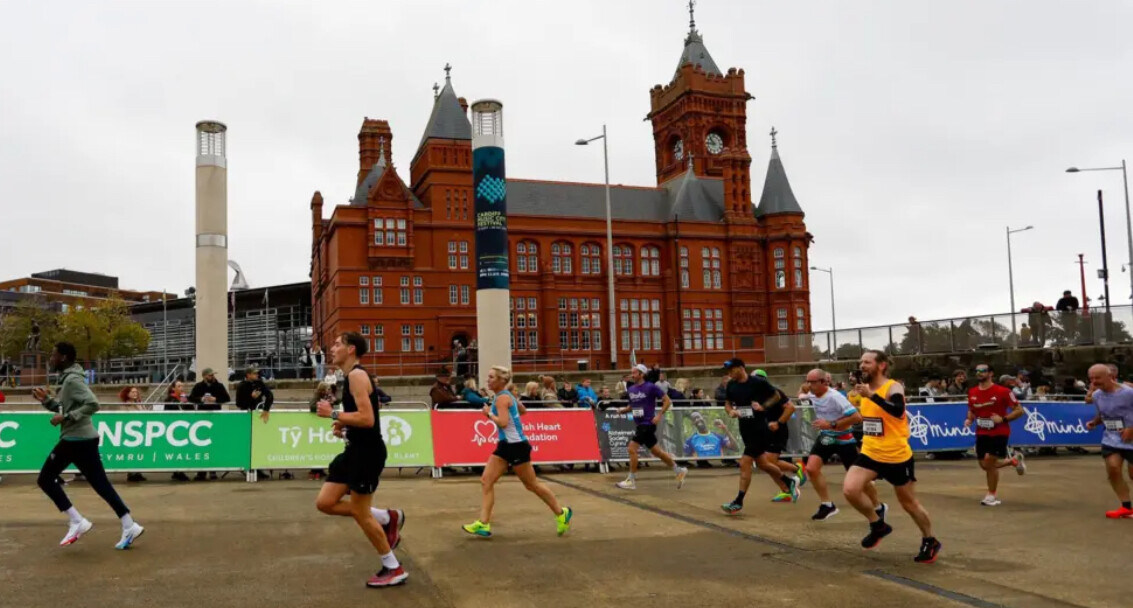
The 2025 Cardiff Half Marathon delivered record-breaking performances and thrilling finishes as Ethiopia’s Yismaw Dillu stormed to victory, setting a new men’s course record in the Welsh capital.
The 20-year-old Ethiopian crossed the line in 59 minutes and 23 seconds, eclipsing the previous record of 59:30 set by Kenya’s Leonard Langat in 2019. Dillu’s dominant run saw him finish more than 40 seconds ahead of his closest rival, Kenya’s Ismael Kiprono (1:00:05), while fellow Ethiopian Fikadu Liche rounded out the podium in 1:00:34.

Dillu’s commanding performance highlighted the 22nd edition of the event, which saw over 29,000 participants take to the streets of Cardiff for the 13.1-mile (21 km) race. His record-breaking time further cements the Cardiff Half Marathon as one of Europe’s fastest and most competitive half marathons.
In the women’s race, Kenya’s Miriam Chebet successfully defended her title, improving on her 2024 winning time by five seconds. Chebet clocked 1:06:36, showcasing impressive consistency at the elite level. Ethiopia’s Alem Nigus finished second in 1:07:33, while debutant Wudinesh Alemu, also from Ethiopia, claimed third in 1:08:08.
Boris Baron
Building the Future: KATA’s Vision to Become the Powerhouse of Athletics in Kenya
KATA founder Bob Anderson has a bold vision — one that unites athletes, coaches, and farmers under a single purpose: to make KATA the powerhouse of athletics in Kenya and a model for the world.
As of today, KATA operates 31 running camps and 65 potato farms across Kenya. Of these, 31 farms are directly connected to KATA camps, while the remaining farms are independent partners within the broader KATA network. Together, they form a growing agricultural foundation that supports both athletics and community development.
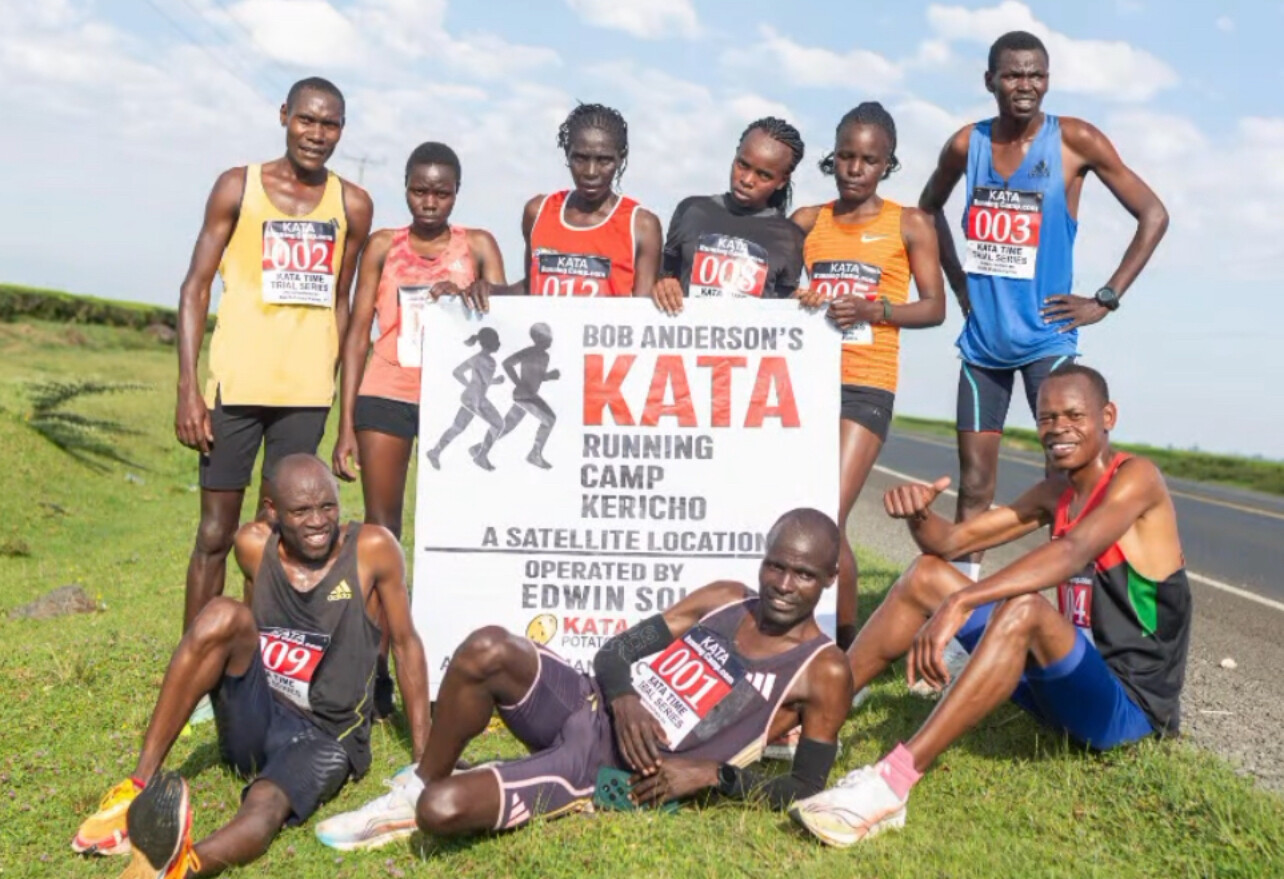
KATA farms currently range in size from one acre to 8.5 acres, combining traditional farming expertise with innovative support for athlete nutrition and sustainability. By the end of 2026, KATA’s goal is to expand to 100 Running Camps and 200 Potato Farms — half directly linked to camps — spanning more than 400 acres of productive farmland.
Another key initiative is the creation of the first KATA Ranch, scheduled for development by early 2026. The ranch will raise 100 or more sheep and goats, providing food, training nutrition, and economic value to the community. A KATA Running Camp will be connected to the ranch, integrating agriculture and athletics into one sustainable ecosystem. The long-term goal is for the ranch to become self-sustaining through the sale of meat and byproducts, ensuring continuous support for KATA programs and local families. Once the first ranch is fully operational, additional ranches are planned for future expansion.

KATA is also preparing to launch a KATA Sports Shop featuring running shoes and gear, and a KATA Market offering healthy, locally sourced food and essentials.
Coming soon and at the heart of KATA’s growth is its flagship product — branded KATA Potatoes, sold at a premium price and marketed as “The Fuel of Champions.” Complementing this is KATA Potato Flakes, an innovative product that reflects KATA’s values of energy, endurance, and excellence.
The KATA Potato Flakes will be sold worldwide as the go-to carbo-loading choice for marathonerspreparing for race day. Just add water from the tap, and in moments, you’re carbo-loading on KATA Potatoes — The Fuel of Champions.
Meanwhile, KATA Thika serves as the local office for Kenya and continues to thrive as the organization’s flagship Running Retreat, offering training stays for athletes from around the world who want to experience the Kenyan way of training — whether for a few days or a few months. The retreat provides access to world-class coaching, structured training, and cultural exchange with Kenya’s elite running community.
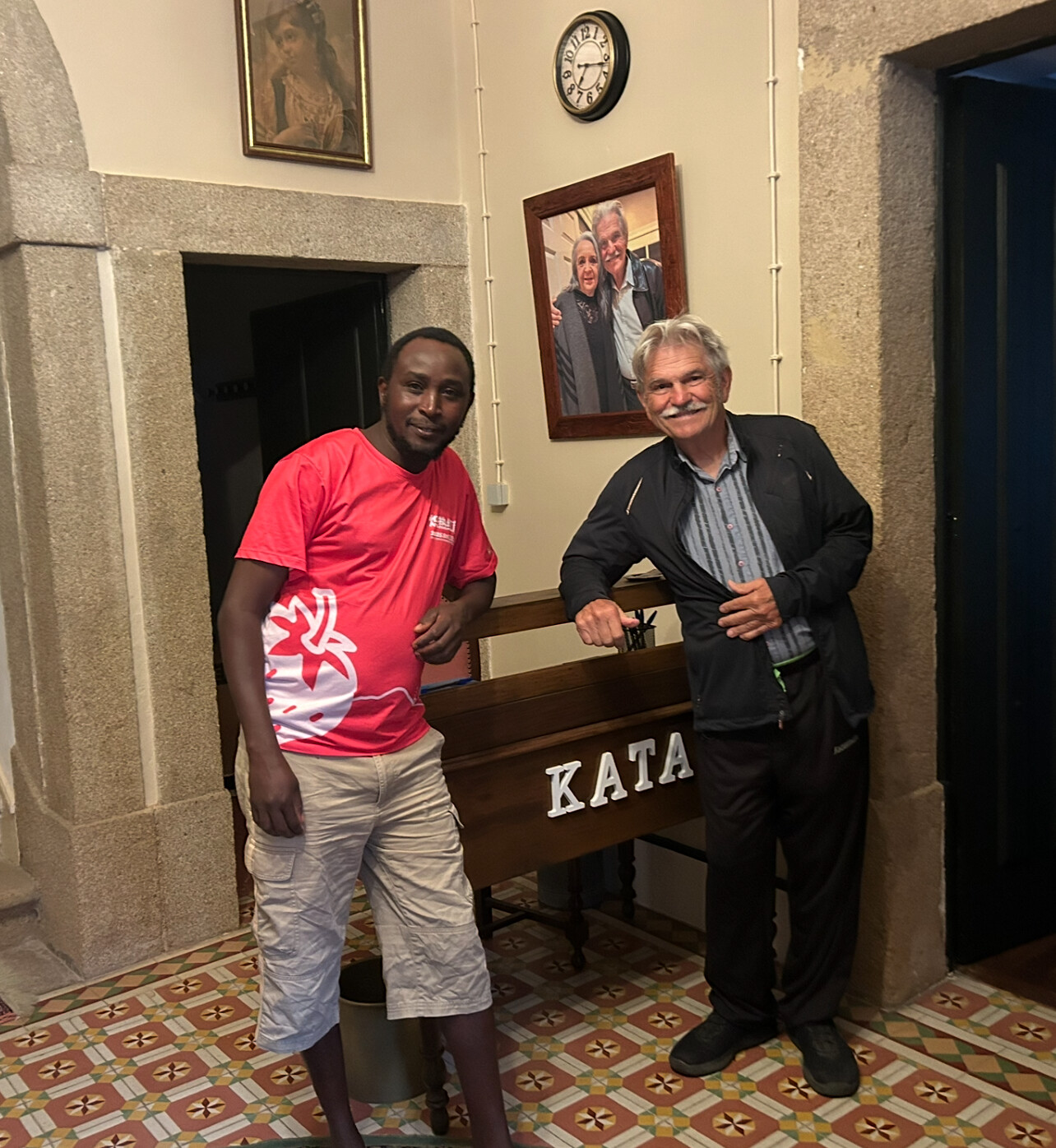
At the global level, KATA International is headquartered at the Anderson Manor in Monforte de Beira, Portugal — a 20,000-square-foot historic estate where the last King of Portugal stayed during his hunting trips in the early 1900s. The manor serves as the base for KATA’s international operations, housing both KATA Portugal and the Anderson Manor Retreat, which welcome athletes, artists, and guests from around the world.
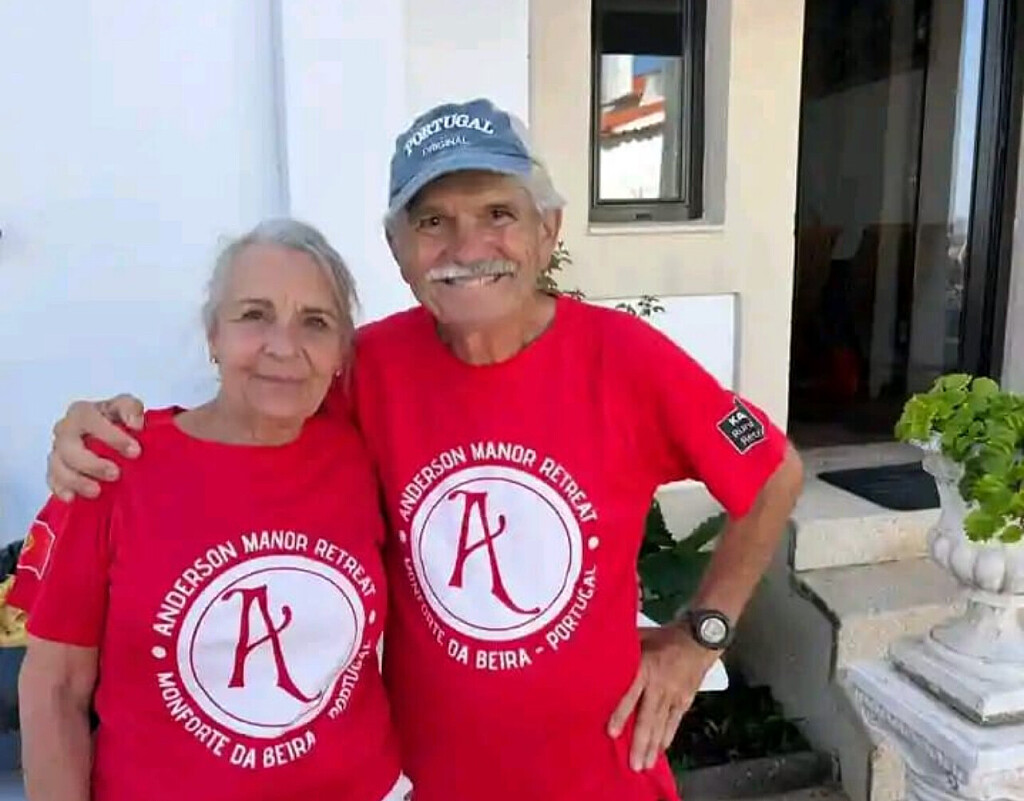
Behind the scenes but very much involved is Bob’s wife, Catherine. (First photo with Bob). Her creative talent adds a great deal to the program. Bob and Catherine have known Coach Dennis since 2021. He has completed two three-month stays at KATA headquarters in Portugal, working alongside Bob. Coach Dennis (4th photo with Bob in Portugsl) was recently promoted to Chief Technical Officer (CTO) and will oversee operations in Kenya.
Development of KATA Portugal began in February 2024, and the project continues to progress strongly. The retreat in Portugal will serve as the European counterpart to KATA Thika, offering athletes a place to train, rest, and connect with KATA’s global mission in a peaceful, historic setting.
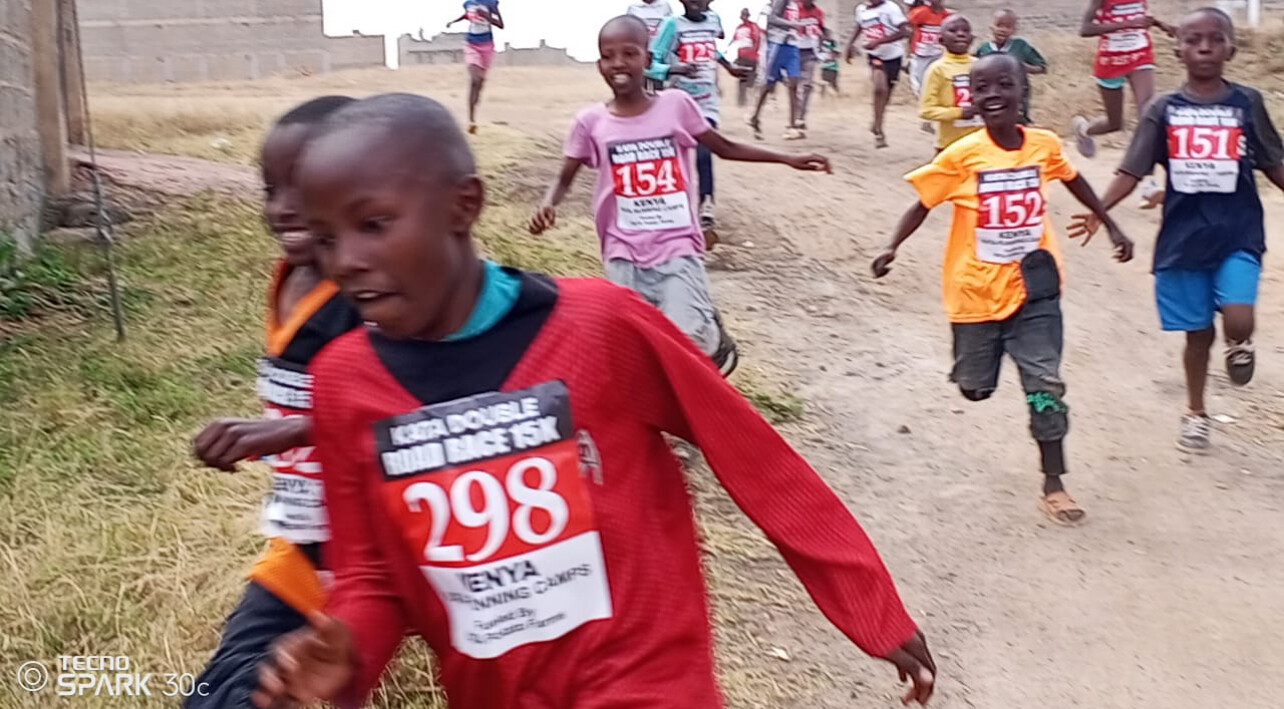
KATA’s vision goes far beyond producing great runners. The mission is to develop world-class athletes, Olympic champions, and future world record holders — combining top-tier coaching, discipline, and holistic training. Already, previous Olympic medalists such as Edwin Soi and Paul Koech are part of the KATA family, operating their own KATA Camps and helping guide the next generation of Kenyan champions.
Anderson also envisions a thriving athletic network of 650 elite runners, 150 youth athletes, and 40+ masters runners, supported by an expanding media presence through My Best Runs and KATA’s social platforms.
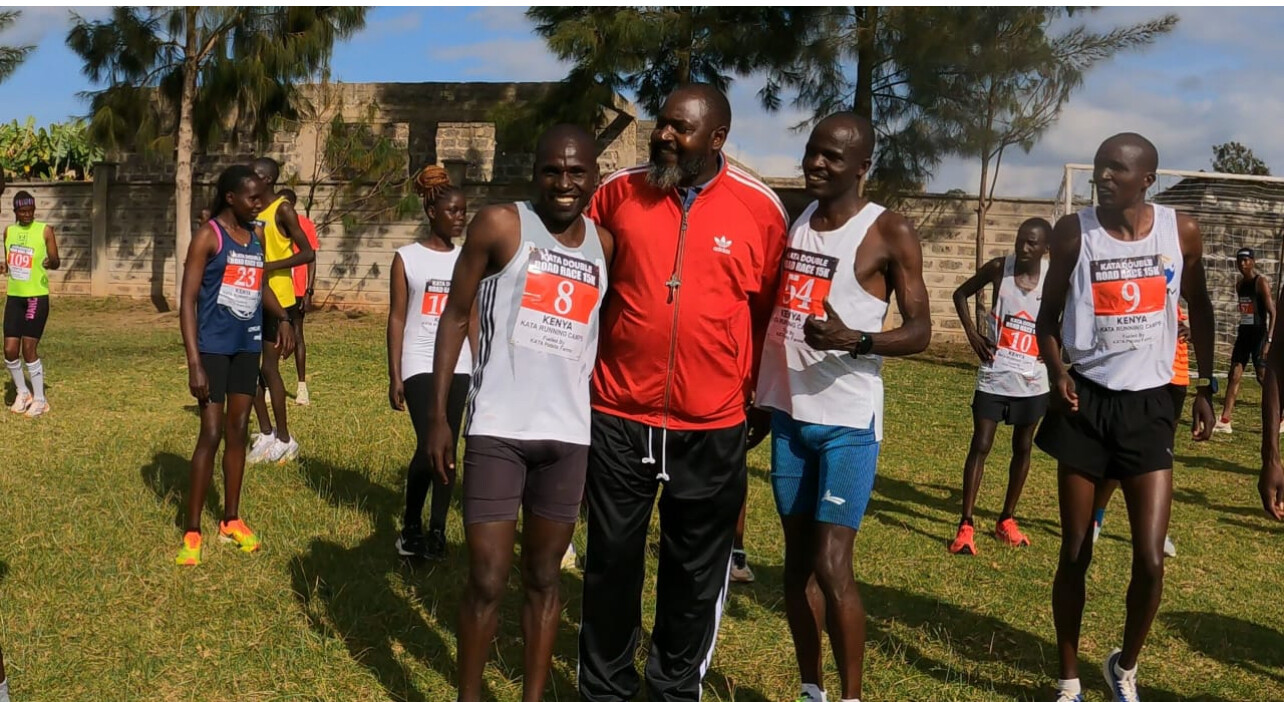
“I want to do something truly special for athletics,” Anderson says. “And it’s the passion and dedication of our athletes, coaches, and farmers that will make this dream a reality.”
“Our KATA family is as strong as its members,” Anderson adds. “As a team, we can make anything happen. In just a short amount of time, we’ve pulled off some amazing things. But our KATA family has only just gotten started. Watch us grow — and join us in helping make a difference.”
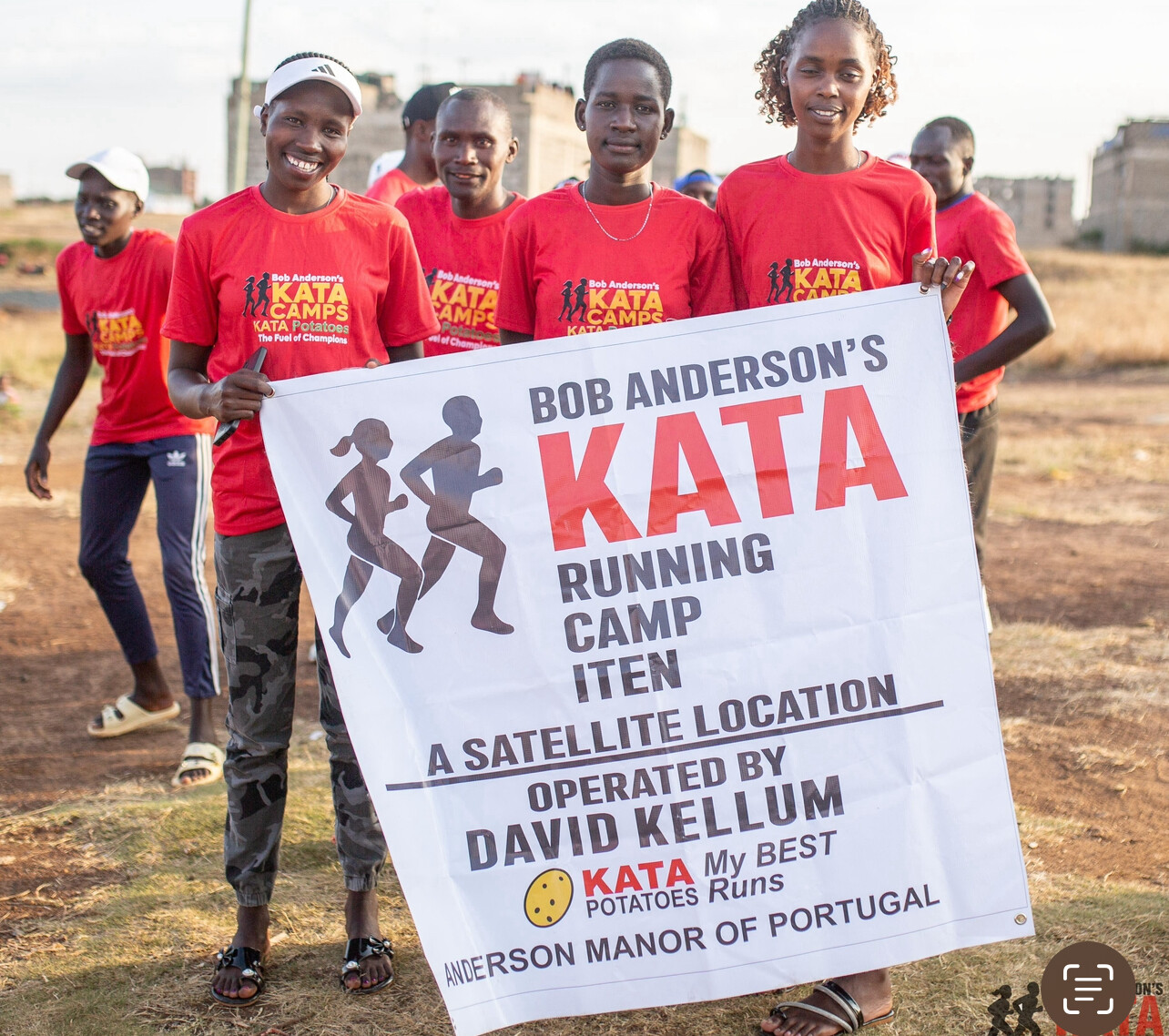
Anderson’s connection to Kenya runs deep. He first visited the country in 1987 and immediately fell in love with its people, culture, and running spirit. Just three years earlier, he had sold the magazine he founded and published for 18 years — Runner’s World, which had grown to a circulation of 2.5 million monthly readers. Runner’s World played a defining role in launching the modern running movement, inspiring millions of runners worldwide.
Although KATA Thika began in 2019, the KATA Running Camps officially launched in May 2025, building upon KATA’s strong foundation in Kenya. Both KATA Thika and KATA Portugal continue to grow as vital pillars in this global vision.

Anderson’s mission is clear: to strengthen the foundation of athletics in Kenya — and after 2026, expand to South Africa, Uganda, Ethiopia, and beyond.
Go KATA — The Fuel of Champions!
(10/04/25) Views: 362Boris Baron

World-Class Fields Ready for the 2025 Chicago Marathon on October 12
The 2025 Bank of America Chicago Marathon, set for Sunday, October 12, promises to once again showcase one of the deepest elite fields in marathon history. Known for its fast, flat course and ideal racing conditions, Chicago has become a global stage for record-setting performances — and this year’s edition may be one of the most competitive yet.
Men’s Elite Race: Korir Returns to Defend His Title

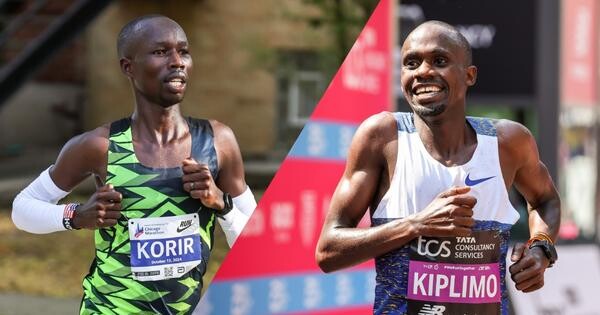
Leading the men’s lineup is John Korir of Kenya, the 2024 champion, who ran an impressive 2:02:44 personal best last year. He’ll face a formidable field featuring Timothy Kiplagat (2:02:55), Amos Kipruto (2:03:13), CyBrian Kotut, and Olympic bronze medalist Bashir Abdi.

The men’s race includes a deep roster of sub-2:05 performers, joined by rising Kenyan and Ethiopian talent and top Americans Conner Mantz and Galen Rupp, who will be aiming to challenge the American record. Mantz, who continues to build momentum on the global stage, has called Chicago “the perfect course for fast running.”
Other top contenders include Jacob Kiplimo, Philemon Kipkemo, and Geoffrey Kamworor, all proven half-marathon specialists stepping into the marathon distance with high expectations.
Women’s Elite Race: Ethiopia’s Depth on Display

The women’s field is equally world-class. Megertu Alemu (2:16:34) leads the entries, followed by Hawi Feysa (2:17:00) and Irine Cheptai (2:17:51). Ethiopia’s strength in depth continues with Bedatu Hirpa (2:18:27) and Haven Hailu Desse (2:19:17).
Kenya’s Mary Ngugi-Cooper, who has been consistently among the top finishers in major marathons, brings experience and resilience to the field with her 2:20:22 personal best.
Among the notable international names are Calli Hauger-Thackery of Great Britain (2:21:24), Lindsay Flanagan (2:23:31), Florencia Borelli (2:24:18), and Dakotah Popehn (2:24:40). The debut of Kenya’s Loice Chemnung and Ethiopia’s Ejgayehu Taye, both stepping up from world-class track careers, adds further intrigue.
Records and Legacy
Chicago’s reputation as one of the fastest courses in the world continues to draw elite fields. The men’s course record of 2:00:35, set by the late Kelvin Kiptum in 2023, remains one of the most remarkable performances in marathon history. On the women’s side, Sifan Hassan’s 2:13:44, also from 2023, stands as the course record.
Both records were set in near-perfect conditions — something runners and fans alike will be hoping for again this October.
An Event with Global Reach
The Chicago Marathon remains a cornerstone of the Abbott World Marathon Majors, drawing more than 50,000 runners from over 100 countries. In 2025, organizers anticipate record participation and strong community engagement across the city’s 29 neighborhoods.
Since its founding in 1977, the race has evolved from a local road event into a global showcase for endurance and diversity. Beyond the elite races, the marathon generates millions for local charities and stands as one of the city’s largest annual sporting celebrations.
Looking Ahead
As the elite men and women prepare for the start line, the question is not whether Chicago will be fast — but how fast.
With Korir defending his title, Alemu chasing sub-2:16 territory, and several debutants looking to make their mark, the 2025 Chicago Marathon could once again deliver performances that shape the global marathon conversation.
The 47th edition of this iconic race will begin at 7:30 a.m. (CT) from Grant Park, with live coverage expected worldwide.
Chicago’s streets are ready. The world will be watching.
(10/08/25) Views: 156Boris Baron
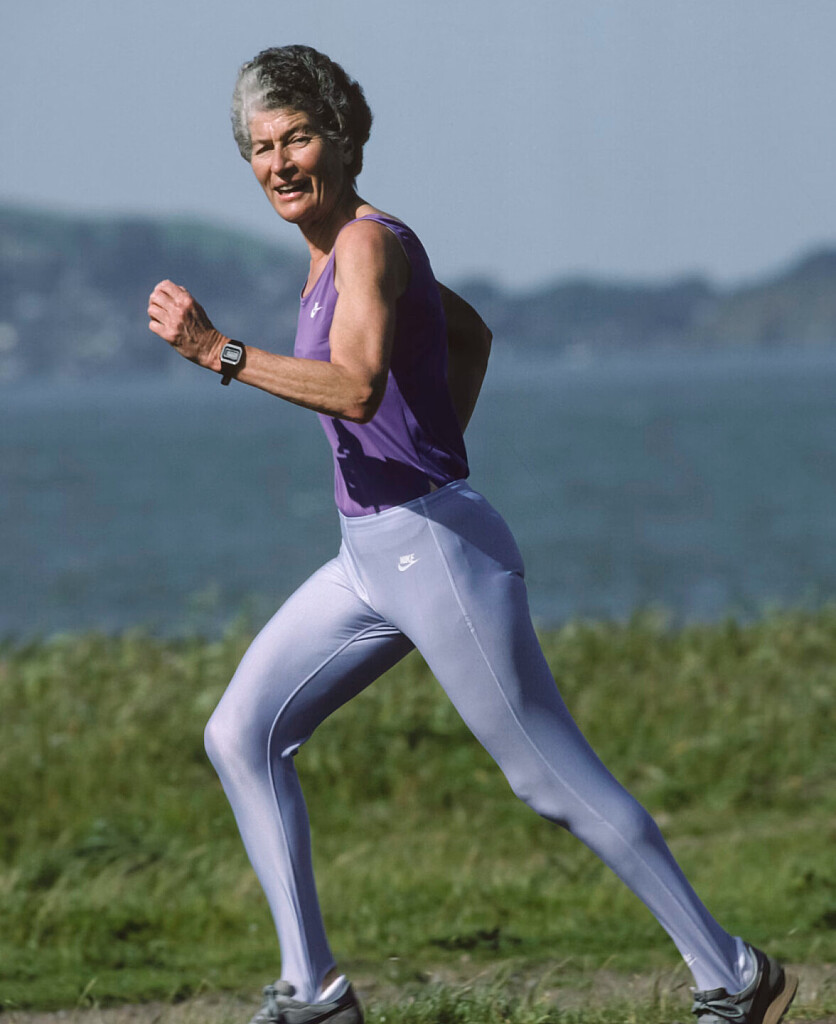
Marion Irvine, the ‘Running Nun,’ Who Redefined Age and Athletics, Dies at 95
Marion Irvine, known worldwide as “The Running Nun,” passed away this week at the age of 95. She was one of the most remarkable figures in the history of women’s running — a late-blooming athlete who shattered age barriers and inspired generations.
Irvine didn’t start running until age 48, yet within a few short years, she was winning races, breaking records, and earning a sponsorship from Nike. By her early 50s, she was finishing marathons in under three hours — an achievement that placed her among the best masters runners of her era.
A Late Start, a Fast Finish
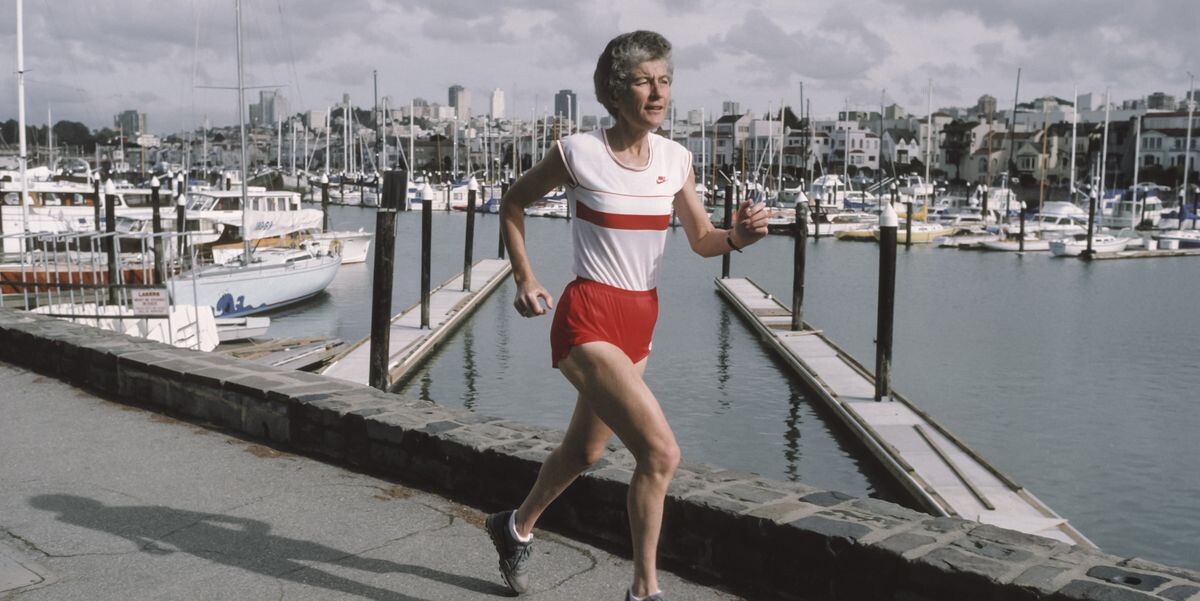
Her running journey began modestly, but once she laced up, there was no stopping her. As a Dominican nun and educator, Irvine balanced her spiritual calling with an ever-growing passion for running. “Running became my form of meditation,” she once said. “Every stride was a prayer.”

Her personal best marathon time, an astonishing 2:51, made headlines and stood as a record for her age group. At a time when women’s long-distance running was still gaining legitimacy, Irvine proved that age — and gender — were no barriers to excellence.
Breaking Barriers and Inspiring Generations
Irvine became a fixture in the running community, competing across the U.S. and often speaking about discipline, purpose, and faith. Her humility and humor drew runners to her wherever she went. She was inducted into several running halls of fame and featured in numerous articles, television interviews, and documentaries celebrating her accomplishments.
For Irvine, running was more than competition. It was connection — to her faith, her body, and the world around her. Her story encouraged thousands of older adults to begin running later in life, proving that it’s never too late to start.
A Legacy Beyond the Finish Line
Even after she stopped racing competitively, Sister Marion continued to coach and mentor runners. She remained a visible and joyful presence at road races well into her later years, often reminding others that “you don’t stop running because you get old — you get old because you stop running.”
Her passing marks the end of an era, but her story will continue to move runners everywhere.
Rest in peace, Sister Marion Irvine — the Running Nun who showed the world what it means to run with purpose.
Career Highlights: Marion Irvine, “The Running Nun”
• Born: 1930
• Started Running: Age 48
• First Marathon: 1978, in under 4 hours
• Personal Best: 2:51:01 marathon (age 54)
• Olympic Trials Qualifier: 1984 U.S. Women’s Marathon Trials — one of the oldest qualifiers
• Nike Sponsorship: First nun to receive a professional running sponsorship from Nike
• Religious Order: Dominican Sisters of San Rafael, California
• Recognition: Inducted into the USA Track & Field Masters Hall of Fame
• Quote to Remember: “Running is my form of prayer. Every mile is a conversation with God.”
(10/04/25) Views: 146Boris Baron
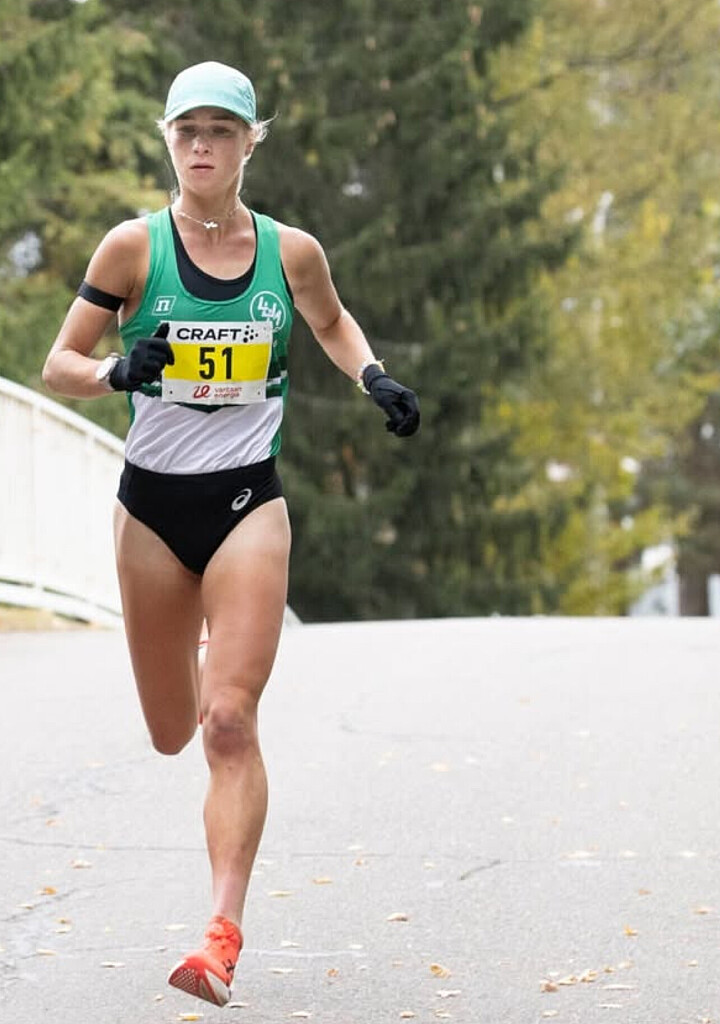
Alisa Vainio Smashes Finnish Marathon Record Just Three Weeks After World Championships
Just three weeks after placing an impressive fifth in the marathon at the World Athletics Championships in Tokyo, Finland’s Alisa Vainio has once again made headlines—this time rewriting the national record books.
Competing at the Finnish Championships in Vantaa on Saturday (Oct 4), Vainio claimed the national marathon title in 2:23:06, breaking the previous Finnish record by 92 seconds. The old mark of 2:24:38 was set by Camilla Richardsson at the 2023 Valencia Marathon.
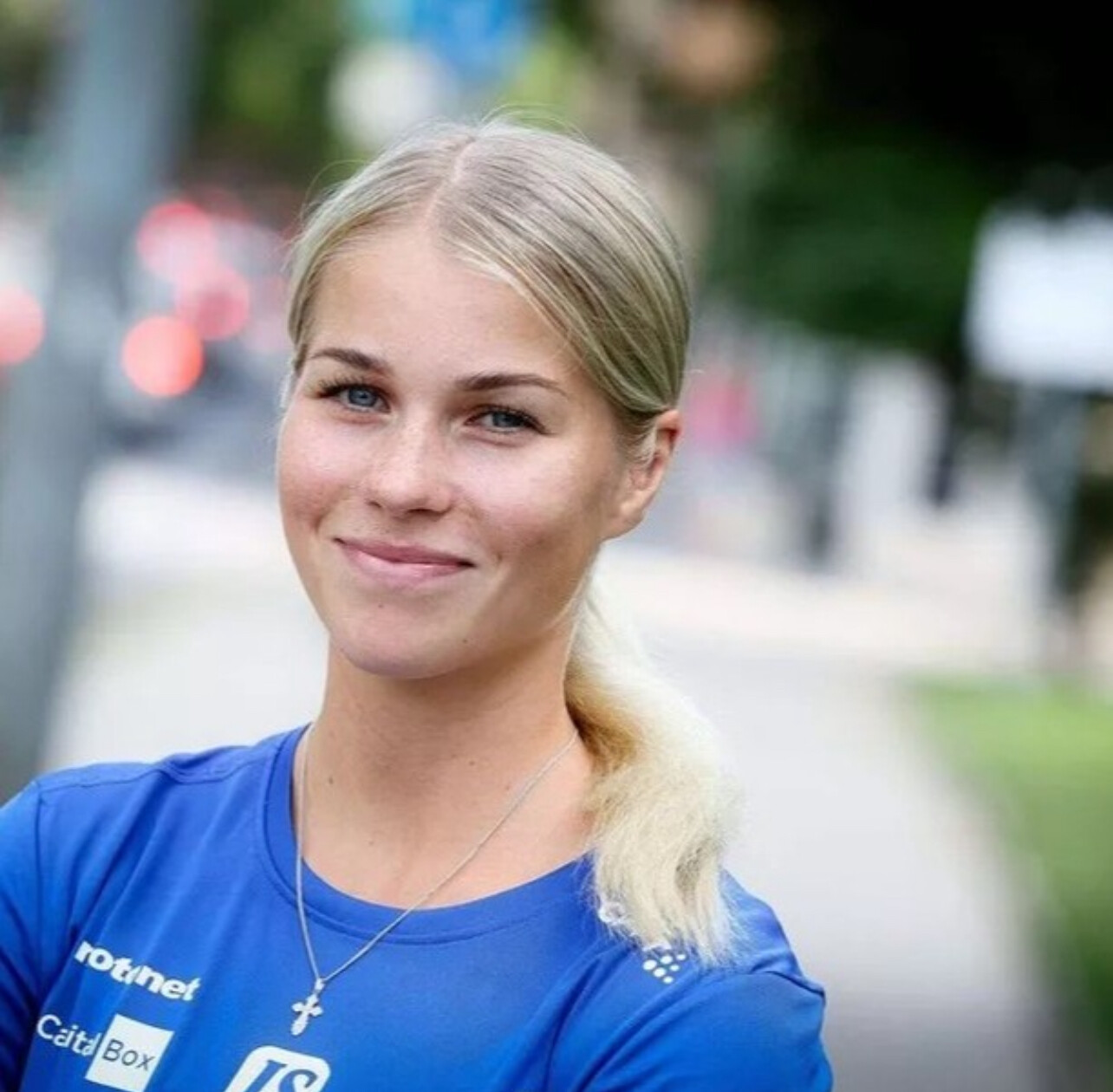
In contrast to Tokyo’s hot and humid conditions, Vantaa offered cool but blustery weather, which suited Vainio’s strong and efficient running style. She finished second overall, just 33 seconds behind men’s winner Kari Heikura, who clocked 2:22:33.
“I felt pretty good, pretty strong the whole time. The stride felt good and I was able to tighten my stride uphill and then relax downhill. Sometimes I got some help from the guys,” said Vainio.
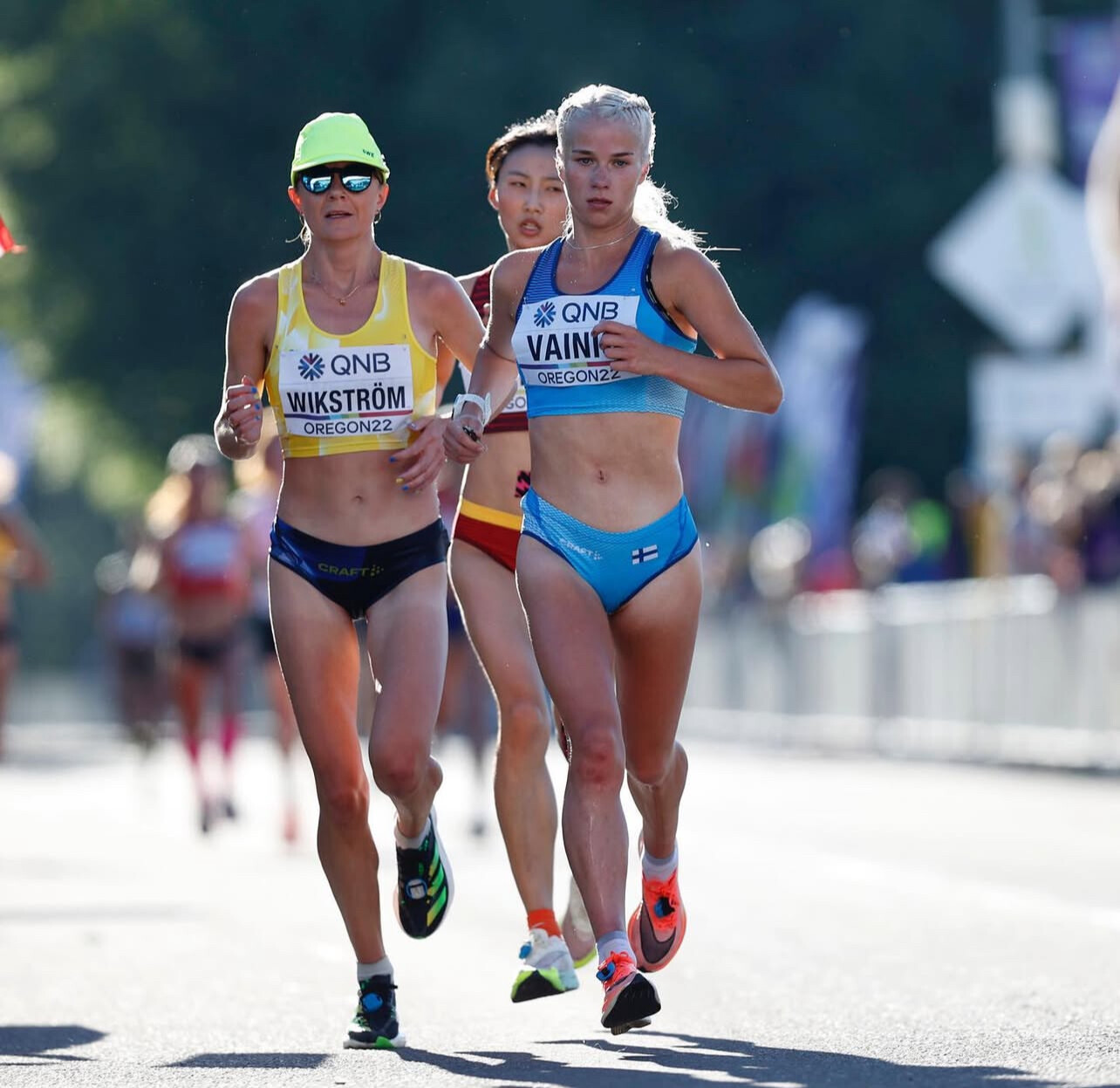
“I wanted to run hard. In Tokyo, I couldn’t run hard in the heat and that was annoying. After Tokyo, the recovery went incredibly well and I wanted to be brave today.”
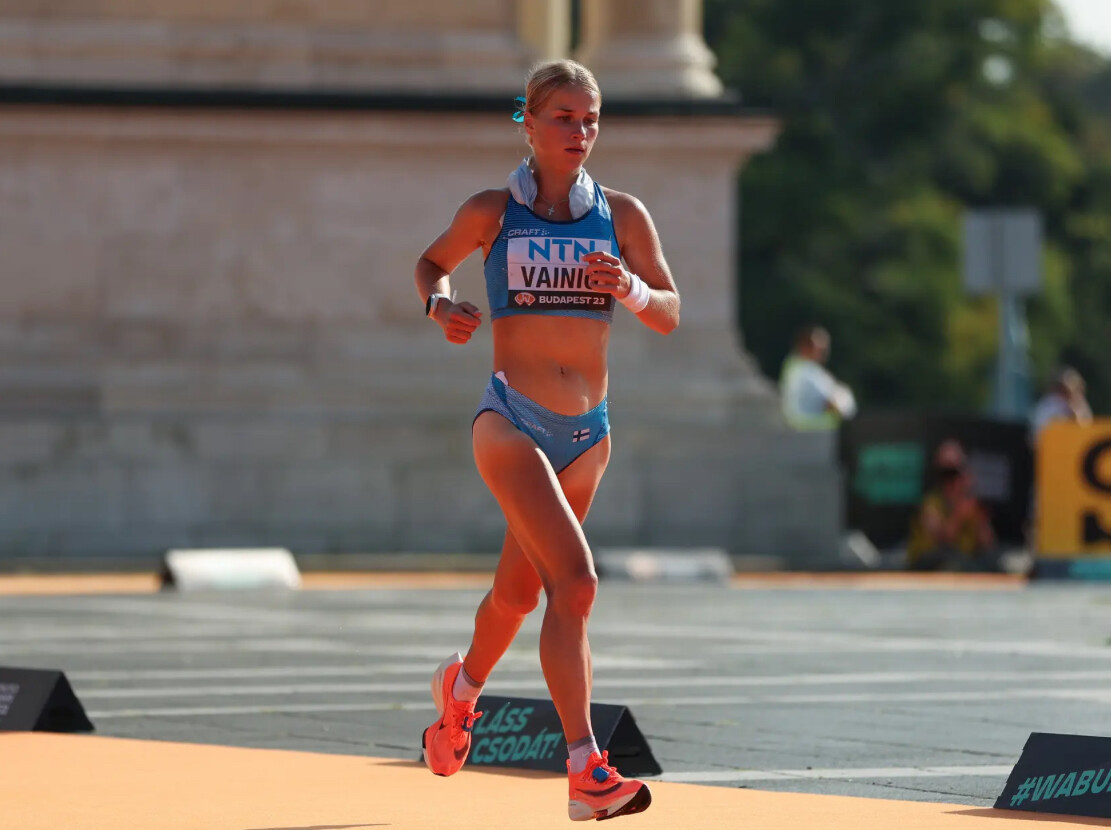
Remarkably, Vainio took just one week off following Tokyo before resuming training, showing her trademark resilience and determination. Her 2:23:06 performance now places her third on the 2025 European list, trailing only Olympic champion and European record-holder Sifan Hassan (2:19:00) and Germany’s Fabienne Königstein (2:22:17), who placed sixth at last month’s Berlin Marathon.
Despite having raced two marathons in three weeks, Vainio hasn’t ruled out another major test this year.
“I possibly have a place in Valencia. It’s not completely confirmed yet. There should be good conditions to run hard, but everything has to go well until then,” she said.
(10/06/25) Views: 132Boris Baron
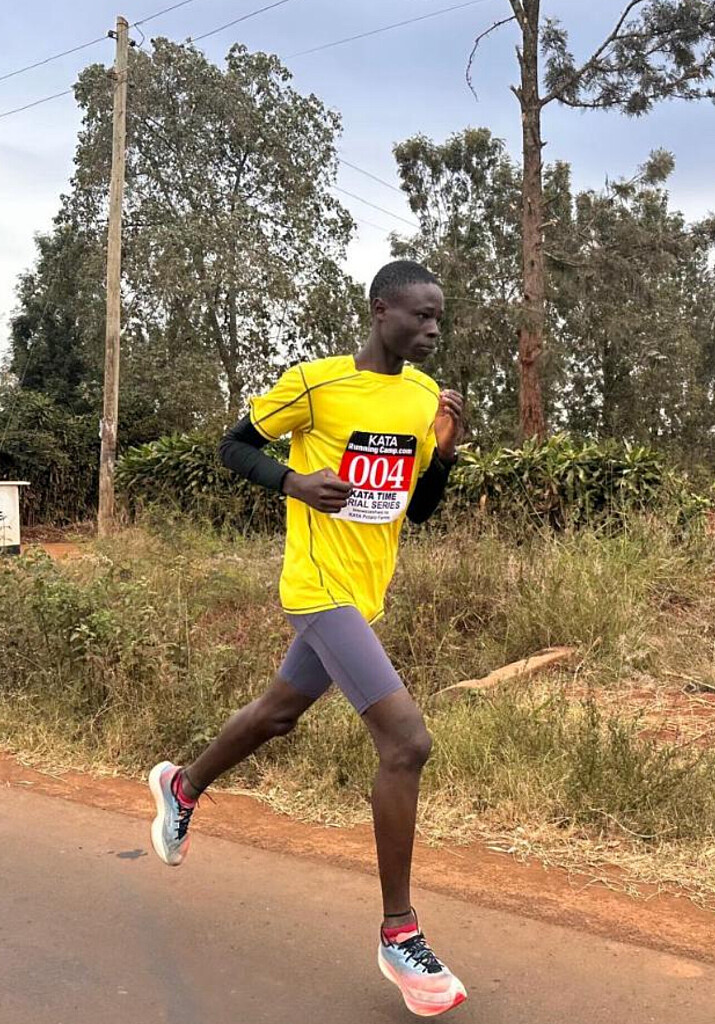
KATA Time Trials Expand Nationwide as 30 Running Camps Prepare for October 15 Event
For years, the Kenya Athletics Training Academy (KATA) in Thika has been the nerve center of monthly time trials — small but highly competitive races that have helped shape Kenya’s next generation of distance-running talent.
This October 15 marks another milestone. For the second consecutive nationwide edition, KATA’s time trials will take place not only at the Thika headquarters but also simultaneously across more than 30 KATA Running Camps throughout Kenya, featuring both 10 km and 5 km races.
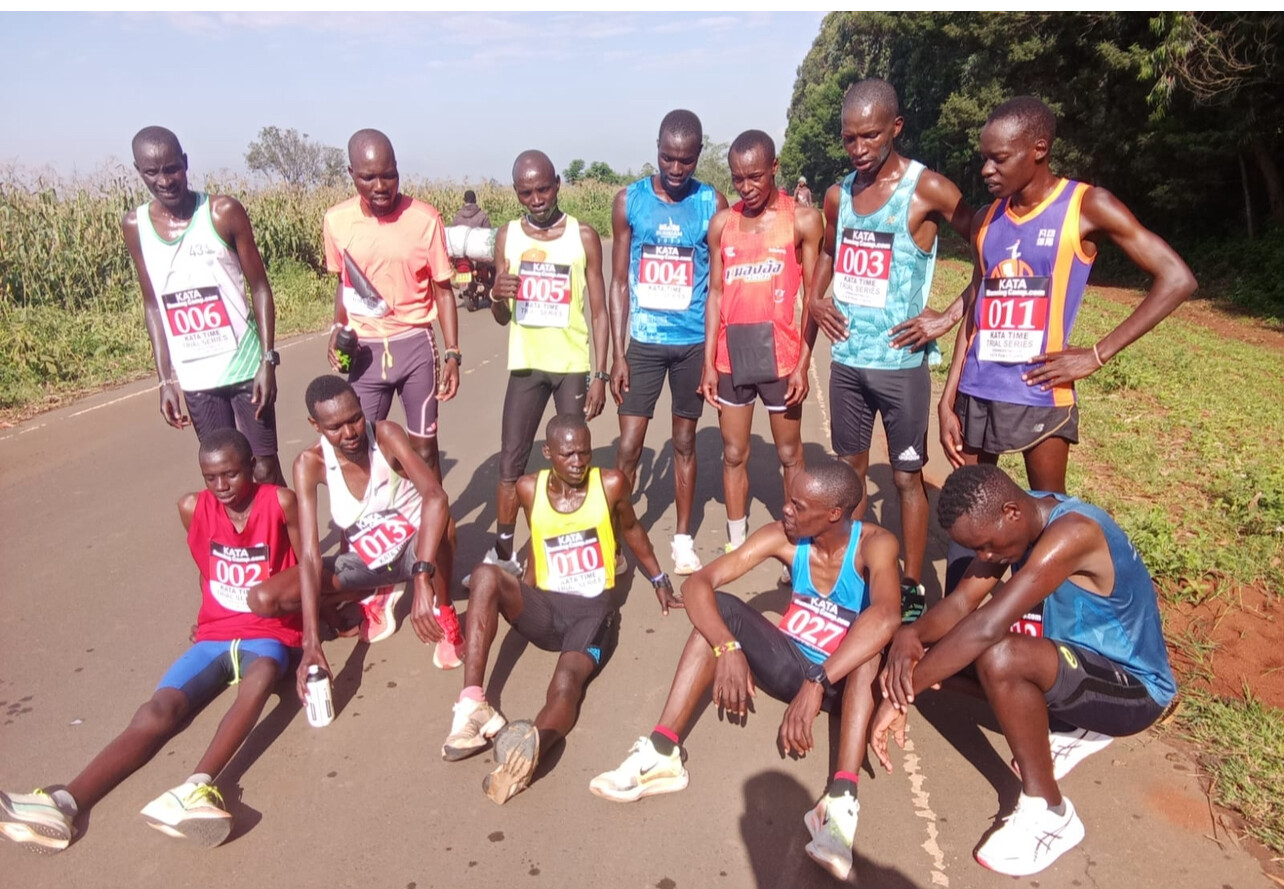
The expansion follows the success of August’s first coordinated nationwide time trial, which confirmed that KATA’s decentralized model can operate effectively across multiple regions. Each camp’s participation is not optional — under the KATA system, all official camps are required to host a time trial every other month as part of athlete development and performance monitoring.
Meanwhile, the Thika headquarters continues to set the standard. It has organized a monthly KATA Time Trial without interruption since September 2021, providing a consistent testing ground for hundreds of emerging athletes.
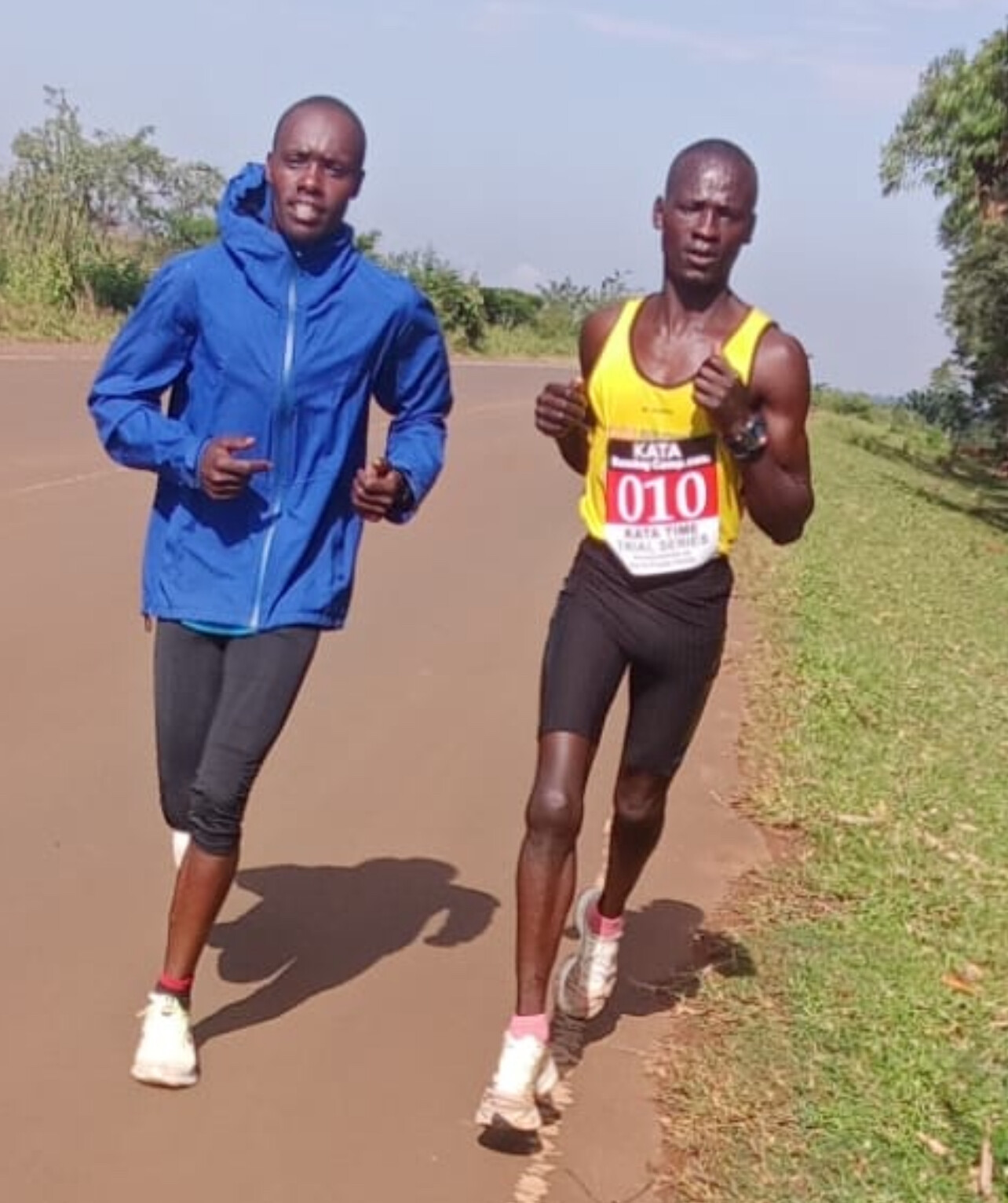
KATA founder Bob Anderson, who also created My Best Runs, said the approach is about expanding access while maintaining structure.
“The idea was to decentralize opportunity,” Anderson explained. “We want every promising runner, whether training in Thika or a rural camp, to have the same chance to be timed, compared, and supported within the KATA framework.”
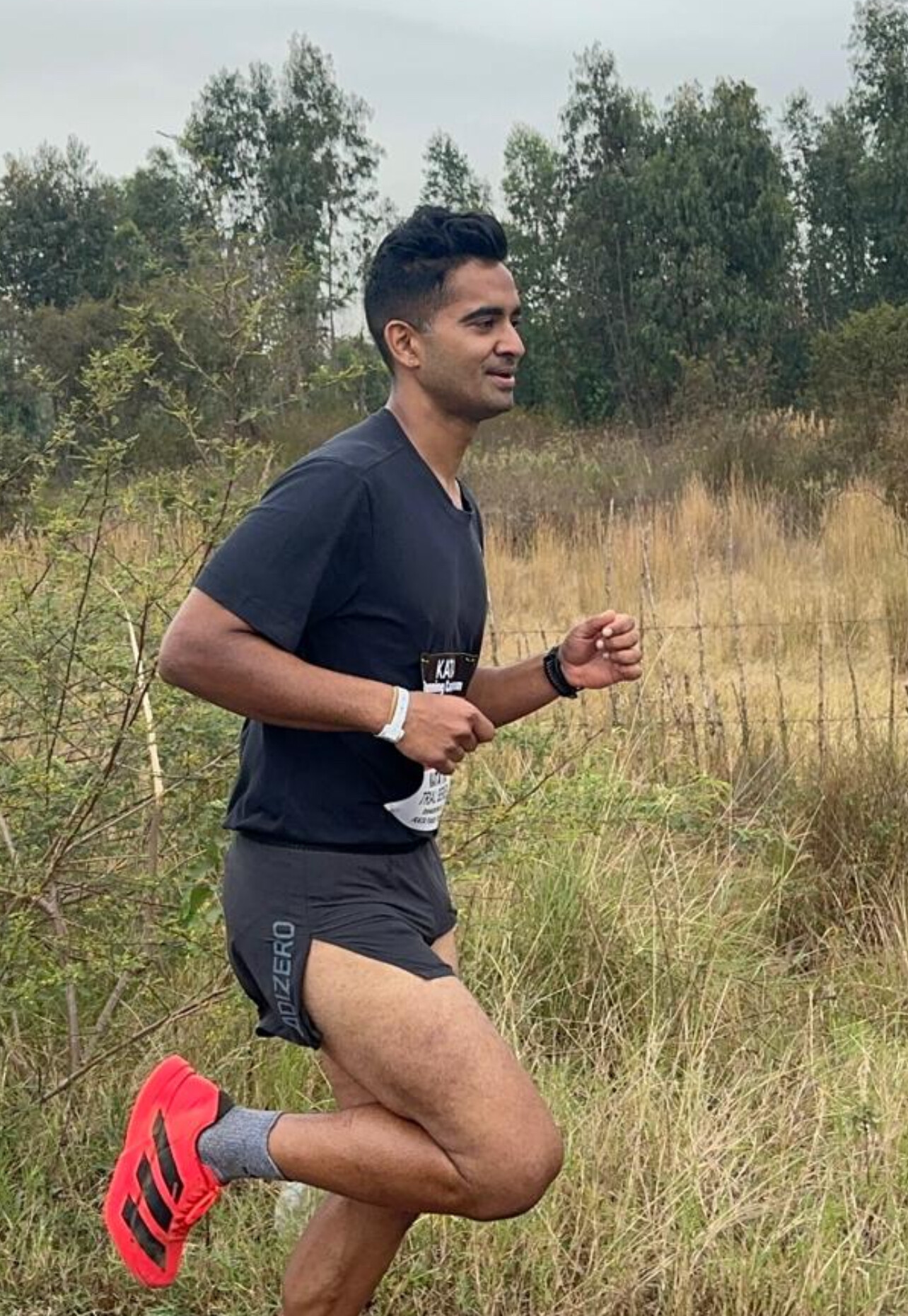
Through its network of 30+ KATA Running Camps, the academy has built a national performance pipeline. Each camp conducts its own race under strict KATA guidelines — ensuring accurate distances, verified timing, and documented results — which are then compiled centrally to produce nationwide rankings.
The program is already showing impact. The August trials unearthed new talents now being tracked for mentorship, nutrition guidance, and future competition opportunities.
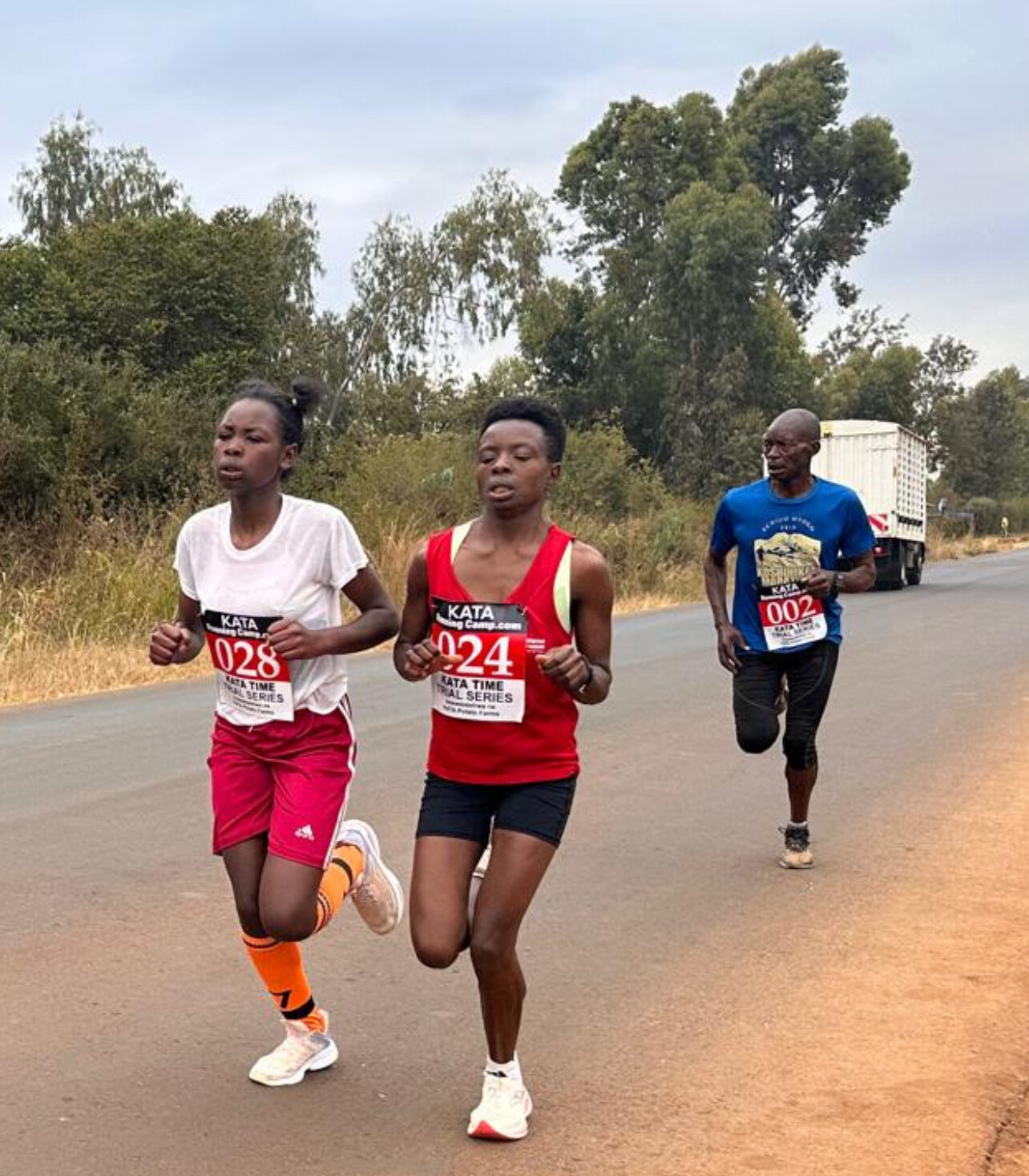
Head coach John Matheri said the system promotes fairness and progress.
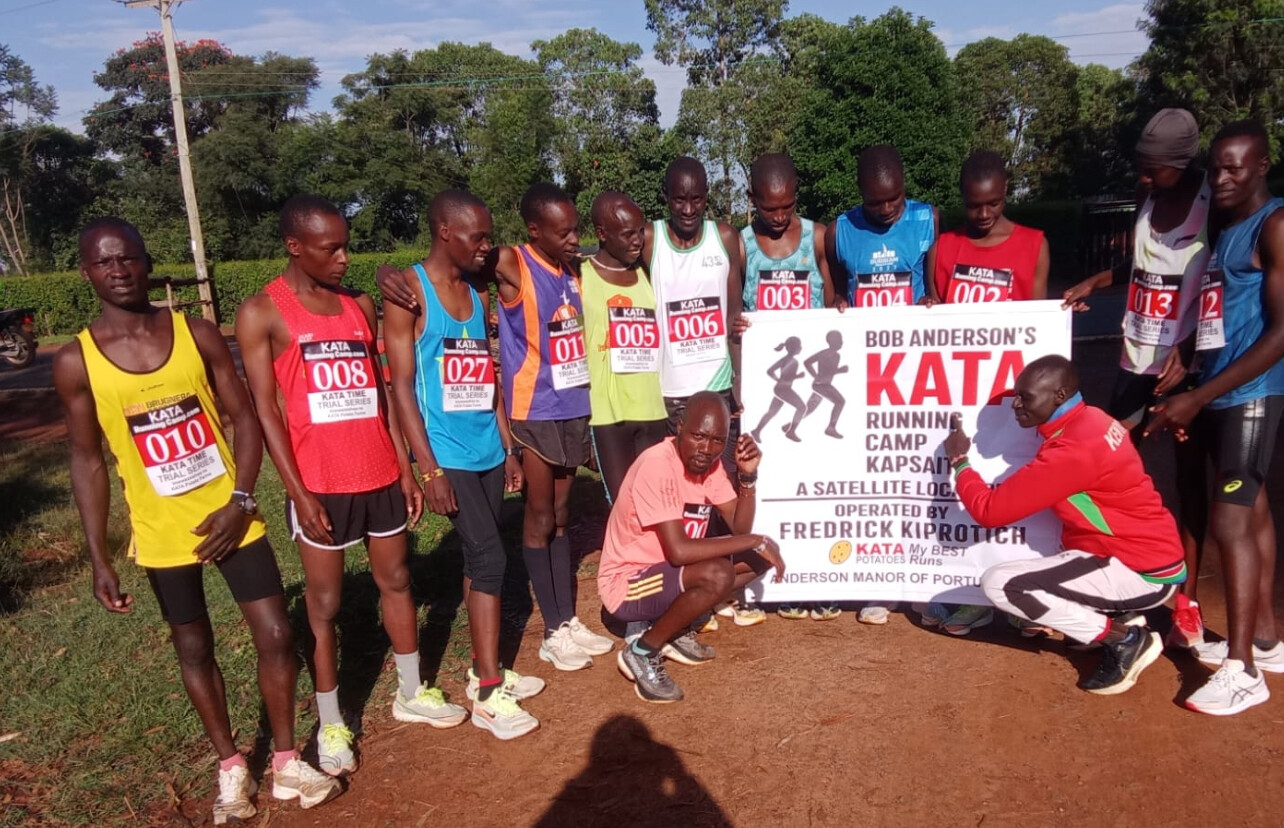
“Before, athletes had to travel to Thika for official trials. Now, the competition comes to them,” he said. “That equal footing is helping identify talent in places we might never have reached before.”
Matheri added that community involvement is strengthening outcomes.
“We expect even faster times this month,” he noted. “Athletes are training with purpose, supported by improved nutrition from our KATA potato projects and the consistent structure that these trials provide.”
Coach Silas Tiren, who leads one of the Rift Valley KATA Camps, said the program has given athletes motivation and accountability.
“These trials are more than races — they’re checkpoints,” said Tiren. “They remind every runner that consistency builds champions.”
From Kapcherop in Elgeiyo Marakwet, coach Philemon Kiptoo emphasized the difference the decentralized system is making.
“Many young runners used to give up because they couldn’t afford to travel for competitions,” he said. “Now KATA has brought the race to their doorstep. That keeps their dreams alive.”
Olympic and World medalist Edwin Soi, a longtime KATA supporter, called the program a bridge between emerging and elite athletes.
“When I look at these young runners, I see myself years ago,” Soi said. “KATA is giving them structure and belief — proof that with discipline and consistency, they can rise to the world stage.”
The October 15 event will again feature 10 km and 5 km distances for men, women, and under-20 juniors. All results from the KATA Running Camps will be uploaded to the My Best Runs database for national comparison and recognition.
As the event approaches, excitement is building across Kenya’s running communities. With standardized guidelines, consistent timing, and grassroots engagement, the KATA Time Trials are evolving into a national benchmark of progress — connecting runners from every region under one synchronized system of excellence.
From Thika’s academy grounds to the mountain trails of the Rift Valley, the whistle will blow on October 15, uniting Kenya’s KATA athletes in a single shared mission: to test, improve, and prove that talent thrives when opportunity is structured.
(10/08/25) Views: 92Robert Kibet

Kenyan Duo to Battle for TCS Toronto Waterfront Marathon Title
Toronto, Canada — October 19, 2025. The stage is set for another East African showdown at the TCS Toronto Waterfront Marathon, a World Athletics Elite Label Race. Two top Kenyan runners, Beatrice Cheserek and Cynthia Chemweno, have been confirmed to take on Ethiopia’s rising stars Almaz Kebebe and Adane Anmaw, in what promises to be one of the most competitive women’s races in the event’s history.
Beatrice Cheserek’s Confident Marathon Debut

At 26, Beatrice Cheserek will make her marathon debut in Toronto, bringing impressive credentials to the start line. She owns a half marathon personal best of 1:06:48, recorded while winning the 2022 Cardiff Half Marathon, and has already experienced the pressure of major marathons.
In 2023, she paced compatriot Rosemary Wanjiru through 30 kilometers of the Tokyo Marathon, a World Marathon Major that Wanjiru went on to win in 2:16:28. Cheserek’s performance that day proved her strength over the distance — and she’s ready to test herself as a full competitor.
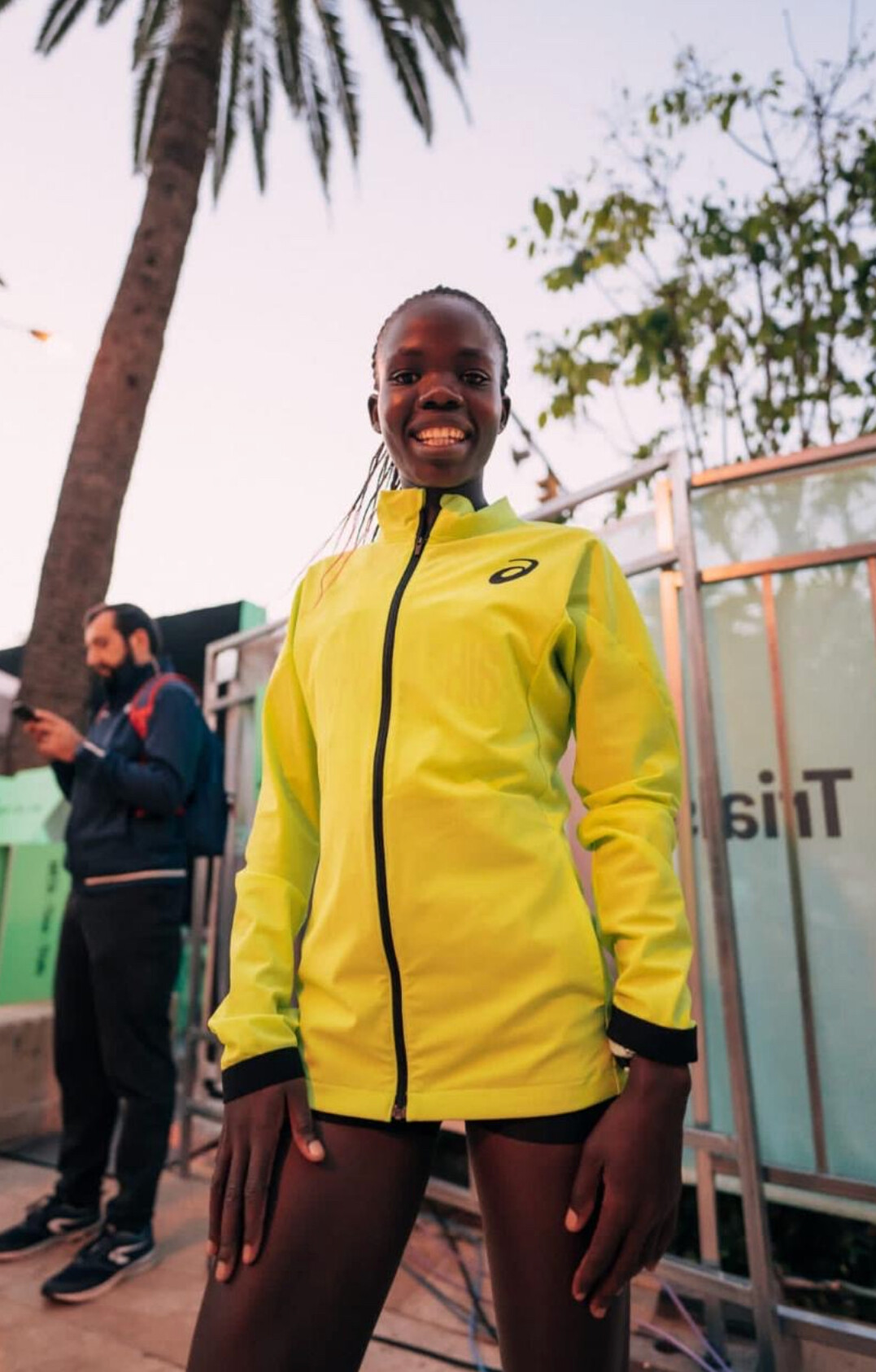
“This is my first marathon, and I hope to do my best,” Cheserek said. “I paced in Tokyo for Rosemary Wanjiru, and she ran 2:16, so I know I am strong. I want to run 2:20 or 2:19 in Toronto. It’s a fast course.”
After taking maternity leave to give birth to her son Fabian Kiprop, now 15 months old, Cheserek has made a steady comeback. Earlier this year, she placed sixth at Spain’s Santa Pola Half Marathon, running 1:10:25. Her confidence has grown with each training cycle.

“My training now is going well,” she added. “Last week I did 40 kilometers and finished strong. I know Toronto is not a hard course — a little bit faster — and I’m ready.”
Cynthia Chemweno Targets Another Breakthrough

Her teammate Cynthia Chemweno, 28, also arrives in Toronto with growing momentum. In her marathon debut at Hamburg in April, she finished fifth in 2:23:39, a time that gave her valuable confidence heading into the fall season.
“Hamburg was my first marathon, and I managed a good time,” Chemweno said. “The course was great, and I really enjoyed it. I’m excited to improve in Toronto.”
Chemweno and Cheserek are both part of the ASICS Mezzo Sports Management group. The two trained together frequently before Chemweno relocated to Chojo Camp in Kaptagat — a name derived from the Japanese word meaning “striving for the peak.” The camp is home to several top Kenyan male athletes and coaches.
Cheserek continues to train from her hometown of Chepkorio, 40 kilometers from Iten, supported by her husband Cyrus Kiplagat, himself a competitive runner.
“He is the one who helps me with pacing,” she explained. “When I train, my sister-in-law looks after Fabian. It’s not always easy, especially during the rainy season when the dirt roads are impassable, but I keep working hard.”
Course Record in Sight
The Toronto Waterfront Marathon course record of 2:20:44, set by Ethiopia’s Waganesh Mekasha, could be under threat. Mekasha is a training partner of Kebebe and Anmaw — both part of the emerging Ethiopian generation now challenging Kenyan dominance.
With Cheserek targeting a 2:19 and Chemweno already proven in the 2:23 range, organizers and fans alike are anticipating a fast, tactical race through downtown Toronto.
Final Thoughts
The 2025 TCS Toronto Waterfront Marathon is shaping up as a clash of ambition, resilience, and national pride. Both Kenya and Ethiopia will field athletes capable of rewriting the record books on one of North America’s premier marathon stages.
Whether it’s Cheserek’s inspired debut or Chemweno’s drive to improve on her Hamburg performance, Toronto could once again deliver the kind of breakthrough that defines a career — and keeps East Africa at the center of the global marathon conversation.
(10/08/25) Views: 82Paul Gains
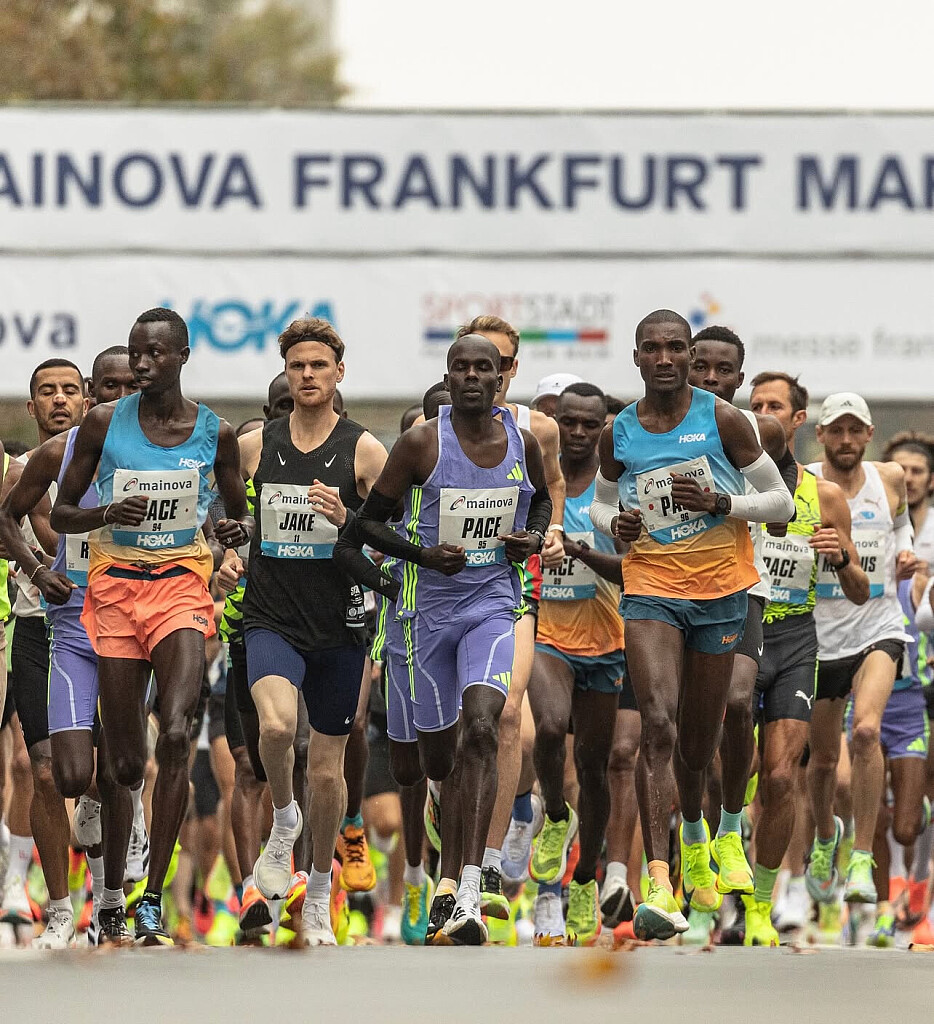
Shura Kitata Headlines Deep International Field at the 2025 Mainova Frankfurt Marathon
Frankfurt, Germany - Former champion Shura Kitata will return to the Mainova Frankfurt Marathonon October 26 looking to reclaim his winning form against one of the strongest men’s fields in the race’s 42-year history.
The Ethiopian star, who made his breakthrough victory here in 2017, owns a lifetime best of 2:04:49and is one of seven athletes in this year’s lineup who have already broken 2:08:00. Despite his impressive résumé — which includes a win at the 2020 London Marathon — Kitata is seen as one of several contenders rather than the clear favorite.
“We have a top-class men’s field this year, very well balanced with no clear favorite,” said Race Director Jo Schindler. “We also hope that Filimon Abraham can produce a fine race.”

Organizers expect the 2025 edition to draw a record number of participants, potentially surpassing the all-time mark of 16,034 entries set in 2012.
Kitata’s Return to His Breakthrough Course
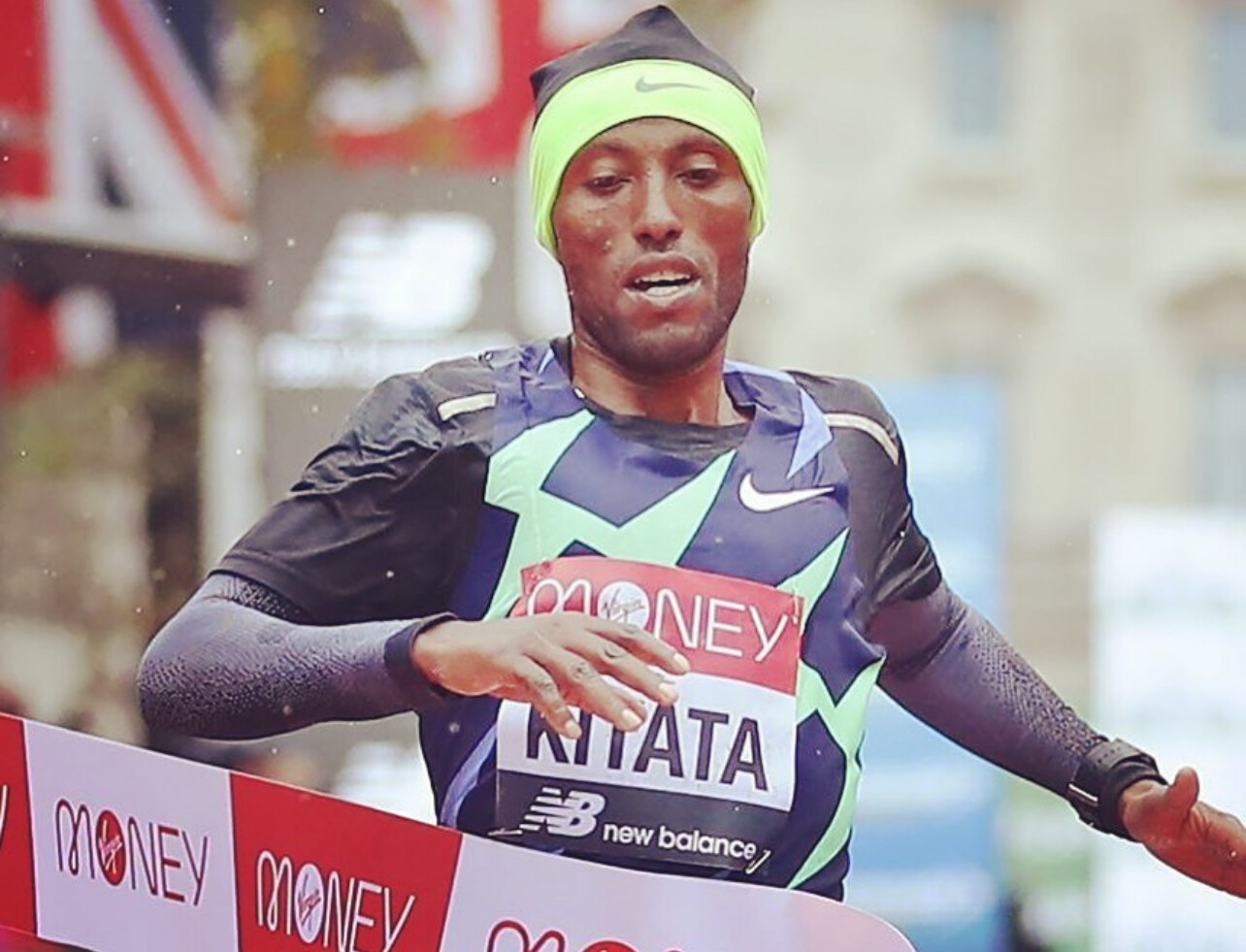
When Kitata won Frankfurt in 2017 at just 21, his 2:05:50 victory shocked the field and marked the beginning of his rise to world-class status. That time remains the fourth-fastest ever run on the Frankfurt course — achieved before the carbon-plated shoe era.
Since then, Kitata has achieved global recognition with podium finishes in multiple World Marathon Majors. Yet recent seasons have seen him searching for consistency, and Frankfurt’s fast, flat course offers a perfect opportunity for revival.
Rising East African Depth
Kitata won’t be alone at the front. Dejene Megersa, just 20 years old, already boasts a 2:05:42personal best, set in Dubai as a teenager. Fellow Ethiopians Belay Asfaw (2:07:00), Getachew Masresha (2:07:04), and Kirbrom Habtu (2:07:05) join him in the lineup, while Kenya counters with Kipkemoi Kiprono (2:06:45) and Stanley Rono (2:07:05).
Together, they form a deep East African field that ensures aggressive pacing and potentially fast times — but no Americans are on the elite list this year, reinforcing Frankfurt’s strong continental focus.
German Runners Eye Personal Bests
Leading the German hopes, Filimon Abraham (PB 2:08:11) — who grew up in Eritrea and trains at high altitude in Asmara — is targeting a sub-2:08 and a place among the top finishers.
Compatriots Tom Thurley (2:12:45) and Jan Lukas Becker (2:15:20) also aim to make significant improvements and narrow the gap to Germany’s all-time greats.
Fast Conditions Await
Known for its flat, sheltered course and cool autumn weather, Frankfurt has produced world-class times for decades, including Wilson Kipsang’s 2:03:42 course record from 2011. With the 2025 field stacked with proven speed, fans can expect another fast, competitive race — and possibly a return to form for Shura Kitata.
(10/09/25) Views: 66Race News Service
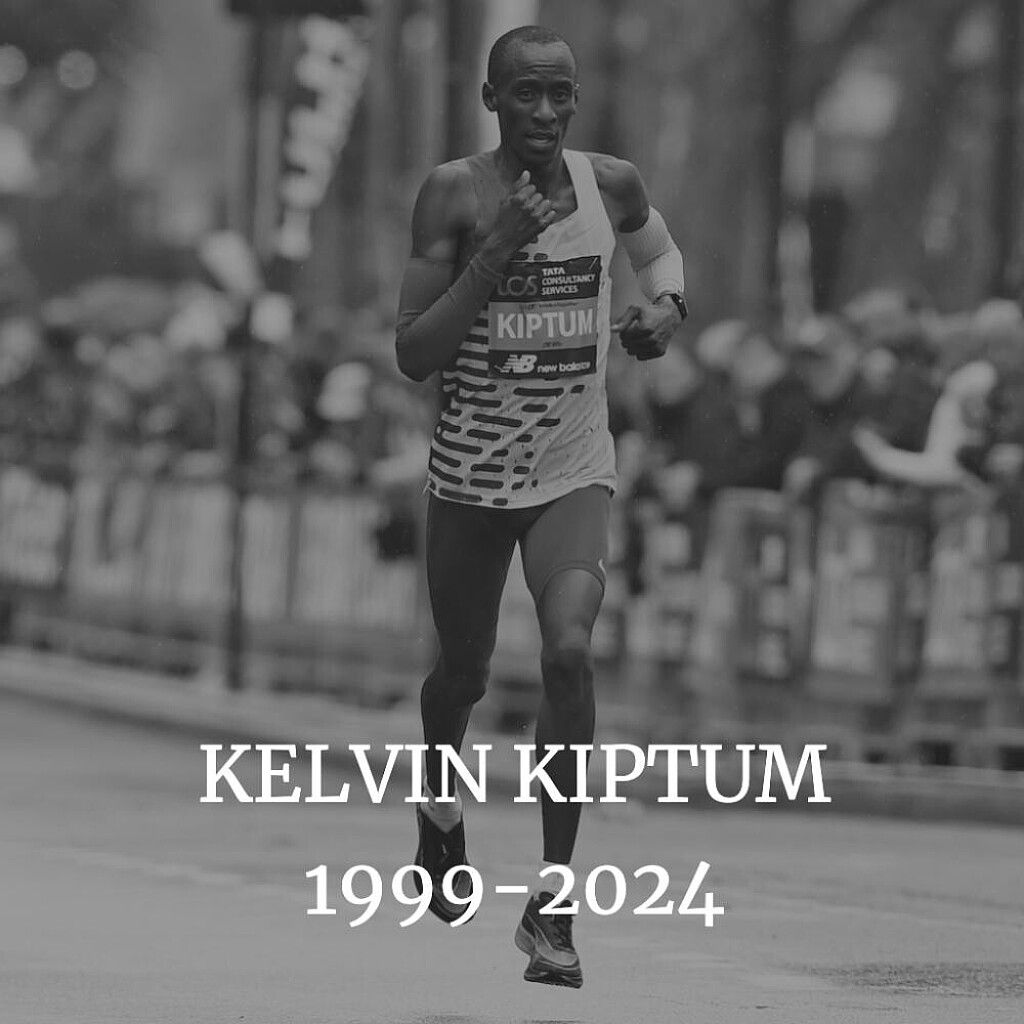
Kelvin Kiptum: The Man Who Ran Into History and Never Returned
It’s been exactly one year since Kelvin Kiptum did what many believed was impossible — he shattered the marathon world record in Chicago, stopping the clock at 2:00:35.
On October 8, 2023, the 23-year-old Kenyan didn’t just win a race — he redefined the limits of human endurance.
As the world prepares for this year’s Chicago Marathon, it’s impossible not to feel the silence he left behind.

That crisp Sunday morning, Kiptum delivered a performance that stunned the running world. Gliding through Chicago’s streets with unrelenting rhythm, he dropped the field, surged mile after mile, and erased Eliud Kipchoge’s seemingly untouchable world record of 2:01:09 by 34 seconds.
It was only his third marathon. He had never lost one.
Chicago had seen greatness before — but never like this.
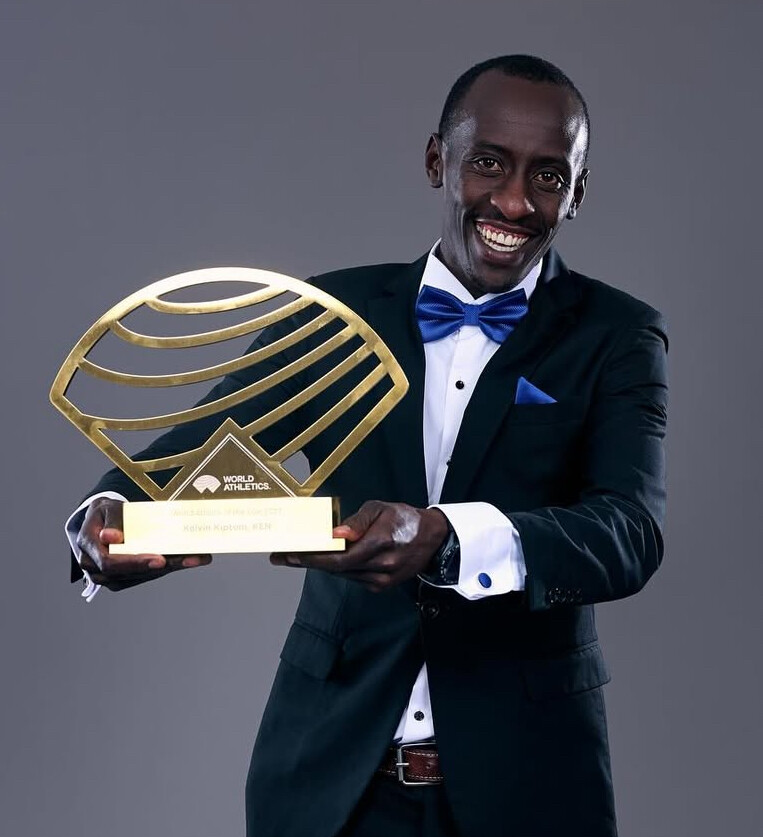
And then, just months later, he was gone.
In February 2024, Kiptum and his coach, Gervais Hakizimana, were killed in a car crash on a quiet road in Kenya. The sport lost more than a record-breaker; it lost a phenomenon — a man who seemed destined to become the first human to run under two hours in an official race.
That dream — carried in Kiptum’s quiet confidence and thunderous stride — vanished that night. His record, ratified only days before his death, stands as both a triumph and a tombstone.
But legends don’t end with tragedy — they echo.
As the 2025 Chicago Marathon approaches, the course remembers. Every stretch of asphalt, every cheer from the crowd, every runner chasing a personal best this weekend — they all run in the shadow of Kiptum’s greatness.
Because Kelvin Kiptum didn’t just run a race.
He ran into history — and never returned.

His Legacy Lives On
Across Kenya and beyond, his story continues to inspire a new generation of runners — from the dirt roads of the Rift Valley to the streets of Chicago, Boston, and Berlin. Athletes like Benson Kipruto, Evans Chebet, and countless others now carry his fire forward, chasing their own dreams with the same fearless rhythm that once shook the marathon world.
Kelvin Kiptum’s stride may have stopped, but his impact will keep moving — every time someone dares to believe that impossible is only a pace away.
(10/09/25) Views: 63Boris Baron
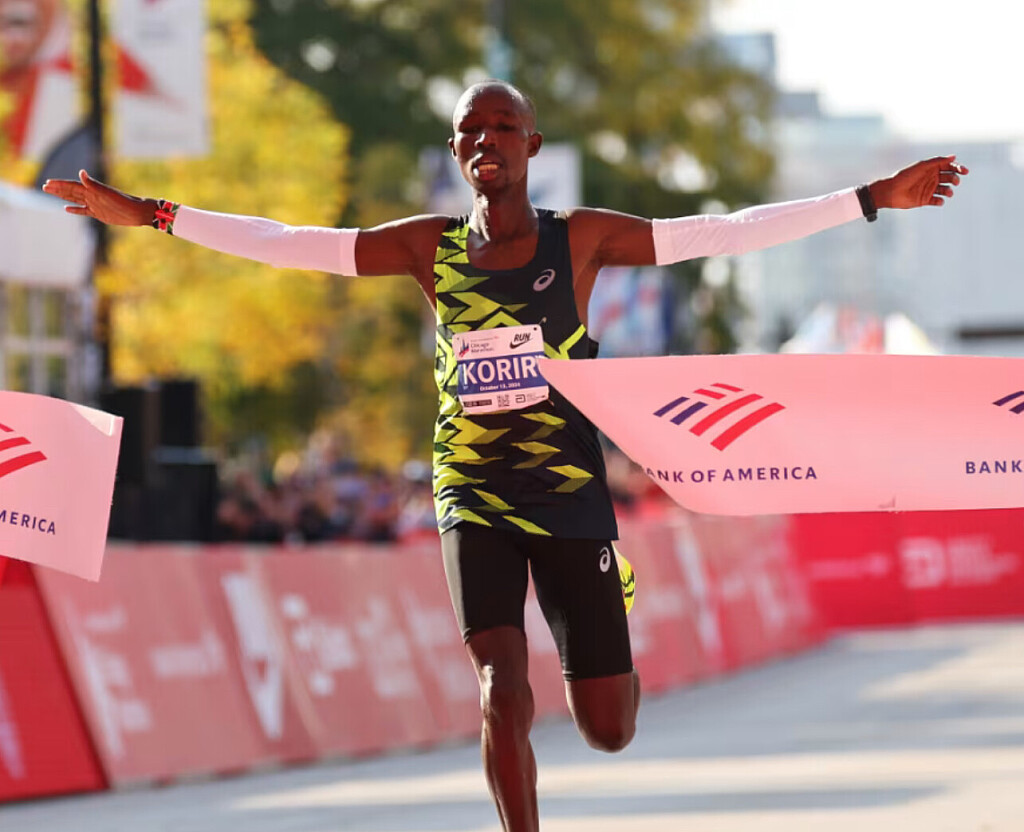
The Windy City Awaits: Who Will Write the Next Chapter of Chicago’s Marathon Magic?
All eyes will be on Grant Park this Sunday, as the 47th Bank of America Chicago Marathon ushers in another chapter in the city’s storied marathon legacy. Known for its flat, fast terrain and unforgiving margins, Chicago has become a proving ground where legends are made—and in 2025, the stage is again set for brilliance.
Course & Records: Anchors of Expectation

Chicago is no stranger to history. It is here that Kelvin Kiptum set the men’s world record of 2:00:35 in 2023.
On the women’s side, Ruth Chepngetich broke the world record with a stunning 2:09:56 in 2024.
These records are constant reminders of what’s possible on Chicago’s streets.
Africa’s Power Surge
The men’s field overflows with elite contenders. Reigning champion John Korir (PB 2:02:44 in Chicago 2024) returns after a dominant Boston win, aiming to defend in style.
He’s flanked by Timothy Kiplagat (2:02:55), Amos Kipruto (2:03:13), and Cybrian Kotut (2:03:22).
Uganda’s half-marathon world record holder Jacob Kiplimo (PB 2:03:37) makes another full marathon attempt with major expectations.
Ethiopia counters with Huseydin Mohamed Esa (2:04:39) and other seasoned performers, keeping the East African narrative strong.
Women’s Field: Depth, Debuts & Tactics
In the women’s race, Ethiopia’s depth dominates. Megertu Alemu (2:16:34), Hawi Feysa (2:17:00), Bedatu Hirpa (2:18:27), and Haven Hailu Desse (2:19:17) all bring serious credentials to Chicago.

They’ll be challenged by Kenya’s Mary Ngugi-Cooper (2:20:22), while rising stars Loice Chemnung(marathon debut) and Ejgayehu Taye (track standout) add intrigue to the field.
Continental Ambitions & Local Heroes
Bashir Abdi (Belgium, 2:03:36) carries Europe’s hopes. His pacing discipline and championship experience make him a dark horse in the chaotic front pack.
On the North American front:
• Galen Rupp (2:06:07), a former Chicago champion, seeks to recapture relevance.
• Conner Mantz (2:07:47) and CJ Albertson (2:08:17) represent fresh American ambition.
• Rory Linkletter (2:08:01) brings Canadian presence to the mix.
What to Watch & Final Word
Expect fast early splits, bold moves, and surges that test everyone’s guts. The men’s race may hinge on who can ride the early pace without crashing. The women’s battle may be tactical, with late kickers deciding the outcome.
If Chicago’s history teaches us anything, it’s that when speed meets strategy, anything can happen. As the gun fires in Grant Park, we’ll see whether tradition holds or new legends are born.
(10/09/25) Views: 59Robert Kibet
