

Running News Daily
Top Ten Stories of the Week
10/4/2025
These are the top ten stories based on views over the last week.
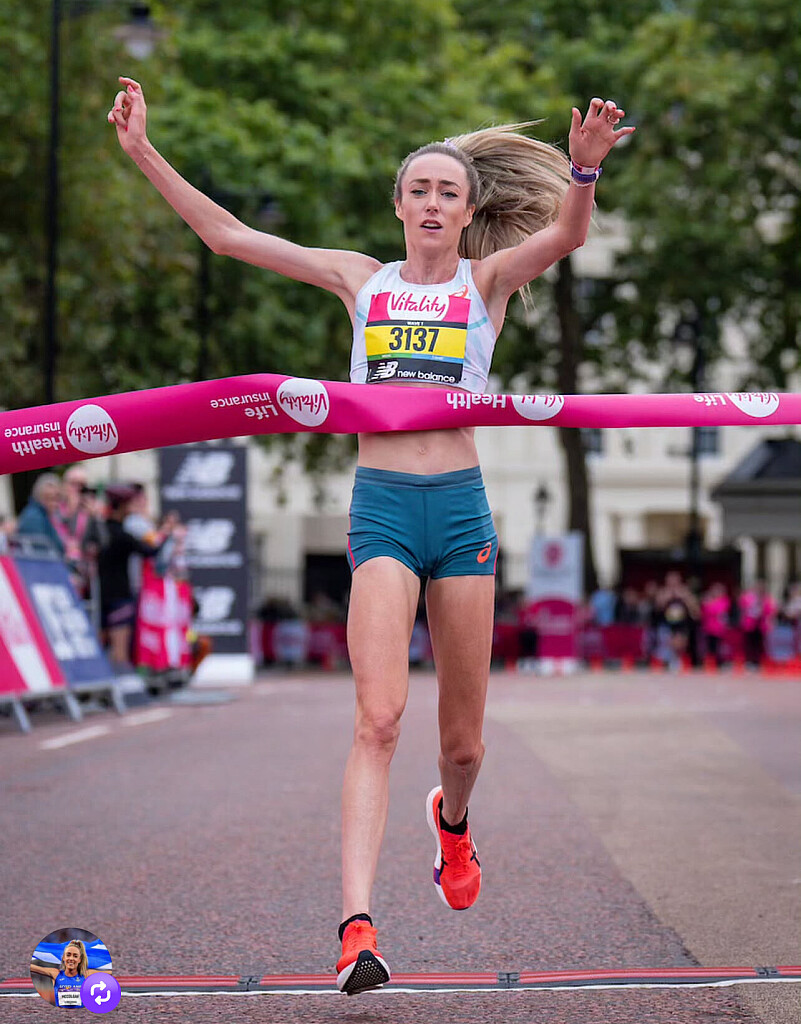


Eilish McColgan Clinches Record-Equaling Third Vitality London 10,000
In a commanding performance, Eilish McColgan stormed to victory in the women’s race at the Vitality London 10,000, clocking 30:35. The Scottish star’s win marks her third career triumph at this event, equalling the record for the most women’s victories in its history and reaffirming her place among Britain’s greatest distance runners.
From the opening strides, McColgan dictated the pace with her trademark front-running style, pulling clear of the field and maintaining her advantage through the finish. Her ability to combine rhythm, strength, and tactical awareness once again left her rivals without answers.

Spotlight on the Women’s Race
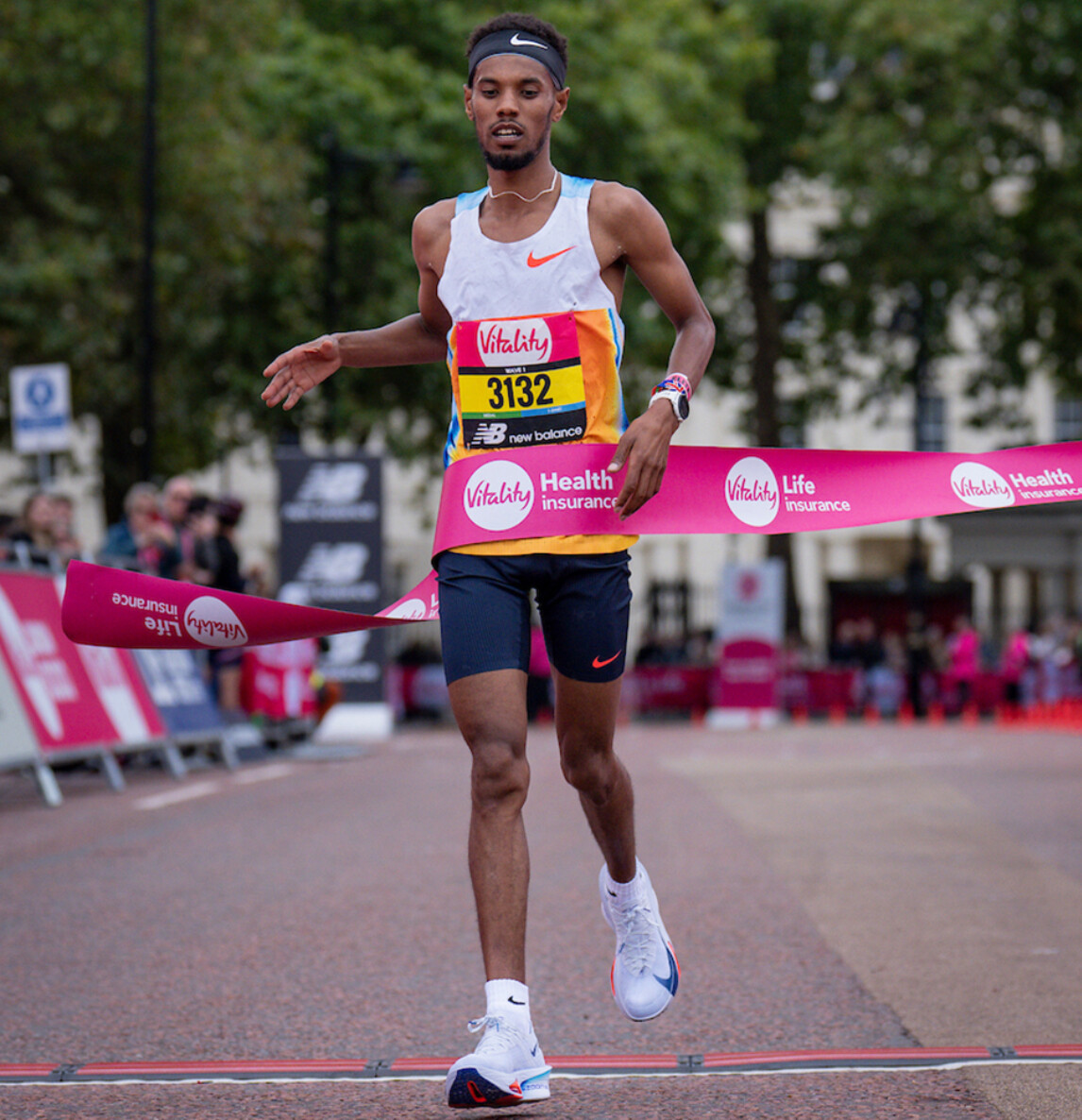
The London 10,000 has long been a stage for showcasing endurance talent, and McColgan’s achievement highlights both her consistency and her resilience. Winning three times on such a competitive course is rare, and her 30:35 finishing time underlines the world-class quality of her performance. For McColgan, this victory is not only a testament to her current form but also a powerful reminder of her longevity at the top level.
Glance at the Men’s Race

While McColgan’s record-equalling feat headlined the day, the men’s contest delivered drama of its own. Zak Mahamed captured his first London 10,000 title in 29:07, ahead of Blake Moore and Seyfu Jamaal. Mahamed, returning after more than two months away from competition, used the race as a statement of fitness as he looks toward the upcoming road season.
A Defining Moment
The 2025 edition of the Vitality London 10,000 will be remembered first and foremost for McColgan’s landmark achievement. Her third victory, sealed in 30:35, not only cements her status as a leading force in British road racing but also inspires the next generation of athletes who look to follow in her footsteps.
(09/28/25) Views: 649Boris Baron
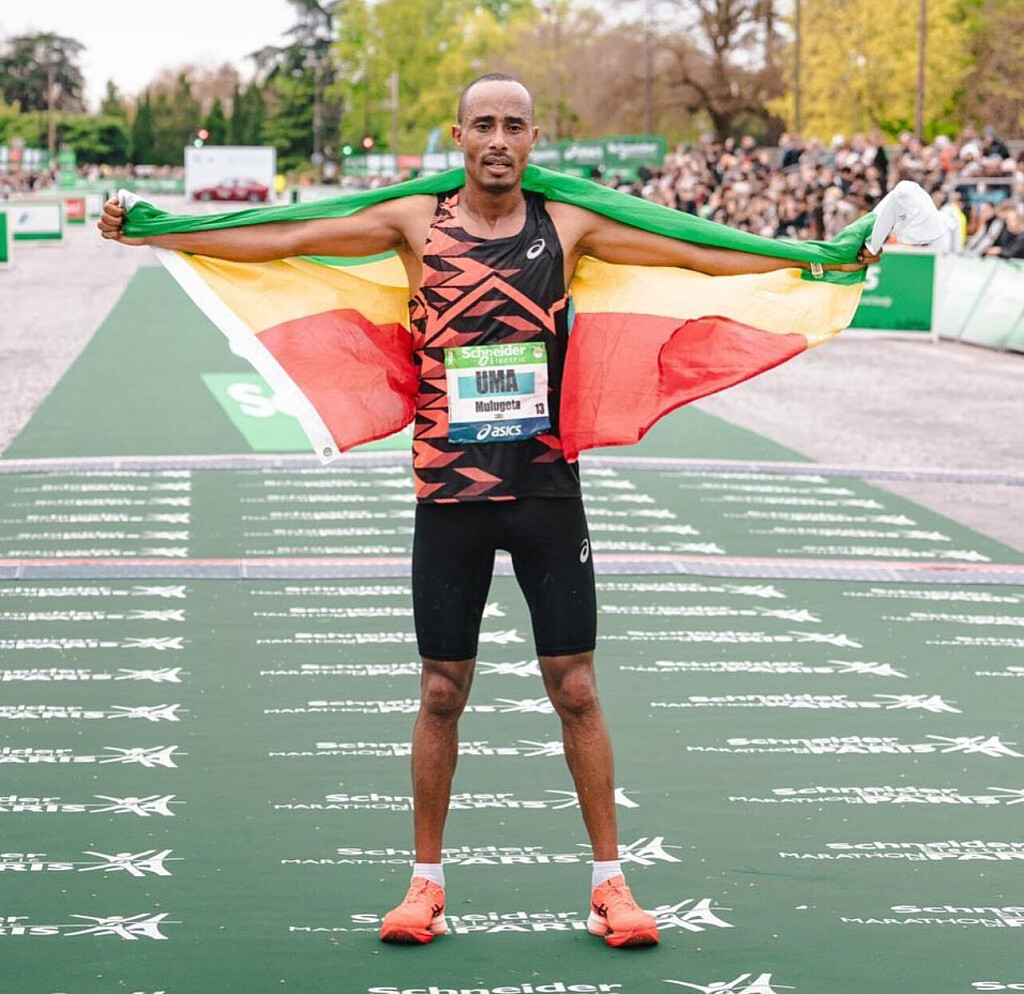
Mulugeta Uma Returns to Defend TCS Toronto Waterfront Marathon Crown
Ethiopia’s Mulugeta Uma, the 2024 TCS Toronto Waterfront Marathon champion, has confirmed he will return to Canada’s premier road race on October 19 to defend his title. The 27-year-old says his focus is clear:
“My aim is to run a fast time but if I am unable to run a fast time I must win the race.”
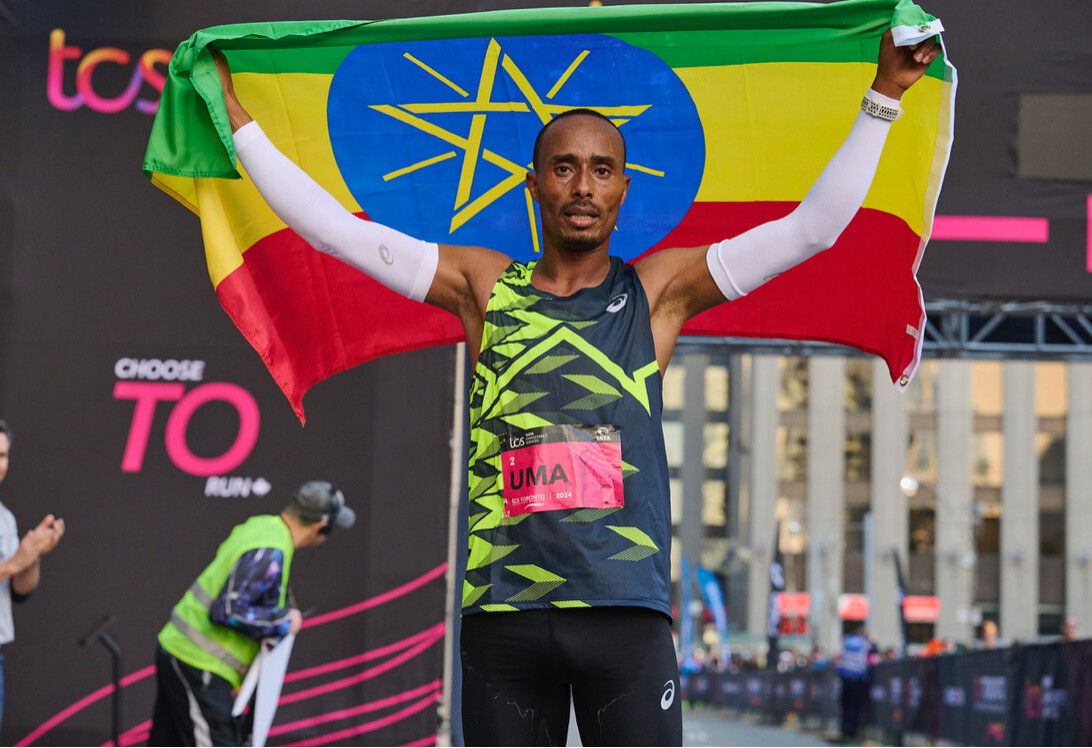
Podium Rematch
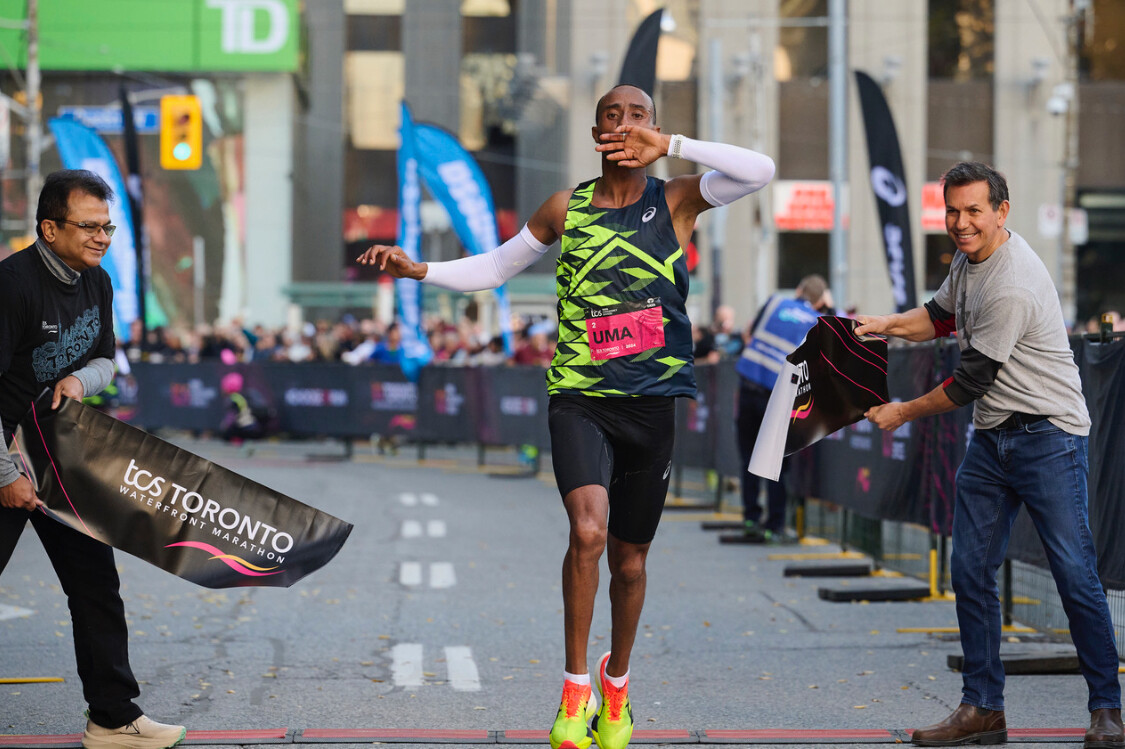
Uma’s addition to the field sets up an exciting reunion with the two men who joined him on last year’s podium. Kenya’s Dominic Ngeno, who finished second in 2024, and Noah Kipkemboi, who claimed third, have already been confirmed for this World Athletics Elite Label race.
Though Uma won Toronto last year in 2:07:16, he has proven he can run much faster. His personal best of 2:05:33 came at the 2024 Paris Marathon, and he clocked 2:05:46 for fifth place earlier this year at the prestigious Tokyo Marathon, a World Marathon Major.
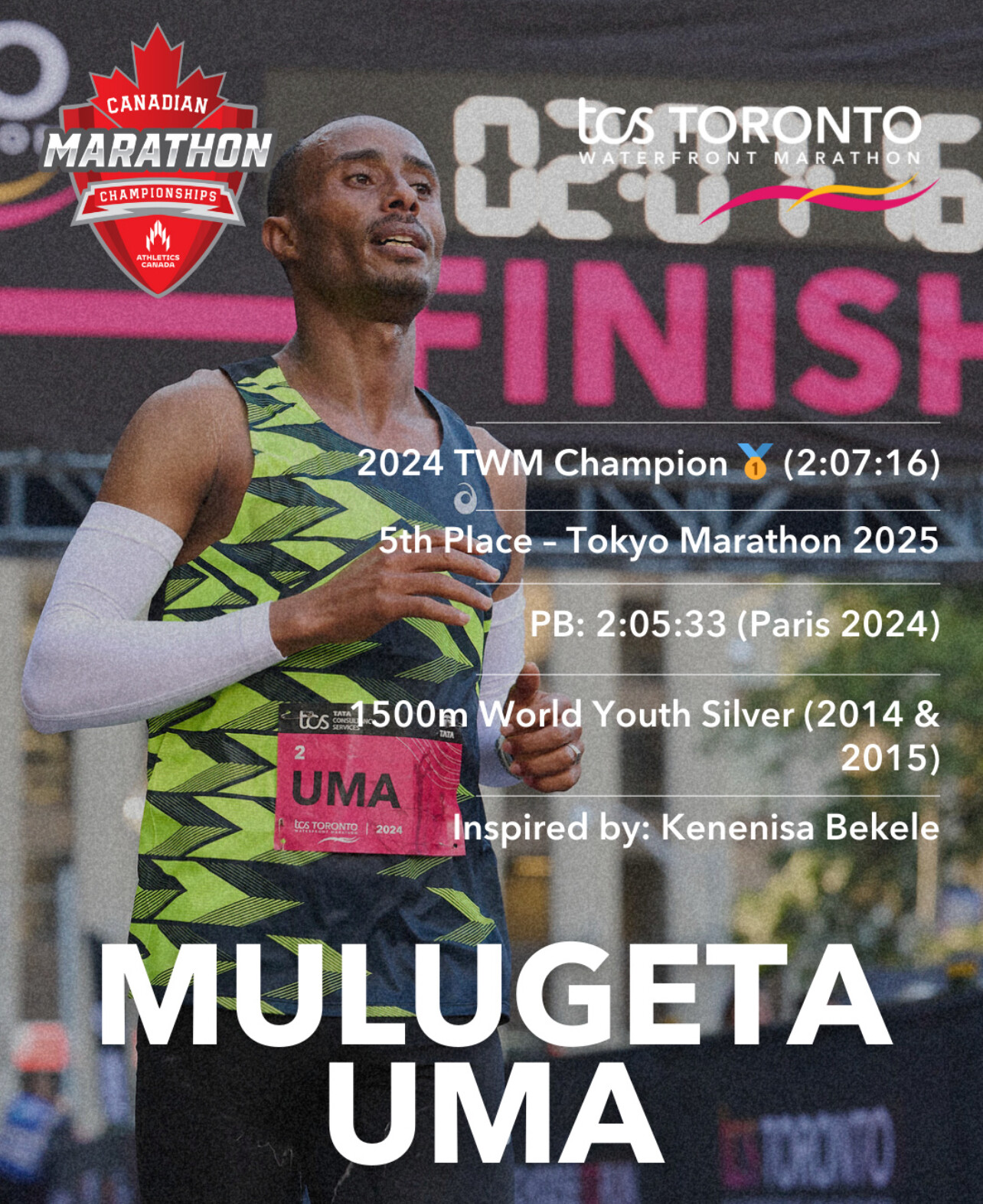
Remembering Toronto 2024
Uma recalls how last year’s Toronto victory unfolded dramatically.
“After halfway, no one was willing to lead but the Kenyan athlete (Ngeno) had a big surge and disappeared from our sight,” he remembers.
“We decided to leave him and thought we were going for second place. After a while I decided to try my best to catch him and, finally, I caught him and managed to win the race.”
His win earned him $20,000 CAD—a payday that has since risen to $25,000 for the 2025 edition. Beyond the prize money, Uma says he enjoyed his first visit to Canada’s largest city.
“I enjoyed the course and had an amazing experience in Toronto. I do have friends there and they are the ones who took me sightseeing.”
From Waliso to the World Stage
Born in Waliso, about 100 kilometers southwest of Addis Ababa, Uma grew up in a farming family. Inspired by Ethiopia’s Olympic heroes, he pursued running as a child and quickly made a name for himself in the 1,500m, winning silver at the 2014 Olympic Youth Games and the 2015 IAAF World Youth Championships.
But his career was derailed when he ruptured his Achilles tendon—an injury he attributes to racing in spikes. It forced him into a seven-year hiatus.
His return to the sport was fueled by watching his hero, Kenenisa Bekele, transition to the roads.
“Kenenisa was the athlete who inspired me. I was eager to achieve what he did on the track. Annoyingly, my injury prevented me from the track racing I loved, but still my role model showed me I could run sub-2:02. I am working hard to run a fast time like him.”
Bekele, a three-time Olympic champion, famously ran 2:01:41 in Berlin in 2019—just two seconds shy of the then world record.
Family and Future Goals
Uma is married to Bone Chuluka, who represented Ethiopia at two World Cross Country Championships, winning medals in the mixed relay event. The couple, who currently have no children, train together as they pursue their athletic goals.
Looking ahead to October, Uma has his eyes not just on defending his crown but also on history. The course record in Toronto remains 2:05:00, set in 2019 by Kenya’s Philemon Rono.
Asked if he might challenge that mark, his response was simple:
“Yes, why not?”
Few would doubt his ability to deliver.
(09/26/25) Views: 591Paul Gains

Building Champions, One Race and One Harvest at a Time: The KATA Story
With 31 training camps across Kenya’s altitude zones and 65 thriving potato farms, the Kenya Athletics Training Academy (KATA) is shaping not only resilient athletes but also sustainable livelihoods. Each KATA camp is not just a training base but also cultivates several acres of KATA potatoes, linking athletics directly with farming and ensuring that athletes’ futures are rooted in more than competition alone.
A Morning of Anticipation in Thika
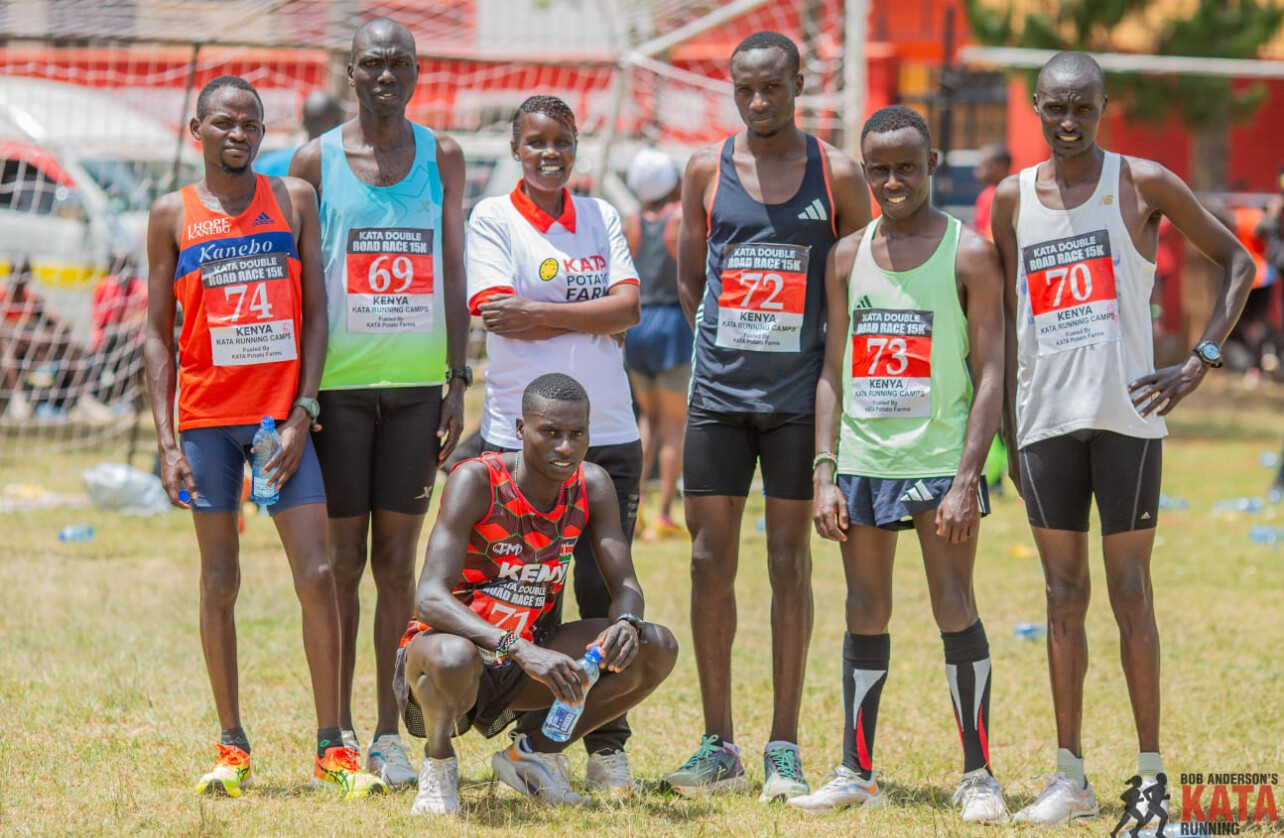
The sun had barely risen over Thika when athletes began streaming into the venue for the 5th Annual KATA Double Road Race. The crisp morning air carried both anticipation and nerves as runners stretched, laced up, and tested the course that would soon bear witness to their grit.
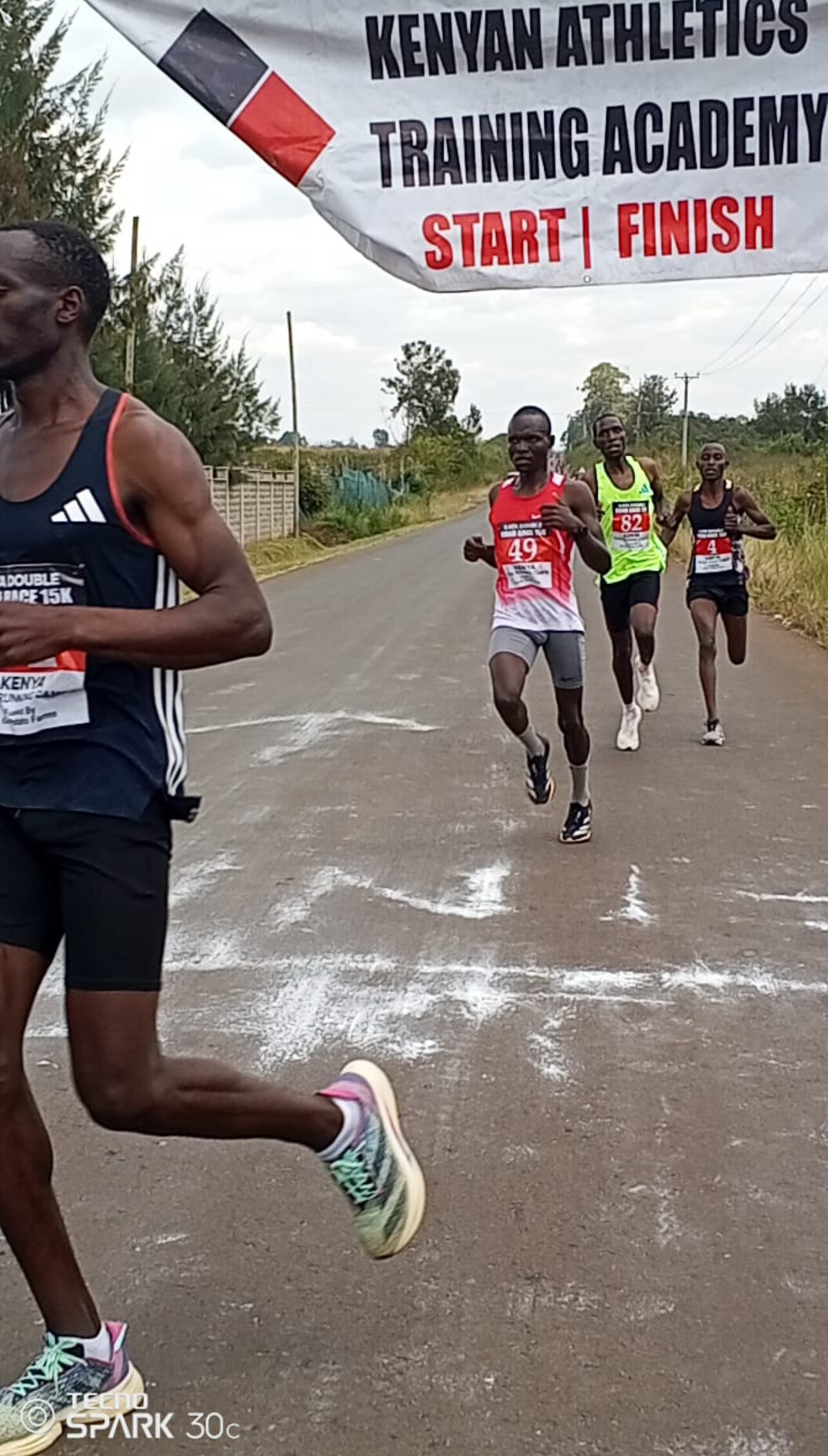
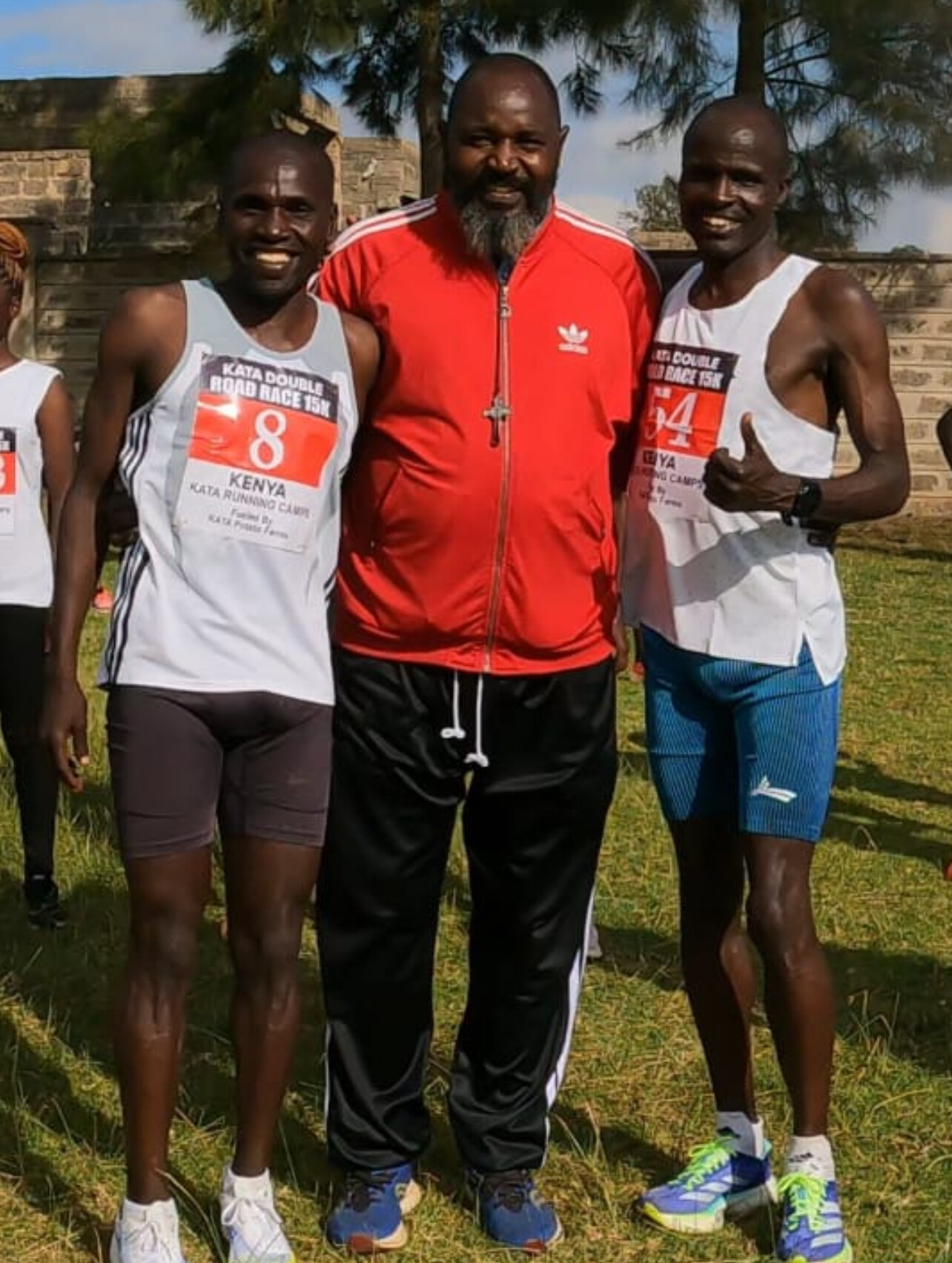
By the time the gun sounded, 97 elite athletes—74 men and 23 women—lined up. For John Matheri, head coach at KATA Thika, the event was more than a competition. It was a lesson in discipline, a test of mental endurance, and a reflection of how far the central region has come in embracing competitive running.
Olympic 5000m medalist and KATA camp operator Edwin Soi emerged as the overall winner, clocking 29:38 for the opening 10K and 14:22 for the final 5K. His combined time of 43:50 was the fifth-fastest ever run for the Double, an event first contested in 2010. On the women’s side, Betty Chesang from the KATA Iten camp was the first across the line in 51:32, marking the sixth-fastest women’s time in Double history.
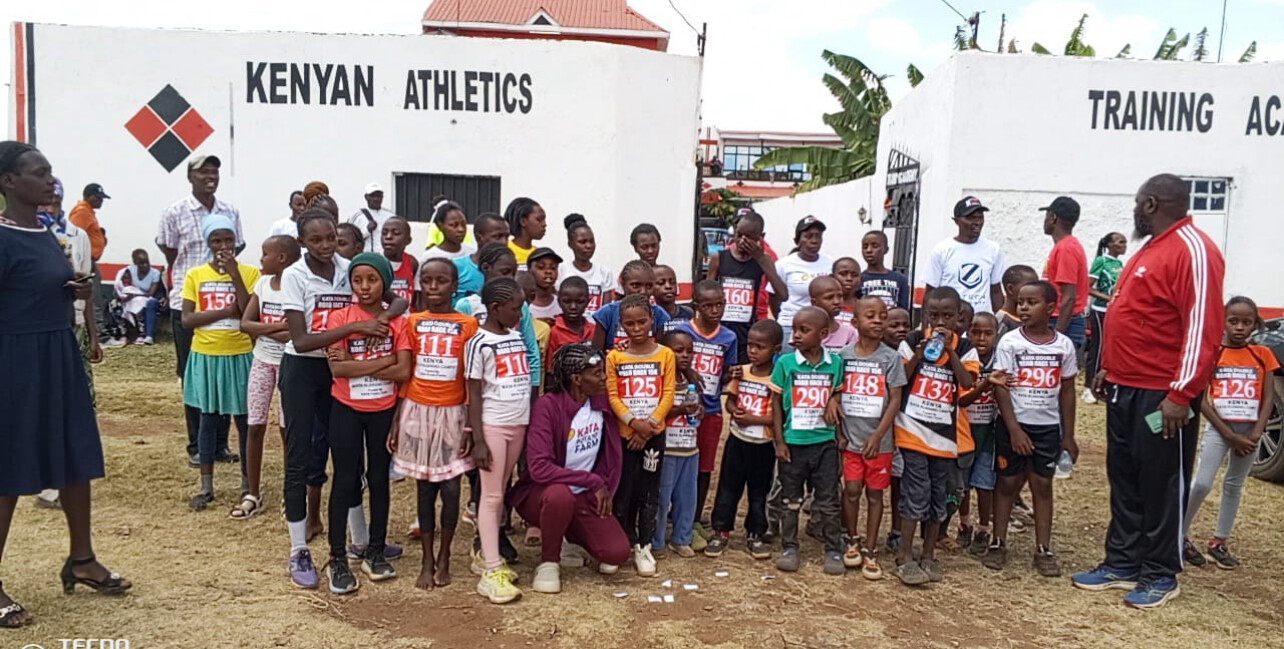
“We concluded the race well, and it was a good one,” Matheri said proudly, watching the exhausted but smiling athletes cross the line. “The turnout was impressive. I want to extend a special thanks to our sponsor, Bob Anderson, for putting together a team of this magnitude. There is no doubt that within the region, KATA has become an icon.”
A Nationwide Network of Camps and Farms
What sets KATA apart is not just its races but the ecosystem it is steadily building for Kenyan athletes. Across the country, 31 KATA-affiliated training camps operate at varying altitudes—from the highlands of the Rift Valley to the mid-altitude base in Thika and lower regions closer to Nairobi. Each camp provides unique conditions that strengthen endurance, adaptability, and competitive edge.
These dual-purpose camps are more than facilities; they are lifelines for athletes dreaming of breaking into the elite ranks. Training at altitude builds strength, while mid-altitude camps prepare runners for race conditions. Together with potato farming, they create a sustainable structure for the future.
This vision is also embodied in Jimmy Mwangangi Muindi, a five-time Honolulu Marathon champion who famously coached Patrick Makau to the world marathon record in 2011. Having worked at Anderson’s Manor in Portugal, Muindi now leads a KATA satellite camp in Machakos County. For him, KATA is about much more than training.
“KATA is building more than runners,” Muindi reflected. “It is building a family—giving young talents not just training, but exposure, support, and hope. That is how future champions are born.”

Beyond Running: The Potato Farming Project
KATA’s sustainability model is as innovative as its racing format. Each camp is supported by several acres of potato farming, tying athletes’ success to both training and cultivation. The revenue from potato sales funds the future of the running camps.
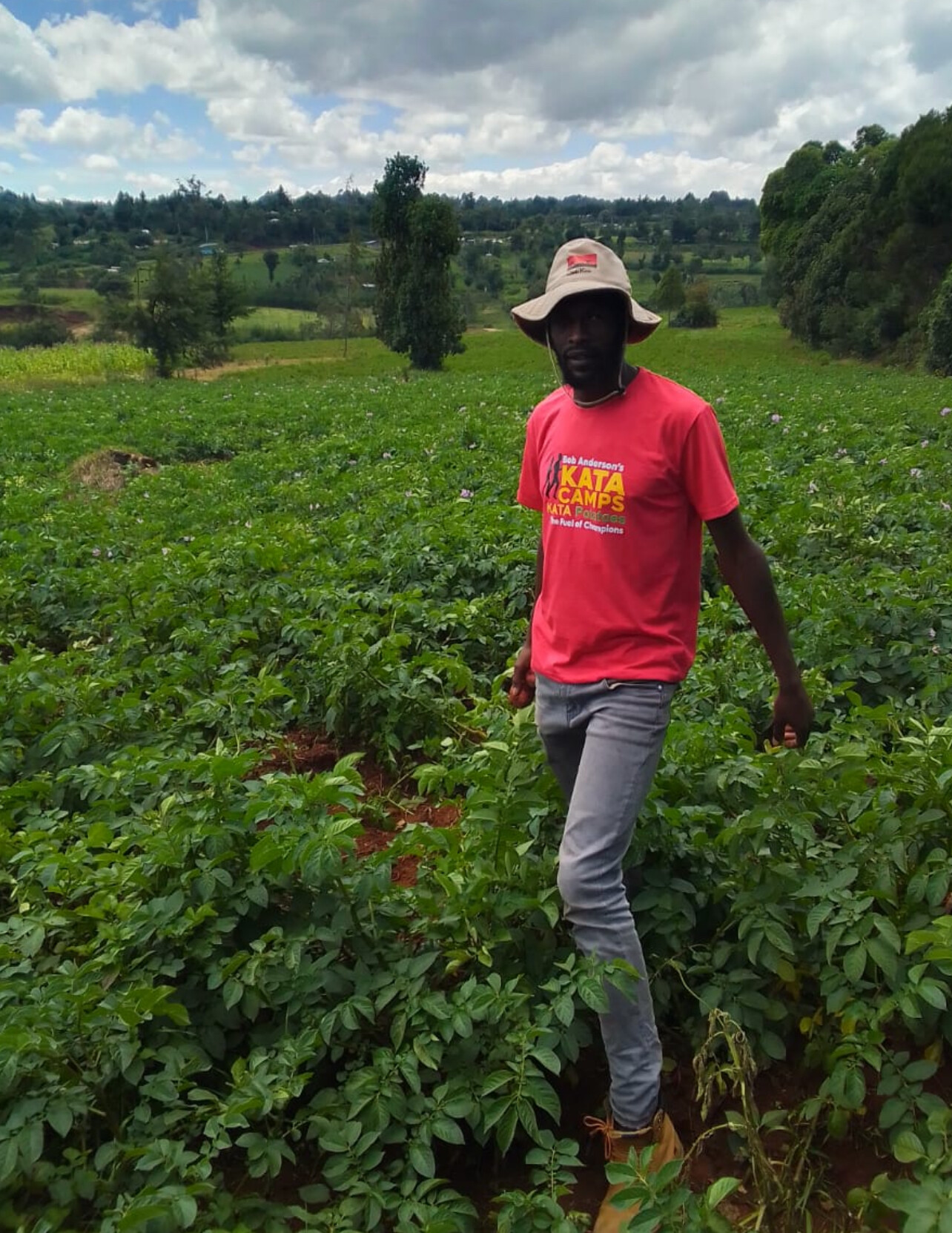
The model is simple but effective. Bob and Catherine Anderson provide an interest-free loan to establish both the camp and its potato farm. From there, the operator and athletes are responsible for managing their acres and securing their own future. KATA continues to provide exposure and guidance, but the responsibility of growth rests with those on the ground.
“The potato project has given us a chance to think beyond running,” Matheri said. “Athletes train hard, but they also need food security and stability. Farming allows them to eat well, earn a little, and stay grounded.”

KATA Chief Technical Officer Denis Musau, who recently returned from Anderson’s Manor House in Portugal, underscored this vision. “KATA is about creating a legacy. By building projects like potato farming, we empower athletes and their camps to sustain themselves financially. That secures their future both on and off the track. I see a very bright future for the KATA family.”
The Spirit of Participation
What stood out most on race day in Thika was the diversity of the field. Athletes from every discipline showed up, while children and enthusiastic spectators cheered from the sidelines. The energy of the crowd became part of the race’s rhythm, fueling the runners through every stride.
Yet the event also highlighted areas for growth. “Our athletes are very strong athletically, but many are missing mental strength,” Matheri observed. Muindi agreed: “Mental resilience is just as vital as physical training. When athletes panic at the sight of big names, they lose focus. Learning to respect the distance is what unleashes true potential.”
For both coaches, raw talent is not enough. Young athletes are like fabric, Muindi often says—materials that must be carefully tailored to become masterpieces.
Inspiration from the Veterans
One of the most inspiring aspects of the Thika Double was the turnout of established athletes—Olympians and medalists—who lined up alongside the next generation. Their presence was not only symbolic but also a powerful motivator for younger runners.
“It is so encouraging, especially here in the central region, to see our elite and professional athletes turning up in big numbers,” Matheri said. “For the young ones, lining up beside Olympians and medalists gives them a sense of what is possible. It gives them hope.”
Building the Future
For the KATA family, the vision remains crystal clear: to prepare a new generation of Kenyan champions while ensuring they have livelihoods beyond running.
“As a family, we are in good hands. We are looking forward to doing great things,” Matheri said with conviction. His final message was one of determination and gratitude: “We promise to use every ounce of our strength to bring change and positivity to the world of sport. We thank our sponsor, Bob Anderson, for the continued support, and we promise to do everything we can to grow this industry. The journey has just begun, but the future is bright.”
Anderson’s Manor in Portugal serves as KATA’s international headquarters, with Bob and Catherine Anderson based there about 50% of the time. It is from this hub that global strategy and support are coordinated, while Kenya remains the main operational location where athletes train, camps thrive, and races like the Double continue to inspire.
As the last athletes packed up and the crowd dispersed, one thing was clear: KATA is more than an academy. It is a movement—blending sport, sustainability, and community to nurture not just athletes, but Kenya’s enduring legacy of running excellence.
(09/29/25) Views: 470Robert Kibet
Americans Jim Walmsley and Katie Schide Win Trail Running World Championship Titles
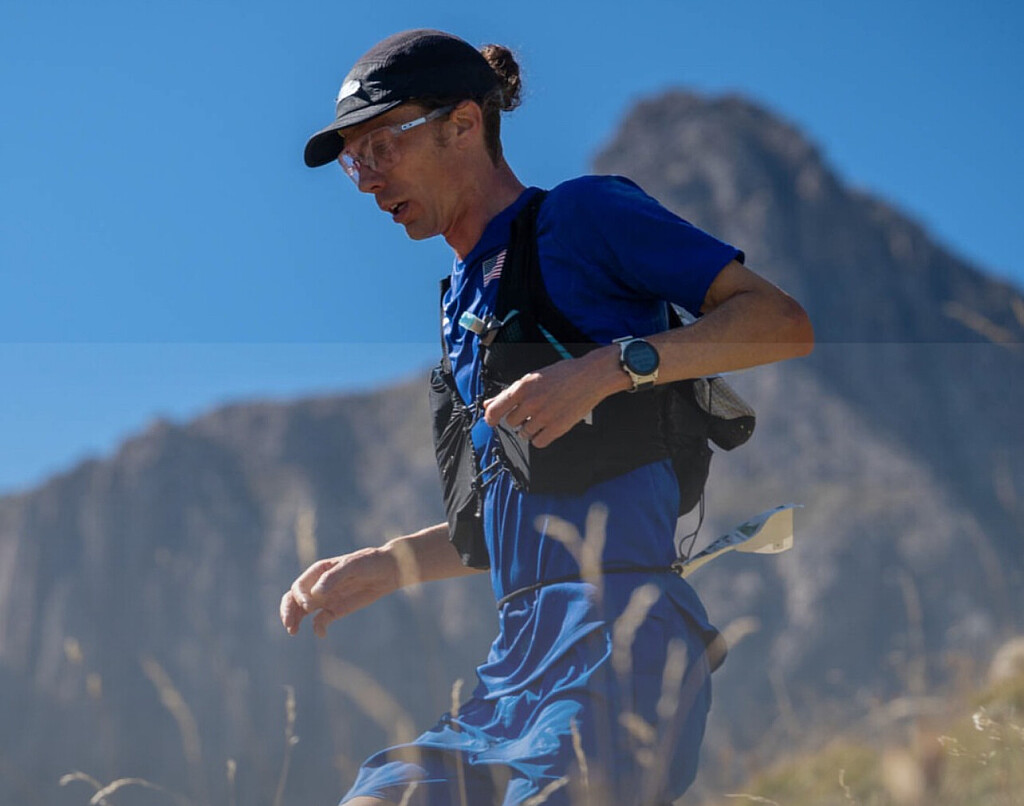
Canfranc, Spain — September 27, 2025. It was a historic day for U.S. trail running in the Pyrenees as Jim Walmsley and Katie Schide stormed to victory in the Long Trail race at the 2025 World Mountain and Trail Running Championships. Both dominated the grueling 50.9-mile course that packed in nearly 17,750 feet of elevation gain and loss across technical, mountainous terrain.
Walmsley’s Men’s Triumph
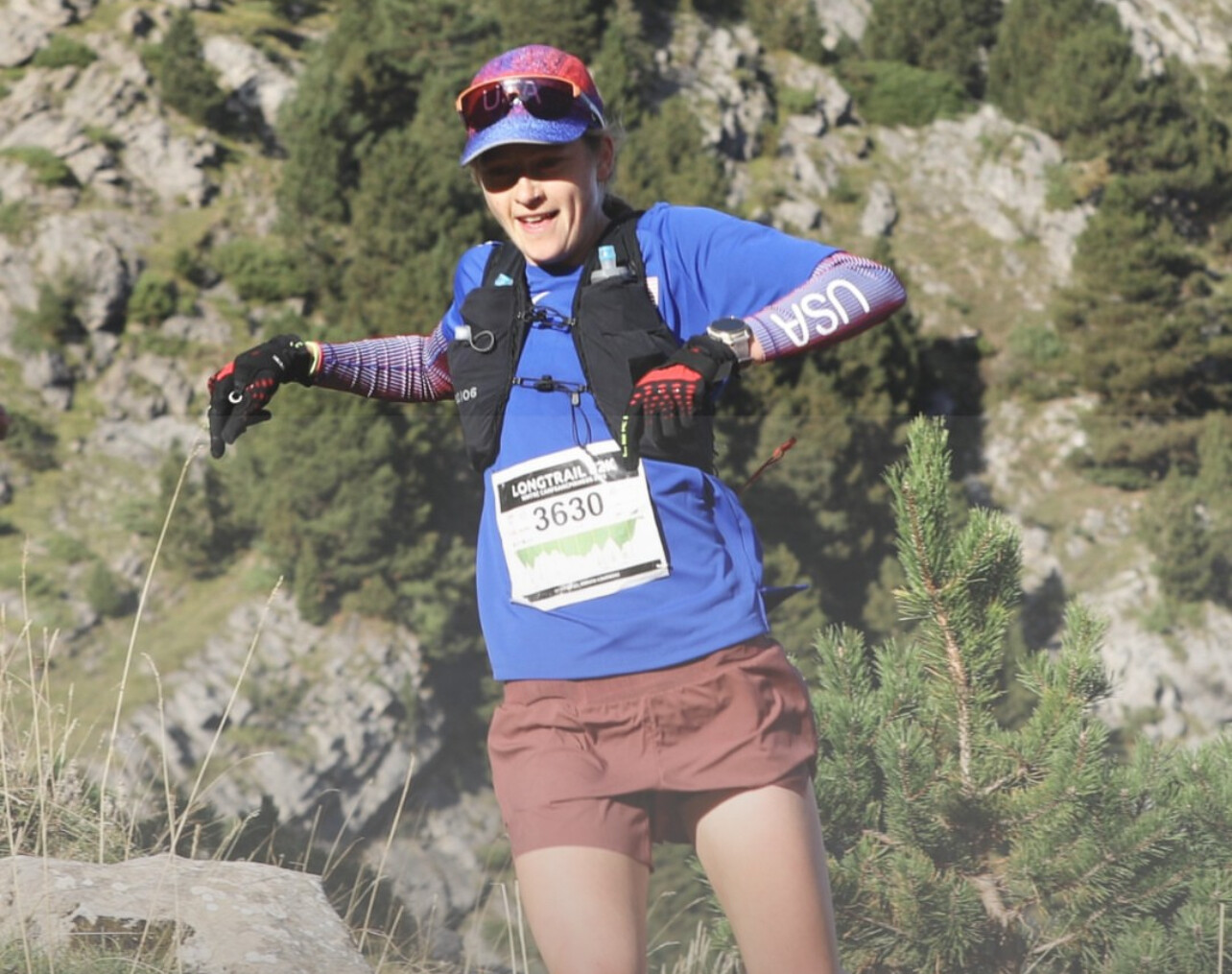
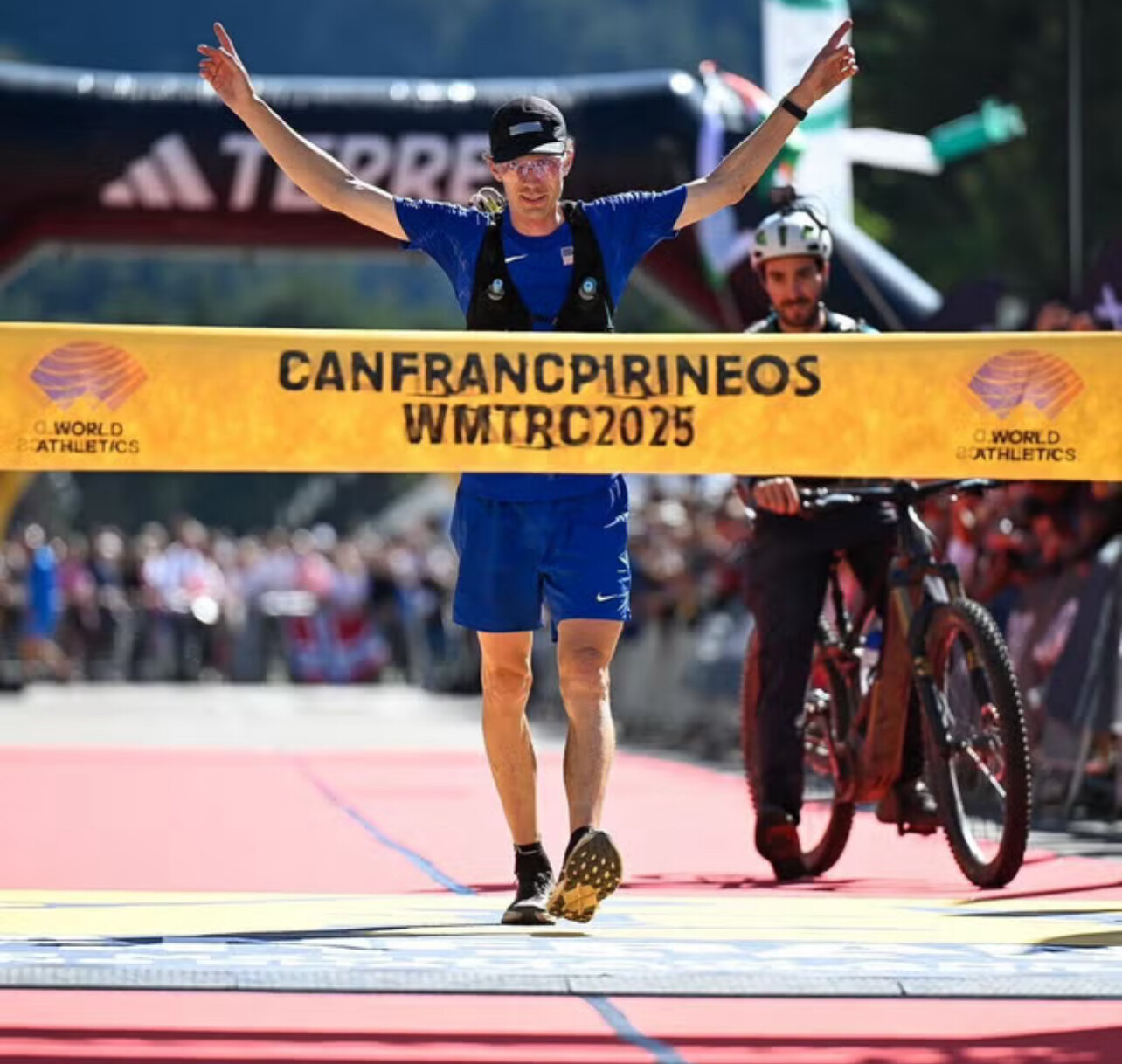
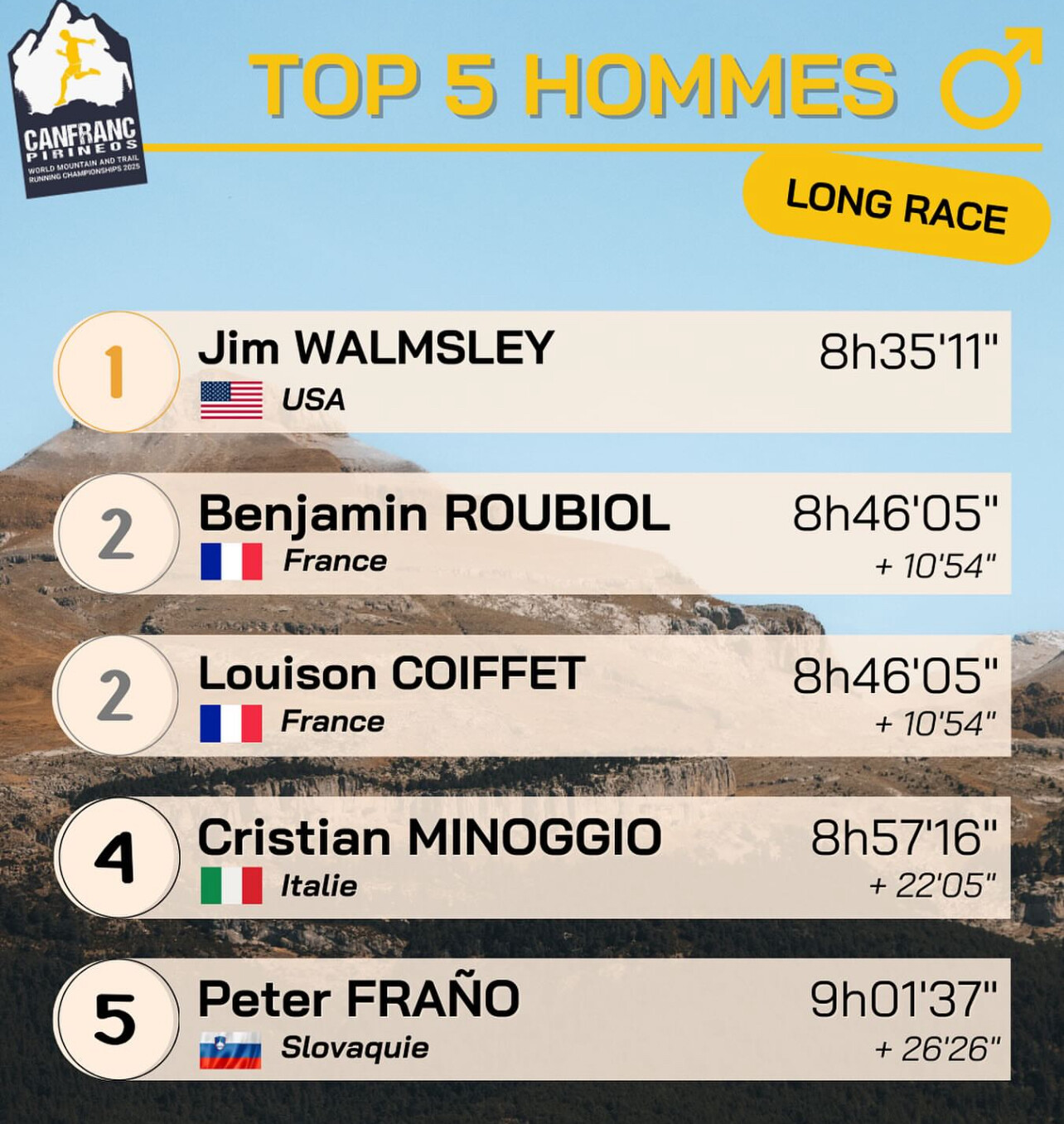
Walmsley, already celebrated as one of the best ultra runners of his generation, played his cards perfectly. After running with France’s Benjamin Roubiol and Louison Coiffet through the opening stages, he surged clear just past 47 km. By the 70 km mark he had carved out a commanding lead and never looked back.
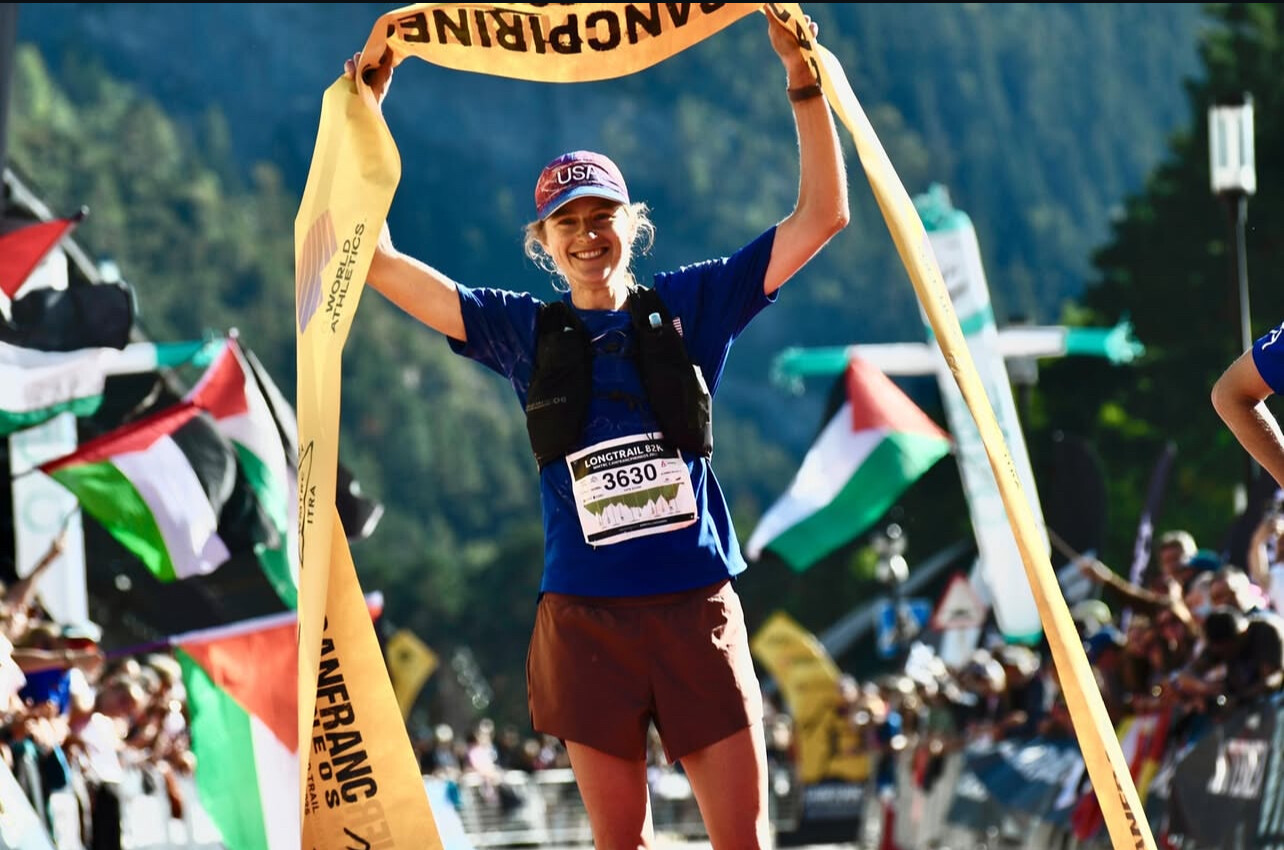
He broke the tape in 8:35:11, more than ten minutes ahead of Roubiol and Coiffet, who shared silver in 8:46:05. For Walmsley, who became the first American man to win UTMB in 2023, this victory further cements his legacy as the standard-bearer for U.S. trail and ultra running.
Schide’s Commanding Performance
On the women’s side, Katie Schide delivered a masterclass in front-running. She built a gap of 38 seconds within the first 4 km, stretched it to five minutes by 25 km, and by the halfway point was nearly 20 minutes ahead of her nearest rival.
Schide crossed the finish in 9:57:59, winning by more than 25 minutes. Already a champion of UTMB, Hardrock, and Western States, her latest triumph adds a world title to a résumé that ranks among the most impressive in the sport.
A Landmark for U.S. Trail Running
Together, Walmsley and Schide showcased American dominance on one of the world’s toughest stages. Their wins highlight not only physical endurance and technical skill but also tactical brilliance and unwavering mental strength.
For fans and fellow athletes alike, their victories in the Pyrenees are a reminder of what’s possible when preparation meets opportunity on the world stage.
(09/27/25) Views: 404Boris Baron
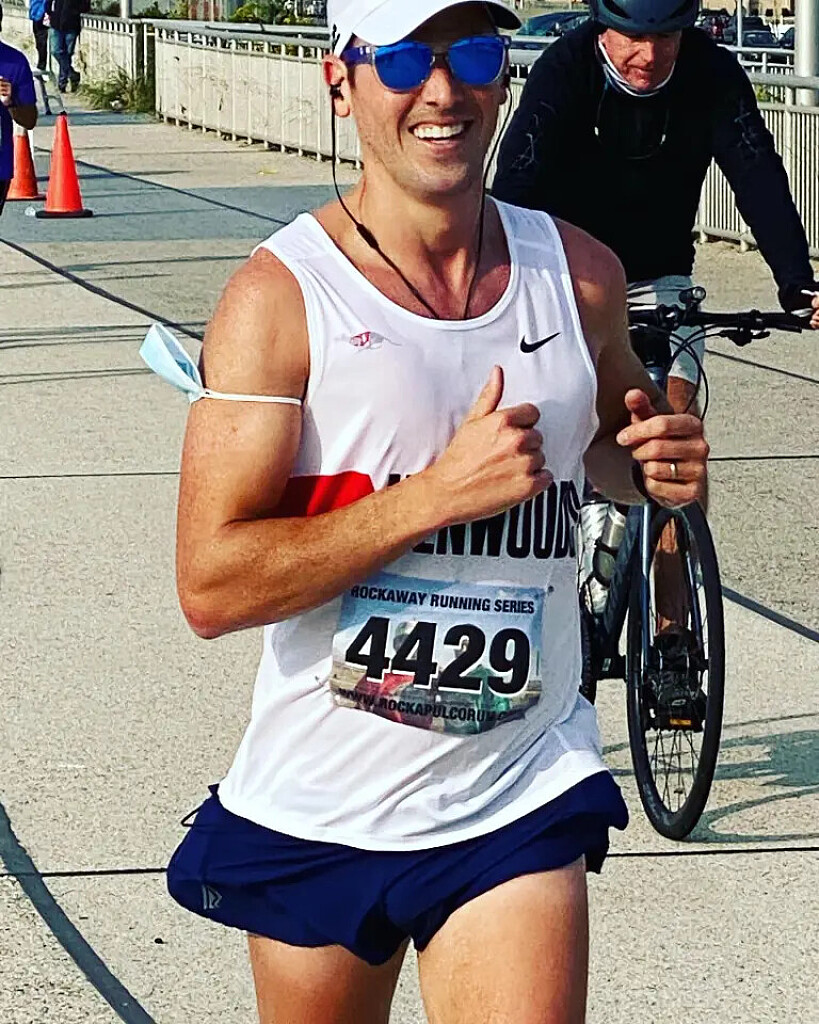
Oz Pearlman: Mentalist and Marathoner with a 2:23:52 Personal Best
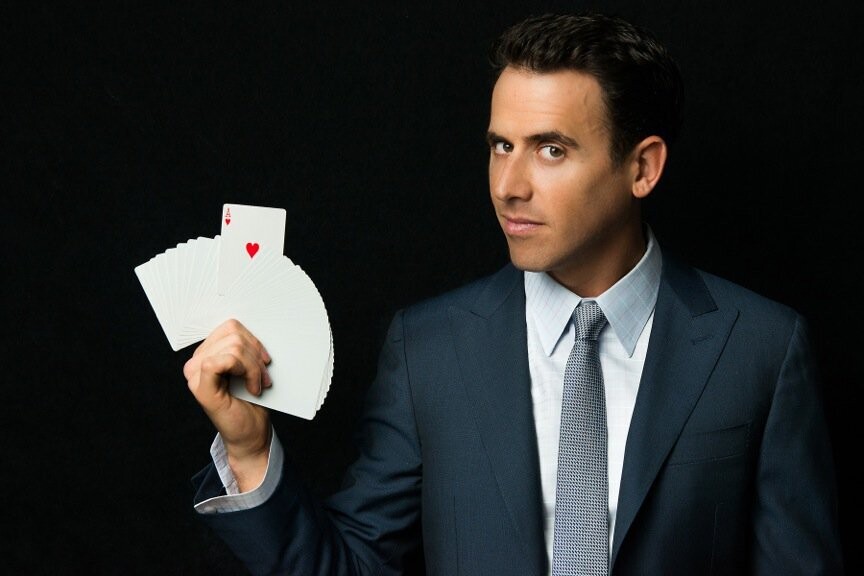
Oz Pearlman is most known as a world-class mentalist and entertainer, dazzling audiences with mind-reading feats. While his stage act is about illusions and mind-reading, his running accomplishments are very real and recognized in the endurance community.
Oz has carved out a reputation as an elite runner, with marathon credentials and ultra-endurance performances that prove his strength goes far beyond the stage.
Marathon Credentials
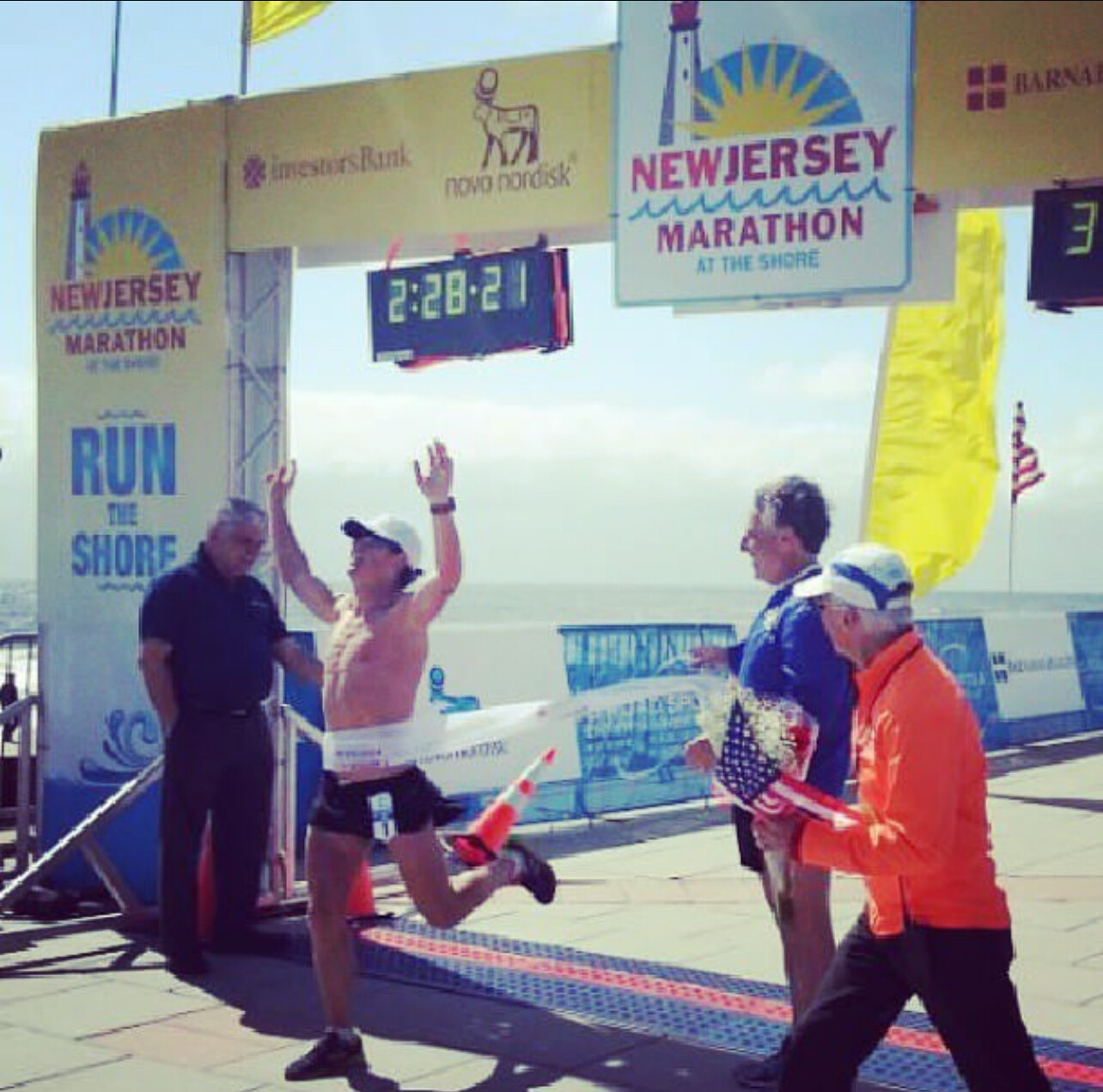
Oz’s personal best marathon of 2:23:52, set at the Philadelphia Marathon in 2014, is a time most competitive runners can only dream of. He’s also posted:
• 2:26:59 at the 2014 New York City Marathon
• 2:29:19 at the 2021 NYC Marathon
• 2:40:14 at the 2022 NYC Marathon
Along the way, he’s notched victories in regional races, including the New Jersey Marathon, underscoring his range and consistency.
From Marathons to Ultramarathons
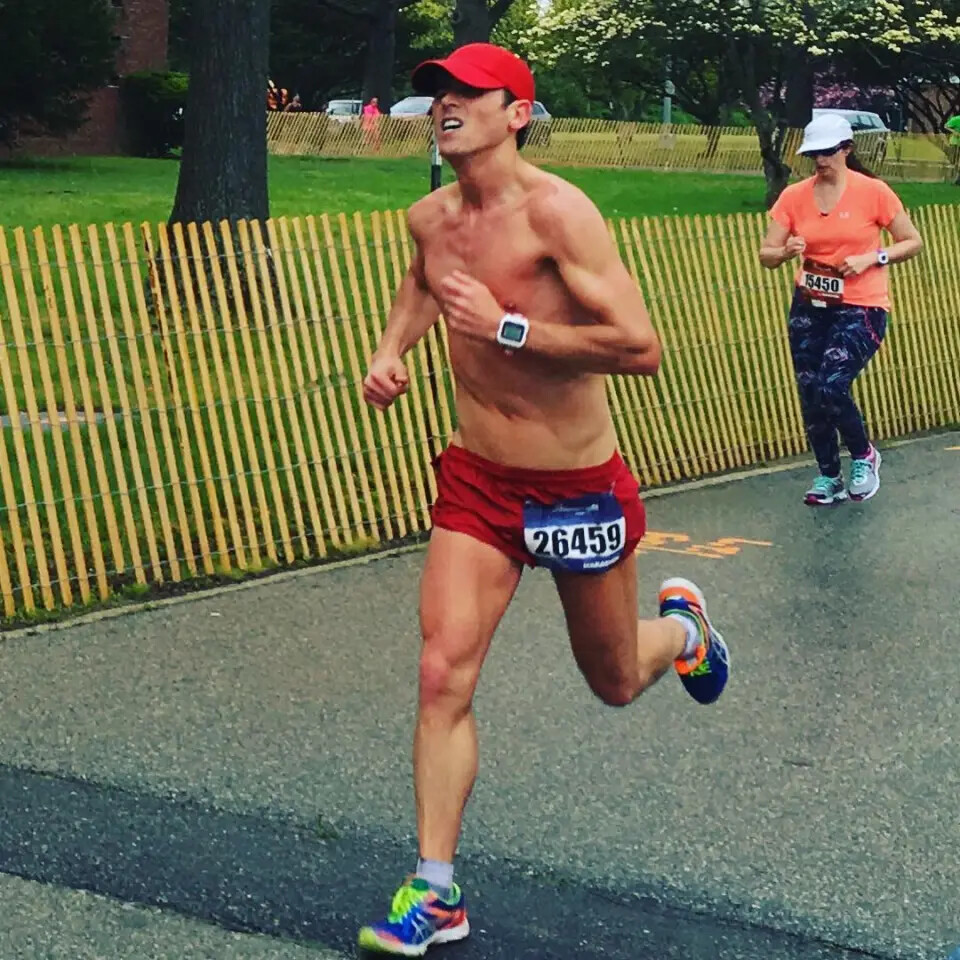
Oz didn’t stop at 26.2. He’s tested his limits in some of the sport’s toughest arenas:

• 100 miles in 16:53:25 at the Keys Ultra (2021), finishing second overall.
• 100 miles in 18:25:23 at the Umstead 100-Mile Endurance Run (2025).
• 117 miles in Central Park (2022), setting the record for most loops in a single day while raising funds for Ukrainian relief.
• A nonstop run from Montauk Point Lighthouse to Times Square — over 130 miles in 24 hours.
These efforts highlight not only his physical endurance but also his ability to push through the mental barriers that define ultra running.
Mind Over Miles
As a mentalist, Oz has honed a mastery of focus, patience, and mental toughness — qualities that translate seamlessly to distance running. Whether chasing sub-2:25 marathons or grinding through 100-mile ultras, he shows that success in endurance sport comes as much from the mind as from the legs.
Running With Purpose
Many of Oz’s longest challenges have doubled as fundraising efforts, proving that his running is about more than personal achievement. His Central Park ultra raised significant support for Ukraine, reflecting how he uses his talents — both on stage and on the course — to make an impact.
Oz Pearlman is more than an entertainer. He is a reminder that resilience, consistency, and the power of the mind can take us further than we imagine — sometimes all the way from Montauk to Manhattan.
(09/27/25) Views: 262Boris Baron
Nurturing Sprinters Against the Odds: Inside Kenya’s KATA Sprint Camp
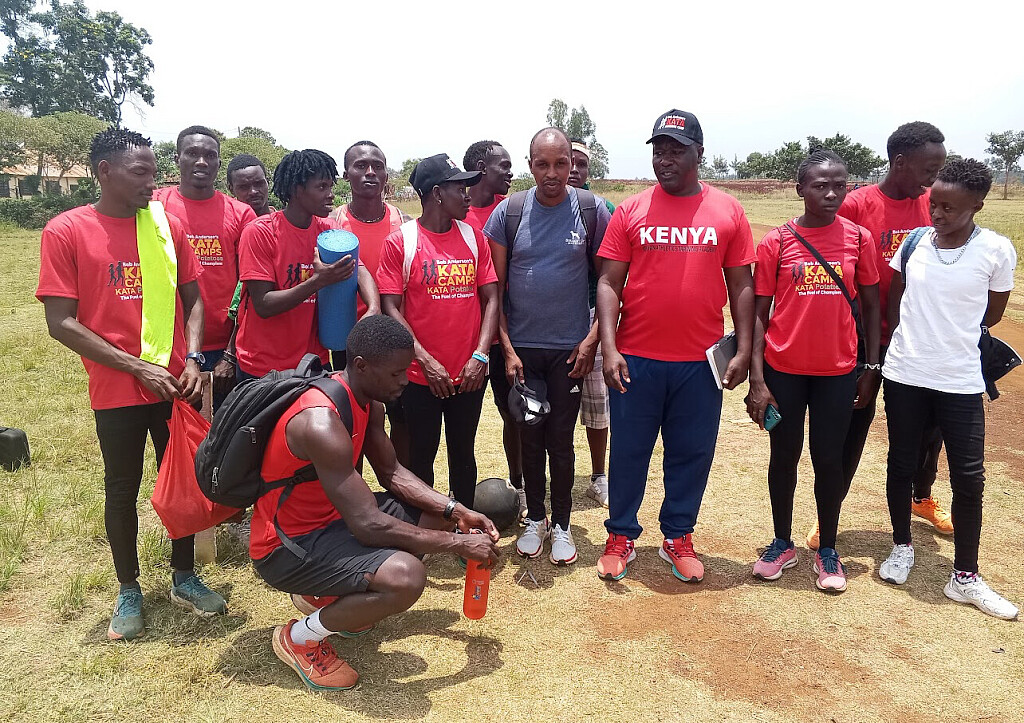
KIAMBU, Kenya - On a crisp morning in Kamiti, Kiambu County, 16 miles northeast of Nairobi, the dirt track at Kamiti Maximum Prison comes alive with the rhythm of pounding feet, shrill whistles, and sharp instructions. At the center of the action stands Coach Julius Migwi, eyes locked on the group of young sprinters wearing red shirts with the Kenya Athletics Training Academy (KATA) Sprint Camp logo. Stopwatch in hand, Migwi scans every drill and explosive burst over 100 meters.
A Coach’s Mission
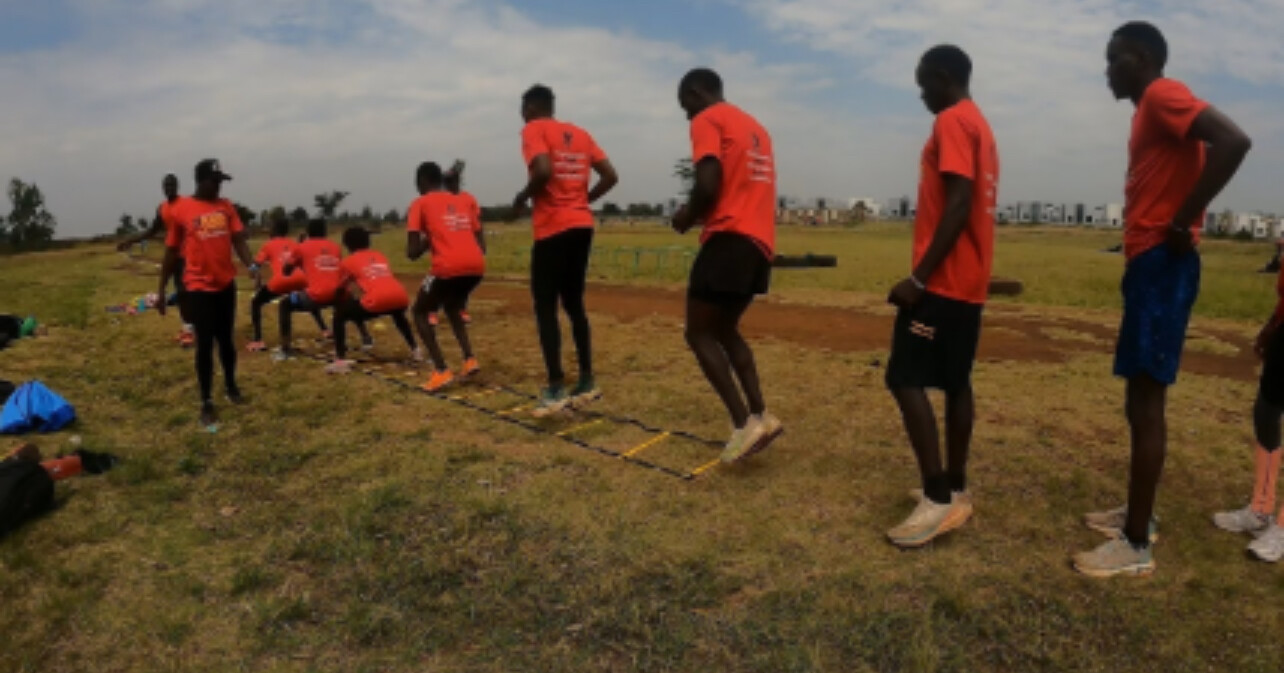
A former sprinter whose career was cut short by a tendon injury in 1998, Migwi recalls the lack of resources in his day. “We had no smart shoes, and sometimes we ran barefoot. There was no science,” he says. His personal best of 11.00 seconds in the 100m left him hungry for more—but instead of walking away, he turned that hunger into a mission: raising sprinters who could go beyond what he achieved.
“This is where we train,” Migwi says, pointing to the uneven murram track. “I focus on athletes between 16 and 20 years old because they have the greatest room to grow. My dream is for them to achieve what I could not.”
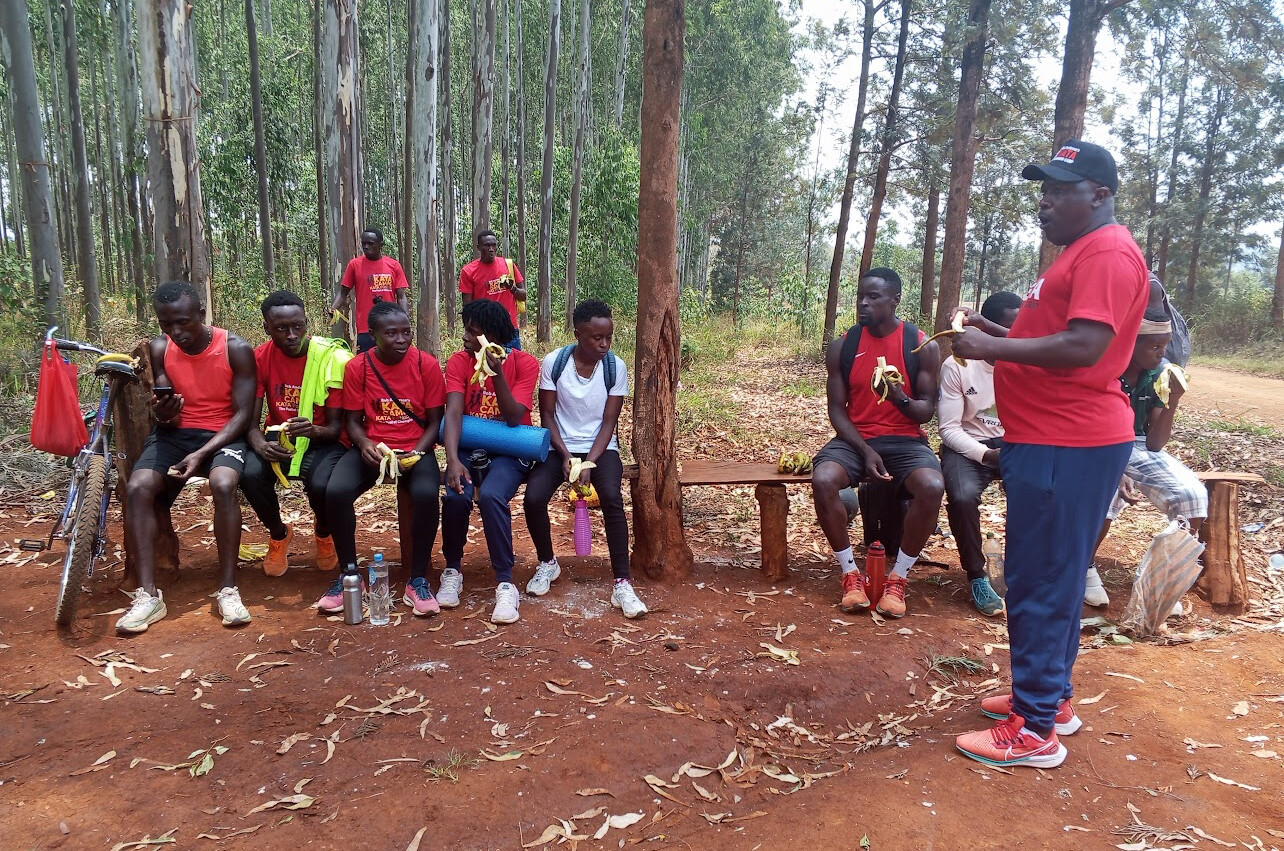
That dream has faced hurdles of its own. Their makeshift equipment includes hurdles fashioned from plastic pipes, an old tractor tire for sled work, and just one shared starting block. Inside the camp’s small kit box lie two massage guns, shared by everyone. When rain turns the dirt track unusable, the group must travel to Nyayo Stadium, Ulinzi, or Kasarani.
Yet, passion outweighs the obstacles. “If Kenya supported sprinters the way it supports distance runners, athletes like Doreen Waka, Clinton Aluvi, Omanyala, and so many youngsters would thrive,” Migwi says. “With proper facilities, Kiambu could become the home of Kenyan sprinting.”
Building Athletes from Scratch
Migwi has already unearthed promising talent. Among those he scouted are Fresha Mwangi, Peris Wairimu Chege, hurdler Gladys Ngure, and his current star pupil, Doreen Waka—Kenya’s fastest female sprinter over 100m in 2025.
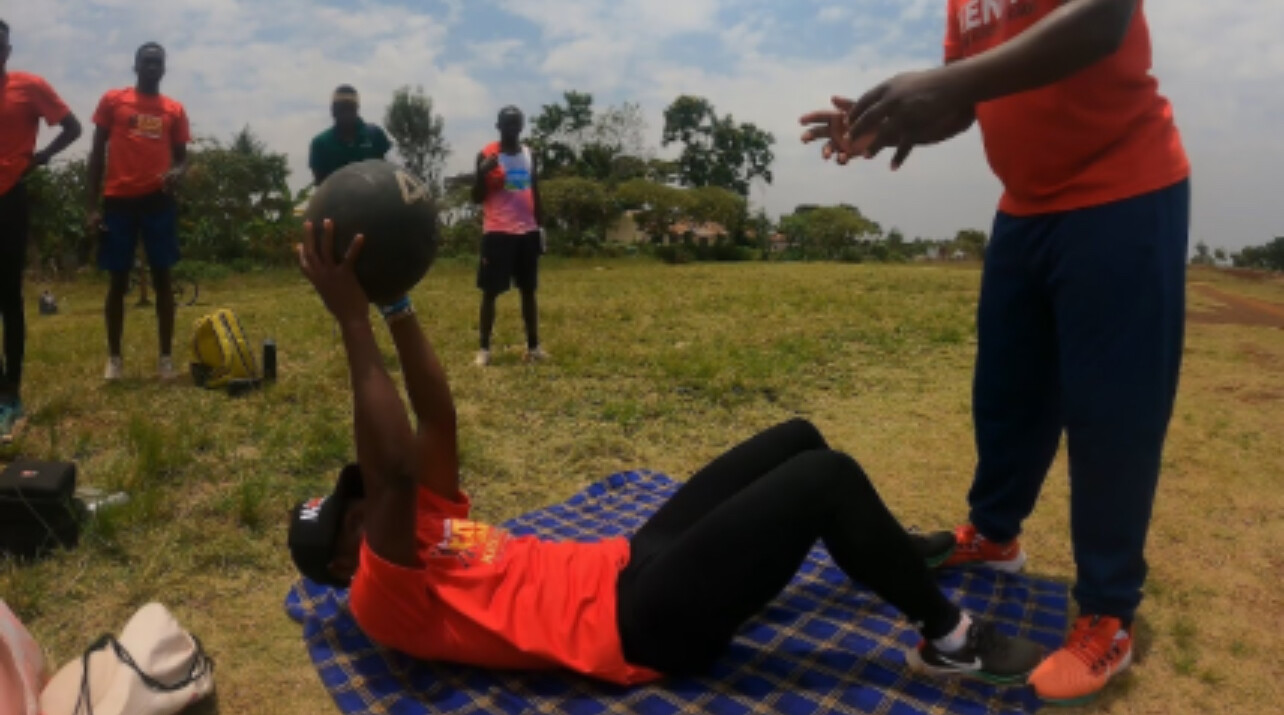
Waka’s determination is unwavering. “Missing the team for the World Championships in Tokyo was disappointing, but I keep my eyes on the Commonwealth Games,” she says. “With the right support, I know I can break 11 seconds.”
Behind the scenes, KATA founder Bob Anderson has played a critical role. Known globally as the American running visionary behind My Best Runs, Anderson covers the camp’s rent, helps provide meals, and funds side projects like potato farming to ensure sustainability. “Rent and daily meals are the biggest setbacks for sprinters,” Migwi explains. “Bob’s support allows the athletes to focus fully on training.”
The impact is clear. Moses Solonka, 20, from the pastoral Maasai community of Kajiado, says: “Without this camp, I’d probably be herding livestock, especially during droughts. Here, we don’t have to worry about food—we can concentrate on training. I see myself representing Kenya soon.”

Voices of the Next Generation
The camp is filled with similar stories of transformation.
• Peterson Matu Miano, 20, once devoted to soccer, now says, “With KATA’s system, I’ve improved so much. The discipline and coordination here are amazing. I now want to dedicate myself fully to sprinting.”
• John Kinoo Munguti, 19, discovered his sprinting talent in high school after playing rugby and soccer. “I look up to Zablon Ekwam. My goal is to hit 10.30 in the 100m and make Team Kenya.”
Migwi beams with pride recalling Waka’s appearance at the Kip Keino Classic: “Seeing her on the line with international stars showed me this stage is possible for our athletes.”
A Community Effort
Among the sprinters is Antony Owino, who also serves as an assistant coach. Having endured similar struggles, Owino knows the value of mentorship. “It’s not just about speed. These youngsters need guidance in discipline and mindset,” he says. “We’re shaping athletes both on and off the track.”
The Bigger Picture
Migwi believes Kenya’s sprinting potential has long been overlooked. “We’re celebrated for distance running, but sprinting has the same promise,” he insists. The unfinished Kirigiti Stadium nearby is a constant reminder of what’s lacking. “If county governments completed facilities like this, we’d not only produce champions but also engage more youth positively.”
For now, the KATA Sprint Camp relies on resourcefulness and shared dreams—plastic hurdles, a dusty track, and two massage guns. But Migwi’s vision stretches beyond medals.
“I want to push these youngsters to achieve what I couldn’t,” he says, watching Peterson, John, Moses, and Doreen laugh between sprints. “This is more than training. It’s giving them a future.”
(10/02/25) Views: 176Robert Kibet
Ethiopian Asimarech Naga to Race TCS Toronto Waterfront Marathon
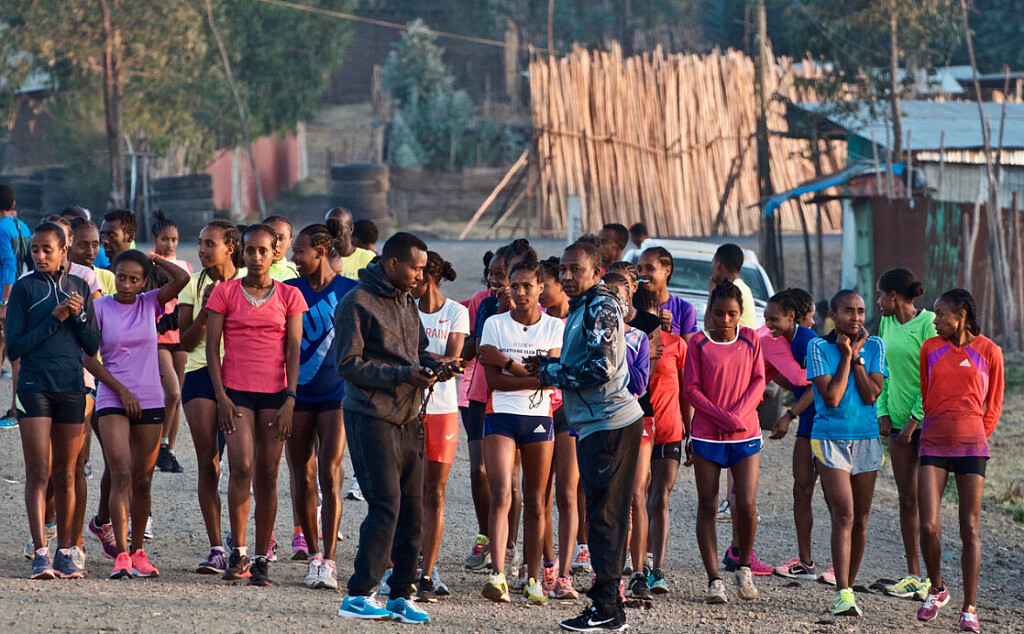
Two years ago, Asimarech Naga was a promising Ethiopian steeplechaser. Now, at 26, she’s set to contend for the $25,000 CDN first-place prize at the 2025 TCS Toronto Waterfront Marathon on October 19.
“If it is God’s will, I want to win as I am preparing well for it,” she said. “I know the Toronto Waterfront Marathon is the biggest marathon in Canada and the course is flat. I am so excited to be there for the first time and do something great.”
From Track to the Roads
Nagging injuries from track spikes pushed Naga to pivot in 2023, joining the legendary coach Haji Adillo’s marathon training group. The move quickly paid off: she won the Dublin Marathon in 2:24:13, setting a new course record, and followed up with a 2:24:21 runner-up finish at the Wuxi Marathon in China earlier this year.
Now, she heads to Toronto—a World Athletics Elite Label race—ready to test herself again. “I have so many strong athletes [to train with], and the coaching program is great. It is really helping me,” she said.
Her inspiration dates back to elementary school, crediting a supportive sport teacher and citing Olympic legend Derartu Tulu—the first Black African woman to win Olympic gold (1992 Barcelona, 10,000m)—as her role model.
Coach Haji’s Confidence
Accompanying her to Toronto will be Haji Adillo himself. Known for guiding Olympic and World champions, Haji believes Naga is ready for a breakthrough:
“If everything goes as planned, and with a good pacer, she will run 2:22 or 2:23.”
His training group has featured icons like Tirunesh Dibaba, Kenenisa Bekele, and Lelisa Desisa, and his most cherished coaching memory remains Mare Dibaba’s 2017 World Championships win—Ethiopia’s first women’s marathon world title.
Haji’s Own Path
Before coaching, Haji was a 2:12 marathoner and a classmate of Haile Gebrselassie. Health issues ended his racing career, but his athletes have since won countless medals:
“Too many to count… maybe over a thousand,” he said with a smile.
Rising Star in the Making?
With her sharp progression, proven ability to win big races, and Haji’s belief in her potential, Asimarech Naga arrives in Toronto as one of the most exciting marathon talents to watch.
Could she be the next Ethiopian star to break through on the world stage?
(10/01/25) Views: 96Paul Gains

Debela and Jebet Set to Defend Titles at the World’s Only Intercontinental Marathon
Defending champions Dejene Debela of Ethiopia and Ruth Jebet of Bahrain are set to return for the Türkiye İş Bankası Istanbul Marathon on November 2. Both claimed victory last year in windy conditions and will be hoping for calmer weather to chase faster times this year.
Now in its 47th edition, Türkiye’s premier marathon continues to hold World Athletics Gold Labelstatus—an honor it has maintained without interruption since 2012, making it one of the longest-standing Gold Label races worldwide.
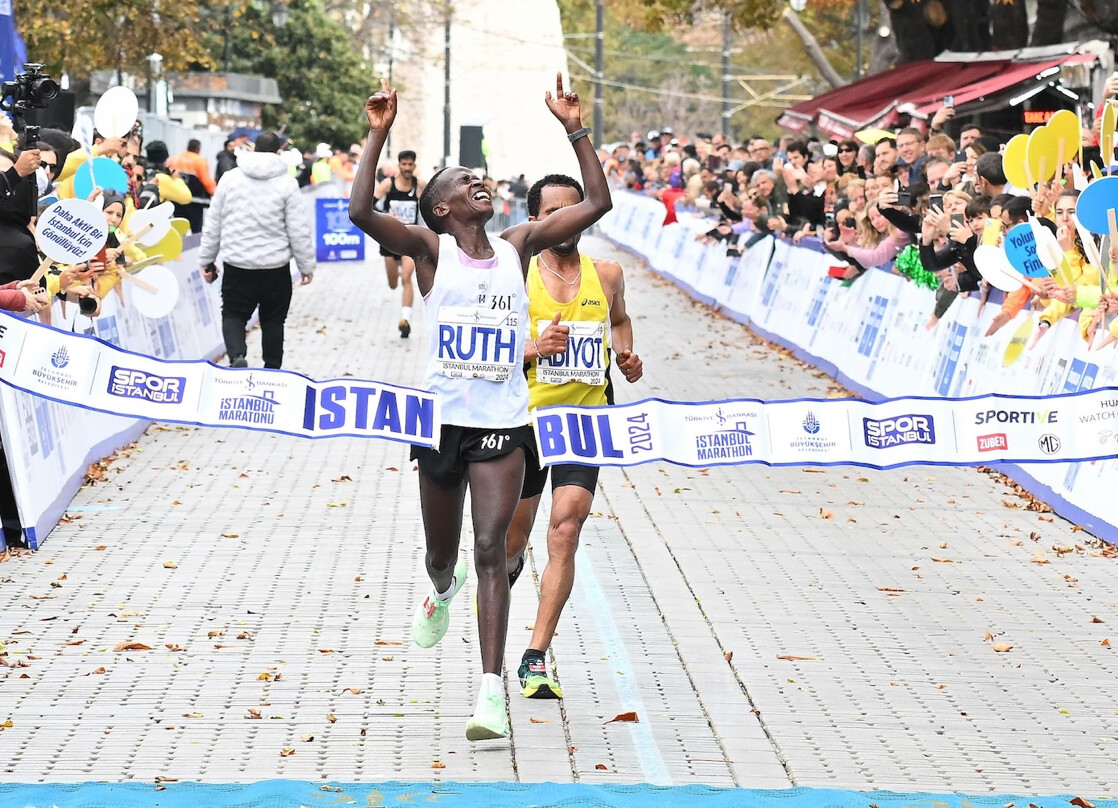
Organizers from Spor Istanbul have already registered 42,000 participants, including shorter-distance races, with around 6,000 runners tackling the full marathon. The unique course begins on the Asian side of Istanbul, crosses the July 15 Martyrs Bridge, and finishes in the historic old city near the Blue Mosque. Registration remains open until October 14 at maraton.istanbul.
“We are delighted to be organizing the Türkiye İş Bankası Istanbul Marathon, the world’s only intercontinental marathon, for the 47th time,” said Race Director Bilge Donuk. “The participation of defending champions clearly demonstrates the prestige and consistency of this race. Istanbul will, as always, offer participants a truly exceptional marathon experience on an international level.”
Men’s Race

Debela, 30, bounced back from injury last year to win in 2:11:40, the biggest triumph of his career. With a personal best of 2:05:46 from Chicago 2019, he enters as the fastest man on the start list.
His main challengers include:
• Rhonzas Kilimo (Kenya) – PB 2:06:09, runner-up in Seoul 2024.
• Denis Chirchir (Kenya) – PB 2:07:17, winner in Kosice 2024, trained by renowned coach Renato Canova.
• Amanal Petros (Germany) – fresh off a silver medal at the World Championships in Tokyo, and a close training partner of Chirchir.
• Jake Robertson (New Zealand) – PB 2:08:26, returning from injuries but still a dangerous contender.
Women’s Race
Defending champion Ruth Jebet dominated last year with a 2:24:45 win—nearly nine minutes ahead of the field—despite tough winds. The 2016 Olympic steeplechase champion and former world record holder holds a marathon best of 2:23:08 and is targeting sub-2:20 in Istanbul.
Her challengers include:
• Tigst Getnet (Ethiopia) – PB 2:23:17, 5th in Dubai 2023.
• Sofia Assefa (Ethiopia) – PB 2:23:33, Olympic steeplechase silver medalist behind Jebet in 2016, now meeting her rival on the roads for the first time.
With strong returning champions and formidable challengers, Istanbul once again promises a world-class marathon staged in one of the most spectacular settings in global road running.
(10/02/25) Views: 63Race News Service
