

Running News Daily
Top Ten Stories of the Week
9/24/2022
These are the top ten stories based on views over the last week.



Broken mile repeats to negative-split training for your upcoming half-marathon
When training for a half-marathon, longer interval workouts are essential to developing your top-end speed. One-mile repeats are a combination of speed and endurance, two things needed in a half-marathon, and are often prescribed by coaches to help raise your aerobic threshold. But these repeats can feel long and tedious, especially if they are in your training plan every two weeks.
Instead of doing one-mile repeats, try this broken-mile workout designed to help you negative-split your next half marathon.

The workout
Four to six reps of 1,000m, 30 seconds jog rest, 600m with 2 minutes stand or slow jog rest between reps.

Start with 10 to 15 minutes of warm-up and dynamic activation.
The strategy behind the workout is to do the 1,000m (or 1K) at your goal half-marathon pace, take a short rest, then 600m at a faster yet comfortable pace. You want to negative-split the rep, with your final 600m to be at a faster pace than your first 1,000m.
Between reps, jog slowly for two minutes or take standing rest. End the workout with 10 to 20 minutes of cool-down jogging.
Training for a negative split teaches you how to manage your energy and pace yourself properly. If you can complete six reps at your goal pace for the 1,000m reps, you should have no problem sticking to pace through the 10K in your half-marathon, making sure you don’t blow up during the second half.
Negative splitting takes a lot of discipline, and practising it in training can help you build up confidence in the second half of the race.
(09/20/22) Views: 111Marley Dickinson
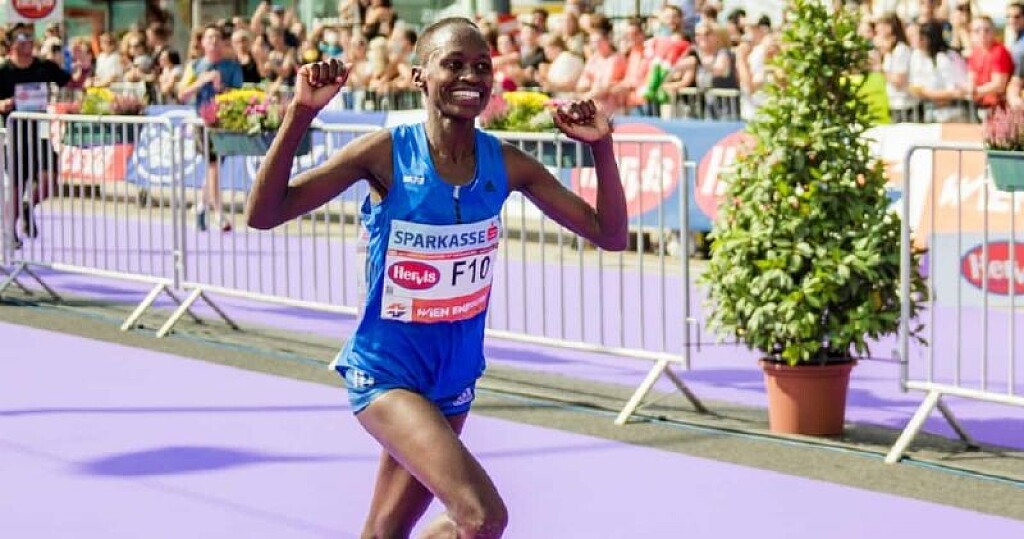
Two-time Vienna champion Vibian Chepkurui now targets Berlin glory
Two-time Vienna Marathon champion Vibian Chepkurui has set her sights firmly on successfully graduating to the World Marathon Majors and claiming the Berlin title this Sunday.
Chepkurui, who trains in Iten, Elgeyo Marakwet County, has been preparing for the Berlin Marathon for the last three months and is confident of a good outing on the streets of Germany’s political capital.
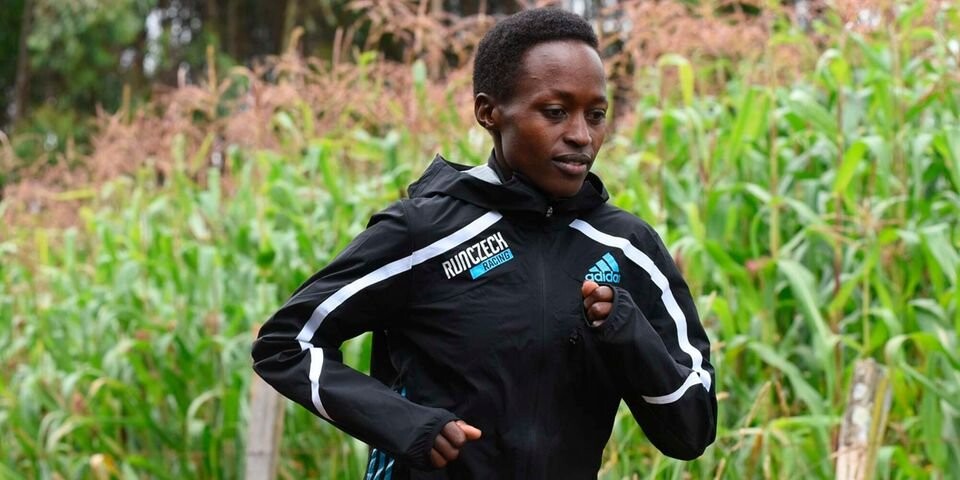
Kenya will be seeking to recapture the title that Ethiopia bagged in the last two editions with Gotytom Gebreslase having won last year while Ashete Bekere bagged victory in 2019.
The last Kenyan athlete to win the race was Gladys Cherono who ran a course record two hours, 18 minutes and 11 seconds in 2018. Cherono has since retired from elite running.
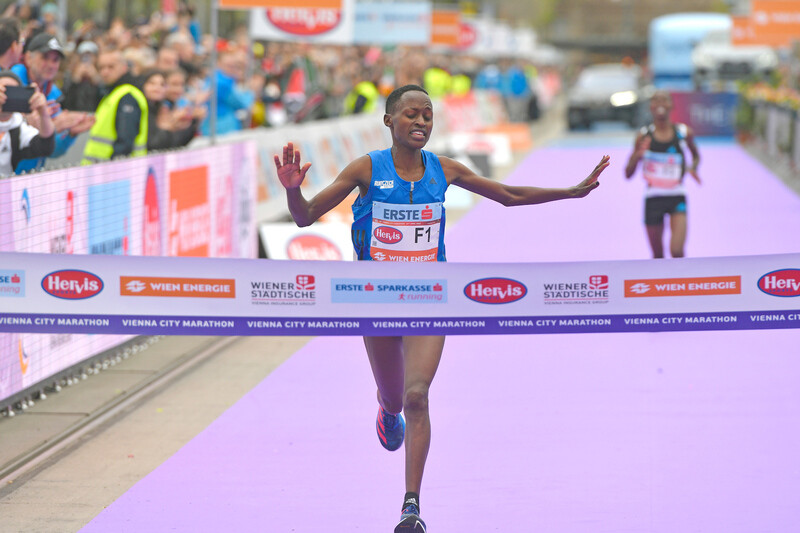
“My target in Berlin is to run my personal best from 2:20:59 to 2:18 and I believe if the weather conditions will allow, I will be able to hit the target,” Chepkurui, who is managed by Ikaika Sports Management, told Nation Sport at her home.
She said that after running well in this year’s Vienna Marathon in April where she clocked a course record, she is confident of an “impressive race” in her first major marathon.
(09/21/22) Views: 110Bernard Rotich

Eilish McColgan will race Great Scottish Run 10k on October 2
British and European 10km record-holder will take on distance on the streets of Glasgow.
Eilish McColgan will be back on home turf this autumn as she takes on the Great Scottish Run on October 2.
The 31-year-old holds the British and European 10km record – a time of 30:19 which she set at the 2022 Great Manchester Run – and will be confident of another fast time in Scotland’s biggest city.
McColgan was meant to make her much anticipated marathon debut in London on October 2 but after experiencing low blood sugar levels during long training runs – a condition called ‘rebound hypoglycaemia’ – she delayed her first taste of 26.2 miles until April.
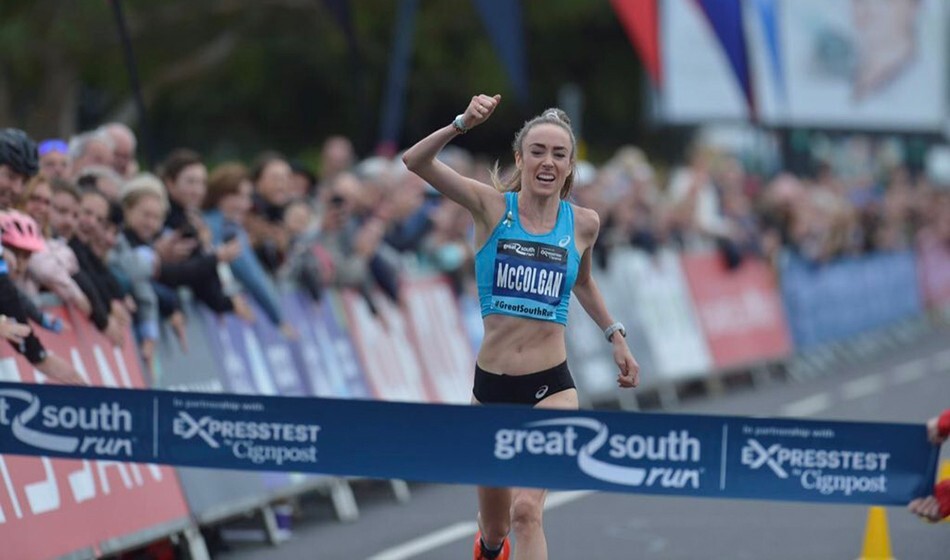
The Scottish athlete has had a quite extraordinary year that has seen her set British records over 5km, 10km and the half-marathon, while on the track McColgan also claimed four major championship medals, including a famous Commonwealth 10,000m gold medal for Scotland in Birmingham.
She became the first British distance runner to compete in six championships outdoor finals in the same season and covered an astonishing 31 miles over five weeks on the track.
At the Great North Run (September 11), McColgan was the official honorary starter, setting 60,000 runners on their way from Newcastle to South Shields in the world’s biggest half-marathon.
“It’s been a great year for me, culminating in my medals on the track, the highlight was my Commonwealth Games victory, roared on by the crowd,” McColgan said.
“After postponing my marathon debut until next year and being involved in last weekend’s Great North Run, I feel I have one more race left in me this season.
“I can think of no better place to do that than to come home and take to the streets of Glasgow over 10km on October 2 at the Great Scottish Run.”
“It was a real honour to see Eilish get the Great North Run underway last weekend,” Paul Foster, Chief Executive of the Great Run Company said. “She has been an amazing ambassador for our sport and continues to inspire people around the UK on and off the track.
“It’s an incredibly exciting prospect to have Eilish completing a stellar season with a debut performance at the Great Scottish Run. I’m sure our runners will be delighted to have the opportunity to run alongside her in person.”
“The Great Scottish Run is one of the UK’s premier running events and Scotland’s biggest 10km & half-marathon.
(09/17/22) Views: 90Tim Adams
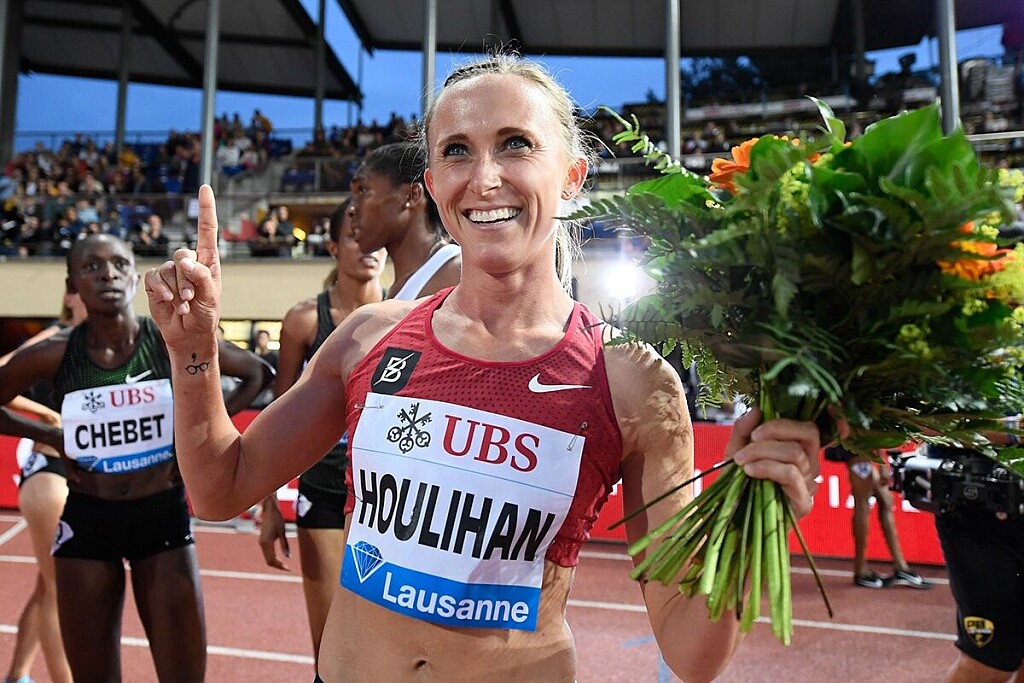
An Olympian, a burrito, a failed drug test: Former ASU runner Shelby Houlihan looks to rebound after doping ban
On a cloudy, characteristically cool December night in Beaverton, Oregon, Shelby Houlihan, the American record holder in the 1,500 and 5,000 meters, accompanied Courtney Frerichs, the Olympic silver medalist in the steeplechase, and Frerichs’ sister, Lindsey, to an authentic Mexican food truck near her home.
The three ordered carne asada burritos and returned to Houlihan’s house to eat and watch “The Bachelorette.”

The next morning, on Dec. 15, 2020, the former Arizona State standout was given a random drug test. Weeks later, in mid-January, Houlihan was notified in an email from the Athletics Integrity Unit (AIU) that her urine sample revealed the presence of 19-norandrosterone (19-NA), a metabolite produced by the substance nandrolone – an anabolic steroid prohibited by the World Anti-Doping Agency (WADA).
She was issued a provisional suspension, which set off a cascade of events that led to a four-year ban, knocked her out of the U.S. Olympic Trials leading up to the Tokyo Olympics and will bar her from competing until January 2025 when she will be almost 32.
It is, Houlihan said, “an athlete’s worst nightmare.”
Houlihan, 29, has lost the financial support of Nike. She also saw former teammate Gabriela DeBues-Stafford leave the club rather than risk sanctions because of the Bowerman Track Club continued relationship with Houlihan.
Houlihan said her initial response to the positive test was “shock and disbelief.” She wondered, “How am I going to explain (the presence of a banned substance) when I don’t even know where it came from myself?”
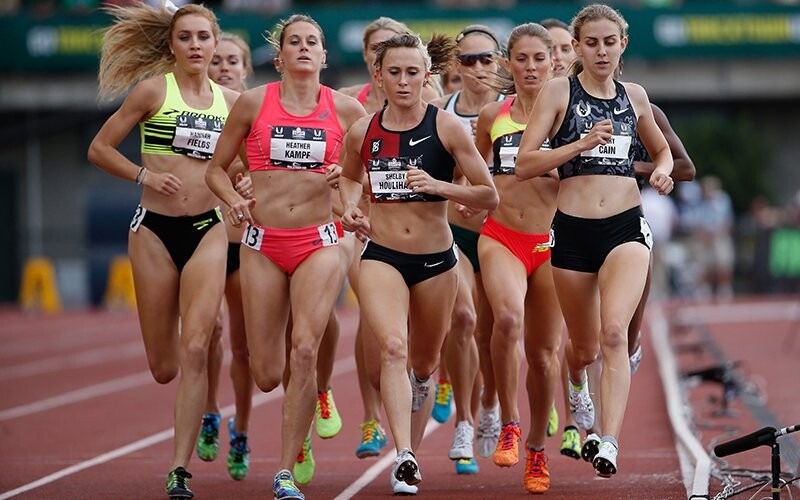
Houlihan was at a high-altitude training camp in Flagstaff when she received the email.
“I opened up my phone to an email that was urgent, confidential and … it was this lab report of scientific words that I could not read,” Houlihan told Cronkite News.
The Sioux City, Iowa, native said she read the email over about 10 times and had to Google which substance triggered the positive test, because she had never heard of nandrolone.
Then she called Jerry Schumacher, her coach at BTC, the professional Nike club that Houlihan had trained with since graduating from ASU in 2015.
“I’m just sobbing and trying to tell him what’s going on, but crying too hard,” Houlihan said.
The long road
Today, Houlihan lives alone in Portland and said she has relied on her former BTC teammates, her boyfriend and her family for support. She does odd jobs, including food delivery, and continues to train with the hope of returning to competition at an elite level.
It is not a situation she envisioned growing up in Sioux City, Iowa, surrounded by runners, including her mother, Connie, and her uncle, Bob Prince, who competed in college.
After winning several state titles at Sioux City East High School, Houlihan continued her success at Arizona State, where she won the NCAA 1,500 meters in 2014 and finished as a 12-time All-American, the second-most in program history.
She holds five school records: the outdoor 800 and 1,500 meters, and the indoor 800, mile and 3,000.
That success set the stage for 2016 Summer Olympics, where she finished 11th in the 5,000 meters and was the highest-placing U.S. runner in the race.
She also finished fourth in the 1,500 meters and set the American record at the 2019 World Outdoor Championships.
More Olympic success felt inevitable.
Shock and disbelief
Elise Cranny, a close friend and former Bowerman teammate of Houlihan’s, remembers that news of the positive test “didn’t really sink in” at first.
“I came back to the house, and I was like, ‘Man, something is very off … something is not right,’” said Cranny, who was living with Houlihan during the camp. “I think the initial reaction from everyone was disbelief, and like, ‘Oh, this is something that’s going to get figured out’ because it’s seriously wrong.”
Schumacher and Houlihan called attorney Paul Greene to “just try to figure out a game plan” and investigate further what could have happened.
The first step was a pregnancy test because nandrolone can be found in pregnant women. After she determined she wasn’t pregnant, Houlihan compiled a log of everything she ate the week before the test. She scoured text messages, bank statements, food receipts and iPhone locations to determine everything she had consumed.
“I was able to piece it together pretty well,” Houlihan said. “And then, ultimately, we just felt like the food truck the night before had to be the most likely source.”
Houlihan wouldn’t name the establishment that served her the burrito because she doesn’t “want to mess with any lawsuit.” However, she isn’t blaming the food truck.
“I don’t think they did anything wrong,” Houlihan said. “I think it just kind of happened.”
While Houlihan and her BTC teammates frequently ate at that food truck, she recalls that she received her order more quickly than usual, and the foil-wrapped burrito was unlabeled.
Houlihan believes she may have been mistakenly given a burrito containing offal (pig organ meat), which can contain nandrolone.
She remembers the meat in the burrito being finely chopped and that grease pooled in the foil. She said it seemed more rich than the burritos she had eaten there before, so much so that she was unable to finish it despite being very hungry after eating little else that day.
“We knew (nandrolone) can be found in pig offal, and we knew that I ate at a food truck that served pig offal 10 hours before (the test),” she said. “And we knew that when you ingest it, it can be at its highest levels 10 hours after ingestion, and that’s the exact kind of time frame that I had eaten that.
“And so as unlikely as all of those things were, it just seemed like the only thing that we could say, ‘All right, this makes some sense,’ and that’s really the only thing that we had to go on.”
Houlihan was the only one among the three who ate at the food truck who was tested.
A search for answers
She provided a hair sample that was examined by a toxicologist and it showed no trace of nandrolone. She also passed a polygraph examination that concluded she was not lying when asked if, at any time, she knowingly or intentionally ingested nandrolone.
Houlihan’s urine tests taken Nov. 22, 2020, Jan. 23, 2021, and Feb. 4, 2021– before and after the positive test – all were negative. She also had her vitamins and supplements analyzed by a lab.
The previous urine tests and the lab report convinced Houlihan that it’s unlikely the positive result was triggered by a supplement or vitamin she was taking. She is still being randomly tested and all of her ensuing tests have come back clean.
She believes that given “the information that we have right now, (the burrito) is the only thing that kind of makes any type of logical sense.”
Houlihan hired a private investigator to trace its sources of meat, but the effort was unsuccessful.
The private investigator found that the food truck owner purchased 30 pounds of pork stomach in a frozen batch from Iowa Beef Processors in September of 2020. However, the owner had no box or label from the meat used in December that could be traced to its processing plant.
And the investigator couldn’t determine whether the owner used pork from a castrated or uncastrated boar. Houlihan’s attorney argued it must have been uncastrated boar meat that triggered her positive test.
When the AIU officially charged Houlihan four months later, the U.S. Olympic Trials, scheduled for June 18-27, were fast approaching. Houlihan decided to go straight to the Swiss-based Court of Arbitration for Sport (CAS) to avoid missing the trials.
The CAS rejected Houlihan’s explanation of what happened and banned her from the sport for four years on June 11, 2021.
Houlihan’s ban lasts until Jan. 13, 2025. She missed last summer’s Tokyo Olympics, the 2022 World Athletics Championships in Oregon, and she’ll miss next year’s World Athletics Championships in Budapest and the 2024 Paris Olympics.
The CAS’s three-member panel found that Houlihan’s “explanation that the 19-NA in her sample resulted from her consumption of the meat of an uncastrated boar simply cannot be accepted. The explanation presupposes a cascade of factual and scientific improbabilities, which means that its composite probability is (very) close to zero.”
Lacking evidence
The panel said that Houlihan failed to prove that the burrito she ate contained boar offal.
“First, the athlete would have had to have been served pork at the food truck despite ordering beef,” the court said. “Second, the pork consumed would not have been ‘normal’ pork product ordered by the food truck, but uncastrated boar. Third, uncastrated boar enters the food chain through completely different channels than pork.”
The panel said that the polygraph result and Houlihan’s hair sample were not “sufficient for the Athlete to rebut the presumption that the ADRV (anti-doping rule violation) was intentional.”
The court also said the concentration of nandrolone in Houlihan’s urine was “2-3 times higher than the highest values reported in the scientific literature after the ingestion of much more significant quantities of meat of mature (uncastrated) boar.”
On June 14, 2021, Houlihan publicly announced she tested positive for nandrolone and would not be competing at the upcoming Olympic Trials. Because Houlihan hadn’t been racing, many thought she was battling injuries instead of serving a provisional suspension.
“And at the end of the day, the panel didn’t think it was probable enough, which is unfortunate,” Houlihan said. “But yeah, I mean, that’s the only thing that we really have as an explanation. I hope at some point, maybe some more information pops up, and maybe it’s something else entirely. I don’t know. But it would be great to have an answer at some point.”
In May, Houlihan appealed the suspension to the Swiss Federal Tribunal.
She lost. It was her last opportunity.
The hardest part to watch, Crany said, “is her getting renewed hope through the appeal process or through different things, and then seeing her kind of have that life back in her eyes again, just for it to come crashing down.”
At one point, Houlihan was offered a reduced sentence – a three-year ban instead of four years – if she admitted guilt.
She refused.
“I never even considered that to be an option, because I knew I didn’t take (nandrolone) intentionally,” Houlihan said. “And I wasn’t going to admit to something that I didn’t do. At least I fought for myself and tried to do the right thing. But taking accountability for something that I didn’t do, it’s definitely not on the table for me.”
Houlihan thinks the system is flawed because the doping agency never had to prove she took a banned substance.
“There was obviously something in my system and I understand that I have a responsibility for what’s in my body,” Houlihan said. “But I think knowing that I never intentionally put it there and (I’m) still having to serve a four-year ban is definitely a flaw in the system. I don’t feel like they did their due diligence in trying to figure out what the truth was. It was just at the end of the day I couldn’t, beyond a reasonable doubt, prove where it came from.”
Houlihan said she believes the burden of proof should be shifted and “split 50-50 between the doping agency and the athlete.” While she believes that she should have to prove what triggered the positive test, she also believes the doping agency should have to prove that she intentionally cheated.
“Just even the playing field a little bit,” Houlihan said. “If you’ve ingested something, it’s almost impossible to try to figure out where that is. Because you’re getting notified a month or two later, I don’t have the source anymore. So it’s just a really impossible task to try to figure out. And I think it’s pretty flawed that if you can’t figure it out, it’s just an automatic four-year ban, and you’re treated like a doper.”
A new normal
Houlihan’s life today includes strong family and friend support.
Cranny said she had a lot of conversations with BTC teammates to make sure Houlihan felt supported.
“What you initially think of is her mental health and someone’s life being completely ripped out from under them and not being able to do what you love to do and what she feels like she’s been born and made to do,” Cranny said. “In the beginning, you worry about her being by herself, and making sure that she has people around her and she feels supported.”
Shelby’s mother, Connie Houlihan, who lives in Phoenix, said she is worried about the mental toll on her daughter.
“You’re afraid of suicide,” Connie Houlihan said. “You know, everything’s a possibility … with depression and with something that critical that they took away from her. You don’t know. Of course, you’re scared to death.”
Connie said a couple of Shelby’s sisters went to be with Shelby right away because they didn’t want her alone. Shelby wouldn’t let her parents come visit, however, because, Connie said, “she was so overcome.”
“I think, if we would have flown there right away, she would have … this is the way she explained it to me, ‘That it would have made it all too real.’
“She was really struggling dealing with it,” Connie said. “She was crying all the time. But I think that was the hardest part for us that we couldn’t just jump on a plane and go and be with her because we respected her decision.”
Chloe Houlihan, one of Shelby’s five sisters, said her sister remained “very resilient through everything.” She said she has tried to be someone Shelby “can talk to when she’s kind of struggling.”
Shelby no longer trains with her BTC teammates, something which Chloe said has been difficult and “a little bit isolating” for her sister.
Until May, Houlihan was paying Schumacher to coach her as an independent athlete, but she confirmed she’s now training entirely by herself – using six years of past training logs as a reference.
“We just felt it was best to maybe cut ties for a little bit,” Houlihan said. “I think there was just a lot of publicity going on around me and him still working together. There was just a lot of scrutiny, I think.”
Some of that publicity and scrutiny was fueled by DeBues-Stafford’s decision to leave BTC because of Houlihan.
A two-time Canadian Olympian who placed fifth in the 1,500 at the Tokyo Olympics, DeBues-Stafford announced in April she left BTC due to Houlihan’s continued ban involvement with BTC at the time.
“Fundamentally, I left the Bowerman Track Club because, despite my best efforts, I was unable to verify that the club was not in violation of World Athletics anti-doping regulations,” DeBues-Stafford said in an interview conducted via email.
DeBues-Stafford was concerned that Houlihan was working out “under the guidance of” the three BTC coaches (Schumacher, Shalane Flanagan and Pascal Dobert) at the same location and times that other BTC athletes were working out while under the supervision of the same coaches.
“While we never did a rep together, there was still what felt to me like an unnecessarily risky proximity between both men’s and women’s teams and an athlete serving a ban,” DeBues-Stafford said.
According to DeBues-Stafford, Houlihan would also use the private gym – built at Schumacher’s residence for BTC athletes to use – at the same time BTC athletes were there under staff supervision.
“Shelby would drive to the Nike campus up to four times a week at the team’s regular time and the starting point for our regular daily runs together so she could run with us,” DeBues-Stafford said. “If she arrived before us, she would wait for BTC athletes at the meeting spot to see if any BTC athletes arrived so she could run with us. These sometimes included long runs. She also ran with the team on a regular basis at altitude camp in Flagstaff.”
Houlihan said she and her attorney inquired about the rules of her ban and were told that she couldn’t go to any practices or work out with anyone on the team, but if she happened to bump into them and they were running at the same place, then she could run with them.
“My attempts to discuss my concerns with team staff were rebuffed, as were the earlier and more sustained efforts of other teammates,” DeBues-Stafford said.
BTC did not receive independent legal advice on the issue, DeBues-Stafford said. She also said Houlihan shared accommodations with a full-time member of BTC staff during the Flagstaff camp, and those accommodations were used for organized BTC athlete support activities.
“When I asked if Shelby’s lawyer had explicitly asked the AIU about her using the same gym as BTC and about how to handle the altitude trip, I did not get a clear response,” DeBues-Stafford said.
DeBues-Stafford said she “independently sought answers,” and reached out to an anti-doping organization to verify that BTC’s collective behavior was within the rules and that there was no liability on anyone other than Houlihan.
According to DeBues-Stafford, “the anti-doping organization could not guarantee that the actions of BTC and Shelby did not constitute a violation, and could not guarantee that other athletes and support staff couldn’t face repercussions either.”
She said the anti-doping agency cited two rules in the World Anti-Doping code and advised her to leave BTC and submit an official anonymous tip to the AIU.
A trying time
While Schumacher and some of Houlihan’s other teammates knew about her positive test in January of 2021, DeBues-Stafford did not learn about Houlihan’s positive test until a couple of days before the team publicly announced the ban about six months later.
“Learning this news in mid-June almost derailed my Olympics,” DeBues-Stafford wrote in an Instagram post in April. “It was a small miracle that I showed up in Tokyo in shape to run sub-four (minutes) twice in 48 hours and place fifth.”
Houlihan said she was “surprised” and felt “blindsided and hurt and confused” by DeBues-Stafford’s social media posts because DeBues-Stafford had not told her about her concerns.
“I never knew that that was a problem for her,” Houlihan said. “And I’m not sure why she didn’t reach out to me. I reached out to her after I read her posts.”
Houlihan said she apologized to DeBues-Stafford for being affected by her situation.
“I think she just felt like she didn’t want to add to what I was going through by bringing it to me, which I don’t agree with, personally,” Houlihan said. “I felt like I would have rather had that conversation with her and I would have been more than glad to try to help that situation for her in any way, instead of what ended up happening. I think that was a lot worse – what ended up happening – than her just coming and talking to me about it.”
DeBues-Stafford has since moved to Victoria, B.C. and is now coached by Trent and Hilary Stellingwerff.
“When I told Jerry (Schumacher) I was leaving BTC due to the lack of separation between Shelby and the group, he asked if I really wanted to leave, given he was thinking of possibly no longer coaching Shelby if she lost her appeal at the Swiss Federal Tribunal,” Debues-Stafford said.
Debues-Stafford said Houlihan was still driving to the Nike campus and running with BTC when Debues-Stafford left Portland on March 31.
“Growing fear over the team potentially breaking rules, coupled with frustration at the lack of action by the team left me in an awful and unsustainable headspace,” DeBues-Stafford said. “I left altitude camp early at the end of February to get some breathing space and made my decision to leave the team.”
A powerful influence
Cranny said she misses running with Houlihan and credits her for pushing her to succeed.
“I think of her all the time when I’m racing now,” Cranny said. “She’s a huge reason why I feel like I am where I am right now in my own running. She just really opened my eyes to the importance of not limiting yourself and putting yourself in it.”
Although BTC could look a lot different, Houlihan would still like to eventually come back to the group once her ban is up.
“I definitely would like to rejoin Bowerman,” Houlihan said. “That’s like my family, basically. I’ve been a part of that group since I went pro in 2015 and I know those athletes so well. And I know that that training environment is great for me.”
Cranny also wants Houlihan to rejoin BTC and said she can’t picture her former teammate anywhere else
“It feels like this is her family,” Cranny said. “I feel like everyone here is really supportive of her, really close friends with her. So I hope (she rejoins BTC). That’s something that we’ve definitely talked about as a team is wanting to work out with her again once the ban is up.”
When asked if she thinks she can still compete at the elite level once the ban is up, Houlihan said, “I guess that’s one thing that we’re just gonna have to find out.”
Houlihan is no longer a member of BTC nor being paid by Nike. She spent $250,000 in legal fees fighting her ban without any financial support from the Beaverton-based shoe and apparel giant.
“They said that they support me, and they believe in me, but as far as financially, I haven’t really received any support from them in that way,” Houlihan said.
Houlihan lost her six-figure professional contract with Nike and hasn’t had a paycheck in over a year. Her Nike deal also gave her the opportunity to earn performance-based bonuses on top of her base compensation, income that is also gone.
Houlihan’s mom called the entire process “an injustice” and said it wouldn’t make sense for her daughter to jeopardize her Nike contract by doping.
“Why would somebody with a contract that she had and the money that she was making, why would she cheat?” Connie said. “She had a contract (with Nike) through the (Tokyo and Paris) Olympics like, why would you cheat?”
Houlihan said Nike hasn’t offered her a job, either.
“I’ve been doing some food delivery things like DoorDash and stuff, just to try to make a little money on the side, but yeah, just trying to get by.”
Houlihan continues to train but admits it is difficult.“It’s been really challenging, to be honest,” Houlihan said.
As she trains alone, without her former coaches and teammates for support and motivation, Houlihan said she sometimes stops halfway through a workout or doesn’t always finish it at all. She finds it more difficult to hit her targeted times.
“I think it’s easy to do that when I’m having a great time and I’m having fun, and I’m finding joy in running,” Houlihan said. “But a lot of the things that make it fun aren’t really there for me right now.”
(09/16/22) Views: 89David Veenstra (Cronkite News)
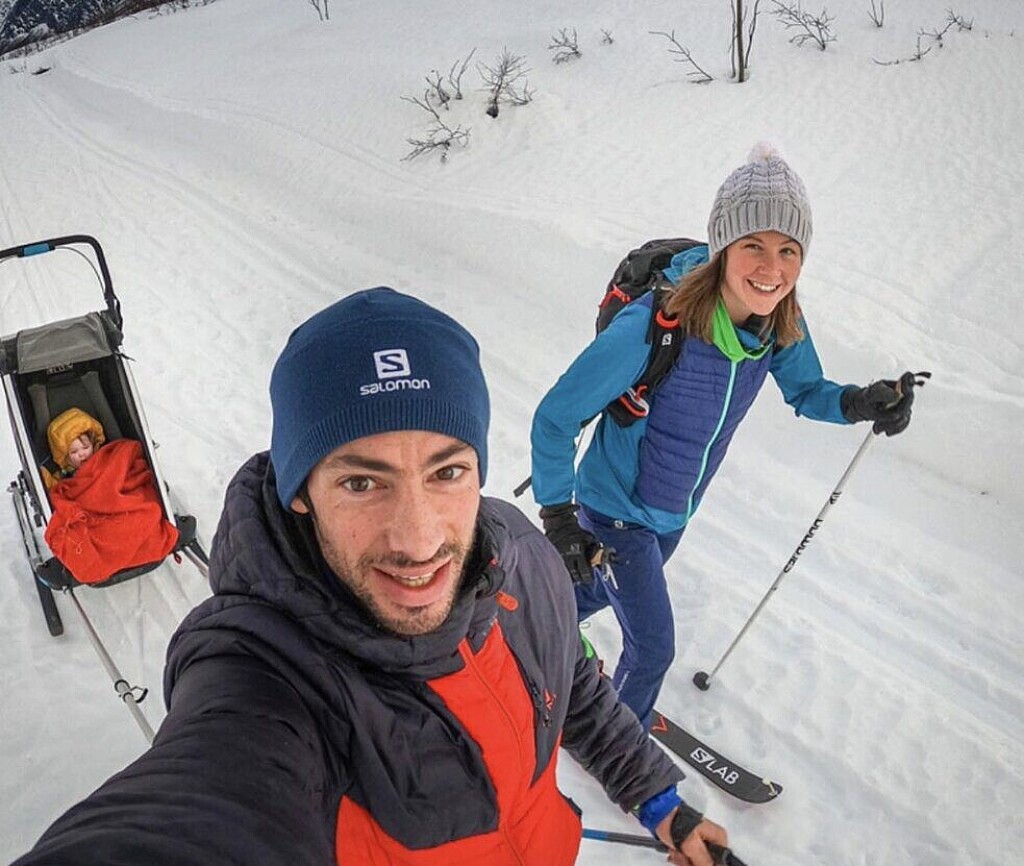
This nutritious pizza is fuel for the fastest, you might not be able to run as quickly as Kilian Jornet and Emelie Forsberg, but you can definitely eat like them
Power-ultrarunning couple Kilian Jornet and Emelie Forsberg have it all–glorious mountain miles to run surrounding their home in Norway, the launch of athletic brand NNormal, and delectable home-cooked meals baked from their small family farm. While Jornet recently won both Hardrock 100 and UTMB, Forsberg is an accomplished athlete herself and details her running journey in her book Skyrunner.
Forsberg is also the co-founder of Moonvalley, a plant-based sports nutrition company, with fellow pro runners Ida Nilsson and Mimmi Kotka. Forsberg has a simple pizza recipe that is so easy and versatile you’ll want to have it on a weekly rotation.
Homemade pizza is a family favourite at my house. Since our kids were little, my husband and I have taken turns whipping up a batch of pizza dough, pulling out whatever vegetables we find in the fridge and letting everyone create their own masterpieces. The best part about pizza is that it’s easy to cater to everyone’s unique tastes–try a double batch of dough or split this recipe into four for individual pies.

Emelie Forsberg’s ‘Fast Food’ Veggie Pizza
Ingredients (makes two pizzas)

Dough:
2 1/4 cups almond flour (since there is no yeast in this recipe, Forsberg suggests any type of flour without wheat, including corn, coconut, chickpea, or a combo)
3/4 cup water
1/2 tsp salt
1/2 tsp garlic powder
1/2 tsp baking powder
1 Tbsp vegetable oil
Toppings:
assorted veggies of choice (mushrooms, beets, eggplant, tomato)
tomato sauce
cheese (can use vegan)
arugula for topping
Directions
Mix all the dough ingredients together well. Roll out the dough on some parchment paper and pre-bake it for 5 mins at 225 C (440 F).
While the dough is pre-baking, start chopping your veggies. Forsberg says she throws in what she has at home, and if she’s in a hurry will simply use plain store-bought tomato sauce.
Add tomato sauce, veggies, and your choice of cheese, and pop back in the oven at 220 C for approx 10 more minutes. Top with arugula and enjoy.
(09/21/22) Views: 82Keeley Milne
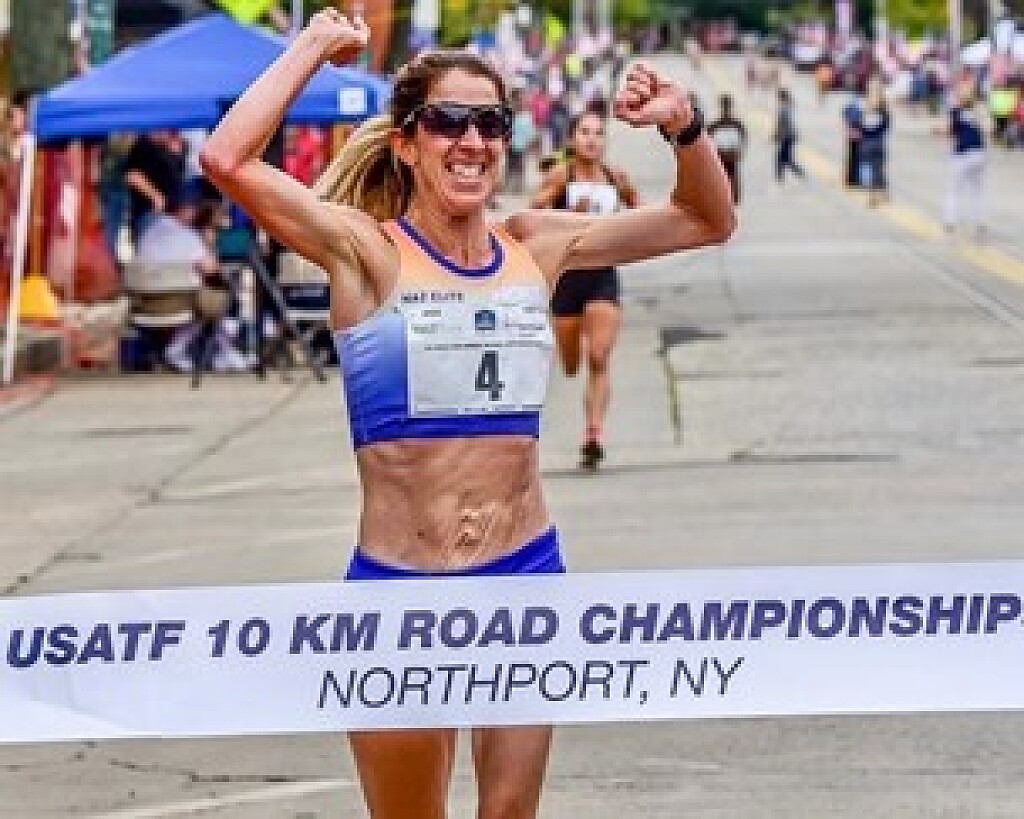
SIMBASSA, BRUCE VICTORIOUS AT THE USATF 10 KM ROAD CHAMPIONSHIPS
Abbabiya Simbassa ran an incredible final mile on the men’s side, while Stephanie Bruce used a furious kick to the finish in the women’s race, both claiming victory Saturday morning in Northport, New York at the USATF 10 km Road Championships presented by Toyota.
The USATF 10 km Road Championships was the ninth stop on the 2022 USATF Running Circuit presented by Toyota.

As the starting cannon sounded, the men’s field immediately strung out along the streets of Northport, with Jacob Thomson pushing the pace and taking over the early lead. The honest early pace kept the front pack small, with Thomson being joined by Sam Chelanga, Simbassa, and Korir, with a few second gap back to the rest of the field. With the halfway point in sight, Thomson opened a small lead over the rest of the lead quartet, passing through the 5 km mark in 14:21 and earning a half-way bonus.
Chelanga and Simbassa passed through two seconds back in 14:23, with Korir coming through 5 km in 14:27. Thomson would fall off pace shortly after halfway, with Simbassa and Chelanga taking over the pacing duties and pushing the pace over the next mile.
Korir sat just behind in third. With less than two miles to go, Simbassa pushed the pace and opened an immediate gap on Korir and Chelanga. Simbassa continued to push over the next mile, opening a nearly 20-second lead heading into the final mile of the race.
Over the final mile, Simbassa maintained both pace and form, extending his lead ever so slightly, on his way to claiming his third USATF Running Circuit title, crossing the finish line in 28:12, a new course record. Behind Simbassa, Korir and Chelanga waged an epic kick to the finish, with Korir pulling ahead by a step in the final meters to claim second overall in 28:34, while Chelanga placed third in 28:35.
Dillon Maggard, Futsum Zienasellassie, and Tai Dinger ran much of the race together Saturday, but in the end, it was Maggard pulling away in the final mile to claim fourth in 28:45. Zienasellassie earned another top-five finish on the USATF Running Circuit season with his fifth-place effort in 28:55, while Dinger finished a second behind in sixth in 28:56. Geoffrey Kipchumba claimed seventh overall in 29:00. Thomson slid back to eighth overall in 29:19. Ryan Kutch and Brian Barraza rounded out the top ten in 29:28 and 29:34.

With Korir’s runner-up finish, his second of the USATF Running Circuit season, he elevated himself to an even more dominant first-place standing, with a 104 point total. Zienasellassie’s fifth-place effort added another six points to his standings total, giving him 56.5, sitting in second place overall. Chelanga’s third-place finish moved up into third place overall in the standings with 42 points.
Early in the women’s race, a pack of four women pulled away from the field, establishing a pace that no one else could manage. Bruce, Annie Frisbie, Nell Rojas, and Ednah Kurgat formed a tight pack and worked with one another along the streets of Northport.
The quartet came through the halfway point mark in 16:05, all four looking strong and able to handle the fast pace. Little changed among the top four until the final mile and a half, when Kurgat started to dip off the back of the pace, while the other three charged ahead, seemingly only a matter of time before someone made a move to try and break open the race.
Over the final mile, Bruce charged to the lead, ramping up the pace, a move that would prove decisive. Bruce pulled away from Rojas, Frisbie, and Kurgat, and never looked back, raising her arms as she crossed the line while earning her second USATF 10 km Road title and her third USATF Running Circuit victory of her career.
Bruce finished first in 31:52, while also breaking the course record. Rojas was able to break free of Frisbie and Kurgat in the final 800m to place second in 31:56, while Frisbie finished two seconds back in 31:58 and Kurgat seven seconds back in 32:03, as the two placed third and fourth, respectively.
With her runner-up effort, Rojas added 12 more points to her USATF Running Circuit standings total, giving her 33 points overall. That addition moves Rojas up into sole position of third overall, a half point ahead of Aliphine Tuliamuk, but still well behind USATF Running Circuit standings leaders Emily Sisson and Keira D’Amato, who are tied for first with 55.5 points.
After the top four women, there was a race for fifth happening over the back half of Saturday’s contest. In the end it was Emma Hurley pulling away from the field in the final mile, racing to a fifth-place finish in 32:49. Hurley finished just ahead of Amy Davis and Molly Grabill, who ran to sixth and seventh place finishes in 32:52 and 32:54. Erika Kemp, who owned the previous course record, placed eighth overall in 32:59. Carrie Verdon took home ninth place in 33:05 and Anne-Marie Blaney earned tenth in 33:21.
Next up on the USATF Running Circuit is the USATF 10 Mile Championships presented by Toyota, which take place on Sunday, October 2 in Minneapolis, hosted by the Medtronic TC 10 Mile.
(09/17/22) Views: 81

New thinking on metabolism suggests a 20-year-old has the same metabolism as a 60-year-old
Some surprising truths about matabolism
We imagine our metabolism as a fire, flaming up when we exercise to torch calories. But that’s just a very small fraction of what it does, according to Herman Pontzer, Ph.D., an evolutionary anthropologist at Duke University, the author of Burn: The Misunderstood Science of Metabolism, and the principal investigator for a game-changing new study on metabolism.
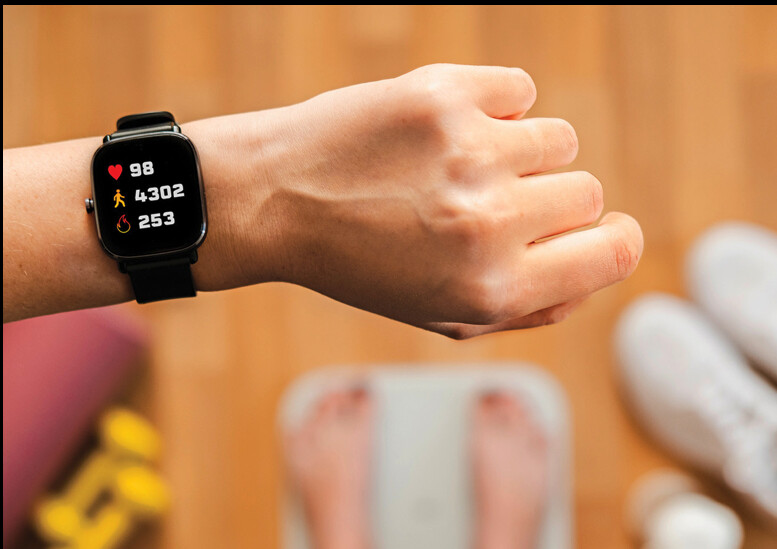
“Metabolism is the work your cells do every minute of every day,” says Pontzer. “You’ve got 37 million of them, and each cell is like a little factory churning out everything needed to keep your body functioning.” Some calories do get burned during exercise, but most of what you eat is used to fuel the continuous work your cells do.
The new research, published in Science by Pontzer and more than 80 coauthors, looked at metabolism more precisely than had ever been done before. It measured metabolism in almost 6,500 people around the world, from newborns to 95-year-olds. Once the scientists controlled for variables that affect energy expenditure, like a person’s body size and percentage of fat, they got “a clear road map of metabolism over our life span,” says Pontzer.
METABOLISM DOESN’T SLOW DOWN IN MIDLIFE
For years we’ve heard that our metabolism peaks when we’re teenagers and slows significantly as we approach middle age. But the researchers discovered that metabolism crests far earlier and declines much later, and that it has four distinct stages.
Metabolism is at its highest during infancy, and a baby’s metabolic rate is 50 percent higher than an adult’s. From ages 1 to 20, metabolism drops about 3 percent a year. Then, from ages 20 to 60, metabolism holds steady. After age 60, it slowly starts to decline (0.7 percent a year). That means for 40 years we’re burning calories at a steady rate, about 2,500 a day on average, says Pontzer. And a 60-year-old has the same metabolism as a 20-year-old!
MEN DON’T HAVE A BETTER METABOLISM
“There’s nothing special about the male metabolism,” says Pontzer. “Men tend to be bigger, and their bodies consist of more lean muscle and less fat.” Muscle uses more energy than fat, which accounts for the difference (the reason he can lose a pound faster than you can). The scientists controlled for these factors and found no difference in metabolic rate.
MILESTONES DON’T CHANGE METABOLISM
It’s a myth that pregnancy and menopause make a big difference. “These major metabolic milestones didn’t affect metabolic rate,” says Jennifer Rood, Ph.D., a coauthor of the study who specializes in research on metabolism and energy expenditure at Louisiana State University’s Pennington Biomedical Research Center. “That was a surprise. But it’s also encouraging. The fact that your rate remains steady through childbirth and into your 60s means you don’t have to work harder to maintain a healthy weight, as long as you follow a healthy diet and get the recommended amount of exercise and rest.”
HAVING MUSCLE HELPS
The types of cells you have affect the amount of work they do and the energy they burn, says Pontzer. “A cell in your fat is not as busy as a cell in your muscles,” he says. “If you have a lot of lean mass, you’re going to burn calories more efficiently than someone who has more fat mass.” That’s why exercise, particularly muscle-building strength training, can be beneficial.
Alas, a reality check: There is no proven way to boost metabolism, says Pontzer. But exercise and diet do make a difference. “Think of it this way: You’re burning a set number of calories each day, but you get to decide how to burn them,” says Pontzer. “If you expend them on exercise, you’re going to be a lot healthier and have less inflammation than someone who doesn’t. The same is true with food. You decide how to fuel your body. That’s where a healthy diet factors in.”
TIMING MEALS MATTERS
When the day begins to wind down, our body does the opposite—cranking up to be at its calorie-burning peak, according to a study published in Current Biology. “We discovered that you naturally burn about 10 percent more calories in the late afternoon than you do later at night,” says Kirsi-Marja Zitting, Ph.D., an associate neuroscientist at Brigham and Women’s Hospital in Boston, an instructor at Harvard Medical School, and the lead author of the study. That’s about 130 calories that your body is torching without any extra effort on your part.
Researchers suspect that metabolism ebbs and flows according to our circadian rhythms. At night, when we’re asleep, our systems are expending less energy, so our metabolic rate slows. Eat in those wee hours, as night shift workers do, and your body isn’t able to burn off the calories, which could eventually lead to weight gain, says Zitting. During the day, when we’re naturally active, our metabolism rises, until it crests around 5 p.m. “Previous research has shown that hunger spikes in the afternoon as well,” says Zitting. “Since that’s also when we’re burning the most calories, it makes sense that we’re hungriest then, too. Our bodies may be tuned to a late-in-the-day rhythm.”
Syncing our diets to our internal clocks can have health benefits. For general well-being, the most important thing is to maintain a regular schedule, says Zitting. “Wake up and go to bed around the same time every day,” she advises, “and have breakfast, lunch, and dinner at about the same hours as well.” Your body is primed to do things at certain times. Throw its agenda out of whack, and your sleep, health, and weight can suffer.
Also, avoid eating at extreme hours. Let’s say you get home from work at 10 p.m. Don’t consume a big meal then because your body is in slowdown mode and is less likely to burn it off, says Zitting. Instead, have a healthy dinner earlier, before you leave work.
Finally, it may help to eat your carbs early in the day and foods higher in fat at night. “Our research found that you are more prone to burn carbohydrates in the morning and lipids [aka fats] in the evening,” says Zitting. “The difference was small, but it was significant.”
(09/18/22) Views: 80
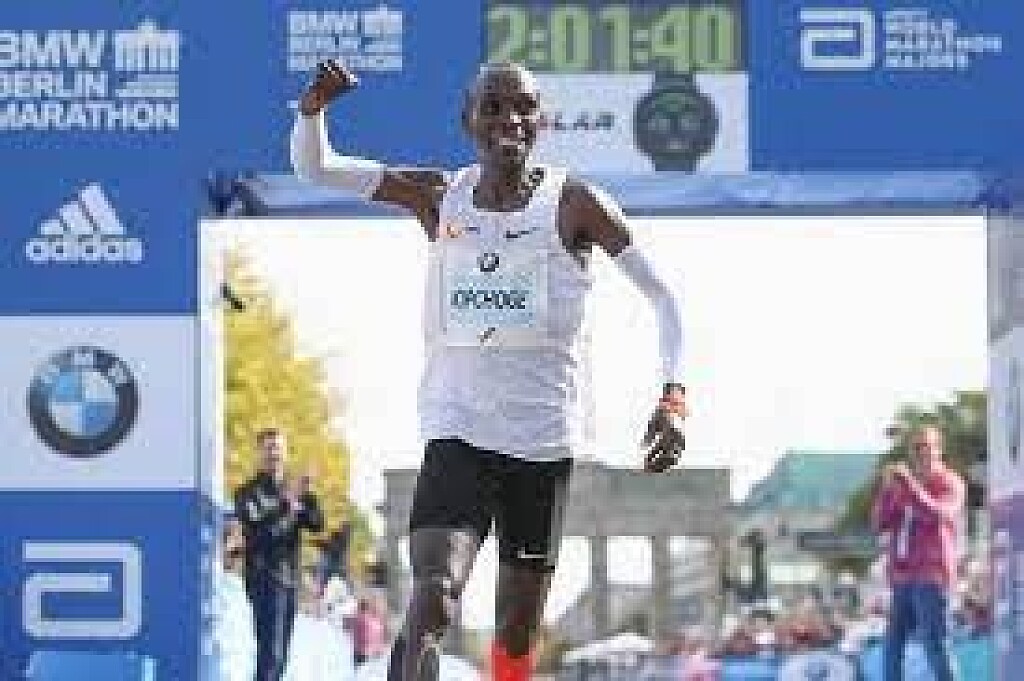
Kipchoge underlines Paris 2024 ambition, says world record could be broken in Berlin
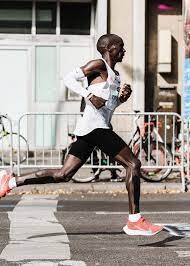
Marathon world record-holder Eliud Kipchoge has hinted he might break that mark when he runs his sixth Berlin Marathon next Sunday (September 25) - and has also renewed his vow to seek a record third Olympic title at Paris 2024.
Speaking by videolink from his Kenyan training base, the 37-year-old - who set the world record of 2 hours 1min 39sec the last time he ran in Berlin four years ago - was reluctant to be specific, but insisted with one of his enigmatic smiles: "I'm thinking of running a very good race."
"And if it is my personal best, I will accept it," Kipchoge continued.
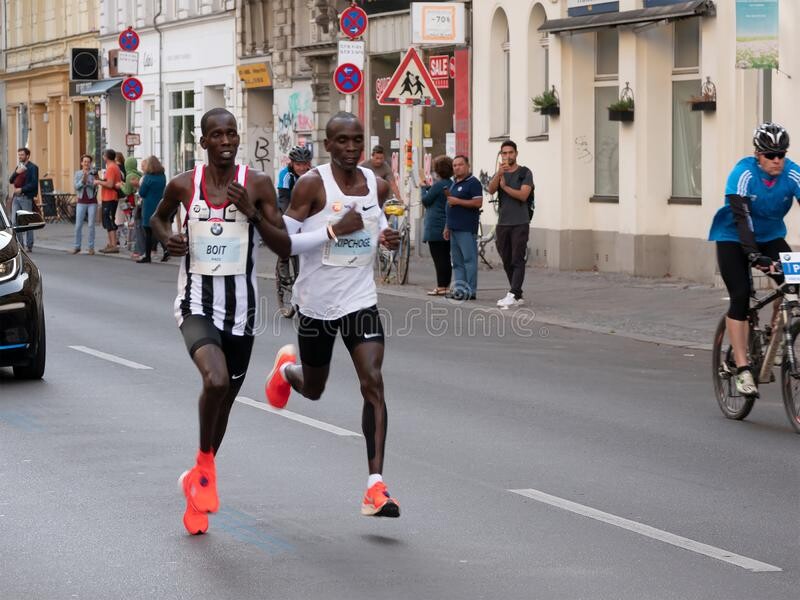
"But I don't want to commit to a time.
"I will try to push myself.
"I always say, if you want to push yourself, come to Berlin."
Each of the last seven lowerings of the men's world record have occurred at the Berlin Marathon.
In the more distant future, Kipchoge plans to add the Paris 2024 Olympic title to the ones he has already secured in Rio de Janeiro and Tokyo.
"That’s a very important thing to me," Kipchoge said.
"Because I am running to make history.
"I am running to tell young people that consistency is what we need, for performing at a high level.
"It's what the world needs.
"I trust I will be lining up in Paris 2024 and having a lot of energy to run to the gold medal."
Nobody has ever won three Olympic marathon gold medals.
In 2019, Kipchoge became the first person to run a marathon in less than two hours as he clocked 1:59:40.2 in Vienna in a specially-constructed event, although this did not count as a world record because standard competition rules regarding pacing and the provision of fluids did not apply and it was not an open race.
Kipchoge refuted the idea that it was not "a real race" today.
"What was in Vienna was a real race," Kipchoge insisted.
"If you run the marathon in sub-two hours it is a real race!
"In Vienna I was making history, and in Berlin, when I ran 2:01.39, I was making a world record.
"I trust that I have showed the way to many athletes of the next generation that one day a human being will run under two hours in a normal course, like Berlin or somewhere."
Turning his attention back to his next race, he added: "I don’t say I am going to run under two hours but I am going to run a very good race.
"I don’t like to commit myself.
"Let us call it a good race.
"And what I trust is, one of these fine days I might even run under two hours…"
(09/19/22) Views: 80
Mike Rowbottom
Moses Kibet wins Sydney marathon in record time on Australian soil
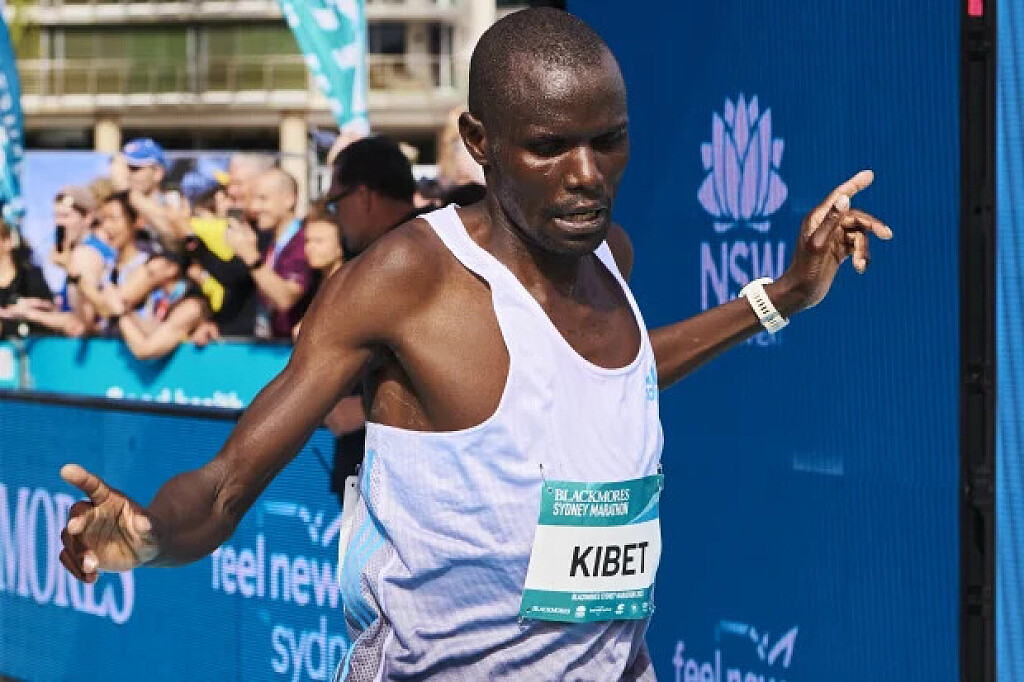
Kenyan Moses Kibet has claimed a historic victory in the Sydney marathon as the top three finishers all bettered the previous fastest time on Australian soil.
Kibet clocked a winning time of two hours, seven minutes and three seconds on Sunday, crossing the line just two seconds ahead of countryman Cosmas Matolo.
Ethiopian Chalu Deso Gelmisa – the victor in the Paris marathon earlier this year – was third in 2:07:08.
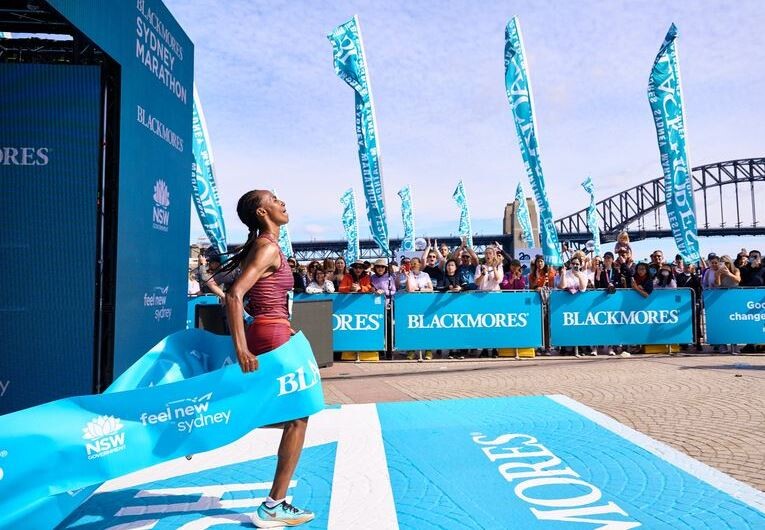
The three Africans smashed the Australian all-comers record of 2:07:50 set by Japan’s Yuta Shitara on the Gold Coast in 2019.
Ethiopia’s Tigist Girma Getachew won the women’s marathon in 2:25:10 ahead of compatriot Letebrhan Haylay Gebreslasea and Eritrea’s Nazret Weldu Gebrehiwet.

Jun Hiromichi won the men’s wheelchair marathon in 1:52.47, with Australian Richard Colman second in 1:53:28.
Australian Sinead Diver – who was a creditable 10th in the marathon at last year’s Tokyo Olympics – claimed victory in the women’s half-marathon at the Sydney Running Festival in a course record of 1:13:07.
Diver was also fifth in last month’s Birmingham Commonwealth Games marathon which was won by countrywoman Jess Stenson.
The Sydney marathon is in the first year of a three-year candidacy to join the prestigious World Marathon Majors.
(09/19/22) Views: 78

What are progression runs?
Progression runs are a worthy addition to a runner’s training arsenal, especially if you’re building up to a pace or returning from an injury.
The concept is simple. Start easy, speed up as you go along and then finish fast.
Correctly done, a progression run can provide an excellent training stimulus with less stress than a full tempo run, and it doesn’t have to be one of the main runs in your training schedule either.
It can be a lighter workout or just a way to test those legs on days in between key sessions.

Building up from a relaxed starting pace, and as the run continues, bit by bit, you edge closer to your intended goal speed.
The longer warm up and build up should leave your legs already a little taxed when you come to the meaty section of the run, but unlike intervals, this isn’t the result of multiple hard running blocks.
Building up to a pace
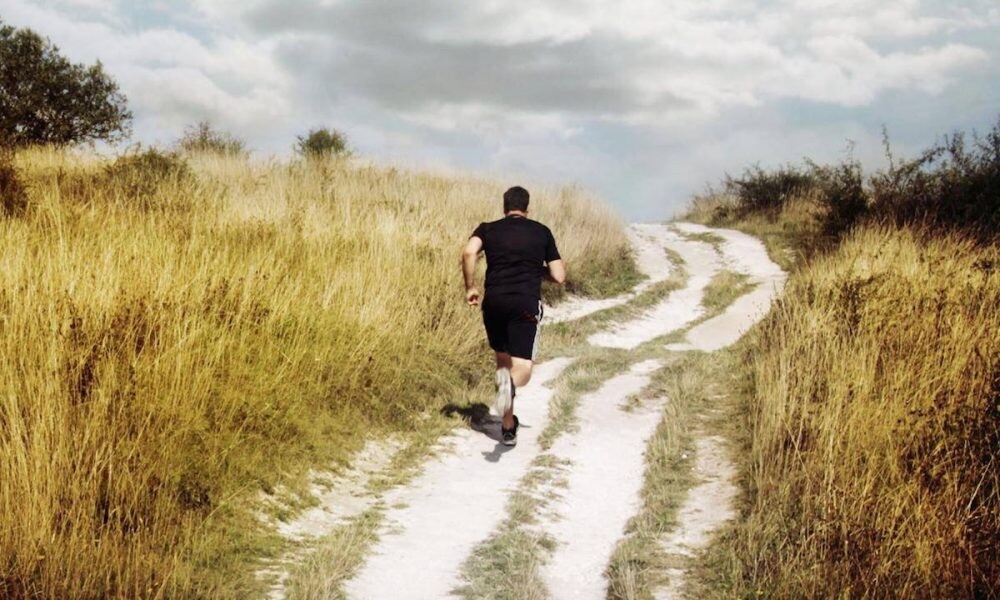
So you want to test your training progress or maybe you want to see how the legs respond to race pace?
The more this stimulus feels like race day, the better. But rather than running a full distance at your intended pace or just doing intervals on fresh legs, you build up to the speed over a few miles, and then importantly, aim to hold it.
Starting easy, and then progressing to a steady effort before a faster finish can be more difficult than simply doing a warm-up followed by intervals or a tempo run.
It can teach you to work on tired legs in the second half of a race, which is a good time for visualising that push for the finish.
Coming back from an injury
Equally progression runs can be beneficial for those coming back from injury. The extended warm up and build up of speed gets the muscles and joints ready for the higher intensity to come.
Coming back from injury is always difficult. If any issues are lingering then a progression run might highlight them before you run too fast.
When you’re building up to six-minute miles, but the legs start complaining at 6:30s then you can back off to limit any damage done.
Jumping straight into six-minute miling in that situation could result in injuries reappearing and damage the progress of your rehabilitation.
A common mistake for runners to make though is to start the progression aspect of the run too soon. You mustn’t underestimate the added difficulty compared to a straight up tempo effort.
If you don’t have the extra gears to move up into, then you’ll find yourself at top speed halfway through. That’s not fun.
Starting a bit easier allows the body to warm up correctly, keeps the steady section of the progression comfortable, and importantly means you completed the session successfully.
Types of progression runs
Progression running can be as simple or complicated as you like.
Personally, as long as the progression element is in there, set paces aren’t something I would prescribe someone I coach. This is especially true if you are running on undulating roads or trail.
An added benefit of not setting a pace is that it can encourage a runner to think a little more about their effort levels.
Treadmillin’
The main reason for doing a progression run on a treadmill is to alleviate the boredom of the ‘dreadmill’.
I find the monotony of indoor running lessens if you keep increasing the speed with every kilometre (or other set distance or time) until you fall off the back – but be careful.
A treadmill is useful for regulating those early paces and ensuring you get the right speed at the top end too. And it turns out a little computer is better at judging that pace than the human brain.
If you tell a runner to hit X pace at the start most will start out 20 seconds too quick then slow down.
Progressing the progression
The easiest way to segregate a progression run is by time. Simple go for 15/15/15 minutes or 30/10/10 with each section faster than the previous one.
You can get overcomplicated and do 1.3km at 10.3kph, 2.17 mile at 11.96kph and 3000m at half marathon pace but why make your head hurt?
Maybe on a treadmill a km/h increase every kilometre might work nicely. In the great outdoors though, such delicate pace increases aren’t practical.
Easy, steady, and then maybe marathon pace or tempo pace allows for a bit of flexibility.
Start nice and comfortable, especially the first time. There’s nothing worse than getting through 15 minutes easy, 15 minutes steady and then finding out you haven’t another gear.
You also don’t want to do a reverse progression or regression run. This is an amateur move where you start as fast as possible and then slow down.
Not an easy session
For some, especially when paced poorly, progression runs can be one of the toughest to master.
However, done correctly, this type of run can be a good session when easing back into training, testing a niggle for the first time after injury or trying out a faster pace.
It’s also worth being aware that you may already be doing progression runs unintentionally. Many of us will warm up on an easy run and, when endorphins are flowing, push the pace to finish. So don’t underestimate the training stress when you do this.
(09/20/22) Views: 77
Robbie Britton
