

Running News Daily
Running News Daily is edited by Bob Anderson and team. Send your news items to bob@mybestruns.com Advertising opportunities available.
Index to Daily Posts · Sign Up For Updates · Run The World Feed
Articles tagged #Wilson Kipketer
Today's Running News
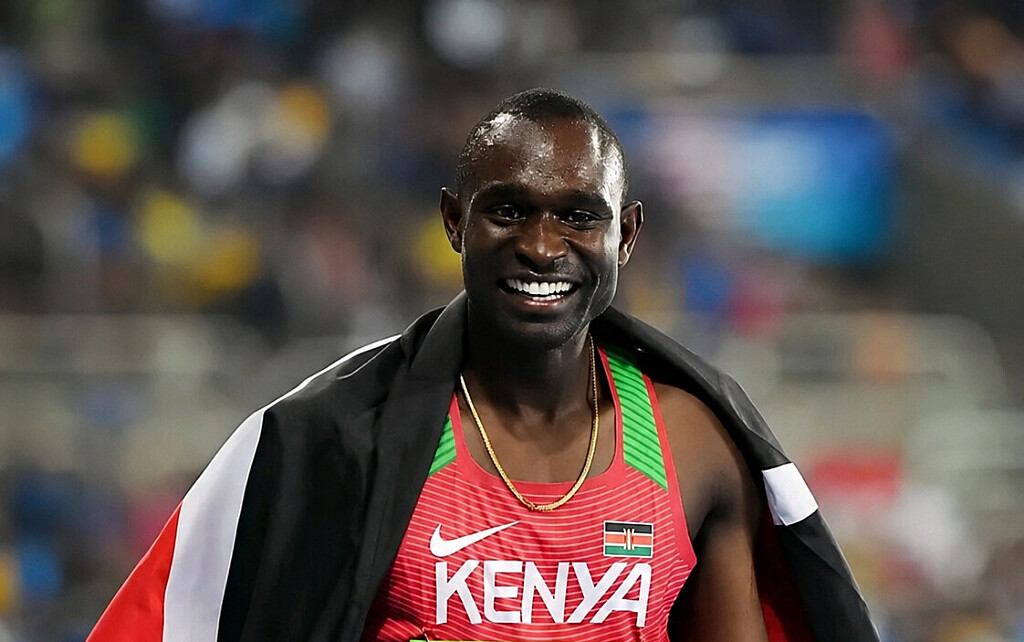


David Rudisha’s 1:40.91: Fourteen Years Later, The 800m Still Has A Mountain To Climb
Fourteen years ago this weekend, David Rudisha delivered one of the most extraordinary performances ever witnessed on an athletics track — and remarkably, his world record still stands.
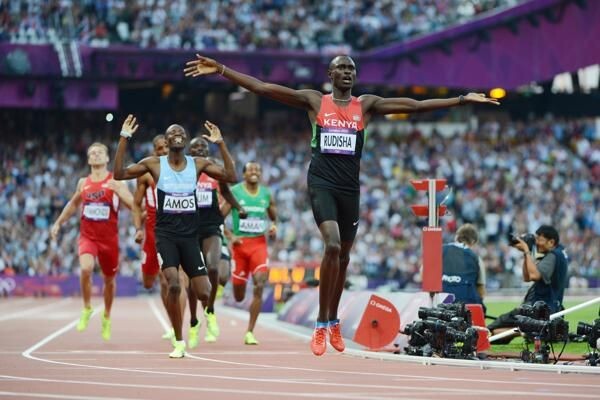
On August 9, 2012, the Kenyan lined up for the Olympic 800m final at London’s Olympic Stadium alongside seven of the world’s finest half-milers. What followed was a race that would forever redefine the limits of the event.
Rudisha did not wait for the final straight. From the gun, he went straight to the front and imposed a relentless pace on the field. He reached the 400m mark in a blistering 49.28 seconds, but instead of paying the price for such an aggressive opening lap, he continued to drive forward.
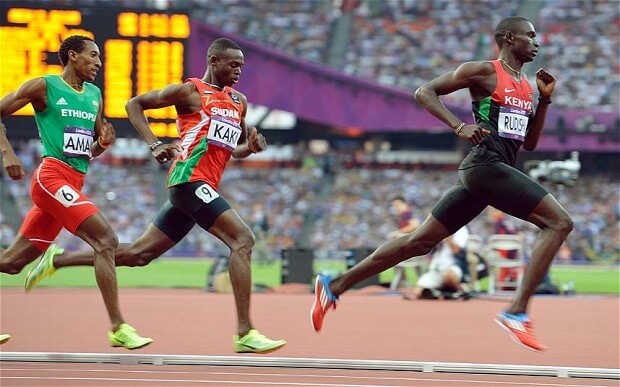
He passed 600m in 1:14.30 before producing a remarkable final 200 metres to cross the finish line in 1:40.91.
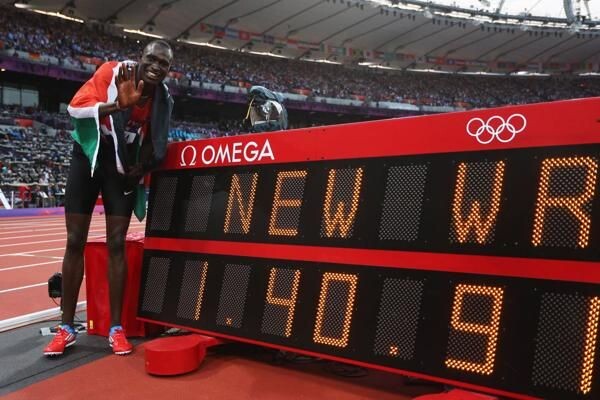
The stadium erupted.
Rudisha had broken his own world record and, for the first time in history, an athlete had broken the 1:41 barrier in the 800 metres. Even more remarkably, he had done it in an Olympic final, without a pacemaker and under the immense pressure of competing for the sport’s ultimate prize.
The runners behind him were dragged into history by his pace.
Botswana’s Nijel Amos finished second in 1:41.73, a world junior record at the time. Kenya’s 17-year-old Timothy Kitum produced a stunning 1:42.53 to take bronze, while American Duane Solomon ran 1:42.82 and Nick Symmonds clocked 1:42.95, both personal bests.
Ethiopia’s Mohammed Aman ran 1:43.20 for a national record, Abubaker Kaki finished in 1:43.32, and Great Britain’s Andrew Osagie completed the field in 1:43.77, also a personal best.
It was an extraordinary final in which all eight athletes finished inside 1:44, a testament to the astonishing pace set by the Kenyan.
Yet Rudisha was operating on another level.
His London performance was not a sudden flash of brilliance. It was the culmination of an era in which he had transformed the 800m through his fearless front-running style. Two years earlier, he had lowered the world record to 1:41.01 in Rieti, Italy. In London, he found another tenth of a second when the pressure was at its greatest.
That is what has made the record so difficult to approach.
For fourteen years, some of the greatest 800m runners of their generations have come and gone, but none has managed to take the final steps toward Rudisha’s mark. Nijel Amos remains the closest, his 1:41.73 from that same Olympic final leaving him 0.82 seconds short.
Then came Emmanuel Wanyonyi.
The young Kenyan has emerged as one of the most exciting 800m runners of his generation. In Lausanne in 2024, Wanyonyi produced a stunning 1:41.11, moving level with Wilson Kipketer as the second-fastest man in history and coming within just 0.20 seconds of Rudisha’s world record.
Twenty hundredths of a second may look insignificant on paper, but at the very top of the 800m, they represent a formidable barrier.
Wanyonyi has shown that Rudisha’s record is not beyond imagination. But reaching it requires something extraordinary — the perfect combination of speed, endurance, courage and execution over two unforgiving laps.
And perhaps that is what makes Rudisha’s achievement so enduring.
There was no pacemaker guiding him through the race. There was no carefully constructed invitational designed solely around producing a fast time. There was simply an Olympic final, eight athletes, two laps and a Kenyan determined to run faster than anyone had ever run before.
Rudisha went from the gun, controlled the race from the front and somehow maintained the speed required to produce a time that has remained beyond the reach of every challenger for fourteen years.
The next generation is getting closer, and Wanyonyi has shown that the record can at least be approached.
But 1:40.91 remains David Rudisha’s masterpiece — a world record forged under the brightest lights and on the biggest stage, and one that continues to define greatness in the 800 metres.
Fourteen years later, the challengers are getting closer, but Rudisha’s 1:40.91 remains the mountain every 800m runner dreams of climbing.
by Erick Cheruiyot for My Best Runs.
Login to leave a comment

New Names, New Standards: Record Ratifications Mark a Historic Chapter in Athletics
The global athletics record book has officially welcomed a new group of record-breakers after World Athletics ratified a series of outstanding performances that reshaped the sport across road running, race walking, and indoor competition.
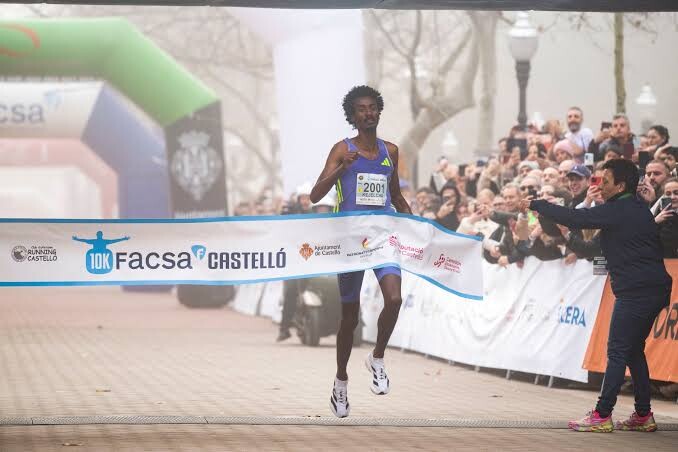
Among the newly confirmed marks is Ethiopian distance star Yomif Kejelcha’s world 10km record of 26:31, a performance that now stands as the fastest officially recognized time ever run over the distance on the roads.
Kejelcha produced the remarkable run in Castellón, Spain, on February 16, 2025. His record was elevated to official status following the annulment of the previous world best of 26:24, set by Kenya’s Rhonex Kipruto in 2020. Kipruto's result was removed from the record books after sanctions related to anti-doping rule violations led to the cancellation of his performances.
The recognition further strengthens Kejelcha’s place among the greatest road runners of his generation. Already the holder of the world half marathon record of 57:30, achieved in Valencia in 2024, the Ethiopian now owns world records at both 10km and half marathon distances.
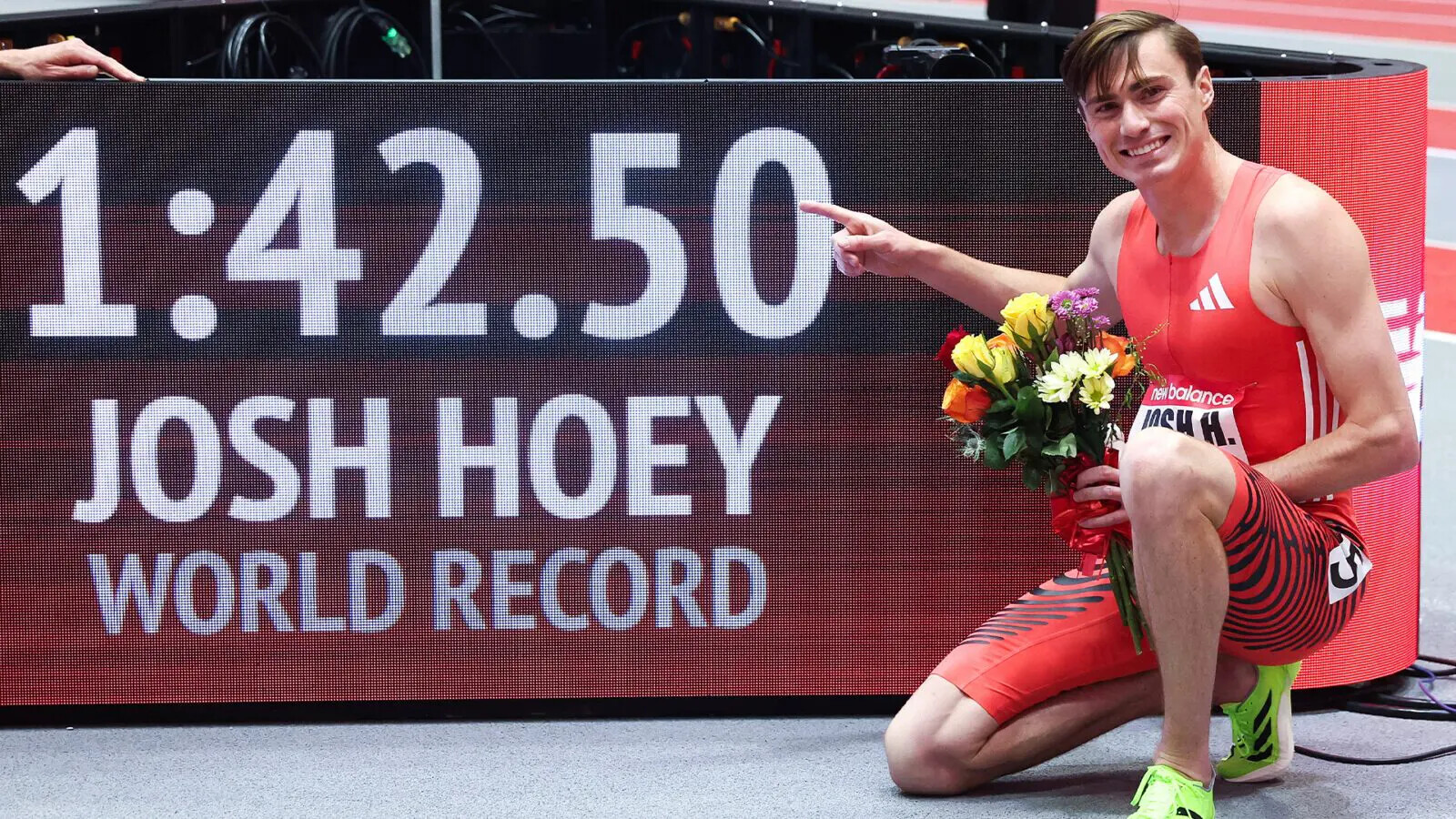
Another athlete celebrating official recognition is American middle-distance sensation Josh Hoey. The 26-year-old delivered a stunning performance at the New Balance Indoor Grand Prix in Boston on January 24, 2026, clocking 1:42.50 for the 800m on the short track.
His run erased one of indoor athletics’ most enduring records, surpassing the legendary 1:42.67 set by Wilson Kipketer in Paris in 1997. Hoey’s breakthrough performance marked a defining moment in his career and signaled the arrival of a new force in global middle-distance running.
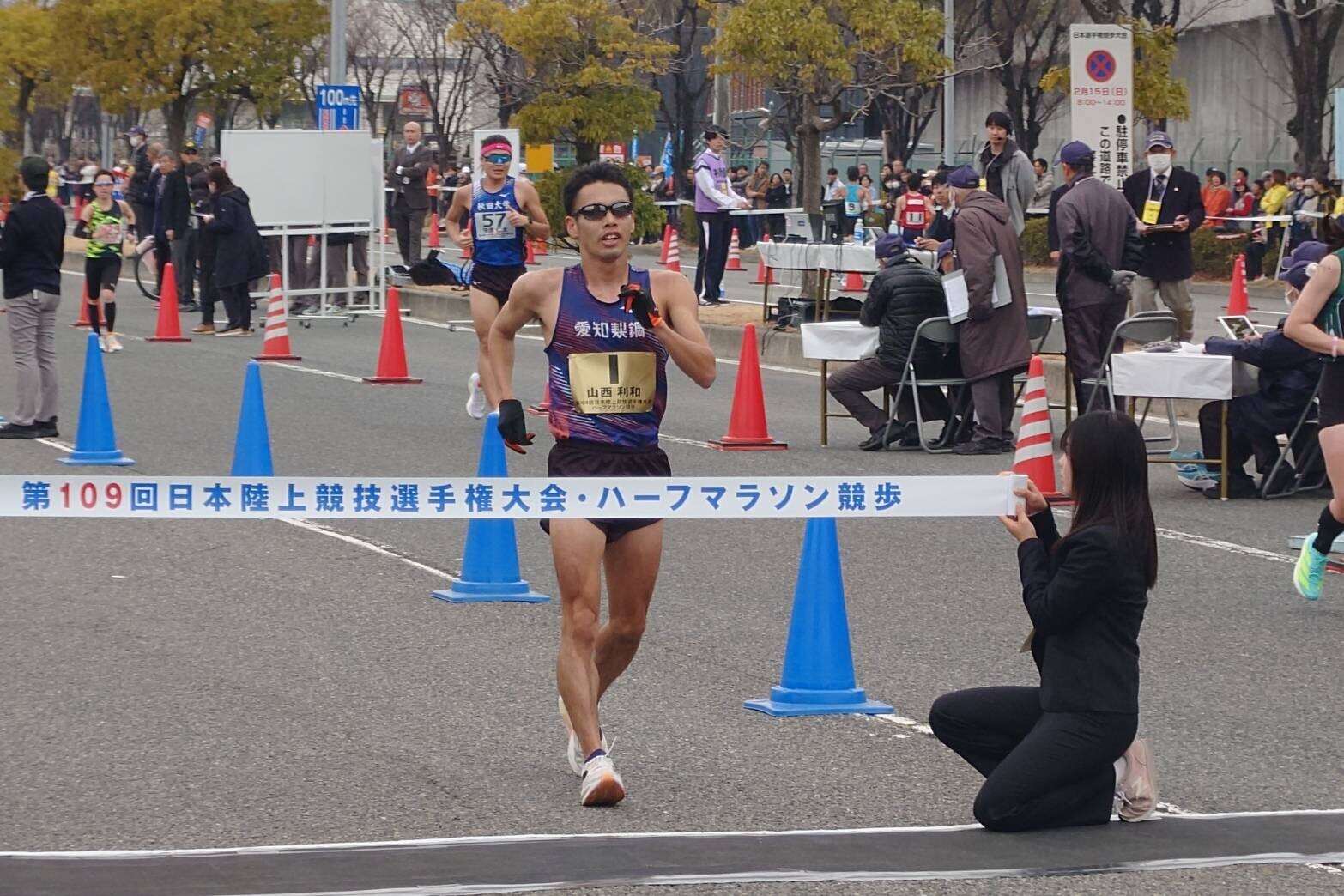
In race walking, Japan’s Toshikazu Yamanishi etched his name into history by becoming the first official world record holder in the half marathon race walk. Competing in Kobe on February 15, 2026, the two-time world champion covered the distance in 1:20:34, comfortably bettering the inaugural world-record standard of 1:21:30 established by World Athletics.
Yamanishi’s achievement comes at a significant time for the discipline, following the introduction of the half marathon and marathon as official senior road race walking events. His performance now serves as the benchmark for a new era in race walking.
The next generation of athletics stars also received official recognition as three world U20 records were ratified.
Ethiopia’s Saron Berhe continued her rapid rise by setting a world U20 1500m short-track record of 4:01.23 in Ostrava. The 18-year-old eclipsed the previous mark held by fellow Ethiopian Lemlem Hailu and further confirmed her status as one of the brightest young talents in distance running.
American teenager Cooper Lutkenhaus also made history when he stormed to a world U20 short-track 800m record of 1:44.03 in Winston-Salem. His remarkable season later reached even greater heights when he became the youngest athlete ever to win a world championship title in the 800m, capturing gold at the World Indoor Championships.
Meanwhile, Australian sprint prodigy Gout Gout continued his meteoric ascent by smashing the world U20 200m record. The 18-year-old sprinted to a breathtaking 19.67 seconds at the Australian Championships in Sydney, lowering the previous global junior mark and announcing himself as one of the sport’s most exciting young stars.
With their records now officially ratified, Kejelcha, Hoey, Yamanishi, Berhe, Lutkenhaus, and Gout have secured their places in athletics history. Their achievements not only redefine the limits of performance but also provide a glimpse into a future where barriers continue to fall and new generations of athletes push the sport into uncharted territory.
by Erick Cheruiyot for My Best Runs.
Login to leave a comment
A New Chapter Was Written as Hoey Surpassed Kipketer’s Iconic Mark
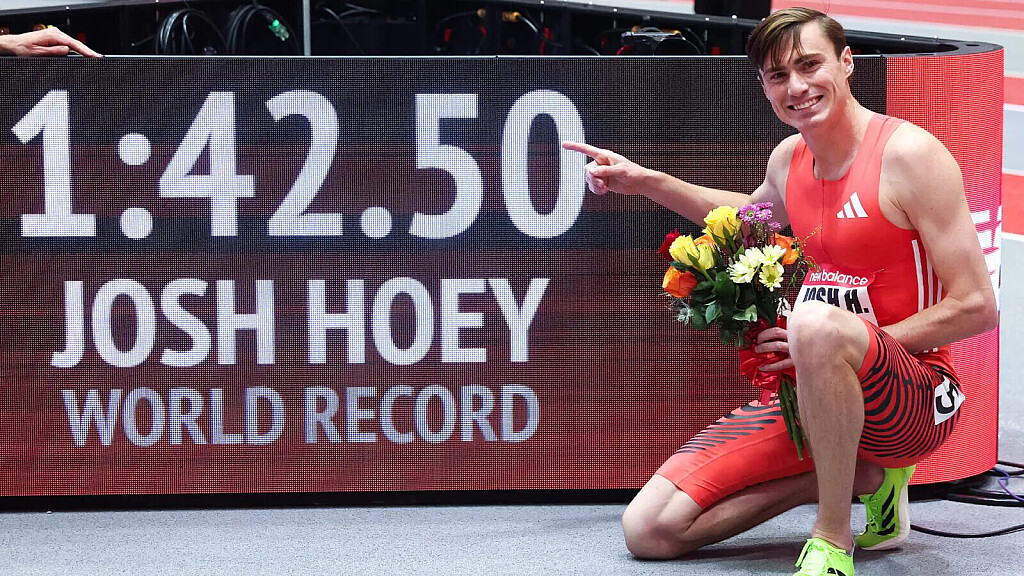
On a crisp January evening in Boston, the 2026 edition of the New Balance Indoor Grand Prix delivered a moment that will echo through middle-distance running for years to come. In a race that blended precision pacing with fearless ambition, American rising star Josh Hoey produced a stunning 1:42.50 over 800 meters, shattering one of the sport’s most enduring records.
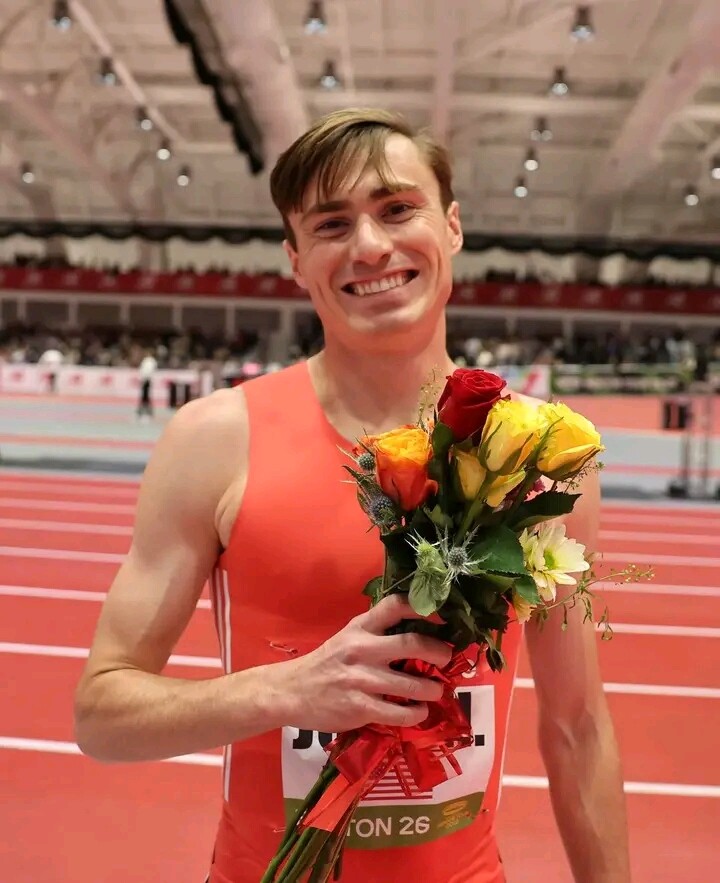
For 28 years, the indoor world record of 1:42.67—set in 1997 by the legendary Wilson Kipketer—had stood as a seemingly untouchable benchmark. Generations of elite runners had come close, but none could eclipse the mark. That changed in emphatic fashion as Hoey surged across the finish line, becoming the first man since Kipketer himself to dip under 1:43 indoors.
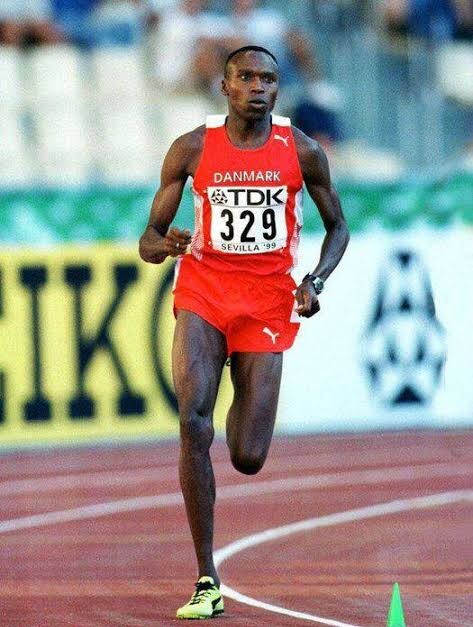
The race unfolded with a sense of purpose from the outset. Hoey was guided through the early stages by his brother, Jaxson, whose measured pacing ensured the tempo was both aggressive and controlled. From there, Hoey took command, maintaining his rhythm with remarkable composure before unleashing a decisive final push that left the field trailing.
What makes this achievement even more compelling is the passage of time it bridges. Hoey was not even born when Kipketer set his iconic record—a detail that underscores both the longevity of the previous mark and the magnitude of this generational shift. In breaking it, Hoey has not only etched his name into the record books but also signaled the arrival of a new force in global middle-distance running.
Beyond the time itself, the manner of victory spoke volumes. This was no desperate chase of history—it was a controlled, confident dismantling of it. Hoey didn’t just break the record; he claimed it with authority, winning convincingly and redefining what is possible in the indoor 800 meters.
As the World Indoor Tour season unfolds, all eyes will now be on Hoey. Records, after all, are meant to be challenged—but performances like this don’t just challenge history, they transform it.
by Erick Cheruiyot for My Best Runs.
Login to leave a comment
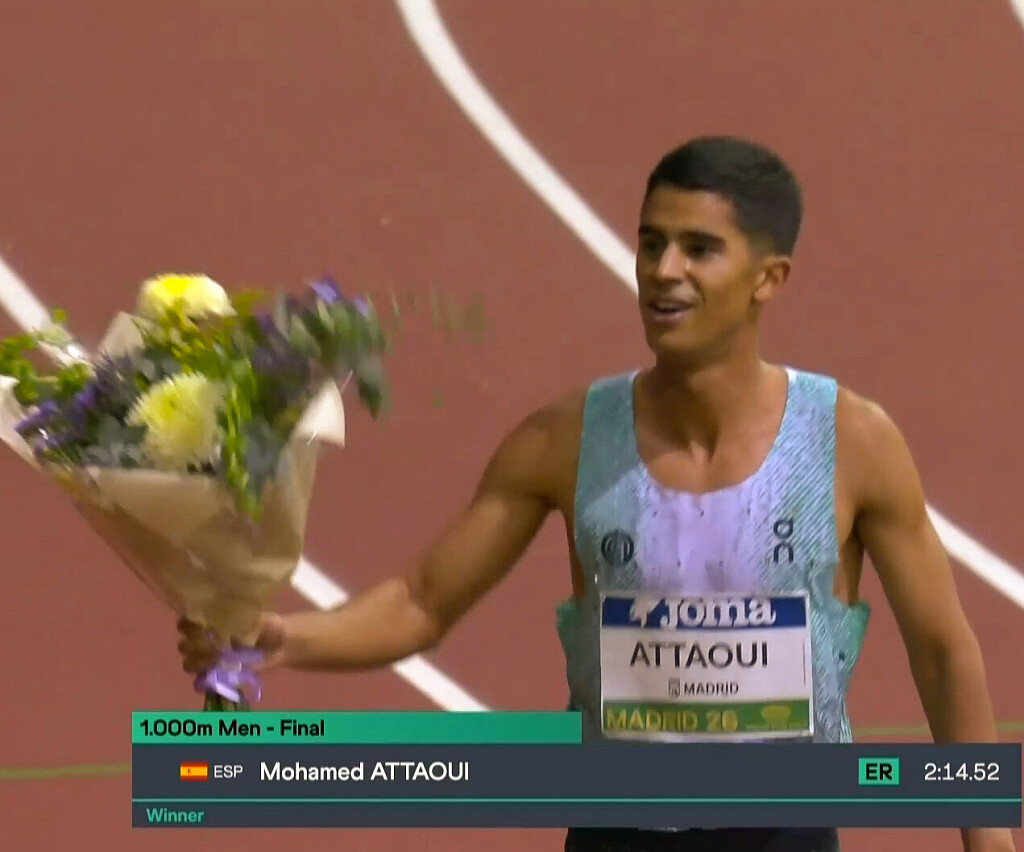
A Breath Away from the World Record: Mohamed Attaoui Shatters European Indoor History
Under the bright lights of Madrid’s indoor arena, Mohamed Attaoui produced a performance that blurred the line between excellence and eternity. Racing with fearless intent and supreme confidence, the Spanish middle-distance star came agonisingly close to the indoor 1000m world record, delivering a run that now stands among the greatest ever witnessed indoors.
Stopping the clock at 2:14.52, Attaoui not only secured victory but also rewrote European history, shattering the continental record and registering the third-fastest indoor 1000m time of all time. It was a race driven by courage, conviction, and an unshakable belief that something extraordinary was possible.
From the opening laps, Attaoui looked in complete control. Smooth, relaxed, and economical, he followed the pacemaker comfortably through the early stages. As the race unfolded, his confidence grew. By the halfway point, he felt so strong that he urged the pacemaker aside, sensing the rhythm was no longer aggressive enough for the ambition burning inside him.
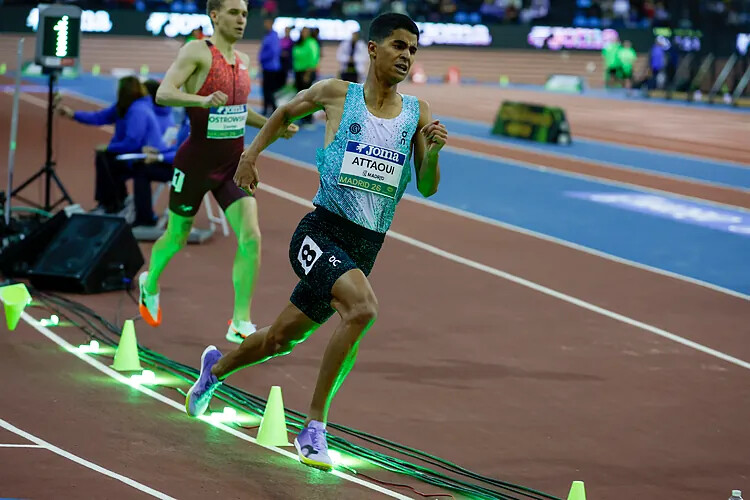
The decisive moment came with 300 metres remaining. Unable to see the wave lights clearly, Attaoui believed he was ahead of world-record pace. He committed fully, driving through the final laps with everything he had. Only after crossing the line did the reality sink in: the world record had narrowly survived—but history had still been made.
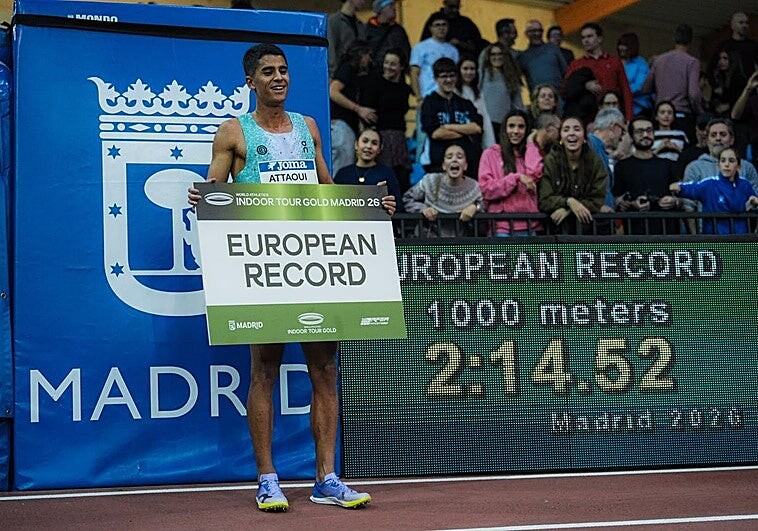
Reflecting on the race, Attaoui was honest, composed, and proud. He acknowledged that had he known he was slightly behind the required pace, he would have pushed even harder. Still, there was no disappointment—only satisfaction and joy at leaving Madrid as a European record holder, having delivered the performance of his career.
Behind him, Spain completed a memorable podium sweep. Mariano García claimed second place in 2:16.40, while Adrián Ben followed closely in 2:16.80, underlining the strength and depth of Spanish middle-distance running on home soil. Several athletes further down the field also produced personal bests, contributing to an evening of exceptional quality.
Attaoui’s time now places him in elite company on the all-time indoor list, alongside legends of the sport. Only Ayanleh Souleiman and Josh Hoey have ever run faster indoors. To surpass names such as Marco Arop, Wilson Kipketer, and Noureddine Morceli is a statement that resonates far beyond one race or one season.
This was more than a win. It was a declaration.
In Madrid, Mohamed Attaoui didn’t just break a record—he announced himself as a global force, capable of chasing the very limits of human performance. Indoors, where margins are razor-thin and precision is everything, he proved that legends are still being written, one fearless lap at a time.
by Erick Cheruiyot for My Best Runs.
Login to leave a comment

Josh Hoey Shatters 28-Year-Old Indoor 800m World Record in Boston
Josh Hoey arrived in Boston with belief, preparation, and a bold target — and left with a world record.
At the New Balance Indoor Grand Prix, the opening World Athletics Indoor Tour Gold meeting of the season, the American middle-distance star delivered a performance for the ages, storming to a world 800m short track record of 1:42.50. In doing so, Hoey erased a mark that had stood untouched for 28 years, rewriting indoor history on Saturday (24).
The run confirmed what many had sensed for weeks. Just seven weeks earlier, on the same Boston track, Hoey had set a world best in the 600m indoors. That momentum carried seamlessly into this race, where he sliced 0.17 seconds off the legendary Wilson Kipketer’s 1:42.67, set at the 1997 World Indoor Championships in Paris.

Hoey entered the race already ranked as the second-fastest indoor 800m runner of all time, thanks to his North American record of 1:43.24 from last year’s US Indoor Championships in New York. But this time, there was no doubt. With precision pacing and supreme control, he elevated himself to the very top of the all-time list — and did so emphatically, winning by more than two seconds.
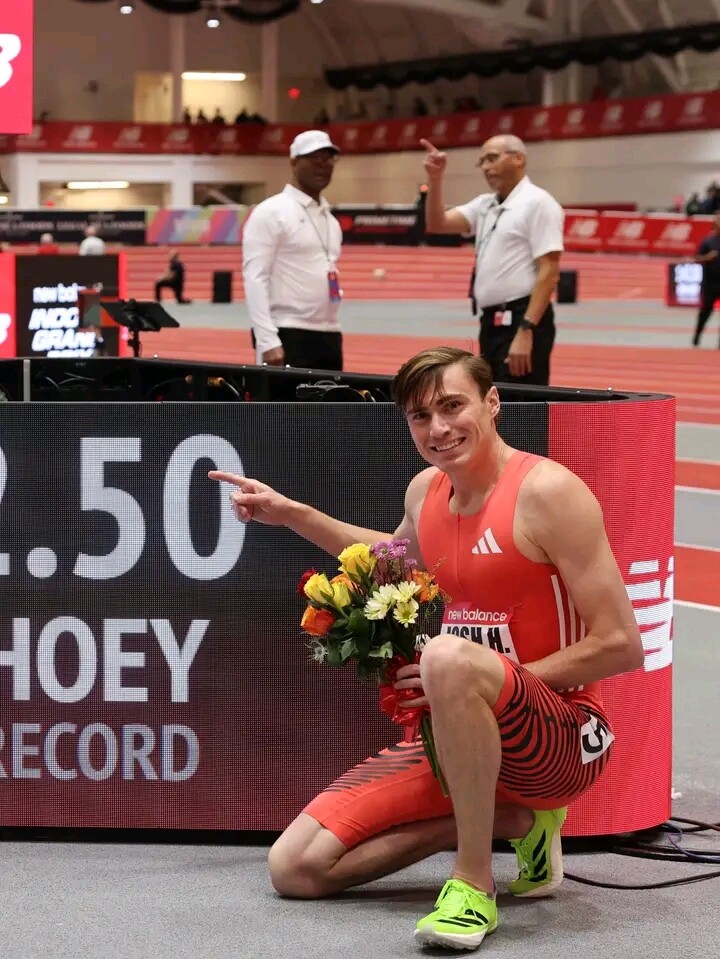
The race unfolded like a perfectly scripted plan. Paced by his brother Jaxson Hoey, Josh surged through the opening 200m in 24.81, reaching 400m in a controlled 50.21. As Jaxson stepped aside, the record attempt became a solo mission. Josh powered past 600m in 1:16.19, holding his form and composure all the way to the finish line, where the clock confirmed history: 1:42.50.
Afterward, Hoey credited months of disciplined preparation and trust in the process.
“We did a lot of pacing work,” he said. “We just kept steadily improving — week by week, block by block — and it all came together.”
For the 26-year-old, the moment carried deeper meaning. After narrowly missing selection for the U.S. teams at last year’s World Championships and the Paris Olympic Games, this performance felt less like a peak and more like a launchpad.
“This is far from the end of the journey,” Hoey reflected. “Honestly, it feels like we’re just getting started.”
With a world record now to his name and momentum firmly on his side, Josh Hoey has not only reclaimed lost ground — he has announced himself as the defining indoor 800m force of this generation.
by Erick Cheruiyot for My Bestruns.
Login to leave a comment
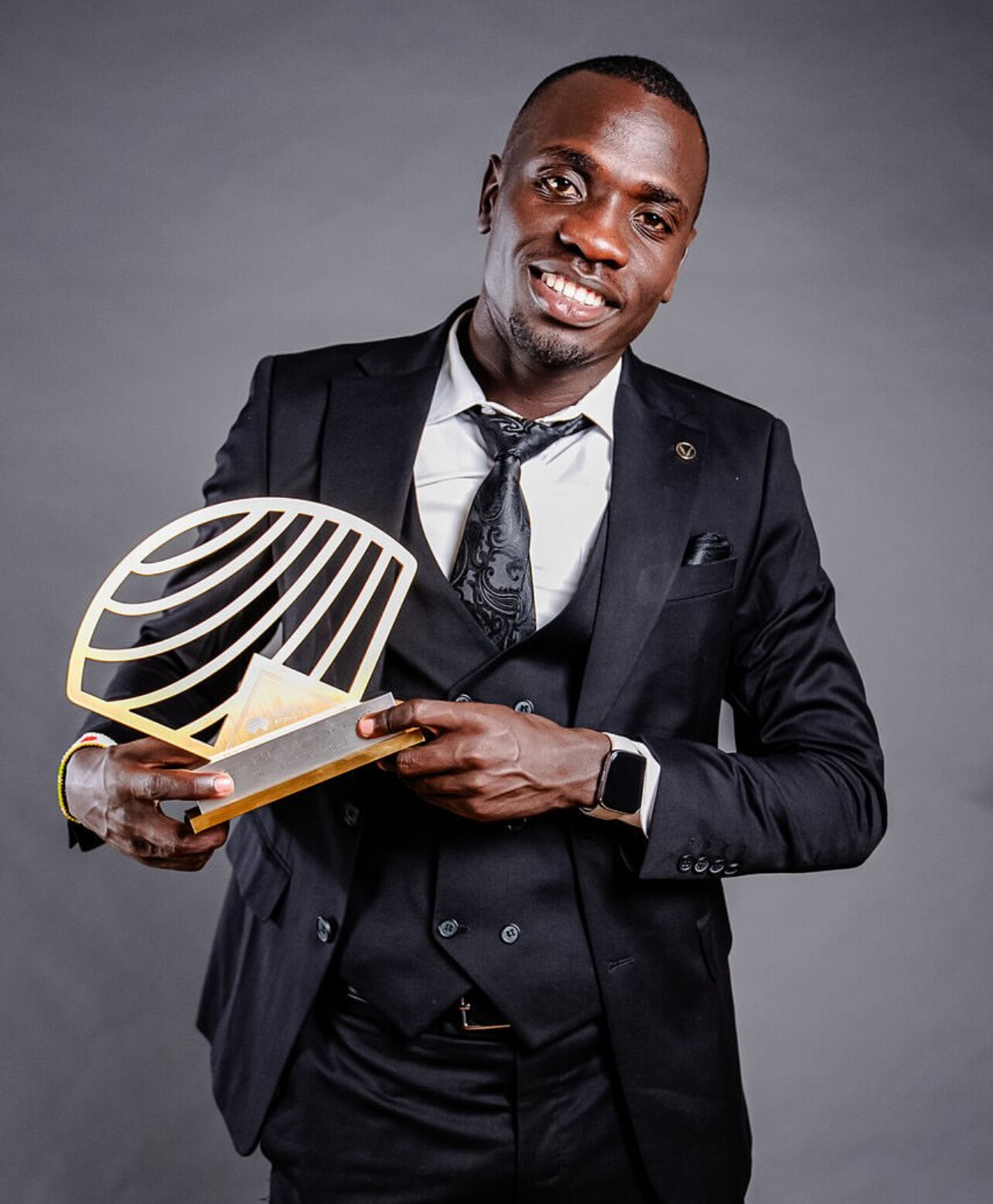
Emmanuel Wanyonyi Named Male Track Athlete of the Year
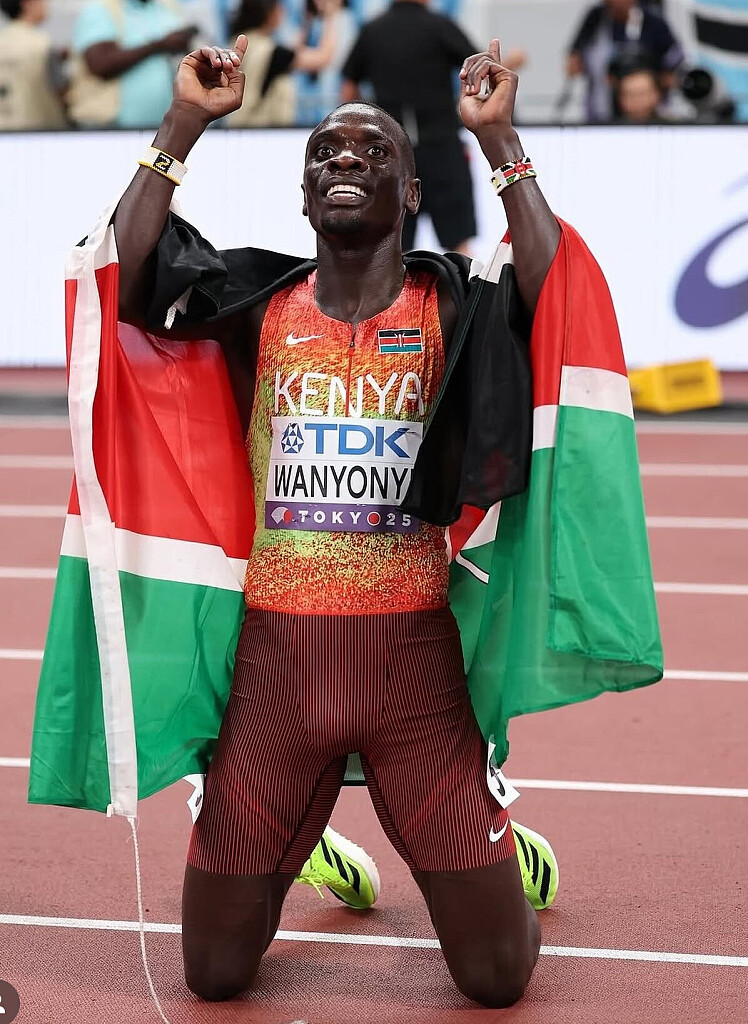
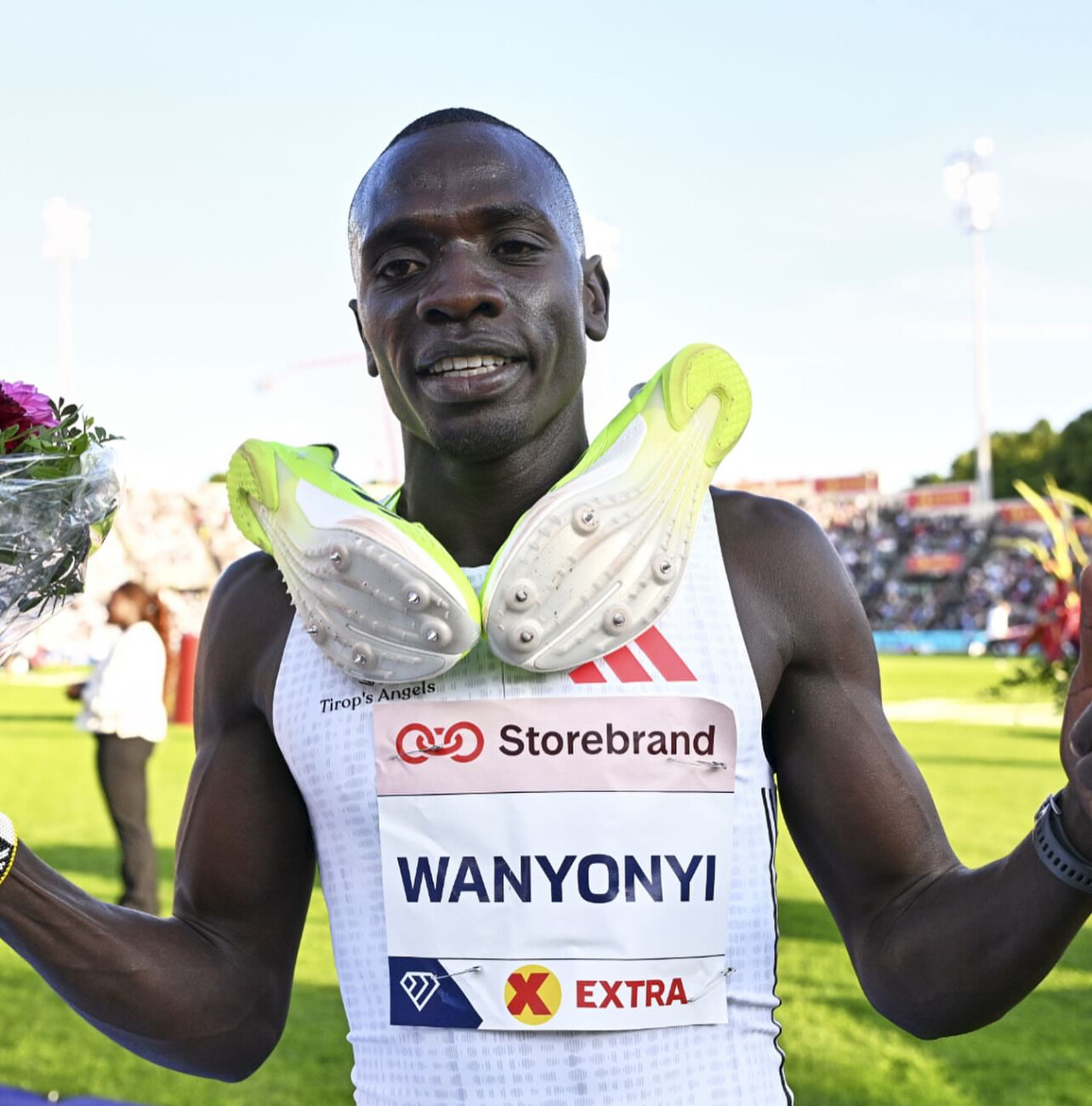
Kenya’s Emmanuel Wanyonyi has been named Male Track Athlete of the Year, a recognition that felt inevitable after a season marked by dominance, composure, and electrifying performances on the global stage. At just 20 years old, Wanyonyi has already rewritten expectations in the men’s 800 meters—and 2025 proved to be his breakthrough year.
Wanyonyi consistently displayed the kind of front-end speed, race intelligence, and finishing strength that separates champions from contenders. His victories across the Diamond League circuit, combined with his commanding global championship run, made him the clear favorite for the award.

What sets Wanyonyi apart is his ability to take control of races early and maintain a pace that leaves even seasoned competitors scrambling. Whether he was pushing the tempo from the break or waiting to unleash a decisive final burst, Wanyonyi showed maturity well beyond his age.
Could anyone else have challenged him?
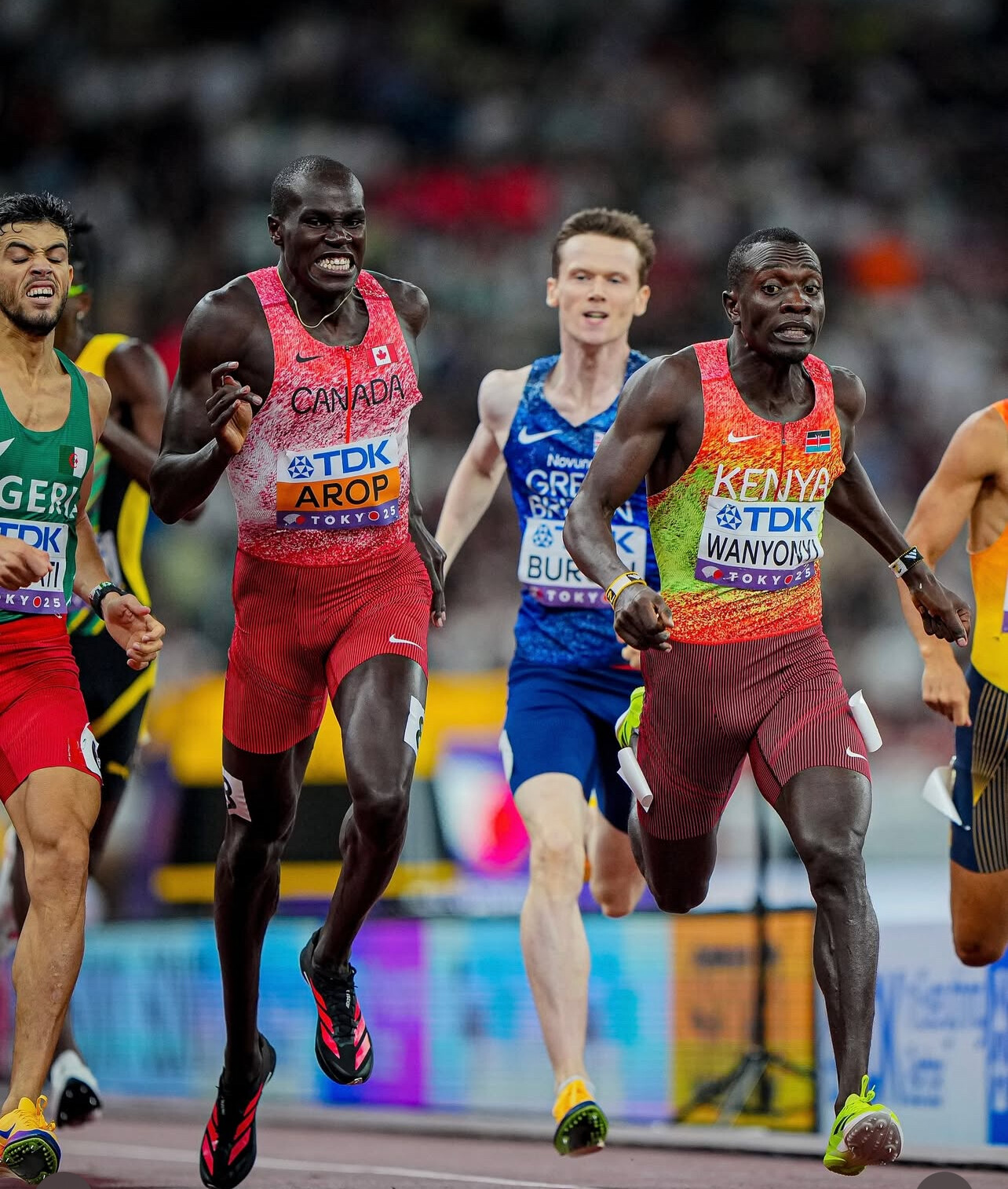
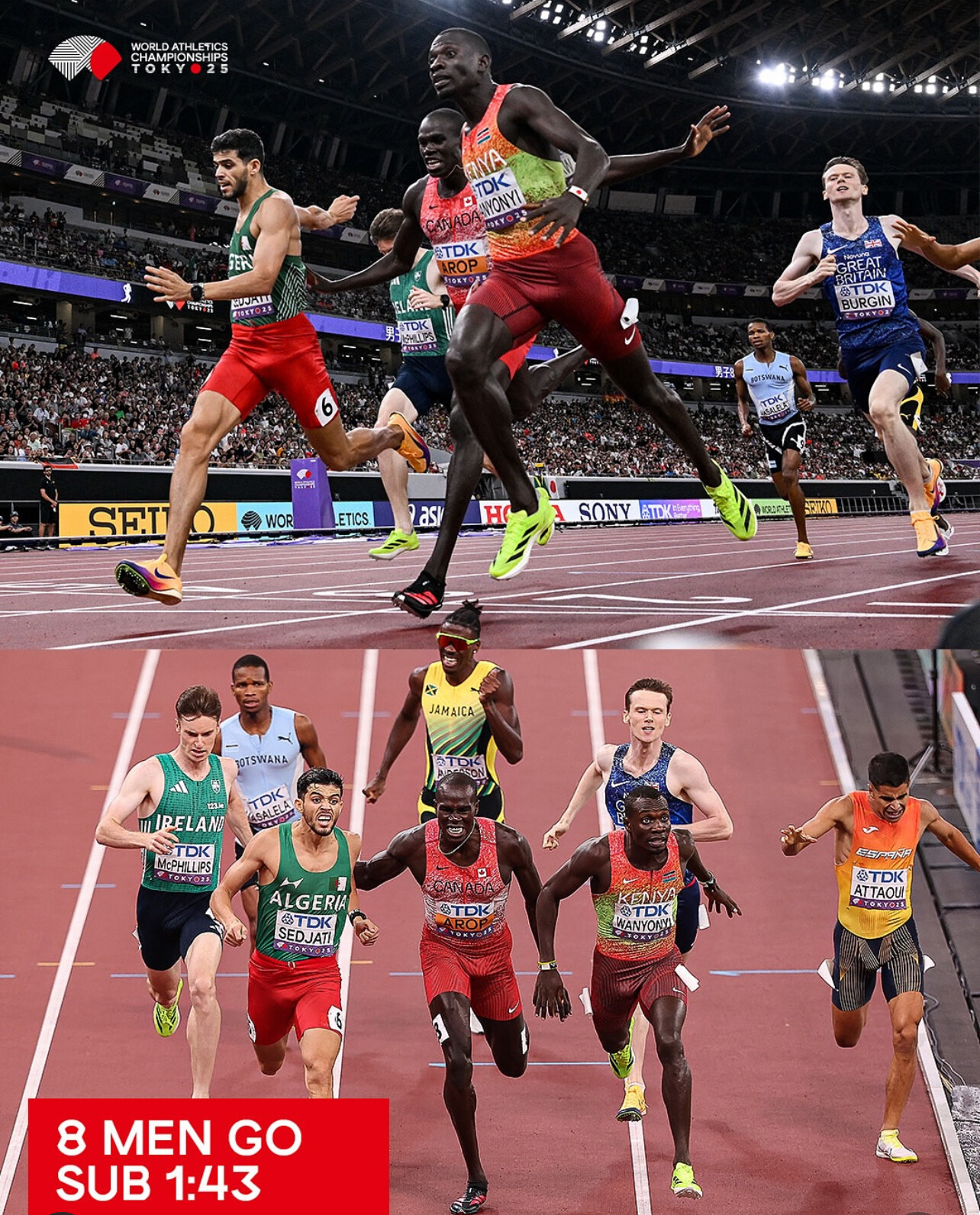
In truth, only a handful came close. Canada’s Marco Arop, the reigning world champion from 2023, mounted a strong season and pushed Wanyonyi in several marquee races. Algeria’s Djamel Sedjati also delivered standout performances. But no one matched Wanyonyi’s consistency, his fearlessness, or his results across the year’s biggest stages.
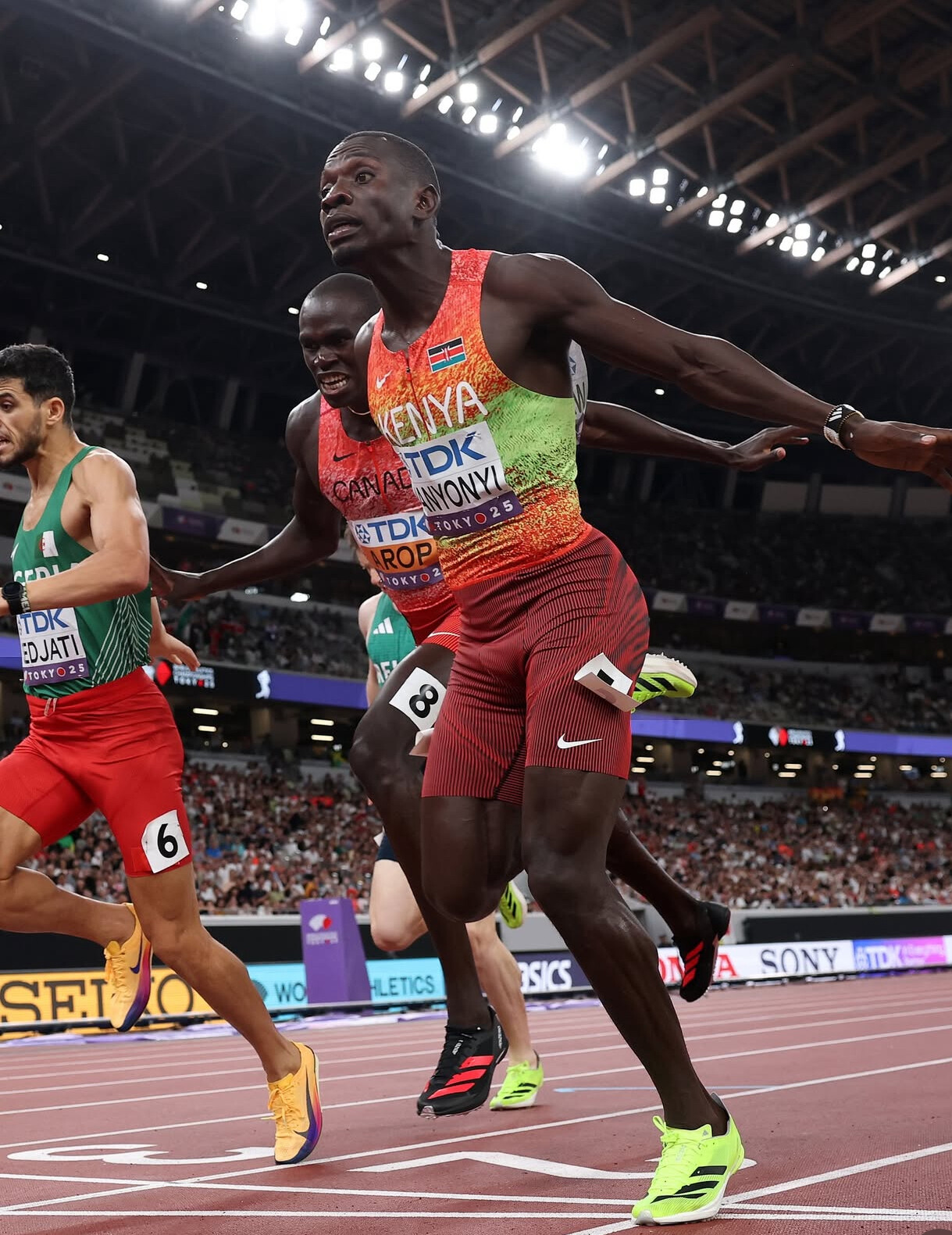
Wanyonyi’s rise is also seen as a resurgence for Kenya’s middle-distance dominance, echoing the eras of David Rudisha and Wilson Kipketer. Coaches and analysts agree: we may only be seeing the beginning.
As 2026 approaches, Wanyonyi now stands as the man to beat—and the face of the next generation of 800m excellence.
by Boris Baron
Login to leave a comment
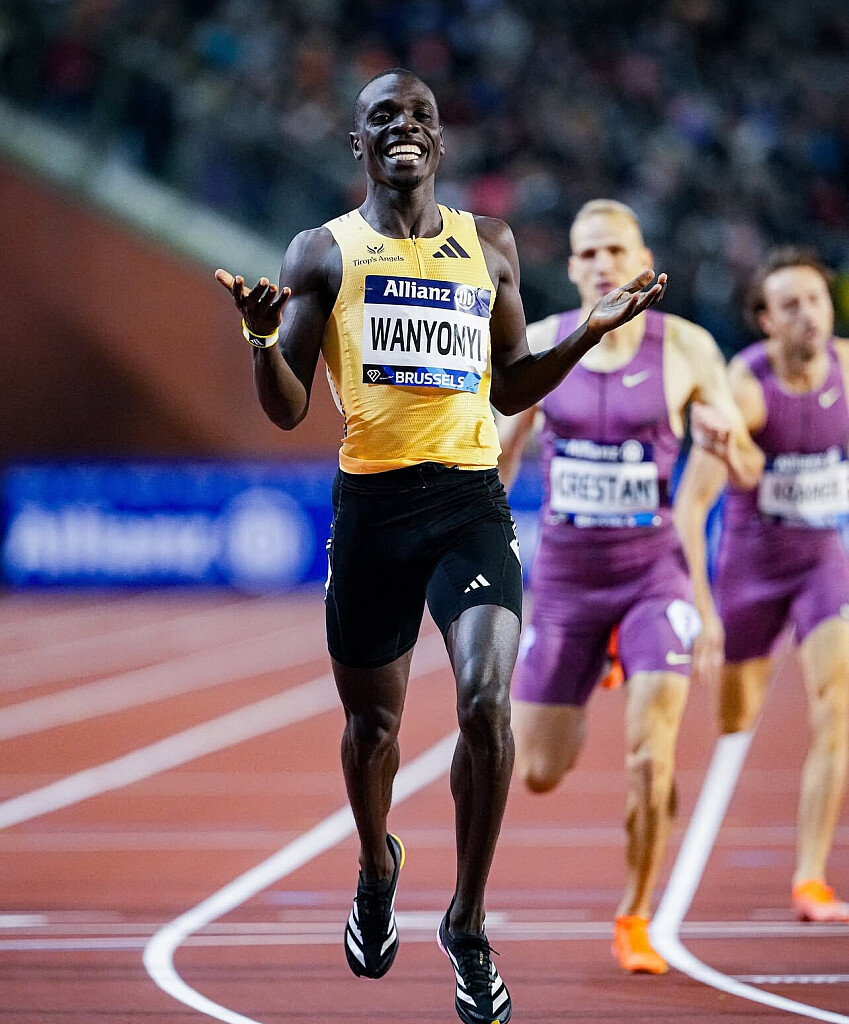
Emmanuel Wanyonyi Is Redefining Middle-Distance Greatness at Just 20
At just 20 years old, Emmanuel Wanyonyi has emerged as one of the most electrifying talents in middle-distance running. From humble beginnings herding cattle in Kenya’s Trans-Nzoia County to Olympic gold in Paris, Wanyonyi’s rise has been nothing short of extraordinary—and 2025 is shaping up to be his most dominant season yet.
A Champion’s Origin
Born on August 1, 2004, Wanyonyi’s athletic journey began far from stadiums and stopwatches. He left school at age 10 to help support his family, working as a cattle herder. But fate intervened when a local teacher recognized his talent and encouraged him to return to school—and to running.
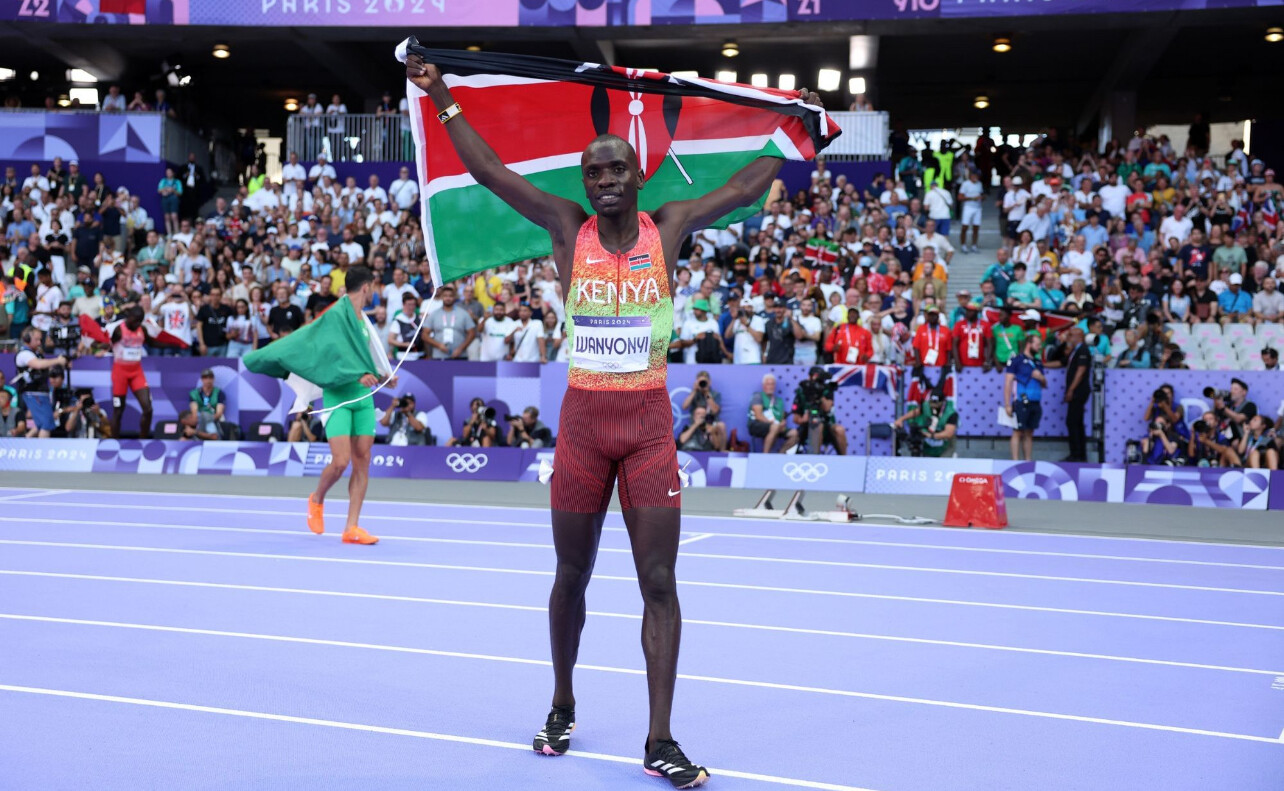
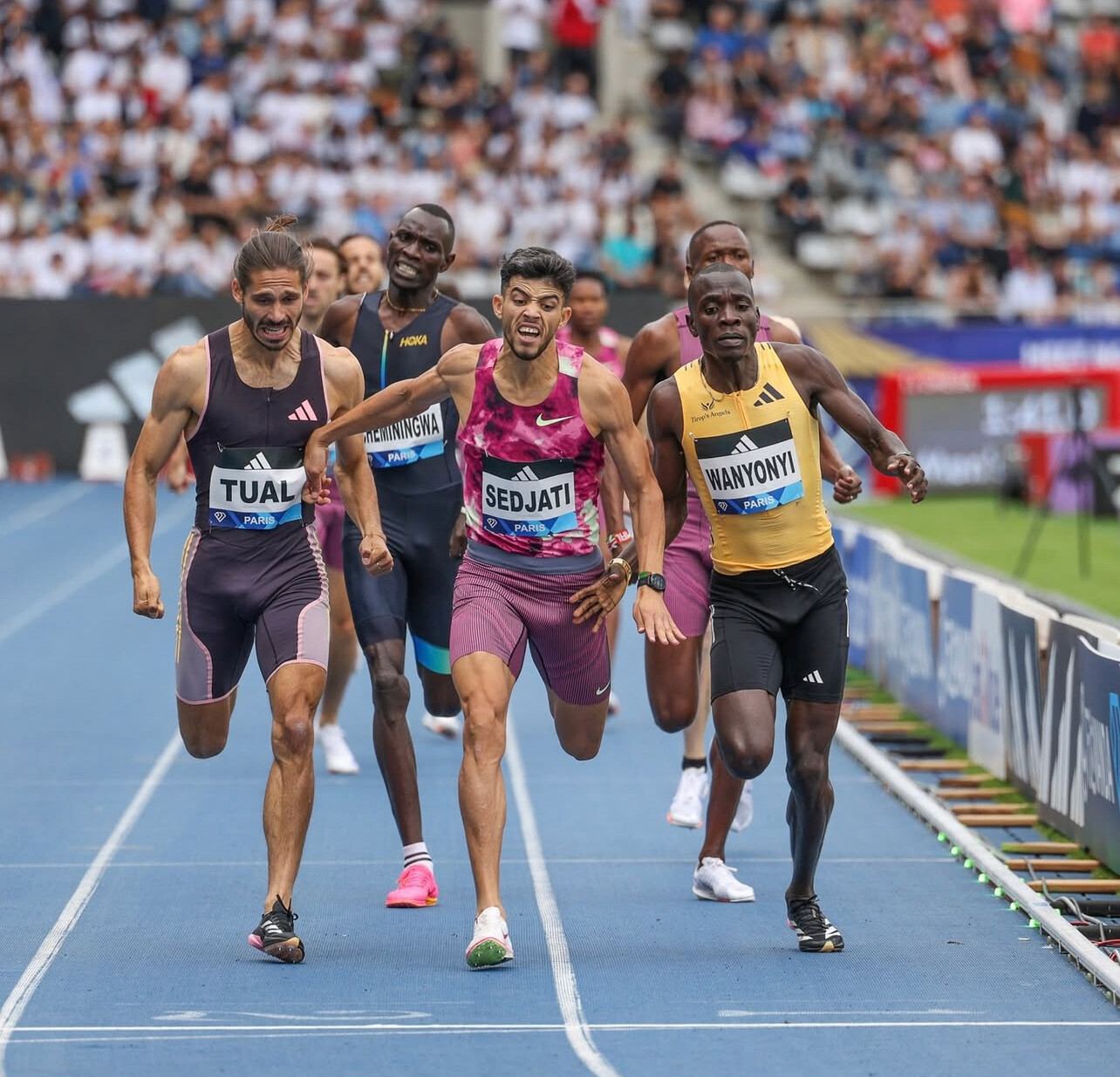
Mentored by 2007 world 800m champion Janeth Jepkosgei and coached by Claudio Berardelli, Wanyonyi made his international debut in style. At the 2021 World U20 Championships, he won the 800m in a championship record time of 1:43.76.
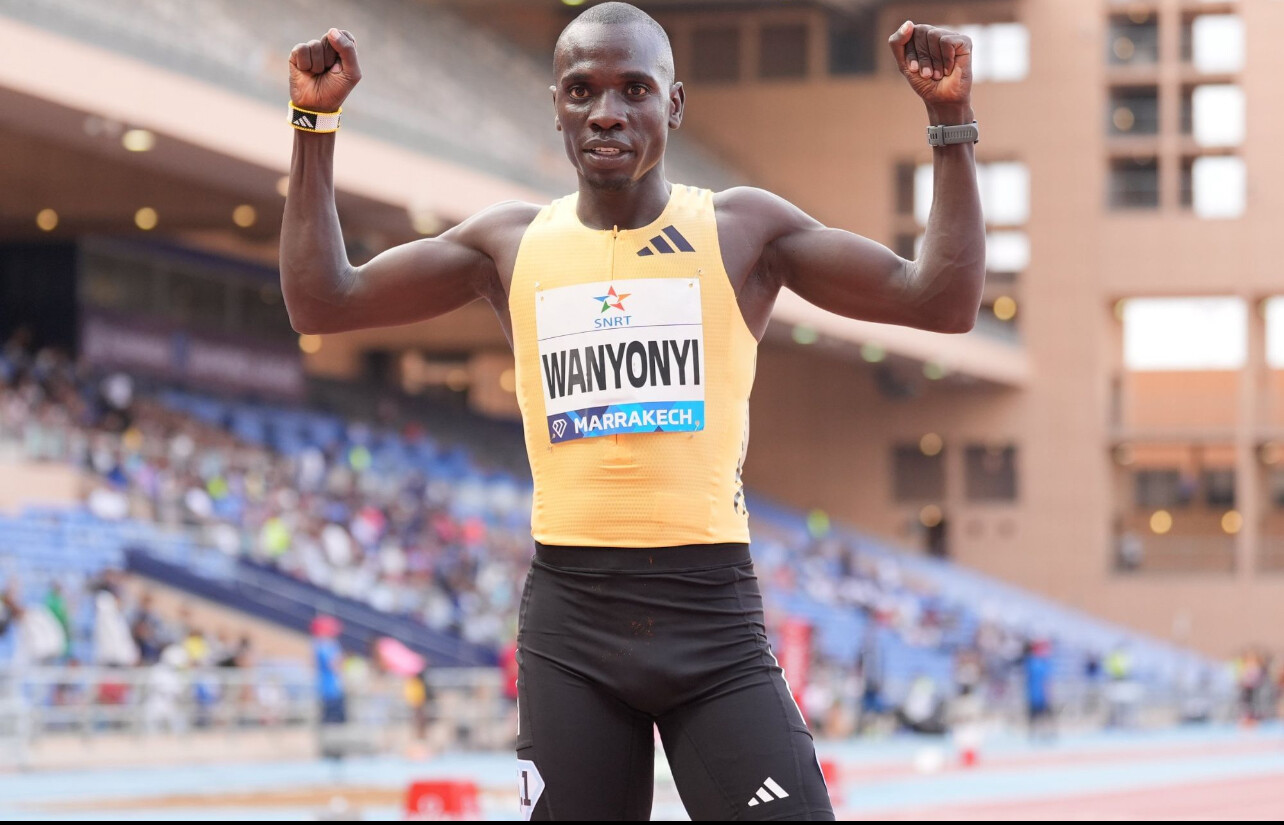
Since then, he has steadily climbed the ranks, placing fourth at the 2022 World Championships, winning silver in 2023, and claiming the ultimate prize—Olympic gold in the 800m at Paris 2024. His time of 1:41.19 was not only a personal best but also the third-fastest in history.
A New Level in 2025
Wanyonyi has wasted no time building on his Olympic success. At the Grand Slam Track event in Kingston this April, he stunned the field in the 1500m, taking down a world-class lineup that included Olympic medalists Josh Kerr, Cole Hocker, and Yared Nuguse. His time of 3:35.18 secured victory and confirmed his elite range beyond the 800m.
The next day, he returned to the track and finished second in the 800m, narrowly beaten by world champion Marco Arop. Wanyonyi’s combined performance earned him the men’s short-distance Slam Champion title and a $100,000 prize.
Just days later, he returned to the top step of the podium at the Adizero Road to Records event in Germany. Running the road mile, he clocked 3:52.45—his fastest time yet and the third-fastest road mile in history.
What’s Next
Wanyonyi’s next major test will come at the Stockholm Diamond League on June 15, where he’s slated to race the 800m against top international competition, including Djamel Sedjati and Gabriel Tual.
His official 800m personal best is 1:41.11, tied for the second-fastest mark ever alongside Wilson Kipketer. Only David Rudisha has run faster.
With his combination of tactical intelligence, powerful finishing speed, and increasing range, Wanyonyi is not just a rising star—he’s a generational talent already reshaping the middle-distance landscape.
Keep an eye on him. Emmanuel Wanyonyi isn’t just running races—he’s rewriting history.
by Boris Baron
Login to leave a comment
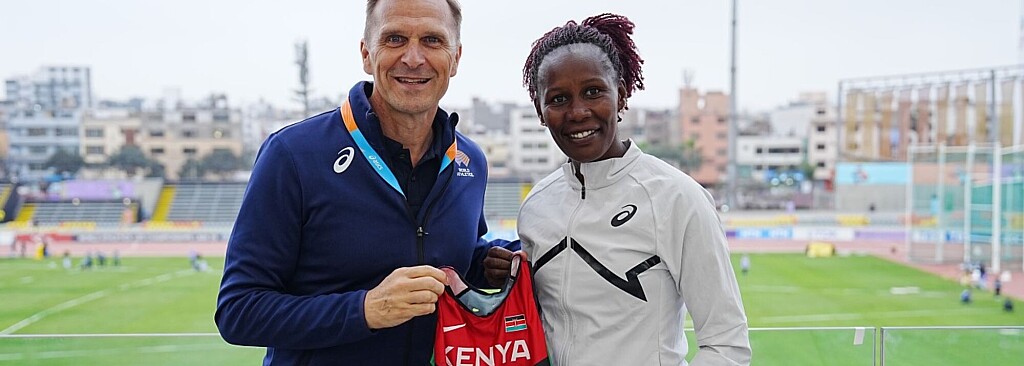
Jepkosgei donates world title singlet to Museum of World Athletics
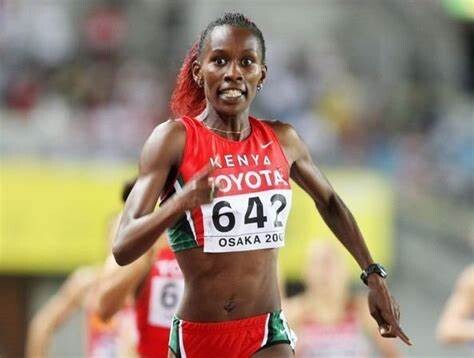
Kenyan running legend Janeth Jepkosgei made a historic contribution to the Museum of World Athletics (MOWA), donating the singlet she wore on 28 August 2007 when winning the 800m title at the World Championships in Osaka.
It was the first ever world title won by a Kenyan woman in a middle-distance event, paving the way for eight more titles claimed by her successors in subsequent editions up to 2023.
Jepkosgei, who is now head coach of the U20 Athlete Refugee Team, made the donation to the MOWA during the World Athletics U20 Championships Lima 24, presenting her singlet to World Athletics CEO Jon Ridgeon.
‘Inspiring the sport of running’
“I’m very happy to present my 2007 World Championships singlet to the Museum of World Athletics (MOWA),” said Jepkosgei. “When it is displayed in the online museum and exhibited around the world, I hope it helps to inspire and promote the wonderful sport of running, which, in my role as head coach for the U20 Refugee Team, I know is a powerful force for good.”
Ridgeon added: “Thank you to Janeth for her work with the Athlete Refugee Team and for the enormous generosity she has shown by donating her 800m world title-winning uniform to our museum’s collection. The support and encouragement of champions like Janeth is crucial to the success of our heritage programme, which helps preserve and promote our sport’s inspiring history to athletes and fans alike.”
From world champion to global role model
Janeth Jepkosgei Busienei, born in 1983 in Kabirirsang village (Rift Valley Province), was one of the most consistent 800m runners of her decade. Her journey began as a hurdler, but after transitioning to middle-distance running, she won the world U20 800m title in 2002.
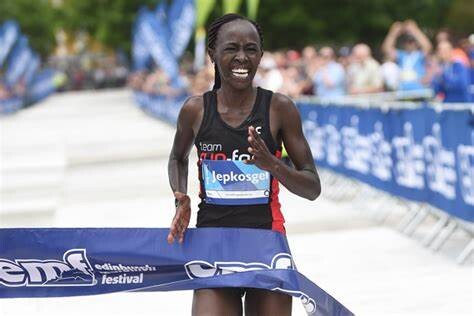
Known for orchestrating races with fast starts, Jepkosgei stood on a major championship podium every year from 2003 to 2011, earning the 2007 world 800m title, 2008 Olympic silver, and two more world silvers in 2009 and 2011.
Off the track, Jepkosgei was deeply involved in her community, serving as the Kenyan team captain at numerous championships, sponsoring students, and supporting local projects. After the birth of her daughter Becky Olympia Jepchirchir and her retirement in 2016, Jepkosgei became even more involved in the sport’s development by hosting training camps and becoming one of the few female coaches in the athletics world.
She notably discovered young Emmanuel Wanyonyi, whom she coached to his world U20 800m title in 2021, and then mentored alongside her former Italian coach, Claudio Berardelli, to his Olympic title in 2024.
Since 2022, Jepkosgei has also been the head coach of the U20 Athlete Refugee Team (ART), a women-driven programme based near the South Sudan border in East Africa. She has embraced a mentorship role, passing on her vast experience to the next generation, a journey marked by her iconic victory in Osaka in 2007.
A soaring victory in Osaka
In Osaka, Jepkosgei astonished everyone as early as the semifinals, with a world-leading time and Kenyan record of 1:56.17, also the fastest prelim in 800m history.
In the final, she set a blistering pace right from the start, exiting the first turn with a three-metre lead and hitting the 100m mark in 13.0, an unprecedented achievement in a championship.
Neither the efforts of Belarusian Svetlana Usovich, Russian Olga Kotlyarova, Mozambican Maria Mutola, nor Moroccan Hasna Benhassi could keep up with the Kenyan’s solo race, as she easily won in 1:56.04, further improving the best time of the year.
Jepkosgei’s winning singlet will sit alongside the shoes and clothing of other world 800m champions in the Heritage Collection of MOWA, including Ana-Fidelia Quirot, Maria Mutola, Willi Wülbeck, Wilson Kipketer and David Rudisha.
by Pierre-Jean Vazel for World Athletics
Login to leave a comment
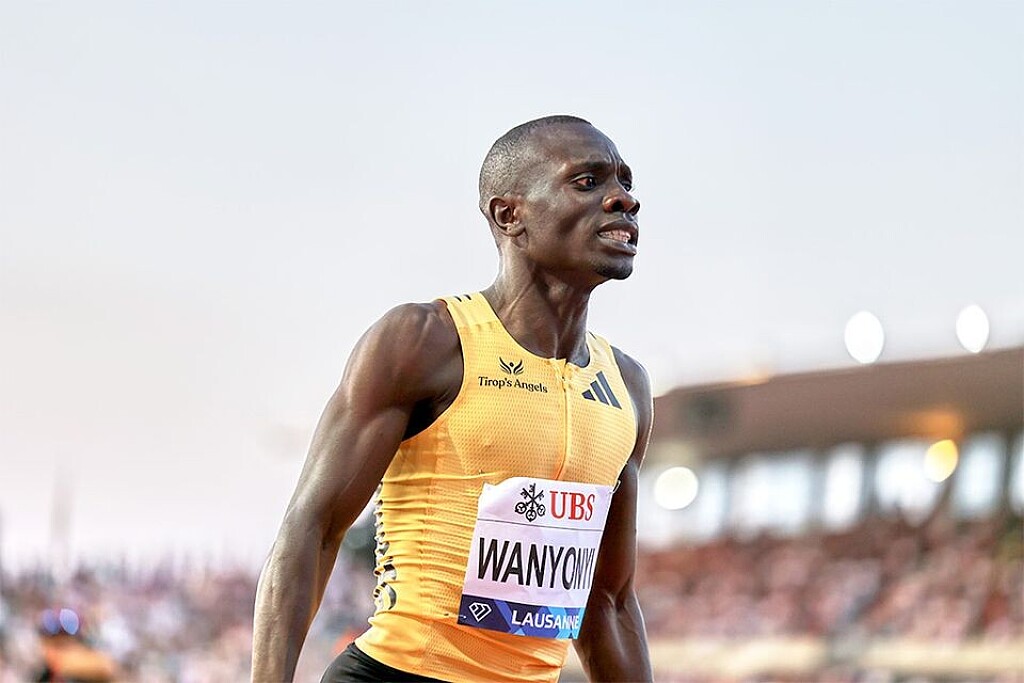
Why David Rudisha believes Emmanuel Wanyonyi is destined to break his 800m world record
Wanyonyi got to within an eighth-hundredth of a second away from equalling David Rudisha's 12-year 800m world record at the Lausanne Diamond League classic on Thursday.
When David Rudisha tipped Emmanuel Wanyonyi as the athlete most likely to break his 12-year-old 800m world record during the Kenyan trials for the Olympic Games at Nyayo National Stadium last June, it wasn’t just a casual remark.
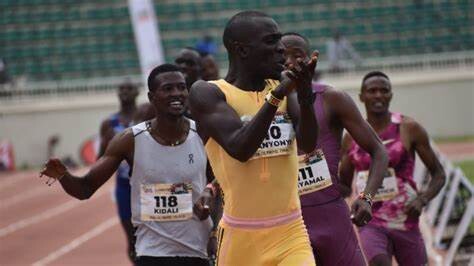
Rudisha’s prediction is now gathering weight, especially after Wanyonyi clocked a blistering 1:41.11 at the Lausanne Diamond League meet in Switzerland on Thursday.
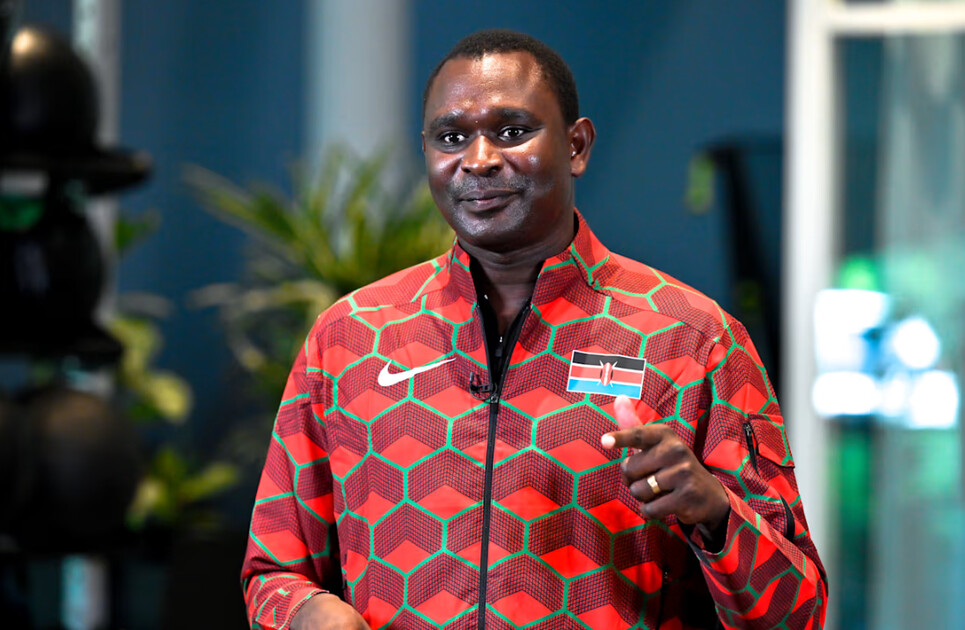
This time not only equaled Wilson Kipketer’s record but also placed Wanyonyi second on the all-time list, just eight hundredths of a second away from Rudisha’s world record of 1:40.91 set at the 2012 London Olympics.
“Wanyonyi is a young talented athlete. He has so much potential, and all he needs to do is fine-tune his craft, and this will see him push his time even lower,” Rudisha had told the media last June.
Rudisha, who knows a thing or two about world records, added, “He always shows his bravery and confidence whenever he steps on the track, and that has been the secret behind his success.
“World records are special. We are looking forward to seeing how the young generation is going to take up the challenge. Of course, there is a lot of innovation, and it improves performances. We believe that world records are there to be broken.”
Wanyonyi’s stunning performance in Lausanne has made him a force to be reckoned with in the world of athletics.
His time of 1:41.11 ties him with Kipketer and positions him as the most serious threat to Rudisha’s reign in the 800m. At just 20 years old, Wanyonyi’s rise to the top has been meteoric, and his determination to succeed mirrors that of Rudisha.
Rudisha himself had an illustrious career, beginning as a decathlete before switching to sprints and later focusing on the 800m in 2005. Just a year later, he won the 800m title at the World U20 Championships in Beijing, clocking 1:47.40.
In 2008, he claimed the African senior title in Addis Ababa with a time of 1:44.20. Then, on August 22, 2010, Rudisha set his first world record in Berlin, running 1:41.09 and breaking Kipketer’s 1997 mark.
Seven days later, he improved his record to 1:41.01 in Rieti. Rudisha continued his dominance by winning the world 800m title in Daegu in 2011, reclaiming it in Beijing in 2015, and becoming the first man since Peter Snell to retain the Olympic 800m title in Rio in 2016.
Now, Wanyonyi is carving out his own legacy. At 20, he became the youngest-ever Olympic 800m champion, leading a race of unprecedented depth in Paris.
He held off Canada’s Marco Arop, the reigning world champion, who briefly took the lead off the final turn before Wanyonyi surged back in the final steps. Arop finished with a North American record of 1:41.20 for silver, while Algeria’s Djamel Sedjati claimed bronze in 1:41.50.
Reflecting on his victory, Wanyonyi said, “It was going to be hard to defend as the only Kenyan in the final. I had a lot of pressure. I spoke to Rudisha yesterday, who told me I would win if I employed my tactics. I decided to run the way he did in London. If I had run a slow race, they would have beaten me.”
Although Wanyonyi didn’t quite match Rudisha’s record, he is keen on having another go at it when the Diamond League moves to Silesia, Poland, this Sunday.
While he has remained modest about his world-record ambitions, saying, “Maybe, but not now,” the Diamond League offers the perfect stage for him to make history. The Wavelight technology, which has been instrumental in helping athletes maintain pace, will also be in use, providing Wanyonyi with every opportunity to push the boundaries.
Wanyonyi is no stranger to breaking records. At 19, he shattered the previous one-mile (1,600m) record of 3:56.13 set by American Hobbs Kessler at the World Road Running Championships in Riga, Latvia, last year.
With Rudisha as his role model and mentor, Wanyonyi is poised to continue his upward trajectory and possibly eclipse the mark set by the man he so deeply admires.
As the athletics world watches, the question on everyone’s mind is not if, but when, Emmanuel Wanyonyi will break the 800m world record. And when that day comes, it will be the culmination of a journey inspired by greatness and driven by the relentless pursuit of excellence.
by Mark Kinyanjui
Login to leave a comment
Olympic 800m medalist Nijel Amos suspended for doping
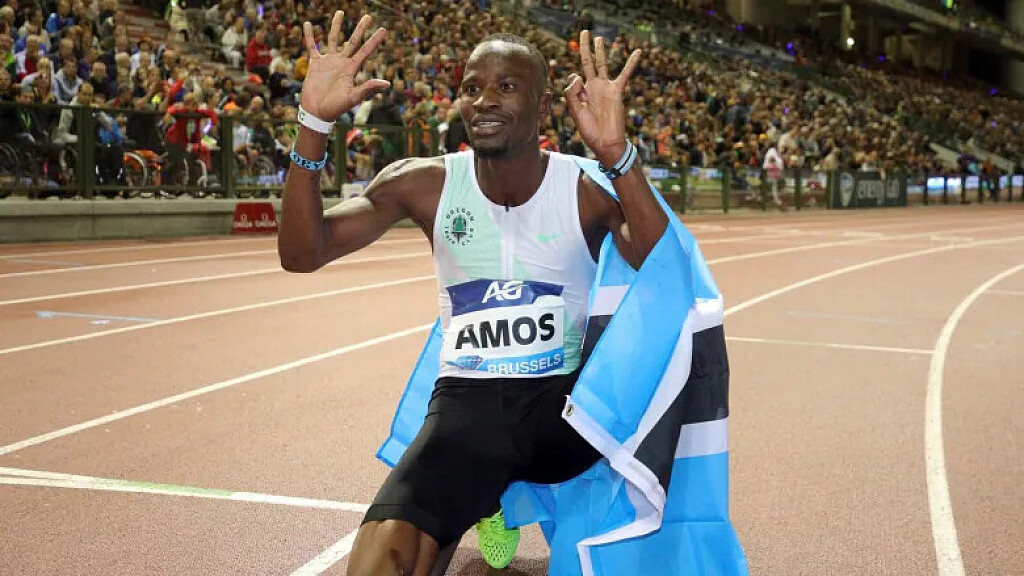
The third fastest 800m runner of all time, Botswana’s Nijel Amos has been provisionally suspended ahead of this week’s World Championships, after the 2012 Olympic silver medallist tested positive for a banned metabolite, the Athletics Integrity Unit (AIU) said on Tuesday.
The drug found in the 28-year-old’s system was GW1516, which modifies how the body metabolizes fat, and which can boost endurance. An AIU press release said that the World Anti-Doping Agency (WADA) has also warned that it poses a health risk to athletes.
GW1516 was originally developed to treat obesity and diabetes, but is not approved for human use, since it was discovered to be carcinogenic. It is banned in and out of competition, and not eligible for Therapeutic Use Exemption (TUE). A USADA bulletin from 2019 says GW1516 is also sometimes known as cardarine or endurobol and has been found in some supplements, even though it is illegal. In 2017, there were 31 sanctions worldwide related to its use.
The AIU collected the sample from Amos during an out-of-competition test on June 4. Amos was notified of the result while he was preparing for the World Championships in Eugene, Ore., where he was scheduled to compete in the heats of the 800m on July 20. He finished eighth in the 800m final at Tokyo 2020. At Rio in 2016, he failed to make it out of the heats.
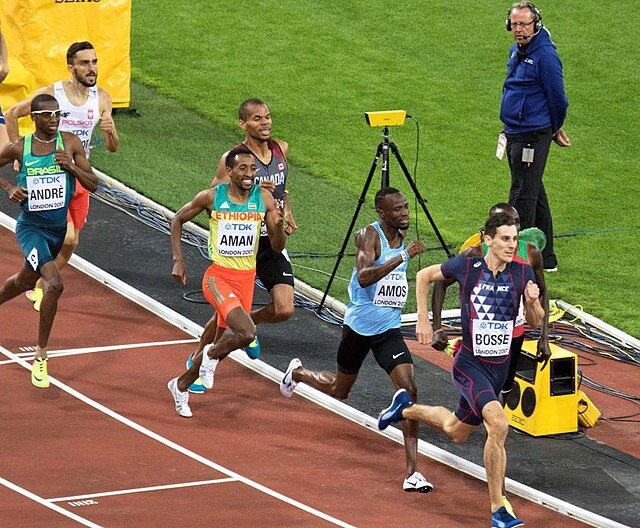
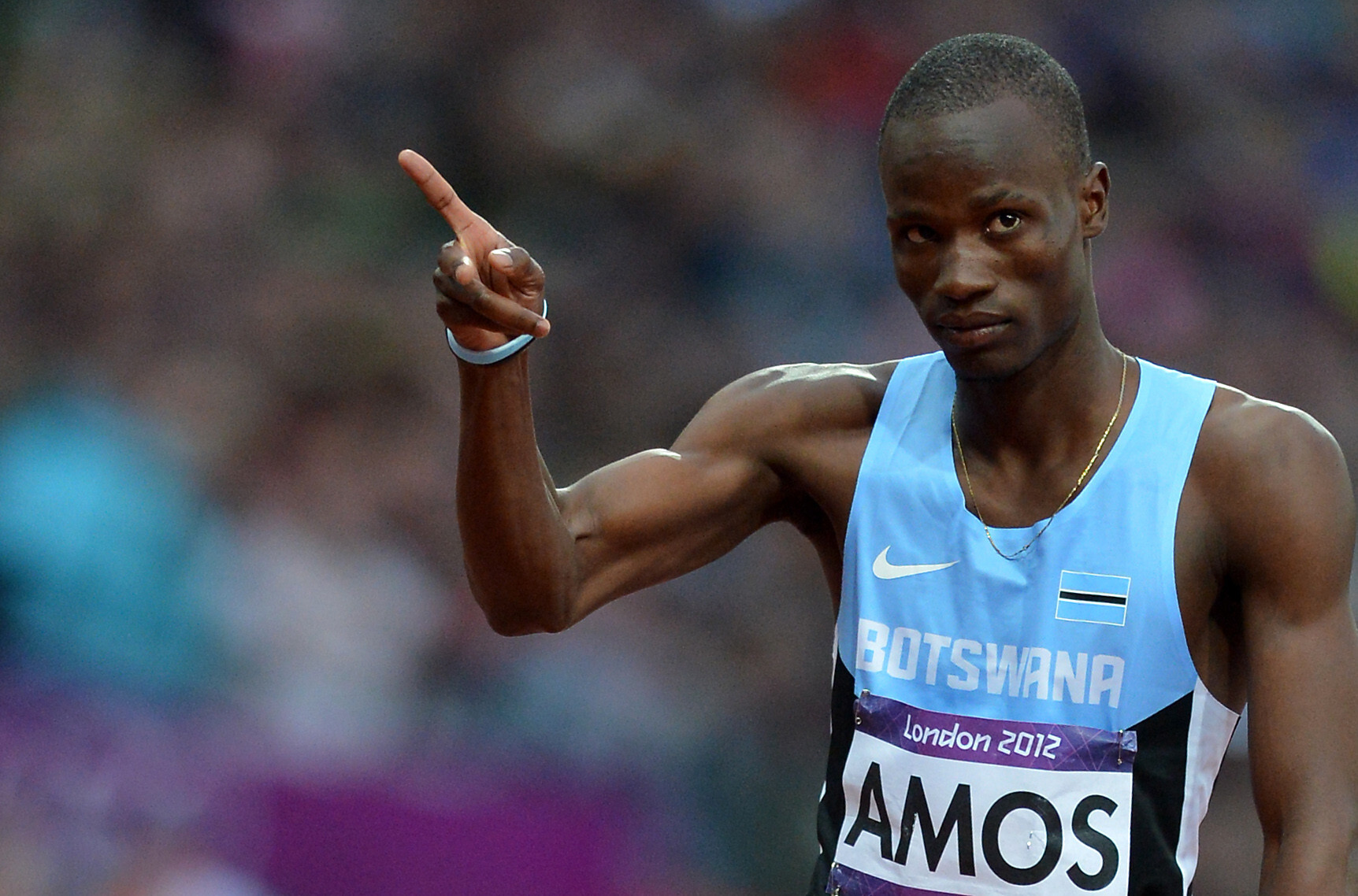
Amos’s silver in the 800m from the London Olympics was Botswana’s first Olympic medal and ranks as the third-fastest 800m time ever (1:41.73) behind Kenya’s David Rudisha (1:40.91) and Wilson Kipketer (1:41.11).
Amos has spent his last six seasons training with Mark Rowland and the Nike Oregon Track Club. Rowland recently left the club to start a new role as a coach with the Athletics Canada West Hub.
The AIU says the length of his suspension will be determined at a later date.
by Marley Dickinson
Login to leave a comment
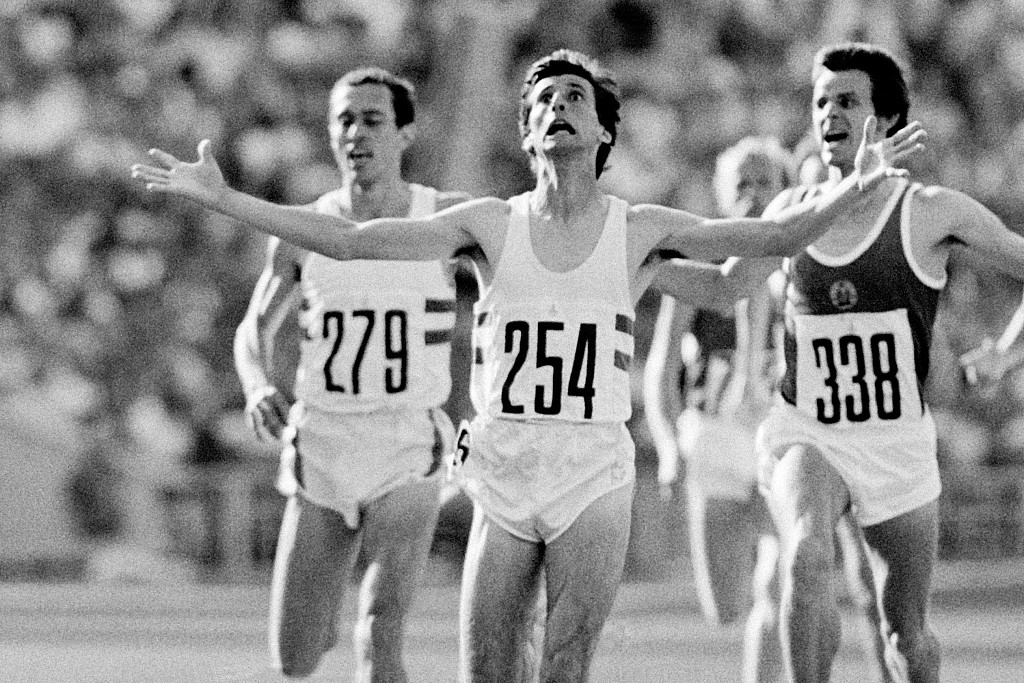
Sebastian Coe's monumental 800 meters
June 10, 1981 remains a red-letter day in the long history of 800m running, for it was in Florence late that night that Sebastian Coe lowered his own world record from 1:42.33 to 1:41.73. Every world record is special, marking as it does an advance on anything previously achieved, but Coe's run was extra-special. That time would not be bettered for 16 long years, itself a record in the annals of the men's 800m event.
When strongly-built Alberto Juantorena won the 1976 Olympic title in a world record 1:43.50 it was widely thought that here was the man to revolutionize two-lap running. And yet, for all his speed (44.26 400m) and power, the Cuban succeeded only in clipping another few hundredths off the record with 1:43.44 at the 1977 Universiade. Instead it was the slight figure of Coe who has gone down in history as the athlete who, like Germany's Rudolf Harbig in 1939 and New Zealand's Peter Snell in 1962, pushed back the frontiers of 800m performance.
It was in 1979 that Britain's Coe established himself as one of the all-time greats of middle distance running when in the space of 41 days he shattered three world records. He started with 1:42.33 in Oslo on July 5, and was as shocked as everyone else by his time. After clocking his fastest 400m of 46.87 at the AAA Championships he returned to Oslo for the star-studded Dubai Golden Mile on July 17. Despite being practically a novice at the distance with a best time of 3:57.67, he moved into the lead shortly before the three-quarter mark (2:53.4) and then proceeded to cover the final quarter in 55.6. He had run 3:48.95, again astonished when told he had broken New Zealander John Walker's world record of 3:49.4. As he related later: "When I looked back twice in the final straight it was fear, it was panic, not pain, that I was feeling. I certainly wasn't in the slightest distress at the finish."
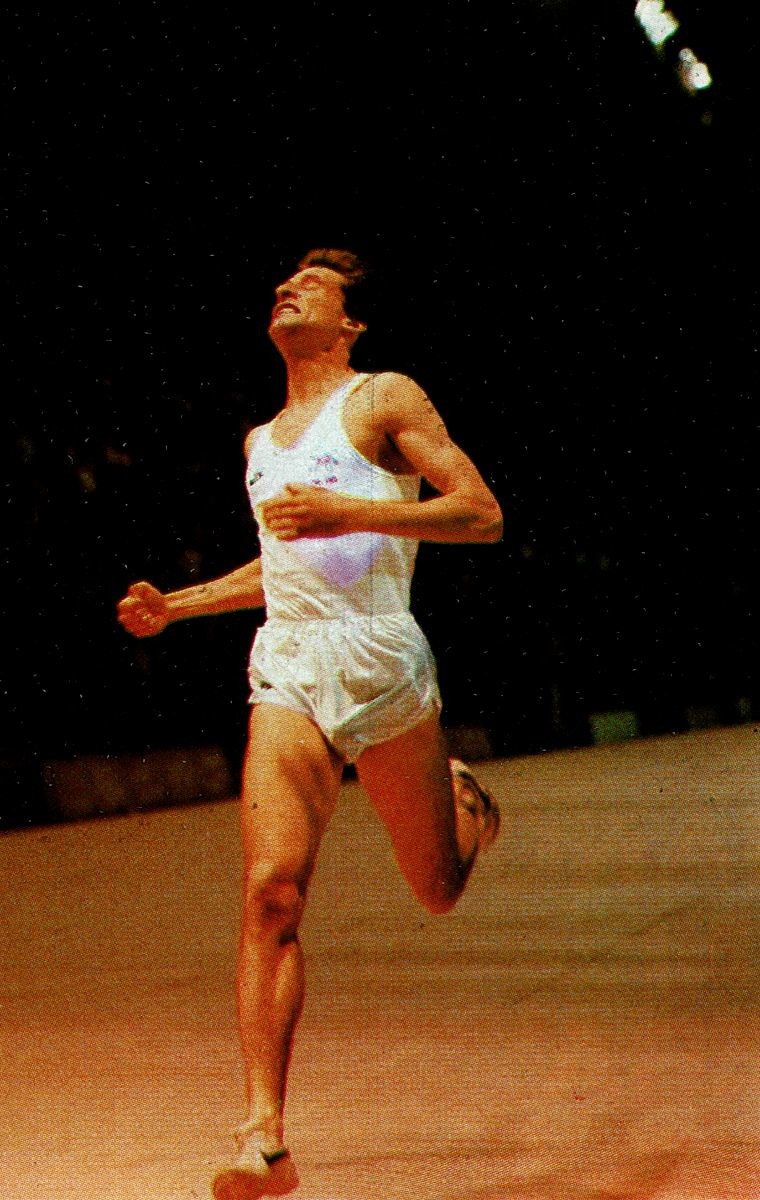
Record number three came about in Zurich on August 15. The target this time was the 3:32.16 1500m by Tanzania's Filbert Bayi. Elated by the knowledge that he had never been faster, having been timed at 45.5 for a 400m relay leg 10 days earlier, Coe shot off at a potentially suicidal pace by clinging to the pacemaker, sweeping through the opening 200m in 25.9 and 400m in 54.3. Before 800m (1:53.19) had been covered, Coe was on his own, nearly 20m ahead of the field. Instead of easing back on the third lap he covered that in 56.3 for 2:49.5 at 1200m and at the finish – almost five seconds clear – his time was a hard earned 3:32.03.
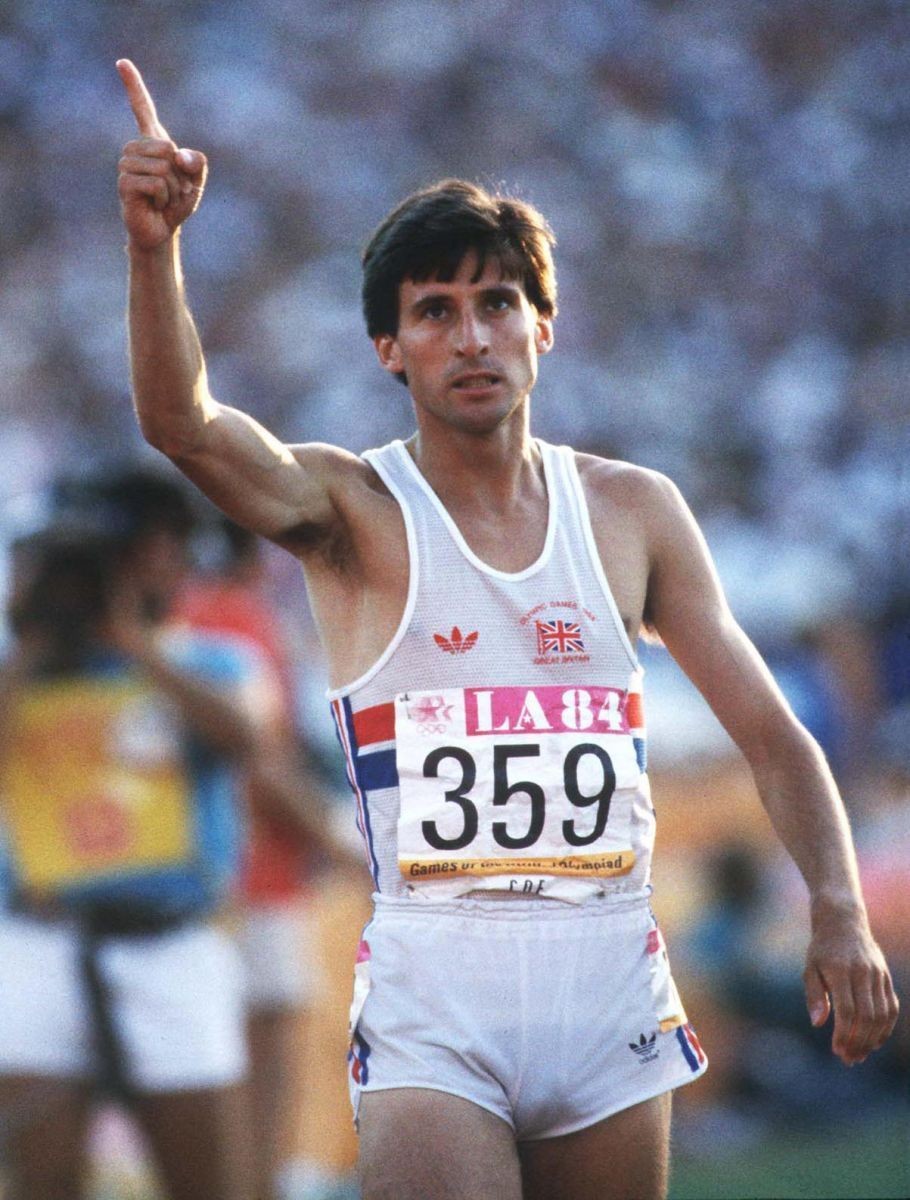
Coe's athletic immortality was sealed in 1980 when he triumphed in the Olympic 1500m in Moscow to make up for his 'disastrous' run in the 800m (a mere silver medal behind Steve Ovett) after adding to his portfolio of world records by covering 1000m in 2:13.40 in his first ever race at the distance.
And so to 1981. With no major title to aim for, the emphasis was on achieving spectacular 'one-off' performances. Asked how he had prepared during the winter, Coe replied: "My training mileage is slightly down but there's been more accent on speedwork. I'm going back to basics, trying to improve my 400m speed." That approach hadn't diminished his endurance, though, for he opened his indoor season by winning the UK 3000m title in a personal best of 7:55.2. Two weeks later he smashed the world indoor 800m record with 1:46.0. "I knew I was fit, but not that fit," he enthused.
A 46.9 400m and 46.3 relay leg on May 4 confirmed his speed was at a high level, and before his fateful appearance in Florence he won the Yorkshire county 800m title on May 17, in 1:46.5, an invitation 800m at Crystal Palace on June 3, in 1:44.06 followed two hours later with a 45.8 relay split from virtually a standing start, and as a final tune-up a 46.6 relay leg at Gateshead on 7 June. He traveled to Florence not expecting anything too special ... around 1:43/1:44.
His 800m race in Florence got under way after 11pm. Kenya's 19-year-old Billy Konchellah, then a 45.38 400m performer who would go on to become world 800m champion in 1987 and 1991, acted as pacemaker. In his slipstream Coe reached 200m in 24.5 and 400m in 49.7 and was perfectly set up for a super-fast time. Sensing Konchellah was about to flag, Coe forged ahead by 450m and after 200m splits of 24.5 and 25.2 he covered the next half-lap in a daring 25.3 for a remarkable 600m time of 1:15.0 – precisely 1:40 pace for the full distance. Inevitably he slowed towards the end but still managed a final 200m of a little under 26.7.
Coe's immediate post-race response: "I'm very happy about the result, but it was terrible waiting the 10 minutes for the official result. It's getting under 1:42 that is the great thing for me. It was as hard a race as I have run for a long time. In the last 30 meters I was beginning to tie up but apart from that there was no problem."
Coe went through that 1981 season undefeated, collecting further world records at 1000m (2:12.18) and mile (3:48.53 and 3:47.33). Other glittering performances would follow, notably a second Olympic 1500m triumph in 1984, but as a testimony to the quality of that 800m exploit in Florence note that even now, 40 years on, only two men have gone faster: David Rudisha of Kenya and Wilson Kipketer of Denmark.
by World Athletics
Login to leave a comment
