

Running News Daily
Running News Daily is edited by Bob Anderson and team. Send your news items to bob@mybestruns.com Advertising opportunities available.
Index to Daily Posts · Sign Up For Updates · Run The World Feed
Articles tagged #Dmitry Klimov
Today's Running News
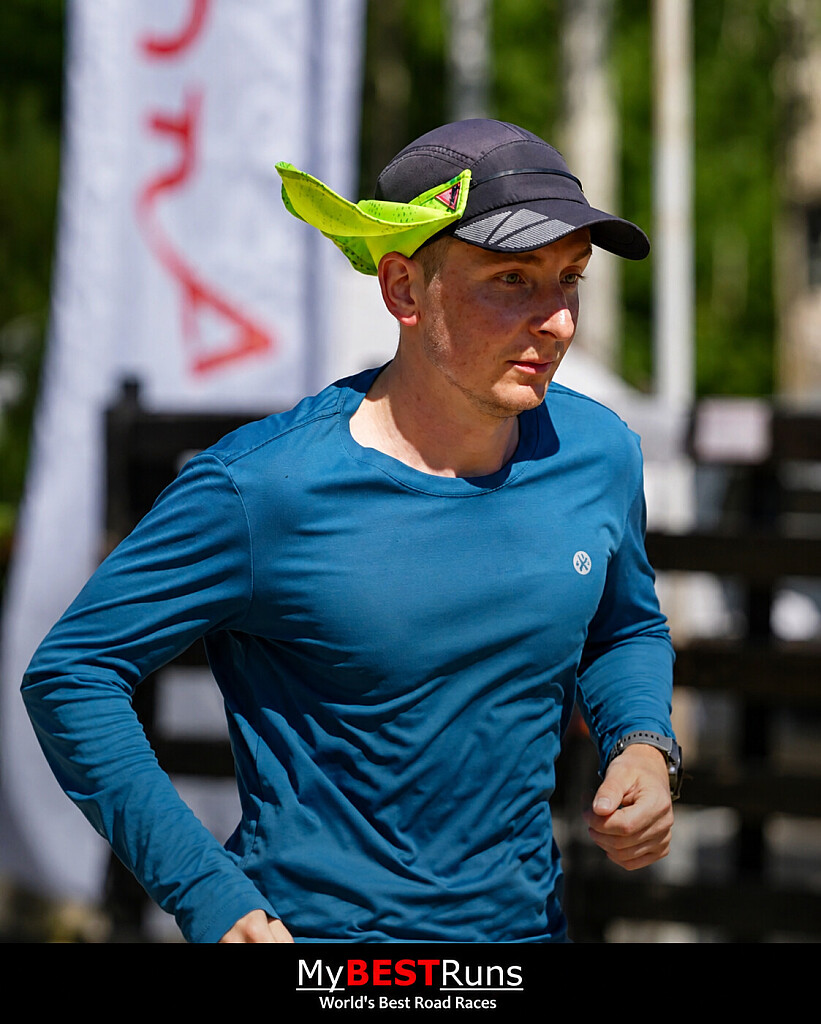


Backyard Ultra World Records Erased: Lazarus Lake Declares Historic Russian Performances Invalid
What appeared to be the greatest Backyard Ultra ever staged has officially been wiped from the record books.
Just weeks after athletes in Russia delivered performances that seemed to redefine the limits of endurance, Backyard Ultra founder Lazarus Lake has ruled that every world-record mark achieved at the event is void and will not be recognized due to violations of the competition's strict rules.
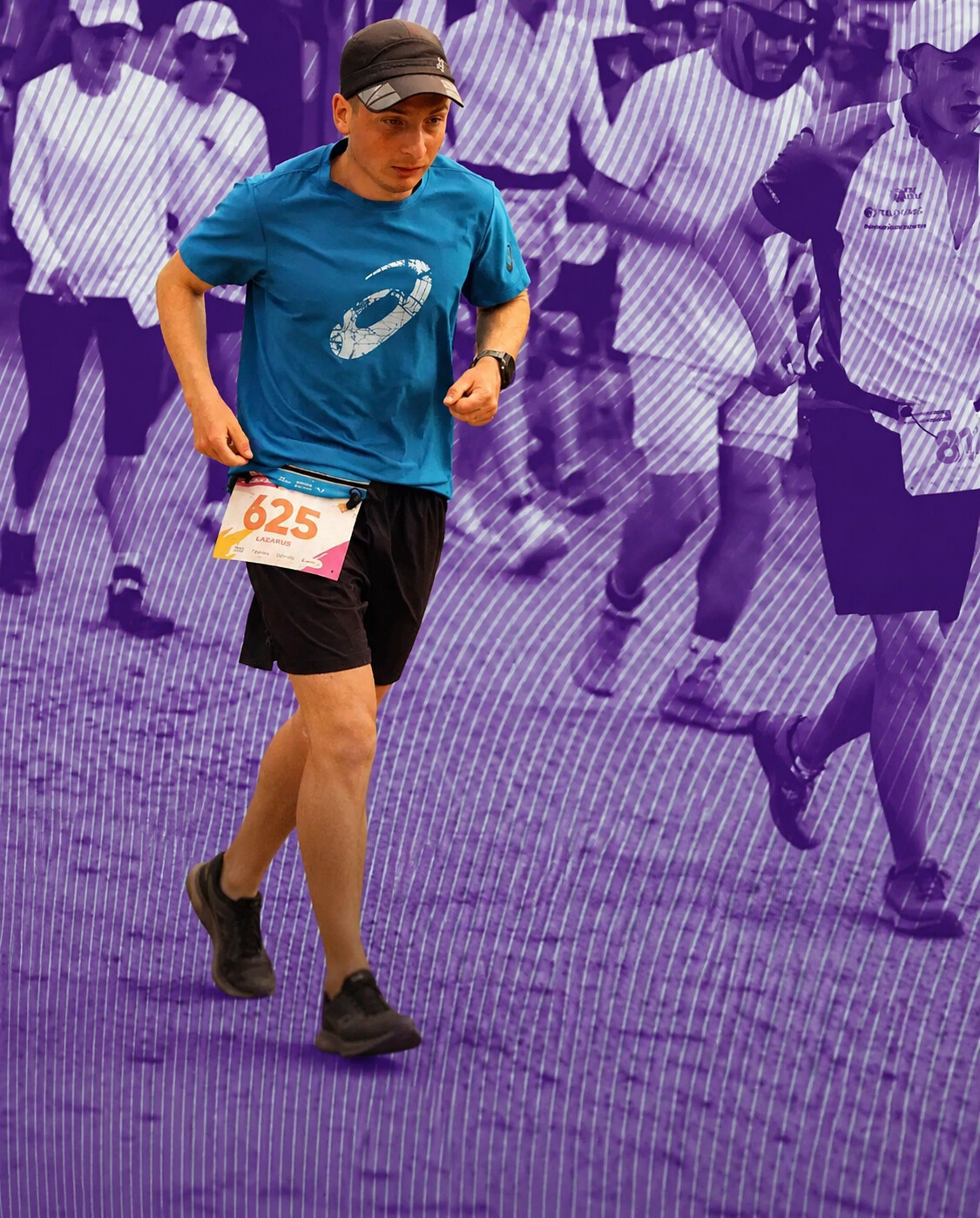
The decision overturns what initially looked like one of the most remarkable chapters in the sport's history.
At the Biotropika Backyard Ultra in Russia's Leningrad Region, Dmitry Klimov stunned the ultra-running world by completing 123 consecutive loops—covering 512.5 miles (824.8 km) over five relentless days. His effort surpassed the existing men's world record, while fellow competitors Dmitry Sheremet and Ivan Zaborsky also ran beyond the previous global mark before eventually dropping out.
In the women's race, Vera Chekalina completed 96 loops, improving the existing women's world record by one loop and seemingly securing her place in Backyard Ultra history.
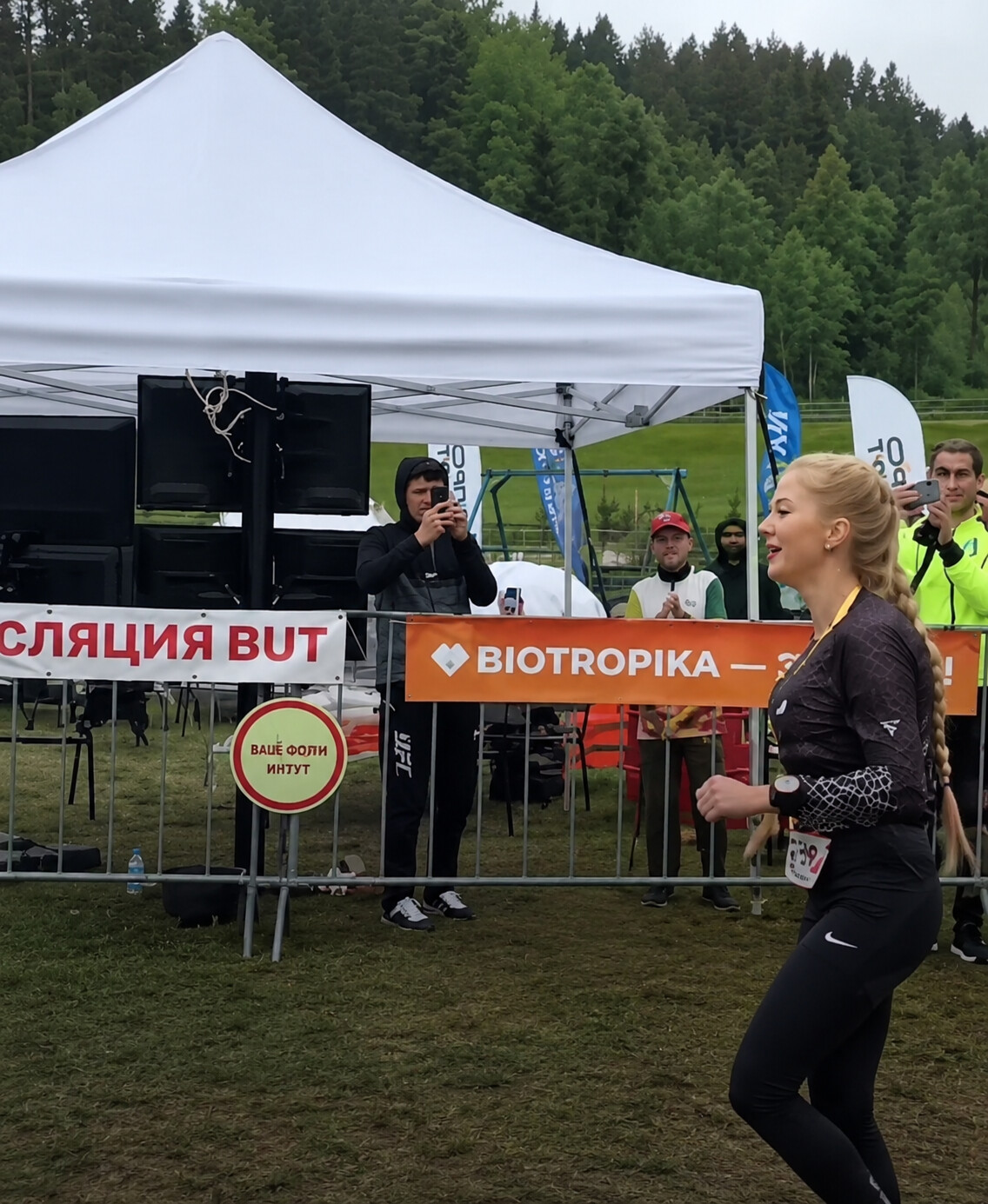
For a brief moment, the event appeared to have rewritten the sport's record books.
Instead, it has become one of its most controversial.
According to Lazarus Lake, the issue was not the athletes' performances but the race's failure to comply with the Backyard Ultra's fundamental regulations. Video evidence reportedly showed non-competitors—including members of the media, race officials, volunteers, organizers, and support personnel—accompanying runners on the course during active loops.
Under Backyard Ultra rules, competitors must complete every loop without anyone else sharing the course. Any presence of non-runners is considered outside assistance, making the performances ineligible for official recognition.
Questions surrounding the event had already surfaced before the ruling. The record-breaking performances were announced only as "subject to ratification," while some participants and observers also debated whether the event's halfway water station violated the competition's strict limitations on personal aid.
Following the review, Lake confirmed that none of the results would be ratified.
As a result, the official world records remain unchanged.
Australian ultrarunner Phil Gore retains the men's Backyard Ultra world record with 119 loops, set at Dead Cow Gully in 2025, while Sarah Perry's 95-loop performance at Big's Backyard Ultra in Tennessee continues to stand as the women's world record.
Although the Russian performances will never appear in the official record books, they remain an extraordinary display of human endurance. Three men covered more distance than anyone had ever managed in a Backyard Ultra, while Chekalina pushed beyond the previous women's benchmark.
Yet the Backyard Ultra has always been defined as much by its rules as by its distance. Every hour begins the same way, every loop follows the same principles, and every runner competes under identical conditions.
This ruling serves as a reminder that in one of endurance sport's most demanding disciplines, exceptional performances alone are not enough. To become part of Backyard Ultra history, athletes must not only outlast every competitor—they must also do so within the uncompromising rules that define the event.
by Erick Cheruiyot for My Best Runs.
Login to leave a comment
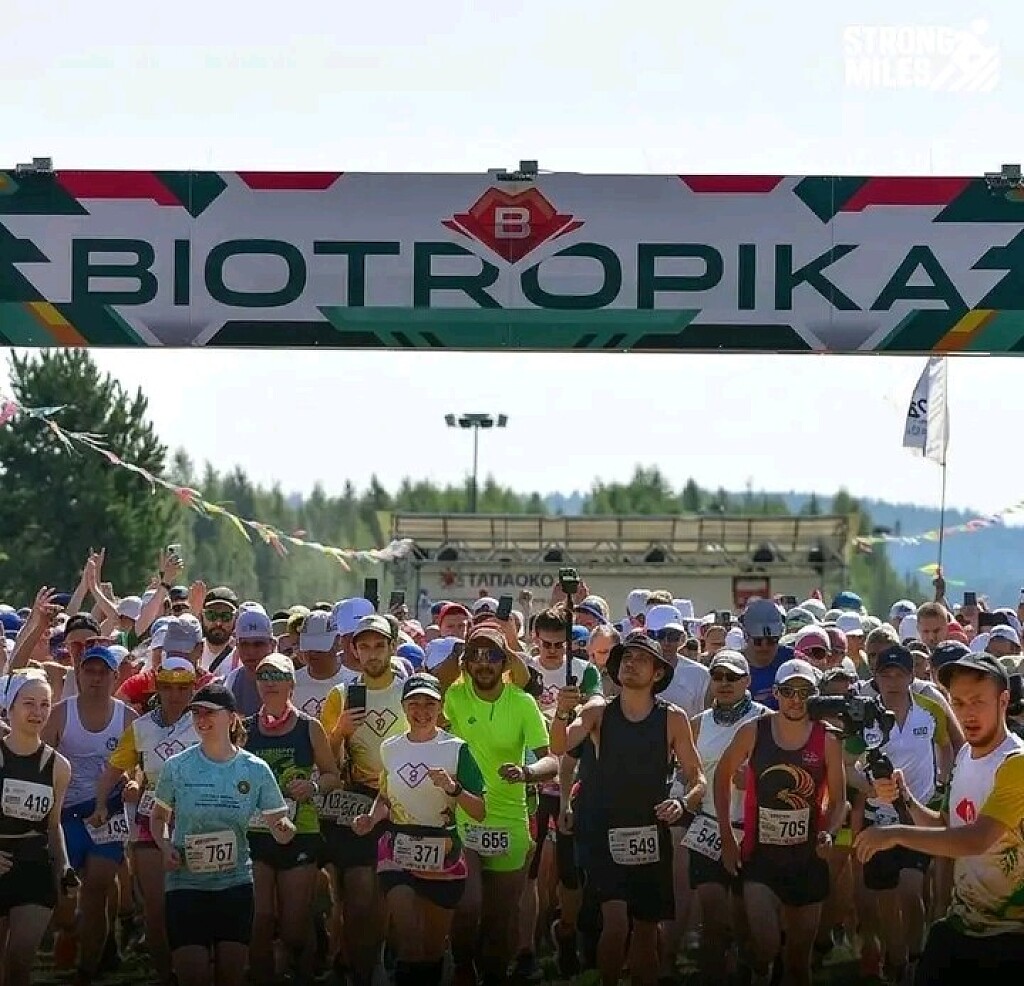
Two World Records Fall as Russian Backyard Ultra Rewrites Endurance History
The world of ultrarunning witnessed an extraordinary chapter this week as both the men's and women's Backyard Ultra world records were shattered at the Biotropika Ultra Trail in Russia's Leningrad Region, in a display of endurance that pushed the limits of human resilience.
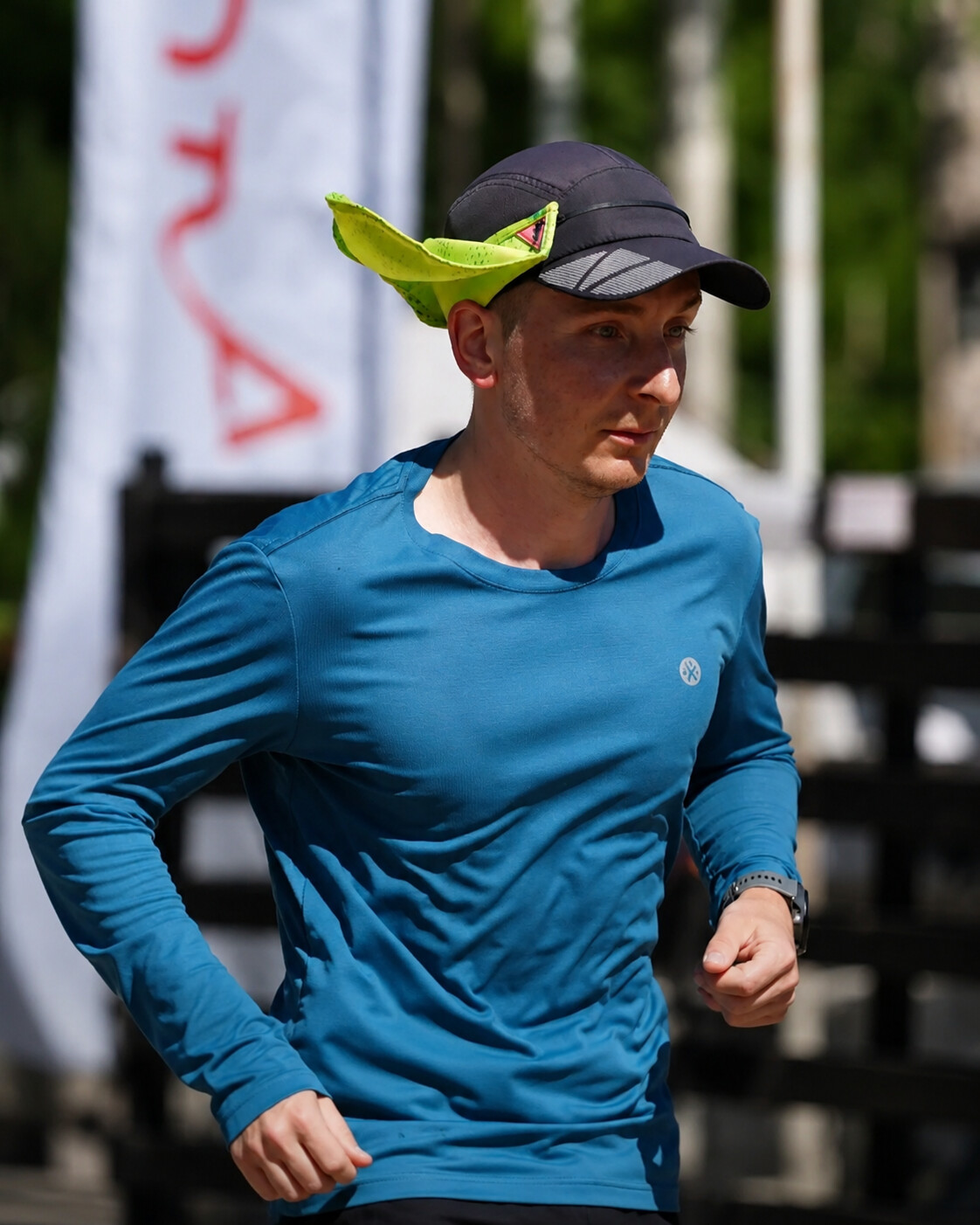
The men's race delivered an unforgettable battle, with Dmitry Klimov emerging as the last runner standing after an astonishing 123 consecutive hourly loops. Covering 824.8 kilometres (512.5 miles) over more than 123 hours, Klimov eclipsed the previous world record of 119 laps, set by Australia's Phil Gore almost exactly one year earlier.
What made the achievement even more remarkable was the incredible depth of the competition. Fellow Russians Ivan Zaborsky and Dmitry Sheremet also surpassed Gore's previous benchmark, completing 121 and 122 laps respectively before bowing out. With his rivals unable to continue, Klimov completed the decisive final lap alone, sealing a historic new world record.
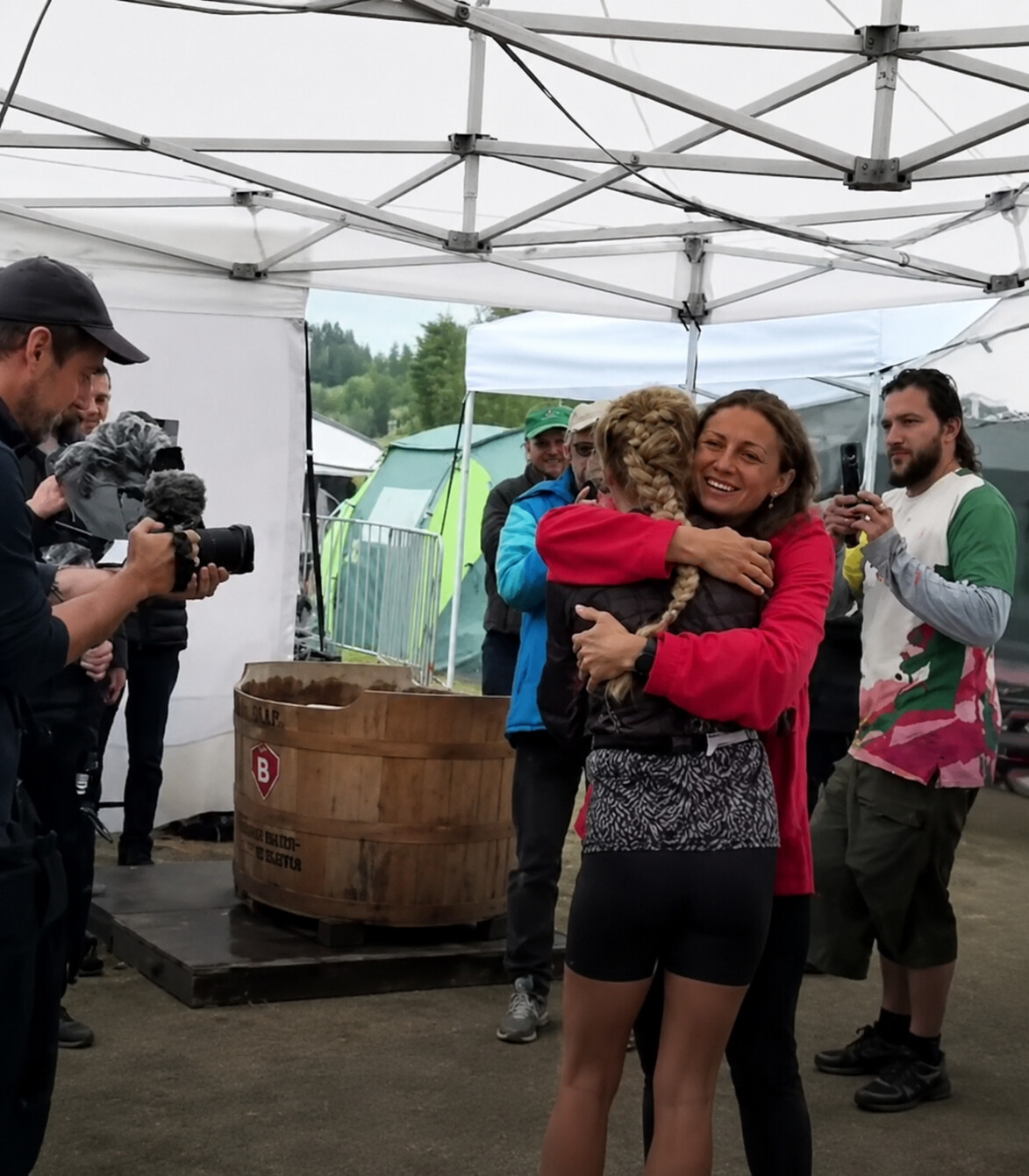
The women's competition was equally inspiring. Vera Chekalina, 49, produced a remarkable performance by completing 96 laps, covering 643.2 kilometres (399.7 miles) to establish a new women's Backyard Ultra world record. Her achievement highlighted not only exceptional physical endurance but also the mental toughness required to excel in one of the sport's most demanding formats.
Unlike traditional ultramarathons, the Backyard Ultra follows a deceptively simple concept. Athletes must complete a 6.706-kilometre (4.167-mile) loop within one hour. At the start of every new hour, every remaining runner must begin another lap. There are no finish lines or predetermined distances—the race continues until only one competitor remains capable of completing another lap.
In this relentless format, raw speed offers little advantage. Success depends on meticulous pacing, effective recovery, disciplined nutrition, careful foot management, and the ability to resist the temptation to push too hard while watching competitors gradually drop out. Klimov, Sheremet, Zaborsky, and Chekalina demonstrated those qualities at the highest level, sustaining their efforts for more than five days.
The Biotropika Ultra Trail will now be remembered as one of the most significant events in Backyard Ultra history, producing two world records and redefining what is possible in one of endurance sport's most unforgiving disciplines. As the global ultrarunning community reflects on these remarkable performances, one thing is clear: the boundaries of human endurance have been pushed further than ever before.
by Erick Cheruiyot for My Best Runs.
Login to leave a comment
