

Running News Daily
Running News Daily is edited by Bob Anderson and team. Send your news items to bob@mybestruns.com Advertising opportunities available.
Index to Daily Posts · Sign Up For Updates · Run The World Feed
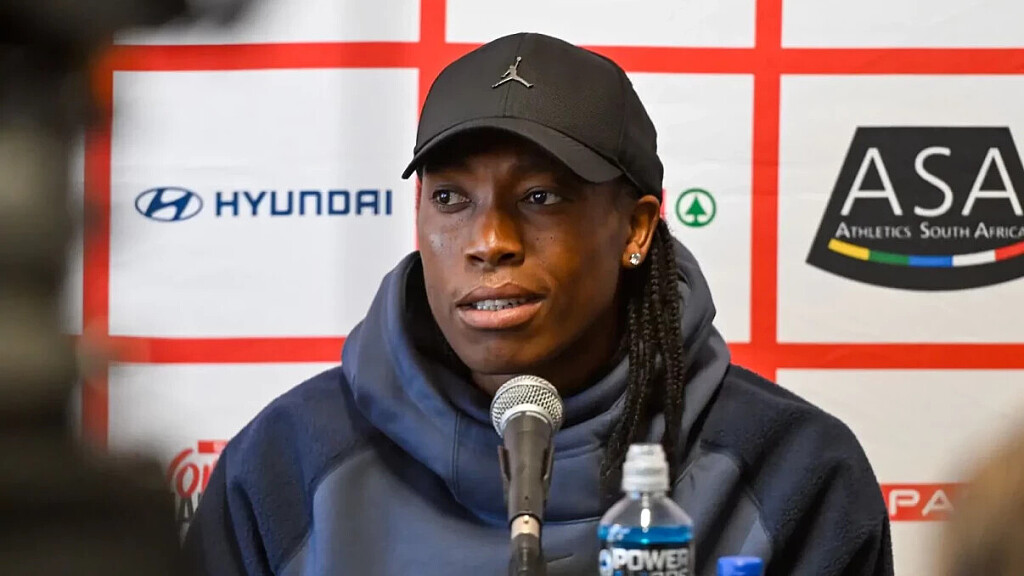


“I Want To Fix My Own Ship!” Caster Semenya Turns Her Back On Athletics South Africa Leadership To Focus On Developing Future Champions!

South African athletics legend Caster Semenya has firmly ruled out any possibility of taking up a leadership position within Athletics South Africa (ASA), delivering a powerful message about betrayal, broken trust and her disappointment with the people entrusted with governing the sport.
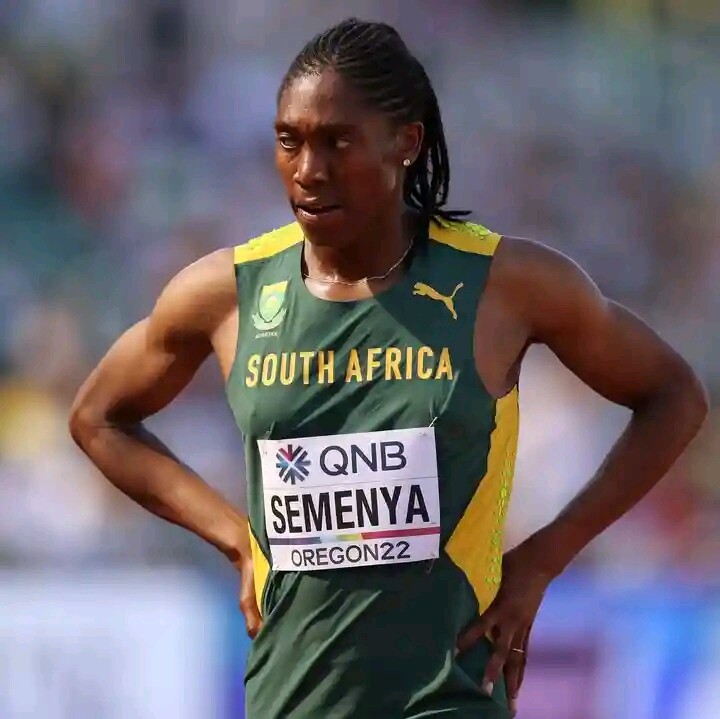
The two-time Olympic 800m champion has made it clear that she has no intention of contesting for a position on the federation's board or accepting an ambassadorial role, insisting that she no longer wants to associate herself with organisations where she believes trust and accountability are lacking.
Speaking to SABC Sport, the 35-year-old did not hide her frustration, using particularly strong language to explain why she has no interest in returning to sports administration.
"I have been betrayed so many times by the very same people. I don't see myself sitting at a table with an enemy. I am going to be honest; I am speaking just for myself. I have no interest in any position or any organization at this moment," Semenya said.
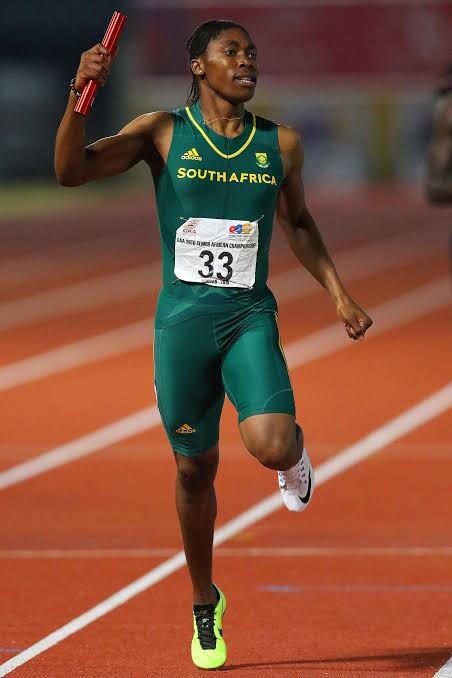
She further explained that she would rather concentrate on developing her own projects and supporting the next generation of athletes than become involved in national or international sports leadership.
"I want to fix my own ship, which is Masai Athletics Club, the Caster Semenya Foundation, which is my priority, and my athletes," she added.
Her comments come at a particularly difficult moment for Athletics South Africa, which is facing serious governance challenges following a disciplinary investigation involving its suspended president, James Moloi.
An independent disciplinary panel chaired by retired Judge President Basheer Waglay found Moloi guilty of two charges relating to the misuse of the federation's financial resources, including unauthorised use of its corporate credit card. The panel recommended his removal from both the presidency and the federation's board. Moloi denied the charges.
World Athletics subsequently instructed Athletics South Africa to implement the panel's decision without delay, while giving the federation six months to adopt a revised constitution and undertake governance reforms. Failure to comply could result in the matter being referred to the World Athletics Council for possible sanctions, including provisional suspension.
The federation has since appointed Jean Verster as acting president as it works towards meeting the international governing body's requirements.
For Semenya, however, the crisis appears to reinforce her decision to stay away from the administration of a sport in which she has experienced some of her most difficult professional battles.
A three-time world 800m champion, Semenya has been one of South Africa's most celebrated athletes, winning Olympic gold at London 2012 and Rio 2016. Despite her extraordinary achievements on the track, her career has also been marked by a prolonged legal battle with World Athletics over regulations governing female athletes with differences of sex development.
Her latest remarks offer another indication of how deeply her experiences have influenced her relationship with sports institutions.
Rather than pursuing a position in the federation, she is choosing to invest her energy in coaching, developing athletes through Masai Athletics Club and expanding the work of her foundation.
Her decision also raises broader questions about athlete representation, accountability and the responsibility of sports administrators to protect the interests of those who dedicate their lives to representing their countries.
South African athletics has produced remarkable international champions, but rebuilding confidence in its leadership will require more than constitutional amendments and changes in office. Transparency, accountability and genuine respect for athletes will be equally important.
For now, Semenya has made her position unmistakably clear: she has no interest in returning to the boardroom, preferring to build her own legacy away from the politics of athletics.
by Erick Cheruiyot for My Best Runs.
Login to leave a comment
Latest Running News
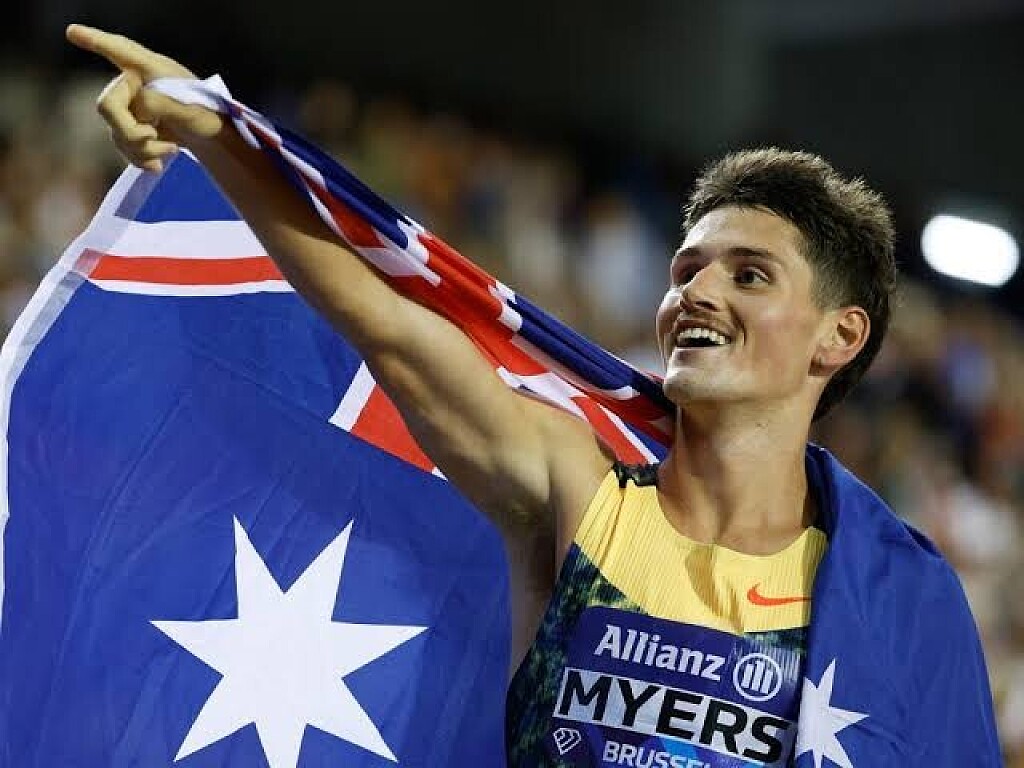
Cam Myers Sets His Sights On Olympic Glory, With An Ambition To Become Unbeatable By Brisbane 2032!
Australian middle-distance sensation Cam Myers is already looking beyond his impressive achievements in 2026, with the ambitious goal of reaching the very top of the sport at the Los Angeles 2028 Olympic Games before pursuing an even bigger dream on home soil at Brisbane 2032.
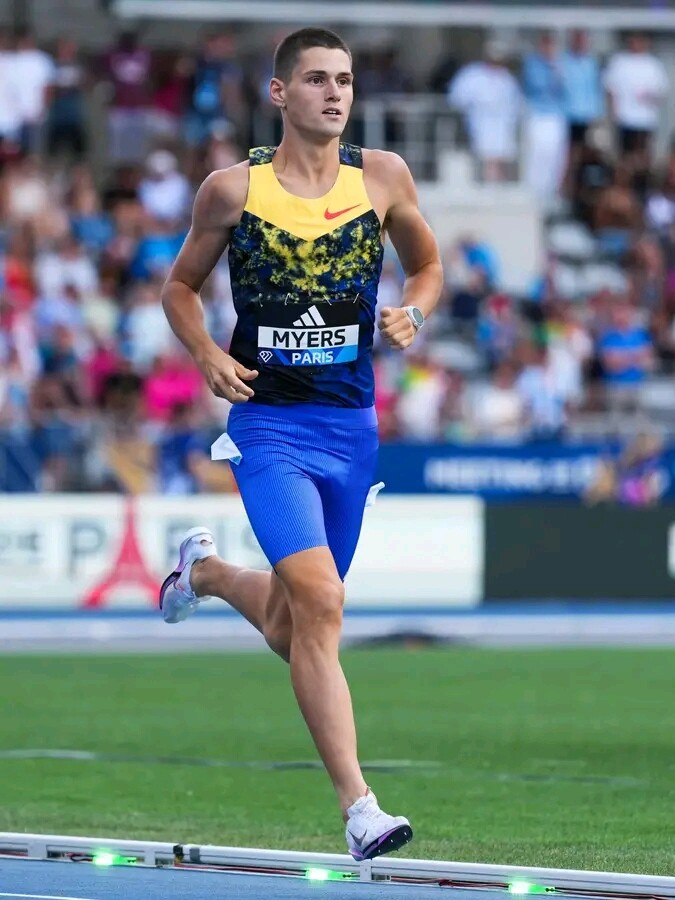
The 2026 season has been a remarkable breakthrough for the talented Australian, who has established himself among the leading names in international middle-distance running. Myers enjoyed a campaign filled with major victories, record-breaking performances and significant championship success, demonstrating that his potential extends far beyond being one of Australia's most exciting young athletes.
Among his outstanding achievements this year was winning the Diamond League 1500m title, confirming his ability to deliver against the world's best when the pressure is at its highest. He also claimed silver in the Commonwealth Games mile, finishing behind Britain's Josh Kerr, while securing national titles in both the 1500m and 5000m at the Australian Athletics Championships.
His success extended to two major international performances that further underlined his growing reputation. Myers captured victory in the prestigious Bowerman Mile at the Prefontaine Classic in a remarkable Oceanian record of 3:46.06 before producing another outstanding performance in Paris, where he won the 1500m in 3:28.00, setting another Oceanian record.
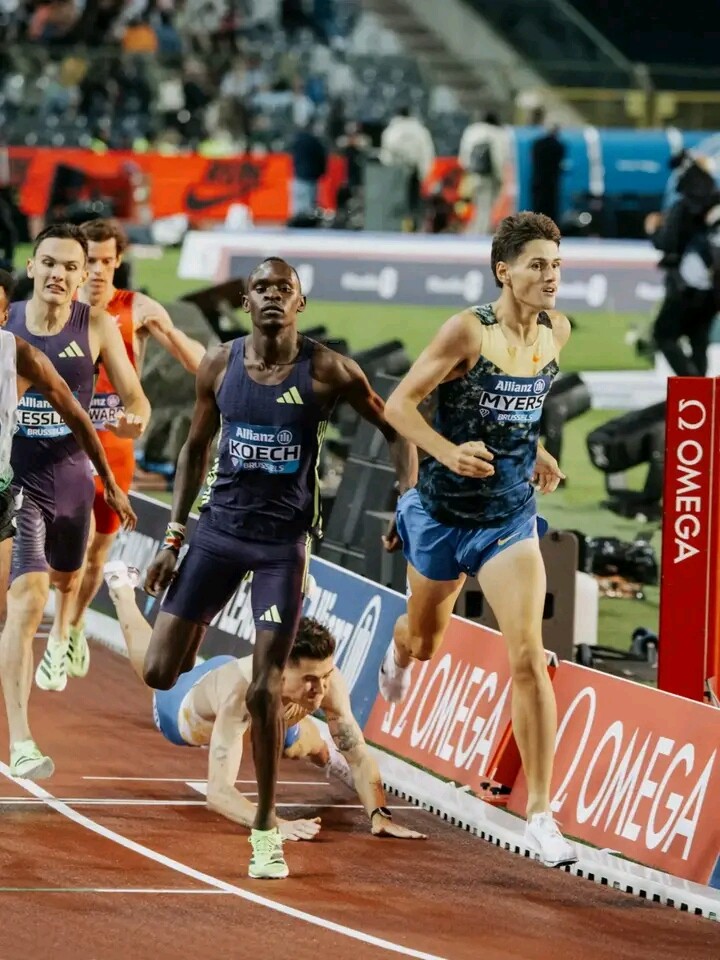
However, despite the impressive collection of achievements, Myers is not allowing his recent success to distract him from the bigger picture. Speaking in the November issue of Athletics Weekly, the Australian outlined his long-term ambitions, revealing that while Los Angeles 2028 remains a major target, the opportunity to compete at a home Olympic Games in Brisbane four years later carries even greater significance.
For the Los Angeles Olympics, Myers is targeting a place on the podium, with an Olympic gold medal representing the ultimate prize. But his ambitions stretch much further than simply winning a medal.
With six years separating the present moment from Brisbane 2032, the Australian believes he has sufficient time to develop into an even stronger and more complete athlete, eventually reaching a level where he can dominate the 1500m and become virtually unbeatable.
"My goal in LA is to win a medal, and preferably a gold medal, but I've got six years between now and Brisbane. Hopefully by then I can be unbeatable," Myers explained.
Interestingly, Myers is also choosing a different approach to the growing competitiveness and rivalry within elite middle-distance running. Rather than engaging in verbal exchanges or attempting to attract attention through trash talk, he prefers to let his performances speak for themselves.
His philosophy is centred on consistent improvement, delivering results on the track and allowing his achievements to define his standing among the world's best.
With a Diamond League crown, Commonwealth silver, two Australian national titles and two Oceanian records already secured in 2026, Myers has laid down a significant marker for what could become an extraordinary career.
The immediate challenge will be maintaining that momentum and translating his current form into Olympic success in Los Angeles. Beyond that lies an opportunity to achieve something truly special: standing on the Olympic podium in front of his home crowd in Brisbane in 2032.
For now, the Australian is building towards that future, but his ultimate ambition is unmistakable. He does not simply want to compete with the world's best; he wants to reach a point where nobody can beat him.
by Erick Cheruiyot for My Best Runs.
Login to leave a comment
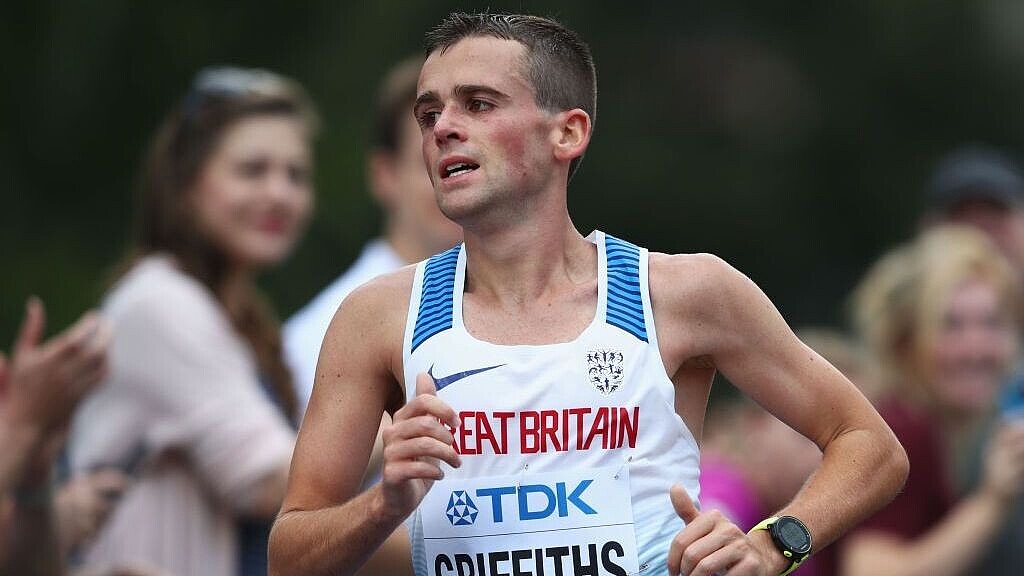
Three-Month Doping Ban For British Marathoner Josh Griffiths After Both Samples Test Positive For Cocaine Metabolite!
British marathoner Josh Griffiths has served a three-month suspension imposed by the Athletics Integrity Unit (AIU) after both his A and B samples tested positive for benzoylecgonine, a metabolite of cocaine, following his participation in the 2026 Belfast City Marathon.
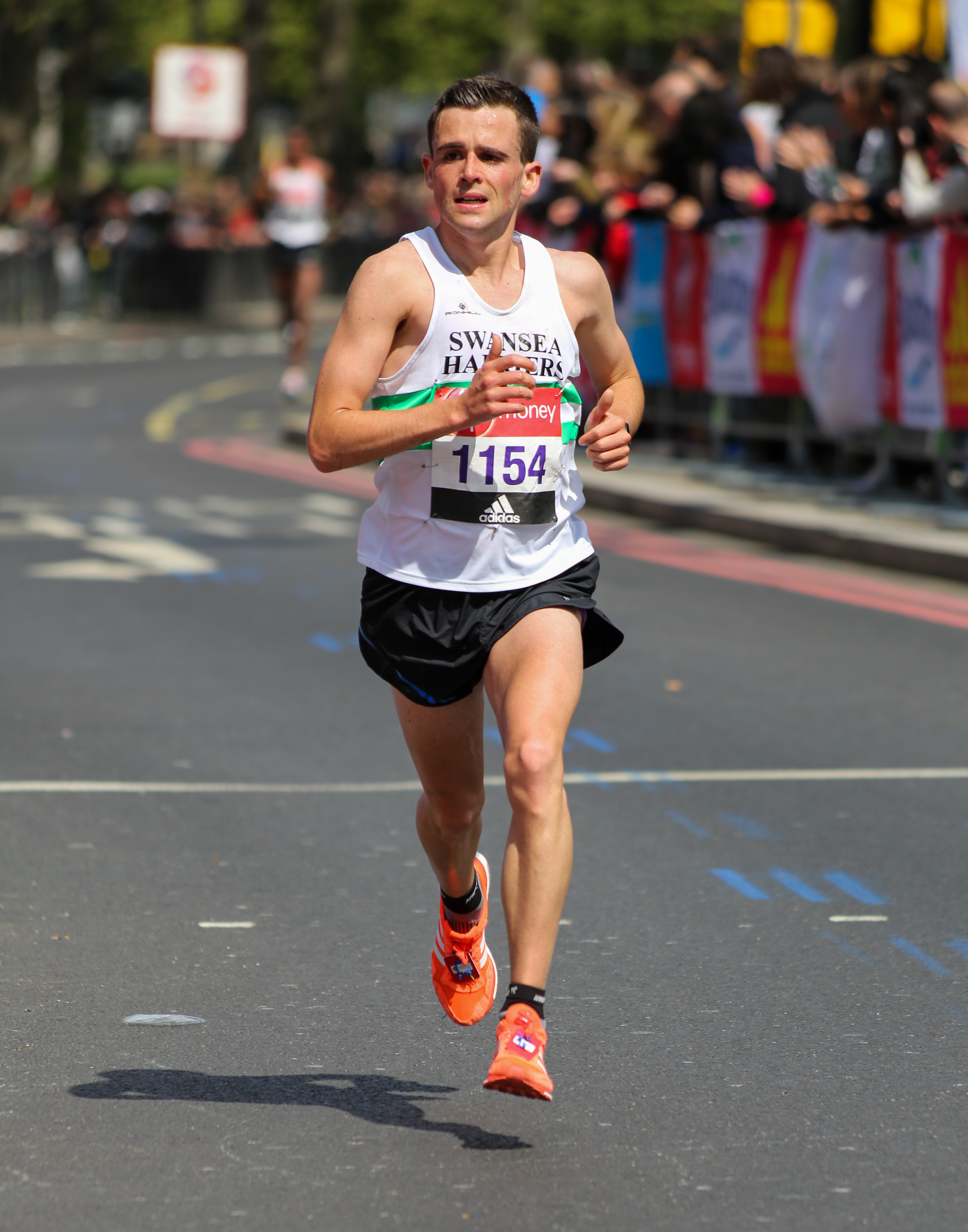
The 33-year-old, who has represented Great Britain at two World Athletics Championships, came under investigation after finishing fourth in Belfast on May 3, clocking 2:18:01. The positive finding was subsequently confirmed in both samples collected following the race.
The AIU announced the disciplinary decision on Wednesday, November 11, confirming that Griffiths had received a three-month ban for the anti-doping rule violation. His suspension ran from June 19 to September 18, 2026, meaning he had already completed the sanction before the case became public.
Griffiths, whose marathon personal best stands at an impressive 2:11:28, strongly denied knowingly taking cocaine and maintained that he had no explanation for how the substance entered his system.
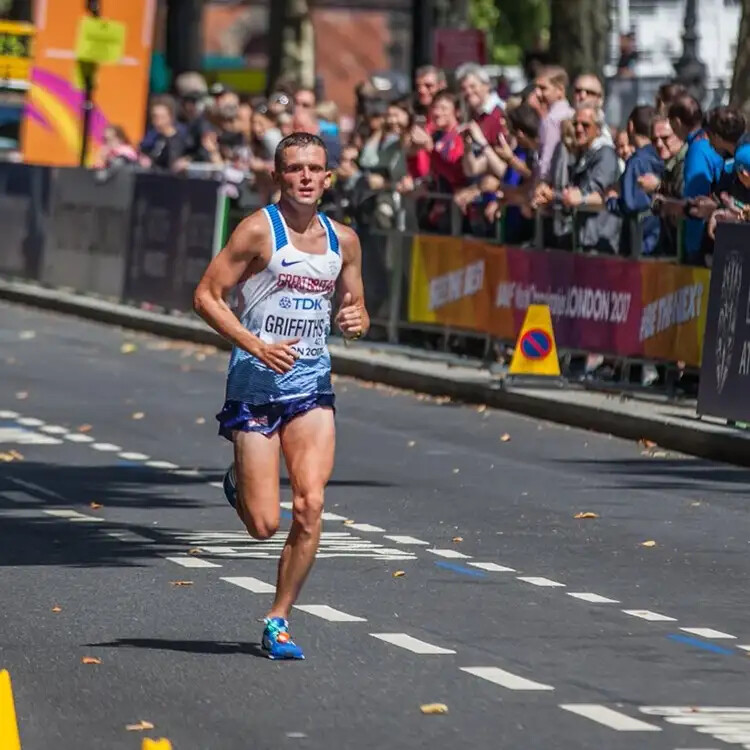
In his response to the anti-doping authorities, the Welsh athlete stated that he had "never knowingly ingested Cocaine and was not aware of Cocaine having been used by anyone close to him."
During the proceedings, scientific evidence was presented to support the argument that the concentration detected was inconsistent with cocaine consumption during the competition period. Coca tea and other possible sources of low-level exposure were also raised, although the precise source of the substance could not be established.
Importantly, the AIU accepted Griffiths' explanation that any ingestion must have occurred outside competition and been unrelated to sporting performance.
This distinction was central to the final decision. Under anti-doping regulations, cocaine is classified as a substance of abuse and is prohibited in competition. Where an athlete establishes that its use occurred outside competition and was unrelated to sporting performance, the applicable sanction can be reduced to three months.
Griffiths admitted the anti-doping rule violation and accepted the three-month suspension.
The consequences extended beyond the period of ineligibility. All his competitive results from May 3, 2026, onwards during the applicable disqualification period were annulled, including his fourth-place finish at the Belfast City Marathon. Any associated prize money was also forfeited.
Griffiths first attracted widespread attention at the 2017 London Marathon, where he produced an outstanding performance as a club athlete, finishing in 2:14:49 to become the fastest British man in the race.
His breakthrough performance earned him selection for Great Britain at the 2017 World Athletics Championships in London. He subsequently represented his country again at the 2022 World Championships in Oregon.
He also represented Wales at the 2018 Commonwealth Games and recorded an eighth-place finish at the 2021 London Marathon, further establishing his reputation as one of Britain's notable marathon runners.
The latest ruling represents a difficult chapter in the career of an athlete who rose from club-level competition to represent his country on the biggest international athletics stages.
by Erick Cheruiyot for My Best Runs.
Login to leave a comment
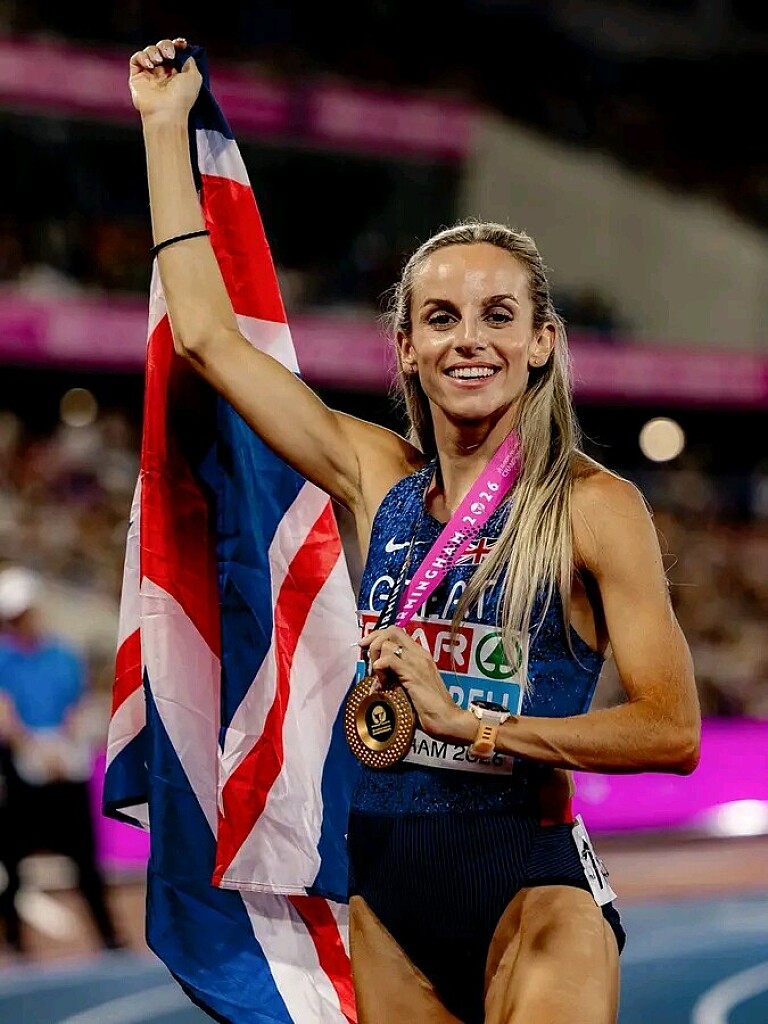
Two Events, One Olympic Dream! Georgia Hunter Bell Sets Her Sights On The 800m And 1500m Double At LA28 As New Qualification Standards Raise The Bar!
British middle-distance star Georgia Hunter Bell is already looking towards the Los Angeles 2028 Olympic Games, where she hopes to take on one of the most demanding challenges in athletics: competing in both the women's 800m and 1500m.
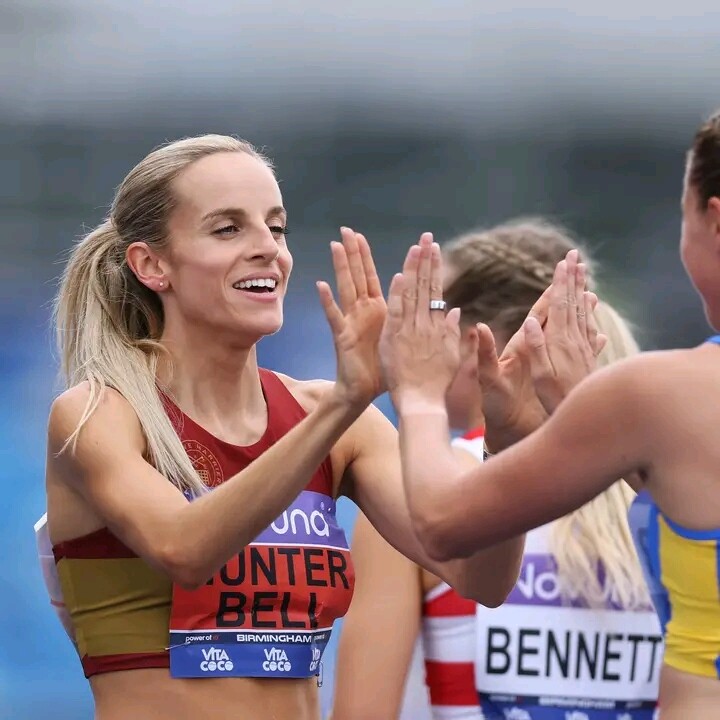
Hunter Bell has openly expressed her ambition to attempt the prestigious double, believing that the revised Olympic athletics schedule could make the combination more achievable. However, with the newly released LA28 qualification standards setting an exceptionally high benchmark, the road to achieving that dream will require careful planning and outstanding performances.
The 32-year-old has already established herself as one of Britain's leading middle-distance athletes, demonstrating remarkable versatility across both distances. Her personal bests of 1:54.90 in the 800m and 3:52.61 in the 1500m underline her ability to compete at the highest level in either event.
And with the new Olympic standards now officially published by World Athletics, the challenge is becoming clearer.
THE LA28 WOMEN'S QUALIFICATION STANDARDS:
800m: 1:57.00
1500m: 3:57.50
On paper, Hunter Bell has already run comfortably inside both qualifying marks. Her 800m personal best is 2.10 seconds faster than the required standard, while her 1500m best is 4.89 seconds quicker.
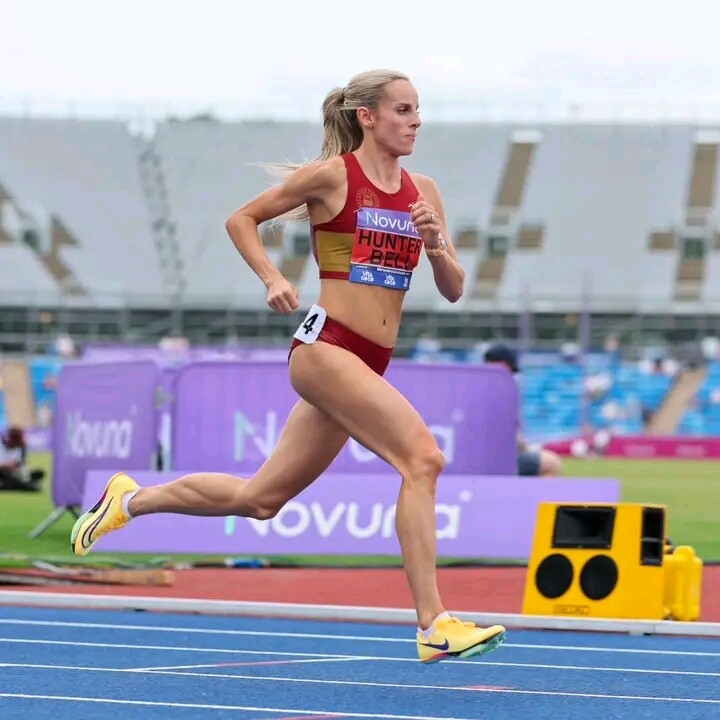
Nevertheless, having the required times on her record is not the same as securing an Olympic place. She will need to produce qualifying performances within the official window, remain competitive against Britain's outstanding middle-distance field and successfully navigate the selection process.
According to World Athletics, approximately 40 per cent of the available places in each event are expected to be allocated through entry standards, with the remaining 60 per cent determined through world rankings. Importantly, achieving the standard does not automatically guarantee qualification if more athletes meet the mark than the available quota allows.
For both the 800m and 1500m, the qualification and ranking period will run from 19 June 2027 to 18 June 2028.
Hunter Bell's ambition comes at an exciting time for British athletics. Having already shown that she possesses the speed and endurance required to excel at both distances, she could become one of the fascinating athletes to watch as preparations for LA28 gather momentum.
Her challenge, however, will be about more than simply running two fast times. Successfully contesting both events at an Olympic Games requires exceptional preparation, tactical intelligence, recovery and the ability to deliver under immense pressure.
If she manages to secure places in both disciplines, the British star could have an opportunity to challenge for two Olympic finals and potentially two medals.
THE BIG QUESTION IS NOW: CAN GEORGIA HUNTER BELL TURN HER AMBITIOUS 800M/1500M DOUBLE DREAM INTO REALITY AT LOS ANGELES 2028?
The clock is ticking, the standards are set, and the road to LA28 is officially taking shape.
by Erick Cheruiyot for My Best Runs.
Login to leave a comment

Kenyan Stars Antonina Kwambai And Barnaba Kipkoech Lead Strong Elite Fields For The 2026 Kobe Marathon In Japan!
Kenyan athletes Antonina Kwambai and Barnaba Kipkoech are set to headline the elite fields at the 2026 Kobe Marathon, which will take place on Sunday, November 15, in Kobe, Japan, as international and Japanese distance runners prepare to battle for top honours.
Kenya will have a strong presence in both the men's and women's races, with several experienced marathoners among the leading entries. The competition promises an exciting contest, particularly in the men's race, where two Kenyans share the fastest entry time.
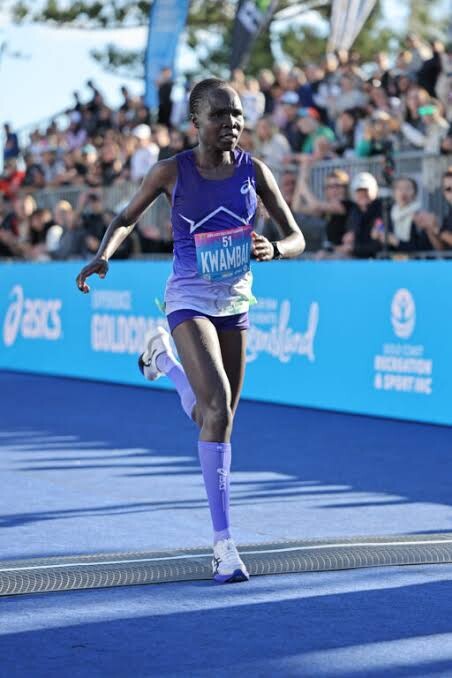
Leading the women's field is Antonina Kwambai, who arrives with an impressive personal best of 2:23:47. The Kenyan will be among the leading contenders for victory and will face a competitive international field featuring athletes from Japan and Australia.
Japan's Kaede Hagitani, with a personal best of 2:31:05, is among the leading home contenders, while Australia's Tara Palm (2:31:58) and Japan's Ayaka Shimoyamada (2:32:09) are also expected to add depth to the contest.
Kwambai will not have an easy assignment, however, with Japan's strong representation providing a significant challenge. Other notable women's entries include Kotomi Tsubokura (2:32:34), Kokone Sakai (2:35:22), Australia's Alexandra Lyndon (2:36:22), Haruna Takano (2:38:33), Mizuki Oda (2:38:36) and Kenya's Catherine Njunge (2:40:21). Ayaka Furukawa (2:42:35) completes the leading group.
TOP WOMEN'S ELITE ENTRIES
1. Antonina Kwambai (Kenya) – 2:23:47
2. Kaede Hagitani (Japan) – 2:31:05
3. Tara Palm (Australia) – 2:31:58
4. Ayaka Shimoyamada (Japan) – 2:32:09
5. Kotomi Tsubokura (Japan) – 2:32:34
6. Kokone Sakai (Japan) – 2:35:22
7. Alexandra Lyndon (Australia) – 2:36:22
8. Haruna Takano (Japan) – 2:38:33
9. Mizuki Oda (Japan) – 2:38:36
10. Catherine Njunge (Kenya) – 2:40:21
11. Ayaka Furukawa (Japan) – 2:42:35
In the men's race, Kenya's Barnaba Kipkoech and Elisha Rotich headline the field with identical personal bests of 2:06:54, making them two of the strongest contenders heading into the competition.
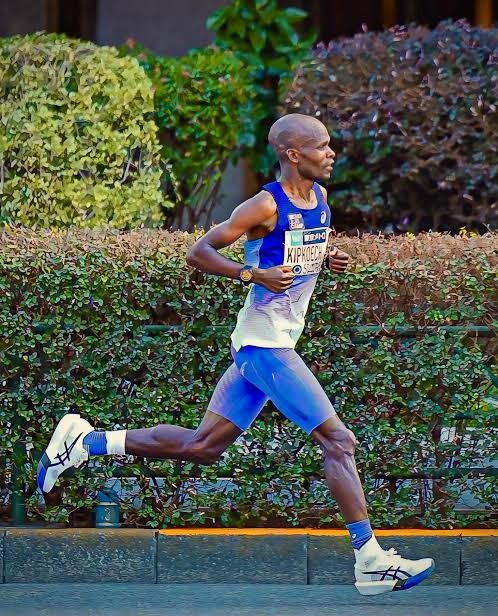
Rotich brings valuable experience to the race, having won the 2025 Kobe Marathon. He will be aiming to defend his title against a competitive international field, while Kipkoech will be equally determined to deliver a memorable performance and challenge for the top honours.
Eritrea's Goitom Kifle, with a personal best of 2:07:38, is another major contender capable of challenging the Kenyan athletes. Japan's Keijiro Mogi (2:09:06), Yuma Morii (2:09:59) and Hiroto Kanamori (2:10:01) will lead the home challenge.
MEN'S ELITE ENTRIES
1. Barnaba Kipkoech (Kenya) – 2:06:54
2. Elisha Rotich (Kenya) – 2:06:54
3. Goitom Kifle (Eritrea) – 2:07:38
4. Keijiro Mogi (Japan) – 2:09:06
5. Yuma Morii (Japan) – 2:09:59
6. Hiroto Kanamori (Japan) – 2:10:01
7. Ser-Od Bat-Ochir (Mongolia) – 2:10:10
8. Hiromasa Kumahashi (Japan) – 2:10:31
9. Daniel Nghidinwa Paulus (Namibia) – 2:10:51
10. Koki Sato (Japan) – 2:11:07
11. Yudai Fukuda (Japan) – 2:11:16
The men's field also features Mongolia's Ser-Od Bat-Ochir (2:10:10), Japan's Hiromasa Kumahashi (2:10:31), Namibia's Daniel Nghidinwa Paulus (2:10:51), Japan's Koki Sato (2:11:07) and Yudai Fukuda (2:11:16), adding further international depth to the competition
The 2026 edition will also carry significance for Japanese elite athletes, as Kobe Marathon forms part of the 2026–27 Marathon Grand Championship (MGC) Series. The men's competition has been upgraded to G2 status, while the women's race retains its G3 classification, providing an additional incentive for Japanese runners targeting future national team opportunities.
The marathon will cover the traditional 42.195km distance, starting outside Kobe City Hall before heading towards the Akashi area and returning to finish at Kobe Harborland. The course offers runners an opportunity to compete along the city's scenic coastal surroundings.
With Kenya boasting leading contenders in both categories, all eyes will be on Kwambai, Kipkoech and Rotich as they seek to deliver outstanding performances on Japanese soil.
The stage is set for an exciting Sunday of marathon racing, with international competition, Japanese ambition and Kenyan determination expected to make the 2026 Kobe Marathon one to watch.
by Erick Cheruiyot for My Best Runs.
Login to leave a comment

Kobe Marathon
Do you know the first marathon competition in Japan was held here in Kobe? In other words, Kobe is the birthplace of marathon in Japan! The first marathon in Japan took place in 1909, in Meiji period. Since the 42.195 km standard distance had not been fixed yet, the race was approximately 32 km long. (By the way, the standard...
more...
Last Runner, Greatest Inspiration! 78-Year-Old James “Marty” Thomas Completes His 43rd And Final New York City Marathon After Crossing The Finish Line At 11:20 P.M.!
The New York City Marathon delivered one of its most emotional stories of the 2026 edition when 78-year-old James Thomas, affectionately known as “Marty” among his running friends, crossed the finish line in Central Park at approximately 11:20 p.m. on Sunday, November 1, becoming the final runner to complete the historic race.
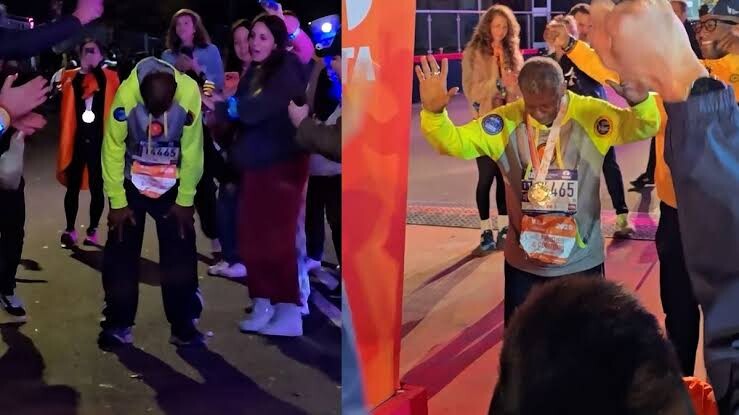
While the leading athletes had crossed the finish line many hours earlier, Thomas was still making his way through the streets of New York, determined to complete a journey that had become a remarkable part of his life for more than four decades.
For the veteran runner from Rockland County, this was no ordinary marathon. It was his 43rd appearance at the New York City Marathon and, more significantly, the final chapter of an extraordinary relationship with one of the world's most celebrated road races.
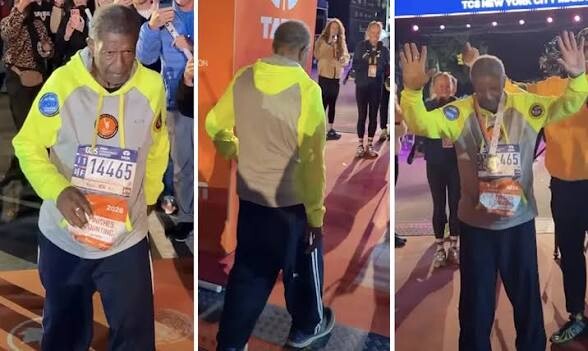
Thomas began his New York Marathon journey in 1980. Since then, he has returned year after year, building an incredible record of perseverance, commitment and loyalty to the iconic event. At 78, he once again took on the demanding 26.2-mile (42.195km) course, which winds through all five boroughs of New York City before reaching its famous finish in Central Park.
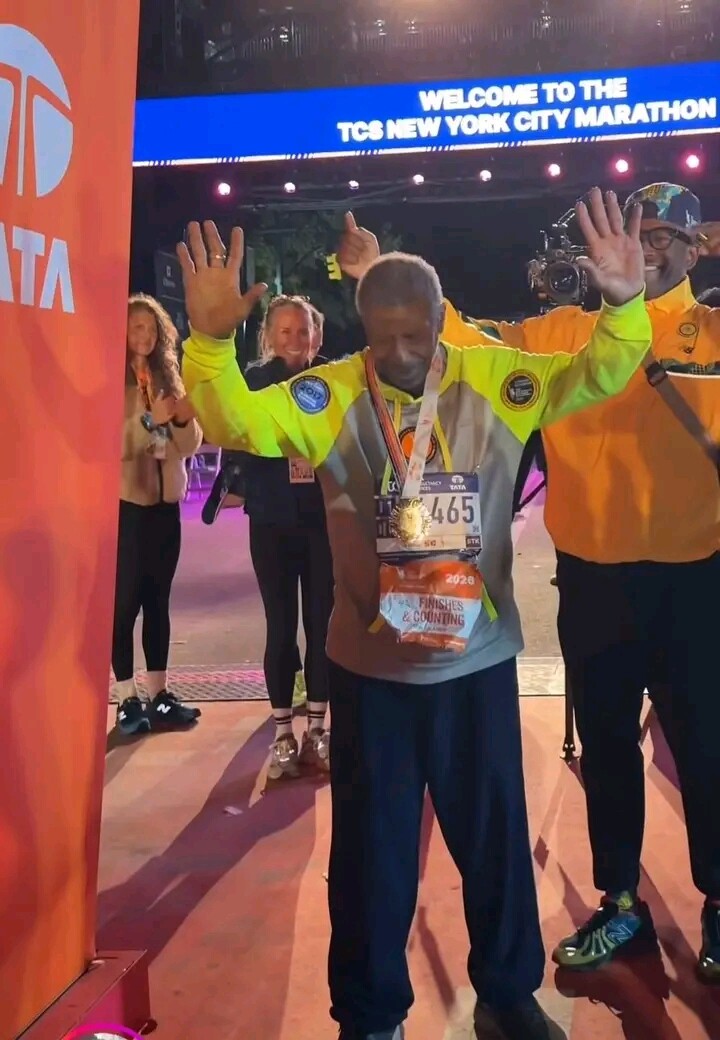
Starting at approximately 9:20 a.m., Thomas spent nearly 14 hours completing the course. By the time he approached the finish line, darkness had fallen over Central Park, and much of the day's marathon excitement had passed. However, his arrival created a memorable moment as spectators and supporters remained at the finish to welcome him home with applause and encouragement.
His achievement carried additional significance because the 2026 edition marked the 50th anniversary of the New York City Marathon's five-borough course, making his final appearance even more special.
Following his emotional finish, Thomas revealed that he had decided to bring his New York City Marathon journey to an end. Although his desire to continue running remains strong, he acknowledged that the physical demands of marathon running eventually require difficult decisions.
Reflecting on the challenge, he explained that the mind may still be willing to push forward, but it is ultimately the body that must carry a runner through the distance. His message captured the reality of endurance sport, where determination and physical capability must work together.
Completing 43 editions of the same marathon over more than four decades is an extraordinary accomplishment. It represents thousands of training miles, countless hours of preparation and an enduring passion for running that has survived the changing seasons of life.
Thomas may have been the last person to cross the finish line in 2026, but his story had nothing to do with finishing positions or race times. Instead, it highlighted the deeper meaning of marathon running: resilience, dedication, courage and the determination to keep moving forward regardless of how long the journey takes.
His final appearance also served as a powerful reminder that the marathon belongs to everyone, not just the elite athletes who battle for victories and records. Every participant has a personal story, and every finish line represents an achievement worth celebrating.
At 78, James “Marty” Thomas has brought an extraordinary chapter of his running life to a close. After 43 New York City Marathon finishes since 1980, he chose to say goodbye on his own terms, surrounded by supporters who stayed late into the night to witness his final steps.
He was the last runner across the line, but his remarkable journey ensured that he would not be the last one remembered from the 2026 New York City Marathon.
A truly unforgettable farewell to a marathon legend!
by Erick Cheruiyot for My Best Runs.
Login to leave a comment
