

Running News Daily
Running News Daily is edited by Bob Anderson and team. Send your news items to bob@mybestruns.com Advertising opportunities available.
Index to Daily Posts · Sign Up For Updates · Run The World Feed
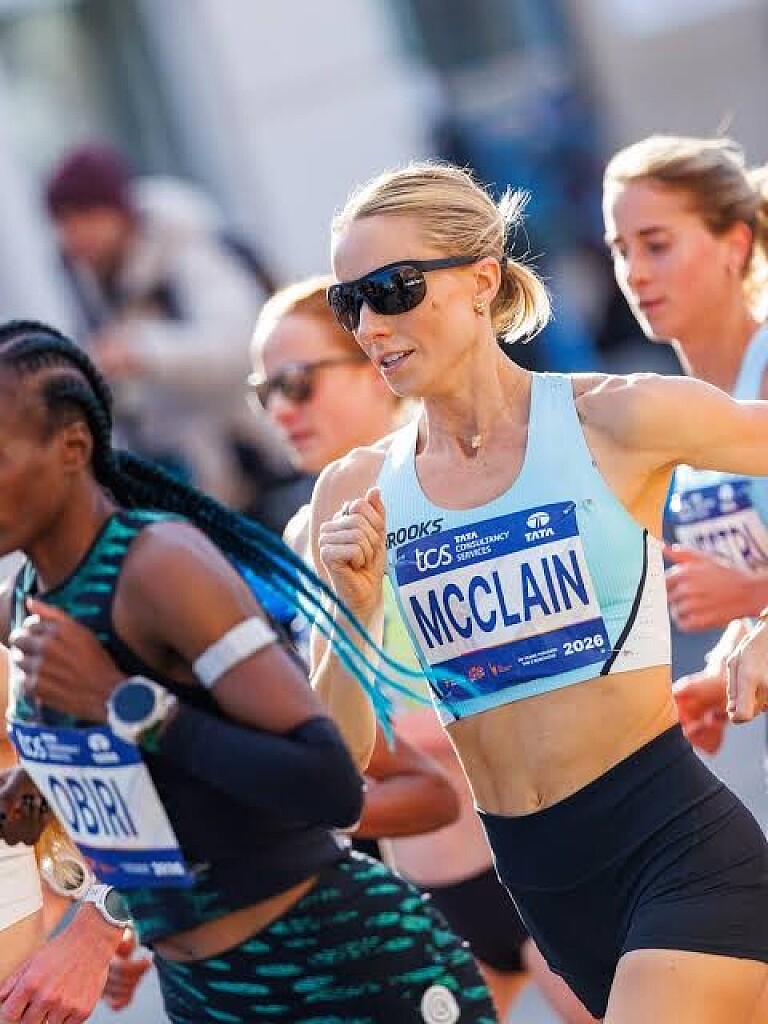


Chunk By Chunk: The Mental Strategy That Helped Jess McClain Fight Through The Pain And Make History In New York!

Running a marathon is a demanding physical challenge, but sometimes the greatest battle takes place in the mind. When fatigue sets in, the legs begin to weaken and the finish line still feels painfully distant, mental strength can become the difference between giving up and achieving something extraordinary.
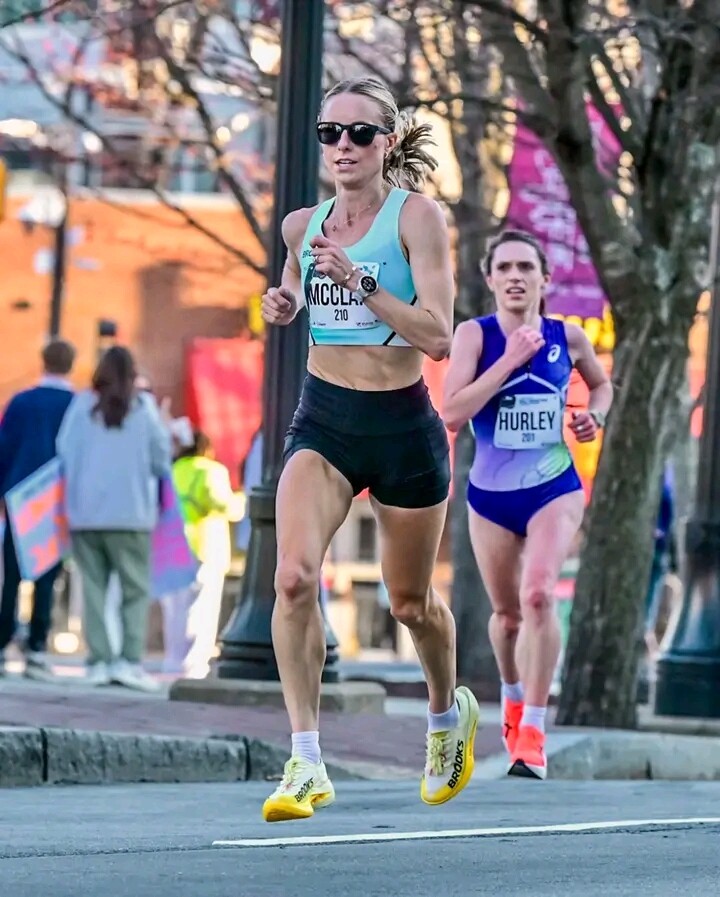
American distance runner Jess McClain demonstrated exactly that at the 2026 TCS New York City Marathon, where an intelligent psychological approach helped her overcome mounting fatigue and secure a remarkable second-place finish in the women's race.
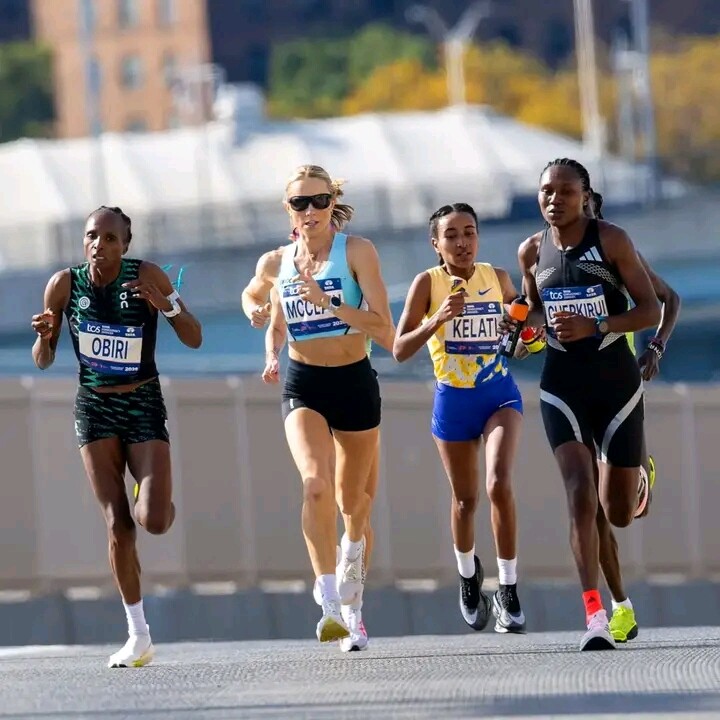
Rather than allowing herself to become overwhelmed by the thought of running the entire 26.2 miles, McClain relied on a mental technique known as chunking — the practice of dividing a difficult or overwhelming task into smaller, more manageable sections.
The strategy became particularly important around mile 16, when her legs began to struggle and the physical demands of the race intensified. Instead of thinking about how much distance remained, she concentrated on reaching the next milestone.
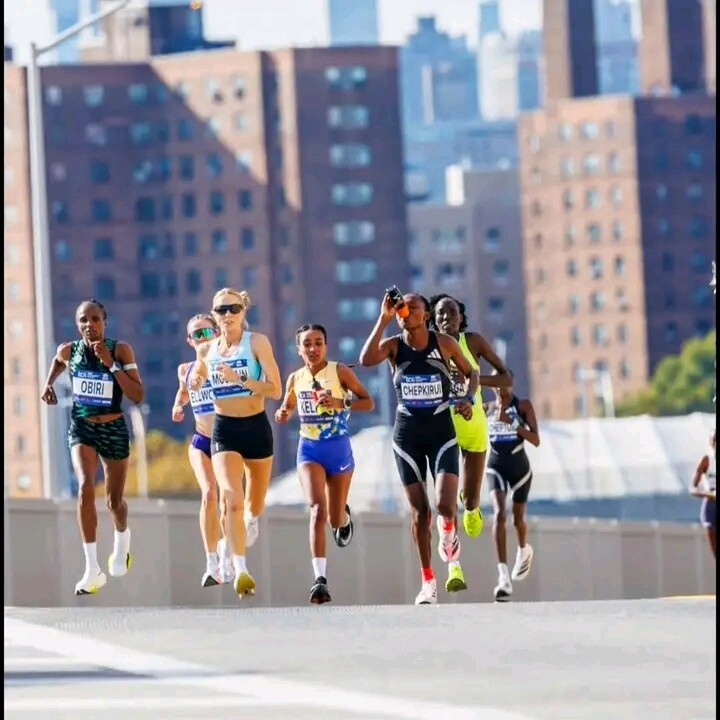
Her immediate target was to get across the Queensboro Bridge. Once that challenge was behind her, she shifted her attention to the next section of the course, taking the race one landmark and one neighbourhood at a time.
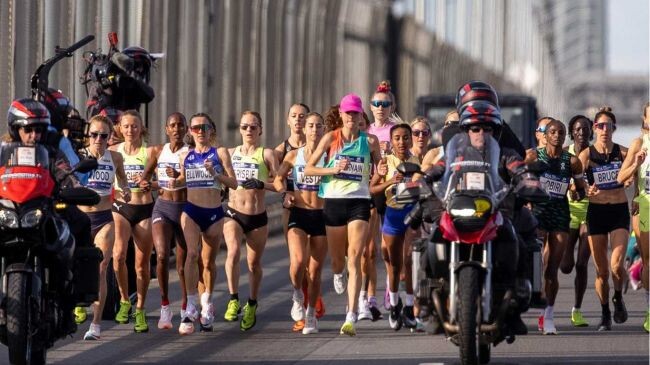
First Avenue came next, followed by the Bronx and, eventually, the familiar roads leading towards Central Park, where the marathon would reach its dramatic conclusion.
McClain even described part of her approach as essentially "gaslighting" herself into believing that she would feel better once she reached the next checkpoint. It was a clever way of keeping negative thoughts at bay and preventing the enormity of the remaining distance from taking control of her mind.
By continuously resetting her focus, she gave herself smaller objectives to pursue, allowing her to remain engaged in the race even as the physical discomfort became increasingly difficult to manage.
And her determination produced a spectacular finish.
With the finish line approaching, McClain summoned one final burst of energy, producing a powerful closing 200-metre sprint that saw her overtake defending champion Hellen Obiri and claim second place in one of the most dramatic moments of the women's race.
Her performance was a reminder that marathon running is not simply a contest of endurance, speed and physical preparation. It is also a test of patience, concentration, emotional control and the ability to keep believing when the body begins to question how much further it can go.
For runners of every level, McClain's experience offers a valuable lesson: You do not always have to conquer the entire marathon in your mind. Sometimes, you only need to conquer the next bridge, the next street, the next kilometre or even the next few minutes.
Chunk by chunk, step by step, the finish line eventually gets closer.
by Erick Cheruiyot for My Best Runs.
Login to leave a comment
Latest Running News

One Canoe, 52 Marathons, One Big Mission: The Minnesota Runner Carrying An 18-Pound Canoe Across Marathon Courses To Save The Boundary Waters!
For most marathon runners, the challenge is simply getting through 26.2 miles. But for 38-year-old American runner Travis Meier, covering that distance is only part of the battle. He has taken on an extraordinary challenge: running marathons while carrying an 18-pound canoe on his shoulders, with the ambitious goal of completing 52 canoe-carrying marathons in 52 weeks.
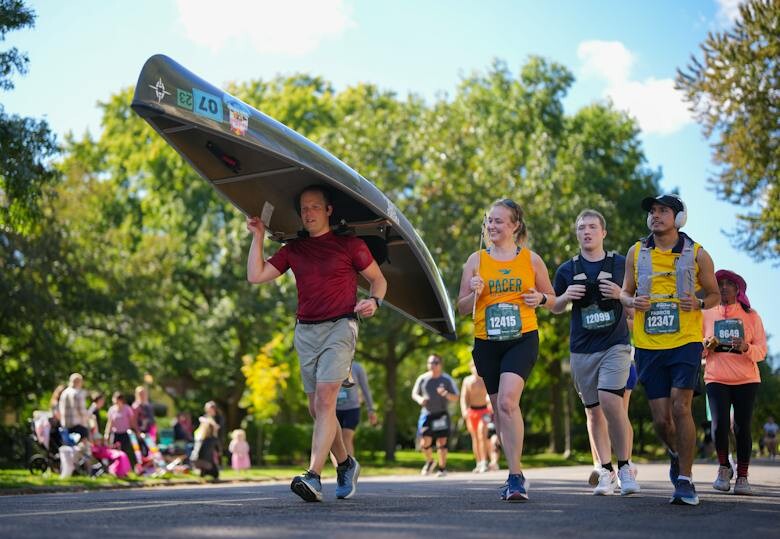
Meier, who comes from Minneapolis, Minnesota, attracted attention at the Twin Cities Marathon on October 4, 2026, when he appeared on the starting course carrying a carbon-fibre solo canoe instead of the usual running equipment.
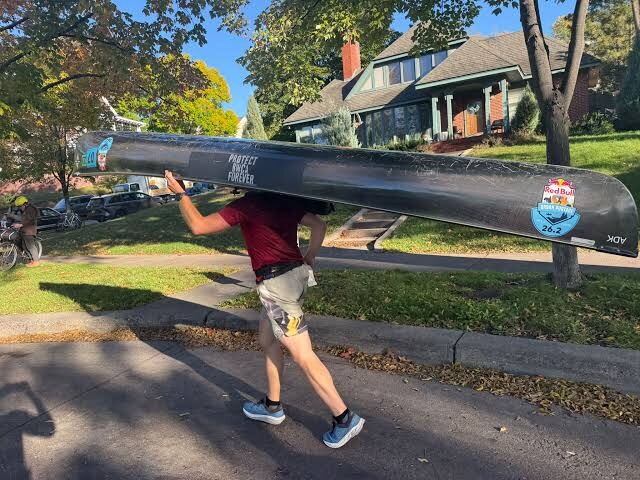
While other competitors relied on energy gels, hydration belts and lightweight racing gear, Meier chose to shoulder the approximately 18-pound canoe for the journey from Minneapolis to St. Paul.
He eventually crossed the finish line in 5:57:06, having carried the unusual load for almost the entire 26.2-mile distance. However, his remarkable effort came with a price: race officials disqualified him because carrying an additional prop was against the competition rules.
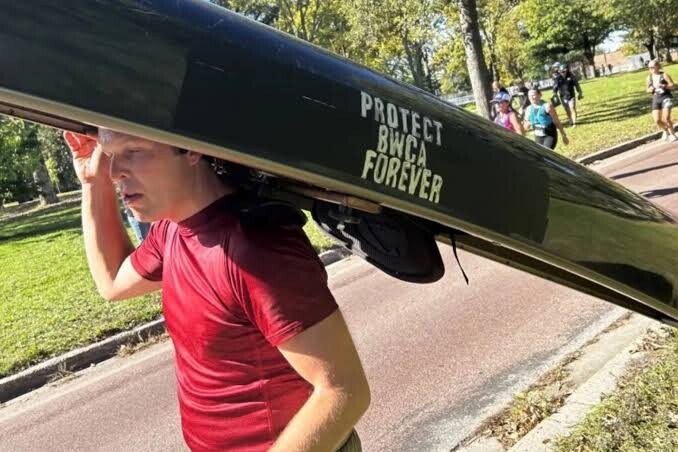
Interestingly, Meier was fully aware that his unconventional approach could lead to disqualification. He reportedly anticipated being stopped during the opening miles and even kept the canoe away from the starting corral to avoid obstructing other competitors.
But the disqualification did little to discourage him. For Meier, the marathon was never simply about earning an official finishing position or collecting another medal. His real objective was to use the unusual spectacle to draw attention to an environmental cause he deeply believes in.
Since his appearance in Minneapolis and St. Paul, he has continued taking his canoe onto marathon courses, completing the Gandy Dancer Marathon in Wisconsin and the Mankato Marathon in Minnesota. Each event has provided another opportunity to spread his message.
Now, he has set himself an even more demanding target: completing 52 canoe-carrying marathons in 52 weeks. With a full-time job to balance, he acknowledges that attending an organised marathon every week may not always be possible. On those occasions, he intends to cover the required distance independently while still carrying his canoe.
Behind the extraordinary physical challenge is a campaign to protect the Boundary Waters Canoe Area Wilderness, a spectacular natural region in northern Minnesota renowned for its interconnected lakes, rivers, forests and wildlife.
Meier is particularly concerned about the proposed Twin Metals copper-nickel mining project near the wilderness area. Environmental advocates warn that mining activities within the surrounding watershed could threaten the region's pristine waters through pollution and other long-term environmental damage. Supporters of the mining project, meanwhile, point to its potential economic benefits, employment opportunities and contribution to domestic mineral supplies.
The controversy has become an increasingly important political issue, with the future protection of the Boundary Waters attracting attention at both state and federal levels.
Meier has chosen an unconventional way of joining that debate. Rather than limiting his activism to statements or online campaigns, he is taking his message directly to the streets, using marathon running and an unmistakable canoe to attract public attention.
He has even given himself a fitting nickname: The Lorax of the Boundary Waters, inspired by the fictional character known for speaking up for nature and protecting the environment.
His challenge is certainly not an ordinary marathon adventure. Carrying an 18-pound canoe over 26.2 miles places additional demands on the shoulders, upper body and core, while also requiring concentration and balance throughout the journey.
Yet Meier appears determined to keep going, regardless of whether his efforts earn official race results or recognition from organisers.
One man, one canoe and 52 marathons in a year. For Travis Meier, every mile is an opportunity to make people stop, look and ask questions about the wilderness he wants to protect.
And while the canoe may have cost him an official result in the Twin Cities Marathon, it has given him something far more important in his eyes: a platform to take his environmental campaign to a much wider audience.
by Erick Cheruiyot for My Best Runs.
Login to leave a comment
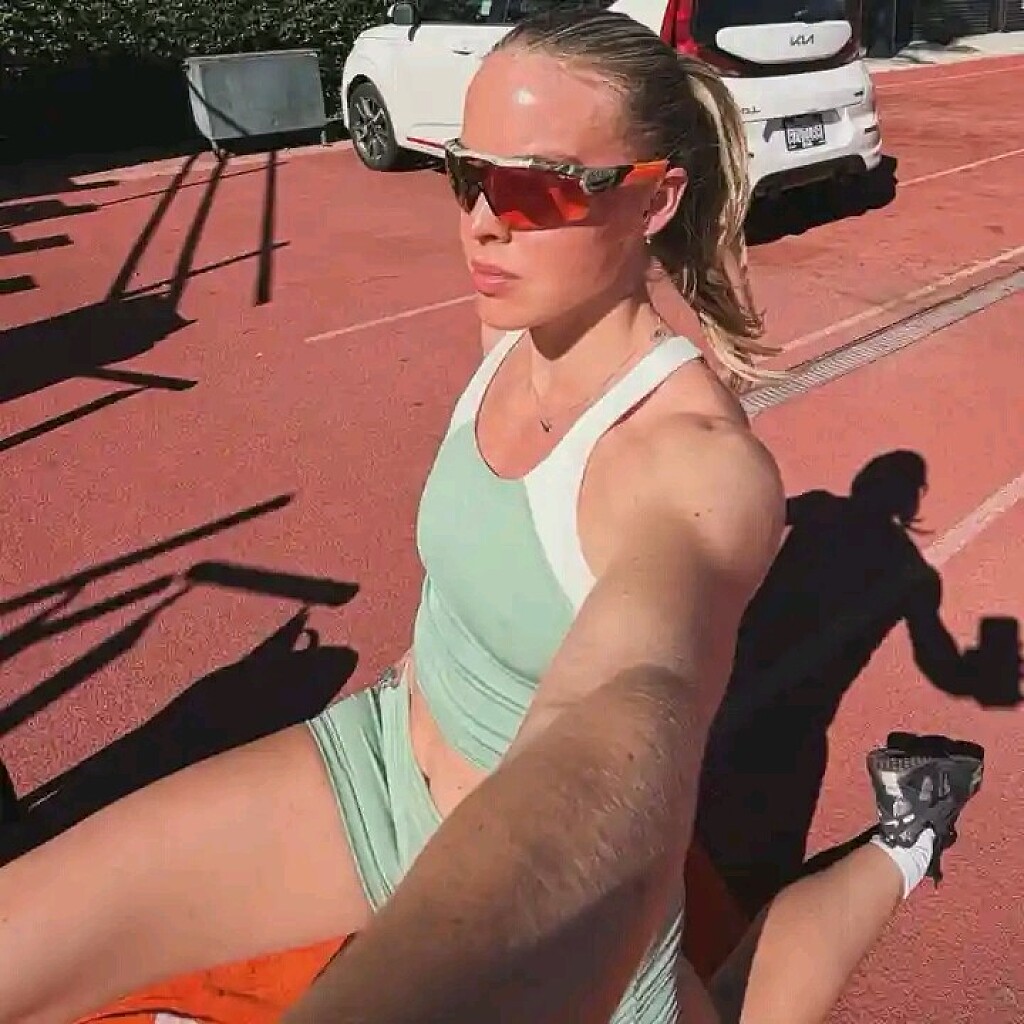
Keely Hodgkinson Is Back In Training! British Superstar Begins Her Mission For An Even Bigger 2027 Season!
After a remarkable season filled with record-breaking performances, major victories and another demonstration of her extraordinary talent, British middle-distance sensation Keely Hodgkinson is already back at work, turning her attention towards the challenges that await in 2027.
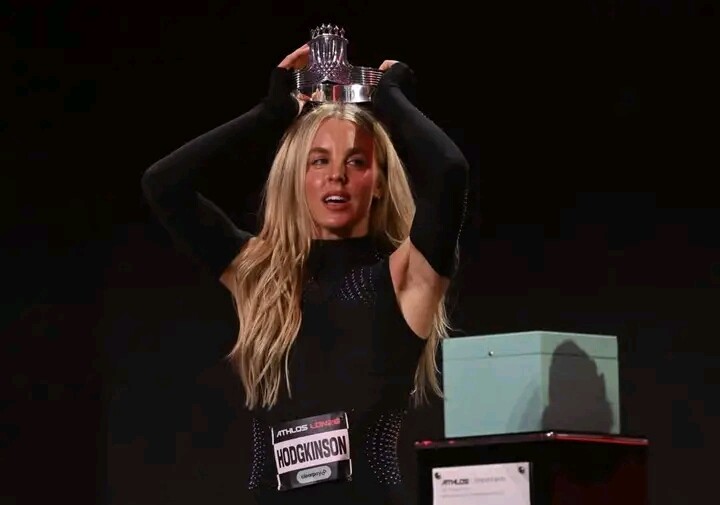
The Olympic 800m champion has returned to training following her victory at ATHLOS London in September, where she brought her 2026 campaign to a winning conclusion with an impressive performance over two laps, clocking 1:56.40.
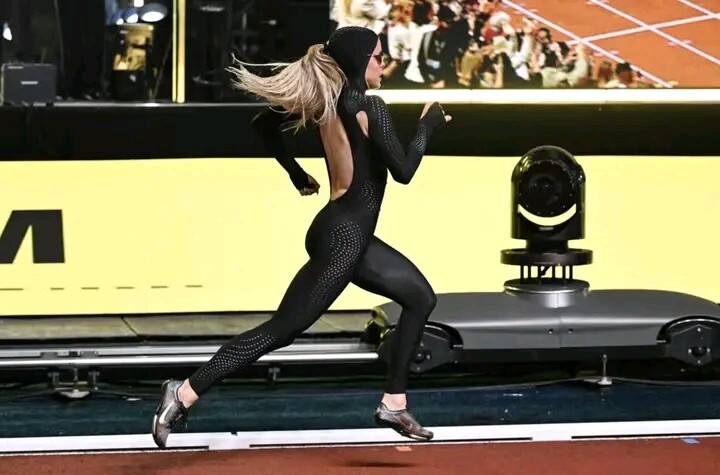
Now, with the excitement of another demanding season behind her, Hodgkinson is shifting her focus towards rebuilding her endurance, developing her strength and laying the foundations for another ambitious campaign under the guidance of her coach, Trevor Painter.
Her 2026 season will undoubtedly be remembered as one of the most significant chapters of her career. On February 19, she produced a sensational performance at the Meeting Hauts-de-France Pas-de-Calais in Liévin, France, storming to a new women's indoor 800m world record of 1:54.87 and rewriting the history books.
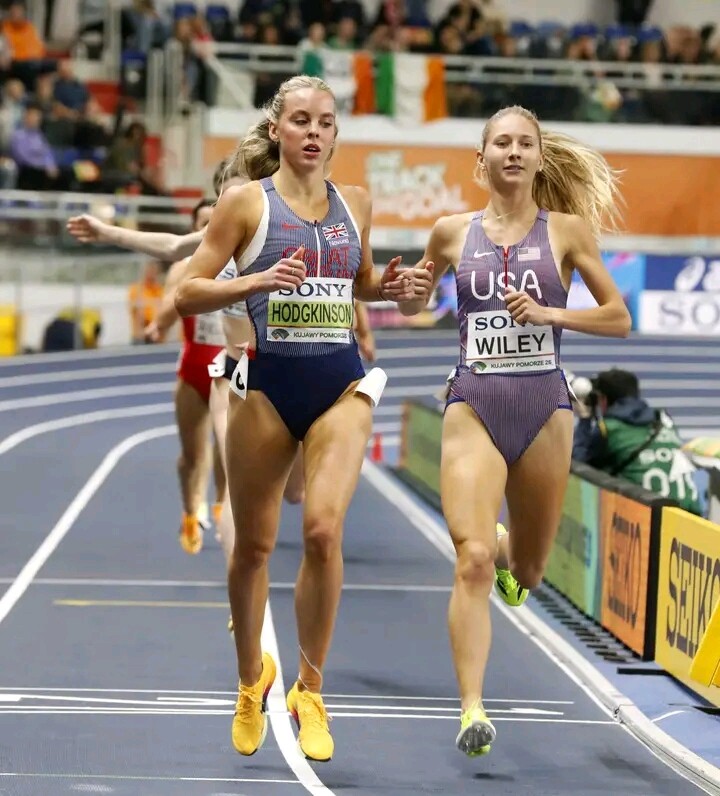
She subsequently confirmed her dominance on the global indoor stage by winning the world indoor 800m title in Kujawy Pomorze, Poland, in a championship-record time of 1:55.30.
Outdoors, the British star continued to deliver exceptional performances, lowering her personal best to 1:54.33 in Stockholm and demonstrating that she remains one of the most formidable competitors in the event.
However, her season was not without difficulties. A hamstring injury sustained shortly before the European Championships 800m final in Birmingham disrupted her plans, forcing her to adjust her training and approach to competition. Despite the setback, she demonstrated remarkable determination, eventually returning to finish her campaign with victory at ATHLOS London.
At just 24 years old, Hodgkinson has already established herself among the outstanding middle-distance runners of her generation. Her Olympic triumph in Paris, world indoor success and record-breaking performances have further strengthened her position as one of Britain's biggest athletics stars.
As preparations for 2027 begin, the priority will be to build a strong physical foundation, maintain consistency and ensure that her body is ready for another demanding year at the highest level.
With the women's 800m becoming increasingly competitive, particularly with the emergence of formidable rivals such as Switzerland's Audrey Werro, the coming season promises another fascinating battle for supremacy.
Hodgkinson has already shown the world what she is capable of. The question now is how much further she can push the limits of her extraordinary talent.
2026 delivered a world record and another major championship title. With a fresh training block underway, the British superstar is once again putting in the work, with her eyes firmly set on what comes next.
The records have been written. The next chapter is already taking shape!
by Erick Cheruiyot for My Best Runs.
Login to leave a comment
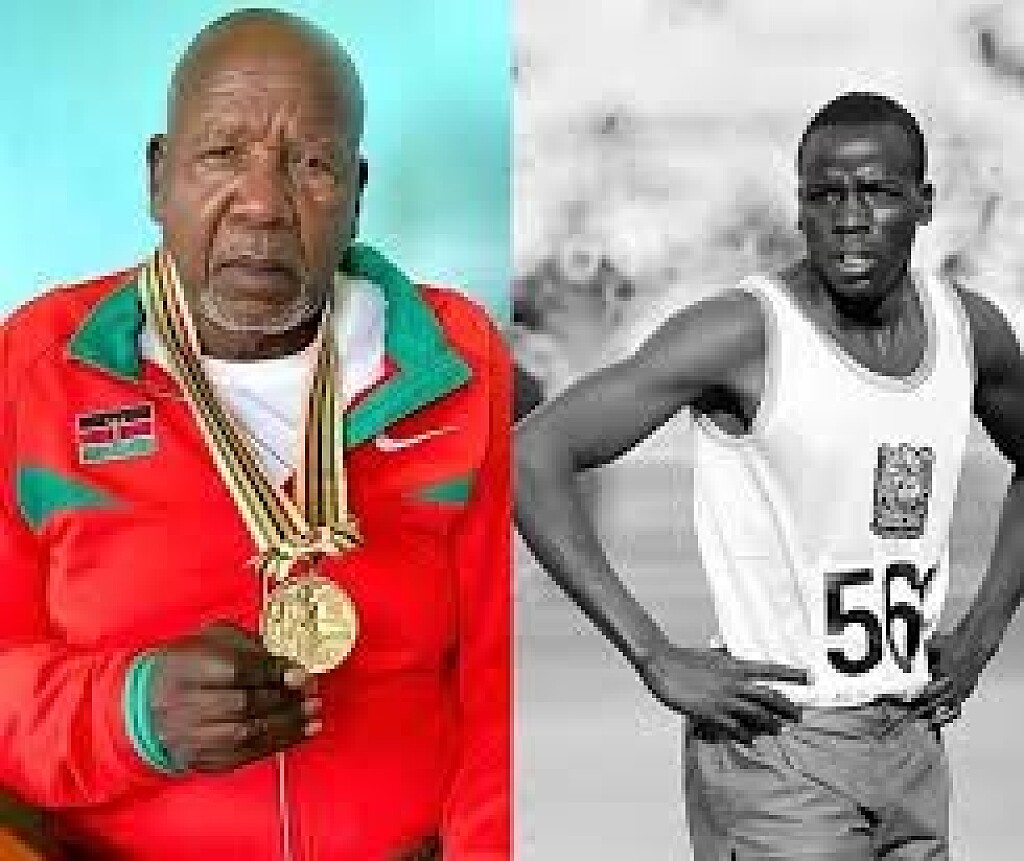
Billy Konchellah: The Fearless Kenyan Champion Who Conquered The World Twice Despite Fighting His Own Health Battles!
Long before Kenya established itself as one of the world's most dominant nations in middle-distance running, a remarkable athlete from Kilgoris, Narok County, was already making history on the global stage. He possessed extraordinary speed, an unbreakable competitive spirit and the determination to challenge the world's finest 800m runners.
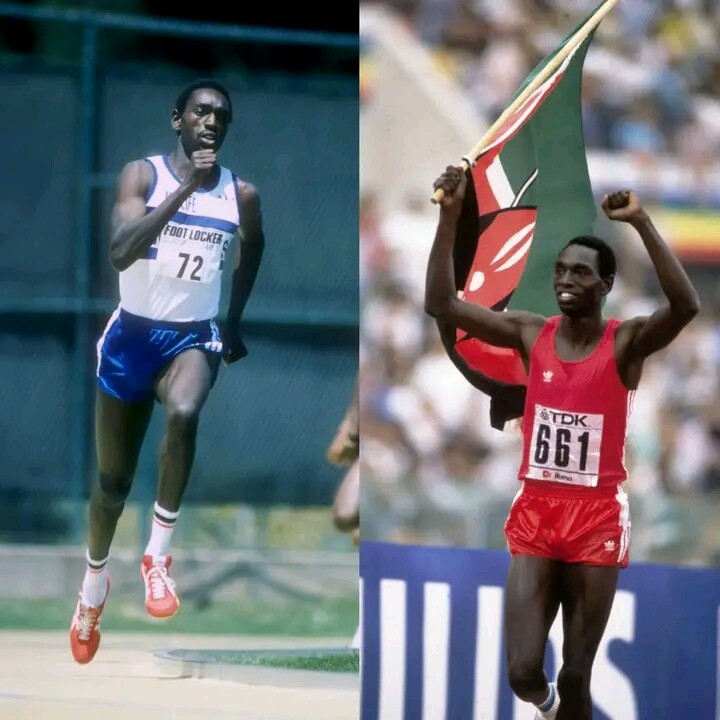
His name was Billy Komintai Konchellah, one of Kenya's greatest middle-distance athletes and a man whose career became a remarkable story of triumph, adversity and extraordinary comebacks.
Born on October 20, 1961, Konchellah would eventually rise to the summit of international athletics, winning two World Championship gold medals in the men's 800m and establishing himself among the finest athletes of his generation. However, behind those historic victories was a career repeatedly interrupted by serious health challenges that threatened to derail his ambitions.
His journey to greatness was never a straightforward one. It required patience, resilience and the courage to return to the track when circumstances appeared to be working against him.
Konchellah first announced his arrival among the world's elite at the 1984 Los Angeles Olympic Games, where he finished fourth in the men's 800m final in 1:44.03. Although he narrowly missed an Olympic medal, his performance demonstrated that Kenya had another formidable middle-distance talent capable of competing against the very best.
However, just as his career was gathering momentum, his health began to deteriorate. Severe asthma and recurring respiratory problems affected his ability to train and compete consistently. His difficulties became particularly challenging in the years leading up to the 1987 World Championships, leaving his international career hanging in the balance.
But Konchellah was not prepared to surrender his dreams.
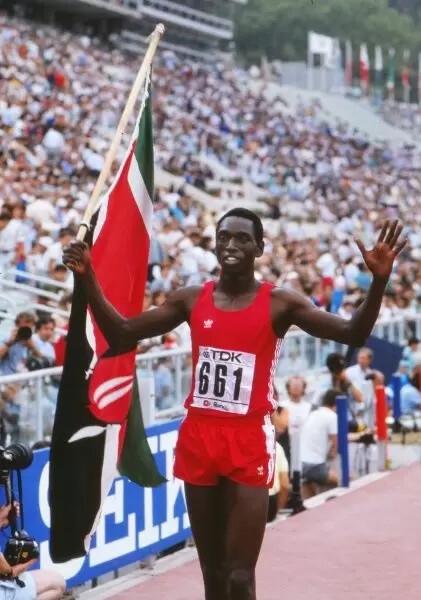
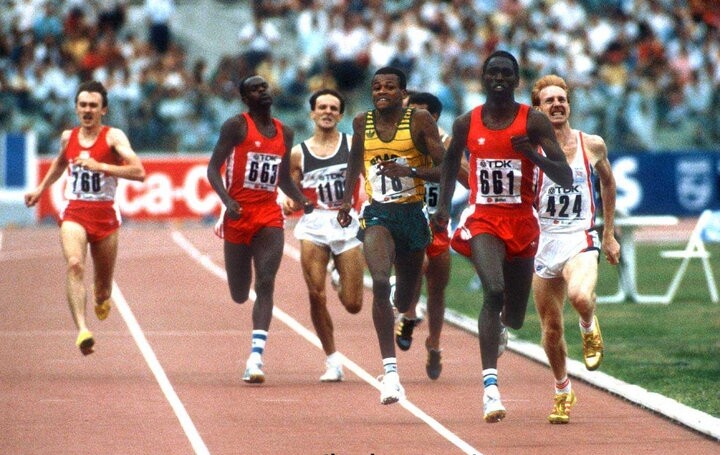
At the 1987 World Athletics Championships in Rome, Italy, he delivered a performance that announced his return in spectacular fashion. On September 1, he stormed to victory in the men's 800m final, stopping the clock at 1:43.06 to claim Kenya's first-ever World Championship title in the event.
He defeated Britain's Peter Elliott, who finished second in 1:43.41, while Brazil's José Luiz Barbosa secured bronze in 1:43.76.
It was more than just a gold medal. It was a statement of determination from an athlete who had endured difficult times and refused to allow illness to dictate the direction of his career.
Yet, the challenges were far from over.
Following his triumph in Rome, Konchellah once again experienced difficult seasons as asthma and other health complications disrupted his preparations. His performances suffered, and his presence among the world's leading 800m runners became increasingly uncertain.
For many athletes, such prolonged setbacks could have marked the beginning of the end. For Konchellah, however, they became another opportunity to demonstrate the strength of his character.
When he arrived at the 1991 World Championships in Tokyo, Japan, he was not considered the overwhelming favourite. Brazil's José Luiz Barbosa and fellow Kenyan Paul Ereng were among the athletes attracting considerable attention.
But the Kenyan had other plans.
In one of the most memorable 800m finals of the championships, Konchellah produced a magnificent finishing effort, moving past his challengers in the closing stages to secure his second consecutive world title.
He crossed the finish line in 1:43.99, successfully defending the crown he had won four years earlier in Rome.
It was an extraordinary achievement, particularly considering the health problems that had repeatedly interrupted his career. Winning one world title was remarkable; returning after years of adversity to defend it was an even greater demonstration of his resilience.
Konchellah's remarkable championship story did not end in Tokyo. At the 1993 World Championships in Stuttgart, Germany, he once again demonstrated that he remained a serious contender on the international stage.
Although he could not secure a third consecutive gold medal, he fought his way to a bronze medal in the men's 800m, adding another global honour to his impressive collection.
His World Championship record ultimately stood at two gold medals and one bronze, making him one of the most successful Kenyan 800m runners in history.
Beyond the World Championships, Konchellah also enjoyed success on the African stage. At the 1987 All-Africa Games in Nairobi, he won the men's 800m title, giving Kenyan athletics another reason to celebrate his exceptional talent.
However, despite his remarkable achievements, one major ambition remained unfulfilled: winning an Olympic medal.
His fourth-place finish at the 1984 Los Angeles Olympics was his closest opportunity to reaching the Olympic podium. Unfortunately, his persistent asthma problems prevented him from competing at the 1988 Seoul Olympics and also affected his subsequent Olympic ambitions.
It leaves an intriguing chapter in Kenyan athletics history. Given his world-class ability and championship pedigree, many will always wonder what Konchellah might have accomplished at the Olympic Games had his career been free from the interruptions caused by illness.
Nevertheless, his achievements speak volumes about his greatness.
Billy Konchellah was part of a generation of Kenyan athletes who helped establish the country's reputation as a global powerhouse in middle-distance running. His success paved the way for future generations who would go on to dominate the 800m, 1500m and other distances on the international stage.
His story is particularly significant because it reminds us that sporting greatness is not measured exclusively by medals, records or victories. Sometimes, the greatest achievement is finding the strength to continue when circumstances make success seem almost impossible.
Two World Championship titles, three global championship medals and an African Games gold medal tell only part of his story. Behind those honours was a determined athlete who repeatedly battled adversity and found his way back to the highest level of competition.
Today, Konchellah deserves to be remembered not simply as a two-time world champion, but as one of the courageous pioneers who helped write Kenya's remarkable athletics history.
He conquered the world twice, but perhaps his greatest victory was refusing to allow his struggles to define his destiny.
by Erick Cheruiyot for My Best Runs.
Login to leave a comment
The Ultimate Debut! Kelvin Kiptum Leads An Elite List Of 25 Men Who Conquered The Marathon On Their First Attempt!
Making a marathon debut is one of the toughest examinations in distance running. Covering 42.195 kilometres for the first time demands extraordinary endurance, tactical intelligence, mental strength and the ability to manage a distance that has humbled even the most accomplished athletes.
Yet, a remarkable group of runners has achieved something even more exceptional: winning a marathon at the very first attempt, with some producing performances that immediately placed them among the greatest distance runners in history.
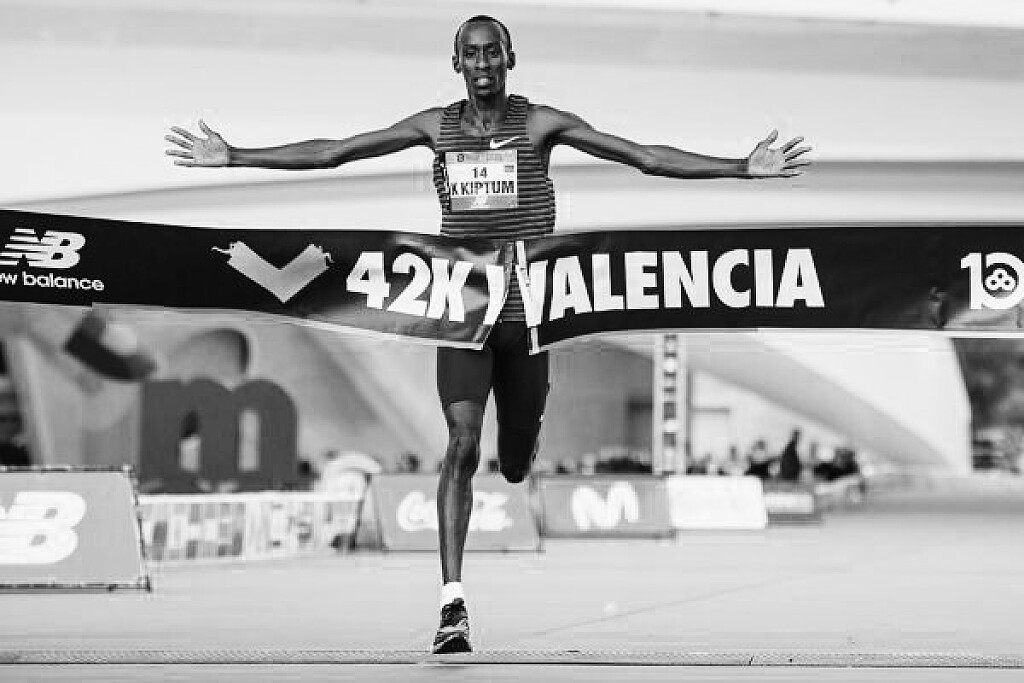
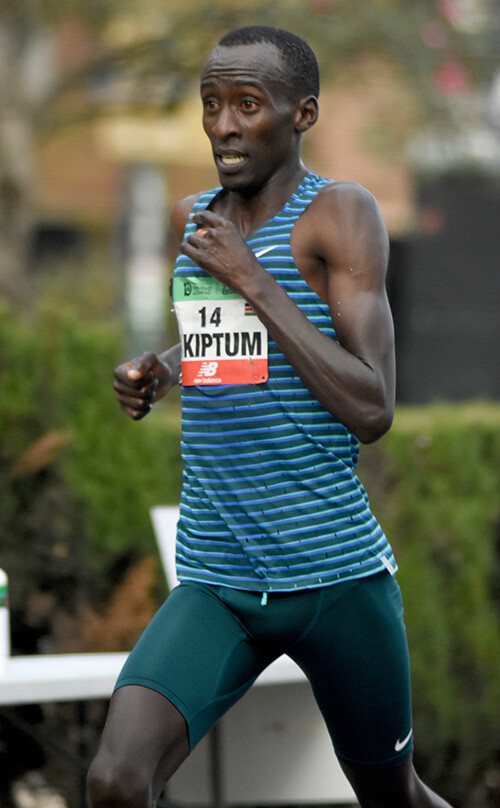
At the top of this remarkable list stands the late Kenyan sensation Kelvin Kiptum, whose extraordinary 2:01:53 victory at the 2022 Valencia Marathon remains the fastest marathon debut in history. On December 4, 2022, Kiptum delivered a sensational performance, announcing his arrival on the marathon stage in spectacular fashion. It was not simply a winning debut; it was a performance that revealed the extraordinary potential of a runner who would go on to rewrite marathon history.
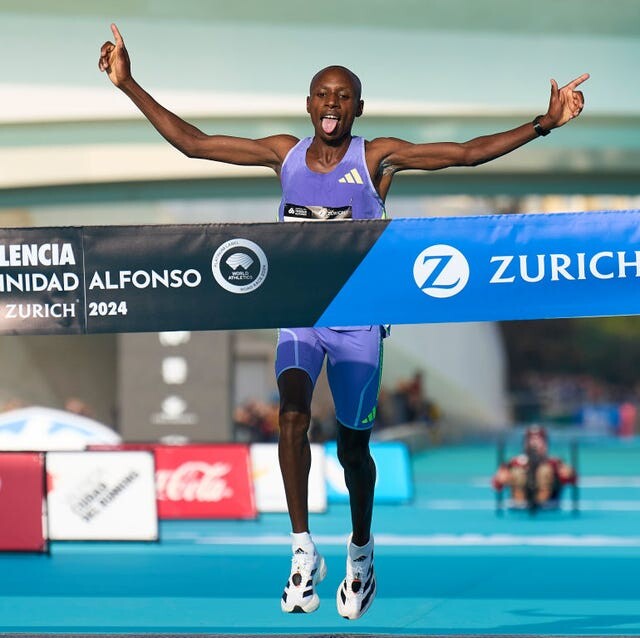
Kenya's dominance of the list is particularly striking. Another outstanding performance came from Sabastian Sawe, who demonstrated his remarkable abilities on December 1, 2024, when he won the Valencia Marathon in 2:02:05. His debut placed him among the fastest marathon runners ever recorded, further underlining Kenya's extraordinary influence on international distance running.
Ethiopia has also produced some exceptional marathon debut performances. Tsegaye Mekonnen clocked 2:04:32 to win the 2014 Dubai Marathon, while Lelisa Desisa announced himself with a 2:04:45 victory in the same event in 2013. Kenenisa Bekele, widely regarded as one of the greatest distance runners of all time, made an impressive transition from the track to the marathon, winning the 2014 Paris Marathon in 2:05:04.
The list also features legendary Kenyan marathoner Eliud Kipchoge, who began his marathon journey with a victory at the 2013 Hamburg Marathon in 2:05:30. Already an Olympic 5000m champion and a world-class track athlete, Kipchoge quickly demonstrated that his extraordinary talent could extend beyond the track and into the demanding world of marathon racing.
Other notable names include Evans Rutto, who won the 2003 Chicago Marathon in 2:05:50, and Samuel Wanjiru, whose 2:06:39 victory at the 2006 Fukuoka Marathon marked the beginning of an illustrious marathon career that would eventually include Olympic glory in Beijing in 2008.
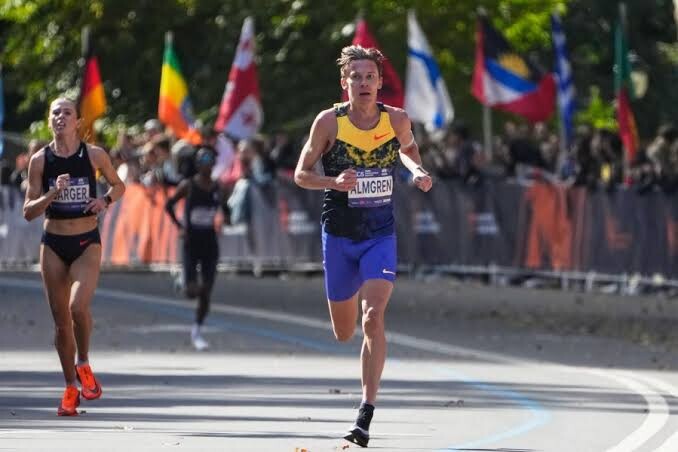
One of the newest additions to this remarkable conversation is Sweden's Andreas Almgren. On November 1, 2026, Almgren produced a memorable performance to win the TCS New York City Marathon in 2:06:01, defeating Italy's Yemaneberhan Crippa, who finished second in 2:06:14. His victory was particularly significant because he became the first Swedish man to win the prestigious New York City Marathon. His achievement demonstrated that a successful transition from shorter distances to the marathon remains possible, even at the highest level of competition.
Beyond the modern era, the history of marathon racing takes us back to the inaugural Olympic Games in Athens in 1896. Greece's Spyridon Louis secured his place in sporting history by winning the first Olympic marathon in 2:58:50. His triumph became one of the defining moments of the early Olympic movement and established him as a national sporting hero.
The historical list also features legendary names such as Finland's Hannes Kolehmainen, France's Boughera El Ouafi, America's Johnny Hayes and Czechoslovakia's Emil Zátopek, illustrating how marathon excellence has evolved across generations.
What makes these achievements particularly fascinating is that winning a marathon debut is about much more than running ability. Experienced marathoners understand the physical and psychological demands of 42.195 kilometres, but debutants must discover many of those challenges while competing against some of the world's finest athletes. There is little room for error, and even the smallest tactical mistake can turn a promising performance into a painful experience.
From Kiptum's extraordinary 2:01:53 in Valencia to Almgren's memorable triumph, these performances represent some of the most impressive introductions to the marathon distance. They remind us that while experience is invaluable, exceptional talent, preparation and courage can sometimes produce history from the very first attempt.
One race. One debut. One victory. For these extraordinary athletes, the marathon journey began at the very top.
by Erick Cheruiyot for My Best Runs.
Login to leave a comment
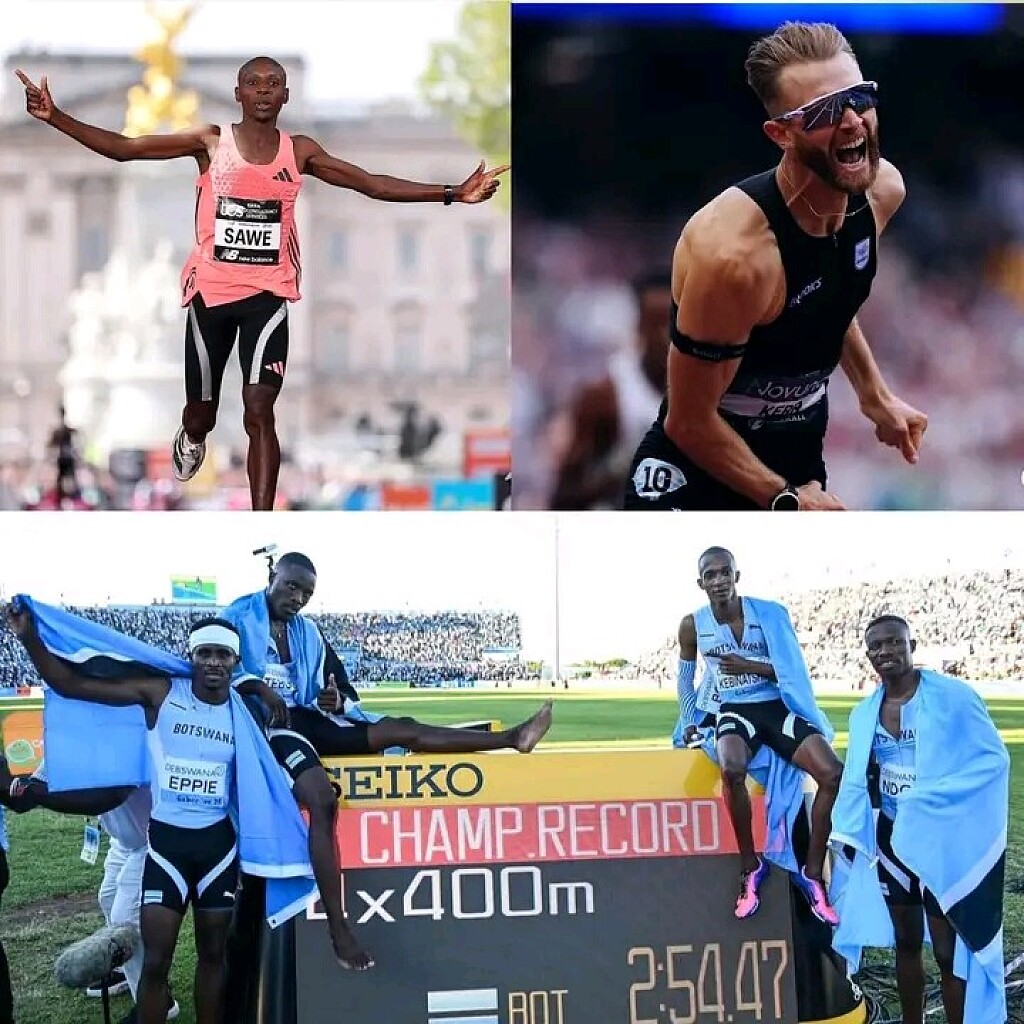
Three Iconic Moments, One Coveted Crown: Sawe, Josh Kerr And Botswana Battle For World Athletics 2026 Moment Of The Year!
Three extraordinary achievements. Three unforgettable chapters in athletics history. But when the spotlight shines on the World Athletics Awards, only one moment will earn the ultimate recognition as the 2026 World Athletics Moment of the Year.
The competition features three remarkable contenders whose performances captured the imagination of athletics fans around the world, celebrating the courage, determination and extraordinary talent that make the sport so special.
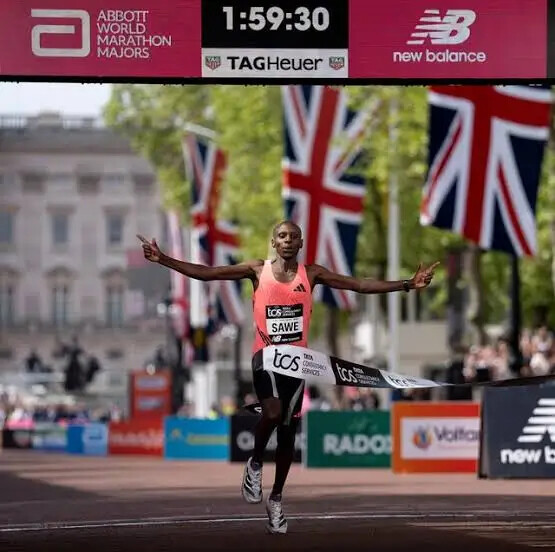
Kenya's Sebastian Sawe is among the finalists following his sensational performance at the 2026 London Marathon, where he shattered the men's marathon world record with an astonishing time of 1:59:30. In becoming the first man to run an official, record-eligible marathon in under two hours, Sawe achieved a milestone that once seemed beyond the limits of human possibility. His historic performance elevated marathon running to an entirely new level and further strengthened Kenya's reputation as a global powerhouse in long-distance athletics.
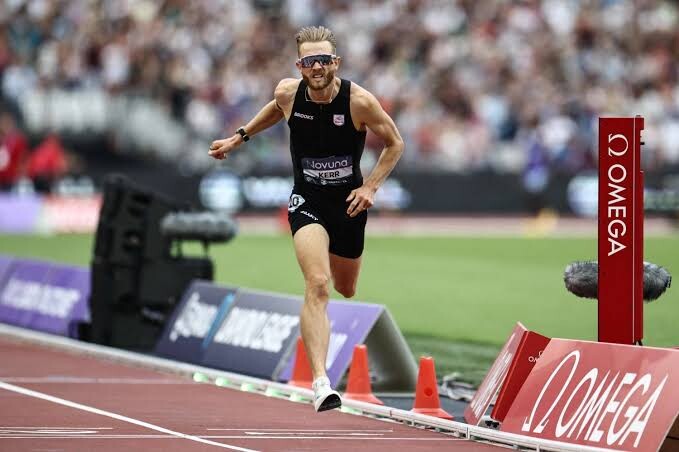
British middle-distance sensation Josh Kerr is also in contention after producing a remarkable performance in London, where he established a new world record in the mile with an incredible time of 3:42.66. His achievement demonstrated his exceptional speed, strength and competitive brilliance, further cementing his status among the greatest middle-distance runners of his generation.
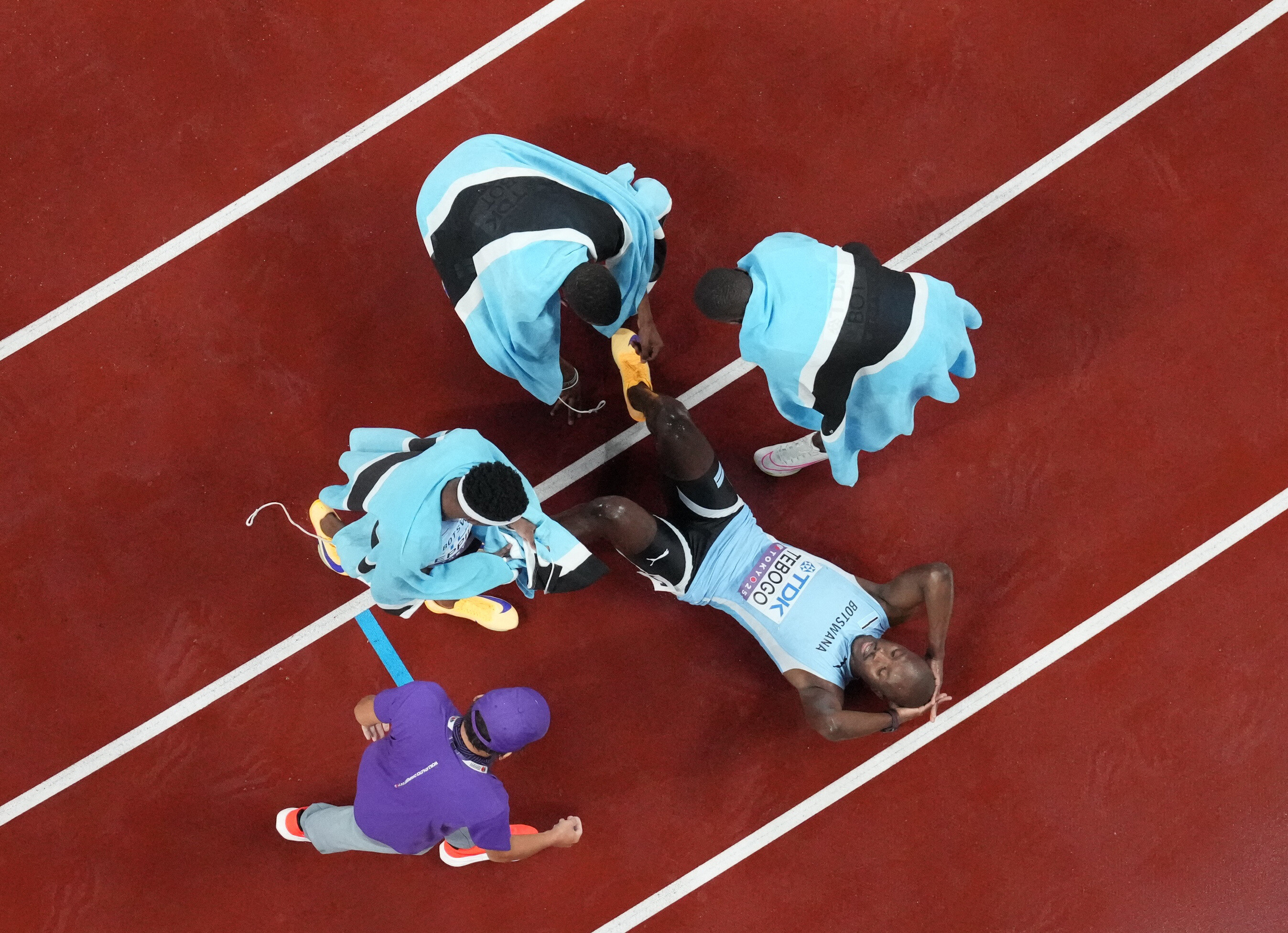
Completing the shortlist is Team Botswana, whose extraordinary triumph in the men's 4x400m at the World Athletics Relays on home soil delivered a defining moment for the African nation. Clocking an impressive 2:54.47 to secure gold, the Botswana quartet made history in front of their passionate home supporters. It was more than a sporting victory; it was a powerful celebration of national pride and the country's growing influence in international athletics.
Each achievement tells a different story: Sawe's extraordinary marathon breakthrough, Kerr's record-breaking brilliance and Botswana's historic relay triumph. Yet they share one special quality — the ability to inspire millions, transcend national boundaries and create memories that will remain part of athletics history.
The prestigious winner will be announced at the World Athletics Awards in Monaco on November 29, 2026, when the global athletics community gathers to celebrate the outstanding performances and personalities that have defined the year.
For Kenya, the big question is whether Sebastian Sawe can bring another prestigious international honour home following his remarkable marathon achievement. Will Josh Kerr claim the recognition for Great Britain, or will Botswana's historic relay triumph deliver another moment of glory for African athletics?
Three nations. Three historic achievements. One prestigious award.
WHICH MOMENT DESERVES TO BE CROWNED THE WORLD ATHLETICS MOMENT OF THE YEAR?
by Erick Cheruiyot for My Best Runs.
Login to leave a comment
