

Running News Daily
Running News Daily is edited by Bob Anderson and team. Send your news items to bob@mybestruns.com Advertising opportunities available.
Index to Daily Posts · Sign Up For Updates · Run The World Feed
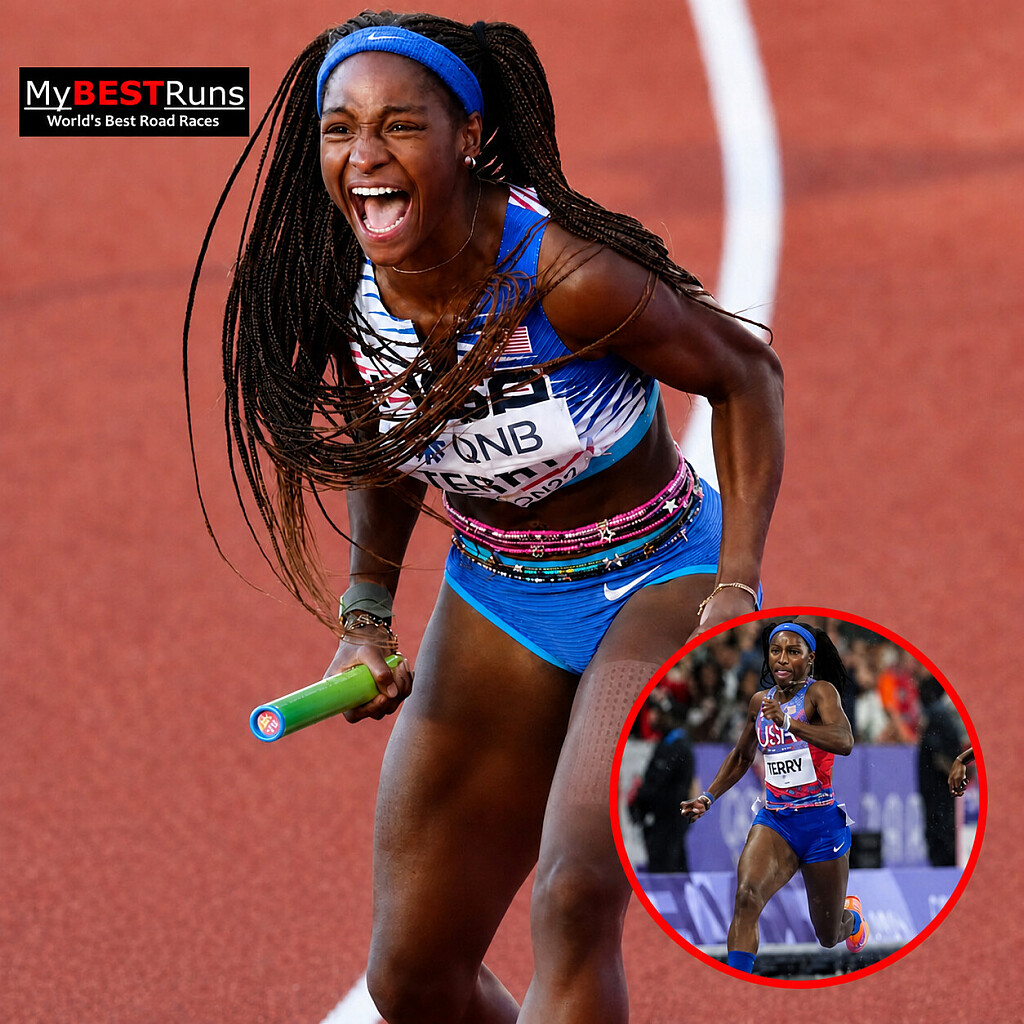


Tee Tee Terry Sets Her Sights On 10.6 And 21 Seconds!

American sprint star Twanisha “Tee Tee” Terry is dreaming big as she prepares for a return to competitive action, with ambitions of breaking into the elite territory of women’s sprinting.
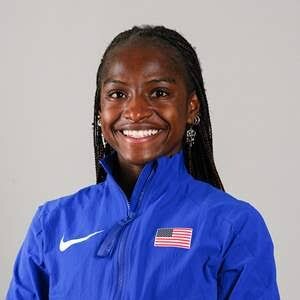
Terry has made her targets clear: she believes she is capable of running 10.6 seconds for the 100m and 21 seconds for the 200m—times that would represent a major step forward in her individual career.
“I’m capable of running 10.6 in the 100 and running 21 in the 200,” Terry said while speaking on the Ready Set Go Podcast, underlining the confidence she has in her ability when she is fully healthy and back in top condition.
Terry has already experienced success on the biggest international stage, including Olympic and world championship relay gold. She has established herself as a formidable member of the United States sprinting system, but her ambitions now extend beyond relay success as she looks to make a greater impact in the individual events.
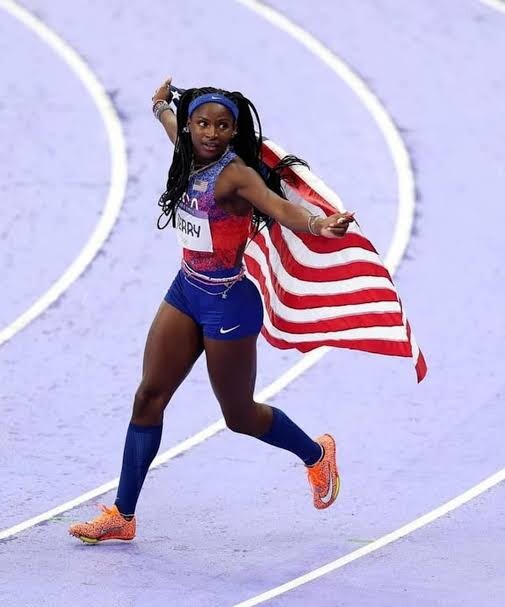
Her journey back to the track has not been straightforward. Terry has been working through a challenging lower-back injury that has interrupted her competitive plans, making her return to full health the first and most important step toward pursuing those ambitious targets.
Her goals are particularly intriguing because Terry has already demonstrated the raw speed required to compete at the highest level. A powerful sprinter with experience on major championship stages, she has built a reputation as a dependable member of the U.S. relay squad. Now, she appears determined to prove that she can also make her mark when the spotlight is firmly on her as an individual.
The 100m and 200m present different challenges, demanding explosive acceleration, maximum velocity, strength and the ability to maintain speed under pressure. Reaching 10.6 in the 100m would require exceptional consistency, while breaking into the 21-second range over 200m would demand Terry to combine her speed with an efficient and powerful finish.
Her comeback, therefore, will be about more than simply returning to the starting blocks. After dealing with a lower-back injury, rebuilding strength, rhythm and confidence will be crucial before she can seriously chase the times she has set for herself. A healthy and uninterrupted period of training could give Terry the foundation she needs to rediscover her best form.
There is also an intriguing storyline waiting to unfold if she returns at her highest level. American women's sprinting remains fiercely competitive, with established stars and emerging talents continually pushing the standard higher. If Terry can translate her confidence into performances close to her targets, she could quickly become an important figure in the individual sprints.
For now, the priority is recovery, preparation and getting back into competition. The stopwatch will ultimately provide the answer, but Terry's confidence suggests she believes there is another level of performance still waiting to be unlocked.
With the talent, experience and determination already in place, the next chapter of Tee Tee Terry's career could be one of her most exciting yet.
Can Tee Tee Terry turn her bold 10.6 and 21-second ambitions into reality when she returns to the track?
by Erick Cheruiyot for My Best Runs.
Login to leave a comment
Latest Running News
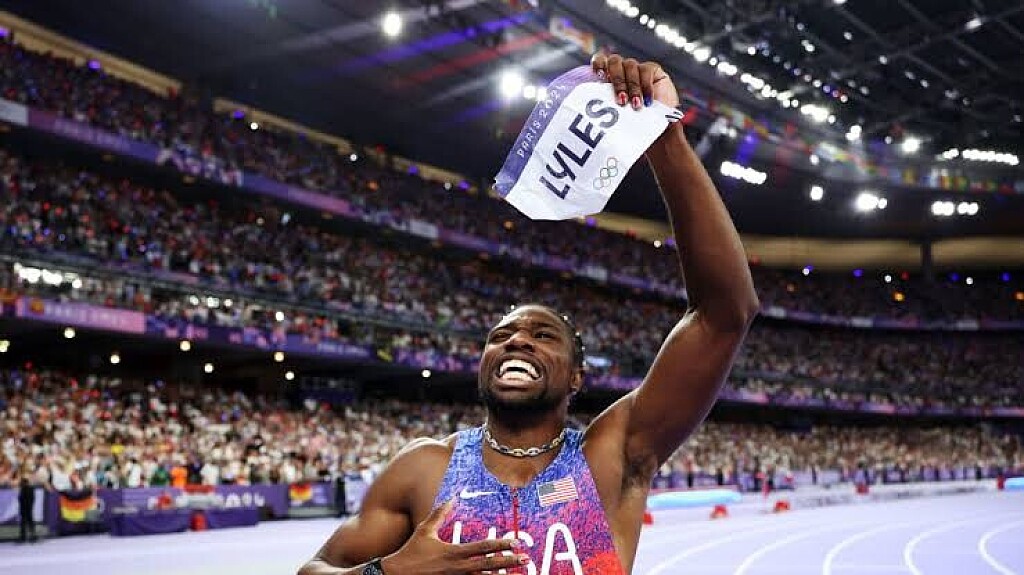
Noah Lyles: The Sprinter Who Turned Confidence Into Championship Gold
Noah Lyles has never been the kind of athlete to whisper his ambitions. He speaks with conviction, carries himself with unmistakable confidence and has never been afraid to tell the world exactly what he believes he can achieve.
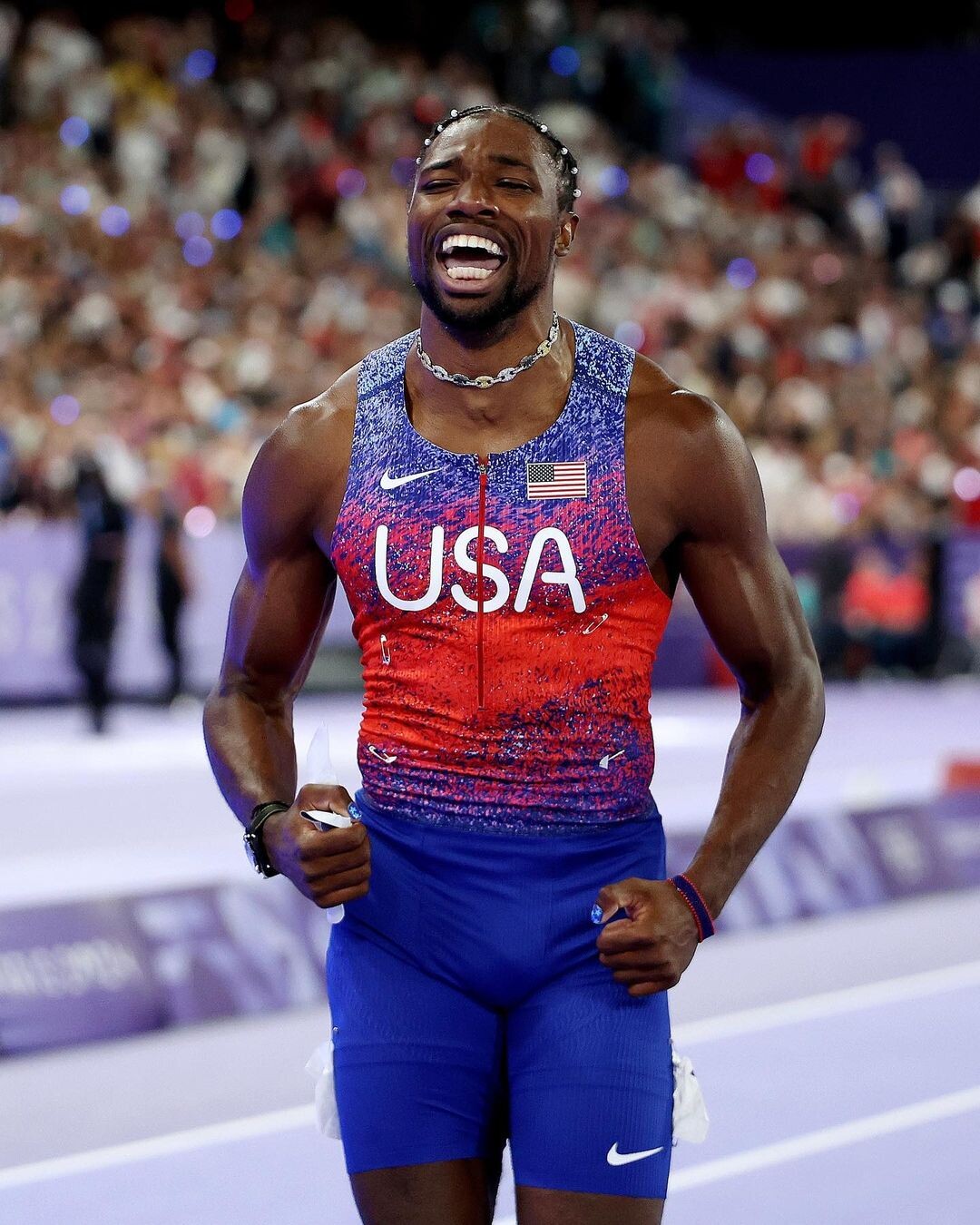
For some, that confidence can be polarising. For Lyles, it has become part of his identity—and, more importantly, part of the fuel behind an extraordinary career.
The American sprint star has repeatedly embraced the pressure that comes with being one of the biggest personalities in athletics. He understands that when you talk boldly, the spotlight becomes brighter and expectations become heavier. But Lyles has consistently chosen to step into that spotlight rather than hide from it.
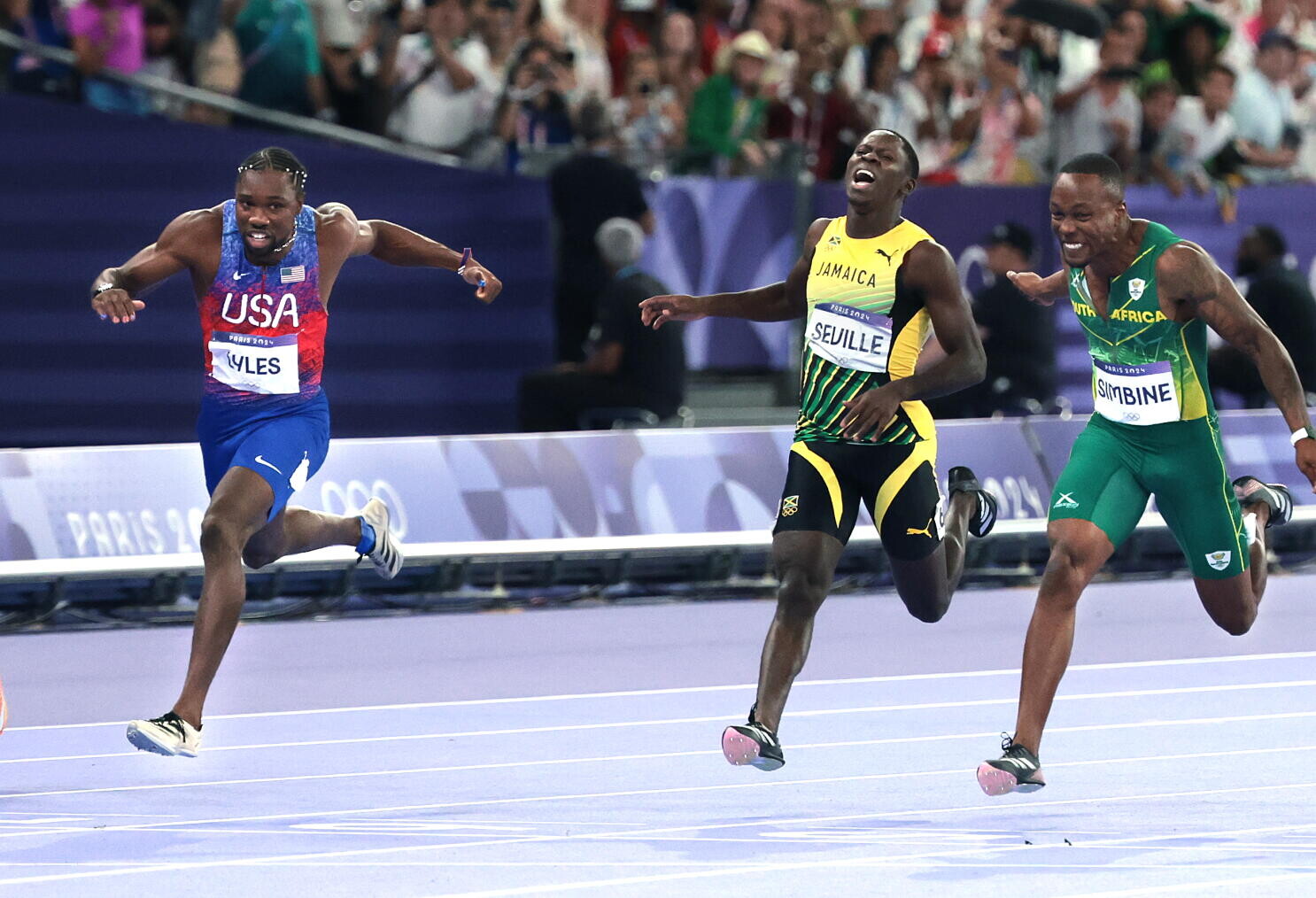
At the Paris 2024 Olympic Games, that belief reached one of its most memorable moments. Lyles captured gold in the men's 100 metres in a dramatic photo finish, clocking 9.784 seconds and edging Kishane Thompson by just five thousandths of a second. It was the first Olympic 100m title of his career and confirmation that his confidence was backed by world-class ability.
But Lyles' story extends far beyond a single Olympic medal. His career has been built on ambition, resilience and an unwavering belief that he belongs among the sport's greatest performers. From the 100m to the 200m, he has developed into one of the defining sprinters of his generation.
What makes his journey particularly compelling, however, is the person behind the medals. Elite athletes are not machines. They carry pressure, expectations, doubts and personal battles alongside their talent. Lyles has been open about the challenges that come with competing at the highest level, showing that strength is not simply about winning races—it is also about continuing to move forward when things become difficult.
His personality has made him impossible to ignore, but his performances have ensured that the words are backed by action. Every time Lyles steps onto the track, there is an expectation that something significant could happen.
That is perhaps the biggest lesson from his journey: confidence does not guarantee an easy road. It simply gives you the courage to keep walking it.
Noah Lyles dared to dream loudly. Then he stepped onto the track and started proving those dreams were possible.
by Erick Cheruiyot for My Best Runs.
Login to leave a comment
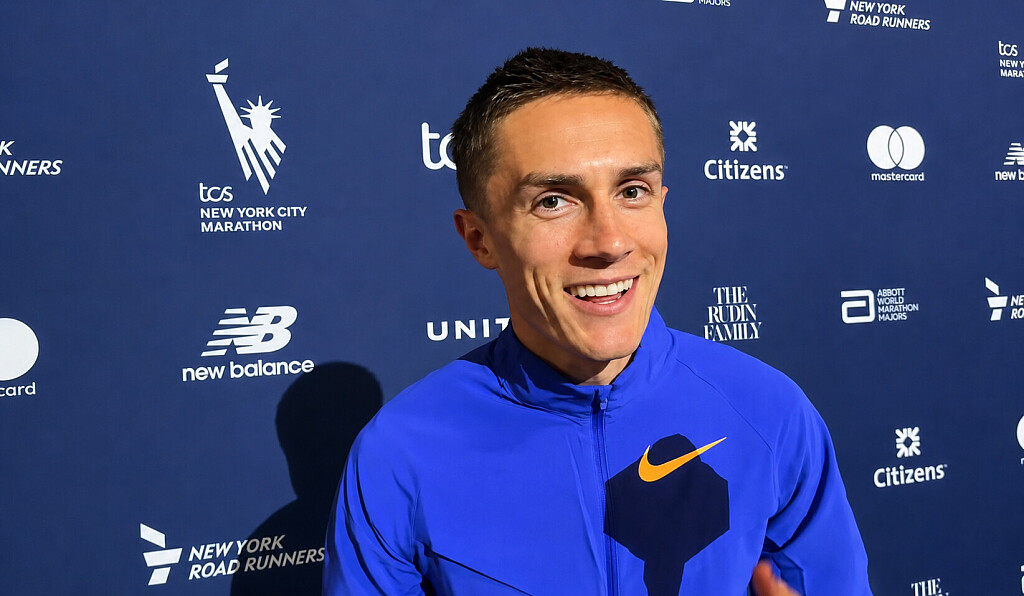
Mantz Names His New York Threats: ‘Hopefully I’m A Little Ahead Of Talbi’
Conner Mantz heads into Sunday’s TCS New York City Marathon with a clear ambition: to be right there with the leading pack when the race reaches its decisive stages.
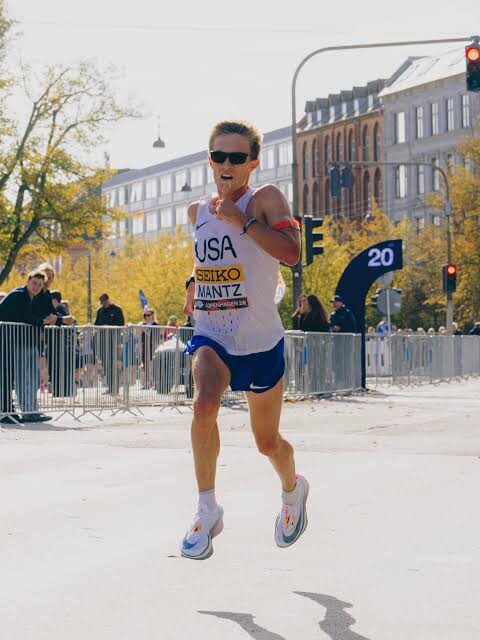
The 29-year-old American is not simply hoping to survive the demanding New York course. He intends to remain among the strongest contenders deep into the race, and he already has a few names in mind when it comes to the athletes he expects to be alongside him.
One of them is Benson Kipruto, the reigning New York City Marathon champion and one of the most consistent marathoners in the world.
“Benson will be there,” Mantz said. “I feel like he’s always there.”
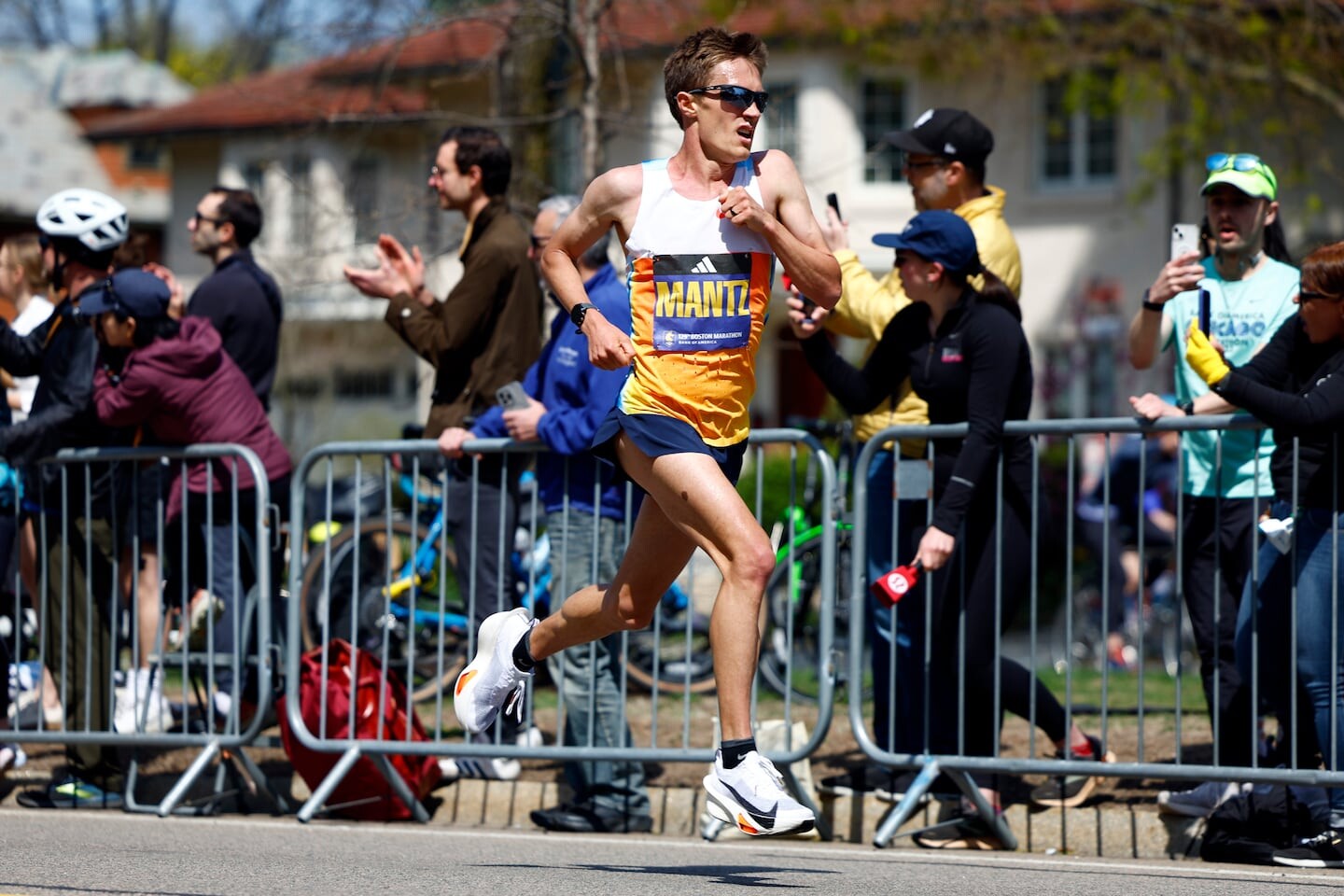
It is difficult to argue with that assessment. Kipruto has repeatedly demonstrated his ability to remain competitive deep into major marathons, making him one of the runners Mantz expects to see when the race begins to take shape.
Mantz also singled out Andreas Almgren, who will make his highly anticipated marathon debut in New York.
“It’s hard to bet against Almgren,” Mantz said, highlighting the Swedish star’s extraordinary range and strength as he steps up to the 42.195-kilometre distance for the first time.
Another athlete on Mantz’s radar is Ethiopia’s Deresa Geleta, who has already established himself as a formidable force over the marathon distance.
“I imagine Deresa will be there,” Mantz added.
But the most intriguing matchup could involve another American: Zouhair Talbi.
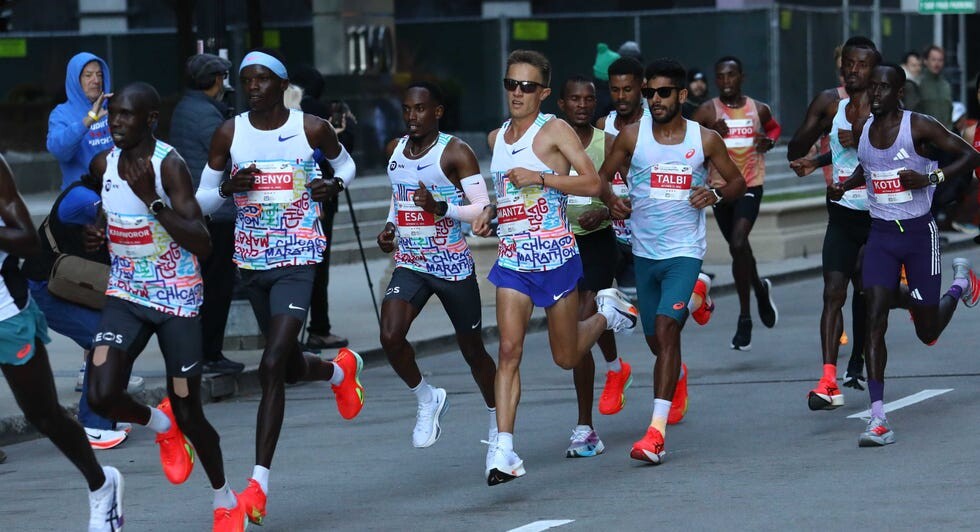
Talbi arrives in New York with impressive credentials of his own. He was the top American at the Boston Marathon and has established himself as one of the fastest marathoners in U.S. history. Mantz, however, is hoping that when the race reaches its closing stages, he will once again have the edge over his compatriot.
“Hopefully I’m a little ahead of him at that point,” Mantz said.
There is already some history between the two Americans. In their previous race together, Mantz and Talbi remained locked together until roughly 600 metres from the finish, when the battle was finally decided. New York could provide another chapter in that developing rivalry, only this time with a major marathon title at stake.
Mantz’s credentials explain why he believes he belongs in the lead-pack conversation. He has already finished inside the top eight at an Olympic Games, won two national titles and recorded five top-eight finishes at major marathons. He has also represented the United States at the World Road Running Championships, giving him valuable experience on some of the biggest stages in the sport.
His marathon progression has been particularly impressive. On October 12, 2025, Mantz clocked 2:04:43 to set the American record and national record, confirming his status as one of the fastest marathoners the United States has ever produced. That breakthrough transformed him from a promising distance runner into a genuine contender on the global marathon stage.
His versatility extends well beyond the marathon, too. Mantz is ranked among the world’s leading athletes in the 10,000 metres and road running, while also sitting inside the global top 60 for the marathon. His combination of speed, endurance and championship experience makes him a dangerous competitor on a course as unpredictable and demanding as New York.
And that is precisely why Mantz is not looking merely to be part of the field on Sunday. He wants to be part of the race.
If his prediction proves correct, Mantz could find himself surrounded by Kipruto, Almgren, Geleta and Talbi as the marathon enters its most critical miles. From there, patience, positioning and the ability to handle the brutal closing stages of New York could determine who remains standing in the fight for victory.
For Mantz, the message is clear: he does not intend to wait for the race to come to him. He plans to be there when the battle begins.
by Erick Cheruiyot for My Best Runs.
Login to leave a comment

TCS New York City Marathon
The first New York City Marathon, organized in 1970 by Fred Lebow and Vince Chiappetta, was held entirely in Central Park. Of 127 entrants, only 55 men finished; the sole female entrant dropped out due to illness. Winners were given inexpensive wristwatches and recycled baseball and bowling trophies. The entry fee was $1 and the total event budget...
more...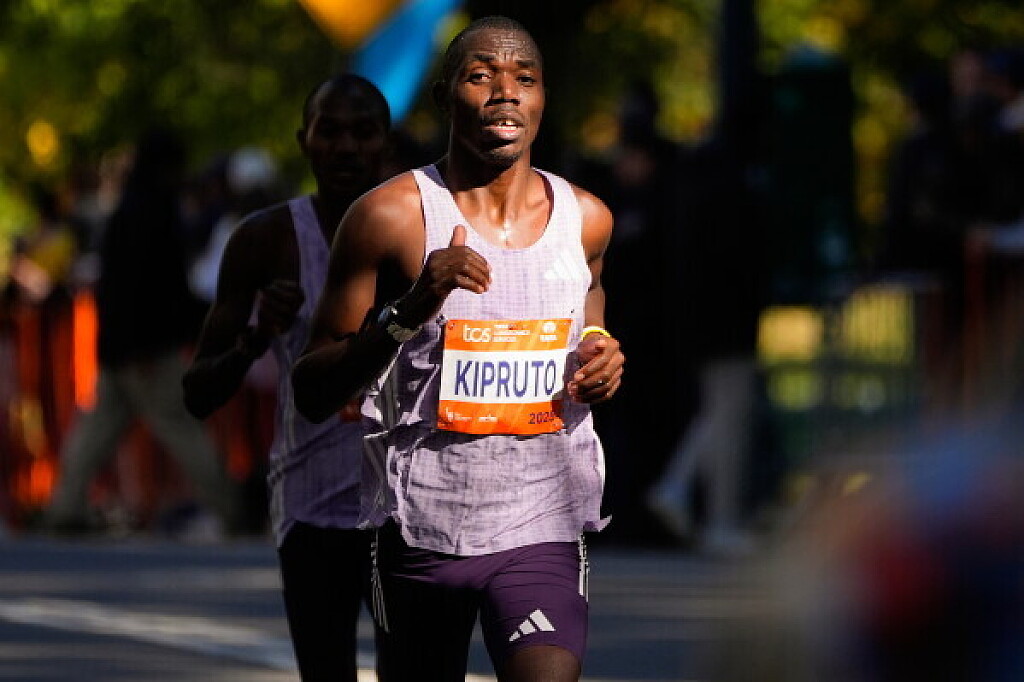
Benson Kipruto Chases An Exclusive Fifth World Marathon Major In New York
Only two men have ever won five of the Abbott World Marathon Majors: Eliud Kipchoge and Wilson Kipsang.
On Sunday, Benson Kipruto will have the opportunity to make that exclusive list even more Kenyan.
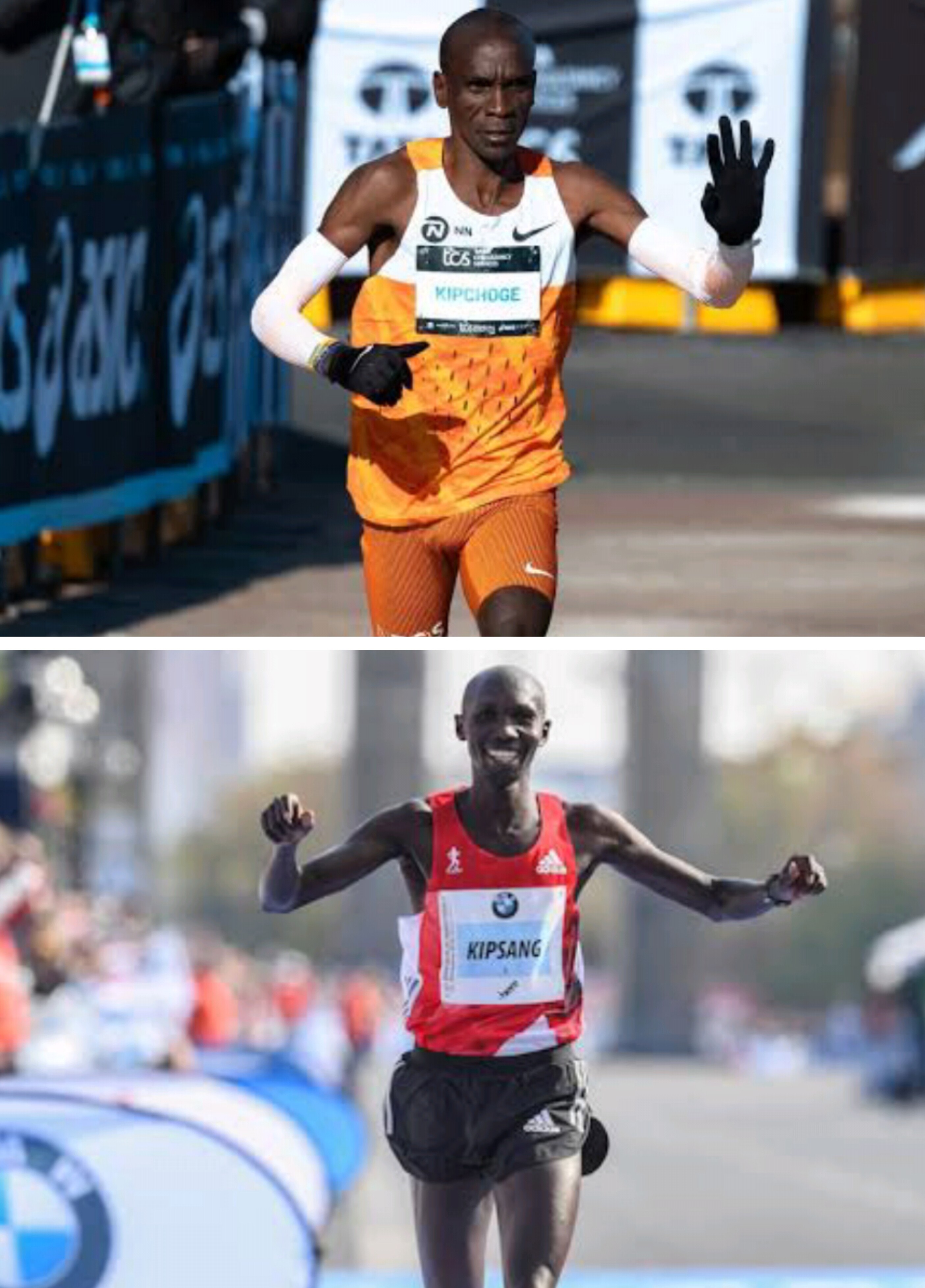
The 35-year-old already has four Major victories to his name, with triumphs in Tokyo, Boston, Chicago and New York. His latest came in spectacular fashion last November, when he edged compatriot Alexander Mutiso by just three hundredths of a second in one of the closest finishes in New York City Marathon history. Both were officially timed at 2:08:09, but Kipruto was declared the winner after an extraordinary sprint to the line.
That victory was more than another trophy. It demonstrated Kipruto’s ability to remain composed when the pressure is at its highest, then produce the decisive move when victory is measured in inches. Now, he returns to the streets of New York carrying a different kind of pressure: the chance to join one of the most exclusive clubs in marathon running.
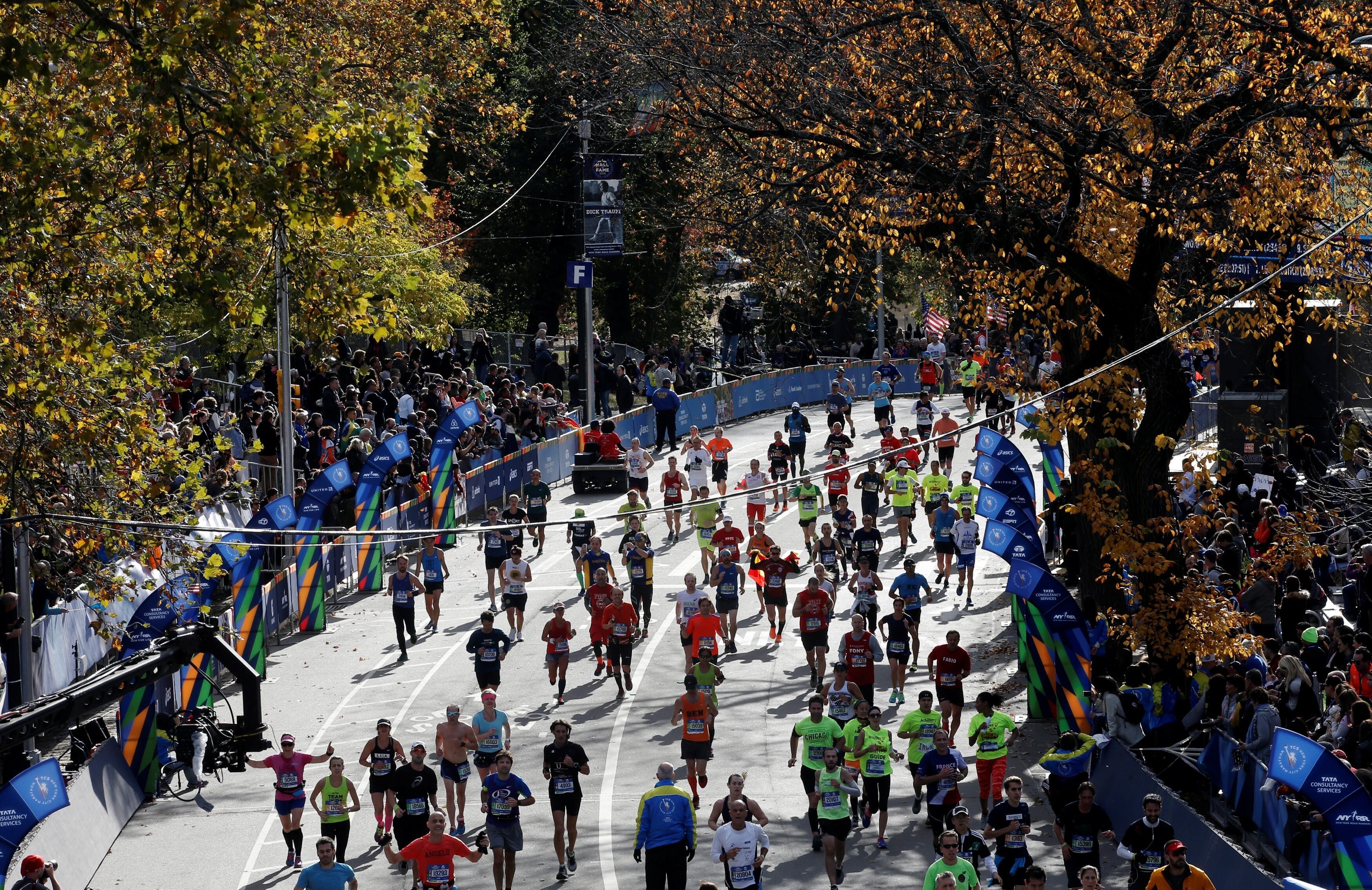
Defending a New York City Marathon title is never a simple task. The course demands patience, strength and tactical intelligence, while the depth of the elite field leaves almost no room for a bad moment. Kipruto will have to overcome a lineup packed with proven championship performers and several athletes capable of producing a breakthrough performance.
Among his biggest challengers is Ethiopia’s Deresa Geleta, who owns a 2:02:38 personal best, while Kenya’s CyBrian Kotut enters with a 2:03:22. American Conner Mantz brings a 2:04:43 national record to the start line, while former champions Geoffrey Kamworor and Abdi Nageeye add further experience to an already formidable field.
And then there is Andreas Almgren.
The Swedish star will make his marathon debut in New York after establishing himself as one of Europe’s most versatile distance runners. Almgren arrives as the European record-holder over 5,000m and half marathon and recently won the European 10,000m title in championship-record fashion. Rather than choosing an easier course for his first marathon, he has opted for the demanding streets of New York.
Kipruto, however, has already proved that he knows how to win on the biggest stages. His marathon personal best of 2:02:16 places him among the fastest men in the field, but his greatest weapon may be his racing experience. He has repeatedly shown that he can stay in contention deep into a race and deliver when the decisive moment arrives.
Now the equation is brutally simple.
Four Major victories have already established Kipruto among the elite of his generation. A fifth would move him alongside Kipchoge and Kipsang as only the third man in history to reach that milestone.
New York gave Kipruto one of the most dramatic victories of his career last year. On Sunday, the same streets could provide another defining chapter.
Can Benson Kipruto defend his New York title, conquer another world-class field and become only the third man ever to win five World Marathon Majors?
by Erick Cheruiyot for My Best Runs.
Login to leave a comment
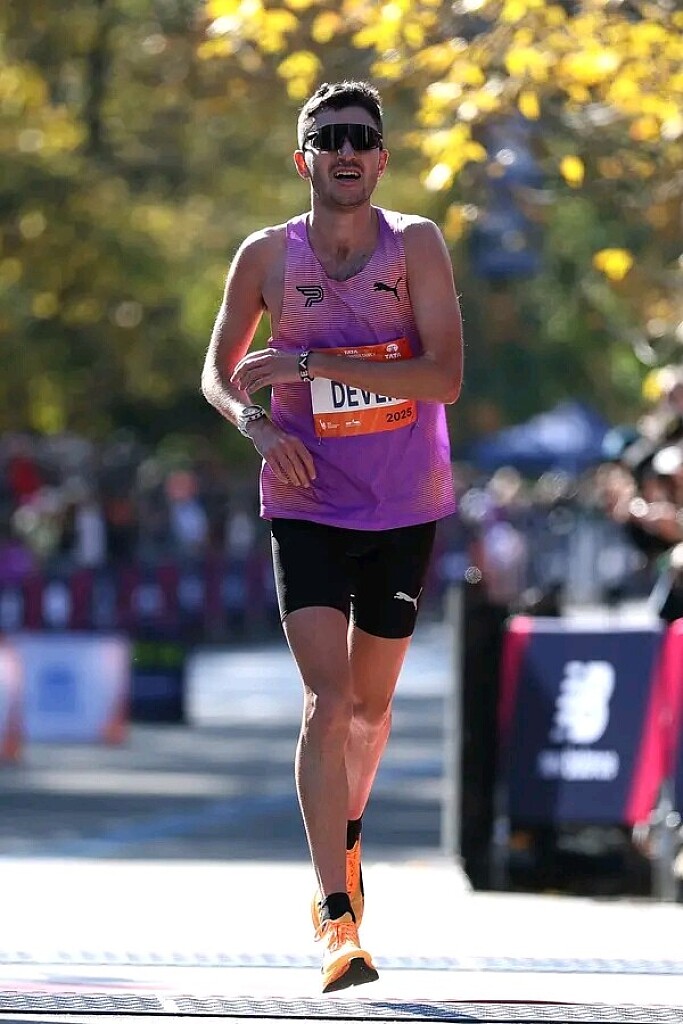
Patrick Dever Returns To New York With Olympic Ambitions: Can He Take Another Step Forward?
Patrick Dever returns to the streets of New York City on Sunday with unfinished business, renewed confidence and a much bigger target on the horizon.
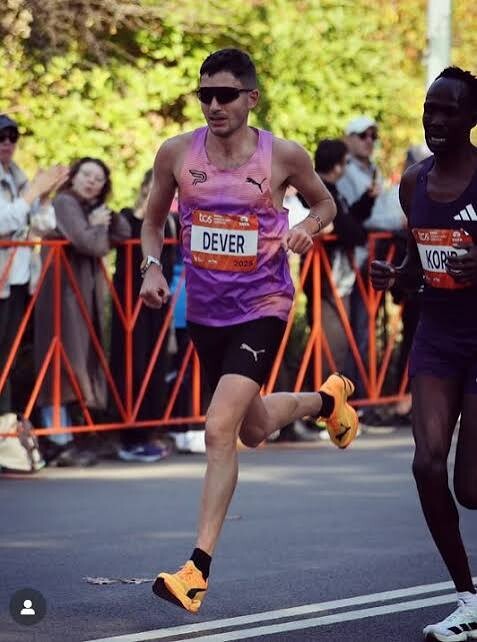
The 30-year-old Brit made an immediate impression on his marathon debut at last year’s New York City Marathon, crossing the line in 2:08:58 for what was initially recorded as fourth place. His result was later upgraded to third following Albert Korir’s five-year ban after anti-doping violations, giving Dever a podium finish on one of the world’s most demanding marathon stages.
But Dever has since shown that his potential stretches far beyond that breakthrough performance.
In April, he produced a major personal best of 2:06:18 at the London Marathon, elevating himself to third on the United Kingdom’s all-time marathon list. Only Mo Farah, with 2:05:11, and Mahamed Mahamed, with 2:06:14, have run faster for Britain.
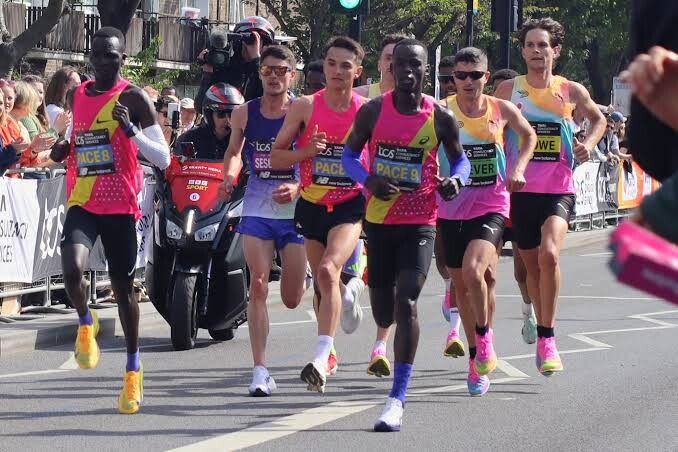
Now, Dever heads back to New York with another opportunity to test how far he has progressed.
The challenge will be particularly valuable because New York offers a very different racing environment from London. There will be no pacemakers to dictate the rhythm, meaning Dever will have to rely on his own tactical judgement, positioning and ability to respond when the race begins to unfold.
That is exactly the kind of experience he wants.
With the Los Angeles 2028 Olympic Games firmly in his long-term sights, Dever is using New York as an opportunity to sharpen his ability to race in a championship-style environment, where athletes must make their own decisions rather than simply follow a predetermined pace.
For a runner with ambitions of representing Great Britain on the Olympic stage, those lessons could prove invaluable.
New York is also a race that demands patience. The course features bridges, rolling terrain and a notoriously difficult final stretch through Central Park, making it less about simply chasing a fast time and more about executing a complete marathon.
Dever already knows what it takes to succeed there. This time, however, he returns as a significantly faster and more accomplished marathoner.
A year after announcing himself on the New York streets, the British star arrives with a 2:06:18 personal best, a place among Britain’s fastest marathoners and an Olympic dream that is beginning to look increasingly realistic.
The question now is whether Dever can turn that progress into another standout performance in the Big Apple.
by Erick Cheruiyot for My Best Runs.
Login to leave a comment
TCS New York City Marathon
The first New York City Marathon, organized in 1970 by Fred Lebow and Vince Chiappetta, was held entirely in Central Park. Of 127 entrants, only 55 men finished; the sole female entrant dropped out due to illness. Winners were given inexpensive wristwatches and recycled baseball and bowling trophies. The entry fee was $1 and the total event budget...
more...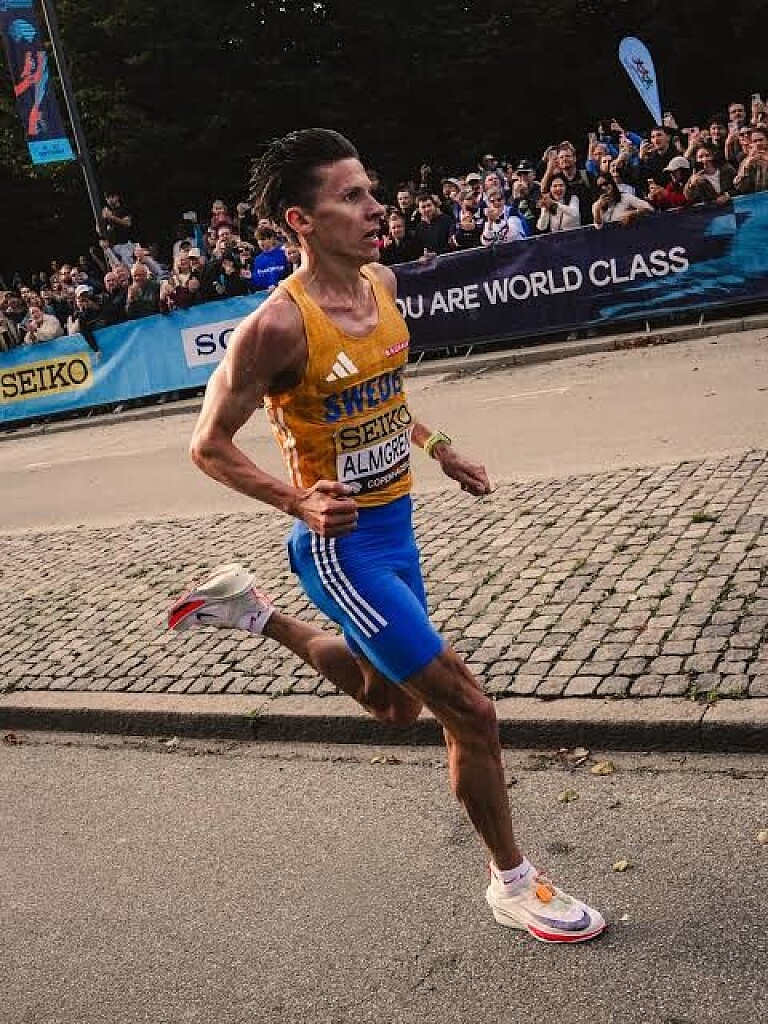
The Ultimate Test: Can Andreas Almgren Conquer New York On Marathon Debut?
Andreas Almgren is about to discover just how far his extraordinary speed can carry him.
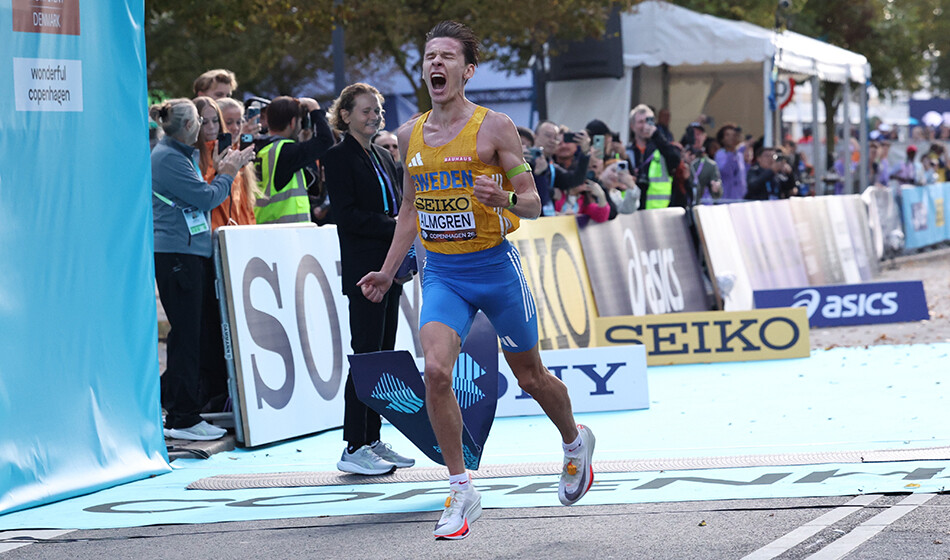
On Sunday, November 1, the Swedish star will line up for the TCS New York City Marathon, stepping into completely unfamiliar territory as he makes his highly anticipated marathon debut over 42.195 kilometres.

But Almgren is not arriving in New York as an ordinary debutant.
He comes armed with an extraordinary résumé. The Swede is the reigning world half-marathon champion, the 2026 European 10,000m champion and the European half-marathon record holder after producing a sensational 58:06 in Copenhagen.
That performance elevated the conversation surrounding his marathon potential. Running 58:06 means Almgren can sustain an average pace of roughly 2:45 per kilometre for 21.1 kilometres—a frightening level of speed for an athlete preparing to double the distance.
Only weeks earlier, he had produced another major statement by winning European 10,000m gold in Birmingham in a championship-record 27:23.44. His ability to combine elite track speed with increasingly impressive endurance has made him one of the most intriguing distance runners in the world.
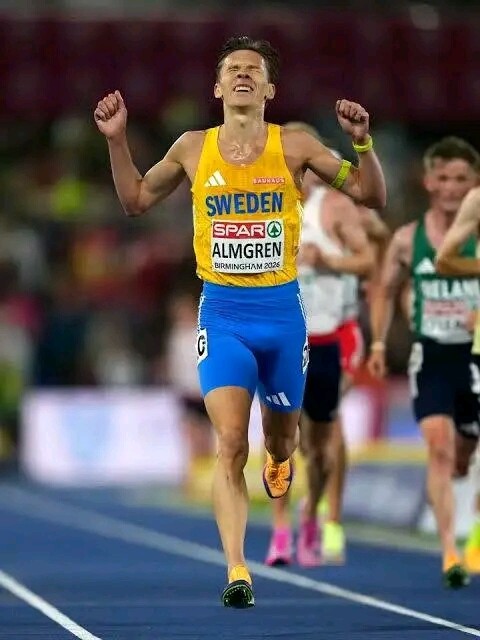
Yet Almgren's journey to the marathon has been anything but conventional.
He originally made his name as an 800m specialist, running a personal best of 1:45.59 before gradually transforming himself into a world-class long-distance athlete. The transition from two laps of the track to 42.195 kilometres represents an enormous change in physiological demands, but Almgren has embraced the challenge with remarkable ambition.
His preparation has reportedly included extremely high mileage, with his training volume reaching around 135 miles, or 217 kilometres, per week during parts of his build-up. He has also spent time training at altitude in Flagstaff, Arizona, as he prepares his body for the demands of the marathon.
What makes Almgren particularly fascinating is not only his athletic ability but also his analytical approach to the sport. The Swede has a background in data science and is known for taking a highly methodical approach to his training, using data and analysis to help shape his preparation.
That combination of brains, speed and endurance has earned him the nickname “The Nerd King.”
But New York will ask questions that no training spreadsheet can fully answer.
The marathon is a different beast, and the New York course is an especially unforgiving place to make a debut. The bridges, hills, sharp turns and tactical racing can punish even experienced marathoners, while the absence of traditional pacemakers means Almgren will have to judge the race himself.
That could make his decision to debut in New York even more intriguing.
Rather than choosing a flat, fast course designed purely for record chasing, Almgren has chosen one of the world's most iconic and demanding marathon stages. He will be surrounded by established marathon stars, including Abdi Nageeye, Benson Kipruto and Geoffrey Kamworor, giving the Swedish newcomer an immediate test against athletes with years of experience over the distance.
Still, Almgren is not approaching the race simply as a learning experience.
His ambition is clear. He wants to compete at the front and believes he can fight for victory.
His 58:06 half-marathon performance inevitably invites speculation about what he might eventually achieve over 42.195 kilometres. However, converting a half-marathon time directly into a marathon prediction is far from straightforward. The second half of the marathon is where endurance, fueling, pacing and accumulated fatigue become decisive, and New York adds another layer of difficulty.
That is the great unknown surrounding Almgren.
Can a man who once specialised in the 800m carry his extraordinary speed through 35 kilometres, 40 kilometres and finally into Central Park?
Can his analytical approach compensate for the lack of marathon racing experience?
And can his remarkable 58:06 half-marathon form translate into a winning marathon debut?
Those questions will finally be answered on Sunday.
From a 1:45 800m specialist to European 10,000m champion, world half-marathon champion and European half-marathon record holder, Almgren has already reinvented himself several times.
Now, the “Nerd King” is taking on the marathon.
And New York is waiting to find out just how far his speed, endurance and ambition can carry him.
by Erick Cheruiyot for My Best Runs.
Login to leave a comment
TCS New York City Marathon
The first New York City Marathon, organized in 1970 by Fred Lebow and Vince Chiappetta, was held entirely in Central Park. Of 127 entrants, only 55 men finished; the sole female entrant dropped out due to illness. Winners were given inexpensive wristwatches and recycled baseball and bowling trophies. The entry fee was $1 and the total event budget...
more...