

Running News Daily
Running News Daily is edited by Bob Anderson and team. Send your news items to bob@mybestruns.com Advertising opportunities available.
Index to Daily Posts · Sign Up For Updates · Run The World Feed
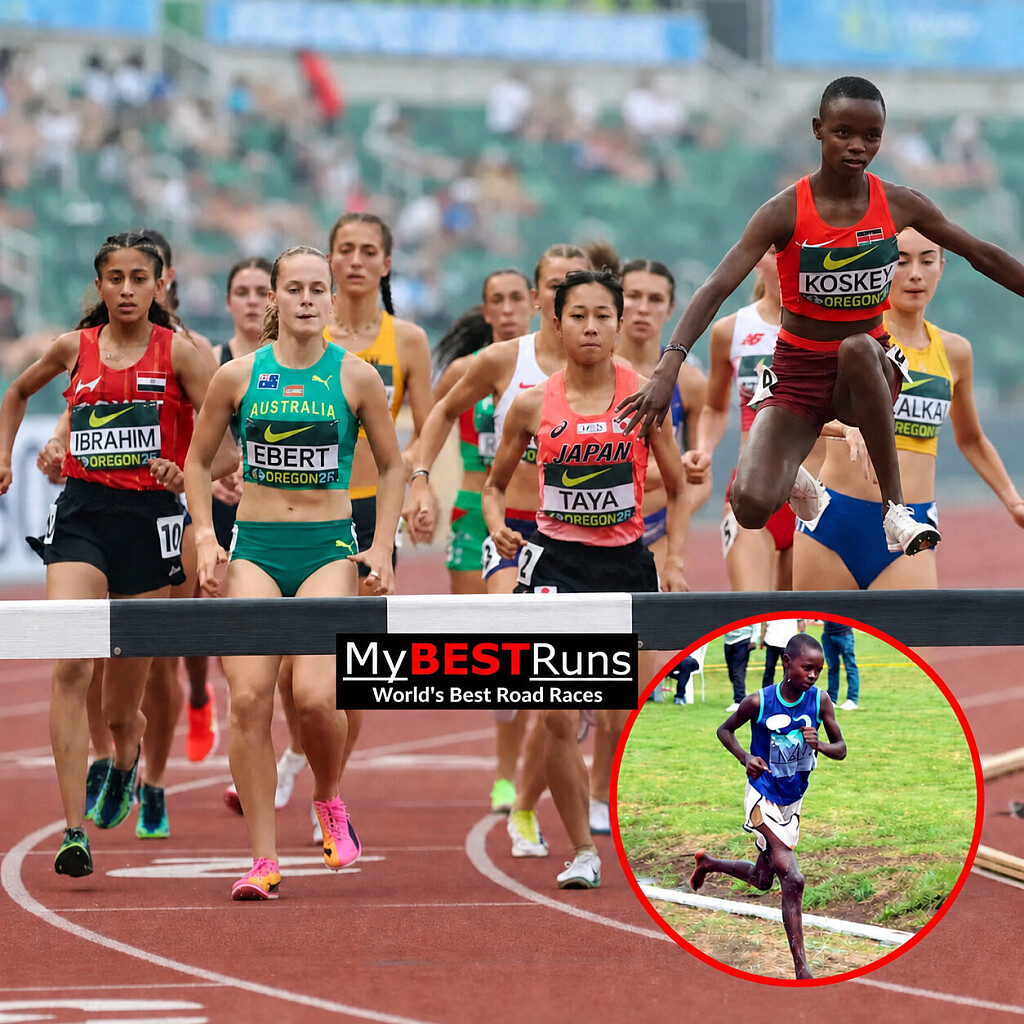


From Barefoot Dreams To The World Stage: Mercy Kosgei’s Remarkable Rise

From running barefoot on a school track in Kenya to competing on the international stage and signing a landmark deal with a global sportswear brand, Mercy Chepngeno Kosgei’s journey is a powerful story of determination, talent and unwavering belief.

In March 2024, then just 17 years old, Kosgei captured widespread attention when she won the 3,000m steeplechase at the Rift Valley Regional Secondary Schools Championships in Nandi — without a pair of racing shoes on her feet.
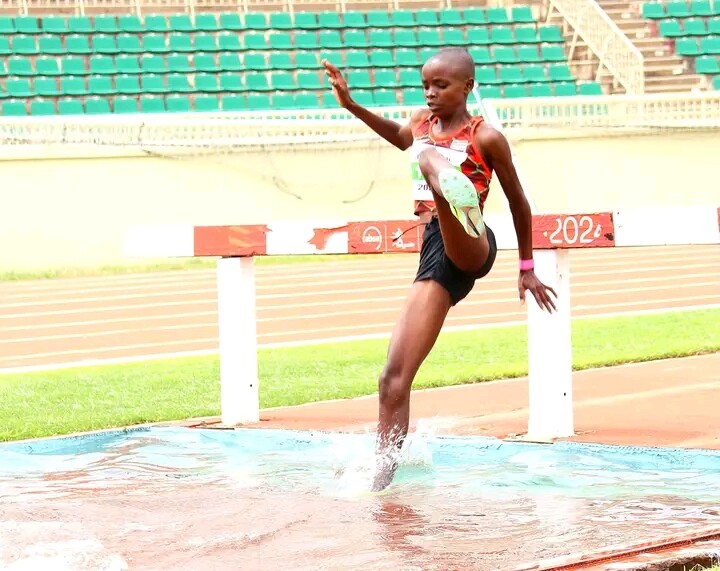
What could have been seen as a simple race became the beginning of something much bigger. Her barefoot victory quickly drew attention, shining a spotlight on a young athlete whose talent was already far greater than the resources available to her.
But the viral moment was only the opening chapter.

Kosgei continued to develop rapidly, proving that her success was not built on one extraordinary performance. In 2025, she claimed silver at the African U20 Championships in Nigeria, establishing herself among the continent’s promising young middle- and long-distance athletes.
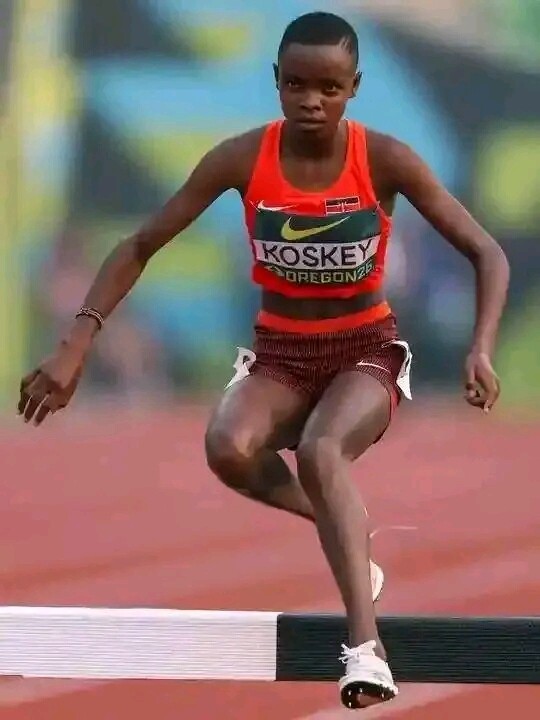
She took another major step forward in 2026. At the Thika Weekend Meet, Kosgei produced a memorable double, winning both the 1,500m and 3,000m steeplechase.
Her progress continued at the African Championships in Accra, where she secured silver in the steeplechase and lowered her personal best to an impressive 9:30.47.
Later in the year, she reached an even bigger stage, representing Kenya at the World Athletics U20 Championships in Eugene, Oregon — another significant milestone in a career that has developed at remarkable speed.
Away from the track, February 2026 brought another defining moment. Kosgei signed a Name, Image and Likeness (NIL) agreement with Swiss sportswear company On, marking a major breakthrough for the young Kenyan and placing her among a new generation of athletes attracting international attention at an early stage of their careers.
Yet behind the medals, contracts and international appearances is a young woman who remains grounded in her ambitions beyond athletics.
Hailing from Lesirwo village in Kericho County, Kosgei continues to balance education with the demanding routine of training and competition. Her dream extends beyond becoming a champion athlete — she also hopes to become a medical doctor.
That combination of ambition makes her journey even more compelling.
Her story began without expensive equipment or the privileges often associated with elite sport. It began with bare feet, determination and a dream.
Today, those same dreams have carried Mercy Chepngeno Kosgei from the school fields of Kenya to the international stage.
And if her journey so far is anything to go by, the barefoot girl who once captured the imagination of Kenyan athletics fans may only be getting started.
by Erick Cheruiyot for My Best Runs.
Login to leave a comment
Latest Running News

238 Medic Runners To Put Personal Bests Aside And Help Save Lives At Singapore Marathon
The race against the clock will take on a completely different meaning at the BYD Singapore International Marathon 2026, presented by Adidas, where 238 specially trained medic runners will enter the course not simply to compete, but to help save lives.
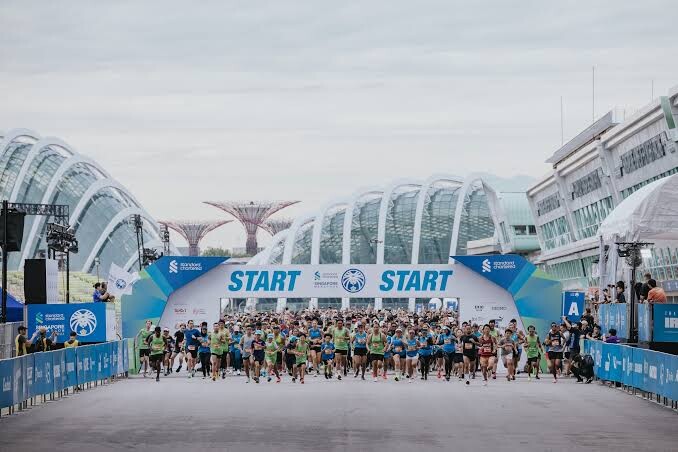
Instead of focusing solely on personal bests, podium places and finishing times, these dedicated volunteers will run among thousands of participants with another responsibility in mind — identifying athletes in distress and providing potentially life-saving assistance before professional medical teams can arrive.
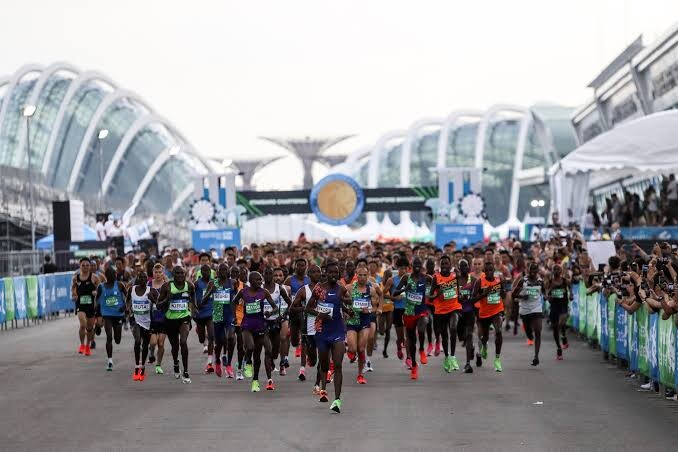
It is an initiative that places humanity at the heart of competition.
The medic runners will be deployed across both the full marathon and half-marathon courses, where they will be prepared to respond to medical emergencies and provide immediate first aid to runners who suddenly become unwell.
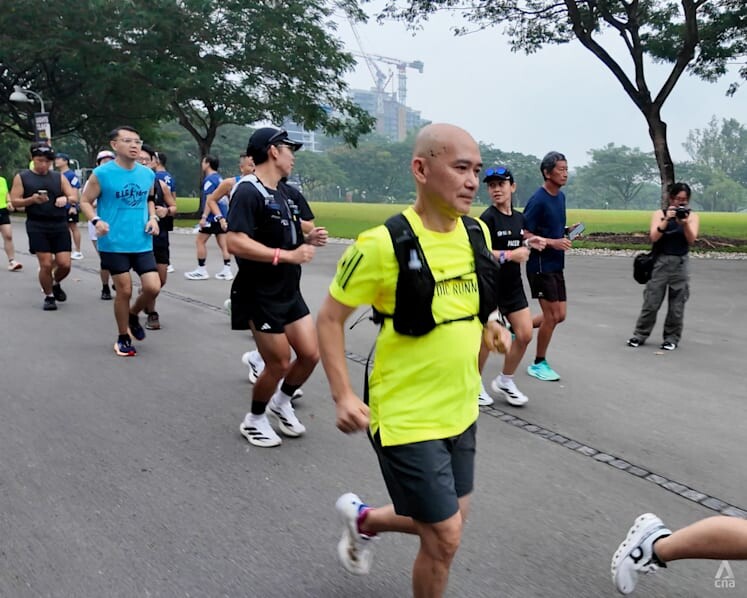
Every medic runner must complete mandatory training in cardiopulmonary resuscitation (CPR) and the use of an automated external defibrillator (AED), giving them the essential skills needed to respond when every second matters.
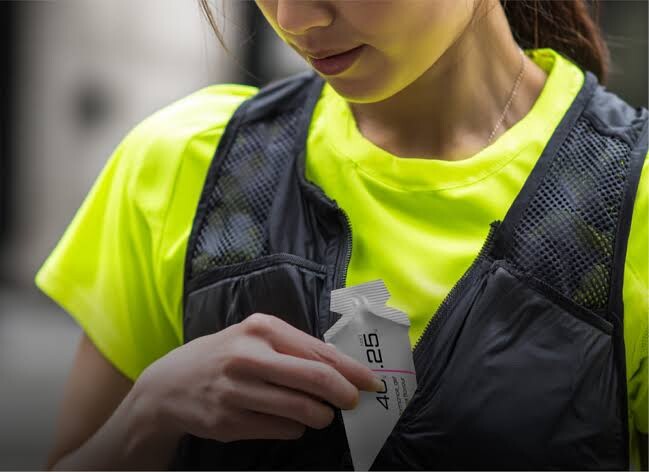
They will also take part in group practice runs with the Lion City Road Runners, allowing them to become familiar with working together while running and responding to situations that could arise during the race.
Their equipment will include basic first-aid supplies such as bandages, ice packs and muscle sprays, along with gels and water. More importantly, however, they will carry the knowledge and training needed to recognise signs of serious medical distress and act quickly.
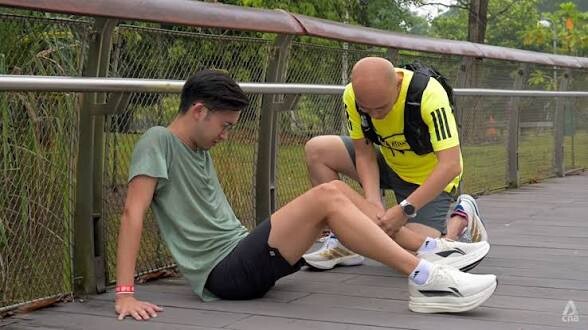
Their responsibilities could include responding to conditions such as heat-related illness, dehydration and cardiac arrest — helping to bridge the critical gap between the moment an emergency occurs and the arrival of professional medical responders.
For these runners, the stopwatch will not always be the priority.
A personal record can wait.
A fellow runner's life cannot.
The medic runner initiative will apply specifically to the marathon and half-marathon events. The 10km and 5km races will continue to rely on their existing medical tents and route-response teams, which organisers consider appropriate for those distances.
The programme has been inspired in part by similar initiatives overseas, including the Bangsaen21 Half Marathon in Thailand, where trained runners are positioned throughout the course to provide rapid assistance when athletes encounter medical difficulties.
The concept is particularly valuable in mass-participation races, where runners can be spread across many kilometres and fixed medical stations may not always be close enough to reach an emergency immediately.
The introduction of the programme also comes against a sobering backdrop for Singapore's running community.
In December 2024, a participant died after crossing the finish line at the Standard Chartered Singapore Marathon. Several months later, in April 2025, a 23-year-old runner collapsed and died while taking part in the 21.1km category of the 2XU Compression Run.
Yet there has also been a powerful reminder that immediate action can change an outcome.
During the previous year's half-marathon, a runner who collapsed survived after fellow participants stopped to administer CPR. The incident demonstrated one of the most important principles in responding to cardiac arrest: rapid intervention can be crucial, particularly when CPR and access to an AED are provided as quickly as possible.
Singapore's hot and humid conditions add another layer of challenge for endurance athletes, making awareness, early recognition of medical problems and rapid intervention particularly important during long-distance races.
That is why the 238 medic runners will have a role extending far beyond the traditional definition of a competitor.
They will still be runners. They will still experience the fatigue, heat and physical demands of the course. But they will also be watching for the runner beside them who may suddenly need help.
They may sacrifice a personal best.
They may lose minutes — or even much more — from their finishing time.
But if their intervention helps another athlete survive, their race will have achieved something far more important than a medal or a record.
The initiative sends a powerful message to the global running community: distance running is not only about how fast we can reach the finish line, but also about making sure everyone has the chance to reach it safely.
The 238 medic runners will therefore begin their Singapore Marathon with a mission greater than competition — to watch, respond, assist and, when necessary, help save a fellow runner's life.
And in a sport built around moving forward together, there may be no greater finish than helping someone else make it safely to the end.
by Erick Cheruiyot for My Best Runs.
Login to leave a comment

SINGAPORE MARATHON
The Singapore Marathon is an annual international marathon race which is held in December in the city of Singapore. It is an IAAF Gold Label Road Race. It has grown significantly since its inaugural race in 1982 – the 2013 event attracted a total of 60,000 entrants for all categories. There are four separate categories of competition: the full marathon,...
more...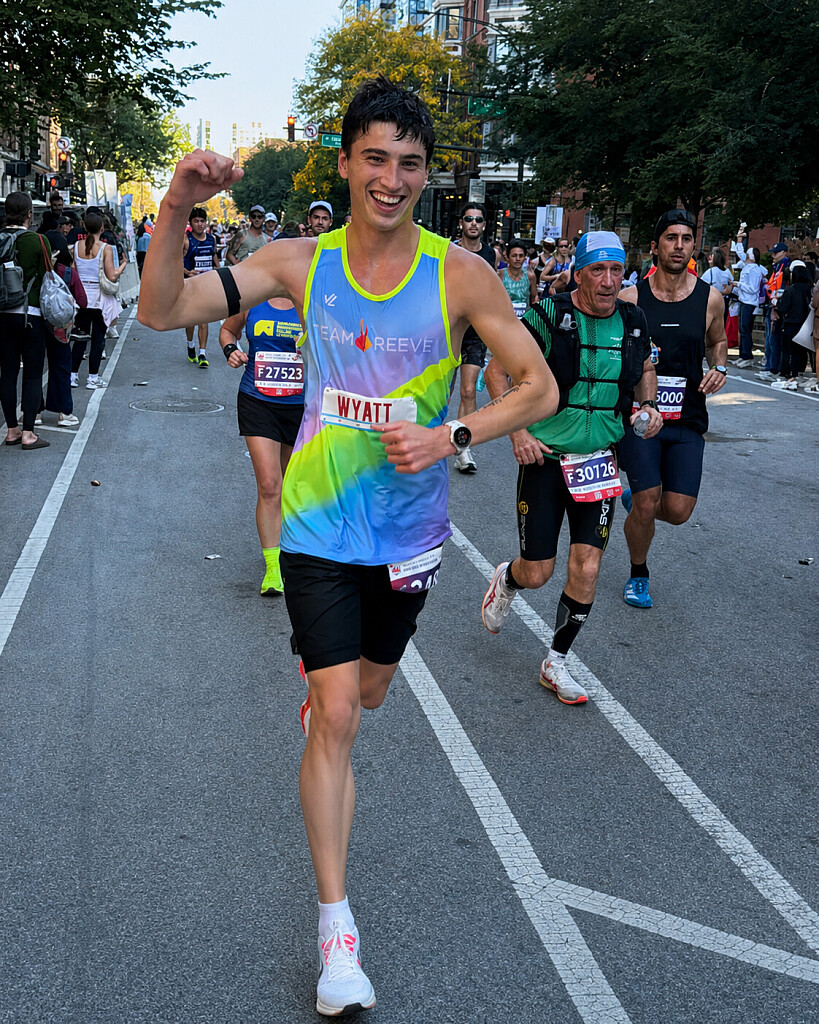
From Paralysis To 26.2 Miles: Wyatt Anderson’s Extraordinary Journey Back To Running
At 17 years old, Wyatt Anderson has already experienced a journey that few could imagine — from being paralyzed from the neck down to completing one of the world’s most prestigious marathons.
His achievement at the 2026 Bank of America Chicago Marathon was not simply about running 26.2 miles. It was the culmination of nearly a year of courage, painful rehabilitation, determination and an unwavering refusal to give up.
On November 4, 2025, Wyatt’s life changed in a matter of seconds. While chasing a rebound during a basketball game, he collided headfirst with a wall and suffered a devastating C3 spinal cord injury.
The impact left the teenager paralyzed from the neck down, turning movements that once seemed effortless into seemingly impossible challenges. His future was suddenly uncertain, and the road ahead would demand extraordinary patience and resilience.
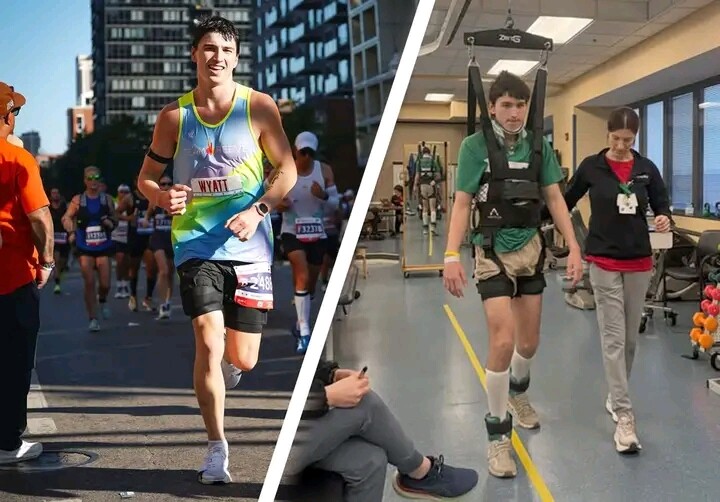
But Wyatt was not prepared to let the injury define the rest of his life.
After undergoing complex spinal fusion surgery, he began an intense rehabilitation journey at Frazier Rehab Institute in Louisville, Kentucky. For the next 11 months, progress came in small but meaningful victories — from moving a single finger to regaining the ability to stand, walk and, eventually, run.
Every step represented another battle won.
Then came Chicago.
With his brother, Jack, running by his side, Wyatt took on the 2026 Bank of America Chicago Marathon and completed the full 26.2-mile distance in an astonishing 3:56:28.
Less than a year after suffering an injury that had left him paralyzed from the neck down, the 17-year-old had crossed a marathon finish line on his own feet.
It was a moment that went far beyond a finishing time.
Wyatt and Jack also used their marathon journey to raise thousands of dollars for the Christopher & Dana Reeve Foundation, helping support spinal cord injury research and efforts to improve the lives of people living with paralysis.
For Wyatt, the marathon became another chapter in a recovery story that continues to inspire.
And perhaps his most powerful message is not about how quickly he returned to running, but about how he approached every difficult day along the way.
“Just take it day by day... you can do it. And most importantly, be positive and smile.”
Those words capture the heart of his journey.
Wyatt Anderson did not simply run 26.2 miles in Chicago. He showed what can happen when hope survives even the darkest moments, when setbacks are met with patience, and when progress — no matter how small — is celebrated as another step forward.
His story is a reminder that recovery does not always happen in giant leaps. Sometimes it begins with one finger moving. One step. One more attempt. One more day.
And eventually, those small victories can carry someone all the way to a marathon finish line.
For most runners, 26.2 miles is a test of endurance.
For Wyatt, it was a celebration of getting his life back.
Some finish lines are measured in miles. Others are measured in courage, resilience and the strength to begin again.
Wyatt’s finish line represents all of them.
by Erick Cheruiyot for My Best Runs.
Login to leave a comment

Two Champions. Two Nations. One Love For Athletics! Kipyegon And Hodgkinson Shared Moment Beyond The Track.
Faith Kipyegon of Kenya and Keely Hodgkinson of Great Britain represent two nations, two different middle-distance events and two extraordinary careers—but their journeys share one defining quality: an unwavering determination to reach the highest level of athletics.
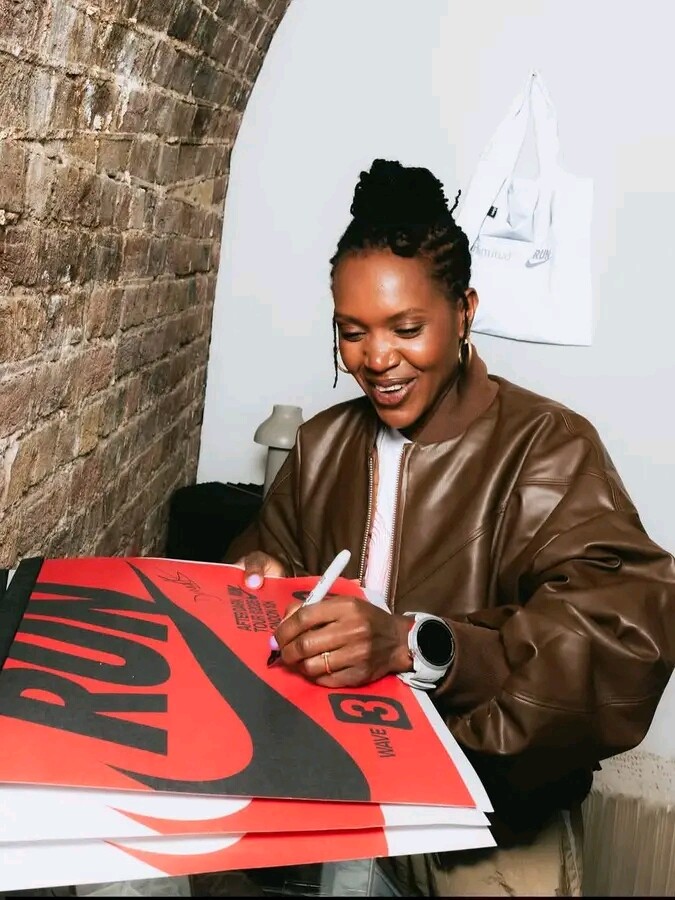
Kipyegon has built an era of dominance in the 1500m and mile, establishing herself among the most decorated middle-distance athletes in history. Hodgkinson, meanwhile, has risen to become one of the defining figures of the 800m, combining exceptional speed, consistency and championship strength.
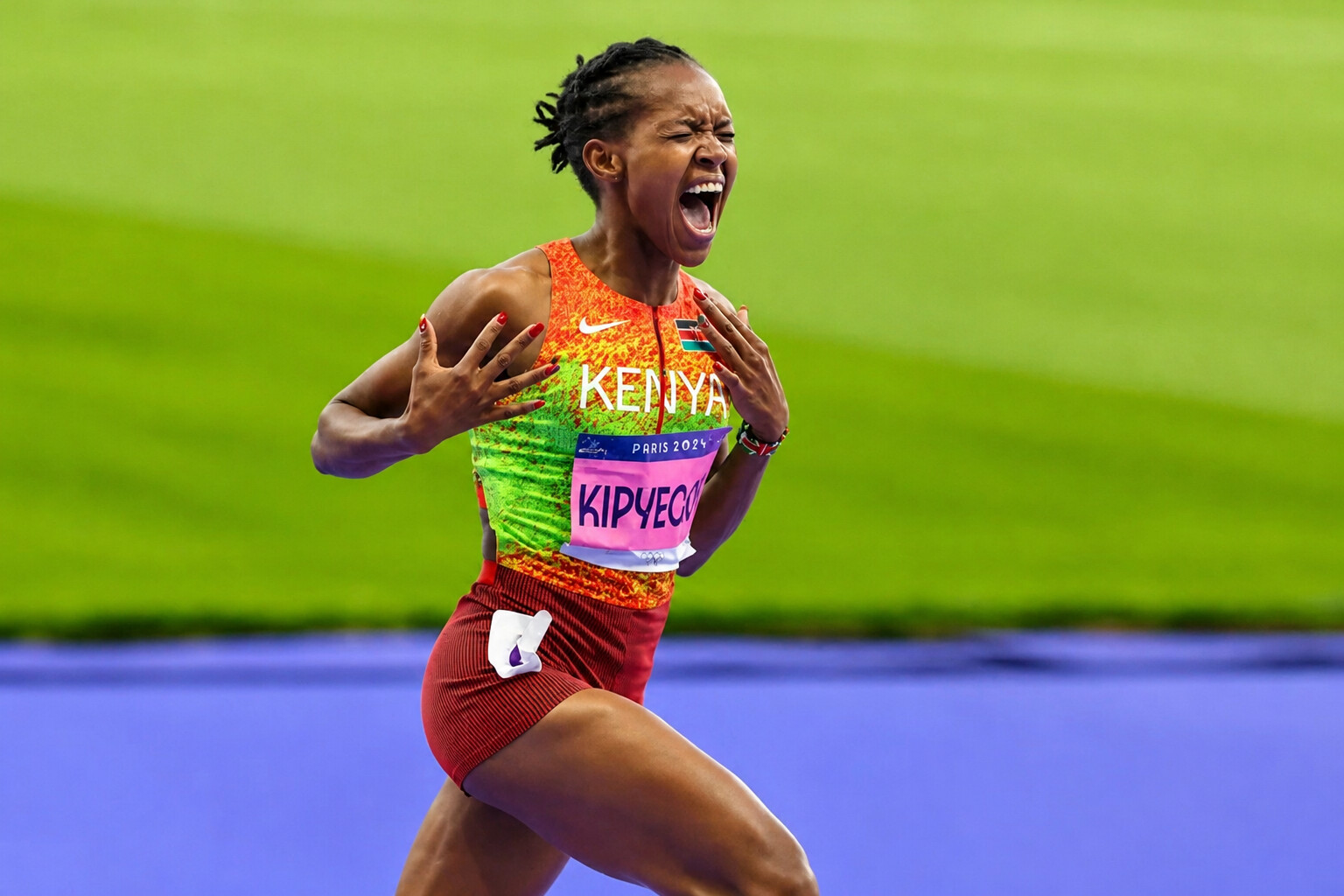
For Kipyegon, the Olympic 1500m has become almost synonymous with her name. The Kenyan became the first athlete to win three consecutive Olympic 1500m titles, triumphing at Rio 2016, Tokyo 2020 and Paris 2024. Her ability to deliver when the pressure is greatest has made her one of the most formidable championship racers of her generation.
Her brilliance extends far beyond the Olympic stage. Kipyegon is a five-time world champion over 1500m and has repeatedly rewritten the record books. She owns the world records for both the 1500m, with her astonishing 3:48.68, and the mile, where she has run 4:07.64—performances that underline her extraordinary range and speed.
Then there is Hodgkinson, Great Britain’s 800m powerhouse, whose rise has transformed her into one of the biggest stars in the event.

The Paris 2024 Olympic champion had already established herself as a major championship force by winning silver at Tokyo 2020. Four years later, she went one step higher in Paris, finally claiming the Olympic title that had narrowly eluded her.

Her success continued on the global stage in 2026, when she captured the World Indoor 800m title. Hodgkinson has also pushed the boundaries of the event at breathtaking speed, setting the world indoor record at 1:54.87 and holding the British outdoor record at 1:54.33.
Yet the story of these two champions is not only about what happens when the starting gun fires.
Away from competition, Kipyegon and Hodgkinson recently shared the spotlight in London during a Nike engagement, offering a glimpse of the connection that exists between athletics stars beyond the intensity of championship racing.
Their meeting was a reminder that the sport can bring together athletes from different nations and different events, even when they rarely share the same competitive arena. In London, the Kenyan 1500m queen and the British 800m champion stood together not as rivals, but as two leading figures of a sport they continue to shape in their own remarkable ways.
The off-season often provides athletes with an opportunity to step away from the pressure of competition, connect with fellow stars and represent the wider culture of athletics. For Kipyegon and Hodgkinson, their London engagement highlighted that shared bond—different nations, different distances, but one sport and a common passion for excellence.
What makes their careers so compelling is not simply the medals, records or championships. It is the manner in which both athletes have continuously raised the standard of excellence in their respective events.
Kipyegon has made the 1500m and mile her territory, combining tactical intelligence with a devastating finishing speed that has repeatedly left the world’s best struggling to match her. Hodgkinson has brought a similar authority to the 800m, mastering the delicate balance between speed, endurance and tactical discipline required to succeed at the highest level.
They do not compete directly for the same titles, yet their achievements create a fascinating parallel. Kipyegon rules the longer middle-distance events, while Hodgkinson has established herself as one of the modern queens of the two-lap race.
Different distances. Different countries. Different journeys.
Yet the ambition is strikingly similar.
Faith Kipyegon and Keely Hodgkinson have become champions not merely because they possess exceptional talent, but because they have consistently transformed that talent into historic performances when the world is watching.
And now, even away from the track, their paths continue to cross.
Two middle-distance queens. Two extraordinary legacies. Two nations brought together by one sport—and a shared determination to keep pushing the limits of greatness.
by Erick Cheruiyot for My Best Runs.
Login to leave a comment
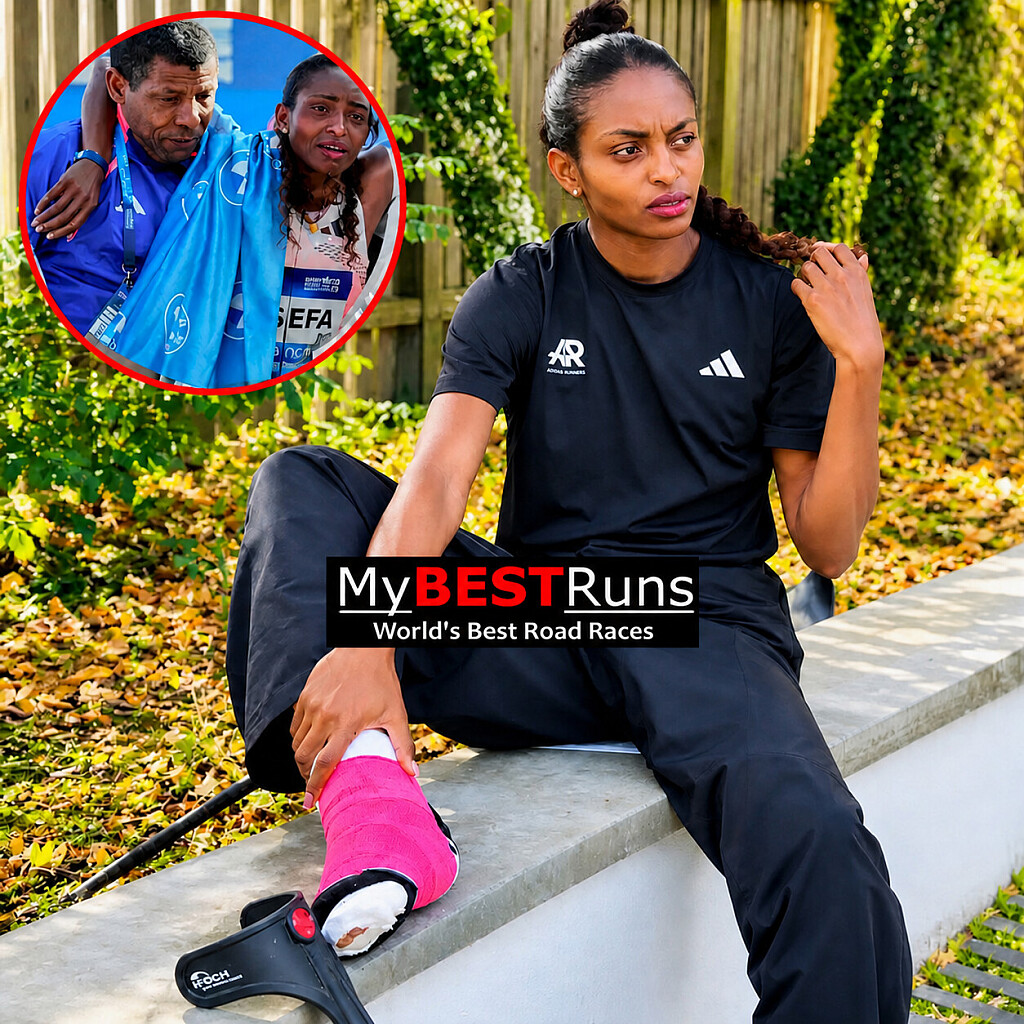
Tigst Assefa Set A Berlin Record Through Pain — Now The Real Fight Begins
Ethiopian marathon superstar Tigst Assefa has begun the long road to recovery after undergoing successful surgery to repair a ruptured right Achilles tendon sustained during the closing stages of the 2026 Berlin Marathon.
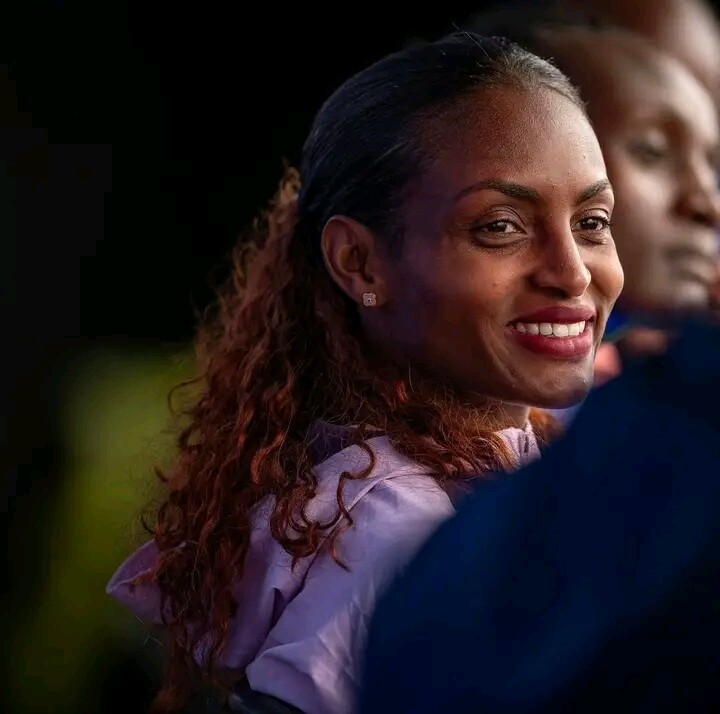
What made her performance in Berlin even more remarkable was not simply the record she broke, but the extraordinary circumstances under which she achieved it.
With just a few kilometres remaining, Assefa suffered the serious Achilles injury. Yet instead of stopping, the Ethiopian fought through the pain, hopping and running on her injured leg as she battled her way toward the finish.
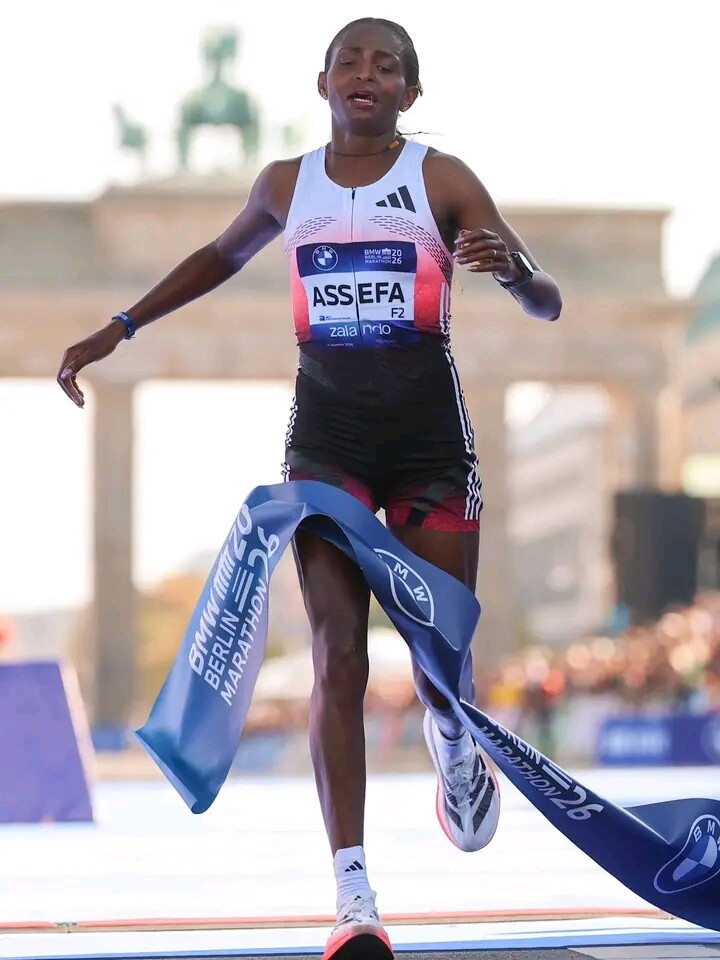
She eventually crossed the line in 2:11:04, producing a remarkable performance that secured a new Berlin Marathon course record despite the devastating injury.
It was a finish that revealed another side of a champion — one defined not only by speed and world-class talent, but also by extraordinary determination and an unwillingness to give up when the odds were suddenly stacked against her.
Following the race, Assefa underwent successful surgery in Munich, Germany, to repair the ruptured Achilles tendon. Her rehabilitation is now expected to keep her away from competitive running for at least six months as she begins the demanding process of healing, rebuilding strength and gradually working her way back toward full fitness.
Her medical care and recovery are being coordinated with the support of Demadonna Athletic Promotions.
For an athlete who has spent recent years redefining the limits of women’s marathon running, the coming months will require a very different kind of patience. There will be no starting lines, record attempts or final-kilometre battles. Instead, her progress will be measured through the quieter victories of rehabilitation — restoring strength, regaining confidence, rebuilding fitness and eventually returning to the training environment.
Assefa’s Berlin performance will forever be remembered for the course record, but the manner in which she reached the finish may prove just as unforgettable. She did not simply run through adversity; she fought her way through it.
Now, however, the record can wait.
The race has changed. The goal is no longer to chase seconds on the clock, but to give her body the time and care it needs to heal.
The road back may be long and challenging, but the athletics world will be watching, supporting and waiting for the day one of marathon running’s biggest stars is ready to lace up again.
by Erick Cheruiyot for My Best Runs.
Login to leave a comment
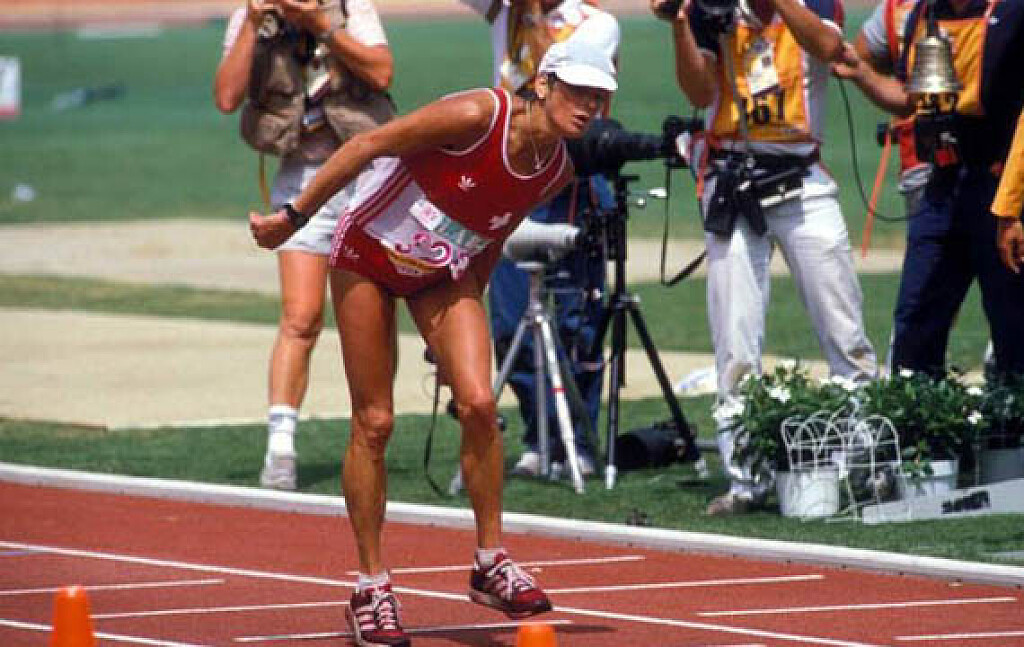
She Staggered, She Fell, But She Refused To Stop: The Olympic Finish That Became A Symbol Of Courage
At the 1984 Los Angeles Olympics, Gabriela Andersen-Schiess became part of Olympic history without winning a medal, setting a record, or standing on the podium.
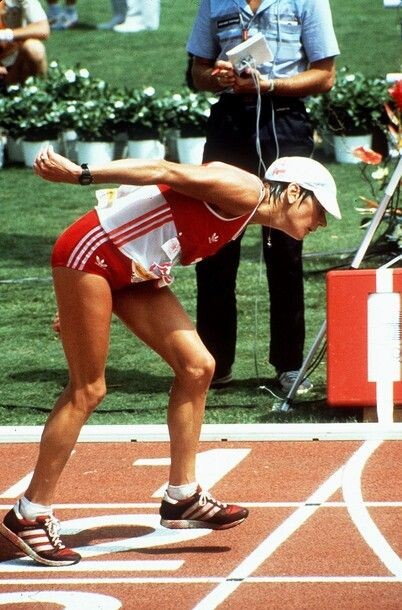
Instead, she gave the world something far more enduring: one of the most powerful displays of determination ever witnessed at the Olympic Games.
Andersen-Schiess, representing Switzerland, was competing in the inaugural women’s Olympic marathon when she entered the Los Angeles Memorial Coliseum after more than two hours of racing. What followed would become one of the most unforgettable moments in the history of distance running.
Severely exhausted and suffering from dehydration, the 39-year-old athlete could barely maintain her balance. Her body was visibly struggling. She staggered forward, her upper body leaning from side to side as she fought to keep moving.
Medical personnel immediately prepared to intervene.
But Andersen-Schiess knew that accepting assistance would mean being removed from the competition. She waved the medical staff away and continued, determined to reach the finish line under her own power.
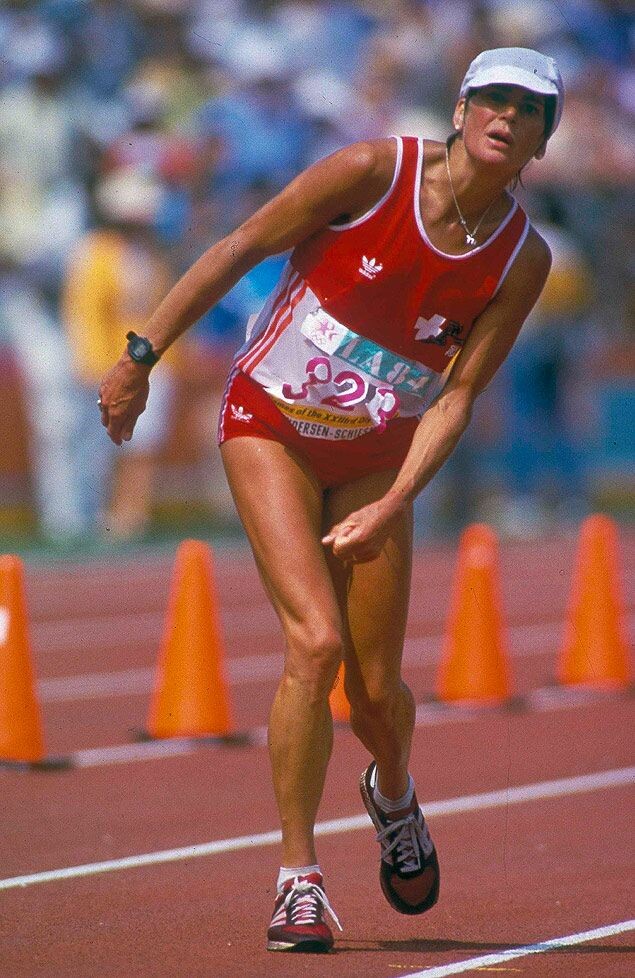
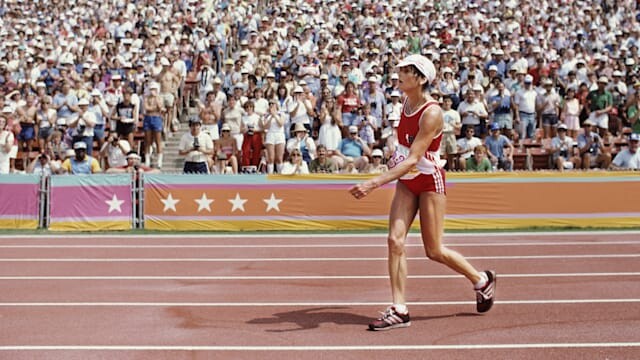
For the final stretch, every step appeared to require an enormous effort. She moved painfully around the stadium, stumbling and swaying as the crowd watched in stunned silence. The spectators could see that she was suffering, yet she refused to stop.
After an agonising final lap, Andersen-Schiess finally crossed the finish line in 37th place in 2:48:42.
The image of her struggling toward the finish quickly became one of the defining moments of the 1984 Olympics.
Earlier that day, American Joan Benoit had made history by winning the first women’s Olympic marathon in 2:24:52. Norway’s Grete Waitz took silver, while Portugal’s Rosa Mota claimed bronze.
Those athletes rightly received the medals and the headlines.
But Andersen-Schiess captured something different.
Her performance was not about victory over her rivals. It was about victory over exhaustion, pain and the overwhelming desire of the body to stop.
More than four decades later, her finish remains etched into the collective memory of Olympic sport. It stands as a reminder that courage is not always found in winning. Sometimes, it is found in taking one more step when every part of you is telling you that you cannot continue.
Gabriela Andersen-Schiess did not leave Los Angeles with an Olympic medal.
She left with something that has lasted far longer: a place in sporting history and a legacy of resilience that continues to inspire generations of runners.
That day, she did not simply finish a marathon.
She showed the world what it can mean to refuse to give up.
by Erick Cheruiyot for My Best Runs.
Login to leave a comment
