

Running News Daily
Running News Daily is edited by Bob Anderson and team. Send your news items to bob@mybestruns.com Advertising opportunities available.
Index to Daily Posts · Sign Up For Updates · Run The World Feed
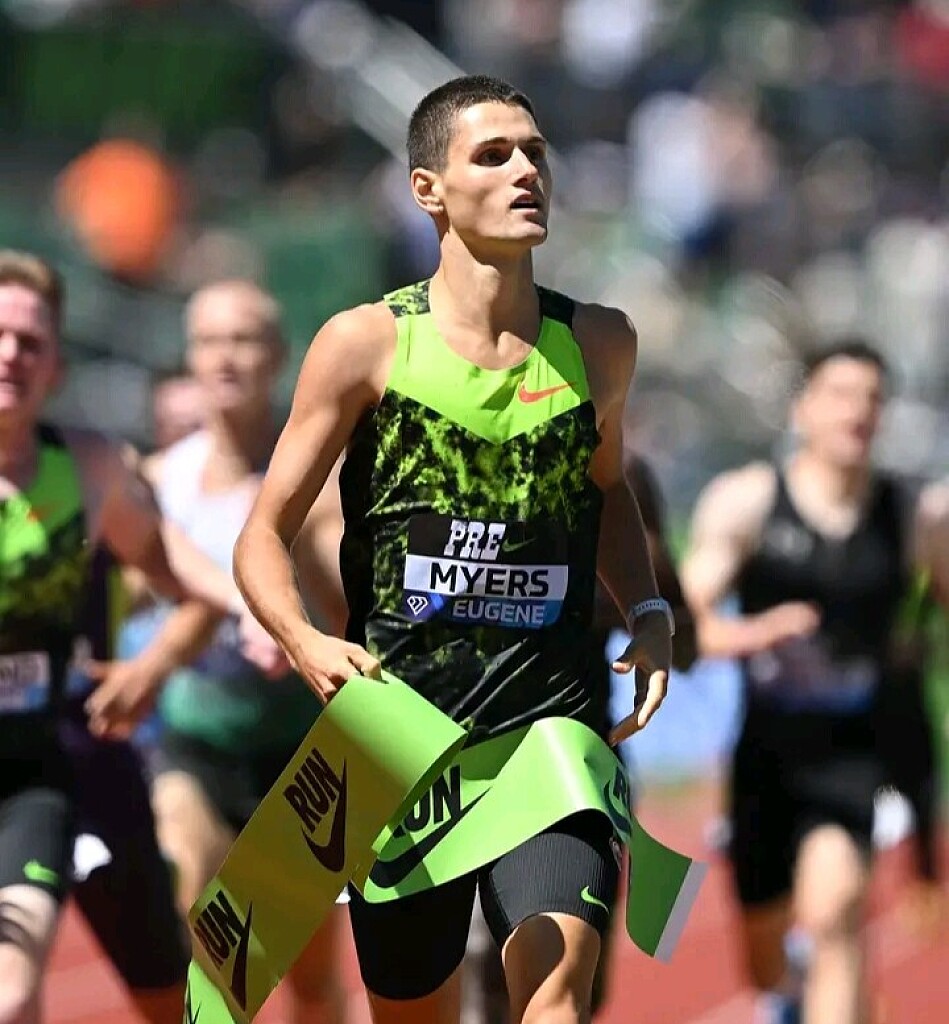


Cameron Myers Rewrote Australian History with Record-Breaking Bowerman Mile Victory

At just 20 years old, Cameron Myers is rapidly becoming one of the brightest stars in global middle-distance running.
The young Australian delivered the performance of his career at the prestigious Bowerman Mile in Eugene, Oregon, producing a fearless front-running display to clock a sensational 3:46.06—the fastest mile in the world this year. The remarkable run not only earned him victory but also shattered the Australian national record, set a new Oceania record, and firmly established him among the sport's elite.
In a race packed with world-class talent, Myers showed maturity well beyond his years. As the pacemaker stepped aside during the third quarter of the race, the Australian immediately seized control. Rather than waiting for others to dictate the pace, he confidently moved to the front, maintained his rhythm through the bell lap, and unleashed a composed finishing kick that none of his rivals could answer.
American star Yared Nuguse crossed the line second in a season's best 3:46.61, while Ethan Strand claimed third in 3:46.97. Despite racing on home soil, the North American record holder and the rest of the field were unable to reel in the determined Australian, who never relinquished the lead once he took command.
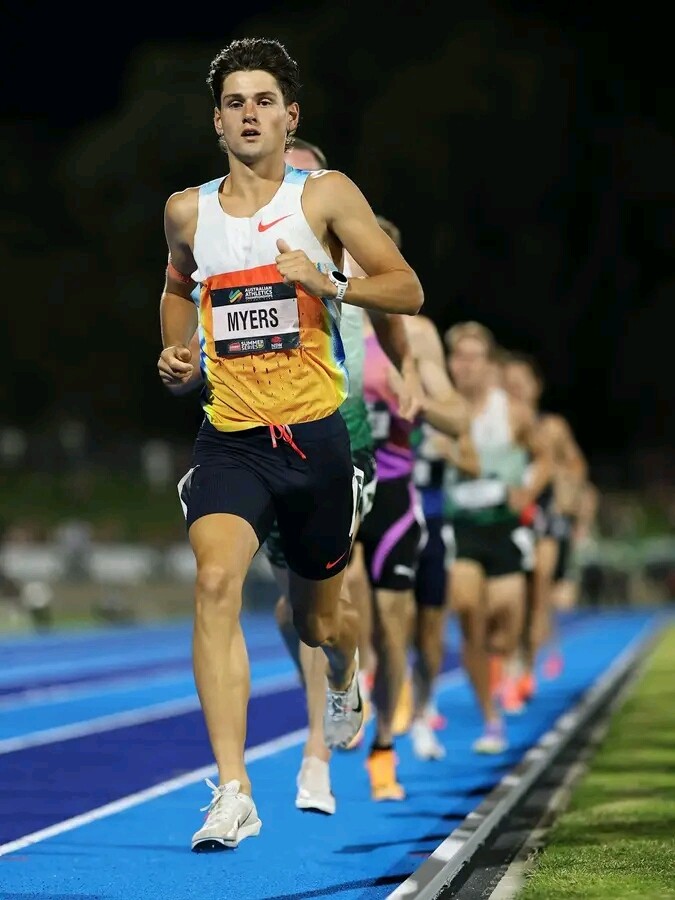
The victory crowns an extraordinary fortnight for Myers.
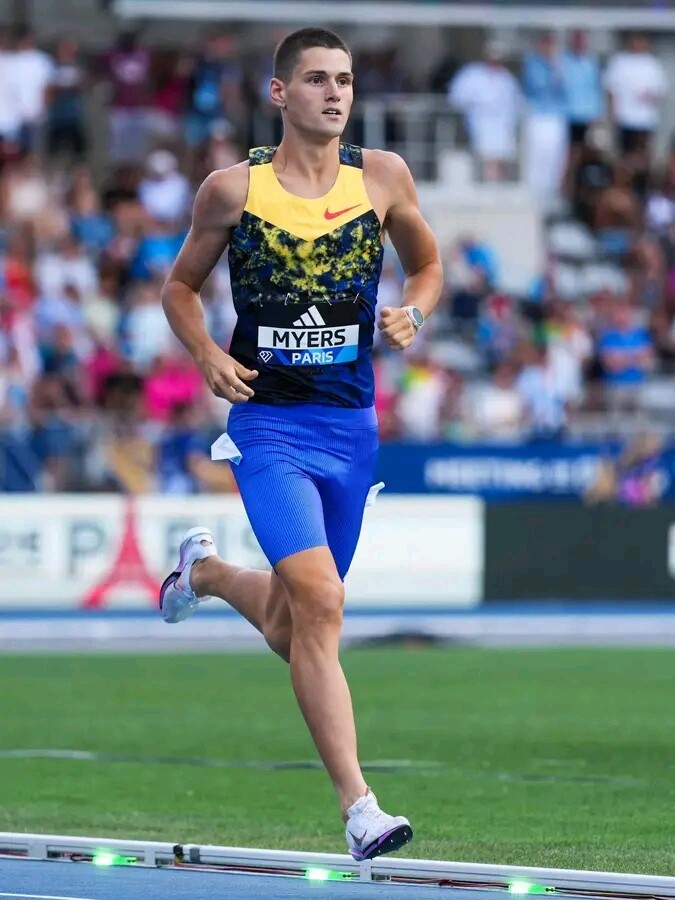
Only 13 days earlier, he had stormed to 3:28.00 at the Paris Diamond League, breaking the Australian 1500-metre record. Now, with the national mile record also under his name, Myers has become the holder of Australia's two most prestigious middle-distance records before celebrating his 21st birthday.
His latest performance also secured another piece of history. Myers is now the youngest man ever to run under 3:47 for the mile, a milestone that highlights both his exceptional talent and remarkable composure under pressure.
The Bowerman Mile has long been regarded as one of the sport's most iconic races, producing countless unforgettable performances over the past five decades. Many of the greatest milers in history have left their mark on Hayward Field, and Cameron Myers has now added his name to that distinguished legacy.
What makes his rise even more remarkable is not simply the records themselves, but the speed at which they are arriving. Achievements that often take athletes years—sometimes an entire career—to accumulate are coming to Myers within weeks.
At only 20 years old, Cameron Myers is no longer just one of Australia's most promising prospects. He has become a genuine global contender, and if his current trajectory is any indication, the best chapters of his remarkable journey are still to come.
by Erick Cheruiyot for My Best Runs.
Login to leave a comment
Latest Running News

Olympic Triathlon Champions Alex Yee and Cassandre Beaugrand Take on Track's Biggest Test at Monaco Diamond League
The world's finest triathletes are stepping into unfamiliar territory on Friday night as Olympic champions Alex Yee of Great Britain and Cassandre Beaugrand of France trade swim caps and bicycles for spikes, taking on some of the fastest distance runners on the planet at the Monaco Diamond League.

The appearance of the reigning Paris Olympic triathlon champions at one of athletics' most prestigious meetings is a rare crossover between two elite endurance disciplines. While both have built their reputations through the demanding combination of swimming, cycling, and running, Monaco offers a completely different test—one where there is nowhere to hide against the world's best specialist distance runners.

For Yee, the meeting marks his long-awaited return to the Diamond League, his first appearance on the circuit since 2019. The Olympic champion will line up in a world-class men's 5,000 metres carrying a personal best of 13:13.89, eager to measure his progress against an elite field after shifting much of his focus toward longer-distance running.
The Briton's endurance credentials have grown significantly since his Olympic triumph. Earlier this year, he stunned the distance-running world by clocking an outstanding 2:06:38 at the Valencia Marathon, becoming the second-fastest British marathon runner in history. That performance demonstrated that his running ability extends far beyond the final leg of a triathlon and established him as a genuine force over the longer distances.
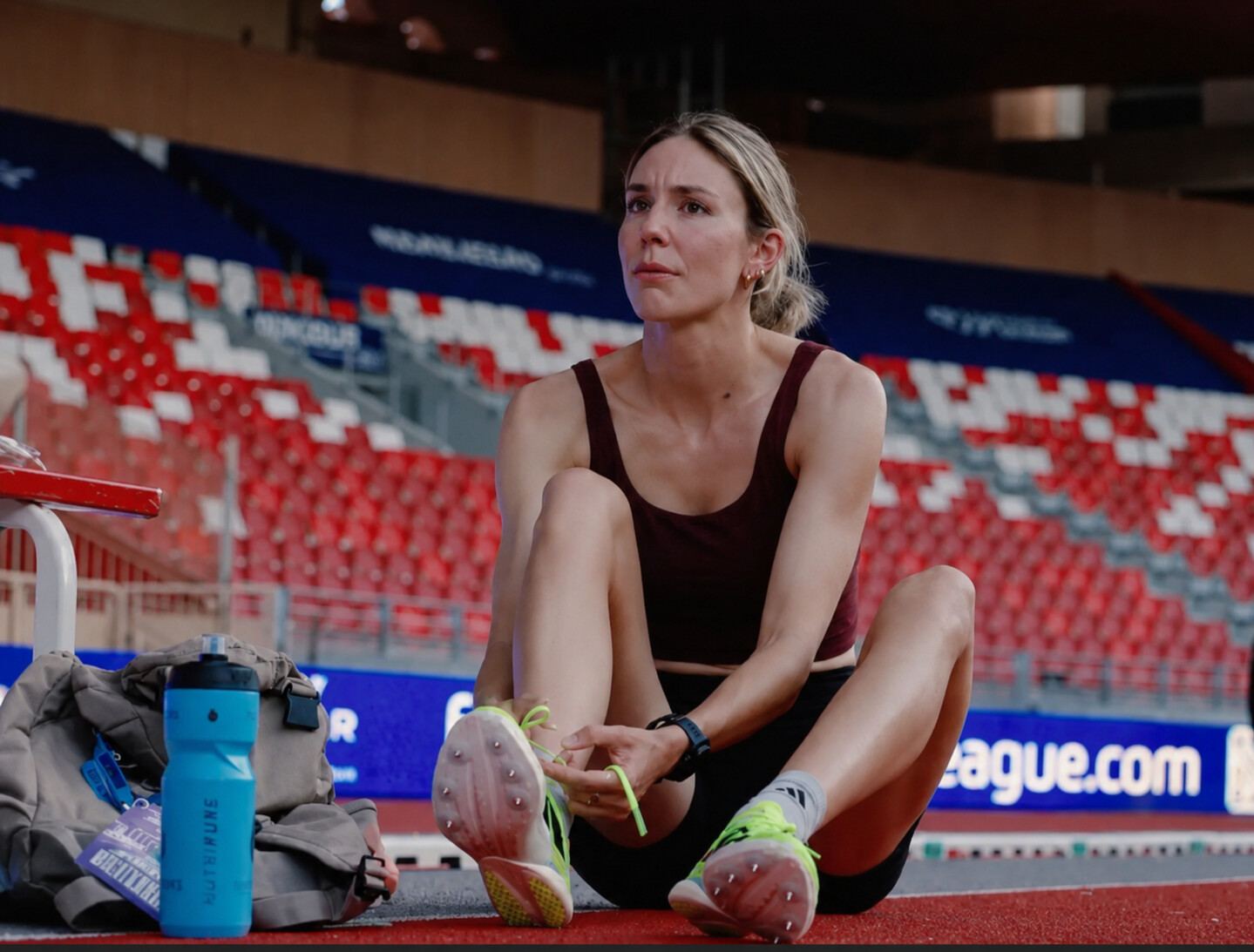
Beaugrand's appearance in the women's 3,000 metres carries even deeper personal significance. The French star will compete in Monaco, where she spent her childhood racing for local club AS Monaco, making her Diamond League debut at the venue a dream years in the making. Returning to the same track where her athletic journey began adds an emotional dimension to one of the biggest races of her career.
Her transition to pure running has been equally remarkable. Over the past year, Beaugrand has rewritten the French record books, setting a national record of 30:52 for the 10km road race before lowering the French 5,000-metre record to 14:40.77. Those performances have confirmed that she possesses the speed to challenge world-class specialists, even if Monaco presents her toughest examination yet.
Neither athlete will enjoy an easy introduction to the Diamond League.
Beaugrand faces one of the strongest women's fields assembled this season, featuring Kenyan legend Faith Kipyegon, world indoor champion Nadia Battocletti, world leader Freweyni Hailu, and world record holder Agnes Ngetich. Every lap promises relentless pace against athletes who have made track racing their sole focus.
Yee's challenge is equally formidable. His rivals include French distance star Jimmy Gressier, world silver medallist Isaac Kimeli, and several of the world's leading 5,000-metre specialists, ensuring that every position will have to be earned.
While neither Olympic triathlon champion enters Monaco as the favourite, both arrive with exceptional running pedigrees that have already blurred the line between multisport excellence and elite distance running. Their presence adds a fascinating storyline to an evening renowned for producing fast times and unforgettable performances.
As the lights shine on Stade Louis II, all eyes will be on whether two Olympic triathlon champions can prove they belong among the world's fastest track athletes. Regardless of the outcome, their bold decision to embrace one of the sport's toughest stages is another reminder that true endurance champions are never afraid to test their limits.
by Erick Cheruiyot for My Best Runs.
Login to leave a comment
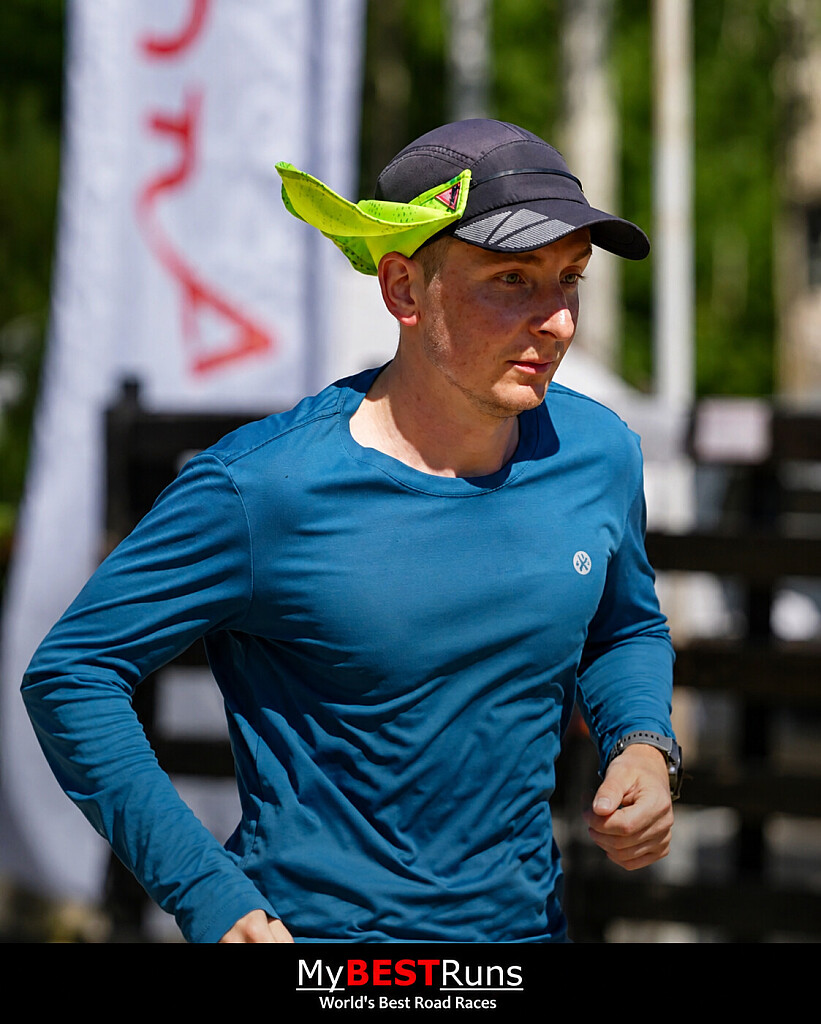
Backyard Ultra World Records Erased: Lazarus Lake Declares Historic Russian Performances Invalid
What appeared to be the greatest Backyard Ultra ever staged has officially been wiped from the record books.
Just weeks after athletes in Russia delivered performances that seemed to redefine the limits of endurance, Backyard Ultra founder Lazarus Lake has ruled that every world-record mark achieved at the event is void and will not be recognized due to violations of the competition's strict rules.
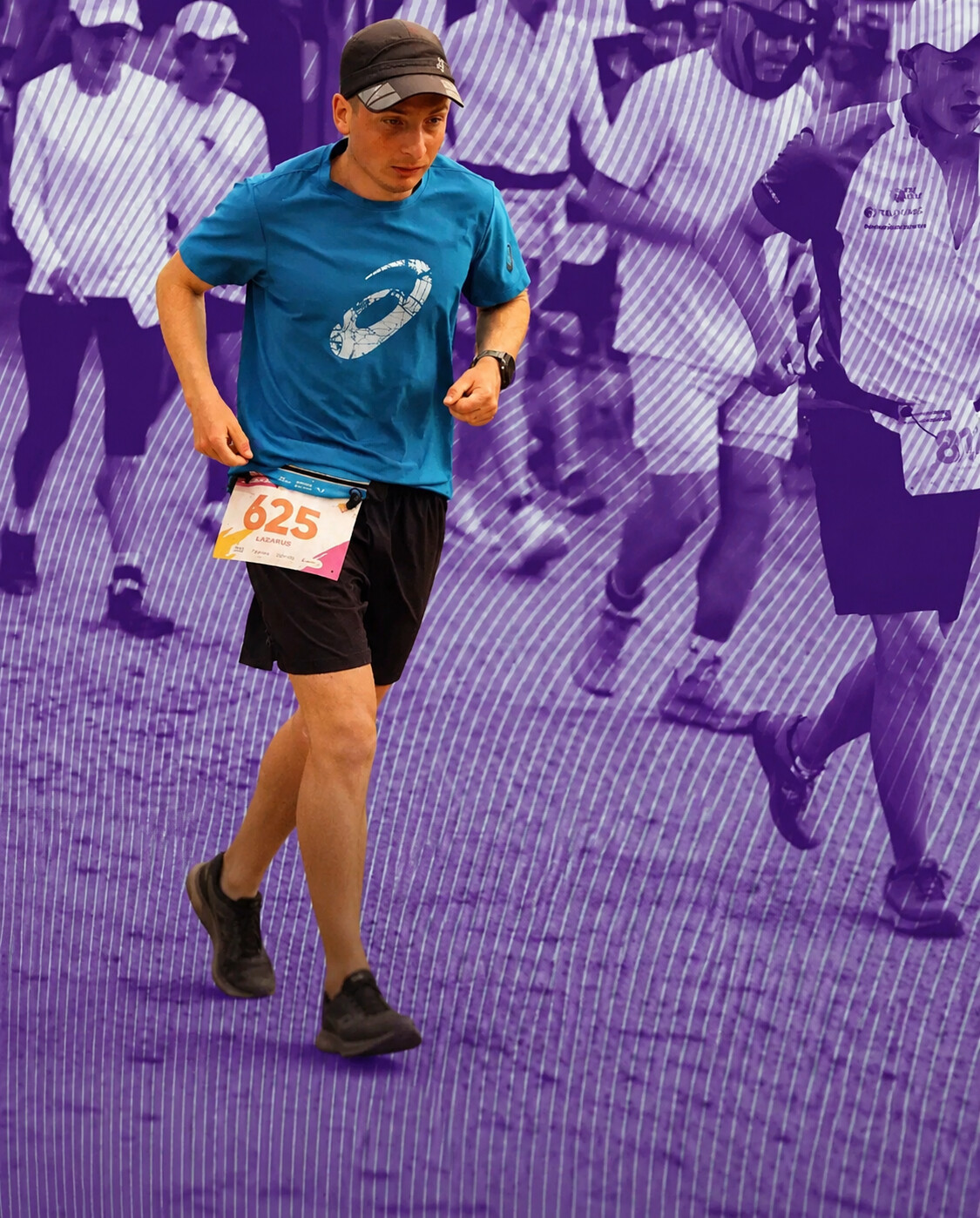
The decision overturns what initially looked like one of the most remarkable chapters in the sport's history.
At the Biotropika Backyard Ultra in Russia's Leningrad Region, Dmitry Klimov stunned the ultra-running world by completing 123 consecutive loops—covering 512.5 miles (824.8 km) over five relentless days. His effort surpassed the existing men's world record, while fellow competitors Dmitry Sheremet and Ivan Zaborsky also ran beyond the previous global mark before eventually dropping out.
In the women's race, Vera Chekalina completed 96 loops, improving the existing women's world record by one loop and seemingly securing her place in Backyard Ultra history.
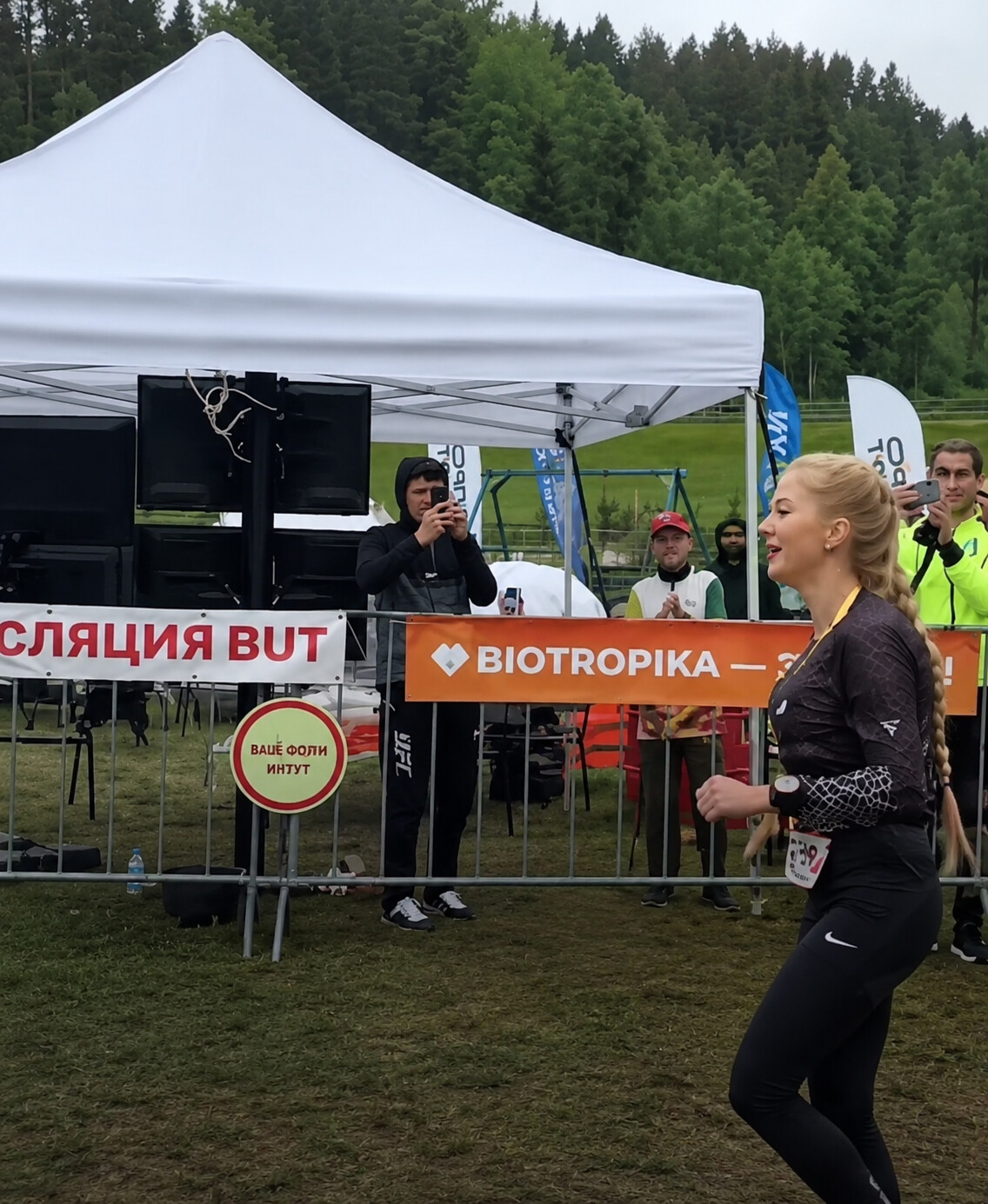
For a brief moment, the event appeared to have rewritten the sport's record books.
Instead, it has become one of its most controversial.
According to Lazarus Lake, the issue was not the athletes' performances but the race's failure to comply with the Backyard Ultra's fundamental regulations. Video evidence reportedly showed non-competitors—including members of the media, race officials, volunteers, organizers, and support personnel—accompanying runners on the course during active loops.
Under Backyard Ultra rules, competitors must complete every loop without anyone else sharing the course. Any presence of non-runners is considered outside assistance, making the performances ineligible for official recognition.
Questions surrounding the event had already surfaced before the ruling. The record-breaking performances were announced only as "subject to ratification," while some participants and observers also debated whether the event's halfway water station violated the competition's strict limitations on personal aid.
Following the review, Lake confirmed that none of the results would be ratified.
As a result, the official world records remain unchanged.
Australian ultrarunner Phil Gore retains the men's Backyard Ultra world record with 119 loops, set at Dead Cow Gully in 2025, while Sarah Perry's 95-loop performance at Big's Backyard Ultra in Tennessee continues to stand as the women's world record.
Although the Russian performances will never appear in the official record books, they remain an extraordinary display of human endurance. Three men covered more distance than anyone had ever managed in a Backyard Ultra, while Chekalina pushed beyond the previous women's benchmark.
Yet the Backyard Ultra has always been defined as much by its rules as by its distance. Every hour begins the same way, every loop follows the same principles, and every runner competes under identical conditions.
This ruling serves as a reminder that in one of endurance sport's most demanding disciplines, exceptional performances alone are not enough. To become part of Backyard Ultra history, athletes must not only outlast every competitor—they must also do so within the uncompromising rules that define the event.
by Erick Cheruiyot for My Best Runs.
Login to leave a comment
Kelvin Kiptum's World Record Is Gone. His Legacy Never Will Be
Records are made to be broken. Legacies are not.
On October 8, 2023, the streets of Chicago witnessed one of the greatest performances in marathon history. At just 23 years old, Kenya's Kelvin Kiptum stormed to a world record of 2:00:35, redefining what many believed was possible over 42.195 kilometres.
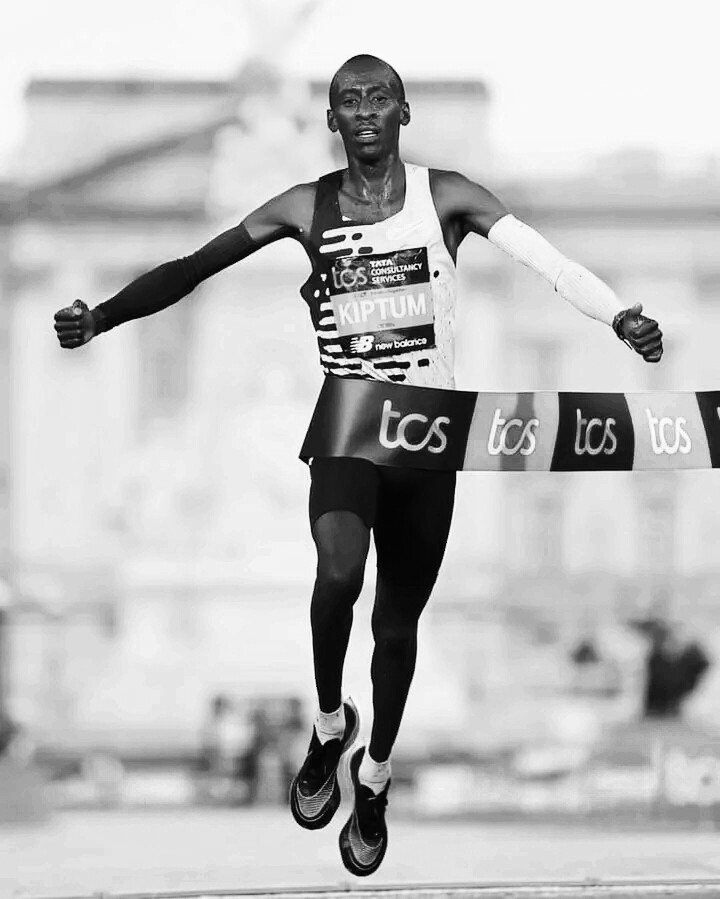
It was a performance that stunned the sporting world. Yet, no one could have imagined it would become his final masterpiece.
Just four months later, tragedy struck. Kiptum lost his life in a road accident at the age of 24, only five days after World Athletics officially ratified his world record. His marathon career lasted just three races, but it was nothing short of extraordinary. He won all three, remained unbeaten over the distance, and left behind a standard that inspired a new generation of marathon runners.
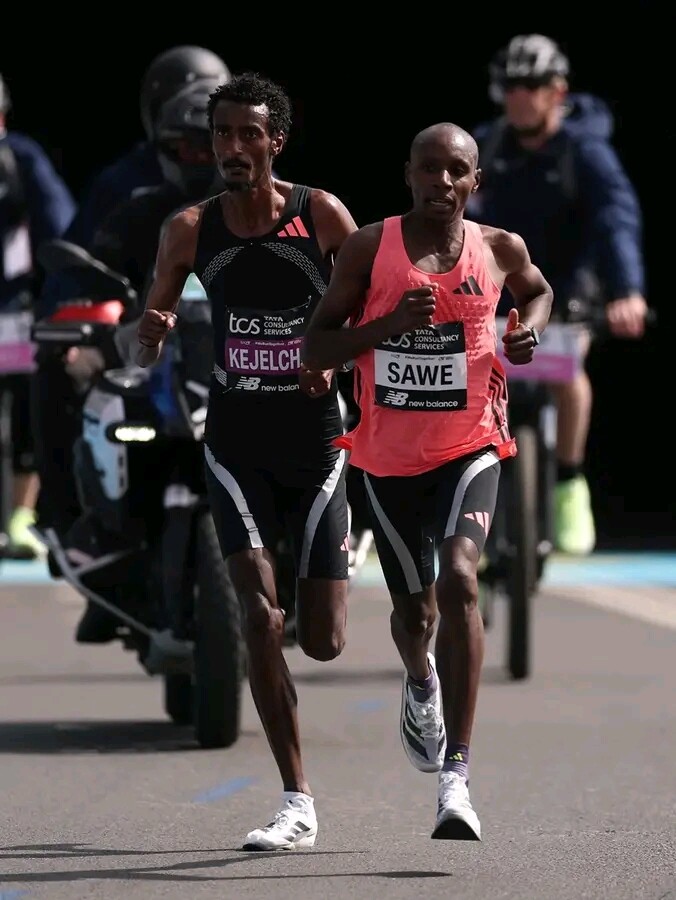
Then came another historic chapter.
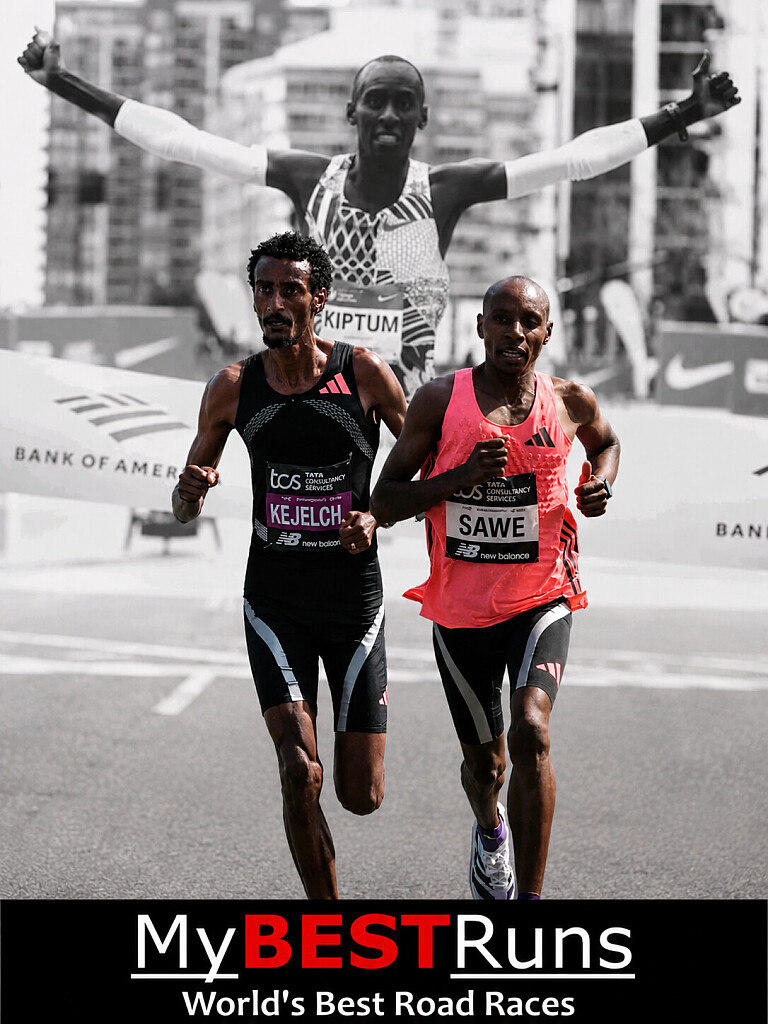
At the London Marathon, a new world record was born. Sabastian Sawe delivered a sensational 1:59:30 to become the first man to officially break the two-hour barrier in a record-eligible marathon. Yomif Kejelcha followed with an extraordinary 1:59:41 on his marathon debut, while Jacob Kiplimo completed a remarkable podium in 2:00:28. In one unforgettable afternoon, Kiptum's world record was surpassed, signalling yet another leap forward in the evolution of marathon running.
But while the record books have changed, Kiptum's place in history has not.
His greatness was never defined solely by the time on the clock. It was defined by the belief he inspired. Kiptum proved that a young athlete training on the rugged roads of rurals around the world, competing sparingly and still shaping his own coaching journey, could challenge the very limits of human endurance. His achievements expanded what athletes believed was possible and helped usher the marathon into a new era.
His influence continues to resonate throughout the sport. Ruth Chepngetich dedicated her memorable 2024 Chicago Marathon victory to his memory, while Sawe's historic world-record performance came nearly two and a half years after Kiptum's unforgettable run in Chicago.
Time has moved forward. New records have been set. New champions have emerged.
Yet Kelvin Kiptum's name remains permanently etched in marathon history—not simply because he once held the world record, but because he changed the way the world viewed the marathon.
His world record is gone. His legacy never will be.
by Erick Cheruiyot for My Best Runs.
Login to leave a comment
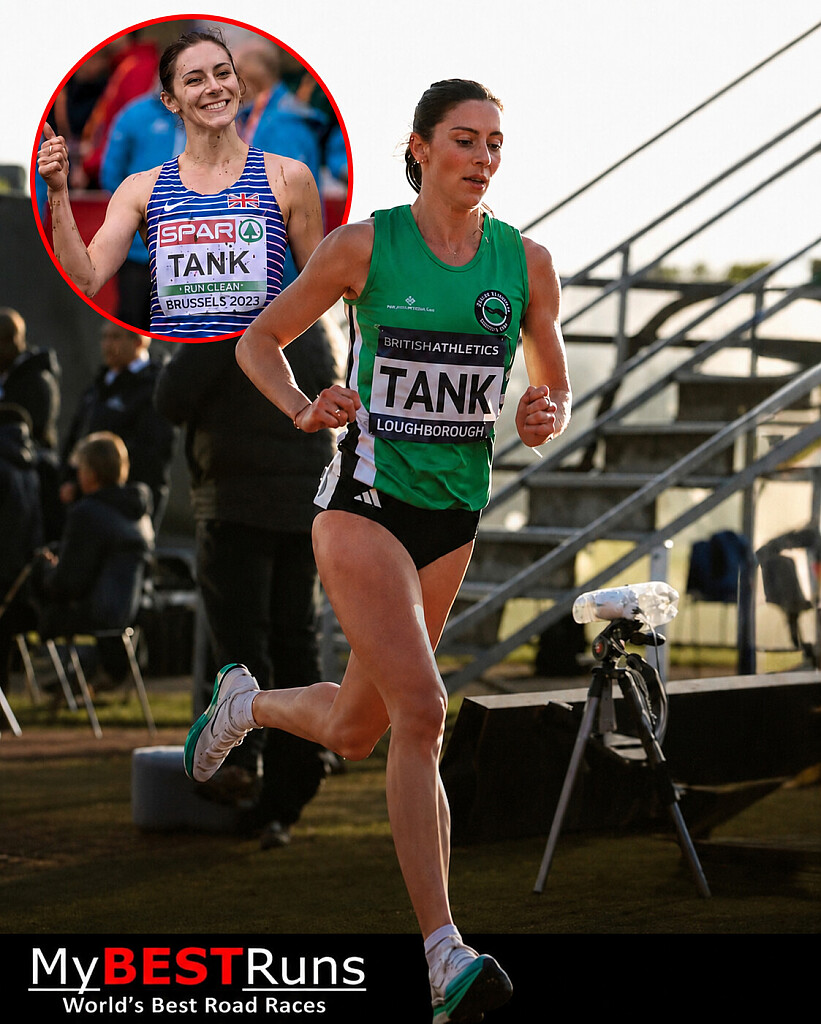
From eBay Shoes to the Commonwealth Games: Self-Coached Poppy Tank's Extraordinary Journey to the England Team
In a sport where many elite athletes benefit from professional coaches, lucrative sponsorships, sports science support, and cutting-edge equipment, Poppy Tank has reached the international stage by relying on little more than determination, discipline, and belief in herself.
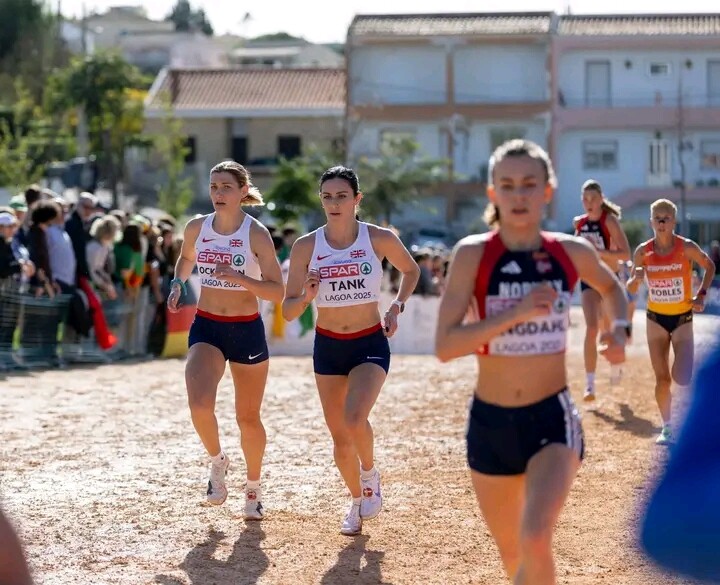
Later this month, the 28-year-old from Plymouth will proudly represent England in the women's 10,000m at the Commonwealth Games in Glasgow. It will be her first appearance at a major track championships, making the achievement even more remarkable considering she has no central funding, no shoe contract, and no dedicated support team.
Tank's journey is one of resilience and self-reliance. Her Instagram biography sums it up in just three words: Self-coached. Unsponsored. Distance runner. Behind those words lies years of sacrifice, careful planning, and relentless hard work.
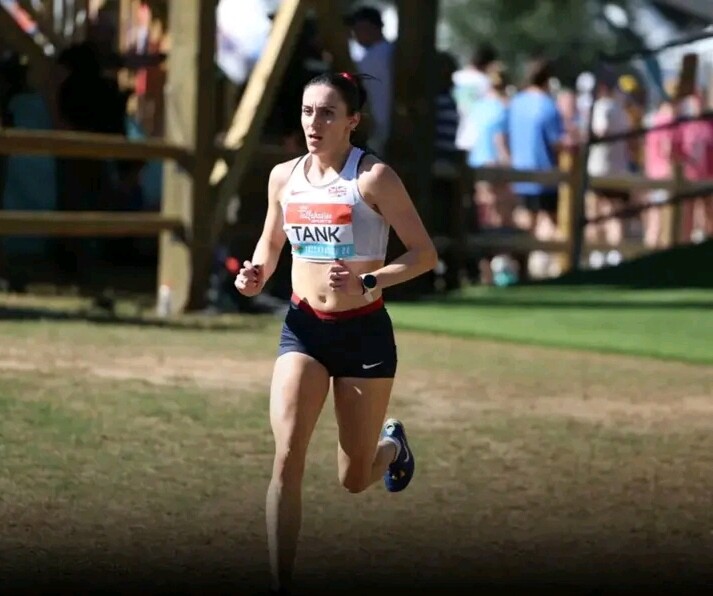
Unlike many of her international rivals, Tank manages every aspect of her athletic career herself. She designs her own training, plans her race schedules, monitors her recovery, and finances virtually every part of her pursuit of excellence.
"I'm self-funded so every spare bit of cash I have I'm spending it on training camps, buying shoes, buying kit, paying for races and accommodation," Tank told BBC Radio Devon. "I have to be very savvy with my shoes. I buy them often off eBay on discount. So I'm very, very good at finding ways of saving money."
While many Commonwealth-level athletes receive free equipment from major sports brands, Tank has become an expert at stretching every pound, purchasing discounted racing shoes online and carefully managing every expense to keep her dream alive.
Her rise through British athletics has been built steadily over several seasons. Tank first established herself as one of Britain's finest endurance runners in cross country, helping Great Britain win team gold at the 2023 European Cross Country Championships before contributing to a team silver medal the following year. She also claimed the British 3,000m steeplechase title in 2023 and represented Great Britain at the World Cross Country Championships, demonstrating her versatility across different disciplines.
Despite those achievements, a place at a major international track championships remained elusive until this summer, when England selected her for the Commonwealth Games.
Away from the track, Tank balances elite sport with an equally demanding academic career. She is pursuing a PhD at the University of Birmingham, where her research focuses on developing better ways to recycle medical implants. Her daily routine often begins with a demanding 12-mile training session before lunchtime, followed by an hour and a half in the gym, all while spending long hours in the laboratory preparing and analysing research samples.
"My supervisor is incredibly supportive of my running," she explained. "But ultimately I still have to go and do the studying."
Her Commonwealth Games selection is the reward for outstanding form during the 2026 season. Tank produced a lifetime best to finish second behind Izzy Fry at the British 10,000m Championships in Loughborough in May, before lowering that mark again just weeks later with an impressive 32:04.36 performance in the Netherlands.
Those performances secured her place on England's team, where she and Fry will both make their Commonwealth Games debuts in the women's 10,000m.
Although Tank heads to Glasgow ranked in the second half of the field on paper, she has never allowed rankings to define her ambitions. Time and again, she has shown an ability to rise to the occasion when it matters most, and she intends to do exactly that on one of the biggest stages of her career.
"It is so much hard work, I couldn't even begin to detail how many hours has gone into this," Tank said. "But when things like this happen where you get selected for your goals, it really, really makes it so worth it."
Her story serves as a powerful reminder that success is not always built on financial backing or world-class facilities. Sometimes, it is forged through unwavering commitment, countless unseen hours of hard work, and the courage to believe in your own process.
When Poppy Tank steps onto the track in Glasgow wearing the England vest, she will represent far more than her country. She will embody perseverance, independence, and the belief that even without sponsorships, professional coaching, or expensive support systems, extraordinary dreams can still become reality.
by Erick Cheruiyot for My Best Runs.
Login to leave a comment
Two World Records. One Legendary Track. Another Epic Battle in Monaco
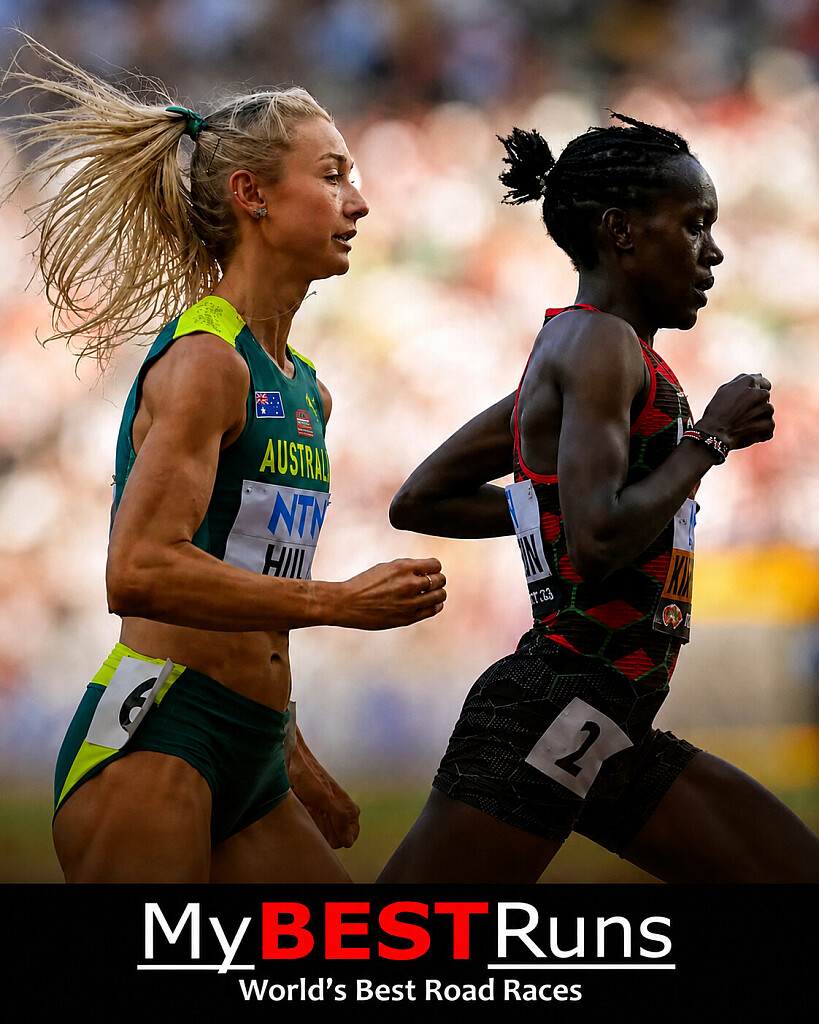
The Stade Louis II in Monaco has become a place where middle-distance history is made. On Friday evening, two women who have each rewritten the record books on this famous track will return—this time to face each other over 3,000 meters in one of the most compelling races of the Diamond League season.
Faith Kipyegon of Kenya and Jessica Hull of Australia have already left unforgettable marks on Monaco, but at different distances. Now, their paths converge once again in a race that promises world-class quality from start to finish.
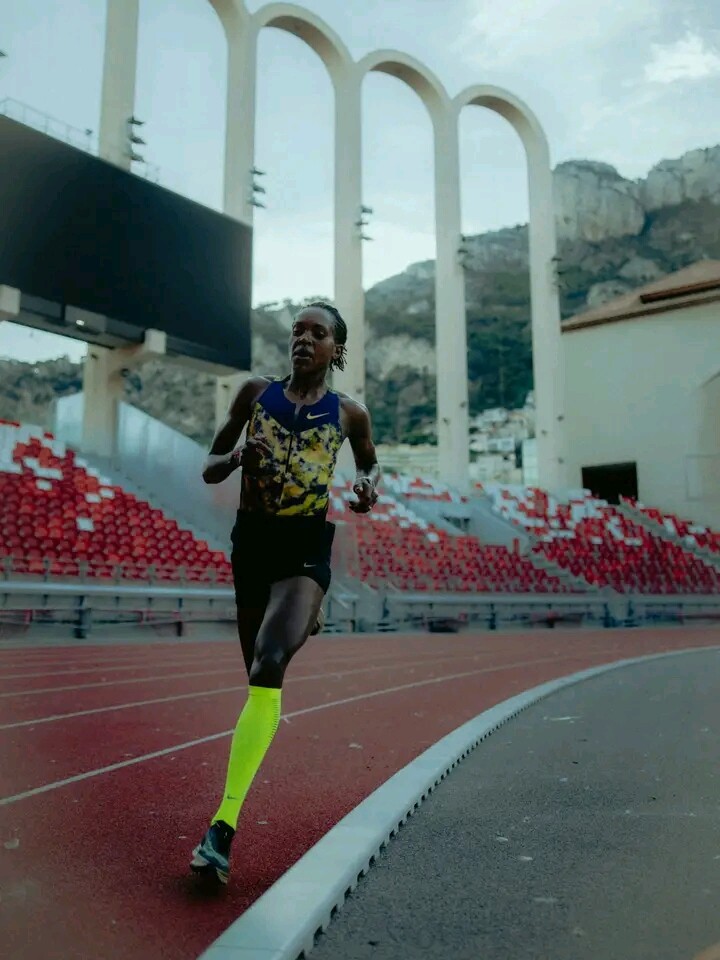
Kipyegon's connection with Monaco is legendary. In 2023, the Kenyan superstar produced one of the greatest performances in athletics history, clocking a breathtaking 4:07.64 to shatter the women's mile world record. It was another masterpiece from an athlete who has built a career on redefining what is possible in middle-distance running.
Since then, her résumé has only grown stronger. Kipyegon is a three-time Olympic 1500m champion, a five-time world champion, and remains the fastest woman ever over the mile. She arrives in Monaco after racing the women's mile at last weekend's Prefontaine Classic, making this a quick but intriguing turnaround as she steps up to 3,000 meters.
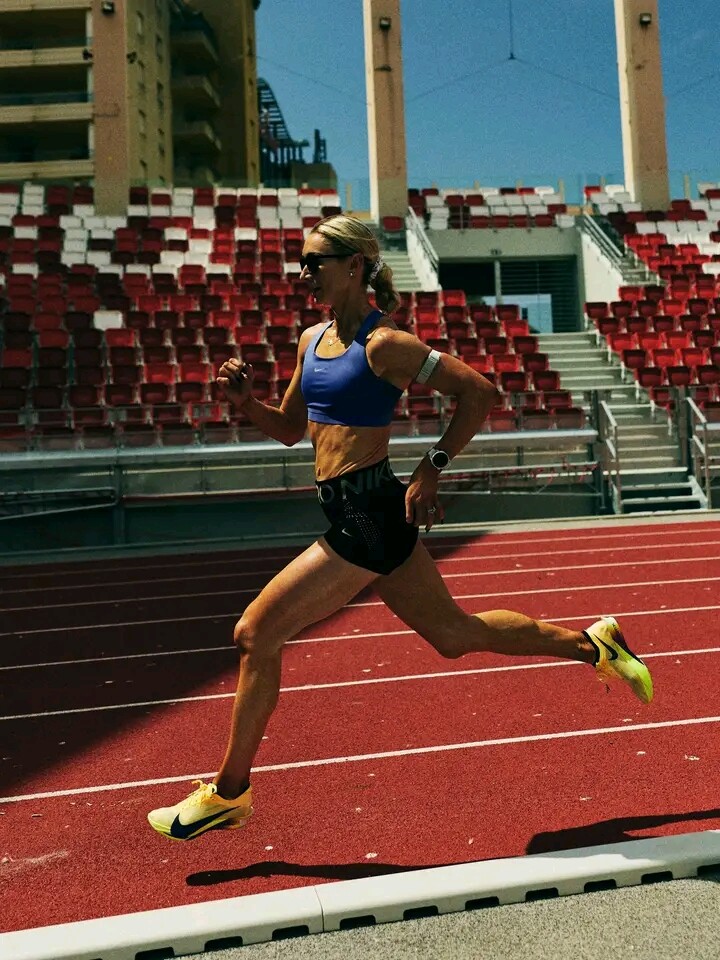
Hull, meanwhile, has her own unforgettable Monaco memories. The Australian star lit up the same track in 2024 when she stormed to a world record of 5:19.70 in the 2,000 meters, proving she belongs among the greatest middle-distance runners of her generation. Her fearless front-running style and remarkable endurance transformed that race into a historic performance.
The Olympic silver medallist over 1500 meters also holds the Australian record for 3,000 meters, making Friday's event an ideal opportunity to test herself once again against the very best.
Although much of the spotlight will understandably fall on Kipyegon and Hull, the race is far from a two-woman contest.
Italy's Nadia Battocletti continues to establish herself among Europe's finest distance runners and will be eager to challenge the established stars. Ethiopia's Freweyni Hailu also enters the race in outstanding form as the 2026 world leader over 3,000 meters, adding another serious contender to an already exceptional field.
Monaco has long been regarded as one of the fastest tracks in the world, producing countless records thanks to ideal conditions and elite competition. For Kipyegon, it has been the stage for career-defining brilliance. For Hull, it became the venue where she announced herself as a world-record holder.
Now, those two stories intersect once again.
Different world records. Different distances. The same fierce rivalry.
With championship pedigree, record-breaking speed and a stacked field assembled under the lights at Stade Louis II, Friday's women's 3,000 meters has all the ingredients to become another unforgettable chapter in Monaco's rich athletics history. Fans can expect nothing less than a race worthy of the track where both Kipyegon and Hull have already made history.
by Erick Cheruiyot for My Best Runs.
Login to leave a comment
