

Running News Daily
Running News Daily is edited by Bob Anderson and team. Send your news items to bob@mybestruns.com Advertising opportunities available.
Index to Daily Posts · Sign Up For Updates · Run The World Feed
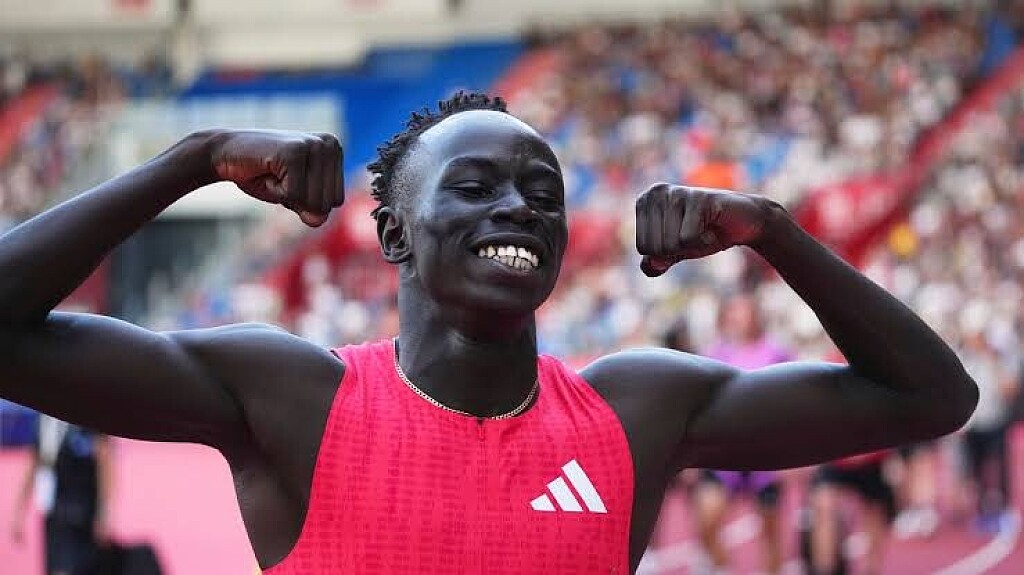


Australia’s Rising Sprint King: Gout Gout Lands Massive Adidas Partnership

Australian teenage sprint sensation Gout Gout continues to rise as one of the brightest young stars in global athletics after reports emerged that he has secured a long-term sponsorship agreement with Adidas worth more than $4 million across eight years — a figure believed to place the deal among the most lucrative ever linked to a teenage track athlete.
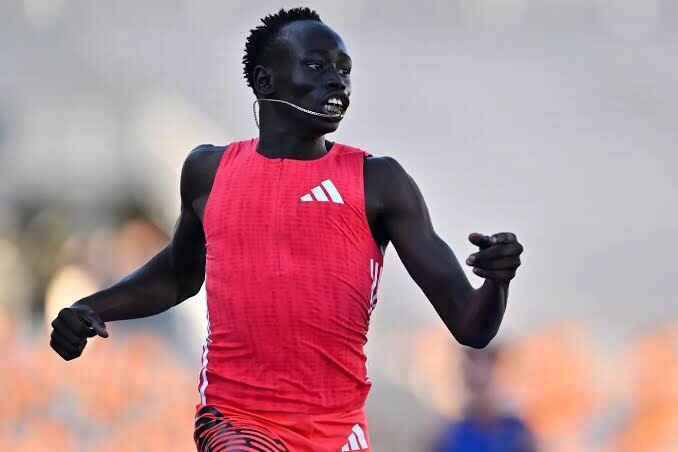
The reported agreement signals far more than a commercial partnership. It reflects the growing belief within the athletics world that Gout represents the future of sprinting, with major global brands reportedly competing to secure his signature before Adidas ultimately won the race for one of the sport’s most exciting young prospects.
At only 18 years old, Gout has already generated enormous international attention through a string of explosive sprint performances that have electrified fans and analysts alike. His remarkable speed, fluid running style and fearless presence on the track have triggered comparisons with some of the greatest sprinters the sport has ever seen, while also establishing him as a unique talent capable of carving out his own legacy.
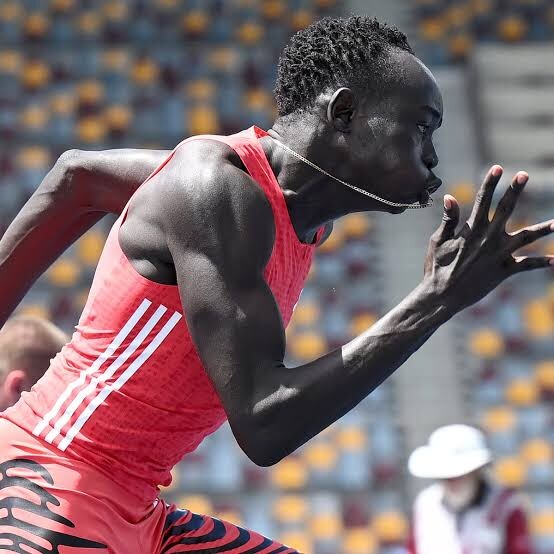
Reports surrounding the deal indicate that the partnership includes performance-based incentives alongside long-term developmental backing, a structure designed to support the young Australian as he progresses toward what many expect to be a defining appearance at the 2032 Summer Olympics in his home country. With Brisbane preparing to host the Games, Gout is increasingly viewed as one of the faces of Australia’s next generation of athletics stars.
The timing of the agreement also highlights the growing commercial power of track and field’s emerging youth movement. In an era where global audiences are constantly searching for the next transformative athlete, Gout’s rise has captured widespread fascination beyond traditional athletics circles. His performances have rapidly spread across social media and international sports platforms, turning him into one of the most discussed teenage athletes in the world.
What makes Gout’s story even more compelling is the sense that his journey is only beginning. Despite his age, he has already demonstrated maturity, composure and competitive hunger well beyond his years. Each race appears to add further momentum to the belief that he could become a defining figure in sprinting over the next decade.
For Adidas, the investment represents a bold commitment to a talent many believe could dominate global sprinting in the years ahead. For Gout, it marks another major milestone in a career accelerating at extraordinary speed — one that now carries not only the hopes of Australian athletics, but also the attention of the entire track and field world.
by Erick Cheruiyot for My Best Runs.
Login to leave a comment
Latest Running News
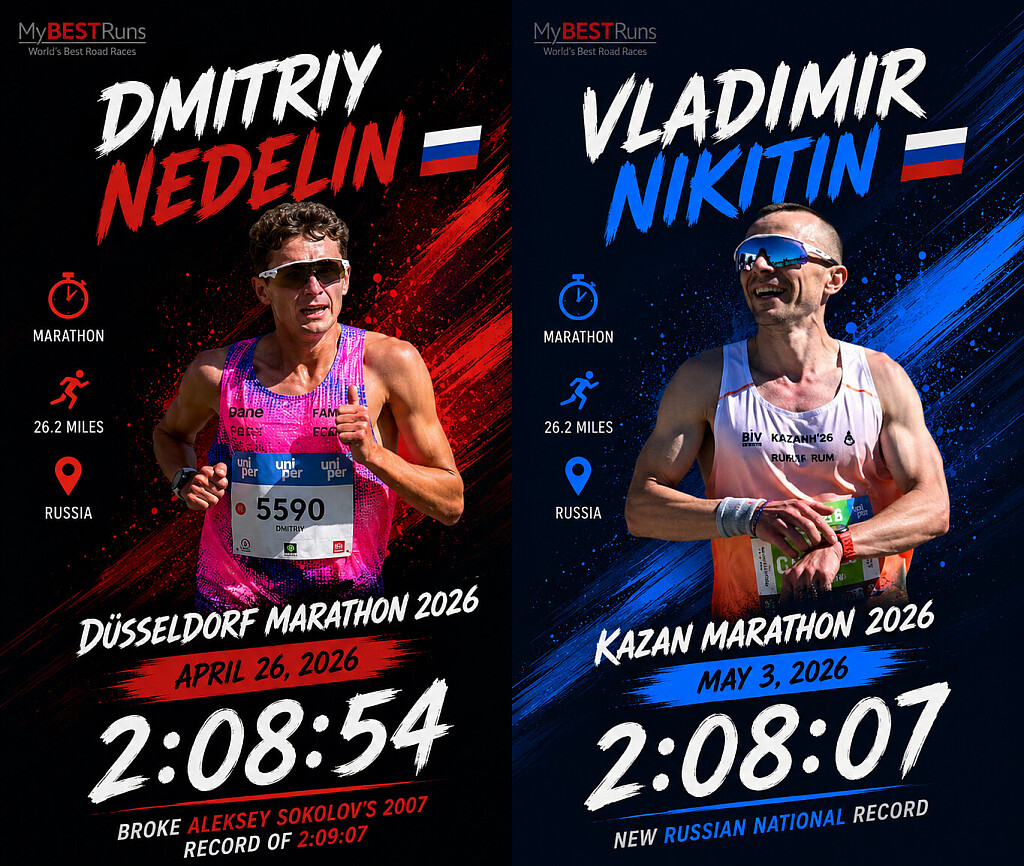
Russian Marathon Running Enters a New Era as National Record Falls Twice in One Week
Russian distance running has experienced one of the most extraordinary weeks in its modern history after the national marathon record, which had survived untouched for nearly two decades, was broken twice within just seven days — a dramatic sequence that has completely reshaped the country’s marathon landscape.
For 19 years, Aleksey Sokolov’s 2:09:07 stood as the benchmark of Russian marathon excellence, resisting generations of challengers and symbolizing an era many believed would endure much longer. But in the span of a single week, that once-untouchable mark suddenly became history.
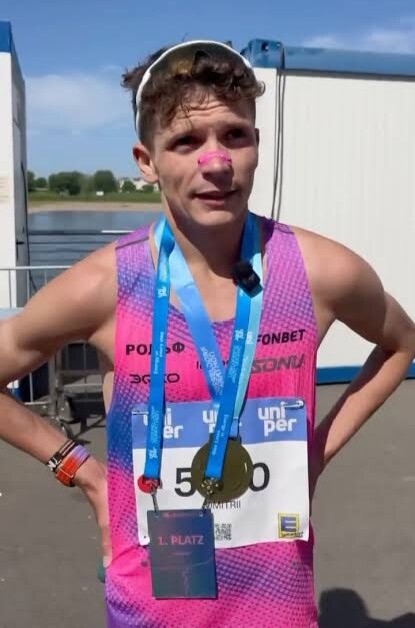
The breakthrough first arrived on April 26, 2026, at the Düsseldorf Marathon in Germany, where Dmitry Nedelin delivered a fearless and brilliantly controlled performance to finally erase the long-standing national record. Running with remarkable composure from start to finish, Nedelin crossed the line in 2:08:54, becoming the first Russian man in history to dip below Sokolov’s legendary standard.
His achievement immediately sent waves across the athletics world. After nearly two decades of waiting, Russian marathon running finally had a new national king.
Yet the celebrations had barely settled before another shock arrived.
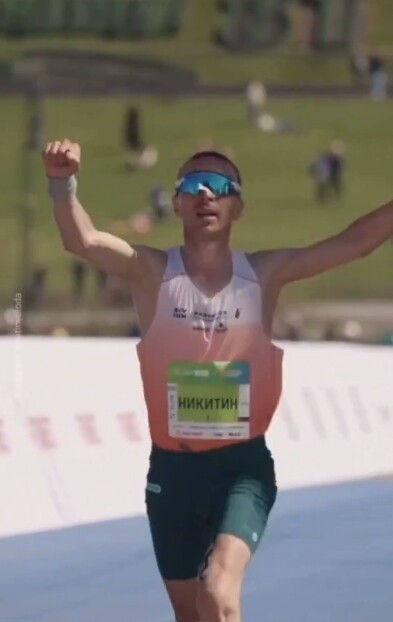
Exactly one week later, on May 3, 2026, the Kazan Marathon produced an even more astonishing chapter. Vladimir Nikitin — widely recognized for his success on the track and in middle-distance competition — demonstrated exceptional endurance and tactical brilliance in only one of the most significant road races of his career.
Competing on home soil, Nikitin attacked the pace with confidence and strength before storming to a sensational 2:08:07 finish, slicing 47 seconds off Nedelin’s newly established record and instantly rewriting Russian marathon history once again.
The speed of the transformation has been breathtaking. A record that had appeared immovable for 19 years disappeared twice in consecutive weekends, signaling not just isolated brilliance, but the emergence of a completely new generation of Russian marathon running.
Nedelin will forever be remembered as the athlete who ended the historic drought, while Nikitin now stands as the new national record holder after producing one of the finest marathon performances ever recorded by a Russian athlete.
What makes the story even more compelling is the contrast between the two breakthroughs. Nedelin’s run carried the emotional weight of ending a nearly two-decade wait, while Nikitin’s performance immediately elevated the standard to an entirely different level, proving that Russian marathoning is evolving faster than anyone anticipated.
From Düsseldorf to Kazan, two unforgettable weekends have transformed the narrative of Russian long-distance running. What once seemed like a distant dream has suddenly become reality — and now the question is no longer whether Russian athletes can run under 2:09, but how soon the barrier of 2:08 will fall again.
by Erick Cheruiyot for My Best Runs.
Login to leave a comment
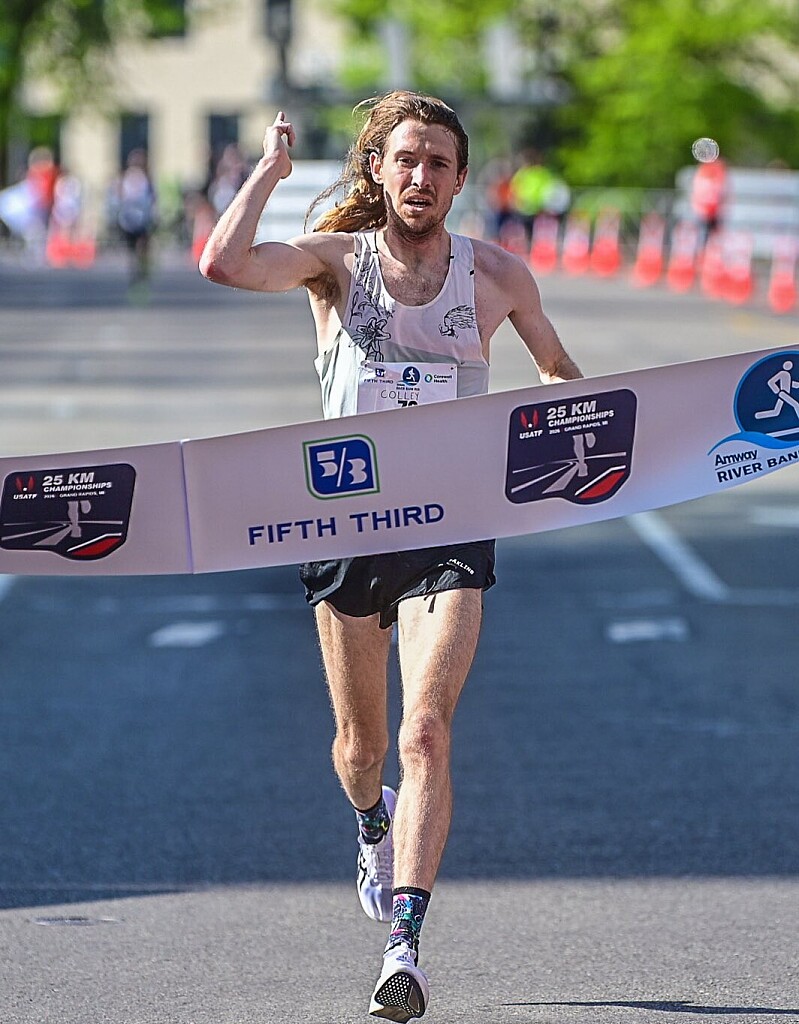
Andrew Colley Conquers Grand Rapids to Capture USATF 25K National Crown
The streets of Grand Rapids came alive with speed, endurance, and championship intensity as the 2026 USATF 25K Road Championships delivered a spectacular showdown at the historic Amway River Bank Run on May 9. Under the bright Michigan skies, Andrew Colley produced a commanding performance to secure the national title and cement his place among America’s elite road racers.
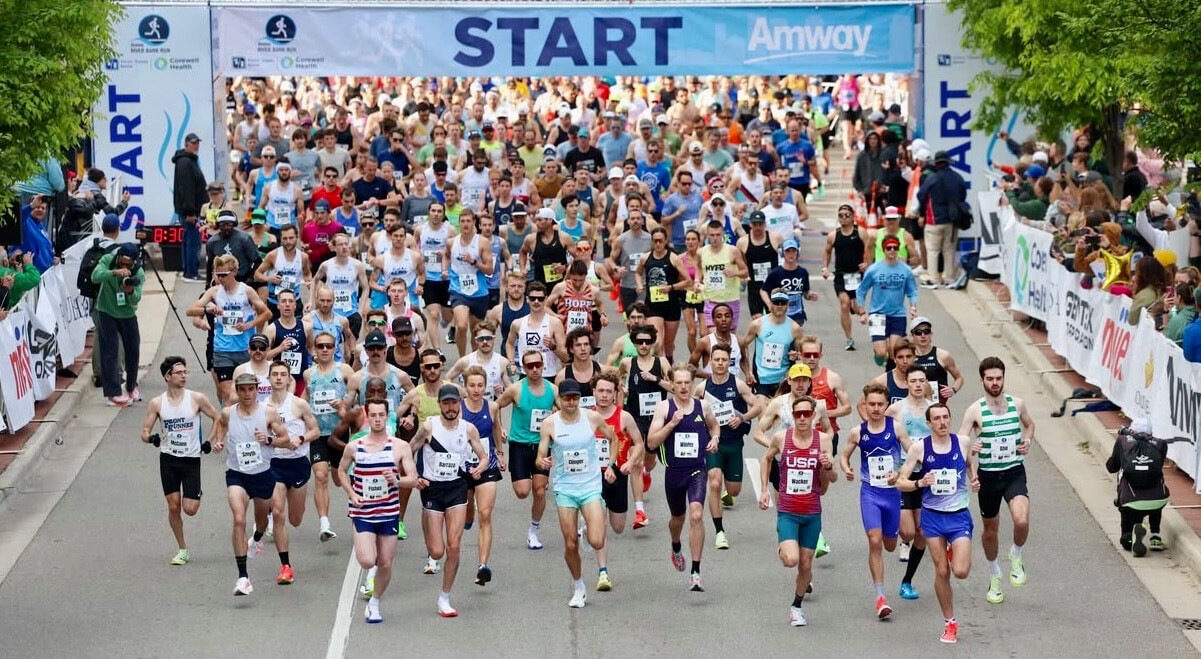
From the opening miles, the race unfolded at a relentless pace, with a tightly packed lead group refusing to surrender an inch. But when the decisive moments arrived, Colley displayed exceptional composure, tactical intelligence, and remarkable strength to break away from the field. Striding confidently through the closing stages, he crossed the finish line in an outstanding 1:14:00 to claim the crown of USATF 25K National Champion.
Behind him, the battle for the podium remained fierce all the way to the line. An elite anonymous challenger fought bravely throughout the contest and secured second place in 1:14:19, while Casey Clinger completed the podium with a strong 1:14:32 performance after staying in close contact with the leaders deep into the race.
The championship highlighted the incredible depth currently defining American distance running. Veteran stars and emerging talents shared the same roads in a high-quality contest where every second carried significance. Olympic-caliber athlete Sam Chelanga demonstrated his enduring class with a fourth-place finish in 1:14:59, while Sam Lawler, Andy Wacker, Noah Fisher, Connor Winter, and Jack Aho all delivered outstanding performances in one of the most competitive national road races of the season.
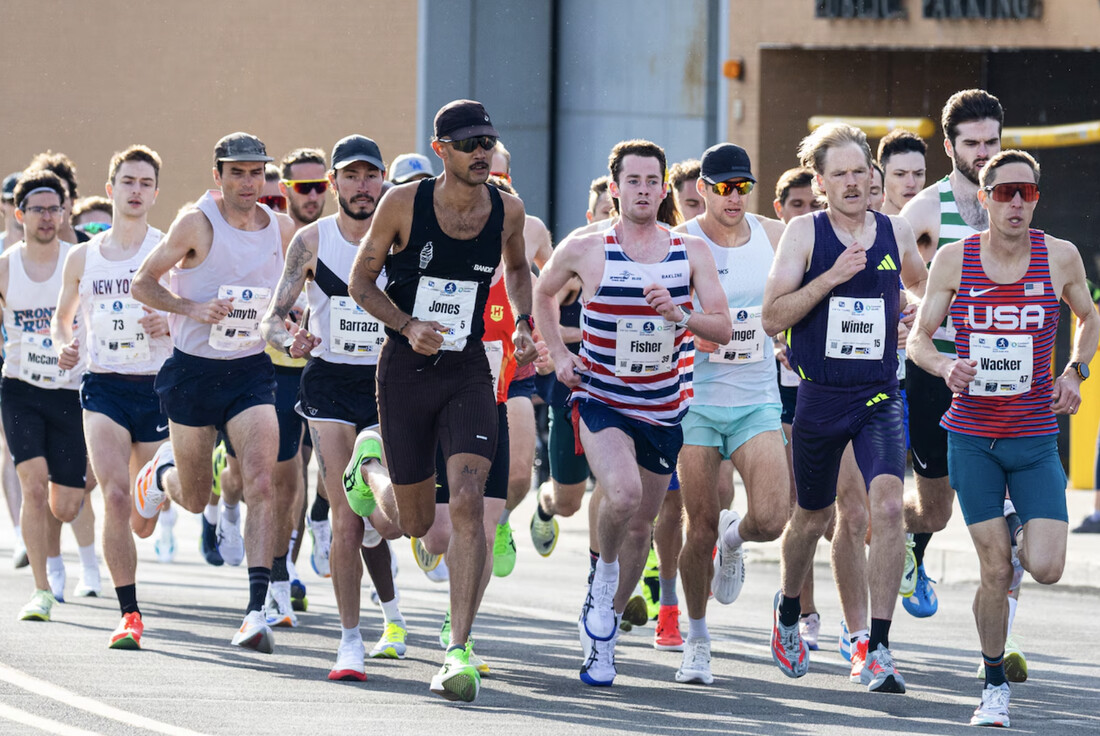
What made the event even more remarkable was the extraordinary depth of the field. The top ten athletes finished within less than two minutes of each other, underlining the rising standard of road racing across the United States. Every mile became a demanding test of endurance, pacing, and mental toughness as athletes battled through the challenging 25-kilometer distance.
For Andrew Colley, however, this was a defining moment. His victory was not only a triumph of physical preparation but also a statement performance against one of the strongest domestic fields assembled this year. Calm under pressure and powerful in execution, Colley delivered a championship run worthy of the national stage.
Men’s Championship Top 10 Results
1. Andrew Colley – 1:14:00
2. Anonymous Participant – 1:14:19
3. Casey Clinger – 1:14:32
4. Sam Chelanga – 1:14:59
5. Sam Lawler – 1:15:12
6. Andy Wacker – 1:15:20
7. Noah Fisher – 1:15:20
8. Connor Winter – 1:15:20
9. Jack Aho – 1:15:32
10. Anthony Raftis – 1:15:37
As Grand Rapids once again proved itself one of America’s premier road racing destinations, the 2026 edition of the Amway River Bank Run will be remembered for its epic competition, elite depth, and Andrew Colley’s unforgettable championship triumph. The road racing season continues, but on this occasion, Colley stood tallest on the national stage.
by Erick Cheruiyot for My Best Runs.
Login to leave a comment
Chasing Personal Bests: Speed, Strategy and Rivalry Set the Stage for the 56th KATA Time Trial Series in Thika
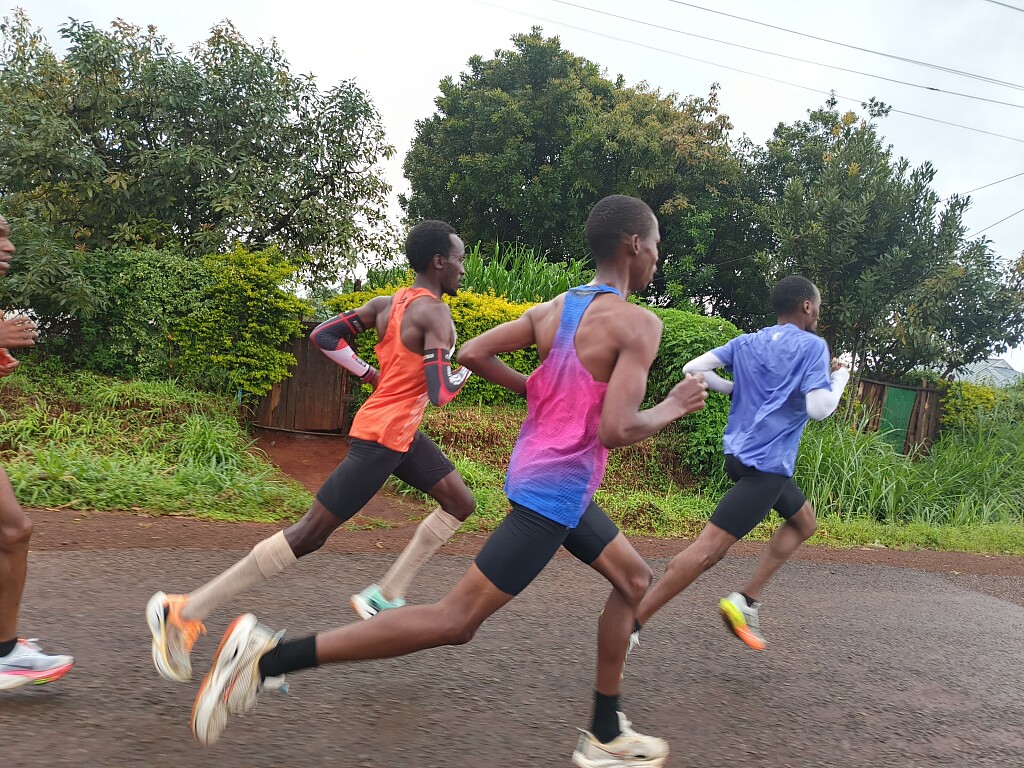
Long before the crowds awaken and the world notices the results, athletes in Thika will already be battling exhaustion, pressure, and expectation. The rhythm of pounding footsteps will once again echo across the tarmac roads of Thika on Wednesday, May 13, 2026, as the 56th edition of the KATA Time Trial Series returns with renewed intensity, ambition, and anticipation. This is more than a race against time — It's a reflection of sacrifice, resilience, and the endless pursuit of personal growth in athletics dream.
There may be no roaring stadium crowd, no flashing lights, and no elaborate finish-line celebrations, yet within Kenya’s athletics circles, few events command as much quiet respect as this one. For the athletes preparing to line up, the occasion is not about spectacle—it is about testing limits, measuring progress, and pursuing the relentless dream of improvement.
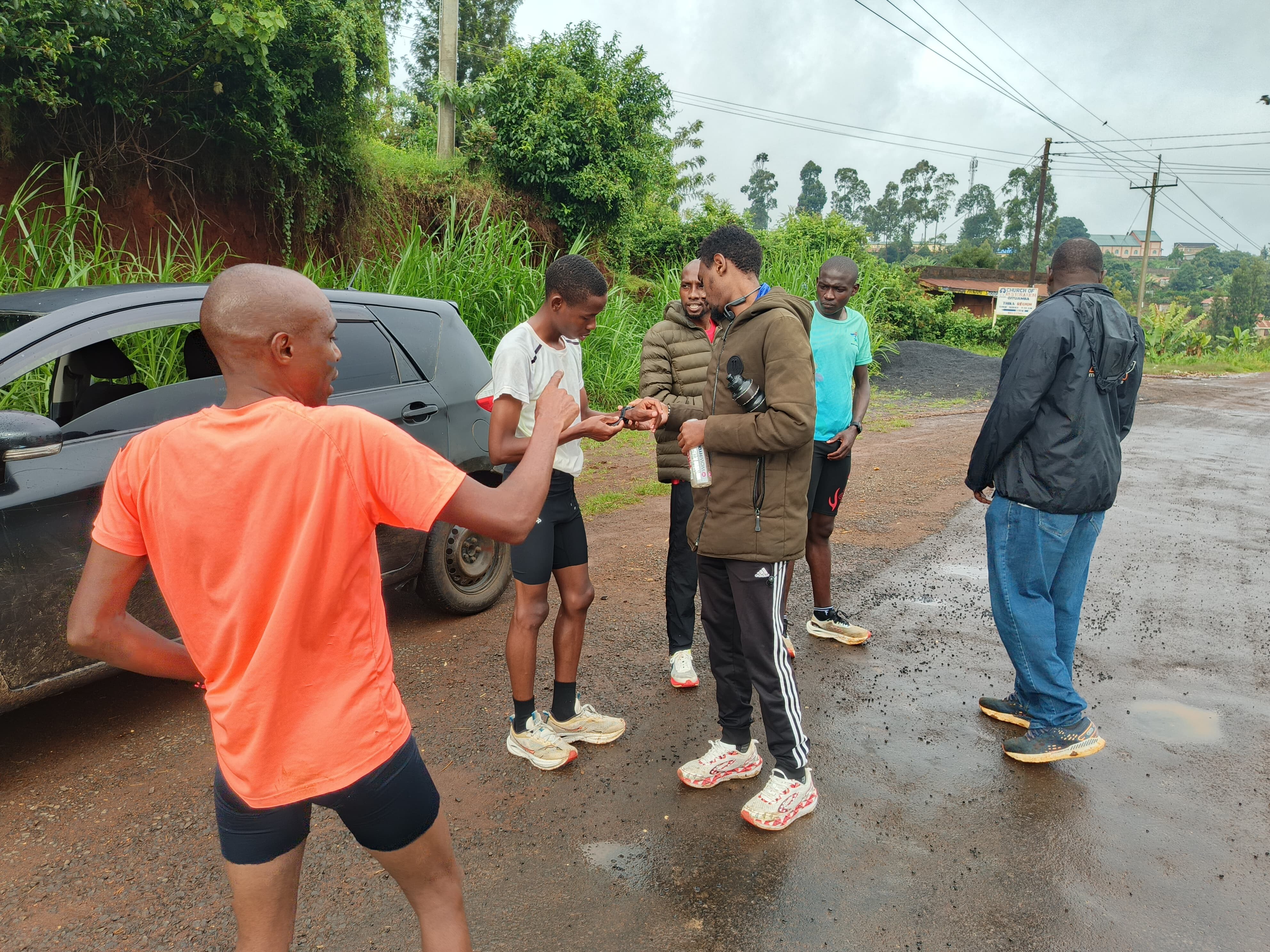
Held near the training base of the Kenyan Athletics Training Academy in Thika, the KATA Time Trial has steadily evolved into one of the most trusted performance platforms for developing and experienced athletes alike. Over the years, it has earned its reputation as a proving ground where months of sacrifice, demanding training sessions, and disciplined preparation are transformed into measurable reality. Every edition carries stories of breakthrough performances, painful lessons, and moments that redefine confidence.
Traditionally, the event has stood apart from conventional road races by stripping competition down to its purest form. Athletes do not simply race each other—they race the clock, their previous performances, and the invisible standards they set for themselves during training. Yet this 56th edition is expected to introduce a more tactical dimension. While fast times remain the primary objective, strategy and intelligent pack running are likely to shape the morning in significant ways.
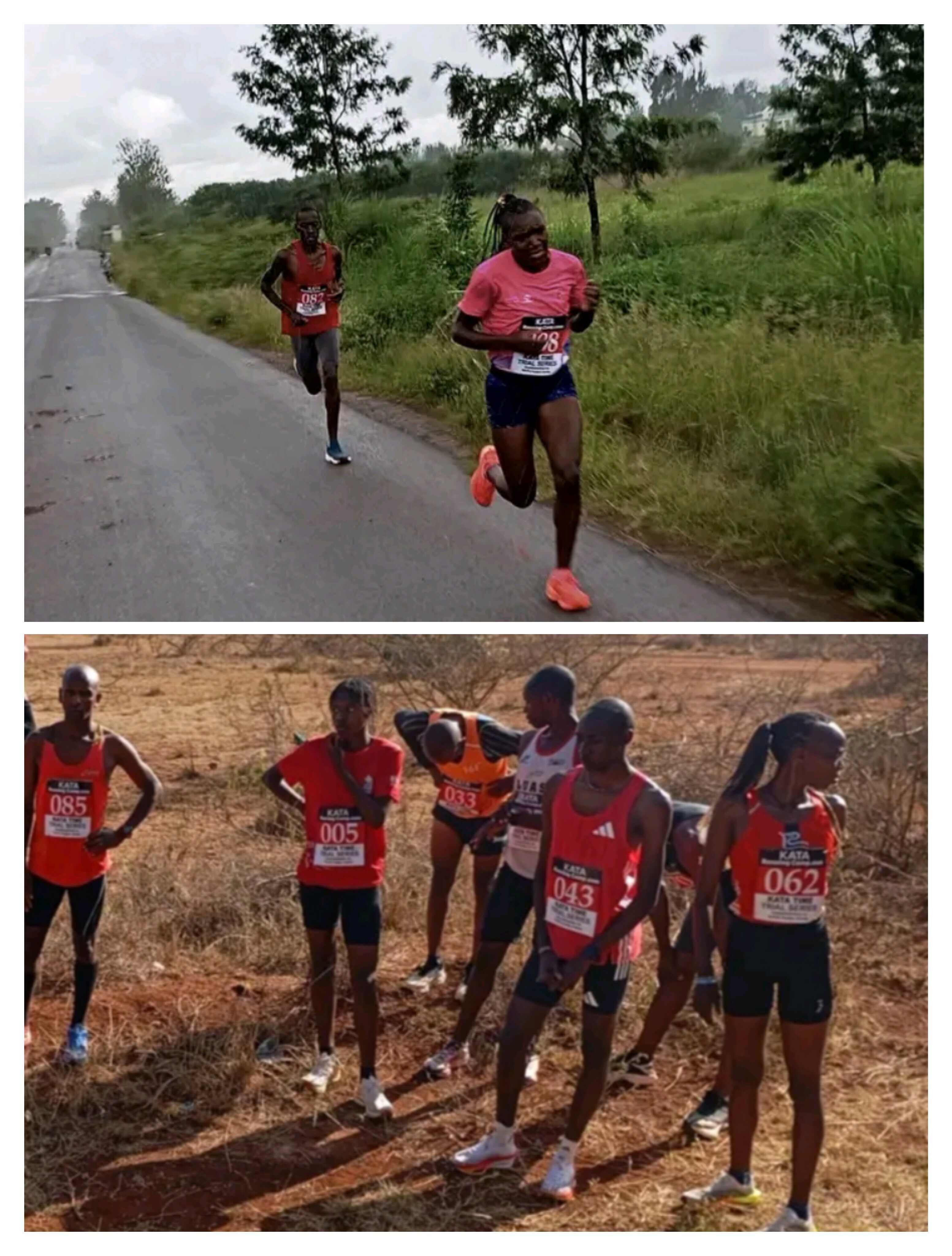
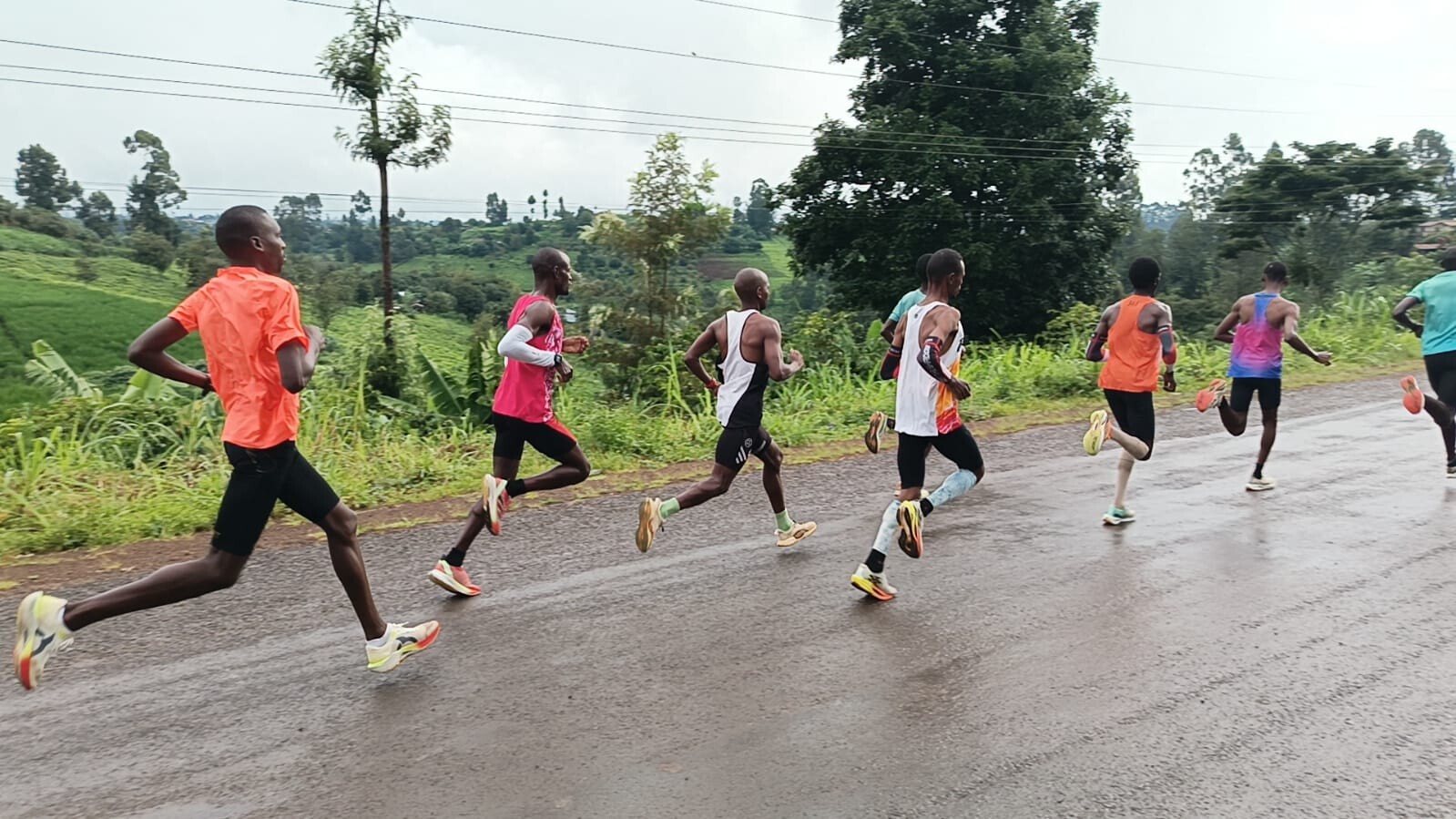
Athletes are expected to work together through the opening stages, carefully maintaining rhythm and pacing in pursuit of stronger finishing times and valuable personal bests. In such races, patience becomes just as important as raw speed. A poorly judged opening kilometre can destroy an otherwise promising performance, while disciplined execution often rewards those who conserve energy for the decisive closing stretch. It is this delicate balance between aggression and control that makes the KATA Time Trial so compelling.
The programme will once again feature the classic 5km and 10km distances, each demanding a very different kind of athlete. The 5km rewards sharpness, rhythm, courage, and the ability to sustain discomfort at relentless speed. The 10km, meanwhile, is a deeper examination of endurance, mental strength, and tactical discipline. On the unforgiving roads of Thika, even the slightest pacing mistake can separate a brilliant run from a disappointing result.
Perhaps the most powerful storyline surrounding this edition is the universal pursuit of personal bests. For many athletes, the stopwatch represents far more than numbers on a screen. Every second gained reflects countless early mornings, exhausting intervals, sacrifices away from competition, and unwavering belief in the training process. The KATA Time Trial has always provided athletes with an honest answer to one important question: has the work truly paid off?
Conditions in Thika are expected to favour runners who combine patience with intelligence. Those who remain composed in the early kilometres often find the strength to finish aggressively, while athletes who force the pace too early may struggle before the final stretch. It is an environment where discipline is rewarded and resilience is exposed in real time.
Though the event may unfold without major fanfare, its significance stretches far beyond a single morning of racing. On this modest stretch of road, athletes continue refining their craft, sharpening their instincts, and chasing the standards that define excellence in Kenyan athletics. When the watches finally stop at the end of the 56th edition, the results will reveal far more than finishing times. They will tell the story of ambition, rivalry, sacrifice, and the endless pursuit of becoming better with every stride.
by Erick Cheruiyot for My Best Runs.
Login to leave a comment
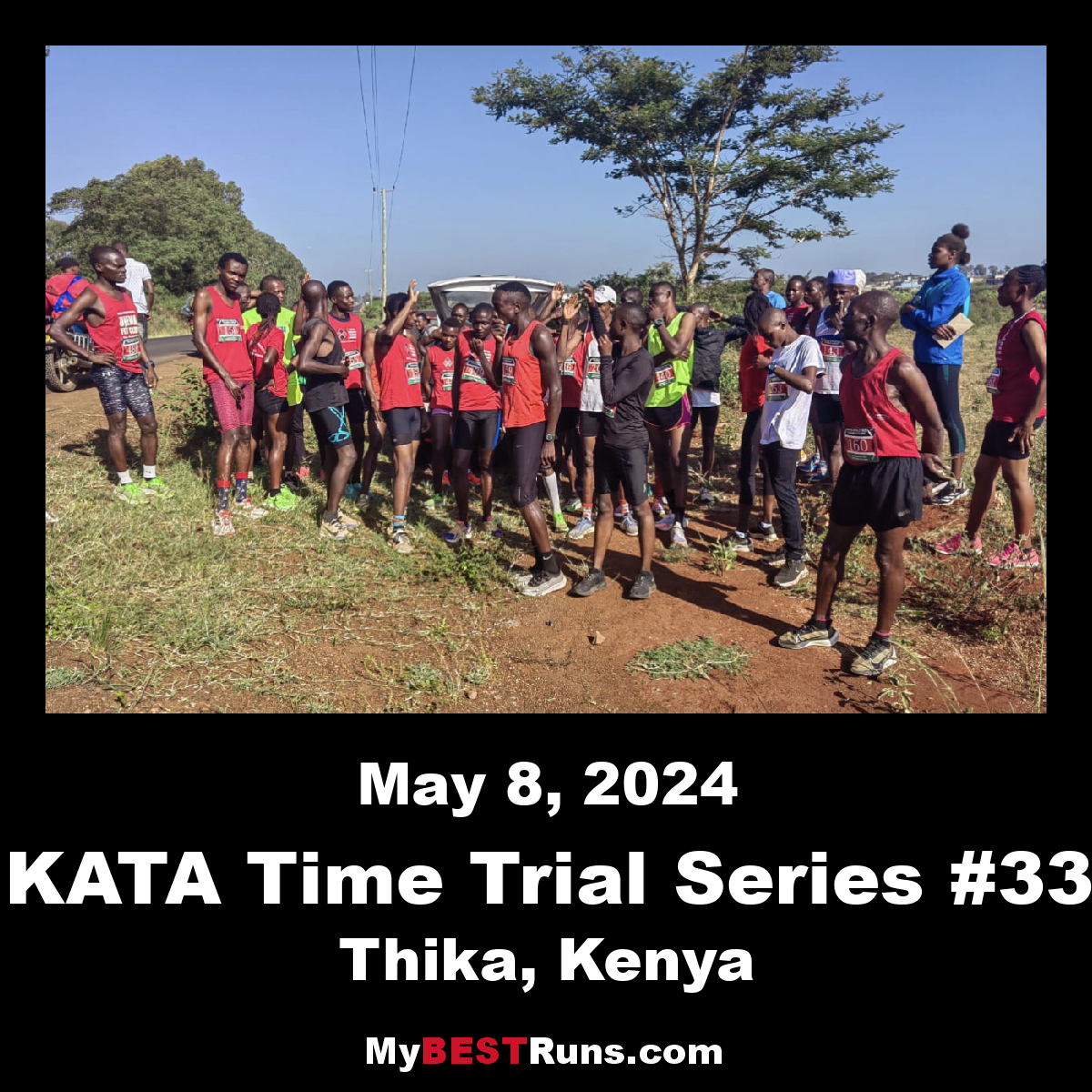
KATA Time Trial Series
Welcome to the KATA Monthly Time Trial Held at the Kenyan Athletics Training Academy in Thika, Kenya, the KATA Monthly Time Trial is a unique and inclusive event designed to support runners of all levels in achieving their goals and showcasing their fitness. This event offers both 10K and 5K distances on an accurate, certified course, providing participants with...
more...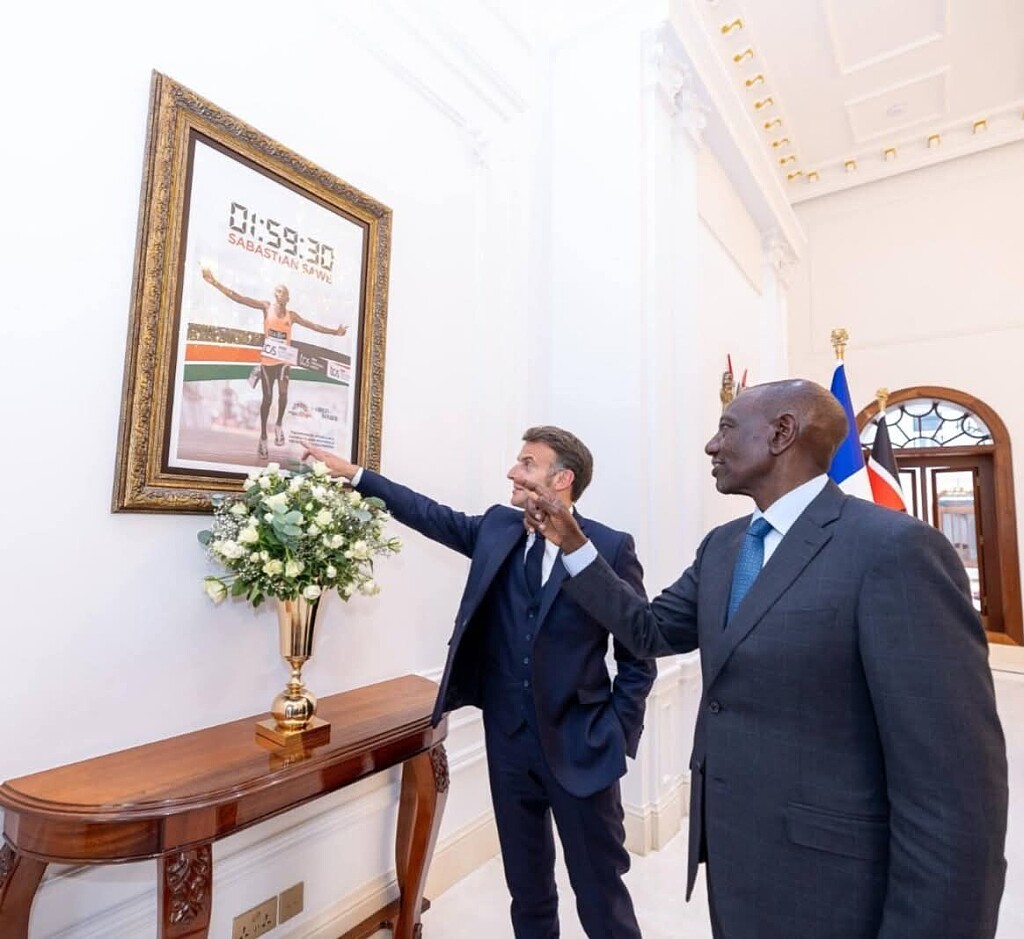
From Kenyan Roads to the Halls of Power: Macron Left in Awe of Sabastian Sawe as Kipchoge Shares Morning Run with French President
Kenya’s growing influence in global athletics was once again placed firmly in the international spotlight after French President Emmanuel Macron openly admired the iconic portrait of Kenyan marathon sensation Sabastian Sawe during an official engagement that blended sport, culture and diplomacy in remarkable fashion.
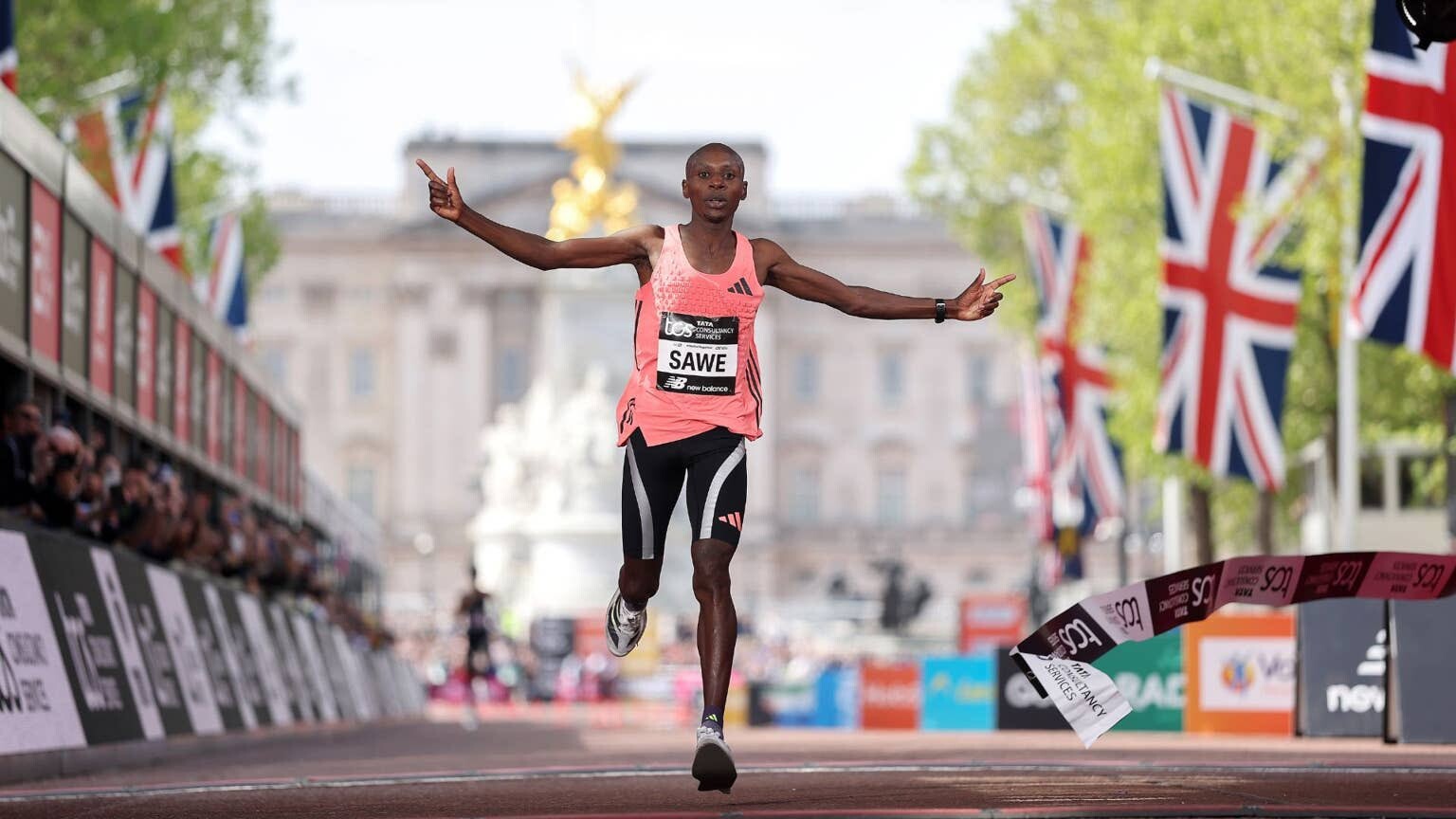
The powerful image of Sawe — a symbol of Kenya’s relentless distance-running excellence — stood proudly among the distinguished displays visited by Macron, offering yet another reminder of how deeply Kenyan athletics continues to resonate far beyond the finish line. From dusty training routes in the Rift Valley to recognition within the walls of high-level international leadership, Sawe’s rise represents more than personal success; it reflects the enduring prestige of Kenyan endurance running on the world stage.
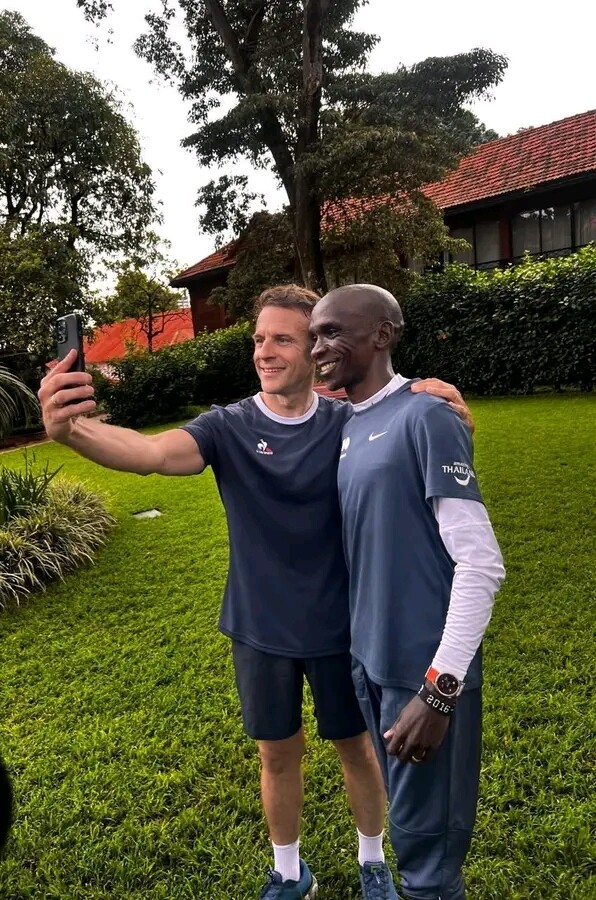
The moment became even more memorable as marathon legend Eliud Kipchoge joined President Macron for an early morning runon the streets of Nairobi, creating a symbolic meeting between political leadership and sporting greatness. Kipchoge, widely celebrated for redefining the limits of human endurance, once again carried the Kenyan flag with grace and humility as he shared the roads with the French Head of State.
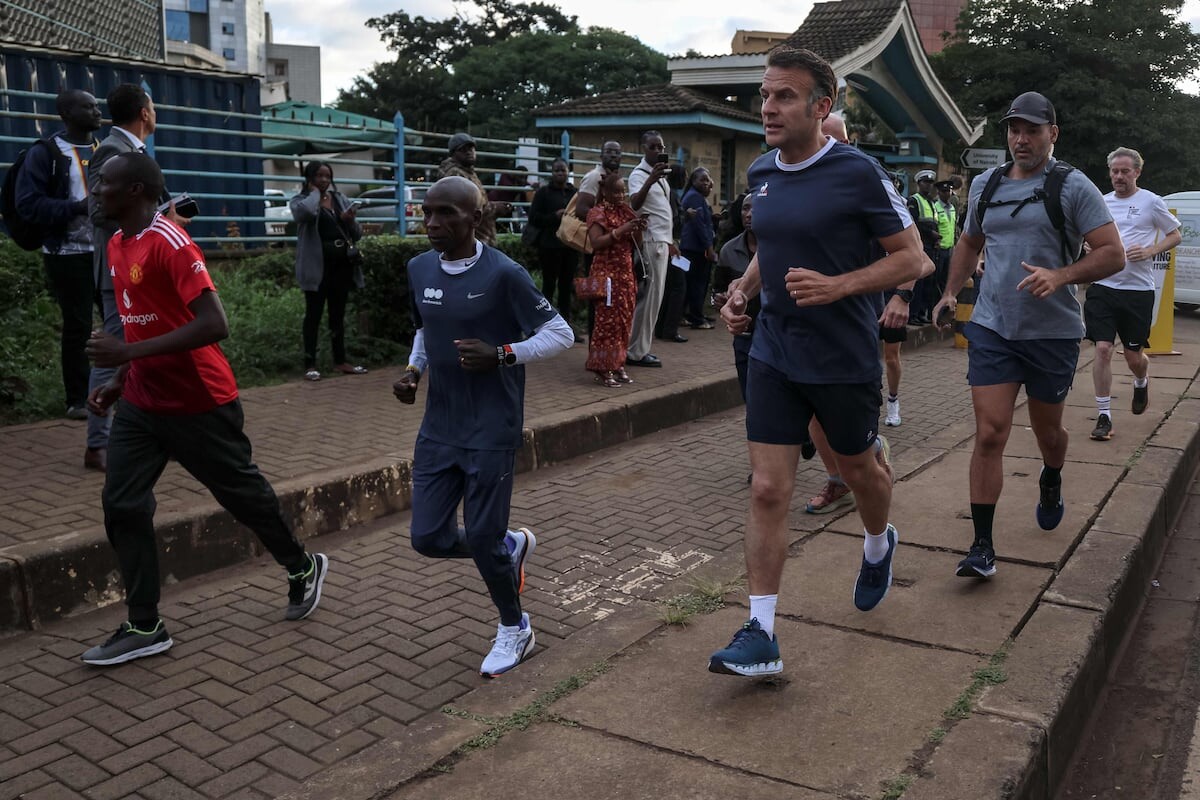
For many athletics fans, the scenes represented far more than a ceremonial appearance. They highlighted the soft power of sport and the respect Kenyan athletes command internationally. Kenya’s runners have long dominated global road racing, but moments such as these demonstrate how their impact now stretches into culture, inspiration and diplomacy.
Sawe’s growing reputation has continued to capture attention across the athletics world following his impressive performances on the roads, where his fearless racing style and consistency have marked him as one of the sport’s rising forces. Seeing his portrait admired by one of Europe’s most influential leaders added another significant chapter to that journey.
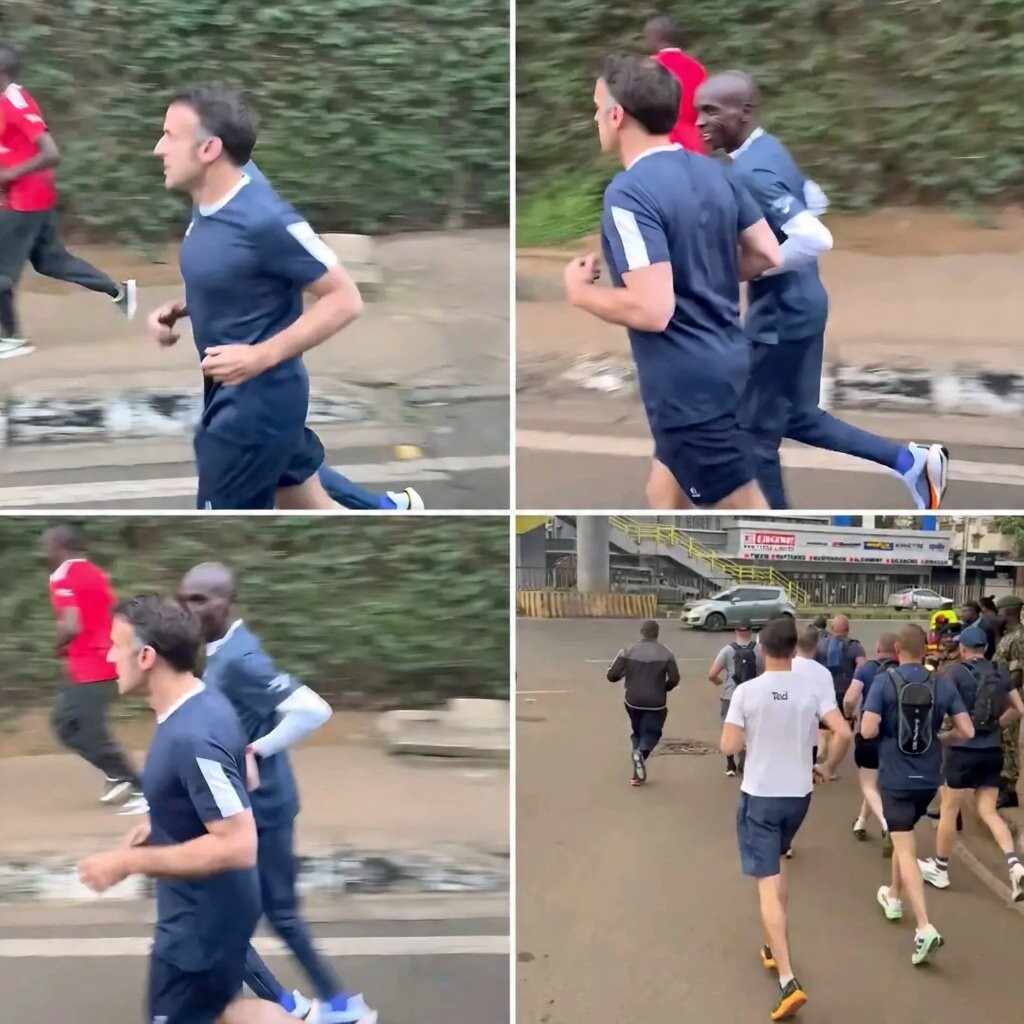
Meanwhile, Kipchoge’s presence brought his trademark aura of discipline and inspiration. The two-time Olympic marathon champion has become more than an athlete; he is now viewed globally as an ambassador of excellence, resilience and human potential. His morning run alongside Macron offered a striking image of unity through sport — a language that transcends borders, politics and culture.
As Kenyan athletics continues to produce stars capable of commanding admiration around the world, moments like these reinforce the nation’s unmatched legacy in distance running. From the rugged training grounds of Kenya to the corridors of international power, the country’s athletes are no longer only winning races — they are shaping global conversations and inspiring generations far beyond the track and the marathon course.
by Erick Cheruiyot for My Best Runs.
Login to leave a comment
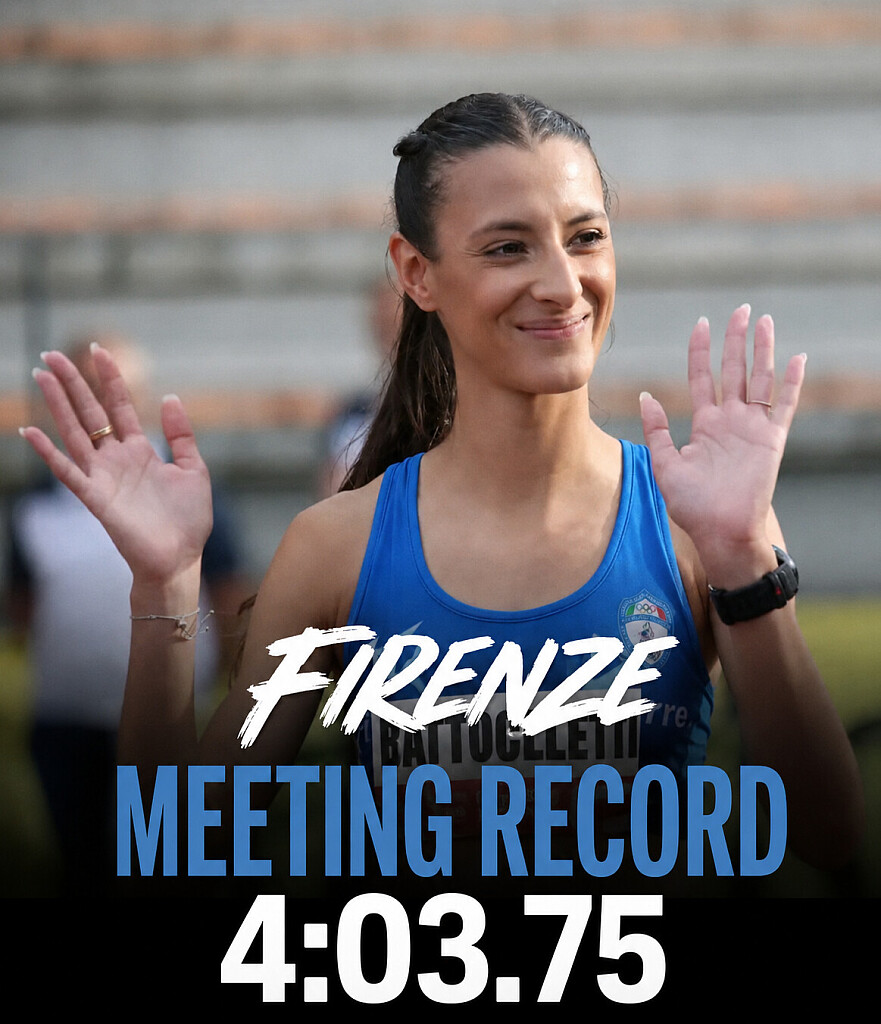
Pegaso Meeting: Nadia Battocletti Destroys the Field with Stunning Meeting Record in Firenze
Italian distance sensation Nadia Battocletti delivered a commanding exhibition of strength, rhythm, and fearless front-running at the Pegaso Meeting, storming to a sensational meeting record of 4:03.75 in a race that quickly became a one-woman masterclass.
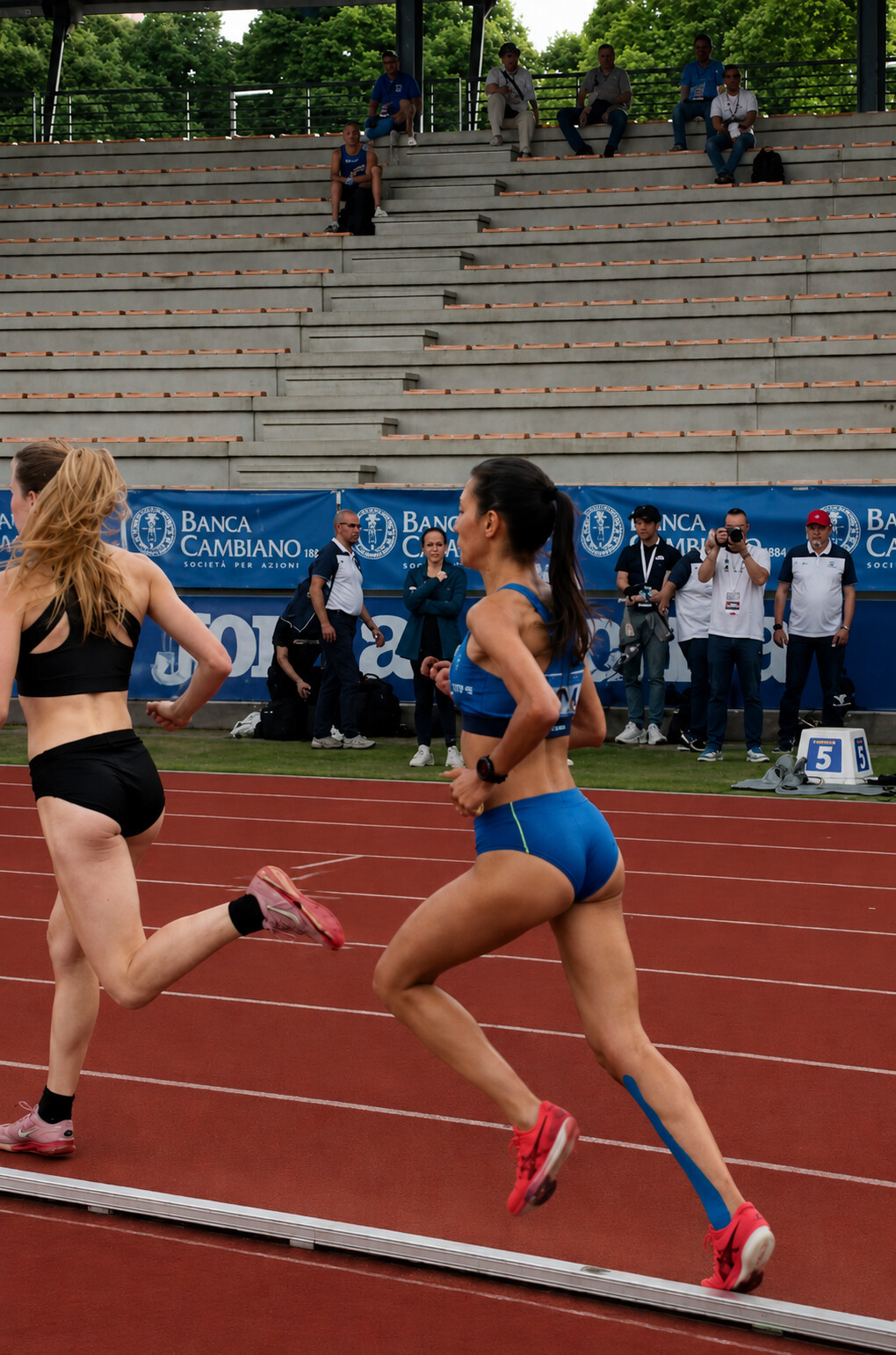
From the early stages, Battocletti looked determined to take complete control of the contest. After approximately 850 metres, she surged decisively to the front, refusing to remain tucked behind the pacemaker any longer. In a bold tactical move, the Italian star overtook the hare and immediately injected a relentless tempo that shattered any hopes of a close battle behind her.
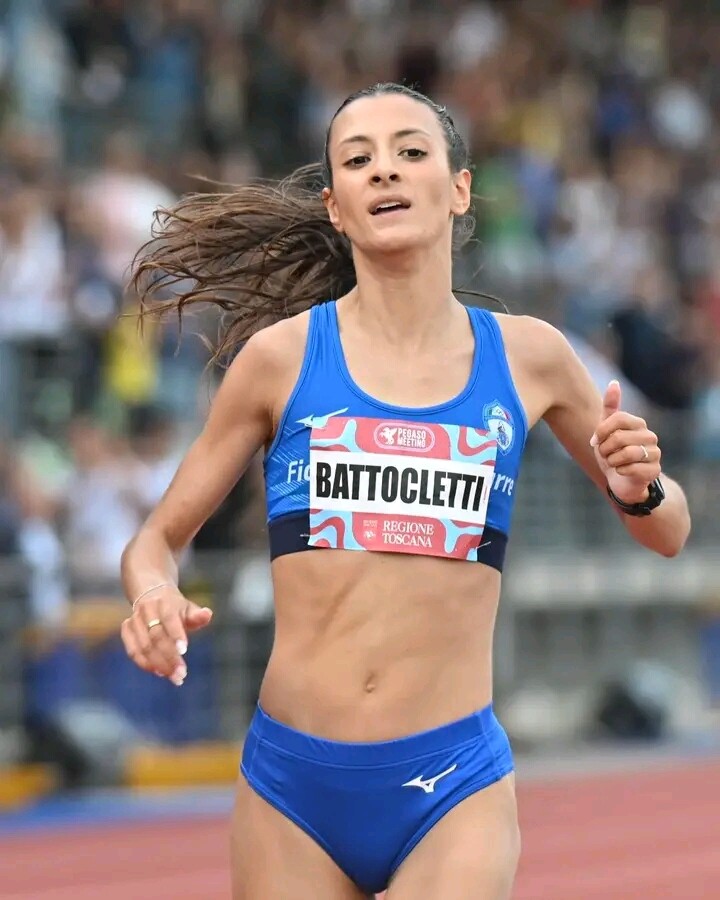
Once in command, there was no hesitation and no sign of vulnerability. Battocletti ran with remarkable composure, gliding through the final laps with fluid efficiency while steadily widening the gap over the rest of the field. Her aggressive approach transformed the race from a tactical affair into a breathtaking solo performance driven by confidence and exceptional endurance.
As the bell lap unfolded, the atmosphere intensified inside the stadium. Battocletti continued to push with purpose, charging down the home straight before crossing the line in 4:03.75 — a brilliant new meeting record and yet another statement performance from one of Europe’s most exciting distance runners.
The victory was not simply about the time on the clock, but about the authority with which it was achieved. Leading almost the entire second half of the race alone, Battocletti showcased the rare ability to combine tactical intelligence with raw competitive courage, qualities that continue to elevate her status on the international athletics stage.
Her unforgettable run in Firenze once again confirmed that she is not merely winning races — she is redefining them.
by Erick Cheruiyot for My Best Runs.
Login to leave a comment
