

Running News Daily
Running News Daily is edited by Bob Anderson and team. Send your news items to bob@mybestruns.com Advertising opportunities available.
Index to Daily Posts · Sign Up For Updates · Run The World Feed



A Life in Service to Clean Sport: Sir Craig Reedie’s Lasting Legacy

The global athletics community has been struck by a profound sense of loss following the passing of Sir Craig Reedie at the age of 84. As reported by World Athletics, Reedie’s death marks the end of an era defined by steadfast leadership, unwavering integrity, and a lifelong commitment to safeguarding the spirit of sport.
Reedie’s influence extended far beyond administrative titles; he was a central figure in shaping the ethical and organizational foundations of modern sport. His most prominent role came as President of the World Anti-Doping Agency between 2014 and 2019, where he became a leading voice in the global fight against doping. Under his stewardship, the agency strengthened its mission to preserve fairness, reinforcing the principle that victory must be earned through discipline and honesty rather than illicit means.
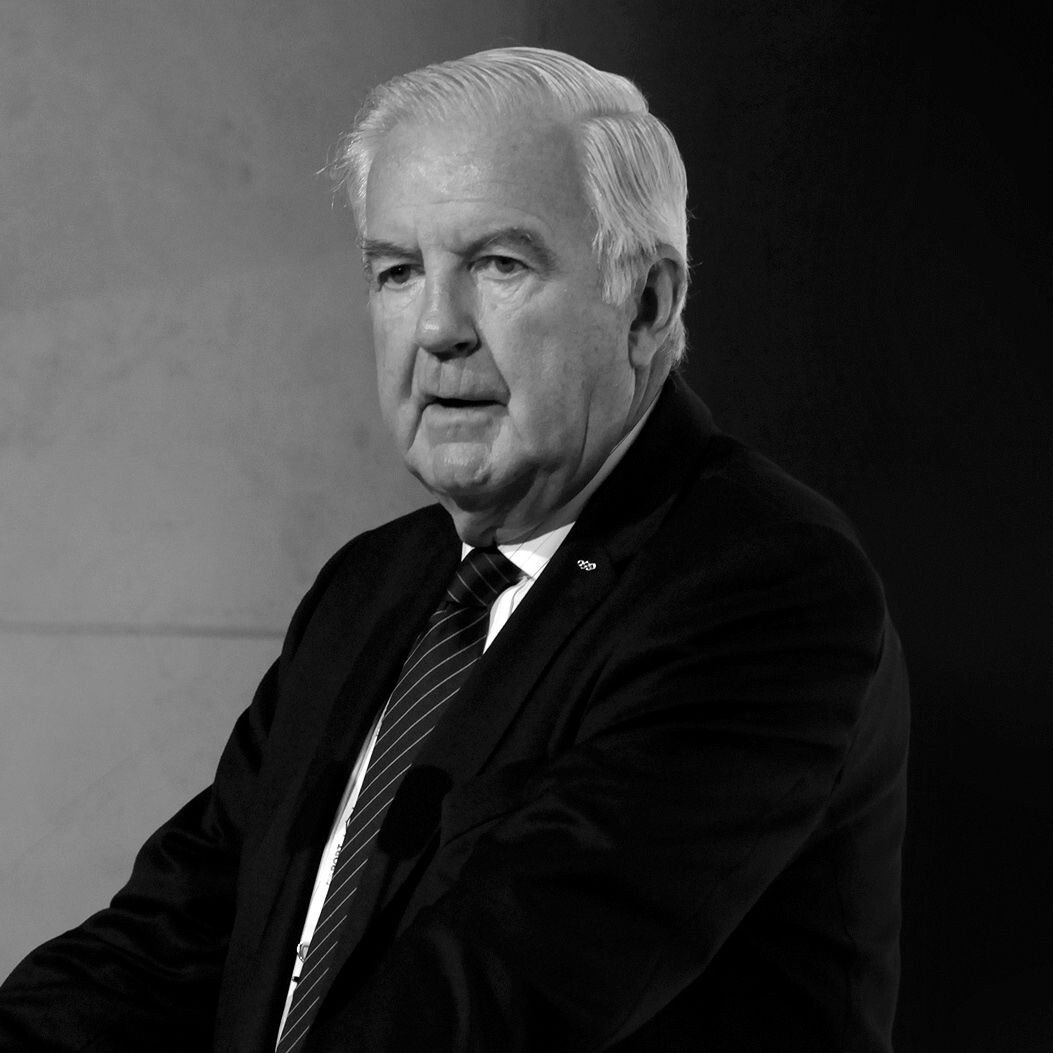
His contributions were equally significant within the International Olympic Committee, where he served as Vice President. In 2009 he became the first Briton to have a seat on the International Olympic Committee board since 1961. In this capacity, Reedie played a key role in guiding Olympic policy and governance during a period of increasing global scrutiny and change. His calm authority and diplomatic skill helped navigate complex challenges while maintaining the Olympic movement’s core values.
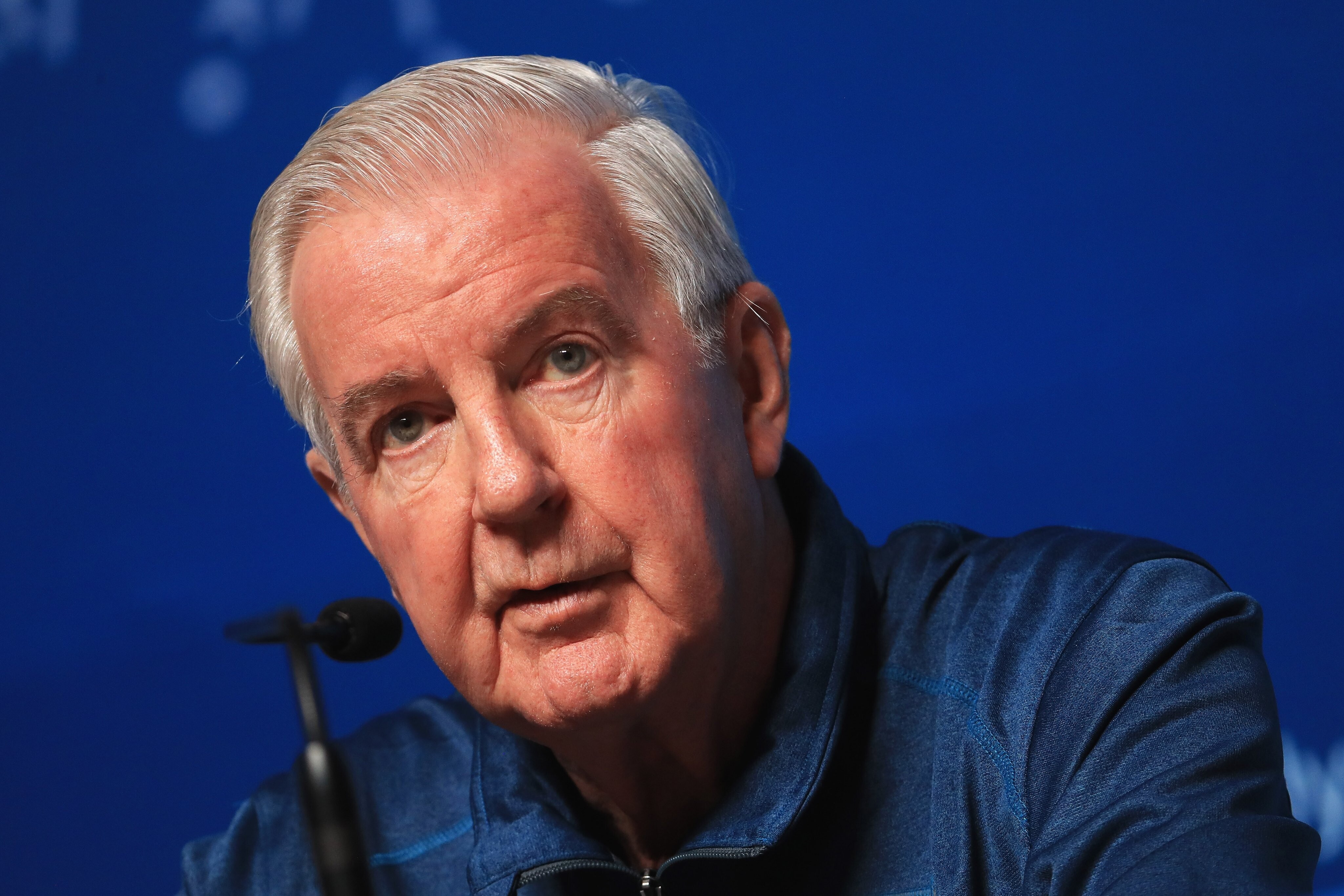
Closer to home, Reedie left an indelible mark on British sport. As Chairman of the British Olympic Association between 1992 and 2005, he was instrumental in advancing the nation’s Olympic ambitions. His leadership also extended to the organizational framework of the London 2012 Olympic Games, where he served as a board director. The success of those Games, widely regarded as one of the most memorable in modern Olympic history, stands as a testament to the vision and dedication of figures like Reedie working behind the scenes.
Yet beyond titles and achievements, Reedie will be remembered for the principles he championed. He believed deeply in the unifying power of sport—its ability to transcend borders, inspire generations, and uphold values of respect and fairness. His work in anti-doping, in particular, reflected a conviction that the credibility of competition must never be compromised.
As tributes continue to pour in from across the sporting world, Reedie’s legacy remains firmly intact. He was not merely an administrator, but a guardian of sport’s integrity—one who dedicated his life to ensuring that the playing field remained level for all. In mourning his passing, the world of athletics also celebrates a life that helped define what sport ought to stand for at its very best.
by Erick Cheruiyot for My Best Runs.
Login to leave a comment
Latest Running News
Gilmar Silvestre Triumphs at the SP City Marathon as International Elite Deliver Memorable Performances
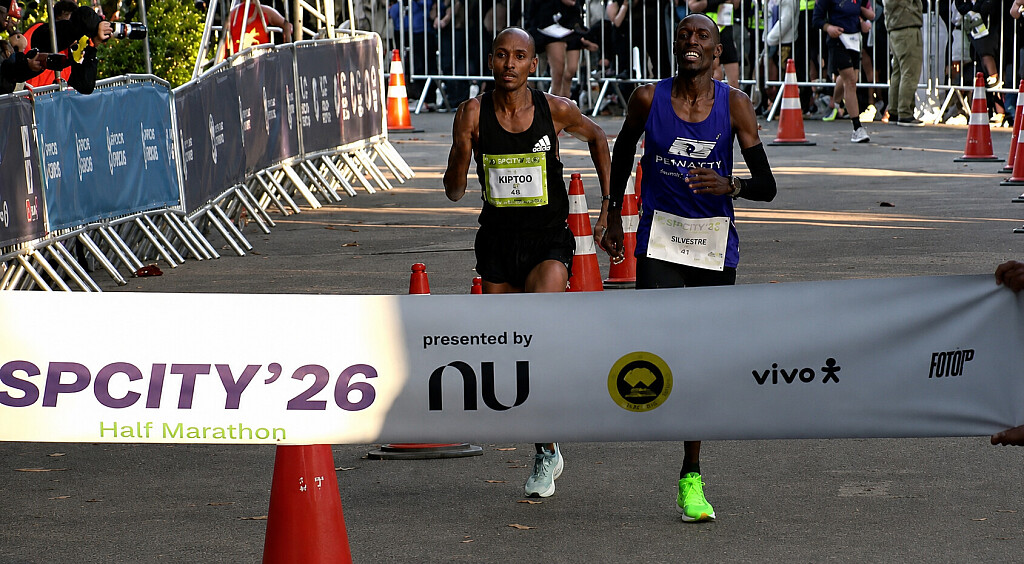
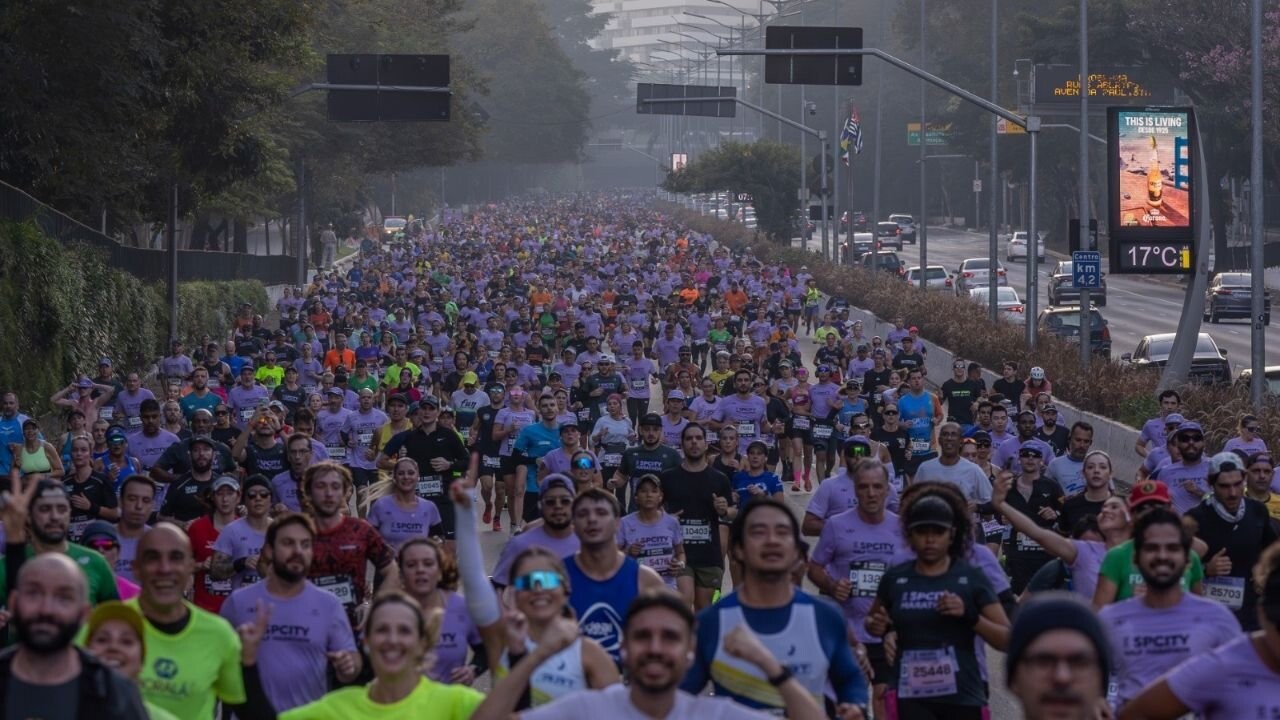
The 2026 SP City Marathon produced a captivating display of endurance and determination, bringing together elite athletes from Brazil, Kenya, and Ethiopia for a fiercely contested men's race through the streets of São Paulo. With victory hanging in the balance until the closing meters, Brazil's Gilmar Silvestre emerged triumphant, claiming the title in 2:16:34 after an unforgettable battle.
Silvestre was tested every step of the way by Kenya's Nicolas Kiptoo, who crossed the finish line with the same official time of 2:16:34 to secure second place in one of the closest finishes of the race. Fellow Kenyan Isaac Lelei completed the podium with an impressive 2:17:32, capping off a highly competitive contest among the leading trio.
Brazil continued its strong showing through Hiago Silva, who finished fourth in 2:21:40, while compatriot Andre Luiz claimed fifth in 2:22:33. Ethiopia's Abdena Kuma was the highest-placed Ethiopian athlete, taking sixth in 2:23:22, just one second ahead of Brazil's Victor Oliveira, who finished seventh in 2:23:23.

The depth of the field was further highlighted by Michael Paula, who placed eighth in 2:25:47, Raphael Magalhaes, who secured ninth in 2:27:34, and Leonardo Alves, who rounded out the top ten in 2:28:04.
Top 10 Men's Elite Results – 2026 SP City Marathon
1. Gilmar Silvestre (Brazil) – 2:16:34
2. Nicolas Kiptoo (Kenya) – 2:16:34
3. Isaac Lelei (Kenya) – 2:17:32
4. Hiago Silva (Brazil) – 2:21:40
5. Andre Luiz (Brazil) – 2:22:33
6. Abdena Kuma (Ethiopia) – 2:23:22
7. Victor Oliveira (Brazil) – 2:23:23
8. Michael Paula (Brazil) – 2:25:47
9. Raphael Magalhaes (Brazil) – 2:27:34
10. Leonardo Alves (Brazil) – 2:28:04
The race reached a breathtaking climax as Gilmar Silvestre and Nicolas Kiptoo charged down the finishing straight shoulder-to-shoulder, neither willing to surrender an inch after more than two hours of relentless effort. Every stride reflected months of sacrifice, discipline, and unwavering belief, while every second carried the weight of a dream. As thousands of spectators erupted in applause, Silvestre summoned one final surge of strength to edge ahead in the closing meters, with Kiptoo matching him on the official clock in a finish that will long be remembered. It was a powerful reminder that marathon running is about far more than crossing the line first—it is a celebration of courage, resilience, and the unbreakable human spirit.
The 2026 SP City Marathon once again reaffirmed its status as one of South America's premier road races, delivering a world-class competition, remarkable performances, and a dramatic finish that left athletes and fans alike with memories to cherish long after the final runner had crossed the finish line.
by Erick Cheruiyot for My Best Runs.
Login to leave a comment

Gold, Diamonds, and a World Record: The Remarkable Story Behind Josh Kerr's Historic Mile
World records are remembered for the numbers on the clock, but sometimes the details surrounding them become part of the legend as well.
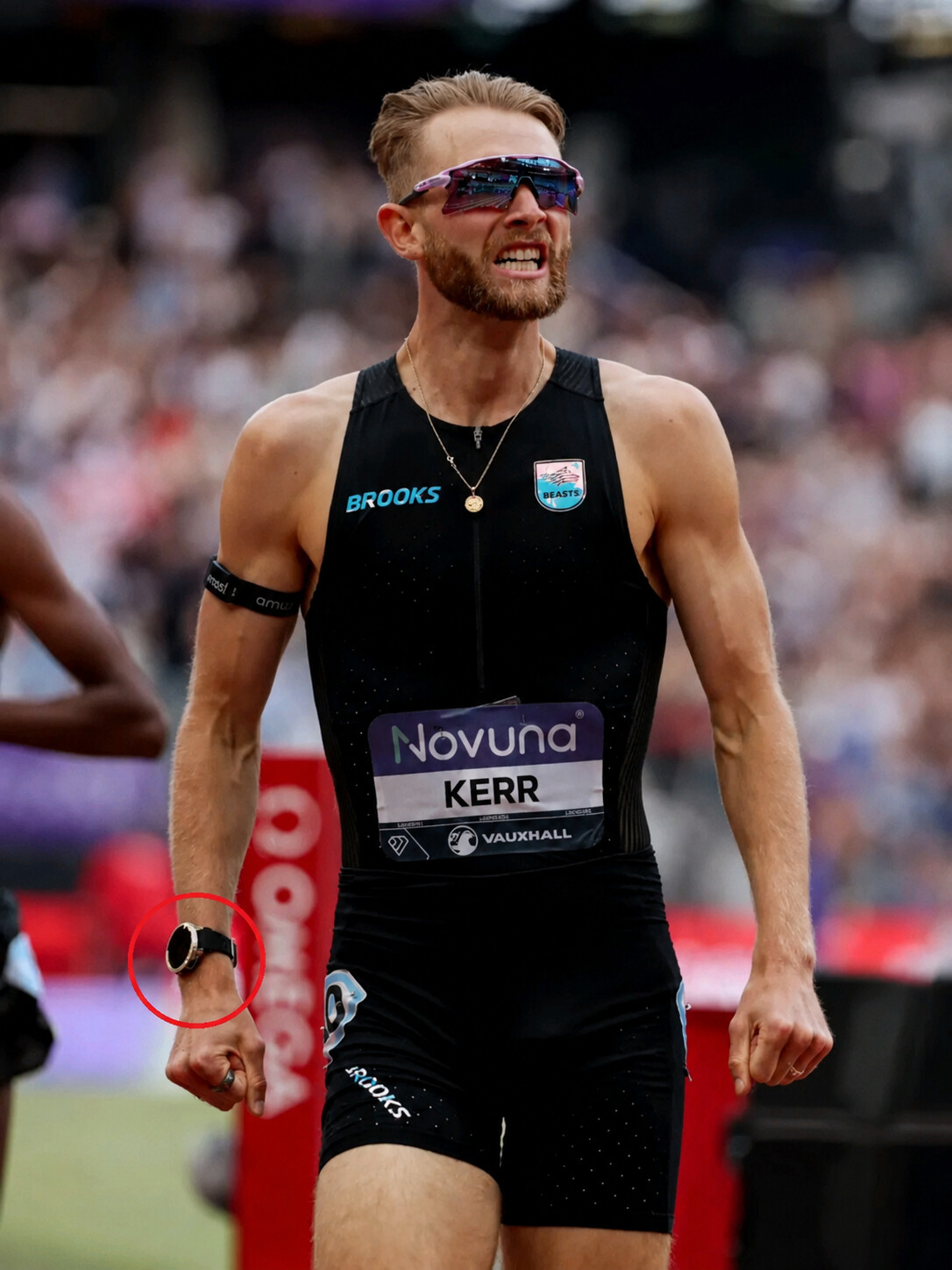
When Josh Kerr produced a breathtaking 3:42.66 to set a new men's mile world record at the London Diamond League on July 18, 2026, he didn't just rewrite one of athletics' most celebrated records. He did it while wearing one of the most exclusive performance watches ever created.
On Kerr's wrist was a one-of-a-kind Amazfit Cheetah 2 Pro, specially commissioned for his ambitious Project 222 campaign. The unique timepiece was designed by jeweller and former elite runner David Perry, combining luxury craftsmanship with cutting-edge sports technology in a way rarely seen in elite athletics.
The watch was impossible to miss. Its solid 10-karat gold-dipped bezel was set with 84 lab-grown diamonds, while the clasp carried a hand-engraved "222"—a tribute to Kerr's quest to become the first athlete in history to complete the mile in 222 seconds (3:42.00).

Although the record stopped just short of that ultimate target, Kerr's 3:42.66 performance was still one of the greatest middle-distance races ever run, lowering the world record and confirming his place among the sport's all-time legends.
The watch, however, was far more than a luxury accessory. Built around Amazfit's advanced sports technology, it captured every crucial detail of Kerr's historic run, providing an extraordinary glimpse into the physiology behind one of athletics' finest performances.
His race unfolded with remarkable consistency. Kerr covered the opening lap in 55.3 seconds, followed with 55.8, accelerated again with another 55.3, and completed the final 409 metres in 56.27 seconds to cross the finish line in world-record time.
The physiological data was equally impressive. Kerr maintained an average heart rate of 178 beats per minute, reached a peak of 188 bpm, and sustained an average cadence of 194 steps per minute throughout the race—evidence of the extraordinary efficiency required to perform at the absolute limits of human endurance.
Every stride, every heartbeat and every split was recorded as history unfolded on the London track.
Elite athletics has entered an era where wearable technology provides athletes and coaches with unprecedented insight into performance. From pacing strategies and recovery to biomechanics and physiological monitoring, modern devices have become powerful tools in the pursuit of excellence. Yet even the most sophisticated technology cannot replace the qualities that define champions.
No amount of gold, diamonds or cutting-edge engineering can substitute for years of disciplined training, exceptional talent, tactical intelligence and the courage to push beyond perceived limits when everything is on the line.
On that unforgettable evening in London, the dazzling watch certainly attracted attention. But when the finish-line clock displayed 3:42.66, it became clear that the greatest masterpiece wasn't the gold or the diamonds—it was the extraordinary athlete wearing them.
by Erick Cheruiyot for My Best Runs.
Login to leave a comment
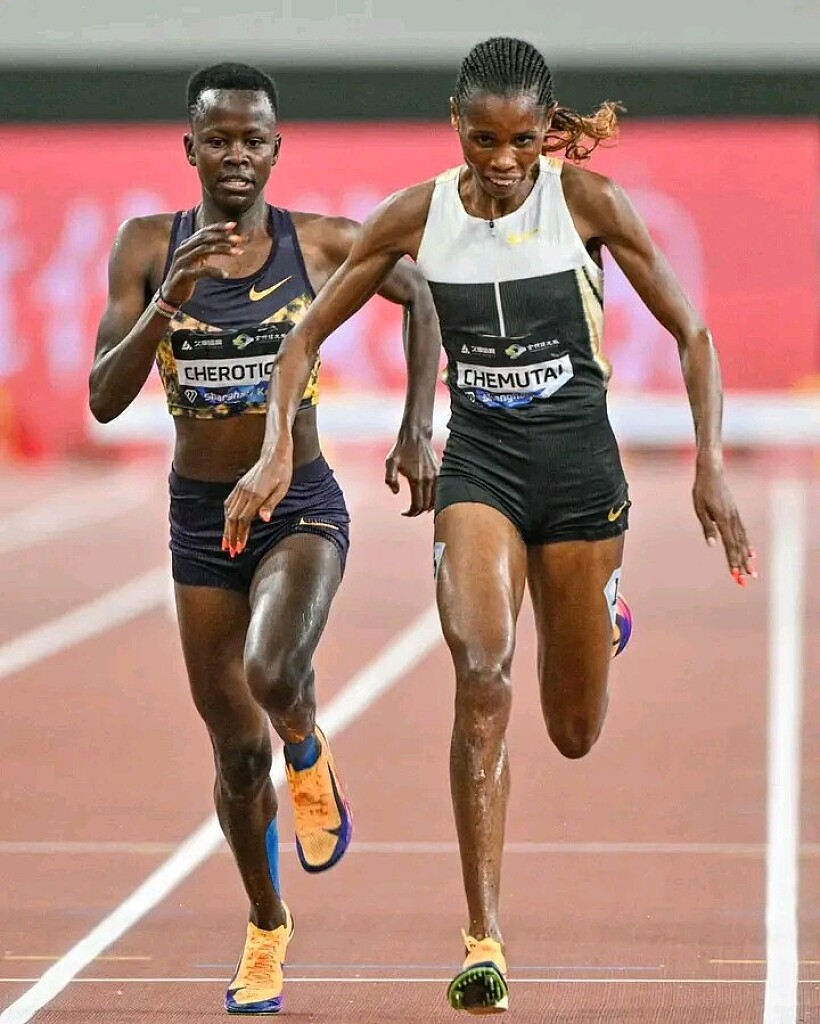
Commonwealth Games Women's Steeplechase Set for a Classic Showdown as Faith Cherotich and Peruth Chemutai Renew Their Rivalry
The women's 3,000-meter steeplechase promises to be one of the standout distance races of the 2026 Commonwealth Games when a talented field lines up on July 29, headlined by two of the world's finest barrier specialists: Kenya's Faith Cherotich and Uganda's Peruth Chemutai.
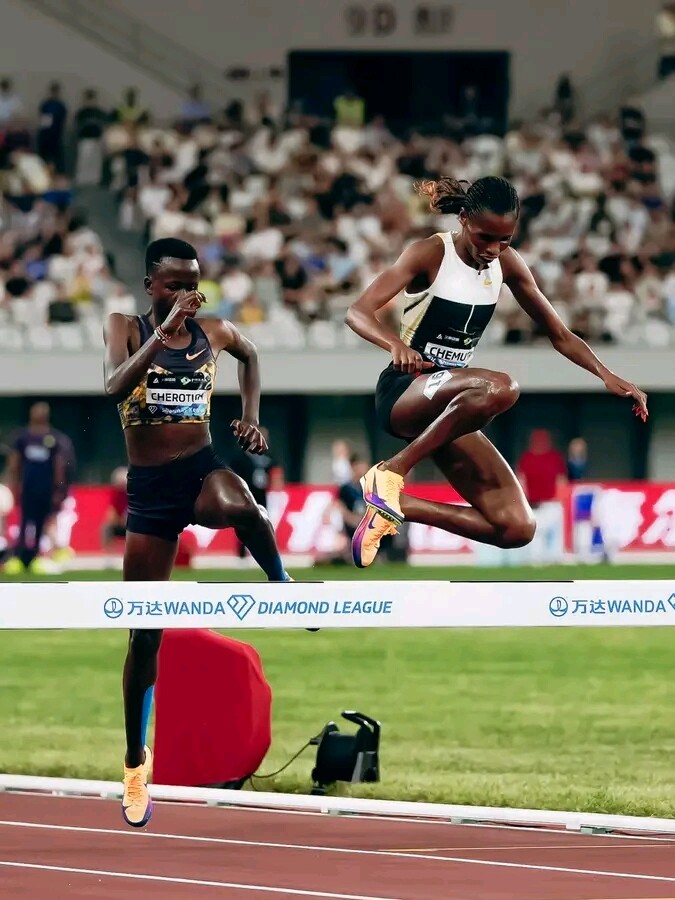
With personal bests separated by less than a second, the race has all the ingredients of a championship classic. Olympic medalists, emerging stars, and national champions will all be chasing Commonwealth glory, but much of the spotlight will naturally fall on the fierce rivalry between Cherotich and Chemutai.
Cherotich arrives as one of the fastest women ever over the barriers with a personal best of 8:48.71, a mark that underlines her remarkable rise to the top of global steeplechasing. The young Kenyan has established herself as one of the sport's brightest talents through her fearless front-running, smooth hurdling technique, and devastating finishing speed.
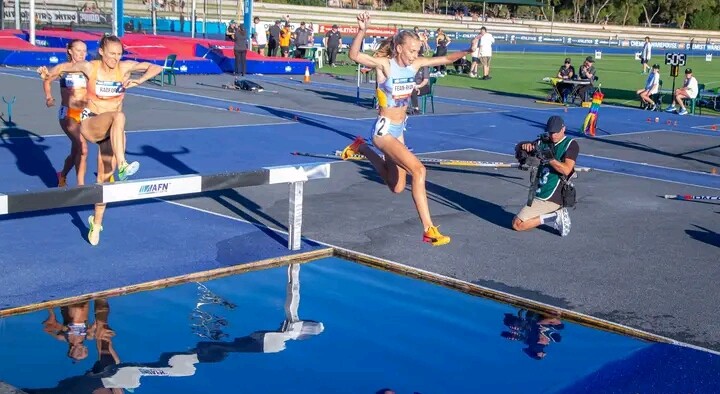
Standing in her way is Uganda's Peruth Chemutai, whose personal best of 8:48.03 makes her the fastest athlete in the field on paper. The Olympic champion has repeatedly proven she thrives in championship racing, combining tactical intelligence with years of experience on the biggest stages. Her ability to produce her very best when medals are on the line makes her an exceptionally dangerous competitor.
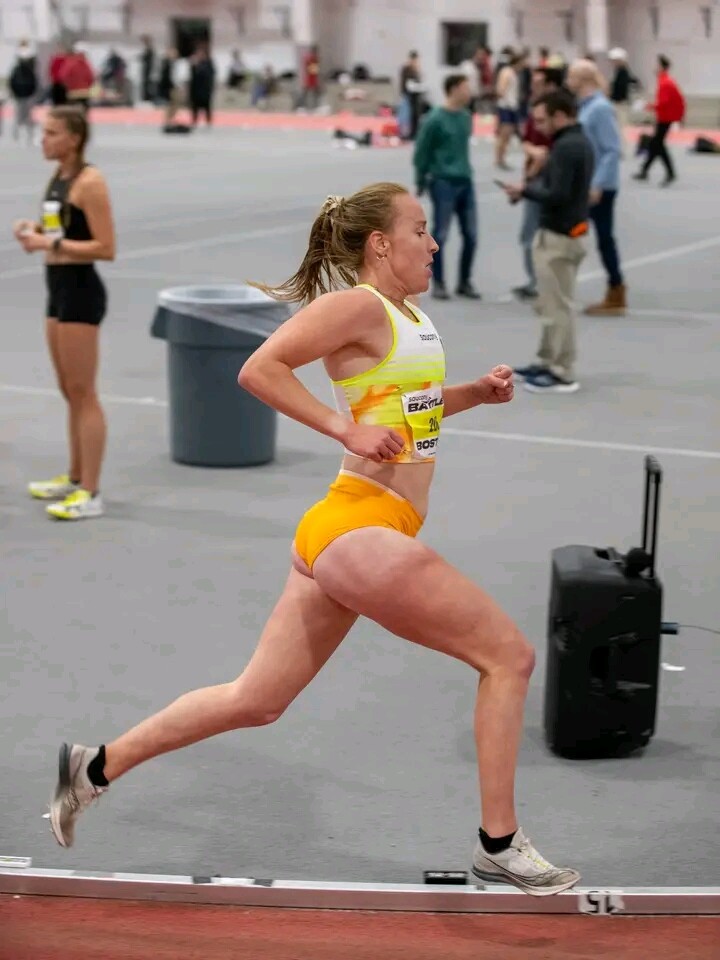
Kenya also boasts impressive depth through Celestine Jepkosgei Biwot, who owns a personal best of 9:19.06 and could play a significant role in the race if the early pace becomes tactical. A Kenyan podium sweep may be difficult against such quality opposition, but Biwot has shown she is capable of competing with the continent's elite.
England's Elise Thorner enters as one of the strongest challengers outside East Africa. With a personal best of 9:07.39, she has consistently demonstrated the ability to race aggressively and could place herself firmly in medal contention if the favorites hesitate.
India's Parul Chaudhary brings another compelling storyline after lowering her personal best to 9:12.46, establishing herself as one of Asia's leading steeplechasers. She will be aiming to deliver one of India's strongest distance performances of the Games.
Australia's Cara Feain-Ryan (9:21.35), Scotland's Sarah Tait (9:18.66), Canada's Grace Fetherstonhaugh (9:31.98), Canada's Katelyn Stewart-Barnett (9:36.69), and Wales' Cari Hughes (9:41.66) complete a diverse and competitive field representing six Commonwealth nations.
While personal bests provide an indication of form, championship racing often rewards patience, tactical awareness, and flawless barrier technique as much as outright speed. Every water jump and every barrier could prove decisive in a race where momentum can change within seconds.
The start list suggests a fascinating battle between proven championship performers and ambitious newcomers eager to announce themselves on one of athletics' biggest stages. If the pace is honest from the opening laps, spectators could witness one of the fastest Commonwealth Games steeplechase finals in history.
With continental pride, championship medals, and Commonwealth supremacy at stake, all eyes will turn to the women's 3,000-meter steeplechase on July 29, where Faith Cherotich and Peruth Chemutai are set to write another thrilling chapter in one of distance running's most exciting rivalries.
by Erick Cheruiyot for My Best Runs.
Login to leave a comment

The Commonwealth Games
The Commonwealth Games are coming to Victoria - bringing an action packed sports program to our regional cities and delivering a long-term legacy for our future. From 17 to 29 March 2026, Geelong, Bendigo, Ballarat, Gippsland and Shepparton will be on the world stage, attracting millions of viewers and creating thousands of jobs. The multi-city model will...
more...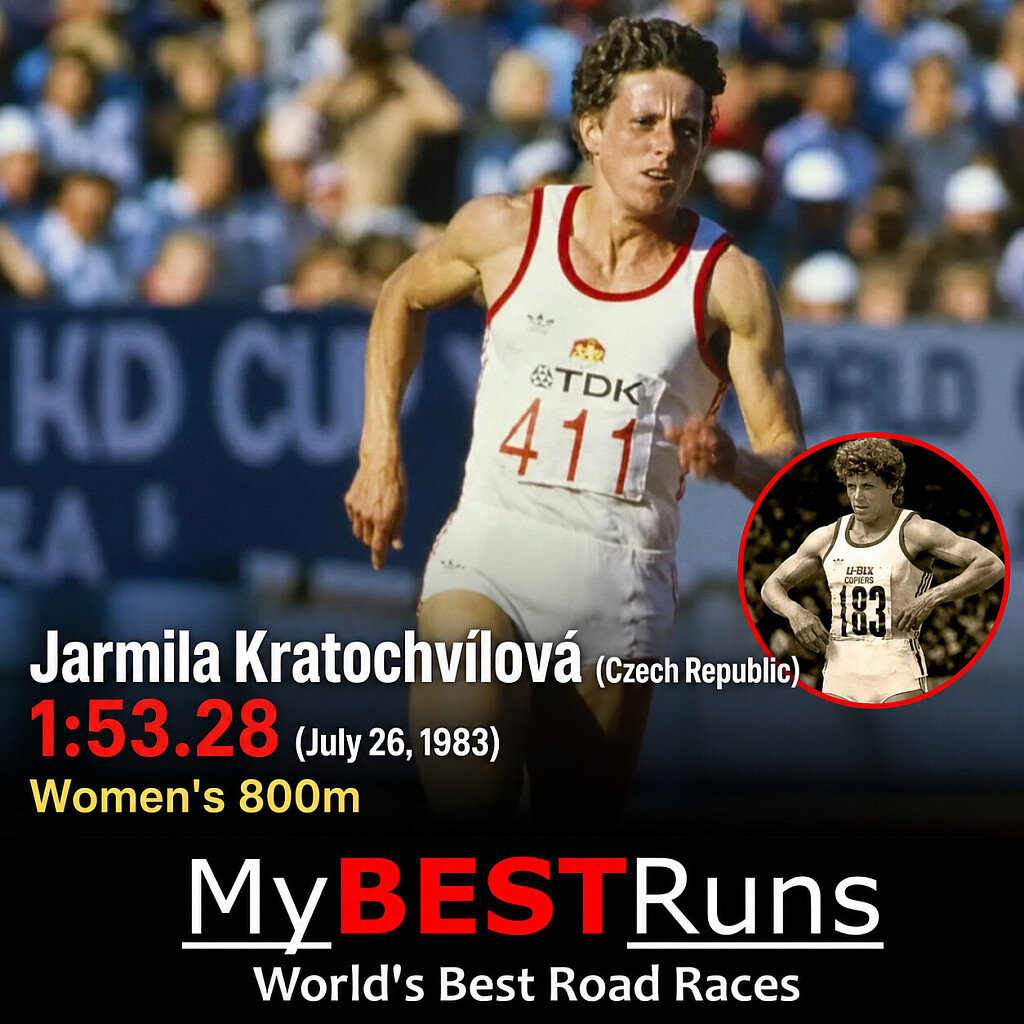
Forty-Three Years of Greatness: Is Jarmila Kratochvílová's Legendary 800m World Record Finally Ready to Fall?
Some world records define an era. Others transcend generations. Jarmila Kratochvílová's astonishing 1:53.28 in the women's 800 meters belongs firmly in the latter category.
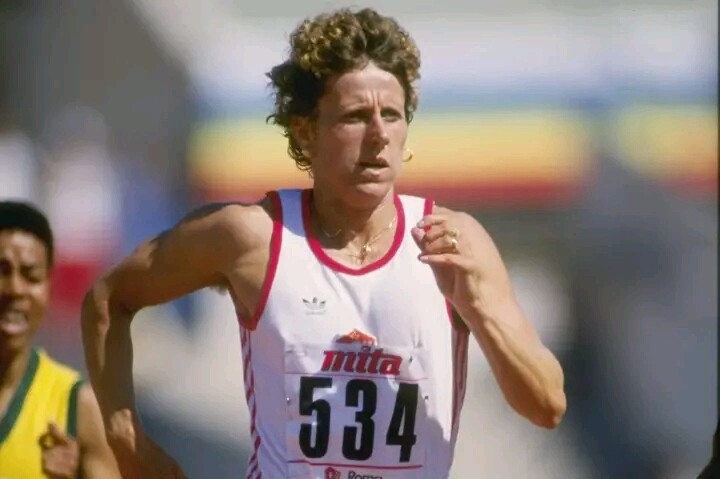
On July 26, 1983, in Munich, the Czech star delivered one of the most extraordinary performances the sport has ever witnessed, setting a world record that has now survived for an incredible 43 years. It remains the longest-standing individual track world record in athletics, a remarkable achievement in an era when advances in training, sports science, nutrition, and competition have seen countless other records disappear.
What makes Kratochvílová's feat even more extraordinary is that she was not primarily an 800-meter runner. She built her reputation as a dominant 400-meter specialist and only entered the two-lap race as a fitness test after recovering from leg cramps. What began as an experiment quickly turned into history.
After charging through an aggressive opening lap, Kratochvílová maintained her relentless pace all the way to the finish, crossing the line in an astonishing 1:53.28. It was a performance so far ahead of its time that generations of elite middle-distance runners have spent more than four decades trying—and failing—to erase it from the record books.
The longevity of the mark is no accident. Running 800 meters at world-record pace demands one of the rarest combinations in athletics: the explosive speed of a world-class 400-meter runner blended with the endurance, strength, and tactical intelligence of an elite middle-distance athlete. Few athletes in history have possessed that unique balance.
Even today, Kratochvílová sits comfortably atop one of the strongest all-time rankings in athletics history:
1. Jarmila Kratochvílová (Czech Republic) – 1:53.28 (July 26, 1983)
2. Nadezhda Olizarenko (Soviet Union) – 1:53.43 (July 27, 1980)
3. Audrey Werro (Switzerland) – 1:53.80 (June 28, 2026)
4. Pamela Jelimo (Kenya) – 1:54.01 (August 29, 2008)
5. Caster Semenya (South Africa) – 1:54.25 (June 30, 2018)
For many years, Kratochvílová's record was widely viewed as virtually untouchable. That perception, however, is beginning to change.
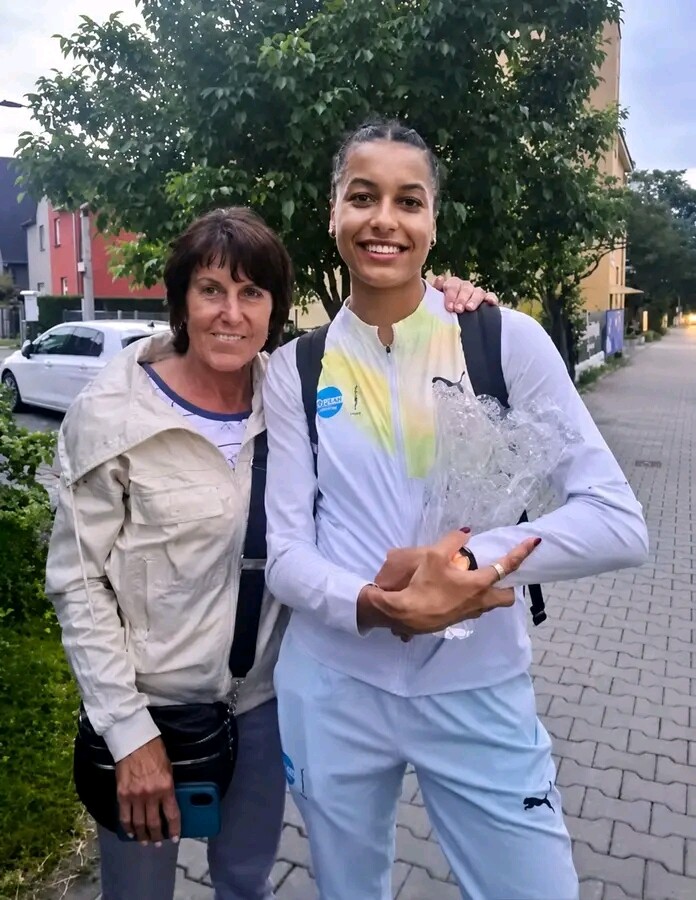
Swiss sensation Audrey Werro has reignited the conversation after producing a breathtaking 1:53.80 in Paris, moving into third place on the all-time list. Her performance was not only one of the fastest ever recorded but also the closest anyone has come to the world record in decades. At just the beginning of what promises to be a long career, Werro has demonstrated that the impossible may finally be within reach.
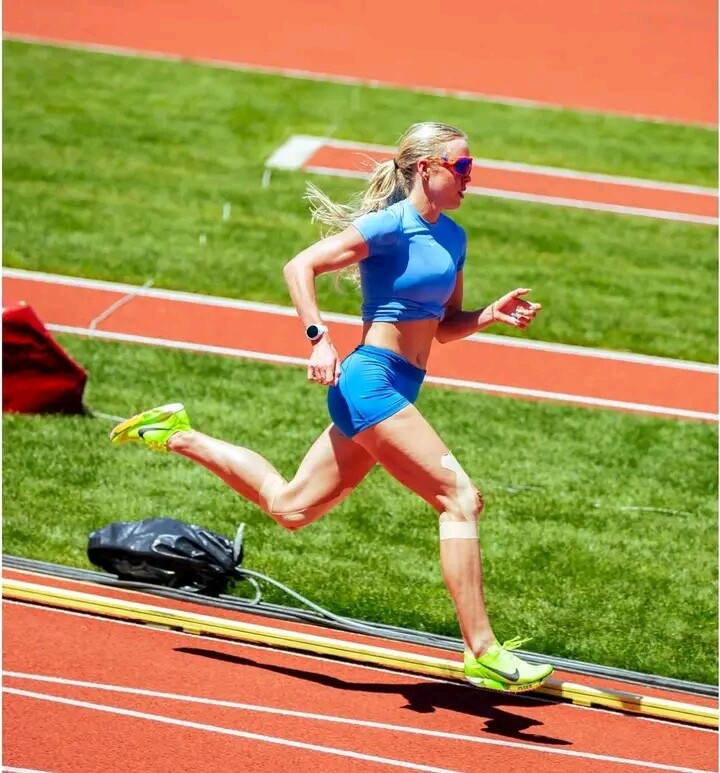
Great Britain's Keely Hodgkinson also remains one of the most compelling candidates. Already an Olympic champion and one of the most consistent performers of her generation, Hodgkinson reinforced her credentials by setting the world indoor short-track record of 1:54.87. Her combination of speed, racing intelligence, and consistency suggests that an outdoor assault on the world record cannot be ruled out.
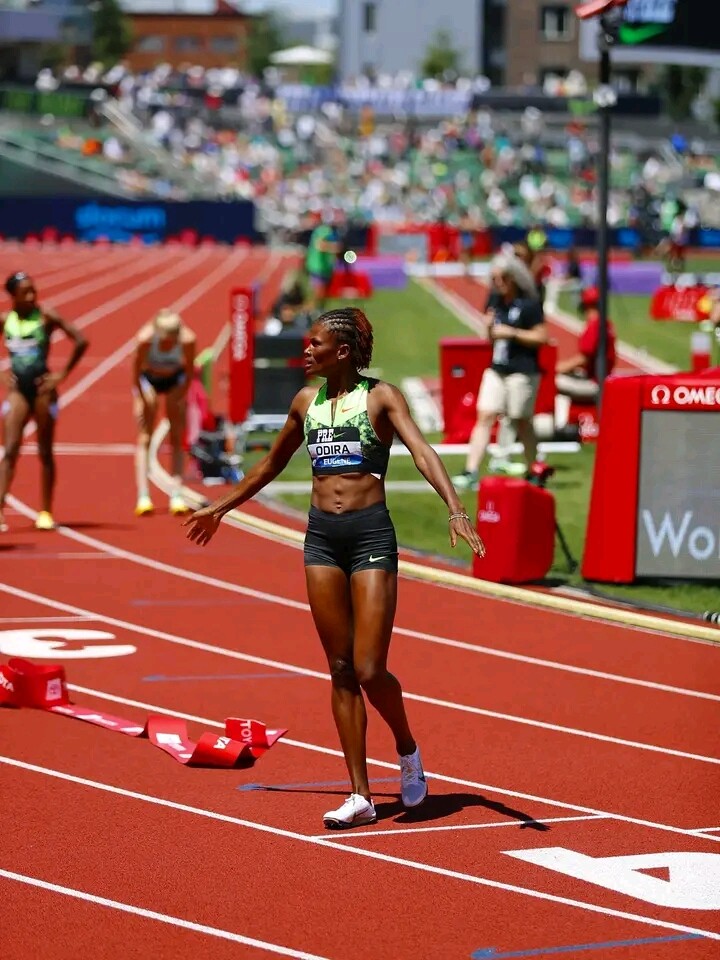
Kenya's Lilian Odira has also emerged as a genuine threat. The reigning world champion owns a personal best of 1:54.62, ranking her among the fastest women in history. She has already eclipsed Kratochvílová's long-standing championship record and continues to showcase an exceptional finishing kick that makes her dangerous in any race. If the pace is right, few athletes possess a stronger blend of championship experience and raw talent.
For 43 years, the athletics world has watched wave after wave of exceptional runners attempt to chase down one of sport's most iconic performances. Olympic champions, world champions, and record holders have all fallen short.
Yet the landscape feels different today. A new generation led by Audrey Werro, Keely Hodgkinson, and Lilian Odira is pushing the women's 800 meters to unprecedented depths. Their performances suggest that one of athletics' oldest and most celebrated records is no longer beyond imagination.
Whether Kratochvílová's 1:53.28 survives another season or another decade remains one of the sport's most fascinating questions. What is certain is that a record once considered untouchable is finally facing its most serious challenge in more than four decades.
The countdown may have already begun.
by Erick Cheruiyot for My Best Runs.
Login to leave a comment

Tatiana Pinto Smashes Her Own Portuguese 100m Record with Electrifying Sprint in Lisbon
Portuguese sprint star Tatjana Pinto has once again rewritten the national record books, producing a sensational performance to claim victory in the women's 100 meters at the Portuguese Athletics Championships in Lisbon.
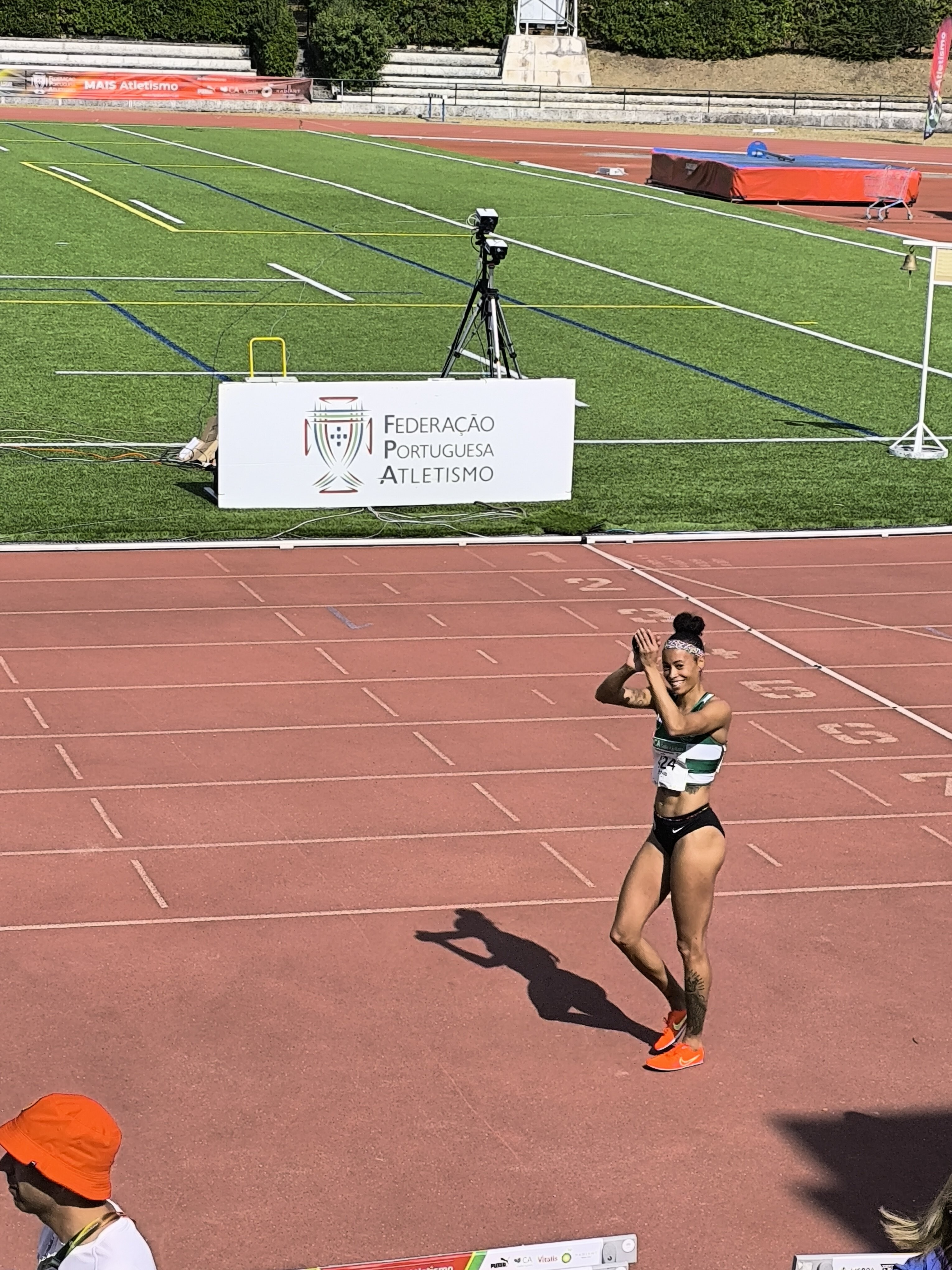
Pinto stormed across the finish line in a blistering 11.02 seconds, aided by a legal +1.8 m/s tailwind, lowering the Portuguese national record she had established just a month earlier. The remarkable run confirms her outstanding form and cements her status as the fastest woman in Portuguese history.
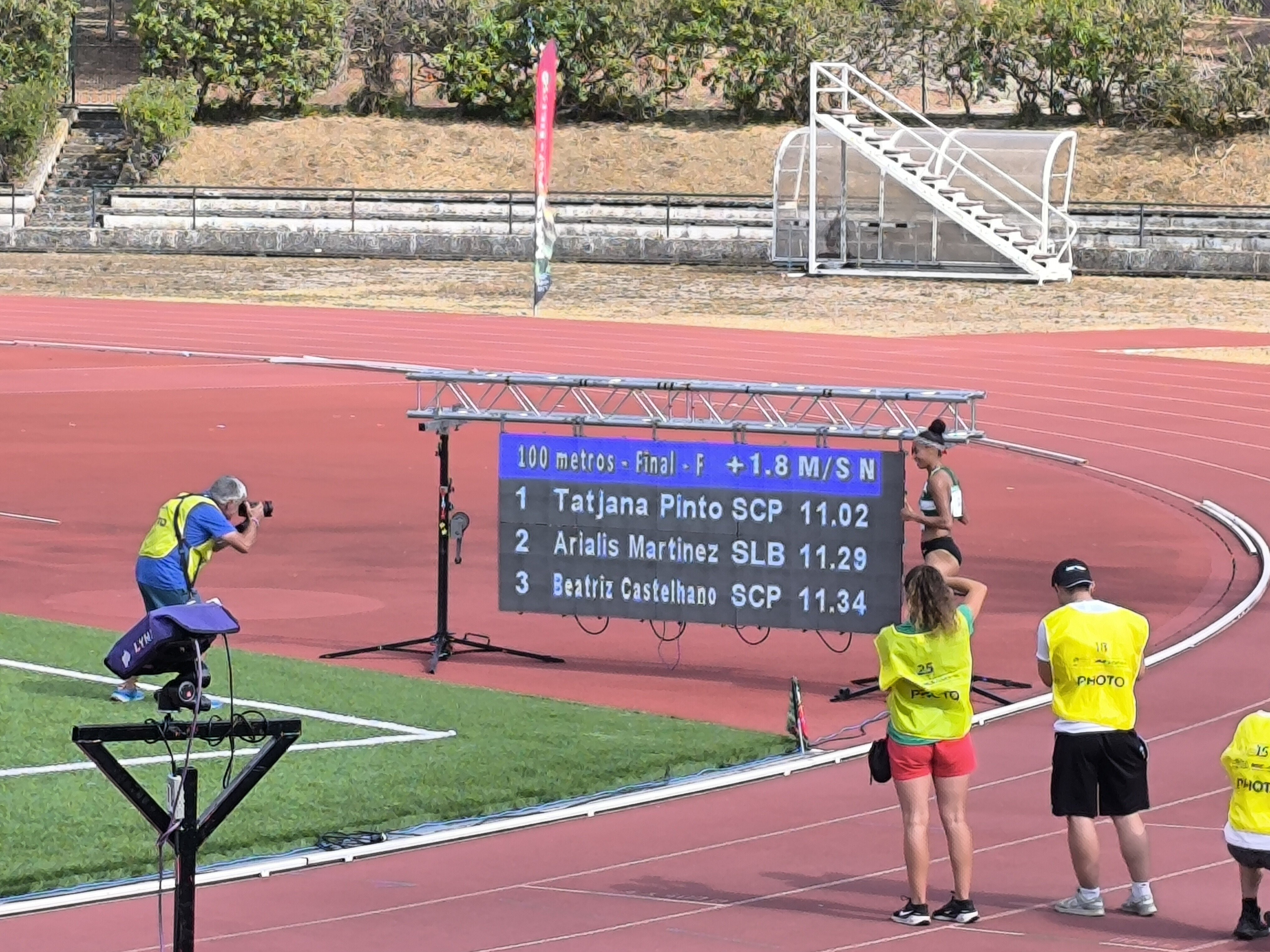
The race was never in doubt as Pinto powered away from the field with an explosive start and flawless execution, leaving her rivals chasing from the opening strides. Arialis Martinez finished second in 11.29, while Beatriz Castelhano secured third place in 11.34, but neither could match Pinto's exceptional pace.
Breaking a national record is a rare achievement; improving one only weeks after setting it is even more extraordinary. Pinto's latest milestone highlights her rapid progression and growing consistency at the highest level of Portuguese sprinting.
The performance also reinforces Portugal's growing presence in European sprinting, with Pinto emerging as one of the continent's most exciting athletes. Running so close to the coveted 11-second barrier is a testament to her dedication, technical refinement, and the confidence she has built throughout the season. If her current trajectory continues, even faster times could be within reach.
Beyond the stopwatch, Pinto's latest record serves as an inspiration for the next generation of Portuguese athletes. Her relentless pursuit of excellence demonstrates that national milestones are only stepping stones toward greater international success. With major championships on the horizon, she has positioned herself as an athlete capable of challenging the very best, and the athletics world will be watching closely to see what she accomplishes next.
With every race, the Portuguese speedster continues to raise the standard of women's sprinting in her country. Her record-breaking display in Lisbon not only delivered another national title but also sent a powerful message ahead of the international championships, where she will be aiming to carry this outstanding form onto an even bigger stage.
by Erick Cheruiyot for My Best Runs.
Login to leave a comment
