

Running News Daily
Running News Daily is edited by Bob Anderson and team. Send your news items to bob@mybestruns.com Advertising opportunities available.
Index to Daily Posts · Sign Up For Updates · Run The World Feed
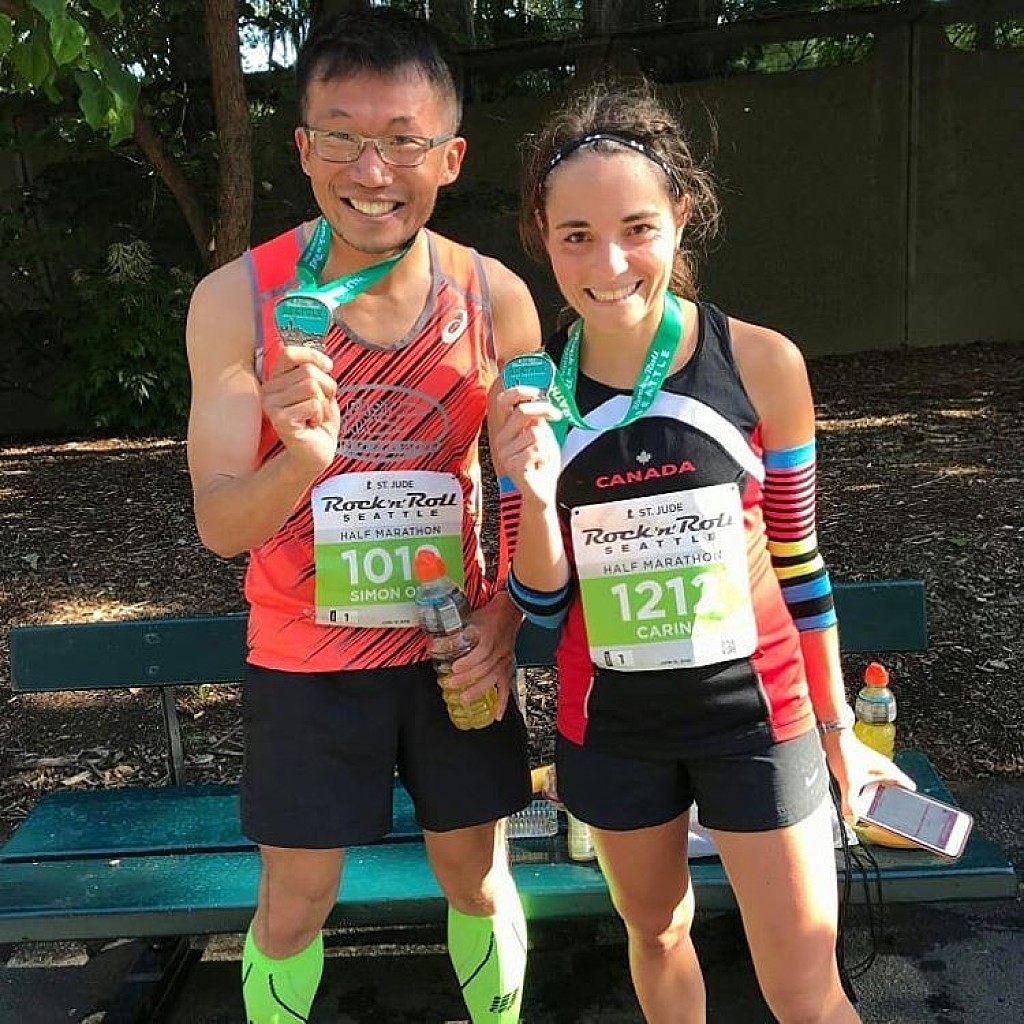


Simon Ong was a couch potato weighing 230 pounds, on sunday he finished 8th at Seattle Rock ‘n’ Roll Half Marathon

Seven years ago, Simon Ong of Calgary weighed 230 pounds (he’s 5’8″) and was pre-diabetic, with high blood pressure and chest pain from a steady diet of fast food and no exercise.
On Sunday, Ong was the fastest Canadian finishing eighth overall at the Seattle Rock ‘n’ Roll Half-Marathon, setting himself a new PB and qualifying for the TCS New York City Marathon, with a time of 1:18:11.
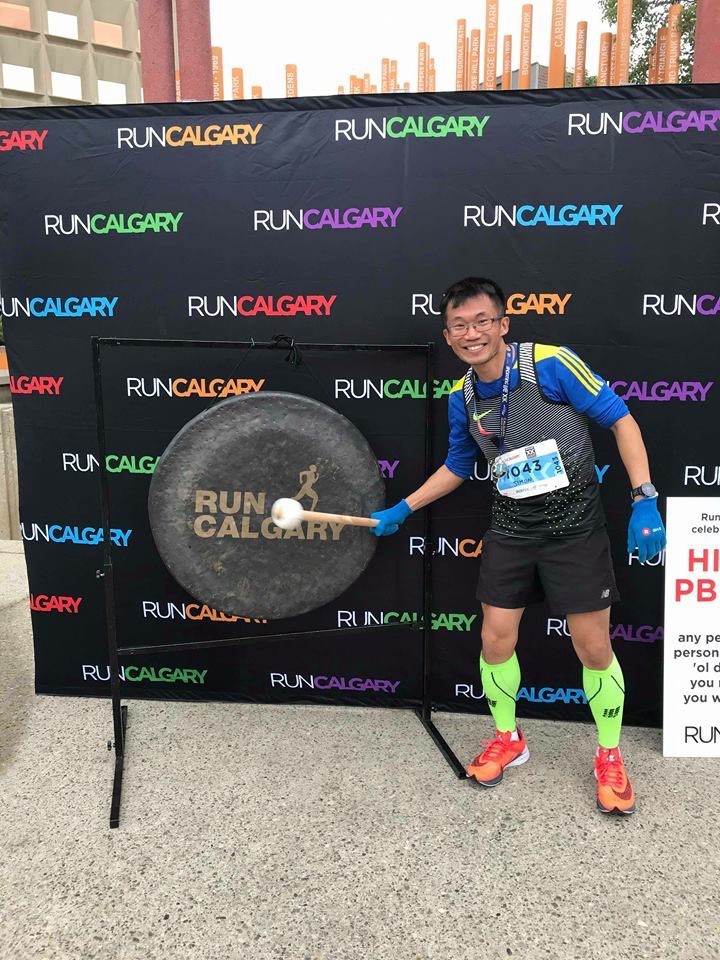
Ong, 29, a surgical nurse at Southern Alberta Eye Centre, wanted to do something about his lifestyle and his health, back in 2011. But he couldn’t run any distance without becoming winded, and even fell off the treadmill more than once when he tried to run.
So he started cycling and swimming in order to improve his fitness enough to be able to run. “I had no athletic background whatsoever,” says Ong. “It took me two years to lose enough weight to be able to run a race.”
His younger brother Raymond, a pharmacy technician, joined him in the effort to get healthy. It’s one thing to get off the couch and adopt a healthy lifestyle, but nobody realized there was a fast runner lurking inside that unhealthy exterior, least of all Ong himself.
Login to leave a comment
Latest Running News

When The Finish Line Has To Wait: Eilish McColgan’s Great North Run Heartbreak
Athletics can be brutally unforgiving.
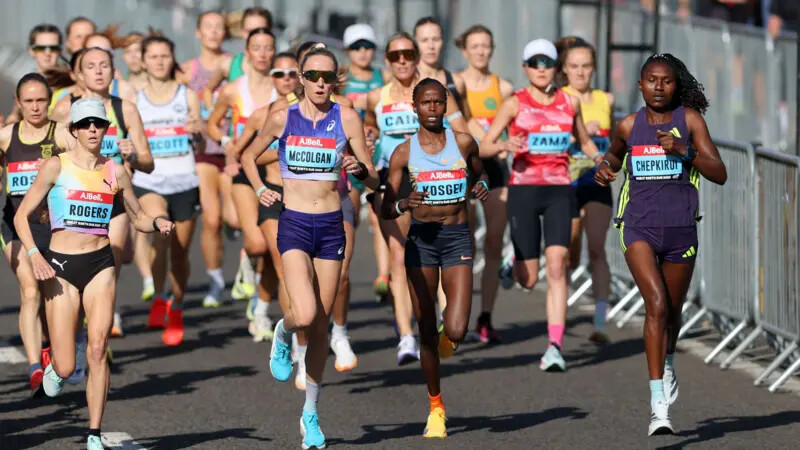
For Eilish McColgan, the 2026 Great North Run ended in heartbreak when she was forced to pull out of the race after a painful blister caused the skin on the bottom of her foot to rip open.
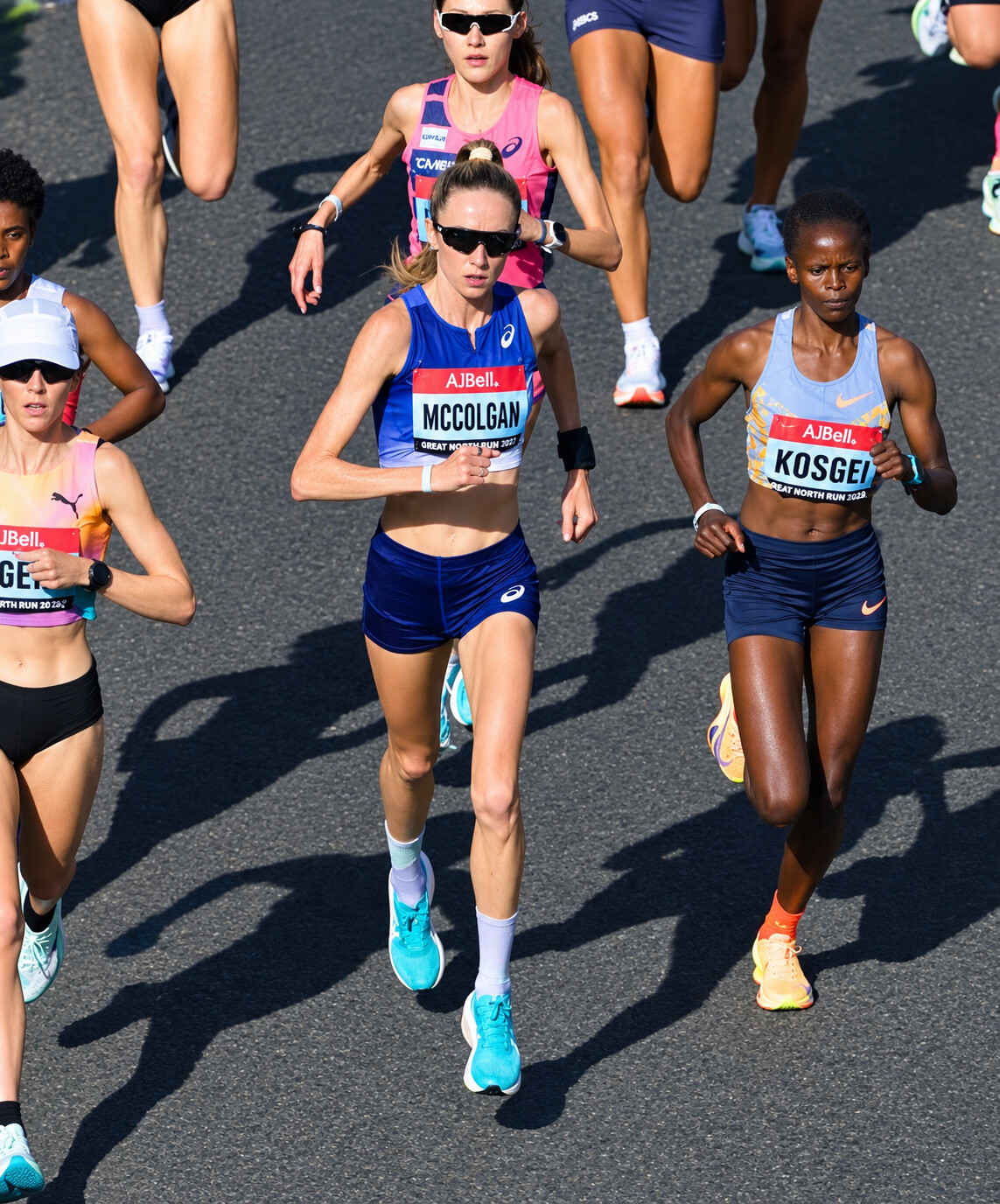
It was a particularly frustrating way for the Scottish distance star to see her race come to an end, especially because she felt physically strong heading into the event. There were no injuries, no niggles and, by her own assessment, her body was in a good place.
But sometimes athletics has other plans.
McColgan later took to social media to reveal the extent of her frustration, describing it as her first-ever DNF in a road race. Despite the disappointment, she still found something to celebrate within her family, as her younger brother successfully completed his first Great North Run.
"At least one McColgan made it to the finish line," she joked, while proudly congratulating her brother on completing the race in 1:28.
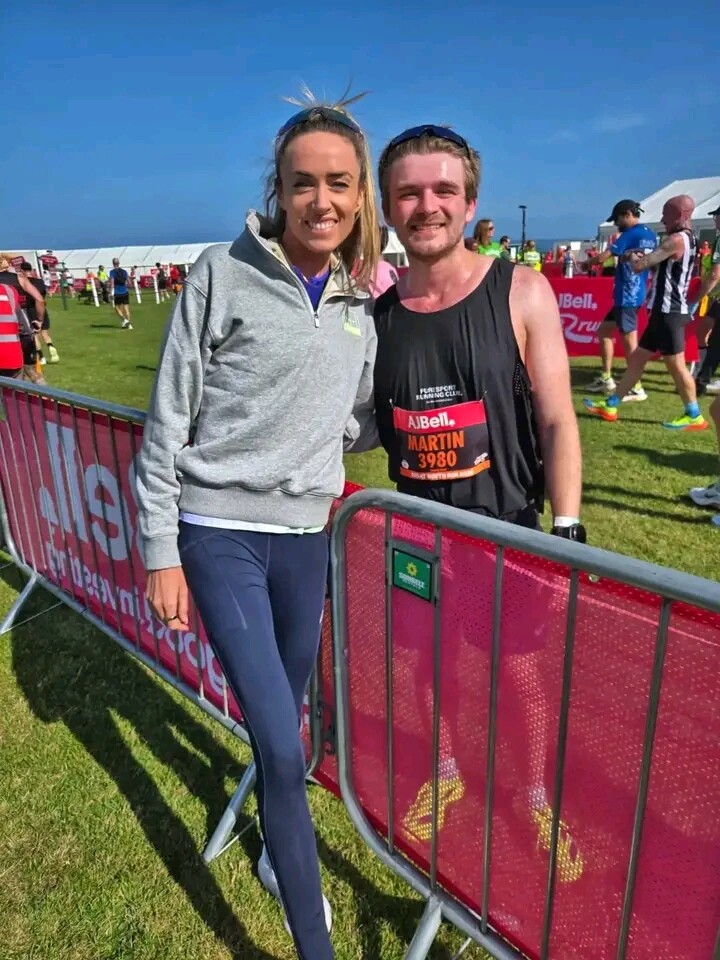
For McColgan, however, the day was considerably more difficult.
She explained that her withdrawal was not caused by a conventional injury, but by another blister—an issue that has repeatedly troubled her this year despite never having been a problem previously. The blister became so severe that the bottom of her foot was effectively ripped open, leaving her unable to continue comfortably.
The timing made the situation even more painful.
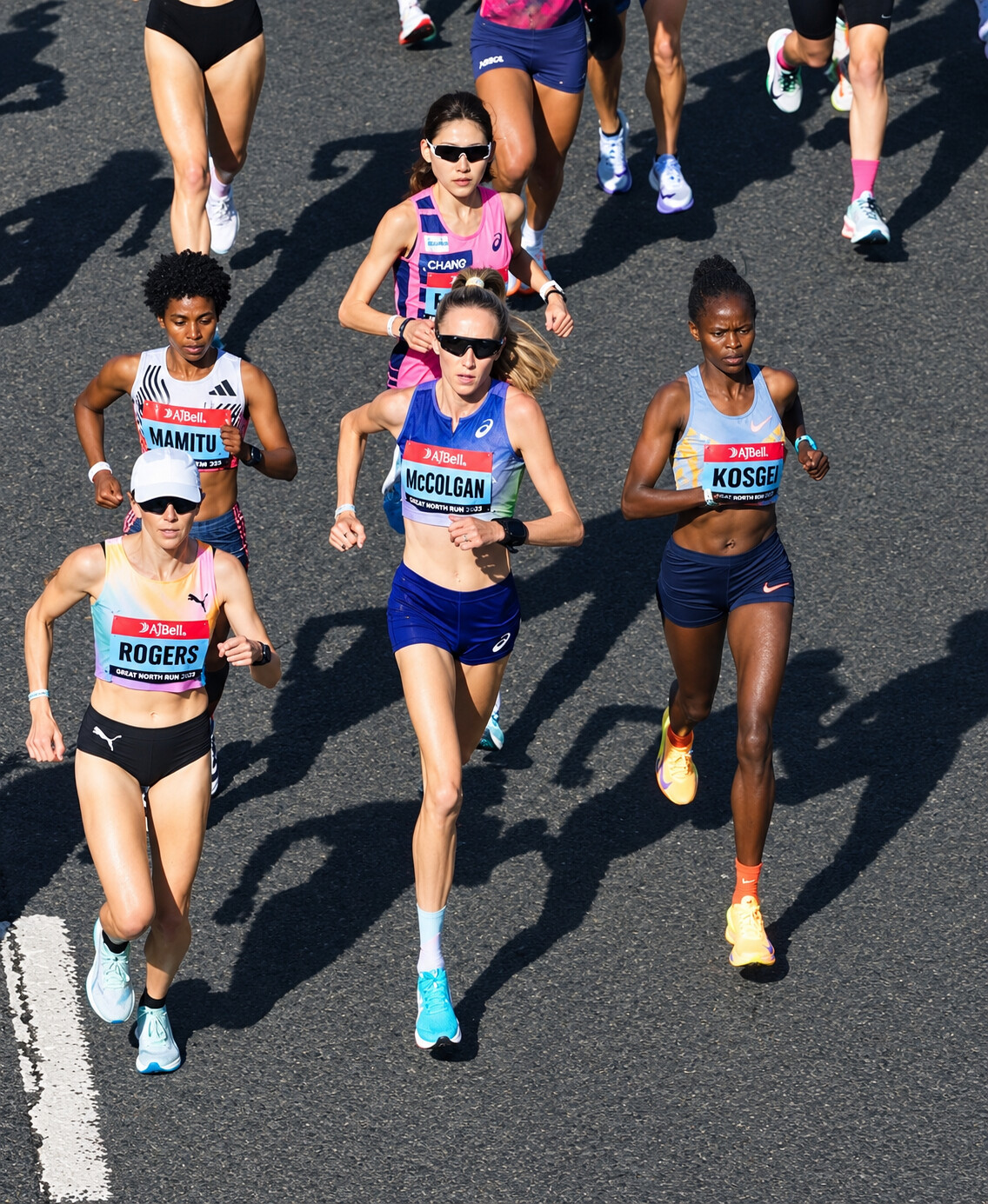
McColgan said she was particularly frustrated because the problem emerged so early in the race. She admitted that viewers watching the BBC broadcast may have heard her expressing that frustration in rather colourful language—a natural reaction from an athlete who had prepared extensively only to see her race unravel almost immediately.
Perhaps most importantly, McColgan stressed that her body itself was feeling good.
She had no injuries or lingering niggles and felt ready to race. But having experienced problems during the London Marathon, she did not want to risk repeating the same situation and potentially turning a relatively manageable problem into something much more serious.
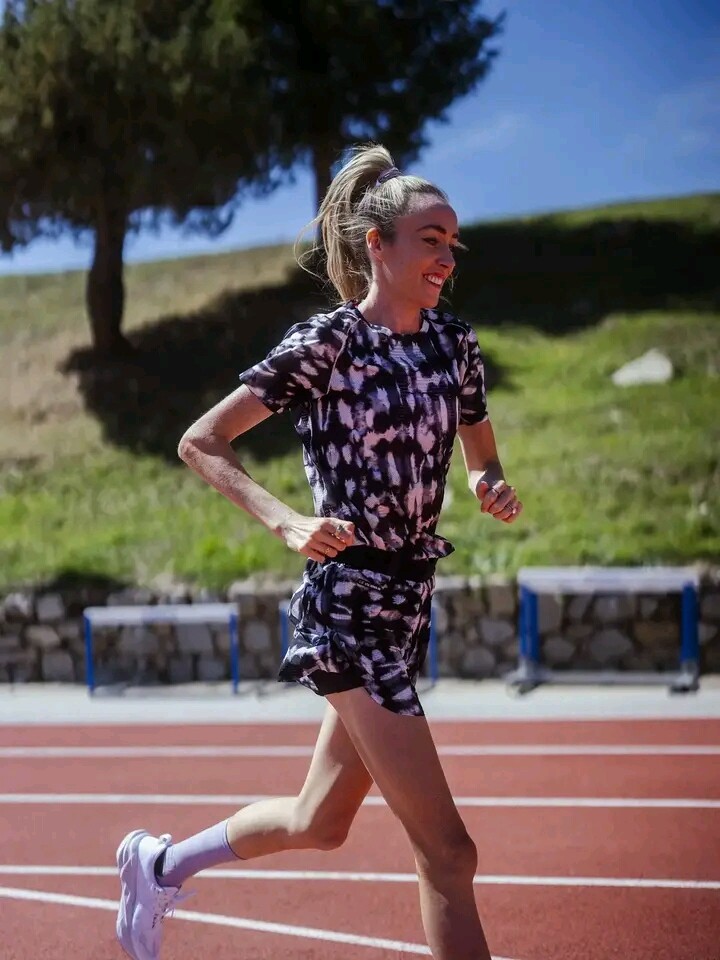
That decision highlights an important reality of elite sport: sometimes stopping is not a sign that an athlete has given up. It can be a decision made to protect everything that comes next.
Behind every race is months of preparation that spectators rarely see. There are early mornings, demanding workouts, recovery sessions, sacrifices and countless hours spent preparing for a single day of competition.
When an athlete records a DNF, all of that work does not suddenly disappear.
McColgan's disappointment was obvious, but so was her determination. Despite describing herself as "not a happy bunny," she immediately looked ahead, promising to return to the Great North Run next year with renewed motivation.
She also took time to congratulate everyone who reached the finish line, describing the day as a stunning one.
That attitude says plenty about the character required to compete at the highest level.
Athletics is often defined by victories, personal bests, records and triumphant finishes. But there is another side to the sport—the painful days, unexpected setbacks and moments when an athlete's body simply refuses to cooperate.
McColgan's Great North Run was one of those days.
Her DNF may appear as just three letters beside her name in the results, but behind those letters lies months of preparation, genuine frustration and a painful problem that forced her to make a difficult decision.
Sometimes the finish line has to wait.
For McColgan, the goal now is simple: get the foot problem sorted, recover properly and come back stronger.
And if her determination is anything to go by, she intends to return to the Great North Run next year with a vengeance.
by Erick Cheruiyot for My Best Runs.
Login to leave a comment

Great North Run
Great North Run founder Brendan Foster believes Britain is ready to welcome the world with open arms after the launch of the event's most ambitious plan to date. The Great World Run campaign seeks to recruit one runner from every country in the United Nations – 193 in total – to take part in the iconic half marathon in...
more...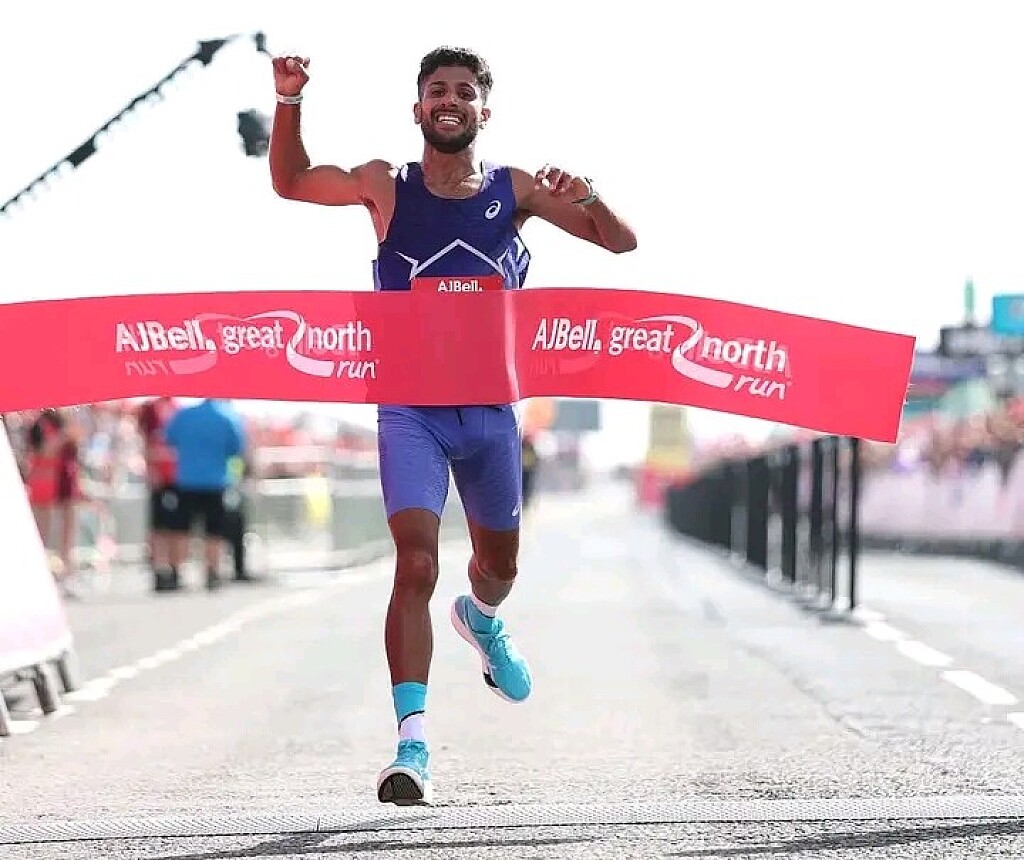
Talbi Overhauls Defending Champion Mutiso In Great North Run Thriller
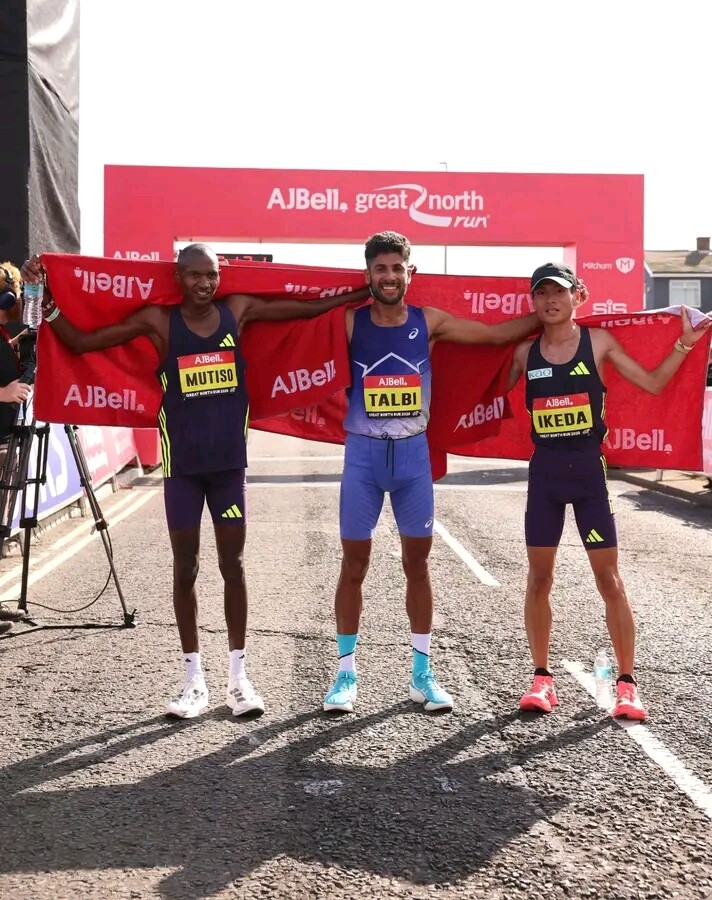
Zouhair Talbi delivered a sensational performance at the 2026 Great North Run, overpowering defending champion Alexander Mutiso Munyao in a thrilling men’s half marathon battle that went down to the final stages.
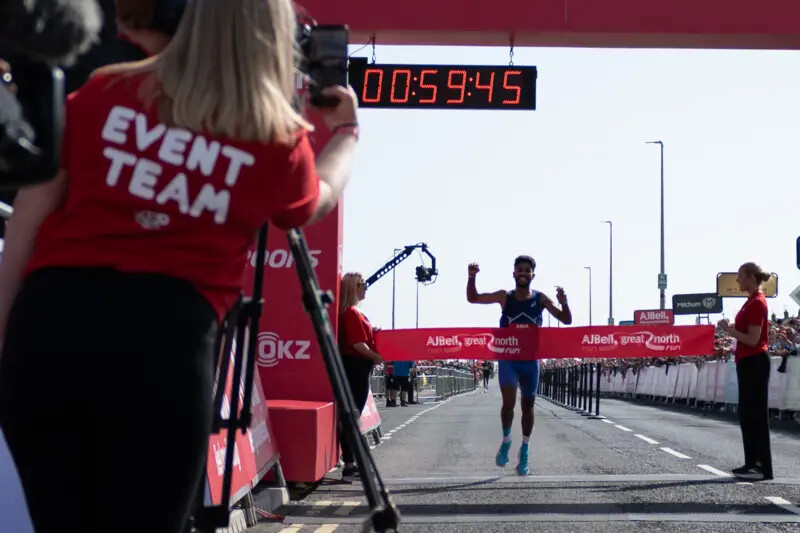
Talbi crossed the finish line in 59:47 to claim a brilliant victory, while Mutiso, the reigning champion, was forced to settle for second in 1:00:01. The Kenyan remained firmly in contention for much of the race, but Talbi produced the decisive move when the pressure reached its peak.
The turning point came on one of the course’s downhill sections. With Mutiso still within striking distance, Talbi used the descent to inject another burst of speed, gradually opening a gap that would prove impossible for the defending champion to close.
It was a calculated escape rather than a sudden collapse from Mutiso. Talbi attacked the downhill with confidence, allowing gravity and his momentum to work in his favour as he stretched the gap metre by metre. Mutiso responded, but the American had already created the separation he needed.
From there, Talbi held his composure and drove toward the finish, eventually stopping the clock in an impressive 59:47. Mutiso fought all the way to the line, but his 1:00:01 was not enough to retain the title he had won previously.
Japan’s Yohei Ikeda completed the podium in 1:00:40, while American Casey Clinger finished fourth in 1:01:36. Japan’s Kosei Matsunami was fifth in 1:01:59, followed closely by compatriot Shouya Yonei in 1:02:01.
Clayton Young was seventh in 1:02:04, with Britain’s Marc Scott completing the top eight in 1:02:10.
Men’s Top 8 Results
1. Zouhair Talbi — United States — 59:47
2. Alexander Mutiso Munyao — Kenya — 1:00:01
3. Yohei Ikeda — Japan — 1:00:40
4. Casey Clinger — United States — 1:01:36
5. Kosei Matsunami — Japan — 1:01:59
6. Shouya Yonei — Japan — 1:02:01
7. Clayton Young — United States — 1:02:04
8. Marc Scott — Great Britain — 1:02:10
Talbi’s victory also carried historic significance. His triumph made him the first American man to win the Great North Run, adding a landmark achievement to an already memorable afternoon. His 59:47 also marked the second sub-60-minute half marathon of his career, further underlining his growing credentials at the distance.
For Mutiso, the result was a rare disappointment on a course where he arrived as the defending champion. Yet his 1:00:01 still underlined his quality over the half-marathon distance and ensured that he remained within touching distance of the winner until the decisive stages.
For Talbi, however, this was a victory built on timing, strength and courage. His downhill attack created the separation he needed, and once he escaped the defending champion, he never surrendered the advantage.
The 2026 Great North Run therefore belonged to Talbi—a race in which the defending champion fought bravely, but the American found one crucial surge at exactly the right moment to turn a close contest into a historic victory.
by Erick Cheruiyot for My Best Runs.
Login to leave a comment
Great North Run
Great North Run founder Brendan Foster believes Britain is ready to welcome the world with open arms after the launch of the event's most ambitious plan to date. The Great World Run campaign seeks to recruit one runner from every country in the United Nations – 193 in total – to take part in the iconic half marathon in...
more...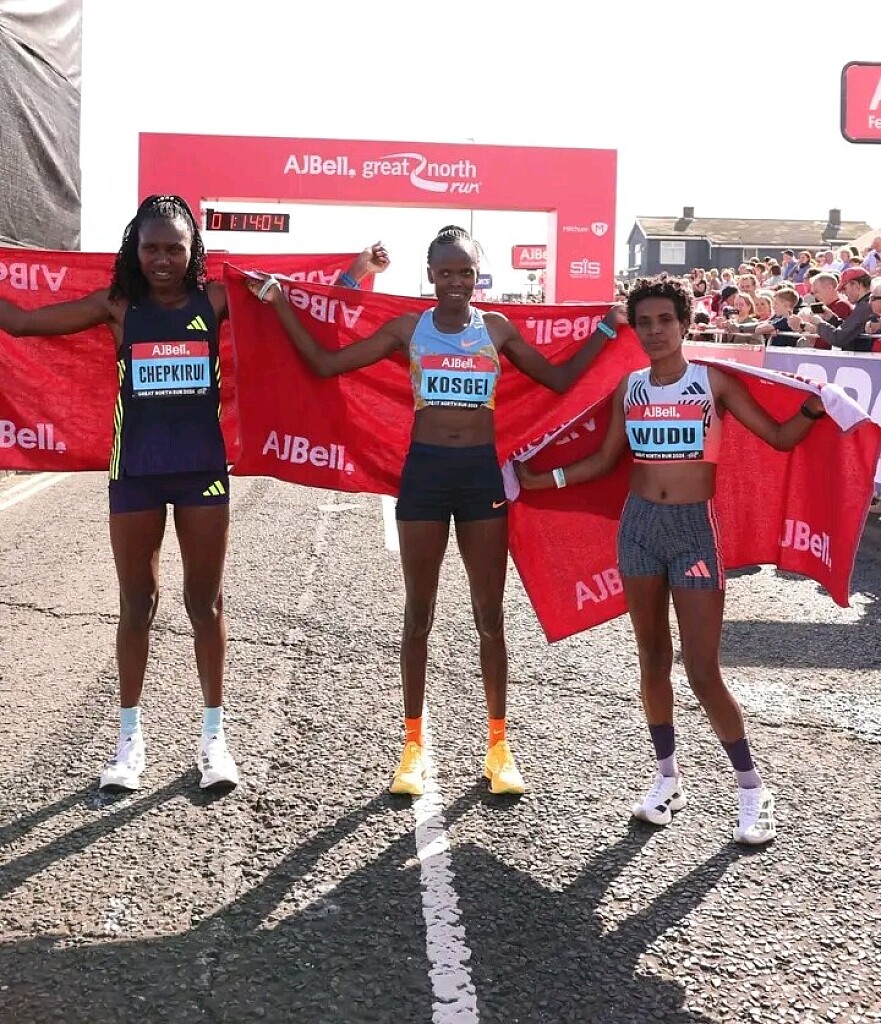
Brigid Kosgei Claims Second Great North Run Title In Kenyan 1-2 Finish
Brigid Kosgei returned to the top at the AJ Bell Great North Run on Sunday, September 13, delivering a commanding performance to win the women’s half marathon and lead Kenya to a memorable one-two finish.
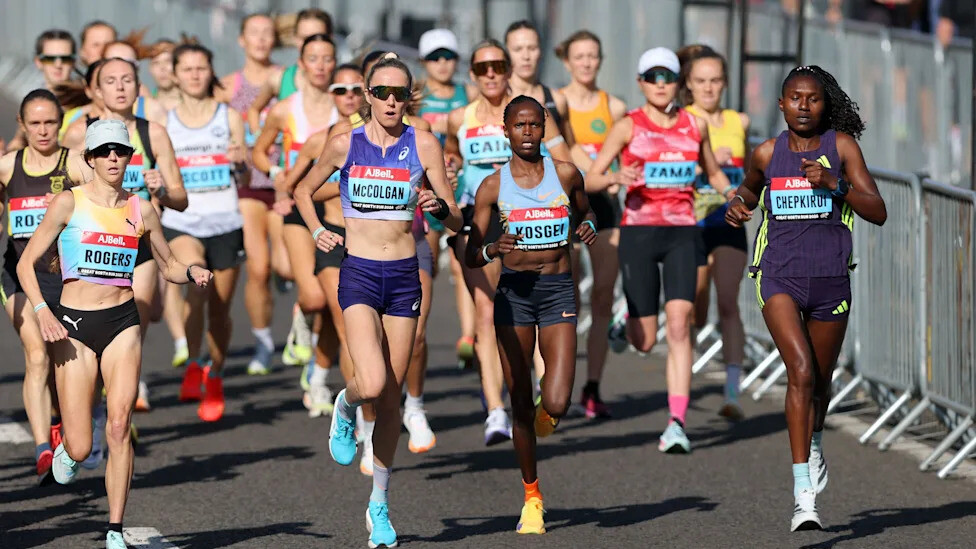
The former marathon world-record holder crossed the line in 1:06:15, securing her second Great North Run title after previously winning the prestigious race in 2019.
Fellow Kenyan Sheila Chepkirui who was battling to defend the title finished second in 1:06:19, completing a memorable Kenyan one-two at one of the world’s most celebrated half-marathons.
Behind the leading Kenyan pair, Ethiopia’s Melknat Wudu produced an impressive run to claim third in 1:09:37. Wudu was the first athlete outside the Kenyan duo to reach the finish and comfortably secured a place on the podium, highlighting the strong international quality of the women’s field.
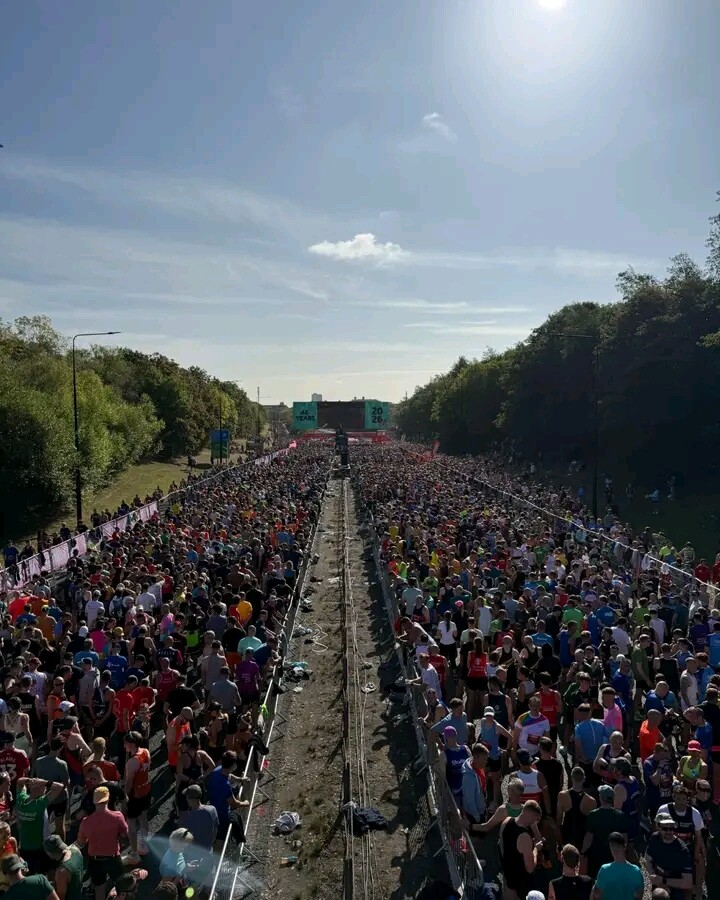
Japan’s Honami Maeda finished just six seconds behind Wudu to take fourth in 1:09:43, while Great Britain’s Amy-Eloise Neale was the leading home athlete in fifth with 1:10:27.
American Natosha Rogers followed in sixth in 1:11:44, with Britain’s Annabel Grummow seventh in 1:12:37 and Nancy Scott completing the top eight in 1:12:51.
For Kosgei, the victory adds another prestigious achievement to an already remarkable distance-running career. Returning to the Great North Run winner’s circle six years after her first triumph, she once again demonstrated her ability to deliver on one of the biggest stages in the half marathon.
Chepkirui’s runner-up finish made the occasion even more significant for Kenya, as the two athletes combined to secure the top two positions. Wudu’s third-place performance completed an international podium and ensured the race featured a strong representation from three of the sport’s leading distance-running nations.
Women’s Top 8 Finishers
1. Brigid Kosgei — Kenya — 1:06:15
2. Sheila Chepkirui — Kenya — 1:06:19
3. Melknat Wudu — Ethiopia — 1:09:37
4. Honami Maeda — Japan — 1:09:43
5. Amy-Eloise Neale — Great Britain — 1:10:27
6. Natosha Rogers — United States — 1:11:44
7. Annabel Grummow — Great Britain — 1:12:37
8. Nancy Scott — Great Britain — 1:12:51
The 2026 Great North Run therefore ended with Kosgei back on top, Chepkirui alongside her in second and Wudu completing a high-quality international podium. For Kosgei and Kenya, it was a particularly memorable day, combining individual success with a commanding one-two finish and reinforcing the country’s enduring strength in elite distance running.
by Erick Cheruiyot for My Best Runs.
Login to leave a comment
Great North Run
Great North Run founder Brendan Foster believes Britain is ready to welcome the world with open arms after the launch of the event's most ambitious plan to date. The Great World Run campaign seeks to recruit one runner from every country in the United Nations – 193 in total – to take part in the iconic half marathon in...
more...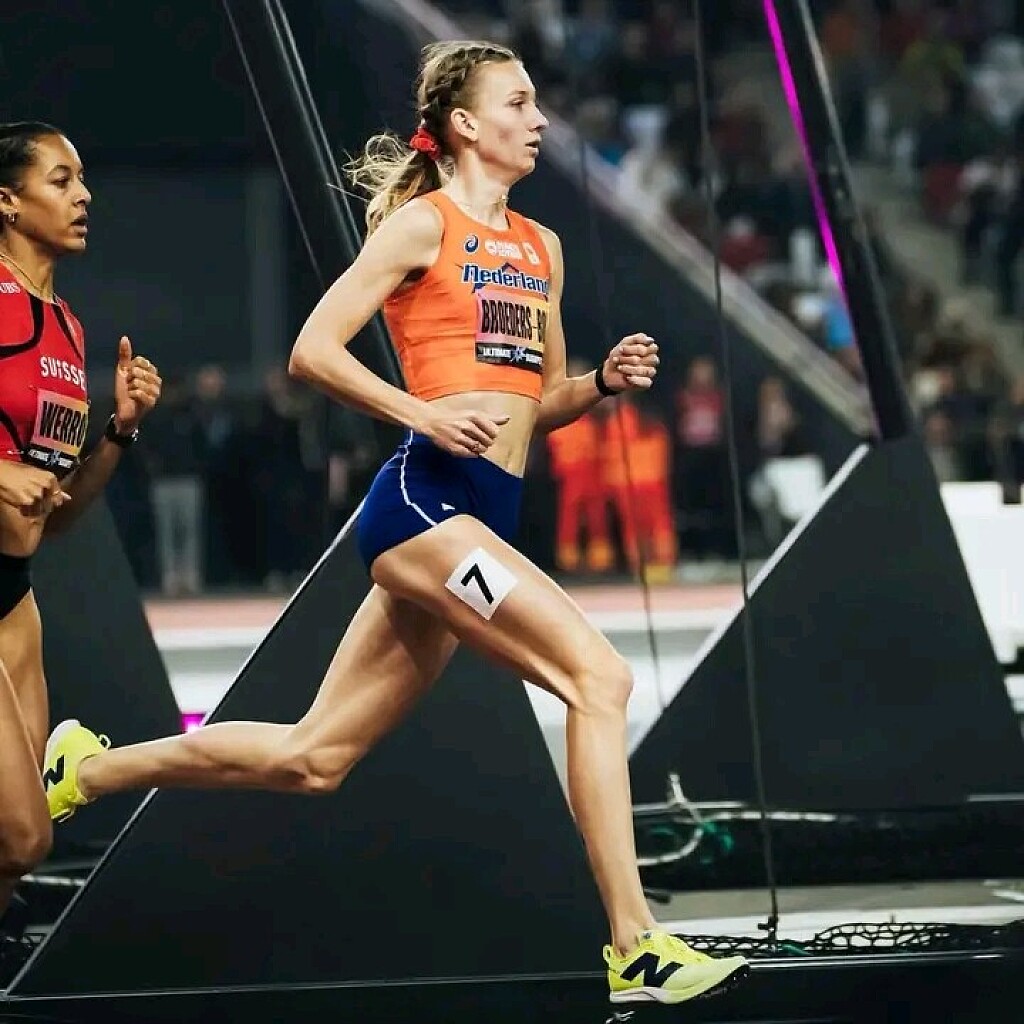
Femke Bol’s 800m Learning Curve Continues With Budapest Podium
Femke Bol may have walked away from Budapest with a third positon, but the Dutch star left the inaugural World Athletics Ultimate Championship with something potentially even more valuable — another lesson in mastering the tactical demands of the 800m.
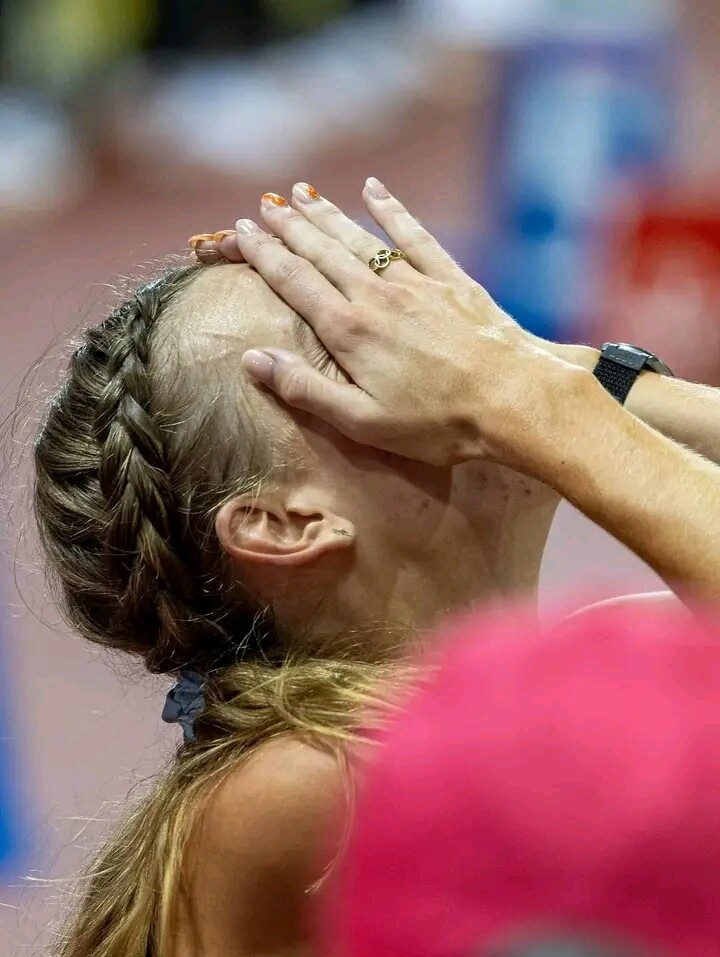
Bol, who only made the permanent transition to the two-lap event earlier this year after building her reputation as one of the world’s finest 400m hurdlers, finished third in a fiercely contested women’s final in 1:56.74.
Switzerland’s Audrey Werro claimed the title in 1:55.88, holding off Britain’s Keely Hodgkinson, who finished just 0.12 seconds behind in 1:56.00, while Bol completed the podium.
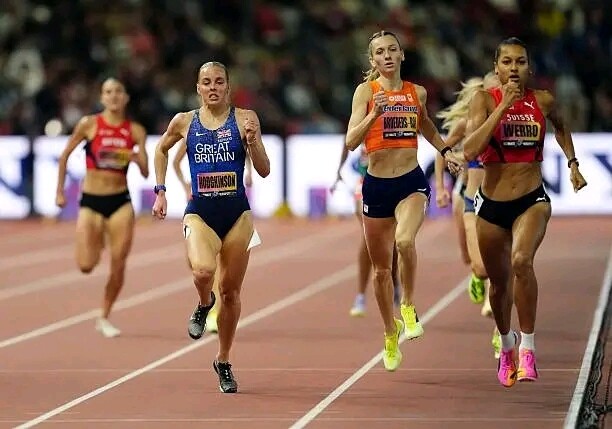
For Bol, however, the result was less about disappointment and more about understanding what she still needs to develop as an 800m runner.
The Dutchwoman has already demonstrated that she possesses the speed and endurance required for the event. What she is discovering now is that racing two laps at the highest level is not simply about running fast — sometimes, it is about knowing when not to run fast.

That was particularly evident in Budapest.
Werro controlled the early stages of the final intelligently, reaching the halfway point in 57.74 seconds. The relatively measured opening forced the athletes into a tactical battle, where positioning, patience and the ability to accelerate sharply over the closing stages became just as important as raw fitness.
Bol admitted that this type of race remains a learning experience for her.
“When we go fast, I finish with the same strength as when we go slow,” she explained, highlighting the confidence she has in her ability to handle a fast pace.
But she also recognised the challenge created by a slower opening.
“When we go slow, I don't have enough acceleration,” Bol acknowledged, while describing the Budapest final as an important opportunity to learn.
That difference is understandable given her background.
As a former 400m hurdles specialist, Bol has spent much of her career developing rhythm, strength and speed endurance over a demanding one-lap event. She is accustomed to establishing her race pattern early and relying on her powerful stride and finishing strength.
The 800m requires another layer of racing intelligence.
Athletes must constantly judge pace, protect their position, respond to moves and remain prepared for a sudden change of speed. A runner can be physically ready for a fast finish but still find themselves boxed in or too far from the front when the decisive move comes.
For Bol, that tactical education is happening at remarkable speed.
Despite only fully embracing the 800m this season, she has already produced consecutive performances in the 1:54 range, established herself among the world’s leading two-lap runners and reached major championship finals.
Her Budapest bronze therefore represents another significant step in a rapidly developing chapter of her career.
Rather than exposing a weakness that could hold her back, the final revealed an area where Bol still has room to grow.
And that could be an ominous prospect for her future rivals.
If Bol can combine the formidable strength and speed that made her a dominant force in the 400m hurdles with the tactical awareness required for championship-style 800m racing, she could become an even more dangerous competitor over two laps.
The Budapest final may have belonged to Werro, with Hodgkinson narrowly taking second positon and Bol settling for third place but the Dutch star's transition is clearly far from complete.
At 800m, Bol is still learning.
And if this season is any indication, she may be learning very quickly.
by Erick Cheruiyot for My Best Runs.
Login to leave a comment
Ruben Querinjean Strikes Again With Another Luxembourg National Record
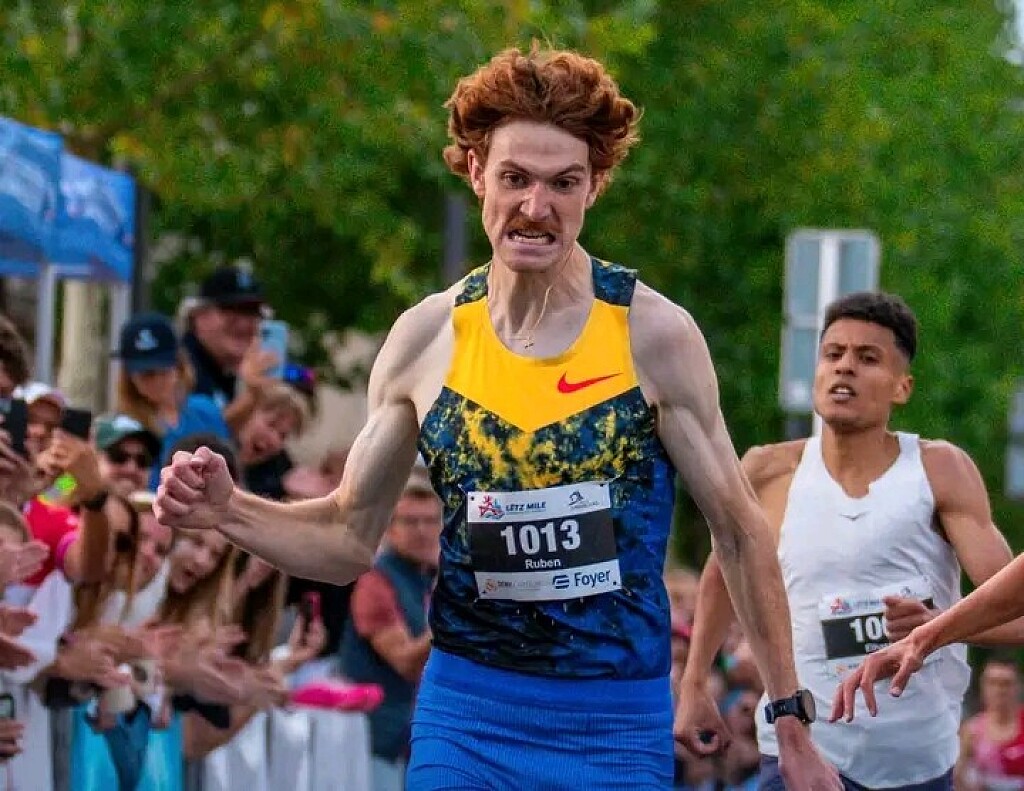
Ruben Querinjean has added another remarkable chapter to his breakthrough 2026 season, setting a new Luxembourg national record over the road mile at the LËTZ MILE – Luxembourg City Road Mile.
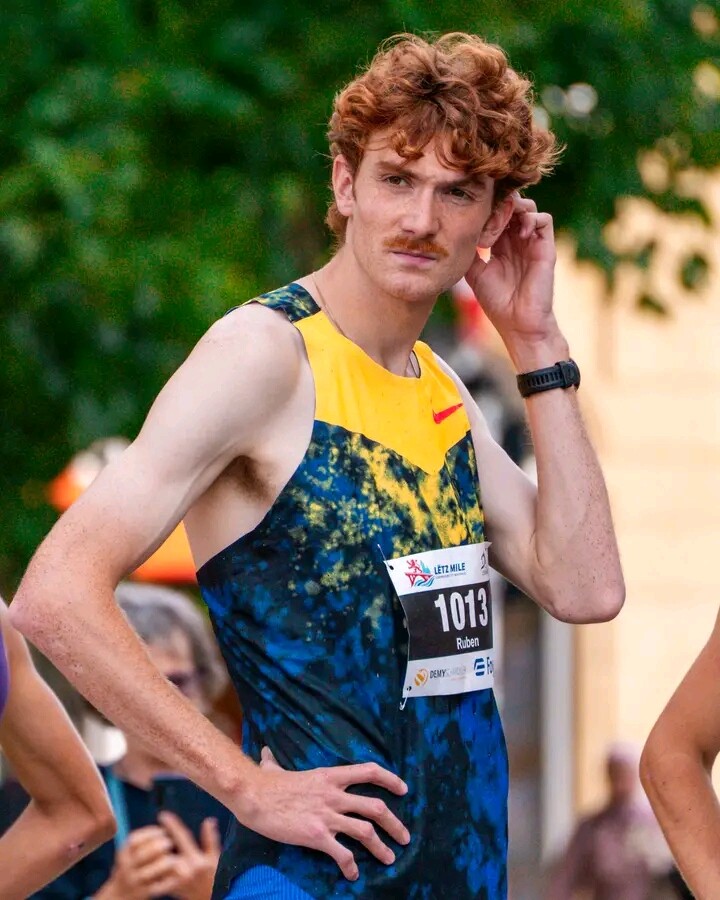
Querinjean stopped the clock at an impressive 4:03.03, producing another standout performance only a few weeks after setting a national record in the 3,000m steeplechase.
The Luxembourg star has been enjoying an outstanding season, establishing himself as one of the country's leading distance runners while continuing to push the national record books into new territory.
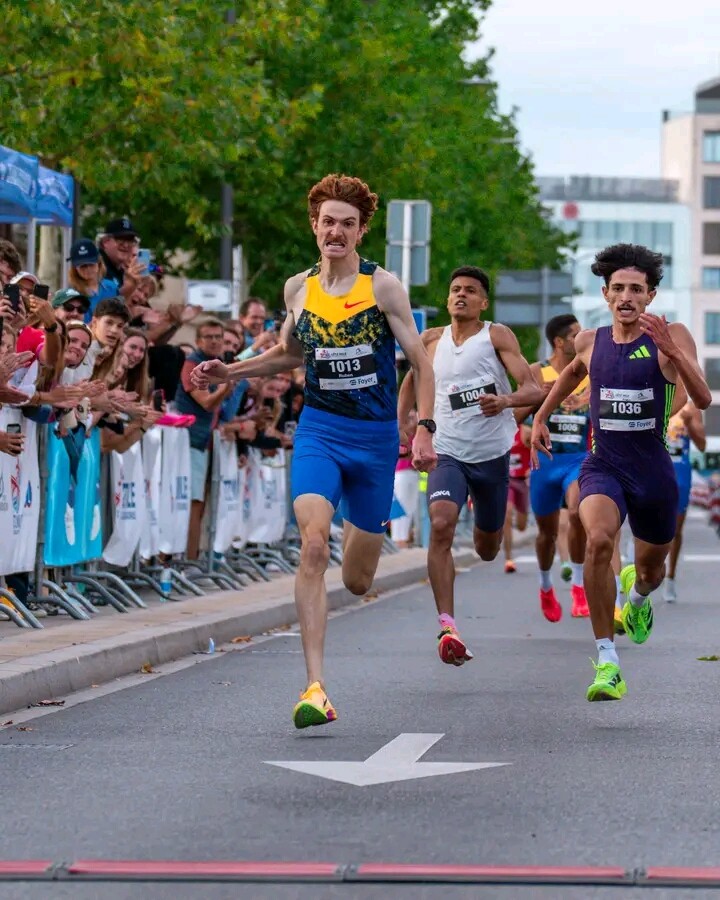
His latest achievement also highlights his versatility. Best known for his performances over the steeplechase barriers, Querinjean has shown that his speed and endurance translate exceptionally well to the roads, with the mile requiring a combination of strength, pace and finishing speed.
The 4:03.03 performance gives Querinjean another national mark to celebrate during a season that has already delivered several major milestones. His continued progression has made him an increasingly prominent figure on the European distance-running scene.
For Luxembourg athletics, performances like this represent an exciting period for the sport. Querinjean's ability to challenge national records across different disciplines is a strong indication of the depth of his talent and the level he is reaching.
With another national record now secured, Querinjean can look ahead with even greater confidence as he continues his impressive 2026 campaign.
Another record. Another milestone. Another unforgettable chapter in Ruben Querinjean's remarkable season.
by Erick Cheruiyot for My Best Runs.
Login to leave a comment
